Categories
Machinery

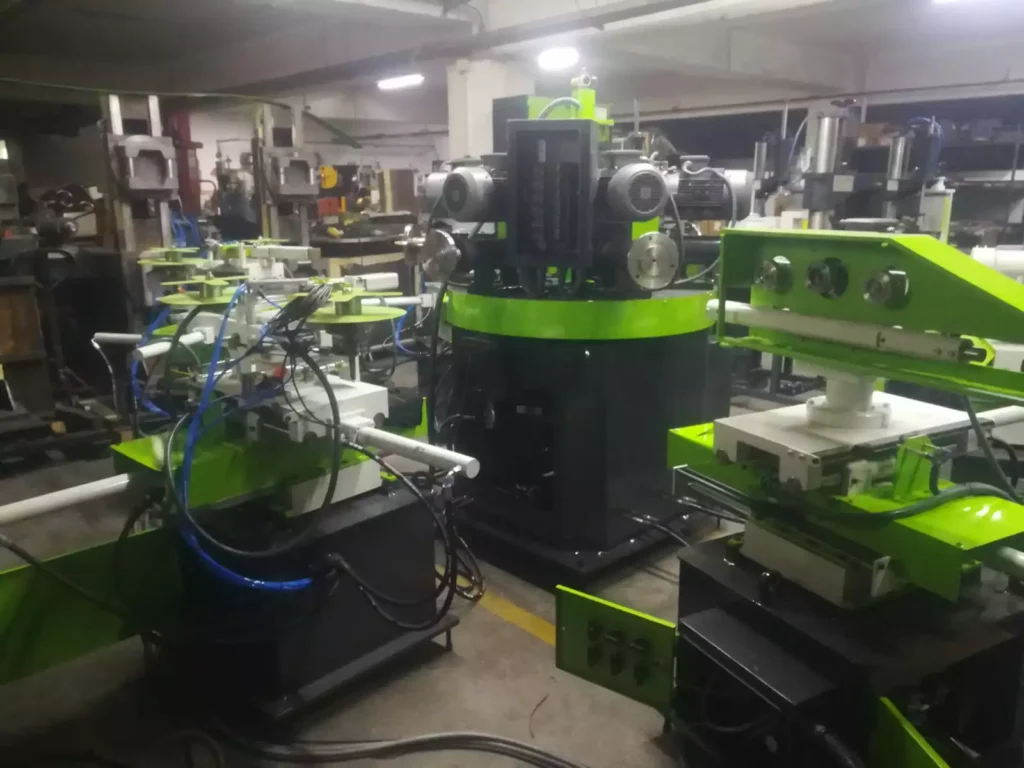
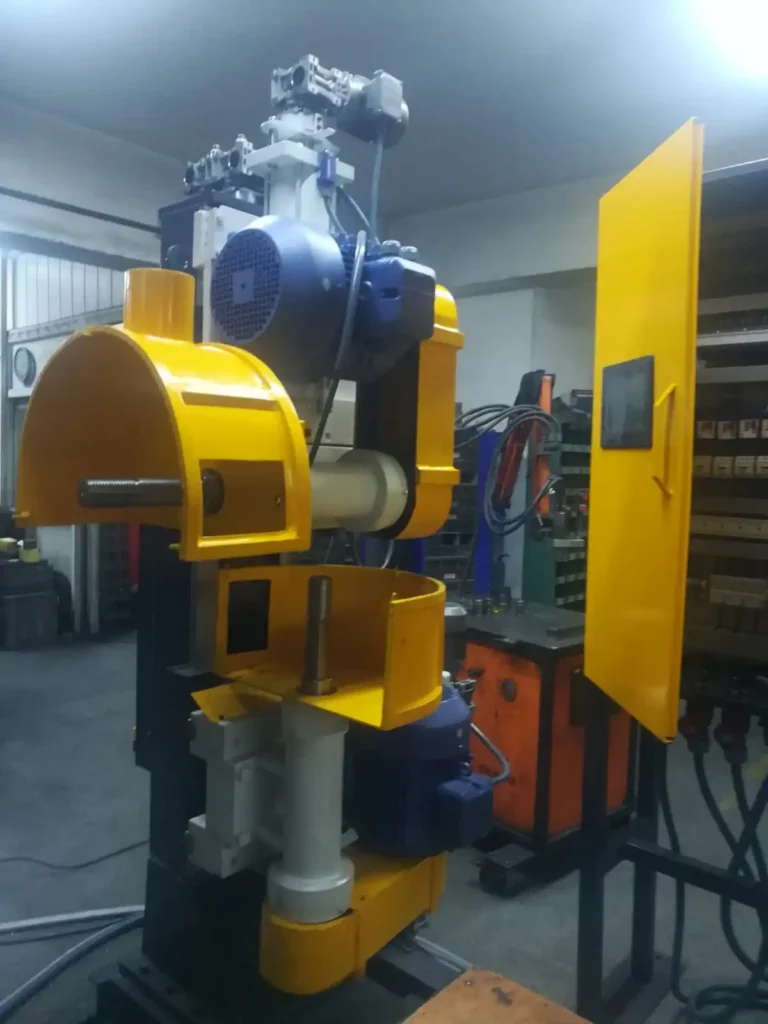
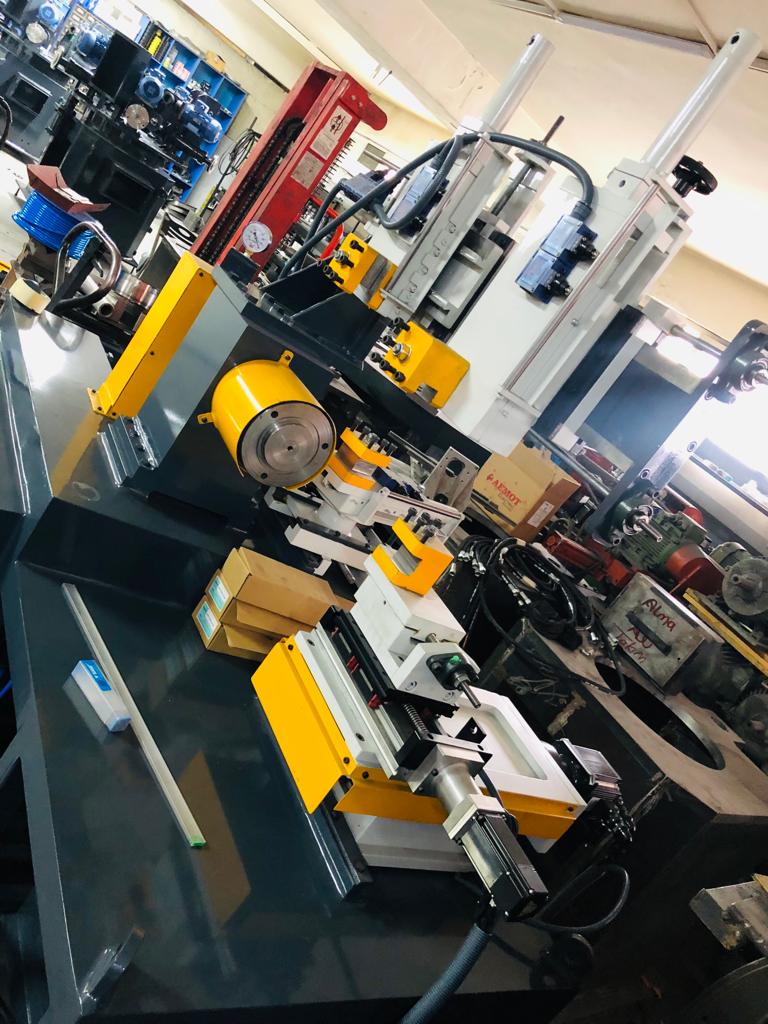
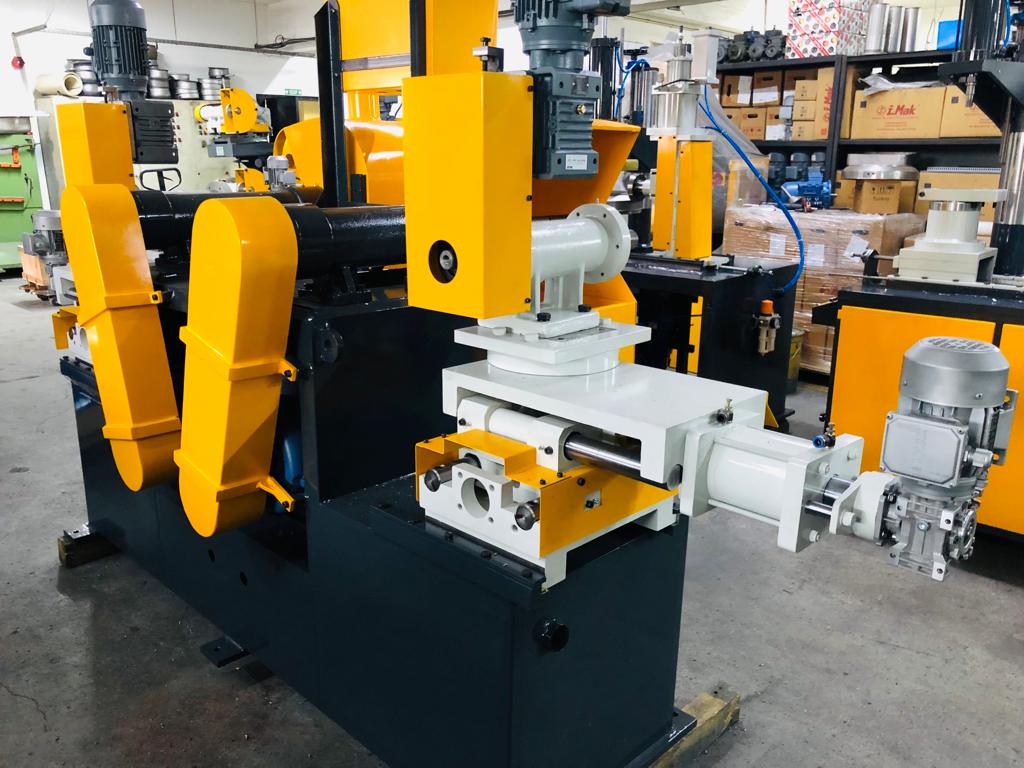
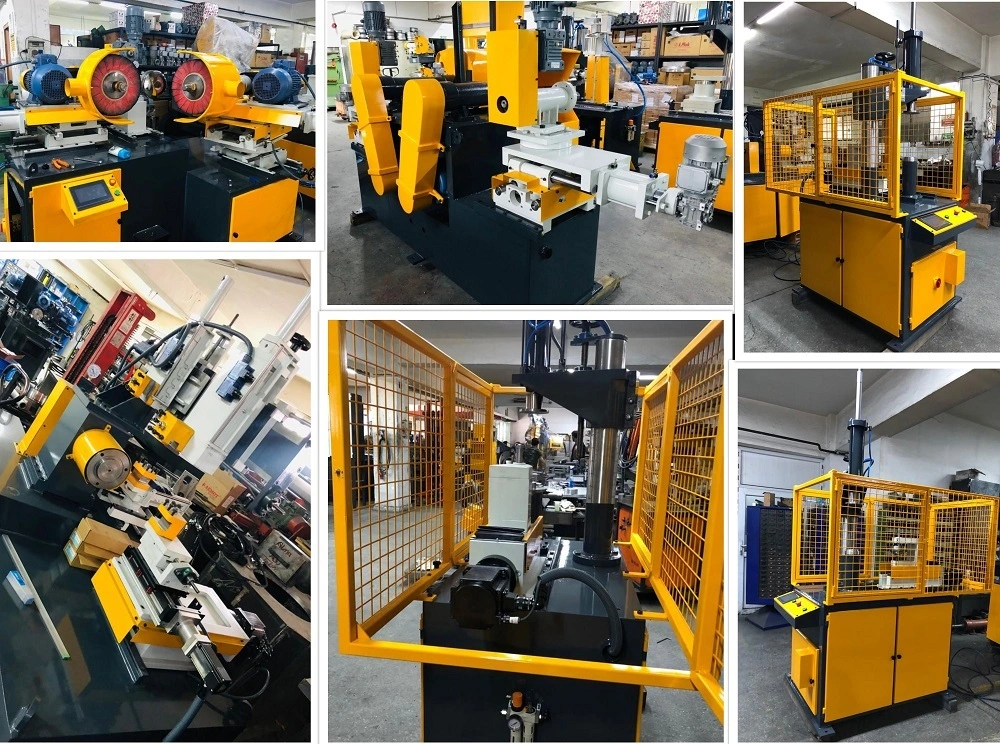
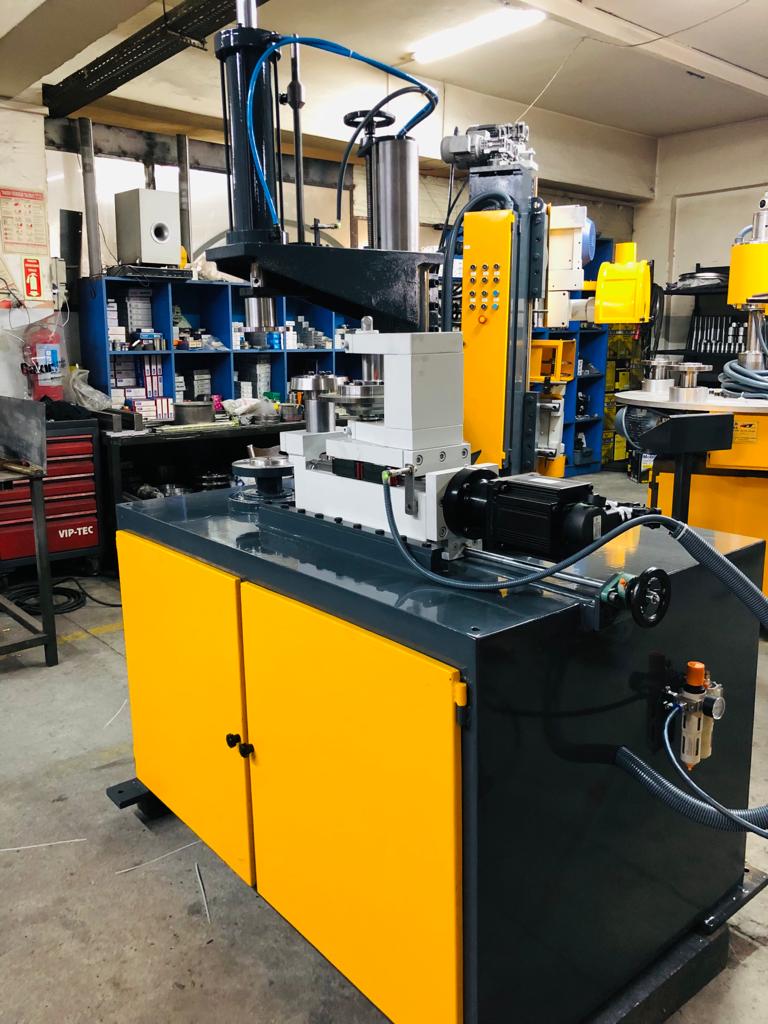
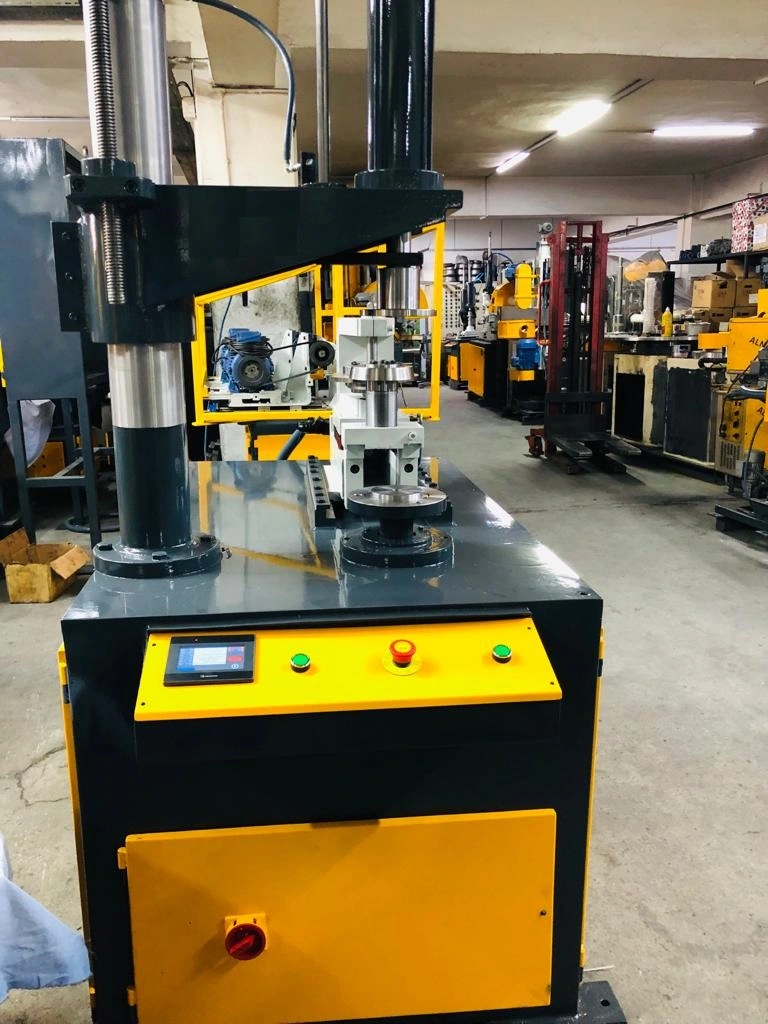
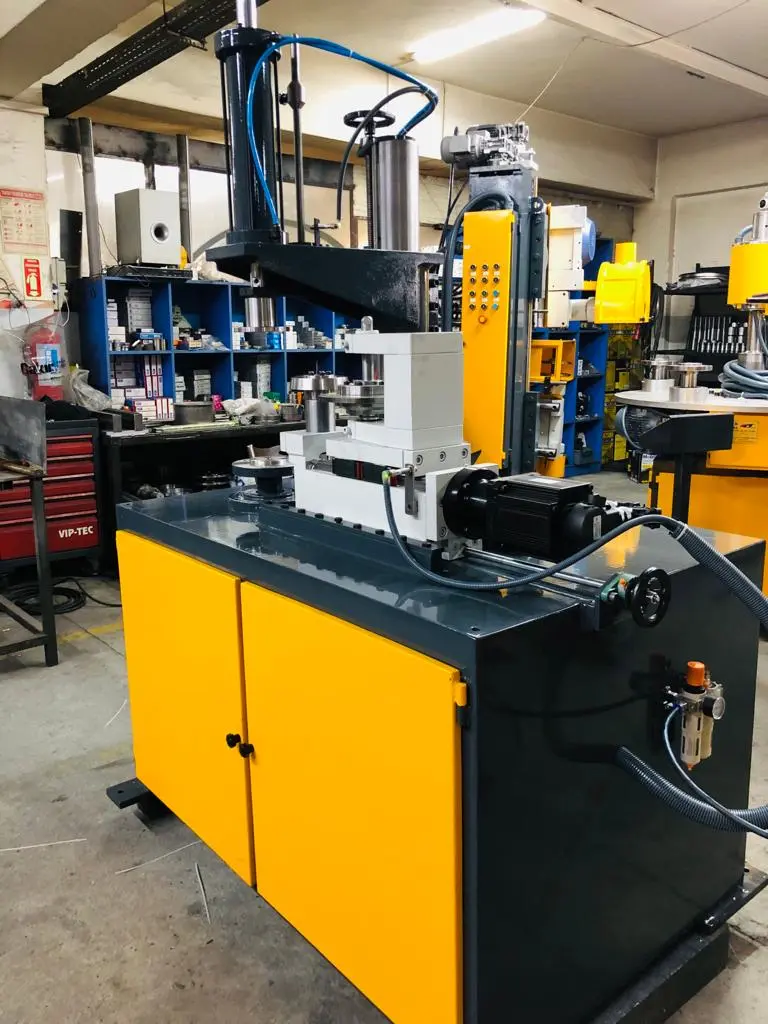
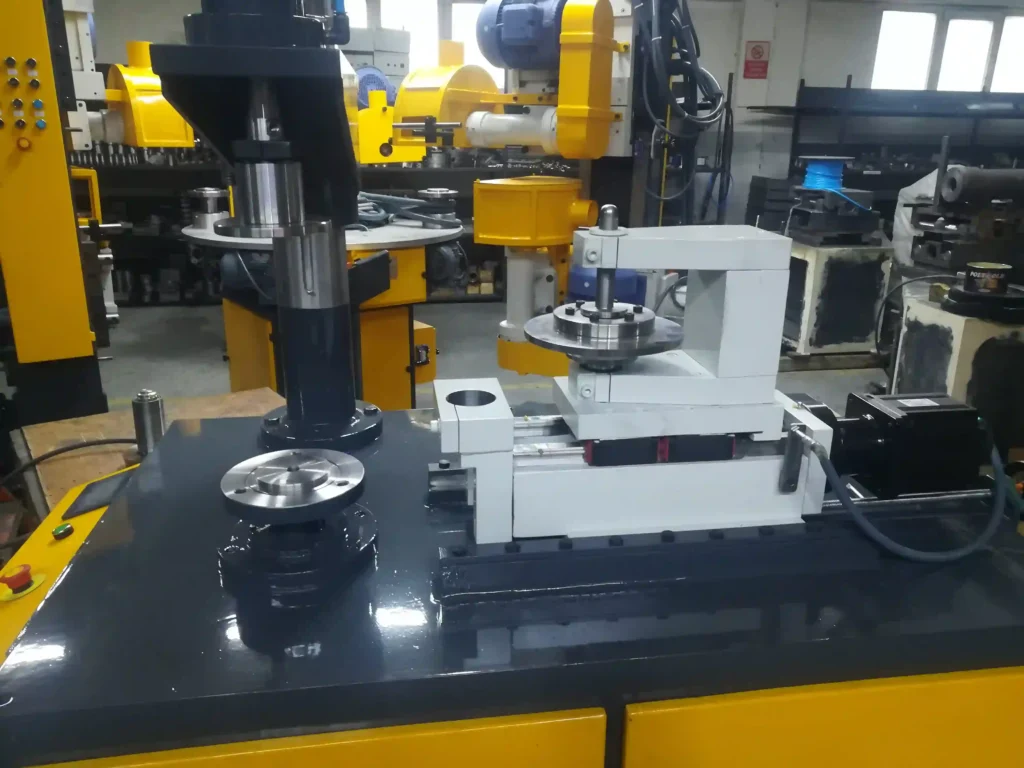
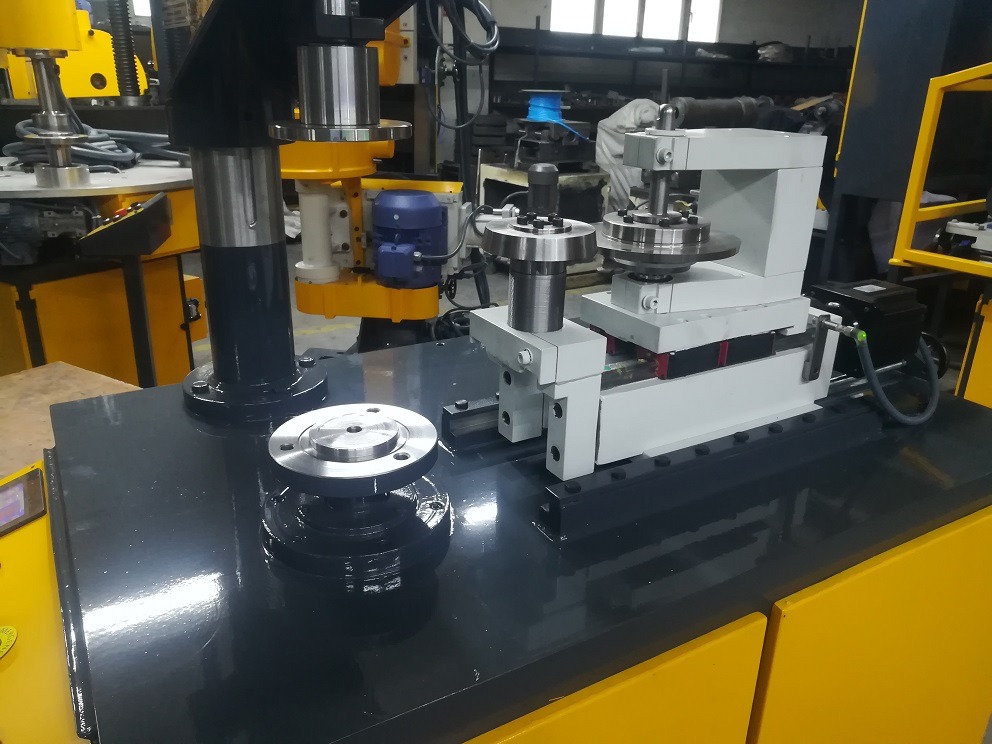
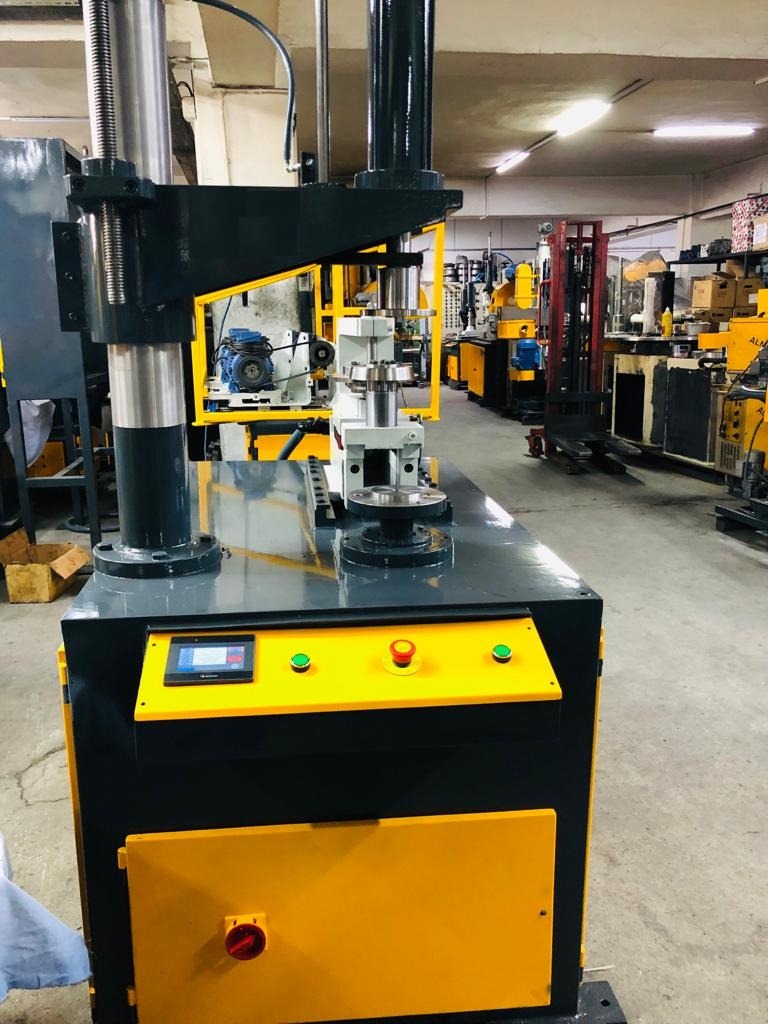
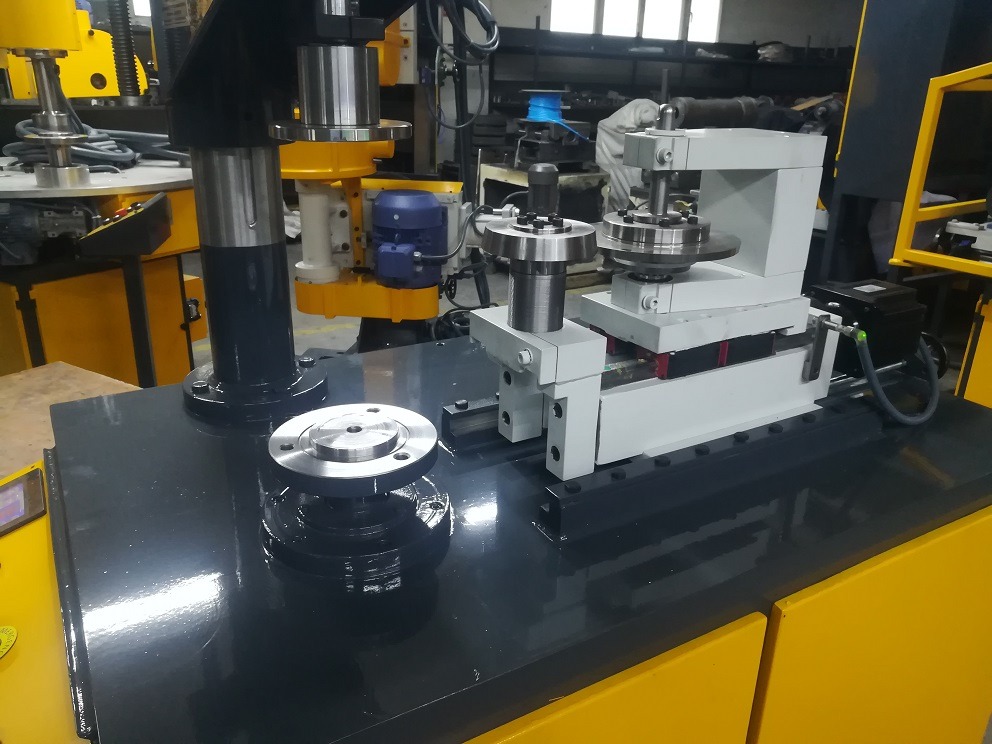
Deep Drawing Press Turkey

Deep Drawing Press Turkey

We are one of the Deep Drawing Press Turkey manufacturers. Deep drawing process & Deep drawing press & Double action deep drawing press & Triple action deep drawing press

The deep drawing process is a sheet metal forming process where a punch is utilized to force a flat sheet metal to flow into the gap between the punch and die surfaces. As a result, the sheet metal or blank will be deformed into desired shapes like cylindrical, conic, or boxed-shaped parts and also complex parts which generally require redrawing processes by using progressive dies.

Deep drawing is a popular selection due to its rapid press cycle times. Its capability to produce complicated shapes and geometries with low labors requirement is also an advantage in manufacturing industries. A few examples of deep drawing applications widely used nowadays include beverage cans, automotive bodies, aircraft panels, and sinks.

The important variables which affect the formability of sheet metal in the deep drawing process can be divided into two categories: Material and friction factors; and tooling and equipment factors. With the right and proper selection of these variables, the formability of the material can be processed at its optimum result and reduce the defects in the deep drawing process like fracture, wrinkling, and tearing.

The sheet metal forming process is used for both serial and mass production. Their characteristics are high productivity, highly efficient use of the material, easy servicing machines, the ability to employ workers with relatively less basic skills, and other advantageous economic aspects. The part that is made from sheet metal has many attractive qualities: Good accuracy of dimension, adequate strength, lightweight, and a broad range of possible dimensions.

Dee Drawing Press Turkey Characteristics

Dee Drawing Press Turkey Characteristics

In many cases, after the sheet metal was a successful draw in the deep drawing process, the fracture at the shell of the specimens always occurred and thus cause defects in the product. It is one of the most common undesired outcomes in deep drawing because if this happens, the product is in a defective condition and the deep drawing process must be redone again using another specimen.

This fracture is caused by excessive punch force, excessive blank holder force, excessive friction between blank and tooling, insufficient clearance between punch and die, and insufficient punch or die corner radius. Hence, much experimental work that has been done lately to prevent or reduce this fracture when running a deep drawing process.

The common method that has been used to investigate the formability of sheet metal in the deep drawing process is by calculating the limiting drawing ratio (LDR) of sheet metal to investigate their drawability and the other method is by constructing the forming limit diagram (FLD) of sheet metal to predict their formability behavior during deep drawing operations.

A hydraulic press is a mechanical device that uses a hydraulic cylinder to generate a compressive force. It operates based on Pascal’s Law, which states that pressure applied to a confined fluid is transmitted equally in all directions. This principle allows hydraulic presses to exert significant force with minimal input, making them essential tools in industries requiring high-pressure applications.

single-acting hydraulic press uses hydraulic pressure to move the piston in one direction, typically the downward or compressive stroke. After the press completes this action, the piston returns to its original position using an external force such as a spring or the weight of the cylinder. This differs from a double-acting hydraulic press, where hydraulic pressure is applied in both the forward and return strokes.

The simplicity and cost-effectiveness of single-acting hydraulic presses make them ideal for a variety of applications, including small to medium-scale production, metal fabrication, and mechanical testing. These presses are widely used in industries such as automotive, aerospace, manufacturing, and even laboratories for precision tasks.

The core advantage of a single-acting hydraulic press lies in its simplicity. Fewer moving parts and a straightforward design reduce both the initial cost and ongoing maintenance requirements. However, the trade-off is that the press lacks the stroke control and power range of more complex systems, limiting its effectiveness in higher-end or more precise applications.

How Single-Acting Hydraulic Presses Work
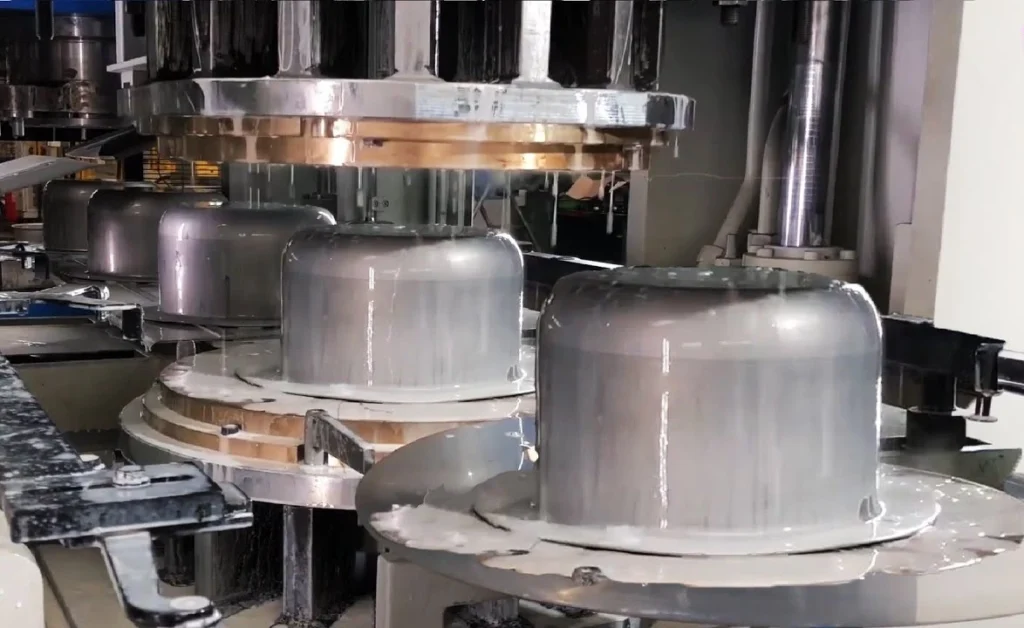
Deep Drawing Hydraulic Press Machine for Kitchen Sink Production Line

The fundamental operation of a single-acting hydraulic press relies on Pascal’s Law, which underpins all hydraulic systems. According to this principle, when a force is applied to a fluid inside a closed system, the pressure is transmitted evenly throughout the fluid. In a hydraulic press, this means that the force generated by a pump acting on a small volume of hydraulic fluid can be magnified to create a much larger output force.

Key Components of a Single-Acting Hydraulic Press:

  • Cylinder and Piston: The hydraulic cylinder contains a piston that moves up and down. In a single-acting press, hydraulic fluid forces the piston downwards, creating the press action.
  • Hydraulic Pump: The pump generates pressure within the hydraulic system, pushing the fluid into the cylinder to drive the piston.
  • Reservoir: This stores hydraulic fluid, which is pumped into the cylinder during operation.
  • Valves: Control the flow of hydraulic fluid, directing it into the cylinder for the pressing stroke.
  • Return Mechanism: In single-acting systems, this is usually a spring or gravitational force that returns the piston to its original position after the pressing action.

Pressing and Return Process:

  1. Pressing: When the press operator activates the system, hydraulic fluid is pumped into the cylinder. The increase in pressure forces the piston downward, applying force to the material placed under the press head. The force can range from several tons to hundreds of tons, depending on the press’s specifications.
  2. Return Stroke: Once the pressing action is complete, the external force—usually a spring or gravity—returns the piston to its starting position. Unlike double-acting presses, where hydraulic pressure can control both strokes, single-acting presses rely on this mechanical or natural return.

Advantages and Limitations:

  • Advantages: Single-acting presses are simple, affordable, and easy to maintain. They are ideal for tasks that do not require precise control over the return stroke or where the pressing force is the primary concern.
  • Limitations: The primary limitation is the lack of control over the piston’s return stroke, which can make single-acting presses less suited to precision applications. Additionally, since only one stroke is powered, these presses are less efficient in tasks requiring continuous motion or high-speed operation.

Types of Single-Acting Hydraulic Presses
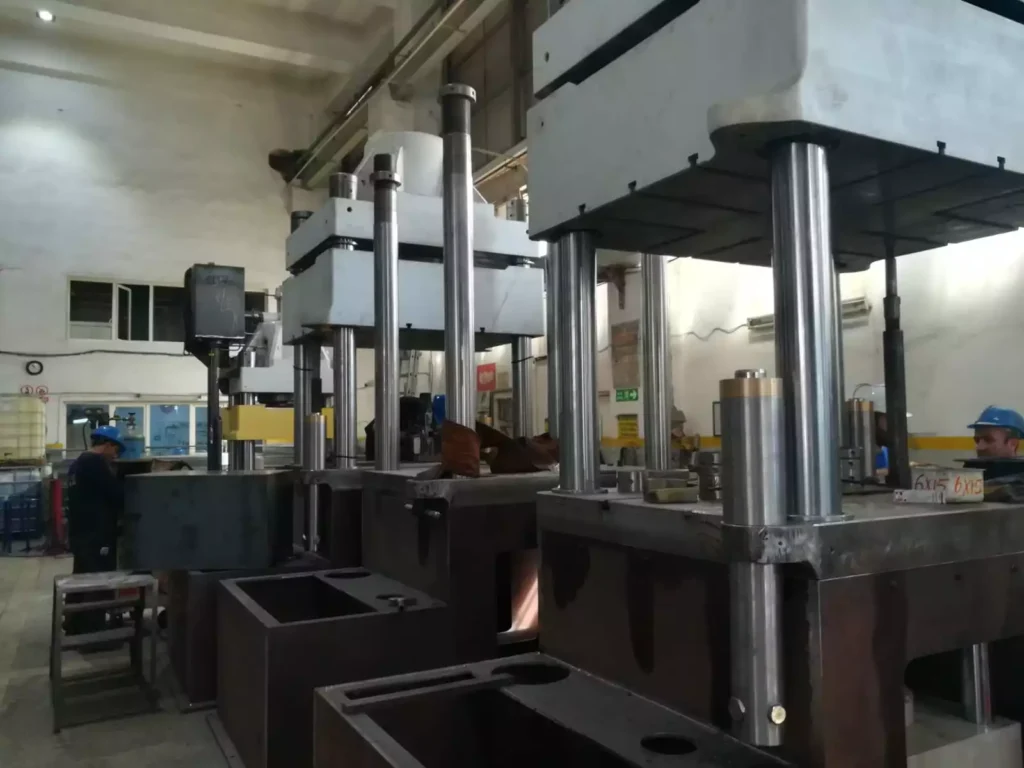
Types of Single-Acting Hydraulic Presses

Single-acting hydraulic presses come in several varieties, each suited to different applications and operational needs.

1. Manually Operated Hydraulic Presses:

These presses are powered by a hand-operated pump, which provides the hydraulic pressure needed to move the piston. They are ideal for small-scale applications or environments where electricity is not available. These presses are portable and commonly used in repair shops, garages, or remote field locations. Their affordability and ease of use make them popular for light-duty tasks like pressing bearings or removing shafts.

2. Electric-Powered Hydraulic Presses:

Electric-powered hydraulic presses use an electric motor to drive the hydraulic pump, offering greater efficiency and consistency compared to manual models. These presses are suitable for more intensive industrial applications where higher force or faster operation is required. They are commonly found in manufacturing plants, where they can be integrated into production lines for repetitive tasks such as stamping, forging, or cutting.

3. Air-Driven Hydraulic Presses:

In these systems, compressed air is used to generate hydraulic pressure. They are commonly used in industrial environments where compressed air is readily available. Air-driven hydraulic presses are often employed in applications where speed and convenience are critical, and they offer a middle ground between manually operated and electric-powered presses in terms of power and cost.

Applications of Each Type:

  • Manually Operated: Ideal for low-volume tasks, repair work, or environments lacking electrical infrastructure.
  • Electric-Powered: Suitable for continuous, heavy-duty applications in factories and production environments.
  • Air-Driven: Often used in automotive workshops and for lighter industrial tasks where compressed air is available.

Applications of Single-Acting Hydraulic Presses
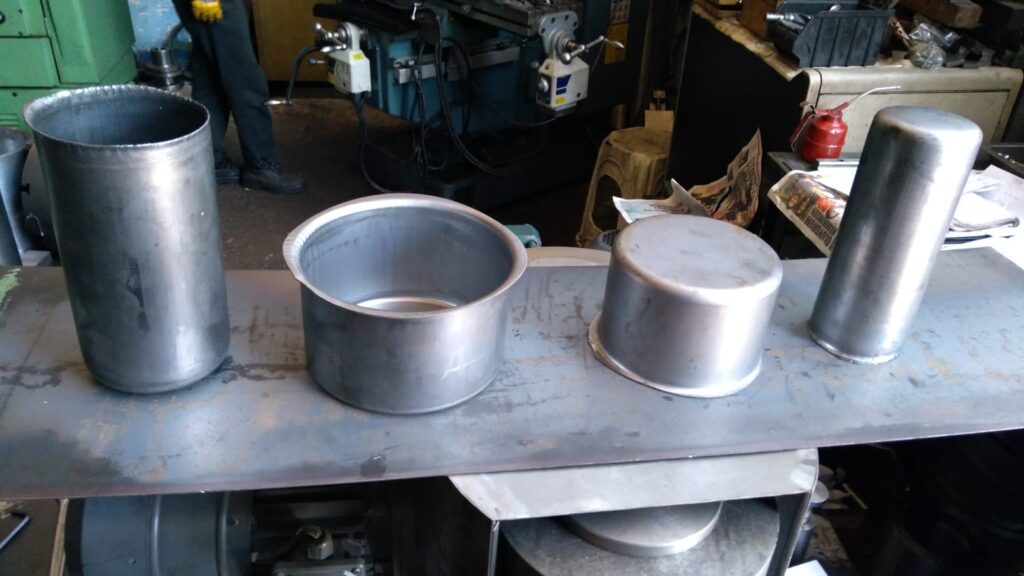
Manufacturing of Fire Extinguishers

Single-acting hydraulic presses are versatile tools used across a wide range of industries for different applications.

1. Metal Forming and Fabrication:

In the metalworking industry, hydraulic presses are used to shape, bend, punch, and cut metal sheets and components. Single-acting presses are especially useful in tasks where the return stroke is less critical, such as metal stamping or bending. These presses are commonly used in fabrication shops, tool and die manufacturing, and custom metalwork projects.

2. Press Fitting and Assembly Tasks:

Single-acting presses are commonly employed in press fitting, where parts are mechanically forced together using high pressure. This includes tasks such as pressing bushings, bearings, gears, and other components into place. These presses are widely used in the automotive industry for assembly operations, as well as in machinery and equipment manufacturing.

3. Material Testing and Laboratory Uses:

In laboratories, single-acting hydraulic presses are often used for testing materials under compressive force. For example, engineers and scientists may use hydraulic presses to measure the compressive strength of materials like concrete, metals, or plastics. The simplicity of single-acting presses makes them ideal for controlled experiments where large forces are required without complex control systems.

4. Automotive and Aerospace Industries:

In the automotive sector, single-acting hydraulic presses play a crucial role in various assembly and maintenance tasks, such as pressing in bushings, removing bearings, and straightening parts. Their use extends to aerospace industries for tasks such as forming lightweight components, shaping metal parts, or assembling intricate systems that require precise force application.

Examples of Practical Applications:
  • Metal Stamping: Single-acting presses are used to punch or stamp metal parts for various industries, including automotive and electronics.
  • Bearing Installation: Presses ensure that bearings are seated correctly without causing damage to delicate components.
  • Cutting and Trimming: Hydraulic presses can be used to cut metal, plastic, or composite materials, making them essential in production environments.

Advantages of Single-Acting Hydraulic Presses

Single-acting hydraulic presses have several advantages, making them a popular choice in a variety of applications.

1. Simplicity and Cost-Effectiveness:

Due to their basic design, single-acting hydraulic presses are more affordable than their double-acting counterparts. They have fewer moving parts and require less complex control systems, reducing both the upfront cost and the likelihood of mechanical failure. This makes them ideal for smaller operations or businesses looking for cost-effective solutions.

2. Efficiency in Force Delivery:

Despite their simplicity, single-acting hydraulic presses can deliver tremendous force, making them suitable for heavy-duty tasks like metal forming or assembly. They can generate forces ranging from a few tons to several hundred tons, depending on the size and type of the press, enabling them to handle a wide range of materials and tasks.

3. Reduced Maintenance:

With fewer components, single-acting presses are easier and less costly to maintain. Routine maintenance is generally limited to inspecting seals, checking hydraulic fluid levels, and ensuring that the return mechanism (spring or gravity) is functioning properly.

4. Portability and Space Efficiency:

Single-acting presses are typically more compact than double-acting presses, making them easier to move and install in smaller workspaces. This portability is especially valuable in environments where space is limited, such as small workshops or laboratories.

Challenges and Limitations of Single-Acting Hydraulic Presses
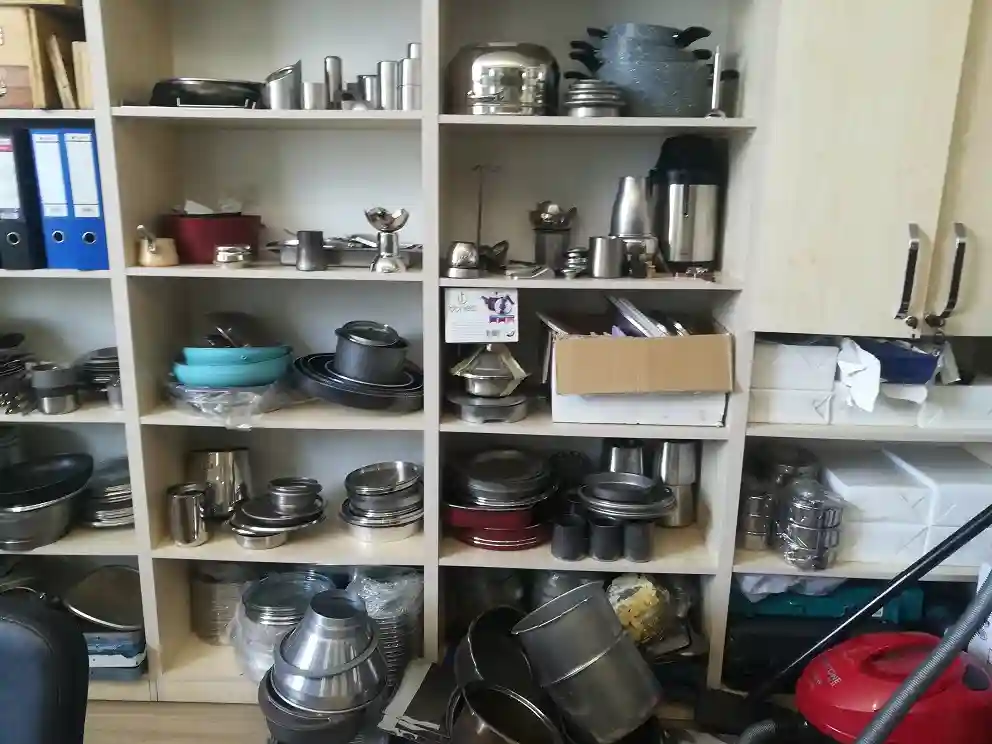
Applications in Various Industries

While single-acting hydraulic presses offer many benefits, they also have certain limitations that can affect their performance in specific applications.

1. Limited Stroke Control and Precision:

Because the return stroke is not powered by hydraulics, single-acting presses lack the precise control over the piston’s movement during the return phase. This makes them less suitable for applications requiring fine control of both the forward and return strokes.

2. External Force Required for Return Stroke:

The reliance on springs or gravity for the return stroke introduces limitations. Springs can wear out over time, reducing the efficiency of the press, and gravitational return may be too slow for certain high-speed applications.

3. Power Limitations:

Single-acting presses typically have less power and speed compared to double-acting systems. For tasks requiring high force or rapid cycling, a double-acting press may be more appropriate.

4. Environmental Considerations:

Hydraulic systems, including single-acting presses, can pose environmental risks if not properly maintained. Leaking hydraulic fluid, for instance, can cause environmental contamination, making proper maintenance and disposal of used fluids critical.

Maintenance and Safety Considerations

Proper maintenance and adherence to safety protocols are essential to ensure the safe and efficient operation of single-acting hydraulic presses.

Maintenance Procedures:

  • Hydraulic Fluid Levels: Regularly check and maintain the hydraulic fluid to ensure smooth operation. Low fluid levels can reduce press efficiency and lead to mechanical wear.
  • Seals and Hoses: Inspect seals and hoses for wear and tear, as leaks can cause pressure loss and reduce the effectiveness of the press.
  • Return Mechanism: Check the spring or gravity-based return system for signs of fatigue or failure. Over time, springs may lose tension, reducing the effectiveness of the return stroke.

Safety Protocols:

  • Personal Protective Equipment (PPE): Operators should wear appropriate PPE, including safety goggles, gloves, and hearing protection.
  • Proper Training: Ensure that all operators are trained in the correct use of the press and are aware of potential hazards.
  • Emergency Stops: Hydraulic presses should be equipped with emergency stop buttons to allow operators to quickly halt the machine in case of malfunction or danger.

Future of Single-Acting Hydraulic Presses
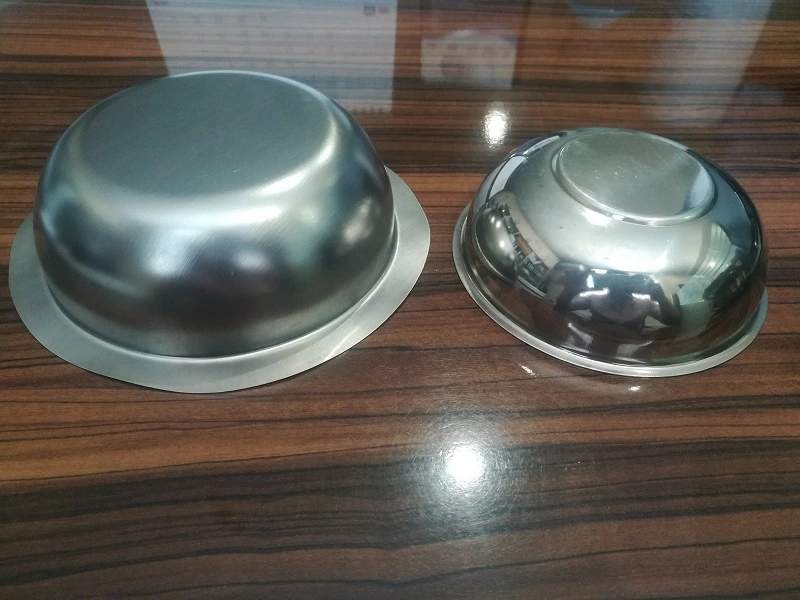
Choosing the Right Trimming Beading Machine

Advancements in technology are opening new possibilities for single-acting hydraulic presses. As industries evolve, the demand for more efficient and eco-friendly machinery is growing.

1. Advancements in Hydraulic Technology:

Innovations in hydraulic systems are leading to more efficient and powerful single-acting presses. For instance, new hydraulic fluids with better thermal stability and lower environmental impact are being developed, reducing the ecological footprint of hydraulic systems.

2. Energy Efficiency Improvements:

Modern hydraulic presses are being designed with energy efficiency in mind. Enhanced pump designs, variable speed motors, and more efficient control systems are reducing energy consumption and operational costs.

3. Integration with Automation:

The future of hydraulic presses lies in their integration with automated and smart systems. Automated single-acting presses equipped with sensors and computer control systems can adjust force, speed, and stroke in real time, enhancing precision and adaptability.

4. Future Applications and Innovations:

As industries continue to demand more from hydraulic systems, single-acting presses are likely to be used in new applications such as additive manufacturing (3D printing) and precision engineering. The increasing focus on sustainability may also drive the development of greener, more energy-efficient presses.

Introduction to Double-Acting Hydraulic Presses
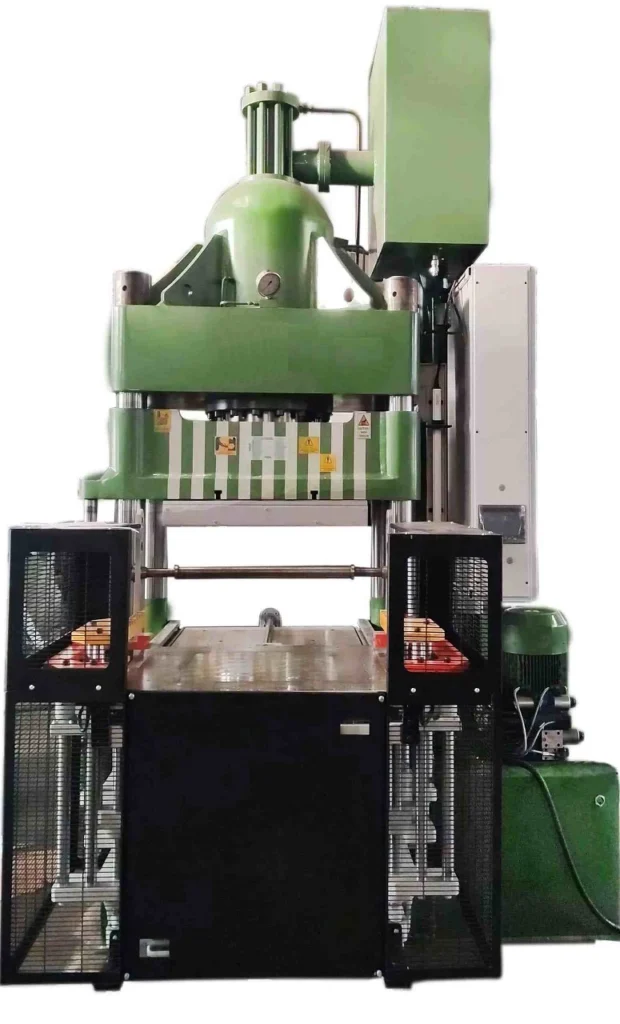
Deep Draw Presses
Deep Draw Presses

Hydraulic presses are mechanical devices that use fluid pressure to generate significant force, commonly employed in industries where large-scale pressing, forming, or molding is required. They operate on Pascal’s Law, which states that pressure applied to a fluid in a confined space is transmitted equally in all directions. This principle allows hydraulic presses to amplify force, making them crucial in metalworking, manufacturing, automotive industries, and beyond.

double-acting hydraulic press differs from its single-acting counterpart in that it applies hydraulic pressure in both directions—both for the pressing stroke and the return stroke. In contrast, a single-acting press relies on external forces, like springs or gravity, for the return motion, which limits control and precision.

The use of double-acting hydraulic presses has revolutionized several industrial processes due to the enhanced control and precision they offer. With powered movement in both directions, these presses are capable of handling more complex and demanding tasks, such as deep drawing, forging, or any process where high precision and consistent force are essential. These presses are widely used in automotive production, aerospace manufacturing, and large-scale industrial operations.

How Double-Acting Hydraulic Presses Work

Deep Drawing Hydraulic Press Machine for Kitchen Sink Production Line

Double-acting hydraulic presses function based on hydraulic principles, which utilize fluid power to amplify force. The critical difference from single-acting presses is that double-acting presses can apply hydraulic pressure in both the pressing and return strokes. This provides enhanced control and versatility.

Core Components of a Double-Acting Hydraulic Press:

  • Cylinder and Piston: A double-acting press has a hydraulic cylinder with a piston that moves in two directions. Hydraulic fluid is directed into the cylinder on either side of the piston to control both the downward and upward strokes.
  • Hydraulic Pump: The hydraulic pump provides pressure by moving hydraulic fluid into the cylinder. In double-acting presses, the pump must be capable of routing the fluid to either side of the piston, depending on whether it is the pressing or return stroke.
  • Valves and Control Systems: Double-acting presses require more sophisticated valve systems to control the flow of hydraulic fluid. These valves direct fluid pressure to either side of the piston, enabling the precise control of both strokes.
  • Power Source: These presses can be powered by manual pumps, electric motors, or pneumatic systems, depending on the scale and application of the press.

The Pressing and Return Strokes:

  1. Pressing Stroke: The hydraulic pump directs fluid into the top of the cylinder, pushing the piston downward. This downward force can range from a few tons to hundreds of tons, depending on the press’s size and design. The press head applies this force to the material being processed, whether it’s for stamping, molding, or cutting.
  2. Return Stroke: After the pressing operation, hydraulic pressure is redirected to the bottom of the piston. This lifts the piston back to its starting position, ensuring precise and controlled movement. The ability to hydraulically control both strokes eliminates the reliance on gravity or springs, allowing for faster cycle times and more complex tasks.

Precision and Control:

The ability to control both strokes of the piston provides greater accuracy in industrial processes. Unlike single-acting presses, where the return stroke can vary in speed and efficiency, double-acting presses offer consistent performance across all movements. This precision makes them ideal for complex forming processesdeep drawing, and precision cutting operations, where both the force and the return timing must be tightly controlled.

Types of Double-Acting Hydraulic Presses

Double-acting hydraulic presses come in various forms, each tailored for specific industrial applications. Here are some of the main types:

1. Manual Double-Acting Hydraulic Presses:

Manual versions of double-acting presses are powered by hand-operated hydraulic pumps. These are typically used in small workshops or repair facilities where tasks like pressing, bending, or assembling components do not require extensive automation. These presses are portable, cost-effective, and often used in low-production environments.

2. Electric-Powered Double-Acting Hydraulic Presses:

Electric-powered double-acting presses are more common in industrial settings where high force and consistent operation are required. The hydraulic pump is driven by an electric motor, allowing for automated control of both strokes. These presses are essential for high-volume operations, such as metal stamping, die forming, and precision cutting. The electric-powered system allows for greater precision, repeatability, and faster cycle times.

3. Pneumatic Double-Acting Hydraulic Presses:

Pneumatic-powered double-acting presses use compressed air to drive the hydraulic fluid in both strokes. These presses are favored in industries where pneumatic systems are already integrated into the production environment, such as in automotive assembly lines. Pneumatic systems provide rapid action, and the integration with hydraulics ensures the generation of high forces, making them suitable for mid-sized industrial applications.

4. Specialized Double-Acting Presses:

Some double-acting hydraulic presses are designed for specific applications, such as hydraulic press brakes used in bending and shaping metal sheets. These presses provide precise control over the angle and force applied, making them ideal for custom metal fabrication. Another example includes forging presses, where high tonnage and precise control are required to shape metal components.

Applications of Double-Acting Hydraulic Presses

Applications in Various Industries

Double-acting hydraulic presses are widely employed across a variety of industries due to their versatility and ability to handle complex tasks with precision. Here are some of the key applications:

1. Metal Forming and Deep Drawing:

One of the primary uses of double-acting hydraulic presses is in metal forming, particularly deep drawing. Deep drawing is a manufacturing process where a sheet metal blank is radially drawn into a forming die by the mechanical action of a punch. Double-acting presses provide the precise control necessary to form complex shapes in metals like aluminum, steel, and copper without cracking or deforming the material.

2. Punching, Forging, and Die Forming:

In punching and forging operations, double-acting presses apply controlled force to deform or cut metal parts. This is commonly used in the automotive and aerospace industries, where high-strength materials are forged into critical components like gears, axles, and structural parts. The ability to control both the pressing and return strokes ensures consistent quality and reduces the risk of material damage.

3. Composite Material Molding:

As industries increasingly adopt composite materials, double-acting hydraulic presses have become essential for forming and molding these materials. Composites, such as carbon fiber or fiberglass, require careful handling during the molding process to maintain their strength and durability. Double-acting presses allow for precise pressure application during both the pressing and release phases, making them indispensable in industries like aerospace and automotive, where lightweight, high-strength components are essential.

4. Automotive and Aerospace Industries:

The automotive industry relies heavily on double-acting hydraulic presses for the production of body panelsframes, and engine components. The precision and repeatability of these presses ensure that every part is manufactured to exact specifications. In the aerospace industry, where weight, strength, and safety are critical, double-acting presses are used to form lightweight components like aircraft skin panelsstructural parts, and engine elements.

5. Examples of Industrial Applications:

  • Automotive: Deep drawing for body panels, stamping parts like hoods, doors, and roofs.
  • Aerospace: Forming of lightweight metal and composite parts for aircraft and spacecraft.
  • Heavy Machinery: Forging of large components for construction equipment and industrial machinery.
  • Consumer Electronics: Precision forming of metal casings and components.

Advantages of Double-Acting Hydraulic Presses

Double-acting hydraulic presses offer several significant advantages that make them indispensable in many industries.

1. Precise Control Over Both Strokes:

The ability to apply hydraulic force in both the pressing and return strokes gives double-acting presses greater control over the entire operation. This precision is particularly valuable in tasks that require consistent force and motion, such as deep drawing, forging, and punching. Both strokes can be finely adjusted to meet the exact requirements of the material and application, leading to superior product quality.

2. Higher Efficiency in Repetitive Operations:

In manufacturing environments where tasks must be repeated at high speed, double-acting presses outperform single-acting models. Since both the press and return strokes are powered, cycle times are faster, and operators have more control over the movement of the piston, which boosts productivity in high-volume production lines.

3. Versatility in Complex Tasks:

Double-acting presses are incredibly versatile, able to handle a wide variety of materials and tasks. They can be used for pressing, forming, bending, cutting, and molding, which makes them highly adaptable to different industries and processes. Whether the task requires the shaping of metals, molding of composites, or assembly of mechanical components, these presses can be fine-tuned to meet the needs of the job.

4. Suitability for Heavy-Duty and Continuous Use:

Double-acting hydraulic presses are built for heavy-duty applications and continuous use in industrial settings. The ability to power both strokes ensures that even the toughest materials, such as steel and titanium, can be shaped and formed without compromising on speed or accuracy. Their robust design and advanced control systems make them ideal for industries where durability and long-term performance are critical.

Challenges and Limitations of Double-Acting Hydraulic Presses

Despite their advantages, double-acting hydraulic presses also come with challenges and limitations that must be considered before implementation.

1. Higher Cost and Complexity:

Double-acting hydraulic presses are generally more expensive than single-acting presses due to their more complex design and the additional control systems required to power both strokes. This can make them less appealing for small-scale operations or businesses with tight budgets.

2. Increased Maintenance Requirements:

With more moving parts and components to manage, double-acting presses require more frequent and thorough maintenance than their single-acting counterparts. Components like seals, valves, and hydraulic lines must be regularly inspected and serviced to prevent leaks and ensure optimal performance. This adds to the operational costs over the lifespan of the machine.

3. Space and Energy Requirements:

Double-acting hydraulic presses tend to be larger and consume more energy than simpler presses. This means they require more space and have higher energy costs, which can be a limiting factor in smaller workshops or facilities with limited energy resources.

4. Specialized Training and Safety Considerations:

Operators of double-acting hydraulic presses must be thoroughly trained to handle the complex control systems and high pressures involved. The increased force and speed of these presses mean that strict safety protocols must be followed to prevent accidents and equipment damage.

Maintenance and Safety Considerations

Proper maintenance and safety protocols are crucial for ensuring the long-term operation and safety of double-acting hydraulic presses.

Maintenance Procedures:

  • Hydraulic Fluid Levels: Maintaining appropriate hydraulic fluid levels is essential for the proper operation of both strokes. Low fluid levels can result in uneven pressure distribution and lead to damage.
  • Seal and Hose Inspections: Double-acting presses have more seals and hoses than single-acting models, which makes regular inspections critical. Leaks in these components can cause a loss of pressure, reduced efficiency, and safety hazards.
  • System Pressure Checks: Monitoring and adjusting the system’s pressure levels ensures that the press operates within its designed parameters, preventing over-pressurization and component failure.

Safety Protocols:

  • Operator Training: Given the complexity of double-acting presses, operators must be trained in their safe use. They should understand the machine’s control systems, emergency stop features, and troubleshooting procedures.
  • Regular Inspections: Presses should be inspected regularly for signs of wear or malfunction. Safety devices like pressure relief valves and emergency stops should be tested to ensure they are functioning properly.
  • Personal Protective Equipment (PPE): Operators should always wear appropriate PPE, including gloves, goggles, and ear protection, especially in high-noise environments.

Future Trends in Double-Acting Hydraulic Press Technology

As technology evolves, double-acting hydraulic presses are expected to undergo several advancements that will enhance their performance and broaden their applications.

1. Technological Advancements:

Innovations in hydraulic control systems, such as the integration of proportional valves and servo-driven pumps, are improving the precision and efficiency of double-acting presses. These systems allow for finer control of pressure and movement, resulting in higher-quality output and reduced material waste.

2. Energy Efficiency:

One of the key areas of development is the push for more energy-efficient hydraulic systems. With the increasing focus on sustainability, new technologies are emerging that reduce energy consumption, such as variable-speed pumps that adjust output based on demand. These advancements not only lower operational costs but also reduce the environmental impact of hydraulic presses.

3. Automation and Industry 4.0:

The integration of double-acting hydraulic presses with automation and smart manufacturing systems is another significant trend. By connecting presses to factory networks, manufacturers can monitor machine performance in real-time, predict maintenance needs, and optimize press cycles. This leads to increased productivity and minimizes downtime due to unexpected equipment failure.

4. Future Innovations:

Looking ahead, double-acting presses may see further improvements in force capacityminiaturization for precise applications, and modular designs that allow presses to be easily reconfigured for different tasks. Additionally, advancements in green hydraulic fluids will reduce the environmental risks associated with hydraulic systems.

Triple Action Deep Drawing Press
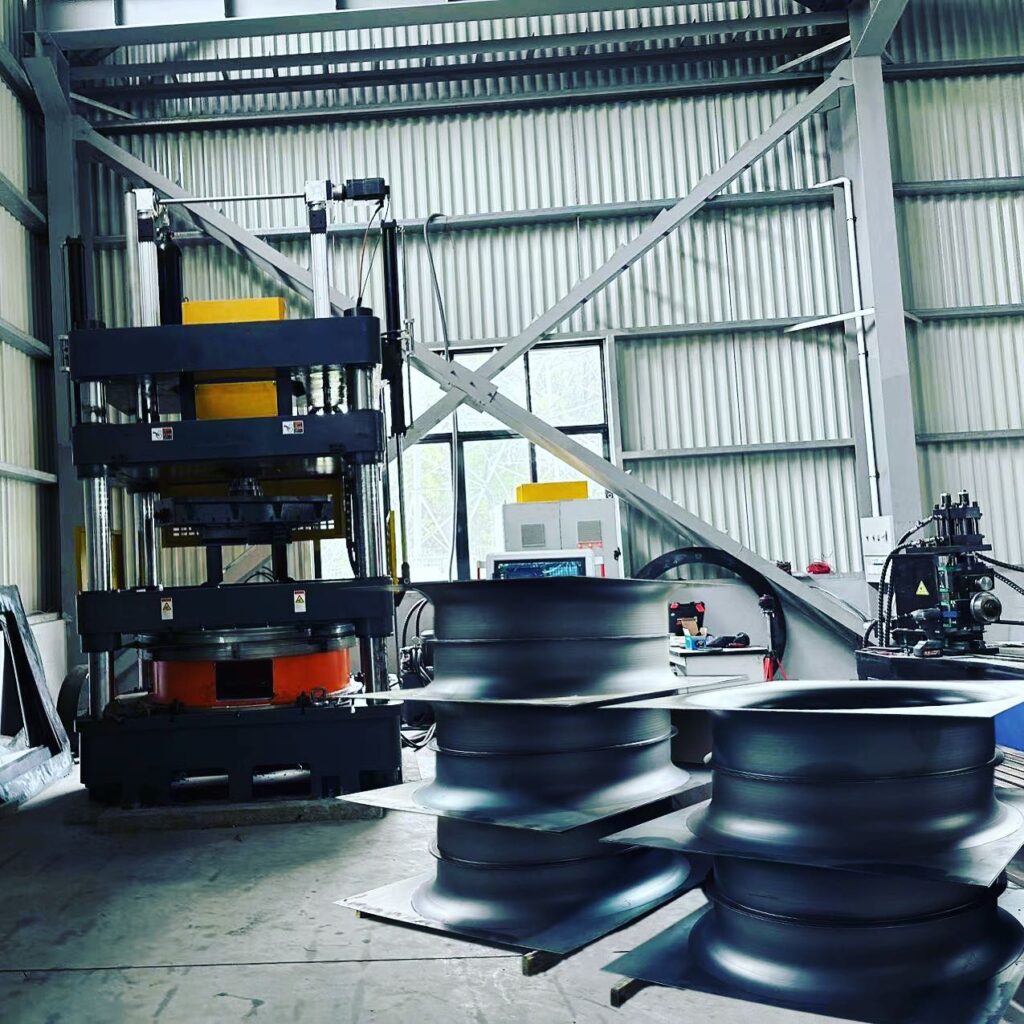
Triple Action Deep Drawing Press
Triple Action Deep Drawing Pres

Deep drawing is a popular metal forming process used to shape flat sheet metal into cylindrical or box-like shapes. The process involves placing a metal blank over a die and pressing it into the die cavity with a punch. This transforms the flat blank into a three-dimensional shape, making it essential for producing components like automotive body panels, kitchen sinks, and various enclosures. The process can be repeated to achieve more complex shapes with greater depth, but the challenges increase as the material undergoes severe deformation.

Triple Action Deep Drawing Press is a specialized machine designed to address the complexity of the deep drawing process. Unlike conventional single-acting or double-acting presses, a triple action press incorporates three independent force mechanisms:

  1. Blank Holder Action: Keeps the metal blank firmly in place, controlling material flow and preventing wrinkling.
  2. Punch Action: The primary force that shapes the blank by pushing it into the die.
  3. Ejector Action: Removes the finished part from the die after the drawing process is complete.

This triple-action mechanism provides greater control over the deep drawing process, allowing for the production of more complex shapes, with fewer defects, and better efficiency. The ability to control all three forces independently is particularly important in producing deep-drawn components for industries like automotive, aerospace, and consumer goods, where precision and quality are critical.

How Triple Action Deep Drawing Presses Work (500 words)

To understand how triple action deep drawing presses function, it’s essential to break down the mechanics of the deep drawing process and how each action contributes to shaping the material.

The Deep Drawing Process:

The deep drawing process transforms a flat metal blank into a three-dimensional component. The key stages include:

  1. Blank Placement: A flat metal blank is placed over the die cavity.
  2. Blank Holder Engagement: The blank holder clamps the blank around its edges, preventing movement or wrinkling during drawing.
  3. Punch Stroke: The punch moves downward, pressing the blank into the die cavity, forming the desired shape. This action stretches and deforms the material, thinning it in certain areas.
  4. Ejection: Once the part is formed, the ejector mechanism releases the part from the die, ready for the next cycle.

Components of a Triple Action Deep Drawing Press:

  1. Blank Holder: The blank holder is crucial in controlling material flow. Its force must be precisely regulated to avoid wrinkling, which can occur if the material is allowed to move too freely. At the same time, too much force from the blank holder can result in tearing.
  2. Punch: The punch is the main shaping tool. In triple-action presses, the punch force is adjustable, allowing for greater flexibility in handling different materials or thicknesses. As the punch presses the blank into the die, it forms the desired shape.
  3. Ejector: The ejector action ensures the formed part is smoothly removed from the die without causing damage to the component or slowing down the production process. The ejector often uses hydraulic or mechanical systems to push the part upward, releasing it from the die.

Key Advantages of the Triple Action System:

  1. Independent Control of Forces: One of the main benefits of triple action presses is that each force (blank holder, punch, ejector) can be independently controlled. This ensures optimal pressure at each stage, reducing the risk of defects such as wrinkling, tearing, or excessive thinning.
  2. Complex Shapes: By using all three actions in a coordinated manner, triple action presses can produce complex, deep-drawn components that would be difficult or impossible with a standard press.
  3. Minimized Defects: The precise control over material flow, punch pressure, and ejection force allows manufacturers to achieve higher-quality products with fewer defects, making triple-action presses ideal for high-precision industries.

Types of Triple Action Deep Drawing Presses

Triple action deep drawing presses come in various types, each suited to different applications and production environments. The main types include mechanical, hydraulic, and servo-electric presses.

1. Mechanical Triple Action Presses:

Mechanical triple action presses use mechanical linkages, cams, and gears to generate and control the forces required for the blank holder, punch, and ejector. These presses are known for their high speed and are commonly used in high-volume production environments, such as automotive manufacturing. However, they tend to offer less precision than hydraulic presses, making them less suitable for complex or precision deep drawing applications.

2. Hydraulic Triple Action Presses:

Hydraulic presses are the most common type of triple action deep drawing presses. These machines use hydraulic cylinders to apply force independently to the blank holder, punch, and ejector. Hydraulic presses are favored for their precision and the ability to control force and speed at every stage of the process. This makes them ideal for deep drawing applications that require complex shapes, deep draws, or challenging materials. Additionally, hydraulic systems can apply constant force throughout the entire stroke, providing a smooth and consistent draw.

3. Servo-Electric Triple Action Presses:

Servo-electric presses use electric motors to control the movement of the blank holder, punch, and ejector. These presses offer the highest level of precision and flexibility, allowing manufacturers to program specific force and speed profiles for different stages of the drawing process. Servo-electric presses are energy-efficient and offer precise control, making them ideal for applications requiring high precision, such as aerospace components and medical devices.

Comparison of Press Types:

  • Mechanical: Best for high-speed, large-volume production; less precise.
  • Hydraulic: Ideal for precision deep drawing, complex shapes, and variable materials; slower but more controlled.
  • Servo-Electric: Offers the highest precision and flexibility, with energy efficiency; often used in highly specialized applications.

Applications of Triple Action Deep Drawing Presses

Applications in Various Industries

The versatility and precision of triple action deep drawing presses make them indispensable across a wide range of industries. Their ability to form complex, deep-drawn parts with minimal defects and high repeatability is a key reason for their widespread use.

1. Automotive Industry:

In the automotive sector, deep drawing presses are essential for producing a wide array of components, including body panelsfuel tanks, and engine components. Triple action presses are particularly well-suited for forming large, complex parts such as car doors, hoods, and trunk lids, which require high precision to ensure they meet the industry’s stringent safety and performance standards.

For example, the ability to control the blank holder force ensures that body panels are formed without wrinkling, a common defect in deep drawing. Additionally, the precision of triple-action presses allows for tight tolerances in the production of complex components like fuel tanks, which must be leak-proof and structurally sound.

2. Aerospace Industry:

In the aerospace industry, the demand for lightweight yet strong components is paramount. Triple action deep drawing presses are used to form aircraft skin panelsengine housings, and other structural components. The ability to control every aspect of the drawing process, including the exact force applied by the blank holder and punch, ensures that aerospace parts meet the high standards required for safety and performance.

Additionally, the triple action mechanism is crucial for working with materials like titaniumaluminum, and composites, which are commonly used in the aerospace industry but can be difficult to form due to their strength and tendency to crack under stress.

3. Consumer Goods:

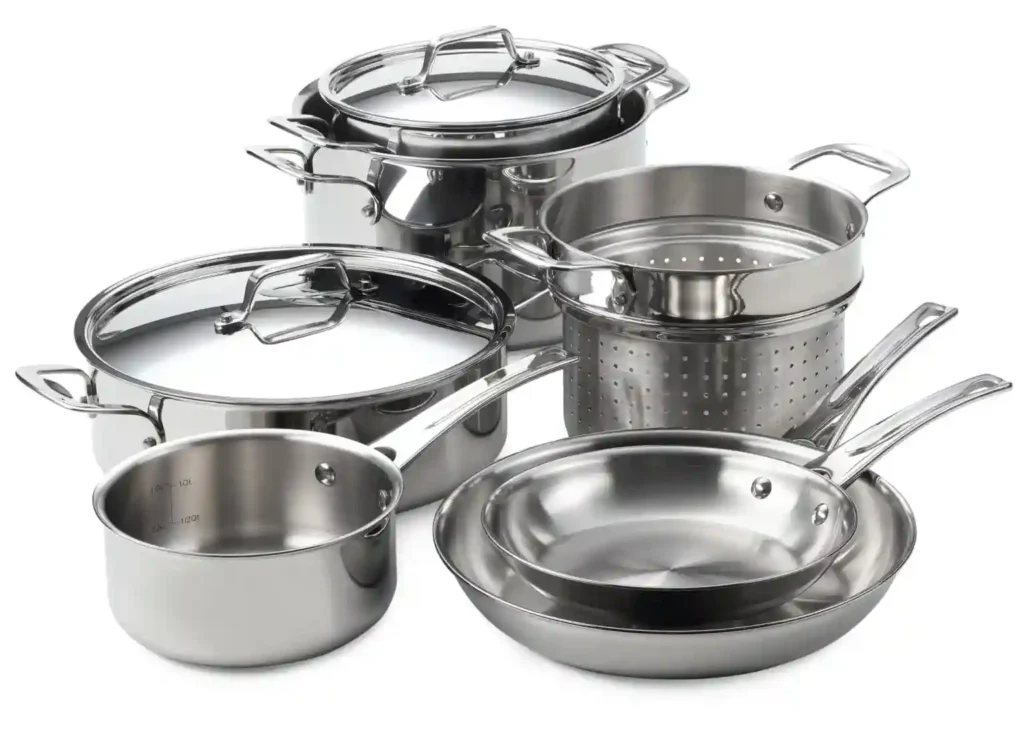
Triple action deep drawing presses are widely used to manufacture various consumer goods, particularly in the production of kitchenware (e.g., stainless steel sinks, pots, and pans) and household appliances (e.g., washing machine drums, microwave enclosures). The ability to form deep, complex shapes in materials like stainless steel or aluminum with smooth surfaces and minimal defects is essential for consumer products where aesthetics and durability are key selling points.

4. Industrial Containers and Enclosures:

Industries requiring industrial containerscylindrical tanks, or enclosures for sensitive equipment often rely on triple action deep drawing presses. These presses allow for the formation of durable, uniform containers with precise dimensions, ensuring that they meet stringent industry standards for storage and protection.

Case Studies and Real-World Examples:

  • Automotive: A major automotive manufacturer uses triple action presses to produce seamless body panels for luxury vehicles, ensuring high quality and eliminating the need for secondary finishing processes.
  • Aerospace: Leading aerospace companies utilize triple action deep drawing presses for the production of lightweight, high-strength structural components, ensuring aircraft performance while reducing weight.
  • Consumer Goods: A well-known kitchenware brand uses triple action presses to manufacture stainless steel cookware with flawless surfaces and uniform thickness, enhancing both performance and aesthetics.

Advantages of Triple Action Deep Drawing Presses

Triple action deep drawing presses offer numerous advantages that make them essential in industries requiring precision metal forming.

1. Enhanced Control Over the Deep Drawing Process:

One of the most significant advantages of a triple action press is the ability to independently control the blank holder, punch, and ejector forces. This precision control allows for adjustments throughout the deep drawing process, ensuring consistent material flow and reducing the risk of defects such as wrinkling, tearing, or excessive thinning.

2. Ability to Form Complex, Precise Shapes:

The precise control offered by triple action presses enables the formation of intricate shapes and deep-drawn components. The ability to fine-tune the force applied at each stage ensures that even challenging materials can be drawn without damage. This is especially important in industries like aerospace and automotive, where components must meet exacting standards for performance and safety.

3. Minimization of Defects:

Triple action presses significantly reduce common defects in the deep drawing process, such as wrinkling, cracking, and material thinning. The blank holder’s independent force ensures that the material is held securely, while the punch and ejector forces can be adjusted to optimize material flow. This results in higher-quality parts and reduced scrap, making triple action presses more efficient and cost-effective in large-scale production.

4. High Efficiency for Large-Scale Production:

Triple action presses are ideal for high-volume production, offering fast cycle times and repeatable precision. The automation of these presses allows for continuous operation, reducing downtime and increasing throughput. This efficiency is critical in industries where large quantities of parts must be produced quickly and to tight tolerances, such as automotive manufacturing.

Challenges and Limitations of Triple Action Deep Drawing Presses

Despite their numerous advantages, triple action deep drawing presses also present certain challenges and limitations.

1. High Initial Investment and Complexity:

Triple action deep drawing presses are more expensive than single or double-action presses due to their complexity and advanced control systems. The cost of purchasing and setting up a triple action press can be prohibitive for smaller operations or manufacturers with limited budgets. Additionally, these presses require more sophisticated control systems and software, which can increase the initial investment.

2. Greater Maintenance Requirements:

The complexity of triple action presses means that they require more frequent and thorough maintenance compared to simpler presses. The hydraulic systems, punch, blank holder, and ejector mechanisms all need regular inspection and servicing to prevent breakdowns and ensure the press operates at peak efficiency. Maintenance costs and downtime can be a challenge, especially in high-production environments.

3. Limitations in Smaller-Scale Operations:

For smaller-scale manufacturers or those producing limited quantities of deep-drawn parts, the high cost and complexity of triple action presses may not be justified. These presses are best suited to large-scale operations where the benefits of increased precision, efficiency, and reduced scrap outweigh the higher costs.

4. Energy and Space Requirements:

Triple action presses require significant amounts of energy to operate, especially hydraulic models, which need continuous power to maintain pressure. They are also large machines that require a substantial amount of floor space, limiting their use in smaller production facilities or workshops.

Maintenance and Safety Considerations

Proper maintenance and safety protocols are essential to ensure the longevity and safe operation of triple action deep drawing presses.

Maintenance Procedures:

  • Hydraulic System Maintenance: Hydraulic presses rely on clean, properly pressurized fluid systems to function efficiently. Regular checks of hydraulic fluid levels, cleanliness, and pressure are necessary. Dirty or low fluid can cause increased wear on components or lead to system failure.
  • Lubrication: Proper lubrication of moving parts, including the punch, blank holder, and ejector, is critical to reduce friction and wear. Over time, insufficient lubrication can lead to damage and expensive repairs.
  • Seal and Hose Inspections: Hydraulic seals and hoses should be regularly inspected for wear and leaks. Any signs of leakage must be addressed immediately to prevent pressure loss, damage to components, or safety hazards.
  • Alignment Checks: Regular alignment checks for the punch, die, and blank holder ensure that parts are being formed accurately and uniformly. Misalignment can lead to defective parts and increased machine wear.

Safety Protocols:

  • Operator Training: Operators should be thoroughly trained in the use of triple action presses, including how to safely load blanks, adjust controls, and handle finished parts. Understanding how to safely manage the hydraulic systems and high forces involved is critical for preventing accidents.
  • Emergency Stops and Safety Guards: Triple action presses should be equipped with emergency stop systems and safety guards to protect operators. These features ensure that the machine can be immediately stopped in the event of a malfunction or danger.
  • Personal Protective Equipment (PPE): Operators must wear appropriate PPE, including gloves, goggles, and protective clothing, to reduce the risk of injury from moving parts, flying debris, or hydraulic fluid leaks.

Future Trends in Triple Action Deep Drawing Press Technology

The future of triple action deep drawing presses is being shaped by advancements in technology, materials, and manufacturing processes.

1. Innovations in Press Control Systems:

As manufacturing becomes more automated and digital, the control systems used in triple action presses are becoming more sophisticated. Proportional hydraulic control valves and servo-driven systems are allowing for even more precise control over the forces applied during the deep drawing process. This enhanced control not only improves part quality but also reduces waste and increases efficiency.

2. Material Advancements:

As industries increasingly demand stronger, lighter, and more durable materials, triple action presses are evolving to handle these new challenges. Advances in high-strength steelaluminum alloys, and composites are pushing the limits of what deep drawing presses can do. Modern presses are being designed with enhanced force capabilities and precision to work with these advanced materials, enabling the production of lightweight, high-strength components for the automotive, aerospace, and electronics industries.

3. Integration with Industry 4.0:

The integration of Industry 4.0 technologies, such as sensors, real-time data monitoring, and predictive maintenance systems, is helping manufacturers optimize the performance of their triple action presses. Smart systems can monitor machine performance in real-time, automatically adjust press settings, and even predict when maintenance is needed, reducing downtime and improving overall productivity.

4. Environmental Sustainability and Energy Efficiency:

Energy efficiency is becoming a priority for manufacturers using triple action presses. New designs are focusing on reducing energy consumption through variable-speed hydraulic pumpsenergy recovery systems, and servo-electric technologies. These advancements not only reduce operational costs but also help companies meet their environmental sustainability goals by reducing the energy footprint of their manufacturing processes.

Double-Acting Hydraulic Presses

Double-acting hydraulic presses provide more control and flexibility during the deep drawing process, particularly for applications that require more complex or deeper shapes. In a double-acting press, two separate hydraulic systems work in tandem—one controls the downward motion of the punch, while the other operates the blank holder, applying force independently to hold the material in place.

  • Structure: The press has two rams or cylinders—one for the punch and another for the blank holder. This setup allows for precise control of both the drawing force and the holding force, preventing material slippage or wrinkling during the drawing process.
  • Applications: Double-acting presses are commonly used in automotiveaerospace, and household appliance manufacturing, where complex shapes and deeper draws are required. For instance, components like fuel tankscar body panels, and aircraft parts are often made using double-acting hydraulic presses.
  • Advantages: The independent control over the punch and blank holder forces allows for more precise and uniform drawing, reducing the risk of defects such as tearing or wrinkling. These presses are suitable for larger and more intricate parts and offer greater flexibility in handling a variety of materials and shapes.

Triple-Action Hydraulic Presses

For the most demanding and complex deep drawing applications, triple-action hydraulic presses provide unparalleled performance. These presses add a third hydraulic system to control additional movements or processes during the drawing operation.

  • Structure: In addition to the punch and blank holder, triple-action presses feature a third force, often applied from the bottom of the press. This additional motion allows for processes like reverse drawing or extrusion, enabling the machine to handle extremely deep or complex shapes that require multiple stages of forming.
  • Applications: Triple-action presses are typically used in highly specialized industries such as aerospace and defense, where precision and complexity are paramount. Components like deep drawn fuel cellsengine components, and structural parts for aircraft or heavy machinery are ideal for these machines.
  • Advantages: These presses provide maximum control and precision, allowing manufacturers to produce parts with extreme depth or complexity without compromising on quality. They also offer higher productivity by enabling multiple forming operations in a single press cycle.

Automated vs. Manual Hydraulic Presses

Automation is an important factor in modern manufacturing, and hydraulic deep drawing presses are no exception. Buyers can choose between manual presses, which require human intervention for loading, unloading, and controlling the operation, or automated presses, which integrate robotic systems and computerized controls to manage the entire process.

  • Manual Hydraulic Presses: These presses are operated by technicians who manually load the blank, initiate the drawing process, and remove the formed part. While manual presses are typically less expensive and easier to maintain, they are best suited for low-volume production runs or applications where flexibility is required.
  • Automated Hydraulic Presses: Automated presses use Programmable Logic Controllers (PLCs) or Computer Numerical Control (CNC) systems to control the drawing process. Automation allows for higher precision, increased production speed, and greater consistency in the final product. Automated presses are ideal for high-volume production environments where efficiency and accuracy are critical.

Specialized Hydraulic Presses for Tailor-Made Applications

In addition to the standard configurations, there are specialized hydraulic presses designed for specific industries or applications. These machines are often custom-built to meet unique production requirements, such as forming particular shapes, materials, or sizes. For example:

  • Automotive Industry: Hydraulic presses tailored for producing large, complex automotive parts, such as chassis componentsdoors, and structural parts.
  • Aerospace Industry: Presses designed for handling high-strength alloys and lightweight materials, where the precision and complexity of the shapes are critical.
  • Consumer Goods: Smaller, more compact hydraulic presses used to produce kitchenwaremetal containers, and packaging components.

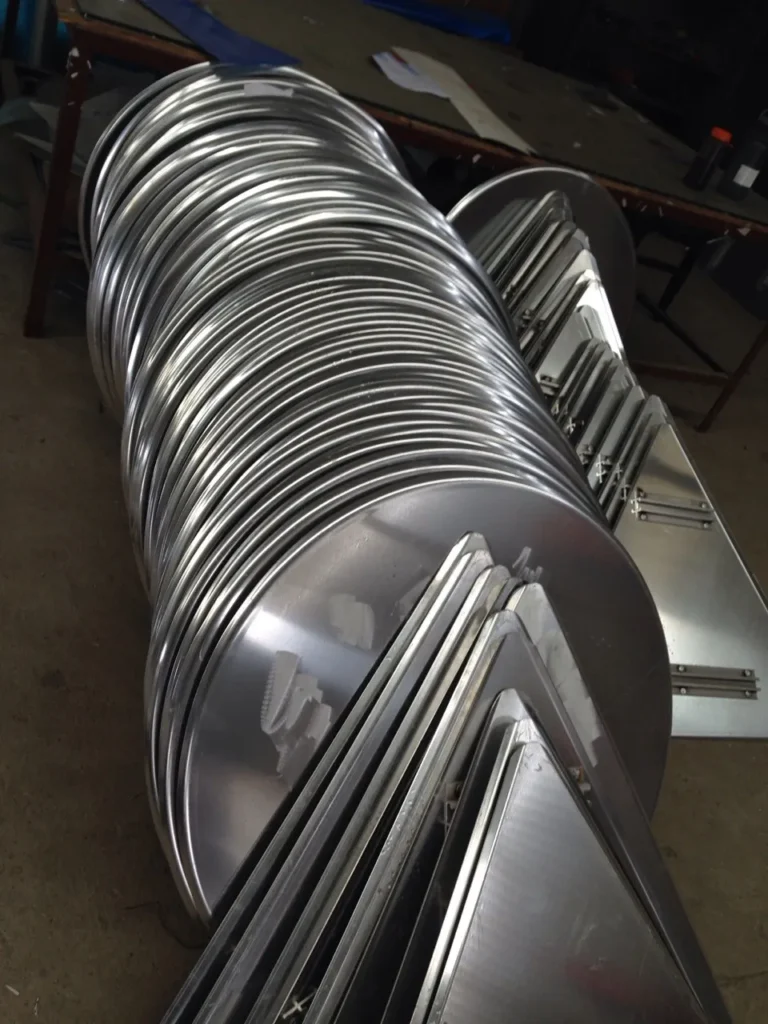
Sheet Metal for Deep Drawing Press
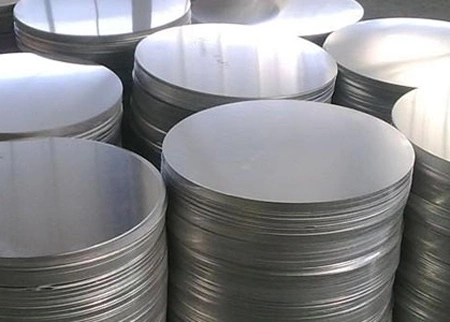
Sheet Metal for Deep Drawing Press

Sheet metal is one of the most important semi-finished products used in the steel industry, and sheet metal forming technology is therefore an important engineering discipline within the area of mechanical engineering. Sheet metal is characterized by a high ratio of surface to thickness. Sheet metal forming is basically a conversion of flat sheet metal into a product of the desired shape without defects like a fracture or excessive localized thinning.

The products made by sheet metal forming processes include a large variety of shapes and sizes, ranging from simple bends to double curvatures with shallow or deep recesses. Typical examples are metal desks, appliance bodies, aircraft panels, beverage cans, auto bodies, and kitchen utensils. In many cases, while deforming the sheet metal, the component fractures at a certain point. The causes of failure are parameters related to forming process.

The sheet metal is available as flat pieces. The sheet metals are formed by running a continuous sheet of metal through a roll slitter. The sheet metal thickness is called gauge and the gauge of sheet metal ranges from 30 gauges to 8 gauges.

The thinner the metal is, the higher of gauge. There are many applications that use sheet metal like car bodies, airplane wings, roofs, lab tables, and many more. In automobiles, the sheet metal is deformed into the desired and brought into the required form to get car part body pressings like bonnets, bumpers, doors, etc. In aircraft sheet metal is used for making the entire fuselage wings and body. In domestic applications, sheet metal is used for making many parts like washing machine bodies and covers, iron tops, timepiece cases, fan blades, cooking utensils and etc

A deep drawing press is a type of machine used in manufacturing processes to transform flat sheets of metal into three-dimensional objects with a deep, cup-shaped design. This process is commonly used in the production of a variety of products, such as automotive parts, cookware, and kitchen sinks.

The deep drawing process involves the use of a die and a punch to shape the metal sheet into the desired form. The metal sheet is placed on the die, and the punch applies pressure to force the metal sheet into the die cavity. The metal sheet is then formed into the desired shape, with the depth of the draw determined by the shape and size of the die and punch.

Deep drawing presses come in a range of sizes and configurations, and can be manual or automated. The type of press used depends on the size and complexity of the part being produced, as well as the volume of production required.

Overall, deep drawing presses are an important tool in the manufacturing industry, allowing for the efficient and precise production of complex metal parts.

Hydraulic presses are powerful machines used to apply a significant amount of force to an object through hydraulic fluid pressure. They are essential in various industrial applications, providing the necessary force for processes such as metal forming, stamping, bending, and molding. The versatility and efficiency of hydraulic presses make them indispensable tools in manufacturing and production lines. This document will explore the different types of hydraulic presses, their application areas, components, operational principles, manufacturing process, and the challenges and advancements in the industry.

Types of Hydraulic Presses

Hydraulic presses come in various designs, each suited to specific applications and requirements. The primary types of hydraulic presses include C-frame presses, H-frame presses, four-column presses, straightening presses, arbor presses, laminating presses, and transfer presses.

C-frame presses, also known as gap-frame presses, have a C-shaped frame that provides three-sided access to the work area. This design is ideal for applications requiring easy loading and unloading of materials.

H-frame presses, or two-post presses, have a robust H-shaped frame that offers excellent stability and strength. They are commonly used for heavy-duty tasks such as metal forming and straightening.

Four-column presses, or four-post presses, have four vertical columns that provide superior support and uniform force distribution. These presses are suitable for large-scale applications requiring high precision and repeatability.

Straightening presses are specialized hydraulic presses used to straighten bent or distorted metal components. They are widely used in the automotive and construction industries.

Arbor presses are smaller, manually operated hydraulic presses used for light-duty tasks such as assembly, riveting, and broaching. They are commonly found in workshops and small manufacturing facilities.

Laminating presses are used to bond multiple layers of material together under heat and pressure. These presses are essential in industries such as electronics, where laminated components are common.

Transfer presses are automated hydraulic presses that move the workpiece through multiple stations for different operations. They are highly efficient and used in high-volume production environments.

Application Areas

Hydraulic presses are employed in various industries, thanks to their ability to deliver consistent and precise force. Key application areas include:

Metal forming and forging: Hydraulic presses are crucial in shaping and forming metal parts through processes such as stamping, bending, and deep drawing. They are essential in the production of automotive parts, machinery components, and structural elements.

Automotive industry: In the automotive sector, hydraulic presses are used for manufacturing various parts, including body panels, chassis components, and engine parts. They play a critical role in ensuring the structural integrity and performance of vehicles.

Aerospace industry: The aerospace industry relies on hydraulic presses for forming and shaping high-strength materials used in aircraft components. Precision and reliability are paramount in this industry, making hydraulic presses indispensable.

Plastic and rubber molding: Hydraulic presses are used in the molding of plastic and rubber components, including automotive parts, household goods, and medical devices. They ensure consistent product quality and precision.

Electrical and electronics industry: In the electronics sector, hydraulic presses are used for laminating circuit boards, forming connectors, and assembling electronic components. They provide the necessary force and precision for delicate operations.

Medical device manufacturing: Hydraulic presses are used in the production of medical devices, including surgical instruments, implants, and diagnostic equipment. They ensure the high precision and quality required in the medical field.

Packaging industry: Hydraulic presses are employed in the packaging industry for forming and shaping packaging materials, such as cardboard, plastic, and metal. They help produce packaging solutions that are strong, durable, and aesthetically pleasing.

Components of a Hydraulic Press

A hydraulic press comprises several key components that work together to generate and control the applied force. The main components include the frame, hydraulic cylinder, hydraulic pump, control valves, hydraulic fluid, pressure gauges and sensors, and die and tooling.

The frame is the main structure of the hydraulic press, providing stability and support for all other components. It is typically made of high-strength steel to withstand the significant forces generated during operation.

The hydraulic cylinder is the core component that generates the pressing force. It consists of a cylindrical chamber, a piston, and a piston rod. When hydraulic fluid is pumped into the cylinder, it moves the piston, which in turn applies force to the workpiece.

The hydraulic pump is responsible for generating the hydraulic fluid pressure needed to move the piston. It draws hydraulic fluid from a reservoir and delivers it to the cylinder under high pressure.

Control valves regulate the flow of hydraulic fluid to and from the cylinder, controlling the movement and force of the press. These valves can be manually operated or automated, depending on the press design.

Hydraulic fluid, typically oil, is the medium through which force is transmitted in the hydraulic system. It must have suitable properties, such as viscosity and lubricity, to ensure efficient operation and protect system components.

Pressure gauges and sensors monitor the hydraulic fluid pressure within the system. They provide real-time feedback to the operator or control system, ensuring safe and accurate press operation.

Die and tooling are the interchangeable components that come into direct contact with the workpiece. They are designed to shape, form, or cut the material as required by the specific application.

How Hydraulic Presses Work

Hydraulic presses operate based on Pascal’s principle, which states that pressure applied to a confined fluid is transmitted equally in all directions. This principle allows hydraulic presses to generate significant force with relatively small input pressure.

The operation of a hydraulic press begins with the hydraulic pump drawing fluid from the reservoir and delivering it to the cylinder. The control valves regulate the flow of fluid, directing it into the cylinder to move the piston. As the piston moves, it applies force to the workpiece placed between the die and tooling.

The hydraulic fluid plays a crucial role in this process, as it transmits the applied pressure and lubricates the system components. The pressure gauges and sensors continuously monitor the fluid pressure, providing feedback to ensure the press operates within safe limits.

The force generated by the hydraulic press can be precisely controlled by adjusting the hydraulic fluid pressure and the position of the control valves. This allows for accurate and repeatable operations, essential for high-quality manufacturing.

Manufacturing of Hydraulic Presses

The manufacturing of hydraulic presses involves several stages, from design and engineering to assembly and quality control. Each stage is critical to ensuring the press’s performance, reliability, and safety.

Design and engineering: The process begins with the design and engineering phase, where specifications for the press are developed based on the intended application. This includes selecting suitable materials, determining the required force and stroke, and designing the frame and hydraulic system.

Material selection: High-quality materials, such as high-strength steel for the frame and durable alloys for the hydraulic components, are selected to ensure the press’s longevity and performance.

Fabrication of components: The individual components of the hydraulic press, including the frame, cylinder, and pump, are fabricated using precision machining and manufacturing techniques. This ensures that each component meets the required tolerances and specifications.

Assembly process: The fabricated components are then assembled into the complete hydraulic press. This involves mounting the cylinder, pump, and control valves onto the frame, connecting the hydraulic lines, and installing the die and tooling.

Quality control and testing: Rigorous quality control measures are implemented throughout the manufacturing process to ensure the press meets all specifications and standards. This includes pressure testing the hydraulic system, verifying the accuracy of the control valves, and performing operational tests to ensure the press functions correctly.

Advancements and Innovations

The hydraulic press industry is continually evolving, driven by advancements in technology and increasing demands for efficiency and precision. Key innovations include automation and control systems, energy efficiency improvements, and smart hydraulic presses.

Automation and control systems: Modern hydraulic presses are often equipped with advanced control systems that automate the pressing process. This includes programmable logic controllers (PLCs), human-machine interfaces (HMIs), and sensors that monitor and adjust the press’s operation in real time. Automation improves efficiency, reduces the risk of human error, and enhances the consistency of the finished products.

Energy efficiency improvements: Manufacturers are focusing on developing hydraulic presses that consume less energy and have a smaller environmental footprint. This includes using variable displacement pumps, energy recovery systems, and optimizing the hydraulic system’s design to minimize energy losses.

Smart hydraulic presses: The integration of IoT (Internet of Things) technology into hydraulic presses has led to the development of smart presses. These presses can communicate with other machines and systems, providing real-time data on their status, performance, and maintenance needs. This connectivity allows for predictive maintenance, reducing downtime and extending the press’s lifespan.

Challenges in Hydraulic Press Manufacturing

The manufacturing of hydraulic presses presents several challenges, including precision and quality requirements, cost management, technological advancements, and environmental considerations.

Precision and quality requirements: Hydraulic presses must deliver consistent and precise force, which requires high levels of accuracy in the manufacturing process. Ensuring each component meets the required tolerances and specifications is critical to the press’s performance and reliability.

Cost management: The cost of materials, labor, and energy can significantly impact the overall cost of manufacturing hydraulic presses. Manufacturers must balance quality and cost to remain competitive in the market.

Technological advancements: Keeping up with technological advancements is essential for manufacturers to meet the evolving demands of the industry. This requires continuous investment in research and development to incorporate new technologies and improve existing designs.

Environmental considerations: Environmental regulations and sustainability concerns are increasingly important in hydraulic press manufacturing. Manufacturers must develop eco-friendly presses that consume less energy, use recyclable materials, and minimize their environmental impact.

Introduction to Specialized Hydraulic Presses
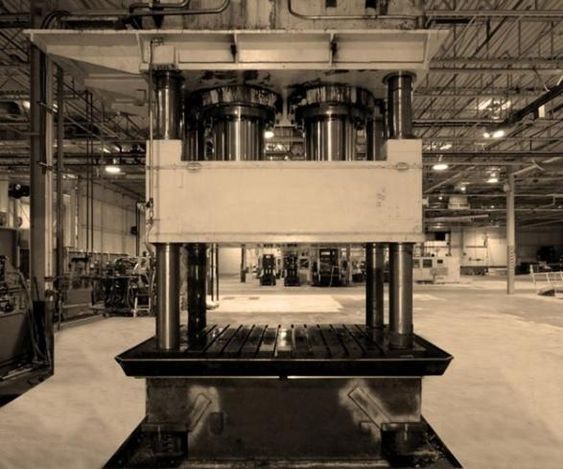
Deep Drawing Dies
Deep Drawing Dies

hydraulic press is a mechanical device that uses a hydraulic cylinder to generate compressive force, transforming energy from hydraulic fluid into mechanical work. Hydraulic presses are an essential part of modern industrial manufacturing, offering precision and the capability to generate immense force. While general-purpose hydraulic presses are versatile and used in a wide range of industries, specialized hydraulic presses are designed for specific tasks, providing enhanced efficiency, precision, and performance for specialized applications.

1.1. What Makes a Hydraulic Press “Specialized”?

A hydraulic press becomes specialized when its design and functionality are tailored to a particular industrial task. These presses often feature unique configurations, custom components, or advanced control systems that allow them to perform specific tasks more effectively than standard presses. Specialized presses are used in industries such as automotive manufacturingaerospacemedical device productionmetalworking, and electronics, where the need for precision, speed, or high force is critical.

  • Specialized tasks: While general-purpose presses can handle a variety of tasks, specialized presses are built to handle more complex operations such as deep drawingisostatic pressingmetal forgingstamping, and transfer pressing. Each of these tasks requires specific pressure, stroke control, and precision that a standard press may not be able to deliver effectively.
  • Customization: Specialized hydraulic presses often incorporate custom-built components such as specific diestransfer mechanisms, or servo-controlled systems, making them suitable for precise manufacturing processes. These presses can also be designed with unique frame configurations, such as H-frameC-frame, or four-column designs, each optimized for specific operational needs.

1.2. Importance of Specialized Hydraulic Presses in Industry

The increasing complexity of modern manufacturing processes, along with the demand for higher-quality products, has driven the need for specialized hydraulic presses. These machines not only improve the quality of finished products but also enhance productivity by reducing cycle times and increasing automation. Their ability to generate and control immense force with precision allows industries to achieve more complex and refined results than ever before.

  • Automotive industry: Specialized hydraulic presses are critical in the automotive sector, where they are used to form body panels, chassis components, and internal engine parts. Presses such as deep drawing presses and forging presses enable the production of high-strength parts that meet safety and performance standards.
  • Aerospace industry: In aerospace manufacturing, isostatic hydraulic presses are used to create high-strength, lightweight components like turbine blades and structural parts. These presses provide the precision needed to meet the stringent safety and durability requirements of the aerospace sector.
  • Medical device manufacturing: The medical device industry relies on specialized presses to produce intricate components such as surgical instruments, implants, and diagnostic devices. The high precision and force control offered by these presses ensure that even the smallest tolerances are met.

1.3. How Specialized Presses Differ from Standard Hydraulic Presses

While both standard and specialized hydraulic presses operate on the same basic principle of using hydraulic pressure to generate force, the key difference lies in their design, control systems, and intended applications.

  • Design differences: Specialized hydraulic presses often feature more robust or complex designs to handle specific tasks. For example, four-column hydraulic presses are designed to provide even pressure distribution for large or irregularly shaped workpieces, while C-frame presses are designed for easy access to the work area in small part production.
  • Control systems: Specialized presses typically use advanced control systems, such as servo-hydraulic systems or CNC controls, to provide greater precision and automation. These control systems allow operators to adjust pressure, stroke length, and speed with high accuracy, which is essential in tasks that require exact force application.
  • Application focus: While a general-purpose hydraulic press may be suitable for a wide variety of tasks, specialized presses are built to excel at specific operations. This specialization results in higher productivity, better quality, and lower error rates for those particular tasks.

Deep Drawing Presses
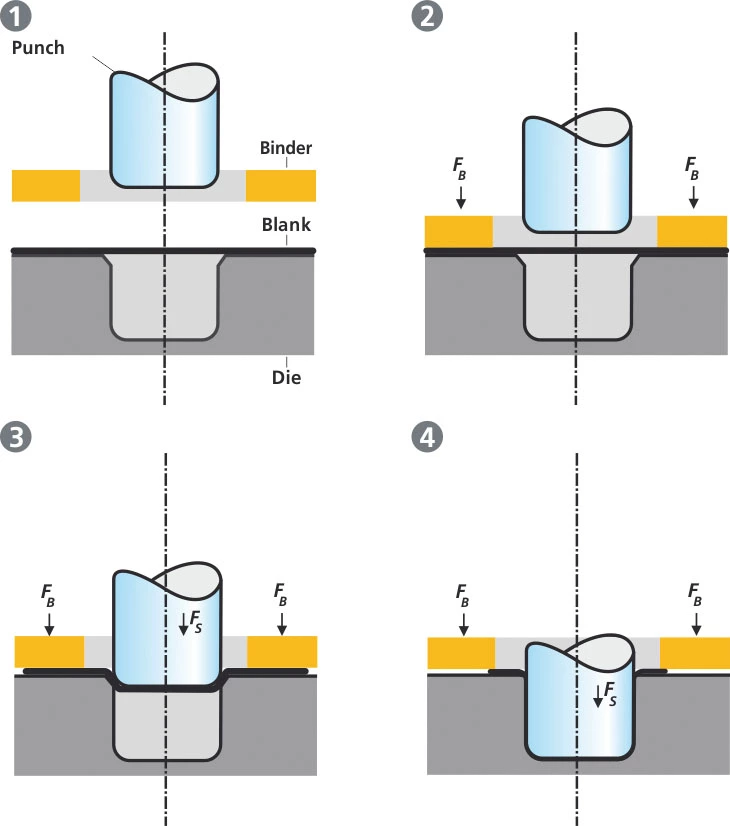
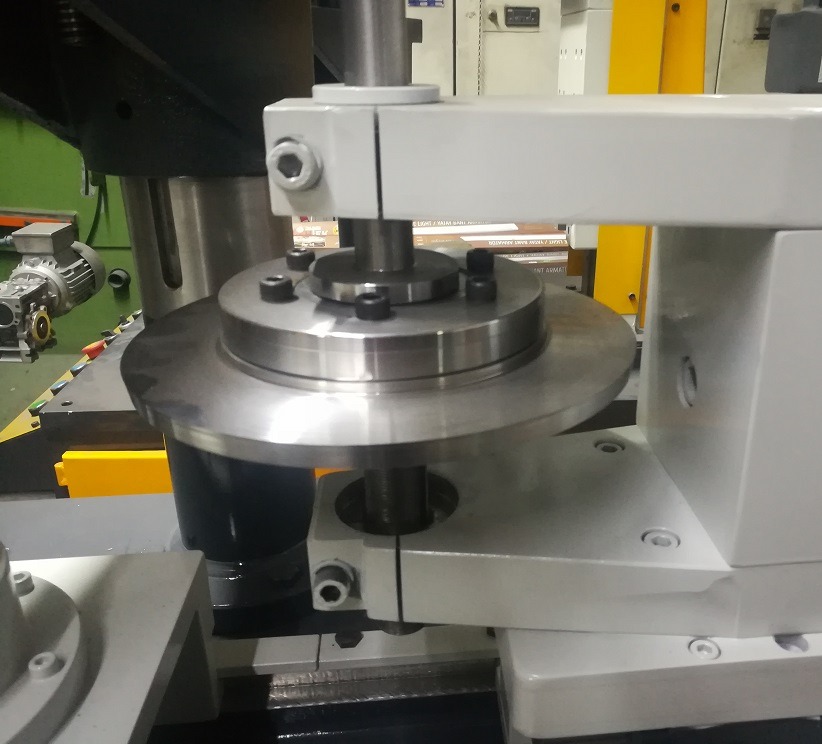
Punch and die Design

Deep drawing presses are a specialized type of hydraulic press used primarily for shaping metal sheets into deep, hollow shapes without compromising the integrity of the material. This process is commonly employed in the automotive, aerospace, packaging, and appliance industries to form components such as fuel tanks, kitchen sinks, and metal housings. The ability to create complex, seamless shapes from a single sheet of metal with minimal material wastage makes deep drawing presses essential for mass production applications.

2.1. Definition and Working Principle of Deep Drawing

Deep drawing is a metal forming process in which a flat sheet of metal (known as a blank) is gradually transformed into a deep, hollow shape through the application of pressure. During the deep drawing process, a punch pushes the metal sheet into a die cavity, stretching and compressing the material to form a desired shape. The term “deep” refers to the fact that the depth of the drawn part is greater than its diameter.

  • Key components of a deep drawing press:
    • Punch: The punch is the tool that applies pressure to the metal sheet and forces it into the die.
    • Die: The die provides the cavity into which the metal is drawn to take the desired shape.
    • Blank holder: This component holds the metal blank in place to prevent wrinkling and ensure uniform deformation.
    • Hydraulic cylinder: The hydraulic system applies controlled force to the punch, enabling precise and consistent drawing.

The process begins with a metal blank being placed over the die. As the hydraulic press drives the punch downward, the metal sheet is forced into the die cavity, where it undergoes plastic deformation. The blank holder applies pressure to prevent the sheet from moving sideways or wrinkling as it is drawn into the die.

Stages of Deep Drawing

The deep drawing process can be broken down into several stages:

  1. Initial contact: The punch makes initial contact with the metal blank.
  2. Forming: The punch gradually pushes the blank into the die, causing the material to stretch and form around the punch.
  3. Final shaping: The material conforms to the shape of the die as the punch reaches the bottom of the stroke.
  4. Ejection: Once the desired shape is achieved, the punch is retracted, and the finished part is ejected from the die.

In more complex operations, multi-draw deep drawing presses may be used, which involve multiple stages of drawing to achieve deeper shapes or more intricate designs.

2.2. Design Characteristics of Deep Drawing Presses

Deep drawing presses are designed to handle the high forces and precise control needed for metal forming. Key design features include large hydraulic cylinders, robust frames, and advanced control systems to ensure accurate force application and material deformation.

  • Frame design: Most deep drawing presses use an H-frame or four-column frame design to provide the structural support needed for high-force applications. These frames ensure that the force is evenly distributed across the die and blank, preventing misalignment or material deformation.
  • Hydraulic system: Deep drawing presses use hydraulic cylinders to apply precise, consistent pressure during the drawing process. The hydraulic system allows operators to adjust the speed, force, and stroke length of the press, providing greater control over the depth and shape of the final product.
  • Blank holders and force management: The blank holder plays a crucial role in maintaining the integrity of the material as it is drawn into the die. By applying controlled pressure to the blank, the holder prevents wrinkling or tearing, ensuring uniform deformation and a smooth final product.

Advanced deep drawing presses are often equipped with servo-hydraulic systems or CNC controls that provide automated control over the drawing process. These systems allow operators to program the press for specific tasks, adjust parameters such as pressure and stroke length, and monitor the process in real-time.

2.3. Applications of Deep Drawing Presses

Deep drawing presses are used in industries that require the production of deep, seamless, and hollow components from metal sheets. The process is widely employed in sectors such as automotiveaerospacepackaging, and appliances.

2.3.1. Automotive Industry

One of the largest users of deep drawing presses is the automotive industry, where they are employed to produce a variety of critical components. These include:

  • Body panels: Car body panels such as doors, hoods, and fenders are often produced using deep drawing presses. The process ensures that these panels have smooth, uniform surfaces without joints or seams.
  • Fuel tanks: Automotive fuel tanks are deep, hollow structures that are typically formed using deep drawing presses. The seamless nature of the deep drawing process helps prevent leaks and ensures the structural integrity of the tank.
  • Chassis components: Various chassis components, including cross members and support structures, are manufactured using deep drawing presses for their strength and durability.
2.3.2. Aerospace Industry

In the aerospace sector, deep drawing presses are used to manufacture lightweight, high-strength components for aircraft and spacecraft. Some common applications include:

  • Turbine engine components: Certain parts of turbine engines are made using deep drawing presses to create thin-walled, hollow structures that must withstand extreme temperatures and pressure.
  • Structural components: Aircraft fuselages, frames, and bulkheads are formed using deep drawing processes to ensure they are lightweight and resistant to mechanical stress.
2.3.3. Packaging Industry

Deep drawing presses are commonly used in the packaging industry to manufacture metal canscontainers, and aluminum trays. This process allows for the mass production of seamless containers that are lightweight, durable, and cost-effective. Some common products include:

  • Beverage cans: Aluminum cans for soda and beer are produced using deep drawing presses, ensuring a seamless design that holds pressure and maintains product integrity.
  • Food containers: Metal food containers, such as those used for canned goods, are also made using deep drawing, allowing for rapid production of strong, lightweight containers.
2.3.4. Appliance Manufacturing

The appliance industry uses deep drawing presses to produce components such as:

  • Sinks: Kitchen sinks, especially stainless steel varieties, are typically made using deep drawing presses. The process ensures that the sink has a smooth, seamless finish and is durable enough for everyday use.
  • Cookware: Pots, pans, and other metal cookware are often produced using deep drawing processes, ensuring uniform shapes and smooth surfaces.

2.4. Advantages of Deep Drawing Presses

Deep drawing presses offer several key advantages over other metal forming processes, particularly in industries where high precision, large-scale production, and material efficiency are critical.

  • High precision and repeatability: Deep drawing presses are capable of producing parts with high precision, ensuring that each component is consistent in terms of dimensions and quality. This is particularly important in industries such as automotive and aerospace, where tight tolerances are required.
  • Minimal material waste: Deep drawing uses the initial metal blank efficiently, minimizing material wastage. This reduces production costs, especially when working with expensive metals like aluminum or stainless steel.
  • Complex, seamless shapes: The ability to form deep, hollow, and complex shapes from a single metal sheet without the need for welding or additional assembly is one of the primary advantages of deep drawing presses. This results in stronger, more durable components.
  • High-volume production: Deep drawing presses are ideal for high-volume production runs, offering faster cycle times and the ability to produce large quantities of parts in a short period.

2.5. Technological Advancements in Deep Drawing Presses

Over the years, significant advancements have been made in the technology used in deep drawing presses, improving their efficiency, precision, and ease of use. Some of the key innovations include:

  • Servo-hydraulic systems: These systems combine hydraulic power with servo control, allowing for more precise force and speed control. This results in greater accuracy and reduced material waste.
  • CNC controls: Computer Numerical Control (CNC) systems have been integrated into deep drawing presses, enabling fully automated operation. Operators can program the press for specific tasks, adjust parameters remotely, and monitor the entire process in real-time.
  • Intelligent monitoring systems: Modern deep drawing presses often come equipped with sensors and real-time monitoring systems that track factors such as pressure, temperature, and material deformation. These systems allow operators to detect potential issues early and optimize the press for peak performance.

Isostatic Presses

Types of Single-Acting Hydraulic Presses

Isostatic presses are specialized hydraulic presses used to form materials under uniform pressure from all directions, ensuring that the material being pressed is evenly compressed. This technique is primarily employed in industries that require high-density, complex parts with excellent structural integrity, such as powder metallurgyadvanced ceramics, and the aerospace and medical device industries. Isostatic presses are particularly useful when working with materials that are difficult to shape through traditional pressing methods or that require precise control over porosity and density.

3.1. Working Principle of Isostatic Pressing

The key principle of isostatic pressing is the application of equal pressure from all directions on the material being formed. Unlike traditional hydraulic presses, which apply force from a single direction, isostatic presses use a fluid medium to transmit pressure uniformly across the material. This approach allows for consistent compression and ensures that the final product has uniform density and minimal internal stresses or defects.

The process can be categorized into two main types: Cold Isostatic Pressing (CIP) and Hot Isostatic Pressing (HIP). Both methods rely on similar principles but differ in terms of operating temperature and the type of material being processed.

3.1.1. Cold Isostatic Pressing (CIP)

In Cold Isostatic Pressing, the material being formed (typically a powdered metal or ceramic) is placed inside a flexible mold made of rubber or elastomer. This mold is then submerged in a pressure vessel filled with a liquid, such as water or oil. Hydraulic pumps are used to pressurize the fluid, which in turn applies uniform pressure to the mold, compressing the material from all sides.

  • Working temperature: As the name suggests, cold isostatic pressing is carried out at room temperature. The primary purpose of CIP is to compact powders before sintering or further processing.
  • Pressure range: The pressure applied in CIP typically ranges from 20,000 to 100,000 PSI (pounds per square inch), depending on the material and the desired density.

Once the material has been sufficiently compressed, it is removed from the mold and subjected to sintering (a heat treatment process) to solidify the material and achieve the final desired properties.

3.1.2. Hot Isostatic Pressing (HIP)

Hot Isostatic Pressing differs from CIP in that it combines the application of pressure with high temperatures. This method is used to both compact and sinter the material simultaneously, resulting in denser, more homogeneous parts with improved mechanical properties.

  • Working temperature: In HIP, the material is placed inside a rigid mold or capsule, typically made of metal. The pressure vessel is filled with an inert gas, such as argon, which is then heated to temperatures ranging from 500°C to over 2000°C (930°F to 3600°F). The high temperature helps in sintering the material while the pressure consolidates it, eliminating porosity and improving density.
  • Pressure range: HIP typically operates at pressures between 10,000 and 30,000 PSI, which is lower than CIP, but the combined effect of heat and pressure enables the material to achieve full densification.

HIP is commonly used to strengthen and densify metals, ceramics, and composites that require exceptional mechanical properties, such as those used in the aerospace and medical industries.

3.2. Key Components of Isostatic Presses

Isostatic presses have several essential components that enable them to apply uniform pressure to the material being formed. These components are critical for maintaining consistency and ensuring that the material is shaped and compressed evenly.

  • Pressure vessel: The pressure vessel is the container in which the pressing takes place. It is designed to withstand extremely high pressures and, in the case of HIP, high temperatures as well. The vessel is filled with a fluid (in CIP) or gas (in HIP) that transmits the pressure uniformly.
  • Mold or capsule: In CIP, the material is placed inside a flexible mold made of rubber or elastomer. In HIP, a rigid metal capsule is used to contain the material, which ensures that it holds its shape during the pressing and sintering process.
  • Hydraulic system: The hydraulic system in an isostatic press is responsible for pressurizing the fluid or gas within the pressure vessel. In CIP, water or oil is used as the pressure-transmitting medium, while in HIP, an inert gas such as argon is used.
  • Temperature control (for HIP): In hot isostatic presses, the pressure vessel is equipped with heating elements and temperature control systems to maintain the desired operating temperature during the pressing and sintering process.

3.3. Applications of Isostatic Presses

Isostatic presses are used in industries where material density and structural integrity are critical. The uniform pressure applied during isostatic pressing makes these machines ideal for applications that require the formation of complex shapes with minimal porosity.

3.3.1. Powder Metallurgy

One of the primary applications of isostatic presses is in powder metallurgy, where powdered metals are compressed into dense, high-strength parts. This process is used to produce components for various industries, including automotive, aerospace, and machinery manufacturing.

  • High-performance parts: Parts produced using isostatic pressing often exhibit superior mechanical properties compared to those made with traditional pressing techniques. The uniform pressure ensures that the powder particles are densely packed, resulting in a stronger final product with fewer defects.
  • Complex shapes: Isostatic presses allow manufacturers to create complex shapes that would be difficult or impossible to achieve with traditional forging or casting methods. This is particularly useful in producing components such as gears, bearings, and engine parts.
3.3.2. Advanced Ceramics

Advanced ceramics are used in industries ranging from electronics to aerospace, and isostatic pressing is an essential process for forming high-performance ceramic components.

  • Electronics: Ceramic substrates used in electronic circuits must have excellent thermal and electrical properties, and isostatic pressing ensures that these components are produced with high density and uniformity.
  • Aerospace and defense: In aerospace, isostatic presses are used to produce ceramic components that can withstand extreme temperatures and mechanical stress, such as heat shields and engine components.
3.3.3. Aerospace and Medical Applications

In the aerospace and medical industries, isostatic pressing is used to manufacture parts that require high strength, durability, and precision.

  • Turbine blades: Hot isostatic pressing is used to densify turbine blades made from superalloys, ensuring they can withstand the extreme heat and pressure experienced in aircraft engines.
  • Medical implants: The production of medical implants, such as hip and knee replacements, relies on isostatic pressing to form high-density metal parts that meet stringent biocompatibility and durability standards.

3.4. Advantages of Isostatic Presses

Isostatic presses offer several advantages over traditional pressing methods, particularly in industries that require precision and high material density.

  • Uniform pressure distribution: The primary advantage of isostatic pressing is the uniform application of pressure from all directions. This ensures that the material is evenly compressed, resulting in higher density and fewer internal defects.
  • Ability to form complex shapes: Isostatic presses are ideal for creating intricate, detailed parts that would be challenging to form using conventional methods. The flexible molds used in CIP allow for greater design flexibility, while HIP’s ability to combine heat and pressure enables the production of fully dense, sintered parts.
  • Improved material properties: Parts produced using isostatic presses often exhibit superior mechanical properties, such as increased strength, hardness, and durability. This is particularly important in industries where parts are subjected to extreme conditions, such as aerospace and medical applications.

3.5. Industry Innovations in Isostatic Pressing

Recent advancements in isostatic pressing technology have further improved the efficiency and precision of these machines. Some of the most notable innovations include:

  • 3D printed molds: Additive manufacturing technologies, such as 3D printing, are now being used to create molds for isostatic pressing. These custom molds allow manufacturers to produce complex, one-of-a-kind parts with greater accuracy and faster turnaround times.
  • AI-driven process optimization: The integration of Artificial Intelligence (AI) and machine learning into isostatic pressing systems has enabled real-time monitoring and optimization of the pressing process. These technologies help identify potential defects early in the process and automatically adjust parameters to ensure consistent quality.

Transfer Hydraulic Presses

Deep Drawing of Stainless Steel

Transfer hydraulic presses are specialized machines designed for high-volume, multi-step production processes where multiple operations can be performed in sequence on a single part. These presses are commonly used in industries that require complex forming, stamping, or assembly tasks, particularly in large-scale manufacturing environments such as the automotiveappliance, and electrical component industries. The defining characteristic of a transfer hydraulic press is its ability to move parts from one station to the next automatically, reducing manual labor and increasing productivity.

4.1. Working Principle of Transfer Hydraulic Presses

The main advantage of a transfer hydraulic press is its ability to perform multiple operations in a single production cycle by moving the part between different workstations automatically. This functionality is achieved using an integrated transfer mechanism that picks up the part after each operation and moves it to the next station.

Stages of Operation in a Transfer Press
  1. Feeding and positioning: Raw material or partially formed parts are fed into the press, either manually or using automated feeders. The part is positioned at the first station, where the initial operation (such as cutting or forming) is performed.
  2. First operation: The press applies hydraulic pressure to the material, performing the first operation, such as stamping, drawing, or punching. Once this step is complete, the transfer mechanism takes over.
  3. Transfer to the next station: The part is picked up by a transfer arm or gripper and moved to the next station, where a secondary operation is performed. This could involve further shaping, bending, trimming, or assembly.
  4. Final operation and ejection: After all the required operations have been completed at the various stations, the finished part is ejected from the press. Depending on the complexity of the part, it may undergo several stages of transformation before reaching its final form.

The ability to carry out multiple operations without requiring the operator to intervene at each step significantly increases the efficiency and speed of the production process. The transfer system ensures that parts move seamlessly from one station to another, allowing for high-volume production with minimal downtime between operations.

4.2. Components of a Transfer Hydraulic Press

Transfer hydraulic presses are more complex than standard hydraulic presses, as they include additional mechanisms to facilitate the automatic movement of parts between workstations. The key components of a transfer hydraulic press include:

  • Transfer mechanism: The transfer mechanism is a key feature that distinguishes transfer presses from other types of hydraulic presses. It is responsible for moving the part between stations during the production cycle. This mechanism can be a robotic arm, a gripper system, or a set of automated rails that lift and transfer the part without damaging it.
  • Die sets and tooling: Transfer presses often use multiple die sets, each designed for a specific operation, such as cutting, bending, forming, or assembly. These die sets are positioned at different stations within the press, allowing for multiple processes to be carried out in sequence.
  • Hydraulic system: As with all hydraulic presses, the hydraulic system provides the force needed to perform the various operations. In transfer presses, the hydraulic system must be precisely controlled to ensure that each operation is carried out with the correct amount of force and speed.
  • Control systems: Transfer presses rely on advanced control systems, often equipped with Programmable Logic Controllers (PLCs) or Computer Numerical Control (CNC) systems. These systems coordinate the movements of the transfer mechanism, control the hydraulic pressure applied at each station, and monitor the overall operation of the press.

4.3. Applications of Transfer Hydraulic Presses

Transfer hydraulic presses are ideal for mass production environments where large quantities of parts need to be processed quickly and accurately. Some common applications of transfer presses include:

4.3.1. Automotive Manufacturing

The automotive industry is one of the largest users of transfer hydraulic presses. These presses are used to produce a wide range of components, from structural parts like chassis components and body panels to engine parts such as valve covers and housings.

  • Stamping: Transfer presses are commonly used for stamping operations in automotive manufacturing, where large metal sheets are progressively shaped into car body panels or structural components. The ability to perform multiple stamping operations in sequence reduces production time and minimizes manual labor.
  • Deep drawing and forming: Transfer presses are also used for deep drawing operations, where metal sheets are formed into deeper, more complex shapes such as fuel tanks, wheel rims, or exhaust components.
4.3.2. Appliance Manufacturing

In the appliance industry, transfer hydraulic presses are used to produce metal and plastic parts for household items such as washing machinesrefrigeratorsdishwashers, and stoves.

  • Multi-stage forming: Many appliance components, such as metal brackets, frames, and enclosures, require multiple forming operations to achieve their final shape. Transfer presses streamline this process by allowing each step to be carried out in one machine, reducing the need for separate pressing operations.
  • Assembly: Some transfer presses are equipped to perform simple assembly tasks, such as inserting fasteners or connecting parts, in addition to shaping and forming materials.
4.3.3. Electrical Component Production

The electronics industry uses transfer hydraulic presses for the production of metal housingsconnectors, and casings for electronic devices. The high precision and automation capabilities of transfer presses make them ideal for producing the small, intricate parts required in modern electronics.

  • High precision stamping: Transfer presses are used to stamp metal components for electrical connectors, terminals, and housings, ensuring that each part meets strict dimensional tolerances.
  • Mass production of casings: In the production of electronics, the ability to quickly and accurately form metal casings and frames for devices like smartphones, laptops, and tablets is essential for meeting consumer demand.

4.4. Advantages of Transfer Hydraulic Presses

Transfer hydraulic presses offer several significant advantages over traditional hydraulic presses, particularly in large-scale production environments where multiple operations are needed to complete a part.

4.4.1. High Productivity

One of the primary advantages of transfer presses is their ability to increase productivity by performing multiple operations in a single cycle. Since the parts are automatically transferred from one station to the next, there is no need for manual intervention between steps, reducing cycle times and increasing output.

4.4.2. Automation and Labor Reduction

By automating the transfer process, transfer presses minimize the need for manual labor. This not only reduces labor costs but also improves consistency and accuracy, as human error is minimized during the production process. The use of robotic arms or automated transfer systems ensures that parts are moved precisely and consistently between stations.

4.4.3. Versatility

Transfer hydraulic presses are highly versatile machines capable of performing a wide range of operations, including cutting, stamping, forming, and even assembly. This versatility makes them ideal for industries that require complex, multi-step production processes.

4.4.4. Space Efficiency

By consolidating multiple operations into a single machine, transfer presses help save floor space in manufacturing facilities. Instead of requiring separate presses for each step of the process, a transfer press can perform all the necessary operations in one place, reducing the need for additional equipment and floor space.

4.5. Technological Advancements in Transfer Presses

As with other types of hydraulic presses, transfer hydraulic presses have benefited from technological advancements that improve efficiency, precision, and automation. Some key innovations in transfer press technology include:

  • Integration with robotics: Many modern transfer hydraulic presses are equipped with robotic arms or gripper systems that handle the movement of parts between stations. These robots can be programmed to handle parts with extreme precision, ensuring that they are positioned correctly at each station and reducing the risk of damage or misalignment.
  • CNC and PLC control systems: The integration of CNC and PLC control systems allows for greater automation and control over the press’s operation. Operators can program the press to perform specific tasks, adjust parameters like pressure and stroke length, and monitor the entire production process in real-time.
  • IoT connectivity: Some transfer hydraulic presses are now equipped with Internet of Things (IoT) technology, allowing them to be connected to a larger network of machines and systems. This connectivity enables remote monitoring, predictive maintenance, and real-time data analysis, improving overall efficiency and reducing downtime.

Four-Column Hydraulic Presses
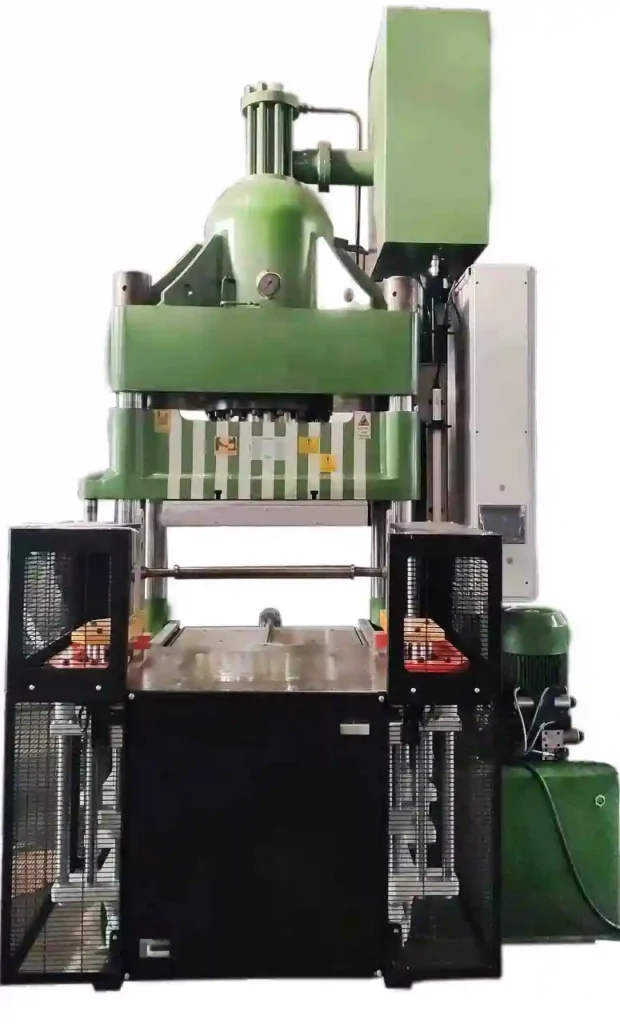
Brake Pads Machine
Brake Pads Machine

Four-column hydraulic presses, also known as four-post presses, are a type of hydraulic press characterized by their robust design, featuring four vertical columns that provide superior stability and even force distribution. These presses are widely used in industrial applications that require high precision, durability, and large force outputs. Their sturdy design makes them ideal for handling large workpieces and performing tasks such as deep drawingdie cuttingforging, and molding. Four-column presses are particularly favored in industries like aerospaceautomotiveheavy machinery, and plastics.

5.1. Design and Structure of Four-Column Hydraulic Presses

The defining feature of four-column hydraulic presses is their frame design, which includes four vertical columns that support the upper and lower crossheads of the press. The columns are positioned at the corners of the press, allowing for the even distribution of force across the entire work area. This design provides exceptional rigidity and stability, making four-column presses ideal for high-force applications that require precise control over pressure and material deformation.

Key Components
  • Four vertical columns: The four columns serve as the structural backbone of the press, ensuring stability and providing support to the upper and lower crossheads. These columns are typically made from high-strength steel to withstand the immense forces generated during operation.
  • Upper and lower crossheads: The crossheads are the horizontal beams that connect the four columns. The upper crosshead supports the hydraulic cylinder, while the lower crosshead serves as the base of the press. These crossheads help distribute the load evenly, ensuring that the force applied by the hydraulic cylinder is spread across the entire surface of the workpiece.
  • Hydraulic cylinder: The hydraulic cylinder is mounted on the upper crosshead and contains the piston that moves vertically to apply pressure to the material. The cylinder is driven by pressurized hydraulic fluid, which generates the force needed to deform or shape the material.
  • Die sets: In applications such as metal forming or die cutting, four-column presses are equipped with die sets that shape the material as it is compressed between the punch and die.
Force Distribution and Stability

One of the primary advantages of the four-column design is its ability to evenly distribute force across the entire workpiece. In presses that do not have this type of frame, the force can be unevenly applied, leading to inconsistent results, material deformation, or damage. With four-column presses, the hydraulic cylinder applies pressure directly to the material, while the columns and crossheads ensure that this pressure is evenly distributed. This makes four-column presses particularly effective for forming large, complex parts or handling irregularly shaped workpieces.

5.2. Applications of Four-Column Hydraulic Presses

Four-column hydraulic presses are used in a wide variety of industrial applications, particularly in sectors where precision, force control, and large work areas are essential. Some common applications include:

5.2.1. Metal Forming and Deep Drawing

In the metalworking industry, four-column hydraulic presses are widely used for deep drawingsheet metal forming, and stamping operations. These presses can handle large metal sheets and apply even pressure across the material, ensuring that the metal is formed uniformly without wrinkles or cracks.

  • Automotive industry: Four-column presses are commonly used to form large automotive body panels, chassis components, and engine parts. Their ability to handle large workpieces and apply consistent pressure makes them ideal for producing high-strength, precision-engineered parts for vehicles.
  • Appliance industry: These presses are also used in the production of metal components for household appliances, such as washing machine drums, refrigerator panels, and kitchen sink basins.
5.2.2. Die Cutting

Die cutting is another common application for four-column hydraulic presses, particularly in industries that require precision cutting of materials like plastic, rubber, leather, and metal. The stability and accuracy provided by the four-column design allow for precise control over the cutting process, ensuring that each part is cut to the correct dimensions.

  • Plastics and rubber industry: In the production of plastic and rubber components, four-column presses are used to cut parts such as gaskets, seals, and packaging materials. The even force distribution ensures that each part is cut cleanly and consistently.
  • Textiles and leather: In industries like textiles and leather manufacturing, four-column presses are used for die cutting fabric and leather materials into patterns for clothing, upholstery, and accessories.
5.2.3. Forging and Molding

In forging and molding applications, four-column hydraulic presses are used to apply large amounts of pressure to shape metal, plastic, or composite materials. These presses are often used in the production of high-strength parts that require uniform compression and precision.

  • Aerospace industry: The aerospace sector relies on four-column hydraulic presses to forge critical components such as turbine blades, engine housings, and structural parts. The high precision and force capacity of these presses ensure that aerospace components meet strict safety and performance standards.
  • Heavy machinery: In the production of heavy industrial equipment, four-column presses are used to forge large, high-strength parts like gears, shafts, and machine frames.

5.3. Advantages of Four-Column Hydraulic Presses

Four-column hydraulic presses offer several key advantages over other types of hydraulic presses, making them the preferred choice for many industrial applications.

5.3.1. Even Pressure Distribution

One of the most significant advantages of four-column presses is their ability to distribute pressure evenly across the workpiece. This is especially important in applications like deep drawing and die cutting, where uneven pressure can lead to defects or inconsistent results. The four-column design ensures that the hydraulic force is applied uniformly, improving product quality and reducing the likelihood of material failure.

5.3.2. Versatility in Handling Large Workpieces

Four-column presses are designed to accommodate large workpieces, making them ideal for industries that require the forming, cutting, or forging of large parts. The large work area provided by the press allows operators to handle complex or oversized materials that would be difficult to process using other types of presses.

5.3.3. High Force Capacity

Due to their robust design, four-column hydraulic presses can generate extremely high forces, often ranging from several tons to thousands of tons. This makes them well-suited for heavy-duty applications, such as metal forging or the production of large automotive components. The combination of high force capacity and even pressure distribution ensures that these presses can handle the most demanding tasks with precision and reliability.

5.3.4. Precision and Stability

The four-column design provides exceptional stability, reducing the risk of misalignment or deformation during the pressing process. This is particularly important in applications that require high precision, such as aerospace and automotive part production. The stability provided by the four-column frame ensures that the material is pressed evenly and accurately, resulting in high-quality parts with minimal defects.

5.4. Technological Advancements in Four-Column Presses

As with other hydraulic presses, four-column hydraulic presses have benefited from recent advancements in technology, particularly in areas such as automation, energy efficiency, and precision control. Some of the key innovations in four-column press technology include:

Servo-Hydraulic Systems

Many modern four-column hydraulic presses are equipped with servo-hydraulic systems, which provide more precise control over the press’s force, speed, and stroke length. Servo-hydraulic systems use servo motors to regulate the flow of hydraulic fluid, allowing operators to adjust the press’s parameters with a high degree of accuracy. This results in improved precision and energy efficiency, making four-column presses suitable for high-precision tasks that require tight tolerances.

CNC Integration

Computer Numerical Control (CNC) systems are increasingly being integrated into four-column hydraulic presses, allowing for fully automated operation. CNC-controlled presses can be programmed to perform specific tasks, such as deep drawing or die cutting, with minimal operator intervention. This increases productivity and reduces the risk of human error, while also allowing for greater flexibility in terms of press operation.

IoT and Smart Manufacturing

Some four-column hydraulic presses are now equipped with Internet of Things (IoT) connectivity, allowing them to be integrated into smart manufacturing environments. IoT-enabled presses can communicate with other machines and systems in the production line, providing real-time data on press performance, material usage, and maintenance needs. This connectivity allows for more efficient production management and predictive maintenance, reducing downtime and improving overall operational efficiency.

Forging Hydraulic Presses

Forging hydraulic presses are specialized machines designed to shape metal by applying high compressive forces. They are used in industries that require strong, high-quality metal parts with specific mechanical properties. Forging presses can process both hot and cold metals, making them suitable for a wide range of forging applications. These presses play a critical role in industries like automotiveaerospaceheavy machinery, and industrial equipment manufacturing, where parts need to withstand extreme stress and environmental conditions.

6.1. Working Principle of Forging Hydraulic Presses

The forging process involves deforming a metal workpiece by applying pressure to force it into a desired shape. Forging hydraulic presses are equipped with a hydraulic system that generates the immense pressure required to deform metal, typically using a punch and die set to compress the metal into a specific shape. The key advantage of hydraulic presses in forging is their ability to apply consistent and controllable pressure over a long stroke length, which ensures precision and uniformity in the final product.

Types of Forging Processes

There are two main types of forging processes that can be performed using hydraulic presses: hot forging and cold forging.

  • Hot forging: In this process, the metal workpiece is heated to a temperature where it becomes malleable and easier to shape. Hot forging is typically used for metals like steel, aluminum, and titanium, which require high temperatures to achieve the desired level of deformation. Hydraulic presses apply pressure to the heated metal, compressing it into the die cavity to form the desired shape. The high temperature allows the metal to flow more easily, reducing the force required for shaping.
  • Cold forging: In cold forging, the metal is shaped at or near room temperature. Cold forging is generally used for softer metals or applications where a high degree of dimensional accuracy and surface finish is required. Since cold forging does not involve heating, the metal undergoes work hardening, which increases its strength. However, cold forging requires higher forces than hot forging because the metal is less malleable at lower temperatures.
Forging Press Components

Forging hydraulic presses share many components with other types of hydraulic presses, but they are specifically designed to handle the immense pressures and extreme conditions required for forging. Some of the key components of a forging hydraulic press include:

  • Hydraulic cylinder: The hydraulic cylinder is responsible for generating the force that drives the piston downward, applying pressure to the metal workpiece. Forging presses use large hydraulic cylinders capable of producing thousands of tons of force.
  • Piston and ram: The piston, housed within the hydraulic cylinder, moves up and down to apply pressure. The ram is the component that physically contacts the metal workpiece, pressing it into the die to form the desired shape.
  • Die set: The die set consists of two parts: the upper die (attached to the ram) and the lower die (mounted on the press bed). The shape of the dies determines the final shape of the forged part. Hydraulic presses use interchangeable dies to create a wide variety of parts, from simple geometries to complex shapes.
  • Cooling system: Since hot forging involves working with high temperatures, forging hydraulic presses are typically equipped with cooling systems to dissipate heat and maintain the proper operating temperature. The cooling system helps prevent overheating, which could damage the hydraulic components or affect press performance.

6.2. Hot vs. Cold Forging in Hydraulic Presses

Both hot forging and cold forging have their advantages, and the choice between the two depends on the type of metal being forged and the desired properties of the final part.

Hot Forging
  • Process: In hot forging, the metal is heated to temperatures ranging from 700°C to 1250°C (1300°F to 2300°F), depending on the material. At these high temperatures, the metal becomes more ductile and easier to shape. The hydraulic press then applies pressure to deform the heated metal, forcing it into the shape of the die.
  • Advantages:
    • Easier material flow: The high temperature makes the metal more malleable, allowing it to flow easily into complex shapes with less force.
    • Reduction in material defects: Hot forging reduces the likelihood of defects such as porosity or cracking, as the metal’s internal structure is more uniform at high temperatures.
    • Improved mechanical properties: The heat treatment that occurs during hot forging improves the toughness, ductility, and fatigue resistance of the forged part.
  • Disadvantages:
    • Energy consumption: Hot forging requires a significant amount of energy to heat the metal, making it less energy-efficient than cold forging.
    • Potential for scale formation: When metals are heated, they can form an oxide layer on their surface, known as scale, which must be removed in post-forging processes like cleaning or machining.
Cold Forging
  • Process: Cold forging is performed at room temperature or near-room temperature. It is typically used for softer metals, such as aluminum or copper, or when high precision and excellent surface finish are required.
  • Advantages:
    • Increased strength through work hardening: Since the metal is not heated during cold forging, the material undergoes work hardening, which increases its strength and durability.
    • High precision and surface finish: Cold forging allows for tighter dimensional tolerances and better surface finish, reducing the need for secondary machining processes.
    • Energy efficiency: Cold forging does not require heating the metal, resulting in lower energy consumption and cost savings compared to hot forging.
  • Disadvantages:
    • Higher force required: Since the metal is less malleable at room temperature, cold forging requires higher forces to shape the material. Hydraulic presses used for cold forging must be capable of generating extremely high pressures.
    • Limited to softer metals or small parts: Cold forging is best suited for softer metals or smaller parts. Attempting to cold forge large, high-strength metals like steel can result in cracking or other defects.

6.3. Applications of Forging Hydraulic Presses

Forging hydraulic presses are used in industries that require high-strength, high-performance parts. The forging process produces components that are stronger and more durable than parts made using other metal forming methods, making hydraulic forging presses indispensable in industries such as automotive, aerospace, and heavy machinery manufacturing.

6.3.1. Automotive Industry

The automotive industry is one of the largest users of forging hydraulic presses, particularly for the production of engine and drivetrain components. Forging provides the strength and durability needed for parts that must withstand high stress, such as:

  • Crankshafts: Crankshafts, which convert linear motion into rotational motion in an engine, are forged using hydraulic presses to ensure they can endure high loads and torque. Forging also improves the grain structure of the metal, enhancing its fatigue resistance.
  • Connecting rods: Forged connecting rods are used to link the piston to the crankshaft in an engine. These components are subjected to extreme forces, and forging ensures they have the necessary strength to operate reliably.
  • Gears and axles: Forged gears and axles are used in transmissions and drivetrains, where high strength and precision are essential for smooth operation and long service life.
6.3.2. Aerospace Industry

In the aerospace industry, forged components are used in critical applications where strength, lightweight, and reliability are paramount. Aerospace parts are often made from high-performance alloys, such as titanium and nickel-based superalloys, which are well-suited for forging. Some common aerospace applications include:

  • Turbine blades: Hydraulic forging presses are used to shape turbine blades for jet engines. These blades must withstand extreme temperatures and high mechanical stress, making forging the ideal manufacturing method to ensure their durability and performance.
  • Landing gear components: Forged components in landing gear systems must be able to absorb impact and resist wear, making them ideal candidates for the forging process. Hydraulic presses can produce landing gear components with superior strength and toughness.
  • Structural parts: Hydraulic presses are used to forge structural components for aircraft frames, ensuring they are lightweight yet strong enough to endure the stresses of flight.
6.3.3. Heavy Machinery and Industrial Equipment

Forging hydraulic presses are essential in the production of heavy machinery and industrial equipment that require high-strength, wear-resistant parts. Examples of applications in this industry include:

  • Forged gears and shafts: In heavy equipment such as excavators, bulldozers, and mining machinery, forged gears and shafts provide the strength and durability needed to operate in harsh environments and under heavy loads.
  • Hydraulic cylinders: Hydraulic presses are used to forge high-strength cylinders and pistons used in the hydraulic systems of heavy machinery. These components must withstand high pressure and wear over extended periods.
  • Tools and dies: The tooling industry relies on forging presses to produce diesmolds, and tools used in metal forming, stamping, and cutting operations. Forging ensures that these tools have the hardness and wear resistance required for demanding applications.

6.4. Advantages of Forging Hydraulic Presses

Forging hydraulic presses offer several advantages over other metal forming methods, particularly when it comes to producing high-strength, precision components.

6.4.1. Superior Mechanical Properties

The forging process results in parts with superior mechanical properties compared to casting or machining. Forged parts have a more refined grain structure, which improves their strength, toughness, and fatigue resistance. This makes forging the ideal choice for components that will be subjected to high stress or extreme conditions.

6.4.2. Precision and Repeatability

Hydraulic forging presses provide precise control over the pressure, speed, and stroke length of the press, ensuring consistent results and high repeatability. This precision is critical in industries like aerospace and automotive, where parts must meet tight tolerances and high-quality standards.

6.4.3. Versatility

Forging hydraulic presses are versatile machines capable of handling a wide range of metals and producing a variety of shapes and sizes. Whether forging small, intricate parts or large, heavy-duty components, hydraulic presses can be adapted to meet the specific needs of the application.

6.4.4. Improved Surface Finish

Forging results in parts with a smooth surface finish and uniform dimensions, reducing the need for post-processing such as machining or grinding. This not only saves time but also reduces material waste and costs.

6.5. Technological Advancements in Forging Hydraulic Presses

Recent innovations in forging hydraulic press technology have further improved the efficiency, precision, and energy efficiency of these machines.

Servo-Hydraulic Systems

Many modern forging presses are equipped with servo-hydraulic systems that provide more precise control over the press’s force, speed, and stroke length. These systems use servo motors to regulate the flow of hydraulic fluid, allowing for greater accuracy and energy savings. Servo-hydraulic systems also enable faster cycle times, increasing productivity.

Automation and Robotics

Automation is playing an increasingly important role in forging operations. Robotic arms and automated part handling systems are being integrated into forging presses to load and unload parts, reducing the need for manual labor and improving consistency. Automated systems can also monitor the forging process in real-time, detecting and correcting any deviations to ensure high-quality parts.

Smart Forging Systems

With the advent of Industry 4.0 technologies, smart forging systems are becoming more common. These systems use sensorsIoT connectivity, and machine learning algorithms to optimize the forging process in real-time. Smart forging presses can adjust parameters such as pressure and stroke length based on real-time data, improving product quality and reducing downtime.

C-Frame Hydraulic Presses
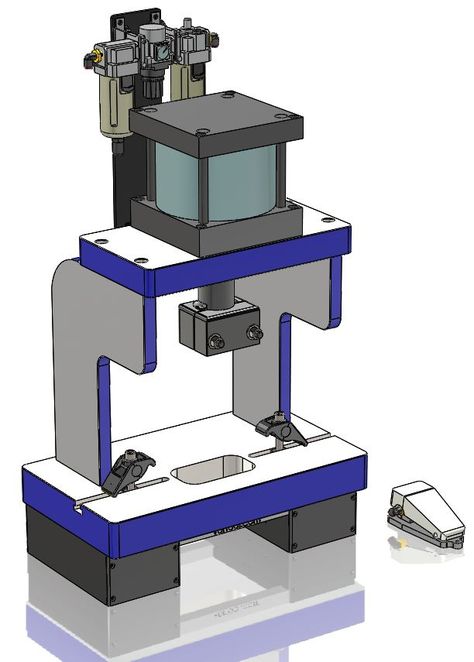
Frame and Structural Components

C-frame hydraulic presses are a popular type of hydraulic press characterized by their open-front design, which resembles the shape of the letter “C.” This design allows easy access to the working area from three sides, making C-frame presses ideal for applications that require frequent loading and unloading of materials. These presses are commonly used in precision metalworkingassembly line tasks, and light manufacturing applications where space efficiency, versatility, and accessibility are essential.

C-frame presses are often favored for tasks like punchingbendingstamping, and assembly, especially when dealing with smaller workpieces or components. Their compact design makes them suitable for small workshops and production lines, as they require less floor space than larger, multi-column presses.

7.1. Design and Structure of C-Frame Hydraulic Presses

The defining feature of a C-frame hydraulic press is its open-front design, which offers operators easy access to the press’s working area. The frame is shaped like the letter “C,” with the hydraulic cylinder and ram mounted at the top and the working table or bed at the bottom. This open design allows for unrestricted access to the workpiece, simplifying material handling, part loading, and unloading.

Key Components of a C-Frame Hydraulic Press
  • C-shaped frame: The frame is the structural element of the press, providing support and housing the hydraulic system. It is typically made from high-strength steel to withstand the forces generated during pressing operations.
  • Hydraulic cylinder: The hydraulic cylinder is mounted at the top of the press, containing a piston that moves the ram vertically. The cylinder generates the force needed to press, punch, or bend the material.
  • Ram and punch: The ram is the moving component of the press that applies force to the workpiece. It is connected to the piston inside the hydraulic cylinder. A punch or other tooling is often attached to the ram to perform specific operations, such as cutting or forming.
  • Work table or bed: The work table or bed is the surface where the material or part is placed during the pressing operation. This surface may have slots or holes for mounting dies or other tools used in metal forming, stamping, or bending processes.
  • Controls: C-frame presses are often equipped with manual or automated controls to regulate pressure, stroke length, and speed. More advanced models may feature programmable logic controllers (PLCs) or computer numerical control (CNC) systems for precision control.

7.2. Applications of C-Frame Hydraulic Presses

C-frame hydraulic presses are versatile machines suitable for a variety of applications across multiple industries. Their open-front design and ease of access make them particularly useful for tasks that require frequent handling of parts or small components. Some of the most common applications include:

7.2.1. Precision Metal Forming

In precision metalworking, C-frame hydraulic presses are often used for punchingstamping, and bending small metal components. These presses offer the precision and control necessary for high-quality metal forming, ensuring that each part is shaped accurately and consistently.

  • Electronics industry: In the electronics sector, C-frame presses are used to punch and form metal housings and components for devices like smartphones, tablets, and computers. The precision offered by these presses ensures that each part meets strict tolerances and quality standards.
  • Automotive industry: C-frame presses are used to produce small metal parts for vehicles, such as brackets, clips, and connectors. Their compact design and precision make them ideal for producing components that require tight tolerances and consistent quality.
7.2.2. Assembly Line Tasks

C-frame presses are commonly used in assembly lines for tasks like inserting bearings, fasteners, or rivets into larger components. The open-front design allows operators to quickly load and unload parts, increasing the efficiency of the assembly process.

  • Automotive assembly: C-frame presses are used in automotive assembly lines to insert bearings, bushings, and other small components into larger assemblies such as engine blocks, transmission housings, or suspension components.
  • Electronics assembly: In the electronics industry, C-frame presses are used to assemble small components like connectors, terminals, or circuit boards. The compact design and precision control allow for efficient handling of delicate electronic parts.
7.2.3. Light Manufacturing

C-frame presses are ideal for light manufacturing applications, where small parts need to be formed, stamped, or assembled. Their compact size and versatility make them suitable for workshops, laboratories, and smaller production facilities.

  • Jewelry making: In the jewelry industry, C-frame presses are used for precision metal forming tasks, such as stamping intricate designs onto metal surfaces or forming small components for rings, bracelets, and necklaces.
  • Prototype development: In research and development labs, C-frame presses are often used to produce prototypes of new products. Their precision and flexibility make them suitable for small production runs and experimental projects.

7.3. Advantages of C-Frame Hydraulic Presses

C-frame hydraulic presses offer several advantages that make them an attractive choice for many industries and applications.

7.3.1. Compact and Space-Efficient Design

One of the most significant advantages of C-frame presses is their compact size. These presses are designed to fit in smaller workspaces, making them ideal for workshops, assembly lines, and facilities with limited floor space. Despite their small footprint, C-frame presses can generate significant force, making them capable of handling a wide range of tasks.

7.3.2. Easy Access to the Work Area

The open-front design of a C-frame press provides easy access to the working area, allowing operators to quickly load and unload materials. This design is especially beneficial for applications that require frequent handling of parts, such as assembly line tasks or small-batch production. The open design also makes it easier to position materials accurately within the press, reducing setup time and improving overall efficiency.

7.3.3. High Precision and Control

C-frame hydraulic presses offer precise control over force, stroke length, and speed, making them ideal for applications that require high precision. Many C-frame presses are equipped with advanced control systems, such as servo-hydraulic or CNC controls, which allow operators to program specific parameters for each task. This level of control ensures consistent, high-quality results, even in applications that require tight tolerances.

7.3.4. Versatility

C-frame presses are highly versatile machines that can be used for a wide range of tasks, from metal forming and stamping to assembly and punching. Their compact size and flexibility make them suitable for both small-batch production and high-volume manufacturing environments. Additionally, C-frame presses can be easily customized with different tooling and accessories to meet the specific needs of each application.

7.4. Limitations of C-Frame Hydraulic Presses

While C-frame hydraulic presses offer many advantages, they also have some limitations that may make them less suitable for certain applications.

7.4.1. Lower Force Capacity

C-frame presses typically generate lower force than larger hydraulic presses, such as H-frame or four-column presses. As a result, they may not be suitable for heavy-duty applications that require extremely high pressures or large workpieces. C-frame presses are best suited for light to medium-duty tasks, such as small part production or assembly work.

7.4.2. Risk of Frame Deformation

Because of their open-front design, C-frame presses can be prone to frame deformation under high loads. The lack of structural support on one side of the frame means that the press may flex or bend if subjected to excessive force, potentially affecting the accuracy and quality of the work. This limitation makes C-frame presses less suitable for applications that require very high pressures or heavy materials.

7.4.3. Limited Work Area

While the open-front design of C-frame presses provides easy access to the work area, it also limits the size of the workpiece that can be processed. Larger workpieces may not fit within the compact frame of a C-frame press, making it less suitable for large-scale manufacturing or heavy-duty metal forming.

7.5. Technological Advancements in C-Frame Presses

Recent technological advancements have enhanced the performance and functionality of C-frame hydraulic presses, making them even more versatile and efficient.

Servo-Hydraulic Systems

Many modern C-frame presses are equipped with servo-hydraulic systems, which offer more precise control over the force, speed, and stroke length of the press. Servo-hydraulic systems use servo motors to regulate the flow of hydraulic fluid, allowing operators to make fine adjustments to the press’s operation. This level of control improves accuracy, reduces material waste, and increases energy efficiency.

CNC Controls

CNC-controlled C-frame presses are becoming more common in industries that require high precision and automation. CNC systems allow operators to program the press for specific tasks, such as punching or forming, and automate the entire process. This reduces the need for manual intervention, improves consistency, and increases production speed.

Smart Press Technology

Some C-frame hydraulic presses are now equipped with smart technology, such as sensors and IoT connectivity, which allow for real-time monitoring of press performance. Smart presses can track factors such as pressure, stroke length, and material deformation, providing valuable data for optimizing the pressing process and ensuring consistent product quality.

H-Frame Hydraulic Presses
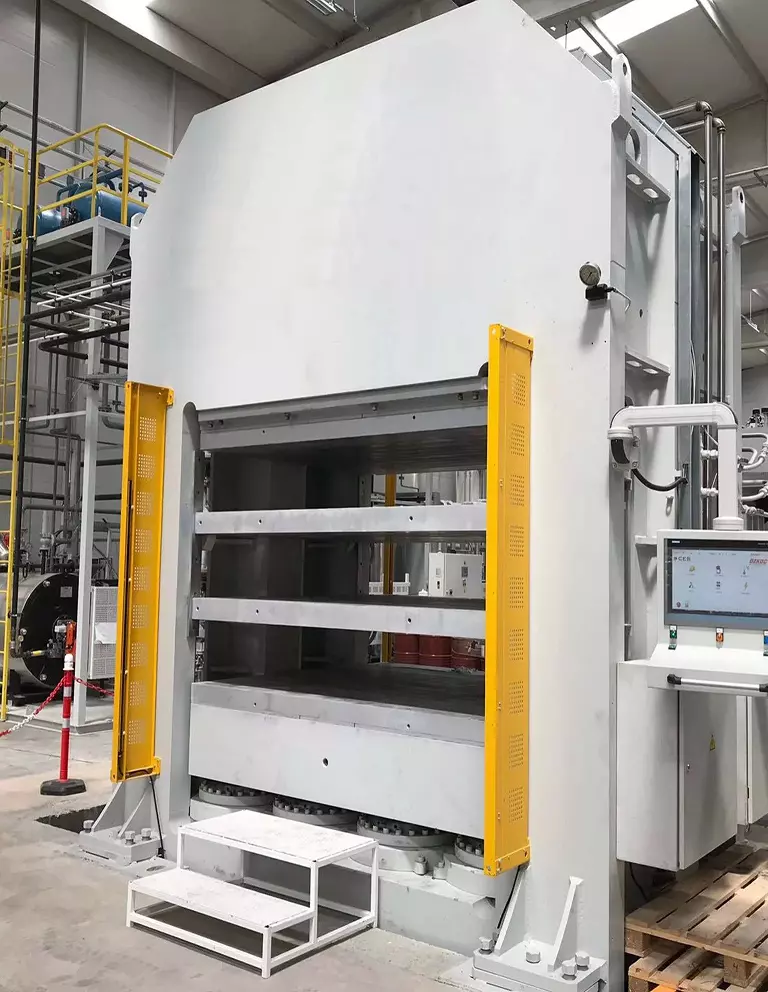
Hot Press Forming Hydraulic Press

H-frame hydraulic presses, named for their distinct H-shaped frame, are among the most versatile and widely used hydraulic presses in industrial settings. This type of press features a frame with two vertical columns connected by horizontal crossbars, forming an “H” structure that provides exceptional stability and support during pressing operations. H-frame presses are known for their robust design, high force capacity, and versatility, making them ideal for tasks such as metal formingbendingstraighteningpunching, and stamping. They are commonly used in industries such as automotivemetalworkingaerospacemanufacturing, and repair shops.

8.1. Design and Structure of H-Frame Hydraulic Presses

The key feature of an H-frame hydraulic press is its rigid frame design, which provides the necessary support to handle high-force applications. The frame consists of two vertical columns and two horizontal crossbars, creating a sturdy structure that can withstand immense pressure without flexing or deforming. The large, open space between the columns allows for easy access to the work area and accommodates various workpiece sizes.

Key Components
  • Vertical columns: The two vertical columns provide the structural support for the press. They are typically made from high-strength steel to ensure they can handle the heavy loads generated during pressing operations.
  • Horizontal crossbars: The upper and lower crossbars connect the vertical columns and provide stability to the frame. The upper crossbar supports the hydraulic cylinder and ram, while the lower crossbar serves as the bed where the workpiece is placed.
  • Hydraulic cylinder and ram: The hydraulic cylinder is mounted on the upper crossbar and houses the piston that drives the ram downward to apply pressure to the workpiece. The ram moves vertically, pressing the material against the die or tool located on the bed.
  • Work table or bed: The bed is where the workpiece is placed during the pressing operation. It may include slots or holes for mounting tooling, dies, or jigs. The open design of the H-frame allows for larger workpieces to be processed compared to other press types like C-frame presses.
  • Control systems: H-frame presses are equipped with manual or automated controls that regulate the press’s force, stroke length, and speed. More advanced models may include CNC controls or programmable logic controllers (PLCs) for automated operation and precise control over the pressing process.

8.2. Applications of H-Frame Hydraulic Presses

H-frame hydraulic presses are used in a wide range of industrial applications, particularly those that require high force and precise control. Their versatility and strength make them suitable for both heavy-duty and light-duty tasks, from metalworking to assembly work.

8.2.1. Metalworking and Fabrication

H-frame presses are commonly used in metalworking for tasks such as bendingformingstraightening, and punching metal parts. Their ability to generate significant force, combined with the large work area, allows operators to process various sizes and shapes of metal sheets, plates, and components.

  • Bending and forming: H-frame presses are used to bend metal sheets and plates into specific shapes. By applying controlled force, the press can form complex bends and curves without damaging the material.
  • Straightening: In metal fabrication, H-frame presses are often used to straighten bent or deformed metal parts. By applying pressure in the opposite direction of the bend, the press can restore the part to its original shape.
  • Punching and cutting: H-frame presses can also be used for punching holes or cutting shapes into metal sheets. The high force capacity of the press ensures clean, precise cuts, even in thicker materials.
8.2.2. Automotive Repair and Manufacturing

In the automotive industry, H-frame presses are used for both repair work and manufacturing of vehicle components. The ability to generate consistent force and handle large workpieces makes H-frame presses ideal for tasks such as pressing bearings, straightening chassis components, and assembling automotive parts.

  • Bearing installation: H-frame presses are frequently used in automotive repair shops to press bearings into place in engine blocks, transmissions, and wheel hubs. The precise control over pressure ensures that bearings are installed correctly without damaging the surrounding components.
  • Chassis straightening: In automotive repair, H-frame presses are used to straighten bent or damaged chassis components. By applying controlled pressure, the press can restore the structural integrity of the vehicle’s frame.
  • Component manufacturing: H-frame presses are used in automotive manufacturing to form, stamp, and assemble various parts, such as suspension components, engine mounts, and body panels. The press’s large work area and high force capacity allow for efficient processing of automotive parts.
8.2.3. Aerospace Industry

In the aerospace industry, H-frame hydraulic presses are used for the precision forming of high-strength components, such as structural parts, engine housings, and turbine blades. The high-pressure capabilities of H-frame presses ensure that aerospace components meet the stringent quality and safety standards required for aviation.

  • Forming complex shapes: H-frame presses are used to form complex, high-strength parts from metals like aluminum, titanium, and composites. These parts are essential for aircraft structures, where strength and weight are critical factors.
  • Stamping and punching: H-frame presses are also used for stamping and punching operations, where precise holes or cutouts are needed in metal sheets or plates used in aircraft construction.
8.2.4. Plastic and Rubber Molding

H-frame presses are used in the plastic and rubber molding industries to compress materials into molds, creating finished products with precise shapes and dimensions. These presses apply consistent force, ensuring that the molded parts are uniform and free of defects.

  • Compression molding: In compression molding, plastic or rubber material is placed in a mold, and the H-frame press applies pressure to form the material into the desired shape. This process is commonly used to manufacture components like seals, gaskets, and housings.
  • Die cutting: H-frame presses are also used for die-cutting operations in the plastics and rubber industries, where sheets of material are cut into specific shapes for products such as packaging, gaskets, or seals.

8.3. Advantages of H-Frame Hydraulic Presses

H-frame hydraulic presses offer several advantages over other types of hydraulic presses, making them the preferred choice for many industrial applications.

8.3.1. High Force Capacity

H-frame presses are designed to handle high-force applications, often generating forces ranging from a few tons to thousands of tons. This makes them ideal for tasks like metal formingpunching, and stamping, where large amounts of pressure are needed to shape or cut materials. The robust construction of the H-frame ensures that the press can handle heavy loads without flexing or deforming.

8.3.2. Versatility

One of the key advantages of H-frame presses is their versatility. These presses can be used for a wide range of tasks, from light-duty assembly work to heavy-duty metal forming and fabrication. The open design of the H-frame allows operators to work with large workpieces, making the press suitable for industries that require the processing of oversized parts or materials.

8.3.3. Precision and Control

H-frame hydraulic presses offer precise control over pressure, stroke length, and speed, making them suitable for applications that require high precision. Many H-frame presses are equipped with servo-hydraulic or CNC control systems, which allow operators to program specific parameters for each task. This level of control ensures consistent, high-quality results, even in applications that require tight tolerances.

8.3.4. Durability and Stability

The rigid frame design of H-frame presses provides excellent stability and durability, making them capable of withstanding the stresses of heavy-duty industrial applications. The frame’s ability to distribute force evenly across the workpiece ensures that the material is pressed accurately, reducing the risk of misalignment or material deformation.

8.4. Technological Advancements in H-Frame Hydraulic Presses

Recent advancements in H-frame hydraulic press technology have improved the efficiency, precision, and versatility of these machines, making them even more valuable in modern manufacturing environments.

Servo-Hydraulic Systems

Many modern H-frame presses are equipped with servo-hydraulic systems, which provide greater control over the press’s force, speed, and stroke length. Servo-hydraulic systems use servo motors to regulate the flow of hydraulic fluid, allowing operators to make fine adjustments to the press’s operation. This results in improved accuracy, faster cycle times, and increased energy efficiency.

CNC and PLC Controls

H-frame hydraulic presses are increasingly being equipped with CNC and PLC control systems that allow for fully automated operation. CNC-controlled presses can be programmed to perform specific tasks, such as bending, stamping, or forming, with minimal operator intervention. This automation increases productivity, reduces the risk of human error, and allows for greater flexibility in terms of press operation.

Smart Manufacturing and IoT Integration

As part of the Industry 4.0 movement, H-frame presses are now being integrated into smart manufacturing environments using IoT (Internet of Things) connectivity. IoT-enabled presses can communicate with other machines in the production line, providing real-time data on press performance, material usage, and maintenance needs. This connectivity enables more efficient production management and predictive maintenance, reducing downtime and improving overall operational efficiency.

Stamping Hydraulic Presses

Stamping hydraulic presses are specialized machines designed for high-speed metal stamping operations, which involve cutting, shaping, and forming sheet metal using dies. These presses apply a large force over a short period, making them suitable for mass production in industries like automotiveelectronicsappliances, and aerospace. Stamping hydraulic presses are highly efficient and capable of producing large quantities of precision parts with minimal material waste, making them an essential tool in modern manufacturing.

9.1. Working Principle of Stamping Hydraulic Presses

The stamping process involves placing a sheet of metal, known as a blank, into the press where a punch and die are used to shape or cut the material. The hydraulic press applies force to the punch, which drives the blank into the die, forming the desired shape. Stamping presses are capable of performing a variety of tasks, including blankingpiercingbendingembossing, and coining, all of which are critical for producing metal components with precise dimensions and surface finishes.

Key Stamping Operations
  • Blanking: This operation involves cutting a flat piece of metal from a larger sheet. The blank serves as the starting material for further operations or as the final product.
  • Piercing: Piercing is the process of punching holes or shapes into the metal sheet, which is commonly used to create holes for fasteners or electrical components.
  • Bending: In bending operations, the metal sheet is deformed into a specific angle or shape without cutting it. This is used to form parts like brackets, panels, and frames.
  • Embossing: Embossing involves creating raised or recessed designs on the surface of the metal. This operation is often used for decorative purposes or to add rigidity to the part.
  • Coining: Coining is a precision stamping operation where the material is compressed between the punch and die to create fine details, such as logos or serial numbers, with a high degree of accuracy.

The force generated by the hydraulic system is transferred through the ram to the punch, which compresses the material against the die. Hydraulic presses are known for their smooth and controlled force application, allowing for high-precision operations, even in high-speed production environments. The force can be adjusted based on the material and thickness of the blank, ensuring that each part is stamped accurately and consistently.

9.2. Components of Stamping Hydraulic Presses

Stamping hydraulic presses consist of several key components that work together to perform high-speed metal stamping operations. Each component plays a critical role in ensuring the efficiency and precision of the stamping process.

Key Components
  • Frame: The frame is the structural foundation of the press and provides the support needed to handle the large forces generated during stamping. Stamping hydraulic presses typically use an H-frame or C-frame design, depending on the size of the press and the type of operation. H-frame presses are more common for large-scale, high-force operations, while C-frame presses are used for smaller, lighter tasks.
  • Hydraulic system: The hydraulic system provides the force required to perform the stamping operation. It consists of a hydraulic pump, cylinders, and fluid reservoirs that work together to pressurize the hydraulic fluid and move the ram.
  • Ram: The ram is the moving part of the press that transfers the hydraulic force to the punch. It moves vertically, pressing the punch against the material to perform the stamping operation.
  • Die and punch: The die and punch are the tools used to shape the material. The punch applies pressure to the blank, forcing it into the die cavity, where it is cut or shaped into the desired form. Dies are typically custom-made for specific parts, ensuring that each stamped piece meets precise dimensional requirements.
  • Control system: Stamping hydraulic presses are equipped with control systems that allow operators to regulate the force, speed, and stroke length of the press. Advanced presses often feature CNC controls or programmable logic controllers (PLCs) for automated operation and precise control over the stamping process.

9.3. Applications of Stamping Hydraulic Presses

Stamping hydraulic presses are used in a variety of industries to produce metal parts that require high precision, fast production speeds, and complex shapes. Some of the most common applications include:

9.3.1. Automotive Industry

In the automotive industry, stamping hydraulic presses are essential for producing large quantities of body panelschassis components, and engine parts. The speed and precision of stamping presses make them ideal for mass production, where consistent quality and tight tolerances are critical.

  • Body panels: Automotive body panels, such as doors, hoods, fenders, and roofs, are typically produced using stamping hydraulic presses. These panels must be shaped accurately to fit together seamlessly, and stamping presses ensure that each panel is produced to exact specifications.
  • Chassis components: Stamping presses are used to form various chassis components, including cross members, support beams, and suspension brackets. The ability to stamp complex shapes quickly and consistently makes these presses indispensable for automotive manufacturing.
  • Engine parts: Stamping hydraulic presses are also used to produce small engine components, such as valve covers, brackets, and housings. These parts must meet strict dimensional tolerances to ensure proper engine performance.
9.3.2. Electronics and Appliances

In the electronics and appliance industries, stamping presses are used to produce small metal parts, such as housingsconnectors, and frames. The precision and speed of stamping hydraulic presses make them ideal for producing large quantities of parts used in consumer electronics, household appliances, and industrial equipment.

  • Metal housings: Stamping hydraulic presses are used to form metal housings for electronic devices, such as smartphones, laptops, and tablets. These housings must be lightweight, durable, and precisely shaped to fit internal components.
  • Connectors: Electrical connectors and terminals are often produced using stamping presses, where small metal parts are stamped and shaped into connectors that ensure reliable electrical connections in devices.
  • Appliance components: Stamping presses are used to produce metal components for household appliances, such as washing machines, refrigerators, and dishwashers. These components include brackets, enclosures, and panels, all of which require precision and durability.
9.3.3. Aerospace Industry

In the aerospace industry, stamping hydraulic presses are used to produce lightweight, high-strength components for aircraft and spacecraft. The ability to produce precision parts with minimal material waste is critical in aerospace manufacturing, where weight reduction and structural integrity are essential.

  • Aircraft panels: Stamping presses are used to form thin, lightweight panels for aircraft fuselages, wings, and control surfaces. These parts must be shaped with extreme precision to ensure aerodynamic performance and structural strength.
  • Turbine components: Stamping hydraulic presses are also used to produce small components for aircraft engines, such as turbine blades and housings. These parts must withstand high temperatures and mechanical stress, making precision stamping a crucial part of the manufacturing process.
9.3.4. Industrial and Consumer Goods

Stamping hydraulic presses are widely used in the production of industrial and consumer goods, where they are used to manufacture metal parts for products like tools, packaging, and hardware.

  • Packaging: Stamping presses are used to produce metal cans, containers, and lids for the food and beverage industry. The ability to quickly stamp large quantities of metal packaging ensures a consistent supply of lightweight, durable containers.
  • Tools and hardware: Stamping presses are used to form metal parts for hand tools, fasteners, and hardware. The precision and strength of these presses ensure that each part is produced to the exact specifications required for reliable performance.

9.4. Advantages of Stamping Hydraulic Presses

Stamping hydraulic presses offer several advantages over other types of metal forming equipment, making them the preferred choice for high-speed, high-precision manufacturing.

9.4.1. High Speed and Efficiency

Stamping hydraulic presses are capable of high-speed operation, allowing manufacturers to produce large quantities of parts in a short amount of time. This is especially important in industries like automotive and electronics, where production volumes are high, and cycle times must be minimized. The rapid cycling of the press, combined with its ability to handle continuous feeds of material, makes it an efficient solution for mass production.

9.4.2. Precision and Consistency

Hydraulic presses provide consistent and precise force throughout the entire stroke, ensuring that each part is stamped with the same level of accuracy. This is critical in industries where even minor deviations can result in parts that do not fit or function properly. Stamping presses can be equipped with advanced control systems, such as servo-hydraulic or CNC controls, which allow operators to adjust the force, speed, and stroke length with high precision.

9.4.3. Versatility in Part Design

Stamping presses are capable of producing a wide range of shapes, sizes, and designs, making them highly versatile. The use of interchangeable dies allows manufacturers to switch between different part designs quickly, enabling flexible production lines that can adapt to changing product requirements. This versatility is particularly valuable in industries like automotive and electronics, where product designs evolve rapidly.

9.4.4. Minimal Material Waste

The stamping process is designed to maximize material efficiency, with minimal waste generated during production. Stamping presses can be used to nest parts within the metal sheet, ensuring that as much material as possible is utilized. This reduces material costs and minimizes the environmental impact of the manufacturing process.

9.5. Technological Advancements in Stamping Hydraulic Presses

Advances in stamping press technology have improved the efficiency, precision, and automation of these machines, making them even more valuable in modern manufacturing environments.

Servo-Hydraulic Systems

Many modern stamping hydraulic presses are equipped with servo-hydraulic systems, which combine the power of hydraulics with the precision control of servo motors. Servo-hydraulic presses offer improved accuracy, faster cycle times, and greater energy efficiency compared to traditional hydraulic presses. The ability to precisely control the force and speed of the press allows for better material handling and reduces the risk of defects.

CNC Controls

CNC-controlled stamping presses are increasingly common in industries that require high precision and automation. CNC systems allow operators to program specific parameters for each part, such as stroke length, force, and feed rate. This level of automation improves consistency, reduces setup time, and increases production speed. CNC systems also enable quick die changes, allowing manufacturers to switch between different part designs with minimal downtime.

IoT and Smart Manufacturing

As part of the Industry 4.0 revolution, stamping hydraulic presses are being integrated into smart manufacturing systems that use IoT connectivity and real-time data monitoring. IoT-enabled presses can communicate with other machines in the production line, providing real-time data on press performance, material usage, and maintenance needs. This connectivity allows manufacturers to optimize production schedules, reduce downtime, and improve overall efficiency.

Servo-Hydraulic Presses

Servo-hydraulic presses are advanced hydraulic presses that combine the power and reliability of traditional hydraulic systems with the precision and efficiency of servo motors. These presses provide improved control over force, speed, and positioning, making them ideal for applications that require high accuracy and repeatability. Servo-hydraulic presses are used in industries such as automotiveaerospaceelectronics, and medical device manufacturing, where precision and energy efficiency are critical.

The key advantage of servo-hydraulic presses lies in their ability to adjust parameters dynamically during operation, allowing for more precise control over the pressing process. This flexibility, combined with the energy efficiency offered by servo motors, has made servo-hydraulic presses a popular choice in industries where both performance and sustainability are priorities.

10.1. Working Principle of Servo-Hydraulic Presses

servo-hydraulic press functions similarly to a traditional hydraulic press, with one key difference: the hydraulic system is controlled by servo motors instead of a constant-speed electric motor. Servo motors provide precise control over the movement of the hydraulic fluid, allowing operators to adjust the speed, pressure, and position of the ram with a high degree of accuracy.

Key Components
  • Servo motor: The servo motor is responsible for controlling the hydraulic pump, which in turn pressurizes the hydraulic fluid. Unlike traditional hydraulic presses, where the pump runs at a constant speed, the servo motor can vary the speed and pressure of the pump based on the specific requirements of the task.
  • Hydraulic system: The hydraulic system, which consists of a pump, reservoir, and hydraulic fluid, generates the force needed to move the ram and perform the pressing operation. In a servo-hydraulic press, the hydraulic system is controlled by the servo motor, which allows for precise adjustments in real-time.
  • Ram: The ram is the component that moves up and down to apply force to the workpiece. The position and speed of the ram can be controlled with extreme precision in a servo-hydraulic press, allowing for more accurate pressing operations.
  • Control system: Servo-hydraulic presses are equipped with advanced control systems, often featuring CNC or PLC controls, which allow operators to program specific parameters for each operation. These control systems enable automated operation, real-time monitoring, and adjustments to force, speed, and stroke length.

10.2. Applications of Servo-Hydraulic Presses

Servo-hydraulic presses are used in industries that require precise control over the pressing process, particularly for tasks that involve complex part shapestight tolerances, or energy efficiency requirements. Some of the most common applications include:

10.2.1. Automotive Industry

In the automotive industry, servo-hydraulic presses are used to manufacture components such as body panelschassis parts, and engine components. The ability to adjust pressing parameters dynamically ensures that each part is formed with precision, reducing defects and ensuring that the parts meet strict safety and performance standards.

  • Precision stamping: Servo-hydraulic presses are used for precision stamping of automotive body panels, where exact dimensional accuracy is critical. The ability to control the press’s force and speed ensures that each panel is formed without defects like wrinkling or tearing.
  • Chassis and suspension components: In the production of chassis and suspension components, servo-hydraulic presses offer the precision needed to form parts that must withstand high stress and mechanical loads. The ability to control the pressing process ensures that the parts meet stringent safety requirements.
10.2.2. Aerospace Industry

The aerospace industry relies on servo-hydraulic presses to produce lightweight, high-strength components that must meet exacting quality standards. Servo-hydraulic presses are used to form parts such as turbine bladesengine housings, and structural components for aircraft.

  • Turbine blade production: Servo-hydraulic presses are used to forge turbine blades for jet engines. These blades must be formed with extreme precision to ensure they can withstand high temperatures and mechanical stress.
  • Aircraft panels and structural parts: The ability to control the force and speed of the press allows manufacturers to produce aircraft panels and structural parts with minimal material waste, ensuring that each part is lightweight and strong.
10.2.3. Electronics Industry

In the electronics industry, servo-hydraulic presses are used to produce small, intricate components such as metal housingsconnectors, and terminals. The precision offered by these presses ensures that each part is produced to exact specifications, which is critical in the production of electronic devices.

  • Metal stamping: Servo-hydraulic presses are used for metal stamping of electronic components, where tight tolerances and high precision are essential. The ability to control the press’s movement ensures that each component is formed with the required accuracy.
  • Connector and terminal production: The electronics industry relies on servo-hydraulic presses to produce small connectors and terminals that must meet exact dimensional tolerances. The precise control offered by these presses ensures that each part is manufactured with consistency and quality.
10.2.4. Medical Device Manufacturing

The medical device industry requires precision and repeatability in the production of components such as surgical instrumentsimplants, and diagnostic equipment. Servo-hydraulic presses are used to manufacture these components with the accuracy needed to meet stringent regulatory standards.

  • Implant production: Servo-hydraulic presses are used to produce medical implants, such as hip and knee replacements. These parts must be formed with precision to ensure they fit properly and function reliably.
  • Surgical instruments: In the production of surgical instruments, the ability to control the pressing process ensures that each instrument is formed to the exact specifications required for medical procedures.

10.3. Advantages of Servo-Hydraulic Presses

Servo-hydraulic presses offer several advantages over traditional hydraulic presses, making them the preferred choice for industries that require precision, energy efficiency, and flexibility.

10.3.1. Precise Control

One of the main advantages of servo-hydraulic presses is the precise control they offer over force, speed, and position. The servo motor allows operators to adjust the pressing parameters dynamically, ensuring that each part is formed with the required accuracy. This level of control is especially important in industries like aerospace and medical device manufacturing, where even minor deviations can result in parts that do not meet quality standards.

10.3.2. Energy Efficiency

Servo-hydraulic presses are more energy-efficient than traditional hydraulic presses, as the servo motor only uses energy when the press is in motion. In contrast, traditional hydraulic presses run continuously, even when no pressing operation is taking place, which results in wasted energy. The ability to control the motor’s speed and power consumption allows servo-hydraulic presses to operate more efficiently, reducing energy costs and the press’s overall environmental impact.

10.3.3. Flexibility

Servo-hydraulic presses offer greater flexibility compared to traditional hydraulic presses. The ability to adjust parameters such as force, speed, and stroke length allows manufacturers to use the same press for multiple tasks, reducing the need for additional equipment. This flexibility is especially valuable in industries like automotive and electronics, where product designs and requirements can change frequently.

10.3.4. Faster Cycle Times

Servo-hydraulic presses can achieve faster cycle times than traditional hydraulic presses due to their ability to accelerate and decelerate quickly. The precise control over the press’s movement allows for shorter press cycles, increasing productivity and reducing downtime.

10.3.5. Reduced Maintenance

Servo-hydraulic presses typically require less maintenance than traditional hydraulic presses. The use of servo motors eliminates the need for constant-speed electric motors, which reduces wear and tear on the hydraulic system. Additionally, the ability to monitor the press’s performance in real-time using IoT sensors and smart technology allows operators to detect potential issues before they result in costly downtime.

10.4. Technological Advancements in Servo-Hydraulic Presses

Recent advancements in servo-hydraulic press technology have further improved their performance, precision, and efficiency, making them even more valuable in modern manufacturing environments.

Smart Press Technology

Servo-hydraulic presses are increasingly being equipped with smart technology, such as IoT connectivity and real-time data monitoring. Smart presses can collect data on pressing force, stroke length, and material deformation, allowing manufacturers to optimize the pressing process and ensure consistent product quality. This data can also be used for predictive maintenance, reducing downtime and improving overall efficiency.

AI and Machine Learning

Artificial intelligence (AI) and machine learning algorithms are being integrated into servo-hydraulic presses to optimize pressing parameters in real-time. These systems can analyze data from previous operations and adjust the press’s settings to improve performance, reduce material waste, and increase efficiency.

Energy Recovery Systems

Some servo-hydraulic presses are now equipped with energy recovery systems, which capture the energy generated during the pressing process and reuse it for future operations. This technology reduces the overall energy consumption of the press, making it more sustainable and cost-effective.

Introduction to H-Frame Hydraulic Presses
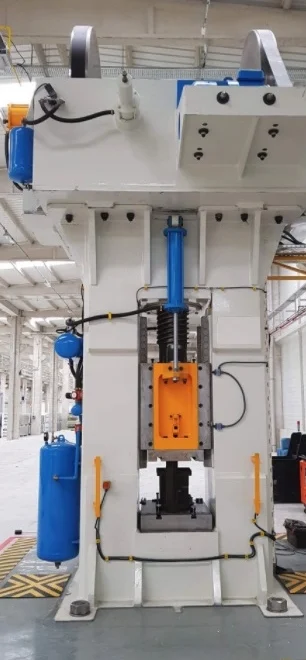
Screw Press Machine
Screw Press Machine

Hydraulic presses are essential tools in modern manufacturing, offering immense power and precision for a wide range of metal forming, molding, and assembly operations. Among the various types of hydraulic presses available today, the H-frame hydraulic press stands out as one of the most versatile and widely used designs. Named for its distinctive H-shaped frame, this press configuration offers exceptional stability and force distribution, making it ideal for high-force applications that require precision and reliability.

The H-frame design consists of two vertical columns and two horizontal crossbars that provide support for the hydraulic cylinder and the press bed. This rigid frame structure ensures that the press can handle the high forces required for tasks such as bendingstraighteningformingpunching, and stamping large workpieces. The open space between the columns allows for easy access to the work area, enabling operators to process larger components than what might be possible with other types of presses, such as C-frame presses.

One of the key advantages of H-frame hydraulic presses is their ability to generate evenly distributed force across the workpiece, reducing the risk of deformation or misalignment. This makes them particularly valuable in industries that require high levels of precision, such as the automotiveaerospace, and metalworking industries. H-frame presses are also commonly used in maintenance and repair operations, where their ability to apply consistent pressure is essential for tasks like pressing bearings into place or straightening bent metal parts.

H-frame hydraulic presses come in a variety of sizes and configurations, ranging from small, manual presses used in workshops to large, automated systems capable of producing thousands of tons of force. Modern H-frame presses are equipped with advanced control systems that allow for precise adjustments to pressure, speed, and stroke length, making them suitable for both heavy-duty industrial applications and precision manufacturing tasks.

In addition to their versatility, H-frame hydraulic presses are known for their durability and reliability. The robust construction of the frame ensures that the press can withstand the high stresses of continuous operation, while the hydraulic system provides consistent force throughout the press cycle. With proper maintenance, H-frame presses can operate for many years, making them a cost-effective solution for manufacturers who require a reliable, high-performance press.

The enduring popularity of H-frame hydraulic presses can be attributed to their flexibilitypower, and precision. Whether used for metal formingmolding, or assembly, these presses play a critical role in modern manufacturing, providing the strength and control needed to produce high-quality parts and components.

Historical Evolution of H-Frame Hydraulic Presses

The development of H-frame hydraulic presses is closely linked to the broader history of hydraulic press technology and its evolution over the centuries. Understanding how H-frame presses emerged as a standard in the manufacturing industry requires an exploration of early hydraulic press innovations, the impact of industrialization, and advancements in hydraulic system design.

2.1. Early Development of Hydraulic Presses

The principles of hydraulics have been understood for centuries, with the invention of the hydraulic press commonly attributed to Joseph Bramah, an English engineer who patented the first practical hydraulic press in 1795. Bramah’s design utilized Pascal’s Law, which states that when pressure is applied to a confined fluid, it is transmitted equally in all directions. This discovery enabled the development of a machine capable of generating significant force using a relatively small amount of pressure, laying the groundwork for modern hydraulic press technology.

The original hydraulic press designed by Bramah was used primarily for packing and compressing materials, such as cotton and paper. While these early presses were relatively simple, the concept of using hydraulics to amplify force revolutionized various industries, leading to the gradual improvement and diversification of hydraulic press designs.

2.2. Evolution of the H-Frame Design

The H-frame hydraulic press emerged as a result of the need for greater stability and force distribution during pressing operations. As hydraulic press applications expanded, there was a demand for more robust structures that could handle larger forces without flexing or deforming. The H-frame design, with its vertical columns and horizontal crossbars, provided a solution by creating a rigid, stable frame that could support high loads.

This configuration allowed for even distribution of force across the workpiece, reducing the risk of material deformation and ensuring consistent quality. The open space between the columns also provided easier access to the work area, enabling operators to process larger components and allowing for more versatility in industrial applications.

2.3. Influence of Industrialization on Hydraulic Press Technology

The Industrial Revolution, which began in the late 18th century, had a profound impact on the development and use of hydraulic presses, including the H-frame design. The mass production of goods, driven by advancements in machinery and manufacturing processes, led to an increased demand for powerful and reliable press equipment. Hydraulic presses were employed in various industries, such as metalworkingautomotive, and construction, for tasks like metal formingstamping, and bending.

During the 19th and early 20th centuries, significant advancements were made in hydraulic systems, including improvements in hydraulic pumpscylinders, and fluid control mechanisms. These innovations allowed for the development of more powerful and efficient H-frame hydraulic presses, which became widely adopted in manufacturing and heavy industry.

2.4. The Shift from Mechanical to Hydraulic Systems

Before the widespread adoption of hydraulic presses, mechanical presses were the dominant technology used for metal forming and related applications. Mechanical presses operated using a flywheel, gears, and crank mechanisms to generate force. While they were effective for certain tasks, mechanical presses had limitations in terms of controlling force and adjusting stroke length.

The transition to hydraulic systems offered several advantages over mechanical presses, including:

  • Variable force control: Hydraulic presses could apply a consistent force throughout the entire stroke, unlike mechanical presses where the force varied depending on the position of the crank.
  • Adjustable stroke length: Hydraulic systems allowed operators to control the stroke length more precisely, making them suitable for a wider range of applications.
  • Greater flexibility: Hydraulic presses could easily accommodate different tooling and dies, enabling rapid changes between tasks.

As these benefits became more evident, the H-frame hydraulic press gained popularity as a versatile and powerful solution for manufacturing operations. Its ability to generate significant force while providing precise control over the pressing process made it suitable for tasks that required high accuracy, such as automotive manufacturingaerospace production, and metal fabrication.

2.5. Key Milestones in the Development of H-Frame Hydraulic Presses

Over the decades, several key milestones have marked the evolution of H-frame hydraulic presses, including:

  • Introduction of high-pressure hydraulic systems: In the mid-20th century, advancements in hydraulic technology led to the development of high-pressure systems capable of generating thousands of tons of force. This increased the capabilities of H-frame presses, making them suitable for heavy-duty applications like forging and metal forming.
  • Adoption of servo-hydraulic systems: The integration of servo-hydraulic technology allowed for more precise control of pressure, speed, and stroke length in H-frame presses. This innovation improved the accuracy and efficiency of pressing operations, enabling manufacturers to produce high-quality components with tight tolerances.
  • Integration with computer numerical control (CNC): The adoption of CNC control systems revolutionized the operation of H-frame hydraulic presses, allowing for automated and programmable control over the pressing process. CNC integration enabled more complex operations, such as multi-stage forming, automated assembly, and precision stamping.
  • Development of smart manufacturing systems: With the advent of Industry 4.0, H-frame hydraulic presses have been integrated into smart manufacturing environments that use IoT connectivity and real-time data monitoring. These systems enable predictive maintenance, performance optimization, and seamless integration with other manufacturing equipment.

Today, H-frame hydraulic presses are recognized as a cornerstone of modern manufacturing, providing the strength, versatility, and precision required for a wide range of industrial applications. Their continued development and integration with advanced technologies ensure that they remain relevant in an ever-evolving industrial landscape.

Design and Construction of H-Frame Hydraulic Presses
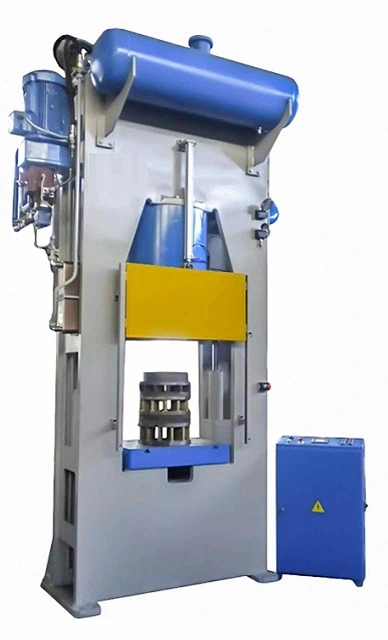
Cold Forming Presses

The H-frame hydraulic press is known for its robust construction, stability, and versatility. Its design consists of a simple yet effective configuration that includes two vertical columns and two horizontal crossbars forming an “H” shape, hence the name. This structural design allows the press to distribute force evenly, maintain rigidity under high loads, and accommodate various industrial applications.

3.1. Structural Overview: The H-Frame Design

The H-frame design is characterized by a symmetrical structure, which provides excellent support and stability. The two vertical columns serve as the primary supports, while the two horizontal crossbars connect these columns and house key components like the hydraulic cylinder, ram, and bed. This design ensures that the press can withstand the forces generated during pressing operations without flexing or deforming.

Key Characteristics of the H-Frame Design
  • Symmetry: The symmetrical arrangement of the vertical columns and horizontal crossbars helps to balance the distribution of force across the entire structure.
  • Open Work Area: The open space between the columns allows for easy access to the workpiece and enables the press to handle larger components compared to other press types like C-frame presses.
  • Modular Design Options: The H-frame configuration can be easily customized with different accessories, die sets, and control systems to suit specific industrial requirements.

3.2. Key Components of H-Frame Hydraulic Presses

H-frame hydraulic presses consist of several key components that work together to perform pressing operations with precision and consistency.

3.2.1. Vertical Columns

The vertical columns are the backbone of the H-frame press. They provide the structural support needed to handle the immense forces generated during pressing. The columns are typically made of high-strength steel to ensure they can withstand heavy loads without buckling or bending.

  • Reinforcement and thickness: The columns are designed with sufficient thickness and reinforcement to prevent deformation during high-pressure operations.
  • Guide rails: Some H-frame presses feature guide rails mounted on the columns to ensure the ram moves vertically without tilting or misalignment.
3.2.2. Horizontal Crossbars

The upper and lower crossbars connect the vertical columns, providing structural stability and support for the hydraulic components.

  • Upper crossbar: The upper crossbar supports the hydraulic cylinder and ram, allowing them to apply pressure to the workpiece.
  • Lower crossbar (bed): The lower crossbar, also known as the bed, serves as the base where the workpiece is placed during pressing operations. It may include slots or holes for mounting dies, tooling, or fixtures.
3.2.3. Hydraulic Cylinder

The hydraulic cylinder is a critical component that generates the force needed to perform pressing operations. It consists of a pistonram, and cylinder housing, which work together to convert hydraulic fluid pressure into mechanical force.

  • Single-acting vs. double-acting cylinders: H-frame presses can use either single-acting cylinders, where hydraulic fluid only acts on one side of the piston, or double-acting cylinders, which allow fluid to act on both sides for greater control over the ram’s movement.
  • Cylinder bore size and stroke length: The size of the cylinder bore and stroke length determine the press’s force capacity and the range of motion for the ram.
3.2.4. Ram and Punch

The ram is the moving component that transmits the force from the hydraulic cylinder to the workpiece. It is typically connected to a punch or other tooling used to shape, cut, or press the material.

  • Ram guides: To ensure the ram moves vertically without deviation, guide rails or bushings may be installed to reduce lateral movement and improve precision.
  • Punches and tooling: The ram can be fitted with various tooling, such as punchesdies, or forming tools, depending on the specific operation.
3.2.5. Work Table or Bed

The work table or bed is the surface where the workpiece is placed during pressing operations. It is usually made from hardened steel to withstand the impact and pressure of repeated pressing. The bed may also include:

  • T-slots or mounting holes for securing dies, tooling, or fixtures.
  • Adjustable positioning to accommodate different workpiece sizes and shapes.
3.2.6. Control Systems

Modern H-frame hydraulic presses are equipped with various control systems to regulate pressure, speed, and stroke length.

  • Manual controls: Some basic H-frame presses use manual controls, such as hand-operated levers or foot pedals, to operate the press.
  • Automated controls: Advanced presses are equipped with programmable logic controllers (PLCs) or computer numerical control (CNC) systems that allow for automated operation and precise adjustments.
  • Servo-hydraulic systems: These systems use servo motors to control the hydraulic pump, enabling greater precision in pressure and speed adjustments.

3.3. Importance of Stability and Force Distribution in H-Frame Presses

The design of H-frame hydraulic presses ensures that the forces generated during pressing operations are evenly distributed across the structure. This stability is crucial for maintaining the accuracy and quality of the pressed components.

  • Reduced risk of deformation: The rigid frame design minimizes flexing or bending, which could otherwise lead to inconsistencies in the workpiece.
  • Consistent force application: The even distribution of force across the press bed ensures that the entire surface of the workpiece is subjected to uniform pressure, improving the overall quality of the formed or shaped part.
  • Improved precision: The combination of stability and precise control systems in H-frame presses allows for high levels of accuracy, even when pressing large or complex workpieces.

3.4. Customization Options in H-Frame Hydraulic Presses

H-frame hydraulic presses can be customized to meet the specific needs of various industries and applications. Some common customization options include:

  • Different tonnage capacities: H-frame presses are available in a range of force capacities, from small manual presses producing a few tons of force to large industrial presses capable of thousands of tons.
  • Specialized tooling and accessories: Custom tooling, such as embossing diesforming tools, and punches, can be fitted to the press for specific applications.
  • Multi-station setups: Some H-frame presses can be configured with multiple stations to perform sequential operations, such as stampingforming, and assembly.
  • Hydraulic system configurations: The hydraulic system can be tailored with different pump types, cylinder arrangements, and fluid reservoirs to achieve the desired force and speed.

3.5. Material Choices and Durability of H-Frame Structures

The durability and longevity of an H-frame hydraulic press depend on the materials used in its construction.

  • High-strength steel: Most H-frame presses are made from high-strength steel that can endure the stress of heavy-duty operations. This ensures the press maintains its structural integrity over time.
  • Surface treatmentsSurface treatments, such as chrome plating or heat treatment, may be applied to certain components, like the ram or work bed, to enhance durability and reduce wear.

Working Principle of H-Frame Hydraulic Presses

The H-frame hydraulic press operates based on the principles of hydraulic pressure and force amplification. It uses a hydraulic system to generate force, which is then applied to a workpiece to perform various tasks such as bendingformingstampingpunching, or compression molding. The fundamental working principle is governed by Pascal’s Law, which states that pressure applied to a confined fluid is transmitted equally in all directions.

4.1. Basic Hydraulic Press Operation

The basic operation of an H-frame hydraulic press involves the following steps:

  1. Generating Hydraulic Pressure: The press’s hydraulic system consists of a hydraulic pumpfluid reservoir, and hydraulic cylinders. The pump pressurizes the hydraulic fluid (usually oil), which is stored in a reservoir and then sent through a system of valves and hoses to the hydraulic cylinder.
  2. Actuating the Hydraulic Cylinder: The pressurized hydraulic fluid enters the cylinder chamber, where it acts on the piston inside the hydraulic cylinder. The fluid pressure creates a mechanical force that pushes the piston and the attached ram downward to apply force on the workpiece.
  3. Applying Force to the Workpiece: The ram moves vertically, pressing against the workpiece placed on the bed. Depending on the application, the ram may be fitted with various tools, such as diespunches, or forming attachments, to shape, cut, or compress the material.
  4. Returning the Ram to its Initial Position: Once the pressing operation is complete, the hydraulic pressure is released, and the ram is returned to its initial position, ready for the next operation. In double-acting hydraulic cylinders, pressurized fluid can be used on both sides of the piston to control the movement in both directions.

4.2. Force Transmission and Movement in H-Frame Designs

The structure of the H-frame hydraulic press ensures that the force is transmitted uniformly across the workpiece. The H-shaped frame supports the hydraulic cylinder and ram, providing a stable base for force application. The vertical columns and horizontal crossbars help maintain rigidity and distribute the force evenly, which is crucial for achieving consistent results.

Key Elements in Force Transmission
  • Hydraulic cylinder: The hydraulic cylinder converts fluid pressure into mechanical force. The piston inside the cylinder moves vertically, driving the ram to apply pressure to the workpiece.
  • Ram guidesRam guides or bushings ensure that the ram moves straight and does not tilt or shift laterally. This alignment is essential for maintaining the precision and quality of the pressing operation.
  • Bed support: The work bed serves as the base where the material is placed, and its robust construction ensures that it can handle the high forces without deforming.

4.3. Hydraulic Cylinder and Pump Mechanics

The hydraulic cylinder and pump work together to generate the force needed for pressing operations. Understanding the mechanics of these components is crucial for optimizing the performance of an H-frame hydraulic press.

4.3.1. Hydraulic Pump Operation

The hydraulic pump draws fluid from the reservoir and pressurizes it, sending it into the hydraulic system. The type of pump used can vary depending on the force requirements of the press:

  • Gear pumps: Known for their simplicity and reliability, gear pumps are commonly used in basic hydraulic systems.
  • Vane pumps: Vane pumps offer a good balance between pressure and flow rate, making them suitable for presses that need moderate control.
  • Piston pumps: These pumps provide high-pressure capabilities and are often used in heavy-duty presses that generate thousands of tons of force.
4.3.2. Cylinder Mechanics

The cylinder bore sizestroke length, and piston diameter all play a role in determining the force output and range of motion. Larger bore sizes and pistons can generate higher forces, while longer stroke lengths provide more flexibility in pressing different workpiece sizes.

4.4. Application of Force to Workpieces

The ability of an H-frame hydraulic press to apply force uniformly makes it suitable for a variety of industrial applications. The way the press applies force to a workpiece can be customized to achieve different outcomes.

4.4.1. Metal Forming

In metal forming, the ram and die are used to shape the metal workpiece into the desired form. The press applies steady, controlled pressure to bend or stretch the metal without causing cracks or deformities. Common metal forming tasks include:

  • Bending: Creating angles and curves in metal sheets.
  • Stamping: Forming metal shapes or embossing designs onto sheets.
  • Punching: Cutting holes or shapes in metal sheets.
4.4.2. Compression Molding

In compression molding, the press is used to shape materials like plasticsrubber, or composites by compressing them into a mold. The H-frame hydraulic press ensures consistent pressure throughout the molding process, resulting in uniform parts with minimal defects.

4.4.3. Assembly Operations

For assembly tasks, H-frame presses are used to press bearingsbushings, or other components into place. The press applies precise pressure to ensure the components fit snugly and securely, reducing the risk of damage.

4.5. Importance of Pressure Control and Force Distribution

The control of hydraulic pressure and force distribution is crucial for achieving high-quality pressing results. Advanced control systems in modern H-frame hydraulic presses allow operators to fine-tune the pressure, speed, and stroke length, enabling greater precision in various applications.

4.5.1. Pressure Regulation

Pressure regulation ensures that the hydraulic system maintains a consistent force during the press cycle. Relief valvespressure regulators, and flow controls are used to monitor and adjust the pressure to prevent overloading or underperformance.

4.5.2. Force Distribution

The even distribution of force across the press bed ensures that the entire workpiece is subjected to uniform pressure. This is essential for applications like sheet metal forming or compression molding, where uneven pressure can lead to warping or defects.

4.6. Control Systems and Automation in Modern H-Frame Presses

Modern H-frame hydraulic presses are equipped with automated control systems, such as CNCPLC, or servo-hydraulic systems, that enhance the precision and efficiency of pressing operations.

4.6.1. Programmable Logic Controllers (PLCs)

PLCs allow operators to program specific parameters for each pressing task, such as force levelsstroke lengths, and cycle speeds. This automation reduces the need for manual adjustments and improves productivity.

4.6.2. Servo-Hydraulic Control

Servo-hydraulic systems use servo motors to control the hydraulic pump, providing real-time adjustments to the press’s force and speed. This capability allows for dynamic pressure control, which is beneficial in tasks requiring high precision.

4.6.3. IoT Integration and Smart Presses

With the integration of IoT connectivity, H-frame hydraulic presses can be connected to smart manufacturing networks. These smart presses provide real-time data on performance metrics, predictive maintenance alerts, and process optimization insights.

Key Applications of H-Frame Hydraulic Presses

H-frame hydraulic presses are versatile machines used across numerous industries due to their ability to generate significant force while maintaining precision and stability. Their robust design, open work area, and customizable configurations make them suitable for a wide range of applications. Below are some of the most common uses of H-frame hydraulic presses in various industries.

5.1. Metal Forming and Fabrication

One of the primary applications of H-frame hydraulic presses is in metal forming and fabrication. The press is used to manipulate metal sheets, plates, and other materials into various shapes and sizes. Key metal forming tasks performed using H-frame presses include bendingstraighteningformingstamping, and punching.

  • Bending: H-frame hydraulic presses are used to create precise bends and curves in metal sheets. By applying controlled pressure, the press can shape the metal without causing cracks or material fatigue, making it suitable for producing bracketsframespanels, and angles.
  • Straightening: When metal parts become bent or warped during manufacturing, H-frame presses can be used to straighten them. This is common in industries like metalworking and construction, where steel beams, bars, or rods need to be restored to their original shape.
  • Forming complex shapes: The press can also be used to form intricate shapes or components by using specialized dies. This capability is valuable in automotive and aerospace applications, where parts need to meet strict design specifications.

5.2. Automotive Manufacturing

The automotive industry is a major user of H-frame hydraulic presses. These machines are essential for producing various car components and parts that require high precision, durability, and strength. Common applications in the automotive industry include pressing bearingsforming chassis components, and punching engine parts.

  • Pressing bearings: H-frame presses are widely used in automotive repair and assembly lines to press bearings into place in engine blocks, wheel hubs, and transmissions. The ability to apply precise pressure ensures that the bearings are installed correctly without causing damage to surrounding components.
  • Chassis components: In manufacturing chassis components like cross memberssupport beams, and suspension parts, H-frame presses are used to form or shape metal parts with consistent quality. The press’s ability to handle large workpieces makes it ideal for producing these structural components.
  • Punching and stamping engine parts: H-frame presses can perform high-precision punching and stamping operations to produce small engine components, such as valve coversbrackets, and housings. The press ensures each part is formed accurately, meeting the required tolerances for reliable engine performance.

5.3. Aerospace Industry

In the aerospace industry, H-frame hydraulic presses are used to produce lightweight, high-strength components that must meet exacting quality standards. Aerospace manufacturing often involves forming, punching, or stamping materials like aluminumtitanium, and composites.

  • Forming lightweight structural components: H-frame presses are used to shape aircraft panelsfuselages, and wing structures, where the material must be lightweight yet strong. The precision and even force distribution provided by the H-frame design ensure that these components meet stringent aerodynamic and structural requirements.
  • Turbine blades and high-strength parts: Hydraulic presses are used to form parts for jet engines, such as turbine blades and engine housings, where materials need to be shaped to withstand high temperatures and mechanical stress.

5.4. Heavy Machinery and Industrial Equipment

The heavy machinery and industrial equipment industries rely on H-frame hydraulic presses for producing large, high-strength components used in construction, mining, and agricultural equipment. Common applications include forgingstamping, and shaping parts such as gearsshaftsbearings, and machine components.

  • Forging and stamping gears and shafts: H-frame hydraulic presses are used to forge metal into shapes like gears and shafts, which are crucial components in heavy machinery. The press applies consistent pressure to ensure that each part is formed to the exact specifications required for high performance.
  • Compression molding in rubber and plastics: In the production of rubber sealsplastic housings, and gaskets, H-frame presses are used for compression molding, where the material is shaped and hardened under high pressure and heat.

5.5. General Maintenance and Repair

H-frame hydraulic presses are not only used in manufacturing but also play a crucial role in maintenance and repair work. Their ability to generate high force with precision makes them ideal for tasks such as straightening bent parts and pressing bearings.

  • Straightening bent parts: In repair shops, H-frame presses are commonly used to restore bent metal parts, such as axlesrods, and framework, to their original shape. By applying controlled pressure in the opposite direction of the bend, the press can gradually straighten the part without causing further damage.
  • Pressing bearings into place: H-frame presses are used to install bearings into various mechanical systems, including engines, gearboxes, and machinery. The press ensures that the bearings are seated securely, improving the reliability and longevity of the equipment.

5.6. Assembly and Production Lines

H-frame hydraulic presses are frequently integrated into assembly lines and production facilities, where they are used to perform sequential operations on a workpiece. These presses can be customized to handle different tasks, such as multi-stage manufacturing and assembly operations.

  • Multi-stage manufacturing: H-frame presses can be configured with multiple stations to carry out sequential operations, such as formingcuttingpunching, and bending. This setup increases productivity by reducing the need to transfer parts between different machines.
  • Assembly operations in automated settings: H-frame presses are used in automated production lines to perform tasks such as rivetingjoining, and inserting components. The ability to automate these processes ensures consistency, speed, and reduced labor costs.

5.7. Specialized Applications

In addition to the common uses mentioned above, H-frame hydraulic presses are employed in various specialized applications, where their precision, force capacity, and customization options make them suitable for unique industrial tasks.

  • Medical device manufacturing: In the production of medical devices and surgical tools, H-frame presses are used to shape and form metal components with tight tolerances, ensuring that each part meets stringent healthcare standards.
  • Art and sculpture: Artists and sculptors use H-frame hydraulic presses to shape metalplastics, and other materials into creative designs. The press’s ability to apply controlled pressure enables the creation of intricate shapes and patterns.
  • Prototype development: In research and development labs, H-frame presses are used to create prototypes and test samples. Their flexibility and precision make them ideal for small-batch production runs, where new materials or designs are being evaluated.

Advantages of H-Frame Hydraulic Presses

H-frame hydraulic presses offer several advantages that make them the preferred choice for a wide range of industrial applications. These presses are recognized for their versatilityhigh force capacityprecision, and stability, making them suitable for tasks ranging from metal forming to assembly operations. Below are some of the key benefits that set H-frame hydraulic presses apart from other types of presses.

6.1. High Force Capacity and Structural Integrity

One of the primary advantages of H-frame hydraulic presses is their ability to generate high force, which makes them suitable for heavy-duty applications. The robust H-frame design ensures that the press can handle significant loads without compromising structural integrity.

  • Handling High-Pressure Tasks: The H-frame press can produce forces ranging from a few tons to several thousand tons, allowing it to perform high-pressure tasks such as metal forgingstamping, and bending. The ability to generate consistent force throughout the stroke length ensures that even thick or tough materials can be shaped or compressed effectively.
  • Structural Integrity for Heavy-Duty Applications: The H-shaped frame, with its vertical columns and horizontal crossbars, provides excellent stability, which prevents the press from flexing or deforming under high loads. This structural integrity is essential for applications that require consistent pressure, such as precision stamping and compression molding.

6.2. Versatility Across a Wide Range of Applications

H-frame hydraulic presses are incredibly versatile, capable of performing multiple tasks with different materials. This adaptability makes them suitable for a wide range of industries, including automotiveaerospacemetalworkingplastic molding, and maintenance.

  • Metal Forming and Fabrication: The press is commonly used for tasks such as bendingstraighteningstampingpunching, and forming metal components. The ability to adjust force, speed, and stroke length allows operators to customize the press for specific metalworking tasks.
  • Compression Molding: H-frame presses can be used to mold rubberplastics, and composites by applying uniform pressure to a mold, ensuring the material takes on the desired shape. This process is often used in the production of gasketsseals, and plastic housings.
  • Assembly and Maintenance: The precision and control offered by H-frame presses make them ideal for assembly tasks, such as pressing bearings into place or installing bushings. They are also used in repair shops to straighten bent parts or press components back into shape.

6.3. Precision and Control: Why H-Frames are Ideal for High-Accuracy Work

Precision is a key requirement in many manufacturing processes, and H-frame hydraulic presses provide the control and accuracy needed for high-quality results.

  • Adjustable Pressure and Stroke Control: Modern H-frame presses come equipped with advanced control systems that allow operators to fine-tune the pressurespeed, and stroke length. This level of control ensures that the press can produce consistent results, even when working with materials that require tight tolerances.
  • Dynamic Force Application: The press can apply force dynamically, meaning that the pressure can be adjusted in real-time based on the requirements of the task. This capability is particularly valuable in applications like metal forming, where different stages of the process may require varying levels of force.
  • Automation and Precision Control Systems: Many H-frame hydraulic presses are integrated with computer numerical control (CNC) or programmable logic controllers (PLCs) that allow for automated operation and greater accuracy in complex tasks. Servo-hydraulic systems also provide real-time adjustments to force and speed, enhancing the precision of the press.

6.4. Stability and Even Force Distribution: Ensuring Quality Results

The H-frame design offers exceptional stability and ensures that the force applied to the workpiece is distributed evenly. This characteristic is crucial for maintaining the quality of the finished product and preventing defects.

  • Minimizing Deformation and Warping: The even distribution of force across the press bed helps reduce the risk of deformation or warping, especially in materials like sheet metal or plastics. The rigid frame design prevents the press from bending under load, ensuring consistent force application.
  • High Stability for Large Workpieces: H-frame presses are well-suited for handling large workpieces that may be difficult to process using other types of presses, such as C-frame presses. The open work area allows for greater flexibility in positioning the material, while the frame’s stability ensures that the press can handle the high forces required for large parts.
  • Precision Alignment: The vertical columns and ram guides ensure that the ram moves smoothly and remains aligned throughout the pressing operation, reducing the risk of misalignment or lateral movement that could compromise the quality of the workpiece.

6.5. Ability to Handle Large Workpieces and Complex Shapes

H-frame hydraulic presses are ideal for tasks involving large or irregularly shaped workpieces. Their open-front design allows operators to position materials easily and handle parts that may not fit within other press configurations.

  • Accommodating Different Sizes and Shapes: The open design of the H-frame press enables operators to work with large sheetspanelsbars, and other sizable materials. The press can also be fitted with specialized tooling to accommodate complex shapes or multi-stage operations, such as formingtrimming, and piercing.
  • Flexibility in Tooling and Setup: The H-frame configuration allows for the use of interchangeable tooling, such as different diespunches, or forming attachments, making it easy to adapt the press for various applications. This flexibility is beneficial in industries where product designs or manufacturing requirements change frequently.

6.6. Customization Potential for Specific Industry Needs

H-frame hydraulic presses can be customized to meet the specific requirements of different industries. Manufacturers can choose from various options for tonnage capacitystroke lengthbed size, and control systems to create a press that is optimized for their application.

  • Wide Range of Tonnage Capacities: H-frame presses are available in different force capacities, from a few tons to thousands of tons, making it possible to find the right press for tasks ranging from light assembly work to heavy metal forming.
  • Modular Design Options: Some H-frame presses feature modular components, such as interchangeable rams, beds, or hydraulic systems, allowing users to reconfigure the press for different tasks. This modularity increases the versatility of the press and extends its service life.
  • Industry-Specific Customizations: Customizations can include servo-hydraulic systems for real-time force adjustments, CNC controls for automated operation, and IoT connectivity for integration with smart manufacturing systems. These enhancements improve the press’s performance in applications like precision metalworkingautomotive assembly, and aerospace manufacturing.

6.7. Cost-Effectiveness for Heavy-Duty Manufacturing

H-frame hydraulic presses are a cost-effective solution for industries that require reliablehigh-performance pressing equipment. Their durability, versatility, and ease of maintenance contribute to long-term savings and operational efficiency.

  • Long Service Life: The robust construction of the H-frame press ensures that it can withstand continuous use in demanding environments. With proper maintenance, an H-frame press can last for many years, making it a wise investment for manufacturers.
  • Lower Maintenance Costs: Compared to more complex machinery, H-frame hydraulic presses have fewer moving parts, which reduces the likelihood of breakdowns and lowers maintenance costs. Routine maintenance, such as inspecting hydraulic fluid levels, cleaning filters, and checking for leaks, is usually sufficient to keep the press in good working condition.
  • Reduced Material Waste: The precision and control offered by H-frame presses help reduce material waste during pressing operations. By ensuring that each part is formed accurately, the press minimizes the need for secondary processing or rework, saving time and material costs.

6.8. Safety Features and Operator Protection

Modern H-frame hydraulic presses are equipped with various safety features designed to protect operators and prevent accidents.

  • Emergency Stop MechanismsEmergency stop buttons allow operators to halt the press immediately if a problem is detected. This feature is essential for preventing accidents during high-pressure operations.
  • Guarding and Light Curtains: Many H-frame presses are equipped with safety guards or light curtains that detect the presence of hands or objects in the work area. These systems automatically stop the press if a safety breach is detected, reducing the risk of injury.
  • Pressure Relief ValvesPressure relief valves prevent overloading by releasing excess hydraulic pressure, ensuring that the press operates within safe limits.

6.9. Sustainability and Energy Efficiency

The integration of advanced control systems and energy-efficient components has made modern H-frame hydraulic presses more sustainable.

  • Energy-Efficient Hydraulic Systems: Newer models of H-frame presses feature energy-saving hydraulic pumps that operate only when the press is in use. This reduces energy consumption and lowers operational costs.
  • Use of Eco-Friendly Hydraulic Fluids: Some presses are compatible with biodegradable hydraulic fluids, which minimize environmental impact in case of a leak or spill.
  • Energy Recovery Systems: In some servo-hydraulic presses, energy recovery systems are used to capture and reuse the energy generated during the press cycle, further improving energy efficiency.

Comparison to Other Types of Hydraulic Presses

H-frame hydraulic presses are one of several types of hydraulic presses used in industrial applications. Each type of press has its own advantages and limitations, making certain designs more suitable for specific tasks. This section compares H-frame hydraulic presses with other common types, such as C-frame pressesfour-column presses, and servo-hydraulic presses, to highlight their unique characteristics and appropriate use cases.

7.1. H-Frame vs. C-Frame Hydraulic Presses

C-frame hydraulic presses, also known as gap-frame presses, feature an open-front design that resembles the shape of the letter “C.” This design provides easy access to the work area from three sides, making it ideal for tasks that require frequent loading and unloading of small workpieces.

Advantages of H-Frame Presses Over C-Frame Presses
  • Higher Stability and Force Distribution: The H-frame design provides better stability and even force distribution compared to C-frame presses. This is particularly important for high-pressure tasks and large workpieces, where stability is essential to prevent frame deformation and ensure consistent results.
  • Higher Force Capacity: H-frame presses generally have higher force capacities than C-frame presses, making them suitable for heavy-duty applications, such as forgingdeep drawing, and metal forming.
Advantages of C-Frame Presses Over H-Frame Presses
  • Compact Size and Space Efficiency: C-frame presses have a smaller footprint and are more space-efficient, making them ideal for workshops or production lines with limited space.
  • Ease of Access: The open-front design allows operators to load and unload materials quickly, making C-frame presses better suited for tasks like assemblysmall part production, and repetitive stamping operations.

7.2. H-Frame vs. Four-Column Hydraulic Presses

Four-column hydraulic presses, also known as four-post presses, have four vertical columns that support the upper and lower crossheads, providing a large, open work area. This design is known for its ability to evenly distribute force across the entire workpiece.

Advantages of H-Frame Presses Over Four-Column Presses
  • Flexibility in Customization: H-frame presses are often more easily customizable than four-column presses. The frame design allows for modifications to accommodate different toolingstroke lengths, and bed sizes, making them suitable for a wider range of applications.
  • Cost-Effectiveness: H-frame presses tend to be more affordable than four-column presses with similar force capacities. This makes them a cost-effective choice for industries that require high-performance pressing equipment without the need for a large open work area.
Advantages of Four-Column Presses Over H-Frame Presses
  • Larger Work Area: Four-column presses offer a larger, open work area, which is advantageous for handling large or irregularly shaped workpieces. This design is particularly useful in applications like deep drawing and large sheet metal forming, where space is needed for material movement.
  • Greater Stability for Large Workpieces: The four-column structure provides enhanced stability when handling heavy or oversized materials, ensuring consistent pressure across the entire surface of the workpiece.

7.3. H-Frame vs. Servo-Hydraulic Presses

Servo-hydraulic presses integrate servo motor technology into the hydraulic system, allowing for precise control over force, speed, and position. These presses are often used in applications that require high precision and variable pressure settings.

Advantages of H-Frame Presses Over Servo-Hydraulic Presses
  • Lower Initial Cost: H-frame hydraulic presses are generally less expensive than servo-hydraulic presses, making them more accessible for businesses with budget constraints.
  • Simplicity in Operation: H-frame presses have a more straightforward hydraulic system, which makes them easier to maintain and operate compared to the complex servo-hydraulic systems. This simplicity can be beneficial in environments where operator training is limited.
Advantages of Servo-Hydraulic Presses Over H-Frame Presses
  • Precision Control and Automation: Servo-hydraulic presses offer real-time adjustments to force, speed, and stroke length, allowing for greater accuracy in complex pressing tasks. The ability to fine-tune parameters makes servo-hydraulic presses suitable for industries like electronicsmedical device manufacturing, and aerospace.
  • Energy Efficiency: The integration of servo motors allows for better energy management, as the motor only consumes energy when needed. This makes servo-hydraulic presses more energy-efficient than traditional hydraulic presses, reducing operational costs.

7.4. When to Choose H-Frame Presses Over Other Types

H-frame hydraulic presses are the ideal choice for tasks that require high force capacitystability, and versatility. The decision to use an H-frame press over other types depends on the specific requirements of the application.

H-Frame Presses Are Ideal For:
  • Heavy-Duty Applications: Tasks such as metal forgingstampingdeep drawing, and compression molding require presses that can generate significant force and maintain structural integrity under high loads.
  • Large Workpieces: When handling large sheetspanels, or irregularly shaped components, the H-frame’s stability and ability to accommodate different tooling make it a suitable choice.
  • Customizable Setups: Industries that require customizable setups with interchangeable toolingmodular components, or multiple workstations can benefit from the flexibility of the H-frame design.
Other Press Types Are Better Suited For:
  • High-Precision, Low-Tonnage Tasks: For tasks that demand high precision but do not require significant force, such as electronics manufacturing or fine metalworkservo-hydraulic or C-frame presses may be more appropriate.
  • Compact WorkspacesC-frame presses are ideal for workshops or production lines where space is limited, as their open-front design facilitates quick material handling and operator access.
  • Large-Scale Metal Forming: For tasks that require a large open work area and consistent pressure distribution over extensive surfaces, such as large sheet metal forming or deep drawingfour-column presses may be the better option.

Technological Advancements in H-Frame Hydraulic Presses

Recent technological advancements have significantly improved the performanceefficiency, and precision of H-frame hydraulic presses, making them more versatile and suitable for modern industrial applications. These innovations include the integration of servo-hydraulic systemsautomated controlIoT connectivity, and energy-efficient components, which collectively enhance the functionality of H-frame presses and expand their range of applications.

8.1. Integration of Servo-Hydraulic Systems for Precision Control

Servo-hydraulic systems have brought significant advancements to H-frame hydraulic presses by combining the power of hydraulics with the precision of servo motor technology. In servo-hydraulic presses, a servo motor is used to control the hydraulic pump, allowing for real-time adjustments to pressure, speed, and stroke length.

Key Benefits of Servo-Hydraulic Systems
  • Enhanced Precision and Accuracy: Servo-hydraulic technology enables precise control over the force and movement of the ram, making it suitable for high-precision applications such as metal formingstamping, and assembly tasks that require tight tolerances.
  • Variable Pressure Settings: Unlike traditional hydraulic systems, where pressure is fixed, servo-hydraulic presses allow operators to adjust pressure dynamically based on the requirements of the specific task. This capability helps prevent material damage and defects during pressing operations.
  • Energy Efficiency: The use of servo motors allows the press to consume energy only when needed, reducing overall energy consumption and operational costs. This makes servo-hydraulic presses more sustainable and eco-friendly.

8.2. Adoption of CNC and PLC Controls for Automation

The integration of Computer Numerical Control (CNC) and Programmable Logic Controllers (PLCs) has revolutionized the operation of H-frame hydraulic presses by enabling automated control and programming of complex tasks.

Advantages of CNC and PLC Integration
  • Automated Operation: CNC and PLC systems allow operators to program specific parameters for each pressing task, including force levelsstroke lengthram speed, and dwell time. This automation increases productivity by reducing the need for manual adjustments.
  • Consistency and Repeatability: By using automated control systems, H-frame presses can produce consistent results with high repeatability, ensuring that each part meets the required specifications. This is especially beneficial in industries such as automotive and aerospace, where product quality is critical.
  • Multi-Stage Operations: CNC and PLC controls make it possible to perform multi-stage operations, such as formingtrimming, and punching, in a single setup. This capability streamlines the production process and reduces the time needed to switch between tasks.

8.3. IoT and Smart Manufacturing Integration

The adoption of Industry 4.0 technologies has brought IoT connectivity and smart manufacturing capabilities to H-frame hydraulic presses. These advancements enable real-time monitoringpredictive maintenance, and process optimization.

Benefits of IoT-Enabled H-Frame Presses
  • Real-Time Data Monitoring: IoT-enabled presses can collect real-time data on parameters such as pressurestroke lengthcycle time, and hydraulic fluid temperature. This data can be analyzed to optimize the pressing process, identify areas for improvement, and ensure consistent product quality.
  • Predictive Maintenance: By monitoring the condition of the press and its components, IoT systems can detect signs of wear and tear or potential issues before they result in machine failure. This predictive maintenance approach helps reduce downtime and extend the service life of the press.
  • Remote Control and Diagnostics: IoT connectivity allows operators and technicians to remotely monitor the press’s performance and diagnose problems. This capability is especially useful for multi-site manufacturing operations, where presses in different locations can be managed from a central control hub.

8.4. Energy Efficiency Innovations in Modern H-Frame Presses

As energy efficiency becomes a greater priority in manufacturing, new technologies have been developed to reduce the energy consumption of H-frame hydraulic presses. These innovations not only help companies lower their operational costs but also support sustainability initiatives.

Energy-Saving Hydraulic Pumps
  • Variable Displacement Pumps: Modern H-frame presses are often equipped with variable displacement pumps, which adjust the amount of hydraulic fluid being pumped based on the press’s requirements. This reduces energy waste by supplying only the necessary amount of fluid.
  • Servo-Driven PumpsServo-driven pumps use servo motors to control the flow of hydraulic fluid. They are more efficient than traditional pumps because they can modulate speed and pressure according to the task, leading to lower energy consumption.
Energy Recovery Systems
  • Regenerative Circuits: Some H-frame presses are equipped with regenerative hydraulic circuits that capture and reuse energy generated during the press cycle. This technology helps reduce energy consumption by recycling the energy used in the pressing operation.
  • Energy Storage SystemsHydraulic accumulators can be used to store excess energy generated during the press cycle. This stored energy can then be released to assist with subsequent press operations, reducing the demand on the hydraulic pump.

8.5. Advances in Safety Features for Operator Protection

Safety is a top priority in industrial environments, and H-frame hydraulic presses have benefited from advancements in safety features that protect operators from accidents.

Light Curtains and Guarding Systems
  • Light CurtainsLight curtains create an invisible barrier around the work area. If the barrier is broken, the press will automatically stop to prevent injury. This feature is widely used in automated production lines to enhance operator safety.
  • Safety Guarding: H-frame presses can be equipped with physical guards that prevent hands or tools from entering dangerous areas. These guards are designed to ensure that the operator remains at a safe distance from the moving parts of the press.
Emergency Stop Mechanisms
  • Multiple Emergency Stop Buttons: Modern H-frame presses feature emergency stop buttons that are placed in strategic locations to allow operators to quickly halt the press in case of an emergency. Some models even have foot-operated safety pedals.
  • Automatic Pressure Relief SystemsPressure relief valves and safety interlocks ensure that the press does not exceed its maximum pressure limit, preventing equipment damage and operator injury.

8.6. Customizable Tooling and Modular Design Advancements

The ability to customize tooling and use a modular design enhances the flexibility and adaptability of H-frame hydraulic presses. This allows manufacturers to quickly adapt the press for different tasks.

Quick-Change Tooling
  • Interchangeable Tool Sets: H-frame presses can be equipped with interchangeable tool sets that allow operators to switch between different tools, such as diespunches, and forming attachments, with minimal downtime.
  • Automated Tool Change SystemsAutomated tool changers enable the press to switch between tools without manual intervention, reducing setup time and increasing productivity.
Modular Frames for Easy Upgrades
  • Modular Frame Components: Some H-frame presses feature modular frames that can be easily upgraded or reconfigured to meet changing production requirements. For example, the press bed, ram, or hydraulic system can be modified to accommodate different materials or processes.
  • Scalable Tonnage Capacities: Modular designs also allow for scalable tonnage capacities, enabling manufacturers to upgrade the press to a higher force capacity without replacing the entire machine.

8.7. Smart Technology Integration for Process Optimization

The integration of smart technology, including machine learning and artificial intelligence (AI), is transforming the capabilities of H-frame hydraulic presses. These technologies enable presses to self-optimize and improve process efficiency.

AI-Driven Process Optimization
  • Adaptive Control Systems: AI-driven control systems can adjust pressing parameters in real time based on feedback from sensors, ensuring optimal performance for each task. This capability reduces material waste and improves cycle times.
  • Machine Learning for Predictive Maintenance: By analyzing data collected from previous operations, machine learning algorithms can predict when maintenance will be needed, allowing for proactive repairs that reduce the risk of unexpected downtime.
Cloud-Based Data Analysis
  • Cloud Connectivity: Some smart H-frame presses are connected to cloud-based platforms that store and analyze data on press performance. This data can be accessed remotely, allowing manufacturers to make data-driven decisions and continuously optimize production processes.
  • Big Data for Quality Control: Using big data analytics, manufacturers can detect patterns in the pressing process that may indicate quality issues, allowing for timely adjustments to maintain high product standards.

Safety Considerations for Operating H-Frame Hydraulic Presses

H-frame hydraulic presses are powerful machines that can pose risks to operators if not used safely. Ensuring operator safety requires understanding the potential hazards associated with hydraulic presses, following safety standards, using protective features, and practicing proper maintenance and training. This section covers key safety considerations and best practices for the safe operation of H-frame hydraulic presses.

9.1. Overview of Hydraulic Press Safety Standards

Various organizations set safety standards for hydraulic press operation, which are designed to protect workers and reduce the risk of accidents. Key safety standards include:

  • Occupational Safety and Health Administration (OSHA): OSHA provides guidelines on safe press operation, including requirements for guardingemergency stop mechanisms, and training for operators.
  • American National Standards Institute (ANSI): The ANSI B11.2 standard outlines the safety requirements for hydraulic and pneumatic presses, including guidelines for mechanical guardscontrol systems, and safety interlocks.
  • European Machinery Directive (CE Marking): In Europe, hydraulic presses must meet the CE marking requirements to ensure they comply with European safety standards.

Compliance with these standards helps to minimize risks and ensure a safe working environment.

9.2. Common Hazards Associated with Hydraulic Press Operation

Operating an H-frame hydraulic press involves certain risks that must be managed to prevent accidents. Some common hazards include:

  • Crushing Injuries: The most significant risk is the potential for crushing injuries if an operator’s hand or body part is caught between the ram and the bed. The immense force generated by the press can cause severe injury or death.
  • High-Pressure Fluid LeaksHydraulic fluid leaks under high pressure can be dangerous, as they can cause injection injuries if the fluid penetrates the skin. Additionally, leaks can lead to slips and falls if the fluid spills on the floor.
  • Ejection of Parts or Material: If a workpiece is not securely clamped or the press is overloaded, there is a risk that parts or materials could be ejected from the press at high speed, potentially injuring nearby workers.
  • Mechanical Failures: Failures in components such as cylindersvalves, or hydraulic lines can lead to unexpected press movements or loss of pressure, creating hazardous conditions.

9.3. Key Safety Features in H-Frame Hydraulic Presses

Modern H-frame hydraulic presses come equipped with various safety features that help protect operators from accidents and injuries.

9.3.1. Guarding and Light Curtains
  • GuardingPhysical guards are used to prevent operators from reaching into the danger zone during press operation. These guards may be made of metalplastic, or transparent materials to provide visibility while maintaining protection.
  • Light CurtainsLight curtains create a virtual barrier around the work area. If an operator’s hand or body part crosses the light beam while the press is in motion, the machine automatically stops to prevent injury.
9.3.2. Emergency Stop Buttons
  • Multiple Emergency Stop ButtonsEmergency stop buttons are typically placed in accessible locations around the press, allowing operators to quickly halt the press if a hazardous situation arises. Some presses also have foot-operated emergency stops for added convenience.
  • Redundant Safety Systems: In some presses, redundant safety systems are used to ensure that the press stops immediately if the emergency stop is activated, even if there is a failure in one part of the control system.
9.3.3. Pressure Relief Valves and Interlocks
  • Pressure Relief Valves: These valves help prevent over-pressurization of the hydraulic system by releasing excess pressure, thereby protecting the press and operators from damage.
  • Safety InterlocksInterlock systems prevent the press from operating if the guards or doors are not in place. This ensures that operators cannot accidentally start the press when it is in an unsafe condition.

9.4. Importance of Regular Maintenance and Inspection

Regular maintenance and inspection are crucial for ensuring that an H-frame hydraulic press remains in safe operating condition. A preventive maintenance program helps identify potential issues before they result in machine failure or accidents.

9.4.1. Hydraulic System Maintenance
  • Checking Hydraulic Fluid LevelsHydraulic fluid should be kept at the recommended level and replaced regularly to ensure proper operation. Contaminated or low fluid levels can affect the press’s performance and increase the risk of failure.
  • Inspecting Hoses and Seals for Leaks: Regular inspection of hosesseals, and cylinders can help identify leaks early, preventing accidents related to high-pressure fluid ejection.
9.4.2. Mechanical Component Inspection
  • Checking for Wear and Tear: The frameram guidestooling, and bolts should be inspected for signs of wear or damage. Replacing worn components helps maintain the integrity of the press and reduces the risk of mechanical failure.
  • Ram Alignment: Ensuring the ram is properly aligned reduces the likelihood of misaligned pressing, which can cause defects in the workpiece and pose safety risks.

9.5. Training and Certification for Operators

Operators of H-frame hydraulic presses must be properly trained to understand the safe operation procedures and potential hazards associated with these machines.

9.5.1. Safety Training Programs
  • Hands-On Training: New operators should undergo hands-on training with experienced personnel to learn how to operate the press safely. This training should cover basic operationsemergency procedures, and safety features.
  • Refresher CoursesPeriodic safety training and refresher courses help keep operators up to date on new safety practicesregulations, and machine upgrades.
9.5.2. Operator Certification
  • Certification Programs: In some industries, operators must obtain certification to work with hydraulic presses. Certification programs ensure that workers have the necessary skills and knowledge to operate the press safely.
  • Compliance with Safety Regulations: Certified operators are better equipped to comply with safety regulations and standards set by organizations like OSHA, ANSI, or CE, reducing the risk of workplace accidents.

9.6. Best Practices for Safe Operation in Industrial Settings

Adhering to best practices for safe operation helps minimize risks when using H-frame hydraulic presses.

9.6.1. Using Proper Personal Protective Equipment (PPE)
  • Gloves, Goggles, and Hearing Protection: Operators should wear appropriate PPE, such as glovessafety goggles, and hearing protection, to protect against potential injuries from flying debrisloud noises, or sharp edges.
  • Fire-Resistant Clothing: When working with hot materials or combustible fluidsfire-resistant clothing can reduce the risk of burns or fire-related injuries.
9.6.2. Implementing Lockout/Tagout Procedures
  • Lockout/Tagout (LOTO): LOTO procedures ensure that the press is fully de-energized and locked out before maintenance or repair work is performed. This prevents accidental activation and protects workers during servicing.
9.6.3. Ensuring the Workpiece is Securely Clamped
  • Proper Clamping and Positioning: Before operating the press, the workpiece should be securely clamped and properly positioned to prevent it from shifting or being ejected during the pressing operation.

Introduction to Four-Column Hydraulic Presses
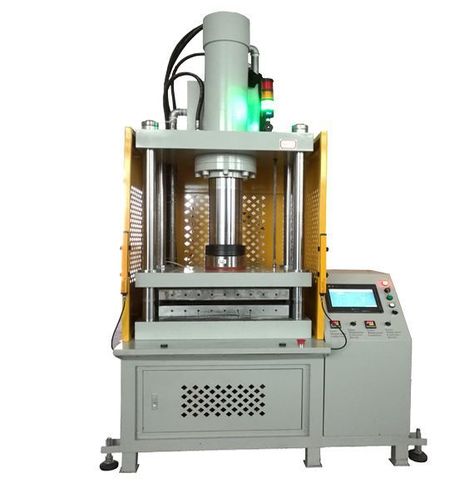
Laboratory Press
Laboratory Press

Four-column hydraulic presses are powerful and versatile machines that utilize hydraulic pressure to perform a variety of metal forming, molding, and assembly operations. The name “four-column” comes from the press’s structural design, which includes four vertical columns that provide support for the upper and lower crossheads, creating a large, open work area. This design allows for the even distribution of force across the entire workpiece, making four-column presses ideal for tasks that require high precision and consistency.

Four-column hydraulic presses are used in various industries, including automotiveaerospaceelectronicsappliance manufacturing, and plastics and rubber molding. Their ability to generate significant force while maintaining precise control over pressure and movement makes them suitable for tasks such as deep drawingstampingembossing, and compression molding.

The unique design of four-column hydraulic presses offers several advantages over other press types, such as H-frame or C-frame presses. The four-column structure provides greater stability and accessibility, allowing operators to work with large or irregularly shaped workpieces. Additionally, the open work area makes it easier to handle complex tooling and multi-stage operations.

Modern four-column presses are equipped with advanced control systems, such as servo-hydraulicCNC, or PLC automation, which allow for precise adjustments to force, speed, and stroke length. These features enable manufacturers to achieve high-quality results while maximizing productivity and minimizing material waste. Furthermore, recent technological advancements, including IoT connectivity and energy-efficient hydraulic systems, have improved the efficiency and safety of four-column hydraulic presses.

As the demand for high-quality, precision-manufactured parts continues to grow, the role of four-column hydraulic presses in modern manufacturing remains crucial. Their versatilitydurability, and ability to handle heavy-duty operations make them an indispensable tool in industries where performance and reliability are paramount.

Historical Evolution of Four-Column Hydraulic Presses

The development of four-column hydraulic presses is part of the broader history of hydraulic press technology, which dates back centuries. Understanding the evolution of these presses involves examining early innovations in hydraulic systems, the emergence of the four-column design, and the impact of industrialization on hydraulic press adoption.

2.1. Early Development of Hydraulic Presses

The concept of using hydraulic pressure to generate force dates back to ancient times, but the first practical application of hydraulic principles for pressing tasks came with the invention of the hydraulic press by Joseph Bramah in 1795. Bramah’s design utilized Pascal’s Law, which states that pressure applied to a confined fluid is transmitted equally in all directions, allowing a relatively small input force to be amplified to generate significant pressing power.

Bramah’s early hydraulic presses were used for tasks like packing and material compression, but they laid the foundation for the development of more advanced hydraulic systems that would emerge in the coming centuries.

2.2. Emergence of the Four-Column Design

The four-column hydraulic press design was developed in response to the need for greater stabilityeven force distribution, and a larger open work area. The introduction of four vertical columns provided structural support for the upper and lower crossheads, ensuring that the press could handle high loads without flexing or bending. This design improvement allowed for the even distribution of force across the entire workpiece, making it ideal for tasks such as deep drawingembossing, and large metal forming.

The four-column structure also created a large, open work area, which allowed operators to access the workpiece from all sides. This accessibility made it easier to handle large or irregularly shaped materials, as well as complex multi-stage operations that required different tools or dies.

2.3. Influence of Industrialization on Hydraulic Press Adoption

The Industrial Revolution, which began in the late 18th century, significantly accelerated the development and adoption of hydraulic presses, including the four-column design. The rapid growth of manufacturing and industrial production created a demand for powerful and reliable press equipment that could be used for mass production. Hydraulic presses were well-suited for a wide range of tasks, such as metal formingstampingforging, and molding.

The versatility and force capacity of four-column hydraulic presses made them a valuable tool in industries like automotiveaerospacemetalworking, and plastics manufacturing. As industrial processes became more complex, the need for high-precisionheavy-duty press equipment grew, leading to further innovations in hydraulic press technology.

2.4. Evolution of Hydraulic Systems and Technology

Throughout the 19th and 20th centuries, significant advancements were made in hydraulic systems, leading to the development of more efficient and powerful four-column presses. Some of the key innovations that contributed to the evolution of four-column hydraulic presses include:

  • Improved Hydraulic Pumps: Early hydraulic pumps were relatively simple, but advancements in pump design, such as the introduction of gear pumpsvane pumps, and piston pumps, allowed for higher pressures and more consistent force application. These improvements made hydraulic presses more efficient and reliable.
  • Development of Double-Acting Cylinders: The introduction of double-acting hydraulic cylinders allowed for precise control over the movement of the ram, enabling better control of the pressing process. This innovation was particularly important for applications that required variable stroke lengths or multi-stage operations.
  • Adoption of Servo-Hydraulic Technology: The integration of servo-hydraulic systems in the late 20th century enabled greater precision in controlling forcespeed, and position. Servo-hydraulic technology allowed operators to adjust pressing parameters dynamically, making four-column presses suitable for tasks that required high accuracy and repeatability.

2.5. Key Milestones in Four-Column Hydraulic Press Development

Several key milestones have marked the evolution of four-column hydraulic presses, helping to shape their modern capabilities:

  • Introduction of High-Pressure Hydraulic Systems: The development of high-pressure hydraulic systems in the mid-20th century allowed four-column presses to generate forces of thousands of tons, making them suitable for heavy-duty applications like metal forgingdeep drawing, and compression molding.
  • Incorporation of Computer Numerical Control (CNC): The integration of CNC control systems in four-column presses enabled automated and programmable control over pressing operations. This development improved the precisionconsistency, and productivity of the pressing process.
  • Advances in Safety Features: Modern four-column hydraulic presses are equipped with advanced safety features, such as light curtainsemergency stop mechanisms, and pressure relief valves, to protect operators and prevent accidents.
  • Integration with Industry 4.0 Technologies: In recent years, four-column presses have been integrated into smart manufacturing environments using IoT connectivityreal-time data monitoring, and predictive maintenance. These technologies help optimize press performance, improve energy efficiency, and reduce downtime.

Today, four-column hydraulic presses are recognized for their versatilityprecision, and ability to handle heavy-duty operations, making them a cornerstone of modern manufacturing across a wide range of industries.

Design and Structure of Four-Column Hydraulic Presses

Four-column hydraulic presses are known for their robust design, which provides stability and flexibility for a wide range of applications. The design features four vertical columns that support the upper and lower crossheads, creating an open work area that allows for even force distribution across the workpiece. This section delves into the structural components, customization options, and material choices used in four-column hydraulic presses.

3.1. Structural Overview: The Four-Column Design

The four-column design is characterized by its symmetrical structure, which includes four vertical columns arranged around the press bed. This configuration provides excellent support for the upper crosshead, where the hydraulic cylinder and ram are mounted, and the lower crosshead, which serves as the base for the work table.

Key Characteristics of the Four-Column Design
  • Symmetry and Stability: The symmetrical arrangement of the columns ensures balanced force distribution, which minimizes the risk of deformation or misalignment during pressing operations. This stability is particularly important for applications requiring high precision, such as metal forming and compression molding.
  • Open Work Area: The open space created by the four-column structure provides easy access to the workpiece from multiple sides, making it suitable for handling large or irregularly shaped materials and for multi-stage operations that involve different tools or dies.
  • Modular Configurations: The four-column design allows for various customization options, such as interchangeable rams, hydraulic systems, and tooling. This modularity makes the press adaptable to different industrial requirements.

3.2. Key Components of Four-Column Hydraulic Presses

The key components of a four-column hydraulic press work together to provide the force, precision, and control necessary for a variety of tasks. These components include the vertical columnsupper and lower crossheadshydraulic cylinderram and punchwork table, and control systems.

3.2.1. Vertical Columns

The vertical columns are the main structural elements of the press. They provide support for the upper and lower crossheads, ensuring that the frame remains stable during high-force operations.

  • Material Strength and Durability: The columns are typically made from high-strength steel or other durable materials to withstand heavy loads. They may also feature surface treatments, such as chrome plating or heat treatment, to enhance wear resistance.
  • Guide Bushings and Sleeves: To ensure smooth movement of the ram, guide bushings or sleeves are installed along the columns. These components help maintain alignment, preventing the ram from tilting or shifting laterally.
3.2.2. Upper and Lower Crossheads

The upper and lower crossheads connect the vertical columns and serve as key support structures for the press.

  • Upper Crosshead: The upper crosshead houses the hydraulic cylinder and provides support for the ram. It is designed to handle the forces generated during pressing without deforming.
  • Lower Crosshead: The lower crosshead, also known as the base or bed, provides a stable platform for the work table. It may include T-slots or mounting holes for securing tooling, dies, or fixtures.
3.2.3. Hydraulic Cylinder

The hydraulic cylinder is responsible for generating the force needed to perform pressing operations. It consists of a pistoncylinder housing, and ram.

  • Single-Acting vs. Double-Acting CylindersSingle-acting cylinders use hydraulic fluid to move the ram in one direction, while double-acting cylinders allow for controlled movement in both directions, offering greater flexibility.
  • Cylinder Bore Size and Stroke Length: The size of the cylinder bore and stroke length determine the press’s force capacity and range of motion. Larger bores and longer strokes are used for heavy-duty applications.
3.2.4. Ram and Punch

The ram is the moving component that transmits force from the hydraulic cylinder to the workpiece. It can be fitted with different punchesforming tools, or dies depending on the specific operation.

  • Precision Alignment: To ensure that the ram remains aligned during pressing, it is guided along the columns using bushings or linear guides. This precision helps maintain the quality of the workpiece.
  • Customizable Tooling: The ram can be fitted with a variety of tooling options, allowing the press to perform tasks such as punchingstampingforming, or embossing.
3.2.5. Work Table or Bed

The work table, located on the lower crosshead, is where the workpiece is placed during pressing. It is usually made from hardened steel to withstand the impact and pressure generated by the press.

  • T-Slots and Mounting Holes: The work table may feature T-slots or mounting holes for securing tooling, jigs, or fixtures, ensuring that the workpiece remains stable during the pressing operation.
  • Adjustable Positioning: Some four-column presses have adjustable work tables that can be moved vertically to accommodate different workpiece sizes.
3.2.6. Control Systems

Modern four-column hydraulic presses are equipped with various control systems to regulate forcespeedstroke length, and automation levels.

  • Manual Controls: Basic models may use manual levers or foot pedals to operate the press, providing simple control over pressing operations.
  • Automated Controls: Advanced presses are equipped with Programmable Logic Controllers (PLCs) or Computer Numerical Control (CNC) systems for automated operation. These systems allow for precise adjustments and programmable press cycles.
  • Servo-Hydraulic SystemsServo-hydraulic technology enables real-time adjustments to pressure and speed, enhancing the press’s precision and efficiency.

3.3. Importance of Stability and Force Distribution

The four-column design ensures even force distribution across the entire workpiece, which is crucial for maintaining high-quality results and preventing material defects.

  • Minimizing Deformation and Warping: The balanced force distribution reduces the risk of deforming the workpiece, especially during tasks like deep drawing or compression molding, where uniform pressure is essential.
  • Stability for Large Workpieces: The four-column structure provides stability when handling large or irregularly shaped materials, ensuring that the press remains steady under heavy loads.
  • Alignment Accuracy: The vertical columns and ram guides ensure that the ram moves in a straight line, maintaining alignment and preventing lateral movement during pressing.

3.4. Customization Options in Four-Column Hydraulic Presses

Four-column hydraulic presses can be customized to meet the specific requirements of different applications. Some common customization options include:

  • Variable Tonnage Capacities: Presses are available in a range of force capacities, from a few tons to thousands of tons, making them suitable for both light-duty and heavy-duty tasks.
  • Modular Components: The press’s components, such as the ramwork table, or hydraulic system, can be modified to accommodate different tasks.
  • Advanced Control Systems: Customizations may include servo-hydraulic controlsCNC automation, or IoT connectivity for integration with smart manufacturing environments.

3.5. Material Choices and Durability

The durability and longevity of a four-column hydraulic press are influenced by the materials used in its construction.

  • High-Strength Steel: The columns, crossheads, and work table are typically made from high-strength steel to withstand the forces generated during pressing.
  • Surface Treatments: Components may receive chrome platingheat treatment, or other surface treatments to improve wear resistance and extend the service life of the press.

Working Principle of Four-Column Hydraulic Presses

The working principle of a four-column hydraulic press is based on hydraulic pressure and force transmission through a system of fluid mechanics, enabling the machine to perform tasks like stampingmoldingforming, and compression. The hydraulic system converts fluid pressure into mechanical force, which is applied to a workpiece via the press’s ram. The process relies on Pascal’s Law, which states that pressure applied to a confined fluid is transmitted equally in all directions.

4.1. Basic Hydraulic Press Operation

A four-column hydraulic press operates by generating hydraulic pressure that moves the ram, allowing it to apply force to the workpiece placed on the work table. The basic operation involves several key steps:

  1. Generating Hydraulic Pressure: The press uses a hydraulic pump to pressurize the hydraulic fluid (usually oil), which is stored in a reservoir. The pump pushes the fluid into the hydraulic cylinder, where it generates force on the piston.
  2. Moving the Ram: The pressurized fluid enters the hydraulic cylinder and acts on the piston, which drives the ram downward. This movement allows the press to apply force to the workpiece on the bed, performing tasks such as formingstamping, or compressing.
  3. Returning the Ram: Once the pressing operation is complete, the pressure is released, and the ram is returned to its original position. In double-acting cylinders, the hydraulic fluid can be used on both sides of the piston to control the ram’s upward and downward movement.

4.2. Hydraulic Cylinder and Pump Mechanics

The hydraulic cylinder and pump play crucial roles in the functioning of a four-column hydraulic press, determining the amount of force generated and the efficiency of the pressing process.

4.2.1. Hydraulic Pumps
  • Gear Pumps: These pumps are simple and reliable, providing a steady flow of hydraulic fluid at low to moderate pressure. They are suitable for basic press applications.
  • Vane Pumps: Vane pumps are efficient and provide a balance between flow rate and pressure, making them suitable for applications that require moderate control.
  • Piston Pumps: Piston pumps offer high-pressure capabilities and are commonly used in heavy-duty four-column hydraulic presses that need to generate significant force for tasks like metal forging or compression molding.
4.2.2. Hydraulic Cylinders
  • Single-Acting Cylinders: In single-acting cylinders, the hydraulic fluid acts on one side of the piston to move the ram downward. The return motion relies on gravity or spring force.
  • Double-Acting Cylinders: Double-acting cylinders use hydraulic fluid on both sides of the piston, allowing for controlled movement in both directions. This is beneficial for applications requiring precise ram positioning.

4.3. Force Transmission and Movement in Four-Column Presses

The design of the four-column hydraulic press ensures that force is transmitted evenly across the workpiece, providing consistent pressure and high-quality results. The force generated by the hydraulic cylinder is transmitted through the ram, which moves vertically to press against the workpiece.

Key Elements in Force Transmission
  • Even Force Distribution: The four-column structure helps distribute force evenly across the ram and workpiece, reducing the risk of material deformation or warping.
  • Ram Guides and BushingsGuides and bushings along the vertical columns help maintain the ram’s alignment, ensuring smooth movement and preventing lateral shifts.

4.4. Application of Force to Workpieces

The force applied by a four-column hydraulic press can be used for a variety of tasks, including formingcompressionmolding, and cutting. The versatility of the press makes it suitable for different materials, such as metalplasticrubber, and composites.

4.4.1. Metal Forming

In metal forming operations, the press can be used to shape metal sheets, plates, and components. Processes such as deep drawingstamping, and embossing require consistent force application, which is achievable with a four-column press.

4.4.2. Compression Molding

For compression molding, the press is used to shape materials like plasticsrubber, or composites by applying force to a mold. This process ensures the material fills the mold cavity, taking on the desired shape.

4.4.3. Stamping and Punching

In stamping and punching applications, the press can cut or shape metal sheets using dies. The four-column design ensures even pressure distribution, allowing for clean cuts and precise shapes.

4.5. Importance of Pressure Control and Even Force Distribution

Accurate control of hydraulic pressure and even force distribution is essential for achieving high-quality results in pressing operations. Advanced control systems in modern four-column hydraulic presses allow for precise adjustments to pressure, speed, and stroke length.

4.5.1. Pressure Regulation
  • Relief Valves and RegulatorsPressure relief valves and regulators are used to maintain consistent hydraulic pressure during pressing, preventing overloading or underperformance.
  • Flow Control ValvesFlow control valves adjust the speed at which hydraulic fluid moves through the system, allowing for fine-tuning of ram movement.
4.5.2. Force Distribution

The even distribution of force across the press bed ensures that the entire workpiece experiences uniform pressure. This is crucial for applications like deep drawing, where inconsistent force can lead to defects.

4.6. Advanced Control Systems in Modern Four-Column Presses

Modern four-column hydraulic presses are equipped with automated control systems, such as CNCPLC, or servo-hydraulic systems, to improve the precision and efficiency of pressing operations.

4.6.1. Programmable Logic Controllers (PLCs)

PLCs allow operators to program specific parameters, such as force levelsstroke length, and ram speed, for each task. This automation enhances consistency and productivity.

4.6.2. Servo-Hydraulic Control

Servo-hydraulic systems use servo motors to control the hydraulic pump, providing real-time adjustments to the press’s operation. This technology is especially useful for applications requiring high precision.

4.6.3. IoT and Smart Press Integration

With the integration of IoT connectivity, four-column hydraulic presses can be connected to smart manufacturing systems, enabling real-time data monitoringpredictive maintenance, and process optimization.

Key Applications of Four-Column Hydraulic Presses

Four-column hydraulic presses are versatile machines used across a wide range of industries due to their ability to deliver high force, precision, and consistent pressure. Their robust design, large work area, and ability to handle diverse materials make them suitable for various industrial applications. This section explores the key applications of four-column hydraulic presses in different industries.

5.1. Metal Forming and Fabrication

Metal forming is one of the primary applications for four-column hydraulic presses, which can be used to shape metal sheets, plates, and components into different forms. The press’s ability to distribute force evenly and handle large workpieces makes it ideal for several metal forming tasks.

  • Deep Drawing: In deep drawing, a metal sheet is shaped into a hollow object by being forced into a die cavity. The four-column design allows for even force distribution across the sheet, ensuring that the material is stretched uniformly without tearing or wrinkling. This process is used to produce items such as canstanks, and automotive body panels.
  • StampingMetal stamping involves cutting or forming metal sheets using dies and punches. Four-column hydraulic presses are used for high-precision stamping operations, where the even force distribution ensures clean cuts and precise shapes. This is especially important in industries such as automotive and electronics, where parts must meet strict tolerances.
  • EmbossingEmbossing is the process of creating raised or recessed designs on metal surfaces. Four-column presses can be used to apply the necessary pressure to emboss patterns, logos, or text onto metal parts. The open work area allows for easy handling of large metal sheets during embossing.

5.2. Automotive Manufacturing

The automotive industry relies heavily on four-column hydraulic presses for the production of various components. The ability of these presses to handle large forces and ensure precision makes them suitable for critical automotive manufacturing tasks.

  • Forming Body Panels: In the production of automotive body panels, such as doorshoodsfenders, and roof panels, four-column hydraulic presses are used to shape metal sheets into the desired contours. The press’s stability and ability to generate consistent pressure help prevent defects in the panels, ensuring that they fit together seamlessly during assembly.
  • Stamping Chassis ComponentsChassis components, such as cross memberssuspension parts, and structural reinforcements, are often stamped using four-column presses. The press’s force capacity allows for the forming of high-strength materials that are required for the structural integrity of the vehicle.
  • Pressing Engine and Transmission Components: Four-column hydraulic presses are used to form or stamp engine partsgear housings, and transmission components. The press ensures that these parts meet the tight tolerances needed for proper engine performance.

5.3. Aerospace Industry

In the aerospace industry, where precision, strength, and lightweight components are critical, four-column hydraulic presses play a crucial role in forming various materials used in aircraft and spacecraft.

  • Forming Lightweight Structural Components: Four-column presses are used to form aircraft panelswing sections, and fuselage parts made from aluminumtitanium, and composite materials. The ability to apply consistent pressure across large workpieces ensures that these components meet strict aerodynamic and structural requirements.
  • Pressing High-Strength Alloys: In aerospace manufacturing, high-strength alloys are often used to produce parts that need to withstand extreme conditions, such as jet engine components and landing gear structures. Four-column hydraulic presses are used to form these materials into the required shapes while maintaining the integrity of the alloy.
  • Precision Forming for Satellite Components: For satellite manufacturing, four-column presses are used to shape delicate components that require precise tolerances. The press’s ability to apply controlled force helps ensure the integrity and functionality of these specialized parts.

5.4. Plastic and Rubber Molding

The plastic and rubber industries use four-column hydraulic presses for compression molding, where the material is shaped under high pressure to create durable, complex parts.

  • Compression Molding for Plastic Parts: In compression moldingplastic materials are placed in a mold cavity and subjected to high pressure from the press. This process is used to manufacture items like automotive componentsappliance parts, and electrical housings. The large work area of the four-column press allows for the production of parts with varying sizes and shapes.
  • Forming Rubber Seals and Gaskets: Four-column hydraulic presses are also used for molding rubber products, such as sealsgaskets, and bushings. The consistent pressure ensures uniform material flow into the mold, resulting in high-quality finished products.
  • Thermoset and Thermoplastic Molding: The press can handle both thermoset and thermoplastic materials, making it versatile for producing parts that require different curing processes.

5.5. Electronics and Appliance Manufacturing

The electronics and appliance industries often require precision stamping and forming of small metal and plastic components. Four-column hydraulic presses provide the necessary force and control to manufacture these parts with high accuracy.

  • Stamping Metal Housings: Four-column hydraulic presses are used to stamp metal housings for electronic devices, such as smartphoneslaptops, and tablets. The press ensures that each housing is formed with the exact dimensions needed to fit internal components securely.
  • Forming Electrical Connectors: The press is also used to shape and stamp electrical connectorsterminals, and contacts. The precision offered by four-column presses ensures that these small components meet the dimensional tolerances required for reliable electrical connections.
  • Molding Appliance Components: In the appliance industry, four-column presses are used to mold parts such as control panelshandles, and trim pieces. The press can be customized with specific tooling to accommodate different molding requirements.

5.6. Specialty Manufacturing and Custom Applications

Four-column hydraulic presses are used in specialized manufacturing for unique or custom applications where precision, customization, and versatility are crucial.

  • Medical Device Manufacturing: The medical industry uses four-column presses to form surgical toolsimplants, and diagnostic equipment. The press’s ability to achieve tight tolerances is essential for producing high-quality medical components.
  • Art and Sculpture: Artists and sculptors use four-column hydraulic presses to shape materials such as metalplastic, or clay for sculpturesart pieces, and decorative items. The open work area of the press allows for creative freedom when working with large or irregularly shaped materials.
  • Prototyping and Small Batch Production: In research and development, four-column presses are used to create prototypes and test samples. Their versatility makes them suitable for small-batch production runs, where manufacturers need to evaluate new materials, designs, or processes.

5.7. Woodworking and Composite Materials

Four-column hydraulic presses are also used in woodworking and composite manufacturing for tasks such as laminatingpressing plywood, and forming fiber-reinforced plastics.

  • Laminating Wood Panels: In woodworking, four-column presses are used to laminate wood panelsplywood, or veneers. The press applies consistent pressure across the entire surface, ensuring that the adhesive bonds evenly and the layers are securely pressed together.
  • Forming Composite Parts: For composite materials, such as carbon fiber or glass fiber-reinforced plastics, four-column presses can be used to shape components used in automotiveaerospace, and sports equipment manufacturing. The press ensures that the composite material is fully consolidated, resulting in strong, lightweight parts.

Advantages of Four-Column Hydraulic Presses

Four-column hydraulic presses are favored in numerous industries due to their unique advantages, which include high force capacity, precision, versatility, and a large, open work area. These benefits make them suitable for a wide range of applications, from heavy-duty metal forming to precision molding. Below are the key advantages of four-column hydraulic presses and how they contribute to improved manufacturing processes.

6.1. High Force Capacity and Even Force Distribution

One of the primary advantages of four-column hydraulic presses is their ability to generate high force levels, making them suitable for heavy-duty applications. The robust design ensures that the press can handle substantial loads without compromising structural integrity.

  • Handling Heavy-Duty Tasks: Four-column presses can produce forces ranging from a few tons to thousands of tons, allowing them to perform high-pressure tasks such as metal forgingdeep drawingcompression molding, and stamping.
  • Even Force Distribution Across the Work Area: The symmetrical four-column structure ensures that the force is evenly distributed across the entire surface of the workpiece. This balanced force application is essential for tasks that require uniform pressure, such as compression moldingdeep drawing, and embossing, as it reduces the risk of material deformation.

6.2. Large Work Area and Accessibility

The open design of four-column hydraulic presses provides a large work area, allowing operators to handle large workpieces or irregularly shaped materials with ease.

  • Accommodating Large Components: The open space between the columns enables operators to work with large sheetspanels, or long workpieces that would be difficult to process using other press types, such as C-frame or H-frame presses.
  • Ease of Multi-Stage Operations: The open design allows for multi-stage operations, where multiple tools or dies can be used sequentially in the same press setup. This flexibility is particularly valuable in applications such as progressive stamping or forming complex shapes.

6.3. Versatility for a Wide Range of Applications

Four-column hydraulic presses are highly versatile, capable of performing a variety of tasks across different industries. This adaptability makes them suitable for industries ranging from automotive to plastics and rubber molding.

  • Metal Forming and Fabrication: Four-column presses can be used for deep drawingstampingbendingforging, and other metal forming tasks, making them indispensable in industries such as automotiveaerospace, and metalworking.
  • Compression Molding for Plastics and Rubber: The press can mold plastic and rubber parts by applying uniform pressure, ensuring that the material flows into the mold cavity completely. This process is used to manufacture items like sealsgasketsappliance components, and automotive parts.
  • Assembly and Custom Operations: Four-column presses are often used for assembly tasks, such as pressing bearings into place or joining components. Their versatility also allows for custom applications in niche industries, such as medical device manufacturing and artistic metalworking.

6.4. Precision and Control: Ideal for High-Accuracy Work

Precision is a critical requirement in many manufacturing processes, and four-column hydraulic presses provide the control and accuracy needed for high-quality results.

  • Advanced Control Systems for Precision: Modern four-column presses come equipped with servo-hydraulic systemsCNC, or PLC controls, allowing operators to fine-tune parameters such as forcestroke lengthram speed, and dwell time. This level of control ensures consistent results, even in tasks that require tight tolerances.
  • Real-Time Adjustments: The press can make real-time adjustments to the applied force, speed, and stroke length during pressing operations, enhancing the precision of the press. This capability is particularly valuable in applications like metal forming and compression molding, where different stages of the process may require varying levels of force.
  • Eliminating Material Defects: The press’s ability to distribute force evenly and control pressure accurately reduces the risk of defects, such as warpingcracking, or improper material flow, ensuring that each part meets the required specifications.

6.5. Durability and Stability in Heavy-Duty Operations

The robust construction of four-column hydraulic presses ensures their durability and stability, even in demanding industrial environments. This durability makes them suitable for continuous use in applications that involve high pressuresheavy loads, and large workpieces.

  • Long Service Life: Four-column presses are built from high-strength materials, such as hardened steel, that can withstand the stress of heavy-duty operations. With proper maintenance, these presses can operate for many years, providing a long-term solution for manufacturers.
  • Resisting Deformation: The stable design of the four-column structure ensures that the press frame does not deform or bend under high loads, maintaining the accuracy and quality of pressing operations.
  • Stable Performance for Large Workpieces: When working with large or heavy materials, the press’s stability ensures that the ram movement remains smooth and precise, which is crucial for tasks such as forming structural components or compression molding.

6.6. Customization Potential for Industry-Specific Needs

Four-column hydraulic presses can be customized to meet the specific requirements of different industries, enhancing their suitability for various applications.

  • Variable Tonnage Capacities and Stroke Lengths: Manufacturers can choose from presses with different force capacities and stroke lengths, depending on the tasks they need to perform. This flexibility allows for customization to meet industry-specific requirements.
  • Modular Frame Components: Some four-column presses feature modular frames that can be easily upgraded or reconfigured to accommodate changes in production needs. For example, the ramwork table, or hydraulic system can be modified for different materials or processes.
  • Integration with Advanced Technology: Customization options may include servo-hydraulic controlsCNC systems, or IoT connectivity for smart manufacturing. These enhancements improve the press’s capabilities in applications such as precision metalworkingautomated production lines, and smart factories.

6.7. Cost-Effectiveness for Mass Production

Four-column hydraulic presses provide a cost-effective solution for industries that require high-performance pressing equipment. Their efficiency, versatility, and ease of maintenance contribute to long-term cost savings.

  • High Production Efficiency: The ability to perform multi-stage operations, coupled with automated control systems, increases production efficiency. The press can produce large quantities of parts with consistent quality, making it suitable for mass production in industries like automotive and electronics.
  • Low Maintenance Requirements: The simplicity of the hydraulic system and the durability of the press’s components result in low maintenance costs. Routine maintenance, such as checking hydraulic fluid levelsinspecting hoses, and cleaning filters, is typically sufficient to keep the press in good working condition.
  • Reduced Material Waste: The precision and control offered by four-column presses help minimize material waste during pressing operations. By ensuring that each part is formed accurately, the press reduces the need for rework or secondary processing, saving time and resources.

6.8. Safety Features for Operator Protection

Modern four-column hydraulic presses are equipped with various safety features that help protect operators and prevent accidents.

  • Light Curtains and Guarding SystemsLight curtains create a virtual safety barrier around the press’s work area. If the light beam is interrupted, the press will stop immediately to protect the operator. Physical guarding systems can also be installed to prevent access to dangerous areas.
  • Emergency Stop Buttons and Redundant Safety SystemsEmergency stop mechanisms are located at various points around the press, allowing operators to halt the machine instantly if necessary. Some presses also feature redundant safety systems to ensure that the press stops even if one component fails.
  • Pressure Relief and Overload ProtectionPressure relief valves and overload protection systems prevent the press from exceeding its maximum pressure capacity, safeguarding both the machine and the operator from potential hazards.

6.9. Environmental Sustainability and Energy Efficiency

The integration of advanced technology and energy-efficient components has made modern four-column hydraulic presses more environmentally sustainable.

  • Energy-Efficient Hydraulic Pumps: Modern presses use variable displacement pumps that adjust the amount of hydraulic fluid delivered based on the press’s requirements. This reduces energy consumption and minimizes hydraulic fluid waste.
  • Energy Recovery Systems: Some four-column presses feature energy recovery systems that capture and reuse energy generated during the press cycle, further improving efficiency.
  • Use of Eco-Friendly Hydraulic Fluids: Hydraulic systems can use biodegradable fluids that are less harmful to the environment in case of a leak, supporting sustainability efforts.

Technological Advancements in Four-Column Hydraulic Presses

Recent technological advancements have significantly enhanced the performanceefficiency, and safety of four-column hydraulic presses, making them more versatile and capable of meeting the demands of modern manufacturing. These innovations include the integration of servo-hydraulic systemsautomated controlIoT connectivity, and energy-efficient components, which collectively expand the range of applications for four-column presses.

7.1. Servo-Hydraulic Systems for Precision Control

Servo-hydraulic systems combine the benefits of hydraulic power with the precision control of servo motors, resulting in improved accuracy and energy efficiency. This technology has become increasingly popular in four-column hydraulic presses, particularly in applications that require high precision and variable pressure settings.

Key Benefits of Servo-Hydraulic Systems
  • Enhanced Precision and AccuracyServo-hydraulic technology allows for precise control over the forcespeed, and position of the ram, making it suitable for tasks such as metal formingstamping, and compression molding. The ability to make real-time adjustments ensures that pressing parameters are optimized for each operation.
  • Variable Pressure Settings: Unlike traditional hydraulic systems, which maintain a constant pressure, servo-hydraulic systems enable operators to adjust pressure dynamically during the pressing process. This capability helps prevent material defects and damage, especially in processes that involve complex shapes or fragile materials.
  • Energy Efficiency: By using servo motors to control the hydraulic pump, the system can reduce energy consumption by only using power when needed. This makes servo-hydraulic presses more sustainable and cost-effective in terms of energy use.

7.2. CNC and PLC Automation

The integration of Computer Numerical Control (CNC) and Programmable Logic Controllers (PLCs) in four-column hydraulic presses has revolutionized the way these machines are operated, allowing for automated controlprogrammable settings, and precision adjustments.

Advantages of CNC and PLC Integration
  • Automated OperationCNC and PLC systems enable operators to program specific parameters for each task, such as force levelsstroke length, and dwell time. This automation enhances productivity by minimizing manual intervention and reducing setup time.
  • Consistency and Repeatability: Automated control ensures that each pressing operation is performed with consistent accuracy, which is crucial for applications that require tight tolerances or high repeatability, such as automotive manufacturing and electronics production.
  • Multi-Stage Operations and Complex Forming Tasks: CNC systems make it possible to perform multi-stage operations, such as progressive stamping or deep drawing, in a single setup. This capability improves efficiency and reduces the time required for tool changes.

7.3. IoT and Smart Manufacturing Integration

As part of the Industry 4.0 revolution, IoT connectivity and smart manufacturing capabilities have been incorporated into four-column hydraulic presses. These technologies enable real-time monitoringpredictive maintenance, and process optimization, helping manufacturers achieve higher productivity and operational efficiency.

Benefits of IoT-Enabled Four-Column Presses
  • Real-Time Data MonitoringIoT-enabled presses collect real-time data on parameters such as pressurestroke lengthcycle time, and hydraulic fluid temperature. This data can be used to optimize the pressing process, ensuring consistent quality and identifying areas for improvement.
  • Predictive Maintenance and Reduced Downtime: By monitoring the condition of critical components, IoT systems can detect signs of wear or potential issues before they lead to machine failure. This predictive maintenance approach helps prevent unexpected downtime and extends the lifespan of the press.
  • Remote Control and Diagnostics: IoT connectivity allows operators and maintenance teams to remotely monitor the press’s performance and diagnose problems. This feature is particularly useful in multi-site manufacturing operations, where presses in different locations can be managed from a central control hub.

7.4. Energy Efficiency Innovations

Reducing energy consumption is a priority in modern manufacturing, and new technologies have made four-column hydraulic presses more energy-efficient and eco-friendly.

Energy-Saving Hydraulic Pumps
  • Variable Displacement PumpsVariable displacement pumps adjust the flow of hydraulic fluid according to the press’s requirements, reducing energy waste by supplying only the necessary amount of fluid. This technology helps lower operational costs and supports sustainability initiatives.
  • Servo-Driven PumpsServo-driven pumps are controlled by servo motors, which modulate speed and pressure to match the pressing operation’s demands. This capability results in higher energy efficiency compared to traditional pumps.
Energy Recovery Systems
  • Regenerative Circuits: Some four-column presses are equipped with regenerative hydraulic circuits that capture and reuse energy generated during the pressing process. This energy recovery technology reduces the overall energy consumption of the press, making it more sustainable.
  • Energy Storage with Hydraulic AccumulatorsHydraulic accumulators can store excess energy generated during the press cycle and release it to assist with future press operations, further reducing the demand on the hydraulic pump.

7.5. Safety Enhancements for Operator Protection

Modern four-column hydraulic presses are equipped with advanced safety features designed to protect operators and minimize the risk of accidents.

Light Curtains, Safety Guards, and Emergency Stops
  • Light CurtainsLight curtains create an invisible safety barrier around the press’s work area. If the barrier is breached, the press automatically stops, preventing potential injuries.
  • Safety GuardsPhysical guards help prevent operators from accessing dangerous areas during press operation. These guards are designed to ensure that workers remain at a safe distance from the moving parts of the press.
  • Emergency Stop Mechanisms: Emergency stop buttons are strategically placed around the press, allowing operators to quickly halt the press in case of an emergency. Some presses also feature foot-operated emergency stops for added convenience.
Pressure Relief Valves and Redundant Safety Systems
  • Pressure Relief Valves: These valves protect the hydraulic system from over-pressurization by releasing excess pressure, safeguarding both the press and the operator.
  • Redundant Safety Systems: To ensure maximum safety, some presses incorporate redundant systems that provide backup protection in case one safety feature fails. This includes dual-circuit safety controls and fail-safe mechanisms.

7.6. Customizable Tooling and Modular Design Innovations

The ability to customize tooling and use modular designs enhances the flexibility of four-column hydraulic presses, making them suitable for a variety of applications.

Quick-Change Tooling
  • Interchangeable Tool Sets: Four-column presses can be equipped with interchangeable tooling, such as different diesforming tools, and punches, allowing operators to quickly switch between tasks without significant downtime.
  • Automated Tool Change SystemsAutomated tool changers further reduce downtime by enabling the press to switch tools without manual intervention. This is particularly beneficial in automated production lines where speed and efficiency are critical.
Modular Frame Components
  • Scalable Tonnage Capacities: Modular designs allow for scalable tonnage capacities, enabling manufacturers to increase the press’s force capacity without having to replace the entire machine.
  • Upgradable Hydraulic and Control Systems: The modularity of some four-column presses allows for easy upgrades to hydraulic componentscontrol systems, or servo-hydraulic technology, ensuring that the press remains up-to-date with evolving manufacturing needs.

7.7. Smart Technology Integration for Process Optimization

The integration of smart technology, such as machine learning and artificial intelligence (AI), is transforming four-column hydraulic presses into self-optimizing machines capable of improving efficiency and product quality.

AI-Driven Process Optimization
  • Adaptive Control Systems: AI-driven control systems can adjust pressing parameters in real-time based on feedback from sensors, optimizing performance for each task. This reduces material waste and shortens cycle times.
  • Predictive Analytics for Maintenance: By analyzing historical data, machine learning algorithms can predict when maintenance is needed, allowing for proactive servicing that minimizes downtime.
Cloud Connectivity and Data Analysis
  • Cloud-Based Monitoring: Smart presses connected to the cloud can store and analyze data on press performance, providing insights for continuous improvement and quality control.
  • Big Data for Quality Assurance: Using big data analytics, manufacturers can identify patterns in the pressing process that may indicate quality issues, allowing for timely adjustments to maintain high product standards.

Introduction to Hydraulic Press Applications
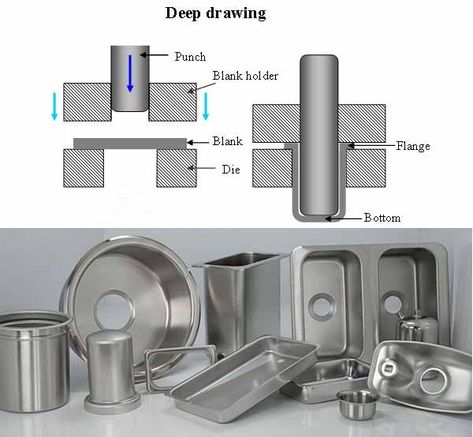
Aluminium Deep Drawing Process

Hydraulic presses are versatile machines used to perform a variety of operations, including formingstampingforgingmoldingbonding, and pressing. They work by applying hydraulic pressure to generate the force needed for these tasks. The hydraulic system uses pressurized fluid to create a controlled and consistent force, allowing the press to handle a wide range of materials and applications with precision and reliability.

The flexibility of hydraulic press technology has made it a cornerstone of modern manufacturing across multiple industries. From the automotive and aerospace sectors to plasticselectronics, and consumer products, hydraulic presses are used to produce components and products that are essential to everyday life. The different types of hydraulic presses, such as four-columnH-frameC-frame, and servo-hydraulic presses, provide options to suit specific manufacturing needs.

The ability of hydraulic presses to generate significant force while maintaining control over the pressing parameters makes them suitable for tasks requiring high precision and repeatability. Whether it’s shaping metal sheets for automotive body panels, molding plastic housings for electronic devices, or forging heavy-duty components for construction equipment, hydraulic presses play a crucial role in ensuring the quality and performance of the finished products.

With advancements in press technology, including automationservo control, and IoT integration, the applications of hydraulic presses continue to expand, offering new opportunities for efficient and sustainable manufacturing. This text will explore a wide range of products that are produced using hydraulic presses, highlighting the importance of this technology in various industries.

Metal Forming and Fabrication Products

Deep Drawing Products

Hydraulic presses are widely used in metal forming and fabrication due to their ability to generate high force and apply it with precision. The even distribution of force across the workpiece makes them ideal for shaping metal sheets, plates, and components. This section explores various products produced through metal forming using hydraulic presses, including automotive partsaerospace componentsconstruction materials, and industrial tools.

2.1. Automotive Parts

The automotive industry relies heavily on hydraulic presses for manufacturing various metal parts, ensuring the components meet strict safety and performance standards. Common products include:

  • Body Panels: Hydraulic presses are used to shape metal sheets into car body panels, such as doorshoodstrunks, and fenders. The pressing operation ensures the panels are formed with the precise contours needed for aerodynamics, aesthetics, and structural integrity.
  • Chassis Components: The chassis of a vehicle is made up of several parts, such as cross membersframes, and suspension components, that require metal forming. Hydraulic presses can shape high-strength steel or aluminum alloys used in these components to provide durability and crash resistance.
  • Engine and Transmission Parts: Hydraulic presses are also used in the production of engine componentsgear housings, and transmission parts. These metal parts need to meet strict tolerances to ensure efficient performance, and the precision offered by hydraulic presses helps achieve this.

2.2. Aerospace Components

In the aerospace industry, components need to be lightweight yet strong enough to withstand extreme conditions. Hydraulic presses are used to shape various materials, including aluminumtitanium, and composite alloys.

  • Aircraft Panels: The body of an aircraft consists of wing panelsfuselage sections, and control surfaces, which are formed from lightweight materials. Hydraulic presses ensure that these components meet the strict dimensional tolerances required for aerodynamic performance.
  • Structural Components: Hydraulic presses are used to manufacture high-strength structural components for aircraft, such as bulkheadsribs, and frames, which help distribute stress across the aircraft’s structure.
  • High-Strength Alloys: Aerospace components often involve forming high-strength alloys for parts like landing gear assembliesturbine blades, and engine housings. The presses ensure that these materials are shaped without compromising their mechanical properties.

2.3. Construction and Heavy Machinery

Construction materials and heavy machinery parts require durability to withstand harsh environments and heavy loads. Hydraulic presses produce various metal components used in construction and industrial applications.

  • Gears and Shafts: Hydraulic presses are used to forge gears and shafts used in construction equipmentindustrial machinery, and agricultural vehicles. The pressing process ensures the components have the strength and precision required for heavy-duty use.
  • Structural Beams: Hydraulic presses are employed in shaping steel beams and metal girders for construction projects, such as bridgesbuildings, and industrial facilities. The even force distribution ensures uniformity and reduces the risk of structural failures.
  • Fasteners and Connectors: Presses are used to manufacture various metal fasteners, such as boltsnuts, and connectors, which are essential for assembling machinery and constructing buildings.

2.4. Household and Industrial Tools

Hydraulic presses are also used in the production of various household and industrial tools, where metal forming is essential for creating parts that meet specific functional requirements.

  • Wrenches and PliersHand tools like wrenchespliers, and screwdrivers are made from forged metal, using hydraulic presses to shape and harden the components. The precision forming process ensures the tools have the proper dimensions and strength for repeated use.
  • Blades and Cutting ToolsBlades, such as saw bladesscissors, and knives, are produced using hydraulic presses to shape and sharpen the metal. This ensures the cutting edge has the desired profile and hardness for effective performance.

Compression Molding Products

Compression molding is a manufacturing process used to shape thermosetting plasticsrubber, and composite materials by applying heat and pressure in a mold cavity. Hydraulic presses play a crucial role in this process, as they can generate the necessary force to ensure that the material fills the mold completely, creating durable, high-quality parts. Below are some of the key products produced through compression molding using hydraulic presses, including plastic componentsrubber products, and composite materials.

3.1. Plastic Components

Compression molding is widely used to produce various plastic parts for different industries, where hydraulic presses ensure that the material flows evenly into the mold, producing parts with consistent quality and minimal defects.

  • Automotive Interior Parts: Many interior components in vehicles, such as dashboard panelsdoor trims, and center consoles, are produced using compression molding. Hydraulic presses apply pressure and heat to form durable plastic parts that fit precisely within the vehicle’s interior.
  • Electrical Housings: Electrical products, such as switchescircuit breaker casings, and junction boxes, often have molded plastic housings that provide insulation and protection for internal components. Hydraulic presses are used to form these housings to meet safety and dimensional standards.
  • Appliance Components: Household appliances, such as microwavesrefrigerators, and washing machines, use plastic parts that are formed through compression molding. Hydraulic presses shape components like control panelshandles, and internal brackets, ensuring durability and heat resistance.

3.2. Rubber Products

Rubber molding is another key application of hydraulic presses, especially for products that require elasticity, durability, and the ability to withstand extreme temperatures.

  • Seals and Gaskets: Hydraulic presses are used to produce various rubber sealsgaskets, and O-rings, which are essential for sealing applications in automotiveindustrial, and plumbing systems. The consistent pressure applied during molding ensures that the seals maintain their shape and elasticity for reliable performance.
  • Rubber Bushings and MountsAutomotive suspension components, such as bushings and engine mounts, are made from molded rubber to absorb vibration and reduce noise. Hydraulic presses help mold these parts with precise dimensions and material properties to ensure optimal functionality.
  • Tires and Belts: Some tire components and rubber belts used in machinery are also produced using compression molding. The press ensures uniform material distribution within the mold, leading to products that meet strict performance requirements.

3.3. Composite Materials

Composite materials, such as fiber-reinforced plastics and carbon fiber composites, are used in industries requiring strong, lightweight components. Hydraulic presses enable the molding of these materials into complex shapes.

  • Fiber-Reinforced PlasticsFiber-reinforced plastic components, used in automotivemarine, and construction applications, are made through compression molding. Hydraulic presses ensure that the fibers are properly aligned within the plastic matrix, providing maximum strength and durability.
  • Carbon Fiber PartsCarbon fiber-reinforced materials are commonly used in high-performance applications, such as aerospace componentssports equipment, and luxury car parts. Hydraulic presses mold these components to exact specifications, ensuring that they are lightweight while offering excellent strength.
  • Sports Equipment (e.g., Bicycles, Helmets): Compression molding is also used to manufacture sports equipment, including bicycle frameshelmets, and protective gear. Hydraulic presses help form these items from composite materials, ensuring they meet safety standards and performance requirements.

Conclusion

Hydraulic presses are essential machines in various industries, providing the necessary force for processes such as metal forming, stamping, and molding. Understanding the different types of hydraulic presses, their components, and how they work is crucial for effective application and operation.

The manufacturing process of hydraulic presses involves careful design and engineering, material selection, precision fabrication, and rigorous quality control. Despite the challenges, advancements in technology and innovations are driving the industry forward, leading to more efficient, precise, and environmentally friendly hydraulic presses.

As industries continue to evolve, the hydraulic press industry must adapt and innovate to meet the demands of efficiency, precision, and sustainability. Through continuous research and development, manufacturers can enhance the performance and reliability of hydraulic presses, contributing to the success of various industrial applications.
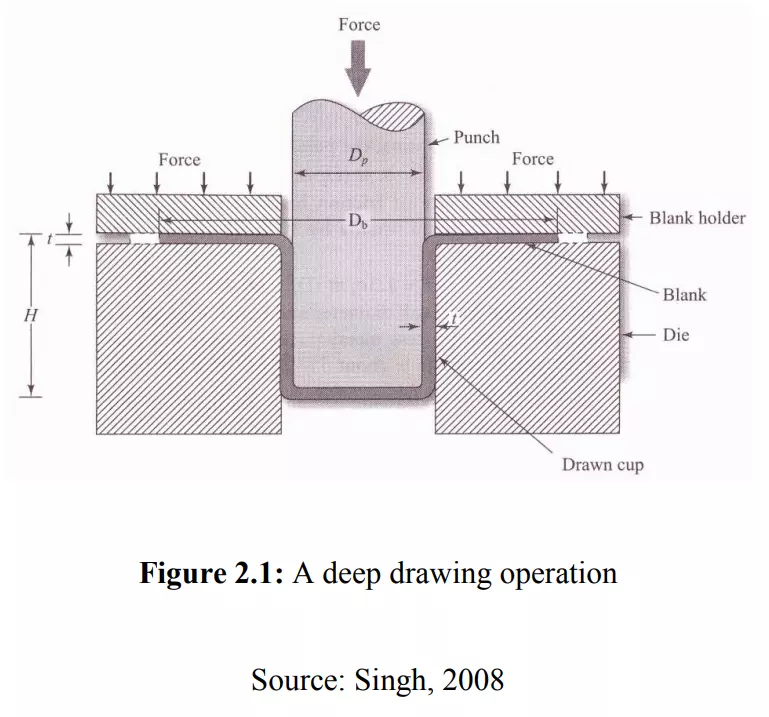
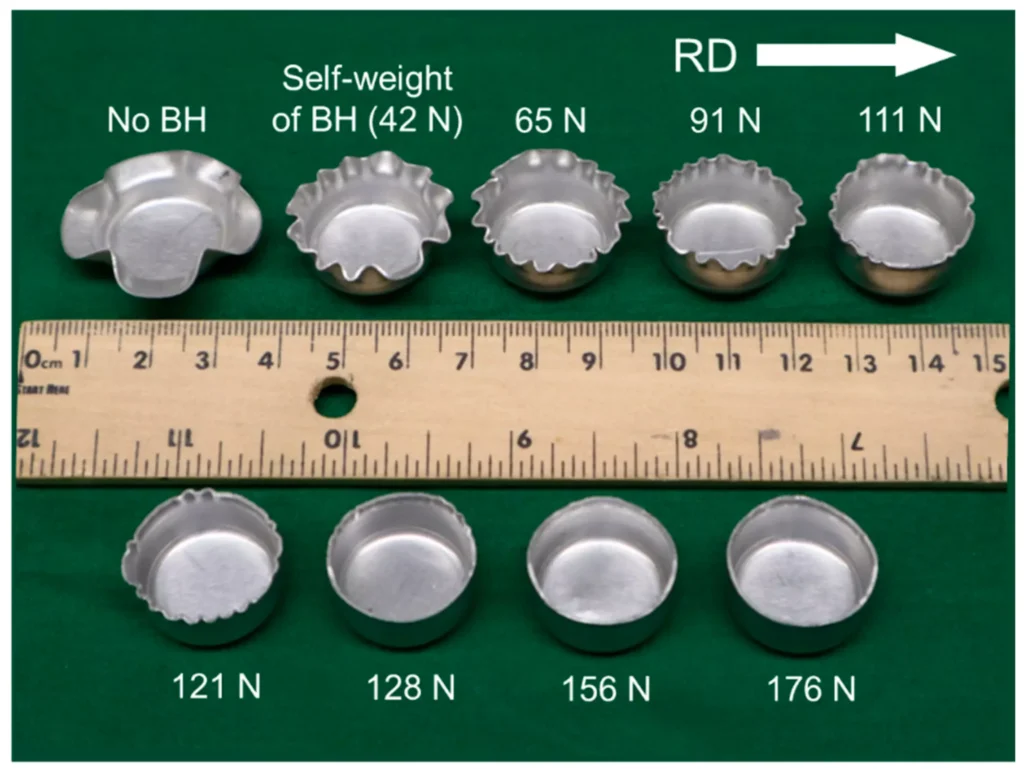
Categories
Machinery

Deep Draw Press for Sale

Deep Draw Press for Sale

We are one of the Deep Draw Press for Sale manufacturers. Deep drawing process & Deep drawing press & Double action deep drawing press & Triple action deep drawing press

Deep drawing is a manufacturing process of forming sheet metal stock, called blanks, into geometrical or irregular shapes that are more than half their diameters in depth. Deep drawing involves stretching the metal blank around a plug and then moving it into a moulding cutter called a die. Common shapes of deep drawn products including cylinders for Aluminium cans and cups for baking pans.

Deep Draw Press

A deep draw press is a type of metalworking press used to transform flat metal sheets into three-dimensional shapes. It is a versatile tool that can produce a wide range of products, including cooking pots, pans, automotive parts, and electrical enclosures.

How a Deep Draw Press Works:

  1. Blanking: A stamping press is used to cut out a flat blank from a sheet of metal. The blank size is slightly larger than the desired final shape to allow for metal flow during the drawing process.
  2. Heating: The blank may be heated to improve its formability and reduce the risk of cracking. Heating is particularly important for thicker materials or complex shapes.
  3. Loading: The blank is placed on the blank holder of the deep draw press. The blank holder firmly grips the blank around its edges, preventing it from wrinkling or buckling during the drawing process.
  4. Drawing: The punch, a tool with the desired shape of the final product, descends into the blank holder, forcing the blank into the desired shape. The blank flows over the punch, forming the desired three-dimensional shape.
  5. Trimming: Excess material around the edges of the drawn part is trimmed away using a trimming die. This ensures that the final part has a clean edge and meets the desired dimensions.

Types of Deep Draw Presses:

  1. Single-Action Deep Draw Presses: These presses use a single ram to perform both the drawing and trimming operations. They are relatively simple and inexpensive, but they are limited in the complexity of shapes they can produce.
  2. Double-Action Deep Draw Presses: These presses have two rams, one for drawing and one for trimming. This allows for more complex shapes to be produced, as the drawing ram can continue to draw the blank while the trimming ram trims the edges.
  3. Triple-Action Deep Draw Presses: These presses have three rams, one for drawing, one for trimming, and one for ejecting the finished part. They are used for producing the most complex shapes, such as those with undercut features or re-entrant angles.

Applications of Deep Draw Presses:

Deep draw presses are used in a wide variety of industries, including:

  • Automotive Industry: Producing car body panels, fenders, hoods, and other automotive components.
  • Appliance Industry: Manufacturing cooking pots, pans, sinks, and other appliance components.
  • Aerospace Industry: Creating aircraft components, such as fuel tanks, fuselage sections, and engine housings.
  • Electrical Industry: Producing electrical enclosures, housings, and components.
  • Construction Industry: Manufacturing architectural panels, roofing components, and ventilation ducts.

Benefits of Using Deep Draw Presses:

Deep draw presses offer several advantages over other metalforming methods, such as stamping and casting:

  • Versatility: Deep draw presses can produce a wide range of shapes, from simple cylinders to complex geometries.
  • Accuracy: Deep draw presses can achieve high levels of accuracy and consistency in the dimensions of the finished parts.
  • Efficiency: Deep draw presses can produce parts quickly and efficiently, making them a cost-effective manufacturing method.
  • Material Savings: Deep draw presses can produce parts with minimal waste of material.
  • Strength and Durability: Deep-drawn parts are generally stronger and more durable than those produced by other methods.

In conclusion, deep draw presses are versatile and powerful tools that play a crucial role in various industries. Their ability to produce complex shapes with high precision and efficiency makes them an essential part of modern manufacturing.

Irregular items, such as enclosure covers for truck oil filters and fire extinguishers, are also commonly manufactured by the deep drawing method. The drawing of sheet metal or commonly known as deep drawing is a process which a punch is used to force a sheet metal to flow between the surfaces of a punch a die. As a result, a cylindrical, conical or box-shaped part is formed in the die with minimal material scrap (Boljanovic, 2004). In this process, a flat sheet metal was kept under a blank holder force (BHF).

The blank holder should allow the material to slide into the die surface but at the same time, that force must be a great enough to prevent wrinkling of the sheet as it drawn as shown in Figure 2.1. The punch transferred the force through the punch and thus the punch transmits the force through the walls of the cup as it drawn into the die cavity (Singh, 2008). In deep drawing process, it can be divided into two types that is pure bending and ironing.

Deep drawing
Deep drawing

A hydraulic press is a mechanical device that uses a hydraulic cylinder to generate a compressive force. It operates based on Pascal’s Law, which states that pressure applied to a confined fluid is transmitted equally in all directions. This principle allows hydraulic presses to exert significant force with minimal input, making them essential tools in industries requiring high-pressure applications.

single-acting hydraulic press uses hydraulic pressure to move the piston in one direction, typically the downward or compressive stroke. After the press completes this action, the piston returns to its original position using an external force such as a spring or the weight of the cylinder. This differs from a double-acting hydraulic press, where hydraulic pressure is applied in both the forward and return strokes.

The simplicity and cost-effectiveness of single-acting hydraulic presses make them ideal for a variety of applications, including small to medium-scale production, metal fabrication, and mechanical testing. These presses are widely used in industries such as automotive, aerospace, manufacturing, and even laboratories for precision tasks.

The core advantage of a single-acting hydraulic press lies in its simplicity. Fewer moving parts and a straightforward design reduce both the initial cost and ongoing maintenance requirements. However, the trade-off is that the press lacks the stroke control and power range of more complex systems, limiting its effectiveness in higher-end or more precise applications.

How Single-Acting Hydraulic Presses Work

Deep Drawing Hydraulic Press Machine for Kitchen Sink Production Line

The fundamental operation of a single-acting hydraulic press relies on Pascal’s Law, which underpins all hydraulic systems. According to this principle, when a force is applied to a fluid inside a closed system, the pressure is transmitted evenly throughout the fluid. In a hydraulic press, this means that the force generated by a pump acting on a small volume of hydraulic fluid can be magnified to create a much larger output force.

Key Components of a Single-Acting Hydraulic Press:

  • Cylinder and Piston: The hydraulic cylinder contains a piston that moves up and down. In a single-acting press, hydraulic fluid forces the piston downwards, creating the press action.
  • Hydraulic Pump: The pump generates pressure within the hydraulic system, pushing the fluid into the cylinder to drive the piston.
  • Reservoir: This stores hydraulic fluid, which is pumped into the cylinder during operation.
  • Valves: Control the flow of hydraulic fluid, directing it into the cylinder for the pressing stroke.
  • Return Mechanism: In single-acting systems, this is usually a spring or gravitational force that returns the piston to its original position after the pressing action.

Pressing and Return Process:

  1. Pressing: When the press operator activates the system, hydraulic fluid is pumped into the cylinder. The increase in pressure forces the piston downward, applying force to the material placed under the press head. The force can range from several tons to hundreds of tons, depending on the press’s specifications.
  2. Return Stroke: Once the pressing action is complete, the external force—usually a spring or gravity—returns the piston to its starting position. Unlike double-acting presses, where hydraulic pressure can control both strokes, single-acting presses rely on this mechanical or natural return.

Advantages and Limitations:

  • Advantages: Single-acting presses are simple, affordable, and easy to maintain. They are ideal for tasks that do not require precise control over the return stroke or where the pressing force is the primary concern.
  • Limitations: The primary limitation is the lack of control over the piston’s return stroke, which can make single-acting presses less suited to precision applications. Additionally, since only one stroke is powered, these presses are less efficient in tasks requiring continuous motion or high-speed operation.

Types of Single-Acting Hydraulic Presses

Types of Single-Acting Hydraulic Presses

Single-acting hydraulic presses come in several varieties, each suited to different applications and operational needs.

1. Manually Operated Hydraulic Presses:

These presses are powered by a hand-operated pump, which provides the hydraulic pressure needed to move the piston. They are ideal for small-scale applications or environments where electricity is not available. These presses are portable and commonly used in repair shops, garages, or remote field locations. Their affordability and ease of use make them popular for light-duty tasks like pressing bearings or removing shafts.

2. Electric-Powered Hydraulic Presses:

Electric-powered hydraulic presses use an electric motor to drive the hydraulic pump, offering greater efficiency and consistency compared to manual models. These presses are suitable for more intensive industrial applications where higher force or faster operation is required. They are commonly found in manufacturing plants, where they can be integrated into production lines for repetitive tasks such as stamping, forging, or cutting.

3. Air-Driven Hydraulic Presses:

In these systems, compressed air is used to generate hydraulic pressure. They are commonly used in industrial environments where compressed air is readily available. Air-driven hydraulic presses are often employed in applications where speed and convenience are critical, and they offer a middle ground between manually operated and electric-powered presses in terms of power and cost.

Applications of Each Type:

  • Manually Operated: Ideal for low-volume tasks, repair work, or environments lacking electrical infrastructure.
  • Electric-Powered: Suitable for continuous, heavy-duty applications in factories and production environments.
  • Air-Driven: Often used in automotive workshops and for lighter industrial tasks where compressed air is available.

Applications of Single-Acting Hydraulic Presses

Manufacturing of Fire Extinguishers

Single-acting hydraulic presses are versatile tools used across a wide range of industries for different applications.

1. Metal Forming and Fabrication:

In the metalworking industry, hydraulic presses are used to shape, bend, punch, and cut metal sheets and components. Single-acting presses are especially useful in tasks where the return stroke is less critical, such as metal stamping or bending. These presses are commonly used in fabrication shops, tool and die manufacturing, and custom metalwork projects.

2. Press Fitting and Assembly Tasks:

Single-acting presses are commonly employed in press fitting, where parts are mechanically forced together using high pressure. This includes tasks such as pressing bushings, bearings, gears, and other components into place. These presses are widely used in the automotive industry for assembly operations, as well as in machinery and equipment manufacturing.

3. Material Testing and Laboratory Uses:

In laboratories, single-acting hydraulic presses are often used for testing materials under compressive force. For example, engineers and scientists may use hydraulic presses to measure the compressive strength of materials like concrete, metals, or plastics. The simplicity of single-acting presses makes them ideal for controlled experiments where large forces are required without complex control systems.

4. Automotive and Aerospace Industries:

In the automotive sector, single-acting hydraulic presses play a crucial role in various assembly and maintenance tasks, such as pressing in bushings, removing bearings, and straightening parts. Their use extends to aerospace industries for tasks such as forming lightweight components, shaping metal parts, or assembling intricate systems that require precise force application.

Examples of Practical Applications:
  • Metal Stamping: Single-acting presses are used to punch or stamp metal parts for various industries, including automotive and electronics.
  • Bearing Installation: Presses ensure that bearings are seated correctly without causing damage to delicate components.
  • Cutting and Trimming: Hydraulic presses can be used to cut metal, plastic, or composite materials, making them essential in production environments.

Advantages of Single-Acting Hydraulic Presses

Single-acting hydraulic presses have several advantages, making them a popular choice in a variety of applications.

1. Simplicity and Cost-Effectiveness:

Due to their basic design, single-acting hydraulic presses are more affordable than their double-acting counterparts. They have fewer moving parts and require less complex control systems, reducing both the upfront cost and the likelihood of mechanical failure. This makes them ideal for smaller operations or businesses looking for cost-effective solutions.

2. Efficiency in Force Delivery:

Despite their simplicity, single-acting hydraulic presses can deliver tremendous force, making them suitable for heavy-duty tasks like metal forming or assembly. They can generate forces ranging from a few tons to several hundred tons, depending on the size and type of the press, enabling them to handle a wide range of materials and tasks.

3. Reduced Maintenance:

With fewer components, single-acting presses are easier and less costly to maintain. Routine maintenance is generally limited to inspecting seals, checking hydraulic fluid levels, and ensuring that the return mechanism (spring or gravity) is functioning properly.

4. Portability and Space Efficiency:

Single-acting presses are typically more compact than double-acting presses, making them easier to move and install in smaller workspaces. This portability is especially valuable in environments where space is limited, such as small workshops or laboratories.

Challenges and Limitations of Single-Acting Hydraulic Presses

Applications in Various Industries

While single-acting hydraulic presses offer many benefits, they also have certain limitations that can affect their performance in specific applications.

1. Limited Stroke Control and Precision:

Because the return stroke is not powered by hydraulics, single-acting presses lack the precise control over the piston’s movement during the return phase. This makes them less suitable for applications requiring fine control of both the forward and return strokes.

2. External Force Required for Return Stroke:

The reliance on springs or gravity for the return stroke introduces limitations. Springs can wear out over time, reducing the efficiency of the press, and gravitational return may be too slow for certain high-speed applications.

3. Power Limitations:

Single-acting presses typically have less power and speed compared to double-acting systems. For tasks requiring high force or rapid cycling, a double-acting press may be more appropriate.

4. Environmental Considerations:

Hydraulic systems, including single-acting presses, can pose environmental risks if not properly maintained. Leaking hydraulic fluid, for instance, can cause environmental contamination, making proper maintenance and disposal of used fluids critical.

Maintenance and Safety Considerations

Proper maintenance and adherence to safety protocols are essential to ensure the safe and efficient operation of single-acting hydraulic presses.

Maintenance Procedures:

  • Hydraulic Fluid Levels: Regularly check and maintain the hydraulic fluid to ensure smooth operation. Low fluid levels can reduce press efficiency and lead to mechanical wear.
  • Seals and Hoses: Inspect seals and hoses for wear and tear, as leaks can cause pressure loss and reduce the effectiveness of the press.
  • Return Mechanism: Check the spring or gravity-based return system for signs of fatigue or failure. Over time, springs may lose tension, reducing the effectiveness of the return stroke.

Safety Protocols:

  • Personal Protective Equipment (PPE): Operators should wear appropriate PPE, including safety goggles, gloves, and hearing protection.
  • Proper Training: Ensure that all operators are trained in the correct use of the press and are aware of potential hazards.
  • Emergency Stops: Hydraulic presses should be equipped with emergency stop buttons to allow operators to quickly halt the machine in case of malfunction or danger.

Future of Single-Acting Hydraulic Presses

Choosing the Right Trimming Beading Machine

Advancements in technology are opening new possibilities for single-acting hydraulic presses. As industries evolve, the demand for more efficient and eco-friendly machinery is growing.

1. Advancements in Hydraulic Technology:

Innovations in hydraulic systems are leading to more efficient and powerful single-acting presses. For instance, new hydraulic fluids with better thermal stability and lower environmental impact are being developed, reducing the ecological footprint of hydraulic systems.

2. Energy Efficiency Improvements:

Modern hydraulic presses are being designed with energy efficiency in mind. Enhanced pump designs, variable speed motors, and more efficient control systems are reducing energy consumption and operational costs.

3. Integration with Automation:

The future of hydraulic presses lies in their integration with automated and smart systems. Automated single-acting presses equipped with sensors and computer control systems can adjust force, speed, and stroke in real time, enhancing precision and adaptability.

4. Future Applications and Innovations:

As industries continue to demand more from hydraulic systems, single-acting presses are likely to be used in new applications such as additive manufacturing (3D printing) and precision engineering. The increasing focus on sustainability may also drive the development of greener, more energy-efficient presses.

Introduction to Double-Acting Hydraulic Presses

Deep Draw Presses
Deep Draw Presses

Hydraulic presses are mechanical devices that use fluid pressure to generate significant force, commonly employed in industries where large-scale pressing, forming, or molding is required. They operate on Pascal’s Law, which states that pressure applied to a fluid in a confined space is transmitted equally in all directions. This principle allows hydraulic presses to amplify force, making them crucial in metalworking, manufacturing, automotive industries, and beyond.

double-acting hydraulic press differs from its single-acting counterpart in that it applies hydraulic pressure in both directions—both for the pressing stroke and the return stroke. In contrast, a single-acting press relies on external forces, like springs or gravity, for the return motion, which limits control and precision.

The use of double-acting hydraulic presses has revolutionized several industrial processes due to the enhanced control and precision they offer. With powered movement in both directions, these presses are capable of handling more complex and demanding tasks, such as deep drawing, forging, or any process where high precision and consistent force are essential. These presses are widely used in automotive production, aerospace manufacturing, and large-scale industrial operations.

How Double-Acting Hydraulic Presses Work

Deep Drawing Hydraulic Press Machine for Kitchen Sink Production Line

Double-acting hydraulic presses function based on hydraulic principles, which utilize fluid power to amplify force. The critical difference from single-acting presses is that double-acting presses can apply hydraulic pressure in both the pressing and return strokes. This provides enhanced control and versatility.

Core Components of a Double-Acting Hydraulic Press:

  • Cylinder and Piston: A double-acting press has a hydraulic cylinder with a piston that moves in two directions. Hydraulic fluid is directed into the cylinder on either side of the piston to control both the downward and upward strokes.
  • Hydraulic Pump: The hydraulic pump provides pressure by moving hydraulic fluid into the cylinder. In double-acting presses, the pump must be capable of routing the fluid to either side of the piston, depending on whether it is the pressing or return stroke.
  • Valves and Control Systems: Double-acting presses require more sophisticated valve systems to control the flow of hydraulic fluid. These valves direct fluid pressure to either side of the piston, enabling the precise control of both strokes.
  • Power Source: These presses can be powered by manual pumps, electric motors, or pneumatic systems, depending on the scale and application of the press.

The Pressing and Return Strokes:

  1. Pressing Stroke: The hydraulic pump directs fluid into the top of the cylinder, pushing the piston downward. This downward force can range from a few tons to hundreds of tons, depending on the press’s size and design. The press head applies this force to the material being processed, whether it’s for stamping, molding, or cutting.
  2. Return Stroke: After the pressing operation, hydraulic pressure is redirected to the bottom of the piston. This lifts the piston back to its starting position, ensuring precise and controlled movement. The ability to hydraulically control both strokes eliminates the reliance on gravity or springs, allowing for faster cycle times and more complex tasks.

Precision and Control:

The ability to control both strokes of the piston provides greater accuracy in industrial processes. Unlike single-acting presses, where the return stroke can vary in speed and efficiency, double-acting presses offer consistent performance across all movements. This precision makes them ideal for complex forming processesdeep drawing, and precision cutting operations, where both the force and the return timing must be tightly controlled.

Types of Double-Acting Hydraulic Presses

Double-acting hydraulic presses come in various forms, each tailored for specific industrial applications. Here are some of the main types:

1. Manual Double-Acting Hydraulic Presses:

Manual versions of double-acting presses are powered by hand-operated hydraulic pumps. These are typically used in small workshops or repair facilities where tasks like pressing, bending, or assembling components do not require extensive automation. These presses are portable, cost-effective, and often used in low-production environments.

2. Electric-Powered Double-Acting Hydraulic Presses:

Electric-powered double-acting presses are more common in industrial settings where high force and consistent operation are required. The hydraulic pump is driven by an electric motor, allowing for automated control of both strokes. These presses are essential for high-volume operations, such as metal stamping, die forming, and precision cutting. The electric-powered system allows for greater precision, repeatability, and faster cycle times.

3. Pneumatic Double-Acting Hydraulic Presses:

Pneumatic-powered double-acting presses use compressed air to drive the hydraulic fluid in both strokes. These presses are favored in industries where pneumatic systems are already integrated into the production environment, such as in automotive assembly lines. Pneumatic systems provide rapid action, and the integration with hydraulics ensures the generation of high forces, making them suitable for mid-sized industrial applications.

4. Specialized Double-Acting Presses:

Some double-acting hydraulic presses are designed for specific applications, such as hydraulic press brakes used in bending and shaping metal sheets. These presses provide precise control over the angle and force applied, making them ideal for custom metal fabrication. Another example includes forging presses, where high tonnage and precise control are required to shape metal components.

Applications of Double-Acting Hydraulic Presses

Applications in Various Industries

Double-acting hydraulic presses are widely employed across a variety of industries due to their versatility and ability to handle complex tasks with precision. Here are some of the key applications:

1. Metal Forming and Deep Drawing:

One of the primary uses of double-acting hydraulic presses is in metal forming, particularly deep drawing. Deep drawing is a manufacturing process where a sheet metal blank is radially drawn into a forming die by the mechanical action of a punch. Double-acting presses provide the precise control necessary to form complex shapes in metals like aluminum, steel, and copper without cracking or deforming the material.

2. Punching, Forging, and Die Forming:

In punching and forging operations, double-acting presses apply controlled force to deform or cut metal parts. This is commonly used in the automotive and aerospace industries, where high-strength materials are forged into critical components like gears, axles, and structural parts. The ability to control both the pressing and return strokes ensures consistent quality and reduces the risk of material damage.

3. Composite Material Molding:

As industries increasingly adopt composite materials, double-acting hydraulic presses have become essential for forming and molding these materials. Composites, such as carbon fiber or fiberglass, require careful handling during the molding process to maintain their strength and durability. Double-acting presses allow for precise pressure application during both the pressing and release phases, making them indispensable in industries like aerospace and automotive, where lightweight, high-strength components are essential.

4. Automotive and Aerospace Industries:

The automotive industry relies heavily on double-acting hydraulic presses for the production of body panelsframes, and engine components. The precision and repeatability of these presses ensure that every part is manufactured to exact specifications. In the aerospace industry, where weight, strength, and safety are critical, double-acting presses are used to form lightweight components like aircraft skin panelsstructural parts, and engine elements.

5. Examples of Industrial Applications:

  • Automotive: Deep drawing for body panels, stamping parts like hoods, doors, and roofs.
  • Aerospace: Forming of lightweight metal and composite parts for aircraft and spacecraft.
  • Heavy Machinery: Forging of large components for construction equipment and industrial machinery.
  • Consumer Electronics: Precision forming of metal casings and components.

Advantages of Double-Acting Hydraulic Presses

Double-acting hydraulic presses offer several significant advantages that make them indispensable in many industries.

1. Precise Control Over Both Strokes:

The ability to apply hydraulic force in both the pressing and return strokes gives double-acting presses greater control over the entire operation. This precision is particularly valuable in tasks that require consistent force and motion, such as deep drawing, forging, and punching. Both strokes can be finely adjusted to meet the exact requirements of the material and application, leading to superior product quality.

2. Higher Efficiency in Repetitive Operations:

In manufacturing environments where tasks must be repeated at high speed, double-acting presses outperform single-acting models. Since both the press and return strokes are powered, cycle times are faster, and operators have more control over the movement of the piston, which boosts productivity in high-volume production lines.

3. Versatility in Complex Tasks:

Double-acting presses are incredibly versatile, able to handle a wide variety of materials and tasks. They can be used for pressing, forming, bending, cutting, and molding, which makes them highly adaptable to different industries and processes. Whether the task requires the shaping of metals, molding of composites, or assembly of mechanical components, these presses can be fine-tuned to meet the needs of the job.

4. Suitability for Heavy-Duty and Continuous Use:

Double-acting hydraulic presses are built for heavy-duty applications and continuous use in industrial settings. The ability to power both strokes ensures that even the toughest materials, such as steel and titanium, can be shaped and formed without compromising on speed or accuracy. Their robust design and advanced control systems make them ideal for industries where durability and long-term performance are critical.

Challenges and Limitations of Double-Acting Hydraulic Presses

Despite their advantages, double-acting hydraulic presses also come with challenges and limitations that must be considered before implementation.

1. Higher Cost and Complexity:

Double-acting hydraulic presses are generally more expensive than single-acting presses due to their more complex design and the additional control systems required to power both strokes. This can make them less appealing for small-scale operations or businesses with tight budgets.

2. Increased Maintenance Requirements:

With more moving parts and components to manage, double-acting presses require more frequent and thorough maintenance than their single-acting counterparts. Components like seals, valves, and hydraulic lines must be regularly inspected and serviced to prevent leaks and ensure optimal performance. This adds to the operational costs over the lifespan of the machine.

3. Space and Energy Requirements:

Double-acting hydraulic presses tend to be larger and consume more energy than simpler presses. This means they require more space and have higher energy costs, which can be a limiting factor in smaller workshops or facilities with limited energy resources.

4. Specialized Training and Safety Considerations:

Operators of double-acting hydraulic presses must be thoroughly trained to handle the complex control systems and high pressures involved. The increased force and speed of these presses mean that strict safety protocols must be followed to prevent accidents and equipment damage.

Maintenance and Safety Considerations

Proper maintenance and safety protocols are crucial for ensuring the long-term operation and safety of double-acting hydraulic presses.

Maintenance Procedures:

  • Hydraulic Fluid Levels: Maintaining appropriate hydraulic fluid levels is essential for the proper operation of both strokes. Low fluid levels can result in uneven pressure distribution and lead to damage.
  • Seal and Hose Inspections: Double-acting presses have more seals and hoses than single-acting models, which makes regular inspections critical. Leaks in these components can cause a loss of pressure, reduced efficiency, and safety hazards.
  • System Pressure Checks: Monitoring and adjusting the system’s pressure levels ensures that the press operates within its designed parameters, preventing over-pressurization and component failure.

Safety Protocols:

  • Operator Training: Given the complexity of double-acting presses, operators must be trained in their safe use. They should understand the machine’s control systems, emergency stop features, and troubleshooting procedures.
  • Regular Inspections: Presses should be inspected regularly for signs of wear or malfunction. Safety devices like pressure relief valves and emergency stops should be tested to ensure they are functioning properly.
  • Personal Protective Equipment (PPE): Operators should always wear appropriate PPE, including gloves, goggles, and ear protection, especially in high-noise environments.

Future Trends in Double-Acting Hydraulic Press Technology

As technology evolves, double-acting hydraulic presses are expected to undergo several advancements that will enhance their performance and broaden their applications.

1. Technological Advancements:

Innovations in hydraulic control systems, such as the integration of proportional valves and servo-driven pumps, are improving the precision and efficiency of double-acting presses. These systems allow for finer control of pressure and movement, resulting in higher-quality output and reduced material waste.

2. Energy Efficiency:

One of the key areas of development is the push for more energy-efficient hydraulic systems. With the increasing focus on sustainability, new technologies are emerging that reduce energy consumption, such as variable-speed pumps that adjust output based on demand. These advancements not only lower operational costs but also reduce the environmental impact of hydraulic presses.

3. Automation and Industry 4.0:

The integration of double-acting hydraulic presses with automation and smart manufacturing systems is another significant trend. By connecting presses to factory networks, manufacturers can monitor machine performance in real-time, predict maintenance needs, and optimize press cycles. This leads to increased productivity and minimizes downtime due to unexpected equipment failure.

4. Future Innovations:

Looking ahead, double-acting presses may see further improvements in force capacityminiaturization for precise applications, and modular designs that allow presses to be easily reconfigured for different tasks. Additionally, advancements in green hydraulic fluids will reduce the environmental risks associated with hydraulic systems.

Triple Action Deep Drawing Press

Triple Action Deep Drawing Press
Triple Action Deep Drawing Pres

Deep drawing is a popular metal forming process used to shape flat sheet metal into cylindrical or box-like shapes. The process involves placing a metal blank over a die and pressing it into the die cavity with a punch. This transforms the flat blank into a three-dimensional shape, making it essential for producing components like automotive body panels, kitchen sinks, and various enclosures. The process can be repeated to achieve more complex shapes with greater depth, but the challenges increase as the material undergoes severe deformation.

Triple Action Deep Drawing Press is a specialized machine designed to address the complexity of the deep drawing process. Unlike conventional single-acting or double-acting presses, a triple action press incorporates three independent force mechanisms:

  1. Blank Holder Action: Keeps the metal blank firmly in place, controlling material flow and preventing wrinkling.
  2. Punch Action: The primary force that shapes the blank by pushing it into the die.
  3. Ejector Action: Removes the finished part from the die after the drawing process is complete.

This triple-action mechanism provides greater control over the deep drawing process, allowing for the production of more complex shapes, with fewer defects, and better efficiency. The ability to control all three forces independently is particularly important in producing deep-drawn components for industries like automotive, aerospace, and consumer goods, where precision and quality are critical.

How Triple Action Deep Drawing Presses Work (500 words)

To understand how triple action deep drawing presses function, it’s essential to break down the mechanics of the deep drawing process and how each action contributes to shaping the material.

The Deep Drawing Process:

The deep drawing process transforms a flat metal blank into a three-dimensional component. The key stages include:

  1. Blank Placement: A flat metal blank is placed over the die cavity.
  2. Blank Holder Engagement: The blank holder clamps the blank around its edges, preventing movement or wrinkling during drawing.
  3. Punch Stroke: The punch moves downward, pressing the blank into the die cavity, forming the desired shape. This action stretches and deforms the material, thinning it in certain areas.
  4. Ejection: Once the part is formed, the ejector mechanism releases the part from the die, ready for the next cycle.

Components of a Triple Action Deep Drawing Press:

  1. Blank Holder: The blank holder is crucial in controlling material flow. Its force must be precisely regulated to avoid wrinkling, which can occur if the material is allowed to move too freely. At the same time, too much force from the blank holder can result in tearing.
  2. Punch: The punch is the main shaping tool. In triple-action presses, the punch force is adjustable, allowing for greater flexibility in handling different materials or thicknesses. As the punch presses the blank into the die, it forms the desired shape.
  3. Ejector: The ejector action ensures the formed part is smoothly removed from the die without causing damage to the component or slowing down the production process. The ejector often uses hydraulic or mechanical systems to push the part upward, releasing it from the die.

Key Advantages of the Triple Action System:

  1. Independent Control of Forces: One of the main benefits of triple action presses is that each force (blank holder, punch, ejector) can be independently controlled. This ensures optimal pressure at each stage, reducing the risk of defects such as wrinkling, tearing, or excessive thinning.
  2. Complex Shapes: By using all three actions in a coordinated manner, triple action presses can produce complex, deep-drawn components that would be difficult or impossible with a standard press.
  3. Minimized Defects: The precise control over material flow, punch pressure, and ejection force allows manufacturers to achieve higher-quality products with fewer defects, making triple-action presses ideal for high-precision industries.

Types of Triple Action Deep Drawing Presses

Triple action deep drawing presses come in various types, each suited to different applications and production environments. The main types include mechanical, hydraulic, and servo-electric presses.

1. Mechanical Triple Action Presses:

Mechanical triple action presses use mechanical linkages, cams, and gears to generate and control the forces required for the blank holder, punch, and ejector. These presses are known for their high speed and are commonly used in high-volume production environments, such as automotive manufacturing. However, they tend to offer less precision than hydraulic presses, making them less suitable for complex or precision deep drawing applications.

2. Hydraulic Triple Action Presses:

Hydraulic presses are the most common type of triple action deep drawing presses. These machines use hydraulic cylinders to apply force independently to the blank holder, punch, and ejector. Hydraulic presses are favored for their precision and the ability to control force and speed at every stage of the process. This makes them ideal for deep drawing applications that require complex shapes, deep draws, or challenging materials. Additionally, hydraulic systems can apply constant force throughout the entire stroke, providing a smooth and consistent draw.

3. Servo-Electric Triple Action Presses:

Servo-electric presses use electric motors to control the movement of the blank holder, punch, and ejector. These presses offer the highest level of precision and flexibility, allowing manufacturers to program specific force and speed profiles for different stages of the drawing process. Servo-electric presses are energy-efficient and offer precise control, making them ideal for applications requiring high precision, such as aerospace components and medical devices.

Comparison of Press Types:

  • Mechanical: Best for high-speed, large-volume production; less precise.
  • Hydraulic: Ideal for precision deep drawing, complex shapes, and variable materials; slower but more controlled.
  • Servo-Electric: Offers the highest precision and flexibility, with energy efficiency; often used in highly specialized applications.

Applications of Triple Action Deep Drawing Presses

Applications in Various Industries

The versatility and precision of triple action deep drawing presses make them indispensable across a wide range of industries. Their ability to form complex, deep-drawn parts with minimal defects and high repeatability is a key reason for their widespread use.

1. Automotive Industry:

In the automotive sector, deep drawing presses are essential for producing a wide array of components, including body panelsfuel tanks, and engine components. Triple action presses are particularly well-suited for forming large, complex parts such as car doors, hoods, and trunk lids, which require high precision to ensure they meet the industry’s stringent safety and performance standards.

For example, the ability to control the blank holder force ensures that body panels are formed without wrinkling, a common defect in deep drawing. Additionally, the precision of triple-action presses allows for tight tolerances in the production of complex components like fuel tanks, which must be leak-proof and structurally sound.

2. Aerospace Industry:

In the aerospace industry, the demand for lightweight yet strong components is paramount. Triple action deep drawing presses are used to form aircraft skin panelsengine housings, and other structural components. The ability to control every aspect of the drawing process, including the exact force applied by the blank holder and punch, ensures that aerospace parts meet the high standards required for safety and performance.

Additionally, the triple action mechanism is crucial for working with materials like titaniumaluminum, and composites, which are commonly used in the aerospace industry but can be difficult to form due to their strength and tendency to crack under stress.

3. Consumer Goods:

Triple action deep drawing presses are widely used to manufacture various consumer goods, particularly in the production of kitchenware (e.g., stainless steel sinks, pots, and pans) and household appliances (e.g., washing machine drums, microwave enclosures). The ability to form deep, complex shapes in materials like stainless steel or aluminum with smooth surfaces and minimal defects is essential for consumer products where aesthetics and durability are key selling points.

4. Industrial Containers and Enclosures:

Industries requiring industrial containerscylindrical tanks, or enclosures for sensitive equipment often rely on triple action deep drawing presses. These presses allow for the formation of durable, uniform containers with precise dimensions, ensuring that they meet stringent industry standards for storage and protection.

Case Studies and Real-World Examples:

  • Automotive: A major automotive manufacturer uses triple action presses to produce seamless body panels for luxury vehicles, ensuring high quality and eliminating the need for secondary finishing processes.
  • Aerospace: Leading aerospace companies utilize triple action deep drawing presses for the production of lightweight, high-strength structural components, ensuring aircraft performance while reducing weight.
  • Consumer Goods: A well-known kitchenware brand uses triple action presses to manufacture stainless steel cookware with flawless surfaces and uniform thickness, enhancing both performance and aesthetics.

Advantages of Triple Action Deep Drawing Presses

Triple action deep drawing presses offer numerous advantages that make them essential in industries requiring precision metal forming.

1. Enhanced Control Over the Deep Drawing Process:

One of the most significant advantages of a triple action press is the ability to independently control the blank holder, punch, and ejector forces. This precision control allows for adjustments throughout the deep drawing process, ensuring consistent material flow and reducing the risk of defects such as wrinkling, tearing, or excessive thinning.

2. Ability to Form Complex, Precise Shapes:

The precise control offered by triple action presses enables the formation of intricate shapes and deep-drawn components. The ability to fine-tune the force applied at each stage ensures that even challenging materials can be drawn without damage. This is especially important in industries like aerospace and automotive, where components must meet exacting standards for performance and safety.

3. Minimization of Defects:

Triple action presses significantly reduce common defects in the deep drawing process, such as wrinkling, cracking, and material thinning. The blank holder’s independent force ensures that the material is held securely, while the punch and ejector forces can be adjusted to optimize material flow. This results in higher-quality parts and reduced scrap, making triple action presses more efficient and cost-effective in large-scale production.

4. High Efficiency for Large-Scale Production:

Triple action presses are ideal for high-volume production, offering fast cycle times and repeatable precision. The automation of these presses allows for continuous operation, reducing downtime and increasing throughput. This efficiency is critical in industries where large quantities of parts must be produced quickly and to tight tolerances, such as automotive manufacturing.

Challenges and Limitations of Triple Action Deep Drawing Presses

Despite their numerous advantages, triple action deep drawing presses also present certain challenges and limitations.

1. High Initial Investment and Complexity:

Triple action deep drawing presses are more expensive than single or double-action presses due to their complexity and advanced control systems. The cost of purchasing and setting up a triple action press can be prohibitive for smaller operations or manufacturers with limited budgets. Additionally, these presses require more sophisticated control systems and software, which can increase the initial investment.

2. Greater Maintenance Requirements:

The complexity of triple action presses means that they require more frequent and thorough maintenance compared to simpler presses. The hydraulic systems, punch, blank holder, and ejector mechanisms all need regular inspection and servicing to prevent breakdowns and ensure the press operates at peak efficiency. Maintenance costs and downtime can be a challenge, especially in high-production environments.

3. Limitations in Smaller-Scale Operations:

For smaller-scale manufacturers or those producing limited quantities of deep-drawn parts, the high cost and complexity of triple action presses may not be justified. These presses are best suited to large-scale operations where the benefits of increased precision, efficiency, and reduced scrap outweigh the higher costs.

4. Energy and Space Requirements:

Triple action presses require significant amounts of energy to operate, especially hydraulic models, which need continuous power to maintain pressure. They are also large machines that require a substantial amount of floor space, limiting their use in smaller production facilities or workshops.

Maintenance and Safety Considerations

Proper maintenance and safety protocols are essential to ensure the longevity and safe operation of triple action deep drawing presses.

Maintenance Procedures:

  • Hydraulic System Maintenance: Hydraulic presses rely on clean, properly pressurized fluid systems to function efficiently. Regular checks of hydraulic fluid levels, cleanliness, and pressure are necessary. Dirty or low fluid can cause increased wear on components or lead to system failure.
  • Lubrication: Proper lubrication of moving parts, including the punch, blank holder, and ejector, is critical to reduce friction and wear. Over time, insufficient lubrication can lead to damage and expensive repairs.
  • Seal and Hose Inspections: Hydraulic seals and hoses should be regularly inspected for wear and leaks. Any signs of leakage must be addressed immediately to prevent pressure loss, damage to components, or safety hazards.
  • Alignment Checks: Regular alignment checks for the punch, die, and blank holder ensure that parts are being formed accurately and uniformly. Misalignment can lead to defective parts and increased machine wear.

Safety Protocols:

  • Operator Training: Operators should be thoroughly trained in the use of triple action presses, including how to safely load blanks, adjust controls, and handle finished parts. Understanding how to safely manage the hydraulic systems and high forces involved is critical for preventing accidents.
  • Emergency Stops and Safety Guards: Triple action presses should be equipped with emergency stop systems and safety guards to protect operators. These features ensure that the machine can be immediately stopped in the event of a malfunction or danger.
  • Personal Protective Equipment (PPE): Operators must wear appropriate PPE, including gloves, goggles, and protective clothing, to reduce the risk of injury from moving parts, flying debris, or hydraulic fluid leaks.

Future Trends in Triple Action Deep Drawing Press Technology

The future of triple action deep drawing presses is being shaped by advancements in technology, materials, and manufacturing processes.

1. Innovations in Press Control Systems:

As manufacturing becomes more automated and digital, the control systems used in triple action presses are becoming more sophisticated. Proportional hydraulic control valves and servo-driven systems are allowing for even more precise control over the forces applied during the deep drawing process. This enhanced control not only improves part quality but also reduces waste and increases efficiency.

2. Material Advancements:

As industries increasingly demand stronger, lighter, and more durable materials, triple action presses are evolving to handle these new challenges. Advances in high-strength steelaluminum alloys, and composites are pushing the limits of what deep drawing presses can do. Modern presses are being designed with enhanced force capabilities and precision to work with these advanced materials, enabling the production of lightweight, high-strength components for the automotive, aerospace, and electronics industries.

3. Integration with Industry 4.0:

The integration of Industry 4.0 technologies, such as sensors, real-time data monitoring, and predictive maintenance systems, is helping manufacturers optimize the performance of their triple action presses. Smart systems can monitor machine performance in real-time, automatically adjust press settings, and even predict when maintenance is needed, reducing downtime and improving overall productivity.

4. Environmental Sustainability and Energy Efficiency:

Energy efficiency is becoming a priority for manufacturers using triple action presses. New designs are focusing on reducing energy consumption through variable-speed hydraulic pumpsenergy recovery systems, and servo-electric technologies. These advancements not only reduce operational costs but also help companies meet their environmental sustainability goals by reducing the energy footprint of their manufacturing processes.

Double-Acting Hydraulic Presses

Double-acting hydraulic presses provide more control and flexibility during the deep drawing process, particularly for applications that require more complex or deeper shapes. In a double-acting press, two separate hydraulic systems work in tandem—one controls the downward motion of the punch, while the other operates the blank holder, applying force independently to hold the material in place.

  • Structure: The press has two rams or cylinders—one for the punch and another for the blank holder. This setup allows for precise control of both the drawing force and the holding force, preventing material slippage or wrinkling during the drawing process.
  • Applications: Double-acting presses are commonly used in automotiveaerospace, and household appliance manufacturing, where complex shapes and deeper draws are required. For instance, components like fuel tankscar body panels, and aircraft parts are often made using double-acting hydraulic presses.
  • Advantages: The independent control over the punch and blank holder forces allows for more precise and uniform drawing, reducing the risk of defects such as tearing or wrinkling. These presses are suitable for larger and more intricate parts and offer greater flexibility in handling a variety of materials and shapes.

Triple-Action Hydraulic Presses

For the most demanding and complex deep drawing applications, triple-action hydraulic presses provide unparalleled performance. These presses add a third hydraulic system to control additional movements or processes during the drawing operation.

  • Structure: In addition to the punch and blank holder, triple-action presses feature a third force, often applied from the bottom of the press. This additional motion allows for processes like reverse drawing or extrusion, enabling the machine to handle extremely deep or complex shapes that require multiple stages of forming.
  • Applications: Triple-action presses are typically used in highly specialized industries such as aerospace and defense, where precision and complexity are paramount. Components like deep drawn fuel cellsengine components, and structural parts for aircraft or heavy machinery are ideal for these machines.
  • Advantages: These presses provide maximum control and precision, allowing manufacturers to produce parts with extreme depth or complexity without compromising on quality. They also offer higher productivity by enabling multiple forming operations in a single press cycle.

Automated vs. Manual Hydraulic Presses

Automation is an important factor in modern manufacturing, and hydraulic deep drawing presses are no exception. Buyers can choose between manual presses, which require human intervention for loading, unloading, and controlling the operation, or automated presses, which integrate robotic systems and computerized controls to manage the entire process.

  • Manual Hydraulic Presses: These presses are operated by technicians who manually load the blank, initiate the drawing process, and remove the formed part. While manual presses are typically less expensive and easier to maintain, they are best suited for low-volume production runs or applications where flexibility is required.
  • Automated Hydraulic Presses: Automated presses use Programmable Logic Controllers (PLCs) or Computer Numerical Control (CNC) systems to control the drawing process. Automation allows for higher precision, increased production speed, and greater consistency in the final product. Automated presses are ideal for high-volume production environments where efficiency and accuracy are critical.

Specialized Hydraulic Presses for Tailor-Made Applications

In addition to the standard configurations, there are specialized hydraulic presses designed for specific industries or applications. These machines are often custom-built to meet unique production requirements, such as forming particular shapes, materials, or sizes. For example:

  • Automotive Industry: Hydraulic presses tailored for producing large, complex automotive parts, such as chassis componentsdoors, and structural parts.
  • Aerospace Industry: Presses designed for handling high-strength alloys and lightweight materials, where the precision and complexity of the shapes are critical.
  • Consumer Goods: Smaller, more compact hydraulic presses used to produce kitchenwaremetal containers, and packaging components.

Pure Bending in Deep Draw Press

Pure bending is type of deep drawing without a reduction in the thickness of the workpiece material while in ironing, it a deep drawing with a reduction in the thickness of the workpiece material (Boljanovic, 2004). A schematic illustration of these two types of deep drawing is shown in Figure 2.2. From the Figure 2.1, it is clear that the basic tools for deep drawing are the punch, the drawing die ring, and the blank holder. However, some products cannot be drawn in a single draw and requires secondary drawing that is redrawing process. As a result, the design of the die will be more complicated as a progressive die is normally required to allow multiple drawing operations under one production line.

A percentage reduction of 48% is considered excellent on the first draw. Succeeding draws are smaller. There should be no appreciable change in the thickness of the material between the blank and the finished part.

Results of deep drawing are mostly empirical in nature and research has been done only limited almost exclusively to the drawing of cylindrical cup. For other shapes theoretical analysis is too much complicated and has no practical significance (Singh, 2008). In deep drawing process, there are several factors that can be affected the process which are categorized into two groups:

Materials for Deep Draw Press

Material and friction factors, and tool and equipment factors. Thus it is important before running the deep drawing process, these factors was considered well to prevent an undesirable result like earing, fracturing, and wrinkling. In Figure 2.3, it shows clearly these two factors (material and friction, tool and equipment) that need to consider in deep drawing process. Recently more studies have been develop by refer to these factors in order make an improvement while running deep drawing process.

Formability Test

Sheet metal formability is undergoing a transition from art to science.
Formability within each forming mode can be related to specific metal formability parameters. The successful sheet metal forming process which is can be converts initially from flat to desired shape. There are many major failures that always happened such as splitting, wrinkling or shape distortion.

The formability test is use to access of sheet to be deformed into useful part. The testing can be divided into two types: Intrinsic and simulative. The intrinsic tests measure the basic material properties under certain stress strain states, for example the uniaxial tensile test and the plane strain tensile test. Traditional evaluation of formability is based on both intrinsic tests and simulative tests.

The intrinsic tests measure the basic characteristic properties of materials that can be related to their formability. These tests provide comprehensive information that is insensitive to the thickness and surface condition of the material. Examples of intrinsic tests are Hydraulic Bulge test, Marciniak In-Plane Sheet torsion test, and Miyauchi shear test.

The simulative test can provide limited specific information that may be sensitive to factors other than material properties like the thickness, surface condition, surface lubrication and etc. Subject the material to deformation that closely resembles the deformation that occurs in a particular forming operation.

Hydraulic presses are powerful machines used to apply a significant amount of force to an object through hydraulic fluid pressure. They are essential in various industrial applications, providing the necessary force for processes such as metal forming, stamping, bending, and molding. The versatility and efficiency of hydraulic presses make them indispensable tools in manufacturing and production lines. This document will explore the different types of hydraulic presses, their application areas, components, operational principles, manufacturing process, and the challenges and advancements in the industry.

Types of Hydraulic Presses

Hydraulic presses come in various designs, each suited to specific applications and requirements. The primary types of hydraulic presses include C-frame presses, H-frame presses, four-column presses, straightening presses, arbor presses, laminating presses, and transfer presses.

C-frame presses, also known as gap-frame presses, have a C-shaped frame that provides three-sided access to the work area. This design is ideal for applications requiring easy loading and unloading of materials.

H-frame presses, or two-post presses, have a robust H-shaped frame that offers excellent stability and strength. They are commonly used for heavy-duty tasks such as metal forming and straightening.

Four-column presses, or four-post presses, have four vertical columns that provide superior support and uniform force distribution. These presses are suitable for large-scale applications requiring high precision and repeatability.

Straightening presses are specialized hydraulic presses used to straighten bent or distorted metal components. They are widely used in the automotive and construction industries.

Arbor presses are smaller, manually operated hydraulic presses used for light-duty tasks such as assembly, riveting, and broaching. They are commonly found in workshops and small manufacturing facilities.

Laminating presses are used to bond multiple layers of material together under heat and pressure. These presses are essential in industries such as electronics, where laminated components are common.

Transfer presses are automated hydraulic presses that move the workpiece through multiple stations for different operations. They are highly efficient and used in high-volume production environments.

Application Areas

Hydraulic presses are employed in various industries, thanks to their ability to deliver consistent and precise force. Key application areas include:

Metal forming and forging: Hydraulic presses are crucial in shaping and forming metal parts through processes such as stamping, bending, and deep drawing. They are essential in the production of automotive parts, machinery components, and structural elements.

Automotive industry: In the automotive sector, hydraulic presses are used for manufacturing various parts, including body panels, chassis components, and engine parts. They play a critical role in ensuring the structural integrity and performance of vehicles.

Aerospace industry: The aerospace industry relies on hydraulic presses for forming and shaping high-strength materials used in aircraft components. Precision and reliability are paramount in this industry, making hydraulic presses indispensable.

Plastic and rubber molding: Hydraulic presses are used in the molding of plastic and rubber components, including automotive parts, household goods, and medical devices. They ensure consistent product quality and precision.

Electrical and electronics industry: In the electronics sector, hydraulic presses are used for laminating circuit boards, forming connectors, and assembling electronic components. They provide the necessary force and precision for delicate operations.

Medical device manufacturing: Hydraulic presses are used in the production of medical devices, including surgical instruments, implants, and diagnostic equipment. They ensure the high precision and quality required in the medical field.

Packaging industry: Hydraulic presses are employed in the packaging industry for forming and shaping packaging materials, such as cardboard, plastic, and metal. They help produce packaging solutions that are strong, durable, and aesthetically pleasing.

Components of a Hydraulic Press

A hydraulic press comprises several key components that work together to generate and control the applied force. The main components include the frame, hydraulic cylinder, hydraulic pump, control valves, hydraulic fluid, pressure gauges and sensors, and die and tooling.

The frame is the main structure of the hydraulic press, providing stability and support for all other components. It is typically made of high-strength steel to withstand the significant forces generated during operation.

The hydraulic cylinder is the core component that generates the pressing force. It consists of a cylindrical chamber, a piston, and a piston rod. When hydraulic fluid is pumped into the cylinder, it moves the piston, which in turn applies force to the workpiece.

The hydraulic pump is responsible for generating the hydraulic fluid pressure needed to move the piston. It draws hydraulic fluid from a reservoir and delivers it to the cylinder under high pressure.

Control valves regulate the flow of hydraulic fluid to and from the cylinder, controlling the movement and force of the press. These valves can be manually operated or automated, depending on the press design.

Hydraulic fluid, typically oil, is the medium through which force is transmitted in the hydraulic system. It must have suitable properties, such as viscosity and lubricity, to ensure efficient operation and protect system components.

Pressure gauges and sensors monitor the hydraulic fluid pressure within the system. They provide real-time feedback to the operator or control system, ensuring safe and accurate press operation.

Die and tooling are the interchangeable components that come into direct contact with the workpiece. They are designed to shape, form, or cut the material as required by the specific application.

How Hydraulic Presses Work

Hydraulic presses operate based on Pascal’s principle, which states that pressure applied to a confined fluid is transmitted equally in all directions. This principle allows hydraulic presses to generate significant force with relatively small input pressure.

The operation of a hydraulic press begins with the hydraulic pump drawing fluid from the reservoir and delivering it to the cylinder. The control valves regulate the flow of fluid, directing it into the cylinder to move the piston. As the piston moves, it applies force to the workpiece placed between the die and tooling.

The hydraulic fluid plays a crucial role in this process, as it transmits the applied pressure and lubricates the system components. The pressure gauges and sensors continuously monitor the fluid pressure, providing feedback to ensure the press operates within safe limits.

The force generated by the hydraulic press can be precisely controlled by adjusting the hydraulic fluid pressure and the position of the control valves. This allows for accurate and repeatable operations, essential for high-quality manufacturing.

Manufacturing of Hydraulic Presses

The manufacturing of hydraulic presses involves several stages, from design and engineering to assembly and quality control. Each stage is critical to ensuring the press’s performance, reliability, and safety.

Design and engineering: The process begins with the design and engineering phase, where specifications for the press are developed based on the intended application. This includes selecting suitable materials, determining the required force and stroke, and designing the frame and hydraulic system.

Material selection: High-quality materials, such as high-strength steel for the frame and durable alloys for the hydraulic components, are selected to ensure the press’s longevity and performance.

Fabrication of components: The individual components of the hydraulic press, including the frame, cylinder, and pump, are fabricated using precision machining and manufacturing techniques. This ensures that each component meets the required tolerances and specifications.

Assembly process: The fabricated components are then assembled into the complete hydraulic press. This involves mounting the cylinder, pump, and control valves onto the frame, connecting the hydraulic lines, and installing the die and tooling.

Quality control and testing: Rigorous quality control measures are implemented throughout the manufacturing process to ensure the press meets all specifications and standards. This includes pressure testing the hydraulic system, verifying the accuracy of the control valves, and performing operational tests to ensure the press functions correctly.

Advancements and Innovations

The hydraulic press industry is continually evolving, driven by advancements in technology and increasing demands for efficiency and precision. Key innovations include automation and control systems, energy efficiency improvements, and smart hydraulic presses.

Automation and control systems: Modern hydraulic presses are often equipped with advanced control systems that automate the pressing process. This includes programmable logic controllers (PLCs), human-machine interfaces (HMIs), and sensors that monitor and adjust the press’s operation in real time. Automation improves efficiency, reduces the risk of human error, and enhances the consistency of the finished products.

Energy efficiency improvements: Manufacturers are focusing on developing hydraulic presses that consume less energy and have a smaller environmental footprint. This includes using variable displacement pumps, energy recovery systems, and optimizing the hydraulic system’s design to minimize energy losses.

Smart hydraulic presses: The integration of IoT (Internet of Things) technology into hydraulic presses has led to the development of smart presses. These presses can communicate with other machines and systems, providing real-time data on their status, performance, and maintenance needs. This connectivity allows for predictive maintenance, reducing downtime and extending the press’s lifespan.

Challenges in Hydraulic Press Manufacturing

The manufacturing of hydraulic presses presents several challenges, including precision and quality requirements, cost management, technological advancements, and environmental considerations.

Precision and quality requirements: Hydraulic presses must deliver consistent and precise force, which requires high levels of accuracy in the manufacturing process. Ensuring each component meets the required tolerances and specifications is critical to the press’s performance and reliability.

Cost management: The cost of materials, labor, and energy can significantly impact the overall cost of manufacturing hydraulic presses. Manufacturers must balance quality and cost to remain competitive in the market.

Technological advancements: Keeping up with technological advancements is essential for manufacturers to meet the evolving demands of the industry. This requires continuous investment in research and development to incorporate new technologies and improve existing designs.

Environmental considerations: Environmental regulations and sustainability concerns are increasingly important in hydraulic press manufacturing. Manufacturers must develop eco-friendly presses that consume less energy, use recyclable materials, and minimize their environmental impact.

Introduction to Specialized Hydraulic Presses

Deep Drawing Dies
Deep Drawing Dies

hydraulic press is a mechanical device that uses a hydraulic cylinder to generate compressive force, transforming energy from hydraulic fluid into mechanical work. Hydraulic presses are an essential part of modern industrial manufacturing, offering precision and the capability to generate immense force. While general-purpose hydraulic presses are versatile and used in a wide range of industries, specialized hydraulic presses are designed for specific tasks, providing enhanced efficiency, precision, and performance for specialized applications.

1.1. What Makes a Hydraulic Press “Specialized”?

A hydraulic press becomes specialized when its design and functionality are tailored to a particular industrial task. These presses often feature unique configurations, custom components, or advanced control systems that allow them to perform specific tasks more effectively than standard presses. Specialized presses are used in industries such as automotive manufacturingaerospacemedical device productionmetalworking, and electronics, where the need for precision, speed, or high force is critical.

  • Specialized tasks: While general-purpose presses can handle a variety of tasks, specialized presses are built to handle more complex operations such as deep drawingisostatic pressingmetal forgingstamping, and transfer pressing. Each of these tasks requires specific pressure, stroke control, and precision that a standard press may not be able to deliver effectively.
  • Customization: Specialized hydraulic presses often incorporate custom-built components such as specific diestransfer mechanisms, or servo-controlled systems, making them suitable for precise manufacturing processes. These presses can also be designed with unique frame configurations, such as H-frameC-frame, or four-column designs, each optimized for specific operational needs.

1.2. Importance of Specialized Hydraulic Presses in Industry

The increasing complexity of modern manufacturing processes, along with the demand for higher-quality products, has driven the need for specialized hydraulic presses. These machines not only improve the quality of finished products but also enhance productivity by reducing cycle times and increasing automation. Their ability to generate and control immense force with precision allows industries to achieve more complex and refined results than ever before.

  • Automotive industry: Specialized hydraulic presses are critical in the automotive sector, where they are used to form body panels, chassis components, and internal engine parts. Presses such as deep drawing presses and forging presses enable the production of high-strength parts that meet safety and performance standards.
  • Aerospace industry: In aerospace manufacturing, isostatic hydraulic presses are used to create high-strength, lightweight components like turbine blades and structural parts. These presses provide the precision needed to meet the stringent safety and durability requirements of the aerospace sector.
  • Medical device manufacturing: The medical device industry relies on specialized presses to produce intricate components such as surgical instruments, implants, and diagnostic devices. The high precision and force control offered by these presses ensure that even the smallest tolerances are met.

1.3. How Specialized Presses Differ from Standard Hydraulic Presses

While both standard and specialized hydraulic presses operate on the same basic principle of using hydraulic pressure to generate force, the key difference lies in their design, control systems, and intended applications.

  • Design differences: Specialized hydraulic presses often feature more robust or complex designs to handle specific tasks. For example, four-column hydraulic presses are designed to provide even pressure distribution for large or irregularly shaped workpieces, while C-frame presses are designed for easy access to the work area in small part production.
  • Control systems: Specialized presses typically use advanced control systems, such as servo-hydraulic systems or CNC controls, to provide greater precision and automation. These control systems allow operators to adjust pressure, stroke length, and speed with high accuracy, which is essential in tasks that require exact force application.
  • Application focus: While a general-purpose hydraulic press may be suitable for a wide variety of tasks, specialized presses are built to excel at specific operations. This specialization results in higher productivity, better quality, and lower error rates for those particular tasks.

Deep Drawing Presses

Punch and die Design

Deep drawing presses are a specialized type of hydraulic press used primarily for shaping metal sheets into deep, hollow shapes without compromising the integrity of the material. This process is commonly employed in the automotive, aerospace, packaging, and appliance industries to form components such as fuel tanks, kitchen sinks, and metal housings. The ability to create complex, seamless shapes from a single sheet of metal with minimal material wastage makes deep drawing presses essential for mass production applications.

2.1. Definition and Working Principle of Deep Drawing

Deep drawing is a metal forming process in which a flat sheet of metal (known as a blank) is gradually transformed into a deep, hollow shape through the application of pressure. During the deep drawing process, a punch pushes the metal sheet into a die cavity, stretching and compressing the material to form a desired shape. The term “deep” refers to the fact that the depth of the drawn part is greater than its diameter.

  • Key components of a deep drawing press:
    • Punch: The punch is the tool that applies pressure to the metal sheet and forces it into the die.
    • Die: The die provides the cavity into which the metal is drawn to take the desired shape.
    • Blank holder: This component holds the metal blank in place to prevent wrinkling and ensure uniform deformation.
    • Hydraulic cylinder: The hydraulic system applies controlled force to the punch, enabling precise and consistent drawing.

The process begins with a metal blank being placed over the die. As the hydraulic press drives the punch downward, the metal sheet is forced into the die cavity, where it undergoes plastic deformation. The blank holder applies pressure to prevent the sheet from moving sideways or wrinkling as it is drawn into the die.

Stages of Deep Drawing

The deep drawing process can be broken down into several stages:

  1. Initial contact: The punch makes initial contact with the metal blank.
  2. Forming: The punch gradually pushes the blank into the die, causing the material to stretch and form around the punch.
  3. Final shaping: The material conforms to the shape of the die as the punch reaches the bottom of the stroke.
  4. Ejection: Once the desired shape is achieved, the punch is retracted, and the finished part is ejected from the die.

In more complex operations, multi-draw deep drawing presses may be used, which involve multiple stages of drawing to achieve deeper shapes or more intricate designs.

2.2. Design Characteristics of Deep Drawing Presses

Deep drawing presses are designed to handle the high forces and precise control needed for metal forming. Key design features include large hydraulic cylinders, robust frames, and advanced control systems to ensure accurate force application and material deformation.

  • Frame design: Most deep drawing presses use an H-frame or four-column frame design to provide the structural support needed for high-force applications. These frames ensure that the force is evenly distributed across the die and blank, preventing misalignment or material deformation.
  • Hydraulic system: Deep drawing presses use hydraulic cylinders to apply precise, consistent pressure during the drawing process. The hydraulic system allows operators to adjust the speed, force, and stroke length of the press, providing greater control over the depth and shape of the final product.
  • Blank holders and force management: The blank holder plays a crucial role in maintaining the integrity of the material as it is drawn into the die. By applying controlled pressure to the blank, the holder prevents wrinkling or tearing, ensuring uniform deformation and a smooth final product.

Advanced deep drawing presses are often equipped with servo-hydraulic systems or CNC controls that provide automated control over the drawing process. These systems allow operators to program the press for specific tasks, adjust parameters such as pressure and stroke length, and monitor the process in real-time.

2.3. Applications of Deep Drawing Presses

Deep drawing presses are used in industries that require the production of deep, seamless, and hollow components from metal sheets. The process is widely employed in sectors such as automotiveaerospacepackaging, and appliances.

2.3.1. Automotive Industry

One of the largest users of deep drawing presses is the automotive industry, where they are employed to produce a variety of critical components. These include:

  • Body panels: Car body panels such as doors, hoods, and fenders are often produced using deep drawing presses. The process ensures that these panels have smooth, uniform surfaces without joints or seams.
  • Fuel tanks: Automotive fuel tanks are deep, hollow structures that are typically formed using deep drawing presses. The seamless nature of the deep drawing process helps prevent leaks and ensures the structural integrity of the tank.
  • Chassis components: Various chassis components, including cross members and support structures, are manufactured using deep drawing presses for their strength and durability.
2.3.2. Aerospace Industry

In the aerospace sector, deep drawing presses are used to manufacture lightweight, high-strength components for aircraft and spacecraft. Some common applications include:

  • Turbine engine components: Certain parts of turbine engines are made using deep drawing presses to create thin-walled, hollow structures that must withstand extreme temperatures and pressure.
  • Structural components: Aircraft fuselages, frames, and bulkheads are formed using deep drawing processes to ensure they are lightweight and resistant to mechanical stress.
2.3.3. Packaging Industry

Deep drawing presses are commonly used in the packaging industry to manufacture metal canscontainers, and aluminum trays. This process allows for the mass production of seamless containers that are lightweight, durable, and cost-effective. Some common products include:

  • Beverage cans: Aluminum cans for soda and beer are produced using deep drawing presses, ensuring a seamless design that holds pressure and maintains product integrity.
  • Food containers: Metal food containers, such as those used for canned goods, are also made using deep drawing, allowing for rapid production of strong, lightweight containers.
2.3.4. Appliance Manufacturing

The appliance industry uses deep drawing presses to produce components such as:

  • Sinks: Kitchen sinks, especially stainless steel varieties, are typically made using deep drawing presses. The process ensures that the sink has a smooth, seamless finish and is durable enough for everyday use.
  • Cookware: Pots, pans, and other metal cookware are often produced using deep drawing processes, ensuring uniform shapes and smooth surfaces.

2.4. Advantages of Deep Drawing Presses

Deep drawing presses offer several key advantages over other metal forming processes, particularly in industries where high precision, large-scale production, and material efficiency are critical.

  • High precision and repeatability: Deep drawing presses are capable of producing parts with high precision, ensuring that each component is consistent in terms of dimensions and quality. This is particularly important in industries such as automotive and aerospace, where tight tolerances are required.
  • Minimal material waste: Deep drawing uses the initial metal blank efficiently, minimizing material wastage. This reduces production costs, especially when working with expensive metals like aluminum or stainless steel.
  • Complex, seamless shapes: The ability to form deep, hollow, and complex shapes from a single metal sheet without the need for welding or additional assembly is one of the primary advantages of deep drawing presses. This results in stronger, more durable components.
  • High-volume production: Deep drawing presses are ideal for high-volume production runs, offering faster cycle times and the ability to produce large quantities of parts in a short period.

2.5. Technological Advancements in Deep Drawing Presses

Over the years, significant advancements have been made in the technology used in deep drawing presses, improving their efficiency, precision, and ease of use. Some of the key innovations include:

  • Servo-hydraulic systems: These systems combine hydraulic power with servo control, allowing for more precise force and speed control. This results in greater accuracy and reduced material waste.
  • CNC controls: Computer Numerical Control (CNC) systems have been integrated into deep drawing presses, enabling fully automated operation. Operators can program the press for specific tasks, adjust parameters remotely, and monitor the entire process in real-time.
  • Intelligent monitoring systems: Modern deep drawing presses often come equipped with sensors and real-time monitoring systems that track factors such as pressure, temperature, and material deformation. These systems allow operators to detect potential issues early and optimize the press for peak performance.

Isostatic Presses

Types of Single-Acting Hydraulic Presses

Isostatic presses are specialized hydraulic presses used to form materials under uniform pressure from all directions, ensuring that the material being pressed is evenly compressed. This technique is primarily employed in industries that require high-density, complex parts with excellent structural integrity, such as powder metallurgyadvanced ceramics, and the aerospace and medical device industries. Isostatic presses are particularly useful when working with materials that are difficult to shape through traditional pressing methods or that require precise control over porosity and density.

3.1. Working Principle of Isostatic Pressing

The key principle of isostatic pressing is the application of equal pressure from all directions on the material being formed. Unlike traditional hydraulic presses, which apply force from a single direction, isostatic presses use a fluid medium to transmit pressure uniformly across the material. This approach allows for consistent compression and ensures that the final product has uniform density and minimal internal stresses or defects.

The process can be categorized into two main types: Cold Isostatic Pressing (CIP) and Hot Isostatic Pressing (HIP). Both methods rely on similar principles but differ in terms of operating temperature and the type of material being processed.

3.1.1. Cold Isostatic Pressing (CIP)

In Cold Isostatic Pressing, the material being formed (typically a powdered metal or ceramic) is placed inside a flexible mold made of rubber or elastomer. This mold is then submerged in a pressure vessel filled with a liquid, such as water or oil. Hydraulic pumps are used to pressurize the fluid, which in turn applies uniform pressure to the mold, compressing the material from all sides.

  • Working temperature: As the name suggests, cold isostatic pressing is carried out at room temperature. The primary purpose of CIP is to compact powders before sintering or further processing.
  • Pressure range: The pressure applied in CIP typically ranges from 20,000 to 100,000 PSI (pounds per square inch), depending on the material and the desired density.

Once the material has been sufficiently compressed, it is removed from the mold and subjected to sintering (a heat treatment process) to solidify the material and achieve the final desired properties.

3.1.2. Hot Isostatic Pressing (HIP)

Hot Isostatic Pressing differs from CIP in that it combines the application of pressure with high temperatures. This method is used to both compact and sinter the material simultaneously, resulting in denser, more homogeneous parts with improved mechanical properties.

  • Working temperature: In HIP, the material is placed inside a rigid mold or capsule, typically made of metal. The pressure vessel is filled with an inert gas, such as argon, which is then heated to temperatures ranging from 500°C to over 2000°C (930°F to 3600°F). The high temperature helps in sintering the material while the pressure consolidates it, eliminating porosity and improving density.
  • Pressure range: HIP typically operates at pressures between 10,000 and 30,000 PSI, which is lower than CIP, but the combined effect of heat and pressure enables the material to achieve full densification.

HIP is commonly used to strengthen and densify metals, ceramics, and composites that require exceptional mechanical properties, such as those used in the aerospace and medical industries.

3.2. Key Components of Isostatic Presses

Isostatic presses have several essential components that enable them to apply uniform pressure to the material being formed. These components are critical for maintaining consistency and ensuring that the material is shaped and compressed evenly.

  • Pressure vessel: The pressure vessel is the container in which the pressing takes place. It is designed to withstand extremely high pressures and, in the case of HIP, high temperatures as well. The vessel is filled with a fluid (in CIP) or gas (in HIP) that transmits the pressure uniformly.
  • Mold or capsule: In CIP, the material is placed inside a flexible mold made of rubber or elastomer. In HIP, a rigid metal capsule is used to contain the material, which ensures that it holds its shape during the pressing and sintering process.
  • Hydraulic system: The hydraulic system in an isostatic press is responsible for pressurizing the fluid or gas within the pressure vessel. In CIP, water or oil is used as the pressure-transmitting medium, while in HIP, an inert gas such as argon is used.
  • Temperature control (for HIP): In hot isostatic presses, the pressure vessel is equipped with heating elements and temperature control systems to maintain the desired operating temperature during the pressing and sintering process.

3.3. Applications of Isostatic Presses

Isostatic presses are used in industries where material density and structural integrity are critical. The uniform pressure applied during isostatic pressing makes these machines ideal for applications that require the formation of complex shapes with minimal porosity.

3.3.1. Powder Metallurgy

One of the primary applications of isostatic presses is in powder metallurgy, where powdered metals are compressed into dense, high-strength parts. This process is used to produce components for various industries, including automotive, aerospace, and machinery manufacturing.

  • High-performance parts: Parts produced using isostatic pressing often exhibit superior mechanical properties compared to those made with traditional pressing techniques. The uniform pressure ensures that the powder particles are densely packed, resulting in a stronger final product with fewer defects.
  • Complex shapes: Isostatic presses allow manufacturers to create complex shapes that would be difficult or impossible to achieve with traditional forging or casting methods. This is particularly useful in producing components such as gears, bearings, and engine parts.
3.3.2. Advanced Ceramics

Advanced ceramics are used in industries ranging from electronics to aerospace, and isostatic pressing is an essential process for forming high-performance ceramic components.

  • Electronics: Ceramic substrates used in electronic circuits must have excellent thermal and electrical properties, and isostatic pressing ensures that these components are produced with high density and uniformity.
  • Aerospace and defense: In aerospace, isostatic presses are used to produce ceramic components that can withstand extreme temperatures and mechanical stress, such as heat shields and engine components.
3.3.3. Aerospace and Medical Applications

In the aerospace and medical industries, isostatic pressing is used to manufacture parts that require high strength, durability, and precision.

  • Turbine blades: Hot isostatic pressing is used to densify turbine blades made from superalloys, ensuring they can withstand the extreme heat and pressure experienced in aircraft engines.
  • Medical implants: The production of medical implants, such as hip and knee replacements, relies on isostatic pressing to form high-density metal parts that meet stringent biocompatibility and durability standards.

3.4. Advantages of Isostatic Presses

Isostatic presses offer several advantages over traditional pressing methods, particularly in industries that require precision and high material density.

  • Uniform pressure distribution: The primary advantage of isostatic pressing is the uniform application of pressure from all directions. This ensures that the material is evenly compressed, resulting in higher density and fewer internal defects.
  • Ability to form complex shapes: Isostatic presses are ideal for creating intricate, detailed parts that would be challenging to form using conventional methods. The flexible molds used in CIP allow for greater design flexibility, while HIP’s ability to combine heat and pressure enables the production of fully dense, sintered parts.
  • Improved material properties: Parts produced using isostatic presses often exhibit superior mechanical properties, such as increased strength, hardness, and durability. This is particularly important in industries where parts are subjected to extreme conditions, such as aerospace and medical applications.

3.5. Industry Innovations in Isostatic Pressing

Recent advancements in isostatic pressing technology have further improved the efficiency and precision of these machines. Some of the most notable innovations include:

  • 3D printed molds: Additive manufacturing technologies, such as 3D printing, are now being used to create molds for isostatic pressing. These custom molds allow manufacturers to produce complex, one-of-a-kind parts with greater accuracy and faster turnaround times.
  • AI-driven process optimization: The integration of Artificial Intelligence (AI) and machine learning into isostatic pressing systems has enabled real-time monitoring and optimization of the pressing process. These technologies help identify potential defects early in the process and automatically adjust parameters to ensure consistent quality.

Transfer Hydraulic Presses

Deep Drawing of Stainless Steel

Transfer hydraulic presses are specialized machines designed for high-volume, multi-step production processes where multiple operations can be performed in sequence on a single part. These presses are commonly used in industries that require complex forming, stamping, or assembly tasks, particularly in large-scale manufacturing environments such as the automotiveappliance, and electrical component industries. The defining characteristic of a transfer hydraulic press is its ability to move parts from one station to the next automatically, reducing manual labor and increasing productivity.

4.1. Working Principle of Transfer Hydraulic Presses

The main advantage of a transfer hydraulic press is its ability to perform multiple operations in a single production cycle by moving the part between different workstations automatically. This functionality is achieved using an integrated transfer mechanism that picks up the part after each operation and moves it to the next station.

Stages of Operation in a Transfer Press
  1. Feeding and positioning: Raw material or partially formed parts are fed into the press, either manually or using automated feeders. The part is positioned at the first station, where the initial operation (such as cutting or forming) is performed.
  2. First operation: The press applies hydraulic pressure to the material, performing the first operation, such as stamping, drawing, or punching. Once this step is complete, the transfer mechanism takes over.
  3. Transfer to the next station: The part is picked up by a transfer arm or gripper and moved to the next station, where a secondary operation is performed. This could involve further shaping, bending, trimming, or assembly.
  4. Final operation and ejection: After all the required operations have been completed at the various stations, the finished part is ejected from the press. Depending on the complexity of the part, it may undergo several stages of transformation before reaching its final form.

The ability to carry out multiple operations without requiring the operator to intervene at each step significantly increases the efficiency and speed of the production process. The transfer system ensures that parts move seamlessly from one station to another, allowing for high-volume production with minimal downtime between operations.

4.2. Components of a Transfer Hydraulic Press

Transfer hydraulic presses are more complex than standard hydraulic presses, as they include additional mechanisms to facilitate the automatic movement of parts between workstations. The key components of a transfer hydraulic press include:

  • Transfer mechanism: The transfer mechanism is a key feature that distinguishes transfer presses from other types of hydraulic presses. It is responsible for moving the part between stations during the production cycle. This mechanism can be a robotic arm, a gripper system, or a set of automated rails that lift and transfer the part without damaging it.
  • Die sets and tooling: Transfer presses often use multiple die sets, each designed for a specific operation, such as cutting, bending, forming, or assembly. These die sets are positioned at different stations within the press, allowing for multiple processes to be carried out in sequence.
  • Hydraulic system: As with all hydraulic presses, the hydraulic system provides the force needed to perform the various operations. In transfer presses, the hydraulic system must be precisely controlled to ensure that each operation is carried out with the correct amount of force and speed.
  • Control systems: Transfer presses rely on advanced control systems, often equipped with Programmable Logic Controllers (PLCs) or Computer Numerical Control (CNC) systems. These systems coordinate the movements of the transfer mechanism, control the hydraulic pressure applied at each station, and monitor the overall operation of the press.

4.3. Applications of Transfer Hydraulic Presses

Transfer hydraulic presses are ideal for mass production environments where large quantities of parts need to be processed quickly and accurately. Some common applications of transfer presses include:

4.3.1. Automotive Manufacturing

The automotive industry is one of the largest users of transfer hydraulic presses. These presses are used to produce a wide range of components, from structural parts like chassis components and body panels to engine parts such as valve covers and housings.

  • Stamping: Transfer presses are commonly used for stamping operations in automotive manufacturing, where large metal sheets are progressively shaped into car body panels or structural components. The ability to perform multiple stamping operations in sequence reduces production time and minimizes manual labor.
  • Deep drawing and forming: Transfer presses are also used for deep drawing operations, where metal sheets are formed into deeper, more complex shapes such as fuel tanks, wheel rims, or exhaust components.
4.3.2. Appliance Manufacturing

In the appliance industry, transfer hydraulic presses are used to produce metal and plastic parts for household items such as washing machinesrefrigeratorsdishwashers, and stoves.

  • Multi-stage forming: Many appliance components, such as metal brackets, frames, and enclosures, require multiple forming operations to achieve their final shape. Transfer presses streamline this process by allowing each step to be carried out in one machine, reducing the need for separate pressing operations.
  • Assembly: Some transfer presses are equipped to perform simple assembly tasks, such as inserting fasteners or connecting parts, in addition to shaping and forming materials.
4.3.3. Electrical Component Production

The electronics industry uses transfer hydraulic presses for the production of metal housingsconnectors, and casings for electronic devices. The high precision and automation capabilities of transfer presses make them ideal for producing the small, intricate parts required in modern electronics.

  • High precision stamping: Transfer presses are used to stamp metal components for electrical connectors, terminals, and housings, ensuring that each part meets strict dimensional tolerances.
  • Mass production of casings: In the production of electronics, the ability to quickly and accurately form metal casings and frames for devices like smartphones, laptops, and tablets is essential for meeting consumer demand.

4.4. Advantages of Transfer Hydraulic Presses

Transfer hydraulic presses offer several significant advantages over traditional hydraulic presses, particularly in large-scale production environments where multiple operations are needed to complete a part.

4.4.1. High Productivity

One of the primary advantages of transfer presses is their ability to increase productivity by performing multiple operations in a single cycle. Since the parts are automatically transferred from one station to the next, there is no need for manual intervention between steps, reducing cycle times and increasing output.

4.4.2. Automation and Labor Reduction

By automating the transfer process, transfer presses minimize the need for manual labor. This not only reduces labor costs but also improves consistency and accuracy, as human error is minimized during the production process. The use of robotic arms or automated transfer systems ensures that parts are moved precisely and consistently between stations.

4.4.3. Versatility

Transfer hydraulic presses are highly versatile machines capable of performing a wide range of operations, including cutting, stamping, forming, and even assembly. This versatility makes them ideal for industries that require complex, multi-step production processes.

4.4.4. Space Efficiency

By consolidating multiple operations into a single machine, transfer presses help save floor space in manufacturing facilities. Instead of requiring separate presses for each step of the process, a transfer press can perform all the necessary operations in one place, reducing the need for additional equipment and floor space.

4.5. Technological Advancements in Transfer Presses

As with other types of hydraulic presses, transfer hydraulic presses have benefited from technological advancements that improve efficiency, precision, and automation. Some key innovations in transfer press technology include:

  • Integration with robotics: Many modern transfer hydraulic presses are equipped with robotic arms or gripper systems that handle the movement of parts between stations. These robots can be programmed to handle parts with extreme precision, ensuring that they are positioned correctly at each station and reducing the risk of damage or misalignment.
  • CNC and PLC control systems: The integration of CNC and PLC control systems allows for greater automation and control over the press’s operation. Operators can program the press to perform specific tasks, adjust parameters like pressure and stroke length, and monitor the entire production process in real-time.
  • IoT connectivity: Some transfer hydraulic presses are now equipped with Internet of Things (IoT) technology, allowing them to be connected to a larger network of machines and systems. This connectivity enables remote monitoring, predictive maintenance, and real-time data analysis, improving overall efficiency and reducing downtime.

Four-Column Hydraulic Presses

Brake Pads Machine
Brake Pads Machine

Four-column hydraulic presses, also known as four-post presses, are a type of hydraulic press characterized by their robust design, featuring four vertical columns that provide superior stability and even force distribution. These presses are widely used in industrial applications that require high precision, durability, and large force outputs. Their sturdy design makes them ideal for handling large workpieces and performing tasks such as deep drawingdie cuttingforging, and molding. Four-column presses are particularly favored in industries like aerospaceautomotiveheavy machinery, and plastics.

5.1. Design and Structure of Four-Column Hydraulic Presses

The defining feature of four-column hydraulic presses is their frame design, which includes four vertical columns that support the upper and lower crossheads of the press. The columns are positioned at the corners of the press, allowing for the even distribution of force across the entire work area. This design provides exceptional rigidity and stability, making four-column presses ideal for high-force applications that require precise control over pressure and material deformation.

Key Components
  • Four vertical columns: The four columns serve as the structural backbone of the press, ensuring stability and providing support to the upper and lower crossheads. These columns are typically made from high-strength steel to withstand the immense forces generated during operation.
  • Upper and lower crossheads: The crossheads are the horizontal beams that connect the four columns. The upper crosshead supports the hydraulic cylinder, while the lower crosshead serves as the base of the press. These crossheads help distribute the load evenly, ensuring that the force applied by the hydraulic cylinder is spread across the entire surface of the workpiece.
  • Hydraulic cylinder: The hydraulic cylinder is mounted on the upper crosshead and contains the piston that moves vertically to apply pressure to the material. The cylinder is driven by pressurized hydraulic fluid, which generates the force needed to deform or shape the material.
  • Die sets: In applications such as metal forming or die cutting, four-column presses are equipped with die sets that shape the material as it is compressed between the punch and die.
Force Distribution and Stability

One of the primary advantages of the four-column design is its ability to evenly distribute force across the entire workpiece. In presses that do not have this type of frame, the force can be unevenly applied, leading to inconsistent results, material deformation, or damage. With four-column presses, the hydraulic cylinder applies pressure directly to the material, while the columns and crossheads ensure that this pressure is evenly distributed. This makes four-column presses particularly effective for forming large, complex parts or handling irregularly shaped workpieces.

5.2. Applications of Four-Column Hydraulic Presses

Four-column hydraulic presses are used in a wide variety of industrial applications, particularly in sectors where precision, force control, and large work areas are essential. Some common applications include:

5.2.1. Metal Forming and Deep Drawing

In the metalworking industry, four-column hydraulic presses are widely used for deep drawingsheet metal forming, and stamping operations. These presses can handle large metal sheets and apply even pressure across the material, ensuring that the metal is formed uniformly without wrinkles or cracks.

  • Automotive industry: Four-column presses are commonly used to form large automotive body panels, chassis components, and engine parts. Their ability to handle large workpieces and apply consistent pressure makes them ideal for producing high-strength, precision-engineered parts for vehicles.
  • Appliance industry: These presses are also used in the production of metal components for household appliances, such as washing machine drums, refrigerator panels, and kitchen sink basins.
5.2.2. Die Cutting

Die cutting is another common application for four-column hydraulic presses, particularly in industries that require precision cutting of materials like plastic, rubber, leather, and metal. The stability and accuracy provided by the four-column design allow for precise control over the cutting process, ensuring that each part is cut to the correct dimensions.

  • Plastics and rubber industry: In the production of plastic and rubber components, four-column presses are used to cut parts such as gaskets, seals, and packaging materials. The even force distribution ensures that each part is cut cleanly and consistently.
  • Textiles and leather: In industries like textiles and leather manufacturing, four-column presses are used for die cutting fabric and leather materials into patterns for clothing, upholstery, and accessories.
5.2.3. Forging and Molding

In forging and molding applications, four-column hydraulic presses are used to apply large amounts of pressure to shape metal, plastic, or composite materials. These presses are often used in the production of high-strength parts that require uniform compression and precision.

  • Aerospace industry: The aerospace sector relies on four-column hydraulic presses to forge critical components such as turbine blades, engine housings, and structural parts. The high precision and force capacity of these presses ensure that aerospace components meet strict safety and performance standards.
  • Heavy machinery: In the production of heavy industrial equipment, four-column presses are used to forge large, high-strength parts like gears, shafts, and machine frames.

5.3. Advantages of Four-Column Hydraulic Presses

Four-column hydraulic presses offer several key advantages over other types of hydraulic presses, making them the preferred choice for many industrial applications.

5.3.1. Even Pressure Distribution

One of the most significant advantages of four-column presses is their ability to distribute pressure evenly across the workpiece. This is especially important in applications like deep drawing and die cutting, where uneven pressure can lead to defects or inconsistent results. The four-column design ensures that the hydraulic force is applied uniformly, improving product quality and reducing the likelihood of material failure.

5.3.2. Versatility in Handling Large Workpieces

Four-column presses are designed to accommodate large workpieces, making them ideal for industries that require the forming, cutting, or forging of large parts. The large work area provided by the press allows operators to handle complex or oversized materials that would be difficult to process using other types of presses.

5.3.3. High Force Capacity

Due to their robust design, four-column hydraulic presses can generate extremely high forces, often ranging from several tons to thousands of tons. This makes them well-suited for heavy-duty applications, such as metal forging or the production of large automotive components. The combination of high force capacity and even pressure distribution ensures that these presses can handle the most demanding tasks with precision and reliability.

5.3.4. Precision and Stability

The four-column design provides exceptional stability, reducing the risk of misalignment or deformation during the pressing process. This is particularly important in applications that require high precision, such as aerospace and automotive part production. The stability provided by the four-column frame ensures that the material is pressed evenly and accurately, resulting in high-quality parts with minimal defects.

5.4. Technological Advancements in Four-Column Presses

As with other hydraulic presses, four-column hydraulic presses have benefited from recent advancements in technology, particularly in areas such as automation, energy efficiency, and precision control. Some of the key innovations in four-column press technology include:

Servo-Hydraulic Systems

Many modern four-column hydraulic presses are equipped with servo-hydraulic systems, which provide more precise control over the press’s force, speed, and stroke length. Servo-hydraulic systems use servo motors to regulate the flow of hydraulic fluid, allowing operators to adjust the press’s parameters with a high degree of accuracy. This results in improved precision and energy efficiency, making four-column presses suitable for high-precision tasks that require tight tolerances.

CNC Integration

Computer Numerical Control (CNC) systems are increasingly being integrated into four-column hydraulic presses, allowing for fully automated operation. CNC-controlled presses can be programmed to perform specific tasks, such as deep drawing or die cutting, with minimal operator intervention. This increases productivity and reduces the risk of human error, while also allowing for greater flexibility in terms of press operation.

IoT and Smart Manufacturing

Some four-column hydraulic presses are now equipped with Internet of Things (IoT) connectivity, allowing them to be integrated into smart manufacturing environments. IoT-enabled presses can communicate with other machines and systems in the production line, providing real-time data on press performance, material usage, and maintenance needs. This connectivity allows for more efficient production management and predictive maintenance, reducing downtime and improving overall operational efficiency.

Forging Hydraulic Presses

Forging hydraulic presses are specialized machines designed to shape metal by applying high compressive forces. They are used in industries that require strong, high-quality metal parts with specific mechanical properties. Forging presses can process both hot and cold metals, making them suitable for a wide range of forging applications. These presses play a critical role in industries like automotiveaerospaceheavy machinery, and industrial equipment manufacturing, where parts need to withstand extreme stress and environmental conditions.

6.1. Working Principle of Forging Hydraulic Presses

The forging process involves deforming a metal workpiece by applying pressure to force it into a desired shape. Forging hydraulic presses are equipped with a hydraulic system that generates the immense pressure required to deform metal, typically using a punch and die set to compress the metal into a specific shape. The key advantage of hydraulic presses in forging is their ability to apply consistent and controllable pressure over a long stroke length, which ensures precision and uniformity in the final product.

Types of Forging Processes

There are two main types of forging processes that can be performed using hydraulic presses: hot forging and cold forging.

  • Hot forging: In this process, the metal workpiece is heated to a temperature where it becomes malleable and easier to shape. Hot forging is typically used for metals like steel, aluminum, and titanium, which require high temperatures to achieve the desired level of deformation. Hydraulic presses apply pressure to the heated metal, compressing it into the die cavity to form the desired shape. The high temperature allows the metal to flow more easily, reducing the force required for shaping.
  • Cold forging: In cold forging, the metal is shaped at or near room temperature. Cold forging is generally used for softer metals or applications where a high degree of dimensional accuracy and surface finish is required. Since cold forging does not involve heating, the metal undergoes work hardening, which increases its strength. However, cold forging requires higher forces than hot forging because the metal is less malleable at lower temperatures.
Forging Press Components

Forging hydraulic presses share many components with other types of hydraulic presses, but they are specifically designed to handle the immense pressures and extreme conditions required for forging. Some of the key components of a forging hydraulic press include:

  • Hydraulic cylinder: The hydraulic cylinder is responsible for generating the force that drives the piston downward, applying pressure to the metal workpiece. Forging presses use large hydraulic cylinders capable of producing thousands of tons of force.
  • Piston and ram: The piston, housed within the hydraulic cylinder, moves up and down to apply pressure. The ram is the component that physically contacts the metal workpiece, pressing it into the die to form the desired shape.
  • Die set: The die set consists of two parts: the upper die (attached to the ram) and the lower die (mounted on the press bed). The shape of the dies determines the final shape of the forged part. Hydraulic presses use interchangeable dies to create a wide variety of parts, from simple geometries to complex shapes.
  • Cooling system: Since hot forging involves working with high temperatures, forging hydraulic presses are typically equipped with cooling systems to dissipate heat and maintain the proper operating temperature. The cooling system helps prevent overheating, which could damage the hydraulic components or affect press performance.

6.2. Hot vs. Cold Forging in Hydraulic Presses

Both hot forging and cold forging have their advantages, and the choice between the two depends on the type of metal being forged and the desired properties of the final part.

Hot Forging
  • Process: In hot forging, the metal is heated to temperatures ranging from 700°C to 1250°C (1300°F to 2300°F), depending on the material. At these high temperatures, the metal becomes more ductile and easier to shape. The hydraulic press then applies pressure to deform the heated metal, forcing it into the shape of the die.
  • Advantages:
    • Easier material flow: The high temperature makes the metal more malleable, allowing it to flow easily into complex shapes with less force.
    • Reduction in material defects: Hot forging reduces the likelihood of defects such as porosity or cracking, as the metal’s internal structure is more uniform at high temperatures.
    • Improved mechanical properties: The heat treatment that occurs during hot forging improves the toughness, ductility, and fatigue resistance of the forged part.
  • Disadvantages:
    • Energy consumption: Hot forging requires a significant amount of energy to heat the metal, making it less energy-efficient than cold forging.
    • Potential for scale formation: When metals are heated, they can form an oxide layer on their surface, known as scale, which must be removed in post-forging processes like cleaning or machining.
Cold Forging
  • Process: Cold forging is performed at room temperature or near-room temperature. It is typically used for softer metals, such as aluminum or copper, or when high precision and excellent surface finish are required.
  • Advantages:
    • Increased strength through work hardening: Since the metal is not heated during cold forging, the material undergoes work hardening, which increases its strength and durability.
    • High precision and surface finish: Cold forging allows for tighter dimensional tolerances and better surface finish, reducing the need for secondary machining processes.
    • Energy efficiency: Cold forging does not require heating the metal, resulting in lower energy consumption and cost savings compared to hot forging.
  • Disadvantages:
    • Higher force required: Since the metal is less malleable at room temperature, cold forging requires higher forces to shape the material. Hydraulic presses used for cold forging must be capable of generating extremely high pressures.
    • Limited to softer metals or small parts: Cold forging is best suited for softer metals or smaller parts. Attempting to cold forge large, high-strength metals like steel can result in cracking or other defects.

6.3. Applications of Forging Hydraulic Presses

Forging hydraulic presses are used in industries that require high-strength, high-performance parts. The forging process produces components that are stronger and more durable than parts made using other metal forming methods, making hydraulic forging presses indispensable in industries such as automotive, aerospace, and heavy machinery manufacturing.

6.3.1. Automotive Industry

The automotive industry is one of the largest users of forging hydraulic presses, particularly for the production of engine and drivetrain components. Forging provides the strength and durability needed for parts that must withstand high stress, such as:

  • Crankshafts: Crankshafts, which convert linear motion into rotational motion in an engine, are forged using hydraulic presses to ensure they can endure high loads and torque. Forging also improves the grain structure of the metal, enhancing its fatigue resistance.
  • Connecting rods: Forged connecting rods are used to link the piston to the crankshaft in an engine. These components are subjected to extreme forces, and forging ensures they have the necessary strength to operate reliably.
  • Gears and axles: Forged gears and axles are used in transmissions and drivetrains, where high strength and precision are essential for smooth operation and long service life.
6.3.2. Aerospace Industry

In the aerospace industry, forged components are used in critical applications where strength, lightweight, and reliability are paramount. Aerospace parts are often made from high-performance alloys, such as titanium and nickel-based superalloys, which are well-suited for forging. Some common aerospace applications include:

  • Turbine blades: Hydraulic forging presses are used to shape turbine blades for jet engines. These blades must withstand extreme temperatures and high mechanical stress, making forging the ideal manufacturing method to ensure their durability and performance.
  • Landing gear components: Forged components in landing gear systems must be able to absorb impact and resist wear, making them ideal candidates for the forging process. Hydraulic presses can produce landing gear components with superior strength and toughness.
  • Structural parts: Hydraulic presses are used to forge structural components for aircraft frames, ensuring they are lightweight yet strong enough to endure the stresses of flight.
6.3.3. Heavy Machinery and Industrial Equipment

Forging hydraulic presses are essential in the production of heavy machinery and industrial equipment that require high-strength, wear-resistant parts. Examples of applications in this industry include:

  • Forged gears and shafts: In heavy equipment such as excavators, bulldozers, and mining machinery, forged gears and shafts provide the strength and durability needed to operate in harsh environments and under heavy loads.
  • Hydraulic cylinders: Hydraulic presses are used to forge high-strength cylinders and pistons used in the hydraulic systems of heavy machinery. These components must withstand high pressure and wear over extended periods.
  • Tools and dies: The tooling industry relies on forging presses to produce diesmolds, and tools used in metal forming, stamping, and cutting operations. Forging ensures that these tools have the hardness and wear resistance required for demanding applications.

6.4. Advantages of Forging Hydraulic Presses

Forging hydraulic presses offer several advantages over other metal forming methods, particularly when it comes to producing high-strength, precision components.

6.4.1. Superior Mechanical Properties

The forging process results in parts with superior mechanical properties compared to casting or machining. Forged parts have a more refined grain structure, which improves their strength, toughness, and fatigue resistance. This makes forging the ideal choice for components that will be subjected to high stress or extreme conditions.

6.4.2. Precision and Repeatability

Hydraulic forging presses provide precise control over the pressure, speed, and stroke length of the press, ensuring consistent results and high repeatability. This precision is critical in industries like aerospace and automotive, where parts must meet tight tolerances and high-quality standards.

6.4.3. Versatility

Forging hydraulic presses are versatile machines capable of handling a wide range of metals and producing a variety of shapes and sizes. Whether forging small, intricate parts or large, heavy-duty components, hydraulic presses can be adapted to meet the specific needs of the application.

6.4.4. Improved Surface Finish

Forging results in parts with a smooth surface finish and uniform dimensions, reducing the need for post-processing such as machining or grinding. This not only saves time but also reduces material waste and costs.

6.5. Technological Advancements in Forging Hydraulic Presses

Recent innovations in forging hydraulic press technology have further improved the efficiency, precision, and energy efficiency of these machines.

Servo-Hydraulic Systems

Many modern forging presses are equipped with servo-hydraulic systems that provide more precise control over the press’s force, speed, and stroke length. These systems use servo motors to regulate the flow of hydraulic fluid, allowing for greater accuracy and energy savings. Servo-hydraulic systems also enable faster cycle times, increasing productivity.

Automation and Robotics

Automation is playing an increasingly important role in forging operations. Robotic arms and automated part handling systems are being integrated into forging presses to load and unload parts, reducing the need for manual labor and improving consistency. Automated systems can also monitor the forging process in real-time, detecting and correcting any deviations to ensure high-quality parts.

Smart Forging Systems

With the advent of Industry 4.0 technologies, smart forging systems are becoming more common. These systems use sensorsIoT connectivity, and machine learning algorithms to optimize the forging process in real-time. Smart forging presses can adjust parameters such as pressure and stroke length based on real-time data, improving product quality and reducing downtime.

C-Frame Hydraulic Presses

Frame and Structural Components

C-frame hydraulic presses are a popular type of hydraulic press characterized by their open-front design, which resembles the shape of the letter “C.” This design allows easy access to the working area from three sides, making C-frame presses ideal for applications that require frequent loading and unloading of materials. These presses are commonly used in precision metalworkingassembly line tasks, and light manufacturing applications where space efficiency, versatility, and accessibility are essential.

C-frame presses are often favored for tasks like punchingbendingstamping, and assembly, especially when dealing with smaller workpieces or components. Their compact design makes them suitable for small workshops and production lines, as they require less floor space than larger, multi-column presses.

7.1. Design and Structure of C-Frame Hydraulic Presses

The defining feature of a C-frame hydraulic press is its open-front design, which offers operators easy access to the press’s working area. The frame is shaped like the letter “C,” with the hydraulic cylinder and ram mounted at the top and the working table or bed at the bottom. This open design allows for unrestricted access to the workpiece, simplifying material handling, part loading, and unloading.

Key Components of a C-Frame Hydraulic Press
  • C-shaped frame: The frame is the structural element of the press, providing support and housing the hydraulic system. It is typically made from high-strength steel to withstand the forces generated during pressing operations.
  • Hydraulic cylinder: The hydraulic cylinder is mounted at the top of the press, containing a piston that moves the ram vertically. The cylinder generates the force needed to press, punch, or bend the material.
  • Ram and punch: The ram is the moving component of the press that applies force to the workpiece. It is connected to the piston inside the hydraulic cylinder. A punch or other tooling is often attached to the ram to perform specific operations, such as cutting or forming.
  • Work table or bed: The work table or bed is the surface where the material or part is placed during the pressing operation. This surface may have slots or holes for mounting dies or other tools used in metal forming, stamping, or bending processes.
  • Controls: C-frame presses are often equipped with manual or automated controls to regulate pressure, stroke length, and speed. More advanced models may feature programmable logic controllers (PLCs) or computer numerical control (CNC) systems for precision control.

7.2. Applications of C-Frame Hydraulic Presses

C-frame hydraulic presses are versatile machines suitable for a variety of applications across multiple industries. Their open-front design and ease of access make them particularly useful for tasks that require frequent handling of parts or small components. Some of the most common applications include:

7.2.1. Precision Metal Forming

In precision metalworking, C-frame hydraulic presses are often used for punchingstamping, and bending small metal components. These presses offer the precision and control necessary for high-quality metal forming, ensuring that each part is shaped accurately and consistently.

  • Electronics industry: In the electronics sector, C-frame presses are used to punch and form metal housings and components for devices like smartphones, tablets, and computers. The precision offered by these presses ensures that each part meets strict tolerances and quality standards.
  • Automotive industry: C-frame presses are used to produce small metal parts for vehicles, such as brackets, clips, and connectors. Their compact design and precision make them ideal for producing components that require tight tolerances and consistent quality.
7.2.2. Assembly Line Tasks

C-frame presses are commonly used in assembly lines for tasks like inserting bearings, fasteners, or rivets into larger components. The open-front design allows operators to quickly load and unload parts, increasing the efficiency of the assembly process.

  • Automotive assembly: C-frame presses are used in automotive assembly lines to insert bearings, bushings, and other small components into larger assemblies such as engine blocks, transmission housings, or suspension components.
  • Electronics assembly: In the electronics industry, C-frame presses are used to assemble small components like connectors, terminals, or circuit boards. The compact design and precision control allow for efficient handling of delicate electronic parts.
7.2.3. Light Manufacturing

C-frame presses are ideal for light manufacturing applications, where small parts need to be formed, stamped, or assembled. Their compact size and versatility make them suitable for workshops, laboratories, and smaller production facilities.

  • Jewelry making: In the jewelry industry, C-frame presses are used for precision metal forming tasks, such as stamping intricate designs onto metal surfaces or forming small components for rings, bracelets, and necklaces.
  • Prototype development: In research and development labs, C-frame presses are often used to produce prototypes of new products. Their precision and flexibility make them suitable for small production runs and experimental projects.

7.3. Advantages of C-Frame Hydraulic Presses

C-frame hydraulic presses offer several advantages that make them an attractive choice for many industries and applications.

7.3.1. Compact and Space-Efficient Design

One of the most significant advantages of C-frame presses is their compact size. These presses are designed to fit in smaller workspaces, making them ideal for workshops, assembly lines, and facilities with limited floor space. Despite their small footprint, C-frame presses can generate significant force, making them capable of handling a wide range of tasks.

7.3.2. Easy Access to the Work Area

The open-front design of a C-frame press provides easy access to the working area, allowing operators to quickly load and unload materials. This design is especially beneficial for applications that require frequent handling of parts, such as assembly line tasks or small-batch production. The open design also makes it easier to position materials accurately within the press, reducing setup time and improving overall efficiency.

7.3.3. High Precision and Control

C-frame hydraulic presses offer precise control over force, stroke length, and speed, making them ideal for applications that require high precision. Many C-frame presses are equipped with advanced control systems, such as servo-hydraulic or CNC controls, which allow operators to program specific parameters for each task. This level of control ensures consistent, high-quality results, even in applications that require tight tolerances.

7.3.4. Versatility

C-frame presses are highly versatile machines that can be used for a wide range of tasks, from metal forming and stamping to assembly and punching. Their compact size and flexibility make them suitable for both small-batch production and high-volume manufacturing environments. Additionally, C-frame presses can be easily customized with different tooling and accessories to meet the specific needs of each application.

7.4. Limitations of C-Frame Hydraulic Presses

While C-frame hydraulic presses offer many advantages, they also have some limitations that may make them less suitable for certain applications.

7.4.1. Lower Force Capacity

C-frame presses typically generate lower force than larger hydraulic presses, such as H-frame or four-column presses. As a result, they may not be suitable for heavy-duty applications that require extremely high pressures or large workpieces. C-frame presses are best suited for light to medium-duty tasks, such as small part production or assembly work.

7.4.2. Risk of Frame Deformation

Because of their open-front design, C-frame presses can be prone to frame deformation under high loads. The lack of structural support on one side of the frame means that the press may flex or bend if subjected to excessive force, potentially affecting the accuracy and quality of the work. This limitation makes C-frame presses less suitable for applications that require very high pressures or heavy materials.

7.4.3. Limited Work Area

While the open-front design of C-frame presses provides easy access to the work area, it also limits the size of the workpiece that can be processed. Larger workpieces may not fit within the compact frame of a C-frame press, making it less suitable for large-scale manufacturing or heavy-duty metal forming.

7.5. Technological Advancements in C-Frame Presses

Recent technological advancements have enhanced the performance and functionality of C-frame hydraulic presses, making them even more versatile and efficient.

Servo-Hydraulic Systems

Many modern C-frame presses are equipped with servo-hydraulic systems, which offer more precise control over the force, speed, and stroke length of the press. Servo-hydraulic systems use servo motors to regulate the flow of hydraulic fluid, allowing operators to make fine adjustments to the press’s operation. This level of control improves accuracy, reduces material waste, and increases energy efficiency.

CNC Controls

CNC-controlled C-frame presses are becoming more common in industries that require high precision and automation. CNC systems allow operators to program the press for specific tasks, such as punching or forming, and automate the entire process. This reduces the need for manual intervention, improves consistency, and increases production speed.

Smart Press Technology

Some C-frame hydraulic presses are now equipped with smart technology, such as sensors and IoT connectivity, which allow for real-time monitoring of press performance. Smart presses can track factors such as pressure, stroke length, and material deformation, providing valuable data for optimizing the pressing process and ensuring consistent product quality.

H-Frame Hydraulic Presses

Hot Press Forming Hydraulic Press

H-frame hydraulic presses, named for their distinct H-shaped frame, are among the most versatile and widely used hydraulic presses in industrial settings. This type of press features a frame with two vertical columns connected by horizontal crossbars, forming an “H” structure that provides exceptional stability and support during pressing operations. H-frame presses are known for their robust design, high force capacity, and versatility, making them ideal for tasks such as metal formingbendingstraighteningpunching, and stamping. They are commonly used in industries such as automotivemetalworkingaerospacemanufacturing, and repair shops.

8.1. Design and Structure of H-Frame Hydraulic Presses

The key feature of an H-frame hydraulic press is its rigid frame design, which provides the necessary support to handle high-force applications. The frame consists of two vertical columns and two horizontal crossbars, creating a sturdy structure that can withstand immense pressure without flexing or deforming. The large, open space between the columns allows for easy access to the work area and accommodates various workpiece sizes.

Key Components
  • Vertical columns: The two vertical columns provide the structural support for the press. They are typically made from high-strength steel to ensure they can handle the heavy loads generated during pressing operations.
  • Horizontal crossbars: The upper and lower crossbars connect the vertical columns and provide stability to the frame. The upper crossbar supports the hydraulic cylinder and ram, while the lower crossbar serves as the bed where the workpiece is placed.
  • Hydraulic cylinder and ram: The hydraulic cylinder is mounted on the upper crossbar and houses the piston that drives the ram downward to apply pressure to the workpiece. The ram moves vertically, pressing the material against the die or tool located on the bed.
  • Work table or bed: The bed is where the workpiece is placed during the pressing operation. It may include slots or holes for mounting tooling, dies, or jigs. The open design of the H-frame allows for larger workpieces to be processed compared to other press types like C-frame presses.
  • Control systems: H-frame presses are equipped with manual or automated controls that regulate the press’s force, stroke length, and speed. More advanced models may include CNC controls or programmable logic controllers (PLCs) for automated operation and precise control over the pressing process.

8.2. Applications of H-Frame Hydraulic Presses

H-frame hydraulic presses are used in a wide range of industrial applications, particularly those that require high force and precise control. Their versatility and strength make them suitable for both heavy-duty and light-duty tasks, from metalworking to assembly work.

8.2.1. Metalworking and Fabrication

H-frame presses are commonly used in metalworking for tasks such as bendingformingstraightening, and punching metal parts. Their ability to generate significant force, combined with the large work area, allows operators to process various sizes and shapes of metal sheets, plates, and components.

  • Bending and forming: H-frame presses are used to bend metal sheets and plates into specific shapes. By applying controlled force, the press can form complex bends and curves without damaging the material.
  • Straightening: In metal fabrication, H-frame presses are often used to straighten bent or deformed metal parts. By applying pressure in the opposite direction of the bend, the press can restore the part to its original shape.
  • Punching and cutting: H-frame presses can also be used for punching holes or cutting shapes into metal sheets. The high force capacity of the press ensures clean, precise cuts, even in thicker materials.
8.2.2. Automotive Repair and Manufacturing

In the automotive industry, H-frame presses are used for both repair work and manufacturing of vehicle components. The ability to generate consistent force and handle large workpieces makes H-frame presses ideal for tasks such as pressing bearings, straightening chassis components, and assembling automotive parts.

  • Bearing installation: H-frame presses are frequently used in automotive repair shops to press bearings into place in engine blocks, transmissions, and wheel hubs. The precise control over pressure ensures that bearings are installed correctly without damaging the surrounding components.
  • Chassis straightening: In automotive repair, H-frame presses are used to straighten bent or damaged chassis components. By applying controlled pressure, the press can restore the structural integrity of the vehicle’s frame.
  • Component manufacturing: H-frame presses are used in automotive manufacturing to form, stamp, and assemble various parts, such as suspension components, engine mounts, and body panels. The press’s large work area and high force capacity allow for efficient processing of automotive parts.
8.2.3. Aerospace Industry

In the aerospace industry, H-frame hydraulic presses are used for the precision forming of high-strength components, such as structural parts, engine housings, and turbine blades. The high-pressure capabilities of H-frame presses ensure that aerospace components meet the stringent quality and safety standards required for aviation.

  • Forming complex shapes: H-frame presses are used to form complex, high-strength parts from metals like aluminum, titanium, and composites. These parts are essential for aircraft structures, where strength and weight are critical factors.
  • Stamping and punching: H-frame presses are also used for stamping and punching operations, where precise holes or cutouts are needed in metal sheets or plates used in aircraft construction.
8.2.4. Plastic and Rubber Molding

H-frame presses are used in the plastic and rubber molding industries to compress materials into molds, creating finished products with precise shapes and dimensions. These presses apply consistent force, ensuring that the molded parts are uniform and free of defects.

  • Compression molding: In compression molding, plastic or rubber material is placed in a mold, and the H-frame press applies pressure to form the material into the desired shape. This process is commonly used to manufacture components like seals, gaskets, and housings.
  • Die cutting: H-frame presses are also used for die-cutting operations in the plastics and rubber industries, where sheets of material are cut into specific shapes for products such as packaging, gaskets, or seals.

8.3. Advantages of H-Frame Hydraulic Presses

H-frame hydraulic presses offer several advantages over other types of hydraulic presses, making them the preferred choice for many industrial applications.

8.3.1. High Force Capacity

H-frame presses are designed to handle high-force applications, often generating forces ranging from a few tons to thousands of tons. This makes them ideal for tasks like metal formingpunching, and stamping, where large amounts of pressure are needed to shape or cut materials. The robust construction of the H-frame ensures that the press can handle heavy loads without flexing or deforming.

8.3.2. Versatility

One of the key advantages of H-frame presses is their versatility. These presses can be used for a wide range of tasks, from light-duty assembly work to heavy-duty metal forming and fabrication. The open design of the H-frame allows operators to work with large workpieces, making the press suitable for industries that require the processing of oversized parts or materials.

8.3.3. Precision and Control

H-frame hydraulic presses offer precise control over pressure, stroke length, and speed, making them suitable for applications that require high precision. Many H-frame presses are equipped with servo-hydraulic or CNC control systems, which allow operators to program specific parameters for each task. This level of control ensures consistent, high-quality results, even in applications that require tight tolerances.

8.3.4. Durability and Stability

The rigid frame design of H-frame presses provides excellent stability and durability, making them capable of withstanding the stresses of heavy-duty industrial applications. The frame’s ability to distribute force evenly across the workpiece ensures that the material is pressed accurately, reducing the risk of misalignment or material deformation.

8.4. Technological Advancements in H-Frame Hydraulic Presses

Recent advancements in H-frame hydraulic press technology have improved the efficiency, precision, and versatility of these machines, making them even more valuable in modern manufacturing environments.

Servo-Hydraulic Systems

Many modern H-frame presses are equipped with servo-hydraulic systems, which provide greater control over the press’s force, speed, and stroke length. Servo-hydraulic systems use servo motors to regulate the flow of hydraulic fluid, allowing operators to make fine adjustments to the press’s operation. This results in improved accuracy, faster cycle times, and increased energy efficiency.

CNC and PLC Controls

H-frame hydraulic presses are increasingly being equipped with CNC and PLC control systems that allow for fully automated operation. CNC-controlled presses can be programmed to perform specific tasks, such as bending, stamping, or forming, with minimal operator intervention. This automation increases productivity, reduces the risk of human error, and allows for greater flexibility in terms of press operation.

Smart Manufacturing and IoT Integration

As part of the Industry 4.0 movement, H-frame presses are now being integrated into smart manufacturing environments using IoT (Internet of Things) connectivity. IoT-enabled presses can communicate with other machines in the production line, providing real-time data on press performance, material usage, and maintenance needs. This connectivity enables more efficient production management and predictive maintenance, reducing downtime and improving overall operational efficiency.

Stamping Hydraulic Presses

Stamping hydraulic presses are specialized machines designed for high-speed metal stamping operations, which involve cutting, shaping, and forming sheet metal using dies. These presses apply a large force over a short period, making them suitable for mass production in industries like automotiveelectronicsappliances, and aerospace. Stamping hydraulic presses are highly efficient and capable of producing large quantities of precision parts with minimal material waste, making them an essential tool in modern manufacturing.

9.1. Working Principle of Stamping Hydraulic Presses

The stamping process involves placing a sheet of metal, known as a blank, into the press where a punch and die are used to shape or cut the material. The hydraulic press applies force to the punch, which drives the blank into the die, forming the desired shape. Stamping presses are capable of performing a variety of tasks, including blankingpiercingbendingembossing, and coining, all of which are critical for producing metal components with precise dimensions and surface finishes.

Key Stamping Operations
  • Blanking: This operation involves cutting a flat piece of metal from a larger sheet. The blank serves as the starting material for further operations or as the final product.
  • Piercing: Piercing is the process of punching holes or shapes into the metal sheet, which is commonly used to create holes for fasteners or electrical components.
  • Bending: In bending operations, the metal sheet is deformed into a specific angle or shape without cutting it. This is used to form parts like brackets, panels, and frames.
  • Embossing: Embossing involves creating raised or recessed designs on the surface of the metal. This operation is often used for decorative purposes or to add rigidity to the part.
  • Coining: Coining is a precision stamping operation where the material is compressed between the punch and die to create fine details, such as logos or serial numbers, with a high degree of accuracy.

The force generated by the hydraulic system is transferred through the ram to the punch, which compresses the material against the die. Hydraulic presses are known for their smooth and controlled force application, allowing for high-precision operations, even in high-speed production environments. The force can be adjusted based on the material and thickness of the blank, ensuring that each part is stamped accurately and consistently.

9.2. Components of Stamping Hydraulic Presses

Stamping hydraulic presses consist of several key components that work together to perform high-speed metal stamping operations. Each component plays a critical role in ensuring the efficiency and precision of the stamping process.

Key Components
  • Frame: The frame is the structural foundation of the press and provides the support needed to handle the large forces generated during stamping. Stamping hydraulic presses typically use an H-frame or C-frame design, depending on the size of the press and the type of operation. H-frame presses are more common for large-scale, high-force operations, while C-frame presses are used for smaller, lighter tasks.
  • Hydraulic system: The hydraulic system provides the force required to perform the stamping operation. It consists of a hydraulic pump, cylinders, and fluid reservoirs that work together to pressurize the hydraulic fluid and move the ram.
  • Ram: The ram is the moving part of the press that transfers the hydraulic force to the punch. It moves vertically, pressing the punch against the material to perform the stamping operation.
  • Die and punch: The die and punch are the tools used to shape the material. The punch applies pressure to the blank, forcing it into the die cavity, where it is cut or shaped into the desired form. Dies are typically custom-made for specific parts, ensuring that each stamped piece meets precise dimensional requirements.
  • Control system: Stamping hydraulic presses are equipped with control systems that allow operators to regulate the force, speed, and stroke length of the press. Advanced presses often feature CNC controls or programmable logic controllers (PLCs) for automated operation and precise control over the stamping process.

9.3. Applications of Stamping Hydraulic Presses

Stamping hydraulic presses are used in a variety of industries to produce metal parts that require high precision, fast production speeds, and complex shapes. Some of the most common applications include:

9.3.1. Automotive Industry

In the automotive industry, stamping hydraulic presses are essential for producing large quantities of body panelschassis components, and engine parts. The speed and precision of stamping presses make them ideal for mass production, where consistent quality and tight tolerances are critical.

  • Body panels: Automotive body panels, such as doors, hoods, fenders, and roofs, are typically produced using stamping hydraulic presses. These panels must be shaped accurately to fit together seamlessly, and stamping presses ensure that each panel is produced to exact specifications.
  • Chassis components: Stamping presses are used to form various chassis components, including cross members, support beams, and suspension brackets. The ability to stamp complex shapes quickly and consistently makes these presses indispensable for automotive manufacturing.
  • Engine parts: Stamping hydraulic presses are also used to produce small engine components, such as valve covers, brackets, and housings. These parts must meet strict dimensional tolerances to ensure proper engine performance.
9.3.2. Electronics and Appliances

In the electronics and appliance industries, stamping presses are used to produce small metal parts, such as housingsconnectors, and frames. The precision and speed of stamping hydraulic presses make them ideal for producing large quantities of parts used in consumer electronics, household appliances, and industrial equipment.

  • Metal housings: Stamping hydraulic presses are used to form metal housings for electronic devices, such as smartphones, laptops, and tablets. These housings must be lightweight, durable, and precisely shaped to fit internal components.
  • Connectors: Electrical connectors and terminals are often produced using stamping presses, where small metal parts are stamped and shaped into connectors that ensure reliable electrical connections in devices.
  • Appliance components: Stamping presses are used to produce metal components for household appliances, such as washing machines, refrigerators, and dishwashers. These components include brackets, enclosures, and panels, all of which require precision and durability.
9.3.3. Aerospace Industry

In the aerospace industry, stamping hydraulic presses are used to produce lightweight, high-strength components for aircraft and spacecraft. The ability to produce precision parts with minimal material waste is critical in aerospace manufacturing, where weight reduction and structural integrity are essential.

  • Aircraft panels: Stamping presses are used to form thin, lightweight panels for aircraft fuselages, wings, and control surfaces. These parts must be shaped with extreme precision to ensure aerodynamic performance and structural strength.
  • Turbine components: Stamping hydraulic presses are also used to produce small components for aircraft engines, such as turbine blades and housings. These parts must withstand high temperatures and mechanical stress, making precision stamping a crucial part of the manufacturing process.
9.3.4. Industrial and Consumer Goods

Stamping hydraulic presses are widely used in the production of industrial and consumer goods, where they are used to manufacture metal parts for products like tools, packaging, and hardware.

  • Packaging: Stamping presses are used to produce metal cans, containers, and lids for the food and beverage industry. The ability to quickly stamp large quantities of metal packaging ensures a consistent supply of lightweight, durable containers.
  • Tools and hardware: Stamping presses are used to form metal parts for hand tools, fasteners, and hardware. The precision and strength of these presses ensure that each part is produced to the exact specifications required for reliable performance.

9.4. Advantages of Stamping Hydraulic Presses

Stamping hydraulic presses offer several advantages over other types of metal forming equipment, making them the preferred choice for high-speed, high-precision manufacturing.

9.4.1. High Speed and Efficiency

Stamping hydraulic presses are capable of high-speed operation, allowing manufacturers to produce large quantities of parts in a short amount of time. This is especially important in industries like automotive and electronics, where production volumes are high, and cycle times must be minimized. The rapid cycling of the press, combined with its ability to handle continuous feeds of material, makes it an efficient solution for mass production.

9.4.2. Precision and Consistency

Hydraulic presses provide consistent and precise force throughout the entire stroke, ensuring that each part is stamped with the same level of accuracy. This is critical in industries where even minor deviations can result in parts that do not fit or function properly. Stamping presses can be equipped with advanced control systems, such as servo-hydraulic or CNC controls, which allow operators to adjust the force, speed, and stroke length with high precision.

9.4.3. Versatility in Part Design

Stamping presses are capable of producing a wide range of shapes, sizes, and designs, making them highly versatile. The use of interchangeable dies allows manufacturers to switch between different part designs quickly, enabling flexible production lines that can adapt to changing product requirements. This versatility is particularly valuable in industries like automotive and electronics, where product designs evolve rapidly.

9.4.4. Minimal Material Waste

The stamping process is designed to maximize material efficiency, with minimal waste generated during production. Stamping presses can be used to nest parts within the metal sheet, ensuring that as much material as possible is utilized. This reduces material costs and minimizes the environmental impact of the manufacturing process.

9.5. Technological Advancements in Stamping Hydraulic Presses

Advances in stamping press technology have improved the efficiency, precision, and automation of these machines, making them even more valuable in modern manufacturing environments.

Servo-Hydraulic Systems

Many modern stamping hydraulic presses are equipped with servo-hydraulic systems, which combine the power of hydraulics with the precision control of servo motors. Servo-hydraulic presses offer improved accuracy, faster cycle times, and greater energy efficiency compared to traditional hydraulic presses. The ability to precisely control the force and speed of the press allows for better material handling and reduces the risk of defects.

CNC Controls

CNC-controlled stamping presses are increasingly common in industries that require high precision and automation. CNC systems allow operators to program specific parameters for each part, such as stroke length, force, and feed rate. This level of automation improves consistency, reduces setup time, and increases production speed. CNC systems also enable quick die changes, allowing manufacturers to switch between different part designs with minimal downtime.

IoT and Smart Manufacturing

As part of the Industry 4.0 revolution, stamping hydraulic presses are being integrated into smart manufacturing systems that use IoT connectivity and real-time data monitoring. IoT-enabled presses can communicate with other machines in the production line, providing real-time data on press performance, material usage, and maintenance needs. This connectivity allows manufacturers to optimize production schedules, reduce downtime, and improve overall efficiency.

Servo-Hydraulic Presses

Servo-hydraulic presses are advanced hydraulic presses that combine the power and reliability of traditional hydraulic systems with the precision and efficiency of servo motors. These presses provide improved control over force, speed, and positioning, making them ideal for applications that require high accuracy and repeatability. Servo-hydraulic presses are used in industries such as automotiveaerospaceelectronics, and medical device manufacturing, where precision and energy efficiency are critical.

The key advantage of servo-hydraulic presses lies in their ability to adjust parameters dynamically during operation, allowing for more precise control over the pressing process. This flexibility, combined with the energy efficiency offered by servo motors, has made servo-hydraulic presses a popular choice in industries where both performance and sustainability are priorities.

10.1. Working Principle of Servo-Hydraulic Presses

servo-hydraulic press functions similarly to a traditional hydraulic press, with one key difference: the hydraulic system is controlled by servo motors instead of a constant-speed electric motor. Servo motors provide precise control over the movement of the hydraulic fluid, allowing operators to adjust the speed, pressure, and position of the ram with a high degree of accuracy.

Key Components
  • Servo motor: The servo motor is responsible for controlling the hydraulic pump, which in turn pressurizes the hydraulic fluid. Unlike traditional hydraulic presses, where the pump runs at a constant speed, the servo motor can vary the speed and pressure of the pump based on the specific requirements of the task.
  • Hydraulic system: The hydraulic system, which consists of a pump, reservoir, and hydraulic fluid, generates the force needed to move the ram and perform the pressing operation. In a servo-hydraulic press, the hydraulic system is controlled by the servo motor, which allows for precise adjustments in real-time.
  • Ram: The ram is the component that moves up and down to apply force to the workpiece. The position and speed of the ram can be controlled with extreme precision in a servo-hydraulic press, allowing for more accurate pressing operations.
  • Control system: Servo-hydraulic presses are equipped with advanced control systems, often featuring CNC or PLC controls, which allow operators to program specific parameters for each operation. These control systems enable automated operation, real-time monitoring, and adjustments to force, speed, and stroke length.

10.2. Applications of Servo-Hydraulic Presses

Servo-hydraulic presses are used in industries that require precise control over the pressing process, particularly for tasks that involve complex part shapestight tolerances, or energy efficiency requirements. Some of the most common applications include:

10.2.1. Automotive Industry

In the automotive industry, servo-hydraulic presses are used to manufacture components such as body panelschassis parts, and engine components. The ability to adjust pressing parameters dynamically ensures that each part is formed with precision, reducing defects and ensuring that the parts meet strict safety and performance standards.

  • Precision stamping: Servo-hydraulic presses are used for precision stamping of automotive body panels, where exact dimensional accuracy is critical. The ability to control the press’s force and speed ensures that each panel is formed without defects like wrinkling or tearing.
  • Chassis and suspension components: In the production of chassis and suspension components, servo-hydraulic presses offer the precision needed to form parts that must withstand high stress and mechanical loads. The ability to control the pressing process ensures that the parts meet stringent safety requirements.
10.2.2. Aerospace Industry

The aerospace industry relies on servo-hydraulic presses to produce lightweight, high-strength components that must meet exacting quality standards. Servo-hydraulic presses are used to form parts such as turbine bladesengine housings, and structural components for aircraft.

  • Turbine blade production: Servo-hydraulic presses are used to forge turbine blades for jet engines. These blades must be formed with extreme precision to ensure they can withstand high temperatures and mechanical stress.
  • Aircraft panels and structural parts: The ability to control the force and speed of the press allows manufacturers to produce aircraft panels and structural parts with minimal material waste, ensuring that each part is lightweight and strong.
10.2.3. Electronics Industry

In the electronics industry, servo-hydraulic presses are used to produce small, intricate components such as metal housingsconnectors, and terminals. The precision offered by these presses ensures that each part is produced to exact specifications, which is critical in the production of electronic devices.

  • Metal stamping: Servo-hydraulic presses are used for metal stamping of electronic components, where tight tolerances and high precision are essential. The ability to control the press’s movement ensures that each component is formed with the required accuracy.
  • Connector and terminal production: The electronics industry relies on servo-hydraulic presses to produce small connectors and terminals that must meet exact dimensional tolerances. The precise control offered by these presses ensures that each part is manufactured with consistency and quality.
10.2.4. Medical Device Manufacturing

The medical device industry requires precision and repeatability in the production of components such as surgical instrumentsimplants, and diagnostic equipment. Servo-hydraulic presses are used to manufacture these components with the accuracy needed to meet stringent regulatory standards.

  • Implant production: Servo-hydraulic presses are used to produce medical implants, such as hip and knee replacements. These parts must be formed with precision to ensure they fit properly and function reliably.
  • Surgical instruments: In the production of surgical instruments, the ability to control the pressing process ensures that each instrument is formed to the exact specifications required for medical procedures.

10.3. Advantages of Servo-Hydraulic Presses

Servo-hydraulic presses offer several advantages over traditional hydraulic presses, making them the preferred choice for industries that require precision, energy efficiency, and flexibility.

10.3.1. Precise Control

One of the main advantages of servo-hydraulic presses is the precise control they offer over force, speed, and position. The servo motor allows operators to adjust the pressing parameters dynamically, ensuring that each part is formed with the required accuracy. This level of control is especially important in industries like aerospace and medical device manufacturing, where even minor deviations can result in parts that do not meet quality standards.

10.3.2. Energy Efficiency

Servo-hydraulic presses are more energy-efficient than traditional hydraulic presses, as the servo motor only uses energy when the press is in motion. In contrast, traditional hydraulic presses run continuously, even when no pressing operation is taking place, which results in wasted energy. The ability to control the motor’s speed and power consumption allows servo-hydraulic presses to operate more efficiently, reducing energy costs and the press’s overall environmental impact.

10.3.3. Flexibility

Servo-hydraulic presses offer greater flexibility compared to traditional hydraulic presses. The ability to adjust parameters such as force, speed, and stroke length allows manufacturers to use the same press for multiple tasks, reducing the need for additional equipment. This flexibility is especially valuable in industries like automotive and electronics, where product designs and requirements can change frequently.

10.3.4. Faster Cycle Times

Servo-hydraulic presses can achieve faster cycle times than traditional hydraulic presses due to their ability to accelerate and decelerate quickly. The precise control over the press’s movement allows for shorter press cycles, increasing productivity and reducing downtime.

10.3.5. Reduced Maintenance

Servo-hydraulic presses typically require less maintenance than traditional hydraulic presses. The use of servo motors eliminates the need for constant-speed electric motors, which reduces wear and tear on the hydraulic system. Additionally, the ability to monitor the press’s performance in real-time using IoT sensors and smart technology allows operators to detect potential issues before they result in costly downtime.

10.4. Technological Advancements in Servo-Hydraulic Presses

Recent advancements in servo-hydraulic press technology have further improved their performance, precision, and efficiency, making them even more valuable in modern manufacturing environments.

Smart Press Technology

Servo-hydraulic presses are increasingly being equipped with smart technology, such as IoT connectivity and real-time data monitoring. Smart presses can collect data on pressing force, stroke length, and material deformation, allowing manufacturers to optimize the pressing process and ensure consistent product quality. This data can also be used for predictive maintenance, reducing downtime and improving overall efficiency.

AI and Machine Learning

Artificial intelligence (AI) and machine learning algorithms are being integrated into servo-hydraulic presses to optimize pressing parameters in real-time. These systems can analyze data from previous operations and adjust the press’s settings to improve performance, reduce material waste, and increase efficiency.

Energy Recovery Systems

Some servo-hydraulic presses are now equipped with energy recovery systems, which capture the energy generated during the pressing process and reuse it for future operations. This technology reduces the overall energy consumption of the press, making it more sustainable and cost-effective.

Introduction to H-Frame Hydraulic Presses

Screw Press Machine
Screw Press Machine

Hydraulic presses are essential tools in modern manufacturing, offering immense power and precision for a wide range of metal forming, molding, and assembly operations. Among the various types of hydraulic presses available today, the H-frame hydraulic press stands out as one of the most versatile and widely used designs. Named for its distinctive H-shaped frame, this press configuration offers exceptional stability and force distribution, making it ideal for high-force applications that require precision and reliability.

The H-frame design consists of two vertical columns and two horizontal crossbars that provide support for the hydraulic cylinder and the press bed. This rigid frame structure ensures that the press can handle the high forces required for tasks such as bendingstraighteningformingpunching, and stamping large workpieces. The open space between the columns allows for easy access to the work area, enabling operators to process larger components than what might be possible with other types of presses, such as C-frame presses.

One of the key advantages of H-frame hydraulic presses is their ability to generate evenly distributed force across the workpiece, reducing the risk of deformation or misalignment. This makes them particularly valuable in industries that require high levels of precision, such as the automotiveaerospace, and metalworking industries. H-frame presses are also commonly used in maintenance and repair operations, where their ability to apply consistent pressure is essential for tasks like pressing bearings into place or straightening bent metal parts.

H-frame hydraulic presses come in a variety of sizes and configurations, ranging from small, manual presses used in workshops to large, automated systems capable of producing thousands of tons of force. Modern H-frame presses are equipped with advanced control systems that allow for precise adjustments to pressure, speed, and stroke length, making them suitable for both heavy-duty industrial applications and precision manufacturing tasks.

In addition to their versatility, H-frame hydraulic presses are known for their durability and reliability. The robust construction of the frame ensures that the press can withstand the high stresses of continuous operation, while the hydraulic system provides consistent force throughout the press cycle. With proper maintenance, H-frame presses can operate for many years, making them a cost-effective solution for manufacturers who require a reliable, high-performance press.

The enduring popularity of H-frame hydraulic presses can be attributed to their flexibilitypower, and precision. Whether used for metal formingmolding, or assembly, these presses play a critical role in modern manufacturing, providing the strength and control needed to produce high-quality parts and components.

Historical Evolution of H-Frame Hydraulic Presses

The development of H-frame hydraulic presses is closely linked to the broader history of hydraulic press technology and its evolution over the centuries. Understanding how H-frame presses emerged as a standard in the manufacturing industry requires an exploration of early hydraulic press innovations, the impact of industrialization, and advancements in hydraulic system design.

2.1. Early Development of Hydraulic Presses

The principles of hydraulics have been understood for centuries, with the invention of the hydraulic press commonly attributed to Joseph Bramah, an English engineer who patented the first practical hydraulic press in 1795. Bramah’s design utilized Pascal’s Law, which states that when pressure is applied to a confined fluid, it is transmitted equally in all directions. This discovery enabled the development of a machine capable of generating significant force using a relatively small amount of pressure, laying the groundwork for modern hydraulic press technology.

The original hydraulic press designed by Bramah was used primarily for packing and compressing materials, such as cotton and paper. While these early presses were relatively simple, the concept of using hydraulics to amplify force revolutionized various industries, leading to the gradual improvement and diversification of hydraulic press designs.

2.2. Evolution of the H-Frame Design

The H-frame hydraulic press emerged as a result of the need for greater stability and force distribution during pressing operations. As hydraulic press applications expanded, there was a demand for more robust structures that could handle larger forces without flexing or deforming. The H-frame design, with its vertical columns and horizontal crossbars, provided a solution by creating a rigid, stable frame that could support high loads.

This configuration allowed for even distribution of force across the workpiece, reducing the risk of material deformation and ensuring consistent quality. The open space between the columns also provided easier access to the work area, enabling operators to process larger components and allowing for more versatility in industrial applications.

2.3. Influence of Industrialization on Hydraulic Press Technology

The Industrial Revolution, which began in the late 18th century, had a profound impact on the development and use of hydraulic presses, including the H-frame design. The mass production of goods, driven by advancements in machinery and manufacturing processes, led to an increased demand for powerful and reliable press equipment. Hydraulic presses were employed in various industries, such as metalworkingautomotive, and construction, for tasks like metal formingstamping, and bending.

During the 19th and early 20th centuries, significant advancements were made in hydraulic systems, including improvements in hydraulic pumpscylinders, and fluid control mechanisms. These innovations allowed for the development of more powerful and efficient H-frame hydraulic presses, which became widely adopted in manufacturing and heavy industry.

2.4. The Shift from Mechanical to Hydraulic Systems

Before the widespread adoption of hydraulic presses, mechanical presses were the dominant technology used for metal forming and related applications. Mechanical presses operated using a flywheel, gears, and crank mechanisms to generate force. While they were effective for certain tasks, mechanical presses had limitations in terms of controlling force and adjusting stroke length.

The transition to hydraulic systems offered several advantages over mechanical presses, including:

  • Variable force control: Hydraulic presses could apply a consistent force throughout the entire stroke, unlike mechanical presses where the force varied depending on the position of the crank.
  • Adjustable stroke length: Hydraulic systems allowed operators to control the stroke length more precisely, making them suitable for a wider range of applications.
  • Greater flexibility: Hydraulic presses could easily accommodate different tooling and dies, enabling rapid changes between tasks.

As these benefits became more evident, the H-frame hydraulic press gained popularity as a versatile and powerful solution for manufacturing operations. Its ability to generate significant force while providing precise control over the pressing process made it suitable for tasks that required high accuracy, such as automotive manufacturingaerospace production, and metal fabrication.

2.5. Key Milestones in the Development of H-Frame Hydraulic Presses

Over the decades, several key milestones have marked the evolution of H-frame hydraulic presses, including:

  • Introduction of high-pressure hydraulic systems: In the mid-20th century, advancements in hydraulic technology led to the development of high-pressure systems capable of generating thousands of tons of force. This increased the capabilities of H-frame presses, making them suitable for heavy-duty applications like forging and metal forming.
  • Adoption of servo-hydraulic systems: The integration of servo-hydraulic technology allowed for more precise control of pressure, speed, and stroke length in H-frame presses. This innovation improved the accuracy and efficiency of pressing operations, enabling manufacturers to produce high-quality components with tight tolerances.
  • Integration with computer numerical control (CNC): The adoption of CNC control systems revolutionized the operation of H-frame hydraulic presses, allowing for automated and programmable control over the pressing process. CNC integration enabled more complex operations, such as multi-stage forming, automated assembly, and precision stamping.
  • Development of smart manufacturing systems: With the advent of Industry 4.0, H-frame hydraulic presses have been integrated into smart manufacturing environments that use IoT connectivity and real-time data monitoring. These systems enable predictive maintenance, performance optimization, and seamless integration with other manufacturing equipment.

Today, H-frame hydraulic presses are recognized as a cornerstone of modern manufacturing, providing the strength, versatility, and precision required for a wide range of industrial applications. Their continued development and integration with advanced technologies ensure that they remain relevant in an ever-evolving industrial landscape.

Design and Construction of H-Frame Hydraulic Presses

Cold Forming Presses

The H-frame hydraulic press is known for its robust construction, stability, and versatility. Its design consists of a simple yet effective configuration that includes two vertical columns and two horizontal crossbars forming an “H” shape, hence the name. This structural design allows the press to distribute force evenly, maintain rigidity under high loads, and accommodate various industrial applications.

3.1. Structural Overview: The H-Frame Design

The H-frame design is characterized by a symmetrical structure, which provides excellent support and stability. The two vertical columns serve as the primary supports, while the two horizontal crossbars connect these columns and house key components like the hydraulic cylinder, ram, and bed. This design ensures that the press can withstand the forces generated during pressing operations without flexing or deforming.

Key Characteristics of the H-Frame Design
  • Symmetry: The symmetrical arrangement of the vertical columns and horizontal crossbars helps to balance the distribution of force across the entire structure.
  • Open Work Area: The open space between the columns allows for easy access to the workpiece and enables the press to handle larger components compared to other press types like C-frame presses.
  • Modular Design Options: The H-frame configuration can be easily customized with different accessories, die sets, and control systems to suit specific industrial requirements.

3.2. Key Components of H-Frame Hydraulic Presses

H-frame hydraulic presses consist of several key components that work together to perform pressing operations with precision and consistency.

3.2.1. Vertical Columns

The vertical columns are the backbone of the H-frame press. They provide the structural support needed to handle the immense forces generated during pressing. The columns are typically made of high-strength steel to ensure they can withstand heavy loads without buckling or bending.

  • Reinforcement and thickness: The columns are designed with sufficient thickness and reinforcement to prevent deformation during high-pressure operations.
  • Guide rails: Some H-frame presses feature guide rails mounted on the columns to ensure the ram moves vertically without tilting or misalignment.
3.2.2. Horizontal Crossbars

The upper and lower crossbars connect the vertical columns, providing structural stability and support for the hydraulic components.

  • Upper crossbar: The upper crossbar supports the hydraulic cylinder and ram, allowing them to apply pressure to the workpiece.
  • Lower crossbar (bed): The lower crossbar, also known as the bed, serves as the base where the workpiece is placed during pressing operations. It may include slots or holes for mounting dies, tooling, or fixtures.
3.2.3. Hydraulic Cylinder

The hydraulic cylinder is a critical component that generates the force needed to perform pressing operations. It consists of a pistonram, and cylinder housing, which work together to convert hydraulic fluid pressure into mechanical force.

  • Single-acting vs. double-acting cylinders: H-frame presses can use either single-acting cylinders, where hydraulic fluid only acts on one side of the piston, or double-acting cylinders, which allow fluid to act on both sides for greater control over the ram’s movement.
  • Cylinder bore size and stroke length: The size of the cylinder bore and stroke length determine the press’s force capacity and the range of motion for the ram.
3.2.4. Ram and Punch

The ram is the moving component that transmits the force from the hydraulic cylinder to the workpiece. It is typically connected to a punch or other tooling used to shape, cut, or press the material.

  • Ram guides: To ensure the ram moves vertically without deviation, guide rails or bushings may be installed to reduce lateral movement and improve precision.
  • Punches and tooling: The ram can be fitted with various tooling, such as punchesdies, or forming tools, depending on the specific operation.
3.2.5. Work Table or Bed

The work table or bed is the surface where the workpiece is placed during pressing operations. It is usually made from hardened steel to withstand the impact and pressure of repeated pressing. The bed may also include:

  • T-slots or mounting holes for securing dies, tooling, or fixtures.
  • Adjustable positioning to accommodate different workpiece sizes and shapes.
3.2.6. Control Systems

Modern H-frame hydraulic presses are equipped with various control systems to regulate pressure, speed, and stroke length.

  • Manual controls: Some basic H-frame presses use manual controls, such as hand-operated levers or foot pedals, to operate the press.
  • Automated controls: Advanced presses are equipped with programmable logic controllers (PLCs) or computer numerical control (CNC) systems that allow for automated operation and precise adjustments.
  • Servo-hydraulic systems: These systems use servo motors to control the hydraulic pump, enabling greater precision in pressure and speed adjustments.

3.3. Importance of Stability and Force Distribution in H-Frame Presses

The design of H-frame hydraulic presses ensures that the forces generated during pressing operations are evenly distributed across the structure. This stability is crucial for maintaining the accuracy and quality of the pressed components.

  • Reduced risk of deformation: The rigid frame design minimizes flexing or bending, which could otherwise lead to inconsistencies in the workpiece.
  • Consistent force application: The even distribution of force across the press bed ensures that the entire surface of the workpiece is subjected to uniform pressure, improving the overall quality of the formed or shaped part.
  • Improved precision: The combination of stability and precise control systems in H-frame presses allows for high levels of accuracy, even when pressing large or complex workpieces.

3.4. Customization Options in H-Frame Hydraulic Presses

H-frame hydraulic presses can be customized to meet the specific needs of various industries and applications. Some common customization options include:

  • Different tonnage capacities: H-frame presses are available in a range of force capacities, from small manual presses producing a few tons of force to large industrial presses capable of thousands of tons.
  • Specialized tooling and accessories: Custom tooling, such as embossing diesforming tools, and punches, can be fitted to the press for specific applications.
  • Multi-station setups: Some H-frame presses can be configured with multiple stations to perform sequential operations, such as stampingforming, and assembly.
  • Hydraulic system configurations: The hydraulic system can be tailored with different pump types, cylinder arrangements, and fluid reservoirs to achieve the desired force and speed.

3.5. Material Choices and Durability of H-Frame Structures

The durability and longevity of an H-frame hydraulic press depend on the materials used in its construction.

  • High-strength steel: Most H-frame presses are made from high-strength steel that can endure the stress of heavy-duty operations. This ensures the press maintains its structural integrity over time.
  • Surface treatmentsSurface treatments, such as chrome plating or heat treatment, may be applied to certain components, like the ram or work bed, to enhance durability and reduce wear.

Working Principle of H-Frame Hydraulic Presses

The H-frame hydraulic press operates based on the principles of hydraulic pressure and force amplification. It uses a hydraulic system to generate force, which is then applied to a workpiece to perform various tasks such as bendingformingstampingpunching, or compression molding. The fundamental working principle is governed by Pascal’s Law, which states that pressure applied to a confined fluid is transmitted equally in all directions.

4.1. Basic Hydraulic Press Operation

The basic operation of an H-frame hydraulic press involves the following steps:

  1. Generating Hydraulic Pressure: The press’s hydraulic system consists of a hydraulic pumpfluid reservoir, and hydraulic cylinders. The pump pressurizes the hydraulic fluid (usually oil), which is stored in a reservoir and then sent through a system of valves and hoses to the hydraulic cylinder.
  2. Actuating the Hydraulic Cylinder: The pressurized hydraulic fluid enters the cylinder chamber, where it acts on the piston inside the hydraulic cylinder. The fluid pressure creates a mechanical force that pushes the piston and the attached ram downward to apply force on the workpiece.
  3. Applying Force to the Workpiece: The ram moves vertically, pressing against the workpiece placed on the bed. Depending on the application, the ram may be fitted with various tools, such as diespunches, or forming attachments, to shape, cut, or compress the material.
  4. Returning the Ram to its Initial Position: Once the pressing operation is complete, the hydraulic pressure is released, and the ram is returned to its initial position, ready for the next operation. In double-acting hydraulic cylinders, pressurized fluid can be used on both sides of the piston to control the movement in both directions.

4.2. Force Transmission and Movement in H-Frame Designs

The structure of the H-frame hydraulic press ensures that the force is transmitted uniformly across the workpiece. The H-shaped frame supports the hydraulic cylinder and ram, providing a stable base for force application. The vertical columns and horizontal crossbars help maintain rigidity and distribute the force evenly, which is crucial for achieving consistent results.

Key Elements in Force Transmission
  • Hydraulic cylinder: The hydraulic cylinder converts fluid pressure into mechanical force. The piston inside the cylinder moves vertically, driving the ram to apply pressure to the workpiece.
  • Ram guidesRam guides or bushings ensure that the ram moves straight and does not tilt or shift laterally. This alignment is essential for maintaining the precision and quality of the pressing operation.
  • Bed support: The work bed serves as the base where the material is placed, and its robust construction ensures that it can handle the high forces without deforming.

4.3. Hydraulic Cylinder and Pump Mechanics

The hydraulic cylinder and pump work together to generate the force needed for pressing operations. Understanding the mechanics of these components is crucial for optimizing the performance of an H-frame hydraulic press.

4.3.1. Hydraulic Pump Operation

The hydraulic pump draws fluid from the reservoir and pressurizes it, sending it into the hydraulic system. The type of pump used can vary depending on the force requirements of the press:

  • Gear pumps: Known for their simplicity and reliability, gear pumps are commonly used in basic hydraulic systems.
  • Vane pumps: Vane pumps offer a good balance between pressure and flow rate, making them suitable for presses that need moderate control.
  • Piston pumps: These pumps provide high-pressure capabilities and are often used in heavy-duty presses that generate thousands of tons of force.
4.3.2. Cylinder Mechanics

The cylinder bore sizestroke length, and piston diameter all play a role in determining the force output and range of motion. Larger bore sizes and pistons can generate higher forces, while longer stroke lengths provide more flexibility in pressing different workpiece sizes.

4.4. Application of Force to Workpieces

The ability of an H-frame hydraulic press to apply force uniformly makes it suitable for a variety of industrial applications. The way the press applies force to a workpiece can be customized to achieve different outcomes.

4.4.1. Metal Forming

In metal forming, the ram and die are used to shape the metal workpiece into the desired form. The press applies steady, controlled pressure to bend or stretch the metal without causing cracks or deformities. Common metal forming tasks include:

  • Bending: Creating angles and curves in metal sheets.
  • Stamping: Forming metal shapes or embossing designs onto sheets.
  • Punching: Cutting holes or shapes in metal sheets.
4.4.2. Compression Molding

In compression molding, the press is used to shape materials like plasticsrubber, or composites by compressing them into a mold. The H-frame hydraulic press ensures consistent pressure throughout the molding process, resulting in uniform parts with minimal defects.

4.4.3. Assembly Operations

For assembly tasks, H-frame presses are used to press bearingsbushings, or other components into place. The press applies precise pressure to ensure the components fit snugly and securely, reducing the risk of damage.

4.5. Importance of Pressure Control and Force Distribution

The control of hydraulic pressure and force distribution is crucial for achieving high-quality pressing results. Advanced control systems in modern H-frame hydraulic presses allow operators to fine-tune the pressure, speed, and stroke length, enabling greater precision in various applications.

4.5.1. Pressure Regulation

Pressure regulation ensures that the hydraulic system maintains a consistent force during the press cycle. Relief valvespressure regulators, and flow controls are used to monitor and adjust the pressure to prevent overloading or underperformance.

4.5.2. Force Distribution

The even distribution of force across the press bed ensures that the entire workpiece is subjected to uniform pressure. This is essential for applications like sheet metal forming or compression molding, where uneven pressure can lead to warping or defects.

4.6. Control Systems and Automation in Modern H-Frame Presses

Modern H-frame hydraulic presses are equipped with automated control systems, such as CNCPLC, or servo-hydraulic systems, that enhance the precision and efficiency of pressing operations.

4.6.1. Programmable Logic Controllers (PLCs)

PLCs allow operators to program specific parameters for each pressing task, such as force levelsstroke lengths, and cycle speeds. This automation reduces the need for manual adjustments and improves productivity.

4.6.2. Servo-Hydraulic Control

Servo-hydraulic systems use servo motors to control the hydraulic pump, providing real-time adjustments to the press’s force and speed. This capability allows for dynamic pressure control, which is beneficial in tasks requiring high precision.

4.6.3. IoT Integration and Smart Presses

With the integration of IoT connectivity, H-frame hydraulic presses can be connected to smart manufacturing networks. These smart presses provide real-time data on performance metrics, predictive maintenance alerts, and process optimization insights.

Key Applications of H-Frame Hydraulic Presses

H-frame hydraulic presses are versatile machines used across numerous industries due to their ability to generate significant force while maintaining precision and stability. Their robust design, open work area, and customizable configurations make them suitable for a wide range of applications. Below are some of the most common uses of H-frame hydraulic presses in various industries.

5.1. Metal Forming and Fabrication

One of the primary applications of H-frame hydraulic presses is in metal forming and fabrication. The press is used to manipulate metal sheets, plates, and other materials into various shapes and sizes. Key metal forming tasks performed using H-frame presses include bendingstraighteningformingstamping, and punching.

  • Bending: H-frame hydraulic presses are used to create precise bends and curves in metal sheets. By applying controlled pressure, the press can shape the metal without causing cracks or material fatigue, making it suitable for producing bracketsframespanels, and angles.
  • Straightening: When metal parts become bent or warped during manufacturing, H-frame presses can be used to straighten them. This is common in industries like metalworking and construction, where steel beams, bars, or rods need to be restored to their original shape.
  • Forming complex shapes: The press can also be used to form intricate shapes or components by using specialized dies. This capability is valuable in automotive and aerospace applications, where parts need to meet strict design specifications.

5.2. Automotive Manufacturing

The automotive industry is a major user of H-frame hydraulic presses. These machines are essential for producing various car components and parts that require high precision, durability, and strength. Common applications in the automotive industry include pressing bearingsforming chassis components, and punching engine parts.

  • Pressing bearings: H-frame presses are widely used in automotive repair and assembly lines to press bearings into place in engine blocks, wheel hubs, and transmissions. The ability to apply precise pressure ensures that the bearings are installed correctly without causing damage to surrounding components.
  • Chassis components: In manufacturing chassis components like cross memberssupport beams, and suspension parts, H-frame presses are used to form or shape metal parts with consistent quality. The press’s ability to handle large workpieces makes it ideal for producing these structural components.
  • Punching and stamping engine parts: H-frame presses can perform high-precision punching and stamping operations to produce small engine components, such as valve coversbrackets, and housings. The press ensures each part is formed accurately, meeting the required tolerances for reliable engine performance.

5.3. Aerospace Industry

In the aerospace industry, H-frame hydraulic presses are used to produce lightweight, high-strength components that must meet exacting quality standards. Aerospace manufacturing often involves forming, punching, or stamping materials like aluminumtitanium, and composites.

  • Forming lightweight structural components: H-frame presses are used to shape aircraft panelsfuselages, and wing structures, where the material must be lightweight yet strong. The precision and even force distribution provided by the H-frame design ensure that these components meet stringent aerodynamic and structural requirements.
  • Turbine blades and high-strength parts: Hydraulic presses are used to form parts for jet engines, such as turbine blades and engine housings, where materials need to be shaped to withstand high temperatures and mechanical stress.

5.4. Heavy Machinery and Industrial Equipment

The heavy machinery and industrial equipment industries rely on H-frame hydraulic presses for producing large, high-strength components used in construction, mining, and agricultural equipment. Common applications include forgingstamping, and shaping parts such as gearsshaftsbearings, and machine components.

  • Forging and stamping gears and shafts: H-frame hydraulic presses are used to forge metal into shapes like gears and shafts, which are crucial components in heavy machinery. The press applies consistent pressure to ensure that each part is formed to the exact specifications required for high performance.
  • Compression molding in rubber and plastics: In the production of rubber sealsplastic housings, and gaskets, H-frame presses are used for compression molding, where the material is shaped and hardened under high pressure and heat.

5.5. General Maintenance and Repair

H-frame hydraulic presses are not only used in manufacturing but also play a crucial role in maintenance and repair work. Their ability to generate high force with precision makes them ideal for tasks such as straightening bent parts and pressing bearings.

  • Straightening bent parts: In repair shops, H-frame presses are commonly used to restore bent metal parts, such as axlesrods, and framework, to their original shape. By applying controlled pressure in the opposite direction of the bend, the press can gradually straighten the part without causing further damage.
  • Pressing bearings into place: H-frame presses are used to install bearings into various mechanical systems, including engines, gearboxes, and machinery. The press ensures that the bearings are seated securely, improving the reliability and longevity of the equipment.

5.6. Assembly and Production Lines

H-frame hydraulic presses are frequently integrated into assembly lines and production facilities, where they are used to perform sequential operations on a workpiece. These presses can be customized to handle different tasks, such as multi-stage manufacturing and assembly operations.

  • Multi-stage manufacturing: H-frame presses can be configured with multiple stations to carry out sequential operations, such as formingcuttingpunching, and bending. This setup increases productivity by reducing the need to transfer parts between different machines.
  • Assembly operations in automated settings: H-frame presses are used in automated production lines to perform tasks such as rivetingjoining, and inserting components. The ability to automate these processes ensures consistency, speed, and reduced labor costs.

5.7. Specialized Applications

In addition to the common uses mentioned above, H-frame hydraulic presses are employed in various specialized applications, where their precision, force capacity, and customization options make them suitable for unique industrial tasks.

  • Medical device manufacturing: In the production of medical devices and surgical tools, H-frame presses are used to shape and form metal components with tight tolerances, ensuring that each part meets stringent healthcare standards.
  • Art and sculpture: Artists and sculptors use H-frame hydraulic presses to shape metalplastics, and other materials into creative designs. The press’s ability to apply controlled pressure enables the creation of intricate shapes and patterns.
  • Prototype development: In research and development labs, H-frame presses are used to create prototypes and test samples. Their flexibility and precision make them ideal for small-batch production runs, where new materials or designs are being evaluated.

Advantages of H-Frame Hydraulic Presses

H-frame hydraulic presses offer several advantages that make them the preferred choice for a wide range of industrial applications. These presses are recognized for their versatilityhigh force capacityprecision, and stability, making them suitable for tasks ranging from metal forming to assembly operations. Below are some of the key benefits that set H-frame hydraulic presses apart from other types of presses.

6.1. High Force Capacity and Structural Integrity

One of the primary advantages of H-frame hydraulic presses is their ability to generate high force, which makes them suitable for heavy-duty applications. The robust H-frame design ensures that the press can handle significant loads without compromising structural integrity.

  • Handling High-Pressure Tasks: The H-frame press can produce forces ranging from a few tons to several thousand tons, allowing it to perform high-pressure tasks such as metal forgingstamping, and bending. The ability to generate consistent force throughout the stroke length ensures that even thick or tough materials can be shaped or compressed effectively.
  • Structural Integrity for Heavy-Duty Applications: The H-shaped frame, with its vertical columns and horizontal crossbars, provides excellent stability, which prevents the press from flexing or deforming under high loads. This structural integrity is essential for applications that require consistent pressure, such as precision stamping and compression molding.

6.2. Versatility Across a Wide Range of Applications

H-frame hydraulic presses are incredibly versatile, capable of performing multiple tasks with different materials. This adaptability makes them suitable for a wide range of industries, including automotiveaerospacemetalworkingplastic molding, and maintenance.

  • Metal Forming and Fabrication: The press is commonly used for tasks such as bendingstraighteningstampingpunching, and forming metal components. The ability to adjust force, speed, and stroke length allows operators to customize the press for specific metalworking tasks.
  • Compression Molding: H-frame presses can be used to mold rubberplastics, and composites by applying uniform pressure to a mold, ensuring the material takes on the desired shape. This process is often used in the production of gasketsseals, and plastic housings.
  • Assembly and Maintenance: The precision and control offered by H-frame presses make them ideal for assembly tasks, such as pressing bearings into place or installing bushings. They are also used in repair shops to straighten bent parts or press components back into shape.

6.3. Precision and Control: Why H-Frames are Ideal for High-Accuracy Work

Precision is a key requirement in many manufacturing processes, and H-frame hydraulic presses provide the control and accuracy needed for high-quality results.

  • Adjustable Pressure and Stroke Control: Modern H-frame presses come equipped with advanced control systems that allow operators to fine-tune the pressurespeed, and stroke length. This level of control ensures that the press can produce consistent results, even when working with materials that require tight tolerances.
  • Dynamic Force Application: The press can apply force dynamically, meaning that the pressure can be adjusted in real-time based on the requirements of the task. This capability is particularly valuable in applications like metal forming, where different stages of the process may require varying levels of force.
  • Automation and Precision Control Systems: Many H-frame hydraulic presses are integrated with computer numerical control (CNC) or programmable logic controllers (PLCs) that allow for automated operation and greater accuracy in complex tasks. Servo-hydraulic systems also provide real-time adjustments to force and speed, enhancing the precision of the press.

6.4. Stability and Even Force Distribution: Ensuring Quality Results

The H-frame design offers exceptional stability and ensures that the force applied to the workpiece is distributed evenly. This characteristic is crucial for maintaining the quality of the finished product and preventing defects.

  • Minimizing Deformation and Warping: The even distribution of force across the press bed helps reduce the risk of deformation or warping, especially in materials like sheet metal or plastics. The rigid frame design prevents the press from bending under load, ensuring consistent force application.
  • High Stability for Large Workpieces: H-frame presses are well-suited for handling large workpieces that may be difficult to process using other types of presses, such as C-frame presses. The open work area allows for greater flexibility in positioning the material, while the frame’s stability ensures that the press can handle the high forces required for large parts.
  • Precision Alignment: The vertical columns and ram guides ensure that the ram moves smoothly and remains aligned throughout the pressing operation, reducing the risk of misalignment or lateral movement that could compromise the quality of the workpiece.

6.5. Ability to Handle Large Workpieces and Complex Shapes

H-frame hydraulic presses are ideal for tasks involving large or irregularly shaped workpieces. Their open-front design allows operators to position materials easily and handle parts that may not fit within other press configurations.

  • Accommodating Different Sizes and Shapes: The open design of the H-frame press enables operators to work with large sheetspanelsbars, and other sizable materials. The press can also be fitted with specialized tooling to accommodate complex shapes or multi-stage operations, such as formingtrimming, and piercing.
  • Flexibility in Tooling and Setup: The H-frame configuration allows for the use of interchangeable tooling, such as different diespunches, or forming attachments, making it easy to adapt the press for various applications. This flexibility is beneficial in industries where product designs or manufacturing requirements change frequently.

6.6. Customization Potential for Specific Industry Needs

H-frame hydraulic presses can be customized to meet the specific requirements of different industries. Manufacturers can choose from various options for tonnage capacitystroke lengthbed size, and control systems to create a press that is optimized for their application.

  • Wide Range of Tonnage Capacities: H-frame presses are available in different force capacities, from a few tons to thousands of tons, making it possible to find the right press for tasks ranging from light assembly work to heavy metal forming.
  • Modular Design Options: Some H-frame presses feature modular components, such as interchangeable rams, beds, or hydraulic systems, allowing users to reconfigure the press for different tasks. This modularity increases the versatility of the press and extends its service life.
  • Industry-Specific Customizations: Customizations can include servo-hydraulic systems for real-time force adjustments, CNC controls for automated operation, and IoT connectivity for integration with smart manufacturing systems. These enhancements improve the press’s performance in applications like precision metalworkingautomotive assembly, and aerospace manufacturing.

6.7. Cost-Effectiveness for Heavy-Duty Manufacturing

H-frame hydraulic presses are a cost-effective solution for industries that require reliablehigh-performance pressing equipment. Their durability, versatility, and ease of maintenance contribute to long-term savings and operational efficiency.

  • Long Service Life: The robust construction of the H-frame press ensures that it can withstand continuous use in demanding environments. With proper maintenance, an H-frame press can last for many years, making it a wise investment for manufacturers.
  • Lower Maintenance Costs: Compared to more complex machinery, H-frame hydraulic presses have fewer moving parts, which reduces the likelihood of breakdowns and lowers maintenance costs. Routine maintenance, such as inspecting hydraulic fluid levels, cleaning filters, and checking for leaks, is usually sufficient to keep the press in good working condition.
  • Reduced Material Waste: The precision and control offered by H-frame presses help reduce material waste during pressing operations. By ensuring that each part is formed accurately, the press minimizes the need for secondary processing or rework, saving time and material costs.

6.8. Safety Features and Operator Protection

Modern H-frame hydraulic presses are equipped with various safety features designed to protect operators and prevent accidents.

  • Emergency Stop MechanismsEmergency stop buttons allow operators to halt the press immediately if a problem is detected. This feature is essential for preventing accidents during high-pressure operations.
  • Guarding and Light Curtains: Many H-frame presses are equipped with safety guards or light curtains that detect the presence of hands or objects in the work area. These systems automatically stop the press if a safety breach is detected, reducing the risk of injury.
  • Pressure Relief ValvesPressure relief valves prevent overloading by releasing excess hydraulic pressure, ensuring that the press operates within safe limits.

6.9. Sustainability and Energy Efficiency

The integration of advanced control systems and energy-efficient components has made modern H-frame hydraulic presses more sustainable.

  • Energy-Efficient Hydraulic Systems: Newer models of H-frame presses feature energy-saving hydraulic pumps that operate only when the press is in use. This reduces energy consumption and lowers operational costs.
  • Use of Eco-Friendly Hydraulic Fluids: Some presses are compatible with biodegradable hydraulic fluids, which minimize environmental impact in case of a leak or spill.
  • Energy Recovery Systems: In some servo-hydraulic presses, energy recovery systems are used to capture and reuse the energy generated during the press cycle, further improving energy efficiency.

Comparison to Other Types of Hydraulic Presses

H-frame hydraulic presses are one of several types of hydraulic presses used in industrial applications. Each type of press has its own advantages and limitations, making certain designs more suitable for specific tasks. This section compares H-frame hydraulic presses with other common types, such as C-frame pressesfour-column presses, and servo-hydraulic presses, to highlight their unique characteristics and appropriate use cases.

7.1. H-Frame vs. C-Frame Hydraulic Presses

C-frame hydraulic presses, also known as gap-frame presses, feature an open-front design that resembles the shape of the letter “C.” This design provides easy access to the work area from three sides, making it ideal for tasks that require frequent loading and unloading of small workpieces.

Advantages of H-Frame Presses Over C-Frame Presses
  • Higher Stability and Force Distribution: The H-frame design provides better stability and even force distribution compared to C-frame presses. This is particularly important for high-pressure tasks and large workpieces, where stability is essential to prevent frame deformation and ensure consistent results.
  • Higher Force Capacity: H-frame presses generally have higher force capacities than C-frame presses, making them suitable for heavy-duty applications, such as forgingdeep drawing, and metal forming.
Advantages of C-Frame Presses Over H-Frame Presses
  • Compact Size and Space Efficiency: C-frame presses have a smaller footprint and are more space-efficient, making them ideal for workshops or production lines with limited space.
  • Ease of Access: The open-front design allows operators to load and unload materials quickly, making C-frame presses better suited for tasks like assemblysmall part production, and repetitive stamping operations.

7.2. H-Frame vs. Four-Column Hydraulic Presses

Four-column hydraulic presses, also known as four-post presses, have four vertical columns that support the upper and lower crossheads, providing a large, open work area. This design is known for its ability to evenly distribute force across the entire workpiece.

Advantages of H-Frame Presses Over Four-Column Presses
  • Flexibility in Customization: H-frame presses are often more easily customizable than four-column presses. The frame design allows for modifications to accommodate different toolingstroke lengths, and bed sizes, making them suitable for a wider range of applications.
  • Cost-Effectiveness: H-frame presses tend to be more affordable than four-column presses with similar force capacities. This makes them a cost-effective choice for industries that require high-performance pressing equipment without the need for a large open work area.
Advantages of Four-Column Presses Over H-Frame Presses
  • Larger Work Area: Four-column presses offer a larger, open work area, which is advantageous for handling large or irregularly shaped workpieces. This design is particularly useful in applications like deep drawing and large sheet metal forming, where space is needed for material movement.
  • Greater Stability for Large Workpieces: The four-column structure provides enhanced stability when handling heavy or oversized materials, ensuring consistent pressure across the entire surface of the workpiece.

7.3. H-Frame vs. Servo-Hydraulic Presses

Servo-hydraulic presses integrate servo motor technology into the hydraulic system, allowing for precise control over force, speed, and position. These presses are often used in applications that require high precision and variable pressure settings.

Advantages of H-Frame Presses Over Servo-Hydraulic Presses
  • Lower Initial Cost: H-frame hydraulic presses are generally less expensive than servo-hydraulic presses, making them more accessible for businesses with budget constraints.
  • Simplicity in Operation: H-frame presses have a more straightforward hydraulic system, which makes them easier to maintain and operate compared to the complex servo-hydraulic systems. This simplicity can be beneficial in environments where operator training is limited.
Advantages of Servo-Hydraulic Presses Over H-Frame Presses
  • Precision Control and Automation: Servo-hydraulic presses offer real-time adjustments to force, speed, and stroke length, allowing for greater accuracy in complex pressing tasks. The ability to fine-tune parameters makes servo-hydraulic presses suitable for industries like electronicsmedical device manufacturing, and aerospace.
  • Energy Efficiency: The integration of servo motors allows for better energy management, as the motor only consumes energy when needed. This makes servo-hydraulic presses more energy-efficient than traditional hydraulic presses, reducing operational costs.

7.4. When to Choose H-Frame Presses Over Other Types

H-frame hydraulic presses are the ideal choice for tasks that require high force capacitystability, and versatility. The decision to use an H-frame press over other types depends on the specific requirements of the application.

H-Frame Presses Are Ideal For:
  • Heavy-Duty Applications: Tasks such as metal forgingstampingdeep drawing, and compression molding require presses that can generate significant force and maintain structural integrity under high loads.
  • Large Workpieces: When handling large sheetspanels, or irregularly shaped components, the H-frame’s stability and ability to accommodate different tooling make it a suitable choice.
  • Customizable Setups: Industries that require customizable setups with interchangeable toolingmodular components, or multiple workstations can benefit from the flexibility of the H-frame design.
Other Press Types Are Better Suited For:
  • High-Precision, Low-Tonnage Tasks: For tasks that demand high precision but do not require significant force, such as electronics manufacturing or fine metalworkservo-hydraulic or C-frame presses may be more appropriate.
  • Compact WorkspacesC-frame presses are ideal for workshops or production lines where space is limited, as their open-front design facilitates quick material handling and operator access.
  • Large-Scale Metal Forming: For tasks that require a large open work area and consistent pressure distribution over extensive surfaces, such as large sheet metal forming or deep drawingfour-column presses may be the better option.

Technological Advancements in H-Frame Hydraulic Presses

Recent technological advancements have significantly improved the performanceefficiency, and precision of H-frame hydraulic presses, making them more versatile and suitable for modern industrial applications. These innovations include the integration of servo-hydraulic systemsautomated controlIoT connectivity, and energy-efficient components, which collectively enhance the functionality of H-frame presses and expand their range of applications.

8.1. Integration of Servo-Hydraulic Systems for Precision Control

Servo-hydraulic systems have brought significant advancements to H-frame hydraulic presses by combining the power of hydraulics with the precision of servo motor technology. In servo-hydraulic presses, a servo motor is used to control the hydraulic pump, allowing for real-time adjustments to pressure, speed, and stroke length.

Key Benefits of Servo-Hydraulic Systems
  • Enhanced Precision and Accuracy: Servo-hydraulic technology enables precise control over the force and movement of the ram, making it suitable for high-precision applications such as metal formingstamping, and assembly tasks that require tight tolerances.
  • Variable Pressure Settings: Unlike traditional hydraulic systems, where pressure is fixed, servo-hydraulic presses allow operators to adjust pressure dynamically based on the requirements of the specific task. This capability helps prevent material damage and defects during pressing operations.
  • Energy Efficiency: The use of servo motors allows the press to consume energy only when needed, reducing overall energy consumption and operational costs. This makes servo-hydraulic presses more sustainable and eco-friendly.

8.2. Adoption of CNC and PLC Controls for Automation

The integration of Computer Numerical Control (CNC) and Programmable Logic Controllers (PLCs) has revolutionized the operation of H-frame hydraulic presses by enabling automated control and programming of complex tasks.

Advantages of CNC and PLC Integration
  • Automated Operation: CNC and PLC systems allow operators to program specific parameters for each pressing task, including force levelsstroke lengthram speed, and dwell time. This automation increases productivity by reducing the need for manual adjustments.
  • Consistency and Repeatability: By using automated control systems, H-frame presses can produce consistent results with high repeatability, ensuring that each part meets the required specifications. This is especially beneficial in industries such as automotive and aerospace, where product quality is critical.
  • Multi-Stage Operations: CNC and PLC controls make it possible to perform multi-stage operations, such as formingtrimming, and punching, in a single setup. This capability streamlines the production process and reduces the time needed to switch between tasks.

8.3. IoT and Smart Manufacturing Integration

The adoption of Industry 4.0 technologies has brought IoT connectivity and smart manufacturing capabilities to H-frame hydraulic presses. These advancements enable real-time monitoringpredictive maintenance, and process optimization.

Benefits of IoT-Enabled H-Frame Presses
  • Real-Time Data Monitoring: IoT-enabled presses can collect real-time data on parameters such as pressurestroke lengthcycle time, and hydraulic fluid temperature. This data can be analyzed to optimize the pressing process, identify areas for improvement, and ensure consistent product quality.
  • Predictive Maintenance: By monitoring the condition of the press and its components, IoT systems can detect signs of wear and tear or potential issues before they result in machine failure. This predictive maintenance approach helps reduce downtime and extend the service life of the press.
  • Remote Control and Diagnostics: IoT connectivity allows operators and technicians to remotely monitor the press’s performance and diagnose problems. This capability is especially useful for multi-site manufacturing operations, where presses in different locations can be managed from a central control hub.

8.4. Energy Efficiency Innovations in Modern H-Frame Presses

As energy efficiency becomes a greater priority in manufacturing, new technologies have been developed to reduce the energy consumption of H-frame hydraulic presses. These innovations not only help companies lower their operational costs but also support sustainability initiatives.

Energy-Saving Hydraulic Pumps
  • Variable Displacement Pumps: Modern H-frame presses are often equipped with variable displacement pumps, which adjust the amount of hydraulic fluid being pumped based on the press’s requirements. This reduces energy waste by supplying only the necessary amount of fluid.
  • Servo-Driven PumpsServo-driven pumps use servo motors to control the flow of hydraulic fluid. They are more efficient than traditional pumps because they can modulate speed and pressure according to the task, leading to lower energy consumption.
Energy Recovery Systems
  • Regenerative Circuits: Some H-frame presses are equipped with regenerative hydraulic circuits that capture and reuse energy generated during the press cycle. This technology helps reduce energy consumption by recycling the energy used in the pressing operation.
  • Energy Storage SystemsHydraulic accumulators can be used to store excess energy generated during the press cycle. This stored energy can then be released to assist with subsequent press operations, reducing the demand on the hydraulic pump.

8.5. Advances in Safety Features for Operator Protection

Safety is a top priority in industrial environments, and H-frame hydraulic presses have benefited from advancements in safety features that protect operators from accidents.

Light Curtains and Guarding Systems
  • Light CurtainsLight curtains create an invisible barrier around the work area. If the barrier is broken, the press will automatically stop to prevent injury. This feature is widely used in automated production lines to enhance operator safety.
  • Safety Guarding: H-frame presses can be equipped with physical guards that prevent hands or tools from entering dangerous areas. These guards are designed to ensure that the operator remains at a safe distance from the moving parts of the press.
Emergency Stop Mechanisms
  • Multiple Emergency Stop Buttons: Modern H-frame presses feature emergency stop buttons that are placed in strategic locations to allow operators to quickly halt the press in case of an emergency. Some models even have foot-operated safety pedals.
  • Automatic Pressure Relief SystemsPressure relief valves and safety interlocks ensure that the press does not exceed its maximum pressure limit, preventing equipment damage and operator injury.

8.6. Customizable Tooling and Modular Design Advancements

The ability to customize tooling and use a modular design enhances the flexibility and adaptability of H-frame hydraulic presses. This allows manufacturers to quickly adapt the press for different tasks.

Quick-Change Tooling
  • Interchangeable Tool Sets: H-frame presses can be equipped with interchangeable tool sets that allow operators to switch between different tools, such as diespunches, and forming attachments, with minimal downtime.
  • Automated Tool Change SystemsAutomated tool changers enable the press to switch between tools without manual intervention, reducing setup time and increasing productivity.
Modular Frames for Easy Upgrades
  • Modular Frame Components: Some H-frame presses feature modular frames that can be easily upgraded or reconfigured to meet changing production requirements. For example, the press bed, ram, or hydraulic system can be modified to accommodate different materials or processes.
  • Scalable Tonnage Capacities: Modular designs also allow for scalable tonnage capacities, enabling manufacturers to upgrade the press to a higher force capacity without replacing the entire machine.

8.7. Smart Technology Integration for Process Optimization

The integration of smart technology, including machine learning and artificial intelligence (AI), is transforming the capabilities of H-frame hydraulic presses. These technologies enable presses to self-optimize and improve process efficiency.

AI-Driven Process Optimization
  • Adaptive Control Systems: AI-driven control systems can adjust pressing parameters in real time based on feedback from sensors, ensuring optimal performance for each task. This capability reduces material waste and improves cycle times.
  • Machine Learning for Predictive Maintenance: By analyzing data collected from previous operations, machine learning algorithms can predict when maintenance will be needed, allowing for proactive repairs that reduce the risk of unexpected downtime.
Cloud-Based Data Analysis
  • Cloud Connectivity: Some smart H-frame presses are connected to cloud-based platforms that store and analyze data on press performance. This data can be accessed remotely, allowing manufacturers to make data-driven decisions and continuously optimize production processes.
  • Big Data for Quality Control: Using big data analytics, manufacturers can detect patterns in the pressing process that may indicate quality issues, allowing for timely adjustments to maintain high product standards.

Safety Considerations for Operating H-Frame Hydraulic Presses

H-frame hydraulic presses are powerful machines that can pose risks to operators if not used safely. Ensuring operator safety requires understanding the potential hazards associated with hydraulic presses, following safety standards, using protective features, and practicing proper maintenance and training. This section covers key safety considerations and best practices for the safe operation of H-frame hydraulic presses.

9.1. Overview of Hydraulic Press Safety Standards

Various organizations set safety standards for hydraulic press operation, which are designed to protect workers and reduce the risk of accidents. Key safety standards include:

  • Occupational Safety and Health Administration (OSHA): OSHA provides guidelines on safe press operation, including requirements for guardingemergency stop mechanisms, and training for operators.
  • American National Standards Institute (ANSI): The ANSI B11.2 standard outlines the safety requirements for hydraulic and pneumatic presses, including guidelines for mechanical guardscontrol systems, and safety interlocks.
  • European Machinery Directive (CE Marking): In Europe, hydraulic presses must meet the CE marking requirements to ensure they comply with European safety standards.

Compliance with these standards helps to minimize risks and ensure a safe working environment.

9.2. Common Hazards Associated with Hydraulic Press Operation

Operating an H-frame hydraulic press involves certain risks that must be managed to prevent accidents. Some common hazards include:

  • Crushing Injuries: The most significant risk is the potential for crushing injuries if an operator’s hand or body part is caught between the ram and the bed. The immense force generated by the press can cause severe injury or death.
  • High-Pressure Fluid LeaksHydraulic fluid leaks under high pressure can be dangerous, as they can cause injection injuries if the fluid penetrates the skin. Additionally, leaks can lead to slips and falls if the fluid spills on the floor.
  • Ejection of Parts or Material: If a workpiece is not securely clamped or the press is overloaded, there is a risk that parts or materials could be ejected from the press at high speed, potentially injuring nearby workers.
  • Mechanical Failures: Failures in components such as cylindersvalves, or hydraulic lines can lead to unexpected press movements or loss of pressure, creating hazardous conditions.

9.3. Key Safety Features in H-Frame Hydraulic Presses

Modern H-frame hydraulic presses come equipped with various safety features that help protect operators from accidents and injuries.

9.3.1. Guarding and Light Curtains
  • GuardingPhysical guards are used to prevent operators from reaching into the danger zone during press operation. These guards may be made of metalplastic, or transparent materials to provide visibility while maintaining protection.
  • Light CurtainsLight curtains create a virtual barrier around the work area. If an operator’s hand or body part crosses the light beam while the press is in motion, the machine automatically stops to prevent injury.
9.3.2. Emergency Stop Buttons
  • Multiple Emergency Stop ButtonsEmergency stop buttons are typically placed in accessible locations around the press, allowing operators to quickly halt the press if a hazardous situation arises. Some presses also have foot-operated emergency stops for added convenience.
  • Redundant Safety Systems: In some presses, redundant safety systems are used to ensure that the press stops immediately if the emergency stop is activated, even if there is a failure in one part of the control system.
9.3.3. Pressure Relief Valves and Interlocks
  • Pressure Relief Valves: These valves help prevent over-pressurization of the hydraulic system by releasing excess pressure, thereby protecting the press and operators from damage.
  • Safety InterlocksInterlock systems prevent the press from operating if the guards or doors are not in place. This ensures that operators cannot accidentally start the press when it is in an unsafe condition.

9.4. Importance of Regular Maintenance and Inspection

Regular maintenance and inspection are crucial for ensuring that an H-frame hydraulic press remains in safe operating condition. A preventive maintenance program helps identify potential issues before they result in machine failure or accidents.

9.4.1. Hydraulic System Maintenance
  • Checking Hydraulic Fluid LevelsHydraulic fluid should be kept at the recommended level and replaced regularly to ensure proper operation. Contaminated or low fluid levels can affect the press’s performance and increase the risk of failure.
  • Inspecting Hoses and Seals for Leaks: Regular inspection of hosesseals, and cylinders can help identify leaks early, preventing accidents related to high-pressure fluid ejection.
9.4.2. Mechanical Component Inspection
  • Checking for Wear and Tear: The frameram guidestooling, and bolts should be inspected for signs of wear or damage. Replacing worn components helps maintain the integrity of the press and reduces the risk of mechanical failure.
  • Ram Alignment: Ensuring the ram is properly aligned reduces the likelihood of misaligned pressing, which can cause defects in the workpiece and pose safety risks.

9.5. Training and Certification for Operators

Operators of H-frame hydraulic presses must be properly trained to understand the safe operation procedures and potential hazards associated with these machines.

9.5.1. Safety Training Programs
  • Hands-On Training: New operators should undergo hands-on training with experienced personnel to learn how to operate the press safely. This training should cover basic operationsemergency procedures, and safety features.
  • Refresher CoursesPeriodic safety training and refresher courses help keep operators up to date on new safety practicesregulations, and machine upgrades.
9.5.2. Operator Certification
  • Certification Programs: In some industries, operators must obtain certification to work with hydraulic presses. Certification programs ensure that workers have the necessary skills and knowledge to operate the press safely.
  • Compliance with Safety Regulations: Certified operators are better equipped to comply with safety regulations and standards set by organizations like OSHA, ANSI, or CE, reducing the risk of workplace accidents.

9.6. Best Practices for Safe Operation in Industrial Settings

Adhering to best practices for safe operation helps minimize risks when using H-frame hydraulic presses.

9.6.1. Using Proper Personal Protective Equipment (PPE)
  • Gloves, Goggles, and Hearing Protection: Operators should wear appropriate PPE, such as glovessafety goggles, and hearing protection, to protect against potential injuries from flying debrisloud noises, or sharp edges.
  • Fire-Resistant Clothing: When working with hot materials or combustible fluidsfire-resistant clothing can reduce the risk of burns or fire-related injuries.
9.6.2. Implementing Lockout/Tagout Procedures
  • Lockout/Tagout (LOTO): LOTO procedures ensure that the press is fully de-energized and locked out before maintenance or repair work is performed. This prevents accidental activation and protects workers during servicing.
9.6.3. Ensuring the Workpiece is Securely Clamped
  • Proper Clamping and Positioning: Before operating the press, the workpiece should be securely clamped and properly positioned to prevent it from shifting or being ejected during the pressing operation.

Introduction to Four-Column Hydraulic Presses

Laboratory Press
Laboratory Press

Four-column hydraulic presses are powerful and versatile machines that utilize hydraulic pressure to perform a variety of metal forming, molding, and assembly operations. The name “four-column” comes from the press’s structural design, which includes four vertical columns that provide support for the upper and lower crossheads, creating a large, open work area. This design allows for the even distribution of force across the entire workpiece, making four-column presses ideal for tasks that require high precision and consistency.

Four-column hydraulic presses are used in various industries, including automotiveaerospaceelectronicsappliance manufacturing, and plastics and rubber molding. Their ability to generate significant force while maintaining precise control over pressure and movement makes them suitable for tasks such as deep drawingstampingembossing, and compression molding.

The unique design of four-column hydraulic presses offers several advantages over other press types, such as H-frame or C-frame presses. The four-column structure provides greater stability and accessibility, allowing operators to work with large or irregularly shaped workpieces. Additionally, the open work area makes it easier to handle complex tooling and multi-stage operations.

Modern four-column presses are equipped with advanced control systems, such as servo-hydraulicCNC, or PLC automation, which allow for precise adjustments to force, speed, and stroke length. These features enable manufacturers to achieve high-quality results while maximizing productivity and minimizing material waste. Furthermore, recent technological advancements, including IoT connectivity and energy-efficient hydraulic systems, have improved the efficiency and safety of four-column hydraulic presses.

As the demand for high-quality, precision-manufactured parts continues to grow, the role of four-column hydraulic presses in modern manufacturing remains crucial. Their versatilitydurability, and ability to handle heavy-duty operations make them an indispensable tool in industries where performance and reliability are paramount.

Historical Evolution of Four-Column Hydraulic Presses

The development of four-column hydraulic presses is part of the broader history of hydraulic press technology, which dates back centuries. Understanding the evolution of these presses involves examining early innovations in hydraulic systems, the emergence of the four-column design, and the impact of industrialization on hydraulic press adoption.

2.1. Early Development of Hydraulic Presses

The concept of using hydraulic pressure to generate force dates back to ancient times, but the first practical application of hydraulic principles for pressing tasks came with the invention of the hydraulic press by Joseph Bramah in 1795. Bramah’s design utilized Pascal’s Law, which states that pressure applied to a confined fluid is transmitted equally in all directions, allowing a relatively small input force to be amplified to generate significant pressing power.

Bramah’s early hydraulic presses were used for tasks like packing and material compression, but they laid the foundation for the development of more advanced hydraulic systems that would emerge in the coming centuries.

2.2. Emergence of the Four-Column Design

The four-column hydraulic press design was developed in response to the need for greater stabilityeven force distribution, and a larger open work area. The introduction of four vertical columns provided structural support for the upper and lower crossheads, ensuring that the press could handle high loads without flexing or bending. This design improvement allowed for the even distribution of force across the entire workpiece, making it ideal for tasks such as deep drawingembossing, and large metal forming.

The four-column structure also created a large, open work area, which allowed operators to access the workpiece from all sides. This accessibility made it easier to handle large or irregularly shaped materials, as well as complex multi-stage operations that required different tools or dies.

2.3. Influence of Industrialization on Hydraulic Press Adoption

The Industrial Revolution, which began in the late 18th century, significantly accelerated the development and adoption of hydraulic presses, including the four-column design. The rapid growth of manufacturing and industrial production created a demand for powerful and reliable press equipment that could be used for mass production. Hydraulic presses were well-suited for a wide range of tasks, such as metal formingstampingforging, and molding.

The versatility and force capacity of four-column hydraulic presses made them a valuable tool in industries like automotiveaerospacemetalworking, and plastics manufacturing. As industrial processes became more complex, the need for high-precisionheavy-duty press equipment grew, leading to further innovations in hydraulic press technology.

2.4. Evolution of Hydraulic Systems and Technology

Throughout the 19th and 20th centuries, significant advancements were made in hydraulic systems, leading to the development of more efficient and powerful four-column presses. Some of the key innovations that contributed to the evolution of four-column hydraulic presses include:

  • Improved Hydraulic Pumps: Early hydraulic pumps were relatively simple, but advancements in pump design, such as the introduction of gear pumpsvane pumps, and piston pumps, allowed for higher pressures and more consistent force application. These improvements made hydraulic presses more efficient and reliable.
  • Development of Double-Acting Cylinders: The introduction of double-acting hydraulic cylinders allowed for precise control over the movement of the ram, enabling better control of the pressing process. This innovation was particularly important for applications that required variable stroke lengths or multi-stage operations.
  • Adoption of Servo-Hydraulic Technology: The integration of servo-hydraulic systems in the late 20th century enabled greater precision in controlling forcespeed, and position. Servo-hydraulic technology allowed operators to adjust pressing parameters dynamically, making four-column presses suitable for tasks that required high accuracy and repeatability.

2.5. Key Milestones in Four-Column Hydraulic Press Development

Several key milestones have marked the evolution of four-column hydraulic presses, helping to shape their modern capabilities:

  • Introduction of High-Pressure Hydraulic Systems: The development of high-pressure hydraulic systems in the mid-20th century allowed four-column presses to generate forces of thousands of tons, making them suitable for heavy-duty applications like metal forgingdeep drawing, and compression molding.
  • Incorporation of Computer Numerical Control (CNC): The integration of CNC control systems in four-column presses enabled automated and programmable control over pressing operations. This development improved the precisionconsistency, and productivity of the pressing process.
  • Advances in Safety Features: Modern four-column hydraulic presses are equipped with advanced safety features, such as light curtainsemergency stop mechanisms, and pressure relief valves, to protect operators and prevent accidents.
  • Integration with Industry 4.0 Technologies: In recent years, four-column presses have been integrated into smart manufacturing environments using IoT connectivityreal-time data monitoring, and predictive maintenance. These technologies help optimize press performance, improve energy efficiency, and reduce downtime.

Today, four-column hydraulic presses are recognized for their versatilityprecision, and ability to handle heavy-duty operations, making them a cornerstone of modern manufacturing across a wide range of industries.

Design and Structure of Four-Column Hydraulic Presses

Four-column hydraulic presses are known for their robust design, which provides stability and flexibility for a wide range of applications. The design features four vertical columns that support the upper and lower crossheads, creating an open work area that allows for even force distribution across the workpiece. This section delves into the structural components, customization options, and material choices used in four-column hydraulic presses.

3.1. Structural Overview: The Four-Column Design

The four-column design is characterized by its symmetrical structure, which includes four vertical columns arranged around the press bed. This configuration provides excellent support for the upper crosshead, where the hydraulic cylinder and ram are mounted, and the lower crosshead, which serves as the base for the work table.

Key Characteristics of the Four-Column Design
  • Symmetry and Stability: The symmetrical arrangement of the columns ensures balanced force distribution, which minimizes the risk of deformation or misalignment during pressing operations. This stability is particularly important for applications requiring high precision, such as metal forming and compression molding.
  • Open Work Area: The open space created by the four-column structure provides easy access to the workpiece from multiple sides, making it suitable for handling large or irregularly shaped materials and for multi-stage operations that involve different tools or dies.
  • Modular Configurations: The four-column design allows for various customization options, such as interchangeable rams, hydraulic systems, and tooling. This modularity makes the press adaptable to different industrial requirements.

3.2. Key Components of Four-Column Hydraulic Presses

The key components of a four-column hydraulic press work together to provide the force, precision, and control necessary for a variety of tasks. These components include the vertical columnsupper and lower crossheadshydraulic cylinderram and punchwork table, and control systems.

3.2.1. Vertical Columns

The vertical columns are the main structural elements of the press. They provide support for the upper and lower crossheads, ensuring that the frame remains stable during high-force operations.

  • Material Strength and Durability: The columns are typically made from high-strength steel or other durable materials to withstand heavy loads. They may also feature surface treatments, such as chrome plating or heat treatment, to enhance wear resistance.
  • Guide Bushings and Sleeves: To ensure smooth movement of the ram, guide bushings or sleeves are installed along the columns. These components help maintain alignment, preventing the ram from tilting or shifting laterally.
3.2.2. Upper and Lower Crossheads

The upper and lower crossheads connect the vertical columns and serve as key support structures for the press.

  • Upper Crosshead: The upper crosshead houses the hydraulic cylinder and provides support for the ram. It is designed to handle the forces generated during pressing without deforming.
  • Lower Crosshead: The lower crosshead, also known as the base or bed, provides a stable platform for the work table. It may include T-slots or mounting holes for securing tooling, dies, or fixtures.
3.2.3. Hydraulic Cylinder

The hydraulic cylinder is responsible for generating the force needed to perform pressing operations. It consists of a pistoncylinder housing, and ram.

  • Single-Acting vs. Double-Acting CylindersSingle-acting cylinders use hydraulic fluid to move the ram in one direction, while double-acting cylinders allow for controlled movement in both directions, offering greater flexibility.
  • Cylinder Bore Size and Stroke Length: The size of the cylinder bore and stroke length determine the press’s force capacity and range of motion. Larger bores and longer strokes are used for heavy-duty applications.
3.2.4. Ram and Punch

The ram is the moving component that transmits force from the hydraulic cylinder to the workpiece. It can be fitted with different punchesforming tools, or dies depending on the specific operation.

  • Precision Alignment: To ensure that the ram remains aligned during pressing, it is guided along the columns using bushings or linear guides. This precision helps maintain the quality of the workpiece.
  • Customizable Tooling: The ram can be fitted with a variety of tooling options, allowing the press to perform tasks such as punchingstampingforming, or embossing.
3.2.5. Work Table or Bed

The work table, located on the lower crosshead, is where the workpiece is placed during pressing. It is usually made from hardened steel to withstand the impact and pressure generated by the press.

  • T-Slots and Mounting Holes: The work table may feature T-slots or mounting holes for securing tooling, jigs, or fixtures, ensuring that the workpiece remains stable during the pressing operation.
  • Adjustable Positioning: Some four-column presses have adjustable work tables that can be moved vertically to accommodate different workpiece sizes.
3.2.6. Control Systems

Modern four-column hydraulic presses are equipped with various control systems to regulate forcespeedstroke length, and automation levels.

  • Manual Controls: Basic models may use manual levers or foot pedals to operate the press, providing simple control over pressing operations.
  • Automated Controls: Advanced presses are equipped with Programmable Logic Controllers (PLCs) or Computer Numerical Control (CNC) systems for automated operation. These systems allow for precise adjustments and programmable press cycles.
  • Servo-Hydraulic SystemsServo-hydraulic technology enables real-time adjustments to pressure and speed, enhancing the press’s precision and efficiency.

3.3. Importance of Stability and Force Distribution

The four-column design ensures even force distribution across the entire workpiece, which is crucial for maintaining high-quality results and preventing material defects.

  • Minimizing Deformation and Warping: The balanced force distribution reduces the risk of deforming the workpiece, especially during tasks like deep drawing or compression molding, where uniform pressure is essential.
  • Stability for Large Workpieces: The four-column structure provides stability when handling large or irregularly shaped materials, ensuring that the press remains steady under heavy loads.
  • Alignment Accuracy: The vertical columns and ram guides ensure that the ram moves in a straight line, maintaining alignment and preventing lateral movement during pressing.

3.4. Customization Options in Four-Column Hydraulic Presses

Four-column hydraulic presses can be customized to meet the specific requirements of different applications. Some common customization options include:

  • Variable Tonnage Capacities: Presses are available in a range of force capacities, from a few tons to thousands of tons, making them suitable for both light-duty and heavy-duty tasks.
  • Modular Components: The press’s components, such as the ramwork table, or hydraulic system, can be modified to accommodate different tasks.
  • Advanced Control Systems: Customizations may include servo-hydraulic controlsCNC automation, or IoT connectivity for integration with smart manufacturing environments.

3.5. Material Choices and Durability

The durability and longevity of a four-column hydraulic press are influenced by the materials used in its construction.

  • High-Strength Steel: The columns, crossheads, and work table are typically made from high-strength steel to withstand the forces generated during pressing.
  • Surface Treatments: Components may receive chrome platingheat treatment, or other surface treatments to improve wear resistance and extend the service life of the press.

Working Principle of Four-Column Hydraulic Presses

The working principle of a four-column hydraulic press is based on hydraulic pressure and force transmission through a system of fluid mechanics, enabling the machine to perform tasks like stampingmoldingforming, and compression. The hydraulic system converts fluid pressure into mechanical force, which is applied to a workpiece via the press’s ram. The process relies on Pascal’s Law, which states that pressure applied to a confined fluid is transmitted equally in all directions.

4.1. Basic Hydraulic Press Operation

A four-column hydraulic press operates by generating hydraulic pressure that moves the ram, allowing it to apply force to the workpiece placed on the work table. The basic operation involves several key steps:

  1. Generating Hydraulic Pressure: The press uses a hydraulic pump to pressurize the hydraulic fluid (usually oil), which is stored in a reservoir. The pump pushes the fluid into the hydraulic cylinder, where it generates force on the piston.
  2. Moving the Ram: The pressurized fluid enters the hydraulic cylinder and acts on the piston, which drives the ram downward. This movement allows the press to apply force to the workpiece on the bed, performing tasks such as formingstamping, or compressing.
  3. Returning the Ram: Once the pressing operation is complete, the pressure is released, and the ram is returned to its original position. In double-acting cylinders, the hydraulic fluid can be used on both sides of the piston to control the ram’s upward and downward movement.

4.2. Hydraulic Cylinder and Pump Mechanics

The hydraulic cylinder and pump play crucial roles in the functioning of a four-column hydraulic press, determining the amount of force generated and the efficiency of the pressing process.

4.2.1. Hydraulic Pumps
  • Gear Pumps: These pumps are simple and reliable, providing a steady flow of hydraulic fluid at low to moderate pressure. They are suitable for basic press applications.
  • Vane Pumps: Vane pumps are efficient and provide a balance between flow rate and pressure, making them suitable for applications that require moderate control.
  • Piston Pumps: Piston pumps offer high-pressure capabilities and are commonly used in heavy-duty four-column hydraulic presses that need to generate significant force for tasks like metal forging or compression molding.
4.2.2. Hydraulic Cylinders
  • Single-Acting Cylinders: In single-acting cylinders, the hydraulic fluid acts on one side of the piston to move the ram downward. The return motion relies on gravity or spring force.
  • Double-Acting Cylinders: Double-acting cylinders use hydraulic fluid on both sides of the piston, allowing for controlled movement in both directions. This is beneficial for applications requiring precise ram positioning.

4.3. Force Transmission and Movement in Four-Column Presses

The design of the four-column hydraulic press ensures that force is transmitted evenly across the workpiece, providing consistent pressure and high-quality results. The force generated by the hydraulic cylinder is transmitted through the ram, which moves vertically to press against the workpiece.

Key Elements in Force Transmission
  • Even Force Distribution: The four-column structure helps distribute force evenly across the ram and workpiece, reducing the risk of material deformation or warping.
  • Ram Guides and BushingsGuides and bushings along the vertical columns help maintain the ram’s alignment, ensuring smooth movement and preventing lateral shifts.

4.4. Application of Force to Workpieces

The force applied by a four-column hydraulic press can be used for a variety of tasks, including formingcompressionmolding, and cutting. The versatility of the press makes it suitable for different materials, such as metalplasticrubber, and composites.

4.4.1. Metal Forming

In metal forming operations, the press can be used to shape metal sheets, plates, and components. Processes such as deep drawingstamping, and embossing require consistent force application, which is achievable with a four-column press.

4.4.2. Compression Molding

For compression molding, the press is used to shape materials like plasticsrubber, or composites by applying force to a mold. This process ensures the material fills the mold cavity, taking on the desired shape.

4.4.3. Stamping and Punching

In stamping and punching applications, the press can cut or shape metal sheets using dies. The four-column design ensures even pressure distribution, allowing for clean cuts and precise shapes.

4.5. Importance of Pressure Control and Even Force Distribution

Accurate control of hydraulic pressure and even force distribution is essential for achieving high-quality results in pressing operations. Advanced control systems in modern four-column hydraulic presses allow for precise adjustments to pressure, speed, and stroke length.

4.5.1. Pressure Regulation
  • Relief Valves and RegulatorsPressure relief valves and regulators are used to maintain consistent hydraulic pressure during pressing, preventing overloading or underperformance.
  • Flow Control ValvesFlow control valves adjust the speed at which hydraulic fluid moves through the system, allowing for fine-tuning of ram movement.
4.5.2. Force Distribution

The even distribution of force across the press bed ensures that the entire workpiece experiences uniform pressure. This is crucial for applications like deep drawing, where inconsistent force can lead to defects.

4.6. Advanced Control Systems in Modern Four-Column Presses

Modern four-column hydraulic presses are equipped with automated control systems, such as CNCPLC, or servo-hydraulic systems, to improve the precision and efficiency of pressing operations.

4.6.1. Programmable Logic Controllers (PLCs)

PLCs allow operators to program specific parameters, such as force levelsstroke length, and ram speed, for each task. This automation enhances consistency and productivity.

4.6.2. Servo-Hydraulic Control

Servo-hydraulic systems use servo motors to control the hydraulic pump, providing real-time adjustments to the press’s operation. This technology is especially useful for applications requiring high precision.

4.6.3. IoT and Smart Press Integration

With the integration of IoT connectivity, four-column hydraulic presses can be connected to smart manufacturing systems, enabling real-time data monitoringpredictive maintenance, and process optimization.

Key Applications of Four-Column Hydraulic Presses

Four-column hydraulic presses are versatile machines used across a wide range of industries due to their ability to deliver high force, precision, and consistent pressure. Their robust design, large work area, and ability to handle diverse materials make them suitable for various industrial applications. This section explores the key applications of four-column hydraulic presses in different industries.

5.1. Metal Forming and Fabrication

Metal forming is one of the primary applications for four-column hydraulic presses, which can be used to shape metal sheets, plates, and components into different forms. The press’s ability to distribute force evenly and handle large workpieces makes it ideal for several metal forming tasks.

  • Deep Drawing: In deep drawing, a metal sheet is shaped into a hollow object by being forced into a die cavity. The four-column design allows for even force distribution across the sheet, ensuring that the material is stretched uniformly without tearing or wrinkling. This process is used to produce items such as canstanks, and automotive body panels.
  • StampingMetal stamping involves cutting or forming metal sheets using dies and punches. Four-column hydraulic presses are used for high-precision stamping operations, where the even force distribution ensures clean cuts and precise shapes. This is especially important in industries such as automotive and electronics, where parts must meet strict tolerances.
  • EmbossingEmbossing is the process of creating raised or recessed designs on metal surfaces. Four-column presses can be used to apply the necessary pressure to emboss patterns, logos, or text onto metal parts. The open work area allows for easy handling of large metal sheets during embossing.

5.2. Automotive Manufacturing

The automotive industry relies heavily on four-column hydraulic presses for the production of various components. The ability of these presses to handle large forces and ensure precision makes them suitable for critical automotive manufacturing tasks.

  • Forming Body Panels: In the production of automotive body panels, such as doorshoodsfenders, and roof panels, four-column hydraulic presses are used to shape metal sheets into the desired contours. The press’s stability and ability to generate consistent pressure help prevent defects in the panels, ensuring that they fit together seamlessly during assembly.
  • Stamping Chassis ComponentsChassis components, such as cross memberssuspension parts, and structural reinforcements, are often stamped using four-column presses. The press’s force capacity allows for the forming of high-strength materials that are required for the structural integrity of the vehicle.
  • Pressing Engine and Transmission Components: Four-column hydraulic presses are used to form or stamp engine partsgear housings, and transmission components. The press ensures that these parts meet the tight tolerances needed for proper engine performance.

5.3. Aerospace Industry

In the aerospace industry, where precision, strength, and lightweight components are critical, four-column hydraulic presses play a crucial role in forming various materials used in aircraft and spacecraft.

  • Forming Lightweight Structural Components: Four-column presses are used to form aircraft panelswing sections, and fuselage parts made from aluminumtitanium, and composite materials. The ability to apply consistent pressure across large workpieces ensures that these components meet strict aerodynamic and structural requirements.
  • Pressing High-Strength Alloys: In aerospace manufacturing, high-strength alloys are often used to produce parts that need to withstand extreme conditions, such as jet engine components and landing gear structures. Four-column hydraulic presses are used to form these materials into the required shapes while maintaining the integrity of the alloy.
  • Precision Forming for Satellite Components: For satellite manufacturing, four-column presses are used to shape delicate components that require precise tolerances. The press’s ability to apply controlled force helps ensure the integrity and functionality of these specialized parts.

5.4. Plastic and Rubber Molding

The plastic and rubber industries use four-column hydraulic presses for compression molding, where the material is shaped under high pressure to create durable, complex parts.

  • Compression Molding for Plastic Parts: In compression moldingplastic materials are placed in a mold cavity and subjected to high pressure from the press. This process is used to manufacture items like automotive componentsappliance parts, and electrical housings. The large work area of the four-column press allows for the production of parts with varying sizes and shapes.
  • Forming Rubber Seals and Gaskets: Four-column hydraulic presses are also used for molding rubber products, such as sealsgaskets, and bushings. The consistent pressure ensures uniform material flow into the mold, resulting in high-quality finished products.
  • Thermoset and Thermoplastic Molding: The press can handle both thermoset and thermoplastic materials, making it versatile for producing parts that require different curing processes.

5.5. Electronics and Appliance Manufacturing

The electronics and appliance industries often require precision stamping and forming of small metal and plastic components. Four-column hydraulic presses provide the necessary force and control to manufacture these parts with high accuracy.

  • Stamping Metal Housings: Four-column hydraulic presses are used to stamp metal housings for electronic devices, such as smartphoneslaptops, and tablets. The press ensures that each housing is formed with the exact dimensions needed to fit internal components securely.
  • Forming Electrical Connectors: The press is also used to shape and stamp electrical connectorsterminals, and contacts. The precision offered by four-column presses ensures that these small components meet the dimensional tolerances required for reliable electrical connections.
  • Molding Appliance Components: In the appliance industry, four-column presses are used to mold parts such as control panelshandles, and trim pieces. The press can be customized with specific tooling to accommodate different molding requirements.

5.6. Specialty Manufacturing and Custom Applications

Four-column hydraulic presses are used in specialized manufacturing for unique or custom applications where precision, customization, and versatility are crucial.

  • Medical Device Manufacturing: The medical industry uses four-column presses to form surgical toolsimplants, and diagnostic equipment. The press’s ability to achieve tight tolerances is essential for producing high-quality medical components.
  • Art and Sculpture: Artists and sculptors use four-column hydraulic presses to shape materials such as metalplastic, or clay for sculpturesart pieces, and decorative items. The open work area of the press allows for creative freedom when working with large or irregularly shaped materials.
  • Prototyping and Small Batch Production: In research and development, four-column presses are used to create prototypes and test samples. Their versatility makes them suitable for small-batch production runs, where manufacturers need to evaluate new materials, designs, or processes.

5.7. Woodworking and Composite Materials

Four-column hydraulic presses are also used in woodworking and composite manufacturing for tasks such as laminatingpressing plywood, and forming fiber-reinforced plastics.

  • Laminating Wood Panels: In woodworking, four-column presses are used to laminate wood panelsplywood, or veneers. The press applies consistent pressure across the entire surface, ensuring that the adhesive bonds evenly and the layers are securely pressed together.
  • Forming Composite Parts: For composite materials, such as carbon fiber or glass fiber-reinforced plastics, four-column presses can be used to shape components used in automotiveaerospace, and sports equipment manufacturing. The press ensures that the composite material is fully consolidated, resulting in strong, lightweight parts.

Advantages of Four-Column Hydraulic Presses

Four-column hydraulic presses are favored in numerous industries due to their unique advantages, which include high force capacity, precision, versatility, and a large, open work area. These benefits make them suitable for a wide range of applications, from heavy-duty metal forming to precision molding. Below are the key advantages of four-column hydraulic presses and how they contribute to improved manufacturing processes.

6.1. High Force Capacity and Even Force Distribution

One of the primary advantages of four-column hydraulic presses is their ability to generate high force levels, making them suitable for heavy-duty applications. The robust design ensures that the press can handle substantial loads without compromising structural integrity.

  • Handling Heavy-Duty Tasks: Four-column presses can produce forces ranging from a few tons to thousands of tons, allowing them to perform high-pressure tasks such as metal forgingdeep drawingcompression molding, and stamping.
  • Even Force Distribution Across the Work Area: The symmetrical four-column structure ensures that the force is evenly distributed across the entire surface of the workpiece. This balanced force application is essential for tasks that require uniform pressure, such as compression moldingdeep drawing, and embossing, as it reduces the risk of material deformation.

6.2. Large Work Area and Accessibility

The open design of four-column hydraulic presses provides a large work area, allowing operators to handle large workpieces or irregularly shaped materials with ease.

  • Accommodating Large Components: The open space between the columns enables operators to work with large sheetspanels, or long workpieces that would be difficult to process using other press types, such as C-frame or H-frame presses.
  • Ease of Multi-Stage Operations: The open design allows for multi-stage operations, where multiple tools or dies can be used sequentially in the same press setup. This flexibility is particularly valuable in applications such as progressive stamping or forming complex shapes.

6.3. Versatility for a Wide Range of Applications

Four-column hydraulic presses are highly versatile, capable of performing a variety of tasks across different industries. This adaptability makes them suitable for industries ranging from automotive to plastics and rubber molding.

  • Metal Forming and Fabrication: Four-column presses can be used for deep drawingstampingbendingforging, and other metal forming tasks, making them indispensable in industries such as automotiveaerospace, and metalworking.
  • Compression Molding for Plastics and Rubber: The press can mold plastic and rubber parts by applying uniform pressure, ensuring that the material flows into the mold cavity completely. This process is used to manufacture items like sealsgasketsappliance components, and automotive parts.
  • Assembly and Custom Operations: Four-column presses are often used for assembly tasks, such as pressing bearings into place or joining components. Their versatility also allows for custom applications in niche industries, such as medical device manufacturing and artistic metalworking.

6.4. Precision and Control: Ideal for High-Accuracy Work

Precision is a critical requirement in many manufacturing processes, and four-column hydraulic presses provide the control and accuracy needed for high-quality results.

  • Advanced Control Systems for Precision: Modern four-column presses come equipped with servo-hydraulic systemsCNC, or PLC controls, allowing operators to fine-tune parameters such as forcestroke lengthram speed, and dwell time. This level of control ensures consistent results, even in tasks that require tight tolerances.
  • Real-Time Adjustments: The press can make real-time adjustments to the applied force, speed, and stroke length during pressing operations, enhancing the precision of the press. This capability is particularly valuable in applications like metal forming and compression molding, where different stages of the process may require varying levels of force.
  • Eliminating Material Defects: The press’s ability to distribute force evenly and control pressure accurately reduces the risk of defects, such as warpingcracking, or improper material flow, ensuring that each part meets the required specifications.

6.5. Durability and Stability in Heavy-Duty Operations

The robust construction of four-column hydraulic presses ensures their durability and stability, even in demanding industrial environments. This durability makes them suitable for continuous use in applications that involve high pressuresheavy loads, and large workpieces.

  • Long Service Life: Four-column presses are built from high-strength materials, such as hardened steel, that can withstand the stress of heavy-duty operations. With proper maintenance, these presses can operate for many years, providing a long-term solution for manufacturers.
  • Resisting Deformation: The stable design of the four-column structure ensures that the press frame does not deform or bend under high loads, maintaining the accuracy and quality of pressing operations.
  • Stable Performance for Large Workpieces: When working with large or heavy materials, the press’s stability ensures that the ram movement remains smooth and precise, which is crucial for tasks such as forming structural components or compression molding.

6.6. Customization Potential for Industry-Specific Needs

Four-column hydraulic presses can be customized to meet the specific requirements of different industries, enhancing their suitability for various applications.

  • Variable Tonnage Capacities and Stroke Lengths: Manufacturers can choose from presses with different force capacities and stroke lengths, depending on the tasks they need to perform. This flexibility allows for customization to meet industry-specific requirements.
  • Modular Frame Components: Some four-column presses feature modular frames that can be easily upgraded or reconfigured to accommodate changes in production needs. For example, the ramwork table, or hydraulic system can be modified for different materials or processes.
  • Integration with Advanced Technology: Customization options may include servo-hydraulic controlsCNC systems, or IoT connectivity for smart manufacturing. These enhancements improve the press’s capabilities in applications such as precision metalworkingautomated production lines, and smart factories.

6.7. Cost-Effectiveness for Mass Production

Four-column hydraulic presses provide a cost-effective solution for industries that require high-performance pressing equipment. Their efficiency, versatility, and ease of maintenance contribute to long-term cost savings.

  • High Production Efficiency: The ability to perform multi-stage operations, coupled with automated control systems, increases production efficiency. The press can produce large quantities of parts with consistent quality, making it suitable for mass production in industries like automotive and electronics.
  • Low Maintenance Requirements: The simplicity of the hydraulic system and the durability of the press’s components result in low maintenance costs. Routine maintenance, such as checking hydraulic fluid levelsinspecting hoses, and cleaning filters, is typically sufficient to keep the press in good working condition.
  • Reduced Material Waste: The precision and control offered by four-column presses help minimize material waste during pressing operations. By ensuring that each part is formed accurately, the press reduces the need for rework or secondary processing, saving time and resources.

6.8. Safety Features for Operator Protection

Modern four-column hydraulic presses are equipped with various safety features that help protect operators and prevent accidents.

  • Light Curtains and Guarding SystemsLight curtains create a virtual safety barrier around the press’s work area. If the light beam is interrupted, the press will stop immediately to protect the operator. Physical guarding systems can also be installed to prevent access to dangerous areas.
  • Emergency Stop Buttons and Redundant Safety SystemsEmergency stop mechanisms are located at various points around the press, allowing operators to halt the machine instantly if necessary. Some presses also feature redundant safety systems to ensure that the press stops even if one component fails.
  • Pressure Relief and Overload ProtectionPressure relief valves and overload protection systems prevent the press from exceeding its maximum pressure capacity, safeguarding both the machine and the operator from potential hazards.

6.9. Environmental Sustainability and Energy Efficiency

The integration of advanced technology and energy-efficient components has made modern four-column hydraulic presses more environmentally sustainable.

  • Energy-Efficient Hydraulic Pumps: Modern presses use variable displacement pumps that adjust the amount of hydraulic fluid delivered based on the press’s requirements. This reduces energy consumption and minimizes hydraulic fluid waste.
  • Energy Recovery Systems: Some four-column presses feature energy recovery systems that capture and reuse energy generated during the press cycle, further improving efficiency.
  • Use of Eco-Friendly Hydraulic Fluids: Hydraulic systems can use biodegradable fluids that are less harmful to the environment in case of a leak, supporting sustainability efforts.

Technological Advancements in Four-Column Hydraulic Presses

Recent technological advancements have significantly enhanced the performanceefficiency, and safety of four-column hydraulic presses, making them more versatile and capable of meeting the demands of modern manufacturing. These innovations include the integration of servo-hydraulic systemsautomated controlIoT connectivity, and energy-efficient components, which collectively expand the range of applications for four-column presses.

7.1. Servo-Hydraulic Systems for Precision Control

Servo-hydraulic systems combine the benefits of hydraulic power with the precision control of servo motors, resulting in improved accuracy and energy efficiency. This technology has become increasingly popular in four-column hydraulic presses, particularly in applications that require high precision and variable pressure settings.

Key Benefits of Servo-Hydraulic Systems
  • Enhanced Precision and AccuracyServo-hydraulic technology allows for precise control over the forcespeed, and position of the ram, making it suitable for tasks such as metal formingstamping, and compression molding. The ability to make real-time adjustments ensures that pressing parameters are optimized for each operation.
  • Variable Pressure Settings: Unlike traditional hydraulic systems, which maintain a constant pressure, servo-hydraulic systems enable operators to adjust pressure dynamically during the pressing process. This capability helps prevent material defects and damage, especially in processes that involve complex shapes or fragile materials.
  • Energy Efficiency: By using servo motors to control the hydraulic pump, the system can reduce energy consumption by only using power when needed. This makes servo-hydraulic presses more sustainable and cost-effective in terms of energy use.

7.2. CNC and PLC Automation

The integration of Computer Numerical Control (CNC) and Programmable Logic Controllers (PLCs) in four-column hydraulic presses has revolutionized the way these machines are operated, allowing for automated controlprogrammable settings, and precision adjustments.

Advantages of CNC and PLC Integration
  • Automated OperationCNC and PLC systems enable operators to program specific parameters for each task, such as force levelsstroke length, and dwell time. This automation enhances productivity by minimizing manual intervention and reducing setup time.
  • Consistency and Repeatability: Automated control ensures that each pressing operation is performed with consistent accuracy, which is crucial for applications that require tight tolerances or high repeatability, such as automotive manufacturing and electronics production.
  • Multi-Stage Operations and Complex Forming Tasks: CNC systems make it possible to perform multi-stage operations, such as progressive stamping or deep drawing, in a single setup. This capability improves efficiency and reduces the time required for tool changes.

7.3. IoT and Smart Manufacturing Integration

As part of the Industry 4.0 revolution, IoT connectivity and smart manufacturing capabilities have been incorporated into four-column hydraulic presses. These technologies enable real-time monitoringpredictive maintenance, and process optimization, helping manufacturers achieve higher productivity and operational efficiency.

Benefits of IoT-Enabled Four-Column Presses
  • Real-Time Data MonitoringIoT-enabled presses collect real-time data on parameters such as pressurestroke lengthcycle time, and hydraulic fluid temperature. This data can be used to optimize the pressing process, ensuring consistent quality and identifying areas for improvement.
  • Predictive Maintenance and Reduced Downtime: By monitoring the condition of critical components, IoT systems can detect signs of wear or potential issues before they lead to machine failure. This predictive maintenance approach helps prevent unexpected downtime and extends the lifespan of the press.
  • Remote Control and Diagnostics: IoT connectivity allows operators and maintenance teams to remotely monitor the press’s performance and diagnose problems. This feature is particularly useful in multi-site manufacturing operations, where presses in different locations can be managed from a central control hub.

7.4. Energy Efficiency Innovations

Reducing energy consumption is a priority in modern manufacturing, and new technologies have made four-column hydraulic presses more energy-efficient and eco-friendly.

Energy-Saving Hydraulic Pumps
  • Variable Displacement PumpsVariable displacement pumps adjust the flow of hydraulic fluid according to the press’s requirements, reducing energy waste by supplying only the necessary amount of fluid. This technology helps lower operational costs and supports sustainability initiatives.
  • Servo-Driven PumpsServo-driven pumps are controlled by servo motors, which modulate speed and pressure to match the pressing operation’s demands. This capability results in higher energy efficiency compared to traditional pumps.
Energy Recovery Systems
  • Regenerative Circuits: Some four-column presses are equipped with regenerative hydraulic circuits that capture and reuse energy generated during the pressing process. This energy recovery technology reduces the overall energy consumption of the press, making it more sustainable.
  • Energy Storage with Hydraulic AccumulatorsHydraulic accumulators can store excess energy generated during the press cycle and release it to assist with future press operations, further reducing the demand on the hydraulic pump.

7.5. Safety Enhancements for Operator Protection

Modern four-column hydraulic presses are equipped with advanced safety features designed to protect operators and minimize the risk of accidents.

Light Curtains, Safety Guards, and Emergency Stops
  • Light CurtainsLight curtains create an invisible safety barrier around the press’s work area. If the barrier is breached, the press automatically stops, preventing potential injuries.
  • Safety GuardsPhysical guards help prevent operators from accessing dangerous areas during press operation. These guards are designed to ensure that workers remain at a safe distance from the moving parts of the press.
  • Emergency Stop Mechanisms: Emergency stop buttons are strategically placed around the press, allowing operators to quickly halt the press in case of an emergency. Some presses also feature foot-operated emergency stops for added convenience.
Pressure Relief Valves and Redundant Safety Systems
  • Pressure Relief Valves: These valves protect the hydraulic system from over-pressurization by releasing excess pressure, safeguarding both the press and the operator.
  • Redundant Safety Systems: To ensure maximum safety, some presses incorporate redundant systems that provide backup protection in case one safety feature fails. This includes dual-circuit safety controls and fail-safe mechanisms.

7.6. Customizable Tooling and Modular Design Innovations

The ability to customize tooling and use modular designs enhances the flexibility of four-column hydraulic presses, making them suitable for a variety of applications.

Quick-Change Tooling
  • Interchangeable Tool Sets: Four-column presses can be equipped with interchangeable tooling, such as different diesforming tools, and punches, allowing operators to quickly switch between tasks without significant downtime.
  • Automated Tool Change SystemsAutomated tool changers further reduce downtime by enabling the press to switch tools without manual intervention. This is particularly beneficial in automated production lines where speed and efficiency are critical.
Modular Frame Components
  • Scalable Tonnage Capacities: Modular designs allow for scalable tonnage capacities, enabling manufacturers to increase the press’s force capacity without having to replace the entire machine.
  • Upgradable Hydraulic and Control Systems: The modularity of some four-column presses allows for easy upgrades to hydraulic componentscontrol systems, or servo-hydraulic technology, ensuring that the press remains up-to-date with evolving manufacturing needs.

7.7. Smart Technology Integration for Process Optimization

The integration of smart technology, such as machine learning and artificial intelligence (AI), is transforming four-column hydraulic presses into self-optimizing machines capable of improving efficiency and product quality.

AI-Driven Process Optimization
  • Adaptive Control Systems: AI-driven control systems can adjust pressing parameters in real-time based on feedback from sensors, optimizing performance for each task. This reduces material waste and shortens cycle times.
  • Predictive Analytics for Maintenance: By analyzing historical data, machine learning algorithms can predict when maintenance is needed, allowing for proactive servicing that minimizes downtime.
Cloud Connectivity and Data Analysis
  • Cloud-Based Monitoring: Smart presses connected to the cloud can store and analyze data on press performance, providing insights for continuous improvement and quality control.
  • Big Data for Quality Assurance: Using big data analytics, manufacturers can identify patterns in the pressing process that may indicate quality issues, allowing for timely adjustments to maintain high product standards.

Introduction to Hydraulic Press Applications

Aluminium Deep Drawing Process

Hydraulic presses are versatile machines used to perform a variety of operations, including formingstampingforgingmoldingbonding, and pressing. They work by applying hydraulic pressure to generate the force needed for these tasks. The hydraulic system uses pressurized fluid to create a controlled and consistent force, allowing the press to handle a wide range of materials and applications with precision and reliability.

The flexibility of hydraulic press technology has made it a cornerstone of modern manufacturing across multiple industries. From the automotive and aerospace sectors to plasticselectronics, and consumer products, hydraulic presses are used to produce components and products that are essential to everyday life. The different types of hydraulic presses, such as four-columnH-frameC-frame, and servo-hydraulic presses, provide options to suit specific manufacturing needs.

The ability of hydraulic presses to generate significant force while maintaining control over the pressing parameters makes them suitable for tasks requiring high precision and repeatability. Whether it’s shaping metal sheets for automotive body panels, molding plastic housings for electronic devices, or forging heavy-duty components for construction equipment, hydraulic presses play a crucial role in ensuring the quality and performance of the finished products.

With advancements in press technology, including automationservo control, and IoT integration, the applications of hydraulic presses continue to expand, offering new opportunities for efficient and sustainable manufacturing. This text will explore a wide range of products that are produced using hydraulic presses, highlighting the importance of this technology in various industries.

Metal Forming and Fabrication Products

Deep Drawing Products

Hydraulic presses are widely used in metal forming and fabrication due to their ability to generate high force and apply it with precision. The even distribution of force across the workpiece makes them ideal for shaping metal sheets, plates, and components. This section explores various products produced through metal forming using hydraulic presses, including automotive partsaerospace componentsconstruction materials, and industrial tools.

2.1. Automotive Parts

The automotive industry relies heavily on hydraulic presses for manufacturing various metal parts, ensuring the components meet strict safety and performance standards. Common products include:

  • Body Panels: Hydraulic presses are used to shape metal sheets into car body panels, such as doorshoodstrunks, and fenders. The pressing operation ensures the panels are formed with the precise contours needed for aerodynamics, aesthetics, and structural integrity.
  • Chassis Components: The chassis of a vehicle is made up of several parts, such as cross membersframes, and suspension components, that require metal forming. Hydraulic presses can shape high-strength steel or aluminum alloys used in these components to provide durability and crash resistance.
  • Engine and Transmission Parts: Hydraulic presses are also used in the production of engine componentsgear housings, and transmission parts. These metal parts need to meet strict tolerances to ensure efficient performance, and the precision offered by hydraulic presses helps achieve this.

2.2. Aerospace Components

In the aerospace industry, components need to be lightweight yet strong enough to withstand extreme conditions. Hydraulic presses are used to shape various materials, including aluminumtitanium, and composite alloys.

  • Aircraft Panels: The body of an aircraft consists of wing panelsfuselage sections, and control surfaces, which are formed from lightweight materials. Hydraulic presses ensure that these components meet the strict dimensional tolerances required for aerodynamic performance.
  • Structural Components: Hydraulic presses are used to manufacture high-strength structural components for aircraft, such as bulkheadsribs, and frames, which help distribute stress across the aircraft’s structure.
  • High-Strength Alloys: Aerospace components often involve forming high-strength alloys for parts like landing gear assembliesturbine blades, and engine housings. The presses ensure that these materials are shaped without compromising their mechanical properties.

2.3. Construction and Heavy Machinery

Construction materials and heavy machinery parts require durability to withstand harsh environments and heavy loads. Hydraulic presses produce various metal components used in construction and industrial applications.

  • Gears and Shafts: Hydraulic presses are used to forge gears and shafts used in construction equipmentindustrial machinery, and agricultural vehicles. The pressing process ensures the components have the strength and precision required for heavy-duty use.
  • Structural Beams: Hydraulic presses are employed in shaping steel beams and metal girders for construction projects, such as bridgesbuildings, and industrial facilities. The even force distribution ensures uniformity and reduces the risk of structural failures.
  • Fasteners and Connectors: Presses are used to manufacture various metal fasteners, such as boltsnuts, and connectors, which are essential for assembling machinery and constructing buildings.

2.4. Household and Industrial Tools

Hydraulic presses are also used in the production of various household and industrial tools, where metal forming is essential for creating parts that meet specific functional requirements.

  • Wrenches and PliersHand tools like wrenchespliers, and screwdrivers are made from forged metal, using hydraulic presses to shape and harden the components. The precision forming process ensures the tools have the proper dimensions and strength for repeated use.
  • Blades and Cutting ToolsBlades, such as saw bladesscissors, and knives, are produced using hydraulic presses to shape and sharpen the metal. This ensures the cutting edge has the desired profile and hardness for effective performance.

Compression Molding Products

Compression molding is a manufacturing process used to shape thermosetting plasticsrubber, and composite materials by applying heat and pressure in a mold cavity. Hydraulic presses play a crucial role in this process, as they can generate the necessary force to ensure that the material fills the mold completely, creating durable, high-quality parts. Below are some of the key products produced through compression molding using hydraulic presses, including plastic componentsrubber products, and composite materials.

3.1. Plastic Components

Compression molding is widely used to produce various plastic parts for different industries, where hydraulic presses ensure that the material flows evenly into the mold, producing parts with consistent quality and minimal defects.

  • Automotive Interior Parts: Many interior components in vehicles, such as dashboard panelsdoor trims, and center consoles, are produced using compression molding. Hydraulic presses apply pressure and heat to form durable plastic parts that fit precisely within the vehicle’s interior.
  • Electrical Housings: Electrical products, such as switchescircuit breaker casings, and junction boxes, often have molded plastic housings that provide insulation and protection for internal components. Hydraulic presses are used to form these housings to meet safety and dimensional standards.
  • Appliance Components: Household appliances, such as microwavesrefrigerators, and washing machines, use plastic parts that are formed through compression molding. Hydraulic presses shape components like control panelshandles, and internal brackets, ensuring durability and heat resistance.

3.2. Rubber Products

Rubber molding is another key application of hydraulic presses, especially for products that require elasticity, durability, and the ability to withstand extreme temperatures.

  • Seals and Gaskets: Hydraulic presses are used to produce various rubber sealsgaskets, and O-rings, which are essential for sealing applications in automotiveindustrial, and plumbing systems. The consistent pressure applied during molding ensures that the seals maintain their shape and elasticity for reliable performance.
  • Rubber Bushings and MountsAutomotive suspension components, such as bushings and engine mounts, are made from molded rubber to absorb vibration and reduce noise. Hydraulic presses help mold these parts with precise dimensions and material properties to ensure optimal functionality.
  • Tires and Belts: Some tire components and rubber belts used in machinery are also produced using compression molding. The press ensures uniform material distribution within the mold, leading to products that meet strict performance requirements.

3.3. Composite Materials

Composite materials, such as fiber-reinforced plastics and carbon fiber composites, are used in industries requiring strong, lightweight components. Hydraulic presses enable the molding of these materials into complex shapes.

  • Fiber-Reinforced PlasticsFiber-reinforced plastic components, used in automotivemarine, and construction applications, are made through compression molding. Hydraulic presses ensure that the fibers are properly aligned within the plastic matrix, providing maximum strength and durability.
  • Carbon Fiber PartsCarbon fiber-reinforced materials are commonly used in high-performance applications, such as aerospace componentssports equipment, and luxury car parts. Hydraulic presses mold these components to exact specifications, ensuring that they are lightweight while offering excellent strength.
  • Sports Equipment (e.g., Bicycles, Helmets): Compression molding is also used to manufacture sports equipment, including bicycle frameshelmets, and protective gear. Hydraulic presses help form these items from composite materials, ensuring they meet safety standards and performance requirements.

Conclusion

Hydraulic presses are essential machines in various industries, providing the necessary force for processes such as metal forming, stamping, and molding. Understanding the different types of hydraulic presses, their components, and how they work is crucial for effective application and operation.

The manufacturing process of hydraulic presses involves careful design and engineering, material selection, precision fabrication, and rigorous quality control. Despite the challenges, advancements in technology and innovations are driving the industry forward, leading to more efficient, precise, and environmentally friendly hydraulic presses.

As industries continue to evolve, the hydraulic press industry must adapt and innovate to meet the demands of efficiency, precision, and sustainability. Through continuous research and development, manufacturers can enhance the performance and reliability of hydraulic presses, contributing to the success of various industrial applications.
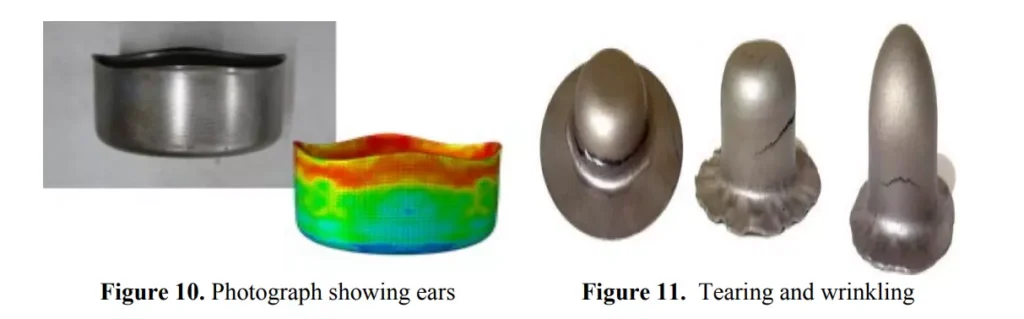
Categories
Machinery

Deep Draw Press Manufacturers

Deep Draw Press Manufacturers

We are one of the deep draw press manufacturers. Deep drawing process & Deep drawing press & Double action deep drawing press & Triple action deep drawing press

The Swift Cup test is usually considered to provide a measure of the drawability of sheet metal. A schematic representation of the Swift Cup test is shown in Figure 2.4. A disc-shaped sheet specimen of metal is placed between the blank holder and the die and then it is drawn into a cup by a cylindrical punch.

A cup with a cylindrical shape will be formed after that. Various shapes were proposed by Swift for the bottom of the punch, but in the present study, only flat-ended punches will be considered.

Deep Draw Press

A deep draw press is a type of metalworking press used to transform flat metal sheets into three-dimensional shapes. It is a versatile tool that can produce a wide range of products, including cooking pots, pans, automotive parts, and electrical enclosures.

How a Deep Draw Press Works:

  1. Blanking: A stamping press is used to cut out a flat blank from a sheet of metal. The blank size is slightly larger than the desired final shape to allow for metal flow during the drawing process.
  2. Heating: The blank may be heated to improve its formability and reduce the risk of cracking. Heating is particularly important for thicker materials or complex shapes.
  3. Loading: The blank is placed on the blank holder of the deep draw press. The blank holder firmly grips the blank around its edges, preventing it from wrinkling or buckling during the drawing process.
  4. Drawing: The punch, a tool with the desired shape of the final product, descends into the blank holder, forcing the blank into the desired shape. The blank flows over the punch, forming the desired three-dimensional shape.
  5. Trimming: Excess material around the edges of the drawn part is trimmed away using a trimming die. This ensures that the final part has a clean edge and meets the desired dimensions.

Types of Deep Draw Presses:

  1. Single-Action Deep Draw Presses: These presses use a single ram to perform both the drawing and trimming operations. They are relatively simple and inexpensive, but they are limited in the complexity of shapes they can produce.
  2. Double-Action Deep Draw Presses: These presses have two rams, one for drawing and one for trimming. This allows for more complex shapes to be produced, as the drawing ram can continue to draw the blank while the trimming ram trims the edges.
  3. Triple-Action Deep Draw Presses: These presses have three rams, one for drawing, one for trimming, and one for ejecting the finished part. They are used for producing the most complex shapes, such as those with undercut features or re-entrant angles.

Applications of Deep Draw Presses:

Deep draw presses are used in a wide variety of industries, including:

  • Automotive Industry: Producing car body panels, fenders, hoods, and other automotive components.
  • Appliance Industry: Manufacturing cooking pots, pans, sinks, and other appliance components.
  • Aerospace Industry: Creating aircraft components, such as fuel tanks, fuselage sections, and engine housings.
  • Electrical Industry: Producing electrical enclosures, housings, and components.
  • Construction Industry: Manufacturing architectural panels, roofing components, and ventilation ducts.

Benefits of Using Deep Draw Presses:

Deep draw presses offer several advantages over other metalforming methods, such as stamping and casting:

  • Versatility: Deep draw presses can produce a wide range of shapes, from simple cylinders to complex geometries.
  • Accuracy: Deep draw presses can achieve high levels of accuracy and consistency in the dimensions of the finished parts.
  • Efficiency: Deep draw presses can produce parts quickly and efficiently, making them a cost-effective manufacturing method.
  • Material Savings: Deep draw presses can produce parts with minimal waste of material.
  • Strength and Durability: Deep-drawn parts are generally stronger and more durable than those produced by other methods.

In conclusion, deep draw presses are versatile and powerful tools that play a crucial role in various industries. Their ability to produce complex shapes with high precision and efficiency makes them an essential part of modern manufacturing.

A hydraulic press is a mechanical device that uses a hydraulic cylinder to generate a compressive force. It operates based on Pascal’s Law, which states that pressure applied to a confined fluid is transmitted equally in all directions. This principle allows hydraulic presses to exert significant force with minimal input, making them essential tools in industries requiring high-pressure applications.

single-acting hydraulic press uses hydraulic pressure to move the piston in one direction, typically the downward or compressive stroke. After the press completes this action, the piston returns to its original position using an external force such as a spring or the weight of the cylinder. This differs from a double-acting hydraulic press, where hydraulic pressure is applied in both the forward and return strokes.

The simplicity and cost-effectiveness of single-acting hydraulic presses make them ideal for a variety of applications, including small to medium-scale production, metal fabrication, and mechanical testing. These presses are widely used in industries such as automotive, aerospace, manufacturing, and even laboratories for precision tasks.

The core advantage of a single-acting hydraulic press lies in its simplicity. Fewer moving parts and a straightforward design reduce both the initial cost and ongoing maintenance requirements. However, the trade-off is that the press lacks the stroke control and power range of more complex systems, limiting its effectiveness in higher-end or more precise applications.

How Single-Acting Hydraulic Presses Work

Deep Drawing Hydraulic Press Machine for Kitchen Sink Production Line

The fundamental operation of a single-acting hydraulic press relies on Pascal’s Law, which underpins all hydraulic systems. According to this principle, when a force is applied to a fluid inside a closed system, the pressure is transmitted evenly throughout the fluid. In a hydraulic press, this means that the force generated by a pump acting on a small volume of hydraulic fluid can be magnified to create a much larger output force.

Key Components of a Single-Acting Hydraulic Press:

  • Cylinder and Piston: The hydraulic cylinder contains a piston that moves up and down. In a single-acting press, hydraulic fluid forces the piston downwards, creating the press action.
  • Hydraulic Pump: The pump generates pressure within the hydraulic system, pushing the fluid into the cylinder to drive the piston.
  • Reservoir: This stores hydraulic fluid, which is pumped into the cylinder during operation.
  • Valves: Control the flow of hydraulic fluid, directing it into the cylinder for the pressing stroke.
  • Return Mechanism: In single-acting systems, this is usually a spring or gravitational force that returns the piston to its original position after the pressing action.

Pressing and Return Process:

  1. Pressing: When the press operator activates the system, hydraulic fluid is pumped into the cylinder. The increase in pressure forces the piston downward, applying force to the material placed under the press head. The force can range from several tons to hundreds of tons, depending on the press’s specifications.
  2. Return Stroke: Once the pressing action is complete, the external force—usually a spring or gravity—returns the piston to its starting position. Unlike double-acting presses, where hydraulic pressure can control both strokes, single-acting presses rely on this mechanical or natural return.

Advantages and Limitations:

  • Advantages: Single-acting presses are simple, affordable, and easy to maintain. They are ideal for tasks that do not require precise control over the return stroke or where the pressing force is the primary concern.
  • Limitations: The primary limitation is the lack of control over the piston’s return stroke, which can make single-acting presses less suited to precision applications. Additionally, since only one stroke is powered, these presses are less efficient in tasks requiring continuous motion or high-speed operation.

Types of Single-Acting Hydraulic Presses

Types of Single-Acting Hydraulic Presses

Single-acting hydraulic presses come in several varieties, each suited to different applications and operational needs.

1. Manually Operated Hydraulic Presses:

These presses are powered by a hand-operated pump, which provides the hydraulic pressure needed to move the piston. They are ideal for small-scale applications or environments where electricity is not available. These presses are portable and commonly used in repair shops, garages, or remote field locations. Their affordability and ease of use make them popular for light-duty tasks like pressing bearings or removing shafts.

2. Electric-Powered Hydraulic Presses:

Electric-powered hydraulic presses use an electric motor to drive the hydraulic pump, offering greater efficiency and consistency compared to manual models. These presses are suitable for more intensive industrial applications where higher force or faster operation is required. They are commonly found in manufacturing plants, where they can be integrated into production lines for repetitive tasks such as stamping, forging, or cutting.

3. Air-Driven Hydraulic Presses:

In these systems, compressed air is used to generate hydraulic pressure. They are commonly used in industrial environments where compressed air is readily available. Air-driven hydraulic presses are often employed in applications where speed and convenience are critical, and they offer a middle ground between manually operated and electric-powered presses in terms of power and cost.

Applications of Each Type:

  • Manually Operated: Ideal for low-volume tasks, repair work, or environments lacking electrical infrastructure.
  • Electric-Powered: Suitable for continuous, heavy-duty applications in factories and production environments.
  • Air-Driven: Often used in automotive workshops and for lighter industrial tasks where compressed air is available.

Applications of Single-Acting Hydraulic Presses

Manufacturing of Fire Extinguishers

Single-acting hydraulic presses are versatile tools used across a wide range of industries for different applications.

1. Metal Forming and Fabrication:

In the metalworking industry, hydraulic presses are used to shape, bend, punch, and cut metal sheets and components. Single-acting presses are especially useful in tasks where the return stroke is less critical, such as metal stamping or bending. These presses are commonly used in fabrication shops, tool and die manufacturing, and custom metalwork projects.

2. Press Fitting and Assembly Tasks:

Single-acting presses are commonly employed in press fitting, where parts are mechanically forced together using high pressure. This includes tasks such as pressing bushings, bearings, gears, and other components into place. These presses are widely used in the automotive industry for assembly operations, as well as in machinery and equipment manufacturing.

3. Material Testing and Laboratory Uses:

In laboratories, single-acting hydraulic presses are often used for testing materials under compressive force. For example, engineers and scientists may use hydraulic presses to measure the compressive strength of materials like concrete, metals, or plastics. The simplicity of single-acting presses makes them ideal for controlled experiments where large forces are required without complex control systems.

4. Automotive and Aerospace Industries:

In the automotive sector, single-acting hydraulic presses play a crucial role in various assembly and maintenance tasks, such as pressing in bushings, removing bearings, and straightening parts. Their use extends to aerospace industries for tasks such as forming lightweight components, shaping metal parts, or assembling intricate systems that require precise force application.

Examples of Practical Applications:
  • Metal Stamping: Single-acting presses are used to punch or stamp metal parts for various industries, including automotive and electronics.
  • Bearing Installation: Presses ensure that bearings are seated correctly without causing damage to delicate components.
  • Cutting and Trimming: Hydraulic presses can be used to cut metal, plastic, or composite materials, making them essential in production environments.

Advantages of Single-Acting Hydraulic Presses

Single-acting hydraulic presses have several advantages, making them a popular choice in a variety of applications.

1. Simplicity and Cost-Effectiveness:

Due to their basic design, single-acting hydraulic presses are more affordable than their double-acting counterparts. They have fewer moving parts and require less complex control systems, reducing both the upfront cost and the likelihood of mechanical failure. This makes them ideal for smaller operations or businesses looking for cost-effective solutions.

2. Efficiency in Force Delivery:

Despite their simplicity, single-acting hydraulic presses can deliver tremendous force, making them suitable for heavy-duty tasks like metal forming or assembly. They can generate forces ranging from a few tons to several hundred tons, depending on the size and type of the press, enabling them to handle a wide range of materials and tasks.

3. Reduced Maintenance:

With fewer components, single-acting presses are easier and less costly to maintain. Routine maintenance is generally limited to inspecting seals, checking hydraulic fluid levels, and ensuring that the return mechanism (spring or gravity) is functioning properly.

4. Portability and Space Efficiency:

Single-acting presses are typically more compact than double-acting presses, making them easier to move and install in smaller workspaces. This portability is especially valuable in environments where space is limited, such as small workshops or laboratories.

Challenges and Limitations of Single-Acting Hydraulic Presses

Applications in Various Industries

While single-acting hydraulic presses offer many benefits, they also have certain limitations that can affect their performance in specific applications.

1. Limited Stroke Control and Precision:

Because the return stroke is not powered by hydraulics, single-acting presses lack the precise control over the piston’s movement during the return phase. This makes them less suitable for applications requiring fine control of both the forward and return strokes.

2. External Force Required for Return Stroke:

The reliance on springs or gravity for the return stroke introduces limitations. Springs can wear out over time, reducing the efficiency of the press, and gravitational return may be too slow for certain high-speed applications.

3. Power Limitations:

Single-acting presses typically have less power and speed compared to double-acting systems. For tasks requiring high force or rapid cycling, a double-acting press may be more appropriate.

4. Environmental Considerations:

Hydraulic systems, including single-acting presses, can pose environmental risks if not properly maintained. Leaking hydraulic fluid, for instance, can cause environmental contamination, making proper maintenance and disposal of used fluids critical.

Maintenance and Safety Considerations

Proper maintenance and adherence to safety protocols are essential to ensure the safe and efficient operation of single-acting hydraulic presses.

Maintenance Procedures:

  • Hydraulic Fluid Levels: Regularly check and maintain the hydraulic fluid to ensure smooth operation. Low fluid levels can reduce press efficiency and lead to mechanical wear.
  • Seals and Hoses: Inspect seals and hoses for wear and tear, as leaks can cause pressure loss and reduce the effectiveness of the press.
  • Return Mechanism: Check the spring or gravity-based return system for signs of fatigue or failure. Over time, springs may lose tension, reducing the effectiveness of the return stroke.

Safety Protocols:

  • Personal Protective Equipment (PPE): Operators should wear appropriate PPE, including safety goggles, gloves, and hearing protection.
  • Proper Training: Ensure that all operators are trained in the correct use of the press and are aware of potential hazards.
  • Emergency Stops: Hydraulic presses should be equipped with emergency stop buttons to allow operators to quickly halt the machine in case of malfunction or danger.

Future of Single-Acting Hydraulic Presses

Choosing the Right Trimming Beading Machine

Advancements in technology are opening new possibilities for single-acting hydraulic presses. As industries evolve, the demand for more efficient and eco-friendly machinery is growing.

1. Advancements in Hydraulic Technology:

Innovations in hydraulic systems are leading to more efficient and powerful single-acting presses. For instance, new hydraulic fluids with better thermal stability and lower environmental impact are being developed, reducing the ecological footprint of hydraulic systems.

2. Energy Efficiency Improvements:

Modern hydraulic presses are being designed with energy efficiency in mind. Enhanced pump designs, variable speed motors, and more efficient control systems are reducing energy consumption and operational costs.

3. Integration with Automation:

The future of hydraulic presses lies in their integration with automated and smart systems. Automated single-acting presses equipped with sensors and computer control systems can adjust force, speed, and stroke in real time, enhancing precision and adaptability.

4. Future Applications and Innovations:

As industries continue to demand more from hydraulic systems, single-acting presses are likely to be used in new applications such as additive manufacturing (3D printing) and precision engineering. The increasing focus on sustainability may also drive the development of greener, more energy-efficient presses.

Introduction to Double-Acting Hydraulic Presses

Deep Draw Presses
Deep Draw Presses

Hydraulic presses are mechanical devices that use fluid pressure to generate significant force, commonly employed in industries where large-scale pressing, forming, or molding is required. They operate on Pascal’s Law, which states that pressure applied to a fluid in a confined space is transmitted equally in all directions. This principle allows hydraulic presses to amplify force, making them crucial in metalworking, manufacturing, automotive industries, and beyond.

double-acting hydraulic press differs from its single-acting counterpart in that it applies hydraulic pressure in both directions—both for the pressing stroke and the return stroke. In contrast, a single-acting press relies on external forces, like springs or gravity, for the return motion, which limits control and precision.

The use of double-acting hydraulic presses has revolutionized several industrial processes due to the enhanced control and precision they offer. With powered movement in both directions, these presses are capable of handling more complex and demanding tasks, such as deep drawing, forging, or any process where high precision and consistent force are essential. These presses are widely used in automotive production, aerospace manufacturing, and large-scale industrial operations.

How Double-Acting Hydraulic Presses Work

Deep Drawing Hydraulic Press Machine for Kitchen Sink Production Line

Double-acting hydraulic presses function based on hydraulic principles, which utilize fluid power to amplify force. The critical difference from single-acting presses is that double-acting presses can apply hydraulic pressure in both the pressing and return strokes. This provides enhanced control and versatility.

Core Components of a Double-Acting Hydraulic Press:

  • Cylinder and Piston: A double-acting press has a hydraulic cylinder with a piston that moves in two directions. Hydraulic fluid is directed into the cylinder on either side of the piston to control both the downward and upward strokes.
  • Hydraulic Pump: The hydraulic pump provides pressure by moving hydraulic fluid into the cylinder. In double-acting presses, the pump must be capable of routing the fluid to either side of the piston, depending on whether it is the pressing or return stroke.
  • Valves and Control Systems: Double-acting presses require more sophisticated valve systems to control the flow of hydraulic fluid. These valves direct fluid pressure to either side of the piston, enabling the precise control of both strokes.
  • Power Source: These presses can be powered by manual pumps, electric motors, or pneumatic systems, depending on the scale and application of the press.

The Pressing and Return Strokes:

  1. Pressing Stroke: The hydraulic pump directs fluid into the top of the cylinder, pushing the piston downward. This downward force can range from a few tons to hundreds of tons, depending on the press’s size and design. The press head applies this force to the material being processed, whether it’s for stamping, molding, or cutting.
  2. Return Stroke: After the pressing operation, hydraulic pressure is redirected to the bottom of the piston. This lifts the piston back to its starting position, ensuring precise and controlled movement. The ability to hydraulically control both strokes eliminates the reliance on gravity or springs, allowing for faster cycle times and more complex tasks.

Precision and Control:

The ability to control both strokes of the piston provides greater accuracy in industrial processes. Unlike single-acting presses, where the return stroke can vary in speed and efficiency, double-acting presses offer consistent performance across all movements. This precision makes them ideal for complex forming processesdeep drawing, and precision cutting operations, where both the force and the return timing must be tightly controlled.

Types of Double-Acting Hydraulic Presses

Double-acting hydraulic presses come in various forms, each tailored for specific industrial applications. Here are some of the main types:

1. Manual Double-Acting Hydraulic Presses:

Manual versions of double-acting presses are powered by hand-operated hydraulic pumps. These are typically used in small workshops or repair facilities where tasks like pressing, bending, or assembling components do not require extensive automation. These presses are portable, cost-effective, and often used in low-production environments.

2. Electric-Powered Double-Acting Hydraulic Presses:

Electric-powered double-acting presses are more common in industrial settings where high force and consistent operation are required. The hydraulic pump is driven by an electric motor, allowing for automated control of both strokes. These presses are essential for high-volume operations, such as metal stamping, die forming, and precision cutting. The electric-powered system allows for greater precision, repeatability, and faster cycle times.

3. Pneumatic Double-Acting Hydraulic Presses:

Pneumatic-powered double-acting presses use compressed air to drive the hydraulic fluid in both strokes. These presses are favored in industries where pneumatic systems are already integrated into the production environment, such as in automotive assembly lines. Pneumatic systems provide rapid action, and the integration with hydraulics ensures the generation of high forces, making them suitable for mid-sized industrial applications.

4. Specialized Double-Acting Presses:

Some double-acting hydraulic presses are designed for specific applications, such as hydraulic press brakes used in bending and shaping metal sheets. These presses provide precise control over the angle and force applied, making them ideal for custom metal fabrication. Another example includes forging presses, where high tonnage and precise control are required to shape metal components.

Applications of Double-Acting Hydraulic Presses

Applications in Various Industries

Double-acting hydraulic presses are widely employed across a variety of industries due to their versatility and ability to handle complex tasks with precision. Here are some of the key applications:

1. Metal Forming and Deep Drawing:

One of the primary uses of double-acting hydraulic presses is in metal forming, particularly deep drawing. Deep drawing is a manufacturing process where a sheet metal blank is radially drawn into a forming die by the mechanical action of a punch. Double-acting presses provide the precise control necessary to form complex shapes in metals like aluminum, steel, and copper without cracking or deforming the material.

2. Punching, Forging, and Die Forming:

In punching and forging operations, double-acting presses apply controlled force to deform or cut metal parts. This is commonly used in the automotive and aerospace industries, where high-strength materials are forged into critical components like gears, axles, and structural parts. The ability to control both the pressing and return strokes ensures consistent quality and reduces the risk of material damage.

3. Composite Material Molding:

As industries increasingly adopt composite materials, double-acting hydraulic presses have become essential for forming and molding these materials. Composites, such as carbon fiber or fiberglass, require careful handling during the molding process to maintain their strength and durability. Double-acting presses allow for precise pressure application during both the pressing and release phases, making them indispensable in industries like aerospace and automotive, where lightweight, high-strength components are essential.

4. Automotive and Aerospace Industries:

The automotive industry relies heavily on double-acting hydraulic presses for the production of body panelsframes, and engine components. The precision and repeatability of these presses ensure that every part is manufactured to exact specifications. In the aerospace industry, where weight, strength, and safety are critical, double-acting presses are used to form lightweight components like aircraft skin panelsstructural parts, and engine elements.

5. Examples of Industrial Applications:

  • Automotive: Deep drawing for body panels, stamping parts like hoods, doors, and roofs.
  • Aerospace: Forming of lightweight metal and composite parts for aircraft and spacecraft.
  • Heavy Machinery: Forging of large components for construction equipment and industrial machinery.
  • Consumer Electronics: Precision forming of metal casings and components.

Advantages of Double-Acting Hydraulic Presses

Double-acting hydraulic presses offer several significant advantages that make them indispensable in many industries.

1. Precise Control Over Both Strokes:

The ability to apply hydraulic force in both the pressing and return strokes gives double-acting presses greater control over the entire operation. This precision is particularly valuable in tasks that require consistent force and motion, such as deep drawing, forging, and punching. Both strokes can be finely adjusted to meet the exact requirements of the material and application, leading to superior product quality.

2. Higher Efficiency in Repetitive Operations:

In manufacturing environments where tasks must be repeated at high speed, double-acting presses outperform single-acting models. Since both the press and return strokes are powered, cycle times are faster, and operators have more control over the movement of the piston, which boosts productivity in high-volume production lines.

3. Versatility in Complex Tasks:

Double-acting presses are incredibly versatile, able to handle a wide variety of materials and tasks. They can be used for pressing, forming, bending, cutting, and molding, which makes them highly adaptable to different industries and processes. Whether the task requires the shaping of metals, molding of composites, or assembly of mechanical components, these presses can be fine-tuned to meet the needs of the job.

4. Suitability for Heavy-Duty and Continuous Use:

Double-acting hydraulic presses are built for heavy-duty applications and continuous use in industrial settings. The ability to power both strokes ensures that even the toughest materials, such as steel and titanium, can be shaped and formed without compromising on speed or accuracy. Their robust design and advanced control systems make them ideal for industries where durability and long-term performance are critical.

Challenges and Limitations of Double-Acting Hydraulic Presses

Despite their advantages, double-acting hydraulic presses also come with challenges and limitations that must be considered before implementation.

1. Higher Cost and Complexity:

Double-acting hydraulic presses are generally more expensive than single-acting presses due to their more complex design and the additional control systems required to power both strokes. This can make them less appealing for small-scale operations or businesses with tight budgets.

2. Increased Maintenance Requirements:

With more moving parts and components to manage, double-acting presses require more frequent and thorough maintenance than their single-acting counterparts. Components like seals, valves, and hydraulic lines must be regularly inspected and serviced to prevent leaks and ensure optimal performance. This adds to the operational costs over the lifespan of the machine.

3. Space and Energy Requirements:

Double-acting hydraulic presses tend to be larger and consume more energy than simpler presses. This means they require more space and have higher energy costs, which can be a limiting factor in smaller workshops or facilities with limited energy resources.

4. Specialized Training and Safety Considerations:

Operators of double-acting hydraulic presses must be thoroughly trained to handle the complex control systems and high pressures involved. The increased force and speed of these presses mean that strict safety protocols must be followed to prevent accidents and equipment damage.

Maintenance and Safety Considerations

Proper maintenance and safety protocols are crucial for ensuring the long-term operation and safety of double-acting hydraulic presses.

Maintenance Procedures:

  • Hydraulic Fluid Levels: Maintaining appropriate hydraulic fluid levels is essential for the proper operation of both strokes. Low fluid levels can result in uneven pressure distribution and lead to damage.
  • Seal and Hose Inspections: Double-acting presses have more seals and hoses than single-acting models, which makes regular inspections critical. Leaks in these components can cause a loss of pressure, reduced efficiency, and safety hazards.
  • System Pressure Checks: Monitoring and adjusting the system’s pressure levels ensures that the press operates within its designed parameters, preventing over-pressurization and component failure.

Safety Protocols:

  • Operator Training: Given the complexity of double-acting presses, operators must be trained in their safe use. They should understand the machine’s control systems, emergency stop features, and troubleshooting procedures.
  • Regular Inspections: Presses should be inspected regularly for signs of wear or malfunction. Safety devices like pressure relief valves and emergency stops should be tested to ensure they are functioning properly.
  • Personal Protective Equipment (PPE): Operators should always wear appropriate PPE, including gloves, goggles, and ear protection, especially in high-noise environments.

Future Trends in Double-Acting Hydraulic Press Technology

As technology evolves, double-acting hydraulic presses are expected to undergo several advancements that will enhance their performance and broaden their applications.

1. Technological Advancements:

Innovations in hydraulic control systems, such as the integration of proportional valves and servo-driven pumps, are improving the precision and efficiency of double-acting presses. These systems allow for finer control of pressure and movement, resulting in higher-quality output and reduced material waste.

2. Energy Efficiency:

One of the key areas of development is the push for more energy-efficient hydraulic systems. With the increasing focus on sustainability, new technologies are emerging that reduce energy consumption, such as variable-speed pumps that adjust output based on demand. These advancements not only lower operational costs but also reduce the environmental impact of hydraulic presses.

3. Automation and Industry 4.0:

The integration of double-acting hydraulic presses with automation and smart manufacturing systems is another significant trend. By connecting presses to factory networks, manufacturers can monitor machine performance in real-time, predict maintenance needs, and optimize press cycles. This leads to increased productivity and minimizes downtime due to unexpected equipment failure.

4. Future Innovations:

Looking ahead, double-acting presses may see further improvements in force capacityminiaturization for precise applications, and modular designs that allow presses to be easily reconfigured for different tasks. Additionally, advancements in green hydraulic fluids will reduce the environmental risks associated with hydraulic systems.

Triple Action Deep Drawing Press

Triple Action Deep Drawing Press
Triple Action Deep Drawing Pres

Deep drawing is a popular metal forming process used to shape flat sheet metal into cylindrical or box-like shapes. The process involves placing a metal blank over a die and pressing it into the die cavity with a punch. This transforms the flat blank into a three-dimensional shape, making it essential for producing components like automotive body panels, kitchen sinks, and various enclosures. The process can be repeated to achieve more complex shapes with greater depth, but the challenges increase as the material undergoes severe deformation.

Triple Action Deep Drawing Press is a specialized machine designed to address the complexity of the deep drawing process. Unlike conventional single-acting or double-acting presses, a triple action press incorporates three independent force mechanisms:

  1. Blank Holder Action: Keeps the metal blank firmly in place, controlling material flow and preventing wrinkling.
  2. Punch Action: The primary force that shapes the blank by pushing it into the die.
  3. Ejector Action: Removes the finished part from the die after the drawing process is complete.

This triple-action mechanism provides greater control over the deep drawing process, allowing for the production of more complex shapes, with fewer defects, and better efficiency. The ability to control all three forces independently is particularly important in producing deep-drawn components for industries like automotive, aerospace, and consumer goods, where precision and quality are critical.

How Triple Action Deep Drawing Presses Work (500 words)

To understand how triple action deep drawing presses function, it’s essential to break down the mechanics of the deep drawing process and how each action contributes to shaping the material.

The Deep Drawing Process:

The deep drawing process transforms a flat metal blank into a three-dimensional component. The key stages include:

  1. Blank Placement: A flat metal blank is placed over the die cavity.
  2. Blank Holder Engagement: The blank holder clamps the blank around its edges, preventing movement or wrinkling during drawing.
  3. Punch Stroke: The punch moves downward, pressing the blank into the die cavity, forming the desired shape. This action stretches and deforms the material, thinning it in certain areas.
  4. Ejection: Once the part is formed, the ejector mechanism releases the part from the die, ready for the next cycle.

Components of a Triple Action Deep Drawing Press:

  1. Blank Holder: The blank holder is crucial in controlling material flow. Its force must be precisely regulated to avoid wrinkling, which can occur if the material is allowed to move too freely. At the same time, too much force from the blank holder can result in tearing.
  2. Punch: The punch is the main shaping tool. In triple-action presses, the punch force is adjustable, allowing for greater flexibility in handling different materials or thicknesses. As the punch presses the blank into the die, it forms the desired shape.
  3. Ejector: The ejector action ensures the formed part is smoothly removed from the die without causing damage to the component or slowing down the production process. The ejector often uses hydraulic or mechanical systems to push the part upward, releasing it from the die.

Key Advantages of the Triple Action System:

  1. Independent Control of Forces: One of the main benefits of triple action presses is that each force (blank holder, punch, ejector) can be independently controlled. This ensures optimal pressure at each stage, reducing the risk of defects such as wrinkling, tearing, or excessive thinning.
  2. Complex Shapes: By using all three actions in a coordinated manner, triple action presses can produce complex, deep-drawn components that would be difficult or impossible with a standard press.
  3. Minimized Defects: The precise control over material flow, punch pressure, and ejection force allows manufacturers to achieve higher-quality products with fewer defects, making triple-action presses ideal for high-precision industries.

Types of Triple Action Deep Drawing Presses

Triple action deep drawing presses come in various types, each suited to different applications and production environments. The main types include mechanical, hydraulic, and servo-electric presses.

1. Mechanical Triple Action Presses:

Mechanical triple action presses use mechanical linkages, cams, and gears to generate and control the forces required for the blank holder, punch, and ejector. These presses are known for their high speed and are commonly used in high-volume production environments, such as automotive manufacturing. However, they tend to offer less precision than hydraulic presses, making them less suitable for complex or precision deep drawing applications.

2. Hydraulic Triple Action Presses:

Hydraulic presses are the most common type of triple action deep drawing presses. These machines use hydraulic cylinders to apply force independently to the blank holder, punch, and ejector. Hydraulic presses are favored for their precision and the ability to control force and speed at every stage of the process. This makes them ideal for deep drawing applications that require complex shapes, deep draws, or challenging materials. Additionally, hydraulic systems can apply constant force throughout the entire stroke, providing a smooth and consistent draw.

3. Servo-Electric Triple Action Presses:

Servo-electric presses use electric motors to control the movement of the blank holder, punch, and ejector. These presses offer the highest level of precision and flexibility, allowing manufacturers to program specific force and speed profiles for different stages of the drawing process. Servo-electric presses are energy-efficient and offer precise control, making them ideal for applications requiring high precision, such as aerospace components and medical devices.

Comparison of Press Types:

  • Mechanical: Best for high-speed, large-volume production; less precise.
  • Hydraulic: Ideal for precision deep drawing, complex shapes, and variable materials; slower but more controlled.
  • Servo-Electric: Offers the highest precision and flexibility, with energy efficiency; often used in highly specialized applications.

Applications of Triple Action Deep Drawing Presses

Applications in Various Industries

The versatility and precision of triple action deep drawing presses make them indispensable across a wide range of industries. Their ability to form complex, deep-drawn parts with minimal defects and high repeatability is a key reason for their widespread use.

1. Automotive Industry:

In the automotive sector, deep drawing presses are essential for producing a wide array of components, including body panelsfuel tanks, and engine components. Triple action presses are particularly well-suited for forming large, complex parts such as car doors, hoods, and trunk lids, which require high precision to ensure they meet the industry’s stringent safety and performance standards.

For example, the ability to control the blank holder force ensures that body panels are formed without wrinkling, a common defect in deep drawing. Additionally, the precision of triple-action presses allows for tight tolerances in the production of complex components like fuel tanks, which must be leak-proof and structurally sound.

2. Aerospace Industry:

In the aerospace industry, the demand for lightweight yet strong components is paramount. Triple action deep drawing presses are used to form aircraft skin panelsengine housings, and other structural components. The ability to control every aspect of the drawing process, including the exact force applied by the blank holder and punch, ensures that aerospace parts meet the high standards required for safety and performance.

Additionally, the triple action mechanism is crucial for working with materials like titaniumaluminum, and composites, which are commonly used in the aerospace industry but can be difficult to form due to their strength and tendency to crack under stress.

3. Consumer Goods:

Triple action deep drawing presses are widely used to manufacture various consumer goods, particularly in the production of kitchenware (e.g., stainless steel sinks, pots, and pans) and household appliances (e.g., washing machine drums, microwave enclosures). The ability to form deep, complex shapes in materials like stainless steel or aluminum with smooth surfaces and minimal defects is essential for consumer products where aesthetics and durability are key selling points.

4. Industrial Containers and Enclosures:

Industries requiring industrial containerscylindrical tanks, or enclosures for sensitive equipment often rely on triple action deep drawing presses. These presses allow for the formation of durable, uniform containers with precise dimensions, ensuring that they meet stringent industry standards for storage and protection.

Case Studies and Real-World Examples:

  • Automotive: A major automotive manufacturer uses triple action presses to produce seamless body panels for luxury vehicles, ensuring high quality and eliminating the need for secondary finishing processes.
  • Aerospace: Leading aerospace companies utilize triple action deep drawing presses for the production of lightweight, high-strength structural components, ensuring aircraft performance while reducing weight.
  • Consumer Goods: A well-known kitchenware brand uses triple action presses to manufacture stainless steel cookware with flawless surfaces and uniform thickness, enhancing both performance and aesthetics.

Advantages of Triple Action Deep Drawing Presses

Triple action deep drawing presses offer numerous advantages that make them essential in industries requiring precision metal forming.

1. Enhanced Control Over the Deep Drawing Process:

One of the most significant advantages of a triple action press is the ability to independently control the blank holder, punch, and ejector forces. This precision control allows for adjustments throughout the deep drawing process, ensuring consistent material flow and reducing the risk of defects such as wrinkling, tearing, or excessive thinning.

2. Ability to Form Complex, Precise Shapes:

The precise control offered by triple action presses enables the formation of intricate shapes and deep-drawn components. The ability to fine-tune the force applied at each stage ensures that even challenging materials can be drawn without damage. This is especially important in industries like aerospace and automotive, where components must meet exacting standards for performance and safety.

3. Minimization of Defects:

Triple action presses significantly reduce common defects in the deep drawing process, such as wrinkling, cracking, and material thinning. The blank holder’s independent force ensures that the material is held securely, while the punch and ejector forces can be adjusted to optimize material flow. This results in higher-quality parts and reduced scrap, making triple action presses more efficient and cost-effective in large-scale production.

4. High Efficiency for Large-Scale Production:

Triple action presses are ideal for high-volume production, offering fast cycle times and repeatable precision. The automation of these presses allows for continuous operation, reducing downtime and increasing throughput. This efficiency is critical in industries where large quantities of parts must be produced quickly and to tight tolerances, such as automotive manufacturing.

Challenges and Limitations of Triple Action Deep Drawing Presses

Despite their numerous advantages, triple action deep drawing presses also present certain challenges and limitations.

1. High Initial Investment and Complexity:

Triple action deep drawing presses are more expensive than single or double-action presses due to their complexity and advanced control systems. The cost of purchasing and setting up a triple action press can be prohibitive for smaller operations or manufacturers with limited budgets. Additionally, these presses require more sophisticated control systems and software, which can increase the initial investment.

2. Greater Maintenance Requirements:

The complexity of triple action presses means that they require more frequent and thorough maintenance compared to simpler presses. The hydraulic systems, punch, blank holder, and ejector mechanisms all need regular inspection and servicing to prevent breakdowns and ensure the press operates at peak efficiency. Maintenance costs and downtime can be a challenge, especially in high-production environments.

3. Limitations in Smaller-Scale Operations:

For smaller-scale manufacturers or those producing limited quantities of deep-drawn parts, the high cost and complexity of triple action presses may not be justified. These presses are best suited to large-scale operations where the benefits of increased precision, efficiency, and reduced scrap outweigh the higher costs.

4. Energy and Space Requirements:

Triple action presses require significant amounts of energy to operate, especially hydraulic models, which need continuous power to maintain pressure. They are also large machines that require a substantial amount of floor space, limiting their use in smaller production facilities or workshops.

Maintenance and Safety Considerations

Proper maintenance and safety protocols are essential to ensure the longevity and safe operation of triple action deep drawing presses.

Maintenance Procedures:

  • Hydraulic System Maintenance: Hydraulic presses rely on clean, properly pressurized fluid systems to function efficiently. Regular checks of hydraulic fluid levels, cleanliness, and pressure are necessary. Dirty or low fluid can cause increased wear on components or lead to system failure.
  • Lubrication: Proper lubrication of moving parts, including the punch, blank holder, and ejector, is critical to reduce friction and wear. Over time, insufficient lubrication can lead to damage and expensive repairs.
  • Seal and Hose Inspections: Hydraulic seals and hoses should be regularly inspected for wear and leaks. Any signs of leakage must be addressed immediately to prevent pressure loss, damage to components, or safety hazards.
  • Alignment Checks: Regular alignment checks for the punch, die, and blank holder ensure that parts are being formed accurately and uniformly. Misalignment can lead to defective parts and increased machine wear.

Safety Protocols:

  • Operator Training: Operators should be thoroughly trained in the use of triple action presses, including how to safely load blanks, adjust controls, and handle finished parts. Understanding how to safely manage the hydraulic systems and high forces involved is critical for preventing accidents.
  • Emergency Stops and Safety Guards: Triple action presses should be equipped with emergency stop systems and safety guards to protect operators. These features ensure that the machine can be immediately stopped in the event of a malfunction or danger.
  • Personal Protective Equipment (PPE): Operators must wear appropriate PPE, including gloves, goggles, and protective clothing, to reduce the risk of injury from moving parts, flying debris, or hydraulic fluid leaks.

Future Trends in Triple Action Deep Drawing Press Technology

The future of triple action deep drawing presses is being shaped by advancements in technology, materials, and manufacturing processes.

1. Innovations in Press Control Systems:

As manufacturing becomes more automated and digital, the control systems used in triple action presses are becoming more sophisticated. Proportional hydraulic control valves and servo-driven systems are allowing for even more precise control over the forces applied during the deep drawing process. This enhanced control not only improves part quality but also reduces waste and increases efficiency.

2. Material Advancements:

As industries increasingly demand stronger, lighter, and more durable materials, triple action presses are evolving to handle these new challenges. Advances in high-strength steelaluminum alloys, and composites are pushing the limits of what deep drawing presses can do. Modern presses are being designed with enhanced force capabilities and precision to work with these advanced materials, enabling the production of lightweight, high-strength components for the automotive, aerospace, and electronics industries.

3. Integration with Industry 4.0:

The integration of Industry 4.0 technologies, such as sensors, real-time data monitoring, and predictive maintenance systems, is helping manufacturers optimize the performance of their triple action presses. Smart systems can monitor machine performance in real-time, automatically adjust press settings, and even predict when maintenance is needed, reducing downtime and improving overall productivity.

4. Environmental Sustainability and Energy Efficiency:

Energy efficiency is becoming a priority for manufacturers using triple action presses. New designs are focusing on reducing energy consumption through variable-speed hydraulic pumpsenergy recovery systems, and servo-electric technologies. These advancements not only reduce operational costs but also help companies meet their environmental sustainability goals by reducing the energy footprint of their manufacturing processes.

Double-Acting Hydraulic Presses

Double-acting hydraulic presses provide more control and flexibility during the deep drawing process, particularly for applications that require more complex or deeper shapes. In a double-acting press, two separate hydraulic systems work in tandem—one controls the downward motion of the punch, while the other operates the blank holder, applying force independently to hold the material in place.

  • Structure: The press has two rams or cylinders—one for the punch and another for the blank holder. This setup allows for precise control of both the drawing force and the holding force, preventing material slippage or wrinkling during the drawing process.
  • Applications: Double-acting presses are commonly used in automotiveaerospace, and household appliance manufacturing, where complex shapes and deeper draws are required. For instance, components like fuel tankscar body panels, and aircraft parts are often made using double-acting hydraulic presses.
  • Advantages: The independent control over the punch and blank holder forces allows for more precise and uniform drawing, reducing the risk of defects such as tearing or wrinkling. These presses are suitable for larger and more intricate parts and offer greater flexibility in handling a variety of materials and shapes.

Triple-Action Hydraulic Presses

For the most demanding and complex deep drawing applications, triple-action hydraulic presses provide unparalleled performance. These presses add a third hydraulic system to control additional movements or processes during the drawing operation.

  • Structure: In addition to the punch and blank holder, triple-action presses feature a third force, often applied from the bottom of the press. This additional motion allows for processes like reverse drawing or extrusion, enabling the machine to handle extremely deep or complex shapes that require multiple stages of forming.
  • Applications: Triple-action presses are typically used in highly specialized industries such as aerospace and defense, where precision and complexity are paramount. Components like deep drawn fuel cellsengine components, and structural parts for aircraft or heavy machinery are ideal for these machines.
  • Advantages: These presses provide maximum control and precision, allowing manufacturers to produce parts with extreme depth or complexity without compromising on quality. They also offer higher productivity by enabling multiple forming operations in a single press cycle.

Automated vs. Manual Hydraulic Presses

Automation is an important factor in modern manufacturing, and hydraulic deep drawing presses are no exception. Buyers can choose between manual presses, which require human intervention for loading, unloading, and controlling the operation, or automated presses, which integrate robotic systems and computerized controls to manage the entire process.

  • Manual Hydraulic Presses: These presses are operated by technicians who manually load the blank, initiate the drawing process, and remove the formed part. While manual presses are typically less expensive and easier to maintain, they are best suited for low-volume production runs or applications where flexibility is required.
  • Automated Hydraulic Presses: Automated presses use Programmable Logic Controllers (PLCs) or Computer Numerical Control (CNC) systems to control the drawing process. Automation allows for higher precision, increased production speed, and greater consistency in the final product. Automated presses are ideal for high-volume production environments where efficiency and accuracy are critical.

Specialized Hydraulic Presses for Tailor-Made Applications

In addition to the standard configurations, there are specialized hydraulic presses designed for specific industries or applications. These machines are often custom-built to meet unique production requirements, such as forming particular shapes, materials, or sizes. For example:

  • Automotive Industry: Hydraulic presses tailored for producing large, complex automotive parts, such as chassis componentsdoors, and structural parts.
  • Aerospace Industry: Presses designed for handling high-strength alloys and lightweight materials, where the precision and complexity of the shapes are critical.
  • Consumer Goods: Smaller, more compact hydraulic presses used to produce kitchenwaremetal containers, and packaging components.

Punch of the Deep Drawing Press

Let the radius of the punch and the radius of the specimen be a and b
respectively. Then the ratio between these two radii that is also known as the drawing ratio, can be written as b/a. One of the principal objectives of the Swift Cup test is to determine the limiting drawing ratio, LDR which is defined as the largest drawing ratio from which a cup can be drawn without fracture. The better drawing materials are recognized as those having the higher LDRs.

The result of the Swift Cup test correlates well with the performance of sheet metal in deep drawing components. It can be tested with a variable size of sheet metal blank by increasing the diameter. The maximum blank size that can be drawn without fracture occurring over the punch nose can be used to calculate the LDRs.

Because the condition of the edge of each blank can have an important effect on the test result, the blank edges are usually turned in a lathe to ensure strain-free, hurt-free edges. The limiting drawing ratio (LDR), is commonly used to provide a measure of the drawability of sheet metal. The correlation of the LDR of sheet metal with its material properties and process parameters has been activated by the industrial necessity for improving drawability.

LDR is a ratio between the maximum blank diameter that can be drawn successfully to the cup diameter and is often taken measured as a measure of drawability (Verma and Chandra, 2006). The drawability of sheet metal or LDR can be determined from different diameters of blanks with constant thickness. The LDR can be expressed as shown in Equation 2.1.

The Blank for the Deep Draw Press Manufacturers

Sheet Metal for Deep Draw Press Manufacturers

The blank diameter or sheet metal diameter is one of the most important parameters that have to consider in determining the LDR. Theoretically, the bigger the blank diameter it is, the higher value of LDR. It means the blank with a high value of LDR is a good material to consider in the deep drawing process. Many researchers have studied the effect of normal anisotropy, and strain hardening exponent, n, on the limiting drawing ratio using either experimental studies or numerical models.

The anisotropy is important in symmetrical draws was first shown by Whiteley (1960) and the research that has been done by Whiteley was used widely nowadays. Whiteley state that the LDR depends on. The higher, the better is the LDR. It was also concluded that LDR does not depend in any significant manner on the strain-hardening exponent. Similar conclusions were also reached by several experimental investigations (Verma and Chandra, 2006)

Nevertheless, sheet metals with higher average strain values such as alpha titanium are generally more desirable in deep drawing due to their higher formability. However, in actual applications, the price of the material needs to be considered to keep production costs realistic. In addition, the planar anisotropy also needs to be considered as it would affect the formation of ears.

Most of the deep-drawn products today are usually made of steel and aluminum alloys as they have higher formability and lower price compared to other metals such as copper and tin. The high strength stiffness to weight ratio, good formability, and good corrosion resistance of aluminum alloys make it an ideal candidate to replace heavier materials such as steel in fulfilling the weight reduction demand in the automotive industry

Forming Limit Diagram for the Deep Draw Press Manufacturers

The concept of forming a limit diagram (FLD) represents the first safety criterion for deep drawing operation. Marciniak and Kuczynski (M-K) have proposed a mathematical model for the theoretical determination of FLD that supposes an infinite sheet metal to contain a region local imperfection where heterogeneous plastic flow develops and localizes (Slota and Spisak, 2005).

Meanwhile, From FLD, the forming limit of sheet metal can be predicted by measuring the reading of minor strain and major strain from the experiment and converting the data into FLD. The FLD, which is consequently been widely referenced in the sheet metal forming industry is now a standard characteristic in the optimization of sheet metal forming processes. In FLD, the higher level of FLD can obtain, the more good material that was used.

The Punch Force

The first deep drawing operation is not a steady-state process. The punch force needs to supply the various types of work required in deep drawing, such as the ideal work of deformation, redundant work, friction work, and the work required for ironing. The punch forces can be divided between the first drawing operation and the following drawing operations

Hydraulic presses are powerful machines used to apply a significant amount of force to an object through hydraulic fluid pressure. They are essential in various industrial applications, providing the necessary force for processes such as metal forming, stamping, bending, and molding. The versatility and efficiency of hydraulic presses make them indispensable tools in manufacturing and production lines. This document will explore the different types of hydraulic presses, their application areas, components, operational principles, manufacturing process, and the challenges and advancements in the industry.

Types of Hydraulic Presses

Hydraulic presses come in various designs, each suited to specific applications and requirements. The primary types of hydraulic presses include C-frame presses, H-frame presses, four-column presses, straightening presses, arbor presses, laminating presses, and transfer presses.

C-frame presses, also known as gap-frame presses, have a C-shaped frame that provides three-sided access to the work area. This design is ideal for applications requiring easy loading and unloading of materials.

H-frame presses, or two-post presses, have a robust H-shaped frame that offers excellent stability and strength. They are commonly used for heavy-duty tasks such as metal forming and straightening.

Four-column presses, or four-post presses, have four vertical columns that provide superior support and uniform force distribution. These presses are suitable for large-scale applications requiring high precision and repeatability.

Straightening presses are specialized hydraulic presses used to straighten bent or distorted metal components. They are widely used in the automotive and construction industries.

Arbor presses are smaller, manually operated hydraulic presses used for light-duty tasks such as assembly, riveting, and broaching. They are commonly found in workshops and small manufacturing facilities.

Laminating presses are used to bond multiple layers of material together under heat and pressure. These presses are essential in industries such as electronics, where laminated components are common.

Transfer presses are automated hydraulic presses that move the workpiece through multiple stations for different operations. They are highly efficient and used in high-volume production environments.

Application Areas

Hydraulic presses are employed in various industries, thanks to their ability to deliver consistent and precise force. Key application areas include:

Metal forming and forging: Hydraulic presses are crucial in shaping and forming metal parts through processes such as stamping, bending, and deep drawing. They are essential in the production of automotive parts, machinery components, and structural elements.

Automotive industry: In the automotive sector, hydraulic presses are used for manufacturing various parts, including body panels, chassis components, and engine parts. They play a critical role in ensuring the structural integrity and performance of vehicles.

Aerospace industry: The aerospace industry relies on hydraulic presses for forming and shaping high-strength materials used in aircraft components. Precision and reliability are paramount in this industry, making hydraulic presses indispensable.

Plastic and rubber molding: Hydraulic presses are used in the molding of plastic and rubber components, including automotive parts, household goods, and medical devices. They ensure consistent product quality and precision.

Electrical and electronics industry: In the electronics sector, hydraulic presses are used for laminating circuit boards, forming connectors, and assembling electronic components. They provide the necessary force and precision for delicate operations.

Medical device manufacturing: Hydraulic presses are used in the production of medical devices, including surgical instruments, implants, and diagnostic equipment. They ensure the high precision and quality required in the medical field.

Packaging industry: Hydraulic presses are employed in the packaging industry for forming and shaping packaging materials, such as cardboard, plastic, and metal. They help produce packaging solutions that are strong, durable, and aesthetically pleasing.

Components of a Hydraulic Press

A hydraulic press comprises several key components that work together to generate and control the applied force. The main components include the frame, hydraulic cylinder, hydraulic pump, control valves, hydraulic fluid, pressure gauges and sensors, and die and tooling.

The frame is the main structure of the hydraulic press, providing stability and support for all other components. It is typically made of high-strength steel to withstand the significant forces generated during operation.

The hydraulic cylinder is the core component that generates the pressing force. It consists of a cylindrical chamber, a piston, and a piston rod. When hydraulic fluid is pumped into the cylinder, it moves the piston, which in turn applies force to the workpiece.

The hydraulic pump is responsible for generating the hydraulic fluid pressure needed to move the piston. It draws hydraulic fluid from a reservoir and delivers it to the cylinder under high pressure.

Control valves regulate the flow of hydraulic fluid to and from the cylinder, controlling the movement and force of the press. These valves can be manually operated or automated, depending on the press design.

Hydraulic fluid, typically oil, is the medium through which force is transmitted in the hydraulic system. It must have suitable properties, such as viscosity and lubricity, to ensure efficient operation and protect system components.

Pressure gauges and sensors monitor the hydraulic fluid pressure within the system. They provide real-time feedback to the operator or control system, ensuring safe and accurate press operation.

Die and tooling are the interchangeable components that come into direct contact with the workpiece. They are designed to shape, form, or cut the material as required by the specific application.

How Hydraulic Presses Work

Hydraulic presses operate based on Pascal’s principle, which states that pressure applied to a confined fluid is transmitted equally in all directions. This principle allows hydraulic presses to generate significant force with relatively small input pressure.

The operation of a hydraulic press begins with the hydraulic pump drawing fluid from the reservoir and delivering it to the cylinder. The control valves regulate the flow of fluid, directing it into the cylinder to move the piston. As the piston moves, it applies force to the workpiece placed between the die and tooling.

The hydraulic fluid plays a crucial role in this process, as it transmits the applied pressure and lubricates the system components. The pressure gauges and sensors continuously monitor the fluid pressure, providing feedback to ensure the press operates within safe limits.

The force generated by the hydraulic press can be precisely controlled by adjusting the hydraulic fluid pressure and the position of the control valves. This allows for accurate and repeatable operations, essential for high-quality manufacturing.

Manufacturing of Hydraulic Presses

The manufacturing of hydraulic presses involves several stages, from design and engineering to assembly and quality control. Each stage is critical to ensuring the press’s performance, reliability, and safety.

Design and engineering: The process begins with the design and engineering phase, where specifications for the press are developed based on the intended application. This includes selecting suitable materials, determining the required force and stroke, and designing the frame and hydraulic system.

Material selection: High-quality materials, such as high-strength steel for the frame and durable alloys for the hydraulic components, are selected to ensure the press’s longevity and performance.

Fabrication of components: The individual components of the hydraulic press, including the frame, cylinder, and pump, are fabricated using precision machining and manufacturing techniques. This ensures that each component meets the required tolerances and specifications.

Assembly process: The fabricated components are then assembled into the complete hydraulic press. This involves mounting the cylinder, pump, and control valves onto the frame, connecting the hydraulic lines, and installing the die and tooling.

Quality control and testing: Rigorous quality control measures are implemented throughout the manufacturing process to ensure the press meets all specifications and standards. This includes pressure testing the hydraulic system, verifying the accuracy of the control valves, and performing operational tests to ensure the press functions correctly.

Advancements and Innovations

The hydraulic press industry is continually evolving, driven by advancements in technology and increasing demands for efficiency and precision. Key innovations include automation and control systems, energy efficiency improvements, and smart hydraulic presses.

Automation and control systems: Modern hydraulic presses are often equipped with advanced control systems that automate the pressing process. This includes programmable logic controllers (PLCs), human-machine interfaces (HMIs), and sensors that monitor and adjust the press’s operation in real time. Automation improves efficiency, reduces the risk of human error, and enhances the consistency of the finished products.

Energy efficiency improvements: Manufacturers are focusing on developing hydraulic presses that consume less energy and have a smaller environmental footprint. This includes using variable displacement pumps, energy recovery systems, and optimizing the hydraulic system’s design to minimize energy losses.

Smart hydraulic presses: The integration of IoT (Internet of Things) technology into hydraulic presses has led to the development of smart presses. These presses can communicate with other machines and systems, providing real-time data on their status, performance, and maintenance needs. This connectivity allows for predictive maintenance, reducing downtime and extending the press’s lifespan.

Challenges in Hydraulic Press Manufacturing

The manufacturing of hydraulic presses presents several challenges, including precision and quality requirements, cost management, technological advancements, and environmental considerations.

Precision and quality requirements: Hydraulic presses must deliver consistent and precise force, which requires high levels of accuracy in the manufacturing process. Ensuring each component meets the required tolerances and specifications is critical to the press’s performance and reliability.

Cost management: The cost of materials, labor, and energy can significantly impact the overall cost of manufacturing hydraulic presses. Manufacturers must balance quality and cost to remain competitive in the market.

Technological advancements: Keeping up with technological advancements is essential for manufacturers to meet the evolving demands of the industry. This requires continuous investment in research and development to incorporate new technologies and improve existing designs.

Environmental considerations: Environmental regulations and sustainability concerns are increasingly important in hydraulic press manufacturing. Manufacturers must develop eco-friendly presses that consume less energy, use recyclable materials, and minimize their environmental impact.

Introduction to Specialized Hydraulic Presses

Deep Drawing Dies
Deep Drawing Dies

hydraulic press is a mechanical device that uses a hydraulic cylinder to generate compressive force, transforming energy from hydraulic fluid into mechanical work. Hydraulic presses are an essential part of modern industrial manufacturing, offering precision and the capability to generate immense force. While general-purpose hydraulic presses are versatile and used in a wide range of industries, specialized hydraulic presses are designed for specific tasks, providing enhanced efficiency, precision, and performance for specialized applications.

1.1. What Makes a Hydraulic Press “Specialized”?

A hydraulic press becomes specialized when its design and functionality are tailored to a particular industrial task. These presses often feature unique configurations, custom components, or advanced control systems that allow them to perform specific tasks more effectively than standard presses. Specialized presses are used in industries such as automotive manufacturingaerospacemedical device productionmetalworking, and electronics, where the need for precision, speed, or high force is critical.

  • Specialized tasks: While general-purpose presses can handle a variety of tasks, specialized presses are built to handle more complex operations such as deep drawingisostatic pressingmetal forgingstamping, and transfer pressing. Each of these tasks requires specific pressure, stroke control, and precision that a standard press may not be able to deliver effectively.
  • Customization: Specialized hydraulic presses often incorporate custom-built components such as specific diestransfer mechanisms, or servo-controlled systems, making them suitable for precise manufacturing processes. These presses can also be designed with unique frame configurations, such as H-frameC-frame, or four-column designs, each optimized for specific operational needs.

1.2. Importance of Specialized Hydraulic Presses in Industry

The increasing complexity of modern manufacturing processes, along with the demand for higher-quality products, has driven the need for specialized hydraulic presses. These machines not only improve the quality of finished products but also enhance productivity by reducing cycle times and increasing automation. Their ability to generate and control immense force with precision allows industries to achieve more complex and refined results than ever before.

  • Automotive industry: Specialized hydraulic presses are critical in the automotive sector, where they are used to form body panels, chassis components, and internal engine parts. Presses such as deep drawing presses and forging presses enable the production of high-strength parts that meet safety and performance standards.
  • Aerospace industry: In aerospace manufacturing, isostatic hydraulic presses are used to create high-strength, lightweight components like turbine blades and structural parts. These presses provide the precision needed to meet the stringent safety and durability requirements of the aerospace sector.
  • Medical device manufacturing: The medical device industry relies on specialized presses to produce intricate components such as surgical instruments, implants, and diagnostic devices. The high precision and force control offered by these presses ensure that even the smallest tolerances are met.

1.3. How Specialized Presses Differ from Standard Hydraulic Presses

While both standard and specialized hydraulic presses operate on the same basic principle of using hydraulic pressure to generate force, the key difference lies in their design, control systems, and intended applications.

  • Design differences: Specialized hydraulic presses often feature more robust or complex designs to handle specific tasks. For example, four-column hydraulic presses are designed to provide even pressure distribution for large or irregularly shaped workpieces, while C-frame presses are designed for easy access to the work area in small part production.
  • Control systems: Specialized presses typically use advanced control systems, such as servo-hydraulic systems or CNC controls, to provide greater precision and automation. These control systems allow operators to adjust pressure, stroke length, and speed with high accuracy, which is essential in tasks that require exact force application.
  • Application focus: While a general-purpose hydraulic press may be suitable for a wide variety of tasks, specialized presses are built to excel at specific operations. This specialization results in higher productivity, better quality, and lower error rates for those particular tasks.

Deep Drawing Presses

Punch and die Design

Deep drawing presses are a specialized type of hydraulic press used primarily for shaping metal sheets into deep, hollow shapes without compromising the integrity of the material. This process is commonly employed in the automotive, aerospace, packaging, and appliance industries to form components such as fuel tanks, kitchen sinks, and metal housings. The ability to create complex, seamless shapes from a single sheet of metal with minimal material wastage makes deep drawing presses essential for mass production applications.

2.1. Definition and Working Principle of Deep Drawing

Deep drawing is a metal forming process in which a flat sheet of metal (known as a blank) is gradually transformed into a deep, hollow shape through the application of pressure. During the deep drawing process, a punch pushes the metal sheet into a die cavity, stretching and compressing the material to form a desired shape. The term “deep” refers to the fact that the depth of the drawn part is greater than its diameter.

  • Key components of a deep drawing press:
    • Punch: The punch is the tool that applies pressure to the metal sheet and forces it into the die.
    • Die: The die provides the cavity into which the metal is drawn to take the desired shape.
    • Blank holder: This component holds the metal blank in place to prevent wrinkling and ensure uniform deformation.
    • Hydraulic cylinder: The hydraulic system applies controlled force to the punch, enabling precise and consistent drawing.

The process begins with a metal blank being placed over the die. As the hydraulic press drives the punch downward, the metal sheet is forced into the die cavity, where it undergoes plastic deformation. The blank holder applies pressure to prevent the sheet from moving sideways or wrinkling as it is drawn into the die.

Stages of Deep Drawing

The deep drawing process can be broken down into several stages:

  1. Initial contact: The punch makes initial contact with the metal blank.
  2. Forming: The punch gradually pushes the blank into the die, causing the material to stretch and form around the punch.
  3. Final shaping: The material conforms to the shape of the die as the punch reaches the bottom of the stroke.
  4. Ejection: Once the desired shape is achieved, the punch is retracted, and the finished part is ejected from the die.

In more complex operations, multi-draw deep drawing presses may be used, which involve multiple stages of drawing to achieve deeper shapes or more intricate designs.

2.2. Design Characteristics of Deep Drawing Presses

Deep drawing presses are designed to handle the high forces and precise control needed for metal forming. Key design features include large hydraulic cylinders, robust frames, and advanced control systems to ensure accurate force application and material deformation.

  • Frame design: Most deep drawing presses use an H-frame or four-column frame design to provide the structural support needed for high-force applications. These frames ensure that the force is evenly distributed across the die and blank, preventing misalignment or material deformation.
  • Hydraulic system: Deep drawing presses use hydraulic cylinders to apply precise, consistent pressure during the drawing process. The hydraulic system allows operators to adjust the speed, force, and stroke length of the press, providing greater control over the depth and shape of the final product.
  • Blank holders and force management: The blank holder plays a crucial role in maintaining the integrity of the material as it is drawn into the die. By applying controlled pressure to the blank, the holder prevents wrinkling or tearing, ensuring uniform deformation and a smooth final product.

Advanced deep drawing presses are often equipped with servo-hydraulic systems or CNC controls that provide automated control over the drawing process. These systems allow operators to program the press for specific tasks, adjust parameters such as pressure and stroke length, and monitor the process in real-time.

2.3. Applications of Deep Drawing Presses

Deep drawing presses are used in industries that require the production of deep, seamless, and hollow components from metal sheets. The process is widely employed in sectors such as automotiveaerospacepackaging, and appliances.

2.3.1. Automotive Industry

One of the largest users of deep drawing presses is the automotive industry, where they are employed to produce a variety of critical components. These include:

  • Body panels: Car body panels such as doors, hoods, and fenders are often produced using deep drawing presses. The process ensures that these panels have smooth, uniform surfaces without joints or seams.
  • Fuel tanks: Automotive fuel tanks are deep, hollow structures that are typically formed using deep drawing presses. The seamless nature of the deep drawing process helps prevent leaks and ensures the structural integrity of the tank.
  • Chassis components: Various chassis components, including cross members and support structures, are manufactured using deep drawing presses for their strength and durability.
2.3.2. Aerospace Industry

In the aerospace sector, deep drawing presses are used to manufacture lightweight, high-strength components for aircraft and spacecraft. Some common applications include:

  • Turbine engine components: Certain parts of turbine engines are made using deep drawing presses to create thin-walled, hollow structures that must withstand extreme temperatures and pressure.
  • Structural components: Aircraft fuselages, frames, and bulkheads are formed using deep drawing processes to ensure they are lightweight and resistant to mechanical stress.
2.3.3. Packaging Industry

Deep drawing presses are commonly used in the packaging industry to manufacture metal canscontainers, and aluminum trays. This process allows for the mass production of seamless containers that are lightweight, durable, and cost-effective. Some common products include:

  • Beverage cans: Aluminum cans for soda and beer are produced using deep drawing presses, ensuring a seamless design that holds pressure and maintains product integrity.
  • Food containers: Metal food containers, such as those used for canned goods, are also made using deep drawing, allowing for rapid production of strong, lightweight containers.
2.3.4. Appliance Manufacturing

The appliance industry uses deep drawing presses to produce components such as:

  • Sinks: Kitchen sinks, especially stainless steel varieties, are typically made using deep drawing presses. The process ensures that the sink has a smooth, seamless finish and is durable enough for everyday use.
  • Cookware: Pots, pans, and other metal cookware are often produced using deep drawing processes, ensuring uniform shapes and smooth surfaces.

2.4. Advantages of Deep Drawing Presses

Deep drawing presses offer several key advantages over other metal forming processes, particularly in industries where high precision, large-scale production, and material efficiency are critical.

  • High precision and repeatability: Deep drawing presses are capable of producing parts with high precision, ensuring that each component is consistent in terms of dimensions and quality. This is particularly important in industries such as automotive and aerospace, where tight tolerances are required.
  • Minimal material waste: Deep drawing uses the initial metal blank efficiently, minimizing material wastage. This reduces production costs, especially when working with expensive metals like aluminum or stainless steel.
  • Complex, seamless shapes: The ability to form deep, hollow, and complex shapes from a single metal sheet without the need for welding or additional assembly is one of the primary advantages of deep drawing presses. This results in stronger, more durable components.
  • High-volume production: Deep drawing presses are ideal for high-volume production runs, offering faster cycle times and the ability to produce large quantities of parts in a short period.

2.5. Technological Advancements in Deep Drawing Presses

Over the years, significant advancements have been made in the technology used in deep drawing presses, improving their efficiency, precision, and ease of use. Some of the key innovations include:

  • Servo-hydraulic systems: These systems combine hydraulic power with servo control, allowing for more precise force and speed control. This results in greater accuracy and reduced material waste.
  • CNC controls: Computer Numerical Control (CNC) systems have been integrated into deep drawing presses, enabling fully automated operation. Operators can program the press for specific tasks, adjust parameters remotely, and monitor the entire process in real-time.
  • Intelligent monitoring systems: Modern deep drawing presses often come equipped with sensors and real-time monitoring systems that track factors such as pressure, temperature, and material deformation. These systems allow operators to detect potential issues early and optimize the press for peak performance.

Isostatic Presses

Types of Single-Acting Hydraulic Presses

Isostatic presses are specialized hydraulic presses used to form materials under uniform pressure from all directions, ensuring that the material being pressed is evenly compressed. This technique is primarily employed in industries that require high-density, complex parts with excellent structural integrity, such as powder metallurgyadvanced ceramics, and the aerospace and medical device industries. Isostatic presses are particularly useful when working with materials that are difficult to shape through traditional pressing methods or that require precise control over porosity and density.

3.1. Working Principle of Isostatic Pressing

The key principle of isostatic pressing is the application of equal pressure from all directions on the material being formed. Unlike traditional hydraulic presses, which apply force from a single direction, isostatic presses use a fluid medium to transmit pressure uniformly across the material. This approach allows for consistent compression and ensures that the final product has uniform density and minimal internal stresses or defects.

The process can be categorized into two main types: Cold Isostatic Pressing (CIP) and Hot Isostatic Pressing (HIP). Both methods rely on similar principles but differ in terms of operating temperature and the type of material being processed.

3.1.1. Cold Isostatic Pressing (CIP)

In Cold Isostatic Pressing, the material being formed (typically a powdered metal or ceramic) is placed inside a flexible mold made of rubber or elastomer. This mold is then submerged in a pressure vessel filled with a liquid, such as water or oil. Hydraulic pumps are used to pressurize the fluid, which in turn applies uniform pressure to the mold, compressing the material from all sides.

  • Working temperature: As the name suggests, cold isostatic pressing is carried out at room temperature. The primary purpose of CIP is to compact powders before sintering or further processing.
  • Pressure range: The pressure applied in CIP typically ranges from 20,000 to 100,000 PSI (pounds per square inch), depending on the material and the desired density.

Once the material has been sufficiently compressed, it is removed from the mold and subjected to sintering (a heat treatment process) to solidify the material and achieve the final desired properties.

3.1.2. Hot Isostatic Pressing (HIP)

Hot Isostatic Pressing differs from CIP in that it combines the application of pressure with high temperatures. This method is used to both compact and sinter the material simultaneously, resulting in denser, more homogeneous parts with improved mechanical properties.

  • Working temperature: In HIP, the material is placed inside a rigid mold or capsule, typically made of metal. The pressure vessel is filled with an inert gas, such as argon, which is then heated to temperatures ranging from 500°C to over 2000°C (930°F to 3600°F). The high temperature helps in sintering the material while the pressure consolidates it, eliminating porosity and improving density.
  • Pressure range: HIP typically operates at pressures between 10,000 and 30,000 PSI, which is lower than CIP, but the combined effect of heat and pressure enables the material to achieve full densification.

HIP is commonly used to strengthen and densify metals, ceramics, and composites that require exceptional mechanical properties, such as those used in the aerospace and medical industries.

3.2. Key Components of Isostatic Presses

Isostatic presses have several essential components that enable them to apply uniform pressure to the material being formed. These components are critical for maintaining consistency and ensuring that the material is shaped and compressed evenly.

  • Pressure vessel: The pressure vessel is the container in which the pressing takes place. It is designed to withstand extremely high pressures and, in the case of HIP, high temperatures as well. The vessel is filled with a fluid (in CIP) or gas (in HIP) that transmits the pressure uniformly.
  • Mold or capsule: In CIP, the material is placed inside a flexible mold made of rubber or elastomer. In HIP, a rigid metal capsule is used to contain the material, which ensures that it holds its shape during the pressing and sintering process.
  • Hydraulic system: The hydraulic system in an isostatic press is responsible for pressurizing the fluid or gas within the pressure vessel. In CIP, water or oil is used as the pressure-transmitting medium, while in HIP, an inert gas such as argon is used.
  • Temperature control (for HIP): In hot isostatic presses, the pressure vessel is equipped with heating elements and temperature control systems to maintain the desired operating temperature during the pressing and sintering process.

3.3. Applications of Isostatic Presses

Isostatic presses are used in industries where material density and structural integrity are critical. The uniform pressure applied during isostatic pressing makes these machines ideal for applications that require the formation of complex shapes with minimal porosity.

3.3.1. Powder Metallurgy

One of the primary applications of isostatic presses is in powder metallurgy, where powdered metals are compressed into dense, high-strength parts. This process is used to produce components for various industries, including automotive, aerospace, and machinery manufacturing.

  • High-performance parts: Parts produced using isostatic pressing often exhibit superior mechanical properties compared to those made with traditional pressing techniques. The uniform pressure ensures that the powder particles are densely packed, resulting in a stronger final product with fewer defects.
  • Complex shapes: Isostatic presses allow manufacturers to create complex shapes that would be difficult or impossible to achieve with traditional forging or casting methods. This is particularly useful in producing components such as gears, bearings, and engine parts.
3.3.2. Advanced Ceramics

Advanced ceramics are used in industries ranging from electronics to aerospace, and isostatic pressing is an essential process for forming high-performance ceramic components.

  • Electronics: Ceramic substrates used in electronic circuits must have excellent thermal and electrical properties, and isostatic pressing ensures that these components are produced with high density and uniformity.
  • Aerospace and defense: In aerospace, isostatic presses are used to produce ceramic components that can withstand extreme temperatures and mechanical stress, such as heat shields and engine components.
3.3.3. Aerospace and Medical Applications

In the aerospace and medical industries, isostatic pressing is used to manufacture parts that require high strength, durability, and precision.

  • Turbine blades: Hot isostatic pressing is used to densify turbine blades made from superalloys, ensuring they can withstand the extreme heat and pressure experienced in aircraft engines.
  • Medical implants: The production of medical implants, such as hip and knee replacements, relies on isostatic pressing to form high-density metal parts that meet stringent biocompatibility and durability standards.

3.4. Advantages of Isostatic Presses

Isostatic presses offer several advantages over traditional pressing methods, particularly in industries that require precision and high material density.

  • Uniform pressure distribution: The primary advantage of isostatic pressing is the uniform application of pressure from all directions. This ensures that the material is evenly compressed, resulting in higher density and fewer internal defects.
  • Ability to form complex shapes: Isostatic presses are ideal for creating intricate, detailed parts that would be challenging to form using conventional methods. The flexible molds used in CIP allow for greater design flexibility, while HIP’s ability to combine heat and pressure enables the production of fully dense, sintered parts.
  • Improved material properties: Parts produced using isostatic presses often exhibit superior mechanical properties, such as increased strength, hardness, and durability. This is particularly important in industries where parts are subjected to extreme conditions, such as aerospace and medical applications.

3.5. Industry Innovations in Isostatic Pressing

Recent advancements in isostatic pressing technology have further improved the efficiency and precision of these machines. Some of the most notable innovations include:

  • 3D printed molds: Additive manufacturing technologies, such as 3D printing, are now being used to create molds for isostatic pressing. These custom molds allow manufacturers to produce complex, one-of-a-kind parts with greater accuracy and faster turnaround times.
  • AI-driven process optimization: The integration of Artificial Intelligence (AI) and machine learning into isostatic pressing systems has enabled real-time monitoring and optimization of the pressing process. These technologies help identify potential defects early in the process and automatically adjust parameters to ensure consistent quality.

Transfer Hydraulic Presses

Deep Drawing of Stainless Steel

Transfer hydraulic presses are specialized machines designed for high-volume, multi-step production processes where multiple operations can be performed in sequence on a single part. These presses are commonly used in industries that require complex forming, stamping, or assembly tasks, particularly in large-scale manufacturing environments such as the automotiveappliance, and electrical component industries. The defining characteristic of a transfer hydraulic press is its ability to move parts from one station to the next automatically, reducing manual labor and increasing productivity.

4.1. Working Principle of Transfer Hydraulic Presses

The main advantage of a transfer hydraulic press is its ability to perform multiple operations in a single production cycle by moving the part between different workstations automatically. This functionality is achieved using an integrated transfer mechanism that picks up the part after each operation and moves it to the next station.

Stages of Operation in a Transfer Press
  1. Feeding and positioning: Raw material or partially formed parts are fed into the press, either manually or using automated feeders. The part is positioned at the first station, where the initial operation (such as cutting or forming) is performed.
  2. First operation: The press applies hydraulic pressure to the material, performing the first operation, such as stamping, drawing, or punching. Once this step is complete, the transfer mechanism takes over.
  3. Transfer to the next station: The part is picked up by a transfer arm or gripper and moved to the next station, where a secondary operation is performed. This could involve further shaping, bending, trimming, or assembly.
  4. Final operation and ejection: After all the required operations have been completed at the various stations, the finished part is ejected from the press. Depending on the complexity of the part, it may undergo several stages of transformation before reaching its final form.

The ability to carry out multiple operations without requiring the operator to intervene at each step significantly increases the efficiency and speed of the production process. The transfer system ensures that parts move seamlessly from one station to another, allowing for high-volume production with minimal downtime between operations.

4.2. Components of a Transfer Hydraulic Press

Transfer hydraulic presses are more complex than standard hydraulic presses, as they include additional mechanisms to facilitate the automatic movement of parts between workstations. The key components of a transfer hydraulic press include:

  • Transfer mechanism: The transfer mechanism is a key feature that distinguishes transfer presses from other types of hydraulic presses. It is responsible for moving the part between stations during the production cycle. This mechanism can be a robotic arm, a gripper system, or a set of automated rails that lift and transfer the part without damaging it.
  • Die sets and tooling: Transfer presses often use multiple die sets, each designed for a specific operation, such as cutting, bending, forming, or assembly. These die sets are positioned at different stations within the press, allowing for multiple processes to be carried out in sequence.
  • Hydraulic system: As with all hydraulic presses, the hydraulic system provides the force needed to perform the various operations. In transfer presses, the hydraulic system must be precisely controlled to ensure that each operation is carried out with the correct amount of force and speed.
  • Control systems: Transfer presses rely on advanced control systems, often equipped with Programmable Logic Controllers (PLCs) or Computer Numerical Control (CNC) systems. These systems coordinate the movements of the transfer mechanism, control the hydraulic pressure applied at each station, and monitor the overall operation of the press.

4.3. Applications of Transfer Hydraulic Presses

Transfer hydraulic presses are ideal for mass production environments where large quantities of parts need to be processed quickly and accurately. Some common applications of transfer presses include:

4.3.1. Automotive Manufacturing

The automotive industry is one of the largest users of transfer hydraulic presses. These presses are used to produce a wide range of components, from structural parts like chassis components and body panels to engine parts such as valve covers and housings.

  • Stamping: Transfer presses are commonly used for stamping operations in automotive manufacturing, where large metal sheets are progressively shaped into car body panels or structural components. The ability to perform multiple stamping operations in sequence reduces production time and minimizes manual labor.
  • Deep drawing and forming: Transfer presses are also used for deep drawing operations, where metal sheets are formed into deeper, more complex shapes such as fuel tanks, wheel rims, or exhaust components.
4.3.2. Appliance Manufacturing

In the appliance industry, transfer hydraulic presses are used to produce metal and plastic parts for household items such as washing machinesrefrigeratorsdishwashers, and stoves.

  • Multi-stage forming: Many appliance components, such as metal brackets, frames, and enclosures, require multiple forming operations to achieve their final shape. Transfer presses streamline this process by allowing each step to be carried out in one machine, reducing the need for separate pressing operations.
  • Assembly: Some transfer presses are equipped to perform simple assembly tasks, such as inserting fasteners or connecting parts, in addition to shaping and forming materials.
4.3.3. Electrical Component Production

The electronics industry uses transfer hydraulic presses for the production of metal housingsconnectors, and casings for electronic devices. The high precision and automation capabilities of transfer presses make them ideal for producing the small, intricate parts required in modern electronics.

  • High precision stamping: Transfer presses are used to stamp metal components for electrical connectors, terminals, and housings, ensuring that each part meets strict dimensional tolerances.
  • Mass production of casings: In the production of electronics, the ability to quickly and accurately form metal casings and frames for devices like smartphones, laptops, and tablets is essential for meeting consumer demand.

4.4. Advantages of Transfer Hydraulic Presses

Transfer hydraulic presses offer several significant advantages over traditional hydraulic presses, particularly in large-scale production environments where multiple operations are needed to complete a part.

4.4.1. High Productivity

One of the primary advantages of transfer presses is their ability to increase productivity by performing multiple operations in a single cycle. Since the parts are automatically transferred from one station to the next, there is no need for manual intervention between steps, reducing cycle times and increasing output.

4.4.2. Automation and Labor Reduction

By automating the transfer process, transfer presses minimize the need for manual labor. This not only reduces labor costs but also improves consistency and accuracy, as human error is minimized during the production process. The use of robotic arms or automated transfer systems ensures that parts are moved precisely and consistently between stations.

4.4.3. Versatility

Transfer hydraulic presses are highly versatile machines capable of performing a wide range of operations, including cutting, stamping, forming, and even assembly. This versatility makes them ideal for industries that require complex, multi-step production processes.

4.4.4. Space Efficiency

By consolidating multiple operations into a single machine, transfer presses help save floor space in manufacturing facilities. Instead of requiring separate presses for each step of the process, a transfer press can perform all the necessary operations in one place, reducing the need for additional equipment and floor space.

4.5. Technological Advancements in Transfer Presses

As with other types of hydraulic presses, transfer hydraulic presses have benefited from technological advancements that improve efficiency, precision, and automation. Some key innovations in transfer press technology include:

  • Integration with robotics: Many modern transfer hydraulic presses are equipped with robotic arms or gripper systems that handle the movement of parts between stations. These robots can be programmed to handle parts with extreme precision, ensuring that they are positioned correctly at each station and reducing the risk of damage or misalignment.
  • CNC and PLC control systems: The integration of CNC and PLC control systems allows for greater automation and control over the press’s operation. Operators can program the press to perform specific tasks, adjust parameters like pressure and stroke length, and monitor the entire production process in real-time.
  • IoT connectivity: Some transfer hydraulic presses are now equipped with Internet of Things (IoT) technology, allowing them to be connected to a larger network of machines and systems. This connectivity enables remote monitoring, predictive maintenance, and real-time data analysis, improving overall efficiency and reducing downtime.

Four-Column Hydraulic Presses

Brake Pads Machine
Brake Pads Machine

Four-column hydraulic presses, also known as four-post presses, are a type of hydraulic press characterized by their robust design, featuring four vertical columns that provide superior stability and even force distribution. These presses are widely used in industrial applications that require high precision, durability, and large force outputs. Their sturdy design makes them ideal for handling large workpieces and performing tasks such as deep drawingdie cuttingforging, and molding. Four-column presses are particularly favored in industries like aerospaceautomotiveheavy machinery, and plastics.

5.1. Design and Structure of Four-Column Hydraulic Presses

The defining feature of four-column hydraulic presses is their frame design, which includes four vertical columns that support the upper and lower crossheads of the press. The columns are positioned at the corners of the press, allowing for the even distribution of force across the entire work area. This design provides exceptional rigidity and stability, making four-column presses ideal for high-force applications that require precise control over pressure and material deformation.

Key Components
  • Four vertical columns: The four columns serve as the structural backbone of the press, ensuring stability and providing support to the upper and lower crossheads. These columns are typically made from high-strength steel to withstand the immense forces generated during operation.
  • Upper and lower crossheads: The crossheads are the horizontal beams that connect the four columns. The upper crosshead supports the hydraulic cylinder, while the lower crosshead serves as the base of the press. These crossheads help distribute the load evenly, ensuring that the force applied by the hydraulic cylinder is spread across the entire surface of the workpiece.
  • Hydraulic cylinder: The hydraulic cylinder is mounted on the upper crosshead and contains the piston that moves vertically to apply pressure to the material. The cylinder is driven by pressurized hydraulic fluid, which generates the force needed to deform or shape the material.
  • Die sets: In applications such as metal forming or die cutting, four-column presses are equipped with die sets that shape the material as it is compressed between the punch and die.
Force Distribution and Stability

One of the primary advantages of the four-column design is its ability to evenly distribute force across the entire workpiece. In presses that do not have this type of frame, the force can be unevenly applied, leading to inconsistent results, material deformation, or damage. With four-column presses, the hydraulic cylinder applies pressure directly to the material, while the columns and crossheads ensure that this pressure is evenly distributed. This makes four-column presses particularly effective for forming large, complex parts or handling irregularly shaped workpieces.

5.2. Applications of Four-Column Hydraulic Presses

Four-column hydraulic presses are used in a wide variety of industrial applications, particularly in sectors where precision, force control, and large work areas are essential. Some common applications include:

5.2.1. Metal Forming and Deep Drawing

In the metalworking industry, four-column hydraulic presses are widely used for deep drawingsheet metal forming, and stamping operations. These presses can handle large metal sheets and apply even pressure across the material, ensuring that the metal is formed uniformly without wrinkles or cracks.

  • Automotive industry: Four-column presses are commonly used to form large automotive body panels, chassis components, and engine parts. Their ability to handle large workpieces and apply consistent pressure makes them ideal for producing high-strength, precision-engineered parts for vehicles.
  • Appliance industry: These presses are also used in the production of metal components for household appliances, such as washing machine drums, refrigerator panels, and kitchen sink basins.
5.2.2. Die Cutting

Die cutting is another common application for four-column hydraulic presses, particularly in industries that require precision cutting of materials like plastic, rubber, leather, and metal. The stability and accuracy provided by the four-column design allow for precise control over the cutting process, ensuring that each part is cut to the correct dimensions.

  • Plastics and rubber industry: In the production of plastic and rubber components, four-column presses are used to cut parts such as gaskets, seals, and packaging materials. The even force distribution ensures that each part is cut cleanly and consistently.
  • Textiles and leather: In industries like textiles and leather manufacturing, four-column presses are used for die cutting fabric and leather materials into patterns for clothing, upholstery, and accessories.
5.2.3. Forging and Molding

In forging and molding applications, four-column hydraulic presses are used to apply large amounts of pressure to shape metal, plastic, or composite materials. These presses are often used in the production of high-strength parts that require uniform compression and precision.

  • Aerospace industry: The aerospace sector relies on four-column hydraulic presses to forge critical components such as turbine blades, engine housings, and structural parts. The high precision and force capacity of these presses ensure that aerospace components meet strict safety and performance standards.
  • Heavy machinery: In the production of heavy industrial equipment, four-column presses are used to forge large, high-strength parts like gears, shafts, and machine frames.

5.3. Advantages of Four-Column Hydraulic Presses

Four-column hydraulic presses offer several key advantages over other types of hydraulic presses, making them the preferred choice for many industrial applications.

5.3.1. Even Pressure Distribution

One of the most significant advantages of four-column presses is their ability to distribute pressure evenly across the workpiece. This is especially important in applications like deep drawing and die cutting, where uneven pressure can lead to defects or inconsistent results. The four-column design ensures that the hydraulic force is applied uniformly, improving product quality and reducing the likelihood of material failure.

5.3.2. Versatility in Handling Large Workpieces

Four-column presses are designed to accommodate large workpieces, making them ideal for industries that require the forming, cutting, or forging of large parts. The large work area provided by the press allows operators to handle complex or oversized materials that would be difficult to process using other types of presses.

5.3.3. High Force Capacity

Due to their robust design, four-column hydraulic presses can generate extremely high forces, often ranging from several tons to thousands of tons. This makes them well-suited for heavy-duty applications, such as metal forging or the production of large automotive components. The combination of high force capacity and even pressure distribution ensures that these presses can handle the most demanding tasks with precision and reliability.

5.3.4. Precision and Stability

The four-column design provides exceptional stability, reducing the risk of misalignment or deformation during the pressing process. This is particularly important in applications that require high precision, such as aerospace and automotive part production. The stability provided by the four-column frame ensures that the material is pressed evenly and accurately, resulting in high-quality parts with minimal defects.

5.4. Technological Advancements in Four-Column Presses

As with other hydraulic presses, four-column hydraulic presses have benefited from recent advancements in technology, particularly in areas such as automation, energy efficiency, and precision control. Some of the key innovations in four-column press technology include:

Servo-Hydraulic Systems

Many modern four-column hydraulic presses are equipped with servo-hydraulic systems, which provide more precise control over the press’s force, speed, and stroke length. Servo-hydraulic systems use servo motors to regulate the flow of hydraulic fluid, allowing operators to adjust the press’s parameters with a high degree of accuracy. This results in improved precision and energy efficiency, making four-column presses suitable for high-precision tasks that require tight tolerances.

CNC Integration

Computer Numerical Control (CNC) systems are increasingly being integrated into four-column hydraulic presses, allowing for fully automated operation. CNC-controlled presses can be programmed to perform specific tasks, such as deep drawing or die cutting, with minimal operator intervention. This increases productivity and reduces the risk of human error, while also allowing for greater flexibility in terms of press operation.

IoT and Smart Manufacturing

Some four-column hydraulic presses are now equipped with Internet of Things (IoT) connectivity, allowing them to be integrated into smart manufacturing environments. IoT-enabled presses can communicate with other machines and systems in the production line, providing real-time data on press performance, material usage, and maintenance needs. This connectivity allows for more efficient production management and predictive maintenance, reducing downtime and improving overall operational efficiency.

Forging Hydraulic Presses

Forging hydraulic presses are specialized machines designed to shape metal by applying high compressive forces. They are used in industries that require strong, high-quality metal parts with specific mechanical properties. Forging presses can process both hot and cold metals, making them suitable for a wide range of forging applications. These presses play a critical role in industries like automotiveaerospaceheavy machinery, and industrial equipment manufacturing, where parts need to withstand extreme stress and environmental conditions.

6.1. Working Principle of Forging Hydraulic Presses

The forging process involves deforming a metal workpiece by applying pressure to force it into a desired shape. Forging hydraulic presses are equipped with a hydraulic system that generates the immense pressure required to deform metal, typically using a punch and die set to compress the metal into a specific shape. The key advantage of hydraulic presses in forging is their ability to apply consistent and controllable pressure over a long stroke length, which ensures precision and uniformity in the final product.

Types of Forging Processes

There are two main types of forging processes that can be performed using hydraulic presses: hot forging and cold forging.

  • Hot forging: In this process, the metal workpiece is heated to a temperature where it becomes malleable and easier to shape. Hot forging is typically used for metals like steel, aluminum, and titanium, which require high temperatures to achieve the desired level of deformation. Hydraulic presses apply pressure to the heated metal, compressing it into the die cavity to form the desired shape. The high temperature allows the metal to flow more easily, reducing the force required for shaping.
  • Cold forging: In cold forging, the metal is shaped at or near room temperature. Cold forging is generally used for softer metals or applications where a high degree of dimensional accuracy and surface finish is required. Since cold forging does not involve heating, the metal undergoes work hardening, which increases its strength. However, cold forging requires higher forces than hot forging because the metal is less malleable at lower temperatures.
Forging Press Components

Forging hydraulic presses share many components with other types of hydraulic presses, but they are specifically designed to handle the immense pressures and extreme conditions required for forging. Some of the key components of a forging hydraulic press include:

  • Hydraulic cylinder: The hydraulic cylinder is responsible for generating the force that drives the piston downward, applying pressure to the metal workpiece. Forging presses use large hydraulic cylinders capable of producing thousands of tons of force.
  • Piston and ram: The piston, housed within the hydraulic cylinder, moves up and down to apply pressure. The ram is the component that physically contacts the metal workpiece, pressing it into the die to form the desired shape.
  • Die set: The die set consists of two parts: the upper die (attached to the ram) and the lower die (mounted on the press bed). The shape of the dies determines the final shape of the forged part. Hydraulic presses use interchangeable dies to create a wide variety of parts, from simple geometries to complex shapes.
  • Cooling system: Since hot forging involves working with high temperatures, forging hydraulic presses are typically equipped with cooling systems to dissipate heat and maintain the proper operating temperature. The cooling system helps prevent overheating, which could damage the hydraulic components or affect press performance.

6.2. Hot vs. Cold Forging in Hydraulic Presses

Both hot forging and cold forging have their advantages, and the choice between the two depends on the type of metal being forged and the desired properties of the final part.

Hot Forging
  • Process: In hot forging, the metal is heated to temperatures ranging from 700°C to 1250°C (1300°F to 2300°F), depending on the material. At these high temperatures, the metal becomes more ductile and easier to shape. The hydraulic press then applies pressure to deform the heated metal, forcing it into the shape of the die.
  • Advantages:
    • Easier material flow: The high temperature makes the metal more malleable, allowing it to flow easily into complex shapes with less force.
    • Reduction in material defects: Hot forging reduces the likelihood of defects such as porosity or cracking, as the metal’s internal structure is more uniform at high temperatures.
    • Improved mechanical properties: The heat treatment that occurs during hot forging improves the toughness, ductility, and fatigue resistance of the forged part.
  • Disadvantages:
    • Energy consumption: Hot forging requires a significant amount of energy to heat the metal, making it less energy-efficient than cold forging.
    • Potential for scale formation: When metals are heated, they can form an oxide layer on their surface, known as scale, which must be removed in post-forging processes like cleaning or machining.
Cold Forging
  • Process: Cold forging is performed at room temperature or near-room temperature. It is typically used for softer metals, such as aluminum or copper, or when high precision and excellent surface finish are required.
  • Advantages:
    • Increased strength through work hardening: Since the metal is not heated during cold forging, the material undergoes work hardening, which increases its strength and durability.
    • High precision and surface finish: Cold forging allows for tighter dimensional tolerances and better surface finish, reducing the need for secondary machining processes.
    • Energy efficiency: Cold forging does not require heating the metal, resulting in lower energy consumption and cost savings compared to hot forging.
  • Disadvantages:
    • Higher force required: Since the metal is less malleable at room temperature, cold forging requires higher forces to shape the material. Hydraulic presses used for cold forging must be capable of generating extremely high pressures.
    • Limited to softer metals or small parts: Cold forging is best suited for softer metals or smaller parts. Attempting to cold forge large, high-strength metals like steel can result in cracking or other defects.

6.3. Applications of Forging Hydraulic Presses

Forging hydraulic presses are used in industries that require high-strength, high-performance parts. The forging process produces components that are stronger and more durable than parts made using other metal forming methods, making hydraulic forging presses indispensable in industries such as automotive, aerospace, and heavy machinery manufacturing.

6.3.1. Automotive Industry

The automotive industry is one of the largest users of forging hydraulic presses, particularly for the production of engine and drivetrain components. Forging provides the strength and durability needed for parts that must withstand high stress, such as:

  • Crankshafts: Crankshafts, which convert linear motion into rotational motion in an engine, are forged using hydraulic presses to ensure they can endure high loads and torque. Forging also improves the grain structure of the metal, enhancing its fatigue resistance.
  • Connecting rods: Forged connecting rods are used to link the piston to the crankshaft in an engine. These components are subjected to extreme forces, and forging ensures they have the necessary strength to operate reliably.
  • Gears and axles: Forged gears and axles are used in transmissions and drivetrains, where high strength and precision are essential for smooth operation and long service life.
6.3.2. Aerospace Industry

In the aerospace industry, forged components are used in critical applications where strength, lightweight, and reliability are paramount. Aerospace parts are often made from high-performance alloys, such as titanium and nickel-based superalloys, which are well-suited for forging. Some common aerospace applications include:

  • Turbine blades: Hydraulic forging presses are used to shape turbine blades for jet engines. These blades must withstand extreme temperatures and high mechanical stress, making forging the ideal manufacturing method to ensure their durability and performance.
  • Landing gear components: Forged components in landing gear systems must be able to absorb impact and resist wear, making them ideal candidates for the forging process. Hydraulic presses can produce landing gear components with superior strength and toughness.
  • Structural parts: Hydraulic presses are used to forge structural components for aircraft frames, ensuring they are lightweight yet strong enough to endure the stresses of flight.
6.3.3. Heavy Machinery and Industrial Equipment

Forging hydraulic presses are essential in the production of heavy machinery and industrial equipment that require high-strength, wear-resistant parts. Examples of applications in this industry include:

  • Forged gears and shafts: In heavy equipment such as excavators, bulldozers, and mining machinery, forged gears and shafts provide the strength and durability needed to operate in harsh environments and under heavy loads.
  • Hydraulic cylinders: Hydraulic presses are used to forge high-strength cylinders and pistons used in the hydraulic systems of heavy machinery. These components must withstand high pressure and wear over extended periods.
  • Tools and dies: The tooling industry relies on forging presses to produce diesmolds, and tools used in metal forming, stamping, and cutting operations. Forging ensures that these tools have the hardness and wear resistance required for demanding applications.

6.4. Advantages of Forging Hydraulic Presses

Forging hydraulic presses offer several advantages over other metal forming methods, particularly when it comes to producing high-strength, precision components.

6.4.1. Superior Mechanical Properties

The forging process results in parts with superior mechanical properties compared to casting or machining. Forged parts have a more refined grain structure, which improves their strength, toughness, and fatigue resistance. This makes forging the ideal choice for components that will be subjected to high stress or extreme conditions.

6.4.2. Precision and Repeatability

Hydraulic forging presses provide precise control over the pressure, speed, and stroke length of the press, ensuring consistent results and high repeatability. This precision is critical in industries like aerospace and automotive, where parts must meet tight tolerances and high-quality standards.

6.4.3. Versatility

Forging hydraulic presses are versatile machines capable of handling a wide range of metals and producing a variety of shapes and sizes. Whether forging small, intricate parts or large, heavy-duty components, hydraulic presses can be adapted to meet the specific needs of the application.

6.4.4. Improved Surface Finish

Forging results in parts with a smooth surface finish and uniform dimensions, reducing the need for post-processing such as machining or grinding. This not only saves time but also reduces material waste and costs.

6.5. Technological Advancements in Forging Hydraulic Presses

Recent innovations in forging hydraulic press technology have further improved the efficiency, precision, and energy efficiency of these machines.

Servo-Hydraulic Systems

Many modern forging presses are equipped with servo-hydraulic systems that provide more precise control over the press’s force, speed, and stroke length. These systems use servo motors to regulate the flow of hydraulic fluid, allowing for greater accuracy and energy savings. Servo-hydraulic systems also enable faster cycle times, increasing productivity.

Automation and Robotics

Automation is playing an increasingly important role in forging operations. Robotic arms and automated part handling systems are being integrated into forging presses to load and unload parts, reducing the need for manual labor and improving consistency. Automated systems can also monitor the forging process in real-time, detecting and correcting any deviations to ensure high-quality parts.

Smart Forging Systems

With the advent of Industry 4.0 technologies, smart forging systems are becoming more common. These systems use sensorsIoT connectivity, and machine learning algorithms to optimize the forging process in real-time. Smart forging presses can adjust parameters such as pressure and stroke length based on real-time data, improving product quality and reducing downtime.

C-Frame Hydraulic Presses

Frame and Structural Components

C-frame hydraulic presses are a popular type of hydraulic press characterized by their open-front design, which resembles the shape of the letter “C.” This design allows easy access to the working area from three sides, making C-frame presses ideal for applications that require frequent loading and unloading of materials. These presses are commonly used in precision metalworkingassembly line tasks, and light manufacturing applications where space efficiency, versatility, and accessibility are essential.

C-frame presses are often favored for tasks like punchingbendingstamping, and assembly, especially when dealing with smaller workpieces or components. Their compact design makes them suitable for small workshops and production lines, as they require less floor space than larger, multi-column presses.

7.1. Design and Structure of C-Frame Hydraulic Presses

The defining feature of a C-frame hydraulic press is its open-front design, which offers operators easy access to the press’s working area. The frame is shaped like the letter “C,” with the hydraulic cylinder and ram mounted at the top and the working table or bed at the bottom. This open design allows for unrestricted access to the workpiece, simplifying material handling, part loading, and unloading.

Key Components of a C-Frame Hydraulic Press
  • C-shaped frame: The frame is the structural element of the press, providing support and housing the hydraulic system. It is typically made from high-strength steel to withstand the forces generated during pressing operations.
  • Hydraulic cylinder: The hydraulic cylinder is mounted at the top of the press, containing a piston that moves the ram vertically. The cylinder generates the force needed to press, punch, or bend the material.
  • Ram and punch: The ram is the moving component of the press that applies force to the workpiece. It is connected to the piston inside the hydraulic cylinder. A punch or other tooling is often attached to the ram to perform specific operations, such as cutting or forming.
  • Work table or bed: The work table or bed is the surface where the material or part is placed during the pressing operation. This surface may have slots or holes for mounting dies or other tools used in metal forming, stamping, or bending processes.
  • Controls: C-frame presses are often equipped with manual or automated controls to regulate pressure, stroke length, and speed. More advanced models may feature programmable logic controllers (PLCs) or computer numerical control (CNC) systems for precision control.

7.2. Applications of C-Frame Hydraulic Presses

C-frame hydraulic presses are versatile machines suitable for a variety of applications across multiple industries. Their open-front design and ease of access make them particularly useful for tasks that require frequent handling of parts or small components. Some of the most common applications include:

7.2.1. Precision Metal Forming

In precision metalworking, C-frame hydraulic presses are often used for punchingstamping, and bending small metal components. These presses offer the precision and control necessary for high-quality metal forming, ensuring that each part is shaped accurately and consistently.

  • Electronics industry: In the electronics sector, C-frame presses are used to punch and form metal housings and components for devices like smartphones, tablets, and computers. The precision offered by these presses ensures that each part meets strict tolerances and quality standards.
  • Automotive industry: C-frame presses are used to produce small metal parts for vehicles, such as brackets, clips, and connectors. Their compact design and precision make them ideal for producing components that require tight tolerances and consistent quality.
7.2.2. Assembly Line Tasks

C-frame presses are commonly used in assembly lines for tasks like inserting bearings, fasteners, or rivets into larger components. The open-front design allows operators to quickly load and unload parts, increasing the efficiency of the assembly process.

  • Automotive assembly: C-frame presses are used in automotive assembly lines to insert bearings, bushings, and other small components into larger assemblies such as engine blocks, transmission housings, or suspension components.
  • Electronics assembly: In the electronics industry, C-frame presses are used to assemble small components like connectors, terminals, or circuit boards. The compact design and precision control allow for efficient handling of delicate electronic parts.
7.2.3. Light Manufacturing

C-frame presses are ideal for light manufacturing applications, where small parts need to be formed, stamped, or assembled. Their compact size and versatility make them suitable for workshops, laboratories, and smaller production facilities.

  • Jewelry making: In the jewelry industry, C-frame presses are used for precision metal forming tasks, such as stamping intricate designs onto metal surfaces or forming small components for rings, bracelets, and necklaces.
  • Prototype development: In research and development labs, C-frame presses are often used to produce prototypes of new products. Their precision and flexibility make them suitable for small production runs and experimental projects.

7.3. Advantages of C-Frame Hydraulic Presses

C-frame hydraulic presses offer several advantages that make them an attractive choice for many industries and applications.

7.3.1. Compact and Space-Efficient Design

One of the most significant advantages of C-frame presses is their compact size. These presses are designed to fit in smaller workspaces, making them ideal for workshops, assembly lines, and facilities with limited floor space. Despite their small footprint, C-frame presses can generate significant force, making them capable of handling a wide range of tasks.

7.3.2. Easy Access to the Work Area

The open-front design of a C-frame press provides easy access to the working area, allowing operators to quickly load and unload materials. This design is especially beneficial for applications that require frequent handling of parts, such as assembly line tasks or small-batch production. The open design also makes it easier to position materials accurately within the press, reducing setup time and improving overall efficiency.

7.3.3. High Precision and Control

C-frame hydraulic presses offer precise control over force, stroke length, and speed, making them ideal for applications that require high precision. Many C-frame presses are equipped with advanced control systems, such as servo-hydraulic or CNC controls, which allow operators to program specific parameters for each task. This level of control ensures consistent, high-quality results, even in applications that require tight tolerances.

7.3.4. Versatility

C-frame presses are highly versatile machines that can be used for a wide range of tasks, from metal forming and stamping to assembly and punching. Their compact size and flexibility make them suitable for both small-batch production and high-volume manufacturing environments. Additionally, C-frame presses can be easily customized with different tooling and accessories to meet the specific needs of each application.

7.4. Limitations of C-Frame Hydraulic Presses

While C-frame hydraulic presses offer many advantages, they also have some limitations that may make them less suitable for certain applications.

7.4.1. Lower Force Capacity

C-frame presses typically generate lower force than larger hydraulic presses, such as H-frame or four-column presses. As a result, they may not be suitable for heavy-duty applications that require extremely high pressures or large workpieces. C-frame presses are best suited for light to medium-duty tasks, such as small part production or assembly work.

7.4.2. Risk of Frame Deformation

Because of their open-front design, C-frame presses can be prone to frame deformation under high loads. The lack of structural support on one side of the frame means that the press may flex or bend if subjected to excessive force, potentially affecting the accuracy and quality of the work. This limitation makes C-frame presses less suitable for applications that require very high pressures or heavy materials.

7.4.3. Limited Work Area

While the open-front design of C-frame presses provides easy access to the work area, it also limits the size of the workpiece that can be processed. Larger workpieces may not fit within the compact frame of a C-frame press, making it less suitable for large-scale manufacturing or heavy-duty metal forming.

7.5. Technological Advancements in C-Frame Presses

Recent technological advancements have enhanced the performance and functionality of C-frame hydraulic presses, making them even more versatile and efficient.

Servo-Hydraulic Systems

Many modern C-frame presses are equipped with servo-hydraulic systems, which offer more precise control over the force, speed, and stroke length of the press. Servo-hydraulic systems use servo motors to regulate the flow of hydraulic fluid, allowing operators to make fine adjustments to the press’s operation. This level of control improves accuracy, reduces material waste, and increases energy efficiency.

CNC Controls

CNC-controlled C-frame presses are becoming more common in industries that require high precision and automation. CNC systems allow operators to program the press for specific tasks, such as punching or forming, and automate the entire process. This reduces the need for manual intervention, improves consistency, and increases production speed.

Smart Press Technology

Some C-frame hydraulic presses are now equipped with smart technology, such as sensors and IoT connectivity, which allow for real-time monitoring of press performance. Smart presses can track factors such as pressure, stroke length, and material deformation, providing valuable data for optimizing the pressing process and ensuring consistent product quality.

H-Frame Hydraulic Presses

Hot Press Forming Hydraulic Press

H-frame hydraulic presses, named for their distinct H-shaped frame, are among the most versatile and widely used hydraulic presses in industrial settings. This type of press features a frame with two vertical columns connected by horizontal crossbars, forming an “H” structure that provides exceptional stability and support during pressing operations. H-frame presses are known for their robust design, high force capacity, and versatility, making them ideal for tasks such as metal formingbendingstraighteningpunching, and stamping. They are commonly used in industries such as automotivemetalworkingaerospacemanufacturing, and repair shops.

8.1. Design and Structure of H-Frame Hydraulic Presses

The key feature of an H-frame hydraulic press is its rigid frame design, which provides the necessary support to handle high-force applications. The frame consists of two vertical columns and two horizontal crossbars, creating a sturdy structure that can withstand immense pressure without flexing or deforming. The large, open space between the columns allows for easy access to the work area and accommodates various workpiece sizes.

Key Components
  • Vertical columns: The two vertical columns provide the structural support for the press. They are typically made from high-strength steel to ensure they can handle the heavy loads generated during pressing operations.
  • Horizontal crossbars: The upper and lower crossbars connect the vertical columns and provide stability to the frame. The upper crossbar supports the hydraulic cylinder and ram, while the lower crossbar serves as the bed where the workpiece is placed.
  • Hydraulic cylinder and ram: The hydraulic cylinder is mounted on the upper crossbar and houses the piston that drives the ram downward to apply pressure to the workpiece. The ram moves vertically, pressing the material against the die or tool located on the bed.
  • Work table or bed: The bed is where the workpiece is placed during the pressing operation. It may include slots or holes for mounting tooling, dies, or jigs. The open design of the H-frame allows for larger workpieces to be processed compared to other press types like C-frame presses.
  • Control systems: H-frame presses are equipped with manual or automated controls that regulate the press’s force, stroke length, and speed. More advanced models may include CNC controls or programmable logic controllers (PLCs) for automated operation and precise control over the pressing process.

8.2. Applications of H-Frame Hydraulic Presses

H-frame hydraulic presses are used in a wide range of industrial applications, particularly those that require high force and precise control. Their versatility and strength make them suitable for both heavy-duty and light-duty tasks, from metalworking to assembly work.

8.2.1. Metalworking and Fabrication

H-frame presses are commonly used in metalworking for tasks such as bendingformingstraightening, and punching metal parts. Their ability to generate significant force, combined with the large work area, allows operators to process various sizes and shapes of metal sheets, plates, and components.

  • Bending and forming: H-frame presses are used to bend metal sheets and plates into specific shapes. By applying controlled force, the press can form complex bends and curves without damaging the material.
  • Straightening: In metal fabrication, H-frame presses are often used to straighten bent or deformed metal parts. By applying pressure in the opposite direction of the bend, the press can restore the part to its original shape.
  • Punching and cutting: H-frame presses can also be used for punching holes or cutting shapes into metal sheets. The high force capacity of the press ensures clean, precise cuts, even in thicker materials.
8.2.2. Automotive Repair and Manufacturing

In the automotive industry, H-frame presses are used for both repair work and manufacturing of vehicle components. The ability to generate consistent force and handle large workpieces makes H-frame presses ideal for tasks such as pressing bearings, straightening chassis components, and assembling automotive parts.

  • Bearing installation: H-frame presses are frequently used in automotive repair shops to press bearings into place in engine blocks, transmissions, and wheel hubs. The precise control over pressure ensures that bearings are installed correctly without damaging the surrounding components.
  • Chassis straightening: In automotive repair, H-frame presses are used to straighten bent or damaged chassis components. By applying controlled pressure, the press can restore the structural integrity of the vehicle’s frame.
  • Component manufacturing: H-frame presses are used in automotive manufacturing to form, stamp, and assemble various parts, such as suspension components, engine mounts, and body panels. The press’s large work area and high force capacity allow for efficient processing of automotive parts.
8.2.3. Aerospace Industry

In the aerospace industry, H-frame hydraulic presses are used for the precision forming of high-strength components, such as structural parts, engine housings, and turbine blades. The high-pressure capabilities of H-frame presses ensure that aerospace components meet the stringent quality and safety standards required for aviation.

  • Forming complex shapes: H-frame presses are used to form complex, high-strength parts from metals like aluminum, titanium, and composites. These parts are essential for aircraft structures, where strength and weight are critical factors.
  • Stamping and punching: H-frame presses are also used for stamping and punching operations, where precise holes or cutouts are needed in metal sheets or plates used in aircraft construction.
8.2.4. Plastic and Rubber Molding

H-frame presses are used in the plastic and rubber molding industries to compress materials into molds, creating finished products with precise shapes and dimensions. These presses apply consistent force, ensuring that the molded parts are uniform and free of defects.

  • Compression molding: In compression molding, plastic or rubber material is placed in a mold, and the H-frame press applies pressure to form the material into the desired shape. This process is commonly used to manufacture components like seals, gaskets, and housings.
  • Die cutting: H-frame presses are also used for die-cutting operations in the plastics and rubber industries, where sheets of material are cut into specific shapes for products such as packaging, gaskets, or seals.

8.3. Advantages of H-Frame Hydraulic Presses

H-frame hydraulic presses offer several advantages over other types of hydraulic presses, making them the preferred choice for many industrial applications.

8.3.1. High Force Capacity

H-frame presses are designed to handle high-force applications, often generating forces ranging from a few tons to thousands of tons. This makes them ideal for tasks like metal formingpunching, and stamping, where large amounts of pressure are needed to shape or cut materials. The robust construction of the H-frame ensures that the press can handle heavy loads without flexing or deforming.

8.3.2. Versatility

One of the key advantages of H-frame presses is their versatility. These presses can be used for a wide range of tasks, from light-duty assembly work to heavy-duty metal forming and fabrication. The open design of the H-frame allows operators to work with large workpieces, making the press suitable for industries that require the processing of oversized parts or materials.

8.3.3. Precision and Control

H-frame hydraulic presses offer precise control over pressure, stroke length, and speed, making them suitable for applications that require high precision. Many H-frame presses are equipped with servo-hydraulic or CNC control systems, which allow operators to program specific parameters for each task. This level of control ensures consistent, high-quality results, even in applications that require tight tolerances.

8.3.4. Durability and Stability

The rigid frame design of H-frame presses provides excellent stability and durability, making them capable of withstanding the stresses of heavy-duty industrial applications. The frame’s ability to distribute force evenly across the workpiece ensures that the material is pressed accurately, reducing the risk of misalignment or material deformation.

8.4. Technological Advancements in H-Frame Hydraulic Presses

Recent advancements in H-frame hydraulic press technology have improved the efficiency, precision, and versatility of these machines, making them even more valuable in modern manufacturing environments.

Servo-Hydraulic Systems

Many modern H-frame presses are equipped with servo-hydraulic systems, which provide greater control over the press’s force, speed, and stroke length. Servo-hydraulic systems use servo motors to regulate the flow of hydraulic fluid, allowing operators to make fine adjustments to the press’s operation. This results in improved accuracy, faster cycle times, and increased energy efficiency.

CNC and PLC Controls

H-frame hydraulic presses are increasingly being equipped with CNC and PLC control systems that allow for fully automated operation. CNC-controlled presses can be programmed to perform specific tasks, such as bending, stamping, or forming, with minimal operator intervention. This automation increases productivity, reduces the risk of human error, and allows for greater flexibility in terms of press operation.

Smart Manufacturing and IoT Integration

As part of the Industry 4.0 movement, H-frame presses are now being integrated into smart manufacturing environments using IoT (Internet of Things) connectivity. IoT-enabled presses can communicate with other machines in the production line, providing real-time data on press performance, material usage, and maintenance needs. This connectivity enables more efficient production management and predictive maintenance, reducing downtime and improving overall operational efficiency.

Stamping Hydraulic Presses

Stamping hydraulic presses are specialized machines designed for high-speed metal stamping operations, which involve cutting, shaping, and forming sheet metal using dies. These presses apply a large force over a short period, making them suitable for mass production in industries like automotiveelectronicsappliances, and aerospace. Stamping hydraulic presses are highly efficient and capable of producing large quantities of precision parts with minimal material waste, making them an essential tool in modern manufacturing.

9.1. Working Principle of Stamping Hydraulic Presses

The stamping process involves placing a sheet of metal, known as a blank, into the press where a punch and die are used to shape or cut the material. The hydraulic press applies force to the punch, which drives the blank into the die, forming the desired shape. Stamping presses are capable of performing a variety of tasks, including blankingpiercingbendingembossing, and coining, all of which are critical for producing metal components with precise dimensions and surface finishes.

Key Stamping Operations
  • Blanking: This operation involves cutting a flat piece of metal from a larger sheet. The blank serves as the starting material for further operations or as the final product.
  • Piercing: Piercing is the process of punching holes or shapes into the metal sheet, which is commonly used to create holes for fasteners or electrical components.
  • Bending: In bending operations, the metal sheet is deformed into a specific angle or shape without cutting it. This is used to form parts like brackets, panels, and frames.
  • Embossing: Embossing involves creating raised or recessed designs on the surface of the metal. This operation is often used for decorative purposes or to add rigidity to the part.
  • Coining: Coining is a precision stamping operation where the material is compressed between the punch and die to create fine details, such as logos or serial numbers, with a high degree of accuracy.

The force generated by the hydraulic system is transferred through the ram to the punch, which compresses the material against the die. Hydraulic presses are known for their smooth and controlled force application, allowing for high-precision operations, even in high-speed production environments. The force can be adjusted based on the material and thickness of the blank, ensuring that each part is stamped accurately and consistently.

9.2. Components of Stamping Hydraulic Presses

Stamping hydraulic presses consist of several key components that work together to perform high-speed metal stamping operations. Each component plays a critical role in ensuring the efficiency and precision of the stamping process.

Key Components
  • Frame: The frame is the structural foundation of the press and provides the support needed to handle the large forces generated during stamping. Stamping hydraulic presses typically use an H-frame or C-frame design, depending on the size of the press and the type of operation. H-frame presses are more common for large-scale, high-force operations, while C-frame presses are used for smaller, lighter tasks.
  • Hydraulic system: The hydraulic system provides the force required to perform the stamping operation. It consists of a hydraulic pump, cylinders, and fluid reservoirs that work together to pressurize the hydraulic fluid and move the ram.
  • Ram: The ram is the moving part of the press that transfers the hydraulic force to the punch. It moves vertically, pressing the punch against the material to perform the stamping operation.
  • Die and punch: The die and punch are the tools used to shape the material. The punch applies pressure to the blank, forcing it into the die cavity, where it is cut or shaped into the desired form. Dies are typically custom-made for specific parts, ensuring that each stamped piece meets precise dimensional requirements.
  • Control system: Stamping hydraulic presses are equipped with control systems that allow operators to regulate the force, speed, and stroke length of the press. Advanced presses often feature CNC controls or programmable logic controllers (PLCs) for automated operation and precise control over the stamping process.

9.3. Applications of Stamping Hydraulic Presses

Stamping hydraulic presses are used in a variety of industries to produce metal parts that require high precision, fast production speeds, and complex shapes. Some of the most common applications include:

9.3.1. Automotive Industry

In the automotive industry, stamping hydraulic presses are essential for producing large quantities of body panelschassis components, and engine parts. The speed and precision of stamping presses make them ideal for mass production, where consistent quality and tight tolerances are critical.

  • Body panels: Automotive body panels, such as doors, hoods, fenders, and roofs, are typically produced using stamping hydraulic presses. These panels must be shaped accurately to fit together seamlessly, and stamping presses ensure that each panel is produced to exact specifications.
  • Chassis components: Stamping presses are used to form various chassis components, including cross members, support beams, and suspension brackets. The ability to stamp complex shapes quickly and consistently makes these presses indispensable for automotive manufacturing.
  • Engine parts: Stamping hydraulic presses are also used to produce small engine components, such as valve covers, brackets, and housings. These parts must meet strict dimensional tolerances to ensure proper engine performance.
9.3.2. Electronics and Appliances

In the electronics and appliance industries, stamping presses are used to produce small metal parts, such as housingsconnectors, and frames. The precision and speed of stamping hydraulic presses make them ideal for producing large quantities of parts used in consumer electronics, household appliances, and industrial equipment.

  • Metal housings: Stamping hydraulic presses are used to form metal housings for electronic devices, such as smartphones, laptops, and tablets. These housings must be lightweight, durable, and precisely shaped to fit internal components.
  • Connectors: Electrical connectors and terminals are often produced using stamping presses, where small metal parts are stamped and shaped into connectors that ensure reliable electrical connections in devices.
  • Appliance components: Stamping presses are used to produce metal components for household appliances, such as washing machines, refrigerators, and dishwashers. These components include brackets, enclosures, and panels, all of which require precision and durability.
9.3.3. Aerospace Industry

In the aerospace industry, stamping hydraulic presses are used to produce lightweight, high-strength components for aircraft and spacecraft. The ability to produce precision parts with minimal material waste is critical in aerospace manufacturing, where weight reduction and structural integrity are essential.

  • Aircraft panels: Stamping presses are used to form thin, lightweight panels for aircraft fuselages, wings, and control surfaces. These parts must be shaped with extreme precision to ensure aerodynamic performance and structural strength.
  • Turbine components: Stamping hydraulic presses are also used to produce small components for aircraft engines, such as turbine blades and housings. These parts must withstand high temperatures and mechanical stress, making precision stamping a crucial part of the manufacturing process.
9.3.4. Industrial and Consumer Goods

Stamping hydraulic presses are widely used in the production of industrial and consumer goods, where they are used to manufacture metal parts for products like tools, packaging, and hardware.

  • Packaging: Stamping presses are used to produce metal cans, containers, and lids for the food and beverage industry. The ability to quickly stamp large quantities of metal packaging ensures a consistent supply of lightweight, durable containers.
  • Tools and hardware: Stamping presses are used to form metal parts for hand tools, fasteners, and hardware. The precision and strength of these presses ensure that each part is produced to the exact specifications required for reliable performance.

9.4. Advantages of Stamping Hydraulic Presses

Stamping hydraulic presses offer several advantages over other types of metal forming equipment, making them the preferred choice for high-speed, high-precision manufacturing.

9.4.1. High Speed and Efficiency

Stamping hydraulic presses are capable of high-speed operation, allowing manufacturers to produce large quantities of parts in a short amount of time. This is especially important in industries like automotive and electronics, where production volumes are high, and cycle times must be minimized. The rapid cycling of the press, combined with its ability to handle continuous feeds of material, makes it an efficient solution for mass production.

9.4.2. Precision and Consistency

Hydraulic presses provide consistent and precise force throughout the entire stroke, ensuring that each part is stamped with the same level of accuracy. This is critical in industries where even minor deviations can result in parts that do not fit or function properly. Stamping presses can be equipped with advanced control systems, such as servo-hydraulic or CNC controls, which allow operators to adjust the force, speed, and stroke length with high precision.

9.4.3. Versatility in Part Design

Stamping presses are capable of producing a wide range of shapes, sizes, and designs, making them highly versatile. The use of interchangeable dies allows manufacturers to switch between different part designs quickly, enabling flexible production lines that can adapt to changing product requirements. This versatility is particularly valuable in industries like automotive and electronics, where product designs evolve rapidly.

9.4.4. Minimal Material Waste

The stamping process is designed to maximize material efficiency, with minimal waste generated during production. Stamping presses can be used to nest parts within the metal sheet, ensuring that as much material as possible is utilized. This reduces material costs and minimizes the environmental impact of the manufacturing process.

9.5. Technological Advancements in Stamping Hydraulic Presses

Advances in stamping press technology have improved the efficiency, precision, and automation of these machines, making them even more valuable in modern manufacturing environments.

Servo-Hydraulic Systems

Many modern stamping hydraulic presses are equipped with servo-hydraulic systems, which combine the power of hydraulics with the precision control of servo motors. Servo-hydraulic presses offer improved accuracy, faster cycle times, and greater energy efficiency compared to traditional hydraulic presses. The ability to precisely control the force and speed of the press allows for better material handling and reduces the risk of defects.

CNC Controls

CNC-controlled stamping presses are increasingly common in industries that require high precision and automation. CNC systems allow operators to program specific parameters for each part, such as stroke length, force, and feed rate. This level of automation improves consistency, reduces setup time, and increases production speed. CNC systems also enable quick die changes, allowing manufacturers to switch between different part designs with minimal downtime.

IoT and Smart Manufacturing

As part of the Industry 4.0 revolution, stamping hydraulic presses are being integrated into smart manufacturing systems that use IoT connectivity and real-time data monitoring. IoT-enabled presses can communicate with other machines in the production line, providing real-time data on press performance, material usage, and maintenance needs. This connectivity allows manufacturers to optimize production schedules, reduce downtime, and improve overall efficiency.

Servo-Hydraulic Presses

Servo-hydraulic presses are advanced hydraulic presses that combine the power and reliability of traditional hydraulic systems with the precision and efficiency of servo motors. These presses provide improved control over force, speed, and positioning, making them ideal for applications that require high accuracy and repeatability. Servo-hydraulic presses are used in industries such as automotiveaerospaceelectronics, and medical device manufacturing, where precision and energy efficiency are critical.

The key advantage of servo-hydraulic presses lies in their ability to adjust parameters dynamically during operation, allowing for more precise control over the pressing process. This flexibility, combined with the energy efficiency offered by servo motors, has made servo-hydraulic presses a popular choice in industries where both performance and sustainability are priorities.

10.1. Working Principle of Servo-Hydraulic Presses

servo-hydraulic press functions similarly to a traditional hydraulic press, with one key difference: the hydraulic system is controlled by servo motors instead of a constant-speed electric motor. Servo motors provide precise control over the movement of the hydraulic fluid, allowing operators to adjust the speed, pressure, and position of the ram with a high degree of accuracy.

Key Components
  • Servo motor: The servo motor is responsible for controlling the hydraulic pump, which in turn pressurizes the hydraulic fluid. Unlike traditional hydraulic presses, where the pump runs at a constant speed, the servo motor can vary the speed and pressure of the pump based on the specific requirements of the task.
  • Hydraulic system: The hydraulic system, which consists of a pump, reservoir, and hydraulic fluid, generates the force needed to move the ram and perform the pressing operation. In a servo-hydraulic press, the hydraulic system is controlled by the servo motor, which allows for precise adjustments in real-time.
  • Ram: The ram is the component that moves up and down to apply force to the workpiece. The position and speed of the ram can be controlled with extreme precision in a servo-hydraulic press, allowing for more accurate pressing operations.
  • Control system: Servo-hydraulic presses are equipped with advanced control systems, often featuring CNC or PLC controls, which allow operators to program specific parameters for each operation. These control systems enable automated operation, real-time monitoring, and adjustments to force, speed, and stroke length.

10.2. Applications of Servo-Hydraulic Presses

Servo-hydraulic presses are used in industries that require precise control over the pressing process, particularly for tasks that involve complex part shapestight tolerances, or energy efficiency requirements. Some of the most common applications include:

10.2.1. Automotive Industry

In the automotive industry, servo-hydraulic presses are used to manufacture components such as body panelschassis parts, and engine components. The ability to adjust pressing parameters dynamically ensures that each part is formed with precision, reducing defects and ensuring that the parts meet strict safety and performance standards.

  • Precision stamping: Servo-hydraulic presses are used for precision stamping of automotive body panels, where exact dimensional accuracy is critical. The ability to control the press’s force and speed ensures that each panel is formed without defects like wrinkling or tearing.
  • Chassis and suspension components: In the production of chassis and suspension components, servo-hydraulic presses offer the precision needed to form parts that must withstand high stress and mechanical loads. The ability to control the pressing process ensures that the parts meet stringent safety requirements.
10.2.2. Aerospace Industry

The aerospace industry relies on servo-hydraulic presses to produce lightweight, high-strength components that must meet exacting quality standards. Servo-hydraulic presses are used to form parts such as turbine bladesengine housings, and structural components for aircraft.

  • Turbine blade production: Servo-hydraulic presses are used to forge turbine blades for jet engines. These blades must be formed with extreme precision to ensure they can withstand high temperatures and mechanical stress.
  • Aircraft panels and structural parts: The ability to control the force and speed of the press allows manufacturers to produce aircraft panels and structural parts with minimal material waste, ensuring that each part is lightweight and strong.
10.2.3. Electronics Industry

In the electronics industry, servo-hydraulic presses are used to produce small, intricate components such as metal housingsconnectors, and terminals. The precision offered by these presses ensures that each part is produced to exact specifications, which is critical in the production of electronic devices.

  • Metal stamping: Servo-hydraulic presses are used for metal stamping of electronic components, where tight tolerances and high precision are essential. The ability to control the press’s movement ensures that each component is formed with the required accuracy.
  • Connector and terminal production: The electronics industry relies on servo-hydraulic presses to produce small connectors and terminals that must meet exact dimensional tolerances. The precise control offered by these presses ensures that each part is manufactured with consistency and quality.
10.2.4. Medical Device Manufacturing

The medical device industry requires precision and repeatability in the production of components such as surgical instrumentsimplants, and diagnostic equipment. Servo-hydraulic presses are used to manufacture these components with the accuracy needed to meet stringent regulatory standards.

  • Implant production: Servo-hydraulic presses are used to produce medical implants, such as hip and knee replacements. These parts must be formed with precision to ensure they fit properly and function reliably.
  • Surgical instruments: In the production of surgical instruments, the ability to control the pressing process ensures that each instrument is formed to the exact specifications required for medical procedures.

10.3. Advantages of Servo-Hydraulic Presses

Servo-hydraulic presses offer several advantages over traditional hydraulic presses, making them the preferred choice for industries that require precision, energy efficiency, and flexibility.

10.3.1. Precise Control

One of the main advantages of servo-hydraulic presses is the precise control they offer over force, speed, and position. The servo motor allows operators to adjust the pressing parameters dynamically, ensuring that each part is formed with the required accuracy. This level of control is especially important in industries like aerospace and medical device manufacturing, where even minor deviations can result in parts that do not meet quality standards.

10.3.2. Energy Efficiency

Servo-hydraulic presses are more energy-efficient than traditional hydraulic presses, as the servo motor only uses energy when the press is in motion. In contrast, traditional hydraulic presses run continuously, even when no pressing operation is taking place, which results in wasted energy. The ability to control the motor’s speed and power consumption allows servo-hydraulic presses to operate more efficiently, reducing energy costs and the press’s overall environmental impact.

10.3.3. Flexibility

Servo-hydraulic presses offer greater flexibility compared to traditional hydraulic presses. The ability to adjust parameters such as force, speed, and stroke length allows manufacturers to use the same press for multiple tasks, reducing the need for additional equipment. This flexibility is especially valuable in industries like automotive and electronics, where product designs and requirements can change frequently.

10.3.4. Faster Cycle Times

Servo-hydraulic presses can achieve faster cycle times than traditional hydraulic presses due to their ability to accelerate and decelerate quickly. The precise control over the press’s movement allows for shorter press cycles, increasing productivity and reducing downtime.

10.3.5. Reduced Maintenance

Servo-hydraulic presses typically require less maintenance than traditional hydraulic presses. The use of servo motors eliminates the need for constant-speed electric motors, which reduces wear and tear on the hydraulic system. Additionally, the ability to monitor the press’s performance in real-time using IoT sensors and smart technology allows operators to detect potential issues before they result in costly downtime.

10.4. Technological Advancements in Servo-Hydraulic Presses

Recent advancements in servo-hydraulic press technology have further improved their performance, precision, and efficiency, making them even more valuable in modern manufacturing environments.

Smart Press Technology

Servo-hydraulic presses are increasingly being equipped with smart technology, such as IoT connectivity and real-time data monitoring. Smart presses can collect data on pressing force, stroke length, and material deformation, allowing manufacturers to optimize the pressing process and ensure consistent product quality. This data can also be used for predictive maintenance, reducing downtime and improving overall efficiency.

AI and Machine Learning

Artificial intelligence (AI) and machine learning algorithms are being integrated into servo-hydraulic presses to optimize pressing parameters in real-time. These systems can analyze data from previous operations and adjust the press’s settings to improve performance, reduce material waste, and increase efficiency.

Energy Recovery Systems

Some servo-hydraulic presses are now equipped with energy recovery systems, which capture the energy generated during the pressing process and reuse it for future operations. This technology reduces the overall energy consumption of the press, making it more sustainable and cost-effective.

Introduction to H-Frame Hydraulic Presses

Screw Press Machine
Screw Press Machine

Hydraulic presses are essential tools in modern manufacturing, offering immense power and precision for a wide range of metal forming, molding, and assembly operations. Among the various types of hydraulic presses available today, the H-frame hydraulic press stands out as one of the most versatile and widely used designs. Named for its distinctive H-shaped frame, this press configuration offers exceptional stability and force distribution, making it ideal for high-force applications that require precision and reliability.

The H-frame design consists of two vertical columns and two horizontal crossbars that provide support for the hydraulic cylinder and the press bed. This rigid frame structure ensures that the press can handle the high forces required for tasks such as bendingstraighteningformingpunching, and stamping large workpieces. The open space between the columns allows for easy access to the work area, enabling operators to process larger components than what might be possible with other types of presses, such as C-frame presses.

One of the key advantages of H-frame hydraulic presses is their ability to generate evenly distributed force across the workpiece, reducing the risk of deformation or misalignment. This makes them particularly valuable in industries that require high levels of precision, such as the automotiveaerospace, and metalworking industries. H-frame presses are also commonly used in maintenance and repair operations, where their ability to apply consistent pressure is essential for tasks like pressing bearings into place or straightening bent metal parts.

H-frame hydraulic presses come in a variety of sizes and configurations, ranging from small, manual presses used in workshops to large, automated systems capable of producing thousands of tons of force. Modern H-frame presses are equipped with advanced control systems that allow for precise adjustments to pressure, speed, and stroke length, making them suitable for both heavy-duty industrial applications and precision manufacturing tasks.

In addition to their versatility, H-frame hydraulic presses are known for their durability and reliability. The robust construction of the frame ensures that the press can withstand the high stresses of continuous operation, while the hydraulic system provides consistent force throughout the press cycle. With proper maintenance, H-frame presses can operate for many years, making them a cost-effective solution for manufacturers who require a reliable, high-performance press.

The enduring popularity of H-frame hydraulic presses can be attributed to their flexibilitypower, and precision. Whether used for metal formingmolding, or assembly, these presses play a critical role in modern manufacturing, providing the strength and control needed to produce high-quality parts and components.

Historical Evolution of H-Frame Hydraulic Presses

The development of H-frame hydraulic presses is closely linked to the broader history of hydraulic press technology and its evolution over the centuries. Understanding how H-frame presses emerged as a standard in the manufacturing industry requires an exploration of early hydraulic press innovations, the impact of industrialization, and advancements in hydraulic system design.

2.1. Early Development of Hydraulic Presses

The principles of hydraulics have been understood for centuries, with the invention of the hydraulic press commonly attributed to Joseph Bramah, an English engineer who patented the first practical hydraulic press in 1795. Bramah’s design utilized Pascal’s Law, which states that when pressure is applied to a confined fluid, it is transmitted equally in all directions. This discovery enabled the development of a machine capable of generating significant force using a relatively small amount of pressure, laying the groundwork for modern hydraulic press technology.

The original hydraulic press designed by Bramah was used primarily for packing and compressing materials, such as cotton and paper. While these early presses were relatively simple, the concept of using hydraulics to amplify force revolutionized various industries, leading to the gradual improvement and diversification of hydraulic press designs.

2.2. Evolution of the H-Frame Design

The H-frame hydraulic press emerged as a result of the need for greater stability and force distribution during pressing operations. As hydraulic press applications expanded, there was a demand for more robust structures that could handle larger forces without flexing or deforming. The H-frame design, with its vertical columns and horizontal crossbars, provided a solution by creating a rigid, stable frame that could support high loads.

This configuration allowed for even distribution of force across the workpiece, reducing the risk of material deformation and ensuring consistent quality. The open space between the columns also provided easier access to the work area, enabling operators to process larger components and allowing for more versatility in industrial applications.

2.3. Influence of Industrialization on Hydraulic Press Technology

The Industrial Revolution, which began in the late 18th century, had a profound impact on the development and use of hydraulic presses, including the H-frame design. The mass production of goods, driven by advancements in machinery and manufacturing processes, led to an increased demand for powerful and reliable press equipment. Hydraulic presses were employed in various industries, such as metalworkingautomotive, and construction, for tasks like metal formingstamping, and bending.

During the 19th and early 20th centuries, significant advancements were made in hydraulic systems, including improvements in hydraulic pumpscylinders, and fluid control mechanisms. These innovations allowed for the development of more powerful and efficient H-frame hydraulic presses, which became widely adopted in manufacturing and heavy industry.

2.4. The Shift from Mechanical to Hydraulic Systems

Before the widespread adoption of hydraulic presses, mechanical presses were the dominant technology used for metal forming and related applications. Mechanical presses operated using a flywheel, gears, and crank mechanisms to generate force. While they were effective for certain tasks, mechanical presses had limitations in terms of controlling force and adjusting stroke length.

The transition to hydraulic systems offered several advantages over mechanical presses, including:

  • Variable force control: Hydraulic presses could apply a consistent force throughout the entire stroke, unlike mechanical presses where the force varied depending on the position of the crank.
  • Adjustable stroke length: Hydraulic systems allowed operators to control the stroke length more precisely, making them suitable for a wider range of applications.
  • Greater flexibility: Hydraulic presses could easily accommodate different tooling and dies, enabling rapid changes between tasks.

As these benefits became more evident, the H-frame hydraulic press gained popularity as a versatile and powerful solution for manufacturing operations. Its ability to generate significant force while providing precise control over the pressing process made it suitable for tasks that required high accuracy, such as automotive manufacturingaerospace production, and metal fabrication.

2.5. Key Milestones in the Development of H-Frame Hydraulic Presses

Over the decades, several key milestones have marked the evolution of H-frame hydraulic presses, including:

  • Introduction of high-pressure hydraulic systems: In the mid-20th century, advancements in hydraulic technology led to the development of high-pressure systems capable of generating thousands of tons of force. This increased the capabilities of H-frame presses, making them suitable for heavy-duty applications like forging and metal forming.
  • Adoption of servo-hydraulic systems: The integration of servo-hydraulic technology allowed for more precise control of pressure, speed, and stroke length in H-frame presses. This innovation improved the accuracy and efficiency of pressing operations, enabling manufacturers to produce high-quality components with tight tolerances.
  • Integration with computer numerical control (CNC): The adoption of CNC control systems revolutionized the operation of H-frame hydraulic presses, allowing for automated and programmable control over the pressing process. CNC integration enabled more complex operations, such as multi-stage forming, automated assembly, and precision stamping.
  • Development of smart manufacturing systems: With the advent of Industry 4.0, H-frame hydraulic presses have been integrated into smart manufacturing environments that use IoT connectivity and real-time data monitoring. These systems enable predictive maintenance, performance optimization, and seamless integration with other manufacturing equipment.

Today, H-frame hydraulic presses are recognized as a cornerstone of modern manufacturing, providing the strength, versatility, and precision required for a wide range of industrial applications. Their continued development and integration with advanced technologies ensure that they remain relevant in an ever-evolving industrial landscape.

Design and Construction of H-Frame Hydraulic Presses

Cold Forming Presses

The H-frame hydraulic press is known for its robust construction, stability, and versatility. Its design consists of a simple yet effective configuration that includes two vertical columns and two horizontal crossbars forming an “H” shape, hence the name. This structural design allows the press to distribute force evenly, maintain rigidity under high loads, and accommodate various industrial applications.

3.1. Structural Overview: The H-Frame Design

The H-frame design is characterized by a symmetrical structure, which provides excellent support and stability. The two vertical columns serve as the primary supports, while the two horizontal crossbars connect these columns and house key components like the hydraulic cylinder, ram, and bed. This design ensures that the press can withstand the forces generated during pressing operations without flexing or deforming.

Key Characteristics of the H-Frame Design
  • Symmetry: The symmetrical arrangement of the vertical columns and horizontal crossbars helps to balance the distribution of force across the entire structure.
  • Open Work Area: The open space between the columns allows for easy access to the workpiece and enables the press to handle larger components compared to other press types like C-frame presses.
  • Modular Design Options: The H-frame configuration can be easily customized with different accessories, die sets, and control systems to suit specific industrial requirements.

3.2. Key Components of H-Frame Hydraulic Presses

H-frame hydraulic presses consist of several key components that work together to perform pressing operations with precision and consistency.

3.2.1. Vertical Columns

The vertical columns are the backbone of the H-frame press. They provide the structural support needed to handle the immense forces generated during pressing. The columns are typically made of high-strength steel to ensure they can withstand heavy loads without buckling or bending.

  • Reinforcement and thickness: The columns are designed with sufficient thickness and reinforcement to prevent deformation during high-pressure operations.
  • Guide rails: Some H-frame presses feature guide rails mounted on the columns to ensure the ram moves vertically without tilting or misalignment.
3.2.2. Horizontal Crossbars

The upper and lower crossbars connect the vertical columns, providing structural stability and support for the hydraulic components.

  • Upper crossbar: The upper crossbar supports the hydraulic cylinder and ram, allowing them to apply pressure to the workpiece.
  • Lower crossbar (bed): The lower crossbar, also known as the bed, serves as the base where the workpiece is placed during pressing operations. It may include slots or holes for mounting dies, tooling, or fixtures.
3.2.3. Hydraulic Cylinder

The hydraulic cylinder is a critical component that generates the force needed to perform pressing operations. It consists of a pistonram, and cylinder housing, which work together to convert hydraulic fluid pressure into mechanical force.

  • Single-acting vs. double-acting cylinders: H-frame presses can use either single-acting cylinders, where hydraulic fluid only acts on one side of the piston, or double-acting cylinders, which allow fluid to act on both sides for greater control over the ram’s movement.
  • Cylinder bore size and stroke length: The size of the cylinder bore and stroke length determine the press’s force capacity and the range of motion for the ram.
3.2.4. Ram and Punch

The ram is the moving component that transmits the force from the hydraulic cylinder to the workpiece. It is typically connected to a punch or other tooling used to shape, cut, or press the material.

  • Ram guides: To ensure the ram moves vertically without deviation, guide rails or bushings may be installed to reduce lateral movement and improve precision.
  • Punches and tooling: The ram can be fitted with various tooling, such as punchesdies, or forming tools, depending on the specific operation.
3.2.5. Work Table or Bed

The work table or bed is the surface where the workpiece is placed during pressing operations. It is usually made from hardened steel to withstand the impact and pressure of repeated pressing. The bed may also include:

  • T-slots or mounting holes for securing dies, tooling, or fixtures.
  • Adjustable positioning to accommodate different workpiece sizes and shapes.
3.2.6. Control Systems

Modern H-frame hydraulic presses are equipped with various control systems to regulate pressure, speed, and stroke length.

  • Manual controls: Some basic H-frame presses use manual controls, such as hand-operated levers or foot pedals, to operate the press.
  • Automated controls: Advanced presses are equipped with programmable logic controllers (PLCs) or computer numerical control (CNC) systems that allow for automated operation and precise adjustments.
  • Servo-hydraulic systems: These systems use servo motors to control the hydraulic pump, enabling greater precision in pressure and speed adjustments.

3.3. Importance of Stability and Force Distribution in H-Frame Presses

The design of H-frame hydraulic presses ensures that the forces generated during pressing operations are evenly distributed across the structure. This stability is crucial for maintaining the accuracy and quality of the pressed components.

  • Reduced risk of deformation: The rigid frame design minimizes flexing or bending, which could otherwise lead to inconsistencies in the workpiece.
  • Consistent force application: The even distribution of force across the press bed ensures that the entire surface of the workpiece is subjected to uniform pressure, improving the overall quality of the formed or shaped part.
  • Improved precision: The combination of stability and precise control systems in H-frame presses allows for high levels of accuracy, even when pressing large or complex workpieces.

3.4. Customization Options in H-Frame Hydraulic Presses

H-frame hydraulic presses can be customized to meet the specific needs of various industries and applications. Some common customization options include:

  • Different tonnage capacities: H-frame presses are available in a range of force capacities, from small manual presses producing a few tons of force to large industrial presses capable of thousands of tons.
  • Specialized tooling and accessories: Custom tooling, such as embossing diesforming tools, and punches, can be fitted to the press for specific applications.
  • Multi-station setups: Some H-frame presses can be configured with multiple stations to perform sequential operations, such as stampingforming, and assembly.
  • Hydraulic system configurations: The hydraulic system can be tailored with different pump types, cylinder arrangements, and fluid reservoirs to achieve the desired force and speed.

3.5. Material Choices and Durability of H-Frame Structures

The durability and longevity of an H-frame hydraulic press depend on the materials used in its construction.

  • High-strength steel: Most H-frame presses are made from high-strength steel that can endure the stress of heavy-duty operations. This ensures the press maintains its structural integrity over time.
  • Surface treatmentsSurface treatments, such as chrome plating or heat treatment, may be applied to certain components, like the ram or work bed, to enhance durability and reduce wear.

Working Principle of H-Frame Hydraulic Presses

The H-frame hydraulic press operates based on the principles of hydraulic pressure and force amplification. It uses a hydraulic system to generate force, which is then applied to a workpiece to perform various tasks such as bendingformingstampingpunching, or compression molding. The fundamental working principle is governed by Pascal’s Law, which states that pressure applied to a confined fluid is transmitted equally in all directions.

4.1. Basic Hydraulic Press Operation

The basic operation of an H-frame hydraulic press involves the following steps:

  1. Generating Hydraulic Pressure: The press’s hydraulic system consists of a hydraulic pumpfluid reservoir, and hydraulic cylinders. The pump pressurizes the hydraulic fluid (usually oil), which is stored in a reservoir and then sent through a system of valves and hoses to the hydraulic cylinder.
  2. Actuating the Hydraulic Cylinder: The pressurized hydraulic fluid enters the cylinder chamber, where it acts on the piston inside the hydraulic cylinder. The fluid pressure creates a mechanical force that pushes the piston and the attached ram downward to apply force on the workpiece.
  3. Applying Force to the Workpiece: The ram moves vertically, pressing against the workpiece placed on the bed. Depending on the application, the ram may be fitted with various tools, such as diespunches, or forming attachments, to shape, cut, or compress the material.
  4. Returning the Ram to its Initial Position: Once the pressing operation is complete, the hydraulic pressure is released, and the ram is returned to its initial position, ready for the next operation. In double-acting hydraulic cylinders, pressurized fluid can be used on both sides of the piston to control the movement in both directions.

4.2. Force Transmission and Movement in H-Frame Designs

The structure of the H-frame hydraulic press ensures that the force is transmitted uniformly across the workpiece. The H-shaped frame supports the hydraulic cylinder and ram, providing a stable base for force application. The vertical columns and horizontal crossbars help maintain rigidity and distribute the force evenly, which is crucial for achieving consistent results.

Key Elements in Force Transmission
  • Hydraulic cylinder: The hydraulic cylinder converts fluid pressure into mechanical force. The piston inside the cylinder moves vertically, driving the ram to apply pressure to the workpiece.
  • Ram guidesRam guides or bushings ensure that the ram moves straight and does not tilt or shift laterally. This alignment is essential for maintaining the precision and quality of the pressing operation.
  • Bed support: The work bed serves as the base where the material is placed, and its robust construction ensures that it can handle the high forces without deforming.

4.3. Hydraulic Cylinder and Pump Mechanics

The hydraulic cylinder and pump work together to generate the force needed for pressing operations. Understanding the mechanics of these components is crucial for optimizing the performance of an H-frame hydraulic press.

4.3.1. Hydraulic Pump Operation

The hydraulic pump draws fluid from the reservoir and pressurizes it, sending it into the hydraulic system. The type of pump used can vary depending on the force requirements of the press:

  • Gear pumps: Known for their simplicity and reliability, gear pumps are commonly used in basic hydraulic systems.
  • Vane pumps: Vane pumps offer a good balance between pressure and flow rate, making them suitable for presses that need moderate control.
  • Piston pumps: These pumps provide high-pressure capabilities and are often used in heavy-duty presses that generate thousands of tons of force.
4.3.2. Cylinder Mechanics

The cylinder bore sizestroke length, and piston diameter all play a role in determining the force output and range of motion. Larger bore sizes and pistons can generate higher forces, while longer stroke lengths provide more flexibility in pressing different workpiece sizes.

4.4. Application of Force to Workpieces

The ability of an H-frame hydraulic press to apply force uniformly makes it suitable for a variety of industrial applications. The way the press applies force to a workpiece can be customized to achieve different outcomes.

4.4.1. Metal Forming

In metal forming, the ram and die are used to shape the metal workpiece into the desired form. The press applies steady, controlled pressure to bend or stretch the metal without causing cracks or deformities. Common metal forming tasks include:

  • Bending: Creating angles and curves in metal sheets.
  • Stamping: Forming metal shapes or embossing designs onto sheets.
  • Punching: Cutting holes or shapes in metal sheets.
4.4.2. Compression Molding

In compression molding, the press is used to shape materials like plasticsrubber, or composites by compressing them into a mold. The H-frame hydraulic press ensures consistent pressure throughout the molding process, resulting in uniform parts with minimal defects.

4.4.3. Assembly Operations

For assembly tasks, H-frame presses are used to press bearingsbushings, or other components into place. The press applies precise pressure to ensure the components fit snugly and securely, reducing the risk of damage.

4.5. Importance of Pressure Control and Force Distribution

The control of hydraulic pressure and force distribution is crucial for achieving high-quality pressing results. Advanced control systems in modern H-frame hydraulic presses allow operators to fine-tune the pressure, speed, and stroke length, enabling greater precision in various applications.

4.5.1. Pressure Regulation

Pressure regulation ensures that the hydraulic system maintains a consistent force during the press cycle. Relief valvespressure regulators, and flow controls are used to monitor and adjust the pressure to prevent overloading or underperformance.

4.5.2. Force Distribution

The even distribution of force across the press bed ensures that the entire workpiece is subjected to uniform pressure. This is essential for applications like sheet metal forming or compression molding, where uneven pressure can lead to warping or defects.

4.6. Control Systems and Automation in Modern H-Frame Presses

Modern H-frame hydraulic presses are equipped with automated control systems, such as CNCPLC, or servo-hydraulic systems, that enhance the precision and efficiency of pressing operations.

4.6.1. Programmable Logic Controllers (PLCs)

PLCs allow operators to program specific parameters for each pressing task, such as force levelsstroke lengths, and cycle speeds. This automation reduces the need for manual adjustments and improves productivity.

4.6.2. Servo-Hydraulic Control

Servo-hydraulic systems use servo motors to control the hydraulic pump, providing real-time adjustments to the press’s force and speed. This capability allows for dynamic pressure control, which is beneficial in tasks requiring high precision.

4.6.3. IoT Integration and Smart Presses

With the integration of IoT connectivity, H-frame hydraulic presses can be connected to smart manufacturing networks. These smart presses provide real-time data on performance metrics, predictive maintenance alerts, and process optimization insights.

Key Applications of H-Frame Hydraulic Presses

H-frame hydraulic presses are versatile machines used across numerous industries due to their ability to generate significant force while maintaining precision and stability. Their robust design, open work area, and customizable configurations make them suitable for a wide range of applications. Below are some of the most common uses of H-frame hydraulic presses in various industries.

5.1. Metal Forming and Fabrication

One of the primary applications of H-frame hydraulic presses is in metal forming and fabrication. The press is used to manipulate metal sheets, plates, and other materials into various shapes and sizes. Key metal forming tasks performed using H-frame presses include bendingstraighteningformingstamping, and punching.

  • Bending: H-frame hydraulic presses are used to create precise bends and curves in metal sheets. By applying controlled pressure, the press can shape the metal without causing cracks or material fatigue, making it suitable for producing bracketsframespanels, and angles.
  • Straightening: When metal parts become bent or warped during manufacturing, H-frame presses can be used to straighten them. This is common in industries like metalworking and construction, where steel beams, bars, or rods need to be restored to their original shape.
  • Forming complex shapes: The press can also be used to form intricate shapes or components by using specialized dies. This capability is valuable in automotive and aerospace applications, where parts need to meet strict design specifications.

5.2. Automotive Manufacturing

The automotive industry is a major user of H-frame hydraulic presses. These machines are essential for producing various car components and parts that require high precision, durability, and strength. Common applications in the automotive industry include pressing bearingsforming chassis components, and punching engine parts.

  • Pressing bearings: H-frame presses are widely used in automotive repair and assembly lines to press bearings into place in engine blocks, wheel hubs, and transmissions. The ability to apply precise pressure ensures that the bearings are installed correctly without causing damage to surrounding components.
  • Chassis components: In manufacturing chassis components like cross memberssupport beams, and suspension parts, H-frame presses are used to form or shape metal parts with consistent quality. The press’s ability to handle large workpieces makes it ideal for producing these structural components.
  • Punching and stamping engine parts: H-frame presses can perform high-precision punching and stamping operations to produce small engine components, such as valve coversbrackets, and housings. The press ensures each part is formed accurately, meeting the required tolerances for reliable engine performance.

5.3. Aerospace Industry

In the aerospace industry, H-frame hydraulic presses are used to produce lightweight, high-strength components that must meet exacting quality standards. Aerospace manufacturing often involves forming, punching, or stamping materials like aluminumtitanium, and composites.

  • Forming lightweight structural components: H-frame presses are used to shape aircraft panelsfuselages, and wing structures, where the material must be lightweight yet strong. The precision and even force distribution provided by the H-frame design ensure that these components meet stringent aerodynamic and structural requirements.
  • Turbine blades and high-strength parts: Hydraulic presses are used to form parts for jet engines, such as turbine blades and engine housings, where materials need to be shaped to withstand high temperatures and mechanical stress.

5.4. Heavy Machinery and Industrial Equipment

The heavy machinery and industrial equipment industries rely on H-frame hydraulic presses for producing large, high-strength components used in construction, mining, and agricultural equipment. Common applications include forgingstamping, and shaping parts such as gearsshaftsbearings, and machine components.

  • Forging and stamping gears and shafts: H-frame hydraulic presses are used to forge metal into shapes like gears and shafts, which are crucial components in heavy machinery. The press applies consistent pressure to ensure that each part is formed to the exact specifications required for high performance.
  • Compression molding in rubber and plastics: In the production of rubber sealsplastic housings, and gaskets, H-frame presses are used for compression molding, where the material is shaped and hardened under high pressure and heat.

5.5. General Maintenance and Repair

H-frame hydraulic presses are not only used in manufacturing but also play a crucial role in maintenance and repair work. Their ability to generate high force with precision makes them ideal for tasks such as straightening bent parts and pressing bearings.

  • Straightening bent parts: In repair shops, H-frame presses are commonly used to restore bent metal parts, such as axlesrods, and framework, to their original shape. By applying controlled pressure in the opposite direction of the bend, the press can gradually straighten the part without causing further damage.
  • Pressing bearings into place: H-frame presses are used to install bearings into various mechanical systems, including engines, gearboxes, and machinery. The press ensures that the bearings are seated securely, improving the reliability and longevity of the equipment.

5.6. Assembly and Production Lines

H-frame hydraulic presses are frequently integrated into assembly lines and production facilities, where they are used to perform sequential operations on a workpiece. These presses can be customized to handle different tasks, such as multi-stage manufacturing and assembly operations.

  • Multi-stage manufacturing: H-frame presses can be configured with multiple stations to carry out sequential operations, such as formingcuttingpunching, and bending. This setup increases productivity by reducing the need to transfer parts between different machines.
  • Assembly operations in automated settings: H-frame presses are used in automated production lines to perform tasks such as rivetingjoining, and inserting components. The ability to automate these processes ensures consistency, speed, and reduced labor costs.

5.7. Specialized Applications

In addition to the common uses mentioned above, H-frame hydraulic presses are employed in various specialized applications, where their precision, force capacity, and customization options make them suitable for unique industrial tasks.

  • Medical device manufacturing: In the production of medical devices and surgical tools, H-frame presses are used to shape and form metal components with tight tolerances, ensuring that each part meets stringent healthcare standards.
  • Art and sculpture: Artists and sculptors use H-frame hydraulic presses to shape metalplastics, and other materials into creative designs. The press’s ability to apply controlled pressure enables the creation of intricate shapes and patterns.
  • Prototype development: In research and development labs, H-frame presses are used to create prototypes and test samples. Their flexibility and precision make them ideal for small-batch production runs, where new materials or designs are being evaluated.

Advantages of H-Frame Hydraulic Presses

H-frame hydraulic presses offer several advantages that make them the preferred choice for a wide range of industrial applications. These presses are recognized for their versatilityhigh force capacityprecision, and stability, making them suitable for tasks ranging from metal forming to assembly operations. Below are some of the key benefits that set H-frame hydraulic presses apart from other types of presses.

6.1. High Force Capacity and Structural Integrity

One of the primary advantages of H-frame hydraulic presses is their ability to generate high force, which makes them suitable for heavy-duty applications. The robust H-frame design ensures that the press can handle significant loads without compromising structural integrity.

  • Handling High-Pressure Tasks: The H-frame press can produce forces ranging from a few tons to several thousand tons, allowing it to perform high-pressure tasks such as metal forgingstamping, and bending. The ability to generate consistent force throughout the stroke length ensures that even thick or tough materials can be shaped or compressed effectively.
  • Structural Integrity for Heavy-Duty Applications: The H-shaped frame, with its vertical columns and horizontal crossbars, provides excellent stability, which prevents the press from flexing or deforming under high loads. This structural integrity is essential for applications that require consistent pressure, such as precision stamping and compression molding.

6.2. Versatility Across a Wide Range of Applications

H-frame hydraulic presses are incredibly versatile, capable of performing multiple tasks with different materials. This adaptability makes them suitable for a wide range of industries, including automotiveaerospacemetalworkingplastic molding, and maintenance.

  • Metal Forming and Fabrication: The press is commonly used for tasks such as bendingstraighteningstampingpunching, and forming metal components. The ability to adjust force, speed, and stroke length allows operators to customize the press for specific metalworking tasks.
  • Compression Molding: H-frame presses can be used to mold rubberplastics, and composites by applying uniform pressure to a mold, ensuring the material takes on the desired shape. This process is often used in the production of gasketsseals, and plastic housings.
  • Assembly and Maintenance: The precision and control offered by H-frame presses make them ideal for assembly tasks, such as pressing bearings into place or installing bushings. They are also used in repair shops to straighten bent parts or press components back into shape.

6.3. Precision and Control: Why H-Frames are Ideal for High-Accuracy Work

Precision is a key requirement in many manufacturing processes, and H-frame hydraulic presses provide the control and accuracy needed for high-quality results.

  • Adjustable Pressure and Stroke Control: Modern H-frame presses come equipped with advanced control systems that allow operators to fine-tune the pressurespeed, and stroke length. This level of control ensures that the press can produce consistent results, even when working with materials that require tight tolerances.
  • Dynamic Force Application: The press can apply force dynamically, meaning that the pressure can be adjusted in real-time based on the requirements of the task. This capability is particularly valuable in applications like metal forming, where different stages of the process may require varying levels of force.
  • Automation and Precision Control Systems: Many H-frame hydraulic presses are integrated with computer numerical control (CNC) or programmable logic controllers (PLCs) that allow for automated operation and greater accuracy in complex tasks. Servo-hydraulic systems also provide real-time adjustments to force and speed, enhancing the precision of the press.

6.4. Stability and Even Force Distribution: Ensuring Quality Results

The H-frame design offers exceptional stability and ensures that the force applied to the workpiece is distributed evenly. This characteristic is crucial for maintaining the quality of the finished product and preventing defects.

  • Minimizing Deformation and Warping: The even distribution of force across the press bed helps reduce the risk of deformation or warping, especially in materials like sheet metal or plastics. The rigid frame design prevents the press from bending under load, ensuring consistent force application.
  • High Stability for Large Workpieces: H-frame presses are well-suited for handling large workpieces that may be difficult to process using other types of presses, such as C-frame presses. The open work area allows for greater flexibility in positioning the material, while the frame’s stability ensures that the press can handle the high forces required for large parts.
  • Precision Alignment: The vertical columns and ram guides ensure that the ram moves smoothly and remains aligned throughout the pressing operation, reducing the risk of misalignment or lateral movement that could compromise the quality of the workpiece.

6.5. Ability to Handle Large Workpieces and Complex Shapes

H-frame hydraulic presses are ideal for tasks involving large or irregularly shaped workpieces. Their open-front design allows operators to position materials easily and handle parts that may not fit within other press configurations.

  • Accommodating Different Sizes and Shapes: The open design of the H-frame press enables operators to work with large sheetspanelsbars, and other sizable materials. The press can also be fitted with specialized tooling to accommodate complex shapes or multi-stage operations, such as formingtrimming, and piercing.
  • Flexibility in Tooling and Setup: The H-frame configuration allows for the use of interchangeable tooling, such as different diespunches, or forming attachments, making it easy to adapt the press for various applications. This flexibility is beneficial in industries where product designs or manufacturing requirements change frequently.

6.6. Customization Potential for Specific Industry Needs

H-frame hydraulic presses can be customized to meet the specific requirements of different industries. Manufacturers can choose from various options for tonnage capacitystroke lengthbed size, and control systems to create a press that is optimized for their application.

  • Wide Range of Tonnage Capacities: H-frame presses are available in different force capacities, from a few tons to thousands of tons, making it possible to find the right press for tasks ranging from light assembly work to heavy metal forming.
  • Modular Design Options: Some H-frame presses feature modular components, such as interchangeable rams, beds, or hydraulic systems, allowing users to reconfigure the press for different tasks. This modularity increases the versatility of the press and extends its service life.
  • Industry-Specific Customizations: Customizations can include servo-hydraulic systems for real-time force adjustments, CNC controls for automated operation, and IoT connectivity for integration with smart manufacturing systems. These enhancements improve the press’s performance in applications like precision metalworkingautomotive assembly, and aerospace manufacturing.

6.7. Cost-Effectiveness for Heavy-Duty Manufacturing

H-frame hydraulic presses are a cost-effective solution for industries that require reliablehigh-performance pressing equipment. Their durability, versatility, and ease of maintenance contribute to long-term savings and operational efficiency.

  • Long Service Life: The robust construction of the H-frame press ensures that it can withstand continuous use in demanding environments. With proper maintenance, an H-frame press can last for many years, making it a wise investment for manufacturers.
  • Lower Maintenance Costs: Compared to more complex machinery, H-frame hydraulic presses have fewer moving parts, which reduces the likelihood of breakdowns and lowers maintenance costs. Routine maintenance, such as inspecting hydraulic fluid levels, cleaning filters, and checking for leaks, is usually sufficient to keep the press in good working condition.
  • Reduced Material Waste: The precision and control offered by H-frame presses help reduce material waste during pressing operations. By ensuring that each part is formed accurately, the press minimizes the need for secondary processing or rework, saving time and material costs.

6.8. Safety Features and Operator Protection

Modern H-frame hydraulic presses are equipped with various safety features designed to protect operators and prevent accidents.

  • Emergency Stop MechanismsEmergency stop buttons allow operators to halt the press immediately if a problem is detected. This feature is essential for preventing accidents during high-pressure operations.
  • Guarding and Light Curtains: Many H-frame presses are equipped with safety guards or light curtains that detect the presence of hands or objects in the work area. These systems automatically stop the press if a safety breach is detected, reducing the risk of injury.
  • Pressure Relief ValvesPressure relief valves prevent overloading by releasing excess hydraulic pressure, ensuring that the press operates within safe limits.

6.9. Sustainability and Energy Efficiency

The integration of advanced control systems and energy-efficient components has made modern H-frame hydraulic presses more sustainable.

  • Energy-Efficient Hydraulic Systems: Newer models of H-frame presses feature energy-saving hydraulic pumps that operate only when the press is in use. This reduces energy consumption and lowers operational costs.
  • Use of Eco-Friendly Hydraulic Fluids: Some presses are compatible with biodegradable hydraulic fluids, which minimize environmental impact in case of a leak or spill.
  • Energy Recovery Systems: In some servo-hydraulic presses, energy recovery systems are used to capture and reuse the energy generated during the press cycle, further improving energy efficiency.

Comparison to Other Types of Hydraulic Presses

H-frame hydraulic presses are one of several types of hydraulic presses used in industrial applications. Each type of press has its own advantages and limitations, making certain designs more suitable for specific tasks. This section compares H-frame hydraulic presses with other common types, such as C-frame pressesfour-column presses, and servo-hydraulic presses, to highlight their unique characteristics and appropriate use cases.

7.1. H-Frame vs. C-Frame Hydraulic Presses

C-frame hydraulic presses, also known as gap-frame presses, feature an open-front design that resembles the shape of the letter “C.” This design provides easy access to the work area from three sides, making it ideal for tasks that require frequent loading and unloading of small workpieces.

Advantages of H-Frame Presses Over C-Frame Presses
  • Higher Stability and Force Distribution: The H-frame design provides better stability and even force distribution compared to C-frame presses. This is particularly important for high-pressure tasks and large workpieces, where stability is essential to prevent frame deformation and ensure consistent results.
  • Higher Force Capacity: H-frame presses generally have higher force capacities than C-frame presses, making them suitable for heavy-duty applications, such as forgingdeep drawing, and metal forming.
Advantages of C-Frame Presses Over H-Frame Presses
  • Compact Size and Space Efficiency: C-frame presses have a smaller footprint and are more space-efficient, making them ideal for workshops or production lines with limited space.
  • Ease of Access: The open-front design allows operators to load and unload materials quickly, making C-frame presses better suited for tasks like assemblysmall part production, and repetitive stamping operations.

7.2. H-Frame vs. Four-Column Hydraulic Presses

Four-column hydraulic presses, also known as four-post presses, have four vertical columns that support the upper and lower crossheads, providing a large, open work area. This design is known for its ability to evenly distribute force across the entire workpiece.

Advantages of H-Frame Presses Over Four-Column Presses
  • Flexibility in Customization: H-frame presses are often more easily customizable than four-column presses. The frame design allows for modifications to accommodate different toolingstroke lengths, and bed sizes, making them suitable for a wider range of applications.
  • Cost-Effectiveness: H-frame presses tend to be more affordable than four-column presses with similar force capacities. This makes them a cost-effective choice for industries that require high-performance pressing equipment without the need for a large open work area.
Advantages of Four-Column Presses Over H-Frame Presses
  • Larger Work Area: Four-column presses offer a larger, open work area, which is advantageous for handling large or irregularly shaped workpieces. This design is particularly useful in applications like deep drawing and large sheet metal forming, where space is needed for material movement.
  • Greater Stability for Large Workpieces: The four-column structure provides enhanced stability when handling heavy or oversized materials, ensuring consistent pressure across the entire surface of the workpiece.

7.3. H-Frame vs. Servo-Hydraulic Presses

Servo-hydraulic presses integrate servo motor technology into the hydraulic system, allowing for precise control over force, speed, and position. These presses are often used in applications that require high precision and variable pressure settings.

Advantages of H-Frame Presses Over Servo-Hydraulic Presses
  • Lower Initial Cost: H-frame hydraulic presses are generally less expensive than servo-hydraulic presses, making them more accessible for businesses with budget constraints.
  • Simplicity in Operation: H-frame presses have a more straightforward hydraulic system, which makes them easier to maintain and operate compared to the complex servo-hydraulic systems. This simplicity can be beneficial in environments where operator training is limited.
Advantages of Servo-Hydraulic Presses Over H-Frame Presses
  • Precision Control and Automation: Servo-hydraulic presses offer real-time adjustments to force, speed, and stroke length, allowing for greater accuracy in complex pressing tasks. The ability to fine-tune parameters makes servo-hydraulic presses suitable for industries like electronicsmedical device manufacturing, and aerospace.
  • Energy Efficiency: The integration of servo motors allows for better energy management, as the motor only consumes energy when needed. This makes servo-hydraulic presses more energy-efficient than traditional hydraulic presses, reducing operational costs.

7.4. When to Choose H-Frame Presses Over Other Types

H-frame hydraulic presses are the ideal choice for tasks that require high force capacitystability, and versatility. The decision to use an H-frame press over other types depends on the specific requirements of the application.

H-Frame Presses Are Ideal For:
  • Heavy-Duty Applications: Tasks such as metal forgingstampingdeep drawing, and compression molding require presses that can generate significant force and maintain structural integrity under high loads.
  • Large Workpieces: When handling large sheetspanels, or irregularly shaped components, the H-frame’s stability and ability to accommodate different tooling make it a suitable choice.
  • Customizable Setups: Industries that require customizable setups with interchangeable toolingmodular components, or multiple workstations can benefit from the flexibility of the H-frame design.
Other Press Types Are Better Suited For:
  • High-Precision, Low-Tonnage Tasks: For tasks that demand high precision but do not require significant force, such as electronics manufacturing or fine metalworkservo-hydraulic or C-frame presses may be more appropriate.
  • Compact WorkspacesC-frame presses are ideal for workshops or production lines where space is limited, as their open-front design facilitates quick material handling and operator access.
  • Large-Scale Metal Forming: For tasks that require a large open work area and consistent pressure distribution over extensive surfaces, such as large sheet metal forming or deep drawingfour-column presses may be the better option.

Technological Advancements in H-Frame Hydraulic Presses

Recent technological advancements have significantly improved the performanceefficiency, and precision of H-frame hydraulic presses, making them more versatile and suitable for modern industrial applications. These innovations include the integration of servo-hydraulic systemsautomated controlIoT connectivity, and energy-efficient components, which collectively enhance the functionality of H-frame presses and expand their range of applications.

8.1. Integration of Servo-Hydraulic Systems for Precision Control

Servo-hydraulic systems have brought significant advancements to H-frame hydraulic presses by combining the power of hydraulics with the precision of servo motor technology. In servo-hydraulic presses, a servo motor is used to control the hydraulic pump, allowing for real-time adjustments to pressure, speed, and stroke length.

Key Benefits of Servo-Hydraulic Systems
  • Enhanced Precision and Accuracy: Servo-hydraulic technology enables precise control over the force and movement of the ram, making it suitable for high-precision applications such as metal formingstamping, and assembly tasks that require tight tolerances.
  • Variable Pressure Settings: Unlike traditional hydraulic systems, where pressure is fixed, servo-hydraulic presses allow operators to adjust pressure dynamically based on the requirements of the specific task. This capability helps prevent material damage and defects during pressing operations.
  • Energy Efficiency: The use of servo motors allows the press to consume energy only when needed, reducing overall energy consumption and operational costs. This makes servo-hydraulic presses more sustainable and eco-friendly.

8.2. Adoption of CNC and PLC Controls for Automation

The integration of Computer Numerical Control (CNC) and Programmable Logic Controllers (PLCs) has revolutionized the operation of H-frame hydraulic presses by enabling automated control and programming of complex tasks.

Advantages of CNC and PLC Integration
  • Automated Operation: CNC and PLC systems allow operators to program specific parameters for each pressing task, including force levelsstroke lengthram speed, and dwell time. This automation increases productivity by reducing the need for manual adjustments.
  • Consistency and Repeatability: By using automated control systems, H-frame presses can produce consistent results with high repeatability, ensuring that each part meets the required specifications. This is especially beneficial in industries such as automotive and aerospace, where product quality is critical.
  • Multi-Stage Operations: CNC and PLC controls make it possible to perform multi-stage operations, such as formingtrimming, and punching, in a single setup. This capability streamlines the production process and reduces the time needed to switch between tasks.

8.3. IoT and Smart Manufacturing Integration

The adoption of Industry 4.0 technologies has brought IoT connectivity and smart manufacturing capabilities to H-frame hydraulic presses. These advancements enable real-time monitoringpredictive maintenance, and process optimization.

Benefits of IoT-Enabled H-Frame Presses
  • Real-Time Data Monitoring: IoT-enabled presses can collect real-time data on parameters such as pressurestroke lengthcycle time, and hydraulic fluid temperature. This data can be analyzed to optimize the pressing process, identify areas for improvement, and ensure consistent product quality.
  • Predictive Maintenance: By monitoring the condition of the press and its components, IoT systems can detect signs of wear and tear or potential issues before they result in machine failure. This predictive maintenance approach helps reduce downtime and extend the service life of the press.
  • Remote Control and Diagnostics: IoT connectivity allows operators and technicians to remotely monitor the press’s performance and diagnose problems. This capability is especially useful for multi-site manufacturing operations, where presses in different locations can be managed from a central control hub.

8.4. Energy Efficiency Innovations in Modern H-Frame Presses

As energy efficiency becomes a greater priority in manufacturing, new technologies have been developed to reduce the energy consumption of H-frame hydraulic presses. These innovations not only help companies lower their operational costs but also support sustainability initiatives.

Energy-Saving Hydraulic Pumps
  • Variable Displacement Pumps: Modern H-frame presses are often equipped with variable displacement pumps, which adjust the amount of hydraulic fluid being pumped based on the press’s requirements. This reduces energy waste by supplying only the necessary amount of fluid.
  • Servo-Driven PumpsServo-driven pumps use servo motors to control the flow of hydraulic fluid. They are more efficient than traditional pumps because they can modulate speed and pressure according to the task, leading to lower energy consumption.
Energy Recovery Systems
  • Regenerative Circuits: Some H-frame presses are equipped with regenerative hydraulic circuits that capture and reuse energy generated during the press cycle. This technology helps reduce energy consumption by recycling the energy used in the pressing operation.
  • Energy Storage SystemsHydraulic accumulators can be used to store excess energy generated during the press cycle. This stored energy can then be released to assist with subsequent press operations, reducing the demand on the hydraulic pump.

8.5. Advances in Safety Features for Operator Protection

Safety is a top priority in industrial environments, and H-frame hydraulic presses have benefited from advancements in safety features that protect operators from accidents.

Light Curtains and Guarding Systems
  • Light CurtainsLight curtains create an invisible barrier around the work area. If the barrier is broken, the press will automatically stop to prevent injury. This feature is widely used in automated production lines to enhance operator safety.
  • Safety Guarding: H-frame presses can be equipped with physical guards that prevent hands or tools from entering dangerous areas. These guards are designed to ensure that the operator remains at a safe distance from the moving parts of the press.
Emergency Stop Mechanisms
  • Multiple Emergency Stop Buttons: Modern H-frame presses feature emergency stop buttons that are placed in strategic locations to allow operators to quickly halt the press in case of an emergency. Some models even have foot-operated safety pedals.
  • Automatic Pressure Relief SystemsPressure relief valves and safety interlocks ensure that the press does not exceed its maximum pressure limit, preventing equipment damage and operator injury.

8.6. Customizable Tooling and Modular Design Advancements

The ability to customize tooling and use a modular design enhances the flexibility and adaptability of H-frame hydraulic presses. This allows manufacturers to quickly adapt the press for different tasks.

Quick-Change Tooling
  • Interchangeable Tool Sets: H-frame presses can be equipped with interchangeable tool sets that allow operators to switch between different tools, such as diespunches, and forming attachments, with minimal downtime.
  • Automated Tool Change SystemsAutomated tool changers enable the press to switch between tools without manual intervention, reducing setup time and increasing productivity.
Modular Frames for Easy Upgrades
  • Modular Frame Components: Some H-frame presses feature modular frames that can be easily upgraded or reconfigured to meet changing production requirements. For example, the press bed, ram, or hydraulic system can be modified to accommodate different materials or processes.
  • Scalable Tonnage Capacities: Modular designs also allow for scalable tonnage capacities, enabling manufacturers to upgrade the press to a higher force capacity without replacing the entire machine.

8.7. Smart Technology Integration for Process Optimization

The integration of smart technology, including machine learning and artificial intelligence (AI), is transforming the capabilities of H-frame hydraulic presses. These technologies enable presses to self-optimize and improve process efficiency.

AI-Driven Process Optimization
  • Adaptive Control Systems: AI-driven control systems can adjust pressing parameters in real time based on feedback from sensors, ensuring optimal performance for each task. This capability reduces material waste and improves cycle times.
  • Machine Learning for Predictive Maintenance: By analyzing data collected from previous operations, machine learning algorithms can predict when maintenance will be needed, allowing for proactive repairs that reduce the risk of unexpected downtime.
Cloud-Based Data Analysis
  • Cloud Connectivity: Some smart H-frame presses are connected to cloud-based platforms that store and analyze data on press performance. This data can be accessed remotely, allowing manufacturers to make data-driven decisions and continuously optimize production processes.
  • Big Data for Quality Control: Using big data analytics, manufacturers can detect patterns in the pressing process that may indicate quality issues, allowing for timely adjustments to maintain high product standards.

Safety Considerations for Operating H-Frame Hydraulic Presses

H-frame hydraulic presses are powerful machines that can pose risks to operators if not used safely. Ensuring operator safety requires understanding the potential hazards associated with hydraulic presses, following safety standards, using protective features, and practicing proper maintenance and training. This section covers key safety considerations and best practices for the safe operation of H-frame hydraulic presses.

9.1. Overview of Hydraulic Press Safety Standards

Various organizations set safety standards for hydraulic press operation, which are designed to protect workers and reduce the risk of accidents. Key safety standards include:

  • Occupational Safety and Health Administration (OSHA): OSHA provides guidelines on safe press operation, including requirements for guardingemergency stop mechanisms, and training for operators.
  • American National Standards Institute (ANSI): The ANSI B11.2 standard outlines the safety requirements for hydraulic and pneumatic presses, including guidelines for mechanical guardscontrol systems, and safety interlocks.
  • European Machinery Directive (CE Marking): In Europe, hydraulic presses must meet the CE marking requirements to ensure they comply with European safety standards.

Compliance with these standards helps to minimize risks and ensure a safe working environment.

9.2. Common Hazards Associated with Hydraulic Press Operation

Operating an H-frame hydraulic press involves certain risks that must be managed to prevent accidents. Some common hazards include:

  • Crushing Injuries: The most significant risk is the potential for crushing injuries if an operator’s hand or body part is caught between the ram and the bed. The immense force generated by the press can cause severe injury or death.
  • High-Pressure Fluid LeaksHydraulic fluid leaks under high pressure can be dangerous, as they can cause injection injuries if the fluid penetrates the skin. Additionally, leaks can lead to slips and falls if the fluid spills on the floor.
  • Ejection of Parts or Material: If a workpiece is not securely clamped or the press is overloaded, there is a risk that parts or materials could be ejected from the press at high speed, potentially injuring nearby workers.
  • Mechanical Failures: Failures in components such as cylindersvalves, or hydraulic lines can lead to unexpected press movements or loss of pressure, creating hazardous conditions.

9.3. Key Safety Features in H-Frame Hydraulic Presses

Modern H-frame hydraulic presses come equipped with various safety features that help protect operators from accidents and injuries.

9.3.1. Guarding and Light Curtains
  • GuardingPhysical guards are used to prevent operators from reaching into the danger zone during press operation. These guards may be made of metalplastic, or transparent materials to provide visibility while maintaining protection.
  • Light CurtainsLight curtains create a virtual barrier around the work area. If an operator’s hand or body part crosses the light beam while the press is in motion, the machine automatically stops to prevent injury.
9.3.2. Emergency Stop Buttons
  • Multiple Emergency Stop ButtonsEmergency stop buttons are typically placed in accessible locations around the press, allowing operators to quickly halt the press if a hazardous situation arises. Some presses also have foot-operated emergency stops for added convenience.
  • Redundant Safety Systems: In some presses, redundant safety systems are used to ensure that the press stops immediately if the emergency stop is activated, even if there is a failure in one part of the control system.
9.3.3. Pressure Relief Valves and Interlocks
  • Pressure Relief Valves: These valves help prevent over-pressurization of the hydraulic system by releasing excess pressure, thereby protecting the press and operators from damage.
  • Safety InterlocksInterlock systems prevent the press from operating if the guards or doors are not in place. This ensures that operators cannot accidentally start the press when it is in an unsafe condition.

9.4. Importance of Regular Maintenance and Inspection

Regular maintenance and inspection are crucial for ensuring that an H-frame hydraulic press remains in safe operating condition. A preventive maintenance program helps identify potential issues before they result in machine failure or accidents.

9.4.1. Hydraulic System Maintenance
  • Checking Hydraulic Fluid LevelsHydraulic fluid should be kept at the recommended level and replaced regularly to ensure proper operation. Contaminated or low fluid levels can affect the press’s performance and increase the risk of failure.
  • Inspecting Hoses and Seals for Leaks: Regular inspection of hosesseals, and cylinders can help identify leaks early, preventing accidents related to high-pressure fluid ejection.
9.4.2. Mechanical Component Inspection
  • Checking for Wear and Tear: The frameram guidestooling, and bolts should be inspected for signs of wear or damage. Replacing worn components helps maintain the integrity of the press and reduces the risk of mechanical failure.
  • Ram Alignment: Ensuring the ram is properly aligned reduces the likelihood of misaligned pressing, which can cause defects in the workpiece and pose safety risks.

9.5. Training and Certification for Operators

Operators of H-frame hydraulic presses must be properly trained to understand the safe operation procedures and potential hazards associated with these machines.

9.5.1. Safety Training Programs
  • Hands-On Training: New operators should undergo hands-on training with experienced personnel to learn how to operate the press safely. This training should cover basic operationsemergency procedures, and safety features.
  • Refresher CoursesPeriodic safety training and refresher courses help keep operators up to date on new safety practicesregulations, and machine upgrades.
9.5.2. Operator Certification
  • Certification Programs: In some industries, operators must obtain certification to work with hydraulic presses. Certification programs ensure that workers have the necessary skills and knowledge to operate the press safely.
  • Compliance with Safety Regulations: Certified operators are better equipped to comply with safety regulations and standards set by organizations like OSHA, ANSI, or CE, reducing the risk of workplace accidents.

9.6. Best Practices for Safe Operation in Industrial Settings

Adhering to best practices for safe operation helps minimize risks when using H-frame hydraulic presses.

9.6.1. Using Proper Personal Protective Equipment (PPE)
  • Gloves, Goggles, and Hearing Protection: Operators should wear appropriate PPE, such as glovessafety goggles, and hearing protection, to protect against potential injuries from flying debrisloud noises, or sharp edges.
  • Fire-Resistant Clothing: When working with hot materials or combustible fluidsfire-resistant clothing can reduce the risk of burns or fire-related injuries.
9.6.2. Implementing Lockout/Tagout Procedures
  • Lockout/Tagout (LOTO): LOTO procedures ensure that the press is fully de-energized and locked out before maintenance or repair work is performed. This prevents accidental activation and protects workers during servicing.
9.6.3. Ensuring the Workpiece is Securely Clamped
  • Proper Clamping and Positioning: Before operating the press, the workpiece should be securely clamped and properly positioned to prevent it from shifting or being ejected during the pressing operation.

Introduction to Four-Column Hydraulic Presses

Laboratory Press
Laboratory Press

Four-column hydraulic presses are powerful and versatile machines that utilize hydraulic pressure to perform a variety of metal forming, molding, and assembly operations. The name “four-column” comes from the press’s structural design, which includes four vertical columns that provide support for the upper and lower crossheads, creating a large, open work area. This design allows for the even distribution of force across the entire workpiece, making four-column presses ideal for tasks that require high precision and consistency.

Four-column hydraulic presses are used in various industries, including automotiveaerospaceelectronicsappliance manufacturing, and plastics and rubber molding. Their ability to generate significant force while maintaining precise control over pressure and movement makes them suitable for tasks such as deep drawingstampingembossing, and compression molding.

The unique design of four-column hydraulic presses offers several advantages over other press types, such as H-frame or C-frame presses. The four-column structure provides greater stability and accessibility, allowing operators to work with large or irregularly shaped workpieces. Additionally, the open work area makes it easier to handle complex tooling and multi-stage operations.

Modern four-column presses are equipped with advanced control systems, such as servo-hydraulicCNC, or PLC automation, which allow for precise adjustments to force, speed, and stroke length. These features enable manufacturers to achieve high-quality results while maximizing productivity and minimizing material waste. Furthermore, recent technological advancements, including IoT connectivity and energy-efficient hydraulic systems, have improved the efficiency and safety of four-column hydraulic presses.

As the demand for high-quality, precision-manufactured parts continues to grow, the role of four-column hydraulic presses in modern manufacturing remains crucial. Their versatilitydurability, and ability to handle heavy-duty operations make them an indispensable tool in industries where performance and reliability are paramount.

Historical Evolution of Four-Column Hydraulic Presses

The development of four-column hydraulic presses is part of the broader history of hydraulic press technology, which dates back centuries. Understanding the evolution of these presses involves examining early innovations in hydraulic systems, the emergence of the four-column design, and the impact of industrialization on hydraulic press adoption.

2.1. Early Development of Hydraulic Presses

The concept of using hydraulic pressure to generate force dates back to ancient times, but the first practical application of hydraulic principles for pressing tasks came with the invention of the hydraulic press by Joseph Bramah in 1795. Bramah’s design utilized Pascal’s Law, which states that pressure applied to a confined fluid is transmitted equally in all directions, allowing a relatively small input force to be amplified to generate significant pressing power.

Bramah’s early hydraulic presses were used for tasks like packing and material compression, but they laid the foundation for the development of more advanced hydraulic systems that would emerge in the coming centuries.

2.2. Emergence of the Four-Column Design

The four-column hydraulic press design was developed in response to the need for greater stabilityeven force distribution, and a larger open work area. The introduction of four vertical columns provided structural support for the upper and lower crossheads, ensuring that the press could handle high loads without flexing or bending. This design improvement allowed for the even distribution of force across the entire workpiece, making it ideal for tasks such as deep drawingembossing, and large metal forming.

The four-column structure also created a large, open work area, which allowed operators to access the workpiece from all sides. This accessibility made it easier to handle large or irregularly shaped materials, as well as complex multi-stage operations that required different tools or dies.

2.3. Influence of Industrialization on Hydraulic Press Adoption

The Industrial Revolution, which began in the late 18th century, significantly accelerated the development and adoption of hydraulic presses, including the four-column design. The rapid growth of manufacturing and industrial production created a demand for powerful and reliable press equipment that could be used for mass production. Hydraulic presses were well-suited for a wide range of tasks, such as metal formingstampingforging, and molding.

The versatility and force capacity of four-column hydraulic presses made them a valuable tool in industries like automotiveaerospacemetalworking, and plastics manufacturing. As industrial processes became more complex, the need for high-precisionheavy-duty press equipment grew, leading to further innovations in hydraulic press technology.

2.4. Evolution of Hydraulic Systems and Technology

Throughout the 19th and 20th centuries, significant advancements were made in hydraulic systems, leading to the development of more efficient and powerful four-column presses. Some of the key innovations that contributed to the evolution of four-column hydraulic presses include:

  • Improved Hydraulic Pumps: Early hydraulic pumps were relatively simple, but advancements in pump design, such as the introduction of gear pumpsvane pumps, and piston pumps, allowed for higher pressures and more consistent force application. These improvements made hydraulic presses more efficient and reliable.
  • Development of Double-Acting Cylinders: The introduction of double-acting hydraulic cylinders allowed for precise control over the movement of the ram, enabling better control of the pressing process. This innovation was particularly important for applications that required variable stroke lengths or multi-stage operations.
  • Adoption of Servo-Hydraulic Technology: The integration of servo-hydraulic systems in the late 20th century enabled greater precision in controlling forcespeed, and position. Servo-hydraulic technology allowed operators to adjust pressing parameters dynamically, making four-column presses suitable for tasks that required high accuracy and repeatability.

2.5. Key Milestones in Four-Column Hydraulic Press Development

Several key milestones have marked the evolution of four-column hydraulic presses, helping to shape their modern capabilities:

  • Introduction of High-Pressure Hydraulic Systems: The development of high-pressure hydraulic systems in the mid-20th century allowed four-column presses to generate forces of thousands of tons, making them suitable for heavy-duty applications like metal forgingdeep drawing, and compression molding.
  • Incorporation of Computer Numerical Control (CNC): The integration of CNC control systems in four-column presses enabled automated and programmable control over pressing operations. This development improved the precisionconsistency, and productivity of the pressing process.
  • Advances in Safety Features: Modern four-column hydraulic presses are equipped with advanced safety features, such as light curtainsemergency stop mechanisms, and pressure relief valves, to protect operators and prevent accidents.
  • Integration with Industry 4.0 Technologies: In recent years, four-column presses have been integrated into smart manufacturing environments using IoT connectivityreal-time data monitoring, and predictive maintenance. These technologies help optimize press performance, improve energy efficiency, and reduce downtime.

Today, four-column hydraulic presses are recognized for their versatilityprecision, and ability to handle heavy-duty operations, making them a cornerstone of modern manufacturing across a wide range of industries.

Design and Structure of Four-Column Hydraulic Presses

Four-column hydraulic presses are known for their robust design, which provides stability and flexibility for a wide range of applications. The design features four vertical columns that support the upper and lower crossheads, creating an open work area that allows for even force distribution across the workpiece. This section delves into the structural components, customization options, and material choices used in four-column hydraulic presses.

3.1. Structural Overview: The Four-Column Design

The four-column design is characterized by its symmetrical structure, which includes four vertical columns arranged around the press bed. This configuration provides excellent support for the upper crosshead, where the hydraulic cylinder and ram are mounted, and the lower crosshead, which serves as the base for the work table.

Key Characteristics of the Four-Column Design
  • Symmetry and Stability: The symmetrical arrangement of the columns ensures balanced force distribution, which minimizes the risk of deformation or misalignment during pressing operations. This stability is particularly important for applications requiring high precision, such as metal forming and compression molding.
  • Open Work Area: The open space created by the four-column structure provides easy access to the workpiece from multiple sides, making it suitable for handling large or irregularly shaped materials and for multi-stage operations that involve different tools or dies.
  • Modular Configurations: The four-column design allows for various customization options, such as interchangeable rams, hydraulic systems, and tooling. This modularity makes the press adaptable to different industrial requirements.

3.2. Key Components of Four-Column Hydraulic Presses

The key components of a four-column hydraulic press work together to provide the force, precision, and control necessary for a variety of tasks. These components include the vertical columnsupper and lower crossheadshydraulic cylinderram and punchwork table, and control systems.

3.2.1. Vertical Columns

The vertical columns are the main structural elements of the press. They provide support for the upper and lower crossheads, ensuring that the frame remains stable during high-force operations.

  • Material Strength and Durability: The columns are typically made from high-strength steel or other durable materials to withstand heavy loads. They may also feature surface treatments, such as chrome plating or heat treatment, to enhance wear resistance.
  • Guide Bushings and Sleeves: To ensure smooth movement of the ram, guide bushings or sleeves are installed along the columns. These components help maintain alignment, preventing the ram from tilting or shifting laterally.
3.2.2. Upper and Lower Crossheads

The upper and lower crossheads connect the vertical columns and serve as key support structures for the press.

  • Upper Crosshead: The upper crosshead houses the hydraulic cylinder and provides support for the ram. It is designed to handle the forces generated during pressing without deforming.
  • Lower Crosshead: The lower crosshead, also known as the base or bed, provides a stable platform for the work table. It may include T-slots or mounting holes for securing tooling, dies, or fixtures.
3.2.3. Hydraulic Cylinder

The hydraulic cylinder is responsible for generating the force needed to perform pressing operations. It consists of a pistoncylinder housing, and ram.

  • Single-Acting vs. Double-Acting CylindersSingle-acting cylinders use hydraulic fluid to move the ram in one direction, while double-acting cylinders allow for controlled movement in both directions, offering greater flexibility.
  • Cylinder Bore Size and Stroke Length: The size of the cylinder bore and stroke length determine the press’s force capacity and range of motion. Larger bores and longer strokes are used for heavy-duty applications.
3.2.4. Ram and Punch

The ram is the moving component that transmits force from the hydraulic cylinder to the workpiece. It can be fitted with different punchesforming tools, or dies depending on the specific operation.

  • Precision Alignment: To ensure that the ram remains aligned during pressing, it is guided along the columns using bushings or linear guides. This precision helps maintain the quality of the workpiece.
  • Customizable Tooling: The ram can be fitted with a variety of tooling options, allowing the press to perform tasks such as punchingstampingforming, or embossing.
3.2.5. Work Table or Bed

The work table, located on the lower crosshead, is where the workpiece is placed during pressing. It is usually made from hardened steel to withstand the impact and pressure generated by the press.

  • T-Slots and Mounting Holes: The work table may feature T-slots or mounting holes for securing tooling, jigs, or fixtures, ensuring that the workpiece remains stable during the pressing operation.
  • Adjustable Positioning: Some four-column presses have adjustable work tables that can be moved vertically to accommodate different workpiece sizes.
3.2.6. Control Systems

Modern four-column hydraulic presses are equipped with various control systems to regulate forcespeedstroke length, and automation levels.

  • Manual Controls: Basic models may use manual levers or foot pedals to operate the press, providing simple control over pressing operations.
  • Automated Controls: Advanced presses are equipped with Programmable Logic Controllers (PLCs) or Computer Numerical Control (CNC) systems for automated operation. These systems allow for precise adjustments and programmable press cycles.
  • Servo-Hydraulic SystemsServo-hydraulic technology enables real-time adjustments to pressure and speed, enhancing the press’s precision and efficiency.

3.3. Importance of Stability and Force Distribution

The four-column design ensures even force distribution across the entire workpiece, which is crucial for maintaining high-quality results and preventing material defects.

  • Minimizing Deformation and Warping: The balanced force distribution reduces the risk of deforming the workpiece, especially during tasks like deep drawing or compression molding, where uniform pressure is essential.
  • Stability for Large Workpieces: The four-column structure provides stability when handling large or irregularly shaped materials, ensuring that the press remains steady under heavy loads.
  • Alignment Accuracy: The vertical columns and ram guides ensure that the ram moves in a straight line, maintaining alignment and preventing lateral movement during pressing.

3.4. Customization Options in Four-Column Hydraulic Presses

Four-column hydraulic presses can be customized to meet the specific requirements of different applications. Some common customization options include:

  • Variable Tonnage Capacities: Presses are available in a range of force capacities, from a few tons to thousands of tons, making them suitable for both light-duty and heavy-duty tasks.
  • Modular Components: The press’s components, such as the ramwork table, or hydraulic system, can be modified to accommodate different tasks.
  • Advanced Control Systems: Customizations may include servo-hydraulic controlsCNC automation, or IoT connectivity for integration with smart manufacturing environments.

3.5. Material Choices and Durability

The durability and longevity of a four-column hydraulic press are influenced by the materials used in its construction.

  • High-Strength Steel: The columns, crossheads, and work table are typically made from high-strength steel to withstand the forces generated during pressing.
  • Surface Treatments: Components may receive chrome platingheat treatment, or other surface treatments to improve wear resistance and extend the service life of the press.

Working Principle of Four-Column Hydraulic Presses

The working principle of a four-column hydraulic press is based on hydraulic pressure and force transmission through a system of fluid mechanics, enabling the machine to perform tasks like stampingmoldingforming, and compression. The hydraulic system converts fluid pressure into mechanical force, which is applied to a workpiece via the press’s ram. The process relies on Pascal’s Law, which states that pressure applied to a confined fluid is transmitted equally in all directions.

4.1. Basic Hydraulic Press Operation

A four-column hydraulic press operates by generating hydraulic pressure that moves the ram, allowing it to apply force to the workpiece placed on the work table. The basic operation involves several key steps:

  1. Generating Hydraulic Pressure: The press uses a hydraulic pump to pressurize the hydraulic fluid (usually oil), which is stored in a reservoir. The pump pushes the fluid into the hydraulic cylinder, where it generates force on the piston.
  2. Moving the Ram: The pressurized fluid enters the hydraulic cylinder and acts on the piston, which drives the ram downward. This movement allows the press to apply force to the workpiece on the bed, performing tasks such as formingstamping, or compressing.
  3. Returning the Ram: Once the pressing operation is complete, the pressure is released, and the ram is returned to its original position. In double-acting cylinders, the hydraulic fluid can be used on both sides of the piston to control the ram’s upward and downward movement.

4.2. Hydraulic Cylinder and Pump Mechanics

The hydraulic cylinder and pump play crucial roles in the functioning of a four-column hydraulic press, determining the amount of force generated and the efficiency of the pressing process.

4.2.1. Hydraulic Pumps
  • Gear Pumps: These pumps are simple and reliable, providing a steady flow of hydraulic fluid at low to moderate pressure. They are suitable for basic press applications.
  • Vane Pumps: Vane pumps are efficient and provide a balance between flow rate and pressure, making them suitable for applications that require moderate control.
  • Piston Pumps: Piston pumps offer high-pressure capabilities and are commonly used in heavy-duty four-column hydraulic presses that need to generate significant force for tasks like metal forging or compression molding.
4.2.2. Hydraulic Cylinders
  • Single-Acting Cylinders: In single-acting cylinders, the hydraulic fluid acts on one side of the piston to move the ram downward. The return motion relies on gravity or spring force.
  • Double-Acting Cylinders: Double-acting cylinders use hydraulic fluid on both sides of the piston, allowing for controlled movement in both directions. This is beneficial for applications requiring precise ram positioning.

4.3. Force Transmission and Movement in Four-Column Presses

The design of the four-column hydraulic press ensures that force is transmitted evenly across the workpiece, providing consistent pressure and high-quality results. The force generated by the hydraulic cylinder is transmitted through the ram, which moves vertically to press against the workpiece.

Key Elements in Force Transmission
  • Even Force Distribution: The four-column structure helps distribute force evenly across the ram and workpiece, reducing the risk of material deformation or warping.
  • Ram Guides and BushingsGuides and bushings along the vertical columns help maintain the ram’s alignment, ensuring smooth movement and preventing lateral shifts.

4.4. Application of Force to Workpieces

The force applied by a four-column hydraulic press can be used for a variety of tasks, including formingcompressionmolding, and cutting. The versatility of the press makes it suitable for different materials, such as metalplasticrubber, and composites.

4.4.1. Metal Forming

In metal forming operations, the press can be used to shape metal sheets, plates, and components. Processes such as deep drawingstamping, and embossing require consistent force application, which is achievable with a four-column press.

4.4.2. Compression Molding

For compression molding, the press is used to shape materials like plasticsrubber, or composites by applying force to a mold. This process ensures the material fills the mold cavity, taking on the desired shape.

4.4.3. Stamping and Punching

In stamping and punching applications, the press can cut or shape metal sheets using dies. The four-column design ensures even pressure distribution, allowing for clean cuts and precise shapes.

4.5. Importance of Pressure Control and Even Force Distribution

Accurate control of hydraulic pressure and even force distribution is essential for achieving high-quality results in pressing operations. Advanced control systems in modern four-column hydraulic presses allow for precise adjustments to pressure, speed, and stroke length.

4.5.1. Pressure Regulation
  • Relief Valves and RegulatorsPressure relief valves and regulators are used to maintain consistent hydraulic pressure during pressing, preventing overloading or underperformance.
  • Flow Control ValvesFlow control valves adjust the speed at which hydraulic fluid moves through the system, allowing for fine-tuning of ram movement.
4.5.2. Force Distribution

The even distribution of force across the press bed ensures that the entire workpiece experiences uniform pressure. This is crucial for applications like deep drawing, where inconsistent force can lead to defects.

4.6. Advanced Control Systems in Modern Four-Column Presses

Modern four-column hydraulic presses are equipped with automated control systems, such as CNCPLC, or servo-hydraulic systems, to improve the precision and efficiency of pressing operations.

4.6.1. Programmable Logic Controllers (PLCs)

PLCs allow operators to program specific parameters, such as force levelsstroke length, and ram speed, for each task. This automation enhances consistency and productivity.

4.6.2. Servo-Hydraulic Control

Servo-hydraulic systems use servo motors to control the hydraulic pump, providing real-time adjustments to the press’s operation. This technology is especially useful for applications requiring high precision.

4.6.3. IoT and Smart Press Integration

With the integration of IoT connectivity, four-column hydraulic presses can be connected to smart manufacturing systems, enabling real-time data monitoringpredictive maintenance, and process optimization.

Key Applications of Four-Column Hydraulic Presses

Four-column hydraulic presses are versatile machines used across a wide range of industries due to their ability to deliver high force, precision, and consistent pressure. Their robust design, large work area, and ability to handle diverse materials make them suitable for various industrial applications. This section explores the key applications of four-column hydraulic presses in different industries.

5.1. Metal Forming and Fabrication

Metal forming is one of the primary applications for four-column hydraulic presses, which can be used to shape metal sheets, plates, and components into different forms. The press’s ability to distribute force evenly and handle large workpieces makes it ideal for several metal forming tasks.

  • Deep Drawing: In deep drawing, a metal sheet is shaped into a hollow object by being forced into a die cavity. The four-column design allows for even force distribution across the sheet, ensuring that the material is stretched uniformly without tearing or wrinkling. This process is used to produce items such as canstanks, and automotive body panels.
  • StampingMetal stamping involves cutting or forming metal sheets using dies and punches. Four-column hydraulic presses are used for high-precision stamping operations, where the even force distribution ensures clean cuts and precise shapes. This is especially important in industries such as automotive and electronics, where parts must meet strict tolerances.
  • EmbossingEmbossing is the process of creating raised or recessed designs on metal surfaces. Four-column presses can be used to apply the necessary pressure to emboss patterns, logos, or text onto metal parts. The open work area allows for easy handling of large metal sheets during embossing.

5.2. Automotive Manufacturing

The automotive industry relies heavily on four-column hydraulic presses for the production of various components. The ability of these presses to handle large forces and ensure precision makes them suitable for critical automotive manufacturing tasks.

  • Forming Body Panels: In the production of automotive body panels, such as doorshoodsfenders, and roof panels, four-column hydraulic presses are used to shape metal sheets into the desired contours. The press’s stability and ability to generate consistent pressure help prevent defects in the panels, ensuring that they fit together seamlessly during assembly.
  • Stamping Chassis ComponentsChassis components, such as cross memberssuspension parts, and structural reinforcements, are often stamped using four-column presses. The press’s force capacity allows for the forming of high-strength materials that are required for the structural integrity of the vehicle.
  • Pressing Engine and Transmission Components: Four-column hydraulic presses are used to form or stamp engine partsgear housings, and transmission components. The press ensures that these parts meet the tight tolerances needed for proper engine performance.

5.3. Aerospace Industry

In the aerospace industry, where precision, strength, and lightweight components are critical, four-column hydraulic presses play a crucial role in forming various materials used in aircraft and spacecraft.

  • Forming Lightweight Structural Components: Four-column presses are used to form aircraft panelswing sections, and fuselage parts made from aluminumtitanium, and composite materials. The ability to apply consistent pressure across large workpieces ensures that these components meet strict aerodynamic and structural requirements.
  • Pressing High-Strength Alloys: In aerospace manufacturing, high-strength alloys are often used to produce parts that need to withstand extreme conditions, such as jet engine components and landing gear structures. Four-column hydraulic presses are used to form these materials into the required shapes while maintaining the integrity of the alloy.
  • Precision Forming for Satellite Components: For satellite manufacturing, four-column presses are used to shape delicate components that require precise tolerances. The press’s ability to apply controlled force helps ensure the integrity and functionality of these specialized parts.

5.4. Plastic and Rubber Molding

The plastic and rubber industries use four-column hydraulic presses for compression molding, where the material is shaped under high pressure to create durable, complex parts.

  • Compression Molding for Plastic Parts: In compression moldingplastic materials are placed in a mold cavity and subjected to high pressure from the press. This process is used to manufacture items like automotive componentsappliance parts, and electrical housings. The large work area of the four-column press allows for the production of parts with varying sizes and shapes.
  • Forming Rubber Seals and Gaskets: Four-column hydraulic presses are also used for molding rubber products, such as sealsgaskets, and bushings. The consistent pressure ensures uniform material flow into the mold, resulting in high-quality finished products.
  • Thermoset and Thermoplastic Molding: The press can handle both thermoset and thermoplastic materials, making it versatile for producing parts that require different curing processes.

5.5. Electronics and Appliance Manufacturing

The electronics and appliance industries often require precision stamping and forming of small metal and plastic components. Four-column hydraulic presses provide the necessary force and control to manufacture these parts with high accuracy.

  • Stamping Metal Housings: Four-column hydraulic presses are used to stamp metal housings for electronic devices, such as smartphoneslaptops, and tablets. The press ensures that each housing is formed with the exact dimensions needed to fit internal components securely.
  • Forming Electrical Connectors: The press is also used to shape and stamp electrical connectorsterminals, and contacts. The precision offered by four-column presses ensures that these small components meet the dimensional tolerances required for reliable electrical connections.
  • Molding Appliance Components: In the appliance industry, four-column presses are used to mold parts such as control panelshandles, and trim pieces. The press can be customized with specific tooling to accommodate different molding requirements.

5.6. Specialty Manufacturing and Custom Applications

Four-column hydraulic presses are used in specialized manufacturing for unique or custom applications where precision, customization, and versatility are crucial.

  • Medical Device Manufacturing: The medical industry uses four-column presses to form surgical toolsimplants, and diagnostic equipment. The press’s ability to achieve tight tolerances is essential for producing high-quality medical components.
  • Art and Sculpture: Artists and sculptors use four-column hydraulic presses to shape materials such as metalplastic, or clay for sculpturesart pieces, and decorative items. The open work area of the press allows for creative freedom when working with large or irregularly shaped materials.
  • Prototyping and Small Batch Production: In research and development, four-column presses are used to create prototypes and test samples. Their versatility makes them suitable for small-batch production runs, where manufacturers need to evaluate new materials, designs, or processes.

5.7. Woodworking and Composite Materials

Four-column hydraulic presses are also used in woodworking and composite manufacturing for tasks such as laminatingpressing plywood, and forming fiber-reinforced plastics.

  • Laminating Wood Panels: In woodworking, four-column presses are used to laminate wood panelsplywood, or veneers. The press applies consistent pressure across the entire surface, ensuring that the adhesive bonds evenly and the layers are securely pressed together.
  • Forming Composite Parts: For composite materials, such as carbon fiber or glass fiber-reinforced plastics, four-column presses can be used to shape components used in automotiveaerospace, and sports equipment manufacturing. The press ensures that the composite material is fully consolidated, resulting in strong, lightweight parts.

Advantages of Four-Column Hydraulic Presses

Four-column hydraulic presses are favored in numerous industries due to their unique advantages, which include high force capacity, precision, versatility, and a large, open work area. These benefits make them suitable for a wide range of applications, from heavy-duty metal forming to precision molding. Below are the key advantages of four-column hydraulic presses and how they contribute to improved manufacturing processes.

6.1. High Force Capacity and Even Force Distribution

One of the primary advantages of four-column hydraulic presses is their ability to generate high force levels, making them suitable for heavy-duty applications. The robust design ensures that the press can handle substantial loads without compromising structural integrity.

  • Handling Heavy-Duty Tasks: Four-column presses can produce forces ranging from a few tons to thousands of tons, allowing them to perform high-pressure tasks such as metal forgingdeep drawingcompression molding, and stamping.
  • Even Force Distribution Across the Work Area: The symmetrical four-column structure ensures that the force is evenly distributed across the entire surface of the workpiece. This balanced force application is essential for tasks that require uniform pressure, such as compression moldingdeep drawing, and embossing, as it reduces the risk of material deformation.

6.2. Large Work Area and Accessibility

The open design of four-column hydraulic presses provides a large work area, allowing operators to handle large workpieces or irregularly shaped materials with ease.

  • Accommodating Large Components: The open space between the columns enables operators to work with large sheetspanels, or long workpieces that would be difficult to process using other press types, such as C-frame or H-frame presses.
  • Ease of Multi-Stage Operations: The open design allows for multi-stage operations, where multiple tools or dies can be used sequentially in the same press setup. This flexibility is particularly valuable in applications such as progressive stamping or forming complex shapes.

6.3. Versatility for a Wide Range of Applications

Four-column hydraulic presses are highly versatile, capable of performing a variety of tasks across different industries. This adaptability makes them suitable for industries ranging from automotive to plastics and rubber molding.

  • Metal Forming and Fabrication: Four-column presses can be used for deep drawingstampingbendingforging, and other metal forming tasks, making them indispensable in industries such as automotiveaerospace, and metalworking.
  • Compression Molding for Plastics and Rubber: The press can mold plastic and rubber parts by applying uniform pressure, ensuring that the material flows into the mold cavity completely. This process is used to manufacture items like sealsgasketsappliance components, and automotive parts.
  • Assembly and Custom Operations: Four-column presses are often used for assembly tasks, such as pressing bearings into place or joining components. Their versatility also allows for custom applications in niche industries, such as medical device manufacturing and artistic metalworking.

6.4. Precision and Control: Ideal for High-Accuracy Work

Precision is a critical requirement in many manufacturing processes, and four-column hydraulic presses provide the control and accuracy needed for high-quality results.

  • Advanced Control Systems for Precision: Modern four-column presses come equipped with servo-hydraulic systemsCNC, or PLC controls, allowing operators to fine-tune parameters such as forcestroke lengthram speed, and dwell time. This level of control ensures consistent results, even in tasks that require tight tolerances.
  • Real-Time Adjustments: The press can make real-time adjustments to the applied force, speed, and stroke length during pressing operations, enhancing the precision of the press. This capability is particularly valuable in applications like metal forming and compression molding, where different stages of the process may require varying levels of force.
  • Eliminating Material Defects: The press’s ability to distribute force evenly and control pressure accurately reduces the risk of defects, such as warpingcracking, or improper material flow, ensuring that each part meets the required specifications.

6.5. Durability and Stability in Heavy-Duty Operations

The robust construction of four-column hydraulic presses ensures their durability and stability, even in demanding industrial environments. This durability makes them suitable for continuous use in applications that involve high pressuresheavy loads, and large workpieces.

  • Long Service Life: Four-column presses are built from high-strength materials, such as hardened steel, that can withstand the stress of heavy-duty operations. With proper maintenance, these presses can operate for many years, providing a long-term solution for manufacturers.
  • Resisting Deformation: The stable design of the four-column structure ensures that the press frame does not deform or bend under high loads, maintaining the accuracy and quality of pressing operations.
  • Stable Performance for Large Workpieces: When working with large or heavy materials, the press’s stability ensures that the ram movement remains smooth and precise, which is crucial for tasks such as forming structural components or compression molding.

6.6. Customization Potential for Industry-Specific Needs

Four-column hydraulic presses can be customized to meet the specific requirements of different industries, enhancing their suitability for various applications.

  • Variable Tonnage Capacities and Stroke Lengths: Manufacturers can choose from presses with different force capacities and stroke lengths, depending on the tasks they need to perform. This flexibility allows for customization to meet industry-specific requirements.
  • Modular Frame Components: Some four-column presses feature modular frames that can be easily upgraded or reconfigured to accommodate changes in production needs. For example, the ramwork table, or hydraulic system can be modified for different materials or processes.
  • Integration with Advanced Technology: Customization options may include servo-hydraulic controlsCNC systems, or IoT connectivity for smart manufacturing. These enhancements improve the press’s capabilities in applications such as precision metalworkingautomated production lines, and smart factories.

6.7. Cost-Effectiveness for Mass Production

Four-column hydraulic presses provide a cost-effective solution for industries that require high-performance pressing equipment. Their efficiency, versatility, and ease of maintenance contribute to long-term cost savings.

  • High Production Efficiency: The ability to perform multi-stage operations, coupled with automated control systems, increases production efficiency. The press can produce large quantities of parts with consistent quality, making it suitable for mass production in industries like automotive and electronics.
  • Low Maintenance Requirements: The simplicity of the hydraulic system and the durability of the press’s components result in low maintenance costs. Routine maintenance, such as checking hydraulic fluid levelsinspecting hoses, and cleaning filters, is typically sufficient to keep the press in good working condition.
  • Reduced Material Waste: The precision and control offered by four-column presses help minimize material waste during pressing operations. By ensuring that each part is formed accurately, the press reduces the need for rework or secondary processing, saving time and resources.

6.8. Safety Features for Operator Protection

Modern four-column hydraulic presses are equipped with various safety features that help protect operators and prevent accidents.

  • Light Curtains and Guarding SystemsLight curtains create a virtual safety barrier around the press’s work area. If the light beam is interrupted, the press will stop immediately to protect the operator. Physical guarding systems can also be installed to prevent access to dangerous areas.
  • Emergency Stop Buttons and Redundant Safety SystemsEmergency stop mechanisms are located at various points around the press, allowing operators to halt the machine instantly if necessary. Some presses also feature redundant safety systems to ensure that the press stops even if one component fails.
  • Pressure Relief and Overload ProtectionPressure relief valves and overload protection systems prevent the press from exceeding its maximum pressure capacity, safeguarding both the machine and the operator from potential hazards.

6.9. Environmental Sustainability and Energy Efficiency

The integration of advanced technology and energy-efficient components has made modern four-column hydraulic presses more environmentally sustainable.

  • Energy-Efficient Hydraulic Pumps: Modern presses use variable displacement pumps that adjust the amount of hydraulic fluid delivered based on the press’s requirements. This reduces energy consumption and minimizes hydraulic fluid waste.
  • Energy Recovery Systems: Some four-column presses feature energy recovery systems that capture and reuse energy generated during the press cycle, further improving efficiency.
  • Use of Eco-Friendly Hydraulic Fluids: Hydraulic systems can use biodegradable fluids that are less harmful to the environment in case of a leak, supporting sustainability efforts.

Technological Advancements in Four-Column Hydraulic Presses

Recent technological advancements have significantly enhanced the performanceefficiency, and safety of four-column hydraulic presses, making them more versatile and capable of meeting the demands of modern manufacturing. These innovations include the integration of servo-hydraulic systemsautomated controlIoT connectivity, and energy-efficient components, which collectively expand the range of applications for four-column presses.

7.1. Servo-Hydraulic Systems for Precision Control

Servo-hydraulic systems combine the benefits of hydraulic power with the precision control of servo motors, resulting in improved accuracy and energy efficiency. This technology has become increasingly popular in four-column hydraulic presses, particularly in applications that require high precision and variable pressure settings.

Key Benefits of Servo-Hydraulic Systems
  • Enhanced Precision and AccuracyServo-hydraulic technology allows for precise control over the forcespeed, and position of the ram, making it suitable for tasks such as metal formingstamping, and compression molding. The ability to make real-time adjustments ensures that pressing parameters are optimized for each operation.
  • Variable Pressure Settings: Unlike traditional hydraulic systems, which maintain a constant pressure, servo-hydraulic systems enable operators to adjust pressure dynamically during the pressing process. This capability helps prevent material defects and damage, especially in processes that involve complex shapes or fragile materials.
  • Energy Efficiency: By using servo motors to control the hydraulic pump, the system can reduce energy consumption by only using power when needed. This makes servo-hydraulic presses more sustainable and cost-effective in terms of energy use.

7.2. CNC and PLC Automation

The integration of Computer Numerical Control (CNC) and Programmable Logic Controllers (PLCs) in four-column hydraulic presses has revolutionized the way these machines are operated, allowing for automated controlprogrammable settings, and precision adjustments.

Advantages of CNC and PLC Integration
  • Automated OperationCNC and PLC systems enable operators to program specific parameters for each task, such as force levelsstroke length, and dwell time. This automation enhances productivity by minimizing manual intervention and reducing setup time.
  • Consistency and Repeatability: Automated control ensures that each pressing operation is performed with consistent accuracy, which is crucial for applications that require tight tolerances or high repeatability, such as automotive manufacturing and electronics production.
  • Multi-Stage Operations and Complex Forming Tasks: CNC systems make it possible to perform multi-stage operations, such as progressive stamping or deep drawing, in a single setup. This capability improves efficiency and reduces the time required for tool changes.

7.3. IoT and Smart Manufacturing Integration

As part of the Industry 4.0 revolution, IoT connectivity and smart manufacturing capabilities have been incorporated into four-column hydraulic presses. These technologies enable real-time monitoringpredictive maintenance, and process optimization, helping manufacturers achieve higher productivity and operational efficiency.

Benefits of IoT-Enabled Four-Column Presses
  • Real-Time Data MonitoringIoT-enabled presses collect real-time data on parameters such as pressurestroke lengthcycle time, and hydraulic fluid temperature. This data can be used to optimize the pressing process, ensuring consistent quality and identifying areas for improvement.
  • Predictive Maintenance and Reduced Downtime: By monitoring the condition of critical components, IoT systems can detect signs of wear or potential issues before they lead to machine failure. This predictive maintenance approach helps prevent unexpected downtime and extends the lifespan of the press.
  • Remote Control and Diagnostics: IoT connectivity allows operators and maintenance teams to remotely monitor the press’s performance and diagnose problems. This feature is particularly useful in multi-site manufacturing operations, where presses in different locations can be managed from a central control hub.

7.4. Energy Efficiency Innovations

Reducing energy consumption is a priority in modern manufacturing, and new technologies have made four-column hydraulic presses more energy-efficient and eco-friendly.

Energy-Saving Hydraulic Pumps
  • Variable Displacement PumpsVariable displacement pumps adjust the flow of hydraulic fluid according to the press’s requirements, reducing energy waste by supplying only the necessary amount of fluid. This technology helps lower operational costs and supports sustainability initiatives.
  • Servo-Driven PumpsServo-driven pumps are controlled by servo motors, which modulate speed and pressure to match the pressing operation’s demands. This capability results in higher energy efficiency compared to traditional pumps.
Energy Recovery Systems
  • Regenerative Circuits: Some four-column presses are equipped with regenerative hydraulic circuits that capture and reuse energy generated during the pressing process. This energy recovery technology reduces the overall energy consumption of the press, making it more sustainable.
  • Energy Storage with Hydraulic AccumulatorsHydraulic accumulators can store excess energy generated during the press cycle and release it to assist with future press operations, further reducing the demand on the hydraulic pump.

7.5. Safety Enhancements for Operator Protection

Modern four-column hydraulic presses are equipped with advanced safety features designed to protect operators and minimize the risk of accidents.

Light Curtains, Safety Guards, and Emergency Stops
  • Light CurtainsLight curtains create an invisible safety barrier around the press’s work area. If the barrier is breached, the press automatically stops, preventing potential injuries.
  • Safety GuardsPhysical guards help prevent operators from accessing dangerous areas during press operation. These guards are designed to ensure that workers remain at a safe distance from the moving parts of the press.
  • Emergency Stop Mechanisms: Emergency stop buttons are strategically placed around the press, allowing operators to quickly halt the press in case of an emergency. Some presses also feature foot-operated emergency stops for added convenience.
Pressure Relief Valves and Redundant Safety Systems
  • Pressure Relief Valves: These valves protect the hydraulic system from over-pressurization by releasing excess pressure, safeguarding both the press and the operator.
  • Redundant Safety Systems: To ensure maximum safety, some presses incorporate redundant systems that provide backup protection in case one safety feature fails. This includes dual-circuit safety controls and fail-safe mechanisms.

7.6. Customizable Tooling and Modular Design Innovations

The ability to customize tooling and use modular designs enhances the flexibility of four-column hydraulic presses, making them suitable for a variety of applications.

Quick-Change Tooling
  • Interchangeable Tool Sets: Four-column presses can be equipped with interchangeable tooling, such as different diesforming tools, and punches, allowing operators to quickly switch between tasks without significant downtime.
  • Automated Tool Change SystemsAutomated tool changers further reduce downtime by enabling the press to switch tools without manual intervention. This is particularly beneficial in automated production lines where speed and efficiency are critical.
Modular Frame Components
  • Scalable Tonnage Capacities: Modular designs allow for scalable tonnage capacities, enabling manufacturers to increase the press’s force capacity without having to replace the entire machine.
  • Upgradable Hydraulic and Control Systems: The modularity of some four-column presses allows for easy upgrades to hydraulic componentscontrol systems, or servo-hydraulic technology, ensuring that the press remains up-to-date with evolving manufacturing needs.

7.7. Smart Technology Integration for Process Optimization

The integration of smart technology, such as machine learning and artificial intelligence (AI), is transforming four-column hydraulic presses into self-optimizing machines capable of improving efficiency and product quality.

AI-Driven Process Optimization
  • Adaptive Control Systems: AI-driven control systems can adjust pressing parameters in real-time based on feedback from sensors, optimizing performance for each task. This reduces material waste and shortens cycle times.
  • Predictive Analytics for Maintenance: By analyzing historical data, machine learning algorithms can predict when maintenance is needed, allowing for proactive servicing that minimizes downtime.
Cloud Connectivity and Data Analysis
  • Cloud-Based Monitoring: Smart presses connected to the cloud can store and analyze data on press performance, providing insights for continuous improvement and quality control.
  • Big Data for Quality Assurance: Using big data analytics, manufacturers can identify patterns in the pressing process that may indicate quality issues, allowing for timely adjustments to maintain high product standards.

Introduction to Hydraulic Press Applications

Aluminium Deep Drawing Process

Hydraulic presses are versatile machines used to perform a variety of operations, including formingstampingforgingmoldingbonding, and pressing. They work by applying hydraulic pressure to generate the force needed for these tasks. The hydraulic system uses pressurized fluid to create a controlled and consistent force, allowing the press to handle a wide range of materials and applications with precision and reliability.

The flexibility of hydraulic press technology has made it a cornerstone of modern manufacturing across multiple industries. From the automotive and aerospace sectors to plasticselectronics, and consumer products, hydraulic presses are used to produce components and products that are essential to everyday life. The different types of hydraulic presses, such as four-columnH-frameC-frame, and servo-hydraulic presses, provide options to suit specific manufacturing needs.

The ability of hydraulic presses to generate significant force while maintaining control over the pressing parameters makes them suitable for tasks requiring high precision and repeatability. Whether it’s shaping metal sheets for automotive body panels, molding plastic housings for electronic devices, or forging heavy-duty components for construction equipment, hydraulic presses play a crucial role in ensuring the quality and performance of the finished products.

With advancements in press technology, including automationservo control, and IoT integration, the applications of hydraulic presses continue to expand, offering new opportunities for efficient and sustainable manufacturing. This text will explore a wide range of products that are produced using hydraulic presses, highlighting the importance of this technology in various industries.

Metal Forming and Fabrication Products

Deep Drawing Products

Hydraulic presses are widely used in metal forming and fabrication due to their ability to generate high force and apply it with precision. The even distribution of force across the workpiece makes them ideal for shaping metal sheets, plates, and components. This section explores various products produced through metal forming using hydraulic presses, including automotive partsaerospace componentsconstruction materials, and industrial tools.

2.1. Automotive Parts

The automotive industry relies heavily on hydraulic presses for manufacturing various metal parts, ensuring the components meet strict safety and performance standards. Common products include:

  • Body Panels: Hydraulic presses are used to shape metal sheets into car body panels, such as doorshoodstrunks, and fenders. The pressing operation ensures the panels are formed with the precise contours needed for aerodynamics, aesthetics, and structural integrity.
  • Chassis Components: The chassis of a vehicle is made up of several parts, such as cross membersframes, and suspension components, that require metal forming. Hydraulic presses can shape high-strength steel or aluminum alloys used in these components to provide durability and crash resistance.
  • Engine and Transmission Parts: Hydraulic presses are also used in the production of engine componentsgear housings, and transmission parts. These metal parts need to meet strict tolerances to ensure efficient performance, and the precision offered by hydraulic presses helps achieve this.

2.2. Aerospace Components

In the aerospace industry, components need to be lightweight yet strong enough to withstand extreme conditions. Hydraulic presses are used to shape various materials, including aluminumtitanium, and composite alloys.

  • Aircraft Panels: The body of an aircraft consists of wing panelsfuselage sections, and control surfaces, which are formed from lightweight materials. Hydraulic presses ensure that these components meet the strict dimensional tolerances required for aerodynamic performance.
  • Structural Components: Hydraulic presses are used to manufacture high-strength structural components for aircraft, such as bulkheadsribs, and frames, which help distribute stress across the aircraft’s structure.
  • High-Strength Alloys: Aerospace components often involve forming high-strength alloys for parts like landing gear assembliesturbine blades, and engine housings. The presses ensure that these materials are shaped without compromising their mechanical properties.

2.3. Construction and Heavy Machinery

Construction materials and heavy machinery parts require durability to withstand harsh environments and heavy loads. Hydraulic presses produce various metal components used in construction and industrial applications.

  • Gears and Shafts: Hydraulic presses are used to forge gears and shafts used in construction equipmentindustrial machinery, and agricultural vehicles. The pressing process ensures the components have the strength and precision required for heavy-duty use.
  • Structural Beams: Hydraulic presses are employed in shaping steel beams and metal girders for construction projects, such as bridgesbuildings, and industrial facilities. The even force distribution ensures uniformity and reduces the risk of structural failures.
  • Fasteners and Connectors: Presses are used to manufacture various metal fasteners, such as boltsnuts, and connectors, which are essential for assembling machinery and constructing buildings.

2.4. Household and Industrial Tools

Hydraulic presses are also used in the production of various household and industrial tools, where metal forming is essential for creating parts that meet specific functional requirements.

  • Wrenches and PliersHand tools like wrenchespliers, and screwdrivers are made from forged metal, using hydraulic presses to shape and harden the components. The precision forming process ensures the tools have the proper dimensions and strength for repeated use.
  • Blades and Cutting ToolsBlades, such as saw bladesscissors, and knives, are produced using hydraulic presses to shape and sharpen the metal. This ensures the cutting edge has the desired profile and hardness for effective performance.

Compression Molding Products

Compression molding is a manufacturing process used to shape thermosetting plasticsrubber, and composite materials by applying heat and pressure in a mold cavity. Hydraulic presses play a crucial role in this process, as they can generate the necessary force to ensure that the material fills the mold completely, creating durable, high-quality parts. Below are some of the key products produced through compression molding using hydraulic presses, including plastic componentsrubber products, and composite materials.

3.1. Plastic Components

Compression molding is widely used to produce various plastic parts for different industries, where hydraulic presses ensure that the material flows evenly into the mold, producing parts with consistent quality and minimal defects.

  • Automotive Interior Parts: Many interior components in vehicles, such as dashboard panelsdoor trims, and center consoles, are produced using compression molding. Hydraulic presses apply pressure and heat to form durable plastic parts that fit precisely within the vehicle’s interior.
  • Electrical Housings: Electrical products, such as switchescircuit breaker casings, and junction boxes, often have molded plastic housings that provide insulation and protection for internal components. Hydraulic presses are used to form these housings to meet safety and dimensional standards.
  • Appliance Components: Household appliances, such as microwavesrefrigerators, and washing machines, use plastic parts that are formed through compression molding. Hydraulic presses shape components like control panelshandles, and internal brackets, ensuring durability and heat resistance.

3.2. Rubber Products

Rubber molding is another key application of hydraulic presses, especially for products that require elasticity, durability, and the ability to withstand extreme temperatures.

  • Seals and Gaskets: Hydraulic presses are used to produce various rubber sealsgaskets, and O-rings, which are essential for sealing applications in automotiveindustrial, and plumbing systems. The consistent pressure applied during molding ensures that the seals maintain their shape and elasticity for reliable performance.
  • Rubber Bushings and MountsAutomotive suspension components, such as bushings and engine mounts, are made from molded rubber to absorb vibration and reduce noise. Hydraulic presses help mold these parts with precise dimensions and material properties to ensure optimal functionality.
  • Tires and Belts: Some tire components and rubber belts used in machinery are also produced using compression molding. The press ensures uniform material distribution within the mold, leading to products that meet strict performance requirements.

3.3. Composite Materials

Composite materials, such as fiber-reinforced plastics and carbon fiber composites, are used in industries requiring strong, lightweight components. Hydraulic presses enable the molding of these materials into complex shapes.

  • Fiber-Reinforced PlasticsFiber-reinforced plastic components, used in automotivemarine, and construction applications, are made through compression molding. Hydraulic presses ensure that the fibers are properly aligned within the plastic matrix, providing maximum strength and durability.
  • Carbon Fiber PartsCarbon fiber-reinforced materials are commonly used in high-performance applications, such as aerospace componentssports equipment, and luxury car parts. Hydraulic presses mold these components to exact specifications, ensuring that they are lightweight while offering excellent strength.
  • Sports Equipment (e.g., Bicycles, Helmets): Compression molding is also used to manufacture sports equipment, including bicycle frameshelmets, and protective gear. Hydraulic presses help form these items from composite materials, ensuring they meet safety standards and performance requirements.

Conclusion

Hydraulic presses are essential machines in various industries, providing the necessary force for processes such as metal forming, stamping, and molding. Understanding the different types of hydraulic presses, their components, and how they work is crucial for effective application and operation.

The manufacturing process of hydraulic presses involves careful design and engineering, material selection, precision fabrication, and rigorous quality control. Despite the challenges, advancements in technology and innovations are driving the industry forward, leading to more efficient, precise, and environmentally friendly hydraulic presses.

As industries continue to evolve, the hydraulic press industry must adapt and innovate to meet the demands of efficiency, precision, and sustainability. Through continuous research and development, manufacturers can enhance the performance and reliability of hydraulic presses, contributing to the success of various industrial applications.
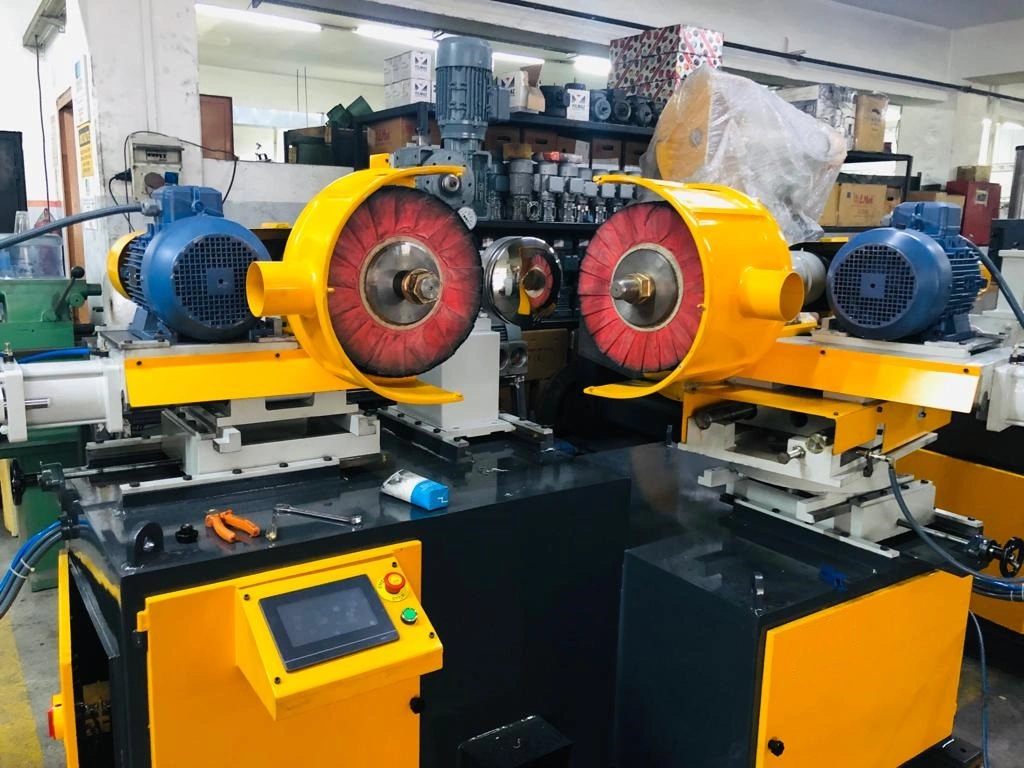
Categories
Machinery

Deep Drawing Defects

Deep Drawing Press Machine

We manufacture the deep drawing press machine. Discount Price from the Manufacturer. Get more information about deep drawing defects.

Common Deep Drawing Defects

The three major common defects which occur during DD are fracture, wrinkling, and tearing. A fracture occurs when the sheet metal is subjected to strains exceeding the safe strain limits of the material. For ductile sheets, this fracture usually occurs near the punch corner. It is because the maximum forming load appears in the material in this region and also stress concentration lines are converging in this section. Once this necking exceeds a certain value, a fracture appears in the drawn cup.

Wrinkling occurs in the flange when compressive stresses in the circumferential direction reach a critical point of instability.
It can occur in regions where the workpiece is unsupported or when the blank holding force is insufficient.

Deep drawing of anisotropic sheets results in a drawn cup with an uneven top edge i.e. some kind of ears are formed at the top as shown in Fig.

Wrinklings as one of the deep drawing defects

Conventional Deep Drawing

In the conventional deep drawing (CDD) process, the sheet metal is formed into a cup-shaped component. In this process, a flat circular
sheet of metal called blank is placed over the opening in the die and then pushed through and deformed by a moving punch. As the punch
moves downward, the outer annulus of the blank(flange) moves radially inward. The tendency of the flange to fold upward(wrinkling) is restricted by the blank holder force. In CDD, the majority of the deformation occurs in the flange of the cup. The metal is subjected to three different types of stress systems.

Problems encountered in conventional deep drawing

Some of the problems encountered during the conventional deep drawing operation are:

  • Difficulty in finding the metal flow precisely.
  • Difficulty in setting the criteria for the stability of the metal forming process.
  • The complexity involved in the selection of precise process parameters and proper press tool design parameters.
  • Large deformation during a deep drawing at room temperature causes problems in forming high-strength, low-formability materials like magnesium, aluminum alloys etc
  • Deformation-induced transformation of microstructure as in the case of austenitic stainless steels.
  • Number of tools required to produce the desired defect-free component

Limitations of Conventional Deep
Drawing

The main limitations of conventional deep drawing are:

A very high limiting draw ratio cannot be obtained due to excessive thinning and fracture in the cup wall, associated with large draw ratios. For most of the common sheet materials, an LDR of more than 2.2-2.3 is extremely difficult to achieve.

These stresses have an influence on the thickness variation in the drawn cup. The primary deformation occurs in the flange of the deforming which undergoes radial tension and circumferential compression. Because of this, the thickness increases in the flange portion. The second deformation zone is the bending around the die radius while the third deformation zone is the uni-axial stretching (plane strain) in the cup wall, which causes thinning of the metal. Very sharp corners of the punch and the dying lead to fracture. High friction between the die and the sheet puts a limit on the LDR and increases the punch force required for drawing

The surface finish of the component obtained usually is of low quality due to the friction between the sheet and the punch and between the die and the sheet Beyond a certain extent enhancement in formability is not possible because of the inherent limitations of conventional sheet-forming processes. But it was shown that higher forming limits than in conventional forming processes would be possible with the modification of the process itself.

Non-Conventional Deep Drawing

Non-conventional deep drawing is one in which other than the usual mechanical punch like hydraulic, pneumatic, gas, etc., is used to provide the required force or some additional means are used along with the conventional method to improve the forming characteristics of a
material. Some of the nonconventional deep drawing operations are hydro-forming (HF), hydro-mechanical forming (HMDD), warm deep drawing (WDD), superplastic forming (SPF) electromagnetic forming (EMF), incremental forming (IF), etc.

Advantages of non-conventional deep drawing

Metals can be deep drawn which, otherwise, cannot be made at room temperature due to their poor forming characteristics.

  • Possibility of deep drawing high strength low formability metals and alloys.
  • Components of the very thin sheets (less than 0.5 mm) can be drawn successfully.
  • Lesser forming force to form the component.Reduction in the number of tools required for producing the desired part and hence the reduction in production cost.
  • Decrease in the probability of defect formation on the product surface.

Limitations of non-conventional deep drawing

The higher capital cost of the additional equipment in some of the processes like hydroforming, and electromagnetic forming. These processes are justifiable only when the production quantities are larger.

  • In some processes like electromagnetic forming, gas forming, and operational safety is the primary concern.
  • Considerable operational time, as in superplastic forming, etc., and hence the productivity is lower and the cost of the part is higher.
  • Numerous process parameters need to be optimized in order to achieve a defect-free component

Deep Drawing Defects

Deep drawing defects

Ironing

Iron consists principally in reducing the wall thickness of the cup by restricting the clearance between the punch and the die to a value less than the blank thickness. The punch load is of primary importance in ironing because it determines the tension in the cup walls and hence the maximum reduction possible for a given punch load. A theoretical study of ironing has been reported in reference and an experimental investigation was carried out using hemispherical head punches for the different conditions of wall thinning, die profile, and lubrication

Galling

It is the transfer of some particles from the cup wall into the part of the die in contact with it. It causes damage to the die surface. It depends on the hardness o the blank and the lubricant’s effectiveness. It can be avoided by keeping the die surface in very good surface quality and using efficient lubricants to reduce friction between the cup and the die surface in contact with it.

Orange Peeling

It occurs at the outer surface of the cup when the grain size of its material is large it can be avoided by reducing the grain size prior to drawing either by heat treatment or by adding grain refining the grains with the addition of the appropriate refiners.

Earing

Earing is one of the defects which is commonly observed in the deep drawing process. By definition, earing is the uneven height at the edge of a drawn product, forming a series of peaks and valleys along its circumference. Kishor and Kumar (2002) defined earing as the formation of waviness on the top of the drawn cup.

The number of ears formed is commonly four (Hosford and Caddell, 2007), but might also be two, six, or eight, depending on the thermo-mechanical processing and microstructure of the sheet. During deep drawing, the sheet metal is subjected to a different amount of plastic strain for each angle relative to the rolling direction, which causes a different amount of elongation resulting in the formation or ears. The difference in the number of elongations results in the formation of ears.

The difference in the amount of plastic deformation at different angles is due to the anisotropic properties of the material. Earing in the deep drawing is usually not desirable as the ears serve no purpose and will have to be cut off, resulting in loss of material, production rate, and increase in production costs

It is caused by planar anisotropy which is due to variations in the mechanical behavior of the sheet from its plane to any other direction inclined or perpendicular to it they are normally even in number 2
or 4 or 6. The worst number is 8 in the case of the brass blank. They appear on the upper part of the drawn cup and are treated by trimming. The photograph in Figure 10 clearly shows the ears on the steel specimen.

Tearing

It might take place at the inner region of the annular part of the rim near the die profile if the holding down pressure is high which stops the blank from sliding and bending over the die profile radius, or it might take place in the maximum thinning region in the clearance region near the punch profile which is subjected to bending and stretching as clearly indicated in Figure 11.

Wrinkling

Wrinkling is one of the major defects that occur in sheet metal forming by the conventional deep drawing process. Wrinkling may be a serious obstacle to a successful forming process and to the assembly of parts, and may also play a significant role in the wear of tools. In order to improve productivity and the quality of products, wrinkling must be avoided. Wrinkling is a kind of buckling phenomenon that prevents from forming of the sheet.

If the buckling takes place in a flange area it is well known as well as it is called puckering if takes place on the wall of the cup. The schematic diagram in Figure 2.12 shows the mechanism of wrinkling initiation and growth in the cylindrical cup deep drawing process and Figure 2.13 shows an example of wrinkling after the deep drawing test.

During the deep drawing process, the sheet under the blank holder is drawn into the deformation zone by the punch. As a result, compressive hoop stress and thus wrinkling can be developed in the sheet metal under the holder (flange wrinkling) as well as those in the side wall, as wrinkling is a phenomenon of compressive instability.

The magnitude of the compressive stress necessary to initiate the side-wall wrinkling is usually smaller than that for the flange wrinkling since the wall is relatively unsupported. Hence, the formation of side-wall wrinkles is relatively easier especially when the ratio of the unsupported dimension to sheet thickness is large.

There are several factors that lead to the wrinkling formation like the retaining force of the blank, the geometrical parameters of the die, the frictions that appear during deep-drawing between the blank and the work elements of the die, the material characteristics and anisotropy, the contact conditions, the part geometry, the mechanical properties of the material, the imperfections in the structure and the initial state of internal tensions of the material, etc.

The wrinkling which occurs in the deep drawing process can be divided into two types that is corrugation which is flange instability and bending over that is the instability in the body of the piece. The phenomenon of wrinkling is specific to the process of deep drawing and also depends on the position in the piece in which it occurs.

Usually, the retaining force has to increase along with the increase of the deep drawing depth but it has to take note that if its value is too big it can lead to cracks and even a break of the material. The main geometric parameter of the die which influences the wrinkling is the diameter of the punch. In the case of friction between the piece and the tool, the increase of the coefficient of friction determines the wrinkling to reduce but the high value of the coefficient can cause cracks and material breakage.

This defect starts in the rim region of the blank and travels towards the middle region, the clearance zone between the punch and die profiles, by the continuation of the deep drawing process, as indicated in Figure 11. Examination of the available literature reveals that experimental research work on this important defect is relatively little compared to the analytical and theoretical work.

The critical dimensions of the rim at the onset of wrinkling were given in reference where it was stated that wrinkling depends on the properties of the blank thickness and its mechanical properties in addition to the shape and dimensions of the die set and the method by which the holding down pressure is applied. The experimental work of reference revealed that the resistance to wrinkling increases with the increase of strain percentage; which explains the use of the draw-beads in the deep drawing process to reduce the liability to wrinkling.

The authors of reference found the critical values of stress and punch displacement at which wrinkling starts to occur. They also agree with the authors of reference that both the critical stress and displacement increase with the increase of strain in the process.

Hydraulic presses are powerful machines used to apply a significant amount of force to an object through hydraulic fluid pressure. They are essential in various industrial applications, providing the necessary force for processes such as metal forming, stamping, bending, and molding. The versatility and efficiency of hydraulic presses make them indispensable tools in manufacturing and production lines. This document will explore the different types of hydraulic presses, their application areas, components, operational principles, manufacturing process, and the challenges and advancements in the industry.

A hydraulic press is a mechanical device that uses a hydraulic cylinder to generate a compressive force. It operates based on Pascal’s Law, which states that pressure applied to a confined fluid is transmitted equally in all directions. This principle allows hydraulic presses to exert significant force with minimal input, making them essential tools in industries requiring high-pressure applications.

single-acting hydraulic press uses hydraulic pressure to move the piston in one direction, typically the downward or compressive stroke. After the press completes this action, the piston returns to its original position using an external force such as a spring or the weight of the cylinder. This differs from a double-acting hydraulic press, where hydraulic pressure is applied in both the forward and return strokes.

The simplicity and cost-effectiveness of single-acting hydraulic presses make them ideal for a variety of applications, including small to medium-scale production, metal fabrication, and mechanical testing. These presses are widely used in industries such as automotive, aerospace, manufacturing, and even laboratories for precision tasks.

The core advantage of a single-acting hydraulic press lies in its simplicity. Fewer moving parts and a straightforward design reduce both the initial cost and ongoing maintenance requirements. However, the trade-off is that the press lacks the stroke control and power range of more complex systems, limiting its effectiveness in higher-end or more precise applications.

How Single-Acting Hydraulic Presses Work

Deep Drawing Hydraulic Press Machine for Kitchen Sink Production Line

The fundamental operation of a single-acting hydraulic press relies on Pascal’s Law, which underpins all hydraulic systems. According to this principle, when a force is applied to a fluid inside a closed system, the pressure is transmitted evenly throughout the fluid. In a hydraulic press, this means that the force generated by a pump acting on a small volume of hydraulic fluid can be magnified to create a much larger output force.

Key Components of a Single-Acting Hydraulic Press:

  • Cylinder and Piston: The hydraulic cylinder contains a piston that moves up and down. In a single-acting press, hydraulic fluid forces the piston downwards, creating the press action.
  • Hydraulic Pump: The pump generates pressure within the hydraulic system, pushing the fluid into the cylinder to drive the piston.
  • Reservoir: This stores hydraulic fluid, which is pumped into the cylinder during operation.
  • Valves: Control the flow of hydraulic fluid, directing it into the cylinder for the pressing stroke.
  • Return Mechanism: In single-acting systems, this is usually a spring or gravitational force that returns the piston to its original position after the pressing action.

Pressing and Return Process:

  1. Pressing: When the press operator activates the system, hydraulic fluid is pumped into the cylinder. The increase in pressure forces the piston downward, applying force to the material placed under the press head. The force can range from several tons to hundreds of tons, depending on the press’s specifications.
  2. Return Stroke: Once the pressing action is complete, the external force—usually a spring or gravity—returns the piston to its starting position. Unlike double-acting presses, where hydraulic pressure can control both strokes, single-acting presses rely on this mechanical or natural return.

Advantages and Limitations:

  • Advantages: Single-acting presses are simple, affordable, and easy to maintain. They are ideal for tasks that do not require precise control over the return stroke or where the pressing force is the primary concern.
  • Limitations: The primary limitation is the lack of control over the piston’s return stroke, which can make single-acting presses less suited to precision applications. Additionally, since only one stroke is powered, these presses are less efficient in tasks requiring continuous motion or high-speed operation.

Types of Single-Acting Hydraulic Presses

Types of Single-Acting Hydraulic Presses

Single-acting hydraulic presses come in several varieties, each suited to different applications and operational needs.

1. Manually Operated Hydraulic Presses:

These presses are powered by a hand-operated pump, which provides the hydraulic pressure needed to move the piston. They are ideal for small-scale applications or environments where electricity is not available. These presses are portable and commonly used in repair shops, garages, or remote field locations. Their affordability and ease of use make them popular for light-duty tasks like pressing bearings or removing shafts.

2. Electric-Powered Hydraulic Presses:

Electric-powered hydraulic presses use an electric motor to drive the hydraulic pump, offering greater efficiency and consistency compared to manual models. These presses are suitable for more intensive industrial applications where higher force or faster operation is required. They are commonly found in manufacturing plants, where they can be integrated into production lines for repetitive tasks such as stamping, forging, or cutting.

3. Air-Driven Hydraulic Presses:

In these systems, compressed air is used to generate hydraulic pressure. They are commonly used in industrial environments where compressed air is readily available. Air-driven hydraulic presses are often employed in applications where speed and convenience are critical, and they offer a middle ground between manually operated and electric-powered presses in terms of power and cost.

Applications of Each Type:

  • Manually Operated: Ideal for low-volume tasks, repair work, or environments lacking electrical infrastructure.
  • Electric-Powered: Suitable for continuous, heavy-duty applications in factories and production environments.
  • Air-Driven: Often used in automotive workshops and for lighter industrial tasks where compressed air is available.

Applications of Single-Acting Hydraulic Presses

Manufacturing of Fire Extinguishers

Single-acting hydraulic presses are versatile tools used across a wide range of industries for different applications.

1. Metal Forming and Fabrication:

In the metalworking industry, hydraulic presses are used to shape, bend, punch, and cut metal sheets and components. Single-acting presses are especially useful in tasks where the return stroke is less critical, such as metal stamping or bending. These presses are commonly used in fabrication shops, tool and die manufacturing, and custom metalwork projects.

2. Press Fitting and Assembly Tasks:

Single-acting presses are commonly employed in press fitting, where parts are mechanically forced together using high pressure. This includes tasks such as pressing bushings, bearings, gears, and other components into place. These presses are widely used in the automotive industry for assembly operations, as well as in machinery and equipment manufacturing.

3. Material Testing and Laboratory Uses:

In laboratories, single-acting hydraulic presses are often used for testing materials under compressive force. For example, engineers and scientists may use hydraulic presses to measure the compressive strength of materials like concrete, metals, or plastics. The simplicity of single-acting presses makes them ideal for controlled experiments where large forces are required without complex control systems.

4. Automotive and Aerospace Industries:

In the automotive sector, single-acting hydraulic presses play a crucial role in various assembly and maintenance tasks, such as pressing in bushings, removing bearings, and straightening parts. Their use extends to aerospace industries for tasks such as forming lightweight components, shaping metal parts, or assembling intricate systems that require precise force application.

Examples of Practical Applications:
  • Metal Stamping: Single-acting presses are used to punch or stamp metal parts for various industries, including automotive and electronics.
  • Bearing Installation: Presses ensure that bearings are seated correctly without causing damage to delicate components.
  • Cutting and Trimming: Hydraulic presses can be used to cut metal, plastic, or composite materials, making them essential in production environments.

Advantages of Single-Acting Hydraulic Presses

Single-acting hydraulic presses have several advantages, making them a popular choice in a variety of applications.

1. Simplicity and Cost-Effectiveness:

Due to their basic design, single-acting hydraulic presses are more affordable than their double-acting counterparts. They have fewer moving parts and require less complex control systems, reducing both the upfront cost and the likelihood of mechanical failure. This makes them ideal for smaller operations or businesses looking for cost-effective solutions.

2. Efficiency in Force Delivery:

Despite their simplicity, single-acting hydraulic presses can deliver tremendous force, making them suitable for heavy-duty tasks like metal forming or assembly. They can generate forces ranging from a few tons to several hundred tons, depending on the size and type of the press, enabling them to handle a wide range of materials and tasks.

3. Reduced Maintenance:

With fewer components, single-acting presses are easier and less costly to maintain. Routine maintenance is generally limited to inspecting seals, checking hydraulic fluid levels, and ensuring that the return mechanism (spring or gravity) is functioning properly.

4. Portability and Space Efficiency:

Single-acting presses are typically more compact than double-acting presses, making them easier to move and install in smaller workspaces. This portability is especially valuable in environments where space is limited, such as small workshops or laboratories.

Challenges and Limitations of Single-Acting Hydraulic Presses

Applications in Various Industries

While single-acting hydraulic presses offer many benefits, they also have certain limitations that can affect their performance in specific applications.

1. Limited Stroke Control and Precision:

Because the return stroke is not powered by hydraulics, single-acting presses lack the precise control over the piston’s movement during the return phase. This makes them less suitable for applications requiring fine control of both the forward and return strokes.

2. External Force Required for Return Stroke:

The reliance on springs or gravity for the return stroke introduces limitations. Springs can wear out over time, reducing the efficiency of the press, and gravitational return may be too slow for certain high-speed applications.

3. Power Limitations:

Single-acting presses typically have less power and speed compared to double-acting systems. For tasks requiring high force or rapid cycling, a double-acting press may be more appropriate.

4. Environmental Considerations:

Hydraulic systems, including single-acting presses, can pose environmental risks if not properly maintained. Leaking hydraulic fluid, for instance, can cause environmental contamination, making proper maintenance and disposal of used fluids critical.

Maintenance and Safety Considerations

Proper maintenance and adherence to safety protocols are essential to ensure the safe and efficient operation of single-acting hydraulic presses.

Maintenance Procedures:

  • Hydraulic Fluid Levels: Regularly check and maintain the hydraulic fluid to ensure smooth operation. Low fluid levels can reduce press efficiency and lead to mechanical wear.
  • Seals and Hoses: Inspect seals and hoses for wear and tear, as leaks can cause pressure loss and reduce the effectiveness of the press.
  • Return Mechanism: Check the spring or gravity-based return system for signs of fatigue or failure. Over time, springs may lose tension, reducing the effectiveness of the return stroke.

Safety Protocols:

  • Personal Protective Equipment (PPE): Operators should wear appropriate PPE, including safety goggles, gloves, and hearing protection.
  • Proper Training: Ensure that all operators are trained in the correct use of the press and are aware of potential hazards.
  • Emergency Stops: Hydraulic presses should be equipped with emergency stop buttons to allow operators to quickly halt the machine in case of malfunction or danger.

Future of Single-Acting Hydraulic Presses

Choosing the Right Trimming Beading Machine

Advancements in technology are opening new possibilities for single-acting hydraulic presses. As industries evolve, the demand for more efficient and eco-friendly machinery is growing.

1. Advancements in Hydraulic Technology:

Innovations in hydraulic systems are leading to more efficient and powerful single-acting presses. For instance, new hydraulic fluids with better thermal stability and lower environmental impact are being developed, reducing the ecological footprint of hydraulic systems.

2. Energy Efficiency Improvements:

Modern hydraulic presses are being designed with energy efficiency in mind. Enhanced pump designs, variable speed motors, and more efficient control systems are reducing energy consumption and operational costs.

3. Integration with Automation:

The future of hydraulic presses lies in their integration with automated and smart systems. Automated single-acting presses equipped with sensors and computer control systems can adjust force, speed, and stroke in real time, enhancing precision and adaptability.

4. Future Applications and Innovations:

As industries continue to demand more from hydraulic systems, single-acting presses are likely to be used in new applications such as additive manufacturing (3D printing) and precision engineering. The increasing focus on sustainability may also drive the development of greener, more energy-efficient presses.

Introduction to Double-Acting Hydraulic Presses

Deep Draw Presses
Deep Draw Presses

Hydraulic presses are mechanical devices that use fluid pressure to generate significant force, commonly employed in industries where large-scale pressing, forming, or molding is required. They operate on Pascal’s Law, which states that pressure applied to a fluid in a confined space is transmitted equally in all directions. This principle allows hydraulic presses to amplify force, making them crucial in metalworking, manufacturing, automotive industries, and beyond.

double-acting hydraulic press differs from its single-acting counterpart in that it applies hydraulic pressure in both directions—both for the pressing stroke and the return stroke. In contrast, a single-acting press relies on external forces, like springs or gravity, for the return motion, which limits control and precision.

The use of double-acting hydraulic presses has revolutionized several industrial processes due to the enhanced control and precision they offer. With powered movement in both directions, these presses are capable of handling more complex and demanding tasks, such as deep drawing, forging, or any process where high precision and consistent force are essential. These presses are widely used in automotive production, aerospace manufacturing, and large-scale industrial operations.

How Double-Acting Hydraulic Presses Work

Deep Drawing Hydraulic Press Machine for Kitchen Sink Production Line

Double-acting hydraulic presses function based on hydraulic principles, which utilize fluid power to amplify force. The critical difference from single-acting presses is that double-acting presses can apply hydraulic pressure in both the pressing and return strokes. This provides enhanced control and versatility.

Core Components of a Double-Acting Hydraulic Press:

  • Cylinder and Piston: A double-acting press has a hydraulic cylinder with a piston that moves in two directions. Hydraulic fluid is directed into the cylinder on either side of the piston to control both the downward and upward strokes.
  • Hydraulic Pump: The hydraulic pump provides pressure by moving hydraulic fluid into the cylinder. In double-acting presses, the pump must be capable of routing the fluid to either side of the piston, depending on whether it is the pressing or return stroke.
  • Valves and Control Systems: Double-acting presses require more sophisticated valve systems to control the flow of hydraulic fluid. These valves direct fluid pressure to either side of the piston, enabling the precise control of both strokes.
  • Power Source: These presses can be powered by manual pumps, electric motors, or pneumatic systems, depending on the scale and application of the press.

The Pressing and Return Strokes:

  1. Pressing Stroke: The hydraulic pump directs fluid into the top of the cylinder, pushing the piston downward. This downward force can range from a few tons to hundreds of tons, depending on the press’s size and design. The press head applies this force to the material being processed, whether it’s for stamping, molding, or cutting.
  2. Return Stroke: After the pressing operation, hydraulic pressure is redirected to the bottom of the piston. This lifts the piston back to its starting position, ensuring precise and controlled movement. The ability to hydraulically control both strokes eliminates the reliance on gravity or springs, allowing for faster cycle times and more complex tasks.

Precision and Control:

The ability to control both strokes of the piston provides greater accuracy in industrial processes. Unlike single-acting presses, where the return stroke can vary in speed and efficiency, double-acting presses offer consistent performance across all movements. This precision makes them ideal for complex forming processesdeep drawing, and precision cutting operations, where both the force and the return timing must be tightly controlled.

Types of Double-Acting Hydraulic Presses

Double-acting hydraulic presses come in various forms, each tailored for specific industrial applications. Here are some of the main types:

1. Manual Double-Acting Hydraulic Presses:

Manual versions of double-acting presses are powered by hand-operated hydraulic pumps. These are typically used in small workshops or repair facilities where tasks like pressing, bending, or assembling components do not require extensive automation. These presses are portable, cost-effective, and often used in low-production environments.

2. Electric-Powered Double-Acting Hydraulic Presses:

Electric-powered double-acting presses are more common in industrial settings where high force and consistent operation are required. The hydraulic pump is driven by an electric motor, allowing for automated control of both strokes. These presses are essential for high-volume operations, such as metal stamping, die forming, and precision cutting. The electric-powered system allows for greater precision, repeatability, and faster cycle times.

3. Pneumatic Double-Acting Hydraulic Presses:

Pneumatic-powered double-acting presses use compressed air to drive the hydraulic fluid in both strokes. These presses are favored in industries where pneumatic systems are already integrated into the production environment, such as in automotive assembly lines. Pneumatic systems provide rapid action, and the integration with hydraulics ensures the generation of high forces, making them suitable for mid-sized industrial applications.

4. Specialized Double-Acting Presses:

Some double-acting hydraulic presses are designed for specific applications, such as hydraulic press brakes used in bending and shaping metal sheets. These presses provide precise control over the angle and force applied, making them ideal for custom metal fabrication. Another example includes forging presses, where high tonnage and precise control are required to shape metal components.

Applications of Double-Acting Hydraulic Presses

Applications in Various Industries

Double-acting hydraulic presses are widely employed across a variety of industries due to their versatility and ability to handle complex tasks with precision. Here are some of the key applications:

1. Metal Forming and Deep Drawing:

One of the primary uses of double-acting hydraulic presses is in metal forming, particularly deep drawing. Deep drawing is a manufacturing process where a sheet metal blank is radially drawn into a forming die by the mechanical action of a punch. Double-acting presses provide the precise control necessary to form complex shapes in metals like aluminum, steel, and copper without cracking or deforming the material.

2. Punching, Forging, and Die Forming:

In punching and forging operations, double-acting presses apply controlled force to deform or cut metal parts. This is commonly used in the automotive and aerospace industries, where high-strength materials are forged into critical components like gears, axles, and structural parts. The ability to control both the pressing and return strokes ensures consistent quality and reduces the risk of material damage.

3. Composite Material Molding:

As industries increasingly adopt composite materials, double-acting hydraulic presses have become essential for forming and molding these materials. Composites, such as carbon fiber or fiberglass, require careful handling during the molding process to maintain their strength and durability. Double-acting presses allow for precise pressure application during both the pressing and release phases, making them indispensable in industries like aerospace and automotive, where lightweight, high-strength components are essential.

4. Automotive and Aerospace Industries:

The automotive industry relies heavily on double-acting hydraulic presses for the production of body panelsframes, and engine components. The precision and repeatability of these presses ensure that every part is manufactured to exact specifications. In the aerospace industry, where weight, strength, and safety are critical, double-acting presses are used to form lightweight components like aircraft skin panelsstructural parts, and engine elements.

5. Examples of Industrial Applications:

  • Automotive: Deep drawing for body panels, stamping parts like hoods, doors, and roofs.
  • Aerospace: Forming of lightweight metal and composite parts for aircraft and spacecraft.
  • Heavy Machinery: Forging of large components for construction equipment and industrial machinery.
  • Consumer Electronics: Precision forming of metal casings and components.

Advantages of Double-Acting Hydraulic Presses

Double-acting hydraulic presses offer several significant advantages that make them indispensable in many industries.

1. Precise Control Over Both Strokes:

The ability to apply hydraulic force in both the pressing and return strokes gives double-acting presses greater control over the entire operation. This precision is particularly valuable in tasks that require consistent force and motion, such as deep drawing, forging, and punching. Both strokes can be finely adjusted to meet the exact requirements of the material and application, leading to superior product quality.

2. Higher Efficiency in Repetitive Operations:

In manufacturing environments where tasks must be repeated at high speed, double-acting presses outperform single-acting models. Since both the press and return strokes are powered, cycle times are faster, and operators have more control over the movement of the piston, which boosts productivity in high-volume production lines.

3. Versatility in Complex Tasks:

Double-acting presses are incredibly versatile, able to handle a wide variety of materials and tasks. They can be used for pressing, forming, bending, cutting, and molding, which makes them highly adaptable to different industries and processes. Whether the task requires the shaping of metals, molding of composites, or assembly of mechanical components, these presses can be fine-tuned to meet the needs of the job.

4. Suitability for Heavy-Duty and Continuous Use:

Double-acting hydraulic presses are built for heavy-duty applications and continuous use in industrial settings. The ability to power both strokes ensures that even the toughest materials, such as steel and titanium, can be shaped and formed without compromising on speed or accuracy. Their robust design and advanced control systems make them ideal for industries where durability and long-term performance are critical.

Challenges and Limitations of Double-Acting Hydraulic Presses

Despite their advantages, double-acting hydraulic presses also come with challenges and limitations that must be considered before implementation.

1. Higher Cost and Complexity:

Double-acting hydraulic presses are generally more expensive than single-acting presses due to their more complex design and the additional control systems required to power both strokes. This can make them less appealing for small-scale operations or businesses with tight budgets.

2. Increased Maintenance Requirements:

With more moving parts and components to manage, double-acting presses require more frequent and thorough maintenance than their single-acting counterparts. Components like seals, valves, and hydraulic lines must be regularly inspected and serviced to prevent leaks and ensure optimal performance. This adds to the operational costs over the lifespan of the machine.

3. Space and Energy Requirements:

Double-acting hydraulic presses tend to be larger and consume more energy than simpler presses. This means they require more space and have higher energy costs, which can be a limiting factor in smaller workshops or facilities with limited energy resources.

4. Specialized Training and Safety Considerations:

Operators of double-acting hydraulic presses must be thoroughly trained to handle the complex control systems and high pressures involved. The increased force and speed of these presses mean that strict safety protocols must be followed to prevent accidents and equipment damage.

Maintenance and Safety Considerations

Proper maintenance and safety protocols are crucial for ensuring the long-term operation and safety of double-acting hydraulic presses.

Maintenance Procedures:

  • Hydraulic Fluid Levels: Maintaining appropriate hydraulic fluid levels is essential for the proper operation of both strokes. Low fluid levels can result in uneven pressure distribution and lead to damage.
  • Seal and Hose Inspections: Double-acting presses have more seals and hoses than single-acting models, which makes regular inspections critical. Leaks in these components can cause a loss of pressure, reduced efficiency, and safety hazards.
  • System Pressure Checks: Monitoring and adjusting the system’s pressure levels ensures that the press operates within its designed parameters, preventing over-pressurization and component failure.

Safety Protocols:

  • Operator Training: Given the complexity of double-acting presses, operators must be trained in their safe use. They should understand the machine’s control systems, emergency stop features, and troubleshooting procedures.
  • Regular Inspections: Presses should be inspected regularly for signs of wear or malfunction. Safety devices like pressure relief valves and emergency stops should be tested to ensure they are functioning properly.
  • Personal Protective Equipment (PPE): Operators should always wear appropriate PPE, including gloves, goggles, and ear protection, especially in high-noise environments.

Future Trends in Double-Acting Hydraulic Press Technology

As technology evolves, double-acting hydraulic presses are expected to undergo several advancements that will enhance their performance and broaden their applications.

1. Technological Advancements:

Innovations in hydraulic control systems, such as the integration of proportional valves and servo-driven pumps, are improving the precision and efficiency of double-acting presses. These systems allow for finer control of pressure and movement, resulting in higher-quality output and reduced material waste.

2. Energy Efficiency:

One of the key areas of development is the push for more energy-efficient hydraulic systems. With the increasing focus on sustainability, new technologies are emerging that reduce energy consumption, such as variable-speed pumps that adjust output based on demand. These advancements not only lower operational costs but also reduce the environmental impact of hydraulic presses.

3. Automation and Industry 4.0:

The integration of double-acting hydraulic presses with automation and smart manufacturing systems is another significant trend. By connecting presses to factory networks, manufacturers can monitor machine performance in real-time, predict maintenance needs, and optimize press cycles. This leads to increased productivity and minimizes downtime due to unexpected equipment failure.

4. Future Innovations:

Looking ahead, double-acting presses may see further improvements in force capacityminiaturization for precise applications, and modular designs that allow presses to be easily reconfigured for different tasks. Additionally, advancements in green hydraulic fluids will reduce the environmental risks associated with hydraulic systems.

Triple Action Deep Drawing Press

Triple Action Deep Drawing Press
Triple Action Deep Drawing Pres

Deep drawing is a popular metal forming process used to shape flat sheet metal into cylindrical or box-like shapes. The process involves placing a metal blank over a die and pressing it into the die cavity with a punch. This transforms the flat blank into a three-dimensional shape, making it essential for producing components like automotive body panels, kitchen sinks, and various enclosures. The process can be repeated to achieve more complex shapes with greater depth, but the challenges increase as the material undergoes severe deformation.

Triple Action Deep Drawing Press is a specialized machine designed to address the complexity of the deep drawing process. Unlike conventional single-acting or double-acting presses, a triple action press incorporates three independent force mechanisms:

  1. Blank Holder Action: Keeps the metal blank firmly in place, controlling material flow and preventing wrinkling.
  2. Punch Action: The primary force that shapes the blank by pushing it into the die.
  3. Ejector Action: Removes the finished part from the die after the drawing process is complete.

This triple-action mechanism provides greater control over the deep drawing process, allowing for the production of more complex shapes, with fewer defects, and better efficiency. The ability to control all three forces independently is particularly important in producing deep-drawn components for industries like automotive, aerospace, and consumer goods, where precision and quality are critical.

How Triple Action Deep Drawing Presses Work (500 words)

To understand how triple action deep drawing presses function, it’s essential to break down the mechanics of the deep drawing process and how each action contributes to shaping the material.

The Deep Drawing Process:

The deep drawing process transforms a flat metal blank into a three-dimensional component. The key stages include:

  1. Blank Placement: A flat metal blank is placed over the die cavity.
  2. Blank Holder Engagement: The blank holder clamps the blank around its edges, preventing movement or wrinkling during drawing.
  3. Punch Stroke: The punch moves downward, pressing the blank into the die cavity, forming the desired shape. This action stretches and deforms the material, thinning it in certain areas.
  4. Ejection: Once the part is formed, the ejector mechanism releases the part from the die, ready for the next cycle.

Components of a Triple Action Deep Drawing Press:

  1. Blank Holder: The blank holder is crucial in controlling material flow. Its force must be precisely regulated to avoid wrinkling, which can occur if the material is allowed to move too freely. At the same time, too much force from the blank holder can result in tearing.
  2. Punch: The punch is the main shaping tool. In triple-action presses, the punch force is adjustable, allowing for greater flexibility in handling different materials or thicknesses. As the punch presses the blank into the die, it forms the desired shape.
  3. Ejector: The ejector action ensures the formed part is smoothly removed from the die without causing damage to the component or slowing down the production process. The ejector often uses hydraulic or mechanical systems to push the part upward, releasing it from the die.

Key Advantages of the Triple Action System:

  1. Independent Control of Forces: One of the main benefits of triple action presses is that each force (blank holder, punch, ejector) can be independently controlled. This ensures optimal pressure at each stage, reducing the risk of defects such as wrinkling, tearing, or excessive thinning.
  2. Complex Shapes: By using all three actions in a coordinated manner, triple action presses can produce complex, deep-drawn components that would be difficult or impossible with a standard press.
  3. Minimized Defects: The precise control over material flow, punch pressure, and ejection force allows manufacturers to achieve higher-quality products with fewer defects, making triple-action presses ideal for high-precision industries.

Types of Triple Action Deep Drawing Presses

Triple action deep drawing presses come in various types, each suited to different applications and production environments. The main types include mechanical, hydraulic, and servo-electric presses.

1. Mechanical Triple Action Presses:

Mechanical triple action presses use mechanical linkages, cams, and gears to generate and control the forces required for the blank holder, punch, and ejector. These presses are known for their high speed and are commonly used in high-volume production environments, such as automotive manufacturing. However, they tend to offer less precision than hydraulic presses, making them less suitable for complex or precision deep drawing applications.

2. Hydraulic Triple Action Presses:

Hydraulic presses are the most common type of triple action deep drawing presses. These machines use hydraulic cylinders to apply force independently to the blank holder, punch, and ejector. Hydraulic presses are favored for their precision and the ability to control force and speed at every stage of the process. This makes them ideal for deep drawing applications that require complex shapes, deep draws, or challenging materials. Additionally, hydraulic systems can apply constant force throughout the entire stroke, providing a smooth and consistent draw.

3. Servo-Electric Triple Action Presses:

Servo-electric presses use electric motors to control the movement of the blank holder, punch, and ejector. These presses offer the highest level of precision and flexibility, allowing manufacturers to program specific force and speed profiles for different stages of the drawing process. Servo-electric presses are energy-efficient and offer precise control, making them ideal for applications requiring high precision, such as aerospace components and medical devices.

Comparison of Press Types:

  • Mechanical: Best for high-speed, large-volume production; less precise.
  • Hydraulic: Ideal for precision deep drawing, complex shapes, and variable materials; slower but more controlled.
  • Servo-Electric: Offers the highest precision and flexibility, with energy efficiency; often used in highly specialized applications.

Applications of Triple Action Deep Drawing Presses

Applications in Various Industries

The versatility and precision of triple action deep drawing presses make them indispensable across a wide range of industries. Their ability to form complex, deep-drawn parts with minimal defects and high repeatability is a key reason for their widespread use.

1. Automotive Industry:

In the automotive sector, deep drawing presses are essential for producing a wide array of components, including body panelsfuel tanks, and engine components. Triple action presses are particularly well-suited for forming large, complex parts such as car doors, hoods, and trunk lids, which require high precision to ensure they meet the industry’s stringent safety and performance standards.

For example, the ability to control the blank holder force ensures that body panels are formed without wrinkling, a common defect in deep drawing. Additionally, the precision of triple-action presses allows for tight tolerances in the production of complex components like fuel tanks, which must be leak-proof and structurally sound.

2. Aerospace Industry:

In the aerospace industry, the demand for lightweight yet strong components is paramount. Triple action deep drawing presses are used to form aircraft skin panelsengine housings, and other structural components. The ability to control every aspect of the drawing process, including the exact force applied by the blank holder and punch, ensures that aerospace parts meet the high standards required for safety and performance.

Additionally, the triple action mechanism is crucial for working with materials like titaniumaluminum, and composites, which are commonly used in the aerospace industry but can be difficult to form due to their strength and tendency to crack under stress.

3. Consumer Goods:

Triple action deep drawing presses are widely used to manufacture various consumer goods, particularly in the production of kitchenware (e.g., stainless steel sinks, pots, and pans) and household appliances (e.g., washing machine drums, microwave enclosures). The ability to form deep, complex shapes in materials like stainless steel or aluminum with smooth surfaces and minimal defects is essential for consumer products where aesthetics and durability are key selling points.

4. Industrial Containers and Enclosures:

Industries requiring industrial containerscylindrical tanks, or enclosures for sensitive equipment often rely on triple action deep drawing presses. These presses allow for the formation of durable, uniform containers with precise dimensions, ensuring that they meet stringent industry standards for storage and protection.

Case Studies and Real-World Examples:

  • Automotive: A major automotive manufacturer uses triple action presses to produce seamless body panels for luxury vehicles, ensuring high quality and eliminating the need for secondary finishing processes.
  • Aerospace: Leading aerospace companies utilize triple action deep drawing presses for the production of lightweight, high-strength structural components, ensuring aircraft performance while reducing weight.
  • Consumer Goods: A well-known kitchenware brand uses triple action presses to manufacture stainless steel cookware with flawless surfaces and uniform thickness, enhancing both performance and aesthetics.

Advantages of Triple Action Deep Drawing Presses

Triple action deep drawing presses offer numerous advantages that make them essential in industries requiring precision metal forming.

1. Enhanced Control Over the Deep Drawing Process:

One of the most significant advantages of a triple action press is the ability to independently control the blank holder, punch, and ejector forces. This precision control allows for adjustments throughout the deep drawing process, ensuring consistent material flow and reducing the risk of defects such as wrinkling, tearing, or excessive thinning.

2. Ability to Form Complex, Precise Shapes:

The precise control offered by triple action presses enables the formation of intricate shapes and deep-drawn components. The ability to fine-tune the force applied at each stage ensures that even challenging materials can be drawn without damage. This is especially important in industries like aerospace and automotive, where components must meet exacting standards for performance and safety.

3. Minimization of Defects:

Triple action presses significantly reduce common defects in the deep drawing process, such as wrinkling, cracking, and material thinning. The blank holder’s independent force ensures that the material is held securely, while the punch and ejector forces can be adjusted to optimize material flow. This results in higher-quality parts and reduced scrap, making triple action presses more efficient and cost-effective in large-scale production.

4. High Efficiency for Large-Scale Production:

Triple action presses are ideal for high-volume production, offering fast cycle times and repeatable precision. The automation of these presses allows for continuous operation, reducing downtime and increasing throughput. This efficiency is critical in industries where large quantities of parts must be produced quickly and to tight tolerances, such as automotive manufacturing.

Challenges and Limitations of Triple Action Deep Drawing Presses

Despite their numerous advantages, triple action deep drawing presses also present certain challenges and limitations.

1. High Initial Investment and Complexity:

Triple action deep drawing presses are more expensive than single or double-action presses due to their complexity and advanced control systems. The cost of purchasing and setting up a triple action press can be prohibitive for smaller operations or manufacturers with limited budgets. Additionally, these presses require more sophisticated control systems and software, which can increase the initial investment.

2. Greater Maintenance Requirements:

The complexity of triple action presses means that they require more frequent and thorough maintenance compared to simpler presses. The hydraulic systems, punch, blank holder, and ejector mechanisms all need regular inspection and servicing to prevent breakdowns and ensure the press operates at peak efficiency. Maintenance costs and downtime can be a challenge, especially in high-production environments.

3. Limitations in Smaller-Scale Operations:

For smaller-scale manufacturers or those producing limited quantities of deep-drawn parts, the high cost and complexity of triple action presses may not be justified. These presses are best suited to large-scale operations where the benefits of increased precision, efficiency, and reduced scrap outweigh the higher costs.

4. Energy and Space Requirements:

Triple action presses require significant amounts of energy to operate, especially hydraulic models, which need continuous power to maintain pressure. They are also large machines that require a substantial amount of floor space, limiting their use in smaller production facilities or workshops.

Maintenance and Safety Considerations

Proper maintenance and safety protocols are essential to ensure the longevity and safe operation of triple action deep drawing presses.

Maintenance Procedures:

  • Hydraulic System Maintenance: Hydraulic presses rely on clean, properly pressurized fluid systems to function efficiently. Regular checks of hydraulic fluid levels, cleanliness, and pressure are necessary. Dirty or low fluid can cause increased wear on components or lead to system failure.
  • Lubrication: Proper lubrication of moving parts, including the punch, blank holder, and ejector, is critical to reduce friction and wear. Over time, insufficient lubrication can lead to damage and expensive repairs.
  • Seal and Hose Inspections: Hydraulic seals and hoses should be regularly inspected for wear and leaks. Any signs of leakage must be addressed immediately to prevent pressure loss, damage to components, or safety hazards.
  • Alignment Checks: Regular alignment checks for the punch, die, and blank holder ensure that parts are being formed accurately and uniformly. Misalignment can lead to defective parts and increased machine wear.

Safety Protocols:

  • Operator Training: Operators should be thoroughly trained in the use of triple action presses, including how to safely load blanks, adjust controls, and handle finished parts. Understanding how to safely manage the hydraulic systems and high forces involved is critical for preventing accidents.
  • Emergency Stops and Safety Guards: Triple action presses should be equipped with emergency stop systems and safety guards to protect operators. These features ensure that the machine can be immediately stopped in the event of a malfunction or danger.
  • Personal Protective Equipment (PPE): Operators must wear appropriate PPE, including gloves, goggles, and protective clothing, to reduce the risk of injury from moving parts, flying debris, or hydraulic fluid leaks.

Future Trends in Triple Action Deep Drawing Press Technology

The future of triple action deep drawing presses is being shaped by advancements in technology, materials, and manufacturing processes.

1. Innovations in Press Control Systems:

As manufacturing becomes more automated and digital, the control systems used in triple action presses are becoming more sophisticated. Proportional hydraulic control valves and servo-driven systems are allowing for even more precise control over the forces applied during the deep drawing process. This enhanced control not only improves part quality but also reduces waste and increases efficiency.

2. Material Advancements:

As industries increasingly demand stronger, lighter, and more durable materials, triple action presses are evolving to handle these new challenges. Advances in high-strength steelaluminum alloys, and composites are pushing the limits of what deep drawing presses can do. Modern presses are being designed with enhanced force capabilities and precision to work with these advanced materials, enabling the production of lightweight, high-strength components for the automotive, aerospace, and electronics industries.

3. Integration with Industry 4.0:

The integration of Industry 4.0 technologies, such as sensors, real-time data monitoring, and predictive maintenance systems, is helping manufacturers optimize the performance of their triple action presses. Smart systems can monitor machine performance in real-time, automatically adjust press settings, and even predict when maintenance is needed, reducing downtime and improving overall productivity.

4. Environmental Sustainability and Energy Efficiency:

Energy efficiency is becoming a priority for manufacturers using triple action presses. New designs are focusing on reducing energy consumption through variable-speed hydraulic pumpsenergy recovery systems, and servo-electric technologies. These advancements not only reduce operational costs but also help companies meet their environmental sustainability goals by reducing the energy footprint of their manufacturing processes.

Double-Acting Hydraulic Presses

Double-acting hydraulic presses provide more control and flexibility during the deep drawing process, particularly for applications that require more complex or deeper shapes. In a double-acting press, two separate hydraulic systems work in tandem—one controls the downward motion of the punch, while the other operates the blank holder, applying force independently to hold the material in place.

  • Structure: The press has two rams or cylinders—one for the punch and another for the blank holder. This setup allows for precise control of both the drawing force and the holding force, preventing material slippage or wrinkling during the drawing process.
  • Applications: Double-acting presses are commonly used in automotiveaerospace, and household appliance manufacturing, where complex shapes and deeper draws are required. For instance, components like fuel tankscar body panels, and aircraft parts are often made using double-acting hydraulic presses.
  • Advantages: The independent control over the punch and blank holder forces allows for more precise and uniform drawing, reducing the risk of defects such as tearing or wrinkling. These presses are suitable for larger and more intricate parts and offer greater flexibility in handling a variety of materials and shapes.

Triple-Action Hydraulic Presses

For the most demanding and complex deep drawing applications, triple-action hydraulic presses provide unparalleled performance. These presses add a third hydraulic system to control additional movements or processes during the drawing operation.

  • Structure: In addition to the punch and blank holder, triple-action presses feature a third force, often applied from the bottom of the press. This additional motion allows for processes like reverse drawing or extrusion, enabling the machine to handle extremely deep or complex shapes that require multiple stages of forming.
  • Applications: Triple-action presses are typically used in highly specialized industries such as aerospace and defense, where precision and complexity are paramount. Components like deep drawn fuel cellsengine components, and structural parts for aircraft or heavy machinery are ideal for these machines.
  • Advantages: These presses provide maximum control and precision, allowing manufacturers to produce parts with extreme depth or complexity without compromising on quality. They also offer higher productivity by enabling multiple forming operations in a single press cycle.

Automated vs. Manual Hydraulic Presses

Automation is an important factor in modern manufacturing, and hydraulic deep drawing presses are no exception. Buyers can choose between manual presses, which require human intervention for loading, unloading, and controlling the operation, or automated presses, which integrate robotic systems and computerized controls to manage the entire process.

  • Manual Hydraulic Presses: These presses are operated by technicians who manually load the blank, initiate the drawing process, and remove the formed part. While manual presses are typically less expensive and easier to maintain, they are best suited for low-volume production runs or applications where flexibility is required.
  • Automated Hydraulic Presses: Automated presses use Programmable Logic Controllers (PLCs) or Computer Numerical Control (CNC) systems to control the drawing process. Automation allows for higher precision, increased production speed, and greater consistency in the final product. Automated presses are ideal for high-volume production environments where efficiency and accuracy are critical.

Specialized Hydraulic Presses for Tailor-Made Applications

In addition to the standard configurations, there are specialized hydraulic presses designed for specific industries or applications. These machines are often custom-built to meet unique production requirements, such as forming particular shapes, materials, or sizes. For example:

  • Automotive Industry: Hydraulic presses tailored for producing large, complex automotive parts, such as chassis componentsdoors, and structural parts.
  • Aerospace Industry: Presses designed for handling high-strength alloys and lightweight materials, where the precision and complexity of the shapes are critical.
  • Consumer Goods: Smaller, more compact hydraulic presses used to produce kitchenwaremetal containers, and packaging components.

Types of Hydraulic Presses

Hydraulic presses come in various designs, each suited to specific applications and requirements. The primary types of hydraulic presses include C-frame presses, H-frame presses, four-column presses, straightening presses, arbor presses, laminating presses, and transfer presses.

C-frame presses, also known as gap-frame presses, have a C-shaped frame that provides three-sided access to the work area. This design is ideal for applications requiring easy loading and unloading of materials.

H-frame presses, or two-post presses, have a robust H-shaped frame that offers excellent stability and strength. They are commonly used for heavy-duty tasks such as metal forming and straightening.

Four-column presses, or four-post presses, have four vertical columns that provide superior support and uniform force distribution. These presses are suitable for large-scale applications requiring high precision and repeatability.

Straightening presses are specialized hydraulic presses used to straighten bent or distorted metal components. They are widely used in the automotive and construction industries.

Arbor presses are smaller, manually operated hydraulic presses used for light-duty tasks such as assembly, riveting, and broaching. They are commonly found in workshops and small manufacturing facilities.

Laminating presses are used to bond multiple layers of material together under heat and pressure. These presses are essential in industries such as electronics, where laminated components are common.

Transfer presses are automated hydraulic presses that move the workpiece through multiple stations for different operations. They are highly efficient and used in high-volume production environments.

Application Areas

Hydraulic presses are employed in various industries, thanks to their ability to deliver consistent and precise force. Key application areas include:

Metal forming and forging: Hydraulic presses are crucial in shaping and forming metal parts through processes such as stamping, bending, and deep drawing. They are essential in the production of automotive parts, machinery components, and structural elements.

Automotive industry: In the automotive sector, hydraulic presses are used for manufacturing various parts, including body panels, chassis components, and engine parts. They play a critical role in ensuring the structural integrity and performance of vehicles.

Aerospace industry: The aerospace industry relies on hydraulic presses for forming and shaping high-strength materials used in aircraft components. Precision and reliability are paramount in this industry, making hydraulic presses indispensable.

Plastic and rubber molding: Hydraulic presses are used in the molding of plastic and rubber components, including automotive parts, household goods, and medical devices. They ensure consistent product quality and precision.

Electrical and electronics industry: In the electronics sector, hydraulic presses are used for laminating circuit boards, forming connectors, and assembling electronic components. They provide the necessary force and precision for delicate operations.

Medical device manufacturing: Hydraulic presses are used in the production of medical devices, including surgical instruments, implants, and diagnostic equipment. They ensure the high precision and quality required in the medical field.

Packaging industry: Hydraulic presses are employed in the packaging industry for forming and shaping packaging materials, such as cardboard, plastic, and metal. They help produce packaging solutions that are strong, durable, and aesthetically pleasing.

Components of a Hydraulic Press

A hydraulic press comprises several key components that work together to generate and control the applied force. The main components include the frame, hydraulic cylinder, hydraulic pump, control valves, hydraulic fluid, pressure gauges and sensors, and die and tooling.

The frame is the main structure of the hydraulic press, providing stability and support for all other components. It is typically made of high-strength steel to withstand the significant forces generated during operation.

The hydraulic cylinder is the core component that generates the pressing force. It consists of a cylindrical chamber, a piston, and a piston rod. When hydraulic fluid is pumped into the cylinder, it moves the piston, which in turn applies force to the workpiece.

The hydraulic pump is responsible for generating the hydraulic fluid pressure needed to move the piston. It draws hydraulic fluid from a reservoir and delivers it to the cylinder under high pressure.

Control valves regulate the flow of hydraulic fluid to and from the cylinder, controlling the movement and force of the press. These valves can be manually operated or automated, depending on the press design.

Hydraulic fluid, typically oil, is the medium through which force is transmitted in the hydraulic system. It must have suitable properties, such as viscosity and lubricity, to ensure efficient operation and protect system components.

Pressure gauges and sensors monitor the hydraulic fluid pressure within the system. They provide real-time feedback to the operator or control system, ensuring safe and accurate press operation.

Die and tooling are the interchangeable components that come into direct contact with the workpiece. They are designed to shape, form, or cut the material as required by the specific application.

How Hydraulic Presses Work

Hydraulic presses operate based on Pascal’s principle, which states that pressure applied to a confined fluid is transmitted equally in all directions. This principle allows hydraulic presses to generate significant force with relatively small input pressure.

The operation of a hydraulic press begins with the hydraulic pump drawing fluid from the reservoir and delivering it to the cylinder. The control valves regulate the flow of fluid, directing it into the cylinder to move the piston. As the piston moves, it applies force to the workpiece placed between the die and tooling.

The hydraulic fluid plays a crucial role in this process, as it transmits the applied pressure and lubricates the system components. The pressure gauges and sensors continuously monitor the fluid pressure, providing feedback to ensure the press operates within safe limits.

The force generated by the hydraulic press can be precisely controlled by adjusting the hydraulic fluid pressure and the position of the control valves. This allows for accurate and repeatable operations, essential for high-quality manufacturing.

Manufacturing of Hydraulic Presses

The manufacturing of hydraulic presses involves several stages, from design and engineering to assembly and quality control. Each stage is critical to ensuring the press’s performance, reliability, and safety.

Design and engineering: The process begins with the design and engineering phase, where specifications for the press are developed based on the intended application. This includes selecting suitable materials, determining the required force and stroke, and designing the frame and hydraulic system.

Material selection: High-quality materials, such as high-strength steel for the frame and durable alloys for the hydraulic components, are selected to ensure the press’s longevity and performance.

Fabrication of components: The individual components of the hydraulic press, including the frame, cylinder, and pump, are fabricated using precision machining and manufacturing techniques. This ensures that each component meets the required tolerances and specifications.

Assembly process: The fabricated components are then assembled into the complete hydraulic press. This involves mounting the cylinder, pump, and control valves onto the frame, connecting the hydraulic lines, and installing the die and tooling.

Quality control and testing: Rigorous quality control measures are implemented throughout the manufacturing process to ensure the press meets all specifications and standards. This includes pressure testing the hydraulic system, verifying the accuracy of the control valves, and performing operational tests to ensure the press functions correctly.

Advancements and Innovations

The hydraulic press industry is continually evolving, driven by advancements in technology and increasing demands for efficiency and precision. Key innovations include automation and control systems, energy efficiency improvements, and smart hydraulic presses.

Automation and control systems: Modern hydraulic presses are often equipped with advanced control systems that automate the pressing process. This includes programmable logic controllers (PLCs), human-machine interfaces (HMIs), and sensors that monitor and adjust the press’s operation in real time. Automation improves efficiency, reduces the risk of human error, and enhances the consistency of the finished products.

Energy efficiency improvements: Manufacturers are focusing on developing hydraulic presses that consume less energy and have a smaller environmental footprint. This includes using variable displacement pumps, energy recovery systems, and optimizing the hydraulic system’s design to minimize energy losses.

Smart hydraulic presses: The integration of IoT (Internet of Things) technology into hydraulic presses has led to the development of smart presses. These presses can communicate with other machines and systems, providing real-time data on their status, performance, and maintenance needs. This connectivity allows for predictive maintenance, reducing downtime and extending the press’s lifespan.

Challenges in Hydraulic Press Manufacturing

The manufacturing of hydraulic presses presents several challenges, including precision and quality requirements, cost management, technological advancements, and environmental considerations.

Precision and quality requirements: Hydraulic presses must deliver consistent and precise force, which requires high levels of accuracy in the manufacturing process. Ensuring each component meets the required tolerances and specifications is critical to the press’s performance and reliability.

Cost management: The cost of materials, labor, and energy can significantly impact the overall cost of manufacturing hydraulic presses. Manufacturers must balance quality and cost to remain competitive in the market.

Technological advancements: Keeping up with technological advancements is essential for manufacturers to meet the evolving demands of the industry. This requires continuous investment in research and development to incorporate new technologies and improve existing designs.

Environmental considerations: Environmental regulations and sustainability concerns are increasingly important in hydraulic press manufacturing. Manufacturers must develop eco-friendly presses that consume less energy, use recyclable materials, and minimize their environmental impact.

Conclusion

Hydraulic presses are essential machines in various industries, providing the necessary force for processes such as metal forming, stamping, and molding. Understanding the different types of hydraulic presses, their components, and how they work is crucial for effective application and operation.

The manufacturing process of hydraulic presses involves careful design and engineering, material selection, precision fabrication, and rigorous quality control. Despite the challenges, advancements in technology and innovations are driving the industry forward, leading to more efficient, precise, and environmentally friendly hydraulic presses.

As industries continue to evolve, the hydraulic press industry must adapt and innovate to meet the demands of efficiency, precision, and sustainability. Through continuous research and development, manufacturers can enhance the performance and reliability of hydraulic presses, contributing to the success of various industrial applications.
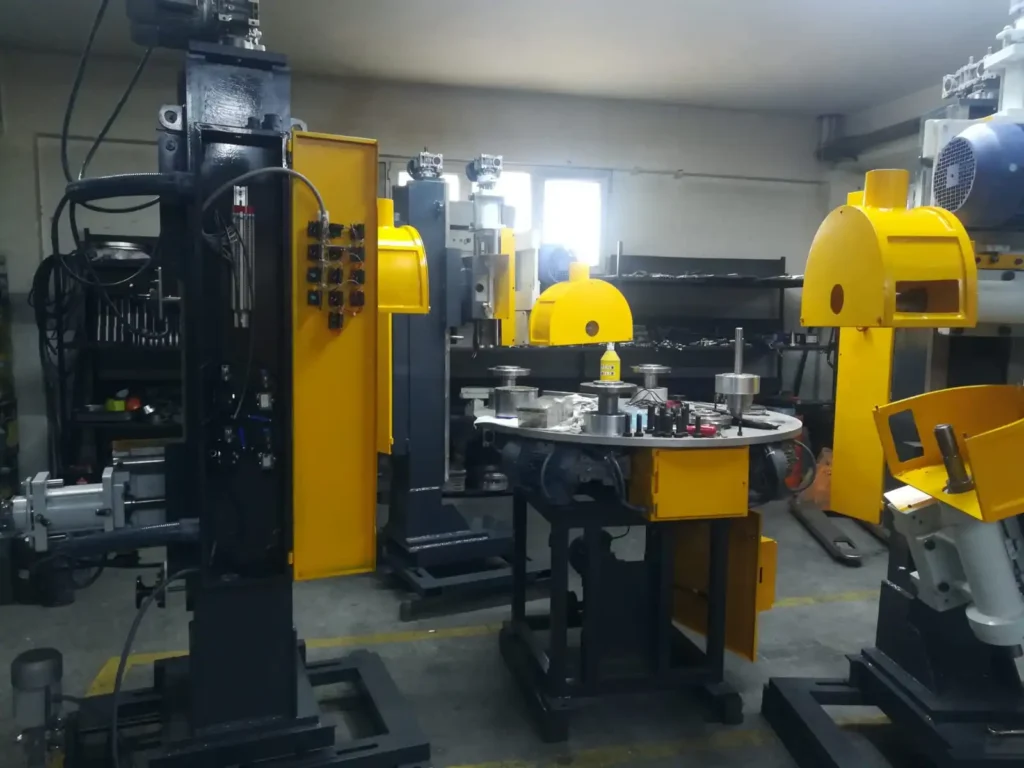
Categories
Machinery

Special Automatic Finishing Machines

Special Automatic Finishing Machines

We manufacture Special Automatic Finishing Machines from design to assembly. Polishing Buffing Machines for Cookware. Discount Price from the Manufacturer

Finishing is the final step in the manufacture of components that require the highest quality in terms of form, accuracy, and surface integrity. Fine finishing is an operation that adds functionality to the workpiece surface to enhance its quality characteristics.

Special Automatic Finishing Machines

Special automatic finishing machines are specialized machines designed to handle unique and challenging finishing tasks that cannot be performed by standard finishing machines. These machines are typically custom-built for specific applications and may incorporate various innovative technologies to achieve precise and efficient finishing results.

Types of Special Automatic Finishing Machines:

  1. Laser Finishing Machines:

Laser finishing machines utilize laser beams to precisely ablate, smoothen, or polish surfaces of various materials, including metals, ceramics, and polymers. These machines are particularly suitable for finishing intricate shapes, delicate components, or surfaces that require extreme precision.

  1. Electrochemical Finishing Machines (ECM):

ECM machines employ a combination of an electrolyte solution and an electric current to remove material from a workpiece. This process is particularly effective for finishing complex shapes, hard-to-reach areas, and materials that are difficult to finish using conventional methods.

  1. Plasma Finishing Machines:

Plasma finishing machines utilize a stream of ionized gas (plasma) to ablate, etch, or polish surfaces. These machines are particularly suitable for finishing materials that are sensitive to heat or mechanical stress, such as plastics, composites, and thin films.

  1. Magnetic Abrasive Finishing Machines (MAF):

MAF machines utilize a rotating magnetic field to suspend and propel abrasive particles towards a workpiece, creating a controlled abrasive polishing action. These machines are particularly effective for finishing complex geometries, delicate surfaces, and materials that require minimal material removal.

  1. Ultrasonic Finishing Machines:

Ultrasonic finishing machines employ high-frequency vibrations to create cavitation in a liquid medium, which can erode, polish, or clean surfaces. These machines are particularly suitable for finishing intricate shapes, delicate components, and materials that are sensitive to mechanical stress.

Key Features of Special Automatic Finishing Machines:

  1. Customized Design: Special finishing machines are typically designed and built according to specific application requirements, ensuring that they can handle the unique challenges of the task.
  2. Precise Finishing: These machines incorporate advanced technologies and control systems to achieve precise and consistent finishing results, even on complex or delicate surfaces.
  3. Material Versatility: Special finishing machines can handle a wide range of materials, including metals, ceramics, polymers, and composites, providing flexibility for diverse applications.
  4. Automation and Efficiency: These machines are automated to streamline the finishing process, reducing labor costs and increasing productivity.

Benefits of Using Special Automatic Finishing Machines:

  1. Unique Finishing Capabilities: Special finishing machines can perform tasks that are not possible with standard finishing machines, expanding the range of achievable surface finishes.
  2. High Precision and Consistency: These machines provide precise and consistent finishing results, ensuring uniformity and quality across batches of components.
  3. Reduced Process Time: Automated finishing processes reduce overall cycle times, improving efficiency and production output.
  4. Enhanced Product Quality: Special finishing machines can achieve exceptional surface finishes that enhance the quality and aesthetics of products.
  5. Cost-Effective Solutions: Despite their specialized nature, special finishing machines can be cost-effective solutions for applications that require high precision, consistent results, and unique finishing capabilities.

Applications of Special Automatic Finishing Machines:

  1. Aerospace Industry: Finishing critical components for aircraft, spacecraft, and satellites.
  2. Medical Device Manufacturing: Finishing implants, surgical tools, and other medical devices.
  3. Electronics Industry: Finishing electronic components, such as semiconductor chips, connectors, and circuit boards.
  4. Precision Optics Industry: Finishing lenses, mirrors, and other optical components.
  5. Luxury Goods Manufacturing: Finishing jewelry, watches, and other high-end products.

In conclusion, special automatic finishing machines are essential tools for industries that require precise and consistent finishing of complex shapes, delicate components, or materials that are difficult to finish using conventional methods. These machines provide unique finishing capabilities, enhance product quality, and improve overall production efficiency.

Finishing Technology with Special Automatic Finishing Machines

Finishing Technology with Special Automatic Finishing Machines

Finishing technology is used as a final added-value manufacturing process to obtain the desired surface quality, geometric form, and accuracy. It typically removes a very small amount of material, on the scale of a micrometer or less. Finishing processes often follow previous material processing (e.g. casting, forging) and conventional machining operations (e.g. turning, milling, drilling, and grinding).

Numerous post-processes fall under the general term “finishing”, and sometimes several of them are used to achieve the final component quality. As hard-machining (e.g. hard-turning) is becoming common finishing technology in the industry, the finishing technology also often encompasses both dimensional (accuracy) control and control of surface integrity (including surface texture).

Finishing processes can be used on a variety of workpiece materials, from ductile metals to hard materials such as ceramics, glasses, semiconductors, diamonds, and even additively-manufactured metals.

The finishing processes are most often mechanical in nature (i.e., removing material via chips), and typically use abrasives – although, finishing can also refer to hard machining, special machining operations such as single-point diamond machining (achieving surface finish at nanometric levels), and forming processes (e.g. roll forming).

The choice of whether to use hard machining or grinding is application specific, and these two technologies are often combined, depending on the required specification for the to-be-machined component and the associated batch size.

Hard Machining with Special Automatic Finishing Machines

Hard Machining with Special Automatic Finishing Machines

In this respect, hard machining and finishing can be considered complementary – not competitive – technologies. Nowadays, hard machining is often used as the final operation in the industry, since it can generate surfaces with roughness down to Ra=0.1 µm.

Nevertheless, abrasive finishing is often needed, for example when specific functional surfaces are required (e.g. a certain bearing-area curve). The removal mechanism in finishing processes, however, is not always mechanical (i.e., related to chip-formation), and often involves non-mechanical material removal achieved by:

  • Chemical processes (e.g. etching, chemical polishing)
  • Photo-chemical processes (e.g. photo etching)
  • Electro-chemical processes (e.g. electrolytic polishing, electro-chemical grinding)
  • Electric processes (e.g. electron-beam, ion-beam, plasma-beam machining)
  • Optical processes (e.g. laser-beam machining)

Since industrial finishing of precision components typically involve an abrasive process, special emphasis is given to finishing with abrasives.

Abrasive finishing technologies (including grinding) can be first classified into two processing-principle categories: motion-copying processes and pressure-copying processes:

  • Motion-copying processes remove material at a given set depth of cut and feed rate. The resulting forces may be large or small, but the material removal rate is fixed. This enables the accurate control of form and dimensions, for example in grinding with bonded-abrasive wheels.
  • Pressure-copying processes remove material by means of pressing abrasive tools against a workpiece at a set force. Therefore, the resulting material-removal rate may be small or large. These processes are suitable for improving surface integrity and form accuracy, but not for controlling dimensional accuracy.

Further classification of abrasive finishing is based on the following criteria: (1) abrasive state, (2) tools, and (3) methods.

Abrasive-finishing tools can be divided into two states: bonded (fixed) and unbonded (loose) abrasive grains.

Abrasive Grains with the Special Automatic Finishing Machines

In the bonded state, the abrasive grains are fixed within a matrix with an organic or vitrified bond. Bonded abrasive tools include abrasive stones (for honing and superfinishing), coated abrasives, and abrasive media for mass finishing. Abrasive stones consist of abrasive grains surrounded by bond material and containing a degree of porosity.

This is the same mixture used in grinding wheels. Abrasive stones are used in superfinishing and honing. Coated abrasives consist of a single layer of abrasive grains bonded by adhesives onto a flexible substrate such as paper, cloth, plastic films, or vulcanized fiber, converted into different shapes such as belts, discs, sheets, or brushes. The performance of coated abrasives is greatly affected by the size of the abrasive grains.

Deburring Aluminium Sheet Abrasives

Coated abrasives are mainly used for tape finishing and brushing. Another type of abrasives to generate a final surface finish includes non-woven abrasives, which are manufactured using nylon fibers impregnated with abrasive grain, i.e. bonded with synthetic resins. Abrasive media consist of abrasives bonded to a polymer core. These tools are available in a variety of shapes including spheres, cones, triangles, ellipses, and cylinders, and are used in mass-finishing processes.

In the unbonded-abrasive state, the abrasive freely participate in finishing. The abrasive tools are divided into three groups: free abrasive, abrasive slurries, and abrasive flow media. When using unbonded abrasives, the viscosity of the abrasive carrier increases from the order of gases (lowest), liquids (medium), and solids (highest). Free abrasives are used in blasting and jet-finishing media.

Abrasive Tools

Abrasive slurries (using diamond, alumina, and zirconia abrasives) are used in lapping, polishing, and buffing. The slurries are available in water-based, alcohol-based, and oil-based formulations. Abrasive flow media are used in abrasive flow machining (AFM) and magnetic-abrasive finishing (MAF). While the abrasive grains are mixed with a polymer carrier in AFM (Figure 2), the abrasive grains are mixed with ferromagnetic particles (such as iron particles) in MAF.

Superfinishing uses an abrasive stone pressed against the external (OD) surface of the rotating cylindrical workpiece while oscillating axially, i.e. perpendicular to the workpiece rotation. Superfinishing is widely used in the bearing and automotive industries, after a grinding operation, to improve surface finish (e.g. to increase the bearing area) and roundness and to correct the geometry (size and form).

The process should be carried out at a “sweet spot” – a critical contact pressure for a specific stone/workpiece combination – in order to obtain an optimal material removal. Carefully set process kinematics are used to avoid workpiece lobing – i.e. the division of the workpiece’s cylindrical shape into lobes and the formation of out-of-roundness. Honing is similar to superfinishing but is intended to primarily finish internal (ID) surfaces, so the abrasive stones are pressed outwards against the cylindrical internal surface.

Process of Finishing

The process is used in a wide spectrum of applications including engine cylinder liners (bores), gear bores, bearings, and hydraulic cylinders. Honing uses low-speed kinematics – consisting of three components of motion: rotation (tangential velocity), the outward motion of stones, and an oscillating motion (reciprocating strokes with longitudinal velocity) – producing a smooth, crisscrossed (hatched) surface and improved bore geometry.

The honing process is also used for finishing gears – producing specific gear profiles and flank surface modifications. In gear honing, the rotating honing ring (tool) and the gear flank (workpiece) roll off against each other at a certain inclination (axis-crossing) angle. This process is also characterized by low-speed kinematics, where the cutting speed during gear honing is much lower compared to gear grinding.

The honed gears have advantages over ground gears with regard to their noise and wear properties. Another beneficial effect is the generation of compressive residual stresses on the flank surface, leading to longer service life for honed gears.

Coated Abrasive for the Special Automatic Finishing Machines

Film/tape finishing and brushing use coated abrasives, where either the coated abrasive or the workpiece is rotated or reciprocated. The relative motion and applied pressure between the abrasive tool and workpiece surface induce material removal. Here it is important to apply sufficient pressure. The required pressure depends on the grain size, and finer grains in “elastic” contact with the workpiece might be ineffective for material removal. The flexibility of the coated-abrasive substrate, on the other hand, enables free-form surface and edge finishing.

Tape finishing often follows superfinishing with abrasive stones, where the two processes are integrated into a single machine. Tape finishing is supplemental since it can further improve the surface finish while maintaining the form or profile of the workpiece, for example, in finishing the cam lobes or the crankshaft-bearing journals.

Abrasive-media finishing (mass finishing) refers to the simultaneous processing of multiple components in a container (bowl), usually with abrasive media and a compound solution.

The container is given a cyclical motion that causes the material to be removed from the workpieces as abrasive media press and/or rub against workpiece surfaces. Mass finishing is used for burnishing, deburring, edge-rounding, brightening, and surface texturing. It can be further classified into five methods (processes): vibratory finishing, rotary-barrel finishing (tumbling), centrifugal barrel finishing, centrifugal disc finishing, and spindle finishing.

Jet Finishing

Jet Finishing
Jet Finishing

In the blasting and jet-finishing methods, the abrasive is mixed with gas or liquids (slurries) and removes material by being directed at the workpiece as a jet; the jet pressure (which imparts kinetic energy to the particles) determines the magnitude to which abrasive grains impact the workpiece surface in order to remove material.

A wide range of pressure can be used to achieve a desired surface; ranging from matte to mirror-like surfaces. In lapping and polishing, an abrasive slurry is introduced between the workpiece and the tool (e.g., lap or polisher), and the finishing pressure is applied to the workpiece.

The combination of workpiece and tool motions makes the slurry flow. The abrasive interaction (rolling, sliding, etc.) with the workpiece determines the mechanism of material removal. The finishing system also plays an important role in material removal, and the fluid – especially its chemical and physical properties – affects the material-removal mechanism. In general, lapping (producing matte surfaces) is followed by polishing (producing mirror-like surfaces).

In buffing, the abrasive slurry is applied to a buff, which rotates at high speeds and is pressed against the workpiece to finish the surface with an accumulation of abrasive scratches. In abrasive-flow machining (AFM), the abrasive media is forced to flow in a restricted area and abrade the workpiece surface. The finishing pressure depends on the fluid dynamics of the media.

Buffing with Special Automatic Finishing Machines

AFM is used for smoothing machined surfaces, removing recast layers, or inducing compressive residual stresses to internal surfaces. In magnetic-abrasive finishing (MAF), the finishing pressure is generated by a magnetic field. The process uses magnetic abrasives and the efficiency of material removal depends on the size of abrasive particles.

MAF is also used not only for deburring but also for chamfering and edge finishing. In both methods, the finished surfaces are accumulations of scratch marks, generating mirror-like surfaces. The flexibility of the media enables the finishing of free-form and re-entrant surfaces or internal workpiece passages, which also makes it an attractive technology for finishing of additive-manufactured components, which are nowadays gaining momentum.

Fundamentals of abrasive finishing

Abrasive-finishing processes are mechanical in nature, meaning that material is removed by abrasive grains in a mechanical action, typically to form chips or small particles. The material-removal mechanisms are largely determined by the type of workpiece material. Finishing of metallic materials is primarily accomplished by ductile cutting (chip formation), whereas the finishing of brittle materials (e.g. glasses, ceramics) is often dominated by brittle fracture and crack propagation.

One of the fundamental parameters for characterizing finishing processes is the specific energy, u, which is defined as the energy expended per unit volume of material removal. Any model for material removal must be able to quantify the magnitude of the specific energy and its dependence on the process conditions.

In 1974 proposed the equivalent chip thickness parameter, heq, gained widespread popularity since it only depends on the machine input parameters that can readily be changed. The equivalent chip thickness captures a theoretical “ribbon” of removed material during finishing but does not take into account the contract length.

Nevertheless, the process conditions (geometry and kinematics) in finishing can be simply quantified by heq. Equivalent chip thickness has been found to be particularly valuable for correlating finishing process parameters with specific energy (Figure 3) for a particular abrasive-finishing process.

Abrasive Finishing

The mapping of abrasive-finishing methods (Figure 3) is based on the specific energy versus equivalent chip thickness plot. In general, the specific energy increases as the values of equivalent chip thickness get smaller, i.e. when using a “finer” finishing method.

This is associated with the size effect in abrasive processes, where a smaller equivalent chip thickness, heq, is accompanied by more sliding and plowing compared to chip formation (where the material is actually removed). Here we can observe that the specific energy in honing is similar to grinding and that heq is the smallest in vibratory finishing.

Further mapping of abrasive finishing methods is done by plotting achievable surface roughness (Figure 4) and residual stresses (Figure 5) versus the specific energy. The plots reveal that lapping/polishing and magnetic abrasive finishing provide very smooth surfaces and a high compressive residual stress, although the material removal rate is small. Also, it is indicated that tape finishing reduces surface roughness compared to superfinishing using abrasive stones.

Hard turning is comparable to normal grinding in terms of achievable surface roughness and compressive residual stresses but can achieve these similar results with lower specific energy due to more effective chip formation. This more effective chip formation is achieved because the rake angle in turning is positive – giving more efficient chip formation – whereas the rake angles in grinding are negative, leading to less efficient chip formation and more sliding and plowing.

Honing

Honing is used to obtain a fine surface finish on internal and external cylindrical surfaces, and flat surfaces of the workpieces, which may be metallic or non-metallic in nature. Honing operation is treated as a finishing (or final) operation, which may correct the errors like out-of-roundness, taper, or axial distortion, which might have developed in the preceding machining operation. A honing tool (or stick) consists of either Al2O3 or SiC.

The resultant motion of grain, therefore, is a cross-hatch lay pattern. Two universal joints (Figure 6.1) permit the honing tool to float so that it follows the axis of the hole. Application of cutting fluid does lubrication, cooling, and removal of swarf. Finishing of external cylindrical surfaces is also done on the same principle except that the abrasive sticks are pressed on the outside of the component.

Further, a large area of the workpiece surface is covered during honing, hence rise in temperature is also low. Hence, surface damage in this process is comparatively low. Material removal takes place by shear deformation resulting in miniature chip formation. Honing automobile cylinders is a common application.

Some other applications of honing include gun barrels, hydraulic cylinders, and bearings. This operation can be performed after conventional machining operations but it cannot correct alignment errors in cylindrical components. It is a finishing process, so bulk material removal should not be recommended.

Further, the selection of the abrasive grain type and size is made according to the workpiece material and the surface finish desired. The grain mesh size varies from 150 to 600. Reciprocating speed (m/min) during honing varies from 10 to 25 m/min while rotary speed (m/min) varies from 15 to 30 m/min depending upon the workpiece material properties and surface finish required. Higher cutting speed yields a better surface finish but also higher temperature and faster wear of abrasive grains.

The number of abrasive sticks in a honing tool usually varies from 2 to 18 depending upon the diameter of the hole to be honed. The length of the abrasive sticks is about 0.5 times the length of the hole. The length of the abrasive sticks should be larger than the Finishing Processes’ stroke length (protruding outside) at both ends of the hole by a length approximately equal to 0.25 times their own length.

The mechanics of material removal is somewhat similar to that of grinding, still, differences exist. To facilitate penetration of abrasive grains into the workpiece surface, radial pressure is applied onto the grains. A large number of grains are simultaneously finishing the workpiece, and these grains are in contact with the work surface for a more extended period of time.

Hence, the length of the chip is larger than that obtained in grinding. It is also believed that both cuttings, as well as plowing mechanisms, are responsible for material removal during honing. Cutting parameters in this case should be selected carefully to avoid glazing of honing stones. Light cutting force (or low penetration depth) may lead to the glazing of the honing stone.

During honing, a large number of abrasive grains operate simultaneously in contact with the work surface. As a result, the force acting on the workpiece is comparatively large and hence material removal is also large. Figure 6.1 shows a honing, tool, which rotates and reciprocates in the hole during honing. In internal honing tool may hold a number of bonded abrasive sticks, which expand radially against the work surface.

Superfinishing

This process is used to improve surface finish and reduce the surface defects created by other machining and abrasive processes. The cutting conditions in superfinishing are mild hence friction and wear are low on mating components. It is used for surface refinement of those surfaces which are dimensionally correct having a good surface finish. This process can give a mirror-like appearance.

In superfinishing, the abrasive bonded sticks reciprocate at high frequency (2-3 kHz) and short strokes (4-5 mm) as shown in Figure 6.4. Workpiece rotational speed is low (about 10-30 m/min) and the pressure applied to it is also low (0.1 to 0.2 MPa).

This process can yield a mirror finish to the workpiece. This process is applicable to both ferrous as well as non-ferrous metals. It can produce a surface finish as good as 0.010 µm (10 nm). Some of the automobile parts, which are super finished, are crank shafts, brake drums, pressure plates, cam shafts, main bearings, etc. This process has been applied to both flat surfaces as well as cylindrical and spherical surfaces

Surface finishing operations are essential processes applied to sheet metal parts to enhance their appearance, functionality, and durability. These operations involve the removal of imperfections, smoothing of surfaces, and application of protective coatings. The importance of surface finishing cannot be overstated, as it directly impacts the performance, longevity, and aesthetic appeal of the final product.

  • Key Objectives of Surface Finishing:
    • Improve aesthetic appearance.
    • Enhance corrosion resistance.
    • Reduce friction and wear.
    • Remove surface defects.
    • Prepare surfaces for further processing.

Overview of Surface Finishing Techniques

Surface finishing techniques encompass a wide range of processes, each tailored to achieve specific results. The primary techniques include deburring, polishing, and buffing, each serving a unique purpose in the finishing workflow.

  • Deburring: The process of removing burrs—tiny protrusions or unwanted materials—from the edges of sheet metal parts.
  • Polishing: Involves smoothing and shining the surface to achieve a reflective finish.
  • Buffing: A finishing process that further enhances the shine and smoothness of the surface.

Applications in Industry

Surface finishing operations are vital across various industries, including automotive, aerospace, electronics, and consumer goods. The demand for high-quality finishes in these sectors drives innovation and the development of advanced finishing techniques.

  • Automotive: Enhancing the appearance and durability of car components.
  • Aerospace: Ensuring precision and performance in aircraft parts.
  • Electronics: Improving the aesthetic and functional quality of devices.
  • Consumer Goods: Increasing the appeal and longevity of products.

Section 2: Deburring in Sheet Metal Parts

Section 2: Deburring in Sheet Metal Parts

Definition and Types of Burrs

Deburring is the process of removing small, unwanted protrusions or burrs that form on the edges of sheet metal parts during manufacturing processes like cutting, drilling, and stamping. Burrs can negatively affect the performance, safety, and appearance of metal parts, making deburring a critical step in the production cycle.

  • Types of Burrs:
    • Poisson Burr: Caused by material deformation, often appears as a thin edge.
    • Roll-Over Burr: Occurs when material is pushed over the edge of a part.
    • Tear Burr: Created by tearing of material, resulting in irregular edges.
    • Cut-Off Burr: Occurs at the end of the cutting process, often requiring specific removal techniques.

Methods of Burr Removal

The selection of a deburring method depends on factors such as the type of burr, material properties, and desired surface finish. Below are common deburring methods:

Manual Deburring
  • Tools Used: Files, scrapers, abrasive pads, and brushes.
  • Advantages:
    • Cost-effective for small-scale production.
    • Provides control over the finishing process.
  • Disadvantages:
    • Labor-intensive and time-consuming.
    • Inconsistent results due to human error.
Mechanical Deburring
  • Methods:
    • Tumbling: Parts are placed in a tumbler with abrasive media that polishes the edges.
    • Vibratory Finishing: Uses vibrations to agitate parts and media for deburring.
    • Grinding: Utilizes rotating abrasive wheels to remove burrs.
  • Advantages:
    • Suitable for large-scale production.
    • Consistent and repeatable results.
  • Disadvantages:
    • May require additional equipment and space.
    • Potential for media contamination.
Thermal Deburring
  • Process: Involves exposing parts to a controlled explosion of gas to burn away burrs.
  • Advantages:
    • Effective for hard-to-reach areas.
    • Fast and efficient for complex parts.
  • Disadvantages:
    • High initial setup cost.
    • Limited to specific materials.
Electrochemical Deburring
  • Process: Involves the use of electrolytic solutions to dissolve burrs.
  • Advantages:
    • Precise and controlled removal.
    • Minimal tool wear.
  • Disadvantages:
    • Requires careful handling of chemicals.
    • High operational costs.

Tools and Equipment Used

  • Manual Tools: Files, sandpaper, brushes.
  • Mechanical Equipment: Tumblers, grinders, vibratory finishers.
  • Advanced Equipment: Thermal deburring machines, electrochemical setups.

Challenges in Deburring

  • Material Compatibility: Different materials require specific deburring techniques.
  • Cost Considerations: Balancing cost and efficiency in high-volume production.
  • Quality Control: Ensuring consistent results across batches.

Case Studies

Case Study 1: Automotive Component Deburring

  • Objective: Improve the precision and safety of automotive parts.
  • Method Used: Mechanical deburring with vibratory finishing.
  • Outcome: Enhanced safety and performance of components, reduced production time.

Case Study 2: Aerospace Part Deburring

  • Objective: Achieve high precision and reliability in aircraft parts.
  • Method Used: Electrochemical deburring for intricate components.
  • Outcome: Improved accuracy and reliability, meeting industry standards.

Section 3: Polishing of Sheet Metal Parts

Section 3: Polishing of Sheet Metal Parts

Definition and Purpose

Polishing is a surface finishing process aimed at smoothing and shining metal parts to achieve a reflective finish. It enhances the appearance and functionality of metal parts by removing scratches, pits, and other imperfections.

  • Purpose of Polishing:
    • Improve aesthetic appeal.
    • Increase corrosion resistance.
    • Enhance surface smoothness and reflectivity.
    • Prepare surfaces for further coating or finishing processes.

Polishing Techniques

Various polishing techniques are employed based on the desired finish and application requirements.

Mechanical Polishing
  • Process: Involves the use of abrasive materials to remove surface irregularities.
  • Techniques:
    • Belt Polishing: Uses abrasive belts for continuous polishing.
    • Disk Polishing: Utilizes rotating disks with abrasive pads.
    • Buffing Wheels: Employs rotating cloth wheels with polishing compounds.
  • Advantages:
    • Cost-effective and versatile.
    • Suitable for various metals and shapes.
  • Disadvantages:
    • Limited precision for complex geometries.
    • Requires skilled operators for optimal results.
Electropolishing
  • Process: Involves the use of an electrolytic bath to dissolve the surface layer of metal, resulting in a smooth and shiny finish.
  • Advantages:
    • Superior surface finish and reflectivity.
    • Removes microscopic imperfections.
    • Enhances corrosion resistance.
  • Disadvantages:
    • High setup and operational costs.
    • Limited to specific metals and applications.

Tools and Equipment Used

  • Abrasive Belts and Disks: Used for mechanical polishing.
  • Buffing Wheels and Compounds: For fine finishing.
  • Electropolishing Equipment: Includes electrolytic baths and power supplies.

Comparison of Different Polishing Methods

MethodAdvantagesDisadvantages
MechanicalCost-effective, versatileLimited precision for complex parts
ElectropolishingSuperior finish, corrosion resistanceHigh cost, limited material compatibility

Applications in Various Industries

  • Automotive: Enhancing the appearance of exterior and interior components.
  • Medical Devices: Ensuring the smoothness and biocompatibility of implants and tools.
  • Aerospace: Improving the aerodynamics and aesthetics of aircraft parts.
  • Consumer Electronics: Enhancing the visual appeal of devices and components.

Challenges and Solutions

  • Surface Uniformity: Achieving consistent finishes across complex geometries.
  • Material Constraints: Adapting techniques for various metals and alloys.
  • Environmental Concerns: Managing waste and emissions from polishing processes.

Section 4: Buffing Process for Sheet Metal Parts

Section 4: Buffing Process for Sheet Metal Parts

Definition and Difference from Polishing

Buffing is a surface finishing process that involves the use of soft cloth wheels and polishing compounds to achieve a high-gloss finish on metal surfaces. While similar to polishing, buffing focuses on enhancing the final appearance rather than removing significant surface imperfections.

  • Difference from Polishing:
    • Polishing: Involves removing surface material to smooth and refine.
    • Buffing: Focuses on creating a high-gloss, reflective finish.

Buffing Techniques

Different buffing techniques are employed based on the desired finish and complexity of the parts.

Manual Buffing
  • Process: Involves the use of hand-held buffing wheels and compounds.
  • Advantages:
    • Flexibility for small-scale production.
    • Control over the finishing process.
  • Disadvantages:
    • Labor-intensive and time-consuming.
    • Inconsistent results due to human error.
Automatic Buffing
  • Process: Utilizes automated machines and robotic arms for buffing.
  • Advantages:
    • Suitable for large-scale production.
    • Consistent and repeatable results.
  • Disadvantages:
    • High initial setup cost.
    • Limited flexibility for intricate parts.

Buffing Compounds and Materials

Buffing compounds are essential for achieving desired finishes and vary based on the material and application.

  • Types of Buffing Compounds:
    • Tripoli: Used for initial cutting and smoothing.
    • Rouge: Provides a high-gloss finish.
    • White Diamond: Removes light scratches and enhances shine.
  • Materials Used:
    • Cloth Wheels: Made from cotton, flannel, or sisal.
    • Buffing Pads: Available in various grades for different finishes.

Tools and Equipment Used

  • Buffing Machines: Includes bench grinders and automated buffing stations.
  • Buffing Wheels and Pads: Available in different sizes and materials.
  • Polishing Compounds: Formulated for specific applications and finishes.

Applications in Various Industries

  • Jewelry: Enhancing the luster and appeal of metal pieces.
  • Automotive: Achieving high-gloss finishes on body panels and trim.
  • Furniture: Polishing metal components for aesthetic appeal.
  • Consumer Goods: Improving the appearance of household items and appliances.

Advantages and Limitations

  • Advantages:
    • Enhances aesthetic appeal and surface smoothness.
    • Suitable for various metals and applications.
  • Limitations:
    • Limited material removal capability.
    • Requires careful handling to avoid surface damage.

Section 5: Comparison of Deburring, Polishing, and Buffing

Differences in Techniques and Applications

ProcessPurposeApplications
DeburringRemove burrs and imperfectionsManufacturing, machining
PolishingSmooth and shine surfacesAutomotive, aerospace, electronics
BuffingEnhance gloss and appearanceJewelry, consumer goods, automotive

Suitability for Different Types of Sheet Metal

  • Deburring: Essential for parts with sharp edges and complex geometries.
  • Polishing: Suitable for achieving reflective finishes on flat and contoured surfaces.
  • Buffing: Ideal for enhancing the appearance of decorative and high-visibility parts.

Cost and Time Considerations

  • Deburring: Cost-effective for high-volume production, but may require specialized equipment.
  • Polishing: Balances cost with desired finish quality, may involve multiple steps.
  • Buffing: Cost-effective for achieving high-gloss finishes, but may require additional polishing.

Environmental and Safety Considerations

  • Deburring: Potential for media and chemical contamination, requires proper disposal.
  • Polishing: Generates dust and waste, necessitating effective ventilation and filtration.
  • Buffing: Involves the use of chemicals, requires protective equipment and safety measures.

Section 6: Advancements in Surface Finishing Technologies

Automation and Robotics

The integration of automation and robotics in surface finishing operations has revolutionized the industry, offering improved efficiency, precision, and consistency.

  • Benefits of Automation:
    • Reduced labor costs and human error.
    • Enhanced precision and repeatability.
    • Increased production speed and efficiency.
  • Applications:
    • Robotic deburring for intricate parts.
    • Automated polishing systems for large components.
    • Intelligent buffing machines with adaptive control.

Innovative Materials and Techniques

Advancements in materials and techniques continue to drive improvements in surface finishing processes.

  • Innovative Materials:
    • Advanced Abrasives: Developments in abrasive materials enhance cutting and polishing efficiency.
    • Eco-Friendly Compounds: Formulations that reduce environmental impact and improve safety.
  • New Techniques:
    • Laser Deburring: Uses laser beams to remove burrs with precision.
    • Nano-Polishing: Employs nanotechnology for superior surface finishes.

Impact of Industry 4.0

Industry 4.0 is reshaping surface finishing operations through the integration of smart technologies and data-driven approaches.

  • Key Aspects of Industry 4.0:
    • IoT Connectivity: Enables real-time monitoring and control of finishing processes.
    • Data Analytics: Provides insights into process optimization and quality control.
    • AI and Machine Learning: Enhances decision-making and process automation.

Case Studies on Modern Applications

Case Study 1: Automotive Industry

  • Objective: Improve production efficiency and finish quality.
  • Solution: Implementation of robotic polishing systems with IoT connectivity.
  • Outcome: Increased production speed, reduced defects, and enhanced finish quality.

Case Study 2: Aerospace Industry

  • Objective: Achieve high precision and consistency in aircraft parts.
  • Solution: Integration of AI-driven deburring and polishing systems.
  • Outcome: Improved accuracy, reduced waste, and compliance with industry standards.

Section 7: Best Practices and Quality Control

Quality Standards and Certifications

Adhering to quality standards and certifications ensures the reliability and performance of surface-finished parts.

  • Key Standards:
    • ISO 9001: Quality management systems for consistent product quality.
    • ISO 14001: Environmental management standards for sustainable practices.
    • NADCAP: Aerospace industry standards for process quality and control.

Inspection Techniques

Effective inspection techniques are crucial for maintaining the quality and consistency of finished parts.

  • Visual Inspection: Identifying surface defects and irregularities.
  • Dimensional Inspection: Measuring critical dimensions and tolerances.
  • Surface Roughness Testing: Assessing surface smoothness and texture.
  • Non-Destructive Testing: Evaluating structural integrity without damaging parts.

Process Optimization

Optimizing surface finishing processes enhances efficiency and reduces costs.

  • Key Strategies:
    • Lean Manufacturing: Minimizing waste and improving workflow.
    • Continuous Improvement: Implementing feedback loops for process refinement.
    • Process Automation: Utilizing technology for increased efficiency and precision.

Safety Measures and Precautions

Ensuring safety in surface finishing operations is paramount to protect workers and the environment.

  • Safety Precautions:
    • Personal Protective Equipment (PPE): Gloves, masks, goggles, and protective clothing.
    • Ventilation and Filtration: Effective air quality management to reduce dust and fumes.
    • Training and Education: Ongoing training programs for workers to ensure safe practices.

Section 8: Conclusion

Summary of Key Points

  • Surface finishing operations, including deburring, polishing, and buffing, are essential for enhancing the appearance, functionality, and durability of sheet metal parts.
  • Deburring removes burrs and imperfections, while polishing smooths and shines surfaces, and buffing enhances gloss and appearance.
  • Advancements in technology, automation, and materials continue to drive improvements in surface finishing processes.

Future Trends in Surface Finishing

The future of surface finishing operations will be shaped by continued advancements in automation, materials, and sustainability.

  • Emerging Trends:
    • Green Technologies: Development of eco-friendly compounds and processes.
    • Advanced Robotics: Increased use of robotics for precision and efficiency.
    • Smart Manufacturing: Integration of IoT and AI for data-driven process optimization.

Final Thoughts

Surface finishing operations are a vital component of modern manufacturing, contributing to the quality and performance of sheet metal parts across various industries. By staying abreast of technological advancements and best practices, manufacturers can achieve superior finishes and meet the evolving demands of the market.

Types of Polishing

Types of Polishing
Types of Polishing

Polishing is primarily categorized into mechanical and chemical methods, each serving different purposes and achieving unique results.

1. Mechanical Polishing

Mechanical polishing involves using abrasive tools and materials to physically remove surface material and achieve a smooth, reflective finish.

a. Belt Polishing

  • Process: Uses abrasive belts that continuously rotate around rollers to polish the surface of the metal.
  • Applications: Ideal for flat surfaces and edges.
  • Advantages: Cost-effective, easy to set up, and suitable for removing larger imperfections.
  • Commonly Used Materials:
    • Aluminum Oxide: A widely used abrasive for general-purpose polishing.
    • Silicon Carbide: Suitable for hard metals and provides a fine finish.

b. Disk Polishing

  • Process: Utilizes rotating disks with abrasive pads to polish surfaces.
  • Applications: Suitable for curved and irregular surfaces.
  • Advantages: Provides uniform pressure and can reach tight spots.
  • Commonly Used Materials:
    • Diamond Abrasives: Known for cutting efficiency and durability, especially on hard metals.
    • Ceramic Abrasives: Used for rapid stock removal and fine finishes.

c. Buffing Wheels

  • Process: Employs cloth wheels coated with polishing compounds to achieve a high-gloss finish.
  • Applications: Suitable for finishing and enhancing shine on metal surfaces.
  • Advantages: Produces a mirror-like finish, ideal for aesthetic applications.
  • Commonly Used Materials:
    • Cotton and Flannel Wheels: Provide softness and flexibility, allowing for smooth finishes.
    • Sisal Wheels: Used for cutting and initial buffing stages due to their firmness.

d. Vibratory Polishing

  • Process: Involves placing parts in a vibrating container filled with abrasive media and compounds.
  • Applications: Ideal for small and complex parts that require even polishing.
  • Advantages: Provides consistent finishes, handles large volumes, and reduces manual labor.
  • Commonly Used Materials:
    • Ceramic Media: Effective for heavy cutting and smoothing.
    • Plastic Media: Used for delicate parts and achieving fine finishes.

2. Chemical and Electrochemical Polishing

Chemical and electrochemical polishing methods involve the use of chemical reactions to remove surface material and achieve a smooth finish.

a. Electropolishing

  • Process: Uses an electrolytic bath to dissolve the surface layer of metal, smoothing and leveling the surface.
  • Applications: Commonly used in industries requiring high precision and cleanliness, such as medical and food processing.
  • Advantages: Removes microscopic burrs, enhances corrosion resistance, and improves surface reflectivity.
  • Commonly Used Materials:
    • Electrolytic Solutions: Acidic solutions containing phosphoric and sulfuric acids.
    • Anodes and Cathodes: Typically made from stainless steel or titanium for durability.

b. Chemical Polishing

  • Process: Involves submerging the metal in a chemical solution that selectively removes surface material.
  • Applications: Suitable for intricate shapes and areas difficult to reach with mechanical methods.
  • Advantages: Provides uniform finishes and is effective for complex geometries.
  • Commonly Used Materials:
    • Acidic Solutions: Mixtures of nitric, hydrochloric, and sulfuric acids tailored to specific metals.
    • Additives: Agents that control the polishing rate and improve surface quality.

3. Abrasive Polishing

Abrasive polishing uses fine abrasive particles to refine the surface, removing minor scratches and achieving a high level of smoothness.

a. Sandblasting

  • Process: Propels fine abrasive particles against the surface of the metal to remove contaminants and smoothen the surface.
  • Applications: Suitable for preparing surfaces for painting or coating.
  • Advantages: Fast and effective for large surfaces and tough residues.
  • Commonly Used Materials:
    • Silica Sand: Traditional abrasive for general-purpose sandblasting.
    • Glass Beads: Provides a smoother finish and is less aggressive than sand.
    • Garnet: Known for its hardness and sharpness, ideal for heavy-duty applications.

b. Lapping

  • Process: Involves using a lapping plate and abrasive slurry to achieve a fine, flat surface finish.
  • Applications: Used in precision applications requiring tight tolerances, such as in optics and semiconductor industries.
  • Advantages: Produces extremely flat surfaces and fine finishes.
  • Commonly Used Materials:
    • Diamond Slurry: Provides precision and is used for hard materials.
    • Aluminum Oxide Slurry: Suitable for softer materials and less abrasive applications.

c. Micro-Abrasive Blasting

  • Process: Uses a controlled stream of micro-abrasive particles to remove fine surface layers.
  • Applications: Ideal for delicate and detailed parts requiring precision.
  • Advantages: Highly controlled process, reduces risk of surface damage.
  • Commonly Used Materials:
    • Aluminum Oxide Powder: Common for general applications and provides a good balance of cutting and polishing.
    • Sodium Bicarbonate: Gentle abrasive for sensitive materials.

Materials Used in Polishing

Materials Used in Polishing

The choice of materials used in polishing depends on the type of metal, desired finish, and specific polishing method. Below are commonly used materials and compounds in metal polishing:

1. Abrasive Materials

  • Aluminum Oxide: A versatile and widely used abrasive for various metals, including steel and aluminum. It provides a good balance between cutting and finishing capabilities.
  • Silicon Carbide: Known for its hardness and sharpness, it is used for polishing hard metals and achieving a smooth surface.
  • Diamond Abrasives: Offers superior cutting efficiency and is ideal for polishing hard and brittle metals, such as tungsten and ceramics.
  • Ceramic Abrasives: Used for heavy-duty applications, offering high material removal rates and durability.

2. Polishing Compounds

Polishing compounds are essential in achieving the desired finish and are formulated for specific metals and applications.

a. Tripoli Compound

  • Description: A coarse compound used for initial cutting and smoothing of surfaces.
  • Applications: Commonly used on softer metals like aluminum and brass to remove scratches and surface imperfections.

b. Rouge Compound

  • Description: A fine polishing compound used for achieving a high-gloss finish.
  • Applications: Ideal for polishing precious metals such as gold and silver, as well as achieving a mirror-like finish on stainless steel.

c. White Diamond Compound

  • Description: A versatile compound used for polishing and refining surfaces.
  • Applications: Suitable for use on plastics and metals, providing a bright finish and removing light scratches.

d. Green Chromium Oxide Compound

  • Description: A compound containing chromium oxide, used for achieving a fine finish.
  • Applications: Ideal for polishing stainless steel and other hard metals, providing a high level of smoothness and shine.

3. Polishing Pads and Wheels

Polishing pads and wheels come in various materials and are selected based on the desired finish and application requirements.

  • Cotton Buffing Wheels: Soft and flexible, suitable for applying polishing compounds and achieving a smooth finish.
  • Flannel Buffing Wheels: Provide a finer finish and are often used in the final buffing stage.
  • Sisal Buffing Wheels: Firm and durable, used for cutting and initial buffing stages.
  • Foam Polishing Pads: Used in conjunction with polishing compounds for fine finishing and detailing.

4. Chemical Solutions

Chemical solutions play a critical role in chemical and electrochemical polishing processes, providing the necessary reactions to achieve desired surface finishes.

  • Electrolytic Solutions: Composed of acids like phosphoric and sulfuric acids, used in electropolishing to dissolve surface material and enhance smoothness.
  • Chemical Polishing Solutions: Tailored mixtures of acids and additives designed for specific metals and applications, providing controlled material removal and surface refinement.

Conclusion

Polishing is a vital surface finishing process that enhances the appearance and functionality of metal parts. By understanding the various polishing methods and materials, manufacturers can achieve the desired finishes for different applications and industries. Whether through mechanical, chemical, or abrasive techniques, the choice of polishing materials and compounds plays a crucial role in achieving high-quality surface finishes.

Best Polishing Methods for Metal

Best Polishing Methods for Metal

Polishing metal surfaces is a critical step in many manufacturing processes, enhancing both the aesthetic appeal and functional properties of metal parts. The best polishing methods depend on various factors, including the type of metal, the desired finish, and specific application requirements. Below, we’ll explore some of the most effective polishing methods and their respective advantages, disadvantages, and suitable applications.

1. Mechanical Polishing

Mechanical polishing is one of the most commonly used methods due to its versatility and effectiveness in achieving smooth, shiny surfaces. This method involves using abrasive materials to physically remove surface imperfections.

a. Belt Polishing

Process: Belt polishing uses continuous abrasive belts to grind and polish metal surfaces. It is suitable for flat and slightly curved surfaces.

  • Advantages:
    • Cost-effective and suitable for high-volume production.
    • Can handle a wide range of metals, including steel, aluminum, and brass.
    • Efficient at removing larger surface imperfections.
  • Disadvantages:
    • Limited precision for intricate parts and complex geometries.
    • May require additional finishing steps to achieve a mirror-like finish.
  • Applications:
    • Automotive parts such as body panels and bumpers.
    • Large metal sheets and plates.
    • Metal furniture components.

b. Disk Polishing

Process: Disk polishing involves rotating abrasive disks to smooth and shine metal surfaces. It is often used for smaller or more intricate parts.

  • Advantages:
    • Provides uniform pressure and consistent results.
    • Suitable for complex shapes and small parts.
    • Versatile for a range of metals and finishes.
  • Disadvantages:
    • Requires skilled operators to avoid over-polishing.
    • Limited to flat and moderately curved surfaces.
  • Applications:
    • Jewelry and small metal components.
    • Precision instruments and tools.
    • Metal parts with intricate designs.

c. Vibratory Polishing

Process: Vibratory polishing involves placing metal parts in a vibrating container filled with abrasive media and compounds. The vibrations cause the media to polish the surfaces of the parts.

  • Advantages:
    • Ideal for large batches of small parts.
    • Provides even polishing across surfaces.
    • Reduces manual labor and operator fatigue.
  • Disadvantages:
    • Slower than other mechanical methods.
    • Limited to smaller parts and components.
  • Applications:
    • Small automotive components.
    • Hardware and fasteners.
    • Jewelry and decorative items.

d. Buffing Wheels

Process: Buffing involves using cloth wheels and polishing compounds to achieve a high-gloss finish on metal surfaces. It is often used as a final finishing step.

  • Advantages:
    • Achieves a mirror-like, high-gloss finish.
    • Suitable for a wide range of metals, including stainless steel and aluminum.
    • Enhances the aesthetic appeal of metal surfaces.
  • Disadvantages:
    • Limited material removal capability.
    • Requires careful handling to avoid surface damage.
  • Applications:
    • Automotive trim and decorative parts.
    • Consumer electronics and appliances.
    • Jewelry and luxury goods.

2. Chemical and Electrochemical Polishing

Chemical and electrochemical polishing methods use chemical reactions to smooth and refine metal surfaces, offering high precision and uniform finishes.

a. Electropolishing

Process: Electropolishing involves submerging metal parts in an electrolytic bath, where controlled electrical currents dissolve the surface layer of the metal, smoothing and leveling it.

  • Advantages:
    • Produces superior surface finishes with excellent reflectivity.
    • Removes microscopic burrs and imperfections.
    • Enhances corrosion resistance and passivation of metals.
  • Disadvantages:
    • High initial setup and operational costs.
    • Limited to conductive materials like stainless steel, titanium, and aluminum.
  • Applications:
    • Medical devices and implants.
    • Food processing equipment.
    • Aerospace components.

b. Chemical Polishing

Process: Chemical polishing involves immersing metal parts in a chemical solution that selectively removes surface material, refining and smoothing the surface.

  • Advantages:
    • Uniform finishes on complex geometries.
    • Suitable for delicate parts and thin-walled components.
    • Reduces surface stress and improves fatigue resistance.
  • Disadvantages:
    • Requires precise control of chemical concentrations and temperature.
    • Potential environmental and safety concerns with chemical handling.
  • Applications:
    • Intricate metal parts and components.
    • Electronics and semiconductor industries.
    • Decorative metal products.

3. Abrasive Polishing

Abrasive polishing methods involve using fine abrasive particles to achieve a smooth and refined surface finish, often used for precision applications.

a. Lapping

Process: Lapping uses a lapping plate and abrasive slurry to achieve flat, smooth surfaces with tight tolerances. It is often used for precision applications.

  • Advantages:
    • Achieves extremely flat and smooth surfaces.
    • Suitable for high-precision parts and components.
    • Provides tight tolerances and uniform finishes.
  • Disadvantages:
    • Requires specialized equipment and expertise.
    • Limited to flat surfaces and precision applications.
  • Applications:
    • Optics and lenses.
    • Semiconductor wafers.
    • Precision mechanical components.

b. Micro-Abrasive Blasting

Process: Micro-abrasive blasting uses a controlled stream of micro-abrasive particles to remove fine surface layers and achieve precision finishes.

  • Advantages:
    • Highly controlled process for precision applications.
    • Suitable for delicate and detailed parts.
    • Minimizes surface damage and distortion.
  • Disadvantages:
    • Limited to small areas and precision applications.
    • Requires specialized equipment and expertise.
  • Applications:
    • Aerospace and aviation components.
    • Medical devices and instruments.
    • Precision electronics and circuit boards.

Comparison of Polishing Methods

Here’s a table comparing the various polishing methods to highlight their advantages, disadvantages, and applications:

MethodAdvantagesDisadvantagesApplications
Belt PolishingCost-effective, handles large surfacesLimited precision, may require additional finishingAutomotive parts, large metal sheets
Disk PolishingUniform pressure, suitable for intricate partsSkilled operation required, limited to flat surfacesJewelry, precision instruments, complex shapes
Vibratory PolishingEven polishing, suitable for large batchesSlower process, limited to small partsSmall automotive components, hardware, jewelry
Buffing WheelsAchieves high-gloss finish, enhances aestheticsLimited material removal, requires careful handlingAutomotive trim, consumer electronics, jewelry
ElectropolishingSuperior finishes, removes microscopic burrs, enhances corrosion resistanceHigh setup costs, limited to conductive materialsMedical devices, food processing, aerospace components
Chemical PolishingUniform finishes on complex geometries, reduces surface stressPrecise control required, environmental concernsIntricate parts, electronics, decorative products
LappingExtremely flat surfaces, tight tolerancesRequires specialized equipment, limited to flat surfacesOptics, semiconductor wafers, precision components
Micro-Abrasive BlastingControlled process, suitable for delicate partsLimited to small areas, requires specialized equipmentAerospace components, medical devices, precision electronics

Factors to Consider When Choosing a Polishing Method

Selecting the best polishing method for a specific application involves considering several key factors:

  1. Material Type: Different metals have varying properties, such as hardness and corrosion resistance, that affect their suitability for specific polishing methods. For example, stainless steel benefits from electropolishing due to its corrosion resistance, while softer metals like aluminum can be effectively polished using mechanical methods.
  2. Desired Finish: The intended appearance and surface quality of the finished product influence the choice of polishing method. For instance, a high-gloss finish may require buffing, while a matte finish could be achieved with abrasive blasting.
  3. Component Geometry: The shape and complexity of the metal parts play a crucial role in determining the most suitable polishing method. Intricate geometries may require chemical or electrochemical polishing for uniform finishes, while flat surfaces can be efficiently polished using mechanical methods.
  4. Production Volume: The scale of production impacts the choice of polishing method, with high-volume production benefiting from automated mechanical processes and small-batch or custom work requiring more manual techniques.
  5. Cost and Efficiency: The overall cost and efficiency of the polishing process, including equipment, labor, and materials, must be evaluated to determine the most cost-effective solution without compromising quality.
  6. Environmental and Safety Considerations: The environmental impact and safety of the polishing process, including waste management and operator safety, should be considered when selecting a method. Chemical processes may require special handling and disposal procedures, while mechanical methods can generate dust and noise.

Conclusion

Polishing is a vital process in the metalworking industry, significantly impacting the appearance and functionality of metal parts. By understanding the strengths and limitations of each polishing method, manufacturers can select the most appropriate technique to achieve the desired finish and meet specific application requirements. Whether through mechanical, chemical, or abrasive methods, the choice of polishing technique plays a critical role in producing high-quality, durable metal products.

What is Industrial Buffing?

What is Industrial Buffing?

Industrial buffing is a crucial process in the metal finishing industry, aimed at enhancing the appearance and functional properties of metal surfaces. It involves using buffing wheels and compounds to produce smooth, reflective finishes on various metal products. This section will explore the methods, materials, applications, and advancements in industrial buffing, providing a comprehensive understanding of this essential metalworking technique.

Industrial buffing is a surface finishing process used to achieve a high-gloss, mirror-like finish on metal surfaces. It involves using buffing wheels made from cloth, felt, or other materials, along with buffing compounds, to polish and smoothen the surface of metal parts. Buffing is often the final step in the finishing process, following grinding or polishing, to achieve the desired surface quality.

Objectives of Industrial Buffing

  • Enhance Aesthetic Appeal: Buffing improves the visual appearance of metal parts by creating a reflective, glossy surface.
  • Improve Surface Smoothness: The process removes fine scratches and imperfections, resulting in a smooth, even surface.
  • Increase Corrosion Resistance: A polished surface can help reduce the risk of corrosion by minimizing surface irregularities where moisture could accumulate.
  • Prepare for Further Coating: Buffing can prepare metal surfaces for additional coatings, such as paint or plating, by ensuring a smooth base.

Buffing Methods

Industrial buffing can be performed using various methods, each tailored to specific applications and desired finishes. Below are the primary methods used in industrial buffing:

1. Manual Buffing

Manual buffing involves skilled operators using hand-held buffing tools to polish metal surfaces. This method is often used for small-scale production or intricate parts requiring precise attention to detail.

  • Advantages:
    • Provides greater control over the buffing process.
    • Suitable for complex shapes and detailed work.
    • Allows for adjustments during the process to achieve the desired finish.
  • Disadvantages:
    • Labor-intensive and time-consuming.
    • Inconsistent results due to human error.
    • Limited to small production volumes.
  • Applications:
    • Jewelry and decorative items.
    • Small automotive components.
    • Custom metalwork.

2. Automated Buffing

Automated buffing employs machines and robotic systems to buff metal surfaces, offering consistent and efficient results for large-scale production.

  • Advantages:
    • High-speed production and consistent quality.
    • Reduces labor costs and human error.
    • Capable of handling large and complex parts.
  • Disadvantages:
    • High initial setup and equipment costs.
    • Limited flexibility for intricate parts or custom finishes.
  • Applications:
    • Automotive parts and assemblies.
    • Household appliances and electronics.
    • Aerospace components.

3. Robotic Buffing

Robotic buffing utilizes robotic arms equipped with buffing tools to perform precise and efficient buffing operations, especially for complex geometries and large parts.

  • Advantages:
    • High precision and repeatability.
    • Reduced human labor and increased safety.
    • Capable of handling intricate and large-scale parts.
  • Disadvantages:
    • High capital investment for robotic systems.
    • Requires programming and maintenance expertise.
  • Applications:
    • Aerospace and automotive industries.
    • Large metal structures and equipment.
    • High-volume production of standardized parts.

Buffing Compounds and Materials

Buffing Compounds and Materials

The choice of buffing compounds and materials significantly influences the quality and efficiency of the buffing process. Various compounds are used based on the type of metal and desired finish.

Buffing Compounds

Buffing compounds are abrasive materials mixed with binders that help achieve the desired finish on metal surfaces. They come in different formulations, each suited for specific applications.

a. Tripoli Compound

  • Description: A coarse compound used for initial cutting and smoothing of metal surfaces.
  • Applications: Ideal for removing scratches and surface imperfections on softer metals like aluminum and brass.

b. Rouge Compound

  • Description: A fine compound used to achieve a high-gloss, mirror-like finish.
  • Applications: Suitable for polishing precious metals such as gold and silver, as well as stainless steel.

c. White Diamond Compound

  • Description: A versatile compound used for polishing and refining metal surfaces.
  • Applications: Effective on plastics and metals, providing a bright finish and removing light scratches.

d. Green Chromium Oxide Compound

  • Description: A compound containing chromium oxide, used for achieving a fine finish.
  • Applications: Ideal for polishing stainless steel and other hard metals, offering a high level of smoothness and shine.

Buffing Wheels and Materials

Buffing wheels are essential tools in the buffing process, available in various materials and configurations to suit different applications.

a. Cloth Buffing Wheels

  • Description: Made from cotton or flannel, cloth wheels are soft and flexible, allowing for smooth finishes.
  • Applications: Commonly used for applying buffing compounds and achieving a polished finish.

b. Sisal Buffing Wheels

  • Description: Made from natural fibers, sisal wheels are firm and durable, making them suitable for initial cutting and buffing stages.
  • Applications: Used for aggressive cutting and removing surface imperfections before finer buffing.

c. Felt Buffing Wheels

  • Description: Dense and rigid, felt wheels are used for precision buffing and achieving high-gloss finishes.
  • Applications: Ideal for detailed work and achieving mirror-like finishes on metals.

Applications of Industrial Buffing

Applications of Industrial Buffing

Industrial buffing is used across various industries to enhance the appearance and functionality of metal parts. Here are some key applications:

1. Automotive Industry

  • Applications:
    • Buffing car body panels to achieve a smooth, glossy finish.
    • Polishing chrome trim and accessories for enhanced aesthetic appeal.
    • Smoothing engine components and parts for improved performance.
  • Benefits:
    • Improves the overall appearance and marketability of vehicles.
    • Enhances corrosion resistance and durability of parts.
    • Prepares surfaces for additional coatings or treatments.

2. Aerospace Industry

  • Applications:
    • Buffing aircraft components for improved aerodynamics and aesthetics.
    • Polishing turbine blades and engine parts for enhanced performance.
    • Smoothing fuselage and wing surfaces for reduced drag.
  • Benefits:
    • Increases the efficiency and reliability of aerospace components.
    • Enhances safety and performance of aircraft.
    • Meets stringent industry standards for quality and precision.

3. Jewelry and Decorative Products

  • Applications:
    • Buffing gold, silver, and platinum jewelry to achieve a high-gloss finish.
    • Polishing decorative metal items such as sculptures and ornaments.
    • Enhancing the appearance of metal art pieces and custom creations.
  • Benefits:
    • Improves the aesthetic appeal and value of jewelry and decorative items.
    • Provides a luxurious and professional finish to products.
    • Enhances the durability and wear resistance of metal pieces.

4. Electronics and Appliances

  • Applications:
    • Buffing metal casings and components for electronics and appliances.
    • Polishing stainless steel surfaces for enhanced appearance and cleanliness.
    • Smoothing metal parts for improved functionality and aesthetics.
  • Benefits:
    • Enhances the visual appeal and marketability of products.
    • Improves the performance and longevity of electronic devices.
    • Provides a polished and professional finish to consumer goods.

Advancements in Industrial Buffing

Advancements in Industrial Buffing

The field of industrial buffing has seen significant advancements in recent years, driven by technological innovations and industry demands for improved efficiency and quality. Here are some notable advancements:

1. Automation and Robotics

The integration of automation and robotics in industrial buffing processes has revolutionized the industry, offering improved precision, efficiency, and consistency.

  • Benefits:
    • Reduces labor costs and human error.
    • Increases production speed and throughput.
    • Provides consistent and repeatable results.
  • Applications:
    • Automated buffing systems for automotive and aerospace components.
    • Robotic buffing for large and complex parts in various industries.
    • Intelligent systems with adaptive control for customized finishes.

2. Innovative Materials and Compounds

Advancements in buffing materials and compounds have led to improved performance and environmental sustainability.

  • Innovative Materials:
    • Eco-Friendly Compounds: Formulations that reduce environmental impact and improve safety.
    • Advanced Abrasives: Developments in abrasive materials enhance cutting and polishing efficiency.
  • Applications:
    • High-performance compounds for demanding industrial applications.
    • Environmentally friendly solutions for sustainable manufacturing practices.
    • Custom formulations for specific metals and finishes.

3. Industry 4.0 and Smart Technologies

Industry 4.0 is reshaping industrial buffing through the integration of smart technologies and data-driven approaches.

  • Key Aspects:
    • IoT Connectivity: Enables real-time monitoring and control of buffing processes.
    • Data Analytics: Provides insights into process optimization and quality control.
    • AI and Machine Learning: Enhances decision-making and process automation.
  • Applications:
    • Smart buffing systems for adaptive process control and optimization.
    • Predictive maintenance and quality assurance through data-driven insights.
    • Integration of IoT and AI for intelligent manufacturing solutions.

Challenges and Solutions in Industrial Buffing

Challenges and Solutions in Industrial Buffing

Despite its advantages, industrial buffing also presents certain challenges that need to be addressed for optimal performance and quality. Here are some common challenges and their solutions:

1. Surface Uniformity

  • Challenge: Achieving consistent finishes across complex geometries and large surfaces can be difficult, leading to variations in surface quality.
  • Solution: Implementing automated and robotic systems ensures uniform pressure and consistent results, reducing variations in surface quality.

2. Material Compatibility

  • Challenge: Different metals have varying properties, such as hardness and corrosion resistance, that affect their compatibility with specific buffing methods and materials.
  • Solution: Selecting appropriate buffing compounds and materials for each metal type ensures optimal performance and finish quality.

3. Cost and Efficiency

  • Challenge: Balancing cost and efficiency in high-volume production while maintaining quality can be challenging, especially with manual buffing processes.
  • Solution: Investing in automated and robotic systems reduces labor costs and increases efficiency, allowing for cost-effective production without compromising quality.

4. Environmental and Safety Concerns

  • Challenge: Managing waste and emissions from buffing processes, as well as ensuring operator safety, can be challenging, especially with chemical compounds and dust generation.
  • Solution: Implementing effective ventilation and filtration systems, as well as using eco-friendly compounds, minimizes environmental impact and enhances safety.

Best Practices for Industrial Buffing

To achieve optimal results in industrial buffing, it is essential to follow best practices that ensure quality, efficiency, and safety. Here are some key best practices:

1. Quality Control and Inspection

Implementing robust quality control and inspection processes ensures the consistency and reliability of buffing results.

  • Visual Inspection: Identifying surface defects and irregularities to ensure uniform finishes.
  • Surface Roughness Testing: Assessing surface smoothness and texture to meet quality standards.
  • Dimensional Inspection: Measuring critical dimensions and tolerances to ensure precision.

2. Process Optimization

Optimizing buffing processes enhances efficiency and reduces costs, ensuring high-quality results.

  • Lean Manufacturing: Minimizing waste and improving workflow for efficient production.
  • Continuous Improvement: Implementing feedback loops for process refinement and optimization.
  • Process Automation: Utilizing technology for increased efficiency and precision.

3. Safety Measures and Precautions

Ensuring safety in industrial buffing operations is paramount to protect workers and the environment.

  • Personal Protective Equipment (PPE): Providing gloves, masks, goggles, and protective clothing to ensure operator safety.
  • Ventilation and Filtration: Implementing effective air quality management systems to reduce dust and fumes.
  • Training and Education: Offering ongoing training programs for workers to ensure safe practices and awareness.

4. Maintenance and Upkeep

Regular maintenance and upkeep of buffing equipment and systems ensure optimal performance and longevity.

  • Routine Inspections: Conducting regular inspections and maintenance to identify and address equipment issues.
  • Cleaning and Lubrication: Keeping buffing tools and equipment clean and lubricated for smooth operation.
  • Calibration and Adjustments: Ensuring equipment is calibrated and adjusted for precise and consistent results.

Conclusion

Industrial buffing is a vital process in the metalworking industry, offering numerous benefits in terms of appearance, functionality, and durability. By understanding the methods, materials, applications, and advancements in buffing, manufacturers can achieve high-quality finishes and meet the evolving demands of the market. Whether through manual, automated, or robotic methods, the choice of buffing technique plays a critical role in producing superior metal products. By adhering to best practices and addressing challenges, the industry can continue to innovate and improve the efficiency and quality of industrial buffing operations.

Types of Deburring Machines

Types of Deburring Machines

A deburring machine is an essential tool in metal fabrication, designed to remove burrs and other imperfections from metal parts. Burrs are unwanted projections of material that often occur during machining, cutting, or stamping processes. These imperfections can negatively affect the performance, safety, and appearance of metal parts, making deburring an important step in the manufacturing process.

Below, we’ll explore the various types of deburring machines, their working principles, applications, advantages, and considerations for selecting the right machine for your needs.

Deburring machines come in various types, each suited for specific applications and materials. Here are some of the most common types of deburring machines used in the industry:

1. Vibratory Deburring Machines

Description

Vibratory deburring machines use a vibrating bowl filled with abrasive media and parts to remove burrs. The vibrations cause the media to rub against the parts, effectively deburring and polishing them.

Working Principle

  • Parts and abrasive media are placed inside a vibrating chamber.
  • The vibrations cause the media to move in a circular motion, rubbing against the parts.
  • The abrasive action of the media removes burrs and smooths the surface of the parts.

Applications

  • Suitable for small to medium-sized parts.
  • Ideal for batch processing of components.
  • Used in industries such as automotive, aerospace, and electronics.

Advantages

  • Effective for complex shapes and geometries.
  • Can process multiple parts simultaneously.
  • Provides a consistent and uniform finish.

Disadvantages

  • Limited to smaller parts and components.
  • May require longer processing times for heavy burrs.

2. Centrifugal Disc Deburring Machines

Description

Centrifugal disc deburring machines use a rotating disc to generate high-speed motion, creating a sliding movement of abrasive media against the parts.

Working Principle

  • Parts and abrasive media are placed in a stationary container with a rotating disc at the bottom.
  • The rotation creates a centrifugal force that causes the media to slide against the parts.
  • The abrasive action removes burrs and smooths the surfaces.

Applications

  • Suitable for small to medium-sized parts with intricate shapes.
  • Used in industries such as jewelry, electronics, and precision engineering.

Advantages

  • Provides fast and efficient deburring.
  • Produces smooth and polished finishes.
  • Suitable for delicate and intricate parts.

Disadvantages

  • Limited to smaller parts and components.
  • May not be suitable for large or heavy parts.

3. Tumbling Deburring Machines

Description

Tumbling deburring machines use a rotating barrel filled with abrasive media and parts. The rotation causes the media to tumble against the parts, removing burrs and smoothing surfaces.

Working Principle

  • Parts and abrasive media are placed in a rotating barrel or drum.
  • The rotation causes the media and parts to tumble against each other.
  • The abrasive action of the media removes burrs and polishes the surfaces.

Applications

  • Suitable for small to medium-sized parts.
  • Commonly used in industries such as automotive, aerospace, and consumer goods.

Advantages

  • Cost-effective and simple to operate.
  • Capable of processing large batches of parts.
  • Provides consistent and uniform finishes.

Disadvantages

  • Limited to smaller parts and components.
  • May require longer processing times for heavy burrs.

4. Magnetic Deburring Machines

Description

Magnetic deburring machines use magnetic fields to agitate small steel pins or media, which in turn deburr and polish the surfaces of metal parts.

Working Principle

  • Parts are placed in a chamber with small steel pins or media.
  • Magnetic fields agitate the pins, causing them to move and interact with the parts.
  • The mechanical action of the pins removes burrs and polishes surfaces.

Applications

  • Suitable for small, delicate, and intricate parts.
  • Commonly used in industries such as electronics, medical devices, and jewelry.

Advantages

  • Gentle and precise deburring.
  • Suitable for intricate and delicate parts.
  • Can access hard-to-reach areas.

Disadvantages

  • Limited to small parts and components.
  • May require additional equipment for larger parts.

5. Brush Deburring Machines

Description

Brush deburring machines use rotating brushes made from abrasive materials to remove burrs and smooth surfaces.

Working Principle

  • Parts are fed through the machine where rotating brushes make contact with the surfaces.
  • The abrasive action of the brushes removes burrs and smooths the surfaces.

Applications

  • Suitable for flat surfaces and edges.
  • Used in industries such as automotive, aerospace, and metal fabrication.

Advantages

  • Effective for flat surfaces and edges.
  • Provides consistent and uniform finishes.
  • Can be integrated into production lines.

Disadvantages

  • Limited to flat surfaces and edges.
  • May not be suitable for complex shapes or intricate parts.

6. Thermal Deburring Machines

Description

Thermal deburring machines use controlled explosions of gas to burn away burrs from metal parts.

Working Principle

  • Parts are placed in a chamber filled with a mixture of gases.
  • The gases are ignited, creating a controlled explosion that burns away burrs.

Applications

  • Suitable for complex and intricate parts.
  • Commonly used in industries such as automotive, aerospace, and precision engineering.

Advantages

  • Effective for hard-to-reach areas and complex shapes.
  • Provides a clean and burr-free finish.
  • Fast and efficient process.

Disadvantages

  • High initial setup and operational costs.
  • Limited to specific materials and applications.

7. Electrochemical Deburring Machines

Description

Electrochemical deburring machines use electrolytic solutions to dissolve burrs from metal parts.

Working Principle

  • Parts are submerged in an electrolytic bath with an electric current applied.
  • The current causes the burrs to dissolve, leaving a smooth surface.

Applications

  • Suitable for precision and intricate parts.
  • Used in industries such as aerospace, medical devices, and electronics.

Advantages

  • Precise and controlled deburring.
  • Minimal tool wear and surface damage.
  • Suitable for intricate and delicate parts.

Disadvantages

  • Requires careful handling of chemicals.
  • High operational costs.

Selecting the Right Deburring Machine

Choosing the right deburring machine involves considering several factors, including the type of metal, the size and complexity of the parts, and the desired finish. Here are some key considerations for selecting the right deburring machine:

1. Type of Metal

Different metals have varying properties that affect their deburring requirements. Consider the hardness, ductility, and conductivity of the metal when selecting a deburring machine.

2. Size and Complexity of Parts

The size and complexity of the parts influence the choice of deburring machine. Consider the geometry, size, and intricacy of the parts to determine the most suitable machine.

3. Desired Finish

The desired finish and surface quality of the parts play a crucial role in selecting the right deburring machine. Consider the level of smoothness, precision, and appearance required for the finished parts.

4. Production Volume

The scale of production impacts the choice of deburring machine. Consider the production volume and batch size to determine whether manual or automated machines are more suitable.

5. Cost and Efficiency

Evaluate the overall cost and efficiency of the deburring process, including equipment, labor, and materials, to determine the most cost-effective solution without compromising quality.

6. Environmental and Safety Considerations

Consider the environmental impact and safety of the deburring process, including waste management and operator safety, when selecting a machine. Some machines may require special handling and disposal procedures for chemicals or emissions.

Advantages of Deburring Machines

Advantages of Deburring Machines

Deburring machines offer several advantages over manual deburring methods, making them essential tools in modern manufacturing processes. Here are some key advantages of using deburring machines:

1. Improved Efficiency and Productivity

Deburring machines automate the deburring process, significantly reducing the time and labor required compared to manual methods. This results in increased efficiency and productivity in manufacturing operations.

2. Consistent and Uniform Finishes

Deburring machines provide consistent and uniform finishes across batches, ensuring high-quality results with minimal variations in surface quality. This is particularly important for precision parts and components.

3. Reduced Labor Costs

Automated deburring machines reduce the need for manual labor, leading to lower labor costs and improved resource allocation in manufacturing operations.

4. Enhanced Safety

Deburring machines reduce the risk of operator injuries associated with manual deburring processes, such as cuts and abrasions. Additionally, automated machines minimize the exposure to hazardous materials and chemicals.

5. Versatility and Flexibility

Deburring machines offer versatility and flexibility in handling a wide range of parts and materials, making them suitable for various industries and applications.

6. Precision and Accuracy

Deburring machines provide precise and accurate deburring, ensuring high-quality finishes with minimal surface damage or tool wear.

Challenges and Solutions in Deburring

Challenges and Solutions in Deburring

Despite their advantages, deburring machines also present certain challenges that need to be addressed for optimal performance and quality. Here are some common challenges and their solutions:

1. Material Compatibility

Challenge: Different materials require specific deburring techniques, which can impact the selection of deburring machines and abrasive media.

Solution: Select appropriate deburring machines and materials for each metal type to ensure optimal performance and finish quality.

2. Surface Uniformity

Challenge: Achieving consistent finishes across complex geometries and large surfaces can be difficult, leading to variations in surface quality.

Solution: Implement automated and robotic systems to ensure uniform pressure and consistent results, reducing variations in surface quality.

3. Cost and Efficiency

Challenge: Balancing cost and efficiency in high-volume production while maintaining quality can be challenging, especially with manual deburring processes.

Solution: Invest in automated and robotic systems to reduce labor costs and increase efficiency, allowing for cost-effective production without compromising quality.

4. Environmental and Safety Concerns

Challenge: Managing waste and emissions from deburring processes, as well as ensuring operator safety, can be challenging, especially with chemical compounds and dust generation.

Solution: Implement effective ventilation and filtration systems, as well as use eco-friendly compounds, to minimize environmental impact and enhance safety.

Best Practices for Using Deburring Machines

Best Practices for Using Deburring Machines

To achieve optimal results in deburring, it is essential to follow best practices that ensure quality, efficiency, and safety. Here are some key best practices for using deburring machines:

1. Quality Control and Inspection

Implement robust quality control and inspection processes to ensure the consistency and reliability of deburring results.

  • Visual Inspection: Identify surface defects and irregularities to ensure uniform finishes.
  • Surface Roughness Testing: Assess surface smoothness and texture to meet quality standards.
  • Dimensional Inspection: Measure critical dimensions and tolerances to ensure precision.

2. Process Optimization

Optimize deburring processes to enhance efficiency and reduce costs, ensuring high-quality results.

  • Lean Manufacturing: Minimize waste and improve workflow for efficient production.
  • Continuous Improvement: Implement feedback loops for process refinement and optimization.
  • Process Automation: Utilize technology for increased efficiency and precision.

3. Safety Measures and Precautions

Ensure safety in deburring operations to protect workers and the environment.

  • Personal Protective Equipment (PPE): Provide gloves, masks, goggles, and protective clothing to ensure operator safety.
  • Ventilation and Filtration: Implement effective air quality management systems to reduce dust and fumes.
  • Training and Education: Offer ongoing training programs for workers to ensure safe practices and awareness.

4. Maintenance and Upkeep

Regular maintenance and upkeep of deburring equipment and systems ensure optimal performance and longevity.

  • Routine Inspections: Conduct regular inspections and maintenance to identify and address equipment issues.
  • Cleaning and Lubrication: Keep deburring tools and equipment clean and lubricated for smooth operation.
  • Calibration and Adjustments: Ensure equipment is calibrated and adjusted for precise and consistent results.

Conclusion

Deburring machines play a crucial role in the metalworking industry, providing efficient and effective solutions for removing burrs and imperfections from metal parts. By understanding the types, applications, and considerations for selecting deburring machines, manufacturers can achieve high-quality finishes and meet the evolving demands of the market. Whether through vibratory, centrifugal, tumbling, or advanced methods like thermal and electrochemical deburring, the choice of deburring machine plays a critical role in producing superior metal products. By adhering to best practices and addressing challenges, the industry can continue to innovate and improve the efficiency and quality of deburring operations.

If you have any further questions or need more detailed information on specific aspects of deburring machines, feel free to ask!

Best Deburring Techniques

Best Deburring Techniques

Deburring is a crucial step in metalworking and manufacturing that involves removing burrs—unwanted protrusions or rough edges—resulting from machining, cutting, drilling, or stamping processes. The presence of burrs can negatively affect the performance, safety, and aesthetics of metal parts. Therefore, selecting the best deburring techniques is essential for achieving smooth, functional, and visually appealing products.

Below, we’ll explore the most effective deburring techniques, their applications, advantages, disadvantages, and considerations for choosing the right method for specific needs.

1. Manual Deburring

Manual deburring involves using hand tools to remove burrs from metal parts. It is one of the oldest and most straightforward methods, offering flexibility and precision for small-scale or intricate tasks.

Tools Used

  • Files: Metal files are used to manually scrape and smooth burrs off the edges of metal parts. Available in various shapes and sizes to match specific needs.
  • Scrapers: Sharp, flat tools used for removing burrs from flat surfaces and edges.
  • Abrasive Pads: Scouring pads that can be used to smooth out small imperfections and surface burrs.
  • Rotary Tools: Dremel-like tools with small abrasive attachments for precise deburring of intricate areas.

Applications

  • Suitable for small batches and custom jobs.
  • Ideal for intricate and delicate parts where precision is critical.
  • Commonly used in the aerospace, automotive, and jewelry industries.

Advantages

  • Low initial investment and setup costs.
  • Provides precise control over the deburring process.
  • Flexibility to handle various part sizes and shapes.

Disadvantages

  • Labor-intensive and time-consuming for large volumes.
  • Inconsistent results due to human error.
  • Limited efficiency for high-volume production.

Best Practices

  • Ensure operators are well-trained and skilled in using manual tools.
  • Use appropriate safety gear, such as gloves and goggles, to protect against metal filings.
  • Regularly maintain and sharpen tools to ensure efficiency and precision.

2. Mechanical Deburring

Mechanical deburring involves using machines to automate the deburring process. This method is suitable for high-volume production and can handle various part sizes and shapes.

Types of Mechanical Deburring

a. Vibratory Deburring
  • Process: Uses a vibrating container filled with abrasive media to deburr parts. The vibration causes the media to rub against the parts, removing burrs.
  • Applications: Suitable for small to medium-sized parts with complex geometries.
  • Advantages: Handles multiple parts simultaneously, consistent finishes, effective for complex shapes.
  • Disadvantages: Limited to smaller parts, longer processing times for heavy burrs.
b. Tumbling Deburring
  • Process: Uses a rotating barrel filled with abrasive media and parts. The rotation causes the media to tumble against the parts, removing burrs.
  • Applications: Ideal for small parts and batch processing.
  • Advantages: Cost-effective, simple operation, capable of processing large batches.
  • Disadvantages: Limited to smaller parts, may require longer processing times for heavy burrs.
c. Brush Deburring
  • Process: Involves using rotating brushes made from abrasive materials to remove burrs from flat surfaces and edges.
  • Applications: Suitable for flat surfaces and edges, used in industries such as automotive and aerospace.
  • Advantages: Consistent finishes, can be integrated into production lines, effective for flat surfaces.
  • Disadvantages: Limited to flat surfaces, not suitable for intricate shapes.

Best Practices

  • Choose the right abrasive media for the specific material and part geometry.
  • Regularly monitor and maintain machinery to ensure optimal performance.
  • Adjust processing times and media compositions based on part specifications and desired finishes.

3. Thermal Deburring

Thermal deburring is an advanced method that uses controlled explosions of gas to remove burrs from metal parts. It is particularly effective for complex and intricate parts.

Process

  • Parts are placed in a chamber filled with a mixture of combustible gases, such as hydrogen and oxygen.
  • The gases are ignited, creating a controlled explosion that burns away burrs.

Applications

  • Suitable for intricate and complex parts with hard-to-reach areas.
  • Commonly used in the automotive and aerospace industries.

Advantages

  • Effective for hard-to-reach areas and complex shapes.
  • Provides a clean and burr-free finish.
  • Fast and efficient process for large volumes.

Disadvantages

  • High initial setup and operational costs.
  • Limited to specific materials that can withstand high temperatures.
  • Requires careful handling and safety measures.

Best Practices

  • Ensure the chamber and parts are properly sealed to prevent gas leaks.
  • Conduct thorough safety checks and adhere to safety protocols to prevent accidents.
  • Regularly maintain equipment to ensure consistent and safe operation.

4. Electrochemical Deburring

Electrochemical deburring uses electrolytic solutions to dissolve burrs from metal parts. This method is precise and effective for parts with complex geometries.

Process

  • Parts are submerged in an electrolytic bath with an electric current applied.
  • The current causes the burrs to dissolve, leaving a smooth surface.

Applications

  • Suitable for precision parts and intricate geometries.
  • Used in industries such as aerospace, medical devices, and electronics.

Advantages

  • Precise and controlled deburring.
  • Minimal tool wear and surface damage.
  • Suitable for intricate and delicate parts.

Disadvantages

  • Requires careful handling of chemicals and electrolytes.
  • High operational costs and initial setup.
  • Limited to conductive materials.

Best Practices

  • Use appropriate personal protective equipment (PPE) to handle chemicals safely.
  • Regularly test and maintain electrolyte solutions to ensure effective deburring.
  • Optimize current levels and exposure times based on part specifications.

5. High-Pressure Water Jet Deburring

High-pressure water jet deburring uses water jets to remove burrs and clean metal surfaces. This technique is suitable for parts that are sensitive to heat and require precision deburring.

Process

  • High-pressure water jets are directed at the metal parts, removing burrs through the force of the water.
  • The process may involve rotating nozzles to reach all areas of the part.

Applications

  • Suitable for heat-sensitive materials and precision components.
  • Commonly used in the aerospace, automotive, and medical device industries.

Advantages

  • No thermal distortion or material stress.
  • Environmentally friendly, as it uses water instead of chemicals.
  • Effective for precision and intricate parts.

Disadvantages

  • High initial setup costs for equipment.
  • Limited to parts that can withstand high water pressure.
  • May require additional drying processes after deburring.

Best Practices

  • Ensure proper pressure levels and nozzle configurations for effective deburring.
  • Implement drying procedures to prevent corrosion or water damage.
  • Regularly inspect and maintain equipment to ensure consistent performance.

6. Cryogenic Deburring

Cryogenic deburring uses extremely low temperatures to embrittle burrs, making them easier to remove. This method is effective for flexible or rubber-like materials that are difficult to deburr using traditional methods.

Process

  • Parts are exposed to cryogenic temperatures using liquid nitrogen or similar substances.
  • The low temperature makes the burrs brittle, allowing them to be easily removed by tumbling or blasting.

Applications

  • Suitable for plastic, rubber, and flexible materials.
  • Commonly used in the automotive, electronics, and medical device industries.

Advantages

  • Effective for materials that are difficult to deburr using traditional methods.
  • Minimal impact on the part’s structural integrity.
  • Environmentally friendly, as it uses no chemicals.

Disadvantages

  • Limited to materials that can withstand low temperatures.
  • High setup and operational costs for cryogenic equipment.
  • May require additional processes to remove residual cold materials.

Best Practices

  • Ensure proper handling and safety measures when using cryogenic materials.
  • Optimize exposure times and temperatures based on material specifications.
  • Regularly maintain equipment to ensure efficient and safe operation.

Comparison of Deburring Techniques

Here’s a comparison table summarizing the advantages, disadvantages, and applications of each deburring technique:

TechniqueAdvantagesDisadvantagesApplications
Manual DeburringLow cost, precise control, flexible for various shapesLabor-intensive, inconsistent results, limited efficiencySmall batches, custom jobs, intricate parts
Vibratory DeburringConsistent finishes, handles complex shapes, batch processingLimited to smaller parts, longer processing timesSmall to medium-sized parts, complex geometries
Tumbling DeburringCost-effective, simple operation, large batch processingLimited to smaller parts, longer processing timesSmall parts, batch processing
Brush DeburringConsistent finishes, integrated into production linesLimited to flat surfaces, not suitable for intricate shapesFlat surfaces, edges, automotive and aerospace
Thermal DeburringEffective for complex shapes, fast and efficientHigh costs, limited to specific materials, safety concernsIntricate parts, automotive, aerospace
Electrochemical DeburringPrecise deburring, minimal tool wear, suitable for intricate partsRequires chemical handling, high costs, limited to conductive materialsPrecision parts, aerospace, medical devices
High-Pressure Water JetNo thermal distortion, environmentally friendlyHigh costs, limited to parts that can withstand water pressureHeat-sensitive materials, precision components
Cryogenic DeburringEffective for flexible materials, minimal impact on structural integrityLimited to low-temperature materials, high costsPlastic, rubber, flexible materials

Factors to Consider When Choosing a Deburring Technique

Selecting the right deburring technique depends on several factors, including the type of material, part geometry, production volume, and desired finish. Here are some key considerations:

  1. Material Type: Different materials have varying properties that affect their deburring requirements. Consider the hardness, ductility, and thermal sensitivity of the material when choosing a deburring method.
  2. Part Geometry: The shape and complexity of the parts influence the choice of deburring technique. Intricate geometries may require advanced methods like electrochemical or thermal deburring for effective results.
  3. Production Volume: The scale of production impacts the choice of deburring technique, with high-volume production benefiting from automated methods and small-batch or custom work requiring manual techniques.
  4. Cost and Efficiency: Evaluate the overall cost and efficiency of the deburring process, including equipment, labor, and materials, to determine the most cost-effective solution without compromising quality.
  5. Environmental and Safety Considerations: Consider the environmental impact and safety of the deburring process, including waste management and operator safety. Some methods may require special handling and disposal procedures for chemicals or emissions.
  6. Desired Finish: The intended surface quality of the finished product influences the choice of deburring technique. For instance, precision parts with tight tolerances may benefit from electrochemical deburring, while simpler parts may be effectively deburred using mechanical methods.

Special Automatic Finishing Machines” refers to a category of industrial machines designed to perform final processing steps on a product with minimal human intervention. These machines are tailored to specific manufacturing needs and help improve product quality, consistency, and production efficiency.

Here’s a breakdown of the concept:

🔧 What is Finishing?

Finishing involves final processes done on a product after initial manufacturing to enhance its:

  • Appearance (e.g., polishing, painting)
  • Functionality (e.g., coating, deburring)
  • Durability (e.g., heat treatment, hardening)

🤖 Special Automatic Finishing Machines

These are custom-designed or application-specific machines that:

  • Perform finishing tasks automatically
  • Are integrated into production lines
  • Reduce manual labor and errors

🛠️ Examples of Special Automatic Finishing Machines

TypeFunctionApplications
Polishing MachinesSmooth and shine surfacesMetal parts, jewelry, automotive
Deburring MachinesRemove sharp edges or burrsMachined parts, gears
Grinding MachinesSurface finish and dimensional accuracyEngine components, tools
Surface Treatment MachinesCoating, anodizing, paintingElectronics, aerospace
Laser Marking MachinesEngrave or mark surfacesBranding, tracking (barcodes, serial numbers)
Buffing MachinesFinal glossy finishPlastics, metals, wood
Edge Finishing MachinesTrim and round edgesFootwear, leather goods, packaging

🧠 Key Features

  • Programmable controls (PLC/CNC)
  • High-speed and precision
  • Integration with robotics
  • Sensors for quality checks
  • Custom tooling for specific parts

🏭 Industries Using These Machines

  • Automotive
  • Aerospace
  • Consumer electronics
  • Medical devices
  • Furniture and fixtures
  • Jewelry and fashion accessories

Special automatic finishing machines are specialized industrial systems designed to carry out the final processing steps of a product with a high degree of automation. These machines are tailored for specific tasks and industries, ensuring that the finished product meets strict quality, appearance, and durability standards. Unlike general-purpose equipment, these machines are often custom-built or configured to handle particular parts, materials, or finishing requirements. Their purpose is to streamline the final stages of production by minimizing human intervention, reducing defects, and improving throughput.

These machines can perform a wide range of operations, including polishing, grinding, deburring, buffing, coating, and marking. For instance, in metalworking industries, automatic polishing machines are used to give parts a smooth and shiny finish, while deburring machines remove sharp edges or burrs left from cutting and machining processes. In electronics or aerospace industries, surface treatment machines might apply protective coatings or conduct anodizing processes to enhance surface resistance. Laser marking machines are often used for precision engraving, branding, or coding components with traceability information such as serial numbers or barcodes.

What sets these machines apart is their integration with automation technologies such as programmable logic controllers (PLCs), computer numerical control (CNC), and robotic arms. They may include in-line sensors and vision systems for real-time inspection and quality control, ensuring that only products meeting the required specifications proceed to packaging or assembly. Their use significantly reduces reliance on skilled manual labor, enhances consistency, and speeds up production cycles.

Industries that rely heavily on special automatic finishing machines include automotive, aerospace, consumer electronics, medical devices, furniture, and fashion accessories. Each industry may require a different type of machine depending on material properties, tolerances, and product geometry. For example, the automotive industry uses automatic grinding and buffing machines for car body parts, while the medical sector may employ precision micro-polishing machines for surgical tools and implants.

In addition to improving quality and efficiency, special automatic finishing machines also contribute significantly to workplace safety and environmental compliance. Traditional manual finishing processes, such as grinding or polishing, often expose workers to dust, noise, vibrations, and hazardous chemicals. Automation not only reduces human exposure to these risks but also allows for better containment and treatment of emissions, waste, and residues. Many of these machines are designed with built-in extraction systems, filtration units, or closed-loop fluid systems that help manufacturers meet strict environmental regulations while maintaining clean and safe working conditions.

The adaptability of these machines is another major advantage. Many are equipped with modular components or interchangeable tooling systems, which allow manufacturers to switch between different product types or surface treatments with minimal downtime. This flexibility is especially valuable in industries where product lines change frequently or where customization is essential. Some systems are even designed with AI-driven controls or machine learning capabilities, enabling them to optimize their processes over time based on feedback from sensors and inspection data.

With the increasing demand for precision and customization, special automatic finishing machines are evolving rapidly. Advances in materials science and mechatronics have led to the development of compact, energy-efficient, and high-speed systems that can be integrated into smart factories. These machines often form part of a larger automated production line, communicating with upstream and downstream equipment to coordinate production flow and maintain traceability.

In the global market, the demand for such machines is driven by trends like mass customization, miniaturization of components, and strict quality certifications. Manufacturers investing in these machines gain a competitive edge by ensuring consistent product quality, reducing rework and scrap rates, and increasing overall equipment effectiveness (OEE).

Ultimately, special automatic finishing machines represent a blend of mechanical precision, process expertise, and automation technology, playing a vital role in modern industrial production. Their continued development is central to achieving higher standards in manufacturing and meeting the ever-growing demands of today’s market.

Looking forward, the role of special automatic finishing machines is set to expand even further with the growing integration of Industry 4.0 technologies. These machines are becoming smarter, more connected, and increasingly capable of self-monitoring and diagnostics. Through the use of IoT sensors, real-time data collection, and cloud-based analytics, manufacturers can now monitor machine performance, predict maintenance needs, and identify inefficiencies before they impact production. This proactive approach reduces downtime, extends equipment lifespan, and optimizes the entire finishing process.

Another significant development is the incorporation of robotics into finishing operations. Robotic arms equipped with advanced end-effectors can replicate complex manual finishing tasks with exceptional precision and consistency. These robotic systems can adapt to varying shapes, surfaces, and materials, and are often used in conjunction with vision systems for real-time adjustments. In high-mix, low-volume production environments, this kind of flexibility is invaluable. Robots can be reprogrammed quickly for different products, reducing changeover times and improving responsiveness to market demands.

Additive manufacturing (3D printing) has also influenced the evolution of finishing technologies. Many parts produced through additive methods require specialized finishing due to the unique surface characteristics of layered construction. Special automatic finishing machines have adapted to address these needs, offering solutions for smoothing, coating, or modifying 3D-printed components to meet functional and aesthetic requirements.

Moreover, sustainability is becoming a key focus. Manufacturers are now seeking finishing solutions that consume less energy, use environmentally friendly abrasives and chemicals, and generate minimal waste. In response, machine builders are designing systems that support eco-efficient processes, such as dry finishing technologies, recyclable media, and energy recovery systems. These innovations not only reduce environmental impact but also align with corporate social responsibility goals and global sustainability standards.

The training and skillset required to operate and maintain these machines are also changing. While the machines themselves reduce manual labor, they demand operators with a solid understanding of automation, control systems, and digital interfaces. As a result, workforce development is increasingly important, with companies investing in training programs to upskill workers and ensure they can effectively manage this sophisticated equipment.

In summary, special automatic finishing machines are evolving into intelligent, sustainable, and highly adaptable systems that align with the future of manufacturing. Their importance will only grow as industries continue to push for greater precision, efficiency, and customization in product finishing.

Tank Polishing Machine

A Tank Polishing Machine is a specialized automatic finishing machine designed specifically for polishing the inner and/or outer surfaces of cylindrical or elliptical tanks. These tanks can be made from stainless steel, carbon steel, aluminum, or other metals, and are commonly used in industries such as pharmaceuticals, food and beverage, dairy, brewing, chemical processing, and petrochemicals.

🔧 Purpose and Function

The primary goal of a tank polishing machine is to:

  • Improve surface finish (typically to a mirror or sanitary finish)
  • Remove weld marks, oxidation, and surface irregularities
  • Meet hygiene or aesthetic standards
  • Prepare the tank for further coating or treatment

🛠️ How It Works

A tank polishing machine typically includes:

  • Rotary or linear motion systems: to move polishing heads smoothly across the tank surface.
  • Abrasive belts, pads, or brushes: to grind and polish the metal surface.
  • Automated controls: to set polishing speed, pressure, and travel distance.
  • Fixtures or clamps: to secure the tank during the polishing operation.

There are different configurations:

  • External tank polishing machines: for the outer cylindrical surface.
  • Internal tank polishing machines: often use extendable arms or rotating nozzles to reach the inner wall.
  • Head polishing machines: for dished or elliptical tank heads (end caps).

✅ Key Features

  • Multiple-axis control (vertical, horizontal movement)
  • Adjustable polishing pressure
  • Variable speed drive (VFD) systems
  • PLC or touchscreen interfaces
  • Support for different abrasives (grit sizes, materials)
  • Dust or slurry collection systems

🏭 Applications

  • Food-grade and sanitary tanks (mirror polishing to Ra ≤ 0.4 μm)
  • Chemical storage tanks (oxidation and scale removal)
  • Pharmaceutical reactors (hygienic finish, passivation prep)
  • Brewing and dairy vessels (smooth finish to prevent bacterial growth)

📈 Benefits

  • Consistent surface quality across the entire tank
  • Reduced labor costs compared to manual polishing
  • Improved efficiency and faster turnaround
  • Better hygiene and corrosion resistance
  • Enhanced appearance for high-end or visible applications

A tank polishing machine is a type of specialized industrial equipment used to polish the inner or outer surfaces of metal tanks, typically cylindrical or elliptical in shape. These machines are designed to deliver a high-quality surface finish, often required in industries where cleanliness, hygiene, or appearance is critical, such as in food processing, pharmaceuticals, chemical storage, brewing, and dairy production. The polishing process can remove weld seams, oxidation, scale, and surface imperfections, while also bringing the surface to a desired level of smoothness or mirror-like finish. This is particularly important in sanitary environments, where a smooth surface helps prevent bacterial growth and simplifies cleaning.

These machines operate with a combination of mechanical arms, polishing heads, abrasive belts or pads, and automated control systems. The tank, depending on size and configuration, may be fixed in place or rotated during the process, while the polishing unit moves along its surface to cover the entire area evenly. Some machines are designed specifically for external polishing, using horizontal or vertical tracks to move across the tank’s cylindrical body. Others are built for internal polishing, which can involve rotating arms or flexible shafts that reach inside the tank and polish the interior walls, often working in confined or curved spaces. There are also tank head polishing machines for the elliptical or hemispherical end caps of tanks, which require precise contour-following capabilities.

Modern tank polishing machines are equipped with programmable logic controllers (PLCs), touchscreen interfaces, and sensors that allow for precise control over polishing speed, pressure, and travel distance. This automation ensures consistent results, minimizes operator involvement, and reduces the risk of damage to the tank. Polishing materials can range from coarse abrasives for initial grinding to fine grits and buffing compounds for high-gloss finishing. In many cases, polishing can be done in stages, gradually refining the surface until the desired finish is achieved.

The advantages of using a tank polishing machine over manual methods are significant. Automated polishing provides a uniform finish across the tank surface, eliminates variability caused by human error, and dramatically reduces labor costs and time. It also improves safety by reducing worker exposure to dust, noise, and repetitive motion. In addition, many machines include dust or slurry collection systems that support cleaner, more environmentally friendly operations.

As tank specifications become more demanding—particularly in industries with stringent hygiene or appearance standards—these machines continue to evolve. Some systems now incorporate robotic arms for even greater flexibility and precision, while others are designed with modularity in mind, allowing them to accommodate tanks of different sizes and configurations. With growing interest in sustainability and operational efficiency, tank polishing machines are also being developed with energy-saving features and recyclable polishing media. Overall, these machines are essential for manufacturers and processors seeking high-quality, reliable, and efficient finishing solutions for their tank products.

The application of tank polishing machines is not limited to large-scale production facilities; they are also widely used by custom fabricators and maintenance teams who deal with smaller batches or repair work. In such cases, machines are often mobile or semi-automatic, allowing operators to manually guide polishing heads along specific weld lines or damaged areas while still benefiting from mechanized consistency and reduced effort. These portable systems are especially valuable in field service scenarios, where large tanks cannot be easily moved or disassembled.

As customer demands evolve—particularly in industries like craft brewing, biotech, and food-grade processing—there’s a growing emphasis on traceability and documentation of the finishing process. Many advanced tank polishing systems now include data-logging features that record process parameters such as surface roughness (Ra), polishing time, abrasive type, and pressure. This information is not only useful for internal quality assurance but can also be shared with clients or auditors to demonstrate compliance with specific regulatory or sanitary standards.

Another area where innovation is shaping the next generation of tank polishing machines is in their ability to integrate with other automated systems. In a smart factory environment, a polishing machine can be connected to an upstream welding station and a downstream inspection unit, forming a continuous processing line. Here, sensors and cameras may analyze weld quality or surface consistency before polishing even begins, and AI-assisted controls can adjust polishing parameters on the fly based on this feedback. This level of integration helps reduce waste, avoid rework, and maximize equipment uptime.

In terms of construction, most tank polishing machines are built from corrosion-resistant materials like stainless steel and are designed to withstand harsh industrial environments. Their moving parts are often sealed and lubricated for longevity, and their control panels are typically rated for dust and moisture resistance (e.g., IP65 or higher). Maintenance requirements are generally low, but regular inspection and replacement of polishing media, drive belts, and guide tracks are essential for consistent performance.

The variety of available configurations makes it possible to match a polishing system precisely to production needs. For instance, some machines are designed to handle only small-diameter tanks or vessels, while others can accommodate large industrial tanks with diameters of several meters. High-end systems may feature CNC-style motion control, automatic tool changers for different polishing heads, and real-time surface finish measurement to ensure that polishing stops exactly when the desired finish is achieved.

Ultimately, the investment in a tank polishing machine pays off not just in quality improvements but also in production efficiency, regulatory compliance, and worker safety. As production standards continue to rise across multiple industries, the role of tank polishing machines will remain critical—not only as tools for surface enhancement but as integrated systems supporting broader goals of automation, traceability, and performance optimization.

Looking ahead, the future of tank polishing machines lies in greater intelligence, adaptability, and digital connectivity. With the rise of smart manufacturing, these machines are increasingly being designed to integrate with enterprise-level systems such as MES (Manufacturing Execution Systems) and ERP (Enterprise Resource Planning). This enables seamless coordination between production scheduling, quality control, and maintenance, allowing the polishing process to become a traceable, data-rich component of the overall production ecosystem.

One of the most promising advancements is the application of real-time surface roughness monitoring using laser or ultrasonic sensors. Instead of relying on fixed polishing times or manual inspections, these sensors continuously measure the surface finish and provide feedback to the control system, which can automatically adjust polishing speed, pressure, or toolpath. This approach ensures a precise finish with minimal material removal, reducing both energy use and abrasive wear, while also improving consistency across production batches.

Adaptive polishing algorithms are also becoming more common. These use machine learning to recognize subtle variations in tank geometry, weld position, or material hardness, and dynamically adjust polishing parameters for optimal results. For example, when encountering a thicker weld bead, the system may reduce feed speed or switch to a coarser abrasive head automatically before returning to finer polishing. Over time, the machine “learns” from past jobs, improving efficiency and reducing human input even further.

Another significant area of innovation is robotic integration. Advanced tank polishing machines are increasingly incorporating multi-axis robotic arms with flexible end-effectors. These systems can polish tanks with complex geometries or internal structures that would be difficult or impossible to reach using conventional mechanical systems. Combined with 3D scanning and simulation software, robotic systems can map the tank’s surface in detail before polishing begins, enabling precise path planning and collision avoidance.

Environmental sustainability is another growing concern that is shaping the design of next-gen polishing machines. Manufacturers are focusing on reducing water and chemical use by implementing closed-loop slurry and coolant systems, dry polishing techniques, and low-emission consumables. Some machines are also being equipped with energy monitoring modules to track power consumption per job, helping companies identify opportunities for further savings or green certifications.

From a user-experience perspective, machine interfaces are becoming more intuitive and user-friendly, with touchscreen controls, guided setup wizards, remote access for diagnostics, and even AR (augmented reality) overlays for training or maintenance. These enhancements make it easier for operators with varying skill levels to safely and effectively manage the equipment.

In summary, tank polishing machines are evolving into intelligent, self-optimizing systems that not only deliver exceptional surface finishes but also contribute to smarter, safer, and more sustainable production environments. As industries continue to demand higher precision, traceability, and efficiency, these machines will remain central to meeting those expectations, particularly in sectors where surface integrity is directly tied to product safety, performance, or brand image.

Industrial Buffing and Polishing Machines

Industrial buffing and polishing machines are heavy-duty finishing tools used to enhance the surface quality of metal, plastic, wood, and composite components. These machines are designed for use in manufacturing, fabrication, and restoration industries, where high-volume or precision surface treatment is required. Their primary role is to improve surface appearance, reduce roughness, remove oxidation or small imperfections, and, in many cases, prepare components for coating, painting, or assembly.

Buffing and polishing are often used interchangeably, but technically, polishing is more aggressive and removes material using abrasives, while buffing is a finer, softer process that imparts shine and smoothness using softer pads and compounds. Industrial machines can perform both tasks, depending on the setup and consumables used.

These machines come in a range of configurations, including benchtop units, floor-standing systems, conveyorized polishing lines, robotic polishing cells, and CNC-integrated systems. They may feature single or multiple buffing/polishing wheels, with adjustable speed controls to suit different materials and finish requirements. For example, a stainless steel component may be polished with an abrasive wheel to remove welds, then buffed with a cloth wheel and compound to achieve a mirror-like finish.

The abrasive media used in polishing typically includes belts, discs, or wheels embedded with various grit sizes of aluminum oxide, silicon carbide, or diamond. For buffing, wheels are made of cotton, sisal, or other soft materials and are used with wax-based or liquid polishing compounds tailored to the specific material. Automated versions of these machines often include pressure sensors, feedback controls, and programmable tool paths to ensure uniform surface finish and avoid overheating or surface damage.

Industries that depend heavily on these machines include automotive (e.g., for bumpers, trim, and wheels), aerospace (e.g., turbine blades and structural components), cookware and appliance manufacturing (e.g., stainless steel surfaces), and architectural metalwork. In each of these fields, the surface finish is not only an aesthetic requirement but also affects performance, durability, and corrosion resistance.

The trend toward automation has significantly shaped the design of modern buffing and polishing systems. Robotic cells equipped with force-controlled polishing heads can adapt to complex geometries and maintain consistent contact pressure, which is critical for finishing contoured surfaces like faucets, car parts, or hand tools. Some systems also use vision-guided robotics to locate parts on a conveyor and adjust the polishing path accordingly, increasing flexibility and reducing the need for precise part placement.

Environmental and safety concerns have also driven improvements in dust collection systems, noise reduction, and the use of eco-friendly polishing compounds. Proper ventilation and filtration systems are crucial, especially when working with materials that produce hazardous particles or fumes.

In conclusion, industrial buffing and polishing machines play a vital role in modern manufacturing by delivering functional and aesthetic surface enhancements. As demands for higher precision, automation, and sustainability grow, these machines continue to evolve, incorporating smart features, advanced materials, and ergonomic designs to meet the changing needs of industry.

Industrial buffing and polishing machines are essential tools in various manufacturing processes, providing both functional and aesthetic enhancements to a wide range of materials, including metals, plastics, wood, and composites. These machines are specifically designed for high-volume, high-precision applications where the quality of the surface finish is critical. While buffing and polishing are often used interchangeably, buffing typically refers to a final, more delicate process that imparts shine and smoothness using soft, cloth-like materials, whereas polishing is a more aggressive operation that removes material to smooth rough surfaces and correct imperfections.

Industrial machines for buffing and polishing are available in numerous configurations, ranging from benchtop models for small parts to large, automated systems capable of continuous polishing and buffing on assembly lines. These machines use a variety of consumables such as abrasive belts, polishing discs, and buffing wheels, all tailored to the specific material being treated and the desired surface finish. For example, a hard metal like stainless steel requires more aggressive abrasives to remove scratches or oxidation, while a softer material like plastic or wood would be polished with gentler materials and compounds.

The process typically starts with an abrasive polishing wheel that grinds down the surface, removing defects like scratches, oxidation, or weld marks. Once the desired smoothness is achieved, the surface is then buffed with a softer wheel and polishing compound to impart a high gloss or mirror finish. Some machines are designed to handle both polishing and buffing tasks in stages, offering a two-in-one solution for manufacturers. For more complex or delicate parts, automated or robotic polishing machines are often used, as they can adapt to different geometries and adjust pressure to ensure consistency and avoid damage.

Automation in buffing and polishing machines is increasingly common, especially in industries where large volumes of parts need to be processed quickly and consistently. Robotic polishing cells, for example, can adjust the path of the polishing tool based on real-time feedback, ensuring that the polishing process is tailored to each part’s shape and finish requirement. These machines are often equipped with sensors to monitor surface roughness or detect imperfections, allowing for automatic adjustments during the process to maintain quality without human intervention.

Safety and environmental concerns are critical considerations in the design of modern buffing and polishing machines. The process can generate dust, fumes, and debris, particularly when working with metals and composites. To address these issues, most machines are equipped with advanced dust collection and filtration systems to ensure clean air quality and compliance with environmental regulations. Additionally, noise-reducing technologies are incorporated to limit the impact on operator health and working conditions.

These machines are used across a wide range of industries. In automotive manufacturing, for example, buffing and polishing machines are used to finish car parts such as bumpers, trim, and wheels to ensure a smooth, high-gloss appearance. The aerospace industry also uses polishing to achieve precise finishes on turbine blades, structural components, and other parts where surface smoothness directly impacts performance and durability. Similarly, in the cookware and appliance industries, stainless steel surfaces are polished to a high shine, while architectural metalwork requires polishing to achieve the desired aesthetic appearance for building facades, railings, or hardware.

As technology advances, buffing and polishing machines are becoming smarter, with features such as AI-driven path optimization, real-time process monitoring, and remote diagnostics. These developments allow for more efficient production, reduced downtime, and higher quality standards. The introduction of eco-friendly compounds and sustainable polishing practices also ensures that these machines are more environmentally responsible, reducing waste and energy consumption.

In conclusion, industrial buffing and polishing machines are indispensable tools in achieving high-quality surface finishes across a variety of industries. Whether for functional purposes, aesthetic appeal, or both, these machines continue to evolve, embracing automation, precision, and sustainability to meet the increasingly demanding requirements of modern manufacturing. As industries continue to innovate, the role of these machines in producing polished, refined, and finished products will only grow in importance.

As industries continue to advance, the role of industrial buffing and polishing machines becomes even more critical. With the ongoing push for greater automation and smart manufacturing, these machines are becoming increasingly integrated into Industry 4.0 ecosystems. Manufacturers are looking for machines that can not only perform polishing and buffing tasks but also collect and analyze data to improve performance and reduce waste. Real-time monitoring systems are now integrated into many buffing and polishing machines, using IoT sensors to track the condition of abrasives, polishing pads, and even the parts being treated. This data can be analyzed for performance trends, maintenance needs, and efficiency gains.

Furthermore, machine learning algorithms are starting to be implemented, allowing polishing machines to automatically adjust their operation based on real-time feedback. For example, if a polishing pad begins to wear unevenly or a part’s surface shows signs of imperfection, the system can alter the polishing pressure or speed accordingly. This enhances the machine’s ability to deliver consistent results without requiring constant operator adjustments, reducing the possibility of human error and increasing overall productivity.

Robotic integration continues to be a significant trend. Robotic arms and automated polishing tools are becoming the norm, particularly in industries where precision is paramount. These systems can be programmed to polish parts of complex shapes, ensuring that no area is missed and the desired finish is uniformly achieved. Additionally, robotic systems allow for the handling of delicate or hazardous materials with minimal human intervention, improving both safety and efficiency.

As customization and small-batch production become more prevalent, buffing and polishing machines are increasingly being designed with modularity and flexibility in mind. These machines can be easily reconfigured to accommodate a wide variety of parts, materials, and finishes. Whether for large-scale production of automotive components or the intricate polishing of high-end jewelry, these machines can be adjusted to meet specific needs, reducing the need for multiple different setups or tools.

The demand for sustainability in manufacturing processes is also influencing the development of buffing and polishing machines. Manufacturers are exploring ways to reduce energy consumption and material waste, leading to the creation of more energy-efficient machines. Closed-loop systems that recycle coolants and polishing compounds, as well as dustless polishing systems, are becoming more common. These technologies not only help companies meet environmental regulations but also lower operating costs.

Additionally, polishing and buffing machines are being designed with user-friendly interfaces to make them accessible to a broader range of operators. Touchscreen controls, cloud-based monitoring, and augmented reality (AR) training modules are making it easier for employees to operate these machines efficiently and effectively. These advancements reduce the need for specialized training and allow workers to interact with the machine more intuitively.

In industries such as automotive, aerospace, consumer electronics, and medical devices, where surface finishes have a direct impact on both functionality and aesthetics, these machines help ensure that the final product is both visually appealing and capable of performing its intended functions. In aerospace, for example, turbine blades require precise polishing to reduce friction and improve efficiency, while in medical device manufacturing, polishing is often necessary to achieve the necessary smoothness and cleanliness required for sterile environments.

In summary, industrial buffing and polishing machines are evolving in response to the demands of precision, automation, sustainability, and flexibility. As these machines continue to incorporate advanced technologies such as robotics, data analytics, and energy-efficient systems, they will play an even greater role in modern manufacturing processes, ensuring that products meet increasingly high standards for both appearance and performance. These advancements not only improve the quality of finished products but also optimize production workflows, making buffing and polishing machines indispensable tools for industries across the globe.

Looking ahead, industrial buffing and polishing machines will continue to push the boundaries of innovation, driven by the rapid pace of technological advancements. One area of growth is the integration of artificial intelligence (AI) and machine vision systems. AI algorithms can analyze a part’s surface in real time, identifying imperfections, inconsistencies, or areas that require more attention during polishing. These systems can automatically adjust the polishing process based on data from cameras or sensors, ensuring uniformity and reducing material waste. In the future, this kind of autonomous operation will become more widespread, reducing the need for human intervention and improving consistency in production.

Another promising development is the integration of advanced material processing technologies with traditional buffing and polishing machines. For example, laser polishing and electrochemical polishing technologies are being explored to achieve extremely smooth finishes without physical contact. Laser polishing uses a high-energy laser beam to melt and then rapidly cool the surface of the material, smoothing out imperfections at the microscopic level. Electrochemical polishing, on the other hand, uses an electrochemical reaction to remove a thin layer of material from the surface, improving smoothness and surface integrity. These methods, when combined with traditional buffing and polishing techniques, could offer even higher precision and finer finishes, particularly for highly specialized applications in sectors such as aerospace, medical devices, and luxury goods.

Sustainability will continue to be a key driver of change. As manufacturers strive for more eco-friendly practices, the focus will shift to reducing the environmental impact of the buffing and polishing process. This includes developing biodegradable polishing compounds, implementing closed-loop filtration systems that recycle water and chemicals, and using more energy-efficient motors and components. The reduction of hazardous waste from abrasive materials and polishing compounds is also an area of focus, with new materials being developed to minimize toxicity and environmental harm.

Additionally, as customization and small-scale manufacturing increase, buffing and polishing machines will evolve to accommodate a broader range of part sizes and materials. The development of modular polishing systems will allow manufacturers to easily change out polishing heads, belts, or discs to adapt to varying part geometries and surface finish requirements. This flexibility will allow for quick transitions between different production runs, making it easier for companies to meet specific customer demands, whether for a small batch of precision parts or a large production order.

The growing emphasis on collaborative robots (cobots) will also influence the future of buffing and polishing machines. Cobots can work alongside human operators in a shared workspace, handling repetitive or physically demanding tasks while leaving more complex or intricate tasks to human workers. For buffing and polishing, this means machines that are adaptable to a wide range of parts and can automatically adjust settings based on the task at hand. Cobots can also assist in maintaining consistency in the polishing process by ensuring uniform pressure and speed are applied across various part surfaces.

Finally, remote monitoring and cloud-based diagnostics are expected to play a larger role in the future. As more machines are connected to the Internet of Things (IoT), manufacturers will be able to remotely monitor and troubleshoot their polishing systems, reducing downtime and improving operational efficiency. Real-time data can provide insights into machine performance, allowing predictive maintenance to be scheduled before a failure occurs, and ensuring that the machines are running at optimal efficiency.

In conclusion, the future of industrial buffing and polishing machines lies in greater automation, intelligence, and sustainability. With the integration of AI, advanced processing technologies, and smart manufacturing systems, these machines will continue to enhance the efficiency and precision of surface finishing processes. As industries demand higher performance, flexibility, and environmental responsibility, buffing and polishing technologies will evolve to meet these challenges, providing manufacturers with the tools they need to produce flawless surfaces while adhering to sustainability goals. The continued innovation in this space will be critical in maintaining high standards of product quality, safety, and aesthetics in various industries worldwide.

Dish Head – Dish End Polishing Machine

A Dish Head – Dish End Polishing Machine is a specialized piece of equipment used to polish the dished heads (or ends) of tanks, pressure vessels, and other cylindrical containers. Dished heads are often used as the top or bottom portions of vessels, and they typically require polishing to ensure smoothness, aesthetic quality, and, in some cases, structural integrity. These dished ends may be subjected to polishing processes to remove surface imperfections, such as weld seams, oxidation, scratches, or any irregularities formed during the manufacturing process.

The machine is designed to handle the specific geometry of dish ends, which are typically concave or spherical in shape. Due to the curvature of these parts, traditional flat polishing techniques are not effective, and specialized machinery is required to achieve the desired finish without damaging the surface or creating inconsistencies.

Working Principles:

The Dish Head – Dish End Polishing Machine typically operates using a combination of abrasive pads or belts, polishing compounds, and adjustable pressure to refine the surface. The key aspects of the machine’s operation include:

  1. Rotating the Dish Head: The dish head is mounted on a spindle or fixture that rotates the piece, allowing the polishing tool to work uniformly around the curved surface. The rotation ensures that all areas of the dish end are polished evenly.
  2. Polishing Tool Movement: Polishing tools, such as abrasive belts or rotating pads, move across the surface of the dished head. These tools can be adjusted for different materials and surface finish requirements. Some machines use multiple polishing heads or stages, where each successive stage uses finer abrasives for a smoother finish.
  3. Automated Control: Modern machines often feature automated control systems, including programmable logic controllers (PLCs) and touchscreen interfaces. These allow operators to adjust the polishing speed, pressure, and abrasiveness according to the material type and required finish. Automation ensures uniformity and reduces the chances of human error.
  4. Adjustable Parameters: Depending on the design, these machines allow adjustment of polishing parameters such as pressure, rotation speed, and movement direction to ensure optimal polishing, especially on irregular surfaces. Some systems even feature robotic arms or CNC control for high precision.
  5. Surface Inspection: In more advanced versions, surface inspection sensors or visual systems may be integrated to assess the surface finish quality in real-time, ensuring the final product meets the required specifications.

Applications:

Dish Head – Dish End Polishing Machines are widely used in industries such as:

  • Pressure Vessel Manufacturing: The dished heads of pressure vessels require precise polishing to ensure they meet stringent standards for both appearance and structural integrity. The polished finish also helps in the preparation of the vessels for further treatments such as coating, painting, or sterilization.
  • Food and Beverage Industry: Tanks used in food and beverage processing (such as fermentation tanks or storage vessels) need to have smooth, hygienic surfaces that are easy to clean. Polishing the dish heads eliminates rough surfaces that could harbor bacteria or contaminants.
  • Chemical and Pharmaceutical Industries: Dished heads used in chemical reactors or pharmaceutical manufacturing must have a polished finish to avoid contamination and ensure smooth flow of materials inside the vessel.
  • Stainless Steel Industry: Polishing dish heads made from stainless steel is particularly important in ensuring corrosion resistance, as well as maintaining the aesthetic appearance of the final product.

Advantages of Dish Head – Dish End Polishing Machines:

  1. Uniform Finish: These machines provide a consistent surface finish across the entire dished head, which is critical in industries where both functionality and appearance matter.
  2. Increased Efficiency: Automation reduces the labor required for polishing, significantly increasing production speed. The machines can process a large number of dish ends in a short period, making them ideal for high-volume production environments.
  3. Surface Quality Control: The use of integrated monitoring systems ensures that the desired level of smoothness or gloss is achieved, helping to meet strict quality standards.
  4. Enhanced Durability: Polishing helps to remove surface imperfections, reducing the risk of rust, corrosion, or material degradation. A smooth, polished surface is also more resistant to wear and tear.
  5. Versatility: Many machines are designed to accommodate various sizes and types of dished heads, providing flexibility for manufacturers who need to polish different products or materials.
  6. Safety: With automated systems, there is less manual intervention, which reduces the risk of operator injury or fatigue, especially in large-scale manufacturing settings.

Conclusion:

Dish Head – Dish End Polishing Machines are vital in ensuring the aesthetic, hygienic, and functional quality of dished heads used in various industries. Their ability to provide a consistent, high-quality finish on these curved, complex components makes them indispensable in manufacturing environments that require precision, efficiency, and surface integrity. As technology advances, these machines are likely to become even more automated, offering higher levels of customization and adaptability to meet the evolving needs of modern production lines.

Dish Head – Dish End Polishing Machines are essential for producing high-quality finishes on the concave or domed surfaces of tanks, pressure vessels, and other cylindrical containers. These machines use a variety of polishing tools and techniques to remove surface imperfections, such as weld seams, oxidation, scratches, or other inconsistencies, ensuring that the final product meets both aesthetic and functional standards.

The machine typically rotates the dish head, allowing the polishing tool to move uniformly around the curved surface. The tools used may include abrasive pads, belts, or rotating polishing heads that work progressively from coarse to fine abrasives to achieve the desired surface finish. The combination of rotation and adjustable polishing parameters ensures that the surface is polished evenly, even on the complex curvature of the dish head.

For precision and consistency, modern dish head polishing machines often incorporate automated control systems, such as programmable logic controllers (PLCs) and touchscreen interfaces. These systems allow operators to adjust the speed, pressure, and abrasiveness of the polishing tools to suit different materials and surface requirements. This automation helps to maintain a uniform finish across multiple parts, reduce human error, and increase production efficiency.

Advanced versions of these machines may also include robotic arms or CNC controls to improve precision, especially when working with irregular or complex shapes. Some machines feature surface inspection capabilities, using sensors or visual systems to ensure that the polishing process achieves the desired finish before the part is moved to the next stage of production.

The applications for these machines span across multiple industries. In the pressure vessel and chemical industries, dished heads are polished to improve both appearance and structural integrity, preparing them for further treatments like coating or painting. In the food and beverage industry, smooth, polished surfaces on tanks are necessary for hygiene and easy cleaning, ensuring the containers do not harbor bacteria or contaminants. Similarly, in the pharmaceutical industry, polished dish heads are required to maintain cleanliness and minimize the risk of contamination in sensitive processes.

Stainless steel dish heads, which are common in these applications, benefit from polishing, which enhances their corrosion resistance and overall durability. Polishing removes any surface defects that could compromise the structural integrity or longevity of the vessel, and a smooth finish also aids in more effective heat transfer or fluid flow within the container.

The advantages of dish head polishing machines are clear. They provide a uniform, high-quality finish on curved surfaces, which is essential for achieving the desired level of smoothness, aesthetics, and hygiene. By automating the process, these machines increase production efficiency, reduce manual labor, and minimize the risk of surface defects caused by inconsistent polishing. Additionally, the flexibility of these machines allows them to handle a variety of part sizes and materials, making them versatile tools for manufacturers.

As technology evolves, dish head polishing machines are likely to continue incorporating advanced features like AI-driven process control, real-time feedback systems, and greater automation, further improving their precision, speed, and adaptability. These innovations will ensure that the machines remain integral to industries where surface quality plays a critical role in the performance and longevity of the final product.

As industries continue to evolve, the demand for precision and efficiency in polishing processes will drive further advancements in Dish Head – Dish End Polishing Machines. One of the key areas of development is the integration of smart technology and advanced automation. Future polishing machines will increasingly rely on artificial intelligence (AI) and machine learning to optimize polishing parameters in real-time. For instance, AI can analyze the surface conditions of each dished head, adjusting the polishing speed, pressure, and type of abrasive used to ensure that the final finish meets the required specifications. These systems could even predict potential surface defects or imperfections, allowing operators to make adjustments before problems arise, improving overall quality control and reducing scrap.

The next generation of these machines will likely feature more advanced robotic systems and cobot (collaborative robot) technology. Cobots can work alongside human operators, assisting with repetitive tasks such as handling and positioning parts, while allowing workers to focus on more intricate aspects of the process. Robotic arms, equipped with high-precision tools, will handle the actual polishing, ensuring that pressure and motion are applied consistently across the entire surface. These robotic systems can be programmed to adapt to different part geometries and materials, allowing for the efficient polishing of complex or customized dished heads.

Increased connectivity will also be a major trend. Internet of Things (IoT) capabilities will enable polishing machines to be connected to a centralized network, allowing for remote monitoring and predictive maintenance. This means that operators will be able to track the performance of each machine, monitor real-time data, and receive alerts if any maintenance or adjustments are needed. Predictive maintenance systems, powered by sensors, will detect wear and tear on polishing tools, belts, or pads, alerting operators to replace or service these parts before they fail, reducing downtime and ensuring that the machine is always performing at its peak.

Furthermore, the trend towards sustainability will continue to shape the future of polishing technology. Manufacturers are increasingly looking for ways to reduce their environmental impact, and polishing machines are no exception. New technologies are being developed to reduce energy consumption and waste generation during the polishing process. For example, closed-loop filtration systems can recycle water, coolants, and polishing compounds, ensuring that these resources are reused rather than discarded. Additionally, advancements in biodegradable polishing compounds and eco-friendly abrasives will help minimize the environmental footprint of polishing processes.

Another important development is the integration of more customizable features to handle a wider range of materials and finishes. As industries demand increasingly specialized products, polishing machines will become more adaptable, allowing operators to easily switch between different polishing heads, abrasive materials, and settings to accommodate varying part sizes, shapes, and surface finish requirements. These customizable machines will be especially valuable for small-batch production or industries where customization is key, such as aerospace and luxury goods manufacturing.

The speed and precision of Dish Head – Dish End Polishing Machines will continue to improve, thanks to innovations in high-speed robotics and laser-based finishing technologies. For example, laser polishing technologies could complement traditional methods by providing an even higher degree of precision, allowing for the removal of micro-level surface imperfections without physical contact. This would be particularly useful for high-performance applications, such as in aerospace components, where the smoothness of the surface can directly impact the performance and longevity of parts.

In addition to polishing quality, ergonomics and safety will also play an increasingly significant role in the design of these machines. As more complex automation and robotics are integrated, the need for safe and user-friendly interfaces becomes paramount. Machine designs will focus on improving operator safety by incorporating features such as automatic shut-off systems, sensor-driven safety measures, and intuitive touchscreen controls. This will make it easier for operators to adjust machine settings and monitor performance without putting themselves at risk of injury.

The combination of AI, robotics, sustainability efforts, and enhanced automation will shape the future of Dish Head – Dish End Polishing Machines, making them more efficient, adaptable, and cost-effective. These innovations will meet the growing demands of industries that require high-quality, high-volume surface finishes while also addressing environmental and operational efficiency challenges. Ultimately, these advancements will continue to improve the precision, speed, and flexibility of polishing operations, enabling manufacturers to meet the evolving needs of modern production.

As Dish Head – Dish End Polishing Machines continue to evolve, the integration of advanced surface inspection technologies and feedback loops will be crucial in ensuring that the polishing process meets stringent quality standards. Future machines may incorporate high-resolution cameras, laser profilometers, or 3D scanning systems to continuously monitor the surface during the polishing process. These systems will be able to detect even the smallest surface defects, such as micro-scratches, dents, or inconsistencies in gloss levels. The data gathered from these sensors can then be fed back into the machine’s control system, allowing it to automatically adjust polishing parameters in real-time to correct imperfections, ensuring a consistent and flawless finish.

Another significant advancement will be the use of adaptive control systems that can self-optimize the polishing process. These systems will rely on real-time data from the surface inspection and machine condition monitoring to adjust settings such as speed, pressure, abrasive type, and polishing direction. By continuously analyzing the data, the system will ensure that the polishing operation is as efficient as possible, reducing energy consumption and material waste while maintaining the desired surface quality.

Additionally, as customization and on-demand production continue to rise, polishing machines will become more versatile, allowing for easy adjustments between different part sizes, geometries, and material types. This flexibility will be essential for industries that produce smaller production runs or highly customized parts, such as the aerospace, automotive, and luxury goods sectors. The ability to quickly switch between different configurations and settings, without extensive downtime for machine reconfiguration, will help manufacturers reduce lead times and improve their responsiveness to customer demands.

Sustainability will remain a major driver in the development of these machines, with a focus on reducing waste, water usage, and the environmental impact of polishing compounds. Eco-friendly alternatives to traditional polishing materials will continue to be researched and adopted. New polishing compounds that are biodegradable, less toxic, and more effective in achieving high-quality finishes will likely become more common. Similarly, advancements in closed-loop systems will enable the recycling and reuse of water, solvents, and abrasives, contributing to lower operating costs and reducing the environmental impact of polishing operations.

Another key aspect of the future of polishing machines is the integration of augmented reality (AR) and virtual reality (VR) for training and troubleshooting. Operators can use AR and VR technologies to interact with digital representations of the polishing machine, enabling them to visualize the impact of different settings and adjustments without physical interference. This will improve training efficiency and allow for quicker problem-solving when issues arise. VR could also be used for remote troubleshooting, allowing experts to virtually guide operators through a machine issue or process adjustment, improving downtime response times and minimizing the need for on-site visits.

The future of Dish Head – Dish End Polishing Machines will also be shaped by the growing demand for digital twins—virtual representations of physical machines that allow for real-time monitoring and simulation of machine performance. By creating a digital twin of the polishing machine, manufacturers can simulate different polishing scenarios, assess potential issues before they arise, and predict maintenance needs. This could significantly reduce operational costs, improve the accuracy of polishing processes, and extend the lifespan of the machine by ensuring that maintenance is carried out proactively rather than reactively.

Furthermore, cross-industry collaboration will lead to the creation of more specialized polishing systems tailored to the unique needs of specific sectors. For example, the aerospace industry may require polishing machines capable of handling specialized alloys and materials used in turbine blades or structural components, while the food and beverage industry might demand polishing machines that prioritize sanitation standards and ease of cleaning. By focusing on industry-specific needs, manufacturers can create polishing systems that deliver higher performance, faster production cycles, and lower operating costs.

Finally, global supply chain integration will increasingly be a part of the polishing machine’s design and operation. As manufacturers expand globally, there will be a greater need for machines that are compatible with multiple manufacturing environments and can be easily scaled to handle varying production volumes. Cloud-based software systems will allow manufacturers to monitor the performance of multiple polishing machines across different locations, making it easier to track production data, optimize machine usage, and maintain uniform quality standards across all facilities.

In conclusion, the future of Dish Head – Dish End Polishing Machines will be characterized by greater automation, sustainability, precision, and customization. With advancements in AI, robotics, smart manufacturing, and eco-friendly technologies, these machines will become more efficient, versatile, and capable of meeting the complex demands of modern manufacturing. As industries continue to push for higher standards of quality, faster production times, and reduced environmental impact, these machines will play a critical role in delivering high-performance, aesthetically pleasing, and durable products.

Profiles and Sheets Finishing Machines

Profiles and Sheets Finishing Machines are essential equipment used in various industries for the finishing, polishing, and surface treatment of metal profiles (such as bars, rods, and tubes) and sheets. These machines are designed to improve the appearance, smoothness, and texture of the surface, as well as to remove surface defects and ensure that the parts meet the necessary specifications for their intended applications. They are widely used in industries such as metalworking, construction, automotive, aerospace, and manufacturing of household appliances, among others.

These finishing machines work with different metals such as steel, aluminum, stainless steel, copper, and brass, and can handle various shapes and sizes of profiles and sheets. Depending on the specific requirements of the product, these machines can perform a variety of operations, including polishing, deburring, brushing, sanding, grinding, and lapping.

Working Principles:

The primary function of Profiles and Sheets Finishing Machines is to treat the surfaces of metal profiles and sheets to achieve the desired finish. These machines typically operate using abrasive tools, such as brushes, belts, discs, or rollers, and sometimes incorporate chemical treatments or coatings. Here are some common working principles and features of these machines:

  1. Abrasive Belts or Discs: These machines often use abrasive belts or discs that rotate at high speeds, allowing for the removal of material from the surface of the profiles or sheets. These abrasives come in various grit levels, allowing for different finishes, from coarse sanding to fine polishing.
  2. Roller and Brush Systems: In some machines, rollers or brushes are used in combination with abrasive materials to provide a smooth and uniform finish. The brushes can help to remove surface burrs, oxidation, and residues left from previous manufacturing processes.
  3. Grinding and Polishing: For fine finishes, grinding wheels or polishing heads may be used to achieve a high-gloss or mirror-like finish. The process involves using finer abrasives and typically occurs in multiple stages, with each stage involving progressively finer grit abrasives.
  4. Burr and Edge Removal: Many finishing machines are specifically designed to remove burrs (sharp edges left after cutting or shaping) from profiles and sheets. Burr removal is particularly important in applications where smooth edges are crucial for both safety and functionality, such as in automotive parts and electronic enclosures.
  5. Automated Control Systems: Many modern profiles and sheets finishing machines come with automated control systems, allowing for precise adjustments to the speed, pressure, and abrasive type. These systems ensure consistent finishes across all pieces and improve overall production efficiency. Some machines are also equipped with sensors that monitor surface quality in real time, adjusting the finishing process automatically for consistency.
  6. Rotary and Linear Motion: Some finishing machines employ rotary motion (where the part rotates) or linear motion (where the part moves along a fixed track) to ensure that all areas of the profile or sheet are treated uniformly. For profiles, especially long bars or tubes, rotary motion is often used to maintain constant contact between the abrasive material and the surface.
  7. Surface Treatment: In addition to mechanical polishing, some machines also incorporate chemical treatments like passivation or anodizing, which improve the corrosion resistance and appearance of metal profiles or sheets. These processes are often used in industries such as aerospace and automotive, where corrosion resistance is a key concern.

Types of Finishing Machines:

  1. Wide Belt Sanders: These machines use a continuous loop of abrasive belts to sand large sheets or panels. They are particularly effective for smoothing rough surfaces, and they can be used for both metal and wood applications. The belts can be changed out to provide a range of finishes, from coarse grinding to fine polishing.
  2. Brush Finishers: These machines are used for creating a brushed or satin finish on metal profiles and sheets. They utilize a series of brushes that rotate or oscillate to rub against the surface, providing a consistent, non-reflective texture. Brush finishers are commonly used in the production of architectural finishes, kitchen appliances, and other consumer goods.
  3. Belt Grinding Machines: These machines are designed for heavy-duty grinding operations, where the abrasive belts remove a significant amount of material from the surface. Belt grinders can handle both profiles and sheets and are ideal for smoothing rough edges, removing weld seams, and preparing surfaces for further finishing.
  4. Polishing Machines: Polishing machines use a combination of abrasive pads, polishing compounds, and high-speed rotation to achieve a high-gloss finish. These machines are often used for finishing stainless steel, aluminum, and other metals in applications where aesthetics are important, such as in luxury items, architectural elements, and decorative products.
  5. Deburring Machines: These machines are designed specifically to remove burrs from the edges of metal profiles and sheets. They use a variety of methods, including abrasive brushes, belts, or rotary tools, to smooth the edges and prevent sharp points from causing injury or damage in subsequent manufacturing processes.
  6. Lapping and Superfinishing Machines: These machines are designed to achieve extremely fine finishes by using a combination of fine abrasives and slow motion. They are used in highly precise applications, such as in the aerospace and automotive industries, where the smoothness of a surface can directly impact performance.

Applications:

Profiles and sheets finishing machines are used in various industries and applications, including:

  1. Automotive Industry: Finishing machines are used to polish and deburr automotive parts like chassis, body panels, exhaust systems, and engine components. The smooth, uniform finish is necessary for both aesthetic and functional reasons, such as improving aerodynamics or reducing friction in moving parts.
  2. Construction and Architecture: Finishing machines are used to treat metal profiles and sheets used in structural elements, facades, and decorative panels. The aesthetic finish is often a key consideration in architectural projects, especially for metals such as stainless steel and aluminum.
  3. Aerospace: Precision finishing is critical in the aerospace industry, where the performance of metal parts can be influenced by surface roughness. Finishing machines are used to smooth the surfaces of components such as turbine blades, airframe parts, and engine casings to ensure safety, durability, and aerodynamic efficiency.
  4. Electronics: Finishing machines are employed to process metal sheets and profiles used in enclosures and casings for electronic devices. These machines ensure that the surfaces are smooth, free from burrs, and suitable for further processing like painting, coating, or anodizing.
  5. Consumer Goods: Products such as kitchen appliances, furniture, and luxury goods often require a brushed or polished finish. Finishing machines help manufacturers create the smooth and attractive surfaces that consumers expect from high-quality products.
  6. Medical Equipment: Finishing machines are used in the production of medical devices, such as surgical instruments and implants, where a smooth, non-porous surface is essential to ensure hygiene and biocompatibility.

Conclusion:

Profiles and Sheets Finishing Machines are vital to achieving high-quality surface finishes on metal parts. They play a crucial role in industries where the aesthetic, functional, and durability properties of metal parts are essential. The development of these machines continues to evolve, incorporating advanced automation, AI-driven systems, and environmentally friendly solutions to meet the growing demands for precision, efficiency, and sustainability in manufacturing processes. As technology advances, these machines will become even more versatile, enabling manufacturers to produce superior finishes with reduced labor, costs, and environmental impact.

Profiles and Sheets Finishing Machines are an essential part of modern manufacturing processes. Their main function is to provide a high-quality, smooth, and polished finish to metal profiles and sheets used in various industries. These machines work with a wide range of metals, such as steel, stainless steel, aluminum, copper, and brass, handling profiles (bars, rods, tubes) as well as flat sheets. The need for such machines arises from the importance of not only functional but also aesthetic qualities in the final product. Surfaces that are free from defects like scratches, burrs, or oxidation are critical in sectors ranging from automotive to aerospace and from construction to electronics.

The processes these machines perform range from heavy-duty material removal to fine surface polishing. For example, grinding or sanding machines use abrasive materials to remove surface imperfections and prepare the metal for further treatment. This might include deburring, where sharp edges are smoothed out, or polishing to achieve a glossy, reflective surface. Some machines are designed to give a brushed or satin finish, which is common in architectural and household products. The ability to control the aggressiveness of the finish—from coarse grinding to ultra-fine polishing—makes these machines versatile across different applications.

The efficiency of these machines lies in their ability to automate much of the process. Modern finishing machines are equipped with automated control systems that adjust the speed, pressure, and abrasive type based on the specific metal or part being treated. This reduces the chance of human error and ensures a consistent finish across all parts. Additionally, many machines now incorporate real-time monitoring through sensors that track the quality of the finish, ensuring it meets the required standards.

Beyond aesthetics, surface finish plays a significant role in the functional properties of a part. For instance, in the aerospace and automotive industries, surface smoothness can impact the performance and aerodynamics of parts, as well as their ability to resist corrosion. A smooth surface can also ensure that coatings, paints, or other protective layers adhere better, providing long-term durability.

As industries place increasing demands on precision and efficiency, these finishing machines are evolving with technology. The incorporation of AI, machine learning, and robotics helps in optimizing the process. These advancements allow for real-time adjustments, which lead to even higher levels of efficiency and precision. For example, robotic arms can automatically move the parts into position, apply the correct abrasives, and adjust the speed or pressure for a perfect finish. Moreover, IoT integration in these machines allows for better monitoring of the equipment’s condition, helping operators perform predictive maintenance and reducing downtime.

The trend toward sustainability is also influencing the development of finishing machines. As manufacturers seek to reduce their environmental footprint, new materials, such as biodegradable abrasives, and more efficient water recycling systems for cooling or cleaning are being introduced. This makes the entire finishing process more environmentally friendly while also lowering operational costs.

In conclusion, Profiles and Sheets Finishing Machines are indispensable for achieving the high-quality surfaces required by modern manufacturing industries. They contribute not only to the appearance of a product but also to its functionality and durability. With advances in automation, smart technologies, and sustainability, these machines will continue to evolve, providing industries with the tools necessary to produce flawless metal parts with greater precision, efficiency, and lower environmental impact.

2 in 1 Grinding and Polishing Machine

A 2-in-1 Grinding and Polishing Machine combines the functionalities of both grinding and polishing in a single machine, offering manufacturers a versatile and efficient solution for surface finishing operations. This type of machine is commonly used in industries such as metalworking, automotive, aerospace, construction, and fabrication, where both the rough and fine surface treatment of metal parts is essential.

The dual-functionality of these machines allows for quick transitions between the grinding phase (where material is removed to smooth out rough surfaces or edges) and the polishing phase (where the final, glossy or reflective finish is applied). This eliminates the need for separate machines or manual intervention between processes, improving efficiency and saving space in the workshop.

In the grinding stage, the machine typically uses abrasive wheels, discs, or belts to remove imperfections such as rust, corrosion, or rough edges. This stage may involve heavy material removal, where a coarse abrasive is used to smooth out welded seams, burrs, or scratches from the surface. The grinding operation helps shape and prepare the workpiece for the final finishing process.

Once the grinding stage is complete, the machine switches to the polishing stage, where finer abrasives or polishing pads are employed. Polishing compounds or pads are used to smooth the surface to a higher degree of finish, often creating a mirror-like or satin effect. Polishing is particularly important in industries where the visual appearance and smoothness of the surface are critical, such as in automotive parts, aerospace components, or decorative metal products.

The main advantage of a 2-in-1 Grinding and Polishing Machine is its efficiency. It allows for a streamlined process, reducing the need for multiple machines and minimizing the time spent transitioning between different stages of surface treatment. This makes it particularly useful for manufacturers who need to process a large volume of parts quickly without sacrificing finish quality.

These machines often come with various adjustable settings, such as speed controls, pressure adjustments, and abrasive options, allowing operators to fine-tune the machine’s performance depending on the material, part size, and desired finish. Some machines may also incorporate automatic feed systems, allowing parts to move through the grinding and polishing stages with minimal manual intervention, further enhancing productivity.

Additionally, many 2-in-1 machines are equipped with dust collection systems to ensure a cleaner work environment and prevent harmful particles from accumulating during the grinding and polishing processes. Some models also have coolant systems to reduce the temperature of the part and grinding tool during operation, improving the finish quality and prolonging the life of the abrasives.

Overall, a 2-in-1 Grinding and Polishing Machine is an efficient, cost-effective solution for manufacturers looking to achieve high-quality surface finishes with minimal equipment. Its versatility and automation capabilities make it an attractive option for a wide range of industries that require both heavy material removal and fine polishing in a single, streamlined process.

A 2-in-1 Grinding and Polishing Machine offers considerable advantages in terms of both productivity and cost savings. By combining two essential processes—grinding and polishing—into one machine, manufacturers can achieve higher operational efficiency. This integration eliminates the need for multiple machines, reducing both the floor space required for equipment and the time spent transitioning between different operations. It also reduces labor costs and simplifies the overall production process by allowing workers to handle multiple tasks with a single, versatile tool.

The ability to switch between grinding and polishing is typically facilitated by interchangeable tools or attachments. For example, during the grinding phase, a coarse abrasive wheel or grinding belt is used to remove material quickly, addressing rough surfaces, burrs, and unwanted imperfections. Once the grinding operation is complete, the machine can be quickly reconfigured to use a finer abrasive or polishing pad that refines the surface to a smooth, aesthetically pleasing finish. This transition is often seamless and can be done with minimal downtime, further enhancing productivity.

One of the key benefits of such a machine is the consistency it provides. Grinding and polishing typically require different levels of pressure, speed, and abrasive types. A well-designed 2-in-1 machine allows for fine control over these variables, ensuring that each part undergoes an identical process for uniform quality. For manufacturers working with large volumes of components, this consistency is crucial for meeting customer expectations and maintaining tight quality standards.

The versatility of these machines extends to their adaptability in handling different materials. Whether it’s metals like steel, aluminum, stainless steel, or softer materials like plastic and wood, a 2-in-1 Grinding and Polishing Machine can be configured to accommodate various material types. With adjustable settings for speed and pressure, operators can ensure that the machine performs optimally for each specific material, whether it requires heavy grinding or delicate polishing. This makes the machine an excellent choice for manufacturers in industries like automotive, aerospace, metal fabrication, and electronics, where precision and finish quality are paramount.

Many modern versions of 2-in-1 machines come with advanced automation features, allowing them to operate with minimal manual input. Some machines may be equipped with robotic arms or automated feed systems, which move parts through the grinding and polishing processes with high precision. This automation not only boosts efficiency but also helps to reduce human error, ensuring that every part receives the correct treatment. The use of sensor technology further enhances performance by allowing the machine to monitor real-time data, such as surface conditions, and make adjustments to the process dynamically.

Another advantage is the cost-effectiveness of these machines. The integration of grinding and polishing into a single unit eliminates the need for purchasing and maintaining two separate machines. Additionally, the machines are often designed to be energy-efficient, which can help reduce operating costs over time. For industries that need high throughput with minimal downtime, the 2-in-1 grinding and polishing machine can significantly increase production capacity, resulting in a better return on investment.

In terms of maintenance, these machines are designed for durability and ease of service. Regular maintenance is necessary to ensure that abrasives are replaced at the right intervals and that mechanical parts such as motors, belts, and feed mechanisms are in good working order. Many of these machines come equipped with self-diagnosis features or maintenance alerts, helping operators stay on top of potential issues before they cause significant downtime.

Environmental considerations are also addressed with many modern 2-in-1 machines, as they come with built-in dust collection systems that capture abrasive particles, reducing the risk of contamination in the workplace and ensuring cleaner air for operators. Some machines also have coolant systems that help to keep parts and abrasives at optimal temperatures, preventing overheating and improving finish quality.

In conclusion, the 2-in-1 Grinding and Polishing Machine provides a highly efficient, versatile, and cost-effective solution for achieving high-quality finishes in metalworking and other industries. Its ability to combine grinding and polishing processes into one seamless operation significantly enhances productivity and quality control while reducing space and labor requirements. With features such as automation, advanced control systems, and adaptability to different materials, these machines are ideal for high-volume production environments, where consistency, speed, and cost efficiency are essential.

The versatility of the 2-in-1 Grinding and Polishing Machine also extends to its ability to handle a wide variety of part geometries and sizes, making it adaptable for both small-batch and high-volume production. In industries where parts vary widely in shape—such as complex aerospace components, automotive body parts, or consumer electronics housings—the machine’s ability to adjust its configuration or tooling to accommodate different shapes is crucial. Whether working with flat sheets, tubes, profiles, or complex contoured parts, the machine can often be adjusted to optimize the grinding and polishing processes, ensuring consistency across different part types.

Moreover, many 2-in-1 machines feature multi-axis movement, which can allow the part to be processed from multiple angles without the need for manual reorientation. This is particularly useful when polishing complex geometries or intricate profiles, ensuring a smooth finish across all surfaces. The multi-axis design helps to maintain uniformity, even when processing parts with hard-to-reach areas or undercuts, improving both the efficiency and quality of the finishing operation.

Another key advantage is the reduced risk of contamination. In many industries, such as medical device manufacturing, food processing, or electronics, parts need to be processed in a clean environment to avoid contamination. The 2-in-1 machines typically feature enclosed systems that prevent the escape of abrasive particles and debris during operation, thus keeping the work area cleaner. Some machines are also designed with easy-to-clean surfaces and sealed parts, which prevent dust, debris, and liquids from interfering with the machinery or the parts being processed.

For industries that require highly specialized finishes, such as the luxury goods sector or architectural applications, the ability to achieve a precise and glossy finish is critical. The 2-in-1 Grinding and Polishing Machine can provide this level of finish, allowing manufacturers to deliver high-end products that meet both aesthetic and functional requirements. Polishing processes can vary from a satin finish to a mirror-like shine, depending on the desired outcome, and the machine’s flexibility to accommodate such variations enhances its application across different industries.

In terms of user-friendliness, modern 2-in-1 machines often come with intuitive control panels or touchscreen interfaces, making it easier for operators to adjust settings such as speed, pressure, and abrasive type. These systems are typically designed with user experience in mind, offering clear displays and easy-to-navigate menus that allow for quick and accurate adjustments. In many cases, operators can even store custom settings for particular parts or production runs, reducing setup time and ensuring repeatable results in future operations.

Additionally, the integration of IoT (Internet of Things) technology in these machines is becoming more common. This allows for remote monitoring and data logging, providing operators and managers with insights into the machine’s performance and the condition of components in real time. By tracking key metrics such as machine usage, abrasive wear, and part quality, manufacturers can better manage maintenance schedules, avoid unexpected downtime, and improve the overall efficiency of the production process.

As sustainability continues to be a key focus in manufacturing, the 2-in-1 Grinding and Polishing Machine is increasingly designed with eco-friendly features. Some models include energy-efficient motors and low-power consumption systems that help to reduce the environmental impact of the equipment. Additionally, the integration of closed-loop systems for abrasive reuse and coolant recycling reduces material waste and the consumption of water and energy. These features not only help manufacturers meet sustainability goals but also lower operating costs over time.

Moreover, in industries where precision and tolerance are critical—such as in aerospace and medical devices—the accuracy of the grinding and polishing process is paramount. The advanced sensor-based feedback systems on these machines help ensure that the correct parameters are maintained throughout the process, and any deviations from the desired finish can be automatically corrected. This capability is essential for maintaining tight tolerances and ensuring that parts meet rigorous industry standards.

In conclusion, the 2-in-1 Grinding and Polishing Machine offers a wide range of benefits, including versatility, efficiency, consistency, and cost-effectiveness. Its ability to seamlessly transition between grinding and polishing operations allows manufacturers to streamline their production processes and achieve superior surface finishes with minimal setup time. With the integration of advanced automation, IoT capabilities, sustainability features, and precise control systems, these machines are well-suited to meet the growing demands of modern manufacturing industries, ensuring high-quality results, improved productivity, and reduced operational costs. As industries continue to evolve, the 2-in-1 Grinding and Polishing Machine will remain an essential tool in the quest for better finishes, higher efficiency, and more sustainable production practices.

Finishing Machines for Vehicle Parts

Finishing Machines for Vehicle Parts are crucial in ensuring that parts used in the automotive industry meet the required standards for both aesthetic and functional quality. These machines are designed to provide the necessary surface treatments, such as polishing, deburring, grinding, sanding, coating, and cleaning, to enhance the overall performance, durability, and visual appeal of vehicle components. They play a vital role in various stages of vehicle manufacturing, from engine components to body panels, and are used to address surface imperfections, improve material properties, and achieve specific finishes.

Importance of Finishing in Vehicle Parts:

In the automotive industry, the finishing of vehicle parts is essential for several reasons:

  1. Aesthetic Quality: The visual appeal of vehicle parts, such as chrome-plated bumpers, polished aluminum wheels, and painted body panels, significantly influences the overall look of the vehicle. Finishing machines ensure these parts meet the cosmetic standards required by consumers.
  2. Surface Smoothness: For parts like engine components or transmission parts, surface smoothness affects their performance. A rough surface can cause higher friction, leading to greater wear and reduced efficiency. Finishing machines help achieve the desired smoothness and precision, reducing friction and enhancing part longevity.
  3. Corrosion Resistance: Vehicle parts exposed to harsh environments, like automotive chassis, brake components, and exterior body parts, must be protected from rust and corrosion. Finishing processes like passivation, anodizing, and coating are used to protect these parts and increase their resistance to environmental factors such as moisture, road salt, and UV exposure.
  4. Dimensional Accuracy: Precision is key in the automotive industry, especially for components that must fit together perfectly. Finishing processes help achieve the required tolerances for parts that are often subjected to high stress, vibrations, and thermal cycles.
  5. Safety and Performance: Many vehicle parts require finishing to ensure that there are no sharp edges or burrs that could interfere with the function of the part or pose safety hazards. For example, parts like brake rotors, suspension components, and engine components need to be deburred and polished to remove any sharp edges that could compromise performance or safety.

Types of Finishing Machines for Vehicle Parts:

  1. Deburring Machines: These machines are used to remove sharp edges or burrs from parts that have been cut, stamped, or machined. Deburring ensures that parts fit together properly without risk of cutting, damaging other components, or causing premature wear. Deburring is especially important for brake components, engine blocks, gear parts, and exhaust components.
  2. Polishing Machines: Polishing is crucial for achieving a high-gloss finish on automotive components. Polishing machines are often used for chromed parts, aluminum wheels, and body panels. These machines typically use a combination of abrasive pads or polishing compounds to achieve a smooth, shiny surface. The process removes fine scratches and improves the overall look of the vehicle part.
  3. Grinding Machines: Grinding is typically used for heavy-duty material removal or for achieving very precise dimensional accuracy on parts like engine blocks, crankshafts, and cylinder heads. Grinding machines can operate with a variety of abrasive materials, such as grinding wheels or belts, to achieve a smooth and uniform finish.
  4. Sanding Machines: Sanding is often used for achieving a uniform surface finish on large automotive panels or other parts that need to be painted or coated. Sanding machines are used to smooth out surface imperfections and prepare parts for further finishing or coating. These are commonly used in body shops for auto body repairs or when preparing painted parts for the final coating.
  5. Shot Blasting and Sand Blasting Machines: Shot blasting and sandblasting are used to clean, deburr, and texture the surfaces of vehicle parts, particularly chassis, brake rotors, and wheels. These processes can create a uniform surface texture or remove rust and contaminants before applying protective coatings like paint or powder coating.
  6. Coating and Anodizing Machines: Coating machines are used to apply protective coatings on vehicle parts to prevent rust, corrosion, or wear. These machines are commonly used for applying powder coatings, paint, or anti-corrosion coatings to parts like engine covers, bumpers, grills, and wheels. Anodizing is a type of electrochemical process used to increase the thickness of the natural oxide layer on aluminum parts, improving their durability and appearance.
  7. Ultrasonic Cleaning Machines: Ultrasonic cleaning is used to clean delicate or hard-to-reach areas on vehicle parts, such as engine components and fuel injectors. This cleaning process uses high-frequency sound waves to agitate a cleaning solution, dislodging contaminants and debris from the surface of the parts.
  8. Robotic Finishing Systems: With the growing need for automation, many finishing processes in the automotive industry are now automated with robotic arms and CNC (computer numerical control) systems. These robotic systems are used for polishing, deburring, grinding, and sanding operations, providing precise and repeatable results. Automated systems are highly efficient and reduce labor costs, while ensuring consistent quality across a high volume of parts.
  9. Lapping Machines: Lapping is a precision finishing process that removes small amounts of material to improve the flatness and smoothness of surfaces. It is often used for high-precision automotive components such as valve seats, cylinder heads, and precision bearings.

Applications in Vehicle Manufacturing:

  1. Engine Components: Parts such as cylinder heads, crankshafts, valves, and pistons require precise surface finishes to ensure proper operation within the engine. Finishing machines are used to remove imperfections, reduce friction, and enhance the durability of these components.
  2. Suspension Components: Control arms, shock absorbers, coil springs, and other suspension components require deburring, grinding, and polishing to ensure they perform optimally. The smoothness of these parts can impact the vehicle’s handling, ride comfort, and safety.
  3. Brake System Components: Parts like brake discs, calipers, and rotors are subjected to high stress during operation. These parts need to be properly deburred and polished to avoid uneven wear and to improve the vehicle’s braking efficiency. Finishing also ensures smooth contact surfaces for better heat dissipation.
  4. Body Parts: Parts such as fenders, bumpers, hoods, and doors need surface finishing to remove imperfections and prepare for painting or coating. Sanding, polishing, and grinding are commonly used on these parts to achieve a smooth, glossy finish that contributes to the vehicle’s aesthetic appeal.
  5. Wheels and Rims: Wheels often undergo polishing or shot blasting to create a smooth, reflective surface, enhancing their appearance and protecting them from corrosion. Aluminum and chrome wheels are typically polished for that high-shine finish that consumers expect in luxury or performance vehicles.
  6. Interior Parts: Finishing is also important for interior components like dashboard panels, door handles, and console trim. These parts often require polishing, coating, or painting to meet the desired finish for both aesthetics and durability.

Conclusion:

Finishing machines for vehicle parts play a critical role in the automotive manufacturing process by ensuring that parts meet the necessary aesthetic, functional, and durability standards. These machines improve the appearance, performance, and longevity of various automotive components, from engine parts to body panels, by providing smooth surfaces, removing imperfections, and applying protective coatings. The continued advancement of automation and robotic systems in the finishing process is enhancing the efficiency, consistency, and precision with which these parts are finished, ultimately leading to better-quality vehicles and improved production rates.

Finishing machines for vehicle parts are integral in ensuring that automotive components meet high standards of performance, durability, and aesthetics. These machines serve a variety of functions, from surface polishing and grinding to coating and cleaning, all aimed at improving the overall quality and functionality of the parts used in vehicle manufacturing. The proper finish on a vehicle part not only impacts its appearance but also its performance in the vehicle, with components often exposed to harsh operating conditions. For example, engine components like crankshafts and cylinder heads need to be ground to a precise level of smoothness to reduce friction and wear. Similarly, parts like wheels, bumpers, and body panels require polishing and coating to ensure a glossy, corrosion-resistant surface that enhances the vehicle’s aesthetic appeal.

The finishing process often begins with deburring, which removes any sharp edges or residual material left after machining or stamping. This is critical for parts that fit together within the vehicle, as it ensures proper assembly and prevents damage to adjacent components. Deburring also eliminates safety concerns, especially for components that may be handled frequently during assembly or maintenance. After deburring, the parts typically undergo further polishing or grinding to achieve the desired surface texture. Grinding, especially in engine components, ensures that parts meet the tight tolerances needed for precision assembly and optimal performance.

Polishing is another important process, particularly for parts that require a high level of shine, such as chrome trim, wheels, and aluminum components. Polishing machines use a variety of abrasive pads or polishing compounds to remove fine scratches and create a mirror-like finish, improving both the visual quality and smoothness of the part. In many cases, these polished parts are then coated with protective layers like powder coatings, paints, or anodized finishes. These coatings not only contribute to the aesthetic appeal but also protect parts from rust, corrosion, and wear. For example, brake components are often coated to resist heat and wear, while exterior body panels are coated to protect against environmental damage like road salt, rain, and UV rays.

In addition to these processes, modern vehicle part finishing is becoming increasingly automated with the use of robotic systems and CNC machines. Automation allows for precise, repeatable finishes across large volumes of parts, ensuring uniform quality in mass production settings. Robotic systems can handle tasks like sanding, polishing, and deburring with high efficiency, reducing human error and enhancing consistency. These systems also allow for quicker changeovers between tasks, which is crucial in fast-paced automotive manufacturing environments.

Ultrasonic cleaning has become increasingly popular in finishing automotive parts, particularly those with complex geometries that are difficult to clean with traditional methods. This technique uses high-frequency sound waves to create microscopic bubbles in a liquid, which then implode to dislodge dirt, oil, and other contaminants from the part’s surface. This cleaning process is especially useful for precision components such as fuel injectors and engine parts, which require thorough cleaning without causing damage.

Finishing processes in automotive manufacturing not only contribute to the performance and appearance of the vehicle but also extend the life of its components. The increased focus on sustainability and environmental impact in manufacturing is also driving the development of more eco-friendly finishing machines. Many modern machines are designed to use less energy, reduce waste, and employ closed-loop systems that recycle abrasives and coolants, making the finishing process more sustainable.

As automotive manufacturing continues to evolve with innovations in electric vehicles and more complex materials, finishing machines are also adapting to meet new challenges. These machines are increasingly capable of handling a wide range of materials, from lightweight metals like aluminum to new composite materials used in electric vehicle battery packs and body structures. The demand for high-precision finishes in components like battery housings, electric motors, and lightweight frame parts is pushing the development of more advanced and specialized finishing technologies.

In conclusion, finishing machines for vehicle parts play a crucial role in ensuring that parts not only look good but also function at their highest potential. Whether it’s through grinding, polishing, coating, or cleaning, the finishing process is key to creating durable, high-performance components that meet the rigorous demands of modern automotive manufacturing. With advancements in automation, sustainability, and material science, these machines continue to evolve, contributing to the production of higher-quality vehicles with improved performance and longer lifespans.

Finishing machines for vehicle parts are essential for a variety of processes in automotive manufacturing. They help improve both the aesthetic quality and performance of the vehicle components. When applied to critical parts such as engine components, brakes, suspension systems, and exterior body panels, these machines ensure that the parts function properly, last longer, and meet safety standards. For example, grinding is frequently used to smooth out parts that are prone to wear, such as engine blocks and crankshafts, to reduce friction and extend the life of the components.

Polishing and deburring also play significant roles. In vehicles, smooth surfaces are vital for both visual appeal and performance. Polishing machines can give parts such as chrome bumpers, wheels, and grills a gleaming, shiny finish, while deburring machines help eliminate sharp edges and burrs left by machining or casting processes, which could cause injury or affect the quality of the final assembly.

Moreover, coating and painting are common finishing processes for protecting parts from corrosion and ensuring durability. For example, brake components and suspension parts undergo specialized coatings to help them resist extreme temperatures, corrosion, and wear during vehicle operation. These coatings, such as powder coatings or electroplating, also enhance the appearance of the vehicle, giving it a polished, factory-finished look.

Robotic and automated systems have revolutionized the automotive finishing process. These advanced machines provide consistency and precision for high-volume production. For instance, robotic arms can be programmed to sand, polish, and deburr parts in an automated and highly accurate manner. This technology significantly reduces human error and ensures that every part is treated uniformly, improving overall product quality while reducing the need for manual labor.

Furthermore, the demand for electric vehicles (EVs) and hybrid vehicles has led to new challenges in part finishing, especially with the growing use of lightweight metals like aluminum and composite materials. Finishing machines have adapted to handle these new materials, ensuring that lightweight components, such as those used in battery housings, electric motor casings, and frame parts, meet the necessary strength and performance standards. For example, anodizing is often used on aluminum parts to improve corrosion resistance, which is especially important in the harsh environments these parts will face during the vehicle’s lifecycle.

As sustainability continues to be a priority for the automotive industry, energy-efficient and environmentally-friendly finishing machines are becoming increasingly important. New machines are designed to use less energy, reduce waste, and recycle materials like abrasives and coolants. Many of these machines also feature closed-loop systems that capture dust and particles, ensuring a cleaner and safer work environment for operators while reducing environmental impact.

The advancement of IoT (Internet of Things) technology in finishing machines is further enhancing the process. These machines can now be remotely monitored and data-driven, giving manufacturers insights into machine performance and predictive maintenance. Sensors and real-time feedback allow the machines to adjust settings dynamically, ensuring that each part is finished with precision and reducing the likelihood of defects. This technology can also help manufacturers reduce downtime and improve overall efficiency.

In addition, the ability to clean parts using processes like ultrasonic cleaning is crucial for removing contaminants that could affect the quality of the finish. Ultrasonic cleaning, which uses sound waves to create microscopic bubbles in a cleaning solution, is particularly effective at cleaning hard-to-reach areas of small parts like fuel injectors or engine components that require high levels of cleanliness before assembly.

Ultimately, finishing machines play a critical role in improving vehicle quality, enhancing performance, and ensuring long-lasting durability. By enabling manufacturers to efficiently apply coatings, polish surfaces, grind materials, and remove contaminants, these machines ensure that vehicle parts meet the ever-growing demands of modern automotive consumers and industries. As the industry continues to evolve with advancements in electric mobility, sustainability, and automation, the role of finishing machines will only become more important in delivering high-quality, reliable, and aesthetically pleasing vehicle parts.

Automatic Finishing Machines for Cutlery

Automatic finishing machines for cutlery play a critical role in modern production lines, ensuring that cutlery pieces such as knives, forks, spoons, and other utensils achieve the required aesthetic, functional, and quality standards. These machines automate various finishing processes, from deburring and grinding to polishing and cleaning, improving production efficiency, consistency, and precision.

Key Processes in Automatic Finishing of Cutlery:

  1. Deburring and Edge Finishing: After the cutlery pieces are stamped, cut, or forged, they often have rough edges, burrs, or sharp points that could be uncomfortable for users or harmful to the production process. Automatic deburring machines use abrasive materials or rotary brushes to remove these imperfections quickly and consistently. This process is critical for achieving smooth edges that ensure user safety and comfort while improving the quality of the finish.
  2. Grinding: Grinding machines are used to refine the surfaces of cutlery pieces and achieve the desired dimensional accuracy. Grinding wheels or abrasive belts are employed to smooth out rough surfaces or edges, especially on parts like knife blades or the ends of spoons and forks. This process not only ensures uniformity in the cutlery but also prepares the surface for further finishing stages.
  3. Polishing: Polishing is one of the most important steps in cutlery finishing, as it enhances both the appearance and the smoothness of the surfaces. Automatic polishing machines use a combination of abrasive compounds and buffing wheels to achieve a high-gloss finish, removing any remaining micro-scratches. This process is essential for achieving the mirror-like finish commonly seen on stainless steel or silverware. Polishing machines can be designed for wet or dry processes, depending on the desired finish and the material being used.
  4. Cleaning: Cleaning is a vital step, especially when cutlery is manufactured from stainless steel or other alloys that may develop residues, oils, or contaminants during the production process. Ultrasonic cleaning machines are often used in cutlery production to remove oil, grease, or polishing residues from the surface. This process uses high-frequency sound waves to create bubbles that clean intricate details without causing damage to delicate surfaces.
  5. Passivation: In stainless steel cutlery, passivation is an important finishing step to improve corrosion resistance. It involves the removal of free iron from the surface of the steel, creating a protective oxide layer that enhances resistance to rust and staining. Automatic machines for passivation are designed to handle high volumes of cutlery, ensuring consistency across every piece.
  6. Coating: Some cutlery pieces, particularly those designed for decorative purposes or for use in harsh environments, may undergo coating processes. Electroplating, PVD coating, and powder coating are common methods used to enhance the visual appeal of cutlery or to add a layer of protection against corrosion and wear. Automatic coating machines ensure an even application of the coating, enhancing both the aesthetic appeal and functionality of the cutlery.
  7. Tumbling: In vibratory tumbling machines, cutlery items are placed in a rotating drum with abrasive media. This process helps to smooth the surfaces of the cutlery and remove any sharp edges, making it a popular method for mass-finishing cutlery items such as spoons, forks, and knives. Tumbling helps create a uniform finish while also polishing the pieces.

Advantages of Automatic Finishing Machines in Cutlery Production:

  1. Consistency: Automated systems ensure that every piece of cutlery receives the same level of finishing. This is particularly important for high-volume production, where maintaining consistent quality is critical. Automatic machines reduce the variability associated with manual finishing, ensuring that every product meets the required tolerance and aesthetic standards.
  2. Speed: Automatic finishing machines increase the speed of the production process, allowing manufacturers to produce large quantities of cutlery in a shorter period. Machines like polishing robots or deburring systems operate continuously, minimizing downtime and speeding up production without compromising quality.
  3. Efficiency: These machines are designed to operate with high efficiency, often with minimal human intervention. This results in reduced labor costs and fewer errors, as automated systems can complete tasks faster and with more precision than manual labor.
  4. Improved Surface Quality: Automated polishing, grinding, and deburring ensure a high-quality, smooth, and uniform finish on every piece of cutlery. This not only enhances the aesthetic appearance of the cutlery but also improves its performance and durability by preventing issues like rust or corrosion.
  5. Lower Labor Costs: Since the processes are automated, manufacturers can reduce their reliance on manual labor for repetitive tasks such as deburring and polishing. This leads to cost savings in terms of labor expenses, and allows workers to focus on higher-level tasks, such as machine maintenance or quality control.
  6. Environmental Benefits: Many modern automatic finishing machines are designed with environmental sustainability in mind. They incorporate features such as closed-loop systems for recycling abrasives and eco-friendly cleaning solutions, helping manufacturers reduce waste and minimize the environmental impact of their operations.
  7. Customization: Automatic finishing machines often allow for a high degree of customization. Manufacturers can adjust the parameters such as polishing intensity, grinding speed, and coating thickness based on the specific material, design, or customer requirements. This flexibility makes it easier to produce cutlery items for different markets, from mass-market to premium products.

Applications of Automatic Finishing Machines in Cutlery:

  1. Consumer Cutlery: Everyday utensils such as knives, forks, and spoons require consistent quality and finish. Automatic finishing machines ensure that these products are produced efficiently with a polished, smooth surface that is comfortable to use and easy to clean.
  2. High-End Cutlery: For high-end or luxury cutlery sets, the finishing process is critical to achieving the desired aesthetic and durability. The polishing, coating, and passivation steps are especially important for achieving the pristine finishes that are often associated with high-end brands.
  3. Commercial Cutlery: In commercial settings such as restaurants or hotels, where durability and hygiene are paramount, finishing machines help produce cutlery that can withstand frequent use and maintain its shine over time. Machines that clean, deburr, and coat parts ensure that the cutlery remains in top condition for extended periods.
  4. Specialty Cutlery: Specialized utensils, such as surgical instruments, barbecue tools, and chef’s knives, require precise finishing to ensure they perform optimally and meet regulatory standards. These pieces often require additional finishing steps such as sharp edge honing, precision grinding, and passivation to maintain performance and ensure safety.

Conclusion:

Automatic finishing machines for cutlery are indispensable in modern manufacturing, allowing for the production of high-quality, consistent, and durable utensils at scale. By automating the processes of deburring, grinding, polishing, cleaning, and coating, manufacturers can produce cutlery that meets the highest standards of both aesthetic appeal and functionality. The integration of robotic systems and automation ensures faster production times, improved efficiency, and reduced labor costs while maintaining the necessary quality for a competitive market. As demand for both high-end and everyday cutlery continues to grow, these machines will play a key role in shaping the future of cutlery production.

Automatic finishing machines for cutlery are crucial in the mass production of high-quality utensils, offering significant advantages in terms of efficiency, consistency, and precision. These machines automate various finishing processes, including deburring, grinding, polishing, cleaning, coating, and passivation, all of which are vital to producing cutlery that is not only aesthetically pleasing but also durable and functional.

Deburring is one of the first steps in the finishing process, where automatic machines remove sharp edges and any remaining imperfections from the cutlery after stamping, forging, or casting. This ensures the pieces are safe to handle and fit together correctly in the assembly process. In addition, automatic grinding machines are used to refine the surfaces of cutlery, ensuring dimensional accuracy and smoothness. They are especially useful for achieving precision on parts like knife blades, which require tight tolerances to perform optimally.

Once the cutlery has been deburred and ground, polishing machines are employed to give the pieces a glossy, mirror-like finish. This process not only enhances the appearance of the cutlery but also makes the surfaces smoother, reducing friction and making the pieces easier to clean. Automatic polishing machines utilize abrasive pads, compounds, and polishing wheels to achieve the desired finish with minimal human intervention. These machines are able to consistently apply the correct level of polish to each piece, ensuring uniform quality across large production runs.

Cleaning is another critical stage in the finishing process, as residues from the manufacturing process, oils, or polishing compounds can interfere with the final product’s appearance and functionality. Automatic cleaning systems, such as ultrasonic cleaners, use high-frequency sound waves to remove contaminants from the surface of the cutlery, ensuring that each piece is thoroughly cleaned without causing damage to the material.

Coating processes, such as electroplating or powder coating, can be applied to cutlery to enhance its durability and resistance to corrosion. These coatings provide an additional layer of protection against the elements, which is especially important for cutlery that will be exposed to frequent use and cleaning. Automatic coating machines can apply coatings evenly and precisely, ensuring that the entire surface is covered without excess material.

One of the key advantages of using automatic finishing machines is their ability to ensure consistency in the quality of the finished product. These machines are designed to work with high precision, eliminating the variability that can come with manual finishing. This is particularly important in mass production, where uniformity is essential for meeting customer expectations and maintaining brand reputation.

Additionally, automatic machines increase production speed, allowing manufacturers to process large quantities of cutlery in a shorter amount of time. As these machines can work continuously without breaks, the efficiency of the production line is greatly enhanced, reducing the overall cost of production. With fewer human operators needed, manufacturers can also reduce labor costs, making the process more economical.

Automation in the finishing process also leads to better environmental practices. Many modern finishing machines are designed with eco-friendly features, such as closed-loop systems that recycle abrasive materials and coolants, reducing waste and minimizing environmental impact. Some machines also use water-based cleaning solutions instead of harsh chemicals, making the process more sustainable.

Moreover, automation opens up opportunities for customization, allowing manufacturers to produce a variety of cutlery with different finishes, textures, and coatings based on customer preferences or market trends. For example, luxury cutlery may require a higher level of polishing and coating to achieve a premium appearance, while commercial cutlery may need additional durability and corrosion resistance for frequent use in restaurants or hotels.

The advent of robotic systems in finishing machines has further enhanced the capabilities of these machines. Robots can perform tasks such as sanding, polishing, and deburring with high precision, and they can be programmed to handle different parts or materials with minimal downtime. This flexibility makes robotic systems ideal for manufacturers that need to handle a diverse range of cutlery designs and materials. Moreover, robots can work in challenging environments where human intervention would be unsafe or inefficient, such as in high-temperature areas or when handling hazardous materials.

In addition to improving production efficiency, automatic finishing machines also contribute to better product quality and safety. By ensuring that each piece of cutlery is uniformly finished and free of defects, manufacturers can produce products that meet high standards of performance and aesthetics. The precise finishes provided by automatic systems also reduce the risk of injuries or damage during use, as sharp edges or rough surfaces are eliminated.

The ability to automate the finishing process has also made it easier for manufacturers to scale up production in response to increasing demand. With automatic systems handling repetitive tasks, production lines can run faster and more smoothly, allowing manufacturers to meet tight deadlines and high-volume orders without compromising on quality. This is particularly important in industries like hospitality, where large quantities of cutlery are required to meet the needs of restaurants, hotels, and catering businesses.

As the cutlery market continues to evolve, automatic finishing machines are adapting to meet the growing demand for both functionality and aesthetics. For example, as more consumers seek eco-friendly products, manufacturers may turn to machines that enable the production of cutlery with sustainable finishes, such as non-toxic coatings or materials sourced from renewable resources. At the same time, the demand for innovative designs and high-quality finishes in luxury and specialty cutlery remains strong, driving the need for advanced finishing technologies.

In conclusion, automatic finishing machines are essential in the modern production of cutlery, providing manufacturers with the tools they need to produce high-quality, consistent, and durable products at scale. From deburring and grinding to polishing, coating, and cleaning, these machines automate every step of the finishing process, improving efficiency, consistency, and product quality. As the cutlery industry continues to evolve, these machines will continue to play a key role in shaping the future of cutlery production, ensuring that manufacturers can meet the demands of both mass markets and premium customers.

The automation of finishing processes for cutlery not only ensures high standards of quality and consistency but also offers manufacturers the flexibility to respond to various production needs. As markets continue to demand faster production times and greater variety in cutlery designs, automatic finishing machines have become indispensable in adapting to these needs.

One key factor in this adaptability is the ability of automated systems to handle a variety of materials. Cutlery manufacturers often work with different metals such as stainless steel, silver, copper, and aluminum, each requiring specific finishing techniques. For example, stainless steel is a popular material due to its resistance to rust and its durability, but it requires specialized polishing and coating processes to maintain its shiny appearance and corrosion resistance. Similarly, silverware often undergoes additional care in finishing, with processes like silver plating and specific polishing techniques to prevent tarnishing and preserve the finish.

Automatic systems allow manufacturers to adjust parameters such as polishing speed, pressure, and the type of abrasives used to ensure that each metal is finished according to its specific needs. This flexibility in settings not only ensures that the finished cutlery meets the desired aesthetic and performance requirements but also improves the lifespan of the product by tailoring the treatment for each material.

Moreover, robotic arms are increasingly used for intricate finishing tasks, where precision and delicacy are required. These robots can handle fragile parts or perform tasks that would be difficult or unsafe for human operators. For instance, robots can apply coatings to intricate cutlery designs with a level of precision that guarantees an even layer without damaging delicate details. They can also perform fine polishing on the curved edges of knife blades, ensuring a smooth, sharp edge without unevenness.

Another significant advantage of automation in cutlery finishing is the reduction in defects and scrap rates. In manual production environments, variability in skill, attention to detail, and the pace of work can lead to inconsistencies, which in turn result in a higher rate of product defects. Automated systems, on the other hand, are programmed to perform processes with precise measurements and controlled consistency, greatly reducing the chances of defects such as surface scratches, uneven coating, or improper polishing. This reduction in defects translates directly into cost savings for manufacturers, as there is less waste and fewer returns or repairs.

Additionally, the use of automated finishing machines can reduce the overall maintenance costs in the long run. By ensuring that processes are performed consistently and within optimal conditions, these machines tend to experience less wear and tear compared to manual equipment. Many advanced finishing machines also feature predictive maintenance capabilities, where sensors monitor the condition of critical components, alerting operators to any potential issues before they cause system failures. This proactive maintenance approach helps reduce downtime and extend the operational life of the equipment.

As sustainability becomes a key consideration in manufacturing, automated finishing machines are also evolving to support eco-friendly practices. Many new systems are designed to minimize energy consumption and material waste. For example, some machines are equipped with advanced filtration and recycling systems that capture dust, abrasives, and polishing compounds to be reused, significantly reducing waste. Closed-loop systems for coolants and abrasives ensure that materials are recycled, minimizing the environmental impact of the finishing process. These eco-conscious machines not only help manufacturers comply with environmental regulations but also align with consumer demand for more sustainable production methods.

Automatic finishing machines also improve traceability and quality control. Modern machines are often integrated with data logging and IoT (Internet of Things) capabilities, allowing manufacturers to monitor and document every step of the finishing process. This creates a detailed production record for each batch of cutlery, which is invaluable for ensuring that products meet all necessary quality standards. It also allows for quick identification and correction of any issues that may arise during production, ensuring that the final product adheres to the required specifications.

The role of artificial intelligence (AI) and machine learning (ML) in finishing machines is also becoming increasingly relevant. AI can analyze data from the production process to detect subtle changes in the finish or any potential issues that may arise. Over time, these AI systems can learn from past production data, predicting the optimal settings for each specific batch of cutlery based on material type, shape, and finish required. This predictive capability ensures that the machines operate at their most efficient and effective levels, further improving both quality and production speed.

As the demand for customized and personalized cutlery grows, automatic finishing machines provide the flexibility needed to meet these evolving consumer preferences. Whether it’s engraved initials on a knife handle, a unique finish on a spoon, or a special coating for a premium set of silverware, automated systems can easily accommodate personalized requirements. This capability allows manufacturers to cater to both high-end, bespoke markets and mass-production needs without compromising quality or efficiency.

In summary, automatic finishing machines for cutlery are transforming the way manufacturers approach the production of utensils, from mass-market to luxury products. These machines ensure high-quality finishes, reduced defects, and increased efficiency, all while providing the flexibility to adapt to various materials and custom designs. The integration of robotic systems, predictive maintenance, and eco-friendly features enhances the overall production process, making it faster, more cost-effective, and sustainable. As technology continues to advance, the role of automatic finishing machines will only become more central to the future of cutlery production, driving innovation and ensuring that manufacturers can meet the growing demands of the market.

Finishing Machines for Pots and Pans

Finishing machines for pots and pans are crucial in the cookware manufacturing process, ensuring that the products not only have a polished, smooth appearance but also meet the necessary standards for durability, functionality, and safety. These machines are used in various stages of production to refine, smooth, and enhance the surfaces of metal cookware, ensuring that it is ready for both aesthetic display and daily use in kitchens.

The primary purpose of finishing machines for pots and pans is to remove imperfections left from the manufacturing process, such as sharp edges, weld marks, or casting defects, and to enhance the surface finish for both visual appeal and performance. These machines are designed to handle a variety of materials, including stainless steel, aluminum, copper, and cast iron, each of which requires specific finishing techniques to ensure optimal performance and longevity.

Key Processes in Finishing Pots and Pans:

  1. Deburring and Edge Finishing: After the initial manufacturing process, pots and pans often have rough or sharp edges that need to be smoothed out for safety and comfort. Automatic deburring machines remove these edges using abrasive tools or brushes, ensuring that the cookware is safe to handle and has a clean, uniform edge. This step is particularly important for preventing injury during both the manufacturing process and the end-user experience.
  2. Grinding: Grinding machines are employed to refine the shape and smooth out rough surfaces, especially for cast pots and pans. These machines use abrasive belts, wheels, or discs to remove excess material or uneven surfaces, ensuring that the cookware has a consistent thickness and smoothness. For cookware items like frying pans or saucepans, grinding ensures the surface is prepared for further finishing and is free from surface defects such as pits or uneven surfaces that could affect cooking performance.
  3. Polishing: Polishing is one of the most critical steps in the finishing process, particularly for cookware made from stainless steel or copper, which is often sought after for its aesthetic appeal. Automatic polishing machines use abrasive compounds and polishing pads or brushes to achieve a smooth, shiny, and reflective finish. The result is a highly polished surface that enhances the visual appeal of the cookware while also making it easier to clean. The polishing process can also improve the resistance of the cookware to corrosion and staining, especially for stainless steel pans.
  4. Cleaning: Cleaning is essential in the finishing process to remove oils, dust, abrasive particles, or other residues left from previous stages. Ultrasonic cleaning machines are often used for this purpose, as they utilize high-frequency sound waves to dislodge contaminants from intricate surfaces without causing damage. Cleaning ensures that the pots and pans are free from foreign particles that could affect both the appearance and performance of the cookware.
  5. Coating: Many pots and pans undergo a coating process to enhance their performance and appearance. Non-stick coatings are commonly applied to frying pans, sauté pans, and skillets to improve their cooking performance, making them easier to clean and preventing food from sticking during cooking. Automatic coating machines ensure that the coatings are applied evenly and consistently across the surface of the cookware. In addition to non-stick coatings, enameled coatings are often used for cast iron cookware to prevent rusting and to improve aesthetic appeal. These coatings are applied through spraying, dipping, or electroplating methods.
  6. Passivation: For stainless steel cookware, passivation is an important step that enhances corrosion resistance. During the passivation process, the cookware is exposed to a chemical solution that removes free iron from the surface and helps create a protective oxide layer. This step helps prevent rust and staining, ensuring the cookware remains in top condition over time.
  7. Tumbling: Similar to the finishing process for cutlery, vibratory tumbling machines are often used in cookware manufacturing. These machines place the pots and pans in a drum along with abrasive media. The continuous tumbling process smooths out rough edges, removes burrs, and polishes the surfaces. Tumbling is particularly effective for cookware that has a cast or forged finish, as it can reach and polish hard-to-reach areas and refine the surface uniformly.
  8. Anodizing (for Aluminum Cookware): Aluminum pots and pans may undergo anodizing, a process in which the cookware is electrically charged to create a durable and corrosion-resistant oxide layer on the surface. Anodizing not only enhances the cookware’s resistance to scratches and corrosion but also improves its overall aesthetic appearance, giving it a more durable and refined finish.

Advantages of Finishing Machines for Pots and Pans:

  1. Consistent Quality: Automatic finishing machines ensure that every piece of cookware is treated with the same precision, resulting in a uniform quality across the entire batch. Whether the cookware is mass-produced or made to order, automated systems ensure that each piece meets the same high standards for finish, safety, and durability.
  2. Improved Durability: The proper finishing of cookware not only enhances its aesthetic appeal but also increases its longevity and functional performance. For example, the application of protective coatings, passivation for stainless steel, and anodizing for aluminum all contribute to improved durability by making the cookware resistant to corrosion, staining, and scratches.
  3. Enhanced Visual Appeal: Finishing machines play a crucial role in giving pots and pans their polished, attractive look. Cookware made of materials like stainless steel or copper benefits greatly from polishing processes, which result in a clean, gleaming finish that can improve the cookware’s overall appearance. High-end cookware brands often rely on advanced finishing techniques to create products that stand out in the market.
  4. Efficiency and Speed: Automated finishing machines significantly speed up the production process compared to manual techniques. These machines can process large volumes of cookware in a shorter time, ensuring that manufacturers can meet high demand levels while maintaining quality. For instance, automated systems can handle deburring, grinding, and polishing simultaneously or in quick succession, reducing bottlenecks and improving production timelines.
  5. Cost-Effective Production: While there is an initial investment in automatic finishing machines, they ultimately help manufacturers reduce labor costs, as fewer human operators are needed to handle each piece. The efficiency of automated systems also helps reduce waste, minimizing the cost of materials used during the finishing process. Additionally, the recycling and closed-loop systems incorporated in many machines ensure that abrasives, coolants, and other materials can be reused, further contributing to cost savings.
  6. Safety: Automated finishing machines contribute to safer working environments by reducing the need for human workers to perform repetitive, labor-intensive tasks that could lead to fatigue or injury. Machines can handle tasks like grinding, polishing, and coating that would otherwise pose risks if done manually. Additionally, automated systems are often equipped with safety features such as emergency shut-offs, sensors, and guards to protect operators.
  7. Customization: Advanced finishing machines allow for a degree of customization in the cookware production process. Manufacturers can adjust settings like polishing intensity, grinding speed, and coating thickness depending on the desired finish and the specific material used. This capability allows manufacturers to offer a wide range of finishes, from matte to high-gloss, and cater to different customer preferences or market demands.

Conclusion:

Finishing machines for pots and pans are a critical component of the cookware manufacturing process, ensuring that products meet the necessary standards for safety, functionality, and appearance. From deburring and polishing to coating and cleaning, these machines automate various tasks that would otherwise be time-consuming and labor-intensive. By ensuring consistency in quality and improving both the visual appeal and durability of cookware, finishing machines enable manufacturers to meet the growing demands of consumers while also enhancing their production efficiency. As technology advances, the capabilities of these machines continue to evolve, making cookware production more streamlined, cost-effective, and sustainable.

Finishing machines for pots and pans are vital for creating high-quality cookware that not only meets functional requirements but also appeals to consumers with aesthetic qualities. These machines automate multiple processes that refine the cookware’s surface, improve its durability, and enhance its appearance, all while reducing labor costs and increasing efficiency. By using advanced technology, manufacturers can achieve consistently high standards in the production of cookware, whether for mass production or custom pieces.

A significant part of the process involves deburring, where automatic machines remove any sharp edges or rough spots left over from the initial manufacturing stages, such as stamping, casting, or welding. This ensures that each piece of cookware is safe to handle and free from imperfections that could affect performance. The next stage often involves grinding, which further smooths out the surface, ensuring evenness across the cookware and improving the consistency of its thickness and shape. This is particularly important for products like frying pans or saucepans, where even distribution of heat is crucial for cooking performance.

Once the grinding is complete, polishing steps come into play, particularly for materials like stainless steel and copper, which are valued for their aesthetic qualities. Polishing machines work to give cookware a shiny, reflective finish, making it visually appealing to consumers. This step not only enhances the cookware’s looks but also provides practical benefits, such as making it easier to clean and maintaining resistance to tarnishing and corrosion. The automated polishing process ensures that each piece receives a uniform finish, something that can be difficult to achieve with manual labor.

For materials like aluminum and cast iron, special processes such as anodizing or enameled coating may be used to protect the cookware and enhance its durability. Anodizing creates a harder surface on aluminum cookware, improving its resistance to scratches and corrosion. Similarly, enameled coatings on cast iron cookware prevent rust and add a glossy finish that enhances the product’s visual appeal. These coating processes are done with high precision using automatic systems to ensure that the coating is applied evenly and consistently.

Cleaning is another important stage, as removing any residual oils, abrasives, or dust from previous stages ensures that the cookware is ready for sale and safe for use. Many manufacturers turn to ultrasonic cleaning machines, which use sound waves to remove particles from intricate surfaces without causing damage. This method is particularly useful for cookware with complex shapes or designs that may be difficult to clean manually.

The introduction of robotic systems in the finishing process has further enhanced the capabilities of these machines. Robotic arms are capable of performing delicate tasks such as polishing and coating with precision, and they can be programmed to handle a variety of cookware shapes and materials. This flexibility allows manufacturers to produce a diverse range of products, from basic aluminum frying pans to high-end copper cookware, all with consistent results.

Beyond improving the quality of the cookware, finishing machines also help manufacturers meet environmental and cost-saving goals. Many modern machines are designed with closed-loop systems that allow materials like abrasives, coolants, and polishing compounds to be recycled and reused, reducing waste. This not only makes the production process more sustainable but also reduces the overall cost of materials. Energy efficiency is another key feature of contemporary machines, as automated systems typically consume less energy compared to manual processes, contributing to lower operating costs.

Moreover, predictive maintenance features in automated systems help prevent unexpected downtime by monitoring machine components and alerting operators when maintenance is needed. This system ensures that machines are always operating at optimal efficiency, reducing the likelihood of breakdowns and extending the life of the equipment.

As the demand for custom cookware rises, automated finishing machines provide manufacturers with the flexibility to offer personalized products. Whether it’s adding custom engravings to pots and pans or offering unique finishes such as matte, brushed, or high-gloss, automation makes it easier to meet consumer preferences without compromising on efficiency or quality. This capability allows manufacturers to cater to both high-end markets, where intricate designs are in demand, and mass-market consumers who require consistent, reliable cookware.

In addition to improving production efficiency, safety is another significant benefit of finishing machines. By automating potentially hazardous tasks, such as grinding and polishing, manufacturers reduce the risk of worker injuries that could occur in manual processes. These automated systems are typically equipped with safety features such as guards, emergency stops, and sensors, which further protect operators from injury.

As cookware manufacturers continue to push for innovation and sustainability, the role of finishing machines will only continue to expand. With the ability to handle diverse materials, support eco-friendly production methods, and provide the precision needed for high-quality finishes, these machines are central to the future of cookware manufacturing. As technology evolves, finishing machines will incorporate advanced features such as artificial intelligence (AI), allowing for even more refined control over the production process, better quality control, and faster production times.

In conclusion, finishing machines for pots and pans are integral to the cookware production process, offering significant benefits in terms of quality, efficiency, cost-effectiveness, and sustainability. From deburring and polishing to coating and cleaning, these machines automate essential tasks that enhance both the aesthetic and functional qualities of the cookware. As demand for high-quality, diverse, and eco-friendly cookware continues to grow, the evolution of finishing machines will play a key role in ensuring that manufacturers can meet these demands while maintaining high standards of production and reducing operational costs.

Conclusion

Deburring is a vital process in manufacturing, significantly impacting the quality and functionality of metal parts. By understanding the strengths and limitations of each deburring technique, manufacturers can select the most appropriate method to achieve the desired finish and meet specific application requirements. Whether through manual, mechanical, thermal, or advanced methods, the choice of deburring technique plays a critical role in producing high-quality, durable metal products. By adhering to best practices and addressing challenges, the industry can continue to innovate and improve the efficiency and quality of deburring operations.

Categories
Machinery

Profiles and Sheets Finishing Machines

Profiles and Sheets Finishing Machines

We manufacture Profiles and Sheets Finishing Machines from design to assembly. Polishing Buffing Machines for Cookware. Discount Price from the Manufacturer

Grinding is the most common form of abrasive machining. It is a material cutting process that engages an abrasive tool whose cutting elements are grains of abrasive material known as grit. These grits are characterized by sharp cutting points, high hot hardness, chemical stability, and wear resistance.

Abrasive-finishing tools can be divided into two states: bonded (fixed) and unbonded (loose) abrasive grains. In the bonded state, the abrasive grains are fixed within a matrix with an organic or vitrified bond. Bonded abrasive tools include abrasive stones (for honing and superfinishing), coated abrasives, and abrasive media for mass finishing. Abrasive stones consist of abrasive grains surrounded by bond material and containing a degree of porosity.

This is the same mixture used in grinding wheels. Abrasive stones are used in superfinishing and honing. Coated abrasives consist of a single layer of abrasive grains bonded by adhesives onto a flexible substrate such as paper, cloth, plastic films, or vulcanized fiber, converted into different shapes such as belts, discs, sheets, or brushes.

Profiles and Sheets Finishing Machines

Profiles and sheets finishing machines are crucial equipment in the metalworking industry, responsible for smoothing, polishing, and refining the surfaces of various metal extrusions, sheets, and plates. These machines play a pivotal role in enhancing the appearance, functionality, and overall quality of metal products.

Types of Profiles and Sheets Finishing Machines:

  1. Abrasive Belt Finishing Machines:

Abrasive belt finishing machines are widely used for smoothing and polishing flat surfaces of metal profiles and sheets. They utilize a series of abrasive belts that move continuously against the metal surface, removing imperfections, scratches, and blemishes. These machines are versatile and can handle a wide range of materials, including aluminum, steel, and stainless steel.

  1. Calendering Machines:

Calendering machines are employed for smoothing and leveling the surfaces of metal sheets, particularly in the production of high-quality precision sheets. They utilize a series of rollers that apply pressure to the sheet metal, eliminating surface imperfections and achieving a consistent thickness. Calendering machines are particularly suitable for thin sheets and can produce a mirror-like finish.

  1. Brushing Machines:

Brushing machines are used for cleaning, polishing, and deburring metal profiles and sheets. They utilize rotating brushes with various bristle types, ranging from soft nylon brushes for delicate surfaces to abrasive wire brushes for heavy-duty deburring. Brushing machines are effective for removing dirt, debris, and burrs, preparing the metal surface for further processing.

  1. Buffing Machines:

Buffing machines are employed for achieving a high-gloss finish on metal profiles and sheets. They utilize rotating buffing wheels and polishing compounds to remove fine scratches, imperfections, and haze, restoring the metal’s original shine. Buffing machines are commonly used for finishing decorative metal components, automotive parts, and architectural elements.

  1. Coating Machines:

Coating machines apply protective or decorative coatings to metal profiles and sheets. They utilize various coating methods, such as spraying, dipping, and electroplating, to apply layers of paint, lacquer, or other protective finishes. Coating machines enhance the corrosion resistance, durability, and aesthetics of metal products.

Key Features of Profiles and Sheets Finishing Machines:

  1. Adjustable Speed Control: Precise speed control allows for tailoring the finishing process to the specific type of metal, surface condition, and desired finish.
  2. Variable Abrasive Media Selection: The choice of abrasive belts, brushes, or polishing compounds depends on the material properties of the metal and the desired surface texture.
  3. Automated Control Systems: Advanced control systems ensure consistent finishing parameters, such as speed, pressure, and abrasive media flow, maintaining quality and minimizing variations.
  4. Safety Features: Safety features, such as guards, interlocks, and emergency stop buttons, protect operators from potential hazards during the finishing process.

Benefits of Using Profiles and Sheets Finishing Machines:

  1. Enhanced Surface Quality: Finishing machines remove imperfections, scratches, and burrs, resulting in a smoother, more uniform surface finish.
  2. Improved Functionality: Smoother surfaces can reduce friction, wear, and corrosion, enhancing the functionality and lifespan of metal components.
  3. Enhanced Aesthetics: Finishing machines restore the shine and appearance of metal products, improving their visual appeal and value.
  4. Protective Coatings: Coating machines apply protective finishes that shield metal surfaces from corrosion, wear, and environmental damage.
  5. Precision and Consistency: Automated finishing machines ensure consistent results, minimizing variations and maintaining high-quality standards.

In conclusion, profiles and sheets finishing machines are indispensable tools in the metalworking industry, providing a range of benefits that enhance the quality, functionality, and aesthetics of metal products. By employing these machines in various stages of the manufacturing process, metalworkers can produce high-quality components that meet the demands of diverse applications.

The coated abrasives for the profiles and sheets finishing machines

The coated abrasives for the profiles and sheets finishing machines

The performance of coated abrasives is greatly affected by the size of the abrasive grains. Coated abrasives are mainly used for tape finishing and brushing. Another type of abrasives to generate a final surface finish includes non-woven abrasives, which are manufactured using nylon fibers impregnated with abrasive grain, i.e. bonded with synthetic resins. Abrasive media consist of abrasives bonded to a polymer core.

These tools are available in a variety of shapes including spheres, cones, triangles, ellipses, and cylinders, and are used in mass-finishing processes. In the unbonded-abrasive state, the abrasive freely participate in finishing. The abrasive tools are divided into three groups: free abrasive, abrasive slurries, and abrasive flow media.

When using unbonded abrasives, the viscosity of the abrasive carrier increases from the order of gases (lowest), liquids (medium), and solids (highest). Free abrasives are used in blasting and jet-finishing media. Abrasive slurries (using diamond, alumina, and zirconia abrasives) are used in lapping, polishing, and buffing. The slurries are available in water-based, alcohol-based, and oil-based formulations.

Abrasive flow media are used in abrasive flow machining (AFM) and magnetic-abrasive finishing (MAF). While the abrasive grains are mixed with a polymer carrier in AFM (Figure 2), the abrasive grains are mixed with ferromagnetic particles (such as iron particles) in MAF

Superfinishing with the Profiles and Sheets Finishing Machines

Superfinishing with the Profiles and Sheets Finishing Machines

Superfinishing uses an abrasive stone pressed against the external (OD) surface of the rotating cylindrical workpiece while oscillating axially, i.e. perpendicular to the workpiece rotation. Superfinishing is widely used in the bearing and automotive industries, after a grinding operation, to improve surface finish (e.g. to increase the bearing area) and roundness and to correct the geometry (size and form).

The process should be carried out at a “sweet spot” – a critical contact pressure for a specific stone/workpiece combination – in order to obtain an optimal material removal. Carefully set process kinematics are used to avoid workpiece lobing – i.e. the division of the workpiece’s cylindrical shape into lobes and the formation of out-of-roundness (Varghese and Malkin 1998). Honing is similar to superfinishing, but is intended to primarily finish internal (ID) surfaces, so the abrasive stones are pressed outwards against the cylindrical internal surface.

The process is used in a wide spectrum of applications including engine cylinder liners (bores), gear bores, bearings, and hydraulic cylinders. Honing uses low-speed kinematics – consisting of three components of motion: rotation (tangential velocity), the outward motion of stones, and an oscillating motion (reciprocating strokes with longitudinal velocity) – producing a smooth, crisscrossed (hatched) surface and improved bore geometry.

Honing

The honing process is also used for finishing of gears – producing specific gear profiles and flank surface modifications. In gear honing, the rotating honing ring (tool) and the gear flank (workpiece) roll off against each other at a certain inclination (axis-crossing) angle. This process is also characterized by low-speed kinematics, where the cutting speed during gear honing is much lower compared to gear grinding.

The honed gears have advantages over ground gears with regard to their noise and wear properties. Another beneficial effect is the generation of compressive residual stresses on the flank surface, leading to longer service life for honed gears.

Film/tape finishing and brushing use coated abrasives, where either the coated abrasive or the workpiece is rotated or reciprocated. The relative motion and applied pressure between the abrasive tool and workpiece surface induce material removal.

Here it is important to apply sufficient pressure. The required pressure depends on the grain size, and finer grains in “elastic” contact with the workpiece might be ineffective for material removal. The flexibility of the coated-abrasive substrate, on the other hand, enables free-form surface and edge finishing. Tape finishing often follows superfinishing with abrasive stones, where the two processes are integrated into a single machine.

Tape finishing is supplemental since it can further improve the surface finish while maintaining the form or profile of the workpiece, for example, in finishing the cam lobes or the crankshaft-bearing journals. Abrasive-media finishing (mass finishing) refers to the simultaneous processing of multiple components in a container (bowl), usually with abrasive media and a compound solution.

The Mass Finishing with Profiles and Sheets Finishing Machines

The Mass Finishing with Profiles and Sheets Finishing Machines

The container is given a cyclical motion that causes the material to be removed from the workpieces as abrasive media press and/or rub against workpiece surfaces. Mass finishing is used for burnishing, deburring, edge-rounding, brightening, and surface texturing. It can be further classified into five methods (processes): vibratory finishing, rotary-barrel finishing
(tumbling), centrifugal barrel finishing, centrifugal disc finishing, and spindle finishing.

In the blasting and jet-finishing methods, the abrasive is mixed with gas or liquids (slurries) and removes material by being directed at the workpiece as a jet; the jet pressure (which imparts kinetic energy to the particles) determines the magnitude to which abrasive grains impact the workpiece surface in order to remove material. A wide range of pressure can be
used to achieve a desired surface; ranging from matte to mirror-like surfaces.

In lapping and polishing, an abrasive slurry is introduced between the workpiece and the tool (e.g., lap or polisher), and the finishing pressure is applied to the workpiece. The combination of workpiece and tool motions makes the slurry flow. The abrasive interaction (rolling, sliding, etc.) with the workpiece determines the mechanism of material removal.

The finishing system also plays an important role in material removal, and the fluid – especially its chemical and physical properties – affect the material-removal mechanism. In general, lapping (producing matte surfaces) is followed by polishing (producing mirror-like surfaces).

In buffing, the abrasive slurry is applied to a buff, which rotates at high speeds and is pressed against the workpiece to finish the surface with an accumulation of abrasive scratches. In abrasive-flow machining (AFM), the abrasive media is forced to flow in a restricted area and abrade the workpiece surface.

Finishing Pressure

The finishing pressure depends on the fluid dynamics of the media. AFM is used for smoothing machined surfaces, removing recast layers, or inducing compressive residual stresses to internal surfaces. In magnetic-abrasive finishing (MAF), the finishing pressure is generated by a magnetic field. The process uses magnetic abrasives and the efficiency of material removal depends on the size of abrasive particles.

MAF is also used not only for deburring but also for chamfering and edge finishing. In both methods, the finished surfaces are accumulations of scratch marks, generating mirror-like surfaces. The flexibility of the media
enables finishing of free-form and re-entrant surfaces or internal workpiece passages, which also makes it an attractive technology for finishing of additive-manufactured components, which are nowadays gaining momentum.

Fundamentals of abrasive finishing elements used by Profiles and Sheets Finishing Machines

Abrasive-finishing processes are mechanical in nature, meaning that material is removed by abrasive grains in a mechanical action, typically to form chips or small particles. The material-removal mechanisms are largely determined by the type of workpiece material. Finishing of metallic materials is primarily accomplished by ductile cutting (chip formation),
whereas the finishing of brittle materials (e.g. glasses, ceramics) is often dominated by brittle fracture and crack propagation.

One of the fundamental parameters for characterizing finishing processes is the specific energy, u, which is defined as the energy expended per unit volume of material removal (Malkin and Guo 2008). Any model for material removal must be able to quantify the magnitude of the specific energy and its dependence on the process conditions.

In 1974 (Snoeys and Peters 1974) proposed the equivalent chip thickness parameter, heq, which gained widespread popularity since it only depends on the machine input parameters that can readily be changed. The equivalent chip thickness captures a theoretical “ribbon” of removed material during finishing but does not take into account the contract length.

Nevertheless, the process conditions (geometry and kinematics) in finishing can be simply quantified by heq. Equivalent chip thickness has been found to be particularly valuable for correlating finishing process parameters with specific energy (Figure 3) for a particular abrasive-finishing process.

Surface Finishing

Surface finishing is a process that requires a variety of tools, materials, and – most importantly – highly specialized skills. One of the most technically advanced types of surface finishing is mold making, where the surface of the mold has a direct impact on the surface of the product being molded. Proper finishing is essential.

While the art of finishing takes years of experience to perfect, there are some basic principles and techniques that provide a good start

Machining is technically the starting point of the surface finishing process, but grinding is where the real work begins. After the metal is machined, its surface condition is usually rough with ridges and cutter marks. Finishers must use a hand grinder, the basic tool for light metal removal, to get the surface smooth enough to eventually finish with hand stones and, ultimately, diamond polish.

Hand grinders can be used with a variety of grinding wheels and stones in a variety of shapes, sizes, and grits. Selection of grit is important because starting with too fine grit can waste stones and time. Choose a coarser grit for roughing, and use increasingly finer grits as the surface begins to attain its final shape and size.

Abrasive Wheel

After deciding which stone or wheel to use, mount it in the grinder while inserting the shank as deeply as possible to avoid whipping. Light “dressing,” shaping the stone to the contour of the finished surface with a dressing stone, is required each time a stone is mounted in a grinder. This ensures the concentricity of the abrasive surface.

Grinders have a tendency to follow the wavy contours of the rough surface, which makes it difficult to develop the smooth or flat surfaces required for subsequent stoning. Whenever possible, direct the grinding strokes at a 45 deg to 90 deg angle relative to the grooves developed in the machining process.

Be sure that your hands and forearms are braced to provide maximum control over the tool, as this will influence the smoothness of the surface and the amount of finishing that will be required later. Before starting the actual grinding operation, decide how the grinder will be supported and how to hold it to permit the wheel or stone to properly address the surface. If possible, move the surface to a position that enables steady grinder control and permits easy, firm strokes.

Surface finishing operations are essential processes applied to sheet metal parts to enhance their appearance, functionality, and durability. These operations involve the removal of imperfections, smoothing of surfaces, and application of protective coatings. The importance of surface finishing cannot be overstated, as it directly impacts the performance, longevity, and aesthetic appeal of the final product.

  • Key Objectives of Surface Finishing:
    • Improve aesthetic appearance.
    • Enhance corrosion resistance.
    • Reduce friction and wear.
    • Remove surface defects.
    • Prepare surfaces for further processing.

Overview of Surface Finishing Techniques

Surface finishing techniques encompass a wide range of processes, each tailored to achieve specific results. The primary techniques include deburring, polishing, and buffing, each serving a unique purpose in the finishing workflow.

  • Deburring: The process of removing burrs—tiny protrusions or unwanted materials—from the edges of sheet metal parts.
  • Polishing: Involves smoothing and shining the surface to achieve a reflective finish.
  • Buffing: A finishing process that further enhances the shine and smoothness of the surface.

Applications in Industry

Surface finishing operations are vital across various industries, including automotive, aerospace, electronics, and consumer goods. The demand for high-quality finishes in these sectors drives innovation and the development of advanced finishing techniques.

  • Automotive: Enhancing the appearance and durability of car components.
  • Aerospace: Ensuring precision and performance in aircraft parts.
  • Electronics: Improving the aesthetic and functional quality of devices.
  • Consumer Goods: Increasing the appeal and longevity of products.

Section 2: Deburring in Sheet Metal Parts

Section 2: Deburring in Sheet Metal Parts

Definition and Types of Burrs

Deburring is the process of removing small, unwanted protrusions or burrs that form on the edges of sheet metal parts during manufacturing processes like cutting, drilling, and stamping. Burrs can negatively affect the performance, safety, and appearance of metal parts, making deburring a critical step in the production cycle.

  • Types of Burrs:
    • Poisson Burr: Caused by material deformation, often appears as a thin edge.
    • Roll-Over Burr: Occurs when material is pushed over the edge of a part.
    • Tear Burr: Created by tearing of material, resulting in irregular edges.
    • Cut-Off Burr: Occurs at the end of the cutting process, often requiring specific removal techniques.

Methods of Burr Removal

The selection of a deburring method depends on factors such as the type of burr, material properties, and desired surface finish. Below are common deburring methods:

Manual Deburring
  • Tools Used: Files, scrapers, abrasive pads, and brushes.
  • Advantages:
    • Cost-effective for small-scale production.
    • Provides control over the finishing process.
  • Disadvantages:
    • Labor-intensive and time-consuming.
    • Inconsistent results due to human error.
Mechanical Deburring
  • Methods:
    • Tumbling: Parts are placed in a tumbler with abrasive media that polishes the edges.
    • Vibratory Finishing: Uses vibrations to agitate parts and media for deburring.
    • Grinding: Utilizes rotating abrasive wheels to remove burrs.
  • Advantages:
    • Suitable for large-scale production.
    • Consistent and repeatable results.
  • Disadvantages:
    • May require additional equipment and space.
    • Potential for media contamination.
Thermal Deburring
  • Process: Involves exposing parts to a controlled explosion of gas to burn away burrs.
  • Advantages:
    • Effective for hard-to-reach areas.
    • Fast and efficient for complex parts.
  • Disadvantages:
    • High initial setup cost.
    • Limited to specific materials.
Electrochemical Deburring
  • Process: Involves the use of electrolytic solutions to dissolve burrs.
  • Advantages:
    • Precise and controlled removal.
    • Minimal tool wear.
  • Disadvantages:
    • Requires careful handling of chemicals.
    • High operational costs.

Tools and Equipment Used

  • Manual Tools: Files, sandpaper, brushes.
  • Mechanical Equipment: Tumblers, grinders, vibratory finishers.
  • Advanced Equipment: Thermal deburring machines, electrochemical setups.

Challenges in Deburring

  • Material Compatibility: Different materials require specific deburring techniques.
  • Cost Considerations: Balancing cost and efficiency in high-volume production.
  • Quality Control: Ensuring consistent results across batches.

Case Studies

Case Study 1: Automotive Component Deburring

  • Objective: Improve the precision and safety of automotive parts.
  • Method Used: Mechanical deburring with vibratory finishing.
  • Outcome: Enhanced safety and performance of components, reduced production time.

Case Study 2: Aerospace Part Deburring

  • Objective: Achieve high precision and reliability in aircraft parts.
  • Method Used: Electrochemical deburring for intricate components.
  • Outcome: Improved accuracy and reliability, meeting industry standards.

Section 3: Polishing of Sheet Metal Parts

Section 3: Polishing of Sheet Metal Parts

Definition and Purpose

Polishing is a surface finishing process aimed at smoothing and shining metal parts to achieve a reflective finish. It enhances the appearance and functionality of metal parts by removing scratches, pits, and other imperfections.

  • Purpose of Polishing:
    • Improve aesthetic appeal.
    • Increase corrosion resistance.
    • Enhance surface smoothness and reflectivity.
    • Prepare surfaces for further coating or finishing processes.

Polishing Techniques

Various polishing techniques are employed based on the desired finish and application requirements.

Mechanical Polishing
  • Process: Involves the use of abrasive materials to remove surface irregularities.
  • Techniques:
    • Belt Polishing: Uses abrasive belts for continuous polishing.
    • Disk Polishing: Utilizes rotating disks with abrasive pads.
    • Buffing Wheels: Employs rotating cloth wheels with polishing compounds.
  • Advantages:
    • Cost-effective and versatile.
    • Suitable for various metals and shapes.
  • Disadvantages:
    • Limited precision for complex geometries.
    • Requires skilled operators for optimal results.
Electropolishing
  • Process: Involves the use of an electrolytic bath to dissolve the surface layer of metal, resulting in a smooth and shiny finish.
  • Advantages:
    • Superior surface finish and reflectivity.
    • Removes microscopic imperfections.
    • Enhances corrosion resistance.
  • Disadvantages:
    • High setup and operational costs.
    • Limited to specific metals and applications.

Tools and Equipment Used

  • Abrasive Belts and Disks: Used for mechanical polishing.
  • Buffing Wheels and Compounds: For fine finishing.
  • Electropolishing Equipment: Includes electrolytic baths and power supplies.

Comparison of Different Polishing Methods

MethodAdvantagesDisadvantages
MechanicalCost-effective, versatileLimited precision for complex parts
ElectropolishingSuperior finish, corrosion resistanceHigh cost, limited material compatibility

Applications in Various Industries

  • Automotive: Enhancing the appearance of exterior and interior components.
  • Medical Devices: Ensuring the smoothness and biocompatibility of implants and tools.
  • Aerospace: Improving the aerodynamics and aesthetics of aircraft parts.
  • Consumer Electronics: Enhancing the visual appeal of devices and components.

Challenges and Solutions

  • Surface Uniformity: Achieving consistent finishes across complex geometries.
  • Material Constraints: Adapting techniques for various metals and alloys.
  • Environmental Concerns: Managing waste and emissions from polishing processes.

Section 4: Buffing Process for Sheet Metal Parts

Section 4: Buffing Process for Sheet Metal Parts

Definition and Difference from Polishing

Buffing is a surface finishing process that involves the use of soft cloth wheels and polishing compounds to achieve a high-gloss finish on metal surfaces. While similar to polishing, buffing focuses on enhancing the final appearance rather than removing significant surface imperfections.

  • Difference from Polishing:
    • Polishing: Involves removing surface material to smooth and refine.
    • Buffing: Focuses on creating a high-gloss, reflective finish.

Buffing Techniques

Different buffing techniques are employed based on the desired finish and complexity of the parts.

Manual Buffing
  • Process: Involves the use of hand-held buffing wheels and compounds.
  • Advantages:
    • Flexibility for small-scale production.
    • Control over the finishing process.
  • Disadvantages:
    • Labor-intensive and time-consuming.
    • Inconsistent results due to human error.
Automatic Buffing
  • Process: Utilizes automated machines and robotic arms for buffing.
  • Advantages:
    • Suitable for large-scale production.
    • Consistent and repeatable results.
  • Disadvantages:
    • High initial setup cost.
    • Limited flexibility for intricate parts.

Buffing Compounds and Materials

Buffing compounds are essential for achieving desired finishes and vary based on the material and application.

  • Types of Buffing Compounds:
    • Tripoli: Used for initial cutting and smoothing.
    • Rouge: Provides a high-gloss finish.
    • White Diamond: Removes light scratches and enhances shine.
  • Materials Used:
    • Cloth Wheels: Made from cotton, flannel, or sisal.
    • Buffing Pads: Available in various grades for different finishes.

Tools and Equipment Used

  • Buffing Machines: Includes bench grinders and automated buffing stations.
  • Buffing Wheels and Pads: Available in different sizes and materials.
  • Polishing Compounds: Formulated for specific applications and finishes.

Applications in Various Industries

  • Jewelry: Enhancing the luster and appeal of metal pieces.
  • Automotive: Achieving high-gloss finishes on body panels and trim.
  • Furniture: Polishing metal components for aesthetic appeal.
  • Consumer Goods: Improving the appearance of household items and appliances.

Advantages and Limitations

  • Advantages:
    • Enhances aesthetic appeal and surface smoothness.
    • Suitable for various metals and applications.
  • Limitations:
    • Limited material removal capability.
    • Requires careful handling to avoid surface damage.

Section 5: Comparison of Deburring, Polishing, and Buffing

Differences in Techniques and Applications

ProcessPurposeApplications
DeburringRemove burrs and imperfectionsManufacturing, machining
PolishingSmooth and shine surfacesAutomotive, aerospace, electronics
BuffingEnhance gloss and appearanceJewelry, consumer goods, automotive

Suitability for Different Types of Sheet Metal

  • Deburring: Essential for parts with sharp edges and complex geometries.
  • Polishing: Suitable for achieving reflective finishes on flat and contoured surfaces.
  • Buffing: Ideal for enhancing the appearance of decorative and high-visibility parts.

Cost and Time Considerations

  • Deburring: Cost-effective for high-volume production, but may require specialized equipment.
  • Polishing: Balances cost with desired finish quality, may involve multiple steps.
  • Buffing: Cost-effective for achieving high-gloss finishes, but may require additional polishing.

Environmental and Safety Considerations

  • Deburring: Potential for media and chemical contamination, requires proper disposal.
  • Polishing: Generates dust and waste, necessitating effective ventilation and filtration.
  • Buffing: Involves the use of chemicals, requires protective equipment and safety measures.

Section 6: Advancements in Surface Finishing Technologies

Automation and Robotics

The integration of automation and robotics in surface finishing operations has revolutionized the industry, offering improved efficiency, precision, and consistency.

  • Benefits of Automation:
    • Reduced labor costs and human error.
    • Enhanced precision and repeatability.
    • Increased production speed and efficiency.
  • Applications:
    • Robotic deburring for intricate parts.
    • Automated polishing systems for large components.
    • Intelligent buffing machines with adaptive control.

Innovative Materials and Techniques

Advancements in materials and techniques continue to drive improvements in surface finishing processes.

  • Innovative Materials:
    • Advanced Abrasives: Developments in abrasive materials enhance cutting and polishing efficiency.
    • Eco-Friendly Compounds: Formulations that reduce environmental impact and improve safety.
  • New Techniques:
    • Laser Deburring: Uses laser beams to remove burrs with precision.
    • Nano-Polishing: Employs nanotechnology for superior surface finishes.

Impact of Industry 4.0

Industry 4.0 is reshaping surface finishing operations through the integration of smart technologies and data-driven approaches.

  • Key Aspects of Industry 4.0:
    • IoT Connectivity: Enables real-time monitoring and control of finishing processes.
    • Data Analytics: Provides insights into process optimization and quality control.
    • AI and Machine Learning: Enhances decision-making and process automation.

Case Studies on Modern Applications

Case Study 1: Automotive Industry

  • Objective: Improve production efficiency and finish quality.
  • Solution: Implementation of robotic polishing systems with IoT connectivity.
  • Outcome: Increased production speed, reduced defects, and enhanced finish quality.

Case Study 2: Aerospace Industry

  • Objective: Achieve high precision and consistency in aircraft parts.
  • Solution: Integration of AI-driven deburring and polishing systems.
  • Outcome: Improved accuracy, reduced waste, and compliance with industry standards.

Section 7: Best Practices and Quality Control

Quality Standards and Certifications

Adhering to quality standards and certifications ensures the reliability and performance of surface-finished parts.

  • Key Standards:
    • ISO 9001: Quality management systems for consistent product quality.
    • ISO 14001: Environmental management standards for sustainable practices.
    • NADCAP: Aerospace industry standards for process quality and control.

Inspection Techniques

Effective inspection techniques are crucial for maintaining the quality and consistency of finished parts.

  • Visual Inspection: Identifying surface defects and irregularities.
  • Dimensional Inspection: Measuring critical dimensions and tolerances.
  • Surface Roughness Testing: Assessing surface smoothness and texture.
  • Non-Destructive Testing: Evaluating structural integrity without damaging parts.

Process Optimization

Optimizing surface finishing processes enhances efficiency and reduces costs.

  • Key Strategies:
    • Lean Manufacturing: Minimizing waste and improving workflow.
    • Continuous Improvement: Implementing feedback loops for process refinement.
    • Process Automation: Utilizing technology for increased efficiency and precision.

Safety Measures and Precautions

Ensuring safety in surface finishing operations is paramount to protect workers and the environment.

  • Safety Precautions:
    • Personal Protective Equipment (PPE): Gloves, masks, goggles, and protective clothing.
    • Ventilation and Filtration: Effective air quality management to reduce dust and fumes.
    • Training and Education: Ongoing training programs for workers to ensure safe practices.

Section 8: Conclusion

Summary of Key Points

  • Surface finishing operations, including deburring, polishing, and buffing, are essential for enhancing the appearance, functionality, and durability of sheet metal parts.
  • Deburring removes burrs and imperfections, while polishing smooths and shines surfaces, and buffing enhances gloss and appearance.
  • Advancements in technology, automation, and materials continue to drive improvements in surface finishing processes.

Future Trends in Surface Finishing

The future of surface finishing operations will be shaped by continued advancements in automation, materials, and sustainability.

  • Emerging Trends:
    • Green Technologies: Development of eco-friendly compounds and processes.
    • Advanced Robotics: Increased use of robotics for precision and efficiency.
    • Smart Manufacturing: Integration of IoT and AI for data-driven process optimization.

Final Thoughts

Surface finishing operations are a vital component of modern manufacturing, contributing to the quality and performance of sheet metal parts across various industries. By staying abreast of technological advancements and best practices, manufacturers can achieve superior finishes and meet the evolving demands of the market.

Types of Polishing

Types of Polishing
Types of Polishing

Polishing is primarily categorized into mechanical and chemical methods, each serving different purposes and achieving unique results.

1. Mechanical Polishing

Mechanical polishing involves using abrasive tools and materials to physically remove surface material and achieve a smooth, reflective finish.

a. Belt Polishing

  • Process: Uses abrasive belts that continuously rotate around rollers to polish the surface of the metal.
  • Applications: Ideal for flat surfaces and edges.
  • Advantages: Cost-effective, easy to set up, and suitable for removing larger imperfections.
  • Commonly Used Materials:
    • Aluminum Oxide: A widely used abrasive for general-purpose polishing.
    • Silicon Carbide: Suitable for hard metals and provides a fine finish.

b. Disk Polishing

  • Process: Utilizes rotating disks with abrasive pads to polish surfaces.
  • Applications: Suitable for curved and irregular surfaces.
  • Advantages: Provides uniform pressure and can reach tight spots.
  • Commonly Used Materials:
    • Diamond Abrasives: Known for cutting efficiency and durability, especially on hard metals.
    • Ceramic Abrasives: Used for rapid stock removal and fine finishes.

c. Buffing Wheels

  • Process: Employs cloth wheels coated with polishing compounds to achieve a high-gloss finish.
  • Applications: Suitable for finishing and enhancing shine on metal surfaces.
  • Advantages: Produces a mirror-like finish, ideal for aesthetic applications.
  • Commonly Used Materials:
    • Cotton and Flannel Wheels: Provide softness and flexibility, allowing for smooth finishes.
    • Sisal Wheels: Used for cutting and initial buffing stages due to their firmness.

d. Vibratory Polishing

  • Process: Involves placing parts in a vibrating container filled with abrasive media and compounds.
  • Applications: Ideal for small and complex parts that require even polishing.
  • Advantages: Provides consistent finishes, handles large volumes, and reduces manual labor.
  • Commonly Used Materials:
    • Ceramic Media: Effective for heavy cutting and smoothing.
    • Plastic Media: Used for delicate parts and achieving fine finishes.

2. Chemical and Electrochemical Polishing

Chemical and electrochemical polishing methods involve the use of chemical reactions to remove surface material and achieve a smooth finish.

a. Electropolishing

  • Process: Uses an electrolytic bath to dissolve the surface layer of metal, smoothing and leveling the surface.
  • Applications: Commonly used in industries requiring high precision and cleanliness, such as medical and food processing.
  • Advantages: Removes microscopic burrs, enhances corrosion resistance, and improves surface reflectivity.
  • Commonly Used Materials:
    • Electrolytic Solutions: Acidic solutions containing phosphoric and sulfuric acids.
    • Anodes and Cathodes: Typically made from stainless steel or titanium for durability.

b. Chemical Polishing

  • Process: Involves submerging the metal in a chemical solution that selectively removes surface material.
  • Applications: Suitable for intricate shapes and areas difficult to reach with mechanical methods.
  • Advantages: Provides uniform finishes and is effective for complex geometries.
  • Commonly Used Materials:
    • Acidic Solutions: Mixtures of nitric, hydrochloric, and sulfuric acids tailored to specific metals.
    • Additives: Agents that control the polishing rate and improve surface quality.

3. Abrasive Polishing

Abrasive polishing uses fine abrasive particles to refine the surface, removing minor scratches and achieving a high level of smoothness.

a. Sandblasting

  • Process: Propels fine abrasive particles against the surface of the metal to remove contaminants and smoothen the surface.
  • Applications: Suitable for preparing surfaces for painting or coating.
  • Advantages: Fast and effective for large surfaces and tough residues.
  • Commonly Used Materials:
    • Silica Sand: Traditional abrasive for general-purpose sandblasting.
    • Glass Beads: Provides a smoother finish and is less aggressive than sand.
    • Garnet: Known for its hardness and sharpness, ideal for heavy-duty applications.

b. Lapping

  • Process: Involves using a lapping plate and abrasive slurry to achieve a fine, flat surface finish.
  • Applications: Used in precision applications requiring tight tolerances, such as in optics and semiconductor industries.
  • Advantages: Produces extremely flat surfaces and fine finishes.
  • Commonly Used Materials:
    • Diamond Slurry: Provides precision and is used for hard materials.
    • Aluminum Oxide Slurry: Suitable for softer materials and less abrasive applications.

c. Micro-Abrasive Blasting

  • Process: Uses a controlled stream of micro-abrasive particles to remove fine surface layers.
  • Applications: Ideal for delicate and detailed parts requiring precision.
  • Advantages: Highly controlled process, reduces risk of surface damage.
  • Commonly Used Materials:
    • Aluminum Oxide Powder: Common for general applications and provides a good balance of cutting and polishing.
    • Sodium Bicarbonate: Gentle abrasive for sensitive materials.

Materials Used in Polishing

Materials Used in Polishing

The choice of materials used in polishing depends on the type of metal, desired finish, and specific polishing method. Below are commonly used materials and compounds in metal polishing:

1. Abrasive Materials

  • Aluminum Oxide: A versatile and widely used abrasive for various metals, including steel and aluminum. It provides a good balance between cutting and finishing capabilities.
  • Silicon Carbide: Known for its hardness and sharpness, it is used for polishing hard metals and achieving a smooth surface.
  • Diamond Abrasives: Offers superior cutting efficiency and is ideal for polishing hard and brittle metals, such as tungsten and ceramics.
  • Ceramic Abrasives: Used for heavy-duty applications, offering high material removal rates and durability.

2. Polishing Compounds

Polishing compounds are essential in achieving the desired finish and are formulated for specific metals and applications.

a. Tripoli Compound

  • Description: A coarse compound used for initial cutting and smoothing of surfaces.
  • Applications: Commonly used on softer metals like aluminum and brass to remove scratches and surface imperfections.

b. Rouge Compound

  • Description: A fine polishing compound used for achieving a high-gloss finish.
  • Applications: Ideal for polishing precious metals such as gold and silver, as well as achieving a mirror-like finish on stainless steel.

c. White Diamond Compound

  • Description: A versatile compound used for polishing and refining surfaces.
  • Applications: Suitable for use on plastics and metals, providing a bright finish and removing light scratches.

d. Green Chromium Oxide Compound

  • Description: A compound containing chromium oxide, used for achieving a fine finish.
  • Applications: Ideal for polishing stainless steel and other hard metals, providing a high level of smoothness and shine.

3. Polishing Pads and Wheels

Polishing pads and wheels come in various materials and are selected based on the desired finish and application requirements.

  • Cotton Buffing Wheels: Soft and flexible, suitable for applying polishing compounds and achieving a smooth finish.
  • Flannel Buffing Wheels: Provide a finer finish and are often used in the final buffing stage.
  • Sisal Buffing Wheels: Firm and durable, used for cutting and initial buffing stages.
  • Foam Polishing Pads: Used in conjunction with polishing compounds for fine finishing and detailing.

4. Chemical Solutions

Chemical solutions play a critical role in chemical and electrochemical polishing processes, providing the necessary reactions to achieve desired surface finishes.

  • Electrolytic Solutions: Composed of acids like phosphoric and sulfuric acids, used in electropolishing to dissolve surface material and enhance smoothness.
  • Chemical Polishing Solutions: Tailored mixtures of acids and additives designed for specific metals and applications, providing controlled material removal and surface refinement.

Conclusion

Polishing is a vital surface finishing process that enhances the appearance and functionality of metal parts. By understanding the various polishing methods and materials, manufacturers can achieve the desired finishes for different applications and industries. Whether through mechanical, chemical, or abrasive techniques, the choice of polishing materials and compounds plays a crucial role in achieving high-quality surface finishes.

Best Polishing Methods for Metal

Best Polishing Methods for Metal

Polishing metal surfaces is a critical step in many manufacturing processes, enhancing both the aesthetic appeal and functional properties of metal parts. The best polishing methods depend on various factors, including the type of metal, the desired finish, and specific application requirements. Below, we’ll explore some of the most effective polishing methods and their respective advantages, disadvantages, and suitable applications.

1. Mechanical Polishing

Mechanical polishing is one of the most commonly used methods due to its versatility and effectiveness in achieving smooth, shiny surfaces. This method involves using abrasive materials to physically remove surface imperfections.

a. Belt Polishing

Process: Belt polishing uses continuous abrasive belts to grind and polish metal surfaces. It is suitable for flat and slightly curved surfaces.

  • Advantages:
    • Cost-effective and suitable for high-volume production.
    • Can handle a wide range of metals, including steel, aluminum, and brass.
    • Efficient at removing larger surface imperfections.
  • Disadvantages:
    • Limited precision for intricate parts and complex geometries.
    • May require additional finishing steps to achieve a mirror-like finish.
  • Applications:
    • Automotive parts such as body panels and bumpers.
    • Large metal sheets and plates.
    • Metal furniture components.

b. Disk Polishing

Process: Disk polishing involves rotating abrasive disks to smooth and shine metal surfaces. It is often used for smaller or more intricate parts.

  • Advantages:
    • Provides uniform pressure and consistent results.
    • Suitable for complex shapes and small parts.
    • Versatile for a range of metals and finishes.
  • Disadvantages:
    • Requires skilled operators to avoid over-polishing.
    • Limited to flat and moderately curved surfaces.
  • Applications:
    • Jewelry and small metal components.
    • Precision instruments and tools.
    • Metal parts with intricate designs.

c. Vibratory Polishing

Process: Vibratory polishing involves placing metal parts in a vibrating container filled with abrasive media and compounds. The vibrations cause the media to polish the surfaces of the parts.

  • Advantages:
    • Ideal for large batches of small parts.
    • Provides even polishing across surfaces.
    • Reduces manual labor and operator fatigue.
  • Disadvantages:
    • Slower than other mechanical methods.
    • Limited to smaller parts and components.
  • Applications:
    • Small automotive components.
    • Hardware and fasteners.
    • Jewelry and decorative items.

d. Buffing Wheels

Process: Buffing involves using cloth wheels and polishing compounds to achieve a high-gloss finish on metal surfaces. It is often used as a final finishing step.

  • Advantages:
    • Achieves a mirror-like, high-gloss finish.
    • Suitable for a wide range of metals, including stainless steel and aluminum.
    • Enhances the aesthetic appeal of metal surfaces.
  • Disadvantages:
    • Limited material removal capability.
    • Requires careful handling to avoid surface damage.
  • Applications:
    • Automotive trim and decorative parts.
    • Consumer electronics and appliances.
    • Jewelry and luxury goods.

2. Chemical and Electrochemical Polishing

Chemical and electrochemical polishing methods use chemical reactions to smooth and refine metal surfaces, offering high precision and uniform finishes.

a. Electropolishing

Process: Electropolishing involves submerging metal parts in an electrolytic bath, where controlled electrical currents dissolve the surface layer of the metal, smoothing and leveling it.

  • Advantages:
    • Produces superior surface finishes with excellent reflectivity.
    • Removes microscopic burrs and imperfections.
    • Enhances corrosion resistance and passivation of metals.
  • Disadvantages:
    • High initial setup and operational costs.
    • Limited to conductive materials like stainless steel, titanium, and aluminum.
  • Applications:
    • Medical devices and implants.
    • Food processing equipment.
    • Aerospace components.

b. Chemical Polishing

Process: Chemical polishing involves immersing metal parts in a chemical solution that selectively removes surface material, refining and smoothing the surface.

  • Advantages:
    • Uniform finishes on complex geometries.
    • Suitable for delicate parts and thin-walled components.
    • Reduces surface stress and improves fatigue resistance.
  • Disadvantages:
    • Requires precise control of chemical concentrations and temperature.
    • Potential environmental and safety concerns with chemical handling.
  • Applications:
    • Intricate metal parts and components.
    • Electronics and semiconductor industries.
    • Decorative metal products.

3. Abrasive Polishing

Abrasive polishing methods involve using fine abrasive particles to achieve a smooth and refined surface finish, often used for precision applications.

a. Lapping

Process: Lapping uses a lapping plate and abrasive slurry to achieve flat, smooth surfaces with tight tolerances. It is often used for precision applications.

  • Advantages:
    • Achieves extremely flat and smooth surfaces.
    • Suitable for high-precision parts and components.
    • Provides tight tolerances and uniform finishes.
  • Disadvantages:
    • Requires specialized equipment and expertise.
    • Limited to flat surfaces and precision applications.
  • Applications:
    • Optics and lenses.
    • Semiconductor wafers.
    • Precision mechanical components.

b. Micro-Abrasive Blasting

Process: Micro-abrasive blasting uses a controlled stream of micro-abrasive particles to remove fine surface layers and achieve precision finishes.

  • Advantages:
    • Highly controlled process for precision applications.
    • Suitable for delicate and detailed parts.
    • Minimizes surface damage and distortion.
  • Disadvantages:
    • Limited to small areas and precision applications.
    • Requires specialized equipment and expertise.
  • Applications:
    • Aerospace and aviation components.
    • Medical devices and instruments.
    • Precision electronics and circuit boards.

Comparison of Polishing Methods

Here’s a table comparing the various polishing methods to highlight their advantages, disadvantages, and applications:

MethodAdvantagesDisadvantagesApplications
Belt PolishingCost-effective, handles large surfacesLimited precision, may require additional finishingAutomotive parts, large metal sheets
Disk PolishingUniform pressure, suitable for intricate partsSkilled operation required, limited to flat surfacesJewelry, precision instruments, complex shapes
Vibratory PolishingEven polishing, suitable for large batchesSlower process, limited to small partsSmall automotive components, hardware, jewelry
Buffing WheelsAchieves high-gloss finish, enhances aestheticsLimited material removal, requires careful handlingAutomotive trim, consumer electronics, jewelry
ElectropolishingSuperior finishes, removes microscopic burrs, enhances corrosion resistanceHigh setup costs, limited to conductive materialsMedical devices, food processing, aerospace components
Chemical PolishingUniform finishes on complex geometries, reduces surface stressPrecise control required, environmental concernsIntricate parts, electronics, decorative products
LappingExtremely flat surfaces, tight tolerancesRequires specialized equipment, limited to flat surfacesOptics, semiconductor wafers, precision components
Micro-Abrasive BlastingControlled process, suitable for delicate partsLimited to small areas, requires specialized equipmentAerospace components, medical devices, precision electronics

Factors to Consider When Choosing a Polishing Method

Selecting the best polishing method for a specific application involves considering several key factors:

  1. Material Type: Different metals have varying properties, such as hardness and corrosion resistance, that affect their suitability for specific polishing methods. For example, stainless steel benefits from electropolishing due to its corrosion resistance, while softer metals like aluminum can be effectively polished using mechanical methods.
  2. Desired Finish: The intended appearance and surface quality of the finished product influence the choice of polishing method. For instance, a high-gloss finish may require buffing, while a matte finish could be achieved with abrasive blasting.
  3. Component Geometry: The shape and complexity of the metal parts play a crucial role in determining the most suitable polishing method. Intricate geometries may require chemical or electrochemical polishing for uniform finishes, while flat surfaces can be efficiently polished using mechanical methods.
  4. Production Volume: The scale of production impacts the choice of polishing method, with high-volume production benefiting from automated mechanical processes and small-batch or custom work requiring more manual techniques.
  5. Cost and Efficiency: The overall cost and efficiency of the polishing process, including equipment, labor, and materials, must be evaluated to determine the most cost-effective solution without compromising quality.
  6. Environmental and Safety Considerations: The environmental impact and safety of the polishing process, including waste management and operator safety, should be considered when selecting a method. Chemical processes may require special handling and disposal procedures, while mechanical methods can generate dust and noise.

Conclusion

Polishing is a vital process in the metalworking industry, significantly impacting the appearance and functionality of metal parts. By understanding the strengths and limitations of each polishing method, manufacturers can select the most appropriate technique to achieve the desired finish and meet specific application requirements. Whether through mechanical, chemical, or abrasive methods, the choice of polishing technique plays a critical role in producing high-quality, durable metal products.

What is Industrial Buffing?

What is Industrial Buffing?

Industrial buffing is a crucial process in the metal finishing industry, aimed at enhancing the appearance and functional properties of metal surfaces. It involves using buffing wheels and compounds to produce smooth, reflective finishes on various metal products. This section will explore the methods, materials, applications, and advancements in industrial buffing, providing a comprehensive understanding of this essential metalworking technique.

Industrial buffing is a surface finishing process used to achieve a high-gloss, mirror-like finish on metal surfaces. It involves using buffing wheels made from cloth, felt, or other materials, along with buffing compounds, to polish and smoothen the surface of metal parts. Buffing is often the final step in the finishing process, following grinding or polishing, to achieve the desired surface quality.

Objectives of Industrial Buffing

  • Enhance Aesthetic Appeal: Buffing improves the visual appearance of metal parts by creating a reflective, glossy surface.
  • Improve Surface Smoothness: The process removes fine scratches and imperfections, resulting in a smooth, even surface.
  • Increase Corrosion Resistance: A polished surface can help reduce the risk of corrosion by minimizing surface irregularities where moisture could accumulate.
  • Prepare for Further Coating: Buffing can prepare metal surfaces for additional coatings, such as paint or plating, by ensuring a smooth base.

Buffing Methods

Industrial buffing can be performed using various methods, each tailored to specific applications and desired finishes. Below are the primary methods used in industrial buffing:

1. Manual Buffing

Manual buffing involves skilled operators using hand-held buffing tools to polish metal surfaces. This method is often used for small-scale production or intricate parts requiring precise attention to detail.

  • Advantages:
    • Provides greater control over the buffing process.
    • Suitable for complex shapes and detailed work.
    • Allows for adjustments during the process to achieve the desired finish.
  • Disadvantages:
    • Labor-intensive and time-consuming.
    • Inconsistent results due to human error.
    • Limited to small production volumes.
  • Applications:
    • Jewelry and decorative items.
    • Small automotive components.
    • Custom metalwork.

2. Automated Buffing

Automated buffing employs machines and robotic systems to buff metal surfaces, offering consistent and efficient results for large-scale production.

  • Advantages:
    • High-speed production and consistent quality.
    • Reduces labor costs and human error.
    • Capable of handling large and complex parts.
  • Disadvantages:
    • High initial setup and equipment costs.
    • Limited flexibility for intricate parts or custom finishes.
  • Applications:
    • Automotive parts and assemblies.
    • Household appliances and electronics.
    • Aerospace components.

3. Robotic Buffing

Robotic buffing utilizes robotic arms equipped with buffing tools to perform precise and efficient buffing operations, especially for complex geometries and large parts.

  • Advantages:
    • High precision and repeatability.
    • Reduced human labor and increased safety.
    • Capable of handling intricate and large-scale parts.
  • Disadvantages:
    • High capital investment for robotic systems.
    • Requires programming and maintenance expertise.
  • Applications:
    • Aerospace and automotive industries.
    • Large metal structures and equipment.
    • High-volume production of standardized parts.

Buffing Compounds and Materials

Buffing Compounds and Materials

The choice of buffing compounds and materials significantly influences the quality and efficiency of the buffing process. Various compounds are used based on the type of metal and desired finish.

Buffing Compounds

Buffing compounds are abrasive materials mixed with binders that help achieve the desired finish on metal surfaces. They come in different formulations, each suited for specific applications.

a. Tripoli Compound

  • Description: A coarse compound used for initial cutting and smoothing of metal surfaces.
  • Applications: Ideal for removing scratches and surface imperfections on softer metals like aluminum and brass.

b. Rouge Compound

  • Description: A fine compound used to achieve a high-gloss, mirror-like finish.
  • Applications: Suitable for polishing precious metals such as gold and silver, as well as stainless steel.

c. White Diamond Compound

  • Description: A versatile compound used for polishing and refining metal surfaces.
  • Applications: Effective on plastics and metals, providing a bright finish and removing light scratches.

d. Green Chromium Oxide Compound

  • Description: A compound containing chromium oxide, used for achieving a fine finish.
  • Applications: Ideal for polishing stainless steel and other hard metals, offering a high level of smoothness and shine.

Buffing Wheels and Materials

Buffing wheels are essential tools in the buffing process, available in various materials and configurations to suit different applications.

a. Cloth Buffing Wheels

  • Description: Made from cotton or flannel, cloth wheels are soft and flexible, allowing for smooth finishes.
  • Applications: Commonly used for applying buffing compounds and achieving a polished finish.

b. Sisal Buffing Wheels

  • Description: Made from natural fibers, sisal wheels are firm and durable, making them suitable for initial cutting and buffing stages.
  • Applications: Used for aggressive cutting and removing surface imperfections before finer buffing.

c. Felt Buffing Wheels

  • Description: Dense and rigid, felt wheels are used for precision buffing and achieving high-gloss finishes.
  • Applications: Ideal for detailed work and achieving mirror-like finishes on metals.

Applications of Industrial Buffing

Applications of Industrial Buffing

Industrial buffing is used across various industries to enhance the appearance and functionality of metal parts. Here are some key applications:

1. Automotive Industry

  • Applications:
    • Buffing car body panels to achieve a smooth, glossy finish.
    • Polishing chrome trim and accessories for enhanced aesthetic appeal.
    • Smoothing engine components and parts for improved performance.
  • Benefits:
    • Improves the overall appearance and marketability of vehicles.
    • Enhances corrosion resistance and durability of parts.
    • Prepares surfaces for additional coatings or treatments.

2. Aerospace Industry

  • Applications:
    • Buffing aircraft components for improved aerodynamics and aesthetics.
    • Polishing turbine blades and engine parts for enhanced performance.
    • Smoothing fuselage and wing surfaces for reduced drag.
  • Benefits:
    • Increases the efficiency and reliability of aerospace components.
    • Enhances safety and performance of aircraft.
    • Meets stringent industry standards for quality and precision.

3. Jewelry and Decorative Products

  • Applications:
    • Buffing gold, silver, and platinum jewelry to achieve a high-gloss finish.
    • Polishing decorative metal items such as sculptures and ornaments.
    • Enhancing the appearance of metal art pieces and custom creations.
  • Benefits:
    • Improves the aesthetic appeal and value of jewelry and decorative items.
    • Provides a luxurious and professional finish to products.
    • Enhances the durability and wear resistance of metal pieces.

4. Electronics and Appliances

  • Applications:
    • Buffing metal casings and components for electronics and appliances.
    • Polishing stainless steel surfaces for enhanced appearance and cleanliness.
    • Smoothing metal parts for improved functionality and aesthetics.
  • Benefits:
    • Enhances the visual appeal and marketability of products.
    • Improves the performance and longevity of electronic devices.
    • Provides a polished and professional finish to consumer goods.

Advancements in Industrial Buffing

Advancements in Industrial Buffing

The field of industrial buffing has seen significant advancements in recent years, driven by technological innovations and industry demands for improved efficiency and quality. Here are some notable advancements:

1. Automation and Robotics

The integration of automation and robotics in industrial buffing processes has revolutionized the industry, offering improved precision, efficiency, and consistency.

  • Benefits:
    • Reduces labor costs and human error.
    • Increases production speed and throughput.
    • Provides consistent and repeatable results.
  • Applications:
    • Automated buffing systems for automotive and aerospace components.
    • Robotic buffing for large and complex parts in various industries.
    • Intelligent systems with adaptive control for customized finishes.

2. Innovative Materials and Compounds

Advancements in buffing materials and compounds have led to improved performance and environmental sustainability.

  • Innovative Materials:
    • Eco-Friendly Compounds: Formulations that reduce environmental impact and improve safety.
    • Advanced Abrasives: Developments in abrasive materials enhance cutting and polishing efficiency.
  • Applications:
    • High-performance compounds for demanding industrial applications.
    • Environmentally friendly solutions for sustainable manufacturing practices.
    • Custom formulations for specific metals and finishes.

3. Industry 4.0 and Smart Technologies

Industry 4.0 is reshaping industrial buffing through the integration of smart technologies and data-driven approaches.

  • Key Aspects:
    • IoT Connectivity: Enables real-time monitoring and control of buffing processes.
    • Data Analytics: Provides insights into process optimization and quality control.
    • AI and Machine Learning: Enhances decision-making and process automation.
  • Applications:
    • Smart buffing systems for adaptive process control and optimization.
    • Predictive maintenance and quality assurance through data-driven insights.
    • Integration of IoT and AI for intelligent manufacturing solutions.

Challenges and Solutions in Industrial Buffing

Challenges and Solutions in Industrial Buffing

Despite its advantages, industrial buffing also presents certain challenges that need to be addressed for optimal performance and quality. Here are some common challenges and their solutions:

1. Surface Uniformity

  • Challenge: Achieving consistent finishes across complex geometries and large surfaces can be difficult, leading to variations in surface quality.
  • Solution: Implementing automated and robotic systems ensures uniform pressure and consistent results, reducing variations in surface quality.

2. Material Compatibility

  • Challenge: Different metals have varying properties, such as hardness and corrosion resistance, that affect their compatibility with specific buffing methods and materials.
  • Solution: Selecting appropriate buffing compounds and materials for each metal type ensures optimal performance and finish quality.

3. Cost and Efficiency

  • Challenge: Balancing cost and efficiency in high-volume production while maintaining quality can be challenging, especially with manual buffing processes.
  • Solution: Investing in automated and robotic systems reduces labor costs and increases efficiency, allowing for cost-effective production without compromising quality.

4. Environmental and Safety Concerns

  • Challenge: Managing waste and emissions from buffing processes, as well as ensuring operator safety, can be challenging, especially with chemical compounds and dust generation.
  • Solution: Implementing effective ventilation and filtration systems, as well as using eco-friendly compounds, minimizes environmental impact and enhances safety.

Best Practices for Industrial Buffing

To achieve optimal results in industrial buffing, it is essential to follow best practices that ensure quality, efficiency, and safety. Here are some key best practices:

1. Quality Control and Inspection

Implementing robust quality control and inspection processes ensures the consistency and reliability of buffing results.

  • Visual Inspection: Identifying surface defects and irregularities to ensure uniform finishes.
  • Surface Roughness Testing: Assessing surface smoothness and texture to meet quality standards.
  • Dimensional Inspection: Measuring critical dimensions and tolerances to ensure precision.

2. Process Optimization

Optimizing buffing processes enhances efficiency and reduces costs, ensuring high-quality results.

  • Lean Manufacturing: Minimizing waste and improving workflow for efficient production.
  • Continuous Improvement: Implementing feedback loops for process refinement and optimization.
  • Process Automation: Utilizing technology for increased efficiency and precision.

3. Safety Measures and Precautions

Ensuring safety in industrial buffing operations is paramount to protect workers and the environment.

  • Personal Protective Equipment (PPE): Providing gloves, masks, goggles, and protective clothing to ensure operator safety.
  • Ventilation and Filtration: Implementing effective air quality management systems to reduce dust and fumes.
  • Training and Education: Offering ongoing training programs for workers to ensure safe practices and awareness.

4. Maintenance and Upkeep

Regular maintenance and upkeep of buffing equipment and systems ensure optimal performance and longevity.

  • Routine Inspections: Conducting regular inspections and maintenance to identify and address equipment issues.
  • Cleaning and Lubrication: Keeping buffing tools and equipment clean and lubricated for smooth operation.
  • Calibration and Adjustments: Ensuring equipment is calibrated and adjusted for precise and consistent results.

Conclusion

Industrial buffing is a vital process in the metalworking industry, offering numerous benefits in terms of appearance, functionality, and durability. By understanding the methods, materials, applications, and advancements in buffing, manufacturers can achieve high-quality finishes and meet the evolving demands of the market. Whether through manual, automated, or robotic methods, the choice of buffing technique plays a critical role in producing superior metal products. By adhering to best practices and addressing challenges, the industry can continue to innovate and improve the efficiency and quality of industrial buffing operations.

Types of Deburring Machines

Types of Deburring Machines

A deburring machine is an essential tool in metal fabrication, designed to remove burrs and other imperfections from metal parts. Burrs are unwanted projections of material that often occur during machining, cutting, or stamping processes. These imperfections can negatively affect the performance, safety, and appearance of metal parts, making deburring an important step in the manufacturing process.

Below, we’ll explore the various types of deburring machines, their working principles, applications, advantages, and considerations for selecting the right machine for your needs.

Deburring machines come in various types, each suited for specific applications and materials. Here are some of the most common types of deburring machines used in the industry:

1. Vibratory Deburring Machines

Description

Vibratory deburring machines use a vibrating bowl filled with abrasive media and parts to remove burrs. The vibrations cause the media to rub against the parts, effectively deburring and polishing them.

Working Principle

  • Parts and abrasive media are placed inside a vibrating chamber.
  • The vibrations cause the media to move in a circular motion, rubbing against the parts.
  • The abrasive action of the media removes burrs and smooths the surface of the parts.

Applications

  • Suitable for small to medium-sized parts.
  • Ideal for batch processing of components.
  • Used in industries such as automotive, aerospace, and electronics.

Advantages

  • Effective for complex shapes and geometries.
  • Can process multiple parts simultaneously.
  • Provides a consistent and uniform finish.

Disadvantages

  • Limited to smaller parts and components.
  • May require longer processing times for heavy burrs.

2. Centrifugal Disc Deburring Machines

Description

Centrifugal disc deburring machines use a rotating disc to generate high-speed motion, creating a sliding movement of abrasive media against the parts.

Working Principle

  • Parts and abrasive media are placed in a stationary container with a rotating disc at the bottom.
  • The rotation creates a centrifugal force that causes the media to slide against the parts.
  • The abrasive action removes burrs and smooths the surfaces.

Applications

  • Suitable for small to medium-sized parts with intricate shapes.
  • Used in industries such as jewelry, electronics, and precision engineering.

Advantages

  • Provides fast and efficient deburring.
  • Produces smooth and polished finishes.
  • Suitable for delicate and intricate parts.

Disadvantages

  • Limited to smaller parts and components.
  • May not be suitable for large or heavy parts.

3. Tumbling Deburring Machines

Description

Tumbling deburring machines use a rotating barrel filled with abrasive media and parts. The rotation causes the media to tumble against the parts, removing burrs and smoothing surfaces.

Working Principle

  • Parts and abrasive media are placed in a rotating barrel or drum.
  • The rotation causes the media and parts to tumble against each other.
  • The abrasive action of the media removes burrs and polishes the surfaces.

Applications

  • Suitable for small to medium-sized parts.
  • Commonly used in industries such as automotive, aerospace, and consumer goods.

Advantages

  • Cost-effective and simple to operate.
  • Capable of processing large batches of parts.
  • Provides consistent and uniform finishes.

Disadvantages

  • Limited to smaller parts and components.
  • May require longer processing times for heavy burrs.

4. Magnetic Deburring Machines

Description

Magnetic deburring machines use magnetic fields to agitate small steel pins or media, which in turn deburr and polish the surfaces of metal parts.

Working Principle

  • Parts are placed in a chamber with small steel pins or media.
  • Magnetic fields agitate the pins, causing them to move and interact with the parts.
  • The mechanical action of the pins removes burrs and polishes surfaces.

Applications

  • Suitable for small, delicate, and intricate parts.
  • Commonly used in industries such as electronics, medical devices, and jewelry.

Advantages

  • Gentle and precise deburring.
  • Suitable for intricate and delicate parts.
  • Can access hard-to-reach areas.

Disadvantages

  • Limited to small parts and components.
  • May require additional equipment for larger parts.

5. Brush Deburring Machines

Description

Brush deburring machines use rotating brushes made from abrasive materials to remove burrs and smooth surfaces.

Working Principle

  • Parts are fed through the machine where rotating brushes make contact with the surfaces.
  • The abrasive action of the brushes removes burrs and smooths the surfaces.

Applications

  • Suitable for flat surfaces and edges.
  • Used in industries such as automotive, aerospace, and metal fabrication.

Advantages

  • Effective for flat surfaces and edges.
  • Provides consistent and uniform finishes.
  • Can be integrated into production lines.

Disadvantages

  • Limited to flat surfaces and edges.
  • May not be suitable for complex shapes or intricate parts.

6. Thermal Deburring Machines

Description

Thermal deburring machines use controlled explosions of gas to burn away burrs from metal parts.

Working Principle

  • Parts are placed in a chamber filled with a mixture of gases.
  • The gases are ignited, creating a controlled explosion that burns away burrs.

Applications

  • Suitable for complex and intricate parts.
  • Commonly used in industries such as automotive, aerospace, and precision engineering.

Advantages

  • Effective for hard-to-reach areas and complex shapes.
  • Provides a clean and burr-free finish.
  • Fast and efficient process.

Disadvantages

  • High initial setup and operational costs.
  • Limited to specific materials and applications.

7. Electrochemical Deburring Machines

Description

Electrochemical deburring machines use electrolytic solutions to dissolve burrs from metal parts.

Working Principle

  • Parts are submerged in an electrolytic bath with an electric current applied.
  • The current causes the burrs to dissolve, leaving a smooth surface.

Applications

  • Suitable for precision and intricate parts.
  • Used in industries such as aerospace, medical devices, and electronics.

Advantages

  • Precise and controlled deburring.
  • Minimal tool wear and surface damage.
  • Suitable for intricate and delicate parts.

Disadvantages

  • Requires careful handling of chemicals.
  • High operational costs.

Selecting the Right Deburring Machine

Choosing the right deburring machine involves considering several factors, including the type of metal, the size and complexity of the parts, and the desired finish. Here are some key considerations for selecting the right deburring machine:

1. Type of Metal

Different metals have varying properties that affect their deburring requirements. Consider the hardness, ductility, and conductivity of the metal when selecting a deburring machine.

2. Size and Complexity of Parts

The size and complexity of the parts influence the choice of deburring machine. Consider the geometry, size, and intricacy of the parts to determine the most suitable machine.

3. Desired Finish

The desired finish and surface quality of the parts play a crucial role in selecting the right deburring machine. Consider the level of smoothness, precision, and appearance required for the finished parts.

4. Production Volume

The scale of production impacts the choice of deburring machine. Consider the production volume and batch size to determine whether manual or automated machines are more suitable.

5. Cost and Efficiency

Evaluate the overall cost and efficiency of the deburring process, including equipment, labor, and materials, to determine the most cost-effective solution without compromising quality.

6. Environmental and Safety Considerations

Consider the environmental impact and safety of the deburring process, including waste management and operator safety, when selecting a machine. Some machines may require special handling and disposal procedures for chemicals or emissions.

Advantages of Deburring Machines

Advantages of Deburring Machines

Deburring machines offer several advantages over manual deburring methods, making them essential tools in modern manufacturing processes. Here are some key advantages of using deburring machines:

1. Improved Efficiency and Productivity

Deburring machines automate the deburring process, significantly reducing the time and labor required compared to manual methods. This results in increased efficiency and productivity in manufacturing operations.

2. Consistent and Uniform Finishes

Deburring machines provide consistent and uniform finishes across batches, ensuring high-quality results with minimal variations in surface quality. This is particularly important for precision parts and components.

3. Reduced Labor Costs

Automated deburring machines reduce the need for manual labor, leading to lower labor costs and improved resource allocation in manufacturing operations.

4. Enhanced Safety

Deburring machines reduce the risk of operator injuries associated with manual deburring processes, such as cuts and abrasions. Additionally, automated machines minimize the exposure to hazardous materials and chemicals.

5. Versatility and Flexibility

Deburring machines offer versatility and flexibility in handling a wide range of parts and materials, making them suitable for various industries and applications.

6. Precision and Accuracy

Deburring machines provide precise and accurate deburring, ensuring high-quality finishes with minimal surface damage or tool wear.

Challenges and Solutions in Deburring

Challenges and Solutions in Deburring

Despite their advantages, deburring machines also present certain challenges that need to be addressed for optimal performance and quality. Here are some common challenges and their solutions:

1. Material Compatibility

Challenge: Different materials require specific deburring techniques, which can impact the selection of deburring machines and abrasive media.

Solution: Select appropriate deburring machines and materials for each metal type to ensure optimal performance and finish quality.

2. Surface Uniformity

Challenge: Achieving consistent finishes across complex geometries and large surfaces can be difficult, leading to variations in surface quality.

Solution: Implement automated and robotic systems to ensure uniform pressure and consistent results, reducing variations in surface quality.

3. Cost and Efficiency

Challenge: Balancing cost and efficiency in high-volume production while maintaining quality can be challenging, especially with manual deburring processes.

Solution: Invest in automated and robotic systems to reduce labor costs and increase efficiency, allowing for cost-effective production without compromising quality.

4. Environmental and Safety Concerns

Challenge: Managing waste and emissions from deburring processes, as well as ensuring operator safety, can be challenging, especially with chemical compounds and dust generation.

Solution: Implement effective ventilation and filtration systems, as well as use eco-friendly compounds, to minimize environmental impact and enhance safety.

Best Practices for Using Deburring Machines

Best Practices for Using Deburring Machines

To achieve optimal results in deburring, it is essential to follow best practices that ensure quality, efficiency, and safety. Here are some key best practices for using deburring machines:

1. Quality Control and Inspection

Implement robust quality control and inspection processes to ensure the consistency and reliability of deburring results.

  • Visual Inspection: Identify surface defects and irregularities to ensure uniform finishes.
  • Surface Roughness Testing: Assess surface smoothness and texture to meet quality standards.
  • Dimensional Inspection: Measure critical dimensions and tolerances to ensure precision.

2. Process Optimization

Optimize deburring processes to enhance efficiency and reduce costs, ensuring high-quality results.

  • Lean Manufacturing: Minimize waste and improve workflow for efficient production.
  • Continuous Improvement: Implement feedback loops for process refinement and optimization.
  • Process Automation: Utilize technology for increased efficiency and precision.

3. Safety Measures and Precautions

Ensure safety in deburring operations to protect workers and the environment.

  • Personal Protective Equipment (PPE): Provide gloves, masks, goggles, and protective clothing to ensure operator safety.
  • Ventilation and Filtration: Implement effective air quality management systems to reduce dust and fumes.
  • Training and Education: Offer ongoing training programs for workers to ensure safe practices and awareness.

4. Maintenance and Upkeep

Regular maintenance and upkeep of deburring equipment and systems ensure optimal performance and longevity.

  • Routine Inspections: Conduct regular inspections and maintenance to identify and address equipment issues.
  • Cleaning and Lubrication: Keep deburring tools and equipment clean and lubricated for smooth operation.
  • Calibration and Adjustments: Ensure equipment is calibrated and adjusted for precise and consistent results.

Conclusion

Deburring machines play a crucial role in the metalworking industry, providing efficient and effective solutions for removing burrs and imperfections from metal parts. By understanding the types, applications, and considerations for selecting deburring machines, manufacturers can achieve high-quality finishes and meet the evolving demands of the market. Whether through vibratory, centrifugal, tumbling, or advanced methods like thermal and electrochemical deburring, the choice of deburring machine plays a critical role in producing superior metal products. By adhering to best practices and addressing challenges, the industry can continue to innovate and improve the efficiency and quality of deburring operations.

If you have any further questions or need more detailed information on specific aspects of deburring machines, feel free to ask!

Best Deburring Techniques

Best Deburring Techniques

Deburring is a crucial step in metalworking and manufacturing that involves removing burrs—unwanted protrusions or rough edges—resulting from machining, cutting, drilling, or stamping processes. The presence of burrs can negatively affect the performance, safety, and aesthetics of metal parts. Therefore, selecting the best deburring techniques is essential for achieving smooth, functional, and visually appealing products.

Below, we’ll explore the most effective deburring techniques, their applications, advantages, disadvantages, and considerations for choosing the right method for specific needs.

1. Manual Deburring

Manual deburring involves using hand tools to remove burrs from metal parts. It is one of the oldest and most straightforward methods, offering flexibility and precision for small-scale or intricate tasks.

Tools Used

  • Files: Metal files are used to manually scrape and smooth burrs off the edges of metal parts. Available in various shapes and sizes to match specific needs.
  • Scrapers: Sharp, flat tools used for removing burrs from flat surfaces and edges.
  • Abrasive Pads: Scouring pads that can be used to smooth out small imperfections and surface burrs.
  • Rotary Tools: Dremel-like tools with small abrasive attachments for precise deburring of intricate areas.

Applications

  • Suitable for small batches and custom jobs.
  • Ideal for intricate and delicate parts where precision is critical.
  • Commonly used in the aerospace, automotive, and jewelry industries.

Advantages

  • Low initial investment and setup costs.
  • Provides precise control over the deburring process.
  • Flexibility to handle various part sizes and shapes.

Disadvantages

  • Labor-intensive and time-consuming for large volumes.
  • Inconsistent results due to human error.
  • Limited efficiency for high-volume production.

Best Practices

  • Ensure operators are well-trained and skilled in using manual tools.
  • Use appropriate safety gear, such as gloves and goggles, to protect against metal filings.
  • Regularly maintain and sharpen tools to ensure efficiency and precision.

2. Mechanical Deburring

Mechanical deburring involves using machines to automate the deburring process. This method is suitable for high-volume production and can handle various part sizes and shapes.

Types of Mechanical Deburring

a. Vibratory Deburring
  • Process: Uses a vibrating container filled with abrasive media to deburr parts. The vibration causes the media to rub against the parts, removing burrs.
  • Applications: Suitable for small to medium-sized parts with complex geometries.
  • Advantages: Handles multiple parts simultaneously, consistent finishes, effective for complex shapes.
  • Disadvantages: Limited to smaller parts, longer processing times for heavy burrs.
b. Tumbling Deburring
  • Process: Uses a rotating barrel filled with abrasive media and parts. The rotation causes the media to tumble against the parts, removing burrs.
  • Applications: Ideal for small parts and batch processing.
  • Advantages: Cost-effective, simple operation, capable of processing large batches.
  • Disadvantages: Limited to smaller parts, may require longer processing times for heavy burrs.
c. Brush Deburring
  • Process: Involves using rotating brushes made from abrasive materials to remove burrs from flat surfaces and edges.
  • Applications: Suitable for flat surfaces and edges, used in industries such as automotive and aerospace.
  • Advantages: Consistent finishes, can be integrated into production lines, effective for flat surfaces.
  • Disadvantages: Limited to flat surfaces, not suitable for intricate shapes.

Best Practices

  • Choose the right abrasive media for the specific material and part geometry.
  • Regularly monitor and maintain machinery to ensure optimal performance.
  • Adjust processing times and media compositions based on part specifications and desired finishes.

3. Thermal Deburring

Thermal deburring is an advanced method that uses controlled explosions of gas to remove burrs from metal parts. It is particularly effective for complex and intricate parts.

Process

  • Parts are placed in a chamber filled with a mixture of combustible gases, such as hydrogen and oxygen.
  • The gases are ignited, creating a controlled explosion that burns away burrs.

Applications

  • Suitable for intricate and complex parts with hard-to-reach areas.
  • Commonly used in the automotive and aerospace industries.

Advantages

  • Effective for hard-to-reach areas and complex shapes.
  • Provides a clean and burr-free finish.
  • Fast and efficient process for large volumes.

Disadvantages

  • High initial setup and operational costs.
  • Limited to specific materials that can withstand high temperatures.
  • Requires careful handling and safety measures.

Best Practices

  • Ensure the chamber and parts are properly sealed to prevent gas leaks.
  • Conduct thorough safety checks and adhere to safety protocols to prevent accidents.
  • Regularly maintain equipment to ensure consistent and safe operation.

4. Electrochemical Deburring

Electrochemical deburring uses electrolytic solutions to dissolve burrs from metal parts. This method is precise and effective for parts with complex geometries.

Process

  • Parts are submerged in an electrolytic bath with an electric current applied.
  • The current causes the burrs to dissolve, leaving a smooth surface.

Applications

  • Suitable for precision parts and intricate geometries.
  • Used in industries such as aerospace, medical devices, and electronics.

Advantages

  • Precise and controlled deburring.
  • Minimal tool wear and surface damage.
  • Suitable for intricate and delicate parts.

Disadvantages

  • Requires careful handling of chemicals and electrolytes.
  • High operational costs and initial setup.
  • Limited to conductive materials.

Best Practices

  • Use appropriate personal protective equipment (PPE) to handle chemicals safely.
  • Regularly test and maintain electrolyte solutions to ensure effective deburring.
  • Optimize current levels and exposure times based on part specifications.

5. High-Pressure Water Jet Deburring

High-pressure water jet deburring uses water jets to remove burrs and clean metal surfaces. This technique is suitable for parts that are sensitive to heat and require precision deburring.

Process

  • High-pressure water jets are directed at the metal parts, removing burrs through the force of the water.
  • The process may involve rotating nozzles to reach all areas of the part.

Applications

  • Suitable for heat-sensitive materials and precision components.
  • Commonly used in the aerospace, automotive, and medical device industries.

Advantages

  • No thermal distortion or material stress.
  • Environmentally friendly, as it uses water instead of chemicals.
  • Effective for precision and intricate parts.

Disadvantages

  • High initial setup costs for equipment.
  • Limited to parts that can withstand high water pressure.
  • May require additional drying processes after deburring.

Best Practices

  • Ensure proper pressure levels and nozzle configurations for effective deburring.
  • Implement drying procedures to prevent corrosion or water damage.
  • Regularly inspect and maintain equipment to ensure consistent performance.

6. Cryogenic Deburring

Cryogenic deburring uses extremely low temperatures to embrittle burrs, making them easier to remove. This method is effective for flexible or rubber-like materials that are difficult to deburr using traditional methods.

Process

  • Parts are exposed to cryogenic temperatures using liquid nitrogen or similar substances.
  • The low temperature makes the burrs brittle, allowing them to be easily removed by tumbling or blasting.

Applications

  • Suitable for plastic, rubber, and flexible materials.
  • Commonly used in the automotive, electronics, and medical device industries.

Advantages

  • Effective for materials that are difficult to deburr using traditional methods.
  • Minimal impact on the part’s structural integrity.
  • Environmentally friendly, as it uses no chemicals.

Disadvantages

  • Limited to materials that can withstand low temperatures.
  • High setup and operational costs for cryogenic equipment.
  • May require additional processes to remove residual cold materials.

Best Practices

  • Ensure proper handling and safety measures when using cryogenic materials.
  • Optimize exposure times and temperatures based on material specifications.
  • Regularly maintain equipment to ensure efficient and safe operation.

Comparison of Deburring Techniques

Here’s a comparison table summarizing the advantages, disadvantages, and applications of each deburring technique:

TechniqueAdvantagesDisadvantagesApplications
Manual DeburringLow cost, precise control, flexible for various shapesLabor-intensive, inconsistent results, limited efficiencySmall batches, custom jobs, intricate parts
Vibratory DeburringConsistent finishes, handles complex shapes, batch processingLimited to smaller parts, longer processing timesSmall to medium-sized parts, complex geometries
Tumbling DeburringCost-effective, simple operation, large batch processingLimited to smaller parts, longer processing timesSmall parts, batch processing
Brush DeburringConsistent finishes, integrated into production linesLimited to flat surfaces, not suitable for intricate shapesFlat surfaces, edges, automotive and aerospace
Thermal DeburringEffective for complex shapes, fast and efficientHigh costs, limited to specific materials, safety concernsIntricate parts, automotive, aerospace
Electrochemical DeburringPrecise deburring, minimal tool wear, suitable for intricate partsRequires chemical handling, high costs, limited to conductive materialsPrecision parts, aerospace, medical devices
High-Pressure Water JetNo thermal distortion, environmentally friendlyHigh costs, limited to parts that can withstand water pressureHeat-sensitive materials, precision components
Cryogenic DeburringEffective for flexible materials, minimal impact on structural integrityLimited to low-temperature materials, high costsPlastic, rubber, flexible materials

Factors to Consider When Choosing a Deburring Technique

Selecting the right deburring technique depends on several factors, including the type of material, part geometry, production volume, and desired finish. Here are some key considerations:

  1. Material Type: Different materials have varying properties that affect their deburring requirements. Consider the hardness, ductility, and thermal sensitivity of the material when choosing a deburring method.
  2. Part Geometry: The shape and complexity of the parts influence the choice of deburring technique. Intricate geometries may require advanced methods like electrochemical or thermal deburring for effective results.
  3. Production Volume: The scale of production impacts the choice of deburring technique, with high-volume production benefiting from automated methods and small-batch or custom work requiring manual techniques.
  4. Cost and Efficiency: Evaluate the overall cost and efficiency of the deburring process, including equipment, labor, and materials, to determine the most cost-effective solution without compromising quality.
  5. Environmental and Safety Considerations: Consider the environmental impact and safety of the deburring process, including waste management and operator safety. Some methods may require special handling and disposal procedures for chemicals or emissions.
  6. Desired Finish: The intended surface quality of the finished product influences the choice of deburring technique. For instance, precision parts with tight tolerances may benefit from electrochemical deburring, while simpler parts may be effectively deburred using mechanical methods.

Special Automatic Finishing Machines” refers to a category of industrial machines designed to perform final processing steps on a product with minimal human intervention. These machines are tailored to specific manufacturing needs and help improve product quality, consistency, and production efficiency.

Here’s a breakdown of the concept:

🔧 What is Finishing?

Finishing involves final processes done on a product after initial manufacturing to enhance its:

  • Appearance (e.g., polishing, painting)
  • Functionality (e.g., coating, deburring)
  • Durability (e.g., heat treatment, hardening)

🤖 Special Automatic Finishing Machines

These are custom-designed or application-specific machines that:

  • Perform finishing tasks automatically
  • Are integrated into production lines
  • Reduce manual labor and errors

🛠️ Examples of Special Automatic Finishing Machines

TypeFunctionApplications
Polishing MachinesSmooth and shine surfacesMetal parts, jewelry, automotive
Deburring MachinesRemove sharp edges or burrsMachined parts, gears
Grinding MachinesSurface finish and dimensional accuracyEngine components, tools
Surface Treatment MachinesCoating, anodizing, paintingElectronics, aerospace
Laser Marking MachinesEngrave or mark surfacesBranding, tracking (barcodes, serial numbers)
Buffing MachinesFinal glossy finishPlastics, metals, wood
Edge Finishing MachinesTrim and round edgesFootwear, leather goods, packaging

🧠 Key Features

  • Programmable controls (PLC/CNC)
  • High-speed and precision
  • Integration with robotics
  • Sensors for quality checks
  • Custom tooling for specific parts

🏭 Industries Using These Machines

  • Automotive
  • Aerospace
  • Consumer electronics
  • Medical devices
  • Furniture and fixtures
  • Jewelry and fashion accessories

Special automatic finishing machines are specialized industrial systems designed to carry out the final processing steps of a product with a high degree of automation. These machines are tailored for specific tasks and industries, ensuring that the finished product meets strict quality, appearance, and durability standards. Unlike general-purpose equipment, these machines are often custom-built or configured to handle particular parts, materials, or finishing requirements. Their purpose is to streamline the final stages of production by minimizing human intervention, reducing defects, and improving throughput.

These machines can perform a wide range of operations, including polishing, grinding, deburring, buffing, coating, and marking. For instance, in metalworking industries, automatic polishing machines are used to give parts a smooth and shiny finish, while deburring machines remove sharp edges or burrs left from cutting and machining processes. In electronics or aerospace industries, surface treatment machines might apply protective coatings or conduct anodizing processes to enhance surface resistance. Laser marking machines are often used for precision engraving, branding, or coding components with traceability information such as serial numbers or barcodes.

What sets these machines apart is their integration with automation technologies such as programmable logic controllers (PLCs), computer numerical control (CNC), and robotic arms. They may include in-line sensors and vision systems for real-time inspection and quality control, ensuring that only products meeting the required specifications proceed to packaging or assembly. Their use significantly reduces reliance on skilled manual labor, enhances consistency, and speeds up production cycles.

Industries that rely heavily on special automatic finishing machines include automotive, aerospace, consumer electronics, medical devices, furniture, and fashion accessories. Each industry may require a different type of machine depending on material properties, tolerances, and product geometry. For example, the automotive industry uses automatic grinding and buffing machines for car body parts, while the medical sector may employ precision micro-polishing machines for surgical tools and implants.

In addition to improving quality and efficiency, special automatic finishing machines also contribute significantly to workplace safety and environmental compliance. Traditional manual finishing processes, such as grinding or polishing, often expose workers to dust, noise, vibrations, and hazardous chemicals. Automation not only reduces human exposure to these risks but also allows for better containment and treatment of emissions, waste, and residues. Many of these machines are designed with built-in extraction systems, filtration units, or closed-loop fluid systems that help manufacturers meet strict environmental regulations while maintaining clean and safe working conditions.

The adaptability of these machines is another major advantage. Many are equipped with modular components or interchangeable tooling systems, which allow manufacturers to switch between different product types or surface treatments with minimal downtime. This flexibility is especially valuable in industries where product lines change frequently or where customization is essential. Some systems are even designed with AI-driven controls or machine learning capabilities, enabling them to optimize their processes over time based on feedback from sensors and inspection data.

With the increasing demand for precision and customization, special automatic finishing machines are evolving rapidly. Advances in materials science and mechatronics have led to the development of compact, energy-efficient, and high-speed systems that can be integrated into smart factories. These machines often form part of a larger automated production line, communicating with upstream and downstream equipment to coordinate production flow and maintain traceability.

In the global market, the demand for such machines is driven by trends like mass customization, miniaturization of components, and strict quality certifications. Manufacturers investing in these machines gain a competitive edge by ensuring consistent product quality, reducing rework and scrap rates, and increasing overall equipment effectiveness (OEE).

Ultimately, special automatic finishing machines represent a blend of mechanical precision, process expertise, and automation technology, playing a vital role in modern industrial production. Their continued development is central to achieving higher standards in manufacturing and meeting the ever-growing demands of today’s market.

Looking forward, the role of special automatic finishing machines is set to expand even further with the growing integration of Industry 4.0 technologies. These machines are becoming smarter, more connected, and increasingly capable of self-monitoring and diagnostics. Through the use of IoT sensors, real-time data collection, and cloud-based analytics, manufacturers can now monitor machine performance, predict maintenance needs, and identify inefficiencies before they impact production. This proactive approach reduces downtime, extends equipment lifespan, and optimizes the entire finishing process.

Another significant development is the incorporation of robotics into finishing operations. Robotic arms equipped with advanced end-effectors can replicate complex manual finishing tasks with exceptional precision and consistency. These robotic systems can adapt to varying shapes, surfaces, and materials, and are often used in conjunction with vision systems for real-time adjustments. In high-mix, low-volume production environments, this kind of flexibility is invaluable. Robots can be reprogrammed quickly for different products, reducing changeover times and improving responsiveness to market demands.

Additive manufacturing (3D printing) has also influenced the evolution of finishing technologies. Many parts produced through additive methods require specialized finishing due to the unique surface characteristics of layered construction. Special automatic finishing machines have adapted to address these needs, offering solutions for smoothing, coating, or modifying 3D-printed components to meet functional and aesthetic requirements.

Moreover, sustainability is becoming a key focus. Manufacturers are now seeking finishing solutions that consume less energy, use environmentally friendly abrasives and chemicals, and generate minimal waste. In response, machine builders are designing systems that support eco-efficient processes, such as dry finishing technologies, recyclable media, and energy recovery systems. These innovations not only reduce environmental impact but also align with corporate social responsibility goals and global sustainability standards.

The training and skillset required to operate and maintain these machines are also changing. While the machines themselves reduce manual labor, they demand operators with a solid understanding of automation, control systems, and digital interfaces. As a result, workforce development is increasingly important, with companies investing in training programs to upskill workers and ensure they can effectively manage this sophisticated equipment.

In summary, special automatic finishing machines are evolving into intelligent, sustainable, and highly adaptable systems that align with the future of manufacturing. Their importance will only grow as industries continue to push for greater precision, efficiency, and customization in product finishing.

Tank Polishing Machine

Tank Polishing Machine is a specialized automatic finishing machine designed specifically for polishing the inner and/or outer surfaces of cylindrical or elliptical tanks. These tanks can be made from stainless steel, carbon steel, aluminum, or other metals, and are commonly used in industries such as pharmaceuticals, food and beverage, dairy, brewing, chemical processing, and petrochemicals.

🔧 Purpose and Function

The primary goal of a tank polishing machine is to:

  • Improve surface finish (typically to a mirror or sanitary finish)
  • Remove weld marks, oxidation, and surface irregularities
  • Meet hygiene or aesthetic standards
  • Prepare the tank for further coating or treatment

🛠️ How It Works

A tank polishing machine typically includes:

  • Rotary or linear motion systems: to move polishing heads smoothly across the tank surface.
  • Abrasive belts, pads, or brushes: to grind and polish the metal surface.
  • Automated controls: to set polishing speed, pressure, and travel distance.
  • Fixtures or clamps: to secure the tank during the polishing operation.

There are different configurations:

  • External tank polishing machines: for the outer cylindrical surface.
  • Internal tank polishing machines: often use extendable arms or rotating nozzles to reach the inner wall.
  • Head polishing machines: for dished or elliptical tank heads (end caps).

✅ Key Features

  • Multiple-axis control (vertical, horizontal movement)
  • Adjustable polishing pressure
  • Variable speed drive (VFD) systems
  • PLC or touchscreen interfaces
  • Support for different abrasives (grit sizes, materials)
  • Dust or slurry collection systems

🏭 Applications

  • Food-grade and sanitary tanks (mirror polishing to Ra ≤ 0.4 μm)
  • Chemical storage tanks (oxidation and scale removal)
  • Pharmaceutical reactors (hygienic finish, passivation prep)
  • Brewing and dairy vessels (smooth finish to prevent bacterial growth)

📈 Benefits

  • Consistent surface quality across the entire tank
  • Reduced labor costs compared to manual polishing
  • Improved efficiency and faster turnaround
  • Better hygiene and corrosion resistance
  • Enhanced appearance for high-end or visible applications

A tank polishing machine is a type of specialized industrial equipment used to polish the inner or outer surfaces of metal tanks, typically cylindrical or elliptical in shape. These machines are designed to deliver a high-quality surface finish, often required in industries where cleanliness, hygiene, or appearance is critical, such as in food processing, pharmaceuticals, chemical storage, brewing, and dairy production. The polishing process can remove weld seams, oxidation, scale, and surface imperfections, while also bringing the surface to a desired level of smoothness or mirror-like finish. This is particularly important in sanitary environments, where a smooth surface helps prevent bacterial growth and simplifies cleaning.

These machines operate with a combination of mechanical arms, polishing heads, abrasive belts or pads, and automated control systems. The tank, depending on size and configuration, may be fixed in place or rotated during the process, while the polishing unit moves along its surface to cover the entire area evenly. Some machines are designed specifically for external polishing, using horizontal or vertical tracks to move across the tank’s cylindrical body. Others are built for internal polishing, which can involve rotating arms or flexible shafts that reach inside the tank and polish the interior walls, often working in confined or curved spaces. There are also tank head polishing machines for the elliptical or hemispherical end caps of tanks, which require precise contour-following capabilities.

Modern tank polishing machines are equipped with programmable logic controllers (PLCs), touchscreen interfaces, and sensors that allow for precise control over polishing speed, pressure, and travel distance. This automation ensures consistent results, minimizes operator involvement, and reduces the risk of damage to the tank. Polishing materials can range from coarse abrasives for initial grinding to fine grits and buffing compounds for high-gloss finishing. In many cases, polishing can be done in stages, gradually refining the surface until the desired finish is achieved.

The advantages of using a tank polishing machine over manual methods are significant. Automated polishing provides a uniform finish across the tank surface, eliminates variability caused by human error, and dramatically reduces labor costs and time. It also improves safety by reducing worker exposure to dust, noise, and repetitive motion. In addition, many machines include dust or slurry collection systems that support cleaner, more environmentally friendly operations.

As tank specifications become more demanding—particularly in industries with stringent hygiene or appearance standards—these machines continue to evolve. Some systems now incorporate robotic arms for even greater flexibility and precision, while others are designed with modularity in mind, allowing them to accommodate tanks of different sizes and configurations. With growing interest in sustainability and operational efficiency, tank polishing machines are also being developed with energy-saving features and recyclable polishing media. Overall, these machines are essential for manufacturers and processors seeking high-quality, reliable, and efficient finishing solutions for their tank products.

The application of tank polishing machines is not limited to large-scale production facilities; they are also widely used by custom fabricators and maintenance teams who deal with smaller batches or repair work. In such cases, machines are often mobile or semi-automatic, allowing operators to manually guide polishing heads along specific weld lines or damaged areas while still benefiting from mechanized consistency and reduced effort. These portable systems are especially valuable in field service scenarios, where large tanks cannot be easily moved or disassembled.

As customer demands evolve—particularly in industries like craft brewing, biotech, and food-grade processing—there’s a growing emphasis on traceability and documentation of the finishing process. Many advanced tank polishing systems now include data-logging features that record process parameters such as surface roughness (Ra), polishing time, abrasive type, and pressure. This information is not only useful for internal quality assurance but can also be shared with clients or auditors to demonstrate compliance with specific regulatory or sanitary standards.

Another area where innovation is shaping the next generation of tank polishing machines is in their ability to integrate with other automated systems. In a smart factory environment, a polishing machine can be connected to an upstream welding station and a downstream inspection unit, forming a continuous processing line. Here, sensors and cameras may analyze weld quality or surface consistency before polishing even begins, and AI-assisted controls can adjust polishing parameters on the fly based on this feedback. This level of integration helps reduce waste, avoid rework, and maximize equipment uptime.

In terms of construction, most tank polishing machines are built from corrosion-resistant materials like stainless steel and are designed to withstand harsh industrial environments. Their moving parts are often sealed and lubricated for longevity, and their control panels are typically rated for dust and moisture resistance (e.g., IP65 or higher). Maintenance requirements are generally low, but regular inspection and replacement of polishing media, drive belts, and guide tracks are essential for consistent performance.

The variety of available configurations makes it possible to match a polishing system precisely to production needs. For instance, some machines are designed to handle only small-diameter tanks or vessels, while others can accommodate large industrial tanks with diameters of several meters. High-end systems may feature CNC-style motion control, automatic tool changers for different polishing heads, and real-time surface finish measurement to ensure that polishing stops exactly when the desired finish is achieved.

Ultimately, the investment in a tank polishing machine pays off not just in quality improvements but also in production efficiency, regulatory compliance, and worker safety. As production standards continue to rise across multiple industries, the role of tank polishing machines will remain critical—not only as tools for surface enhancement but as integrated systems supporting broader goals of automation, traceability, and performance optimization.

Looking ahead, the future of tank polishing machines lies in greater intelligence, adaptability, and digital connectivity. With the rise of smart manufacturing, these machines are increasingly being designed to integrate with enterprise-level systems such as MES (Manufacturing Execution Systems) and ERP (Enterprise Resource Planning). This enables seamless coordination between production scheduling, quality control, and maintenance, allowing the polishing process to become a traceable, data-rich component of the overall production ecosystem.

One of the most promising advancements is the application of real-time surface roughness monitoring using laser or ultrasonic sensors. Instead of relying on fixed polishing times or manual inspections, these sensors continuously measure the surface finish and provide feedback to the control system, which can automatically adjust polishing speed, pressure, or toolpath. This approach ensures a precise finish with minimal material removal, reducing both energy use and abrasive wear, while also improving consistency across production batches.

Adaptive polishing algorithms are also becoming more common. These use machine learning to recognize subtle variations in tank geometry, weld position, or material hardness, and dynamically adjust polishing parameters for optimal results. For example, when encountering a thicker weld bead, the system may reduce feed speed or switch to a coarser abrasive head automatically before returning to finer polishing. Over time, the machine “learns” from past jobs, improving efficiency and reducing human input even further.

Another significant area of innovation is robotic integration. Advanced tank polishing machines are increasingly incorporating multi-axis robotic arms with flexible end-effectors. These systems can polish tanks with complex geometries or internal structures that would be difficult or impossible to reach using conventional mechanical systems. Combined with 3D scanning and simulation software, robotic systems can map the tank’s surface in detail before polishing begins, enabling precise path planning and collision avoidance.

Environmental sustainability is another growing concern that is shaping the design of next-gen polishing machines. Manufacturers are focusing on reducing water and chemical use by implementing closed-loop slurry and coolant systems, dry polishing techniques, and low-emission consumables. Some machines are also being equipped with energy monitoring modules to track power consumption per job, helping companies identify opportunities for further savings or green certifications.

From a user-experience perspective, machine interfaces are becoming more intuitive and user-friendly, with touchscreen controls, guided setup wizards, remote access for diagnostics, and even AR (augmented reality) overlays for training or maintenance. These enhancements make it easier for operators with varying skill levels to safely and effectively manage the equipment.

In summary, tank polishing machines are evolving into intelligent, self-optimizing systems that not only deliver exceptional surface finishes but also contribute to smarter, safer, and more sustainable production environments. As industries continue to demand higher precision, traceability, and efficiency, these machines will remain central to meeting those expectations, particularly in sectors where surface integrity is directly tied to product safety, performance, or brand image.

Industrial Buffing and Polishing Machines

Industrial buffing and polishing machines are heavy-duty finishing tools used to enhance the surface quality of metal, plastic, wood, and composite components. These machines are designed for use in manufacturing, fabrication, and restoration industries, where high-volume or precision surface treatment is required. Their primary role is to improve surface appearance, reduce roughness, remove oxidation or small imperfections, and, in many cases, prepare components for coating, painting, or assembly.

Buffing and polishing are often used interchangeably, but technically, polishing is more aggressive and removes material using abrasives, while buffing is a finer, softer process that imparts shine and smoothness using softer pads and compounds. Industrial machines can perform both tasks, depending on the setup and consumables used.

These machines come in a range of configurations, including benchtop units, floor-standing systems, conveyorized polishing lines, robotic polishing cells, and CNC-integrated systems. They may feature single or multiple buffing/polishing wheels, with adjustable speed controls to suit different materials and finish requirements. For example, a stainless steel component may be polished with an abrasive wheel to remove welds, then buffed with a cloth wheel and compound to achieve a mirror-like finish.

The abrasive media used in polishing typically includes belts, discs, or wheels embedded with various grit sizes of aluminum oxide, silicon carbide, or diamond. For buffing, wheels are made of cotton, sisal, or other soft materials and are used with wax-based or liquid polishing compounds tailored to the specific material. Automated versions of these machines often include pressure sensors, feedback controls, and programmable tool paths to ensure uniform surface finish and avoid overheating or surface damage.

Industries that depend heavily on these machines include automotive (e.g., for bumpers, trim, and wheels), aerospace (e.g., turbine blades and structural components), cookware and appliance manufacturing (e.g., stainless steel surfaces), and architectural metalwork. In each of these fields, the surface finish is not only an aesthetic requirement but also affects performance, durability, and corrosion resistance.

The trend toward automation has significantly shaped the design of modern buffing and polishing systems. Robotic cells equipped with force-controlled polishing heads can adapt to complex geometries and maintain consistent contact pressure, which is critical for finishing contoured surfaces like faucets, car parts, or hand tools. Some systems also use vision-guided robotics to locate parts on a conveyor and adjust the polishing path accordingly, increasing flexibility and reducing the need for precise part placement.

Environmental and safety concerns have also driven improvements in dust collection systems, noise reduction, and the use of eco-friendly polishing compounds. Proper ventilation and filtration systems are crucial, especially when working with materials that produce hazardous particles or fumes.

In conclusion, industrial buffing and polishing machines play a vital role in modern manufacturing by delivering functional and aesthetic surface enhancements. As demands for higher precision, automation, and sustainability grow, these machines continue to evolve, incorporating smart features, advanced materials, and ergonomic designs to meet the changing needs of industry.

Industrial buffing and polishing machines are essential tools in various manufacturing processes, providing both functional and aesthetic enhancements to a wide range of materials, including metals, plastics, wood, and composites. These machines are specifically designed for high-volume, high-precision applications where the quality of the surface finish is critical. While buffing and polishing are often used interchangeably, buffing typically refers to a final, more delicate process that imparts shine and smoothness using soft, cloth-like materials, whereas polishing is a more aggressive operation that removes material to smooth rough surfaces and correct imperfections.

Industrial machines for buffing and polishing are available in numerous configurations, ranging from benchtop models for small parts to large, automated systems capable of continuous polishing and buffing on assembly lines. These machines use a variety of consumables such as abrasive belts, polishing discs, and buffing wheels, all tailored to the specific material being treated and the desired surface finish. For example, a hard metal like stainless steel requires more aggressive abrasives to remove scratches or oxidation, while a softer material like plastic or wood would be polished with gentler materials and compounds.

The process typically starts with an abrasive polishing wheel that grinds down the surface, removing defects like scratches, oxidation, or weld marks. Once the desired smoothness is achieved, the surface is then buffed with a softer wheel and polishing compound to impart a high gloss or mirror finish. Some machines are designed to handle both polishing and buffing tasks in stages, offering a two-in-one solution for manufacturers. For more complex or delicate parts, automated or robotic polishing machines are often used, as they can adapt to different geometries and adjust pressure to ensure consistency and avoid damage.

Automation in buffing and polishing machines is increasingly common, especially in industries where large volumes of parts need to be processed quickly and consistently. Robotic polishing cells, for example, can adjust the path of the polishing tool based on real-time feedback, ensuring that the polishing process is tailored to each part’s shape and finish requirement. These machines are often equipped with sensors to monitor surface roughness or detect imperfections, allowing for automatic adjustments during the process to maintain quality without human intervention.

Safety and environmental concerns are critical considerations in the design of modern buffing and polishing machines. The process can generate dust, fumes, and debris, particularly when working with metals and composites. To address these issues, most machines are equipped with advanced dust collection and filtration systems to ensure clean air quality and compliance with environmental regulations. Additionally, noise-reducing technologies are incorporated to limit the impact on operator health and working conditions.

These machines are used across a wide range of industries. In automotive manufacturing, for example, buffing and polishing machines are used to finish car parts such as bumpers, trim, and wheels to ensure a smooth, high-gloss appearance. The aerospace industry also uses polishing to achieve precise finishes on turbine blades, structural components, and other parts where surface smoothness directly impacts performance and durability. Similarly, in the cookware and appliance industries, stainless steel surfaces are polished to a high shine, while architectural metalwork requires polishing to achieve the desired aesthetic appearance for building facades, railings, or hardware.

As technology advances, buffing and polishing machines are becoming smarter, with features such as AI-driven path optimization, real-time process monitoring, and remote diagnostics. These developments allow for more efficient production, reduced downtime, and higher quality standards. The introduction of eco-friendly compounds and sustainable polishing practices also ensures that these machines are more environmentally responsible, reducing waste and energy consumption.

In conclusion, industrial buffing and polishing machines are indispensable tools in achieving high-quality surface finishes across a variety of industries. Whether for functional purposes, aesthetic appeal, or both, these machines continue to evolve, embracing automation, precision, and sustainability to meet the increasingly demanding requirements of modern manufacturing. As industries continue to innovate, the role of these machines in producing polished, refined, and finished products will only grow in importance.

As industries continue to advance, the role of industrial buffing and polishing machines becomes even more critical. With the ongoing push for greater automation and smart manufacturing, these machines are becoming increasingly integrated into Industry 4.0 ecosystems. Manufacturers are looking for machines that can not only perform polishing and buffing tasks but also collect and analyze data to improve performance and reduce waste. Real-time monitoring systems are now integrated into many buffing and polishing machines, using IoT sensors to track the condition of abrasives, polishing pads, and even the parts being treated. This data can be analyzed for performance trends, maintenance needs, and efficiency gains.

Furthermore, machine learning algorithms are starting to be implemented, allowing polishing machines to automatically adjust their operation based on real-time feedback. For example, if a polishing pad begins to wear unevenly or a part’s surface shows signs of imperfection, the system can alter the polishing pressure or speed accordingly. This enhances the machine’s ability to deliver consistent results without requiring constant operator adjustments, reducing the possibility of human error and increasing overall productivity.

Robotic integration continues to be a significant trend. Robotic arms and automated polishing tools are becoming the norm, particularly in industries where precision is paramount. These systems can be programmed to polish parts of complex shapes, ensuring that no area is missed and the desired finish is uniformly achieved. Additionally, robotic systems allow for the handling of delicate or hazardous materials with minimal human intervention, improving both safety and efficiency.

As customization and small-batch production become more prevalent, buffing and polishing machines are increasingly being designed with modularity and flexibility in mind. These machines can be easily reconfigured to accommodate a wide variety of parts, materials, and finishes. Whether for large-scale production of automotive components or the intricate polishing of high-end jewelry, these machines can be adjusted to meet specific needs, reducing the need for multiple different setups or tools.

The demand for sustainability in manufacturing processes is also influencing the development of buffing and polishing machines. Manufacturers are exploring ways to reduce energy consumption and material waste, leading to the creation of more energy-efficient machines. Closed-loop systems that recycle coolants and polishing compounds, as well as dustless polishing systems, are becoming more common. These technologies not only help companies meet environmental regulations but also lower operating costs.

Additionally, polishing and buffing machines are being designed with user-friendly interfaces to make them accessible to a broader range of operators. Touchscreen controls, cloud-based monitoring, and augmented reality (AR) training modules are making it easier for employees to operate these machines efficiently and effectively. These advancements reduce the need for specialized training and allow workers to interact with the machine more intuitively.

In industries such as automotive, aerospace, consumer electronics, and medical devices, where surface finishes have a direct impact on both functionality and aesthetics, these machines help ensure that the final product is both visually appealing and capable of performing its intended functions. In aerospace, for example, turbine blades require precise polishing to reduce friction and improve efficiency, while in medical device manufacturing, polishing is often necessary to achieve the necessary smoothness and cleanliness required for sterile environments.

In summary, industrial buffing and polishing machines are evolving in response to the demands of precision, automation, sustainability, and flexibility. As these machines continue to incorporate advanced technologies such as robotics, data analytics, and energy-efficient systems, they will play an even greater role in modern manufacturing processes, ensuring that products meet increasingly high standards for both appearance and performance. These advancements not only improve the quality of finished products but also optimize production workflows, making buffing and polishing machines indispensable tools for industries across the globe.

Looking ahead, industrial buffing and polishing machines will continue to push the boundaries of innovation, driven by the rapid pace of technological advancements. One area of growth is the integration of artificial intelligence (AI) and machine vision systems. AI algorithms can analyze a part’s surface in real time, identifying imperfections, inconsistencies, or areas that require more attention during polishing. These systems can automatically adjust the polishing process based on data from cameras or sensors, ensuring uniformity and reducing material waste. In the future, this kind of autonomous operation will become more widespread, reducing the need for human intervention and improving consistency in production.

Another promising development is the integration of advanced material processing technologies with traditional buffing and polishing machines. For example, laser polishing and electrochemical polishing technologies are being explored to achieve extremely smooth finishes without physical contact. Laser polishing uses a high-energy laser beam to melt and then rapidly cool the surface of the material, smoothing out imperfections at the microscopic level. Electrochemical polishing, on the other hand, uses an electrochemical reaction to remove a thin layer of material from the surface, improving smoothness and surface integrity. These methods, when combined with traditional buffing and polishing techniques, could offer even higher precision and finer finishes, particularly for highly specialized applications in sectors such as aerospacemedical devices, and luxury goods.

Sustainability will continue to be a key driver of change. As manufacturers strive for more eco-friendly practices, the focus will shift to reducing the environmental impact of the buffing and polishing process. This includes developing biodegradable polishing compounds, implementing closed-loop filtration systems that recycle water and chemicals, and using more energy-efficient motors and components. The reduction of hazardous waste from abrasive materials and polishing compounds is also an area of focus, with new materials being developed to minimize toxicity and environmental harm.

Additionally, as customization and small-scale manufacturing increase, buffing and polishing machines will evolve to accommodate a broader range of part sizes and materials. The development of modular polishing systems will allow manufacturers to easily change out polishing heads, belts, or discs to adapt to varying part geometries and surface finish requirements. This flexibility will allow for quick transitions between different production runs, making it easier for companies to meet specific customer demands, whether for a small batch of precision parts or a large production order.

The growing emphasis on collaborative robots (cobots) will also influence the future of buffing and polishing machines. Cobots can work alongside human operators in a shared workspace, handling repetitive or physically demanding tasks while leaving more complex or intricate tasks to human workers. For buffing and polishing, this means machines that are adaptable to a wide range of parts and can automatically adjust settings based on the task at hand. Cobots can also assist in maintaining consistency in the polishing process by ensuring uniform pressure and speed are applied across various part surfaces.

Finally, remote monitoring and cloud-based diagnostics are expected to play a larger role in the future. As more machines are connected to the Internet of Things (IoT), manufacturers will be able to remotely monitor and troubleshoot their polishing systems, reducing downtime and improving operational efficiency. Real-time data can provide insights into machine performance, allowing predictive maintenance to be scheduled before a failure occurs, and ensuring that the machines are running at optimal efficiency.

In conclusion, the future of industrial buffing and polishing machines lies in greater automation, intelligence, and sustainability. With the integration of AI, advanced processing technologies, and smart manufacturing systems, these machines will continue to enhance the efficiency and precision of surface finishing processes. As industries demand higher performance, flexibility, and environmental responsibility, buffing and polishing technologies will evolve to meet these challenges, providing manufacturers with the tools they need to produce flawless surfaces while adhering to sustainability goals. The continued innovation in this space will be critical in maintaining high standards of product quality, safety, and aesthetics in various industries worldwide.

Dish Head – Dish End Polishing Machine

Dish Head – Dish End Polishing Machine is a specialized piece of equipment used to polish the dished heads (or ends) of tanks, pressure vessels, and other cylindrical containers. Dished heads are often used as the top or bottom portions of vessels, and they typically require polishing to ensure smoothness, aesthetic quality, and, in some cases, structural integrity. These dished ends may be subjected to polishing processes to remove surface imperfections, such as weld seams, oxidation, scratches, or any irregularities formed during the manufacturing process.

The machine is designed to handle the specific geometry of dish ends, which are typically concave or spherical in shape. Due to the curvature of these parts, traditional flat polishing techniques are not effective, and specialized machinery is required to achieve the desired finish without damaging the surface or creating inconsistencies.

Working Principles:

The Dish Head – Dish End Polishing Machine typically operates using a combination of abrasive pads or belts, polishing compounds, and adjustable pressure to refine the surface. The key aspects of the machine’s operation include:

  1. Rotating the Dish Head: The dish head is mounted on a spindle or fixture that rotates the piece, allowing the polishing tool to work uniformly around the curved surface. The rotation ensures that all areas of the dish end are polished evenly.
  2. Polishing Tool Movement: Polishing tools, such as abrasive belts or rotating pads, move across the surface of the dished head. These tools can be adjusted for different materials and surface finish requirements. Some machines use multiple polishing heads or stages, where each successive stage uses finer abrasives for a smoother finish.
  3. Automated Control: Modern machines often feature automated control systems, including programmable logic controllers (PLCs) and touchscreen interfaces. These allow operators to adjust the polishing speed, pressure, and abrasiveness according to the material type and required finish. Automation ensures uniformity and reduces the chances of human error.
  4. Adjustable Parameters: Depending on the design, these machines allow adjustment of polishing parameters such as pressure, rotation speed, and movement direction to ensure optimal polishing, especially on irregular surfaces. Some systems even feature robotic arms or CNC control for high precision.
  5. Surface Inspection: In more advanced versions, surface inspection sensors or visual systems may be integrated to assess the surface finish quality in real-time, ensuring the final product meets the required specifications.

Applications:

Dish Head – Dish End Polishing Machines are widely used in industries such as:

  • Pressure Vessel Manufacturing: The dished heads of pressure vessels require precise polishing to ensure they meet stringent standards for both appearance and structural integrity. The polished finish also helps in the preparation of the vessels for further treatments such as coating, painting, or sterilization.
  • Food and Beverage Industry: Tanks used in food and beverage processing (such as fermentation tanks or storage vessels) need to have smooth, hygienic surfaces that are easy to clean. Polishing the dish heads eliminates rough surfaces that could harbor bacteria or contaminants.
  • Chemical and Pharmaceutical Industries: Dished heads used in chemical reactors or pharmaceutical manufacturing must have a polished finish to avoid contamination and ensure smooth flow of materials inside the vessel.
  • Stainless Steel Industry: Polishing dish heads made from stainless steel is particularly important in ensuring corrosion resistance, as well as maintaining the aesthetic appearance of the final product.

Advantages of Dish Head – Dish End Polishing Machines:

  1. Uniform Finish: These machines provide a consistent surface finish across the entire dished head, which is critical in industries where both functionality and appearance matter.
  2. Increased Efficiency: Automation reduces the labor required for polishing, significantly increasing production speed. The machines can process a large number of dish ends in a short period, making them ideal for high-volume production environments.
  3. Surface Quality Control: The use of integrated monitoring systems ensures that the desired level of smoothness or gloss is achieved, helping to meet strict quality standards.
  4. Enhanced Durability: Polishing helps to remove surface imperfections, reducing the risk of rust, corrosion, or material degradation. A smooth, polished surface is also more resistant to wear and tear.
  5. Versatility: Many machines are designed to accommodate various sizes and types of dished heads, providing flexibility for manufacturers who need to polish different products or materials.
  6. Safety: With automated systems, there is less manual intervention, which reduces the risk of operator injury or fatigue, especially in large-scale manufacturing settings.

Conclusion:

Dish Head – Dish End Polishing Machines are vital in ensuring the aesthetic, hygienic, and functional quality of dished heads used in various industries. Their ability to provide a consistent, high-quality finish on these curved, complex components makes them indispensable in manufacturing environments that require precision, efficiency, and surface integrity. As technology advances, these machines are likely to become even more automated, offering higher levels of customization and adaptability to meet the evolving needs of modern production lines.

Dish Head – Dish End Polishing Machines are essential for producing high-quality finishes on the concave or domed surfaces of tanks, pressure vessels, and other cylindrical containers. These machines use a variety of polishing tools and techniques to remove surface imperfections, such as weld seams, oxidation, scratches, or other inconsistencies, ensuring that the final product meets both aesthetic and functional standards.

The machine typically rotates the dish head, allowing the polishing tool to move uniformly around the curved surface. The tools used may include abrasive pads, belts, or rotating polishing heads that work progressively from coarse to fine abrasives to achieve the desired surface finish. The combination of rotation and adjustable polishing parameters ensures that the surface is polished evenly, even on the complex curvature of the dish head.

For precision and consistency, modern dish head polishing machines often incorporate automated control systems, such as programmable logic controllers (PLCs) and touchscreen interfaces. These systems allow operators to adjust the speed, pressure, and abrasiveness of the polishing tools to suit different materials and surface requirements. This automation helps to maintain a uniform finish across multiple parts, reduce human error, and increase production efficiency.

Advanced versions of these machines may also include robotic arms or CNC controls to improve precision, especially when working with irregular or complex shapes. Some machines feature surface inspection capabilities, using sensors or visual systems to ensure that the polishing process achieves the desired finish before the part is moved to the next stage of production.

The applications for these machines span across multiple industries. In the pressure vessel and chemical industries, dished heads are polished to improve both appearance and structural integrity, preparing them for further treatments like coating or painting. In the food and beverage industry, smooth, polished surfaces on tanks are necessary for hygiene and easy cleaning, ensuring the containers do not harbor bacteria or contaminants. Similarly, in the pharmaceutical industry, polished dish heads are required to maintain cleanliness and minimize the risk of contamination in sensitive processes.

Stainless steel dish heads, which are common in these applications, benefit from polishing, which enhances their corrosion resistance and overall durability. Polishing removes any surface defects that could compromise the structural integrity or longevity of the vessel, and a smooth finish also aids in more effective heat transfer or fluid flow within the container.

The advantages of dish head polishing machines are clear. They provide a uniform, high-quality finish on curved surfaces, which is essential for achieving the desired level of smoothness, aesthetics, and hygiene. By automating the process, these machines increase production efficiency, reduce manual labor, and minimize the risk of surface defects caused by inconsistent polishing. Additionally, the flexibility of these machines allows them to handle a variety of part sizes and materials, making them versatile tools for manufacturers.

As technology evolves, dish head polishing machines are likely to continue incorporating advanced features like AI-driven process control, real-time feedback systems, and greater automation, further improving their precision, speed, and adaptability. These innovations will ensure that the machines remain integral to industries where surface quality plays a critical role in the performance and longevity of the final product.

As industries continue to evolve, the demand for precision and efficiency in polishing processes will drive further advancements in Dish Head – Dish End Polishing Machines. One of the key areas of development is the integration of smart technology and advanced automation. Future polishing machines will increasingly rely on artificial intelligence (AI) and machine learning to optimize polishing parameters in real-time. For instance, AI can analyze the surface conditions of each dished head, adjusting the polishing speed, pressure, and type of abrasive used to ensure that the final finish meets the required specifications. These systems could even predict potential surface defects or imperfections, allowing operators to make adjustments before problems arise, improving overall quality control and reducing scrap.

The next generation of these machines will likely feature more advanced robotic systems and cobot (collaborative robot) technology. Cobots can work alongside human operators, assisting with repetitive tasks such as handling and positioning parts, while allowing workers to focus on more intricate aspects of the process. Robotic arms, equipped with high-precision tools, will handle the actual polishing, ensuring that pressure and motion are applied consistently across the entire surface. These robotic systems can be programmed to adapt to different part geometries and materials, allowing for the efficient polishing of complex or customized dished heads.

Increased connectivity will also be a major trend. Internet of Things (IoT) capabilities will enable polishing machines to be connected to a centralized network, allowing for remote monitoring and predictive maintenance. This means that operators will be able to track the performance of each machine, monitor real-time data, and receive alerts if any maintenance or adjustments are needed. Predictive maintenance systems, powered by sensors, will detect wear and tear on polishing tools, belts, or pads, alerting operators to replace or service these parts before they fail, reducing downtime and ensuring that the machine is always performing at its peak.

Furthermore, the trend towards sustainability will continue to shape the future of polishing technology. Manufacturers are increasingly looking for ways to reduce their environmental impact, and polishing machines are no exception. New technologies are being developed to reduce energy consumption and waste generation during the polishing process. For example, closed-loop filtration systems can recycle water, coolants, and polishing compounds, ensuring that these resources are reused rather than discarded. Additionally, advancements in biodegradable polishing compounds and eco-friendly abrasives will help minimize the environmental footprint of polishing processes.

Another important development is the integration of more customizable features to handle a wider range of materials and finishes. As industries demand increasingly specialized products, polishing machines will become more adaptable, allowing operators to easily switch between different polishing heads, abrasive materials, and settings to accommodate varying part sizes, shapes, and surface finish requirements. These customizable machines will be especially valuable for small-batch production or industries where customization is key, such as aerospace and luxury goods manufacturing.

The speed and precision of Dish Head – Dish End Polishing Machines will continue to improve, thanks to innovations in high-speed robotics and laser-based finishing technologies. For example, laser polishing technologies could complement traditional methods by providing an even higher degree of precision, allowing for the removal of micro-level surface imperfections without physical contact. This would be particularly useful for high-performance applications, such as in aerospace components, where the smoothness of the surface can directly impact the performance and longevity of parts.

In addition to polishing quality, ergonomics and safety will also play an increasingly significant role in the design of these machines. As more complex automation and robotics are integrated, the need for safe and user-friendly interfaces becomes paramount. Machine designs will focus on improving operator safety by incorporating features such as automatic shut-off systemssensor-driven safety measures, and intuitive touchscreen controls. This will make it easier for operators to adjust machine settings and monitor performance without putting themselves at risk of injury.

The combination of AI, robotics, sustainability efforts, and enhanced automation will shape the future of Dish Head – Dish End Polishing Machines, making them more efficient, adaptable, and cost-effective. These innovations will meet the growing demands of industries that require high-quality, high-volume surface finishes while also addressing environmental and operational efficiency challenges. Ultimately, these advancements will continue to improve the precision, speed, and flexibility of polishing operations, enabling manufacturers to meet the evolving needs of modern production.

As Dish Head – Dish End Polishing Machines continue to evolve, the integration of advanced surface inspection technologies and feedback loops will be crucial in ensuring that the polishing process meets stringent quality standards. Future machines may incorporate high-resolution cameraslaser profilometers, or 3D scanning systems to continuously monitor the surface during the polishing process. These systems will be able to detect even the smallest surface defects, such as micro-scratches, dents, or inconsistencies in gloss levels. The data gathered from these sensors can then be fed back into the machine’s control system, allowing it to automatically adjust polishing parameters in real-time to correct imperfections, ensuring a consistent and flawless finish.

Another significant advancement will be the use of adaptive control systems that can self-optimize the polishing process. These systems will rely on real-time data from the surface inspection and machine condition monitoring to adjust settings such as speed, pressure, abrasive type, and polishing direction. By continuously analyzing the data, the system will ensure that the polishing operation is as efficient as possible, reducing energy consumption and material waste while maintaining the desired surface quality.

Additionally, as customization and on-demand production continue to rise, polishing machines will become more versatile, allowing for easy adjustments between different part sizes, geometries, and material types. This flexibility will be essential for industries that produce smaller production runs or highly customized parts, such as the aerospaceautomotive, and luxury goods sectors. The ability to quickly switch between different configurations and settings, without extensive downtime for machine reconfiguration, will help manufacturers reduce lead times and improve their responsiveness to customer demands.

Sustainability will remain a major driver in the development of these machines, with a focus on reducing waste, water usage, and the environmental impact of polishing compounds. Eco-friendly alternatives to traditional polishing materials will continue to be researched and adopted. New polishing compounds that are biodegradable, less toxic, and more effective in achieving high-quality finishes will likely become more common. Similarly, advancements in closed-loop systems will enable the recycling and reuse of water, solvents, and abrasives, contributing to lower operating costs and reducing the environmental impact of polishing operations.

Another key aspect of the future of polishing machines is the integration of augmented reality (AR) and virtual reality (VR) for training and troubleshooting. Operators can use AR and VR technologies to interact with digital representations of the polishing machine, enabling them to visualize the impact of different settings and adjustments without physical interference. This will improve training efficiency and allow for quicker problem-solving when issues arise. VR could also be used for remote troubleshooting, allowing experts to virtually guide operators through a machine issue or process adjustment, improving downtime response times and minimizing the need for on-site visits.

The future of Dish Head – Dish End Polishing Machines will also be shaped by the growing demand for digital twins—virtual representations of physical machines that allow for real-time monitoring and simulation of machine performance. By creating a digital twin of the polishing machine, manufacturers can simulate different polishing scenarios, assess potential issues before they arise, and predict maintenance needs. This could significantly reduce operational costs, improve the accuracy of polishing processes, and extend the lifespan of the machine by ensuring that maintenance is carried out proactively rather than reactively.

Furthermore, cross-industry collaboration will lead to the creation of more specialized polishing systems tailored to the unique needs of specific sectors. For example, the aerospace industry may require polishing machines capable of handling specialized alloys and materials used in turbine blades or structural components, while the food and beverage industry might demand polishing machines that prioritize sanitation standards and ease of cleaning. By focusing on industry-specific needs, manufacturers can create polishing systems that deliver higher performance, faster production cycles, and lower operating costs.

Finally, global supply chain integration will increasingly be a part of the polishing machine’s design and operation. As manufacturers expand globally, there will be a greater need for machines that are compatible with multiple manufacturing environments and can be easily scaled to handle varying production volumes. Cloud-based software systems will allow manufacturers to monitor the performance of multiple polishing machines across different locations, making it easier to track production data, optimize machine usage, and maintain uniform quality standards across all facilities.

In conclusion, the future of Dish Head – Dish End Polishing Machines will be characterized by greater automationsustainabilityprecision, and customization. With advancements in AI, robotics, smart manufacturing, and eco-friendly technologies, these machines will become more efficient, versatile, and capable of meeting the complex demands of modern manufacturing. As industries continue to push for higher standards of quality, faster production times, and reduced environmental impact, these machines will play a critical role in delivering high-performance, aesthetically pleasing, and durable products.

Profiles and Sheets Finishing Machines

Profiles and Sheets Finishing Machines are essential equipment used in various industries for the finishing, polishing, and surface treatment of metal profiles (such as bars, rods, and tubes) and sheets. These machines are designed to improve the appearance, smoothness, and texture of the surface, as well as to remove surface defects and ensure that the parts meet the necessary specifications for their intended applications. They are widely used in industries such as metalworkingconstructionautomotiveaerospace, and manufacturing of household appliances, among others.

These finishing machines work with different metals such as steelaluminumstainless steelcopper, and brass, and can handle various shapes and sizes of profiles and sheets. Depending on the specific requirements of the product, these machines can perform a variety of operations, including polishingdeburringbrushingsandinggrinding, and lapping.

Working Principles:

The primary function of Profiles and Sheets Finishing Machines is to treat the surfaces of metal profiles and sheets to achieve the desired finish. These machines typically operate using abrasive tools, such as brushesbeltsdiscs, or rollers, and sometimes incorporate chemical treatments or coatings. Here are some common working principles and features of these machines:

  1. Abrasive Belts or Discs: These machines often use abrasive belts or discs that rotate at high speeds, allowing for the removal of material from the surface of the profiles or sheets. These abrasives come in various grit levels, allowing for different finishes, from coarse sanding to fine polishing.
  2. Roller and Brush Systems: In some machines, rollers or brushes are used in combination with abrasive materials to provide a smooth and uniform finish. The brushes can help to remove surface burrs, oxidation, and residues left from previous manufacturing processes.
  3. Grinding and Polishing: For fine finishes, grinding wheels or polishing heads may be used to achieve a high-gloss or mirror-like finish. The process involves using finer abrasives and typically occurs in multiple stages, with each stage involving progressively finer grit abrasives.
  4. Burr and Edge Removal: Many finishing machines are specifically designed to remove burrs (sharp edges left after cutting or shaping) from profiles and sheets. Burr removal is particularly important in applications where smooth edges are crucial for both safety and functionality, such as in automotive parts and electronic enclosures.
  5. Automated Control Systems: Many modern profiles and sheets finishing machines come with automated control systems, allowing for precise adjustments to the speed, pressure, and abrasive type. These systems ensure consistent finishes across all pieces and improve overall production efficiency. Some machines are also equipped with sensors that monitor surface quality in real time, adjusting the finishing process automatically for consistency.
  6. Rotary and Linear Motion: Some finishing machines employ rotary motion (where the part rotates) or linear motion (where the part moves along a fixed track) to ensure that all areas of the profile or sheet are treated uniformly. For profiles, especially long bars or tubes, rotary motion is often used to maintain constant contact between the abrasive material and the surface.
  7. Surface Treatment: In addition to mechanical polishing, some machines also incorporate chemical treatments like passivation or anodizing, which improve the corrosion resistance and appearance of metal profiles or sheets. These processes are often used in industries such as aerospace and automotive, where corrosion resistance is a key concern.

Types of Finishing Machines:

  1. Wide Belt Sanders: These machines use a continuous loop of abrasive belts to sand large sheets or panels. They are particularly effective for smoothing rough surfaces, and they can be used for both metal and wood applications. The belts can be changed out to provide a range of finishes, from coarse grinding to fine polishing.
  2. Brush Finishers: These machines are used for creating a brushed or satin finish on metal profiles and sheets. They utilize a series of brushes that rotate or oscillate to rub against the surface, providing a consistent, non-reflective texture. Brush finishers are commonly used in the production of architectural finishes, kitchen appliances, and other consumer goods.
  3. Belt Grinding Machines: These machines are designed for heavy-duty grinding operations, where the abrasive belts remove a significant amount of material from the surface. Belt grinders can handle both profiles and sheets and are ideal for smoothing rough edges, removing weld seams, and preparing surfaces for further finishing.
  4. Polishing Machines: Polishing machines use a combination of abrasive pads, polishing compounds, and high-speed rotation to achieve a high-gloss finish. These machines are often used for finishing stainless steel, aluminum, and other metals in applications where aesthetics are important, such as in luxury itemsarchitectural elements, and decorative products.
  5. Deburring Machines: These machines are designed specifically to remove burrs from the edges of metal profiles and sheets. They use a variety of methods, including abrasive brushes, belts, or rotary tools, to smooth the edges and prevent sharp points from causing injury or damage in subsequent manufacturing processes.
  6. Lapping and Superfinishing Machines: These machines are designed to achieve extremely fine finishes by using a combination of fine abrasives and slow motion. They are used in highly precise applications, such as in the aerospace and automotive industries, where the smoothness of a surface can directly impact performance.

Applications:

Profiles and sheets finishing machines are used in various industries and applications, including:

  1. Automotive Industry: Finishing machines are used to polish and deburr automotive parts like chassisbody panelsexhaust systems, and engine components. The smooth, uniform finish is necessary for both aesthetic and functional reasons, such as improving aerodynamics or reducing friction in moving parts.
  2. Construction and Architecture: Finishing machines are used to treat metal profiles and sheets used in structural elementsfacades, and decorative panels. The aesthetic finish is often a key consideration in architectural projects, especially for metals such as stainless steel and aluminum.
  3. Aerospace: Precision finishing is critical in the aerospace industry, where the performance of metal parts can be influenced by surface roughness. Finishing machines are used to smooth the surfaces of components such as turbine bladesairframe parts, and engine casings to ensure safety, durability, and aerodynamic efficiency.
  4. Electronics: Finishing machines are employed to process metal sheets and profiles used in enclosures and casings for electronic devices. These machines ensure that the surfaces are smooth, free from burrs, and suitable for further processing like painting, coating, or anodizing.
  5. Consumer Goods: Products such as kitchen appliancesfurniture, and luxury goods often require a brushed or polished finish. Finishing machines help manufacturers create the smooth and attractive surfaces that consumers expect from high-quality products.
  6. Medical Equipment: Finishing machines are used in the production of medical devices, such as surgical instruments and implants, where a smooth, non-porous surface is essential to ensure hygiene and biocompatibility.

Conclusion:

Profiles and Sheets Finishing Machines are vital to achieving high-quality surface finishes on metal parts. They play a crucial role in industries where the aesthetic, functional, and durability properties of metal parts are essential. The development of these machines continues to evolve, incorporating advanced automation, AI-driven systems, and environmentally friendly solutions to meet the growing demands for precision, efficiency, and sustainability in manufacturing processes. As technology advances, these machines will become even more versatile, enabling manufacturers to produce superior finishes with reduced labor, costs, and environmental impact.

Profiles and Sheets Finishing Machines are an essential part of modern manufacturing processes. Their main function is to provide a high-quality, smooth, and polished finish to metal profiles and sheets used in various industries. These machines work with a wide range of metals, such as steel, stainless steel, aluminum, copper, and brass, handling profiles (bars, rods, tubes) as well as flat sheets. The need for such machines arises from the importance of not only functional but also aesthetic qualities in the final product. Surfaces that are free from defects like scratches, burrs, or oxidation are critical in sectors ranging from automotive to aerospace and from construction to electronics.

The processes these machines perform range from heavy-duty material removal to fine surface polishing. For example, grinding or sanding machines use abrasive materials to remove surface imperfections and prepare the metal for further treatment. This might include deburring, where sharp edges are smoothed out, or polishing to achieve a glossy, reflective surface. Some machines are designed to give a brushed or satin finish, which is common in architectural and household products. The ability to control the aggressiveness of the finish—from coarse grinding to ultra-fine polishing—makes these machines versatile across different applications.

The efficiency of these machines lies in their ability to automate much of the process. Modern finishing machines are equipped with automated control systems that adjust the speed, pressure, and abrasive type based on the specific metal or part being treated. This reduces the chance of human error and ensures a consistent finish across all parts. Additionally, many machines now incorporate real-time monitoring through sensors that track the quality of the finish, ensuring it meets the required standards.

Beyond aesthetics, surface finish plays a significant role in the functional properties of a part. For instance, in the aerospace and automotive industries, surface smoothness can impact the performance and aerodynamics of parts, as well as their ability to resist corrosion. A smooth surface can also ensure that coatings, paints, or other protective layers adhere better, providing long-term durability.

As industries place increasing demands on precision and efficiency, these finishing machines are evolving with technology. The incorporation of AImachine learning, and robotics helps in optimizing the process. These advancements allow for real-time adjustments, which lead to even higher levels of efficiency and precision. For example, robotic arms can automatically move the parts into position, apply the correct abrasives, and adjust the speed or pressure for a perfect finish. Moreover, IoT integration in these machines allows for better monitoring of the equipment’s condition, helping operators perform predictive maintenance and reducing downtime.

The trend toward sustainability is also influencing the development of finishing machines. As manufacturers seek to reduce their environmental footprint, new materials, such as biodegradable abrasives, and more efficient water recycling systems for cooling or cleaning are being introduced. This makes the entire finishing process more environmentally friendly while also lowering operational costs.

In conclusion, Profiles and Sheets Finishing Machines are indispensable for achieving the high-quality surfaces required by modern manufacturing industries. They contribute not only to the appearance of a product but also to its functionality and durability. With advances in automation, smart technologies, and sustainability, these machines will continue to evolve, providing industries with the tools necessary to produce flawless metal parts with greater precision, efficiency, and lower environmental impact.

2 in 1 Grinding and Polishing Machine

2-in-1 Grinding and Polishing Machine combines the functionalities of both grinding and polishing in a single machine, offering manufacturers a versatile and efficient solution for surface finishing operations. This type of machine is commonly used in industries such as metalworkingautomotiveaerospaceconstruction, and fabrication, where both the rough and fine surface treatment of metal parts is essential.

The dual-functionality of these machines allows for quick transitions between the grinding phase (where material is removed to smooth out rough surfaces or edges) and the polishing phase (where the final, glossy or reflective finish is applied). This eliminates the need for separate machines or manual intervention between processes, improving efficiency and saving space in the workshop.

In the grinding stage, the machine typically uses abrasive wheelsdiscs, or belts to remove imperfections such as rust, corrosion, or rough edges. This stage may involve heavy material removal, where a coarse abrasive is used to smooth out welded seams, burrs, or scratches from the surface. The grinding operation helps shape and prepare the workpiece for the final finishing process.

Once the grinding stage is complete, the machine switches to the polishing stage, where finer abrasives or polishing pads are employed. Polishing compounds or pads are used to smooth the surface to a higher degree of finish, often creating a mirror-like or satin effect. Polishing is particularly important in industries where the visual appearance and smoothness of the surface are critical, such as in automotive partsaerospace components, or decorative metal products.

The main advantage of a 2-in-1 Grinding and Polishing Machine is its efficiency. It allows for a streamlined process, reducing the need for multiple machines and minimizing the time spent transitioning between different stages of surface treatment. This makes it particularly useful for manufacturers who need to process a large volume of parts quickly without sacrificing finish quality.

These machines often come with various adjustable settings, such as speed controlspressure adjustments, and abrasive options, allowing operators to fine-tune the machine’s performance depending on the material, part size, and desired finish. Some machines may also incorporate automatic feed systems, allowing parts to move through the grinding and polishing stages with minimal manual intervention, further enhancing productivity.

Additionally, many 2-in-1 machines are equipped with dust collection systems to ensure a cleaner work environment and prevent harmful particles from accumulating during the grinding and polishing processes. Some models also have coolant systems to reduce the temperature of the part and grinding tool during operation, improving the finish quality and prolonging the life of the abrasives.

Overall, a 2-in-1 Grinding and Polishing Machine is an efficient, cost-effective solution for manufacturers looking to achieve high-quality surface finishes with minimal equipment. Its versatility and automation capabilities make it an attractive option for a wide range of industries that require both heavy material removal and fine polishing in a single, streamlined process.

A 2-in-1 Grinding and Polishing Machine offers considerable advantages in terms of both productivity and cost savings. By combining two essential processes—grinding and polishing—into one machine, manufacturers can achieve higher operational efficiency. This integration eliminates the need for multiple machines, reducing both the floor space required for equipment and the time spent transitioning between different operations. It also reduces labor costs and simplifies the overall production process by allowing workers to handle multiple tasks with a single, versatile tool.

The ability to switch between grinding and polishing is typically facilitated by interchangeable tools or attachments. For example, during the grinding phase, a coarse abrasive wheel or grinding belt is used to remove material quickly, addressing rough surfaces, burrs, and unwanted imperfections. Once the grinding operation is complete, the machine can be quickly reconfigured to use a finer abrasive or polishing pad that refines the surface to a smooth, aesthetically pleasing finish. This transition is often seamless and can be done with minimal downtime, further enhancing productivity.

One of the key benefits of such a machine is the consistency it provides. Grinding and polishing typically require different levels of pressure, speed, and abrasive types. A well-designed 2-in-1 machine allows for fine control over these variables, ensuring that each part undergoes an identical process for uniform quality. For manufacturers working with large volumes of components, this consistency is crucial for meeting customer expectations and maintaining tight quality standards.

The versatility of these machines extends to their adaptability in handling different materials. Whether it’s metals like steelaluminumstainless steel, or softer materials like plastic and wood, a 2-in-1 Grinding and Polishing Machine can be configured to accommodate various material types. With adjustable settings for speed and pressure, operators can ensure that the machine performs optimally for each specific material, whether it requires heavy grinding or delicate polishing. This makes the machine an excellent choice for manufacturers in industries like automotive, aerospace, metal fabrication, and electronics, where precision and finish quality are paramount.

Many modern versions of 2-in-1 machines come with advanced automation features, allowing them to operate with minimal manual input. Some machines may be equipped with robotic arms or automated feed systems, which move parts through the grinding and polishing processes with high precision. This automation not only boosts efficiency but also helps to reduce human error, ensuring that every part receives the correct treatment. The use of sensor technology further enhances performance by allowing the machine to monitor real-time data, such as surface conditions, and make adjustments to the process dynamically.

Another advantage is the cost-effectiveness of these machines. The integration of grinding and polishing into a single unit eliminates the need for purchasing and maintaining two separate machines. Additionally, the machines are often designed to be energy-efficient, which can help reduce operating costs over time. For industries that need high throughput with minimal downtime, the 2-in-1 grinding and polishing machine can significantly increase production capacity, resulting in a better return on investment.

In terms of maintenance, these machines are designed for durability and ease of service. Regular maintenance is necessary to ensure that abrasives are replaced at the right intervals and that mechanical parts such as motors, belts, and feed mechanisms are in good working order. Many of these machines come equipped with self-diagnosis features or maintenance alerts, helping operators stay on top of potential issues before they cause significant downtime.

Environmental considerations are also addressed with many modern 2-in-1 machines, as they come with built-in dust collection systems that capture abrasive particles, reducing the risk of contamination in the workplace and ensuring cleaner air for operators. Some machines also have coolant systems that help to keep parts and abrasives at optimal temperatures, preventing overheating and improving finish quality.

In conclusion, the 2-in-1 Grinding and Polishing Machine provides a highly efficient, versatile, and cost-effective solution for achieving high-quality finishes in metalworking and other industries. Its ability to combine grinding and polishing processes into one seamless operation significantly enhances productivity and quality control while reducing space and labor requirements. With features such as automation, advanced control systems, and adaptability to different materials, these machines are ideal for high-volume production environments, where consistency, speed, and cost efficiency are essential.

The versatility of the 2-in-1 Grinding and Polishing Machine also extends to its ability to handle a wide variety of part geometries and sizes, making it adaptable for both small-batch and high-volume production. In industries where parts vary widely in shape—such as complex aerospace componentsautomotive body parts, or consumer electronics housings—the machine’s ability to adjust its configuration or tooling to accommodate different shapes is crucial. Whether working with flat sheetstubesprofiles, or complex contoured parts, the machine can often be adjusted to optimize the grinding and polishing processes, ensuring consistency across different part types.

Moreover, many 2-in-1 machines feature multi-axis movement, which can allow the part to be processed from multiple angles without the need for manual reorientation. This is particularly useful when polishing complex geometries or intricate profiles, ensuring a smooth finish across all surfaces. The multi-axis design helps to maintain uniformity, even when processing parts with hard-to-reach areas or undercuts, improving both the efficiency and quality of the finishing operation.

Another key advantage is the reduced risk of contamination. In many industries, such as medical device manufacturingfood processing, or electronics, parts need to be processed in a clean environment to avoid contamination. The 2-in-1 machines typically feature enclosed systems that prevent the escape of abrasive particles and debris during operation, thus keeping the work area cleaner. Some machines are also designed with easy-to-clean surfaces and sealed parts, which prevent dust, debris, and liquids from interfering with the machinery or the parts being processed.

For industries that require highly specialized finishes, such as the luxury goods sector or architectural applications, the ability to achieve a precise and glossy finish is critical. The 2-in-1 Grinding and Polishing Machine can provide this level of finish, allowing manufacturers to deliver high-end products that meet both aesthetic and functional requirements. Polishing processes can vary from a satin finish to a mirror-like shine, depending on the desired outcome, and the machine’s flexibility to accommodate such variations enhances its application across different industries.

In terms of user-friendliness, modern 2-in-1 machines often come with intuitive control panels or touchscreen interfaces, making it easier for operators to adjust settings such as speed, pressure, and abrasive type. These systems are typically designed with user experience in mind, offering clear displays and easy-to-navigate menus that allow for quick and accurate adjustments. In many cases, operators can even store custom settings for particular parts or production runs, reducing setup time and ensuring repeatable results in future operations.

Additionally, the integration of IoT (Internet of Things) technology in these machines is becoming more common. This allows for remote monitoring and data logging, providing operators and managers with insights into the machine’s performance and the condition of components in real time. By tracking key metrics such as machine usage, abrasive wear, and part quality, manufacturers can better manage maintenance schedules, avoid unexpected downtime, and improve the overall efficiency of the production process.

As sustainability continues to be a key focus in manufacturing, the 2-in-1 Grinding and Polishing Machine is increasingly designed with eco-friendly features. Some models include energy-efficient motors and low-power consumption systems that help to reduce the environmental impact of the equipment. Additionally, the integration of closed-loop systems for abrasive reuse and coolant recycling reduces material waste and the consumption of water and energy. These features not only help manufacturers meet sustainability goals but also lower operating costs over time.

Moreover, in industries where precision and tolerance are critical—such as in aerospace and medical devices—the accuracy of the grinding and polishing process is paramount. The advanced sensor-based feedback systems on these machines help ensure that the correct parameters are maintained throughout the process, and any deviations from the desired finish can be automatically corrected. This capability is essential for maintaining tight tolerances and ensuring that parts meet rigorous industry standards.

In conclusion, the 2-in-1 Grinding and Polishing Machine offers a wide range of benefits, including versatility, efficiency, consistency, and cost-effectiveness. Its ability to seamlessly transition between grinding and polishing operations allows manufacturers to streamline their production processes and achieve superior surface finishes with minimal setup time. With the integration of advanced automationIoT capabilitiessustainability features, and precise control systems, these machines are well-suited to meet the growing demands of modern manufacturing industries, ensuring high-quality results, improved productivity, and reduced operational costs. As industries continue to evolve, the 2-in-1 Grinding and Polishing Machine will remain an essential tool in the quest for better finishes, higher efficiency, and more sustainable production practices.

Finishing Machines for Vehicle Parts

Finishing Machines for Vehicle Parts are crucial in ensuring that parts used in the automotive industry meet the required standards for both aesthetic and functional quality. These machines are designed to provide the necessary surface treatments, such as polishingdeburringgrindingsandingcoating, and cleaning, to enhance the overall performance, durability, and visual appeal of vehicle components. They play a vital role in various stages of vehicle manufacturing, from engine components to body panels, and are used to address surface imperfections, improve material properties, and achieve specific finishes.

Importance of Finishing in Vehicle Parts:

In the automotive industry, the finishing of vehicle parts is essential for several reasons:

  1. Aesthetic Quality: The visual appeal of vehicle parts, such as chrome-plated bumpers, polished aluminum wheels, and painted body panels, significantly influences the overall look of the vehicle. Finishing machines ensure these parts meet the cosmetic standards required by consumers.
  2. Surface Smoothness: For parts like engine components or transmission parts, surface smoothness affects their performance. A rough surface can cause higher friction, leading to greater wear and reduced efficiency. Finishing machines help achieve the desired smoothness and precision, reducing friction and enhancing part longevity.
  3. Corrosion Resistance: Vehicle parts exposed to harsh environments, like automotive chassisbrake components, and exterior body parts, must be protected from rust and corrosion. Finishing processes like passivationanodizing, and coating are used to protect these parts and increase their resistance to environmental factors such as moisture, road salt, and UV exposure.
  4. Dimensional Accuracy: Precision is key in the automotive industry, especially for components that must fit together perfectly. Finishing processes help achieve the required tolerances for parts that are often subjected to high stress, vibrations, and thermal cycles.
  5. Safety and Performance: Many vehicle parts require finishing to ensure that there are no sharp edges or burrs that could interfere with the function of the part or pose safety hazards. For example, parts like brake rotorssuspension components, and engine components need to be deburred and polished to remove any sharp edges that could compromise performance or safety.

Types of Finishing Machines for Vehicle Parts:

  1. Deburring Machines: These machines are used to remove sharp edges or burrs from parts that have been cut, stamped, or machined. Deburring ensures that parts fit together properly without risk of cutting, damaging other components, or causing premature wear. Deburring is especially important for brake componentsengine blocksgear parts, and exhaust components.
  2. Polishing Machines: Polishing is crucial for achieving a high-gloss finish on automotive components. Polishing machines are often used for chromed partsaluminum wheels, and body panels. These machines typically use a combination of abrasive pads or polishing compounds to achieve a smooth, shiny surface. The process removes fine scratches and improves the overall look of the vehicle part.
  3. Grinding Machines: Grinding is typically used for heavy-duty material removal or for achieving very precise dimensional accuracy on parts like engine blockscrankshafts, and cylinder heads. Grinding machines can operate with a variety of abrasive materials, such as grinding wheels or belts, to achieve a smooth and uniform finish.
  4. Sanding Machines: Sanding is often used for achieving a uniform surface finish on large automotive panels or other parts that need to be painted or coated. Sanding machines are used to smooth out surface imperfections and prepare parts for further finishing or coating. These are commonly used in body shops for auto body repairs or when preparing painted parts for the final coating.
  5. Shot Blasting and Sand Blasting Machines: Shot blasting and sandblasting are used to clean, deburr, and texture the surfaces of vehicle parts, particularly chassisbrake rotors, and wheels. These processes can create a uniform surface texture or remove rust and contaminants before applying protective coatings like paint or powder coating.
  6. Coating and Anodizing Machines: Coating machines are used to apply protective coatings on vehicle parts to prevent rust, corrosion, or wear. These machines are commonly used for applying powder coatingspaint, or anti-corrosion coatings to parts like engine coversbumpersgrills, and wheels. Anodizing is a type of electrochemical process used to increase the thickness of the natural oxide layer on aluminum parts, improving their durability and appearance.
  7. Ultrasonic Cleaning Machines: Ultrasonic cleaning is used to clean delicate or hard-to-reach areas on vehicle parts, such as engine components and fuel injectors. This cleaning process uses high-frequency sound waves to agitate a cleaning solution, dislodging contaminants and debris from the surface of the parts.
  8. Robotic Finishing Systems: With the growing need for automation, many finishing processes in the automotive industry are now automated with robotic arms and CNC (computer numerical control) systems. These robotic systems are used for polishing, deburring, grinding, and sanding operations, providing precise and repeatable results. Automated systems are highly efficient and reduce labor costs, while ensuring consistent quality across a high volume of parts.
  9. Lapping Machines: Lapping is a precision finishing process that removes small amounts of material to improve the flatness and smoothness of surfaces. It is often used for high-precision automotive components such as valve seatscylinder heads, and precision bearings.

Applications in Vehicle Manufacturing:

  1. Engine Components: Parts such as cylinder headscrankshaftsvalves, and pistons require precise surface finishes to ensure proper operation within the engine. Finishing machines are used to remove imperfections, reduce friction, and enhance the durability of these components.
  2. Suspension ComponentsControl armsshock absorberscoil springs, and other suspension components require deburringgrinding, and polishing to ensure they perform optimally. The smoothness of these parts can impact the vehicle’s handling, ride comfort, and safety.
  3. Brake System Components: Parts like brake discscalipers, and rotors are subjected to high stress during operation. These parts need to be properly deburred and polished to avoid uneven wear and to improve the vehicle’s braking efficiency. Finishing also ensures smooth contact surfaces for better heat dissipation.
  4. Body Parts: Parts such as fendersbumpershoods, and doors need surface finishing to remove imperfections and prepare for painting or coating. Sandingpolishing, and grinding are commonly used on these parts to achieve a smooth, glossy finish that contributes to the vehicle’s aesthetic appeal.
  5. Wheels and Rims: Wheels often undergo polishing or shot blasting to create a smooth, reflective surface, enhancing their appearance and protecting them from corrosion. Aluminum and chrome wheels are typically polished for that high-shine finish that consumers expect in luxury or performance vehicles.
  6. Interior Parts: Finishing is also important for interior components like dashboard panelsdoor handles, and console trim. These parts often require polishing, coating, or painting to meet the desired finish for both aesthetics and durability.

Conclusion:

Finishing machines for vehicle parts play a critical role in the automotive manufacturing process by ensuring that parts meet the necessary aestheticfunctional, and durability standards. These machines improve the appearance, performance, and longevity of various automotive components, from engine parts to body panels, by providing smooth surfaces, removing imperfections, and applying protective coatings. The continued advancement of automation and robotic systems in the finishing process is enhancing the efficiency, consistency, and precision with which these parts are finished, ultimately leading to better-quality vehicles and improved production rates.

Finishing machines for vehicle parts are integral in ensuring that automotive components meet high standards of performance, durability, and aesthetics. These machines serve a variety of functions, from surface polishing and grinding to coating and cleaning, all aimed at improving the overall quality and functionality of the parts used in vehicle manufacturing. The proper finish on a vehicle part not only impacts its appearance but also its performance in the vehicle, with components often exposed to harsh operating conditions. For example, engine components like crankshafts and cylinder heads need to be ground to a precise level of smoothness to reduce friction and wear. Similarly, parts like wheels, bumpers, and body panels require polishing and coating to ensure a glossy, corrosion-resistant surface that enhances the vehicle’s aesthetic appeal.

The finishing process often begins with deburring, which removes any sharp edges or residual material left after machining or stamping. This is critical for parts that fit together within the vehicle, as it ensures proper assembly and prevents damage to adjacent components. Deburring also eliminates safety concerns, especially for components that may be handled frequently during assembly or maintenance. After deburring, the parts typically undergo further polishing or grinding to achieve the desired surface texture. Grinding, especially in engine components, ensures that parts meet the tight tolerances needed for precision assembly and optimal performance.

Polishing is another important process, particularly for parts that require a high level of shine, such as chrome trim, wheels, and aluminum components. Polishing machines use a variety of abrasive pads or polishing compounds to remove fine scratches and create a mirror-like finish, improving both the visual quality and smoothness of the part. In many cases, these polished parts are then coated with protective layers like powder coatings, paints, or anodized finishes. These coatings not only contribute to the aesthetic appeal but also protect parts from rust, corrosion, and wear. For example, brake components are often coated to resist heat and wear, while exterior body panels are coated to protect against environmental damage like road salt, rain, and UV rays.

In addition to these processes, modern vehicle part finishing is becoming increasingly automated with the use of robotic systems and CNC machines. Automation allows for precise, repeatable finishes across large volumes of parts, ensuring uniform quality in mass production settings. Robotic systems can handle tasks like sanding, polishing, and deburring with high efficiency, reducing human error and enhancing consistency. These systems also allow for quicker changeovers between tasks, which is crucial in fast-paced automotive manufacturing environments.

Ultrasonic cleaning has become increasingly popular in finishing automotive parts, particularly those with complex geometries that are difficult to clean with traditional methods. This technique uses high-frequency sound waves to create microscopic bubbles in a liquid, which then implode to dislodge dirt, oil, and other contaminants from the part’s surface. This cleaning process is especially useful for precision components such as fuel injectors and engine parts, which require thorough cleaning without causing damage.

Finishing processes in automotive manufacturing not only contribute to the performance and appearance of the vehicle but also extend the life of its components. The increased focus on sustainability and environmental impact in manufacturing is also driving the development of more eco-friendly finishing machines. Many modern machines are designed to use less energy, reduce waste, and employ closed-loop systems that recycle abrasives and coolants, making the finishing process more sustainable.

As automotive manufacturing continues to evolve with innovations in electric vehicles and more complex materials, finishing machines are also adapting to meet new challenges. These machines are increasingly capable of handling a wide range of materials, from lightweight metals like aluminum to new composite materials used in electric vehicle battery packs and body structures. The demand for high-precision finishes in components like battery housings, electric motors, and lightweight frame parts is pushing the development of more advanced and specialized finishing technologies.

In conclusion, finishing machines for vehicle parts play a crucial role in ensuring that parts not only look good but also function at their highest potential. Whether it’s through grinding, polishing, coating, or cleaning, the finishing process is key to creating durable, high-performance components that meet the rigorous demands of modern automotive manufacturing. With advancements in automation, sustainability, and material science, these machines continue to evolve, contributing to the production of higher-quality vehicles with improved performance and longer lifespans.

Finishing machines for vehicle parts are essential for a variety of processes in automotive manufacturing. They help improve both the aesthetic quality and performance of the vehicle components. When applied to critical parts such as engine componentsbrakessuspension systems, and exterior body panels, these machines ensure that the parts function properly, last longer, and meet safety standards. For example, grinding is frequently used to smooth out parts that are prone to wear, such as engine blocks and crankshafts, to reduce friction and extend the life of the components.

Polishing and deburring also play significant roles. In vehicles, smooth surfaces are vital for both visual appeal and performance. Polishing machines can give parts such as chrome bumperswheels, and grills a gleaming, shiny finish, while deburring machines help eliminate sharp edges and burrs left by machining or casting processes, which could cause injury or affect the quality of the final assembly.

Moreover, coating and painting are common finishing processes for protecting parts from corrosion and ensuring durability. For example, brake components and suspension parts undergo specialized coatings to help them resist extreme temperatures, corrosion, and wear during vehicle operation. These coatings, such as powder coatings or electroplating, also enhance the appearance of the vehicle, giving it a polished, factory-finished look.

Robotic and automated systems have revolutionized the automotive finishing process. These advanced machines provide consistency and precision for high-volume production. For instance, robotic arms can be programmed to sand, polish, and deburr parts in an automated and highly accurate manner. This technology significantly reduces human error and ensures that every part is treated uniformly, improving overall product quality while reducing the need for manual labor.

Furthermore, the demand for electric vehicles (EVs) and hybrid vehicles has led to new challenges in part finishing, especially with the growing use of lightweight metals like aluminum and composite materials. Finishing machines have adapted to handle these new materials, ensuring that lightweight components, such as those used in battery housingselectric motor casings, and frame parts, meet the necessary strength and performance standards. For example, anodizing is often used on aluminum parts to improve corrosion resistance, which is especially important in the harsh environments these parts will face during the vehicle’s lifecycle.

As sustainability continues to be a priority for the automotive industry, energy-efficient and environmentally-friendly finishing machines are becoming increasingly important. New machines are designed to use less energyreduce waste, and recycle materials like abrasives and coolants. Many of these machines also feature closed-loop systems that capture dust and particles, ensuring a cleaner and safer work environment for operators while reducing environmental impact.

The advancement of IoT (Internet of Things) technology in finishing machines is further enhancing the process. These machines can now be remotely monitored and data-driven, giving manufacturers insights into machine performance and predictive maintenance. Sensors and real-time feedback allow the machines to adjust settings dynamically, ensuring that each part is finished with precision and reducing the likelihood of defects. This technology can also help manufacturers reduce downtime and improve overall efficiency.

In addition, the ability to clean parts using processes like ultrasonic cleaning is crucial for removing contaminants that could affect the quality of the finish. Ultrasonic cleaning, which uses sound waves to create microscopic bubbles in a cleaning solution, is particularly effective at cleaning hard-to-reach areas of small parts like fuel injectors or engine components that require high levels of cleanliness before assembly.

Ultimately, finishing machines play a critical role in improving vehicle qualityenhancing performance, and ensuring long-lasting durability. By enabling manufacturers to efficiently apply coatingspolish surfacesgrind materials, and remove contaminants, these machines ensure that vehicle parts meet the ever-growing demands of modern automotive consumers and industries. As the industry continues to evolve with advancements in electric mobilitysustainability, and automation, the role of finishing machines will only become more important in delivering high-quality, reliable, and aesthetically pleasing vehicle parts.

Automatic Finishing Machines for Cutlery

Automatic finishing machines for cutlery play a critical role in modern production lines, ensuring that cutlery pieces such as knives, forks, spoons, and other utensils achieve the required aestheticfunctional, and quality standards. These machines automate various finishing processes, from deburring and grinding to polishing and cleaning, improving production efficiency, consistency, and precision.

Key Processes in Automatic Finishing of Cutlery:

  1. Deburring and Edge Finishing: After the cutlery pieces are stamped, cut, or forged, they often have rough edges, burrs, or sharp points that could be uncomfortable for users or harmful to the production process. Automatic deburring machines use abrasive materials or rotary brushes to remove these imperfections quickly and consistently. This process is critical for achieving smooth edges that ensure user safety and comfort while improving the quality of the finish.
  2. Grinding: Grinding machines are used to refine the surfaces of cutlery pieces and achieve the desired dimensional accuracy. Grinding wheels or abrasive belts are employed to smooth out rough surfaces or edges, especially on parts like knife blades or the ends of spoons and forks. This process not only ensures uniformity in the cutlery but also prepares the surface for further finishing stages.
  3. Polishing: Polishing is one of the most important steps in cutlery finishing, as it enhances both the appearance and the smoothness of the surfaces. Automatic polishing machines use a combination of abrasive compounds and buffing wheels to achieve a high-gloss finish, removing any remaining micro-scratches. This process is essential for achieving the mirror-like finish commonly seen on stainless steel or silverware. Polishing machines can be designed for wet or dry processes, depending on the desired finish and the material being used.
  4. Cleaning: Cleaning is a vital step, especially when cutlery is manufactured from stainless steel or other alloys that may develop residues, oils, or contaminants during the production process. Ultrasonic cleaning machines are often used in cutlery production to remove oil, grease, or polishing residues from the surface. This process uses high-frequency sound waves to create bubbles that clean intricate details without causing damage to delicate surfaces.
  5. Passivation: In stainless steel cutlery, passivation is an important finishing step to improve corrosion resistance. It involves the removal of free iron from the surface of the steel, creating a protective oxide layer that enhances resistance to rust and staining. Automatic machines for passivation are designed to handle high volumes of cutlery, ensuring consistency across every piece.
  6. Coating: Some cutlery pieces, particularly those designed for decorative purposes or for use in harsh environments, may undergo coating processes. ElectroplatingPVD coating, and powder coating are common methods used to enhance the visual appeal of cutlery or to add a layer of protection against corrosion and wear. Automatic coating machines ensure an even application of the coating, enhancing both the aesthetic appeal and functionality of the cutlery.
  7. Tumbling: In vibratory tumbling machines, cutlery items are placed in a rotating drum with abrasive media. This process helps to smooth the surfaces of the cutlery and remove any sharp edges, making it a popular method for mass-finishing cutlery items such as spoons, forks, and knives. Tumbling helps create a uniform finish while also polishing the pieces.

Advantages of Automatic Finishing Machines in Cutlery Production:

  1. Consistency: Automated systems ensure that every piece of cutlery receives the same level of finishing. This is particularly important for high-volume production, where maintaining consistent quality is critical. Automatic machines reduce the variability associated with manual finishing, ensuring that every product meets the required tolerance and aesthetic standards.
  2. Speed: Automatic finishing machines increase the speed of the production process, allowing manufacturers to produce large quantities of cutlery in a shorter period. Machines like polishing robots or deburring systems operate continuously, minimizing downtime and speeding up production without compromising quality.
  3. Efficiency: These machines are designed to operate with high efficiency, often with minimal human intervention. This results in reduced labor costs and fewer errors, as automated systems can complete tasks faster and with more precision than manual labor.
  4. Improved Surface Quality: Automated polishing, grinding, and deburring ensure a high-quality, smooth, and uniform finish on every piece of cutlery. This not only enhances the aesthetic appearance of the cutlery but also improves its performance and durability by preventing issues like rust or corrosion.
  5. Lower Labor Costs: Since the processes are automated, manufacturers can reduce their reliance on manual labor for repetitive tasks such as deburring and polishing. This leads to cost savings in terms of labor expenses, and allows workers to focus on higher-level tasks, such as machine maintenance or quality control.
  6. Environmental Benefits: Many modern automatic finishing machines are designed with environmental sustainability in mind. They incorporate features such as closed-loop systems for recycling abrasives and eco-friendly cleaning solutions, helping manufacturers reduce waste and minimize the environmental impact of their operations.
  7. Customization: Automatic finishing machines often allow for a high degree of customization. Manufacturers can adjust the parameters such as polishing intensitygrinding speed, and coating thickness based on the specific material, design, or customer requirements. This flexibility makes it easier to produce cutlery items for different markets, from mass-market to premium products.

Applications of Automatic Finishing Machines in Cutlery:

  1. Consumer Cutlery: Everyday utensils such as knivesforks, and spoons require consistent quality and finish. Automatic finishing machines ensure that these products are produced efficiently with a polished, smooth surface that is comfortable to use and easy to clean.
  2. High-End Cutlery: For high-end or luxury cutlery sets, the finishing process is critical to achieving the desired aesthetic and durability. The polishing, coating, and passivation steps are especially important for achieving the pristine finishes that are often associated with high-end brands.
  3. Commercial Cutlery: In commercial settings such as restaurants or hotels, where durability and hygiene are paramount, finishing machines help produce cutlery that can withstand frequent use and maintain its shine over time. Machines that clean, deburr, and coat parts ensure that the cutlery remains in top condition for extended periods.
  4. Specialty Cutlery: Specialized utensils, such as surgical instrumentsbarbecue tools, and chef’s knives, require precise finishing to ensure they perform optimally and meet regulatory standards. These pieces often require additional finishing steps such as sharp edge honingprecision grinding, and passivation to maintain performance and ensure safety.

Conclusion:

Automatic finishing machines for cutlery are indispensable in modern manufacturing, allowing for the production of high-quality, consistent, and durable utensils at scale. By automating the processes of deburring, grinding, polishing, cleaning, and coating, manufacturers can produce cutlery that meets the highest standards of both aesthetic appeal and functionality. The integration of robotic systems and automation ensures faster production times, improved efficiency, and reduced labor costs while maintaining the necessary quality for a competitive market. As demand for both high-end and everyday cutlery continues to grow, these machines will play a key role in shaping the future of cutlery production.

Automatic finishing machines for cutlery are crucial in the mass production of high-quality utensils, offering significant advantages in terms of efficiency, consistency, and precision. These machines automate various finishing processes, including deburring, grinding, polishing, cleaning, coating, and passivation, all of which are vital to producing cutlery that is not only aesthetically pleasing but also durable and functional.

Deburring is one of the first steps in the finishing process, where automatic machines remove sharp edges and any remaining imperfections from the cutlery after stamping, forging, or casting. This ensures the pieces are safe to handle and fit together correctly in the assembly process. In addition, automatic grinding machines are used to refine the surfaces of cutlery, ensuring dimensional accuracy and smoothness. They are especially useful for achieving precision on parts like knife blades, which require tight tolerances to perform optimally.

Once the cutlery has been deburred and ground, polishing machines are employed to give the pieces a glossy, mirror-like finish. This process not only enhances the appearance of the cutlery but also makes the surfaces smoother, reducing friction and making the pieces easier to clean. Automatic polishing machines utilize abrasive pads, compounds, and polishing wheels to achieve the desired finish with minimal human intervention. These machines are able to consistently apply the correct level of polish to each piece, ensuring uniform quality across large production runs.

Cleaning is another critical stage in the finishing process, as residues from the manufacturing process, oils, or polishing compounds can interfere with the final product’s appearance and functionality. Automatic cleaning systems, such as ultrasonic cleaners, use high-frequency sound waves to remove contaminants from the surface of the cutlery, ensuring that each piece is thoroughly cleaned without causing damage to the material.

Coating processes, such as electroplating or powder coating, can be applied to cutlery to enhance its durability and resistance to corrosion. These coatings provide an additional layer of protection against the elements, which is especially important for cutlery that will be exposed to frequent use and cleaning. Automatic coating machines can apply coatings evenly and precisely, ensuring that the entire surface is covered without excess material.

One of the key advantages of using automatic finishing machines is their ability to ensure consistency in the quality of the finished product. These machines are designed to work with high precision, eliminating the variability that can come with manual finishing. This is particularly important in mass production, where uniformity is essential for meeting customer expectations and maintaining brand reputation.

Additionally, automatic machines increase production speed, allowing manufacturers to process large quantities of cutlery in a shorter amount of time. As these machines can work continuously without breaks, the efficiency of the production line is greatly enhanced, reducing the overall cost of production. With fewer human operators needed, manufacturers can also reduce labor costs, making the process more economical.

Automation in the finishing process also leads to better environmental practices. Many modern finishing machines are designed with eco-friendly features, such as closed-loop systems that recycle abrasive materials and coolants, reducing waste and minimizing environmental impact. Some machines also use water-based cleaning solutions instead of harsh chemicals, making the process more sustainable.

Moreover, automation opens up opportunities for customization, allowing manufacturers to produce a variety of cutlery with different finishes, textures, and coatings based on customer preferences or market trends. For example, luxury cutlery may require a higher level of polishing and coating to achieve a premium appearance, while commercial cutlery may need additional durability and corrosion resistance for frequent use in restaurants or hotels.

The advent of robotic systems in finishing machines has further enhanced the capabilities of these machines. Robots can perform tasks such as sanding, polishing, and deburring with high precision, and they can be programmed to handle different parts or materials with minimal downtime. This flexibility makes robotic systems ideal for manufacturers that need to handle a diverse range of cutlery designs and materials. Moreover, robots can work in challenging environments where human intervention would be unsafe or inefficient, such as in high-temperature areas or when handling hazardous materials.

In addition to improving production efficiency, automatic finishing machines also contribute to better product quality and safety. By ensuring that each piece of cutlery is uniformly finished and free of defects, manufacturers can produce products that meet high standards of performance and aesthetics. The precise finishes provided by automatic systems also reduce the risk of injuries or damage during use, as sharp edges or rough surfaces are eliminated.

The ability to automate the finishing process has also made it easier for manufacturers to scale up production in response to increasing demand. With automatic systems handling repetitive tasks, production lines can run faster and more smoothly, allowing manufacturers to meet tight deadlines and high-volume orders without compromising on quality. This is particularly important in industries like hospitality, where large quantities of cutlery are required to meet the needs of restaurants, hotels, and catering businesses.

As the cutlery market continues to evolve, automatic finishing machines are adapting to meet the growing demand for both functionality and aesthetics. For example, as more consumers seek eco-friendly products, manufacturers may turn to machines that enable the production of cutlery with sustainable finishes, such as non-toxic coatings or materials sourced from renewable resources. At the same time, the demand for innovative designs and high-quality finishes in luxury and specialty cutlery remains strong, driving the need for advanced finishing technologies.

In conclusion, automatic finishing machines are essential in the modern production of cutlery, providing manufacturers with the tools they need to produce high-quality, consistent, and durable products at scale. From deburring and grinding to polishing, coating, and cleaning, these machines automate every step of the finishing process, improving efficiency, consistency, and product quality. As the cutlery industry continues to evolve, these machines will continue to play a key role in shaping the future of cutlery production, ensuring that manufacturers can meet the demands of both mass markets and premium customers.

The automation of finishing processes for cutlery not only ensures high standards of quality and consistency but also offers manufacturers the flexibility to respond to various production needs. As markets continue to demand faster production times and greater variety in cutlery designs, automatic finishing machines have become indispensable in adapting to these needs.

One key factor in this adaptability is the ability of automated systems to handle a variety of materials. Cutlery manufacturers often work with different metals such as stainless steelsilvercopper, and aluminum, each requiring specific finishing techniques. For example, stainless steel is a popular material due to its resistance to rust and its durability, but it requires specialized polishing and coating processes to maintain its shiny appearance and corrosion resistance. Similarly, silverware often undergoes additional care in finishing, with processes like silver plating and specific polishing techniques to prevent tarnishing and preserve the finish.

Automatic systems allow manufacturers to adjust parameters such as polishing speed, pressure, and the type of abrasives used to ensure that each metal is finished according to its specific needs. This flexibility in settings not only ensures that the finished cutlery meets the desired aesthetic and performance requirements but also improves the lifespan of the product by tailoring the treatment for each material.

Moreover, robotic arms are increasingly used for intricate finishing tasks, where precision and delicacy are required. These robots can handle fragile parts or perform tasks that would be difficult or unsafe for human operators. For instance, robots can apply coatings to intricate cutlery designs with a level of precision that guarantees an even layer without damaging delicate details. They can also perform fine polishing on the curved edges of knife blades, ensuring a smooth, sharp edge without unevenness.

Another significant advantage of automation in cutlery finishing is the reduction in defects and scrap rates. In manual production environments, variability in skill, attention to detail, and the pace of work can lead to inconsistencies, which in turn result in a higher rate of product defects. Automated systems, on the other hand, are programmed to perform processes with precise measurements and controlled consistency, greatly reducing the chances of defects such as surface scratches, uneven coating, or improper polishing. This reduction in defects translates directly into cost savings for manufacturers, as there is less waste and fewer returns or repairs.

Additionally, the use of automated finishing machines can reduce the overall maintenance costs in the long run. By ensuring that processes are performed consistently and within optimal conditions, these machines tend to experience less wear and tear compared to manual equipment. Many advanced finishing machines also feature predictive maintenance capabilities, where sensors monitor the condition of critical components, alerting operators to any potential issues before they cause system failures. This proactive maintenance approach helps reduce downtime and extend the operational life of the equipment.

As sustainability becomes a key consideration in manufacturing, automated finishing machines are also evolving to support eco-friendly practices. Many new systems are designed to minimize energy consumption and material waste. For example, some machines are equipped with advanced filtration and recycling systems that capture dust, abrasives, and polishing compounds to be reused, significantly reducing waste. Closed-loop systems for coolants and abrasives ensure that materials are recycled, minimizing the environmental impact of the finishing process. These eco-conscious machines not only help manufacturers comply with environmental regulations but also align with consumer demand for more sustainable production methods.

Automatic finishing machines also improve traceability and quality control. Modern machines are often integrated with data logging and IoT (Internet of Things) capabilities, allowing manufacturers to monitor and document every step of the finishing process. This creates a detailed production record for each batch of cutlery, which is invaluable for ensuring that products meet all necessary quality standards. It also allows for quick identification and correction of any issues that may arise during production, ensuring that the final product adheres to the required specifications.

The role of artificial intelligence (AI) and machine learning (ML) in finishing machines is also becoming increasingly relevant. AI can analyze data from the production process to detect subtle changes in the finish or any potential issues that may arise. Over time, these AI systems can learn from past production data, predicting the optimal settings for each specific batch of cutlery based on material type, shape, and finish required. This predictive capability ensures that the machines operate at their most efficient and effective levels, further improving both quality and production speed.

As the demand for customized and personalized cutlery grows, automatic finishing machines provide the flexibility needed to meet these evolving consumer preferences. Whether it’s engraved initials on a knife handle, a unique finish on a spoon, or a special coating for a premium set of silverware, automated systems can easily accommodate personalized requirements. This capability allows manufacturers to cater to both high-end, bespoke markets and mass-production needs without compromising quality or efficiency.

In summary, automatic finishing machines for cutlery are transforming the way manufacturers approach the production of utensils, from mass-market to luxury products. These machines ensure high-quality finishes, reduced defects, and increased efficiency, all while providing the flexibility to adapt to various materials and custom designs. The integration of robotic systems, predictive maintenance, and eco-friendly features enhances the overall production process, making it faster, more cost-effective, and sustainable. As technology continues to advance, the role of automatic finishing machines will only become more central to the future of cutlery production, driving innovation and ensuring that manufacturers can meet the growing demands of the market.

Finishing Machines for Pots and Pans

Finishing machines for pots and pans are crucial in the cookware manufacturing process, ensuring that the products not only have a polished, smooth appearance but also meet the necessary standards for durability, functionality, and safety. These machines are used in various stages of production to refine, smooth, and enhance the surfaces of metal cookware, ensuring that it is ready for both aesthetic display and daily use in kitchens.

The primary purpose of finishing machines for pots and pans is to remove imperfections left from the manufacturing process, such as sharp edges, weld marks, or casting defects, and to enhance the surface finish for both visual appeal and performance. These machines are designed to handle a variety of materials, including stainless steelaluminumcopper, and cast iron, each of which requires specific finishing techniques to ensure optimal performance and longevity.

Key Processes in Finishing Pots and Pans:

  1. Deburring and Edge Finishing: After the initial manufacturing process, pots and pans often have rough or sharp edges that need to be smoothed out for safety and comfort. Automatic deburring machines remove these edges using abrasive tools or brushes, ensuring that the cookware is safe to handle and has a clean, uniform edge. This step is particularly important for preventing injury during both the manufacturing process and the end-user experience.
  2. Grinding: Grinding machines are employed to refine the shape and smooth out rough surfaces, especially for cast pots and pans. These machines use abrasive belts, wheels, or discs to remove excess material or uneven surfaces, ensuring that the cookware has a consistent thickness and smoothness. For cookware items like frying pans or saucepans, grinding ensures the surface is prepared for further finishing and is free from surface defects such as pits or uneven surfaces that could affect cooking performance.
  3. Polishing: Polishing is one of the most critical steps in the finishing process, particularly for cookware made from stainless steel or copper, which is often sought after for its aesthetic appeal. Automatic polishing machines use abrasive compounds and polishing pads or brushes to achieve a smooth, shiny, and reflective finish. The result is a highly polished surface that enhances the visual appeal of the cookware while also making it easier to clean. The polishing process can also improve the resistance of the cookware to corrosion and staining, especially for stainless steel pans.
  4. Cleaning: Cleaning is essential in the finishing process to remove oils, dust, abrasive particles, or other residues left from previous stages. Ultrasonic cleaning machines are often used for this purpose, as they utilize high-frequency sound waves to dislodge contaminants from intricate surfaces without causing damage. Cleaning ensures that the pots and pans are free from foreign particles that could affect both the appearance and performance of the cookware.
  5. Coating: Many pots and pans undergo a coating process to enhance their performance and appearance. Non-stick coatings are commonly applied to frying pans, sauté pans, and skillets to improve their cooking performance, making them easier to clean and preventing food from sticking during cooking. Automatic coating machines ensure that the coatings are applied evenly and consistently across the surface of the cookware. In addition to non-stick coatings, enameled coatings are often used for cast iron cookware to prevent rusting and to improve aesthetic appeal. These coatings are applied through spraying, dipping, or electroplating methods.
  6. Passivation: For stainless steel cookware, passivation is an important step that enhances corrosion resistance. During the passivation process, the cookware is exposed to a chemical solution that removes free iron from the surface and helps create a protective oxide layer. This step helps prevent rust and staining, ensuring the cookware remains in top condition over time.
  7. Tumbling: Similar to the finishing process for cutlery, vibratory tumbling machines are often used in cookware manufacturing. These machines place the pots and pans in a drum along with abrasive media. The continuous tumbling process smooths out rough edges, removes burrs, and polishes the surfaces. Tumbling is particularly effective for cookware that has a cast or forged finish, as it can reach and polish hard-to-reach areas and refine the surface uniformly.
  8. Anodizing (for Aluminum Cookware): Aluminum pots and pans may undergo anodizing, a process in which the cookware is electrically charged to create a durable and corrosion-resistant oxide layer on the surface. Anodizing not only enhances the cookware’s resistance to scratches and corrosion but also improves its overall aesthetic appearance, giving it a more durable and refined finish.

Advantages of Finishing Machines for Pots and Pans:

  1. Consistent Quality: Automatic finishing machines ensure that every piece of cookware is treated with the same precision, resulting in a uniform quality across the entire batch. Whether the cookware is mass-produced or made to order, automated systems ensure that each piece meets the same high standards for finish, safety, and durability.
  2. Improved Durability: The proper finishing of cookware not only enhances its aesthetic appeal but also increases its longevity and functional performance. For example, the application of protective coatings, passivation for stainless steel, and anodizing for aluminum all contribute to improved durability by making the cookware resistant to corrosion, staining, and scratches.
  3. Enhanced Visual Appeal: Finishing machines play a crucial role in giving pots and pans their polished, attractive look. Cookware made of materials like stainless steel or copper benefits greatly from polishing processes, which result in a clean, gleaming finish that can improve the cookware’s overall appearance. High-end cookware brands often rely on advanced finishing techniques to create products that stand out in the market.
  4. Efficiency and Speed: Automated finishing machines significantly speed up the production process compared to manual techniques. These machines can process large volumes of cookware in a shorter time, ensuring that manufacturers can meet high demand levels while maintaining quality. For instance, automated systems can handle deburring, grinding, and polishing simultaneously or in quick succession, reducing bottlenecks and improving production timelines.
  5. Cost-Effective Production: While there is an initial investment in automatic finishing machines, they ultimately help manufacturers reduce labor costs, as fewer human operators are needed to handle each piece. The efficiency of automated systems also helps reduce waste, minimizing the cost of materials used during the finishing process. Additionally, the recycling and closed-loop systems incorporated in many machines ensure that abrasives, coolants, and other materials can be reused, further contributing to cost savings.
  6. Safety: Automated finishing machines contribute to safer working environments by reducing the need for human workers to perform repetitive, labor-intensive tasks that could lead to fatigue or injury. Machines can handle tasks like grinding, polishing, and coating that would otherwise pose risks if done manually. Additionally, automated systems are often equipped with safety features such as emergency shut-offs, sensors, and guards to protect operators.
  7. Customization: Advanced finishing machines allow for a degree of customization in the cookware production process. Manufacturers can adjust settings like polishing intensity, grinding speed, and coating thickness depending on the desired finish and the specific material used. This capability allows manufacturers to offer a wide range of finishes, from matte to high-gloss, and cater to different customer preferences or market demands.

Conclusion:

Finishing machines for pots and pans are a critical component of the cookware manufacturing process, ensuring that products meet the necessary standards for safety, functionality, and appearance. From deburring and polishing to coating and cleaning, these machines automate various tasks that would otherwise be time-consuming and labor-intensive. By ensuring consistency in quality and improving both the visual appeal and durability of cookware, finishing machines enable manufacturers to meet the growing demands of consumers while also enhancing their production efficiency. As technology advances, the capabilities of these machines continue to evolve, making cookware production more streamlined, cost-effective, and sustainable.

Finishing machines for pots and pans are vital for creating high-quality cookware that not only meets functional requirements but also appeals to consumers with aesthetic qualities. These machines automate multiple processes that refine the cookware’s surface, improve its durability, and enhance its appearance, all while reducing labor costs and increasing efficiency. By using advanced technology, manufacturers can achieve consistently high standards in the production of cookware, whether for mass production or custom pieces.

A significant part of the process involves deburring, where automatic machines remove any sharp edges or rough spots left over from the initial manufacturing stages, such as stamping, casting, or welding. This ensures that each piece of cookware is safe to handle and free from imperfections that could affect performance. The next stage often involves grinding, which further smooths out the surface, ensuring evenness across the cookware and improving the consistency of its thickness and shape. This is particularly important for products like frying pans or saucepans, where even distribution of heat is crucial for cooking performance.

Once the grinding is complete, polishing steps come into play, particularly for materials like stainless steel and copper, which are valued for their aesthetic qualities. Polishing machines work to give cookware a shiny, reflective finish, making it visually appealing to consumers. This step not only enhances the cookware’s looks but also provides practical benefits, such as making it easier to clean and maintaining resistance to tarnishing and corrosion. The automated polishing process ensures that each piece receives a uniform finish, something that can be difficult to achieve with manual labor.

For materials like aluminum and cast iron, special processes such as anodizing or enameled coating may be used to protect the cookware and enhance its durability. Anodizing creates a harder surface on aluminum cookware, improving its resistance to scratches and corrosion. Similarly, enameled coatings on cast iron cookware prevent rust and add a glossy finish that enhances the product’s visual appeal. These coating processes are done with high precision using automatic systems to ensure that the coating is applied evenly and consistently.

Cleaning is another important stage, as removing any residual oils, abrasives, or dust from previous stages ensures that the cookware is ready for sale and safe for use. Many manufacturers turn to ultrasonic cleaning machines, which use sound waves to remove particles from intricate surfaces without causing damage. This method is particularly useful for cookware with complex shapes or designs that may be difficult to clean manually.

The introduction of robotic systems in the finishing process has further enhanced the capabilities of these machines. Robotic arms are capable of performing delicate tasks such as polishing and coating with precision, and they can be programmed to handle a variety of cookware shapes and materials. This flexibility allows manufacturers to produce a diverse range of products, from basic aluminum frying pans to high-end copper cookware, all with consistent results.

Beyond improving the quality of the cookware, finishing machines also help manufacturers meet environmental and cost-saving goals. Many modern machines are designed with closed-loop systems that allow materials like abrasivescoolants, and polishing compounds to be recycled and reused, reducing waste. This not only makes the production process more sustainable but also reduces the overall cost of materials. Energy efficiency is another key feature of contemporary machines, as automated systems typically consume less energy compared to manual processes, contributing to lower operating costs.

Moreover, predictive maintenance features in automated systems help prevent unexpected downtime by monitoring machine components and alerting operators when maintenance is needed. This system ensures that machines are always operating at optimal efficiency, reducing the likelihood of breakdowns and extending the life of the equipment.

As the demand for custom cookware rises, automated finishing machines provide manufacturers with the flexibility to offer personalized products. Whether it’s adding custom engravings to pots and pans or offering unique finishes such as matte, brushed, or high-gloss, automation makes it easier to meet consumer preferences without compromising on efficiency or quality. This capability allows manufacturers to cater to both high-end markets, where intricate designs are in demand, and mass-market consumers who require consistent, reliable cookware.

In addition to improving production efficiency, safety is another significant benefit of finishing machines. By automating potentially hazardous tasks, such as grinding and polishing, manufacturers reduce the risk of worker injuries that could occur in manual processes. These automated systems are typically equipped with safety features such as guardsemergency stops, and sensors, which further protect operators from injury.

As cookware manufacturers continue to push for innovation and sustainability, the role of finishing machines will only continue to expand. With the ability to handle diverse materials, support eco-friendly production methods, and provide the precision needed for high-quality finishes, these machines are central to the future of cookware manufacturing. As technology evolves, finishing machines will incorporate advanced features such as artificial intelligence (AI), allowing for even more refined control over the production process, better quality control, and faster production times.

In conclusion, finishing machines for pots and pans are integral to the cookware production process, offering significant benefits in terms of qualityefficiencycost-effectiveness, and sustainability. From deburring and polishing to coating and cleaning, these machines automate essential tasks that enhance both the aesthetic and functional qualities of the cookware. As demand for high-quality, diverse, and eco-friendly cookware continues to grow, the evolution of finishing machines will play a key role in ensuring that manufacturers can meet these demands while maintaining high standards of production and reducing operational costs.

Conclusion

Deburring is a vital process in manufacturing, significantly impacting the quality and functionality of metal parts. By understanding the strengths and limitations of each deburring technique, manufacturers can select the most appropriate method to achieve the desired finish and meet specific application requirements. Whether through manual, mechanical, thermal, or advanced methods, the choice of deburring technique plays a critical role in producing high-quality, durable metal products. By adhering to best practices and addressing challenges, the industry can continue to innovate and improve the efficiency and quality of deburring operations.

Categories
Machinery

Finishing Machines for Vehicle Parts

Finishing Machines for Vehicle Parts

We manufacture Finishing Machines for Vehicle Parts from design to assembly. Polishing Buffing Machines for Cookware. Discount Price from the Manufacturer

The manufacturing process employed determines the surface finish level. Some processes are inherently capable of producing better surfaces than others. The processes recognized for good surface finish are honing, lapping, polishing, and surface finishing.

Finishing Machines for Vehicle Parts

Finishing machines play a crucial role in the automotive industry by polishing, buffing, and deburring various vehicle parts to achieve a desired surface finish, enhance functionality, and improve aesthetics. These machines are employed in various stages of the manufacturing process, from pre-treatment to final finishing, ensuring that vehicle parts meet stringent quality standards.

Types of Finishing Machines for Vehicle Parts:

  1. Vibratory Finishing Machines:

Vibratory finishing machines are widely used for mass finishing of small to medium-sized vehicle parts, such as engine components, transmission parts, and automotive accessories. These machines utilize a rotating tub filled with abrasive media, typically ceramic chips or plastic beads. As the tub rotates, the parts tumble within the media, creating friction and abrading the surfaces to achieve a uniform finish.

  1. Centrifugal Finishing Machines:

Centrifugal finishing machines are particularly effective for finishing complex-shaped or intricate vehicle parts. They employ centrifugal force to rotate the parts against abrasive media, resulting in rapid polishing and buffing. These machines are also suitable for achieving a more aggressive polishing effect on specific areas of the parts.

  1. Barrel Finishing Machines:

Barrel finishing machines are commonly used for finishing large batches of vehicle parts, such as castings, forgings, and machined components. They utilize a rotating barrel filled with abrasive media, and the parts tumble within the barrel as it rotates on its axis. Barrel finishing machines are effective for achieving a consistent finish across large quantities of parts.

  1. Belt Finishing Machines:

Belt finishing machines are employed for polishing and buffing flat surfaces of vehicle parts, such as car panels, bumpers, and trim pieces. They utilize a series of abrasive belts that move continuously against the part surface, removing imperfections and achieving a smooth, consistent finish.

  1. Rotary Polishing Machines:

Rotary polishing machines are used for polishing and buffing curved surfaces of vehicle parts, such as headlights, taillights, and wheels. They utilize rotating polishing wheels or buffing compounds to remove scratches, haze, and other imperfections, restoring the part’s original shine.

Key Features of Finishing Machines for Vehicle Parts:

  1. Variable Speed Control: Adjustable speed control allows for tailoring the finishing process to the specific type of vehicle part and the desired finish.
  2. Precise Abrasive Media Selection: The choice of abrasive media is crucial for achieving the desired finish, considering the material properties of the vehicle part and the desired surface texture.
  3. Automated Control Systems: Advanced control systems ensure consistent finishing parameters, such as speed, pressure, and media flow, maintaining quality and minimizing variations.
  4. Dust and Fume Extraction Systems: These systems remove dust, debris, and fumes generated during the finishing process, maintaining a clean and safe work environment.

Benefits of Using Finishing Machines for Vehicle Parts:

  1. Enhanced Functionality: Finishing processes can improve the functionality of vehicle parts by removing burrs, imperfections, and surface irregularities that can affect performance or cause wear and tear.
  2. Improved Aesthetics: Finishing machines restore the shine and appearance of vehicle parts, enhancing the overall aesthetics of the vehicle and contributing to its perceived value.
  3. Corrosion Resistance: Finishing processes can create a smoother, more uniform surface, making it less susceptible to corrosion and environmental damage.
  4. Reduced Friction and Wear: Smoother surfaces reduce friction and wear, extending the lifespan of vehicle parts and improving overall vehicle performance.
  5. Enhanced Paint Adhesion: A clean, smooth surface provides better adhesion for paint and other coatings, improving the durability and longevity of the vehicle’s finish.

In conclusion, finishing machines are essential tools in the automotive industry, providing a range of benefits that enhance the quality, functionality, and aesthetics of vehicle parts. By employing these machines in various stages of the manufacturing process, automotive manufacturers ensure that their products meet the highest standards and deliver optimal performance to consumers.

Honing as Finishing Machines for Vehicle Parts

Honing is a surface finishing operation based on abrasive action performed by a set of bonded abrasive sticks. It is generally used to finish bores of cylinders of engines, hydraulic cylinders, gas barrels, bearings, etc. It can reduce the level of surface roughness below 32 μm. It produces a characteristics surface pattern across hatched which is a fit case to retain
lubrication layer to facilitate the move to moving parts, their best example is the IC engine.

The honing tool used to finish the internal surface is shown in Figure. The honing tool consists of a set of bonded abrasive sticks. The number of sticks mounted on a tool depends on its circumferential area. The number of sticks may be more than a dozen. The motion of a honing tool is a combination of rotation and reciprocation (linear).

The motion is managed in such a way that a given point on the abrasive stick does not trace the same path repeatedly. The honing speed may be kept up to 10 cm per sec. Lower speeds are recommended for a better surface finish. Manufacturing defects like slight eccentricity the way surface, light tapper, and less circulating can also be corrected by honing process. The process of honing is always supported by the flow of coolants. It flashes away the small chips and maintains a low and uniform temperature of tool and work.

Honing Machines as Finishing Machines for Vehicle Parts

Honing machines resemble vertical drilling machines in their construction.
The reciprocating motion of the spindle is obtained by hydraulic means. The rotary motion may be by a hydraulic motor or by a gear train. Depending upon the movement of the spindle or hones a machine may be vertical honing machine or a horizontal honing machine. Generally vertical honing machines are used. Horizontal honing machines are recommended for finishing the internal of long gun barrels.

Lapping

Lapping

Lapping is also one of the abrasive processes used to produce finished
(smoothly accurate) surfaces. It gives a very high degree of accuracy and smoothness so it is used in the production of optical lenses, metallic bearing surfaces, measuring gauges, surface plates, and other measuring instruments.

All the metal parts that are subjected to fatigue loading or those surfaces that must be used to establish a seal with a mating part are often lapped. The process of lapping uses a bonded abrasive tool and a fluid suspension having very small-sized abrasive particles vibrating between the workpiece and the lapping tool.

The process of lapping is shown. The fluid with abrasive particles is referred to as a lapping compound. It appears as a chalky paste. Normally the fluid used in lapping compound is oil or kerosene.

The fluid should have slightly lubricating properties to make the action of abrasive and mild in nature. Abrasives used in lapping compounds are aluminiumoxide and silicon carbide. Their girt size is kept at 300 to 600 μm. It is hypothesized that two alternative cutting mechanisms are working in the process of lapping. In the first mechanism, the abrasive particles roll and slide between the lapping tool and workpiece.

These particles produce small cuts on both surfaces. Another mechanism supposed to work in lapping is that the abrasives become embedded in the lap surface to give cutting action like in the case of grinding.

Machine Lapping as Finishing Machines for Vehicle Parts

Machine Lapping

Machine lapping is recognized as a fast lapping process. Gudgeon pins with 25 mm diameter and 75 mm long can be lapped at the rate of 500 units per hour. Mechanical lapping machines have vertical construction with the work holder mounted on the lower table which is given oscillatory motion.

The upper lap is stationary and floating while the lower one revolves at 60 rpm. Some special purpose lapping machines are available for the lapping of small parts such as piston pins ball bearing races, etc. in machine lapping pressure upto 0.02 N/mm2 for soft material and 0.5 N/mm2 for hard material is applied.

Lapping Applications

Materials processed by lapping range from steel, and cast iron to non-ferrous metal like copper, brass, and lead. Wooden parts, made of hardwood, can also be finished using wood laps. Lapping removes material at a very slow rate. So lapping is generally followed by accurate machining of work pieces. Lapping is a costlier process so its applications are justified only when very Lapping Tool Lapping Compound Lense Blank (Work Piece)high grade of surface finishing is required. Lapped surfaces are well resistant to corrosion and wear, used in the manufacturing of high precision parts.

Polishing and Buffing as Finishing Machines for Vehicle Parts

Polishing and buffering are similar surface finishing operations. Polishing is used to remove scratches and burrs from a machined surface. It develops a very smooth surface by means of abrasive grains embedded in a polishing wheel rotating at high rpm. The rotating speed is equivalent to 2300 meters per minute. The rotating wheels are made of softer materials like canvas, leather, or paper. Thus, the wheels are enough flexible to finish the cavities and internal intricate shapes.

Polishing as Finishing Machines for Vehicle Parts

Polishing is carried out with the help of above-mentioned polishing wheels. Abrasive grains are bonded by gluing to the outside periphery of the wheel. After the abrasives have been worn down and used up, the wheel is replenished with new girts. Depending on the girt size polishing is divided into three categories.

  • Rough Polishing: Girt size is maintained at 20 to 80.
  • Finish Polishing: Girt size is kept at 80 to 120.
  • Fine Finish: For polishing to give a very fine finish abrasive grit size is maintained above 120.

In the case of fine finishing process oil, tallow or beeswax is used as a lubricating agent. There is a limitation of the polishing process that the parts with irregular shapes, sharp corners, deep recesses, and sharp projections are difficult to polish.

Polishing Tool

Polishing can be done by hand, but for mass production work, specially designed semi-automatic and automatic polishing machines are available. Abrasive particles are Al2O3 or diamond. The carrier of abrasive particles have already been discussed. Polished surfaces may be buffed to obtain an even finer surface. Polishing does not improve dimensionless accuracy as done by lapping.

Difference between Polishing and Lapping

  • Lapping and polishing differ in the following manner, polishing produces a shiny surface but lapping does not produce a bright shiny surface.
  • Lapping removes metal from the surface to be finished, however, polishing removes a negligible amount of metal.
  • Lapping involves cutting action but polishing consists of producing a kind of plastic flow of the surface crystals so that the high spots are made to fill the low spots.

Buffing

Buffing is similar to polishing in appearance, but its function is different. Buffing is used to provide attractive surfaces with high luster. Buffing is like a polishing operation in which the workpiece is brought in contact with a revolving cloth buffing wheel that usually has been charged with a very fine abrasive as shown in Figure.

Buffing status is somewhere in between polishing and lapping. A minor cutting action with a microchip is done in case of buffing. Buffing wheels are made of discs of liners, cotton, broadcloth, and canvas. These are made more or less firm by the amount of stitching used to fasten the layers of the cloth together. Buffing tools are enough flexible to polish up to the interior of intricate cavities. The buffing tools are named as BUFFING ROUGES.

There are semi-automatic buffing machines available consisting of a series of individually driver buffing wheels which can be adjusted to the desired position so as to buff different positions of the workpiece. The workpieces are held in fixtures on a suitable rotating worktable so as to move the buffing wheels. The application of buffing produces mirror-like finish. It is used for finishing of automobile parts, boats, bicycles, sports items, tools, furniture, fixtures, commercial and residential hardware, household utensils, and home appliances, etc

Super Finishing

Superfinishing is an alternative process similar to honing. This also uses
bonded abrasive stick moved with a reciprocating motion and pressed against the surface to to be finished. The relative motion between the abrasive stick and the workpiece is varied so that individual grains do not retrace the same path. Cutting fluid is used in the process for cooling of tool-workpiece interface.

Coolant also washes away the tiny chips produced in the process. The time needed for super finishing is very small. The workpiece may be super finished to a roughness of the order of 0.075 within 50 seconds. Sometimes the process of super finishing can be continued up to 3 minutes for very fine quality finish. Superfinishing can be differentiated from honing in the following ways:

  • The superfinishing stroke length is comparatively shorter but the frequency is larger. It is up to 1500 strokes/minute.
  • It requires low-pressure application as compared to honing process.
  • During the process fed is given to the workpiece, and the fed rate in case of super finishing operation is smaller than honing.
  • The grit size of the abrasive used in the case of super finishing is smaller than that used with hones.
  • Major applications of super finishing are finishing computer memory drums, sewing machine parts, automotive cylinders, brake drums, bearing components, pistons piston rods, pins, axles, shafts, clutch plates, guide pins, etc.

Surface finishing operations are essential processes applied to sheet metal parts to enhance their appearance, functionality, and durability. These operations involve the removal of imperfections, smoothing of surfaces, and application of protective coatings. The importance of surface finishing cannot be overstated, as it directly impacts the performance, longevity, and aesthetic appeal of the final product.

  • Key Objectives of Surface Finishing:
    • Improve aesthetic appearance.
    • Enhance corrosion resistance.
    • Reduce friction and wear.
    • Remove surface defects.
    • Prepare surfaces for further processing.

Overview of Surface Finishing Techniques

Surface finishing techniques encompass a wide range of processes, each tailored to achieve specific results. The primary techniques include deburring, polishing, and buffing, each serving a unique purpose in the finishing workflow.

  • Deburring: The process of removing burrs—tiny protrusions or unwanted materials—from the edges of sheet metal parts.
  • Polishing: Involves smoothing and shining the surface to achieve a reflective finish.
  • Buffing: A finishing process that further enhances the shine and smoothness of the surface.

Applications in Industry

Surface finishing operations are vital across various industries, including automotive, aerospace, electronics, and consumer goods. The demand for high-quality finishes in these sectors drives innovation and the development of advanced finishing techniques.

  • Automotive: Enhancing the appearance and durability of car components.
  • Aerospace: Ensuring precision and performance in aircraft parts.
  • Electronics: Improving the aesthetic and functional quality of devices.
  • Consumer Goods: Increasing the appeal and longevity of products.

Section 2: Deburring in Sheet Metal Parts

Section 2: Deburring in Sheet Metal Parts

Definition and Types of Burrs

Deburring is the process of removing small, unwanted protrusions or burrs that form on the edges of sheet metal parts during manufacturing processes like cutting, drilling, and stamping. Burrs can negatively affect the performance, safety, and appearance of metal parts, making deburring a critical step in the production cycle.

  • Types of Burrs:
    • Poisson Burr: Caused by material deformation, often appears as a thin edge.
    • Roll-Over Burr: Occurs when material is pushed over the edge of a part.
    • Tear Burr: Created by tearing of material, resulting in irregular edges.
    • Cut-Off Burr: Occurs at the end of the cutting process, often requiring specific removal techniques.

Methods of Burr Removal

The selection of a deburring method depends on factors such as the type of burr, material properties, and desired surface finish. Below are common deburring methods:

Manual Deburring
  • Tools Used: Files, scrapers, abrasive pads, and brushes.
  • Advantages:
    • Cost-effective for small-scale production.
    • Provides control over the finishing process.
  • Disadvantages:
    • Labor-intensive and time-consuming.
    • Inconsistent results due to human error.
Mechanical Deburring
  • Methods:
    • Tumbling: Parts are placed in a tumbler with abrasive media that polishes the edges.
    • Vibratory Finishing: Uses vibrations to agitate parts and media for deburring.
    • Grinding: Utilizes rotating abrasive wheels to remove burrs.
  • Advantages:
    • Suitable for large-scale production.
    • Consistent and repeatable results.
  • Disadvantages:
    • May require additional equipment and space.
    • Potential for media contamination.
Thermal Deburring
  • Process: Involves exposing parts to a controlled explosion of gas to burn away burrs.
  • Advantages:
    • Effective for hard-to-reach areas.
    • Fast and efficient for complex parts.
  • Disadvantages:
    • High initial setup cost.
    • Limited to specific materials.
Electrochemical Deburring
  • Process: Involves the use of electrolytic solutions to dissolve burrs.
  • Advantages:
    • Precise and controlled removal.
    • Minimal tool wear.
  • Disadvantages:
    • Requires careful handling of chemicals.
    • High operational costs.

Tools and Equipment Used

  • Manual Tools: Files, sandpaper, brushes.
  • Mechanical Equipment: Tumblers, grinders, vibratory finishers.
  • Advanced Equipment: Thermal deburring machines, electrochemical setups.

Challenges in Deburring

  • Material Compatibility: Different materials require specific deburring techniques.
  • Cost Considerations: Balancing cost and efficiency in high-volume production.
  • Quality Control: Ensuring consistent results across batches.

Case Studies

Case Study 1: Automotive Component Deburring

  • Objective: Improve the precision and safety of automotive parts.
  • Method Used: Mechanical deburring with vibratory finishing.
  • Outcome: Enhanced safety and performance of components, reduced production time.

Case Study 2: Aerospace Part Deburring

  • Objective: Achieve high precision and reliability in aircraft parts.
  • Method Used: Electrochemical deburring for intricate components.
  • Outcome: Improved accuracy and reliability, meeting industry standards.

Section 3: Polishing of Sheet Metal Parts

Section 3: Polishing of Sheet Metal Parts

Definition and Purpose

Polishing is a surface finishing process aimed at smoothing and shining metal parts to achieve a reflective finish. It enhances the appearance and functionality of metal parts by removing scratches, pits, and other imperfections.

  • Purpose of Polishing:
    • Improve aesthetic appeal.
    • Increase corrosion resistance.
    • Enhance surface smoothness and reflectivity.
    • Prepare surfaces for further coating or finishing processes.

Polishing Techniques

Various polishing techniques are employed based on the desired finish and application requirements.

Mechanical Polishing
  • Process: Involves the use of abrasive materials to remove surface irregularities.
  • Techniques:
    • Belt Polishing: Uses abrasive belts for continuous polishing.
    • Disk Polishing: Utilizes rotating disks with abrasive pads.
    • Buffing Wheels: Employs rotating cloth wheels with polishing compounds.
  • Advantages:
    • Cost-effective and versatile.
    • Suitable for various metals and shapes.
  • Disadvantages:
    • Limited precision for complex geometries.
    • Requires skilled operators for optimal results.
Electropolishing
  • Process: Involves the use of an electrolytic bath to dissolve the surface layer of metal, resulting in a smooth and shiny finish.
  • Advantages:
    • Superior surface finish and reflectivity.
    • Removes microscopic imperfections.
    • Enhances corrosion resistance.
  • Disadvantages:
    • High setup and operational costs.
    • Limited to specific metals and applications.

Tools and Equipment Used

  • Abrasive Belts and Disks: Used for mechanical polishing.
  • Buffing Wheels and Compounds: For fine finishing.
  • Electropolishing Equipment: Includes electrolytic baths and power supplies.

Comparison of Different Polishing Methods

MethodAdvantagesDisadvantages
MechanicalCost-effective, versatileLimited precision for complex parts
ElectropolishingSuperior finish, corrosion resistanceHigh cost, limited material compatibility

Applications in Various Industries

  • Automotive: Enhancing the appearance of exterior and interior components.
  • Medical Devices: Ensuring the smoothness and biocompatibility of implants and tools.
  • Aerospace: Improving the aerodynamics and aesthetics of aircraft parts.
  • Consumer Electronics: Enhancing the visual appeal of devices and components.

Challenges and Solutions

  • Surface Uniformity: Achieving consistent finishes across complex geometries.
  • Material Constraints: Adapting techniques for various metals and alloys.
  • Environmental Concerns: Managing waste and emissions from polishing processes.

Section 4: Buffing Process for Sheet Metal Parts

Section 4: Buffing Process for Sheet Metal Parts

Definition and Difference from Polishing

Buffing is a surface finishing process that involves the use of soft cloth wheels and polishing compounds to achieve a high-gloss finish on metal surfaces. While similar to polishing, buffing focuses on enhancing the final appearance rather than removing significant surface imperfections.

  • Difference from Polishing:
    • Polishing: Involves removing surface material to smooth and refine.
    • Buffing: Focuses on creating a high-gloss, reflective finish.

Buffing Techniques

Different buffing techniques are employed based on the desired finish and complexity of the parts.

Manual Buffing
  • Process: Involves the use of hand-held buffing wheels and compounds.
  • Advantages:
    • Flexibility for small-scale production.
    • Control over the finishing process.
  • Disadvantages:
    • Labor-intensive and time-consuming.
    • Inconsistent results due to human error.
Automatic Buffing
  • Process: Utilizes automated machines and robotic arms for buffing.
  • Advantages:
    • Suitable for large-scale production.
    • Consistent and repeatable results.
  • Disadvantages:
    • High initial setup cost.
    • Limited flexibility for intricate parts.

Buffing Compounds and Materials

Buffing compounds are essential for achieving desired finishes and vary based on the material and application.

  • Types of Buffing Compounds:
    • Tripoli: Used for initial cutting and smoothing.
    • Rouge: Provides a high-gloss finish.
    • White Diamond: Removes light scratches and enhances shine.
  • Materials Used:
    • Cloth Wheels: Made from cotton, flannel, or sisal.
    • Buffing Pads: Available in various grades for different finishes.

Tools and Equipment Used

  • Buffing Machines: Includes bench grinders and automated buffing stations.
  • Buffing Wheels and Pads: Available in different sizes and materials.
  • Polishing Compounds: Formulated for specific applications and finishes.

Applications in Various Industries

  • Jewelry: Enhancing the luster and appeal of metal pieces.
  • Automotive: Achieving high-gloss finishes on body panels and trim.
  • Furniture: Polishing metal components for aesthetic appeal.
  • Consumer Goods: Improving the appearance of household items and appliances.

Advantages and Limitations

  • Advantages:
    • Enhances aesthetic appeal and surface smoothness.
    • Suitable for various metals and applications.
  • Limitations:
    • Limited material removal capability.
    • Requires careful handling to avoid surface damage.

Section 5: Comparison of Deburring, Polishing, and Buffing

Differences in Techniques and Applications

ProcessPurposeApplications
DeburringRemove burrs and imperfectionsManufacturing, machining
PolishingSmooth and shine surfacesAutomotive, aerospace, electronics
BuffingEnhance gloss and appearanceJewelry, consumer goods, automotive

Suitability for Different Types of Sheet Metal

  • Deburring: Essential for parts with sharp edges and complex geometries.
  • Polishing: Suitable for achieving reflective finishes on flat and contoured surfaces.
  • Buffing: Ideal for enhancing the appearance of decorative and high-visibility parts.

Cost and Time Considerations

  • Deburring: Cost-effective for high-volume production, but may require specialized equipment.
  • Polishing: Balances cost with desired finish quality, may involve multiple steps.
  • Buffing: Cost-effective for achieving high-gloss finishes, but may require additional polishing.

Environmental and Safety Considerations

  • Deburring: Potential for media and chemical contamination, requires proper disposal.
  • Polishing: Generates dust and waste, necessitating effective ventilation and filtration.
  • Buffing: Involves the use of chemicals, requires protective equipment and safety measures.

Section 6: Advancements in Surface Finishing Technologies

Automation and Robotics

The integration of automation and robotics in surface finishing operations has revolutionized the industry, offering improved efficiency, precision, and consistency.

  • Benefits of Automation:
    • Reduced labor costs and human error.
    • Enhanced precision and repeatability.
    • Increased production speed and efficiency.
  • Applications:
    • Robotic deburring for intricate parts.
    • Automated polishing systems for large components.
    • Intelligent buffing machines with adaptive control.

Innovative Materials and Techniques

Advancements in materials and techniques continue to drive improvements in surface finishing processes.

  • Innovative Materials:
    • Advanced Abrasives: Developments in abrasive materials enhance cutting and polishing efficiency.
    • Eco-Friendly Compounds: Formulations that reduce environmental impact and improve safety.
  • New Techniques:
    • Laser Deburring: Uses laser beams to remove burrs with precision.
    • Nano-Polishing: Employs nanotechnology for superior surface finishes.

Impact of Industry 4.0

Industry 4.0 is reshaping surface finishing operations through the integration of smart technologies and data-driven approaches.

  • Key Aspects of Industry 4.0:
    • IoT Connectivity: Enables real-time monitoring and control of finishing processes.
    • Data Analytics: Provides insights into process optimization and quality control.
    • AI and Machine Learning: Enhances decision-making and process automation.

Case Studies on Modern Applications

Case Study 1: Automotive Industry

  • Objective: Improve production efficiency and finish quality.
  • Solution: Implementation of robotic polishing systems with IoT connectivity.
  • Outcome: Increased production speed, reduced defects, and enhanced finish quality.

Case Study 2: Aerospace Industry

  • Objective: Achieve high precision and consistency in aircraft parts.
  • Solution: Integration of AI-driven deburring and polishing systems.
  • Outcome: Improved accuracy, reduced waste, and compliance with industry standards.

Section 7: Best Practices and Quality Control

Quality Standards and Certifications

Adhering to quality standards and certifications ensures the reliability and performance of surface-finished parts.

  • Key Standards:
    • ISO 9001: Quality management systems for consistent product quality.
    • ISO 14001: Environmental management standards for sustainable practices.
    • NADCAP: Aerospace industry standards for process quality and control.

Inspection Techniques

Effective inspection techniques are crucial for maintaining the quality and consistency of finished parts.

  • Visual Inspection: Identifying surface defects and irregularities.
  • Dimensional Inspection: Measuring critical dimensions and tolerances.
  • Surface Roughness Testing: Assessing surface smoothness and texture.
  • Non-Destructive Testing: Evaluating structural integrity without damaging parts.

Process Optimization

Optimizing surface finishing processes enhances efficiency and reduces costs.

  • Key Strategies:
    • Lean Manufacturing: Minimizing waste and improving workflow.
    • Continuous Improvement: Implementing feedback loops for process refinement.
    • Process Automation: Utilizing technology for increased efficiency and precision.

Safety Measures and Precautions

Ensuring safety in surface finishing operations is paramount to protect workers and the environment.

  • Safety Precautions:
    • Personal Protective Equipment (PPE): Gloves, masks, goggles, and protective clothing.
    • Ventilation and Filtration: Effective air quality management to reduce dust and fumes.
    • Training and Education: Ongoing training programs for workers to ensure safe practices.

Section 8: Conclusion

Summary of Key Points

  • Surface finishing operations, including deburring, polishing, and buffing, are essential for enhancing the appearance, functionality, and durability of sheet metal parts.
  • Deburring removes burrs and imperfections, while polishing smooths and shines surfaces, and buffing enhances gloss and appearance.
  • Advancements in technology, automation, and materials continue to drive improvements in surface finishing processes.

Future Trends in Surface Finishing

The future of surface finishing operations will be shaped by continued advancements in automation, materials, and sustainability.

  • Emerging Trends:
    • Green Technologies: Development of eco-friendly compounds and processes.
    • Advanced Robotics: Increased use of robotics for precision and efficiency.
    • Smart Manufacturing: Integration of IoT and AI for data-driven process optimization.

Final Thoughts

Surface finishing operations are a vital component of modern manufacturing, contributing to the quality and performance of sheet metal parts across various industries. By staying abreast of technological advancements and best practices, manufacturers can achieve superior finishes and meet the evolving demands of the market.

Types of Polishing

Types of Polishing
Types of Polishing

Polishing is primarily categorized into mechanical and chemical methods, each serving different purposes and achieving unique results.

1. Mechanical Polishing

Mechanical polishing involves using abrasive tools and materials to physically remove surface material and achieve a smooth, reflective finish.

a. Belt Polishing

  • Process: Uses abrasive belts that continuously rotate around rollers to polish the surface of the metal.
  • Applications: Ideal for flat surfaces and edges.
  • Advantages: Cost-effective, easy to set up, and suitable for removing larger imperfections.
  • Commonly Used Materials:
    • Aluminum Oxide: A widely used abrasive for general-purpose polishing.
    • Silicon Carbide: Suitable for hard metals and provides a fine finish.

b. Disk Polishing

  • Process: Utilizes rotating disks with abrasive pads to polish surfaces.
  • Applications: Suitable for curved and irregular surfaces.
  • Advantages: Provides uniform pressure and can reach tight spots.
  • Commonly Used Materials:
    • Diamond Abrasives: Known for cutting efficiency and durability, especially on hard metals.
    • Ceramic Abrasives: Used for rapid stock removal and fine finishes.

c. Buffing Wheels

  • Process: Employs cloth wheels coated with polishing compounds to achieve a high-gloss finish.
  • Applications: Suitable for finishing and enhancing shine on metal surfaces.
  • Advantages: Produces a mirror-like finish, ideal for aesthetic applications.
  • Commonly Used Materials:
    • Cotton and Flannel Wheels: Provide softness and flexibility, allowing for smooth finishes.
    • Sisal Wheels: Used for cutting and initial buffing stages due to their firmness.

d. Vibratory Polishing

  • Process: Involves placing parts in a vibrating container filled with abrasive media and compounds.
  • Applications: Ideal for small and complex parts that require even polishing.
  • Advantages: Provides consistent finishes, handles large volumes, and reduces manual labor.
  • Commonly Used Materials:
    • Ceramic Media: Effective for heavy cutting and smoothing.
    • Plastic Media: Used for delicate parts and achieving fine finishes.

2. Chemical and Electrochemical Polishing

Chemical and electrochemical polishing methods involve the use of chemical reactions to remove surface material and achieve a smooth finish.

a. Electropolishing

  • Process: Uses an electrolytic bath to dissolve the surface layer of metal, smoothing and leveling the surface.
  • Applications: Commonly used in industries requiring high precision and cleanliness, such as medical and food processing.
  • Advantages: Removes microscopic burrs, enhances corrosion resistance, and improves surface reflectivity.
  • Commonly Used Materials:
    • Electrolytic Solutions: Acidic solutions containing phosphoric and sulfuric acids.
    • Anodes and Cathodes: Typically made from stainless steel or titanium for durability.

b. Chemical Polishing

  • Process: Involves submerging the metal in a chemical solution that selectively removes surface material.
  • Applications: Suitable for intricate shapes and areas difficult to reach with mechanical methods.
  • Advantages: Provides uniform finishes and is effective for complex geometries.
  • Commonly Used Materials:
    • Acidic Solutions: Mixtures of nitric, hydrochloric, and sulfuric acids tailored to specific metals.
    • Additives: Agents that control the polishing rate and improve surface quality.

3. Abrasive Polishing

Abrasive polishing uses fine abrasive particles to refine the surface, removing minor scratches and achieving a high level of smoothness.

a. Sandblasting

  • Process: Propels fine abrasive particles against the surface of the metal to remove contaminants and smoothen the surface.
  • Applications: Suitable for preparing surfaces for painting or coating.
  • Advantages: Fast and effective for large surfaces and tough residues.
  • Commonly Used Materials:
    • Silica Sand: Traditional abrasive for general-purpose sandblasting.
    • Glass Beads: Provides a smoother finish and is less aggressive than sand.
    • Garnet: Known for its hardness and sharpness, ideal for heavy-duty applications.

b. Lapping

  • Process: Involves using a lapping plate and abrasive slurry to achieve a fine, flat surface finish.
  • Applications: Used in precision applications requiring tight tolerances, such as in optics and semiconductor industries.
  • Advantages: Produces extremely flat surfaces and fine finishes.
  • Commonly Used Materials:
    • Diamond Slurry: Provides precision and is used for hard materials.
    • Aluminum Oxide Slurry: Suitable for softer materials and less abrasive applications.

c. Micro-Abrasive Blasting

  • Process: Uses a controlled stream of micro-abrasive particles to remove fine surface layers.
  • Applications: Ideal for delicate and detailed parts requiring precision.
  • Advantages: Highly controlled process, reduces risk of surface damage.
  • Commonly Used Materials:
    • Aluminum Oxide Powder: Common for general applications and provides a good balance of cutting and polishing.
    • Sodium Bicarbonate: Gentle abrasive for sensitive materials.

Materials Used in Polishing

Materials Used in Polishing

The choice of materials used in polishing depends on the type of metal, desired finish, and specific polishing method. Below are commonly used materials and compounds in metal polishing:

1. Abrasive Materials

  • Aluminum Oxide: A versatile and widely used abrasive for various metals, including steel and aluminum. It provides a good balance between cutting and finishing capabilities.
  • Silicon Carbide: Known for its hardness and sharpness, it is used for polishing hard metals and achieving a smooth surface.
  • Diamond Abrasives: Offers superior cutting efficiency and is ideal for polishing hard and brittle metals, such as tungsten and ceramics.
  • Ceramic Abrasives: Used for heavy-duty applications, offering high material removal rates and durability.

2. Polishing Compounds

Polishing compounds are essential in achieving the desired finish and are formulated for specific metals and applications.

a. Tripoli Compound

  • Description: A coarse compound used for initial cutting and smoothing of surfaces.
  • Applications: Commonly used on softer metals like aluminum and brass to remove scratches and surface imperfections.

b. Rouge Compound

  • Description: A fine polishing compound used for achieving a high-gloss finish.
  • Applications: Ideal for polishing precious metals such as gold and silver, as well as achieving a mirror-like finish on stainless steel.

c. White Diamond Compound

  • Description: A versatile compound used for polishing and refining surfaces.
  • Applications: Suitable for use on plastics and metals, providing a bright finish and removing light scratches.

d. Green Chromium Oxide Compound

  • Description: A compound containing chromium oxide, used for achieving a fine finish.
  • Applications: Ideal for polishing stainless steel and other hard metals, providing a high level of smoothness and shine.

3. Polishing Pads and Wheels

Polishing pads and wheels come in various materials and are selected based on the desired finish and application requirements.

  • Cotton Buffing Wheels: Soft and flexible, suitable for applying polishing compounds and achieving a smooth finish.
  • Flannel Buffing Wheels: Provide a finer finish and are often used in the final buffing stage.
  • Sisal Buffing Wheels: Firm and durable, used for cutting and initial buffing stages.
  • Foam Polishing Pads: Used in conjunction with polishing compounds for fine finishing and detailing.

4. Chemical Solutions

Chemical solutions play a critical role in chemical and electrochemical polishing processes, providing the necessary reactions to achieve desired surface finishes.

  • Electrolytic Solutions: Composed of acids like phosphoric and sulfuric acids, used in electropolishing to dissolve surface material and enhance smoothness.
  • Chemical Polishing Solutions: Tailored mixtures of acids and additives designed for specific metals and applications, providing controlled material removal and surface refinement.

Conclusion

Polishing is a vital surface finishing process that enhances the appearance and functionality of metal parts. By understanding the various polishing methods and materials, manufacturers can achieve the desired finishes for different applications and industries. Whether through mechanical, chemical, or abrasive techniques, the choice of polishing materials and compounds plays a crucial role in achieving high-quality surface finishes.

Best Polishing Methods for Metal

Best Polishing Methods for Metal

Polishing metal surfaces is a critical step in many manufacturing processes, enhancing both the aesthetic appeal and functional properties of metal parts. The best polishing methods depend on various factors, including the type of metal, the desired finish, and specific application requirements. Below, we’ll explore some of the most effective polishing methods and their respective advantages, disadvantages, and suitable applications.

1. Mechanical Polishing

Mechanical polishing is one of the most commonly used methods due to its versatility and effectiveness in achieving smooth, shiny surfaces. This method involves using abrasive materials to physically remove surface imperfections.

a. Belt Polishing

Process: Belt polishing uses continuous abrasive belts to grind and polish metal surfaces. It is suitable for flat and slightly curved surfaces.

  • Advantages:
    • Cost-effective and suitable for high-volume production.
    • Can handle a wide range of metals, including steel, aluminum, and brass.
    • Efficient at removing larger surface imperfections.
  • Disadvantages:
    • Limited precision for intricate parts and complex geometries.
    • May require additional finishing steps to achieve a mirror-like finish.
  • Applications:
    • Automotive parts such as body panels and bumpers.
    • Large metal sheets and plates.
    • Metal furniture components.

b. Disk Polishing

Process: Disk polishing involves rotating abrasive disks to smooth and shine metal surfaces. It is often used for smaller or more intricate parts.

  • Advantages:
    • Provides uniform pressure and consistent results.
    • Suitable for complex shapes and small parts.
    • Versatile for a range of metals and finishes.
  • Disadvantages:
    • Requires skilled operators to avoid over-polishing.
    • Limited to flat and moderately curved surfaces.
  • Applications:
    • Jewelry and small metal components.
    • Precision instruments and tools.
    • Metal parts with intricate designs.

c. Vibratory Polishing

Process: Vibratory polishing involves placing metal parts in a vibrating container filled with abrasive media and compounds. The vibrations cause the media to polish the surfaces of the parts.

  • Advantages:
    • Ideal for large batches of small parts.
    • Provides even polishing across surfaces.
    • Reduces manual labor and operator fatigue.
  • Disadvantages:
    • Slower than other mechanical methods.
    • Limited to smaller parts and components.
  • Applications:
    • Small automotive components.
    • Hardware and fasteners.
    • Jewelry and decorative items.

d. Buffing Wheels

Process: Buffing involves using cloth wheels and polishing compounds to achieve a high-gloss finish on metal surfaces. It is often used as a final finishing step.

  • Advantages:
    • Achieves a mirror-like, high-gloss finish.
    • Suitable for a wide range of metals, including stainless steel and aluminum.
    • Enhances the aesthetic appeal of metal surfaces.
  • Disadvantages:
    • Limited material removal capability.
    • Requires careful handling to avoid surface damage.
  • Applications:
    • Automotive trim and decorative parts.
    • Consumer electronics and appliances.
    • Jewelry and luxury goods.

2. Chemical and Electrochemical Polishing

Chemical and electrochemical polishing methods use chemical reactions to smooth and refine metal surfaces, offering high precision and uniform finishes.

a. Electropolishing

Process: Electropolishing involves submerging metal parts in an electrolytic bath, where controlled electrical currents dissolve the surface layer of the metal, smoothing and leveling it.

  • Advantages:
    • Produces superior surface finishes with excellent reflectivity.
    • Removes microscopic burrs and imperfections.
    • Enhances corrosion resistance and passivation of metals.
  • Disadvantages:
    • High initial setup and operational costs.
    • Limited to conductive materials like stainless steel, titanium, and aluminum.
  • Applications:
    • Medical devices and implants.
    • Food processing equipment.
    • Aerospace components.

b. Chemical Polishing

Process: Chemical polishing involves immersing metal parts in a chemical solution that selectively removes surface material, refining and smoothing the surface.

  • Advantages:
    • Uniform finishes on complex geometries.
    • Suitable for delicate parts and thin-walled components.
    • Reduces surface stress and improves fatigue resistance.
  • Disadvantages:
    • Requires precise control of chemical concentrations and temperature.
    • Potential environmental and safety concerns with chemical handling.
  • Applications:
    • Intricate metal parts and components.
    • Electronics and semiconductor industries.
    • Decorative metal products.

3. Abrasive Polishing

Abrasive polishing methods involve using fine abrasive particles to achieve a smooth and refined surface finish, often used for precision applications.

a. Lapping

Process: Lapping uses a lapping plate and abrasive slurry to achieve flat, smooth surfaces with tight tolerances. It is often used for precision applications.

  • Advantages:
    • Achieves extremely flat and smooth surfaces.
    • Suitable for high-precision parts and components.
    • Provides tight tolerances and uniform finishes.
  • Disadvantages:
    • Requires specialized equipment and expertise.
    • Limited to flat surfaces and precision applications.
  • Applications:
    • Optics and lenses.
    • Semiconductor wafers.
    • Precision mechanical components.

b. Micro-Abrasive Blasting

Process: Micro-abrasive blasting uses a controlled stream of micro-abrasive particles to remove fine surface layers and achieve precision finishes.

  • Advantages:
    • Highly controlled process for precision applications.
    • Suitable for delicate and detailed parts.
    • Minimizes surface damage and distortion.
  • Disadvantages:
    • Limited to small areas and precision applications.
    • Requires specialized equipment and expertise.
  • Applications:
    • Aerospace and aviation components.
    • Medical devices and instruments.
    • Precision electronics and circuit boards.

Comparison of Polishing Methods

Here’s a table comparing the various polishing methods to highlight their advantages, disadvantages, and applications:

MethodAdvantagesDisadvantagesApplications
Belt PolishingCost-effective, handles large surfacesLimited precision, may require additional finishingAutomotive parts, large metal sheets
Disk PolishingUniform pressure, suitable for intricate partsSkilled operation required, limited to flat surfacesJewelry, precision instruments, complex shapes
Vibratory PolishingEven polishing, suitable for large batchesSlower process, limited to small partsSmall automotive components, hardware, jewelry
Buffing WheelsAchieves high-gloss finish, enhances aestheticsLimited material removal, requires careful handlingAutomotive trim, consumer electronics, jewelry
ElectropolishingSuperior finishes, removes microscopic burrs, enhances corrosion resistanceHigh setup costs, limited to conductive materialsMedical devices, food processing, aerospace components
Chemical PolishingUniform finishes on complex geometries, reduces surface stressPrecise control required, environmental concernsIntricate parts, electronics, decorative products
LappingExtremely flat surfaces, tight tolerancesRequires specialized equipment, limited to flat surfacesOptics, semiconductor wafers, precision components
Micro-Abrasive BlastingControlled process, suitable for delicate partsLimited to small areas, requires specialized equipmentAerospace components, medical devices, precision electronics

Factors to Consider When Choosing a Polishing Method

Selecting the best polishing method for a specific application involves considering several key factors:

  1. Material Type: Different metals have varying properties, such as hardness and corrosion resistance, that affect their suitability for specific polishing methods. For example, stainless steel benefits from electropolishing due to its corrosion resistance, while softer metals like aluminum can be effectively polished using mechanical methods.
  2. Desired Finish: The intended appearance and surface quality of the finished product influence the choice of polishing method. For instance, a high-gloss finish may require buffing, while a matte finish could be achieved with abrasive blasting.
  3. Component Geometry: The shape and complexity of the metal parts play a crucial role in determining the most suitable polishing method. Intricate geometries may require chemical or electrochemical polishing for uniform finishes, while flat surfaces can be efficiently polished using mechanical methods.
  4. Production Volume: The scale of production impacts the choice of polishing method, with high-volume production benefiting from automated mechanical processes and small-batch or custom work requiring more manual techniques.
  5. Cost and Efficiency: The overall cost and efficiency of the polishing process, including equipment, labor, and materials, must be evaluated to determine the most cost-effective solution without compromising quality.
  6. Environmental and Safety Considerations: The environmental impact and safety of the polishing process, including waste management and operator safety, should be considered when selecting a method. Chemical processes may require special handling and disposal procedures, while mechanical methods can generate dust and noise.

Conclusion

Polishing is a vital process in the metalworking industry, significantly impacting the appearance and functionality of metal parts. By understanding the strengths and limitations of each polishing method, manufacturers can select the most appropriate technique to achieve the desired finish and meet specific application requirements. Whether through mechanical, chemical, or abrasive methods, the choice of polishing technique plays a critical role in producing high-quality, durable metal products.

What is Industrial Buffing?

What is Industrial Buffing?

Industrial buffing is a crucial process in the metal finishing industry, aimed at enhancing the appearance and functional properties of metal surfaces. It involves using buffing wheels and compounds to produce smooth, reflective finishes on various metal products. This section will explore the methods, materials, applications, and advancements in industrial buffing, providing a comprehensive understanding of this essential metalworking technique.

Industrial buffing is a surface finishing process used to achieve a high-gloss, mirror-like finish on metal surfaces. It involves using buffing wheels made from cloth, felt, or other materials, along with buffing compounds, to polish and smoothen the surface of metal parts. Buffing is often the final step in the finishing process, following grinding or polishing, to achieve the desired surface quality.

Objectives of Industrial Buffing

  • Enhance Aesthetic Appeal: Buffing improves the visual appearance of metal parts by creating a reflective, glossy surface.
  • Improve Surface Smoothness: The process removes fine scratches and imperfections, resulting in a smooth, even surface.
  • Increase Corrosion Resistance: A polished surface can help reduce the risk of corrosion by minimizing surface irregularities where moisture could accumulate.
  • Prepare for Further Coating: Buffing can prepare metal surfaces for additional coatings, such as paint or plating, by ensuring a smooth base.

Buffing Methods

Industrial buffing can be performed using various methods, each tailored to specific applications and desired finishes. Below are the primary methods used in industrial buffing:

1. Manual Buffing

Manual buffing involves skilled operators using hand-held buffing tools to polish metal surfaces. This method is often used for small-scale production or intricate parts requiring precise attention to detail.

  • Advantages:
    • Provides greater control over the buffing process.
    • Suitable for complex shapes and detailed work.
    • Allows for adjustments during the process to achieve the desired finish.
  • Disadvantages:
    • Labor-intensive and time-consuming.
    • Inconsistent results due to human error.
    • Limited to small production volumes.
  • Applications:
    • Jewelry and decorative items.
    • Small automotive components.
    • Custom metalwork.

2. Automated Buffing

Automated buffing employs machines and robotic systems to buff metal surfaces, offering consistent and efficient results for large-scale production.

  • Advantages:
    • High-speed production and consistent quality.
    • Reduces labor costs and human error.
    • Capable of handling large and complex parts.
  • Disadvantages:
    • High initial setup and equipment costs.
    • Limited flexibility for intricate parts or custom finishes.
  • Applications:
    • Automotive parts and assemblies.
    • Household appliances and electronics.
    • Aerospace components.

3. Robotic Buffing

Robotic buffing utilizes robotic arms equipped with buffing tools to perform precise and efficient buffing operations, especially for complex geometries and large parts.

  • Advantages:
    • High precision and repeatability.
    • Reduced human labor and increased safety.
    • Capable of handling intricate and large-scale parts.
  • Disadvantages:
    • High capital investment for robotic systems.
    • Requires programming and maintenance expertise.
  • Applications:
    • Aerospace and automotive industries.
    • Large metal structures and equipment.
    • High-volume production of standardized parts.

Buffing Compounds and Materials

Buffing Compounds and Materials

The choice of buffing compounds and materials significantly influences the quality and efficiency of the buffing process. Various compounds are used based on the type of metal and desired finish.

Buffing Compounds

Buffing compounds are abrasive materials mixed with binders that help achieve the desired finish on metal surfaces. They come in different formulations, each suited for specific applications.

a. Tripoli Compound

  • Description: A coarse compound used for initial cutting and smoothing of metal surfaces.
  • Applications: Ideal for removing scratches and surface imperfections on softer metals like aluminum and brass.

b. Rouge Compound

  • Description: A fine compound used to achieve a high-gloss, mirror-like finish.
  • Applications: Suitable for polishing precious metals such as gold and silver, as well as stainless steel.

c. White Diamond Compound

  • Description: A versatile compound used for polishing and refining metal surfaces.
  • Applications: Effective on plastics and metals, providing a bright finish and removing light scratches.

d. Green Chromium Oxide Compound

  • Description: A compound containing chromium oxide, used for achieving a fine finish.
  • Applications: Ideal for polishing stainless steel and other hard metals, offering a high level of smoothness and shine.

Buffing Wheels and Materials

Buffing wheels are essential tools in the buffing process, available in various materials and configurations to suit different applications.

a. Cloth Buffing Wheels

  • Description: Made from cotton or flannel, cloth wheels are soft and flexible, allowing for smooth finishes.
  • Applications: Commonly used for applying buffing compounds and achieving a polished finish.

b. Sisal Buffing Wheels

  • Description: Made from natural fibers, sisal wheels are firm and durable, making them suitable for initial cutting and buffing stages.
  • Applications: Used for aggressive cutting and removing surface imperfections before finer buffing.

c. Felt Buffing Wheels

  • Description: Dense and rigid, felt wheels are used for precision buffing and achieving high-gloss finishes.
  • Applications: Ideal for detailed work and achieving mirror-like finishes on metals.

Applications of Industrial Buffing

Applications of Industrial Buffing

Industrial buffing is used across various industries to enhance the appearance and functionality of metal parts. Here are some key applications:

1. Automotive Industry

  • Applications:
    • Buffing car body panels to achieve a smooth, glossy finish.
    • Polishing chrome trim and accessories for enhanced aesthetic appeal.
    • Smoothing engine components and parts for improved performance.
  • Benefits:
    • Improves the overall appearance and marketability of vehicles.
    • Enhances corrosion resistance and durability of parts.
    • Prepares surfaces for additional coatings or treatments.

2. Aerospace Industry

  • Applications:
    • Buffing aircraft components for improved aerodynamics and aesthetics.
    • Polishing turbine blades and engine parts for enhanced performance.
    • Smoothing fuselage and wing surfaces for reduced drag.
  • Benefits:
    • Increases the efficiency and reliability of aerospace components.
    • Enhances safety and performance of aircraft.
    • Meets stringent industry standards for quality and precision.

3. Jewelry and Decorative Products

  • Applications:
    • Buffing gold, silver, and platinum jewelry to achieve a high-gloss finish.
    • Polishing decorative metal items such as sculptures and ornaments.
    • Enhancing the appearance of metal art pieces and custom creations.
  • Benefits:
    • Improves the aesthetic appeal and value of jewelry and decorative items.
    • Provides a luxurious and professional finish to products.
    • Enhances the durability and wear resistance of metal pieces.

4. Electronics and Appliances

  • Applications:
    • Buffing metal casings and components for electronics and appliances.
    • Polishing stainless steel surfaces for enhanced appearance and cleanliness.
    • Smoothing metal parts for improved functionality and aesthetics.
  • Benefits:
    • Enhances the visual appeal and marketability of products.
    • Improves the performance and longevity of electronic devices.
    • Provides a polished and professional finish to consumer goods.

Advancements in Industrial Buffing

Advancements in Industrial Buffing

The field of industrial buffing has seen significant advancements in recent years, driven by technological innovations and industry demands for improved efficiency and quality. Here are some notable advancements:

1. Automation and Robotics

The integration of automation and robotics in industrial buffing processes has revolutionized the industry, offering improved precision, efficiency, and consistency.

  • Benefits:
    • Reduces labor costs and human error.
    • Increases production speed and throughput.
    • Provides consistent and repeatable results.
  • Applications:
    • Automated buffing systems for automotive and aerospace components.
    • Robotic buffing for large and complex parts in various industries.
    • Intelligent systems with adaptive control for customized finishes.

2. Innovative Materials and Compounds

Advancements in buffing materials and compounds have led to improved performance and environmental sustainability.

  • Innovative Materials:
    • Eco-Friendly Compounds: Formulations that reduce environmental impact and improve safety.
    • Advanced Abrasives: Developments in abrasive materials enhance cutting and polishing efficiency.
  • Applications:
    • High-performance compounds for demanding industrial applications.
    • Environmentally friendly solutions for sustainable manufacturing practices.
    • Custom formulations for specific metals and finishes.

3. Industry 4.0 and Smart Technologies

Industry 4.0 is reshaping industrial buffing through the integration of smart technologies and data-driven approaches.

  • Key Aspects:
    • IoT Connectivity: Enables real-time monitoring and control of buffing processes.
    • Data Analytics: Provides insights into process optimization and quality control.
    • AI and Machine Learning: Enhances decision-making and process automation.
  • Applications:
    • Smart buffing systems for adaptive process control and optimization.
    • Predictive maintenance and quality assurance through data-driven insights.
    • Integration of IoT and AI for intelligent manufacturing solutions.

Challenges and Solutions in Industrial Buffing

Challenges and Solutions in Industrial Buffing

Despite its advantages, industrial buffing also presents certain challenges that need to be addressed for optimal performance and quality. Here are some common challenges and their solutions:

1. Surface Uniformity

  • Challenge: Achieving consistent finishes across complex geometries and large surfaces can be difficult, leading to variations in surface quality.
  • Solution: Implementing automated and robotic systems ensures uniform pressure and consistent results, reducing variations in surface quality.

2. Material Compatibility

  • Challenge: Different metals have varying properties, such as hardness and corrosion resistance, that affect their compatibility with specific buffing methods and materials.
  • Solution: Selecting appropriate buffing compounds and materials for each metal type ensures optimal performance and finish quality.

3. Cost and Efficiency

  • Challenge: Balancing cost and efficiency in high-volume production while maintaining quality can be challenging, especially with manual buffing processes.
  • Solution: Investing in automated and robotic systems reduces labor costs and increases efficiency, allowing for cost-effective production without compromising quality.

4. Environmental and Safety Concerns

  • Challenge: Managing waste and emissions from buffing processes, as well as ensuring operator safety, can be challenging, especially with chemical compounds and dust generation.
  • Solution: Implementing effective ventilation and filtration systems, as well as using eco-friendly compounds, minimizes environmental impact and enhances safety.

Best Practices for Industrial Buffing

To achieve optimal results in industrial buffing, it is essential to follow best practices that ensure quality, efficiency, and safety. Here are some key best practices:

1. Quality Control and Inspection

Implementing robust quality control and inspection processes ensures the consistency and reliability of buffing results.

  • Visual Inspection: Identifying surface defects and irregularities to ensure uniform finishes.
  • Surface Roughness Testing: Assessing surface smoothness and texture to meet quality standards.
  • Dimensional Inspection: Measuring critical dimensions and tolerances to ensure precision.

2. Process Optimization

Optimizing buffing processes enhances efficiency and reduces costs, ensuring high-quality results.

  • Lean Manufacturing: Minimizing waste and improving workflow for efficient production.
  • Continuous Improvement: Implementing feedback loops for process refinement and optimization.
  • Process Automation: Utilizing technology for increased efficiency and precision.

3. Safety Measures and Precautions

Ensuring safety in industrial buffing operations is paramount to protect workers and the environment.

  • Personal Protective Equipment (PPE): Providing gloves, masks, goggles, and protective clothing to ensure operator safety.
  • Ventilation and Filtration: Implementing effective air quality management systems to reduce dust and fumes.
  • Training and Education: Offering ongoing training programs for workers to ensure safe practices and awareness.

4. Maintenance and Upkeep

Regular maintenance and upkeep of buffing equipment and systems ensure optimal performance and longevity.

  • Routine Inspections: Conducting regular inspections and maintenance to identify and address equipment issues.
  • Cleaning and Lubrication: Keeping buffing tools and equipment clean and lubricated for smooth operation.
  • Calibration and Adjustments: Ensuring equipment is calibrated and adjusted for precise and consistent results.

Conclusion

Industrial buffing is a vital process in the metalworking industry, offering numerous benefits in terms of appearance, functionality, and durability. By understanding the methods, materials, applications, and advancements in buffing, manufacturers can achieve high-quality finishes and meet the evolving demands of the market. Whether through manual, automated, or robotic methods, the choice of buffing technique plays a critical role in producing superior metal products. By adhering to best practices and addressing challenges, the industry can continue to innovate and improve the efficiency and quality of industrial buffing operations.

Types of Deburring Machines

Types of Deburring Machines

A deburring machine is an essential tool in metal fabrication, designed to remove burrs and other imperfections from metal parts. Burrs are unwanted projections of material that often occur during machining, cutting, or stamping processes. These imperfections can negatively affect the performance, safety, and appearance of metal parts, making deburring an important step in the manufacturing process.

Below, we’ll explore the various types of deburring machines, their working principles, applications, advantages, and considerations for selecting the right machine for your needs.

Deburring machines come in various types, each suited for specific applications and materials. Here are some of the most common types of deburring machines used in the industry:

1. Vibratory Deburring Machines

Description

Vibratory deburring machines use a vibrating bowl filled with abrasive media and parts to remove burrs. The vibrations cause the media to rub against the parts, effectively deburring and polishing them.

Working Principle

  • Parts and abrasive media are placed inside a vibrating chamber.
  • The vibrations cause the media to move in a circular motion, rubbing against the parts.
  • The abrasive action of the media removes burrs and smooths the surface of the parts.

Applications

  • Suitable for small to medium-sized parts.
  • Ideal for batch processing of components.
  • Used in industries such as automotive, aerospace, and electronics.

Advantages

  • Effective for complex shapes and geometries.
  • Can process multiple parts simultaneously.
  • Provides a consistent and uniform finish.

Disadvantages

  • Limited to smaller parts and components.
  • May require longer processing times for heavy burrs.

2. Centrifugal Disc Deburring Machines

Description

Centrifugal disc deburring machines use a rotating disc to generate high-speed motion, creating a sliding movement of abrasive media against the parts.

Working Principle

  • Parts and abrasive media are placed in a stationary container with a rotating disc at the bottom.
  • The rotation creates a centrifugal force that causes the media to slide against the parts.
  • The abrasive action removes burrs and smooths the surfaces.

Applications

  • Suitable for small to medium-sized parts with intricate shapes.
  • Used in industries such as jewelry, electronics, and precision engineering.

Advantages

  • Provides fast and efficient deburring.
  • Produces smooth and polished finishes.
  • Suitable for delicate and intricate parts.

Disadvantages

  • Limited to smaller parts and components.
  • May not be suitable for large or heavy parts.

3. Tumbling Deburring Machines

Description

Tumbling deburring machines use a rotating barrel filled with abrasive media and parts. The rotation causes the media to tumble against the parts, removing burrs and smoothing surfaces.

Working Principle

  • Parts and abrasive media are placed in a rotating barrel or drum.
  • The rotation causes the media and parts to tumble against each other.
  • The abrasive action of the media removes burrs and polishes the surfaces.

Applications

  • Suitable for small to medium-sized parts.
  • Commonly used in industries such as automotive, aerospace, and consumer goods.

Advantages

  • Cost-effective and simple to operate.
  • Capable of processing large batches of parts.
  • Provides consistent and uniform finishes.

Disadvantages

  • Limited to smaller parts and components.
  • May require longer processing times for heavy burrs.

4. Magnetic Deburring Machines

Description

Magnetic deburring machines use magnetic fields to agitate small steel pins or media, which in turn deburr and polish the surfaces of metal parts.

Working Principle

  • Parts are placed in a chamber with small steel pins or media.
  • Magnetic fields agitate the pins, causing them to move and interact with the parts.
  • The mechanical action of the pins removes burrs and polishes surfaces.

Applications

  • Suitable for small, delicate, and intricate parts.
  • Commonly used in industries such as electronics, medical devices, and jewelry.

Advantages

  • Gentle and precise deburring.
  • Suitable for intricate and delicate parts.
  • Can access hard-to-reach areas.

Disadvantages

  • Limited to small parts and components.
  • May require additional equipment for larger parts.

5. Brush Deburring Machines

Description

Brush deburring machines use rotating brushes made from abrasive materials to remove burrs and smooth surfaces.

Working Principle

  • Parts are fed through the machine where rotating brushes make contact with the surfaces.
  • The abrasive action of the brushes removes burrs and smooths the surfaces.

Applications

  • Suitable for flat surfaces and edges.
  • Used in industries such as automotive, aerospace, and metal fabrication.

Advantages

  • Effective for flat surfaces and edges.
  • Provides consistent and uniform finishes.
  • Can be integrated into production lines.

Disadvantages

  • Limited to flat surfaces and edges.
  • May not be suitable for complex shapes or intricate parts.

6. Thermal Deburring Machines

Description

Thermal deburring machines use controlled explosions of gas to burn away burrs from metal parts.

Working Principle

  • Parts are placed in a chamber filled with a mixture of gases.
  • The gases are ignited, creating a controlled explosion that burns away burrs.

Applications

  • Suitable for complex and intricate parts.
  • Commonly used in industries such as automotive, aerospace, and precision engineering.

Advantages

  • Effective for hard-to-reach areas and complex shapes.
  • Provides a clean and burr-free finish.
  • Fast and efficient process.

Disadvantages

  • High initial setup and operational costs.
  • Limited to specific materials and applications.

7. Electrochemical Deburring Machines

Description

Electrochemical deburring machines use electrolytic solutions to dissolve burrs from metal parts.

Working Principle

  • Parts are submerged in an electrolytic bath with an electric current applied.
  • The current causes the burrs to dissolve, leaving a smooth surface.

Applications

  • Suitable for precision and intricate parts.
  • Used in industries such as aerospace, medical devices, and electronics.

Advantages

  • Precise and controlled deburring.
  • Minimal tool wear and surface damage.
  • Suitable for intricate and delicate parts.

Disadvantages

  • Requires careful handling of chemicals.
  • High operational costs.

Selecting the Right Deburring Machine

Choosing the right deburring machine involves considering several factors, including the type of metal, the size and complexity of the parts, and the desired finish. Here are some key considerations for selecting the right deburring machine:

1. Type of Metal

Different metals have varying properties that affect their deburring requirements. Consider the hardness, ductility, and conductivity of the metal when selecting a deburring machine.

2. Size and Complexity of Parts

The size and complexity of the parts influence the choice of deburring machine. Consider the geometry, size, and intricacy of the parts to determine the most suitable machine.

3. Desired Finish

The desired finish and surface quality of the parts play a crucial role in selecting the right deburring machine. Consider the level of smoothness, precision, and appearance required for the finished parts.

4. Production Volume

The scale of production impacts the choice of deburring machine. Consider the production volume and batch size to determine whether manual or automated machines are more suitable.

5. Cost and Efficiency

Evaluate the overall cost and efficiency of the deburring process, including equipment, labor, and materials, to determine the most cost-effective solution without compromising quality.

6. Environmental and Safety Considerations

Consider the environmental impact and safety of the deburring process, including waste management and operator safety, when selecting a machine. Some machines may require special handling and disposal procedures for chemicals or emissions.

Advantages of Deburring Machines

Advantages of Deburring Machines

Deburring machines offer several advantages over manual deburring methods, making them essential tools in modern manufacturing processes. Here are some key advantages of using deburring machines:

1. Improved Efficiency and Productivity

Deburring machines automate the deburring process, significantly reducing the time and labor required compared to manual methods. This results in increased efficiency and productivity in manufacturing operations.

2. Consistent and Uniform Finishes

Deburring machines provide consistent and uniform finishes across batches, ensuring high-quality results with minimal variations in surface quality. This is particularly important for precision parts and components.

3. Reduced Labor Costs

Automated deburring machines reduce the need for manual labor, leading to lower labor costs and improved resource allocation in manufacturing operations.

4. Enhanced Safety

Deburring machines reduce the risk of operator injuries associated with manual deburring processes, such as cuts and abrasions. Additionally, automated machines minimize the exposure to hazardous materials and chemicals.

5. Versatility and Flexibility

Deburring machines offer versatility and flexibility in handling a wide range of parts and materials, making them suitable for various industries and applications.

6. Precision and Accuracy

Deburring machines provide precise and accurate deburring, ensuring high-quality finishes with minimal surface damage or tool wear.

Challenges and Solutions in Deburring

Challenges and Solutions in Deburring

Despite their advantages, deburring machines also present certain challenges that need to be addressed for optimal performance and quality. Here are some common challenges and their solutions:

1. Material Compatibility

Challenge: Different materials require specific deburring techniques, which can impact the selection of deburring machines and abrasive media.

Solution: Select appropriate deburring machines and materials for each metal type to ensure optimal performance and finish quality.

2. Surface Uniformity

Challenge: Achieving consistent finishes across complex geometries and large surfaces can be difficult, leading to variations in surface quality.

Solution: Implement automated and robotic systems to ensure uniform pressure and consistent results, reducing variations in surface quality.

3. Cost and Efficiency

Challenge: Balancing cost and efficiency in high-volume production while maintaining quality can be challenging, especially with manual deburring processes.

Solution: Invest in automated and robotic systems to reduce labor costs and increase efficiency, allowing for cost-effective production without compromising quality.

4. Environmental and Safety Concerns

Challenge: Managing waste and emissions from deburring processes, as well as ensuring operator safety, can be challenging, especially with chemical compounds and dust generation.

Solution: Implement effective ventilation and filtration systems, as well as use eco-friendly compounds, to minimize environmental impact and enhance safety.

Best Practices for Using Deburring Machines

Best Practices for Using Deburring Machines

To achieve optimal results in deburring, it is essential to follow best practices that ensure quality, efficiency, and safety. Here are some key best practices for using deburring machines:

1. Quality Control and Inspection

Implement robust quality control and inspection processes to ensure the consistency and reliability of deburring results.

  • Visual Inspection: Identify surface defects and irregularities to ensure uniform finishes.
  • Surface Roughness Testing: Assess surface smoothness and texture to meet quality standards.
  • Dimensional Inspection: Measure critical dimensions and tolerances to ensure precision.

2. Process Optimization

Optimize deburring processes to enhance efficiency and reduce costs, ensuring high-quality results.

  • Lean Manufacturing: Minimize waste and improve workflow for efficient production.
  • Continuous Improvement: Implement feedback loops for process refinement and optimization.
  • Process Automation: Utilize technology for increased efficiency and precision.

3. Safety Measures and Precautions

Ensure safety in deburring operations to protect workers and the environment.

  • Personal Protective Equipment (PPE): Provide gloves, masks, goggles, and protective clothing to ensure operator safety.
  • Ventilation and Filtration: Implement effective air quality management systems to reduce dust and fumes.
  • Training and Education: Offer ongoing training programs for workers to ensure safe practices and awareness.

4. Maintenance and Upkeep

Regular maintenance and upkeep of deburring equipment and systems ensure optimal performance and longevity.

  • Routine Inspections: Conduct regular inspections and maintenance to identify and address equipment issues.
  • Cleaning and Lubrication: Keep deburring tools and equipment clean and lubricated for smooth operation.
  • Calibration and Adjustments: Ensure equipment is calibrated and adjusted for precise and consistent results.

Conclusion

Deburring machines play a crucial role in the metalworking industry, providing efficient and effective solutions for removing burrs and imperfections from metal parts. By understanding the types, applications, and considerations for selecting deburring machines, manufacturers can achieve high-quality finishes and meet the evolving demands of the market. Whether through vibratory, centrifugal, tumbling, or advanced methods like thermal and electrochemical deburring, the choice of deburring machine plays a critical role in producing superior metal products. By adhering to best practices and addressing challenges, the industry can continue to innovate and improve the efficiency and quality of deburring operations.

If you have any further questions or need more detailed information on specific aspects of deburring machines, feel free to ask!

Best Deburring Techniques

Best Deburring Techniques

Deburring is a crucial step in metalworking and manufacturing that involves removing burrs—unwanted protrusions or rough edges—resulting from machining, cutting, drilling, or stamping processes. The presence of burrs can negatively affect the performance, safety, and aesthetics of metal parts. Therefore, selecting the best deburring techniques is essential for achieving smooth, functional, and visually appealing products.

Below, we’ll explore the most effective deburring techniques, their applications, advantages, disadvantages, and considerations for choosing the right method for specific needs.

1. Manual Deburring

Manual deburring involves using hand tools to remove burrs from metal parts. It is one of the oldest and most straightforward methods, offering flexibility and precision for small-scale or intricate tasks.

Tools Used

  • Files: Metal files are used to manually scrape and smooth burrs off the edges of metal parts. Available in various shapes and sizes to match specific needs.
  • Scrapers: Sharp, flat tools used for removing burrs from flat surfaces and edges.
  • Abrasive Pads: Scouring pads that can be used to smooth out small imperfections and surface burrs.
  • Rotary Tools: Dremel-like tools with small abrasive attachments for precise deburring of intricate areas.

Applications

  • Suitable for small batches and custom jobs.
  • Ideal for intricate and delicate parts where precision is critical.
  • Commonly used in the aerospace, automotive, and jewelry industries.

Advantages

  • Low initial investment and setup costs.
  • Provides precise control over the deburring process.
  • Flexibility to handle various part sizes and shapes.

Disadvantages

  • Labor-intensive and time-consuming for large volumes.
  • Inconsistent results due to human error.
  • Limited efficiency for high-volume production.

Best Practices

  • Ensure operators are well-trained and skilled in using manual tools.
  • Use appropriate safety gear, such as gloves and goggles, to protect against metal filings.
  • Regularly maintain and sharpen tools to ensure efficiency and precision.

2. Mechanical Deburring

Mechanical deburring involves using machines to automate the deburring process. This method is suitable for high-volume production and can handle various part sizes and shapes.

Types of Mechanical Deburring

a. Vibratory Deburring
  • Process: Uses a vibrating container filled with abrasive media to deburr parts. The vibration causes the media to rub against the parts, removing burrs.
  • Applications: Suitable for small to medium-sized parts with complex geometries.
  • Advantages: Handles multiple parts simultaneously, consistent finishes, effective for complex shapes.
  • Disadvantages: Limited to smaller parts, longer processing times for heavy burrs.
b. Tumbling Deburring
  • Process: Uses a rotating barrel filled with abrasive media and parts. The rotation causes the media to tumble against the parts, removing burrs.
  • Applications: Ideal for small parts and batch processing.
  • Advantages: Cost-effective, simple operation, capable of processing large batches.
  • Disadvantages: Limited to smaller parts, may require longer processing times for heavy burrs.
c. Brush Deburring
  • Process: Involves using rotating brushes made from abrasive materials to remove burrs from flat surfaces and edges.
  • Applications: Suitable for flat surfaces and edges, used in industries such as automotive and aerospace.
  • Advantages: Consistent finishes, can be integrated into production lines, effective for flat surfaces.
  • Disadvantages: Limited to flat surfaces, not suitable for intricate shapes.

Best Practices

  • Choose the right abrasive media for the specific material and part geometry.
  • Regularly monitor and maintain machinery to ensure optimal performance.
  • Adjust processing times and media compositions based on part specifications and desired finishes.

3. Thermal Deburring

Thermal deburring is an advanced method that uses controlled explosions of gas to remove burrs from metal parts. It is particularly effective for complex and intricate parts.

Process

  • Parts are placed in a chamber filled with a mixture of combustible gases, such as hydrogen and oxygen.
  • The gases are ignited, creating a controlled explosion that burns away burrs.

Applications

  • Suitable for intricate and complex parts with hard-to-reach areas.
  • Commonly used in the automotive and aerospace industries.

Advantages

  • Effective for hard-to-reach areas and complex shapes.
  • Provides a clean and burr-free finish.
  • Fast and efficient process for large volumes.

Disadvantages

  • High initial setup and operational costs.
  • Limited to specific materials that can withstand high temperatures.
  • Requires careful handling and safety measures.

Best Practices

  • Ensure the chamber and parts are properly sealed to prevent gas leaks.
  • Conduct thorough safety checks and adhere to safety protocols to prevent accidents.
  • Regularly maintain equipment to ensure consistent and safe operation.

4. Electrochemical Deburring

Electrochemical deburring uses electrolytic solutions to dissolve burrs from metal parts. This method is precise and effective for parts with complex geometries.

Process

  • Parts are submerged in an electrolytic bath with an electric current applied.
  • The current causes the burrs to dissolve, leaving a smooth surface.

Applications

  • Suitable for precision parts and intricate geometries.
  • Used in industries such as aerospace, medical devices, and electronics.

Advantages

  • Precise and controlled deburring.
  • Minimal tool wear and surface damage.
  • Suitable for intricate and delicate parts.

Disadvantages

  • Requires careful handling of chemicals and electrolytes.
  • High operational costs and initial setup.
  • Limited to conductive materials.

Best Practices

  • Use appropriate personal protective equipment (PPE) to handle chemicals safely.
  • Regularly test and maintain electrolyte solutions to ensure effective deburring.
  • Optimize current levels and exposure times based on part specifications.

5. High-Pressure Water Jet Deburring

High-pressure water jet deburring uses water jets to remove burrs and clean metal surfaces. This technique is suitable for parts that are sensitive to heat and require precision deburring.

Process

  • High-pressure water jets are directed at the metal parts, removing burrs through the force of the water.
  • The process may involve rotating nozzles to reach all areas of the part.

Applications

  • Suitable for heat-sensitive materials and precision components.
  • Commonly used in the aerospace, automotive, and medical device industries.

Advantages

  • No thermal distortion or material stress.
  • Environmentally friendly, as it uses water instead of chemicals.
  • Effective for precision and intricate parts.

Disadvantages

  • High initial setup costs for equipment.
  • Limited to parts that can withstand high water pressure.
  • May require additional drying processes after deburring.

Best Practices

  • Ensure proper pressure levels and nozzle configurations for effective deburring.
  • Implement drying procedures to prevent corrosion or water damage.
  • Regularly inspect and maintain equipment to ensure consistent performance.

6. Cryogenic Deburring

Cryogenic deburring uses extremely low temperatures to embrittle burrs, making them easier to remove. This method is effective for flexible or rubber-like materials that are difficult to deburr using traditional methods.

Process

  • Parts are exposed to cryogenic temperatures using liquid nitrogen or similar substances.
  • The low temperature makes the burrs brittle, allowing them to be easily removed by tumbling or blasting.

Applications

  • Suitable for plastic, rubber, and flexible materials.
  • Commonly used in the automotive, electronics, and medical device industries.

Advantages

  • Effective for materials that are difficult to deburr using traditional methods.
  • Minimal impact on the part’s structural integrity.
  • Environmentally friendly, as it uses no chemicals.

Disadvantages

  • Limited to materials that can withstand low temperatures.
  • High setup and operational costs for cryogenic equipment.
  • May require additional processes to remove residual cold materials.

Best Practices

  • Ensure proper handling and safety measures when using cryogenic materials.
  • Optimize exposure times and temperatures based on material specifications.
  • Regularly maintain equipment to ensure efficient and safe operation.

Comparison of Deburring Techniques

Here’s a comparison table summarizing the advantages, disadvantages, and applications of each deburring technique:

TechniqueAdvantagesDisadvantagesApplications
Manual DeburringLow cost, precise control, flexible for various shapesLabor-intensive, inconsistent results, limited efficiencySmall batches, custom jobs, intricate parts
Vibratory DeburringConsistent finishes, handles complex shapes, batch processingLimited to smaller parts, longer processing timesSmall to medium-sized parts, complex geometries
Tumbling DeburringCost-effective, simple operation, large batch processingLimited to smaller parts, longer processing timesSmall parts, batch processing
Brush DeburringConsistent finishes, integrated into production linesLimited to flat surfaces, not suitable for intricate shapesFlat surfaces, edges, automotive and aerospace
Thermal DeburringEffective for complex shapes, fast and efficientHigh costs, limited to specific materials, safety concernsIntricate parts, automotive, aerospace
Electrochemical DeburringPrecise deburring, minimal tool wear, suitable for intricate partsRequires chemical handling, high costs, limited to conductive materialsPrecision parts, aerospace, medical devices
High-Pressure Water JetNo thermal distortion, environmentally friendlyHigh costs, limited to parts that can withstand water pressureHeat-sensitive materials, precision components
Cryogenic DeburringEffective for flexible materials, minimal impact on structural integrityLimited to low-temperature materials, high costsPlastic, rubber, flexible materials

Factors to Consider When Choosing a Deburring Technique

Selecting the right deburring technique depends on several factors, including the type of material, part geometry, production volume, and desired finish. Here are some key considerations:

  1. Material Type: Different materials have varying properties that affect their deburring requirements. Consider the hardness, ductility, and thermal sensitivity of the material when choosing a deburring method.
  2. Part Geometry: The shape and complexity of the parts influence the choice of deburring technique. Intricate geometries may require advanced methods like electrochemical or thermal deburring for effective results.
  3. Production Volume: The scale of production impacts the choice of deburring technique, with high-volume production benefiting from automated methods and small-batch or custom work requiring manual techniques.
  4. Cost and Efficiency: Evaluate the overall cost and efficiency of the deburring process, including equipment, labor, and materials, to determine the most cost-effective solution without compromising quality.
  5. Environmental and Safety Considerations: Consider the environmental impact and safety of the deburring process, including waste management and operator safety. Some methods may require special handling and disposal procedures for chemicals or emissions.
  6. Desired Finish: The intended surface quality of the finished product influences the choice of deburring technique. For instance, precision parts with tight tolerances may benefit from electrochemical deburring, while simpler parts may be effectively deburred using mechanical methods.

Special Automatic Finishing Machines” refers to a category of industrial machines designed to perform final processing steps on a product with minimal human intervention. These machines are tailored to specific manufacturing needs and help improve product quality, consistency, and production efficiency.

Here’s a breakdown of the concept:

🔧 What is Finishing?

Finishing involves final processes done on a product after initial manufacturing to enhance its:

  • Appearance (e.g., polishing, painting)
  • Functionality (e.g., coating, deburring)
  • Durability (e.g., heat treatment, hardening)

🤖 Special Automatic Finishing Machines

These are custom-designed or application-specific machines that:

  • Perform finishing tasks automatically
  • Are integrated into production lines
  • Reduce manual labor and errors

🛠️ Examples of Special Automatic Finishing Machines

TypeFunctionApplications
Polishing MachinesSmooth and shine surfacesMetal parts, jewelry, automotive
Deburring MachinesRemove sharp edges or burrsMachined parts, gears
Grinding MachinesSurface finish and dimensional accuracyEngine components, tools
Surface Treatment MachinesCoating, anodizing, paintingElectronics, aerospace
Laser Marking MachinesEngrave or mark surfacesBranding, tracking (barcodes, serial numbers)
Buffing MachinesFinal glossy finishPlastics, metals, wood
Edge Finishing MachinesTrim and round edgesFootwear, leather goods, packaging

🧠 Key Features

  • Programmable controls (PLC/CNC)
  • High-speed and precision
  • Integration with robotics
  • Sensors for quality checks
  • Custom tooling for specific parts

🏭 Industries Using These Machines

  • Automotive
  • Aerospace
  • Consumer electronics
  • Medical devices
  • Furniture and fixtures
  • Jewelry and fashion accessories

Special automatic finishing machines are specialized industrial systems designed to carry out the final processing steps of a product with a high degree of automation. These machines are tailored for specific tasks and industries, ensuring that the finished product meets strict quality, appearance, and durability standards. Unlike general-purpose equipment, these machines are often custom-built or configured to handle particular parts, materials, or finishing requirements. Their purpose is to streamline the final stages of production by minimizing human intervention, reducing defects, and improving throughput.

These machines can perform a wide range of operations, including polishing, grinding, deburring, buffing, coating, and marking. For instance, in metalworking industries, automatic polishing machines are used to give parts a smooth and shiny finish, while deburring machines remove sharp edges or burrs left from cutting and machining processes. In electronics or aerospace industries, surface treatment machines might apply protective coatings or conduct anodizing processes to enhance surface resistance. Laser marking machines are often used for precision engraving, branding, or coding components with traceability information such as serial numbers or barcodes.

What sets these machines apart is their integration with automation technologies such as programmable logic controllers (PLCs), computer numerical control (CNC), and robotic arms. They may include in-line sensors and vision systems for real-time inspection and quality control, ensuring that only products meeting the required specifications proceed to packaging or assembly. Their use significantly reduces reliance on skilled manual labor, enhances consistency, and speeds up production cycles.

Industries that rely heavily on special automatic finishing machines include automotive, aerospace, consumer electronics, medical devices, furniture, and fashion accessories. Each industry may require a different type of machine depending on material properties, tolerances, and product geometry. For example, the automotive industry uses automatic grinding and buffing machines for car body parts, while the medical sector may employ precision micro-polishing machines for surgical tools and implants.

In addition to improving quality and efficiency, special automatic finishing machines also contribute significantly to workplace safety and environmental compliance. Traditional manual finishing processes, such as grinding or polishing, often expose workers to dust, noise, vibrations, and hazardous chemicals. Automation not only reduces human exposure to these risks but also allows for better containment and treatment of emissions, waste, and residues. Many of these machines are designed with built-in extraction systems, filtration units, or closed-loop fluid systems that help manufacturers meet strict environmental regulations while maintaining clean and safe working conditions.

The adaptability of these machines is another major advantage. Many are equipped with modular components or interchangeable tooling systems, which allow manufacturers to switch between different product types or surface treatments with minimal downtime. This flexibility is especially valuable in industries where product lines change frequently or where customization is essential. Some systems are even designed with AI-driven controls or machine learning capabilities, enabling them to optimize their processes over time based on feedback from sensors and inspection data.

With the increasing demand for precision and customization, special automatic finishing machines are evolving rapidly. Advances in materials science and mechatronics have led to the development of compact, energy-efficient, and high-speed systems that can be integrated into smart factories. These machines often form part of a larger automated production line, communicating with upstream and downstream equipment to coordinate production flow and maintain traceability.

In the global market, the demand for such machines is driven by trends like mass customization, miniaturization of components, and strict quality certifications. Manufacturers investing in these machines gain a competitive edge by ensuring consistent product quality, reducing rework and scrap rates, and increasing overall equipment effectiveness (OEE).

Ultimately, special automatic finishing machines represent a blend of mechanical precision, process expertise, and automation technology, playing a vital role in modern industrial production. Their continued development is central to achieving higher standards in manufacturing and meeting the ever-growing demands of today’s market.

Looking forward, the role of special automatic finishing machines is set to expand even further with the growing integration of Industry 4.0 technologies. These machines are becoming smarter, more connected, and increasingly capable of self-monitoring and diagnostics. Through the use of IoT sensors, real-time data collection, and cloud-based analytics, manufacturers can now monitor machine performance, predict maintenance needs, and identify inefficiencies before they impact production. This proactive approach reduces downtime, extends equipment lifespan, and optimizes the entire finishing process.

Another significant development is the incorporation of robotics into finishing operations. Robotic arms equipped with advanced end-effectors can replicate complex manual finishing tasks with exceptional precision and consistency. These robotic systems can adapt to varying shapes, surfaces, and materials, and are often used in conjunction with vision systems for real-time adjustments. In high-mix, low-volume production environments, this kind of flexibility is invaluable. Robots can be reprogrammed quickly for different products, reducing changeover times and improving responsiveness to market demands.

Additive manufacturing (3D printing) has also influenced the evolution of finishing technologies. Many parts produced through additive methods require specialized finishing due to the unique surface characteristics of layered construction. Special automatic finishing machines have adapted to address these needs, offering solutions for smoothing, coating, or modifying 3D-printed components to meet functional and aesthetic requirements.

Moreover, sustainability is becoming a key focus. Manufacturers are now seeking finishing solutions that consume less energy, use environmentally friendly abrasives and chemicals, and generate minimal waste. In response, machine builders are designing systems that support eco-efficient processes, such as dry finishing technologies, recyclable media, and energy recovery systems. These innovations not only reduce environmental impact but also align with corporate social responsibility goals and global sustainability standards.

The training and skillset required to operate and maintain these machines are also changing. While the machines themselves reduce manual labor, they demand operators with a solid understanding of automation, control systems, and digital interfaces. As a result, workforce development is increasingly important, with companies investing in training programs to upskill workers and ensure they can effectively manage this sophisticated equipment.

In summary, special automatic finishing machines are evolving into intelligent, sustainable, and highly adaptable systems that align with the future of manufacturing. Their importance will only grow as industries continue to push for greater precision, efficiency, and customization in product finishing.

Tank Polishing Machine

Tank Polishing Machine is a specialized automatic finishing machine designed specifically for polishing the inner and/or outer surfaces of cylindrical or elliptical tanks. These tanks can be made from stainless steel, carbon steel, aluminum, or other metals, and are commonly used in industries such as pharmaceuticals, food and beverage, dairy, brewing, chemical processing, and petrochemicals.

🔧 Purpose and Function

The primary goal of a tank polishing machine is to:

  • Improve surface finish (typically to a mirror or sanitary finish)
  • Remove weld marks, oxidation, and surface irregularities
  • Meet hygiene or aesthetic standards
  • Prepare the tank for further coating or treatment

🛠️ How It Works

A tank polishing machine typically includes:

  • Rotary or linear motion systems: to move polishing heads smoothly across the tank surface.
  • Abrasive belts, pads, or brushes: to grind and polish the metal surface.
  • Automated controls: to set polishing speed, pressure, and travel distance.
  • Fixtures or clamps: to secure the tank during the polishing operation.

There are different configurations:

  • External tank polishing machines: for the outer cylindrical surface.
  • Internal tank polishing machines: often use extendable arms or rotating nozzles to reach the inner wall.
  • Head polishing machines: for dished or elliptical tank heads (end caps).

✅ Key Features

  • Multiple-axis control (vertical, horizontal movement)
  • Adjustable polishing pressure
  • Variable speed drive (VFD) systems
  • PLC or touchscreen interfaces
  • Support for different abrasives (grit sizes, materials)
  • Dust or slurry collection systems

🏭 Applications

  • Food-grade and sanitary tanks (mirror polishing to Ra ≤ 0.4 μm)
  • Chemical storage tanks (oxidation and scale removal)
  • Pharmaceutical reactors (hygienic finish, passivation prep)
  • Brewing and dairy vessels (smooth finish to prevent bacterial growth)

📈 Benefits

  • Consistent surface quality across the entire tank
  • Reduced labor costs compared to manual polishing
  • Improved efficiency and faster turnaround
  • Better hygiene and corrosion resistance
  • Enhanced appearance for high-end or visible applications

A tank polishing machine is a type of specialized industrial equipment used to polish the inner or outer surfaces of metal tanks, typically cylindrical or elliptical in shape. These machines are designed to deliver a high-quality surface finish, often required in industries where cleanliness, hygiene, or appearance is critical, such as in food processing, pharmaceuticals, chemical storage, brewing, and dairy production. The polishing process can remove weld seams, oxidation, scale, and surface imperfections, while also bringing the surface to a desired level of smoothness or mirror-like finish. This is particularly important in sanitary environments, where a smooth surface helps prevent bacterial growth and simplifies cleaning.

These machines operate with a combination of mechanical arms, polishing heads, abrasive belts or pads, and automated control systems. The tank, depending on size and configuration, may be fixed in place or rotated during the process, while the polishing unit moves along its surface to cover the entire area evenly. Some machines are designed specifically for external polishing, using horizontal or vertical tracks to move across the tank’s cylindrical body. Others are built for internal polishing, which can involve rotating arms or flexible shafts that reach inside the tank and polish the interior walls, often working in confined or curved spaces. There are also tank head polishing machines for the elliptical or hemispherical end caps of tanks, which require precise contour-following capabilities.

Modern tank polishing machines are equipped with programmable logic controllers (PLCs), touchscreen interfaces, and sensors that allow for precise control over polishing speed, pressure, and travel distance. This automation ensures consistent results, minimizes operator involvement, and reduces the risk of damage to the tank. Polishing materials can range from coarse abrasives for initial grinding to fine grits and buffing compounds for high-gloss finishing. In many cases, polishing can be done in stages, gradually refining the surface until the desired finish is achieved.

The advantages of using a tank polishing machine over manual methods are significant. Automated polishing provides a uniform finish across the tank surface, eliminates variability caused by human error, and dramatically reduces labor costs and time. It also improves safety by reducing worker exposure to dust, noise, and repetitive motion. In addition, many machines include dust or slurry collection systems that support cleaner, more environmentally friendly operations.

As tank specifications become more demanding—particularly in industries with stringent hygiene or appearance standards—these machines continue to evolve. Some systems now incorporate robotic arms for even greater flexibility and precision, while others are designed with modularity in mind, allowing them to accommodate tanks of different sizes and configurations. With growing interest in sustainability and operational efficiency, tank polishing machines are also being developed with energy-saving features and recyclable polishing media. Overall, these machines are essential for manufacturers and processors seeking high-quality, reliable, and efficient finishing solutions for their tank products.

The application of tank polishing machines is not limited to large-scale production facilities; they are also widely used by custom fabricators and maintenance teams who deal with smaller batches or repair work. In such cases, machines are often mobile or semi-automatic, allowing operators to manually guide polishing heads along specific weld lines or damaged areas while still benefiting from mechanized consistency and reduced effort. These portable systems are especially valuable in field service scenarios, where large tanks cannot be easily moved or disassembled.

As customer demands evolve—particularly in industries like craft brewing, biotech, and food-grade processing—there’s a growing emphasis on traceability and documentation of the finishing process. Many advanced tank polishing systems now include data-logging features that record process parameters such as surface roughness (Ra), polishing time, abrasive type, and pressure. This information is not only useful for internal quality assurance but can also be shared with clients or auditors to demonstrate compliance with specific regulatory or sanitary standards.

Another area where innovation is shaping the next generation of tank polishing machines is in their ability to integrate with other automated systems. In a smart factory environment, a polishing machine can be connected to an upstream welding station and a downstream inspection unit, forming a continuous processing line. Here, sensors and cameras may analyze weld quality or surface consistency before polishing even begins, and AI-assisted controls can adjust polishing parameters on the fly based on this feedback. This level of integration helps reduce waste, avoid rework, and maximize equipment uptime.

In terms of construction, most tank polishing machines are built from corrosion-resistant materials like stainless steel and are designed to withstand harsh industrial environments. Their moving parts are often sealed and lubricated for longevity, and their control panels are typically rated for dust and moisture resistance (e.g., IP65 or higher). Maintenance requirements are generally low, but regular inspection and replacement of polishing media, drive belts, and guide tracks are essential for consistent performance.

The variety of available configurations makes it possible to match a polishing system precisely to production needs. For instance, some machines are designed to handle only small-diameter tanks or vessels, while others can accommodate large industrial tanks with diameters of several meters. High-end systems may feature CNC-style motion control, automatic tool changers for different polishing heads, and real-time surface finish measurement to ensure that polishing stops exactly when the desired finish is achieved.

Ultimately, the investment in a tank polishing machine pays off not just in quality improvements but also in production efficiency, regulatory compliance, and worker safety. As production standards continue to rise across multiple industries, the role of tank polishing machines will remain critical—not only as tools for surface enhancement but as integrated systems supporting broader goals of automation, traceability, and performance optimization.

Looking ahead, the future of tank polishing machines lies in greater intelligence, adaptability, and digital connectivity. With the rise of smart manufacturing, these machines are increasingly being designed to integrate with enterprise-level systems such as MES (Manufacturing Execution Systems) and ERP (Enterprise Resource Planning). This enables seamless coordination between production scheduling, quality control, and maintenance, allowing the polishing process to become a traceable, data-rich component of the overall production ecosystem.

One of the most promising advancements is the application of real-time surface roughness monitoring using laser or ultrasonic sensors. Instead of relying on fixed polishing times or manual inspections, these sensors continuously measure the surface finish and provide feedback to the control system, which can automatically adjust polishing speed, pressure, or toolpath. This approach ensures a precise finish with minimal material removal, reducing both energy use and abrasive wear, while also improving consistency across production batches.

Adaptive polishing algorithms are also becoming more common. These use machine learning to recognize subtle variations in tank geometry, weld position, or material hardness, and dynamically adjust polishing parameters for optimal results. For example, when encountering a thicker weld bead, the system may reduce feed speed or switch to a coarser abrasive head automatically before returning to finer polishing. Over time, the machine “learns” from past jobs, improving efficiency and reducing human input even further.

Another significant area of innovation is robotic integration. Advanced tank polishing machines are increasingly incorporating multi-axis robotic arms with flexible end-effectors. These systems can polish tanks with complex geometries or internal structures that would be difficult or impossible to reach using conventional mechanical systems. Combined with 3D scanning and simulation software, robotic systems can map the tank’s surface in detail before polishing begins, enabling precise path planning and collision avoidance.

Environmental sustainability is another growing concern that is shaping the design of next-gen polishing machines. Manufacturers are focusing on reducing water and chemical use by implementing closed-loop slurry and coolant systems, dry polishing techniques, and low-emission consumables. Some machines are also being equipped with energy monitoring modules to track power consumption per job, helping companies identify opportunities for further savings or green certifications.

From a user-experience perspective, machine interfaces are becoming more intuitive and user-friendly, with touchscreen controls, guided setup wizards, remote access for diagnostics, and even AR (augmented reality) overlays for training or maintenance. These enhancements make it easier for operators with varying skill levels to safely and effectively manage the equipment.

In summary, tank polishing machines are evolving into intelligent, self-optimizing systems that not only deliver exceptional surface finishes but also contribute to smarter, safer, and more sustainable production environments. As industries continue to demand higher precision, traceability, and efficiency, these machines will remain central to meeting those expectations, particularly in sectors where surface integrity is directly tied to product safety, performance, or brand image.

Industrial Buffing and Polishing Machines

Industrial buffing and polishing machines are heavy-duty finishing tools used to enhance the surface quality of metal, plastic, wood, and composite components. These machines are designed for use in manufacturing, fabrication, and restoration industries, where high-volume or precision surface treatment is required. Their primary role is to improve surface appearance, reduce roughness, remove oxidation or small imperfections, and, in many cases, prepare components for coating, painting, or assembly.

Buffing and polishing are often used interchangeably, but technically, polishing is more aggressive and removes material using abrasives, while buffing is a finer, softer process that imparts shine and smoothness using softer pads and compounds. Industrial machines can perform both tasks, depending on the setup and consumables used.

These machines come in a range of configurations, including benchtop units, floor-standing systems, conveyorized polishing lines, robotic polishing cells, and CNC-integrated systems. They may feature single or multiple buffing/polishing wheels, with adjustable speed controls to suit different materials and finish requirements. For example, a stainless steel component may be polished with an abrasive wheel to remove welds, then buffed with a cloth wheel and compound to achieve a mirror-like finish.

The abrasive media used in polishing typically includes belts, discs, or wheels embedded with various grit sizes of aluminum oxide, silicon carbide, or diamond. For buffing, wheels are made of cotton, sisal, or other soft materials and are used with wax-based or liquid polishing compounds tailored to the specific material. Automated versions of these machines often include pressure sensors, feedback controls, and programmable tool paths to ensure uniform surface finish and avoid overheating or surface damage.

Industries that depend heavily on these machines include automotive (e.g., for bumpers, trim, and wheels), aerospace (e.g., turbine blades and structural components), cookware and appliance manufacturing (e.g., stainless steel surfaces), and architectural metalwork. In each of these fields, the surface finish is not only an aesthetic requirement but also affects performance, durability, and corrosion resistance.

The trend toward automation has significantly shaped the design of modern buffing and polishing systems. Robotic cells equipped with force-controlled polishing heads can adapt to complex geometries and maintain consistent contact pressure, which is critical for finishing contoured surfaces like faucets, car parts, or hand tools. Some systems also use vision-guided robotics to locate parts on a conveyor and adjust the polishing path accordingly, increasing flexibility and reducing the need for precise part placement.

Environmental and safety concerns have also driven improvements in dust collection systems, noise reduction, and the use of eco-friendly polishing compounds. Proper ventilation and filtration systems are crucial, especially when working with materials that produce hazardous particles or fumes.

In conclusion, industrial buffing and polishing machines play a vital role in modern manufacturing by delivering functional and aesthetic surface enhancements. As demands for higher precision, automation, and sustainability grow, these machines continue to evolve, incorporating smart features, advanced materials, and ergonomic designs to meet the changing needs of industry.

Industrial buffing and polishing machines are essential tools in various manufacturing processes, providing both functional and aesthetic enhancements to a wide range of materials, including metals, plastics, wood, and composites. These machines are specifically designed for high-volume, high-precision applications where the quality of the surface finish is critical. While buffing and polishing are often used interchangeably, buffing typically refers to a final, more delicate process that imparts shine and smoothness using soft, cloth-like materials, whereas polishing is a more aggressive operation that removes material to smooth rough surfaces and correct imperfections.

Industrial machines for buffing and polishing are available in numerous configurations, ranging from benchtop models for small parts to large, automated systems capable of continuous polishing and buffing on assembly lines. These machines use a variety of consumables such as abrasive belts, polishing discs, and buffing wheels, all tailored to the specific material being treated and the desired surface finish. For example, a hard metal like stainless steel requires more aggressive abrasives to remove scratches or oxidation, while a softer material like plastic or wood would be polished with gentler materials and compounds.

The process typically starts with an abrasive polishing wheel that grinds down the surface, removing defects like scratches, oxidation, or weld marks. Once the desired smoothness is achieved, the surface is then buffed with a softer wheel and polishing compound to impart a high gloss or mirror finish. Some machines are designed to handle both polishing and buffing tasks in stages, offering a two-in-one solution for manufacturers. For more complex or delicate parts, automated or robotic polishing machines are often used, as they can adapt to different geometries and adjust pressure to ensure consistency and avoid damage.

Automation in buffing and polishing machines is increasingly common, especially in industries where large volumes of parts need to be processed quickly and consistently. Robotic polishing cells, for example, can adjust the path of the polishing tool based on real-time feedback, ensuring that the polishing process is tailored to each part’s shape and finish requirement. These machines are often equipped with sensors to monitor surface roughness or detect imperfections, allowing for automatic adjustments during the process to maintain quality without human intervention.

Safety and environmental concerns are critical considerations in the design of modern buffing and polishing machines. The process can generate dust, fumes, and debris, particularly when working with metals and composites. To address these issues, most machines are equipped with advanced dust collection and filtration systems to ensure clean air quality and compliance with environmental regulations. Additionally, noise-reducing technologies are incorporated to limit the impact on operator health and working conditions.

These machines are used across a wide range of industries. In automotive manufacturing, for example, buffing and polishing machines are used to finish car parts such as bumpers, trim, and wheels to ensure a smooth, high-gloss appearance. The aerospace industry also uses polishing to achieve precise finishes on turbine blades, structural components, and other parts where surface smoothness directly impacts performance and durability. Similarly, in the cookware and appliance industries, stainless steel surfaces are polished to a high shine, while architectural metalwork requires polishing to achieve the desired aesthetic appearance for building facades, railings, or hardware.

As technology advances, buffing and polishing machines are becoming smarter, with features such as AI-driven path optimization, real-time process monitoring, and remote diagnostics. These developments allow for more efficient production, reduced downtime, and higher quality standards. The introduction of eco-friendly compounds and sustainable polishing practices also ensures that these machines are more environmentally responsible, reducing waste and energy consumption.

In conclusion, industrial buffing and polishing machines are indispensable tools in achieving high-quality surface finishes across a variety of industries. Whether for functional purposes, aesthetic appeal, or both, these machines continue to evolve, embracing automation, precision, and sustainability to meet the increasingly demanding requirements of modern manufacturing. As industries continue to innovate, the role of these machines in producing polished, refined, and finished products will only grow in importance.

As industries continue to advance, the role of industrial buffing and polishing machines becomes even more critical. With the ongoing push for greater automation and smart manufacturing, these machines are becoming increasingly integrated into Industry 4.0 ecosystems. Manufacturers are looking for machines that can not only perform polishing and buffing tasks but also collect and analyze data to improve performance and reduce waste. Real-time monitoring systems are now integrated into many buffing and polishing machines, using IoT sensors to track the condition of abrasives, polishing pads, and even the parts being treated. This data can be analyzed for performance trends, maintenance needs, and efficiency gains.

Furthermore, machine learning algorithms are starting to be implemented, allowing polishing machines to automatically adjust their operation based on real-time feedback. For example, if a polishing pad begins to wear unevenly or a part’s surface shows signs of imperfection, the system can alter the polishing pressure or speed accordingly. This enhances the machine’s ability to deliver consistent results without requiring constant operator adjustments, reducing the possibility of human error and increasing overall productivity.

Robotic integration continues to be a significant trend. Robotic arms and automated polishing tools are becoming the norm, particularly in industries where precision is paramount. These systems can be programmed to polish parts of complex shapes, ensuring that no area is missed and the desired finish is uniformly achieved. Additionally, robotic systems allow for the handling of delicate or hazardous materials with minimal human intervention, improving both safety and efficiency.

As customization and small-batch production become more prevalent, buffing and polishing machines are increasingly being designed with modularity and flexibility in mind. These machines can be easily reconfigured to accommodate a wide variety of parts, materials, and finishes. Whether for large-scale production of automotive components or the intricate polishing of high-end jewelry, these machines can be adjusted to meet specific needs, reducing the need for multiple different setups or tools.

The demand for sustainability in manufacturing processes is also influencing the development of buffing and polishing machines. Manufacturers are exploring ways to reduce energy consumption and material waste, leading to the creation of more energy-efficient machines. Closed-loop systems that recycle coolants and polishing compounds, as well as dustless polishing systems, are becoming more common. These technologies not only help companies meet environmental regulations but also lower operating costs.

Additionally, polishing and buffing machines are being designed with user-friendly interfaces to make them accessible to a broader range of operators. Touchscreen controls, cloud-based monitoring, and augmented reality (AR) training modules are making it easier for employees to operate these machines efficiently and effectively. These advancements reduce the need for specialized training and allow workers to interact with the machine more intuitively.

In industries such as automotive, aerospace, consumer electronics, and medical devices, where surface finishes have a direct impact on both functionality and aesthetics, these machines help ensure that the final product is both visually appealing and capable of performing its intended functions. In aerospace, for example, turbine blades require precise polishing to reduce friction and improve efficiency, while in medical device manufacturing, polishing is often necessary to achieve the necessary smoothness and cleanliness required for sterile environments.

In summary, industrial buffing and polishing machines are evolving in response to the demands of precision, automation, sustainability, and flexibility. As these machines continue to incorporate advanced technologies such as robotics, data analytics, and energy-efficient systems, they will play an even greater role in modern manufacturing processes, ensuring that products meet increasingly high standards for both appearance and performance. These advancements not only improve the quality of finished products but also optimize production workflows, making buffing and polishing machines indispensable tools for industries across the globe.

Looking ahead, industrial buffing and polishing machines will continue to push the boundaries of innovation, driven by the rapid pace of technological advancements. One area of growth is the integration of artificial intelligence (AI) and machine vision systems. AI algorithms can analyze a part’s surface in real time, identifying imperfections, inconsistencies, or areas that require more attention during polishing. These systems can automatically adjust the polishing process based on data from cameras or sensors, ensuring uniformity and reducing material waste. In the future, this kind of autonomous operation will become more widespread, reducing the need for human intervention and improving consistency in production.

Another promising development is the integration of advanced material processing technologies with traditional buffing and polishing machines. For example, laser polishing and electrochemical polishing technologies are being explored to achieve extremely smooth finishes without physical contact. Laser polishing uses a high-energy laser beam to melt and then rapidly cool the surface of the material, smoothing out imperfections at the microscopic level. Electrochemical polishing, on the other hand, uses an electrochemical reaction to remove a thin layer of material from the surface, improving smoothness and surface integrity. These methods, when combined with traditional buffing and polishing techniques, could offer even higher precision and finer finishes, particularly for highly specialized applications in sectors such as aerospacemedical devices, and luxury goods.

Sustainability will continue to be a key driver of change. As manufacturers strive for more eco-friendly practices, the focus will shift to reducing the environmental impact of the buffing and polishing process. This includes developing biodegradable polishing compounds, implementing closed-loop filtration systems that recycle water and chemicals, and using more energy-efficient motors and components. The reduction of hazardous waste from abrasive materials and polishing compounds is also an area of focus, with new materials being developed to minimize toxicity and environmental harm.

Additionally, as customization and small-scale manufacturing increase, buffing and polishing machines will evolve to accommodate a broader range of part sizes and materials. The development of modular polishing systems will allow manufacturers to easily change out polishing heads, belts, or discs to adapt to varying part geometries and surface finish requirements. This flexibility will allow for quick transitions between different production runs, making it easier for companies to meet specific customer demands, whether for a small batch of precision parts or a large production order.

The growing emphasis on collaborative robots (cobots) will also influence the future of buffing and polishing machines. Cobots can work alongside human operators in a shared workspace, handling repetitive or physically demanding tasks while leaving more complex or intricate tasks to human workers. For buffing and polishing, this means machines that are adaptable to a wide range of parts and can automatically adjust settings based on the task at hand. Cobots can also assist in maintaining consistency in the polishing process by ensuring uniform pressure and speed are applied across various part surfaces.

Finally, remote monitoring and cloud-based diagnostics are expected to play a larger role in the future. As more machines are connected to the Internet of Things (IoT), manufacturers will be able to remotely monitor and troubleshoot their polishing systems, reducing downtime and improving operational efficiency. Real-time data can provide insights into machine performance, allowing predictive maintenance to be scheduled before a failure occurs, and ensuring that the machines are running at optimal efficiency.

In conclusion, the future of industrial buffing and polishing machines lies in greater automation, intelligence, and sustainability. With the integration of AI, advanced processing technologies, and smart manufacturing systems, these machines will continue to enhance the efficiency and precision of surface finishing processes. As industries demand higher performance, flexibility, and environmental responsibility, buffing and polishing technologies will evolve to meet these challenges, providing manufacturers with the tools they need to produce flawless surfaces while adhering to sustainability goals. The continued innovation in this space will be critical in maintaining high standards of product quality, safety, and aesthetics in various industries worldwide.

Dish Head – Dish End Polishing Machine

Dish Head – Dish End Polishing Machine is a specialized piece of equipment used to polish the dished heads (or ends) of tanks, pressure vessels, and other cylindrical containers. Dished heads are often used as the top or bottom portions of vessels, and they typically require polishing to ensure smoothness, aesthetic quality, and, in some cases, structural integrity. These dished ends may be subjected to polishing processes to remove surface imperfections, such as weld seams, oxidation, scratches, or any irregularities formed during the manufacturing process.

The machine is designed to handle the specific geometry of dish ends, which are typically concave or spherical in shape. Due to the curvature of these parts, traditional flat polishing techniques are not effective, and specialized machinery is required to achieve the desired finish without damaging the surface or creating inconsistencies.

Working Principles:

The Dish Head – Dish End Polishing Machine typically operates using a combination of abrasive pads or belts, polishing compounds, and adjustable pressure to refine the surface. The key aspects of the machine’s operation include:

  1. Rotating the Dish Head: The dish head is mounted on a spindle or fixture that rotates the piece, allowing the polishing tool to work uniformly around the curved surface. The rotation ensures that all areas of the dish end are polished evenly.
  2. Polishing Tool Movement: Polishing tools, such as abrasive belts or rotating pads, move across the surface of the dished head. These tools can be adjusted for different materials and surface finish requirements. Some machines use multiple polishing heads or stages, where each successive stage uses finer abrasives for a smoother finish.
  3. Automated Control: Modern machines often feature automated control systems, including programmable logic controllers (PLCs) and touchscreen interfaces. These allow operators to adjust the polishing speed, pressure, and abrasiveness according to the material type and required finish. Automation ensures uniformity and reduces the chances of human error.
  4. Adjustable Parameters: Depending on the design, these machines allow adjustment of polishing parameters such as pressure, rotation speed, and movement direction to ensure optimal polishing, especially on irregular surfaces. Some systems even feature robotic arms or CNC control for high precision.
  5. Surface Inspection: In more advanced versions, surface inspection sensors or visual systems may be integrated to assess the surface finish quality in real-time, ensuring the final product meets the required specifications.

Applications:

Dish Head – Dish End Polishing Machines are widely used in industries such as:

  • Pressure Vessel Manufacturing: The dished heads of pressure vessels require precise polishing to ensure they meet stringent standards for both appearance and structural integrity. The polished finish also helps in the preparation of the vessels for further treatments such as coating, painting, or sterilization.
  • Food and Beverage Industry: Tanks used in food and beverage processing (such as fermentation tanks or storage vessels) need to have smooth, hygienic surfaces that are easy to clean. Polishing the dish heads eliminates rough surfaces that could harbor bacteria or contaminants.
  • Chemical and Pharmaceutical Industries: Dished heads used in chemical reactors or pharmaceutical manufacturing must have a polished finish to avoid contamination and ensure smooth flow of materials inside the vessel.
  • Stainless Steel Industry: Polishing dish heads made from stainless steel is particularly important in ensuring corrosion resistance, as well as maintaining the aesthetic appearance of the final product.

Advantages of Dish Head – Dish End Polishing Machines:

  1. Uniform Finish: These machines provide a consistent surface finish across the entire dished head, which is critical in industries where both functionality and appearance matter.
  2. Increased Efficiency: Automation reduces the labor required for polishing, significantly increasing production speed. The machines can process a large number of dish ends in a short period, making them ideal for high-volume production environments.
  3. Surface Quality Control: The use of integrated monitoring systems ensures that the desired level of smoothness or gloss is achieved, helping to meet strict quality standards.
  4. Enhanced Durability: Polishing helps to remove surface imperfections, reducing the risk of rust, corrosion, or material degradation. A smooth, polished surface is also more resistant to wear and tear.
  5. Versatility: Many machines are designed to accommodate various sizes and types of dished heads, providing flexibility for manufacturers who need to polish different products or materials.
  6. Safety: With automated systems, there is less manual intervention, which reduces the risk of operator injury or fatigue, especially in large-scale manufacturing settings.

Conclusion:

Dish Head – Dish End Polishing Machines are vital in ensuring the aesthetic, hygienic, and functional quality of dished heads used in various industries. Their ability to provide a consistent, high-quality finish on these curved, complex components makes them indispensable in manufacturing environments that require precision, efficiency, and surface integrity. As technology advances, these machines are likely to become even more automated, offering higher levels of customization and adaptability to meet the evolving needs of modern production lines.

Dish Head – Dish End Polishing Machines are essential for producing high-quality finishes on the concave or domed surfaces of tanks, pressure vessels, and other cylindrical containers. These machines use a variety of polishing tools and techniques to remove surface imperfections, such as weld seams, oxidation, scratches, or other inconsistencies, ensuring that the final product meets both aesthetic and functional standards.

The machine typically rotates the dish head, allowing the polishing tool to move uniformly around the curved surface. The tools used may include abrasive pads, belts, or rotating polishing heads that work progressively from coarse to fine abrasives to achieve the desired surface finish. The combination of rotation and adjustable polishing parameters ensures that the surface is polished evenly, even on the complex curvature of the dish head.

For precision and consistency, modern dish head polishing machines often incorporate automated control systems, such as programmable logic controllers (PLCs) and touchscreen interfaces. These systems allow operators to adjust the speed, pressure, and abrasiveness of the polishing tools to suit different materials and surface requirements. This automation helps to maintain a uniform finish across multiple parts, reduce human error, and increase production efficiency.

Advanced versions of these machines may also include robotic arms or CNC controls to improve precision, especially when working with irregular or complex shapes. Some machines feature surface inspection capabilities, using sensors or visual systems to ensure that the polishing process achieves the desired finish before the part is moved to the next stage of production.

The applications for these machines span across multiple industries. In the pressure vessel and chemical industries, dished heads are polished to improve both appearance and structural integrity, preparing them for further treatments like coating or painting. In the food and beverage industry, smooth, polished surfaces on tanks are necessary for hygiene and easy cleaning, ensuring the containers do not harbor bacteria or contaminants. Similarly, in the pharmaceutical industry, polished dish heads are required to maintain cleanliness and minimize the risk of contamination in sensitive processes.

Stainless steel dish heads, which are common in these applications, benefit from polishing, which enhances their corrosion resistance and overall durability. Polishing removes any surface defects that could compromise the structural integrity or longevity of the vessel, and a smooth finish also aids in more effective heat transfer or fluid flow within the container.

The advantages of dish head polishing machines are clear. They provide a uniform, high-quality finish on curved surfaces, which is essential for achieving the desired level of smoothness, aesthetics, and hygiene. By automating the process, these machines increase production efficiency, reduce manual labor, and minimize the risk of surface defects caused by inconsistent polishing. Additionally, the flexibility of these machines allows them to handle a variety of part sizes and materials, making them versatile tools for manufacturers.

As technology evolves, dish head polishing machines are likely to continue incorporating advanced features like AI-driven process control, real-time feedback systems, and greater automation, further improving their precision, speed, and adaptability. These innovations will ensure that the machines remain integral to industries where surface quality plays a critical role in the performance and longevity of the final product.

As industries continue to evolve, the demand for precision and efficiency in polishing processes will drive further advancements in Dish Head – Dish End Polishing Machines. One of the key areas of development is the integration of smart technology and advanced automation. Future polishing machines will increasingly rely on artificial intelligence (AI) and machine learning to optimize polishing parameters in real-time. For instance, AI can analyze the surface conditions of each dished head, adjusting the polishing speed, pressure, and type of abrasive used to ensure that the final finish meets the required specifications. These systems could even predict potential surface defects or imperfections, allowing operators to make adjustments before problems arise, improving overall quality control and reducing scrap.

The next generation of these machines will likely feature more advanced robotic systems and cobot (collaborative robot) technology. Cobots can work alongside human operators, assisting with repetitive tasks such as handling and positioning parts, while allowing workers to focus on more intricate aspects of the process. Robotic arms, equipped with high-precision tools, will handle the actual polishing, ensuring that pressure and motion are applied consistently across the entire surface. These robotic systems can be programmed to adapt to different part geometries and materials, allowing for the efficient polishing of complex or customized dished heads.

Increased connectivity will also be a major trend. Internet of Things (IoT) capabilities will enable polishing machines to be connected to a centralized network, allowing for remote monitoring and predictive maintenance. This means that operators will be able to track the performance of each machine, monitor real-time data, and receive alerts if any maintenance or adjustments are needed. Predictive maintenance systems, powered by sensors, will detect wear and tear on polishing tools, belts, or pads, alerting operators to replace or service these parts before they fail, reducing downtime and ensuring that the machine is always performing at its peak.

Furthermore, the trend towards sustainability will continue to shape the future of polishing technology. Manufacturers are increasingly looking for ways to reduce their environmental impact, and polishing machines are no exception. New technologies are being developed to reduce energy consumption and waste generation during the polishing process. For example, closed-loop filtration systems can recycle water, coolants, and polishing compounds, ensuring that these resources are reused rather than discarded. Additionally, advancements in biodegradable polishing compounds and eco-friendly abrasives will help minimize the environmental footprint of polishing processes.

Another important development is the integration of more customizable features to handle a wider range of materials and finishes. As industries demand increasingly specialized products, polishing machines will become more adaptable, allowing operators to easily switch between different polishing heads, abrasive materials, and settings to accommodate varying part sizes, shapes, and surface finish requirements. These customizable machines will be especially valuable for small-batch production or industries where customization is key, such as aerospace and luxury goods manufacturing.

The speed and precision of Dish Head – Dish End Polishing Machines will continue to improve, thanks to innovations in high-speed robotics and laser-based finishing technologies. For example, laser polishing technologies could complement traditional methods by providing an even higher degree of precision, allowing for the removal of micro-level surface imperfections without physical contact. This would be particularly useful for high-performance applications, such as in aerospace components, where the smoothness of the surface can directly impact the performance and longevity of parts.

In addition to polishing quality, ergonomics and safety will also play an increasingly significant role in the design of these machines. As more complex automation and robotics are integrated, the need for safe and user-friendly interfaces becomes paramount. Machine designs will focus on improving operator safety by incorporating features such as automatic shut-off systemssensor-driven safety measures, and intuitive touchscreen controls. This will make it easier for operators to adjust machine settings and monitor performance without putting themselves at risk of injury.

The combination of AI, robotics, sustainability efforts, and enhanced automation will shape the future of Dish Head – Dish End Polishing Machines, making them more efficient, adaptable, and cost-effective. These innovations will meet the growing demands of industries that require high-quality, high-volume surface finishes while also addressing environmental and operational efficiency challenges. Ultimately, these advancements will continue to improve the precision, speed, and flexibility of polishing operations, enabling manufacturers to meet the evolving needs of modern production.

As Dish Head – Dish End Polishing Machines continue to evolve, the integration of advanced surface inspection technologies and feedback loops will be crucial in ensuring that the polishing process meets stringent quality standards. Future machines may incorporate high-resolution cameraslaser profilometers, or 3D scanning systems to continuously monitor the surface during the polishing process. These systems will be able to detect even the smallest surface defects, such as micro-scratches, dents, or inconsistencies in gloss levels. The data gathered from these sensors can then be fed back into the machine’s control system, allowing it to automatically adjust polishing parameters in real-time to correct imperfections, ensuring a consistent and flawless finish.

Another significant advancement will be the use of adaptive control systems that can self-optimize the polishing process. These systems will rely on real-time data from the surface inspection and machine condition monitoring to adjust settings such as speed, pressure, abrasive type, and polishing direction. By continuously analyzing the data, the system will ensure that the polishing operation is as efficient as possible, reducing energy consumption and material waste while maintaining the desired surface quality.

Additionally, as customization and on-demand production continue to rise, polishing machines will become more versatile, allowing for easy adjustments between different part sizes, geometries, and material types. This flexibility will be essential for industries that produce smaller production runs or highly customized parts, such as the aerospaceautomotive, and luxury goods sectors. The ability to quickly switch between different configurations and settings, without extensive downtime for machine reconfiguration, will help manufacturers reduce lead times and improve their responsiveness to customer demands.

Sustainability will remain a major driver in the development of these machines, with a focus on reducing waste, water usage, and the environmental impact of polishing compounds. Eco-friendly alternatives to traditional polishing materials will continue to be researched and adopted. New polishing compounds that are biodegradable, less toxic, and more effective in achieving high-quality finishes will likely become more common. Similarly, advancements in closed-loop systems will enable the recycling and reuse of water, solvents, and abrasives, contributing to lower operating costs and reducing the environmental impact of polishing operations.

Another key aspect of the future of polishing machines is the integration of augmented reality (AR) and virtual reality (VR) for training and troubleshooting. Operators can use AR and VR technologies to interact with digital representations of the polishing machine, enabling them to visualize the impact of different settings and adjustments without physical interference. This will improve training efficiency and allow for quicker problem-solving when issues arise. VR could also be used for remote troubleshooting, allowing experts to virtually guide operators through a machine issue or process adjustment, improving downtime response times and minimizing the need for on-site visits.

The future of Dish Head – Dish End Polishing Machines will also be shaped by the growing demand for digital twins—virtual representations of physical machines that allow for real-time monitoring and simulation of machine performance. By creating a digital twin of the polishing machine, manufacturers can simulate different polishing scenarios, assess potential issues before they arise, and predict maintenance needs. This could significantly reduce operational costs, improve the accuracy of polishing processes, and extend the lifespan of the machine by ensuring that maintenance is carried out proactively rather than reactively.

Furthermore, cross-industry collaboration will lead to the creation of more specialized polishing systems tailored to the unique needs of specific sectors. For example, the aerospace industry may require polishing machines capable of handling specialized alloys and materials used in turbine blades or structural components, while the food and beverage industry might demand polishing machines that prioritize sanitation standards and ease of cleaning. By focusing on industry-specific needs, manufacturers can create polishing systems that deliver higher performance, faster production cycles, and lower operating costs.

Finally, global supply chain integration will increasingly be a part of the polishing machine’s design and operation. As manufacturers expand globally, there will be a greater need for machines that are compatible with multiple manufacturing environments and can be easily scaled to handle varying production volumes. Cloud-based software systems will allow manufacturers to monitor the performance of multiple polishing machines across different locations, making it easier to track production data, optimize machine usage, and maintain uniform quality standards across all facilities.

In conclusion, the future of Dish Head – Dish End Polishing Machines will be characterized by greater automationsustainabilityprecision, and customization. With advancements in AI, robotics, smart manufacturing, and eco-friendly technologies, these machines will become more efficient, versatile, and capable of meeting the complex demands of modern manufacturing. As industries continue to push for higher standards of quality, faster production times, and reduced environmental impact, these machines will play a critical role in delivering high-performance, aesthetically pleasing, and durable products.

Profiles and Sheets Finishing Machines

Profiles and Sheets Finishing Machines are essential equipment used in various industries for the finishing, polishing, and surface treatment of metal profiles (such as bars, rods, and tubes) and sheets. These machines are designed to improve the appearance, smoothness, and texture of the surface, as well as to remove surface defects and ensure that the parts meet the necessary specifications for their intended applications. They are widely used in industries such as metalworkingconstructionautomotiveaerospace, and manufacturing of household appliances, among others.

These finishing machines work with different metals such as steelaluminumstainless steelcopper, and brass, and can handle various shapes and sizes of profiles and sheets. Depending on the specific requirements of the product, these machines can perform a variety of operations, including polishingdeburringbrushingsandinggrinding, and lapping.

Working Principles:

The primary function of Profiles and Sheets Finishing Machines is to treat the surfaces of metal profiles and sheets to achieve the desired finish. These machines typically operate using abrasive tools, such as brushesbeltsdiscs, or rollers, and sometimes incorporate chemical treatments or coatings. Here are some common working principles and features of these machines:

  1. Abrasive Belts or Discs: These machines often use abrasive belts or discs that rotate at high speeds, allowing for the removal of material from the surface of the profiles or sheets. These abrasives come in various grit levels, allowing for different finishes, from coarse sanding to fine polishing.
  2. Roller and Brush Systems: In some machines, rollers or brushes are used in combination with abrasive materials to provide a smooth and uniform finish. The brushes can help to remove surface burrs, oxidation, and residues left from previous manufacturing processes.
  3. Grinding and Polishing: For fine finishes, grinding wheels or polishing heads may be used to achieve a high-gloss or mirror-like finish. The process involves using finer abrasives and typically occurs in multiple stages, with each stage involving progressively finer grit abrasives.
  4. Burr and Edge Removal: Many finishing machines are specifically designed to remove burrs (sharp edges left after cutting or shaping) from profiles and sheets. Burr removal is particularly important in applications where smooth edges are crucial for both safety and functionality, such as in automotive parts and electronic enclosures.
  5. Automated Control Systems: Many modern profiles and sheets finishing machines come with automated control systems, allowing for precise adjustments to the speed, pressure, and abrasive type. These systems ensure consistent finishes across all pieces and improve overall production efficiency. Some machines are also equipped with sensors that monitor surface quality in real time, adjusting the finishing process automatically for consistency.
  6. Rotary and Linear Motion: Some finishing machines employ rotary motion (where the part rotates) or linear motion (where the part moves along a fixed track) to ensure that all areas of the profile or sheet are treated uniformly. For profiles, especially long bars or tubes, rotary motion is often used to maintain constant contact between the abrasive material and the surface.
  7. Surface Treatment: In addition to mechanical polishing, some machines also incorporate chemical treatments like passivation or anodizing, which improve the corrosion resistance and appearance of metal profiles or sheets. These processes are often used in industries such as aerospace and automotive, where corrosion resistance is a key concern.

Types of Finishing Machines:

  1. Wide Belt Sanders: These machines use a continuous loop of abrasive belts to sand large sheets or panels. They are particularly effective for smoothing rough surfaces, and they can be used for both metal and wood applications. The belts can be changed out to provide a range of finishes, from coarse grinding to fine polishing.
  2. Brush Finishers: These machines are used for creating a brushed or satin finish on metal profiles and sheets. They utilize a series of brushes that rotate or oscillate to rub against the surface, providing a consistent, non-reflective texture. Brush finishers are commonly used in the production of architectural finishes, kitchen appliances, and other consumer goods.
  3. Belt Grinding Machines: These machines are designed for heavy-duty grinding operations, where the abrasive belts remove a significant amount of material from the surface. Belt grinders can handle both profiles and sheets and are ideal for smoothing rough edges, removing weld seams, and preparing surfaces for further finishing.
  4. Polishing Machines: Polishing machines use a combination of abrasive pads, polishing compounds, and high-speed rotation to achieve a high-gloss finish. These machines are often used for finishing stainless steel, aluminum, and other metals in applications where aesthetics are important, such as in luxury itemsarchitectural elements, and decorative products.
  5. Deburring Machines: These machines are designed specifically to remove burrs from the edges of metal profiles and sheets. They use a variety of methods, including abrasive brushes, belts, or rotary tools, to smooth the edges and prevent sharp points from causing injury or damage in subsequent manufacturing processes.
  6. Lapping and Superfinishing Machines: These machines are designed to achieve extremely fine finishes by using a combination of fine abrasives and slow motion. They are used in highly precise applications, such as in the aerospace and automotive industries, where the smoothness of a surface can directly impact performance.

Applications:

Profiles and sheets finishing machines are used in various industries and applications, including:

  1. Automotive Industry: Finishing machines are used to polish and deburr automotive parts like chassisbody panelsexhaust systems, and engine components. The smooth, uniform finish is necessary for both aesthetic and functional reasons, such as improving aerodynamics or reducing friction in moving parts.
  2. Construction and Architecture: Finishing machines are used to treat metal profiles and sheets used in structural elementsfacades, and decorative panels. The aesthetic finish is often a key consideration in architectural projects, especially for metals such as stainless steel and aluminum.
  3. Aerospace: Precision finishing is critical in the aerospace industry, where the performance of metal parts can be influenced by surface roughness. Finishing machines are used to smooth the surfaces of components such as turbine bladesairframe parts, and engine casings to ensure safety, durability, and aerodynamic efficiency.
  4. Electronics: Finishing machines are employed to process metal sheets and profiles used in enclosures and casings for electronic devices. These machines ensure that the surfaces are smooth, free from burrs, and suitable for further processing like painting, coating, or anodizing.
  5. Consumer Goods: Products such as kitchen appliancesfurniture, and luxury goods often require a brushed or polished finish. Finishing machines help manufacturers create the smooth and attractive surfaces that consumers expect from high-quality products.
  6. Medical Equipment: Finishing machines are used in the production of medical devices, such as surgical instruments and implants, where a smooth, non-porous surface is essential to ensure hygiene and biocompatibility.

Conclusion:

Profiles and Sheets Finishing Machines are vital to achieving high-quality surface finishes on metal parts. They play a crucial role in industries where the aesthetic, functional, and durability properties of metal parts are essential. The development of these machines continues to evolve, incorporating advanced automation, AI-driven systems, and environmentally friendly solutions to meet the growing demands for precision, efficiency, and sustainability in manufacturing processes. As technology advances, these machines will become even more versatile, enabling manufacturers to produce superior finishes with reduced labor, costs, and environmental impact.

Profiles and Sheets Finishing Machines are an essential part of modern manufacturing processes. Their main function is to provide a high-quality, smooth, and polished finish to metal profiles and sheets used in various industries. These machines work with a wide range of metals, such as steel, stainless steel, aluminum, copper, and brass, handling profiles (bars, rods, tubes) as well as flat sheets. The need for such machines arises from the importance of not only functional but also aesthetic qualities in the final product. Surfaces that are free from defects like scratches, burrs, or oxidation are critical in sectors ranging from automotive to aerospace and from construction to electronics.

The processes these machines perform range from heavy-duty material removal to fine surface polishing. For example, grinding or sanding machines use abrasive materials to remove surface imperfections and prepare the metal for further treatment. This might include deburring, where sharp edges are smoothed out, or polishing to achieve a glossy, reflective surface. Some machines are designed to give a brushed or satin finish, which is common in architectural and household products. The ability to control the aggressiveness of the finish—from coarse grinding to ultra-fine polishing—makes these machines versatile across different applications.

The efficiency of these machines lies in their ability to automate much of the process. Modern finishing machines are equipped with automated control systems that adjust the speed, pressure, and abrasive type based on the specific metal or part being treated. This reduces the chance of human error and ensures a consistent finish across all parts. Additionally, many machines now incorporate real-time monitoring through sensors that track the quality of the finish, ensuring it meets the required standards.

Beyond aesthetics, surface finish plays a significant role in the functional properties of a part. For instance, in the aerospace and automotive industries, surface smoothness can impact the performance and aerodynamics of parts, as well as their ability to resist corrosion. A smooth surface can also ensure that coatings, paints, or other protective layers adhere better, providing long-term durability.

As industries place increasing demands on precision and efficiency, these finishing machines are evolving with technology. The incorporation of AImachine learning, and robotics helps in optimizing the process. These advancements allow for real-time adjustments, which lead to even higher levels of efficiency and precision. For example, robotic arms can automatically move the parts into position, apply the correct abrasives, and adjust the speed or pressure for a perfect finish. Moreover, IoT integration in these machines allows for better monitoring of the equipment’s condition, helping operators perform predictive maintenance and reducing downtime.

The trend toward sustainability is also influencing the development of finishing machines. As manufacturers seek to reduce their environmental footprint, new materials, such as biodegradable abrasives, and more efficient water recycling systems for cooling or cleaning are being introduced. This makes the entire finishing process more environmentally friendly while also lowering operational costs.

In conclusion, Profiles and Sheets Finishing Machines are indispensable for achieving the high-quality surfaces required by modern manufacturing industries. They contribute not only to the appearance of a product but also to its functionality and durability. With advances in automation, smart technologies, and sustainability, these machines will continue to evolve, providing industries with the tools necessary to produce flawless metal parts with greater precision, efficiency, and lower environmental impact.

2 in 1 Grinding and Polishing Machine

2-in-1 Grinding and Polishing Machine combines the functionalities of both grinding and polishing in a single machine, offering manufacturers a versatile and efficient solution for surface finishing operations. This type of machine is commonly used in industries such as metalworkingautomotiveaerospaceconstruction, and fabrication, where both the rough and fine surface treatment of metal parts is essential.

The dual-functionality of these machines allows for quick transitions between the grinding phase (where material is removed to smooth out rough surfaces or edges) and the polishing phase (where the final, glossy or reflective finish is applied). This eliminates the need for separate machines or manual intervention between processes, improving efficiency and saving space in the workshop.

In the grinding stage, the machine typically uses abrasive wheelsdiscs, or belts to remove imperfections such as rust, corrosion, or rough edges. This stage may involve heavy material removal, where a coarse abrasive is used to smooth out welded seams, burrs, or scratches from the surface. The grinding operation helps shape and prepare the workpiece for the final finishing process.

Once the grinding stage is complete, the machine switches to the polishing stage, where finer abrasives or polishing pads are employed. Polishing compounds or pads are used to smooth the surface to a higher degree of finish, often creating a mirror-like or satin effect. Polishing is particularly important in industries where the visual appearance and smoothness of the surface are critical, such as in automotive partsaerospace components, or decorative metal products.

The main advantage of a 2-in-1 Grinding and Polishing Machine is its efficiency. It allows for a streamlined process, reducing the need for multiple machines and minimizing the time spent transitioning between different stages of surface treatment. This makes it particularly useful for manufacturers who need to process a large volume of parts quickly without sacrificing finish quality.

These machines often come with various adjustable settings, such as speed controlspressure adjustments, and abrasive options, allowing operators to fine-tune the machine’s performance depending on the material, part size, and desired finish. Some machines may also incorporate automatic feed systems, allowing parts to move through the grinding and polishing stages with minimal manual intervention, further enhancing productivity.

Additionally, many 2-in-1 machines are equipped with dust collection systems to ensure a cleaner work environment and prevent harmful particles from accumulating during the grinding and polishing processes. Some models also have coolant systems to reduce the temperature of the part and grinding tool during operation, improving the finish quality and prolonging the life of the abrasives.

Overall, a 2-in-1 Grinding and Polishing Machine is an efficient, cost-effective solution for manufacturers looking to achieve high-quality surface finishes with minimal equipment. Its versatility and automation capabilities make it an attractive option for a wide range of industries that require both heavy material removal and fine polishing in a single, streamlined process.

A 2-in-1 Grinding and Polishing Machine offers considerable advantages in terms of both productivity and cost savings. By combining two essential processes—grinding and polishing—into one machine, manufacturers can achieve higher operational efficiency. This integration eliminates the need for multiple machines, reducing both the floor space required for equipment and the time spent transitioning between different operations. It also reduces labor costs and simplifies the overall production process by allowing workers to handle multiple tasks with a single, versatile tool.

The ability to switch between grinding and polishing is typically facilitated by interchangeable tools or attachments. For example, during the grinding phase, a coarse abrasive wheel or grinding belt is used to remove material quickly, addressing rough surfaces, burrs, and unwanted imperfections. Once the grinding operation is complete, the machine can be quickly reconfigured to use a finer abrasive or polishing pad that refines the surface to a smooth, aesthetically pleasing finish. This transition is often seamless and can be done with minimal downtime, further enhancing productivity.

One of the key benefits of such a machine is the consistency it provides. Grinding and polishing typically require different levels of pressure, speed, and abrasive types. A well-designed 2-in-1 machine allows for fine control over these variables, ensuring that each part undergoes an identical process for uniform quality. For manufacturers working with large volumes of components, this consistency is crucial for meeting customer expectations and maintaining tight quality standards.

The versatility of these machines extends to their adaptability in handling different materials. Whether it’s metals like steelaluminumstainless steel, or softer materials like plastic and wood, a 2-in-1 Grinding and Polishing Machine can be configured to accommodate various material types. With adjustable settings for speed and pressure, operators can ensure that the machine performs optimally for each specific material, whether it requires heavy grinding or delicate polishing. This makes the machine an excellent choice for manufacturers in industries like automotive, aerospace, metal fabrication, and electronics, where precision and finish quality are paramount.

Many modern versions of 2-in-1 machines come with advanced automation features, allowing them to operate with minimal manual input. Some machines may be equipped with robotic arms or automated feed systems, which move parts through the grinding and polishing processes with high precision. This automation not only boosts efficiency but also helps to reduce human error, ensuring that every part receives the correct treatment. The use of sensor technology further enhances performance by allowing the machine to monitor real-time data, such as surface conditions, and make adjustments to the process dynamically.

Another advantage is the cost-effectiveness of these machines. The integration of grinding and polishing into a single unit eliminates the need for purchasing and maintaining two separate machines. Additionally, the machines are often designed to be energy-efficient, which can help reduce operating costs over time. For industries that need high throughput with minimal downtime, the 2-in-1 grinding and polishing machine can significantly increase production capacity, resulting in a better return on investment.

In terms of maintenance, these machines are designed for durability and ease of service. Regular maintenance is necessary to ensure that abrasives are replaced at the right intervals and that mechanical parts such as motors, belts, and feed mechanisms are in good working order. Many of these machines come equipped with self-diagnosis features or maintenance alerts, helping operators stay on top of potential issues before they cause significant downtime.

Environmental considerations are also addressed with many modern 2-in-1 machines, as they come with built-in dust collection systems that capture abrasive particles, reducing the risk of contamination in the workplace and ensuring cleaner air for operators. Some machines also have coolant systems that help to keep parts and abrasives at optimal temperatures, preventing overheating and improving finish quality.

In conclusion, the 2-in-1 Grinding and Polishing Machine provides a highly efficient, versatile, and cost-effective solution for achieving high-quality finishes in metalworking and other industries. Its ability to combine grinding and polishing processes into one seamless operation significantly enhances productivity and quality control while reducing space and labor requirements. With features such as automation, advanced control systems, and adaptability to different materials, these machines are ideal for high-volume production environments, where consistency, speed, and cost efficiency are essential.

The versatility of the 2-in-1 Grinding and Polishing Machine also extends to its ability to handle a wide variety of part geometries and sizes, making it adaptable for both small-batch and high-volume production. In industries where parts vary widely in shape—such as complex aerospace componentsautomotive body parts, or consumer electronics housings—the machine’s ability to adjust its configuration or tooling to accommodate different shapes is crucial. Whether working with flat sheetstubesprofiles, or complex contoured parts, the machine can often be adjusted to optimize the grinding and polishing processes, ensuring consistency across different part types.

Moreover, many 2-in-1 machines feature multi-axis movement, which can allow the part to be processed from multiple angles without the need for manual reorientation. This is particularly useful when polishing complex geometries or intricate profiles, ensuring a smooth finish across all surfaces. The multi-axis design helps to maintain uniformity, even when processing parts with hard-to-reach areas or undercuts, improving both the efficiency and quality of the finishing operation.

Another key advantage is the reduced risk of contamination. In many industries, such as medical device manufacturingfood processing, or electronics, parts need to be processed in a clean environment to avoid contamination. The 2-in-1 machines typically feature enclosed systems that prevent the escape of abrasive particles and debris during operation, thus keeping the work area cleaner. Some machines are also designed with easy-to-clean surfaces and sealed parts, which prevent dust, debris, and liquids from interfering with the machinery or the parts being processed.

For industries that require highly specialized finishes, such as the luxury goods sector or architectural applications, the ability to achieve a precise and glossy finish is critical. The 2-in-1 Grinding and Polishing Machine can provide this level of finish, allowing manufacturers to deliver high-end products that meet both aesthetic and functional requirements. Polishing processes can vary from a satin finish to a mirror-like shine, depending on the desired outcome, and the machine’s flexibility to accommodate such variations enhances its application across different industries.

In terms of user-friendliness, modern 2-in-1 machines often come with intuitive control panels or touchscreen interfaces, making it easier for operators to adjust settings such as speed, pressure, and abrasive type. These systems are typically designed with user experience in mind, offering clear displays and easy-to-navigate menus that allow for quick and accurate adjustments. In many cases, operators can even store custom settings for particular parts or production runs, reducing setup time and ensuring repeatable results in future operations.

Additionally, the integration of IoT (Internet of Things) technology in these machines is becoming more common. This allows for remote monitoring and data logging, providing operators and managers with insights into the machine’s performance and the condition of components in real time. By tracking key metrics such as machine usage, abrasive wear, and part quality, manufacturers can better manage maintenance schedules, avoid unexpected downtime, and improve the overall efficiency of the production process.

As sustainability continues to be a key focus in manufacturing, the 2-in-1 Grinding and Polishing Machine is increasingly designed with eco-friendly features. Some models include energy-efficient motors and low-power consumption systems that help to reduce the environmental impact of the equipment. Additionally, the integration of closed-loop systems for abrasive reuse and coolant recycling reduces material waste and the consumption of water and energy. These features not only help manufacturers meet sustainability goals but also lower operating costs over time.

Moreover, in industries where precision and tolerance are critical—such as in aerospace and medical devices—the accuracy of the grinding and polishing process is paramount. The advanced sensor-based feedback systems on these machines help ensure that the correct parameters are maintained throughout the process, and any deviations from the desired finish can be automatically corrected. This capability is essential for maintaining tight tolerances and ensuring that parts meet rigorous industry standards.

In conclusion, the 2-in-1 Grinding and Polishing Machine offers a wide range of benefits, including versatility, efficiency, consistency, and cost-effectiveness. Its ability to seamlessly transition between grinding and polishing operations allows manufacturers to streamline their production processes and achieve superior surface finishes with minimal setup time. With the integration of advanced automationIoT capabilitiessustainability features, and precise control systems, these machines are well-suited to meet the growing demands of modern manufacturing industries, ensuring high-quality results, improved productivity, and reduced operational costs. As industries continue to evolve, the 2-in-1 Grinding and Polishing Machine will remain an essential tool in the quest for better finishes, higher efficiency, and more sustainable production practices.

Finishing Machines for Vehicle Parts

Finishing Machines for Vehicle Parts are crucial in ensuring that parts used in the automotive industry meet the required standards for both aesthetic and functional quality. These machines are designed to provide the necessary surface treatments, such as polishingdeburringgrindingsandingcoating, and cleaning, to enhance the overall performance, durability, and visual appeal of vehicle components. They play a vital role in various stages of vehicle manufacturing, from engine components to body panels, and are used to address surface imperfections, improve material properties, and achieve specific finishes.

Importance of Finishing in Vehicle Parts:

In the automotive industry, the finishing of vehicle parts is essential for several reasons:

  1. Aesthetic Quality: The visual appeal of vehicle parts, such as chrome-plated bumpers, polished aluminum wheels, and painted body panels, significantly influences the overall look of the vehicle. Finishing machines ensure these parts meet the cosmetic standards required by consumers.
  2. Surface Smoothness: For parts like engine components or transmission parts, surface smoothness affects their performance. A rough surface can cause higher friction, leading to greater wear and reduced efficiency. Finishing machines help achieve the desired smoothness and precision, reducing friction and enhancing part longevity.
  3. Corrosion Resistance: Vehicle parts exposed to harsh environments, like automotive chassisbrake components, and exterior body parts, must be protected from rust and corrosion. Finishing processes like passivationanodizing, and coating are used to protect these parts and increase their resistance to environmental factors such as moisture, road salt, and UV exposure.
  4. Dimensional Accuracy: Precision is key in the automotive industry, especially for components that must fit together perfectly. Finishing processes help achieve the required tolerances for parts that are often subjected to high stress, vibrations, and thermal cycles.
  5. Safety and Performance: Many vehicle parts require finishing to ensure that there are no sharp edges or burrs that could interfere with the function of the part or pose safety hazards. For example, parts like brake rotorssuspension components, and engine components need to be deburred and polished to remove any sharp edges that could compromise performance or safety.

Types of Finishing Machines for Vehicle Parts:

  1. Deburring Machines: These machines are used to remove sharp edges or burrs from parts that have been cut, stamped, or machined. Deburring ensures that parts fit together properly without risk of cutting, damaging other components, or causing premature wear. Deburring is especially important for brake componentsengine blocksgear parts, and exhaust components.
  2. Polishing Machines: Polishing is crucial for achieving a high-gloss finish on automotive components. Polishing machines are often used for chromed partsaluminum wheels, and body panels. These machines typically use a combination of abrasive pads or polishing compounds to achieve a smooth, shiny surface. The process removes fine scratches and improves the overall look of the vehicle part.
  3. Grinding Machines: Grinding is typically used for heavy-duty material removal or for achieving very precise dimensional accuracy on parts like engine blockscrankshafts, and cylinder heads. Grinding machines can operate with a variety of abrasive materials, such as grinding wheels or belts, to achieve a smooth and uniform finish.
  4. Sanding Machines: Sanding is often used for achieving a uniform surface finish on large automotive panels or other parts that need to be painted or coated. Sanding machines are used to smooth out surface imperfections and prepare parts for further finishing or coating. These are commonly used in body shops for auto body repairs or when preparing painted parts for the final coating.
  5. Shot Blasting and Sand Blasting Machines: Shot blasting and sandblasting are used to clean, deburr, and texture the surfaces of vehicle parts, particularly chassisbrake rotors, and wheels. These processes can create a uniform surface texture or remove rust and contaminants before applying protective coatings like paint or powder coating.
  6. Coating and Anodizing Machines: Coating machines are used to apply protective coatings on vehicle parts to prevent rust, corrosion, or wear. These machines are commonly used for applying powder coatingspaint, or anti-corrosion coatings to parts like engine coversbumpersgrills, and wheels. Anodizing is a type of electrochemical process used to increase the thickness of the natural oxide layer on aluminum parts, improving their durability and appearance.
  7. Ultrasonic Cleaning Machines: Ultrasonic cleaning is used to clean delicate or hard-to-reach areas on vehicle parts, such as engine components and fuel injectors. This cleaning process uses high-frequency sound waves to agitate a cleaning solution, dislodging contaminants and debris from the surface of the parts.
  8. Robotic Finishing Systems: With the growing need for automation, many finishing processes in the automotive industry are now automated with robotic arms and CNC (computer numerical control) systems. These robotic systems are used for polishing, deburring, grinding, and sanding operations, providing precise and repeatable results. Automated systems are highly efficient and reduce labor costs, while ensuring consistent quality across a high volume of parts.
  9. Lapping Machines: Lapping is a precision finishing process that removes small amounts of material to improve the flatness and smoothness of surfaces. It is often used for high-precision automotive components such as valve seatscylinder heads, and precision bearings.

Applications in Vehicle Manufacturing:

  1. Engine Components: Parts such as cylinder headscrankshaftsvalves, and pistons require precise surface finishes to ensure proper operation within the engine. Finishing machines are used to remove imperfections, reduce friction, and enhance the durability of these components.
  2. Suspension ComponentsControl armsshock absorberscoil springs, and other suspension components require deburringgrinding, and polishing to ensure they perform optimally. The smoothness of these parts can impact the vehicle’s handling, ride comfort, and safety.
  3. Brake System Components: Parts like brake discscalipers, and rotors are subjected to high stress during operation. These parts need to be properly deburred and polished to avoid uneven wear and to improve the vehicle’s braking efficiency. Finishing also ensures smooth contact surfaces for better heat dissipation.
  4. Body Parts: Parts such as fendersbumpershoods, and doors need surface finishing to remove imperfections and prepare for painting or coating. Sandingpolishing, and grinding are commonly used on these parts to achieve a smooth, glossy finish that contributes to the vehicle’s aesthetic appeal.
  5. Wheels and Rims: Wheels often undergo polishing or shot blasting to create a smooth, reflective surface, enhancing their appearance and protecting them from corrosion. Aluminum and chrome wheels are typically polished for that high-shine finish that consumers expect in luxury or performance vehicles.
  6. Interior Parts: Finishing is also important for interior components like dashboard panelsdoor handles, and console trim. These parts often require polishing, coating, or painting to meet the desired finish for both aesthetics and durability.

Conclusion:

Finishing machines for vehicle parts play a critical role in the automotive manufacturing process by ensuring that parts meet the necessary aestheticfunctional, and durability standards. These machines improve the appearance, performance, and longevity of various automotive components, from engine parts to body panels, by providing smooth surfaces, removing imperfections, and applying protective coatings. The continued advancement of automation and robotic systems in the finishing process is enhancing the efficiency, consistency, and precision with which these parts are finished, ultimately leading to better-quality vehicles and improved production rates.

Finishing machines for vehicle parts are integral in ensuring that automotive components meet high standards of performance, durability, and aesthetics. These machines serve a variety of functions, from surface polishing and grinding to coating and cleaning, all aimed at improving the overall quality and functionality of the parts used in vehicle manufacturing. The proper finish on a vehicle part not only impacts its appearance but also its performance in the vehicle, with components often exposed to harsh operating conditions. For example, engine components like crankshafts and cylinder heads need to be ground to a precise level of smoothness to reduce friction and wear. Similarly, parts like wheels, bumpers, and body panels require polishing and coating to ensure a glossy, corrosion-resistant surface that enhances the vehicle’s aesthetic appeal.

The finishing process often begins with deburring, which removes any sharp edges or residual material left after machining or stamping. This is critical for parts that fit together within the vehicle, as it ensures proper assembly and prevents damage to adjacent components. Deburring also eliminates safety concerns, especially for components that may be handled frequently during assembly or maintenance. After deburring, the parts typically undergo further polishing or grinding to achieve the desired surface texture. Grinding, especially in engine components, ensures that parts meet the tight tolerances needed for precision assembly and optimal performance.

Polishing is another important process, particularly for parts that require a high level of shine, such as chrome trim, wheels, and aluminum components. Polishing machines use a variety of abrasive pads or polishing compounds to remove fine scratches and create a mirror-like finish, improving both the visual quality and smoothness of the part. In many cases, these polished parts are then coated with protective layers like powder coatings, paints, or anodized finishes. These coatings not only contribute to the aesthetic appeal but also protect parts from rust, corrosion, and wear. For example, brake components are often coated to resist heat and wear, while exterior body panels are coated to protect against environmental damage like road salt, rain, and UV rays.

In addition to these processes, modern vehicle part finishing is becoming increasingly automated with the use of robotic systems and CNC machines. Automation allows for precise, repeatable finishes across large volumes of parts, ensuring uniform quality in mass production settings. Robotic systems can handle tasks like sanding, polishing, and deburring with high efficiency, reducing human error and enhancing consistency. These systems also allow for quicker changeovers between tasks, which is crucial in fast-paced automotive manufacturing environments.

Ultrasonic cleaning has become increasingly popular in finishing automotive parts, particularly those with complex geometries that are difficult to clean with traditional methods. This technique uses high-frequency sound waves to create microscopic bubbles in a liquid, which then implode to dislodge dirt, oil, and other contaminants from the part’s surface. This cleaning process is especially useful for precision components such as fuel injectors and engine parts, which require thorough cleaning without causing damage.

Finishing processes in automotive manufacturing not only contribute to the performance and appearance of the vehicle but also extend the life of its components. The increased focus on sustainability and environmental impact in manufacturing is also driving the development of more eco-friendly finishing machines. Many modern machines are designed to use less energy, reduce waste, and employ closed-loop systems that recycle abrasives and coolants, making the finishing process more sustainable.

As automotive manufacturing continues to evolve with innovations in electric vehicles and more complex materials, finishing machines are also adapting to meet new challenges. These machines are increasingly capable of handling a wide range of materials, from lightweight metals like aluminum to new composite materials used in electric vehicle battery packs and body structures. The demand for high-precision finishes in components like battery housings, electric motors, and lightweight frame parts is pushing the development of more advanced and specialized finishing technologies.

In conclusion, finishing machines for vehicle parts play a crucial role in ensuring that parts not only look good but also function at their highest potential. Whether it’s through grinding, polishing, coating, or cleaning, the finishing process is key to creating durable, high-performance components that meet the rigorous demands of modern automotive manufacturing. With advancements in automation, sustainability, and material science, these machines continue to evolve, contributing to the production of higher-quality vehicles with improved performance and longer lifespans.

Finishing machines for vehicle parts are essential for a variety of processes in automotive manufacturing. They help improve both the aesthetic quality and performance of the vehicle components. When applied to critical parts such as engine componentsbrakessuspension systems, and exterior body panels, these machines ensure that the parts function properly, last longer, and meet safety standards. For example, grinding is frequently used to smooth out parts that are prone to wear, such as engine blocks and crankshafts, to reduce friction and extend the life of the components.

Polishing and deburring also play significant roles. In vehicles, smooth surfaces are vital for both visual appeal and performance. Polishing machines can give parts such as chrome bumperswheels, and grills a gleaming, shiny finish, while deburring machines help eliminate sharp edges and burrs left by machining or casting processes, which could cause injury or affect the quality of the final assembly.

Moreover, coating and painting are common finishing processes for protecting parts from corrosion and ensuring durability. For example, brake components and suspension parts undergo specialized coatings to help them resist extreme temperatures, corrosion, and wear during vehicle operation. These coatings, such as powder coatings or electroplating, also enhance the appearance of the vehicle, giving it a polished, factory-finished look.

Robotic and automated systems have revolutionized the automotive finishing process. These advanced machines provide consistency and precision for high-volume production. For instance, robotic arms can be programmed to sand, polish, and deburr parts in an automated and highly accurate manner. This technology significantly reduces human error and ensures that every part is treated uniformly, improving overall product quality while reducing the need for manual labor.

Furthermore, the demand for electric vehicles (EVs) and hybrid vehicles has led to new challenges in part finishing, especially with the growing use of lightweight metals like aluminum and composite materials. Finishing machines have adapted to handle these new materials, ensuring that lightweight components, such as those used in battery housingselectric motor casings, and frame parts, meet the necessary strength and performance standards. For example, anodizing is often used on aluminum parts to improve corrosion resistance, which is especially important in the harsh environments these parts will face during the vehicle’s lifecycle.

As sustainability continues to be a priority for the automotive industry, energy-efficient and environmentally-friendly finishing machines are becoming increasingly important. New machines are designed to use less energyreduce waste, and recycle materials like abrasives and coolants. Many of these machines also feature closed-loop systems that capture dust and particles, ensuring a cleaner and safer work environment for operators while reducing environmental impact.

The advancement of IoT (Internet of Things) technology in finishing machines is further enhancing the process. These machines can now be remotely monitored and data-driven, giving manufacturers insights into machine performance and predictive maintenance. Sensors and real-time feedback allow the machines to adjust settings dynamically, ensuring that each part is finished with precision and reducing the likelihood of defects. This technology can also help manufacturers reduce downtime and improve overall efficiency.

In addition, the ability to clean parts using processes like ultrasonic cleaning is crucial for removing contaminants that could affect the quality of the finish. Ultrasonic cleaning, which uses sound waves to create microscopic bubbles in a cleaning solution, is particularly effective at cleaning hard-to-reach areas of small parts like fuel injectors or engine components that require high levels of cleanliness before assembly.

Ultimately, finishing machines play a critical role in improving vehicle qualityenhancing performance, and ensuring long-lasting durability. By enabling manufacturers to efficiently apply coatingspolish surfacesgrind materials, and remove contaminants, these machines ensure that vehicle parts meet the ever-growing demands of modern automotive consumers and industries. As the industry continues to evolve with advancements in electric mobilitysustainability, and automation, the role of finishing machines will only become more important in delivering high-quality, reliable, and aesthetically pleasing vehicle parts.

Automatic Finishing Machines for Cutlery

Automatic finishing machines for cutlery play a critical role in modern production lines, ensuring that cutlery pieces such as knives, forks, spoons, and other utensils achieve the required aestheticfunctional, and quality standards. These machines automate various finishing processes, from deburring and grinding to polishing and cleaning, improving production efficiency, consistency, and precision.

Key Processes in Automatic Finishing of Cutlery:

  1. Deburring and Edge Finishing: After the cutlery pieces are stamped, cut, or forged, they often have rough edges, burrs, or sharp points that could be uncomfortable for users or harmful to the production process. Automatic deburring machines use abrasive materials or rotary brushes to remove these imperfections quickly and consistently. This process is critical for achieving smooth edges that ensure user safety and comfort while improving the quality of the finish.
  2. Grinding: Grinding machines are used to refine the surfaces of cutlery pieces and achieve the desired dimensional accuracy. Grinding wheels or abrasive belts are employed to smooth out rough surfaces or edges, especially on parts like knife blades or the ends of spoons and forks. This process not only ensures uniformity in the cutlery but also prepares the surface for further finishing stages.
  3. Polishing: Polishing is one of the most important steps in cutlery finishing, as it enhances both the appearance and the smoothness of the surfaces. Automatic polishing machines use a combination of abrasive compounds and buffing wheels to achieve a high-gloss finish, removing any remaining micro-scratches. This process is essential for achieving the mirror-like finish commonly seen on stainless steel or silverware. Polishing machines can be designed for wet or dry processes, depending on the desired finish and the material being used.
  4. Cleaning: Cleaning is a vital step, especially when cutlery is manufactured from stainless steel or other alloys that may develop residues, oils, or contaminants during the production process. Ultrasonic cleaning machines are often used in cutlery production to remove oil, grease, or polishing residues from the surface. This process uses high-frequency sound waves to create bubbles that clean intricate details without causing damage to delicate surfaces.
  5. Passivation: In stainless steel cutlery, passivation is an important finishing step to improve corrosion resistance. It involves the removal of free iron from the surface of the steel, creating a protective oxide layer that enhances resistance to rust and staining. Automatic machines for passivation are designed to handle high volumes of cutlery, ensuring consistency across every piece.
  6. Coating: Some cutlery pieces, particularly those designed for decorative purposes or for use in harsh environments, may undergo coating processes. ElectroplatingPVD coating, and powder coating are common methods used to enhance the visual appeal of cutlery or to add a layer of protection against corrosion and wear. Automatic coating machines ensure an even application of the coating, enhancing both the aesthetic appeal and functionality of the cutlery.
  7. Tumbling: In vibratory tumbling machines, cutlery items are placed in a rotating drum with abrasive media. This process helps to smooth the surfaces of the cutlery and remove any sharp edges, making it a popular method for mass-finishing cutlery items such as spoons, forks, and knives. Tumbling helps create a uniform finish while also polishing the pieces.

Advantages of Automatic Finishing Machines in Cutlery Production:

  1. Consistency: Automated systems ensure that every piece of cutlery receives the same level of finishing. This is particularly important for high-volume production, where maintaining consistent quality is critical. Automatic machines reduce the variability associated with manual finishing, ensuring that every product meets the required tolerance and aesthetic standards.
  2. Speed: Automatic finishing machines increase the speed of the production process, allowing manufacturers to produce large quantities of cutlery in a shorter period. Machines like polishing robots or deburring systems operate continuously, minimizing downtime and speeding up production without compromising quality.
  3. Efficiency: These machines are designed to operate with high efficiency, often with minimal human intervention. This results in reduced labor costs and fewer errors, as automated systems can complete tasks faster and with more precision than manual labor.
  4. Improved Surface Quality: Automated polishing, grinding, and deburring ensure a high-quality, smooth, and uniform finish on every piece of cutlery. This not only enhances the aesthetic appearance of the cutlery but also improves its performance and durability by preventing issues like rust or corrosion.
  5. Lower Labor Costs: Since the processes are automated, manufacturers can reduce their reliance on manual labor for repetitive tasks such as deburring and polishing. This leads to cost savings in terms of labor expenses, and allows workers to focus on higher-level tasks, such as machine maintenance or quality control.
  6. Environmental Benefits: Many modern automatic finishing machines are designed with environmental sustainability in mind. They incorporate features such as closed-loop systems for recycling abrasives and eco-friendly cleaning solutions, helping manufacturers reduce waste and minimize the environmental impact of their operations.
  7. Customization: Automatic finishing machines often allow for a high degree of customization. Manufacturers can adjust the parameters such as polishing intensitygrinding speed, and coating thickness based on the specific material, design, or customer requirements. This flexibility makes it easier to produce cutlery items for different markets, from mass-market to premium products.

Applications of Automatic Finishing Machines in Cutlery:

  1. Consumer Cutlery: Everyday utensils such as knivesforks, and spoons require consistent quality and finish. Automatic finishing machines ensure that these products are produced efficiently with a polished, smooth surface that is comfortable to use and easy to clean.
  2. High-End Cutlery: For high-end or luxury cutlery sets, the finishing process is critical to achieving the desired aesthetic and durability. The polishing, coating, and passivation steps are especially important for achieving the pristine finishes that are often associated with high-end brands.
  3. Commercial Cutlery: In commercial settings such as restaurants or hotels, where durability and hygiene are paramount, finishing machines help produce cutlery that can withstand frequent use and maintain its shine over time. Machines that clean, deburr, and coat parts ensure that the cutlery remains in top condition for extended periods.
  4. Specialty Cutlery: Specialized utensils, such as surgical instrumentsbarbecue tools, and chef’s knives, require precise finishing to ensure they perform optimally and meet regulatory standards. These pieces often require additional finishing steps such as sharp edge honingprecision grinding, and passivation to maintain performance and ensure safety.

Conclusion:

Automatic finishing machines for cutlery are indispensable in modern manufacturing, allowing for the production of high-quality, consistent, and durable utensils at scale. By automating the processes of deburring, grinding, polishing, cleaning, and coating, manufacturers can produce cutlery that meets the highest standards of both aesthetic appeal and functionality. The integration of robotic systems and automation ensures faster production times, improved efficiency, and reduced labor costs while maintaining the necessary quality for a competitive market. As demand for both high-end and everyday cutlery continues to grow, these machines will play a key role in shaping the future of cutlery production.

Automatic finishing machines for cutlery are crucial in the mass production of high-quality utensils, offering significant advantages in terms of efficiency, consistency, and precision. These machines automate various finishing processes, including deburring, grinding, polishing, cleaning, coating, and passivation, all of which are vital to producing cutlery that is not only aesthetically pleasing but also durable and functional.

Deburring is one of the first steps in the finishing process, where automatic machines remove sharp edges and any remaining imperfections from the cutlery after stamping, forging, or casting. This ensures the pieces are safe to handle and fit together correctly in the assembly process. In addition, automatic grinding machines are used to refine the surfaces of cutlery, ensuring dimensional accuracy and smoothness. They are especially useful for achieving precision on parts like knife blades, which require tight tolerances to perform optimally.

Once the cutlery has been deburred and ground, polishing machines are employed to give the pieces a glossy, mirror-like finish. This process not only enhances the appearance of the cutlery but also makes the surfaces smoother, reducing friction and making the pieces easier to clean. Automatic polishing machines utilize abrasive pads, compounds, and polishing wheels to achieve the desired finish with minimal human intervention. These machines are able to consistently apply the correct level of polish to each piece, ensuring uniform quality across large production runs.

Cleaning is another critical stage in the finishing process, as residues from the manufacturing process, oils, or polishing compounds can interfere with the final product’s appearance and functionality. Automatic cleaning systems, such as ultrasonic cleaners, use high-frequency sound waves to remove contaminants from the surface of the cutlery, ensuring that each piece is thoroughly cleaned without causing damage to the material.

Coating processes, such as electroplating or powder coating, can be applied to cutlery to enhance its durability and resistance to corrosion. These coatings provide an additional layer of protection against the elements, which is especially important for cutlery that will be exposed to frequent use and cleaning. Automatic coating machines can apply coatings evenly and precisely, ensuring that the entire surface is covered without excess material.

One of the key advantages of using automatic finishing machines is their ability to ensure consistency in the quality of the finished product. These machines are designed to work with high precision, eliminating the variability that can come with manual finishing. This is particularly important in mass production, where uniformity is essential for meeting customer expectations and maintaining brand reputation.

Additionally, automatic machines increase production speed, allowing manufacturers to process large quantities of cutlery in a shorter amount of time. As these machines can work continuously without breaks, the efficiency of the production line is greatly enhanced, reducing the overall cost of production. With fewer human operators needed, manufacturers can also reduce labor costs, making the process more economical.

Automation in the finishing process also leads to better environmental practices. Many modern finishing machines are designed with eco-friendly features, such as closed-loop systems that recycle abrasive materials and coolants, reducing waste and minimizing environmental impact. Some machines also use water-based cleaning solutions instead of harsh chemicals, making the process more sustainable.

Moreover, automation opens up opportunities for customization, allowing manufacturers to produce a variety of cutlery with different finishes, textures, and coatings based on customer preferences or market trends. For example, luxury cutlery may require a higher level of polishing and coating to achieve a premium appearance, while commercial cutlery may need additional durability and corrosion resistance for frequent use in restaurants or hotels.

The advent of robotic systems in finishing machines has further enhanced the capabilities of these machines. Robots can perform tasks such as sanding, polishing, and deburring with high precision, and they can be programmed to handle different parts or materials with minimal downtime. This flexibility makes robotic systems ideal for manufacturers that need to handle a diverse range of cutlery designs and materials. Moreover, robots can work in challenging environments where human intervention would be unsafe or inefficient, such as in high-temperature areas or when handling hazardous materials.

In addition to improving production efficiency, automatic finishing machines also contribute to better product quality and safety. By ensuring that each piece of cutlery is uniformly finished and free of defects, manufacturers can produce products that meet high standards of performance and aesthetics. The precise finishes provided by automatic systems also reduce the risk of injuries or damage during use, as sharp edges or rough surfaces are eliminated.

The ability to automate the finishing process has also made it easier for manufacturers to scale up production in response to increasing demand. With automatic systems handling repetitive tasks, production lines can run faster and more smoothly, allowing manufacturers to meet tight deadlines and high-volume orders without compromising on quality. This is particularly important in industries like hospitality, where large quantities of cutlery are required to meet the needs of restaurants, hotels, and catering businesses.

As the cutlery market continues to evolve, automatic finishing machines are adapting to meet the growing demand for both functionality and aesthetics. For example, as more consumers seek eco-friendly products, manufacturers may turn to machines that enable the production of cutlery with sustainable finishes, such as non-toxic coatings or materials sourced from renewable resources. At the same time, the demand for innovative designs and high-quality finishes in luxury and specialty cutlery remains strong, driving the need for advanced finishing technologies.

In conclusion, automatic finishing machines are essential in the modern production of cutlery, providing manufacturers with the tools they need to produce high-quality, consistent, and durable products at scale. From deburring and grinding to polishing, coating, and cleaning, these machines automate every step of the finishing process, improving efficiency, consistency, and product quality. As the cutlery industry continues to evolve, these machines will continue to play a key role in shaping the future of cutlery production, ensuring that manufacturers can meet the demands of both mass markets and premium customers.

The automation of finishing processes for cutlery not only ensures high standards of quality and consistency but also offers manufacturers the flexibility to respond to various production needs. As markets continue to demand faster production times and greater variety in cutlery designs, automatic finishing machines have become indispensable in adapting to these needs.

One key factor in this adaptability is the ability of automated systems to handle a variety of materials. Cutlery manufacturers often work with different metals such as stainless steelsilvercopper, and aluminum, each requiring specific finishing techniques. For example, stainless steel is a popular material due to its resistance to rust and its durability, but it requires specialized polishing and coating processes to maintain its shiny appearance and corrosion resistance. Similarly, silverware often undergoes additional care in finishing, with processes like silver plating and specific polishing techniques to prevent tarnishing and preserve the finish.

Automatic systems allow manufacturers to adjust parameters such as polishing speed, pressure, and the type of abrasives used to ensure that each metal is finished according to its specific needs. This flexibility in settings not only ensures that the finished cutlery meets the desired aesthetic and performance requirements but also improves the lifespan of the product by tailoring the treatment for each material.

Moreover, robotic arms are increasingly used for intricate finishing tasks, where precision and delicacy are required. These robots can handle fragile parts or perform tasks that would be difficult or unsafe for human operators. For instance, robots can apply coatings to intricate cutlery designs with a level of precision that guarantees an even layer without damaging delicate details. They can also perform fine polishing on the curved edges of knife blades, ensuring a smooth, sharp edge without unevenness.

Another significant advantage of automation in cutlery finishing is the reduction in defects and scrap rates. In manual production environments, variability in skill, attention to detail, and the pace of work can lead to inconsistencies, which in turn result in a higher rate of product defects. Automated systems, on the other hand, are programmed to perform processes with precise measurements and controlled consistency, greatly reducing the chances of defects such as surface scratches, uneven coating, or improper polishing. This reduction in defects translates directly into cost savings for manufacturers, as there is less waste and fewer returns or repairs.

Additionally, the use of automated finishing machines can reduce the overall maintenance costs in the long run. By ensuring that processes are performed consistently and within optimal conditions, these machines tend to experience less wear and tear compared to manual equipment. Many advanced finishing machines also feature predictive maintenance capabilities, where sensors monitor the condition of critical components, alerting operators to any potential issues before they cause system failures. This proactive maintenance approach helps reduce downtime and extend the operational life of the equipment.

As sustainability becomes a key consideration in manufacturing, automated finishing machines are also evolving to support eco-friendly practices. Many new systems are designed to minimize energy consumption and material waste. For example, some machines are equipped with advanced filtration and recycling systems that capture dust, abrasives, and polishing compounds to be reused, significantly reducing waste. Closed-loop systems for coolants and abrasives ensure that materials are recycled, minimizing the environmental impact of the finishing process. These eco-conscious machines not only help manufacturers comply with environmental regulations but also align with consumer demand for more sustainable production methods.

Automatic finishing machines also improve traceability and quality control. Modern machines are often integrated with data logging and IoT (Internet of Things) capabilities, allowing manufacturers to monitor and document every step of the finishing process. This creates a detailed production record for each batch of cutlery, which is invaluable for ensuring that products meet all necessary quality standards. It also allows for quick identification and correction of any issues that may arise during production, ensuring that the final product adheres to the required specifications.

The role of artificial intelligence (AI) and machine learning (ML) in finishing machines is also becoming increasingly relevant. AI can analyze data from the production process to detect subtle changes in the finish or any potential issues that may arise. Over time, these AI systems can learn from past production data, predicting the optimal settings for each specific batch of cutlery based on material type, shape, and finish required. This predictive capability ensures that the machines operate at their most efficient and effective levels, further improving both quality and production speed.

As the demand for customized and personalized cutlery grows, automatic finishing machines provide the flexibility needed to meet these evolving consumer preferences. Whether it’s engraved initials on a knife handle, a unique finish on a spoon, or a special coating for a premium set of silverware, automated systems can easily accommodate personalized requirements. This capability allows manufacturers to cater to both high-end, bespoke markets and mass-production needs without compromising quality or efficiency.

In summary, automatic finishing machines for cutlery are transforming the way manufacturers approach the production of utensils, from mass-market to luxury products. These machines ensure high-quality finishes, reduced defects, and increased efficiency, all while providing the flexibility to adapt to various materials and custom designs. The integration of robotic systems, predictive maintenance, and eco-friendly features enhances the overall production process, making it faster, more cost-effective, and sustainable. As technology continues to advance, the role of automatic finishing machines will only become more central to the future of cutlery production, driving innovation and ensuring that manufacturers can meet the growing demands of the market.

Finishing Machines for Pots and Pans

Finishing machines for pots and pans are crucial in the cookware manufacturing process, ensuring that the products not only have a polished, smooth appearance but also meet the necessary standards for durability, functionality, and safety. These machines are used in various stages of production to refine, smooth, and enhance the surfaces of metal cookware, ensuring that it is ready for both aesthetic display and daily use in kitchens.

The primary purpose of finishing machines for pots and pans is to remove imperfections left from the manufacturing process, such as sharp edges, weld marks, or casting defects, and to enhance the surface finish for both visual appeal and performance. These machines are designed to handle a variety of materials, including stainless steelaluminumcopper, and cast iron, each of which requires specific finishing techniques to ensure optimal performance and longevity.

Key Processes in Finishing Pots and Pans:

  1. Deburring and Edge Finishing: After the initial manufacturing process, pots and pans often have rough or sharp edges that need to be smoothed out for safety and comfort. Automatic deburring machines remove these edges using abrasive tools or brushes, ensuring that the cookware is safe to handle and has a clean, uniform edge. This step is particularly important for preventing injury during both the manufacturing process and the end-user experience.
  2. Grinding: Grinding machines are employed to refine the shape and smooth out rough surfaces, especially for cast pots and pans. These machines use abrasive belts, wheels, or discs to remove excess material or uneven surfaces, ensuring that the cookware has a consistent thickness and smoothness. For cookware items like frying pans or saucepans, grinding ensures the surface is prepared for further finishing and is free from surface defects such as pits or uneven surfaces that could affect cooking performance.
  3. Polishing: Polishing is one of the most critical steps in the finishing process, particularly for cookware made from stainless steel or copper, which is often sought after for its aesthetic appeal. Automatic polishing machines use abrasive compounds and polishing pads or brushes to achieve a smooth, shiny, and reflective finish. The result is a highly polished surface that enhances the visual appeal of the cookware while also making it easier to clean. The polishing process can also improve the resistance of the cookware to corrosion and staining, especially for stainless steel pans.
  4. Cleaning: Cleaning is essential in the finishing process to remove oils, dust, abrasive particles, or other residues left from previous stages. Ultrasonic cleaning machines are often used for this purpose, as they utilize high-frequency sound waves to dislodge contaminants from intricate surfaces without causing damage. Cleaning ensures that the pots and pans are free from foreign particles that could affect both the appearance and performance of the cookware.
  5. Coating: Many pots and pans undergo a coating process to enhance their performance and appearance. Non-stick coatings are commonly applied to frying pans, sauté pans, and skillets to improve their cooking performance, making them easier to clean and preventing food from sticking during cooking. Automatic coating machines ensure that the coatings are applied evenly and consistently across the surface of the cookware. In addition to non-stick coatings, enameled coatings are often used for cast iron cookware to prevent rusting and to improve aesthetic appeal. These coatings are applied through spraying, dipping, or electroplating methods.
  6. Passivation: For stainless steel cookware, passivation is an important step that enhances corrosion resistance. During the passivation process, the cookware is exposed to a chemical solution that removes free iron from the surface and helps create a protective oxide layer. This step helps prevent rust and staining, ensuring the cookware remains in top condition over time.
  7. Tumbling: Similar to the finishing process for cutlery, vibratory tumbling machines are often used in cookware manufacturing. These machines place the pots and pans in a drum along with abrasive media. The continuous tumbling process smooths out rough edges, removes burrs, and polishes the surfaces. Tumbling is particularly effective for cookware that has a cast or forged finish, as it can reach and polish hard-to-reach areas and refine the surface uniformly.
  8. Anodizing (for Aluminum Cookware): Aluminum pots and pans may undergo anodizing, a process in which the cookware is electrically charged to create a durable and corrosion-resistant oxide layer on the surface. Anodizing not only enhances the cookware’s resistance to scratches and corrosion but also improves its overall aesthetic appearance, giving it a more durable and refined finish.

Advantages of Finishing Machines for Pots and Pans:

  1. Consistent Quality: Automatic finishing machines ensure that every piece of cookware is treated with the same precision, resulting in a uniform quality across the entire batch. Whether the cookware is mass-produced or made to order, automated systems ensure that each piece meets the same high standards for finish, safety, and durability.
  2. Improved Durability: The proper finishing of cookware not only enhances its aesthetic appeal but also increases its longevity and functional performance. For example, the application of protective coatings, passivation for stainless steel, and anodizing for aluminum all contribute to improved durability by making the cookware resistant to corrosion, staining, and scratches.
  3. Enhanced Visual Appeal: Finishing machines play a crucial role in giving pots and pans their polished, attractive look. Cookware made of materials like stainless steel or copper benefits greatly from polishing processes, which result in a clean, gleaming finish that can improve the cookware’s overall appearance. High-end cookware brands often rely on advanced finishing techniques to create products that stand out in the market.
  4. Efficiency and Speed: Automated finishing machines significantly speed up the production process compared to manual techniques. These machines can process large volumes of cookware in a shorter time, ensuring that manufacturers can meet high demand levels while maintaining quality. For instance, automated systems can handle deburring, grinding, and polishing simultaneously or in quick succession, reducing bottlenecks and improving production timelines.
  5. Cost-Effective Production: While there is an initial investment in automatic finishing machines, they ultimately help manufacturers reduce labor costs, as fewer human operators are needed to handle each piece. The efficiency of automated systems also helps reduce waste, minimizing the cost of materials used during the finishing process. Additionally, the recycling and closed-loop systems incorporated in many machines ensure that abrasives, coolants, and other materials can be reused, further contributing to cost savings.
  6. Safety: Automated finishing machines contribute to safer working environments by reducing the need for human workers to perform repetitive, labor-intensive tasks that could lead to fatigue or injury. Machines can handle tasks like grinding, polishing, and coating that would otherwise pose risks if done manually. Additionally, automated systems are often equipped with safety features such as emergency shut-offs, sensors, and guards to protect operators.
  7. Customization: Advanced finishing machines allow for a degree of customization in the cookware production process. Manufacturers can adjust settings like polishing intensity, grinding speed, and coating thickness depending on the desired finish and the specific material used. This capability allows manufacturers to offer a wide range of finishes, from matte to high-gloss, and cater to different customer preferences or market demands.

Conclusion:

Finishing machines for pots and pans are a critical component of the cookware manufacturing process, ensuring that products meet the necessary standards for safety, functionality, and appearance. From deburring and polishing to coating and cleaning, these machines automate various tasks that would otherwise be time-consuming and labor-intensive. By ensuring consistency in quality and improving both the visual appeal and durability of cookware, finishing machines enable manufacturers to meet the growing demands of consumers while also enhancing their production efficiency. As technology advances, the capabilities of these machines continue to evolve, making cookware production more streamlined, cost-effective, and sustainable.

Finishing machines for pots and pans are vital for creating high-quality cookware that not only meets functional requirements but also appeals to consumers with aesthetic qualities. These machines automate multiple processes that refine the cookware’s surface, improve its durability, and enhance its appearance, all while reducing labor costs and increasing efficiency. By using advanced technology, manufacturers can achieve consistently high standards in the production of cookware, whether for mass production or custom pieces.

A significant part of the process involves deburring, where automatic machines remove any sharp edges or rough spots left over from the initial manufacturing stages, such as stamping, casting, or welding. This ensures that each piece of cookware is safe to handle and free from imperfections that could affect performance. The next stage often involves grinding, which further smooths out the surface, ensuring evenness across the cookware and improving the consistency of its thickness and shape. This is particularly important for products like frying pans or saucepans, where even distribution of heat is crucial for cooking performance.

Once the grinding is complete, polishing steps come into play, particularly for materials like stainless steel and copper, which are valued for their aesthetic qualities. Polishing machines work to give cookware a shiny, reflective finish, making it visually appealing to consumers. This step not only enhances the cookware’s looks but also provides practical benefits, such as making it easier to clean and maintaining resistance to tarnishing and corrosion. The automated polishing process ensures that each piece receives a uniform finish, something that can be difficult to achieve with manual labor.

For materials like aluminum and cast iron, special processes such as anodizing or enameled coating may be used to protect the cookware and enhance its durability. Anodizing creates a harder surface on aluminum cookware, improving its resistance to scratches and corrosion. Similarly, enameled coatings on cast iron cookware prevent rust and add a glossy finish that enhances the product’s visual appeal. These coating processes are done with high precision using automatic systems to ensure that the coating is applied evenly and consistently.

Cleaning is another important stage, as removing any residual oils, abrasives, or dust from previous stages ensures that the cookware is ready for sale and safe for use. Many manufacturers turn to ultrasonic cleaning machines, which use sound waves to remove particles from intricate surfaces without causing damage. This method is particularly useful for cookware with complex shapes or designs that may be difficult to clean manually.

The introduction of robotic systems in the finishing process has further enhanced the capabilities of these machines. Robotic arms are capable of performing delicate tasks such as polishing and coating with precision, and they can be programmed to handle a variety of cookware shapes and materials. This flexibility allows manufacturers to produce a diverse range of products, from basic aluminum frying pans to high-end copper cookware, all with consistent results.

Beyond improving the quality of the cookware, finishing machines also help manufacturers meet environmental and cost-saving goals. Many modern machines are designed with closed-loop systems that allow materials like abrasivescoolants, and polishing compounds to be recycled and reused, reducing waste. This not only makes the production process more sustainable but also reduces the overall cost of materials. Energy efficiency is another key feature of contemporary machines, as automated systems typically consume less energy compared to manual processes, contributing to lower operating costs.

Moreover, predictive maintenance features in automated systems help prevent unexpected downtime by monitoring machine components and alerting operators when maintenance is needed. This system ensures that machines are always operating at optimal efficiency, reducing the likelihood of breakdowns and extending the life of the equipment.

As the demand for custom cookware rises, automated finishing machines provide manufacturers with the flexibility to offer personalized products. Whether it’s adding custom engravings to pots and pans or offering unique finishes such as matte, brushed, or high-gloss, automation makes it easier to meet consumer preferences without compromising on efficiency or quality. This capability allows manufacturers to cater to both high-end markets, where intricate designs are in demand, and mass-market consumers who require consistent, reliable cookware.

In addition to improving production efficiency, safety is another significant benefit of finishing machines. By automating potentially hazardous tasks, such as grinding and polishing, manufacturers reduce the risk of worker injuries that could occur in manual processes. These automated systems are typically equipped with safety features such as guardsemergency stops, and sensors, which further protect operators from injury.

As cookware manufacturers continue to push for innovation and sustainability, the role of finishing machines will only continue to expand. With the ability to handle diverse materials, support eco-friendly production methods, and provide the precision needed for high-quality finishes, these machines are central to the future of cookware manufacturing. As technology evolves, finishing machines will incorporate advanced features such as artificial intelligence (AI), allowing for even more refined control over the production process, better quality control, and faster production times.

In conclusion, finishing machines for pots and pans are integral to the cookware production process, offering significant benefits in terms of qualityefficiencycost-effectiveness, and sustainability. From deburring and polishing to coating and cleaning, these machines automate essential tasks that enhance both the aesthetic and functional qualities of the cookware. As demand for high-quality, diverse, and eco-friendly cookware continues to grow, the evolution of finishing machines will play a key role in ensuring that manufacturers can meet these demands while maintaining high standards of production and reducing operational costs.

Conclusion

Deburring is a vital process in manufacturing, significantly impacting the quality and functionality of metal parts. By understanding the strengths and limitations of each deburring technique, manufacturers can select the most appropriate method to achieve the desired finish and meet specific application requirements. Whether through manual, mechanical, thermal, or advanced methods, the choice of deburring technique plays a critical role in producing high-quality, durable metal products. By adhering to best practices and addressing challenges, the industry can continue to innovate and improve the efficiency and quality of deburring operations.

Categories
Machinery

Automatic Finishing Machines for Cutlery

Automatic Finishing Machines for Cutlery

We manufacture Automatic Finishing Machines for Cutlery from design to assembly. Polishing Buffing Machines for Cookware. Discount Price from the Manufacturer

Automatic finishing machines play a crucial role in the cutlery manufacturing process, enabling efficient and consistent polishing, buffing, and deburring of cutlery items. These machines are designed to handle a wide range of cutlery pieces, including spoons, forks, knives, and flatware sets.

Types of Automatic Finishing Machines for Cutlery:

  1. Vibratory Finishing Machines: These machines utilize a rotating drum or container filled with abrasive media, such as ceramic stones, porcelain chips, or plastic beads. The cutlery pieces are placed within the drum and subjected to continuous tumbling action, resulting in a uniform and consistent finish.
  2. Centrifugal Finishing Machines: These machines employ centrifugal force to project abrasive media against the cutlery pieces as they rotate within a spinning chamber. This method is particularly effective for polishing and deburring intricate details and hard-to-reach areas.
  3. Drag Finishing Machines: These machines utilize a conveyor belt that drags the cutlery pieces through a series of abrasive stations, each with a different grit or type of abrasive media. This method provides a controlled and precise finishing process, allowing for targeted polishing and deburring.

Benefits of Automatic Finishing Machines for Cutlery:

  1. Increased Efficiency: Automatic finishing machines significantly reduce the time and labor required to finish cutlery compared to manual methods. They can process large batches of cutlery quickly and efficiently, optimizing production rates.
  2. Consistent Quality: Automatic finishing machines provide consistent and repeatable results, ensuring that all cutlery pieces receive the same level of finishing and maintain a uniform appearance. This consistency is crucial for maintaining brand reputation and customer satisfaction.
  3. Labor Reduction: Automatic finishing machines eliminate the need for manual polishing and deburring, reducing labor costs and freeing up skilled workers for other tasks. This automation streamlines the manufacturing process and improves overall productivity.
  4. Reduced Human Error: Automated finishing machines minimize human error and prevent inconsistencies that can arise from manual processes. This ensures that cutlery pieces are finished to precise specifications and meet quality standards.
  5. Improved Safety: Automatic finishing machines eliminate the risk of injuries associated with manual finishing tools and processes, such as hand fatigue, cuts, and abrasions. This enhances the safety of the work environment.

Applications of Automatic Finishing Machines for Cutlery:

  1. Polishing and Buffing: Automatic finishing machines can polish cutlery pieces to a high shine, removing surface imperfections and creating a smooth, aesthetically pleasing finish.
  2. Deburring and Smoothing: These machines effectively remove burrs, sharp edges, and rough spots from cutlery pieces, ensuring a smooth and comfortable user experience.
  3. Cleaning and Drying: Automatic finishing machines can also clean and dry cutlery pieces, removing dust, debris, and polishing compounds. This ensures that the cutlery is ready for packaging and sale.

Automatic finishing machines are essential tools for cutlery manufacturers, enabling them to produce high-quality cutlery efficiently and consistently. These machines play a vital role in maintaining the reputation and customer satisfaction associated with cutlery brands.

Automatic Finishing Machines

Automatic finishing machines for cutlery are essential tools in the cutlery industry, streamlining the process of polishing and buffing cutlery items to achieve a smooth, shiny, and aesthetically pleasing surface. These machines play a crucial role in ensuring consistency, efficiency, and high-quality finishing of cutlery pieces.

Types of Automatic Finishing Machines for Cutlery:

  1. Vibratory Tumbling Machines:

Vibratory tumbling machines are widely used for mass finishing of cutlery items due to their versatility and ability to handle large quantities of pieces simultaneously. The machine consists of a rotating tub filled with abrasive media, such as ceramic chips or plastic beads. As the tub rotates, the cutlery items tumble within the media, creating friction and abrading the surfaces to achieve a uniform finish.

  1. Centrifugal Finishing Machines:

Centrifugal finishing machines offer faster finishing speeds compared to vibratory tumblers. They utilize centrifugal force to rotate the cutlery items against abrasive media, resulting in rapid polishing and buffing. These machines are particularly suitable for finishing smaller cutlery items or for achieving a more aggressive polishing effect.

  1. Barrel Finishing Machines:

Barrel finishing machines are another common type of automatic finishing machine used for cutlery. They employ a rotating barrel filled with abrasive media, and the cutlery items are tumbled within the barrel as it rotates on its axis. Barrel finishing machines are effective for finishing both large and small cutlery pieces and can handle intricate shapes or designs.

Key Features of Automatic Finishing Machines for Cutlery:

  1. Adjustable Speed Control: Automatic finishing machines typically feature adjustable speed control to regulate the intensity of the polishing and buffing action. This allows for tailoring the finishing process to the specific type of cutlery being processed and the desired finish.
  2. Variable Timer: A variable timer allows for precise control of the finishing cycle, ensuring that the cutlery items receive the appropriate amount of polishing and buffing without over-processing.
  3. Abrasive Media Selection: The choice of abrasive media is crucial for achieving the desired finish. Different types of abrasive media, such as ceramic chips, plastic beads, or polishing compounds, can be used to achieve varying levels of abrasiveness and surface texture.
  4. Automation and Efficiency: Automatic finishing machines significantly improve efficiency by automating the polishing and buffing process, reducing labor costs and increasing productivity.

Benefits of Using Automatic Finishing Machines for Cutlery:

  1. Consistency and Quality Control: Automatic finishing machines ensure consistent and high-quality finishing of cutlery items, minimizing human error and maintaining a uniform finish across batches.
  2. Efficient and Labor-Saving: These machines automate the polishing and buffing process, reducing labor requirements and increasing productivity.
  3. Versatility and Adaptability: Automatic finishing machines can handle a wide range of cutlery items, from flatware to knives, and can be adapted to various finishing needs.
  4. Cost-Effective and Time-Saving: Automatic finishing machines can save time and labor costs compared to manual finishing methods, making them a cost-effective solution for cutlery manufacturers.

In conclusion, automatic finishing machines for cutlery are essential tools that enhance the overall quality and aesthetic appeal of cutlery products. By automating the polishing and buffing process, these machines ensure consistency, efficiency, and cost-effectiveness, contributing to the production of high-quality cutlery that meets consumer expectations.

Grinding

Grinding is generally called fine machining or finishing operations of removing materials from the surface usually 0.25-0.50 mm in most operations through the use of a grinding wheel. The grinding wheel is highly useful in removing extra unwanted metal and sharpening cutting tools such as chisels, drills, taps, and other cutting tools.

It may be used to finish almost all surface, which has been previously roughly shaped by some other processes, or to remove the extra material which is too hard to be removed by other machining processes. The accuracy of fine grinding is in a few microns or even less.

In grinding, the work is held pressed against the high-speed rotating grinding wheel, and the metal gets reduced by abrasion. The grinding wheel is generally made from silicon carbide or aluminum oxide. It is generally made up of particles of a hard substance called the abrasive and is embedded in a matrix called the bond

Polishing

Polishing

Polishing is a surfacing finishing process for producing a flat, scratch-free, mirrorlike finish. It consists of fine grinding, intermediate grinding, rough polishing, and fine polishing. Initially, the surface to be polished is roughly ground to remove deep cut-off marks. Then the intermediate grinding is done with fine emery or silicon carbide (Carborundum) papers decreasing in grit size in three to four stages to remove grinding marks.

Emery papers are graded from fine to coarse. This polishing operation may be performed by hand or mechanically using rotating disks. The motion in polishing work on the polishing wheel should always be straight and the polishing strokes should cover the whole length of the surface being polished. Finer grade emery disc pr polishing wheel should be used for the fine finish work. Polishing is commonly performed on utensils.

Automatic Finishing Machines for Cutlery

Metal finishing processes involve the treatment of a metal workpiece in order to modify its surface properties, impart a particular attribute to the surface, or produce a decoration. Plating is a subset of such finishing operations that involves putting a coating of metal over a base metal substrate to give various desirable properties to the object.

The metal coating is another subset of such finishing operations and involves the application of a paint or powder coating to a metal workpiece. Products from metal finishing operations can range from structural steel to jewelry

The reason(s) for carrying out metal finishing can include:

  • Decoration,
  • Protection against corrosion,
  • Provide resistance to oxidation, high temperatures, or UV radiation,
  • Imparting mechanical properties, such as resistance to fatigue, improvement of ductile strength, or longevity,
  • Resistance to the use of abrasives, and, imparting electrical & thermal properties such as semi-conduction, thermal resistance, fire resistance, etc.

Metal plating and finishing occur in industries in Ireland from small indigenous metal working installations to large multinational companies such as the electronics industry. Some of the larger facilities fall under the Integrated Pollution Prevention and Control (IPPC) licensing system.

However, this guide is aimed at the smaller metal finishers and mainly focuses on environmental best practices that are relatively simple and straightforward to implement in an existing facility. Therefore some of the more expensive best practice options (for example electrodialysis to concentrate drag-out; ultrafiltration for process bath maintenance, etc.) have been omitted from this guide.

Main Operations for the Automatic Finishing Machines for Cutlery

Main Operations for the Automatic Finishing Machines for Cutlery

The main operations that can occur in metal plating and finishing are as follows:

  • Cleaning: solvent cleaning (either cold soaking or vapor phase), aqueous cleaning, abrasive cleaning, and other types of cleaning such as ultrasonic cleaning, chemical polishing, and electropolishing. Cleaning is usually carried out before the main metal finishing operation and sometimes between operations.
  • Chemical and electrochemical conversion coatings: including chromating, phosphating, anodizing, and coloring, “Conversion” refers to the fact that these processes involve changing or converting the surface layer to impart various properties to the surface. These processes are usually applied before painting to improve coating adhesion and provide corrosion protection.
  • Plating: electroplating of various types of metals onto metal surfaces.
  • Other metallic coatings: include hot dipping (such as galvanizing) and mechanical plating (such as the peening process used for Dublin’s ‘spire’).
  • Organic and other non-metallic coatings: covers organic and other non-metallic coating and includes powder and liquid paints, resins, and enamels. The coatings that have been applied are subsequently dried. This can be done by leaving it to dry in ambient air or assisted drying using an oven.
  • Stripping: used to remove previous metallic coatings from parts or to remove coatings from articles that have to be reworked.

Equipment Used

The type of equipment in use usually falls into one of the following two categories:

  • A series of process tanks and rinse tanks through which the workpieces are passed, either contained in barrels in the case of bulk small items or hung from racks or jigs in the case of bigger items. The majority of metallic coating operations and conversion coatings take place in such a setup.
  • Spray equipment. This is mainly used in painting and other non-metallic coating operations. The majority of spray equipment would be manually operated. Automated spray equipment is sometimes used in larger facilities. There are some applications involving flow or curtain coating, dip coating, or brush application.

The main environmental considerations in metal finishing are as follows:

  • Heavy metals
  • Volatile organic compounds (VOCs)
  • Cyanides, chromates, phosphates, toxic organics, acids and alkalis, surfactants, complexing agents, solvent-containing materials, and other chemical substances. The main effluent/waste streams from metal finishing are:
  • Rinsewaters and other waters.
  • Effluent treatment sludge.
  • Various chemical wastes can include spent process baths, cleaning liquors, etc.
  • Air emissions of volatile organic compounds (VOCs) from processes using solvents – e.g. coating, cleaning, and degreasing.

Current environmental best practices for metal plating and other finishing operations can be broken down into general best practices and those that are specific to particular unit operations involved in metal plating and finishing:

  • General best practices applicable to all metal finishing operations
  • Best practices applicable to all jig & barrel metal finishing operations
  • Degreasing or solvent cleaning
  • Plating
  • Chemical and electrochemical conversion coatings
  • Alternative stripping processes

Mechanical Surface Finishing

Mechanical surface finishing, also known as mass finishing or vibratory finishing, is a surface finishing technology that has been around for more than six decades. At the time it was invented in the 1940s, mechanical surface finishing revolutionized whole industries with regard to their surface finishing methods.

Large international companies like Volkswagen and Mercedes-Benz in Germany were literally queuing up to initially get a hold of rotary barrels and, later on, the first mass-finishing vibrators. Delivery times of 24 months or more were not unusual.

Deburring previously was a purely manual operation with extremely high personnel costs, poor quality, and no consistency or repeatability of results. Then, all of a sudden, manual finishing operations could be replaced with a the mechanical process that significantly reduced personnel costs but, more importantly, one that consistently produced higher-quality parts with a high degree of repeatable results

Surface finishing operations are essential processes applied to sheet metal parts to enhance their appearance, functionality, and durability. These operations involve the removal of imperfections, smoothing of surfaces, and application of protective coatings. The importance of surface finishing cannot be overstated, as it directly impacts the performance, longevity, and aesthetic appeal of the final product.

  • Key Objectives of Surface Finishing:
    • Improve aesthetic appearance.
    • Enhance corrosion resistance.
    • Reduce friction and wear.
    • Remove surface defects.
    • Prepare surfaces for further processing.

Overview of Surface Finishing Techniques

Surface finishing techniques encompass a wide range of processes, each tailored to achieve specific results. The primary techniques include deburring, polishing, and buffing, each serving a unique purpose in the finishing workflow.

  • Deburring: The process of removing burrs—tiny protrusions or unwanted materials—from the edges of sheet metal parts.
  • Polishing: Involves smoothing and shining the surface to achieve a reflective finish.
  • Buffing: A finishing process that further enhances the shine and smoothness of the surface.

Applications in Industry

Surface finishing operations are vital across various industries, including automotive, aerospace, electronics, and consumer goods. The demand for high-quality finishes in these sectors drives innovation and the development of advanced finishing techniques.

  • Automotive: Enhancing the appearance and durability of car components.
  • Aerospace: Ensuring precision and performance in aircraft parts.
  • Electronics: Improving the aesthetic and functional quality of devices.
  • Consumer Goods: Increasing the appeal and longevity of products.

Section 2: Deburring in Sheet Metal Parts

Section 2: Deburring in Sheet Metal Parts

Definition and Types of Burrs

Deburring is the process of removing small, unwanted protrusions or burrs that form on the edges of sheet metal parts during manufacturing processes like cutting, drilling, and stamping. Burrs can negatively affect the performance, safety, and appearance of metal parts, making deburring a critical step in the production cycle.

  • Types of Burrs:
    • Poisson Burr: Caused by material deformation, often appears as a thin edge.
    • Roll-Over Burr: Occurs when material is pushed over the edge of a part.
    • Tear Burr: Created by tearing of material, resulting in irregular edges.
    • Cut-Off Burr: Occurs at the end of the cutting process, often requiring specific removal techniques.

Methods of Burr Removal

The selection of a deburring method depends on factors such as the type of burr, material properties, and desired surface finish. Below are common deburring methods:

Manual Deburring
  • Tools Used: Files, scrapers, abrasive pads, and brushes.
  • Advantages:
    • Cost-effective for small-scale production.
    • Provides control over the finishing process.
  • Disadvantages:
    • Labor-intensive and time-consuming.
    • Inconsistent results due to human error.
Mechanical Deburring
  • Methods:
    • Tumbling: Parts are placed in a tumbler with abrasive media that polishes the edges.
    • Vibratory Finishing: Uses vibrations to agitate parts and media for deburring.
    • Grinding: Utilizes rotating abrasive wheels to remove burrs.
  • Advantages:
    • Suitable for large-scale production.
    • Consistent and repeatable results.
  • Disadvantages:
    • May require additional equipment and space.
    • Potential for media contamination.
Thermal Deburring
  • Process: Involves exposing parts to a controlled explosion of gas to burn away burrs.
  • Advantages:
    • Effective for hard-to-reach areas.
    • Fast and efficient for complex parts.
  • Disadvantages:
    • High initial setup cost.
    • Limited to specific materials.
Electrochemical Deburring
  • Process: Involves the use of electrolytic solutions to dissolve burrs.
  • Advantages:
    • Precise and controlled removal.
    • Minimal tool wear.
  • Disadvantages:
    • Requires careful handling of chemicals.
    • High operational costs.

Tools and Equipment Used

  • Manual Tools: Files, sandpaper, brushes.
  • Mechanical Equipment: Tumblers, grinders, vibratory finishers.
  • Advanced Equipment: Thermal deburring machines, electrochemical setups.

Challenges in Deburring

  • Material Compatibility: Different materials require specific deburring techniques.
  • Cost Considerations: Balancing cost and efficiency in high-volume production.
  • Quality Control: Ensuring consistent results across batches.

Case Studies

Case Study 1: Automotive Component Deburring

  • Objective: Improve the precision and safety of automotive parts.
  • Method Used: Mechanical deburring with vibratory finishing.
  • Outcome: Enhanced safety and performance of components, reduced production time.

Case Study 2: Aerospace Part Deburring

  • Objective: Achieve high precision and reliability in aircraft parts.
  • Method Used: Electrochemical deburring for intricate components.
  • Outcome: Improved accuracy and reliability, meeting industry standards.

Section 3: Polishing of Sheet Metal Parts

Section 3: Polishing of Sheet Metal Parts

Definition and Purpose

Polishing is a surface finishing process aimed at smoothing and shining metal parts to achieve a reflective finish. It enhances the appearance and functionality of metal parts by removing scratches, pits, and other imperfections.

  • Purpose of Polishing:
    • Improve aesthetic appeal.
    • Increase corrosion resistance.
    • Enhance surface smoothness and reflectivity.
    • Prepare surfaces for further coating or finishing processes.

Polishing Techniques

Various polishing techniques are employed based on the desired finish and application requirements.

Mechanical Polishing
  • Process: Involves the use of abrasive materials to remove surface irregularities.
  • Techniques:
    • Belt Polishing: Uses abrasive belts for continuous polishing.
    • Disk Polishing: Utilizes rotating disks with abrasive pads.
    • Buffing Wheels: Employs rotating cloth wheels with polishing compounds.
  • Advantages:
    • Cost-effective and versatile.
    • Suitable for various metals and shapes.
  • Disadvantages:
    • Limited precision for complex geometries.
    • Requires skilled operators for optimal results.
Electropolishing
  • Process: Involves the use of an electrolytic bath to dissolve the surface layer of metal, resulting in a smooth and shiny finish.
  • Advantages:
    • Superior surface finish and reflectivity.
    • Removes microscopic imperfections.
    • Enhances corrosion resistance.
  • Disadvantages:
    • High setup and operational costs.
    • Limited to specific metals and applications.

Tools and Equipment Used

  • Abrasive Belts and Disks: Used for mechanical polishing.
  • Buffing Wheels and Compounds: For fine finishing.
  • Electropolishing Equipment: Includes electrolytic baths and power supplies.

Comparison of Different Polishing Methods

MethodAdvantagesDisadvantages
MechanicalCost-effective, versatileLimited precision for complex parts
ElectropolishingSuperior finish, corrosion resistanceHigh cost, limited material compatibility

Applications in Various Industries

  • Automotive: Enhancing the appearance of exterior and interior components.
  • Medical Devices: Ensuring the smoothness and biocompatibility of implants and tools.
  • Aerospace: Improving the aerodynamics and aesthetics of aircraft parts.
  • Consumer Electronics: Enhancing the visual appeal of devices and components.

Challenges and Solutions

  • Surface Uniformity: Achieving consistent finishes across complex geometries.
  • Material Constraints: Adapting techniques for various metals and alloys.
  • Environmental Concerns: Managing waste and emissions from polishing processes.

Section 4: Buffing Process for Sheet Metal Parts

Section 4: Buffing Process for Sheet Metal Parts

Definition and Difference from Polishing

Buffing is a surface finishing process that involves the use of soft cloth wheels and polishing compounds to achieve a high-gloss finish on metal surfaces. While similar to polishing, buffing focuses on enhancing the final appearance rather than removing significant surface imperfections.

  • Difference from Polishing:
    • Polishing: Involves removing surface material to smooth and refine.
    • Buffing: Focuses on creating a high-gloss, reflective finish.

Buffing Techniques

Different buffing techniques are employed based on the desired finish and complexity of the parts.

Manual Buffing
  • Process: Involves the use of hand-held buffing wheels and compounds.
  • Advantages:
    • Flexibility for small-scale production.
    • Control over the finishing process.
  • Disadvantages:
    • Labor-intensive and time-consuming.
    • Inconsistent results due to human error.
Automatic Buffing
  • Process: Utilizes automated machines and robotic arms for buffing.
  • Advantages:
    • Suitable for large-scale production.
    • Consistent and repeatable results.
  • Disadvantages:
    • High initial setup cost.
    • Limited flexibility for intricate parts.

Buffing Compounds and Materials

Buffing compounds are essential for achieving desired finishes and vary based on the material and application.

  • Types of Buffing Compounds:
    • Tripoli: Used for initial cutting and smoothing.
    • Rouge: Provides a high-gloss finish.
    • White Diamond: Removes light scratches and enhances shine.
  • Materials Used:
    • Cloth Wheels: Made from cotton, flannel, or sisal.
    • Buffing Pads: Available in various grades for different finishes.

Tools and Equipment Used

  • Buffing Machines: Includes bench grinders and automated buffing stations.
  • Buffing Wheels and Pads: Available in different sizes and materials.
  • Polishing Compounds: Formulated for specific applications and finishes.

Applications in Various Industries

  • Jewelry: Enhancing the luster and appeal of metal pieces.
  • Automotive: Achieving high-gloss finishes on body panels and trim.
  • Furniture: Polishing metal components for aesthetic appeal.
  • Consumer Goods: Improving the appearance of household items and appliances.

Advantages and Limitations

  • Advantages:
    • Enhances aesthetic appeal and surface smoothness.
    • Suitable for various metals and applications.
  • Limitations:
    • Limited material removal capability.
    • Requires careful handling to avoid surface damage.

Section 5: Comparison of Deburring, Polishing, and Buffing

Differences in Techniques and Applications

ProcessPurposeApplications
DeburringRemove burrs and imperfectionsManufacturing, machining
PolishingSmooth and shine surfacesAutomotive, aerospace, electronics
BuffingEnhance gloss and appearanceJewelry, consumer goods, automotive

Suitability for Different Types of Sheet Metal

  • Deburring: Essential for parts with sharp edges and complex geometries.
  • Polishing: Suitable for achieving reflective finishes on flat and contoured surfaces.
  • Buffing: Ideal for enhancing the appearance of decorative and high-visibility parts.

Cost and Time Considerations

  • Deburring: Cost-effective for high-volume production, but may require specialized equipment.
  • Polishing: Balances cost with desired finish quality, may involve multiple steps.
  • Buffing: Cost-effective for achieving high-gloss finishes, but may require additional polishing.

Environmental and Safety Considerations

  • Deburring: Potential for media and chemical contamination, requires proper disposal.
  • Polishing: Generates dust and waste, necessitating effective ventilation and filtration.
  • Buffing: Involves the use of chemicals, requires protective equipment and safety measures.

Section 6: Advancements in Surface Finishing Technologies

Automation and Robotics

The integration of automation and robotics in surface finishing operations has revolutionized the industry, offering improved efficiency, precision, and consistency.

  • Benefits of Automation:
    • Reduced labor costs and human error.
    • Enhanced precision and repeatability.
    • Increased production speed and efficiency.
  • Applications:
    • Robotic deburring for intricate parts.
    • Automated polishing systems for large components.
    • Intelligent buffing machines with adaptive control.

Innovative Materials and Techniques

Advancements in materials and techniques continue to drive improvements in surface finishing processes.

  • Innovative Materials:
    • Advanced Abrasives: Developments in abrasive materials enhance cutting and polishing efficiency.
    • Eco-Friendly Compounds: Formulations that reduce environmental impact and improve safety.
  • New Techniques:
    • Laser Deburring: Uses laser beams to remove burrs with precision.
    • Nano-Polishing: Employs nanotechnology for superior surface finishes.

Impact of Industry 4.0

Industry 4.0 is reshaping surface finishing operations through the integration of smart technologies and data-driven approaches.

  • Key Aspects of Industry 4.0:
    • IoT Connectivity: Enables real-time monitoring and control of finishing processes.
    • Data Analytics: Provides insights into process optimization and quality control.
    • AI and Machine Learning: Enhances decision-making and process automation.

Case Studies on Modern Applications

Case Study 1: Automotive Industry

  • Objective: Improve production efficiency and finish quality.
  • Solution: Implementation of robotic polishing systems with IoT connectivity.
  • Outcome: Increased production speed, reduced defects, and enhanced finish quality.

Case Study 2: Aerospace Industry

  • Objective: Achieve high precision and consistency in aircraft parts.
  • Solution: Integration of AI-driven deburring and polishing systems.
  • Outcome: Improved accuracy, reduced waste, and compliance with industry standards.

Section 7: Best Practices and Quality Control

Quality Standards and Certifications

Adhering to quality standards and certifications ensures the reliability and performance of surface-finished parts.

  • Key Standards:
    • ISO 9001: Quality management systems for consistent product quality.
    • ISO 14001: Environmental management standards for sustainable practices.
    • NADCAP: Aerospace industry standards for process quality and control.

Inspection Techniques

Effective inspection techniques are crucial for maintaining the quality and consistency of finished parts.

  • Visual Inspection: Identifying surface defects and irregularities.
  • Dimensional Inspection: Measuring critical dimensions and tolerances.
  • Surface Roughness Testing: Assessing surface smoothness and texture.
  • Non-Destructive Testing: Evaluating structural integrity without damaging parts.

Process Optimization

Optimizing surface finishing processes enhances efficiency and reduces costs.

  • Key Strategies:
    • Lean Manufacturing: Minimizing waste and improving workflow.
    • Continuous Improvement: Implementing feedback loops for process refinement.
    • Process Automation: Utilizing technology for increased efficiency and precision.

Safety Measures and Precautions

Ensuring safety in surface finishing operations is paramount to protect workers and the environment.

  • Safety Precautions:
    • Personal Protective Equipment (PPE): Gloves, masks, goggles, and protective clothing.
    • Ventilation and Filtration: Effective air quality management to reduce dust and fumes.
    • Training and Education: Ongoing training programs for workers to ensure safe practices.

Section 8: Conclusion

Summary of Key Points

  • Surface finishing operations, including deburring, polishing, and buffing, are essential for enhancing the appearance, functionality, and durability of sheet metal parts.
  • Deburring removes burrs and imperfections, while polishing smooths and shines surfaces, and buffing enhances gloss and appearance.
  • Advancements in technology, automation, and materials continue to drive improvements in surface finishing processes.

Future Trends in Surface Finishing

The future of surface finishing operations will be shaped by continued advancements in automation, materials, and sustainability.

  • Emerging Trends:
    • Green Technologies: Development of eco-friendly compounds and processes.
    • Advanced Robotics: Increased use of robotics for precision and efficiency.
    • Smart Manufacturing: Integration of IoT and AI for data-driven process optimization.

Final Thoughts

Surface finishing operations are a vital component of modern manufacturing, contributing to the quality and performance of sheet metal parts across various industries. By staying abreast of technological advancements and best practices, manufacturers can achieve superior finishes and meet the evolving demands of the market.

Types of Polishing

Types of Polishing
Types of Polishing

Polishing is primarily categorized into mechanical and chemical methods, each serving different purposes and achieving unique results.

1. Mechanical Polishing

Mechanical polishing involves using abrasive tools and materials to physically remove surface material and achieve a smooth, reflective finish.

a. Belt Polishing

  • Process: Uses abrasive belts that continuously rotate around rollers to polish the surface of the metal.
  • Applications: Ideal for flat surfaces and edges.
  • Advantages: Cost-effective, easy to set up, and suitable for removing larger imperfections.
  • Commonly Used Materials:
    • Aluminum Oxide: A widely used abrasive for general-purpose polishing.
    • Silicon Carbide: Suitable for hard metals and provides a fine finish.

b. Disk Polishing

  • Process: Utilizes rotating disks with abrasive pads to polish surfaces.
  • Applications: Suitable for curved and irregular surfaces.
  • Advantages: Provides uniform pressure and can reach tight spots.
  • Commonly Used Materials:
    • Diamond Abrasives: Known for cutting efficiency and durability, especially on hard metals.
    • Ceramic Abrasives: Used for rapid stock removal and fine finishes.

c. Buffing Wheels

  • Process: Employs cloth wheels coated with polishing compounds to achieve a high-gloss finish.
  • Applications: Suitable for finishing and enhancing shine on metal surfaces.
  • Advantages: Produces a mirror-like finish, ideal for aesthetic applications.
  • Commonly Used Materials:
    • Cotton and Flannel Wheels: Provide softness and flexibility, allowing for smooth finishes.
    • Sisal Wheels: Used for cutting and initial buffing stages due to their firmness.

d. Vibratory Polishing

  • Process: Involves placing parts in a vibrating container filled with abrasive media and compounds.
  • Applications: Ideal for small and complex parts that require even polishing.
  • Advantages: Provides consistent finishes, handles large volumes, and reduces manual labor.
  • Commonly Used Materials:
    • Ceramic Media: Effective for heavy cutting and smoothing.
    • Plastic Media: Used for delicate parts and achieving fine finishes.

2. Chemical and Electrochemical Polishing

Chemical and electrochemical polishing methods involve the use of chemical reactions to remove surface material and achieve a smooth finish.

a. Electropolishing

  • Process: Uses an electrolytic bath to dissolve the surface layer of metal, smoothing and leveling the surface.
  • Applications: Commonly used in industries requiring high precision and cleanliness, such as medical and food processing.
  • Advantages: Removes microscopic burrs, enhances corrosion resistance, and improves surface reflectivity.
  • Commonly Used Materials:
    • Electrolytic Solutions: Acidic solutions containing phosphoric and sulfuric acids.
    • Anodes and Cathodes: Typically made from stainless steel or titanium for durability.

b. Chemical Polishing

  • Process: Involves submerging the metal in a chemical solution that selectively removes surface material.
  • Applications: Suitable for intricate shapes and areas difficult to reach with mechanical methods.
  • Advantages: Provides uniform finishes and is effective for complex geometries.
  • Commonly Used Materials:
    • Acidic Solutions: Mixtures of nitric, hydrochloric, and sulfuric acids tailored to specific metals.
    • Additives: Agents that control the polishing rate and improve surface quality.

3. Abrasive Polishing

Abrasive polishing uses fine abrasive particles to refine the surface, removing minor scratches and achieving a high level of smoothness.

a. Sandblasting

  • Process: Propels fine abrasive particles against the surface of the metal to remove contaminants and smoothen the surface.
  • Applications: Suitable for preparing surfaces for painting or coating.
  • Advantages: Fast and effective for large surfaces and tough residues.
  • Commonly Used Materials:
    • Silica Sand: Traditional abrasive for general-purpose sandblasting.
    • Glass Beads: Provides a smoother finish and is less aggressive than sand.
    • Garnet: Known for its hardness and sharpness, ideal for heavy-duty applications.

b. Lapping

  • Process: Involves using a lapping plate and abrasive slurry to achieve a fine, flat surface finish.
  • Applications: Used in precision applications requiring tight tolerances, such as in optics and semiconductor industries.
  • Advantages: Produces extremely flat surfaces and fine finishes.
  • Commonly Used Materials:
    • Diamond Slurry: Provides precision and is used for hard materials.
    • Aluminum Oxide Slurry: Suitable for softer materials and less abrasive applications.

c. Micro-Abrasive Blasting

  • Process: Uses a controlled stream of micro-abrasive particles to remove fine surface layers.
  • Applications: Ideal for delicate and detailed parts requiring precision.
  • Advantages: Highly controlled process, reduces risk of surface damage.
  • Commonly Used Materials:
    • Aluminum Oxide Powder: Common for general applications and provides a good balance of cutting and polishing.
    • Sodium Bicarbonate: Gentle abrasive for sensitive materials.

Materials Used in Polishing

Materials Used in Polishing

The choice of materials used in polishing depends on the type of metal, desired finish, and specific polishing method. Below are commonly used materials and compounds in metal polishing:

1. Abrasive Materials

  • Aluminum Oxide: A versatile and widely used abrasive for various metals, including steel and aluminum. It provides a good balance between cutting and finishing capabilities.
  • Silicon Carbide: Known for its hardness and sharpness, it is used for polishing hard metals and achieving a smooth surface.
  • Diamond Abrasives: Offers superior cutting efficiency and is ideal for polishing hard and brittle metals, such as tungsten and ceramics.
  • Ceramic Abrasives: Used for heavy-duty applications, offering high material removal rates and durability.

2. Polishing Compounds

Polishing compounds are essential in achieving the desired finish and are formulated for specific metals and applications.

a. Tripoli Compound

  • Description: A coarse compound used for initial cutting and smoothing of surfaces.
  • Applications: Commonly used on softer metals like aluminum and brass to remove scratches and surface imperfections.

b. Rouge Compound

  • Description: A fine polishing compound used for achieving a high-gloss finish.
  • Applications: Ideal for polishing precious metals such as gold and silver, as well as achieving a mirror-like finish on stainless steel.

c. White Diamond Compound

  • Description: A versatile compound used for polishing and refining surfaces.
  • Applications: Suitable for use on plastics and metals, providing a bright finish and removing light scratches.

d. Green Chromium Oxide Compound

  • Description: A compound containing chromium oxide, used for achieving a fine finish.
  • Applications: Ideal for polishing stainless steel and other hard metals, providing a high level of smoothness and shine.

3. Polishing Pads and Wheels

Polishing pads and wheels come in various materials and are selected based on the desired finish and application requirements.

  • Cotton Buffing Wheels: Soft and flexible, suitable for applying polishing compounds and achieving a smooth finish.
  • Flannel Buffing Wheels: Provide a finer finish and are often used in the final buffing stage.
  • Sisal Buffing Wheels: Firm and durable, used for cutting and initial buffing stages.
  • Foam Polishing Pads: Used in conjunction with polishing compounds for fine finishing and detailing.

4. Chemical Solutions

Chemical solutions play a critical role in chemical and electrochemical polishing processes, providing the necessary reactions to achieve desired surface finishes.

  • Electrolytic Solutions: Composed of acids like phosphoric and sulfuric acids, used in electropolishing to dissolve surface material and enhance smoothness.
  • Chemical Polishing Solutions: Tailored mixtures of acids and additives designed for specific metals and applications, providing controlled material removal and surface refinement.

Conclusion

Polishing is a vital surface finishing process that enhances the appearance and functionality of metal parts. By understanding the various polishing methods and materials, manufacturers can achieve the desired finishes for different applications and industries. Whether through mechanical, chemical, or abrasive techniques, the choice of polishing materials and compounds plays a crucial role in achieving high-quality surface finishes.

Best Polishing Methods for Metal

Best Polishing Methods for Metal

Polishing metal surfaces is a critical step in many manufacturing processes, enhancing both the aesthetic appeal and functional properties of metal parts. The best polishing methods depend on various factors, including the type of metal, the desired finish, and specific application requirements. Below, we’ll explore some of the most effective polishing methods and their respective advantages, disadvantages, and suitable applications.

1. Mechanical Polishing

Mechanical polishing is one of the most commonly used methods due to its versatility and effectiveness in achieving smooth, shiny surfaces. This method involves using abrasive materials to physically remove surface imperfections.

a. Belt Polishing

Process: Belt polishing uses continuous abrasive belts to grind and polish metal surfaces. It is suitable for flat and slightly curved surfaces.

  • Advantages:
    • Cost-effective and suitable for high-volume production.
    • Can handle a wide range of metals, including steel, aluminum, and brass.
    • Efficient at removing larger surface imperfections.
  • Disadvantages:
    • Limited precision for intricate parts and complex geometries.
    • May require additional finishing steps to achieve a mirror-like finish.
  • Applications:
    • Automotive parts such as body panels and bumpers.
    • Large metal sheets and plates.
    • Metal furniture components.

b. Disk Polishing

Process: Disk polishing involves rotating abrasive disks to smooth and shine metal surfaces. It is often used for smaller or more intricate parts.

  • Advantages:
    • Provides uniform pressure and consistent results.
    • Suitable for complex shapes and small parts.
    • Versatile for a range of metals and finishes.
  • Disadvantages:
    • Requires skilled operators to avoid over-polishing.
    • Limited to flat and moderately curved surfaces.
  • Applications:
    • Jewelry and small metal components.
    • Precision instruments and tools.
    • Metal parts with intricate designs.

c. Vibratory Polishing

Process: Vibratory polishing involves placing metal parts in a vibrating container filled with abrasive media and compounds. The vibrations cause the media to polish the surfaces of the parts.

  • Advantages:
    • Ideal for large batches of small parts.
    • Provides even polishing across surfaces.
    • Reduces manual labor and operator fatigue.
  • Disadvantages:
    • Slower than other mechanical methods.
    • Limited to smaller parts and components.
  • Applications:
    • Small automotive components.
    • Hardware and fasteners.
    • Jewelry and decorative items.

d. Buffing Wheels

Process: Buffing involves using cloth wheels and polishing compounds to achieve a high-gloss finish on metal surfaces. It is often used as a final finishing step.

  • Advantages:
    • Achieves a mirror-like, high-gloss finish.
    • Suitable for a wide range of metals, including stainless steel and aluminum.
    • Enhances the aesthetic appeal of metal surfaces.
  • Disadvantages:
    • Limited material removal capability.
    • Requires careful handling to avoid surface damage.
  • Applications:
    • Automotive trim and decorative parts.
    • Consumer electronics and appliances.
    • Jewelry and luxury goods.

2. Chemical and Electrochemical Polishing

Chemical and electrochemical polishing methods use chemical reactions to smooth and refine metal surfaces, offering high precision and uniform finishes.

a. Electropolishing

Process: Electropolishing involves submerging metal parts in an electrolytic bath, where controlled electrical currents dissolve the surface layer of the metal, smoothing and leveling it.

  • Advantages:
    • Produces superior surface finishes with excellent reflectivity.
    • Removes microscopic burrs and imperfections.
    • Enhances corrosion resistance and passivation of metals.
  • Disadvantages:
    • High initial setup and operational costs.
    • Limited to conductive materials like stainless steel, titanium, and aluminum.
  • Applications:
    • Medical devices and implants.
    • Food processing equipment.
    • Aerospace components.

b. Chemical Polishing

Process: Chemical polishing involves immersing metal parts in a chemical solution that selectively removes surface material, refining and smoothing the surface.

  • Advantages:
    • Uniform finishes on complex geometries.
    • Suitable for delicate parts and thin-walled components.
    • Reduces surface stress and improves fatigue resistance.
  • Disadvantages:
    • Requires precise control of chemical concentrations and temperature.
    • Potential environmental and safety concerns with chemical handling.
  • Applications:
    • Intricate metal parts and components.
    • Electronics and semiconductor industries.
    • Decorative metal products.

3. Abrasive Polishing

Abrasive polishing methods involve using fine abrasive particles to achieve a smooth and refined surface finish, often used for precision applications.

a. Lapping

Process: Lapping uses a lapping plate and abrasive slurry to achieve flat, smooth surfaces with tight tolerances. It is often used for precision applications.

  • Advantages:
    • Achieves extremely flat and smooth surfaces.
    • Suitable for high-precision parts and components.
    • Provides tight tolerances and uniform finishes.
  • Disadvantages:
    • Requires specialized equipment and expertise.
    • Limited to flat surfaces and precision applications.
  • Applications:
    • Optics and lenses.
    • Semiconductor wafers.
    • Precision mechanical components.

b. Micro-Abrasive Blasting

Process: Micro-abrasive blasting uses a controlled stream of micro-abrasive particles to remove fine surface layers and achieve precision finishes.

  • Advantages:
    • Highly controlled process for precision applications.
    • Suitable for delicate and detailed parts.
    • Minimizes surface damage and distortion.
  • Disadvantages:
    • Limited to small areas and precision applications.
    • Requires specialized equipment and expertise.
  • Applications:
    • Aerospace and aviation components.
    • Medical devices and instruments.
    • Precision electronics and circuit boards.

Comparison of Polishing Methods

Here’s a table comparing the various polishing methods to highlight their advantages, disadvantages, and applications:

MethodAdvantagesDisadvantagesApplications
Belt PolishingCost-effective, handles large surfacesLimited precision, may require additional finishingAutomotive parts, large metal sheets
Disk PolishingUniform pressure, suitable for intricate partsSkilled operation required, limited to flat surfacesJewelry, precision instruments, complex shapes
Vibratory PolishingEven polishing, suitable for large batchesSlower process, limited to small partsSmall automotive components, hardware, jewelry
Buffing WheelsAchieves high-gloss finish, enhances aestheticsLimited material removal, requires careful handlingAutomotive trim, consumer electronics, jewelry
ElectropolishingSuperior finishes, removes microscopic burrs, enhances corrosion resistanceHigh setup costs, limited to conductive materialsMedical devices, food processing, aerospace components
Chemical PolishingUniform finishes on complex geometries, reduces surface stressPrecise control required, environmental concernsIntricate parts, electronics, decorative products
LappingExtremely flat surfaces, tight tolerancesRequires specialized equipment, limited to flat surfacesOptics, semiconductor wafers, precision components
Micro-Abrasive BlastingControlled process, suitable for delicate partsLimited to small areas, requires specialized equipmentAerospace components, medical devices, precision electronics

Factors to Consider When Choosing a Polishing Method

Selecting the best polishing method for a specific application involves considering several key factors:

  1. Material Type: Different metals have varying properties, such as hardness and corrosion resistance, that affect their suitability for specific polishing methods. For example, stainless steel benefits from electropolishing due to its corrosion resistance, while softer metals like aluminum can be effectively polished using mechanical methods.
  2. Desired Finish: The intended appearance and surface quality of the finished product influence the choice of polishing method. For instance, a high-gloss finish may require buffing, while a matte finish could be achieved with abrasive blasting.
  3. Component Geometry: The shape and complexity of the metal parts play a crucial role in determining the most suitable polishing method. Intricate geometries may require chemical or electrochemical polishing for uniform finishes, while flat surfaces can be efficiently polished using mechanical methods.
  4. Production Volume: The scale of production impacts the choice of polishing method, with high-volume production benefiting from automated mechanical processes and small-batch or custom work requiring more manual techniques.
  5. Cost and Efficiency: The overall cost and efficiency of the polishing process, including equipment, labor, and materials, must be evaluated to determine the most cost-effective solution without compromising quality.
  6. Environmental and Safety Considerations: The environmental impact and safety of the polishing process, including waste management and operator safety, should be considered when selecting a method. Chemical processes may require special handling and disposal procedures, while mechanical methods can generate dust and noise.

Conclusion

Polishing is a vital process in the metalworking industry, significantly impacting the appearance and functionality of metal parts. By understanding the strengths and limitations of each polishing method, manufacturers can select the most appropriate technique to achieve the desired finish and meet specific application requirements. Whether through mechanical, chemical, or abrasive methods, the choice of polishing technique plays a critical role in producing high-quality, durable metal products.

What is Industrial Buffing?

What is Industrial Buffing?

Industrial buffing is a crucial process in the metal finishing industry, aimed at enhancing the appearance and functional properties of metal surfaces. It involves using buffing wheels and compounds to produce smooth, reflective finishes on various metal products. This section will explore the methods, materials, applications, and advancements in industrial buffing, providing a comprehensive understanding of this essential metalworking technique.

Industrial buffing is a surface finishing process used to achieve a high-gloss, mirror-like finish on metal surfaces. It involves using buffing wheels made from cloth, felt, or other materials, along with buffing compounds, to polish and smoothen the surface of metal parts. Buffing is often the final step in the finishing process, following grinding or polishing, to achieve the desired surface quality.

Objectives of Industrial Buffing

  • Enhance Aesthetic Appeal: Buffing improves the visual appearance of metal parts by creating a reflective, glossy surface.
  • Improve Surface Smoothness: The process removes fine scratches and imperfections, resulting in a smooth, even surface.
  • Increase Corrosion Resistance: A polished surface can help reduce the risk of corrosion by minimizing surface irregularities where moisture could accumulate.
  • Prepare for Further Coating: Buffing can prepare metal surfaces for additional coatings, such as paint or plating, by ensuring a smooth base.

Buffing Methods

Industrial buffing can be performed using various methods, each tailored to specific applications and desired finishes. Below are the primary methods used in industrial buffing:

1. Manual Buffing

Manual buffing involves skilled operators using hand-held buffing tools to polish metal surfaces. This method is often used for small-scale production or intricate parts requiring precise attention to detail.

  • Advantages:
    • Provides greater control over the buffing process.
    • Suitable for complex shapes and detailed work.
    • Allows for adjustments during the process to achieve the desired finish.
  • Disadvantages:
    • Labor-intensive and time-consuming.
    • Inconsistent results due to human error.
    • Limited to small production volumes.
  • Applications:
    • Jewelry and decorative items.
    • Small automotive components.
    • Custom metalwork.

2. Automated Buffing

Automated buffing employs machines and robotic systems to buff metal surfaces, offering consistent and efficient results for large-scale production.

  • Advantages:
    • High-speed production and consistent quality.
    • Reduces labor costs and human error.
    • Capable of handling large and complex parts.
  • Disadvantages:
    • High initial setup and equipment costs.
    • Limited flexibility for intricate parts or custom finishes.
  • Applications:
    • Automotive parts and assemblies.
    • Household appliances and electronics.
    • Aerospace components.

3. Robotic Buffing

Robotic buffing utilizes robotic arms equipped with buffing tools to perform precise and efficient buffing operations, especially for complex geometries and large parts.

  • Advantages:
    • High precision and repeatability.
    • Reduced human labor and increased safety.
    • Capable of handling intricate and large-scale parts.
  • Disadvantages:
    • High capital investment for robotic systems.
    • Requires programming and maintenance expertise.
  • Applications:
    • Aerospace and automotive industries.
    • Large metal structures and equipment.
    • High-volume production of standardized parts.

Buffing Compounds and Materials

Buffing Compounds and Materials

The choice of buffing compounds and materials significantly influences the quality and efficiency of the buffing process. Various compounds are used based on the type of metal and desired finish.

Buffing Compounds

Buffing compounds are abrasive materials mixed with binders that help achieve the desired finish on metal surfaces. They come in different formulations, each suited for specific applications.

a. Tripoli Compound

  • Description: A coarse compound used for initial cutting and smoothing of metal surfaces.
  • Applications: Ideal for removing scratches and surface imperfections on softer metals like aluminum and brass.

b. Rouge Compound

  • Description: A fine compound used to achieve a high-gloss, mirror-like finish.
  • Applications: Suitable for polishing precious metals such as gold and silver, as well as stainless steel.

c. White Diamond Compound

  • Description: A versatile compound used for polishing and refining metal surfaces.
  • Applications: Effective on plastics and metals, providing a bright finish and removing light scratches.

d. Green Chromium Oxide Compound

  • Description: A compound containing chromium oxide, used for achieving a fine finish.
  • Applications: Ideal for polishing stainless steel and other hard metals, offering a high level of smoothness and shine.

Buffing Wheels and Materials

Buffing wheels are essential tools in the buffing process, available in various materials and configurations to suit different applications.

a. Cloth Buffing Wheels

  • Description: Made from cotton or flannel, cloth wheels are soft and flexible, allowing for smooth finishes.
  • Applications: Commonly used for applying buffing compounds and achieving a polished finish.

b. Sisal Buffing Wheels

  • Description: Made from natural fibers, sisal wheels are firm and durable, making them suitable for initial cutting and buffing stages.
  • Applications: Used for aggressive cutting and removing surface imperfections before finer buffing.

c. Felt Buffing Wheels

  • Description: Dense and rigid, felt wheels are used for precision buffing and achieving high-gloss finishes.
  • Applications: Ideal for detailed work and achieving mirror-like finishes on metals.

Applications of Industrial Buffing

Applications of Industrial Buffing

Industrial buffing is used across various industries to enhance the appearance and functionality of metal parts. Here are some key applications:

1. Automotive Industry

  • Applications:
    • Buffing car body panels to achieve a smooth, glossy finish.
    • Polishing chrome trim and accessories for enhanced aesthetic appeal.
    • Smoothing engine components and parts for improved performance.
  • Benefits:
    • Improves the overall appearance and marketability of vehicles.
    • Enhances corrosion resistance and durability of parts.
    • Prepares surfaces for additional coatings or treatments.

2. Aerospace Industry

  • Applications:
    • Buffing aircraft components for improved aerodynamics and aesthetics.
    • Polishing turbine blades and engine parts for enhanced performance.
    • Smoothing fuselage and wing surfaces for reduced drag.
  • Benefits:
    • Increases the efficiency and reliability of aerospace components.
    • Enhances safety and performance of aircraft.
    • Meets stringent industry standards for quality and precision.

3. Jewelry and Decorative Products

  • Applications:
    • Buffing gold, silver, and platinum jewelry to achieve a high-gloss finish.
    • Polishing decorative metal items such as sculptures and ornaments.
    • Enhancing the appearance of metal art pieces and custom creations.
  • Benefits:
    • Improves the aesthetic appeal and value of jewelry and decorative items.
    • Provides a luxurious and professional finish to products.
    • Enhances the durability and wear resistance of metal pieces.

4. Electronics and Appliances

  • Applications:
    • Buffing metal casings and components for electronics and appliances.
    • Polishing stainless steel surfaces for enhanced appearance and cleanliness.
    • Smoothing metal parts for improved functionality and aesthetics.
  • Benefits:
    • Enhances the visual appeal and marketability of products.
    • Improves the performance and longevity of electronic devices.
    • Provides a polished and professional finish to consumer goods.

Advancements in Industrial Buffing

Advancements in Industrial Buffing

The field of industrial buffing has seen significant advancements in recent years, driven by technological innovations and industry demands for improved efficiency and quality. Here are some notable advancements:

1. Automation and Robotics

The integration of automation and robotics in industrial buffing processes has revolutionized the industry, offering improved precision, efficiency, and consistency.

  • Benefits:
    • Reduces labor costs and human error.
    • Increases production speed and throughput.
    • Provides consistent and repeatable results.
  • Applications:
    • Automated buffing systems for automotive and aerospace components.
    • Robotic buffing for large and complex parts in various industries.
    • Intelligent systems with adaptive control for customized finishes.

2. Innovative Materials and Compounds

Advancements in buffing materials and compounds have led to improved performance and environmental sustainability.

  • Innovative Materials:
    • Eco-Friendly Compounds: Formulations that reduce environmental impact and improve safety.
    • Advanced Abrasives: Developments in abrasive materials enhance cutting and polishing efficiency.
  • Applications:
    • High-performance compounds for demanding industrial applications.
    • Environmentally friendly solutions for sustainable manufacturing practices.
    • Custom formulations for specific metals and finishes.

3. Industry 4.0 and Smart Technologies

Industry 4.0 is reshaping industrial buffing through the integration of smart technologies and data-driven approaches.

  • Key Aspects:
    • IoT Connectivity: Enables real-time monitoring and control of buffing processes.
    • Data Analytics: Provides insights into process optimization and quality control.
    • AI and Machine Learning: Enhances decision-making and process automation.
  • Applications:
    • Smart buffing systems for adaptive process control and optimization.
    • Predictive maintenance and quality assurance through data-driven insights.
    • Integration of IoT and AI for intelligent manufacturing solutions.

Challenges and Solutions in Industrial Buffing

Challenges and Solutions in Industrial Buffing

Despite its advantages, industrial buffing also presents certain challenges that need to be addressed for optimal performance and quality. Here are some common challenges and their solutions:

1. Surface Uniformity

  • Challenge: Achieving consistent finishes across complex geometries and large surfaces can be difficult, leading to variations in surface quality.
  • Solution: Implementing automated and robotic systems ensures uniform pressure and consistent results, reducing variations in surface quality.

2. Material Compatibility

  • Challenge: Different metals have varying properties, such as hardness and corrosion resistance, that affect their compatibility with specific buffing methods and materials.
  • Solution: Selecting appropriate buffing compounds and materials for each metal type ensures optimal performance and finish quality.

3. Cost and Efficiency

  • Challenge: Balancing cost and efficiency in high-volume production while maintaining quality can be challenging, especially with manual buffing processes.
  • Solution: Investing in automated and robotic systems reduces labor costs and increases efficiency, allowing for cost-effective production without compromising quality.

4. Environmental and Safety Concerns

  • Challenge: Managing waste and emissions from buffing processes, as well as ensuring operator safety, can be challenging, especially with chemical compounds and dust generation.
  • Solution: Implementing effective ventilation and filtration systems, as well as using eco-friendly compounds, minimizes environmental impact and enhances safety.

Best Practices for Industrial Buffing

To achieve optimal results in industrial buffing, it is essential to follow best practices that ensure quality, efficiency, and safety. Here are some key best practices:

1. Quality Control and Inspection

Implementing robust quality control and inspection processes ensures the consistency and reliability of buffing results.

  • Visual Inspection: Identifying surface defects and irregularities to ensure uniform finishes.
  • Surface Roughness Testing: Assessing surface smoothness and texture to meet quality standards.
  • Dimensional Inspection: Measuring critical dimensions and tolerances to ensure precision.

2. Process Optimization

Optimizing buffing processes enhances efficiency and reduces costs, ensuring high-quality results.

  • Lean Manufacturing: Minimizing waste and improving workflow for efficient production.
  • Continuous Improvement: Implementing feedback loops for process refinement and optimization.
  • Process Automation: Utilizing technology for increased efficiency and precision.

3. Safety Measures and Precautions

Ensuring safety in industrial buffing operations is paramount to protect workers and the environment.

  • Personal Protective Equipment (PPE): Providing gloves, masks, goggles, and protective clothing to ensure operator safety.
  • Ventilation and Filtration: Implementing effective air quality management systems to reduce dust and fumes.
  • Training and Education: Offering ongoing training programs for workers to ensure safe practices and awareness.

4. Maintenance and Upkeep

Regular maintenance and upkeep of buffing equipment and systems ensure optimal performance and longevity.

  • Routine Inspections: Conducting regular inspections and maintenance to identify and address equipment issues.
  • Cleaning and Lubrication: Keeping buffing tools and equipment clean and lubricated for smooth operation.
  • Calibration and Adjustments: Ensuring equipment is calibrated and adjusted for precise and consistent results.

Conclusion

Industrial buffing is a vital process in the metalworking industry, offering numerous benefits in terms of appearance, functionality, and durability. By understanding the methods, materials, applications, and advancements in buffing, manufacturers can achieve high-quality finishes and meet the evolving demands of the market. Whether through manual, automated, or robotic methods, the choice of buffing technique plays a critical role in producing superior metal products. By adhering to best practices and addressing challenges, the industry can continue to innovate and improve the efficiency and quality of industrial buffing operations.

Types of Deburring Machines

Types of Deburring Machines

A deburring machine is an essential tool in metal fabrication, designed to remove burrs and other imperfections from metal parts. Burrs are unwanted projections of material that often occur during machining, cutting, or stamping processes. These imperfections can negatively affect the performance, safety, and appearance of metal parts, making deburring an important step in the manufacturing process.

Below, we’ll explore the various types of deburring machines, their working principles, applications, advantages, and considerations for selecting the right machine for your needs.

Deburring machines come in various types, each suited for specific applications and materials. Here are some of the most common types of deburring machines used in the industry:

1. Vibratory Deburring Machines

Description

Vibratory deburring machines use a vibrating bowl filled with abrasive media and parts to remove burrs. The vibrations cause the media to rub against the parts, effectively deburring and polishing them.

Working Principle

  • Parts and abrasive media are placed inside a vibrating chamber.
  • The vibrations cause the media to move in a circular motion, rubbing against the parts.
  • The abrasive action of the media removes burrs and smooths the surface of the parts.

Applications

  • Suitable for small to medium-sized parts.
  • Ideal for batch processing of components.
  • Used in industries such as automotive, aerospace, and electronics.

Advantages

  • Effective for complex shapes and geometries.
  • Can process multiple parts simultaneously.
  • Provides a consistent and uniform finish.

Disadvantages

  • Limited to smaller parts and components.
  • May require longer processing times for heavy burrs.

2. Centrifugal Disc Deburring Machines

Description

Centrifugal disc deburring machines use a rotating disc to generate high-speed motion, creating a sliding movement of abrasive media against the parts.

Working Principle

  • Parts and abrasive media are placed in a stationary container with a rotating disc at the bottom.
  • The rotation creates a centrifugal force that causes the media to slide against the parts.
  • The abrasive action removes burrs and smooths the surfaces.

Applications

  • Suitable for small to medium-sized parts with intricate shapes.
  • Used in industries such as jewelry, electronics, and precision engineering.

Advantages

  • Provides fast and efficient deburring.
  • Produces smooth and polished finishes.
  • Suitable for delicate and intricate parts.

Disadvantages

  • Limited to smaller parts and components.
  • May not be suitable for large or heavy parts.

3. Tumbling Deburring Machines

Description

Tumbling deburring machines use a rotating barrel filled with abrasive media and parts. The rotation causes the media to tumble against the parts, removing burrs and smoothing surfaces.

Working Principle

  • Parts and abrasive media are placed in a rotating barrel or drum.
  • The rotation causes the media and parts to tumble against each other.
  • The abrasive action of the media removes burrs and polishes the surfaces.

Applications

  • Suitable for small to medium-sized parts.
  • Commonly used in industries such as automotive, aerospace, and consumer goods.

Advantages

  • Cost-effective and simple to operate.
  • Capable of processing large batches of parts.
  • Provides consistent and uniform finishes.

Disadvantages

  • Limited to smaller parts and components.
  • May require longer processing times for heavy burrs.

4. Magnetic Deburring Machines

Description

Magnetic deburring machines use magnetic fields to agitate small steel pins or media, which in turn deburr and polish the surfaces of metal parts.

Working Principle

  • Parts are placed in a chamber with small steel pins or media.
  • Magnetic fields agitate the pins, causing them to move and interact with the parts.
  • The mechanical action of the pins removes burrs and polishes surfaces.

Applications

  • Suitable for small, delicate, and intricate parts.
  • Commonly used in industries such as electronics, medical devices, and jewelry.

Advantages

  • Gentle and precise deburring.
  • Suitable for intricate and delicate parts.
  • Can access hard-to-reach areas.

Disadvantages

  • Limited to small parts and components.
  • May require additional equipment for larger parts.

5. Brush Deburring Machines

Description

Brush deburring machines use rotating brushes made from abrasive materials to remove burrs and smooth surfaces.

Working Principle

  • Parts are fed through the machine where rotating brushes make contact with the surfaces.
  • The abrasive action of the brushes removes burrs and smooths the surfaces.

Applications

  • Suitable for flat surfaces and edges.
  • Used in industries such as automotive, aerospace, and metal fabrication.

Advantages

  • Effective for flat surfaces and edges.
  • Provides consistent and uniform finishes.
  • Can be integrated into production lines.

Disadvantages

  • Limited to flat surfaces and edges.
  • May not be suitable for complex shapes or intricate parts.

6. Thermal Deburring Machines

Description

Thermal deburring machines use controlled explosions of gas to burn away burrs from metal parts.

Working Principle

  • Parts are placed in a chamber filled with a mixture of gases.
  • The gases are ignited, creating a controlled explosion that burns away burrs.

Applications

  • Suitable for complex and intricate parts.
  • Commonly used in industries such as automotive, aerospace, and precision engineering.

Advantages

  • Effective for hard-to-reach areas and complex shapes.
  • Provides a clean and burr-free finish.
  • Fast and efficient process.

Disadvantages

  • High initial setup and operational costs.
  • Limited to specific materials and applications.

7. Electrochemical Deburring Machines

Description

Electrochemical deburring machines use electrolytic solutions to dissolve burrs from metal parts.

Working Principle

  • Parts are submerged in an electrolytic bath with an electric current applied.
  • The current causes the burrs to dissolve, leaving a smooth surface.

Applications

  • Suitable for precision and intricate parts.
  • Used in industries such as aerospace, medical devices, and electronics.

Advantages

  • Precise and controlled deburring.
  • Minimal tool wear and surface damage.
  • Suitable for intricate and delicate parts.

Disadvantages

  • Requires careful handling of chemicals.
  • High operational costs.

Selecting the Right Deburring Machine

Choosing the right deburring machine involves considering several factors, including the type of metal, the size and complexity of the parts, and the desired finish. Here are some key considerations for selecting the right deburring machine:

1. Type of Metal

Different metals have varying properties that affect their deburring requirements. Consider the hardness, ductility, and conductivity of the metal when selecting a deburring machine.

2. Size and Complexity of Parts

The size and complexity of the parts influence the choice of deburring machine. Consider the geometry, size, and intricacy of the parts to determine the most suitable machine.

3. Desired Finish

The desired finish and surface quality of the parts play a crucial role in selecting the right deburring machine. Consider the level of smoothness, precision, and appearance required for the finished parts.

4. Production Volume

The scale of production impacts the choice of deburring machine. Consider the production volume and batch size to determine whether manual or automated machines are more suitable.

5. Cost and Efficiency

Evaluate the overall cost and efficiency of the deburring process, including equipment, labor, and materials, to determine the most cost-effective solution without compromising quality.

6. Environmental and Safety Considerations

Consider the environmental impact and safety of the deburring process, including waste management and operator safety, when selecting a machine. Some machines may require special handling and disposal procedures for chemicals or emissions.

Advantages of Deburring Machines

Advantages of Deburring Machines

Deburring machines offer several advantages over manual deburring methods, making them essential tools in modern manufacturing processes. Here are some key advantages of using deburring machines:

1. Improved Efficiency and Productivity

Deburring machines automate the deburring process, significantly reducing the time and labor required compared to manual methods. This results in increased efficiency and productivity in manufacturing operations.

2. Consistent and Uniform Finishes

Deburring machines provide consistent and uniform finishes across batches, ensuring high-quality results with minimal variations in surface quality. This is particularly important for precision parts and components.

3. Reduced Labor Costs

Automated deburring machines reduce the need for manual labor, leading to lower labor costs and improved resource allocation in manufacturing operations.

4. Enhanced Safety

Deburring machines reduce the risk of operator injuries associated with manual deburring processes, such as cuts and abrasions. Additionally, automated machines minimize the exposure to hazardous materials and chemicals.

5. Versatility and Flexibility

Deburring machines offer versatility and flexibility in handling a wide range of parts and materials, making them suitable for various industries and applications.

6. Precision and Accuracy

Deburring machines provide precise and accurate deburring, ensuring high-quality finishes with minimal surface damage or tool wear.

Challenges and Solutions in Deburring

Challenges and Solutions in Deburring

Despite their advantages, deburring machines also present certain challenges that need to be addressed for optimal performance and quality. Here are some common challenges and their solutions:

1. Material Compatibility

Challenge: Different materials require specific deburring techniques, which can impact the selection of deburring machines and abrasive media.

Solution: Select appropriate deburring machines and materials for each metal type to ensure optimal performance and finish quality.

2. Surface Uniformity

Challenge: Achieving consistent finishes across complex geometries and large surfaces can be difficult, leading to variations in surface quality.

Solution: Implement automated and robotic systems to ensure uniform pressure and consistent results, reducing variations in surface quality.

3. Cost and Efficiency

Challenge: Balancing cost and efficiency in high-volume production while maintaining quality can be challenging, especially with manual deburring processes.

Solution: Invest in automated and robotic systems to reduce labor costs and increase efficiency, allowing for cost-effective production without compromising quality.

4. Environmental and Safety Concerns

Challenge: Managing waste and emissions from deburring processes, as well as ensuring operator safety, can be challenging, especially with chemical compounds and dust generation.

Solution: Implement effective ventilation and filtration systems, as well as use eco-friendly compounds, to minimize environmental impact and enhance safety.

Best Practices for Using Deburring Machines

Best Practices for Using Deburring Machines

To achieve optimal results in deburring, it is essential to follow best practices that ensure quality, efficiency, and safety. Here are some key best practices for using deburring machines:

1. Quality Control and Inspection

Implement robust quality control and inspection processes to ensure the consistency and reliability of deburring results.

  • Visual Inspection: Identify surface defects and irregularities to ensure uniform finishes.
  • Surface Roughness Testing: Assess surface smoothness and texture to meet quality standards.
  • Dimensional Inspection: Measure critical dimensions and tolerances to ensure precision.

2. Process Optimization

Optimize deburring processes to enhance efficiency and reduce costs, ensuring high-quality results.

  • Lean Manufacturing: Minimize waste and improve workflow for efficient production.
  • Continuous Improvement: Implement feedback loops for process refinement and optimization.
  • Process Automation: Utilize technology for increased efficiency and precision.

3. Safety Measures and Precautions

Ensure safety in deburring operations to protect workers and the environment.

  • Personal Protective Equipment (PPE): Provide gloves, masks, goggles, and protective clothing to ensure operator safety.
  • Ventilation and Filtration: Implement effective air quality management systems to reduce dust and fumes.
  • Training and Education: Offer ongoing training programs for workers to ensure safe practices and awareness.

4. Maintenance and Upkeep

Regular maintenance and upkeep of deburring equipment and systems ensure optimal performance and longevity.

  • Routine Inspections: Conduct regular inspections and maintenance to identify and address equipment issues.
  • Cleaning and Lubrication: Keep deburring tools and equipment clean and lubricated for smooth operation.
  • Calibration and Adjustments: Ensure equipment is calibrated and adjusted for precise and consistent results.

Conclusion

Deburring machines play a crucial role in the metalworking industry, providing efficient and effective solutions for removing burrs and imperfections from metal parts. By understanding the types, applications, and considerations for selecting deburring machines, manufacturers can achieve high-quality finishes and meet the evolving demands of the market. Whether through vibratory, centrifugal, tumbling, or advanced methods like thermal and electrochemical deburring, the choice of deburring machine plays a critical role in producing superior metal products. By adhering to best practices and addressing challenges, the industry can continue to innovate and improve the efficiency and quality of deburring operations.

If you have any further questions or need more detailed information on specific aspects of deburring machines, feel free to ask!

Best Deburring Techniques

Best Deburring Techniques

Deburring is a crucial step in metalworking and manufacturing that involves removing burrs—unwanted protrusions or rough edges—resulting from machining, cutting, drilling, or stamping processes. The presence of burrs can negatively affect the performance, safety, and aesthetics of metal parts. Therefore, selecting the best deburring techniques is essential for achieving smooth, functional, and visually appealing products.

Below, we’ll explore the most effective deburring techniques, their applications, advantages, disadvantages, and considerations for choosing the right method for specific needs.

1. Manual Deburring

Manual deburring involves using hand tools to remove burrs from metal parts. It is one of the oldest and most straightforward methods, offering flexibility and precision for small-scale or intricate tasks.

Tools Used

  • Files: Metal files are used to manually scrape and smooth burrs off the edges of metal parts. Available in various shapes and sizes to match specific needs.
  • Scrapers: Sharp, flat tools used for removing burrs from flat surfaces and edges.
  • Abrasive Pads: Scouring pads that can be used to smooth out small imperfections and surface burrs.
  • Rotary Tools: Dremel-like tools with small abrasive attachments for precise deburring of intricate areas.

Applications

  • Suitable for small batches and custom jobs.
  • Ideal for intricate and delicate parts where precision is critical.
  • Commonly used in the aerospace, automotive, and jewelry industries.

Advantages

  • Low initial investment and setup costs.
  • Provides precise control over the deburring process.
  • Flexibility to handle various part sizes and shapes.

Disadvantages

  • Labor-intensive and time-consuming for large volumes.
  • Inconsistent results due to human error.
  • Limited efficiency for high-volume production.

Best Practices

  • Ensure operators are well-trained and skilled in using manual tools.
  • Use appropriate safety gear, such as gloves and goggles, to protect against metal filings.
  • Regularly maintain and sharpen tools to ensure efficiency and precision.

2. Mechanical Deburring

Mechanical deburring involves using machines to automate the deburring process. This method is suitable for high-volume production and can handle various part sizes and shapes.

Types of Mechanical Deburring

a. Vibratory Deburring
  • Process: Uses a vibrating container filled with abrasive media to deburr parts. The vibration causes the media to rub against the parts, removing burrs.
  • Applications: Suitable for small to medium-sized parts with complex geometries.
  • Advantages: Handles multiple parts simultaneously, consistent finishes, effective for complex shapes.
  • Disadvantages: Limited to smaller parts, longer processing times for heavy burrs.
b. Tumbling Deburring
  • Process: Uses a rotating barrel filled with abrasive media and parts. The rotation causes the media to tumble against the parts, removing burrs.
  • Applications: Ideal for small parts and batch processing.
  • Advantages: Cost-effective, simple operation, capable of processing large batches.
  • Disadvantages: Limited to smaller parts, may require longer processing times for heavy burrs.
c. Brush Deburring
  • Process: Involves using rotating brushes made from abrasive materials to remove burrs from flat surfaces and edges.
  • Applications: Suitable for flat surfaces and edges, used in industries such as automotive and aerospace.
  • Advantages: Consistent finishes, can be integrated into production lines, effective for flat surfaces.
  • Disadvantages: Limited to flat surfaces, not suitable for intricate shapes.

Best Practices

  • Choose the right abrasive media for the specific material and part geometry.
  • Regularly monitor and maintain machinery to ensure optimal performance.
  • Adjust processing times and media compositions based on part specifications and desired finishes.

3. Thermal Deburring

Thermal deburring is an advanced method that uses controlled explosions of gas to remove burrs from metal parts. It is particularly effective for complex and intricate parts.

Process

  • Parts are placed in a chamber filled with a mixture of combustible gases, such as hydrogen and oxygen.
  • The gases are ignited, creating a controlled explosion that burns away burrs.

Applications

  • Suitable for intricate and complex parts with hard-to-reach areas.
  • Commonly used in the automotive and aerospace industries.

Advantages

  • Effective for hard-to-reach areas and complex shapes.
  • Provides a clean and burr-free finish.
  • Fast and efficient process for large volumes.

Disadvantages

  • High initial setup and operational costs.
  • Limited to specific materials that can withstand high temperatures.
  • Requires careful handling and safety measures.

Best Practices

  • Ensure the chamber and parts are properly sealed to prevent gas leaks.
  • Conduct thorough safety checks and adhere to safety protocols to prevent accidents.
  • Regularly maintain equipment to ensure consistent and safe operation.

4. Electrochemical Deburring

Electrochemical deburring uses electrolytic solutions to dissolve burrs from metal parts. This method is precise and effective for parts with complex geometries.

Process

  • Parts are submerged in an electrolytic bath with an electric current applied.
  • The current causes the burrs to dissolve, leaving a smooth surface.

Applications

  • Suitable for precision parts and intricate geometries.
  • Used in industries such as aerospace, medical devices, and electronics.

Advantages

  • Precise and controlled deburring.
  • Minimal tool wear and surface damage.
  • Suitable for intricate and delicate parts.

Disadvantages

  • Requires careful handling of chemicals and electrolytes.
  • High operational costs and initial setup.
  • Limited to conductive materials.

Best Practices

  • Use appropriate personal protective equipment (PPE) to handle chemicals safely.
  • Regularly test and maintain electrolyte solutions to ensure effective deburring.
  • Optimize current levels and exposure times based on part specifications.

5. High-Pressure Water Jet Deburring

High-pressure water jet deburring uses water jets to remove burrs and clean metal surfaces. This technique is suitable for parts that are sensitive to heat and require precision deburring.

Process

  • High-pressure water jets are directed at the metal parts, removing burrs through the force of the water.
  • The process may involve rotating nozzles to reach all areas of the part.

Applications

  • Suitable for heat-sensitive materials and precision components.
  • Commonly used in the aerospace, automotive, and medical device industries.

Advantages

  • No thermal distortion or material stress.
  • Environmentally friendly, as it uses water instead of chemicals.
  • Effective for precision and intricate parts.

Disadvantages

  • High initial setup costs for equipment.
  • Limited to parts that can withstand high water pressure.
  • May require additional drying processes after deburring.

Best Practices

  • Ensure proper pressure levels and nozzle configurations for effective deburring.
  • Implement drying procedures to prevent corrosion or water damage.
  • Regularly inspect and maintain equipment to ensure consistent performance.

6. Cryogenic Deburring

Cryogenic deburring uses extremely low temperatures to embrittle burrs, making them easier to remove. This method is effective for flexible or rubber-like materials that are difficult to deburr using traditional methods.

Process

  • Parts are exposed to cryogenic temperatures using liquid nitrogen or similar substances.
  • The low temperature makes the burrs brittle, allowing them to be easily removed by tumbling or blasting.

Applications

  • Suitable for plastic, rubber, and flexible materials.
  • Commonly used in the automotive, electronics, and medical device industries.

Advantages

  • Effective for materials that are difficult to deburr using traditional methods.
  • Minimal impact on the part’s structural integrity.
  • Environmentally friendly, as it uses no chemicals.

Disadvantages

  • Limited to materials that can withstand low temperatures.
  • High setup and operational costs for cryogenic equipment.
  • May require additional processes to remove residual cold materials.

Best Practices

  • Ensure proper handling and safety measures when using cryogenic materials.
  • Optimize exposure times and temperatures based on material specifications.
  • Regularly maintain equipment to ensure efficient and safe operation.

Comparison of Deburring Techniques

Here’s a comparison table summarizing the advantages, disadvantages, and applications of each deburring technique:

TechniqueAdvantagesDisadvantagesApplications
Manual DeburringLow cost, precise control, flexible for various shapesLabor-intensive, inconsistent results, limited efficiencySmall batches, custom jobs, intricate parts
Vibratory DeburringConsistent finishes, handles complex shapes, batch processingLimited to smaller parts, longer processing timesSmall to medium-sized parts, complex geometries
Tumbling DeburringCost-effective, simple operation, large batch processingLimited to smaller parts, longer processing timesSmall parts, batch processing
Brush DeburringConsistent finishes, integrated into production linesLimited to flat surfaces, not suitable for intricate shapesFlat surfaces, edges, automotive and aerospace
Thermal DeburringEffective for complex shapes, fast and efficientHigh costs, limited to specific materials, safety concernsIntricate parts, automotive, aerospace
Electrochemical DeburringPrecise deburring, minimal tool wear, suitable for intricate partsRequires chemical handling, high costs, limited to conductive materialsPrecision parts, aerospace, medical devices
High-Pressure Water JetNo thermal distortion, environmentally friendlyHigh costs, limited to parts that can withstand water pressureHeat-sensitive materials, precision components
Cryogenic DeburringEffective for flexible materials, minimal impact on structural integrityLimited to low-temperature materials, high costsPlastic, rubber, flexible materials

Factors to Consider When Choosing a Deburring Technique

Selecting the right deburring technique depends on several factors, including the type of material, part geometry, production volume, and desired finish. Here are some key considerations:

  1. Material Type: Different materials have varying properties that affect their deburring requirements. Consider the hardness, ductility, and thermal sensitivity of the material when choosing a deburring method.
  2. Part Geometry: The shape and complexity of the parts influence the choice of deburring technique. Intricate geometries may require advanced methods like electrochemical or thermal deburring for effective results.
  3. Production Volume: The scale of production impacts the choice of deburring technique, with high-volume production benefiting from automated methods and small-batch or custom work requiring manual techniques.
  4. Cost and Efficiency: Evaluate the overall cost and efficiency of the deburring process, including equipment, labor, and materials, to determine the most cost-effective solution without compromising quality.
  5. Environmental and Safety Considerations: Consider the environmental impact and safety of the deburring process, including waste management and operator safety. Some methods may require special handling and disposal procedures for chemicals or emissions.
  6. Desired Finish: The intended surface quality of the finished product influences the choice of deburring technique. For instance, precision parts with tight tolerances may benefit from electrochemical deburring, while simpler parts may be effectively deburred using mechanical methods.

Special Automatic Finishing Machines” refers to a category of industrial machines designed to perform final processing steps on a product with minimal human intervention. These machines are tailored to specific manufacturing needs and help improve product quality, consistency, and production efficiency.

Here’s a breakdown of the concept:

🔧 What is Finishing?

Finishing involves final processes done on a product after initial manufacturing to enhance its:

  • Appearance (e.g., polishing, painting)
  • Functionality (e.g., coating, deburring)
  • Durability (e.g., heat treatment, hardening)

🤖 Special Automatic Finishing Machines

These are custom-designed or application-specific machines that:

  • Perform finishing tasks automatically
  • Are integrated into production lines
  • Reduce manual labor and errors

🛠️ Examples of Special Automatic Finishing Machines

TypeFunctionApplications
Polishing MachinesSmooth and shine surfacesMetal parts, jewelry, automotive
Deburring MachinesRemove sharp edges or burrsMachined parts, gears
Grinding MachinesSurface finish and dimensional accuracyEngine components, tools
Surface Treatment MachinesCoating, anodizing, paintingElectronics, aerospace
Laser Marking MachinesEngrave or mark surfacesBranding, tracking (barcodes, serial numbers)
Buffing MachinesFinal glossy finishPlastics, metals, wood
Edge Finishing MachinesTrim and round edgesFootwear, leather goods, packaging

🧠 Key Features

  • Programmable controls (PLC/CNC)
  • High-speed and precision
  • Integration with robotics
  • Sensors for quality checks
  • Custom tooling for specific parts

🏭 Industries Using These Machines

  • Automotive
  • Aerospace
  • Consumer electronics
  • Medical devices
  • Furniture and fixtures
  • Jewelry and fashion accessories

Special automatic finishing machines are specialized industrial systems designed to carry out the final processing steps of a product with a high degree of automation. These machines are tailored for specific tasks and industries, ensuring that the finished product meets strict quality, appearance, and durability standards. Unlike general-purpose equipment, these machines are often custom-built or configured to handle particular parts, materials, or finishing requirements. Their purpose is to streamline the final stages of production by minimizing human intervention, reducing defects, and improving throughput.

These machines can perform a wide range of operations, including polishing, grinding, deburring, buffing, coating, and marking. For instance, in metalworking industries, automatic polishing machines are used to give parts a smooth and shiny finish, while deburring machines remove sharp edges or burrs left from cutting and machining processes. In electronics or aerospace industries, surface treatment machines might apply protective coatings or conduct anodizing processes to enhance surface resistance. Laser marking machines are often used for precision engraving, branding, or coding components with traceability information such as serial numbers or barcodes.

What sets these machines apart is their integration with automation technologies such as programmable logic controllers (PLCs), computer numerical control (CNC), and robotic arms. They may include in-line sensors and vision systems for real-time inspection and quality control, ensuring that only products meeting the required specifications proceed to packaging or assembly. Their use significantly reduces reliance on skilled manual labor, enhances consistency, and speeds up production cycles.

Industries that rely heavily on special automatic finishing machines include automotive, aerospace, consumer electronics, medical devices, furniture, and fashion accessories. Each industry may require a different type of machine depending on material properties, tolerances, and product geometry. For example, the automotive industry uses automatic grinding and buffing machines for car body parts, while the medical sector may employ precision micro-polishing machines for surgical tools and implants.

In addition to improving quality and efficiency, special automatic finishing machines also contribute significantly to workplace safety and environmental compliance. Traditional manual finishing processes, such as grinding or polishing, often expose workers to dust, noise, vibrations, and hazardous chemicals. Automation not only reduces human exposure to these risks but also allows for better containment and treatment of emissions, waste, and residues. Many of these machines are designed with built-in extraction systems, filtration units, or closed-loop fluid systems that help manufacturers meet strict environmental regulations while maintaining clean and safe working conditions.

The adaptability of these machines is another major advantage. Many are equipped with modular components or interchangeable tooling systems, which allow manufacturers to switch between different product types or surface treatments with minimal downtime. This flexibility is especially valuable in industries where product lines change frequently or where customization is essential. Some systems are even designed with AI-driven controls or machine learning capabilities, enabling them to optimize their processes over time based on feedback from sensors and inspection data.

With the increasing demand for precision and customization, special automatic finishing machines are evolving rapidly. Advances in materials science and mechatronics have led to the development of compact, energy-efficient, and high-speed systems that can be integrated into smart factories. These machines often form part of a larger automated production line, communicating with upstream and downstream equipment to coordinate production flow and maintain traceability.

In the global market, the demand for such machines is driven by trends like mass customization, miniaturization of components, and strict quality certifications. Manufacturers investing in these machines gain a competitive edge by ensuring consistent product quality, reducing rework and scrap rates, and increasing overall equipment effectiveness (OEE).

Ultimately, special automatic finishing machines represent a blend of mechanical precision, process expertise, and automation technology, playing a vital role in modern industrial production. Their continued development is central to achieving higher standards in manufacturing and meeting the ever-growing demands of today’s market.

Looking forward, the role of special automatic finishing machines is set to expand even further with the growing integration of Industry 4.0 technologies. These machines are becoming smarter, more connected, and increasingly capable of self-monitoring and diagnostics. Through the use of IoT sensors, real-time data collection, and cloud-based analytics, manufacturers can now monitor machine performance, predict maintenance needs, and identify inefficiencies before they impact production. This proactive approach reduces downtime, extends equipment lifespan, and optimizes the entire finishing process.

Another significant development is the incorporation of robotics into finishing operations. Robotic arms equipped with advanced end-effectors can replicate complex manual finishing tasks with exceptional precision and consistency. These robotic systems can adapt to varying shapes, surfaces, and materials, and are often used in conjunction with vision systems for real-time adjustments. In high-mix, low-volume production environments, this kind of flexibility is invaluable. Robots can be reprogrammed quickly for different products, reducing changeover times and improving responsiveness to market demands.

Additive manufacturing (3D printing) has also influenced the evolution of finishing technologies. Many parts produced through additive methods require specialized finishing due to the unique surface characteristics of layered construction. Special automatic finishing machines have adapted to address these needs, offering solutions for smoothing, coating, or modifying 3D-printed components to meet functional and aesthetic requirements.

Moreover, sustainability is becoming a key focus. Manufacturers are now seeking finishing solutions that consume less energy, use environmentally friendly abrasives and chemicals, and generate minimal waste. In response, machine builders are designing systems that support eco-efficient processes, such as dry finishing technologies, recyclable media, and energy recovery systems. These innovations not only reduce environmental impact but also align with corporate social responsibility goals and global sustainability standards.

The training and skillset required to operate and maintain these machines are also changing. While the machines themselves reduce manual labor, they demand operators with a solid understanding of automation, control systems, and digital interfaces. As a result, workforce development is increasingly important, with companies investing in training programs to upskill workers and ensure they can effectively manage this sophisticated equipment.

In summary, special automatic finishing machines are evolving into intelligent, sustainable, and highly adaptable systems that align with the future of manufacturing. Their importance will only grow as industries continue to push for greater precision, efficiency, and customization in product finishing.

Tank Polishing Machine

Tank Polishing Machine is a specialized automatic finishing machine designed specifically for polishing the inner and/or outer surfaces of cylindrical or elliptical tanks. These tanks can be made from stainless steel, carbon steel, aluminum, or other metals, and are commonly used in industries such as pharmaceuticals, food and beverage, dairy, brewing, chemical processing, and petrochemicals.

🔧 Purpose and Function

The primary goal of a tank polishing machine is to:

  • Improve surface finish (typically to a mirror or sanitary finish)
  • Remove weld marks, oxidation, and surface irregularities
  • Meet hygiene or aesthetic standards
  • Prepare the tank for further coating or treatment

🛠️ How It Works

A tank polishing machine typically includes:

  • Rotary or linear motion systems: to move polishing heads smoothly across the tank surface.
  • Abrasive belts, pads, or brushes: to grind and polish the metal surface.
  • Automated controls: to set polishing speed, pressure, and travel distance.
  • Fixtures or clamps: to secure the tank during the polishing operation.

There are different configurations:

  • External tank polishing machines: for the outer cylindrical surface.
  • Internal tank polishing machines: often use extendable arms or rotating nozzles to reach the inner wall.
  • Head polishing machines: for dished or elliptical tank heads (end caps).

✅ Key Features

  • Multiple-axis control (vertical, horizontal movement)
  • Adjustable polishing pressure
  • Variable speed drive (VFD) systems
  • PLC or touchscreen interfaces
  • Support for different abrasives (grit sizes, materials)
  • Dust or slurry collection systems

🏭 Applications

  • Food-grade and sanitary tanks (mirror polishing to Ra ≤ 0.4 μm)
  • Chemical storage tanks (oxidation and scale removal)
  • Pharmaceutical reactors (hygienic finish, passivation prep)
  • Brewing and dairy vessels (smooth finish to prevent bacterial growth)

📈 Benefits

  • Consistent surface quality across the entire tank
  • Reduced labor costs compared to manual polishing
  • Improved efficiency and faster turnaround
  • Better hygiene and corrosion resistance
  • Enhanced appearance for high-end or visible applications

A tank polishing machine is a type of specialized industrial equipment used to polish the inner or outer surfaces of metal tanks, typically cylindrical or elliptical in shape. These machines are designed to deliver a high-quality surface finish, often required in industries where cleanliness, hygiene, or appearance is critical, such as in food processing, pharmaceuticals, chemical storage, brewing, and dairy production. The polishing process can remove weld seams, oxidation, scale, and surface imperfections, while also bringing the surface to a desired level of smoothness or mirror-like finish. This is particularly important in sanitary environments, where a smooth surface helps prevent bacterial growth and simplifies cleaning.

These machines operate with a combination of mechanical arms, polishing heads, abrasive belts or pads, and automated control systems. The tank, depending on size and configuration, may be fixed in place or rotated during the process, while the polishing unit moves along its surface to cover the entire area evenly. Some machines are designed specifically for external polishing, using horizontal or vertical tracks to move across the tank’s cylindrical body. Others are built for internal polishing, which can involve rotating arms or flexible shafts that reach inside the tank and polish the interior walls, often working in confined or curved spaces. There are also tank head polishing machines for the elliptical or hemispherical end caps of tanks, which require precise contour-following capabilities.

Modern tank polishing machines are equipped with programmable logic controllers (PLCs), touchscreen interfaces, and sensors that allow for precise control over polishing speed, pressure, and travel distance. This automation ensures consistent results, minimizes operator involvement, and reduces the risk of damage to the tank. Polishing materials can range from coarse abrasives for initial grinding to fine grits and buffing compounds for high-gloss finishing. In many cases, polishing can be done in stages, gradually refining the surface until the desired finish is achieved.

The advantages of using a tank polishing machine over manual methods are significant. Automated polishing provides a uniform finish across the tank surface, eliminates variability caused by human error, and dramatically reduces labor costs and time. It also improves safety by reducing worker exposure to dust, noise, and repetitive motion. In addition, many machines include dust or slurry collection systems that support cleaner, more environmentally friendly operations.

As tank specifications become more demanding—particularly in industries with stringent hygiene or appearance standards—these machines continue to evolve. Some systems now incorporate robotic arms for even greater flexibility and precision, while others are designed with modularity in mind, allowing them to accommodate tanks of different sizes and configurations. With growing interest in sustainability and operational efficiency, tank polishing machines are also being developed with energy-saving features and recyclable polishing media. Overall, these machines are essential for manufacturers and processors seeking high-quality, reliable, and efficient finishing solutions for their tank products.

The application of tank polishing machines is not limited to large-scale production facilities; they are also widely used by custom fabricators and maintenance teams who deal with smaller batches or repair work. In such cases, machines are often mobile or semi-automatic, allowing operators to manually guide polishing heads along specific weld lines or damaged areas while still benefiting from mechanized consistency and reduced effort. These portable systems are especially valuable in field service scenarios, where large tanks cannot be easily moved or disassembled.

As customer demands evolve—particularly in industries like craft brewing, biotech, and food-grade processing—there’s a growing emphasis on traceability and documentation of the finishing process. Many advanced tank polishing systems now include data-logging features that record process parameters such as surface roughness (Ra), polishing time, abrasive type, and pressure. This information is not only useful for internal quality assurance but can also be shared with clients or auditors to demonstrate compliance with specific regulatory or sanitary standards.

Another area where innovation is shaping the next generation of tank polishing machines is in their ability to integrate with other automated systems. In a smart factory environment, a polishing machine can be connected to an upstream welding station and a downstream inspection unit, forming a continuous processing line. Here, sensors and cameras may analyze weld quality or surface consistency before polishing even begins, and AI-assisted controls can adjust polishing parameters on the fly based on this feedback. This level of integration helps reduce waste, avoid rework, and maximize equipment uptime.

In terms of construction, most tank polishing machines are built from corrosion-resistant materials like stainless steel and are designed to withstand harsh industrial environments. Their moving parts are often sealed and lubricated for longevity, and their control panels are typically rated for dust and moisture resistance (e.g., IP65 or higher). Maintenance requirements are generally low, but regular inspection and replacement of polishing media, drive belts, and guide tracks are essential for consistent performance.

The variety of available configurations makes it possible to match a polishing system precisely to production needs. For instance, some machines are designed to handle only small-diameter tanks or vessels, while others can accommodate large industrial tanks with diameters of several meters. High-end systems may feature CNC-style motion control, automatic tool changers for different polishing heads, and real-time surface finish measurement to ensure that polishing stops exactly when the desired finish is achieved.

Ultimately, the investment in a tank polishing machine pays off not just in quality improvements but also in production efficiency, regulatory compliance, and worker safety. As production standards continue to rise across multiple industries, the role of tank polishing machines will remain critical—not only as tools for surface enhancement but as integrated systems supporting broader goals of automation, traceability, and performance optimization.

Looking ahead, the future of tank polishing machines lies in greater intelligence, adaptability, and digital connectivity. With the rise of smart manufacturing, these machines are increasingly being designed to integrate with enterprise-level systems such as MES (Manufacturing Execution Systems) and ERP (Enterprise Resource Planning). This enables seamless coordination between production scheduling, quality control, and maintenance, allowing the polishing process to become a traceable, data-rich component of the overall production ecosystem.

One of the most promising advancements is the application of real-time surface roughness monitoring using laser or ultrasonic sensors. Instead of relying on fixed polishing times or manual inspections, these sensors continuously measure the surface finish and provide feedback to the control system, which can automatically adjust polishing speed, pressure, or toolpath. This approach ensures a precise finish with minimal material removal, reducing both energy use and abrasive wear, while also improving consistency across production batches.

Adaptive polishing algorithms are also becoming more common. These use machine learning to recognize subtle variations in tank geometry, weld position, or material hardness, and dynamically adjust polishing parameters for optimal results. For example, when encountering a thicker weld bead, the system may reduce feed speed or switch to a coarser abrasive head automatically before returning to finer polishing. Over time, the machine “learns” from past jobs, improving efficiency and reducing human input even further.

Another significant area of innovation is robotic integration. Advanced tank polishing machines are increasingly incorporating multi-axis robotic arms with flexible end-effectors. These systems can polish tanks with complex geometries or internal structures that would be difficult or impossible to reach using conventional mechanical systems. Combined with 3D scanning and simulation software, robotic systems can map the tank’s surface in detail before polishing begins, enabling precise path planning and collision avoidance.

Environmental sustainability is another growing concern that is shaping the design of next-gen polishing machines. Manufacturers are focusing on reducing water and chemical use by implementing closed-loop slurry and coolant systems, dry polishing techniques, and low-emission consumables. Some machines are also being equipped with energy monitoring modules to track power consumption per job, helping companies identify opportunities for further savings or green certifications.

From a user-experience perspective, machine interfaces are becoming more intuitive and user-friendly, with touchscreen controls, guided setup wizards, remote access for diagnostics, and even AR (augmented reality) overlays for training or maintenance. These enhancements make it easier for operators with varying skill levels to safely and effectively manage the equipment.

In summary, tank polishing machines are evolving into intelligent, self-optimizing systems that not only deliver exceptional surface finishes but also contribute to smarter, safer, and more sustainable production environments. As industries continue to demand higher precision, traceability, and efficiency, these machines will remain central to meeting those expectations, particularly in sectors where surface integrity is directly tied to product safety, performance, or brand image.

Industrial Buffing and Polishing Machines

Industrial buffing and polishing machines are heavy-duty finishing tools used to enhance the surface quality of metal, plastic, wood, and composite components. These machines are designed for use in manufacturing, fabrication, and restoration industries, where high-volume or precision surface treatment is required. Their primary role is to improve surface appearance, reduce roughness, remove oxidation or small imperfections, and, in many cases, prepare components for coating, painting, or assembly.

Buffing and polishing are often used interchangeably, but technically, polishing is more aggressive and removes material using abrasives, while buffing is a finer, softer process that imparts shine and smoothness using softer pads and compounds. Industrial machines can perform both tasks, depending on the setup and consumables used.

These machines come in a range of configurations, including benchtop units, floor-standing systems, conveyorized polishing lines, robotic polishing cells, and CNC-integrated systems. They may feature single or multiple buffing/polishing wheels, with adjustable speed controls to suit different materials and finish requirements. For example, a stainless steel component may be polished with an abrasive wheel to remove welds, then buffed with a cloth wheel and compound to achieve a mirror-like finish.

The abrasive media used in polishing typically includes belts, discs, or wheels embedded with various grit sizes of aluminum oxide, silicon carbide, or diamond. For buffing, wheels are made of cotton, sisal, or other soft materials and are used with wax-based or liquid polishing compounds tailored to the specific material. Automated versions of these machines often include pressure sensors, feedback controls, and programmable tool paths to ensure uniform surface finish and avoid overheating or surface damage.

Industries that depend heavily on these machines include automotive (e.g., for bumpers, trim, and wheels), aerospace (e.g., turbine blades and structural components), cookware and appliance manufacturing (e.g., stainless steel surfaces), and architectural metalwork. In each of these fields, the surface finish is not only an aesthetic requirement but also affects performance, durability, and corrosion resistance.

The trend toward automation has significantly shaped the design of modern buffing and polishing systems. Robotic cells equipped with force-controlled polishing heads can adapt to complex geometries and maintain consistent contact pressure, which is critical for finishing contoured surfaces like faucets, car parts, or hand tools. Some systems also use vision-guided robotics to locate parts on a conveyor and adjust the polishing path accordingly, increasing flexibility and reducing the need for precise part placement.

Environmental and safety concerns have also driven improvements in dust collection systems, noise reduction, and the use of eco-friendly polishing compounds. Proper ventilation and filtration systems are crucial, especially when working with materials that produce hazardous particles or fumes.

In conclusion, industrial buffing and polishing machines play a vital role in modern manufacturing by delivering functional and aesthetic surface enhancements. As demands for higher precision, automation, and sustainability grow, these machines continue to evolve, incorporating smart features, advanced materials, and ergonomic designs to meet the changing needs of industry.

Industrial buffing and polishing machines are essential tools in various manufacturing processes, providing both functional and aesthetic enhancements to a wide range of materials, including metals, plastics, wood, and composites. These machines are specifically designed for high-volume, high-precision applications where the quality of the surface finish is critical. While buffing and polishing are often used interchangeably, buffing typically refers to a final, more delicate process that imparts shine and smoothness using soft, cloth-like materials, whereas polishing is a more aggressive operation that removes material to smooth rough surfaces and correct imperfections.

Industrial machines for buffing and polishing are available in numerous configurations, ranging from benchtop models for small parts to large, automated systems capable of continuous polishing and buffing on assembly lines. These machines use a variety of consumables such as abrasive belts, polishing discs, and buffing wheels, all tailored to the specific material being treated and the desired surface finish. For example, a hard metal like stainless steel requires more aggressive abrasives to remove scratches or oxidation, while a softer material like plastic or wood would be polished with gentler materials and compounds.

The process typically starts with an abrasive polishing wheel that grinds down the surface, removing defects like scratches, oxidation, or weld marks. Once the desired smoothness is achieved, the surface is then buffed with a softer wheel and polishing compound to impart a high gloss or mirror finish. Some machines are designed to handle both polishing and buffing tasks in stages, offering a two-in-one solution for manufacturers. For more complex or delicate parts, automated or robotic polishing machines are often used, as they can adapt to different geometries and adjust pressure to ensure consistency and avoid damage.

Automation in buffing and polishing machines is increasingly common, especially in industries where large volumes of parts need to be processed quickly and consistently. Robotic polishing cells, for example, can adjust the path of the polishing tool based on real-time feedback, ensuring that the polishing process is tailored to each part’s shape and finish requirement. These machines are often equipped with sensors to monitor surface roughness or detect imperfections, allowing for automatic adjustments during the process to maintain quality without human intervention.

Safety and environmental concerns are critical considerations in the design of modern buffing and polishing machines. The process can generate dust, fumes, and debris, particularly when working with metals and composites. To address these issues, most machines are equipped with advanced dust collection and filtration systems to ensure clean air quality and compliance with environmental regulations. Additionally, noise-reducing technologies are incorporated to limit the impact on operator health and working conditions.

These machines are used across a wide range of industries. In automotive manufacturing, for example, buffing and polishing machines are used to finish car parts such as bumpers, trim, and wheels to ensure a smooth, high-gloss appearance. The aerospace industry also uses polishing to achieve precise finishes on turbine blades, structural components, and other parts where surface smoothness directly impacts performance and durability. Similarly, in the cookware and appliance industries, stainless steel surfaces are polished to a high shine, while architectural metalwork requires polishing to achieve the desired aesthetic appearance for building facades, railings, or hardware.

As technology advances, buffing and polishing machines are becoming smarter, with features such as AI-driven path optimization, real-time process monitoring, and remote diagnostics. These developments allow for more efficient production, reduced downtime, and higher quality standards. The introduction of eco-friendly compounds and sustainable polishing practices also ensures that these machines are more environmentally responsible, reducing waste and energy consumption.

In conclusion, industrial buffing and polishing machines are indispensable tools in achieving high-quality surface finishes across a variety of industries. Whether for functional purposes, aesthetic appeal, or both, these machines continue to evolve, embracing automation, precision, and sustainability to meet the increasingly demanding requirements of modern manufacturing. As industries continue to innovate, the role of these machines in producing polished, refined, and finished products will only grow in importance.

As industries continue to advance, the role of industrial buffing and polishing machines becomes even more critical. With the ongoing push for greater automation and smart manufacturing, these machines are becoming increasingly integrated into Industry 4.0 ecosystems. Manufacturers are looking for machines that can not only perform polishing and buffing tasks but also collect and analyze data to improve performance and reduce waste. Real-time monitoring systems are now integrated into many buffing and polishing machines, using IoT sensors to track the condition of abrasives, polishing pads, and even the parts being treated. This data can be analyzed for performance trends, maintenance needs, and efficiency gains.

Furthermore, machine learning algorithms are starting to be implemented, allowing polishing machines to automatically adjust their operation based on real-time feedback. For example, if a polishing pad begins to wear unevenly or a part’s surface shows signs of imperfection, the system can alter the polishing pressure or speed accordingly. This enhances the machine’s ability to deliver consistent results without requiring constant operator adjustments, reducing the possibility of human error and increasing overall productivity.

Robotic integration continues to be a significant trend. Robotic arms and automated polishing tools are becoming the norm, particularly in industries where precision is paramount. These systems can be programmed to polish parts of complex shapes, ensuring that no area is missed and the desired finish is uniformly achieved. Additionally, robotic systems allow for the handling of delicate or hazardous materials with minimal human intervention, improving both safety and efficiency.

As customization and small-batch production become more prevalent, buffing and polishing machines are increasingly being designed with modularity and flexibility in mind. These machines can be easily reconfigured to accommodate a wide variety of parts, materials, and finishes. Whether for large-scale production of automotive components or the intricate polishing of high-end jewelry, these machines can be adjusted to meet specific needs, reducing the need for multiple different setups or tools.

The demand for sustainability in manufacturing processes is also influencing the development of buffing and polishing machines. Manufacturers are exploring ways to reduce energy consumption and material waste, leading to the creation of more energy-efficient machines. Closed-loop systems that recycle coolants and polishing compounds, as well as dustless polishing systems, are becoming more common. These technologies not only help companies meet environmental regulations but also lower operating costs.

Additionally, polishing and buffing machines are being designed with user-friendly interfaces to make them accessible to a broader range of operators. Touchscreen controls, cloud-based monitoring, and augmented reality (AR) training modules are making it easier for employees to operate these machines efficiently and effectively. These advancements reduce the need for specialized training and allow workers to interact with the machine more intuitively.

In industries such as automotive, aerospace, consumer electronics, and medical devices, where surface finishes have a direct impact on both functionality and aesthetics, these machines help ensure that the final product is both visually appealing and capable of performing its intended functions. In aerospace, for example, turbine blades require precise polishing to reduce friction and improve efficiency, while in medical device manufacturing, polishing is often necessary to achieve the necessary smoothness and cleanliness required for sterile environments.

In summary, industrial buffing and polishing machines are evolving in response to the demands of precision, automation, sustainability, and flexibility. As these machines continue to incorporate advanced technologies such as robotics, data analytics, and energy-efficient systems, they will play an even greater role in modern manufacturing processes, ensuring that products meet increasingly high standards for both appearance and performance. These advancements not only improve the quality of finished products but also optimize production workflows, making buffing and polishing machines indispensable tools for industries across the globe.

Looking ahead, industrial buffing and polishing machines will continue to push the boundaries of innovation, driven by the rapid pace of technological advancements. One area of growth is the integration of artificial intelligence (AI) and machine vision systems. AI algorithms can analyze a part’s surface in real time, identifying imperfections, inconsistencies, or areas that require more attention during polishing. These systems can automatically adjust the polishing process based on data from cameras or sensors, ensuring uniformity and reducing material waste. In the future, this kind of autonomous operation will become more widespread, reducing the need for human intervention and improving consistency in production.

Another promising development is the integration of advanced material processing technologies with traditional buffing and polishing machines. For example, laser polishing and electrochemical polishing technologies are being explored to achieve extremely smooth finishes without physical contact. Laser polishing uses a high-energy laser beam to melt and then rapidly cool the surface of the material, smoothing out imperfections at the microscopic level. Electrochemical polishing, on the other hand, uses an electrochemical reaction to remove a thin layer of material from the surface, improving smoothness and surface integrity. These methods, when combined with traditional buffing and polishing techniques, could offer even higher precision and finer finishes, particularly for highly specialized applications in sectors such as aerospacemedical devices, and luxury goods.

Sustainability will continue to be a key driver of change. As manufacturers strive for more eco-friendly practices, the focus will shift to reducing the environmental impact of the buffing and polishing process. This includes developing biodegradable polishing compounds, implementing closed-loop filtration systems that recycle water and chemicals, and using more energy-efficient motors and components. The reduction of hazardous waste from abrasive materials and polishing compounds is also an area of focus, with new materials being developed to minimize toxicity and environmental harm.

Additionally, as customization and small-scale manufacturing increase, buffing and polishing machines will evolve to accommodate a broader range of part sizes and materials. The development of modular polishing systems will allow manufacturers to easily change out polishing heads, belts, or discs to adapt to varying part geometries and surface finish requirements. This flexibility will allow for quick transitions between different production runs, making it easier for companies to meet specific customer demands, whether for a small batch of precision parts or a large production order.

The growing emphasis on collaborative robots (cobots) will also influence the future of buffing and polishing machines. Cobots can work alongside human operators in a shared workspace, handling repetitive or physically demanding tasks while leaving more complex or intricate tasks to human workers. For buffing and polishing, this means machines that are adaptable to a wide range of parts and can automatically adjust settings based on the task at hand. Cobots can also assist in maintaining consistency in the polishing process by ensuring uniform pressure and speed are applied across various part surfaces.

Finally, remote monitoring and cloud-based diagnostics are expected to play a larger role in the future. As more machines are connected to the Internet of Things (IoT), manufacturers will be able to remotely monitor and troubleshoot their polishing systems, reducing downtime and improving operational efficiency. Real-time data can provide insights into machine performance, allowing predictive maintenance to be scheduled before a failure occurs, and ensuring that the machines are running at optimal efficiency.

In conclusion, the future of industrial buffing and polishing machines lies in greater automation, intelligence, and sustainability. With the integration of AI, advanced processing technologies, and smart manufacturing systems, these machines will continue to enhance the efficiency and precision of surface finishing processes. As industries demand higher performance, flexibility, and environmental responsibility, buffing and polishing technologies will evolve to meet these challenges, providing manufacturers with the tools they need to produce flawless surfaces while adhering to sustainability goals. The continued innovation in this space will be critical in maintaining high standards of product quality, safety, and aesthetics in various industries worldwide.

Dish Head – Dish End Polishing Machine

Dish Head – Dish End Polishing Machine is a specialized piece of equipment used to polish the dished heads (or ends) of tanks, pressure vessels, and other cylindrical containers. Dished heads are often used as the top or bottom portions of vessels, and they typically require polishing to ensure smoothness, aesthetic quality, and, in some cases, structural integrity. These dished ends may be subjected to polishing processes to remove surface imperfections, such as weld seams, oxidation, scratches, or any irregularities formed during the manufacturing process.

The machine is designed to handle the specific geometry of dish ends, which are typically concave or spherical in shape. Due to the curvature of these parts, traditional flat polishing techniques are not effective, and specialized machinery is required to achieve the desired finish without damaging the surface or creating inconsistencies.

Working Principles:

The Dish Head – Dish End Polishing Machine typically operates using a combination of abrasive pads or belts, polishing compounds, and adjustable pressure to refine the surface. The key aspects of the machine’s operation include:

  1. Rotating the Dish Head: The dish head is mounted on a spindle or fixture that rotates the piece, allowing the polishing tool to work uniformly around the curved surface. The rotation ensures that all areas of the dish end are polished evenly.
  2. Polishing Tool Movement: Polishing tools, such as abrasive belts or rotating pads, move across the surface of the dished head. These tools can be adjusted for different materials and surface finish requirements. Some machines use multiple polishing heads or stages, where each successive stage uses finer abrasives for a smoother finish.
  3. Automated Control: Modern machines often feature automated control systems, including programmable logic controllers (PLCs) and touchscreen interfaces. These allow operators to adjust the polishing speed, pressure, and abrasiveness according to the material type and required finish. Automation ensures uniformity and reduces the chances of human error.
  4. Adjustable Parameters: Depending on the design, these machines allow adjustment of polishing parameters such as pressure, rotation speed, and movement direction to ensure optimal polishing, especially on irregular surfaces. Some systems even feature robotic arms or CNC control for high precision.
  5. Surface Inspection: In more advanced versions, surface inspection sensors or visual systems may be integrated to assess the surface finish quality in real-time, ensuring the final product meets the required specifications.

Applications:

Dish Head – Dish End Polishing Machines are widely used in industries such as:

  • Pressure Vessel Manufacturing: The dished heads of pressure vessels require precise polishing to ensure they meet stringent standards for both appearance and structural integrity. The polished finish also helps in the preparation of the vessels for further treatments such as coating, painting, or sterilization.
  • Food and Beverage Industry: Tanks used in food and beverage processing (such as fermentation tanks or storage vessels) need to have smooth, hygienic surfaces that are easy to clean. Polishing the dish heads eliminates rough surfaces that could harbor bacteria or contaminants.
  • Chemical and Pharmaceutical Industries: Dished heads used in chemical reactors or pharmaceutical manufacturing must have a polished finish to avoid contamination and ensure smooth flow of materials inside the vessel.
  • Stainless Steel Industry: Polishing dish heads made from stainless steel is particularly important in ensuring corrosion resistance, as well as maintaining the aesthetic appearance of the final product.

Advantages of Dish Head – Dish End Polishing Machines:

  1. Uniform Finish: These machines provide a consistent surface finish across the entire dished head, which is critical in industries where both functionality and appearance matter.
  2. Increased Efficiency: Automation reduces the labor required for polishing, significantly increasing production speed. The machines can process a large number of dish ends in a short period, making them ideal for high-volume production environments.
  3. Surface Quality Control: The use of integrated monitoring systems ensures that the desired level of smoothness or gloss is achieved, helping to meet strict quality standards.
  4. Enhanced Durability: Polishing helps to remove surface imperfections, reducing the risk of rust, corrosion, or material degradation. A smooth, polished surface is also more resistant to wear and tear.
  5. Versatility: Many machines are designed to accommodate various sizes and types of dished heads, providing flexibility for manufacturers who need to polish different products or materials.
  6. Safety: With automated systems, there is less manual intervention, which reduces the risk of operator injury or fatigue, especially in large-scale manufacturing settings.

Conclusion:

Dish Head – Dish End Polishing Machines are vital in ensuring the aesthetic, hygienic, and functional quality of dished heads used in various industries. Their ability to provide a consistent, high-quality finish on these curved, complex components makes them indispensable in manufacturing environments that require precision, efficiency, and surface integrity. As technology advances, these machines are likely to become even more automated, offering higher levels of customization and adaptability to meet the evolving needs of modern production lines.

Dish Head – Dish End Polishing Machines are essential for producing high-quality finishes on the concave or domed surfaces of tanks, pressure vessels, and other cylindrical containers. These machines use a variety of polishing tools and techniques to remove surface imperfections, such as weld seams, oxidation, scratches, or other inconsistencies, ensuring that the final product meets both aesthetic and functional standards.

The machine typically rotates the dish head, allowing the polishing tool to move uniformly around the curved surface. The tools used may include abrasive pads, belts, or rotating polishing heads that work progressively from coarse to fine abrasives to achieve the desired surface finish. The combination of rotation and adjustable polishing parameters ensures that the surface is polished evenly, even on the complex curvature of the dish head.

For precision and consistency, modern dish head polishing machines often incorporate automated control systems, such as programmable logic controllers (PLCs) and touchscreen interfaces. These systems allow operators to adjust the speed, pressure, and abrasiveness of the polishing tools to suit different materials and surface requirements. This automation helps to maintain a uniform finish across multiple parts, reduce human error, and increase production efficiency.

Advanced versions of these machines may also include robotic arms or CNC controls to improve precision, especially when working with irregular or complex shapes. Some machines feature surface inspection capabilities, using sensors or visual systems to ensure that the polishing process achieves the desired finish before the part is moved to the next stage of production.

The applications for these machines span across multiple industries. In the pressure vessel and chemical industries, dished heads are polished to improve both appearance and structural integrity, preparing them for further treatments like coating or painting. In the food and beverage industry, smooth, polished surfaces on tanks are necessary for hygiene and easy cleaning, ensuring the containers do not harbor bacteria or contaminants. Similarly, in the pharmaceutical industry, polished dish heads are required to maintain cleanliness and minimize the risk of contamination in sensitive processes.

Stainless steel dish heads, which are common in these applications, benefit from polishing, which enhances their corrosion resistance and overall durability. Polishing removes any surface defects that could compromise the structural integrity or longevity of the vessel, and a smooth finish also aids in more effective heat transfer or fluid flow within the container.

The advantages of dish head polishing machines are clear. They provide a uniform, high-quality finish on curved surfaces, which is essential for achieving the desired level of smoothness, aesthetics, and hygiene. By automating the process, these machines increase production efficiency, reduce manual labor, and minimize the risk of surface defects caused by inconsistent polishing. Additionally, the flexibility of these machines allows them to handle a variety of part sizes and materials, making them versatile tools for manufacturers.

As technology evolves, dish head polishing machines are likely to continue incorporating advanced features like AI-driven process control, real-time feedback systems, and greater automation, further improving their precision, speed, and adaptability. These innovations will ensure that the machines remain integral to industries where surface quality plays a critical role in the performance and longevity of the final product.

As industries continue to evolve, the demand for precision and efficiency in polishing processes will drive further advancements in Dish Head – Dish End Polishing Machines. One of the key areas of development is the integration of smart technology and advanced automation. Future polishing machines will increasingly rely on artificial intelligence (AI) and machine learning to optimize polishing parameters in real-time. For instance, AI can analyze the surface conditions of each dished head, adjusting the polishing speed, pressure, and type of abrasive used to ensure that the final finish meets the required specifications. These systems could even predict potential surface defects or imperfections, allowing operators to make adjustments before problems arise, improving overall quality control and reducing scrap.

The next generation of these machines will likely feature more advanced robotic systems and cobot (collaborative robot) technology. Cobots can work alongside human operators, assisting with repetitive tasks such as handling and positioning parts, while allowing workers to focus on more intricate aspects of the process. Robotic arms, equipped with high-precision tools, will handle the actual polishing, ensuring that pressure and motion are applied consistently across the entire surface. These robotic systems can be programmed to adapt to different part geometries and materials, allowing for the efficient polishing of complex or customized dished heads.

Increased connectivity will also be a major trend. Internet of Things (IoT) capabilities will enable polishing machines to be connected to a centralized network, allowing for remote monitoring and predictive maintenance. This means that operators will be able to track the performance of each machine, monitor real-time data, and receive alerts if any maintenance or adjustments are needed. Predictive maintenance systems, powered by sensors, will detect wear and tear on polishing tools, belts, or pads, alerting operators to replace or service these parts before they fail, reducing downtime and ensuring that the machine is always performing at its peak.

Furthermore, the trend towards sustainability will continue to shape the future of polishing technology. Manufacturers are increasingly looking for ways to reduce their environmental impact, and polishing machines are no exception. New technologies are being developed to reduce energy consumption and waste generation during the polishing process. For example, closed-loop filtration systems can recycle water, coolants, and polishing compounds, ensuring that these resources are reused rather than discarded. Additionally, advancements in biodegradable polishing compounds and eco-friendly abrasives will help minimize the environmental footprint of polishing processes.

Another important development is the integration of more customizable features to handle a wider range of materials and finishes. As industries demand increasingly specialized products, polishing machines will become more adaptable, allowing operators to easily switch between different polishing heads, abrasive materials, and settings to accommodate varying part sizes, shapes, and surface finish requirements. These customizable machines will be especially valuable for small-batch production or industries where customization is key, such as aerospace and luxury goods manufacturing.

The speed and precision of Dish Head – Dish End Polishing Machines will continue to improve, thanks to innovations in high-speed robotics and laser-based finishing technologies. For example, laser polishing technologies could complement traditional methods by providing an even higher degree of precision, allowing for the removal of micro-level surface imperfections without physical contact. This would be particularly useful for high-performance applications, such as in aerospace components, where the smoothness of the surface can directly impact the performance and longevity of parts.

In addition to polishing quality, ergonomics and safety will also play an increasingly significant role in the design of these machines. As more complex automation and robotics are integrated, the need for safe and user-friendly interfaces becomes paramount. Machine designs will focus on improving operator safety by incorporating features such as automatic shut-off systemssensor-driven safety measures, and intuitive touchscreen controls. This will make it easier for operators to adjust machine settings and monitor performance without putting themselves at risk of injury.

The combination of AI, robotics, sustainability efforts, and enhanced automation will shape the future of Dish Head – Dish End Polishing Machines, making them more efficient, adaptable, and cost-effective. These innovations will meet the growing demands of industries that require high-quality, high-volume surface finishes while also addressing environmental and operational efficiency challenges. Ultimately, these advancements will continue to improve the precision, speed, and flexibility of polishing operations, enabling manufacturers to meet the evolving needs of modern production.

As Dish Head – Dish End Polishing Machines continue to evolve, the integration of advanced surface inspection technologies and feedback loops will be crucial in ensuring that the polishing process meets stringent quality standards. Future machines may incorporate high-resolution cameraslaser profilometers, or 3D scanning systems to continuously monitor the surface during the polishing process. These systems will be able to detect even the smallest surface defects, such as micro-scratches, dents, or inconsistencies in gloss levels. The data gathered from these sensors can then be fed back into the machine’s control system, allowing it to automatically adjust polishing parameters in real-time to correct imperfections, ensuring a consistent and flawless finish.

Another significant advancement will be the use of adaptive control systems that can self-optimize the polishing process. These systems will rely on real-time data from the surface inspection and machine condition monitoring to adjust settings such as speed, pressure, abrasive type, and polishing direction. By continuously analyzing the data, the system will ensure that the polishing operation is as efficient as possible, reducing energy consumption and material waste while maintaining the desired surface quality.

Additionally, as customization and on-demand production continue to rise, polishing machines will become more versatile, allowing for easy adjustments between different part sizes, geometries, and material types. This flexibility will be essential for industries that produce smaller production runs or highly customized parts, such as the aerospaceautomotive, and luxury goods sectors. The ability to quickly switch between different configurations and settings, without extensive downtime for machine reconfiguration, will help manufacturers reduce lead times and improve their responsiveness to customer demands.

Sustainability will remain a major driver in the development of these machines, with a focus on reducing waste, water usage, and the environmental impact of polishing compounds. Eco-friendly alternatives to traditional polishing materials will continue to be researched and adopted. New polishing compounds that are biodegradable, less toxic, and more effective in achieving high-quality finishes will likely become more common. Similarly, advancements in closed-loop systems will enable the recycling and reuse of water, solvents, and abrasives, contributing to lower operating costs and reducing the environmental impact of polishing operations.

Another key aspect of the future of polishing machines is the integration of augmented reality (AR) and virtual reality (VR) for training and troubleshooting. Operators can use AR and VR technologies to interact with digital representations of the polishing machine, enabling them to visualize the impact of different settings and adjustments without physical interference. This will improve training efficiency and allow for quicker problem-solving when issues arise. VR could also be used for remote troubleshooting, allowing experts to virtually guide operators through a machine issue or process adjustment, improving downtime response times and minimizing the need for on-site visits.

The future of Dish Head – Dish End Polishing Machines will also be shaped by the growing demand for digital twins—virtual representations of physical machines that allow for real-time monitoring and simulation of machine performance. By creating a digital twin of the polishing machine, manufacturers can simulate different polishing scenarios, assess potential issues before they arise, and predict maintenance needs. This could significantly reduce operational costs, improve the accuracy of polishing processes, and extend the lifespan of the machine by ensuring that maintenance is carried out proactively rather than reactively.

Furthermore, cross-industry collaboration will lead to the creation of more specialized polishing systems tailored to the unique needs of specific sectors. For example, the aerospace industry may require polishing machines capable of handling specialized alloys and materials used in turbine blades or structural components, while the food and beverage industry might demand polishing machines that prioritize sanitation standards and ease of cleaning. By focusing on industry-specific needs, manufacturers can create polishing systems that deliver higher performance, faster production cycles, and lower operating costs.

Finally, global supply chain integration will increasingly be a part of the polishing machine’s design and operation. As manufacturers expand globally, there will be a greater need for machines that are compatible with multiple manufacturing environments and can be easily scaled to handle varying production volumes. Cloud-based software systems will allow manufacturers to monitor the performance of multiple polishing machines across different locations, making it easier to track production data, optimize machine usage, and maintain uniform quality standards across all facilities.

In conclusion, the future of Dish Head – Dish End Polishing Machines will be characterized by greater automationsustainabilityprecision, and customization. With advancements in AI, robotics, smart manufacturing, and eco-friendly technologies, these machines will become more efficient, versatile, and capable of meeting the complex demands of modern manufacturing. As industries continue to push for higher standards of quality, faster production times, and reduced environmental impact, these machines will play a critical role in delivering high-performance, aesthetically pleasing, and durable products.

Profiles and Sheets Finishing Machines

Profiles and Sheets Finishing Machines are essential equipment used in various industries for the finishing, polishing, and surface treatment of metal profiles (such as bars, rods, and tubes) and sheets. These machines are designed to improve the appearance, smoothness, and texture of the surface, as well as to remove surface defects and ensure that the parts meet the necessary specifications for their intended applications. They are widely used in industries such as metalworkingconstructionautomotiveaerospace, and manufacturing of household appliances, among others.

These finishing machines work with different metals such as steelaluminumstainless steelcopper, and brass, and can handle various shapes and sizes of profiles and sheets. Depending on the specific requirements of the product, these machines can perform a variety of operations, including polishingdeburringbrushingsandinggrinding, and lapping.

Working Principles:

The primary function of Profiles and Sheets Finishing Machines is to treat the surfaces of metal profiles and sheets to achieve the desired finish. These machines typically operate using abrasive tools, such as brushesbeltsdiscs, or rollers, and sometimes incorporate chemical treatments or coatings. Here are some common working principles and features of these machines:

  1. Abrasive Belts or Discs: These machines often use abrasive belts or discs that rotate at high speeds, allowing for the removal of material from the surface of the profiles or sheets. These abrasives come in various grit levels, allowing for different finishes, from coarse sanding to fine polishing.
  2. Roller and Brush Systems: In some machines, rollers or brushes are used in combination with abrasive materials to provide a smooth and uniform finish. The brushes can help to remove surface burrs, oxidation, and residues left from previous manufacturing processes.
  3. Grinding and Polishing: For fine finishes, grinding wheels or polishing heads may be used to achieve a high-gloss or mirror-like finish. The process involves using finer abrasives and typically occurs in multiple stages, with each stage involving progressively finer grit abrasives.
  4. Burr and Edge Removal: Many finishing machines are specifically designed to remove burrs (sharp edges left after cutting or shaping) from profiles and sheets. Burr removal is particularly important in applications where smooth edges are crucial for both safety and functionality, such as in automotive parts and electronic enclosures.
  5. Automated Control Systems: Many modern profiles and sheets finishing machines come with automated control systems, allowing for precise adjustments to the speed, pressure, and abrasive type. These systems ensure consistent finishes across all pieces and improve overall production efficiency. Some machines are also equipped with sensors that monitor surface quality in real time, adjusting the finishing process automatically for consistency.
  6. Rotary and Linear Motion: Some finishing machines employ rotary motion (where the part rotates) or linear motion (where the part moves along a fixed track) to ensure that all areas of the profile or sheet are treated uniformly. For profiles, especially long bars or tubes, rotary motion is often used to maintain constant contact between the abrasive material and the surface.
  7. Surface Treatment: In addition to mechanical polishing, some machines also incorporate chemical treatments like passivation or anodizing, which improve the corrosion resistance and appearance of metal profiles or sheets. These processes are often used in industries such as aerospace and automotive, where corrosion resistance is a key concern.

Types of Finishing Machines:

  1. Wide Belt Sanders: These machines use a continuous loop of abrasive belts to sand large sheets or panels. They are particularly effective for smoothing rough surfaces, and they can be used for both metal and wood applications. The belts can be changed out to provide a range of finishes, from coarse grinding to fine polishing.
  2. Brush Finishers: These machines are used for creating a brushed or satin finish on metal profiles and sheets. They utilize a series of brushes that rotate or oscillate to rub against the surface, providing a consistent, non-reflective texture. Brush finishers are commonly used in the production of architectural finishes, kitchen appliances, and other consumer goods.
  3. Belt Grinding Machines: These machines are designed for heavy-duty grinding operations, where the abrasive belts remove a significant amount of material from the surface. Belt grinders can handle both profiles and sheets and are ideal for smoothing rough edges, removing weld seams, and preparing surfaces for further finishing.
  4. Polishing Machines: Polishing machines use a combination of abrasive pads, polishing compounds, and high-speed rotation to achieve a high-gloss finish. These machines are often used for finishing stainless steel, aluminum, and other metals in applications where aesthetics are important, such as in luxury itemsarchitectural elements, and decorative products.
  5. Deburring Machines: These machines are designed specifically to remove burrs from the edges of metal profiles and sheets. They use a variety of methods, including abrasive brushes, belts, or rotary tools, to smooth the edges and prevent sharp points from causing injury or damage in subsequent manufacturing processes.
  6. Lapping and Superfinishing Machines: These machines are designed to achieve extremely fine finishes by using a combination of fine abrasives and slow motion. They are used in highly precise applications, such as in the aerospace and automotive industries, where the smoothness of a surface can directly impact performance.

Applications:

Profiles and sheets finishing machines are used in various industries and applications, including:

  1. Automotive Industry: Finishing machines are used to polish and deburr automotive parts like chassisbody panelsexhaust systems, and engine components. The smooth, uniform finish is necessary for both aesthetic and functional reasons, such as improving aerodynamics or reducing friction in moving parts.
  2. Construction and Architecture: Finishing machines are used to treat metal profiles and sheets used in structural elementsfacades, and decorative panels. The aesthetic finish is often a key consideration in architectural projects, especially for metals such as stainless steel and aluminum.
  3. Aerospace: Precision finishing is critical in the aerospace industry, where the performance of metal parts can be influenced by surface roughness. Finishing machines are used to smooth the surfaces of components such as turbine bladesairframe parts, and engine casings to ensure safety, durability, and aerodynamic efficiency.
  4. Electronics: Finishing machines are employed to process metal sheets and profiles used in enclosures and casings for electronic devices. These machines ensure that the surfaces are smooth, free from burrs, and suitable for further processing like painting, coating, or anodizing.
  5. Consumer Goods: Products such as kitchen appliancesfurniture, and luxury goods often require a brushed or polished finish. Finishing machines help manufacturers create the smooth and attractive surfaces that consumers expect from high-quality products.
  6. Medical Equipment: Finishing machines are used in the production of medical devices, such as surgical instruments and implants, where a smooth, non-porous surface is essential to ensure hygiene and biocompatibility.

Conclusion:

Profiles and Sheets Finishing Machines are vital to achieving high-quality surface finishes on metal parts. They play a crucial role in industries where the aesthetic, functional, and durability properties of metal parts are essential. The development of these machines continues to evolve, incorporating advanced automation, AI-driven systems, and environmentally friendly solutions to meet the growing demands for precision, efficiency, and sustainability in manufacturing processes. As technology advances, these machines will become even more versatile, enabling manufacturers to produce superior finishes with reduced labor, costs, and environmental impact.

Profiles and Sheets Finishing Machines are an essential part of modern manufacturing processes. Their main function is to provide a high-quality, smooth, and polished finish to metal profiles and sheets used in various industries. These machines work with a wide range of metals, such as steel, stainless steel, aluminum, copper, and brass, handling profiles (bars, rods, tubes) as well as flat sheets. The need for such machines arises from the importance of not only functional but also aesthetic qualities in the final product. Surfaces that are free from defects like scratches, burrs, or oxidation are critical in sectors ranging from automotive to aerospace and from construction to electronics.

The processes these machines perform range from heavy-duty material removal to fine surface polishing. For example, grinding or sanding machines use abrasive materials to remove surface imperfections and prepare the metal for further treatment. This might include deburring, where sharp edges are smoothed out, or polishing to achieve a glossy, reflective surface. Some machines are designed to give a brushed or satin finish, which is common in architectural and household products. The ability to control the aggressiveness of the finish—from coarse grinding to ultra-fine polishing—makes these machines versatile across different applications.

The efficiency of these machines lies in their ability to automate much of the process. Modern finishing machines are equipped with automated control systems that adjust the speed, pressure, and abrasive type based on the specific metal or part being treated. This reduces the chance of human error and ensures a consistent finish across all parts. Additionally, many machines now incorporate real-time monitoring through sensors that track the quality of the finish, ensuring it meets the required standards.

Beyond aesthetics, surface finish plays a significant role in the functional properties of a part. For instance, in the aerospace and automotive industries, surface smoothness can impact the performance and aerodynamics of parts, as well as their ability to resist corrosion. A smooth surface can also ensure that coatings, paints, or other protective layers adhere better, providing long-term durability.

As industries place increasing demands on precision and efficiency, these finishing machines are evolving with technology. The incorporation of AImachine learning, and robotics helps in optimizing the process. These advancements allow for real-time adjustments, which lead to even higher levels of efficiency and precision. For example, robotic arms can automatically move the parts into position, apply the correct abrasives, and adjust the speed or pressure for a perfect finish. Moreover, IoT integration in these machines allows for better monitoring of the equipment’s condition, helping operators perform predictive maintenance and reducing downtime.

The trend toward sustainability is also influencing the development of finishing machines. As manufacturers seek to reduce their environmental footprint, new materials, such as biodegradable abrasives, and more efficient water recycling systems for cooling or cleaning are being introduced. This makes the entire finishing process more environmentally friendly while also lowering operational costs.

In conclusion, Profiles and Sheets Finishing Machines are indispensable for achieving the high-quality surfaces required by modern manufacturing industries. They contribute not only to the appearance of a product but also to its functionality and durability. With advances in automation, smart technologies, and sustainability, these machines will continue to evolve, providing industries with the tools necessary to produce flawless metal parts with greater precision, efficiency, and lower environmental impact.

2 in 1 Grinding and Polishing Machine

2-in-1 Grinding and Polishing Machine combines the functionalities of both grinding and polishing in a single machine, offering manufacturers a versatile and efficient solution for surface finishing operations. This type of machine is commonly used in industries such as metalworkingautomotiveaerospaceconstruction, and fabrication, where both the rough and fine surface treatment of metal parts is essential.

The dual-functionality of these machines allows for quick transitions between the grinding phase (where material is removed to smooth out rough surfaces or edges) and the polishing phase (where the final, glossy or reflective finish is applied). This eliminates the need for separate machines or manual intervention between processes, improving efficiency and saving space in the workshop.

In the grinding stage, the machine typically uses abrasive wheelsdiscs, or belts to remove imperfections such as rust, corrosion, or rough edges. This stage may involve heavy material removal, where a coarse abrasive is used to smooth out welded seams, burrs, or scratches from the surface. The grinding operation helps shape and prepare the workpiece for the final finishing process.

Once the grinding stage is complete, the machine switches to the polishing stage, where finer abrasives or polishing pads are employed. Polishing compounds or pads are used to smooth the surface to a higher degree of finish, often creating a mirror-like or satin effect. Polishing is particularly important in industries where the visual appearance and smoothness of the surface are critical, such as in automotive partsaerospace components, or decorative metal products.

The main advantage of a 2-in-1 Grinding and Polishing Machine is its efficiency. It allows for a streamlined process, reducing the need for multiple machines and minimizing the time spent transitioning between different stages of surface treatment. This makes it particularly useful for manufacturers who need to process a large volume of parts quickly without sacrificing finish quality.

These machines often come with various adjustable settings, such as speed controlspressure adjustments, and abrasive options, allowing operators to fine-tune the machine’s performance depending on the material, part size, and desired finish. Some machines may also incorporate automatic feed systems, allowing parts to move through the grinding and polishing stages with minimal manual intervention, further enhancing productivity.

Additionally, many 2-in-1 machines are equipped with dust collection systems to ensure a cleaner work environment and prevent harmful particles from accumulating during the grinding and polishing processes. Some models also have coolant systems to reduce the temperature of the part and grinding tool during operation, improving the finish quality and prolonging the life of the abrasives.

Overall, a 2-in-1 Grinding and Polishing Machine is an efficient, cost-effective solution for manufacturers looking to achieve high-quality surface finishes with minimal equipment. Its versatility and automation capabilities make it an attractive option for a wide range of industries that require both heavy material removal and fine polishing in a single, streamlined process.

A 2-in-1 Grinding and Polishing Machine offers considerable advantages in terms of both productivity and cost savings. By combining two essential processes—grinding and polishing—into one machine, manufacturers can achieve higher operational efficiency. This integration eliminates the need for multiple machines, reducing both the floor space required for equipment and the time spent transitioning between different operations. It also reduces labor costs and simplifies the overall production process by allowing workers to handle multiple tasks with a single, versatile tool.

The ability to switch between grinding and polishing is typically facilitated by interchangeable tools or attachments. For example, during the grinding phase, a coarse abrasive wheel or grinding belt is used to remove material quickly, addressing rough surfaces, burrs, and unwanted imperfections. Once the grinding operation is complete, the machine can be quickly reconfigured to use a finer abrasive or polishing pad that refines the surface to a smooth, aesthetically pleasing finish. This transition is often seamless and can be done with minimal downtime, further enhancing productivity.

One of the key benefits of such a machine is the consistency it provides. Grinding and polishing typically require different levels of pressure, speed, and abrasive types. A well-designed 2-in-1 machine allows for fine control over these variables, ensuring that each part undergoes an identical process for uniform quality. For manufacturers working with large volumes of components, this consistency is crucial for meeting customer expectations and maintaining tight quality standards.

The versatility of these machines extends to their adaptability in handling different materials. Whether it’s metals like steelaluminumstainless steel, or softer materials like plastic and wood, a 2-in-1 Grinding and Polishing Machine can be configured to accommodate various material types. With adjustable settings for speed and pressure, operators can ensure that the machine performs optimally for each specific material, whether it requires heavy grinding or delicate polishing. This makes the machine an excellent choice for manufacturers in industries like automotive, aerospace, metal fabrication, and electronics, where precision and finish quality are paramount.

Many modern versions of 2-in-1 machines come with advanced automation features, allowing them to operate with minimal manual input. Some machines may be equipped with robotic arms or automated feed systems, which move parts through the grinding and polishing processes with high precision. This automation not only boosts efficiency but also helps to reduce human error, ensuring that every part receives the correct treatment. The use of sensor technology further enhances performance by allowing the machine to monitor real-time data, such as surface conditions, and make adjustments to the process dynamically.

Another advantage is the cost-effectiveness of these machines. The integration of grinding and polishing into a single unit eliminates the need for purchasing and maintaining two separate machines. Additionally, the machines are often designed to be energy-efficient, which can help reduce operating costs over time. For industries that need high throughput with minimal downtime, the 2-in-1 grinding and polishing machine can significantly increase production capacity, resulting in a better return on investment.

In terms of maintenance, these machines are designed for durability and ease of service. Regular maintenance is necessary to ensure that abrasives are replaced at the right intervals and that mechanical parts such as motors, belts, and feed mechanisms are in good working order. Many of these machines come equipped with self-diagnosis features or maintenance alerts, helping operators stay on top of potential issues before they cause significant downtime.

Environmental considerations are also addressed with many modern 2-in-1 machines, as they come with built-in dust collection systems that capture abrasive particles, reducing the risk of contamination in the workplace and ensuring cleaner air for operators. Some machines also have coolant systems that help to keep parts and abrasives at optimal temperatures, preventing overheating and improving finish quality.

In conclusion, the 2-in-1 Grinding and Polishing Machine provides a highly efficient, versatile, and cost-effective solution for achieving high-quality finishes in metalworking and other industries. Its ability to combine grinding and polishing processes into one seamless operation significantly enhances productivity and quality control while reducing space and labor requirements. With features such as automation, advanced control systems, and adaptability to different materials, these machines are ideal for high-volume production environments, where consistency, speed, and cost efficiency are essential.

The versatility of the 2-in-1 Grinding and Polishing Machine also extends to its ability to handle a wide variety of part geometries and sizes, making it adaptable for both small-batch and high-volume production. In industries where parts vary widely in shape—such as complex aerospace componentsautomotive body parts, or consumer electronics housings—the machine’s ability to adjust its configuration or tooling to accommodate different shapes is crucial. Whether working with flat sheetstubesprofiles, or complex contoured parts, the machine can often be adjusted to optimize the grinding and polishing processes, ensuring consistency across different part types.

Moreover, many 2-in-1 machines feature multi-axis movement, which can allow the part to be processed from multiple angles without the need for manual reorientation. This is particularly useful when polishing complex geometries or intricate profiles, ensuring a smooth finish across all surfaces. The multi-axis design helps to maintain uniformity, even when processing parts with hard-to-reach areas or undercuts, improving both the efficiency and quality of the finishing operation.

Another key advantage is the reduced risk of contamination. In many industries, such as medical device manufacturingfood processing, or electronics, parts need to be processed in a clean environment to avoid contamination. The 2-in-1 machines typically feature enclosed systems that prevent the escape of abrasive particles and debris during operation, thus keeping the work area cleaner. Some machines are also designed with easy-to-clean surfaces and sealed parts, which prevent dust, debris, and liquids from interfering with the machinery or the parts being processed.

For industries that require highly specialized finishes, such as the luxury goods sector or architectural applications, the ability to achieve a precise and glossy finish is critical. The 2-in-1 Grinding and Polishing Machine can provide this level of finish, allowing manufacturers to deliver high-end products that meet both aesthetic and functional requirements. Polishing processes can vary from a satin finish to a mirror-like shine, depending on the desired outcome, and the machine’s flexibility to accommodate such variations enhances its application across different industries.

In terms of user-friendliness, modern 2-in-1 machines often come with intuitive control panels or touchscreen interfaces, making it easier for operators to adjust settings such as speed, pressure, and abrasive type. These systems are typically designed with user experience in mind, offering clear displays and easy-to-navigate menus that allow for quick and accurate adjustments. In many cases, operators can even store custom settings for particular parts or production runs, reducing setup time and ensuring repeatable results in future operations.

Additionally, the integration of IoT (Internet of Things) technology in these machines is becoming more common. This allows for remote monitoring and data logging, providing operators and managers with insights into the machine’s performance and the condition of components in real time. By tracking key metrics such as machine usage, abrasive wear, and part quality, manufacturers can better manage maintenance schedules, avoid unexpected downtime, and improve the overall efficiency of the production process.

As sustainability continues to be a key focus in manufacturing, the 2-in-1 Grinding and Polishing Machine is increasingly designed with eco-friendly features. Some models include energy-efficient motors and low-power consumption systems that help to reduce the environmental impact of the equipment. Additionally, the integration of closed-loop systems for abrasive reuse and coolant recycling reduces material waste and the consumption of water and energy. These features not only help manufacturers meet sustainability goals but also lower operating costs over time.

Moreover, in industries where precision and tolerance are critical—such as in aerospace and medical devices—the accuracy of the grinding and polishing process is paramount. The advanced sensor-based feedback systems on these machines help ensure that the correct parameters are maintained throughout the process, and any deviations from the desired finish can be automatically corrected. This capability is essential for maintaining tight tolerances and ensuring that parts meet rigorous industry standards.

In conclusion, the 2-in-1 Grinding and Polishing Machine offers a wide range of benefits, including versatility, efficiency, consistency, and cost-effectiveness. Its ability to seamlessly transition between grinding and polishing operations allows manufacturers to streamline their production processes and achieve superior surface finishes with minimal setup time. With the integration of advanced automationIoT capabilitiessustainability features, and precise control systems, these machines are well-suited to meet the growing demands of modern manufacturing industries, ensuring high-quality results, improved productivity, and reduced operational costs. As industries continue to evolve, the 2-in-1 Grinding and Polishing Machine will remain an essential tool in the quest for better finishes, higher efficiency, and more sustainable production practices.

Finishing Machines for Vehicle Parts

Finishing Machines for Vehicle Parts are crucial in ensuring that parts used in the automotive industry meet the required standards for both aesthetic and functional quality. These machines are designed to provide the necessary surface treatments, such as polishingdeburringgrindingsandingcoating, and cleaning, to enhance the overall performance, durability, and visual appeal of vehicle components. They play a vital role in various stages of vehicle manufacturing, from engine components to body panels, and are used to address surface imperfections, improve material properties, and achieve specific finishes.

Importance of Finishing in Vehicle Parts:

In the automotive industry, the finishing of vehicle parts is essential for several reasons:

  1. Aesthetic Quality: The visual appeal of vehicle parts, such as chrome-plated bumpers, polished aluminum wheels, and painted body panels, significantly influences the overall look of the vehicle. Finishing machines ensure these parts meet the cosmetic standards required by consumers.
  2. Surface Smoothness: For parts like engine components or transmission parts, surface smoothness affects their performance. A rough surface can cause higher friction, leading to greater wear and reduced efficiency. Finishing machines help achieve the desired smoothness and precision, reducing friction and enhancing part longevity.
  3. Corrosion Resistance: Vehicle parts exposed to harsh environments, like automotive chassisbrake components, and exterior body parts, must be protected from rust and corrosion. Finishing processes like passivationanodizing, and coating are used to protect these parts and increase their resistance to environmental factors such as moisture, road salt, and UV exposure.
  4. Dimensional Accuracy: Precision is key in the automotive industry, especially for components that must fit together perfectly. Finishing processes help achieve the required tolerances for parts that are often subjected to high stress, vibrations, and thermal cycles.
  5. Safety and Performance: Many vehicle parts require finishing to ensure that there are no sharp edges or burrs that could interfere with the function of the part or pose safety hazards. For example, parts like brake rotorssuspension components, and engine components need to be deburred and polished to remove any sharp edges that could compromise performance or safety.

Types of Finishing Machines for Vehicle Parts:

  1. Deburring Machines: These machines are used to remove sharp edges or burrs from parts that have been cut, stamped, or machined. Deburring ensures that parts fit together properly without risk of cutting, damaging other components, or causing premature wear. Deburring is especially important for brake componentsengine blocksgear parts, and exhaust components.
  2. Polishing Machines: Polishing is crucial for achieving a high-gloss finish on automotive components. Polishing machines are often used for chromed partsaluminum wheels, and body panels. These machines typically use a combination of abrasive pads or polishing compounds to achieve a smooth, shiny surface. The process removes fine scratches and improves the overall look of the vehicle part.
  3. Grinding Machines: Grinding is typically used for heavy-duty material removal or for achieving very precise dimensional accuracy on parts like engine blockscrankshafts, and cylinder heads. Grinding machines can operate with a variety of abrasive materials, such as grinding wheels or belts, to achieve a smooth and uniform finish.
  4. Sanding Machines: Sanding is often used for achieving a uniform surface finish on large automotive panels or other parts that need to be painted or coated. Sanding machines are used to smooth out surface imperfections and prepare parts for further finishing or coating. These are commonly used in body shops for auto body repairs or when preparing painted parts for the final coating.
  5. Shot Blasting and Sand Blasting Machines: Shot blasting and sandblasting are used to clean, deburr, and texture the surfaces of vehicle parts, particularly chassisbrake rotors, and wheels. These processes can create a uniform surface texture or remove rust and contaminants before applying protective coatings like paint or powder coating.
  6. Coating and Anodizing Machines: Coating machines are used to apply protective coatings on vehicle parts to prevent rust, corrosion, or wear. These machines are commonly used for applying powder coatingspaint, or anti-corrosion coatings to parts like engine coversbumpersgrills, and wheels. Anodizing is a type of electrochemical process used to increase the thickness of the natural oxide layer on aluminum parts, improving their durability and appearance.
  7. Ultrasonic Cleaning Machines: Ultrasonic cleaning is used to clean delicate or hard-to-reach areas on vehicle parts, such as engine components and fuel injectors. This cleaning process uses high-frequency sound waves to agitate a cleaning solution, dislodging contaminants and debris from the surface of the parts.
  8. Robotic Finishing Systems: With the growing need for automation, many finishing processes in the automotive industry are now automated with robotic arms and CNC (computer numerical control) systems. These robotic systems are used for polishing, deburring, grinding, and sanding operations, providing precise and repeatable results. Automated systems are highly efficient and reduce labor costs, while ensuring consistent quality across a high volume of parts.
  9. Lapping Machines: Lapping is a precision finishing process that removes small amounts of material to improve the flatness and smoothness of surfaces. It is often used for high-precision automotive components such as valve seatscylinder heads, and precision bearings.

Applications in Vehicle Manufacturing:

  1. Engine Components: Parts such as cylinder headscrankshaftsvalves, and pistons require precise surface finishes to ensure proper operation within the engine. Finishing machines are used to remove imperfections, reduce friction, and enhance the durability of these components.
  2. Suspension ComponentsControl armsshock absorberscoil springs, and other suspension components require deburringgrinding, and polishing to ensure they perform optimally. The smoothness of these parts can impact the vehicle’s handling, ride comfort, and safety.
  3. Brake System Components: Parts like brake discscalipers, and rotors are subjected to high stress during operation. These parts need to be properly deburred and polished to avoid uneven wear and to improve the vehicle’s braking efficiency. Finishing also ensures smooth contact surfaces for better heat dissipation.
  4. Body Parts: Parts such as fendersbumpershoods, and doors need surface finishing to remove imperfections and prepare for painting or coating. Sandingpolishing, and grinding are commonly used on these parts to achieve a smooth, glossy finish that contributes to the vehicle’s aesthetic appeal.
  5. Wheels and Rims: Wheels often undergo polishing or shot blasting to create a smooth, reflective surface, enhancing their appearance and protecting them from corrosion. Aluminum and chrome wheels are typically polished for that high-shine finish that consumers expect in luxury or performance vehicles.
  6. Interior Parts: Finishing is also important for interior components like dashboard panelsdoor handles, and console trim. These parts often require polishing, coating, or painting to meet the desired finish for both aesthetics and durability.

Conclusion:

Finishing machines for vehicle parts play a critical role in the automotive manufacturing process by ensuring that parts meet the necessary aestheticfunctional, and durability standards. These machines improve the appearance, performance, and longevity of various automotive components, from engine parts to body panels, by providing smooth surfaces, removing imperfections, and applying protective coatings. The continued advancement of automation and robotic systems in the finishing process is enhancing the efficiency, consistency, and precision with which these parts are finished, ultimately leading to better-quality vehicles and improved production rates.

Finishing machines for vehicle parts are integral in ensuring that automotive components meet high standards of performance, durability, and aesthetics. These machines serve a variety of functions, from surface polishing and grinding to coating and cleaning, all aimed at improving the overall quality and functionality of the parts used in vehicle manufacturing. The proper finish on a vehicle part not only impacts its appearance but also its performance in the vehicle, with components often exposed to harsh operating conditions. For example, engine components like crankshafts and cylinder heads need to be ground to a precise level of smoothness to reduce friction and wear. Similarly, parts like wheels, bumpers, and body panels require polishing and coating to ensure a glossy, corrosion-resistant surface that enhances the vehicle’s aesthetic appeal.

The finishing process often begins with deburring, which removes any sharp edges or residual material left after machining or stamping. This is critical for parts that fit together within the vehicle, as it ensures proper assembly and prevents damage to adjacent components. Deburring also eliminates safety concerns, especially for components that may be handled frequently during assembly or maintenance. After deburring, the parts typically undergo further polishing or grinding to achieve the desired surface texture. Grinding, especially in engine components, ensures that parts meet the tight tolerances needed for precision assembly and optimal performance.

Polishing is another important process, particularly for parts that require a high level of shine, such as chrome trim, wheels, and aluminum components. Polishing machines use a variety of abrasive pads or polishing compounds to remove fine scratches and create a mirror-like finish, improving both the visual quality and smoothness of the part. In many cases, these polished parts are then coated with protective layers like powder coatings, paints, or anodized finishes. These coatings not only contribute to the aesthetic appeal but also protect parts from rust, corrosion, and wear. For example, brake components are often coated to resist heat and wear, while exterior body panels are coated to protect against environmental damage like road salt, rain, and UV rays.

In addition to these processes, modern vehicle part finishing is becoming increasingly automated with the use of robotic systems and CNC machines. Automation allows for precise, repeatable finishes across large volumes of parts, ensuring uniform quality in mass production settings. Robotic systems can handle tasks like sanding, polishing, and deburring with high efficiency, reducing human error and enhancing consistency. These systems also allow for quicker changeovers between tasks, which is crucial in fast-paced automotive manufacturing environments.

Ultrasonic cleaning has become increasingly popular in finishing automotive parts, particularly those with complex geometries that are difficult to clean with traditional methods. This technique uses high-frequency sound waves to create microscopic bubbles in a liquid, which then implode to dislodge dirt, oil, and other contaminants from the part’s surface. This cleaning process is especially useful for precision components such as fuel injectors and engine parts, which require thorough cleaning without causing damage.

Finishing processes in automotive manufacturing not only contribute to the performance and appearance of the vehicle but also extend the life of its components. The increased focus on sustainability and environmental impact in manufacturing is also driving the development of more eco-friendly finishing machines. Many modern machines are designed to use less energy, reduce waste, and employ closed-loop systems that recycle abrasives and coolants, making the finishing process more sustainable.

As automotive manufacturing continues to evolve with innovations in electric vehicles and more complex materials, finishing machines are also adapting to meet new challenges. These machines are increasingly capable of handling a wide range of materials, from lightweight metals like aluminum to new composite materials used in electric vehicle battery packs and body structures. The demand for high-precision finishes in components like battery housings, electric motors, and lightweight frame parts is pushing the development of more advanced and specialized finishing technologies.

In conclusion, finishing machines for vehicle parts play a crucial role in ensuring that parts not only look good but also function at their highest potential. Whether it’s through grinding, polishing, coating, or cleaning, the finishing process is key to creating durable, high-performance components that meet the rigorous demands of modern automotive manufacturing. With advancements in automation, sustainability, and material science, these machines continue to evolve, contributing to the production of higher-quality vehicles with improved performance and longer lifespans.

Finishing machines for vehicle parts are essential for a variety of processes in automotive manufacturing. They help improve both the aesthetic quality and performance of the vehicle components. When applied to critical parts such as engine componentsbrakessuspension systems, and exterior body panels, these machines ensure that the parts function properly, last longer, and meet safety standards. For example, grinding is frequently used to smooth out parts that are prone to wear, such as engine blocks and crankshafts, to reduce friction and extend the life of the components.

Polishing and deburring also play significant roles. In vehicles, smooth surfaces are vital for both visual appeal and performance. Polishing machines can give parts such as chrome bumperswheels, and grills a gleaming, shiny finish, while deburring machines help eliminate sharp edges and burrs left by machining or casting processes, which could cause injury or affect the quality of the final assembly.

Moreover, coating and painting are common finishing processes for protecting parts from corrosion and ensuring durability. For example, brake components and suspension parts undergo specialized coatings to help them resist extreme temperatures, corrosion, and wear during vehicle operation. These coatings, such as powder coatings or electroplating, also enhance the appearance of the vehicle, giving it a polished, factory-finished look.

Robotic and automated systems have revolutionized the automotive finishing process. These advanced machines provide consistency and precision for high-volume production. For instance, robotic arms can be programmed to sand, polish, and deburr parts in an automated and highly accurate manner. This technology significantly reduces human error and ensures that every part is treated uniformly, improving overall product quality while reducing the need for manual labor.

Furthermore, the demand for electric vehicles (EVs) and hybrid vehicles has led to new challenges in part finishing, especially with the growing use of lightweight metals like aluminum and composite materials. Finishing machines have adapted to handle these new materials, ensuring that lightweight components, such as those used in battery housingselectric motor casings, and frame parts, meet the necessary strength and performance standards. For example, anodizing is often used on aluminum parts to improve corrosion resistance, which is especially important in the harsh environments these parts will face during the vehicle’s lifecycle.

As sustainability continues to be a priority for the automotive industry, energy-efficient and environmentally-friendly finishing machines are becoming increasingly important. New machines are designed to use less energyreduce waste, and recycle materials like abrasives and coolants. Many of these machines also feature closed-loop systems that capture dust and particles, ensuring a cleaner and safer work environment for operators while reducing environmental impact.

The advancement of IoT (Internet of Things) technology in finishing machines is further enhancing the process. These machines can now be remotely monitored and data-driven, giving manufacturers insights into machine performance and predictive maintenance. Sensors and real-time feedback allow the machines to adjust settings dynamically, ensuring that each part is finished with precision and reducing the likelihood of defects. This technology can also help manufacturers reduce downtime and improve overall efficiency.

In addition, the ability to clean parts using processes like ultrasonic cleaning is crucial for removing contaminants that could affect the quality of the finish. Ultrasonic cleaning, which uses sound waves to create microscopic bubbles in a cleaning solution, is particularly effective at cleaning hard-to-reach areas of small parts like fuel injectors or engine components that require high levels of cleanliness before assembly.

Ultimately, finishing machines play a critical role in improving vehicle qualityenhancing performance, and ensuring long-lasting durability. By enabling manufacturers to efficiently apply coatingspolish surfacesgrind materials, and remove contaminants, these machines ensure that vehicle parts meet the ever-growing demands of modern automotive consumers and industries. As the industry continues to evolve with advancements in electric mobilitysustainability, and automation, the role of finishing machines will only become more important in delivering high-quality, reliable, and aesthetically pleasing vehicle parts.

Automatic Finishing Machines for Cutlery

Automatic finishing machines for cutlery play a critical role in modern production lines, ensuring that cutlery pieces such as knives, forks, spoons, and other utensils achieve the required aestheticfunctional, and quality standards. These machines automate various finishing processes, from deburring and grinding to polishing and cleaning, improving production efficiency, consistency, and precision.

Key Processes in Automatic Finishing of Cutlery:

  1. Deburring and Edge Finishing: After the cutlery pieces are stamped, cut, or forged, they often have rough edges, burrs, or sharp points that could be uncomfortable for users or harmful to the production process. Automatic deburring machines use abrasive materials or rotary brushes to remove these imperfections quickly and consistently. This process is critical for achieving smooth edges that ensure user safety and comfort while improving the quality of the finish.
  2. Grinding: Grinding machines are used to refine the surfaces of cutlery pieces and achieve the desired dimensional accuracy. Grinding wheels or abrasive belts are employed to smooth out rough surfaces or edges, especially on parts like knife blades or the ends of spoons and forks. This process not only ensures uniformity in the cutlery but also prepares the surface for further finishing stages.
  3. Polishing: Polishing is one of the most important steps in cutlery finishing, as it enhances both the appearance and the smoothness of the surfaces. Automatic polishing machines use a combination of abrasive compounds and buffing wheels to achieve a high-gloss finish, removing any remaining micro-scratches. This process is essential for achieving the mirror-like finish commonly seen on stainless steel or silverware. Polishing machines can be designed for wet or dry processes, depending on the desired finish and the material being used.
  4. Cleaning: Cleaning is a vital step, especially when cutlery is manufactured from stainless steel or other alloys that may develop residues, oils, or contaminants during the production process. Ultrasonic cleaning machines are often used in cutlery production to remove oil, grease, or polishing residues from the surface. This process uses high-frequency sound waves to create bubbles that clean intricate details without causing damage to delicate surfaces.
  5. Passivation: In stainless steel cutlery, passivation is an important finishing step to improve corrosion resistance. It involves the removal of free iron from the surface of the steel, creating a protective oxide layer that enhances resistance to rust and staining. Automatic machines for passivation are designed to handle high volumes of cutlery, ensuring consistency across every piece.
  6. Coating: Some cutlery pieces, particularly those designed for decorative purposes or for use in harsh environments, may undergo coating processes. ElectroplatingPVD coating, and powder coating are common methods used to enhance the visual appeal of cutlery or to add a layer of protection against corrosion and wear. Automatic coating machines ensure an even application of the coating, enhancing both the aesthetic appeal and functionality of the cutlery.
  7. Tumbling: In vibratory tumbling machines, cutlery items are placed in a rotating drum with abrasive media. This process helps to smooth the surfaces of the cutlery and remove any sharp edges, making it a popular method for mass-finishing cutlery items such as spoons, forks, and knives. Tumbling helps create a uniform finish while also polishing the pieces.

Advantages of Automatic Finishing Machines in Cutlery Production:

  1. Consistency: Automated systems ensure that every piece of cutlery receives the same level of finishing. This is particularly important for high-volume production, where maintaining consistent quality is critical. Automatic machines reduce the variability associated with manual finishing, ensuring that every product meets the required tolerance and aesthetic standards.
  2. Speed: Automatic finishing machines increase the speed of the production process, allowing manufacturers to produce large quantities of cutlery in a shorter period. Machines like polishing robots or deburring systems operate continuously, minimizing downtime and speeding up production without compromising quality.
  3. Efficiency: These machines are designed to operate with high efficiency, often with minimal human intervention. This results in reduced labor costs and fewer errors, as automated systems can complete tasks faster and with more precision than manual labor.
  4. Improved Surface Quality: Automated polishing, grinding, and deburring ensure a high-quality, smooth, and uniform finish on every piece of cutlery. This not only enhances the aesthetic appearance of the cutlery but also improves its performance and durability by preventing issues like rust or corrosion.
  5. Lower Labor Costs: Since the processes are automated, manufacturers can reduce their reliance on manual labor for repetitive tasks such as deburring and polishing. This leads to cost savings in terms of labor expenses, and allows workers to focus on higher-level tasks, such as machine maintenance or quality control.
  6. Environmental Benefits: Many modern automatic finishing machines are designed with environmental sustainability in mind. They incorporate features such as closed-loop systems for recycling abrasives and eco-friendly cleaning solutions, helping manufacturers reduce waste and minimize the environmental impact of their operations.
  7. Customization: Automatic finishing machines often allow for a high degree of customization. Manufacturers can adjust the parameters such as polishing intensitygrinding speed, and coating thickness based on the specific material, design, or customer requirements. This flexibility makes it easier to produce cutlery items for different markets, from mass-market to premium products.

Applications of Automatic Finishing Machines in Cutlery:

  1. Consumer Cutlery: Everyday utensils such as knivesforks, and spoons require consistent quality and finish. Automatic finishing machines ensure that these products are produced efficiently with a polished, smooth surface that is comfortable to use and easy to clean.
  2. High-End Cutlery: For high-end or luxury cutlery sets, the finishing process is critical to achieving the desired aesthetic and durability. The polishing, coating, and passivation steps are especially important for achieving the pristine finishes that are often associated with high-end brands.
  3. Commercial Cutlery: In commercial settings such as restaurants or hotels, where durability and hygiene are paramount, finishing machines help produce cutlery that can withstand frequent use and maintain its shine over time. Machines that clean, deburr, and coat parts ensure that the cutlery remains in top condition for extended periods.
  4. Specialty Cutlery: Specialized utensils, such as surgical instrumentsbarbecue tools, and chef’s knives, require precise finishing to ensure they perform optimally and meet regulatory standards. These pieces often require additional finishing steps such as sharp edge honingprecision grinding, and passivation to maintain performance and ensure safety.

Conclusion:

Automatic finishing machines for cutlery are indispensable in modern manufacturing, allowing for the production of high-quality, consistent, and durable utensils at scale. By automating the processes of deburring, grinding, polishing, cleaning, and coating, manufacturers can produce cutlery that meets the highest standards of both aesthetic appeal and functionality. The integration of robotic systems and automation ensures faster production times, improved efficiency, and reduced labor costs while maintaining the necessary quality for a competitive market. As demand for both high-end and everyday cutlery continues to grow, these machines will play a key role in shaping the future of cutlery production.

Automatic finishing machines for cutlery are crucial in the mass production of high-quality utensils, offering significant advantages in terms of efficiency, consistency, and precision. These machines automate various finishing processes, including deburring, grinding, polishing, cleaning, coating, and passivation, all of which are vital to producing cutlery that is not only aesthetically pleasing but also durable and functional.

Deburring is one of the first steps in the finishing process, where automatic machines remove sharp edges and any remaining imperfections from the cutlery after stamping, forging, or casting. This ensures the pieces are safe to handle and fit together correctly in the assembly process. In addition, automatic grinding machines are used to refine the surfaces of cutlery, ensuring dimensional accuracy and smoothness. They are especially useful for achieving precision on parts like knife blades, which require tight tolerances to perform optimally.

Once the cutlery has been deburred and ground, polishing machines are employed to give the pieces a glossy, mirror-like finish. This process not only enhances the appearance of the cutlery but also makes the surfaces smoother, reducing friction and making the pieces easier to clean. Automatic polishing machines utilize abrasive pads, compounds, and polishing wheels to achieve the desired finish with minimal human intervention. These machines are able to consistently apply the correct level of polish to each piece, ensuring uniform quality across large production runs.

Cleaning is another critical stage in the finishing process, as residues from the manufacturing process, oils, or polishing compounds can interfere with the final product’s appearance and functionality. Automatic cleaning systems, such as ultrasonic cleaners, use high-frequency sound waves to remove contaminants from the surface of the cutlery, ensuring that each piece is thoroughly cleaned without causing damage to the material.

Coating processes, such as electroplating or powder coating, can be applied to cutlery to enhance its durability and resistance to corrosion. These coatings provide an additional layer of protection against the elements, which is especially important for cutlery that will be exposed to frequent use and cleaning. Automatic coating machines can apply coatings evenly and precisely, ensuring that the entire surface is covered without excess material.

One of the key advantages of using automatic finishing machines is their ability to ensure consistency in the quality of the finished product. These machines are designed to work with high precision, eliminating the variability that can come with manual finishing. This is particularly important in mass production, where uniformity is essential for meeting customer expectations and maintaining brand reputation.

Additionally, automatic machines increase production speed, allowing manufacturers to process large quantities of cutlery in a shorter amount of time. As these machines can work continuously without breaks, the efficiency of the production line is greatly enhanced, reducing the overall cost of production. With fewer human operators needed, manufacturers can also reduce labor costs, making the process more economical.

Automation in the finishing process also leads to better environmental practices. Many modern finishing machines are designed with eco-friendly features, such as closed-loop systems that recycle abrasive materials and coolants, reducing waste and minimizing environmental impact. Some machines also use water-based cleaning solutions instead of harsh chemicals, making the process more sustainable.

Moreover, automation opens up opportunities for customization, allowing manufacturers to produce a variety of cutlery with different finishes, textures, and coatings based on customer preferences or market trends. For example, luxury cutlery may require a higher level of polishing and coating to achieve a premium appearance, while commercial cutlery may need additional durability and corrosion resistance for frequent use in restaurants or hotels.

The advent of robotic systems in finishing machines has further enhanced the capabilities of these machines. Robots can perform tasks such as sanding, polishing, and deburring with high precision, and they can be programmed to handle different parts or materials with minimal downtime. This flexibility makes robotic systems ideal for manufacturers that need to handle a diverse range of cutlery designs and materials. Moreover, robots can work in challenging environments where human intervention would be unsafe or inefficient, such as in high-temperature areas or when handling hazardous materials.

In addition to improving production efficiency, automatic finishing machines also contribute to better product quality and safety. By ensuring that each piece of cutlery is uniformly finished and free of defects, manufacturers can produce products that meet high standards of performance and aesthetics. The precise finishes provided by automatic systems also reduce the risk of injuries or damage during use, as sharp edges or rough surfaces are eliminated.

The ability to automate the finishing process has also made it easier for manufacturers to scale up production in response to increasing demand. With automatic systems handling repetitive tasks, production lines can run faster and more smoothly, allowing manufacturers to meet tight deadlines and high-volume orders without compromising on quality. This is particularly important in industries like hospitality, where large quantities of cutlery are required to meet the needs of restaurants, hotels, and catering businesses.

As the cutlery market continues to evolve, automatic finishing machines are adapting to meet the growing demand for both functionality and aesthetics. For example, as more consumers seek eco-friendly products, manufacturers may turn to machines that enable the production of cutlery with sustainable finishes, such as non-toxic coatings or materials sourced from renewable resources. At the same time, the demand for innovative designs and high-quality finishes in luxury and specialty cutlery remains strong, driving the need for advanced finishing technologies.

In conclusion, automatic finishing machines are essential in the modern production of cutlery, providing manufacturers with the tools they need to produce high-quality, consistent, and durable products at scale. From deburring and grinding to polishing, coating, and cleaning, these machines automate every step of the finishing process, improving efficiency, consistency, and product quality. As the cutlery industry continues to evolve, these machines will continue to play a key role in shaping the future of cutlery production, ensuring that manufacturers can meet the demands of both mass markets and premium customers.

The automation of finishing processes for cutlery not only ensures high standards of quality and consistency but also offers manufacturers the flexibility to respond to various production needs. As markets continue to demand faster production times and greater variety in cutlery designs, automatic finishing machines have become indispensable in adapting to these needs.

One key factor in this adaptability is the ability of automated systems to handle a variety of materials. Cutlery manufacturers often work with different metals such as stainless steelsilvercopper, and aluminum, each requiring specific finishing techniques. For example, stainless steel is a popular material due to its resistance to rust and its durability, but it requires specialized polishing and coating processes to maintain its shiny appearance and corrosion resistance. Similarly, silverware often undergoes additional care in finishing, with processes like silver plating and specific polishing techniques to prevent tarnishing and preserve the finish.

Automatic systems allow manufacturers to adjust parameters such as polishing speed, pressure, and the type of abrasives used to ensure that each metal is finished according to its specific needs. This flexibility in settings not only ensures that the finished cutlery meets the desired aesthetic and performance requirements but also improves the lifespan of the product by tailoring the treatment for each material.

Moreover, robotic arms are increasingly used for intricate finishing tasks, where precision and delicacy are required. These robots can handle fragile parts or perform tasks that would be difficult or unsafe for human operators. For instance, robots can apply coatings to intricate cutlery designs with a level of precision that guarantees an even layer without damaging delicate details. They can also perform fine polishing on the curved edges of knife blades, ensuring a smooth, sharp edge without unevenness.

Another significant advantage of automation in cutlery finishing is the reduction in defects and scrap rates. In manual production environments, variability in skill, attention to detail, and the pace of work can lead to inconsistencies, which in turn result in a higher rate of product defects. Automated systems, on the other hand, are programmed to perform processes with precise measurements and controlled consistency, greatly reducing the chances of defects such as surface scratches, uneven coating, or improper polishing. This reduction in defects translates directly into cost savings for manufacturers, as there is less waste and fewer returns or repairs.

Additionally, the use of automated finishing machines can reduce the overall maintenance costs in the long run. By ensuring that processes are performed consistently and within optimal conditions, these machines tend to experience less wear and tear compared to manual equipment. Many advanced finishing machines also feature predictive maintenance capabilities, where sensors monitor the condition of critical components, alerting operators to any potential issues before they cause system failures. This proactive maintenance approach helps reduce downtime and extend the operational life of the equipment.

As sustainability becomes a key consideration in manufacturing, automated finishing machines are also evolving to support eco-friendly practices. Many new systems are designed to minimize energy consumption and material waste. For example, some machines are equipped with advanced filtration and recycling systems that capture dust, abrasives, and polishing compounds to be reused, significantly reducing waste. Closed-loop systems for coolants and abrasives ensure that materials are recycled, minimizing the environmental impact of the finishing process. These eco-conscious machines not only help manufacturers comply with environmental regulations but also align with consumer demand for more sustainable production methods.

Automatic finishing machines also improve traceability and quality control. Modern machines are often integrated with data logging and IoT (Internet of Things) capabilities, allowing manufacturers to monitor and document every step of the finishing process. This creates a detailed production record for each batch of cutlery, which is invaluable for ensuring that products meet all necessary quality standards. It also allows for quick identification and correction of any issues that may arise during production, ensuring that the final product adheres to the required specifications.

The role of artificial intelligence (AI) and machine learning (ML) in finishing machines is also becoming increasingly relevant. AI can analyze data from the production process to detect subtle changes in the finish or any potential issues that may arise. Over time, these AI systems can learn from past production data, predicting the optimal settings for each specific batch of cutlery based on material type, shape, and finish required. This predictive capability ensures that the machines operate at their most efficient and effective levels, further improving both quality and production speed.

As the demand for customized and personalized cutlery grows, automatic finishing machines provide the flexibility needed to meet these evolving consumer preferences. Whether it’s engraved initials on a knife handle, a unique finish on a spoon, or a special coating for a premium set of silverware, automated systems can easily accommodate personalized requirements. This capability allows manufacturers to cater to both high-end, bespoke markets and mass-production needs without compromising quality or efficiency.

In summary, automatic finishing machines for cutlery are transforming the way manufacturers approach the production of utensils, from mass-market to luxury products. These machines ensure high-quality finishes, reduced defects, and increased efficiency, all while providing the flexibility to adapt to various materials and custom designs. The integration of robotic systems, predictive maintenance, and eco-friendly features enhances the overall production process, making it faster, more cost-effective, and sustainable. As technology continues to advance, the role of automatic finishing machines will only become more central to the future of cutlery production, driving innovation and ensuring that manufacturers can meet the growing demands of the market.

Finishing Machines for Pots and Pans

Finishing machines for pots and pans are crucial in the cookware manufacturing process, ensuring that the products not only have a polished, smooth appearance but also meet the necessary standards for durability, functionality, and safety. These machines are used in various stages of production to refine, smooth, and enhance the surfaces of metal cookware, ensuring that it is ready for both aesthetic display and daily use in kitchens.

The primary purpose of finishing machines for pots and pans is to remove imperfections left from the manufacturing process, such as sharp edges, weld marks, or casting defects, and to enhance the surface finish for both visual appeal and performance. These machines are designed to handle a variety of materials, including stainless steelaluminumcopper, and cast iron, each of which requires specific finishing techniques to ensure optimal performance and longevity.

Key Processes in Finishing Pots and Pans:

  1. Deburring and Edge Finishing: After the initial manufacturing process, pots and pans often have rough or sharp edges that need to be smoothed out for safety and comfort. Automatic deburring machines remove these edges using abrasive tools or brushes, ensuring that the cookware is safe to handle and has a clean, uniform edge. This step is particularly important for preventing injury during both the manufacturing process and the end-user experience.
  2. Grinding: Grinding machines are employed to refine the shape and smooth out rough surfaces, especially for cast pots and pans. These machines use abrasive belts, wheels, or discs to remove excess material or uneven surfaces, ensuring that the cookware has a consistent thickness and smoothness. For cookware items like frying pans or saucepans, grinding ensures the surface is prepared for further finishing and is free from surface defects such as pits or uneven surfaces that could affect cooking performance.
  3. Polishing: Polishing is one of the most critical steps in the finishing process, particularly for cookware made from stainless steel or copper, which is often sought after for its aesthetic appeal. Automatic polishing machines use abrasive compounds and polishing pads or brushes to achieve a smooth, shiny, and reflective finish. The result is a highly polished surface that enhances the visual appeal of the cookware while also making it easier to clean. The polishing process can also improve the resistance of the cookware to corrosion and staining, especially for stainless steel pans.
  4. Cleaning: Cleaning is essential in the finishing process to remove oils, dust, abrasive particles, or other residues left from previous stages. Ultrasonic cleaning machines are often used for this purpose, as they utilize high-frequency sound waves to dislodge contaminants from intricate surfaces without causing damage. Cleaning ensures that the pots and pans are free from foreign particles that could affect both the appearance and performance of the cookware.
  5. Coating: Many pots and pans undergo a coating process to enhance their performance and appearance. Non-stick coatings are commonly applied to frying pans, sauté pans, and skillets to improve their cooking performance, making them easier to clean and preventing food from sticking during cooking. Automatic coating machines ensure that the coatings are applied evenly and consistently across the surface of the cookware. In addition to non-stick coatings, enameled coatings are often used for cast iron cookware to prevent rusting and to improve aesthetic appeal. These coatings are applied through spraying, dipping, or electroplating methods.
  6. Passivation: For stainless steel cookware, passivation is an important step that enhances corrosion resistance. During the passivation process, the cookware is exposed to a chemical solution that removes free iron from the surface and helps create a protective oxide layer. This step helps prevent rust and staining, ensuring the cookware remains in top condition over time.
  7. Tumbling: Similar to the finishing process for cutlery, vibratory tumbling machines are often used in cookware manufacturing. These machines place the pots and pans in a drum along with abrasive media. The continuous tumbling process smooths out rough edges, removes burrs, and polishes the surfaces. Tumbling is particularly effective for cookware that has a cast or forged finish, as it can reach and polish hard-to-reach areas and refine the surface uniformly.
  8. Anodizing (for Aluminum Cookware): Aluminum pots and pans may undergo anodizing, a process in which the cookware is electrically charged to create a durable and corrosion-resistant oxide layer on the surface. Anodizing not only enhances the cookware’s resistance to scratches and corrosion but also improves its overall aesthetic appearance, giving it a more durable and refined finish.

Advantages of Finishing Machines for Pots and Pans:

  1. Consistent Quality: Automatic finishing machines ensure that every piece of cookware is treated with the same precision, resulting in a uniform quality across the entire batch. Whether the cookware is mass-produced or made to order, automated systems ensure that each piece meets the same high standards for finish, safety, and durability.
  2. Improved Durability: The proper finishing of cookware not only enhances its aesthetic appeal but also increases its longevity and functional performance. For example, the application of protective coatings, passivation for stainless steel, and anodizing for aluminum all contribute to improved durability by making the cookware resistant to corrosion, staining, and scratches.
  3. Enhanced Visual Appeal: Finishing machines play a crucial role in giving pots and pans their polished, attractive look. Cookware made of materials like stainless steel or copper benefits greatly from polishing processes, which result in a clean, gleaming finish that can improve the cookware’s overall appearance. High-end cookware brands often rely on advanced finishing techniques to create products that stand out in the market.
  4. Efficiency and Speed: Automated finishing machines significantly speed up the production process compared to manual techniques. These machines can process large volumes of cookware in a shorter time, ensuring that manufacturers can meet high demand levels while maintaining quality. For instance, automated systems can handle deburring, grinding, and polishing simultaneously or in quick succession, reducing bottlenecks and improving production timelines.
  5. Cost-Effective Production: While there is an initial investment in automatic finishing machines, they ultimately help manufacturers reduce labor costs, as fewer human operators are needed to handle each piece. The efficiency of automated systems also helps reduce waste, minimizing the cost of materials used during the finishing process. Additionally, the recycling and closed-loop systems incorporated in many machines ensure that abrasives, coolants, and other materials can be reused, further contributing to cost savings.
  6. Safety: Automated finishing machines contribute to safer working environments by reducing the need for human workers to perform repetitive, labor-intensive tasks that could lead to fatigue or injury. Machines can handle tasks like grinding, polishing, and coating that would otherwise pose risks if done manually. Additionally, automated systems are often equipped with safety features such as emergency shut-offs, sensors, and guards to protect operators.
  7. Customization: Advanced finishing machines allow for a degree of customization in the cookware production process. Manufacturers can adjust settings like polishing intensity, grinding speed, and coating thickness depending on the desired finish and the specific material used. This capability allows manufacturers to offer a wide range of finishes, from matte to high-gloss, and cater to different customer preferences or market demands.

Conclusion:

Finishing machines for pots and pans are a critical component of the cookware manufacturing process, ensuring that products meet the necessary standards for safety, functionality, and appearance. From deburring and polishing to coating and cleaning, these machines automate various tasks that would otherwise be time-consuming and labor-intensive. By ensuring consistency in quality and improving both the visual appeal and durability of cookware, finishing machines enable manufacturers to meet the growing demands of consumers while also enhancing their production efficiency. As technology advances, the capabilities of these machines continue to evolve, making cookware production more streamlined, cost-effective, and sustainable.

Finishing machines for pots and pans are vital for creating high-quality cookware that not only meets functional requirements but also appeals to consumers with aesthetic qualities. These machines automate multiple processes that refine the cookware’s surface, improve its durability, and enhance its appearance, all while reducing labor costs and increasing efficiency. By using advanced technology, manufacturers can achieve consistently high standards in the production of cookware, whether for mass production or custom pieces.

A significant part of the process involves deburring, where automatic machines remove any sharp edges or rough spots left over from the initial manufacturing stages, such as stamping, casting, or welding. This ensures that each piece of cookware is safe to handle and free from imperfections that could affect performance. The next stage often involves grinding, which further smooths out the surface, ensuring evenness across the cookware and improving the consistency of its thickness and shape. This is particularly important for products like frying pans or saucepans, where even distribution of heat is crucial for cooking performance.

Once the grinding is complete, polishing steps come into play, particularly for materials like stainless steel and copper, which are valued for their aesthetic qualities. Polishing machines work to give cookware a shiny, reflective finish, making it visually appealing to consumers. This step not only enhances the cookware’s looks but also provides practical benefits, such as making it easier to clean and maintaining resistance to tarnishing and corrosion. The automated polishing process ensures that each piece receives a uniform finish, something that can be difficult to achieve with manual labor.

For materials like aluminum and cast iron, special processes such as anodizing or enameled coating may be used to protect the cookware and enhance its durability. Anodizing creates a harder surface on aluminum cookware, improving its resistance to scratches and corrosion. Similarly, enameled coatings on cast iron cookware prevent rust and add a glossy finish that enhances the product’s visual appeal. These coating processes are done with high precision using automatic systems to ensure that the coating is applied evenly and consistently.

Cleaning is another important stage, as removing any residual oils, abrasives, or dust from previous stages ensures that the cookware is ready for sale and safe for use. Many manufacturers turn to ultrasonic cleaning machines, which use sound waves to remove particles from intricate surfaces without causing damage. This method is particularly useful for cookware with complex shapes or designs that may be difficult to clean manually.

The introduction of robotic systems in the finishing process has further enhanced the capabilities of these machines. Robotic arms are capable of performing delicate tasks such as polishing and coating with precision, and they can be programmed to handle a variety of cookware shapes and materials. This flexibility allows manufacturers to produce a diverse range of products, from basic aluminum frying pans to high-end copper cookware, all with consistent results.

Beyond improving the quality of the cookware, finishing machines also help manufacturers meet environmental and cost-saving goals. Many modern machines are designed with closed-loop systems that allow materials like abrasivescoolants, and polishing compounds to be recycled and reused, reducing waste. This not only makes the production process more sustainable but also reduces the overall cost of materials. Energy efficiency is another key feature of contemporary machines, as automated systems typically consume less energy compared to manual processes, contributing to lower operating costs.

Moreover, predictive maintenance features in automated systems help prevent unexpected downtime by monitoring machine components and alerting operators when maintenance is needed. This system ensures that machines are always operating at optimal efficiency, reducing the likelihood of breakdowns and extending the life of the equipment.

As the demand for custom cookware rises, automated finishing machines provide manufacturers with the flexibility to offer personalized products. Whether it’s adding custom engravings to pots and pans or offering unique finishes such as matte, brushed, or high-gloss, automation makes it easier to meet consumer preferences without compromising on efficiency or quality. This capability allows manufacturers to cater to both high-end markets, where intricate designs are in demand, and mass-market consumers who require consistent, reliable cookware.

In addition to improving production efficiency, safety is another significant benefit of finishing machines. By automating potentially hazardous tasks, such as grinding and polishing, manufacturers reduce the risk of worker injuries that could occur in manual processes. These automated systems are typically equipped with safety features such as guardsemergency stops, and sensors, which further protect operators from injury.

As cookware manufacturers continue to push for innovation and sustainability, the role of finishing machines will only continue to expand. With the ability to handle diverse materials, support eco-friendly production methods, and provide the precision needed for high-quality finishes, these machines are central to the future of cookware manufacturing. As technology evolves, finishing machines will incorporate advanced features such as artificial intelligence (AI), allowing for even more refined control over the production process, better quality control, and faster production times.

In conclusion, finishing machines for pots and pans are integral to the cookware production process, offering significant benefits in terms of qualityefficiencycost-effectiveness, and sustainability. From deburring and polishing to coating and cleaning, these machines automate essential tasks that enhance both the aesthetic and functional qualities of the cookware. As demand for high-quality, diverse, and eco-friendly cookware continues to grow, the evolution of finishing machines will play a key role in ensuring that manufacturers can meet these demands while maintaining high standards of production and reducing operational costs.

Conclusion

Deburring is a vital process in manufacturing, significantly impacting the quality and functionality of metal parts. By understanding the strengths and limitations of each deburring technique, manufacturers can select the most appropriate method to achieve the desired finish and meet specific application requirements. Whether through manual, mechanical, thermal, or advanced methods, the choice of deburring technique plays a critical role in producing high-quality, durable metal products. By adhering to best practices and addressing challenges, the industry can continue to innovate and improve the efficiency and quality of deburring operations.

Categories
Machinery

Finishing Machines for Pots and Pans

Finishing Machines for Pots and Pans

We manufacture Finishing Machines for Pots and Pans from design to assembly. Polishing Buffing Machines for Cookware. Discount Price from the Manufacturer

Over the years, mechanical surface finishing has evolved from a simple deburring method into a sophisticated technology covering a broad range of industries and applications. Here are just a few examples of “high-tech” mechanical finishing applications:

  • Grinding and polishing of medical implants, such as artificial knees, hips, ankles, etc. In the medical implant industry, special mass-finishing processes have been replacing robotic grinding and buffing systems (Fig. 1)
  • Superfinishing of automotive gears down to a surface roughness of <2 (0.05 μm) to increase the life of power trains, reduce running noise, and, at times of high fuel cost, reduce the weight of these components without jeopardizing their reliability (Fig. 2)
  • Surface finishing of aero-engine components, such as turbine blades, blisks, turbine disks, vanes, etc. In combination with shot peening, mass finishing processes reduce the “maximum exhaust gas temperature” (MEGT) and increase the time intervals between engine overhauls. Better surface finishing of turbine blades also increases the acceleration and compression of the air mass flow in turbines, resulting in lower fuel consumption—an invaluable technical benefit with today’s high cost of kerosene (Fig. 3).

Unfortunately, mechanical surface finishing is a largely empirical process and, for this reason, it is one of the least understood and appreciated manufacturing technologies. The intention of this article is to provide a better understanding of mechanical surface finishing with particular emphasis on the role of the finishing

Polishing with Finishing Machines for Pots and Pans

Polishing with Finishing Machines for Pots and Pans

Mechanical finishing refers to an operation that alters the surface of a substrate by physical means such as polishing and buffing. Polishing plays a vital role in the development of a quality product. The term polishing is not to be confused with buffing. The definition of polishing is surface enhancement by means of metal removal and is generally done by an abrasive belt, grinding wheel, setup wheel, and other abrasive media.

A definite coarse line pattern remains after such a polishing operation. This polishing effect removes large amounts of metal from a particular surface. Buffing is the processing of a metal surface to give a specific or desired finish. The range is from semi-bright to mirror bright or high luster.

Polishing refers to an abrading operation that follows grinding and precedes buffing. The two main reasons for polishing are to remove considerable amounts of metal or non metallics and smooth a particular surface. This operation is usually followed by buffing to refine a metallic or nonmetallic surface

Polishing Wheels for Finishing Machines for Pots and Pans

Polishing Wheels for Finishing Machines for Pots and Pans

Polishing wheels can be made up of a different variety of substrates such as muslin, canvas, felt, and leather. Cotton fabric wheels as a class are the most commonly used medium for general all-around polishing due to their versatility and relatively modest cost. Polishing wheels can have a hard consistency, such as canvas disks, or a soft consistency, such as muslin, sewn together.

The most popular wheels are composed of sewn sections of muslin disks held together by adhesives. The types of adhesives used include those with a base of silicate of soda and the animal-hide glue type. Felt wheels are available in hard densities to ultrasoft densities. The outside periphery or face of the wheel must be kept true and be absolutely uniform in density over its entire surface. Felt wheels can be easily contoured to fit irregularly shaped dimensions.

Felt wheels are generally restricted to use with finer abrasive grain sizes. In general, the more rigid polishing wheels are indicated where there is either a need for rapid metal removal or where there are no contours and a flat surface is to be maintained. Conversely, the softer types with flexibility do not remove metal at such a high rate. In addition to polishing wheels, precoated abrasive belts can be obtained in any grit size and are ready for polishing operations.

Metallic and nonmetallic articles are polished on such belts running over a cushioned contact wheel with the proper tension being put on them by means of a back stand idler. Where a wet polishing operation is desired, the use of abrasive belts in wet operations needs to have a synthetic adhesive holding the abrasive particles to the belt backing.
This synthetic adhesive must have a waterproof characteristic. When determining the belt’s grit size, the condition of the surface is what will
dictate the aggressiveness of a belt. The too-aggressive belt can put in larger imperfections than those initially on the surface.

Finishing machines are crucial in the cookware manufacturing industry, particularly for pots and pans. These machines are designed to enhance the surface quality of metal cookware by performing various finishing processes such as polishing, buffing, sandblasting, tumbling, and electropolishing. The importance of finishing machines lies in their ability to produce cookware with smooth, shiny, and aesthetically pleasing surfaces, which are also more resistant to corrosion and wear. This document provides a comprehensive overview of finishing machines used for pots and pans, covering their types, components, operational principles, application areas, manufacturing processes, challenges, and future trends in the industry.

Types of Finishing Machines

Types of Finishing Machines

Finishing machines for pots and pans come in various types, each suited to specific finishing processes and desired outcomes. The primary types include polishing machines, buffing machines, sandblasting machines, tumbling machines, electropolishing machines, and laser marking machines.

Polishing machines use abrasive wheels or belts to smooth and shine the surface of the cookware. They remove minor surface imperfections and provide a uniform finish.

Buffing machines employ soft pads and buffing compounds to achieve a high-gloss finish on the cookware surface. They are essential for giving pots and pans a mirror-like shine.

Sandblasting machines use high-pressure air to blast abrasive media against the cookware surface, creating a textured or matte finish. This process is ideal for removing surface contaminants and preparing the surface for further treatment.

Tumbling machines involve placing the cookware in a rotating barrel filled with abrasive media. The continuous tumbling action smooths and polishes the surface, making it suitable for bulk finishing operations.

Electropolishing machines use an electrolytic process to remove a thin layer of metal from the cookware surface. This process enhances the surface smoothness, brightness, and corrosion resistance of stainless steel cookware.

Laser marking machines use laser beams to engrave or mark the cookware surface with branding, logos, or other information. This process is precise and permanent, providing a high-quality finish.

Components of Finishing Machines

Components of Finishing Machines

Finishing machines consist of several key components that work together to achieve the desired surface finish. These components vary depending on the type of finishing machine.

Abrasive wheels and belts are used in polishing machines to grind and smooth the cookware surface. They come in various grits, depending on the level of abrasiveness required.

Buffing pads and compounds are used in buffing machines to achieve a high-gloss finish. The pads are typically made of soft materials like cotton or felt, while the compounds contain fine abrasives that help achieve the desired shine.

Sandblasting nozzles and media are crucial components of sandblasting machines. The nozzles direct the abrasive media onto the cookware surface, while the media can be materials like sand, glass beads, or aluminum oxide.

Tumbling barrels and media are used in tumbling machines. The barrels hold the cookware and abrasive media, which can be ceramic, plastic, or steel, depending on the desired finish.

Electrolyte solutions and tanks are used in electropolishing machines. The electrolyte solution facilitates the electrochemical reaction that removes a thin layer of metal from the cookware surface.

Laser sources and control systems are essential for laser marking machines. The laser source generates the laser beam, while the control system precisely directs the beam to create the desired marks on the cookware surface.

How Finishing Machines Work

How Finishing Machines Work

The operation of finishing machines varies based on the type of machine and the specific finishing process.

Polishing and buffing processes involve rotating abrasive wheels or buffing pads against the cookware surface. The abrasive action removes surface imperfections and smooths the metal, while buffing compounds help achieve a shiny finish.

The sandblasting process uses high-pressure air to propel abrasive media against the cookware surface. The impact of the media removes contaminants, creates a textured finish, and prepares the surface for further treatments like coating or painting.

The tumbling process involves placing cookware in a rotating barrel filled with abrasive media. As the barrel rotates, the cookware pieces rub against the media and each other, resulting in a smooth and polished surface.

The electropolishing process is an electrolytic method where the cookware is submerged in an electrolyte solution and connected to an electrical current. The electrochemical reaction removes a thin layer of metal, enhancing the surface smoothness, brightness, and corrosion resistance.

The laser marking process uses a focused laser beam to engrave or mark the cookware surface. The laser beam vaporizes the metal, creating precise and permanent marks without affecting the integrity of the cookware.

Application Areas

Polishing with Finishing Machines for Pots and Pans

Finishing machines are used in various application areas within the cookware manufacturing industry. Key applications include:

Surface smoothing and deburring: Polishing, buffing, and tumbling machines remove rough edges and surface imperfections from cookware, ensuring a smooth finish.

Surface polishing and shining: Polishing and buffing machines achieve a high-gloss finish, enhancing the aesthetic appeal of pots and pans.

Surface texturing and matte finishes: Sandblasting machines create textured or matte finishes on cookware, which can improve grip and reduce glare.

Surface marking and branding: Laser marking machines engrave logos, branding, and other information onto the cookware surface, providing a permanent and high-quality finish.

Improving corrosion resistance: Electropolishing machines enhance the corrosion resistance of stainless steel cookware by removing surface contaminants and creating a smooth, passive layer.

Manufacturing of Finishing Machines

The manufacturing of finishing machines involves several stages, from design and engineering to assembly and quality control.

Design and engineering: The process begins with the design and engineering phase, where specifications for the finishing machine are developed based on the intended application. This includes selecting suitable materials, determining the required force and speed, and designing the machine’s structure and components.

Material selection: High-quality materials, such as stainless steel for components in contact with the cookware and durable alloys for the machine frame, are selected to ensure longevity and performance.

Fabrication of components: The individual components of the finishing machine, including abrasive wheels, buffing pads, sandblasting nozzles, tumbling barrels, and electrolyte tanks, are fabricated using precision machining and manufacturing techniques.

Assembly process: The fabricated components are then assembled into the complete finishing machine. This involves mounting the components onto the machine frame, connecting the power and control systems, and installing the necessary safety features.

Quality control and testing: Rigorous quality control measures are implemented throughout the manufacturing process to ensure the finishing machine meets all specifications and standards. This includes performance testing, verifying the accuracy of the control systems, and conducting operational tests to ensure the machine functions correctly.

Advancements and Innovations

The finishing machine industry is continually evolving, driven by advancements in technology and increasing demands for efficiency and precision. Key innovations include automation and robotics, advanced materials and abrasives, eco-friendly finishing processes, and smart finishing machines.

Automation and robotics: Modern finishing machines are often equipped with advanced control systems and robotics that automate the finishing process. This includes programmable logic controllers (PLCs), human-machine interfaces (HMIs), and robotic arms that handle the cookware. Automation improves efficiency, reduces the risk of human error, and enhances the consistency of the finished products.

Advanced materials and abrasives: The development of new materials and abrasives has improved the efficiency and effectiveness of finishing processes. This includes diamond abrasives, ceramic media, and specialized buffing compounds that provide superior finishes and longer-lasting performance.

Eco-friendly finishing processes: Manufacturers are focusing on developing finishing processes that are more environmentally friendly. This includes using water-based buffing compounds, biodegradable abrasive media, and closed-loop systems that recycle and reuse finishing materials.

Smart finishing machines: The integration of IoT (Internet of Things) technology into finishing machines has led to the development of smart machines. These machines can communicate with other equipment and systems, providing real-time data on their status, performance, and maintenance needs. This connectivity allows for predictive maintenance, reducing downtime and extending the machine’s lifespan.

Challenges in Manufacturing Finishing Machines

The manufacturing of finishing machines presents several challenges, including precision and quality requirements, cost management, technological advancements, and environmental considerations.

Precision and quality requirements: Finishing machines must deliver consistent and precise results, which requires high levels of accuracy in the manufacturing process. Ensuring each component meets the required tolerances and specifications is critical to the machine’s performance and reliability.

Cost management: The cost of materials, labor, and energy can significantly impact the overall cost of manufacturing finishing machines. Manufacturers must balance quality and cost to remain competitive in the market.

Technological advancements: Keeping up with technological advancements is essential for manufacturers to meet the evolving demands of the industry. This requires continuous investment in research and development to incorporate new technologies and improve existing designs.

Environmental considerations: Environmental regulations and sustainability concerns are increasingly important in finishing machine manufacturing. Manufacturers must develop eco-friendly machines that consume less energy, use recyclable materials, and minimize their environmental impact.

Conclusion

Finishing machines are essential tools in the cookware manufacturing industry, providing the necessary processes to enhance the surface quality of pots and pans. Understanding the different types of finishing machines, their components, and how they work is crucial for effective application and operation.

The manufacturing process of finishing machines involves careful design and engineering, material selection, precision fabrication, and rigorous quality control. Despite the challenges, advancements in technology and innovations are driving the industry forward, leading to more efficient, precise, and environmentally friendly finishing machines.

As industries continue to evolve, the finishing machine industry must adapt and innovate to meet the demands of efficiency, precision, and sustainability. Through continuous research and development, manufacturers can enhance the performance and reliability of finishing machines, contributing to the success of various industrial applications.
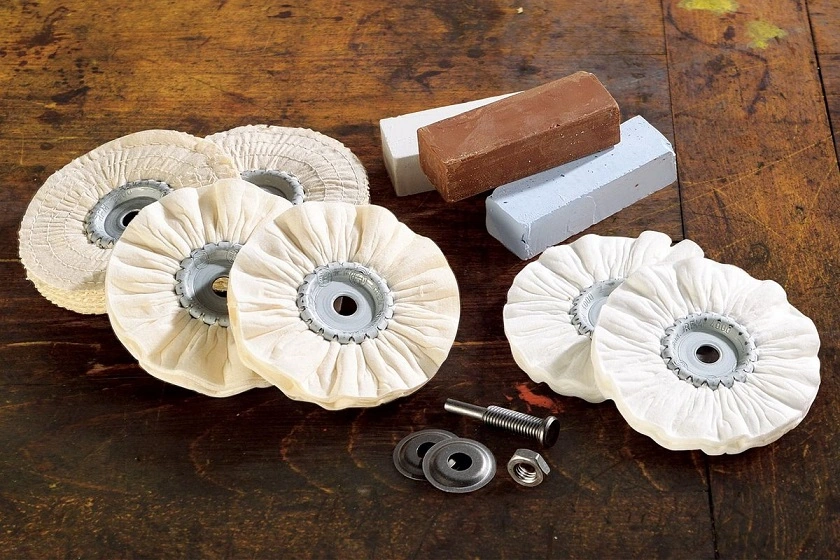
Surface finishing operations are essential processes applied to sheet metal parts to enhance their appearance, functionality, and durability. These operations involve the removal of imperfections, smoothing of surfaces, and application of protective coatings. The importance of surface finishing cannot be overstated, as it directly impacts the performance, longevity, and aesthetic appeal of the final product.

  • Key Objectives of Surface Finishing:
    • Improve aesthetic appearance.
    • Enhance corrosion resistance.
    • Reduce friction and wear.
    • Remove surface defects.
    • Prepare surfaces for further processing.

Overview of Surface Finishing Techniques

Surface finishing techniques encompass a wide range of processes, each tailored to achieve specific results. The primary techniques include deburring, polishing, and buffing, each serving a unique purpose in the finishing workflow.

  • Deburring: The process of removing burrs—tiny protrusions or unwanted materials—from the edges of sheet metal parts.
  • Polishing: Involves smoothing and shining the surface to achieve a reflective finish.
  • Buffing: A finishing process that further enhances the shine and smoothness of the surface.

Applications in Industry

Surface finishing operations are vital across various industries, including automotive, aerospace, electronics, and consumer goods. The demand for high-quality finishes in these sectors drives innovation and the development of advanced finishing techniques.

  • Automotive: Enhancing the appearance and durability of car components.
  • Aerospace: Ensuring precision and performance in aircraft parts.
  • Electronics: Improving the aesthetic and functional quality of devices.
  • Consumer Goods: Increasing the appeal and longevity of products.

Section 2: Deburring in Sheet Metal Parts

Section 2: Deburring in Sheet Metal Parts

Definition and Types of Burrs

Deburring is the process of removing small, unwanted protrusions or burrs that form on the edges of sheet metal parts during manufacturing processes like cutting, drilling, and stamping. Burrs can negatively affect the performance, safety, and appearance of metal parts, making deburring a critical step in the production cycle.

  • Types of Burrs:
    • Poisson Burr: Caused by material deformation, often appears as a thin edge.
    • Roll-Over Burr: Occurs when material is pushed over the edge of a part.
    • Tear Burr: Created by tearing of material, resulting in irregular edges.
    • Cut-Off Burr: Occurs at the end of the cutting process, often requiring specific removal techniques.

Methods of Burr Removal

The selection of a deburring method depends on factors such as the type of burr, material properties, and desired surface finish. Below are common deburring methods:

Manual Deburring
  • Tools Used: Files, scrapers, abrasive pads, and brushes.
  • Advantages:
    • Cost-effective for small-scale production.
    • Provides control over the finishing process.
  • Disadvantages:
    • Labor-intensive and time-consuming.
    • Inconsistent results due to human error.
Mechanical Deburring
  • Methods:
    • Tumbling: Parts are placed in a tumbler with abrasive media that polishes the edges.
    • Vibratory Finishing: Uses vibrations to agitate parts and media for deburring.
    • Grinding: Utilizes rotating abrasive wheels to remove burrs.
  • Advantages:
    • Suitable for large-scale production.
    • Consistent and repeatable results.
  • Disadvantages:
    • May require additional equipment and space.
    • Potential for media contamination.
Thermal Deburring
  • Process: Involves exposing parts to a controlled explosion of gas to burn away burrs.
  • Advantages:
    • Effective for hard-to-reach areas.
    • Fast and efficient for complex parts.
  • Disadvantages:
    • High initial setup cost.
    • Limited to specific materials.
Electrochemical Deburring
  • Process: Involves the use of electrolytic solutions to dissolve burrs.
  • Advantages:
    • Precise and controlled removal.
    • Minimal tool wear.
  • Disadvantages:
    • Requires careful handling of chemicals.
    • High operational costs.

Tools and Equipment Used

  • Manual Tools: Files, sandpaper, brushes.
  • Mechanical Equipment: Tumblers, grinders, vibratory finishers.
  • Advanced Equipment: Thermal deburring machines, electrochemical setups.

Challenges in Deburring

  • Material Compatibility: Different materials require specific deburring techniques.
  • Cost Considerations: Balancing cost and efficiency in high-volume production.
  • Quality Control: Ensuring consistent results across batches.

Case Studies

Case Study 1: Automotive Component Deburring

  • Objective: Improve the precision and safety of automotive parts.
  • Method Used: Mechanical deburring with vibratory finishing.
  • Outcome: Enhanced safety and performance of components, reduced production time.

Case Study 2: Aerospace Part Deburring

  • Objective: Achieve high precision and reliability in aircraft parts.
  • Method Used: Electrochemical deburring for intricate components.
  • Outcome: Improved accuracy and reliability, meeting industry standards.

Section 3: Polishing of Sheet Metal Parts

Section 3: Polishing of Sheet Metal Parts

Definition and Purpose

Polishing is a surface finishing process aimed at smoothing and shining metal parts to achieve a reflective finish. It enhances the appearance and functionality of metal parts by removing scratches, pits, and other imperfections.

  • Purpose of Polishing:
    • Improve aesthetic appeal.
    • Increase corrosion resistance.
    • Enhance surface smoothness and reflectivity.
    • Prepare surfaces for further coating or finishing processes.

Polishing Techniques

Various polishing techniques are employed based on the desired finish and application requirements.

Mechanical Polishing
  • Process: Involves the use of abrasive materials to remove surface irregularities.
  • Techniques:
    • Belt Polishing: Uses abrasive belts for continuous polishing.
    • Disk Polishing: Utilizes rotating disks with abrasive pads.
    • Buffing Wheels: Employs rotating cloth wheels with polishing compounds.
  • Advantages:
    • Cost-effective and versatile.
    • Suitable for various metals and shapes.
  • Disadvantages:
    • Limited precision for complex geometries.
    • Requires skilled operators for optimal results.
Electropolishing
  • Process: Involves the use of an electrolytic bath to dissolve the surface layer of metal, resulting in a smooth and shiny finish.
  • Advantages:
    • Superior surface finish and reflectivity.
    • Removes microscopic imperfections.
    • Enhances corrosion resistance.
  • Disadvantages:
    • High setup and operational costs.
    • Limited to specific metals and applications.

Tools and Equipment Used

  • Abrasive Belts and Disks: Used for mechanical polishing.
  • Buffing Wheels and Compounds: For fine finishing.
  • Electropolishing Equipment: Includes electrolytic baths and power supplies.

Comparison of Different Polishing Methods

MethodAdvantagesDisadvantages
MechanicalCost-effective, versatileLimited precision for complex parts
ElectropolishingSuperior finish, corrosion resistanceHigh cost, limited material compatibility

Applications in Various Industries

  • Automotive: Enhancing the appearance of exterior and interior components.
  • Medical Devices: Ensuring the smoothness and biocompatibility of implants and tools.
  • Aerospace: Improving the aerodynamics and aesthetics of aircraft parts.
  • Consumer Electronics: Enhancing the visual appeal of devices and components.

Challenges and Solutions

  • Surface Uniformity: Achieving consistent finishes across complex geometries.
  • Material Constraints: Adapting techniques for various metals and alloys.
  • Environmental Concerns: Managing waste and emissions from polishing processes.

Section 4: Buffing Process for Sheet Metal Parts

Section 4: Buffing Process for Sheet Metal Parts

Definition and Difference from Polishing

Buffing is a surface finishing process that involves the use of soft cloth wheels and polishing compounds to achieve a high-gloss finish on metal surfaces. While similar to polishing, buffing focuses on enhancing the final appearance rather than removing significant surface imperfections.

  • Difference from Polishing:
    • Polishing: Involves removing surface material to smooth and refine.
    • Buffing: Focuses on creating a high-gloss, reflective finish.

Buffing Techniques

Different buffing techniques are employed based on the desired finish and complexity of the parts.

Manual Buffing
  • Process: Involves the use of hand-held buffing wheels and compounds.
  • Advantages:
    • Flexibility for small-scale production.
    • Control over the finishing process.
  • Disadvantages:
    • Labor-intensive and time-consuming.
    • Inconsistent results due to human error.
Automatic Buffing
  • Process: Utilizes automated machines and robotic arms for buffing.
  • Advantages:
    • Suitable for large-scale production.
    • Consistent and repeatable results.
  • Disadvantages:
    • High initial setup cost.
    • Limited flexibility for intricate parts.

Buffing Compounds and Materials

Buffing compounds are essential for achieving desired finishes and vary based on the material and application.

  • Types of Buffing Compounds:
    • Tripoli: Used for initial cutting and smoothing.
    • Rouge: Provides a high-gloss finish.
    • White Diamond: Removes light scratches and enhances shine.
  • Materials Used:
    • Cloth Wheels: Made from cotton, flannel, or sisal.
    • Buffing Pads: Available in various grades for different finishes.

Tools and Equipment Used

  • Buffing Machines: Includes bench grinders and automated buffing stations.
  • Buffing Wheels and Pads: Available in different sizes and materials.
  • Polishing Compounds: Formulated for specific applications and finishes.

Applications in Various Industries

  • Jewelry: Enhancing the luster and appeal of metal pieces.
  • Automotive: Achieving high-gloss finishes on body panels and trim.
  • Furniture: Polishing metal components for aesthetic appeal.
  • Consumer Goods: Improving the appearance of household items and appliances.

Advantages and Limitations

  • Advantages:
    • Enhances aesthetic appeal and surface smoothness.
    • Suitable for various metals and applications.
  • Limitations:
    • Limited material removal capability.
    • Requires careful handling to avoid surface damage.

Section 5: Comparison of Deburring, Polishing, and Buffing

Differences in Techniques and Applications

ProcessPurposeApplications
DeburringRemove burrs and imperfectionsManufacturing, machining
PolishingSmooth and shine surfacesAutomotive, aerospace, electronics
BuffingEnhance gloss and appearanceJewelry, consumer goods, automotive

Suitability for Different Types of Sheet Metal

  • Deburring: Essential for parts with sharp edges and complex geometries.
  • Polishing: Suitable for achieving reflective finishes on flat and contoured surfaces.
  • Buffing: Ideal for enhancing the appearance of decorative and high-visibility parts.

Cost and Time Considerations

  • Deburring: Cost-effective for high-volume production, but may require specialized equipment.
  • Polishing: Balances cost with desired finish quality, may involve multiple steps.
  • Buffing: Cost-effective for achieving high-gloss finishes, but may require additional polishing.

Environmental and Safety Considerations

  • Deburring: Potential for media and chemical contamination, requires proper disposal.
  • Polishing: Generates dust and waste, necessitating effective ventilation and filtration.
  • Buffing: Involves the use of chemicals, requires protective equipment and safety measures.

Section 6: Advancements in Surface Finishing Technologies

Automation and Robotics

The integration of automation and robotics in surface finishing operations has revolutionized the industry, offering improved efficiency, precision, and consistency.

  • Benefits of Automation:
    • Reduced labor costs and human error.
    • Enhanced precision and repeatability.
    • Increased production speed and efficiency.
  • Applications:
    • Robotic deburring for intricate parts.
    • Automated polishing systems for large components.
    • Intelligent buffing machines with adaptive control.

Innovative Materials and Techniques

Advancements in materials and techniques continue to drive improvements in surface finishing processes.

  • Innovative Materials:
    • Advanced Abrasives: Developments in abrasive materials enhance cutting and polishing efficiency.
    • Eco-Friendly Compounds: Formulations that reduce environmental impact and improve safety.
  • New Techniques:
    • Laser Deburring: Uses laser beams to remove burrs with precision.
    • Nano-Polishing: Employs nanotechnology for superior surface finishes.

Impact of Industry 4.0

Industry 4.0 is reshaping surface finishing operations through the integration of smart technologies and data-driven approaches.

  • Key Aspects of Industry 4.0:
    • IoT Connectivity: Enables real-time monitoring and control of finishing processes.
    • Data Analytics: Provides insights into process optimization and quality control.
    • AI and Machine Learning: Enhances decision-making and process automation.

Case Studies on Modern Applications

Case Study 1: Automotive Industry

  • Objective: Improve production efficiency and finish quality.
  • Solution: Implementation of robotic polishing systems with IoT connectivity.
  • Outcome: Increased production speed, reduced defects, and enhanced finish quality.

Case Study 2: Aerospace Industry

  • Objective: Achieve high precision and consistency in aircraft parts.
  • Solution: Integration of AI-driven deburring and polishing systems.
  • Outcome: Improved accuracy, reduced waste, and compliance with industry standards.

Section 7: Best Practices and Quality Control

Quality Standards and Certifications

Adhering to quality standards and certifications ensures the reliability and performance of surface-finished parts.

  • Key Standards:
    • ISO 9001: Quality management systems for consistent product quality.
    • ISO 14001: Environmental management standards for sustainable practices.
    • NADCAP: Aerospace industry standards for process quality and control.

Inspection Techniques

Effective inspection techniques are crucial for maintaining the quality and consistency of finished parts.

  • Visual Inspection: Identifying surface defects and irregularities.
  • Dimensional Inspection: Measuring critical dimensions and tolerances.
  • Surface Roughness Testing: Assessing surface smoothness and texture.
  • Non-Destructive Testing: Evaluating structural integrity without damaging parts.

Process Optimization

Optimizing surface finishing processes enhances efficiency and reduces costs.

  • Key Strategies:
    • Lean Manufacturing: Minimizing waste and improving workflow.
    • Continuous Improvement: Implementing feedback loops for process refinement.
    • Process Automation: Utilizing technology for increased efficiency and precision.

Safety Measures and Precautions

Ensuring safety in surface finishing operations is paramount to protect workers and the environment.

  • Safety Precautions:
    • Personal Protective Equipment (PPE): Gloves, masks, goggles, and protective clothing.
    • Ventilation and Filtration: Effective air quality management to reduce dust and fumes.
    • Training and Education: Ongoing training programs for workers to ensure safe practices.

Section 8: Conclusion

Summary of Key Points

  • Surface finishing operations, including deburring, polishing, and buffing, are essential for enhancing the appearance, functionality, and durability of sheet metal parts.
  • Deburring removes burrs and imperfections, while polishing smooths and shines surfaces, and buffing enhances gloss and appearance.
  • Advancements in technology, automation, and materials continue to drive improvements in surface finishing processes.

Future Trends in Surface Finishing

The future of surface finishing operations will be shaped by continued advancements in automation, materials, and sustainability.

  • Emerging Trends:
    • Green Technologies: Development of eco-friendly compounds and processes.
    • Advanced Robotics: Increased use of robotics for precision and efficiency.
    • Smart Manufacturing: Integration of IoT and AI for data-driven process optimization.

Final Thoughts

Surface finishing operations are a vital component of modern manufacturing, contributing to the quality and performance of sheet metal parts across various industries. By staying abreast of technological advancements and best practices, manufacturers can achieve superior finishes and meet the evolving demands of the market.

Types of Polishing

Types of Polishing
Types of Polishing

Polishing is primarily categorized into mechanical and chemical methods, each serving different purposes and achieving unique results.

1. Mechanical Polishing

Mechanical polishing involves using abrasive tools and materials to physically remove surface material and achieve a smooth, reflective finish.

a. Belt Polishing

  • Process: Uses abrasive belts that continuously rotate around rollers to polish the surface of the metal.
  • Applications: Ideal for flat surfaces and edges.
  • Advantages: Cost-effective, easy to set up, and suitable for removing larger imperfections.
  • Commonly Used Materials:
    • Aluminum Oxide: A widely used abrasive for general-purpose polishing.
    • Silicon Carbide: Suitable for hard metals and provides a fine finish.

b. Disk Polishing

  • Process: Utilizes rotating disks with abrasive pads to polish surfaces.
  • Applications: Suitable for curved and irregular surfaces.
  • Advantages: Provides uniform pressure and can reach tight spots.
  • Commonly Used Materials:
    • Diamond Abrasives: Known for cutting efficiency and durability, especially on hard metals.
    • Ceramic Abrasives: Used for rapid stock removal and fine finishes.

c. Buffing Wheels

  • Process: Employs cloth wheels coated with polishing compounds to achieve a high-gloss finish.
  • Applications: Suitable for finishing and enhancing shine on metal surfaces.
  • Advantages: Produces a mirror-like finish, ideal for aesthetic applications.
  • Commonly Used Materials:
    • Cotton and Flannel Wheels: Provide softness and flexibility, allowing for smooth finishes.
    • Sisal Wheels: Used for cutting and initial buffing stages due to their firmness.

d. Vibratory Polishing

  • Process: Involves placing parts in a vibrating container filled with abrasive media and compounds.
  • Applications: Ideal for small and complex parts that require even polishing.
  • Advantages: Provides consistent finishes, handles large volumes, and reduces manual labor.
  • Commonly Used Materials:
    • Ceramic Media: Effective for heavy cutting and smoothing.
    • Plastic Media: Used for delicate parts and achieving fine finishes.

2. Chemical and Electrochemical Polishing

Chemical and electrochemical polishing methods involve the use of chemical reactions to remove surface material and achieve a smooth finish.

a. Electropolishing

  • Process: Uses an electrolytic bath to dissolve the surface layer of metal, smoothing and leveling the surface.
  • Applications: Commonly used in industries requiring high precision and cleanliness, such as medical and food processing.
  • Advantages: Removes microscopic burrs, enhances corrosion resistance, and improves surface reflectivity.
  • Commonly Used Materials:
    • Electrolytic Solutions: Acidic solutions containing phosphoric and sulfuric acids.
    • Anodes and Cathodes: Typically made from stainless steel or titanium for durability.

b. Chemical Polishing

  • Process: Involves submerging the metal in a chemical solution that selectively removes surface material.
  • Applications: Suitable for intricate shapes and areas difficult to reach with mechanical methods.
  • Advantages: Provides uniform finishes and is effective for complex geometries.
  • Commonly Used Materials:
    • Acidic Solutions: Mixtures of nitric, hydrochloric, and sulfuric acids tailored to specific metals.
    • Additives: Agents that control the polishing rate and improve surface quality.

3. Abrasive Polishing

Abrasive polishing uses fine abrasive particles to refine the surface, removing minor scratches and achieving a high level of smoothness.

a. Sandblasting

  • Process: Propels fine abrasive particles against the surface of the metal to remove contaminants and smoothen the surface.
  • Applications: Suitable for preparing surfaces for painting or coating.
  • Advantages: Fast and effective for large surfaces and tough residues.
  • Commonly Used Materials:
    • Silica Sand: Traditional abrasive for general-purpose sandblasting.
    • Glass Beads: Provides a smoother finish and is less aggressive than sand.
    • Garnet: Known for its hardness and sharpness, ideal for heavy-duty applications.

b. Lapping

  • Process: Involves using a lapping plate and abrasive slurry to achieve a fine, flat surface finish.
  • Applications: Used in precision applications requiring tight tolerances, such as in optics and semiconductor industries.
  • Advantages: Produces extremely flat surfaces and fine finishes.
  • Commonly Used Materials:
    • Diamond Slurry: Provides precision and is used for hard materials.
    • Aluminum Oxide Slurry: Suitable for softer materials and less abrasive applications.

c. Micro-Abrasive Blasting

  • Process: Uses a controlled stream of micro-abrasive particles to remove fine surface layers.
  • Applications: Ideal for delicate and detailed parts requiring precision.
  • Advantages: Highly controlled process, reduces risk of surface damage.
  • Commonly Used Materials:
    • Aluminum Oxide Powder: Common for general applications and provides a good balance of cutting and polishing.
    • Sodium Bicarbonate: Gentle abrasive for sensitive materials.

Materials Used in Polishing

Materials Used in Polishing

The choice of materials used in polishing depends on the type of metal, desired finish, and specific polishing method. Below are commonly used materials and compounds in metal polishing:

1. Abrasive Materials

  • Aluminum Oxide: A versatile and widely used abrasive for various metals, including steel and aluminum. It provides a good balance between cutting and finishing capabilities.
  • Silicon Carbide: Known for its hardness and sharpness, it is used for polishing hard metals and achieving a smooth surface.
  • Diamond Abrasives: Offers superior cutting efficiency and is ideal for polishing hard and brittle metals, such as tungsten and ceramics.
  • Ceramic Abrasives: Used for heavy-duty applications, offering high material removal rates and durability.

2. Polishing Compounds

Polishing compounds are essential in achieving the desired finish and are formulated for specific metals and applications.

a. Tripoli Compound

  • Description: A coarse compound used for initial cutting and smoothing of surfaces.
  • Applications: Commonly used on softer metals like aluminum and brass to remove scratches and surface imperfections.

b. Rouge Compound

  • Description: A fine polishing compound used for achieving a high-gloss finish.
  • Applications: Ideal for polishing precious metals such as gold and silver, as well as achieving a mirror-like finish on stainless steel.

c. White Diamond Compound

  • Description: A versatile compound used for polishing and refining surfaces.
  • Applications: Suitable for use on plastics and metals, providing a bright finish and removing light scratches.

d. Green Chromium Oxide Compound

  • Description: A compound containing chromium oxide, used for achieving a fine finish.
  • Applications: Ideal for polishing stainless steel and other hard metals, providing a high level of smoothness and shine.

3. Polishing Pads and Wheels

Polishing pads and wheels come in various materials and are selected based on the desired finish and application requirements.

  • Cotton Buffing Wheels: Soft and flexible, suitable for applying polishing compounds and achieving a smooth finish.
  • Flannel Buffing Wheels: Provide a finer finish and are often used in the final buffing stage.
  • Sisal Buffing Wheels: Firm and durable, used for cutting and initial buffing stages.
  • Foam Polishing Pads: Used in conjunction with polishing compounds for fine finishing and detailing.

4. Chemical Solutions

Chemical solutions play a critical role in chemical and electrochemical polishing processes, providing the necessary reactions to achieve desired surface finishes.

  • Electrolytic Solutions: Composed of acids like phosphoric and sulfuric acids, used in electropolishing to dissolve surface material and enhance smoothness.
  • Chemical Polishing Solutions: Tailored mixtures of acids and additives designed for specific metals and applications, providing controlled material removal and surface refinement.

Conclusion

Polishing is a vital surface finishing process that enhances the appearance and functionality of metal parts. By understanding the various polishing methods and materials, manufacturers can achieve the desired finishes for different applications and industries. Whether through mechanical, chemical, or abrasive techniques, the choice of polishing materials and compounds plays a crucial role in achieving high-quality surface finishes.

Best Polishing Methods for Metal

Best Polishing Methods for Metal

Polishing metal surfaces is a critical step in many manufacturing processes, enhancing both the aesthetic appeal and functional properties of metal parts. The best polishing methods depend on various factors, including the type of metal, the desired finish, and specific application requirements. Below, we’ll explore some of the most effective polishing methods and their respective advantages, disadvantages, and suitable applications.

1. Mechanical Polishing

Mechanical polishing is one of the most commonly used methods due to its versatility and effectiveness in achieving smooth, shiny surfaces. This method involves using abrasive materials to physically remove surface imperfections.

a. Belt Polishing

Process: Belt polishing uses continuous abrasive belts to grind and polish metal surfaces. It is suitable for flat and slightly curved surfaces.

  • Advantages:
    • Cost-effective and suitable for high-volume production.
    • Can handle a wide range of metals, including steel, aluminum, and brass.
    • Efficient at removing larger surface imperfections.
  • Disadvantages:
    • Limited precision for intricate parts and complex geometries.
    • May require additional finishing steps to achieve a mirror-like finish.
  • Applications:
    • Automotive parts such as body panels and bumpers.
    • Large metal sheets and plates.
    • Metal furniture components.

b. Disk Polishing

Process: Disk polishing involves rotating abrasive disks to smooth and shine metal surfaces. It is often used for smaller or more intricate parts.

  • Advantages:
    • Provides uniform pressure and consistent results.
    • Suitable for complex shapes and small parts.
    • Versatile for a range of metals and finishes.
  • Disadvantages:
    • Requires skilled operators to avoid over-polishing.
    • Limited to flat and moderately curved surfaces.
  • Applications:
    • Jewelry and small metal components.
    • Precision instruments and tools.
    • Metal parts with intricate designs.

c. Vibratory Polishing

Process: Vibratory polishing involves placing metal parts in a vibrating container filled with abrasive media and compounds. The vibrations cause the media to polish the surfaces of the parts.

  • Advantages:
    • Ideal for large batches of small parts.
    • Provides even polishing across surfaces.
    • Reduces manual labor and operator fatigue.
  • Disadvantages:
    • Slower than other mechanical methods.
    • Limited to smaller parts and components.
  • Applications:
    • Small automotive components.
    • Hardware and fasteners.
    • Jewelry and decorative items.

d. Buffing Wheels

Process: Buffing involves using cloth wheels and polishing compounds to achieve a high-gloss finish on metal surfaces. It is often used as a final finishing step.

  • Advantages:
    • Achieves a mirror-like, high-gloss finish.
    • Suitable for a wide range of metals, including stainless steel and aluminum.
    • Enhances the aesthetic appeal of metal surfaces.
  • Disadvantages:
    • Limited material removal capability.
    • Requires careful handling to avoid surface damage.
  • Applications:
    • Automotive trim and decorative parts.
    • Consumer electronics and appliances.
    • Jewelry and luxury goods.

2. Chemical and Electrochemical Polishing

Chemical and electrochemical polishing methods use chemical reactions to smooth and refine metal surfaces, offering high precision and uniform finishes.

a. Electropolishing

Process: Electropolishing involves submerging metal parts in an electrolytic bath, where controlled electrical currents dissolve the surface layer of the metal, smoothing and leveling it.

  • Advantages:
    • Produces superior surface finishes with excellent reflectivity.
    • Removes microscopic burrs and imperfections.
    • Enhances corrosion resistance and passivation of metals.
  • Disadvantages:
    • High initial setup and operational costs.
    • Limited to conductive materials like stainless steel, titanium, and aluminum.
  • Applications:
    • Medical devices and implants.
    • Food processing equipment.
    • Aerospace components.

b. Chemical Polishing

Process: Chemical polishing involves immersing metal parts in a chemical solution that selectively removes surface material, refining and smoothing the surface.

  • Advantages:
    • Uniform finishes on complex geometries.
    • Suitable for delicate parts and thin-walled components.
    • Reduces surface stress and improves fatigue resistance.
  • Disadvantages:
    • Requires precise control of chemical concentrations and temperature.
    • Potential environmental and safety concerns with chemical handling.
  • Applications:
    • Intricate metal parts and components.
    • Electronics and semiconductor industries.
    • Decorative metal products.

3. Abrasive Polishing

Abrasive polishing methods involve using fine abrasive particles to achieve a smooth and refined surface finish, often used for precision applications.

a. Lapping

Process: Lapping uses a lapping plate and abrasive slurry to achieve flat, smooth surfaces with tight tolerances. It is often used for precision applications.

  • Advantages:
    • Achieves extremely flat and smooth surfaces.
    • Suitable for high-precision parts and components.
    • Provides tight tolerances and uniform finishes.
  • Disadvantages:
    • Requires specialized equipment and expertise.
    • Limited to flat surfaces and precision applications.
  • Applications:
    • Optics and lenses.
    • Semiconductor wafers.
    • Precision mechanical components.

b. Micro-Abrasive Blasting

Process: Micro-abrasive blasting uses a controlled stream of micro-abrasive particles to remove fine surface layers and achieve precision finishes.

  • Advantages:
    • Highly controlled process for precision applications.
    • Suitable for delicate and detailed parts.
    • Minimizes surface damage and distortion.
  • Disadvantages:
    • Limited to small areas and precision applications.
    • Requires specialized equipment and expertise.
  • Applications:
    • Aerospace and aviation components.
    • Medical devices and instruments.
    • Precision electronics and circuit boards.

Comparison of Polishing Methods

Here’s a table comparing the various polishing methods to highlight their advantages, disadvantages, and applications:

MethodAdvantagesDisadvantagesApplications
Belt PolishingCost-effective, handles large surfacesLimited precision, may require additional finishingAutomotive parts, large metal sheets
Disk PolishingUniform pressure, suitable for intricate partsSkilled operation required, limited to flat surfacesJewelry, precision instruments, complex shapes
Vibratory PolishingEven polishing, suitable for large batchesSlower process, limited to small partsSmall automotive components, hardware, jewelry
Buffing WheelsAchieves high-gloss finish, enhances aestheticsLimited material removal, requires careful handlingAutomotive trim, consumer electronics, jewelry
ElectropolishingSuperior finishes, removes microscopic burrs, enhances corrosion resistanceHigh setup costs, limited to conductive materialsMedical devices, food processing, aerospace components
Chemical PolishingUniform finishes on complex geometries, reduces surface stressPrecise control required, environmental concernsIntricate parts, electronics, decorative products
LappingExtremely flat surfaces, tight tolerancesRequires specialized equipment, limited to flat surfacesOptics, semiconductor wafers, precision components
Micro-Abrasive BlastingControlled process, suitable for delicate partsLimited to small areas, requires specialized equipmentAerospace components, medical devices, precision electronics

Factors to Consider When Choosing a Polishing Method

Selecting the best polishing method for a specific application involves considering several key factors:

  1. Material Type: Different metals have varying properties, such as hardness and corrosion resistance, that affect their suitability for specific polishing methods. For example, stainless steel benefits from electropolishing due to its corrosion resistance, while softer metals like aluminum can be effectively polished using mechanical methods.
  2. Desired Finish: The intended appearance and surface quality of the finished product influence the choice of polishing method. For instance, a high-gloss finish may require buffing, while a matte finish could be achieved with abrasive blasting.
  3. Component Geometry: The shape and complexity of the metal parts play a crucial role in determining the most suitable polishing method. Intricate geometries may require chemical or electrochemical polishing for uniform finishes, while flat surfaces can be efficiently polished using mechanical methods.
  4. Production Volume: The scale of production impacts the choice of polishing method, with high-volume production benefiting from automated mechanical processes and small-batch or custom work requiring more manual techniques.
  5. Cost and Efficiency: The overall cost and efficiency of the polishing process, including equipment, labor, and materials, must be evaluated to determine the most cost-effective solution without compromising quality.
  6. Environmental and Safety Considerations: The environmental impact and safety of the polishing process, including waste management and operator safety, should be considered when selecting a method. Chemical processes may require special handling and disposal procedures, while mechanical methods can generate dust and noise.

Conclusion

Polishing is a vital process in the metalworking industry, significantly impacting the appearance and functionality of metal parts. By understanding the strengths and limitations of each polishing method, manufacturers can select the most appropriate technique to achieve the desired finish and meet specific application requirements. Whether through mechanical, chemical, or abrasive methods, the choice of polishing technique plays a critical role in producing high-quality, durable metal products.

What is Industrial Buffing?

What is Industrial Buffing?

Industrial buffing is a crucial process in the metal finishing industry, aimed at enhancing the appearance and functional properties of metal surfaces. It involves using buffing wheels and compounds to produce smooth, reflective finishes on various metal products. This section will explore the methods, materials, applications, and advancements in industrial buffing, providing a comprehensive understanding of this essential metalworking technique.

Industrial buffing is a surface finishing process used to achieve a high-gloss, mirror-like finish on metal surfaces. It involves using buffing wheels made from cloth, felt, or other materials, along with buffing compounds, to polish and smoothen the surface of metal parts. Buffing is often the final step in the finishing process, following grinding or polishing, to achieve the desired surface quality.

Objectives of Industrial Buffing

  • Enhance Aesthetic Appeal: Buffing improves the visual appearance of metal parts by creating a reflective, glossy surface.
  • Improve Surface Smoothness: The process removes fine scratches and imperfections, resulting in a smooth, even surface.
  • Increase Corrosion Resistance: A polished surface can help reduce the risk of corrosion by minimizing surface irregularities where moisture could accumulate.
  • Prepare for Further Coating: Buffing can prepare metal surfaces for additional coatings, such as paint or plating, by ensuring a smooth base.

Buffing Methods

Industrial buffing can be performed using various methods, each tailored to specific applications and desired finishes. Below are the primary methods used in industrial buffing:

1. Manual Buffing

Manual buffing involves skilled operators using hand-held buffing tools to polish metal surfaces. This method is often used for small-scale production or intricate parts requiring precise attention to detail.

  • Advantages:
    • Provides greater control over the buffing process.
    • Suitable for complex shapes and detailed work.
    • Allows for adjustments during the process to achieve the desired finish.
  • Disadvantages:
    • Labor-intensive and time-consuming.
    • Inconsistent results due to human error.
    • Limited to small production volumes.
  • Applications:
    • Jewelry and decorative items.
    • Small automotive components.
    • Custom metalwork.

2. Automated Buffing

Automated buffing employs machines and robotic systems to buff metal surfaces, offering consistent and efficient results for large-scale production.

  • Advantages:
    • High-speed production and consistent quality.
    • Reduces labor costs and human error.
    • Capable of handling large and complex parts.
  • Disadvantages:
    • High initial setup and equipment costs.
    • Limited flexibility for intricate parts or custom finishes.
  • Applications:
    • Automotive parts and assemblies.
    • Household appliances and electronics.
    • Aerospace components.

3. Robotic Buffing

Robotic buffing utilizes robotic arms equipped with buffing tools to perform precise and efficient buffing operations, especially for complex geometries and large parts.

  • Advantages:
    • High precision and repeatability.
    • Reduced human labor and increased safety.
    • Capable of handling intricate and large-scale parts.
  • Disadvantages:
    • High capital investment for robotic systems.
    • Requires programming and maintenance expertise.
  • Applications:
    • Aerospace and automotive industries.
    • Large metal structures and equipment.
    • High-volume production of standardized parts.

Buffing Compounds and Materials

Buffing Compounds and Materials

The choice of buffing compounds and materials significantly influences the quality and efficiency of the buffing process. Various compounds are used based on the type of metal and desired finish.

Buffing Compounds

Buffing compounds are abrasive materials mixed with binders that help achieve the desired finish on metal surfaces. They come in different formulations, each suited for specific applications.

a. Tripoli Compound

  • Description: A coarse compound used for initial cutting and smoothing of metal surfaces.
  • Applications: Ideal for removing scratches and surface imperfections on softer metals like aluminum and brass.

b. Rouge Compound

  • Description: A fine compound used to achieve a high-gloss, mirror-like finish.
  • Applications: Suitable for polishing precious metals such as gold and silver, as well as stainless steel.

c. White Diamond Compound

  • Description: A versatile compound used for polishing and refining metal surfaces.
  • Applications: Effective on plastics and metals, providing a bright finish and removing light scratches.

d. Green Chromium Oxide Compound

  • Description: A compound containing chromium oxide, used for achieving a fine finish.
  • Applications: Ideal for polishing stainless steel and other hard metals, offering a high level of smoothness and shine.

Buffing Wheels and Materials

Buffing wheels are essential tools in the buffing process, available in various materials and configurations to suit different applications.

a. Cloth Buffing Wheels

  • Description: Made from cotton or flannel, cloth wheels are soft and flexible, allowing for smooth finishes.
  • Applications: Commonly used for applying buffing compounds and achieving a polished finish.

b. Sisal Buffing Wheels

  • Description: Made from natural fibers, sisal wheels are firm and durable, making them suitable for initial cutting and buffing stages.
  • Applications: Used for aggressive cutting and removing surface imperfections before finer buffing.

c. Felt Buffing Wheels

  • Description: Dense and rigid, felt wheels are used for precision buffing and achieving high-gloss finishes.
  • Applications: Ideal for detailed work and achieving mirror-like finishes on metals.

Applications of Industrial Buffing

Applications of Industrial Buffing

Industrial buffing is used across various industries to enhance the appearance and functionality of metal parts. Here are some key applications:

1. Automotive Industry

  • Applications:
    • Buffing car body panels to achieve a smooth, glossy finish.
    • Polishing chrome trim and accessories for enhanced aesthetic appeal.
    • Smoothing engine components and parts for improved performance.
  • Benefits:
    • Improves the overall appearance and marketability of vehicles.
    • Enhances corrosion resistance and durability of parts.
    • Prepares surfaces for additional coatings or treatments.

2. Aerospace Industry

  • Applications:
    • Buffing aircraft components for improved aerodynamics and aesthetics.
    • Polishing turbine blades and engine parts for enhanced performance.
    • Smoothing fuselage and wing surfaces for reduced drag.
  • Benefits:
    • Increases the efficiency and reliability of aerospace components.
    • Enhances safety and performance of aircraft.
    • Meets stringent industry standards for quality and precision.

3. Jewelry and Decorative Products

  • Applications:
    • Buffing gold, silver, and platinum jewelry to achieve a high-gloss finish.
    • Polishing decorative metal items such as sculptures and ornaments.
    • Enhancing the appearance of metal art pieces and custom creations.
  • Benefits:
    • Improves the aesthetic appeal and value of jewelry and decorative items.
    • Provides a luxurious and professional finish to products.
    • Enhances the durability and wear resistance of metal pieces.

4. Electronics and Appliances

  • Applications:
    • Buffing metal casings and components for electronics and appliances.
    • Polishing stainless steel surfaces for enhanced appearance and cleanliness.
    • Smoothing metal parts for improved functionality and aesthetics.
  • Benefits:
    • Enhances the visual appeal and marketability of products.
    • Improves the performance and longevity of electronic devices.
    • Provides a polished and professional finish to consumer goods.

Advancements in Industrial Buffing

Advancements in Industrial Buffing

The field of industrial buffing has seen significant advancements in recent years, driven by technological innovations and industry demands for improved efficiency and quality. Here are some notable advancements:

1. Automation and Robotics

The integration of automation and robotics in industrial buffing processes has revolutionized the industry, offering improved precision, efficiency, and consistency.

  • Benefits:
    • Reduces labor costs and human error.
    • Increases production speed and throughput.
    • Provides consistent and repeatable results.
  • Applications:
    • Automated buffing systems for automotive and aerospace components.
    • Robotic buffing for large and complex parts in various industries.
    • Intelligent systems with adaptive control for customized finishes.

2. Innovative Materials and Compounds

Advancements in buffing materials and compounds have led to improved performance and environmental sustainability.

  • Innovative Materials:
    • Eco-Friendly Compounds: Formulations that reduce environmental impact and improve safety.
    • Advanced Abrasives: Developments in abrasive materials enhance cutting and polishing efficiency.
  • Applications:
    • High-performance compounds for demanding industrial applications.
    • Environmentally friendly solutions for sustainable manufacturing practices.
    • Custom formulations for specific metals and finishes.

3. Industry 4.0 and Smart Technologies

Industry 4.0 is reshaping industrial buffing through the integration of smart technologies and data-driven approaches.

  • Key Aspects:
    • IoT Connectivity: Enables real-time monitoring and control of buffing processes.
    • Data Analytics: Provides insights into process optimization and quality control.
    • AI and Machine Learning: Enhances decision-making and process automation.
  • Applications:
    • Smart buffing systems for adaptive process control and optimization.
    • Predictive maintenance and quality assurance through data-driven insights.
    • Integration of IoT and AI for intelligent manufacturing solutions.

Challenges and Solutions in Industrial Buffing

Challenges and Solutions in Industrial Buffing

Despite its advantages, industrial buffing also presents certain challenges that need to be addressed for optimal performance and quality. Here are some common challenges and their solutions:

1. Surface Uniformity

  • Challenge: Achieving consistent finishes across complex geometries and large surfaces can be difficult, leading to variations in surface quality.
  • Solution: Implementing automated and robotic systems ensures uniform pressure and consistent results, reducing variations in surface quality.

2. Material Compatibility

  • Challenge: Different metals have varying properties, such as hardness and corrosion resistance, that affect their compatibility with specific buffing methods and materials.
  • Solution: Selecting appropriate buffing compounds and materials for each metal type ensures optimal performance and finish quality.

3. Cost and Efficiency

  • Challenge: Balancing cost and efficiency in high-volume production while maintaining quality can be challenging, especially with manual buffing processes.
  • Solution: Investing in automated and robotic systems reduces labor costs and increases efficiency, allowing for cost-effective production without compromising quality.

4. Environmental and Safety Concerns

  • Challenge: Managing waste and emissions from buffing processes, as well as ensuring operator safety, can be challenging, especially with chemical compounds and dust generation.
  • Solution: Implementing effective ventilation and filtration systems, as well as using eco-friendly compounds, minimizes environmental impact and enhances safety.

Best Practices for Industrial Buffing

To achieve optimal results in industrial buffing, it is essential to follow best practices that ensure quality, efficiency, and safety. Here are some key best practices:

1. Quality Control and Inspection

Implementing robust quality control and inspection processes ensures the consistency and reliability of buffing results.

  • Visual Inspection: Identifying surface defects and irregularities to ensure uniform finishes.
  • Surface Roughness Testing: Assessing surface smoothness and texture to meet quality standards.
  • Dimensional Inspection: Measuring critical dimensions and tolerances to ensure precision.

2. Process Optimization

Optimizing buffing processes enhances efficiency and reduces costs, ensuring high-quality results.

  • Lean Manufacturing: Minimizing waste and improving workflow for efficient production.
  • Continuous Improvement: Implementing feedback loops for process refinement and optimization.
  • Process Automation: Utilizing technology for increased efficiency and precision.

3. Safety Measures and Precautions

Ensuring safety in industrial buffing operations is paramount to protect workers and the environment.

  • Personal Protective Equipment (PPE): Providing gloves, masks, goggles, and protective clothing to ensure operator safety.
  • Ventilation and Filtration: Implementing effective air quality management systems to reduce dust and fumes.
  • Training and Education: Offering ongoing training programs for workers to ensure safe practices and awareness.

4. Maintenance and Upkeep

Regular maintenance and upkeep of buffing equipment and systems ensure optimal performance and longevity.

  • Routine Inspections: Conducting regular inspections and maintenance to identify and address equipment issues.
  • Cleaning and Lubrication: Keeping buffing tools and equipment clean and lubricated for smooth operation.
  • Calibration and Adjustments: Ensuring equipment is calibrated and adjusted for precise and consistent results.

Conclusion

Industrial buffing is a vital process in the metalworking industry, offering numerous benefits in terms of appearance, functionality, and durability. By understanding the methods, materials, applications, and advancements in buffing, manufacturers can achieve high-quality finishes and meet the evolving demands of the market. Whether through manual, automated, or robotic methods, the choice of buffing technique plays a critical role in producing superior metal products. By adhering to best practices and addressing challenges, the industry can continue to innovate and improve the efficiency and quality of industrial buffing operations.

Types of Deburring Machines

Types of Deburring Machines

A deburring machine is an essential tool in metal fabrication, designed to remove burrs and other imperfections from metal parts. Burrs are unwanted projections of material that often occur during machining, cutting, or stamping processes. These imperfections can negatively affect the performance, safety, and appearance of metal parts, making deburring an important step in the manufacturing process.

Below, we’ll explore the various types of deburring machines, their working principles, applications, advantages, and considerations for selecting the right machine for your needs.

Deburring machines come in various types, each suited for specific applications and materials. Here are some of the most common types of deburring machines used in the industry:

1. Vibratory Deburring Machines

Description

Vibratory deburring machines use a vibrating bowl filled with abrasive media and parts to remove burrs. The vibrations cause the media to rub against the parts, effectively deburring and polishing them.

Working Principle

  • Parts and abrasive media are placed inside a vibrating chamber.
  • The vibrations cause the media to move in a circular motion, rubbing against the parts.
  • The abrasive action of the media removes burrs and smooths the surface of the parts.

Applications

  • Suitable for small to medium-sized parts.
  • Ideal for batch processing of components.
  • Used in industries such as automotive, aerospace, and electronics.

Advantages

  • Effective for complex shapes and geometries.
  • Can process multiple parts simultaneously.
  • Provides a consistent and uniform finish.

Disadvantages

  • Limited to smaller parts and components.
  • May require longer processing times for heavy burrs.

2. Centrifugal Disc Deburring Machines

Description

Centrifugal disc deburring machines use a rotating disc to generate high-speed motion, creating a sliding movement of abrasive media against the parts.

Working Principle

  • Parts and abrasive media are placed in a stationary container with a rotating disc at the bottom.
  • The rotation creates a centrifugal force that causes the media to slide against the parts.
  • The abrasive action removes burrs and smooths the surfaces.

Applications

  • Suitable for small to medium-sized parts with intricate shapes.
  • Used in industries such as jewelry, electronics, and precision engineering.

Advantages

  • Provides fast and efficient deburring.
  • Produces smooth and polished finishes.
  • Suitable for delicate and intricate parts.

Disadvantages

  • Limited to smaller parts and components.
  • May not be suitable for large or heavy parts.

3. Tumbling Deburring Machines

Description

Tumbling deburring machines use a rotating barrel filled with abrasive media and parts. The rotation causes the media to tumble against the parts, removing burrs and smoothing surfaces.

Working Principle

  • Parts and abrasive media are placed in a rotating barrel or drum.
  • The rotation causes the media and parts to tumble against each other.
  • The abrasive action of the media removes burrs and polishes the surfaces.

Applications

  • Suitable for small to medium-sized parts.
  • Commonly used in industries such as automotive, aerospace, and consumer goods.

Advantages

  • Cost-effective and simple to operate.
  • Capable of processing large batches of parts.
  • Provides consistent and uniform finishes.

Disadvantages

  • Limited to smaller parts and components.
  • May require longer processing times for heavy burrs.

4. Magnetic Deburring Machines

Description

Magnetic deburring machines use magnetic fields to agitate small steel pins or media, which in turn deburr and polish the surfaces of metal parts.

Working Principle

  • Parts are placed in a chamber with small steel pins or media.
  • Magnetic fields agitate the pins, causing them to move and interact with the parts.
  • The mechanical action of the pins removes burrs and polishes surfaces.

Applications

  • Suitable for small, delicate, and intricate parts.
  • Commonly used in industries such as electronics, medical devices, and jewelry.

Advantages

  • Gentle and precise deburring.
  • Suitable for intricate and delicate parts.
  • Can access hard-to-reach areas.

Disadvantages

  • Limited to small parts and components.
  • May require additional equipment for larger parts.

5. Brush Deburring Machines

Description

Brush deburring machines use rotating brushes made from abrasive materials to remove burrs and smooth surfaces.

Working Principle

  • Parts are fed through the machine where rotating brushes make contact with the surfaces.
  • The abrasive action of the brushes removes burrs and smooths the surfaces.

Applications

  • Suitable for flat surfaces and edges.
  • Used in industries such as automotive, aerospace, and metal fabrication.

Advantages

  • Effective for flat surfaces and edges.
  • Provides consistent and uniform finishes.
  • Can be integrated into production lines.

Disadvantages

  • Limited to flat surfaces and edges.
  • May not be suitable for complex shapes or intricate parts.

6. Thermal Deburring Machines

Description

Thermal deburring machines use controlled explosions of gas to burn away burrs from metal parts.

Working Principle

  • Parts are placed in a chamber filled with a mixture of gases.
  • The gases are ignited, creating a controlled explosion that burns away burrs.

Applications

  • Suitable for complex and intricate parts.
  • Commonly used in industries such as automotive, aerospace, and precision engineering.

Advantages

  • Effective for hard-to-reach areas and complex shapes.
  • Provides a clean and burr-free finish.
  • Fast and efficient process.

Disadvantages

  • High initial setup and operational costs.
  • Limited to specific materials and applications.

7. Electrochemical Deburring Machines

Description

Electrochemical deburring machines use electrolytic solutions to dissolve burrs from metal parts.

Working Principle

  • Parts are submerged in an electrolytic bath with an electric current applied.
  • The current causes the burrs to dissolve, leaving a smooth surface.

Applications

  • Suitable for precision and intricate parts.
  • Used in industries such as aerospace, medical devices, and electronics.

Advantages

  • Precise and controlled deburring.
  • Minimal tool wear and surface damage.
  • Suitable for intricate and delicate parts.

Disadvantages

  • Requires careful handling of chemicals.
  • High operational costs.

Selecting the Right Deburring Machine

Choosing the right deburring machine involves considering several factors, including the type of metal, the size and complexity of the parts, and the desired finish. Here are some key considerations for selecting the right deburring machine:

1. Type of Metal

Different metals have varying properties that affect their deburring requirements. Consider the hardness, ductility, and conductivity of the metal when selecting a deburring machine.

2. Size and Complexity of Parts

The size and complexity of the parts influence the choice of deburring machine. Consider the geometry, size, and intricacy of the parts to determine the most suitable machine.

3. Desired Finish

The desired finish and surface quality of the parts play a crucial role in selecting the right deburring machine. Consider the level of smoothness, precision, and appearance required for the finished parts.

4. Production Volume

The scale of production impacts the choice of deburring machine. Consider the production volume and batch size to determine whether manual or automated machines are more suitable.

5. Cost and Efficiency

Evaluate the overall cost and efficiency of the deburring process, including equipment, labor, and materials, to determine the most cost-effective solution without compromising quality.

6. Environmental and Safety Considerations

Consider the environmental impact and safety of the deburring process, including waste management and operator safety, when selecting a machine. Some machines may require special handling and disposal procedures for chemicals or emissions.

Advantages of Deburring Machines

Advantages of Deburring Machines

Deburring machines offer several advantages over manual deburring methods, making them essential tools in modern manufacturing processes. Here are some key advantages of using deburring machines:

1. Improved Efficiency and Productivity

Deburring machines automate the deburring process, significantly reducing the time and labor required compared to manual methods. This results in increased efficiency and productivity in manufacturing operations.

2. Consistent and Uniform Finishes

Deburring machines provide consistent and uniform finishes across batches, ensuring high-quality results with minimal variations in surface quality. This is particularly important for precision parts and components.

3. Reduced Labor Costs

Automated deburring machines reduce the need for manual labor, leading to lower labor costs and improved resource allocation in manufacturing operations.

4. Enhanced Safety

Deburring machines reduce the risk of operator injuries associated with manual deburring processes, such as cuts and abrasions. Additionally, automated machines minimize the exposure to hazardous materials and chemicals.

5. Versatility and Flexibility

Deburring machines offer versatility and flexibility in handling a wide range of parts and materials, making them suitable for various industries and applications.

6. Precision and Accuracy

Deburring machines provide precise and accurate deburring, ensuring high-quality finishes with minimal surface damage or tool wear.

Challenges and Solutions in Deburring

Challenges and Solutions in Deburring

Despite their advantages, deburring machines also present certain challenges that need to be addressed for optimal performance and quality. Here are some common challenges and their solutions:

1. Material Compatibility

Challenge: Different materials require specific deburring techniques, which can impact the selection of deburring machines and abrasive media.

Solution: Select appropriate deburring machines and materials for each metal type to ensure optimal performance and finish quality.

2. Surface Uniformity

Challenge: Achieving consistent finishes across complex geometries and large surfaces can be difficult, leading to variations in surface quality.

Solution: Implement automated and robotic systems to ensure uniform pressure and consistent results, reducing variations in surface quality.

3. Cost and Efficiency

Challenge: Balancing cost and efficiency in high-volume production while maintaining quality can be challenging, especially with manual deburring processes.

Solution: Invest in automated and robotic systems to reduce labor costs and increase efficiency, allowing for cost-effective production without compromising quality.

4. Environmental and Safety Concerns

Challenge: Managing waste and emissions from deburring processes, as well as ensuring operator safety, can be challenging, especially with chemical compounds and dust generation.

Solution: Implement effective ventilation and filtration systems, as well as use eco-friendly compounds, to minimize environmental impact and enhance safety.

Best Practices for Using Deburring Machines

Best Practices for Using Deburring Machines

To achieve optimal results in deburring, it is essential to follow best practices that ensure quality, efficiency, and safety. Here are some key best practices for using deburring machines:

1. Quality Control and Inspection

Implement robust quality control and inspection processes to ensure the consistency and reliability of deburring results.

  • Visual Inspection: Identify surface defects and irregularities to ensure uniform finishes.
  • Surface Roughness Testing: Assess surface smoothness and texture to meet quality standards.
  • Dimensional Inspection: Measure critical dimensions and tolerances to ensure precision.

2. Process Optimization

Optimize deburring processes to enhance efficiency and reduce costs, ensuring high-quality results.

  • Lean Manufacturing: Minimize waste and improve workflow for efficient production.
  • Continuous Improvement: Implement feedback loops for process refinement and optimization.
  • Process Automation: Utilize technology for increased efficiency and precision.

3. Safety Measures and Precautions

Ensure safety in deburring operations to protect workers and the environment.

  • Personal Protective Equipment (PPE): Provide gloves, masks, goggles, and protective clothing to ensure operator safety.
  • Ventilation and Filtration: Implement effective air quality management systems to reduce dust and fumes.
  • Training and Education: Offer ongoing training programs for workers to ensure safe practices and awareness.

4. Maintenance and Upkeep

Regular maintenance and upkeep of deburring equipment and systems ensure optimal performance and longevity.

  • Routine Inspections: Conduct regular inspections and maintenance to identify and address equipment issues.
  • Cleaning and Lubrication: Keep deburring tools and equipment clean and lubricated for smooth operation.
  • Calibration and Adjustments: Ensure equipment is calibrated and adjusted for precise and consistent results.

Conclusion

Deburring machines play a crucial role in the metalworking industry, providing efficient and effective solutions for removing burrs and imperfections from metal parts. By understanding the types, applications, and considerations for selecting deburring machines, manufacturers can achieve high-quality finishes and meet the evolving demands of the market. Whether through vibratory, centrifugal, tumbling, or advanced methods like thermal and electrochemical deburring, the choice of deburring machine plays a critical role in producing superior metal products. By adhering to best practices and addressing challenges, the industry can continue to innovate and improve the efficiency and quality of deburring operations.

If you have any further questions or need more detailed information on specific aspects of deburring machines, feel free to ask!

Best Deburring Techniques

Best Deburring Techniques

Deburring is a crucial step in metalworking and manufacturing that involves removing burrs—unwanted protrusions or rough edges—resulting from machining, cutting, drilling, or stamping processes. The presence of burrs can negatively affect the performance, safety, and aesthetics of metal parts. Therefore, selecting the best deburring techniques is essential for achieving smooth, functional, and visually appealing products.

Below, we’ll explore the most effective deburring techniques, their applications, advantages, disadvantages, and considerations for choosing the right method for specific needs.

1. Manual Deburring

Manual deburring involves using hand tools to remove burrs from metal parts. It is one of the oldest and most straightforward methods, offering flexibility and precision for small-scale or intricate tasks.

Tools Used

  • Files: Metal files are used to manually scrape and smooth burrs off the edges of metal parts. Available in various shapes and sizes to match specific needs.
  • Scrapers: Sharp, flat tools used for removing burrs from flat surfaces and edges.
  • Abrasive Pads: Scouring pads that can be used to smooth out small imperfections and surface burrs.
  • Rotary Tools: Dremel-like tools with small abrasive attachments for precise deburring of intricate areas.

Applications

  • Suitable for small batches and custom jobs.
  • Ideal for intricate and delicate parts where precision is critical.
  • Commonly used in the aerospace, automotive, and jewelry industries.

Advantages

  • Low initial investment and setup costs.
  • Provides precise control over the deburring process.
  • Flexibility to handle various part sizes and shapes.

Disadvantages

  • Labor-intensive and time-consuming for large volumes.
  • Inconsistent results due to human error.
  • Limited efficiency for high-volume production.

Best Practices

  • Ensure operators are well-trained and skilled in using manual tools.
  • Use appropriate safety gear, such as gloves and goggles, to protect against metal filings.
  • Regularly maintain and sharpen tools to ensure efficiency and precision.

2. Mechanical Deburring

Mechanical deburring involves using machines to automate the deburring process. This method is suitable for high-volume production and can handle various part sizes and shapes.

Types of Mechanical Deburring

a. Vibratory Deburring
  • Process: Uses a vibrating container filled with abrasive media to deburr parts. The vibration causes the media to rub against the parts, removing burrs.
  • Applications: Suitable for small to medium-sized parts with complex geometries.
  • Advantages: Handles multiple parts simultaneously, consistent finishes, effective for complex shapes.
  • Disadvantages: Limited to smaller parts, longer processing times for heavy burrs.
b. Tumbling Deburring
  • Process: Uses a rotating barrel filled with abrasive media and parts. The rotation causes the media to tumble against the parts, removing burrs.
  • Applications: Ideal for small parts and batch processing.
  • Advantages: Cost-effective, simple operation, capable of processing large batches.
  • Disadvantages: Limited to smaller parts, may require longer processing times for heavy burrs.
c. Brush Deburring
  • Process: Involves using rotating brushes made from abrasive materials to remove burrs from flat surfaces and edges.
  • Applications: Suitable for flat surfaces and edges, used in industries such as automotive and aerospace.
  • Advantages: Consistent finishes, can be integrated into production lines, effective for flat surfaces.
  • Disadvantages: Limited to flat surfaces, not suitable for intricate shapes.

Best Practices

  • Choose the right abrasive media for the specific material and part geometry.
  • Regularly monitor and maintain machinery to ensure optimal performance.
  • Adjust processing times and media compositions based on part specifications and desired finishes.

3. Thermal Deburring

Thermal deburring is an advanced method that uses controlled explosions of gas to remove burrs from metal parts. It is particularly effective for complex and intricate parts.

Process

  • Parts are placed in a chamber filled with a mixture of combustible gases, such as hydrogen and oxygen.
  • The gases are ignited, creating a controlled explosion that burns away burrs.

Applications

  • Suitable for intricate and complex parts with hard-to-reach areas.
  • Commonly used in the automotive and aerospace industries.

Advantages

  • Effective for hard-to-reach areas and complex shapes.
  • Provides a clean and burr-free finish.
  • Fast and efficient process for large volumes.

Disadvantages

  • High initial setup and operational costs.
  • Limited to specific materials that can withstand high temperatures.
  • Requires careful handling and safety measures.

Best Practices

  • Ensure the chamber and parts are properly sealed to prevent gas leaks.
  • Conduct thorough safety checks and adhere to safety protocols to prevent accidents.
  • Regularly maintain equipment to ensure consistent and safe operation.

4. Electrochemical Deburring

Electrochemical deburring uses electrolytic solutions to dissolve burrs from metal parts. This method is precise and effective for parts with complex geometries.

Process

  • Parts are submerged in an electrolytic bath with an electric current applied.
  • The current causes the burrs to dissolve, leaving a smooth surface.

Applications

  • Suitable for precision parts and intricate geometries.
  • Used in industries such as aerospace, medical devices, and electronics.

Advantages

  • Precise and controlled deburring.
  • Minimal tool wear and surface damage.
  • Suitable for intricate and delicate parts.

Disadvantages

  • Requires careful handling of chemicals and electrolytes.
  • High operational costs and initial setup.
  • Limited to conductive materials.

Best Practices

  • Use appropriate personal protective equipment (PPE) to handle chemicals safely.
  • Regularly test and maintain electrolyte solutions to ensure effective deburring.
  • Optimize current levels and exposure times based on part specifications.

5. High-Pressure Water Jet Deburring

High-pressure water jet deburring uses water jets to remove burrs and clean metal surfaces. This technique is suitable for parts that are sensitive to heat and require precision deburring.

Process

  • High-pressure water jets are directed at the metal parts, removing burrs through the force of the water.
  • The process may involve rotating nozzles to reach all areas of the part.

Applications

  • Suitable for heat-sensitive materials and precision components.
  • Commonly used in the aerospace, automotive, and medical device industries.

Advantages

  • No thermal distortion or material stress.
  • Environmentally friendly, as it uses water instead of chemicals.
  • Effective for precision and intricate parts.

Disadvantages

  • High initial setup costs for equipment.
  • Limited to parts that can withstand high water pressure.
  • May require additional drying processes after deburring.

Best Practices

  • Ensure proper pressure levels and nozzle configurations for effective deburring.
  • Implement drying procedures to prevent corrosion or water damage.
  • Regularly inspect and maintain equipment to ensure consistent performance.

6. Cryogenic Deburring

Cryogenic deburring uses extremely low temperatures to embrittle burrs, making them easier to remove. This method is effective for flexible or rubber-like materials that are difficult to deburr using traditional methods.

Process

  • Parts are exposed to cryogenic temperatures using liquid nitrogen or similar substances.
  • The low temperature makes the burrs brittle, allowing them to be easily removed by tumbling or blasting.

Applications

  • Suitable for plastic, rubber, and flexible materials.
  • Commonly used in the automotive, electronics, and medical device industries.

Advantages

  • Effective for materials that are difficult to deburr using traditional methods.
  • Minimal impact on the part’s structural integrity.
  • Environmentally friendly, as it uses no chemicals.

Disadvantages

  • Limited to materials that can withstand low temperatures.
  • High setup and operational costs for cryogenic equipment.
  • May require additional processes to remove residual cold materials.

Best Practices

  • Ensure proper handling and safety measures when using cryogenic materials.
  • Optimize exposure times and temperatures based on material specifications.
  • Regularly maintain equipment to ensure efficient and safe operation.

Comparison of Deburring Techniques

Here’s a comparison table summarizing the advantages, disadvantages, and applications of each deburring technique:

TechniqueAdvantagesDisadvantagesApplications
Manual DeburringLow cost, precise control, flexible for various shapesLabor-intensive, inconsistent results, limited efficiencySmall batches, custom jobs, intricate parts
Vibratory DeburringConsistent finishes, handles complex shapes, batch processingLimited to smaller parts, longer processing timesSmall to medium-sized parts, complex geometries
Tumbling DeburringCost-effective, simple operation, large batch processingLimited to smaller parts, longer processing timesSmall parts, batch processing
Brush DeburringConsistent finishes, integrated into production linesLimited to flat surfaces, not suitable for intricate shapesFlat surfaces, edges, automotive and aerospace
Thermal DeburringEffective for complex shapes, fast and efficientHigh costs, limited to specific materials, safety concernsIntricate parts, automotive, aerospace
Electrochemical DeburringPrecise deburring, minimal tool wear, suitable for intricate partsRequires chemical handling, high costs, limited to conductive materialsPrecision parts, aerospace, medical devices
High-Pressure Water JetNo thermal distortion, environmentally friendlyHigh costs, limited to parts that can withstand water pressureHeat-sensitive materials, precision components
Cryogenic DeburringEffective for flexible materials, minimal impact on structural integrityLimited to low-temperature materials, high costsPlastic, rubber, flexible materials

Factors to Consider When Choosing a Deburring Technique

Selecting the right deburring technique depends on several factors, including the type of material, part geometry, production volume, and desired finish. Here are some key considerations:

  1. Material Type: Different materials have varying properties that affect their deburring requirements. Consider the hardness, ductility, and thermal sensitivity of the material when choosing a deburring method.
  2. Part Geometry: The shape and complexity of the parts influence the choice of deburring technique. Intricate geometries may require advanced methods like electrochemical or thermal deburring for effective results.
  3. Production Volume: The scale of production impacts the choice of deburring technique, with high-volume production benefiting from automated methods and small-batch or custom work requiring manual techniques.
  4. Cost and Efficiency: Evaluate the overall cost and efficiency of the deburring process, including equipment, labor, and materials, to determine the most cost-effective solution without compromising quality.
  5. Environmental and Safety Considerations: Consider the environmental impact and safety of the deburring process, including waste management and operator safety. Some methods may require special handling and disposal procedures for chemicals or emissions.
  6. Desired Finish: The intended surface quality of the finished product influences the choice of deburring technique. For instance, precision parts with tight tolerances may benefit from electrochemical deburring, while simpler parts may be effectively deburred using mechanical methods.

Conclusion

Deburring is a vital process in manufacturing, significantly impacting the quality and functionality of metal parts. By understanding the strengths and limitations of each deburring technique, manufacturers can select the most appropriate method to achieve the desired finish and meet specific application requirements. Whether through manual, mechanical, thermal, or advanced methods, the choice of deburring technique plays a critical role in producing high-quality, durable metal products. By adhering to best practices and addressing challenges, the industry can continue to innovate and improve the efficiency and quality of deburring operations.

Special Automatic Finishing Machines” refers to a category of industrial machines designed to perform final processing steps on a product with minimal human intervention. These machines are tailored to specific manufacturing needs and help improve product quality, consistency, and production efficiency.

Here’s a breakdown of the concept:

🔧 What is Finishing?

Finishing involves final processes done on a product after initial manufacturing to enhance its:

  • Appearance (e.g., polishing, painting)
  • Functionality (e.g., coating, deburring)
  • Durability (e.g., heat treatment, hardening)

🤖 Special Automatic Finishing Machines

These are custom-designed or application-specific machines that:

  • Perform finishing tasks automatically
  • Are integrated into production lines
  • Reduce manual labor and errors

🛠️ Examples of Special Automatic Finishing Machines

TypeFunctionApplications
Polishing MachinesSmooth and shine surfacesMetal parts, jewelry, automotive
Deburring MachinesRemove sharp edges or burrsMachined parts, gears
Grinding MachinesSurface finish and dimensional accuracyEngine components, tools
Surface Treatment MachinesCoating, anodizing, paintingElectronics, aerospace
Laser Marking MachinesEngrave or mark surfacesBranding, tracking (barcodes, serial numbers)
Buffing MachinesFinal glossy finishPlastics, metals, wood
Edge Finishing MachinesTrim and round edgesFootwear, leather goods, packaging

🧠 Key Features

  • Programmable controls (PLC/CNC)
  • High-speed and precision
  • Integration with robotics
  • Sensors for quality checks
  • Custom tooling for specific parts

🏭 Industries Using These Machines

  • Automotive
  • Aerospace
  • Consumer electronics
  • Medical devices
  • Furniture and fixtures
  • Jewelry and fashion accessories

Special automatic finishing machines are specialized industrial systems designed to carry out the final processing steps of a product with a high degree of automation. These machines are tailored for specific tasks and industries, ensuring that the finished product meets strict quality, appearance, and durability standards. Unlike general-purpose equipment, these machines are often custom-built or configured to handle particular parts, materials, or finishing requirements. Their purpose is to streamline the final stages of production by minimizing human intervention, reducing defects, and improving throughput.

These machines can perform a wide range of operations, including polishing, grinding, deburring, buffing, coating, and marking. For instance, in metalworking industries, automatic polishing machines are used to give parts a smooth and shiny finish, while deburring machines remove sharp edges or burrs left from cutting and machining processes. In electronics or aerospace industries, surface treatment machines might apply protective coatings or conduct anodizing processes to enhance surface resistance. Laser marking machines are often used for precision engraving, branding, or coding components with traceability information such as serial numbers or barcodes.

What sets these machines apart is their integration with automation technologies such as programmable logic controllers (PLCs), computer numerical control (CNC), and robotic arms. They may include in-line sensors and vision systems for real-time inspection and quality control, ensuring that only products meeting the required specifications proceed to packaging or assembly. Their use significantly reduces reliance on skilled manual labor, enhances consistency, and speeds up production cycles.

Industries that rely heavily on special automatic finishing machines include automotive, aerospace, consumer electronics, medical devices, furniture, and fashion accessories. Each industry may require a different type of machine depending on material properties, tolerances, and product geometry. For example, the automotive industry uses automatic grinding and buffing machines for car body parts, while the medical sector may employ precision micro-polishing machines for surgical tools and implants.

In addition to improving quality and efficiency, special automatic finishing machines also contribute significantly to workplace safety and environmental compliance. Traditional manual finishing processes, such as grinding or polishing, often expose workers to dust, noise, vibrations, and hazardous chemicals. Automation not only reduces human exposure to these risks but also allows for better containment and treatment of emissions, waste, and residues. Many of these machines are designed with built-in extraction systems, filtration units, or closed-loop fluid systems that help manufacturers meet strict environmental regulations while maintaining clean and safe working conditions.

The adaptability of these machines is another major advantage. Many are equipped with modular components or interchangeable tooling systems, which allow manufacturers to switch between different product types or surface treatments with minimal downtime. This flexibility is especially valuable in industries where product lines change frequently or where customization is essential. Some systems are even designed with AI-driven controls or machine learning capabilities, enabling them to optimize their processes over time based on feedback from sensors and inspection data.

With the increasing demand for precision and customization, special automatic finishing machines are evolving rapidly. Advances in materials science and mechatronics have led to the development of compact, energy-efficient, and high-speed systems that can be integrated into smart factories. These machines often form part of a larger automated production line, communicating with upstream and downstream equipment to coordinate production flow and maintain traceability.

In the global market, the demand for such machines is driven by trends like mass customization, miniaturization of components, and strict quality certifications. Manufacturers investing in these machines gain a competitive edge by ensuring consistent product quality, reducing rework and scrap rates, and increasing overall equipment effectiveness (OEE).

Ultimately, special automatic finishing machines represent a blend of mechanical precision, process expertise, and automation technology, playing a vital role in modern industrial production. Their continued development is central to achieving higher standards in manufacturing and meeting the ever-growing demands of today’s market.

Looking forward, the role of special automatic finishing machines is set to expand even further with the growing integration of Industry 4.0 technologies. These machines are becoming smarter, more connected, and increasingly capable of self-monitoring and diagnostics. Through the use of IoT sensors, real-time data collection, and cloud-based analytics, manufacturers can now monitor machine performance, predict maintenance needs, and identify inefficiencies before they impact production. This proactive approach reduces downtime, extends equipment lifespan, and optimizes the entire finishing process.

Another significant development is the incorporation of robotics into finishing operations. Robotic arms equipped with advanced end-effectors can replicate complex manual finishing tasks with exceptional precision and consistency. These robotic systems can adapt to varying shapes, surfaces, and materials, and are often used in conjunction with vision systems for real-time adjustments. In high-mix, low-volume production environments, this kind of flexibility is invaluable. Robots can be reprogrammed quickly for different products, reducing changeover times and improving responsiveness to market demands.

Additive manufacturing (3D printing) has also influenced the evolution of finishing technologies. Many parts produced through additive methods require specialized finishing due to the unique surface characteristics of layered construction. Special automatic finishing machines have adapted to address these needs, offering solutions for smoothing, coating, or modifying 3D-printed components to meet functional and aesthetic requirements.

Moreover, sustainability is becoming a key focus. Manufacturers are now seeking finishing solutions that consume less energy, use environmentally friendly abrasives and chemicals, and generate minimal waste. In response, machine builders are designing systems that support eco-efficient processes, such as dry finishing technologies, recyclable media, and energy recovery systems. These innovations not only reduce environmental impact but also align with corporate social responsibility goals and global sustainability standards.

The training and skillset required to operate and maintain these machines are also changing. While the machines themselves reduce manual labor, they demand operators with a solid understanding of automation, control systems, and digital interfaces. As a result, workforce development is increasingly important, with companies investing in training programs to upskill workers and ensure they can effectively manage this sophisticated equipment.

In summary, special automatic finishing machines are evolving into intelligent, sustainable, and highly adaptable systems that align with the future of manufacturing. Their importance will only grow as industries continue to push for greater precision, efficiency, and customization in product finishing.

Tank Polishing Machine

Tank Polishing Machine is a specialized automatic finishing machine designed specifically for polishing the inner and/or outer surfaces of cylindrical or elliptical tanks. These tanks can be made from stainless steel, carbon steel, aluminum, or other metals, and are commonly used in industries such as pharmaceuticals, food and beverage, dairy, brewing, chemical processing, and petrochemicals.

🔧 Purpose and Function

The primary goal of a tank polishing machine is to:

  • Improve surface finish (typically to a mirror or sanitary finish)
  • Remove weld marks, oxidation, and surface irregularities
  • Meet hygiene or aesthetic standards
  • Prepare the tank for further coating or treatment

🛠️ How It Works

A tank polishing machine typically includes:

  • Rotary or linear motion systems: to move polishing heads smoothly across the tank surface.
  • Abrasive belts, pads, or brushes: to grind and polish the metal surface.
  • Automated controls: to set polishing speed, pressure, and travel distance.
  • Fixtures or clamps: to secure the tank during the polishing operation.

There are different configurations:

  • External tank polishing machines: for the outer cylindrical surface.
  • Internal tank polishing machines: often use extendable arms or rotating nozzles to reach the inner wall.
  • Head polishing machines: for dished or elliptical tank heads (end caps).

✅ Key Features

  • Multiple-axis control (vertical, horizontal movement)
  • Adjustable polishing pressure
  • Variable speed drive (VFD) systems
  • PLC or touchscreen interfaces
  • Support for different abrasives (grit sizes, materials)
  • Dust or slurry collection systems

🏭 Applications

  • Food-grade and sanitary tanks (mirror polishing to Ra ≤ 0.4 μm)
  • Chemical storage tanks (oxidation and scale removal)
  • Pharmaceutical reactors (hygienic finish, passivation prep)
  • Brewing and dairy vessels (smooth finish to prevent bacterial growth)

📈 Benefits

  • Consistent surface quality across the entire tank
  • Reduced labor costs compared to manual polishing
  • Improved efficiency and faster turnaround
  • Better hygiene and corrosion resistance
  • Enhanced appearance for high-end or visible applications

A tank polishing machine is a type of specialized industrial equipment used to polish the inner or outer surfaces of metal tanks, typically cylindrical or elliptical in shape. These machines are designed to deliver a high-quality surface finish, often required in industries where cleanliness, hygiene, or appearance is critical, such as in food processing, pharmaceuticals, chemical storage, brewing, and dairy production. The polishing process can remove weld seams, oxidation, scale, and surface imperfections, while also bringing the surface to a desired level of smoothness or mirror-like finish. This is particularly important in sanitary environments, where a smooth surface helps prevent bacterial growth and simplifies cleaning.

These machines operate with a combination of mechanical arms, polishing heads, abrasive belts or pads, and automated control systems. The tank, depending on size and configuration, may be fixed in place or rotated during the process, while the polishing unit moves along its surface to cover the entire area evenly. Some machines are designed specifically for external polishing, using horizontal or vertical tracks to move across the tank’s cylindrical body. Others are built for internal polishing, which can involve rotating arms or flexible shafts that reach inside the tank and polish the interior walls, often working in confined or curved spaces. There are also tank head polishing machines for the elliptical or hemispherical end caps of tanks, which require precise contour-following capabilities.

Modern tank polishing machines are equipped with programmable logic controllers (PLCs), touchscreen interfaces, and sensors that allow for precise control over polishing speed, pressure, and travel distance. This automation ensures consistent results, minimizes operator involvement, and reduces the risk of damage to the tank. Polishing materials can range from coarse abrasives for initial grinding to fine grits and buffing compounds for high-gloss finishing. In many cases, polishing can be done in stages, gradually refining the surface until the desired finish is achieved.

The advantages of using a tank polishing machine over manual methods are significant. Automated polishing provides a uniform finish across the tank surface, eliminates variability caused by human error, and dramatically reduces labor costs and time. It also improves safety by reducing worker exposure to dust, noise, and repetitive motion. In addition, many machines include dust or slurry collection systems that support cleaner, more environmentally friendly operations.

As tank specifications become more demanding—particularly in industries with stringent hygiene or appearance standards—these machines continue to evolve. Some systems now incorporate robotic arms for even greater flexibility and precision, while others are designed with modularity in mind, allowing them to accommodate tanks of different sizes and configurations. With growing interest in sustainability and operational efficiency, tank polishing machines are also being developed with energy-saving features and recyclable polishing media. Overall, these machines are essential for manufacturers and processors seeking high-quality, reliable, and efficient finishing solutions for their tank products.

The application of tank polishing machines is not limited to large-scale production facilities; they are also widely used by custom fabricators and maintenance teams who deal with smaller batches or repair work. In such cases, machines are often mobile or semi-automatic, allowing operators to manually guide polishing heads along specific weld lines or damaged areas while still benefiting from mechanized consistency and reduced effort. These portable systems are especially valuable in field service scenarios, where large tanks cannot be easily moved or disassembled.

As customer demands evolve—particularly in industries like craft brewing, biotech, and food-grade processing—there’s a growing emphasis on traceability and documentation of the finishing process. Many advanced tank polishing systems now include data-logging features that record process parameters such as surface roughness (Ra), polishing time, abrasive type, and pressure. This information is not only useful for internal quality assurance but can also be shared with clients or auditors to demonstrate compliance with specific regulatory or sanitary standards.

Another area where innovation is shaping the next generation of tank polishing machines is in their ability to integrate with other automated systems. In a smart factory environment, a polishing machine can be connected to an upstream welding station and a downstream inspection unit, forming a continuous processing line. Here, sensors and cameras may analyze weld quality or surface consistency before polishing even begins, and AI-assisted controls can adjust polishing parameters on the fly based on this feedback. This level of integration helps reduce waste, avoid rework, and maximize equipment uptime.

In terms of construction, most tank polishing machines are built from corrosion-resistant materials like stainless steel and are designed to withstand harsh industrial environments. Their moving parts are often sealed and lubricated for longevity, and their control panels are typically rated for dust and moisture resistance (e.g., IP65 or higher). Maintenance requirements are generally low, but regular inspection and replacement of polishing media, drive belts, and guide tracks are essential for consistent performance.

The variety of available configurations makes it possible to match a polishing system precisely to production needs. For instance, some machines are designed to handle only small-diameter tanks or vessels, while others can accommodate large industrial tanks with diameters of several meters. High-end systems may feature CNC-style motion control, automatic tool changers for different polishing heads, and real-time surface finish measurement to ensure that polishing stops exactly when the desired finish is achieved.

Ultimately, the investment in a tank polishing machine pays off not just in quality improvements but also in production efficiency, regulatory compliance, and worker safety. As production standards continue to rise across multiple industries, the role of tank polishing machines will remain critical—not only as tools for surface enhancement but as integrated systems supporting broader goals of automation, traceability, and performance optimization.

Looking ahead, the future of tank polishing machines lies in greater intelligence, adaptability, and digital connectivity. With the rise of smart manufacturing, these machines are increasingly being designed to integrate with enterprise-level systems such as MES (Manufacturing Execution Systems) and ERP (Enterprise Resource Planning). This enables seamless coordination between production scheduling, quality control, and maintenance, allowing the polishing process to become a traceable, data-rich component of the overall production ecosystem.

One of the most promising advancements is the application of real-time surface roughness monitoring using laser or ultrasonic sensors. Instead of relying on fixed polishing times or manual inspections, these sensors continuously measure the surface finish and provide feedback to the control system, which can automatically adjust polishing speed, pressure, or toolpath. This approach ensures a precise finish with minimal material removal, reducing both energy use and abrasive wear, while also improving consistency across production batches.

Adaptive polishing algorithms are also becoming more common. These use machine learning to recognize subtle variations in tank geometry, weld position, or material hardness, and dynamically adjust polishing parameters for optimal results. For example, when encountering a thicker weld bead, the system may reduce feed speed or switch to a coarser abrasive head automatically before returning to finer polishing. Over time, the machine “learns” from past jobs, improving efficiency and reducing human input even further.

Another significant area of innovation is robotic integration. Advanced tank polishing machines are increasingly incorporating multi-axis robotic arms with flexible end-effectors. These systems can polish tanks with complex geometries or internal structures that would be difficult or impossible to reach using conventional mechanical systems. Combined with 3D scanning and simulation software, robotic systems can map the tank’s surface in detail before polishing begins, enabling precise path planning and collision avoidance.

Environmental sustainability is another growing concern that is shaping the design of next-gen polishing machines. Manufacturers are focusing on reducing water and chemical use by implementing closed-loop slurry and coolant systems, dry polishing techniques, and low-emission consumables. Some machines are also being equipped with energy monitoring modules to track power consumption per job, helping companies identify opportunities for further savings or green certifications.

From a user-experience perspective, machine interfaces are becoming more intuitive and user-friendly, with touchscreen controls, guided setup wizards, remote access for diagnostics, and even AR (augmented reality) overlays for training or maintenance. These enhancements make it easier for operators with varying skill levels to safely and effectively manage the equipment.

In summary, tank polishing machines are evolving into intelligent, self-optimizing systems that not only deliver exceptional surface finishes but also contribute to smarter, safer, and more sustainable production environments. As industries continue to demand higher precision, traceability, and efficiency, these machines will remain central to meeting those expectations, particularly in sectors where surface integrity is directly tied to product safety, performance, or brand image.

Industrial Buffing and Polishing Machines

Industrial buffing and polishing machines are heavy-duty finishing tools used to enhance the surface quality of metal, plastic, wood, and composite components. These machines are designed for use in manufacturing, fabrication, and restoration industries, where high-volume or precision surface treatment is required. Their primary role is to improve surface appearance, reduce roughness, remove oxidation or small imperfections, and, in many cases, prepare components for coating, painting, or assembly.

Buffing and polishing are often used interchangeably, but technically, polishing is more aggressive and removes material using abrasives, while buffing is a finer, softer process that imparts shine and smoothness using softer pads and compounds. Industrial machines can perform both tasks, depending on the setup and consumables used.

These machines come in a range of configurations, including benchtop units, floor-standing systems, conveyorized polishing lines, robotic polishing cells, and CNC-integrated systems. They may feature single or multiple buffing/polishing wheels, with adjustable speed controls to suit different materials and finish requirements. For example, a stainless steel component may be polished with an abrasive wheel to remove welds, then buffed with a cloth wheel and compound to achieve a mirror-like finish.

The abrasive media used in polishing typically includes belts, discs, or wheels embedded with various grit sizes of aluminum oxide, silicon carbide, or diamond. For buffing, wheels are made of cotton, sisal, or other soft materials and are used with wax-based or liquid polishing compounds tailored to the specific material. Automated versions of these machines often include pressure sensors, feedback controls, and programmable tool paths to ensure uniform surface finish and avoid overheating or surface damage.

Industries that depend heavily on these machines include automotive (e.g., for bumpers, trim, and wheels), aerospace (e.g., turbine blades and structural components), cookware and appliance manufacturing (e.g., stainless steel surfaces), and architectural metalwork. In each of these fields, the surface finish is not only an aesthetic requirement but also affects performance, durability, and corrosion resistance.

The trend toward automation has significantly shaped the design of modern buffing and polishing systems. Robotic cells equipped with force-controlled polishing heads can adapt to complex geometries and maintain consistent contact pressure, which is critical for finishing contoured surfaces like faucets, car parts, or hand tools. Some systems also use vision-guided robotics to locate parts on a conveyor and adjust the polishing path accordingly, increasing flexibility and reducing the need for precise part placement.

Environmental and safety concerns have also driven improvements in dust collection systems, noise reduction, and the use of eco-friendly polishing compounds. Proper ventilation and filtration systems are crucial, especially when working with materials that produce hazardous particles or fumes.

In conclusion, industrial buffing and polishing machines play a vital role in modern manufacturing by delivering functional and aesthetic surface enhancements. As demands for higher precision, automation, and sustainability grow, these machines continue to evolve, incorporating smart features, advanced materials, and ergonomic designs to meet the changing needs of industry.

Industrial buffing and polishing machines are essential tools in various manufacturing processes, providing both functional and aesthetic enhancements to a wide range of materials, including metals, plastics, wood, and composites. These machines are specifically designed for high-volume, high-precision applications where the quality of the surface finish is critical. While buffing and polishing are often used interchangeably, buffing typically refers to a final, more delicate process that imparts shine and smoothness using soft, cloth-like materials, whereas polishing is a more aggressive operation that removes material to smooth rough surfaces and correct imperfections.

Industrial machines for buffing and polishing are available in numerous configurations, ranging from benchtop models for small parts to large, automated systems capable of continuous polishing and buffing on assembly lines. These machines use a variety of consumables such as abrasive belts, polishing discs, and buffing wheels, all tailored to the specific material being treated and the desired surface finish. For example, a hard metal like stainless steel requires more aggressive abrasives to remove scratches or oxidation, while a softer material like plastic or wood would be polished with gentler materials and compounds.

The process typically starts with an abrasive polishing wheel that grinds down the surface, removing defects like scratches, oxidation, or weld marks. Once the desired smoothness is achieved, the surface is then buffed with a softer wheel and polishing compound to impart a high gloss or mirror finish. Some machines are designed to handle both polishing and buffing tasks in stages, offering a two-in-one solution for manufacturers. For more complex or delicate parts, automated or robotic polishing machines are often used, as they can adapt to different geometries and adjust pressure to ensure consistency and avoid damage.

Automation in buffing and polishing machines is increasingly common, especially in industries where large volumes of parts need to be processed quickly and consistently. Robotic polishing cells, for example, can adjust the path of the polishing tool based on real-time feedback, ensuring that the polishing process is tailored to each part’s shape and finish requirement. These machines are often equipped with sensors to monitor surface roughness or detect imperfections, allowing for automatic adjustments during the process to maintain quality without human intervention.

Safety and environmental concerns are critical considerations in the design of modern buffing and polishing machines. The process can generate dust, fumes, and debris, particularly when working with metals and composites. To address these issues, most machines are equipped with advanced dust collection and filtration systems to ensure clean air quality and compliance with environmental regulations. Additionally, noise-reducing technologies are incorporated to limit the impact on operator health and working conditions.

These machines are used across a wide range of industries. In automotive manufacturing, for example, buffing and polishing machines are used to finish car parts such as bumpers, trim, and wheels to ensure a smooth, high-gloss appearance. The aerospace industry also uses polishing to achieve precise finishes on turbine blades, structural components, and other parts where surface smoothness directly impacts performance and durability. Similarly, in the cookware and appliance industries, stainless steel surfaces are polished to a high shine, while architectural metalwork requires polishing to achieve the desired aesthetic appearance for building facades, railings, or hardware.

As technology advances, buffing and polishing machines are becoming smarter, with features such as AI-driven path optimization, real-time process monitoring, and remote diagnostics. These developments allow for more efficient production, reduced downtime, and higher quality standards. The introduction of eco-friendly compounds and sustainable polishing practices also ensures that these machines are more environmentally responsible, reducing waste and energy consumption.

In conclusion, industrial buffing and polishing machines are indispensable tools in achieving high-quality surface finishes across a variety of industries. Whether for functional purposes, aesthetic appeal, or both, these machines continue to evolve, embracing automation, precision, and sustainability to meet the increasingly demanding requirements of modern manufacturing. As industries continue to innovate, the role of these machines in producing polished, refined, and finished products will only grow in importance.

As industries continue to advance, the role of industrial buffing and polishing machines becomes even more critical. With the ongoing push for greater automation and smart manufacturing, these machines are becoming increasingly integrated into Industry 4.0 ecosystems. Manufacturers are looking for machines that can not only perform polishing and buffing tasks but also collect and analyze data to improve performance and reduce waste. Real-time monitoring systems are now integrated into many buffing and polishing machines, using IoT sensors to track the condition of abrasives, polishing pads, and even the parts being treated. This data can be analyzed for performance trends, maintenance needs, and efficiency gains.

Furthermore, machine learning algorithms are starting to be implemented, allowing polishing machines to automatically adjust their operation based on real-time feedback. For example, if a polishing pad begins to wear unevenly or a part’s surface shows signs of imperfection, the system can alter the polishing pressure or speed accordingly. This enhances the machine’s ability to deliver consistent results without requiring constant operator adjustments, reducing the possibility of human error and increasing overall productivity.

Robotic integration continues to be a significant trend. Robotic arms and automated polishing tools are becoming the norm, particularly in industries where precision is paramount. These systems can be programmed to polish parts of complex shapes, ensuring that no area is missed and the desired finish is uniformly achieved. Additionally, robotic systems allow for the handling of delicate or hazardous materials with minimal human intervention, improving both safety and efficiency.

As customization and small-batch production become more prevalent, buffing and polishing machines are increasingly being designed with modularity and flexibility in mind. These machines can be easily reconfigured to accommodate a wide variety of parts, materials, and finishes. Whether for large-scale production of automotive components or the intricate polishing of high-end jewelry, these machines can be adjusted to meet specific needs, reducing the need for multiple different setups or tools.

The demand for sustainability in manufacturing processes is also influencing the development of buffing and polishing machines. Manufacturers are exploring ways to reduce energy consumption and material waste, leading to the creation of more energy-efficient machines. Closed-loop systems that recycle coolants and polishing compounds, as well as dustless polishing systems, are becoming more common. These technologies not only help companies meet environmental regulations but also lower operating costs.

Additionally, polishing and buffing machines are being designed with user-friendly interfaces to make them accessible to a broader range of operators. Touchscreen controls, cloud-based monitoring, and augmented reality (AR) training modules are making it easier for employees to operate these machines efficiently and effectively. These advancements reduce the need for specialized training and allow workers to interact with the machine more intuitively.

In industries such as automotive, aerospace, consumer electronics, and medical devices, where surface finishes have a direct impact on both functionality and aesthetics, these machines help ensure that the final product is both visually appealing and capable of performing its intended functions. In aerospace, for example, turbine blades require precise polishing to reduce friction and improve efficiency, while in medical device manufacturing, polishing is often necessary to achieve the necessary smoothness and cleanliness required for sterile environments.

In summary, industrial buffing and polishing machines are evolving in response to the demands of precision, automation, sustainability, and flexibility. As these machines continue to incorporate advanced technologies such as robotics, data analytics, and energy-efficient systems, they will play an even greater role in modern manufacturing processes, ensuring that products meet increasingly high standards for both appearance and performance. These advancements not only improve the quality of finished products but also optimize production workflows, making buffing and polishing machines indispensable tools for industries across the globe.

Looking ahead, industrial buffing and polishing machines will continue to push the boundaries of innovation, driven by the rapid pace of technological advancements. One area of growth is the integration of artificial intelligence (AI) and machine vision systems. AI algorithms can analyze a part’s surface in real time, identifying imperfections, inconsistencies, or areas that require more attention during polishing. These systems can automatically adjust the polishing process based on data from cameras or sensors, ensuring uniformity and reducing material waste. In the future, this kind of autonomous operation will become more widespread, reducing the need for human intervention and improving consistency in production.

Another promising development is the integration of advanced material processing technologies with traditional buffing and polishing machines. For example, laser polishing and electrochemical polishing technologies are being explored to achieve extremely smooth finishes without physical contact. Laser polishing uses a high-energy laser beam to melt and then rapidly cool the surface of the material, smoothing out imperfections at the microscopic level. Electrochemical polishing, on the other hand, uses an electrochemical reaction to remove a thin layer of material from the surface, improving smoothness and surface integrity. These methods, when combined with traditional buffing and polishing techniques, could offer even higher precision and finer finishes, particularly for highly specialized applications in sectors such as aerospacemedical devices, and luxury goods.

Sustainability will continue to be a key driver of change. As manufacturers strive for more eco-friendly practices, the focus will shift to reducing the environmental impact of the buffing and polishing process. This includes developing biodegradable polishing compounds, implementing closed-loop filtration systems that recycle water and chemicals, and using more energy-efficient motors and components. The reduction of hazardous waste from abrasive materials and polishing compounds is also an area of focus, with new materials being developed to minimize toxicity and environmental harm.

Additionally, as customization and small-scale manufacturing increase, buffing and polishing machines will evolve to accommodate a broader range of part sizes and materials. The development of modular polishing systems will allow manufacturers to easily change out polishing heads, belts, or discs to adapt to varying part geometries and surface finish requirements. This flexibility will allow for quick transitions between different production runs, making it easier for companies to meet specific customer demands, whether for a small batch of precision parts or a large production order.

The growing emphasis on collaborative robots (cobots) will also influence the future of buffing and polishing machines. Cobots can work alongside human operators in a shared workspace, handling repetitive or physically demanding tasks while leaving more complex or intricate tasks to human workers. For buffing and polishing, this means machines that are adaptable to a wide range of parts and can automatically adjust settings based on the task at hand. Cobots can also assist in maintaining consistency in the polishing process by ensuring uniform pressure and speed are applied across various part surfaces.

Finally, remote monitoring and cloud-based diagnostics are expected to play a larger role in the future. As more machines are connected to the Internet of Things (IoT), manufacturers will be able to remotely monitor and troubleshoot their polishing systems, reducing downtime and improving operational efficiency. Real-time data can provide insights into machine performance, allowing predictive maintenance to be scheduled before a failure occurs, and ensuring that the machines are running at optimal efficiency.

In conclusion, the future of industrial buffing and polishing machines lies in greater automation, intelligence, and sustainability. With the integration of AI, advanced processing technologies, and smart manufacturing systems, these machines will continue to enhance the efficiency and precision of surface finishing processes. As industries demand higher performance, flexibility, and environmental responsibility, buffing and polishing technologies will evolve to meet these challenges, providing manufacturers with the tools they need to produce flawless surfaces while adhering to sustainability goals. The continued innovation in this space will be critical in maintaining high standards of product quality, safety, and aesthetics in various industries worldwide.

Dish Head – Dish End Polishing Machine

Dish Head – Dish End Polishing Machine is a specialized piece of equipment used to polish the dished heads (or ends) of tanks, pressure vessels, and other cylindrical containers. Dished heads are often used as the top or bottom portions of vessels, and they typically require polishing to ensure smoothness, aesthetic quality, and, in some cases, structural integrity. These dished ends may be subjected to polishing processes to remove surface imperfections, such as weld seams, oxidation, scratches, or any irregularities formed during the manufacturing process.

The machine is designed to handle the specific geometry of dish ends, which are typically concave or spherical in shape. Due to the curvature of these parts, traditional flat polishing techniques are not effective, and specialized machinery is required to achieve the desired finish without damaging the surface or creating inconsistencies.

Working Principles:

The Dish Head – Dish End Polishing Machine typically operates using a combination of abrasive pads or belts, polishing compounds, and adjustable pressure to refine the surface. The key aspects of the machine’s operation include:

  1. Rotating the Dish Head: The dish head is mounted on a spindle or fixture that rotates the piece, allowing the polishing tool to work uniformly around the curved surface. The rotation ensures that all areas of the dish end are polished evenly.
  2. Polishing Tool Movement: Polishing tools, such as abrasive belts or rotating pads, move across the surface of the dished head. These tools can be adjusted for different materials and surface finish requirements. Some machines use multiple polishing heads or stages, where each successive stage uses finer abrasives for a smoother finish.
  3. Automated Control: Modern machines often feature automated control systems, including programmable logic controllers (PLCs) and touchscreen interfaces. These allow operators to adjust the polishing speed, pressure, and abrasiveness according to the material type and required finish. Automation ensures uniformity and reduces the chances of human error.
  4. Adjustable Parameters: Depending on the design, these machines allow adjustment of polishing parameters such as pressure, rotation speed, and movement direction to ensure optimal polishing, especially on irregular surfaces. Some systems even feature robotic arms or CNC control for high precision.
  5. Surface Inspection: In more advanced versions, surface inspection sensors or visual systems may be integrated to assess the surface finish quality in real-time, ensuring the final product meets the required specifications.

Applications:

Dish Head – Dish End Polishing Machines are widely used in industries such as:

  • Pressure Vessel Manufacturing: The dished heads of pressure vessels require precise polishing to ensure they meet stringent standards for both appearance and structural integrity. The polished finish also helps in the preparation of the vessels for further treatments such as coating, painting, or sterilization.
  • Food and Beverage Industry: Tanks used in food and beverage processing (such as fermentation tanks or storage vessels) need to have smooth, hygienic surfaces that are easy to clean. Polishing the dish heads eliminates rough surfaces that could harbor bacteria or contaminants.
  • Chemical and Pharmaceutical Industries: Dished heads used in chemical reactors or pharmaceutical manufacturing must have a polished finish to avoid contamination and ensure smooth flow of materials inside the vessel.
  • Stainless Steel Industry: Polishing dish heads made from stainless steel is particularly important in ensuring corrosion resistance, as well as maintaining the aesthetic appearance of the final product.

Advantages of Dish Head – Dish End Polishing Machines:

  1. Uniform Finish: These machines provide a consistent surface finish across the entire dished head, which is critical in industries where both functionality and appearance matter.
  2. Increased Efficiency: Automation reduces the labor required for polishing, significantly increasing production speed. The machines can process a large number of dish ends in a short period, making them ideal for high-volume production environments.
  3. Surface Quality Control: The use of integrated monitoring systems ensures that the desired level of smoothness or gloss is achieved, helping to meet strict quality standards.
  4. Enhanced Durability: Polishing helps to remove surface imperfections, reducing the risk of rust, corrosion, or material degradation. A smooth, polished surface is also more resistant to wear and tear.
  5. Versatility: Many machines are designed to accommodate various sizes and types of dished heads, providing flexibility for manufacturers who need to polish different products or materials.
  6. Safety: With automated systems, there is less manual intervention, which reduces the risk of operator injury or fatigue, especially in large-scale manufacturing settings.

Conclusion:

Dish Head – Dish End Polishing Machines are vital in ensuring the aesthetic, hygienic, and functional quality of dished heads used in various industries. Their ability to provide a consistent, high-quality finish on these curved, complex components makes them indispensable in manufacturing environments that require precision, efficiency, and surface integrity. As technology advances, these machines are likely to become even more automated, offering higher levels of customization and adaptability to meet the evolving needs of modern production lines.

Dish Head – Dish End Polishing Machines are essential for producing high-quality finishes on the concave or domed surfaces of tanks, pressure vessels, and other cylindrical containers. These machines use a variety of polishing tools and techniques to remove surface imperfections, such as weld seams, oxidation, scratches, or other inconsistencies, ensuring that the final product meets both aesthetic and functional standards.

The machine typically rotates the dish head, allowing the polishing tool to move uniformly around the curved surface. The tools used may include abrasive pads, belts, or rotating polishing heads that work progressively from coarse to fine abrasives to achieve the desired surface finish. The combination of rotation and adjustable polishing parameters ensures that the surface is polished evenly, even on the complex curvature of the dish head.

For precision and consistency, modern dish head polishing machines often incorporate automated control systems, such as programmable logic controllers (PLCs) and touchscreen interfaces. These systems allow operators to adjust the speed, pressure, and abrasiveness of the polishing tools to suit different materials and surface requirements. This automation helps to maintain a uniform finish across multiple parts, reduce human error, and increase production efficiency.

Advanced versions of these machines may also include robotic arms or CNC controls to improve precision, especially when working with irregular or complex shapes. Some machines feature surface inspection capabilities, using sensors or visual systems to ensure that the polishing process achieves the desired finish before the part is moved to the next stage of production.

The applications for these machines span across multiple industries. In the pressure vessel and chemical industries, dished heads are polished to improve both appearance and structural integrity, preparing them for further treatments like coating or painting. In the food and beverage industry, smooth, polished surfaces on tanks are necessary for hygiene and easy cleaning, ensuring the containers do not harbor bacteria or contaminants. Similarly, in the pharmaceutical industry, polished dish heads are required to maintain cleanliness and minimize the risk of contamination in sensitive processes.

Stainless steel dish heads, which are common in these applications, benefit from polishing, which enhances their corrosion resistance and overall durability. Polishing removes any surface defects that could compromise the structural integrity or longevity of the vessel, and a smooth finish also aids in more effective heat transfer or fluid flow within the container.

The advantages of dish head polishing machines are clear. They provide a uniform, high-quality finish on curved surfaces, which is essential for achieving the desired level of smoothness, aesthetics, and hygiene. By automating the process, these machines increase production efficiency, reduce manual labor, and minimize the risk of surface defects caused by inconsistent polishing. Additionally, the flexibility of these machines allows them to handle a variety of part sizes and materials, making them versatile tools for manufacturers.

As technology evolves, dish head polishing machines are likely to continue incorporating advanced features like AI-driven process control, real-time feedback systems, and greater automation, further improving their precision, speed, and adaptability. These innovations will ensure that the machines remain integral to industries where surface quality plays a critical role in the performance and longevity of the final product.

As industries continue to evolve, the demand for precision and efficiency in polishing processes will drive further advancements in Dish Head – Dish End Polishing Machines. One of the key areas of development is the integration of smart technology and advanced automation. Future polishing machines will increasingly rely on artificial intelligence (AI) and machine learning to optimize polishing parameters in real-time. For instance, AI can analyze the surface conditions of each dished head, adjusting the polishing speed, pressure, and type of abrasive used to ensure that the final finish meets the required specifications. These systems could even predict potential surface defects or imperfections, allowing operators to make adjustments before problems arise, improving overall quality control and reducing scrap.

The next generation of these machines will likely feature more advanced robotic systems and cobot (collaborative robot) technology. Cobots can work alongside human operators, assisting with repetitive tasks such as handling and positioning parts, while allowing workers to focus on more intricate aspects of the process. Robotic arms, equipped with high-precision tools, will handle the actual polishing, ensuring that pressure and motion are applied consistently across the entire surface. These robotic systems can be programmed to adapt to different part geometries and materials, allowing for the efficient polishing of complex or customized dished heads.

Increased connectivity will also be a major trend. Internet of Things (IoT) capabilities will enable polishing machines to be connected to a centralized network, allowing for remote monitoring and predictive maintenance. This means that operators will be able to track the performance of each machine, monitor real-time data, and receive alerts if any maintenance or adjustments are needed. Predictive maintenance systems, powered by sensors, will detect wear and tear on polishing tools, belts, or pads, alerting operators to replace or service these parts before they fail, reducing downtime and ensuring that the machine is always performing at its peak.

Furthermore, the trend towards sustainability will continue to shape the future of polishing technology. Manufacturers are increasingly looking for ways to reduce their environmental impact, and polishing machines are no exception. New technologies are being developed to reduce energy consumption and waste generation during the polishing process. For example, closed-loop filtration systems can recycle water, coolants, and polishing compounds, ensuring that these resources are reused rather than discarded. Additionally, advancements in biodegradable polishing compounds and eco-friendly abrasives will help minimize the environmental footprint of polishing processes.

Another important development is the integration of more customizable features to handle a wider range of materials and finishes. As industries demand increasingly specialized products, polishing machines will become more adaptable, allowing operators to easily switch between different polishing heads, abrasive materials, and settings to accommodate varying part sizes, shapes, and surface finish requirements. These customizable machines will be especially valuable for small-batch production or industries where customization is key, such as aerospace and luxury goods manufacturing.

The speed and precision of Dish Head – Dish End Polishing Machines will continue to improve, thanks to innovations in high-speed robotics and laser-based finishing technologies. For example, laser polishing technologies could complement traditional methods by providing an even higher degree of precision, allowing for the removal of micro-level surface imperfections without physical contact. This would be particularly useful for high-performance applications, such as in aerospace components, where the smoothness of the surface can directly impact the performance and longevity of parts.

In addition to polishing quality, ergonomics and safety will also play an increasingly significant role in the design of these machines. As more complex automation and robotics are integrated, the need for safe and user-friendly interfaces becomes paramount. Machine designs will focus on improving operator safety by incorporating features such as automatic shut-off systemssensor-driven safety measures, and intuitive touchscreen controls. This will make it easier for operators to adjust machine settings and monitor performance without putting themselves at risk of injury.

The combination of AI, robotics, sustainability efforts, and enhanced automation will shape the future of Dish Head – Dish End Polishing Machines, making them more efficient, adaptable, and cost-effective. These innovations will meet the growing demands of industries that require high-quality, high-volume surface finishes while also addressing environmental and operational efficiency challenges. Ultimately, these advancements will continue to improve the precision, speed, and flexibility of polishing operations, enabling manufacturers to meet the evolving needs of modern production.

As Dish Head – Dish End Polishing Machines continue to evolve, the integration of advanced surface inspection technologies and feedback loops will be crucial in ensuring that the polishing process meets stringent quality standards. Future machines may incorporate high-resolution cameraslaser profilometers, or 3D scanning systems to continuously monitor the surface during the polishing process. These systems will be able to detect even the smallest surface defects, such as micro-scratches, dents, or inconsistencies in gloss levels. The data gathered from these sensors can then be fed back into the machine’s control system, allowing it to automatically adjust polishing parameters in real-time to correct imperfections, ensuring a consistent and flawless finish.

Another significant advancement will be the use of adaptive control systems that can self-optimize the polishing process. These systems will rely on real-time data from the surface inspection and machine condition monitoring to adjust settings such as speed, pressure, abrasive type, and polishing direction. By continuously analyzing the data, the system will ensure that the polishing operation is as efficient as possible, reducing energy consumption and material waste while maintaining the desired surface quality.

Additionally, as customization and on-demand production continue to rise, polishing machines will become more versatile, allowing for easy adjustments between different part sizes, geometries, and material types. This flexibility will be essential for industries that produce smaller production runs or highly customized parts, such as the aerospaceautomotive, and luxury goods sectors. The ability to quickly switch between different configurations and settings, without extensive downtime for machine reconfiguration, will help manufacturers reduce lead times and improve their responsiveness to customer demands.

Sustainability will remain a major driver in the development of these machines, with a focus on reducing waste, water usage, and the environmental impact of polishing compounds. Eco-friendly alternatives to traditional polishing materials will continue to be researched and adopted. New polishing compounds that are biodegradable, less toxic, and more effective in achieving high-quality finishes will likely become more common. Similarly, advancements in closed-loop systems will enable the recycling and reuse of water, solvents, and abrasives, contributing to lower operating costs and reducing the environmental impact of polishing operations.

Another key aspect of the future of polishing machines is the integration of augmented reality (AR) and virtual reality (VR) for training and troubleshooting. Operators can use AR and VR technologies to interact with digital representations of the polishing machine, enabling them to visualize the impact of different settings and adjustments without physical interference. This will improve training efficiency and allow for quicker problem-solving when issues arise. VR could also be used for remote troubleshooting, allowing experts to virtually guide operators through a machine issue or process adjustment, improving downtime response times and minimizing the need for on-site visits.

The future of Dish Head – Dish End Polishing Machines will also be shaped by the growing demand for digital twins—virtual representations of physical machines that allow for real-time monitoring and simulation of machine performance. By creating a digital twin of the polishing machine, manufacturers can simulate different polishing scenarios, assess potential issues before they arise, and predict maintenance needs. This could significantly reduce operational costs, improve the accuracy of polishing processes, and extend the lifespan of the machine by ensuring that maintenance is carried out proactively rather than reactively.

Furthermore, cross-industry collaboration will lead to the creation of more specialized polishing systems tailored to the unique needs of specific sectors. For example, the aerospace industry may require polishing machines capable of handling specialized alloys and materials used in turbine blades or structural components, while the food and beverage industry might demand polishing machines that prioritize sanitation standards and ease of cleaning. By focusing on industry-specific needs, manufacturers can create polishing systems that deliver higher performance, faster production cycles, and lower operating costs.

Finally, global supply chain integration will increasingly be a part of the polishing machine’s design and operation. As manufacturers expand globally, there will be a greater need for machines that are compatible with multiple manufacturing environments and can be easily scaled to handle varying production volumes. Cloud-based software systems will allow manufacturers to monitor the performance of multiple polishing machines across different locations, making it easier to track production data, optimize machine usage, and maintain uniform quality standards across all facilities.

In conclusion, the future of Dish Head – Dish End Polishing Machines will be characterized by greater automationsustainabilityprecision, and customization. With advancements in AI, robotics, smart manufacturing, and eco-friendly technologies, these machines will become more efficient, versatile, and capable of meeting the complex demands of modern manufacturing. As industries continue to push for higher standards of quality, faster production times, and reduced environmental impact, these machines will play a critical role in delivering high-performance, aesthetically pleasing, and durable products.

Profiles and Sheets Finishing Machines

Profiles and Sheets Finishing Machines are essential equipment used in various industries for the finishing, polishing, and surface treatment of metal profiles (such as bars, rods, and tubes) and sheets. These machines are designed to improve the appearance, smoothness, and texture of the surface, as well as to remove surface defects and ensure that the parts meet the necessary specifications for their intended applications. They are widely used in industries such as metalworkingconstructionautomotiveaerospace, and manufacturing of household appliances, among others.

These finishing machines work with different metals such as steelaluminumstainless steelcopper, and brass, and can handle various shapes and sizes of profiles and sheets. Depending on the specific requirements of the product, these machines can perform a variety of operations, including polishingdeburringbrushingsandinggrinding, and lapping.

Working Principles:

The primary function of Profiles and Sheets Finishing Machines is to treat the surfaces of metal profiles and sheets to achieve the desired finish. These machines typically operate using abrasive tools, such as brushesbeltsdiscs, or rollers, and sometimes incorporate chemical treatments or coatings. Here are some common working principles and features of these machines:

  1. Abrasive Belts or Discs: These machines often use abrasive belts or discs that rotate at high speeds, allowing for the removal of material from the surface of the profiles or sheets. These abrasives come in various grit levels, allowing for different finishes, from coarse sanding to fine polishing.
  2. Roller and Brush Systems: In some machines, rollers or brushes are used in combination with abrasive materials to provide a smooth and uniform finish. The brushes can help to remove surface burrs, oxidation, and residues left from previous manufacturing processes.
  3. Grinding and Polishing: For fine finishes, grinding wheels or polishing heads may be used to achieve a high-gloss or mirror-like finish. The process involves using finer abrasives and typically occurs in multiple stages, with each stage involving progressively finer grit abrasives.
  4. Burr and Edge Removal: Many finishing machines are specifically designed to remove burrs (sharp edges left after cutting or shaping) from profiles and sheets. Burr removal is particularly important in applications where smooth edges are crucial for both safety and functionality, such as in automotive parts and electronic enclosures.
  5. Automated Control Systems: Many modern profiles and sheets finishing machines come with automated control systems, allowing for precise adjustments to the speed, pressure, and abrasive type. These systems ensure consistent finishes across all pieces and improve overall production efficiency. Some machines are also equipped with sensors that monitor surface quality in real time, adjusting the finishing process automatically for consistency.
  6. Rotary and Linear Motion: Some finishing machines employ rotary motion (where the part rotates) or linear motion (where the part moves along a fixed track) to ensure that all areas of the profile or sheet are treated uniformly. For profiles, especially long bars or tubes, rotary motion is often used to maintain constant contact between the abrasive material and the surface.
  7. Surface Treatment: In addition to mechanical polishing, some machines also incorporate chemical treatments like passivation or anodizing, which improve the corrosion resistance and appearance of metal profiles or sheets. These processes are often used in industries such as aerospace and automotive, where corrosion resistance is a key concern.

Types of Finishing Machines:

  1. Wide Belt Sanders: These machines use a continuous loop of abrasive belts to sand large sheets or panels. They are particularly effective for smoothing rough surfaces, and they can be used for both metal and wood applications. The belts can be changed out to provide a range of finishes, from coarse grinding to fine polishing.
  2. Brush Finishers: These machines are used for creating a brushed or satin finish on metal profiles and sheets. They utilize a series of brushes that rotate or oscillate to rub against the surface, providing a consistent, non-reflective texture. Brush finishers are commonly used in the production of architectural finishes, kitchen appliances, and other consumer goods.
  3. Belt Grinding Machines: These machines are designed for heavy-duty grinding operations, where the abrasive belts remove a significant amount of material from the surface. Belt grinders can handle both profiles and sheets and are ideal for smoothing rough edges, removing weld seams, and preparing surfaces for further finishing.
  4. Polishing Machines: Polishing machines use a combination of abrasive pads, polishing compounds, and high-speed rotation to achieve a high-gloss finish. These machines are often used for finishing stainless steel, aluminum, and other metals in applications where aesthetics are important, such as in luxury itemsarchitectural elements, and decorative products.
  5. Deburring Machines: These machines are designed specifically to remove burrs from the edges of metal profiles and sheets. They use a variety of methods, including abrasive brushes, belts, or rotary tools, to smooth the edges and prevent sharp points from causing injury or damage in subsequent manufacturing processes.
  6. Lapping and Superfinishing Machines: These machines are designed to achieve extremely fine finishes by using a combination of fine abrasives and slow motion. They are used in highly precise applications, such as in the aerospace and automotive industries, where the smoothness of a surface can directly impact performance.

Applications:

Profiles and sheets finishing machines are used in various industries and applications, including:

  1. Automotive Industry: Finishing machines are used to polish and deburr automotive parts like chassisbody panelsexhaust systems, and engine components. The smooth, uniform finish is necessary for both aesthetic and functional reasons, such as improving aerodynamics or reducing friction in moving parts.
  2. Construction and Architecture: Finishing machines are used to treat metal profiles and sheets used in structural elementsfacades, and decorative panels. The aesthetic finish is often a key consideration in architectural projects, especially for metals such as stainless steel and aluminum.
  3. Aerospace: Precision finishing is critical in the aerospace industry, where the performance of metal parts can be influenced by surface roughness. Finishing machines are used to smooth the surfaces of components such as turbine bladesairframe parts, and engine casings to ensure safety, durability, and aerodynamic efficiency.
  4. Electronics: Finishing machines are employed to process metal sheets and profiles used in enclosures and casings for electronic devices. These machines ensure that the surfaces are smooth, free from burrs, and suitable for further processing like painting, coating, or anodizing.
  5. Consumer Goods: Products such as kitchen appliancesfurniture, and luxury goods often require a brushed or polished finish. Finishing machines help manufacturers create the smooth and attractive surfaces that consumers expect from high-quality products.
  6. Medical Equipment: Finishing machines are used in the production of medical devices, such as surgical instruments and implants, where a smooth, non-porous surface is essential to ensure hygiene and biocompatibility.

Conclusion:

Profiles and Sheets Finishing Machines are vital to achieving high-quality surface finishes on metal parts. They play a crucial role in industries where the aesthetic, functional, and durability properties of metal parts are essential. The development of these machines continues to evolve, incorporating advanced automation, AI-driven systems, and environmentally friendly solutions to meet the growing demands for precision, efficiency, and sustainability in manufacturing processes. As technology advances, these machines will become even more versatile, enabling manufacturers to produce superior finishes with reduced labor, costs, and environmental impact.

Profiles and Sheets Finishing Machines are an essential part of modern manufacturing processes. Their main function is to provide a high-quality, smooth, and polished finish to metal profiles and sheets used in various industries. These machines work with a wide range of metals, such as steel, stainless steel, aluminum, copper, and brass, handling profiles (bars, rods, tubes) as well as flat sheets. The need for such machines arises from the importance of not only functional but also aesthetic qualities in the final product. Surfaces that are free from defects like scratches, burrs, or oxidation are critical in sectors ranging from automotive to aerospace and from construction to electronics.

The processes these machines perform range from heavy-duty material removal to fine surface polishing. For example, grinding or sanding machines use abrasive materials to remove surface imperfections and prepare the metal for further treatment. This might include deburring, where sharp edges are smoothed out, or polishing to achieve a glossy, reflective surface. Some machines are designed to give a brushed or satin finish, which is common in architectural and household products. The ability to control the aggressiveness of the finish—from coarse grinding to ultra-fine polishing—makes these machines versatile across different applications.

The efficiency of these machines lies in their ability to automate much of the process. Modern finishing machines are equipped with automated control systems that adjust the speed, pressure, and abrasive type based on the specific metal or part being treated. This reduces the chance of human error and ensures a consistent finish across all parts. Additionally, many machines now incorporate real-time monitoring through sensors that track the quality of the finish, ensuring it meets the required standards.

Beyond aesthetics, surface finish plays a significant role in the functional properties of a part. For instance, in the aerospace and automotive industries, surface smoothness can impact the performance and aerodynamics of parts, as well as their ability to resist corrosion. A smooth surface can also ensure that coatings, paints, or other protective layers adhere better, providing long-term durability.

As industries place increasing demands on precision and efficiency, these finishing machines are evolving with technology. The incorporation of AImachine learning, and robotics helps in optimizing the process. These advancements allow for real-time adjustments, which lead to even higher levels of efficiency and precision. For example, robotic arms can automatically move the parts into position, apply the correct abrasives, and adjust the speed or pressure for a perfect finish. Moreover, IoT integration in these machines allows for better monitoring of the equipment’s condition, helping operators perform predictive maintenance and reducing downtime.

The trend toward sustainability is also influencing the development of finishing machines. As manufacturers seek to reduce their environmental footprint, new materials, such as biodegradable abrasives, and more efficient water recycling systems for cooling or cleaning are being introduced. This makes the entire finishing process more environmentally friendly while also lowering operational costs.

In conclusion, Profiles and Sheets Finishing Machines are indispensable for achieving the high-quality surfaces required by modern manufacturing industries. They contribute not only to the appearance of a product but also to its functionality and durability. With advances in automation, smart technologies, and sustainability, these machines will continue to evolve, providing industries with the tools necessary to produce flawless metal parts with greater precision, efficiency, and lower environmental impact.

2 in 1 Grinding and Polishing Machine

2-in-1 Grinding and Polishing Machine combines the functionalities of both grinding and polishing in a single machine, offering manufacturers a versatile and efficient solution for surface finishing operations. This type of machine is commonly used in industries such as metalworkingautomotiveaerospaceconstruction, and fabrication, where both the rough and fine surface treatment of metal parts is essential.

The dual-functionality of these machines allows for quick transitions between the grinding phase (where material is removed to smooth out rough surfaces or edges) and the polishing phase (where the final, glossy or reflective finish is applied). This eliminates the need for separate machines or manual intervention between processes, improving efficiency and saving space in the workshop.

In the grinding stage, the machine typically uses abrasive wheelsdiscs, or belts to remove imperfections such as rust, corrosion, or rough edges. This stage may involve heavy material removal, where a coarse abrasive is used to smooth out welded seams, burrs, or scratches from the surface. The grinding operation helps shape and prepare the workpiece for the final finishing process.

Once the grinding stage is complete, the machine switches to the polishing stage, where finer abrasives or polishing pads are employed. Polishing compounds or pads are used to smooth the surface to a higher degree of finish, often creating a mirror-like or satin effect. Polishing is particularly important in industries where the visual appearance and smoothness of the surface are critical, such as in automotive partsaerospace components, or decorative metal products.

The main advantage of a 2-in-1 Grinding and Polishing Machine is its efficiency. It allows for a streamlined process, reducing the need for multiple machines and minimizing the time spent transitioning between different stages of surface treatment. This makes it particularly useful for manufacturers who need to process a large volume of parts quickly without sacrificing finish quality.

These machines often come with various adjustable settings, such as speed controlspressure adjustments, and abrasive options, allowing operators to fine-tune the machine’s performance depending on the material, part size, and desired finish. Some machines may also incorporate automatic feed systems, allowing parts to move through the grinding and polishing stages with minimal manual intervention, further enhancing productivity.

Additionally, many 2-in-1 machines are equipped with dust collection systems to ensure a cleaner work environment and prevent harmful particles from accumulating during the grinding and polishing processes. Some models also have coolant systems to reduce the temperature of the part and grinding tool during operation, improving the finish quality and prolonging the life of the abrasives.

Overall, a 2-in-1 Grinding and Polishing Machine is an efficient, cost-effective solution for manufacturers looking to achieve high-quality surface finishes with minimal equipment. Its versatility and automation capabilities make it an attractive option for a wide range of industries that require both heavy material removal and fine polishing in a single, streamlined process.

A 2-in-1 Grinding and Polishing Machine offers considerable advantages in terms of both productivity and cost savings. By combining two essential processes—grinding and polishing—into one machine, manufacturers can achieve higher operational efficiency. This integration eliminates the need for multiple machines, reducing both the floor space required for equipment and the time spent transitioning between different operations. It also reduces labor costs and simplifies the overall production process by allowing workers to handle multiple tasks with a single, versatile tool.

The ability to switch between grinding and polishing is typically facilitated by interchangeable tools or attachments. For example, during the grinding phase, a coarse abrasive wheel or grinding belt is used to remove material quickly, addressing rough surfaces, burrs, and unwanted imperfections. Once the grinding operation is complete, the machine can be quickly reconfigured to use a finer abrasive or polishing pad that refines the surface to a smooth, aesthetically pleasing finish. This transition is often seamless and can be done with minimal downtime, further enhancing productivity.

One of the key benefits of such a machine is the consistency it provides. Grinding and polishing typically require different levels of pressure, speed, and abrasive types. A well-designed 2-in-1 machine allows for fine control over these variables, ensuring that each part undergoes an identical process for uniform quality. For manufacturers working with large volumes of components, this consistency is crucial for meeting customer expectations and maintaining tight quality standards.

The versatility of these machines extends to their adaptability in handling different materials. Whether it’s metals like steelaluminumstainless steel, or softer materials like plastic and wood, a 2-in-1 Grinding and Polishing Machine can be configured to accommodate various material types. With adjustable settings for speed and pressure, operators can ensure that the machine performs optimally for each specific material, whether it requires heavy grinding or delicate polishing. This makes the machine an excellent choice for manufacturers in industries like automotive, aerospace, metal fabrication, and electronics, where precision and finish quality are paramount.

Many modern versions of 2-in-1 machines come with advanced automation features, allowing them to operate with minimal manual input. Some machines may be equipped with robotic arms or automated feed systems, which move parts through the grinding and polishing processes with high precision. This automation not only boosts efficiency but also helps to reduce human error, ensuring that every part receives the correct treatment. The use of sensor technology further enhances performance by allowing the machine to monitor real-time data, such as surface conditions, and make adjustments to the process dynamically.

Another advantage is the cost-effectiveness of these machines. The integration of grinding and polishing into a single unit eliminates the need for purchasing and maintaining two separate machines. Additionally, the machines are often designed to be energy-efficient, which can help reduce operating costs over time. For industries that need high throughput with minimal downtime, the 2-in-1 grinding and polishing machine can significantly increase production capacity, resulting in a better return on investment.

In terms of maintenance, these machines are designed for durability and ease of service. Regular maintenance is necessary to ensure that abrasives are replaced at the right intervals and that mechanical parts such as motors, belts, and feed mechanisms are in good working order. Many of these machines come equipped with self-diagnosis features or maintenance alerts, helping operators stay on top of potential issues before they cause significant downtime.

Environmental considerations are also addressed with many modern 2-in-1 machines, as they come with built-in dust collection systems that capture abrasive particles, reducing the risk of contamination in the workplace and ensuring cleaner air for operators. Some machines also have coolant systems that help to keep parts and abrasives at optimal temperatures, preventing overheating and improving finish quality.

In conclusion, the 2-in-1 Grinding and Polishing Machine provides a highly efficient, versatile, and cost-effective solution for achieving high-quality finishes in metalworking and other industries. Its ability to combine grinding and polishing processes into one seamless operation significantly enhances productivity and quality control while reducing space and labor requirements. With features such as automation, advanced control systems, and adaptability to different materials, these machines are ideal for high-volume production environments, where consistency, speed, and cost efficiency are essential.

The versatility of the 2-in-1 Grinding and Polishing Machine also extends to its ability to handle a wide variety of part geometries and sizes, making it adaptable for both small-batch and high-volume production. In industries where parts vary widely in shape—such as complex aerospace componentsautomotive body parts, or consumer electronics housings—the machine’s ability to adjust its configuration or tooling to accommodate different shapes is crucial. Whether working with flat sheetstubesprofiles, or complex contoured parts, the machine can often be adjusted to optimize the grinding and polishing processes, ensuring consistency across different part types.

Moreover, many 2-in-1 machines feature multi-axis movement, which can allow the part to be processed from multiple angles without the need for manual reorientation. This is particularly useful when polishing complex geometries or intricate profiles, ensuring a smooth finish across all surfaces. The multi-axis design helps to maintain uniformity, even when processing parts with hard-to-reach areas or undercuts, improving both the efficiency and quality of the finishing operation.

Another key advantage is the reduced risk of contamination. In many industries, such as medical device manufacturingfood processing, or electronics, parts need to be processed in a clean environment to avoid contamination. The 2-in-1 machines typically feature enclosed systems that prevent the escape of abrasive particles and debris during operation, thus keeping the work area cleaner. Some machines are also designed with easy-to-clean surfaces and sealed parts, which prevent dust, debris, and liquids from interfering with the machinery or the parts being processed.

For industries that require highly specialized finishes, such as the luxury goods sector or architectural applications, the ability to achieve a precise and glossy finish is critical. The 2-in-1 Grinding and Polishing Machine can provide this level of finish, allowing manufacturers to deliver high-end products that meet both aesthetic and functional requirements. Polishing processes can vary from a satin finish to a mirror-like shine, depending on the desired outcome, and the machine’s flexibility to accommodate such variations enhances its application across different industries.

In terms of user-friendliness, modern 2-in-1 machines often come with intuitive control panels or touchscreen interfaces, making it easier for operators to adjust settings such as speed, pressure, and abrasive type. These systems are typically designed with user experience in mind, offering clear displays and easy-to-navigate menus that allow for quick and accurate adjustments. In many cases, operators can even store custom settings for particular parts or production runs, reducing setup time and ensuring repeatable results in future operations.

Additionally, the integration of IoT (Internet of Things) technology in these machines is becoming more common. This allows for remote monitoring and data logging, providing operators and managers with insights into the machine’s performance and the condition of components in real time. By tracking key metrics such as machine usage, abrasive wear, and part quality, manufacturers can better manage maintenance schedules, avoid unexpected downtime, and improve the overall efficiency of the production process.

As sustainability continues to be a key focus in manufacturing, the 2-in-1 Grinding and Polishing Machine is increasingly designed with eco-friendly features. Some models include energy-efficient motors and low-power consumption systems that help to reduce the environmental impact of the equipment. Additionally, the integration of closed-loop systems for abrasive reuse and coolant recycling reduces material waste and the consumption of water and energy. These features not only help manufacturers meet sustainability goals but also lower operating costs over time.

Moreover, in industries where precision and tolerance are critical—such as in aerospace and medical devices—the accuracy of the grinding and polishing process is paramount. The advanced sensor-based feedback systems on these machines help ensure that the correct parameters are maintained throughout the process, and any deviations from the desired finish can be automatically corrected. This capability is essential for maintaining tight tolerances and ensuring that parts meet rigorous industry standards.

In conclusion, the 2-in-1 Grinding and Polishing Machine offers a wide range of benefits, including versatility, efficiency, consistency, and cost-effectiveness. Its ability to seamlessly transition between grinding and polishing operations allows manufacturers to streamline their production processes and achieve superior surface finishes with minimal setup time. With the integration of advanced automationIoT capabilitiessustainability features, and precise control systems, these machines are well-suited to meet the growing demands of modern manufacturing industries, ensuring high-quality results, improved productivity, and reduced operational costs. As industries continue to evolve, the 2-in-1 Grinding and Polishing Machine will remain an essential tool in the quest for better finishes, higher efficiency, and more sustainable production practices.

Finishing Machines for Vehicle Parts

Finishing Machines for Vehicle Parts are crucial in ensuring that parts used in the automotive industry meet the required standards for both aesthetic and functional quality. These machines are designed to provide the necessary surface treatments, such as polishingdeburringgrindingsandingcoating, and cleaning, to enhance the overall performance, durability, and visual appeal of vehicle components. They play a vital role in various stages of vehicle manufacturing, from engine components to body panels, and are used to address surface imperfections, improve material properties, and achieve specific finishes.

Importance of Finishing in Vehicle Parts:

In the automotive industry, the finishing of vehicle parts is essential for several reasons:

  1. Aesthetic Quality: The visual appeal of vehicle parts, such as chrome-plated bumpers, polished aluminum wheels, and painted body panels, significantly influences the overall look of the vehicle. Finishing machines ensure these parts meet the cosmetic standards required by consumers.
  2. Surface Smoothness: For parts like engine components or transmission parts, surface smoothness affects their performance. A rough surface can cause higher friction, leading to greater wear and reduced efficiency. Finishing machines help achieve the desired smoothness and precision, reducing friction and enhancing part longevity.
  3. Corrosion Resistance: Vehicle parts exposed to harsh environments, like automotive chassisbrake components, and exterior body parts, must be protected from rust and corrosion. Finishing processes like passivationanodizing, and coating are used to protect these parts and increase their resistance to environmental factors such as moisture, road salt, and UV exposure.
  4. Dimensional Accuracy: Precision is key in the automotive industry, especially for components that must fit together perfectly. Finishing processes help achieve the required tolerances for parts that are often subjected to high stress, vibrations, and thermal cycles.
  5. Safety and Performance: Many vehicle parts require finishing to ensure that there are no sharp edges or burrs that could interfere with the function of the part or pose safety hazards. For example, parts like brake rotorssuspension components, and engine components need to be deburred and polished to remove any sharp edges that could compromise performance or safety.

Types of Finishing Machines for Vehicle Parts:

  1. Deburring Machines: These machines are used to remove sharp edges or burrs from parts that have been cut, stamped, or machined. Deburring ensures that parts fit together properly without risk of cutting, damaging other components, or causing premature wear. Deburring is especially important for brake componentsengine blocksgear parts, and exhaust components.
  2. Polishing Machines: Polishing is crucial for achieving a high-gloss finish on automotive components. Polishing machines are often used for chromed partsaluminum wheels, and body panels. These machines typically use a combination of abrasive pads or polishing compounds to achieve a smooth, shiny surface. The process removes fine scratches and improves the overall look of the vehicle part.
  3. Grinding Machines: Grinding is typically used for heavy-duty material removal or for achieving very precise dimensional accuracy on parts like engine blockscrankshafts, and cylinder heads. Grinding machines can operate with a variety of abrasive materials, such as grinding wheels or belts, to achieve a smooth and uniform finish.
  4. Sanding Machines: Sanding is often used for achieving a uniform surface finish on large automotive panels or other parts that need to be painted or coated. Sanding machines are used to smooth out surface imperfections and prepare parts for further finishing or coating. These are commonly used in body shops for auto body repairs or when preparing painted parts for the final coating.
  5. Shot Blasting and Sand Blasting Machines: Shot blasting and sandblasting are used to clean, deburr, and texture the surfaces of vehicle parts, particularly chassisbrake rotors, and wheels. These processes can create a uniform surface texture or remove rust and contaminants before applying protective coatings like paint or powder coating.
  6. Coating and Anodizing Machines: Coating machines are used to apply protective coatings on vehicle parts to prevent rust, corrosion, or wear. These machines are commonly used for applying powder coatingspaint, or anti-corrosion coatings to parts like engine coversbumpersgrills, and wheels. Anodizing is a type of electrochemical process used to increase the thickness of the natural oxide layer on aluminum parts, improving their durability and appearance.
  7. Ultrasonic Cleaning Machines: Ultrasonic cleaning is used to clean delicate or hard-to-reach areas on vehicle parts, such as engine components and fuel injectors. This cleaning process uses high-frequency sound waves to agitate a cleaning solution, dislodging contaminants and debris from the surface of the parts.
  8. Robotic Finishing Systems: With the growing need for automation, many finishing processes in the automotive industry are now automated with robotic arms and CNC (computer numerical control) systems. These robotic systems are used for polishing, deburring, grinding, and sanding operations, providing precise and repeatable results. Automated systems are highly efficient and reduce labor costs, while ensuring consistent quality across a high volume of parts.
  9. Lapping Machines: Lapping is a precision finishing process that removes small amounts of material to improve the flatness and smoothness of surfaces. It is often used for high-precision automotive components such as valve seatscylinder heads, and precision bearings.

Applications in Vehicle Manufacturing:

  1. Engine Components: Parts such as cylinder headscrankshaftsvalves, and pistons require precise surface finishes to ensure proper operation within the engine. Finishing machines are used to remove imperfections, reduce friction, and enhance the durability of these components.
  2. Suspension ComponentsControl armsshock absorberscoil springs, and other suspension components require deburringgrinding, and polishing to ensure they perform optimally. The smoothness of these parts can impact the vehicle’s handling, ride comfort, and safety.
  3. Brake System Components: Parts like brake discscalipers, and rotors are subjected to high stress during operation. These parts need to be properly deburred and polished to avoid uneven wear and to improve the vehicle’s braking efficiency. Finishing also ensures smooth contact surfaces for better heat dissipation.
  4. Body Parts: Parts such as fendersbumpershoods, and doors need surface finishing to remove imperfections and prepare for painting or coating. Sandingpolishing, and grinding are commonly used on these parts to achieve a smooth, glossy finish that contributes to the vehicle’s aesthetic appeal.
  5. Wheels and Rims: Wheels often undergo polishing or shot blasting to create a smooth, reflective surface, enhancing their appearance and protecting them from corrosion. Aluminum and chrome wheels are typically polished for that high-shine finish that consumers expect in luxury or performance vehicles.
  6. Interior Parts: Finishing is also important for interior components like dashboard panelsdoor handles, and console trim. These parts often require polishing, coating, or painting to meet the desired finish for both aesthetics and durability.

Conclusion:

Finishing machines for vehicle parts play a critical role in the automotive manufacturing process by ensuring that parts meet the necessary aestheticfunctional, and durability standards. These machines improve the appearance, performance, and longevity of various automotive components, from engine parts to body panels, by providing smooth surfaces, removing imperfections, and applying protective coatings. The continued advancement of automation and robotic systems in the finishing process is enhancing the efficiency, consistency, and precision with which these parts are finished, ultimately leading to better-quality vehicles and improved production rates.

Finishing machines for vehicle parts are integral in ensuring that automotive components meet high standards of performance, durability, and aesthetics. These machines serve a variety of functions, from surface polishing and grinding to coating and cleaning, all aimed at improving the overall quality and functionality of the parts used in vehicle manufacturing. The proper finish on a vehicle part not only impacts its appearance but also its performance in the vehicle, with components often exposed to harsh operating conditions. For example, engine components like crankshafts and cylinder heads need to be ground to a precise level of smoothness to reduce friction and wear. Similarly, parts like wheels, bumpers, and body panels require polishing and coating to ensure a glossy, corrosion-resistant surface that enhances the vehicle’s aesthetic appeal.

The finishing process often begins with deburring, which removes any sharp edges or residual material left after machining or stamping. This is critical for parts that fit together within the vehicle, as it ensures proper assembly and prevents damage to adjacent components. Deburring also eliminates safety concerns, especially for components that may be handled frequently during assembly or maintenance. After deburring, the parts typically undergo further polishing or grinding to achieve the desired surface texture. Grinding, especially in engine components, ensures that parts meet the tight tolerances needed for precision assembly and optimal performance.

Polishing is another important process, particularly for parts that require a high level of shine, such as chrome trim, wheels, and aluminum components. Polishing machines use a variety of abrasive pads or polishing compounds to remove fine scratches and create a mirror-like finish, improving both the visual quality and smoothness of the part. In many cases, these polished parts are then coated with protective layers like powder coatings, paints, or anodized finishes. These coatings not only contribute to the aesthetic appeal but also protect parts from rust, corrosion, and wear. For example, brake components are often coated to resist heat and wear, while exterior body panels are coated to protect against environmental damage like road salt, rain, and UV rays.

In addition to these processes, modern vehicle part finishing is becoming increasingly automated with the use of robotic systems and CNC machines. Automation allows for precise, repeatable finishes across large volumes of parts, ensuring uniform quality in mass production settings. Robotic systems can handle tasks like sanding, polishing, and deburring with high efficiency, reducing human error and enhancing consistency. These systems also allow for quicker changeovers between tasks, which is crucial in fast-paced automotive manufacturing environments.

Ultrasonic cleaning has become increasingly popular in finishing automotive parts, particularly those with complex geometries that are difficult to clean with traditional methods. This technique uses high-frequency sound waves to create microscopic bubbles in a liquid, which then implode to dislodge dirt, oil, and other contaminants from the part’s surface. This cleaning process is especially useful for precision components such as fuel injectors and engine parts, which require thorough cleaning without causing damage.

Finishing processes in automotive manufacturing not only contribute to the performance and appearance of the vehicle but also extend the life of its components. The increased focus on sustainability and environmental impact in manufacturing is also driving the development of more eco-friendly finishing machines. Many modern machines are designed to use less energy, reduce waste, and employ closed-loop systems that recycle abrasives and coolants, making the finishing process more sustainable.

As automotive manufacturing continues to evolve with innovations in electric vehicles and more complex materials, finishing machines are also adapting to meet new challenges. These machines are increasingly capable of handling a wide range of materials, from lightweight metals like aluminum to new composite materials used in electric vehicle battery packs and body structures. The demand for high-precision finishes in components like battery housings, electric motors, and lightweight frame parts is pushing the development of more advanced and specialized finishing technologies.

In conclusion, finishing machines for vehicle parts play a crucial role in ensuring that parts not only look good but also function at their highest potential. Whether it’s through grinding, polishing, coating, or cleaning, the finishing process is key to creating durable, high-performance components that meet the rigorous demands of modern automotive manufacturing. With advancements in automation, sustainability, and material science, these machines continue to evolve, contributing to the production of higher-quality vehicles with improved performance and longer lifespans.

Finishing machines for vehicle parts are essential for a variety of processes in automotive manufacturing. They help improve both the aesthetic quality and performance of the vehicle components. When applied to critical parts such as engine componentsbrakessuspension systems, and exterior body panels, these machines ensure that the parts function properly, last longer, and meet safety standards. For example, grinding is frequently used to smooth out parts that are prone to wear, such as engine blocks and crankshafts, to reduce friction and extend the life of the components.

Polishing and deburring also play significant roles. In vehicles, smooth surfaces are vital for both visual appeal and performance. Polishing machines can give parts such as chrome bumperswheels, and grills a gleaming, shiny finish, while deburring machines help eliminate sharp edges and burrs left by machining or casting processes, which could cause injury or affect the quality of the final assembly.

Moreover, coating and painting are common finishing processes for protecting parts from corrosion and ensuring durability. For example, brake components and suspension parts undergo specialized coatings to help them resist extreme temperatures, corrosion, and wear during vehicle operation. These coatings, such as powder coatings or electroplating, also enhance the appearance of the vehicle, giving it a polished, factory-finished look.

Robotic and automated systems have revolutionized the automotive finishing process. These advanced machines provide consistency and precision for high-volume production. For instance, robotic arms can be programmed to sand, polish, and deburr parts in an automated and highly accurate manner. This technology significantly reduces human error and ensures that every part is treated uniformly, improving overall product quality while reducing the need for manual labor.

Furthermore, the demand for electric vehicles (EVs) and hybrid vehicles has led to new challenges in part finishing, especially with the growing use of lightweight metals like aluminum and composite materials. Finishing machines have adapted to handle these new materials, ensuring that lightweight components, such as those used in battery housingselectric motor casings, and frame parts, meet the necessary strength and performance standards. For example, anodizing is often used on aluminum parts to improve corrosion resistance, which is especially important in the harsh environments these parts will face during the vehicle’s lifecycle.

As sustainability continues to be a priority for the automotive industry, energy-efficient and environmentally-friendly finishing machines are becoming increasingly important. New machines are designed to use less energyreduce waste, and recycle materials like abrasives and coolants. Many of these machines also feature closed-loop systems that capture dust and particles, ensuring a cleaner and safer work environment for operators while reducing environmental impact.

The advancement of IoT (Internet of Things) technology in finishing machines is further enhancing the process. These machines can now be remotely monitored and data-driven, giving manufacturers insights into machine performance and predictive maintenance. Sensors and real-time feedback allow the machines to adjust settings dynamically, ensuring that each part is finished with precision and reducing the likelihood of defects. This technology can also help manufacturers reduce downtime and improve overall efficiency.

In addition, the ability to clean parts using processes like ultrasonic cleaning is crucial for removing contaminants that could affect the quality of the finish. Ultrasonic cleaning, which uses sound waves to create microscopic bubbles in a cleaning solution, is particularly effective at cleaning hard-to-reach areas of small parts like fuel injectors or engine components that require high levels of cleanliness before assembly.

Ultimately, finishing machines play a critical role in improving vehicle qualityenhancing performance, and ensuring long-lasting durability. By enabling manufacturers to efficiently apply coatingspolish surfacesgrind materials, and remove contaminants, these machines ensure that vehicle parts meet the ever-growing demands of modern automotive consumers and industries. As the industry continues to evolve with advancements in electric mobilitysustainability, and automation, the role of finishing machines will only become more important in delivering high-quality, reliable, and aesthetically pleasing vehicle parts.

Automatic Finishing Machines for Cutlery

Automatic finishing machines for cutlery play a critical role in modern production lines, ensuring that cutlery pieces such as knives, forks, spoons, and other utensils achieve the required aestheticfunctional, and quality standards. These machines automate various finishing processes, from deburring and grinding to polishing and cleaning, improving production efficiency, consistency, and precision.

Key Processes in Automatic Finishing of Cutlery:

  1. Deburring and Edge Finishing: After the cutlery pieces are stamped, cut, or forged, they often have rough edges, burrs, or sharp points that could be uncomfortable for users or harmful to the production process. Automatic deburring machines use abrasive materials or rotary brushes to remove these imperfections quickly and consistently. This process is critical for achieving smooth edges that ensure user safety and comfort while improving the quality of the finish.
  2. Grinding: Grinding machines are used to refine the surfaces of cutlery pieces and achieve the desired dimensional accuracy. Grinding wheels or abrasive belts are employed to smooth out rough surfaces or edges, especially on parts like knife blades or the ends of spoons and forks. This process not only ensures uniformity in the cutlery but also prepares the surface for further finishing stages.
  3. Polishing: Polishing is one of the most important steps in cutlery finishing, as it enhances both the appearance and the smoothness of the surfaces. Automatic polishing machines use a combination of abrasive compounds and buffing wheels to achieve a high-gloss finish, removing any remaining micro-scratches. This process is essential for achieving the mirror-like finish commonly seen on stainless steel or silverware. Polishing machines can be designed for wet or dry processes, depending on the desired finish and the material being used.
  4. Cleaning: Cleaning is a vital step, especially when cutlery is manufactured from stainless steel or other alloys that may develop residues, oils, or contaminants during the production process. Ultrasonic cleaning machines are often used in cutlery production to remove oil, grease, or polishing residues from the surface. This process uses high-frequency sound waves to create bubbles that clean intricate details without causing damage to delicate surfaces.
  5. Passivation: In stainless steel cutlery, passivation is an important finishing step to improve corrosion resistance. It involves the removal of free iron from the surface of the steel, creating a protective oxide layer that enhances resistance to rust and staining. Automatic machines for passivation are designed to handle high volumes of cutlery, ensuring consistency across every piece.
  6. Coating: Some cutlery pieces, particularly those designed for decorative purposes or for use in harsh environments, may undergo coating processes. ElectroplatingPVD coating, and powder coating are common methods used to enhance the visual appeal of cutlery or to add a layer of protection against corrosion and wear. Automatic coating machines ensure an even application of the coating, enhancing both the aesthetic appeal and functionality of the cutlery.
  7. Tumbling: In vibratory tumbling machines, cutlery items are placed in a rotating drum with abrasive media. This process helps to smooth the surfaces of the cutlery and remove any sharp edges, making it a popular method for mass-finishing cutlery items such as spoons, forks, and knives. Tumbling helps create a uniform finish while also polishing the pieces.

Advantages of Automatic Finishing Machines in Cutlery Production:

  1. Consistency: Automated systems ensure that every piece of cutlery receives the same level of finishing. This is particularly important for high-volume production, where maintaining consistent quality is critical. Automatic machines reduce the variability associated with manual finishing, ensuring that every product meets the required tolerance and aesthetic standards.
  2. Speed: Automatic finishing machines increase the speed of the production process, allowing manufacturers to produce large quantities of cutlery in a shorter period. Machines like polishing robots or deburring systems operate continuously, minimizing downtime and speeding up production without compromising quality.
  3. Efficiency: These machines are designed to operate with high efficiency, often with minimal human intervention. This results in reduced labor costs and fewer errors, as automated systems can complete tasks faster and with more precision than manual labor.
  4. Improved Surface Quality: Automated polishing, grinding, and deburring ensure a high-quality, smooth, and uniform finish on every piece of cutlery. This not only enhances the aesthetic appearance of the cutlery but also improves its performance and durability by preventing issues like rust or corrosion.
  5. Lower Labor Costs: Since the processes are automated, manufacturers can reduce their reliance on manual labor for repetitive tasks such as deburring and polishing. This leads to cost savings in terms of labor expenses, and allows workers to focus on higher-level tasks, such as machine maintenance or quality control.
  6. Environmental Benefits: Many modern automatic finishing machines are designed with environmental sustainability in mind. They incorporate features such as closed-loop systems for recycling abrasives and eco-friendly cleaning solutions, helping manufacturers reduce waste and minimize the environmental impact of their operations.
  7. Customization: Automatic finishing machines often allow for a high degree of customization. Manufacturers can adjust the parameters such as polishing intensitygrinding speed, and coating thickness based on the specific material, design, or customer requirements. This flexibility makes it easier to produce cutlery items for different markets, from mass-market to premium products.

Applications of Automatic Finishing Machines in Cutlery:

  1. Consumer Cutlery: Everyday utensils such as knivesforks, and spoons require consistent quality and finish. Automatic finishing machines ensure that these products are produced efficiently with a polished, smooth surface that is comfortable to use and easy to clean.
  2. High-End Cutlery: For high-end or luxury cutlery sets, the finishing process is critical to achieving the desired aesthetic and durability. The polishing, coating, and passivation steps are especially important for achieving the pristine finishes that are often associated with high-end brands.
  3. Commercial Cutlery: In commercial settings such as restaurants or hotels, where durability and hygiene are paramount, finishing machines help produce cutlery that can withstand frequent use and maintain its shine over time. Machines that clean, deburr, and coat parts ensure that the cutlery remains in top condition for extended periods.
  4. Specialty Cutlery: Specialized utensils, such as surgical instrumentsbarbecue tools, and chef’s knives, require precise finishing to ensure they perform optimally and meet regulatory standards. These pieces often require additional finishing steps such as sharp edge honingprecision grinding, and passivation to maintain performance and ensure safety.

Conclusion:

Automatic finishing machines for cutlery are indispensable in modern manufacturing, allowing for the production of high-quality, consistent, and durable utensils at scale. By automating the processes of deburring, grinding, polishing, cleaning, and coating, manufacturers can produce cutlery that meets the highest standards of both aesthetic appeal and functionality. The integration of robotic systems and automation ensures faster production times, improved efficiency, and reduced labor costs while maintaining the necessary quality for a competitive market. As demand for both high-end and everyday cutlery continues to grow, these machines will play a key role in shaping the future of cutlery production.

Automatic finishing machines for cutlery are crucial in the mass production of high-quality utensils, offering significant advantages in terms of efficiency, consistency, and precision. These machines automate various finishing processes, including deburring, grinding, polishing, cleaning, coating, and passivation, all of which are vital to producing cutlery that is not only aesthetically pleasing but also durable and functional.

Deburring is one of the first steps in the finishing process, where automatic machines remove sharp edges and any remaining imperfections from the cutlery after stamping, forging, or casting. This ensures the pieces are safe to handle and fit together correctly in the assembly process. In addition, automatic grinding machines are used to refine the surfaces of cutlery, ensuring dimensional accuracy and smoothness. They are especially useful for achieving precision on parts like knife blades, which require tight tolerances to perform optimally.

Once the cutlery has been deburred and ground, polishing machines are employed to give the pieces a glossy, mirror-like finish. This process not only enhances the appearance of the cutlery but also makes the surfaces smoother, reducing friction and making the pieces easier to clean. Automatic polishing machines utilize abrasive pads, compounds, and polishing wheels to achieve the desired finish with minimal human intervention. These machines are able to consistently apply the correct level of polish to each piece, ensuring uniform quality across large production runs.

Cleaning is another critical stage in the finishing process, as residues from the manufacturing process, oils, or polishing compounds can interfere with the final product’s appearance and functionality. Automatic cleaning systems, such as ultrasonic cleaners, use high-frequency sound waves to remove contaminants from the surface of the cutlery, ensuring that each piece is thoroughly cleaned without causing damage to the material.

Coating processes, such as electroplating or powder coating, can be applied to cutlery to enhance its durability and resistance to corrosion. These coatings provide an additional layer of protection against the elements, which is especially important for cutlery that will be exposed to frequent use and cleaning. Automatic coating machines can apply coatings evenly and precisely, ensuring that the entire surface is covered without excess material.

One of the key advantages of using automatic finishing machines is their ability to ensure consistency in the quality of the finished product. These machines are designed to work with high precision, eliminating the variability that can come with manual finishing. This is particularly important in mass production, where uniformity is essential for meeting customer expectations and maintaining brand reputation.

Additionally, automatic machines increase production speed, allowing manufacturers to process large quantities of cutlery in a shorter amount of time. As these machines can work continuously without breaks, the efficiency of the production line is greatly enhanced, reducing the overall cost of production. With fewer human operators needed, manufacturers can also reduce labor costs, making the process more economical.

Automation in the finishing process also leads to better environmental practices. Many modern finishing machines are designed with eco-friendly features, such as closed-loop systems that recycle abrasive materials and coolants, reducing waste and minimizing environmental impact. Some machines also use water-based cleaning solutions instead of harsh chemicals, making the process more sustainable.

Moreover, automation opens up opportunities for customization, allowing manufacturers to produce a variety of cutlery with different finishes, textures, and coatings based on customer preferences or market trends. For example, luxury cutlery may require a higher level of polishing and coating to achieve a premium appearance, while commercial cutlery may need additional durability and corrosion resistance for frequent use in restaurants or hotels.

The advent of robotic systems in finishing machines has further enhanced the capabilities of these machines. Robots can perform tasks such as sanding, polishing, and deburring with high precision, and they can be programmed to handle different parts or materials with minimal downtime. This flexibility makes robotic systems ideal for manufacturers that need to handle a diverse range of cutlery designs and materials. Moreover, robots can work in challenging environments where human intervention would be unsafe or inefficient, such as in high-temperature areas or when handling hazardous materials.

In addition to improving production efficiency, automatic finishing machines also contribute to better product quality and safety. By ensuring that each piece of cutlery is uniformly finished and free of defects, manufacturers can produce products that meet high standards of performance and aesthetics. The precise finishes provided by automatic systems also reduce the risk of injuries or damage during use, as sharp edges or rough surfaces are eliminated.

The ability to automate the finishing process has also made it easier for manufacturers to scale up production in response to increasing demand. With automatic systems handling repetitive tasks, production lines can run faster and more smoothly, allowing manufacturers to meet tight deadlines and high-volume orders without compromising on quality. This is particularly important in industries like hospitality, where large quantities of cutlery are required to meet the needs of restaurants, hotels, and catering businesses.

As the cutlery market continues to evolve, automatic finishing machines are adapting to meet the growing demand for both functionality and aesthetics. For example, as more consumers seek eco-friendly products, manufacturers may turn to machines that enable the production of cutlery with sustainable finishes, such as non-toxic coatings or materials sourced from renewable resources. At the same time, the demand for innovative designs and high-quality finishes in luxury and specialty cutlery remains strong, driving the need for advanced finishing technologies.

In conclusion, automatic finishing machines are essential in the modern production of cutlery, providing manufacturers with the tools they need to produce high-quality, consistent, and durable products at scale. From deburring and grinding to polishing, coating, and cleaning, these machines automate every step of the finishing process, improving efficiency, consistency, and product quality. As the cutlery industry continues to evolve, these machines will continue to play a key role in shaping the future of cutlery production, ensuring that manufacturers can meet the demands of both mass markets and premium customers.

The automation of finishing processes for cutlery not only ensures high standards of quality and consistency but also offers manufacturers the flexibility to respond to various production needs. As markets continue to demand faster production times and greater variety in cutlery designs, automatic finishing machines have become indispensable in adapting to these needs.

One key factor in this adaptability is the ability of automated systems to handle a variety of materials. Cutlery manufacturers often work with different metals such as stainless steelsilvercopper, and aluminum, each requiring specific finishing techniques. For example, stainless steel is a popular material due to its resistance to rust and its durability, but it requires specialized polishing and coating processes to maintain its shiny appearance and corrosion resistance. Similarly, silverware often undergoes additional care in finishing, with processes like silver plating and specific polishing techniques to prevent tarnishing and preserve the finish.

Automatic systems allow manufacturers to adjust parameters such as polishing speed, pressure, and the type of abrasives used to ensure that each metal is finished according to its specific needs. This flexibility in settings not only ensures that the finished cutlery meets the desired aesthetic and performance requirements but also improves the lifespan of the product by tailoring the treatment for each material.

Moreover, robotic arms are increasingly used for intricate finishing tasks, where precision and delicacy are required. These robots can handle fragile parts or perform tasks that would be difficult or unsafe for human operators. For instance, robots can apply coatings to intricate cutlery designs with a level of precision that guarantees an even layer without damaging delicate details. They can also perform fine polishing on the curved edges of knife blades, ensuring a smooth, sharp edge without unevenness.

Another significant advantage of automation in cutlery finishing is the reduction in defects and scrap rates. In manual production environments, variability in skill, attention to detail, and the pace of work can lead to inconsistencies, which in turn result in a higher rate of product defects. Automated systems, on the other hand, are programmed to perform processes with precise measurements and controlled consistency, greatly reducing the chances of defects such as surface scratches, uneven coating, or improper polishing. This reduction in defects translates directly into cost savings for manufacturers, as there is less waste and fewer returns or repairs.

Additionally, the use of automated finishing machines can reduce the overall maintenance costs in the long run. By ensuring that processes are performed consistently and within optimal conditions, these machines tend to experience less wear and tear compared to manual equipment. Many advanced finishing machines also feature predictive maintenance capabilities, where sensors monitor the condition of critical components, alerting operators to any potential issues before they cause system failures. This proactive maintenance approach helps reduce downtime and extend the operational life of the equipment.

As sustainability becomes a key consideration in manufacturing, automated finishing machines are also evolving to support eco-friendly practices. Many new systems are designed to minimize energy consumption and material waste. For example, some machines are equipped with advanced filtration and recycling systems that capture dust, abrasives, and polishing compounds to be reused, significantly reducing waste. Closed-loop systems for coolants and abrasives ensure that materials are recycled, minimizing the environmental impact of the finishing process. These eco-conscious machines not only help manufacturers comply with environmental regulations but also align with consumer demand for more sustainable production methods.

Automatic finishing machines also improve traceability and quality control. Modern machines are often integrated with data logging and IoT (Internet of Things) capabilities, allowing manufacturers to monitor and document every step of the finishing process. This creates a detailed production record for each batch of cutlery, which is invaluable for ensuring that products meet all necessary quality standards. It also allows for quick identification and correction of any issues that may arise during production, ensuring that the final product adheres to the required specifications.

The role of artificial intelligence (AI) and machine learning (ML) in finishing machines is also becoming increasingly relevant. AI can analyze data from the production process to detect subtle changes in the finish or any potential issues that may arise. Over time, these AI systems can learn from past production data, predicting the optimal settings for each specific batch of cutlery based on material type, shape, and finish required. This predictive capability ensures that the machines operate at their most efficient and effective levels, further improving both quality and production speed.

As the demand for customized and personalized cutlery grows, automatic finishing machines provide the flexibility needed to meet these evolving consumer preferences. Whether it’s engraved initials on a knife handle, a unique finish on a spoon, or a special coating for a premium set of silverware, automated systems can easily accommodate personalized requirements. This capability allows manufacturers to cater to both high-end, bespoke markets and mass-production needs without compromising quality or efficiency.

In summary, automatic finishing machines for cutlery are transforming the way manufacturers approach the production of utensils, from mass-market to luxury products. These machines ensure high-quality finishes, reduced defects, and increased efficiency, all while providing the flexibility to adapt to various materials and custom designs. The integration of robotic systems, predictive maintenance, and eco-friendly features enhances the overall production process, making it faster, more cost-effective, and sustainable. As technology continues to advance, the role of automatic finishing machines will only become more central to the future of cutlery production, driving innovation and ensuring that manufacturers can meet the growing demands of the market.

Finishing Machines for Pots and Pans

Finishing machines for pots and pans are crucial in the cookware manufacturing process, ensuring that the products not only have a polished, smooth appearance but also meet the necessary standards for durability, functionality, and safety. These machines are used in various stages of production to refine, smooth, and enhance the surfaces of metal cookware, ensuring that it is ready for both aesthetic display and daily use in kitchens.

The primary purpose of finishing machines for pots and pans is to remove imperfections left from the manufacturing process, such as sharp edges, weld marks, or casting defects, and to enhance the surface finish for both visual appeal and performance. These machines are designed to handle a variety of materials, including stainless steelaluminumcopper, and cast iron, each of which requires specific finishing techniques to ensure optimal performance and longevity.

Key Processes in Finishing Pots and Pans:

  1. Deburring and Edge Finishing: After the initial manufacturing process, pots and pans often have rough or sharp edges that need to be smoothed out for safety and comfort. Automatic deburring machines remove these edges using abrasive tools or brushes, ensuring that the cookware is safe to handle and has a clean, uniform edge. This step is particularly important for preventing injury during both the manufacturing process and the end-user experience.
  2. Grinding: Grinding machines are employed to refine the shape and smooth out rough surfaces, especially for cast pots and pans. These machines use abrasive belts, wheels, or discs to remove excess material or uneven surfaces, ensuring that the cookware has a consistent thickness and smoothness. For cookware items like frying pans or saucepans, grinding ensures the surface is prepared for further finishing and is free from surface defects such as pits or uneven surfaces that could affect cooking performance.
  3. Polishing: Polishing is one of the most critical steps in the finishing process, particularly for cookware made from stainless steel or copper, which is often sought after for its aesthetic appeal. Automatic polishing machines use abrasive compounds and polishing pads or brushes to achieve a smooth, shiny, and reflective finish. The result is a highly polished surface that enhances the visual appeal of the cookware while also making it easier to clean. The polishing process can also improve the resistance of the cookware to corrosion and staining, especially for stainless steel pans.
  4. Cleaning: Cleaning is essential in the finishing process to remove oils, dust, abrasive particles, or other residues left from previous stages. Ultrasonic cleaning machines are often used for this purpose, as they utilize high-frequency sound waves to dislodge contaminants from intricate surfaces without causing damage. Cleaning ensures that the pots and pans are free from foreign particles that could affect both the appearance and performance of the cookware.
  5. Coating: Many pots and pans undergo a coating process to enhance their performance and appearance. Non-stick coatings are commonly applied to frying pans, sauté pans, and skillets to improve their cooking performance, making them easier to clean and preventing food from sticking during cooking. Automatic coating machines ensure that the coatings are applied evenly and consistently across the surface of the cookware. In addition to non-stick coatings, enameled coatings are often used for cast iron cookware to prevent rusting and to improve aesthetic appeal. These coatings are applied through spraying, dipping, or electroplating methods.
  6. Passivation: For stainless steel cookware, passivation is an important step that enhances corrosion resistance. During the passivation process, the cookware is exposed to a chemical solution that removes free iron from the surface and helps create a protective oxide layer. This step helps prevent rust and staining, ensuring the cookware remains in top condition over time.
  7. Tumbling: Similar to the finishing process for cutlery, vibratory tumbling machines are often used in cookware manufacturing. These machines place the pots and pans in a drum along with abrasive media. The continuous tumbling process smooths out rough edges, removes burrs, and polishes the surfaces. Tumbling is particularly effective for cookware that has a cast or forged finish, as it can reach and polish hard-to-reach areas and refine the surface uniformly.
  8. Anodizing (for Aluminum Cookware): Aluminum pots and pans may undergo anodizing, a process in which the cookware is electrically charged to create a durable and corrosion-resistant oxide layer on the surface. Anodizing not only enhances the cookware’s resistance to scratches and corrosion but also improves its overall aesthetic appearance, giving it a more durable and refined finish.

Advantages of Finishing Machines for Pots and Pans:

  1. Consistent Quality: Automatic finishing machines ensure that every piece of cookware is treated with the same precision, resulting in a uniform quality across the entire batch. Whether the cookware is mass-produced or made to order, automated systems ensure that each piece meets the same high standards for finish, safety, and durability.
  2. Improved Durability: The proper finishing of cookware not only enhances its aesthetic appeal but also increases its longevity and functional performance. For example, the application of protective coatings, passivation for stainless steel, and anodizing for aluminum all contribute to improved durability by making the cookware resistant to corrosion, staining, and scratches.
  3. Enhanced Visual Appeal: Finishing machines play a crucial role in giving pots and pans their polished, attractive look. Cookware made of materials like stainless steel or copper benefits greatly from polishing processes, which result in a clean, gleaming finish that can improve the cookware’s overall appearance. High-end cookware brands often rely on advanced finishing techniques to create products that stand out in the market.
  4. Efficiency and Speed: Automated finishing machines significantly speed up the production process compared to manual techniques. These machines can process large volumes of cookware in a shorter time, ensuring that manufacturers can meet high demand levels while maintaining quality. For instance, automated systems can handle deburring, grinding, and polishing simultaneously or in quick succession, reducing bottlenecks and improving production timelines.
  5. Cost-Effective Production: While there is an initial investment in automatic finishing machines, they ultimately help manufacturers reduce labor costs, as fewer human operators are needed to handle each piece. The efficiency of automated systems also helps reduce waste, minimizing the cost of materials used during the finishing process. Additionally, the recycling and closed-loop systems incorporated in many machines ensure that abrasives, coolants, and other materials can be reused, further contributing to cost savings.
  6. Safety: Automated finishing machines contribute to safer working environments by reducing the need for human workers to perform repetitive, labor-intensive tasks that could lead to fatigue or injury. Machines can handle tasks like grinding, polishing, and coating that would otherwise pose risks if done manually. Additionally, automated systems are often equipped with safety features such as emergency shut-offs, sensors, and guards to protect operators.
  7. Customization: Advanced finishing machines allow for a degree of customization in the cookware production process. Manufacturers can adjust settings like polishing intensity, grinding speed, and coating thickness depending on the desired finish and the specific material used. This capability allows manufacturers to offer a wide range of finishes, from matte to high-gloss, and cater to different customer preferences or market demands.

Conclusion:

Finishing machines for pots and pans are a critical component of the cookware manufacturing process, ensuring that products meet the necessary standards for safety, functionality, and appearance. From deburring and polishing to coating and cleaning, these machines automate various tasks that would otherwise be time-consuming and labor-intensive. By ensuring consistency in quality and improving both the visual appeal and durability of cookware, finishing machines enable manufacturers to meet the growing demands of consumers while also enhancing their production efficiency. As technology advances, the capabilities of these machines continue to evolve, making cookware production more streamlined, cost-effective, and sustainable.

Finishing machines for pots and pans are vital for creating high-quality cookware that not only meets functional requirements but also appeals to consumers with aesthetic qualities. These machines automate multiple processes that refine the cookware’s surface, improve its durability, and enhance its appearance, all while reducing labor costs and increasing efficiency. By using advanced technology, manufacturers can achieve consistently high standards in the production of cookware, whether for mass production or custom pieces.

A significant part of the process involves deburring, where automatic machines remove any sharp edges or rough spots left over from the initial manufacturing stages, such as stamping, casting, or welding. This ensures that each piece of cookware is safe to handle and free from imperfections that could affect performance. The next stage often involves grinding, which further smooths out the surface, ensuring evenness across the cookware and improving the consistency of its thickness and shape. This is particularly important for products like frying pans or saucepans, where even distribution of heat is crucial for cooking performance.

Once the grinding is complete, polishing steps come into play, particularly for materials like stainless steel and copper, which are valued for their aesthetic qualities. Polishing machines work to give cookware a shiny, reflective finish, making it visually appealing to consumers. This step not only enhances the cookware’s looks but also provides practical benefits, such as making it easier to clean and maintaining resistance to tarnishing and corrosion. The automated polishing process ensures that each piece receives a uniform finish, something that can be difficult to achieve with manual labor.

For materials like aluminum and cast iron, special processes such as anodizing or enameled coating may be used to protect the cookware and enhance its durability. Anodizing creates a harder surface on aluminum cookware, improving its resistance to scratches and corrosion. Similarly, enameled coatings on cast iron cookware prevent rust and add a glossy finish that enhances the product’s visual appeal. These coating processes are done with high precision using automatic systems to ensure that the coating is applied evenly and consistently.

Cleaning is another important stage, as removing any residual oils, abrasives, or dust from previous stages ensures that the cookware is ready for sale and safe for use. Many manufacturers turn to ultrasonic cleaning machines, which use sound waves to remove particles from intricate surfaces without causing damage. This method is particularly useful for cookware with complex shapes or designs that may be difficult to clean manually.

The introduction of robotic systems in the finishing process has further enhanced the capabilities of these machines. Robotic arms are capable of performing delicate tasks such as polishing and coating with precision, and they can be programmed to handle a variety of cookware shapes and materials. This flexibility allows manufacturers to produce a diverse range of products, from basic aluminum frying pans to high-end copper cookware, all with consistent results.

Beyond improving the quality of the cookware, finishing machines also help manufacturers meet environmental and cost-saving goals. Many modern machines are designed with closed-loop systems that allow materials like abrasivescoolants, and polishing compounds to be recycled and reused, reducing waste. This not only makes the production process more sustainable but also reduces the overall cost of materials. Energy efficiency is another key feature of contemporary machines, as automated systems typically consume less energy compared to manual processes, contributing to lower operating costs.

Moreover, predictive maintenance features in automated systems help prevent unexpected downtime by monitoring machine components and alerting operators when maintenance is needed. This system ensures that machines are always operating at optimal efficiency, reducing the likelihood of breakdowns and extending the life of the equipment.

As the demand for custom cookware rises, automated finishing machines provide manufacturers with the flexibility to offer personalized products. Whether it’s adding custom engravings to pots and pans or offering unique finishes such as matte, brushed, or high-gloss, automation makes it easier to meet consumer preferences without compromising on efficiency or quality. This capability allows manufacturers to cater to both high-end markets, where intricate designs are in demand, and mass-market consumers who require consistent, reliable cookware.

In addition to improving production efficiency, safety is another significant benefit of finishing machines. By automating potentially hazardous tasks, such as grinding and polishing, manufacturers reduce the risk of worker injuries that could occur in manual processes. These automated systems are typically equipped with safety features such as guardsemergency stops, and sensors, which further protect operators from injury.

As cookware manufacturers continue to push for innovation and sustainability, the role of finishing machines will only continue to expand. With the ability to handle diverse materials, support eco-friendly production methods, and provide the precision needed for high-quality finishes, these machines are central to the future of cookware manufacturing. As technology evolves, finishing machines will incorporate advanced features such as artificial intelligence (AI), allowing for even more refined control over the production process, better quality control, and faster production times.

In conclusion, finishing machines for pots and pans are integral to the cookware production process, offering significant benefits in terms of qualityefficiencycost-effectiveness, and sustainability. From deburring and polishing to coating and cleaning, these machines automate essential tasks that enhance both the aesthetic and functional qualities of the cookware. As demand for high-quality, diverse, and eco-friendly cookware continues to grow, the evolution of finishing machines will play a key role in ensuring that manufacturers can meet these demands while maintaining high standards of production and reducing operational costs.

EMS Metalworking Machinery

We design, manufacture and assembly metalworking machinery such as:

  • Hydraulic transfer press
  • Glass mosaic press
  • Hydraulic deep drawing press
  • Casting press
  • Hydraulic cold forming press
  • Hydroforming press
  • Composite press
  • Silicone rubber moulding press
  • Brake pad press
  • Melamine press
  • SMC & BMC Press
  • Labrotaroy press
  • Edge cutting trimming machine
  • Edge curling machine
  • Trimming beading machine
  • Trimming joggling machine
  • Cookware production line
  • Pipe bending machine
  • Profile bending machine
  • Bandsaw for metal
  • Cylindrical welding machine
  • Horizontal pres and cookware
  • Kitchenware, hotelware
  • Bakeware and cuttlery production machinery

as a complete line as well as an individual machine such as:

  • Edge cutting trimming beading machines
  • Polishing and grinding machines for pot and pans
  • Hydraulic drawing presses
  • Circle blanking machines
  • Riveting machine
  • Hole punching machines
  • Press feeding machine

You can check our machinery at work at: EMS Metalworking Machinery – YouTube

Applications:

  • Beading and ribbing
  • Flanging
  • Trimming
  • Curling
  • Lock-seaming
  • Ribbing
  • Flange-punching
Categories
Machinery

Road Sign Trimming Beading Machine

Road Sign Trimming Beading Machine

The Road Sign Trimming Beading Machine is used for trimming beading cutting and curling round sheet metal parts. It is also used for square and rectangular-shaped objects.

Multi-head hydraulic or pneumatic trimming, curling, and beading machine is a new type of shear type trimming curling and beading machine. It can also be used for square objects as well as round parts.

A Trimming beading machine is a vital machine used to trim and bead the edges of the parts after deep drawing. The road sign trimming beading machine is a must-have for any business that specializes in making road signs. A Trimming beading machine is a vital machine used to trim and bead the edges of the parts after deep drawing.

The Design of the Road Sign Trimming Beading Machine

The Design of the Road Sign Trimming Beading Machine

It is designed to efficiently trim and bend metal sheets into the desired shape for road signs. It also has the capability to bead the edges of the metal for added strength and durability. With its advanced features, it makes the process of making road signs easier and faster than ever before.

Road sign trimming beading machines are becoming increasingly popular as a way to produce road signs quickly and accurately. These machines help to reduce the time spent on making road signs by automating the trimming and beading process. With this machine, you can easily produce different types of road signs such as warning, speed limit, no parking, etc. They are also able to provide more consistent results than manual methods, resulting in better-quality signs. 

Road sign trimming bench beading machine also helps to ensure accuracy in the final product, reducing errors that could lead to costly re-work or even safety issues. With its many advantages, it is no wonder that the use of a trimming and beading machine is becoming increasingly commonplace in the road sign-making industry.

As EMS-Metalworking, we can both manufacture road sign trimming beading machines and sell used trimming beading machines. We have also after-sales service. In the customer’s factory or in our factory, we can provide road striping training.

Road Sign Trimming Beading Machine

Types of Trimming Beading Machines

A road sign trimming and beading machine is a specialized piece of equipment used in the manufacturing and fabrication of road signs. These machines are designed to trim the edges of road sign blanks to the required shape and to add a beaded edge for improved rigidity and safety. Here are key details about road sign trimming and beading machines:

1. Trimming Function:

  • The primary function of these machines is to trim the edges of road sign blanks to the desired shape. Road signs come in various shapes and sizes, and the machine’s cutting tool can be adjusted to match the specific sign design.

2. Beading Function:

  • In addition to trimming, these machines are equipped with a beading function. Beading involves adding a raised, rounded edge (bead) to the perimeter of the sign.
  • The bead provides reinforcement to the sign, making it more rigid and less prone to bending or warping.

3. Material Compatibility:

  • Road sign trimming and beading machines are designed to work with a range of materials commonly used for road signs, including aluminum, aluminum composite, and other metals.
  • The machine’s settings and tooling must be appropriate for the material being processed.

4. Tooling:

  • These machines use specialized cutting tools for trimming and beading. The cutting tools can be customized to achieve specific edge profiles and bead shapes.
  • Proper tool maintenance and sharpening are essential for achieving clean and accurate cuts.

5. Feed System:

  • Road sign blanks are typically fed into the machine manually or using an automated feed system, depending on the machine’s design.
  • Automated feed systems can improve efficiency and reduce operator fatigue.

6. Controls:

  • The machine’s controls allow operators to adjust settings such as cutting depth, feed rate, and bead size to achieve the desired results.
  • Some advanced models may feature digital controls for precise adjustments.

7. Safety Features:

  • Safety features are important to protect operators during machine operation. These may include emergency stop buttons, safety interlocks, and guarding to prevent accidental contact with moving parts.

8. Production Speed:

  • Production speed depends on the machine’s design and capabilities. High-capacity models are capable of processing a large number of sign blanks per hour.

9. Application:

  • Road sign trimming and beading machines are used by manufacturers of road signs, traffic control equipment, and related products to ensure that signs meet regulatory standards and are durable for outdoor use.

10. Footprint: – The size and footprint of these machines can vary, so consideration of available workspace is essential when selecting a machine for a manufacturing facility.

Road sign trimming and beading machines play a critical role in the production of road signs, ensuring that they meet safety and durability requirements. When choosing such a machine, it’s important to consider the specific sign designs and materials you’ll be working with, as well as the production volume and available workspace. Proper training and maintenance are also crucial to ensure the machine’s performance and safety.

Trimming beading machines are specialized equipment used in various industries to trim and bead the edges of metal sheets and components. These machines are essential in the manufacturing process, providing precision, efficiency, and consistency in the finishing of metal products. Trimming involves removing excess material from the edges of metal sheets, while beading adds a raised or recessed profile to the edges, enhancing the structural integrity and aesthetic appeal of the final product. This document explores the different types of trimming beading machines, their components, operational principles, application areas, manufacturing processes, challenges, and future trends in the industry.

Types of Trimming Beading Machines

Trimming beading machines come in various designs, each suited to specific applications and levels of automation. The primary types include manual, semi-automatic, fully automatic, and CNC trimming beading machines.

Manual trimming beading machines are operated by hand and are suitable for small-scale or low-volume production. They are simple, cost-effective, and ideal for workshops and small manufacturing units.

Semi-automatic trimming beading machines combine manual operation with automated functions to increase efficiency and consistency. They require some level of operator intervention but can handle higher production volumes than manual machines.

Fully automatic trimming beading machines are designed for high-volume production and minimal operator intervention. These machines use advanced control systems and automation technologies to perform trimming and beading operations with high precision and speed.

CNC (Computer Numerical Control) trimming beading machines represent the most advanced type, offering unparalleled precision and flexibility. These machines are programmed using computer software, allowing for complex trimming and beading patterns with minimal manual input.

Components of Trimming Beading Machines

Components of Trimming Beading Machines

Trimming beading machines consist of several key components that work together to perform the trimming and beading operations. These components include the frame and base, cutting tools, beading tools, motors and drives, control systems, and safety features.

The frame and base provide structural support and stability for the machine. They are typically made from high-strength steel or aluminum to withstand the forces generated during operation.

Cutting tools are used to trim the excess material from the edges of metal sheets. These tools can be various types of blades or shears, depending on the specific application and material being processed.

Beading tools create the desired raised or recessed profiles on the edges of the metal sheets. These tools can be rollers, dies, or specialized beading heads designed to produce specific bead shapes.

Motors and drives power the cutting and beading tools, providing the necessary force and motion to perform the operations. They are typically electric motors, but pneumatic or hydraulic drives can also be used in certain applications.

Control systems regulate the operation of the trimming beading machine, ensuring precise and consistent performance. These systems can range from simple manual controls to advanced computer numerical control (CNC) systems.

Safety features are essential components of trimming beading machines, protecting operators from potential hazards. These features can include emergency stop buttons, safety guards, and sensors that detect and prevent unsafe operating conditions.

How Trimming Beading Machines Work

How Trimming Beading Machines Work

Trimming beading machines operate based on principles of cutting and forming metal sheets. The trimming process involves removing excess material from the edges of the metal sheets using cutting tools. The beading process adds raised or recessed profiles to the edges, enhancing the structural integrity and aesthetic appeal of the final product.

The trimming process begins with the metal sheet being fed into the machine. The cutting tools, driven by motors and guided by control systems, trim the excess material from the edges. The trimmed edges are then passed through the beading tools, which create the desired bead profiles.

Control mechanisms ensure precise and consistent performance of the trimming and beading operations. In manual and semi-automatic machines, operators guide the material and adjust the settings as needed. In fully automatic and CNC machines, advanced control systems and sensors regulate the entire process, allowing for high precision and repeatability.

Application Areas

Trimming beading machines are used in various industries, thanks to their ability to enhance the quality and durability of metal products. Key application areas include:

Automotive industry: In the automotive sector, trimming beading machines are used to manufacture components such as body panels, chassis parts, and trim pieces. The machines ensure precise dimensions and smooth edges, contributing to the overall quality and safety of vehicles.

Aerospace industry: The aerospace industry relies on trimming beading machines to produce high-precision components for aircraft and spacecraft. The machines help create parts that meet stringent quality and safety standards.

HVAC (Heating, Ventilation, and Air Conditioning): Trimming beading machines are used to manufacture ductwork, fittings, and other components for HVAC systems. The machines ensure smooth edges and precise dimensions, which are crucial for efficient airflow and system performance.

Metalworking and fabrication: In metalworking and fabrication, trimming beading machines are used to finish a wide range of metal products, including enclosures, brackets, and structural components. The machines enhance the quality and appearance of the finished products.

Consumer goods manufacturing: Trimming beading machines are used in the production of consumer goods such as appliances, furniture, and decorative items. The machines ensure smooth edges and aesthetically pleasing finishes, enhancing the overall quality of the products.

Manufacturing of Trimming Beading Machines

The manufacturing of trimming beading machines involves several stages, from design and engineering to assembly and quality control.

Design and engineering: The process begins with the design and engineering phase, where specifications for the trimming beading machine are developed based on the intended application. This includes selecting suitable materials, determining the required force and speed, and designing the machine’s structure and components.

Material selection: High-quality materials, such as hardened steel for cutting and beading tools and durable alloys for the machine frame, are selected to ensure longevity and performance.

Fabrication of components: The individual components of the trimming beading machine, including the frame, cutting tools, beading tools, motors, and control systems, are fabricated using precision machining and manufacturing techniques.

Assembly process: The fabricated components are then assembled into the complete trimming beading machine. This involves mounting the components onto the machine frame, connecting the power and control systems, and installing the necessary safety features.

Quality control and testing: Rigorous quality control measures are implemented throughout the manufacturing process to ensure the trimming beading machine meets all specifications and standards. This includes performance testing, verifying the accuracy of the control systems, and conducting operational tests to ensure the machine functions correctly.

Advancements and Innovations

The trimming beading machine industry is continually evolving, driven by advancements in technology and increasing demands for efficiency and precision. Key innovations include automation and robotics, CNC technology, energy efficiency improvements, and smart trimming beading machines.

Automation and robotics: Modern trimming beading machines are often equipped with advanced control systems and robotics that automate the trimming and beading processes. This includes programmable logic controllers (PLCs), human-machine interfaces (HMIs), and robotic arms that handle the metal sheets. Automation improves efficiency, reduces the risk of human error, and enhances the consistency of the finished products.

CNC technology: The integration of CNC technology into trimming beading machines allows for unparalleled precision and flexibility. CNC machines can be programmed to perform complex trimming and beading patterns with minimal manual input, making them ideal for high-precision and high-volume production.

Energy efficiency improvements: Manufacturers are focusing on developing trimming beading machines that consume less energy and have a smaller environmental footprint. This includes using energy-efficient motors, optimizing the machine’s design to minimize energy losses, and incorporating energy recovery systems.

Smart trimming beading machines: The integration of IoT (Internet of Things) technology into trimming beading machines has led to the development of smart machines. These machines can communicate with other equipment and systems, providing real-time data on their status, performance, and maintenance needs. This connectivity allows for predictive maintenance, reducing downtime and extending the machine’s lifespan.

Challenges in Manufacturing Trimming Beading Machines

The manufacturing of trimming beading machines presents several challenges, including precision and quality requirements, cost management, technological advancements, and environmental considerations.

Precision and quality requirements: Trimming beading machines must deliver consistent and precise results, which requires high levels of accuracy in the manufacturing process. Ensuring each component meets the required tolerances and specifications is critical to the machine’s performance and reliability.

Cost management: The cost of materials, labor, and energy can significantly impact the overall cost of manufacturing trimming beading machines. Manufacturers must balance quality and cost to remain competitive in the market.

Technological advancements: Keeping up with technological advancements is essential for manufacturers to meet the evolving demands of the industry. This requires continuous investment in research and development to incorporate new technologies and improve existing designs.

Environmental considerations: Environmental regulations and sustainability concerns are increasingly important in trimming beading machine manufacturing. Manufacturers must develop eco-friendly machines that consume less energy, use recyclable materials, and minimize their environmental impact.

Conclusion

Trimming beading machines are essential tools in various industries, providing the necessary processes to enhance the quality and durability of metal products. Understanding the different types of trimming beading machines, their components, and how they work is crucial for effective application and operation.

The manufacturing process of trimming beading machines involves careful design and engineering, material selection, precision fabrication, and rigorous quality control. Despite the challenges, advancements in technology and innovations are driving the industry forward, leading to more efficient, precise, and environmentally friendly trimming beading machines.

As industries continue to evolve, the trimming beading machine industry must adapt and innovate to meet the demands of efficiency, precision, and sustainability. Through continuous research and development, manufacturers can enhance the performance and reliability of trimming beading machines, contributing to the success of various industrial applications.
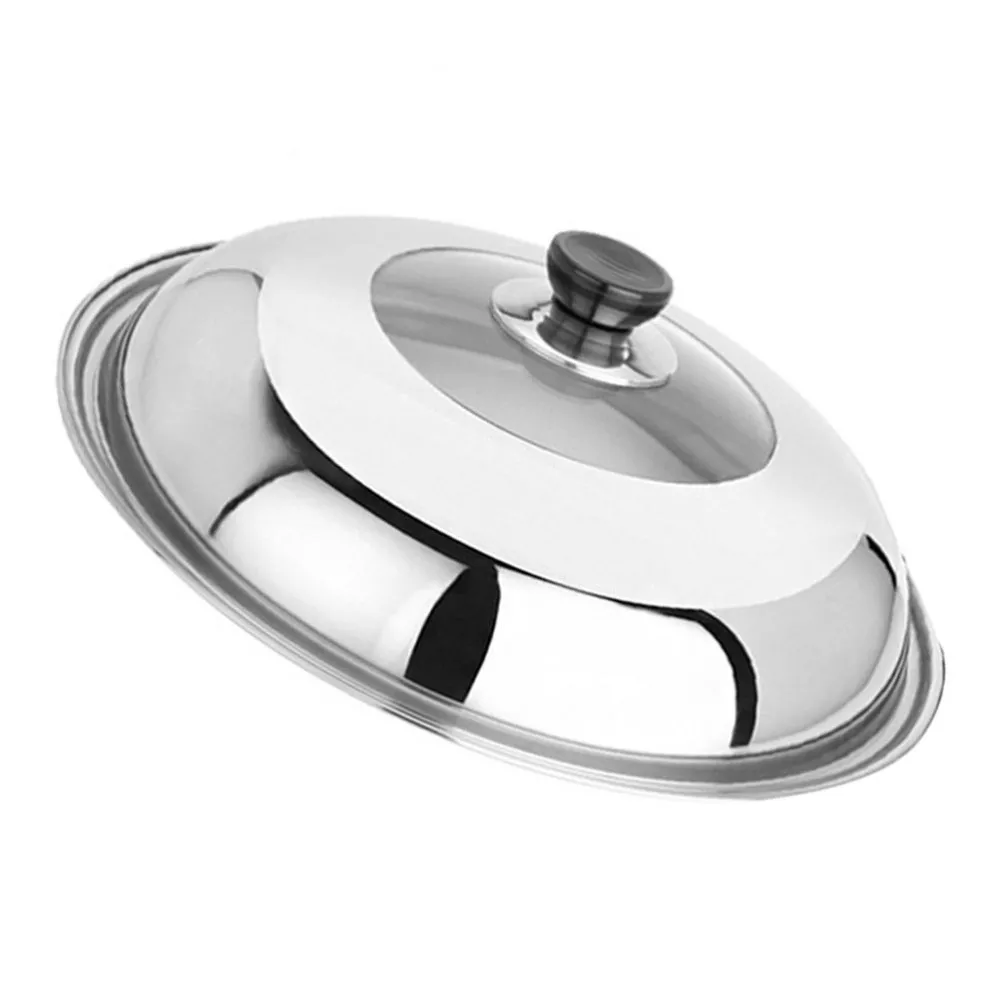
Industries working with our machinery

Industries working with our machinery

Trimming and beading machines are versatile tools that are used in a wide range of industries. Here are some of the most common industries that use trimming and beading machines:

Automotive Industry

The automotive industry is one of the largest users of trimming and beading machines. These machines are used to trim and bead car body panels, fenders, doors, and other sheet metal components. Trimming ensures precise dimensions and eliminates rough edges, while beading strengthens the sheet metal and provides reference points for alignment during assembly and welding.

Aerospace Industry

The aerospace industry also relies heavily on trimming and beading machines. These machines are used to fabricate lightweight and high-strength components for aircraft and spacecraft. The precise and consistent trimming and beading operations ensure the structural integrity of these critical components.

Appliance Manufacturing

Appliance manufacturing is another major user of trimming and beading machines. These machines are used to trim and bead the sheet metal components of refrigerators, washing machines, and other household appliances. Trimming and beading help to strengthen the appliances, improve their appearance, and facilitate assembly.

HVAC Industry

The HVAC industry uses trimming and beading machines to fabricate ductwork, fans, and other sheet metal components. Trimming ensures that the components fit together properly, while beading strengthens the components and provides rigidity.

Construction Industry

The construction industry uses trimming and beading machines to fabricate roofing panels, siding, and other sheet metal components for buildings. Trimming and beading help to ensure that the components are weatherproof and durable.

Metal Fabrication Industries

Trimming and beading machines are widely used in various metal fabrication industries, including electrical equipment manufacturing, medical device manufacturing, and industrial machinery manufacturing. These machines are used to trim and bead a wide range of sheet metal components for various applications.

In addition to these specific industries, trimming and beading machines are also used in a variety of other applications, including:

  • Sign Manufacturing
  • Furniture Manufacturing
  • Toy Manufacturing
  • Food and Beverage Processing Equipment Manufacturing
  • Medical Device Manufacturing

The versatility and effectiveness of trimming and beading machines make them essential tools for a wide range of industries. These machines play a crucial role in producing high-quality, durable, and precisely dimensioned sheet metal components for a variety of applications.

  • Cookware Kitchenware
  • Defense
  • Water Tank Manufacturing
  • Solar Power Generator Manufacturing
  • Electrical Motor Fan Cover Manufacturing
  • Fire Extinguisher Manufacturing
  • Exhaust Pipe Manufacturing
  • LPG & LNG Tank Manufacturing

Trimming beading machines are specialized pieces of equipment used in various manufacturing industries to cut, shape, and form beads along the edges of metal sheets and other materials. These machines serve the critical function of enhancing the structural integrity and aesthetic appeal of products by creating precise and consistent beading.

Trimming beading machines are essential in processes where the appearance and durability of the edges are paramount. They are commonly employed in industries such as automotive, aerospace, HVAC, and consumer goods manufacturing, where precision and efficiency are crucial.

Importance in Industrial Applications

The primary importance of trimming beading machines lies in their ability to streamline manufacturing processes by automating edge-forming tasks that would otherwise be labor-intensive and prone to human error. By improving consistency and reducing waste, these machines contribute significantly to the overall productivity and cost-effectiveness of production lines.

Furthermore, trimming beading machines enhance the quality of finished products, ensuring they meet stringent industry standards and customer expectations. Their ability to produce uniform edges and beads also plays a vital role in the assembly and functionality of components, particularly in high-stakes industries like aerospace and automotive manufacturing.

Overview of the Content

This comprehensive guide aims to provide an in-depth exploration of trimming beading machines, covering their components, working principles, types, applications, technical specifications, maintenance, and emerging trends. By understanding these aspects, industry professionals can make informed decisions about implementing and optimizing trimming beading machines within their operations.

Components of Trimming Beading Machines

Base and Frame

Components of Trimming Beading Machines

The base and frame of a trimming beading machine form its structural backbone, providing stability and support for all other components. Typically constructed from robust materials such as steel or cast iron, the frame ensures the machine can withstand the stresses of operation and maintain precision over time.

Materials Used

  • Steel: Known for its durability and resistance to deformation, steel is commonly used in high-performance trimming beading machines. It offers excellent rigidity and longevity.
  • Cast Iron: Preferred for its vibration-damping properties, cast iron frames help minimize noise and improve accuracy during operation.

Structural Design

  • The structural design of trimming beading machines varies based on the specific model and intended application. Key considerations include the machine’s footprint, ease of access for maintenance, and adaptability to different manufacturing environments.

Cutting and Beading Tools

Cutting and Beading Tools

The cutting and beading tools are critical to the machine’s functionality, responsible for shaping and forming the edges of materials. These tools come in various shapes and sizes, tailored to the specific beading patterns and material thicknesses required.

Types and Materials

  • High-Speed Steel (HSS): Known for its hardness and heat resistance, HSS is commonly used for cutting tools that need to maintain sharpness under demanding conditions.
  • Carbide: Offering superior wear resistance and durability, carbide tools are ideal for high-volume production runs and materials that are difficult to machine.

Maintenance and Replacement

  • Regular maintenance of cutting and beading tools is essential to ensure consistent performance. This includes sharpening or replacing worn tools and adjusting alignment to prevent defects in the finished products.

Drive Mechanism

The drive mechanism powers the machine’s operations, converting electrical energy into mechanical motion. It is a crucial component that directly influences the machine’s efficiency and performance.

Motor Types

  • AC Motors: Widely used in trimming beading machines for their reliability and simplicity. AC motors offer consistent performance and are suitable for applications where speed control is not critical.
  • Servo Motors: Preferred for applications requiring precise control and variable speeds. Servo motors enable dynamic adjustments to the machine’s operations, enhancing versatility and efficiency.

Energy Efficiency Considerations

  • Modern trimming beading machines are designed with energy efficiency in mind, incorporating features like variable frequency drives (VFDs) to optimize power consumption and reduce operational costs.

Control Systems

Control systems govern the operation of trimming beading machines, allowing operators to configure settings, monitor performance, and ensure safety. These systems range from basic manual controls to sophisticated automated interfaces.

Manual vs. Automated Systems

  • Manual Systems: Suitable for smaller operations or applications requiring frequent adjustments. Manual controls offer simplicity and direct operator oversight.
  • Automated Systems: Essential for large-scale production environments, automated systems provide consistent performance, reduce human error, and enable integration with other machinery.

Integration with Industry 4.0 Technologies

  • Trimming beading machines are increasingly adopting Industry 4.0 technologies, such as IoT sensors and data analytics, to enhance operational efficiency and enable predictive maintenance.

Working Principles

Detailed Description of the Trimming Process

Detailed Description of the Trimming Process

The trimming process involves cutting away excess material from the edges of a workpiece to achieve a desired shape or size. Trimming beading machines utilize specialized tools to perform this task with high precision and consistency.

  • Material Feeding: The workpiece is fed into the machine, either manually or automatically, and positioned for trimming.
  • Tool Engagement: Cutting tools engage the workpiece, removing excess material while following the predefined path and pattern.
  • Material Removal: The machine’s cutting tools execute the trimming operation, guided by precise control systems to ensure uniformity.
  • Quality Inspection: The trimmed edges are inspected for accuracy and quality, with adjustments made as necessary.

Beading Techniques and Variations

Beading is the process of forming beads along the edges of a workpiece, enhancing both its structural integrity and aesthetic appeal. Different techniques and variations are employed based on the material and intended application.

  • Single Bead Formation: The simplest form of beading, involving a single continuous bead along the edge.
  • Double Bead Formation: Utilized when additional strength or a decorative effect is desired, double beads consist of two parallel beads along the edge.
  • Custom Bead Patterns: Some machines allow for custom bead patterns, tailored to specific design requirements or functional needs.

Workflow and Operational Steps

The workflow of a trimming beading machine is designed to maximize efficiency and ensure consistent output. Key operational steps include:

  1. Setup and Calibration: Operators configure the machine settings, such as tool alignment and material thickness, to match the requirements of the production run.
  2. Material Loading: Workpieces are loaded onto the machine, either manually or through automated systems, and positioned for processing.
  3. Trimming and Beading: The machine executes the trimming and beading operations, following the specified parameters and patterns.
  4. Quality Control: Finished pieces undergo quality control checks to verify dimensional accuracy and bead integrity.
  5. Adjustment and Maintenance: Regular adjustments and maintenance are performed to ensure optimal performance and address any issues that arise during operation.

Common Challenges and Solutions

Trimming beading machines can encounter various challenges during operation, which can impact performance and product quality. Common issues and their solutions include:

  • Tool Wear and Dullness: Regular tool maintenance, including sharpening and replacement, is essential to maintain cutting precision and prevent defects.
  • Material Deformation: Proper machine calibration and tool alignment help prevent material deformation during trimming and beading processes.
  • Machine Downtime: Implementing predictive maintenance and monitoring systems can reduce downtime and improve overall equipment efficiency.
  • Quality Variability: Consistent quality control checks and process adjustments help ensure uniformity and adherence to specifications.

Types of Trimming Beading Machines

Types of Trimming Beading Machines

Trimming beading machines are available in various types, each suited to specific applications and production needs. Understanding the differences between these machines is crucial for selecting the right equipment for a given operation.

Manual Trimming Beading Machines

Features and Use Cases

  • Manual trimming beading machines are operated entirely by human intervention, making them suitable for small-scale production or applications requiring frequent adjustments. These machines offer simplicity and ease of use, often utilized in workshops or small manufacturing facilities.

Advantages and Disadvantages

  • Advantages:
    • Cost-effective for low-volume production
    • Flexibility to handle various materials and bead patterns
    • Simple operation and maintenance
  • Disadvantages:
    • Limited throughput and productivity
    • Higher labor costs due to manual operation
    • Inconsistent quality due to human error

Semi-Automatic Trimming Beading Machines

Features and Use Cases

  • Semi-automatic trimming beading machines combine manual input with automated processes, offering a balance between flexibility and efficiency. These machines are ideal for medium-scale production environments where speed and precision are important.

Advantages and Disadvantages

  • Advantages:
    • Improved productivity compared to manual machines
    • Enhanced consistency and accuracy
    • Reduced operator fatigue and error
  • Disadvantages:
    • Higher initial investment compared to manual machines
    • Requires skilled operators for setup and adjustment
    • Limited scalability for large-scale production

Fully Automatic Trimming Beading Machines

Features and Use Cases

  • Fully automatic trimming beading machines offer the highest level of automation and efficiency, designed for large-scale production environments. These machines are equipped with advanced control systems and automation features, enabling continuous and consistent operation.

Advantages and Disadvantages

  • Advantages:
    • Maximum productivity and throughput
    • Consistent quality and precision
    • Integration with other automated systems and Industry 4.0 technologies
  • Disadvantages:
    • High initial cost and complexity
    • Requires skilled technicians for maintenance and troubleshooting
    • Limited flexibility for custom or small-batch production

Applications in Various Industries

Applications in Various Industries

Trimming beading machines play a vital role in a wide range of industries, each benefiting from the precision and efficiency these machines offer. Here, we explore some of the key industries and their specific applications.

Automotive Industry

Specific Use Cases

  • In the automotive industry, trimming beading machines are used for forming edges on components such as fenders, doors, hoods, and other body panels. These machines ensure that parts meet the strict dimensional tolerances required for assembly and safety.

Benefits in Automotive Manufacturing

  • Improved part quality and consistency, reducing rework and waste
  • Enhanced structural integrity of components, contributing to vehicle safety
  • Increased production speed and efficiency, supporting high-volume manufacturing

Aerospace Industry

Specific Use Cases

  • Aerospace manufacturing demands precision and reliability, making trimming beading machines essential for producing parts such as fuselage panels, wing components, and engine casings. These machines contribute to the stringent quality standards of the aerospace industry.

Benefits in Aerospace Manufacturing

  • High precision and repeatability, ensuring compliance with aerospace standards
  • Reduction in material waste and production costs
  • Support for complex geometries and advanced materials

HVAC Industry

Specific Use Cases

  • In the HVAC industry, trimming beading machines are used to form edges and beads on ductwork, vents, and other components. These machines help produce parts that are essential for efficient heating, ventilation, and air conditioning systems.

Benefits in HVAC Manufacturing

  • Consistent part quality and fit, reducing installation time and costs
  • Enhanced durability and performance of HVAC components
  • Support for custom designs and specifications

Consumer Goods Industry

Specific Use Cases

  • The consumer goods industry utilizes trimming beading machines for a variety of products, including appliances, electronics, and packaging. These machines help create aesthetically pleasing and functional components.

Benefits in Consumer Goods Manufacturing

  • Improved product appearance and appeal
  • Increased manufacturing efficiency and speed
  • Support for diverse materials and product designs

Technical Specifications and Standards

Understanding the technical specifications and standards of trimming beading machines is crucial for selecting the right equipment and ensuring compliance with industry requirements.

International Standards and Compliance

Trimming beading machines must adhere to international standards to ensure safety, quality, and interoperability. Key standards include:

  • ISO 9001: Quality management systems standard that ensures consistent product quality and customer satisfaction.
  • ISO 12100: Safety of machinery – General principles for design, providing guidelines for reducing risks associated with machine operation.
  • CE Marking: Conformity with European health, safety, and environmental protection standards.

Key Technical Specifications

Trimming beading machines have various technical specifications that influence their performance and suitability for specific applications. Key specifications include:

  • Maximum Material Thickness: The thickest material the machine can handle, typically measured in millimeters or inches.
  • Beading Speed: The rate at which the machine can form beads, often measured in meters per minute.
  • Cutting Force: The amount of force exerted by the machine’s cutting tools, affecting its ability to handle different materials.
  • Power Requirements: The electrical power needed for operation, influencing energy consumption and infrastructure needs.

Customization Options

Manufacturers often offer customization options to tailor trimming beading machines to specific requirements. Common customization options include:

  • Tooling Variations: Custom tools and dies to accommodate unique bead patterns and material specifications.
  • Automation Features: Integration of advanced control systems and automation technologies for enhanced performance.
  • Material Handling Systems: Customized feeding and handling systems to improve workflow and reduce manual intervention.

Maintenance and Troubleshooting

Proper maintenance and troubleshooting are essential to ensuring the longevity and performance of trimming beading machines. Here, we outline key maintenance practices and common issues that operators may encounter.

Routine Maintenance Procedures

Regular maintenance helps prevent unexpected downtime and ensures consistent machine performance. Key maintenance procedures include:

  • Tool Inspection and Replacement: Regularly inspect cutting and beading tools for wear and damage. Sharpen or replace tools as needed to maintain cutting precision.
  • Lubrication: Ensure all moving parts are properly lubricated to reduce friction and wear.
  • Alignment Checks: Verify tool alignment and calibration to prevent defects and ensure uniformity.
  • Electrical System Inspection: Check electrical connections and components for signs of wear or damage, addressing issues promptly to prevent malfunctions.

Common Issues and Solutions

Trimming beading machines may encounter various issues during operation. Understanding these problems and their solutions is crucial for maintaining productivity and quality.

  • Tool Wear and Dullness: Dull or worn tools can lead to poor cutting performance and defects. Regularly sharpen or replace tools to maintain quality.
  • Material Jams: Misalignment or improper feeding can cause material jams, leading to downtime and damage. Ensure proper setup and alignment to prevent jams.
  • Machine Vibration: Excessive vibration can impact precision and tool life. Check for loose components and ensure the machine is properly anchored to reduce vibration.
  • Inconsistent Quality: Variability in bead quality and dimensions can arise from improper calibration or tool wear. Regularly inspect and adjust settings to maintain consistency.

Safety Considerations

Safety is paramount when operating trimming beading machines. Key safety considerations include:

  • Personal Protective Equipment (PPE): Operators should wear appropriate PPE, such as gloves, safety glasses, and hearing protection, to minimize injury risk.
  • Machine Guarding: Ensure all machine guards and safety features are in place and functional to prevent accidental contact with moving parts.
  • Emergency Stops: Verify that emergency stop mechanisms are operational and accessible in case of emergencies.
  • Training and Education: Provide thorough training to operators and maintenance personnel on safe machine operation and emergency procedures.

Latest Innovations and Trends

The field of trimming beading machines is continually evolving, with new technologies and trends shaping the future of manufacturing. Here, we explore some of the latest innovations and emerging trends in the industry.

Technological Advances

Advancements in technology are driving significant improvements in trimming beading machines, enhancing their capabilities and performance.

  • Smart Sensors and IoT Integration: Trimming beading machines are increasingly incorporating smart sensors and IoT connectivity to monitor performance, predict maintenance needs, and optimize operations.
  • Advanced Control Systems: New control systems offer greater precision and flexibility, enabling operators to achieve complex bead patterns and adapt to changing production requirements.
  • Automation and Robotics: The integration of automation and robotics is transforming trimming beading machines, reducing manual labor, and increasing throughput.

Future Trends in Trimming Beading Machines

Several trends are shaping the future of trimming beading machines, influencing how they are designed and utilized.

  • Sustainability and Energy Efficiency: Manufacturers are focusing on sustainability, developing machines with lower energy consumption and reduced environmental impact.
  • Customization and Flexibility: As demand for custom products grows, trimming beading machines are becoming more adaptable, with features that support rapid reconfiguration and customization.
  • Digitalization and Industry 4.0: The digital transformation of manufacturing is driving the adoption of Industry 4.0 technologies, enabling data-driven decision-making and enhanced machine performance.

Case Studies and Examples

Real-world examples and case studies demonstrate the impact of trimming beading machines in various industries, highlighting their benefits and applications.

  • Automotive Manufacturing: A leading automotive manufacturer implemented advanced trimming beading machines to improve production efficiency and reduce defects, achieving significant cost savings and quality improvements.
  • Aerospace Industry: An aerospace supplier adopted IoT-enabled trimming beading machines to enhance traceability and optimize maintenance, resulting in reduced downtime and improved compliance with industry standards.
  • HVAC Production: A major HVAC manufacturer integrated automated trimming beading machines to increase production capacity and reduce manual labor, leading to faster lead times and higher product quality.

Choosing the Right Trimming Beading Machine

Choosing the Right Trimming Beading Machine

Selecting the right trimming beading machine is crucial for achieving optimal performance and meeting specific production needs. Here, we outline key factors to consider and offer guidance on the selection process.

Factors to Consider

When choosing a trimming beading machine, several factors should be considered to ensure the equipment meets operational requirements.

  • Production Volume: Assess the production volume and throughput requirements to determine the appropriate machine type and capacity.
  • Material Specifications: Consider the types of materials and thicknesses the machine will handle, ensuring compatibility with the equipment’s capabilities.
  • Beading Patterns: Evaluate the complexity and variety of bead patterns needed, selecting machines that offer the necessary tooling and flexibility.
  • Automation Needs: Determine the level of automation required, balancing productivity gains with cost considerations and operator expertise.

Cost vs. Benefit Analysis

Conducting a cost vs. benefit analysis helps evaluate the financial implications of investing in a trimming beading machine.

  • Initial Investment: Assess the upfront cost of the machine, including installation and setup expenses.
  • Operational Costs: Consider ongoing operational costs, such as energy consumption, maintenance, and labor.
  • Return on Investment (ROI): Calculate the expected ROI by evaluating the machine’s impact on productivity, quality, and cost savings.

Vendor Selection and Partnerships

Choosing the right vendor and establishing strong partnerships are essential for acquiring quality equipment and support.

  • Reputation and Experience: Evaluate potential vendors based on their reputation, experience, and track record in the industry.
  • Technical Support and Service: Ensure the vendor offers comprehensive technical support, training, and maintenance services to maximize machine performance and uptime.
  • Customization and Flexibility: Consider vendors that offer customization options and flexible solutions tailored to specific production needs.

Conclusion

Recap of Key Points

Trimming beading machines are essential tools in modern manufacturing, offering precision, efficiency, and versatility across a range of industries. Understanding their components, working principles, and applications is crucial for making informed decisions and optimizing production processes.

Final Thoughts on Trimming Beading Machines

As technology continues to advance, trimming beading machines are poised to play an increasingly important role in the manufacturing landscape. By embracing innovation and adopting best practices, manufacturers can leverage these machines to enhance quality, productivity, and competitiveness in their respective industries.

Components of Trimming Beading Machines

To provide a detailed exploration of the components of a trimming beading machine, we’ll delve deeper into each part, discussing their functions, materials, and importance. Here’s an expanded version of the Components of Trimming Beading Machines section:

Trimming beading machines consist of several integral components, each playing a crucial role in ensuring precise operation and high-quality output. Understanding these components can aid in the proper selection, operation, and maintenance of the machines.

Base and Frame

Functionality and Importance

The base and frame of a trimming beading machine serve as the foundation, providing structural support and stability. A well-designed frame is essential to withstand operational stresses and vibrations, ensuring accurate and consistent performance.

Materials Used

  • Steel: Often used for its high tensile strength and durability. Steel frames provide rigidity, helping to maintain precision even under heavy loads.
  • Cast Iron: Valued for its excellent vibration-damping properties. Cast iron is commonly used in applications where reducing machine noise and vibration is critical to maintaining accuracy.
  • Aluminum Alloys: Used in some lightweight machines, aluminum alloys offer corrosion resistance and ease of handling, though they may lack the rigidity of steel or cast iron.

Structural Design

  • Box-Type Frames: Provide superior rigidity and support. Box-type frames are designed to minimize deformation and ensure precise alignment of components.
  • Open-Type Frames: Offer ease of access for maintenance and adjustments. Open frames are suitable for applications where quick changes and flexibility are required.
  • Welded vs. Bolted Structures: Welded structures provide a solid and seamless frame, while bolted structures offer flexibility in assembly and disassembly for maintenance.

Cutting and Beading Tools

Role in Operation

Cutting and beading tools are at the heart of the trimming beading machine’s functionality. They are responsible for removing excess material and forming beads along the edges of workpieces.

Types of Tools

  • Rotary Cutters: Used for continuous cutting operations, rotary cutters offer high speed and precision, ideal for long production runs.
  • Punch and Die Sets: Employed for stamping and forming operations, punch and die sets provide versatility in creating complex bead patterns and shapes.
  • Roller Dies: Utilized in forming continuous beads along the length of a workpiece. Roller dies offer consistent pressure and control, ensuring uniform bead formation.

Materials for Cutting Tools

  • High-Speed Steel (HSS): Known for its hardness and ability to maintain a sharp edge at high temperatures. HSS is suitable for a wide range of cutting applications.
  • Carbide: Offers superior wear resistance and durability, making it ideal for high-volume production and difficult-to-machine materials.
  • Ceramic and Diamond Coatings: Used for specialized applications requiring extreme hardness and wear resistance. These coatings can extend the life of cutting tools and improve performance.

Maintenance and Replacement

Regular maintenance of cutting and beading tools is essential to ensure optimal performance. This includes:

  • Tool Inspection: Conduct routine inspections to identify signs of wear or damage. Replace tools that have become dull or chipped.
  • Sharpening: Maintain sharp edges on cutting tools to ensure precise cuts and prevent material deformation.
  • Alignment and Calibration: Regularly check tool alignment and calibration to prevent defects and ensure uniformity in bead formation.

Drive Mechanism

Functionality and Importance

The drive mechanism powers the operation of trimming beading machines, converting electrical energy into mechanical motion. It directly influences the machine’s efficiency and performance.

Motor Types

  • AC Motors: Commonly used for their reliability and low maintenance requirements. AC motors provide consistent performance and are suitable for applications where speed control is not critical.
  • DC Motors: Offer precise speed control and are used in applications requiring variable speeds. DC motors can be paired with controllers to fine-tune performance.
  • Servo Motors: Provide high precision and dynamic control, enabling rapid adjustments to speed and position. Servo motors are ideal for applications requiring complex bead patterns and high-speed operations.
  • Stepper Motors: Offer precise positioning and repeatability. Stepper motors are used in applications where incremental movements and accuracy are essential.

Energy Efficiency Considerations

  • Variable Frequency Drives (VFDs): Used to optimize energy consumption by adjusting the motor’s speed and torque to match the operational needs. VFDs can significantly reduce energy costs and extend the life of the drive system.
  • Regenerative Drives: Capture and reuse energy generated during deceleration, further improving energy efficiency and reducing operational costs.

Control Systems

Role in Operation

Control systems govern the operation of trimming beading machines, allowing operators to configure settings, monitor performance, and ensure safety. These systems range from basic manual controls to sophisticated automated interfaces.

Types of Control Systems

  • Manual Controls: Suitable for smaller operations or applications requiring frequent adjustments. Manual controls offer simplicity and direct operator oversight.
  • Programmable Logic Controllers (PLCs): Provide automation and flexibility, enabling operators to program complex operations and adjust settings on the fly. PLCs are widely used in industrial applications for their reliability and ease of use.
  • Computer Numerical Control (CNC): Offers high precision and control, allowing for complex and repeatable operations. CNC systems are ideal for high-volume production and applications requiring intricate bead patterns.
  • Human-Machine Interfaces (HMIs): Facilitate interaction between operators and machines, providing real-time data and control over machine settings. HMIs enhance usability and improve operational efficiency.

Integration with Industry 4.0 Technologies

Trimming beading machines are increasingly adopting Industry 4.0 technologies to enhance operational efficiency and enable predictive maintenance. Key advancements include:

  • IoT Connectivity: Sensors and IoT devices provide real-time monitoring and data collection, enabling operators to track performance, detect anomalies, and predict maintenance needs.
  • Data Analytics and Machine Learning: Advanced analytics and machine learning algorithms optimize machine performance by analyzing operational data and identifying trends or inefficiencies.
  • Remote Monitoring and Control: Operators can access and control machines remotely, improving flexibility and enabling rapid response to issues.

Conclusion

The components of trimming beading machines play vital roles in ensuring precision, efficiency, and durability. By understanding these components, manufacturers can optimize their machines for specific applications, improve operational efficiency, and reduce downtime. Proper selection, maintenance, and integration of these components are essential for maximizing the performance and lifespan of trimming beading machines.

Tool Maintenance Tips for Trimming Beading Machines

Tool Maintenance Tips for Trimming Beading Machines

Maintaining the tools of a trimming beading machine is essential for ensuring long-term efficiency, precision, and reliability. Regular maintenance not only prolongs the lifespan of the tools but also ensures consistent quality of the finished products. Here are some detailed tool maintenance tips:

1. Regular Inspection and Assessment

Visual Inspection

  • Daily Checks: Conduct visual inspections of cutting and beading tools at the start and end of each shift to identify any visible signs of wear, damage, or misalignment.
  • Surface Examination: Look for chips, cracks, or signs of wear on the cutting edges and surfaces, as these can affect the tool’s performance and the quality of the beading.

Performance Monitoring

  • Quality Checks: Routinely check the quality of the finished products for any signs of tool-related issues, such as burrs, uneven edges, or inconsistent beading.
  • Operational Sounds: Listen for unusual noises during operation, which may indicate tool misalignment or wear.

2. Proper Cleaning and Lubrication

Cleaning Procedures

  • Remove Debris: Regularly clean tools to remove metal shavings, dust, and other debris that can accumulate and affect performance.
  • Use Appropriate Solvents: Employ non-corrosive cleaning solvents to remove stubborn residues without damaging the tool’s surface.

Lubrication

  • Lubricant Selection: Use the correct type of lubricant for the specific tool material, such as oil-based lubricants for steel tools or dry lubricants for carbide tools.
  • Regular Application: Apply lubricants at regular intervals to reduce friction, prevent overheating, and protect against corrosion.

3. Sharpening and Reconditioning

Sharpening Techniques

  • Proper Tools: Use appropriate sharpening tools, such as diamond stones or grinding wheels, to maintain the cutting edge.
  • Sharpening Angles: Follow the manufacturer’s recommendations for sharpening angles to ensure optimal cutting performance.
  • Frequency: Establish a regular sharpening schedule based on tool usage and material hardness to maintain sharp edges.

Reconditioning Services

  • Professional Reconditioning: Consider professional reconditioning services for heavily worn or damaged tools to restore them to their original specifications.
  • Tool Replacement: Replace tools that have reached the end of their usable life to maintain performance and quality.

4. Alignment and Calibration

Tool Alignment

  • Proper Setup: Ensure that tools are correctly aligned before each operation to prevent uneven wear and ensure accurate cuts and beads.
  • Alignment Tools: Use precision alignment tools and gauges to verify proper tool positioning and alignment.

Calibration

  • Regular Calibration: Regularly calibrate the machine and its components to ensure that tools operate within specified tolerances.
  • Documentation: Keep detailed records of calibration activities and adjustments for quality control and maintenance purposes.

5. Storage and Handling

Tool Storage

  • Protective Cases: Store tools in protective cases or racks to prevent damage when not in use.
  • Controlled Environment: Maintain a clean, dry, and temperature-controlled environment to prevent corrosion and material degradation.

Handling Practices

  • Proper Handling: Use appropriate handling techniques to prevent dropping or mishandling tools, which can lead to damage.
  • Training: Train operators and maintenance personnel on proper handling and storage procedures to minimize accidental damage.

6. Documentation and Training

Maintenance Records

  • Detailed Logs: Keep detailed records of all maintenance activities, including inspections, cleaning, sharpening, and replacements. This information can help track tool performance and identify patterns or issues.
  • Tool Usage Records: Document tool usage, including hours of operation and materials processed, to anticipate maintenance needs and schedule downtime effectively.

Training and Education

  • Operator Training: Provide comprehensive training for operators and maintenance personnel on proper tool care and maintenance procedures.
  • Continuous Education: Stay updated on the latest tool maintenance techniques and technologies to improve maintenance practices and enhance tool longevity.

Conclusion

Effective tool maintenance is crucial for maximizing the performance and lifespan of trimming beading machines. By implementing these maintenance tips, manufacturers can ensure consistent product quality, reduce downtime, and extend the life of their tools. Regular inspections, proper cleaning and lubrication, alignment, and training are essential components of a comprehensive maintenance strategy.

Application Areas of Trimming Beading Machines

Trimming beading machines play a crucial role across various industries due to their ability to efficiently trim and bead the edges of metal and other materials. They are essential for achieving precision, consistency, and quality in manufacturing processes. Below, we delve into the primary application areas where these machines are indispensable:

1. Automotive Industry

Role and Importance

The automotive industry relies heavily on trimming beading machines to ensure the structural integrity and aesthetic quality of vehicle components. These machines are used to trim and form beads on various parts, contributing to the overall safety and appearance of vehicles.

Specific Applications

  • Body Panels: Trimming beading machines are used to trim and bead the edges of doors, hoods, fenders, and trunk lids. This ensures a smooth fit and finish, reducing the risk of sharp edges and improving the vehicle’s aesthetic appeal.
  • Exhaust Systems: Beading is essential for exhaust system components to ensure proper sealing and assembly. Trimming beading machines create precise beads that help maintain joint integrity under varying temperatures and pressures.
  • Interior Components: These machines are used to create beaded edges on interior panels and trim pieces, enhancing the aesthetic quality and durability of the interior components.

Benefits

  • Improved Safety: Proper beading enhances the strength and stability of components, contributing to vehicle safety.
  • Aesthetic Appeal: Beading provides a polished and professional appearance, enhancing the overall look of the vehicle.
  • Cost Efficiency: Automated trimming and beading reduce labor costs and increase production efficiency, enabling manufacturers to meet high-volume demands.

2. Aerospace Industry

Role and Importance

The aerospace industry demands the highest precision and quality standards, making trimming beading machines essential for manufacturing components that must withstand extreme conditions and stresses.

Specific Applications

  • Fuselage Panels: Trimming beading machines are used to trim and bead the edges of fuselage panels, ensuring a precise fit and alignment during assembly. Beading enhances the panels’ structural integrity and resistance to aerodynamic forces.
  • Wing Components: Beading is applied to wing components, such as flaps and ailerons, to improve their strength and performance. The precision of trimming beading machines ensures the components meet strict aerospace standards.
  • Engine Components: In engine manufacturing, trimming beading machines are used to create precise beads on engine casings and ducts, improving thermal and mechanical performance.

Benefits

  • Precision and Accuracy: Trimming beading machines provide the precision necessary to meet the stringent requirements of the aerospace industry.
  • Enhanced Performance: Beaded components offer improved strength and aerodynamic performance, contributing to the overall efficiency of aircraft.
  • Reliability: The consistent quality of beaded components ensures reliability and safety in critical aerospace applications.

3. HVAC Industry

Role and Importance

The HVAC (Heating, Ventilation, and Air Conditioning) industry utilizes trimming beading machines to manufacture components that require precise sealing and structural integrity.

Specific Applications

  • Ductwork: Trimming beading machines are used to bead the edges of ductwork components, ensuring a tight seal and preventing air leaks. Proper beading also enhances the structural stability of ducts.
  • Vents and Grilles: Beading is applied to vents and grilles to improve their strength and appearance. Trimming beading machines ensure a consistent fit and finish, contributing to the overall quality of HVAC systems.
  • Heat Exchangers: In heat exchanger manufacturing, trimming beading machines create beads that enhance the thermal performance and durability of components.

Benefits

  • Energy Efficiency: Beaded components improve sealing and reduce air leakage, enhancing the energy efficiency of HVAC systems.
  • Durability: The structural integrity provided by beading ensures the long-term durability of HVAC components.
  • Quality Assurance: Trimming beading machines deliver consistent quality, enabling manufacturers to meet industry standards and customer expectations.

4. Consumer Goods Industry

Role and Importance

In the consumer goods industry, trimming beading machines are employed to enhance the quality and appearance of a wide range of products, from household appliances to electronics.

Specific Applications

  • Appliances: Trimming beading machines are used to create beaded edges on appliances such as refrigerators, ovens, and washing machines. This improves the aesthetic appeal and durability of the products.
  • Electronics Enclosures: Beading is applied to electronic enclosures and casings to enhance their strength and provide a polished appearance. Trimming beading machines ensure a precise fit and finish, critical for protecting sensitive electronic components.
  • Packaging: In packaging manufacturing, trimming beading machines create beads that improve the strength and sealing of containers, ensuring the protection and integrity of packaged goods.

Benefits

  • Aesthetic Enhancement: Beading enhances the visual appeal of consumer products, contributing to customer satisfaction and brand image.
  • Structural Integrity: Beaded edges provide added strength and resistance to wear and tear, extending the lifespan of consumer goods.
  • Manufacturing Efficiency: Trimming beading machines increase production efficiency, allowing manufacturers to meet high demand while maintaining quality.

5. Metalworking Industry

Role and Importance

The metalworking industry utilizes trimming beading machines for a variety of applications where precision and consistency are paramount.

Specific Applications

  • Sheet Metal Fabrication: Trimming beading machines are used to trim and bead sheet metal components for a range of applications, from construction to transportation.
  • Custom Metal Components: Beading is applied to custom metal parts to enhance their strength and performance. Trimming beading machines enable the production of intricate and precise designs.
  • Architectural Metalwork: In architectural metalwork, trimming beading machines create beaded edges on decorative elements, ensuring a high-quality finish.

Benefits

  • Precision and Consistency: Trimming beading machines provide the accuracy required for complex metalworking applications.
  • Versatility: These machines can handle a wide range of materials and thicknesses, accommodating diverse metalworking needs.
  • Quality Assurance: The consistent quality of beaded metal components ensures they meet industry standards and project specifications.

6. Food and Beverage Industry

Role and Importance

In the food and beverage industry, trimming beading machines are used to manufacture components that require precise sealing and hygiene standards.

Specific Applications

  • Food Containers: Trimming beading machines are used to create beaded edges on food containers, ensuring a tight seal and preventing contamination.
  • Beverage Cans: Beading is applied to beverage cans to enhance their strength and resistance to pressure changes. Trimming beading machines ensure a uniform and reliable seal.
  • Processing Equipment: In food processing equipment manufacturing, trimming beading machines create beads that improve the structural integrity and hygiene of components.

Benefits

  • Food Safety: Beaded components provide secure sealing, preventing contamination and ensuring food safety.
  • Durability: The added strength provided by beading ensures the longevity and reliability of food and beverage packaging.
  • Efficiency: Trimming beading machines increase production efficiency, enabling manufacturers to meet high demand while maintaining quality and safety standards.

7. Medical Device Manufacturing

Role and Importance

The medical device manufacturing industry requires precision and reliability, making trimming beading machines essential for producing components that must meet strict standards.

Specific Applications

  • Surgical Instruments: Trimming beading machines are used to create beaded edges on surgical instruments, enhancing their strength and safety.
  • Medical Equipment Casings: Beading is applied to medical equipment casings to improve their structural integrity and provide a polished appearance.
  • Implantable Devices: In the manufacturing of implantable devices, trimming beading machines create beads that ensure precision and compatibility with human tissue.

Benefits

  • Precision and Accuracy: Trimming beading machines provide the precision necessary to meet the stringent requirements of medical device manufacturing.
  • Reliability: Beaded components ensure reliability and safety in critical medical applications.
  • Quality Assurance: The consistent quality of beaded medical components ensures they meet industry standards and regulatory requirements.

Conclusion

Trimming beading machines are versatile tools that play a vital role in various industries, from automotive to medical device manufacturing. Their ability to enhance the precision, consistency, and quality of components makes them indispensable for modern manufacturing processes. By understanding the specific applications and benefits of trimming beading machines, manufacturers can optimize their operations, improve product quality, and meet the demands of their respective industries.

Trimming Beading Tools

Trimming Beading Tools

Trimming beading tools are critical components of trimming beading machines, directly responsible for cutting and forming beads on workpieces. Their design, material, and maintenance play a crucial role in determining the quality and efficiency of the trimming and beading process. Here’s an in-depth look at trimming beading tools, including their types, materials, maintenance, and considerations for selection:

Types of Trimming Beading Tools

Trimming beading tools come in various shapes and forms, each designed for specific tasks and applications. The choice of tools depends on the material being processed, the desired bead pattern, and the machine’s capabilities.

1. Rotary Cutters

Functionality

  • Rotary cutters are used for continuous cutting operations and are ideal for long production runs.
  • They provide high-speed cutting and precision, making them suitable for trimming operations that require clean and straight edges.

Applications

  • Automotive body panels
  • Sheet metal fabrication
  • Packaging components
2. Punch and Die Sets

Functionality

  • Punch and die sets are used for stamping and forming operations, allowing for the creation of complex bead patterns and shapes.
  • They offer versatility and can be customized to meet specific design requirements.

Applications

  • Complex bead patterns in aerospace components
  • Decorative metalwork
  • Custom metal parts
3. Roller Dies

Functionality

  • Roller dies are utilized in forming continuous beads along the length of a workpiece.
  • They apply consistent pressure and control, ensuring uniform bead formation.

Applications

  • HVAC ductwork
  • Metal enclosures
  • Architectural metalwork
4. Serrated Cutters

Functionality

  • Serrated cutters feature a toothed edge that is designed for gripping and cutting through tougher materials.
  • They are often used in applications where a smooth finish is not critical but where material grip and precision are required.

Applications

  • Heavy-duty metal cutting
  • Thicker materials such as steel or titanium
5. Profile Tools

Functionality

  • Profile tools are used to create specific bead profiles and shapes, including U-beads, V-beads, and more complex designs.
  • These tools are customized to match the desired profile and are critical for applications requiring specific geometric shapes.

Applications

  • Automotive trim components
  • Custom metal profiles
  • Precision sheet metal work

Materials for Trimming Beading Tools

The choice of material for trimming beading tools affects their performance, durability, and suitability for different applications. Key materials include:

1. High-Speed Steel (HSS)

Characteristics

  • Known for its hardness and ability to maintain a sharp edge at high temperatures.
  • Offers good wear resistance and is suitable for a wide range of cutting applications.

Advantages

  • Cost-effective for general-purpose trimming and beading.
  • Easy to sharpen and recondition.

Limitations

  • May wear quickly in high-volume production or with abrasive materials.
2. Carbide

Characteristics

  • Carbide tools offer superior wear resistance and durability, making them ideal for high-volume production and difficult-to-machine materials.
  • Maintains sharpness and precision over extended periods.

Advantages

  • Long tool life and reduced downtime for tool changes.
  • Suitable for hard and abrasive materials.

Limitations

  • Higher initial cost compared to HSS tools.
  • More challenging to recondition and sharpen.
3. Ceramic and Diamond Coatings

Characteristics

  • Ceramic and diamond coatings provide extreme hardness and wear resistance.
  • Used for specialized applications requiring the highest levels of durability and precision.

Advantages

  • Exceptional tool life and performance in demanding applications.
  • Resistance to heat and wear, reducing tool degradation.

Limitations

  • Very high cost, typically reserved for critical applications.
  • Requires specialized equipment for sharpening and maintenance.
4. Tool Steel

Characteristics

  • Tool steel is a versatile material that offers a good balance of strength, toughness, and wear resistance.
  • Suitable for a variety of tool types and applications.

Advantages

  • Cost-effective and easy to machine and customize.
  • Provides a good balance between durability and flexibility.

Limitations

  • May not perform as well as carbide or ceramic in highly abrasive conditions.

Maintenance of Trimming Beading Tools

Proper maintenance of trimming beading tools is essential for ensuring consistent performance and longevity. Here are some key maintenance practices:

1. Regular Inspection and Assessment
  • Visual Inspections: Conduct regular visual inspections to identify signs of wear, damage, or misalignment.
  • Performance Monitoring: Monitor tool performance by checking the quality of the finished products for any signs of tool-related issues, such as burrs or uneven edges.
2. Cleaning and Lubrication
  • Cleaning Procedures: Regularly clean tools to remove metal shavings, dust, and debris that can accumulate and affect performance.
  • Lubrication: Apply appropriate lubricants to reduce friction, prevent overheating, and protect against corrosion. Ensure that the correct type of lubricant is used for the specific tool material.
3. Sharpening and Reconditioning
  • Sharpening Techniques: Use the appropriate sharpening tools, such as diamond stones or grinding wheels, to maintain the cutting edge. Follow manufacturer recommendations for sharpening angles.
  • Reconditioning Services: Consider professional reconditioning services for heavily worn or damaged tools to restore them to their original specifications.
4. Alignment and Calibration
  • Tool Alignment: Ensure that tools are correctly aligned before each operation to prevent uneven wear and ensure accurate cuts and beads.
  • Calibration: Regularly calibrate the machine and its components to ensure that tools operate within specified tolerances.
5. Storage and Handling
  • Proper Storage: Store tools in protective cases or racks to prevent damage when not in use. Maintain a clean, dry, and temperature-controlled environment.
  • Handling Practices: Use appropriate handling techniques to prevent dropping or mishandling tools. Train operators on proper handling and storage procedures.

Considerations for Selecting Trimming Beading Tools

Selecting the right trimming beading tools requires careful consideration of several factors to ensure optimal performance and quality:

1. Material Compatibility
  • Choose tools made from materials that are compatible with the workpiece material to ensure effective cutting and beading.
  • Consider the hardness, abrasiveness, and thickness of the material when selecting tool materials and coatings.
2. Tool Geometry
  • Select tools with the appropriate geometry for the desired bead profile and cutting requirements.
  • Consider factors such as tool angle, shape, and size when choosing tools for specific applications.
3. Production Volume
  • Consider the production volume and frequency of tool changes when selecting tools. High-volume production may require more durable materials such as carbide or ceramic.
4. Quality Requirements
  • Evaluate the quality requirements of the finished product, including precision, surface finish, and consistency.
  • Select tools that can meet the desired quality standards, taking into account the required tolerances and specifications.
5. Cost Considerations
  • Balance the cost of tools with their expected performance and longevity. Consider the total cost of ownership, including maintenance and replacement costs.
6. Machine Compatibility
  • Ensure that the selected tools are compatible with the specific trimming beading machine being used, including tool holders, spindles, and drive mechanisms.

Conclusion

Trimming beading tools are essential components of trimming beading machines, directly influencing the quality and efficiency of the manufacturing process. By understanding the different types of tools, their materials, and maintenance requirements, manufacturers can optimize their operations and ensure consistent, high-quality results. Proper tool selection, maintenance, and handling are key to maximizing performance and extending the lifespan of trimming beading tools.

Beading Machine Efficiency

Improving the efficiency of a beading machine is crucial for manufacturers seeking to enhance productivity, reduce costs, and maintain high-quality output. A beading machine’s efficiency is influenced by multiple factors, including machine design, tool selection, operational practices, and maintenance strategies. This guide will explore these factors in detail, providing insights into how efficiency can be optimized.

1. Machine Design and Configuration

The design and configuration of a beading machine have a significant impact on its efficiency. Considerations include the machine’s mechanical setup, automation capabilities, and adaptability to various production requirements.

Key Design Factors
  • Automation Level: Automated beading machines can significantly improve efficiency by reducing manual intervention, minimizing errors, and increasing throughput. Machines with advanced control systems, such as CNC (Computer Numerical Control) or PLC (Programmable Logic Controllers), offer precise control over operations.
  • Modular Design: Machines with modular components allow for quick changes and customization to accommodate different product specifications. This flexibility can lead to reduced downtime and faster setup times.
  • Ergonomic Design: An ergonomic design reduces operator fatigue and error rates. Features such as user-friendly interfaces and adjustable components enhance operator comfort and efficiency.
Technological Integration
  • Industry 4.0: Incorporating Industry 4.0 technologies, such as IoT (Internet of Things) sensors and data analytics, enables real-time monitoring of machine performance and predictive maintenance. This integration helps identify potential issues before they lead to downtime, ensuring continuous operation.
  • Adaptive Controls: Machines equipped with adaptive control systems can automatically adjust settings based on real-time data, optimizing performance for varying materials and production requirements.

2. Tool Selection and Maintenance

The selection and maintenance of tools are critical to maximizing the efficiency of a beading machine. High-quality tools, combined with regular maintenance, ensure precision and longevity.

Tool Selection
  • Material Compatibility: Choose tools that are compatible with the materials being processed. This minimizes wear and tear and ensures efficient operation. For example, carbide tools are ideal for high-volume production due to their durability and resistance to wear.
  • Tool Geometry: Select tools with the appropriate geometry for the desired bead profile and cutting requirements. Proper tool geometry can reduce material waste and improve cycle times.
Tool Maintenance
  • Routine Sharpening: Regularly sharpen tools to maintain their cutting efficiency. Dull tools increase cycle times and reduce product quality.
  • Alignment and Calibration: Ensure tools are properly aligned and calibrated to prevent defects and ensure consistent bead formation.
  • Inventory Management: Maintain an inventory of spare tools to prevent downtime in the event of tool failure or wear.

3. Operational Practices

Operational practices, including setup procedures, quality control, and process optimization, play a crucial role in enhancing beading machine efficiency.

Setup and Calibration
  • Efficient Setup Procedures: Streamline setup procedures to reduce downtime between production runs. This includes using quick-change tooling systems and pre-configured settings.
  • Calibration Checks: Regularly perform calibration checks to ensure the machine operates within specified tolerances. This prevents defects and reduces the need for rework.
Process Optimization
  • Cycle Time Reduction: Analyze and optimize cycle times by identifying bottlenecks and implementing process improvements. This can include adjustments to machine speed, tool changes, and material handling.
  • Lean Manufacturing Principles: Implement lean manufacturing principles to eliminate waste and improve process flow. Techniques such as 5S and value stream mapping can enhance efficiency.
  • Continuous Improvement: Foster a culture of continuous improvement by encouraging operators and engineers to identify inefficiencies and propose solutions.

4. Quality Control and Inspection

Implementing robust quality control and inspection processes ensures that beading machines produce consistent and high-quality output, reducing waste and rework.

In-Line Inspection
  • Automated Inspection Systems: Use automated inspection systems to monitor product quality in real-time. This allows for immediate identification and correction of defects.
  • Statistical Process Control (SPC): Implement SPC techniques to track and analyze production data. This helps identify trends and deviations, enabling proactive adjustments.
Feedback Loops
  • Operator Feedback: Encourage operators to provide feedback on machine performance and quality issues. This insight can be invaluable for identifying areas for improvement.
  • Customer Feedback: Collect and analyze customer feedback to identify quality issues and adjust processes accordingly.

5. Maintenance Strategies

A proactive maintenance strategy is essential for minimizing downtime and ensuring the long-term efficiency of beading machines.

Preventive Maintenance
  • Scheduled Maintenance: Implement a regular maintenance schedule to address wear and tear before it leads to machine failure. This includes lubrication, alignment checks, and part replacements.
  • Maintenance Logs: Maintain detailed logs of maintenance activities to track machine performance and identify recurring issues.
Predictive Maintenance
  • Condition Monitoring: Use condition monitoring tools, such as vibration analysis and thermal imaging, to detect signs of impending failure.
  • Data Analytics: Analyze maintenance and operational data to predict future maintenance needs, reducing unplanned downtime.

6. Training and Workforce Development

Investing in operator training and workforce development can enhance the efficiency of beading machines by ensuring proper machine operation and fostering a culture of continuous improvement.

Operator Training
  • Skill Development: Provide comprehensive training on machine operation, maintenance procedures, and quality control. This ensures operators are equipped to maximize machine performance.
  • Cross-Training: Implement cross-training programs to develop a versatile workforce capable of operating multiple machines and handling various tasks.
Continuous Learning
  • Workshops and Seminars: Encourage participation in workshops and seminars to stay updated on the latest industry trends and technologies.
  • Knowledge Sharing: Foster a culture of knowledge sharing among employees to disseminate best practices and innovations.

Conclusion

Enhancing the efficiency of a beading machine involves a multifaceted approach that encompasses machine design, tool selection, operational practices, quality control, maintenance strategies, and workforce development. By focusing on these areas, manufacturers can optimize machine performance, reduce costs, and maintain high-quality output. A commitment to continuous improvement and technological integration will ensure long-term efficiency and competitiveness in the industry.

Installation Requirements for Trimming Beading Machines

The installation of a trimming beading machine requires careful planning and consideration of various factors to ensure optimal performance and safety. Proper installation is crucial for maximizing efficiency, reducing downtime, and maintaining consistent product quality. Below, we explore the key installation requirements for trimming beading machines, covering site preparation, utility requirements, machine setup, safety considerations, and training.

1. Site Preparation

Preparing the installation site is a critical first step to ensure that the beading machine can be set up and operated efficiently. This involves selecting the appropriate location, ensuring structural support, and planning for space requirements.

Location Selection
  • Proximity to Production Lines: The machine should be located near the relevant production lines to minimize material handling time and improve workflow efficiency.
  • Access for Maintenance: Ensure that there is sufficient space around the machine for maintenance and repairs. Consider the accessibility of components that require frequent servicing.
Structural Support
  • Floor Load Capacity: Verify that the floor can support the weight of the machine and any additional equipment. Reinforce the floor if necessary to prevent vibrations and ensure stability.
  • Vibration Isolation: Implement vibration isolation measures, such as mounting the machine on anti-vibration pads, to reduce noise and prevent damage to nearby equipment.
Space Requirements
  • Working Area: Allocate sufficient space for operators to work safely and efficiently, including room for tool changes, adjustments, and inspections.
  • Material Handling: Plan for adequate space for the storage and handling of raw materials and finished products, including conveyors or material handling systems if necessary.

2. Utility Requirements

Ensuring that the necessary utilities are in place is essential for the proper operation of a trimming beading machine. This includes power supply, compressed air, and ventilation.

Power Supply
  • Voltage and Amperage: Confirm that the power supply meets the machine’s voltage and amperage requirements. Most industrial beading machines require a three-phase power supply with specific voltage levels (e.g., 220V, 380V, or 440V).
  • Electrical Connections: Ensure that electrical connections are made by a qualified electrician, adhering to local electrical codes and standards. Install circuit breakers and fuses as necessary to protect the machine and operators.
Compressed Air
  • Air Supply: Some beading machines require compressed air for certain operations, such as clamping or pneumatic controls. Verify the machine’s air pressure and flow requirements and ensure a reliable supply.
  • Air Quality: Install air filters and dryers to maintain air quality and prevent contaminants from affecting the machine’s performance.
Ventilation
  • Dust and Fume Extraction: Provide adequate ventilation to remove dust, fumes, and other airborne contaminants generated during the beading process. Consider installing dust extraction systems or local exhaust ventilation to maintain air quality.
  • Climate Control: Ensure that the installation area is climate-controlled to prevent temperature and humidity fluctuations that could affect machine performance and material quality.

3. Machine Setup and Alignment

Proper setup and alignment of the beading machine are critical to ensure precision and efficiency. This involves machine assembly, calibration, and testing.

Machine Assembly
  • Component Installation: Assemble the machine according to the manufacturer’s instructions, ensuring that all components are correctly installed and secured.
  • Tooling Installation: Install and configure the necessary cutting and beading tools, ensuring they are compatible with the materials and bead profiles required.
Alignment and Calibration
  • Tool Alignment: Align tools with the workpiece to ensure accurate trimming and beading. Use precision alignment tools and gauges to verify correct positioning.
  • Calibration: Calibrate the machine’s control systems to ensure that operations are performed within specified tolerances. This includes setting tool angles, cutting speeds, and beading pressures.
Testing and Verification
  • Trial Runs: Conduct trial runs with sample materials to verify that the machine is operating correctly and producing the desired results. Adjust settings as needed to achieve optimal performance.
  • Quality Inspection: Inspect finished samples for quality and consistency, checking for defects such as burrs, uneven edges, or incomplete beads.

4. Safety Considerations

Safety is a paramount concern during the installation and operation of a trimming beading machine. Implementing proper safety measures protects operators and equipment.

Machine Safety Features
  • Emergency Stops: Ensure that emergency stop buttons are accessible and functioning correctly. Test the emergency stop system to verify its effectiveness.
  • Safety Guards: Install safety guards and barriers to prevent accidental contact with moving parts. Ensure that guards are securely fastened and meet relevant safety standards.
Operator Safety
  • Personal Protective Equipment (PPE): Provide operators with appropriate PPE, such as gloves, safety glasses, and hearing protection, to minimize injury risks.
  • Safety Signage: Install safety signage to warn operators of potential hazards and remind them of safe operating procedures.
Compliance and Regulations
  • Regulatory Compliance: Ensure that the installation complies with all relevant safety and environmental regulations. This may include OSHA standards in the United States or similar regulations in other countries.
  • Risk Assessment: Conduct a risk assessment to identify potential hazards and implement mitigation measures.

5. Training and Workforce Development

Training operators and maintenance personnel is essential for ensuring safe and efficient machine operation.

Operator Training
  • Machine Operation: Provide comprehensive training on machine operation, including setup, tool changes, and adjustments. Ensure that operators understand the machine’s control systems and safety features.
  • Quality Control: Train operators on quality control procedures, including inspecting finished products for defects and making necessary adjustments.
Maintenance Training
  • Routine Maintenance: Train maintenance personnel on routine maintenance tasks, such as lubrication, tool sharpening, and alignment checks.
  • Troubleshooting: Provide training on troubleshooting common issues and performing repairs to minimize downtime.
Continuous Improvement
  • Feedback Mechanisms: Encourage operators and maintenance personnel to provide feedback on machine performance and suggest improvements.
  • Ongoing Training: Offer ongoing training opportunities to keep employees updated on the latest technologies and best practices.

Conclusion

Proper installation of a trimming beading machine involves careful consideration of site preparation, utility requirements, machine setup, safety considerations, and training. By addressing these factors, manufacturers can ensure that their machines operate efficiently, safely, and effectively, leading to improved productivity and product quality. A well-planned installation process lays the foundation for long-term success and competitiveness in the manufacturing industry.

Installation Time Estimate for a Trimming Beading Machine

Estimating the installation time for a trimming beading machine involves considering various factors, such as the complexity of the machine, site preparation, the availability of resources, and the experience of the installation team. While the specific time required can vary widely depending on these factors, I can provide a general breakdown of the installation steps and estimated time frames for each phase.

Here’s a detailed look at the various steps involved in the installation process and the estimated time required for each phase:

1. Pre-Installation Planning and Preparation

Estimated Time: 1-3 Days

  • Site Inspection and Preparation: Conduct a thorough inspection of the installation site to ensure it meets the necessary requirements, such as floor strength, ventilation, and space availability. Prepare the site by clearing any obstructions and ensuring utilities are accessible.
  • Utility Setup: Arrange for electrical connections, compressed air supply, and other necessary utilities. This might require coordination with electricians and other contractors to ensure compliance with safety standards.
  • Logistics and Equipment Handling: Plan the delivery and handling of the machine and its components. This includes scheduling transportation and ensuring equipment like cranes or forklifts is available for moving heavy parts.

2. Machine Assembly

Estimated Time: 2-5 Days

  • Unpacking and Inspection: Unpack the machine components and inspect them for any damage incurred during transportation. Verify that all components and accessories are present according to the packing list.
  • Base and Frame Setup: Assemble the base and frame of the machine. This involves positioning and securing the machine to the floor, ensuring it is level and stable. Vibration pads or anchors may need to be installed, depending on the machine’s design and site requirements.
  • Component Assembly: Assemble the various components of the machine, such as drive systems, control panels, cutting and beading tools, and other peripherals. This step can vary significantly depending on the complexity of the machine.

3. Electrical and Utility Connections

Estimated Time: 1-2 Days

  • Electrical Wiring: Connect the machine to the power supply, ensuring that wiring is done by a certified electrician. Test the connections to verify proper voltage and amperage levels.
  • Compressed Air and Pneumatics: Connect the compressed air supply if required by the machine. Verify that air pressure and flow meet the manufacturer’s specifications.
  • Ventilation Systems: Install any necessary ventilation systems or dust extraction equipment to ensure a safe working environment.

4. Calibration and Testing

Estimated Time: 1-3 Days

  • Tool Installation and Alignment: Install and align the cutting and beading tools. Use precision instruments to ensure correct alignment and positioning.
  • System Calibration: Calibrate the machine’s control systems, including CNC or PLC settings, to ensure operations are within specified tolerances. This may involve setting up parameters for speed, pressure, and bead patterns.
  • Trial Runs and Testing: Conduct trial runs using sample materials to verify machine operation. Inspect the finished products for quality and consistency, making necessary adjustments to settings.

5. Safety Checks and Final Adjustments

Estimated Time: 1 Day

  • Safety Inspections: Conduct a thorough safety inspection to ensure all guards, emergency stops, and safety features are operational. Address any potential hazards identified during this inspection.
  • Final Adjustments: Make final adjustments to optimize machine performance and address any remaining issues detected during testing.

6. Operator Training and Handover

Estimated Time: 1-3 Days

  • Operator Training: Provide comprehensive training to operators and maintenance personnel on machine operation, maintenance procedures, and safety protocols.
  • Handover: Conduct a formal handover process, providing documentation, manuals, and support contacts. Ensure that operators and technicians are comfortable with the machine’s operation and troubleshooting procedures.

Total Estimated Installation Time

Overall Time Estimate: 7-17 Days

This estimate assumes that all resources are available, and the installation team is experienced. The time required can vary based on the complexity of the machine, the readiness of the site, and the efficiency of the installation team.

Factors Influencing Installation Time

  1. Machine Complexity: More complex machines with advanced automation and control systems may require additional time for assembly, calibration, and testing.
  2. Site Readiness: Delays in site preparation, such as electrical work or structural modifications, can extend the installation timeline.
  3. Team Experience: Experienced installation teams can complete the process more quickly and efficiently, reducing potential delays.
  4. Logistical Challenges: Issues with transportation, equipment handling, or supply chain disruptions can affect the installation schedule.
  5. Customizations: Custom or modified machines may require additional time for assembly and configuration to meet specific requirements.

Conclusion

The installation of a trimming beading machine involves several phases, each with its own set of tasks and time requirements. By planning effectively, coordinating resources, and ensuring that the installation team is well-prepared, manufacturers can optimize the installation process, minimizing downtime and ensuring that the machine is up and running efficiently. Proper installation not only ensures immediate productivity but also lays the foundation for long-term machine performance and reliability.

Cutter and Beading Machine is a type of sheet metal forming machine used primarily in HVAC ductwork fabrication, metal roofing, and other metalworking industries. It combines two essential operations:


🔧 1. Cutting Function:

  • Purpose: To trim, cut, or notch sheet metal to desired sizes or shapes.
  • Types of Cutting: Could include rotary shearing, slitting, or trimming.
  • Blade Mechanism: Usually consists of rotary cutters or straight blades.

🔩 2. Beading Function:

  • Purpose: To create beads (raised or indented ridges) on sheet metal.
  • Why Beading?
    • Increases rigidity and strength of the metal sheet.
    • Prevents warping or oil-canning (distortion).
    • Can be decorative in some applications.
  • Types of Beads: Straight beads, circular beads, or custom patterns depending on the rollers used.

⚙️ Key Components:

  • Rollers: Interchangeable to accommodate different bead types or sizes.
  • Crank or Motor: Manually operated or motorized depending on the machine size.
  • Gauge Control: Adjusts for sheet thickness.
  • Guide System: Keeps the sheet aligned during the operation.

🏭 Common Applications:

  • HVAC duct fabrication
  • Metal furniture
  • Automotive panels
  • Roofing and cladding
  • Tank or drum fabrication

A cutter and beading machine is a multifunctional tool used in sheet metal fabrication, especially in industries like HVAC, roofing, and automotive. It performs two main tasks: cutting and beading sheet metal. The cutting function allows the operator to trim or slit metal sheets to precise dimensions, typically using rotary or straight blades. This ensures clean and accurate cuts for further forming or assembly.

The beading function adds strength to the sheet metal by forming raised or indented ridges called beads. These beads increase the rigidity of the sheet, helping prevent deformation, especially in large flat panels. Beading can also have aesthetic purposes or be used to create grooves for joining components.

The machine generally uses sets of rollers to perform the beading operation, and these rollers can be swapped out depending on the desired bead pattern. Some machines are manually operated using a hand crank, while larger or more industrial models are motorized for continuous operation. Adjustable gauges help handle different thicknesses of sheet metal, and guide rails keep the material aligned for accurate processing.

The cutter and beading machine is an essential tool in various industries where metal sheets need to be shaped, cut, and reinforced. The cutting function can be designed to handle different thicknesses of materials, from thin sheets of aluminum to thicker steel, allowing for a wide range of applications. It works by feeding the metal sheet into the machine, where rotating blades or shearing edges cut it into the specified lengths or shapes, often with minimal material waste.

The beading function, on the other hand, uses rollers to press a pattern into the metal sheet. The beads formed help to stiffen the metal, which is crucial for applications where strength is a concern, such as in the construction of ductwork or structural panels. The beads also help in the assembly of pieces by creating grooves or channels that can lock together. This is especially useful in the HVAC industry, where ducts need to maintain their shape and integrity over time, even when subjected to external pressure or forces.

While the two processes can sometimes be performed separately, combining them into one machine helps to streamline production, reduce equipment costs, and save on floor space in manufacturing environments. These machines can also come with additional features like adjustable bead sizes, different cutting mechanisms, or automated systems that increase efficiency and precision in high-volume production environments.

The versatility of cutter and beading machines makes them valuable not only in standard metalworking but also in creating custom-designed metal parts where both cutting and reinforcing are needed in a single operation. Depending on the machine’s sophistication, operators can adjust settings to accommodate different types of metal, bead profiles, and sheet sizes, making them adaptable to a variety of industrial tasks.

Road Sign Trimming Beading Machine

Road Sign Trimming Beading Machine is a specialized tool used in the fabrication of road signs, particularly to trim, shape, and reinforce the metal sheets that are used to create traffic signs, highway markers, and other road signage. These machines combine both trimming and beading functionalities to produce signs that are both durable and highly visible.

The trimming function of the machine allows for precise cutting of the metal sheets, which are often aluminum or galvanized steel, into the required shape and size for road signs. The machine can handle different thicknesses of materials, allowing for cutting along straight edges or intricate contours to match the design specifications of the road signs. This ensures that the signs fit within the required dimensions and can be properly mounted or installed on posts.

The beading function is equally important. It adds raised ridges or grooves around the edges of the sign. These beads not only increase the mechanical strength of the sign but also improve its aesthetic appearance by giving the sign a more defined, professional finish. The beads also serve functional purposes, such as enhancing the rigidity of the material and helping to prevent warping or bending due to wind or other environmental factors.

Additionally, the beading around the edges can create a slightly reflective surface that increases the visibility of the road sign, especially at night when lights hit the sign at various angles. In some cases, the machine may also add additional features such as rounded edges or specific cutouts for mounting holes.

Road sign trimming beading machines are typically designed for high-speed, continuous operation, and they are commonly used in environments where large volumes of road signs need to be produced quickly and efficiently. These machines often come with adjustable settings to accommodate different sign shapes, sizes, and bead profiles, offering flexibility for custom road signage projects.

In summary, a road sign trimming beading machine combines the essential tasks of cutting and reinforcing road signs in one operation, providing both structural integrity and visual appeal to signs used in transportation and traffic management.

The road sign trimming beading machine plays a crucial role in ensuring the durability and longevity of traffic signs, which need to withstand harsh weather conditions, road vibrations, and constant exposure to sunlight. By integrating both trimming and beading functions, this machine enhances the production process, making it more efficient while ensuring consistency in the final product.

When producing road signs, the trimming function allows for precision cutting, ensuring that the metal sheets are cut to the exact size and shape needed for standard regulatory signs (such as speed limit signs, warning signs, or directional signs) or custom signage. This precise cutting is important for ensuring that the signs can fit within standardized frames, posts, or mounting fixtures used in road signage systems.

Beading the edges of the signs serves multiple purposes. The raised beads act as a reinforcement feature, preventing bending or warping of the thin metal sheets commonly used in sign production. This is particularly important for signs exposed to high winds, such as highway signs, which need to maintain their shape and visibility even in extreme weather. The beading also provides a finished, clean edge to the sign, which enhances its overall appearance and gives it a professional, polished look.

The machine’s ability to add reflective beads around the edges also contributes to increased safety. These beads can enhance the reflectivity of the sign’s border, making it more visible in low light or at night. In addition to this, the beads can help direct light more effectively, increasing the visibility of the sign from various angles. This added reflectivity is especially beneficial for road signs that need to be clearly visible to drivers, particularly in areas with poor lighting or during nighttime driving.

Road sign trimming beading machines are typically used in large-scale sign manufacturing plants, where speed, efficiency, and consistency are vital. Some advanced models are fully automated, capable of handling high volumes of signs with minimal operator intervention. These machines are equipped with programmable controls, which allow for quick adjustments to different sign sizes, bead shapes, and cutting patterns without the need for manual recalibration, thus improving production time and reducing the risk of errors.

Additionally, these machines may also be equipped with features like cutting tools for mounting holes or holes for bolts, enabling operators to prepare the signs for installation right after fabrication. This eliminates the need for additional steps or equipment, further streamlining the sign production process.

Overall, the road sign trimming beading machine is a vital piece of equipment in the modern road sign manufacturing industry, combining efficiency with functionality to create signs that are both structurally sound and highly visible, ensuring safety on the roads.

Continuing from where we left off, the road sign trimming beading machine also contributes significantly to improving the overall production workflow in sign manufacturing plants. The automation in these machines reduces the need for manual labor, which not only helps increase throughput but also minimizes the risk of human error, ensuring that the final product meets the required standards for quality and safety.

In some advanced versions, these machines incorporate CNC (Computer Numerical Control) systems, allowing for even greater precision and the ability to easily program complex designs. This is especially beneficial when producing customized signs with intricate shapes, symbols, or logos that require more detailed cutting and beading. CNC systems can handle different types of metals, adjusting the pressure and speed settings for various materials, thus improving the versatility of the machine and making it more adaptable to different projects.

Another advantage of using a road sign trimming beading machine is its ability to handle a wide range of materials. While aluminum is a common choice for road signs due to its light weight and resistance to rust, the machine can often be adjusted to handle other materials like galvanized steel, stainless steel, or even reflective films. This versatility allows manufacturers to produce a diverse range of signs suitable for various environments, whether they’re placed in urban areas or more rural, high-wind zones.

These machines are also designed to be user-friendly, with simple interfaces that allow operators to input measurements and select different cutting and beading options. Many models come with safety features like automatic shutdown if an issue is detected, as well as protective shields and sensors to prevent injury during operation.

For maintenance, road sign trimming beading machines are built with durability in mind, but regular upkeep is still essential to maintain optimal performance. This includes checking for any wear and tear on the cutting blades and rollers, lubricating moving parts, and ensuring the alignment of the rollers for consistent beading. Some machines even come with diagnostic systems that alert operators to potential maintenance issues before they result in operational downtime.

Moreover, the integration of these machines into a larger production line can allow manufacturers to speed up the entire process of sign creation. Once the sheets are cut and beaded, they may move on to the screen printing or vinyl application stages, where they are coated with the appropriate reflective materials or graphics. Some road sign trimming beading machines even have the capability to add the reflective coatings directly during the beading process, ensuring better integration between the structural and visual elements of the sign.

In environmentally conscious production settings, newer machines are being designed to be energy-efficient and reduce the amount of material waste. By optimizing cutting paths and minimizing scrap, manufacturers can make the most out of their raw materials, helping reduce costs and environmental impact. Some systems are also built with recycling features that allow for the reuse of scrap material, further enhancing sustainability.

In summary, the road sign trimming beading machine is more than just a tool for shaping metal. It’s a comprehensive solution that integrates cutting, beading, durability enhancement, and visibility improvement in one machine. As traffic safety becomes even more important globally, these machines are evolving to meet the needs of modern road sign manufacturing, offering faster production speeds, greater flexibility in materials, and enhanced precision—all while reducing costs and improving the final product’s performance.

Aluminium Tray Trimming Beading Machine

An Aluminum Tray Trimming Beading Machine is a specialized piece of equipment used in the production of aluminum trays, often utilized in industries like food service, packaging, and storage. This machine combines two critical operations: trimming and beading, to create trays with precise dimensions, reinforced edges, and a professional finish.

The trimming function is responsible for cutting aluminum sheets into specific sizes to form the trays. Aluminum trays come in various shapes, from rectangular to circular or custom designs, and the trimming machine ensures that the edges are cut cleanly and accurately. This trimming is essential for ensuring uniformity across large batches of trays, which is particularly important in mass production environments.

The beading function adds a raised ridge or groove along the edges of the tray. This bead enhances the structural integrity of the aluminum tray, preventing it from bending or warping under pressure or heat. The beading also adds to the tray’s aesthetic appeal, giving it a polished and professional finish. In practical terms, the beads serve multiple purposes: they make the tray more rigid, improve stacking capability, and help in aligning trays during transportation or storage. Additionally, the raised bead can make the tray easier to handle, especially when it’s being carried or moved in bulk.

These machines typically use rollers or dies to form the beading, and the width or depth of the bead can be adjusted based on the tray’s requirements. The rollers are designed to apply consistent pressure across the aluminum sheet, ensuring that the bead is uniform in shape and size. For large-scale operations, automated versions of these machines allow for high-speed production with minimal operator intervention.

One of the key advantages of an Aluminum Tray Trimming Beading Machine is its ability to handle different thicknesses of aluminum, which is crucial for producing trays with varying levels of strength or durability. Whether the trays are intended for light-duty use in food packaging or heavy-duty industrial applications, the machine can adjust its settings to accommodate different material gauges, ensuring the finished product meets the required standards.

These machines are generally designed for high-volume production, with features such as programmable controls that allow manufacturers to set different cutting and beading parameters for different tray sizes or designs. Some models can also integrate additional processes like hole punching for drainage or ventilation, corner rounding, or even surface treatment (like anodizing or coating) to further enhance the trays’ functionality and appearance.

For maintenance, it’s important to regularly check the rollers, blades, and die mechanisms to ensure they remain sharp and properly aligned. This helps to maintain the quality of both the trimming and beading processes. Machines with automatic lubrication systems or diagnostic tools can help reduce downtime by alerting operators to potential issues before they lead to production delays.

In conclusion, an Aluminum Tray Trimming Beading Machine is a versatile and highly efficient machine that significantly improves the production process for aluminum trays. By combining trimming and beading in a single machine, it reduces the need for multiple separate operations, speeds up production, and ensures the final product is durable, visually appealing, and consistent in quality. These machines are widely used in industries where aluminum trays are in high demand, ensuring that manufacturers can meet production needs while maintaining product standards.

An Aluminum Tray Trimming Beading Machine is a highly efficient tool used to streamline the process of producing aluminum trays, which are common in industries such as food packaging, storage, and even in medical or industrial applications. These machines combine the crucial operations of trimming and beading into one unit, which greatly speeds up production while ensuring the trays are both strong and visually appealing.
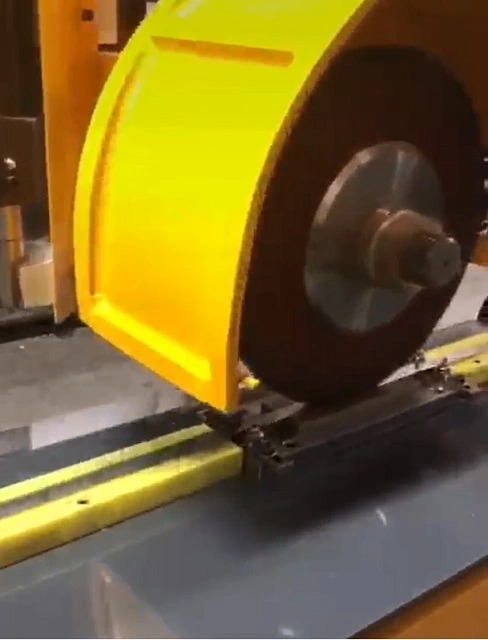
The trimming function of the machine is designed to cut aluminum sheets into precise shapes and sizes, turning large, raw metal into trays ready for further processing. This cutting is vital for maintaining consistency in the tray dimensions, ensuring they fit perfectly in stackable designs, packaging systems, or any other intended use. The machine is capable of handling different thicknesses of aluminum, allowing for the creation of trays that meet various durability requirements, from lightweight trays to more robust ones used in industrial environments.

Beading is the second function, which involves forming a raised edge around the perimeter of the tray. This bead serves to reinforce the tray, making it more rigid and less likely to bend or deform under pressure. It also improves the tray’s overall strength, which is especially important for trays that will be stacked or loaded with goods. Additionally, the beading adds a professional finish to the tray, giving it clean, uniform edges that are aesthetically pleasing. The beads can also help the trays align better during transportation and storage, as they make it easier to stack them securely.

The beading process typically uses rollers or dies, which apply pressure to the aluminum sheet to create consistent ridges along the edges. The size and depth of the beads can be adjusted depending on the tray’s design or the specific strength requirements. Advanced models of these machines may offer programmable settings, allowing operators to easily switch between different tray sizes and bead patterns without requiring major adjustments, making the production process even more efficient.

For industries that require large volumes of trays, these machines can run at high speeds, ensuring quick turnaround times. Automation in these machines means less manual labor is needed, which reduces human error and increases consistency across production runs. This is particularly important when producing trays for commercial or industrial purposes, where reliability and uniformity are key. Some machines may also include features like hole-punching for drainage or ventilation, corner rounding for a smoother finish, or even additional surface treatments to improve the appearance or performance of the tray, such as anodizing or coating.

Maintenance of these machines typically involves keeping the rollers, blades, and dies in good condition to ensure precise trimming and beading. Regular checks and lubrication can help prevent downtime, while more advanced models may have self-diagnosing features that alert operators to potential issues before they affect production. This minimizes disruptions and ensures the machine continues to perform at its best.

Overall, the Aluminum Tray Trimming Beading Machine is an essential piece of equipment for manufacturers looking to produce high-quality aluminum trays in a streamlined, efficient manner. By combining trimming and beading into one process, it reduces production time, cuts down on the need for multiple machines, and ensures that each tray produced is both strong and aesthetically pleasing, meeting the requirements of various industries.

In addition to the speed and efficiency improvements, the Aluminum Tray Trimming Beading Machine offers significant cost savings for manufacturers. By integrating both trimming and beading into a single process, the machine eliminates the need for separate equipment for each operation, which reduces overhead costs and saves on floor space. The ability to produce high volumes of aluminum trays with minimal manual intervention further helps lower labor costs and increases overall productivity.

These machines are also highly versatile, capable of producing a wide range of tray sizes and designs. Depending on the machine’s features, it can handle different aluminum alloys and thicknesses, allowing manufacturers to produce trays with varying strength characteristics. For instance, trays used in food packaging may require a lighter, more flexible aluminum, while trays used for industrial purposes may need thicker, more durable aluminum to withstand heavier loads.

The flexibility of the machine also extends to the types of beads it can create. Beads can be adjusted for different depths and profiles, depending on the specific application. For example, a deeper bead might be necessary for a tray intended to carry heavier items, while a shallow bead might be sufficient for a lighter-duty tray. This level of customization ensures that manufacturers can meet the precise specifications required by their customers, whether for standard, mass-produced trays or more customized, niche products.

In terms of product quality, the consistent beading and clean trimming ensure that every tray produced meets the required standards for both appearance and functionality. The smooth edges provided by the beading reduce the risk of cuts or injuries when handling the trays, which is particularly important in industries like foodservice or healthcare. Additionally, the increased rigidity from the beading helps prevent deformation during use or transport, ensuring that the trays maintain their shape and integrity even under stress.

Another key benefit is the environmental impact. As sustainability becomes increasingly important across industries, the Aluminum Tray Trimming Beading Machine can help reduce material waste. The ability to cut aluminum sheets precisely reduces scrap material, and in many cases, scrap aluminum can be recycled or repurposed. The machine’s efficiency also ensures that production runs are optimized, reducing energy consumption and making the process more environmentally friendly.

For businesses focusing on high-volume production, these machines are especially valuable due to their automated capabilities. With automated systems in place, operators can focus on monitoring the machine’s performance rather than making manual adjustments, which further increases the speed and consistency of production. Many modern machines are equipped with advanced control systems, which can store different program settings for a variety of tray designs, making it easy to switch between production runs without a significant setup time.

The ergonomic design of these machines also plays a role in improving the overall production process. Many machines are designed to be user-friendly, with intuitive interfaces that allow operators to input parameters such as tray size, bead depth, and cutting patterns with ease. This user-friendliness, coupled with automated functions, reduces the learning curve for new operators and helps maintain consistent output quality.

Overall, the Aluminum Tray Trimming Beading Machine is a powerful tool that enhances the efficiency, versatility, and quality of aluminum tray production. With its ability to trim and bead in one operation, this machine helps manufacturers meet high demands for consistent, durable, and visually appealing trays. It is an indispensable piece of equipment for industries that rely on aluminum trays, ensuring that production processes are streamlined, costs are reduced, and final products meet both functional and aesthetic requirements.

As the demand for aluminum trays continues to grow across various industries, the Aluminum Tray Trimming Beading Machine’s capabilities are becoming even more integral to meeting production needs efficiently. Its role in the automated production process ensures manufacturers can scale operations quickly while maintaining high standards of quality control. The ability to operate at high speeds with minimal human intervention reduces the risk of production delays and ensures that manufacturers can meet deadlines, whether for a large order of foodservice trays or for a more specialized run of industrial-grade trays.

With advancements in machine technology, some modern aluminum tray trimming beading machines are equipped with smart features. These can include real-time monitoring systems, where sensors and software continuously check the quality of the tray’s dimensions, bead consistency, and trim precision. This ensures that trays meet the exact specifications every time, and any discrepancies can be immediately corrected without halting the entire production line. These smart features reduce waste, improve uptime, and optimize machine performance, providing a high degree of reliability even in long shifts or high-production environments.

Moreover, the data tracking and reporting capabilities of these machines allow manufacturers to analyze production trends and identify areas for improvement. Data on machine efficiency, scrap material, production rates, and maintenance schedules can be gathered and used to make informed decisions about future production runs. By leveraging this data, manufacturers can further streamline their processes and increase the return on investment in the machine.

In terms of adaptability, the aluminum tray trimming beading machine can be customized for specific needs. For example, manufacturers may want to produce trays with particular edge finishes, deeper beads for added strength, or custom shapes to meet customer requirements. Machines can be equipped with a variety of interchangeable rollers, dies, or cutting tools to accommodate these needs. The flexibility in design options allows for quick adjustments, meaning that manufacturers can produce a wide range of aluminum tray types without needing a new machine for each design. This versatility also supports the production of small-batch, custom orders, providing manufacturers with the ability to cater to specialized markets or niche products.

For industries where hygiene and safety are paramount, like the food service sector, these machines offer another advantage by producing trays with smooth, safe edges. The beading process helps to ensure that trays are easy to handle, reducing the risk of cuts or injuries. The smooth, rounded edges are also more easily cleaned, making the trays ideal for environments where sanitation is a priority.

The ability to produce trays that are both lightweight and durable is another significant benefit. Aluminum trays are favored for being strong yet light enough for handling, storage, and transport. The beading process increases the strength-to-weight ratio of the trays, giving them additional durability without adding unnecessary weight. This is particularly important in industries like food packaging, where weight plays a key role in logistics, and in industrial settings where heavy-duty trays are needed but must remain manageable.

Looking ahead, the future of aluminum tray production is likely to involve more integration with Industry 4.0 technologies, including IoT (Internet of Things) connectivity. Machines could become even more interconnected, allowing for remote monitoring, predictive maintenance, and even automated reordering of raw materials based on production needs. This level of integration will help ensure that production processes remain efficient, cost-effective, and capable of meeting ever-increasing demand.

Ultimately, the Aluminum Tray Trimming Beading Machine represents a combination of efficiency, quality, and versatility in the manufacturing process. It enables producers to meet the diverse needs of their customers while maintaining high standards of performance. Whether producing large quantities of disposable foodservice trays or specialized industrial trays, the machine’s combination of trimming, beading, and customizability ensures that manufacturers can handle a wide variety of production requirements, enhancing their ability to stay competitive in the marketplace.

Square and Rectangular Tray Trimming Beading Machine

Square and Rectangular Tray Trimming Beading Machine is a specialized machine designed to streamline the production of square and rectangular trays, which are commonly used in industries like food packaging, storage, and medical applications. This machine performs two essential functions: trimming and beading. The combination of these two operations allows manufacturers to produce high-quality, precise trays that are both durable and visually appealing, with the added benefit of a faster, more efficient production process.

The trimming function of the machine is responsible for cutting raw metal sheets (usually aluminum or stainless steel) into the precise square or rectangular dimensions needed for the trays. The machine ensures clean, straight cuts, allowing manufacturers to produce trays that fit exact specifications for use in various applications. Whether it’s a standard size for foodservice use or a custom size for a specialized product, the trimming function ensures consistency across all trays produced. These precise cuts are essential for making sure that the trays fit properly in stacks or align well during transport and storage.

The beading function adds a raised ridge along the edges of the tray. This bead serves multiple purposes: it strengthens the tray by increasing rigidity, making it less likely to bend or warp under pressure, and it also gives the tray a clean, professional finish. The beaded edge not only enhances the tray’s strength but also makes it easier to handle, as the raised edges improve grip. In addition, the beads can make the tray more resistant to deformation, which is especially important for trays that will carry heavy or hot items.

These machines are often equipped with adjustable rollers or dies that can be customized to create different bead profiles or depths, depending on the tray’s requirements. This flexibility allows manufacturers to produce trays with varying levels of strength or different edge designs. The bead can be shallow or deep, depending on the strength required, and the machine can be adjusted to create different sizes and shapes of beads for different tray designs.

The square and rectangular tray trimming beading machine is typically designed for high-volume production, making it a key tool for manufacturers who need to produce large batches of trays quickly. Automated controls often allow for easy programming of different tray sizes, bead shapes, and trimming dimensions, reducing setup time and increasing production efficiency. The machine can run continuously with minimal operator intervention, and modern models may come with CNC (Computer Numerical Control) systems, which ensure even greater precision and consistency.

For maintenance, it’s important to regularly check the trimming blades, rollers, and dies to ensure they are sharp, aligned, and in good working condition. This helps to prevent issues like uneven cuts or inconsistent beads, which could affect the quality of the trays. Many advanced machines feature diagnostic systems that alert operators when maintenance is needed, helping to avoid downtime and keep production running smoothly.

In industries like foodservice or pharmaceuticals, where trays must meet certain hygiene standards, the beading process also ensures smooth, rounded edges that are easier to clean and less likely to cause injury during handling. The trays are generally lighter due to the material used, but the beading process adds strength without increasing the weight significantly.

Overall, a Square and Rectangular Tray Trimming Beading Machine is an indispensable piece of equipment in modern manufacturing settings, where efficiency, precision, and quality are key. By combining trimming and beading into a single process, it significantly reduces production time, improves the durability of the trays, and ensures consistency across large batches. Whether for food packaging, medical trays, or industrial applications, this machine helps manufacturers meet a variety of market demands while maintaining high standards for strength, design, and performance.

The Square and Rectangular Tray Trimming Beading Machine is an essential tool for manufacturers seeking to produce precise and durable trays in high volumes. Its dual functionality of trimming and beading allows for the efficient production of trays that are both structurally sound and visually appealing. The trimming operation ensures that raw materials, usually metal sheets like aluminum, are cut accurately into the desired square or rectangular shapes. This is crucial for ensuring that the trays fit into standardized storage, stacking, or transport systems, maintaining uniformity across the entire batch.

The beading feature adds raised edges around the perimeter of the tray. These beads reinforce the tray’s structure, increasing its resistance to bending, warping, or deformation under weight or external stress. The beads not only enhance the tray’s strength but also improve its appearance by giving it a finished, professional look. The smooth, rounded edges resulting from the beading process also make the tray safer to handle, reducing the risk of injury from sharp edges and making it easier to clean, which is especially important in industries where hygiene is critical.

One of the standout features of the Square and Rectangular Tray Trimming Beading Machine is its ability to work with a variety of material thicknesses. Manufacturers can use it to produce trays that range from lightweight options used in food packaging to heavy-duty trays designed for industrial applications. This flexibility is possible due to adjustable rollers or dies, which allow for customization of the bead’s depth and width, and the trimming settings to suit different tray requirements.
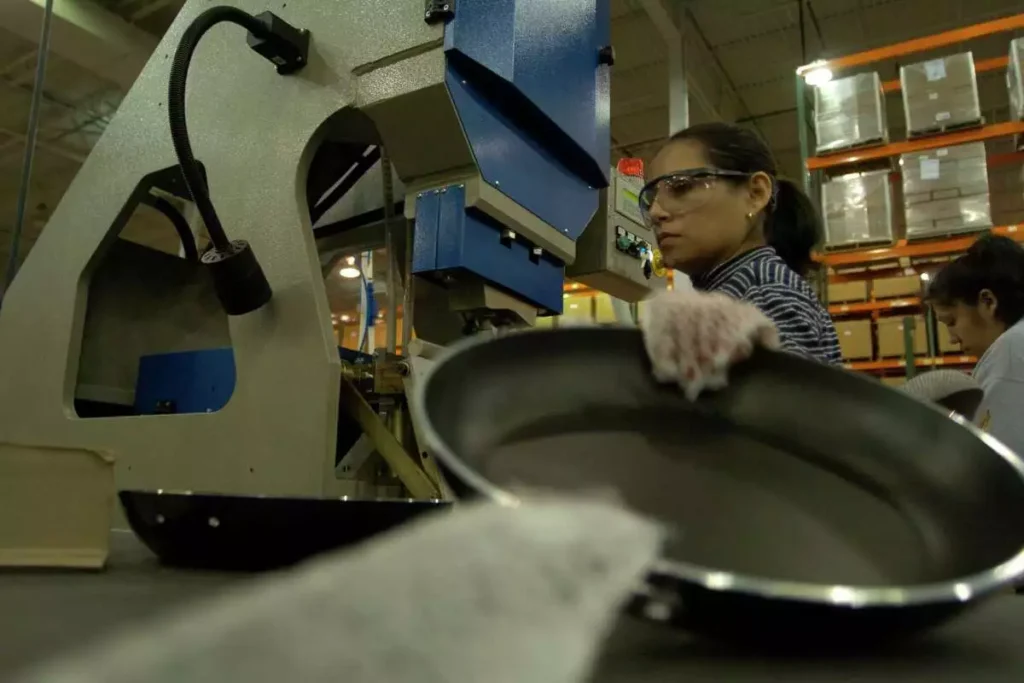
These machines are designed for high-speed, automated production, which is crucial in industries that require large volumes of trays. With automated controls and programmable settings, manufacturers can quickly switch between different tray sizes, bead profiles, and trim patterns, making the machine versatile enough to handle a range of production needs. The automation reduces manual labor and increases production efficiency, ensuring a faster turnaround time on orders while maintaining high-quality output.

Moreover, modern Square and Rectangular Tray Trimming Beading Machines are often equipped with features like CNC control systems for precise and repeatable operations, which are critical when producing large quantities of trays with consistent quality. The ability to control settings electronically makes it easier to achieve precise cuts and uniform beads across multiple runs, reducing the chances of variation between trays.

Maintenance for these machines is generally straightforward, though it does require regular checks to ensure that the trimming blades, rollers, and beading dies are sharp, aligned, and functioning correctly. With proper upkeep, these machines can operate continuously for long hours without significant downtime. Some models are equipped with diagnostic tools that help operators identify potential issues before they affect production, helping to minimize the risk of equipment failure and keep the manufacturing process smooth.

In industries like foodservice, pharmaceuticals, or even electronics packaging, the trays produced by these machines must meet specific standards for safety, hygiene, and durability. The beading process helps ensure that the trays are safe to handle and easy to clean, while the trimming ensures that each tray fits within industry guidelines for size and shape. In the foodservice industry, for example, aluminum trays need to be lightweight for easy handling but strong enough to hold hot foods or liquids without warping. The square and rectangular designs produced by the machine are ideal for standardized uses, where the dimensions of the trays need to meet specific operational needs, such as fitting inside ovens, display cabinets, or food transport containers.

The Square and Rectangular Tray Trimming Beading Machine plays a key role in the automation of tray production, making it easier to meet high-demand, high-quality manufacturing standards. Whether it’s for disposable food trays, durable industrial trays, or custom packaging solutions, this machine ensures that trays are both practical and aesthetically pleasing. Its combination of trimming and beading, along with its flexibility in adjusting for different material thicknesses, makes it an indispensable piece of equipment for manufacturers aiming to keep pace with growing production demands while maintaining product quality and consistency.

The Square and Rectangular Tray Trimming Beading Machine also plays an important role in the sustainability efforts of manufacturers. With efficient use of raw materials and the ability to optimize cutting patterns, this machine helps minimize scrap and waste, which is especially important in industries looking to reduce their environmental footprint. In addition, many machines are designed to use recyclable materials like aluminum, which can be reused for future production runs, ensuring that manufacturers can both save on costs and contribute to a more sustainable production process.

Another significant advantage of the machine is its ability to integrate seamlessly into automated production lines, enhancing overall workflow. For manufacturers who produce trays alongside other packaging materials, the machine can easily be incorporated into a larger system where trays are produced, packed, and prepared for shipment with minimal manual handling. This integration allows for smoother transitions between different stages of production, further enhancing operational efficiency.

The machine’s versatility also supports the production of customized trays for various industries. Whether it’s a unique size or a tray with special beading patterns or features like holes for drainage, the Square and Rectangular Tray Trimming Beading Machine can handle specialized requests without the need for entirely new equipment or setups. This is especially beneficial in industries that require bespoke packaging or trays for specific products, such as high-end food packaging, medical trays, or trays for electronic components.

Manufacturers can also take advantage of the cost-saving benefits offered by these machines. By automating the trimming and beading processes, they eliminate the need for manual labor, reducing labor costs and freeing up employees for more complex tasks. Furthermore, automated trimming and beading ensure that each tray is produced to the exact same specifications, maintaining high quality and reducing the chances of errors or defective trays that would need to be discarded or reworked.

The safety features of modern machines are also worth noting. The beading process often involves high-pressure rollers and sharp trimming blades, so it’s crucial that the machine is designed with proper safeguards. Many machines come equipped with safety barriers, emergency shutoff switches, and sensors that can detect any malfunctions or irregularities in operation. These features help protect operators from accidents and ensure the machine runs smoothly.

As businesses expand and demand for square and rectangular trays increases, the Square and Rectangular Tray Trimming Beading Machine’s role becomes even more critical. Its high output capacity and quick changeover capabilities make it ideal for manufacturers looking to meet both large-scale production needs and custom orders efficiently. In industries where time-sensitive production and delivery are essential, this machine allows manufacturers to maintain tight schedules while producing trays that are high in quality and suitable for a wide range of applications.
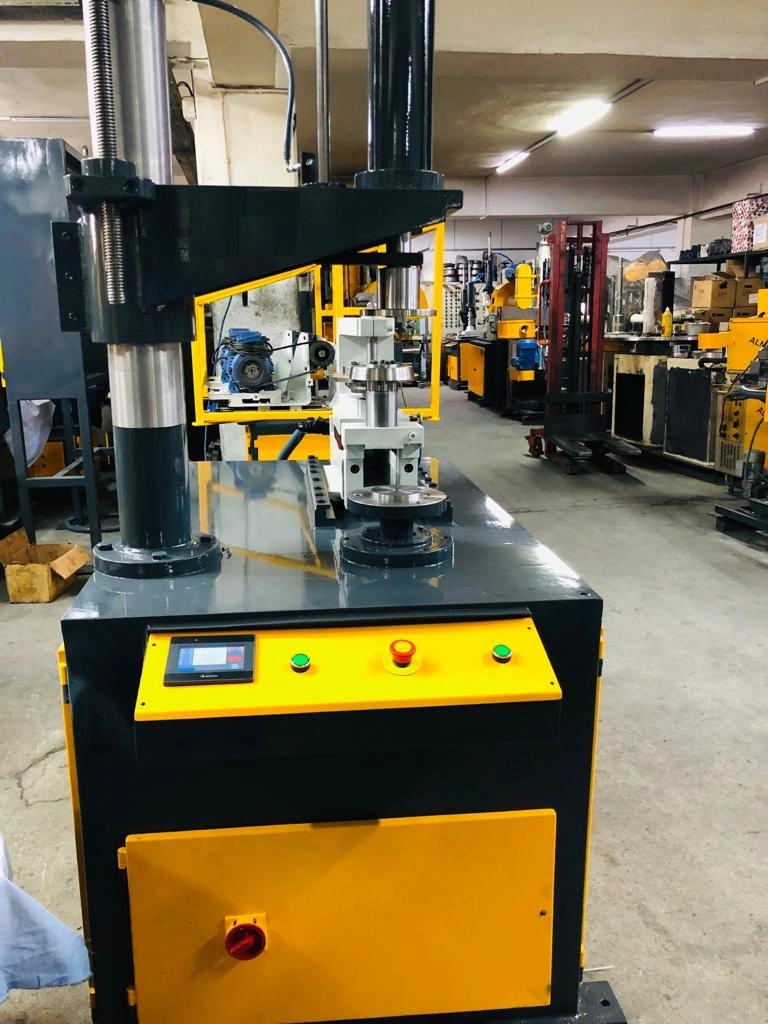
In conclusion, the Square and Rectangular Tray Trimming Beading Machine is a pivotal piece of machinery for companies looking to optimize their production processes and meet the needs of a diverse and demanding market. With its combination of cutting-edge technology, customization options, and efficiency benefits, this machine is an indispensable tool for the modern manufacturing environment. Its ability to handle high-volume production, while also offering flexibility for custom designs and materials, ensures that it remains a go-to solution for companies in a variety of industries, from foodservice to industrial packaging.

EMS Metalworking Machinery

We design, manufacture and assembly metalworking machinery such as:

  • Hydraulic transfer press
  • Glass mosaic press
  • Hydraulic deep drawing press
  • Casting press
  • Hydraulic cold forming press
  • Hydroforming press
  • Composite press
  • Silicone rubber moulding press
  • Brake pad press
  • Melamine press
  • SMC & BMC Press
  • Labrotaroy press
  • Edge cutting trimming machine
  • Edge curling machine
  • Trimming beading machine
  • Trimming joggling machine
  • Cookware production line
  • Pipe bending machine
  • Profile bending machine
  • Bandsaw for metal
  • Cylindrical welding machine
  • Horizontal pres and cookware
  • Kitchenware, hotelware
  • Bakeware and cuttlery production machinery

as a complete line as well as an individual machine such as:

  • Edge cutting trimming beading machines
  • Polishing and grinding machines for pot and pans
  • Hydraulic drawing presses
  • Circle blanking machines
  • Riveting machine
  • Hole punching machines
  • Press feeding machine

You can check our machinery at work at: EMS Metalworking Machinery – YouTube

Applications:

  • Beading and ribbing
  • Flanging
  • Trimming
  • Curling
  • Lock-seaming
  • Ribbing
  • Flange-punching