Categories
Machinery

Deep Drawing Die Design

Deep Drawing Die Design

Deep Drawing Die Design and how to design a deep drawing die for a hydraulic deep drawing press. Price from the manufacturer. Free consultation.

Deep Drawing Die Design

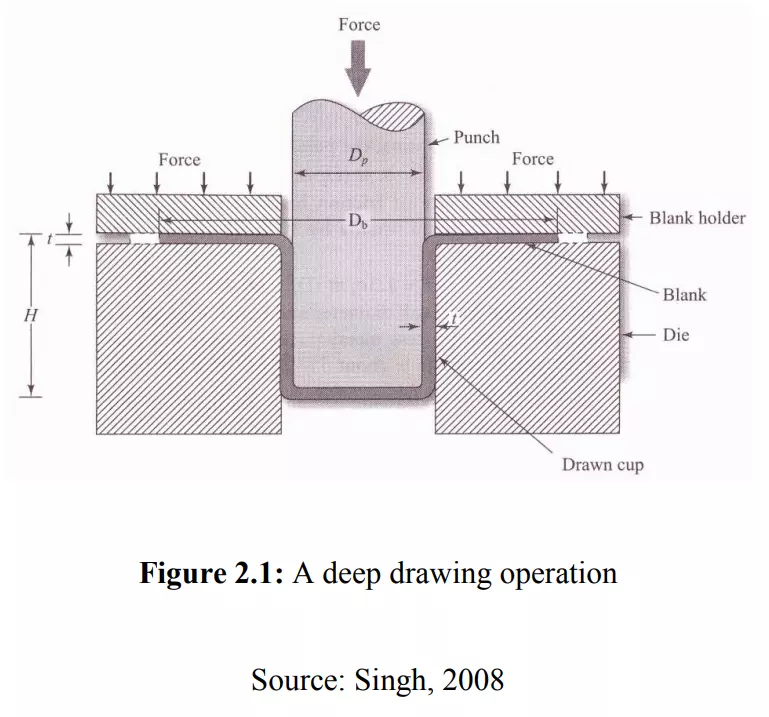
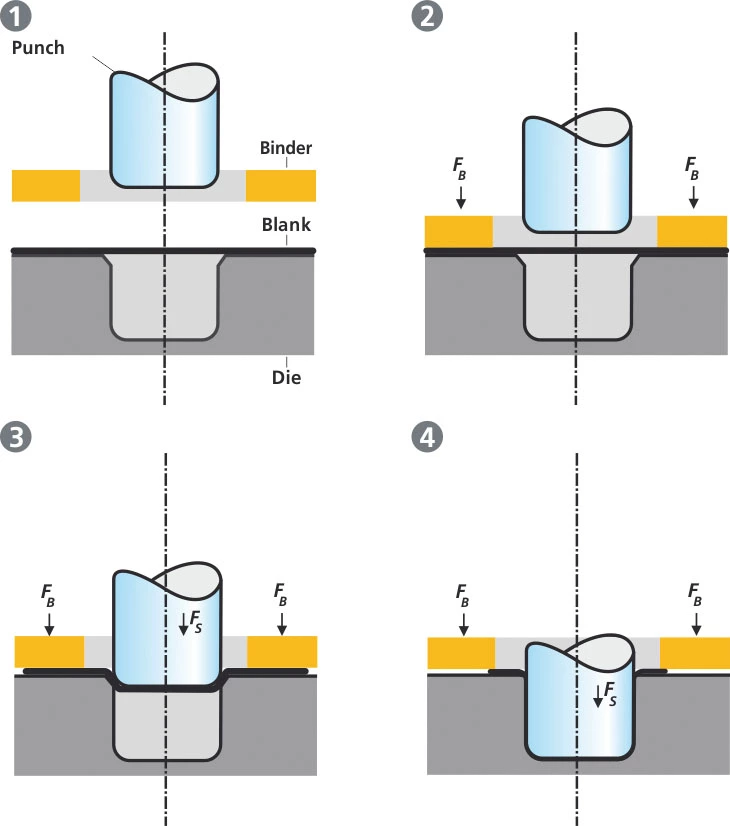
Deep drawing die design is the process of designing a die used for the deep drawing process, which is a metal forming process in which a sheet metal blank is drawn into a forming die by a punch to form a desired shape. The design of the die is critical to achieving the desired shape and minimizing defects such as wrinkling, tearing, and excessive thinning of the material.

The following are some of the key considerations in deep drawing die design:

  1. Material selection: The material used for the die must be able to withstand the forces and temperatures involved in the deep drawing process. Typically, tool steels or carbide materials are used.
  2. Die shape: The shape of the die must be designed to allow for the flow of material and minimize stresses and strains. The die must also be designed to allow for easy removal of the finished part.
  3. Punch shape: The shape of the punch must be designed to match the desired final shape of the part. The punch must also be designed to allow for easy removal of the finished part.
  4. Die clearance: The clearance between the punch and die is critical to achieving the desired part shape and minimizing defects. Too much clearance can cause wrinkling, while too little clearance can cause tearing or excessive thinning.
  5. Lubrication: Lubrication is essential to minimizing friction and preventing defects such as galling or scoring. The type and amount of lubricant used must be carefully selected based on the material being formed and the specific die design.
  6. Cooling: Heat buildup can cause deformation or cracking of the die. Therefore, cooling channels must be designed into the die to dissipate heat and maintain the desired temperature.
  7. Die maintenance: Regular maintenance of the die is essential to ensure consistent quality and prolong the life of the die. This includes cleaning, lubrication, and repair or replacement of worn or damaged components.

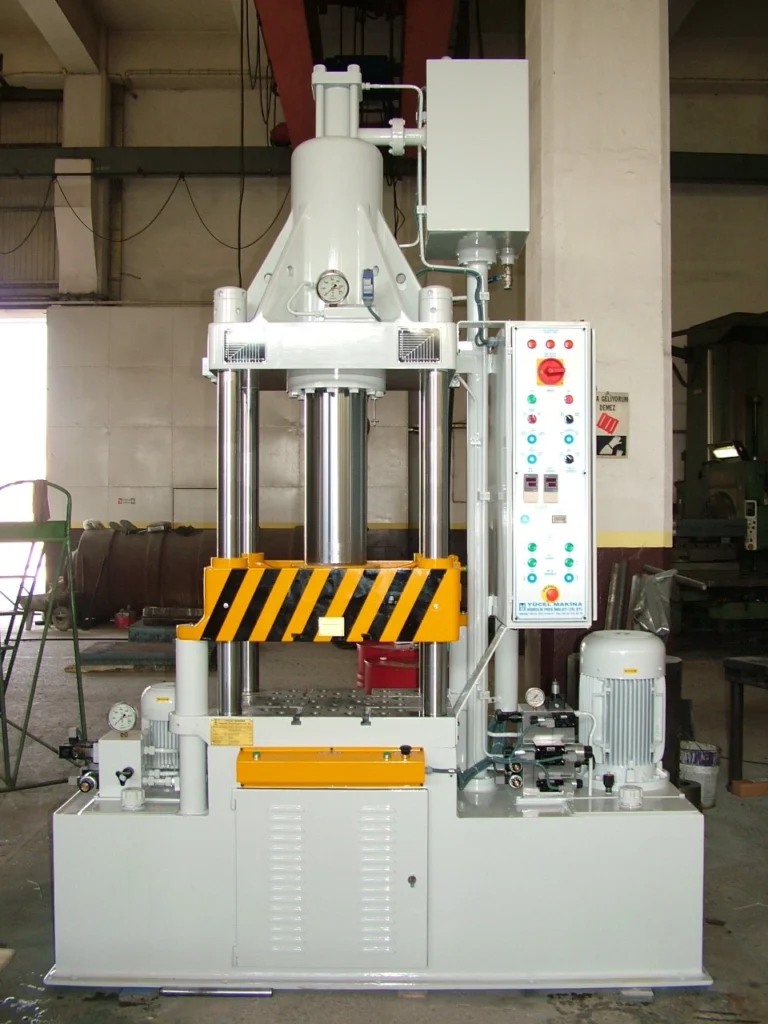
A hydraulic press is a mechanical device that uses a hydraulic cylinder to generate a compressive force. It operates based on Pascal’s Law, which states that pressure applied to a confined fluid is transmitted equally in all directions. This principle allows hydraulic presses to exert significant force with minimal input, making them essential tools in industries requiring high-pressure applications.

single-acting hydraulic press uses hydraulic pressure to move the piston in one direction, typically the downward or compressive stroke. After the press completes this action, the piston returns to its original position using an external force such as a spring or the weight of the cylinder. This differs from a double-acting hydraulic press, where hydraulic pressure is applied in both the forward and return strokes.

The simplicity and cost-effectiveness of single-acting hydraulic presses make them ideal for a variety of applications, including small to medium-scale production, metal fabrication, and mechanical testing. These presses are widely used in industries such as automotive, aerospace, manufacturing, and even laboratories for precision tasks.

The core advantage of a single-acting hydraulic press lies in its simplicity. Fewer moving parts and a straightforward design reduce both the initial cost and ongoing maintenance requirements. However, the trade-off is that the press lacks the stroke control and power range of more complex systems, limiting its effectiveness in higher-end or more precise applications.

How Single-Acting Hydraulic Presses Work
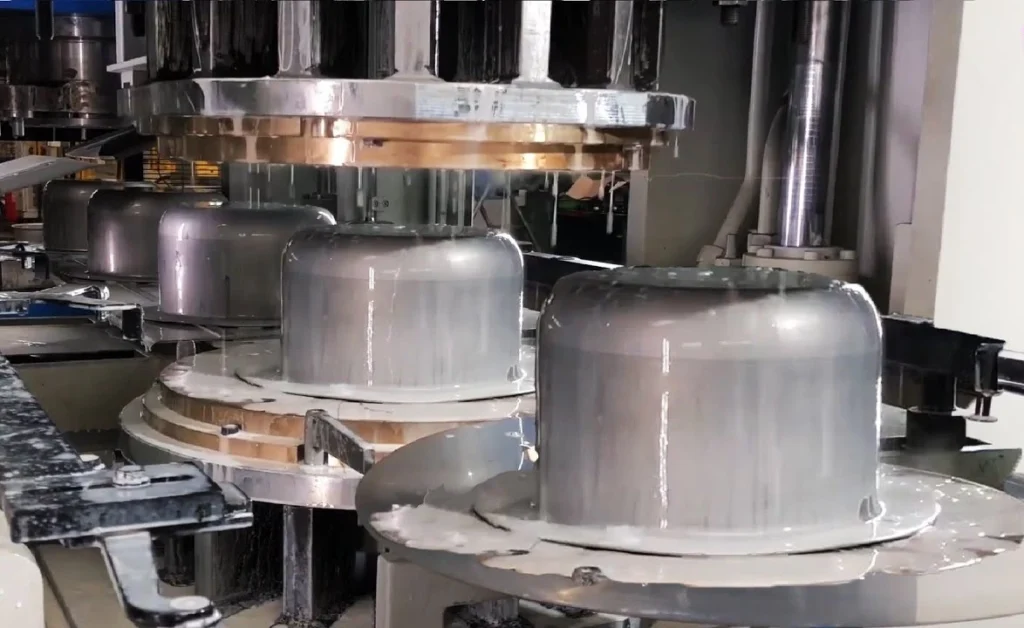
Deep Drawing Hydraulic Press Machine for Kitchen Sink Production Line

The fundamental operation of a single-acting hydraulic press relies on Pascal’s Law, which underpins all hydraulic systems. According to this principle, when a force is applied to a fluid inside a closed system, the pressure is transmitted evenly throughout the fluid. In a hydraulic press, this means that the force generated by a pump acting on a small volume of hydraulic fluid can be magnified to create a much larger output force.

Key Components of a Single-Acting Hydraulic Press:

  • Cylinder and Piston: The hydraulic cylinder contains a piston that moves up and down. In a single-acting press, hydraulic fluid forces the piston downwards, creating the press action.
  • Hydraulic Pump: The pump generates pressure within the hydraulic system, pushing the fluid into the cylinder to drive the piston.
  • Reservoir: This stores hydraulic fluid, which is pumped into the cylinder during operation.
  • Valves: Control the flow of hydraulic fluid, directing it into the cylinder for the pressing stroke.
  • Return Mechanism: In single-acting systems, this is usually a spring or gravitational force that returns the piston to its original position after the pressing action.

Pressing and Return Process:

  1. Pressing: When the press operator activates the system, hydraulic fluid is pumped into the cylinder. The increase in pressure forces the piston downward, applying force to the material placed under the press head. The force can range from several tons to hundreds of tons, depending on the press’s specifications.
  2. Return Stroke: Once the pressing action is complete, the external force—usually a spring or gravity—returns the piston to its starting position. Unlike double-acting presses, where hydraulic pressure can control both strokes, single-acting presses rely on this mechanical or natural return.

Advantages and Limitations:

  • Advantages: Single-acting presses are simple, affordable, and easy to maintain. They are ideal for tasks that do not require precise control over the return stroke or where the pressing force is the primary concern.
  • Limitations: The primary limitation is the lack of control over the piston’s return stroke, which can make single-acting presses less suited to precision applications. Additionally, since only one stroke is powered, these presses are less efficient in tasks requiring continuous motion or high-speed operation.

Types of Single-Acting Hydraulic Presses
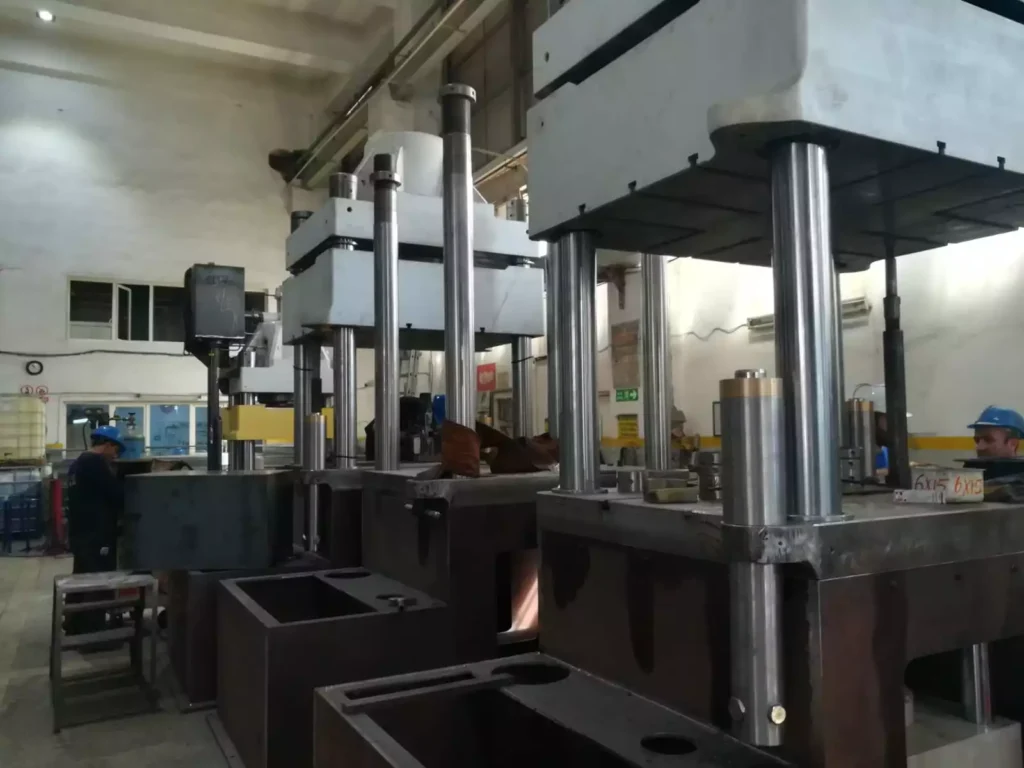
Types of Single-Acting Hydraulic Presses

Single-acting hydraulic presses come in several varieties, each suited to different applications and operational needs.

1. Manually Operated Hydraulic Presses:

These presses are powered by a hand-operated pump, which provides the hydraulic pressure needed to move the piston. They are ideal for small-scale applications or environments where electricity is not available. These presses are portable and commonly used in repair shops, garages, or remote field locations. Their affordability and ease of use make them popular for light-duty tasks like pressing bearings or removing shafts.

2. Electric-Powered Hydraulic Presses:

Electric-powered hydraulic presses use an electric motor to drive the hydraulic pump, offering greater efficiency and consistency compared to manual models. These presses are suitable for more intensive industrial applications where higher force or faster operation is required. They are commonly found in manufacturing plants, where they can be integrated into production lines for repetitive tasks such as stamping, forging, or cutting.

3. Air-Driven Hydraulic Presses:

In these systems, compressed air is used to generate hydraulic pressure. They are commonly used in industrial environments where compressed air is readily available. Air-driven hydraulic presses are often employed in applications where speed and convenience are critical, and they offer a middle ground between manually operated and electric-powered presses in terms of power and cost.

Applications of Each Type:

  • Manually Operated: Ideal for low-volume tasks, repair work, or environments lacking electrical infrastructure.
  • Electric-Powered: Suitable for continuous, heavy-duty applications in factories and production environments.
  • Air-Driven: Often used in automotive workshops and for lighter industrial tasks where compressed air is available.

Applications of Single-Acting Hydraulic Presses
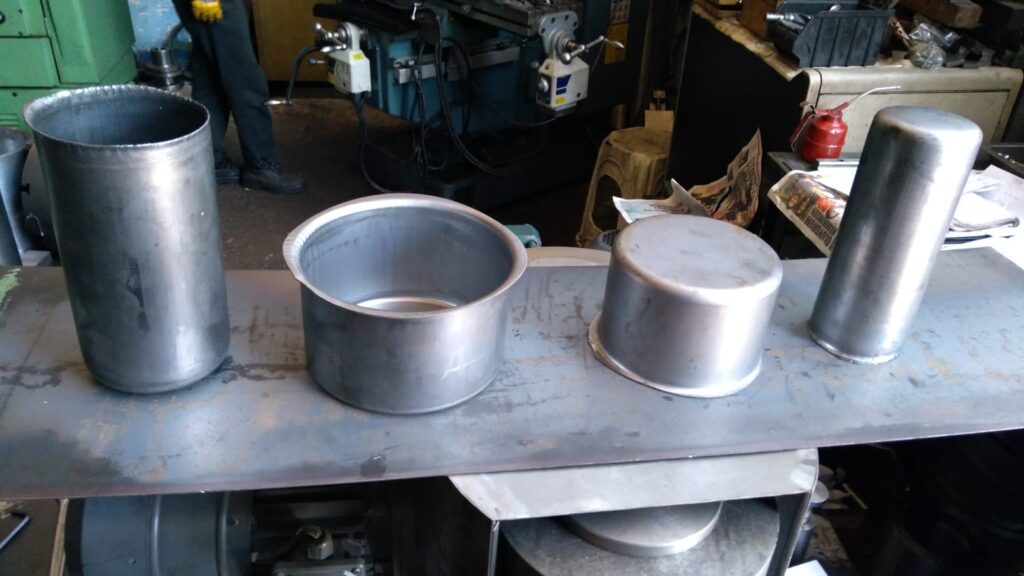
Manufacturing of Fire Extinguishers

Single-acting hydraulic presses are versatile tools used across a wide range of industries for different applications.

1. Metal Forming and Fabrication:

In the metalworking industry, hydraulic presses are used to shape, bend, punch, and cut metal sheets and components. Single-acting presses are especially useful in tasks where the return stroke is less critical, such as metal stamping or bending. These presses are commonly used in fabrication shops, tool and die manufacturing, and custom metalwork projects.

2. Press Fitting and Assembly Tasks:

Single-acting presses are commonly employed in press fitting, where parts are mechanically forced together using high pressure. This includes tasks such as pressing bushings, bearings, gears, and other components into place. These presses are widely used in the automotive industry for assembly operations, as well as in machinery and equipment manufacturing.

3. Material Testing and Laboratory Uses:

In laboratories, single-acting hydraulic presses are often used for testing materials under compressive force. For example, engineers and scientists may use hydraulic presses to measure the compressive strength of materials like concrete, metals, or plastics. The simplicity of single-acting presses makes them ideal for controlled experiments where large forces are required without complex control systems.

4. Automotive and Aerospace Industries:

In the automotive sector, single-acting hydraulic presses play a crucial role in various assembly and maintenance tasks, such as pressing in bushings, removing bearings, and straightening parts. Their use extends to aerospace industries for tasks such as forming lightweight components, shaping metal parts, or assembling intricate systems that require precise force application.

Examples of Practical Applications:
  • Metal Stamping: Single-acting presses are used to punch or stamp metal parts for various industries, including automotive and electronics.
  • Bearing Installation: Presses ensure that bearings are seated correctly without causing damage to delicate components.
  • Cutting and Trimming: Hydraulic presses can be used to cut metal, plastic, or composite materials, making them essential in production environments.

Advantages of Single-Acting Hydraulic Presses

Single-acting hydraulic presses have several advantages, making them a popular choice in a variety of applications.

1. Simplicity and Cost-Effectiveness:

Due to their basic design, single-acting hydraulic presses are more affordable than their double-acting counterparts. They have fewer moving parts and require less complex control systems, reducing both the upfront cost and the likelihood of mechanical failure. This makes them ideal for smaller operations or businesses looking for cost-effective solutions.

2. Efficiency in Force Delivery:

Despite their simplicity, single-acting hydraulic presses can deliver tremendous force, making them suitable for heavy-duty tasks like metal forming or assembly. They can generate forces ranging from a few tons to several hundred tons, depending on the size and type of the press, enabling them to handle a wide range of materials and tasks.

3. Reduced Maintenance:

With fewer components, single-acting presses are easier and less costly to maintain. Routine maintenance is generally limited to inspecting seals, checking hydraulic fluid levels, and ensuring that the return mechanism (spring or gravity) is functioning properly.

4. Portability and Space Efficiency:

Single-acting presses are typically more compact than double-acting presses, making them easier to move and install in smaller workspaces. This portability is especially valuable in environments where space is limited, such as small workshops or laboratories.

Challenges and Limitations of Single-Acting Hydraulic Presses

Applications in Various Industries

While single-acting hydraulic presses offer many benefits, they also have certain limitations that can affect their performance in specific applications.

1. Limited Stroke Control and Precision:

Because the return stroke is not powered by hydraulics, single-acting presses lack the precise control over the piston’s movement during the return phase. This makes them less suitable for applications requiring fine control of both the forward and return strokes.

2. External Force Required for Return Stroke:

The reliance on springs or gravity for the return stroke introduces limitations. Springs can wear out over time, reducing the efficiency of the press, and gravitational return may be too slow for certain high-speed applications.

3. Power Limitations:

Single-acting presses typically have less power and speed compared to double-acting systems. For tasks requiring high force or rapid cycling, a double-acting press may be more appropriate.

4. Environmental Considerations:

Hydraulic systems, including single-acting presses, can pose environmental risks if not properly maintained. Leaking hydraulic fluid, for instance, can cause environmental contamination, making proper maintenance and disposal of used fluids critical.

Maintenance and Safety Considerations

Proper maintenance and adherence to safety protocols are essential to ensure the safe and efficient operation of single-acting hydraulic presses.

Maintenance Procedures:

  • Hydraulic Fluid Levels: Regularly check and maintain the hydraulic fluid to ensure smooth operation. Low fluid levels can reduce press efficiency and lead to mechanical wear.
  • Seals and Hoses: Inspect seals and hoses for wear and tear, as leaks can cause pressure loss and reduce the effectiveness of the press.
  • Return Mechanism: Check the spring or gravity-based return system for signs of fatigue or failure. Over time, springs may lose tension, reducing the effectiveness of the return stroke.

Safety Protocols:

  • Personal Protective Equipment (PPE): Operators should wear appropriate PPE, including safety goggles, gloves, and hearing protection.
  • Proper Training: Ensure that all operators are trained in the correct use of the press and are aware of potential hazards.
  • Emergency Stops: Hydraulic presses should be equipped with emergency stop buttons to allow operators to quickly halt the machine in case of malfunction or danger.

Future of Single-Acting Hydraulic Presses
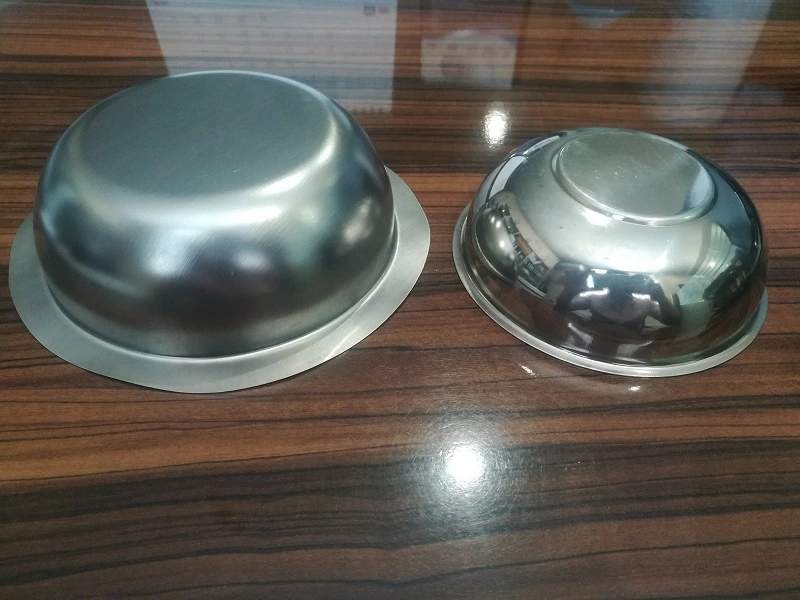
Choosing the Right Trimming Beading Machine

Advancements in technology are opening new possibilities for single-acting hydraulic presses. As industries evolve, the demand for more efficient and eco-friendly machinery is growing.

1. Advancements in Hydraulic Technology:

Innovations in hydraulic systems are leading to more efficient and powerful single-acting presses. For instance, new hydraulic fluids with better thermal stability and lower environmental impact are being developed, reducing the ecological footprint of hydraulic systems.

2. Energy Efficiency Improvements:

Modern hydraulic presses are being designed with energy efficiency in mind. Enhanced pump designs, variable speed motors, and more efficient control systems are reducing energy consumption and operational costs.

3. Integration with Automation:

The future of hydraulic presses lies in their integration with automated and smart systems. Automated single-acting presses equipped with sensors and computer control systems can adjust force, speed, and stroke in real time, enhancing precision and adaptability.

4. Future Applications and Innovations:

As industries continue to demand more from hydraulic systems, single-acting presses are likely to be used in new applications such as additive manufacturing (3D printing) and precision engineering. The increasing focus on sustainability may also drive the development of greener, more energy-efficient presses.

Introduction to Double-Acting Hydraulic Presses
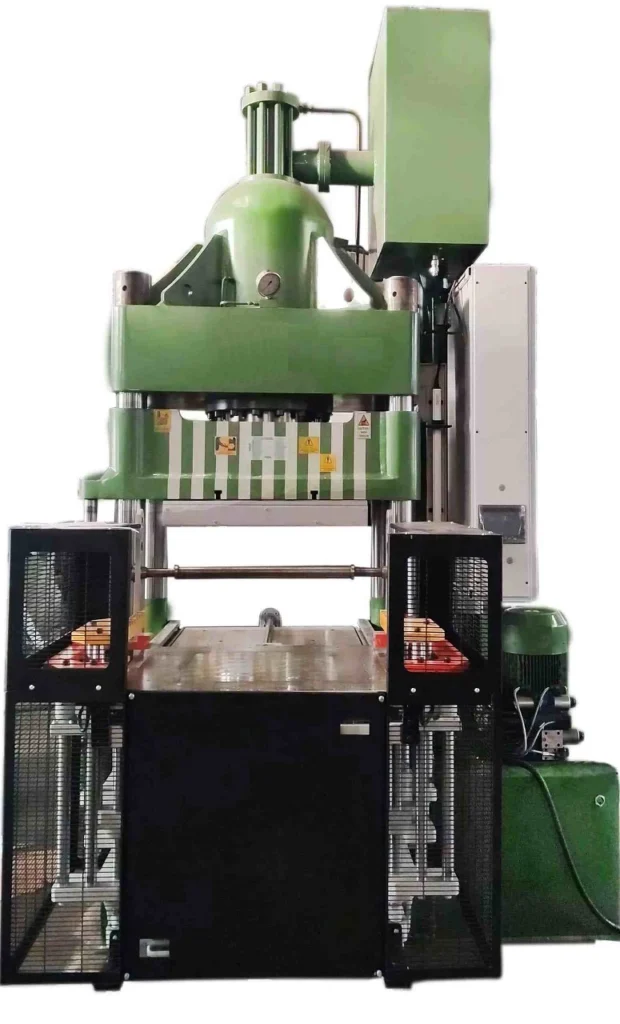
Deep Draw Presses
Deep Draw Presses

Hydraulic presses are mechanical devices that use fluid pressure to generate significant force, commonly employed in industries where large-scale pressing, forming, or molding is required. They operate on Pascal’s Law, which states that pressure applied to a fluid in a confined space is transmitted equally in all directions. This principle allows hydraulic presses to amplify force, making them crucial in metalworking, manufacturing, automotive industries, and beyond.

double-acting hydraulic press differs from its single-acting counterpart in that it applies hydraulic pressure in both directions—both for the pressing stroke and the return stroke. In contrast, a single-acting press relies on external forces, like springs or gravity, for the return motion, which limits control and precision.

The use of double-acting hydraulic presses has revolutionized several industrial processes due to the enhanced control and precision they offer. With powered movement in both directions, these presses are capable of handling more complex and demanding tasks, such as deep drawing, forging, or any process where high precision and consistent force are essential. These presses are widely used in automotive production, aerospace manufacturing, and large-scale industrial operations.

How Double-Acting Hydraulic Presses Work

Deep Drawing Hydraulic Press Machine for Kitchen Sink Production Line

Double-acting hydraulic presses function based on hydraulic principles, which utilize fluid power to amplify force. The critical difference from single-acting presses is that double-acting presses can apply hydraulic pressure in both the pressing and return strokes. This provides enhanced control and versatility.

Core Components of a Double-Acting Hydraulic Press:

  • Cylinder and Piston: A double-acting press has a hydraulic cylinder with a piston that moves in two directions. Hydraulic fluid is directed into the cylinder on either side of the piston to control both the downward and upward strokes.
  • Hydraulic Pump: The hydraulic pump provides pressure by moving hydraulic fluid into the cylinder. In double-acting presses, the pump must be capable of routing the fluid to either side of the piston, depending on whether it is the pressing or return stroke.
  • Valves and Control Systems: Double-acting presses require more sophisticated valve systems to control the flow of hydraulic fluid. These valves direct fluid pressure to either side of the piston, enabling the precise control of both strokes.
  • Power Source: These presses can be powered by manual pumps, electric motors, or pneumatic systems, depending on the scale and application of the press.

The Pressing and Return Strokes:

  1. Pressing Stroke: The hydraulic pump directs fluid into the top of the cylinder, pushing the piston downward. This downward force can range from a few tons to hundreds of tons, depending on the press’s size and design. The press head applies this force to the material being processed, whether it’s for stamping, molding, or cutting.
  2. Return Stroke: After the pressing operation, hydraulic pressure is redirected to the bottom of the piston. This lifts the piston back to its starting position, ensuring precise and controlled movement. The ability to hydraulically control both strokes eliminates the reliance on gravity or springs, allowing for faster cycle times and more complex tasks.

Precision and Control:

The ability to control both strokes of the piston provides greater accuracy in industrial processes. Unlike single-acting presses, where the return stroke can vary in speed and efficiency, double-acting presses offer consistent performance across all movements. This precision makes them ideal for complex forming processesdeep drawing, and precision cutting operations, where both the force and the return timing must be tightly controlled.

Types of Double-Acting Hydraulic Presses

Double-acting hydraulic presses come in various forms, each tailored for specific industrial applications. Here are some of the main types:

1. Manual Double-Acting Hydraulic Presses:

Manual versions of double-acting presses are powered by hand-operated hydraulic pumps. These are typically used in small workshops or repair facilities where tasks like pressing, bending, or assembling components do not require extensive automation. These presses are portable, cost-effective, and often used in low-production environments.

2. Electric-Powered Double-Acting Hydraulic Presses:

Electric-powered double-acting presses are more common in industrial settings where high force and consistent operation are required. The hydraulic pump is driven by an electric motor, allowing for automated control of both strokes. These presses are essential for high-volume operations, such as metal stamping, die forming, and precision cutting. The electric-powered system allows for greater precision, repeatability, and faster cycle times.

3. Pneumatic Double-Acting Hydraulic Presses:

Pneumatic-powered double-acting presses use compressed air to drive the hydraulic fluid in both strokes. These presses are favored in industries where pneumatic systems are already integrated into the production environment, such as in automotive assembly lines. Pneumatic systems provide rapid action, and the integration with hydraulics ensures the generation of high forces, making them suitable for mid-sized industrial applications.

4. Specialized Double-Acting Presses:

Some double-acting hydraulic presses are designed for specific applications, such as hydraulic press brakes used in bending and shaping metal sheets. These presses provide precise control over the angle and force applied, making them ideal for custom metal fabrication. Another example includes forging presses, where high tonnage and precise control are required to shape metal components.

Applications of Double-Acting Hydraulic Presses

Applications in Various Industries

Double-acting hydraulic presses are widely employed across a variety of industries due to their versatility and ability to handle complex tasks with precision. Here are some of the key applications:

1. Metal Forming and Deep Drawing:

One of the primary uses of double-acting hydraulic presses is in metal forming, particularly deep drawing. Deep drawing is a manufacturing process where a sheet metal blank is radially drawn into a forming die by the mechanical action of a punch. Double-acting presses provide the precise control necessary to form complex shapes in metals like aluminum, steel, and copper without cracking or deforming the material.

2. Punching, Forging, and Die Forming:

In punching and forging operations, double-acting presses apply controlled force to deform or cut metal parts. This is commonly used in the automotive and aerospace industries, where high-strength materials are forged into critical components like gears, axles, and structural parts. The ability to control both the pressing and return strokes ensures consistent quality and reduces the risk of material damage.

3. Composite Material Molding:

As industries increasingly adopt composite materials, double-acting hydraulic presses have become essential for forming and molding these materials. Composites, such as carbon fiber or fiberglass, require careful handling during the molding process to maintain their strength and durability. Double-acting presses allow for precise pressure application during both the pressing and release phases, making them indispensable in industries like aerospace and automotive, where lightweight, high-strength components are essential.

4. Automotive and Aerospace Industries:

The automotive industry relies heavily on double-acting hydraulic presses for the production of body panelsframes, and engine components. The precision and repeatability of these presses ensure that every part is manufactured to exact specifications. In the aerospace industry, where weight, strength, and safety are critical, double-acting presses are used to form lightweight components like aircraft skin panelsstructural parts, and engine elements.

5. Examples of Industrial Applications:

  • Automotive: Deep drawing for body panels, stamping parts like hoods, doors, and roofs.
  • Aerospace: Forming of lightweight metal and composite parts for aircraft and spacecraft.
  • Heavy Machinery: Forging of large components for construction equipment and industrial machinery.
  • Consumer Electronics: Precision forming of metal casings and components.

Advantages of Double-Acting Hydraulic Presses

Double-acting hydraulic presses offer several significant advantages that make them indispensable in many industries.

1. Precise Control Over Both Strokes:

The ability to apply hydraulic force in both the pressing and return strokes gives double-acting presses greater control over the entire operation. This precision is particularly valuable in tasks that require consistent force and motion, such as deep drawing, forging, and punching. Both strokes can be finely adjusted to meet the exact requirements of the material and application, leading to superior product quality.

2. Higher Efficiency in Repetitive Operations:

In manufacturing environments where tasks must be repeated at high speed, double-acting presses outperform single-acting models. Since both the press and return strokes are powered, cycle times are faster, and operators have more control over the movement of the piston, which boosts productivity in high-volume production lines.

3. Versatility in Complex Tasks:

Double-acting presses are incredibly versatile, able to handle a wide variety of materials and tasks. They can be used for pressing, forming, bending, cutting, and molding, which makes them highly adaptable to different industries and processes. Whether the task requires the shaping of metals, molding of composites, or assembly of mechanical components, these presses can be fine-tuned to meet the needs of the job.

4. Suitability for Heavy-Duty and Continuous Use:

Double-acting hydraulic presses are built for heavy-duty applications and continuous use in industrial settings. The ability to power both strokes ensures that even the toughest materials, such as steel and titanium, can be shaped and formed without compromising on speed or accuracy. Their robust design and advanced control systems make them ideal for industries where durability and long-term performance are critical.

Challenges and Limitations of Double-Acting Hydraulic Presses

Despite their advantages, double-acting hydraulic presses also come with challenges and limitations that must be considered before implementation.

1. Higher Cost and Complexity:

Double-acting hydraulic presses are generally more expensive than single-acting presses due to their more complex design and the additional control systems required to power both strokes. This can make them less appealing for small-scale operations or businesses with tight budgets.

2. Increased Maintenance Requirements:

With more moving parts and components to manage, double-acting presses require more frequent and thorough maintenance than their single-acting counterparts. Components like seals, valves, and hydraulic lines must be regularly inspected and serviced to prevent leaks and ensure optimal performance. This adds to the operational costs over the lifespan of the machine.

3. Space and Energy Requirements:

Double-acting hydraulic presses tend to be larger and consume more energy than simpler presses. This means they require more space and have higher energy costs, which can be a limiting factor in smaller workshops or facilities with limited energy resources.

4. Specialized Training and Safety Considerations:

Operators of double-acting hydraulic presses must be thoroughly trained to handle the complex control systems and high pressures involved. The increased force and speed of these presses mean that strict safety protocols must be followed to prevent accidents and equipment damage.

Maintenance and Safety Considerations

Proper maintenance and safety protocols are crucial for ensuring the long-term operation and safety of double-acting hydraulic presses.

Maintenance Procedures:

  • Hydraulic Fluid Levels: Maintaining appropriate hydraulic fluid levels is essential for the proper operation of both strokes. Low fluid levels can result in uneven pressure distribution and lead to damage.
  • Seal and Hose Inspections: Double-acting presses have more seals and hoses than single-acting models, which makes regular inspections critical. Leaks in these components can cause a loss of pressure, reduced efficiency, and safety hazards.
  • System Pressure Checks: Monitoring and adjusting the system’s pressure levels ensures that the press operates within its designed parameters, preventing over-pressurization and component failure.

Safety Protocols:

  • Operator Training: Given the complexity of double-acting presses, operators must be trained in their safe use. They should understand the machine’s control systems, emergency stop features, and troubleshooting procedures.
  • Regular Inspections: Presses should be inspected regularly for signs of wear or malfunction. Safety devices like pressure relief valves and emergency stops should be tested to ensure they are functioning properly.
  • Personal Protective Equipment (PPE): Operators should always wear appropriate PPE, including gloves, goggles, and ear protection, especially in high-noise environments.

Future Trends in Double-Acting Hydraulic Press Technology

As technology evolves, double-acting hydraulic presses are expected to undergo several advancements that will enhance their performance and broaden their applications.

1. Technological Advancements:

Innovations in hydraulic control systems, such as the integration of proportional valves and servo-driven pumps, are improving the precision and efficiency of double-acting presses. These systems allow for finer control of pressure and movement, resulting in higher-quality output and reduced material waste.

2. Energy Efficiency:

One of the key areas of development is the push for more energy-efficient hydraulic systems. With the increasing focus on sustainability, new technologies are emerging that reduce energy consumption, such as variable-speed pumps that adjust output based on demand. These advancements not only lower operational costs but also reduce the environmental impact of hydraulic presses.

3. Automation and Industry 4.0:

The integration of double-acting hydraulic presses with automation and smart manufacturing systems is another significant trend. By connecting presses to factory networks, manufacturers can monitor machine performance in real-time, predict maintenance needs, and optimize press cycles. This leads to increased productivity and minimizes downtime due to unexpected equipment failure.

4. Future Innovations:

Looking ahead, double-acting presses may see further improvements in force capacityminiaturization for precise applications, and modular designs that allow presses to be easily reconfigured for different tasks. Additionally, advancements in green hydraulic fluids will reduce the environmental risks associated with hydraulic systems.

Triple Action Deep Drawing Press
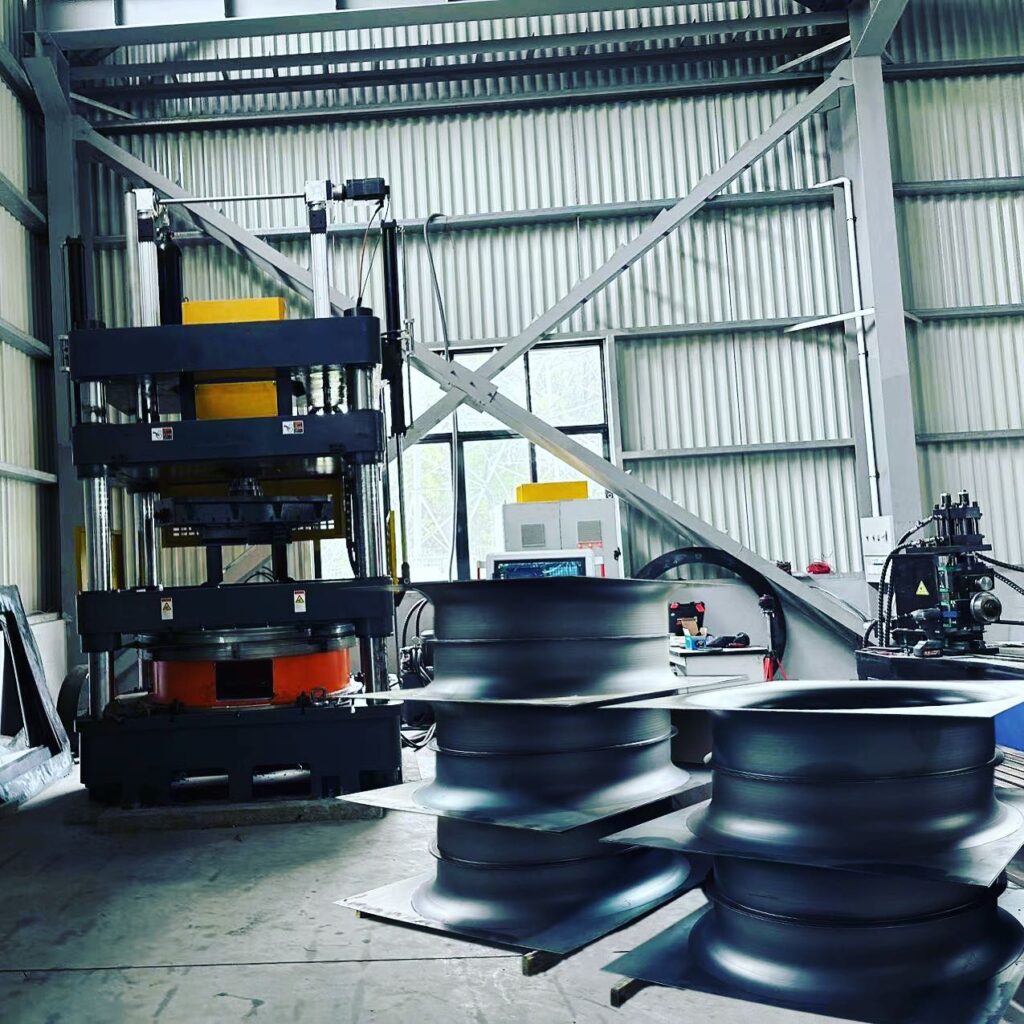
Triple Action Deep Drawing Press
Triple Action Deep Drawing Pres

Deep drawing is a popular metal forming process used to shape flat sheet metal into cylindrical or box-like shapes. The process involves placing a metal blank over a die and pressing it into the die cavity with a punch. This transforms the flat blank into a three-dimensional shape, making it essential for producing components like automotive body panels, kitchen sinks, and various enclosures. The process can be repeated to achieve more complex shapes with greater depth, but the challenges increase as the material undergoes severe deformation.

Triple Action Deep Drawing Press is a specialized machine designed to address the complexity of the deep drawing process. Unlike conventional single-acting or double-acting presses, a triple action press incorporates three independent force mechanisms:

  1. Blank Holder Action: Keeps the metal blank firmly in place, controlling material flow and preventing wrinkling.
  2. Punch Action: The primary force that shapes the blank by pushing it into the die.
  3. Ejector Action: Removes the finished part from the die after the drawing process is complete.

This triple-action mechanism provides greater control over the deep drawing process, allowing for the production of more complex shapes, with fewer defects, and better efficiency. The ability to control all three forces independently is particularly important in producing deep-drawn components for industries like automotive, aerospace, and consumer goods, where precision and quality are critical.

How Triple Action Deep Drawing Presses Work (500 words)

To understand how triple action deep drawing presses function, it’s essential to break down the mechanics of the deep drawing process and how each action contributes to shaping the material.

The Deep Drawing Process:

The deep drawing process transforms a flat metal blank into a three-dimensional component. The key stages include:

  1. Blank Placement: A flat metal blank is placed over the die cavity.
  2. Blank Holder Engagement: The blank holder clamps the blank around its edges, preventing movement or wrinkling during drawing.
  3. Punch Stroke: The punch moves downward, pressing the blank into the die cavity, forming the desired shape. This action stretches and deforms the material, thinning it in certain areas.
  4. Ejection: Once the part is formed, the ejector mechanism releases the part from the die, ready for the next cycle.

Components of a Triple Action Deep Drawing Press:

  1. Blank Holder: The blank holder is crucial in controlling material flow. Its force must be precisely regulated to avoid wrinkling, which can occur if the material is allowed to move too freely. At the same time, too much force from the blank holder can result in tearing.
  2. Punch: The punch is the main shaping tool. In triple-action presses, the punch force is adjustable, allowing for greater flexibility in handling different materials or thicknesses. As the punch presses the blank into the die, it forms the desired shape.
  3. Ejector: The ejector action ensures the formed part is smoothly removed from the die without causing damage to the component or slowing down the production process. The ejector often uses hydraulic or mechanical systems to push the part upward, releasing it from the die.

Key Advantages of the Triple Action System:

  1. Independent Control of Forces: One of the main benefits of triple action presses is that each force (blank holder, punch, ejector) can be independently controlled. This ensures optimal pressure at each stage, reducing the risk of defects such as wrinkling, tearing, or excessive thinning.
  2. Complex Shapes: By using all three actions in a coordinated manner, triple action presses can produce complex, deep-drawn components that would be difficult or impossible with a standard press.
  3. Minimized Defects: The precise control over material flow, punch pressure, and ejection force allows manufacturers to achieve higher-quality products with fewer defects, making triple-action presses ideal for high-precision industries.

Types of Triple Action Deep Drawing Presses

Triple action deep drawing presses come in various types, each suited to different applications and production environments. The main types include mechanical, hydraulic, and servo-electric presses.

1. Mechanical Triple Action Presses:

Mechanical triple action presses use mechanical linkages, cams, and gears to generate and control the forces required for the blank holder, punch, and ejector. These presses are known for their high speed and are commonly used in high-volume production environments, such as automotive manufacturing. However, they tend to offer less precision than hydraulic presses, making them less suitable for complex or precision deep drawing applications.

2. Hydraulic Triple Action Presses:

Hydraulic presses are the most common type of triple action deep drawing presses. These machines use hydraulic cylinders to apply force independently to the blank holder, punch, and ejector. Hydraulic presses are favored for their precision and the ability to control force and speed at every stage of the process. This makes them ideal for deep drawing applications that require complex shapes, deep draws, or challenging materials. Additionally, hydraulic systems can apply constant force throughout the entire stroke, providing a smooth and consistent draw.

3. Servo-Electric Triple Action Presses:

Servo-electric presses use electric motors to control the movement of the blank holder, punch, and ejector. These presses offer the highest level of precision and flexibility, allowing manufacturers to program specific force and speed profiles for different stages of the drawing process. Servo-electric presses are energy-efficient and offer precise control, making them ideal for applications requiring high precision, such as aerospace components and medical devices.

Comparison of Press Types:

  • Mechanical: Best for high-speed, large-volume production; less precise.
  • Hydraulic: Ideal for precision deep drawing, complex shapes, and variable materials; slower but more controlled.
  • Servo-Electric: Offers the highest precision and flexibility, with energy efficiency; often used in highly specialized applications.

Applications of Triple Action Deep Drawing Presses

Applications in Various Industries

The versatility and precision of triple action deep drawing presses make them indispensable across a wide range of industries. Their ability to form complex, deep-drawn parts with minimal defects and high repeatability is a key reason for their widespread use.

1. Automotive Industry:

In the automotive sector, deep drawing presses are essential for producing a wide array of components, including body panelsfuel tanks, and engine components. Triple action presses are particularly well-suited for forming large, complex parts such as car doors, hoods, and trunk lids, which require high precision to ensure they meet the industry’s stringent safety and performance standards.

For example, the ability to control the blank holder force ensures that body panels are formed without wrinkling, a common defect in deep drawing. Additionally, the precision of triple-action presses allows for tight tolerances in the production of complex components like fuel tanks, which must be leak-proof and structurally sound.

2. Aerospace Industry:

In the aerospace industry, the demand for lightweight yet strong components is paramount. Triple action deep drawing presses are used to form aircraft skin panelsengine housings, and other structural components. The ability to control every aspect of the drawing process, including the exact force applied by the blank holder and punch, ensures that aerospace parts meet the high standards required for safety and performance.

Additionally, the triple action mechanism is crucial for working with materials like titaniumaluminum, and composites, which are commonly used in the aerospace industry but can be difficult to form due to their strength and tendency to crack under stress.

3. Consumer Goods:

Triple action deep drawing presses are widely used to manufacture various consumer goods, particularly in the production of kitchenware (e.g., stainless steel sinks, pots, and pans) and household appliances (e.g., washing machine drums, microwave enclosures). The ability to form deep, complex shapes in materials like stainless steel or aluminum with smooth surfaces and minimal defects is essential for consumer products where aesthetics and durability are key selling points.

4. Industrial Containers and Enclosures:

Industries requiring industrial containerscylindrical tanks, or enclosures for sensitive equipment often rely on triple action deep drawing presses. These presses allow for the formation of durable, uniform containers with precise dimensions, ensuring that they meet stringent industry standards for storage and protection.

Case Studies and Real-World Examples:

  • Automotive: A major automotive manufacturer uses triple action presses to produce seamless body panels for luxury vehicles, ensuring high quality and eliminating the need for secondary finishing processes.
  • Aerospace: Leading aerospace companies utilize triple action deep drawing presses for the production of lightweight, high-strength structural components, ensuring aircraft performance while reducing weight.
  • Consumer Goods: A well-known kitchenware brand uses triple action presses to manufacture stainless steel cookware with flawless surfaces and uniform thickness, enhancing both performance and aesthetics.

Advantages of Triple Action Deep Drawing Presses

Triple action deep drawing presses offer numerous advantages that make them essential in industries requiring precision metal forming.

1. Enhanced Control Over the Deep Drawing Process:

One of the most significant advantages of a triple action press is the ability to independently control the blank holder, punch, and ejector forces. This precision control allows for adjustments throughout the deep drawing process, ensuring consistent material flow and reducing the risk of defects such as wrinkling, tearing, or excessive thinning.

2. Ability to Form Complex, Precise Shapes:

The precise control offered by triple action presses enables the formation of intricate shapes and deep-drawn components. The ability to fine-tune the force applied at each stage ensures that even challenging materials can be drawn without damage. This is especially important in industries like aerospace and automotive, where components must meet exacting standards for performance and safety.

3. Minimization of Defects:

Triple action presses significantly reduce common defects in the deep drawing process, such as wrinkling, cracking, and material thinning. The blank holder’s independent force ensures that the material is held securely, while the punch and ejector forces can be adjusted to optimize material flow. This results in higher-quality parts and reduced scrap, making triple action presses more efficient and cost-effective in large-scale production.

4. High Efficiency for Large-Scale Production:

Triple action presses are ideal for high-volume production, offering fast cycle times and repeatable precision. The automation of these presses allows for continuous operation, reducing downtime and increasing throughput. This efficiency is critical in industries where large quantities of parts must be produced quickly and to tight tolerances, such as automotive manufacturing.

Challenges and Limitations of Triple Action Deep Drawing Presses

Despite their numerous advantages, triple action deep drawing presses also present certain challenges and limitations.

1. High Initial Investment and Complexity:

Triple action deep drawing presses are more expensive than single or double-action presses due to their complexity and advanced control systems. The cost of purchasing and setting up a triple action press can be prohibitive for smaller operations or manufacturers with limited budgets. Additionally, these presses require more sophisticated control systems and software, which can increase the initial investment.

2. Greater Maintenance Requirements:

The complexity of triple action presses means that they require more frequent and thorough maintenance compared to simpler presses. The hydraulic systems, punch, blank holder, and ejector mechanisms all need regular inspection and servicing to prevent breakdowns and ensure the press operates at peak efficiency. Maintenance costs and downtime can be a challenge, especially in high-production environments.

3. Limitations in Smaller-Scale Operations:

For smaller-scale manufacturers or those producing limited quantities of deep-drawn parts, the high cost and complexity of triple action presses may not be justified. These presses are best suited to large-scale operations where the benefits of increased precision, efficiency, and reduced scrap outweigh the higher costs.

4. Energy and Space Requirements:

Triple action presses require significant amounts of energy to operate, especially hydraulic models, which need continuous power to maintain pressure. They are also large machines that require a substantial amount of floor space, limiting their use in smaller production facilities or workshops.

Maintenance and Safety Considerations

Proper maintenance and safety protocols are essential to ensure the longevity and safe operation of triple action deep drawing presses.

Maintenance Procedures:

  • Hydraulic System Maintenance: Hydraulic presses rely on clean, properly pressurized fluid systems to function efficiently. Regular checks of hydraulic fluid levels, cleanliness, and pressure are necessary. Dirty or low fluid can cause increased wear on components or lead to system failure.
  • Lubrication: Proper lubrication of moving parts, including the punch, blank holder, and ejector, is critical to reduce friction and wear. Over time, insufficient lubrication can lead to damage and expensive repairs.
  • Seal and Hose Inspections: Hydraulic seals and hoses should be regularly inspected for wear and leaks. Any signs of leakage must be addressed immediately to prevent pressure loss, damage to components, or safety hazards.
  • Alignment Checks: Regular alignment checks for the punch, die, and blank holder ensure that parts are being formed accurately and uniformly. Misalignment can lead to defective parts and increased machine wear.

Safety Protocols:

  • Operator Training: Operators should be thoroughly trained in the use of triple action presses, including how to safely load blanks, adjust controls, and handle finished parts. Understanding how to safely manage the hydraulic systems and high forces involved is critical for preventing accidents.
  • Emergency Stops and Safety Guards: Triple action presses should be equipped with emergency stop systems and safety guards to protect operators. These features ensure that the machine can be immediately stopped in the event of a malfunction or danger.
  • Personal Protective Equipment (PPE): Operators must wear appropriate PPE, including gloves, goggles, and protective clothing, to reduce the risk of injury from moving parts, flying debris, or hydraulic fluid leaks.

Future Trends in Triple Action Deep Drawing Press Technology

The future of triple action deep drawing presses is being shaped by advancements in technology, materials, and manufacturing processes.

1. Innovations in Press Control Systems:

As manufacturing becomes more automated and digital, the control systems used in triple action presses are becoming more sophisticated. Proportional hydraulic control valves and servo-driven systems are allowing for even more precise control over the forces applied during the deep drawing process. This enhanced control not only improves part quality but also reduces waste and increases efficiency.

2. Material Advancements:

As industries increasingly demand stronger, lighter, and more durable materials, triple action presses are evolving to handle these new challenges. Advances in high-strength steelaluminum alloys, and composites are pushing the limits of what deep drawing presses can do. Modern presses are being designed with enhanced force capabilities and precision to work with these advanced materials, enabling the production of lightweight, high-strength components for the automotive, aerospace, and electronics industries.

3. Integration with Industry 4.0:

The integration of Industry 4.0 technologies, such as sensors, real-time data monitoring, and predictive maintenance systems, is helping manufacturers optimize the performance of their triple action presses. Smart systems can monitor machine performance in real-time, automatically adjust press settings, and even predict when maintenance is needed, reducing downtime and improving overall productivity.

4. Environmental Sustainability and Energy Efficiency:

Energy efficiency is becoming a priority for manufacturers using triple action presses. New designs are focusing on reducing energy consumption through variable-speed hydraulic pumpsenergy recovery systems, and servo-electric technologies. These advancements not only reduce operational costs but also help companies meet their environmental sustainability goals by reducing the energy footprint of their manufacturing processes.

Double-Acting Hydraulic Presses

Double-acting hydraulic presses provide more control and flexibility during the deep drawing process, particularly for applications that require more complex or deeper shapes. In a double-acting press, two separate hydraulic systems work in tandem—one controls the downward motion of the punch, while the other operates the blank holder, applying force independently to hold the material in place.

  • Structure: The press has two rams or cylinders—one for the punch and another for the blank holder. This setup allows for precise control of both the drawing force and the holding force, preventing material slippage or wrinkling during the drawing process.
  • Applications: Double-acting presses are commonly used in automotiveaerospace, and household appliance manufacturing, where complex shapes and deeper draws are required. For instance, components like fuel tankscar body panels, and aircraft parts are often made using double-acting hydraulic presses.
  • Advantages: The independent control over the punch and blank holder forces allows for more precise and uniform drawing, reducing the risk of defects such as tearing or wrinkling. These presses are suitable for larger and more intricate parts and offer greater flexibility in handling a variety of materials and shapes.

Triple-Action Hydraulic Presses

For the most demanding and complex deep drawing applications, triple-action hydraulic presses provide unparalleled performance. These presses add a third hydraulic system to control additional movements or processes during the drawing operation.

  • Structure: In addition to the punch and blank holder, triple-action presses feature a third force, often applied from the bottom of the press. This additional motion allows for processes like reverse drawing or extrusion, enabling the machine to handle extremely deep or complex shapes that require multiple stages of forming.
  • Applications: Triple-action presses are typically used in highly specialized industries such as aerospace and defense, where precision and complexity are paramount. Components like deep drawn fuel cellsengine components, and structural parts for aircraft or heavy machinery are ideal for these machines.
  • Advantages: These presses provide maximum control and precision, allowing manufacturers to produce parts with extreme depth or complexity without compromising on quality. They also offer higher productivity by enabling multiple forming operations in a single press cycle.

Automated vs. Manual Hydraulic Presses

Automation is an important factor in modern manufacturing, and hydraulic deep drawing presses are no exception. Buyers can choose between manual presses, which require human intervention for loading, unloading, and controlling the operation, or automated presses, which integrate robotic systems and computerized controls to manage the entire process.

  • Manual Hydraulic Presses: These presses are operated by technicians who manually load the blank, initiate the drawing process, and remove the formed part. While manual presses are typically less expensive and easier to maintain, they are best suited for low-volume production runs or applications where flexibility is required.
  • Automated Hydraulic Presses: Automated presses use Programmable Logic Controllers (PLCs) or Computer Numerical Control (CNC) systems to control the drawing process. Automation allows for higher precision, increased production speed, and greater consistency in the final product. Automated presses are ideal for high-volume production environments where efficiency and accuracy are critical.

Specialized Hydraulic Presses for Tailor-Made Applications

In addition to the standard configurations, there are specialized hydraulic presses designed for specific industries or applications. These machines are often custom-built to meet unique production requirements, such as forming particular shapes, materials, or sizes. For example:

  • Automotive Industry: Hydraulic presses tailored for producing large, complex automotive parts, such as chassis componentsdoors, and structural parts.
  • Aerospace Industry: Presses designed for handling high-strength alloys and lightweight materials, where the precision and complexity of the shapes are critical.
  • Consumer Goods: Smaller, more compact hydraulic presses used to produce kitchenwaremetal containers, and packaging components.

Material selection

Material selection is an important aspect of deep drawing die design. The material chosen for the die should have good wear resistance, toughness, and high temperature strength. The most commonly used materials for deep drawing dies are tool steels, which are known for their high hardness and wear resistance. Some examples of tool steels used in deep drawing dies are D2, A2, and S7. Other materials that can be used include carbides, ceramics, and cermets.

In addition to the material selection, the designer must also consider the workpiece material and its properties. The workpiece material should be easy to deform and have good formability to ensure that it can be successfully deep drawn. The workpiece material should also be compatible with the die material to avoid any adverse reactions, such as galling or seizing.

Furthermore, the thickness of the workpiece material must also be taken into account. The thicker the workpiece, the more force is required to form it, which can lead to die wear and failure. To prevent this, the die designer must carefully choose the die material and design the die geometry to minimize the required force.

Overall, material selection is a critical factor in the success of deep drawing die design, and it requires careful consideration of both the die and workpiece materials.

Die shape

The die shape in deep drawing die design is critical for achieving the desired shape of the final product. The die shape determines the final shape of the drawn part and influences the amount of material flow and the thickness distribution of the part. A well-designed die shape should provide a smooth flow of material during the drawing process, without any wrinkles or tearing.

The die shape can be designed using computer-aided design (CAD) software, which allows designers to create and visualize complex shapes before they are manufactured. The die shape should take into account the material properties, such as the yield strength, ductility, and strain hardening behavior, as well as the type of deep drawing operation being performed, such as single or multiple draw.

The die shape consists of several components, including the blank holder, draw bead, and punch. The blank holder holds the sheet metal in place during the drawing process, preventing it from wrinkling or tearing. The draw bead is a raised feature on the die surface that helps control material flow and prevent wrinkling. The punch is the component that pushes the sheet metal into the die cavity and determines the final shape of the drawn part.

Punch shape

The punch shape in deep drawing die design is crucial to achieving the desired shape of the drawn part. The punch shape should correspond to the shape of the desired final product. In some cases, the punch shape may be more complex than the desired shape to allow for material flow and stretching during the drawing process. The punch shape can also affect the amount of material that is drawn and the amount of springback that occurs after the drawing process is complete. Additionally, the punch shape can impact the forces required to perform the drawing operation and the overall cycle time of the process.

Die clearance

Die clearance is the gap between the punch and die in a deep drawing die. It is an important design parameter that affects the quality and accuracy of the formed part. The clearance allows the material to flow into the die and reduces the friction between the punch and die, which helps to prevent galling and scoring. The correct amount of die clearance depends on a number of factors, including the thickness and properties of the material being formed, the shape of the die and punch, and the desired quality of the finished part. The clearance is typically expressed as a percentage of the material thickness, and can range from 2% to 20% or more depending on the application. Too little clearance can cause the material to wrinkle or tear, while too much clearance can result in a poor surface finish or excessive springback.

Lubrication

Lubrication is an essential factor in deep drawing die design. It reduces friction and wear between the die and the sheet metal, which can lead to tearing and wrinkling. The lubricant should be selected based on the type of material being drawn and the surface finish required on the part. Common lubricants used in deep drawing include oils, greases, and dry lubricants like molybdenum disulfide.

The method of lubrication also plays a significant role in the success of the deep drawing process. Lubrication can be applied as a liquid, a solid, or a gas. The most common method of lubrication is to apply it as a liquid through spraying, brushing, or flooding. Solid lubricants can be applied as a powder or a film, and they are often used in situations where liquid lubricants are not appropriate.

In addition to reducing friction and wear, lubrication also helps to dissipate heat generated during the deep drawing process. This can help to extend the life of the die and improve the surface finish of the drawn part. Proper lubrication can also reduce the likelihood of galling, which is a type of severe adhesive wear that can occur between the die and the sheet metal.

Cooling

Cooling is an important aspect of deep drawing die design. During the deep drawing process, the die and punch generate a significant amount of heat due to friction and deformation. This heat can cause the metal to soften, resulting in tearing or wrinkles in the drawn part. Therefore, it is essential to maintain the proper temperature of the die and the workpiece during the drawing process.

Cooling can be achieved by circulating a coolant, typically water or oil, through the die and punch. The coolant removes heat from the die and workpiece, reducing the temperature and minimizing the risk of deformation or damage. The coolant can be circulated through channels or passages in the die, or through a separate cooling system that is connected to the die.

Proper cooling is critical to maintaining the dimensional accuracy and surface finish of the drawn parts. Inadequate cooling can result in distorted or oversized parts, while excessive cooling can lead to cracking or other defects in the material. Therefore, the cooling system should be carefully designed and monitored to ensure that the die and workpiece are maintained at the optimal temperature throughout the drawing process.

Die maintenance

Die maintenance is an important aspect of deep drawing die design, as it can have a significant impact on the quality of the finished product and the lifespan of the die itself. Some key aspects of die maintenance include:

  1. Cleaning: Regular cleaning of the die surface can help prevent buildup of dirt and debris that can cause scoring and other damage to the die.
  2. Polishing: Polishing the die surface can help to reduce friction and wear during the deep drawing process, leading to a longer lifespan for the die.
  3. Repairing: Any cracks, chips, or other damage to the die should be repaired as soon as possible to prevent further damage and ensure the die continues to produce high-quality parts.
  4. Lubrication: Proper lubrication of the die surface can help to reduce friction and wear during the deep drawing process, leading to a longer lifespan for the die.
  5. Storage: When not in use, the die should be stored in a cool, dry place to prevent rust and other types of damage

Hydraulic presses are powerful machines used to apply a significant amount of force to an object through hydraulic fluid pressure. They are essential in various industrial applications, providing the necessary force for processes such as metal forming, stamping, bending, and molding. The versatility and efficiency of hydraulic presses make them indispensable tools in manufacturing and production lines. This document will explore the different types of hydraulic presses, their application areas, components, operational principles, manufacturing process, and the challenges and advancements in the industry.

Types of Hydraulic Presses

Hydraulic presses come in various designs, each suited to specific applications and requirements. The primary types of hydraulic presses include C-frame presses, H-frame presses, four-column presses, straightening presses, arbor presses, laminating presses, and transfer presses.

C-frame presses, also known as gap-frame presses, have a C-shaped frame that provides three-sided access to the work area. This design is ideal for applications requiring easy loading and unloading of materials.

H-frame presses, or two-post presses, have a robust H-shaped frame that offers excellent stability and strength. They are commonly used for heavy-duty tasks such as metal forming and straightening.

Four-column presses, or four-post presses, have four vertical columns that provide superior support and uniform force distribution. These presses are suitable for large-scale applications requiring high precision and repeatability.

Straightening presses are specialized hydraulic presses used to straighten bent or distorted metal components. They are widely used in the automotive and construction industries.

Arbor presses are smaller, manually operated hydraulic presses used for light-duty tasks such as assembly, riveting, and broaching. They are commonly found in workshops and small manufacturing facilities.

Laminating presses are used to bond multiple layers of material together under heat and pressure. These presses are essential in industries such as electronics, where laminated components are common.

Transfer presses are automated hydraulic presses that move the workpiece through multiple stations for different operations. They are highly efficient and used in high-volume production environments.

Application Areas

Hydraulic presses are employed in various industries, thanks to their ability to deliver consistent and precise force. Key application areas include:

Metal forming and forging: Hydraulic presses are crucial in shaping and forming metal parts through processes such as stamping, bending, and deep drawing. They are essential in the production of automotive parts, machinery components, and structural elements.

Automotive industry: In the automotive sector, hydraulic presses are used for manufacturing various parts, including body panels, chassis components, and engine parts. They play a critical role in ensuring the structural integrity and performance of vehicles.

Aerospace industry: The aerospace industry relies on hydraulic presses for forming and shaping high-strength materials used in aircraft components. Precision and reliability are paramount in this industry, making hydraulic presses indispensable.

Plastic and rubber molding: Hydraulic presses are used in the molding of plastic and rubber components, including automotive parts, household goods, and medical devices. They ensure consistent product quality and precision.

Electrical and electronics industry: In the electronics sector, hydraulic presses are used for laminating circuit boards, forming connectors, and assembling electronic components. They provide the necessary force and precision for delicate operations.

Medical device manufacturing: Hydraulic presses are used in the production of medical devices, including surgical instruments, implants, and diagnostic equipment. They ensure the high precision and quality required in the medical field.

Packaging industry: Hydraulic presses are employed in the packaging industry for forming and shaping packaging materials, such as cardboard, plastic, and metal. They help produce packaging solutions that are strong, durable, and aesthetically pleasing.

Components of a Hydraulic Press

A hydraulic press comprises several key components that work together to generate and control the applied force. The main components include the frame, hydraulic cylinder, hydraulic pump, control valves, hydraulic fluid, pressure gauges and sensors, and die and tooling.

The frame is the main structure of the hydraulic press, providing stability and support for all other components. It is typically made of high-strength steel to withstand the significant forces generated during operation.

The hydraulic cylinder is the core component that generates the pressing force. It consists of a cylindrical chamber, a piston, and a piston rod. When hydraulic fluid is pumped into the cylinder, it moves the piston, which in turn applies force to the workpiece.

The hydraulic pump is responsible for generating the hydraulic fluid pressure needed to move the piston. It draws hydraulic fluid from a reservoir and delivers it to the cylinder under high pressure.

Control valves regulate the flow of hydraulic fluid to and from the cylinder, controlling the movement and force of the press. These valves can be manually operated or automated, depending on the press design.

Hydraulic fluid, typically oil, is the medium through which force is transmitted in the hydraulic system. It must have suitable properties, such as viscosity and lubricity, to ensure efficient operation and protect system components.

Pressure gauges and sensors monitor the hydraulic fluid pressure within the system. They provide real-time feedback to the operator or control system, ensuring safe and accurate press operation.

Die and tooling are the interchangeable components that come into direct contact with the workpiece. They are designed to shape, form, or cut the material as required by the specific application.

How Hydraulic Presses Work

Hydraulic presses operate based on Pascal’s principle, which states that pressure applied to a confined fluid is transmitted equally in all directions. This principle allows hydraulic presses to generate significant force with relatively small input pressure.

The operation of a hydraulic press begins with the hydraulic pump drawing fluid from the reservoir and delivering it to the cylinder. The control valves regulate the flow of fluid, directing it into the cylinder to move the piston. As the piston moves, it applies force to the workpiece placed between the die and tooling.

The hydraulic fluid plays a crucial role in this process, as it transmits the applied pressure and lubricates the system components. The pressure gauges and sensors continuously monitor the fluid pressure, providing feedback to ensure the press operates within safe limits.

The force generated by the hydraulic press can be precisely controlled by adjusting the hydraulic fluid pressure and the position of the control valves. This allows for accurate and repeatable operations, essential for high-quality manufacturing.

Manufacturing of Hydraulic Presses

The manufacturing of hydraulic presses involves several stages, from design and engineering to assembly and quality control. Each stage is critical to ensuring the press’s performance, reliability, and safety.

Design and engineering: The process begins with the design and engineering phase, where specifications for the press are developed based on the intended application. This includes selecting suitable materials, determining the required force and stroke, and designing the frame and hydraulic system.

Material selection: High-quality materials, such as high-strength steel for the frame and durable alloys for the hydraulic components, are selected to ensure the press’s longevity and performance.

Fabrication of components: The individual components of the hydraulic press, including the frame, cylinder, and pump, are fabricated using precision machining and manufacturing techniques. This ensures that each component meets the required tolerances and specifications.

Assembly process: The fabricated components are then assembled into the complete hydraulic press. This involves mounting the cylinder, pump, and control valves onto the frame, connecting the hydraulic lines, and installing the die and tooling.

Quality control and testing: Rigorous quality control measures are implemented throughout the manufacturing process to ensure the press meets all specifications and standards. This includes pressure testing the hydraulic system, verifying the accuracy of the control valves, and performing operational tests to ensure the press functions correctly.

Advancements and Innovations

The hydraulic press industry is continually evolving, driven by advancements in technology and increasing demands for efficiency and precision. Key innovations include automation and control systems, energy efficiency improvements, and smart hydraulic presses.

Automation and control systems: Modern hydraulic presses are often equipped with advanced control systems that automate the pressing process. This includes programmable logic controllers (PLCs), human-machine interfaces (HMIs), and sensors that monitor and adjust the press’s operation in real time. Automation improves efficiency, reduces the risk of human error, and enhances the consistency of the finished products.

Energy efficiency improvements: Manufacturers are focusing on developing hydraulic presses that consume less energy and have a smaller environmental footprint. This includes using variable displacement pumps, energy recovery systems, and optimizing the hydraulic system’s design to minimize energy losses.

Smart hydraulic presses: The integration of IoT (Internet of Things) technology into hydraulic presses has led to the development of smart presses. These presses can communicate with other machines and systems, providing real-time data on their status, performance, and maintenance needs. This connectivity allows for predictive maintenance, reducing downtime and extending the press’s lifespan.

Challenges in Hydraulic Press Manufacturing

The manufacturing of hydraulic presses presents several challenges, including precision and quality requirements, cost management, technological advancements, and environmental considerations.

Precision and quality requirements: Hydraulic presses must deliver consistent and precise force, which requires high levels of accuracy in the manufacturing process. Ensuring each component meets the required tolerances and specifications is critical to the press’s performance and reliability.

Cost management: The cost of materials, labor, and energy can significantly impact the overall cost of manufacturing hydraulic presses. Manufacturers must balance quality and cost to remain competitive in the market.

Technological advancements: Keeping up with technological advancements is essential for manufacturers to meet the evolving demands of the industry. This requires continuous investment in research and development to incorporate new technologies and improve existing designs.

Environmental considerations: Environmental regulations and sustainability concerns are increasingly important in hydraulic press manufacturing. Manufacturers must develop eco-friendly presses that consume less energy, use recyclable materials, and minimize their environmental impact.

Conclusion

Hydraulic presses are essential machines in various industries, providing the necessary force for processes such as metal forming, stamping, and molding. Understanding the different types of hydraulic presses, their components, and how they work is crucial for effective application and operation.

The manufacturing process of hydraulic presses involves careful design and engineering, material selection, precision fabrication, and rigorous quality control. Despite the challenges, advancements in technology and innovations are driving the industry forward, leading to more efficient, precise, and environmentally friendly hydraulic presses.

As industries continue to evolve, the hydraulic press industry must adapt and innovate to meet the demands of efficiency, precision, and sustainability. Through continuous research and development, manufacturers can enhance the performance and reliability of hydraulic presses, contributing to the success of various industrial applications.
Categories
Machinery

Deep Drawing Applications

Deep Drawing Applications

Here you may find some brief information about Deep Drawing Applications and industries where deep drawing is applied. Free Consultation

Deep Drawing

Deep drawing is a metal-forming process that is commonly used in the manufacturing of various products. Some common applications of deep drawing include:

  1. Automotive parts: Deep drawing is used to manufacture various automotive components such as fuel tanks, exhaust systems, and suspension components.
  2. Kitchenware: Deep drawing is commonly used to manufacture pots, pans, and other kitchenware items from stainless steel, aluminum, and other metals.
  3. Aerospace industry: Deep drawing is used in the manufacturing of various aerospace components such as fuel tanks, rocket casings, and engine components.
  4. Electronics industry: Deep drawing is used in the manufacturing of various electronic components such as heat sinks, computer casings, and mobile phone casings.
  5. Medical industry: Deep drawing is used in the manufacturing of various medical devices such as syringe bodies, catheter components, and implantable devices.
  6. Packaging industry: Deep drawing is used in the manufacturing of various packaging components such as cans, containers, and bottles.
  7. Defense industry: Deep drawing is used in the manufacturing of various defense components such as ammunition casings, shell casings, and missile components.

Overall, deep drawing is a versatile metal-forming process that can be used in a wide range of applications across various industries. Its ability to form complex shapes and tight tolerances makes it an ideal choice for many manufacturing applications.

A hydraulic press is a mechanical device that uses a hydraulic cylinder to generate a compressive force. It operates based on Pascal’s Law, which states that pressure applied to a confined fluid is transmitted equally in all directions. This principle allows hydraulic presses to exert significant force with minimal input, making them essential tools in industries requiring high-pressure applications.

single-acting hydraulic press uses hydraulic pressure to move the piston in one direction, typically the downward or compressive stroke. After the press completes this action, the piston returns to its original position using an external force such as a spring or the weight of the cylinder. This differs from a double-acting hydraulic press, where hydraulic pressure is applied in both the forward and return strokes.

The simplicity and cost-effectiveness of single-acting hydraulic presses make them ideal for a variety of applications, including small to medium-scale production, metal fabrication, and mechanical testing. These presses are widely used in industries such as automotive, aerospace, manufacturing, and even laboratories for precision tasks.

The core advantage of a single-acting hydraulic press lies in its simplicity. Fewer moving parts and a straightforward design reduce both the initial cost and ongoing maintenance requirements. However, the trade-off is that the press lacks the stroke control and power range of more complex systems, limiting its effectiveness in higher-end or more precise applications.

How Single-Acting Hydraulic Presses Work

Deep Drawing Hydraulic Press Machine for Kitchen Sink Production Line

The fundamental operation of a single-acting hydraulic press relies on Pascal’s Law, which underpins all hydraulic systems. According to this principle, when a force is applied to a fluid inside a closed system, the pressure is transmitted evenly throughout the fluid. In a hydraulic press, this means that the force generated by a pump acting on a small volume of hydraulic fluid can be magnified to create a much larger output force.

Key Components of a Single-Acting Hydraulic Press:

  • Cylinder and Piston: The hydraulic cylinder contains a piston that moves up and down. In a single-acting press, hydraulic fluid forces the piston downwards, creating the press action.
  • Hydraulic Pump: The pump generates pressure within the hydraulic system, pushing the fluid into the cylinder to drive the piston.
  • Reservoir: This stores hydraulic fluid, which is pumped into the cylinder during operation.
  • Valves: Control the flow of hydraulic fluid, directing it into the cylinder for the pressing stroke.
  • Return Mechanism: In single-acting systems, this is usually a spring or gravitational force that returns the piston to its original position after the pressing action.

Pressing and Return Process:

  1. Pressing: When the press operator activates the system, hydraulic fluid is pumped into the cylinder. The increase in pressure forces the piston downward, applying force to the material placed under the press head. The force can range from several tons to hundreds of tons, depending on the press’s specifications.
  2. Return Stroke: Once the pressing action is complete, the external force—usually a spring or gravity—returns the piston to its starting position. Unlike double-acting presses, where hydraulic pressure can control both strokes, single-acting presses rely on this mechanical or natural return.

Advantages and Limitations:

  • Advantages: Single-acting presses are simple, affordable, and easy to maintain. They are ideal for tasks that do not require precise control over the return stroke or where the pressing force is the primary concern.
  • Limitations: The primary limitation is the lack of control over the piston’s return stroke, which can make single-acting presses less suited to precision applications. Additionally, since only one stroke is powered, these presses are less efficient in tasks requiring continuous motion or high-speed operation.

Types of Single-Acting Hydraulic Presses

Types of Single-Acting Hydraulic Presses

Single-acting hydraulic presses come in several varieties, each suited to different applications and operational needs.

1. Manually Operated Hydraulic Presses:

These presses are powered by a hand-operated pump, which provides the hydraulic pressure needed to move the piston. They are ideal for small-scale applications or environments where electricity is not available. These presses are portable and commonly used in repair shops, garages, or remote field locations. Their affordability and ease of use make them popular for light-duty tasks like pressing bearings or removing shafts.

2. Electric-Powered Hydraulic Presses:

Electric-powered hydraulic presses use an electric motor to drive the hydraulic pump, offering greater efficiency and consistency compared to manual models. These presses are suitable for more intensive industrial applications where higher force or faster operation is required. They are commonly found in manufacturing plants, where they can be integrated into production lines for repetitive tasks such as stamping, forging, or cutting.

3. Air-Driven Hydraulic Presses:

In these systems, compressed air is used to generate hydraulic pressure. They are commonly used in industrial environments where compressed air is readily available. Air-driven hydraulic presses are often employed in applications where speed and convenience are critical, and they offer a middle ground between manually operated and electric-powered presses in terms of power and cost.

Applications of Each Type:

  • Manually Operated: Ideal for low-volume tasks, repair work, or environments lacking electrical infrastructure.
  • Electric-Powered: Suitable for continuous, heavy-duty applications in factories and production environments.
  • Air-Driven: Often used in automotive workshops and for lighter industrial tasks where compressed air is available.

Applications of Single-Acting Hydraulic Presses

Manufacturing of Fire Extinguishers

Single-acting hydraulic presses are versatile tools used across a wide range of industries for different applications.

1. Metal Forming and Fabrication:

In the metalworking industry, hydraulic presses are used to shape, bend, punch, and cut metal sheets and components. Single-acting presses are especially useful in tasks where the return stroke is less critical, such as metal stamping or bending. These presses are commonly used in fabrication shops, tool and die manufacturing, and custom metalwork projects.

2. Press Fitting and Assembly Tasks:

Single-acting presses are commonly employed in press fitting, where parts are mechanically forced together using high pressure. This includes tasks such as pressing bushings, bearings, gears, and other components into place. These presses are widely used in the automotive industry for assembly operations, as well as in machinery and equipment manufacturing.

3. Material Testing and Laboratory Uses:

In laboratories, single-acting hydraulic presses are often used for testing materials under compressive force. For example, engineers and scientists may use hydraulic presses to measure the compressive strength of materials like concrete, metals, or plastics. The simplicity of single-acting presses makes them ideal for controlled experiments where large forces are required without complex control systems.

4. Automotive and Aerospace Industries:

In the automotive sector, single-acting hydraulic presses play a crucial role in various assembly and maintenance tasks, such as pressing in bushings, removing bearings, and straightening parts. Their use extends to aerospace industries for tasks such as forming lightweight components, shaping metal parts, or assembling intricate systems that require precise force application.

Examples of Practical Applications:
  • Metal Stamping: Single-acting presses are used to punch or stamp metal parts for various industries, including automotive and electronics.
  • Bearing Installation: Presses ensure that bearings are seated correctly without causing damage to delicate components.
  • Cutting and Trimming: Hydraulic presses can be used to cut metal, plastic, or composite materials, making them essential in production environments.

Advantages of Single-Acting Hydraulic Presses

Single-acting hydraulic presses have several advantages, making them a popular choice in a variety of applications.

1. Simplicity and Cost-Effectiveness:

Due to their basic design, single-acting hydraulic presses are more affordable than their double-acting counterparts. They have fewer moving parts and require less complex control systems, reducing both the upfront cost and the likelihood of mechanical failure. This makes them ideal for smaller operations or businesses looking for cost-effective solutions.

2. Efficiency in Force Delivery:

Despite their simplicity, single-acting hydraulic presses can deliver tremendous force, making them suitable for heavy-duty tasks like metal forming or assembly. They can generate forces ranging from a few tons to several hundred tons, depending on the size and type of the press, enabling them to handle a wide range of materials and tasks.

3. Reduced Maintenance:

With fewer components, single-acting presses are easier and less costly to maintain. Routine maintenance is generally limited to inspecting seals, checking hydraulic fluid levels, and ensuring that the return mechanism (spring or gravity) is functioning properly.

4. Portability and Space Efficiency:

Single-acting presses are typically more compact than double-acting presses, making them easier to move and install in smaller workspaces. This portability is especially valuable in environments where space is limited, such as small workshops or laboratories.

Challenges and Limitations of Single-Acting Hydraulic Presses

Applications in Various Industries

While single-acting hydraulic presses offer many benefits, they also have certain limitations that can affect their performance in specific applications.

1. Limited Stroke Control and Precision:

Because the return stroke is not powered by hydraulics, single-acting presses lack the precise control over the piston’s movement during the return phase. This makes them less suitable for applications requiring fine control of both the forward and return strokes.

2. External Force Required for Return Stroke:

The reliance on springs or gravity for the return stroke introduces limitations. Springs can wear out over time, reducing the efficiency of the press, and gravitational return may be too slow for certain high-speed applications.

3. Power Limitations:

Single-acting presses typically have less power and speed compared to double-acting systems. For tasks requiring high force or rapid cycling, a double-acting press may be more appropriate.

4. Environmental Considerations:

Hydraulic systems, including single-acting presses, can pose environmental risks if not properly maintained. Leaking hydraulic fluid, for instance, can cause environmental contamination, making proper maintenance and disposal of used fluids critical.

Maintenance and Safety Considerations

Proper maintenance and adherence to safety protocols are essential to ensure the safe and efficient operation of single-acting hydraulic presses.

Maintenance Procedures:

  • Hydraulic Fluid Levels: Regularly check and maintain the hydraulic fluid to ensure smooth operation. Low fluid levels can reduce press efficiency and lead to mechanical wear.
  • Seals and Hoses: Inspect seals and hoses for wear and tear, as leaks can cause pressure loss and reduce the effectiveness of the press.
  • Return Mechanism: Check the spring or gravity-based return system for signs of fatigue or failure. Over time, springs may lose tension, reducing the effectiveness of the return stroke.

Safety Protocols:

  • Personal Protective Equipment (PPE): Operators should wear appropriate PPE, including safety goggles, gloves, and hearing protection.
  • Proper Training: Ensure that all operators are trained in the correct use of the press and are aware of potential hazards.
  • Emergency Stops: Hydraulic presses should be equipped with emergency stop buttons to allow operators to quickly halt the machine in case of malfunction or danger.

Future of Single-Acting Hydraulic Presses

Choosing the Right Trimming Beading Machine

Advancements in technology are opening new possibilities for single-acting hydraulic presses. As industries evolve, the demand for more efficient and eco-friendly machinery is growing.

1. Advancements in Hydraulic Technology:

Innovations in hydraulic systems are leading to more efficient and powerful single-acting presses. For instance, new hydraulic fluids with better thermal stability and lower environmental impact are being developed, reducing the ecological footprint of hydraulic systems.

2. Energy Efficiency Improvements:

Modern hydraulic presses are being designed with energy efficiency in mind. Enhanced pump designs, variable speed motors, and more efficient control systems are reducing energy consumption and operational costs.

3. Integration with Automation:

The future of hydraulic presses lies in their integration with automated and smart systems. Automated single-acting presses equipped with sensors and computer control systems can adjust force, speed, and stroke in real time, enhancing precision and adaptability.

4. Future Applications and Innovations:

As industries continue to demand more from hydraulic systems, single-acting presses are likely to be used in new applications such as additive manufacturing (3D printing) and precision engineering. The increasing focus on sustainability may also drive the development of greener, more energy-efficient presses.

Introduction to Double-Acting Hydraulic Presses

Deep Draw Presses
Deep Draw Presses

Hydraulic presses are mechanical devices that use fluid pressure to generate significant force, commonly employed in industries where large-scale pressing, forming, or molding is required. They operate on Pascal’s Law, which states that pressure applied to a fluid in a confined space is transmitted equally in all directions. This principle allows hydraulic presses to amplify force, making them crucial in metalworking, manufacturing, automotive industries, and beyond.

double-acting hydraulic press differs from its single-acting counterpart in that it applies hydraulic pressure in both directions—both for the pressing stroke and the return stroke. In contrast, a single-acting press relies on external forces, like springs or gravity, for the return motion, which limits control and precision.

The use of double-acting hydraulic presses has revolutionized several industrial processes due to the enhanced control and precision they offer. With powered movement in both directions, these presses are capable of handling more complex and demanding tasks, such as deep drawing, forging, or any process where high precision and consistent force are essential. These presses are widely used in automotive production, aerospace manufacturing, and large-scale industrial operations.

How Double-Acting Hydraulic Presses Work

Deep Drawing Hydraulic Press Machine for Kitchen Sink Production Line

Double-acting hydraulic presses function based on hydraulic principles, which utilize fluid power to amplify force. The critical difference from single-acting presses is that double-acting presses can apply hydraulic pressure in both the pressing and return strokes. This provides enhanced control and versatility.

Core Components of a Double-Acting Hydraulic Press:

  • Cylinder and Piston: A double-acting press has a hydraulic cylinder with a piston that moves in two directions. Hydraulic fluid is directed into the cylinder on either side of the piston to control both the downward and upward strokes.
  • Hydraulic Pump: The hydraulic pump provides pressure by moving hydraulic fluid into the cylinder. In double-acting presses, the pump must be capable of routing the fluid to either side of the piston, depending on whether it is the pressing or return stroke.
  • Valves and Control Systems: Double-acting presses require more sophisticated valve systems to control the flow of hydraulic fluid. These valves direct fluid pressure to either side of the piston, enabling the precise control of both strokes.
  • Power Source: These presses can be powered by manual pumps, electric motors, or pneumatic systems, depending on the scale and application of the press.

The Pressing and Return Strokes:

  1. Pressing Stroke: The hydraulic pump directs fluid into the top of the cylinder, pushing the piston downward. This downward force can range from a few tons to hundreds of tons, depending on the press’s size and design. The press head applies this force to the material being processed, whether it’s for stamping, molding, or cutting.
  2. Return Stroke: After the pressing operation, hydraulic pressure is redirected to the bottom of the piston. This lifts the piston back to its starting position, ensuring precise and controlled movement. The ability to hydraulically control both strokes eliminates the reliance on gravity or springs, allowing for faster cycle times and more complex tasks.

Precision and Control:

The ability to control both strokes of the piston provides greater accuracy in industrial processes. Unlike single-acting presses, where the return stroke can vary in speed and efficiency, double-acting presses offer consistent performance across all movements. This precision makes them ideal for complex forming processesdeep drawing, and precision cutting operations, where both the force and the return timing must be tightly controlled.

Types of Double-Acting Hydraulic Presses

Double-acting hydraulic presses come in various forms, each tailored for specific industrial applications. Here are some of the main types:

1. Manual Double-Acting Hydraulic Presses:

Manual versions of double-acting presses are powered by hand-operated hydraulic pumps. These are typically used in small workshops or repair facilities where tasks like pressing, bending, or assembling components do not require extensive automation. These presses are portable, cost-effective, and often used in low-production environments.

2. Electric-Powered Double-Acting Hydraulic Presses:

Electric-powered double-acting presses are more common in industrial settings where high force and consistent operation are required. The hydraulic pump is driven by an electric motor, allowing for automated control of both strokes. These presses are essential for high-volume operations, such as metal stamping, die forming, and precision cutting. The electric-powered system allows for greater precision, repeatability, and faster cycle times.

3. Pneumatic Double-Acting Hydraulic Presses:

Pneumatic-powered double-acting presses use compressed air to drive the hydraulic fluid in both strokes. These presses are favored in industries where pneumatic systems are already integrated into the production environment, such as in automotive assembly lines. Pneumatic systems provide rapid action, and the integration with hydraulics ensures the generation of high forces, making them suitable for mid-sized industrial applications.

4. Specialized Double-Acting Presses:

Some double-acting hydraulic presses are designed for specific applications, such as hydraulic press brakes used in bending and shaping metal sheets. These presses provide precise control over the angle and force applied, making them ideal for custom metal fabrication. Another example includes forging presses, where high tonnage and precise control are required to shape metal components.

Applications of Double-Acting Hydraulic Presses

Applications in Various Industries

Double-acting hydraulic presses are widely employed across a variety of industries due to their versatility and ability to handle complex tasks with precision. Here are some of the key applications:

1. Metal Forming and Deep Drawing:

One of the primary uses of double-acting hydraulic presses is in metal forming, particularly deep drawing. Deep drawing is a manufacturing process where a sheet metal blank is radially drawn into a forming die by the mechanical action of a punch. Double-acting presses provide the precise control necessary to form complex shapes in metals like aluminum, steel, and copper without cracking or deforming the material.

2. Punching, Forging, and Die Forming:

In punching and forging operations, double-acting presses apply controlled force to deform or cut metal parts. This is commonly used in the automotive and aerospace industries, where high-strength materials are forged into critical components like gears, axles, and structural parts. The ability to control both the pressing and return strokes ensures consistent quality and reduces the risk of material damage.

3. Composite Material Molding:

As industries increasingly adopt composite materials, double-acting hydraulic presses have become essential for forming and molding these materials. Composites, such as carbon fiber or fiberglass, require careful handling during the molding process to maintain their strength and durability. Double-acting presses allow for precise pressure application during both the pressing and release phases, making them indispensable in industries like aerospace and automotive, where lightweight, high-strength components are essential.

4. Automotive and Aerospace Industries:

The automotive industry relies heavily on double-acting hydraulic presses for the production of body panelsframes, and engine components. The precision and repeatability of these presses ensure that every part is manufactured to exact specifications. In the aerospace industry, where weight, strength, and safety are critical, double-acting presses are used to form lightweight components like aircraft skin panelsstructural parts, and engine elements.

5. Examples of Industrial Applications:

  • Automotive: Deep drawing for body panels, stamping parts like hoods, doors, and roofs.
  • Aerospace: Forming of lightweight metal and composite parts for aircraft and spacecraft.
  • Heavy Machinery: Forging of large components for construction equipment and industrial machinery.
  • Consumer Electronics: Precision forming of metal casings and components.

Advantages of Double-Acting Hydraulic Presses

Double-acting hydraulic presses offer several significant advantages that make them indispensable in many industries.

1. Precise Control Over Both Strokes:

The ability to apply hydraulic force in both the pressing and return strokes gives double-acting presses greater control over the entire operation. This precision is particularly valuable in tasks that require consistent force and motion, such as deep drawing, forging, and punching. Both strokes can be finely adjusted to meet the exact requirements of the material and application, leading to superior product quality.

2. Higher Efficiency in Repetitive Operations:

In manufacturing environments where tasks must be repeated at high speed, double-acting presses outperform single-acting models. Since both the press and return strokes are powered, cycle times are faster, and operators have more control over the movement of the piston, which boosts productivity in high-volume production lines.

3. Versatility in Complex Tasks:

Double-acting presses are incredibly versatile, able to handle a wide variety of materials and tasks. They can be used for pressing, forming, bending, cutting, and molding, which makes them highly adaptable to different industries and processes. Whether the task requires the shaping of metals, molding of composites, or assembly of mechanical components, these presses can be fine-tuned to meet the needs of the job.

4. Suitability for Heavy-Duty and Continuous Use:

Double-acting hydraulic presses are built for heavy-duty applications and continuous use in industrial settings. The ability to power both strokes ensures that even the toughest materials, such as steel and titanium, can be shaped and formed without compromising on speed or accuracy. Their robust design and advanced control systems make them ideal for industries where durability and long-term performance are critical.

Challenges and Limitations of Double-Acting Hydraulic Presses

Despite their advantages, double-acting hydraulic presses also come with challenges and limitations that must be considered before implementation.

1. Higher Cost and Complexity:

Double-acting hydraulic presses are generally more expensive than single-acting presses due to their more complex design and the additional control systems required to power both strokes. This can make them less appealing for small-scale operations or businesses with tight budgets.

2. Increased Maintenance Requirements:

With more moving parts and components to manage, double-acting presses require more frequent and thorough maintenance than their single-acting counterparts. Components like seals, valves, and hydraulic lines must be regularly inspected and serviced to prevent leaks and ensure optimal performance. This adds to the operational costs over the lifespan of the machine.

3. Space and Energy Requirements:

Double-acting hydraulic presses tend to be larger and consume more energy than simpler presses. This means they require more space and have higher energy costs, which can be a limiting factor in smaller workshops or facilities with limited energy resources.

4. Specialized Training and Safety Considerations:

Operators of double-acting hydraulic presses must be thoroughly trained to handle the complex control systems and high pressures involved. The increased force and speed of these presses mean that strict safety protocols must be followed to prevent accidents and equipment damage.

Maintenance and Safety Considerations

Proper maintenance and safety protocols are crucial for ensuring the long-term operation and safety of double-acting hydraulic presses.

Maintenance Procedures:

  • Hydraulic Fluid Levels: Maintaining appropriate hydraulic fluid levels is essential for the proper operation of both strokes. Low fluid levels can result in uneven pressure distribution and lead to damage.
  • Seal and Hose Inspections: Double-acting presses have more seals and hoses than single-acting models, which makes regular inspections critical. Leaks in these components can cause a loss of pressure, reduced efficiency, and safety hazards.
  • System Pressure Checks: Monitoring and adjusting the system’s pressure levels ensures that the press operates within its designed parameters, preventing over-pressurization and component failure.

Safety Protocols:

  • Operator Training: Given the complexity of double-acting presses, operators must be trained in their safe use. They should understand the machine’s control systems, emergency stop features, and troubleshooting procedures.
  • Regular Inspections: Presses should be inspected regularly for signs of wear or malfunction. Safety devices like pressure relief valves and emergency stops should be tested to ensure they are functioning properly.
  • Personal Protective Equipment (PPE): Operators should always wear appropriate PPE, including gloves, goggles, and ear protection, especially in high-noise environments.

Future Trends in Double-Acting Hydraulic Press Technology

As technology evolves, double-acting hydraulic presses are expected to undergo several advancements that will enhance their performance and broaden their applications.

1. Technological Advancements:

Innovations in hydraulic control systems, such as the integration of proportional valves and servo-driven pumps, are improving the precision and efficiency of double-acting presses. These systems allow for finer control of pressure and movement, resulting in higher-quality output and reduced material waste.

2. Energy Efficiency:

One of the key areas of development is the push for more energy-efficient hydraulic systems. With the increasing focus on sustainability, new technologies are emerging that reduce energy consumption, such as variable-speed pumps that adjust output based on demand. These advancements not only lower operational costs but also reduce the environmental impact of hydraulic presses.

3. Automation and Industry 4.0:

The integration of double-acting hydraulic presses with automation and smart manufacturing systems is another significant trend. By connecting presses to factory networks, manufacturers can monitor machine performance in real-time, predict maintenance needs, and optimize press cycles. This leads to increased productivity and minimizes downtime due to unexpected equipment failure.

4. Future Innovations:

Looking ahead, double-acting presses may see further improvements in force capacityminiaturization for precise applications, and modular designs that allow presses to be easily reconfigured for different tasks. Additionally, advancements in green hydraulic fluids will reduce the environmental risks associated with hydraulic systems.

Triple Action Deep Drawing Press

Triple Action Deep Drawing Press
Triple Action Deep Drawing Pres

Deep drawing is a popular metal forming process used to shape flat sheet metal into cylindrical or box-like shapes. The process involves placing a metal blank over a die and pressing it into the die cavity with a punch. This transforms the flat blank into a three-dimensional shape, making it essential for producing components like automotive body panels, kitchen sinks, and various enclosures. The process can be repeated to achieve more complex shapes with greater depth, but the challenges increase as the material undergoes severe deformation.

Triple Action Deep Drawing Press is a specialized machine designed to address the complexity of the deep drawing process. Unlike conventional single-acting or double-acting presses, a triple action press incorporates three independent force mechanisms:

  1. Blank Holder Action: Keeps the metal blank firmly in place, controlling material flow and preventing wrinkling.
  2. Punch Action: The primary force that shapes the blank by pushing it into the die.
  3. Ejector Action: Removes the finished part from the die after the drawing process is complete.

This triple-action mechanism provides greater control over the deep drawing process, allowing for the production of more complex shapes, with fewer defects, and better efficiency. The ability to control all three forces independently is particularly important in producing deep-drawn components for industries like automotive, aerospace, and consumer goods, where precision and quality are critical.

How Triple Action Deep Drawing Presses Work (500 words)

To understand how triple action deep drawing presses function, it’s essential to break down the mechanics of the deep drawing process and how each action contributes to shaping the material.

The Deep Drawing Process:

The deep drawing process transforms a flat metal blank into a three-dimensional component. The key stages include:

  1. Blank Placement: A flat metal blank is placed over the die cavity.
  2. Blank Holder Engagement: The blank holder clamps the blank around its edges, preventing movement or wrinkling during drawing.
  3. Punch Stroke: The punch moves downward, pressing the blank into the die cavity, forming the desired shape. This action stretches and deforms the material, thinning it in certain areas.
  4. Ejection: Once the part is formed, the ejector mechanism releases the part from the die, ready for the next cycle.

Components of a Triple Action Deep Drawing Press:

  1. Blank Holder: The blank holder is crucial in controlling material flow. Its force must be precisely regulated to avoid wrinkling, which can occur if the material is allowed to move too freely. At the same time, too much force from the blank holder can result in tearing.
  2. Punch: The punch is the main shaping tool. In triple-action presses, the punch force is adjustable, allowing for greater flexibility in handling different materials or thicknesses. As the punch presses the blank into the die, it forms the desired shape.
  3. Ejector: The ejector action ensures the formed part is smoothly removed from the die without causing damage to the component or slowing down the production process. The ejector often uses hydraulic or mechanical systems to push the part upward, releasing it from the die.

Key Advantages of the Triple Action System:

  1. Independent Control of Forces: One of the main benefits of triple action presses is that each force (blank holder, punch, ejector) can be independently controlled. This ensures optimal pressure at each stage, reducing the risk of defects such as wrinkling, tearing, or excessive thinning.
  2. Complex Shapes: By using all three actions in a coordinated manner, triple action presses can produce complex, deep-drawn components that would be difficult or impossible with a standard press.
  3. Minimized Defects: The precise control over material flow, punch pressure, and ejection force allows manufacturers to achieve higher-quality products with fewer defects, making triple-action presses ideal for high-precision industries.

Types of Triple Action Deep Drawing Presses

Triple action deep drawing presses come in various types, each suited to different applications and production environments. The main types include mechanical, hydraulic, and servo-electric presses.

1. Mechanical Triple Action Presses:

Mechanical triple action presses use mechanical linkages, cams, and gears to generate and control the forces required for the blank holder, punch, and ejector. These presses are known for their high speed and are commonly used in high-volume production environments, such as automotive manufacturing. However, they tend to offer less precision than hydraulic presses, making them less suitable for complex or precision deep drawing applications.

2. Hydraulic Triple Action Presses:

Hydraulic presses are the most common type of triple action deep drawing presses. These machines use hydraulic cylinders to apply force independently to the blank holder, punch, and ejector. Hydraulic presses are favored for their precision and the ability to control force and speed at every stage of the process. This makes them ideal for deep drawing applications that require complex shapes, deep draws, or challenging materials. Additionally, hydraulic systems can apply constant force throughout the entire stroke, providing a smooth and consistent draw.

3. Servo-Electric Triple Action Presses:

Servo-electric presses use electric motors to control the movement of the blank holder, punch, and ejector. These presses offer the highest level of precision and flexibility, allowing manufacturers to program specific force and speed profiles for different stages of the drawing process. Servo-electric presses are energy-efficient and offer precise control, making them ideal for applications requiring high precision, such as aerospace components and medical devices.

Comparison of Press Types:

  • Mechanical: Best for high-speed, large-volume production; less precise.
  • Hydraulic: Ideal for precision deep drawing, complex shapes, and variable materials; slower but more controlled.
  • Servo-Electric: Offers the highest precision and flexibility, with energy efficiency; often used in highly specialized applications.

Applications of Triple Action Deep Drawing Presses

Applications in Various Industries

The versatility and precision of triple action deep drawing presses make them indispensable across a wide range of industries. Their ability to form complex, deep-drawn parts with minimal defects and high repeatability is a key reason for their widespread use.

1. Automotive Industry:

In the automotive sector, deep drawing presses are essential for producing a wide array of components, including body panelsfuel tanks, and engine components. Triple action presses are particularly well-suited for forming large, complex parts such as car doors, hoods, and trunk lids, which require high precision to ensure they meet the industry’s stringent safety and performance standards.

For example, the ability to control the blank holder force ensures that body panels are formed without wrinkling, a common defect in deep drawing. Additionally, the precision of triple-action presses allows for tight tolerances in the production of complex components like fuel tanks, which must be leak-proof and structurally sound.

2. Aerospace Industry:

In the aerospace industry, the demand for lightweight yet strong components is paramount. Triple action deep drawing presses are used to form aircraft skin panelsengine housings, and other structural components. The ability to control every aspect of the drawing process, including the exact force applied by the blank holder and punch, ensures that aerospace parts meet the high standards required for safety and performance.

Additionally, the triple action mechanism is crucial for working with materials like titaniumaluminum, and composites, which are commonly used in the aerospace industry but can be difficult to form due to their strength and tendency to crack under stress.

3. Consumer Goods:

Triple action deep drawing presses are widely used to manufacture various consumer goods, particularly in the production of kitchenware (e.g., stainless steel sinks, pots, and pans) and household appliances (e.g., washing machine drums, microwave enclosures). The ability to form deep, complex shapes in materials like stainless steel or aluminum with smooth surfaces and minimal defects is essential for consumer products where aesthetics and durability are key selling points.

4. Industrial Containers and Enclosures:

Industries requiring industrial containerscylindrical tanks, or enclosures for sensitive equipment often rely on triple action deep drawing presses. These presses allow for the formation of durable, uniform containers with precise dimensions, ensuring that they meet stringent industry standards for storage and protection.

Case Studies and Real-World Examples:

  • Automotive: A major automotive manufacturer uses triple action presses to produce seamless body panels for luxury vehicles, ensuring high quality and eliminating the need for secondary finishing processes.
  • Aerospace: Leading aerospace companies utilize triple action deep drawing presses for the production of lightweight, high-strength structural components, ensuring aircraft performance while reducing weight.
  • Consumer Goods: A well-known kitchenware brand uses triple action presses to manufacture stainless steel cookware with flawless surfaces and uniform thickness, enhancing both performance and aesthetics.

Advantages of Triple Action Deep Drawing Presses

Triple action deep drawing presses offer numerous advantages that make them essential in industries requiring precision metal forming.

1. Enhanced Control Over the Deep Drawing Process:

One of the most significant advantages of a triple action press is the ability to independently control the blank holder, punch, and ejector forces. This precision control allows for adjustments throughout the deep drawing process, ensuring consistent material flow and reducing the risk of defects such as wrinkling, tearing, or excessive thinning.

2. Ability to Form Complex, Precise Shapes:

The precise control offered by triple action presses enables the formation of intricate shapes and deep-drawn components. The ability to fine-tune the force applied at each stage ensures that even challenging materials can be drawn without damage. This is especially important in industries like aerospace and automotive, where components must meet exacting standards for performance and safety.

3. Minimization of Defects:

Triple action presses significantly reduce common defects in the deep drawing process, such as wrinkling, cracking, and material thinning. The blank holder’s independent force ensures that the material is held securely, while the punch and ejector forces can be adjusted to optimize material flow. This results in higher-quality parts and reduced scrap, making triple action presses more efficient and cost-effective in large-scale production.

4. High Efficiency for Large-Scale Production:

Triple action presses are ideal for high-volume production, offering fast cycle times and repeatable precision. The automation of these presses allows for continuous operation, reducing downtime and increasing throughput. This efficiency is critical in industries where large quantities of parts must be produced quickly and to tight tolerances, such as automotive manufacturing.

Challenges and Limitations of Triple Action Deep Drawing Presses

Despite their numerous advantages, triple action deep drawing presses also present certain challenges and limitations.

1. High Initial Investment and Complexity:

Triple action deep drawing presses are more expensive than single or double-action presses due to their complexity and advanced control systems. The cost of purchasing and setting up a triple action press can be prohibitive for smaller operations or manufacturers with limited budgets. Additionally, these presses require more sophisticated control systems and software, which can increase the initial investment.

2. Greater Maintenance Requirements:

The complexity of triple action presses means that they require more frequent and thorough maintenance compared to simpler presses. The hydraulic systems, punch, blank holder, and ejector mechanisms all need regular inspection and servicing to prevent breakdowns and ensure the press operates at peak efficiency. Maintenance costs and downtime can be a challenge, especially in high-production environments.

3. Limitations in Smaller-Scale Operations:

For smaller-scale manufacturers or those producing limited quantities of deep-drawn parts, the high cost and complexity of triple action presses may not be justified. These presses are best suited to large-scale operations where the benefits of increased precision, efficiency, and reduced scrap outweigh the higher costs.

4. Energy and Space Requirements:

Triple action presses require significant amounts of energy to operate, especially hydraulic models, which need continuous power to maintain pressure. They are also large machines that require a substantial amount of floor space, limiting their use in smaller production facilities or workshops.

Maintenance and Safety Considerations

Proper maintenance and safety protocols are essential to ensure the longevity and safe operation of triple action deep drawing presses.

Maintenance Procedures:

  • Hydraulic System Maintenance: Hydraulic presses rely on clean, properly pressurized fluid systems to function efficiently. Regular checks of hydraulic fluid levels, cleanliness, and pressure are necessary. Dirty or low fluid can cause increased wear on components or lead to system failure.
  • Lubrication: Proper lubrication of moving parts, including the punch, blank holder, and ejector, is critical to reduce friction and wear. Over time, insufficient lubrication can lead to damage and expensive repairs.
  • Seal and Hose Inspections: Hydraulic seals and hoses should be regularly inspected for wear and leaks. Any signs of leakage must be addressed immediately to prevent pressure loss, damage to components, or safety hazards.
  • Alignment Checks: Regular alignment checks for the punch, die, and blank holder ensure that parts are being formed accurately and uniformly. Misalignment can lead to defective parts and increased machine wear.

Safety Protocols:

  • Operator Training: Operators should be thoroughly trained in the use of triple action presses, including how to safely load blanks, adjust controls, and handle finished parts. Understanding how to safely manage the hydraulic systems and high forces involved is critical for preventing accidents.
  • Emergency Stops and Safety Guards: Triple action presses should be equipped with emergency stop systems and safety guards to protect operators. These features ensure that the machine can be immediately stopped in the event of a malfunction or danger.
  • Personal Protective Equipment (PPE): Operators must wear appropriate PPE, including gloves, goggles, and protective clothing, to reduce the risk of injury from moving parts, flying debris, or hydraulic fluid leaks.

Future Trends in Triple Action Deep Drawing Press Technology

The future of triple action deep drawing presses is being shaped by advancements in technology, materials, and manufacturing processes.

1. Innovations in Press Control Systems:

As manufacturing becomes more automated and digital, the control systems used in triple action presses are becoming more sophisticated. Proportional hydraulic control valves and servo-driven systems are allowing for even more precise control over the forces applied during the deep drawing process. This enhanced control not only improves part quality but also reduces waste and increases efficiency.

2. Material Advancements:

As industries increasingly demand stronger, lighter, and more durable materials, triple action presses are evolving to handle these new challenges. Advances in high-strength steelaluminum alloys, and composites are pushing the limits of what deep drawing presses can do. Modern presses are being designed with enhanced force capabilities and precision to work with these advanced materials, enabling the production of lightweight, high-strength components for the automotive, aerospace, and electronics industries.

3. Integration with Industry 4.0:

The integration of Industry 4.0 technologies, such as sensors, real-time data monitoring, and predictive maintenance systems, is helping manufacturers optimize the performance of their triple action presses. Smart systems can monitor machine performance in real-time, automatically adjust press settings, and even predict when maintenance is needed, reducing downtime and improving overall productivity.

4. Environmental Sustainability and Energy Efficiency:

Energy efficiency is becoming a priority for manufacturers using triple action presses. New designs are focusing on reducing energy consumption through variable-speed hydraulic pumpsenergy recovery systems, and servo-electric technologies. These advancements not only reduce operational costs but also help companies meet their environmental sustainability goals by reducing the energy footprint of their manufacturing processes.

Double-Acting Hydraulic Presses

Double-acting hydraulic presses provide more control and flexibility during the deep drawing process, particularly for applications that require more complex or deeper shapes. In a double-acting press, two separate hydraulic systems work in tandem—one controls the downward motion of the punch, while the other operates the blank holder, applying force independently to hold the material in place.

  • Structure: The press has two rams or cylinders—one for the punch and another for the blank holder. This setup allows for precise control of both the drawing force and the holding force, preventing material slippage or wrinkling during the drawing process.
  • Applications: Double-acting presses are commonly used in automotiveaerospace, and household appliance manufacturing, where complex shapes and deeper draws are required. For instance, components like fuel tankscar body panels, and aircraft parts are often made using double-acting hydraulic presses.
  • Advantages: The independent control over the punch and blank holder forces allows for more precise and uniform drawing, reducing the risk of defects such as tearing or wrinkling. These presses are suitable for larger and more intricate parts and offer greater flexibility in handling a variety of materials and shapes.

Triple-Action Hydraulic Presses

For the most demanding and complex deep drawing applications, triple-action hydraulic presses provide unparalleled performance. These presses add a third hydraulic system to control additional movements or processes during the drawing operation.

  • Structure: In addition to the punch and blank holder, triple-action presses feature a third force, often applied from the bottom of the press. This additional motion allows for processes like reverse drawing or extrusion, enabling the machine to handle extremely deep or complex shapes that require multiple stages of forming.
  • Applications: Triple-action presses are typically used in highly specialized industries such as aerospace and defense, where precision and complexity are paramount. Components like deep drawn fuel cellsengine components, and structural parts for aircraft or heavy machinery are ideal for these machines.
  • Advantages: These presses provide maximum control and precision, allowing manufacturers to produce parts with extreme depth or complexity without compromising on quality. They also offer higher productivity by enabling multiple forming operations in a single press cycle.

Automated vs. Manual Hydraulic Presses

Automation is an important factor in modern manufacturing, and hydraulic deep drawing presses are no exception. Buyers can choose between manual presses, which require human intervention for loading, unloading, and controlling the operation, or automated presses, which integrate robotic systems and computerized controls to manage the entire process.

  • Manual Hydraulic Presses: These presses are operated by technicians who manually load the blank, initiate the drawing process, and remove the formed part. While manual presses are typically less expensive and easier to maintain, they are best suited for low-volume production runs or applications where flexibility is required.
  • Automated Hydraulic Presses: Automated presses use Programmable Logic Controllers (PLCs) or Computer Numerical Control (CNC) systems to control the drawing process. Automation allows for higher precision, increased production speed, and greater consistency in the final product. Automated presses are ideal for high-volume production environments where efficiency and accuracy are critical.

Specialized Hydraulic Presses for Tailor-Made Applications

In addition to the standard configurations, there are specialized hydraulic presses designed for specific industries or applications. These machines are often custom-built to meet unique production requirements, such as forming particular shapes, materials, or sizes. For example:

  • Automotive Industry: Hydraulic presses tailored for producing large, complex automotive parts, such as chassis componentsdoors, and structural parts.
  • Aerospace Industry: Presses designed for handling high-strength alloys and lightweight materials, where the precision and complexity of the shapes are critical.
  • Consumer Goods: Smaller, more compact hydraulic presses used to produce kitchenwaremetal containers, and packaging components.

Deep Drawing Automotive Parts

Deep drawing is widely used in the automotive industry for the production of various components such as fuel tanks, exhaust systems, engine components, and suspension components. Some examples of automotive parts that are produced using deep drawing include:

  1. Fuel tanks: Deep drawing is commonly used in the production of fuel tanks for automobiles, motorcycles, and other vehicles. The process allows for the production of complex shapes and sizes, which is critical for accommodating the various space constraints within vehicles.
  2. Exhaust systems: Deep drawing is used in the manufacturing of exhaust systems for automobiles and other vehicles. The process allows for the production of various exhaust components such as mufflers, resonators, and catalytic converters.
  3. Engine components: Deep drawing is used in the production of various engine components such as cylinder heads, engine blocks, and crankshafts. The process allows for the production of components with high accuracy and tight tolerances, which is critical for engine performance and efficiency.
  4. Suspension components: Deep drawing is used in the production of various suspension components such as shock absorber housings and strut towers. The process allows for the production of components with high strength and durability, which is critical for vehicle safety and performance.

Overall, deep drawing is an essential metal forming process in the automotive industry, allowing for the production of various complex components with high accuracy and tight tolerances. The ability to produce these components efficiently and cost-effectively is critical for the overall success of the automotive industry.

Deep Drawing Kitchenware

Deep drawing is commonly used in the production of kitchenware items, as it allows for the creation of complex shapes and designs. Some examples of kitchenware items that are produced using deep drawing include:

  1. Cookware: Deep drawing is used in the production of various types of cookware such as pots, pans, and casseroles. The process allows for the production of components with high strength and durability, which is critical for cooking applications.
  2. Bakeware: Deep drawing is used in the production of various types of bakeware such as baking sheets, cake pans, and muffin tins. The process allows for the production of components with high accuracy and tight tolerances, which is critical for baking applications.
  3. Kitchen sinks: Deep drawing is used in the production of various types of kitchen sinks. The process allows for the production of sinks with complex shapes and designs, which is critical for accommodating various kitchen layouts and styles.
  4. Utensils: Deep drawing is used in the production of various types of utensils such as spoons, forks, and ladles. The process allows for the production of components with high accuracy and tight tolerances, which is critical for handling food and liquids.

Overall, deep drawing is an important metal forming process in the production of kitchenware items, allowing for the creation of complex shapes and designs with high accuracy and tight tolerances. The ability to produce these items efficiently and cost-effectively is critical for the overall success of the kitchenware industry.

Deep Drawing for the Aerospace Industry

Deep drawing is also used in the aerospace industry for the production of a variety of parts and components. Some examples of aerospace parts that are produced using deep drawing include:

  1. Fuel tanks: Deep drawing is used to produce fuel tanks for aircraft, missiles, and spacecraft. The process allows for the creation of tanks with complex shapes and tight tolerances, which is critical for maximizing fuel capacity and efficiency.
  2. Engine components: Deep drawing is used to produce various engine components such as compressor blades, diffusers, and turbine discs. The process allows for the creation of components with high strength and durability, which is critical for withstanding the extreme operating conditions of aerospace engines.
  3. Structural components: Deep drawing is used to produce structural components such as fuselage panels, wing skins, and tail sections. The process allows for the creation of components with high accuracy and tight tolerances, which is critical for ensuring proper fit and function.
  4. Electrical components: Deep drawing is used to produce various electrical components such as connectors, housings, and terminals. The process allows for the creation of components with high precision and reliability, which is critical for maintaining proper electrical performance.

Overall, deep drawing is an important metal forming process in the aerospace industry, allowing for the creation of complex parts and components with high precision, reliability, and durability. The ability to produce these components efficiently and cost-effectively is critical for the overall success of the aerospace industry.

Deep Drawing for the Electronics Industry

Deep drawing is also used in the electronics industry for the production of various components and parts. Some examples of electronics parts that are produced using deep drawing include:

  1. Connectors: Deep drawing is used to produce connectors for electronic devices such as smartphones, laptops, and cameras. The process allows for the creation of connectors with complex shapes and tight tolerances, which is critical for ensuring proper connectivity and reliability.
  2. Housings: Deep drawing is used to produce housings for electronic devices such as hard disk drives, routers, and switches. The process allows for the creation of housings with high precision and accuracy, which is critical for ensuring proper fit and function.
  3. Heat sinks: Deep drawing is used to produce heat sinks for electronic devices such as computer processors and power amplifiers. The process allows for the creation of heat sinks with complex shapes and designs, which is critical for maximizing heat dissipation and performance.
  4. Antennas: Deep drawing is used to produce antennas for electronic devices such as smartphones, tablets, and GPS systems. The process allows for the creation of antennas with high precision and reliability, which is critical for ensuring proper signal strength and connectivity.

Overall, deep drawing is an important metal forming process in the electronics industry, allowing for the creation of complex parts and components with high precision, accuracy, and reliability. The ability to produce these components efficiently and cost-effectively is critical for the overall success of the electronics industry.

Dee Drawing for the Electronics Industry

Deep drawing is widely used in the medical industry for the production of various components and devices. Some examples of medical devices that are produced using deep drawing include:

  1. Surgical instruments: Deep drawing is used to produce various surgical instruments such as forceps, clamps, scissors, and needle holders. The process allows for the creation of instruments with complex shapes and designs, which is critical for their proper function and reliability.
  2. Implantable medical devices: Deep drawing is used to produce various implantable medical devices such as stents, catheters, and pacemakers. The process allows for the creation of devices with high precision and accuracy, which is critical for their proper fit and function.
  3. Medical tubing: Deep drawing is used to produce medical tubing used in various medical applications such as blood transfusions, dialysis, and intravenous therapy. The process allows for the creation of tubing with precise dimensions and tolerances, which is critical for ensuring proper flow and compatibility with other medical devices.
  4. Medical equipment housings: Deep drawing is used to produce housings for various medical equipment such as ultrasound machines, X-ray machines, and CT scanners. The process allows for the creation of housings with high precision and accuracy, which is critical for their proper fit and function.

Overall, deep drawing is an important metal forming process in the medical industry, allowing for the creation of complex parts and devices with high precision, accuracy, and reliability. The ability to produce these components and devices efficiently and cost-effectively is critical for the overall success of the medical industry.

Dee Drawing for the Packaging Industry

Deep drawing is commonly used in the packaging industry for the production of various containers, lids, and caps for food, beverage, and other consumer products. Some examples of packaging products that are produced using deep drawing include:

  1. Aluminum cans: Deep drawing is used to produce aluminum cans for beverages such as soda, beer, and energy drinks. The process allows for the creation of cans with precise dimensions and tolerances, which is critical for ensuring proper sealing and preservation of the product.
  2. Plastic containers: Deep drawing is used to produce plastic containers for food, cosmetics, and other consumer products. The process allows for the creation of containers with complex shapes and designs, which is critical for their proper function and aesthetics.
  3. Metal lids and caps: Deep drawing is used to produce metal lids and caps for various containers such as jars and bottles. The process allows for the creation of lids and caps with precise dimensions and tolerances, which is critical for ensuring proper sealing and preservation of the product.
  4. Packaging trays: Deep drawing is used to produce packaging trays for food and other consumer products. The process allows for the creation of trays with precise dimensions and tolerances, which is critical for ensuring proper fit and compatibility with other packaging materials.

Overall, deep drawing is an important metal forming process in the packaging industry, allowing for the creation of containers, lids, and caps with high precision, accuracy, and aesthetics. The ability to produce these products efficiently and cost-effectively is critical for the overall success of the packaging industry.

Deep Drawing for the Defense Industry

Deep drawing is also used in the defense industry for the production of various components and parts. Some examples of deep drawing applications in the defense industry include:

  1. Missile components: Deep drawing is used to produce missile components such as casings, warheads, and fins. These components are often made from high-strength materials such as titanium and require complex shapes and designs, which can be achieved through the deep drawing process.
  2. Aircraft parts: Deep drawing is used to produce various aircraft parts such as fuselage skins, wing skins, and engine components. These parts require high precision and accuracy, which can be achieved through the deep drawing process.
  3. Ammunition casings: Deep drawing is used to produce ammunition casings for various types of ammunition, including bullets, shells, and cartridges. The deep drawing process allows for the production of casings with precise dimensions and tolerances, which is critical for their proper function.
  4. Armor components: Deep drawing is used to produce armor components such as vehicle body panels, helmets, and body armor. These components require high strength and durability, which can be achieved through the deep drawing process.

Overall, deep drawing is an important metal forming process in the defense industry, allowing for the production of components and parts with high precision, strength, and durability. The ability to produce these products efficiently and cost-effectively is critical for the overall success of the defense industry.

Hydraulic presses are powerful machines used to apply a significant amount of force to an object through hydraulic fluid pressure. They are essential in various industrial applications, providing the necessary force for processes such as metal forming, stamping, bending, and molding. The versatility and efficiency of hydraulic presses make them indispensable tools in manufacturing and production lines. This document will explore the different types of hydraulic presses, their application areas, components, operational principles, manufacturing process, and the challenges and advancements in the industry.

Types of Hydraulic Presses

Hydraulic presses come in various designs, each suited to specific applications and requirements. The primary types of hydraulic presses include C-frame presses, H-frame presses, four-column presses, straightening presses, arbor presses, laminating presses, and transfer presses.

C-frame presses, also known as gap-frame presses, have a C-shaped frame that provides three-sided access to the work area. This design is ideal for applications requiring easy loading and unloading of materials.

H-frame presses, or two-post presses, have a robust H-shaped frame that offers excellent stability and strength. They are commonly used for heavy-duty tasks such as metal forming and straightening.

Four-column presses, or four-post presses, have four vertical columns that provide superior support and uniform force distribution. These presses are suitable for large-scale applications requiring high precision and repeatability.

Straightening presses are specialized hydraulic presses used to straighten bent or distorted metal components. They are widely used in the automotive and construction industries.

Arbor presses are smaller, manually operated hydraulic presses used for light-duty tasks such as assembly, riveting, and broaching. They are commonly found in workshops and small manufacturing facilities.

Laminating presses are used to bond multiple layers of material together under heat and pressure. These presses are essential in industries such as electronics, where laminated components are common.

Transfer presses are automated hydraulic presses that move the workpiece through multiple stations for different operations. They are highly efficient and used in high-volume production environments.

Application Areas

Hydraulic presses are employed in various industries, thanks to their ability to deliver consistent and precise force. Key application areas include:

Metal forming and forging: Hydraulic presses are crucial in shaping and forming metal parts through processes such as stamping, bending, and deep drawing. They are essential in the production of automotive parts, machinery components, and structural elements.

Automotive industry: In the automotive sector, hydraulic presses are used for manufacturing various parts, including body panels, chassis components, and engine parts. They play a critical role in ensuring the structural integrity and performance of vehicles.

Aerospace industry: The aerospace industry relies on hydraulic presses for forming and shaping high-strength materials used in aircraft components. Precision and reliability are paramount in this industry, making hydraulic presses indispensable.

Plastic and rubber molding: Hydraulic presses are used in the molding of plastic and rubber components, including automotive parts, household goods, and medical devices. They ensure consistent product quality and precision.

Electrical and electronics industry: In the electronics sector, hydraulic presses are used for laminating circuit boards, forming connectors, and assembling electronic components. They provide the necessary force and precision for delicate operations.

Medical device manufacturing: Hydraulic presses are used in the production of medical devices, including surgical instruments, implants, and diagnostic equipment. They ensure the high precision and quality required in the medical field.

Packaging industry: Hydraulic presses are employed in the packaging industry for forming and shaping packaging materials, such as cardboard, plastic, and metal. They help produce packaging solutions that are strong, durable, and aesthetically pleasing.

Components of a Hydraulic Press

A hydraulic press comprises several key components that work together to generate and control the applied force. The main components include the frame, hydraulic cylinder, hydraulic pump, control valves, hydraulic fluid, pressure gauges and sensors, and die and tooling.

The frame is the main structure of the hydraulic press, providing stability and support for all other components. It is typically made of high-strength steel to withstand the significant forces generated during operation.

The hydraulic cylinder is the core component that generates the pressing force. It consists of a cylindrical chamber, a piston, and a piston rod. When hydraulic fluid is pumped into the cylinder, it moves the piston, which in turn applies force to the workpiece.

The hydraulic pump is responsible for generating the hydraulic fluid pressure needed to move the piston. It draws hydraulic fluid from a reservoir and delivers it to the cylinder under high pressure.

Control valves regulate the flow of hydraulic fluid to and from the cylinder, controlling the movement and force of the press. These valves can be manually operated or automated, depending on the press design.

Hydraulic fluid, typically oil, is the medium through which force is transmitted in the hydraulic system. It must have suitable properties, such as viscosity and lubricity, to ensure efficient operation and protect system components.

Pressure gauges and sensors monitor the hydraulic fluid pressure within the system. They provide real-time feedback to the operator or control system, ensuring safe and accurate press operation.

Die and tooling are the interchangeable components that come into direct contact with the workpiece. They are designed to shape, form, or cut the material as required by the specific application.

How Hydraulic Presses Work

Hydraulic presses operate based on Pascal’s principle, which states that pressure applied to a confined fluid is transmitted equally in all directions. This principle allows hydraulic presses to generate significant force with relatively small input pressure.

The operation of a hydraulic press begins with the hydraulic pump drawing fluid from the reservoir and delivering it to the cylinder. The control valves regulate the flow of fluid, directing it into the cylinder to move the piston. As the piston moves, it applies force to the workpiece placed between the die and tooling.

The hydraulic fluid plays a crucial role in this process, as it transmits the applied pressure and lubricates the system components. The pressure gauges and sensors continuously monitor the fluid pressure, providing feedback to ensure the press operates within safe limits.

The force generated by the hydraulic press can be precisely controlled by adjusting the hydraulic fluid pressure and the position of the control valves. This allows for accurate and repeatable operations, essential for high-quality manufacturing.

Manufacturing of Hydraulic Presses

The manufacturing of hydraulic presses involves several stages, from design and engineering to assembly and quality control. Each stage is critical to ensuring the press’s performance, reliability, and safety.

Design and engineering: The process begins with the design and engineering phase, where specifications for the press are developed based on the intended application. This includes selecting suitable materials, determining the required force and stroke, and designing the frame and hydraulic system.

Material selection: High-quality materials, such as high-strength steel for the frame and durable alloys for the hydraulic components, are selected to ensure the press’s longevity and performance.

Fabrication of components: The individual components of the hydraulic press, including the frame, cylinder, and pump, are fabricated using precision machining and manufacturing techniques. This ensures that each component meets the required tolerances and specifications.

Assembly process: The fabricated components are then assembled into the complete hydraulic press. This involves mounting the cylinder, pump, and control valves onto the frame, connecting the hydraulic lines, and installing the die and tooling.

Quality control and testing: Rigorous quality control measures are implemented throughout the manufacturing process to ensure the press meets all specifications and standards. This includes pressure testing the hydraulic system, verifying the accuracy of the control valves, and performing operational tests to ensure the press functions correctly.

Advancements and Innovations

The hydraulic press industry is continually evolving, driven by advancements in technology and increasing demands for efficiency and precision. Key innovations include automation and control systems, energy efficiency improvements, and smart hydraulic presses.

Automation and control systems: Modern hydraulic presses are often equipped with advanced control systems that automate the pressing process. This includes programmable logic controllers (PLCs), human-machine interfaces (HMIs), and sensors that monitor and adjust the press’s operation in real time. Automation improves efficiency, reduces the risk of human error, and enhances the consistency of the finished products.

Energy efficiency improvements: Manufacturers are focusing on developing hydraulic presses that consume less energy and have a smaller environmental footprint. This includes using variable displacement pumps, energy recovery systems, and optimizing the hydraulic system’s design to minimize energy losses.

Smart hydraulic presses: The integration of IoT (Internet of Things) technology into hydraulic presses has led to the development of smart presses. These presses can communicate with other machines and systems, providing real-time data on their status, performance, and maintenance needs. This connectivity allows for predictive maintenance, reducing downtime and extending the press’s lifespan.

Challenges in Hydraulic Press Manufacturing

The manufacturing of hydraulic presses presents several challenges, including precision and quality requirements, cost management, technological advancements, and environmental considerations.

Precision and quality requirements: Hydraulic presses must deliver consistent and precise force, which requires high levels of accuracy in the manufacturing process. Ensuring each component meets the required tolerances and specifications is critical to the press’s performance and reliability.

Cost management: The cost of materials, labor, and energy can significantly impact the overall cost of manufacturing hydraulic presses. Manufacturers must balance quality and cost to remain competitive in the market.

Technological advancements: Keeping up with technological advancements is essential for manufacturers to meet the evolving demands of the industry. This requires continuous investment in research and development to incorporate new technologies and improve existing designs.

Environmental considerations: Environmental regulations and sustainability concerns are increasingly important in hydraulic press manufacturing. Manufacturers must develop eco-friendly presses that consume less energy, use recyclable materials, and minimize their environmental impact.

Conclusion

Hydraulic presses are essential machines in various industries, providing the necessary force for processes such as metal forming, stamping, and molding. Understanding the different types of hydraulic presses, their components, and how they work is crucial for effective application and operation.

The manufacturing process of hydraulic presses involves careful design and engineering, material selection, precision fabrication, and rigorous quality control. Despite the challenges, advancements in technology and innovations are driving the industry forward, leading to more efficient, precise, and environmentally friendly hydraulic presses.

As industries continue to evolve, the hydraulic press industry must adapt and innovate to meet the demands of efficiency, precision, and sustainability. Through continuous research and development, manufacturers can enhance the performance and reliability of hydraulic presses, contributing to the success of various industrial applications.
Categories
Machinery

Cycle Time

Cycle Time
Cycle Time

What is the Cycle Time in hydraulic press operations? Cycle Time is a vital topic in hydraulic press operation. Free consultation with high-quality and low price

Cycle time in a press machine is a critical metric that measures the duration of a complete cycle of operations, from the start of one press stroke to the start of the next. Understanding and optimizing cycle time is essential for improving production efficiency, reducing costs, and meeting manufacturing deadlines. This article explores the factors affecting cycle time, methods for calculating it, and strategies for optimizing cycle time in press machines.

What is Cycle Time?

Cycle time is the total time required to complete one full cycle of a press machine operation, including the time for pressing, unloading, loading, and any necessary auxiliary operations. It is a key performance indicator (KPI) in manufacturing that directly impacts productivity and throughput.

Components of Cycle Time

  1. Press Stroke Time: The time taken for the press ram to move down, perform the operation, and return to its starting position.
  2. Loading Time: The time required to place the raw material or workpiece into the press.
  3. Unloading Time: The time taken to remove the finished part from the press.
  4. Auxiliary Operations Time: Time spent on additional operations such as lubrication, cleaning, and tool changes.
  5. Idle Time: Periods when the press is not in operation, often due to delays or inefficiencies.

Factors Affecting Cycle Time

  1. Press Speed: The speed at which the press ram moves can significantly impact cycle time. Faster speeds reduce press stroke time but may affect precision and safety.
  2. Material Handling: Efficient loading and unloading processes can reduce cycle time. Automation and ergonomic improvements can enhance material handling.
  3. Tooling Design: Properly designed tools and dies can reduce the time required for pressing and auxiliary operations.
  4. Operator Skill: Experienced operators can perform loading, unloading, and auxiliary operations more quickly and efficiently.
  5. Machine Maintenance: Well-maintained machines operate more smoothly and with fewer interruptions, reducing idle time and improving cycle time.
  6. Automation: Automated systems for loading, unloading, and auxiliary operations can significantly reduce cycle time.

Calculating Cycle Time

Cycle time can be calculated using the following formula:

Cycle Time=Press Stroke Time+Loading Time+Unloading Time+Auxiliary Operations Time+Idle Time\text{Cycle Time} = \text{Press Stroke Time} + \text{Loading Time} + \text{Unloading Time} + \text{Auxiliary Operations Time} + \text{Idle Time}Cycle Time=Press Stroke Time+Loading Time+Unloading Time+Auxiliary Operations Time+Idle Time

To calculate the cycle time, follow these steps:

  1. Measure Press Stroke Time: Use a stopwatch or machine monitoring system to measure the time taken for the press ram to complete a full stroke.
  2. Measure Loading and Unloading Time: Record the time taken to load and unload the workpiece for several cycles and calculate the average time.
  3. Measure Auxiliary Operations Time: Record the time spent on auxiliary operations such as lubrication and cleaning.
  4. Account for Idle Time: Include any periods of inactivity or delays that occur during the cycle.

Optimizing Cycle Time

  1. Increase Press Speed: Adjust the press speed to the maximum safe and effective level to reduce press stroke time.
  2. Improve Material Handling: Implement automation, such as robotic arms or conveyor systems, to speed up loading and unloading processes.
  3. Enhance Tooling Design: Use quick-change tooling and optimized die designs to reduce auxiliary operations time.
  4. Train Operators: Provide training to improve the skills and efficiency of operators, focusing on quick and safe material handling.
  5. Regular Maintenance: Schedule regular maintenance to prevent breakdowns and ensure the press operates smoothly.
  6. Implement Lean Manufacturing Techniques: Use lean manufacturing principles to identify and eliminate waste, streamline processes, and reduce idle time.

Advanced Strategies for Cycle Time Optimization

  1. Data Analysis and Monitoring: Use machine monitoring systems to collect data on cycle times and identify bottlenecks or inefficiencies.
  2. Simulation and Modeling: Use simulation software to model different scenarios and identify the most effective strategies for reducing cycle time.
  3. Continuous Improvement: Implement a continuous improvement program, such as Six Sigma, to systematically identify and address factors affecting cycle time.
  4. Invest in Technology: Invest in advanced technologies such as IoT, AI, and machine learning to monitor, analyze, and optimize press operations in real-time.
  5. Ergonomic Improvements: Redesign workstations and workflows to reduce operator fatigue and increase efficiency in loading and unloading operations.

Conclusion

Cycle time is a crucial metric in press machine operations, directly impacting production efficiency, costs, and throughput. By understanding the components and factors affecting cycle time, manufacturers can implement strategies to optimize it. This involves increasing press speed, improving material handling, enhancing tooling design, training operators, maintaining machinery, and employing advanced technologies and continuous improvement methods. Optimizing cycle time leads to increased productivity, reduced operational costs, and improved overall performance in manufacturing processes.

Cycle Time

The cycle time of a hydraulic press refers to the amount of time it takes to complete one full cycle of operation. A cycle typically includes the following stages:

  1. Loading the material onto the press
  2. Closing the press
  3. Applying pressure to the material
  4. Holding the pressure for a set amount of time
  5. Releasing the pressure
  6. Opening the press
  7. Unloading the finished product

The length of the cycle time depends on various factors, including the size and type of the press, the material being worked on, and the complexity of the product being produced. In general, smaller and simpler products will have shorter cycle times, while larger and more complex products will require longer cycle times. The cycle time can range from a few seconds to several minutes, and it can be adjusted depending on the specific requirements of the production process.

Loading the material onto the press

Loading the material onto a hydraulic press involves placing the material onto the die or tooling that will be used to shape it. Depending on the size and weight of the material, a crane or other lifting device may be required to place it onto the press. The material must be positioned correctly and securely on the die to ensure that the press can operate safely and effectively. This may involve using clamps or other securing devices to hold the material in place. It is important to follow all safety guidelines when loading materials onto a hydraulic press to prevent injury to the operator and damage to the press.

Closing the press

After loading the material onto the press, the next step is to close the press. This is typically done by the operator using a control panel or foot pedal to activate the hydraulic system and move the ram (or platens) into the closed position. The closing process ensures that the material is held securely in place for the forming or cutting operation to take place. The force used to close the press will depend on the type of material being processed and the desired end result. Once the press is closed, the actual forming or cutting process can begin.

Applying pressure to the material

During this stage, the hydraulic press applies force to the material by pressing the two dies together. The pressure is generated by the hydraulic system which compresses the fluid and transfers the pressure to the press ram or the upper die. The amount of pressure applied depends on the material being formed and the required shape. The pressure is held until the material has taken on the desired shape and properties.

Holding the pressure for a set amount of time

Yes, holding the pressure for a set amount of time is an important step in the cycle time of a hydraulic press. The duration of the hold time will depend on various factors, such as the type of material being pressed and the desired outcome. For instance, some materials may require longer hold times to achieve the desired density or shape. After the hold time is completed, the pressure is released, and the finished part is removed from the press.

Releasing the pressure

Releasing the pressure in a hydraulic press involves opening the hydraulic valve to allow the oil to flow out of the cylinder, which in turn reduces the pressure being applied to the material. This is typically done slowly and carefully to avoid sudden changes in pressure or movements of the material being worked on. Once the pressure has been released, the press can be opened and the material can be removed or transferred to the next stage of the manufacturing process.

Opening the press

Opening the press is the final step in the cycle of a hydraulic press. After the pressure has been released, the press will slowly open to allow the finished product to be removed and the next cycle to begin. This step must be done carefully to avoid any damage to the finished product or the press itself. The speed at which the press opens can be adjusted based on the specific requirements of the production process. Once the press is fully open, the finished product can be removed, and the next cycle can begin

Unloading the finished product

Yes, unloading the finished product is the final step in the process of using a hydraulic press. Once the forging or forming process is complete and the pressure is released, the press is opened, and the finished product can be removed from the die or mold. Depending on the size and weight of the finished product, it may be removed manually or with the help of lifting equipment such as a crane or forklift. The product is then inspected for quality and any necessary finishing operations, such as trimming or machining, may be performed before it is ready for use or further processing.

Hydraulic presses are powerful machines used to apply a significant amount of force to an object through hydraulic fluid pressure. They are essential in various industrial applications, providing the necessary force for processes such as metal forming, stamping, bending, and molding. The versatility and efficiency of hydraulic presses make them indispensable tools in manufacturing and production lines. This document will explore the different types of hydraulic presses, their application areas, components, operational principles, manufacturing process, and the challenges and advancements in the industry.

Types of Hydraulic Presses

Hydraulic presses come in various designs, each suited to specific applications and requirements. The primary types of hydraulic presses include C-frame presses, H-frame presses, four-column presses, straightening presses, arbor presses, laminating presses, and transfer presses.

C-frame presses, also known as gap-frame presses, have a C-shaped frame that provides three-sided access to the work area. This design is ideal for applications requiring easy loading and unloading of materials.

H-frame presses, or two-post presses, have a robust H-shaped frame that offers excellent stability and strength. They are commonly used for heavy-duty tasks such as metal forming and straightening.

Four-column presses, or four-post presses, have four vertical columns that provide superior support and uniform force distribution. These presses are suitable for large-scale applications requiring high precision and repeatability.

Straightening presses are specialized hydraulic presses used to straighten bent or distorted metal components. They are widely used in the automotive and construction industries.

Arbor presses are smaller, manually operated hydraulic presses used for light-duty tasks such as assembly, riveting, and broaching. They are commonly found in workshops and small manufacturing facilities.

Laminating presses are used to bond multiple layers of material together under heat and pressure. These presses are essential in industries such as electronics, where laminated components are common.

Transfer presses are automated hydraulic presses that move the workpiece through multiple stations for different operations. They are highly efficient and used in high-volume production environments.

Application Areas

Hydraulic presses are employed in various industries, thanks to their ability to deliver consistent and precise force. Key application areas include:

Metal forming and forging: Hydraulic presses are crucial in shaping and forming metal parts through processes such as stamping, bending, and deep drawing. They are essential in the production of automotive parts, machinery components, and structural elements.

Automotive industry: In the automotive sector, hydraulic presses are used for manufacturing various parts, including body panels, chassis components, and engine parts. They play a critical role in ensuring the structural integrity and performance of vehicles.

Aerospace industry: The aerospace industry relies on hydraulic presses for forming and shaping high-strength materials used in aircraft components. Precision and reliability are paramount in this industry, making hydraulic presses indispensable.

Plastic and rubber molding: Hydraulic presses are used in the molding of plastic and rubber components, including automotive parts, household goods, and medical devices. They ensure consistent product quality and precision.

Electrical and electronics industry: In the electronics sector, hydraulic presses are used for laminating circuit boards, forming connectors, and assembling electronic components. They provide the necessary force and precision for delicate operations.

Medical device manufacturing: Hydraulic presses are used in the production of medical devices, including surgical instruments, implants, and diagnostic equipment. They ensure the high precision and quality required in the medical field.

Packaging industry: Hydraulic presses are employed in the packaging industry for forming and shaping packaging materials, such as cardboard, plastic, and metal. They help produce packaging solutions that are strong, durable, and aesthetically pleasing.

Components of a Hydraulic Press

A hydraulic press comprises several key components that work together to generate and control the applied force. The main components include the frame, hydraulic cylinder, hydraulic pump, control valves, hydraulic fluid, pressure gauges and sensors, and die and tooling.

The frame is the main structure of the hydraulic press, providing stability and support for all other components. It is typically made of high-strength steel to withstand the significant forces generated during operation.

The hydraulic cylinder is the core component that generates the pressing force. It consists of a cylindrical chamber, a piston, and a piston rod. When hydraulic fluid is pumped into the cylinder, it moves the piston, which in turn applies force to the workpiece.

The hydraulic pump is responsible for generating the hydraulic fluid pressure needed to move the piston. It draws hydraulic fluid from a reservoir and delivers it to the cylinder under high pressure.

Control valves regulate the flow of hydraulic fluid to and from the cylinder, controlling the movement and force of the press. These valves can be manually operated or automated, depending on the press design.

Hydraulic fluid, typically oil, is the medium through which force is transmitted in the hydraulic system. It must have suitable properties, such as viscosity and lubricity, to ensure efficient operation and protect system components.

Pressure gauges and sensors monitor the hydraulic fluid pressure within the system. They provide real-time feedback to the operator or control system, ensuring safe and accurate press operation.

Die and tooling are the interchangeable components that come into direct contact with the workpiece. They are designed to shape, form, or cut the material as required by the specific application.

How Hydraulic Presses Work

Hydraulic presses operate based on Pascal’s principle, which states that pressure applied to a confined fluid is transmitted equally in all directions. This principle allows hydraulic presses to generate significant force with relatively small input pressure.

The operation of a hydraulic press begins with the hydraulic pump drawing fluid from the reservoir and delivering it to the cylinder. The control valves regulate the flow of fluid, directing it into the cylinder to move the piston. As the piston moves, it applies force to the workpiece placed between the die and tooling.

The hydraulic fluid plays a crucial role in this process, as it transmits the applied pressure and lubricates the system components. The pressure gauges and sensors continuously monitor the fluid pressure, providing feedback to ensure the press operates within safe limits.

The force generated by the hydraulic press can be precisely controlled by adjusting the hydraulic fluid pressure and the position of the control valves. This allows for accurate and repeatable operations, essential for high-quality manufacturing.

Manufacturing of Hydraulic Presses

The manufacturing of hydraulic presses involves several stages, from design and engineering to assembly and quality control. Each stage is critical to ensuring the press’s performance, reliability, and safety.

Design and engineering: The process begins with the design and engineering phase, where specifications for the press are developed based on the intended application. This includes selecting suitable materials, determining the required force and stroke, and designing the frame and hydraulic system.

Material selection: High-quality materials, such as high-strength steel for the frame and durable alloys for the hydraulic components, are selected to ensure the press’s longevity and performance.

Fabrication of components: The individual components of the hydraulic press, including the frame, cylinder, and pump, are fabricated using precision machining and manufacturing techniques. This ensures that each component meets the required tolerances and specifications.

Assembly process: The fabricated components are then assembled into the complete hydraulic press. This involves mounting the cylinder, pump, and control valves onto the frame, connecting the hydraulic lines, and installing the die and tooling.

Quality control and testing: Rigorous quality control measures are implemented throughout the manufacturing process to ensure the press meets all specifications and standards. This includes pressure testing the hydraulic system, verifying the accuracy of the control valves, and performing operational tests to ensure the press functions correctly.

Advancements and Innovations

The hydraulic press industry is continually evolving, driven by advancements in technology and increasing demands for efficiency and precision. Key innovations include automation and control systems, energy efficiency improvements, and smart hydraulic presses.

Automation and control systems: Modern hydraulic presses are often equipped with advanced control systems that automate the pressing process. This includes programmable logic controllers (PLCs), human-machine interfaces (HMIs), and sensors that monitor and adjust the press’s operation in real time. Automation improves efficiency, reduces the risk of human error, and enhances the consistency of the finished products.

Energy efficiency improvements: Manufacturers are focusing on developing hydraulic presses that consume less energy and have a smaller environmental footprint. This includes using variable displacement pumps, energy recovery systems, and optimizing the hydraulic system’s design to minimize energy losses.

Smart hydraulic presses: The integration of IoT (Internet of Things) technology into hydraulic presses has led to the development of smart presses. These presses can communicate with other machines and systems, providing real-time data on their status, performance, and maintenance needs. This connectivity allows for predictive maintenance, reducing downtime and extending the press’s lifespan.

Challenges in Hydraulic Press Manufacturing

The manufacturing of hydraulic presses presents several challenges, including precision and quality requirements, cost management, technological advancements, and environmental considerations.

Precision and quality requirements: Hydraulic presses must deliver consistent and precise force, which requires high levels of accuracy in the manufacturing process. Ensuring each component meets the required tolerances and specifications is critical to the press’s performance and reliability.

Cost management: The cost of materials, labor, and energy can significantly impact the overall cost of manufacturing hydraulic presses. Manufacturers must balance quality and cost to remain competitive in the market.

Technological advancements: Keeping up with technological advancements is essential for manufacturers to meet the evolving demands of the industry. This requires continuous investment in research and development to incorporate new technologies and improve existing designs.

Environmental considerations: Environmental regulations and sustainability concerns are increasingly important in hydraulic press manufacturing. Manufacturers must develop eco-friendly presses that consume less energy, use recyclable materials, and minimize their environmental impact.

Conclusion

Hydraulic presses are essential machines in various industries, providing the necessary force for processes such as metal forming, stamping, and molding. Understanding the different types of hydraulic presses, their components, and how they work is crucial for effective application and operation.

The manufacturing process of hydraulic presses involves careful design and engineering, material selection, precision fabrication, and rigorous quality control. Despite the challenges, advancements in technology and innovations are driving the industry forward, leading to more efficient, precise, and environmentally friendly hydraulic presses.

As industries continue to evolve, the hydraulic press industry must adapt and innovate to meet the demands of efficiency, precision, and sustainability. Through continuous research and development, manufacturers can enhance the performance and reliability of hydraulic presses, contributing to the success of various industrial applications.
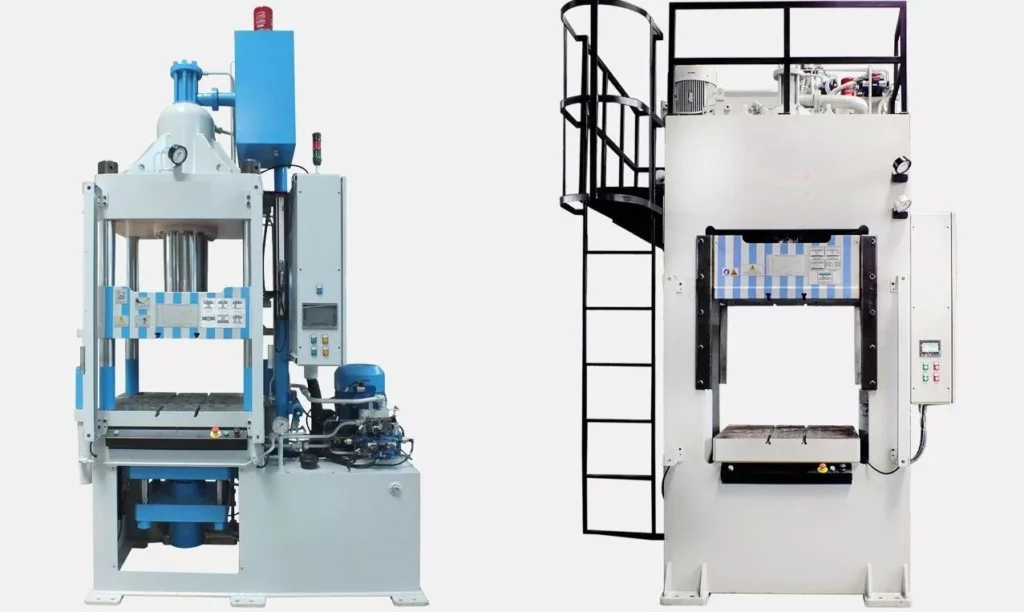
Categories
Machinery

Material Thickness

Material Thickness
Material Thickness

What is the Material Thickness in hydraulic press machine manufacturing? Material thickness is a vital element in hydraulic press manufacturing. Free consultation.

Material thickness plays a critical role in sheet metal bending, affecting the bending process, final part quality, and overall manufacturing efficiency. Understanding how material thickness influences sheet metal bending is essential for engineers and manufacturers to produce accurate and high-quality parts. This article explores the impact of material thickness on sheet metal bending, including key considerations, challenges, and best practices.

What is Material Thickness in Sheet Metal Bending important?

Sheet metal bending is a manufacturing process that involves deforming a metal sheet into a desired shape by applying force. The process typically uses tools such as press brakes, punches, and dies to create bends, angles, and curves in the metal sheet. The goal is to achieve precise bends without cracking, tearing, or excessive deformation.

Importance of Material Thickness in Sheet Metal Bending

Material thickness significantly influences various aspects of the sheet metal bending process, including:

  1. Bend Radius: The minimum radius that can be achieved without damaging the material.
  2. Bend Allowance: The additional material needed to accommodate the bend.
  3. Bend Deduction: The amount subtracted from the total length to account for the bend.
  4. Springback: The tendency of the material to return to its original shape after bending.
  5. Tooling Requirements: The selection of appropriate tools and dies for bending.
  6. Force Requirements: The amount of force needed to achieve the desired bend.

Key Considerations for Material Thickness in Sheet Metal Bending

  1. Bend Radius
    • Thicker materials require larger bend radii to prevent cracking and ensure a smooth bend.
    • The bend radius should typically be at least equal to the material thickness.
  2. Bend Allowance and Bend Deduction
    • Accurate calculations are essential for precise bending, especially for thicker materials.
    • Bend allowance accounts for material stretching, while bend deduction accounts for material compression.
  3. Springback
    • Thicker materials tend to exhibit more significant springback, requiring adjustments to the bend angle.
    • Compensation techniques, such as over-bending, can be used to counteract springback.
  4. Tooling Requirements
    • The selection of punches and dies must consider the material thickness to achieve the desired bend without damaging the tools or the material.
    • V-die openings should be appropriately sized for the material thickness.
  5. Force Requirements
    • Thicker materials require higher bending forces, impacting the selection of press brakes and other bending equipment.
    • Calculating the required force helps prevent equipment damage and ensures efficient operation.

Challenges of Bending Thick Sheet Metal

  1. Cracking and Tearing: Thicker materials are more prone to cracking and tearing during bending, especially if the bend radius is too small.
  2. Springback: Managing springback is more challenging with thicker materials, requiring precise control and compensation techniques.
  3. Tool Wear: Bending thick materials can cause increased wear on tooling, necessitating more frequent maintenance or replacement.
  4. Force Limitations: Bending thick materials requires significant force, which may exceed the capacity of standard bending equipment.
  5. Surface Finish: Achieving a smooth surface finish on thick materials can be difficult due to the increased force and material resistance.

Best Practices for Bending Thick Sheet Metal

  1. Proper Tool Selection
    • Choose appropriate punches and dies designed to handle the thickness and type of material.
    • Ensure the V-die opening is correctly sized for the material thickness.
  2. Calculate Bend Allowance and Deduction Accurately
    • Use precise formulas and software tools to calculate bend allowance and deduction based on material thickness.
    • Consider factors such as material type, bend angle, and bend radius.
  3. Manage Springback
    • Apply over-bending techniques to compensate for springback.
    • Use materials with consistent properties to minimize variability in springback.
  4. Control Bending Force
    • Ensure the bending equipment can generate the required force for thick materials.
    • Use hydraulic or servo-electric press brakes for better force control and accuracy.
  5. Maintain Tooling and Equipment
    • Regularly inspect and maintain tooling to prevent wear and damage.
    • Use high-quality tooling materials to extend the life of punches and dies.
  6. Test and Iterate
    • Perform test bends on sample pieces to fine-t-tune process parameters.
    • Make incremental adjustments based on test results to achieve the desired bend quality.

Conclusion

Material thickness is a crucial factor in sheet metal bending, influencing the bend radius, force requirements, springback, and overall bend quality. Understanding the impact of material thickness and implementing best practices can help manufacturers achieve precise, high-quality bends while minimizing defects and equipment wear. By carefully considering material thickness in the bending process, engineers and manufacturers can enhance efficiency, reduce costs, and produce parts that meet stringent specifications.

Material Thickness

Material thickness is an important factor in sheet metal forming as it affects the final product’s strength, durability, and dimensional accuracy. The thickness of the material is usually measured in gauge or millimeters (mm) and can range from very thin to very thick, depending on the application and requirements.

In general, thicker materials are more difficult to form due to their higher resistance to deformation. As a result, more force and energy are required to deform thicker materials, and the risk of material failure, such as cracking or tearing, increases. Thicker materials may also require longer cycle times and more complex tooling, which can add to the overall manufacturing cost.

On the other hand, thinner materials are easier to form and can often be processed more quickly and with simpler tooling. However, thinner materials may not be as strong or durable as thicker materials, and may also be more susceptible to deformation or buckling during the forming process.

The choice of material thickness in sheet metal forming depends on various factors, such as the application, required strength and durability, dimensional accuracy, and manufacturing cost. In some cases, a combination of thin and thick materials may be used to achieve the desired properties and characteristics

Importance of the Material Thickness

The material thickness plays an important role in sheet metal forming as it affects several aspects of the manufacturing process and the final product. Some of the key reasons why material thickness is important include:

  1. Strength and durability: The thickness of the material determines its strength and durability. Thicker materials are generally stronger and more durable, making them suitable for applications where high load-bearing capacity is required.
  2. Formability: The thickness of the material also affects its formability, or how easily it can be shaped and formed. Thinner materials are generally more formable, allowing for more complex shapes and designs.
  3. Surface finish: The thickness of the material can also impact the surface finish of the final product. Thicker materials may require more post-processing steps, such as sanding or polishing, to achieve a smooth surface finish.
  4. Manufacturing cost: The thickness of the material can also affect the cost of manufacturing. Thicker materials may require more energy and force to deform, as well as more complex tooling and longer cycle times, which can increase the overall manufacturing cost.
  5. Weight: The thickness of the material can also impact the weight of the final product. Thicker materials are generally heavier, which can be a disadvantage in applications where weight is a critical factor.

In summary, the material thickness is an important parameter in sheet metal forming that affects the strength, durability, formability, surface finish, manufacturing cost, and weight of the final product. Choosing the right material thickness is critical to achieving the desired properties and characteristics of the product.

Hydraulic presses are powerful machines used to apply a significant amount of force to an object through hydraulic fluid pressure. They are essential in various industrial applications, providing the necessary force for processes such as metal forming, stamping, bending, and molding. The versatility and efficiency of hydraulic presses make them indispensable tools in manufacturing and production lines. This document will explore the different types of hydraulic presses, their application areas, components, operational principles, manufacturing process, and the challenges and advancements in the industry.

Types of Hydraulic Presses

Hydraulic presses come in various designs, each suited to specific applications and requirements. The primary types of hydraulic presses include C-frame presses, H-frame presses, four-column presses, straightening presses, arbor presses, laminating presses, and transfer presses.

C-frame presses, also known as gap-frame presses, have a C-shaped frame that provides three-sided access to the work area. This design is ideal for applications requiring easy loading and unloading of materials.

H-frame presses, or two-post presses, have a robust H-shaped frame that offers excellent stability and strength. They are commonly used for heavy-duty tasks such as metal forming and straightening.

Four-column presses, or four-post presses, have four vertical columns that provide superior support and uniform force distribution. These presses are suitable for large-scale applications requiring high precision and repeatability.

Straightening presses are specialized hydraulic presses used to straighten bent or distorted metal components. They are widely used in the automotive and construction industries.

Arbor presses are smaller, manually operated hydraulic presses used for light-duty tasks such as assembly, riveting, and broaching. They are commonly found in workshops and small manufacturing facilities.

Laminating presses are used to bond multiple layers of material together under heat and pressure. These presses are essential in industries such as electronics, where laminated components are common.

Transfer presses are automated hydraulic presses that move the workpiece through multiple stations for different operations. They are highly efficient and used in high-volume production environments.

Application Areas

Hydraulic presses are employed in various industries, thanks to their ability to deliver consistent and precise force. Key application areas include:

Metal forming and forging: Hydraulic presses are crucial in shaping and forming metal parts through processes such as stamping, bending, and deep drawing. They are essential in the production of automotive parts, machinery components, and structural elements.

Automotive industry: In the automotive sector, hydraulic presses are used for manufacturing various parts, including body panels, chassis components, and engine parts. They play a critical role in ensuring the structural integrity and performance of vehicles.

Aerospace industry: The aerospace industry relies on hydraulic presses for forming and shaping high-strength materials used in aircraft components. Precision and reliability are paramount in this industry, making hydraulic presses indispensable.

Plastic and rubber molding: Hydraulic presses are used in the molding of plastic and rubber components, including automotive parts, household goods, and medical devices. They ensure consistent product quality and precision.

Electrical and electronics industry: In the electronics sector, hydraulic presses are used for laminating circuit boards, forming connectors, and assembling electronic components. They provide the necessary force and precision for delicate operations.

Medical device manufacturing: Hydraulic presses are used in the production of medical devices, including surgical instruments, implants, and diagnostic equipment. They ensure the high precision and quality required in the medical field.

Packaging industry: Hydraulic presses are employed in the packaging industry for forming and shaping packaging materials, such as cardboard, plastic, and metal. They help produce packaging solutions that are strong, durable, and aesthetically pleasing.

Components of a Hydraulic Press

A hydraulic press comprises several key components that work together to generate and control the applied force. The main components include the frame, hydraulic cylinder, hydraulic pump, control valves, hydraulic fluid, pressure gauges and sensors, and die and tooling.

The frame is the main structure of the hydraulic press, providing stability and support for all other components. It is typically made of high-strength steel to withstand the significant forces generated during operation.

The hydraulic cylinder is the core component that generates the pressing force. It consists of a cylindrical chamber, a piston, and a piston rod. When hydraulic fluid is pumped into the cylinder, it moves the piston, which in turn applies force to the workpiece.

The hydraulic pump is responsible for generating the hydraulic fluid pressure needed to move the piston. It draws hydraulic fluid from a reservoir and delivers it to the cylinder under high pressure.

Control valves regulate the flow of hydraulic fluid to and from the cylinder, controlling the movement and force of the press. These valves can be manually operated or automated, depending on the press design.

Hydraulic fluid, typically oil, is the medium through which force is transmitted in the hydraulic system. It must have suitable properties, such as viscosity and lubricity, to ensure efficient operation and protect system components.

Pressure gauges and sensors monitor the hydraulic fluid pressure within the system. They provide real-time feedback to the operator or control system, ensuring safe and accurate press operation.

Die and tooling are the interchangeable components that come into direct contact with the workpiece. They are designed to shape, form, or cut the material as required by the specific application.

How Hydraulic Presses Work

Hydraulic presses operate based on Pascal’s principle, which states that pressure applied to a confined fluid is transmitted equally in all directions. This principle allows hydraulic presses to generate significant force with relatively small input pressure.

The operation of a hydraulic press begins with the hydraulic pump drawing fluid from the reservoir and delivering it to the cylinder. The control valves regulate the flow of fluid, directing it into the cylinder to move the piston. As the piston moves, it applies force to the workpiece placed between the die and tooling.

The hydraulic fluid plays a crucial role in this process, as it transmits the applied pressure and lubricates the system components. The pressure gauges and sensors continuously monitor the fluid pressure, providing feedback to ensure the press operates within safe limits.

The force generated by the hydraulic press can be precisely controlled by adjusting the hydraulic fluid pressure and the position of the control valves. This allows for accurate and repeatable operations, essential for high-quality manufacturing.

Manufacturing of Hydraulic Presses

The manufacturing of hydraulic presses involves several stages, from design and engineering to assembly and quality control. Each stage is critical to ensuring the press’s performance, reliability, and safety.

Design and engineering: The process begins with the design and engineering phase, where specifications for the press are developed based on the intended application. This includes selecting suitable materials, determining the required force and stroke, and designing the frame and hydraulic system.

Material selection: High-quality materials, such as high-strength steel for the frame and durable alloys for the hydraulic components, are selected to ensure the press’s longevity and performance.

Fabrication of components: The individual components of the hydraulic press, including the frame, cylinder, and pump, are fabricated using precision machining and manufacturing techniques. This ensures that each component meets the required tolerances and specifications.

Assembly process: The fabricated components are then assembled into the complete hydraulic press. This involves mounting the cylinder, pump, and control valves onto the frame, connecting the hydraulic lines, and installing the die and tooling.

Quality control and testing: Rigorous quality control measures are implemented throughout the manufacturing process to ensure the press meets all specifications and standards. This includes pressure testing the hydraulic system, verifying the accuracy of the control valves, and performing operational tests to ensure the press functions correctly.

Advancements and Innovations

The hydraulic press industry is continually evolving, driven by advancements in technology and increasing demands for efficiency and precision. Key innovations include automation and control systems, energy efficiency improvements, and smart hydraulic presses.

Automation and control systems: Modern hydraulic presses are often equipped with advanced control systems that automate the pressing process. This includes programmable logic controllers (PLCs), human-machine interfaces (HMIs), and sensors that monitor and adjust the press’s operation in real time. Automation improves efficiency, reduces the risk of human error, and enhances the consistency of the finished products.

Energy efficiency improvements: Manufacturers are focusing on developing hydraulic presses that consume less energy and have a smaller environmental footprint. This includes using variable displacement pumps, energy recovery systems, and optimizing the hydraulic system’s design to minimize energy losses.

Smart hydraulic presses: The integration of IoT (Internet of Things) technology into hydraulic presses has led to the development of smart presses. These presses can communicate with other machines and systems, providing real-time data on their status, performance, and maintenance needs. This connectivity allows for predictive maintenance, reducing downtime and extending the press’s lifespan.

Challenges in Hydraulic Press Manufacturing

The manufacturing of hydraulic presses presents several challenges, including precision and quality requirements, cost management, technological advancements, and environmental considerations.

Precision and quality requirements: Hydraulic presses must deliver consistent and precise force, which requires high levels of accuracy in the manufacturing process. Ensuring each component meets the required tolerances and specifications is critical to the press’s performance and reliability.

Cost management: The cost of materials, labor, and energy can significantly impact the overall cost of manufacturing hydraulic presses. Manufacturers must balance quality and cost to remain competitive in the market.

Technological advancements: Keeping up with technological advancements is essential for manufacturers to meet the evolving demands of the industry. This requires continuous investment in research and development to incorporate new technologies and improve existing designs.

Environmental considerations: Environmental regulations and sustainability concerns are increasingly important in hydraulic press manufacturing. Manufacturers must develop eco-friendly presses that consume less energy, use recyclable materials, and minimize their environmental impact.

Conclusion

Hydraulic presses are essential machines in various industries, providing the necessary force for processes such as metal forming, stamping, and molding. Understanding the different types of hydraulic presses, their components, and how they work is crucial for effective application and operation.

The manufacturing process of hydraulic presses involves careful design and engineering, material selection, precision fabrication, and rigorous quality control. Despite the challenges, advancements in technology and innovations are driving the industry forward, leading to more efficient, precise, and environmentally friendly hydraulic presses.

As industries continue to evolve, the hydraulic press industry must adapt and innovate to meet the demands of efficiency, precision, and sustainability. Through continuous research and development, manufacturers can enhance the performance and reliability of hydraulic presses, contributing to the success of various industrial applications.
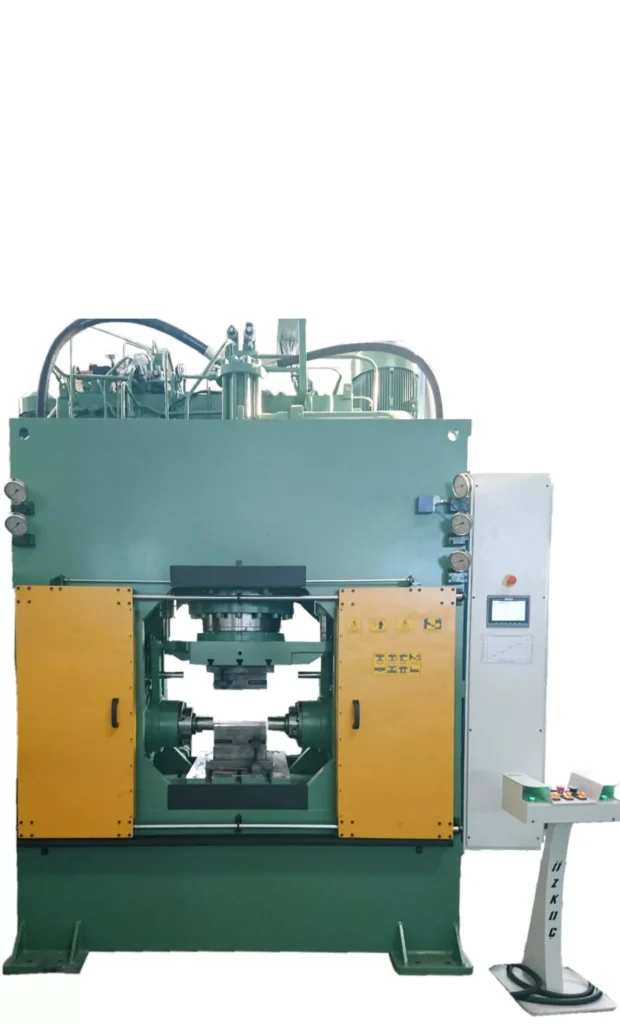
EMS Metalworking Machinery

We design, manufacture and assembly metalworking machinery such as:

  • Hydraulic transfer press
  • Glass mosaic press
  • Hydraulic deep drawing press
  • Casting press
  • Hydraulic cold forming press
  • Hydroforming press
  • Composite press
  • Silicone rubber moulding press
  • Brake pad press
  • Melamine press
  • SMC & BMC Press
  • Labrotaroy press
  • Edge cutting trimming machine
  • Edge curling machine
  • Trimming beading machine
  • Trimming joggling machine
  • Cookware production line
  • Pipe bending machine
  • Profile bending machine
  • Bandsaw for metal
  • Cylindrical welding machine
  • Horizontal pres and cookware
  • Kitchenware, hotelware
  • Bakeware and cuttlery production machinery

as a complete line as well as an individual machine such as:

  • Edge cutting trimming beading machines
  • Polishing and grinding machines for pot and pans
  • Hydraulic drawing presses
  • Circle blanking machines
  • Riveting machine
  • Hole punching machines
  • Press feeding machine

You can check our machinery at work at: EMS Metalworking Machinery – YouTube

Applications:

  • Beading and ribbing
  • Flanging
  • Trimming
  • Curling
  • Lock-seaming
  • Ribbing
  • Flange-punching
Categories
Machinery

Tolerance

Tolerance
Tolerance

What is Tolerance in hydraulic press machines and why is it important? Tolerance is a vital topic in hydraulic press machine manufacturing. Free consultation.

Tolerance in a hydraulic press refers to the allowable variation in dimensions of the final product produced by the press. This is influenced by factors such as the precision of the press itself, the accuracy of the tooling, and the quality of the materials being used.

Tolerance is important in hydraulic press operations because it affects the quality and consistency of the final product. If the tolerance is too tight, the parts may not fit together properly or may not function as intended. On the other hand, if the tolerance is too loose, the parts may not fit together securely or may not be able to withstand the required stresses.

In order to achieve the desired tolerance, various techniques may be employed, including careful design of the tooling, precise control of the press parameters (such as pressure and speed), and careful selection and preparation of the materials being used.

Tolerance in a hydraulic press refers to the acceptable deviation from the intended measurements or specifications of a part or product. It is an important factor in ensuring the accuracy and quality of the finished product.

Tolerance in machine manufacturing is a critical concept that defines the allowable deviation from specified dimensions for a part or assembly. Proper tolerance management ensures that components fit and function correctly, maintaining the overall quality and performance of manufactured products. This article explores the importance, types, components, and applications of tolerance in machine manufacturing.

What is Tolerance in Machine Manufacturing?

Tolerance is the permissible limit or limits of variation in a physical dimension, a measured value, or a physical property of a material or part. Tolerances specify the range within which a part’s dimension can vary and still function correctly. This range is defined by the upper and lower limits, ensuring that parts can be manufactured with the required precision while considering the inherent variability in manufacturing processes.

Components of Tolerance

  1. Nominal Size: The target dimension specified in the design.
  2. Upper Limit: The maximum allowable dimension.
  3. Lower Limit: The minimum allowable dimension.
  4. Tolerance Range: The difference between the upper and lower limits.

Types of Tolerances

  1. Dimensional Tolerance: Specifies the allowable variation in the size and shape of a part.
    • Unilateral Tolerance: Variation allowed in one direction only (either above or below the nominal size).
    • Bilateral Tolerance: Variation allowed in both directions (above and below the nominal size).
  2. Geometric Tolerance: Specifies the allowable variation in the shape, orientation, and position of a part’s features.
    • Form Tolerances: Include straightness, flatness, roundness, and cylindricity.
    • Orientation Tolerances: Include parallelism, perpendicularity, and angularity.
    • Location Tolerances: Include position, concentricity, and symmetry.
    • Runout Tolerances: Include circular runout and total runout.
  3. Surface Tolerance: Specifies the allowable variation in the surface finish of a part.
    • Roughness: The fine, closely spaced irregularities on the surface.
    • Waviness: The larger, widely spaced irregularities.
    • Lay: The direction of the predominant surface pattern.

Importance of Tolerance in Machine Manufacturing

  1. Interchangeability: Ensures that parts can be mass-produced and replaced without custom fitting.
  2. Functionality: Maintains the correct functioning of mechanical assemblies by ensuring proper fit and alignment.
  3. Quality Control: Provides a basis for inspecting and verifying parts to meet design specifications.
  4. Cost Efficiency: Balances manufacturing precision with cost, allowing for the economical production of parts.
  5. Reliability: Enhances the reliability and lifespan of products by ensuring that parts fit and function correctly under operating conditions.

Applications of Tolerance in Machine Manufacturing

Tolerances are applied in various aspects of machine manufacturing, including:

  1. Mechanical Assemblies: Ensuring that gears, bearings, and other components fit and operate smoothly.
  2. Aerospace: Maintaining the precision required for aircraft components to ensure safety and performance.
  3. Automotive: Ensuring the interchangeability and functionality of engine parts, transmission systems, and other critical components.
  4. Consumer Electronics: Maintaining the compactness and functionality of electronic devices by ensuring precise component fit.
  5. Medical Devices: Ensuring the reliability and safety of medical instruments and implants.

Calculating Tolerances

Calculating tolerances involves determining the acceptable range of variation for a part’s dimensions or features. This can be done using tolerance charts, engineering standards, or software tools. The basic steps include:

  1. Identifying the Nominal Size: The target dimension specified in the design.
  2. Determining the Tolerance Range: Based on the function and requirements of the part.
  3. Setting the Upper and Lower Limits: Defining the maximum and minimum allowable dimensions.

Tolerance Analysis

Tolerance analysis is the process of studying the accumulation of variations in a mechanical assembly. It ensures that the combined tolerances of individual parts do not exceed the allowable variation for the entire assembly. Methods of tolerance analysis include:

  1. Worst-Case Analysis: Assumes that all tolerances are at their extreme limits.
  2. Statistical Tolerance Analysis: Uses statistical methods to analyze the probability of variation within the specified limits.
  3. Monte Carlo Simulation: Uses computer simulations to model the effect of variations in multiple dimensions and tolerances.

Safety Considerations

Adhering to proper tolerances is crucial for safety in machine manufacturing:

  1. Design Safety Margins: Including adequate safety margins in the design to account for variations.
  2. Quality Control: Implementing rigorous quality control measures to ensure parts meet specified tolerances.
  3. Regular Inspection: Conducting regular inspections and maintenance to identify and address tolerance-related issues.
  4. Training: Ensuring that operators and inspectors are trained in tolerance standards and measurement techniques.

Future Trends and Innovations

The future of tolerance management in machine manufacturing looks promising with ongoing technological advancements:

  1. Advanced Metrology Tools: Development of more accurate and efficient measurement tools.
  2. Digital Tolerance Management: Integration of digital tools and software for real-time tolerance monitoring and analysis.
  3. Additive Manufacturing: Incorporating tolerance considerations into 3D printing and other additive manufacturing processes.
  4. AI and Machine Learning: Using AI and machine learning to predict and optimize tolerance settings and manufacturing processes.

Conclusion

Tolerance in machine manufacturing is a fundamental concept that ensures parts fit and function correctly, maintaining the quality, reliability, and cost-effectiveness of manufactured products. Its applications span various industries, from automotive to aerospace, highlighting its critical role in modern manufacturing processes. As technology continues to advance, tolerance management will become increasingly sophisticated, driving innovation and enhancing manufacturing capabilities.

Tolerance in Hydraulic Presses

In hydraulic press operations, tolerances are typically specified in terms of the clearance between the punch and die, the thickness and flatness of the material being worked, and the accuracy of the positioning and movement of the press components.

Tolerance is important because it ensures that parts and products are manufactured to the required specifications and perform their intended functions properly. Tight tolerances are often necessary for high-precision applications, such as in the aerospace or medical industries, where even minor deviations can have serious consequences.

On the other hand, looser tolerances may be acceptable for less critical applications, such as in the construction industry, where functional requirements may be less stringent. However, even in such cases, it is important to maintain consistent and predictable tolerances to ensure the reliability and safety of the end product.

Why is it important?

Tolerances in hydraulic presses are important because they ensure that the final product meets the desired specifications and quality standards. If the tolerances are too loose, the parts may not fit together properly or may not function as intended. On the other hand, if the tolerances are too tight, it may be difficult or impossible to assemble the parts, resulting in production delays and increased costs. Therefore, maintaining proper tolerances is critical for achieving consistent quality and productivity in hydraulic press operations.

Hydraulic presses are powerful machines used to apply a significant amount of force to an object through hydraulic fluid pressure. They are essential in various industrial applications, providing the necessary force for processes such as metal forming, stamping, bending, and molding. The versatility and efficiency of hydraulic presses make them indispensable tools in manufacturing and production lines. This document will explore the different types of hydraulic presses, their application areas, components, operational principles, manufacturing process, and the challenges and advancements in the industry.

Types of Hydraulic Presses

Hydraulic presses come in various designs, each suited to specific applications and requirements. The primary types of hydraulic presses include C-frame presses, H-frame presses, four-column presses, straightening presses, arbor presses, laminating presses, and transfer presses.

C-frame presses, also known as gap-frame presses, have a C-shaped frame that provides three-sided access to the work area. This design is ideal for applications requiring easy loading and unloading of materials.

H-frame presses, or two-post presses, have a robust H-shaped frame that offers excellent stability and strength. They are commonly used for heavy-duty tasks such as metal forming and straightening.

Four-column presses, or four-post presses, have four vertical columns that provide superior support and uniform force distribution. These presses are suitable for large-scale applications requiring high precision and repeatability.

Straightening presses are specialized hydraulic presses used to straighten bent or distorted metal components. They are widely used in the automotive and construction industries.

Arbor presses are smaller, manually operated hydraulic presses used for light-duty tasks such as assembly, riveting, and broaching. They are commonly found in workshops and small manufacturing facilities.

Laminating presses are used to bond multiple layers of material together under heat and pressure. These presses are essential in industries such as electronics, where laminated components are common.

Transfer presses are automated hydraulic presses that move the workpiece through multiple stations for different operations. They are highly efficient and used in high-volume production environments.

Application Areas

Hydraulic presses are employed in various industries, thanks to their ability to deliver consistent and precise force. Key application areas include:

Metal forming and forging: Hydraulic presses are crucial in shaping and forming metal parts through processes such as stamping, bending, and deep drawing. They are essential in the production of automotive parts, machinery components, and structural elements.

Automotive industry: In the automotive sector, hydraulic presses are used for manufacturing various parts, including body panels, chassis components, and engine parts. They play a critical role in ensuring the structural integrity and performance of vehicles.

Aerospace industry: The aerospace industry relies on hydraulic presses for forming and shaping high-strength materials used in aircraft components. Precision and reliability are paramount in this industry, making hydraulic presses indispensable.

Plastic and rubber molding: Hydraulic presses are used in the molding of plastic and rubber components, including automotive parts, household goods, and medical devices. They ensure consistent product quality and precision.

Electrical and electronics industry: In the electronics sector, hydraulic presses are used for laminating circuit boards, forming connectors, and assembling electronic components. They provide the necessary force and precision for delicate operations.

Medical device manufacturing: Hydraulic presses are used in the production of medical devices, including surgical instruments, implants, and diagnostic equipment. They ensure the high precision and quality required in the medical field.

Packaging industry: Hydraulic presses are employed in the packaging industry for forming and shaping packaging materials, such as cardboard, plastic, and metal. They help produce packaging solutions that are strong, durable, and aesthetically pleasing.

Components of a Hydraulic Press

A hydraulic press comprises several key components that work together to generate and control the applied force. The main components include the frame, hydraulic cylinder, hydraulic pump, control valves, hydraulic fluid, pressure gauges and sensors, and die and tooling.

The frame is the main structure of the hydraulic press, providing stability and support for all other components. It is typically made of high-strength steel to withstand the significant forces generated during operation.

The hydraulic cylinder is the core component that generates the pressing force. It consists of a cylindrical chamber, a piston, and a piston rod. When hydraulic fluid is pumped into the cylinder, it moves the piston, which in turn applies force to the workpiece.

The hydraulic pump is responsible for generating the hydraulic fluid pressure needed to move the piston. It draws hydraulic fluid from a reservoir and delivers it to the cylinder under high pressure.

Control valves regulate the flow of hydraulic fluid to and from the cylinder, controlling the movement and force of the press. These valves can be manually operated or automated, depending on the press design.

Hydraulic fluid, typically oil, is the medium through which force is transmitted in the hydraulic system. It must have suitable properties, such as viscosity and lubricity, to ensure efficient operation and protect system components.

Pressure gauges and sensors monitor the hydraulic fluid pressure within the system. They provide real-time feedback to the operator or control system, ensuring safe and accurate press operation.

Die and tooling are the interchangeable components that come into direct contact with the workpiece. They are designed to shape, form, or cut the material as required by the specific application.

How Hydraulic Presses Work

Hydraulic presses operate based on Pascal’s principle, which states that pressure applied to a confined fluid is transmitted equally in all directions. This principle allows hydraulic presses to generate significant force with relatively small input pressure.

The operation of a hydraulic press begins with the hydraulic pump drawing fluid from the reservoir and delivering it to the cylinder. The control valves regulate the flow of fluid, directing it into the cylinder to move the piston. As the piston moves, it applies force to the workpiece placed between the die and tooling.

The hydraulic fluid plays a crucial role in this process, as it transmits the applied pressure and lubricates the system components. The pressure gauges and sensors continuously monitor the fluid pressure, providing feedback to ensure the press operates within safe limits.

The force generated by the hydraulic press can be precisely controlled by adjusting the hydraulic fluid pressure and the position of the control valves. This allows for accurate and repeatable operations, essential for high-quality manufacturing.

Manufacturing of Hydraulic Presses

The manufacturing of hydraulic presses involves several stages, from design and engineering to assembly and quality control. Each stage is critical to ensuring the press’s performance, reliability, and safety.

Design and engineering: The process begins with the design and engineering phase, where specifications for the press are developed based on the intended application. This includes selecting suitable materials, determining the required force and stroke, and designing the frame and hydraulic system.

Material selection: High-quality materials, such as high-strength steel for the frame and durable alloys for the hydraulic components, are selected to ensure the press’s longevity and performance.

Fabrication of components: The individual components of the hydraulic press, including the frame, cylinder, and pump, are fabricated using precision machining and manufacturing techniques. This ensures that each component meets the required tolerances and specifications.

Assembly process: The fabricated components are then assembled into the complete hydraulic press. This involves mounting the cylinder, pump, and control valves onto the frame, connecting the hydraulic lines, and installing the die and tooling.

Quality control and testing: Rigorous quality control measures are implemented throughout the manufacturing process to ensure the press meets all specifications and standards. This includes pressure testing the hydraulic system, verifying the accuracy of the control valves, and performing operational tests to ensure the press functions correctly.

Advancements and Innovations

The hydraulic press industry is continually evolving, driven by advancements in technology and increasing demands for efficiency and precision. Key innovations include automation and control systems, energy efficiency improvements, and smart hydraulic presses.

Automation and control systems: Modern hydraulic presses are often equipped with advanced control systems that automate the pressing process. This includes programmable logic controllers (PLCs), human-machine interfaces (HMIs), and sensors that monitor and adjust the press’s operation in real time. Automation improves efficiency, reduces the risk of human error, and enhances the consistency of the finished products.

Energy efficiency improvements: Manufacturers are focusing on developing hydraulic presses that consume less energy and have a smaller environmental footprint. This includes using variable displacement pumps, energy recovery systems, and optimizing the hydraulic system’s design to minimize energy losses.

Smart hydraulic presses: The integration of IoT (Internet of Things) technology into hydraulic presses has led to the development of smart presses. These presses can communicate with other machines and systems, providing real-time data on their status, performance, and maintenance needs. This connectivity allows for predictive maintenance, reducing downtime and extending the press’s lifespan.

Challenges in Hydraulic Press Manufacturing

The manufacturing of hydraulic presses presents several challenges, including precision and quality requirements, cost management, technological advancements, and environmental considerations.

Precision and quality requirements: Hydraulic presses must deliver consistent and precise force, which requires high levels of accuracy in the manufacturing process. Ensuring each component meets the required tolerances and specifications is critical to the press’s performance and reliability.

Cost management: The cost of materials, labor, and energy can significantly impact the overall cost of manufacturing hydraulic presses. Manufacturers must balance quality and cost to remain competitive in the market.

Technological advancements: Keeping up with technological advancements is essential for manufacturers to meet the evolving demands of the industry. This requires continuous investment in research and development to incorporate new technologies and improve existing designs.

Environmental considerations: Environmental regulations and sustainability concerns are increasingly important in hydraulic press manufacturing. Manufacturers must develop eco-friendly presses that consume less energy, use recyclable materials, and minimize their environmental impact.

Conclusion

Hydraulic presses are essential machines in various industries, providing the necessary force for processes such as metal forming, stamping, and molding. Understanding the different types of hydraulic presses, their components, and how they work is crucial for effective application and operation.

The manufacturing process of hydraulic presses involves careful design and engineering, material selection, precision fabrication, and rigorous quality control. Despite the challenges, advancements in technology and innovations are driving the industry forward, leading to more efficient, precise, and environmentally friendly hydraulic presses.

As industries continue to evolve, the hydraulic press industry must adapt and innovate to meet the demands of efficiency, precision, and sustainability. Through continuous research and development, manufacturers can enhance the performance and reliability of hydraulic presses, contributing to the success of various industrial applications.
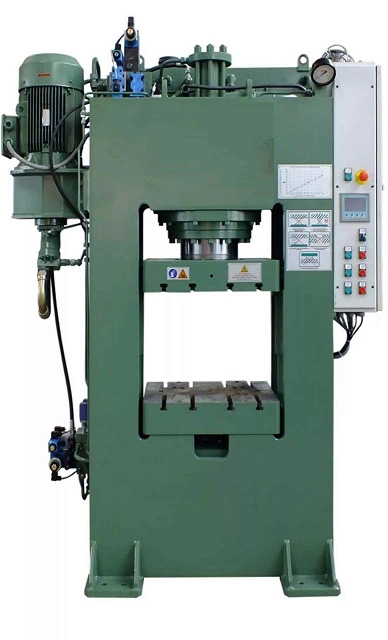
Categories
Machinery

Lubrication

Lubrication
Lubrication

What is the lubrication in a hydraulic press machine and where is it used? Lubrication is a vital element in a hydraulic press machine. Get price from the manufacturer

Lubrication

Lubrication is an essential aspect of maintaining a hydraulic press. Proper lubrication can reduce friction, prevent wear and tear, and extend the lifespan of the machine. There are several points that require lubrication in a hydraulic press:

  1. Hydraulic oil: The hydraulic oil is the lifeblood of a hydraulic press, and it is crucial to keep it at the proper level and replace it regularly. The oil should be free from contaminants such as dirt, metal particles, and water. The hydraulic oil should also be at the correct viscosity to ensure proper functioning of the hydraulic system.
  2. Pump and motor bearings: The bearings in the pump and motor of the hydraulic press require regular lubrication to prevent wear and tear. It is recommended to use high-quality lubricants that can withstand high pressure and temperature.
  3. Guides and ways: The guides and ways of the hydraulic press should be kept lubricated to prevent metal-to-metal contact and reduce friction. Proper lubrication can also prevent the machine from overheating.
  4. Pistons and cylinders: The pistons and cylinders of the hydraulic press are under high pressure and require regular lubrication to prevent wear and tear. It is recommended to use a high-quality hydraulic oil that can withstand high pressure and temperature.
  5. Die sets: The die sets of the hydraulic press should be kept lubricated to prevent metal-to-metal contact and reduce friction. The lubricant used for die sets should be compatible with the material being formed.

It is important to follow the manufacturer’s recommendations for lubrication and maintenance to ensure the proper functioning of the hydraulic press. Regular maintenance and lubrication can extend the lifespan of the machine and prevent costly downtime due to breakdowns or repairs.

How is it done?

In a hydraulic press, lubrication is carried out by applying a lubricating oil or grease to the moving parts of the machine. The lubricant is applied to the ram, the guide rails, and any other moving parts that require lubrication. The lubrication process is typically automated, with the lubricant being applied at regular intervals through a central lubrication system.

The lubricant used in a hydraulic press must be compatible with the materials being worked on and the temperature and pressure conditions in the press. In addition, the lubricant must provide good adhesion to the moving parts of the press and resist being washed away by the hydraulic fluid used to power the press.

Proper lubrication is essential for the smooth operation and longevity of a hydraulic press. Insufficient lubrication can cause excessive wear and tear on the machine, leading to costly repairs and downtime. On the other hand, over-lubrication can also be problematic, leading to excessive buildup of grease and other debris that can interfere with the press’s operation.

Why is it important?

Lubrication in a hydraulic press is important because it helps to reduce friction and wear between the moving parts of the press. Without proper lubrication, the press may suffer from increased wear, higher operating temperatures, and reduced efficiency. Lubrication also helps to prevent corrosion and contamination of the press, which can result in damage to the equipment or product defects. Additionally, proper lubrication helps to ensure consistent and reliable performance of the press, which is important for maintaining productivity and quality in the production process.

Hydraulic presses are powerful machines used to apply a significant amount of force to an object through hydraulic fluid pressure. They are essential in various industrial applications, providing the necessary force for processes such as metal forming, stamping, bending, and molding. The versatility and efficiency of hydraulic presses make them indispensable tools in manufacturing and production lines. This document will explore the different types of hydraulic presses, their application areas, components, operational principles, manufacturing process, and the challenges and advancements in the industry.

Types of Hydraulic Presses

Hydraulic presses come in various designs, each suited to specific applications and requirements. The primary types of hydraulic presses include C-frame presses, H-frame presses, four-column presses, straightening presses, arbor presses, laminating presses, and transfer presses.

C-frame presses, also known as gap-frame presses, have a C-shaped frame that provides three-sided access to the work area. This design is ideal for applications requiring easy loading and unloading of materials.

H-frame presses, or two-post presses, have a robust H-shaped frame that offers excellent stability and strength. They are commonly used for heavy-duty tasks such as metal forming and straightening.

Four-column presses, or four-post presses, have four vertical columns that provide superior support and uniform force distribution. These presses are suitable for large-scale applications requiring high precision and repeatability.

Straightening presses are specialized hydraulic presses used to straighten bent or distorted metal components. They are widely used in the automotive and construction industries.

Arbor presses are smaller, manually operated hydraulic presses used for light-duty tasks such as assembly, riveting, and broaching. They are commonly found in workshops and small manufacturing facilities.

Laminating presses are used to bond multiple layers of material together under heat and pressure. These presses are essential in industries such as electronics, where laminated components are common.

Transfer presses are automated hydraulic presses that move the workpiece through multiple stations for different operations. They are highly efficient and used in high-volume production environments.

Application Areas

Hydraulic presses are employed in various industries, thanks to their ability to deliver consistent and precise force. Key application areas include:

Metal forming and forging: Hydraulic presses are crucial in shaping and forming metal parts through processes such as stamping, bending, and deep drawing. They are essential in the production of automotive parts, machinery components, and structural elements.

Automotive industry: In the automotive sector, hydraulic presses are used for manufacturing various parts, including body panels, chassis components, and engine parts. They play a critical role in ensuring the structural integrity and performance of vehicles.

Aerospace industry: The aerospace industry relies on hydraulic presses for forming and shaping high-strength materials used in aircraft components. Precision and reliability are paramount in this industry, making hydraulic presses indispensable.

Plastic and rubber molding: Hydraulic presses are used in the molding of plastic and rubber components, including automotive parts, household goods, and medical devices. They ensure consistent product quality and precision.

Electrical and electronics industry: In the electronics sector, hydraulic presses are used for laminating circuit boards, forming connectors, and assembling electronic components. They provide the necessary force and precision for delicate operations.

Medical device manufacturing: Hydraulic presses are used in the production of medical devices, including surgical instruments, implants, and diagnostic equipment. They ensure the high precision and quality required in the medical field.

Packaging industry: Hydraulic presses are employed in the packaging industry for forming and shaping packaging materials, such as cardboard, plastic, and metal. They help produce packaging solutions that are strong, durable, and aesthetically pleasing.

Components of a Hydraulic Press

A hydraulic press comprises several key components that work together to generate and control the applied force. The main components include the frame, hydraulic cylinder, hydraulic pump, control valves, hydraulic fluid, pressure gauges and sensors, and die and tooling.

The frame is the main structure of the hydraulic press, providing stability and support for all other components. It is typically made of high-strength steel to withstand the significant forces generated during operation.

The hydraulic cylinder is the core component that generates the pressing force. It consists of a cylindrical chamber, a piston, and a piston rod. When hydraulic fluid is pumped into the cylinder, it moves the piston, which in turn applies force to the workpiece.

The hydraulic pump is responsible for generating the hydraulic fluid pressure needed to move the piston. It draws hydraulic fluid from a reservoir and delivers it to the cylinder under high pressure.

Control valves regulate the flow of hydraulic fluid to and from the cylinder, controlling the movement and force of the press. These valves can be manually operated or automated, depending on the press design.

Hydraulic fluid, typically oil, is the medium through which force is transmitted in the hydraulic system. It must have suitable properties, such as viscosity and lubricity, to ensure efficient operation and protect system components.

Pressure gauges and sensors monitor the hydraulic fluid pressure within the system. They provide real-time feedback to the operator or control system, ensuring safe and accurate press operation.

Die and tooling are the interchangeable components that come into direct contact with the workpiece. They are designed to shape, form, or cut the material as required by the specific application.

How Hydraulic Presses Work

Hydraulic presses operate based on Pascal’s principle, which states that pressure applied to a confined fluid is transmitted equally in all directions. This principle allows hydraulic presses to generate significant force with relatively small input pressure.

The operation of a hydraulic press begins with the hydraulic pump drawing fluid from the reservoir and delivering it to the cylinder. The control valves regulate the flow of fluid, directing it into the cylinder to move the piston. As the piston moves, it applies force to the workpiece placed between the die and tooling.

The hydraulic fluid plays a crucial role in this process, as it transmits the applied pressure and lubricates the system components. The pressure gauges and sensors continuously monitor the fluid pressure, providing feedback to ensure the press operates within safe limits.

The force generated by the hydraulic press can be precisely controlled by adjusting the hydraulic fluid pressure and the position of the control valves. This allows for accurate and repeatable operations, essential for high-quality manufacturing.

Manufacturing of Hydraulic Presses

The manufacturing of hydraulic presses involves several stages, from design and engineering to assembly and quality control. Each stage is critical to ensuring the press’s performance, reliability, and safety.

Design and engineering: The process begins with the design and engineering phase, where specifications for the press are developed based on the intended application. This includes selecting suitable materials, determining the required force and stroke, and designing the frame and hydraulic system.

Material selection: High-quality materials, such as high-strength steel for the frame and durable alloys for the hydraulic components, are selected to ensure the press’s longevity and performance.

Fabrication of components: The individual components of the hydraulic press, including the frame, cylinder, and pump, are fabricated using precision machining and manufacturing techniques. This ensures that each component meets the required tolerances and specifications.

Assembly process: The fabricated components are then assembled into the complete hydraulic press. This involves mounting the cylinder, pump, and control valves onto the frame, connecting the hydraulic lines, and installing the die and tooling.

Quality control and testing: Rigorous quality control measures are implemented throughout the manufacturing process to ensure the press meets all specifications and standards. This includes pressure testing the hydraulic system, verifying the accuracy of the control valves, and performing operational tests to ensure the press functions correctly.

Advancements and Innovations

The hydraulic press industry is continually evolving, driven by advancements in technology and increasing demands for efficiency and precision. Key innovations include automation and control systems, energy efficiency improvements, and smart hydraulic presses.

Automation and control systems: Modern hydraulic presses are often equipped with advanced control systems that automate the pressing process. This includes programmable logic controllers (PLCs), human-machine interfaces (HMIs), and sensors that monitor and adjust the press’s operation in real time. Automation improves efficiency, reduces the risk of human error, and enhances the consistency of the finished products.

Energy efficiency improvements: Manufacturers are focusing on developing hydraulic presses that consume less energy and have a smaller environmental footprint. This includes using variable displacement pumps, energy recovery systems, and optimizing the hydraulic system’s design to minimize energy losses.

Smart hydraulic presses: The integration of IoT (Internet of Things) technology into hydraulic presses has led to the development of smart presses. These presses can communicate with other machines and systems, providing real-time data on their status, performance, and maintenance needs. This connectivity allows for predictive maintenance, reducing downtime and extending the press’s lifespan.

Challenges in Hydraulic Press Manufacturing

The manufacturing of hydraulic presses presents several challenges, including precision and quality requirements, cost management, technological advancements, and environmental considerations.

Precision and quality requirements: Hydraulic presses must deliver consistent and precise force, which requires high levels of accuracy in the manufacturing process. Ensuring each component meets the required tolerances and specifications is critical to the press’s performance and reliability.

Cost management: The cost of materials, labor, and energy can significantly impact the overall cost of manufacturing hydraulic presses. Manufacturers must balance quality and cost to remain competitive in the market.

Technological advancements: Keeping up with technological advancements is essential for manufacturers to meet the evolving demands of the industry. This requires continuous investment in research and development to incorporate new technologies and improve existing designs.

Environmental considerations: Environmental regulations and sustainability concerns are increasingly important in hydraulic press manufacturing. Manufacturers must develop eco-friendly presses that consume less energy, use recyclable materials, and minimize their environmental impact.

Conclusion

Hydraulic presses are essential machines in various industries, providing the necessary force for processes such as metal forming, stamping, and molding. Understanding the different types of hydraulic presses, their components, and how they work is crucial for effective application and operation.

The manufacturing process of hydraulic presses involves careful design and engineering, material selection, precision fabrication, and rigorous quality control. Despite the challenges, advancements in technology and innovations are driving the industry forward, leading to more efficient, precise, and environmentally friendly hydraulic presses.

As industries continue to evolve, the hydraulic press industry must adapt and innovate to meet the demands of efficiency, precision, and sustainability. Through continuous research and development, manufacturers can enhance the performance and reliability of hydraulic presses, contributing to the success of various industrial applications.

Categories
Machinery

Tooling

Tooling
Tooling

What is tooling and where is it used in the metalworking machinery? Tooling is a vital element in hydraulic press machines. Get Price from the manufacturer

Tooling is an essential aspect of sheet metal forming as it directly affects the quality and accuracy of the final product. Tooling refers to the various dies, molds, and other tools used in the forming process to shape the sheet metal into the desired shape.

Tooling

The type of tooling used in sheet metal forming depends on several factors, including the complexity of the part, the material being used, and the volume of production. Some common types of tooling used in sheet metal forming include:

  1. Punch and die sets: These are used for cutting and punching holes in the sheet metal. The punch is the component that applies the force to the material, while the die provides a surface against which the material can be formed.
  2. Bending dies: These are used to bend the sheet metal into the desired shape. They typically consist of a male and female die set that work together to form the metal into the desired angle.
  3. Forming dies: These are used to create complex shapes and contours in the sheet metal. They are typically custom-designed for each specific part and are often used in high-volume production runs.
  4. Progressive dies: These are used for high-volume production runs and allow for multiple operations to be performed on a single piece of sheet metal. They typically consist of a series of dies that are linked together to perform a sequence of operations.
  5. Draw dies: These are used to create deep-drawn parts, such as cans or containers. They typically consist of a punch, die, and blank holder that work together to form the metal into the desired shape.

Proper tooling is essential for achieving high-quality, accurate parts in sheet metal forming. It is important to select the appropriate tooling based on the specific requirements of the part and the production process. Additionally, regular maintenance and inspection of tooling is necessary to ensure that it remains in good working condition and produces consistent, high-quality parts.

Punch and die sets

Punch and die sets are a type of tooling used in sheet metal forming. They consist of two main components: the punch, which is the part that applies force to the metal, and the die, which is the part that guides and shapes the metal.

The punch and die set is installed in a press, which applies the force necessary to form the sheet metal. The press can be either mechanical, hydraulic, or pneumatic.

Punch and die sets come in various shapes and sizes, depending on the desired shape of the finished product. The punch is usually made of hardened steel and has a sharp edge, while the die is typically made of a softer material, such as aluminum or brass.

The punch and die set can be used for a variety of sheet metal forming processes, including punching, blanking, bending, and deep drawing. They are commonly used in the manufacturing of automotive parts, household appliances, and electronics.

One advantage of using punch and die sets is that they can produce parts quickly and accurately. They are also relatively easy to set up and operate, making them a cost-effective option for large-scale production.

However, punch and die sets can be expensive to purchase and maintain, and they may require frequent sharpening or replacement of the punch due to wear and tear. Additionally, the process can be noisy and produce vibrations, which can lead to fatigue in the operator and may require additional safety measures.

Bending dies

Bending dies are a type of tooling used in sheet metal forming to produce bends in a piece of sheet metal. They consist of a male and female die that work together to form the desired bend in the metal.

The male die is a solid piece of metal that is mounted to the press and has a curved surface that corresponds to the desired bend in the sheet metal. The female die is a hollow piece that is mounted on a movable arm of the press and has a concave surface that matches the curve of the male die.

To form a bend in the sheet metal, the material is placed between the male and female dies, and the press is activated. As the press applies force to the material, the male die pushes the sheet metal into the female die, which forms the desired bend.

Bending dies are used in a variety of sheet metal forming processes, including air bending, bottom bending, and coining. They are commonly used in the manufacturing of automotive parts, household appliances, and electronics.

One advantage of using bending dies is that they can produce accurate bends with a consistent angle and radius, which is important for achieving the desired fit and function of the final product. They can also produce bends quickly and efficiently, making them a cost-effective option for large-scale production.

However, bending dies can be expensive to purchase and maintain, and they may require frequent replacement due to wear and tear. The process can also be noisy and produce vibrations, which can lead to fatigue in the operator and may require additional safety measures.

Forming dies

Forming dies are tools used in sheet metal forming processes to shape the metal into a desired form or profile. These dies are typically made of hardened steel and are designed to withstand the high pressures and stresses involved in the forming process.

Forming dies can be used for a variety of operations, including drawing, embossing, and flanging. The shape and size of the forming die will depend on the specific operation being performed and the desired shape of the finished part.

To use a forming die, the sheet metal is typically clamped in place between the die and the press, and pressure is applied to force the metal into the desired shape. The process may involve a series of dies, each of which shapes the metal further until the desired form is achieved.

Forming dies are critical components in the sheet metal forming process, as they directly affect the quality and accuracy of the finished part. Proper tooling design and selection can help to minimize the risk of defects such as cracking, wrinkling, or tearing, and ensure that the finished part meets the required specifications.

Progressive dies

Progressive dies are specialized tools used in high-volume manufacturing processes to quickly and efficiently produce complex sheet metal parts. These dies consist of a series of stations, each of which performs a specific forming or cutting operation on the sheet metal as it moves through the die.

In a typical progressive die setup, the sheet metal is fed into the die from a roll or coil and is then clamped in place. The die then punches and forms the metal as it moves through the various stations, with each station performing a different operation. By the time the metal exits the die, it has been cut, shaped, and formed into the desired part.

One of the key advantages of progressive dies is their ability to produce parts quickly and with a high degree of accuracy. Because the process is automated, it is also highly repeatable, allowing manufacturers to produce large volumes of parts with consistent quality and precision.

Another advantage of progressive dies is their flexibility. By incorporating multiple operations into a single die, manufacturers can produce complex parts with a wide range of shapes and sizes, while minimizing the number of tool changes and setups required.

However, progressive dies can be expensive and require significant upfront investment in tooling and equipment. They also require skilled operators to set up and maintain the dies, and any defects or issues in the die can result in significant downtime and lost production.

Draw dies

Draw dies are specialized tooling used in the deep drawing process to shape sheet metal into a desired form. They are typically made of hardened steel and consist of a base and a punch. The punch is shaped to match the desired contour of the finished part and is forced through the sheet metal, causing it to deform and take on the desired shape. The draw die serves as a guide for the sheet metal as it is drawn into the punch, providing support and control during the process.

Draw dies can be customized to accommodate a wide range of shapes and sizes, making them ideal for producing complex parts with precision and accuracy. They are commonly used in the automotive, aerospace, and appliance industries, among others. Draw dies are an essential component of any deep drawing operation and are key to achieving consistent, high-quality results.

Hydraulic presses are powerful machines used to apply a significant amount of force to an object through hydraulic fluid pressure. They are essential in various industrial applications, providing the necessary force for processes such as metal forming, stamping, bending, and molding. The versatility and efficiency of hydraulic presses make them indispensable tools in manufacturing and production lines. This document will explore the different types of hydraulic presses, their application areas, components, operational principles, manufacturing process, and the challenges and advancements in the industry.

Types of Hydraulic Presses

Hydraulic presses come in various designs, each suited to specific applications and requirements. The primary types of hydraulic presses include C-frame presses, H-frame presses, four-column presses, straightening presses, arbor presses, laminating presses, and transfer presses.

C-frame presses, also known as gap-frame presses, have a C-shaped frame that provides three-sided access to the work area. This design is ideal for applications requiring easy loading and unloading of materials.

H-frame presses, or two-post presses, have a robust H-shaped frame that offers excellent stability and strength. They are commonly used for heavy-duty tasks such as metal forming and straightening.

Four-column presses, or four-post presses, have four vertical columns that provide superior support and uniform force distribution. These presses are suitable for large-scale applications requiring high precision and repeatability.

Straightening presses are specialized hydraulic presses used to straighten bent or distorted metal components. They are widely used in the automotive and construction industries.

Arbor presses are smaller, manually operated hydraulic presses used for light-duty tasks such as assembly, riveting, and broaching. They are commonly found in workshops and small manufacturing facilities.

Laminating presses are used to bond multiple layers of material together under heat and pressure. These presses are essential in industries such as electronics, where laminated components are common.

Transfer presses are automated hydraulic presses that move the workpiece through multiple stations for different operations. They are highly efficient and used in high-volume production environments.

Application Areas

Hydraulic presses are employed in various industries, thanks to their ability to deliver consistent and precise force. Key application areas include:

Metal forming and forging: Hydraulic presses are crucial in shaping and forming metal parts through processes such as stamping, bending, and deep drawing. They are essential in the production of automotive parts, machinery components, and structural elements.

Automotive industry: In the automotive sector, hydraulic presses are used for manufacturing various parts, including body panels, chassis components, and engine parts. They play a critical role in ensuring the structural integrity and performance of vehicles.

Aerospace industry: The aerospace industry relies on hydraulic presses for forming and shaping high-strength materials used in aircraft components. Precision and reliability are paramount in this industry, making hydraulic presses indispensable.

Plastic and rubber molding: Hydraulic presses are used in the molding of plastic and rubber components, including automotive parts, household goods, and medical devices. They ensure consistent product quality and precision.

Electrical and electronics industry: In the electronics sector, hydraulic presses are used for laminating circuit boards, forming connectors, and assembling electronic components. They provide the necessary force and precision for delicate operations.

Medical device manufacturing: Hydraulic presses are used in the production of medical devices, including surgical instruments, implants, and diagnostic equipment. They ensure the high precision and quality required in the medical field.

Packaging industry: Hydraulic presses are employed in the packaging industry for forming and shaping packaging materials, such as cardboard, plastic, and metal. They help produce packaging solutions that are strong, durable, and aesthetically pleasing.

Components of a Hydraulic Press

A hydraulic press comprises several key components that work together to generate and control the applied force. The main components include the frame, hydraulic cylinder, hydraulic pump, control valves, hydraulic fluid, pressure gauges and sensors, and die and tooling.

The frame is the main structure of the hydraulic press, providing stability and support for all other components. It is typically made of high-strength steel to withstand the significant forces generated during operation.

The hydraulic cylinder is the core component that generates the pressing force. It consists of a cylindrical chamber, a piston, and a piston rod. When hydraulic fluid is pumped into the cylinder, it moves the piston, which in turn applies force to the workpiece.

The hydraulic pump is responsible for generating the hydraulic fluid pressure needed to move the piston. It draws hydraulic fluid from a reservoir and delivers it to the cylinder under high pressure.

Control valves regulate the flow of hydraulic fluid to and from the cylinder, controlling the movement and force of the press. These valves can be manually operated or automated, depending on the press design.

Hydraulic fluid, typically oil, is the medium through which force is transmitted in the hydraulic system. It must have suitable properties, such as viscosity and lubricity, to ensure efficient operation and protect system components.

Pressure gauges and sensors monitor the hydraulic fluid pressure within the system. They provide real-time feedback to the operator or control system, ensuring safe and accurate press operation.

Die and tooling are the interchangeable components that come into direct contact with the workpiece. They are designed to shape, form, or cut the material as required by the specific application.

How Hydraulic Presses Work

Hydraulic presses operate based on Pascal’s principle, which states that pressure applied to a confined fluid is transmitted equally in all directions. This principle allows hydraulic presses to generate significant force with relatively small input pressure.

The operation of a hydraulic press begins with the hydraulic pump drawing fluid from the reservoir and delivering it to the cylinder. The control valves regulate the flow of fluid, directing it into the cylinder to move the piston. As the piston moves, it applies force to the workpiece placed between the die and tooling.

The hydraulic fluid plays a crucial role in this process, as it transmits the applied pressure and lubricates the system components. The pressure gauges and sensors continuously monitor the fluid pressure, providing feedback to ensure the press operates within safe limits.

The force generated by the hydraulic press can be precisely controlled by adjusting the hydraulic fluid pressure and the position of the control valves. This allows for accurate and repeatable operations, essential for high-quality manufacturing.

Manufacturing of Hydraulic Presses

The manufacturing of hydraulic presses involves several stages, from design and engineering to assembly and quality control. Each stage is critical to ensuring the press’s performance, reliability, and safety.

Design and engineering: The process begins with the design and engineering phase, where specifications for the press are developed based on the intended application. This includes selecting suitable materials, determining the required force and stroke, and designing the frame and hydraulic system.

Material selection: High-quality materials, such as high-strength steel for the frame and durable alloys for the hydraulic components, are selected to ensure the press’s longevity and performance.

Fabrication of components: The individual components of the hydraulic press, including the frame, cylinder, and pump, are fabricated using precision machining and manufacturing techniques. This ensures that each component meets the required tolerances and specifications.

Assembly process: The fabricated components are then assembled into the complete hydraulic press. This involves mounting the cylinder, pump, and control valves onto the frame, connecting the hydraulic lines, and installing the die and tooling.

Quality control and testing: Rigorous quality control measures are implemented throughout the manufacturing process to ensure the press meets all specifications and standards. This includes pressure testing the hydraulic system, verifying the accuracy of the control valves, and performing operational tests to ensure the press functions correctly.

Advancements and Innovations

The hydraulic press industry is continually evolving, driven by advancements in technology and increasing demands for efficiency and precision. Key innovations include automation and control systems, energy efficiency improvements, and smart hydraulic presses.

Automation and control systems: Modern hydraulic presses are often equipped with advanced control systems that automate the pressing process. This includes programmable logic controllers (PLCs), human-machine interfaces (HMIs), and sensors that monitor and adjust the press’s operation in real time. Automation improves efficiency, reduces the risk of human error, and enhances the consistency of the finished products.

Energy efficiency improvements: Manufacturers are focusing on developing hydraulic presses that consume less energy and have a smaller environmental footprint. This includes using variable displacement pumps, energy recovery systems, and optimizing the hydraulic system’s design to minimize energy losses.

Smart hydraulic presses: The integration of IoT (Internet of Things) technology into hydraulic presses has led to the development of smart presses. These presses can communicate with other machines and systems, providing real-time data on their status, performance, and maintenance needs. This connectivity allows for predictive maintenance, reducing downtime and extending the press’s lifespan.

Challenges in Hydraulic Press Manufacturing

The manufacturing of hydraulic presses presents several challenges, including precision and quality requirements, cost management, technological advancements, and environmental considerations.

Precision and quality requirements: Hydraulic presses must deliver consistent and precise force, which requires high levels of accuracy in the manufacturing process. Ensuring each component meets the required tolerances and specifications is critical to the press’s performance and reliability.

Cost management: The cost of materials, labor, and energy can significantly impact the overall cost of manufacturing hydraulic presses. Manufacturers must balance quality and cost to remain competitive in the market.

Technological advancements: Keeping up with technological advancements is essential for manufacturers to meet the evolving demands of the industry. This requires continuous investment in research and development to incorporate new technologies and improve existing designs.

Environmental considerations: Environmental regulations and sustainability concerns are increasingly important in hydraulic press manufacturing. Manufacturers must develop eco-friendly presses that consume less energy, use recyclable materials, and minimize their environmental impact.

Conclusion

Hydraulic presses are essential machines in various industries, providing the necessary force for processes such as metal forming, stamping, and molding. Understanding the different types of hydraulic presses, their components, and how they work is crucial for effective application and operation.

The manufacturing process of hydraulic presses involves careful design and engineering, material selection, precision fabrication, and rigorous quality control. Despite the challenges, advancements in technology and innovations are driving the industry forward, leading to more efficient, precise, and environmentally friendly hydraulic presses.

As industries continue to evolve, the hydraulic press industry must adapt and innovate to meet the demands of efficiency, precision, and sustainability. Through continuous research and development, manufacturers can enhance the performance and reliability of hydraulic presses, contributing to the success of various industrial applications.

EMS Metalworking Machinery

We design, manufacture and assembly metalworking machinery such as:

  • Hydraulic transfer press
  • Glass mosaic press
  • Hydraulic deep drawing press
  • Casting press
  • Hydraulic cold forming press
  • Hydroforming press
  • Composite press
  • Silicone rubber moulding press
  • Brake pad press
  • Melamine press
  • SMC & BMC Press
  • Labrotaroy press
  • Edge cutting trimming machine
  • Edge curling machine
  • Trimming beading machine
  • Trimming joggling machine
  • Cookware production line
  • Pipe bending machine
  • Profile bending machine
  • Bandsaw for metal
  • Cylindrical welding machine
  • Horizontal pres and cookware
  • Kitchenware, hotelware
  • Bakeware and cuttlery production machinery

as a complete line as well as an individual machine such as:

  • Edge cutting trimming beading machines
  • Polishing and grinding machines for pot and pans
  • Hydraulic drawing presses
  • Circle blanking machines
  • Riveting machine
  • Hole punching machines
  • Press feeding machine

You can check our machinery at work at: EMS Metalworking Machinery – YouTube

Applications:

  • Beading and ribbing
  • Flanging
  • Trimming
  • Curling
  • Lock-seaming
  • Ribbing
  • Flange-punching
Categories
Machinery

Blankholder

Blankholder

What is a blankholder and where is it used? Blank holders are vital elements in hydraulic press machines. Get price from the manufacturer.

A blankholder is a component of a hydraulic press used in metalforming operations that involves drawing or stretching a sheet of metal. It is a flat, circular or rectangular piece that is positioned over the blank (sheet of metal) to hold it in place as the punch descends to form the metal into the desired shape. The blankholder exerts a constant pressure on the blank to prevent it from wrinkling or tearing during the forming process.

The blankholder can be either an active or passive component. An active blankholder is designed to apply a variable pressure that changes as the forming process progresses. This can help to ensure that the metal is formed evenly and without defects. A passive blankholder, on the other hand, applies a constant pressure throughout the forming process.

The blankholder can be operated manually or automatically, depending on the design of the press and the requirements of the metalforming operation. In some cases, the blankholder may be replaced with a draw ring, which is a cylindrical component that is used to hold the metal in place during the forming process.

Blankholder in a Hydraulic Press

A blankholder in a hydraulic press is typically a plate or a set of plates that are used to hold the metal blank in place while it is being formed or shaped. The blankholder exerts a force on the blank to prevent it from wrinkling or buckling during the forming process. The blankholder is designed to be adjustable so that it can be moved closer or further away from the die as needed to achieve the desired shape and quality of the final product.

The blankholder is typically attached to the ram of the hydraulic press, which allows it to move up and down in conjunction with the movement of the die. As the die descends onto the blank, the blankholder exerts a force on the blank to keep it in place and prevent it from moving or buckling. The amount of force exerted by the blankholder can be adjusted based on the thickness and properties of the blank material.

The blankholder can also be designed to include features such as vacuum suction cups or clamps to hold the blank in place more securely. Some blankholders are designed to be adjustable in multiple dimensions, allowing them to hold irregularly shaped blanks or to accommodate changes in the shape of the blank during the forming process.

Overall, the blankholder is an important component of a hydraulic press that helps to ensure the quality and accuracy of the final product. By holding the blank in place and preventing it from moving or wrinkling during the forming process, the blankholder helps to produce consistent and high-quality parts

Blankholder of a Hydraulic Press

Blankholder is an essential component of a hydraulic press used in metalforming operations such as drawing, forming, and coining. It is used to prevent wrinkles or cracks from forming during the forming process by applying a uniform pressure to the sheet metal blank. The blankholder is typically a flat surface located above the die, and it is held in place by a hydraulic cylinder or other mechanism.

The blankholder force can be adjusted based on the thickness and type of material being formed, as well as the desired level of deformation. The force is typically set to a level that is slightly higher than the force required to overcome the friction between the blank and the die. This helps to ensure that the material is evenly distributed and that the desired shape is achieved.

The blankholder force can be applied in a number of ways, depending on the specific design of the press. In some cases, the force is applied continuously throughout the forming process, while in others it is applied intermittently. Additionally, the blankholder force can be adjusted dynamically during the forming process to compensate for variations in material thickness or other factors that may affect the quality of the finished product.

Overall, the blankholder is an important component of a hydraulic press used in metalforming operations, and its proper selection and use are critical to achieving high-quality finished products.

Hydraulic presses are powerful machines used to apply a significant amount of force to an object through hydraulic fluid pressure. They are essential in various industrial applications, providing the necessary force for processes such as metal forming, stamping, bending, and molding. The versatility and efficiency of hydraulic presses make them indispensable tools in manufacturing and production lines. This document will explore the different types of hydraulic presses, their application areas, components, operational principles, manufacturing process, and the challenges and advancements in the industry.

Types of Hydraulic Presses

Hydraulic presses come in various designs, each suited to specific applications and requirements. The primary types of hydraulic presses include C-frame presses, H-frame presses, four-column presses, straightening presses, arbor presses, laminating presses, and transfer presses.

C-frame presses, also known as gap-frame presses, have a C-shaped frame that provides three-sided access to the work area. This design is ideal for applications requiring easy loading and unloading of materials.

H-frame presses, or two-post presses, have a robust H-shaped frame that offers excellent stability and strength. They are commonly used for heavy-duty tasks such as metal forming and straightening.

Four-column presses, or four-post presses, have four vertical columns that provide superior support and uniform force distribution. These presses are suitable for large-scale applications requiring high precision and repeatability.

Straightening presses are specialized hydraulic presses used to straighten bent or distorted metal components. They are widely used in the automotive and construction industries.

Arbor presses are smaller, manually operated hydraulic presses used for light-duty tasks such as assembly, riveting, and broaching. They are commonly found in workshops and small manufacturing facilities.

Laminating presses are used to bond multiple layers of material together under heat and pressure. These presses are essential in industries such as electronics, where laminated components are common.

Transfer presses are automated hydraulic presses that move the workpiece through multiple stations for different operations. They are highly efficient and used in high-volume production environments.

Application Areas

Hydraulic presses are employed in various industries, thanks to their ability to deliver consistent and precise force. Key application areas include:

Metal forming and forging: Hydraulic presses are crucial in shaping and forming metal parts through processes such as stamping, bending, and deep drawing. They are essential in the production of automotive parts, machinery components, and structural elements.

Automotive industry: In the automotive sector, hydraulic presses are used for manufacturing various parts, including body panels, chassis components, and engine parts. They play a critical role in ensuring the structural integrity and performance of vehicles.

Aerospace industry: The aerospace industry relies on hydraulic presses for forming and shaping high-strength materials used in aircraft components. Precision and reliability are paramount in this industry, making hydraulic presses indispensable.

Plastic and rubber molding: Hydraulic presses are used in the molding of plastic and rubber components, including automotive parts, household goods, and medical devices. They ensure consistent product quality and precision.

Electrical and electronics industry: In the electronics sector, hydraulic presses are used for laminating circuit boards, forming connectors, and assembling electronic components. They provide the necessary force and precision for delicate operations.

Medical device manufacturing: Hydraulic presses are used in the production of medical devices, including surgical instruments, implants, and diagnostic equipment. They ensure the high precision and quality required in the medical field.

Packaging industry: Hydraulic presses are employed in the packaging industry for forming and shaping packaging materials, such as cardboard, plastic, and metal. They help produce packaging solutions that are strong, durable, and aesthetically pleasing.

Components of a Hydraulic Press

A hydraulic press comprises several key components that work together to generate and control the applied force. The main components include the frame, hydraulic cylinder, hydraulic pump, control valves, hydraulic fluid, pressure gauges and sensors, and die and tooling.

The frame is the main structure of the hydraulic press, providing stability and support for all other components. It is typically made of high-strength steel to withstand the significant forces generated during operation.

The hydraulic cylinder is the core component that generates the pressing force. It consists of a cylindrical chamber, a piston, and a piston rod. When hydraulic fluid is pumped into the cylinder, it moves the piston, which in turn applies force to the workpiece.

The hydraulic pump is responsible for generating the hydraulic fluid pressure needed to move the piston. It draws hydraulic fluid from a reservoir and delivers it to the cylinder under high pressure.

Control valves regulate the flow of hydraulic fluid to and from the cylinder, controlling the movement and force of the press. These valves can be manually operated or automated, depending on the press design.

Hydraulic fluid, typically oil, is the medium through which force is transmitted in the hydraulic system. It must have suitable properties, such as viscosity and lubricity, to ensure efficient operation and protect system components.

Pressure gauges and sensors monitor the hydraulic fluid pressure within the system. They provide real-time feedback to the operator or control system, ensuring safe and accurate press operation.

Die and tooling are the interchangeable components that come into direct contact with the workpiece. They are designed to shape, form, or cut the material as required by the specific application.

How Hydraulic Presses Work

Hydraulic presses operate based on Pascal’s principle, which states that pressure applied to a confined fluid is transmitted equally in all directions. This principle allows hydraulic presses to generate significant force with relatively small input pressure.

The operation of a hydraulic press begins with the hydraulic pump drawing fluid from the reservoir and delivering it to the cylinder. The control valves regulate the flow of fluid, directing it into the cylinder to move the piston. As the piston moves, it applies force to the workpiece placed between the die and tooling.

The hydraulic fluid plays a crucial role in this process, as it transmits the applied pressure and lubricates the system components. The pressure gauges and sensors continuously monitor the fluid pressure, providing feedback to ensure the press operates within safe limits.

The force generated by the hydraulic press can be precisely controlled by adjusting the hydraulic fluid pressure and the position of the control valves. This allows for accurate and repeatable operations, essential for high-quality manufacturing.

Manufacturing of Hydraulic Presses

The manufacturing of hydraulic presses involves several stages, from design and engineering to assembly and quality control. Each stage is critical to ensuring the press’s performance, reliability, and safety.

Design and engineering: The process begins with the design and engineering phase, where specifications for the press are developed based on the intended application. This includes selecting suitable materials, determining the required force and stroke, and designing the frame and hydraulic system.

Material selection: High-quality materials, such as high-strength steel for the frame and durable alloys for the hydraulic components, are selected to ensure the press’s longevity and performance.

Fabrication of components: The individual components of the hydraulic press, including the frame, cylinder, and pump, are fabricated using precision machining and manufacturing techniques. This ensures that each component meets the required tolerances and specifications.

Assembly process: The fabricated components are then assembled into the complete hydraulic press. This involves mounting the cylinder, pump, and control valves onto the frame, connecting the hydraulic lines, and installing the die and tooling.

Quality control and testing: Rigorous quality control measures are implemented throughout the manufacturing process to ensure the press meets all specifications and standards. This includes pressure testing the hydraulic system, verifying the accuracy of the control valves, and performing operational tests to ensure the press functions correctly.

Advancements and Innovations

The hydraulic press industry is continually evolving, driven by advancements in technology and increasing demands for efficiency and precision. Key innovations include automation and control systems, energy efficiency improvements, and smart hydraulic presses.

Automation and control systems: Modern hydraulic presses are often equipped with advanced control systems that automate the pressing process. This includes programmable logic controllers (PLCs), human-machine interfaces (HMIs), and sensors that monitor and adjust the press’s operation in real time. Automation improves efficiency, reduces the risk of human error, and enhances the consistency of the finished products.

Energy efficiency improvements: Manufacturers are focusing on developing hydraulic presses that consume less energy and have a smaller environmental footprint. This includes using variable displacement pumps, energy recovery systems, and optimizing the hydraulic system’s design to minimize energy losses.

Smart hydraulic presses: The integration of IoT (Internet of Things) technology into hydraulic presses has led to the development of smart presses. These presses can communicate with other machines and systems, providing real-time data on their status, performance, and maintenance needs. This connectivity allows for predictive maintenance, reducing downtime and extending the press’s lifespan.

Challenges in Hydraulic Press Manufacturing

The manufacturing of hydraulic presses presents several challenges, including precision and quality requirements, cost management, technological advancements, and environmental considerations.

Precision and quality requirements: Hydraulic presses must deliver consistent and precise force, which requires high levels of accuracy in the manufacturing process. Ensuring each component meets the required tolerances and specifications is critical to the press’s performance and reliability.

Cost management: The cost of materials, labor, and energy can significantly impact the overall cost of manufacturing hydraulic presses. Manufacturers must balance quality and cost to remain competitive in the market.

Technological advancements: Keeping up with technological advancements is essential for manufacturers to meet the evolving demands of the industry. This requires continuous investment in research and development to incorporate new technologies and improve existing designs.

Environmental considerations: Environmental regulations and sustainability concerns are increasingly important in hydraulic press manufacturing. Manufacturers must develop eco-friendly presses that consume less energy, use recyclable materials, and minimize their environmental impact.

Conclusion

Hydraulic presses are essential machines in various industries, providing the necessary force for processes such as metal forming, stamping, and molding. Understanding the different types of hydraulic presses, their components, and how they work is crucial for effective application and operation.

The manufacturing process of hydraulic presses involves careful design and engineering, material selection, precision fabrication, and rigorous quality control. Despite the challenges, advancements in technology and innovations are driving the industry forward, leading to more efficient, precise, and environmentally friendly hydraulic presses.

As industries continue to evolve, the hydraulic press industry must adapt and innovate to meet the demands of efficiency, precision, and sustainability. Through continuous research and development, manufacturers can enhance the performance and reliability of hydraulic presses, contributing to the success of various industrial applications.

Categories
Machinery

Ram

Ram
Ram

What is the ram of the hydraulic press machine and where is it used? Rams are vital elements of a hydraulic press. Get Price from the manufacturer.

The ram of a hydraulic press is a key component of the machine that applies the force necessary for the pressing operation. It is also known as the piston or plunger, and is usually made of high-strength steel or a similar material.

The ram is driven by the hydraulic cylinder, which contains hydraulic fluid that is pressurized by a hydraulic pump. When the hydraulic fluid is pressurized, it causes the ram to move downwards towards the die, applying force to the material being pressed.

The design of the ram varies depending on the type of hydraulic press and the application. Some rams are equipped with multiple pistons, while others have a single piston. In some hydraulic presses, the ram can be tilted or rotated to accommodate complex pressing operations.

The ram is a critical part of the hydraulic press and must be designed to withstand the high forces involved in the pressing operation. It is typically machined to very tight tolerances to ensure accuracy and precision during the pressing process. The ram must also be properly maintained to ensure that it operates safely and efficiently over its lifespan.

Ram

The ram is an essential component of a hydraulic press. It is a vertical cylinder that moves up and down to apply force to the material being worked on. The ram is typically made of high-strength steel and is connected to the hydraulic cylinder through a piston. The size and shape of the ram can vary depending on the specific application and the size of the press.

The ram is guided by a set of guide columns or guide bars, which ensure that the ram moves in a straight line and does not tilt or bind during operation. The guide columns or guide bars are mounted to the press frame and are aligned to maintain proper clearance with the ram. They also help to distribute the load evenly across the press bed.

The bottom of the ram typically has a die cushion or blankholder that supports the material being worked on during forming or cutting operations. The die cushion or blankholder can be pneumatically or hydraulically actuated and can be programmed to follow a specific force curve during the operation.

The ram is moved up and down by the hydraulic cylinder, which is powered by a hydraulic pump. The hydraulic system is controlled by a series of valves and is designed to provide precise and repeatable motion of the ram. The speed and force of the ram can be adjusted to suit the specific requirements of the application.

Overall, the ram is a critical component of the hydraulic press, and its design and operation are essential to the performance and efficiency of the machine.

Ram of the Hydraulic Press

The ram is a key component of a hydraulic press, and its design is critical to the performance of the press. The ram is a piston that moves up and down within a cylinder, and it is responsible for applying force to the material being processed.

The design of the ram will depend on the specific application of the hydraulic press. Factors that will influence the design include the required force output, the stroke length, and the size and shape of the workpiece being processed.

The ram will typically be powered by hydraulic cylinders, which provide the force necessary to move the ram up and down. The cylinder is connected to the ram by a piston rod, which transfers the force from the cylinder to the ram.

The ram may be designed with various features to improve its performance. For example, it may be fitted with sensors to detect the position of the ram and ensure that it is moving correctly. It may also be designed with a variety of seals and bearings to ensure smooth operation and prevent leaks.

Overall, the design of the ram is a crucial aspect of the design of a hydraulic press, and it is essential to ensure that it is engineered to meet the specific needs of the application.

Hydraulic presses are powerful machines used to apply a significant amount of force to an object through hydraulic fluid pressure. They are essential in various industrial applications, providing the necessary force for processes such as metal forming, stamping, bending, and molding. The versatility and efficiency of hydraulic presses make them indispensable tools in manufacturing and production lines. This document will explore the different types of hydraulic presses, their application areas, components, operational principles, manufacturing process, and the challenges and advancements in the industry.

Types of Hydraulic Presses

Hydraulic presses come in various designs, each suited to specific applications and requirements. The primary types of hydraulic presses include C-frame presses, H-frame presses, four-column presses, straightening presses, arbor presses, laminating presses, and transfer presses.

C-frame presses, also known as gap-frame presses, have a C-shaped frame that provides three-sided access to the work area. This design is ideal for applications requiring easy loading and unloading of materials.

H-frame presses, or two-post presses, have a robust H-shaped frame that offers excellent stability and strength. They are commonly used for heavy-duty tasks such as metal forming and straightening.

Four-column presses, or four-post presses, have four vertical columns that provide superior support and uniform force distribution. These presses are suitable for large-scale applications requiring high precision and repeatability.

Straightening presses are specialized hydraulic presses used to straighten bent or distorted metal components. They are widely used in the automotive and construction industries.

Arbor presses are smaller, manually operated hydraulic presses used for light-duty tasks such as assembly, riveting, and broaching. They are commonly found in workshops and small manufacturing facilities.

Laminating presses are used to bond multiple layers of material together under heat and pressure. These presses are essential in industries such as electronics, where laminated components are common.

Transfer presses are automated hydraulic presses that move the workpiece through multiple stations for different operations. They are highly efficient and used in high-volume production environments.

Application Areas

Hydraulic presses are employed in various industries, thanks to their ability to deliver consistent and precise force. Key application areas include:

Metal forming and forging: Hydraulic presses are crucial in shaping and forming metal parts through processes such as stamping, bending, and deep drawing. They are essential in the production of automotive parts, machinery components, and structural elements.

Automotive industry: In the automotive sector, hydraulic presses are used for manufacturing various parts, including body panels, chassis components, and engine parts. They play a critical role in ensuring the structural integrity and performance of vehicles.

Aerospace industry: The aerospace industry relies on hydraulic presses for forming and shaping high-strength materials used in aircraft components. Precision and reliability are paramount in this industry, making hydraulic presses indispensable.

Plastic and rubber molding: Hydraulic presses are used in the molding of plastic and rubber components, including automotive parts, household goods, and medical devices. They ensure consistent product quality and precision.

Electrical and electronics industry: In the electronics sector, hydraulic presses are used for laminating circuit boards, forming connectors, and assembling electronic components. They provide the necessary force and precision for delicate operations.

Medical device manufacturing: Hydraulic presses are used in the production of medical devices, including surgical instruments, implants, and diagnostic equipment. They ensure the high precision and quality required in the medical field.

Packaging industry: Hydraulic presses are employed in the packaging industry for forming and shaping packaging materials, such as cardboard, plastic, and metal. They help produce packaging solutions that are strong, durable, and aesthetically pleasing.

Components of a Hydraulic Press

A hydraulic press comprises several key components that work together to generate and control the applied force. The main components include the frame, hydraulic cylinder, hydraulic pump, control valves, hydraulic fluid, pressure gauges and sensors, and die and tooling.

The frame is the main structure of the hydraulic press, providing stability and support for all other components. It is typically made of high-strength steel to withstand the significant forces generated during operation.

The hydraulic cylinder is the core component that generates the pressing force. It consists of a cylindrical chamber, a piston, and a piston rod. When hydraulic fluid is pumped into the cylinder, it moves the piston, which in turn applies force to the workpiece.

The hydraulic pump is responsible for generating the hydraulic fluid pressure needed to move the piston. It draws hydraulic fluid from a reservoir and delivers it to the cylinder under high pressure.

Control valves regulate the flow of hydraulic fluid to and from the cylinder, controlling the movement and force of the press. These valves can be manually operated or automated, depending on the press design.

Hydraulic fluid, typically oil, is the medium through which force is transmitted in the hydraulic system. It must have suitable properties, such as viscosity and lubricity, to ensure efficient operation and protect system components.

Pressure gauges and sensors monitor the hydraulic fluid pressure within the system. They provide real-time feedback to the operator or control system, ensuring safe and accurate press operation.

Die and tooling are the interchangeable components that come into direct contact with the workpiece. They are designed to shape, form, or cut the material as required by the specific application.

How Hydraulic Presses Work

Hydraulic presses operate based on Pascal’s principle, which states that pressure applied to a confined fluid is transmitted equally in all directions. This principle allows hydraulic presses to generate significant force with relatively small input pressure.

The operation of a hydraulic press begins with the hydraulic pump drawing fluid from the reservoir and delivering it to the cylinder. The control valves regulate the flow of fluid, directing it into the cylinder to move the piston. As the piston moves, it applies force to the workpiece placed between the die and tooling.

The hydraulic fluid plays a crucial role in this process, as it transmits the applied pressure and lubricates the system components. The pressure gauges and sensors continuously monitor the fluid pressure, providing feedback to ensure the press operates within safe limits.

The force generated by the hydraulic press can be precisely controlled by adjusting the hydraulic fluid pressure and the position of the control valves. This allows for accurate and repeatable operations, essential for high-quality manufacturing.

Manufacturing of Hydraulic Presses

The manufacturing of hydraulic presses involves several stages, from design and engineering to assembly and quality control. Each stage is critical to ensuring the press’s performance, reliability, and safety.

Design and engineering: The process begins with the design and engineering phase, where specifications for the press are developed based on the intended application. This includes selecting suitable materials, determining the required force and stroke, and designing the frame and hydraulic system.

Material selection: High-quality materials, such as high-strength steel for the frame and durable alloys for the hydraulic components, are selected to ensure the press’s longevity and performance.

Fabrication of components: The individual components of the hydraulic press, including the frame, cylinder, and pump, are fabricated using precision machining and manufacturing techniques. This ensures that each component meets the required tolerances and specifications.

Assembly process: The fabricated components are then assembled into the complete hydraulic press. This involves mounting the cylinder, pump, and control valves onto the frame, connecting the hydraulic lines, and installing the die and tooling.

Quality control and testing: Rigorous quality control measures are implemented throughout the manufacturing process to ensure the press meets all specifications and standards. This includes pressure testing the hydraulic system, verifying the accuracy of the control valves, and performing operational tests to ensure the press functions correctly.

Advancements and Innovations

The hydraulic press industry is continually evolving, driven by advancements in technology and increasing demands for efficiency and precision. Key innovations include automation and control systems, energy efficiency improvements, and smart hydraulic presses.

Automation and control systems: Modern hydraulic presses are often equipped with advanced control systems that automate the pressing process. This includes programmable logic controllers (PLCs), human-machine interfaces (HMIs), and sensors that monitor and adjust the press’s operation in real time. Automation improves efficiency, reduces the risk of human error, and enhances the consistency of the finished products.

Energy efficiency improvements: Manufacturers are focusing on developing hydraulic presses that consume less energy and have a smaller environmental footprint. This includes using variable displacement pumps, energy recovery systems, and optimizing the hydraulic system’s design to minimize energy losses.

Smart hydraulic presses: The integration of IoT (Internet of Things) technology into hydraulic presses has led to the development of smart presses. These presses can communicate with other machines and systems, providing real-time data on their status, performance, and maintenance needs. This connectivity allows for predictive maintenance, reducing downtime and extending the press’s lifespan.

Challenges in Hydraulic Press Manufacturing

The manufacturing of hydraulic presses presents several challenges, including precision and quality requirements, cost management, technological advancements, and environmental considerations.

Precision and quality requirements: Hydraulic presses must deliver consistent and precise force, which requires high levels of accuracy in the manufacturing process. Ensuring each component meets the required tolerances and specifications is critical to the press’s performance and reliability.

Cost management: The cost of materials, labor, and energy can significantly impact the overall cost of manufacturing hydraulic presses. Manufacturers must balance quality and cost to remain competitive in the market.

Technological advancements: Keeping up with technological advancements is essential for manufacturers to meet the evolving demands of the industry. This requires continuous investment in research and development to incorporate new technologies and improve existing designs.

Environmental considerations: Environmental regulations and sustainability concerns are increasingly important in hydraulic press manufacturing. Manufacturers must develop eco-friendly presses that consume less energy, use recyclable materials, and minimize their environmental impact.

Conclusion

Hydraulic presses are essential machines in various industries, providing the necessary force for processes such as metal forming, stamping, and molding. Understanding the different types of hydraulic presses, their components, and how they work is crucial for effective application and operation.

The manufacturing process of hydraulic presses involves careful design and engineering, material selection, precision fabrication, and rigorous quality control. Despite the challenges, advancements in technology and innovations are driving the industry forward, leading to more efficient, precise, and environmentally friendly hydraulic presses.

As industries continue to evolve, the hydraulic press industry must adapt and innovate to meet the demands of efficiency, precision, and sustainability. Through continuous research and development, manufacturers can enhance the performance and reliability of hydraulic presses, contributing to the success of various industrial applications.

Categories
Machinery

Bed

Bed
Bed

What is the bed of the hydraulic press machine and where is it used? The hydraulic press machine bed is a vital component of a deep drawing press

The bed of a hydraulic press is the stationary base on which the other parts of the press are mounted. The bed is typically made of high-strength steel and is designed to provide a stable and rigid support structure for the press. It is often the largest and heaviest component of the press.

The bed is designed to resist the large forces generated during the pressing operation and to provide a flat and level surface for the workpiece and the other press components to be mounted on. It may have T-slots or other features that allow the operator to attach fixtures, tooling, and other accessories to the press.

In addition to providing a foundation for the other press components, the bed may also contain hydraulic systems and other equipment required for the operation of the press. This may include pumps, valves, motors, and other components necessary to control the movement of the ram and to regulate the pressure of the hydraulic fluid.

The design of the bed can vary depending on the specific application of the press. For example, some presses may have a flat bed with no features, while others may have a bed with a variety of features designed to accommodate specific types of workpieces and tooling. The size, shape, and weight of the bed are also typically chosen based on the requirements of the pressing operation

Bed

The bed of a hydraulic press is the base structure that supports the other components of the press. It is usually made of heavy-duty steel to withstand the pressure and weight of the other press components and the materials being processed. The size and shape of the bed depend on the specific application and the maximum size of the workpiece that the press can handle.

The bed usually has a flat surface that provides a stable and level work area for the press operator. It may also have T-slots or other mounting features that allow for the attachment of tooling or fixtures for specific applications.

In some hydraulic presses, the bed is a separate component that is bolted or otherwise attached to the press frame. In others, the bed is an integral part of the press frame and cannot be removed or replaced without significant disassembly of the press.

The bed is an essential component of the hydraulic press, as it provides the foundation and support for the other components that generate and transmit the force needed for pressing operations.

How does it operate?

The bed of a hydraulic press is the stationary component of the press, typically made of a strong and durable material such as steel. The bed provides a stable base for the press and houses the hydraulic system that powers the press.

When the hydraulic system is activated, fluid is pumped into the hydraulic cylinder, causing the ram to move downwards towards the bed. The material to be pressed is placed on the bed, and the ram exerts pressure on the material, applying force and shaping it into the desired form.

The size and power of the hydraulic press’s bed can vary depending on the specific application and material being pressed. The bed may also include additional features such as T-slots or holes for holding fixtures or tooling, as well as heating or cooling systems for specialized applications.

Overall, the bed of the hydraulic press plays a critical role in providing a stable and reliable foundation for the press, allowing it to exert precise and consistent force on the material being processed

Hydraulic presses are powerful machines used to apply a significant amount of force to an object through hydraulic fluid pressure. They are essential in various industrial applications, providing the necessary force for processes such as metal forming, stamping, bending, and molding. The versatility and efficiency of hydraulic presses make them indispensable tools in manufacturing and production lines. This document will explore the different types of hydraulic presses, their application areas, components, operational principles, manufacturing process, and the challenges and advancements in the industry.

Types of Hydraulic Presses

Hydraulic presses come in various designs, each suited to specific applications and requirements. The primary types of hydraulic presses include C-frame presses, H-frame presses, four-column presses, straightening presses, arbor presses, laminating presses, and transfer presses.

C-frame presses, also known as gap-frame presses, have a C-shaped frame that provides three-sided access to the work area. This design is ideal for applications requiring easy loading and unloading of materials.

H-frame presses, or two-post presses, have a robust H-shaped frame that offers excellent stability and strength. They are commonly used for heavy-duty tasks such as metal forming and straightening.

Four-column presses, or four-post presses, have four vertical columns that provide superior support and uniform force distribution. These presses are suitable for large-scale applications requiring high precision and repeatability.

Straightening presses are specialized hydraulic presses used to straighten bent or distorted metal components. They are widely used in the automotive and construction industries.

Arbor presses are smaller, manually operated hydraulic presses used for light-duty tasks such as assembly, riveting, and broaching. They are commonly found in workshops and small manufacturing facilities.

Laminating presses are used to bond multiple layers of material together under heat and pressure. These presses are essential in industries such as electronics, where laminated components are common.

Transfer presses are automated hydraulic presses that move the workpiece through multiple stations for different operations. They are highly efficient and used in high-volume production environments.

Application Areas

Hydraulic presses are employed in various industries, thanks to their ability to deliver consistent and precise force. Key application areas include:

Metal forming and forging: Hydraulic presses are crucial in shaping and forming metal parts through processes such as stamping, bending, and deep drawing. They are essential in the production of automotive parts, machinery components, and structural elements.

Automotive industry: In the automotive sector, hydraulic presses are used for manufacturing various parts, including body panels, chassis components, and engine parts. They play a critical role in ensuring the structural integrity and performance of vehicles.

Aerospace industry: The aerospace industry relies on hydraulic presses for forming and shaping high-strength materials used in aircraft components. Precision and reliability are paramount in this industry, making hydraulic presses indispensable.

Plastic and rubber molding: Hydraulic presses are used in the molding of plastic and rubber components, including automotive parts, household goods, and medical devices. They ensure consistent product quality and precision.

Electrical and electronics industry: In the electronics sector, hydraulic presses are used for laminating circuit boards, forming connectors, and assembling electronic components. They provide the necessary force and precision for delicate operations.

Medical device manufacturing: Hydraulic presses are used in the production of medical devices, including surgical instruments, implants, and diagnostic equipment. They ensure the high precision and quality required in the medical field.

Packaging industry: Hydraulic presses are employed in the packaging industry for forming and shaping packaging materials, such as cardboard, plastic, and metal. They help produce packaging solutions that are strong, durable, and aesthetically pleasing.

Components of a Hydraulic Press

A hydraulic press comprises several key components that work together to generate and control the applied force. The main components include the frame, hydraulic cylinder, hydraulic pump, control valves, hydraulic fluid, pressure gauges and sensors, and die and tooling.

The frame is the main structure of the hydraulic press, providing stability and support for all other components. It is typically made of high-strength steel to withstand the significant forces generated during operation.

The hydraulic cylinder is the core component that generates the pressing force. It consists of a cylindrical chamber, a piston, and a piston rod. When hydraulic fluid is pumped into the cylinder, it moves the piston, which in turn applies force to the workpiece.

The hydraulic pump is responsible for generating the hydraulic fluid pressure needed to move the piston. It draws hydraulic fluid from a reservoir and delivers it to the cylinder under high pressure.

Control valves regulate the flow of hydraulic fluid to and from the cylinder, controlling the movement and force of the press. These valves can be manually operated or automated, depending on the press design.

Hydraulic fluid, typically oil, is the medium through which force is transmitted in the hydraulic system. It must have suitable properties, such as viscosity and lubricity, to ensure efficient operation and protect system components.

Pressure gauges and sensors monitor the hydraulic fluid pressure within the system. They provide real-time feedback to the operator or control system, ensuring safe and accurate press operation.

Die and tooling are the interchangeable components that come into direct contact with the workpiece. They are designed to shape, form, or cut the material as required by the specific application.

How Hydraulic Presses Work

Hydraulic presses operate based on Pascal’s principle, which states that pressure applied to a confined fluid is transmitted equally in all directions. This principle allows hydraulic presses to generate significant force with relatively small input pressure.

The operation of a hydraulic press begins with the hydraulic pump drawing fluid from the reservoir and delivering it to the cylinder. The control valves regulate the flow of fluid, directing it into the cylinder to move the piston. As the piston moves, it applies force to the workpiece placed between the die and tooling.

The hydraulic fluid plays a crucial role in this process, as it transmits the applied pressure and lubricates the system components. The pressure gauges and sensors continuously monitor the fluid pressure, providing feedback to ensure the press operates within safe limits.

The force generated by the hydraulic press can be precisely controlled by adjusting the hydraulic fluid pressure and the position of the control valves. This allows for accurate and repeatable operations, essential for high-quality manufacturing.

Manufacturing of Hydraulic Presses

The manufacturing of hydraulic presses involves several stages, from design and engineering to assembly and quality control. Each stage is critical to ensuring the press’s performance, reliability, and safety.

Design and engineering: The process begins with the design and engineering phase, where specifications for the press are developed based on the intended application. This includes selecting suitable materials, determining the required force and stroke, and designing the frame and hydraulic system.

Material selection: High-quality materials, such as high-strength steel for the frame and durable alloys for the hydraulic components, are selected to ensure the press’s longevity and performance.

Fabrication of components: The individual components of the hydraulic press, including the frame, cylinder, and pump, are fabricated using precision machining and manufacturing techniques. This ensures that each component meets the required tolerances and specifications.

Assembly process: The fabricated components are then assembled into the complete hydraulic press. This involves mounting the cylinder, pump, and control valves onto the frame, connecting the hydraulic lines, and installing the die and tooling.

Quality control and testing: Rigorous quality control measures are implemented throughout the manufacturing process to ensure the press meets all specifications and standards. This includes pressure testing the hydraulic system, verifying the accuracy of the control valves, and performing operational tests to ensure the press functions correctly.

Advancements and Innovations

The hydraulic press industry is continually evolving, driven by advancements in technology and increasing demands for efficiency and precision. Key innovations include automation and control systems, energy efficiency improvements, and smart hydraulic presses.

Automation and control systems: Modern hydraulic presses are often equipped with advanced control systems that automate the pressing process. This includes programmable logic controllers (PLCs), human-machine interfaces (HMIs), and sensors that monitor and adjust the press’s operation in real time. Automation improves efficiency, reduces the risk of human error, and enhances the consistency of the finished products.

Energy efficiency improvements: Manufacturers are focusing on developing hydraulic presses that consume less energy and have a smaller environmental footprint. This includes using variable displacement pumps, energy recovery systems, and optimizing the hydraulic system’s design to minimize energy losses.

Smart hydraulic presses: The integration of IoT (Internet of Things) technology into hydraulic presses has led to the development of smart presses. These presses can communicate with other machines and systems, providing real-time data on their status, performance, and maintenance needs. This connectivity allows for predictive maintenance, reducing downtime and extending the press’s lifespan.

Challenges in Hydraulic Press Manufacturing

The manufacturing of hydraulic presses presents several challenges, including precision and quality requirements, cost management, technological advancements, and environmental considerations.

Precision and quality requirements: Hydraulic presses must deliver consistent and precise force, which requires high levels of accuracy in the manufacturing process. Ensuring each component meets the required tolerances and specifications is critical to the press’s performance and reliability.

Cost management: The cost of materials, labor, and energy can significantly impact the overall cost of manufacturing hydraulic presses. Manufacturers must balance quality and cost to remain competitive in the market.

Technological advancements: Keeping up with technological advancements is essential for manufacturers to meet the evolving demands of the industry. This requires continuous investment in research and development to incorporate new technologies and improve existing designs.

Environmental considerations: Environmental regulations and sustainability concerns are increasingly important in hydraulic press manufacturing. Manufacturers must develop eco-friendly presses that consume less energy, use recyclable materials, and minimize their environmental impact.

Conclusion

Hydraulic presses are essential machines in various industries, providing the necessary force for processes such as metal forming, stamping, and molding. Understanding the different types of hydraulic presses, their components, and how they work is crucial for effective application and operation.

The manufacturing process of hydraulic presses involves careful design and engineering, material selection, precision fabrication, and rigorous quality control. Despite the challenges, advancements in technology and innovations are driving the industry forward, leading to more efficient, precise, and environmentally friendly hydraulic presses.

As industries continue to evolve, the hydraulic press industry must adapt and innovate to meet the demands of efficiency, precision, and sustainability. Through continuous research and development, manufacturers can enhance the performance and reliability of hydraulic presses, contributing to the success of various industrial applications.

EMS Metalworking Machinery

We design, manufacture and assembly metalworking machinery such as:

  • Hydraulic transfer press
  • Glass mosaic press
  • Hydraulic deep drawing press
  • Casting press
  • Hydraulic cold forming press
  • Hydroforming press
  • Composite press
  • Silicone rubber moulding press
  • Brake pad press
  • Melamine press
  • SMC & BMC Press
  • Labrotaroy press
  • Edge cutting trimming machine
  • Edge curling machine
  • Trimming beading machine
  • Trimming joggling machine
  • Cookware production line
  • Pipe bending machine
  • Profile bending machine
  • Bandsaw for metal
  • Cylindrical welding machine
  • Horizontal pres and cookware
  • Kitchenware, hotelware
  • Bakeware and cuttlery production machinery

as a complete line as well as an individual machine such as:

  • Edge cutting trimming beading machines
  • Polishing and grinding machines for pot and pans
  • Hydraulic drawing presses
  • Circle blanking machines
  • Riveting machine
  • Hole punching machines
  • Press feeding machine

You can check our machinery at work at: EMS Metalworking Machinery – YouTube

Applications:

  • Beading and ribbing
  • Flanging
  • Trimming
  • Curling
  • Lock-seaming
  • Ribbing
  • Flange-punching