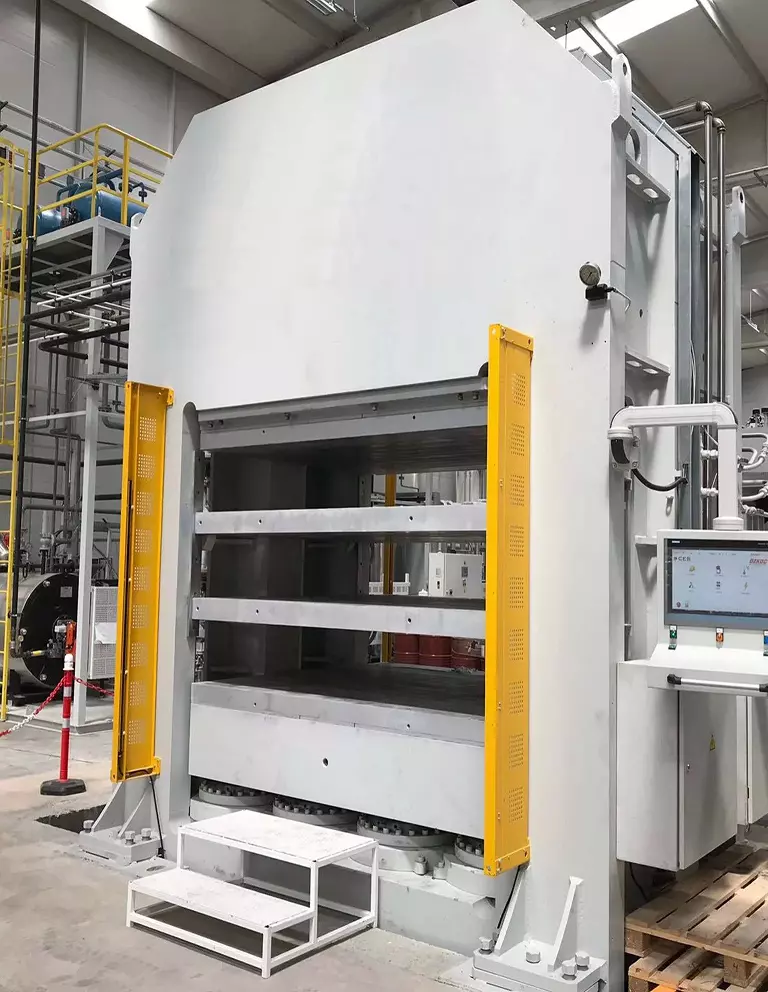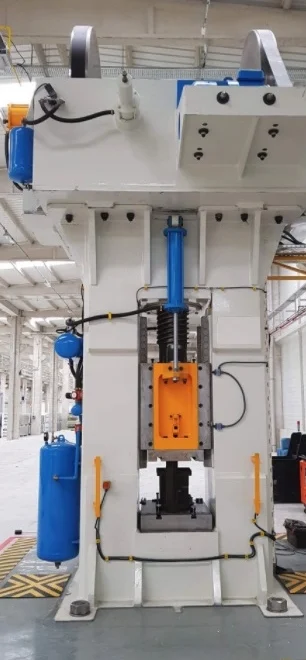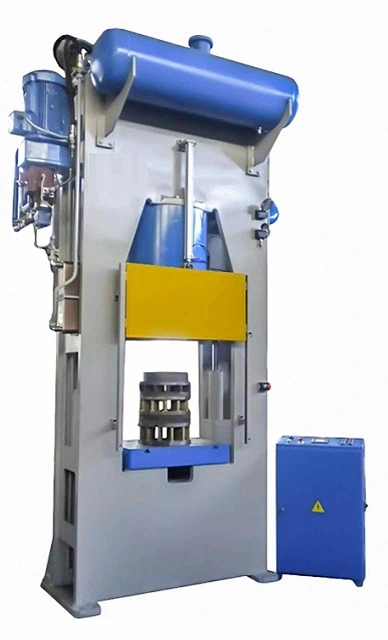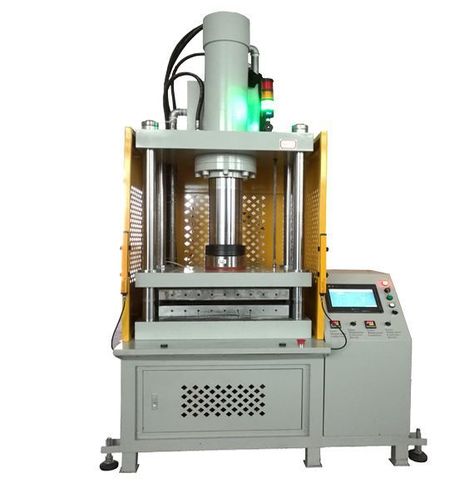
Categories
Machinery

Pressing

Pressing

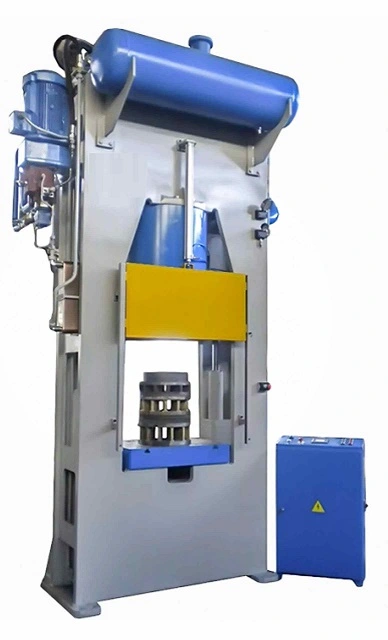
What is Pressing and how is it made with hydraulic press machines? Pressing is a vital metalworking operation in the industry. High quality & Low price

Pressing is a manufacturing process in which a force is applied to a material to shape or form it into a desired shape or size. The force may be applied using mechanical, hydraulic, or pneumatic methods, and the process can be used to shape a wide variety of materials, including metals, plastics, and ceramics.

The pressing process is commonly used in the production of industrial parts, such as gears, bearings, and springs, as well as consumer products, such as kitchen utensils, cookware, and jewelry. The process can be used to create both simple and complex shapes, and can be automated for high-volume production.

In the pressing process, a material is placed between two plates or molds, and pressure is applied to force the material into the desired shape. The pressure may be applied using a press machine, which may be mechanical, hydraulic, or pneumatic, depending on the specific application. The press machine may apply a constant force or may vary the force during the pressing process, depending on the requirements of the material being pressed.

After the pressing process is complete, the material may undergo additional treatments, such as heat treatment or surface finishing, to improve its properties and appearance. The finished product may be used as-is or may be further processed or assembled into a final product.

Pressing of the Sheet Metal

Sheet metal pressing is a manufacturing process used to create a variety of sheet metal products, such as automobile parts, electronic enclosures, and household appliances. The process involves the use of a press machine to shape and form the sheet metal into a desired shape.

The sheet metal pressing process typically involves the following steps:

  1. Preparation: The sheet metal is cut to the desired size and shape, and any necessary holes or features are added using drilling, punching, or other methods.
  2. Loading: The sheet metal is loaded into the press machine, which consists of two dies, one fixed and one movable.
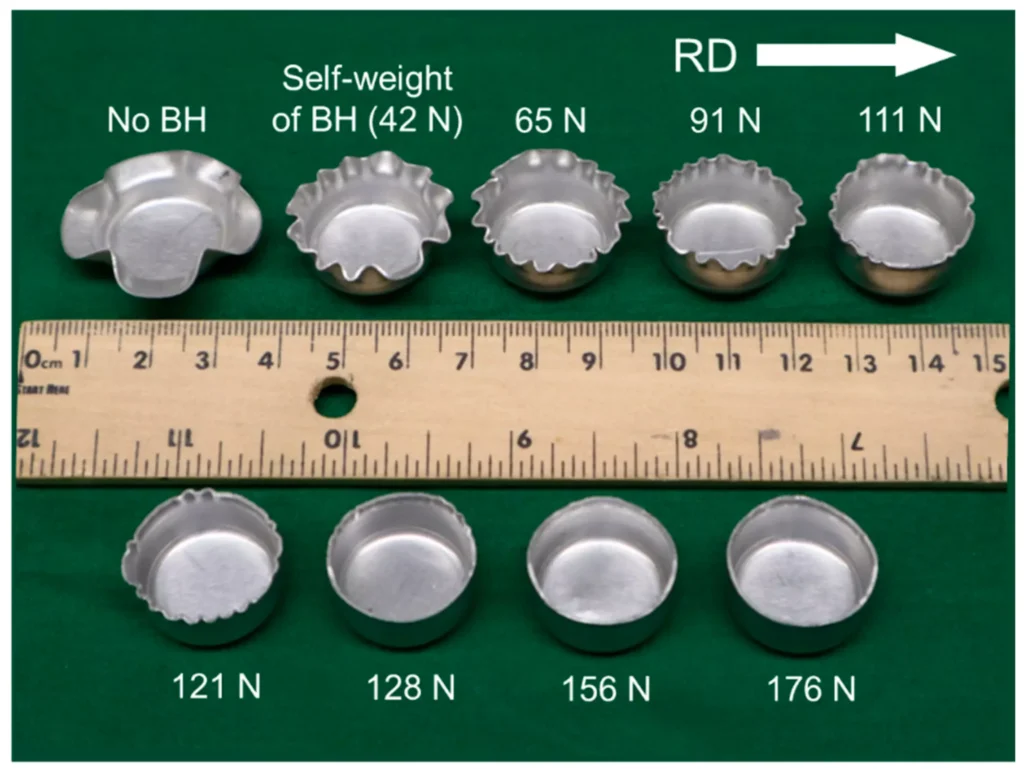
  3. Pressing: The movable die is lowered onto the sheet metal, applying a force that causes the metal to deform and take on the shape of the dies. The force may be applied using mechanical, hydraulic, or pneumatic methods, depending on the specific application.
  4. Ejection: After the pressing is complete, the movable die is raised, and the finished part is ejected from the press.
  5. Finishing: The finished part may undergo additional treatments, such as heat treatment, surface finishing, or coating, to improve its properties and appearance.

Sheet metal pressing can be used to create a wide range of shapes and sizes, from simple flat parts to complex 3D shapes. The process is versatile and can be used with a variety of sheet metal materials, including steel, aluminum, copper, and brass. It is also a cost-effective method for producing high volumes of parts.

Applications

Sheet metal pressing has a wide range of applications in various industries, including:

  1. Automotive industry: Sheet metal pressing is commonly used to manufacture automotive parts, such as body panels, fenders, doors, and hoods. The process allows for the creation of complex shapes and forms, making it ideal for producing parts with intricate designs.
  2. Electronics industry: Sheet metal pressing is used in the production of electronic enclosures and chassis. These enclosures need to be sturdy, durable, and able to withstand various environmental conditions, making sheet metal pressing an ideal process for their manufacture.
  3. Appliance industry: Sheet metal pressing is used to manufacture a range of household appliances, such as refrigerators, washing machines, and dryers. The process allows for the creation of parts with precise dimensions and complex shapes, enabling the production of high-quality appliances.
  4. Construction industry: Sheet metal pressing is used in the production of various construction components, such as roofing, gutters, and ventilation systems. The process allows for the creation of parts with high accuracy and consistency, making it ideal for producing large volumes of parts.
  5. Aerospace industry: Sheet metal pressing is used to manufacture various aerospace components, such as engine components, wing sections, and landing gear. The process allows for the creation of parts with high strength and durability, making it ideal for use in the demanding aerospace industry.

Overall, sheet metal pressing is a versatile and cost-effective manufacturing process that can be used to create a wide range of parts and components in various industries.

Hydraulic presses are powerful machines used to apply a significant amount of force to an object through hydraulic fluid pressure. They are essential in various industrial applications, providing the necessary force for processes such as metal forming, stamping, bending, and molding. The versatility and efficiency of hydraulic presses make them indispensable tools in manufacturing and production lines. This document will explore the different types of hydraulic presses, their application areas, components, operational principles, manufacturing process, and the challenges and advancements in the industry.

Types of Hydraulic Presses

Hydraulic presses come in various designs, each suited to specific applications and requirements. The primary types of hydraulic presses include C-frame presses, H-frame presses, four-column presses, straightening presses, arbor presses, laminating presses, and transfer presses.

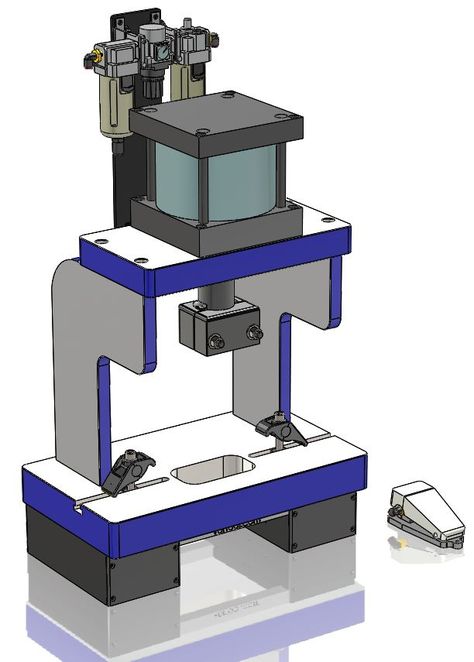
C-frame presses, also known as gap-frame presses, have a C-shaped frame that provides three-sided access to the work area. This design is ideal for applications requiring easy loading and unloading of materials.

H-frame presses, or two-post presses, have a robust H-shaped frame that offers excellent stability and strength. They are commonly used for heavy-duty tasks such as metal forming and straightening.

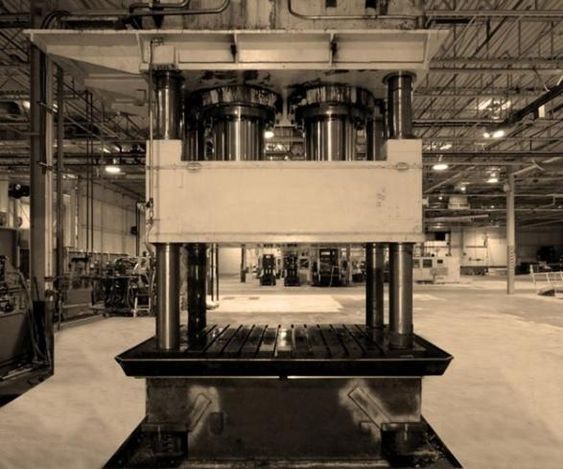
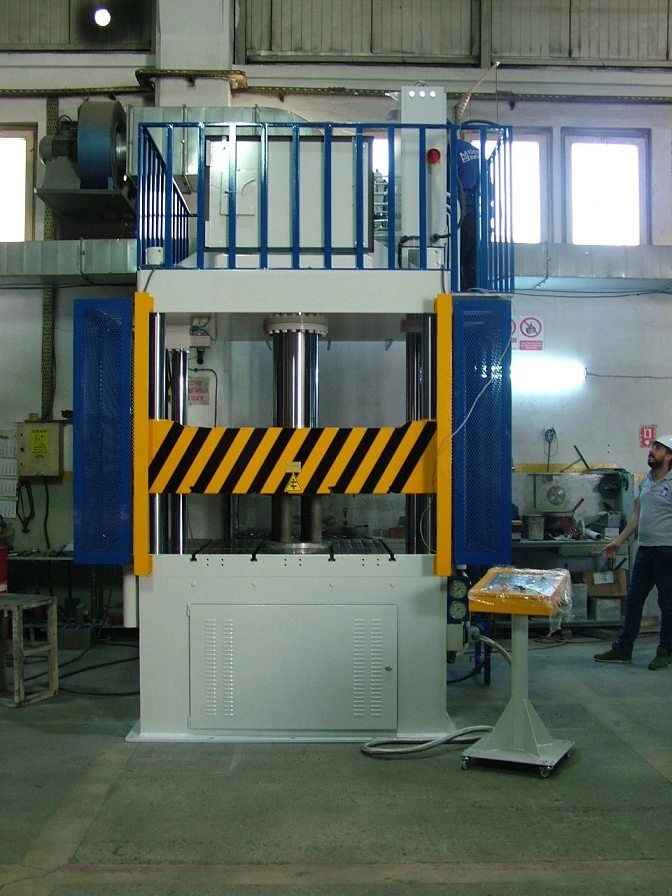
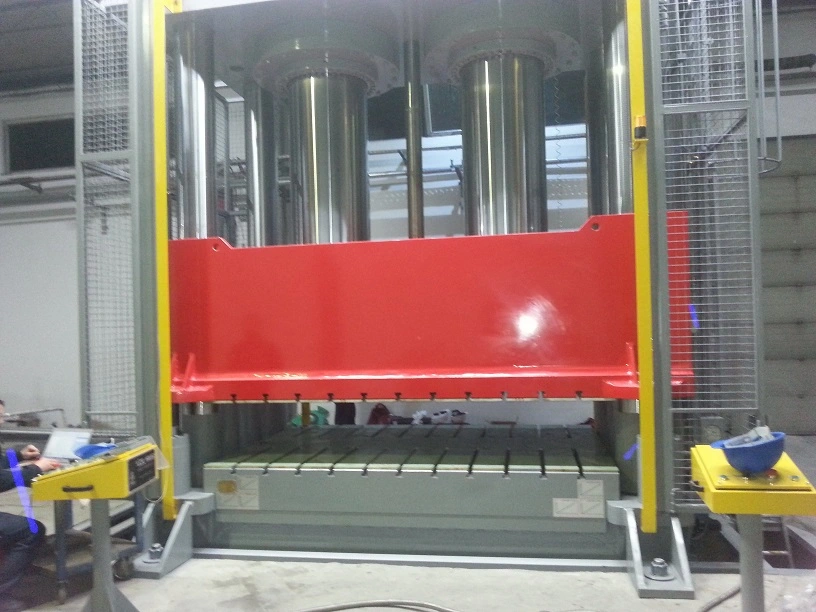
Four-column presses, or four-post presses, have four vertical columns that provide superior support and uniform force distribution. These presses are suitable for large-scale applications requiring high precision and repeatability.

Straightening presses are specialized hydraulic presses used to straighten bent or distorted metal components. They are widely used in the automotive and construction industries.

Arbor presses are smaller, manually operated hydraulic presses used for light-duty tasks such as assembly, riveting, and broaching. They are commonly found in workshops and small manufacturing facilities.

Laminating presses are used to bond multiple layers of material together under heat and pressure. These presses are essential in industries such as electronics, where laminated components are common.

Transfer presses are automated hydraulic presses that move the workpiece through multiple stations for different operations. They are highly efficient and used in high-volume production environments.

Application Areas

Hydraulic presses are employed in various industries, thanks to their ability to deliver consistent and precise force. Key application areas include:

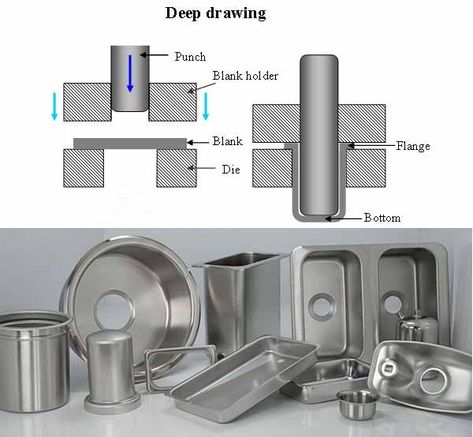
Metal forming and forging: Hydraulic presses are crucial in shaping and forming metal parts through processes such as stamping, bending, and deep drawing. They are essential in the production of automotive parts, machinery components, and structural elements.

Automotive industry: In the automotive sector, hydraulic presses are used for manufacturing various parts, including body panels, chassis components, and engine parts. They play a critical role in ensuring the structural integrity and performance of vehicles.

Aerospace industry: The aerospace industry relies on hydraulic presses for forming and shaping high-strength materials used in aircraft components. Precision and reliability are paramount in this industry, making hydraulic presses indispensable.

Plastic and rubber molding: Hydraulic presses are used in the molding of plastic and rubber components, including automotive parts, household goods, and medical devices. They ensure consistent product quality and precision.

Electrical and electronics industry: In the electronics sector, hydraulic presses are used for laminating circuit boards, forming connectors, and assembling electronic components. They provide the necessary force and precision for delicate operations.

Medical device manufacturing: Hydraulic presses are used in the production of medical devices, including surgical instruments, implants, and diagnostic equipment. They ensure the high precision and quality required in the medical field.

Packaging industry: Hydraulic presses are employed in the packaging industry for forming and shaping packaging materials, such as cardboard, plastic, and metal. They help produce packaging solutions that are strong, durable, and aesthetically pleasing.

Components of a Hydraulic Press

A hydraulic press comprises several key components that work together to generate and control the applied force. The main components include the frame, hydraulic cylinder, hydraulic pump, control valves, hydraulic fluid, pressure gauges and sensors, and die and tooling.

The frame is the main structure of the hydraulic press, providing stability and support for all other components. It is typically made of high-strength steel to withstand the significant forces generated during operation.

The hydraulic cylinder is the core component that generates the pressing force. It consists of a cylindrical chamber, a piston, and a piston rod. When hydraulic fluid is pumped into the cylinder, it moves the piston, which in turn applies force to the workpiece.

The hydraulic pump is responsible for generating the hydraulic fluid pressure needed to move the piston. It draws hydraulic fluid from a reservoir and delivers it to the cylinder under high pressure.

Control valves regulate the flow of hydraulic fluid to and from the cylinder, controlling the movement and force of the press. These valves can be manually operated or automated, depending on the press design.

Hydraulic fluid, typically oil, is the medium through which force is transmitted in the hydraulic system. It must have suitable properties, such as viscosity and lubricity, to ensure efficient operation and protect system components.

Pressure gauges and sensors monitor the hydraulic fluid pressure within the system. They provide real-time feedback to the operator or control system, ensuring safe and accurate press operation.

Die and tooling are the interchangeable components that come into direct contact with the workpiece. They are designed to shape, form, or cut the material as required by the specific application.

How Hydraulic Presses Work

Hydraulic presses operate based on Pascal’s principle, which states that pressure applied to a confined fluid is transmitted equally in all directions. This principle allows hydraulic presses to generate significant force with relatively small input pressure.

The operation of a hydraulic press begins with the hydraulic pump drawing fluid from the reservoir and delivering it to the cylinder. The control valves regulate the flow of fluid, directing it into the cylinder to move the piston. As the piston moves, it applies force to the workpiece placed between the die and tooling.

The hydraulic fluid plays a crucial role in this process, as it transmits the applied pressure and lubricates the system components. The pressure gauges and sensors continuously monitor the fluid pressure, providing feedback to ensure the press operates within safe limits.

The force generated by the hydraulic press can be precisely controlled by adjusting the hydraulic fluid pressure and the position of the control valves. This allows for accurate and repeatable operations, essential for high-quality manufacturing.

Manufacturing of Hydraulic Presses

The manufacturing of hydraulic presses involves several stages, from design and engineering to assembly and quality control. Each stage is critical to ensuring the press’s performance, reliability, and safety.

Design and engineering: The process begins with the design and engineering phase, where specifications for the press are developed based on the intended application. This includes selecting suitable materials, determining the required force and stroke, and designing the frame and hydraulic system.

Material selection: High-quality materials, such as high-strength steel for the frame and durable alloys for the hydraulic components, are selected to ensure the press’s longevity and performance.

Fabrication of components: The individual components of the hydraulic press, including the frame, cylinder, and pump, are fabricated using precision machining and manufacturing techniques. This ensures that each component meets the required tolerances and specifications.

Assembly process: The fabricated components are then assembled into the complete hydraulic press. This involves mounting the cylinder, pump, and control valves onto the frame, connecting the hydraulic lines, and installing the die and tooling.

Quality control and testing: Rigorous quality control measures are implemented throughout the manufacturing process to ensure the press meets all specifications and standards. This includes pressure testing the hydraulic system, verifying the accuracy of the control valves, and performing operational tests to ensure the press functions correctly.

Advancements and Innovations

The hydraulic press industry is continually evolving, driven by advancements in technology and increasing demands for efficiency and precision. Key innovations include automation and control systems, energy efficiency improvements, and smart hydraulic presses.

Automation and control systems: Modern hydraulic presses are often equipped with advanced control systems that automate the pressing process. This includes programmable logic controllers (PLCs), human-machine interfaces (HMIs), and sensors that monitor and adjust the press’s operation in real time. Automation improves efficiency, reduces the risk of human error, and enhances the consistency of the finished products.

Energy efficiency improvements: Manufacturers are focusing on developing hydraulic presses that consume less energy and have a smaller environmental footprint. This includes using variable displacement pumps, energy recovery systems, and optimizing the hydraulic system’s design to minimize energy losses.

Smart hydraulic presses: The integration of IoT (Internet of Things) technology into hydraulic presses has led to the development of smart presses. These presses can communicate with other machines and systems, providing real-time data on their status, performance, and maintenance needs. This connectivity allows for predictive maintenance, reducing downtime and extending the press’s lifespan.

Challenges in Hydraulic Press Manufacturing

The manufacturing of hydraulic presses presents several challenges, including precision and quality requirements, cost management, technological advancements, and environmental considerations.

Precision and quality requirements: Hydraulic presses must deliver consistent and precise force, which requires high levels of accuracy in the manufacturing process. Ensuring each component meets the required tolerances and specifications is critical to the press’s performance and reliability.

Cost management: The cost of materials, labor, and energy can significantly impact the overall cost of manufacturing hydraulic presses. Manufacturers must balance quality and cost to remain competitive in the market.

Technological advancements: Keeping up with technological advancements is essential for manufacturers to meet the evolving demands of the industry. This requires continuous investment in research and development to incorporate new technologies and improve existing designs.

Environmental considerations: Environmental regulations and sustainability concerns are increasingly important in hydraulic press manufacturing. Manufacturers must develop eco-friendly presses that consume less energy, use recyclable materials, and minimize their environmental impact.

Hydraulic Press
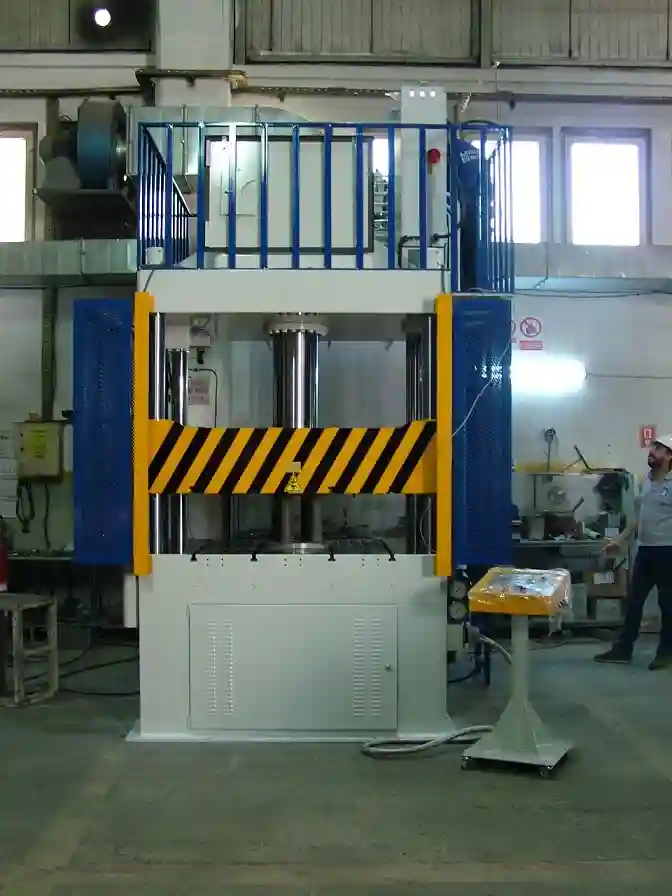
Hydraulic Press
Hydraulic Press

A hydraulic press is a machine that uses a hydraulic cylinder to generate a compressive force. It operates based on Pascal’s Law, which states that when pressure is applied to a confined fluid, the pressure change occurs throughout the entire fluid. In a hydraulic press, this principle is used to multiply the input force applied by the user, producing a much larger output force that can be used for various industrial tasks.

Hydraulic presses are widely employed across different industries due to their ability to exert significant force with great precision and control. These machines are essential for tasks that involve compressing, shaping, or manipulating materials, especially metals. For example, they are often used to form car parts, assemble machinery, and create complex metal shapes that would otherwise require considerable manual labor.

The hydraulic press consists of a few essential components: a hydraulic cylinder, a piston, a hydraulic pump, and hydraulic fluid. The machine functions by pushing hydraulic fluid into the cylinder, which in turn pushes the piston down, applying pressure to the object being worked on. The amount of force the press can apply is determined by the size of the piston and the hydraulic system’s pressure level.

Hydraulic presses are versatile and come in various sizes, ranging from small tabletop units to massive industrial machines capable of generating thousands of tons of force. Their ability to produce immense pressure efficiently has made them invaluable in modern manufacturing and engineering processes. In addition to their use in industries like automotive, aerospace, and manufacturing, hydraulic presses are also found in smaller, more specialized applications such as plastic molding, metal forming, and even recycling industries for crushing waste materials.

The advantages of hydraulic presses are numerous. They are generally more compact than mechanical presses, requiring less space and offering smoother, more controlled operations. Additionally, they provide a higher degree of flexibility and can be used for a wider range of materials, including metals, plastics, and composites.

In summary, hydraulic presses are crucial machines in the modern industrial landscape. Their efficiency, precision, and ability to generate enormous force make them an indispensable tool across a wide array of sectors. As technology continues to advance, hydraulic presses are also evolving, becoming more energy-efficient and integrating with smart manufacturing systems to meet the growing demands of modern industry.

History and Evolution of Hydraulic Presses

2.1. Origins of Hydraulic Technology

The history of hydraulic technology can be traced back to ancient times, long before the invention of the modern hydraulic press. Early civilizations such as the Egyptians, Greeks, and Romans developed rudimentary hydraulic systems to manage water resources, including aqueducts, irrigation channels, and waterwheels. These innovations, while focused primarily on water flow, laid the groundwork for the more sophisticated hydraulic systems that would emerge in later centuries.

However, the application of hydraulics to generate mechanical force didn’t come until much later. It was during the Renaissance that scientists and inventors began to develop a deeper understanding of fluid mechanics. One of the key figures in the development of hydraulic principles was Blaise Pascal, a French mathematician and physicist, who formulated Pascal’s Law in the 17th century. Pascal’s Law states that pressure applied to a confined fluid is transmitted equally in all directions. This principle is foundational to the function of hydraulic presses, enabling them to multiply the force applied to the system.

2.2. The Invention of the Hydraulic Press

The development of the hydraulic press as we know it today is credited to Joseph Bramah, an English inventor, in the late 18th century. Bramah was primarily known for his work on the development of locks, but his interest in hydraulics led him to design the first hydraulic press in 1795. His invention, which was called the Bramah press, was a breakthrough in industrial machinery and provided a practical demonstration of Pascal’s Law.

Bramah’s hydraulic press was revolutionary because it allowed for the exertion of massive amounts of force using only a small input effort. By applying pressure to a small piston, the press could generate a significantly larger force on a larger piston, which was used to compress or shape materials. This principle of force multiplication made Bramah’s hydraulic press far more efficient than any mechanical press that had been developed up until that time.

The Bramah press found immediate use in industrial applications such as metal forming, stamping, and forging. It allowed manufacturers to shape metals and other materials with precision and ease, leading to the widespread adoption of hydraulic presses across a range of industries.

2.3. Evolution through Industrial Revolutions

The hydraulic press underwent significant evolution during the First Industrial Revolution (late 18th to early 19th century). As industries began to expand and new technologies emerged, there was a growing need for more efficient machinery capable of handling the increased demand for mass production. Hydraulic presses were instrumental in this process, as they enabled manufacturers to produce large quantities of goods with greater precision and control than was previously possible.

During the Second Industrial Revolution (late 19th to early 20th century), advances in materials science and engineering led to the development of more powerful and durable hydraulic presses. Steel became the material of choice for constructing hydraulic press frames, replacing the cast iron that had been used previously. Additionally, new hydraulic fluids were developed, improving the efficiency and reliability of the press’s hydraulic systems.

The introduction of electric motors and pumps during this period also revolutionized the hydraulic press. Previously, hydraulic systems had relied on manual pumps or steam engines to generate pressure. With the advent of electric power, hydraulic presses could operate more consistently and at higher pressures, allowing for greater force output and increased production capacity.

2.4. Major Milestones in Hydraulic Press Development

As the 20th century progressed, hydraulic presses continued to evolve and become more specialized. Several key developments marked the ongoing improvement of hydraulic press technology:

  1. Hydraulic Press in Metal Forming (Mid-20th Century) The use of hydraulic presses in metalworking industries expanded significantly during the early to mid-20th century. Presses were now capable of handling extremely high pressures, which made them ideal for tasks like deep drawingextrusion, and forging. These processes allowed manufacturers to create complex metal parts for industries like automotive, aerospace, and defense.
  2. Advancement in Control Systems (1960s – 1980s) The integration of programmable logic controllers (PLCs) and computerized numerical control (CNC) systems into hydraulic presses in the 1960s and 1970s greatly enhanced their precision and automation capabilities. These developments allowed operators to control the press with high levels of accuracy, ensuring repeatability and reducing errors in production.
  3. Servo-Hydraulic Systems (Late 20th Century) In the late 20th century, servo-hydraulic systems were introduced, which combined hydraulic power with electrical control systems. These systems offered significant advantages in terms of energy efficiency and precision. Servo-hydraulic presses allowed for precise control of speed, force, and position, making them ideal for applications requiring fine control, such as plastic molding or the production of delicate components.
  4. Emergence of Industry 4.0 Integration (21st Century) The 21st century brought with it the rise of Industry 4.0, the concept of smart manufacturing where machines are connected to the internet and can communicate data in real-time. Hydraulic presses have not been exempt from this transformation. Modern presses now feature smart sensorsremote monitoring capabilities, and predictive maintenance algorithms that help optimize performance and reduce downtime.

2.5. The Hydraulic Press Today

Today, hydraulic presses are more advanced than ever, with innovations that allow them to operate with precision, power, and efficiency. Modern presses can exert thousands of tons of force while maintaining tight tolerances, making them indispensable in industries ranging from automotive manufacturing to aerospace and beyond. Additionally, the continued development of energy-efficient systems and sustainable hydraulic fluids reflects the ongoing commitment to making hydraulic presses more environmentally friendly.

The hydraulic press remains a key player in modern industrial processes, and its evolution continues as new technologies such as artificial intelligencemachine learning, and big data are integrated into hydraulic systems to further enhance their capabilities. With this trajectory, hydraulic presses are poised to remain an essential tool in industrial manufacturing for years to come.

Components of a Hydraulic Press

Hydraulic presses are composed of various components that work together to generate and control the immense force required for tasks like metal forming, crushing, and stamping. Understanding the function and role of each part is crucial for grasping how these machines operate. Below, we’ll take an in-depth look at the main components of a hydraulic press.

3.1. Hydraulic System Overview

The hydraulic system is the heart of a hydraulic press. It uses hydraulic fluid to transmit power and amplify force. In essence, this system takes the mechanical input (manual or powered) and converts it into hydraulic pressure, which is used to perform tasks such as compressing, bending, or cutting materials.

A typical hydraulic system includes the following:

  • Hydraulic fluid reservoir
  • Hydraulic pump
  • Cylinder
  • Piston
  • Control valves
  • Pressure gauges

Let’s now examine each component in detail.

3.2. Key Components

3.2.1. Cylinder

The hydraulic cylinder is one of the most critical components of a hydraulic press. It is a mechanical actuator that converts hydraulic energy (pressure from the fluid) into linear motion. The cylinder houses the piston, which moves up and down within it.

  • Construction: Typically, hydraulic cylinders are made from high-strength materials such as steel to withstand the immense pressures generated during operation.
  • Single-acting vs. double-acting cylinders: In a single-acting cylinder, hydraulic fluid is applied to only one side of the piston, moving it in one direction, with a spring or other mechanism returning it to its original position. In contrast, a double-acting cylinder has fluid applied to both sides of the piston, allowing it to move in both directions, giving greater control and flexibility.

The force generated by the hydraulic press is directly proportional to the surface area of the cylinder and the pressure applied to the fluid.

3.2.2. Piston

The piston is another key part of the press. It is positioned inside the cylinder and moves up and down as hydraulic pressure is applied. The downward movement of the piston is what creates the compressive force used to shape or press materials.

  • Force transmission: The piston transfers the hydraulic pressure into mechanical force. The larger the surface area of the piston, the greater the force it can apply. This is why hydraulic presses are capable of exerting much more force than what is applied by the operator or motor driving the system.
  • Precision and control: Modern presses are equipped with highly responsive pistons, ensuring that they operate smoothly and with precision, even under significant loads.
3.2.3. Hydraulic Fluid

Hydraulic fluid is the medium that transmits force within the hydraulic system. It plays an essential role in the overall functioning of the hydraulic press, acting not only as a power transmitter but also as a lubricant and coolant.

  • Types of hydraulic fluids: There are various types of hydraulic fluids used in presses, including:
    • Mineral-based fluids: Most commonly used in general applications due to their affordability and effectiveness.
    • Water-based fluids: Used in presses requiring fire resistance, as these fluids are less flammable.
    • Synthetic fluids: Offer superior performance and longer lifespan in extreme conditions, such as high temperatures or where high corrosion resistance is needed.

The properties of hydraulic fluids, such as viscosity, thermal stability, and compressibility, affect the performance of the hydraulic press. Fluids must be regularly maintained and replaced to ensure consistent press operation.

3.2.4. Press Frame

The frame of the hydraulic press is its structural backbone, holding all the components together and providing the necessary rigidity to support the press’s operations. The frame design varies depending on the type of press, but the most common designs include:

  • H-frame: Shaped like the letter “H”, this frame design provides strong support and is commonly used for heavy-duty applications.
  • C-frame: Shaped like a “C”, this design is more compact and is typically used for lighter pressing tasks where space is limited.
  • Four-column frame: This design uses four columns to support the press and is typically found in large presses used for manufacturing automotive or aerospace components.

The frame must be robust and durable to withstand the repeated high pressures that the press generates during operation.

3.2.5. Power Source (Hydraulic Pump)

The hydraulic pump is responsible for converting mechanical power into hydraulic energy by moving hydraulic fluid from the reservoir into the system. The pump creates a flow of fluid that allows the press to operate under pressure.

  • Types of pumps: There are several different types of hydraulic pumps used in presses:
    • Gear pumps: Simple and cost-effective, these pumps are suitable for applications with lower pressure requirements.
    • Vane pumps: Known for being quiet and efficient, these pumps are often used in presses that require moderate pressures.
    • Piston pumps: These pumps are the most powerful and are typically used in high-pressure hydraulic presses. They offer excellent precision and control.

The pump’s capacity directly affects how quickly the press can build pressure and how much force it can generate.

3.2.6. Valves and Controls

Hydraulic systems in presses use a variety of valves to control the flow and pressure of the fluid, ensuring that the press operates safely and efficiently. The key valves used in a hydraulic press include:

  • Directional control valves: These valves control the direction of the fluid flow, determining whether the piston will move up or down.
  • Pressure relief valves: To protect the system from over-pressurization, these valves release excess fluid back into the reservoir when pressure exceeds a safe level.
  • Flow control valves: These valves regulate the speed of the press by controlling the flow rate of hydraulic fluid into the cylinder.

In modern presses, these valves are often operated electronically, providing precise control over the system’s pressure and motion.

3.2.7. Hydraulic Fluid Reservoir

The reservoir is where the hydraulic fluid is stored when not in use. It is typically a large tank that holds the fluid and allows it to be cooled, filtered, and cleaned before re-entering the hydraulic system.

  • Cooling and filtering: Hydraulic fluid heats up during use, so the reservoir is equipped with cooling systems to dissipate heat. Additionally, filters remove impurities from the fluid, which could otherwise damage the system.

A well-maintained reservoir is crucial for preventing contamination and ensuring the longevity of the press.

3.2.8. Pressure Gauges and Sensors

Pressure gauges and sensors provide real-time data about the hydraulic system’s performance, allowing operators to monitor the pressure levels during press operation.

  • Manual vs. digital gauges: Older hydraulic presses often use manual gauges, which require visual inspection. However, modern presses are equipped with digital sensors that feed information directly to the control systems, making monitoring more efficient.
  • Safety and precision: These sensors are essential for maintaining safe operating conditions and ensuring that the press applies the correct force for each job.

3.3. The Interaction Between Components

All these components work together seamlessly to ensure the efficient operation of the hydraulic press. The pump sends hydraulic fluid from the reservoir into the cylinder, where pressure is applied to the piston. As the piston moves downward, it exerts force on the material placed beneath it. The valves and sensors regulate the flow and pressure of the fluid, while the frame provides structural support to withstand the forces generated by the press.

The effectiveness of a hydraulic press is dependent on the proper functioning and maintenance of each of these components. Any failure in one part of the system can lead to inefficiencies or even dangerous malfunctions. For example, leaks in the hydraulic fluid system can result in a loss of pressure, reducing the press’s ability to perform its tasks.

3.4. Modern Innovations in Hydraulic Components

Recent advancements in hydraulic technology have led to innovations in the components used in presses. Servo-hydraulic systems, for instance, have improved the efficiency and control of hydraulic presses, allowing for faster and more precise operations. Similarly, smart sensors are now being integrated into hydraulic systems, providing real-time feedback on performance and enabling predictive maintenance to avoid breakdowns.

The continuous evolution of these components ensures that hydraulic presses remain a critical tool in industrial processes, offering unmatched force and control for a wide range of applications.

Working Principle of a Hydraulic Press

The hydraulic press operates on the simple yet powerful principle of Pascal’s Law, which states that when pressure is applied to a confined fluid, the pressure is transmitted equally in all directions. This fundamental law of fluid mechanics enables hydraulic presses to amplify a small input force into a much larger output force. By manipulating hydraulic fluid in a sealed system, the hydraulic press can perform tasks such as compressing, bending, shaping, or cutting materials with remarkable efficiency.

In this section, we will explore the detailed working principle of hydraulic presses, focusing on how pressure is generated, how force is amplified, and how hydraulic systems manage energy efficiency and control.

4.1. Pascal’s Law and its Application in Hydraulic Presses

Pascal’s Law is the foundation of hydraulic technology. The law states that the pressure change in an incompressible and confined fluid is uniformly distributed throughout the fluid. The formula for Pascal’s Law is as follows:P=FAP = \frac{F}{A}P=AF​

Where:

  • P is pressure,
  • F is force,
  • A is the area over which the force is applied.

In a hydraulic press, this law is applied to multiply force through the use of two pistons—one smaller and one larger—connected by hydraulic fluid within a sealed system. When force is applied to the smaller piston, the pressure created is transmitted through the fluid to the larger piston, which results in a much larger force being exerted.

4.2. How Pressure is Generated

The basic operation of a hydraulic press begins with the generation of hydraulic pressure. This pressure is created by the hydraulic pump, which forces hydraulic fluid from the reservoir into the system. Once the fluid enters the cylinder, it pushes against the piston, causing it to move.

The pump provides the necessary energy to create this pressure. There are several types of hydraulic pumps, including:

  • Gear pumps (common in smaller presses),
  • Vane pumps (known for their efficiency),
  • Piston pumps (used in high-pressure applications).

As the fluid is pushed into the cylinder, it creates a pressurized environment. This pressurized fluid exerts force on the piston, causing it to move in the direction of the applied pressure (usually downwards in most presses).

4.3. Force Amplification: From Small Piston to Large Piston

One of the most important aspects of a hydraulic press is its ability to amplify force. The hydraulic press uses two pistons of different sizes to achieve this amplification. Here’s how it works:

  • Small piston: This piston has a smaller surface area and is the point at which the input force is applied, either manually (in smaller presses) or via a motor (in larger presses).
  • Large piston: This piston has a much larger surface area and is responsible for generating the output force applied to the material being pressed.

Because Pascal’s Law states that pressure is constant throughout the system, the pressure generated at the small piston is transferred equally to the larger piston. However, since the larger piston has a greater surface area, the force it generates is proportionally larger.

Let’s break this down with an example:

  • If you apply 100 Newtons of force to a small piston with a surface area of 1 cm², the pressure created is 100 N/cm².
  • That same pressure is applied to the larger piston, which has a surface area of 10 cm². Therefore, the force on the larger piston will be 100 N/cm² × 10 cm² = 1000 Newtons.

This ability to amplify force makes hydraulic presses incredibly powerful. Even small input forces can generate thousands of Newtons of pressure, enabling the press to handle tasks like bending thick metal sheets or crushing large objects.

4.4. Hydraulic Fluid and Energy Transmission

The hydraulic fluid plays a crucial role in the transmission of force within the hydraulic press. As an incompressible medium, the fluid transmits pressure efficiently from the pump to the cylinder without significant losses.

  • Types of hydraulic fluids: Commonly used fluids include mineral oilswater-based fluids, and synthetic fluids. The choice of fluid depends on the operating conditions of the press, including temperature, pressure, and the need for fire resistance.

Hydraulic fluid also acts as a lubricant for the moving parts within the system, reducing wear and tear on components like pistons, seals, and valves. Additionally, the fluid helps dissipate heat generated by the system, ensuring that the press operates efficiently even under high loads.

4.5. Control of Pressure and Force

Controlling the pressure within the hydraulic system is essential for ensuring that the press operates safely and efficiently. The pressure and force applied by the press can be controlled using several methods:

  • Pressure relief valves: These valves release excess fluid back into the reservoir when the pressure exceeds safe operating limits. This prevents the system from becoming over-pressurized, which could cause damage or pose a safety hazard.
  • Directional control valves: These valves direct the flow of hydraulic fluid within the system, determining whether the piston moves up or down. They allow the operator to control the direction of force application.
  • Flow control valves: These valves regulate the flow rate of hydraulic fluid, which in turn controls the speed of the press. By adjusting the flow, operators can ensure that the press moves at the desired speed for each task.

In modern presses, these controls are often automated or managed via computer systems, allowing for precise and repeatable operations. Programmable Logic Controllers (PLCs) and Computer Numerical Control (CNC) systems enable operators to set specific pressure, force, and speed parameters, which the press then follows automatically.

4.6. Energy Efficiency and Conservation in Hydraulic Systems

One of the challenges associated with hydraulic presses is energy efficiency. Traditional hydraulic systems can be relatively inefficient because the pump runs continuously, even when the press is not in operation, consuming energy and generating heat. However, recent innovations have improved the energy efficiency of hydraulic presses:

  • Variable displacement pumps: These pumps adjust the amount of hydraulic fluid being moved depending on the demand of the system. When the press is idle or requires less pressure, the pump reduces its output, conserving energy.
  • Servo-hydraulic systems: These systems combine hydraulic power with electrical control. In servo-hydraulic presses, electric motors control the pump, adjusting its speed to match the force and speed requirements of the press. This results in lower energy consumption, reduced noise, and improved precision.
  • Hydraulic accumulators: These devices store energy in the form of pressurized fluid, which can be released when needed. Accumulators help reduce the load on the pump during peak operation, improving overall system efficiency.

These advancements have made modern hydraulic presses far more energy-efficient than their predecessors, making them more environmentally friendly and cost-effective.

4.7. Advantages of Hydraulic Press Operation

The working principle of hydraulic presses offers several key advantages:

  • Force multiplication: Hydraulic presses can amplify a relatively small input force into a much larger output force, making them ideal for heavy-duty applications like metal forming and compression.
  • Precision: Hydraulic presses allow for precise control over pressure and speed, enabling manufacturers to produce complex, high-quality parts.
  • Versatility: Hydraulic presses can be used for a wide range of materials and processes, from metal forming and plastic molding to recycling and waste management.
  • Efficiency: Modern presses with servo-hydraulic systems and variable displacement pumps are energy-efficient and can reduce operational costs.

4.8. Limitations of Hydraulic Press Operation

While hydraulic presses offer numerous advantages, they also have some limitations:

  • Energy consumption: Traditional hydraulic systems can consume significant amounts of energy, especially if the pump runs continuously.
  • Maintenance: Hydraulic systems require regular maintenance, including checking fluid levels, replacing worn seals, and cleaning filters. Contamination in the hydraulic fluid can reduce system performance and lead to component wear.
  • Noise: Hydraulic presses, particularly those with older pumps, can generate significant noise during operation, though modern systems are designed to be quieter.

Types of Hydraulic Presses

Hydraulic presses are available in various designs, each suited to specific industrial tasks. Depending on the force required, size, and operational method, different types of hydraulic presses are employed across industries, such as automotive manufacturing, aerospace, metalworking, plastic molding, and recycling. This section will explore the different types of hydraulic presses, comparing their designs and applications.

5.1. Manual Hydraulic Presses

Manual hydraulic presses are the simplest form of hydraulic presses, operated by hand. These presses are typically small, compact, and designed for tasks that require low to moderate pressure, such as small-scale metalworking, pressing bearings, or assembling components. They are often used in workshops, laboratories, and maintenance shops where precision work and control are needed, but high force is not necessary.

  • Key features:
    • Operated by a hand pump to generate hydraulic pressure.
    • Usually consist of a single-acting cylinder that moves in one direction when pressure is applied and returns to its original position using a spring.
    • Suitable for small, precise tasks like shaping or straightening metal parts, pressing in or removing bearings, and assembling components.

Advantages:

  • Inexpensive and easy to operate.
  • No need for external power sources, making them ideal for small workshops or remote locations.
  • High precision for small-scale jobs.

Limitations:

  • Limited force output compared to powered presses.
  • Slower operation due to manual pumping.
  • Suitable only for light-duty applications.

5.2. Powered Hydraulic Presses

Powered hydraulic presses are larger and more versatile than manual presses. These presses are driven by either electric or pneumatic systems and can generate much higher forces, making them suitable for industrial applications. There are several types of powered hydraulic presses, each designed for specific tasks.

5.2.1. Electric Hydraulic Presses

Electric hydraulic presses use an electric motor to drive the hydraulic pump, which generates pressure in the hydraulic system. These presses are common in manufacturing and metalworking industries, where consistent, high-force applications are required.

  • Key features:
    • Powered by an electric motor that drives the hydraulic pump.
    • Offers precise control over force and speed through adjustable settings.
    • Can be equipped with CNC or programmable control systems for automation.

Applications:

  • Metal forming, stamping, and bending.
  • Deep drawing processes in the automotive and aerospace industries.
  • Precision tasks in plastic molding or die cutting.

Advantages:

  • High force generation for heavy-duty applications.
  • Precise control over force and speed, ideal for complex, high-volume tasks.
  • Can be integrated into automated production lines for efficiency.

Limitations:

  • Higher energy consumption compared to manual or pneumatic presses.
  • Requires regular maintenance of the electrical and hydraulic systems.
  • Can be expensive to purchase and operate.
5.2.2. Pneumatic Hydraulic Presses

Pneumatic hydraulic presses use compressed air to generate hydraulic pressure. While not as powerful as electric hydraulic presses, they are more energy-efficient and often used in applications that do not require extremely high forces.

  • Key features:
    • Powered by compressed air rather than electricity.
    • Ideal for lighter tasks that still require hydraulic force but do not need the high power output of electric presses.
    • Used in environments where electrical power may not be readily available or where lower force and speed are acceptable.

Applications:

  • Assembly lines for light manufacturing tasks.
  • Punching, bending, and forming lighter materials.
  • Plastic molding and small-scale metalworking.

Advantages:

  • More energy-efficient than electric presses for lighter tasks.
  • Lower operating costs due to reduced energy consumption.
  • Suitable for environments where electrical systems pose a safety risk (e.g., explosive or flammable environments).

Limitations:

  • Limited force output compared to electric-powered presses.
  • Slower operational speeds.
  • Not suitable for heavy-duty applications.

5.3. Specialized Hydraulic Presses

In addition to manual and powered presses, there are also specialized hydraulic presses designed for specific industrial processes. These presses vary in their frame design, size, and operational capabilities.

5.3.1. H-Frame Presses

H-frame hydraulic presses are named for the shape of their frame, which resembles the letter “H.” They are among the most common hydraulic presses used in industries due to their versatility and ability to handle both light and heavy-duty applications.

  • Key features:
    • A strong, rigid frame shaped like an “H,” which provides excellent structural support and stability during operation.
    • Can be equipped with single or double-acting cylinders.
    • Available in both manual and powered configurations, making them suitable for a range of applications.

Applications:

  • Metal forming, stamping, and punching.
  • Straightening, bending, and assembling large parts.
  • Automotive repair (e.g., pressing out bearings or bushings).

Advantages:

  • Versatile and capable of handling both small and large tasks.
  • High force output, suitable for heavy-duty applications.
  • Widely used across many industries due to their robust construction.

Limitations:

  • The larger size of some models can take up significant floor space.
  • Requires careful alignment during operation to ensure even force distribution.
5.3.2. C-Frame Presses

C-frame hydraulic presses are more compact than H-frame presses and are shaped like the letter “C.” This design provides easy access to the work area from three sides, making C-frame presses ideal for tasks that require loading and unloading materials quickly.

  • Key features:
    • Open-front design allows for easy access to the pressing area.
    • Generally smaller and more compact than H-frame presses.
    • Ideal for tasks that require frequent adjustments or quick material changes.

Applications:

  • Light to medium-duty applications such as punching, bending, and forming smaller parts.
  • Assembling components in the electronics or automotive industries.
  • Precision pressing tasks where easy access to the workpiece is necessary.

Advantages:

  • Compact and space-efficient.
  • Easy access to the pressing area, reducing downtime between tasks.
  • Precise control over force and speed for smaller applications.

Limitations:

  • Limited to lighter tasks compared to H-frame presses.
  • The open design can cause slight deformation under extreme loads, reducing its effectiveness for heavy-duty tasks.
5.3.3. Four-Column Hydraulic Presses

Four-column hydraulic presses have four vertical columns that provide structural support for the press. This design is ideal for applications that require evenly distributed force across a large workpiece.

  • Key features:
    • Four vertical columns provide excellent stability and even force distribution.
    • Can handle large workpieces and high force applications.
    • Commonly used in heavy-duty industries such as automotive and aerospace manufacturing.

Applications:

  • Metal forming, die cutting, and large-scale forging.
  • Deep drawing processes that require precise, even pressure.
  • Pressing large or heavy workpieces where even force is critical.

Advantages:

  • Excellent stability and even force distribution, reducing the risk of material deformation.
  • Capable of handling large workpieces.
  • High force output, suitable for heavy-duty industrial tasks.

Limitations:

  • Large and heavy, requiring significant floor space.
  • Higher energy consumption due to the size and force capabilities of the press.
5.3.4. Bench Presses

Bench hydraulic presses are smaller presses designed to be mounted on a workbench or table. These presses are used for light-duty applications in workshops, laboratories, and small-scale manufacturing environments.

  • Key features:
    • Small, compact design that fits on a workbench or tabletop.
    • Usually operated manually or with a small hydraulic pump.
    • Ideal for light-duty tasks where precision is more important than force.

Applications:

  • Assembling small components, such as in electronics or jewelry making.
  • Light metalworking tasks, such as bending or pressing small parts.
  • Laboratory testing and material sample preparation.

Advantages:

  • Compact and easy to use in small workspaces.
  • Precise control over pressing force.
  • Inexpensive and suitable for small-scale tasks.

Limitations:

  • Limited force output, unsuitable for large or heavy-duty applications.
  • Small size limits the range of tasks that can be performed.

5.4. Comparative Analysis of Hydraulic Press Types

Each type of hydraulic press has its strengths and is suited to particular applications. The following table summarizes the key characteristics of the different press types:

TypeForce OutputSizeApplicationsAdvantagesLimitations
Manual PressLowSmallLight assembly, workshopsLow cost, portableLimited force, slower operation
Electric Hydraulic PressHighMedium-LargeManufacturing, metal formingHigh force, precision control, automationHigher energy consumption, requires maintenance
Pneumatic PressModerateMediumAssembly lines, lighter manufacturingEnergy efficient, lower operating costsLimited force output, slower than electric presses
H-Frame PressHighLargeMetal forming, straightening, heavy-duty tasksHigh force, versatileRequires floor space, careful alignment needed
C-Frame PressModerateSmall-MediumPrecision tasks, light to medium dutyCompact, easy access to work areaLimited to lighter tasks, less stable under heavy loads
Four-Column PressHighLargeLarge-scale metal forming, deep drawingExcellent force distribution, handles large workpiecesRequires significant space, high energy consumption
Bench PressLowSmallSmall-scale assembly, testingCompact, precise control, low costLimited force output, small work area

Applications of Hydraulic Presses

Hydraulic presses are versatile machines used across a broad range of industries, from automotive manufacturing and aerospace to plastic molding and recycling. Their ability to generate immense force while maintaining precision makes them essential in various industrial processes, including forming, cutting, shaping, and assembling materials. In this section, we’ll explore the key industries and applications where hydraulic presses play a vital role.

6.1. Automotive Industry

The automotive industry heavily relies on hydraulic presses for a variety of tasks, particularly in manufacturing car components, bodywork, and assemblies. The versatility of hydraulic presses allows for the precise and repeatable production of complex metal and plastic parts used in vehicles.

6.1.1. Pressing Car Parts

Hydraulic presses are used to manufacture critical car components such as:

  • Chassis parts: The frames that provide structural support for vehicles are often formed using hydraulic presses. The high force generated allows the press to mold thick sheets of metal into the desired shapes.
  • Body panels: Hydraulic presses are essential for creating body panels and hoods, where precise shaping is required to ensure proper fit and finish. The metal stamping process uses high-force hydraulic presses to cut, bend, and shape large sheets of metal into the necessary parts.
6.1.2. Brake and Clutch Plates

In the production of brake and clutch plates, hydraulic presses are used to compress and shape friction materials. These materials need to be highly durable and accurately produced to ensure vehicle safety. The controlled force of a hydraulic press ensures that each component meets the required specifications, contributing to the vehicle’s overall performance and reliability.

6.1.3. Assembly and Fabrication

Hydraulic presses also assist in the assembly of vehicle parts, such as joining or securing metal pieces together through compression. This process is particularly important in tasks like fastening bushings, bearings, and seals into their respective housings.

6.2. Manufacturing Industry

In general manufacturing, hydraulic presses are indispensable for processes like metal forming, stamping, forging, and plastic molding. The precision and power of hydraulic presses make them ideal for handling both lightweight and heavy-duty applications.

6.2.1. Metal Forming, Stamping, and Forging

One of the most significant uses of hydraulic presses is in metal forming, where the press shapes and molds metal into complex parts. Stamping and forging are specific methods within this category:

  • Stamping: Involves pressing sheet metal into a die to create precise shapes or patterns. Hydraulic presses are used to cut, bend, or punch holes in metal sheets, creating components used in everything from household appliances to industrial machinery.
  • Forging: Hydraulic presses apply immense force to a piece of metal, shaping it while it is hot. This process is used to create stronger, more durable parts, such as gears, engine components, and tools. Forging under hydraulic pressure ensures consistent material strength and structural integrity.
6.2.2. Plastic Molding

Hydraulic presses are essential in plastic injection molding and compression molding. In these processes, hydraulic presses:

  • Inject molten plastic into molds to create parts with precise dimensions, such as automotive interiors, medical devices, or packaging components.
  • In compression molding, plastic material is placed in a mold, and the hydraulic press applies force to shape the plastic. This process is often used to make large plastic components, such as housings or casings.

6.3. Aerospace Industry

The aerospace industry demands highly specialized components with precise dimensions and superior strength-to-weight ratios. Hydraulic presses are essential in forming parts for aircraft, spacecraft, and defense systems.

6.3.1. Shaping Aircraft Parts

In aerospace, hydraulic presses are used for metal formingextrusion, and deep drawing to shape metal into complex, lightweight parts that meet stringent performance and safety requirements. Examples include:

  • Fuselage panels: Large hydraulic presses shape the lightweight aluminum or composite materials used in aircraft fuselages.
  • Wings and structural components: Precision is critical when forming aircraft wings and structural components to ensure they meet aerodynamics and load-bearing specifications.

The ability of hydraulic presses to handle materials like titanium and aluminum alloys, which are commonly used in aerospace due to their strength and low weight, makes them indispensable in aircraft manufacturing.

6.3.2. Assembly of Aerospace Systems

Hydraulic presses are also used in assembling and joining parts in aerospace systems. For example:

  • Hydraulic riveting presses secure fasteners in aircraft body panels and components.
  • Assembly presses are used to install precision bearings, bushings, and other critical components.

6.4. Construction and Engineering

In the construction and heavy engineering industries, hydraulic presses are used for various applications, including compressing construction materials, assembling heavy machinery, and shaping structural components.

6.4.1. Compression of Construction Materials

Hydraulic presses are often used to compress and shape materials such as concrete, brick, and tiles. For example:

  • Pre-cast concrete components: Hydraulic presses shape and compress concrete into pre-cast blocks or panels used in building construction.
  • Brick and tile production: In this process, the press compresses raw materials like clay or cement into bricks or tiles with consistent shapes and sizes.
6.4.2. Assembly of Heavy Machinery

Hydraulic presses play a crucial role in the assembly of heavy machinery and equipment used in construction. They are often used to press bearings, bushings, or other components into machinery parts like hydraulic cylinders, engines, and gear systems. The controlled application of force ensures that parts are assembled securely and without damaging sensitive components.

6.5. Agricultural Industry

Hydraulic presses also find applications in the agricultural industry, where they are used to process materials and create equipment parts.

6.5.1. Compressing Hay Bales

Hydraulic presses are used in agriculture to compress hay, straw, or other forage into compact bales for easy storage and transport. The press applies significant pressure to reduce the volume of the material while retaining its quality for feeding livestock.

6.5.2. Farm Equipment Assembly

Similar to the automotive and construction industries, hydraulic presses are used in the assembly of farm equipment, such as pressing bearings, bushings, and other components into tractors, plows, and harvesters. The precision of hydraulic presses ensures that the parts are securely and accurately installed, enhancing the reliability of agricultural machinery.

6.6. Recycling Industry

Hydraulic presses play a critical role in the recycling industry, particularly in the processing of scrap materials and waste management. They are used to crush, compact, or bale materials to prepare them for recycling or disposal.

6.6.1. Metal Recycling

In metal recycling, hydraulic presses are used to compress scrap metal into compact blocks or bales for easier transportation and processing. For example:

  • Car body recycling: Hydraulic presses crush old car bodies into manageable sizes for melting down and recycling.
  • Scrap metal baling: Loose metal scrap, such as aluminum cans, steel, and copper, is baled using a hydraulic press, reducing its volume and making it easier to transport and store before it is reprocessed.
6.6.2. Waste Management

Hydraulic presses are also used in waste management facilities to compact household and industrial waste into dense, manageable bales. This process reduces the space needed for waste storage and simplifies transportation to recycling or disposal facilities. The ability to compress materials like plastic, cardboard, and paper ensures more efficient waste handling and disposal.

6.7. Home Workshops and DIY

Hydraulic presses are not limited to large industrial applications. Smaller hydraulic presses are commonly used in home workshops and for do-it-yourself (DIY) projects. These compact presses offer hobbyists and small businesses a versatile tool for various applications.

6.7.1. Metalworking

In home workshops, hydraulic presses are frequently used for:

  • Bending and shaping metal: Small hydraulic presses are used to bend metal bars, rods, or sheets into desired shapes for custom projects, such as making furniture, gates, or decorative items.
  • Removing or installing bearings: Home mechanics and hobbyists use hydraulic presses to remove old bearings from machines or vehicle parts and press in new ones, ensuring proper fit and function.
6.7.2. Woodworking and Crafting

Hydraulic presses are sometimes used in woodworking and crafting, particularly in tasks that require compression or molding. For example:

  • Veneer pressing: Hydraulic presses are used to compress thin sheets of wood veneer onto furniture surfaces, creating a smooth, uniform bond.
  • Custom molds: In crafting, hydraulic presses can be used to create custom molds for making unique items like jewelry, art pieces, or decorative panels.

6.8. Hydraulic Press in Research and Testing

Hydraulic presses are widely used in research and testing environments for materials testing, particularly in laboratories where the mechanical properties of materials are evaluated.

6.8.1. Compression Testing

In materials science, hydraulic presses are used for compression testing to determine the strength and durability of materials. For example, concrete, metals, plastics, and composites are tested to see how much force they can withstand before deforming or breaking. The controlled pressure applied by the hydraulic press allows researchers to study how materials behave under stress.

6.8.2. Product Testing and Prototyping

Hydraulic presses are also used to test the durability and performance of finished products or prototypes. This includes tasks like:

  • Durability testing: Products like car parts, electronics, or industrial components are subjected to high pressures to determine their durability and resistance to wear.
  • Prototyping: In the development phase of new products, hydraulic presses can be used to shape or mold prototype parts to ensure that they meet design specifications before mass production begins.

6.9. Other Specialized Applications

Hydraulic presses can also be found in many other specialized applications, ranging from medical device manufacturing to the production of consumer goods.

6.9.1. Medical Device Manufacturing

In the medical field, hydraulic presses are used to manufacture precision components for devices like pacemakers, prosthetics, and surgical tools. The high precision offered by hydraulic presses ensures that each component meets strict medical standards for quality and safety.

6.9.2. Jewelry and Watchmaking

Hydraulic presses are also used in the jewelry and watchmaking industries to create intricate designs and shapes. For example:

  • Metal stamping: Hydraulic presses are used to stamp designs onto metal sheets for jewelry making.
  • Shaping watch components: Precision hydraulic presses form parts like watch cases, bezels, and straps, ensuring a perfect fit and high-quality finish.

Outline for Components of a Hydraulic Press
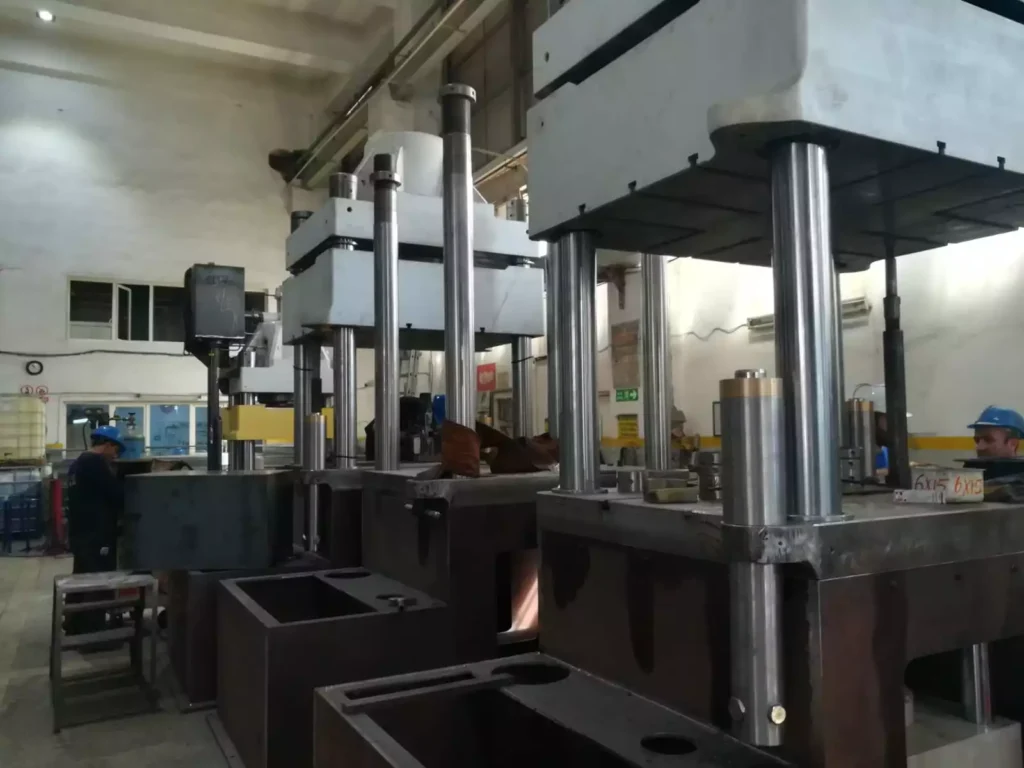
Types of Single-Acting Hydraulic Presses

hydraulic press is a mechanical machine that uses hydraulic pressure to compress, bend, shape, or cut materials. The core principle behind a hydraulic press is Pascal’s Law, which states that pressure applied to a confined fluid is transmitted equally in all directions. This principle allows hydraulic presses to amplify force, enabling the machine to perform heavy-duty tasks with minimal input force.

At the heart of a hydraulic press is its hydraulic system, which consists of several key components: the hydraulic cylinder, piston, hydraulic fluid, pump, valves, and reservoir. These components work together to generate pressure, transmit force, and control the operation of the press. The hydraulic system allows for smooth, consistent application of force, making the press highly efficient and reliable.

Hydraulic presses are used in a wide range of industries, from automotive manufacturing and metalworking to plastic molding and recycling. Understanding the components of a hydraulic press is essential for maintaining its performance, optimizing its efficiency, and preventing breakdowns. Each part of the hydraulic system plays a critical role in its overall operation, and even minor issues with one component can impact the entire machine.

The hydraulic press system is highly adaptable, with different types of presses and configurations designed for specific applications. From small bench presses used in workshops to massive four-column presses in automotive plants, hydraulic systems can be tailored to the task at hand, whether it involves forming metal parts, shaping plastic components, or compressing scrap materials for recycling.

The efficiency of hydraulic presses has also improved significantly over the years, thanks to innovations in hydraulic fluid, pump design, and control systems. Modern hydraulic presses now integrate smart sensorsprogrammable controls, and servo-hydraulic systems, allowing operators to control pressure, force, and speed with extreme precision.

Maintaining a hydraulic press involves regular monitoring of components like the hydraulic cylinder, pump, and fluid system. Regular maintenance ensures that the press operates safely and effectively, minimizing downtime and extending the life of the equipment.

In summary, the hydraulic press system is a finely tuned machine composed of various interdependent components. A well-maintained hydraulic system ensures that the press operates efficiently, delivering the force and precision required for industrial applications.

Hydraulic Cylinder

The hydraulic cylinder is one of the most crucial components of a hydraulic press, responsible for converting hydraulic pressure into linear motion. It is the part of the system that directly generates the force required to press, compress, or shape the material. The cylinder houses the piston and is filled with hydraulic fluid, which, when pressurized, pushes the piston forward to perform the desired task.

2.1. Function and Significance of the Hydraulic Cylinder

The primary role of the hydraulic cylinder is to create the force needed to perform the press’s work. When hydraulic fluid is pumped into the cylinder, the resulting pressure pushes against the piston, causing it to move in a linear motion. This movement is transferred to the material being worked on, whether it involves compressing metal, forming plastic, or bending steel.

Hydraulic cylinders are designed to handle immense pressures, often in the range of several hundred to several thousand PSI (pounds per square inch), depending on the size and capacity of the press. The strength of the cylinder, along with its design and material construction, determines the overall force output of the press.

2.2. Types of Hydraulic Cylinders

There are several types of hydraulic cylinders, each designed for specific applications and press designs.

2.2.1. Single-Acting Cylinders

single-acting cylinder uses hydraulic pressure to move the piston in one direction only. The return stroke is typically powered by a spring or gravity. These cylinders are simpler in design and are often used in presses where the return stroke does not require significant force.

  • Advantages:
    • Simple and cost-effective design
    • Requires less hydraulic fluid and a smaller pump
    • Commonly used in manual presses or lighter-duty applications

2.2.1. Single-Acting Cylinders (Continued)

  • Limitations (continued):
    • The return stroke relies on external forces (such as springs or gravity), which may result in slower or less controlled movements.
    • They are less suitable for applications requiring consistent force in both directions (pressing and releasing).

Single-acting cylinders are often found in smaller hydraulic presses, especially in tasks such as light pressing, assembling, or simple bending. They are typically used when the return stroke does not need to be fast or forceful, such as in certain assembly line tasks or in small workshops where simplicity and cost-effectiveness are prioritized.

2.2.2. Double-Acting Cylinders

In contrast to single-acting cylinders, double-acting cylinders are designed to exert force in both directions—both during the forward (pressing) and the return strokes. This is achieved by applying hydraulic pressure alternately to either side of the piston. Double-acting cylinders are more versatile and powerful, as they offer full control over the press’s movements.

  • Advantages:
    • Force can be applied in both directions, offering greater control over the entire operation.
    • They are faster and more efficient than single-acting cylinders, as the return stroke can be powered hydraulically rather than relying on gravity or springs.
    • Ideal for applications that require high precision and speed, such as metal forming, stamping, and forging.
  • Limitations:
    • More complex and expensive than single-acting cylinders.
    • Requires a larger hydraulic pump and more hydraulic fluid to operate effectively.

Double-acting cylinders are commonly used in heavy-duty hydraulic presses, especially those found in large-scale industrial applications like automotive manufacturing and metalworking. Their ability to exert force in both directions makes them ideal for tasks requiring precision and speed, such as deep drawing, metal extrusion, and heavy-duty forging.

2.2.3. Telescopic Cylinders

telescopic hydraulic cylinder, also known as a multi-stage cylinder, consists of several smaller cylinders nested within each other. These cylinders extend in stages, allowing for a longer stroke in a more compact design. Telescopic cylinders are often used in applications where space is limited, but a long stroke length is required, such as in lifting or pressing operations.

  • Advantages:
    • Capable of delivering a very long stroke in a compact form.
    • Useful for applications where space is limited but the press needs to extend over a large distance.
    • Commonly used in heavy machinery, dump trucks, and other lifting devices.
  • Limitations:
    • More complex design and construction lead to higher costs.
    • Potential for more frequent maintenance due to the multiple stages of extension and retraction.

In hydraulic presses, telescopic cylinders are typically used when space is a concern, and a longer extension is needed to reach or compress materials. They are often found in construction equipment, large industrial presses, and certain custom-designed presses where long reach is essential.

2.3. Construction of Hydraulic Cylinders

The construction of a hydraulic cylinder is critical to its performance and longevity. The materials and manufacturing methods used must ensure that the cylinder can withstand high pressure, friction, and repeated use without failure.

2.3.1. Materials Used

Most hydraulic cylinders are made from high-strength steel or alloy materials. Steel is favored for its durability and ability to withstand the extreme pressures generated by hydraulic systems. Some components, such as the cylinder’s rod, are often plated with chrome or other anti-corrosive coatings to reduce friction and wear, and to protect the rod from corrosion.

  • Steel: The primary material used in heavy-duty cylinders due to its high strength and resistance to deformation under pressure.
  • Composite materials: In some specialized applications, lightweight composite materials may be used to reduce the weight of the cylinder while maintaining strength.
2.3.2. Seals and Rod Coatings

The seals used within hydraulic cylinders are critical to maintaining pressure and preventing fluid leaks. Common types of seals include O-ringsU-cups, and rod seals, all designed to prevent the escape of hydraulic fluid around the piston and rod.

  • Seals: Typically made from materials like rubberpolyurethane, or PTFE (Teflon), seals are chosen based on their resistance to heat, wear, and hydraulic fluid. High-performance presses may use self-lubricating seals, which reduce the friction between moving parts and extend the lifespan of the cylinder.
  • Rod coatings: To reduce wear and increase longevity, hydraulic cylinders often have chrome-plated rods. The chrome plating provides a hard, smooth surface that resists corrosion and minimizes friction between the rod and seals.

2.4. Cylinder Dynamics: Fluid Movement and Force Transmission

The movement of the hydraulic fluid within the cylinder is what enables the press to generate force. When the hydraulic pump pushes fluid into the cylinder, it creates pressure behind the piston, causing it to move forward. The size of the cylinder, the amount of hydraulic fluid pumped into it, and the surface area of the piston all affect how much force is generated.

  • Force transmission: Pascal’s Law is central to the operation of a hydraulic press. The pressure applied to the fluid in the cylinder is transmitted equally in all directions, pushing the piston forward with amplified force. The size of the piston and cylinder determines the force multiplication.
  • Cylinder size and pressure: Larger cylinders can exert more force because of the greater surface area over which the hydraulic pressure acts. However, the larger the cylinder, the more hydraulic fluid is required to move the piston, which means the press’s pump and reservoir must be appropriately sized.

2.5. Innovations in Cylinder Design for Longevity and Efficiency

Recent advancements in hydraulic cylinder design have focused on improving efficiencydurability, and energy savings. Some innovations include:

  • Servo-hydraulic systems: These systems allow for more precise control over the movement of the piston, improving the accuracy of the press’s operation and reducing energy consumption. Servo-hydraulic systems adjust the pressure and flow of hydraulic fluid based on the task, resulting in less wasted energy.
  • Lightweight materials: While most hydraulic cylinders are made from steel, some newer designs use composite materials to reduce the weight of the press without sacrificing strength. This is especially useful in mobile or lightweight presses where portability is a concern.
  • Improved seal technology: Advances in sealing materials, such as the use of self-lubricating seals, have extended the lifespan of hydraulic cylinders by reducing wear and preventing leaks.

2.6. Common Hydraulic Cylinder Issues

Despite their robust design, hydraulic cylinders can experience problems, often related to wear and tear or improper maintenance.

2.6.1. Leaks

Leaks are one of the most common issues in hydraulic cylinders, often caused by worn or damaged seals. A leaking cylinder will lose pressure, reducing the press’s effectiveness and potentially causing the machine to malfunction. Regular maintenance and timely replacement of seals can prevent leaks.

2.6.2. Pressure Loss

Pressure loss can occur if there is damage to the cylinder or its seals, or if there is air trapped in the hydraulic system. Low pressure reduces the force generated by the press and can lead to uneven or incomplete pressing.

2.6.3. Wear and Tear

Over time, the piston rod, seals, and cylinder walls can become worn due to friction and repeated use. Wear and tear are particularly common in presses that operate under high pressures or in harsh environments. Regular inspection and maintenance are necessary to extend the life of the hydraulic cylinder.

3. Pistons

The piston in a hydraulic press is a critical component responsible for transferring the hydraulic pressure generated in the cylinder to the material being pressed. It is the moving part that directly interacts with the hydraulic fluid and converts this pressure into mechanical force.

3.1. Role of the Piston in a Hydraulic Press

The piston’s primary role is to convert the pressure from the hydraulic fluid into the linear motion required for pressing, forming, or compressing materials. When the hydraulic fluid enters the cylinder, it pushes against the piston, causing it to move. This motion is what allows the press to apply force to the material being worked on, whether it’s bending metal, compressing plastic, or cutting sheet metal.

3.2. Force Transmission: Amplification of Input Force

The piston in a hydraulic press works in tandem with the hydraulic cylinder to amplify the input force. Through Pascal’s Law, the small force applied to the hydraulic fluid at the pump is multiplied when transmitted to the larger piston surface area inside the cylinder. The larger the piston, the greater the force that can be applied to the material.

For example:

  • In a hydraulic press with a small input piston and a large output piston, even a small amount of pressure at the input results in a much larger force being applied by the output piston. This is the key to the hydraulic press’s ability to generate high forces with minimal input effort.

3.3. Materials and Coatings: Ensuring Durability Under Pressure

The materials used in the construction of the piston are crucial to its durability, as it must withstand high pressures and repeated cycles of movement. Most pistons are made from high-strength steel, with certain coatings applied to reduce friction and prevent corrosion.

  • Steel pistons: Steel is the most commonly used material for pistons due to its strength and durability. Steel pistons can handle the high pressures typically found in hydraulic presses without deforming or wearing down quickly.
  • Coatings: To reduce friction and extend the life of the piston, it is often coated with materials such as chrome or nickel. These coatings provide a hard, smooth surface that resists wear and corrosion, allowing the piston to operate smoothly over time.

3.4. Interaction with Hydraulic Fluid: Sealing and Pressure Maintenance

The piston must maintain a perfect seal with the cylinder walls to ensure that hydraulic pressure is contained and transmitted effectively. To achieve this, piston seals are used. These seals prevent hydraulic fluid from leaking past the piston, which would reduce the press’s effectiveness and lead to pressure loss.

  • Seals: Piston seals are typically made from rubberPTFE (Teflon), or polyurethane, depending on the press’s operating conditions. These materials are chosen for their ability to withstand high pressures, temperatures, and exposure to hydraulic fluids.

A well-maintained seal ensures that the piston can move freely within the cylinder while maintaining constant pressure on the material being pressed.

3.5. Types of Pistons for Different Press Designs

Different types of pistons are used in hydraulic presses, depending on the press’s design and intended application. Some of the common piston designs include:

  • Single-piece pistons: These are the most common type of piston used in hydraulic presses. They are made from a single piece of material, typically steel, and are designed for standard pressing tasks.
  • Telescopic pistons: Used in presses where a longer stroke is needed, telescopic pistons consist of multiple segments that extend outward during operation, allowing the press to apply force over a longer distance.
  • Custom pistons: In specialized presses, pistons may be custom-designed to meet the unique requirements of the application. These pistons may include additional features, such as integrated sensors or advanced coatings to handle extreme conditions.

3.6. Common Problems with Pistons and Solutions

Like hydraulic cylinders, pistons are subject to wear and tear, and issues can arise if they are not properly maintained. Common problems include:

3.6.1. Wear and Scoring

Over time, the piston can become worn or develop scoring (scratches or grooves) due to friction between the piston and the cylinder walls. This can reduce the piston’s effectiveness and lead to pressure loss. Regular inspection and replacement of worn pistons can prevent this issue.

3.6.2. Seal Failures

If the piston seals wear out or become damaged, hydraulic fluid can leak past the piston, reducing pressure and force. Replacing worn seals regularly and ensuring that the piston is properly lubricated can prevent seal failures.

3.6.3. Piston Deformation

In high-pressure applications, the piston can become deformed if it is not designed to handle the force generated by the press. Deformed pistons can lead to uneven pressure distribution and inefficient operation. Using pistons made from high-strength materials and ensuring that they are correctly sized for the application can prevent deformation.

Hydraulic Fluid

Hydraulic fluid is the lifeblood of any hydraulic press, responsible for transmitting the force generated by the pump to the cylinder and piston. It plays a critical role in ensuring the smooth operation of the press, lubricating moving parts, and dissipating heat generated during operation. The choice of hydraulic fluid has a significant impact on the performance, efficiency, and longevity of the hydraulic system.

4.1. Importance of Hydraulic Fluid in Force Transmission

The primary function of hydraulic fluid is to transmit force within the press. When the hydraulic pump pressurizes the fluid, the pressure is transmitted through the fluid to the cylinder and piston. Hydraulic fluid is incompressible, meaning that any pressure applied to it is transmitted equally throughout the system, ensuring efficient force transmission.

  • Force transmission: Pascal’s Law is the guiding principle behind the use of hydraulic fluid. The pressure applied to the fluid at the pump is transmitted to the piston, where it is converted into mechanical force. This allows the hydraulic press to exert significant force with relatively low input effort.
  • Fluid dynamics: The movement of hydraulic fluid within the system must be smooth and consistent to avoid pressure spikes or drops. Proper fluid management, including filtering and temperature control, is essential for maintaining consistent pressure throughout the hydraulic system.

4.2. Types of Hydraulic Fluids

The type of hydraulic fluid used in a press depends on the specific requirements of the application, including operating temperature, pressure, and environmental considerations. The most common types of hydraulic fluids are:

4.2.1. Mineral Oils

Mineral oils are the most commonly used hydraulic fluids in presses due to their affordability, availability, and overall effectiveness. Derived from petroleum, mineral oils offer good lubricating properties and are capable of withstanding the high pressures typically found in hydraulic systems.

  • Advantages:
    • Widely available and cost-effective.
    • Good lubrication and anti-wear properties.
    • Suitable for a wide range of hydraulic press applications.
  • Disadvantages:
    • Mineral oils can degrade at high temperatures.
    • They are not environmentally friendly and can pose disposal challenges.
4.2.2. Water-Based Fluids

Water-based hydraulic fluids are typically used in applications where fire resistance is a concern. These fluids are less flammable than mineral oils and are often used in presses that operate in environments with high heat or where the risk of fire is present.

  • Advantages:
    • Non-flammable, making them ideal for high-heat environments.
    • Provide good cooling properties due to their water content.
  • Disadvantages:
    • Water-based fluids offer less lubrication than mineral oils.
    • They are prone to corrosion and must be carefully managed to prevent damage to the hydraulic system.
4.2.3. Synthetic Fluids

Synthetic hydraulic fluids are engineered to provide superior performance in extreme conditions, such as high temperatures or environments requiring high resistance to oxidation and wear. These fluids are often used in high-performance hydraulic presses that operate under demanding conditions.

  • Advantages:
    • Excellent thermal stability and resistance to oxidation.
    • Long lifespan and reduced maintenance requirements.
    • Suitable for high-pressure and high-temperature applications.
  • Disadvantages:
    • More expensive than mineral oils and water-based fluids.
    • Disposal can be more complex due to their chemical composition.
4.2.4. Biodegradable Fluids

Biodegradable hydraulic fluids are gaining popularity due to their reduced environmental impact. These fluids are made from renewable sources, such as vegetable oils, and are designed to degrade naturally without harming the environment.

  • Advantages:
    • Environmentally friendly and biodegradable.
    • Suitable for presses used in environmentally sensitive applications, such as agriculture or marine industries.
  • Disadvantages:
    • Biodegradable fluids may not perform as well at extreme temperatures or pressures.
    • More expensive than traditional mineral oils.

4.3. Properties of Hydraulic Fluid

The properties of hydraulic fluid have a significant impact on the performance and efficiency of the hydraulic press. The most important properties include:

4.3.1. Viscosity

Viscosity refers to the fluid’s resistance to flow. Hydraulic fluids with the proper viscosity ensure smooth operation and efficient force transmission within the system.

  • Low viscosity: Fluids with low viscosity flow more easily, but may not provide enough lubrication, leading to increased wear on moving parts.
  • High viscosity: Fluids with high viscosity provide better lubrication but may flow too slowly, resulting in inefficient force transmission.

Selecting a hydraulic fluid with the appropriate viscosity for the operating conditions of the press is essential for maintaining performance and preventing wear.

4.3.2. Compressibility

Hydraulic fluids must be incompressible to effectively transmit force. Any compressibility in the fluid would result in energy loss and reduced efficiency. Fluids designed for hydraulic presses are formulated to minimize compressibility, ensuring that all applied pressure is transferred directly to the piston.

4.3.3. Thermal Stability

Hydraulic presses generate heat during operation, and the hydraulic fluid must be able to withstand high temperatures without breaking down. Thermal stability refers to the fluid’s ability to maintain its properties under heat. Fluids with high thermal stability resist oxidation and degradation, ensuring consistent performance even under heavy loads.

4.3.4. Lubricity

Hydraulic fluids must also act as a lubricant, reducing friction between moving parts within the hydraulic system. Proper lubrication reduces wear and extends the lifespan of components such as the cylinder, piston, and seals.

4.4. Fluid Contamination: Causes, Effects, and Prevention

Contamination of hydraulic fluid is one of the most common causes of hydraulic press failure. Contaminants such as dirt, metal particles, or water can enter the hydraulic system and reduce the effectiveness of the fluid, leading to damage and system failure.

4.4.1. Causes of Contamination
  • External contamination: Dust, dirt, and debris can enter the hydraulic system through leaks, worn seals, or during fluid changes.
  • Internal contamination: Wear and tear on the system’s components can generate metal particles or other debris, which then circulate within the fluid.
  • Water ingress: Moisture can enter the system through condensation or leaks, leading to corrosion and reduced fluid performance.
4.4.2. Effects of Contamination
  • Reduced fluid efficiency: Contaminants reduce the fluid’s ability to transmit pressure effectively, leading to inefficiencies in force transmission.
  • Increased wear: Contaminated fluid can accelerate wear on the cylinder, piston, and seals, leading to premature failure of these components.
  • Corrosion: Water contamination can cause corrosion within the hydraulic system, leading to leaks and system failure.
4.4.3. Preventing Fluid Contamination
  • Filtration: Installing high-quality filters in the hydraulic system helps remove contaminants before they can cause damage. Regularly changing or cleaning filters is essential for preventing contamination.
  • Seals and gaskets: Ensuring that seals and gaskets are in good condition prevents external contaminants from entering the system.
  • Proper fluid handling: When adding or replacing hydraulic fluid, it’s important to ensure that the new fluid is clean and free of contaminants. Using proper containers and handling methods can prevent contamination during fluid changes.

4.5. Hydraulic Fluid Maintenance: Filtering, Cooling, and Fluid Replacement

Maintaining the hydraulic fluid is critical for the press’s long-term performance. This includes regular filteringcooling, and fluid replacement.

4.5.1. Filtering

Regular filtering removes particles and contaminants from the fluid, preventing them from circulating through the system. Presses are typically equipped with inline filters that capture debris as the fluid moves through the system.

  • Filter replacement: Filters should be inspected and replaced at regular intervals to ensure that they remain effective. A clogged or worn filter can reduce fluid flow and cause pressure loss.
4.5.2. Cooling

Hydraulic fluid can become hot during operation, leading to degradation and reduced performance. A cooling system, such as a heat exchanger or a reservoir with cooling fins, helps regulate the fluid’s temperature and prevents overheating.

  • Fluid cooling systems: Some hydraulic presses are equipped with active cooling systems, such as liquid cooling or air-cooled heat exchangers, which help maintain optimal fluid temperatures during operation.
4.5.3. Fluid Replacement

Over time, hydraulic fluid degrades and loses its effectiveness. Regularly replacing the fluid ensures that the press continues to operate efficiently. Fluid replacement intervals depend on the type of fluid used, the operating conditions, and the press’s workload.

5. Press Frame

The press frame is the backbone of a hydraulic press, providing the structural support necessary to handle the immense forces generated during operation. The frame plays a crucial role in maintaining the alignment of the hydraulic cylinder, piston, and other components, ensuring that force is applied evenly to the material being worked on. In this section, we will explore the different types of press frames, their construction materials, and how frame design impacts the performance and durability of a hydraulic press.

5.1. Role of the Press Frame

The primary role of the press frame is to support the components of the hydraulic press and to withstand the forces generated during pressing operations. The frame must be rigid enough to prevent deformation or flexing under pressure, which could lead to misalignment of components and uneven force application. A strong, well-designed frame ensures that the press operates efficiently and safely, especially when handling high-force applications such as metal stamping, forging, or deep drawing.

Additionally, the frame must be designed to accommodate the specific tasks for which the press is used. For example, presses designed for metal forming may require larger, more robust frames to handle the increased stresses, while smaller presses for light assembly work can utilize more compact frames.

5.2. Types of Press Frames

There are several types of hydraulic press frames, each designed for specific applications. The choice of frame design depends on factors such as the size of the press, the force required, and the type of material being worked on.

5.2.1. H-Frame Hydraulic Press

The H-frame press is one of the most common types of hydraulic press frames, named for its resemblance to the letter “H.” This design features two vertical columns (the “legs” of the H) connected by horizontal beams (the “crossbar” of the H). The hydraulic cylinder and piston are mounted in the center of the crossbar, with the workpiece placed between the legs.

  • Key features:
    • Versatility: H-frame presses are used in a wide variety of applications, from metal forming and punching to straightening and bending.
    • Strength: The frame provides excellent structural support, allowing the press to generate high forces without flexing or deforming.
    • Open design: The open structure of the H-frame allows for easy access to the work area, making it easier to load and unload materials.
  • Applications: H-frame presses are commonly used in heavy-duty applications such as automotive repair, metal fabrication, and industrial manufacturing.
5.2.2. C-Frame Hydraulic Press

The C-frame press, also known as a gap-frame press, is designed with an open front that resembles the letter “C.” This design provides easy access to the work area from three sides, allowing operators to load and unload materials quickly. C-frame presses are typically more compact than H-frame presses and are often used for smaller, lighter-duty tasks.

  • Key features:
    • Compact design: C-frame presses are ideal for applications where space is limited, as they take up less floor space than larger H-frame presses.
    • Easy access: The open-front design allows operators to access the work area from multiple sides, making it easier to position materials and tools.
    • Moderate force: While C-frame presses can handle moderate forces, they are generally not suitable for heavy-duty applications.
  • Applications: C-frame presses are commonly used for tasks such as punching, stamping, and light assembly work. They are often found in workshops, small manufacturing facilities, and maintenance shops.
5.2.3. Four-Column Hydraulic Press

The four-column press features four vertical columns that provide structural support for the press. This design is often used in large, high-force applications where even pressure distribution and structural rigidity are critical. Four-column presses are typically used in industries such as automotive manufacturing, aerospace, and heavy machinery production.

  • Key features:
    • Even force distribution: The four-column design ensures that force is applied evenly across the entire workpiece, reducing the risk of material deformation.
    • Large work area: Four-column presses can accommodate large workpieces, making them ideal for tasks such as metal forming, die cutting, and deep drawing.
    • High force capacity: These presses are capable of generating extremely high forces, making them suitable for heavy-duty applications.
  • Applications: Four-column presses are commonly used in large-scale industrial operations, such as metal forming, forging, and deep drawing in the automotive and aerospace industries.
5.2.4. Custom-Designed Frames

In some cases, hydraulic presses are designed with custom frames to meet the specific needs of the application. Custom-designed frames may incorporate elements of H-frame, C-frame, or four-column designs, but are tailored to the unique requirements of the press, such as handling irregularly shaped materials or operating in confined spaces.

  • Key features:
    • Tailored design: Custom frames are engineered to meet the specific demands of the task, ensuring optimal performance and efficiency.
    • Specialized materials: Custom frames may be made from specialized materials or alloys to withstand extreme forces, temperatures, or environmental conditions.
  • Applications: Custom hydraulic press frames are often used in specialized industries such as medical device manufacturing, electronics production, and advanced materials processing.

5.3. Frame Materials: Steel, Composites, and Lightweight Designs

The materials used in the construction of a press frame have a significant impact on its strength, durability, and performance. Most hydraulic press frames are made from high-strength steel, which offers excellent resistance to deformation under pressure. However, advances in materials science have led to the development of composite materials and lightweight designs that offer similar strength with reduced weight.

5.3.1. Steel Frames

Steel is the most commonly used material in hydraulic press frames due to its high tensile strength, durability, and ability to withstand heavy loads. Steel frames can be manufactured to handle both light and heavy-duty applications, making them versatile and reliable.

  • Advantages:
    • High strength and durability.
    • Suitable for a wide range of applications, from light assembly to heavy metal forming.
    • Can be easily fabricated into various frame designs (H-frame, C-frame, four-column).
  • Disadvantages:
    • Steel frames are heavy, which can make installation and transportation more difficult.
    • Susceptible to corrosion if not properly treated or maintained.
5.3.2. Composite Materials and Lightweight Frames

In some specialized applications, composite materials are used to reduce the weight of the press frame without sacrificing strength. Composites such as carbon fiber or fiberglass-reinforced plastics offer high strength-to-weight ratios, making them ideal for presses that need to be portable or operate in weight-sensitive environments.

  • Advantages:
    • Lightweight, making the press easier to move and install.
    • Resistant to corrosion and environmental degradation.
    • Suitable for specialized applications where weight is a concern.
  • Disadvantages:
    • More expensive to manufacture than steel frames.
    • May not offer the same level of durability as steel in heavy-duty applications.

5.4. Stress Distribution and Frame Performance

The design of the press frame plays a crucial role in how well it distributes the forces generated during pressing operations. Stress distribution refers to how evenly the force is spread across the frame and the workpiece. A well-designed frame ensures that the force is applied uniformly, reducing the risk of material deformation and improving the quality of the final product.

5.4.1. Preventing Frame Deformation

Press frames must be designed to resist deformation, which can occur if the frame is not strong enough to handle the forces generated by the hydraulic system. Deformation can lead to misalignment of the hydraulic cylinder and piston, reducing the efficiency of the press and potentially causing damage to the workpiece.

  • Reinforcement: Frames can be reinforced with additional supports or crossbeams to increase their rigidity and prevent bending or flexing under pressure.
  • Material selection: Using high-strength materials such as steel or composites can reduce the risk of frame deformation.
5.4.2. Impact on Press Performance

The rigidity and design of the press frame directly impact the performance of the hydraulic press. A strong, well-designed frame ensures that the press operates efficiently and consistently, allowing for precise control over force application. This is particularly important in industries such as automotive and aerospace, where even small deviations in force distribution can affect the quality and safety of the final product.

Power Source: Hydraulic Pump

The hydraulic pump is the heart of the hydraulic press, responsible for generating the hydraulic pressure that powers the press’s operations. The pump converts mechanical energy into hydraulic energy by moving hydraulic fluid from the reservoir into the system, creating the pressure necessary to move the piston and apply force to the material. In this section, we will explore the different types of hydraulic pumps, their efficiency, and recent innovations in pump design.

6.1. Function of the Hydraulic Pump

The primary function of the hydraulic pump is to create a flow of hydraulic fluid that is pressurized and directed into the hydraulic cylinder. The pump determines the amount of force that the press can generate, as the pressure in the system is directly related to the flow rate and the size of the hydraulic cylinder.

When the hydraulic pump is activated, it draws fluid from the reservoir and forces it into the cylinder. As the fluid enters the cylinder, it pushes the piston forward, creating the force needed to press, compress, or shape the material. The amount of pressure generated by the pump is a key factor in determining the overall force output of the hydraulic press.

6.2. Types of Hydraulic Pumps

There are several types of hydraulic pumps used in presses, each with its own advantages and limitations. The choice of pump depends on the specific requirements of the press, such as the desired pressure, flow rate, and energy efficiency.

6.2.1. Gear Pumps

Gear pumps are one of the most common types of hydraulic pumps used in smaller hydraulic presses. They are simple, reliable, and cost-effective, making them ideal for applications where moderate pressure and flow rates are required.

  • Advantages:
    • Simple design with few moving parts, reducing the risk of mechanical failure.
    • Inexpensive and easy to maintain.
    • Suitable for low to moderate pressure applications.
  • Disadvantages:
    • Less efficient than other types of pumps, especially at higher pressures.
    • Limited pressure output, making them unsuitable for heavy-duty applications.
6.2.2. Vane Pumps

Vane pumps are known for their quiet operation and efficient performance. These pumps use rotating vanes to move fluid through the system, providing smooth, consistent flow. Vane pumps are often used in presses that require moderate pressure and flow rates, such as those found in plastic molding or assembly operations.

  • Advantages:
    • Quiet operation and smooth fluid flow.
    • Efficient and reliable in moderate pressure applications.
    • Longer lifespan due to reduced wear on components.
  • Disadvantages:
    • More expensive than gear pumps.
    • Not suitable for high-pressure applications.
6.2.3. Piston Pumps

Piston pumps are the most powerful type of hydraulic pump, capable of generating extremely high pressures. These pumps use a series of pistons to move fluid through the system, providing precise control over pressure and flow rate. Piston pumps are commonly used in heavy-duty hydraulic presses, such as those found in metal forging, deep drawing, and large-scale manufacturing.

  • Advantages:
    • Capable of generating very high pressures, making them ideal for heavy-duty applications.
    • Precise control over pressure and flow rate, allowing for accurate operation.
    • Durable and long-lasting, even under extreme conditions.
  • Disadvantages:
    • More complex and expensive than gear or vane pumps.
    • Requires regular maintenance to prevent wear and mechanical failure.
6.2.4. Fixed vs. Variable Displacement Pumps

Hydraulic pumps can be categorized as either fixed displacement or variable displacement based on how they control the flow of fluid.

  • Fixed displacement pumps deliver a constant flow of hydraulic fluid at a set rate, regardless of the pressure in the system. These pumps are simpler and less expensive but are less energy-efficient, as they cannot adjust the flow rate to match the demands of the press.
  • Variable displacement pumps can adjust the flow rate of hydraulic fluid based on the system’s needs. These pumps are more energy-efficient, as they only deliver the amount of fluid necessary to perform the task. Variable displacement pumps are commonly used in modern hydraulic presses, where energy efficiency and precision are important.

6.3. Pump Efficiency: Power-to-Pressure Ratio

The efficiency of a hydraulic pump is determined by its power-to-pressure ratio, which refers to how much mechanical energy is required to generate a given amount of hydraulic pressure. Efficient pumps can generate high pressures with minimal energy input, reducing operating costs and energy consumption.

  • Energy-efficient pumps: Pumps with variable displacement designs are generally more energy-efficient than fixed displacement pumps, as they can adjust their output based on the press’s needs. This reduces the amount of energy wasted when the press is operating at lower pressures or during idle periods.
  • Servo-hydraulic pumps: Some modern hydraulic presses use servo-hydraulic pumps, which combine hydraulic power with electrical control. These pumps use a servo motor to control the speed and flow of the hydraulic fluid, allowing for precise pressure control and reduced energy consumption. Servo-hydraulic systems are becoming more common in high-performance presses due to their energy efficiency and improved control.

6.4. Innovations in Pump Design: Energy-Efficient Models

Recent advancements in pump design have focused on improving energy efficiency and reducing the environmental impact of hydraulic presses. Some of the key innovations include:

  • Servo-hydraulic systems: As mentioned earlier, servo-hydraulic systems offer precise control over the pump’s operation, allowing the press to adjust its pressure and flow rate in real-time based on the task at hand. This leads to significant energy savings and improved performance.
  • Variable speed pumps: Pumps that can adjust their speed based on the press’s needs are becoming increasingly popular in industrial presses. By reducing the pump’s speed during low-demand periods, these systems reduce energy consumption and heat generation, improving the overall efficiency of the press.
  • Compact pump designs: Advances in materials and manufacturing techniques have led to the development of compact hydraulic pumps that offer high pressure in a smaller footprint. These pumps are ideal for presses where space is limited, such as portable or bench-mounted presses.

6.5. Pump Maintenance and Common Issues

Hydraulic pumps are subject to wear and tear over time, and regular maintenance is essential for ensuring that the press continues to operate efficiently. Some of the most common issues with hydraulic pumps include:

6.5.1. Wear and Mechanical Failure

Over time, the internal components of the pump, such as gears, vanes, or pistons, can become worn due to friction and heat. This can lead to reduced efficiency, noise, and eventual mechanical failure. Regular inspection and maintenance of the pump’s moving parts are essential for preventing breakdowns.

  • Preventive maintenance: Replacing worn components and ensuring that the hydraulic fluid is clean and free of contaminants can extend the lifespan of the pump and reduce the risk of mechanical failure.
6.5.2. Fluid Flow Issues

Pumps can experience problems with fluid flow due to blockages, leaks, or air bubbles in the system. These issues can reduce the pump’s efficiency and lead to pressure loss, reducing the overall performance of the press.

  • Troubleshooting: Regularly checking the hydraulic system for leaks, blockages, and proper fluid levels can help identify and resolve flow issues before they impact the press’s operation.
6.5.3. Noise and Vibration

Excessive noise and vibration are often signs of issues with the hydraulic pump, such as worn bearings or misaligned components. If left unchecked, these problems can lead to mechanical failure and reduced performance.

  • Inspection: Regularly inspecting the pump for signs of wear, alignment issues, or abnormal noise can help prevent more serious problems from developing.

7. Valves and Controls

Valves and controls are crucial elements of a hydraulic press, managing the flow and pressure of hydraulic fluid to ensure smooth, efficient, and safe operation. These components determine the direction of fluid movement, regulate pressure, and control the flow rate, allowing the hydraulic press to perform precise operations such as pressing, stamping, molding, or forging. This section will cover the types of valves used in hydraulic presses, their function, modern control systems, and common issues related to valves and control mechanisms.

7.1. Control Systems in a Hydraulic Press

The control system in a hydraulic press consists of a series of valves, switches, and sensors that regulate the movement of hydraulic fluid through the system. The operator can adjust these controls to manage the speed, pressure, and direction of the press’s movement. The main components of the control system include:

  • Valves: These control the flow and pressure of the hydraulic fluid within the system.
  • Sensors: These monitor the system’s pressure, position, and temperature, providing real-time feedback to the control system.
  • Programmable Logic Controllers (PLCs): In modern presses, PLCs are used to automate and manage the operation of the press. They allow the operator to program specific tasks and control the press remotely.

Together, these components ensure that the press operates with precision, safety, and efficiency, allowing for repeatable and accurate results in industrial applications.

7.2. Types of Valves in Hydraulic Presses

Hydraulic systems use a variety of valves to control the direction, pressure, and flow rate of the fluid. The main types of valves include directional control valvespressure relief valves, and flow control valves.

7.2.1. Directional Control Valves

Directional control valves are responsible for directing the flow of hydraulic fluid within the system. These valves determine whether the fluid is sent to the piston to extend or retract the press. Directional control valves can be manually operated or automated, depending on the press’s design.

  • Types of directional control valves:
    • Manual valves: Operated by hand, these are typically used in smaller, simpler presses.
    • Solenoid valves: Electrically operated, solenoid valves are commonly used in modern hydraulic presses for more precise control of fluid direction.
    • Pilot-operated valves: These valves use hydraulic or pneumatic signals to control the flow of fluid, allowing for faster and more efficient operation.
7.2.2. Pressure Relief Valves

Pressure relief valves play a critical safety role in hydraulic presses by preventing over-pressurization. These valves automatically release hydraulic fluid when the pressure in the system exceeds a predetermined level, protecting the press from damage and ensuring safe operation.

  • Adjustable pressure relief valves: Operators can adjust the pressure threshold at which the valve opens, allowing for flexibility in different applications.
  • Safety function: Pressure relief valves prevent damage to the hydraulic system by releasing excess pressure and returning fluid to the reservoir.
7.2.3. Flow Control Valves

Flow control valves regulate the speed at which hydraulic fluid flows through the system. By controlling the flow rate, these valves determine how fast the press moves, ensuring smooth operation and precise control over pressing tasks.

  • Types of flow control valves:
    • Throttle valves: These allow the operator to manually adjust the flow rate, providing precise control over the press’s speed.
    • Pressure-compensated valves: These valves automatically adjust the flow rate based on the system’s pressure, ensuring consistent speed even under varying load conditions.

7.3. Modern Control Innovations

Advancements in hydraulic press technology have led to the development of more sophisticated control systems, including PLCsCNC integration, and smart sensors. These innovations allow for greater automation, precision, and safety in hydraulic press operations.

7.3.1. Programmable Logic Controllers (PLCs)

PLCs are computerized control systems that allow operators to program and automate the operation of the hydraulic press. PLCs enable the press to perform complex tasks with minimal human intervention, improving efficiency and repeatability in industrial applications.

  • Automation: PLCs allow operators to program specific pressing sequences, adjust pressure and speed settings, and monitor performance remotely.
  • Improved accuracy: PLCs ensure that pressing tasks are performed consistently, reducing errors and improving product quality.
7.3.2. CNC Integration

Some hydraulic presses are equipped with CNC (Computer Numerical Control) systems, which provide even greater precision and control over pressing operations. CNC systems allow for highly accurate positioning and force control, making them ideal for tasks such as metal forming, stamping, and precision assembly.

  • Precision: CNC systems provide real-time feedback and adjustments, ensuring that the press operates within exact tolerances.
  • Flexibility: CNC-controlled presses can be programmed to handle a wide range of tasks, from simple pressing to complex multi-step operations.
7.3.3. Smart Sensors and Remote Monitoring

Modern hydraulic presses are increasingly equipped with smart sensors that provide real-time data on the system’s pressure, temperature, and position. These sensors allow operators to monitor the press’s performance remotely, enabling predictive maintenance and reducing downtime.

  • Remote monitoring: Sensors send data to a centralized control system, allowing operators to monitor the press’s performance and detect potential issues before they cause breakdowns.
  • Predictive maintenance: By analyzing data from smart sensors, operators can schedule maintenance based on the actual condition of the press, reducing the risk of unexpected failures and extending the lifespan of the machine.

7.4. Valve Issues and Maintenance

Valves are subject to wear and tear over time, and issues with valves can lead to poor press performance or system failure. Common problems with valves in hydraulic presses include leaksblockages, and pressure loss.

7.4.1. Leaks

Leaks in directional control valves or pressure relief valves can cause a drop in hydraulic pressure, reducing the force generated by the press. Leaks are often caused by worn seals, damaged valve components, or contamination in the hydraulic fluid.

  • Solution: Regular inspection and maintenance of valves can help identify and fix leaks before they lead to larger issues. Replacing worn seals and cleaning valve components are common preventive measures.
7.4.2. Blockages

Blockages in flow control valves can disrupt the smooth movement of hydraulic fluid through the system, causing the press to operate erratically. Blockages are typically caused by dirt, debris, or contamination in the hydraulic fluid.

  • Solution: Installing high-quality filters in the hydraulic system can prevent contaminants from entering the valves. Regularly cleaning or replacing filters is essential to preventing blockages.
7.4.3. Pressure Loss

Pressure loss in the system can occur if pressure relief valves open prematurely or if directional control valves are not functioning properly. This can result in reduced pressing force and inconsistent operation.

  • Solution: Calibrating the pressure relief valves and ensuring that all valves are functioning correctly can help maintain consistent pressure levels in the system.

Reservoir and Cooling System

The reservoir and cooling system of a hydraulic press play a crucial role in maintaining the performance and longevity of the machine. The reservoir stores the hydraulic fluid, while the cooling system regulates the fluid’s temperature, preventing overheating and ensuring efficient operation. This section will explore the design and function of the hydraulic reservoir and cooling system, as well as the importance of regular maintenance.

8.1. Role of the Reservoir

The hydraulic reservoir serves as the storage tank for the hydraulic fluid used in the press. Its primary functions include:

  • Storing hydraulic fluid: The reservoir holds the hydraulic fluid when it is not being circulated through the system, ensuring that there is always a sufficient supply of fluid for the press to operate.
  • Cooling: As hydraulic fluid passes through the system, it absorbs heat generated by the press’s components. The reservoir allows the fluid to cool before it is recirculated back into the system.
  • Contamination management: The reservoir also serves as a settling tank where contaminants such as dirt, metal particles, and air bubbles can be removed from the fluid before it re-enters the hydraulic system.

The size and design of the reservoir depend on the size of the press and the amount of fluid required for its operation. Larger presses require larger reservoirs to ensure an adequate supply of fluid and efficient cooling.

8.2. Reservoir Design Considerations

The design of the hydraulic reservoir is critical to the performance of the press. Key design considerations include:

  • Size and capacity: The reservoir must be large enough to store sufficient hydraulic fluid to keep the press operating smoothly. A well-sized reservoir also allows enough time for the fluid to cool before it is recirculated.
  • Ventilation: Reservoirs are typically designed with vented lids or breathers to allow air to escape as the fluid level changes. Proper ventilation prevents pressure build-up and reduces the risk of contamination entering the system.
  • Filtration: Many reservoirs are equipped with filters or strainers to remove contaminants from the fluid. Filtering the fluid before it is recirculated helps prevent damage to the hydraulic system and improves overall performance.

8.3. Cooling Systems

Hydraulic presses generate heat during operation, primarily due to the friction between moving parts and the compression of hydraulic fluid. If the fluid becomes too hot, it can degrade, reducing its effectiveness and causing damage to the hydraulic system. The cooling system is essential for maintaining optimal fluid temperature and ensuring the longevity of the press.

8.3.1. Types of Cooling Systems

There are several types of cooling systems used in hydraulic presses, each designed to manage the heat generated during operation.

  • Air-Cooled Systems: In air-cooled systems, the hydraulic fluid is circulated through a radiator or cooling fins, where it is cooled by air flow. This type of cooling system is typically used in smaller presses or applications where heat generation is minimal.
    • Advantages: Simple and cost-effective design. No need for additional coolant.
    • Disadvantages: Less effective in high-temperature environments or for heavy-duty presses.
  • Liquid-Cooled SystemsLiquid cooling systems use water or another coolant to absorb heat from the hydraulic fluid. The coolant circulates through a heat exchanger, where it transfers the heat away from the fluid. Liquid-cooled systems are more efficient than air-cooled systems and are typically used in larger or high-performance presses.
    • Advantages: More effective at managing high heat loads. Suitable for heavy-duty and high-speed presses.
    • Disadvantages: Requires more complex maintenance, including regular coolant checks and potential leaks.
8.3.2. Heat Exchangers

In many hydraulic presses, heat exchangers are used to transfer heat from the hydraulic fluid to the surrounding air or coolant. These devices are critical in maintaining the optimal operating temperature of the fluid, especially in large or high-speed presses where heat generation is significant.

  • Plate heat exchangers: These devices use a series of metal plates to transfer heat between the hydraulic fluid and the coolant. Plate heat exchangers are compact and efficient, making them ideal for modern hydraulic systems.
  • Shell-and-tube heat exchangers: These are larger, more industrial heat exchangers used in heavy-duty presses. They consist of a series of tubes through which the hydraulic fluid and coolant flow, transferring heat between them.

8.4. Reservoir and Cooling System Maintenance

Proper maintenance of the hydraulic reservoir and cooling system is essential for ensuring the longevity and performance of the press. Key maintenance tasks include:

8.4.1. Fluid Level Checks

The hydraulic fluid level in the reservoir should be checked regularly to ensure that there is always sufficient fluid to operate the press. Low fluid levels can lead to overheating, cavitation, and reduced system performance.

  • Topping off fluid: If the fluid level is low, the reservoir should be topped off with the appropriate hydraulic fluid to prevent damage to the system.
8.4.2. Cleaning and Filtering

The reservoir and cooling system should be cleaned regularly to remove dirt, debris, and contaminants that can degrade the performance of the press. Filters and strainers should be checked and replaced as needed to ensure that the fluid remains clean and free of debris.

  • Changing filters: Filters should be replaced at regular intervals, as recommended by the manufacturer. Dirty or clogged filters can reduce fluid flow and increase pressure, leading to system inefficiencies.
8.4.3. Coolant Checks

In liquid-cooled systems, the coolant should be checked regularly for proper levels and potential contamination. Leaks in the cooling system can lead to overheating, reducing the performance and lifespan of the press.

  • Leak prevention: Inspecting hoses, connections, and heat exchangers for signs of leaks or damage is critical to maintaining the effectiveness of the cooling system.

8.5. Impact of Overheating and Fluid Degradation

Overheating can have a detrimental effect on the hydraulic fluid, causing it to degrade and lose its effectiveness. Thermal breakdown of the fluid can lead to reduced lubrication, increased wear on components, and eventual system failure. Regular maintenance of the reservoir and cooling system is essential to preventing overheating and ensuring that the press operates efficiently and reliably.

9. Seals and Gaskets (600 words)

Seals and gaskets play an essential role in maintaining the pressure and fluid integrity of a hydraulic press. These components ensure that the hydraulic fluid is contained within the system, preventing leaks and maintaining consistent pressure. Without effective seals and gaskets, the hydraulic system would suffer from pressure loss, contamination, and inefficient operation, which could lead to damage to the press and costly downtime.

9.1. Importance of Seals in Maintaining Fluid Pressure

The primary function of seals in a hydraulic press is to prevent hydraulic fluid from leaking out of the system. Hydraulic systems operate under extremely high pressure, and even a small leak can lead to significant pressure loss and reduced efficiency. Seals are used in various parts of the press, including the hydraulic cylinderpiston, and valves, to ensure that hydraulic fluid is contained and pressure is maintained.

Seals also play a secondary role in lubricating the moving parts of the press. Many seals are designed to retain a thin film of hydraulic fluid between the moving parts, reducing friction and wear. This ensures that components such as the piston and cylinder walls move smoothly and efficiently without excessive heat or damage.

9.2. Types of Seals Used in Hydraulic Presses

There are several types of seals used in hydraulic presses, each designed for specific functions and operating conditions. The most common types of seals include O-ringsU-cupsrod seals, and piston seals.

9.2.1. O-Rings

O-rings are the most common type of seal used in hydraulic systems. They are typically made from rubber or synthetic materials like Nitrile or Viton and are designed to sit in grooves between two surfaces, creating a tight seal to prevent fluid leakage.

  • Applications: O-rings are commonly used in static applications, such as sealing the joints between two non-moving components.
  • Advantages: They are inexpensive, easy to replace, and suitable for a wide range of operating pressures and temperatures.
9.2.2. U-Cups

U-cups are used in dynamic applications, such as sealing the piston or rod in a hydraulic cylinder. Their “U”-shaped design allows them to flex under pressure, providing a tight seal even when the piston or rod is in motion.

  • Applications: U-cups are often found in the hydraulic cylinder and rod assemblies.
  • Advantages: Their flexible design ensures a strong seal while allowing for the movement of components.
9.2.3. Rod Seals

Rod seals are used to seal the area where the piston rod exits the hydraulic cylinder. They prevent hydraulic fluid from leaking out of the cylinder and also keep contaminants, such as dirt or dust, from entering the system.

  • Applications: Found in the rod assembly of hydraulic cylinders.
  • Advantages: Rod seals ensure long-term performance by preventing leakage while protecting the cylinder from external contamination.
9.2.4. Piston Seals

Piston seals are used to seal the gap between the piston and the cylinder walls, ensuring that hydraulic fluid does not pass from one side of the piston to the other. Piston seals are critical in maintaining pressure within the cylinder and ensuring that the piston moves smoothly and efficiently.

  • Applications: Installed on the piston head within hydraulic cylinders.
  • Advantages: Provide a tight seal and reduce friction, improving the efficiency of the hydraulic press.

9.3. Seal Materials: Rubber, Polyurethane, and PTFE

Seals are typically made from materials that offer high durability, resistance to wear, and the ability to withstand the high pressures and temperatures found in hydraulic systems. The most common materials used in hydraulic seals include:

  • Rubber: Rubber seals are widely used due to their flexibility, resilience, and affordability. However, rubber can degrade over time when exposed to extreme heat or certain types of hydraulic fluid.
  • Polyurethane: Polyurethane seals are known for their excellent abrasion resistance and durability, making them ideal for applications where seals are subjected to significant wear.
  • PTFE (Teflon): PTFE seals offer high resistance to heat and chemical degradation, making them ideal for use in hydraulic systems that operate at high temperatures or with aggressive fluids.

9.4. Common Seal Failures: Causes and Prevention

While seals are designed to last, they can wear out or fail over time, leading to leaks and reduced system performance. Common causes of seal failure include:

9.4.1. Wear and Tearing

Seals are subject to wear and tear due to friction between moving parts. Over time, this can cause seals to crack, degrade, or lose their flexibility, leading to leaks. Using high-quality materials and maintaining proper lubrication can help extend the life of seals.

9.4.2. Contamination

Contaminants such as dirt, dust, or metal particles can damage seals by causing them to wear out faster. Installing proper filters and regularly maintaining the hydraulic system can prevent contamination and reduce seal wear.

9.4.3. Improper Installation

Seals that are improperly installed can become pinched, twisted, or damaged during operation. Ensuring that seals are installed correctly and in the right position can prevent these issues.

9.5. Innovations in Seal Technology

Recent advances in seal technology have led to the development of self-lubricating seals and longer-lasting materials, which can help reduce maintenance costs and extend the lifespan of hydraulic presses.

  • Self-lubricating seals: These seals are made from materials that naturally reduce friction between the moving parts, reducing wear and extending the life of the seal.
  • Improved materials: Seals made from advanced materials such as PTFE or reinforced polyurethane offer better resistance to heat, wear, and chemical degradation, improving their durability in demanding applications.

Sensors, Gauges, and Monitoring Systems

The integration of sensorsgauges, and monitoring systems into hydraulic presses has revolutionized how these machines operate, providing real-time data on the press’s performance and condition. These components enhance the safety, accuracy, and efficiency of the press by monitoring key parameters such as pressure, temperature, and piston position. In this section, we will explore the role of sensors, gauges, and monitoring systems in hydraulic presses and how they improve the operation and maintenance of the machine.

10.1. Monitoring Systems in Hydraulic Presses

Monitoring systems in hydraulic presses track the system’s performance and provide real-time feedback to operators and control systems. These systems help detect potential issues before they lead to system failure, enabling predictive maintenance and reducing downtime. Monitoring systems also improve the precision of pressing operations by providing accurate data on force, pressure, and piston position.

10.2. Types of Sensors in Hydraulic Presses

Sensors are used throughout the hydraulic press to measure different parameters. The most common types of sensors include pressure sensorstemperature sensors, and position sensors.

10.2.1. Pressure Sensors

Pressure sensors measure the hydraulic pressure within the system, providing real-time data on the force being applied during pressing operations. Pressure sensors ensure that the press is operating within safe limits and help maintain consistent force application.

  • Application: Pressure sensors are typically placed in the hydraulic cylinder or near the pump to monitor the fluid pressure.
10.2.2. Temperature Sensors

Temperature sensors monitor the temperature of the hydraulic fluid and other components to prevent overheating. If the fluid temperature rises too high, it can degrade the fluid and reduce the efficiency of the system.

  • Application: Temperature sensors are often installed in the hydraulic reservoir or near heat-generating components such as the pump or cylinder.
10.2.3. Position Sensors

Position sensors track the movement and position of the piston within the hydraulic cylinder. These sensors help ensure that the press applies the correct amount of force over the desired distance, improving the accuracy and repeatability of pressing operations.

  • Application: Position sensors are typically placed on the hydraulic cylinder to monitor the piston’s movement.

10.3. Pressure Gauges: Analog vs. Digital

Pressure gauges are used to visually monitor the hydraulic pressure within the system. Traditional analog gauges use mechanical components to display the pressure, while modern digital gauges provide more precise, real-time data.

  • Analog gauges: Simple, reliable, and easy to read, analog gauges are commonly used in smaller or older presses.
  • Digital gauges: Digital gauges provide more accurate readings and can be integrated with monitoring systems to provide real-time data for automated control.

10.4. Role of Monitoring Systems in Improving Performance and Safety

The integration of sensors and monitoring systems improves the safetyperformance, and efficiency of hydraulic presses in several ways:

  • Real-time feedback: Monitoring systems provide real-time data on key performance metrics, allowing operators to make adjustments on the fly and ensure consistent press operation.
  • Predictive maintenance: By tracking parameters such as pressure, temperature, and component wear, monitoring systems can help operators schedule maintenance before issues lead to costly breakdowns.
  • Improved accuracy: Position sensors and digital pressure gauges allow for more precise control over pressing operations, ensuring that the press applies the correct force and completes tasks with high accuracy.

10.5. Predictive Maintenance Using Real-Time Data

One of the most significant benefits of modern monitoring systems is their ability to facilitate predictive maintenance. By analyzing real-time data from sensors, operators can identify potential issues, such as fluid leaks, overheating, or pressure loss, before they lead to system failure.

  • Predictive maintenance: This approach reduces the risk of unexpected downtime and extends the life of the press by addressing issues early. Monitoring data can also be used to schedule routine maintenance tasks based on the actual wear and condition of components, rather than following a fixed maintenance schedule.

Introduction to Hydraulic Presses
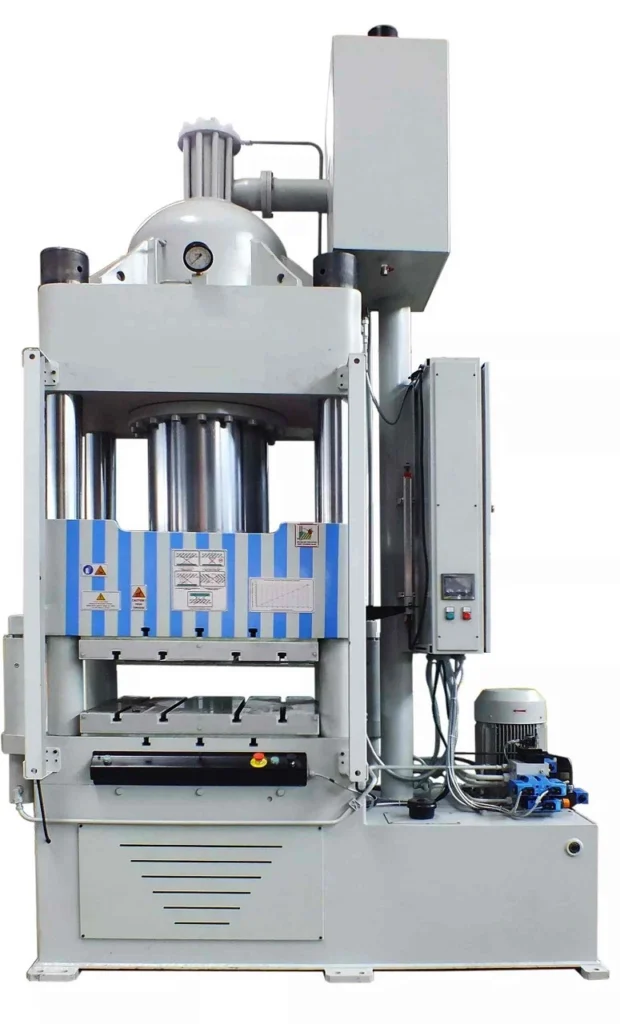
Hydroforming Press Manufacturers

hydraulic press is a mechanical device that uses hydraulic force to compress, shape, or mold materials into specific forms. It is widely regarded as one of the most important machines in industrial manufacturing due to its ability to apply immense force with precision and control. This force is generated by the hydraulic system, which operates based on Pascal’s Law, allowing a small input force to be multiplied into a much larger output force. Hydraulic presses are used in a variety of industries, including automotive manufacturing, aerospace, metalworking, and plastic molding, where they perform tasks such as metal forming, stamping, deep drawing, and forging.

The working principle of a hydraulic press revolves around the movement of hydraulic fluid under pressure, which is directed into a cylinder to push a piston. This piston, in turn, applies a compressive force on the material placed beneath it. By manipulating the size of the cylinder and piston, hydraulic presses can generate forces ranging from a few tons to thousands of tons, making them highly versatile machines.

Hydraulic presses are favored for their precision and control, enabling manufacturers to produce consistent, high-quality parts. They are also more compact compared to mechanical presses, and their force can be applied more evenly, which is particularly important in tasks requiring smooth, controlled deformation of materials.

This principle of multiplying force has applications far beyond presses. Hydraulic systems are used in a wide range of machinery and tools, including hydraulic lifts, jacks, and braking systems in vehicles. The versatility and efficiency of hydraulic systems make them a cornerstone of modern engineering and manufacturing.

Despite their widespread use and importance, the operation of hydraulic presses remains based on a simple concept—containing and controlling fluid pressure to achieve a desired mechanical outcome. The ability to harness the power of fluid dynamics enables hydraulic presses to perform complex and demanding tasks with minimal input force.

In the following sections, we will explore in detail the scientific principles that underpin hydraulic press operation, the components that make up these systems, and the various types of hydraulic presses used across industries. Additionally, we will delve into the energy efficiencycontrol mechanisms, and future innovations that continue to make hydraulic presses indispensable in the modern industrial landscape.

Fundamental Science Behind Hydraulic Presses
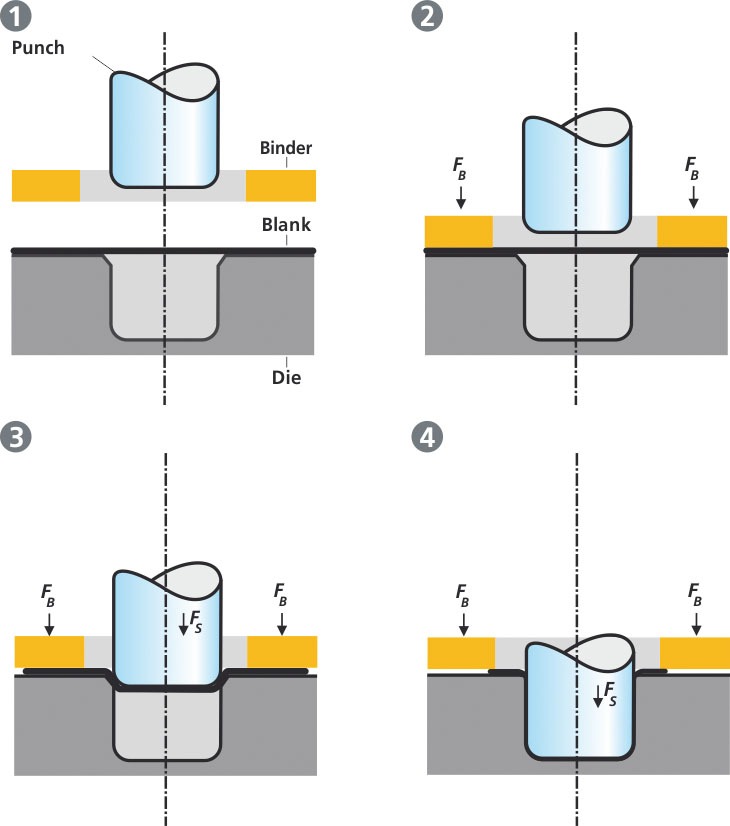
What is Deep Drawing in Manufacturing Process

The working principle of a hydraulic press is based on the foundational concept of Pascal’s Law, which governs the behavior of fluids in confined spaces. Understanding the physics behind hydraulic systems is essential to grasp how hydraulic presses can generate such significant force with relatively little input.

2.1. Pascal’s Law and Its Application in Hydraulic Systems

Pascal’s Law, named after the French mathematician Blaise Pascal, states that when pressure is applied to a confined fluid, it is transmitted equally in all directions. This means that any change in pressure in one part of a confined fluid is reflected throughout the entire fluid. In a hydraulic press, this principle is used to multiply force and transfer it efficiently across a system.

The mathematical expression of Pascal’s Law is:P=FAP = \frac{F}{A}P=AF​

Where:

  • P is pressure,
  • F is force, and
  • A is the area over which the force is applied.

In a hydraulic press, this equation explains how a small input force can be transformed into a much larger output force. By increasing the area of the output piston while keeping the pressure constant, the force exerted by the press can be amplified. This is the fundamental principle behind force multiplication in hydraulic systems.

2.2. Force Multiplication in Hydraulic Systems

To understand how Pascal’s Law applies in a hydraulic press, consider a simple system with two connected cylinders of different sizes. A small input force is applied to the smaller piston (called the master cylinder), creating pressure in the hydraulic fluid. Because pressure is transmitted equally in all directions, this pressure is also applied to the larger piston (called the slave cylinder). Since the area of the larger piston is greater, the force it exerts is proportionally larger, even though the pressure in the system remains constant.

For example, if a 100 Newton force is applied to a small piston with an area of 1 square centimeter, the resulting pressure is 100 N/cm². If this pressure is applied to a larger piston with an area of 10 cm², the force exerted by the larger piston will be 100 N/cm² × 10 cm² = 1,000 Newtons. This ability to multiply force makes hydraulic systems incredibly powerful and efficient.

This concept is the core of how hydraulic presses operate: a small force applied at the input is transformed into a much larger force at the output, allowing for tasks such as metal formingforgingstamping, and crushing to be carried out with great efficiency.

2.3. How Pressure is Distributed Through a Confined Fluid

In a hydraulic press, the hydraulic fluid plays a critical role in force transmission. Hydraulic fluids are generally incompressible, meaning they do not significantly change in volume when subjected to pressure. This property allows the fluid to transmit force consistently and efficiently.

When pressure is applied to the fluid, the fluid distributes that pressure equally in all directions within the confined space of the hydraulic cylinder. This even distribution is key to ensuring that the press applies uniform pressure across the material being worked on. Whether the press is used to form metal sheets, mold plastics, or perform deep drawing operations, the hydraulic fluid ensures that the force is applied consistently across the entire surface area of the workpiece.

In practical terms, this means that the hydraulic press can handle complex shapes and materials that require smooth, even deformation, such as in metal forming or precision assembly tasks.

2.4. Real-World Examples of Pascal’s Law Beyond Hydraulic Presses

While hydraulic presses are perhaps the most well-known application of Pascal’s Law, this principle is utilized in many other areas of engineering and machinery. Some real-world examples include:

  • Hydraulic car jacks: Used to lift heavy vehicles with minimal input force. A small pump applies pressure to the hydraulic fluid, lifting the vehicle with the help of a larger piston.
  • Hydraulic braking systems: Found in cars, trucks, and airplanes, hydraulic brakes use fluid pressure to multiply the force applied by the driver’s foot on the brake pedal, applying enough force to stop the vehicle.
  • Hydraulic lifts: Commonly used in construction, warehouses, and factories, hydraulic lifts use Pascal’s Law to raise and lower heavy loads with great precision.

In each of these examples, the ability to multiply force using hydraulic systems allows for efficient operation of equipment, reducing the need for manual labor and increasing productivity.

2.5. Hydraulic Force vs. Mechanical Force

Hydraulic presses differ from mechanical presses in how they generate and apply force. While both types of presses are used to deform, shape, or compress materials, the mechanisms they use are quite different.

  • Hydraulic presses use hydraulic fluid to apply pressure, allowing for smoother and more controlled force application. The force in a hydraulic press is applied uniformly, which is ideal for tasks that require precision, such as metal forming and plastic molding.
  • Mechanical presses, on the other hand, rely on mechanical linkages and flywheels to generate force. While mechanical presses can be faster and are suitable for repetitive tasks like stamping, they are less versatile when it comes to handling complex shapes or materials.

The key advantage of hydraulic presses is their ability to apply constant pressure over a long stroke length. This makes them ideal for tasks like deep drawingmetal extrusion, and compression molding, where materials need to be shaped gradually and with high precision.

Components of a Hydraulic Press and Their Roles in the Working Principle

Types of Single-Acting Hydraulic Presses

A hydraulic press consists of several key components, each of which plays an essential role in converting hydraulic energy into mechanical force. Understanding how these components function and interact with each other is crucial to comprehending the overall working principle of hydraulic presses. In this section, we will explore the most important components of a hydraulic press and their specific contributions to the system’s operation.

3.1. Hydraulic Cylinder

The hydraulic cylinder is the heart of the hydraulic press. It is responsible for converting hydraulic pressure into linear mechanical force, which is then used to deform or shape the material. The cylinder houses the piston, and the pressurized hydraulic fluid is pumped into the cylinder, creating pressure behind the piston. This pressure causes the piston to move, applying force to the material beneath the press.

Types of Hydraulic Cylinders

Hydraulic cylinders come in different designs depending on the application of the press:

  • Single-acting cylinders: These cylinders have hydraulic fluid applied to only one side of the piston, causing the piston to move in one direction. The return stroke is powered by external forces, such as springs or gravity.
  • Double-acting cylinders: In these cylinders, hydraulic fluid is applied to both sides of the piston, allowing it to move in both directions. This design offers more control over the movement of the piston and is commonly used in modern hydraulic presses that require precision and speed.
Function of the Cylinder in the Hydraulic Press

The force generated by the hydraulic press is proportional to the surface area of the cylinder and the pressure applied to the hydraulic fluid. This makes the cylinder’s design critical to determining how much force the press can exert. Larger cylinders can generate more force due to the increased area over which the hydraulic fluid applies pressure.

In a typical operation cycle, the press’s hydraulic pump forces fluid into the cylinder, pushing the piston downward. The material placed beneath the press is deformed or compressed as the piston moves. Once the task is completed, the hydraulic fluid is either released (in single-acting cylinders) or pumped back (in double-acting cylinders) to retract the piston.

3.2. Piston

The piston is another vital component of a hydraulic press, as it is responsible for transferring the hydraulic pressure into mechanical force. The piston moves within the hydraulic cylinder as pressurized fluid is pumped in, causing it to push down on the material being pressed. The force exerted by the piston depends on its size, the pressure of the hydraulic fluid, and the area over which the pressure is applied.

Piston’s Role in Force Transmission

In hydraulic systems, the piston acts as the intermediary between hydraulic pressure and mechanical action. The movement of the piston is what ultimately causes the deformation, compression, or shaping of the material. The larger the surface area of the piston, the greater the force it can exert. For example, a larger piston will apply a higher force to the material even with the same amount of hydraulic pressure.

Pistons are typically made from high-strength materials like steel or cast iron, ensuring they can withstand the immense pressures generated by the hydraulic system. To ensure smooth operation, pistons are often coated with chrome or other wear-resistant materials to reduce friction and prevent corrosion.

Precision and Control

Modern hydraulic presses rely on highly precise pistons that can handle extremely high loads while maintaining smooth, controlled movement. In presses used for precision tasks, such as in the automotive or aerospace industries, the piston’s movement must be carefully controlled to ensure that the material is shaped or pressed accurately. The responsiveness of the piston allows operators to achieve fine control over the force and speed of the press, ensuring high-quality results.

3.3. Hydraulic Fluid

Hydraulic fluid plays a critical role in the operation of a hydraulic press by serving as the medium through which force is transmitted. When hydraulic fluid is pressurized, it transmits this pressure to the piston, causing the piston to move. The properties of hydraulic fluid, such as viscosity, thermal stability, and compressibility, directly impact the performance and efficiency of the press.

Types of Hydraulic Fluids

Several types of hydraulic fluids are used in hydraulic presses, each with different properties suited to specific operating conditions:

  • Mineral-based hydraulic fluids: These are the most common and cost-effective fluids used in general-purpose presses. They offer good lubrication and heat dissipation properties but may not perform well in extreme temperatures.
  • Water-based hydraulic fluids: These fluids are used in applications where fire resistance is important. They are less flammable than mineral oils, making them suitable for presses used in environments with a higher risk of fire.
  • Synthetic hydraulic fluids: These are high-performance fluids designed for extreme conditions, such as high temperatures or heavy loads. They offer superior stability and performance but are more expensive than other types of hydraulic fluids.
Role of Hydraulic Fluid in Energy Transmission

The hydraulic fluid is incompressible, which allows it to transmit force efficiently. When pressurized by the hydraulic pump, the fluid moves through the system and into the cylinder, where it applies pressure to the piston. This pressure causes the piston to move, exerting force on the material. The ability of hydraulic fluid to transmit force without significant loss is what makes hydraulic systems so efficient.

In addition to transmitting force, hydraulic fluid also acts as a lubricant, reducing friction between the moving parts of the press, such as the piston and cylinder walls. It also helps dissipate heat generated during operation, preventing the system from overheating and maintaining consistent performance.

3.4. Hydraulic Pump

The hydraulic pump is responsible for pressurizing the hydraulic fluid and driving the movement of the piston. It converts mechanical energy (from a motor or engine) into hydraulic energy by moving the fluid through the system. The pump is a critical component in determining the overall performance and speed of the hydraulic press, as it directly affects how quickly pressure builds up in the system.

Types of Hydraulic Pumps

Hydraulic presses use several types of pumps, depending on the press’s size, application, and desired performance:

  • Gear pumps: These are simple, cost-effective pumps that are commonly used in smaller presses or low-pressure applications. They are less efficient than other types of pumps but are reliable and easy to maintain.
  • Vane pumps: Known for their quiet operation and smooth fluid flow, vane pumps are used in presses that require moderate pressure and efficiency.
  • Piston pumps: These are the most powerful and efficient hydraulic pumps, capable of generating extremely high pressures. Piston pumps are typically used in heavy-duty industrial presses that require precise control and high force.
Pump’s Role in Generating Pressure

The hydraulic pump draws fluid from the reservoir and forces it into the hydraulic system, creating pressure. This pressure is what drives the movement of the piston, allowing the press to apply force to the material. The pump’s efficiency and capacity determine how quickly pressure builds up in the system and how much force the press can generate.

Modern hydraulic pumps are often designed to adjust their output based on the press’s operating conditions. For example, variable displacement pumps can change the amount of fluid they move depending on the press’s needs, improving energy efficiency and reducing waste.

3.5. Valves and Controls

Valves and control systems in a hydraulic press manage the flow of hydraulic fluid and ensure that pressure is applied safely and efficiently. Valves are used to control the direction, speed, and pressure of the fluid as it moves through the system.

Types of Valves
  • Directional control valves: These valves control the direction of the hydraulic fluid, determining whether the piston moves up or down. They are essential for controlling the operation of the press.
  • Pressure relief valves: These valves protect the system from over-pressurization by releasing excess fluid back into the reservoir when the pressure exceeds a safe limit.
  • Flow control valves: These valves regulate the speed of the press by controlling the flow rate of hydraulic fluid into the cylinder. This allows operators to adjust the press’s speed for different tasks.
Control Systems and Automation

In modern hydraulic presses, valves are often controlled electronically, using Programmable Logic Controllers (PLCs) or Computer Numerical Control (CNC) systems. These control systems allow operators to automate the press’s operation, adjusting parameters such as pressure, speed, and stroke length with high precision.

Automation improves the efficiency and accuracy of hydraulic presses, making them suitable for tasks that require repetitive or precise operations. Smart control systems also enable real-time monitoring of the press’s performance, helping operators identify potential issues before they cause downtime or damage.

3.6. Reservoir and Cooling System

The reservoir stores the hydraulic fluid when it is not in use and provides a place for the fluid to cool before it is recirculated back into the system. The reservoir plays an important role in maintaining the efficiency and longevity of the hydraulic press by ensuring that the fluid remains clean and at an optimal temperature.

Reservoir’s Role in Fluid Management

The hydraulic fluid in the system heats up during operation due to friction and pressure. The reservoir allows the fluid to cool before it is pumped back into the system, preventing overheating and maintaining consistent pressure. In addition, the reservoir often contains filters that remove impurities from the fluid, preventing contamination that could damage the hydraulic components.

Cooling Systems

Some hydraulic presses are equipped with cooling systems, such as heat exchangers or radiators, to further control the temperature of the hydraulic fluid. Keeping the fluid at the correct temperature is essential for maintaining the press’s performance and preventing premature wear on components.

Pascal’s Law in Detail

Pascal’s Law is the fundamental scientific principle behind the operation of hydraulic presses. It explains how hydraulic systems can efficiently multiply force, making hydraulic presses capable of performing heavy-duty tasks such as forming, molding, and cutting with minimal input force. In this section, we will delve deeper into the mathematical foundation of Pascal’s Law, explore the concept of force multiplication in hydraulic systems, and discuss how pressure is transmitted through hydraulic fluid. Understanding Pascal’s Law is crucial to appreciating the inner workings and efficiency of hydraulic presses.

4.1. Mathematics of Pascal’s Law

Pascal’s Law, formulated by the French mathematician Blaise Pascal in the 17th century, states that when pressure is applied to a confined fluid, it is transmitted equally in all directions within the fluid. This simple yet powerful concept is the key to understanding how hydraulic systems work.

The equation for Pascal’s Law can be expressed as:P=FAP = \frac{F}{A}P=AF​

Where:

  • P is the pressure in the system (measured in Pascals, Pa),
  • F is the force applied (measured in Newtons, N), and
  • A is the area over which the force is applied (measured in square meters, m²).

This equation shows that pressure in a hydraulic system is a function of the force applied to the fluid and the area over which that force is distributed. By rearranging the formula to solve for force, we get:F=P×AF = P \times AF=P×A

This tells us that the force generated by the hydraulic system is directly proportional to the pressure applied and the surface area of the piston or cylinder. This relationship allows hydraulic presses to generate enormous forces with relatively small input pressures, making them highly efficient and powerful machines.

4.2. Pressure and Force Distribution

In a hydraulic press, Pascal’s Law ensures that the pressure applied to the hydraulic fluid is transmitted uniformly throughout the system. This means that the force generated by the press is distributed evenly across the entire surface area of the piston, resulting in uniform force application to the material being worked on.

For example, consider a hydraulic system with two pistons: a smaller input piston and a larger output piston. When pressure is applied to the input piston, the hydraulic fluid transmits that pressure to the larger output piston. Since pressure is constant throughout the fluid, the larger piston generates a much greater force because it has a larger surface area over which the pressure is applied.

If the input piston has an area of 1 square centimeter and the output piston has an area of 10 square centimeters, the force exerted by the output piston will be 10 times greater than the force applied to the input piston. This is known as force multiplication, and it is the reason why hydraulic presses can generate such large forces with minimal input effort.

The concept of force multiplication can be further illustrated using the example of a car jack. When you pump the handle of a hydraulic jack, you are applying a small force to a small piston. The hydraulic fluid then transmits this pressure to a larger piston, which exerts enough force to lift a car. The principle at work is the same as in a hydraulic press: pressure is distributed evenly, and the force is multiplied based on the difference in piston areas.

4.3. Formula for Force Multiplication

To better understand the concept of force multiplication, let’s break down the calculation:

Consider a hydraulic press with an input piston that has an area of 2 cm² and an output piston with an area of 50 cm². If you apply a force of 100 Newtons to the input piston, we can calculate the pressure applied to the hydraulic fluid using the following formula:P=FA=100 N2 cm2=50 N/cm2P = \frac{F}{A} = \frac{100 \, \text{N}}{2 \, \text{cm}^2} = 50 \, \text{N/cm}^2P=AF​=2cm2100N​=50N/cm2

This pressure is transmitted equally throughout the hydraulic fluid, so the same pressure (50 N/cm²) is applied to the output piston. To calculate the force exerted by the output piston, we multiply the pressure by the area of the output piston:Foutput=P×Aoutput=50 N/cm2×50 cm2=2500 NF_{\text{output}} = P \times A_{\text{output}} = 50 \, \text{N/cm}^2 \times 50 \, \text{cm}^2 = 2500 \, \text{N}Foutput​=P×Aoutput​=50N/cm2×50cm2=2500N

In this example, a small input force of 100 N is multiplied into a much larger output force of 2500 N. This illustrates how hydraulic presses can generate extremely high forces by applying relatively small forces at the input.

The ratio of the areas of the pistons is what allows the system to multiply force. In this case, the ratio of the areas is 50 cm² (output piston) to 2 cm² (input piston), or 25:1. This means that for every 1 unit of force applied to the input piston, 25 units of force are generated at the output piston.

4.4. Pressure Applied to Different Pistons

In hydraulic systems, pressure is the same throughout the fluid, regardless of the size of the pistons. However, the force generated at each piston varies depending on the surface area of the piston. This is what allows hydraulic presses to achieve force multiplication.

Let’s take another example where the hydraulic press has two pistons—an input piston with an area of 5 cm² and an output piston with an area of 25 cm². If a force of 200 N is applied to the input piston, the pressure in the system will be:P=FinputAinput=200 N5 cm2=40 N/cm2P = \frac{F_{\text{input}}}{A_{\text{input}}} = \frac{200 \, \text{N}}{5 \, \text{cm}^2} = 40 \, \text{N/cm}^2P=Ainput​Finput​​=5cm2200N​=40N/cm2

This pressure is transmitted to the output piston, and the force generated by the output piston will be:Foutput=P×Aoutput=40 N/cm2×25 cm2=1000 NF_{\text{output}} = P \times A_{\text{output}} = 40 \, \text{N/cm}^2 \times 25 \, \text{cm}^2 = 1000 \, \text{N}Foutput​=P×Aoutput​=40N/cm2×25cm2=1000N

As seen here, the output force is five times greater than the input force because the area of the output piston is five times larger than the area of the input piston. This proportional relationship between piston area and output force is the foundation of the hydraulic press’s ability to generate large amounts of force.

4.5. Hydraulic Press Efficiency

One of the key benefits of hydraulic presses is their efficiency in converting input force into output force. Hydraulic systems are typically more efficient than mechanical systems because they transmit force directly through the incompressible fluid. This allows hydraulic presses to maintain consistent pressure and smooth force application over long distances, making them ideal for tasks that require precision and uniformity.

However, the overall efficiency of a hydraulic press depends on several factors, including:

  • Hydraulic fluid properties: The viscosity and compressibility of the hydraulic fluid can affect how efficiently pressure is transmitted. High-quality hydraulic fluids with low compressibility are essential for maintaining efficient operation.
  • System leaks: Leaks in the hydraulic system can result in pressure loss, reducing the efficiency of the press. Proper sealing and regular maintenance are necessary to prevent fluid leaks.
  • Friction and heat: Friction between moving parts can generate heat, which reduces the overall efficiency of the system. Proper lubrication and cooling systems are needed to minimize friction and prevent overheating.

Hydraulic presses are particularly efficient when performing tasks such as deep drawingforging, and stamping, where smooth and consistent force application is required over extended periods. The ability of hydraulic systems to maintain constant pressure ensures that the material is shaped uniformly, resulting in high-quality products with minimal defects.

4.6. Real-World Applications of Pascal’s Law in Hydraulic Presses

The principles of Pascal’s Law are applied in various industries where hydraulic presses are used to perform tasks that require large amounts of force. Some common applications of hydraulic presses include:

  • Automotive manufacturing: Hydraulic presses are used to shape metal parts such as car body panels, engine components, and chassis frames.
  • Aerospace: Hydraulic presses are essential for manufacturing high-strength metal parts used in aircraft, such as wing components, landing gear, and turbine blades.
  • Metalworking: Hydraulic presses are used in metal forming, stamping, forging, and extrusion processes to shape and mold metals into complex shapes.
  • Plastic molding: Hydraulic presses are used in the plastic molding industry to shape plastic materials into various products, such as automotive interiors, packaging, and consumer goods.
  • Recycling: Hydraulic presses are used to compact scrap metal, plastics, and other materials into dense bales for easy transportation and recycling.

Working Process of a Hydraulic Press
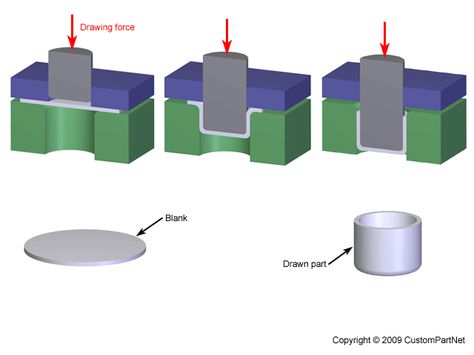
Deep Drawing Process in Sheet Metal

The working process of a hydraulic press is a well-orchestrated mechanical and fluid dynamic cycle. It involves the application of pressure through a hydraulic system, causing a piston to move, which in turn applies force to the material being worked on. The entire process revolves around the efficient transmission of force through hydraulic fluid, ensuring that large forces can be applied to the material with precision and control. This section will provide a step-by-step explanation of how a hydraulic press operates, from the input of hydraulic pressure to the final force application on the material.

5.1. Basic Operation Cycle of a Hydraulic Press

The operation of a hydraulic press involves several key steps, each of which plays a vital role in shaping or compressing the material being processed. The entire cycle can be divided into three primary stages: fluid pressurizationpiston movement, and material deformation.

Step 1: Pressurizing the Hydraulic Fluid

The first step in the operation of a hydraulic press is pressurizing the hydraulic fluid, which is stored in a reservoir. The hydraulic pump is responsible for drawing the fluid from the reservoir and pressurizing it. This pump can be powered by an electric motor or a pneumatic system, depending on the design of the press.

As the hydraulic pump operates, it forces the hydraulic fluid into the hydraulic cylinder. This fluid, being incompressible, transmits the pressure evenly throughout the cylinder. The pressure applied to the fluid is what creates the force needed to move the piston.

  • Hydraulic fluid pressurization: The pump applies mechanical energy to the fluid, increasing its pressure. The pressure level depends on the type of press and the amount of force required for the task. For example, in high-force applications such as forging or deep drawing, the pressure might reach thousands of PSI (pounds per square inch).
Step 2: Piston Movement

Once the hydraulic fluid is pressurized, the next step is the movement of the piston within the hydraulic cylinder. The pressurized fluid pushes against the surface area of the piston, causing it to move downward (in the case of a vertical press) or in another direction, depending on the press design.

As the piston moves, it transfers the hydraulic force to the material placed on the press’s bed or anvil. The force is applied uniformly across the material, enabling tasks such as compression, bending, cutting, or molding.

  • Control over piston movement: The movement of the piston is controlled by directional control valves, which determine whether the fluid enters one side of the piston or the other. For presses that require precision, the flow control valves can also regulate the speed at which the piston moves, ensuring smooth and controlled operation.
  • Force generation: The force applied by the piston is proportional to the pressure in the hydraulic system and the surface area of the piston. Larger pistons with greater surface areas generate more force, making hydraulic presses highly efficient for heavy-duty applications like metal stamping or forging.
Step 3: Material Deformation

The final stage in the operation of a hydraulic press is the deformation of the material being processed. As the piston applies force to the material, the material is compressed, bent, or shaped according to the specific requirements of the task.

  • Material behavior under pressure: Different materials respond to pressure in various ways. Metals, for example, deform plastically when subjected to enough force, allowing them to be shaped into desired forms without breaking. Plastics, on the other hand, may require less force but must be handled carefully to avoid cracking or warping.
  • Even force distribution: One of the advantages of hydraulic presses is their ability to apply force evenly across the surface of the material. This even distribution of force ensures that the material is deformed consistently, reducing the risk of defects such as uneven thickness, cracks, or warping.

Once the task is complete, the hydraulic system reduces the pressure, and the piston retracts, either by releasing the hydraulic fluid or by using a return spring (in single-acting cylinders) or applying pressure to the opposite side of the piston (in double-acting cylinders). This completes the operational cycle.

5.2. Input Force to Output Force: A Detailed Breakdown

One of the key principles behind the working process of a hydraulic press is the multiplication of force. Hydraulic presses are designed to take a small input force and amplify it into a much larger output force, thanks to the mechanics of Pascal’s Law and the difference in surface areas between the input and output pistons.

Let’s break down this process in more detail:

  • Small input force: In a hydraulic press, the operator or an automated system applies a relatively small input force to the hydraulic fluid, either by operating the hydraulic pump or using a manual lever (in the case of manual presses).
  • Pressure generation: This input force creates pressure within the hydraulic fluid, which is then transmitted through the system. Since the fluid is incompressible, the pressure is distributed evenly throughout the hydraulic system.
  • Force amplification: The force applied by the piston to the material is determined by the surface area of the piston and the pressure in the hydraulic system. Because the piston typically has a much larger surface area than the input mechanism, the force exerted by the piston is amplified many times over.

For example, if a hydraulic press has an input piston with an area of 2 square centimeters and an output piston with an area of 50 square centimeters, the output force will be 25 times greater than the input force. This ability to multiply force is what makes hydraulic presses so effective in tasks that require immense force, such as forgingstamping, or metal forming.

5.3. Stroke Length and Speed Control

The stroke length refers to the distance the piston travels during the operation of the hydraulic press. Stroke length is an important parameter in press operation because it determines how far the material is compressed, bent, or shaped. In many applications, precise control over stroke length is necessary to ensure that the material is processed correctly.

  • Adjusting stroke length: Hydraulic presses are typically equipped with controls that allow operators to adjust the stroke length. For example, when pressing large or thick materials, the stroke length may need to be longer to ensure full compression. In contrast, for smaller, more delicate tasks, a shorter stroke length is often sufficient.
  • Speed control: The speed at which the piston moves is another critical factor in the operation of a hydraulic press. The speed is controlled by regulating the flow rate of the hydraulic fluid through the system. Flow control valves are used to adjust the fluid flow, allowing operators to slow down or speed up the piston’s movement based on the requirements of the task.

In applications that require precision forming, such as in the automotive or aerospace industries, the ability to control the speed of the press is essential. Slower speeds allow for greater precision and help avoid defects, while faster speeds increase productivity when handling simpler tasks.

5.4. Reverse Stroke: The Return Process

In addition to the pressing stroke, hydraulic presses also have a reverse stroke, where the piston is retracted after the pressing operation is complete. The reverse stroke is essential for resetting the press so that the next operation can be performed.

Single-Acting Cylinders

In hydraulic presses with single-acting cylinders, the piston is powered by hydraulic pressure in only one direction—typically the downward stroke. After the pressing operation is completed, the piston is returned to its starting position using either a return spring or gravity. These systems are simpler but may not offer as much control over the reverse stroke.

  • Return spring: A spring attached to the piston helps pull it back to the starting position once the hydraulic pressure is released.
  • Gravity return: In vertical presses, the weight of the piston itself can help it return to the starting position.
Double-Acting Cylinders

In double-acting cylinders, hydraulic pressure is applied to both sides of the piston, allowing for controlled movement in both directions. This means the piston can be powered both during the pressing stroke and the reverse stroke. Double-acting cylinders are more versatile and allow for greater control over the reverse stroke, making them ideal for precision tasks.

  • Hydraulic return: Pressure is applied to the opposite side of the piston to move it back to its starting position after the operation. This offers more control and ensures that the piston retracts at a consistent speed.

5.5. Hydraulic Press Cycle Time

The cycle time of a hydraulic press refers to the amount of time it takes to complete one full operation, including the pressing stroke, the reverse stroke, and the resetting of the press. Several factors affect the cycle time, including:

  • Hydraulic pump capacity: The pump’s ability to generate pressure quickly can reduce the cycle time. High-capacity pumps allow for faster pressurization of the hydraulic fluid, resulting in quicker piston movement.
  • Piston speed: The speed at which the piston moves during both the pressing and reverse strokes also affects the cycle time. Flow control valves help regulate this speed to achieve the desired balance between precision and productivity.
  • Material properties: The material being pressed can impact cycle time. Harder materials, such as metals, may require more time for compression, while softer materials like plastics can be processed more quickly.
  • Stroke length: Longer strokes require more time to complete, extending the overall cycle time. Shorter strokes are faster but may not be suitable for all applications.

In high-volume production environments, minimizing cycle time is crucial to maintaining efficiency and productivity. Modern hydraulic presses are designed with automated controls and efficient hydraulic systems to optimize cycle time while maintaining high levels of precision and quality.

Types of Hydraulic Presses and Their Variations in Working Principles

Hydraulic presses come in a wide variety of designs, each tailored to specific applications and industries. While the basic principle of operation—applying hydraulic pressure to a piston to generate force—remains the same, the differences in frame construction, force output, and functionality make each type of hydraulic press suited for particular tasks. In this section, we will explore several common types of hydraulic presses and the variations in their working principles.

6.1. Manual Hydraulic Presses

Manual hydraulic presses are operated by hand, typically using a lever or hand pump to generate hydraulic pressure. These presses are simple in design and do not require external power sources like electricity or pneumatic systems. Manual presses are most commonly used for small-scale tasks where precision and high force are needed but speed is not a priority.

Working Principle of Manual Hydraulic Presses
  • Hand-powered pump: In a manual press, the operator applies force to a lever or hand pump, which drives the hydraulic fluid into the cylinder. This creates pressure in the hydraulic system and moves the piston to apply force to the material.
  • Force application: Despite being manually powered, these presses can generate significant force, thanks to Pascal’s Law. The operator can apply a relatively small amount of force, which is multiplied through the hydraulic system, allowing for tasks like pressing bearings, small metal forming, or assembly work.
  • Control: Manual presses allow for precise control over the amount of force applied, as the operator can stop or adjust the lever or pump as needed. However, the process can be slow compared to automated systems.
Applications
  • Workshops and laboratories: Manual hydraulic presses are often found in small workshops and laboratories where precision and control are more important than speed. They are used for tasks such as press fittingbearing insertionjewelry making, and small metal forming.
  • Low-volume production: These presses are ideal for low-volume or one-off production runs, as they are cost-effective and easy to operate.
Advantages
  • Portability: Manual hydraulic presses are often compact and portable, making them easy to move and set up in different locations.
  • Low cost: They are more affordable than powered hydraulic presses, making them ideal for smaller operations or hobbyists.
  • Precision: The operator has full control over the amount of force applied, allowing for precise and careful operations.
Limitations
  • Limited force: While manual presses can generate significant force, they are limited in comparison to powered hydraulic presses. They are not suitable for tasks requiring very high pressure or force.
  • Slower operation: Manual presses are slower than powered presses, as the operator must manually pump the hydraulic fluid into the cylinder.

6.2. Powered Hydraulic Presses

Powered hydraulic presses use an external power source, such as an electric motor or pneumatic system, to drive the hydraulic pump. This allows for faster and more consistent operation compared to manual presses, making them ideal for industrial applications that require high force and rapid cycle times.

Electric Hydraulic Presses

Electric hydraulic presses are driven by electric motors that power the hydraulic pump, generating fluid pressure automatically. These presses are commonly used in large-scale manufacturing environments where high force and precision are required.

Working Principle of Electric Hydraulic Presses
  • Electric motor: The electric motor drives the hydraulic pump, which pressurizes the hydraulic fluid. The pressurized fluid is then directed into the cylinder, moving the piston and applying force to the material.
  • Automated control: Electric presses often feature programmable controls, allowing operators to set specific parameters such as pressure, stroke length, and speed. This automation improves consistency and reduces operator error.
  • Continuous operation: Unlike manual presses, electric hydraulic presses can operate continuously, making them suitable for high-volume production environments.
Applications
  • Metal forming and stamping: Electric hydraulic presses are widely used in the metalworking industry, where they perform tasks such as metal stamping, bending, and punching.
  • Plastic molding: These presses are also used in the plastic molding industry, where they shape plastic materials into various components.
  • Automotive manufacturing: Electric hydraulic presses are essential in automotive production, where they are used to press car body panels, engine components, and structural elements.
Advantages
  • High force output: Electric presses can generate much higher force than manual presses, making them suitable for heavy-duty applications.
  • Precision and automation: Programmable controls allow for precise force application, ensuring consistency and reducing the need for manual intervention.
  • Faster cycle times: Electric presses operate more quickly than manual presses, allowing for higher productivity in industrial settings.
Limitations
  • Higher cost: Electric hydraulic presses are more expensive than manual presses, both in terms of initial investment and ongoing energy costs.
  • Maintenance: These presses require more maintenance due to their complex electrical and hydraulic systems.
Pneumatic Hydraulic Presses

Pneumatic hydraulic presses are driven by compressed air, which is used to power the hydraulic pump. These presses are often used in light industrial applications where lower force is required, but speed and efficiency are still important.

Working Principle of Pneumatic Hydraulic Presses
  • Compressed air: The press is powered by an air compressor, which provides the energy needed to drive the hydraulic pump. The compressed air creates pressure in the hydraulic fluid, which moves the piston and applies force to the material.
  • Faster operation: Pneumatic presses are known for their quick operation, making them suitable for tasks that require rapid cycle times.
Applications
  • Light assembly work: Pneumatic hydraulic presses are often used for assembly line tasks such as pressing bearings, fasteners, and small components into place.
  • Low to moderate force applications: These presses are ideal for tasks that require moderate force, such as plastic forming, light metal forming, and punching.
Advantages
  • Energy efficiency: Pneumatic presses are more energy-efficient for light-duty tasks, as they consume less power than electric presses.
  • Fast operation: These presses offer rapid cycle times, making them ideal for repetitive tasks in assembly lines.
  • Environmentally friendly: Pneumatic systems are often considered environmentally friendly, as they use compressed air instead of electricity.
Limitations
  • Lower force output: Pneumatic presses cannot generate the same level of force as electric hydraulic presses, limiting their use in heavy-duty applications.
  • Air consumption: They require a constant supply of compressed air, which may not be practical in all environments.

6.3. H-Frame Hydraulic Presses

H-frame hydraulic presses are named for their distinctive frame shape, which resembles the letter “H.” This frame design provides excellent stability and force distribution, making H-frame presses one of the most versatile and widely used types of hydraulic presses in manufacturing and repair applications.

Working Principle of H-Frame Hydraulic Presses
  • H-frame structure: The press consists of two vertical columns (the legs of the “H”) connected by horizontal crossbars. The hydraulic cylinder and piston are mounted in the center of the crossbar, allowing the piston to move vertically and apply force to the material placed between the columns.
  • High force capacity: H-frame presses are capable of generating large amounts of force, making them suitable for tasks such as metal formingstampingbending, and forging. The frame design ensures that the force is evenly distributed across the material, preventing deformation or misalignment.
  • Manual or powered operation: H-frame presses can be operated manually, with a hand pump, or powered by an electric or pneumatic system, depending on the size and force requirements.
Applications
  • Metalworking and fabrication: H-frame hydraulic presses are commonly used in the metalworking industry for tasks such as bending, straightening, stamping, and forming metal components.
  • Automotive repair: These presses are often found in automotive repair shops, where they are used for tasks such as pressing bearings, straightening chassis components, and forming metal parts.
  • General manufacturing: H-frame presses are versatile machines used in a wide range of manufacturing industries, including constructionaerospace, and machinery production.
Advantages
  • Versatility: H-frame presses can be used for a wide range of tasks, from small-scale repairs to large-scale industrial manufacturing.
  • High stability: The H-frame design provides excellent structural stability, ensuring that the force is applied evenly and accurately.
  • Customizability: H-frame presses can be customized with different hydraulic systems, bed sizes, and accessories to meet specific production needs.
Limitations
  • Large footprint: H-frame presses require a significant amount of floor space, making them less suitable for small workshops or facilities with limited space.
  • Heavier: These presses tend to be heavier and more difficult to move compared to other types of hydraulic presses.

6.4. C-Frame Hydraulic Presses

C-frame hydraulic presses are designed with an open-front structure that resembles the letter “C.” This design provides easy access to the work area, making C-frame presses ideal for tasks that require quick loading and unloading of materials. C-frame presses are commonly used for smaller-scale applications where precision and speed are important.

Working Principle of C-Frame Hydraulic Presses
  • Open-front design: The C-frame design allows for easy access to the pressing area from three sides, making it easier to position and remove materials. The hydraulic cylinder is mounted at the top of the frame, with the piston moving downward to apply force to the material placed on the bed.
  • Single-point force application: In C-frame presses, the force is applied at a single point directly beneath the piston. While this provides precise control, it can also result in uneven force distribution if the material is not properly aligned.
Applications
  • Precision metalworking: C-frame presses are often used in precision metalworking tasks such as punchingstamping, and forming small metal components.
  • Assembly line work: These presses are commonly found in assembly lines for tasks such as pressing fasteners or components into place, particularly in industries like electronics and automotive.
  • Small part production: C-frame presses are ideal for producing small parts or components that require high precision and frequent handling.
Advantages
  • Compact and space-efficient: C-frame presses have a smaller footprint than H-frame presses, making them ideal for smaller workshops or production lines with limited space.
  • Easy access: The open-front design allows for quick and easy loading and unloading of materials, improving productivity in high-volume applications.
  • Precision: These presses offer excellent precision, making them ideal for tasks that require careful control of force and alignment.
Limitations
  • Lower force capacity: C-frame presses typically generate less force than H-frame presses, limiting their use in heavy-duty applications.
  • Frame deformation risk: The open-front design can result in frame deformation under extreme loads, so these presses are best suited for lighter tasks.

Fluid Dynamics in Hydraulic Presses

Fluid dynamics is a critical aspect of hydraulic press operation, governing how hydraulic fluid behaves within the system and ensuring the efficient transmission of force from the hydraulic pump to the piston. The properties of hydraulic fluid—such as viscosity, compressibility, and temperature tolerance—play a significant role in the performance of the hydraulic press. Understanding the principles of fluid dynamics in hydraulic systems helps in optimizing press efficiency, minimizing losses, and maintaining consistent pressure during operation.

In this section, we will explore how hydraulic fluid behaves under pressure, the role of flow rate and pressure regulation, the importance of cooling systems, and the effects of fluid contamination on press performance.

7.1. Understanding Fluid Behavior in Hydraulic Systems

Hydraulic presses rely on hydraulic fluid to transmit force from the pump to the piston. The fluid must be incompressible and able to withstand high pressures without degrading or causing system failures. The key properties of hydraulic fluid, which directly impact the operation of the press, are viscositycompressibility, and thermal stability.

Viscosity

Viscosity refers to the resistance of a fluid to flow. In hydraulic systems, the viscosity of the hydraulic fluid is crucial because it determines how easily the fluid can move through the system and how effectively it can transmit force.

  • Low viscosity fluids: Fluids with low viscosity flow easily, which can reduce friction and allow for faster operation of the press. However, if the viscosity is too low, the fluid may not provide sufficient lubrication for the moving parts of the hydraulic system, leading to increased wear and tear.
  • High viscosity fluids: Fluids with higher viscosity provide better lubrication, which helps protect the components of the hydraulic press from friction and wear. However, high-viscosity fluids flow more slowly, which can reduce the overall speed of the press and cause energy losses due to internal friction in the fluid.

Maintaining the optimal viscosity for the hydraulic fluid is essential for ensuring that the press operates efficiently. The viscosity of the fluid can change with temperature, so hydraulic systems often include temperature control features to keep the fluid within its optimal viscosity range.

Compressibility

Compressibility is the degree to which a fluid can be compressed when subjected to pressure. In hydraulic presses, the ideal hydraulic fluid is incompressible, meaning that it does not significantly change in volume when pressure is applied. Incompressibility allows the fluid to transmit pressure efficiently and consistently across the system.

  • Incompressible fluids: When the hydraulic fluid is incompressible, the pressure generated by the pump is transmitted directly to the piston, allowing for smooth and precise operation. Most hydraulic fluids are designed to be nearly incompressible, which is why they are effective in generating and transmitting large forces.
  • Compressible fluids: If the hydraulic fluid were compressible, it would absorb some of the pressure applied by the pump, leading to losses in force transmission. This would result in inefficiencies in the press’s operation and potential inconsistencies in the application of force to the material.
Thermal Stability

Hydraulic fluid absorbs heat generated by the operation of the press, particularly due to the friction between moving parts and the compression of fluid under pressure. Thermal stability refers to the fluid’s ability to maintain its properties, such as viscosity and pressure tolerance, even at elevated temperatures.

  • Thermally stable fluids: Hydraulic fluids with high thermal stability can withstand high operating temperatures without degrading. This ensures that the fluid continues to transmit force effectively, even during prolonged use or under heavy loads.
  • Degradation at high temperatures: If the hydraulic fluid is not thermally stable, it may break down at high temperatures, losing its viscosity and becoming less effective at transmitting pressure. This can lead to reduced performance, increased wear on components, and eventual system failure.

For presses that operate at high speeds or under heavy loads, it is important to use hydraulic fluids that can tolerate high temperatures without losing their essential properties.

7.2. Flow Rate and Pressure Regulation

The flow rate and pressure of hydraulic fluid within the system are two of the most important factors that determine the performance of a hydraulic press. The flow rate affects the speed at which the piston moves, while the pressure determines how much force is applied to the material. Proper regulation of both flow and pressure is critical to ensuring that the press operates efficiently and effectively.

Flow Control in Hydraulic Presses

The flow rate of hydraulic fluid refers to how quickly the fluid moves through the system. Flow rate is typically measured in liters per minute (LPM) or gallons per minute (GPM), and it directly influences the speed of the piston.

  • High flow rate: A higher flow rate allows the hydraulic press to complete its stroke more quickly, increasing the speed of operation. This is particularly useful in high-volume production environments where short cycle times are essential.
  • Low flow rate: Lower flow rates result in slower piston movement, which can be beneficial in applications that require precise control or gradual deformation of the material, such as deep drawing or precision molding.

Flow control is managed by flow control valves, which adjust the rate at which hydraulic fluid is supplied to the cylinder. These valves allow operators to regulate the speed of the press, ensuring that the flow rate is appropriate for the task at hand. For example, tasks that require high precision may benefit from slower piston movement, while tasks that prioritize speed over precision may require higher flow rates.

Pressure Regulation in Hydraulic Presses

The pressure in a hydraulic system is what generates the force that moves the piston and applies pressure to the material. Pressure is measured in pounds per square inch (PSI) or bars, and it determines the amount of force that the hydraulic press can exert.

  • High pressure: Higher pressures result in greater force being applied by the piston, allowing the press to handle heavy-duty tasks such as forging, metal forming, and cutting.
  • Low pressure: Lower pressures may be used for tasks that require less force, such as assembly work, light metal forming, or plastic molding.

Pressure regulation is achieved using pressure control valves, including pressure relief valves and pressure-reducing valves. These valves ensure that the hydraulic system maintains a safe and consistent pressure level, preventing over-pressurization that could damage the press or the material being worked on.

  • Pressure relief valves: These valves open when the pressure in the system exceeds a certain limit, allowing excess fluid to return to the reservoir. This prevents the system from becoming over-pressurized, which could lead to component failure or safety hazards.
  • Pressure-reducing valves: These valves reduce the pressure to a specific level required for certain tasks. For example, when working with delicate materials that cannot withstand high pressure, a pressure-reducing valve can lower the force applied by the press to avoid damaging the material.

7.3. Heat Generation and Fluid Cooling

Hydraulic systems generate heat as a result of fluid compression, friction between moving parts, and resistance within the hydraulic lines. If the hydraulic fluid becomes too hot, its viscosity may decrease, leading to reduced efficiency and potential damage to the hydraulic components. Cooling systems are therefore an essential part of most hydraulic presses, ensuring that the fluid remains at an optimal temperature during operation.

Heat Generation in Hydraulic Systems

Several factors contribute to heat generation in hydraulic presses:

  • Fluid compression: When hydraulic fluid is pressurized, it generates heat. This is particularly true in high-force applications where the fluid is subjected to extreme pressures.
  • Friction: As the hydraulic fluid moves through the system, it encounters friction between the various components, including valves, hoses, and cylinders. This friction generates heat, particularly in systems that operate at high speeds.
  • Energy losses: Some of the energy applied to the hydraulic fluid is lost in the form of heat due to internal resistance within the fluid. This is why hydraulic systems are often equipped with cooling systems to dissipate the heat and maintain fluid performance.
Cooling Systems for Hydraulic Presses

To prevent the hydraulic fluid from overheating, most hydraulic presses are equipped with cooling systems. These systems help regulate the temperature of the hydraulic fluid, ensuring that it remains within the optimal range for efficient operation. Common types of cooling systems include:

  • Air-cooled systems: In air-cooled systems, the hydraulic fluid is passed through a heat exchanger or cooling fins, where it is cooled by ambient air. These systems are simple and cost-effective but may not be sufficient for heavy-duty presses that generate a lot of heat.
  • Liquid-cooled systems: Liquid cooling systems use water or another coolant to absorb heat from the hydraulic fluid. The coolant is circulated through a heat exchanger, where it transfers the heat away from the fluid. Liquid-cooled systems are more effective at managing high heat loads and are commonly used in large or high-performance presses.
  • Reservoir cooling: The hydraulic reservoir itself can act as a cooling mechanism by allowing the hydraulic fluid to cool before being recirculated through the system. Larger reservoirs provide more surface area for heat dissipation, improving cooling efficiency.

Maintaining the proper temperature of the hydraulic fluid is critical to preventing performance degradation and prolonging the life of the press. Overheating can cause the fluid to break down, leading to reduced lubrication, increased wear, and potential system failure.

7.4. Fluid Contamination and Its Effect on Performance

One of the most common causes of hydraulic press failure is fluid contamination. Contaminants such as dirt, metal particles, and water can enter the hydraulic system and degrade the performance of the hydraulic fluid. This can lead to inefficiencies in force transmission, increased wear on components, and eventual system failure.

Causes of Fluid Contamination

Contamination of hydraulic fluid can occur for several reasons:

  • External contamination: Dirt, dust, and other debris can enter the hydraulic system through leaks, damaged seals, or during fluid changes. External contamination is especially common in presses that operate in harsh or dirty environments, such as factories or construction sites.
  • Internal contamination: Over time, the components of the hydraulic system—such as seals, hoses, and cylinders—can wear down, generating metal particles or other debris. These contaminants then circulate within the fluid, causing further damage to the system.
  • Water ingress: Water can enter the hydraulic system through condensation, leaks, or improper fluid handling. Water contamination can lead to corrosion of hydraulic components and reduce the effectiveness of the hydraulic fluid.
Effects of Contamination on Hydraulic Press Performance

Fluid contamination can have several negative effects on the performance of a hydraulic press:

  • Reduced efficiency: Contaminants can reduce the efficiency of the hydraulic fluid by obstructing fluid flow, leading to pressure losses and reduced force output.
  • Increased wear: Contaminants such as metal particles or dirt can increase the wear on hydraulic components, leading to premature failure of seals, cylinders, and valves.
  • Corrosion: Water contamination can cause corrosion of the press’s metal components, leading to leaks, reduced pressure, and potential system failure.
  • Cavitation: If air bubbles enter the hydraulic system, they can cause cavitation, where the air pockets collapse under pressure, damaging the components and reducing system efficiency.
Preventing Fluid Contamination

Proper fluid management is essential to preventing contamination and maintaining the performance of the hydraulic press. Some common preventive measures include:

  • Using high-quality filters: Installing filters in the hydraulic system helps remove contaminants from the fluid before they can cause damage. Regularly inspecting and replacing filters is crucial to preventing contamination.
  • Proper fluid handling: When adding or replacing hydraulic fluid, it is important to ensure that the new fluid is clean and free of contaminants. Using clean containers and handling the fluid in a controlled environment can prevent contamination.
  • Seal maintenance: Ensuring that seals and gaskets are in good condition can prevent external contaminants from entering the system. Regular inspection and replacement of seals are essential for maintaining system integrity.

Conclusion

Hydraulic presses are essential machines in various industries, providing the necessary force for processes such as metal forming, stamping, and molding. Understanding the different types of hydraulic presses, their components, and how they work is crucial for effective application and operation.

The manufacturing process of hydraulic presses involves careful design and engineering, material selection, precision fabrication, and rigorous quality control. Despite the challenges, advancements in technology and innovations are driving the industry forward, leading to more efficient, precise, and environmentally friendly hydraulic presses.

As industries continue to evolve, the hydraulic press industry must adapt and innovate to meet the demands of efficiency, precision, and sustainability. Through continuous research and development, manufacturers can enhance the performance and reliability of hydraulic presses, contributing to the success of various industrial applications.
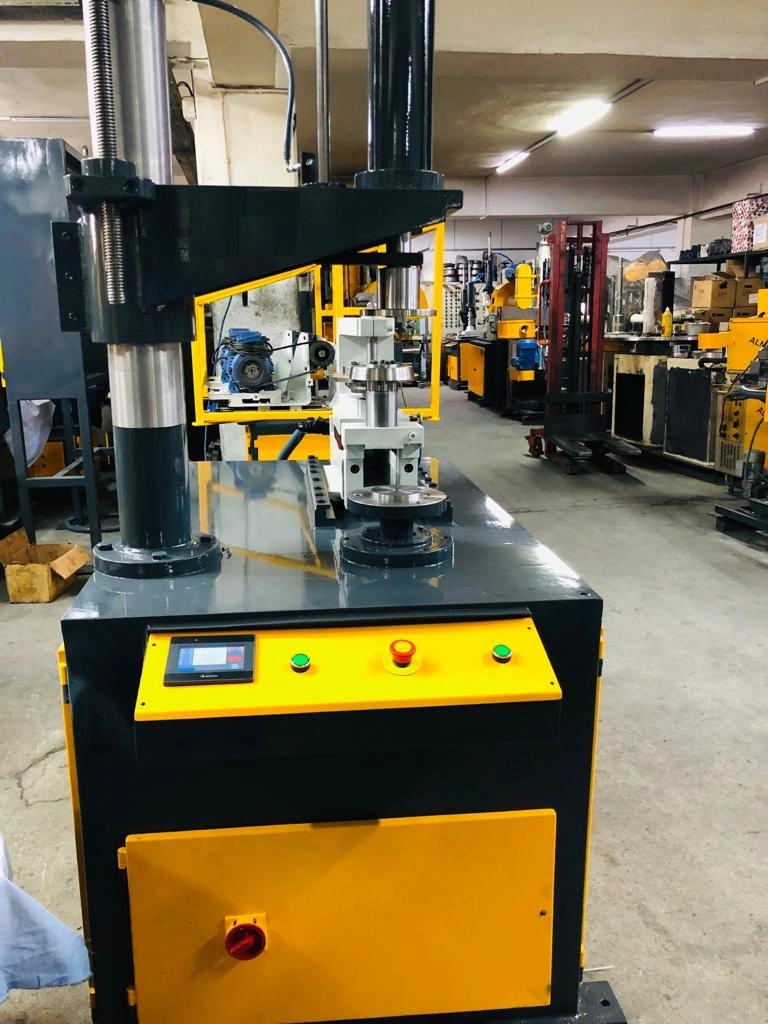
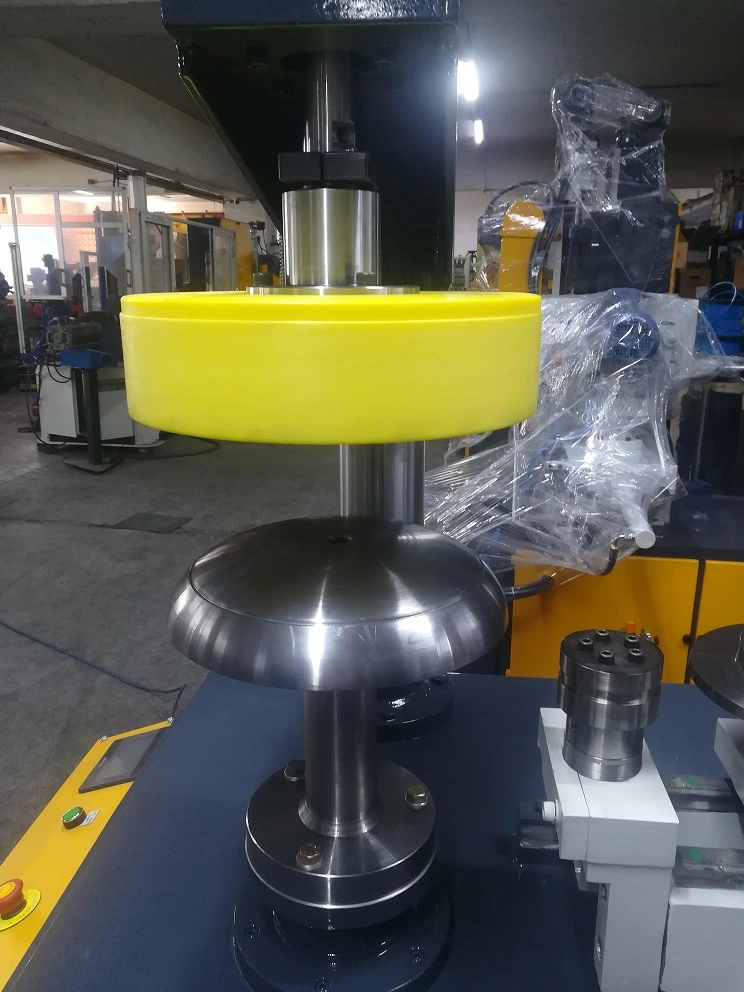
Categories
Machinery

Metalforming

What is Metalforming? Here you may find some information about Sheet Metalforming with hydraulic press machines. High quality & Low price with Free Consultation

Metalforming is the process of shaping metal into various forms using mechanical or hydraulic presses. The metalforming process involves applying force to the metal, which results in deformation and the desired shape. Metalforming is widely used in manufacturing industries to create a wide range of products such as automobile parts, aerospace components, and household appliances. The types of metalforming processes include forging, stamping, rolling, bending, spinning, and deep drawing. Each process has its own advantages and limitations and is chosen based on the requirements of the final product.

Metalforming as a Manufacturing Process

Metalforming is a manufacturing process in which metal is shaped, formed, or reshaped into a desired part or component through a series of mechanical or hydraulic actions. The goal of metalforming is to transform metal into a specific shape or form, while also improving its physical properties, such as strength, durability, and corrosion resistance.

Metalforming can be accomplished through a variety of techniques, including forging, rolling, bending, drawing, spinning, and stamping. Each technique involves different processes, tools, and equipment, and is suited to different types of metal and manufacturing requirements.

Metalforming is a critical part of many manufacturing industries, including automotive, aerospace, construction, and consumer goods. Metalformed parts are used in a wide range of applications, from engine components and structural parts to household appliances and electronic devices. The process of metalforming plays a crucial role in ensuring that these parts are produced with the necessary strength, durability, and precision to meet their intended use.

Industries of Metalforming

Metal forming has a wide range of applications across various industries such as:

  1. Aerospace: Metal forming is used to manufacture critical components for aircraft and spacecraft such as engine components, landing gears, wing parts, and more.
  2. Automotive: Metal forming plays a significant role in the manufacturing of automobile components like body panels, engine parts, and structural parts.
  3. Construction: Metal forming is used in construction to fabricate structural components like beams, columns, pipes, and other parts.
  4. Consumer goods: Metal forming is utilized in the production of consumer goods like kitchenware, utensils, and other household products.
  5. Electronics: Metal forming is used to manufacture electronic components like connectors, contacts, and enclosures.
  6. Medical: Metal forming is used to fabricate medical equipment like prosthetic implants, surgical instruments, and other medical devices.
  7. Energy: Metal forming is employed to manufacture components used in energy production such as wind turbine blades, gas turbine parts, and other parts.

Metalforming Machinery

Metalforming machinery for sheet metalforming can be broadly classified into three categories:

  1. Cutting machinery: These machines are used to cut sheet metal into specific shapes and sizes. Examples of cutting machinery include laser cutters, water jet cutters, plasma cutters, and shearing machines.
  2. Bending machinery: These machines are used to bend sheet metal into desired shapes. Examples of bending machinery include press brakes, folding machines, and roll benders.
  3. Forming machinery: These machines are used to form sheet metal into complex shapes and structures. Examples of forming machinery include stamping presses, roll forming machines, and hydroforming machines.

In addition to these categories, there are also other types of metalforming machinery such as punching machines, notching machines, and bead rollers that are used for specific applications.

Cutting machinery as Metalforming

Cutting machinery for metalforming refers to the equipment used to cut metal sheets, rods, bars, or other shapes into desired sizes and shapes as part of the metalforming process. There are various types of cutting machinery used in metalforming, including:

  1. Shearing machines: These are used to cut large sheets of metal into smaller pieces with straight edges. They use a shear blade to cut through the metal along a straight line.
  2. Laser cutting machines: These use a laser beam to cut through metal. They are highly accurate and can cut complex shapes with precision.
  3. Plasma cutting machines: These use a plasma torch to cut through metal. They are useful for cutting thicker metal sheets and can be used on a variety of metals.
  4. Waterjet cutting machines: These use a high-pressure jet of water mixed with abrasive material to cut through metal. They are highly precise and can be used on a variety of materials, including metal, stone, and glass.
  5. Abrasive cutting machines: These use an abrasive material, such as sand or grit, to cut through metal. They are useful for cutting through thick metal sheets or for shaping metal.

The choice of cutting machinery depends on the type and thickness of metal being cut, the required precision, and the desired output.

Bending machinery

Bending machinery is used for the metalforming process of bending metal sheets or plates to a specific angle or shape. It is commonly used in the manufacturing of metal parts for various industries such as automotive, aerospace, construction, and more.

The most common types of bending machinery for metalforming include:

  1. Press Brake: A press brake uses a hydraulic or mechanical ram to apply force to a metal sheet or plate to bend it to the desired angle. It can be operated manually or with CNC automation.
  2. Roll Bending Machine: A roll bending machine uses a series of rollers to bend a metal sheet or plate into a cylindrical or conical shape.
  3. Folding Machine: A folding machine uses a clamping beam and folding blade to fold a metal sheet or plate to the desired angle. It can be operated manually or with CNC automation.
  4. Tube Bending Machine: A tube bending machine uses a mandrel and rollers to bend a metal tube to a specific angle or shape.

Overall, bending machinery plays an essential role in metal forming and is used to produce a wide range of products from simple brackets to complex structural components.

Forming machinery

Forming machinery is a type of metalworking machinery that is used to transform sheet metal into various shapes and forms. This machinery includes equipment such as presses, stamping machines, roll forming machines, and tube bending machines.

Presses are used to stamp, blank, punch, and form sheet metal into various shapes and sizes. Stamping machines use a die and punch to cut and form metal, while blanking machines are used to punch out pieces from a larger sheet of metal. Punch presses can be mechanical, hydraulic, or pneumatic, and they can be used for a variety of metalforming applications.

Roll forming machines are used to shape sheet metal into long, continuous shapes such as tubes, channels, and rails. This process involves feeding a strip of metal through a series of rolls that gradually shape the metal into the desired form.

Tube bending machines are used to bend and shape metal tubing into various angles and shapes. This machinery uses a die and mandrel to bend the metal without causing any kinks or deformations.

Overall, forming machinery is essential for a wide range of industries that require metalforming capabilities, such as automotive manufacturing, construction, and aerospace engineering.

Hydraulic presses are powerful machines used to apply a significant amount of force to an object through hydraulic fluid pressure. They are essential in various industrial applications, providing the necessary force for processes such as metal forming, stamping, bending, and molding. The versatility and efficiency of hydraulic presses make them indispensable tools in manufacturing and production lines. This document will explore the different types of hydraulic presses, their application areas, components, operational principles, manufacturing process, and the challenges and advancements in the industry.

Types of Hydraulic Presses

Hydraulic presses come in various designs, each suited to specific applications and requirements. The primary types of hydraulic presses include C-frame presses, H-frame presses, four-column presses, straightening presses, arbor presses, laminating presses, and transfer presses.

C-frame presses, also known as gap-frame presses, have a C-shaped frame that provides three-sided access to the work area. This design is ideal for applications requiring easy loading and unloading of materials.

H-frame presses, or two-post presses, have a robust H-shaped frame that offers excellent stability and strength. They are commonly used for heavy-duty tasks such as metal forming and straightening.

Four-column presses, or four-post presses, have four vertical columns that provide superior support and uniform force distribution. These presses are suitable for large-scale applications requiring high precision and repeatability.

Straightening presses are specialized hydraulic presses used to straighten bent or distorted metal components. They are widely used in the automotive and construction industries.

Arbor presses are smaller, manually operated hydraulic presses used for light-duty tasks such as assembly, riveting, and broaching. They are commonly found in workshops and small manufacturing facilities.

Laminating presses are used to bond multiple layers of material together under heat and pressure. These presses are essential in industries such as electronics, where laminated components are common.

Transfer presses are automated hydraulic presses that move the workpiece through multiple stations for different operations. They are highly efficient and used in high-volume production environments.

Application Areas

Hydraulic presses are employed in various industries, thanks to their ability to deliver consistent and precise force. Key application areas include:

Metal forming and forging: Hydraulic presses are crucial in shaping and forming metal parts through processes such as stamping, bending, and deep drawing. They are essential in the production of automotive parts, machinery components, and structural elements.

Automotive industry: In the automotive sector, hydraulic presses are used for manufacturing various parts, including body panels, chassis components, and engine parts. They play a critical role in ensuring the structural integrity and performance of vehicles.

Aerospace industry: The aerospace industry relies on hydraulic presses for forming and shaping high-strength materials used in aircraft components. Precision and reliability are paramount in this industry, making hydraulic presses indispensable.

Plastic and rubber molding: Hydraulic presses are used in the molding of plastic and rubber components, including automotive parts, household goods, and medical devices. They ensure consistent product quality and precision.

Electrical and electronics industry: In the electronics sector, hydraulic presses are used for laminating circuit boards, forming connectors, and assembling electronic components. They provide the necessary force and precision for delicate operations.

Medical device manufacturing: Hydraulic presses are used in the production of medical devices, including surgical instruments, implants, and diagnostic equipment. They ensure the high precision and quality required in the medical field.

Packaging industry: Hydraulic presses are employed in the packaging industry for forming and shaping packaging materials, such as cardboard, plastic, and metal. They help produce packaging solutions that are strong, durable, and aesthetically pleasing.

Components of a Hydraulic Press

A hydraulic press comprises several key components that work together to generate and control the applied force. The main components include the frame, hydraulic cylinder, hydraulic pump, control valves, hydraulic fluid, pressure gauges and sensors, and die and tooling.

The frame is the main structure of the hydraulic press, providing stability and support for all other components. It is typically made of high-strength steel to withstand the significant forces generated during operation.

The hydraulic cylinder is the core component that generates the pressing force. It consists of a cylindrical chamber, a piston, and a piston rod. When hydraulic fluid is pumped into the cylinder, it moves the piston, which in turn applies force to the workpiece.

The hydraulic pump is responsible for generating the hydraulic fluid pressure needed to move the piston. It draws hydraulic fluid from a reservoir and delivers it to the cylinder under high pressure.

Control valves regulate the flow of hydraulic fluid to and from the cylinder, controlling the movement and force of the press. These valves can be manually operated or automated, depending on the press design.

Hydraulic fluid, typically oil, is the medium through which force is transmitted in the hydraulic system. It must have suitable properties, such as viscosity and lubricity, to ensure efficient operation and protect system components.

Pressure gauges and sensors monitor the hydraulic fluid pressure within the system. They provide real-time feedback to the operator or control system, ensuring safe and accurate press operation.

Die and tooling are the interchangeable components that come into direct contact with the workpiece. They are designed to shape, form, or cut the material as required by the specific application.

How Hydraulic Presses Work

Hydraulic presses operate based on Pascal’s principle, which states that pressure applied to a confined fluid is transmitted equally in all directions. This principle allows hydraulic presses to generate significant force with relatively small input pressure.

The operation of a hydraulic press begins with the hydraulic pump drawing fluid from the reservoir and delivering it to the cylinder. The control valves regulate the flow of fluid, directing it into the cylinder to move the piston. As the piston moves, it applies force to the workpiece placed between the die and tooling.

The hydraulic fluid plays a crucial role in this process, as it transmits the applied pressure and lubricates the system components. The pressure gauges and sensors continuously monitor the fluid pressure, providing feedback to ensure the press operates within safe limits.

The force generated by the hydraulic press can be precisely controlled by adjusting the hydraulic fluid pressure and the position of the control valves. This allows for accurate and repeatable operations, essential for high-quality manufacturing.

Manufacturing of Hydraulic Presses

The manufacturing of hydraulic presses involves several stages, from design and engineering to assembly and quality control. Each stage is critical to ensuring the press’s performance, reliability, and safety.

Design and engineering: The process begins with the design and engineering phase, where specifications for the press are developed based on the intended application. This includes selecting suitable materials, determining the required force and stroke, and designing the frame and hydraulic system.

Material selection: High-quality materials, such as high-strength steel for the frame and durable alloys for the hydraulic components, are selected to ensure the press’s longevity and performance.

Fabrication of components: The individual components of the hydraulic press, including the frame, cylinder, and pump, are fabricated using precision machining and manufacturing techniques. This ensures that each component meets the required tolerances and specifications.

Assembly process: The fabricated components are then assembled into the complete hydraulic press. This involves mounting the cylinder, pump, and control valves onto the frame, connecting the hydraulic lines, and installing the die and tooling.

Quality control and testing: Rigorous quality control measures are implemented throughout the manufacturing process to ensure the press meets all specifications and standards. This includes pressure testing the hydraulic system, verifying the accuracy of the control valves, and performing operational tests to ensure the press functions correctly.

Advancements and Innovations

The hydraulic press industry is continually evolving, driven by advancements in technology and increasing demands for efficiency and precision. Key innovations include automation and control systems, energy efficiency improvements, and smart hydraulic presses.

Automation and control systems: Modern hydraulic presses are often equipped with advanced control systems that automate the pressing process. This includes programmable logic controllers (PLCs), human-machine interfaces (HMIs), and sensors that monitor and adjust the press’s operation in real time. Automation improves efficiency, reduces the risk of human error, and enhances the consistency of the finished products.

Energy efficiency improvements: Manufacturers are focusing on developing hydraulic presses that consume less energy and have a smaller environmental footprint. This includes using variable displacement pumps, energy recovery systems, and optimizing the hydraulic system’s design to minimize energy losses.

Smart hydraulic presses: The integration of IoT (Internet of Things) technology into hydraulic presses has led to the development of smart presses. These presses can communicate with other machines and systems, providing real-time data on their status, performance, and maintenance needs. This connectivity allows for predictive maintenance, reducing downtime and extending the press’s lifespan.

Challenges in Hydraulic Press Manufacturing

The manufacturing of hydraulic presses presents several challenges, including precision and quality requirements, cost management, technological advancements, and environmental considerations.

Precision and quality requirements: Hydraulic presses must deliver consistent and precise force, which requires high levels of accuracy in the manufacturing process. Ensuring each component meets the required tolerances and specifications is critical to the press’s performance and reliability.

Cost management: The cost of materials, labor, and energy can significantly impact the overall cost of manufacturing hydraulic presses. Manufacturers must balance quality and cost to remain competitive in the market.

Technological advancements: Keeping up with technological advancements is essential for manufacturers to meet the evolving demands of the industry. This requires continuous investment in research and development to incorporate new technologies and improve existing designs.

Environmental considerations: Environmental regulations and sustainability concerns are increasingly important in hydraulic press manufacturing. Manufacturers must develop eco-friendly presses that consume less energy, use recyclable materials, and minimize their environmental impact.

Conclusion

Hydraulic presses are essential machines in various industries, providing the necessary force for processes such as metal forming, stamping, and molding. Understanding the different types of hydraulic presses, their components, and how they work is crucial for effective application and operation.

The manufacturing process of hydraulic presses involves careful design and engineering, material selection, precision fabrication, and rigorous quality control. Despite the challenges, advancements in technology and innovations are driving the industry forward, leading to more efficient, precise, and environmentally friendly hydraulic presses.

As industries continue to evolve, the hydraulic press industry must adapt and innovate to meet the demands of efficiency, precision, and sustainability. Through continuous research and development, manufacturers can enhance the performance and reliability of hydraulic presses, contributing to the success of various industrial applications.
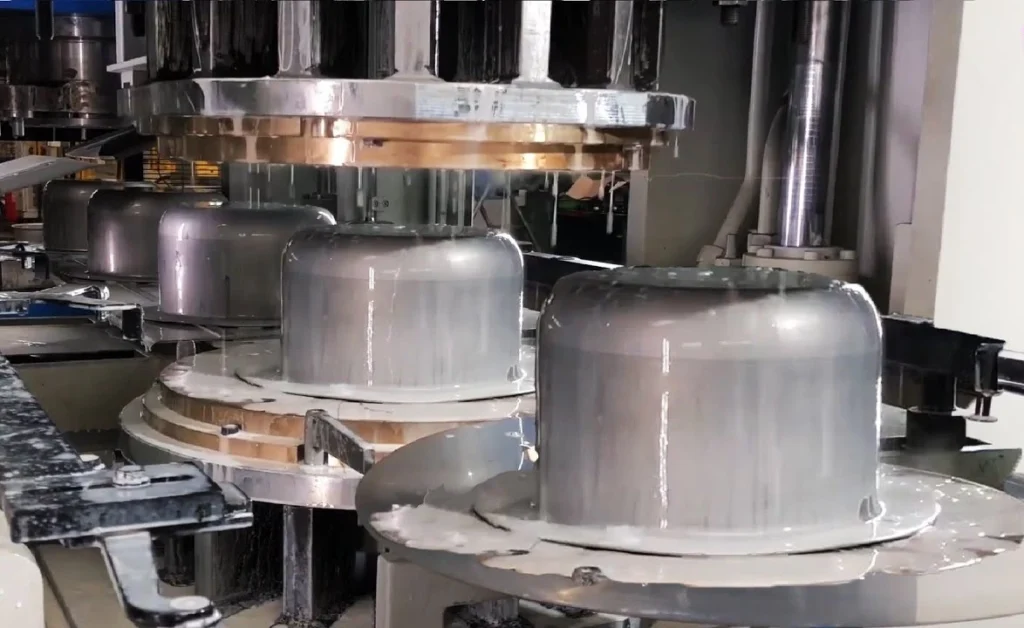
Categories
Machinery

Cutter and Beading Machine

Cutter and Beading Machine

We manufacture Cutter and Beading Machine, Trimming Flanging Machine, Trimming Beading Machine, Cutting and Beading Machine for sale.

A Cutter and Beading Machine is a metalforming machine used to simultaneously cut and bead a sheet metal strip, typically made of aluminum or steel. The machine is used to create a bead or edge on the sheet metal strip, which strengthens and stiffens the material while also adding a decorative element.

The machine consists of a feed roller, a cutting roller, and a beading roller. The sheet metal strip is fed into the machine through the feed roller, which moves the material forward at a controlled speed. The cutting roller then cuts the strip to the desired length while the beading roller creates a bead along the edge of the strip.

The machine can be adjusted to produce beads of different shapes and sizes, depending on the needs of the application. The finished product can be used for a variety of purposes, including as a trim or edge finish for metal panels or other structures.

Overall, the Cutter and Beading Machine is a versatile and efficient metalforming machine that can save time and labor in the fabrication process while also producing high-quality finished products.

Cutter and Beading Machine

Cutter and Beading Machine

The Cutter and Beading Machine is a metalforming machinery used to cut and form sheet metal into different shapes and sizes. It is commonly used in the HVAC (Heating, Ventilation and Air Conditioning) industry to fabricate ductwork.

The machine typically consists of a set of rollers that feed the sheet metal through the machine. The first set of rollers cuts the sheet metal to the desired length, while the second set of rollers creates a bead or flange on the edge of the sheet. The beading process strengthens the edge of the sheet metal and makes it easier to join with other pieces of sheet metal.

Cutter and Beading Machines can vary in size and capacity depending on the needs of the user. They can be manual or fully automated and can be used for a wide range of applications including roofing, cladding, and ductwork fabrication.

Cutter and Beading Machine Parts

Cutter and Beading Machine Parts

The main parts of a cutter and beading machine include:

  1. Base: The base provides the support and stability for the machine.
  2. Motor: The motor provides the power to run the machine and drive the cutting and beading tools.
  3. Cutting head: The cutting head is a rotating blade that is used to cut the metal sheet or plate.
  4. Beading head: The beading head is a pair of rollers that are used to form the edges of the metal sheet or plate.
  5. Feed rollers: The feed rollers are used to move the metal sheet or plate through the machine.
  6. Control panel: The control panel is used to control the machine’s functions, such as the speed of the cutting and beading heads and the feed rollers.
  7. Tooling: The tooling consists of various cutting and beading tools that can be changed out depending on the type of metal and the desired end result.
  8. Coolant system: The coolant system is used to lubricate and cool the cutting and beading heads during operation to prevent overheating and prolong the life of the machine.
  9. Chip tray: The chip tray collects the metal chips and debris that are produced during cutting and beading, making it easier to clean up and dispose of the waste material.

Beading Machine for Sheet Metal

Line 5 beading machine and line 7 beading machine are used to make sheet metal reinforced ribs during HVAC air duct processing. This machine can groove 5 or 7 reinforced ribs at the same time with stable working and high quality.

Our company can also customize multiple lines of grooving machines on the basis of customers’ demands. The metal sheet beading/grooving machine is a part of ventilation air duct manufacturing machines, it can be used with other rectangular HVAC tube forming machines together to finish a whole duct production, such as lock forming machine, pneumatic sheet metal folding machine, TDF flange forming machine, electric shearing machine, lock seam closing machine, clips cutting machine, etc.

Meanwhile, it will be very important to maintain the beading machine after you use it few months. The machine will be more smooth to use and use time will be longer if the operator adds lubrication oil to the parts before operating it. According to the different needs of every customer, EMS Metalworking Machinery can provide you with special cases of machines corresponding to customers’ requirements and actual use conditions.

As a professional manufacturer of ventilation air duct-making machines, the company can provide CNC HVAC whole duct-making machine lines and separate machines to meet different customers’ needs. Our address is Dongcheng Industrial Park, Bowang Town, Bowang District, Ma’anshan City, Anhui Province. Welcome people from all over the world to visit our factory and test machines.

What’s more, you can choose OEM service too. For after-sales service, we have skilled technicians who can teach you how to operate machines via video and we can also provide engineer overseas service or you can send the worker to our factory to learn the operation way.

Hydraulic presses are powerful machines used to apply a significant amount of force to an object through hydraulic fluid pressure. They are essential in various industrial applications, providing the necessary force for processes such as metal forming, stamping, bending, and molding. The versatility and efficiency of hydraulic presses make them indispensable tools in manufacturing and production lines. This document will explore the different types of hydraulic presses, their application areas, components, operational principles, manufacturing process, and the challenges and advancements in the industry.

Types of Hydraulic Presses

Hydraulic presses come in various designs, each suited to specific applications and requirements. The primary types of hydraulic presses include C-frame presses, H-frame presses, four-column presses, straightening presses, arbor presses, laminating presses, and transfer presses.

C-frame presses, also known as gap-frame presses, have a C-shaped frame that provides three-sided access to the work area. This design is ideal for applications requiring easy loading and unloading of materials.

H-frame presses, or two-post presses, have a robust H-shaped frame that offers excellent stability and strength. They are commonly used for heavy-duty tasks such as metal forming and straightening.

Four-column presses, or four-post presses, have four vertical columns that provide superior support and uniform force distribution. These presses are suitable for large-scale applications requiring high precision and repeatability.

Straightening presses are specialized hydraulic presses used to straighten bent or distorted metal components. They are widely used in the automotive and construction industries.

Arbor presses are smaller, manually operated hydraulic presses used for light-duty tasks such as assembly, riveting, and broaching. They are commonly found in workshops and small manufacturing facilities.

Laminating presses are used to bond multiple layers of material together under heat and pressure. These presses are essential in industries such as electronics, where laminated components are common.

Transfer presses are automated hydraulic presses that move the workpiece through multiple stations for different operations. They are highly efficient and used in high-volume production environments.

Application Areas

Hydraulic presses are employed in various industries, thanks to their ability to deliver consistent and precise force. Key application areas include:

Metal forming and forging: Hydraulic presses are crucial in shaping and forming metal parts through processes such as stamping, bending, and deep drawing. They are essential in the production of automotive parts, machinery components, and structural elements.

Automotive industry: In the automotive sector, hydraulic presses are used for manufacturing various parts, including body panels, chassis components, and engine parts. They play a critical role in ensuring the structural integrity and performance of vehicles.

Aerospace industry: The aerospace industry relies on hydraulic presses for forming and shaping high-strength materials used in aircraft components. Precision and reliability are paramount in this industry, making hydraulic presses indispensable.

Plastic and rubber molding: Hydraulic presses are used in the molding of plastic and rubber components, including automotive parts, household goods, and medical devices. They ensure consistent product quality and precision.

Electrical and electronics industry: In the electronics sector, hydraulic presses are used for laminating circuit boards, forming connectors, and assembling electronic components. They provide the necessary force and precision for delicate operations.

Medical device manufacturing: Hydraulic presses are used in the production of medical devices, including surgical instruments, implants, and diagnostic equipment. They ensure the high precision and quality required in the medical field.

Packaging industry: Hydraulic presses are employed in the packaging industry for forming and shaping packaging materials, such as cardboard, plastic, and metal. They help produce packaging solutions that are strong, durable, and aesthetically pleasing.

Components of a Hydraulic Press

A hydraulic press comprises several key components that work together to generate and control the applied force. The main components include the frame, hydraulic cylinder, hydraulic pump, control valves, hydraulic fluid, pressure gauges and sensors, and die and tooling.

The frame is the main structure of the hydraulic press, providing stability and support for all other components. It is typically made of high-strength steel to withstand the significant forces generated during operation.

The hydraulic cylinder is the core component that generates the pressing force. It consists of a cylindrical chamber, a piston, and a piston rod. When hydraulic fluid is pumped into the cylinder, it moves the piston, which in turn applies force to the workpiece.

The hydraulic pump is responsible for generating the hydraulic fluid pressure needed to move the piston. It draws hydraulic fluid from a reservoir and delivers it to the cylinder under high pressure.

Control valves regulate the flow of hydraulic fluid to and from the cylinder, controlling the movement and force of the press. These valves can be manually operated or automated, depending on the press design.

Hydraulic fluid, typically oil, is the medium through which force is transmitted in the hydraulic system. It must have suitable properties, such as viscosity and lubricity, to ensure efficient operation and protect system components.

Pressure gauges and sensors monitor the hydraulic fluid pressure within the system. They provide real-time feedback to the operator or control system, ensuring safe and accurate press operation.

Die and tooling are the interchangeable components that come into direct contact with the workpiece. They are designed to shape, form, or cut the material as required by the specific application.

How Hydraulic Presses Work

Hydraulic presses operate based on Pascal’s principle, which states that pressure applied to a confined fluid is transmitted equally in all directions. This principle allows hydraulic presses to generate significant force with relatively small input pressure.

The operation of a hydraulic press begins with the hydraulic pump drawing fluid from the reservoir and delivering it to the cylinder. The control valves regulate the flow of fluid, directing it into the cylinder to move the piston. As the piston moves, it applies force to the workpiece placed between the die and tooling.

The hydraulic fluid plays a crucial role in this process, as it transmits the applied pressure and lubricates the system components. The pressure gauges and sensors continuously monitor the fluid pressure, providing feedback to ensure the press operates within safe limits.

The force generated by the hydraulic press can be precisely controlled by adjusting the hydraulic fluid pressure and the position of the control valves. This allows for accurate and repeatable operations, essential for high-quality manufacturing.

Manufacturing of Hydraulic Presses

The manufacturing of hydraulic presses involves several stages, from design and engineering to assembly and quality control. Each stage is critical to ensuring the press’s performance, reliability, and safety.

Design and engineering: The process begins with the design and engineering phase, where specifications for the press are developed based on the intended application. This includes selecting suitable materials, determining the required force and stroke, and designing the frame and hydraulic system.

Material selection: High-quality materials, such as high-strength steel for the frame and durable alloys for the hydraulic components, are selected to ensure the press’s longevity and performance.

Fabrication of components: The individual components of the hydraulic press, including the frame, cylinder, and pump, are fabricated using precision machining and manufacturing techniques. This ensures that each component meets the required tolerances and specifications.

Assembly process: The fabricated components are then assembled into the complete hydraulic press. This involves mounting the cylinder, pump, and control valves onto the frame, connecting the hydraulic lines, and installing the die and tooling.

Quality control and testing: Rigorous quality control measures are implemented throughout the manufacturing process to ensure the press meets all specifications and standards. This includes pressure testing the hydraulic system, verifying the accuracy of the control valves, and performing operational tests to ensure the press functions correctly.

Advancements and Innovations

The hydraulic press industry is continually evolving, driven by advancements in technology and increasing demands for efficiency and precision. Key innovations include automation and control systems, energy efficiency improvements, and smart hydraulic presses.

Automation and control systems: Modern hydraulic presses are often equipped with advanced control systems that automate the pressing process. This includes programmable logic controllers (PLCs), human-machine interfaces (HMIs), and sensors that monitor and adjust the press’s operation in real time. Automation improves efficiency, reduces the risk of human error, and enhances the consistency of the finished products.

Energy efficiency improvements: Manufacturers are focusing on developing hydraulic presses that consume less energy and have a smaller environmental footprint. This includes using variable displacement pumps, energy recovery systems, and optimizing the hydraulic system’s design to minimize energy losses.

Smart hydraulic presses: The integration of IoT (Internet of Things) technology into hydraulic presses has led to the development of smart presses. These presses can communicate with other machines and systems, providing real-time data on their status, performance, and maintenance needs. This connectivity allows for predictive maintenance, reducing downtime and extending the press’s lifespan.

Challenges in Hydraulic Press Manufacturing

The manufacturing of hydraulic presses presents several challenges, including precision and quality requirements, cost management, technological advancements, and environmental considerations.

Precision and quality requirements: Hydraulic presses must deliver consistent and precise force, which requires high levels of accuracy in the manufacturing process. Ensuring each component meets the required tolerances and specifications is critical to the press’s performance and reliability.

Cost management: The cost of materials, labor, and energy can significantly impact the overall cost of manufacturing hydraulic presses. Manufacturers must balance quality and cost to remain competitive in the market.

Technological advancements: Keeping up with technological advancements is essential for manufacturers to meet the evolving demands of the industry. This requires continuous investment in research and development to incorporate new technologies and improve existing designs.

Environmental considerations: Environmental regulations and sustainability concerns are increasingly important in hydraulic press manufacturing. Manufacturers must develop eco-friendly presses that consume less energy, use recyclable materials, and minimize their environmental impact.

A Cutter and Beading Machine is a type of sheet metal forming machine used primarily in HVAC ductwork fabrication, metal roofing, and other metalworking industries. It combines two essential operations:


🔧 1. Cutting Function:

  • Purpose: To trim, cut, or notch sheet metal to desired sizes or shapes.
  • Types of Cutting: Could include rotary shearing, slitting, or trimming.
  • Blade Mechanism: Usually consists of rotary cutters or straight blades.

🔩 2. Beading Function:

  • Purpose: To create beads (raised or indented ridges) on sheet metal.
  • Why Beading?
    • Increases rigidity and strength of the metal sheet.
    • Prevents warping or oil-canning (distortion).
    • Can be decorative in some applications.
  • Types of Beads: Straight beads, circular beads, or custom patterns depending on the rollers used.

⚙️ Key Components:

  • Rollers: Interchangeable to accommodate different bead types or sizes.
  • Crank or Motor: Manually operated or motorized depending on the machine size.
  • Gauge Control: Adjusts for sheet thickness.
  • Guide System: Keeps the sheet aligned during the operation.

🏭 Common Applications:

  • HVAC duct fabrication
  • Metal furniture
  • Automotive panels
  • Roofing and cladding
  • Tank or drum fabrication

A cutter and beading machine is a multifunctional tool used in sheet metal fabrication, especially in industries like HVAC, roofing, and automotive. It performs two main tasks: cutting and beading sheet metal. The cutting function allows the operator to trim or slit metal sheets to precise dimensions, typically using rotary or straight blades. This ensures clean and accurate cuts for further forming or assembly.

The beading function adds strength to the sheet metal by forming raised or indented ridges called beads. These beads increase the rigidity of the sheet, helping prevent deformation, especially in large flat panels. Beading can also have aesthetic purposes or be used to create grooves for joining components.

The machine generally uses sets of rollers to perform the beading operation, and these rollers can be swapped out depending on the desired bead pattern. Some machines are manually operated using a hand crank, while larger or more industrial models are motorized for continuous operation. Adjustable gauges help handle different thicknesses of sheet metal, and guide rails keep the material aligned for accurate processing.

The cutter and beading machine is an essential tool in various industries where metal sheets need to be shaped, cut, and reinforced. The cutting function can be designed to handle different thicknesses of materials, from thin sheets of aluminum to thicker steel, allowing for a wide range of applications. It works by feeding the metal sheet into the machine, where rotating blades or shearing edges cut it into the specified lengths or shapes, often with minimal material waste.

The beading function, on the other hand, uses rollers to press a pattern into the metal sheet. The beads formed help to stiffen the metal, which is crucial for applications where strength is a concern, such as in the construction of ductwork or structural panels. The beads also help in the assembly of pieces by creating grooves or channels that can lock together. This is especially useful in the HVAC industry, where ducts need to maintain their shape and integrity over time, even when subjected to external pressure or forces.

While the two processes can sometimes be performed separately, combining them into one machine helps to streamline production, reduce equipment costs, and save on floor space in manufacturing environments. These machines can also come with additional features like adjustable bead sizes, different cutting mechanisms, or automated systems that increase efficiency and precision in high-volume production environments.

The versatility of cutter and beading machines makes them valuable not only in standard metalworking but also in creating custom-designed metal parts where both cutting and reinforcing are needed in a single operation. Depending on the machine’s sophistication, operators can adjust settings to accommodate different types of metal, bead profiles, and sheet sizes, making them adaptable to a variety of industrial tasks.

Road Sign Trimming Beading Machine

A Road Sign Trimming Beading Machine is a specialized tool used in the fabrication of road signs, particularly to trim, shape, and reinforce the metal sheets that are used to create traffic signs, highway markers, and other road signage. These machines combine both trimming and beading functionalities to produce signs that are both durable and highly visible.

The trimming function of the machine allows for precise cutting of the metal sheets, which are often aluminum or galvanized steel, into the required shape and size for road signs. The machine can handle different thicknesses of materials, allowing for cutting along straight edges or intricate contours to match the design specifications of the road signs. This ensures that the signs fit within the required dimensions and can be properly mounted or installed on posts.

The beading function is equally important. It adds raised ridges or grooves around the edges of the sign. These beads not only increase the mechanical strength of the sign but also improve its aesthetic appearance by giving the sign a more defined, professional finish. The beads also serve functional purposes, such as enhancing the rigidity of the material and helping to prevent warping or bending due to wind or other environmental factors.

Additionally, the beading around the edges can create a slightly reflective surface that increases the visibility of the road sign, especially at night when lights hit the sign at various angles. In some cases, the machine may also add additional features such as rounded edges or specific cutouts for mounting holes.

Road sign trimming beading machines are typically designed for high-speed, continuous operation, and they are commonly used in environments where large volumes of road signs need to be produced quickly and efficiently. These machines often come with adjustable settings to accommodate different sign shapes, sizes, and bead profiles, offering flexibility for custom road signage projects.

In summary, a road sign trimming beading machine combines the essential tasks of cutting and reinforcing road signs in one operation, providing both structural integrity and visual appeal to signs used in transportation and traffic management.

The road sign trimming beading machine plays a crucial role in ensuring the durability and longevity of traffic signs, which need to withstand harsh weather conditions, road vibrations, and constant exposure to sunlight. By integrating both trimming and beading functions, this machine enhances the production process, making it more efficient while ensuring consistency in the final product.

When producing road signs, the trimming function allows for precision cutting, ensuring that the metal sheets are cut to the exact size and shape needed for standard regulatory signs (such as speed limit signs, warning signs, or directional signs) or custom signage. This precise cutting is important for ensuring that the signs can fit within standardized frames, posts, or mounting fixtures used in road signage systems.

Beading the edges of the signs serves multiple purposes. The raised beads act as a reinforcement feature, preventing bending or warping of the thin metal sheets commonly used in sign production. This is particularly important for signs exposed to high winds, such as highway signs, which need to maintain their shape and visibility even in extreme weather. The beading also provides a finished, clean edge to the sign, which enhances its overall appearance and gives it a professional, polished look.

The machine’s ability to add reflective beads around the edges also contributes to increased safety. These beads can enhance the reflectivity of the sign’s border, making it more visible in low light or at night. In addition to this, the beads can help direct light more effectively, increasing the visibility of the sign from various angles. This added reflectivity is especially beneficial for road signs that need to be clearly visible to drivers, particularly in areas with poor lighting or during nighttime driving.

Road sign trimming beading machines are typically used in large-scale sign manufacturing plants, where speed, efficiency, and consistency are vital. Some advanced models are fully automated, capable of handling high volumes of signs with minimal operator intervention. These machines are equipped with programmable controls, which allow for quick adjustments to different sign sizes, bead shapes, and cutting patterns without the need for manual recalibration, thus improving production time and reducing the risk of errors.

Additionally, these machines may also be equipped with features like cutting tools for mounting holes or holes for bolts, enabling operators to prepare the signs for installation right after fabrication. This eliminates the need for additional steps or equipment, further streamlining the sign production process.

Overall, the road sign trimming beading machine is a vital piece of equipment in the modern road sign manufacturing industry, combining efficiency with functionality to create signs that are both structurally sound and highly visible, ensuring safety on the roads.

Continuing from where we left off, the road sign trimming beading machine also contributes significantly to improving the overall production workflow in sign manufacturing plants. The automation in these machines reduces the need for manual labor, which not only helps increase throughput but also minimizes the risk of human error, ensuring that the final product meets the required standards for quality and safety.

In some advanced versions, these machines incorporate CNC (Computer Numerical Control) systems, allowing for even greater precision and the ability to easily program complex designs. This is especially beneficial when producing customized signs with intricate shapes, symbols, or logos that require more detailed cutting and beading. CNC systems can handle different types of metals, adjusting the pressure and speed settings for various materials, thus improving the versatility of the machine and making it more adaptable to different projects.

Another advantage of using a road sign trimming beading machine is its ability to handle a wide range of materials. While aluminum is a common choice for road signs due to its light weight and resistance to rust, the machine can often be adjusted to handle other materials like galvanized steel, stainless steel, or even reflective films. This versatility allows manufacturers to produce a diverse range of signs suitable for various environments, whether they’re placed in urban areas or more rural, high-wind zones.

These machines are also designed to be user-friendly, with simple interfaces that allow operators to input measurements and select different cutting and beading options. Many models come with safety features like automatic shutdown if an issue is detected, as well as protective shields and sensors to prevent injury during operation.

For maintenance, road sign trimming beading machines are built with durability in mind, but regular upkeep is still essential to maintain optimal performance. This includes checking for any wear and tear on the cutting blades and rollers, lubricating moving parts, and ensuring the alignment of the rollers for consistent beading. Some machines even come with diagnostic systems that alert operators to potential maintenance issues before they result in operational downtime.

Moreover, the integration of these machines into a larger production line can allow manufacturers to speed up the entire process of sign creation. Once the sheets are cut and beaded, they may move on to the screen printing or vinyl application stages, where they are coated with the appropriate reflective materials or graphics. Some road sign trimming beading machines even have the capability to add the reflective coatings directly during the beading process, ensuring better integration between the structural and visual elements of the sign.

In environmentally conscious production settings, newer machines are being designed to be energy-efficient and reduce the amount of material waste. By optimizing cutting paths and minimizing scrap, manufacturers can make the most out of their raw materials, helping reduce costs and environmental impact. Some systems are also built with recycling features that allow for the reuse of scrap material, further enhancing sustainability.

In summary, the road sign trimming beading machine is more than just a tool for shaping metal. It’s a comprehensive solution that integrates cutting, beading, durability enhancement, and visibility improvement in one machine. As traffic safety becomes even more important globally, these machines are evolving to meet the needs of modern road sign manufacturing, offering faster production speeds, greater flexibility in materials, and enhanced precision—all while reducing costs and improving the final product’s performance.

Aluminium Tray Trimming Beading Machine

An Aluminum Tray Trimming Beading Machine is a specialized piece of equipment used in the production of aluminum trays, often utilized in industries like food service, packaging, and storage. This machine combines two critical operations: trimming and beading, to create trays with precise dimensions, reinforced edges, and a professional finish.

The trimming function is responsible for cutting aluminum sheets into specific sizes to form the trays. Aluminum trays come in various shapes, from rectangular to circular or custom designs, and the trimming machine ensures that the edges are cut cleanly and accurately. This trimming is essential for ensuring uniformity across large batches of trays, which is particularly important in mass production environments.

The beading function adds a raised ridge or groove along the edges of the tray. This bead enhances the structural integrity of the aluminum tray, preventing it from bending or warping under pressure or heat. The beading also adds to the tray’s aesthetic appeal, giving it a polished and professional finish. In practical terms, the beads serve multiple purposes: they make the tray more rigid, improve stacking capability, and help in aligning trays during transportation or storage. Additionally, the raised bead can make the tray easier to handle, especially when it’s being carried or moved in bulk.

These machines typically use rollers or dies to form the beading, and the width or depth of the bead can be adjusted based on the tray’s requirements. The rollers are designed to apply consistent pressure across the aluminum sheet, ensuring that the bead is uniform in shape and size. For large-scale operations, automated versions of these machines allow for high-speed production with minimal operator intervention.

One of the key advantages of an Aluminum Tray Trimming Beading Machine is its ability to handle different thicknesses of aluminum, which is crucial for producing trays with varying levels of strength or durability. Whether the trays are intended for light-duty use in food packaging or heavy-duty industrial applications, the machine can adjust its settings to accommodate different material gauges, ensuring the finished product meets the required standards.

These machines are generally designed for high-volume production, with features such as programmable controls that allow manufacturers to set different cutting and beading parameters for different tray sizes or designs. Some models can also integrate additional processes like hole punching for drainage or ventilation, corner rounding, or even surface treatment (like anodizing or coating) to further enhance the trays’ functionality and appearance.

For maintenance, it’s important to regularly check the rollers, blades, and die mechanisms to ensure they remain sharp and properly aligned. This helps to maintain the quality of both the trimming and beading processes. Machines with automatic lubrication systems or diagnostic tools can help reduce downtime by alerting operators to potential issues before they lead to production delays.

In conclusion, an Aluminum Tray Trimming Beading Machine is a versatile and highly efficient machine that significantly improves the production process for aluminum trays. By combining trimming and beading in a single machine, it reduces the need for multiple separate operations, speeds up production, and ensures the final product is durable, visually appealing, and consistent in quality. These machines are widely used in industries where aluminum trays are in high demand, ensuring that manufacturers can meet production needs while maintaining product standards.

An Aluminum Tray Trimming Beading Machine is a highly efficient tool used to streamline the process of producing aluminum trays, which are common in industries such as food packaging, storage, and even in medical or industrial applications. These machines combine the crucial operations of trimming and beading into one unit, which greatly speeds up production while ensuring the trays are both strong and visually appealing.

The trimming function of the machine is designed to cut aluminum sheets into precise shapes and sizes, turning large, raw metal into trays ready for further processing. This cutting is vital for maintaining consistency in the tray dimensions, ensuring they fit perfectly in stackable designs, packaging systems, or any other intended use. The machine is capable of handling different thicknesses of aluminum, allowing for the creation of trays that meet various durability requirements, from lightweight trays to more robust ones used in industrial environments.

Beading is the second function, which involves forming a raised edge around the perimeter of the tray. This bead serves to reinforce the tray, making it more rigid and less likely to bend or deform under pressure. It also improves the tray’s overall strength, which is especially important for trays that will be stacked or loaded with goods. Additionally, the beading adds a professional finish to the tray, giving it clean, uniform edges that are aesthetically pleasing. The beads can also help the trays align better during transportation and storage, as they make it easier to stack them securely.

The beading process typically uses rollers or dies, which apply pressure to the aluminum sheet to create consistent ridges along the edges. The size and depth of the beads can be adjusted depending on the tray’s design or the specific strength requirements. Advanced models of these machines may offer programmable settings, allowing operators to easily switch between different tray sizes and bead patterns without requiring major adjustments, making the production process even more efficient.

For industries that require large volumes of trays, these machines can run at high speeds, ensuring quick turnaround times. Automation in these machines means less manual labor is needed, which reduces human error and increases consistency across production runs. This is particularly important when producing trays for commercial or industrial purposes, where reliability and uniformity are key. Some machines may also include features like hole-punching for drainage or ventilation, corner rounding for a smoother finish, or even additional surface treatments to improve the appearance or performance of the tray, such as anodizing or coating.

Maintenance of these machines typically involves keeping the rollers, blades, and dies in good condition to ensure precise trimming and beading. Regular checks and lubrication can help prevent downtime, while more advanced models may have self-diagnosing features that alert operators to potential issues before they affect production. This minimizes disruptions and ensures the machine continues to perform at its best.

Overall, the Aluminum Tray Trimming Beading Machine is an essential piece of equipment for manufacturers looking to produce high-quality aluminum trays in a streamlined, efficient manner. By combining trimming and beading into one process, it reduces production time, cuts down on the need for multiple machines, and ensures that each tray produced is both strong and aesthetically pleasing, meeting the requirements of various industries.

In addition to the speed and efficiency improvements, the Aluminum Tray Trimming Beading Machine offers significant cost savings for manufacturers. By integrating both trimming and beading into a single process, the machine eliminates the need for separate equipment for each operation, which reduces overhead costs and saves on floor space. The ability to produce high volumes of aluminum trays with minimal manual intervention further helps lower labor costs and increases overall productivity.

These machines are also highly versatile, capable of producing a wide range of tray sizes and designs. Depending on the machine’s features, it can handle different aluminum alloys and thicknesses, allowing manufacturers to produce trays with varying strength characteristics. For instance, trays used in food packaging may require a lighter, more flexible aluminum, while trays used for industrial purposes may need thicker, more durable aluminum to withstand heavier loads.

The flexibility of the machine also extends to the types of beads it can create. Beads can be adjusted for different depths and profiles, depending on the specific application. For example, a deeper bead might be necessary for a tray intended to carry heavier items, while a shallow bead might be sufficient for a lighter-duty tray. This level of customization ensures that manufacturers can meet the precise specifications required by their customers, whether for standard, mass-produced trays or more customized, niche products.

In terms of product quality, the consistent beading and clean trimming ensure that every tray produced meets the required standards for both appearance and functionality. The smooth edges provided by the beading reduce the risk of cuts or injuries when handling the trays, which is particularly important in industries like foodservice or healthcare. Additionally, the increased rigidity from the beading helps prevent deformation during use or transport, ensuring that the trays maintain their shape and integrity even under stress.

Another key benefit is the environmental impact. As sustainability becomes increasingly important across industries, the Aluminum Tray Trimming Beading Machine can help reduce material waste. The ability to cut aluminum sheets precisely reduces scrap material, and in many cases, scrap aluminum can be recycled or repurposed. The machine’s efficiency also ensures that production runs are optimized, reducing energy consumption and making the process more environmentally friendly.

For businesses focusing on high-volume production, these machines are especially valuable due to their automated capabilities. With automated systems in place, operators can focus on monitoring the machine’s performance rather than making manual adjustments, which further increases the speed and consistency of production. Many modern machines are equipped with advanced control systems, which can store different program settings for a variety of tray designs, making it easy to switch between production runs without a significant setup time.

The ergonomic design of these machines also plays a role in improving the overall production process. Many machines are designed to be user-friendly, with intuitive interfaces that allow operators to input parameters such as tray size, bead depth, and cutting patterns with ease. This user-friendliness, coupled with automated functions, reduces the learning curve for new operators and helps maintain consistent output quality.

Overall, the Aluminum Tray Trimming Beading Machine is a powerful tool that enhances the efficiency, versatility, and quality of aluminum tray production. With its ability to trim and bead in one operation, this machine helps manufacturers meet high demands for consistent, durable, and visually appealing trays. It is an indispensable piece of equipment for industries that rely on aluminum trays, ensuring that production processes are streamlined, costs are reduced, and final products meet both functional and aesthetic requirements.

As the demand for aluminum trays continues to grow across various industries, the Aluminum Tray Trimming Beading Machine’s capabilities are becoming even more integral to meeting production needs efficiently. Its role in the automated production process ensures manufacturers can scale operations quickly while maintaining high standards of quality control. The ability to operate at high speeds with minimal human intervention reduces the risk of production delays and ensures that manufacturers can meet deadlines, whether for a large order of foodservice trays or for a more specialized run of industrial-grade trays.

With advancements in machine technology, some modern aluminum tray trimming beading machines are equipped with smart features. These can include real-time monitoring systems, where sensors and software continuously check the quality of the tray’s dimensions, bead consistency, and trim precision. This ensures that trays meet the exact specifications every time, and any discrepancies can be immediately corrected without halting the entire production line. These smart features reduce waste, improve uptime, and optimize machine performance, providing a high degree of reliability even in long shifts or high-production environments.

Moreover, the data tracking and reporting capabilities of these machines allow manufacturers to analyze production trends and identify areas for improvement. Data on machine efficiency, scrap material, production rates, and maintenance schedules can be gathered and used to make informed decisions about future production runs. By leveraging this data, manufacturers can further streamline their processes and increase the return on investment in the machine.

In terms of adaptability, the aluminum tray trimming beading machine can be customized for specific needs. For example, manufacturers may want to produce trays with particular edge finishes, deeper beads for added strength, or custom shapes to meet customer requirements. Machines can be equipped with a variety of interchangeable rollers, dies, or cutting tools to accommodate these needs. The flexibility in design options allows for quick adjustments, meaning that manufacturers can produce a wide range of aluminum tray types without needing a new machine for each design. This versatility also supports the production of small-batch, custom orders, providing manufacturers with the ability to cater to specialized markets or niche products.

For industries where hygiene and safety are paramount, like the food service sector, these machines offer another advantage by producing trays with smooth, safe edges. The beading process helps to ensure that trays are easy to handle, reducing the risk of cuts or injuries. The smooth, rounded edges are also more easily cleaned, making the trays ideal for environments where sanitation is a priority.

The ability to produce trays that are both lightweight and durable is another significant benefit. Aluminum trays are favored for being strong yet light enough for handling, storage, and transport. The beading process increases the strength-to-weight ratio of the trays, giving them additional durability without adding unnecessary weight. This is particularly important in industries like food packaging, where weight plays a key role in logistics, and in industrial settings where heavy-duty trays are needed but must remain manageable.

Looking ahead, the future of aluminum tray production is likely to involve more integration with Industry 4.0 technologies, including IoT (Internet of Things) connectivity. Machines could become even more interconnected, allowing for remote monitoring, predictive maintenance, and even automated reordering of raw materials based on production needs. This level of integration will help ensure that production processes remain efficient, cost-effective, and capable of meeting ever-increasing demand.

Ultimately, the Aluminum Tray Trimming Beading Machine represents a combination of efficiency, quality, and versatility in the manufacturing process. It enables producers to meet the diverse needs of their customers while maintaining high standards of performance. Whether producing large quantities of disposable foodservice trays or specialized industrial trays, the machine’s combination of trimming, beading, and customizability ensures that manufacturers can handle a wide variety of production requirements, enhancing their ability to stay competitive in the marketplace.

Square and Rectangular Tray Trimming Beading Machine

A Square and Rectangular Tray Trimming Beading Machine is a specialized machine designed to streamline the production of square and rectangular trays, which are commonly used in industries like food packaging, storage, and medical applications. This machine performs two essential functions: trimming and beading. The combination of these two operations allows manufacturers to produce high-quality, precise trays that are both durable and visually appealing, with the added benefit of a faster, more efficient production process.

The trimming function of the machine is responsible for cutting raw metal sheets (usually aluminum or stainless steel) into the precise square or rectangular dimensions needed for the trays. The machine ensures clean, straight cuts, allowing manufacturers to produce trays that fit exact specifications for use in various applications. Whether it’s a standard size for foodservice use or a custom size for a specialized product, the trimming function ensures consistency across all trays produced. These precise cuts are essential for making sure that the trays fit properly in stacks or align well during transport and storage.

The beading function adds a raised ridge along the edges of the tray. This bead serves multiple purposes: it strengthens the tray by increasing rigidity, making it less likely to bend or warp under pressure, and it also gives the tray a clean, professional finish. The beaded edge not only enhances the tray’s strength but also makes it easier to handle, as the raised edges improve grip. In addition, the beads can make the tray more resistant to deformation, which is especially important for trays that will carry heavy or hot items.

These machines are often equipped with adjustable rollers or dies that can be customized to create different bead profiles or depths, depending on the tray’s requirements. This flexibility allows manufacturers to produce trays with varying levels of strength or different edge designs. The bead can be shallow or deep, depending on the strength required, and the machine can be adjusted to create different sizes and shapes of beads for different tray designs.

The square and rectangular tray trimming beading machine is typically designed for high-volume production, making it a key tool for manufacturers who need to produce large batches of trays quickly. Automated controls often allow for easy programming of different tray sizes, bead shapes, and trimming dimensions, reducing setup time and increasing production efficiency. The machine can run continuously with minimal operator intervention, and modern models may come with CNC (Computer Numerical Control) systems, which ensure even greater precision and consistency.

For maintenance, it’s important to regularly check the trimming blades, rollers, and dies to ensure they are sharp, aligned, and in good working condition. This helps to prevent issues like uneven cuts or inconsistent beads, which could affect the quality of the trays. Many advanced machines feature diagnostic systems that alert operators when maintenance is needed, helping to avoid downtime and keep production running smoothly.

In industries like foodservice or pharmaceuticals, where trays must meet certain hygiene standards, the beading process also ensures smooth, rounded edges that are easier to clean and less likely to cause injury during handling. The trays are generally lighter due to the material used, but the beading process adds strength without increasing the weight significantly.

Overall, a Square and Rectangular Tray Trimming Beading Machine is an indispensable piece of equipment in modern manufacturing settings, where efficiency, precision, and quality are key. By combining trimming and beading into a single process, it significantly reduces production time, improves the durability of the trays, and ensures consistency across large batches. Whether for food packaging, medical trays, or industrial applications, this machine helps manufacturers meet a variety of market demands while maintaining high standards for strength, design, and performance.

The Square and Rectangular Tray Trimming Beading Machine is an essential tool for manufacturers seeking to produce precise and durable trays in high volumes. Its dual functionality of trimming and beading allows for the efficient production of trays that are both structurally sound and visually appealing. The trimming operation ensures that raw materials, usually metal sheets like aluminum, are cut accurately into the desired square or rectangular shapes. This is crucial for ensuring that the trays fit into standardized storage, stacking, or transport systems, maintaining uniformity across the entire batch.

The beading feature adds raised edges around the perimeter of the tray. These beads reinforce the tray’s structure, increasing its resistance to bending, warping, or deformation under weight or external stress. The beads not only enhance the tray’s strength but also improve its appearance by giving it a finished, professional look. The smooth, rounded edges resulting from the beading process also make the tray safer to handle, reducing the risk of injury from sharp edges and making it easier to clean, which is especially important in industries where hygiene is critical.

One of the standout features of the Square and Rectangular Tray Trimming Beading Machine is its ability to work with a variety of material thicknesses. Manufacturers can use it to produce trays that range from lightweight options used in food packaging to heavy-duty trays designed for industrial applications. This flexibility is possible due to adjustable rollers or dies, which allow for customization of the bead’s depth and width, and the trimming settings to suit different tray requirements.

These machines are designed for high-speed, automated production, which is crucial in industries that require large volumes of trays. With automated controls and programmable settings, manufacturers can quickly switch between different tray sizes, bead profiles, and trim patterns, making the machine versatile enough to handle a range of production needs. The automation reduces manual labor and increases production efficiency, ensuring a faster turnaround time on orders while maintaining high-quality output.

Moreover, modern Square and Rectangular Tray Trimming Beading Machines are often equipped with features like CNC control systems for precise and repeatable operations, which are critical when producing large quantities of trays with consistent quality. The ability to control settings electronically makes it easier to achieve precise cuts and uniform beads across multiple runs, reducing the chances of variation between trays.

Maintenance for these machines is generally straightforward, though it does require regular checks to ensure that the trimming blades, rollers, and beading dies are sharp, aligned, and functioning correctly. With proper upkeep, these machines can operate continuously for long hours without significant downtime. Some models are equipped with diagnostic tools that help operators identify potential issues before they affect production, helping to minimize the risk of equipment failure and keep the manufacturing process smooth.

In industries like foodservice, pharmaceuticals, or even electronics packaging, the trays produced by these machines must meet specific standards for safety, hygiene, and durability. The beading process helps ensure that the trays are safe to handle and easy to clean, while the trimming ensures that each tray fits within industry guidelines for size and shape. In the foodservice industry, for example, aluminum trays need to be lightweight for easy handling but strong enough to hold hot foods or liquids without warping. The square and rectangular designs produced by the machine are ideal for standardized uses, where the dimensions of the trays need to meet specific operational needs, such as fitting inside ovens, display cabinets, or food transport containers.

The Square and Rectangular Tray Trimming Beading Machine plays a key role in the automation of tray production, making it easier to meet high-demand, high-quality manufacturing standards. Whether it’s for disposable food trays, durable industrial trays, or custom packaging solutions, this machine ensures that trays are both practical and aesthetically pleasing. Its combination of trimming and beading, along with its flexibility in adjusting for different material thicknesses, makes it an indispensable piece of equipment for manufacturers aiming to keep pace with growing production demands while maintaining product quality and consistency.

The Square and Rectangular Tray Trimming Beading Machine also plays an important role in the sustainability efforts of manufacturers. With efficient use of raw materials and the ability to optimize cutting patterns, this machine helps minimize scrap and waste, which is especially important in industries looking to reduce their environmental footprint. In addition, many machines are designed to use recyclable materials like aluminum, which can be reused for future production runs, ensuring that manufacturers can both save on costs and contribute to a more sustainable production process.

Another significant advantage of the machine is its ability to integrate seamlessly into automated production lines, enhancing overall workflow. For manufacturers who produce trays alongside other packaging materials, the machine can easily be incorporated into a larger system where trays are produced, packed, and prepared for shipment with minimal manual handling. This integration allows for smoother transitions between different stages of production, further enhancing operational efficiency.

The machine’s versatility also supports the production of customized trays for various industries. Whether it’s a unique size or a tray with special beading patterns or features like holes for drainage, the Square and Rectangular Tray Trimming Beading Machine can handle specialized requests without the need for entirely new equipment or setups. This is especially beneficial in industries that require bespoke packaging or trays for specific products, such as high-end food packaging, medical trays, or trays for electronic components.

Manufacturers can also take advantage of the cost-saving benefits offered by these machines. By automating the trimming and beading processes, they eliminate the need for manual labor, reducing labor costs and freeing up employees for more complex tasks. Furthermore, automated trimming and beading ensure that each tray is produced to the exact same specifications, maintaining high quality and reducing the chances of errors or defective trays that would need to be discarded or reworked.

The safety features of modern machines are also worth noting. The beading process often involves high-pressure rollers and sharp trimming blades, so it’s crucial that the machine is designed with proper safeguards. Many machines come equipped with safety barriers, emergency shutoff switches, and sensors that can detect any malfunctions or irregularities in operation. These features help protect operators from accidents and ensure the machine runs smoothly.

As businesses expand and demand for square and rectangular trays increases, the Square and Rectangular Tray Trimming Beading Machine’s role becomes even more critical. Its high output capacity and quick changeover capabilities make it ideal for manufacturers looking to meet both large-scale production needs and custom orders efficiently. In industries where time-sensitive production and delivery are essential, this machine allows manufacturers to maintain tight schedules while producing trays that are high in quality and suitable for a wide range of applications.

In conclusion, the Square and Rectangular Tray Trimming Beading Machine is a pivotal piece of machinery for companies looking to optimize their production processes and meet the needs of a diverse and demanding market. With its combination of cutting-edge technology, customization options, and efficiency benefits, this machine is an indispensable tool for the modern manufacturing environment. Its ability to handle high-volume production, while also offering flexibility for custom designs and materials, ensures that it remains a go-to solution for companies in a variety of industries, from foodservice to industrial packaging.

Conclusion

Hydraulic presses are essential machines in various industries, providing the necessary force for processes such as metal forming, stamping, and molding. Understanding the different types of hydraulic presses, their components, and how they work is crucial for effective application and operation.

The manufacturing process of hydraulic presses involves careful design and engineering, material selection, precision fabrication, and rigorous quality control. Despite the challenges, advancements in technology and innovations are driving the industry forward, leading to more efficient, precise, and environmentally friendly hydraulic presses.

As industries continue to evolve, the hydraulic press industry must adapt and innovate to meet the demands of efficiency, precision, and sustainability. Through continuous research and development, manufacturers can enhance the performance and reliability of hydraulic presses, contributing to the success of various industrial applications.
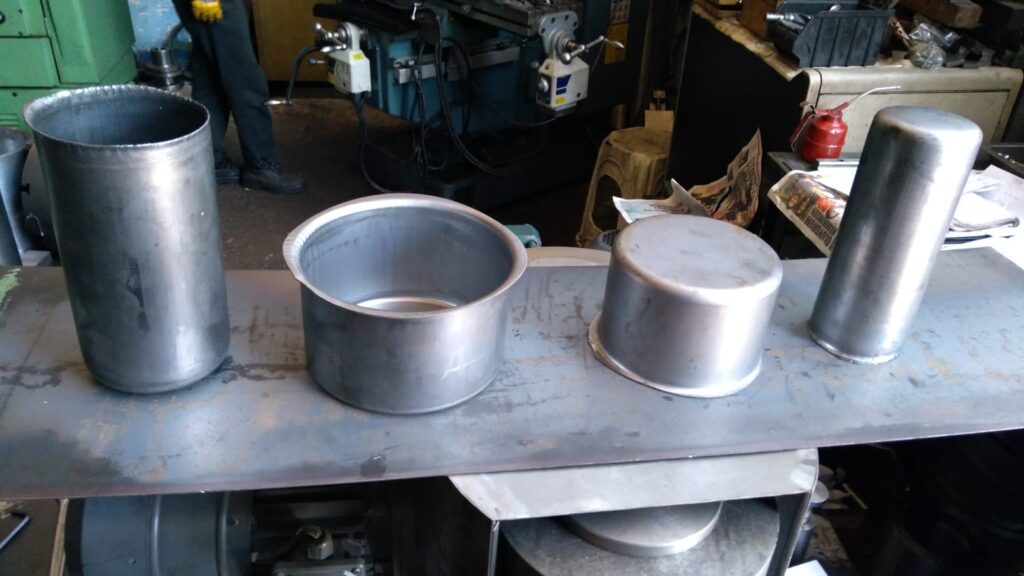
Categories
Machinery

Deep Draw Transfer Press

Deep Draw Transfer Press

We manufacture Deep Draw Transfer Press. Deep drawing process & Deep drawing press & Double action deep drawing press & Triple action deep drawing press

The kind of flexibility that gains new business for a contract stamper translates directly to quick changeover. But in addition to the ability to
swiftly and efficiently change back and forth between different part runs, another important consideration becomes how quickly a shop can set
up for a part it’s never run before. On a transfer press, the initial setup involves die preparation. Streamlining the whole process also means fast programming, quick configuration and try-out of transfer finger tooling, and setup of coil-feed equipment. For deep-draw work, particularly of large and complex parts, it also means finetuning complex draw dies that seem to be getting longer and longer every day.

As a seasoned contract stamper, the Shiloh Industries plant in
Dickson, TN, can verify the advantages of quick setup and programming, says Paul Beaton, new-launch manager. “We’ll get a call on a Friday from a manufacturer whose press has broken down, and it needs to hire out the production, quickly.

Other contract stampers must allow weeks before they can start helping out, because of long lead times for setup and because they aren’t flexible enough to interrupt current work. We’ve been able to bring in dies over a weekend, tool up the transfer automation, program the cell and start running parts on Monday.” Given the complexity of a transfer press, transfer dies, and related tooling, this sounds like a daunting task. Beaton explains that production teamwork is critical.

Die drawings or digital photos are faxed over from the customer while the dies are being shipped to Shiloh, so elements such as dubplates can be prepared ahead of time.

Deep Draw Transfer Press Characteristics

Deep Draw Transfer Press Characteristics

Operations at the Dickson facility are split about 50-50 between stamping and assembly operations, some of which are performed by multi-robot welding cells. During the spring of 2001, the plant leveraged the latest in transfer press technology by bringing a stamping cell online that includes a 1000-ton Combination Link transfer press (220 in. long and 84 in. front to back) from Press Technology Corp. (PTC), Cambridge, Ontario, Canada.

Most parts run on the press involve drawing work. Some, such as an under-the-hood shock tower, require a draw of more than 6 in. The transfer press is the plant’s fourth—two other link-motion presses boast 210- and 220-in. bed lengths while a third press, with the conventional drive, is a double-ram 300-in. model.

The link motion of the new PTC press lends itself better to the deep drawing of the types of materials—coated and high-strength steels—that the plant seems to seeing more and more of. Shiloh reports that the link action of the press provides as much as a 20-per cent increase in strokes per minute compared to an eccentric-gear press. The link mechanism is set up so that the ram speed is much faster on the approach and on its return back up to the top, with a 50-percent slowdown during forming.

A hydraulic press is a mechanical device that uses a hydraulic cylinder to generate a compressive force. It operates based on Pascal’s Law, which states that pressure applied to a confined fluid is transmitted equally in all directions. This principle allows hydraulic presses to exert significant force with minimal input, making them essential tools in industries requiring high-pressure applications.

single-acting hydraulic press uses hydraulic pressure to move the piston in one direction, typically the downward or compressive stroke. After the press completes this action, the piston returns to its original position using an external force such as a spring or the weight of the cylinder. This differs from a double-acting hydraulic press, where hydraulic pressure is applied in both the forward and return strokes.

The simplicity and cost-effectiveness of single-acting hydraulic presses make them ideal for a variety of applications, including small to medium-scale production, metal fabrication, and mechanical testing. These presses are widely used in industries such as automotive, aerospace, manufacturing, and even laboratories for precision tasks.

The core advantage of a single-acting hydraulic press lies in its simplicity. Fewer moving parts and a straightforward design reduce both the initial cost and ongoing maintenance requirements. However, the trade-off is that the press lacks the stroke control and power range of more complex systems, limiting its effectiveness in higher-end or more precise applications.

How Single-Acting Hydraulic Presses Work

Deep Drawing Hydraulic Press Machine for Kitchen Sink Production Line

The fundamental operation of a single-acting hydraulic press relies on Pascal’s Law, which underpins all hydraulic systems. According to this principle, when a force is applied to a fluid inside a closed system, the pressure is transmitted evenly throughout the fluid. In a hydraulic press, this means that the force generated by a pump acting on a small volume of hydraulic fluid can be magnified to create a much larger output force.

Key Components of a Single-Acting Hydraulic Press:

  • Cylinder and Piston: The hydraulic cylinder contains a piston that moves up and down. In a single-acting press, hydraulic fluid forces the piston downwards, creating the press action.
  • Hydraulic Pump: The pump generates pressure within the hydraulic system, pushing the fluid into the cylinder to drive the piston.
  • Reservoir: This stores hydraulic fluid, which is pumped into the cylinder during operation.
  • Valves: Control the flow of hydraulic fluid, directing it into the cylinder for the pressing stroke.
  • Return Mechanism: In single-acting systems, this is usually a spring or gravitational force that returns the piston to its original position after the pressing action.

Pressing and Return Process:

  1. Pressing: When the press operator activates the system, hydraulic fluid is pumped into the cylinder. The increase in pressure forces the piston downward, applying force to the material placed under the press head. The force can range from several tons to hundreds of tons, depending on the press’s specifications.
  2. Return Stroke: Once the pressing action is complete, the external force—usually a spring or gravity—returns the piston to its starting position. Unlike double-acting presses, where hydraulic pressure can control both strokes, single-acting presses rely on this mechanical or natural return.

Advantages and Limitations:

  • Advantages: Single-acting presses are simple, affordable, and easy to maintain. They are ideal for tasks that do not require precise control over the return stroke or where the pressing force is the primary concern.
  • Limitations: The primary limitation is the lack of control over the piston’s return stroke, which can make single-acting presses less suited to precision applications. Additionally, since only one stroke is powered, these presses are less efficient in tasks requiring continuous motion or high-speed operation.

Types of Single-Acting Hydraulic Presses

Types of Single-Acting Hydraulic Presses

Single-acting hydraulic presses come in several varieties, each suited to different applications and operational needs.

1. Manually Operated Hydraulic Presses:

These presses are powered by a hand-operated pump, which provides the hydraulic pressure needed to move the piston. They are ideal for small-scale applications or environments where electricity is not available. These presses are portable and commonly used in repair shops, garages, or remote field locations. Their affordability and ease of use make them popular for light-duty tasks like pressing bearings or removing shafts.

2. Electric-Powered Hydraulic Presses:

Electric-powered hydraulic presses use an electric motor to drive the hydraulic pump, offering greater efficiency and consistency compared to manual models. These presses are suitable for more intensive industrial applications where higher force or faster operation is required. They are commonly found in manufacturing plants, where they can be integrated into production lines for repetitive tasks such as stamping, forging, or cutting.

3. Air-Driven Hydraulic Presses:

In these systems, compressed air is used to generate hydraulic pressure. They are commonly used in industrial environments where compressed air is readily available. Air-driven hydraulic presses are often employed in applications where speed and convenience are critical, and they offer a middle ground between manually operated and electric-powered presses in terms of power and cost.

Applications of Each Type:

  • Manually Operated: Ideal for low-volume tasks, repair work, or environments lacking electrical infrastructure.
  • Electric-Powered: Suitable for continuous, heavy-duty applications in factories and production environments.
  • Air-Driven: Often used in automotive workshops and for lighter industrial tasks where compressed air is available.

Applications of Single-Acting Hydraulic Presses

Manufacturing of Fire Extinguishers

Single-acting hydraulic presses are versatile tools used across a wide range of industries for different applications.

1. Metal Forming and Fabrication:

In the metalworking industry, hydraulic presses are used to shape, bend, punch, and cut metal sheets and components. Single-acting presses are especially useful in tasks where the return stroke is less critical, such as metal stamping or bending. These presses are commonly used in fabrication shops, tool and die manufacturing, and custom metalwork projects.

2. Press Fitting and Assembly Tasks:

Single-acting presses are commonly employed in press fitting, where parts are mechanically forced together using high pressure. This includes tasks such as pressing bushings, bearings, gears, and other components into place. These presses are widely used in the automotive industry for assembly operations, as well as in machinery and equipment manufacturing.

3. Material Testing and Laboratory Uses:

In laboratories, single-acting hydraulic presses are often used for testing materials under compressive force. For example, engineers and scientists may use hydraulic presses to measure the compressive strength of materials like concrete, metals, or plastics. The simplicity of single-acting presses makes them ideal for controlled experiments where large forces are required without complex control systems.

4. Automotive and Aerospace Industries:

In the automotive sector, single-acting hydraulic presses play a crucial role in various assembly and maintenance tasks, such as pressing in bushings, removing bearings, and straightening parts. Their use extends to aerospace industries for tasks such as forming lightweight components, shaping metal parts, or assembling intricate systems that require precise force application.

Examples of Practical Applications:
  • Metal Stamping: Single-acting presses are used to punch or stamp metal parts for various industries, including automotive and electronics.
  • Bearing Installation: Presses ensure that bearings are seated correctly without causing damage to delicate components.
  • Cutting and Trimming: Hydraulic presses can be used to cut metal, plastic, or composite materials, making them essential in production environments.

Advantages of Single-Acting Hydraulic Presses

Single-acting hydraulic presses have several advantages, making them a popular choice in a variety of applications.

1. Simplicity and Cost-Effectiveness:

Due to their basic design, single-acting hydraulic presses are more affordable than their double-acting counterparts. They have fewer moving parts and require less complex control systems, reducing both the upfront cost and the likelihood of mechanical failure. This makes them ideal for smaller operations or businesses looking for cost-effective solutions.

2. Efficiency in Force Delivery:

Despite their simplicity, single-acting hydraulic presses can deliver tremendous force, making them suitable for heavy-duty tasks like metal forming or assembly. They can generate forces ranging from a few tons to several hundred tons, depending on the size and type of the press, enabling them to handle a wide range of materials and tasks.

3. Reduced Maintenance:

With fewer components, single-acting presses are easier and less costly to maintain. Routine maintenance is generally limited to inspecting seals, checking hydraulic fluid levels, and ensuring that the return mechanism (spring or gravity) is functioning properly.

4. Portability and Space Efficiency:

Single-acting presses are typically more compact than double-acting presses, making them easier to move and install in smaller workspaces. This portability is especially valuable in environments where space is limited, such as small workshops or laboratories.

Challenges and Limitations of Single-Acting Hydraulic Presses

Applications in Various Industries

While single-acting hydraulic presses offer many benefits, they also have certain limitations that can affect their performance in specific applications.

1. Limited Stroke Control and Precision:

Because the return stroke is not powered by hydraulics, single-acting presses lack the precise control over the piston’s movement during the return phase. This makes them less suitable for applications requiring fine control of both the forward and return strokes.

2. External Force Required for Return Stroke:

The reliance on springs or gravity for the return stroke introduces limitations. Springs can wear out over time, reducing the efficiency of the press, and gravitational return may be too slow for certain high-speed applications.

3. Power Limitations:

Single-acting presses typically have less power and speed compared to double-acting systems. For tasks requiring high force or rapid cycling, a double-acting press may be more appropriate.

4. Environmental Considerations:

Hydraulic systems, including single-acting presses, can pose environmental risks if not properly maintained. Leaking hydraulic fluid, for instance, can cause environmental contamination, making proper maintenance and disposal of used fluids critical.

Maintenance and Safety Considerations

Proper maintenance and adherence to safety protocols are essential to ensure the safe and efficient operation of single-acting hydraulic presses.

Maintenance Procedures:

  • Hydraulic Fluid Levels: Regularly check and maintain the hydraulic fluid to ensure smooth operation. Low fluid levels can reduce press efficiency and lead to mechanical wear.
  • Seals and Hoses: Inspect seals and hoses for wear and tear, as leaks can cause pressure loss and reduce the effectiveness of the press.
  • Return Mechanism: Check the spring or gravity-based return system for signs of fatigue or failure. Over time, springs may lose tension, reducing the effectiveness of the return stroke.

Safety Protocols:

  • Personal Protective Equipment (PPE): Operators should wear appropriate PPE, including safety goggles, gloves, and hearing protection.
  • Proper Training: Ensure that all operators are trained in the correct use of the press and are aware of potential hazards.
  • Emergency Stops: Hydraulic presses should be equipped with emergency stop buttons to allow operators to quickly halt the machine in case of malfunction or danger.

Future of Single-Acting Hydraulic Presses

Choosing the Right Trimming Beading Machine

Advancements in technology are opening new possibilities for single-acting hydraulic presses. As industries evolve, the demand for more efficient and eco-friendly machinery is growing.

1. Advancements in Hydraulic Technology:

Innovations in hydraulic systems are leading to more efficient and powerful single-acting presses. For instance, new hydraulic fluids with better thermal stability and lower environmental impact are being developed, reducing the ecological footprint of hydraulic systems.

2. Energy Efficiency Improvements:

Modern hydraulic presses are being designed with energy efficiency in mind. Enhanced pump designs, variable speed motors, and more efficient control systems are reducing energy consumption and operational costs.

3. Integration with Automation:

The future of hydraulic presses lies in their integration with automated and smart systems. Automated single-acting presses equipped with sensors and computer control systems can adjust force, speed, and stroke in real time, enhancing precision and adaptability.

4. Future Applications and Innovations:

As industries continue to demand more from hydraulic systems, single-acting presses are likely to be used in new applications such as additive manufacturing (3D printing) and precision engineering. The increasing focus on sustainability may also drive the development of greener, more energy-efficient presses.

Introduction to Double-Acting Hydraulic Presses

Deep Draw Presses
Deep Draw Presses

Hydraulic presses are mechanical devices that use fluid pressure to generate significant force, commonly employed in industries where large-scale pressing, forming, or molding is required. They operate on Pascal’s Law, which states that pressure applied to a fluid in a confined space is transmitted equally in all directions. This principle allows hydraulic presses to amplify force, making them crucial in metalworking, manufacturing, automotive industries, and beyond.

double-acting hydraulic press differs from its single-acting counterpart in that it applies hydraulic pressure in both directions—both for the pressing stroke and the return stroke. In contrast, a single-acting press relies on external forces, like springs or gravity, for the return motion, which limits control and precision.

The use of double-acting hydraulic presses has revolutionized several industrial processes due to the enhanced control and precision they offer. With powered movement in both directions, these presses are capable of handling more complex and demanding tasks, such as deep drawing, forging, or any process where high precision and consistent force are essential. These presses are widely used in automotive production, aerospace manufacturing, and large-scale industrial operations.

How Double-Acting Hydraulic Presses Work

Deep Drawing Hydraulic Press Machine for Kitchen Sink Production Line

Double-acting hydraulic presses function based on hydraulic principles, which utilize fluid power to amplify force. The critical difference from single-acting presses is that double-acting presses can apply hydraulic pressure in both the pressing and return strokes. This provides enhanced control and versatility.

Core Components of a Double-Acting Hydraulic Press:

  • Cylinder and Piston: A double-acting press has a hydraulic cylinder with a piston that moves in two directions. Hydraulic fluid is directed into the cylinder on either side of the piston to control both the downward and upward strokes.
  • Hydraulic Pump: The hydraulic pump provides pressure by moving hydraulic fluid into the cylinder. In double-acting presses, the pump must be capable of routing the fluid to either side of the piston, depending on whether it is the pressing or return stroke.
  • Valves and Control Systems: Double-acting presses require more sophisticated valve systems to control the flow of hydraulic fluid. These valves direct fluid pressure to either side of the piston, enabling the precise control of both strokes.
  • Power Source: These presses can be powered by manual pumps, electric motors, or pneumatic systems, depending on the scale and application of the press.

The Pressing and Return Strokes:

  1. Pressing Stroke: The hydraulic pump directs fluid into the top of the cylinder, pushing the piston downward. This downward force can range from a few tons to hundreds of tons, depending on the press’s size and design. The press head applies this force to the material being processed, whether it’s for stamping, molding, or cutting.
  2. Return Stroke: After the pressing operation, hydraulic pressure is redirected to the bottom of the piston. This lifts the piston back to its starting position, ensuring precise and controlled movement. The ability to hydraulically control both strokes eliminates the reliance on gravity or springs, allowing for faster cycle times and more complex tasks.

Precision and Control:

The ability to control both strokes of the piston provides greater accuracy in industrial processes. Unlike single-acting presses, where the return stroke can vary in speed and efficiency, double-acting presses offer consistent performance across all movements. This precision makes them ideal for complex forming processesdeep drawing, and precision cutting operations, where both the force and the return timing must be tightly controlled.

Types of Double-Acting Hydraulic Presses

Double-acting hydraulic presses come in various forms, each tailored for specific industrial applications. Here are some of the main types:

1. Manual Double-Acting Hydraulic Presses:

Manual versions of double-acting presses are powered by hand-operated hydraulic pumps. These are typically used in small workshops or repair facilities where tasks like pressing, bending, or assembling components do not require extensive automation. These presses are portable, cost-effective, and often used in low-production environments.

2. Electric-Powered Double-Acting Hydraulic Presses:

Electric-powered double-acting presses are more common in industrial settings where high force and consistent operation are required. The hydraulic pump is driven by an electric motor, allowing for automated control of both strokes. These presses are essential for high-volume operations, such as metal stamping, die forming, and precision cutting. The electric-powered system allows for greater precision, repeatability, and faster cycle times.

3. Pneumatic Double-Acting Hydraulic Presses:

Pneumatic-powered double-acting presses use compressed air to drive the hydraulic fluid in both strokes. These presses are favored in industries where pneumatic systems are already integrated into the production environment, such as in automotive assembly lines. Pneumatic systems provide rapid action, and the integration with hydraulics ensures the generation of high forces, making them suitable for mid-sized industrial applications.

4. Specialized Double-Acting Presses:

Some double-acting hydraulic presses are designed for specific applications, such as hydraulic press brakes used in bending and shaping metal sheets. These presses provide precise control over the angle and force applied, making them ideal for custom metal fabrication. Another example includes forging presses, where high tonnage and precise control are required to shape metal components.

Applications of Double-Acting Hydraulic Presses

Applications in Various Industries

Double-acting hydraulic presses are widely employed across a variety of industries due to their versatility and ability to handle complex tasks with precision. Here are some of the key applications:

1. Metal Forming and Deep Drawing:

One of the primary uses of double-acting hydraulic presses is in metal forming, particularly deep drawing. Deep drawing is a manufacturing process where a sheet metal blank is radially drawn into a forming die by the mechanical action of a punch. Double-acting presses provide the precise control necessary to form complex shapes in metals like aluminum, steel, and copper without cracking or deforming the material.

2. Punching, Forging, and Die Forming:

In punching and forging operations, double-acting presses apply controlled force to deform or cut metal parts. This is commonly used in the automotive and aerospace industries, where high-strength materials are forged into critical components like gears, axles, and structural parts. The ability to control both the pressing and return strokes ensures consistent quality and reduces the risk of material damage.

3. Composite Material Molding:

As industries increasingly adopt composite materials, double-acting hydraulic presses have become essential for forming and molding these materials. Composites, such as carbon fiber or fiberglass, require careful handling during the molding process to maintain their strength and durability. Double-acting presses allow for precise pressure application during both the pressing and release phases, making them indispensable in industries like aerospace and automotive, where lightweight, high-strength components are essential.

4. Automotive and Aerospace Industries:

The automotive industry relies heavily on double-acting hydraulic presses for the production of body panelsframes, and engine components. The precision and repeatability of these presses ensure that every part is manufactured to exact specifications. In the aerospace industry, where weight, strength, and safety are critical, double-acting presses are used to form lightweight components like aircraft skin panelsstructural parts, and engine elements.

5. Examples of Industrial Applications:

  • Automotive: Deep drawing for body panels, stamping parts like hoods, doors, and roofs.
  • Aerospace: Forming of lightweight metal and composite parts for aircraft and spacecraft.
  • Heavy Machinery: Forging of large components for construction equipment and industrial machinery.
  • Consumer Electronics: Precision forming of metal casings and components.

Advantages of Double-Acting Hydraulic Presses

Double-acting hydraulic presses offer several significant advantages that make them indispensable in many industries.

1. Precise Control Over Both Strokes:

The ability to apply hydraulic force in both the pressing and return strokes gives double-acting presses greater control over the entire operation. This precision is particularly valuable in tasks that require consistent force and motion, such as deep drawing, forging, and punching. Both strokes can be finely adjusted to meet the exact requirements of the material and application, leading to superior product quality.

2. Higher Efficiency in Repetitive Operations:

In manufacturing environments where tasks must be repeated at high speed, double-acting presses outperform single-acting models. Since both the press and return strokes are powered, cycle times are faster, and operators have more control over the movement of the piston, which boosts productivity in high-volume production lines.

3. Versatility in Complex Tasks:

Double-acting presses are incredibly versatile, able to handle a wide variety of materials and tasks. They can be used for pressing, forming, bending, cutting, and molding, which makes them highly adaptable to different industries and processes. Whether the task requires the shaping of metals, molding of composites, or assembly of mechanical components, these presses can be fine-tuned to meet the needs of the job.

4. Suitability for Heavy-Duty and Continuous Use:

Double-acting hydraulic presses are built for heavy-duty applications and continuous use in industrial settings. The ability to power both strokes ensures that even the toughest materials, such as steel and titanium, can be shaped and formed without compromising on speed or accuracy. Their robust design and advanced control systems make them ideal for industries where durability and long-term performance are critical.

Challenges and Limitations of Double-Acting Hydraulic Presses

Despite their advantages, double-acting hydraulic presses also come with challenges and limitations that must be considered before implementation.

1. Higher Cost and Complexity:

Double-acting hydraulic presses are generally more expensive than single-acting presses due to their more complex design and the additional control systems required to power both strokes. This can make them less appealing for small-scale operations or businesses with tight budgets.

2. Increased Maintenance Requirements:

With more moving parts and components to manage, double-acting presses require more frequent and thorough maintenance than their single-acting counterparts. Components like seals, valves, and hydraulic lines must be regularly inspected and serviced to prevent leaks and ensure optimal performance. This adds to the operational costs over the lifespan of the machine.

3. Space and Energy Requirements:

Double-acting hydraulic presses tend to be larger and consume more energy than simpler presses. This means they require more space and have higher energy costs, which can be a limiting factor in smaller workshops or facilities with limited energy resources.

4. Specialized Training and Safety Considerations:

Operators of double-acting hydraulic presses must be thoroughly trained to handle the complex control systems and high pressures involved. The increased force and speed of these presses mean that strict safety protocols must be followed to prevent accidents and equipment damage.

Maintenance and Safety Considerations

Proper maintenance and safety protocols are crucial for ensuring the long-term operation and safety of double-acting hydraulic presses.

Maintenance Procedures:

  • Hydraulic Fluid Levels: Maintaining appropriate hydraulic fluid levels is essential for the proper operation of both strokes. Low fluid levels can result in uneven pressure distribution and lead to damage.
  • Seal and Hose Inspections: Double-acting presses have more seals and hoses than single-acting models, which makes regular inspections critical. Leaks in these components can cause a loss of pressure, reduced efficiency, and safety hazards.
  • System Pressure Checks: Monitoring and adjusting the system’s pressure levels ensures that the press operates within its designed parameters, preventing over-pressurization and component failure.

Safety Protocols:

  • Operator Training: Given the complexity of double-acting presses, operators must be trained in their safe use. They should understand the machine’s control systems, emergency stop features, and troubleshooting procedures.
  • Regular Inspections: Presses should be inspected regularly for signs of wear or malfunction. Safety devices like pressure relief valves and emergency stops should be tested to ensure they are functioning properly.
  • Personal Protective Equipment (PPE): Operators should always wear appropriate PPE, including gloves, goggles, and ear protection, especially in high-noise environments.

Future Trends in Double-Acting Hydraulic Press Technology

As technology evolves, double-acting hydraulic presses are expected to undergo several advancements that will enhance their performance and broaden their applications.

1. Technological Advancements:

Innovations in hydraulic control systems, such as the integration of proportional valves and servo-driven pumps, are improving the precision and efficiency of double-acting presses. These systems allow for finer control of pressure and movement, resulting in higher-quality output and reduced material waste.

2. Energy Efficiency:

One of the key areas of development is the push for more energy-efficient hydraulic systems. With the increasing focus on sustainability, new technologies are emerging that reduce energy consumption, such as variable-speed pumps that adjust output based on demand. These advancements not only lower operational costs but also reduce the environmental impact of hydraulic presses.

3. Automation and Industry 4.0:

The integration of double-acting hydraulic presses with automation and smart manufacturing systems is another significant trend. By connecting presses to factory networks, manufacturers can monitor machine performance in real-time, predict maintenance needs, and optimize press cycles. This leads to increased productivity and minimizes downtime due to unexpected equipment failure.

4. Future Innovations:

Looking ahead, double-acting presses may see further improvements in force capacityminiaturization for precise applications, and modular designs that allow presses to be easily reconfigured for different tasks. Additionally, advancements in green hydraulic fluids will reduce the environmental risks associated with hydraulic systems.

Triple Action Deep Drawing Press

Triple Action Deep Drawing Press
Triple Action Deep Drawing Pres

Deep drawing is a popular metal forming process used to shape flat sheet metal into cylindrical or box-like shapes. The process involves placing a metal blank over a die and pressing it into the die cavity with a punch. This transforms the flat blank into a three-dimensional shape, making it essential for producing components like automotive body panels, kitchen sinks, and various enclosures. The process can be repeated to achieve more complex shapes with greater depth, but the challenges increase as the material undergoes severe deformation.

Triple Action Deep Drawing Press is a specialized machine designed to address the complexity of the deep drawing process. Unlike conventional single-acting or double-acting presses, a triple action press incorporates three independent force mechanisms:

  1. Blank Holder Action: Keeps the metal blank firmly in place, controlling material flow and preventing wrinkling.
  2. Punch Action: The primary force that shapes the blank by pushing it into the die.
  3. Ejector Action: Removes the finished part from the die after the drawing process is complete.

This triple-action mechanism provides greater control over the deep drawing process, allowing for the production of more complex shapes, with fewer defects, and better efficiency. The ability to control all three forces independently is particularly important in producing deep-drawn components for industries like automotive, aerospace, and consumer goods, where precision and quality are critical.

How Triple Action Deep Drawing Presses Work (500 words)

To understand how triple action deep drawing presses function, it’s essential to break down the mechanics of the deep drawing process and how each action contributes to shaping the material.

The Deep Drawing Process:

The deep drawing process transforms a flat metal blank into a three-dimensional component. The key stages include:

  1. Blank Placement: A flat metal blank is placed over the die cavity.
  2. Blank Holder Engagement: The blank holder clamps the blank around its edges, preventing movement or wrinkling during drawing.
  3. Punch Stroke: The punch moves downward, pressing the blank into the die cavity, forming the desired shape. This action stretches and deforms the material, thinning it in certain areas.
  4. Ejection: Once the part is formed, the ejector mechanism releases the part from the die, ready for the next cycle.

Components of a Triple Action Deep Drawing Press:

  1. Blank Holder: The blank holder is crucial in controlling material flow. Its force must be precisely regulated to avoid wrinkling, which can occur if the material is allowed to move too freely. At the same time, too much force from the blank holder can result in tearing.
  2. Punch: The punch is the main shaping tool. In triple-action presses, the punch force is adjustable, allowing for greater flexibility in handling different materials or thicknesses. As the punch presses the blank into the die, it forms the desired shape.
  3. Ejector: The ejector action ensures the formed part is smoothly removed from the die without causing damage to the component or slowing down the production process. The ejector often uses hydraulic or mechanical systems to push the part upward, releasing it from the die.

Key Advantages of the Triple Action System:

  1. Independent Control of Forces: One of the main benefits of triple action presses is that each force (blank holder, punch, ejector) can be independently controlled. This ensures optimal pressure at each stage, reducing the risk of defects such as wrinkling, tearing, or excessive thinning.
  2. Complex Shapes: By using all three actions in a coordinated manner, triple action presses can produce complex, deep-drawn components that would be difficult or impossible with a standard press.
  3. Minimized Defects: The precise control over material flow, punch pressure, and ejection force allows manufacturers to achieve higher-quality products with fewer defects, making triple-action presses ideal for high-precision industries.

Types of Triple Action Deep Drawing Presses

Triple action deep drawing presses come in various types, each suited to different applications and production environments. The main types include mechanical, hydraulic, and servo-electric presses.

1. Mechanical Triple Action Presses:

Mechanical triple action presses use mechanical linkages, cams, and gears to generate and control the forces required for the blank holder, punch, and ejector. These presses are known for their high speed and are commonly used in high-volume production environments, such as automotive manufacturing. However, they tend to offer less precision than hydraulic presses, making them less suitable for complex or precision deep drawing applications.

2. Hydraulic Triple Action Presses:

Hydraulic presses are the most common type of triple action deep drawing presses. These machines use hydraulic cylinders to apply force independently to the blank holder, punch, and ejector. Hydraulic presses are favored for their precision and the ability to control force and speed at every stage of the process. This makes them ideal for deep drawing applications that require complex shapes, deep draws, or challenging materials. Additionally, hydraulic systems can apply constant force throughout the entire stroke, providing a smooth and consistent draw.

3. Servo-Electric Triple Action Presses:

Servo-electric presses use electric motors to control the movement of the blank holder, punch, and ejector. These presses offer the highest level of precision and flexibility, allowing manufacturers to program specific force and speed profiles for different stages of the drawing process. Servo-electric presses are energy-efficient and offer precise control, making them ideal for applications requiring high precision, such as aerospace components and medical devices.

Comparison of Press Types:

  • Mechanical: Best for high-speed, large-volume production; less precise.
  • Hydraulic: Ideal for precision deep drawing, complex shapes, and variable materials; slower but more controlled.
  • Servo-Electric: Offers the highest precision and flexibility, with energy efficiency; often used in highly specialized applications.

Applications of Triple Action Deep Drawing Presses

Applications in Various Industries

The versatility and precision of triple action deep drawing presses make them indispensable across a wide range of industries. Their ability to form complex, deep-drawn parts with minimal defects and high repeatability is a key reason for their widespread use.

1. Automotive Industry:

In the automotive sector, deep drawing presses are essential for producing a wide array of components, including body panelsfuel tanks, and engine components. Triple action presses are particularly well-suited for forming large, complex parts such as car doors, hoods, and trunk lids, which require high precision to ensure they meet the industry’s stringent safety and performance standards.

For example, the ability to control the blank holder force ensures that body panels are formed without wrinkling, a common defect in deep drawing. Additionally, the precision of triple-action presses allows for tight tolerances in the production of complex components like fuel tanks, which must be leak-proof and structurally sound.

2. Aerospace Industry:

In the aerospace industry, the demand for lightweight yet strong components is paramount. Triple action deep drawing presses are used to form aircraft skin panelsengine housings, and other structural components. The ability to control every aspect of the drawing process, including the exact force applied by the blank holder and punch, ensures that aerospace parts meet the high standards required for safety and performance.

Additionally, the triple action mechanism is crucial for working with materials like titaniumaluminum, and composites, which are commonly used in the aerospace industry but can be difficult to form due to their strength and tendency to crack under stress.

3. Consumer Goods:

Triple action deep drawing presses are widely used to manufacture various consumer goods, particularly in the production of kitchenware (e.g., stainless steel sinks, pots, and pans) and household appliances (e.g., washing machine drums, microwave enclosures). The ability to form deep, complex shapes in materials like stainless steel or aluminum with smooth surfaces and minimal defects is essential for consumer products where aesthetics and durability are key selling points.

4. Industrial Containers and Enclosures:

Industries requiring industrial containerscylindrical tanks, or enclosures for sensitive equipment often rely on triple action deep drawing presses. These presses allow for the formation of durable, uniform containers with precise dimensions, ensuring that they meet stringent industry standards for storage and protection.

Case Studies and Real-World Examples:

  • Automotive: A major automotive manufacturer uses triple action presses to produce seamless body panels for luxury vehicles, ensuring high quality and eliminating the need for secondary finishing processes.
  • Aerospace: Leading aerospace companies utilize triple action deep drawing presses for the production of lightweight, high-strength structural components, ensuring aircraft performance while reducing weight.
  • Consumer Goods: A well-known kitchenware brand uses triple action presses to manufacture stainless steel cookware with flawless surfaces and uniform thickness, enhancing both performance and aesthetics.

Advantages of Triple Action Deep Drawing Presses

Triple action deep drawing presses offer numerous advantages that make them essential in industries requiring precision metal forming.

1. Enhanced Control Over the Deep Drawing Process:

One of the most significant advantages of a triple action press is the ability to independently control the blank holder, punch, and ejector forces. This precision control allows for adjustments throughout the deep drawing process, ensuring consistent material flow and reducing the risk of defects such as wrinkling, tearing, or excessive thinning.

2. Ability to Form Complex, Precise Shapes:

The precise control offered by triple action presses enables the formation of intricate shapes and deep-drawn components. The ability to fine-tune the force applied at each stage ensures that even challenging materials can be drawn without damage. This is especially important in industries like aerospace and automotive, where components must meet exacting standards for performance and safety.

3. Minimization of Defects:

Triple action presses significantly reduce common defects in the deep drawing process, such as wrinkling, cracking, and material thinning. The blank holder’s independent force ensures that the material is held securely, while the punch and ejector forces can be adjusted to optimize material flow. This results in higher-quality parts and reduced scrap, making triple action presses more efficient and cost-effective in large-scale production.

4. High Efficiency for Large-Scale Production:

Triple action presses are ideal for high-volume production, offering fast cycle times and repeatable precision. The automation of these presses allows for continuous operation, reducing downtime and increasing throughput. This efficiency is critical in industries where large quantities of parts must be produced quickly and to tight tolerances, such as automotive manufacturing.

Challenges and Limitations of Triple Action Deep Drawing Presses

Despite their numerous advantages, triple action deep drawing presses also present certain challenges and limitations.

1. High Initial Investment and Complexity:

Triple action deep drawing presses are more expensive than single or double-action presses due to their complexity and advanced control systems. The cost of purchasing and setting up a triple action press can be prohibitive for smaller operations or manufacturers with limited budgets. Additionally, these presses require more sophisticated control systems and software, which can increase the initial investment.

2. Greater Maintenance Requirements:

The complexity of triple action presses means that they require more frequent and thorough maintenance compared to simpler presses. The hydraulic systems, punch, blank holder, and ejector mechanisms all need regular inspection and servicing to prevent breakdowns and ensure the press operates at peak efficiency. Maintenance costs and downtime can be a challenge, especially in high-production environments.

3. Limitations in Smaller-Scale Operations:

For smaller-scale manufacturers or those producing limited quantities of deep-drawn parts, the high cost and complexity of triple action presses may not be justified. These presses are best suited to large-scale operations where the benefits of increased precision, efficiency, and reduced scrap outweigh the higher costs.

4. Energy and Space Requirements:

Triple action presses require significant amounts of energy to operate, especially hydraulic models, which need continuous power to maintain pressure. They are also large machines that require a substantial amount of floor space, limiting their use in smaller production facilities or workshops.

Maintenance and Safety Considerations

Proper maintenance and safety protocols are essential to ensure the longevity and safe operation of triple action deep drawing presses.

Maintenance Procedures:

  • Hydraulic System Maintenance: Hydraulic presses rely on clean, properly pressurized fluid systems to function efficiently. Regular checks of hydraulic fluid levels, cleanliness, and pressure are necessary. Dirty or low fluid can cause increased wear on components or lead to system failure.
  • Lubrication: Proper lubrication of moving parts, including the punch, blank holder, and ejector, is critical to reduce friction and wear. Over time, insufficient lubrication can lead to damage and expensive repairs.
  • Seal and Hose Inspections: Hydraulic seals and hoses should be regularly inspected for wear and leaks. Any signs of leakage must be addressed immediately to prevent pressure loss, damage to components, or safety hazards.
  • Alignment Checks: Regular alignment checks for the punch, die, and blank holder ensure that parts are being formed accurately and uniformly. Misalignment can lead to defective parts and increased machine wear.

Safety Protocols:

  • Operator Training: Operators should be thoroughly trained in the use of triple action presses, including how to safely load blanks, adjust controls, and handle finished parts. Understanding how to safely manage the hydraulic systems and high forces involved is critical for preventing accidents.
  • Emergency Stops and Safety Guards: Triple action presses should be equipped with emergency stop systems and safety guards to protect operators. These features ensure that the machine can be immediately stopped in the event of a malfunction or danger.
  • Personal Protective Equipment (PPE): Operators must wear appropriate PPE, including gloves, goggles, and protective clothing, to reduce the risk of injury from moving parts, flying debris, or hydraulic fluid leaks.

Future Trends in Triple Action Deep Drawing Press Technology

The future of triple action deep drawing presses is being shaped by advancements in technology, materials, and manufacturing processes.

1. Innovations in Press Control Systems:

As manufacturing becomes more automated and digital, the control systems used in triple action presses are becoming more sophisticated. Proportional hydraulic control valves and servo-driven systems are allowing for even more precise control over the forces applied during the deep drawing process. This enhanced control not only improves part quality but also reduces waste and increases efficiency.

2. Material Advancements:

As industries increasingly demand stronger, lighter, and more durable materials, triple action presses are evolving to handle these new challenges. Advances in high-strength steelaluminum alloys, and composites are pushing the limits of what deep drawing presses can do. Modern presses are being designed with enhanced force capabilities and precision to work with these advanced materials, enabling the production of lightweight, high-strength components for the automotive, aerospace, and electronics industries.

3. Integration with Industry 4.0:

The integration of Industry 4.0 technologies, such as sensors, real-time data monitoring, and predictive maintenance systems, is helping manufacturers optimize the performance of their triple action presses. Smart systems can monitor machine performance in real-time, automatically adjust press settings, and even predict when maintenance is needed, reducing downtime and improving overall productivity.

4. Environmental Sustainability and Energy Efficiency:

Energy efficiency is becoming a priority for manufacturers using triple action presses. New designs are focusing on reducing energy consumption through variable-speed hydraulic pumpsenergy recovery systems, and servo-electric technologies. These advancements not only reduce operational costs but also help companies meet their environmental sustainability goals by reducing the energy footprint of their manufacturing processes.

Double-Acting Hydraulic Presses

Double-acting hydraulic presses provide more control and flexibility during the deep drawing process, particularly for applications that require more complex or deeper shapes. In a double-acting press, two separate hydraulic systems work in tandem—one controls the downward motion of the punch, while the other operates the blank holder, applying force independently to hold the material in place.

  • Structure: The press has two rams or cylinders—one for the punch and another for the blank holder. This setup allows for precise control of both the drawing force and the holding force, preventing material slippage or wrinkling during the drawing process.
  • Applications: Double-acting presses are commonly used in automotiveaerospace, and household appliance manufacturing, where complex shapes and deeper draws are required. For instance, components like fuel tankscar body panels, and aircraft parts are often made using double-acting hydraulic presses.
  • Advantages: The independent control over the punch and blank holder forces allows for more precise and uniform drawing, reducing the risk of defects such as tearing or wrinkling. These presses are suitable for larger and more intricate parts and offer greater flexibility in handling a variety of materials and shapes.

Triple-Action Hydraulic Presses

For the most demanding and complex deep drawing applications, triple-action hydraulic presses provide unparalleled performance. These presses add a third hydraulic system to control additional movements or processes during the drawing operation.

  • Structure: In addition to the punch and blank holder, triple-action presses feature a third force, often applied from the bottom of the press. This additional motion allows for processes like reverse drawing or extrusion, enabling the machine to handle extremely deep or complex shapes that require multiple stages of forming.
  • Applications: Triple-action presses are typically used in highly specialized industries such as aerospace and defense, where precision and complexity are paramount. Components like deep drawn fuel cellsengine components, and structural parts for aircraft or heavy machinery are ideal for these machines.
  • Advantages: These presses provide maximum control and precision, allowing manufacturers to produce parts with extreme depth or complexity without compromising on quality. They also offer higher productivity by enabling multiple forming operations in a single press cycle.

Automated vs. Manual Hydraulic Presses

Automation is an important factor in modern manufacturing, and hydraulic deep drawing presses are no exception. Buyers can choose between manual presses, which require human intervention for loading, unloading, and controlling the operation, or automated presses, which integrate robotic systems and computerized controls to manage the entire process.

  • Manual Hydraulic Presses: These presses are operated by technicians who manually load the blank, initiate the drawing process, and remove the formed part. While manual presses are typically less expensive and easier to maintain, they are best suited for low-volume production runs or applications where flexibility is required.
  • Automated Hydraulic Presses: Automated presses use Programmable Logic Controllers (PLCs) or Computer Numerical Control (CNC) systems to control the drawing process. Automation allows for higher precision, increased production speed, and greater consistency in the final product. Automated presses are ideal for high-volume production environments where efficiency and accuracy are critical.

Specialized Hydraulic Presses for Tailor-Made Applications

In addition to the standard configurations, there are specialized hydraulic presses designed for specific industries or applications. These machines are often custom-built to meet unique production requirements, such as forming particular shapes, materials, or sizes. For example:

  • Automotive Industry: Hydraulic presses tailored for producing large, complex automotive parts, such as chassis componentsdoors, and structural parts.
  • Aerospace Industry: Presses designed for handling high-strength alloys and lightweight materials, where the precision and complexity of the shapes are critical.
  • Consumer Goods: Smaller, more compact hydraulic presses used to produce kitchenwaremetal containers, and packaging components.

Transfer Operation with a Deep Drawing Press

The combination-link designation from PTC refers to the fact that the press is designed for blanking and coining in addition to drawing work. “Compared to our other link-motion presses, this new press has a considerably greater slowdown near the bottom dead center,” says Ken Puckett, Shiloh tooling engineer. “The control we get when drawing actually allows us to run faster. For example, we’ve gained three strokes per minute by moving the shock-tower job from our older link motion press to the new one, without sacrificing quality.

We also see less heat buildup in the dead because we’re forming more slowly, and can use as much as 30 percent less drawing compound.” The Dickson plant settled on Eco Draw HVE2 draw lube 21 ⁄2 years ago, “because it provides good drawing ability, minimal consumption, and good rust prevention,” says Beaton. Eco Draw HVE2 is a general-purpose synthetic from Mid-State Chemical & Supply Corp., Indianapolis, IN.

EP (extreme pressure) additives protect tooling, and the lube leaves a residue that Shiloh finds sufficient to last through the entire transfer die. The firm sprays the lube directly onto the coil stock as it feeds into the first draw station. It finds the residue poses no problem when it comes to welding parts right off the press. “Since we’ve been required to draw more coated—galvanized—and high-strength steels,” adds Beaton, “we’ve had to use more high-pressure additives in the draw lube.”

Hydraulic presses are powerful machines used to apply a significant amount of force to an object through hydraulic fluid pressure. They are essential in various industrial applications, providing the necessary force for processes such as metal forming, stamping, bending, and molding. The versatility and efficiency of hydraulic presses make them indispensable tools in manufacturing and production lines. This document will explore the different types of hydraulic presses, their application areas, components, operational principles, manufacturing process, and the challenges and advancements in the industry.

Types of Hydraulic Presses

Hydraulic presses come in various designs, each suited to specific applications and requirements. The primary types of hydraulic presses include C-frame presses, H-frame presses, four-column presses, straightening presses, arbor presses, laminating presses, and transfer presses.

C-frame presses, also known as gap-frame presses, have a C-shaped frame that provides three-sided access to the work area. This design is ideal for applications requiring easy loading and unloading of materials.

H-frame presses, or two-post presses, have a robust H-shaped frame that offers excellent stability and strength. They are commonly used for heavy-duty tasks such as metal forming and straightening.

Four-column presses, or four-post presses, have four vertical columns that provide superior support and uniform force distribution. These presses are suitable for large-scale applications requiring high precision and repeatability.

Straightening presses are specialized hydraulic presses used to straighten bent or distorted metal components. They are widely used in the automotive and construction industries.

Arbor presses are smaller, manually operated hydraulic presses used for light-duty tasks such as assembly, riveting, and broaching. They are commonly found in workshops and small manufacturing facilities.

Laminating presses are used to bond multiple layers of material together under heat and pressure. These presses are essential in industries such as electronics, where laminated components are common.

Transfer presses are automated hydraulic presses that move the workpiece through multiple stations for different operations. They are highly efficient and used in high-volume production environments.

Application Areas

Hydraulic presses are employed in various industries, thanks to their ability to deliver consistent and precise force. Key application areas include:

Metal forming and forging: Hydraulic presses are crucial in shaping and forming metal parts through processes such as stamping, bending, and deep drawing. They are essential in the production of automotive parts, machinery components, and structural elements.

Automotive industry: In the automotive sector, hydraulic presses are used for manufacturing various parts, including body panels, chassis components, and engine parts. They play a critical role in ensuring the structural integrity and performance of vehicles.

Aerospace industry: The aerospace industry relies on hydraulic presses for forming and shaping high-strength materials used in aircraft components. Precision and reliability are paramount in this industry, making hydraulic presses indispensable.

Plastic and rubber molding: Hydraulic presses are used in the molding of plastic and rubber components, including automotive parts, household goods, and medical devices. They ensure consistent product quality and precision.

Electrical and electronics industry: In the electronics sector, hydraulic presses are used for laminating circuit boards, forming connectors, and assembling electronic components. They provide the necessary force and precision for delicate operations.

Medical device manufacturing: Hydraulic presses are used in the production of medical devices, including surgical instruments, implants, and diagnostic equipment. They ensure the high precision and quality required in the medical field.

Packaging industry: Hydraulic presses are employed in the packaging industry for forming and shaping packaging materials, such as cardboard, plastic, and metal. They help produce packaging solutions that are strong, durable, and aesthetically pleasing.

Components of a Hydraulic Press

A hydraulic press comprises several key components that work together to generate and control the applied force. The main components include the frame, hydraulic cylinder, hydraulic pump, control valves, hydraulic fluid, pressure gauges and sensors, and die and tooling.

The frame is the main structure of the hydraulic press, providing stability and support for all other components. It is typically made of high-strength steel to withstand the significant forces generated during operation.

The hydraulic cylinder is the core component that generates the pressing force. It consists of a cylindrical chamber, a piston, and a piston rod. When hydraulic fluid is pumped into the cylinder, it moves the piston, which in turn applies force to the workpiece.

The hydraulic pump is responsible for generating the hydraulic fluid pressure needed to move the piston. It draws hydraulic fluid from a reservoir and delivers it to the cylinder under high pressure.

Control valves regulate the flow of hydraulic fluid to and from the cylinder, controlling the movement and force of the press. These valves can be manually operated or automated, depending on the press design.

Hydraulic fluid, typically oil, is the medium through which force is transmitted in the hydraulic system. It must have suitable properties, such as viscosity and lubricity, to ensure efficient operation and protect system components.

Pressure gauges and sensors monitor the hydraulic fluid pressure within the system. They provide real-time feedback to the operator or control system, ensuring safe and accurate press operation.

Die and tooling are the interchangeable components that come into direct contact with the workpiece. They are designed to shape, form, or cut the material as required by the specific application.

How Hydraulic Presses Work

Hydraulic presses operate based on Pascal’s principle, which states that pressure applied to a confined fluid is transmitted equally in all directions. This principle allows hydraulic presses to generate significant force with relatively small input pressure.

The operation of a hydraulic press begins with the hydraulic pump drawing fluid from the reservoir and delivering it to the cylinder. The control valves regulate the flow of fluid, directing it into the cylinder to move the piston. As the piston moves, it applies force to the workpiece placed between the die and tooling.

The hydraulic fluid plays a crucial role in this process, as it transmits the applied pressure and lubricates the system components. The pressure gauges and sensors continuously monitor the fluid pressure, providing feedback to ensure the press operates within safe limits.

The force generated by the hydraulic press can be precisely controlled by adjusting the hydraulic fluid pressure and the position of the control valves. This allows for accurate and repeatable operations, essential for high-quality manufacturing.

Manufacturing of Hydraulic Presses

The manufacturing of hydraulic presses involves several stages, from design and engineering to assembly and quality control. Each stage is critical to ensuring the press’s performance, reliability, and safety.

Design and engineering: The process begins with the design and engineering phase, where specifications for the press are developed based on the intended application. This includes selecting suitable materials, determining the required force and stroke, and designing the frame and hydraulic system.

Material selection: High-quality materials, such as high-strength steel for the frame and durable alloys for the hydraulic components, are selected to ensure the press’s longevity and performance.

Fabrication of components: The individual components of the hydraulic press, including the frame, cylinder, and pump, are fabricated using precision machining and manufacturing techniques. This ensures that each component meets the required tolerances and specifications.

Assembly process: The fabricated components are then assembled into the complete hydraulic press. This involves mounting the cylinder, pump, and control valves onto the frame, connecting the hydraulic lines, and installing the die and tooling.

Quality control and testing: Rigorous quality control measures are implemented throughout the manufacturing process to ensure the press meets all specifications and standards. This includes pressure testing the hydraulic system, verifying the accuracy of the control valves, and performing operational tests to ensure the press functions correctly.

Advancements and Innovations

The hydraulic press industry is continually evolving, driven by advancements in technology and increasing demands for efficiency and precision. Key innovations include automation and control systems, energy efficiency improvements, and smart hydraulic presses.

Automation and control systems: Modern hydraulic presses are often equipped with advanced control systems that automate the pressing process. This includes programmable logic controllers (PLCs), human-machine interfaces (HMIs), and sensors that monitor and adjust the press’s operation in real time. Automation improves efficiency, reduces the risk of human error, and enhances the consistency of the finished products.

Energy efficiency improvements: Manufacturers are focusing on developing hydraulic presses that consume less energy and have a smaller environmental footprint. This includes using variable displacement pumps, energy recovery systems, and optimizing the hydraulic system’s design to minimize energy losses.

Smart hydraulic presses: The integration of IoT (Internet of Things) technology into hydraulic presses has led to the development of smart presses. These presses can communicate with other machines and systems, providing real-time data on their status, performance, and maintenance needs. This connectivity allows for predictive maintenance, reducing downtime and extending the press’s lifespan.

Challenges in Hydraulic Press Manufacturing

The manufacturing of hydraulic presses presents several challenges, including precision and quality requirements, cost management, technological advancements, and environmental considerations.

Precision and quality requirements: Hydraulic presses must deliver consistent and precise force, which requires high levels of accuracy in the manufacturing process. Ensuring each component meets the required tolerances and specifications is critical to the press’s performance and reliability.

Cost management: The cost of materials, labor, and energy can significantly impact the overall cost of manufacturing hydraulic presses. Manufacturers must balance quality and cost to remain competitive in the market.

Technological advancements: Keeping up with technological advancements is essential for manufacturers to meet the evolving demands of the industry. This requires continuous investment in research and development to incorporate new technologies and improve existing designs.

Environmental considerations: Environmental regulations and sustainability concerns are increasingly important in hydraulic press manufacturing. Manufacturers must develop eco-friendly presses that consume less energy, use recyclable materials, and minimize their environmental impact.

Hydraulic Press

Hydraulic Press
Hydraulic Press

A hydraulic press is a machine that uses a hydraulic cylinder to generate a compressive force. It operates based on Pascal’s Law, which states that when pressure is applied to a confined fluid, the pressure change occurs throughout the entire fluid. In a hydraulic press, this principle is used to multiply the input force applied by the user, producing a much larger output force that can be used for various industrial tasks.

Hydraulic presses are widely employed across different industries due to their ability to exert significant force with great precision and control. These machines are essential for tasks that involve compressing, shaping, or manipulating materials, especially metals. For example, they are often used to form car parts, assemble machinery, and create complex metal shapes that would otherwise require considerable manual labor.

The hydraulic press consists of a few essential components: a hydraulic cylinder, a piston, a hydraulic pump, and hydraulic fluid. The machine functions by pushing hydraulic fluid into the cylinder, which in turn pushes the piston down, applying pressure to the object being worked on. The amount of force the press can apply is determined by the size of the piston and the hydraulic system’s pressure level.

Hydraulic presses are versatile and come in various sizes, ranging from small tabletop units to massive industrial machines capable of generating thousands of tons of force. Their ability to produce immense pressure efficiently has made them invaluable in modern manufacturing and engineering processes. In addition to their use in industries like automotive, aerospace, and manufacturing, hydraulic presses are also found in smaller, more specialized applications such as plastic molding, metal forming, and even recycling industries for crushing waste materials.

The advantages of hydraulic presses are numerous. They are generally more compact than mechanical presses, requiring less space and offering smoother, more controlled operations. Additionally, they provide a higher degree of flexibility and can be used for a wider range of materials, including metals, plastics, and composites.

In summary, hydraulic presses are crucial machines in the modern industrial landscape. Their efficiency, precision, and ability to generate enormous force make them an indispensable tool across a wide array of sectors. As technology continues to advance, hydraulic presses are also evolving, becoming more energy-efficient and integrating with smart manufacturing systems to meet the growing demands of modern industry.

History and Evolution of Hydraulic Presses

2.1. Origins of Hydraulic Technology

The history of hydraulic technology can be traced back to ancient times, long before the invention of the modern hydraulic press. Early civilizations such as the Egyptians, Greeks, and Romans developed rudimentary hydraulic systems to manage water resources, including aqueducts, irrigation channels, and waterwheels. These innovations, while focused primarily on water flow, laid the groundwork for the more sophisticated hydraulic systems that would emerge in later centuries.

However, the application of hydraulics to generate mechanical force didn’t come until much later. It was during the Renaissance that scientists and inventors began to develop a deeper understanding of fluid mechanics. One of the key figures in the development of hydraulic principles was Blaise Pascal, a French mathematician and physicist, who formulated Pascal’s Law in the 17th century. Pascal’s Law states that pressure applied to a confined fluid is transmitted equally in all directions. This principle is foundational to the function of hydraulic presses, enabling them to multiply the force applied to the system.

2.2. The Invention of the Hydraulic Press

The development of the hydraulic press as we know it today is credited to Joseph Bramah, an English inventor, in the late 18th century. Bramah was primarily known for his work on the development of locks, but his interest in hydraulics led him to design the first hydraulic press in 1795. His invention, which was called the Bramah press, was a breakthrough in industrial machinery and provided a practical demonstration of Pascal’s Law.

Bramah’s hydraulic press was revolutionary because it allowed for the exertion of massive amounts of force using only a small input effort. By applying pressure to a small piston, the press could generate a significantly larger force on a larger piston, which was used to compress or shape materials. This principle of force multiplication made Bramah’s hydraulic press far more efficient than any mechanical press that had been developed up until that time.

The Bramah press found immediate use in industrial applications such as metal forming, stamping, and forging. It allowed manufacturers to shape metals and other materials with precision and ease, leading to the widespread adoption of hydraulic presses across a range of industries.

2.3. Evolution through Industrial Revolutions

The hydraulic press underwent significant evolution during the First Industrial Revolution (late 18th to early 19th century). As industries began to expand and new technologies emerged, there was a growing need for more efficient machinery capable of handling the increased demand for mass production. Hydraulic presses were instrumental in this process, as they enabled manufacturers to produce large quantities of goods with greater precision and control than was previously possible.

During the Second Industrial Revolution (late 19th to early 20th century), advances in materials science and engineering led to the development of more powerful and durable hydraulic presses. Steel became the material of choice for constructing hydraulic press frames, replacing the cast iron that had been used previously. Additionally, new hydraulic fluids were developed, improving the efficiency and reliability of the press’s hydraulic systems.

The introduction of electric motors and pumps during this period also revolutionized the hydraulic press. Previously, hydraulic systems had relied on manual pumps or steam engines to generate pressure. With the advent of electric power, hydraulic presses could operate more consistently and at higher pressures, allowing for greater force output and increased production capacity.

2.4. Major Milestones in Hydraulic Press Development

As the 20th century progressed, hydraulic presses continued to evolve and become more specialized. Several key developments marked the ongoing improvement of hydraulic press technology:

  1. Hydraulic Press in Metal Forming (Mid-20th Century) The use of hydraulic presses in metalworking industries expanded significantly during the early to mid-20th century. Presses were now capable of handling extremely high pressures, which made them ideal for tasks like deep drawingextrusion, and forging. These processes allowed manufacturers to create complex metal parts for industries like automotive, aerospace, and defense.
  2. Advancement in Control Systems (1960s – 1980s) The integration of programmable logic controllers (PLCs) and computerized numerical control (CNC) systems into hydraulic presses in the 1960s and 1970s greatly enhanced their precision and automation capabilities. These developments allowed operators to control the press with high levels of accuracy, ensuring repeatability and reducing errors in production.
  3. Servo-Hydraulic Systems (Late 20th Century) In the late 20th century, servo-hydraulic systems were introduced, which combined hydraulic power with electrical control systems. These systems offered significant advantages in terms of energy efficiency and precision. Servo-hydraulic presses allowed for precise control of speed, force, and position, making them ideal for applications requiring fine control, such as plastic molding or the production of delicate components.
  4. Emergence of Industry 4.0 Integration (21st Century) The 21st century brought with it the rise of Industry 4.0, the concept of smart manufacturing where machines are connected to the internet and can communicate data in real-time. Hydraulic presses have not been exempt from this transformation. Modern presses now feature smart sensorsremote monitoring capabilities, and predictive maintenance algorithms that help optimize performance and reduce downtime.

2.5. The Hydraulic Press Today

Today, hydraulic presses are more advanced than ever, with innovations that allow them to operate with precision, power, and efficiency. Modern presses can exert thousands of tons of force while maintaining tight tolerances, making them indispensable in industries ranging from automotive manufacturing to aerospace and beyond. Additionally, the continued development of energy-efficient systems and sustainable hydraulic fluids reflects the ongoing commitment to making hydraulic presses more environmentally friendly.

The hydraulic press remains a key player in modern industrial processes, and its evolution continues as new technologies such as artificial intelligencemachine learning, and big data are integrated into hydraulic systems to further enhance their capabilities. With this trajectory, hydraulic presses are poised to remain an essential tool in industrial manufacturing for years to come.

Components of a Hydraulic Press

Hydraulic presses are composed of various components that work together to generate and control the immense force required for tasks like metal forming, crushing, and stamping. Understanding the function and role of each part is crucial for grasping how these machines operate. Below, we’ll take an in-depth look at the main components of a hydraulic press.

3.1. Hydraulic System Overview

The hydraulic system is the heart of a hydraulic press. It uses hydraulic fluid to transmit power and amplify force. In essence, this system takes the mechanical input (manual or powered) and converts it into hydraulic pressure, which is used to perform tasks such as compressing, bending, or cutting materials.

A typical hydraulic system includes the following:

  • Hydraulic fluid reservoir
  • Hydraulic pump
  • Cylinder
  • Piston
  • Control valves
  • Pressure gauges

Let’s now examine each component in detail.

3.2. Key Components

3.2.1. Cylinder

The hydraulic cylinder is one of the most critical components of a hydraulic press. It is a mechanical actuator that converts hydraulic energy (pressure from the fluid) into linear motion. The cylinder houses the piston, which moves up and down within it.

  • Construction: Typically, hydraulic cylinders are made from high-strength materials such as steel to withstand the immense pressures generated during operation.
  • Single-acting vs. double-acting cylinders: In a single-acting cylinder, hydraulic fluid is applied to only one side of the piston, moving it in one direction, with a spring or other mechanism returning it to its original position. In contrast, a double-acting cylinder has fluid applied to both sides of the piston, allowing it to move in both directions, giving greater control and flexibility.

The force generated by the hydraulic press is directly proportional to the surface area of the cylinder and the pressure applied to the fluid.

3.2.2. Piston

The piston is another key part of the press. It is positioned inside the cylinder and moves up and down as hydraulic pressure is applied. The downward movement of the piston is what creates the compressive force used to shape or press materials.

  • Force transmission: The piston transfers the hydraulic pressure into mechanical force. The larger the surface area of the piston, the greater the force it can apply. This is why hydraulic presses are capable of exerting much more force than what is applied by the operator or motor driving the system.
  • Precision and control: Modern presses are equipped with highly responsive pistons, ensuring that they operate smoothly and with precision, even under significant loads.
3.2.3. Hydraulic Fluid

Hydraulic fluid is the medium that transmits force within the hydraulic system. It plays an essential role in the overall functioning of the hydraulic press, acting not only as a power transmitter but also as a lubricant and coolant.

  • Types of hydraulic fluids: There are various types of hydraulic fluids used in presses, including:
    • Mineral-based fluids: Most commonly used in general applications due to their affordability and effectiveness.
    • Water-based fluids: Used in presses requiring fire resistance, as these fluids are less flammable.
    • Synthetic fluids: Offer superior performance and longer lifespan in extreme conditions, such as high temperatures or where high corrosion resistance is needed.

The properties of hydraulic fluids, such as viscosity, thermal stability, and compressibility, affect the performance of the hydraulic press. Fluids must be regularly maintained and replaced to ensure consistent press operation.

3.2.4. Press Frame

The frame of the hydraulic press is its structural backbone, holding all the components together and providing the necessary rigidity to support the press’s operations. The frame design varies depending on the type of press, but the most common designs include:

  • H-frame: Shaped like the letter “H”, this frame design provides strong support and is commonly used for heavy-duty applications.
  • C-frame: Shaped like a “C”, this design is more compact and is typically used for lighter pressing tasks where space is limited.
  • Four-column frame: This design uses four columns to support the press and is typically found in large presses used for manufacturing automotive or aerospace components.

The frame must be robust and durable to withstand the repeated high pressures that the press generates during operation.

3.2.5. Power Source (Hydraulic Pump)

The hydraulic pump is responsible for converting mechanical power into hydraulic energy by moving hydraulic fluid from the reservoir into the system. The pump creates a flow of fluid that allows the press to operate under pressure.

  • Types of pumps: There are several different types of hydraulic pumps used in presses:
    • Gear pumps: Simple and cost-effective, these pumps are suitable for applications with lower pressure requirements.
    • Vane pumps: Known for being quiet and efficient, these pumps are often used in presses that require moderate pressures.
    • Piston pumps: These pumps are the most powerful and are typically used in high-pressure hydraulic presses. They offer excellent precision and control.

The pump’s capacity directly affects how quickly the press can build pressure and how much force it can generate.

3.2.6. Valves and Controls

Hydraulic systems in presses use a variety of valves to control the flow and pressure of the fluid, ensuring that the press operates safely and efficiently. The key valves used in a hydraulic press include:

  • Directional control valves: These valves control the direction of the fluid flow, determining whether the piston will move up or down.
  • Pressure relief valves: To protect the system from over-pressurization, these valves release excess fluid back into the reservoir when pressure exceeds a safe level.
  • Flow control valves: These valves regulate the speed of the press by controlling the flow rate of hydraulic fluid into the cylinder.

In modern presses, these valves are often operated electronically, providing precise control over the system’s pressure and motion.

3.2.7. Hydraulic Fluid Reservoir

The reservoir is where the hydraulic fluid is stored when not in use. It is typically a large tank that holds the fluid and allows it to be cooled, filtered, and cleaned before re-entering the hydraulic system.

  • Cooling and filtering: Hydraulic fluid heats up during use, so the reservoir is equipped with cooling systems to dissipate heat. Additionally, filters remove impurities from the fluid, which could otherwise damage the system.

A well-maintained reservoir is crucial for preventing contamination and ensuring the longevity of the press.

3.2.8. Pressure Gauges and Sensors

Pressure gauges and sensors provide real-time data about the hydraulic system’s performance, allowing operators to monitor the pressure levels during press operation.

  • Manual vs. digital gauges: Older hydraulic presses often use manual gauges, which require visual inspection. However, modern presses are equipped with digital sensors that feed information directly to the control systems, making monitoring more efficient.
  • Safety and precision: These sensors are essential for maintaining safe operating conditions and ensuring that the press applies the correct force for each job.

3.3. The Interaction Between Components

All these components work together seamlessly to ensure the efficient operation of the hydraulic press. The pump sends hydraulic fluid from the reservoir into the cylinder, where pressure is applied to the piston. As the piston moves downward, it exerts force on the material placed beneath it. The valves and sensors regulate the flow and pressure of the fluid, while the frame provides structural support to withstand the forces generated by the press.

The effectiveness of a hydraulic press is dependent on the proper functioning and maintenance of each of these components. Any failure in one part of the system can lead to inefficiencies or even dangerous malfunctions. For example, leaks in the hydraulic fluid system can result in a loss of pressure, reducing the press’s ability to perform its tasks.

3.4. Modern Innovations in Hydraulic Components

Recent advancements in hydraulic technology have led to innovations in the components used in presses. Servo-hydraulic systems, for instance, have improved the efficiency and control of hydraulic presses, allowing for faster and more precise operations. Similarly, smart sensors are now being integrated into hydraulic systems, providing real-time feedback on performance and enabling predictive maintenance to avoid breakdowns.

The continuous evolution of these components ensures that hydraulic presses remain a critical tool in industrial processes, offering unmatched force and control for a wide range of applications.

Working Principle of a Hydraulic Press

The hydraulic press operates on the simple yet powerful principle of Pascal’s Law, which states that when pressure is applied to a confined fluid, the pressure is transmitted equally in all directions. This fundamental law of fluid mechanics enables hydraulic presses to amplify a small input force into a much larger output force. By manipulating hydraulic fluid in a sealed system, the hydraulic press can perform tasks such as compressing, bending, shaping, or cutting materials with remarkable efficiency.

In this section, we will explore the detailed working principle of hydraulic presses, focusing on how pressure is generated, how force is amplified, and how hydraulic systems manage energy efficiency and control.

4.1. Pascal’s Law and its Application in Hydraulic Presses

Pascal’s Law is the foundation of hydraulic technology. The law states that the pressure change in an incompressible and confined fluid is uniformly distributed throughout the fluid. The formula for Pascal’s Law is as follows:P=FAP = \frac{F}{A}P=AF​

Where:

  • P is pressure,
  • F is force,
  • A is the area over which the force is applied.

In a hydraulic press, this law is applied to multiply force through the use of two pistons—one smaller and one larger—connected by hydraulic fluid within a sealed system. When force is applied to the smaller piston, the pressure created is transmitted through the fluid to the larger piston, which results in a much larger force being exerted.

4.2. How Pressure is Generated

The basic operation of a hydraulic press begins with the generation of hydraulic pressure. This pressure is created by the hydraulic pump, which forces hydraulic fluid from the reservoir into the system. Once the fluid enters the cylinder, it pushes against the piston, causing it to move.

The pump provides the necessary energy to create this pressure. There are several types of hydraulic pumps, including:

  • Gear pumps (common in smaller presses),
  • Vane pumps (known for their efficiency),
  • Piston pumps (used in high-pressure applications).

As the fluid is pushed into the cylinder, it creates a pressurized environment. This pressurized fluid exerts force on the piston, causing it to move in the direction of the applied pressure (usually downwards in most presses).

4.3. Force Amplification: From Small Piston to Large Piston

One of the most important aspects of a hydraulic press is its ability to amplify force. The hydraulic press uses two pistons of different sizes to achieve this amplification. Here’s how it works:

  • Small piston: This piston has a smaller surface area and is the point at which the input force is applied, either manually (in smaller presses) or via a motor (in larger presses).
  • Large piston: This piston has a much larger surface area and is responsible for generating the output force applied to the material being pressed.

Because Pascal’s Law states that pressure is constant throughout the system, the pressure generated at the small piston is transferred equally to the larger piston. However, since the larger piston has a greater surface area, the force it generates is proportionally larger.

Let’s break this down with an example:

  • If you apply 100 Newtons of force to a small piston with a surface area of 1 cm², the pressure created is 100 N/cm².
  • That same pressure is applied to the larger piston, which has a surface area of 10 cm². Therefore, the force on the larger piston will be 100 N/cm² × 10 cm² = 1000 Newtons.

This ability to amplify force makes hydraulic presses incredibly powerful. Even small input forces can generate thousands of Newtons of pressure, enabling the press to handle tasks like bending thick metal sheets or crushing large objects.

4.4. Hydraulic Fluid and Energy Transmission

The hydraulic fluid plays a crucial role in the transmission of force within the hydraulic press. As an incompressible medium, the fluid transmits pressure efficiently from the pump to the cylinder without significant losses.

  • Types of hydraulic fluids: Commonly used fluids include mineral oilswater-based fluids, and synthetic fluids. The choice of fluid depends on the operating conditions of the press, including temperature, pressure, and the need for fire resistance.

Hydraulic fluid also acts as a lubricant for the moving parts within the system, reducing wear and tear on components like pistons, seals, and valves. Additionally, the fluid helps dissipate heat generated by the system, ensuring that the press operates efficiently even under high loads.

4.5. Control of Pressure and Force

Controlling the pressure within the hydraulic system is essential for ensuring that the press operates safely and efficiently. The pressure and force applied by the press can be controlled using several methods:

  • Pressure relief valves: These valves release excess fluid back into the reservoir when the pressure exceeds safe operating limits. This prevents the system from becoming over-pressurized, which could cause damage or pose a safety hazard.
  • Directional control valves: These valves direct the flow of hydraulic fluid within the system, determining whether the piston moves up or down. They allow the operator to control the direction of force application.
  • Flow control valves: These valves regulate the flow rate of hydraulic fluid, which in turn controls the speed of the press. By adjusting the flow, operators can ensure that the press moves at the desired speed for each task.

In modern presses, these controls are often automated or managed via computer systems, allowing for precise and repeatable operations. Programmable Logic Controllers (PLCs) and Computer Numerical Control (CNC) systems enable operators to set specific pressure, force, and speed parameters, which the press then follows automatically.

4.6. Energy Efficiency and Conservation in Hydraulic Systems

One of the challenges associated with hydraulic presses is energy efficiency. Traditional hydraulic systems can be relatively inefficient because the pump runs continuously, even when the press is not in operation, consuming energy and generating heat. However, recent innovations have improved the energy efficiency of hydraulic presses:

  • Variable displacement pumps: These pumps adjust the amount of hydraulic fluid being moved depending on the demand of the system. When the press is idle or requires less pressure, the pump reduces its output, conserving energy.
  • Servo-hydraulic systems: These systems combine hydraulic power with electrical control. In servo-hydraulic presses, electric motors control the pump, adjusting its speed to match the force and speed requirements of the press. This results in lower energy consumption, reduced noise, and improved precision.
  • Hydraulic accumulators: These devices store energy in the form of pressurized fluid, which can be released when needed. Accumulators help reduce the load on the pump during peak operation, improving overall system efficiency.

These advancements have made modern hydraulic presses far more energy-efficient than their predecessors, making them more environmentally friendly and cost-effective.

4.7. Advantages of Hydraulic Press Operation

The working principle of hydraulic presses offers several key advantages:

  • Force multiplication: Hydraulic presses can amplify a relatively small input force into a much larger output force, making them ideal for heavy-duty applications like metal forming and compression.
  • Precision: Hydraulic presses allow for precise control over pressure and speed, enabling manufacturers to produce complex, high-quality parts.
  • Versatility: Hydraulic presses can be used for a wide range of materials and processes, from metal forming and plastic molding to recycling and waste management.
  • Efficiency: Modern presses with servo-hydraulic systems and variable displacement pumps are energy-efficient and can reduce operational costs.

4.8. Limitations of Hydraulic Press Operation

While hydraulic presses offer numerous advantages, they also have some limitations:

  • Energy consumption: Traditional hydraulic systems can consume significant amounts of energy, especially if the pump runs continuously.
  • Maintenance: Hydraulic systems require regular maintenance, including checking fluid levels, replacing worn seals, and cleaning filters. Contamination in the hydraulic fluid can reduce system performance and lead to component wear.
  • Noise: Hydraulic presses, particularly those with older pumps, can generate significant noise during operation, though modern systems are designed to be quieter.

Types of Hydraulic Presses

Hydraulic presses are available in various designs, each suited to specific industrial tasks. Depending on the force required, size, and operational method, different types of hydraulic presses are employed across industries, such as automotive manufacturing, aerospace, metalworking, plastic molding, and recycling. This section will explore the different types of hydraulic presses, comparing their designs and applications.

5.1. Manual Hydraulic Presses

Manual hydraulic presses are the simplest form of hydraulic presses, operated by hand. These presses are typically small, compact, and designed for tasks that require low to moderate pressure, such as small-scale metalworking, pressing bearings, or assembling components. They are often used in workshops, laboratories, and maintenance shops where precision work and control are needed, but high force is not necessary.

  • Key features:
    • Operated by a hand pump to generate hydraulic pressure.
    • Usually consist of a single-acting cylinder that moves in one direction when pressure is applied and returns to its original position using a spring.
    • Suitable for small, precise tasks like shaping or straightening metal parts, pressing in or removing bearings, and assembling components.

Advantages:

  • Inexpensive and easy to operate.
  • No need for external power sources, making them ideal for small workshops or remote locations.
  • High precision for small-scale jobs.

Limitations:

  • Limited force output compared to powered presses.
  • Slower operation due to manual pumping.
  • Suitable only for light-duty applications.

5.2. Powered Hydraulic Presses

Powered hydraulic presses are larger and more versatile than manual presses. These presses are driven by either electric or pneumatic systems and can generate much higher forces, making them suitable for industrial applications. There are several types of powered hydraulic presses, each designed for specific tasks.

5.2.1. Electric Hydraulic Presses

Electric hydraulic presses use an electric motor to drive the hydraulic pump, which generates pressure in the hydraulic system. These presses are common in manufacturing and metalworking industries, where consistent, high-force applications are required.

  • Key features:
    • Powered by an electric motor that drives the hydraulic pump.
    • Offers precise control over force and speed through adjustable settings.
    • Can be equipped with CNC or programmable control systems for automation.

Applications:

  • Metal forming, stamping, and bending.
  • Deep drawing processes in the automotive and aerospace industries.
  • Precision tasks in plastic molding or die cutting.

Advantages:

  • High force generation for heavy-duty applications.
  • Precise control over force and speed, ideal for complex, high-volume tasks.
  • Can be integrated into automated production lines for efficiency.

Limitations:

  • Higher energy consumption compared to manual or pneumatic presses.
  • Requires regular maintenance of the electrical and hydraulic systems.
  • Can be expensive to purchase and operate.
5.2.2. Pneumatic Hydraulic Presses

Pneumatic hydraulic presses use compressed air to generate hydraulic pressure. While not as powerful as electric hydraulic presses, they are more energy-efficient and often used in applications that do not require extremely high forces.

  • Key features:
    • Powered by compressed air rather than electricity.
    • Ideal for lighter tasks that still require hydraulic force but do not need the high power output of electric presses.
    • Used in environments where electrical power may not be readily available or where lower force and speed are acceptable.

Applications:

  • Assembly lines for light manufacturing tasks.
  • Punching, bending, and forming lighter materials.
  • Plastic molding and small-scale metalworking.

Advantages:

  • More energy-efficient than electric presses for lighter tasks.
  • Lower operating costs due to reduced energy consumption.
  • Suitable for environments where electrical systems pose a safety risk (e.g., explosive or flammable environments).

Limitations:

  • Limited force output compared to electric-powered presses.
  • Slower operational speeds.
  • Not suitable for heavy-duty applications.

5.3. Specialized Hydraulic Presses

In addition to manual and powered presses, there are also specialized hydraulic presses designed for specific industrial processes. These presses vary in their frame design, size, and operational capabilities.

5.3.1. H-Frame Presses

H-frame hydraulic presses are named for the shape of their frame, which resembles the letter “H.” They are among the most common hydraulic presses used in industries due to their versatility and ability to handle both light and heavy-duty applications.

  • Key features:
    • A strong, rigid frame shaped like an “H,” which provides excellent structural support and stability during operation.
    • Can be equipped with single or double-acting cylinders.
    • Available in both manual and powered configurations, making them suitable for a range of applications.

Applications:

  • Metal forming, stamping, and punching.
  • Straightening, bending, and assembling large parts.
  • Automotive repair (e.g., pressing out bearings or bushings).

Advantages:

  • Versatile and capable of handling both small and large tasks.
  • High force output, suitable for heavy-duty applications.
  • Widely used across many industries due to their robust construction.

Limitations:

  • The larger size of some models can take up significant floor space.
  • Requires careful alignment during operation to ensure even force distribution.
5.3.2. C-Frame Presses

C-frame hydraulic presses are more compact than H-frame presses and are shaped like the letter “C.” This design provides easy access to the work area from three sides, making C-frame presses ideal for tasks that require loading and unloading materials quickly.

  • Key features:
    • Open-front design allows for easy access to the pressing area.
    • Generally smaller and more compact than H-frame presses.
    • Ideal for tasks that require frequent adjustments or quick material changes.

Applications:

  • Light to medium-duty applications such as punching, bending, and forming smaller parts.
  • Assembling components in the electronics or automotive industries.
  • Precision pressing tasks where easy access to the workpiece is necessary.

Advantages:

  • Compact and space-efficient.
  • Easy access to the pressing area, reducing downtime between tasks.
  • Precise control over force and speed for smaller applications.

Limitations:

  • Limited to lighter tasks compared to H-frame presses.
  • The open design can cause slight deformation under extreme loads, reducing its effectiveness for heavy-duty tasks.
5.3.3. Four-Column Hydraulic Presses

Four-column hydraulic presses have four vertical columns that provide structural support for the press. This design is ideal for applications that require evenly distributed force across a large workpiece.

  • Key features:
    • Four vertical columns provide excellent stability and even force distribution.
    • Can handle large workpieces and high force applications.
    • Commonly used in heavy-duty industries such as automotive and aerospace manufacturing.

Applications:

  • Metal forming, die cutting, and large-scale forging.
  • Deep drawing processes that require precise, even pressure.
  • Pressing large or heavy workpieces where even force is critical.

Advantages:

  • Excellent stability and even force distribution, reducing the risk of material deformation.
  • Capable of handling large workpieces.
  • High force output, suitable for heavy-duty industrial tasks.

Limitations:

  • Large and heavy, requiring significant floor space.
  • Higher energy consumption due to the size and force capabilities of the press.
5.3.4. Bench Presses

Bench hydraulic presses are smaller presses designed to be mounted on a workbench or table. These presses are used for light-duty applications in workshops, laboratories, and small-scale manufacturing environments.

  • Key features:
    • Small, compact design that fits on a workbench or tabletop.
    • Usually operated manually or with a small hydraulic pump.
    • Ideal for light-duty tasks where precision is more important than force.

Applications:

  • Assembling small components, such as in electronics or jewelry making.
  • Light metalworking tasks, such as bending or pressing small parts.
  • Laboratory testing and material sample preparation.

Advantages:

  • Compact and easy to use in small workspaces.
  • Precise control over pressing force.
  • Inexpensive and suitable for small-scale tasks.

Limitations:

  • Limited force output, unsuitable for large or heavy-duty applications.
  • Small size limits the range of tasks that can be performed.

5.4. Comparative Analysis of Hydraulic Press Types

Each type of hydraulic press has its strengths and is suited to particular applications. The following table summarizes the key characteristics of the different press types:

TypeForce OutputSizeApplicationsAdvantagesLimitations
Manual PressLowSmallLight assembly, workshopsLow cost, portableLimited force, slower operation
Electric Hydraulic PressHighMedium-LargeManufacturing, metal formingHigh force, precision control, automationHigher energy consumption, requires maintenance
Pneumatic PressModerateMediumAssembly lines, lighter manufacturingEnergy efficient, lower operating costsLimited force output, slower than electric presses
H-Frame PressHighLargeMetal forming, straightening, heavy-duty tasksHigh force, versatileRequires floor space, careful alignment needed
C-Frame PressModerateSmall-MediumPrecision tasks, light to medium dutyCompact, easy access to work areaLimited to lighter tasks, less stable under heavy loads
Four-Column PressHighLargeLarge-scale metal forming, deep drawingExcellent force distribution, handles large workpiecesRequires significant space, high energy consumption
Bench PressLowSmallSmall-scale assembly, testingCompact, precise control, low costLimited force output, small work area

Applications of Hydraulic Presses

Hydraulic presses are versatile machines used across a broad range of industries, from automotive manufacturing and aerospace to plastic molding and recycling. Their ability to generate immense force while maintaining precision makes them essential in various industrial processes, including forming, cutting, shaping, and assembling materials. In this section, we’ll explore the key industries and applications where hydraulic presses play a vital role.

6.1. Automotive Industry

The automotive industry heavily relies on hydraulic presses for a variety of tasks, particularly in manufacturing car components, bodywork, and assemblies. The versatility of hydraulic presses allows for the precise and repeatable production of complex metal and plastic parts used in vehicles.

6.1.1. Pressing Car Parts

Hydraulic presses are used to manufacture critical car components such as:

  • Chassis parts: The frames that provide structural support for vehicles are often formed using hydraulic presses. The high force generated allows the press to mold thick sheets of metal into the desired shapes.
  • Body panels: Hydraulic presses are essential for creating body panels and hoods, where precise shaping is required to ensure proper fit and finish. The metal stamping process uses high-force hydraulic presses to cut, bend, and shape large sheets of metal into the necessary parts.
6.1.2. Brake and Clutch Plates

In the production of brake and clutch plates, hydraulic presses are used to compress and shape friction materials. These materials need to be highly durable and accurately produced to ensure vehicle safety. The controlled force of a hydraulic press ensures that each component meets the required specifications, contributing to the vehicle’s overall performance and reliability.

6.1.3. Assembly and Fabrication

Hydraulic presses also assist in the assembly of vehicle parts, such as joining or securing metal pieces together through compression. This process is particularly important in tasks like fastening bushings, bearings, and seals into their respective housings.

6.2. Manufacturing Industry

In general manufacturing, hydraulic presses are indispensable for processes like metal forming, stamping, forging, and plastic molding. The precision and power of hydraulic presses make them ideal for handling both lightweight and heavy-duty applications.

6.2.1. Metal Forming, Stamping, and Forging

One of the most significant uses of hydraulic presses is in metal forming, where the press shapes and molds metal into complex parts. Stamping and forging are specific methods within this category:

  • Stamping: Involves pressing sheet metal into a die to create precise shapes or patterns. Hydraulic presses are used to cut, bend, or punch holes in metal sheets, creating components used in everything from household appliances to industrial machinery.
  • Forging: Hydraulic presses apply immense force to a piece of metal, shaping it while it is hot. This process is used to create stronger, more durable parts, such as gears, engine components, and tools. Forging under hydraulic pressure ensures consistent material strength and structural integrity.
6.2.2. Plastic Molding

Hydraulic presses are essential in plastic injection molding and compression molding. In these processes, hydraulic presses:

  • Inject molten plastic into molds to create parts with precise dimensions, such as automotive interiors, medical devices, or packaging components.
  • In compression molding, plastic material is placed in a mold, and the hydraulic press applies force to shape the plastic. This process is often used to make large plastic components, such as housings or casings.

6.3. Aerospace Industry

The aerospace industry demands highly specialized components with precise dimensions and superior strength-to-weight ratios. Hydraulic presses are essential in forming parts for aircraft, spacecraft, and defense systems.

6.3.1. Shaping Aircraft Parts

In aerospace, hydraulic presses are used for metal formingextrusion, and deep drawing to shape metal into complex, lightweight parts that meet stringent performance and safety requirements. Examples include:

  • Fuselage panels: Large hydraulic presses shape the lightweight aluminum or composite materials used in aircraft fuselages.
  • Wings and structural components: Precision is critical when forming aircraft wings and structural components to ensure they meet aerodynamics and load-bearing specifications.

The ability of hydraulic presses to handle materials like titanium and aluminum alloys, which are commonly used in aerospace due to their strength and low weight, makes them indispensable in aircraft manufacturing.

6.3.2. Assembly of Aerospace Systems

Hydraulic presses are also used in assembling and joining parts in aerospace systems. For example:

  • Hydraulic riveting presses secure fasteners in aircraft body panels and components.
  • Assembly presses are used to install precision bearings, bushings, and other critical components.

6.4. Construction and Engineering

In the construction and heavy engineering industries, hydraulic presses are used for various applications, including compressing construction materials, assembling heavy machinery, and shaping structural components.

6.4.1. Compression of Construction Materials

Hydraulic presses are often used to compress and shape materials such as concrete, brick, and tiles. For example:

  • Pre-cast concrete components: Hydraulic presses shape and compress concrete into pre-cast blocks or panels used in building construction.
  • Brick and tile production: In this process, the press compresses raw materials like clay or cement into bricks or tiles with consistent shapes and sizes.
6.4.2. Assembly of Heavy Machinery

Hydraulic presses play a crucial role in the assembly of heavy machinery and equipment used in construction. They are often used to press bearings, bushings, or other components into machinery parts like hydraulic cylinders, engines, and gear systems. The controlled application of force ensures that parts are assembled securely and without damaging sensitive components.

6.5. Agricultural Industry

Hydraulic presses also find applications in the agricultural industry, where they are used to process materials and create equipment parts.

6.5.1. Compressing Hay Bales

Hydraulic presses are used in agriculture to compress hay, straw, or other forage into compact bales for easy storage and transport. The press applies significant pressure to reduce the volume of the material while retaining its quality for feeding livestock.

6.5.2. Farm Equipment Assembly

Similar to the automotive and construction industries, hydraulic presses are used in the assembly of farm equipment, such as pressing bearings, bushings, and other components into tractors, plows, and harvesters. The precision of hydraulic presses ensures that the parts are securely and accurately installed, enhancing the reliability of agricultural machinery.

6.6. Recycling Industry

Hydraulic presses play a critical role in the recycling industry, particularly in the processing of scrap materials and waste management. They are used to crush, compact, or bale materials to prepare them for recycling or disposal.

6.6.1. Metal Recycling

In metal recycling, hydraulic presses are used to compress scrap metal into compact blocks or bales for easier transportation and processing. For example:

  • Car body recycling: Hydraulic presses crush old car bodies into manageable sizes for melting down and recycling.
  • Scrap metal baling: Loose metal scrap, such as aluminum cans, steel, and copper, is baled using a hydraulic press, reducing its volume and making it easier to transport and store before it is reprocessed.
6.6.2. Waste Management

Hydraulic presses are also used in waste management facilities to compact household and industrial waste into dense, manageable bales. This process reduces the space needed for waste storage and simplifies transportation to recycling or disposal facilities. The ability to compress materials like plastic, cardboard, and paper ensures more efficient waste handling and disposal.

6.7. Home Workshops and DIY

Hydraulic presses are not limited to large industrial applications. Smaller hydraulic presses are commonly used in home workshops and for do-it-yourself (DIY) projects. These compact presses offer hobbyists and small businesses a versatile tool for various applications.

6.7.1. Metalworking

In home workshops, hydraulic presses are frequently used for:

  • Bending and shaping metal: Small hydraulic presses are used to bend metal bars, rods, or sheets into desired shapes for custom projects, such as making furniture, gates, or decorative items.
  • Removing or installing bearings: Home mechanics and hobbyists use hydraulic presses to remove old bearings from machines or vehicle parts and press in new ones, ensuring proper fit and function.
6.7.2. Woodworking and Crafting

Hydraulic presses are sometimes used in woodworking and crafting, particularly in tasks that require compression or molding. For example:

  • Veneer pressing: Hydraulic presses are used to compress thin sheets of wood veneer onto furniture surfaces, creating a smooth, uniform bond.
  • Custom molds: In crafting, hydraulic presses can be used to create custom molds for making unique items like jewelry, art pieces, or decorative panels.

6.8. Hydraulic Press in Research and Testing

Hydraulic presses are widely used in research and testing environments for materials testing, particularly in laboratories where the mechanical properties of materials are evaluated.

6.8.1. Compression Testing

In materials science, hydraulic presses are used for compression testing to determine the strength and durability of materials. For example, concrete, metals, plastics, and composites are tested to see how much force they can withstand before deforming or breaking. The controlled pressure applied by the hydraulic press allows researchers to study how materials behave under stress.

6.8.2. Product Testing and Prototyping

Hydraulic presses are also used to test the durability and performance of finished products or prototypes. This includes tasks like:

  • Durability testing: Products like car parts, electronics, or industrial components are subjected to high pressures to determine their durability and resistance to wear.
  • Prototyping: In the development phase of new products, hydraulic presses can be used to shape or mold prototype parts to ensure that they meet design specifications before mass production begins.

6.9. Other Specialized Applications

Hydraulic presses can also be found in many other specialized applications, ranging from medical device manufacturing to the production of consumer goods.

6.9.1. Medical Device Manufacturing

In the medical field, hydraulic presses are used to manufacture precision components for devices like pacemakers, prosthetics, and surgical tools. The high precision offered by hydraulic presses ensures that each component meets strict medical standards for quality and safety.

6.9.2. Jewelry and Watchmaking

Hydraulic presses are also used in the jewelry and watchmaking industries to create intricate designs and shapes. For example:

  • Metal stamping: Hydraulic presses are used to stamp designs onto metal sheets for jewelry making.
  • Shaping watch components: Precision hydraulic presses form parts like watch cases, bezels, and straps, ensuring a perfect fit and high-quality finish.

Outline for Components of a Hydraulic Press

Types of Single-Acting Hydraulic Presses

hydraulic press is a mechanical machine that uses hydraulic pressure to compress, bend, shape, or cut materials. The core principle behind a hydraulic press is Pascal’s Law, which states that pressure applied to a confined fluid is transmitted equally in all directions. This principle allows hydraulic presses to amplify force, enabling the machine to perform heavy-duty tasks with minimal input force.

At the heart of a hydraulic press is its hydraulic system, which consists of several key components: the hydraulic cylinder, piston, hydraulic fluid, pump, valves, and reservoir. These components work together to generate pressure, transmit force, and control the operation of the press. The hydraulic system allows for smooth, consistent application of force, making the press highly efficient and reliable.

Hydraulic presses are used in a wide range of industries, from automotive manufacturing and metalworking to plastic molding and recycling. Understanding the components of a hydraulic press is essential for maintaining its performance, optimizing its efficiency, and preventing breakdowns. Each part of the hydraulic system plays a critical role in its overall operation, and even minor issues with one component can impact the entire machine.

The hydraulic press system is highly adaptable, with different types of presses and configurations designed for specific applications. From small bench presses used in workshops to massive four-column presses in automotive plants, hydraulic systems can be tailored to the task at hand, whether it involves forming metal parts, shaping plastic components, or compressing scrap materials for recycling.

The efficiency of hydraulic presses has also improved significantly over the years, thanks to innovations in hydraulic fluid, pump design, and control systems. Modern hydraulic presses now integrate smart sensorsprogrammable controls, and servo-hydraulic systems, allowing operators to control pressure, force, and speed with extreme precision.

Maintaining a hydraulic press involves regular monitoring of components like the hydraulic cylinder, pump, and fluid system. Regular maintenance ensures that the press operates safely and effectively, minimizing downtime and extending the life of the equipment.

In summary, the hydraulic press system is a finely tuned machine composed of various interdependent components. A well-maintained hydraulic system ensures that the press operates efficiently, delivering the force and precision required for industrial applications.

Hydraulic Cylinder

The hydraulic cylinder is one of the most crucial components of a hydraulic press, responsible for converting hydraulic pressure into linear motion. It is the part of the system that directly generates the force required to press, compress, or shape the material. The cylinder houses the piston and is filled with hydraulic fluid, which, when pressurized, pushes the piston forward to perform the desired task.

2.1. Function and Significance of the Hydraulic Cylinder

The primary role of the hydraulic cylinder is to create the force needed to perform the press’s work. When hydraulic fluid is pumped into the cylinder, the resulting pressure pushes against the piston, causing it to move in a linear motion. This movement is transferred to the material being worked on, whether it involves compressing metal, forming plastic, or bending steel.

Hydraulic cylinders are designed to handle immense pressures, often in the range of several hundred to several thousand PSI (pounds per square inch), depending on the size and capacity of the press. The strength of the cylinder, along with its design and material construction, determines the overall force output of the press.

2.2. Types of Hydraulic Cylinders

There are several types of hydraulic cylinders, each designed for specific applications and press designs.

2.2.1. Single-Acting Cylinders

single-acting cylinder uses hydraulic pressure to move the piston in one direction only. The return stroke is typically powered by a spring or gravity. These cylinders are simpler in design and are often used in presses where the return stroke does not require significant force.

  • Advantages:
    • Simple and cost-effective design
    • Requires less hydraulic fluid and a smaller pump
    • Commonly used in manual presses or lighter-duty applications

2.2.1. Single-Acting Cylinders (Continued)

  • Limitations (continued):
    • The return stroke relies on external forces (such as springs or gravity), which may result in slower or less controlled movements.
    • They are less suitable for applications requiring consistent force in both directions (pressing and releasing).

Single-acting cylinders are often found in smaller hydraulic presses, especially in tasks such as light pressing, assembling, or simple bending. They are typically used when the return stroke does not need to be fast or forceful, such as in certain assembly line tasks or in small workshops where simplicity and cost-effectiveness are prioritized.

2.2.2. Double-Acting Cylinders

In contrast to single-acting cylinders, double-acting cylinders are designed to exert force in both directions—both during the forward (pressing) and the return strokes. This is achieved by applying hydraulic pressure alternately to either side of the piston. Double-acting cylinders are more versatile and powerful, as they offer full control over the press’s movements.

  • Advantages:
    • Force can be applied in both directions, offering greater control over the entire operation.
    • They are faster and more efficient than single-acting cylinders, as the return stroke can be powered hydraulically rather than relying on gravity or springs.
    • Ideal for applications that require high precision and speed, such as metal forming, stamping, and forging.
  • Limitations:
    • More complex and expensive than single-acting cylinders.
    • Requires a larger hydraulic pump and more hydraulic fluid to operate effectively.

Double-acting cylinders are commonly used in heavy-duty hydraulic presses, especially those found in large-scale industrial applications like automotive manufacturing and metalworking. Their ability to exert force in both directions makes them ideal for tasks requiring precision and speed, such as deep drawing, metal extrusion, and heavy-duty forging.

2.2.3. Telescopic Cylinders

telescopic hydraulic cylinder, also known as a multi-stage cylinder, consists of several smaller cylinders nested within each other. These cylinders extend in stages, allowing for a longer stroke in a more compact design. Telescopic cylinders are often used in applications where space is limited, but a long stroke length is required, such as in lifting or pressing operations.

  • Advantages:
    • Capable of delivering a very long stroke in a compact form.
    • Useful for applications where space is limited but the press needs to extend over a large distance.
    • Commonly used in heavy machinery, dump trucks, and other lifting devices.
  • Limitations:
    • More complex design and construction lead to higher costs.
    • Potential for more frequent maintenance due to the multiple stages of extension and retraction.

In hydraulic presses, telescopic cylinders are typically used when space is a concern, and a longer extension is needed to reach or compress materials. They are often found in construction equipment, large industrial presses, and certain custom-designed presses where long reach is essential.

2.3. Construction of Hydraulic Cylinders

The construction of a hydraulic cylinder is critical to its performance and longevity. The materials and manufacturing methods used must ensure that the cylinder can withstand high pressure, friction, and repeated use without failure.

2.3.1. Materials Used

Most hydraulic cylinders are made from high-strength steel or alloy materials. Steel is favored for its durability and ability to withstand the extreme pressures generated by hydraulic systems. Some components, such as the cylinder’s rod, are often plated with chrome or other anti-corrosive coatings to reduce friction and wear, and to protect the rod from corrosion.

  • Steel: The primary material used in heavy-duty cylinders due to its high strength and resistance to deformation under pressure.
  • Composite materials: In some specialized applications, lightweight composite materials may be used to reduce the weight of the cylinder while maintaining strength.
2.3.2. Seals and Rod Coatings

The seals used within hydraulic cylinders are critical to maintaining pressure and preventing fluid leaks. Common types of seals include O-ringsU-cups, and rod seals, all designed to prevent the escape of hydraulic fluid around the piston and rod.

  • Seals: Typically made from materials like rubberpolyurethane, or PTFE (Teflon), seals are chosen based on their resistance to heat, wear, and hydraulic fluid. High-performance presses may use self-lubricating seals, which reduce the friction between moving parts and extend the lifespan of the cylinder.
  • Rod coatings: To reduce wear and increase longevity, hydraulic cylinders often have chrome-plated rods. The chrome plating provides a hard, smooth surface that resists corrosion and minimizes friction between the rod and seals.

2.4. Cylinder Dynamics: Fluid Movement and Force Transmission

The movement of the hydraulic fluid within the cylinder is what enables the press to generate force. When the hydraulic pump pushes fluid into the cylinder, it creates pressure behind the piston, causing it to move forward. The size of the cylinder, the amount of hydraulic fluid pumped into it, and the surface area of the piston all affect how much force is generated.

  • Force transmission: Pascal’s Law is central to the operation of a hydraulic press. The pressure applied to the fluid in the cylinder is transmitted equally in all directions, pushing the piston forward with amplified force. The size of the piston and cylinder determines the force multiplication.
  • Cylinder size and pressure: Larger cylinders can exert more force because of the greater surface area over which the hydraulic pressure acts. However, the larger the cylinder, the more hydraulic fluid is required to move the piston, which means the press’s pump and reservoir must be appropriately sized.

2.5. Innovations in Cylinder Design for Longevity and Efficiency

Recent advancements in hydraulic cylinder design have focused on improving efficiencydurability, and energy savings. Some innovations include:

  • Servo-hydraulic systems: These systems allow for more precise control over the movement of the piston, improving the accuracy of the press’s operation and reducing energy consumption. Servo-hydraulic systems adjust the pressure and flow of hydraulic fluid based on the task, resulting in less wasted energy.
  • Lightweight materials: While most hydraulic cylinders are made from steel, some newer designs use composite materials to reduce the weight of the press without sacrificing strength. This is especially useful in mobile or lightweight presses where portability is a concern.
  • Improved seal technology: Advances in sealing materials, such as the use of self-lubricating seals, have extended the lifespan of hydraulic cylinders by reducing wear and preventing leaks.

2.6. Common Hydraulic Cylinder Issues

Despite their robust design, hydraulic cylinders can experience problems, often related to wear and tear or improper maintenance.

2.6.1. Leaks

Leaks are one of the most common issues in hydraulic cylinders, often caused by worn or damaged seals. A leaking cylinder will lose pressure, reducing the press’s effectiveness and potentially causing the machine to malfunction. Regular maintenance and timely replacement of seals can prevent leaks.

2.6.2. Pressure Loss

Pressure loss can occur if there is damage to the cylinder or its seals, or if there is air trapped in the hydraulic system. Low pressure reduces the force generated by the press and can lead to uneven or incomplete pressing.

2.6.3. Wear and Tear

Over time, the piston rod, seals, and cylinder walls can become worn due to friction and repeated use. Wear and tear are particularly common in presses that operate under high pressures or in harsh environments. Regular inspection and maintenance are necessary to extend the life of the hydraulic cylinder.

3. Pistons

The piston in a hydraulic press is a critical component responsible for transferring the hydraulic pressure generated in the cylinder to the material being pressed. It is the moving part that directly interacts with the hydraulic fluid and converts this pressure into mechanical force.

3.1. Role of the Piston in a Hydraulic Press

The piston’s primary role is to convert the pressure from the hydraulic fluid into the linear motion required for pressing, forming, or compressing materials. When the hydraulic fluid enters the cylinder, it pushes against the piston, causing it to move. This motion is what allows the press to apply force to the material being worked on, whether it’s bending metal, compressing plastic, or cutting sheet metal.

3.2. Force Transmission: Amplification of Input Force

The piston in a hydraulic press works in tandem with the hydraulic cylinder to amplify the input force. Through Pascal’s Law, the small force applied to the hydraulic fluid at the pump is multiplied when transmitted to the larger piston surface area inside the cylinder. The larger the piston, the greater the force that can be applied to the material.

For example:

  • In a hydraulic press with a small input piston and a large output piston, even a small amount of pressure at the input results in a much larger force being applied by the output piston. This is the key to the hydraulic press’s ability to generate high forces with minimal input effort.

3.3. Materials and Coatings: Ensuring Durability Under Pressure

The materials used in the construction of the piston are crucial to its durability, as it must withstand high pressures and repeated cycles of movement. Most pistons are made from high-strength steel, with certain coatings applied to reduce friction and prevent corrosion.

  • Steel pistons: Steel is the most commonly used material for pistons due to its strength and durability. Steel pistons can handle the high pressures typically found in hydraulic presses without deforming or wearing down quickly.
  • Coatings: To reduce friction and extend the life of the piston, it is often coated with materials such as chrome or nickel. These coatings provide a hard, smooth surface that resists wear and corrosion, allowing the piston to operate smoothly over time.

3.4. Interaction with Hydraulic Fluid: Sealing and Pressure Maintenance

The piston must maintain a perfect seal with the cylinder walls to ensure that hydraulic pressure is contained and transmitted effectively. To achieve this, piston seals are used. These seals prevent hydraulic fluid from leaking past the piston, which would reduce the press’s effectiveness and lead to pressure loss.

  • Seals: Piston seals are typically made from rubberPTFE (Teflon), or polyurethane, depending on the press’s operating conditions. These materials are chosen for their ability to withstand high pressures, temperatures, and exposure to hydraulic fluids.

A well-maintained seal ensures that the piston can move freely within the cylinder while maintaining constant pressure on the material being pressed.

3.5. Types of Pistons for Different Press Designs

Different types of pistons are used in hydraulic presses, depending on the press’s design and intended application. Some of the common piston designs include:

  • Single-piece pistons: These are the most common type of piston used in hydraulic presses. They are made from a single piece of material, typically steel, and are designed for standard pressing tasks.
  • Telescopic pistons: Used in presses where a longer stroke is needed, telescopic pistons consist of multiple segments that extend outward during operation, allowing the press to apply force over a longer distance.
  • Custom pistons: In specialized presses, pistons may be custom-designed to meet the unique requirements of the application. These pistons may include additional features, such as integrated sensors or advanced coatings to handle extreme conditions.

3.6. Common Problems with Pistons and Solutions

Like hydraulic cylinders, pistons are subject to wear and tear, and issues can arise if they are not properly maintained. Common problems include:

3.6.1. Wear and Scoring

Over time, the piston can become worn or develop scoring (scratches or grooves) due to friction between the piston and the cylinder walls. This can reduce the piston’s effectiveness and lead to pressure loss. Regular inspection and replacement of worn pistons can prevent this issue.

3.6.2. Seal Failures

If the piston seals wear out or become damaged, hydraulic fluid can leak past the piston, reducing pressure and force. Replacing worn seals regularly and ensuring that the piston is properly lubricated can prevent seal failures.

3.6.3. Piston Deformation

In high-pressure applications, the piston can become deformed if it is not designed to handle the force generated by the press. Deformed pistons can lead to uneven pressure distribution and inefficient operation. Using pistons made from high-strength materials and ensuring that they are correctly sized for the application can prevent deformation.

Hydraulic Fluid

Hydraulic fluid is the lifeblood of any hydraulic press, responsible for transmitting the force generated by the pump to the cylinder and piston. It plays a critical role in ensuring the smooth operation of the press, lubricating moving parts, and dissipating heat generated during operation. The choice of hydraulic fluid has a significant impact on the performance, efficiency, and longevity of the hydraulic system.

4.1. Importance of Hydraulic Fluid in Force Transmission

The primary function of hydraulic fluid is to transmit force within the press. When the hydraulic pump pressurizes the fluid, the pressure is transmitted through the fluid to the cylinder and piston. Hydraulic fluid is incompressible, meaning that any pressure applied to it is transmitted equally throughout the system, ensuring efficient force transmission.

  • Force transmission: Pascal’s Law is the guiding principle behind the use of hydraulic fluid. The pressure applied to the fluid at the pump is transmitted to the piston, where it is converted into mechanical force. This allows the hydraulic press to exert significant force with relatively low input effort.
  • Fluid dynamics: The movement of hydraulic fluid within the system must be smooth and consistent to avoid pressure spikes or drops. Proper fluid management, including filtering and temperature control, is essential for maintaining consistent pressure throughout the hydraulic system.

4.2. Types of Hydraulic Fluids

The type of hydraulic fluid used in a press depends on the specific requirements of the application, including operating temperature, pressure, and environmental considerations. The most common types of hydraulic fluids are:

4.2.1. Mineral Oils

Mineral oils are the most commonly used hydraulic fluids in presses due to their affordability, availability, and overall effectiveness. Derived from petroleum, mineral oils offer good lubricating properties and are capable of withstanding the high pressures typically found in hydraulic systems.

  • Advantages:
    • Widely available and cost-effective.
    • Good lubrication and anti-wear properties.
    • Suitable for a wide range of hydraulic press applications.
  • Disadvantages:
    • Mineral oils can degrade at high temperatures.
    • They are not environmentally friendly and can pose disposal challenges.
4.2.2. Water-Based Fluids

Water-based hydraulic fluids are typically used in applications where fire resistance is a concern. These fluids are less flammable than mineral oils and are often used in presses that operate in environments with high heat or where the risk of fire is present.

  • Advantages:
    • Non-flammable, making them ideal for high-heat environments.
    • Provide good cooling properties due to their water content.
  • Disadvantages:
    • Water-based fluids offer less lubrication than mineral oils.
    • They are prone to corrosion and must be carefully managed to prevent damage to the hydraulic system.
4.2.3. Synthetic Fluids

Synthetic hydraulic fluids are engineered to provide superior performance in extreme conditions, such as high temperatures or environments requiring high resistance to oxidation and wear. These fluids are often used in high-performance hydraulic presses that operate under demanding conditions.

  • Advantages:
    • Excellent thermal stability and resistance to oxidation.
    • Long lifespan and reduced maintenance requirements.
    • Suitable for high-pressure and high-temperature applications.
  • Disadvantages:
    • More expensive than mineral oils and water-based fluids.
    • Disposal can be more complex due to their chemical composition.
4.2.4. Biodegradable Fluids

Biodegradable hydraulic fluids are gaining popularity due to their reduced environmental impact. These fluids are made from renewable sources, such as vegetable oils, and are designed to degrade naturally without harming the environment.

  • Advantages:
    • Environmentally friendly and biodegradable.
    • Suitable for presses used in environmentally sensitive applications, such as agriculture or marine industries.
  • Disadvantages:
    • Biodegradable fluids may not perform as well at extreme temperatures or pressures.
    • More expensive than traditional mineral oils.

4.3. Properties of Hydraulic Fluid

The properties of hydraulic fluid have a significant impact on the performance and efficiency of the hydraulic press. The most important properties include:

4.3.1. Viscosity

Viscosity refers to the fluid’s resistance to flow. Hydraulic fluids with the proper viscosity ensure smooth operation and efficient force transmission within the system.

  • Low viscosity: Fluids with low viscosity flow more easily, but may not provide enough lubrication, leading to increased wear on moving parts.
  • High viscosity: Fluids with high viscosity provide better lubrication but may flow too slowly, resulting in inefficient force transmission.

Selecting a hydraulic fluid with the appropriate viscosity for the operating conditions of the press is essential for maintaining performance and preventing wear.

4.3.2. Compressibility

Hydraulic fluids must be incompressible to effectively transmit force. Any compressibility in the fluid would result in energy loss and reduced efficiency. Fluids designed for hydraulic presses are formulated to minimize compressibility, ensuring that all applied pressure is transferred directly to the piston.

4.3.3. Thermal Stability

Hydraulic presses generate heat during operation, and the hydraulic fluid must be able to withstand high temperatures without breaking down. Thermal stability refers to the fluid’s ability to maintain its properties under heat. Fluids with high thermal stability resist oxidation and degradation, ensuring consistent performance even under heavy loads.

4.3.4. Lubricity

Hydraulic fluids must also act as a lubricant, reducing friction between moving parts within the hydraulic system. Proper lubrication reduces wear and extends the lifespan of components such as the cylinder, piston, and seals.

4.4. Fluid Contamination: Causes, Effects, and Prevention

Contamination of hydraulic fluid is one of the most common causes of hydraulic press failure. Contaminants such as dirt, metal particles, or water can enter the hydraulic system and reduce the effectiveness of the fluid, leading to damage and system failure.

4.4.1. Causes of Contamination
  • External contamination: Dust, dirt, and debris can enter the hydraulic system through leaks, worn seals, or during fluid changes.
  • Internal contamination: Wear and tear on the system’s components can generate metal particles or other debris, which then circulate within the fluid.
  • Water ingress: Moisture can enter the system through condensation or leaks, leading to corrosion and reduced fluid performance.
4.4.2. Effects of Contamination
  • Reduced fluid efficiency: Contaminants reduce the fluid’s ability to transmit pressure effectively, leading to inefficiencies in force transmission.
  • Increased wear: Contaminated fluid can accelerate wear on the cylinder, piston, and seals, leading to premature failure of these components.
  • Corrosion: Water contamination can cause corrosion within the hydraulic system, leading to leaks and system failure.
4.4.3. Preventing Fluid Contamination
  • Filtration: Installing high-quality filters in the hydraulic system helps remove contaminants before they can cause damage. Regularly changing or cleaning filters is essential for preventing contamination.
  • Seals and gaskets: Ensuring that seals and gaskets are in good condition prevents external contaminants from entering the system.
  • Proper fluid handling: When adding or replacing hydraulic fluid, it’s important to ensure that the new fluid is clean and free of contaminants. Using proper containers and handling methods can prevent contamination during fluid changes.

4.5. Hydraulic Fluid Maintenance: Filtering, Cooling, and Fluid Replacement

Maintaining the hydraulic fluid is critical for the press’s long-term performance. This includes regular filteringcooling, and fluid replacement.

4.5.1. Filtering

Regular filtering removes particles and contaminants from the fluid, preventing them from circulating through the system. Presses are typically equipped with inline filters that capture debris as the fluid moves through the system.

  • Filter replacement: Filters should be inspected and replaced at regular intervals to ensure that they remain effective. A clogged or worn filter can reduce fluid flow and cause pressure loss.
4.5.2. Cooling

Hydraulic fluid can become hot during operation, leading to degradation and reduced performance. A cooling system, such as a heat exchanger or a reservoir with cooling fins, helps regulate the fluid’s temperature and prevents overheating.

  • Fluid cooling systems: Some hydraulic presses are equipped with active cooling systems, such as liquid cooling or air-cooled heat exchangers, which help maintain optimal fluid temperatures during operation.
4.5.3. Fluid Replacement

Over time, hydraulic fluid degrades and loses its effectiveness. Regularly replacing the fluid ensures that the press continues to operate efficiently. Fluid replacement intervals depend on the type of fluid used, the operating conditions, and the press’s workload.

5. Press Frame

The press frame is the backbone of a hydraulic press, providing the structural support necessary to handle the immense forces generated during operation. The frame plays a crucial role in maintaining the alignment of the hydraulic cylinder, piston, and other components, ensuring that force is applied evenly to the material being worked on. In this section, we will explore the different types of press frames, their construction materials, and how frame design impacts the performance and durability of a hydraulic press.

5.1. Role of the Press Frame

The primary role of the press frame is to support the components of the hydraulic press and to withstand the forces generated during pressing operations. The frame must be rigid enough to prevent deformation or flexing under pressure, which could lead to misalignment of components and uneven force application. A strong, well-designed frame ensures that the press operates efficiently and safely, especially when handling high-force applications such as metal stamping, forging, or deep drawing.

Additionally, the frame must be designed to accommodate the specific tasks for which the press is used. For example, presses designed for metal forming may require larger, more robust frames to handle the increased stresses, while smaller presses for light assembly work can utilize more compact frames.

5.2. Types of Press Frames

There are several types of hydraulic press frames, each designed for specific applications. The choice of frame design depends on factors such as the size of the press, the force required, and the type of material being worked on.

5.2.1. H-Frame Hydraulic Press

The H-frame press is one of the most common types of hydraulic press frames, named for its resemblance to the letter “H.” This design features two vertical columns (the “legs” of the H) connected by horizontal beams (the “crossbar” of the H). The hydraulic cylinder and piston are mounted in the center of the crossbar, with the workpiece placed between the legs.

  • Key features:
    • Versatility: H-frame presses are used in a wide variety of applications, from metal forming and punching to straightening and bending.
    • Strength: The frame provides excellent structural support, allowing the press to generate high forces without flexing or deforming.
    • Open design: The open structure of the H-frame allows for easy access to the work area, making it easier to load and unload materials.
  • Applications: H-frame presses are commonly used in heavy-duty applications such as automotive repair, metal fabrication, and industrial manufacturing.
5.2.2. C-Frame Hydraulic Press

The C-frame press, also known as a gap-frame press, is designed with an open front that resembles the letter “C.” This design provides easy access to the work area from three sides, allowing operators to load and unload materials quickly. C-frame presses are typically more compact than H-frame presses and are often used for smaller, lighter-duty tasks.

  • Key features:
    • Compact design: C-frame presses are ideal for applications where space is limited, as they take up less floor space than larger H-frame presses.
    • Easy access: The open-front design allows operators to access the work area from multiple sides, making it easier to position materials and tools.
    • Moderate force: While C-frame presses can handle moderate forces, they are generally not suitable for heavy-duty applications.
  • Applications: C-frame presses are commonly used for tasks such as punching, stamping, and light assembly work. They are often found in workshops, small manufacturing facilities, and maintenance shops.
5.2.3. Four-Column Hydraulic Press

The four-column press features four vertical columns that provide structural support for the press. This design is often used in large, high-force applications where even pressure distribution and structural rigidity are critical. Four-column presses are typically used in industries such as automotive manufacturing, aerospace, and heavy machinery production.

  • Key features:
    • Even force distribution: The four-column design ensures that force is applied evenly across the entire workpiece, reducing the risk of material deformation.
    • Large work area: Four-column presses can accommodate large workpieces, making them ideal for tasks such as metal forming, die cutting, and deep drawing.
    • High force capacity: These presses are capable of generating extremely high forces, making them suitable for heavy-duty applications.
  • Applications: Four-column presses are commonly used in large-scale industrial operations, such as metal forming, forging, and deep drawing in the automotive and aerospace industries.
5.2.4. Custom-Designed Frames

In some cases, hydraulic presses are designed with custom frames to meet the specific needs of the application. Custom-designed frames may incorporate elements of H-frame, C-frame, or four-column designs, but are tailored to the unique requirements of the press, such as handling irregularly shaped materials or operating in confined spaces.

  • Key features:
    • Tailored design: Custom frames are engineered to meet the specific demands of the task, ensuring optimal performance and efficiency.
    • Specialized materials: Custom frames may be made from specialized materials or alloys to withstand extreme forces, temperatures, or environmental conditions.
  • Applications: Custom hydraulic press frames are often used in specialized industries such as medical device manufacturing, electronics production, and advanced materials processing.

5.3. Frame Materials: Steel, Composites, and Lightweight Designs

The materials used in the construction of a press frame have a significant impact on its strength, durability, and performance. Most hydraulic press frames are made from high-strength steel, which offers excellent resistance to deformation under pressure. However, advances in materials science have led to the development of composite materials and lightweight designs that offer similar strength with reduced weight.

5.3.1. Steel Frames

Steel is the most commonly used material in hydraulic press frames due to its high tensile strength, durability, and ability to withstand heavy loads. Steel frames can be manufactured to handle both light and heavy-duty applications, making them versatile and reliable.

  • Advantages:
    • High strength and durability.
    • Suitable for a wide range of applications, from light assembly to heavy metal forming.
    • Can be easily fabricated into various frame designs (H-frame, C-frame, four-column).
  • Disadvantages:
    • Steel frames are heavy, which can make installation and transportation more difficult.
    • Susceptible to corrosion if not properly treated or maintained.
5.3.2. Composite Materials and Lightweight Frames

In some specialized applications, composite materials are used to reduce the weight of the press frame without sacrificing strength. Composites such as carbon fiber or fiberglass-reinforced plastics offer high strength-to-weight ratios, making them ideal for presses that need to be portable or operate in weight-sensitive environments.

  • Advantages:
    • Lightweight, making the press easier to move and install.
    • Resistant to corrosion and environmental degradation.
    • Suitable for specialized applications where weight is a concern.
  • Disadvantages:
    • More expensive to manufacture than steel frames.
    • May not offer the same level of durability as steel in heavy-duty applications.

5.4. Stress Distribution and Frame Performance

The design of the press frame plays a crucial role in how well it distributes the forces generated during pressing operations. Stress distribution refers to how evenly the force is spread across the frame and the workpiece. A well-designed frame ensures that the force is applied uniformly, reducing the risk of material deformation and improving the quality of the final product.

5.4.1. Preventing Frame Deformation

Press frames must be designed to resist deformation, which can occur if the frame is not strong enough to handle the forces generated by the hydraulic system. Deformation can lead to misalignment of the hydraulic cylinder and piston, reducing the efficiency of the press and potentially causing damage to the workpiece.

  • Reinforcement: Frames can be reinforced with additional supports or crossbeams to increase their rigidity and prevent bending or flexing under pressure.
  • Material selection: Using high-strength materials such as steel or composites can reduce the risk of frame deformation.
5.4.2. Impact on Press Performance

The rigidity and design of the press frame directly impact the performance of the hydraulic press. A strong, well-designed frame ensures that the press operates efficiently and consistently, allowing for precise control over force application. This is particularly important in industries such as automotive and aerospace, where even small deviations in force distribution can affect the quality and safety of the final product.

Power Source: Hydraulic Pump

The hydraulic pump is the heart of the hydraulic press, responsible for generating the hydraulic pressure that powers the press’s operations. The pump converts mechanical energy into hydraulic energy by moving hydraulic fluid from the reservoir into the system, creating the pressure necessary to move the piston and apply force to the material. In this section, we will explore the different types of hydraulic pumps, their efficiency, and recent innovations in pump design.

6.1. Function of the Hydraulic Pump

The primary function of the hydraulic pump is to create a flow of hydraulic fluid that is pressurized and directed into the hydraulic cylinder. The pump determines the amount of force that the press can generate, as the pressure in the system is directly related to the flow rate and the size of the hydraulic cylinder.

When the hydraulic pump is activated, it draws fluid from the reservoir and forces it into the cylinder. As the fluid enters the cylinder, it pushes the piston forward, creating the force needed to press, compress, or shape the material. The amount of pressure generated by the pump is a key factor in determining the overall force output of the hydraulic press.

6.2. Types of Hydraulic Pumps

There are several types of hydraulic pumps used in presses, each with its own advantages and limitations. The choice of pump depends on the specific requirements of the press, such as the desired pressure, flow rate, and energy efficiency.

6.2.1. Gear Pumps

Gear pumps are one of the most common types of hydraulic pumps used in smaller hydraulic presses. They are simple, reliable, and cost-effective, making them ideal for applications where moderate pressure and flow rates are required.

  • Advantages:
    • Simple design with few moving parts, reducing the risk of mechanical failure.
    • Inexpensive and easy to maintain.
    • Suitable for low to moderate pressure applications.
  • Disadvantages:
    • Less efficient than other types of pumps, especially at higher pressures.
    • Limited pressure output, making them unsuitable for heavy-duty applications.
6.2.2. Vane Pumps

Vane pumps are known for their quiet operation and efficient performance. These pumps use rotating vanes to move fluid through the system, providing smooth, consistent flow. Vane pumps are often used in presses that require moderate pressure and flow rates, such as those found in plastic molding or assembly operations.

  • Advantages:
    • Quiet operation and smooth fluid flow.
    • Efficient and reliable in moderate pressure applications.
    • Longer lifespan due to reduced wear on components.
  • Disadvantages:
    • More expensive than gear pumps.
    • Not suitable for high-pressure applications.
6.2.3. Piston Pumps

Piston pumps are the most powerful type of hydraulic pump, capable of generating extremely high pressures. These pumps use a series of pistons to move fluid through the system, providing precise control over pressure and flow rate. Piston pumps are commonly used in heavy-duty hydraulic presses, such as those found in metal forging, deep drawing, and large-scale manufacturing.

  • Advantages:
    • Capable of generating very high pressures, making them ideal for heavy-duty applications.
    • Precise control over pressure and flow rate, allowing for accurate operation.
    • Durable and long-lasting, even under extreme conditions.
  • Disadvantages:
    • More complex and expensive than gear or vane pumps.
    • Requires regular maintenance to prevent wear and mechanical failure.
6.2.4. Fixed vs. Variable Displacement Pumps

Hydraulic pumps can be categorized as either fixed displacement or variable displacement based on how they control the flow of fluid.

  • Fixed displacement pumps deliver a constant flow of hydraulic fluid at a set rate, regardless of the pressure in the system. These pumps are simpler and less expensive but are less energy-efficient, as they cannot adjust the flow rate to match the demands of the press.
  • Variable displacement pumps can adjust the flow rate of hydraulic fluid based on the system’s needs. These pumps are more energy-efficient, as they only deliver the amount of fluid necessary to perform the task. Variable displacement pumps are commonly used in modern hydraulic presses, where energy efficiency and precision are important.

6.3. Pump Efficiency: Power-to-Pressure Ratio

The efficiency of a hydraulic pump is determined by its power-to-pressure ratio, which refers to how much mechanical energy is required to generate a given amount of hydraulic pressure. Efficient pumps can generate high pressures with minimal energy input, reducing operating costs and energy consumption.

  • Energy-efficient pumps: Pumps with variable displacement designs are generally more energy-efficient than fixed displacement pumps, as they can adjust their output based on the press’s needs. This reduces the amount of energy wasted when the press is operating at lower pressures or during idle periods.
  • Servo-hydraulic pumps: Some modern hydraulic presses use servo-hydraulic pumps, which combine hydraulic power with electrical control. These pumps use a servo motor to control the speed and flow of the hydraulic fluid, allowing for precise pressure control and reduced energy consumption. Servo-hydraulic systems are becoming more common in high-performance presses due to their energy efficiency and improved control.

6.4. Innovations in Pump Design: Energy-Efficient Models

Recent advancements in pump design have focused on improving energy efficiency and reducing the environmental impact of hydraulic presses. Some of the key innovations include:

  • Servo-hydraulic systems: As mentioned earlier, servo-hydraulic systems offer precise control over the pump’s operation, allowing the press to adjust its pressure and flow rate in real-time based on the task at hand. This leads to significant energy savings and improved performance.
  • Variable speed pumps: Pumps that can adjust their speed based on the press’s needs are becoming increasingly popular in industrial presses. By reducing the pump’s speed during low-demand periods, these systems reduce energy consumption and heat generation, improving the overall efficiency of the press.
  • Compact pump designs: Advances in materials and manufacturing techniques have led to the development of compact hydraulic pumps that offer high pressure in a smaller footprint. These pumps are ideal for presses where space is limited, such as portable or bench-mounted presses.

6.5. Pump Maintenance and Common Issues

Hydraulic pumps are subject to wear and tear over time, and regular maintenance is essential for ensuring that the press continues to operate efficiently. Some of the most common issues with hydraulic pumps include:

6.5.1. Wear and Mechanical Failure

Over time, the internal components of the pump, such as gears, vanes, or pistons, can become worn due to friction and heat. This can lead to reduced efficiency, noise, and eventual mechanical failure. Regular inspection and maintenance of the pump’s moving parts are essential for preventing breakdowns.

  • Preventive maintenance: Replacing worn components and ensuring that the hydraulic fluid is clean and free of contaminants can extend the lifespan of the pump and reduce the risk of mechanical failure.
6.5.2. Fluid Flow Issues

Pumps can experience problems with fluid flow due to blockages, leaks, or air bubbles in the system. These issues can reduce the pump’s efficiency and lead to pressure loss, reducing the overall performance of the press.

  • Troubleshooting: Regularly checking the hydraulic system for leaks, blockages, and proper fluid levels can help identify and resolve flow issues before they impact the press’s operation.
6.5.3. Noise and Vibration

Excessive noise and vibration are often signs of issues with the hydraulic pump, such as worn bearings or misaligned components. If left unchecked, these problems can lead to mechanical failure and reduced performance.

  • Inspection: Regularly inspecting the pump for signs of wear, alignment issues, or abnormal noise can help prevent more serious problems from developing.

7. Valves and Controls

Valves and controls are crucial elements of a hydraulic press, managing the flow and pressure of hydraulic fluid to ensure smooth, efficient, and safe operation. These components determine the direction of fluid movement, regulate pressure, and control the flow rate, allowing the hydraulic press to perform precise operations such as pressing, stamping, molding, or forging. This section will cover the types of valves used in hydraulic presses, their function, modern control systems, and common issues related to valves and control mechanisms.

7.1. Control Systems in a Hydraulic Press

The control system in a hydraulic press consists of a series of valves, switches, and sensors that regulate the movement of hydraulic fluid through the system. The operator can adjust these controls to manage the speed, pressure, and direction of the press’s movement. The main components of the control system include:

  • Valves: These control the flow and pressure of the hydraulic fluid within the system.
  • Sensors: These monitor the system’s pressure, position, and temperature, providing real-time feedback to the control system.
  • Programmable Logic Controllers (PLCs): In modern presses, PLCs are used to automate and manage the operation of the press. They allow the operator to program specific tasks and control the press remotely.

Together, these components ensure that the press operates with precision, safety, and efficiency, allowing for repeatable and accurate results in industrial applications.

7.2. Types of Valves in Hydraulic Presses

Hydraulic systems use a variety of valves to control the direction, pressure, and flow rate of the fluid. The main types of valves include directional control valvespressure relief valves, and flow control valves.

7.2.1. Directional Control Valves

Directional control valves are responsible for directing the flow of hydraulic fluid within the system. These valves determine whether the fluid is sent to the piston to extend or retract the press. Directional control valves can be manually operated or automated, depending on the press’s design.

  • Types of directional control valves:
    • Manual valves: Operated by hand, these are typically used in smaller, simpler presses.
    • Solenoid valves: Electrically operated, solenoid valves are commonly used in modern hydraulic presses for more precise control of fluid direction.
    • Pilot-operated valves: These valves use hydraulic or pneumatic signals to control the flow of fluid, allowing for faster and more efficient operation.
7.2.2. Pressure Relief Valves

Pressure relief valves play a critical safety role in hydraulic presses by preventing over-pressurization. These valves automatically release hydraulic fluid when the pressure in the system exceeds a predetermined level, protecting the press from damage and ensuring safe operation.

  • Adjustable pressure relief valves: Operators can adjust the pressure threshold at which the valve opens, allowing for flexibility in different applications.
  • Safety function: Pressure relief valves prevent damage to the hydraulic system by releasing excess pressure and returning fluid to the reservoir.
7.2.3. Flow Control Valves

Flow control valves regulate the speed at which hydraulic fluid flows through the system. By controlling the flow rate, these valves determine how fast the press moves, ensuring smooth operation and precise control over pressing tasks.

  • Types of flow control valves:
    • Throttle valves: These allow the operator to manually adjust the flow rate, providing precise control over the press’s speed.
    • Pressure-compensated valves: These valves automatically adjust the flow rate based on the system’s pressure, ensuring consistent speed even under varying load conditions.

7.3. Modern Control Innovations

Advancements in hydraulic press technology have led to the development of more sophisticated control systems, including PLCsCNC integration, and smart sensors. These innovations allow for greater automation, precision, and safety in hydraulic press operations.

7.3.1. Programmable Logic Controllers (PLCs)

PLCs are computerized control systems that allow operators to program and automate the operation of the hydraulic press. PLCs enable the press to perform complex tasks with minimal human intervention, improving efficiency and repeatability in industrial applications.

  • Automation: PLCs allow operators to program specific pressing sequences, adjust pressure and speed settings, and monitor performance remotely.
  • Improved accuracy: PLCs ensure that pressing tasks are performed consistently, reducing errors and improving product quality.
7.3.2. CNC Integration

Some hydraulic presses are equipped with CNC (Computer Numerical Control) systems, which provide even greater precision and control over pressing operations. CNC systems allow for highly accurate positioning and force control, making them ideal for tasks such as metal forming, stamping, and precision assembly.

  • Precision: CNC systems provide real-time feedback and adjustments, ensuring that the press operates within exact tolerances.
  • Flexibility: CNC-controlled presses can be programmed to handle a wide range of tasks, from simple pressing to complex multi-step operations.
7.3.3. Smart Sensors and Remote Monitoring

Modern hydraulic presses are increasingly equipped with smart sensors that provide real-time data on the system’s pressure, temperature, and position. These sensors allow operators to monitor the press’s performance remotely, enabling predictive maintenance and reducing downtime.

  • Remote monitoring: Sensors send data to a centralized control system, allowing operators to monitor the press’s performance and detect potential issues before they cause breakdowns.
  • Predictive maintenance: By analyzing data from smart sensors, operators can schedule maintenance based on the actual condition of the press, reducing the risk of unexpected failures and extending the lifespan of the machine.

7.4. Valve Issues and Maintenance

Valves are subject to wear and tear over time, and issues with valves can lead to poor press performance or system failure. Common problems with valves in hydraulic presses include leaksblockages, and pressure loss.

7.4.1. Leaks

Leaks in directional control valves or pressure relief valves can cause a drop in hydraulic pressure, reducing the force generated by the press. Leaks are often caused by worn seals, damaged valve components, or contamination in the hydraulic fluid.

  • Solution: Regular inspection and maintenance of valves can help identify and fix leaks before they lead to larger issues. Replacing worn seals and cleaning valve components are common preventive measures.
7.4.2. Blockages

Blockages in flow control valves can disrupt the smooth movement of hydraulic fluid through the system, causing the press to operate erratically. Blockages are typically caused by dirt, debris, or contamination in the hydraulic fluid.

  • Solution: Installing high-quality filters in the hydraulic system can prevent contaminants from entering the valves. Regularly cleaning or replacing filters is essential to preventing blockages.
7.4.3. Pressure Loss

Pressure loss in the system can occur if pressure relief valves open prematurely or if directional control valves are not functioning properly. This can result in reduced pressing force and inconsistent operation.

  • Solution: Calibrating the pressure relief valves and ensuring that all valves are functioning correctly can help maintain consistent pressure levels in the system.

Reservoir and Cooling System

The reservoir and cooling system of a hydraulic press play a crucial role in maintaining the performance and longevity of the machine. The reservoir stores the hydraulic fluid, while the cooling system regulates the fluid’s temperature, preventing overheating and ensuring efficient operation. This section will explore the design and function of the hydraulic reservoir and cooling system, as well as the importance of regular maintenance.

8.1. Role of the Reservoir

The hydraulic reservoir serves as the storage tank for the hydraulic fluid used in the press. Its primary functions include:

  • Storing hydraulic fluid: The reservoir holds the hydraulic fluid when it is not being circulated through the system, ensuring that there is always a sufficient supply of fluid for the press to operate.
  • Cooling: As hydraulic fluid passes through the system, it absorbs heat generated by the press’s components. The reservoir allows the fluid to cool before it is recirculated back into the system.
  • Contamination management: The reservoir also serves as a settling tank where contaminants such as dirt, metal particles, and air bubbles can be removed from the fluid before it re-enters the hydraulic system.

The size and design of the reservoir depend on the size of the press and the amount of fluid required for its operation. Larger presses require larger reservoirs to ensure an adequate supply of fluid and efficient cooling.

8.2. Reservoir Design Considerations

The design of the hydraulic reservoir is critical to the performance of the press. Key design considerations include:

  • Size and capacity: The reservoir must be large enough to store sufficient hydraulic fluid to keep the press operating smoothly. A well-sized reservoir also allows enough time for the fluid to cool before it is recirculated.
  • Ventilation: Reservoirs are typically designed with vented lids or breathers to allow air to escape as the fluid level changes. Proper ventilation prevents pressure build-up and reduces the risk of contamination entering the system.
  • Filtration: Many reservoirs are equipped with filters or strainers to remove contaminants from the fluid. Filtering the fluid before it is recirculated helps prevent damage to the hydraulic system and improves overall performance.

8.3. Cooling Systems

Hydraulic presses generate heat during operation, primarily due to the friction between moving parts and the compression of hydraulic fluid. If the fluid becomes too hot, it can degrade, reducing its effectiveness and causing damage to the hydraulic system. The cooling system is essential for maintaining optimal fluid temperature and ensuring the longevity of the press.

8.3.1. Types of Cooling Systems

There are several types of cooling systems used in hydraulic presses, each designed to manage the heat generated during operation.

  • Air-Cooled Systems: In air-cooled systems, the hydraulic fluid is circulated through a radiator or cooling fins, where it is cooled by air flow. This type of cooling system is typically used in smaller presses or applications where heat generation is minimal.
    • Advantages: Simple and cost-effective design. No need for additional coolant.
    • Disadvantages: Less effective in high-temperature environments or for heavy-duty presses.
  • Liquid-Cooled SystemsLiquid cooling systems use water or another coolant to absorb heat from the hydraulic fluid. The coolant circulates through a heat exchanger, where it transfers the heat away from the fluid. Liquid-cooled systems are more efficient than air-cooled systems and are typically used in larger or high-performance presses.
    • Advantages: More effective at managing high heat loads. Suitable for heavy-duty and high-speed presses.
    • Disadvantages: Requires more complex maintenance, including regular coolant checks and potential leaks.
8.3.2. Heat Exchangers

In many hydraulic presses, heat exchangers are used to transfer heat from the hydraulic fluid to the surrounding air or coolant. These devices are critical in maintaining the optimal operating temperature of the fluid, especially in large or high-speed presses where heat generation is significant.

  • Plate heat exchangers: These devices use a series of metal plates to transfer heat between the hydraulic fluid and the coolant. Plate heat exchangers are compact and efficient, making them ideal for modern hydraulic systems.
  • Shell-and-tube heat exchangers: These are larger, more industrial heat exchangers used in heavy-duty presses. They consist of a series of tubes through which the hydraulic fluid and coolant flow, transferring heat between them.

8.4. Reservoir and Cooling System Maintenance

Proper maintenance of the hydraulic reservoir and cooling system is essential for ensuring the longevity and performance of the press. Key maintenance tasks include:

8.4.1. Fluid Level Checks

The hydraulic fluid level in the reservoir should be checked regularly to ensure that there is always sufficient fluid to operate the press. Low fluid levels can lead to overheating, cavitation, and reduced system performance.

  • Topping off fluid: If the fluid level is low, the reservoir should be topped off with the appropriate hydraulic fluid to prevent damage to the system.
8.4.2. Cleaning and Filtering

The reservoir and cooling system should be cleaned regularly to remove dirt, debris, and contaminants that can degrade the performance of the press. Filters and strainers should be checked and replaced as needed to ensure that the fluid remains clean and free of debris.

  • Changing filters: Filters should be replaced at regular intervals, as recommended by the manufacturer. Dirty or clogged filters can reduce fluid flow and increase pressure, leading to system inefficiencies.
8.4.3. Coolant Checks

In liquid-cooled systems, the coolant should be checked regularly for proper levels and potential contamination. Leaks in the cooling system can lead to overheating, reducing the performance and lifespan of the press.

  • Leak prevention: Inspecting hoses, connections, and heat exchangers for signs of leaks or damage is critical to maintaining the effectiveness of the cooling system.

8.5. Impact of Overheating and Fluid Degradation

Overheating can have a detrimental effect on the hydraulic fluid, causing it to degrade and lose its effectiveness. Thermal breakdown of the fluid can lead to reduced lubrication, increased wear on components, and eventual system failure. Regular maintenance of the reservoir and cooling system is essential to preventing overheating and ensuring that the press operates efficiently and reliably.

9. Seals and Gaskets (600 words)

Seals and gaskets play an essential role in maintaining the pressure and fluid integrity of a hydraulic press. These components ensure that the hydraulic fluid is contained within the system, preventing leaks and maintaining consistent pressure. Without effective seals and gaskets, the hydraulic system would suffer from pressure loss, contamination, and inefficient operation, which could lead to damage to the press and costly downtime.

9.1. Importance of Seals in Maintaining Fluid Pressure

The primary function of seals in a hydraulic press is to prevent hydraulic fluid from leaking out of the system. Hydraulic systems operate under extremely high pressure, and even a small leak can lead to significant pressure loss and reduced efficiency. Seals are used in various parts of the press, including the hydraulic cylinderpiston, and valves, to ensure that hydraulic fluid is contained and pressure is maintained.

Seals also play a secondary role in lubricating the moving parts of the press. Many seals are designed to retain a thin film of hydraulic fluid between the moving parts, reducing friction and wear. This ensures that components such as the piston and cylinder walls move smoothly and efficiently without excessive heat or damage.

9.2. Types of Seals Used in Hydraulic Presses

There are several types of seals used in hydraulic presses, each designed for specific functions and operating conditions. The most common types of seals include O-ringsU-cupsrod seals, and piston seals.

9.2.1. O-Rings

O-rings are the most common type of seal used in hydraulic systems. They are typically made from rubber or synthetic materials like Nitrile or Viton and are designed to sit in grooves between two surfaces, creating a tight seal to prevent fluid leakage.

  • Applications: O-rings are commonly used in static applications, such as sealing the joints between two non-moving components.
  • Advantages: They are inexpensive, easy to replace, and suitable for a wide range of operating pressures and temperatures.
9.2.2. U-Cups

U-cups are used in dynamic applications, such as sealing the piston or rod in a hydraulic cylinder. Their “U”-shaped design allows them to flex under pressure, providing a tight seal even when the piston or rod is in motion.

  • Applications: U-cups are often found in the hydraulic cylinder and rod assemblies.
  • Advantages: Their flexible design ensures a strong seal while allowing for the movement of components.
9.2.3. Rod Seals

Rod seals are used to seal the area where the piston rod exits the hydraulic cylinder. They prevent hydraulic fluid from leaking out of the cylinder and also keep contaminants, such as dirt or dust, from entering the system.

  • Applications: Found in the rod assembly of hydraulic cylinders.
  • Advantages: Rod seals ensure long-term performance by preventing leakage while protecting the cylinder from external contamination.
9.2.4. Piston Seals

Piston seals are used to seal the gap between the piston and the cylinder walls, ensuring that hydraulic fluid does not pass from one side of the piston to the other. Piston seals are critical in maintaining pressure within the cylinder and ensuring that the piston moves smoothly and efficiently.

  • Applications: Installed on the piston head within hydraulic cylinders.
  • Advantages: Provide a tight seal and reduce friction, improving the efficiency of the hydraulic press.

9.3. Seal Materials: Rubber, Polyurethane, and PTFE

Seals are typically made from materials that offer high durability, resistance to wear, and the ability to withstand the high pressures and temperatures found in hydraulic systems. The most common materials used in hydraulic seals include:

  • Rubber: Rubber seals are widely used due to their flexibility, resilience, and affordability. However, rubber can degrade over time when exposed to extreme heat or certain types of hydraulic fluid.
  • Polyurethane: Polyurethane seals are known for their excellent abrasion resistance and durability, making them ideal for applications where seals are subjected to significant wear.
  • PTFE (Teflon): PTFE seals offer high resistance to heat and chemical degradation, making them ideal for use in hydraulic systems that operate at high temperatures or with aggressive fluids.

9.4. Common Seal Failures: Causes and Prevention

While seals are designed to last, they can wear out or fail over time, leading to leaks and reduced system performance. Common causes of seal failure include:

9.4.1. Wear and Tearing

Seals are subject to wear and tear due to friction between moving parts. Over time, this can cause seals to crack, degrade, or lose their flexibility, leading to leaks. Using high-quality materials and maintaining proper lubrication can help extend the life of seals.

9.4.2. Contamination

Contaminants such as dirt, dust, or metal particles can damage seals by causing them to wear out faster. Installing proper filters and regularly maintaining the hydraulic system can prevent contamination and reduce seal wear.

9.4.3. Improper Installation

Seals that are improperly installed can become pinched, twisted, or damaged during operation. Ensuring that seals are installed correctly and in the right position can prevent these issues.

9.5. Innovations in Seal Technology

Recent advances in seal technology have led to the development of self-lubricating seals and longer-lasting materials, which can help reduce maintenance costs and extend the lifespan of hydraulic presses.

  • Self-lubricating seals: These seals are made from materials that naturally reduce friction between the moving parts, reducing wear and extending the life of the seal.
  • Improved materials: Seals made from advanced materials such as PTFE or reinforced polyurethane offer better resistance to heat, wear, and chemical degradation, improving their durability in demanding applications.

Sensors, Gauges, and Monitoring Systems

The integration of sensorsgauges, and monitoring systems into hydraulic presses has revolutionized how these machines operate, providing real-time data on the press’s performance and condition. These components enhance the safety, accuracy, and efficiency of the press by monitoring key parameters such as pressure, temperature, and piston position. In this section, we will explore the role of sensors, gauges, and monitoring systems in hydraulic presses and how they improve the operation and maintenance of the machine.

10.1. Monitoring Systems in Hydraulic Presses

Monitoring systems in hydraulic presses track the system’s performance and provide real-time feedback to operators and control systems. These systems help detect potential issues before they lead to system failure, enabling predictive maintenance and reducing downtime. Monitoring systems also improve the precision of pressing operations by providing accurate data on force, pressure, and piston position.

10.2. Types of Sensors in Hydraulic Presses

Sensors are used throughout the hydraulic press to measure different parameters. The most common types of sensors include pressure sensorstemperature sensors, and position sensors.

10.2.1. Pressure Sensors

Pressure sensors measure the hydraulic pressure within the system, providing real-time data on the force being applied during pressing operations. Pressure sensors ensure that the press is operating within safe limits and help maintain consistent force application.

  • Application: Pressure sensors are typically placed in the hydraulic cylinder or near the pump to monitor the fluid pressure.
10.2.2. Temperature Sensors

Temperature sensors monitor the temperature of the hydraulic fluid and other components to prevent overheating. If the fluid temperature rises too high, it can degrade the fluid and reduce the efficiency of the system.

  • Application: Temperature sensors are often installed in the hydraulic reservoir or near heat-generating components such as the pump or cylinder.
10.2.3. Position Sensors

Position sensors track the movement and position of the piston within the hydraulic cylinder. These sensors help ensure that the press applies the correct amount of force over the desired distance, improving the accuracy and repeatability of pressing operations.

  • Application: Position sensors are typically placed on the hydraulic cylinder to monitor the piston’s movement.

10.3. Pressure Gauges: Analog vs. Digital

Pressure gauges are used to visually monitor the hydraulic pressure within the system. Traditional analog gauges use mechanical components to display the pressure, while modern digital gauges provide more precise, real-time data.

  • Analog gauges: Simple, reliable, and easy to read, analog gauges are commonly used in smaller or older presses.
  • Digital gauges: Digital gauges provide more accurate readings and can be integrated with monitoring systems to provide real-time data for automated control.

10.4. Role of Monitoring Systems in Improving Performance and Safety

The integration of sensors and monitoring systems improves the safetyperformance, and efficiency of hydraulic presses in several ways:

  • Real-time feedback: Monitoring systems provide real-time data on key performance metrics, allowing operators to make adjustments on the fly and ensure consistent press operation.
  • Predictive maintenance: By tracking parameters such as pressure, temperature, and component wear, monitoring systems can help operators schedule maintenance before issues lead to costly breakdowns.
  • Improved accuracy: Position sensors and digital pressure gauges allow for more precise control over pressing operations, ensuring that the press applies the correct force and completes tasks with high accuracy.

10.5. Predictive Maintenance Using Real-Time Data

One of the most significant benefits of modern monitoring systems is their ability to facilitate predictive maintenance. By analyzing real-time data from sensors, operators can identify potential issues, such as fluid leaks, overheating, or pressure loss, before they lead to system failure.

  • Predictive maintenance: This approach reduces the risk of unexpected downtime and extends the life of the press by addressing issues early. Monitoring data can also be used to schedule routine maintenance tasks based on the actual wear and condition of components, rather than following a fixed maintenance schedule.

Introduction to Hydraulic Presses

Hydroforming Press Manufacturers

hydraulic press is a mechanical device that uses hydraulic force to compress, shape, or mold materials into specific forms. It is widely regarded as one of the most important machines in industrial manufacturing due to its ability to apply immense force with precision and control. This force is generated by the hydraulic system, which operates based on Pascal’s Law, allowing a small input force to be multiplied into a much larger output force. Hydraulic presses are used in a variety of industries, including automotive manufacturing, aerospace, metalworking, and plastic molding, where they perform tasks such as metal forming, stamping, deep drawing, and forging.

The working principle of a hydraulic press revolves around the movement of hydraulic fluid under pressure, which is directed into a cylinder to push a piston. This piston, in turn, applies a compressive force on the material placed beneath it. By manipulating the size of the cylinder and piston, hydraulic presses can generate forces ranging from a few tons to thousands of tons, making them highly versatile machines.

Hydraulic presses are favored for their precision and control, enabling manufacturers to produce consistent, high-quality parts. They are also more compact compared to mechanical presses, and their force can be applied more evenly, which is particularly important in tasks requiring smooth, controlled deformation of materials.

This principle of multiplying force has applications far beyond presses. Hydraulic systems are used in a wide range of machinery and tools, including hydraulic lifts, jacks, and braking systems in vehicles. The versatility and efficiency of hydraulic systems make them a cornerstone of modern engineering and manufacturing.

Despite their widespread use and importance, the operation of hydraulic presses remains based on a simple concept—containing and controlling fluid pressure to achieve a desired mechanical outcome. The ability to harness the power of fluid dynamics enables hydraulic presses to perform complex and demanding tasks with minimal input force.

In the following sections, we will explore in detail the scientific principles that underpin hydraulic press operation, the components that make up these systems, and the various types of hydraulic presses used across industries. Additionally, we will delve into the energy efficiencycontrol mechanisms, and future innovations that continue to make hydraulic presses indispensable in the modern industrial landscape.

Fundamental Science Behind Hydraulic Presses

What is Deep Drawing in Manufacturing Process

The working principle of a hydraulic press is based on the foundational concept of Pascal’s Law, which governs the behavior of fluids in confined spaces. Understanding the physics behind hydraulic systems is essential to grasp how hydraulic presses can generate such significant force with relatively little input.

2.1. Pascal’s Law and Its Application in Hydraulic Systems

Pascal’s Law, named after the French mathematician Blaise Pascal, states that when pressure is applied to a confined fluid, it is transmitted equally in all directions. This means that any change in pressure in one part of a confined fluid is reflected throughout the entire fluid. In a hydraulic press, this principle is used to multiply force and transfer it efficiently across a system.

The mathematical expression of Pascal’s Law is:P=FAP = \frac{F}{A}P=AF​

Where:

  • P is pressure,
  • F is force, and
  • A is the area over which the force is applied.

In a hydraulic press, this equation explains how a small input force can be transformed into a much larger output force. By increasing the area of the output piston while keeping the pressure constant, the force exerted by the press can be amplified. This is the fundamental principle behind force multiplication in hydraulic systems.

2.2. Force Multiplication in Hydraulic Systems

To understand how Pascal’s Law applies in a hydraulic press, consider a simple system with two connected cylinders of different sizes. A small input force is applied to the smaller piston (called the master cylinder), creating pressure in the hydraulic fluid. Because pressure is transmitted equally in all directions, this pressure is also applied to the larger piston (called the slave cylinder). Since the area of the larger piston is greater, the force it exerts is proportionally larger, even though the pressure in the system remains constant.

For example, if a 100 Newton force is applied to a small piston with an area of 1 square centimeter, the resulting pressure is 100 N/cm². If this pressure is applied to a larger piston with an area of 10 cm², the force exerted by the larger piston will be 100 N/cm² × 10 cm² = 1,000 Newtons. This ability to multiply force makes hydraulic systems incredibly powerful and efficient.

This concept is the core of how hydraulic presses operate: a small force applied at the input is transformed into a much larger force at the output, allowing for tasks such as metal formingforgingstamping, and crushing to be carried out with great efficiency.

2.3. How Pressure is Distributed Through a Confined Fluid

In a hydraulic press, the hydraulic fluid plays a critical role in force transmission. Hydraulic fluids are generally incompressible, meaning they do not significantly change in volume when subjected to pressure. This property allows the fluid to transmit force consistently and efficiently.

When pressure is applied to the fluid, the fluid distributes that pressure equally in all directions within the confined space of the hydraulic cylinder. This even distribution is key to ensuring that the press applies uniform pressure across the material being worked on. Whether the press is used to form metal sheets, mold plastics, or perform deep drawing operations, the hydraulic fluid ensures that the force is applied consistently across the entire surface area of the workpiece.

In practical terms, this means that the hydraulic press can handle complex shapes and materials that require smooth, even deformation, such as in metal forming or precision assembly tasks.

2.4. Real-World Examples of Pascal’s Law Beyond Hydraulic Presses

While hydraulic presses are perhaps the most well-known application of Pascal’s Law, this principle is utilized in many other areas of engineering and machinery. Some real-world examples include:

  • Hydraulic car jacks: Used to lift heavy vehicles with minimal input force. A small pump applies pressure to the hydraulic fluid, lifting the vehicle with the help of a larger piston.
  • Hydraulic braking systems: Found in cars, trucks, and airplanes, hydraulic brakes use fluid pressure to multiply the force applied by the driver’s foot on the brake pedal, applying enough force to stop the vehicle.
  • Hydraulic lifts: Commonly used in construction, warehouses, and factories, hydraulic lifts use Pascal’s Law to raise and lower heavy loads with great precision.

In each of these examples, the ability to multiply force using hydraulic systems allows for efficient operation of equipment, reducing the need for manual labor and increasing productivity.

2.5. Hydraulic Force vs. Mechanical Force

Hydraulic presses differ from mechanical presses in how they generate and apply force. While both types of presses are used to deform, shape, or compress materials, the mechanisms they use are quite different.

  • Hydraulic presses use hydraulic fluid to apply pressure, allowing for smoother and more controlled force application. The force in a hydraulic press is applied uniformly, which is ideal for tasks that require precision, such as metal forming and plastic molding.
  • Mechanical presses, on the other hand, rely on mechanical linkages and flywheels to generate force. While mechanical presses can be faster and are suitable for repetitive tasks like stamping, they are less versatile when it comes to handling complex shapes or materials.

The key advantage of hydraulic presses is their ability to apply constant pressure over a long stroke length. This makes them ideal for tasks like deep drawingmetal extrusion, and compression molding, where materials need to be shaped gradually and with high precision.

Components of a Hydraulic Press and Their Roles in the Working Principle

Types of Single-Acting Hydraulic Presses

A hydraulic press consists of several key components, each of which plays an essential role in converting hydraulic energy into mechanical force. Understanding how these components function and interact with each other is crucial to comprehending the overall working principle of hydraulic presses. In this section, we will explore the most important components of a hydraulic press and their specific contributions to the system’s operation.

3.1. Hydraulic Cylinder

The hydraulic cylinder is the heart of the hydraulic press. It is responsible for converting hydraulic pressure into linear mechanical force, which is then used to deform or shape the material. The cylinder houses the piston, and the pressurized hydraulic fluid is pumped into the cylinder, creating pressure behind the piston. This pressure causes the piston to move, applying force to the material beneath the press.

Types of Hydraulic Cylinders

Hydraulic cylinders come in different designs depending on the application of the press:

  • Single-acting cylinders: These cylinders have hydraulic fluid applied to only one side of the piston, causing the piston to move in one direction. The return stroke is powered by external forces, such as springs or gravity.
  • Double-acting cylinders: In these cylinders, hydraulic fluid is applied to both sides of the piston, allowing it to move in both directions. This design offers more control over the movement of the piston and is commonly used in modern hydraulic presses that require precision and speed.
Function of the Cylinder in the Hydraulic Press

The force generated by the hydraulic press is proportional to the surface area of the cylinder and the pressure applied to the hydraulic fluid. This makes the cylinder’s design critical to determining how much force the press can exert. Larger cylinders can generate more force due to the increased area over which the hydraulic fluid applies pressure.

In a typical operation cycle, the press’s hydraulic pump forces fluid into the cylinder, pushing the piston downward. The material placed beneath the press is deformed or compressed as the piston moves. Once the task is completed, the hydraulic fluid is either released (in single-acting cylinders) or pumped back (in double-acting cylinders) to retract the piston.

3.2. Piston

The piston is another vital component of a hydraulic press, as it is responsible for transferring the hydraulic pressure into mechanical force. The piston moves within the hydraulic cylinder as pressurized fluid is pumped in, causing it to push down on the material being pressed. The force exerted by the piston depends on its size, the pressure of the hydraulic fluid, and the area over which the pressure is applied.

Piston’s Role in Force Transmission

In hydraulic systems, the piston acts as the intermediary between hydraulic pressure and mechanical action. The movement of the piston is what ultimately causes the deformation, compression, or shaping of the material. The larger the surface area of the piston, the greater the force it can exert. For example, a larger piston will apply a higher force to the material even with the same amount of hydraulic pressure.

Pistons are typically made from high-strength materials like steel or cast iron, ensuring they can withstand the immense pressures generated by the hydraulic system. To ensure smooth operation, pistons are often coated with chrome or other wear-resistant materials to reduce friction and prevent corrosion.

Precision and Control

Modern hydraulic presses rely on highly precise pistons that can handle extremely high loads while maintaining smooth, controlled movement. In presses used for precision tasks, such as in the automotive or aerospace industries, the piston’s movement must be carefully controlled to ensure that the material is shaped or pressed accurately. The responsiveness of the piston allows operators to achieve fine control over the force and speed of the press, ensuring high-quality results.

3.3. Hydraulic Fluid

Hydraulic fluid plays a critical role in the operation of a hydraulic press by serving as the medium through which force is transmitted. When hydraulic fluid is pressurized, it transmits this pressure to the piston, causing the piston to move. The properties of hydraulic fluid, such as viscosity, thermal stability, and compressibility, directly impact the performance and efficiency of the press.

Types of Hydraulic Fluids

Several types of hydraulic fluids are used in hydraulic presses, each with different properties suited to specific operating conditions:

  • Mineral-based hydraulic fluids: These are the most common and cost-effective fluids used in general-purpose presses. They offer good lubrication and heat dissipation properties but may not perform well in extreme temperatures.
  • Water-based hydraulic fluids: These fluids are used in applications where fire resistance is important. They are less flammable than mineral oils, making them suitable for presses used in environments with a higher risk of fire.
  • Synthetic hydraulic fluids: These are high-performance fluids designed for extreme conditions, such as high temperatures or heavy loads. They offer superior stability and performance but are more expensive than other types of hydraulic fluids.
Role of Hydraulic Fluid in Energy Transmission

The hydraulic fluid is incompressible, which allows it to transmit force efficiently. When pressurized by the hydraulic pump, the fluid moves through the system and into the cylinder, where it applies pressure to the piston. This pressure causes the piston to move, exerting force on the material. The ability of hydraulic fluid to transmit force without significant loss is what makes hydraulic systems so efficient.

In addition to transmitting force, hydraulic fluid also acts as a lubricant, reducing friction between the moving parts of the press, such as the piston and cylinder walls. It also helps dissipate heat generated during operation, preventing the system from overheating and maintaining consistent performance.

3.4. Hydraulic Pump

The hydraulic pump is responsible for pressurizing the hydraulic fluid and driving the movement of the piston. It converts mechanical energy (from a motor or engine) into hydraulic energy by moving the fluid through the system. The pump is a critical component in determining the overall performance and speed of the hydraulic press, as it directly affects how quickly pressure builds up in the system.

Types of Hydraulic Pumps

Hydraulic presses use several types of pumps, depending on the press’s size, application, and desired performance:

  • Gear pumps: These are simple, cost-effective pumps that are commonly used in smaller presses or low-pressure applications. They are less efficient than other types of pumps but are reliable and easy to maintain.
  • Vane pumps: Known for their quiet operation and smooth fluid flow, vane pumps are used in presses that require moderate pressure and efficiency.
  • Piston pumps: These are the most powerful and efficient hydraulic pumps, capable of generating extremely high pressures. Piston pumps are typically used in heavy-duty industrial presses that require precise control and high force.
Pump’s Role in Generating Pressure

The hydraulic pump draws fluid from the reservoir and forces it into the hydraulic system, creating pressure. This pressure is what drives the movement of the piston, allowing the press to apply force to the material. The pump’s efficiency and capacity determine how quickly pressure builds up in the system and how much force the press can generate.

Modern hydraulic pumps are often designed to adjust their output based on the press’s operating conditions. For example, variable displacement pumps can change the amount of fluid they move depending on the press’s needs, improving energy efficiency and reducing waste.

3.5. Valves and Controls

Valves and control systems in a hydraulic press manage the flow of hydraulic fluid and ensure that pressure is applied safely and efficiently. Valves are used to control the direction, speed, and pressure of the fluid as it moves through the system.

Types of Valves
  • Directional control valves: These valves control the direction of the hydraulic fluid, determining whether the piston moves up or down. They are essential for controlling the operation of the press.
  • Pressure relief valves: These valves protect the system from over-pressurization by releasing excess fluid back into the reservoir when the pressure exceeds a safe limit.
  • Flow control valves: These valves regulate the speed of the press by controlling the flow rate of hydraulic fluid into the cylinder. This allows operators to adjust the press’s speed for different tasks.
Control Systems and Automation

In modern hydraulic presses, valves are often controlled electronically, using Programmable Logic Controllers (PLCs) or Computer Numerical Control (CNC) systems. These control systems allow operators to automate the press’s operation, adjusting parameters such as pressure, speed, and stroke length with high precision.

Automation improves the efficiency and accuracy of hydraulic presses, making them suitable for tasks that require repetitive or precise operations. Smart control systems also enable real-time monitoring of the press’s performance, helping operators identify potential issues before they cause downtime or damage.

3.6. Reservoir and Cooling System

The reservoir stores the hydraulic fluid when it is not in use and provides a place for the fluid to cool before it is recirculated back into the system. The reservoir plays an important role in maintaining the efficiency and longevity of the hydraulic press by ensuring that the fluid remains clean and at an optimal temperature.

Reservoir’s Role in Fluid Management

The hydraulic fluid in the system heats up during operation due to friction and pressure. The reservoir allows the fluid to cool before it is pumped back into the system, preventing overheating and maintaining consistent pressure. In addition, the reservoir often contains filters that remove impurities from the fluid, preventing contamination that could damage the hydraulic components.

Cooling Systems

Some hydraulic presses are equipped with cooling systems, such as heat exchangers or radiators, to further control the temperature of the hydraulic fluid. Keeping the fluid at the correct temperature is essential for maintaining the press’s performance and preventing premature wear on components.

Pascal’s Law in Detail

Pascal’s Law is the fundamental scientific principle behind the operation of hydraulic presses. It explains how hydraulic systems can efficiently multiply force, making hydraulic presses capable of performing heavy-duty tasks such as forming, molding, and cutting with minimal input force. In this section, we will delve deeper into the mathematical foundation of Pascal’s Law, explore the concept of force multiplication in hydraulic systems, and discuss how pressure is transmitted through hydraulic fluid. Understanding Pascal’s Law is crucial to appreciating the inner workings and efficiency of hydraulic presses.

4.1. Mathematics of Pascal’s Law

Pascal’s Law, formulated by the French mathematician Blaise Pascal in the 17th century, states that when pressure is applied to a confined fluid, it is transmitted equally in all directions within the fluid. This simple yet powerful concept is the key to understanding how hydraulic systems work.

The equation for Pascal’s Law can be expressed as:P=FAP = \frac{F}{A}P=AF​

Where:

  • P is the pressure in the system (measured in Pascals, Pa),
  • F is the force applied (measured in Newtons, N), and
  • A is the area over which the force is applied (measured in square meters, m²).

This equation shows that pressure in a hydraulic system is a function of the force applied to the fluid and the area over which that force is distributed. By rearranging the formula to solve for force, we get:F=P×AF = P \times AF=P×A

This tells us that the force generated by the hydraulic system is directly proportional to the pressure applied and the surface area of the piston or cylinder. This relationship allows hydraulic presses to generate enormous forces with relatively small input pressures, making them highly efficient and powerful machines.

4.2. Pressure and Force Distribution

In a hydraulic press, Pascal’s Law ensures that the pressure applied to the hydraulic fluid is transmitted uniformly throughout the system. This means that the force generated by the press is distributed evenly across the entire surface area of the piston, resulting in uniform force application to the material being worked on.

For example, consider a hydraulic system with two pistons: a smaller input piston and a larger output piston. When pressure is applied to the input piston, the hydraulic fluid transmits that pressure to the larger output piston. Since pressure is constant throughout the fluid, the larger piston generates a much greater force because it has a larger surface area over which the pressure is applied.

If the input piston has an area of 1 square centimeter and the output piston has an area of 10 square centimeters, the force exerted by the output piston will be 10 times greater than the force applied to the input piston. This is known as force multiplication, and it is the reason why hydraulic presses can generate such large forces with minimal input effort.

The concept of force multiplication can be further illustrated using the example of a car jack. When you pump the handle of a hydraulic jack, you are applying a small force to a small piston. The hydraulic fluid then transmits this pressure to a larger piston, which exerts enough force to lift a car. The principle at work is the same as in a hydraulic press: pressure is distributed evenly, and the force is multiplied based on the difference in piston areas.

4.3. Formula for Force Multiplication

To better understand the concept of force multiplication, let’s break down the calculation:

Consider a hydraulic press with an input piston that has an area of 2 cm² and an output piston with an area of 50 cm². If you apply a force of 100 Newtons to the input piston, we can calculate the pressure applied to the hydraulic fluid using the following formula:P=FA=100 N2 cm2=50 N/cm2P = \frac{F}{A} = \frac{100 \, \text{N}}{2 \, \text{cm}^2} = 50 \, \text{N/cm}^2P=AF​=2cm2100N​=50N/cm2

This pressure is transmitted equally throughout the hydraulic fluid, so the same pressure (50 N/cm²) is applied to the output piston. To calculate the force exerted by the output piston, we multiply the pressure by the area of the output piston:Foutput=P×Aoutput=50 N/cm2×50 cm2=2500 NF_{\text{output}} = P \times A_{\text{output}} = 50 \, \text{N/cm}^2 \times 50 \, \text{cm}^2 = 2500 \, \text{N}Foutput​=P×Aoutput​=50N/cm2×50cm2=2500N

In this example, a small input force of 100 N is multiplied into a much larger output force of 2500 N. This illustrates how hydraulic presses can generate extremely high forces by applying relatively small forces at the input.

The ratio of the areas of the pistons is what allows the system to multiply force. In this case, the ratio of the areas is 50 cm² (output piston) to 2 cm² (input piston), or 25:1. This means that for every 1 unit of force applied to the input piston, 25 units of force are generated at the output piston.

4.4. Pressure Applied to Different Pistons

In hydraulic systems, pressure is the same throughout the fluid, regardless of the size of the pistons. However, the force generated at each piston varies depending on the surface area of the piston. This is what allows hydraulic presses to achieve force multiplication.

Let’s take another example where the hydraulic press has two pistons—an input piston with an area of 5 cm² and an output piston with an area of 25 cm². If a force of 200 N is applied to the input piston, the pressure in the system will be:P=FinputAinput=200 N5 cm2=40 N/cm2P = \frac{F_{\text{input}}}{A_{\text{input}}} = \frac{200 \, \text{N}}{5 \, \text{cm}^2} = 40 \, \text{N/cm}^2P=Ainput​Finput​​=5cm2200N​=40N/cm2

This pressure is transmitted to the output piston, and the force generated by the output piston will be:Foutput=P×Aoutput=40 N/cm2×25 cm2=1000 NF_{\text{output}} = P \times A_{\text{output}} = 40 \, \text{N/cm}^2 \times 25 \, \text{cm}^2 = 1000 \, \text{N}Foutput​=P×Aoutput​=40N/cm2×25cm2=1000N

As seen here, the output force is five times greater than the input force because the area of the output piston is five times larger than the area of the input piston. This proportional relationship between piston area and output force is the foundation of the hydraulic press’s ability to generate large amounts of force.

4.5. Hydraulic Press Efficiency

One of the key benefits of hydraulic presses is their efficiency in converting input force into output force. Hydraulic systems are typically more efficient than mechanical systems because they transmit force directly through the incompressible fluid. This allows hydraulic presses to maintain consistent pressure and smooth force application over long distances, making them ideal for tasks that require precision and uniformity.

However, the overall efficiency of a hydraulic press depends on several factors, including:

  • Hydraulic fluid properties: The viscosity and compressibility of the hydraulic fluid can affect how efficiently pressure is transmitted. High-quality hydraulic fluids with low compressibility are essential for maintaining efficient operation.
  • System leaks: Leaks in the hydraulic system can result in pressure loss, reducing the efficiency of the press. Proper sealing and regular maintenance are necessary to prevent fluid leaks.
  • Friction and heat: Friction between moving parts can generate heat, which reduces the overall efficiency of the system. Proper lubrication and cooling systems are needed to minimize friction and prevent overheating.

Hydraulic presses are particularly efficient when performing tasks such as deep drawingforging, and stamping, where smooth and consistent force application is required over extended periods. The ability of hydraulic systems to maintain constant pressure ensures that the material is shaped uniformly, resulting in high-quality products with minimal defects.

4.6. Real-World Applications of Pascal’s Law in Hydraulic Presses

The principles of Pascal’s Law are applied in various industries where hydraulic presses are used to perform tasks that require large amounts of force. Some common applications of hydraulic presses include:

  • Automotive manufacturing: Hydraulic presses are used to shape metal parts such as car body panels, engine components, and chassis frames.
  • Aerospace: Hydraulic presses are essential for manufacturing high-strength metal parts used in aircraft, such as wing components, landing gear, and turbine blades.
  • Metalworking: Hydraulic presses are used in metal forming, stamping, forging, and extrusion processes to shape and mold metals into complex shapes.
  • Plastic molding: Hydraulic presses are used in the plastic molding industry to shape plastic materials into various products, such as automotive interiors, packaging, and consumer goods.
  • Recycling: Hydraulic presses are used to compact scrap metal, plastics, and other materials into dense bales for easy transportation and recycling.

Working Process of a Hydraulic Press

Deep Drawing Process in Sheet Metal

The working process of a hydraulic press is a well-orchestrated mechanical and fluid dynamic cycle. It involves the application of pressure through a hydraulic system, causing a piston to move, which in turn applies force to the material being worked on. The entire process revolves around the efficient transmission of force through hydraulic fluid, ensuring that large forces can be applied to the material with precision and control. This section will provide a step-by-step explanation of how a hydraulic press operates, from the input of hydraulic pressure to the final force application on the material.

5.1. Basic Operation Cycle of a Hydraulic Press

The operation of a hydraulic press involves several key steps, each of which plays a vital role in shaping or compressing the material being processed. The entire cycle can be divided into three primary stages: fluid pressurizationpiston movement, and material deformation.

Step 1: Pressurizing the Hydraulic Fluid

The first step in the operation of a hydraulic press is pressurizing the hydraulic fluid, which is stored in a reservoir. The hydraulic pump is responsible for drawing the fluid from the reservoir and pressurizing it. This pump can be powered by an electric motor or a pneumatic system, depending on the design of the press.

As the hydraulic pump operates, it forces the hydraulic fluid into the hydraulic cylinder. This fluid, being incompressible, transmits the pressure evenly throughout the cylinder. The pressure applied to the fluid is what creates the force needed to move the piston.

  • Hydraulic fluid pressurization: The pump applies mechanical energy to the fluid, increasing its pressure. The pressure level depends on the type of press and the amount of force required for the task. For example, in high-force applications such as forging or deep drawing, the pressure might reach thousands of PSI (pounds per square inch).
Step 2: Piston Movement

Once the hydraulic fluid is pressurized, the next step is the movement of the piston within the hydraulic cylinder. The pressurized fluid pushes against the surface area of the piston, causing it to move downward (in the case of a vertical press) or in another direction, depending on the press design.

As the piston moves, it transfers the hydraulic force to the material placed on the press’s bed or anvil. The force is applied uniformly across the material, enabling tasks such as compression, bending, cutting, or molding.

  • Control over piston movement: The movement of the piston is controlled by directional control valves, which determine whether the fluid enters one side of the piston or the other. For presses that require precision, the flow control valves can also regulate the speed at which the piston moves, ensuring smooth and controlled operation.
  • Force generation: The force applied by the piston is proportional to the pressure in the hydraulic system and the surface area of the piston. Larger pistons with greater surface areas generate more force, making hydraulic presses highly efficient for heavy-duty applications like metal stamping or forging.
Step 3: Material Deformation

The final stage in the operation of a hydraulic press is the deformation of the material being processed. As the piston applies force to the material, the material is compressed, bent, or shaped according to the specific requirements of the task.

  • Material behavior under pressure: Different materials respond to pressure in various ways. Metals, for example, deform plastically when subjected to enough force, allowing them to be shaped into desired forms without breaking. Plastics, on the other hand, may require less force but must be handled carefully to avoid cracking or warping.
  • Even force distribution: One of the advantages of hydraulic presses is their ability to apply force evenly across the surface of the material. This even distribution of force ensures that the material is deformed consistently, reducing the risk of defects such as uneven thickness, cracks, or warping.

Once the task is complete, the hydraulic system reduces the pressure, and the piston retracts, either by releasing the hydraulic fluid or by using a return spring (in single-acting cylinders) or applying pressure to the opposite side of the piston (in double-acting cylinders). This completes the operational cycle.

5.2. Input Force to Output Force: A Detailed Breakdown

One of the key principles behind the working process of a hydraulic press is the multiplication of force. Hydraulic presses are designed to take a small input force and amplify it into a much larger output force, thanks to the mechanics of Pascal’s Law and the difference in surface areas between the input and output pistons.

Let’s break down this process in more detail:

  • Small input force: In a hydraulic press, the operator or an automated system applies a relatively small input force to the hydraulic fluid, either by operating the hydraulic pump or using a manual lever (in the case of manual presses).
  • Pressure generation: This input force creates pressure within the hydraulic fluid, which is then transmitted through the system. Since the fluid is incompressible, the pressure is distributed evenly throughout the hydraulic system.
  • Force amplification: The force applied by the piston to the material is determined by the surface area of the piston and the pressure in the hydraulic system. Because the piston typically has a much larger surface area than the input mechanism, the force exerted by the piston is amplified many times over.

For example, if a hydraulic press has an input piston with an area of 2 square centimeters and an output piston with an area of 50 square centimeters, the output force will be 25 times greater than the input force. This ability to multiply force is what makes hydraulic presses so effective in tasks that require immense force, such as forgingstamping, or metal forming.

5.3. Stroke Length and Speed Control

The stroke length refers to the distance the piston travels during the operation of the hydraulic press. Stroke length is an important parameter in press operation because it determines how far the material is compressed, bent, or shaped. In many applications, precise control over stroke length is necessary to ensure that the material is processed correctly.

  • Adjusting stroke length: Hydraulic presses are typically equipped with controls that allow operators to adjust the stroke length. For example, when pressing large or thick materials, the stroke length may need to be longer to ensure full compression. In contrast, for smaller, more delicate tasks, a shorter stroke length is often sufficient.
  • Speed control: The speed at which the piston moves is another critical factor in the operation of a hydraulic press. The speed is controlled by regulating the flow rate of the hydraulic fluid through the system. Flow control valves are used to adjust the fluid flow, allowing operators to slow down or speed up the piston’s movement based on the requirements of the task.

In applications that require precision forming, such as in the automotive or aerospace industries, the ability to control the speed of the press is essential. Slower speeds allow for greater precision and help avoid defects, while faster speeds increase productivity when handling simpler tasks.

5.4. Reverse Stroke: The Return Process

In addition to the pressing stroke, hydraulic presses also have a reverse stroke, where the piston is retracted after the pressing operation is complete. The reverse stroke is essential for resetting the press so that the next operation can be performed.

Single-Acting Cylinders

In hydraulic presses with single-acting cylinders, the piston is powered by hydraulic pressure in only one direction—typically the downward stroke. After the pressing operation is completed, the piston is returned to its starting position using either a return spring or gravity. These systems are simpler but may not offer as much control over the reverse stroke.

  • Return spring: A spring attached to the piston helps pull it back to the starting position once the hydraulic pressure is released.
  • Gravity return: In vertical presses, the weight of the piston itself can help it return to the starting position.
Double-Acting Cylinders

In double-acting cylinders, hydraulic pressure is applied to both sides of the piston, allowing for controlled movement in both directions. This means the piston can be powered both during the pressing stroke and the reverse stroke. Double-acting cylinders are more versatile and allow for greater control over the reverse stroke, making them ideal for precision tasks.

  • Hydraulic return: Pressure is applied to the opposite side of the piston to move it back to its starting position after the operation. This offers more control and ensures that the piston retracts at a consistent speed.

5.5. Hydraulic Press Cycle Time

The cycle time of a hydraulic press refers to the amount of time it takes to complete one full operation, including the pressing stroke, the reverse stroke, and the resetting of the press. Several factors affect the cycle time, including:

  • Hydraulic pump capacity: The pump’s ability to generate pressure quickly can reduce the cycle time. High-capacity pumps allow for faster pressurization of the hydraulic fluid, resulting in quicker piston movement.
  • Piston speed: The speed at which the piston moves during both the pressing and reverse strokes also affects the cycle time. Flow control valves help regulate this speed to achieve the desired balance between precision and productivity.
  • Material properties: The material being pressed can impact cycle time. Harder materials, such as metals, may require more time for compression, while softer materials like plastics can be processed more quickly.
  • Stroke length: Longer strokes require more time to complete, extending the overall cycle time. Shorter strokes are faster but may not be suitable for all applications.

In high-volume production environments, minimizing cycle time is crucial to maintaining efficiency and productivity. Modern hydraulic presses are designed with automated controls and efficient hydraulic systems to optimize cycle time while maintaining high levels of precision and quality.

Types of Hydraulic Presses and Their Variations in Working Principles

Hydraulic presses come in a wide variety of designs, each tailored to specific applications and industries. While the basic principle of operation—applying hydraulic pressure to a piston to generate force—remains the same, the differences in frame construction, force output, and functionality make each type of hydraulic press suited for particular tasks. In this section, we will explore several common types of hydraulic presses and the variations in their working principles.

6.1. Manual Hydraulic Presses

Manual hydraulic presses are operated by hand, typically using a lever or hand pump to generate hydraulic pressure. These presses are simple in design and do not require external power sources like electricity or pneumatic systems. Manual presses are most commonly used for small-scale tasks where precision and high force are needed but speed is not a priority.

Working Principle of Manual Hydraulic Presses
  • Hand-powered pump: In a manual press, the operator applies force to a lever or hand pump, which drives the hydraulic fluid into the cylinder. This creates pressure in the hydraulic system and moves the piston to apply force to the material.
  • Force application: Despite being manually powered, these presses can generate significant force, thanks to Pascal’s Law. The operator can apply a relatively small amount of force, which is multiplied through the hydraulic system, allowing for tasks like pressing bearings, small metal forming, or assembly work.
  • Control: Manual presses allow for precise control over the amount of force applied, as the operator can stop or adjust the lever or pump as needed. However, the process can be slow compared to automated systems.
Applications
  • Workshops and laboratories: Manual hydraulic presses are often found in small workshops and laboratories where precision and control are more important than speed. They are used for tasks such as press fittingbearing insertionjewelry making, and small metal forming.
  • Low-volume production: These presses are ideal for low-volume or one-off production runs, as they are cost-effective and easy to operate.
Advantages
  • Portability: Manual hydraulic presses are often compact and portable, making them easy to move and set up in different locations.
  • Low cost: They are more affordable than powered hydraulic presses, making them ideal for smaller operations or hobbyists.
  • Precision: The operator has full control over the amount of force applied, allowing for precise and careful operations.
Limitations
  • Limited force: While manual presses can generate significant force, they are limited in comparison to powered hydraulic presses. They are not suitable for tasks requiring very high pressure or force.
  • Slower operation: Manual presses are slower than powered presses, as the operator must manually pump the hydraulic fluid into the cylinder.

6.2. Powered Hydraulic Presses

Powered hydraulic presses use an external power source, such as an electric motor or pneumatic system, to drive the hydraulic pump. This allows for faster and more consistent operation compared to manual presses, making them ideal for industrial applications that require high force and rapid cycle times.

Electric Hydraulic Presses

Electric hydraulic presses are driven by electric motors that power the hydraulic pump, generating fluid pressure automatically. These presses are commonly used in large-scale manufacturing environments where high force and precision are required.

Working Principle of Electric Hydraulic Presses
  • Electric motor: The electric motor drives the hydraulic pump, which pressurizes the hydraulic fluid. The pressurized fluid is then directed into the cylinder, moving the piston and applying force to the material.
  • Automated control: Electric presses often feature programmable controls, allowing operators to set specific parameters such as pressure, stroke length, and speed. This automation improves consistency and reduces operator error.
  • Continuous operation: Unlike manual presses, electric hydraulic presses can operate continuously, making them suitable for high-volume production environments.
Applications
  • Metal forming and stamping: Electric hydraulic presses are widely used in the metalworking industry, where they perform tasks such as metal stamping, bending, and punching.
  • Plastic molding: These presses are also used in the plastic molding industry, where they shape plastic materials into various components.
  • Automotive manufacturing: Electric hydraulic presses are essential in automotive production, where they are used to press car body panels, engine components, and structural elements.
Advantages
  • High force output: Electric presses can generate much higher force than manual presses, making them suitable for heavy-duty applications.
  • Precision and automation: Programmable controls allow for precise force application, ensuring consistency and reducing the need for manual intervention.
  • Faster cycle times: Electric presses operate more quickly than manual presses, allowing for higher productivity in industrial settings.
Limitations
  • Higher cost: Electric hydraulic presses are more expensive than manual presses, both in terms of initial investment and ongoing energy costs.
  • Maintenance: These presses require more maintenance due to their complex electrical and hydraulic systems.
Pneumatic Hydraulic Presses

Pneumatic hydraulic presses are driven by compressed air, which is used to power the hydraulic pump. These presses are often used in light industrial applications where lower force is required, but speed and efficiency are still important.

Working Principle of Pneumatic Hydraulic Presses
  • Compressed air: The press is powered by an air compressor, which provides the energy needed to drive the hydraulic pump. The compressed air creates pressure in the hydraulic fluid, which moves the piston and applies force to the material.
  • Faster operation: Pneumatic presses are known for their quick operation, making them suitable for tasks that require rapid cycle times.
Applications
  • Light assembly work: Pneumatic hydraulic presses are often used for assembly line tasks such as pressing bearings, fasteners, and small components into place.
  • Low to moderate force applications: These presses are ideal for tasks that require moderate force, such as plastic forming, light metal forming, and punching.
Advantages
  • Energy efficiency: Pneumatic presses are more energy-efficient for light-duty tasks, as they consume less power than electric presses.
  • Fast operation: These presses offer rapid cycle times, making them ideal for repetitive tasks in assembly lines.
  • Environmentally friendly: Pneumatic systems are often considered environmentally friendly, as they use compressed air instead of electricity.
Limitations
  • Lower force output: Pneumatic presses cannot generate the same level of force as electric hydraulic presses, limiting their use in heavy-duty applications.
  • Air consumption: They require a constant supply of compressed air, which may not be practical in all environments.

6.3. H-Frame Hydraulic Presses

H-frame hydraulic presses are named for their distinctive frame shape, which resembles the letter “H.” This frame design provides excellent stability and force distribution, making H-frame presses one of the most versatile and widely used types of hydraulic presses in manufacturing and repair applications.

Working Principle of H-Frame Hydraulic Presses
  • H-frame structure: The press consists of two vertical columns (the legs of the “H”) connected by horizontal crossbars. The hydraulic cylinder and piston are mounted in the center of the crossbar, allowing the piston to move vertically and apply force to the material placed between the columns.
  • High force capacity: H-frame presses are capable of generating large amounts of force, making them suitable for tasks such as metal formingstampingbending, and forging. The frame design ensures that the force is evenly distributed across the material, preventing deformation or misalignment.
  • Manual or powered operation: H-frame presses can be operated manually, with a hand pump, or powered by an electric or pneumatic system, depending on the size and force requirements.
Applications
  • Metalworking and fabrication: H-frame hydraulic presses are commonly used in the metalworking industry for tasks such as bending, straightening, stamping, and forming metal components.
  • Automotive repair: These presses are often found in automotive repair shops, where they are used for tasks such as pressing bearings, straightening chassis components, and forming metal parts.
  • General manufacturing: H-frame presses are versatile machines used in a wide range of manufacturing industries, including constructionaerospace, and machinery production.
Advantages
  • Versatility: H-frame presses can be used for a wide range of tasks, from small-scale repairs to large-scale industrial manufacturing.
  • High stability: The H-frame design provides excellent structural stability, ensuring that the force is applied evenly and accurately.
  • Customizability: H-frame presses can be customized with different hydraulic systems, bed sizes, and accessories to meet specific production needs.
Limitations
  • Large footprint: H-frame presses require a significant amount of floor space, making them less suitable for small workshops or facilities with limited space.
  • Heavier: These presses tend to be heavier and more difficult to move compared to other types of hydraulic presses.

6.4. C-Frame Hydraulic Presses

C-frame hydraulic presses are designed with an open-front structure that resembles the letter “C.” This design provides easy access to the work area, making C-frame presses ideal for tasks that require quick loading and unloading of materials. C-frame presses are commonly used for smaller-scale applications where precision and speed are important.

Working Principle of C-Frame Hydraulic Presses
  • Open-front design: The C-frame design allows for easy access to the pressing area from three sides, making it easier to position and remove materials. The hydraulic cylinder is mounted at the top of the frame, with the piston moving downward to apply force to the material placed on the bed.
  • Single-point force application: In C-frame presses, the force is applied at a single point directly beneath the piston. While this provides precise control, it can also result in uneven force distribution if the material is not properly aligned.
Applications
  • Precision metalworking: C-frame presses are often used in precision metalworking tasks such as punchingstamping, and forming small metal components.
  • Assembly line work: These presses are commonly found in assembly lines for tasks such as pressing fasteners or components into place, particularly in industries like electronics and automotive.
  • Small part production: C-frame presses are ideal for producing small parts or components that require high precision and frequent handling.
Advantages
  • Compact and space-efficient: C-frame presses have a smaller footprint than H-frame presses, making them ideal for smaller workshops or production lines with limited space.
  • Easy access: The open-front design allows for quick and easy loading and unloading of materials, improving productivity in high-volume applications.
  • Precision: These presses offer excellent precision, making them ideal for tasks that require careful control of force and alignment.
Limitations
  • Lower force capacity: C-frame presses typically generate less force than H-frame presses, limiting their use in heavy-duty applications.
  • Frame deformation risk: The open-front design can result in frame deformation under extreme loads, so these presses are best suited for lighter tasks.

Fluid Dynamics in Hydraulic Presses

Fluid dynamics is a critical aspect of hydraulic press operation, governing how hydraulic fluid behaves within the system and ensuring the efficient transmission of force from the hydraulic pump to the piston. The properties of hydraulic fluid—such as viscosity, compressibility, and temperature tolerance—play a significant role in the performance of the hydraulic press. Understanding the principles of fluid dynamics in hydraulic systems helps in optimizing press efficiency, minimizing losses, and maintaining consistent pressure during operation.

In this section, we will explore how hydraulic fluid behaves under pressure, the role of flow rate and pressure regulation, the importance of cooling systems, and the effects of fluid contamination on press performance.

7.1. Understanding Fluid Behavior in Hydraulic Systems

Hydraulic presses rely on hydraulic fluid to transmit force from the pump to the piston. The fluid must be incompressible and able to withstand high pressures without degrading or causing system failures. The key properties of hydraulic fluid, which directly impact the operation of the press, are viscositycompressibility, and thermal stability.

Viscosity

Viscosity refers to the resistance of a fluid to flow. In hydraulic systems, the viscosity of the hydraulic fluid is crucial because it determines how easily the fluid can move through the system and how effectively it can transmit force.

  • Low viscosity fluids: Fluids with low viscosity flow easily, which can reduce friction and allow for faster operation of the press. However, if the viscosity is too low, the fluid may not provide sufficient lubrication for the moving parts of the hydraulic system, leading to increased wear and tear.
  • High viscosity fluids: Fluids with higher viscosity provide better lubrication, which helps protect the components of the hydraulic press from friction and wear. However, high-viscosity fluids flow more slowly, which can reduce the overall speed of the press and cause energy losses due to internal friction in the fluid.

Maintaining the optimal viscosity for the hydraulic fluid is essential for ensuring that the press operates efficiently. The viscosity of the fluid can change with temperature, so hydraulic systems often include temperature control features to keep the fluid within its optimal viscosity range.

Compressibility

Compressibility is the degree to which a fluid can be compressed when subjected to pressure. In hydraulic presses, the ideal hydraulic fluid is incompressible, meaning that it does not significantly change in volume when pressure is applied. Incompressibility allows the fluid to transmit pressure efficiently and consistently across the system.

  • Incompressible fluids: When the hydraulic fluid is incompressible, the pressure generated by the pump is transmitted directly to the piston, allowing for smooth and precise operation. Most hydraulic fluids are designed to be nearly incompressible, which is why they are effective in generating and transmitting large forces.
  • Compressible fluids: If the hydraulic fluid were compressible, it would absorb some of the pressure applied by the pump, leading to losses in force transmission. This would result in inefficiencies in the press’s operation and potential inconsistencies in the application of force to the material.
Thermal Stability

Hydraulic fluid absorbs heat generated by the operation of the press, particularly due to the friction between moving parts and the compression of fluid under pressure. Thermal stability refers to the fluid’s ability to maintain its properties, such as viscosity and pressure tolerance, even at elevated temperatures.

  • Thermally stable fluids: Hydraulic fluids with high thermal stability can withstand high operating temperatures without degrading. This ensures that the fluid continues to transmit force effectively, even during prolonged use or under heavy loads.
  • Degradation at high temperatures: If the hydraulic fluid is not thermally stable, it may break down at high temperatures, losing its viscosity and becoming less effective at transmitting pressure. This can lead to reduced performance, increased wear on components, and eventual system failure.

For presses that operate at high speeds or under heavy loads, it is important to use hydraulic fluids that can tolerate high temperatures without losing their essential properties.

7.2. Flow Rate and Pressure Regulation

The flow rate and pressure of hydraulic fluid within the system are two of the most important factors that determine the performance of a hydraulic press. The flow rate affects the speed at which the piston moves, while the pressure determines how much force is applied to the material. Proper regulation of both flow and pressure is critical to ensuring that the press operates efficiently and effectively.

Flow Control in Hydraulic Presses

The flow rate of hydraulic fluid refers to how quickly the fluid moves through the system. Flow rate is typically measured in liters per minute (LPM) or gallons per minute (GPM), and it directly influences the speed of the piston.

  • High flow rate: A higher flow rate allows the hydraulic press to complete its stroke more quickly, increasing the speed of operation. This is particularly useful in high-volume production environments where short cycle times are essential.
  • Low flow rate: Lower flow rates result in slower piston movement, which can be beneficial in applications that require precise control or gradual deformation of the material, such as deep drawing or precision molding.

Flow control is managed by flow control valves, which adjust the rate at which hydraulic fluid is supplied to the cylinder. These valves allow operators to regulate the speed of the press, ensuring that the flow rate is appropriate for the task at hand. For example, tasks that require high precision may benefit from slower piston movement, while tasks that prioritize speed over precision may require higher flow rates.

Pressure Regulation in Hydraulic Presses

The pressure in a hydraulic system is what generates the force that moves the piston and applies pressure to the material. Pressure is measured in pounds per square inch (PSI) or bars, and it determines the amount of force that the hydraulic press can exert.

  • High pressure: Higher pressures result in greater force being applied by the piston, allowing the press to handle heavy-duty tasks such as forging, metal forming, and cutting.
  • Low pressure: Lower pressures may be used for tasks that require less force, such as assembly work, light metal forming, or plastic molding.

Pressure regulation is achieved using pressure control valves, including pressure relief valves and pressure-reducing valves. These valves ensure that the hydraulic system maintains a safe and consistent pressure level, preventing over-pressurization that could damage the press or the material being worked on.

  • Pressure relief valves: These valves open when the pressure in the system exceeds a certain limit, allowing excess fluid to return to the reservoir. This prevents the system from becoming over-pressurized, which could lead to component failure or safety hazards.
  • Pressure-reducing valves: These valves reduce the pressure to a specific level required for certain tasks. For example, when working with delicate materials that cannot withstand high pressure, a pressure-reducing valve can lower the force applied by the press to avoid damaging the material.

7.3. Heat Generation and Fluid Cooling

Hydraulic systems generate heat as a result of fluid compression, friction between moving parts, and resistance within the hydraulic lines. If the hydraulic fluid becomes too hot, its viscosity may decrease, leading to reduced efficiency and potential damage to the hydraulic components. Cooling systems are therefore an essential part of most hydraulic presses, ensuring that the fluid remains at an optimal temperature during operation.

Heat Generation in Hydraulic Systems

Several factors contribute to heat generation in hydraulic presses:

  • Fluid compression: When hydraulic fluid is pressurized, it generates heat. This is particularly true in high-force applications where the fluid is subjected to extreme pressures.
  • Friction: As the hydraulic fluid moves through the system, it encounters friction between the various components, including valves, hoses, and cylinders. This friction generates heat, particularly in systems that operate at high speeds.
  • Energy losses: Some of the energy applied to the hydraulic fluid is lost in the form of heat due to internal resistance within the fluid. This is why hydraulic systems are often equipped with cooling systems to dissipate the heat and maintain fluid performance.
Cooling Systems for Hydraulic Presses

To prevent the hydraulic fluid from overheating, most hydraulic presses are equipped with cooling systems. These systems help regulate the temperature of the hydraulic fluid, ensuring that it remains within the optimal range for efficient operation. Common types of cooling systems include:

  • Air-cooled systems: In air-cooled systems, the hydraulic fluid is passed through a heat exchanger or cooling fins, where it is cooled by ambient air. These systems are simple and cost-effective but may not be sufficient for heavy-duty presses that generate a lot of heat.
  • Liquid-cooled systems: Liquid cooling systems use water or another coolant to absorb heat from the hydraulic fluid. The coolant is circulated through a heat exchanger, where it transfers the heat away from the fluid. Liquid-cooled systems are more effective at managing high heat loads and are commonly used in large or high-performance presses.
  • Reservoir cooling: The hydraulic reservoir itself can act as a cooling mechanism by allowing the hydraulic fluid to cool before being recirculated through the system. Larger reservoirs provide more surface area for heat dissipation, improving cooling efficiency.

Maintaining the proper temperature of the hydraulic fluid is critical to preventing performance degradation and prolonging the life of the press. Overheating can cause the fluid to break down, leading to reduced lubrication, increased wear, and potential system failure.

7.4. Fluid Contamination and Its Effect on Performance

One of the most common causes of hydraulic press failure is fluid contamination. Contaminants such as dirt, metal particles, and water can enter the hydraulic system and degrade the performance of the hydraulic fluid. This can lead to inefficiencies in force transmission, increased wear on components, and eventual system failure.

Causes of Fluid Contamination

Contamination of hydraulic fluid can occur for several reasons:

  • External contamination: Dirt, dust, and other debris can enter the hydraulic system through leaks, damaged seals, or during fluid changes. External contamination is especially common in presses that operate in harsh or dirty environments, such as factories or construction sites.
  • Internal contamination: Over time, the components of the hydraulic system—such as seals, hoses, and cylinders—can wear down, generating metal particles or other debris. These contaminants then circulate within the fluid, causing further damage to the system.
  • Water ingress: Water can enter the hydraulic system through condensation, leaks, or improper fluid handling. Water contamination can lead to corrosion of hydraulic components and reduce the effectiveness of the hydraulic fluid.
Effects of Contamination on Hydraulic Press Performance

Fluid contamination can have several negative effects on the performance of a hydraulic press:

  • Reduced efficiency: Contaminants can reduce the efficiency of the hydraulic fluid by obstructing fluid flow, leading to pressure losses and reduced force output.
  • Increased wear: Contaminants such as metal particles or dirt can increase the wear on hydraulic components, leading to premature failure of seals, cylinders, and valves.
  • Corrosion: Water contamination can cause corrosion of the press’s metal components, leading to leaks, reduced pressure, and potential system failure.
  • Cavitation: If air bubbles enter the hydraulic system, they can cause cavitation, where the air pockets collapse under pressure, damaging the components and reducing system efficiency.
Preventing Fluid Contamination

Proper fluid management is essential to preventing contamination and maintaining the performance of the hydraulic press. Some common preventive measures include:

  • Using high-quality filters: Installing filters in the hydraulic system helps remove contaminants from the fluid before they can cause damage. Regularly inspecting and replacing filters is crucial to preventing contamination.
  • Proper fluid handling: When adding or replacing hydraulic fluid, it is important to ensure that the new fluid is clean and free of contaminants. Using clean containers and handling the fluid in a controlled environment can prevent contamination.
  • Seal maintenance: Ensuring that seals and gaskets are in good condition can prevent external contaminants from entering the system. Regular inspection and replacement of seals are essential for maintaining system integrity.

Conclusion

Hydraulic presses are essential machines in various industries, providing the necessary force for processes such as metal forming, stamping, and molding. Understanding the different types of hydraulic presses, their components, and how they work is crucial for effective application and operation.

The manufacturing process of hydraulic presses involves careful design and engineering, material selection, precision fabrication, and rigorous quality control. Despite the challenges, advancements in technology and innovations are driving the industry forward, leading to more efficient, precise, and environmentally friendly hydraulic presses.

As industries continue to evolve, the hydraulic press industry must adapt and innovate to meet the demands of efficiency, precision, and sustainability. Through continuous research and development, manufacturers can enhance the performance and reliability of hydraulic presses, contributing to the success of various industrial applications.

EMS Metalworking Machinery

We design, manufacture and assembly metalworking machinery such as:

  • Hydraulic transfer press
  • Glass mosaic press
  • Hydraulic deep drawing press
  • Casting press
  • Hydraulic cold forming press
  • Hydroforming press
  • Composite press
  • Silicone rubber moulding press
  • Brake pad press
  • Melamine press
  • SMC & BMC Press
  • Labrotaroy press
  • Edge cutting trimming machine
  • Edge curling machine
  • Trimming beading machine
  • Trimming joggling machine
  • Cookware production line
  • Pipe bending machine
  • Profile bending machine
  • Bandsaw for metal
  • Cylindrical welding machine
  • Horizontal pres and cookware
  • Kitchenware, hotelware
  • Bakeware and cuttlery production machinery

as a complete line as well as an individual machine such as:

  • Edge cutting trimming beading machines
  • Polishing and grinding machines for pot and pans
  • Hydraulic drawing presses
  • Circle blanking machines
  • Riveting machine
  • Hole punching machines
  • Press feeding machine

You can check our machinery at work at: EMS Metalworking Machinery – YouTube

Applications:

  • Beading and ribbing
  • Flanging
  • Trimming
  • Curling
  • Lock-seaming
  • Ribbing
  • Flange-punching
Categories
Machinery

Transfer Press Line

Transfer Press Line

We manufacture Transfer Press Line. Deep drawing process & Deep drawing press & Double action deep drawing press & Triple action deep drawing press

In the midst of the changing global economic conditions in recent years, the automotive industry has found itself in an environment where together very high expectations (in terms of enhanced product competitiveness in response to the demand for even lower costs, even more, design advances, higher quality, and improved environmental performance) the production systems themselves have also been enhanced because of the shift from large lot production to diversified lot production and the demand for lower energy usage and material usage during production, and production has thus diversified to the point where it has even been evolving in response to
environmental issues.

In terms of its production of automotive body parts using presses, our customer was using conventional transfer and tandem press lines composed of mechanical presses and this resulted in major technological constraints in the production of such parts. Moreover, after considering future difficulties with accommodating major technological
advances and future customer requirements and also its desire to reduce the high energy consumption required for production, our customer decided that it was necessary to revolutionize its press line production systems using next-generation technologies.

Accordingly, the development of a next-generation press production system was initiated in 2005 with the aim of achieving an overwhelming competitive advantage that could serve as a global benchmark for
the next 30 years and enable both the ultimate pursuit of production efficiency and the accommodation of evolutionary changes in its products.

The press line that resulted from this development is a tandem press line composed of 4 servo presses and servo feeders (conveyance equipment that moves panels from one process to the next). Though one of
the goals of using servo technology in its equipment were to improve cycle times via the synchronized control of the presses and associated conveyance equipment and allow the differentially-phased operation of the presses, the primary goal was to optimize the press forming conditions and the panel conveyance conditions for each product.

On conventional press lines, the slide motion of each press in the line is almost uniform, and each parameter is optimized in order to attain the maximum formability characteristics of the press, the maximum flexibility of the conveyance equipment, and the maximum conveyance speed.

This new press line has allowed the achievement of both deep draw-forming which was not possible using conventional methods and the world’s highest level of productivity. The following provides an overview of the development technologies used to make this new system a reality.

Transfer Press Line

Transfer Press Line

A transfer press line is a specialized production line that utilizes a series of synchronized transfer presses to perform multiple forming operations on a workpiece in a continuous sequence. This streamlined process enables the efficient and precise production of high-volume, complex metal components.

Key Components of a Transfer Press Line:

  1. Uncoiler: The uncoiler unwinds the coil of metal stock, typically steel or aluminum, feeding it into the first transfer press.
  2. Straightener: The straightener removes any curvature or warping from the metal strip, ensuring a consistent feeding process.
  3. Feeder: The feeder precisely positions the metal strip at the entrance of the first transfer press.
  4. Transfer Presses: Each transfer press in the line performs a specific forming operation, such as blanking, trimming, drawing, or stamping.
  5. Transfer System: A transfer system, consisting of grippers or arms, moves the partially formed workpiece between the transfer presses, ensuring precise alignment and positioning.
  6. Ejector: The ejector removes the finished part from the last transfer press and deposits it onto a conveyor belt or collection bin.

Working Principle of a Transfer Press Line:

  1. Metal Uncoiling and Straightening: The metal coil is unwound and straightened, ensuring a flat and consistent strip for feeding.
  2. Blanking and Trimming: The first transfer press blanks the desired shape from the metal strip and trims away excess material.
  3. Transferring the Blank: The transfer system moves the blanked part to the next transfer press for further forming.
  4. Drawing and Stamping: Subsequent transfer presses perform various forming operations, such as drawing, stamping, or flanging, to create the desired shape of the workpiece.
  5. Ejection and Collection: The finished part is ejected from the last transfer press and collected onto a conveyor belt or bin.

Advantages of Using a Transfer Press Line:

  1. High Productivity: The continuous sequence of forming operations significantly increases production rates.
  2. Reduced Labor Costs: Automated transfer presses minimize labor requirements and improve overall efficiency.
  3. Consistent Quality: Synchronized presses and precise transfer systems ensure consistent and high-quality parts.
  4. Complex Shape Capability: Multiple transfer presses allow for the production of intricate and complex components.
  5. Material Savings: Optimized blank sizes and minimal waste reduce material consumption.

Applications of Transfer Press Lines:

Transfer press lines are widely used in various industries, including:

  1. Automotive Industry: Producing car body panels, fenders, hoods, and other automotive components.
  2. Appliance Industry: Manufacturing cooking pots, pans, sinks, and other appliance components.
  3. Aerospace Industry: Creating aircraft components, such as fuel tanks, fuselage sections, and engine housings.
  4. Electrical Industry: Producing electrical enclosures, housings, and components.
  5. Medical Device Manufacturing: Manufacturing medical implants, surgical tools, and other medical devices.

Conclusion:

Transfer press lines represent a sophisticated approach to high-volume metalforming, offering exceptional productivity, consistent quality, and the ability to produce complex shapes. Their versatility and efficiency make them essential tools in modern manufacturing, particularly for industries that require the production of high-quality, complex metal components.

The Primary Goals of a Transfer Press Line

The primary goals during the development stage of the servo press forming machines were the ability to perform deep draw-forming and to achieve high press stroking speeds (27 SPM when running in Continuous
mode).

First, a slide stroke length of 1100 mm was selected to accommodate the deep draw-forming target values. An eccentric crank motion system was adopted for the slide drive mechanism because of the importance of high slide speed during the forming portion of the press stroke, especially in the vicinity of the bottom dead center. The slide of this long-stroke press is driven at high speed, and rapid acceleration and
deceleration is also achieved via the servo controls.

Compared with a link mechanism, the eccentric crank mechanism design is simpler, which also simplifies the motion controls. On the other hand, a great deal of torque is required to drive such a press and to attain the requisite forming tonnage, and thus it was necessary to develop a low-speed, high-torque servo motor for these large-capacity servo presses.

The servo motors for this development project (Photograph 2) were manufactured by the press machinery manufacturer EMS Metalworking Machinery, using its independently developed technologies. Based on the specification requirements provided by our customer, EMS Metalworking Machinery optimized the structural designs, the magnetic circuit designs, the cooling architecture, and the CNC controls of its servo motors

This resulted in the achievement of unique large-capacity servo presses (Photograph 3) that operate at high speeds with high accuracy. Additionally, the highest capacity draw-forming press (23000 kN
rated capacity) in the line is powered by 4 servo motors, and it also contributes to a smaller installation footprint and lower equipment investment costs.

Servo Motors in a Transfer Press Line

At the same time, in order to achieve the targeted deep draw-forming requirements, high-precision variable controls were also necessary for the die cushion pressure to enable it to track with the press motion. The die cushion equipment used in the draw-forming press in this new line utilizes a hybrid motorized hydraulic system equipped with NC controls.

Small high-speed servo motors are used to control the pressure inside hydraulic cylinders to enable high responsiveness to die cushion pressure fluctuations during the forming portion of the press stroke and high-precision pressure controls that are within ± 2.5% of the commanded pressure value. Additionally, the electrical power regeneration feature in the die cushion enables 70% of the working force to be recaptured, which also helps to lower energy consumption.

In order to achieve the targeted line SPM, the ability to complete a 5~6 meter conveyance stroke within 1.5 seconds was required. However, it would be difficult to achieve this requirement using a simple sliding-type
the mechanism, and as a consequence, it was necessary to combine a long arm with a swiveling pivot shaft. The drive method for the arm is based on the well-known Scott Russell linear linkage, and it has a newly developed link mechanism that enables motion in the lift direction by replacing the connection point between the feed arm and the drive arm with a short linkage.

Hydraulic Deep Drawing Transfer Press Line

Transfer Press Line Manufacturer

In the case of a conventional Scott Russell linkage, it is customary
to raise the entire unit in order to achieve motion in the lift direction, which means that as the conveyance distance lengthens the unit as a whole becomes larger and larger. However, this newly developed mechanism
does not require the lifting of the entire unit–the additional short linkage only needs to be actuated–and this is extremely advantageous for the high-speed motion required for tandem lines.

Additionally, because the linkage in the linear direction is achieved by controlling 2 axes on one side plus 1 tilt axis, even when multiple conveyance equipment units are connected the total number of controlled axes can be kept to a minimum. This press-to-press conveyance equipment was the result of a joint development project with EMS Metalworking Machinery.

A comprehensive control system is crucial to achieving high-speed synchronous control of the entire press line, and a priority has been placed on selecting systems based on their synchronization control performance with respect to the servo press machines. In order to derive the maximum benefit from the high-speed, high-accuracy control of the position of the servo press slide throughout its entire motion range from top dead center to bottom dead center, this synchronized control system not only provides synchronized controllability of the conveyance equipment it also constantly monitors its positional relationship with the press slide.

It is also equipped with interference prevention features to deal with a wide variety of possible risks. Moreover, the conveyance equipment drive mechanism incorporates know-how obtained during the development of the servo presses, and just like a servo press it uses a low-speed, high-torque servo motor in combination with a gear drive system to achieve the power performance required for high-speed operations.

Especially in the case of the above-mentioned link drive mechanism, the drive power is transmitted internally via the swivel arm, which enables motors and other heavy items to be mounted in a stationary position, which enables the feed arms and drive arms to swivel at high speed. The body panel conveyance system incorporates the high-speed conveyance configurations used on transfer press lines, i.e., a crossbar cup feed system.

Transfer Press Line Parts

The end of the feed arm is equipped with a tilt feature that swivels in the vicinity of the crossbar center axis and a tool section mounted on the crossbar is used to handle the other swiveling and/or shifting motions required in the vicinity of the axis.

Optimized press forming conditions are required in order to maximally leverage the capabilities of a servo press and to achieve the goal of deep draw-forming. Formability is improved by optimizing the press speed during the forming portion of the stroke by controlling the speed of the press slide and by optimizing the material flow characteristics by controlling the die cushion pressure (Figure 2) shows the target deep draw-forming values and the degree to which each parameter contributes to the final result

However, based on prior tests, we knew that the forming conditions required to achieve deep draw-forming that was 50 mm deeper than
conventional techniques were only found in an extremely narrow range, and additionally, we knew that the forming conditions varied depending on the shape of the part being formed.

The most rudimentary method for finding optimal forming condition solutions is to actually manufacture dies and then perform forming trials under various conditions, but this involves a tremendous amount of time and expense. Moreover, when forming automotive body parts and especially when deciding upon the design of exterior body panels.

It is necessary to ascertain whether forming is possible or not at a very early stage in the development process, and it was a real problem because it is not possible at that early stage to determine whether such forming would be possible through a trial and error process that uses dies. In this development project, press forming simulations were used instead of trial and error testing in order to develop a system that would deliver optimal forming conditions.

Press Forming with a Transfer Press Line

Press forming simulations are analyzed and the results are evaluated by dividing the press forming process into a number of discrete stages and then using optimization software to fine-tune the press forming speed parameters and the die cushion pressure parameters at each stage. Based on the final analysis results of the minimum primary strain and the results of the material thickness reduction rate, the optimal forming conditions are determined by selecting a central value within a range that has a good balance between both factors, and then the servo press motion controls and the die cushion pressure controls are converted into data.

However, in existing press forming simulation software, the analysis function assumes that the relationship between the material stress and strain and the frictional coefficients are always uniform, and thus there were problems because even when the forming speeds were changed in the simulation software the resulting analysis results remained the same. As such, we also developed the servo press forming simulation software used for this system.

When simulating the speed-dependent relationship between material stress and strain, the relative speed of the adjacent contact points of the forming model during the forming process was calculated, and that was used as the strain speed, and a module was added that varies the relationship between stress and strain depending on this calculated strain speed. And a method was also incorporated for the frictional coefficient that correctly simulated the effects of relative speed and contact surface pressure.

This resulted in a press forming simulation that would correctly output the forming results based on variations made to each of the forming parameters. This system enables us to determine during an early stage of new automobile development whether a design that approaches the maximum capabilities of a servo press can be used or not, and it allows the press forming conditions for each part to be automatically set during the production preparation stage.

Hydraulic presses are powerful machines used to apply a significant amount of force to an object through hydraulic fluid pressure. They are essential in various industrial applications, providing the necessary force for processes such as metal forming, stamping, bending, and molding. The versatility and efficiency of hydraulic presses make them indispensable tools in manufacturing and production lines. This document will explore the different types of hydraulic presses, their application areas, components, operational principles, manufacturing process, and the challenges and advancements in the industry.

Types of Hydraulic Presses

Hydraulic presses come in various designs, each suited to specific applications and requirements. The primary types of hydraulic presses include C-frame presses, H-frame presses, four-column presses, straightening presses, arbor presses, laminating presses, and transfer presses.

C-frame presses, also known as gap-frame presses, have a C-shaped frame that provides three-sided access to the work area. This design is ideal for applications requiring easy loading and unloading of materials.

H-frame presses, or two-post presses, have a robust H-shaped frame that offers excellent stability and strength. They are commonly used for heavy-duty tasks such as metal forming and straightening.

Four-column presses, or four-post presses, have four vertical columns that provide superior support and uniform force distribution. These presses are suitable for large-scale applications requiring high precision and repeatability.

Straightening presses are specialized hydraulic presses used to straighten bent or distorted metal components. They are widely used in the automotive and construction industries.

Arbor presses are smaller, manually operated hydraulic presses used for light-duty tasks such as assembly, riveting, and broaching. They are commonly found in workshops and small manufacturing facilities.

Laminating presses are used to bond multiple layers of material together under heat and pressure. These presses are essential in industries such as electronics, where laminated components are common.

Transfer presses are automated hydraulic presses that move the workpiece through multiple stations for different operations. They are highly efficient and used in high-volume production environments.

Application Areas

Hydraulic presses are employed in various industries, thanks to their ability to deliver consistent and precise force. Key application areas include:

Metal forming and forging: Hydraulic presses are crucial in shaping and forming metal parts through processes such as stamping, bending, and deep drawing. They are essential in the production of automotive parts, machinery components, and structural elements.

Automotive industry: In the automotive sector, hydraulic presses are used for manufacturing various parts, including body panels, chassis components, and engine parts. They play a critical role in ensuring the structural integrity and performance of vehicles.

Aerospace industry: The aerospace industry relies on hydraulic presses for forming and shaping high-strength materials used in aircraft components. Precision and reliability are paramount in this industry, making hydraulic presses indispensable.

Plastic and rubber molding: Hydraulic presses are used in the molding of plastic and rubber components, including automotive parts, household goods, and medical devices. They ensure consistent product quality and precision.

Electrical and electronics industry: In the electronics sector, hydraulic presses are used for laminating circuit boards, forming connectors, and assembling electronic components. They provide the necessary force and precision for delicate operations.

Medical device manufacturing: Hydraulic presses are used in the production of medical devices, including surgical instruments, implants, and diagnostic equipment. They ensure the high precision and quality required in the medical field.

Packaging industry: Hydraulic presses are employed in the packaging industry for forming and shaping packaging materials, such as cardboard, plastic, and metal. They help produce packaging solutions that are strong, durable, and aesthetically pleasing.

Components of a Hydraulic Press

A hydraulic press comprises several key components that work together to generate and control the applied force. The main components include the frame, hydraulic cylinder, hydraulic pump, control valves, hydraulic fluid, pressure gauges and sensors, and die and tooling.

The frame is the main structure of the hydraulic press, providing stability and support for all other components. It is typically made of high-strength steel to withstand the significant forces generated during operation.

The hydraulic cylinder is the core component that generates the pressing force. It consists of a cylindrical chamber, a piston, and a piston rod. When hydraulic fluid is pumped into the cylinder, it moves the piston, which in turn applies force to the workpiece.

The hydraulic pump is responsible for generating the hydraulic fluid pressure needed to move the piston. It draws hydraulic fluid from a reservoir and delivers it to the cylinder under high pressure.

Control valves regulate the flow of hydraulic fluid to and from the cylinder, controlling the movement and force of the press. These valves can be manually operated or automated, depending on the press design.

Hydraulic fluid, typically oil, is the medium through which force is transmitted in the hydraulic system. It must have suitable properties, such as viscosity and lubricity, to ensure efficient operation and protect system components.

Pressure gauges and sensors monitor the hydraulic fluid pressure within the system. They provide real-time feedback to the operator or control system, ensuring safe and accurate press operation.

Die and tooling are the interchangeable components that come into direct contact with the workpiece. They are designed to shape, form, or cut the material as required by the specific application.

How Hydraulic Presses Work

Hydraulic presses operate based on Pascal’s principle, which states that pressure applied to a confined fluid is transmitted equally in all directions. This principle allows hydraulic presses to generate significant force with relatively small input pressure.

The operation of a hydraulic press begins with the hydraulic pump drawing fluid from the reservoir and delivering it to the cylinder. The control valves regulate the flow of fluid, directing it into the cylinder to move the piston. As the piston moves, it applies force to the workpiece placed between the die and tooling.

The hydraulic fluid plays a crucial role in this process, as it transmits the applied pressure and lubricates the system components. The pressure gauges and sensors continuously monitor the fluid pressure, providing feedback to ensure the press operates within safe limits.

The force generated by the hydraulic press can be precisely controlled by adjusting the hydraulic fluid pressure and the position of the control valves. This allows for accurate and repeatable operations, essential for high-quality manufacturing.

Manufacturing of Hydraulic Presses

The manufacturing of hydraulic presses involves several stages, from design and engineering to assembly and quality control. Each stage is critical to ensuring the press’s performance, reliability, and safety.

Design and engineering: The process begins with the design and engineering phase, where specifications for the press are developed based on the intended application. This includes selecting suitable materials, determining the required force and stroke, and designing the frame and hydraulic system.

Material selection: High-quality materials, such as high-strength steel for the frame and durable alloys for the hydraulic components, are selected to ensure the press’s longevity and performance.

Fabrication of components: The individual components of the hydraulic press, including the frame, cylinder, and pump, are fabricated using precision machining and manufacturing techniques. This ensures that each component meets the required tolerances and specifications.

Assembly process: The fabricated components are then assembled into the complete hydraulic press. This involves mounting the cylinder, pump, and control valves onto the frame, connecting the hydraulic lines, and installing the die and tooling.

Quality control and testing: Rigorous quality control measures are implemented throughout the manufacturing process to ensure the press meets all specifications and standards. This includes pressure testing the hydraulic system, verifying the accuracy of the control valves, and performing operational tests to ensure the press functions correctly.

Advancements and Innovations

The hydraulic press industry is continually evolving, driven by advancements in technology and increasing demands for efficiency and precision. Key innovations include automation and control systems, energy efficiency improvements, and smart hydraulic presses.

Automation and control systems: Modern hydraulic presses are often equipped with advanced control systems that automate the pressing process. This includes programmable logic controllers (PLCs), human-machine interfaces (HMIs), and sensors that monitor and adjust the press’s operation in real time. Automation improves efficiency, reduces the risk of human error, and enhances the consistency of the finished products.

Energy efficiency improvements: Manufacturers are focusing on developing hydraulic presses that consume less energy and have a smaller environmental footprint. This includes using variable displacement pumps, energy recovery systems, and optimizing the hydraulic system’s design to minimize energy losses.

Smart hydraulic presses: The integration of IoT (Internet of Things) technology into hydraulic presses has led to the development of smart presses. These presses can communicate with other machines and systems, providing real-time data on their status, performance, and maintenance needs. This connectivity allows for predictive maintenance, reducing downtime and extending the press’s lifespan.

Challenges in Hydraulic Press Manufacturing

The manufacturing of hydraulic presses presents several challenges, including precision and quality requirements, cost management, technological advancements, and environmental considerations.

Precision and quality requirements: Hydraulic presses must deliver consistent and precise force, which requires high levels of accuracy in the manufacturing process. Ensuring each component meets the required tolerances and specifications is critical to the press’s performance and reliability.

Cost management: The cost of materials, labor, and energy can significantly impact the overall cost of manufacturing hydraulic presses. Manufacturers must balance quality and cost to remain competitive in the market.

Technological advancements: Keeping up with technological advancements is essential for manufacturers to meet the evolving demands of the industry. This requires continuous investment in research and development to incorporate new technologies and improve existing designs.

Environmental considerations: Environmental regulations and sustainability concerns are increasingly important in hydraulic press manufacturing. Manufacturers must develop eco-friendly presses that consume less energy, use recyclable materials, and minimize their environmental impact.

Conclusion

Hydraulic presses are essential machines in various industries, providing the necessary force for processes such as metal forming, stamping, and molding. Understanding the different types of hydraulic presses, their components, and how they work is crucial for effective application and operation.

The manufacturing process of hydraulic presses involves careful design and engineering, material selection, precision fabrication, and rigorous quality control. Despite the challenges, advancements in technology and innovations are driving the industry forward, leading to more efficient, precise, and environmentally friendly hydraulic presses.

As industries continue to evolve, the hydraulic press industry must adapt and innovate to meet the demands of efficiency, precision, and sustainability. Through continuous research and development, manufacturers can enhance the performance and reliability of hydraulic presses, contributing to the success of various industrial applications.
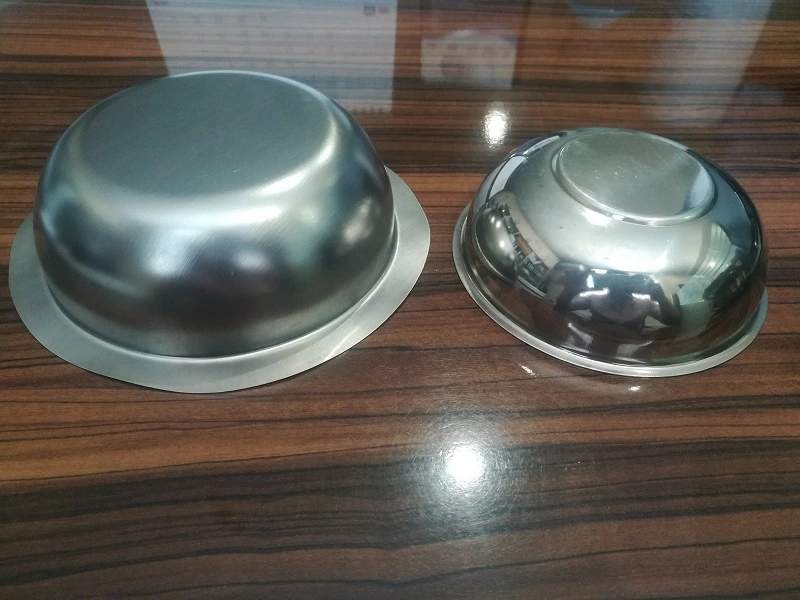
Hydraulic Press

Hydraulic Press
Hydraulic Press

A hydraulic press is a machine that uses a hydraulic cylinder to generate a compressive force. It operates based on Pascal’s Law, which states that when pressure is applied to a confined fluid, the pressure change occurs throughout the entire fluid. In a hydraulic press, this principle is used to multiply the input force applied by the user, producing a much larger output force that can be used for various industrial tasks.

Hydraulic presses are widely employed across different industries due to their ability to exert significant force with great precision and control. These machines are essential for tasks that involve compressing, shaping, or manipulating materials, especially metals. For example, they are often used to form car parts, assemble machinery, and create complex metal shapes that would otherwise require considerable manual labor.

The hydraulic press consists of a few essential components: a hydraulic cylinder, a piston, a hydraulic pump, and hydraulic fluid. The machine functions by pushing hydraulic fluid into the cylinder, which in turn pushes the piston down, applying pressure to the object being worked on. The amount of force the press can apply is determined by the size of the piston and the hydraulic system’s pressure level.

Hydraulic presses are versatile and come in various sizes, ranging from small tabletop units to massive industrial machines capable of generating thousands of tons of force. Their ability to produce immense pressure efficiently has made them invaluable in modern manufacturing and engineering processes. In addition to their use in industries like automotive, aerospace, and manufacturing, hydraulic presses are also found in smaller, more specialized applications such as plastic molding, metal forming, and even recycling industries for crushing waste materials.

The advantages of hydraulic presses are numerous. They are generally more compact than mechanical presses, requiring less space and offering smoother, more controlled operations. Additionally, they provide a higher degree of flexibility and can be used for a wider range of materials, including metals, plastics, and composites.

In summary, hydraulic presses are crucial machines in the modern industrial landscape. Their efficiency, precision, and ability to generate enormous force make them an indispensable tool across a wide array of sectors. As technology continues to advance, hydraulic presses are also evolving, becoming more energy-efficient and integrating with smart manufacturing systems to meet the growing demands of modern industry.

History and Evolution of Hydraulic Presses

2.1. Origins of Hydraulic Technology

The history of hydraulic technology can be traced back to ancient times, long before the invention of the modern hydraulic press. Early civilizations such as the Egyptians, Greeks, and Romans developed rudimentary hydraulic systems to manage water resources, including aqueducts, irrigation channels, and waterwheels. These innovations, while focused primarily on water flow, laid the groundwork for the more sophisticated hydraulic systems that would emerge in later centuries.

However, the application of hydraulics to generate mechanical force didn’t come until much later. It was during the Renaissance that scientists and inventors began to develop a deeper understanding of fluid mechanics. One of the key figures in the development of hydraulic principles was Blaise Pascal, a French mathematician and physicist, who formulated Pascal’s Law in the 17th century. Pascal’s Law states that pressure applied to a confined fluid is transmitted equally in all directions. This principle is foundational to the function of hydraulic presses, enabling them to multiply the force applied to the system.

2.2. The Invention of the Hydraulic Press

The development of the hydraulic press as we know it today is credited to Joseph Bramah, an English inventor, in the late 18th century. Bramah was primarily known for his work on the development of locks, but his interest in hydraulics led him to design the first hydraulic press in 1795. His invention, which was called the Bramah press, was a breakthrough in industrial machinery and provided a practical demonstration of Pascal’s Law.

Bramah’s hydraulic press was revolutionary because it allowed for the exertion of massive amounts of force using only a small input effort. By applying pressure to a small piston, the press could generate a significantly larger force on a larger piston, which was used to compress or shape materials. This principle of force multiplication made Bramah’s hydraulic press far more efficient than any mechanical press that had been developed up until that time.

The Bramah press found immediate use in industrial applications such as metal forming, stamping, and forging. It allowed manufacturers to shape metals and other materials with precision and ease, leading to the widespread adoption of hydraulic presses across a range of industries.

2.3. Evolution through Industrial Revolutions

The hydraulic press underwent significant evolution during the First Industrial Revolution (late 18th to early 19th century). As industries began to expand and new technologies emerged, there was a growing need for more efficient machinery capable of handling the increased demand for mass production. Hydraulic presses were instrumental in this process, as they enabled manufacturers to produce large quantities of goods with greater precision and control than was previously possible.

During the Second Industrial Revolution (late 19th to early 20th century), advances in materials science and engineering led to the development of more powerful and durable hydraulic presses. Steel became the material of choice for constructing hydraulic press frames, replacing the cast iron that had been used previously. Additionally, new hydraulic fluids were developed, improving the efficiency and reliability of the press’s hydraulic systems.

The introduction of electric motors and pumps during this period also revolutionized the hydraulic press. Previously, hydraulic systems had relied on manual pumps or steam engines to generate pressure. With the advent of electric power, hydraulic presses could operate more consistently and at higher pressures, allowing for greater force output and increased production capacity.

2.4. Major Milestones in Hydraulic Press Development

As the 20th century progressed, hydraulic presses continued to evolve and become more specialized. Several key developments marked the ongoing improvement of hydraulic press technology:

  1. Hydraulic Press in Metal Forming (Mid-20th Century) The use of hydraulic presses in metalworking industries expanded significantly during the early to mid-20th century. Presses were now capable of handling extremely high pressures, which made them ideal for tasks like deep drawingextrusion, and forging. These processes allowed manufacturers to create complex metal parts for industries like automotive, aerospace, and defense.
  2. Advancement in Control Systems (1960s – 1980s) The integration of programmable logic controllers (PLCs) and computerized numerical control (CNC) systems into hydraulic presses in the 1960s and 1970s greatly enhanced their precision and automation capabilities. These developments allowed operators to control the press with high levels of accuracy, ensuring repeatability and reducing errors in production.
  3. Servo-Hydraulic Systems (Late 20th Century) In the late 20th century, servo-hydraulic systems were introduced, which combined hydraulic power with electrical control systems. These systems offered significant advantages in terms of energy efficiency and precision. Servo-hydraulic presses allowed for precise control of speed, force, and position, making them ideal for applications requiring fine control, such as plastic molding or the production of delicate components.
  4. Emergence of Industry 4.0 Integration (21st Century) The 21st century brought with it the rise of Industry 4.0, the concept of smart manufacturing where machines are connected to the internet and can communicate data in real-time. Hydraulic presses have not been exempt from this transformation. Modern presses now feature smart sensorsremote monitoring capabilities, and predictive maintenance algorithms that help optimize performance and reduce downtime.

2.5. The Hydraulic Press Today

Today, hydraulic presses are more advanced than ever, with innovations that allow them to operate with precision, power, and efficiency. Modern presses can exert thousands of tons of force while maintaining tight tolerances, making them indispensable in industries ranging from automotive manufacturing to aerospace and beyond. Additionally, the continued development of energy-efficient systems and sustainable hydraulic fluids reflects the ongoing commitment to making hydraulic presses more environmentally friendly.

The hydraulic press remains a key player in modern industrial processes, and its evolution continues as new technologies such as artificial intelligencemachine learning, and big data are integrated into hydraulic systems to further enhance their capabilities. With this trajectory, hydraulic presses are poised to remain an essential tool in industrial manufacturing for years to come.

Components of a Hydraulic Press

Hydraulic presses are composed of various components that work together to generate and control the immense force required for tasks like metal forming, crushing, and stamping. Understanding the function and role of each part is crucial for grasping how these machines operate. Below, we’ll take an in-depth look at the main components of a hydraulic press.

3.1. Hydraulic System Overview

The hydraulic system is the heart of a hydraulic press. It uses hydraulic fluid to transmit power and amplify force. In essence, this system takes the mechanical input (manual or powered) and converts it into hydraulic pressure, which is used to perform tasks such as compressing, bending, or cutting materials.

A typical hydraulic system includes the following:

  • Hydraulic fluid reservoir
  • Hydraulic pump
  • Cylinder
  • Piston
  • Control valves
  • Pressure gauges

Let’s now examine each component in detail.

3.2. Key Components

3.2.1. Cylinder

The hydraulic cylinder is one of the most critical components of a hydraulic press. It is a mechanical actuator that converts hydraulic energy (pressure from the fluid) into linear motion. The cylinder houses the piston, which moves up and down within it.

  • Construction: Typically, hydraulic cylinders are made from high-strength materials such as steel to withstand the immense pressures generated during operation.
  • Single-acting vs. double-acting cylinders: In a single-acting cylinder, hydraulic fluid is applied to only one side of the piston, moving it in one direction, with a spring or other mechanism returning it to its original position. In contrast, a double-acting cylinder has fluid applied to both sides of the piston, allowing it to move in both directions, giving greater control and flexibility.

The force generated by the hydraulic press is directly proportional to the surface area of the cylinder and the pressure applied to the fluid.

3.2.2. Piston

The piston is another key part of the press. It is positioned inside the cylinder and moves up and down as hydraulic pressure is applied. The downward movement of the piston is what creates the compressive force used to shape or press materials.

  • Force transmission: The piston transfers the hydraulic pressure into mechanical force. The larger the surface area of the piston, the greater the force it can apply. This is why hydraulic presses are capable of exerting much more force than what is applied by the operator or motor driving the system.
  • Precision and control: Modern presses are equipped with highly responsive pistons, ensuring that they operate smoothly and with precision, even under significant loads.
3.2.3. Hydraulic Fluid

Hydraulic fluid is the medium that transmits force within the hydraulic system. It plays an essential role in the overall functioning of the hydraulic press, acting not only as a power transmitter but also as a lubricant and coolant.

  • Types of hydraulic fluids: There are various types of hydraulic fluids used in presses, including:
    • Mineral-based fluids: Most commonly used in general applications due to their affordability and effectiveness.
    • Water-based fluids: Used in presses requiring fire resistance, as these fluids are less flammable.
    • Synthetic fluids: Offer superior performance and longer lifespan in extreme conditions, such as high temperatures or where high corrosion resistance is needed.

The properties of hydraulic fluids, such as viscosity, thermal stability, and compressibility, affect the performance of the hydraulic press. Fluids must be regularly maintained and replaced to ensure consistent press operation.

3.2.4. Press Frame

The frame of the hydraulic press is its structural backbone, holding all the components together and providing the necessary rigidity to support the press’s operations. The frame design varies depending on the type of press, but the most common designs include:

  • H-frame: Shaped like the letter “H”, this frame design provides strong support and is commonly used for heavy-duty applications.
  • C-frame: Shaped like a “C”, this design is more compact and is typically used for lighter pressing tasks where space is limited.
  • Four-column frame: This design uses four columns to support the press and is typically found in large presses used for manufacturing automotive or aerospace components.

The frame must be robust and durable to withstand the repeated high pressures that the press generates during operation.

3.2.5. Power Source (Hydraulic Pump)

The hydraulic pump is responsible for converting mechanical power into hydraulic energy by moving hydraulic fluid from the reservoir into the system. The pump creates a flow of fluid that allows the press to operate under pressure.

  • Types of pumps: There are several different types of hydraulic pumps used in presses:
    • Gear pumps: Simple and cost-effective, these pumps are suitable for applications with lower pressure requirements.
    • Vane pumps: Known for being quiet and efficient, these pumps are often used in presses that require moderate pressures.
    • Piston pumps: These pumps are the most powerful and are typically used in high-pressure hydraulic presses. They offer excellent precision and control.

The pump’s capacity directly affects how quickly the press can build pressure and how much force it can generate.

3.2.6. Valves and Controls

Hydraulic systems in presses use a variety of valves to control the flow and pressure of the fluid, ensuring that the press operates safely and efficiently. The key valves used in a hydraulic press include:

  • Directional control valves: These valves control the direction of the fluid flow, determining whether the piston will move up or down.
  • Pressure relief valves: To protect the system from over-pressurization, these valves release excess fluid back into the reservoir when pressure exceeds a safe level.
  • Flow control valves: These valves regulate the speed of the press by controlling the flow rate of hydraulic fluid into the cylinder.

In modern presses, these valves are often operated electronically, providing precise control over the system’s pressure and motion.

3.2.7. Hydraulic Fluid Reservoir

The reservoir is where the hydraulic fluid is stored when not in use. It is typically a large tank that holds the fluid and allows it to be cooled, filtered, and cleaned before re-entering the hydraulic system.

  • Cooling and filtering: Hydraulic fluid heats up during use, so the reservoir is equipped with cooling systems to dissipate heat. Additionally, filters remove impurities from the fluid, which could otherwise damage the system.

A well-maintained reservoir is crucial for preventing contamination and ensuring the longevity of the press.

3.2.8. Pressure Gauges and Sensors

Pressure gauges and sensors provide real-time data about the hydraulic system’s performance, allowing operators to monitor the pressure levels during press operation.

  • Manual vs. digital gauges: Older hydraulic presses often use manual gauges, which require visual inspection. However, modern presses are equipped with digital sensors that feed information directly to the control systems, making monitoring more efficient.
  • Safety and precision: These sensors are essential for maintaining safe operating conditions and ensuring that the press applies the correct force for each job.

3.3. The Interaction Between Components

All these components work together seamlessly to ensure the efficient operation of the hydraulic press. The pump sends hydraulic fluid from the reservoir into the cylinder, where pressure is applied to the piston. As the piston moves downward, it exerts force on the material placed beneath it. The valves and sensors regulate the flow and pressure of the fluid, while the frame provides structural support to withstand the forces generated by the press.

The effectiveness of a hydraulic press is dependent on the proper functioning and maintenance of each of these components. Any failure in one part of the system can lead to inefficiencies or even dangerous malfunctions. For example, leaks in the hydraulic fluid system can result in a loss of pressure, reducing the press’s ability to perform its tasks.

3.4. Modern Innovations in Hydraulic Components

Recent advancements in hydraulic technology have led to innovations in the components used in presses. Servo-hydraulic systems, for instance, have improved the efficiency and control of hydraulic presses, allowing for faster and more precise operations. Similarly, smart sensors are now being integrated into hydraulic systems, providing real-time feedback on performance and enabling predictive maintenance to avoid breakdowns.

The continuous evolution of these components ensures that hydraulic presses remain a critical tool in industrial processes, offering unmatched force and control for a wide range of applications.

Working Principle of a Hydraulic Press

The hydraulic press operates on the simple yet powerful principle of Pascal’s Law, which states that when pressure is applied to a confined fluid, the pressure is transmitted equally in all directions. This fundamental law of fluid mechanics enables hydraulic presses to amplify a small input force into a much larger output force. By manipulating hydraulic fluid in a sealed system, the hydraulic press can perform tasks such as compressing, bending, shaping, or cutting materials with remarkable efficiency.

In this section, we will explore the detailed working principle of hydraulic presses, focusing on how pressure is generated, how force is amplified, and how hydraulic systems manage energy efficiency and control.

4.1. Pascal’s Law and its Application in Hydraulic Presses

Pascal’s Law is the foundation of hydraulic technology. The law states that the pressure change in an incompressible and confined fluid is uniformly distributed throughout the fluid. The formula for Pascal’s Law is as follows:P=FAP = \frac{F}{A}P=AF​

Where:

  • P is pressure,
  • F is force,
  • A is the area over which the force is applied.

In a hydraulic press, this law is applied to multiply force through the use of two pistons—one smaller and one larger—connected by hydraulic fluid within a sealed system. When force is applied to the smaller piston, the pressure created is transmitted through the fluid to the larger piston, which results in a much larger force being exerted.

4.2. How Pressure is Generated

The basic operation of a hydraulic press begins with the generation of hydraulic pressure. This pressure is created by the hydraulic pump, which forces hydraulic fluid from the reservoir into the system. Once the fluid enters the cylinder, it pushes against the piston, causing it to move.

The pump provides the necessary energy to create this pressure. There are several types of hydraulic pumps, including:

  • Gear pumps (common in smaller presses),
  • Vane pumps (known for their efficiency),
  • Piston pumps (used in high-pressure applications).

As the fluid is pushed into the cylinder, it creates a pressurized environment. This pressurized fluid exerts force on the piston, causing it to move in the direction of the applied pressure (usually downwards in most presses).

4.3. Force Amplification: From Small Piston to Large Piston

One of the most important aspects of a hydraulic press is its ability to amplify force. The hydraulic press uses two pistons of different sizes to achieve this amplification. Here’s how it works:

  • Small piston: This piston has a smaller surface area and is the point at which the input force is applied, either manually (in smaller presses) or via a motor (in larger presses).
  • Large piston: This piston has a much larger surface area and is responsible for generating the output force applied to the material being pressed.

Because Pascal’s Law states that pressure is constant throughout the system, the pressure generated at the small piston is transferred equally to the larger piston. However, since the larger piston has a greater surface area, the force it generates is proportionally larger.

Let’s break this down with an example:

  • If you apply 100 Newtons of force to a small piston with a surface area of 1 cm², the pressure created is 100 N/cm².
  • That same pressure is applied to the larger piston, which has a surface area of 10 cm². Therefore, the force on the larger piston will be 100 N/cm² × 10 cm² = 1000 Newtons.

This ability to amplify force makes hydraulic presses incredibly powerful. Even small input forces can generate thousands of Newtons of pressure, enabling the press to handle tasks like bending thick metal sheets or crushing large objects.

4.4. Hydraulic Fluid and Energy Transmission

The hydraulic fluid plays a crucial role in the transmission of force within the hydraulic press. As an incompressible medium, the fluid transmits pressure efficiently from the pump to the cylinder without significant losses.

  • Types of hydraulic fluids: Commonly used fluids include mineral oilswater-based fluids, and synthetic fluids. The choice of fluid depends on the operating conditions of the press, including temperature, pressure, and the need for fire resistance.

Hydraulic fluid also acts as a lubricant for the moving parts within the system, reducing wear and tear on components like pistons, seals, and valves. Additionally, the fluid helps dissipate heat generated by the system, ensuring that the press operates efficiently even under high loads.

4.5. Control of Pressure and Force

Controlling the pressure within the hydraulic system is essential for ensuring that the press operates safely and efficiently. The pressure and force applied by the press can be controlled using several methods:

  • Pressure relief valves: These valves release excess fluid back into the reservoir when the pressure exceeds safe operating limits. This prevents the system from becoming over-pressurized, which could cause damage or pose a safety hazard.
  • Directional control valves: These valves direct the flow of hydraulic fluid within the system, determining whether the piston moves up or down. They allow the operator to control the direction of force application.
  • Flow control valves: These valves regulate the flow rate of hydraulic fluid, which in turn controls the speed of the press. By adjusting the flow, operators can ensure that the press moves at the desired speed for each task.

In modern presses, these controls are often automated or managed via computer systems, allowing for precise and repeatable operations. Programmable Logic Controllers (PLCs) and Computer Numerical Control (CNC) systems enable operators to set specific pressure, force, and speed parameters, which the press then follows automatically.

4.6. Energy Efficiency and Conservation in Hydraulic Systems

One of the challenges associated with hydraulic presses is energy efficiency. Traditional hydraulic systems can be relatively inefficient because the pump runs continuously, even when the press is not in operation, consuming energy and generating heat. However, recent innovations have improved the energy efficiency of hydraulic presses:

  • Variable displacement pumps: These pumps adjust the amount of hydraulic fluid being moved depending on the demand of the system. When the press is idle or requires less pressure, the pump reduces its output, conserving energy.
  • Servo-hydraulic systems: These systems combine hydraulic power with electrical control. In servo-hydraulic presses, electric motors control the pump, adjusting its speed to match the force and speed requirements of the press. This results in lower energy consumption, reduced noise, and improved precision.
  • Hydraulic accumulators: These devices store energy in the form of pressurized fluid, which can be released when needed. Accumulators help reduce the load on the pump during peak operation, improving overall system efficiency.

These advancements have made modern hydraulic presses far more energy-efficient than their predecessors, making them more environmentally friendly and cost-effective.

4.7. Advantages of Hydraulic Press Operation

The working principle of hydraulic presses offers several key advantages:

  • Force multiplication: Hydraulic presses can amplify a relatively small input force into a much larger output force, making them ideal for heavy-duty applications like metal forming and compression.
  • Precision: Hydraulic presses allow for precise control over pressure and speed, enabling manufacturers to produce complex, high-quality parts.
  • Versatility: Hydraulic presses can be used for a wide range of materials and processes, from metal forming and plastic molding to recycling and waste management.
  • Efficiency: Modern presses with servo-hydraulic systems and variable displacement pumps are energy-efficient and can reduce operational costs.

4.8. Limitations of Hydraulic Press Operation

While hydraulic presses offer numerous advantages, they also have some limitations:

  • Energy consumption: Traditional hydraulic systems can consume significant amounts of energy, especially if the pump runs continuously.
  • Maintenance: Hydraulic systems require regular maintenance, including checking fluid levels, replacing worn seals, and cleaning filters. Contamination in the hydraulic fluid can reduce system performance and lead to component wear.
  • Noise: Hydraulic presses, particularly those with older pumps, can generate significant noise during operation, though modern systems are designed to be quieter.

Types of Hydraulic Presses

Hydraulic presses are available in various designs, each suited to specific industrial tasks. Depending on the force required, size, and operational method, different types of hydraulic presses are employed across industries, such as automotive manufacturing, aerospace, metalworking, plastic molding, and recycling. This section will explore the different types of hydraulic presses, comparing their designs and applications.

5.1. Manual Hydraulic Presses

Manual hydraulic presses are the simplest form of hydraulic presses, operated by hand. These presses are typically small, compact, and designed for tasks that require low to moderate pressure, such as small-scale metalworking, pressing bearings, or assembling components. They are often used in workshops, laboratories, and maintenance shops where precision work and control are needed, but high force is not necessary.

  • Key features:
    • Operated by a hand pump to generate hydraulic pressure.
    • Usually consist of a single-acting cylinder that moves in one direction when pressure is applied and returns to its original position using a spring.
    • Suitable for small, precise tasks like shaping or straightening metal parts, pressing in or removing bearings, and assembling components.

Advantages:

  • Inexpensive and easy to operate.
  • No need for external power sources, making them ideal for small workshops or remote locations.
  • High precision for small-scale jobs.

Limitations:

  • Limited force output compared to powered presses.
  • Slower operation due to manual pumping.
  • Suitable only for light-duty applications.

5.2. Powered Hydraulic Presses

Powered hydraulic presses are larger and more versatile than manual presses. These presses are driven by either electric or pneumatic systems and can generate much higher forces, making them suitable for industrial applications. There are several types of powered hydraulic presses, each designed for specific tasks.

5.2.1. Electric Hydraulic Presses

Electric hydraulic presses use an electric motor to drive the hydraulic pump, which generates pressure in the hydraulic system. These presses are common in manufacturing and metalworking industries, where consistent, high-force applications are required.

  • Key features:
    • Powered by an electric motor that drives the hydraulic pump.
    • Offers precise control over force and speed through adjustable settings.
    • Can be equipped with CNC or programmable control systems for automation.

Applications:

  • Metal forming, stamping, and bending.
  • Deep drawing processes in the automotive and aerospace industries.
  • Precision tasks in plastic molding or die cutting.

Advantages:

  • High force generation for heavy-duty applications.
  • Precise control over force and speed, ideal for complex, high-volume tasks.
  • Can be integrated into automated production lines for efficiency.

Limitations:

  • Higher energy consumption compared to manual or pneumatic presses.
  • Requires regular maintenance of the electrical and hydraulic systems.
  • Can be expensive to purchase and operate.
5.2.2. Pneumatic Hydraulic Presses

Pneumatic hydraulic presses use compressed air to generate hydraulic pressure. While not as powerful as electric hydraulic presses, they are more energy-efficient and often used in applications that do not require extremely high forces.

  • Key features:
    • Powered by compressed air rather than electricity.
    • Ideal for lighter tasks that still require hydraulic force but do not need the high power output of electric presses.
    • Used in environments where electrical power may not be readily available or where lower force and speed are acceptable.

Applications:

  • Assembly lines for light manufacturing tasks.
  • Punching, bending, and forming lighter materials.
  • Plastic molding and small-scale metalworking.

Advantages:

  • More energy-efficient than electric presses for lighter tasks.
  • Lower operating costs due to reduced energy consumption.
  • Suitable for environments where electrical systems pose a safety risk (e.g., explosive or flammable environments).

Limitations:

  • Limited force output compared to electric-powered presses.
  • Slower operational speeds.
  • Not suitable for heavy-duty applications.

5.3. Specialized Hydraulic Presses

In addition to manual and powered presses, there are also specialized hydraulic presses designed for specific industrial processes. These presses vary in their frame design, size, and operational capabilities.

5.3.1. H-Frame Presses

H-frame hydraulic presses are named for the shape of their frame, which resembles the letter “H.” They are among the most common hydraulic presses used in industries due to their versatility and ability to handle both light and heavy-duty applications.

  • Key features:
    • A strong, rigid frame shaped like an “H,” which provides excellent structural support and stability during operation.
    • Can be equipped with single or double-acting cylinders.
    • Available in both manual and powered configurations, making them suitable for a range of applications.

Applications:

  • Metal forming, stamping, and punching.
  • Straightening, bending, and assembling large parts.
  • Automotive repair (e.g., pressing out bearings or bushings).

Advantages:

  • Versatile and capable of handling both small and large tasks.
  • High force output, suitable for heavy-duty applications.
  • Widely used across many industries due to their robust construction.

Limitations:

  • The larger size of some models can take up significant floor space.
  • Requires careful alignment during operation to ensure even force distribution.
5.3.2. C-Frame Presses

C-frame hydraulic presses are more compact than H-frame presses and are shaped like the letter “C.” This design provides easy access to the work area from three sides, making C-frame presses ideal for tasks that require loading and unloading materials quickly.

  • Key features:
    • Open-front design allows for easy access to the pressing area.
    • Generally smaller and more compact than H-frame presses.
    • Ideal for tasks that require frequent adjustments or quick material changes.

Applications:

  • Light to medium-duty applications such as punching, bending, and forming smaller parts.
  • Assembling components in the electronics or automotive industries.
  • Precision pressing tasks where easy access to the workpiece is necessary.

Advantages:

  • Compact and space-efficient.
  • Easy access to the pressing area, reducing downtime between tasks.
  • Precise control over force and speed for smaller applications.

Limitations:

  • Limited to lighter tasks compared to H-frame presses.
  • The open design can cause slight deformation under extreme loads, reducing its effectiveness for heavy-duty tasks.
5.3.3. Four-Column Hydraulic Presses

Four-column hydraulic presses have four vertical columns that provide structural support for the press. This design is ideal for applications that require evenly distributed force across a large workpiece.

  • Key features:
    • Four vertical columns provide excellent stability and even force distribution.
    • Can handle large workpieces and high force applications.
    • Commonly used in heavy-duty industries such as automotive and aerospace manufacturing.

Applications:

  • Metal forming, die cutting, and large-scale forging.
  • Deep drawing processes that require precise, even pressure.
  • Pressing large or heavy workpieces where even force is critical.

Advantages:

  • Excellent stability and even force distribution, reducing the risk of material deformation.
  • Capable of handling large workpieces.
  • High force output, suitable for heavy-duty industrial tasks.

Limitations:

  • Large and heavy, requiring significant floor space.
  • Higher energy consumption due to the size and force capabilities of the press.
5.3.4. Bench Presses

Bench hydraulic presses are smaller presses designed to be mounted on a workbench or table. These presses are used for light-duty applications in workshops, laboratories, and small-scale manufacturing environments.

  • Key features:
    • Small, compact design that fits on a workbench or tabletop.
    • Usually operated manually or with a small hydraulic pump.
    • Ideal for light-duty tasks where precision is more important than force.

Applications:

  • Assembling small components, such as in electronics or jewelry making.
  • Light metalworking tasks, such as bending or pressing small parts.
  • Laboratory testing and material sample preparation.

Advantages:

  • Compact and easy to use in small workspaces.
  • Precise control over pressing force.
  • Inexpensive and suitable for small-scale tasks.

Limitations:

  • Limited force output, unsuitable for large or heavy-duty applications.
  • Small size limits the range of tasks that can be performed.

5.4. Comparative Analysis of Hydraulic Press Types

Each type of hydraulic press has its strengths and is suited to particular applications. The following table summarizes the key characteristics of the different press types:

TypeForce OutputSizeApplicationsAdvantagesLimitations
Manual PressLowSmallLight assembly, workshopsLow cost, portableLimited force, slower operation
Electric Hydraulic PressHighMedium-LargeManufacturing, metal formingHigh force, precision control, automationHigher energy consumption, requires maintenance
Pneumatic PressModerateMediumAssembly lines, lighter manufacturingEnergy efficient, lower operating costsLimited force output, slower than electric presses
H-Frame PressHighLargeMetal forming, straightening, heavy-duty tasksHigh force, versatileRequires floor space, careful alignment needed
C-Frame PressModerateSmall-MediumPrecision tasks, light to medium dutyCompact, easy access to work areaLimited to lighter tasks, less stable under heavy loads
Four-Column PressHighLargeLarge-scale metal forming, deep drawingExcellent force distribution, handles large workpiecesRequires significant space, high energy consumption
Bench PressLowSmallSmall-scale assembly, testingCompact, precise control, low costLimited force output, small work area

Applications of Hydraulic Presses

Hydraulic presses are versatile machines used across a broad range of industries, from automotive manufacturing and aerospace to plastic molding and recycling. Their ability to generate immense force while maintaining precision makes them essential in various industrial processes, including forming, cutting, shaping, and assembling materials. In this section, we’ll explore the key industries and applications where hydraulic presses play a vital role.

6.1. Automotive Industry

The automotive industry heavily relies on hydraulic presses for a variety of tasks, particularly in manufacturing car components, bodywork, and assemblies. The versatility of hydraulic presses allows for the precise and repeatable production of complex metal and plastic parts used in vehicles.

6.1.1. Pressing Car Parts

Hydraulic presses are used to manufacture critical car components such as:

  • Chassis parts: The frames that provide structural support for vehicles are often formed using hydraulic presses. The high force generated allows the press to mold thick sheets of metal into the desired shapes.
  • Body panels: Hydraulic presses are essential for creating body panels and hoods, where precise shaping is required to ensure proper fit and finish. The metal stamping process uses high-force hydraulic presses to cut, bend, and shape large sheets of metal into the necessary parts.
6.1.2. Brake and Clutch Plates

In the production of brake and clutch plates, hydraulic presses are used to compress and shape friction materials. These materials need to be highly durable and accurately produced to ensure vehicle safety. The controlled force of a hydraulic press ensures that each component meets the required specifications, contributing to the vehicle’s overall performance and reliability.

6.1.3. Assembly and Fabrication

Hydraulic presses also assist in the assembly of vehicle parts, such as joining or securing metal pieces together through compression. This process is particularly important in tasks like fastening bushings, bearings, and seals into their respective housings.

6.2. Manufacturing Industry

In general manufacturing, hydraulic presses are indispensable for processes like metal forming, stamping, forging, and plastic molding. The precision and power of hydraulic presses make them ideal for handling both lightweight and heavy-duty applications.

6.2.1. Metal Forming, Stamping, and Forging

One of the most significant uses of hydraulic presses is in metal forming, where the press shapes and molds metal into complex parts. Stamping and forging are specific methods within this category:

  • Stamping: Involves pressing sheet metal into a die to create precise shapes or patterns. Hydraulic presses are used to cut, bend, or punch holes in metal sheets, creating components used in everything from household appliances to industrial machinery.
  • Forging: Hydraulic presses apply immense force to a piece of metal, shaping it while it is hot. This process is used to create stronger, more durable parts, such as gears, engine components, and tools. Forging under hydraulic pressure ensures consistent material strength and structural integrity.
6.2.2. Plastic Molding

Hydraulic presses are essential in plastic injection molding and compression molding. In these processes, hydraulic presses:

  • Inject molten plastic into molds to create parts with precise dimensions, such as automotive interiors, medical devices, or packaging components.
  • In compression molding, plastic material is placed in a mold, and the hydraulic press applies force to shape the plastic. This process is often used to make large plastic components, such as housings or casings.

6.3. Aerospace Industry

The aerospace industry demands highly specialized components with precise dimensions and superior strength-to-weight ratios. Hydraulic presses are essential in forming parts for aircraft, spacecraft, and defense systems.

6.3.1. Shaping Aircraft Parts

In aerospace, hydraulic presses are used for metal formingextrusion, and deep drawing to shape metal into complex, lightweight parts that meet stringent performance and safety requirements. Examples include:

  • Fuselage panels: Large hydraulic presses shape the lightweight aluminum or composite materials used in aircraft fuselages.
  • Wings and structural components: Precision is critical when forming aircraft wings and structural components to ensure they meet aerodynamics and load-bearing specifications.

The ability of hydraulic presses to handle materials like titanium and aluminum alloys, which are commonly used in aerospace due to their strength and low weight, makes them indispensable in aircraft manufacturing.

6.3.2. Assembly of Aerospace Systems

Hydraulic presses are also used in assembling and joining parts in aerospace systems. For example:

  • Hydraulic riveting presses secure fasteners in aircraft body panels and components.
  • Assembly presses are used to install precision bearings, bushings, and other critical components.

6.4. Construction and Engineering

In the construction and heavy engineering industries, hydraulic presses are used for various applications, including compressing construction materials, assembling heavy machinery, and shaping structural components.

6.4.1. Compression of Construction Materials

Hydraulic presses are often used to compress and shape materials such as concrete, brick, and tiles. For example:

  • Pre-cast concrete components: Hydraulic presses shape and compress concrete into pre-cast blocks or panels used in building construction.
  • Brick and tile production: In this process, the press compresses raw materials like clay or cement into bricks or tiles with consistent shapes and sizes.
6.4.2. Assembly of Heavy Machinery

Hydraulic presses play a crucial role in the assembly of heavy machinery and equipment used in construction. They are often used to press bearings, bushings, or other components into machinery parts like hydraulic cylinders, engines, and gear systems. The controlled application of force ensures that parts are assembled securely and without damaging sensitive components.

6.5. Agricultural Industry

Hydraulic presses also find applications in the agricultural industry, where they are used to process materials and create equipment parts.

6.5.1. Compressing Hay Bales

Hydraulic presses are used in agriculture to compress hay, straw, or other forage into compact bales for easy storage and transport. The press applies significant pressure to reduce the volume of the material while retaining its quality for feeding livestock.

6.5.2. Farm Equipment Assembly

Similar to the automotive and construction industries, hydraulic presses are used in the assembly of farm equipment, such as pressing bearings, bushings, and other components into tractors, plows, and harvesters. The precision of hydraulic presses ensures that the parts are securely and accurately installed, enhancing the reliability of agricultural machinery.

6.6. Recycling Industry

Hydraulic presses play a critical role in the recycling industry, particularly in the processing of scrap materials and waste management. They are used to crush, compact, or bale materials to prepare them for recycling or disposal.

6.6.1. Metal Recycling

In metal recycling, hydraulic presses are used to compress scrap metal into compact blocks or bales for easier transportation and processing. For example:

  • Car body recycling: Hydraulic presses crush old car bodies into manageable sizes for melting down and recycling.
  • Scrap metal baling: Loose metal scrap, such as aluminum cans, steel, and copper, is baled using a hydraulic press, reducing its volume and making it easier to transport and store before it is reprocessed.
6.6.2. Waste Management

Hydraulic presses are also used in waste management facilities to compact household and industrial waste into dense, manageable bales. This process reduces the space needed for waste storage and simplifies transportation to recycling or disposal facilities. The ability to compress materials like plastic, cardboard, and paper ensures more efficient waste handling and disposal.

6.7. Home Workshops and DIY

Hydraulic presses are not limited to large industrial applications. Smaller hydraulic presses are commonly used in home workshops and for do-it-yourself (DIY) projects. These compact presses offer hobbyists and small businesses a versatile tool for various applications.

6.7.1. Metalworking

In home workshops, hydraulic presses are frequently used for:

  • Bending and shaping metal: Small hydraulic presses are used to bend metal bars, rods, or sheets into desired shapes for custom projects, such as making furniture, gates, or decorative items.
  • Removing or installing bearings: Home mechanics and hobbyists use hydraulic presses to remove old bearings from machines or vehicle parts and press in new ones, ensuring proper fit and function.
6.7.2. Woodworking and Crafting

Hydraulic presses are sometimes used in woodworking and crafting, particularly in tasks that require compression or molding. For example:

  • Veneer pressing: Hydraulic presses are used to compress thin sheets of wood veneer onto furniture surfaces, creating a smooth, uniform bond.
  • Custom molds: In crafting, hydraulic presses can be used to create custom molds for making unique items like jewelry, art pieces, or decorative panels.

6.8. Hydraulic Press in Research and Testing

Hydraulic presses are widely used in research and testing environments for materials testing, particularly in laboratories where the mechanical properties of materials are evaluated.

6.8.1. Compression Testing

In materials science, hydraulic presses are used for compression testing to determine the strength and durability of materials. For example, concrete, metals, plastics, and composites are tested to see how much force they can withstand before deforming or breaking. The controlled pressure applied by the hydraulic press allows researchers to study how materials behave under stress.

6.8.2. Product Testing and Prototyping

Hydraulic presses are also used to test the durability and performance of finished products or prototypes. This includes tasks like:

  • Durability testing: Products like car parts, electronics, or industrial components are subjected to high pressures to determine their durability and resistance to wear.
  • Prototyping: In the development phase of new products, hydraulic presses can be used to shape or mold prototype parts to ensure that they meet design specifications before mass production begins.

6.9. Other Specialized Applications

Hydraulic presses can also be found in many other specialized applications, ranging from medical device manufacturing to the production of consumer goods.

6.9.1. Medical Device Manufacturing

In the medical field, hydraulic presses are used to manufacture precision components for devices like pacemakers, prosthetics, and surgical tools. The high precision offered by hydraulic presses ensures that each component meets strict medical standards for quality and safety.

6.9.2. Jewelry and Watchmaking

Hydraulic presses are also used in the jewelry and watchmaking industries to create intricate designs and shapes. For example:

  • Metal stamping: Hydraulic presses are used to stamp designs onto metal sheets for jewelry making.
  • Shaping watch components: Precision hydraulic presses form parts like watch cases, bezels, and straps, ensuring a perfect fit and high-quality finish.

Outline for Components of a Hydraulic Press

Types of Single-Acting Hydraulic Presses

hydraulic press is a mechanical machine that uses hydraulic pressure to compress, bend, shape, or cut materials. The core principle behind a hydraulic press is Pascal’s Law, which states that pressure applied to a confined fluid is transmitted equally in all directions. This principle allows hydraulic presses to amplify force, enabling the machine to perform heavy-duty tasks with minimal input force.

At the heart of a hydraulic press is its hydraulic system, which consists of several key components: the hydraulic cylinder, piston, hydraulic fluid, pump, valves, and reservoir. These components work together to generate pressure, transmit force, and control the operation of the press. The hydraulic system allows for smooth, consistent application of force, making the press highly efficient and reliable.

Hydraulic presses are used in a wide range of industries, from automotive manufacturing and metalworking to plastic molding and recycling. Understanding the components of a hydraulic press is essential for maintaining its performance, optimizing its efficiency, and preventing breakdowns. Each part of the hydraulic system plays a critical role in its overall operation, and even minor issues with one component can impact the entire machine.

The hydraulic press system is highly adaptable, with different types of presses and configurations designed for specific applications. From small bench presses used in workshops to massive four-column presses in automotive plants, hydraulic systems can be tailored to the task at hand, whether it involves forming metal parts, shaping plastic components, or compressing scrap materials for recycling.

The efficiency of hydraulic presses has also improved significantly over the years, thanks to innovations in hydraulic fluid, pump design, and control systems. Modern hydraulic presses now integrate smart sensorsprogrammable controls, and servo-hydraulic systems, allowing operators to control pressure, force, and speed with extreme precision.

Maintaining a hydraulic press involves regular monitoring of components like the hydraulic cylinder, pump, and fluid system. Regular maintenance ensures that the press operates safely and effectively, minimizing downtime and extending the life of the equipment.

In summary, the hydraulic press system is a finely tuned machine composed of various interdependent components. A well-maintained hydraulic system ensures that the press operates efficiently, delivering the force and precision required for industrial applications.

Hydraulic Cylinder

The hydraulic cylinder is one of the most crucial components of a hydraulic press, responsible for converting hydraulic pressure into linear motion. It is the part of the system that directly generates the force required to press, compress, or shape the material. The cylinder houses the piston and is filled with hydraulic fluid, which, when pressurized, pushes the piston forward to perform the desired task.

2.1. Function and Significance of the Hydraulic Cylinder

The primary role of the hydraulic cylinder is to create the force needed to perform the press’s work. When hydraulic fluid is pumped into the cylinder, the resulting pressure pushes against the piston, causing it to move in a linear motion. This movement is transferred to the material being worked on, whether it involves compressing metal, forming plastic, or bending steel.

Hydraulic cylinders are designed to handle immense pressures, often in the range of several hundred to several thousand PSI (pounds per square inch), depending on the size and capacity of the press. The strength of the cylinder, along with its design and material construction, determines the overall force output of the press.

2.2. Types of Hydraulic Cylinders

There are several types of hydraulic cylinders, each designed for specific applications and press designs.

2.2.1. Single-Acting Cylinders

single-acting cylinder uses hydraulic pressure to move the piston in one direction only. The return stroke is typically powered by a spring or gravity. These cylinders are simpler in design and are often used in presses where the return stroke does not require significant force.

  • Advantages:
    • Simple and cost-effective design
    • Requires less hydraulic fluid and a smaller pump
    • Commonly used in manual presses or lighter-duty applications

2.2.1. Single-Acting Cylinders (Continued)

  • Limitations (continued):
    • The return stroke relies on external forces (such as springs or gravity), which may result in slower or less controlled movements.
    • They are less suitable for applications requiring consistent force in both directions (pressing and releasing).

Single-acting cylinders are often found in smaller hydraulic presses, especially in tasks such as light pressing, assembling, or simple bending. They are typically used when the return stroke does not need to be fast or forceful, such as in certain assembly line tasks or in small workshops where simplicity and cost-effectiveness are prioritized.

2.2.2. Double-Acting Cylinders

In contrast to single-acting cylinders, double-acting cylinders are designed to exert force in both directions—both during the forward (pressing) and the return strokes. This is achieved by applying hydraulic pressure alternately to either side of the piston. Double-acting cylinders are more versatile and powerful, as they offer full control over the press’s movements.

  • Advantages:
    • Force can be applied in both directions, offering greater control over the entire operation.
    • They are faster and more efficient than single-acting cylinders, as the return stroke can be powered hydraulically rather than relying on gravity or springs.
    • Ideal for applications that require high precision and speed, such as metal forming, stamping, and forging.
  • Limitations:
    • More complex and expensive than single-acting cylinders.
    • Requires a larger hydraulic pump and more hydraulic fluid to operate effectively.

Double-acting cylinders are commonly used in heavy-duty hydraulic presses, especially those found in large-scale industrial applications like automotive manufacturing and metalworking. Their ability to exert force in both directions makes them ideal for tasks requiring precision and speed, such as deep drawing, metal extrusion, and heavy-duty forging.

2.2.3. Telescopic Cylinders

telescopic hydraulic cylinder, also known as a multi-stage cylinder, consists of several smaller cylinders nested within each other. These cylinders extend in stages, allowing for a longer stroke in a more compact design. Telescopic cylinders are often used in applications where space is limited, but a long stroke length is required, such as in lifting or pressing operations.

  • Advantages:
    • Capable of delivering a very long stroke in a compact form.
    • Useful for applications where space is limited but the press needs to extend over a large distance.
    • Commonly used in heavy machinery, dump trucks, and other lifting devices.
  • Limitations:
    • More complex design and construction lead to higher costs.
    • Potential for more frequent maintenance due to the multiple stages of extension and retraction.

In hydraulic presses, telescopic cylinders are typically used when space is a concern, and a longer extension is needed to reach or compress materials. They are often found in construction equipment, large industrial presses, and certain custom-designed presses where long reach is essential.

2.3. Construction of Hydraulic Cylinders

The construction of a hydraulic cylinder is critical to its performance and longevity. The materials and manufacturing methods used must ensure that the cylinder can withstand high pressure, friction, and repeated use without failure.

2.3.1. Materials Used

Most hydraulic cylinders are made from high-strength steel or alloy materials. Steel is favored for its durability and ability to withstand the extreme pressures generated by hydraulic systems. Some components, such as the cylinder’s rod, are often plated with chrome or other anti-corrosive coatings to reduce friction and wear, and to protect the rod from corrosion.

  • Steel: The primary material used in heavy-duty cylinders due to its high strength and resistance to deformation under pressure.
  • Composite materials: In some specialized applications, lightweight composite materials may be used to reduce the weight of the cylinder while maintaining strength.
2.3.2. Seals and Rod Coatings

The seals used within hydraulic cylinders are critical to maintaining pressure and preventing fluid leaks. Common types of seals include O-ringsU-cups, and rod seals, all designed to prevent the escape of hydraulic fluid around the piston and rod.

  • Seals: Typically made from materials like rubberpolyurethane, or PTFE (Teflon), seals are chosen based on their resistance to heat, wear, and hydraulic fluid. High-performance presses may use self-lubricating seals, which reduce the friction between moving parts and extend the lifespan of the cylinder.
  • Rod coatings: To reduce wear and increase longevity, hydraulic cylinders often have chrome-plated rods. The chrome plating provides a hard, smooth surface that resists corrosion and minimizes friction between the rod and seals.

2.4. Cylinder Dynamics: Fluid Movement and Force Transmission

The movement of the hydraulic fluid within the cylinder is what enables the press to generate force. When the hydraulic pump pushes fluid into the cylinder, it creates pressure behind the piston, causing it to move forward. The size of the cylinder, the amount of hydraulic fluid pumped into it, and the surface area of the piston all affect how much force is generated.

  • Force transmission: Pascal’s Law is central to the operation of a hydraulic press. The pressure applied to the fluid in the cylinder is transmitted equally in all directions, pushing the piston forward with amplified force. The size of the piston and cylinder determines the force multiplication.
  • Cylinder size and pressure: Larger cylinders can exert more force because of the greater surface area over which the hydraulic pressure acts. However, the larger the cylinder, the more hydraulic fluid is required to move the piston, which means the press’s pump and reservoir must be appropriately sized.

2.5. Innovations in Cylinder Design for Longevity and Efficiency

Recent advancements in hydraulic cylinder design have focused on improving efficiencydurability, and energy savings. Some innovations include:

  • Servo-hydraulic systems: These systems allow for more precise control over the movement of the piston, improving the accuracy of the press’s operation and reducing energy consumption. Servo-hydraulic systems adjust the pressure and flow of hydraulic fluid based on the task, resulting in less wasted energy.
  • Lightweight materials: While most hydraulic cylinders are made from steel, some newer designs use composite materials to reduce the weight of the press without sacrificing strength. This is especially useful in mobile or lightweight presses where portability is a concern.
  • Improved seal technology: Advances in sealing materials, such as the use of self-lubricating seals, have extended the lifespan of hydraulic cylinders by reducing wear and preventing leaks.

2.6. Common Hydraulic Cylinder Issues

Despite their robust design, hydraulic cylinders can experience problems, often related to wear and tear or improper maintenance.

2.6.1. Leaks

Leaks are one of the most common issues in hydraulic cylinders, often caused by worn or damaged seals. A leaking cylinder will lose pressure, reducing the press’s effectiveness and potentially causing the machine to malfunction. Regular maintenance and timely replacement of seals can prevent leaks.

2.6.2. Pressure Loss

Pressure loss can occur if there is damage to the cylinder or its seals, or if there is air trapped in the hydraulic system. Low pressure reduces the force generated by the press and can lead to uneven or incomplete pressing.

2.6.3. Wear and Tear

Over time, the piston rod, seals, and cylinder walls can become worn due to friction and repeated use. Wear and tear are particularly common in presses that operate under high pressures or in harsh environments. Regular inspection and maintenance are necessary to extend the life of the hydraulic cylinder.

3. Pistons

The piston in a hydraulic press is a critical component responsible for transferring the hydraulic pressure generated in the cylinder to the material being pressed. It is the moving part that directly interacts with the hydraulic fluid and converts this pressure into mechanical force.

3.1. Role of the Piston in a Hydraulic Press

The piston’s primary role is to convert the pressure from the hydraulic fluid into the linear motion required for pressing, forming, or compressing materials. When the hydraulic fluid enters the cylinder, it pushes against the piston, causing it to move. This motion is what allows the press to apply force to the material being worked on, whether it’s bending metal, compressing plastic, or cutting sheet metal.

3.2. Force Transmission: Amplification of Input Force

The piston in a hydraulic press works in tandem with the hydraulic cylinder to amplify the input force. Through Pascal’s Law, the small force applied to the hydraulic fluid at the pump is multiplied when transmitted to the larger piston surface area inside the cylinder. The larger the piston, the greater the force that can be applied to the material.

For example:

  • In a hydraulic press with a small input piston and a large output piston, even a small amount of pressure at the input results in a much larger force being applied by the output piston. This is the key to the hydraulic press’s ability to generate high forces with minimal input effort.

3.3. Materials and Coatings: Ensuring Durability Under Pressure

The materials used in the construction of the piston are crucial to its durability, as it must withstand high pressures and repeated cycles of movement. Most pistons are made from high-strength steel, with certain coatings applied to reduce friction and prevent corrosion.

  • Steel pistons: Steel is the most commonly used material for pistons due to its strength and durability. Steel pistons can handle the high pressures typically found in hydraulic presses without deforming or wearing down quickly.
  • Coatings: To reduce friction and extend the life of the piston, it is often coated with materials such as chrome or nickel. These coatings provide a hard, smooth surface that resists wear and corrosion, allowing the piston to operate smoothly over time.

3.4. Interaction with Hydraulic Fluid: Sealing and Pressure Maintenance

The piston must maintain a perfect seal with the cylinder walls to ensure that hydraulic pressure is contained and transmitted effectively. To achieve this, piston seals are used. These seals prevent hydraulic fluid from leaking past the piston, which would reduce the press’s effectiveness and lead to pressure loss.

  • Seals: Piston seals are typically made from rubberPTFE (Teflon), or polyurethane, depending on the press’s operating conditions. These materials are chosen for their ability to withstand high pressures, temperatures, and exposure to hydraulic fluids.

A well-maintained seal ensures that the piston can move freely within the cylinder while maintaining constant pressure on the material being pressed.

3.5. Types of Pistons for Different Press Designs

Different types of pistons are used in hydraulic presses, depending on the press’s design and intended application. Some of the common piston designs include:

  • Single-piece pistons: These are the most common type of piston used in hydraulic presses. They are made from a single piece of material, typically steel, and are designed for standard pressing tasks.
  • Telescopic pistons: Used in presses where a longer stroke is needed, telescopic pistons consist of multiple segments that extend outward during operation, allowing the press to apply force over a longer distance.
  • Custom pistons: In specialized presses, pistons may be custom-designed to meet the unique requirements of the application. These pistons may include additional features, such as integrated sensors or advanced coatings to handle extreme conditions.

3.6. Common Problems with Pistons and Solutions

Like hydraulic cylinders, pistons are subject to wear and tear, and issues can arise if they are not properly maintained. Common problems include:

3.6.1. Wear and Scoring

Over time, the piston can become worn or develop scoring (scratches or grooves) due to friction between the piston and the cylinder walls. This can reduce the piston’s effectiveness and lead to pressure loss. Regular inspection and replacement of worn pistons can prevent this issue.

3.6.2. Seal Failures

If the piston seals wear out or become damaged, hydraulic fluid can leak past the piston, reducing pressure and force. Replacing worn seals regularly and ensuring that the piston is properly lubricated can prevent seal failures.

3.6.3. Piston Deformation

In high-pressure applications, the piston can become deformed if it is not designed to handle the force generated by the press. Deformed pistons can lead to uneven pressure distribution and inefficient operation. Using pistons made from high-strength materials and ensuring that they are correctly sized for the application can prevent deformation.

Hydraulic Fluid

Hydraulic fluid is the lifeblood of any hydraulic press, responsible for transmitting the force generated by the pump to the cylinder and piston. It plays a critical role in ensuring the smooth operation of the press, lubricating moving parts, and dissipating heat generated during operation. The choice of hydraulic fluid has a significant impact on the performance, efficiency, and longevity of the hydraulic system.

4.1. Importance of Hydraulic Fluid in Force Transmission

The primary function of hydraulic fluid is to transmit force within the press. When the hydraulic pump pressurizes the fluid, the pressure is transmitted through the fluid to the cylinder and piston. Hydraulic fluid is incompressible, meaning that any pressure applied to it is transmitted equally throughout the system, ensuring efficient force transmission.

  • Force transmission: Pascal’s Law is the guiding principle behind the use of hydraulic fluid. The pressure applied to the fluid at the pump is transmitted to the piston, where it is converted into mechanical force. This allows the hydraulic press to exert significant force with relatively low input effort.
  • Fluid dynamics: The movement of hydraulic fluid within the system must be smooth and consistent to avoid pressure spikes or drops. Proper fluid management, including filtering and temperature control, is essential for maintaining consistent pressure throughout the hydraulic system.

4.2. Types of Hydraulic Fluids

The type of hydraulic fluid used in a press depends on the specific requirements of the application, including operating temperature, pressure, and environmental considerations. The most common types of hydraulic fluids are:

4.2.1. Mineral Oils

Mineral oils are the most commonly used hydraulic fluids in presses due to their affordability, availability, and overall effectiveness. Derived from petroleum, mineral oils offer good lubricating properties and are capable of withstanding the high pressures typically found in hydraulic systems.

  • Advantages:
    • Widely available and cost-effective.
    • Good lubrication and anti-wear properties.
    • Suitable for a wide range of hydraulic press applications.
  • Disadvantages:
    • Mineral oils can degrade at high temperatures.
    • They are not environmentally friendly and can pose disposal challenges.
4.2.2. Water-Based Fluids

Water-based hydraulic fluids are typically used in applications where fire resistance is a concern. These fluids are less flammable than mineral oils and are often used in presses that operate in environments with high heat or where the risk of fire is present.

  • Advantages:
    • Non-flammable, making them ideal for high-heat environments.
    • Provide good cooling properties due to their water content.
  • Disadvantages:
    • Water-based fluids offer less lubrication than mineral oils.
    • They are prone to corrosion and must be carefully managed to prevent damage to the hydraulic system.
4.2.3. Synthetic Fluids

Synthetic hydraulic fluids are engineered to provide superior performance in extreme conditions, such as high temperatures or environments requiring high resistance to oxidation and wear. These fluids are often used in high-performance hydraulic presses that operate under demanding conditions.

  • Advantages:
    • Excellent thermal stability and resistance to oxidation.
    • Long lifespan and reduced maintenance requirements.
    • Suitable for high-pressure and high-temperature applications.
  • Disadvantages:
    • More expensive than mineral oils and water-based fluids.
    • Disposal can be more complex due to their chemical composition.
4.2.4. Biodegradable Fluids

Biodegradable hydraulic fluids are gaining popularity due to their reduced environmental impact. These fluids are made from renewable sources, such as vegetable oils, and are designed to degrade naturally without harming the environment.

  • Advantages:
    • Environmentally friendly and biodegradable.
    • Suitable for presses used in environmentally sensitive applications, such as agriculture or marine industries.
  • Disadvantages:
    • Biodegradable fluids may not perform as well at extreme temperatures or pressures.
    • More expensive than traditional mineral oils.

4.3. Properties of Hydraulic Fluid

The properties of hydraulic fluid have a significant impact on the performance and efficiency of the hydraulic press. The most important properties include:

4.3.1. Viscosity

Viscosity refers to the fluid’s resistance to flow. Hydraulic fluids with the proper viscosity ensure smooth operation and efficient force transmission within the system.

  • Low viscosity: Fluids with low viscosity flow more easily, but may not provide enough lubrication, leading to increased wear on moving parts.
  • High viscosity: Fluids with high viscosity provide better lubrication but may flow too slowly, resulting in inefficient force transmission.

Selecting a hydraulic fluid with the appropriate viscosity for the operating conditions of the press is essential for maintaining performance and preventing wear.

4.3.2. Compressibility

Hydraulic fluids must be incompressible to effectively transmit force. Any compressibility in the fluid would result in energy loss and reduced efficiency. Fluids designed for hydraulic presses are formulated to minimize compressibility, ensuring that all applied pressure is transferred directly to the piston.

4.3.3. Thermal Stability

Hydraulic presses generate heat during operation, and the hydraulic fluid must be able to withstand high temperatures without breaking down. Thermal stability refers to the fluid’s ability to maintain its properties under heat. Fluids with high thermal stability resist oxidation and degradation, ensuring consistent performance even under heavy loads.

4.3.4. Lubricity

Hydraulic fluids must also act as a lubricant, reducing friction between moving parts within the hydraulic system. Proper lubrication reduces wear and extends the lifespan of components such as the cylinder, piston, and seals.

4.4. Fluid Contamination: Causes, Effects, and Prevention

Contamination of hydraulic fluid is one of the most common causes of hydraulic press failure. Contaminants such as dirt, metal particles, or water can enter the hydraulic system and reduce the effectiveness of the fluid, leading to damage and system failure.

4.4.1. Causes of Contamination
  • External contamination: Dust, dirt, and debris can enter the hydraulic system through leaks, worn seals, or during fluid changes.
  • Internal contamination: Wear and tear on the system’s components can generate metal particles or other debris, which then circulate within the fluid.
  • Water ingress: Moisture can enter the system through condensation or leaks, leading to corrosion and reduced fluid performance.
4.4.2. Effects of Contamination
  • Reduced fluid efficiency: Contaminants reduce the fluid’s ability to transmit pressure effectively, leading to inefficiencies in force transmission.
  • Increased wear: Contaminated fluid can accelerate wear on the cylinder, piston, and seals, leading to premature failure of these components.
  • Corrosion: Water contamination can cause corrosion within the hydraulic system, leading to leaks and system failure.
4.4.3. Preventing Fluid Contamination
  • Filtration: Installing high-quality filters in the hydraulic system helps remove contaminants before they can cause damage. Regularly changing or cleaning filters is essential for preventing contamination.
  • Seals and gaskets: Ensuring that seals and gaskets are in good condition prevents external contaminants from entering the system.
  • Proper fluid handling: When adding or replacing hydraulic fluid, it’s important to ensure that the new fluid is clean and free of contaminants. Using proper containers and handling methods can prevent contamination during fluid changes.

4.5. Hydraulic Fluid Maintenance: Filtering, Cooling, and Fluid Replacement

Maintaining the hydraulic fluid is critical for the press’s long-term performance. This includes regular filteringcooling, and fluid replacement.

4.5.1. Filtering

Regular filtering removes particles and contaminants from the fluid, preventing them from circulating through the system. Presses are typically equipped with inline filters that capture debris as the fluid moves through the system.

  • Filter replacement: Filters should be inspected and replaced at regular intervals to ensure that they remain effective. A clogged or worn filter can reduce fluid flow and cause pressure loss.
4.5.2. Cooling

Hydraulic fluid can become hot during operation, leading to degradation and reduced performance. A cooling system, such as a heat exchanger or a reservoir with cooling fins, helps regulate the fluid’s temperature and prevents overheating.

  • Fluid cooling systems: Some hydraulic presses are equipped with active cooling systems, such as liquid cooling or air-cooled heat exchangers, which help maintain optimal fluid temperatures during operation.
4.5.3. Fluid Replacement

Over time, hydraulic fluid degrades and loses its effectiveness. Regularly replacing the fluid ensures that the press continues to operate efficiently. Fluid replacement intervals depend on the type of fluid used, the operating conditions, and the press’s workload.

5. Press Frame

The press frame is the backbone of a hydraulic press, providing the structural support necessary to handle the immense forces generated during operation. The frame plays a crucial role in maintaining the alignment of the hydraulic cylinder, piston, and other components, ensuring that force is applied evenly to the material being worked on. In this section, we will explore the different types of press frames, their construction materials, and how frame design impacts the performance and durability of a hydraulic press.

5.1. Role of the Press Frame

The primary role of the press frame is to support the components of the hydraulic press and to withstand the forces generated during pressing operations. The frame must be rigid enough to prevent deformation or flexing under pressure, which could lead to misalignment of components and uneven force application. A strong, well-designed frame ensures that the press operates efficiently and safely, especially when handling high-force applications such as metal stamping, forging, or deep drawing.

Additionally, the frame must be designed to accommodate the specific tasks for which the press is used. For example, presses designed for metal forming may require larger, more robust frames to handle the increased stresses, while smaller presses for light assembly work can utilize more compact frames.

5.2. Types of Press Frames

There are several types of hydraulic press frames, each designed for specific applications. The choice of frame design depends on factors such as the size of the press, the force required, and the type of material being worked on.

5.2.1. H-Frame Hydraulic Press

The H-frame press is one of the most common types of hydraulic press frames, named for its resemblance to the letter “H.” This design features two vertical columns (the “legs” of the H) connected by horizontal beams (the “crossbar” of the H). The hydraulic cylinder and piston are mounted in the center of the crossbar, with the workpiece placed between the legs.

  • Key features:
    • Versatility: H-frame presses are used in a wide variety of applications, from metal forming and punching to straightening and bending.
    • Strength: The frame provides excellent structural support, allowing the press to generate high forces without flexing or deforming.
    • Open design: The open structure of the H-frame allows for easy access to the work area, making it easier to load and unload materials.
  • Applications: H-frame presses are commonly used in heavy-duty applications such as automotive repair, metal fabrication, and industrial manufacturing.
5.2.2. C-Frame Hydraulic Press

The C-frame press, also known as a gap-frame press, is designed with an open front that resembles the letter “C.” This design provides easy access to the work area from three sides, allowing operators to load and unload materials quickly. C-frame presses are typically more compact than H-frame presses and are often used for smaller, lighter-duty tasks.

  • Key features:
    • Compact design: C-frame presses are ideal for applications where space is limited, as they take up less floor space than larger H-frame presses.
    • Easy access: The open-front design allows operators to access the work area from multiple sides, making it easier to position materials and tools.
    • Moderate force: While C-frame presses can handle moderate forces, they are generally not suitable for heavy-duty applications.
  • Applications: C-frame presses are commonly used for tasks such as punching, stamping, and light assembly work. They are often found in workshops, small manufacturing facilities, and maintenance shops.
5.2.3. Four-Column Hydraulic Press

The four-column press features four vertical columns that provide structural support for the press. This design is often used in large, high-force applications where even pressure distribution and structural rigidity are critical. Four-column presses are typically used in industries such as automotive manufacturing, aerospace, and heavy machinery production.

  • Key features:
    • Even force distribution: The four-column design ensures that force is applied evenly across the entire workpiece, reducing the risk of material deformation.
    • Large work area: Four-column presses can accommodate large workpieces, making them ideal for tasks such as metal forming, die cutting, and deep drawing.
    • High force capacity: These presses are capable of generating extremely high forces, making them suitable for heavy-duty applications.
  • Applications: Four-column presses are commonly used in large-scale industrial operations, such as metal forming, forging, and deep drawing in the automotive and aerospace industries.
5.2.4. Custom-Designed Frames

In some cases, hydraulic presses are designed with custom frames to meet the specific needs of the application. Custom-designed frames may incorporate elements of H-frame, C-frame, or four-column designs, but are tailored to the unique requirements of the press, such as handling irregularly shaped materials or operating in confined spaces.

  • Key features:
    • Tailored design: Custom frames are engineered to meet the specific demands of the task, ensuring optimal performance and efficiency.
    • Specialized materials: Custom frames may be made from specialized materials or alloys to withstand extreme forces, temperatures, or environmental conditions.
  • Applications: Custom hydraulic press frames are often used in specialized industries such as medical device manufacturing, electronics production, and advanced materials processing.

5.3. Frame Materials: Steel, Composites, and Lightweight Designs

The materials used in the construction of a press frame have a significant impact on its strength, durability, and performance. Most hydraulic press frames are made from high-strength steel, which offers excellent resistance to deformation under pressure. However, advances in materials science have led to the development of composite materials and lightweight designs that offer similar strength with reduced weight.

5.3.1. Steel Frames

Steel is the most commonly used material in hydraulic press frames due to its high tensile strength, durability, and ability to withstand heavy loads. Steel frames can be manufactured to handle both light and heavy-duty applications, making them versatile and reliable.

  • Advantages:
    • High strength and durability.
    • Suitable for a wide range of applications, from light assembly to heavy metal forming.
    • Can be easily fabricated into various frame designs (H-frame, C-frame, four-column).
  • Disadvantages:
    • Steel frames are heavy, which can make installation and transportation more difficult.
    • Susceptible to corrosion if not properly treated or maintained.
5.3.2. Composite Materials and Lightweight Frames

In some specialized applications, composite materials are used to reduce the weight of the press frame without sacrificing strength. Composites such as carbon fiber or fiberglass-reinforced plastics offer high strength-to-weight ratios, making them ideal for presses that need to be portable or operate in weight-sensitive environments.

  • Advantages:
    • Lightweight, making the press easier to move and install.
    • Resistant to corrosion and environmental degradation.
    • Suitable for specialized applications where weight is a concern.
  • Disadvantages:
    • More expensive to manufacture than steel frames.
    • May not offer the same level of durability as steel in heavy-duty applications.

5.4. Stress Distribution and Frame Performance

The design of the press frame plays a crucial role in how well it distributes the forces generated during pressing operations. Stress distribution refers to how evenly the force is spread across the frame and the workpiece. A well-designed frame ensures that the force is applied uniformly, reducing the risk of material deformation and improving the quality of the final product.

5.4.1. Preventing Frame Deformation

Press frames must be designed to resist deformation, which can occur if the frame is not strong enough to handle the forces generated by the hydraulic system. Deformation can lead to misalignment of the hydraulic cylinder and piston, reducing the efficiency of the press and potentially causing damage to the workpiece.

  • Reinforcement: Frames can be reinforced with additional supports or crossbeams to increase their rigidity and prevent bending or flexing under pressure.
  • Material selection: Using high-strength materials such as steel or composites can reduce the risk of frame deformation.
5.4.2. Impact on Press Performance

The rigidity and design of the press frame directly impact the performance of the hydraulic press. A strong, well-designed frame ensures that the press operates efficiently and consistently, allowing for precise control over force application. This is particularly important in industries such as automotive and aerospace, where even small deviations in force distribution can affect the quality and safety of the final product.

Power Source: Hydraulic Pump

The hydraulic pump is the heart of the hydraulic press, responsible for generating the hydraulic pressure that powers the press’s operations. The pump converts mechanical energy into hydraulic energy by moving hydraulic fluid from the reservoir into the system, creating the pressure necessary to move the piston and apply force to the material. In this section, we will explore the different types of hydraulic pumps, their efficiency, and recent innovations in pump design.

6.1. Function of the Hydraulic Pump

The primary function of the hydraulic pump is to create a flow of hydraulic fluid that is pressurized and directed into the hydraulic cylinder. The pump determines the amount of force that the press can generate, as the pressure in the system is directly related to the flow rate and the size of the hydraulic cylinder.

When the hydraulic pump is activated, it draws fluid from the reservoir and forces it into the cylinder. As the fluid enters the cylinder, it pushes the piston forward, creating the force needed to press, compress, or shape the material. The amount of pressure generated by the pump is a key factor in determining the overall force output of the hydraulic press.

6.2. Types of Hydraulic Pumps

There are several types of hydraulic pumps used in presses, each with its own advantages and limitations. The choice of pump depends on the specific requirements of the press, such as the desired pressure, flow rate, and energy efficiency.

6.2.1. Gear Pumps

Gear pumps are one of the most common types of hydraulic pumps used in smaller hydraulic presses. They are simple, reliable, and cost-effective, making them ideal for applications where moderate pressure and flow rates are required.

  • Advantages:
    • Simple design with few moving parts, reducing the risk of mechanical failure.
    • Inexpensive and easy to maintain.
    • Suitable for low to moderate pressure applications.
  • Disadvantages:
    • Less efficient than other types of pumps, especially at higher pressures.
    • Limited pressure output, making them unsuitable for heavy-duty applications.
6.2.2. Vane Pumps

Vane pumps are known for their quiet operation and efficient performance. These pumps use rotating vanes to move fluid through the system, providing smooth, consistent flow. Vane pumps are often used in presses that require moderate pressure and flow rates, such as those found in plastic molding or assembly operations.

  • Advantages:
    • Quiet operation and smooth fluid flow.
    • Efficient and reliable in moderate pressure applications.
    • Longer lifespan due to reduced wear on components.
  • Disadvantages:
    • More expensive than gear pumps.
    • Not suitable for high-pressure applications.
6.2.3. Piston Pumps

Piston pumps are the most powerful type of hydraulic pump, capable of generating extremely high pressures. These pumps use a series of pistons to move fluid through the system, providing precise control over pressure and flow rate. Piston pumps are commonly used in heavy-duty hydraulic presses, such as those found in metal forging, deep drawing, and large-scale manufacturing.

  • Advantages:
    • Capable of generating very high pressures, making them ideal for heavy-duty applications.
    • Precise control over pressure and flow rate, allowing for accurate operation.
    • Durable and long-lasting, even under extreme conditions.
  • Disadvantages:
    • More complex and expensive than gear or vane pumps.
    • Requires regular maintenance to prevent wear and mechanical failure.
6.2.4. Fixed vs. Variable Displacement Pumps

Hydraulic pumps can be categorized as either fixed displacement or variable displacement based on how they control the flow of fluid.

  • Fixed displacement pumps deliver a constant flow of hydraulic fluid at a set rate, regardless of the pressure in the system. These pumps are simpler and less expensive but are less energy-efficient, as they cannot adjust the flow rate to match the demands of the press.
  • Variable displacement pumps can adjust the flow rate of hydraulic fluid based on the system’s needs. These pumps are more energy-efficient, as they only deliver the amount of fluid necessary to perform the task. Variable displacement pumps are commonly used in modern hydraulic presses, where energy efficiency and precision are important.

6.3. Pump Efficiency: Power-to-Pressure Ratio

The efficiency of a hydraulic pump is determined by its power-to-pressure ratio, which refers to how much mechanical energy is required to generate a given amount of hydraulic pressure. Efficient pumps can generate high pressures with minimal energy input, reducing operating costs and energy consumption.

  • Energy-efficient pumps: Pumps with variable displacement designs are generally more energy-efficient than fixed displacement pumps, as they can adjust their output based on the press’s needs. This reduces the amount of energy wasted when the press is operating at lower pressures or during idle periods.
  • Servo-hydraulic pumps: Some modern hydraulic presses use servo-hydraulic pumps, which combine hydraulic power with electrical control. These pumps use a servo motor to control the speed and flow of the hydraulic fluid, allowing for precise pressure control and reduced energy consumption. Servo-hydraulic systems are becoming more common in high-performance presses due to their energy efficiency and improved control.

6.4. Innovations in Pump Design: Energy-Efficient Models

Recent advancements in pump design have focused on improving energy efficiency and reducing the environmental impact of hydraulic presses. Some of the key innovations include:

  • Servo-hydraulic systems: As mentioned earlier, servo-hydraulic systems offer precise control over the pump’s operation, allowing the press to adjust its pressure and flow rate in real-time based on the task at hand. This leads to significant energy savings and improved performance.
  • Variable speed pumps: Pumps that can adjust their speed based on the press’s needs are becoming increasingly popular in industrial presses. By reducing the pump’s speed during low-demand periods, these systems reduce energy consumption and heat generation, improving the overall efficiency of the press.
  • Compact pump designs: Advances in materials and manufacturing techniques have led to the development of compact hydraulic pumps that offer high pressure in a smaller footprint. These pumps are ideal for presses where space is limited, such as portable or bench-mounted presses.

6.5. Pump Maintenance and Common Issues

Hydraulic pumps are subject to wear and tear over time, and regular maintenance is essential for ensuring that the press continues to operate efficiently. Some of the most common issues with hydraulic pumps include:

6.5.1. Wear and Mechanical Failure

Over time, the internal components of the pump, such as gears, vanes, or pistons, can become worn due to friction and heat. This can lead to reduced efficiency, noise, and eventual mechanical failure. Regular inspection and maintenance of the pump’s moving parts are essential for preventing breakdowns.

  • Preventive maintenance: Replacing worn components and ensuring that the hydraulic fluid is clean and free of contaminants can extend the lifespan of the pump and reduce the risk of mechanical failure.
6.5.2. Fluid Flow Issues

Pumps can experience problems with fluid flow due to blockages, leaks, or air bubbles in the system. These issues can reduce the pump’s efficiency and lead to pressure loss, reducing the overall performance of the press.

  • Troubleshooting: Regularly checking the hydraulic system for leaks, blockages, and proper fluid levels can help identify and resolve flow issues before they impact the press’s operation.
6.5.3. Noise and Vibration

Excessive noise and vibration are often signs of issues with the hydraulic pump, such as worn bearings or misaligned components. If left unchecked, these problems can lead to mechanical failure and reduced performance.

  • Inspection: Regularly inspecting the pump for signs of wear, alignment issues, or abnormal noise can help prevent more serious problems from developing.

7. Valves and Controls

Valves and controls are crucial elements of a hydraulic press, managing the flow and pressure of hydraulic fluid to ensure smooth, efficient, and safe operation. These components determine the direction of fluid movement, regulate pressure, and control the flow rate, allowing the hydraulic press to perform precise operations such as pressing, stamping, molding, or forging. This section will cover the types of valves used in hydraulic presses, their function, modern control systems, and common issues related to valves and control mechanisms.

7.1. Control Systems in a Hydraulic Press

The control system in a hydraulic press consists of a series of valves, switches, and sensors that regulate the movement of hydraulic fluid through the system. The operator can adjust these controls to manage the speed, pressure, and direction of the press’s movement. The main components of the control system include:

  • Valves: These control the flow and pressure of the hydraulic fluid within the system.
  • Sensors: These monitor the system’s pressure, position, and temperature, providing real-time feedback to the control system.
  • Programmable Logic Controllers (PLCs): In modern presses, PLCs are used to automate and manage the operation of the press. They allow the operator to program specific tasks and control the press remotely.

Together, these components ensure that the press operates with precision, safety, and efficiency, allowing for repeatable and accurate results in industrial applications.

7.2. Types of Valves in Hydraulic Presses

Hydraulic systems use a variety of valves to control the direction, pressure, and flow rate of the fluid. The main types of valves include directional control valvespressure relief valves, and flow control valves.

7.2.1. Directional Control Valves

Directional control valves are responsible for directing the flow of hydraulic fluid within the system. These valves determine whether the fluid is sent to the piston to extend or retract the press. Directional control valves can be manually operated or automated, depending on the press’s design.

  • Types of directional control valves:
    • Manual valves: Operated by hand, these are typically used in smaller, simpler presses.
    • Solenoid valves: Electrically operated, solenoid valves are commonly used in modern hydraulic presses for more precise control of fluid direction.
    • Pilot-operated valves: These valves use hydraulic or pneumatic signals to control the flow of fluid, allowing for faster and more efficient operation.
7.2.2. Pressure Relief Valves

Pressure relief valves play a critical safety role in hydraulic presses by preventing over-pressurization. These valves automatically release hydraulic fluid when the pressure in the system exceeds a predetermined level, protecting the press from damage and ensuring safe operation.

  • Adjustable pressure relief valves: Operators can adjust the pressure threshold at which the valve opens, allowing for flexibility in different applications.
  • Safety function: Pressure relief valves prevent damage to the hydraulic system by releasing excess pressure and returning fluid to the reservoir.
7.2.3. Flow Control Valves

Flow control valves regulate the speed at which hydraulic fluid flows through the system. By controlling the flow rate, these valves determine how fast the press moves, ensuring smooth operation and precise control over pressing tasks.

  • Types of flow control valves:
    • Throttle valves: These allow the operator to manually adjust the flow rate, providing precise control over the press’s speed.
    • Pressure-compensated valves: These valves automatically adjust the flow rate based on the system’s pressure, ensuring consistent speed even under varying load conditions.

7.3. Modern Control Innovations

Advancements in hydraulic press technology have led to the development of more sophisticated control systems, including PLCsCNC integration, and smart sensors. These innovations allow for greater automation, precision, and safety in hydraulic press operations.

7.3.1. Programmable Logic Controllers (PLCs)

PLCs are computerized control systems that allow operators to program and automate the operation of the hydraulic press. PLCs enable the press to perform complex tasks with minimal human intervention, improving efficiency and repeatability in industrial applications.

  • Automation: PLCs allow operators to program specific pressing sequences, adjust pressure and speed settings, and monitor performance remotely.
  • Improved accuracy: PLCs ensure that pressing tasks are performed consistently, reducing errors and improving product quality.
7.3.2. CNC Integration

Some hydraulic presses are equipped with CNC (Computer Numerical Control) systems, which provide even greater precision and control over pressing operations. CNC systems allow for highly accurate positioning and force control, making them ideal for tasks such as metal forming, stamping, and precision assembly.

  • Precision: CNC systems provide real-time feedback and adjustments, ensuring that the press operates within exact tolerances.
  • Flexibility: CNC-controlled presses can be programmed to handle a wide range of tasks, from simple pressing to complex multi-step operations.
7.3.3. Smart Sensors and Remote Monitoring

Modern hydraulic presses are increasingly equipped with smart sensors that provide real-time data on the system’s pressure, temperature, and position. These sensors allow operators to monitor the press’s performance remotely, enabling predictive maintenance and reducing downtime.

  • Remote monitoring: Sensors send data to a centralized control system, allowing operators to monitor the press’s performance and detect potential issues before they cause breakdowns.
  • Predictive maintenance: By analyzing data from smart sensors, operators can schedule maintenance based on the actual condition of the press, reducing the risk of unexpected failures and extending the lifespan of the machine.

7.4. Valve Issues and Maintenance

Valves are subject to wear and tear over time, and issues with valves can lead to poor press performance or system failure. Common problems with valves in hydraulic presses include leaksblockages, and pressure loss.

7.4.1. Leaks

Leaks in directional control valves or pressure relief valves can cause a drop in hydraulic pressure, reducing the force generated by the press. Leaks are often caused by worn seals, damaged valve components, or contamination in the hydraulic fluid.

  • Solution: Regular inspection and maintenance of valves can help identify and fix leaks before they lead to larger issues. Replacing worn seals and cleaning valve components are common preventive measures.
7.4.2. Blockages

Blockages in flow control valves can disrupt the smooth movement of hydraulic fluid through the system, causing the press to operate erratically. Blockages are typically caused by dirt, debris, or contamination in the hydraulic fluid.

  • Solution: Installing high-quality filters in the hydraulic system can prevent contaminants from entering the valves. Regularly cleaning or replacing filters is essential to preventing blockages.
7.4.3. Pressure Loss

Pressure loss in the system can occur if pressure relief valves open prematurely or if directional control valves are not functioning properly. This can result in reduced pressing force and inconsistent operation.

  • Solution: Calibrating the pressure relief valves and ensuring that all valves are functioning correctly can help maintain consistent pressure levels in the system.

Reservoir and Cooling System

The reservoir and cooling system of a hydraulic press play a crucial role in maintaining the performance and longevity of the machine. The reservoir stores the hydraulic fluid, while the cooling system regulates the fluid’s temperature, preventing overheating and ensuring efficient operation. This section will explore the design and function of the hydraulic reservoir and cooling system, as well as the importance of regular maintenance.

8.1. Role of the Reservoir

The hydraulic reservoir serves as the storage tank for the hydraulic fluid used in the press. Its primary functions include:

  • Storing hydraulic fluid: The reservoir holds the hydraulic fluid when it is not being circulated through the system, ensuring that there is always a sufficient supply of fluid for the press to operate.
  • Cooling: As hydraulic fluid passes through the system, it absorbs heat generated by the press’s components. The reservoir allows the fluid to cool before it is recirculated back into the system.
  • Contamination management: The reservoir also serves as a settling tank where contaminants such as dirt, metal particles, and air bubbles can be removed from the fluid before it re-enters the hydraulic system.

The size and design of the reservoir depend on the size of the press and the amount of fluid required for its operation. Larger presses require larger reservoirs to ensure an adequate supply of fluid and efficient cooling.

8.2. Reservoir Design Considerations

The design of the hydraulic reservoir is critical to the performance of the press. Key design considerations include:

  • Size and capacity: The reservoir must be large enough to store sufficient hydraulic fluid to keep the press operating smoothly. A well-sized reservoir also allows enough time for the fluid to cool before it is recirculated.
  • Ventilation: Reservoirs are typically designed with vented lids or breathers to allow air to escape as the fluid level changes. Proper ventilation prevents pressure build-up and reduces the risk of contamination entering the system.
  • Filtration: Many reservoirs are equipped with filters or strainers to remove contaminants from the fluid. Filtering the fluid before it is recirculated helps prevent damage to the hydraulic system and improves overall performance.

8.3. Cooling Systems

Hydraulic presses generate heat during operation, primarily due to the friction between moving parts and the compression of hydraulic fluid. If the fluid becomes too hot, it can degrade, reducing its effectiveness and causing damage to the hydraulic system. The cooling system is essential for maintaining optimal fluid temperature and ensuring the longevity of the press.

8.3.1. Types of Cooling Systems

There are several types of cooling systems used in hydraulic presses, each designed to manage the heat generated during operation.

  • Air-Cooled Systems: In air-cooled systems, the hydraulic fluid is circulated through a radiator or cooling fins, where it is cooled by air flow. This type of cooling system is typically used in smaller presses or applications where heat generation is minimal.
    • Advantages: Simple and cost-effective design. No need for additional coolant.
    • Disadvantages: Less effective in high-temperature environments or for heavy-duty presses.
  • Liquid-Cooled SystemsLiquid cooling systems use water or another coolant to absorb heat from the hydraulic fluid. The coolant circulates through a heat exchanger, where it transfers the heat away from the fluid. Liquid-cooled systems are more efficient than air-cooled systems and are typically used in larger or high-performance presses.
    • Advantages: More effective at managing high heat loads. Suitable for heavy-duty and high-speed presses.
    • Disadvantages: Requires more complex maintenance, including regular coolant checks and potential leaks.
8.3.2. Heat Exchangers

In many hydraulic presses, heat exchangers are used to transfer heat from the hydraulic fluid to the surrounding air or coolant. These devices are critical in maintaining the optimal operating temperature of the fluid, especially in large or high-speed presses where heat generation is significant.

  • Plate heat exchangers: These devices use a series of metal plates to transfer heat between the hydraulic fluid and the coolant. Plate heat exchangers are compact and efficient, making them ideal for modern hydraulic systems.
  • Shell-and-tube heat exchangers: These are larger, more industrial heat exchangers used in heavy-duty presses. They consist of a series of tubes through which the hydraulic fluid and coolant flow, transferring heat between them.

8.4. Reservoir and Cooling System Maintenance

Proper maintenance of the hydraulic reservoir and cooling system is essential for ensuring the longevity and performance of the press. Key maintenance tasks include:

8.4.1. Fluid Level Checks

The hydraulic fluid level in the reservoir should be checked regularly to ensure that there is always sufficient fluid to operate the press. Low fluid levels can lead to overheating, cavitation, and reduced system performance.

  • Topping off fluid: If the fluid level is low, the reservoir should be topped off with the appropriate hydraulic fluid to prevent damage to the system.
8.4.2. Cleaning and Filtering

The reservoir and cooling system should be cleaned regularly to remove dirt, debris, and contaminants that can degrade the performance of the press. Filters and strainers should be checked and replaced as needed to ensure that the fluid remains clean and free of debris.

  • Changing filters: Filters should be replaced at regular intervals, as recommended by the manufacturer. Dirty or clogged filters can reduce fluid flow and increase pressure, leading to system inefficiencies.
8.4.3. Coolant Checks

In liquid-cooled systems, the coolant should be checked regularly for proper levels and potential contamination. Leaks in the cooling system can lead to overheating, reducing the performance and lifespan of the press.

  • Leak prevention: Inspecting hoses, connections, and heat exchangers for signs of leaks or damage is critical to maintaining the effectiveness of the cooling system.

8.5. Impact of Overheating and Fluid Degradation

Overheating can have a detrimental effect on the hydraulic fluid, causing it to degrade and lose its effectiveness. Thermal breakdown of the fluid can lead to reduced lubrication, increased wear on components, and eventual system failure. Regular maintenance of the reservoir and cooling system is essential to preventing overheating and ensuring that the press operates efficiently and reliably.

9. Seals and Gaskets (600 words)

Seals and gaskets play an essential role in maintaining the pressure and fluid integrity of a hydraulic press. These components ensure that the hydraulic fluid is contained within the system, preventing leaks and maintaining consistent pressure. Without effective seals and gaskets, the hydraulic system would suffer from pressure loss, contamination, and inefficient operation, which could lead to damage to the press and costly downtime.

9.1. Importance of Seals in Maintaining Fluid Pressure

The primary function of seals in a hydraulic press is to prevent hydraulic fluid from leaking out of the system. Hydraulic systems operate under extremely high pressure, and even a small leak can lead to significant pressure loss and reduced efficiency. Seals are used in various parts of the press, including the hydraulic cylinderpiston, and valves, to ensure that hydraulic fluid is contained and pressure is maintained.

Seals also play a secondary role in lubricating the moving parts of the press. Many seals are designed to retain a thin film of hydraulic fluid between the moving parts, reducing friction and wear. This ensures that components such as the piston and cylinder walls move smoothly and efficiently without excessive heat or damage.

9.2. Types of Seals Used in Hydraulic Presses

There are several types of seals used in hydraulic presses, each designed for specific functions and operating conditions. The most common types of seals include O-ringsU-cupsrod seals, and piston seals.

9.2.1. O-Rings

O-rings are the most common type of seal used in hydraulic systems. They are typically made from rubber or synthetic materials like Nitrile or Viton and are designed to sit in grooves between two surfaces, creating a tight seal to prevent fluid leakage.

  • Applications: O-rings are commonly used in static applications, such as sealing the joints between two non-moving components.
  • Advantages: They are inexpensive, easy to replace, and suitable for a wide range of operating pressures and temperatures.
9.2.2. U-Cups

U-cups are used in dynamic applications, such as sealing the piston or rod in a hydraulic cylinder. Their “U”-shaped design allows them to flex under pressure, providing a tight seal even when the piston or rod is in motion.

  • Applications: U-cups are often found in the hydraulic cylinder and rod assemblies.
  • Advantages: Their flexible design ensures a strong seal while allowing for the movement of components.
9.2.3. Rod Seals

Rod seals are used to seal the area where the piston rod exits the hydraulic cylinder. They prevent hydraulic fluid from leaking out of the cylinder and also keep contaminants, such as dirt or dust, from entering the system.

  • Applications: Found in the rod assembly of hydraulic cylinders.
  • Advantages: Rod seals ensure long-term performance by preventing leakage while protecting the cylinder from external contamination.
9.2.4. Piston Seals

Piston seals are used to seal the gap between the piston and the cylinder walls, ensuring that hydraulic fluid does not pass from one side of the piston to the other. Piston seals are critical in maintaining pressure within the cylinder and ensuring that the piston moves smoothly and efficiently.

  • Applications: Installed on the piston head within hydraulic cylinders.
  • Advantages: Provide a tight seal and reduce friction, improving the efficiency of the hydraulic press.

9.3. Seal Materials: Rubber, Polyurethane, and PTFE

Seals are typically made from materials that offer high durability, resistance to wear, and the ability to withstand the high pressures and temperatures found in hydraulic systems. The most common materials used in hydraulic seals include:

  • Rubber: Rubber seals are widely used due to their flexibility, resilience, and affordability. However, rubber can degrade over time when exposed to extreme heat or certain types of hydraulic fluid.
  • Polyurethane: Polyurethane seals are known for their excellent abrasion resistance and durability, making them ideal for applications where seals are subjected to significant wear.
  • PTFE (Teflon): PTFE seals offer high resistance to heat and chemical degradation, making them ideal for use in hydraulic systems that operate at high temperatures or with aggressive fluids.

9.4. Common Seal Failures: Causes and Prevention

While seals are designed to last, they can wear out or fail over time, leading to leaks and reduced system performance. Common causes of seal failure include:

9.4.1. Wear and Tearing

Seals are subject to wear and tear due to friction between moving parts. Over time, this can cause seals to crack, degrade, or lose their flexibility, leading to leaks. Using high-quality materials and maintaining proper lubrication can help extend the life of seals.

9.4.2. Contamination

Contaminants such as dirt, dust, or metal particles can damage seals by causing them to wear out faster. Installing proper filters and regularly maintaining the hydraulic system can prevent contamination and reduce seal wear.

9.4.3. Improper Installation

Seals that are improperly installed can become pinched, twisted, or damaged during operation. Ensuring that seals are installed correctly and in the right position can prevent these issues.

9.5. Innovations in Seal Technology

Recent advances in seal technology have led to the development of self-lubricating seals and longer-lasting materials, which can help reduce maintenance costs and extend the lifespan of hydraulic presses.

  • Self-lubricating seals: These seals are made from materials that naturally reduce friction between the moving parts, reducing wear and extending the life of the seal.
  • Improved materials: Seals made from advanced materials such as PTFE or reinforced polyurethane offer better resistance to heat, wear, and chemical degradation, improving their durability in demanding applications.

Sensors, Gauges, and Monitoring Systems

The integration of sensorsgauges, and monitoring systems into hydraulic presses has revolutionized how these machines operate, providing real-time data on the press’s performance and condition. These components enhance the safety, accuracy, and efficiency of the press by monitoring key parameters such as pressure, temperature, and piston position. In this section, we will explore the role of sensors, gauges, and monitoring systems in hydraulic presses and how they improve the operation and maintenance of the machine.

10.1. Monitoring Systems in Hydraulic Presses

Monitoring systems in hydraulic presses track the system’s performance and provide real-time feedback to operators and control systems. These systems help detect potential issues before they lead to system failure, enabling predictive maintenance and reducing downtime. Monitoring systems also improve the precision of pressing operations by providing accurate data on force, pressure, and piston position.

10.2. Types of Sensors in Hydraulic Presses

Sensors are used throughout the hydraulic press to measure different parameters. The most common types of sensors include pressure sensorstemperature sensors, and position sensors.

10.2.1. Pressure Sensors

Pressure sensors measure the hydraulic pressure within the system, providing real-time data on the force being applied during pressing operations. Pressure sensors ensure that the press is operating within safe limits and help maintain consistent force application.

  • Application: Pressure sensors are typically placed in the hydraulic cylinder or near the pump to monitor the fluid pressure.
10.2.2. Temperature Sensors

Temperature sensors monitor the temperature of the hydraulic fluid and other components to prevent overheating. If the fluid temperature rises too high, it can degrade the fluid and reduce the efficiency of the system.

  • Application: Temperature sensors are often installed in the hydraulic reservoir or near heat-generating components such as the pump or cylinder.
10.2.3. Position Sensors

Position sensors track the movement and position of the piston within the hydraulic cylinder. These sensors help ensure that the press applies the correct amount of force over the desired distance, improving the accuracy and repeatability of pressing operations.

  • Application: Position sensors are typically placed on the hydraulic cylinder to monitor the piston’s movement.

10.3. Pressure Gauges: Analog vs. Digital

Pressure gauges are used to visually monitor the hydraulic pressure within the system. Traditional analog gauges use mechanical components to display the pressure, while modern digital gauges provide more precise, real-time data.

  • Analog gauges: Simple, reliable, and easy to read, analog gauges are commonly used in smaller or older presses.
  • Digital gauges: Digital gauges provide more accurate readings and can be integrated with monitoring systems to provide real-time data for automated control.

10.4. Role of Monitoring Systems in Improving Performance and Safety

The integration of sensors and monitoring systems improves the safetyperformance, and efficiency of hydraulic presses in several ways:

  • Real-time feedback: Monitoring systems provide real-time data on key performance metrics, allowing operators to make adjustments on the fly and ensure consistent press operation.
  • Predictive maintenance: By tracking parameters such as pressure, temperature, and component wear, monitoring systems can help operators schedule maintenance before issues lead to costly breakdowns.
  • Improved accuracy: Position sensors and digital pressure gauges allow for more precise control over pressing operations, ensuring that the press applies the correct force and completes tasks with high accuracy.

10.5. Predictive Maintenance Using Real-Time Data

One of the most significant benefits of modern monitoring systems is their ability to facilitate predictive maintenance. By analyzing real-time data from sensors, operators can identify potential issues, such as fluid leaks, overheating, or pressure loss, before they lead to system failure.

  • Predictive maintenance: This approach reduces the risk of unexpected downtime and extends the life of the press by addressing issues early. Monitoring data can also be used to schedule routine maintenance tasks based on the actual wear and condition of components, rather than following a fixed maintenance schedule.

Introduction to Hydraulic Presses

Hydroforming Press Manufacturers

hydraulic press is a mechanical device that uses hydraulic force to compress, shape, or mold materials into specific forms. It is widely regarded as one of the most important machines in industrial manufacturing due to its ability to apply immense force with precision and control. This force is generated by the hydraulic system, which operates based on Pascal’s Law, allowing a small input force to be multiplied into a much larger output force. Hydraulic presses are used in a variety of industries, including automotive manufacturing, aerospace, metalworking, and plastic molding, where they perform tasks such as metal forming, stamping, deep drawing, and forging.

The working principle of a hydraulic press revolves around the movement of hydraulic fluid under pressure, which is directed into a cylinder to push a piston. This piston, in turn, applies a compressive force on the material placed beneath it. By manipulating the size of the cylinder and piston, hydraulic presses can generate forces ranging from a few tons to thousands of tons, making them highly versatile machines.

Hydraulic presses are favored for their precision and control, enabling manufacturers to produce consistent, high-quality parts. They are also more compact compared to mechanical presses, and their force can be applied more evenly, which is particularly important in tasks requiring smooth, controlled deformation of materials.

This principle of multiplying force has applications far beyond presses. Hydraulic systems are used in a wide range of machinery and tools, including hydraulic lifts, jacks, and braking systems in vehicles. The versatility and efficiency of hydraulic systems make them a cornerstone of modern engineering and manufacturing.

Despite their widespread use and importance, the operation of hydraulic presses remains based on a simple concept—containing and controlling fluid pressure to achieve a desired mechanical outcome. The ability to harness the power of fluid dynamics enables hydraulic presses to perform complex and demanding tasks with minimal input force.

In the following sections, we will explore in detail the scientific principles that underpin hydraulic press operation, the components that make up these systems, and the various types of hydraulic presses used across industries. Additionally, we will delve into the energy efficiencycontrol mechanisms, and future innovations that continue to make hydraulic presses indispensable in the modern industrial landscape.

Fundamental Science Behind Hydraulic Presses

What is Deep Drawing in Manufacturing Process

The working principle of a hydraulic press is based on the foundational concept of Pascal’s Law, which governs the behavior of fluids in confined spaces. Understanding the physics behind hydraulic systems is essential to grasp how hydraulic presses can generate such significant force with relatively little input.

2.1. Pascal’s Law and Its Application in Hydraulic Systems

Pascal’s Law, named after the French mathematician Blaise Pascal, states that when pressure is applied to a confined fluid, it is transmitted equally in all directions. This means that any change in pressure in one part of a confined fluid is reflected throughout the entire fluid. In a hydraulic press, this principle is used to multiply force and transfer it efficiently across a system.

The mathematical expression of Pascal’s Law is:P=FAP = \frac{F}{A}P=AF​

Where:

  • P is pressure,
  • F is force, and
  • A is the area over which the force is applied.

In a hydraulic press, this equation explains how a small input force can be transformed into a much larger output force. By increasing the area of the output piston while keeping the pressure constant, the force exerted by the press can be amplified. This is the fundamental principle behind force multiplication in hydraulic systems.

2.2. Force Multiplication in Hydraulic Systems

To understand how Pascal’s Law applies in a hydraulic press, consider a simple system with two connected cylinders of different sizes. A small input force is applied to the smaller piston (called the master cylinder), creating pressure in the hydraulic fluid. Because pressure is transmitted equally in all directions, this pressure is also applied to the larger piston (called the slave cylinder). Since the area of the larger piston is greater, the force it exerts is proportionally larger, even though the pressure in the system remains constant.

For example, if a 100 Newton force is applied to a small piston with an area of 1 square centimeter, the resulting pressure is 100 N/cm². If this pressure is applied to a larger piston with an area of 10 cm², the force exerted by the larger piston will be 100 N/cm² × 10 cm² = 1,000 Newtons. This ability to multiply force makes hydraulic systems incredibly powerful and efficient.

This concept is the core of how hydraulic presses operate: a small force applied at the input is transformed into a much larger force at the output, allowing for tasks such as metal formingforgingstamping, and crushing to be carried out with great efficiency.

2.3. How Pressure is Distributed Through a Confined Fluid

In a hydraulic press, the hydraulic fluid plays a critical role in force transmission. Hydraulic fluids are generally incompressible, meaning they do not significantly change in volume when subjected to pressure. This property allows the fluid to transmit force consistently and efficiently.

When pressure is applied to the fluid, the fluid distributes that pressure equally in all directions within the confined space of the hydraulic cylinder. This even distribution is key to ensuring that the press applies uniform pressure across the material being worked on. Whether the press is used to form metal sheets, mold plastics, or perform deep drawing operations, the hydraulic fluid ensures that the force is applied consistently across the entire surface area of the workpiece.

In practical terms, this means that the hydraulic press can handle complex shapes and materials that require smooth, even deformation, such as in metal forming or precision assembly tasks.

2.4. Real-World Examples of Pascal’s Law Beyond Hydraulic Presses

While hydraulic presses are perhaps the most well-known application of Pascal’s Law, this principle is utilized in many other areas of engineering and machinery. Some real-world examples include:

  • Hydraulic car jacks: Used to lift heavy vehicles with minimal input force. A small pump applies pressure to the hydraulic fluid, lifting the vehicle with the help of a larger piston.
  • Hydraulic braking systems: Found in cars, trucks, and airplanes, hydraulic brakes use fluid pressure to multiply the force applied by the driver’s foot on the brake pedal, applying enough force to stop the vehicle.
  • Hydraulic lifts: Commonly used in construction, warehouses, and factories, hydraulic lifts use Pascal’s Law to raise and lower heavy loads with great precision.

In each of these examples, the ability to multiply force using hydraulic systems allows for efficient operation of equipment, reducing the need for manual labor and increasing productivity.

2.5. Hydraulic Force vs. Mechanical Force

Hydraulic presses differ from mechanical presses in how they generate and apply force. While both types of presses are used to deform, shape, or compress materials, the mechanisms they use are quite different.

  • Hydraulic presses use hydraulic fluid to apply pressure, allowing for smoother and more controlled force application. The force in a hydraulic press is applied uniformly, which is ideal for tasks that require precision, such as metal forming and plastic molding.
  • Mechanical presses, on the other hand, rely on mechanical linkages and flywheels to generate force. While mechanical presses can be faster and are suitable for repetitive tasks like stamping, they are less versatile when it comes to handling complex shapes or materials.

The key advantage of hydraulic presses is their ability to apply constant pressure over a long stroke length. This makes them ideal for tasks like deep drawingmetal extrusion, and compression molding, where materials need to be shaped gradually and with high precision.

Components of a Hydraulic Press and Their Roles in the Working Principle

Types of Single-Acting Hydraulic Presses

A hydraulic press consists of several key components, each of which plays an essential role in converting hydraulic energy into mechanical force. Understanding how these components function and interact with each other is crucial to comprehending the overall working principle of hydraulic presses. In this section, we will explore the most important components of a hydraulic press and their specific contributions to the system’s operation.

3.1. Hydraulic Cylinder

The hydraulic cylinder is the heart of the hydraulic press. It is responsible for converting hydraulic pressure into linear mechanical force, which is then used to deform or shape the material. The cylinder houses the piston, and the pressurized hydraulic fluid is pumped into the cylinder, creating pressure behind the piston. This pressure causes the piston to move, applying force to the material beneath the press.

Types of Hydraulic Cylinders

Hydraulic cylinders come in different designs depending on the application of the press:

  • Single-acting cylinders: These cylinders have hydraulic fluid applied to only one side of the piston, causing the piston to move in one direction. The return stroke is powered by external forces, such as springs or gravity.
  • Double-acting cylinders: In these cylinders, hydraulic fluid is applied to both sides of the piston, allowing it to move in both directions. This design offers more control over the movement of the piston and is commonly used in modern hydraulic presses that require precision and speed.
Function of the Cylinder in the Hydraulic Press

The force generated by the hydraulic press is proportional to the surface area of the cylinder and the pressure applied to the hydraulic fluid. This makes the cylinder’s design critical to determining how much force the press can exert. Larger cylinders can generate more force due to the increased area over which the hydraulic fluid applies pressure.

In a typical operation cycle, the press’s hydraulic pump forces fluid into the cylinder, pushing the piston downward. The material placed beneath the press is deformed or compressed as the piston moves. Once the task is completed, the hydraulic fluid is either released (in single-acting cylinders) or pumped back (in double-acting cylinders) to retract the piston.

3.2. Piston

The piston is another vital component of a hydraulic press, as it is responsible for transferring the hydraulic pressure into mechanical force. The piston moves within the hydraulic cylinder as pressurized fluid is pumped in, causing it to push down on the material being pressed. The force exerted by the piston depends on its size, the pressure of the hydraulic fluid, and the area over which the pressure is applied.

Piston’s Role in Force Transmission

In hydraulic systems, the piston acts as the intermediary between hydraulic pressure and mechanical action. The movement of the piston is what ultimately causes the deformation, compression, or shaping of the material. The larger the surface area of the piston, the greater the force it can exert. For example, a larger piston will apply a higher force to the material even with the same amount of hydraulic pressure.

Pistons are typically made from high-strength materials like steel or cast iron, ensuring they can withstand the immense pressures generated by the hydraulic system. To ensure smooth operation, pistons are often coated with chrome or other wear-resistant materials to reduce friction and prevent corrosion.

Precision and Control

Modern hydraulic presses rely on highly precise pistons that can handle extremely high loads while maintaining smooth, controlled movement. In presses used for precision tasks, such as in the automotive or aerospace industries, the piston’s movement must be carefully controlled to ensure that the material is shaped or pressed accurately. The responsiveness of the piston allows operators to achieve fine control over the force and speed of the press, ensuring high-quality results.

3.3. Hydraulic Fluid

Hydraulic fluid plays a critical role in the operation of a hydraulic press by serving as the medium through which force is transmitted. When hydraulic fluid is pressurized, it transmits this pressure to the piston, causing the piston to move. The properties of hydraulic fluid, such as viscosity, thermal stability, and compressibility, directly impact the performance and efficiency of the press.

Types of Hydraulic Fluids

Several types of hydraulic fluids are used in hydraulic presses, each with different properties suited to specific operating conditions:

  • Mineral-based hydraulic fluids: These are the most common and cost-effective fluids used in general-purpose presses. They offer good lubrication and heat dissipation properties but may not perform well in extreme temperatures.
  • Water-based hydraulic fluids: These fluids are used in applications where fire resistance is important. They are less flammable than mineral oils, making them suitable for presses used in environments with a higher risk of fire.
  • Synthetic hydraulic fluids: These are high-performance fluids designed for extreme conditions, such as high temperatures or heavy loads. They offer superior stability and performance but are more expensive than other types of hydraulic fluids.
Role of Hydraulic Fluid in Energy Transmission

The hydraulic fluid is incompressible, which allows it to transmit force efficiently. When pressurized by the hydraulic pump, the fluid moves through the system and into the cylinder, where it applies pressure to the piston. This pressure causes the piston to move, exerting force on the material. The ability of hydraulic fluid to transmit force without significant loss is what makes hydraulic systems so efficient.

In addition to transmitting force, hydraulic fluid also acts as a lubricant, reducing friction between the moving parts of the press, such as the piston and cylinder walls. It also helps dissipate heat generated during operation, preventing the system from overheating and maintaining consistent performance.

3.4. Hydraulic Pump

The hydraulic pump is responsible for pressurizing the hydraulic fluid and driving the movement of the piston. It converts mechanical energy (from a motor or engine) into hydraulic energy by moving the fluid through the system. The pump is a critical component in determining the overall performance and speed of the hydraulic press, as it directly affects how quickly pressure builds up in the system.

Types of Hydraulic Pumps

Hydraulic presses use several types of pumps, depending on the press’s size, application, and desired performance:

  • Gear pumps: These are simple, cost-effective pumps that are commonly used in smaller presses or low-pressure applications. They are less efficient than other types of pumps but are reliable and easy to maintain.
  • Vane pumps: Known for their quiet operation and smooth fluid flow, vane pumps are used in presses that require moderate pressure and efficiency.
  • Piston pumps: These are the most powerful and efficient hydraulic pumps, capable of generating extremely high pressures. Piston pumps are typically used in heavy-duty industrial presses that require precise control and high force.
Pump’s Role in Generating Pressure

The hydraulic pump draws fluid from the reservoir and forces it into the hydraulic system, creating pressure. This pressure is what drives the movement of the piston, allowing the press to apply force to the material. The pump’s efficiency and capacity determine how quickly pressure builds up in the system and how much force the press can generate.

Modern hydraulic pumps are often designed to adjust their output based on the press’s operating conditions. For example, variable displacement pumps can change the amount of fluid they move depending on the press’s needs, improving energy efficiency and reducing waste.

3.5. Valves and Controls

Valves and control systems in a hydraulic press manage the flow of hydraulic fluid and ensure that pressure is applied safely and efficiently. Valves are used to control the direction, speed, and pressure of the fluid as it moves through the system.

Types of Valves
  • Directional control valves: These valves control the direction of the hydraulic fluid, determining whether the piston moves up or down. They are essential for controlling the operation of the press.
  • Pressure relief valves: These valves protect the system from over-pressurization by releasing excess fluid back into the reservoir when the pressure exceeds a safe limit.
  • Flow control valves: These valves regulate the speed of the press by controlling the flow rate of hydraulic fluid into the cylinder. This allows operators to adjust the press’s speed for different tasks.
Control Systems and Automation

In modern hydraulic presses, valves are often controlled electronically, using Programmable Logic Controllers (PLCs) or Computer Numerical Control (CNC) systems. These control systems allow operators to automate the press’s operation, adjusting parameters such as pressure, speed, and stroke length with high precision.

Automation improves the efficiency and accuracy of hydraulic presses, making them suitable for tasks that require repetitive or precise operations. Smart control systems also enable real-time monitoring of the press’s performance, helping operators identify potential issues before they cause downtime or damage.

3.6. Reservoir and Cooling System

The reservoir stores the hydraulic fluid when it is not in use and provides a place for the fluid to cool before it is recirculated back into the system. The reservoir plays an important role in maintaining the efficiency and longevity of the hydraulic press by ensuring that the fluid remains clean and at an optimal temperature.

Reservoir’s Role in Fluid Management

The hydraulic fluid in the system heats up during operation due to friction and pressure. The reservoir allows the fluid to cool before it is pumped back into the system, preventing overheating and maintaining consistent pressure. In addition, the reservoir often contains filters that remove impurities from the fluid, preventing contamination that could damage the hydraulic components.

Cooling Systems

Some hydraulic presses are equipped with cooling systems, such as heat exchangers or radiators, to further control the temperature of the hydraulic fluid. Keeping the fluid at the correct temperature is essential for maintaining the press’s performance and preventing premature wear on components.

Pascal’s Law in Detail

Pascal’s Law is the fundamental scientific principle behind the operation of hydraulic presses. It explains how hydraulic systems can efficiently multiply force, making hydraulic presses capable of performing heavy-duty tasks such as forming, molding, and cutting with minimal input force. In this section, we will delve deeper into the mathematical foundation of Pascal’s Law, explore the concept of force multiplication in hydraulic systems, and discuss how pressure is transmitted through hydraulic fluid. Understanding Pascal’s Law is crucial to appreciating the inner workings and efficiency of hydraulic presses.

4.1. Mathematics of Pascal’s Law

Pascal’s Law, formulated by the French mathematician Blaise Pascal in the 17th century, states that when pressure is applied to a confined fluid, it is transmitted equally in all directions within the fluid. This simple yet powerful concept is the key to understanding how hydraulic systems work.

The equation for Pascal’s Law can be expressed as:P=FAP = \frac{F}{A}P=AF​

Where:

  • P is the pressure in the system (measured in Pascals, Pa),
  • F is the force applied (measured in Newtons, N), and
  • A is the area over which the force is applied (measured in square meters, m²).

This equation shows that pressure in a hydraulic system is a function of the force applied to the fluid and the area over which that force is distributed. By rearranging the formula to solve for force, we get:F=P×AF = P \times AF=P×A

This tells us that the force generated by the hydraulic system is directly proportional to the pressure applied and the surface area of the piston or cylinder. This relationship allows hydraulic presses to generate enormous forces with relatively small input pressures, making them highly efficient and powerful machines.

4.2. Pressure and Force Distribution

In a hydraulic press, Pascal’s Law ensures that the pressure applied to the hydraulic fluid is transmitted uniformly throughout the system. This means that the force generated by the press is distributed evenly across the entire surface area of the piston, resulting in uniform force application to the material being worked on.

For example, consider a hydraulic system with two pistons: a smaller input piston and a larger output piston. When pressure is applied to the input piston, the hydraulic fluid transmits that pressure to the larger output piston. Since pressure is constant throughout the fluid, the larger piston generates a much greater force because it has a larger surface area over which the pressure is applied.

If the input piston has an area of 1 square centimeter and the output piston has an area of 10 square centimeters, the force exerted by the output piston will be 10 times greater than the force applied to the input piston. This is known as force multiplication, and it is the reason why hydraulic presses can generate such large forces with minimal input effort.

The concept of force multiplication can be further illustrated using the example of a car jack. When you pump the handle of a hydraulic jack, you are applying a small force to a small piston. The hydraulic fluid then transmits this pressure to a larger piston, which exerts enough force to lift a car. The principle at work is the same as in a hydraulic press: pressure is distributed evenly, and the force is multiplied based on the difference in piston areas.

4.3. Formula for Force Multiplication

To better understand the concept of force multiplication, let’s break down the calculation:

Consider a hydraulic press with an input piston that has an area of 2 cm² and an output piston with an area of 50 cm². If you apply a force of 100 Newtons to the input piston, we can calculate the pressure applied to the hydraulic fluid using the following formula:P=FA=100 N2 cm2=50 N/cm2P = \frac{F}{A} = \frac{100 \, \text{N}}{2 \, \text{cm}^2} = 50 \, \text{N/cm}^2P=AF​=2cm2100N​=50N/cm2

This pressure is transmitted equally throughout the hydraulic fluid, so the same pressure (50 N/cm²) is applied to the output piston. To calculate the force exerted by the output piston, we multiply the pressure by the area of the output piston:Foutput=P×Aoutput=50 N/cm2×50 cm2=2500 NF_{\text{output}} = P \times A_{\text{output}} = 50 \, \text{N/cm}^2 \times 50 \, \text{cm}^2 = 2500 \, \text{N}Foutput​=P×Aoutput​=50N/cm2×50cm2=2500N

In this example, a small input force of 100 N is multiplied into a much larger output force of 2500 N. This illustrates how hydraulic presses can generate extremely high forces by applying relatively small forces at the input.

The ratio of the areas of the pistons is what allows the system to multiply force. In this case, the ratio of the areas is 50 cm² (output piston) to 2 cm² (input piston), or 25:1. This means that for every 1 unit of force applied to the input piston, 25 units of force are generated at the output piston.

4.4. Pressure Applied to Different Pistons

In hydraulic systems, pressure is the same throughout the fluid, regardless of the size of the pistons. However, the force generated at each piston varies depending on the surface area of the piston. This is what allows hydraulic presses to achieve force multiplication.

Let’s take another example where the hydraulic press has two pistons—an input piston with an area of 5 cm² and an output piston with an area of 25 cm². If a force of 200 N is applied to the input piston, the pressure in the system will be:P=FinputAinput=200 N5 cm2=40 N/cm2P = \frac{F_{\text{input}}}{A_{\text{input}}} = \frac{200 \, \text{N}}{5 \, \text{cm}^2} = 40 \, \text{N/cm}^2P=Ainput​Finput​​=5cm2200N​=40N/cm2

This pressure is transmitted to the output piston, and the force generated by the output piston will be:Foutput=P×Aoutput=40 N/cm2×25 cm2=1000 NF_{\text{output}} = P \times A_{\text{output}} = 40 \, \text{N/cm}^2 \times 25 \, \text{cm}^2 = 1000 \, \text{N}Foutput​=P×Aoutput​=40N/cm2×25cm2=1000N

As seen here, the output force is five times greater than the input force because the area of the output piston is five times larger than the area of the input piston. This proportional relationship between piston area and output force is the foundation of the hydraulic press’s ability to generate large amounts of force.

4.5. Hydraulic Press Efficiency

One of the key benefits of hydraulic presses is their efficiency in converting input force into output force. Hydraulic systems are typically more efficient than mechanical systems because they transmit force directly through the incompressible fluid. This allows hydraulic presses to maintain consistent pressure and smooth force application over long distances, making them ideal for tasks that require precision and uniformity.

However, the overall efficiency of a hydraulic press depends on several factors, including:

  • Hydraulic fluid properties: The viscosity and compressibility of the hydraulic fluid can affect how efficiently pressure is transmitted. High-quality hydraulic fluids with low compressibility are essential for maintaining efficient operation.
  • System leaks: Leaks in the hydraulic system can result in pressure loss, reducing the efficiency of the press. Proper sealing and regular maintenance are necessary to prevent fluid leaks.
  • Friction and heat: Friction between moving parts can generate heat, which reduces the overall efficiency of the system. Proper lubrication and cooling systems are needed to minimize friction and prevent overheating.

Hydraulic presses are particularly efficient when performing tasks such as deep drawingforging, and stamping, where smooth and consistent force application is required over extended periods. The ability of hydraulic systems to maintain constant pressure ensures that the material is shaped uniformly, resulting in high-quality products with minimal defects.

4.6. Real-World Applications of Pascal’s Law in Hydraulic Presses

The principles of Pascal’s Law are applied in various industries where hydraulic presses are used to perform tasks that require large amounts of force. Some common applications of hydraulic presses include:

  • Automotive manufacturing: Hydraulic presses are used to shape metal parts such as car body panels, engine components, and chassis frames.
  • Aerospace: Hydraulic presses are essential for manufacturing high-strength metal parts used in aircraft, such as wing components, landing gear, and turbine blades.
  • Metalworking: Hydraulic presses are used in metal forming, stamping, forging, and extrusion processes to shape and mold metals into complex shapes.
  • Plastic molding: Hydraulic presses are used in the plastic molding industry to shape plastic materials into various products, such as automotive interiors, packaging, and consumer goods.
  • Recycling: Hydraulic presses are used to compact scrap metal, plastics, and other materials into dense bales for easy transportation and recycling.

Working Process of a Hydraulic Press

Deep Drawing Process in Sheet Metal

The working process of a hydraulic press is a well-orchestrated mechanical and fluid dynamic cycle. It involves the application of pressure through a hydraulic system, causing a piston to move, which in turn applies force to the material being worked on. The entire process revolves around the efficient transmission of force through hydraulic fluid, ensuring that large forces can be applied to the material with precision and control. This section will provide a step-by-step explanation of how a hydraulic press operates, from the input of hydraulic pressure to the final force application on the material.

5.1. Basic Operation Cycle of a Hydraulic Press

The operation of a hydraulic press involves several key steps, each of which plays a vital role in shaping or compressing the material being processed. The entire cycle can be divided into three primary stages: fluid pressurizationpiston movement, and material deformation.

Step 1: Pressurizing the Hydraulic Fluid

The first step in the operation of a hydraulic press is pressurizing the hydraulic fluid, which is stored in a reservoir. The hydraulic pump is responsible for drawing the fluid from the reservoir and pressurizing it. This pump can be powered by an electric motor or a pneumatic system, depending on the design of the press.

As the hydraulic pump operates, it forces the hydraulic fluid into the hydraulic cylinder. This fluid, being incompressible, transmits the pressure evenly throughout the cylinder. The pressure applied to the fluid is what creates the force needed to move the piston.

  • Hydraulic fluid pressurization: The pump applies mechanical energy to the fluid, increasing its pressure. The pressure level depends on the type of press and the amount of force required for the task. For example, in high-force applications such as forging or deep drawing, the pressure might reach thousands of PSI (pounds per square inch).
Step 2: Piston Movement

Once the hydraulic fluid is pressurized, the next step is the movement of the piston within the hydraulic cylinder. The pressurized fluid pushes against the surface area of the piston, causing it to move downward (in the case of a vertical press) or in another direction, depending on the press design.

As the piston moves, it transfers the hydraulic force to the material placed on the press’s bed or anvil. The force is applied uniformly across the material, enabling tasks such as compression, bending, cutting, or molding.

  • Control over piston movement: The movement of the piston is controlled by directional control valves, which determine whether the fluid enters one side of the piston or the other. For presses that require precision, the flow control valves can also regulate the speed at which the piston moves, ensuring smooth and controlled operation.
  • Force generation: The force applied by the piston is proportional to the pressure in the hydraulic system and the surface area of the piston. Larger pistons with greater surface areas generate more force, making hydraulic presses highly efficient for heavy-duty applications like metal stamping or forging.
Step 3: Material Deformation

The final stage in the operation of a hydraulic press is the deformation of the material being processed. As the piston applies force to the material, the material is compressed, bent, or shaped according to the specific requirements of the task.

  • Material behavior under pressure: Different materials respond to pressure in various ways. Metals, for example, deform plastically when subjected to enough force, allowing them to be shaped into desired forms without breaking. Plastics, on the other hand, may require less force but must be handled carefully to avoid cracking or warping.
  • Even force distribution: One of the advantages of hydraulic presses is their ability to apply force evenly across the surface of the material. This even distribution of force ensures that the material is deformed consistently, reducing the risk of defects such as uneven thickness, cracks, or warping.

Once the task is complete, the hydraulic system reduces the pressure, and the piston retracts, either by releasing the hydraulic fluid or by using a return spring (in single-acting cylinders) or applying pressure to the opposite side of the piston (in double-acting cylinders). This completes the operational cycle.

5.2. Input Force to Output Force: A Detailed Breakdown

One of the key principles behind the working process of a hydraulic press is the multiplication of force. Hydraulic presses are designed to take a small input force and amplify it into a much larger output force, thanks to the mechanics of Pascal’s Law and the difference in surface areas between the input and output pistons.

Let’s break down this process in more detail:

  • Small input force: In a hydraulic press, the operator or an automated system applies a relatively small input force to the hydraulic fluid, either by operating the hydraulic pump or using a manual lever (in the case of manual presses).
  • Pressure generation: This input force creates pressure within the hydraulic fluid, which is then transmitted through the system. Since the fluid is incompressible, the pressure is distributed evenly throughout the hydraulic system.
  • Force amplification: The force applied by the piston to the material is determined by the surface area of the piston and the pressure in the hydraulic system. Because the piston typically has a much larger surface area than the input mechanism, the force exerted by the piston is amplified many times over.

For example, if a hydraulic press has an input piston with an area of 2 square centimeters and an output piston with an area of 50 square centimeters, the output force will be 25 times greater than the input force. This ability to multiply force is what makes hydraulic presses so effective in tasks that require immense force, such as forgingstamping, or metal forming.

5.3. Stroke Length and Speed Control

The stroke length refers to the distance the piston travels during the operation of the hydraulic press. Stroke length is an important parameter in press operation because it determines how far the material is compressed, bent, or shaped. In many applications, precise control over stroke length is necessary to ensure that the material is processed correctly.

  • Adjusting stroke length: Hydraulic presses are typically equipped with controls that allow operators to adjust the stroke length. For example, when pressing large or thick materials, the stroke length may need to be longer to ensure full compression. In contrast, for smaller, more delicate tasks, a shorter stroke length is often sufficient.
  • Speed control: The speed at which the piston moves is another critical factor in the operation of a hydraulic press. The speed is controlled by regulating the flow rate of the hydraulic fluid through the system. Flow control valves are used to adjust the fluid flow, allowing operators to slow down or speed up the piston’s movement based on the requirements of the task.

In applications that require precision forming, such as in the automotive or aerospace industries, the ability to control the speed of the press is essential. Slower speeds allow for greater precision and help avoid defects, while faster speeds increase productivity when handling simpler tasks.

5.4. Reverse Stroke: The Return Process

In addition to the pressing stroke, hydraulic presses also have a reverse stroke, where the piston is retracted after the pressing operation is complete. The reverse stroke is essential for resetting the press so that the next operation can be performed.

Single-Acting Cylinders

In hydraulic presses with single-acting cylinders, the piston is powered by hydraulic pressure in only one direction—typically the downward stroke. After the pressing operation is completed, the piston is returned to its starting position using either a return spring or gravity. These systems are simpler but may not offer as much control over the reverse stroke.

  • Return spring: A spring attached to the piston helps pull it back to the starting position once the hydraulic pressure is released.
  • Gravity return: In vertical presses, the weight of the piston itself can help it return to the starting position.
Double-Acting Cylinders

In double-acting cylinders, hydraulic pressure is applied to both sides of the piston, allowing for controlled movement in both directions. This means the piston can be powered both during the pressing stroke and the reverse stroke. Double-acting cylinders are more versatile and allow for greater control over the reverse stroke, making them ideal for precision tasks.

  • Hydraulic return: Pressure is applied to the opposite side of the piston to move it back to its starting position after the operation. This offers more control and ensures that the piston retracts at a consistent speed.

5.5. Hydraulic Press Cycle Time

The cycle time of a hydraulic press refers to the amount of time it takes to complete one full operation, including the pressing stroke, the reverse stroke, and the resetting of the press. Several factors affect the cycle time, including:

  • Hydraulic pump capacity: The pump’s ability to generate pressure quickly can reduce the cycle time. High-capacity pumps allow for faster pressurization of the hydraulic fluid, resulting in quicker piston movement.
  • Piston speed: The speed at which the piston moves during both the pressing and reverse strokes also affects the cycle time. Flow control valves help regulate this speed to achieve the desired balance between precision and productivity.
  • Material properties: The material being pressed can impact cycle time. Harder materials, such as metals, may require more time for compression, while softer materials like plastics can be processed more quickly.
  • Stroke length: Longer strokes require more time to complete, extending the overall cycle time. Shorter strokes are faster but may not be suitable for all applications.

In high-volume production environments, minimizing cycle time is crucial to maintaining efficiency and productivity. Modern hydraulic presses are designed with automated controls and efficient hydraulic systems to optimize cycle time while maintaining high levels of precision and quality.

Types of Hydraulic Presses and Their Variations in Working Principles

Hydraulic presses come in a wide variety of designs, each tailored to specific applications and industries. While the basic principle of operation—applying hydraulic pressure to a piston to generate force—remains the same, the differences in frame construction, force output, and functionality make each type of hydraulic press suited for particular tasks. In this section, we will explore several common types of hydraulic presses and the variations in their working principles.

6.1. Manual Hydraulic Presses

Manual hydraulic presses are operated by hand, typically using a lever or hand pump to generate hydraulic pressure. These presses are simple in design and do not require external power sources like electricity or pneumatic systems. Manual presses are most commonly used for small-scale tasks where precision and high force are needed but speed is not a priority.

Working Principle of Manual Hydraulic Presses
  • Hand-powered pump: In a manual press, the operator applies force to a lever or hand pump, which drives the hydraulic fluid into the cylinder. This creates pressure in the hydraulic system and moves the piston to apply force to the material.
  • Force application: Despite being manually powered, these presses can generate significant force, thanks to Pascal’s Law. The operator can apply a relatively small amount of force, which is multiplied through the hydraulic system, allowing for tasks like pressing bearings, small metal forming, or assembly work.
  • Control: Manual presses allow for precise control over the amount of force applied, as the operator can stop or adjust the lever or pump as needed. However, the process can be slow compared to automated systems.
Applications
  • Workshops and laboratories: Manual hydraulic presses are often found in small workshops and laboratories where precision and control are more important than speed. They are used for tasks such as press fittingbearing insertionjewelry making, and small metal forming.
  • Low-volume production: These presses are ideal for low-volume or one-off production runs, as they are cost-effective and easy to operate.
Advantages
  • Portability: Manual hydraulic presses are often compact and portable, making them easy to move and set up in different locations.
  • Low cost: They are more affordable than powered hydraulic presses, making them ideal for smaller operations or hobbyists.
  • Precision: The operator has full control over the amount of force applied, allowing for precise and careful operations.
Limitations
  • Limited force: While manual presses can generate significant force, they are limited in comparison to powered hydraulic presses. They are not suitable for tasks requiring very high pressure or force.
  • Slower operation: Manual presses are slower than powered presses, as the operator must manually pump the hydraulic fluid into the cylinder.

6.2. Powered Hydraulic Presses

Powered hydraulic presses use an external power source, such as an electric motor or pneumatic system, to drive the hydraulic pump. This allows for faster and more consistent operation compared to manual presses, making them ideal for industrial applications that require high force and rapid cycle times.

Electric Hydraulic Presses

Electric hydraulic presses are driven by electric motors that power the hydraulic pump, generating fluid pressure automatically. These presses are commonly used in large-scale manufacturing environments where high force and precision are required.

Working Principle of Electric Hydraulic Presses
  • Electric motor: The electric motor drives the hydraulic pump, which pressurizes the hydraulic fluid. The pressurized fluid is then directed into the cylinder, moving the piston and applying force to the material.
  • Automated control: Electric presses often feature programmable controls, allowing operators to set specific parameters such as pressure, stroke length, and speed. This automation improves consistency and reduces operator error.
  • Continuous operation: Unlike manual presses, electric hydraulic presses can operate continuously, making them suitable for high-volume production environments.
Applications
  • Metal forming and stamping: Electric hydraulic presses are widely used in the metalworking industry, where they perform tasks such as metal stamping, bending, and punching.
  • Plastic molding: These presses are also used in the plastic molding industry, where they shape plastic materials into various components.
  • Automotive manufacturing: Electric hydraulic presses are essential in automotive production, where they are used to press car body panels, engine components, and structural elements.
Advantages
  • High force output: Electric presses can generate much higher force than manual presses, making them suitable for heavy-duty applications.
  • Precision and automation: Programmable controls allow for precise force application, ensuring consistency and reducing the need for manual intervention.
  • Faster cycle times: Electric presses operate more quickly than manual presses, allowing for higher productivity in industrial settings.
Limitations
  • Higher cost: Electric hydraulic presses are more expensive than manual presses, both in terms of initial investment and ongoing energy costs.
  • Maintenance: These presses require more maintenance due to their complex electrical and hydraulic systems.
Pneumatic Hydraulic Presses

Pneumatic hydraulic presses are driven by compressed air, which is used to power the hydraulic pump. These presses are often used in light industrial applications where lower force is required, but speed and efficiency are still important.

Working Principle of Pneumatic Hydraulic Presses
  • Compressed air: The press is powered by an air compressor, which provides the energy needed to drive the hydraulic pump. The compressed air creates pressure in the hydraulic fluid, which moves the piston and applies force to the material.
  • Faster operation: Pneumatic presses are known for their quick operation, making them suitable for tasks that require rapid cycle times.
Applications
  • Light assembly work: Pneumatic hydraulic presses are often used for assembly line tasks such as pressing bearings, fasteners, and small components into place.
  • Low to moderate force applications: These presses are ideal for tasks that require moderate force, such as plastic forming, light metal forming, and punching.
Advantages
  • Energy efficiency: Pneumatic presses are more energy-efficient for light-duty tasks, as they consume less power than electric presses.
  • Fast operation: These presses offer rapid cycle times, making them ideal for repetitive tasks in assembly lines.
  • Environmentally friendly: Pneumatic systems are often considered environmentally friendly, as they use compressed air instead of electricity.
Limitations
  • Lower force output: Pneumatic presses cannot generate the same level of force as electric hydraulic presses, limiting their use in heavy-duty applications.
  • Air consumption: They require a constant supply of compressed air, which may not be practical in all environments.

6.3. H-Frame Hydraulic Presses

H-frame hydraulic presses are named for their distinctive frame shape, which resembles the letter “H.” This frame design provides excellent stability and force distribution, making H-frame presses one of the most versatile and widely used types of hydraulic presses in manufacturing and repair applications.

Working Principle of H-Frame Hydraulic Presses
  • H-frame structure: The press consists of two vertical columns (the legs of the “H”) connected by horizontal crossbars. The hydraulic cylinder and piston are mounted in the center of the crossbar, allowing the piston to move vertically and apply force to the material placed between the columns.
  • High force capacity: H-frame presses are capable of generating large amounts of force, making them suitable for tasks such as metal formingstampingbending, and forging. The frame design ensures that the force is evenly distributed across the material, preventing deformation or misalignment.
  • Manual or powered operation: H-frame presses can be operated manually, with a hand pump, or powered by an electric or pneumatic system, depending on the size and force requirements.
Applications
  • Metalworking and fabrication: H-frame hydraulic presses are commonly used in the metalworking industry for tasks such as bending, straightening, stamping, and forming metal components.
  • Automotive repair: These presses are often found in automotive repair shops, where they are used for tasks such as pressing bearings, straightening chassis components, and forming metal parts.
  • General manufacturing: H-frame presses are versatile machines used in a wide range of manufacturing industries, including constructionaerospace, and machinery production.
Advantages
  • Versatility: H-frame presses can be used for a wide range of tasks, from small-scale repairs to large-scale industrial manufacturing.
  • High stability: The H-frame design provides excellent structural stability, ensuring that the force is applied evenly and accurately.
  • Customizability: H-frame presses can be customized with different hydraulic systems, bed sizes, and accessories to meet specific production needs.
Limitations
  • Large footprint: H-frame presses require a significant amount of floor space, making them less suitable for small workshops or facilities with limited space.
  • Heavier: These presses tend to be heavier and more difficult to move compared to other types of hydraulic presses.

6.4. C-Frame Hydraulic Presses

C-frame hydraulic presses are designed with an open-front structure that resembles the letter “C.” This design provides easy access to the work area, making C-frame presses ideal for tasks that require quick loading and unloading of materials. C-frame presses are commonly used for smaller-scale applications where precision and speed are important.

Working Principle of C-Frame Hydraulic Presses
  • Open-front design: The C-frame design allows for easy access to the pressing area from three sides, making it easier to position and remove materials. The hydraulic cylinder is mounted at the top of the frame, with the piston moving downward to apply force to the material placed on the bed.
  • Single-point force application: In C-frame presses, the force is applied at a single point directly beneath the piston. While this provides precise control, it can also result in uneven force distribution if the material is not properly aligned.
Applications
  • Precision metalworking: C-frame presses are often used in precision metalworking tasks such as punchingstamping, and forming small metal components.
  • Assembly line work: These presses are commonly found in assembly lines for tasks such as pressing fasteners or components into place, particularly in industries like electronics and automotive.
  • Small part production: C-frame presses are ideal for producing small parts or components that require high precision and frequent handling.
Advantages
  • Compact and space-efficient: C-frame presses have a smaller footprint than H-frame presses, making them ideal for smaller workshops or production lines with limited space.
  • Easy access: The open-front design allows for quick and easy loading and unloading of materials, improving productivity in high-volume applications.
  • Precision: These presses offer excellent precision, making them ideal for tasks that require careful control of force and alignment.
Limitations
  • Lower force capacity: C-frame presses typically generate less force than H-frame presses, limiting their use in heavy-duty applications.
  • Frame deformation risk: The open-front design can result in frame deformation under extreme loads, so these presses are best suited for lighter tasks.

Fluid Dynamics in Hydraulic Presses

Fluid dynamics is a critical aspect of hydraulic press operation, governing how hydraulic fluid behaves within the system and ensuring the efficient transmission of force from the hydraulic pump to the piston. The properties of hydraulic fluid—such as viscosity, compressibility, and temperature tolerance—play a significant role in the performance of the hydraulic press. Understanding the principles of fluid dynamics in hydraulic systems helps in optimizing press efficiency, minimizing losses, and maintaining consistent pressure during operation.

In this section, we will explore how hydraulic fluid behaves under pressure, the role of flow rate and pressure regulation, the importance of cooling systems, and the effects of fluid contamination on press performance.

7.1. Understanding Fluid Behavior in Hydraulic Systems

Hydraulic presses rely on hydraulic fluid to transmit force from the pump to the piston. The fluid must be incompressible and able to withstand high pressures without degrading or causing system failures. The key properties of hydraulic fluid, which directly impact the operation of the press, are viscositycompressibility, and thermal stability.

Viscosity

Viscosity refers to the resistance of a fluid to flow. In hydraulic systems, the viscosity of the hydraulic fluid is crucial because it determines how easily the fluid can move through the system and how effectively it can transmit force.

  • Low viscosity fluids: Fluids with low viscosity flow easily, which can reduce friction and allow for faster operation of the press. However, if the viscosity is too low, the fluid may not provide sufficient lubrication for the moving parts of the hydraulic system, leading to increased wear and tear.
  • High viscosity fluids: Fluids with higher viscosity provide better lubrication, which helps protect the components of the hydraulic press from friction and wear. However, high-viscosity fluids flow more slowly, which can reduce the overall speed of the press and cause energy losses due to internal friction in the fluid.

Maintaining the optimal viscosity for the hydraulic fluid is essential for ensuring that the press operates efficiently. The viscosity of the fluid can change with temperature, so hydraulic systems often include temperature control features to keep the fluid within its optimal viscosity range.

Compressibility

Compressibility is the degree to which a fluid can be compressed when subjected to pressure. In hydraulic presses, the ideal hydraulic fluid is incompressible, meaning that it does not significantly change in volume when pressure is applied. Incompressibility allows the fluid to transmit pressure efficiently and consistently across the system.

  • Incompressible fluids: When the hydraulic fluid is incompressible, the pressure generated by the pump is transmitted directly to the piston, allowing for smooth and precise operation. Most hydraulic fluids are designed to be nearly incompressible, which is why they are effective in generating and transmitting large forces.
  • Compressible fluids: If the hydraulic fluid were compressible, it would absorb some of the pressure applied by the pump, leading to losses in force transmission. This would result in inefficiencies in the press’s operation and potential inconsistencies in the application of force to the material.
Thermal Stability

Hydraulic fluid absorbs heat generated by the operation of the press, particularly due to the friction between moving parts and the compression of fluid under pressure. Thermal stability refers to the fluid’s ability to maintain its properties, such as viscosity and pressure tolerance, even at elevated temperatures.

  • Thermally stable fluids: Hydraulic fluids with high thermal stability can withstand high operating temperatures without degrading. This ensures that the fluid continues to transmit force effectively, even during prolonged use or under heavy loads.
  • Degradation at high temperatures: If the hydraulic fluid is not thermally stable, it may break down at high temperatures, losing its viscosity and becoming less effective at transmitting pressure. This can lead to reduced performance, increased wear on components, and eventual system failure.

For presses that operate at high speeds or under heavy loads, it is important to use hydraulic fluids that can tolerate high temperatures without losing their essential properties.

7.2. Flow Rate and Pressure Regulation

The flow rate and pressure of hydraulic fluid within the system are two of the most important factors that determine the performance of a hydraulic press. The flow rate affects the speed at which the piston moves, while the pressure determines how much force is applied to the material. Proper regulation of both flow and pressure is critical to ensuring that the press operates efficiently and effectively.

Flow Control in Hydraulic Presses

The flow rate of hydraulic fluid refers to how quickly the fluid moves through the system. Flow rate is typically measured in liters per minute (LPM) or gallons per minute (GPM), and it directly influences the speed of the piston.

  • High flow rate: A higher flow rate allows the hydraulic press to complete its stroke more quickly, increasing the speed of operation. This is particularly useful in high-volume production environments where short cycle times are essential.
  • Low flow rate: Lower flow rates result in slower piston movement, which can be beneficial in applications that require precise control or gradual deformation of the material, such as deep drawing or precision molding.

Flow control is managed by flow control valves, which adjust the rate at which hydraulic fluid is supplied to the cylinder. These valves allow operators to regulate the speed of the press, ensuring that the flow rate is appropriate for the task at hand. For example, tasks that require high precision may benefit from slower piston movement, while tasks that prioritize speed over precision may require higher flow rates.

Pressure Regulation in Hydraulic Presses

The pressure in a hydraulic system is what generates the force that moves the piston and applies pressure to the material. Pressure is measured in pounds per square inch (PSI) or bars, and it determines the amount of force that the hydraulic press can exert.

  • High pressure: Higher pressures result in greater force being applied by the piston, allowing the press to handle heavy-duty tasks such as forging, metal forming, and cutting.
  • Low pressure: Lower pressures may be used for tasks that require less force, such as assembly work, light metal forming, or plastic molding.

Pressure regulation is achieved using pressure control valves, including pressure relief valves and pressure-reducing valves. These valves ensure that the hydraulic system maintains a safe and consistent pressure level, preventing over-pressurization that could damage the press or the material being worked on.

  • Pressure relief valves: These valves open when the pressure in the system exceeds a certain limit, allowing excess fluid to return to the reservoir. This prevents the system from becoming over-pressurized, which could lead to component failure or safety hazards.
  • Pressure-reducing valves: These valves reduce the pressure to a specific level required for certain tasks. For example, when working with delicate materials that cannot withstand high pressure, a pressure-reducing valve can lower the force applied by the press to avoid damaging the material.

7.3. Heat Generation and Fluid Cooling

Hydraulic systems generate heat as a result of fluid compression, friction between moving parts, and resistance within the hydraulic lines. If the hydraulic fluid becomes too hot, its viscosity may decrease, leading to reduced efficiency and potential damage to the hydraulic components. Cooling systems are therefore an essential part of most hydraulic presses, ensuring that the fluid remains at an optimal temperature during operation.

Heat Generation in Hydraulic Systems

Several factors contribute to heat generation in hydraulic presses:

  • Fluid compression: When hydraulic fluid is pressurized, it generates heat. This is particularly true in high-force applications where the fluid is subjected to extreme pressures.
  • Friction: As the hydraulic fluid moves through the system, it encounters friction between the various components, including valves, hoses, and cylinders. This friction generates heat, particularly in systems that operate at high speeds.
  • Energy losses: Some of the energy applied to the hydraulic fluid is lost in the form of heat due to internal resistance within the fluid. This is why hydraulic systems are often equipped with cooling systems to dissipate the heat and maintain fluid performance.
Cooling Systems for Hydraulic Presses

To prevent the hydraulic fluid from overheating, most hydraulic presses are equipped with cooling systems. These systems help regulate the temperature of the hydraulic fluid, ensuring that it remains within the optimal range for efficient operation. Common types of cooling systems include:

  • Air-cooled systems: In air-cooled systems, the hydraulic fluid is passed through a heat exchanger or cooling fins, where it is cooled by ambient air. These systems are simple and cost-effective but may not be sufficient for heavy-duty presses that generate a lot of heat.
  • Liquid-cooled systems: Liquid cooling systems use water or another coolant to absorb heat from the hydraulic fluid. The coolant is circulated through a heat exchanger, where it transfers the heat away from the fluid. Liquid-cooled systems are more effective at managing high heat loads and are commonly used in large or high-performance presses.
  • Reservoir cooling: The hydraulic reservoir itself can act as a cooling mechanism by allowing the hydraulic fluid to cool before being recirculated through the system. Larger reservoirs provide more surface area for heat dissipation, improving cooling efficiency.

Maintaining the proper temperature of the hydraulic fluid is critical to preventing performance degradation and prolonging the life of the press. Overheating can cause the fluid to break down, leading to reduced lubrication, increased wear, and potential system failure.

7.4. Fluid Contamination and Its Effect on Performance

One of the most common causes of hydraulic press failure is fluid contamination. Contaminants such as dirt, metal particles, and water can enter the hydraulic system and degrade the performance of the hydraulic fluid. This can lead to inefficiencies in force transmission, increased wear on components, and eventual system failure.

Causes of Fluid Contamination

Contamination of hydraulic fluid can occur for several reasons:

  • External contamination: Dirt, dust, and other debris can enter the hydraulic system through leaks, damaged seals, or during fluid changes. External contamination is especially common in presses that operate in harsh or dirty environments, such as factories or construction sites.
  • Internal contamination: Over time, the components of the hydraulic system—such as seals, hoses, and cylinders—can wear down, generating metal particles or other debris. These contaminants then circulate within the fluid, causing further damage to the system.
  • Water ingress: Water can enter the hydraulic system through condensation, leaks, or improper fluid handling. Water contamination can lead to corrosion of hydraulic components and reduce the effectiveness of the hydraulic fluid.
Effects of Contamination on Hydraulic Press Performance

Fluid contamination can have several negative effects on the performance of a hydraulic press:

  • Reduced efficiency: Contaminants can reduce the efficiency of the hydraulic fluid by obstructing fluid flow, leading to pressure losses and reduced force output.
  • Increased wear: Contaminants such as metal particles or dirt can increase the wear on hydraulic components, leading to premature failure of seals, cylinders, and valves.
  • Corrosion: Water contamination can cause corrosion of the press’s metal components, leading to leaks, reduced pressure, and potential system failure.
  • Cavitation: If air bubbles enter the hydraulic system, they can cause cavitation, where the air pockets collapse under pressure, damaging the components and reducing system efficiency.
Preventing Fluid Contamination

Proper fluid management is essential to preventing contamination and maintaining the performance of the hydraulic press. Some common preventive measures include:

  • Using high-quality filters: Installing filters in the hydraulic system helps remove contaminants from the fluid before they can cause damage. Regularly inspecting and replacing filters is crucial to preventing contamination.
  • Proper fluid handling: When adding or replacing hydraulic fluid, it is important to ensure that the new fluid is clean and free of contaminants. Using clean containers and handling the fluid in a controlled environment can prevent contamination.
  • Seal maintenance: Ensuring that seals and gaskets are in good condition can prevent external contaminants from entering the system. Regular inspection and replacement of seals are essential for maintaining system integrity.

EMS Metalworking Machinery

We design, manufacture and assembly metalworking machinery such as:

  • Hydraulic transfer press
  • Glass mosaic press
  • Hydraulic deep drawing press
  • Casting press
  • Hydraulic cold forming press
  • Hydroforming press
  • Composite press
  • Silicone rubber moulding press
  • Brake pad press
  • Melamine press
  • SMC & BMC Press
  • Labrotaroy press
  • Edge cutting trimming machine
  • Edge curling machine
  • Trimming beading machine
  • Trimming joggling machine
  • Cookware production line
  • Pipe bending machine
  • Profile bending machine
  • Bandsaw for metal
  • Cylindrical welding machine
  • Horizontal pres and cookware
  • Kitchenware, hotelware
  • Bakeware and cuttlery production machinery

as a complete line as well as an individual machine such as:

  • Edge cutting trimming beading machines
  • Polishing and grinding machines for pot and pans
  • Hydraulic drawing presses
  • Circle blanking machines
  • Riveting machine
  • Hole punching machines
  • Press feeding machine

You can check our machinery at work at: EMS Metalworking Machinery – YouTube

Applications:

  • Beading and ribbing
  • Flanging
  • Trimming
  • Curling
  • Lock-seaming
  • Ribbing
  • Flange-punching
Categories
Machinery

Deep Drawing Transfer Press

Deep Drawing Transfer Press

We manufacture Deep Drawing Transfer Press. Deep drawing process & Deep drawing press & Double action deep drawing press & Triple action deep drawing press

When producing deep-drawn parts at high speed, the goal is to increase the flexibility of the product conveyance equipment motion between each process while at the same time reducing wasted motion to the greatest extent possible. In conventional press lines, the number of conveyance motions is limited to a few patterns, and because it is necessary to design dies that will match these motions it constrains the product shape and in some cases productivity (SPM) may have to be sacrificed.

In this project we turned the conventional concept on its head, thereby enabling the conveyance of products using optimal motion based on the shape of the dies, and we developed a system that will automatically generate that motion. The concept behind conveyance motion optimization is shown below.

Based on the above concept, 3-D die design data is used together with the press motion data (created using the above-mentioned press forming condition optimization system) to automatically calculate the
conveyance motion for each process stage.

Deep Drawing Transfer Press

A deep drawing transfer press is a specialized type of metalforming machine that combines the capabilities of a deep draw press and a transfer press. It utilizes a series of synchronized ram movements to transfer a blank from one station to another, performing multiple forming operations in a single press cycle.

Key Components of a Deep Drawing Transfer Press:

  1. Transfer System: The transfer system consists of a series of stations equipped with transfer arms or grippers that move the blank from one station to another. These stations are precisely aligned to ensure accurate positioning of the blank throughout the forming process.
  2. Drawing Rams: Each station may have one or more drawing rams that perform the deep drawing operations. These rams apply force to the blank, causing it to flow over the die and take on the desired shape.
  3. Trimmer Rams: Trimmer rams are used to remove excess material from the edges of the drawn part, ensuring that it has a clean edge and meets the desired dimensions.
  4. Blank Holder: A blank holder is typically used in each station to grip the blank during the forming operation, preventing it from wrinkling or buckling.
  5. Dies: Each station has a corresponding die that gives the blank its desired shape at that stage of the forming process. The dies may have different shapes and depths depending on the complexity of the final part.

Working Principle of a Deep Drawing Transfer Press:

  1. Blank Feeding: The blank is fed into the first station of the transfer press.
  2. Initial Forming: The first drawing ram descends, forming the blank into an initial shape.
  3. Transferring the Blank: The transfer system moves the partially formed blank to the next station.
  4. Subsequent Forming: The drawing ram at the next station applies force, further forming the blank into the desired shape.
  5. Trimming: The trimmer ram removes excess material from the edges of the drawn part.
  6. Ejecting the Finished Part: The finished part is ejected from the press.

Advantages of Using a Deep Drawing Transfer Press:

  1. High Productivity: The ability to perform multiple forming operations in a single press cycle significantly increases productivity.
  2. Reduced Material Waste: The transfer system ensures accurate positioning of the blank, minimizing material waste.
  3. Complex Shape Capability: The combination of drawing and transfer operations allows for the production of complex shapes with multiple draw stages.
  4. Consistent Quality: The synchronized ram movements and precise die alignment ensure consistent and high-quality parts.
  5. Versatility: Deep drawing transfer presses can handle a wide range of materials, including aluminum, steel, and stainless steel.

Applications of Deep Drawing Transfer Presses:

Deep drawing transfer presses are widely used in various industries, including:

  1. Automotive Industry: Producing car body panels, fenders, hoods, and other automotive components.
  2. Appliance Industry: Manufacturing cooking pots, pans, sinks, and other appliance components.
  3. Aerospace Industry: Creating aircraft components, such as fuel tanks, fuselage sections, and engine housings.
  4. Electrical Industry: Producing electrical enclosures, housings, and components.
  5. Medical Device Manufacturing: Manufacturing medical implants, surgical tools, and other medical devices.

Conclusion:

Deep drawing transfer presses are sophisticated machines that combine high productivity, reduced material waste, and the ability to produce complex shapes, making them valuable assets in modern manufacturing. Their versatility and precision make them essential tools for industries that require the production of high-quality, complex metal components.

A hydraulic press is a mechanical device that uses a hydraulic cylinder to generate a compressive force. It operates based on Pascal’s Law, which states that pressure applied to a confined fluid is transmitted equally in all directions. This principle allows hydraulic presses to exert significant force with minimal input, making them essential tools in industries requiring high-pressure applications.

single-acting hydraulic press uses hydraulic pressure to move the piston in one direction, typically the downward or compressive stroke. After the press completes this action, the piston returns to its original position using an external force such as a spring or the weight of the cylinder. This differs from a double-acting hydraulic press, where hydraulic pressure is applied in both the forward and return strokes.

The simplicity and cost-effectiveness of single-acting hydraulic presses make them ideal for a variety of applications, including small to medium-scale production, metal fabrication, and mechanical testing. These presses are widely used in industries such as automotive, aerospace, manufacturing, and even laboratories for precision tasks.

The core advantage of a single-acting hydraulic press lies in its simplicity. Fewer moving parts and a straightforward design reduce both the initial cost and ongoing maintenance requirements. However, the trade-off is that the press lacks the stroke control and power range of more complex systems, limiting its effectiveness in higher-end or more precise applications.

How Single-Acting Hydraulic Presses Work

Deep Drawing Hydraulic Press Machine for Kitchen Sink Production Line

The fundamental operation of a single-acting hydraulic press relies on Pascal’s Law, which underpins all hydraulic systems. According to this principle, when a force is applied to a fluid inside a closed system, the pressure is transmitted evenly throughout the fluid. In a hydraulic press, this means that the force generated by a pump acting on a small volume of hydraulic fluid can be magnified to create a much larger output force.

Key Components of a Single-Acting Hydraulic Press:

  • Cylinder and Piston: The hydraulic cylinder contains a piston that moves up and down. In a single-acting press, hydraulic fluid forces the piston downwards, creating the press action.
  • Hydraulic Pump: The pump generates pressure within the hydraulic system, pushing the fluid into the cylinder to drive the piston.
  • Reservoir: This stores hydraulic fluid, which is pumped into the cylinder during operation.
  • Valves: Control the flow of hydraulic fluid, directing it into the cylinder for the pressing stroke.
  • Return Mechanism: In single-acting systems, this is usually a spring or gravitational force that returns the piston to its original position after the pressing action.

Pressing and Return Process:

  1. Pressing: When the press operator activates the system, hydraulic fluid is pumped into the cylinder. The increase in pressure forces the piston downward, applying force to the material placed under the press head. The force can range from several tons to hundreds of tons, depending on the press’s specifications.
  2. Return Stroke: Once the pressing action is complete, the external force—usually a spring or gravity—returns the piston to its starting position. Unlike double-acting presses, where hydraulic pressure can control both strokes, single-acting presses rely on this mechanical or natural return.

Advantages and Limitations:

  • Advantages: Single-acting presses are simple, affordable, and easy to maintain. They are ideal for tasks that do not require precise control over the return stroke or where the pressing force is the primary concern.
  • Limitations: The primary limitation is the lack of control over the piston’s return stroke, which can make single-acting presses less suited to precision applications. Additionally, since only one stroke is powered, these presses are less efficient in tasks requiring continuous motion or high-speed operation.

Types of Single-Acting Hydraulic Presses

Types of Single-Acting Hydraulic Presses

Single-acting hydraulic presses come in several varieties, each suited to different applications and operational needs.

1. Manually Operated Hydraulic Presses:

These presses are powered by a hand-operated pump, which provides the hydraulic pressure needed to move the piston. They are ideal for small-scale applications or environments where electricity is not available. These presses are portable and commonly used in repair shops, garages, or remote field locations. Their affordability and ease of use make them popular for light-duty tasks like pressing bearings or removing shafts.

2. Electric-Powered Hydraulic Presses:

Electric-powered hydraulic presses use an electric motor to drive the hydraulic pump, offering greater efficiency and consistency compared to manual models. These presses are suitable for more intensive industrial applications where higher force or faster operation is required. They are commonly found in manufacturing plants, where they can be integrated into production lines for repetitive tasks such as stamping, forging, or cutting.

3. Air-Driven Hydraulic Presses:

In these systems, compressed air is used to generate hydraulic pressure. They are commonly used in industrial environments where compressed air is readily available. Air-driven hydraulic presses are often employed in applications where speed and convenience are critical, and they offer a middle ground between manually operated and electric-powered presses in terms of power and cost.

Applications of Each Type:

  • Manually Operated: Ideal for low-volume tasks, repair work, or environments lacking electrical infrastructure.
  • Electric-Powered: Suitable for continuous, heavy-duty applications in factories and production environments.
  • Air-Driven: Often used in automotive workshops and for lighter industrial tasks where compressed air is available.

Applications of Single-Acting Hydraulic Presses

Manufacturing of Fire Extinguishers

Single-acting hydraulic presses are versatile tools used across a wide range of industries for different applications.

1. Metal Forming and Fabrication:

In the metalworking industry, hydraulic presses are used to shape, bend, punch, and cut metal sheets and components. Single-acting presses are especially useful in tasks where the return stroke is less critical, such as metal stamping or bending. These presses are commonly used in fabrication shops, tool and die manufacturing, and custom metalwork projects.

2. Press Fitting and Assembly Tasks:

Single-acting presses are commonly employed in press fitting, where parts are mechanically forced together using high pressure. This includes tasks such as pressing bushings, bearings, gears, and other components into place. These presses are widely used in the automotive industry for assembly operations, as well as in machinery and equipment manufacturing.

3. Material Testing and Laboratory Uses:

In laboratories, single-acting hydraulic presses are often used for testing materials under compressive force. For example, engineers and scientists may use hydraulic presses to measure the compressive strength of materials like concrete, metals, or plastics. The simplicity of single-acting presses makes them ideal for controlled experiments where large forces are required without complex control systems.

4. Automotive and Aerospace Industries:

In the automotive sector, single-acting hydraulic presses play a crucial role in various assembly and maintenance tasks, such as pressing in bushings, removing bearings, and straightening parts. Their use extends to aerospace industries for tasks such as forming lightweight components, shaping metal parts, or assembling intricate systems that require precise force application.

Examples of Practical Applications:
  • Metal Stamping: Single-acting presses are used to punch or stamp metal parts for various industries, including automotive and electronics.
  • Bearing Installation: Presses ensure that bearings are seated correctly without causing damage to delicate components.
  • Cutting and Trimming: Hydraulic presses can be used to cut metal, plastic, or composite materials, making them essential in production environments.

Advantages of Single-Acting Hydraulic Presses

Single-acting hydraulic presses have several advantages, making them a popular choice in a variety of applications.

1. Simplicity and Cost-Effectiveness:

Due to their basic design, single-acting hydraulic presses are more affordable than their double-acting counterparts. They have fewer moving parts and require less complex control systems, reducing both the upfront cost and the likelihood of mechanical failure. This makes them ideal for smaller operations or businesses looking for cost-effective solutions.

2. Efficiency in Force Delivery:

Despite their simplicity, single-acting hydraulic presses can deliver tremendous force, making them suitable for heavy-duty tasks like metal forming or assembly. They can generate forces ranging from a few tons to several hundred tons, depending on the size and type of the press, enabling them to handle a wide range of materials and tasks.

3. Reduced Maintenance:

With fewer components, single-acting presses are easier and less costly to maintain. Routine maintenance is generally limited to inspecting seals, checking hydraulic fluid levels, and ensuring that the return mechanism (spring or gravity) is functioning properly.

4. Portability and Space Efficiency:

Single-acting presses are typically more compact than double-acting presses, making them easier to move and install in smaller workspaces. This portability is especially valuable in environments where space is limited, such as small workshops or laboratories.

Challenges and Limitations of Single-Acting Hydraulic Presses

Applications in Various Industries

While single-acting hydraulic presses offer many benefits, they also have certain limitations that can affect their performance in specific applications.

1. Limited Stroke Control and Precision:

Because the return stroke is not powered by hydraulics, single-acting presses lack the precise control over the piston’s movement during the return phase. This makes them less suitable for applications requiring fine control of both the forward and return strokes.

2. External Force Required for Return Stroke:

The reliance on springs or gravity for the return stroke introduces limitations. Springs can wear out over time, reducing the efficiency of the press, and gravitational return may be too slow for certain high-speed applications.

3. Power Limitations:

Single-acting presses typically have less power and speed compared to double-acting systems. For tasks requiring high force or rapid cycling, a double-acting press may be more appropriate.

4. Environmental Considerations:

Hydraulic systems, including single-acting presses, can pose environmental risks if not properly maintained. Leaking hydraulic fluid, for instance, can cause environmental contamination, making proper maintenance and disposal of used fluids critical.

Maintenance and Safety Considerations

Proper maintenance and adherence to safety protocols are essential to ensure the safe and efficient operation of single-acting hydraulic presses.

Maintenance Procedures:

  • Hydraulic Fluid Levels: Regularly check and maintain the hydraulic fluid to ensure smooth operation. Low fluid levels can reduce press efficiency and lead to mechanical wear.
  • Seals and Hoses: Inspect seals and hoses for wear and tear, as leaks can cause pressure loss and reduce the effectiveness of the press.
  • Return Mechanism: Check the spring or gravity-based return system for signs of fatigue or failure. Over time, springs may lose tension, reducing the effectiveness of the return stroke.

Safety Protocols:

  • Personal Protective Equipment (PPE): Operators should wear appropriate PPE, including safety goggles, gloves, and hearing protection.
  • Proper Training: Ensure that all operators are trained in the correct use of the press and are aware of potential hazards.
  • Emergency Stops: Hydraulic presses should be equipped with emergency stop buttons to allow operators to quickly halt the machine in case of malfunction or danger.

Future of Single-Acting Hydraulic Presses

Choosing the Right Trimming Beading Machine

Advancements in technology are opening new possibilities for single-acting hydraulic presses. As industries evolve, the demand for more efficient and eco-friendly machinery is growing.

1. Advancements in Hydraulic Technology:

Innovations in hydraulic systems are leading to more efficient and powerful single-acting presses. For instance, new hydraulic fluids with better thermal stability and lower environmental impact are being developed, reducing the ecological footprint of hydraulic systems.

2. Energy Efficiency Improvements:

Modern hydraulic presses are being designed with energy efficiency in mind. Enhanced pump designs, variable speed motors, and more efficient control systems are reducing energy consumption and operational costs.

3. Integration with Automation:

The future of hydraulic presses lies in their integration with automated and smart systems. Automated single-acting presses equipped with sensors and computer control systems can adjust force, speed, and stroke in real time, enhancing precision and adaptability.

4. Future Applications and Innovations:

As industries continue to demand more from hydraulic systems, single-acting presses are likely to be used in new applications such as additive manufacturing (3D printing) and precision engineering. The increasing focus on sustainability may also drive the development of greener, more energy-efficient presses.

Introduction to Double-Acting Hydraulic Presses

Deep Draw Presses
Deep Draw Presses

Hydraulic presses are mechanical devices that use fluid pressure to generate significant force, commonly employed in industries where large-scale pressing, forming, or molding is required. They operate on Pascal’s Law, which states that pressure applied to a fluid in a confined space is transmitted equally in all directions. This principle allows hydraulic presses to amplify force, making them crucial in metalworking, manufacturing, automotive industries, and beyond.

double-acting hydraulic press differs from its single-acting counterpart in that it applies hydraulic pressure in both directions—both for the pressing stroke and the return stroke. In contrast, a single-acting press relies on external forces, like springs or gravity, for the return motion, which limits control and precision.

The use of double-acting hydraulic presses has revolutionized several industrial processes due to the enhanced control and precision they offer. With powered movement in both directions, these presses are capable of handling more complex and demanding tasks, such as deep drawing, forging, or any process where high precision and consistent force are essential. These presses are widely used in automotive production, aerospace manufacturing, and large-scale industrial operations.

How Double-Acting Hydraulic Presses Work

Deep Drawing Hydraulic Press Machine for Kitchen Sink Production Line

Double-acting hydraulic presses function based on hydraulic principles, which utilize fluid power to amplify force. The critical difference from single-acting presses is that double-acting presses can apply hydraulic pressure in both the pressing and return strokes. This provides enhanced control and versatility.

Core Components of a Double-Acting Hydraulic Press:

  • Cylinder and Piston: A double-acting press has a hydraulic cylinder with a piston that moves in two directions. Hydraulic fluid is directed into the cylinder on either side of the piston to control both the downward and upward strokes.
  • Hydraulic Pump: The hydraulic pump provides pressure by moving hydraulic fluid into the cylinder. In double-acting presses, the pump must be capable of routing the fluid to either side of the piston, depending on whether it is the pressing or return stroke.
  • Valves and Control Systems: Double-acting presses require more sophisticated valve systems to control the flow of hydraulic fluid. These valves direct fluid pressure to either side of the piston, enabling the precise control of both strokes.
  • Power Source: These presses can be powered by manual pumps, electric motors, or pneumatic systems, depending on the scale and application of the press.

The Pressing and Return Strokes:

  1. Pressing Stroke: The hydraulic pump directs fluid into the top of the cylinder, pushing the piston downward. This downward force can range from a few tons to hundreds of tons, depending on the press’s size and design. The press head applies this force to the material being processed, whether it’s for stamping, molding, or cutting.
  2. Return Stroke: After the pressing operation, hydraulic pressure is redirected to the bottom of the piston. This lifts the piston back to its starting position, ensuring precise and controlled movement. The ability to hydraulically control both strokes eliminates the reliance on gravity or springs, allowing for faster cycle times and more complex tasks.

Precision and Control:

The ability to control both strokes of the piston provides greater accuracy in industrial processes. Unlike single-acting presses, where the return stroke can vary in speed and efficiency, double-acting presses offer consistent performance across all movements. This precision makes them ideal for complex forming processesdeep drawing, and precision cutting operations, where both the force and the return timing must be tightly controlled.

Types of Double-Acting Hydraulic Presses

Double-acting hydraulic presses come in various forms, each tailored for specific industrial applications. Here are some of the main types:

1. Manual Double-Acting Hydraulic Presses:

Manual versions of double-acting presses are powered by hand-operated hydraulic pumps. These are typically used in small workshops or repair facilities where tasks like pressing, bending, or assembling components do not require extensive automation. These presses are portable, cost-effective, and often used in low-production environments.

2. Electric-Powered Double-Acting Hydraulic Presses:

Electric-powered double-acting presses are more common in industrial settings where high force and consistent operation are required. The hydraulic pump is driven by an electric motor, allowing for automated control of both strokes. These presses are essential for high-volume operations, such as metal stamping, die forming, and precision cutting. The electric-powered system allows for greater precision, repeatability, and faster cycle times.

3. Pneumatic Double-Acting Hydraulic Presses:

Pneumatic-powered double-acting presses use compressed air to drive the hydraulic fluid in both strokes. These presses are favored in industries where pneumatic systems are already integrated into the production environment, such as in automotive assembly lines. Pneumatic systems provide rapid action, and the integration with hydraulics ensures the generation of high forces, making them suitable for mid-sized industrial applications.

4. Specialized Double-Acting Presses:

Some double-acting hydraulic presses are designed for specific applications, such as hydraulic press brakes used in bending and shaping metal sheets. These presses provide precise control over the angle and force applied, making them ideal for custom metal fabrication. Another example includes forging presses, where high tonnage and precise control are required to shape metal components.

Applications of Double-Acting Hydraulic Presses

Applications in Various Industries

Double-acting hydraulic presses are widely employed across a variety of industries due to their versatility and ability to handle complex tasks with precision. Here are some of the key applications:

1. Metal Forming and Deep Drawing:

One of the primary uses of double-acting hydraulic presses is in metal forming, particularly deep drawing. Deep drawing is a manufacturing process where a sheet metal blank is radially drawn into a forming die by the mechanical action of a punch. Double-acting presses provide the precise control necessary to form complex shapes in metals like aluminum, steel, and copper without cracking or deforming the material.

2. Punching, Forging, and Die Forming:

In punching and forging operations, double-acting presses apply controlled force to deform or cut metal parts. This is commonly used in the automotive and aerospace industries, where high-strength materials are forged into critical components like gears, axles, and structural parts. The ability to control both the pressing and return strokes ensures consistent quality and reduces the risk of material damage.

3. Composite Material Molding:

As industries increasingly adopt composite materials, double-acting hydraulic presses have become essential for forming and molding these materials. Composites, such as carbon fiber or fiberglass, require careful handling during the molding process to maintain their strength and durability. Double-acting presses allow for precise pressure application during both the pressing and release phases, making them indispensable in industries like aerospace and automotive, where lightweight, high-strength components are essential.

4. Automotive and Aerospace Industries:

The automotive industry relies heavily on double-acting hydraulic presses for the production of body panelsframes, and engine components. The precision and repeatability of these presses ensure that every part is manufactured to exact specifications. In the aerospace industry, where weight, strength, and safety are critical, double-acting presses are used to form lightweight components like aircraft skin panelsstructural parts, and engine elements.

5. Examples of Industrial Applications:

  • Automotive: Deep drawing for body panels, stamping parts like hoods, doors, and roofs.
  • Aerospace: Forming of lightweight metal and composite parts for aircraft and spacecraft.
  • Heavy Machinery: Forging of large components for construction equipment and industrial machinery.
  • Consumer Electronics: Precision forming of metal casings and components.

Advantages of Double-Acting Hydraulic Presses

Double-acting hydraulic presses offer several significant advantages that make them indispensable in many industries.

1. Precise Control Over Both Strokes:

The ability to apply hydraulic force in both the pressing and return strokes gives double-acting presses greater control over the entire operation. This precision is particularly valuable in tasks that require consistent force and motion, such as deep drawing, forging, and punching. Both strokes can be finely adjusted to meet the exact requirements of the material and application, leading to superior product quality.

2. Higher Efficiency in Repetitive Operations:

In manufacturing environments where tasks must be repeated at high speed, double-acting presses outperform single-acting models. Since both the press and return strokes are powered, cycle times are faster, and operators have more control over the movement of the piston, which boosts productivity in high-volume production lines.

3. Versatility in Complex Tasks:

Double-acting presses are incredibly versatile, able to handle a wide variety of materials and tasks. They can be used for pressing, forming, bending, cutting, and molding, which makes them highly adaptable to different industries and processes. Whether the task requires the shaping of metals, molding of composites, or assembly of mechanical components, these presses can be fine-tuned to meet the needs of the job.

4. Suitability for Heavy-Duty and Continuous Use:

Double-acting hydraulic presses are built for heavy-duty applications and continuous use in industrial settings. The ability to power both strokes ensures that even the toughest materials, such as steel and titanium, can be shaped and formed without compromising on speed or accuracy. Their robust design and advanced control systems make them ideal for industries where durability and long-term performance are critical.

Challenges and Limitations of Double-Acting Hydraulic Presses

Despite their advantages, double-acting hydraulic presses also come with challenges and limitations that must be considered before implementation.

1. Higher Cost and Complexity:

Double-acting hydraulic presses are generally more expensive than single-acting presses due to their more complex design and the additional control systems required to power both strokes. This can make them less appealing for small-scale operations or businesses with tight budgets.

2. Increased Maintenance Requirements:

With more moving parts and components to manage, double-acting presses require more frequent and thorough maintenance than their single-acting counterparts. Components like seals, valves, and hydraulic lines must be regularly inspected and serviced to prevent leaks and ensure optimal performance. This adds to the operational costs over the lifespan of the machine.

3. Space and Energy Requirements:

Double-acting hydraulic presses tend to be larger and consume more energy than simpler presses. This means they require more space and have higher energy costs, which can be a limiting factor in smaller workshops or facilities with limited energy resources.

4. Specialized Training and Safety Considerations:

Operators of double-acting hydraulic presses must be thoroughly trained to handle the complex control systems and high pressures involved. The increased force and speed of these presses mean that strict safety protocols must be followed to prevent accidents and equipment damage.

Maintenance and Safety Considerations

Proper maintenance and safety protocols are crucial for ensuring the long-term operation and safety of double-acting hydraulic presses.

Maintenance Procedures:

  • Hydraulic Fluid Levels: Maintaining appropriate hydraulic fluid levels is essential for the proper operation of both strokes. Low fluid levels can result in uneven pressure distribution and lead to damage.
  • Seal and Hose Inspections: Double-acting presses have more seals and hoses than single-acting models, which makes regular inspections critical. Leaks in these components can cause a loss of pressure, reduced efficiency, and safety hazards.
  • System Pressure Checks: Monitoring and adjusting the system’s pressure levels ensures that the press operates within its designed parameters, preventing over-pressurization and component failure.

Safety Protocols:

  • Operator Training: Given the complexity of double-acting presses, operators must be trained in their safe use. They should understand the machine’s control systems, emergency stop features, and troubleshooting procedures.
  • Regular Inspections: Presses should be inspected regularly for signs of wear or malfunction. Safety devices like pressure relief valves and emergency stops should be tested to ensure they are functioning properly.
  • Personal Protective Equipment (PPE): Operators should always wear appropriate PPE, including gloves, goggles, and ear protection, especially in high-noise environments.

Future Trends in Double-Acting Hydraulic Press Technology

As technology evolves, double-acting hydraulic presses are expected to undergo several advancements that will enhance their performance and broaden their applications.

1. Technological Advancements:

Innovations in hydraulic control systems, such as the integration of proportional valves and servo-driven pumps, are improving the precision and efficiency of double-acting presses. These systems allow for finer control of pressure and movement, resulting in higher-quality output and reduced material waste.

2. Energy Efficiency:

One of the key areas of development is the push for more energy-efficient hydraulic systems. With the increasing focus on sustainability, new technologies are emerging that reduce energy consumption, such as variable-speed pumps that adjust output based on demand. These advancements not only lower operational costs but also reduce the environmental impact of hydraulic presses.

3. Automation and Industry 4.0:

The integration of double-acting hydraulic presses with automation and smart manufacturing systems is another significant trend. By connecting presses to factory networks, manufacturers can monitor machine performance in real-time, predict maintenance needs, and optimize press cycles. This leads to increased productivity and minimizes downtime due to unexpected equipment failure.

4. Future Innovations:

Looking ahead, double-acting presses may see further improvements in force capacityminiaturization for precise applications, and modular designs that allow presses to be easily reconfigured for different tasks. Additionally, advancements in green hydraulic fluids will reduce the environmental risks associated with hydraulic systems.

Triple Action Deep Drawing Press

Triple Action Deep Drawing Press
Triple Action Deep Drawing Pres

Deep drawing is a popular metal forming process used to shape flat sheet metal into cylindrical or box-like shapes. The process involves placing a metal blank over a die and pressing it into the die cavity with a punch. This transforms the flat blank into a three-dimensional shape, making it essential for producing components like automotive body panels, kitchen sinks, and various enclosures. The process can be repeated to achieve more complex shapes with greater depth, but the challenges increase as the material undergoes severe deformation.

Triple Action Deep Drawing Press is a specialized machine designed to address the complexity of the deep drawing process. Unlike conventional single-acting or double-acting presses, a triple action press incorporates three independent force mechanisms:

  1. Blank Holder Action: Keeps the metal blank firmly in place, controlling material flow and preventing wrinkling.
  2. Punch Action: The primary force that shapes the blank by pushing it into the die.
  3. Ejector Action: Removes the finished part from the die after the drawing process is complete.

This triple-action mechanism provides greater control over the deep drawing process, allowing for the production of more complex shapes, with fewer defects, and better efficiency. The ability to control all three forces independently is particularly important in producing deep-drawn components for industries like automotive, aerospace, and consumer goods, where precision and quality are critical.

How Triple Action Deep Drawing Presses Work (500 words)

To understand how triple action deep drawing presses function, it’s essential to break down the mechanics of the deep drawing process and how each action contributes to shaping the material.

The Deep Drawing Process:

The deep drawing process transforms a flat metal blank into a three-dimensional component. The key stages include:

  1. Blank Placement: A flat metal blank is placed over the die cavity.
  2. Blank Holder Engagement: The blank holder clamps the blank around its edges, preventing movement or wrinkling during drawing.
  3. Punch Stroke: The punch moves downward, pressing the blank into the die cavity, forming the desired shape. This action stretches and deforms the material, thinning it in certain areas.
  4. Ejection: Once the part is formed, the ejector mechanism releases the part from the die, ready for the next cycle.

Components of a Triple Action Deep Drawing Press:

  1. Blank Holder: The blank holder is crucial in controlling material flow. Its force must be precisely regulated to avoid wrinkling, which can occur if the material is allowed to move too freely. At the same time, too much force from the blank holder can result in tearing.
  2. Punch: The punch is the main shaping tool. In triple-action presses, the punch force is adjustable, allowing for greater flexibility in handling different materials or thicknesses. As the punch presses the blank into the die, it forms the desired shape.
  3. Ejector: The ejector action ensures the formed part is smoothly removed from the die without causing damage to the component or slowing down the production process. The ejector often uses hydraulic or mechanical systems to push the part upward, releasing it from the die.

Key Advantages of the Triple Action System:

  1. Independent Control of Forces: One of the main benefits of triple action presses is that each force (blank holder, punch, ejector) can be independently controlled. This ensures optimal pressure at each stage, reducing the risk of defects such as wrinkling, tearing, or excessive thinning.
  2. Complex Shapes: By using all three actions in a coordinated manner, triple action presses can produce complex, deep-drawn components that would be difficult or impossible with a standard press.
  3. Minimized Defects: The precise control over material flow, punch pressure, and ejection force allows manufacturers to achieve higher-quality products with fewer defects, making triple-action presses ideal for high-precision industries.

Types of Triple Action Deep Drawing Presses

Triple action deep drawing presses come in various types, each suited to different applications and production environments. The main types include mechanical, hydraulic, and servo-electric presses.

1. Mechanical Triple Action Presses:

Mechanical triple action presses use mechanical linkages, cams, and gears to generate and control the forces required for the blank holder, punch, and ejector. These presses are known for their high speed and are commonly used in high-volume production environments, such as automotive manufacturing. However, they tend to offer less precision than hydraulic presses, making them less suitable for complex or precision deep drawing applications.

2. Hydraulic Triple Action Presses:

Hydraulic presses are the most common type of triple action deep drawing presses. These machines use hydraulic cylinders to apply force independently to the blank holder, punch, and ejector. Hydraulic presses are favored for their precision and the ability to control force and speed at every stage of the process. This makes them ideal for deep drawing applications that require complex shapes, deep draws, or challenging materials. Additionally, hydraulic systems can apply constant force throughout the entire stroke, providing a smooth and consistent draw.

3. Servo-Electric Triple Action Presses:

Servo-electric presses use electric motors to control the movement of the blank holder, punch, and ejector. These presses offer the highest level of precision and flexibility, allowing manufacturers to program specific force and speed profiles for different stages of the drawing process. Servo-electric presses are energy-efficient and offer precise control, making them ideal for applications requiring high precision, such as aerospace components and medical devices.

Comparison of Press Types:

  • Mechanical: Best for high-speed, large-volume production; less precise.
  • Hydraulic: Ideal for precision deep drawing, complex shapes, and variable materials; slower but more controlled.
  • Servo-Electric: Offers the highest precision and flexibility, with energy efficiency; often used in highly specialized applications.

Applications of Triple Action Deep Drawing Presses

Applications in Various Industries

The versatility and precision of triple action deep drawing presses make them indispensable across a wide range of industries. Their ability to form complex, deep-drawn parts with minimal defects and high repeatability is a key reason for their widespread use.

1. Automotive Industry:

In the automotive sector, deep drawing presses are essential for producing a wide array of components, including body panelsfuel tanks, and engine components. Triple action presses are particularly well-suited for forming large, complex parts such as car doors, hoods, and trunk lids, which require high precision to ensure they meet the industry’s stringent safety and performance standards.

For example, the ability to control the blank holder force ensures that body panels are formed without wrinkling, a common defect in deep drawing. Additionally, the precision of triple-action presses allows for tight tolerances in the production of complex components like fuel tanks, which must be leak-proof and structurally sound.

2. Aerospace Industry:

In the aerospace industry, the demand for lightweight yet strong components is paramount. Triple action deep drawing presses are used to form aircraft skin panelsengine housings, and other structural components. The ability to control every aspect of the drawing process, including the exact force applied by the blank holder and punch, ensures that aerospace parts meet the high standards required for safety and performance.

Additionally, the triple action mechanism is crucial for working with materials like titaniumaluminum, and composites, which are commonly used in the aerospace industry but can be difficult to form due to their strength and tendency to crack under stress.

3. Consumer Goods:

Triple action deep drawing presses are widely used to manufacture various consumer goods, particularly in the production of kitchenware (e.g., stainless steel sinks, pots, and pans) and household appliances (e.g., washing machine drums, microwave enclosures). The ability to form deep, complex shapes in materials like stainless steel or aluminum with smooth surfaces and minimal defects is essential for consumer products where aesthetics and durability are key selling points.

4. Industrial Containers and Enclosures:

Industries requiring industrial containerscylindrical tanks, or enclosures for sensitive equipment often rely on triple action deep drawing presses. These presses allow for the formation of durable, uniform containers with precise dimensions, ensuring that they meet stringent industry standards for storage and protection.

Case Studies and Real-World Examples:

  • Automotive: A major automotive manufacturer uses triple action presses to produce seamless body panels for luxury vehicles, ensuring high quality and eliminating the need for secondary finishing processes.
  • Aerospace: Leading aerospace companies utilize triple action deep drawing presses for the production of lightweight, high-strength structural components, ensuring aircraft performance while reducing weight.
  • Consumer Goods: A well-known kitchenware brand uses triple action presses to manufacture stainless steel cookware with flawless surfaces and uniform thickness, enhancing both performance and aesthetics.

Advantages of Triple Action Deep Drawing Presses

Triple action deep drawing presses offer numerous advantages that make them essential in industries requiring precision metal forming.

1. Enhanced Control Over the Deep Drawing Process:

One of the most significant advantages of a triple action press is the ability to independently control the blank holder, punch, and ejector forces. This precision control allows for adjustments throughout the deep drawing process, ensuring consistent material flow and reducing the risk of defects such as wrinkling, tearing, or excessive thinning.

2. Ability to Form Complex, Precise Shapes:

The precise control offered by triple action presses enables the formation of intricate shapes and deep-drawn components. The ability to fine-tune the force applied at each stage ensures that even challenging materials can be drawn without damage. This is especially important in industries like aerospace and automotive, where components must meet exacting standards for performance and safety.

3. Minimization of Defects:

Triple action presses significantly reduce common defects in the deep drawing process, such as wrinkling, cracking, and material thinning. The blank holder’s independent force ensures that the material is held securely, while the punch and ejector forces can be adjusted to optimize material flow. This results in higher-quality parts and reduced scrap, making triple action presses more efficient and cost-effective in large-scale production.

4. High Efficiency for Large-Scale Production:

Triple action presses are ideal for high-volume production, offering fast cycle times and repeatable precision. The automation of these presses allows for continuous operation, reducing downtime and increasing throughput. This efficiency is critical in industries where large quantities of parts must be produced quickly and to tight tolerances, such as automotive manufacturing.

Challenges and Limitations of Triple Action Deep Drawing Presses

Despite their numerous advantages, triple action deep drawing presses also present certain challenges and limitations.

1. High Initial Investment and Complexity:

Triple action deep drawing presses are more expensive than single or double-action presses due to their complexity and advanced control systems. The cost of purchasing and setting up a triple action press can be prohibitive for smaller operations or manufacturers with limited budgets. Additionally, these presses require more sophisticated control systems and software, which can increase the initial investment.

2. Greater Maintenance Requirements:

The complexity of triple action presses means that they require more frequent and thorough maintenance compared to simpler presses. The hydraulic systems, punch, blank holder, and ejector mechanisms all need regular inspection and servicing to prevent breakdowns and ensure the press operates at peak efficiency. Maintenance costs and downtime can be a challenge, especially in high-production environments.

3. Limitations in Smaller-Scale Operations:

For smaller-scale manufacturers or those producing limited quantities of deep-drawn parts, the high cost and complexity of triple action presses may not be justified. These presses are best suited to large-scale operations where the benefits of increased precision, efficiency, and reduced scrap outweigh the higher costs.

4. Energy and Space Requirements:

Triple action presses require significant amounts of energy to operate, especially hydraulic models, which need continuous power to maintain pressure. They are also large machines that require a substantial amount of floor space, limiting their use in smaller production facilities or workshops.

Maintenance and Safety Considerations

Proper maintenance and safety protocols are essential to ensure the longevity and safe operation of triple action deep drawing presses.

Maintenance Procedures:

  • Hydraulic System Maintenance: Hydraulic presses rely on clean, properly pressurized fluid systems to function efficiently. Regular checks of hydraulic fluid levels, cleanliness, and pressure are necessary. Dirty or low fluid can cause increased wear on components or lead to system failure.
  • Lubrication: Proper lubrication of moving parts, including the punch, blank holder, and ejector, is critical to reduce friction and wear. Over time, insufficient lubrication can lead to damage and expensive repairs.
  • Seal and Hose Inspections: Hydraulic seals and hoses should be regularly inspected for wear and leaks. Any signs of leakage must be addressed immediately to prevent pressure loss, damage to components, or safety hazards.
  • Alignment Checks: Regular alignment checks for the punch, die, and blank holder ensure that parts are being formed accurately and uniformly. Misalignment can lead to defective parts and increased machine wear.

Safety Protocols:

  • Operator Training: Operators should be thoroughly trained in the use of triple action presses, including how to safely load blanks, adjust controls, and handle finished parts. Understanding how to safely manage the hydraulic systems and high forces involved is critical for preventing accidents.
  • Emergency Stops and Safety Guards: Triple action presses should be equipped with emergency stop systems and safety guards to protect operators. These features ensure that the machine can be immediately stopped in the event of a malfunction or danger.
  • Personal Protective Equipment (PPE): Operators must wear appropriate PPE, including gloves, goggles, and protective clothing, to reduce the risk of injury from moving parts, flying debris, or hydraulic fluid leaks.

Future Trends in Triple Action Deep Drawing Press Technology

The future of triple action deep drawing presses is being shaped by advancements in technology, materials, and manufacturing processes.

1. Innovations in Press Control Systems:

As manufacturing becomes more automated and digital, the control systems used in triple action presses are becoming more sophisticated. Proportional hydraulic control valves and servo-driven systems are allowing for even more precise control over the forces applied during the deep drawing process. This enhanced control not only improves part quality but also reduces waste and increases efficiency.

2. Material Advancements:

As industries increasingly demand stronger, lighter, and more durable materials, triple action presses are evolving to handle these new challenges. Advances in high-strength steelaluminum alloys, and composites are pushing the limits of what deep drawing presses can do. Modern presses are being designed with enhanced force capabilities and precision to work with these advanced materials, enabling the production of lightweight, high-strength components for the automotive, aerospace, and electronics industries.

3. Integration with Industry 4.0:

The integration of Industry 4.0 technologies, such as sensors, real-time data monitoring, and predictive maintenance systems, is helping manufacturers optimize the performance of their triple action presses. Smart systems can monitor machine performance in real-time, automatically adjust press settings, and even predict when maintenance is needed, reducing downtime and improving overall productivity.

4. Environmental Sustainability and Energy Efficiency:

Energy efficiency is becoming a priority for manufacturers using triple action presses. New designs are focusing on reducing energy consumption through variable-speed hydraulic pumpsenergy recovery systems, and servo-electric technologies. These advancements not only reduce operational costs but also help companies meet their environmental sustainability goals by reducing the energy footprint of their manufacturing processes.

Double-Acting Hydraulic Presses

Double-acting hydraulic presses provide more control and flexibility during the deep drawing process, particularly for applications that require more complex or deeper shapes. In a double-acting press, two separate hydraulic systems work in tandem—one controls the downward motion of the punch, while the other operates the blank holder, applying force independently to hold the material in place.

  • Structure: The press has two rams or cylinders—one for the punch and another for the blank holder. This setup allows for precise control of both the drawing force and the holding force, preventing material slippage or wrinkling during the drawing process.
  • Applications: Double-acting presses are commonly used in automotiveaerospace, and household appliance manufacturing, where complex shapes and deeper draws are required. For instance, components like fuel tankscar body panels, and aircraft parts are often made using double-acting hydraulic presses.
  • Advantages: The independent control over the punch and blank holder forces allows for more precise and uniform drawing, reducing the risk of defects such as tearing or wrinkling. These presses are suitable for larger and more intricate parts and offer greater flexibility in handling a variety of materials and shapes.

Triple-Action Hydraulic Presses

For the most demanding and complex deep drawing applications, triple-action hydraulic presses provide unparalleled performance. These presses add a third hydraulic system to control additional movements or processes during the drawing operation.

  • Structure: In addition to the punch and blank holder, triple-action presses feature a third force, often applied from the bottom of the press. This additional motion allows for processes like reverse drawing or extrusion, enabling the machine to handle extremely deep or complex shapes that require multiple stages of forming.
  • Applications: Triple-action presses are typically used in highly specialized industries such as aerospace and defense, where precision and complexity are paramount. Components like deep drawn fuel cellsengine components, and structural parts for aircraft or heavy machinery are ideal for these machines.
  • Advantages: These presses provide maximum control and precision, allowing manufacturers to produce parts with extreme depth or complexity without compromising on quality. They also offer higher productivity by enabling multiple forming operations in a single press cycle.

Automated vs. Manual Hydraulic Presses

Automation is an important factor in modern manufacturing, and hydraulic deep drawing presses are no exception. Buyers can choose between manual presses, which require human intervention for loading, unloading, and controlling the operation, or automated presses, which integrate robotic systems and computerized controls to manage the entire process.

  • Manual Hydraulic Presses: These presses are operated by technicians who manually load the blank, initiate the drawing process, and remove the formed part. While manual presses are typically less expensive and easier to maintain, they are best suited for low-volume production runs or applications where flexibility is required.
  • Automated Hydraulic Presses: Automated presses use Programmable Logic Controllers (PLCs) or Computer Numerical Control (CNC) systems to control the drawing process. Automation allows for higher precision, increased production speed, and greater consistency in the final product. Automated presses are ideal for high-volume production environments where efficiency and accuracy are critical.

Specialized Hydraulic Presses for Tailor-Made Applications

In addition to the standard configurations, there are specialized hydraulic presses designed for specific industries or applications. These machines are often custom-built to meet unique production requirements, such as forming particular shapes, materials, or sizes. For example:

  • Automotive Industry: Hydraulic presses tailored for producing large, complex automotive parts, such as chassis componentsdoors, and structural parts.
  • Aerospace Industry: Presses designed for handling high-strength alloys and lightweight materials, where the precision and complexity of the shapes are critical.
  • Consumer Goods: Smaller, more compact hydraulic presses used to produce kitchenwaremetal containers, and packaging components.

Details of the Deep Drawing Transfer Press

The calculated conveyance motion is transmitted together with the press forming conditions to the recipe databank in the servo press line’s centralized control panel as the press operation data. (Figure 5) These systems enable the line operator to simply call up the operation data for each product from the recipe databank, thereby allowing the optimal forming conditions for the high-speed production of deep-drawn parts.

Die Designs Suited for High-Speed Production When developing this high-speed line, the speed of the press itself during a forming cycle reached a maximum of 27 SPM, and the slide stroke length was
increased to 1100 mm, which thereby increased the maximum speed during the forming portion of the stroke by a factor of approximately 1.7 times, and it was thus deemed necessary to change the design of
the dies and the materials of the components used in the dies.

We then measured the die behavior and stress conditions when actually running at high speeds, and determined which components would require countermeasures.

Deep Drawing Transfer Press Components

Of those components requiring countermeasures, if there were areas where standardized products could be used, the design standards were changed to match these products, but a problem cropped up due to the
high impact load being exerted on the suspension pins used for the suspension of structural components in the upper die (bend pads, etc.) because the standardized parts used up to that time would only last
a few thousand shots before breaking.

As a result, in this project our customer developed an original design for these pins that incorporate cushioning media that internally disperse and absorb the impact loads. We have verified that the durability of these pins under actual high-speed production conditions exceeds 300,000 shots, and we believe that they contribute to stable production.

The deep draw operation was performed on a double-action servo-hydraulic press. Figure 1 shows a schematic of the deep draw tooling. The deep draw die was 228.6 mm wide (9”) with an inner radius of 114.3 mm (4.5”). The die entry radius was 12.7 mm (0.5”). those of the die. The punch was 101.6 mm wide (4”) and had an entry radius of 12.7 mm (0.5”). Two blank sizes were drawn: 177.8 mm (7”) and 203.2 mm (8”) in diameter.

A total of five repeats were conducted per condition. The tooling was not cooled, however, the tooling was allowed to cool for 10 minutes between tests to avoid an increase in tooling temperature prior to forming. The tools were not coated and, as a result, were cleaned between tests to remove aluminum pickup from the blanks.

The deep draw procedure consisted of heating the AA7075-T6 blanks in a convection furnace at 470°C for 10 minutes. While the blank was heating in the furnace, lubricant was applied to the surfaces of the die, binder, and punch. After 10 minutes, the blank was manually transferred to the die opening. The blank transfer was performed using a pair of tongs to hold the blank and subsequently dropping it onto the die face and took 3-4s. The drawing operation was performed on a double-action hydraulic press.

Once in the die cavity, a binder load was applied onto the blank using hydraulic pressure. The speed of the binder was not directly controlled. However, it took the binder 2-3s to fully clamp the blank. Once clamped the punch descended and made contact with the blank in 1s, formed the blank at a speed of 10 mm/s, and drew the blanks to a depth of 55 mm. The temperature at which the blanks were formed was 405-415°C. Two lubricants were tested for both blank sizes:

Fuchs Forge Ease Al278 (diluted in water using a ratio of 1:2 by volume) and a dry Polytetrafluoroethylene (PTFE) spray. The lubricant was cleaned after each drawing operation using soap and acetone. The binder loads that were investigated were: 10, 15, 20, and 30 kN. The load-displacement data was obtained from a data acquisition system in the hydraulic press.

The earring profiles were measured by scanning the formed cups on an optical scanner, using an image resolution of 1500 dots per inch (dpi). The scanned images were then analyzed using a Matlab script developed by Norder [3] and an earring profile of the scanned cup was generated.

Sheet metal forming is used to produce various products from mild steel, stainless steel, copper, aluminum, gold, platinum, tin, nickel, brass, and titanium. To reduce costs and increase the performance of manufactured products, more and more lightweight and high-strength materials have been used as a substitute to conventional steel. These materials usually have limited formability, thus, a thorough understanding of deformation processes and the factors limiting the forming of sound parts is important, from both engineering and economic viewpoints.

In sheet metal forming, a piece of material is plastically deformed between tools to obtain the desired product. Sheet metal forming is characterized by the conditions in which the stress component normal to the plane of the sheet is generally much smaller than the stresses in the plane of the sheet. The common defects that occur in sheet metal forming are wrinkling, necking, scratching and cracks. Wrinkling occurs in areas of high compressive strains and necking in areas with high tensile strains. Scratching is caused by defects on the tool surface and orange peel may occur after excessive deformation depending on the grain size of the material.

Hydraulic presses are powerful machines used to apply a significant amount of force to an object through hydraulic fluid pressure. They are essential in various industrial applications, providing the necessary force for processes such as metal forming, stamping, bending, and molding. The versatility and efficiency of hydraulic presses make them indispensable tools in manufacturing and production lines. This document will explore the different types of hydraulic presses, their application areas, components, operational principles, manufacturing process, and the challenges and advancements in the industry.

Types of Hydraulic Presses

Hydraulic presses come in various designs, each suited to specific applications and requirements. The primary types of hydraulic presses include C-frame presses, H-frame presses, four-column presses, straightening presses, arbor presses, laminating presses, and transfer presses.

C-frame presses, also known as gap-frame presses, have a C-shaped frame that provides three-sided access to the work area. This design is ideal for applications requiring easy loading and unloading of materials.

H-frame presses, or two-post presses, have a robust H-shaped frame that offers excellent stability and strength. They are commonly used for heavy-duty tasks such as metal forming and straightening.

Four-column presses, or four-post presses, have four vertical columns that provide superior support and uniform force distribution. These presses are suitable for large-scale applications requiring high precision and repeatability.

Straightening presses are specialized hydraulic presses used to straighten bent or distorted metal components. They are widely used in the automotive and construction industries.

Arbor presses are smaller, manually operated hydraulic presses used for light-duty tasks such as assembly, riveting, and broaching. They are commonly found in workshops and small manufacturing facilities.

Laminating presses are used to bond multiple layers of material together under heat and pressure. These presses are essential in industries such as electronics, where laminated components are common.

Transfer presses are automated hydraulic presses that move the workpiece through multiple stations for different operations. They are highly efficient and used in high-volume production environments.

Application Areas

Hydraulic presses are employed in various industries, thanks to their ability to deliver consistent and precise force. Key application areas include:

Metal forming and forging: Hydraulic presses are crucial in shaping and forming metal parts through processes such as stamping, bending, and deep drawing. They are essential in the production of automotive parts, machinery components, and structural elements.

Automotive industry: In the automotive sector, hydraulic presses are used for manufacturing various parts, including body panels, chassis components, and engine parts. They play a critical role in ensuring the structural integrity and performance of vehicles.

Aerospace industry: The aerospace industry relies on hydraulic presses for forming and shaping high-strength materials used in aircraft components. Precision and reliability are paramount in this industry, making hydraulic presses indispensable.

Plastic and rubber molding: Hydraulic presses are used in the molding of plastic and rubber components, including automotive parts, household goods, and medical devices. They ensure consistent product quality and precision.

Electrical and electronics industry: In the electronics sector, hydraulic presses are used for laminating circuit boards, forming connectors, and assembling electronic components. They provide the necessary force and precision for delicate operations.

Medical device manufacturing: Hydraulic presses are used in the production of medical devices, including surgical instruments, implants, and diagnostic equipment. They ensure the high precision and quality required in the medical field.

Packaging industry: Hydraulic presses are employed in the packaging industry for forming and shaping packaging materials, such as cardboard, plastic, and metal. They help produce packaging solutions that are strong, durable, and aesthetically pleasing.

Components of a Hydraulic Press

A hydraulic press comprises several key components that work together to generate and control the applied force. The main components include the frame, hydraulic cylinder, hydraulic pump, control valves, hydraulic fluid, pressure gauges and sensors, and die and tooling.

The frame is the main structure of the hydraulic press, providing stability and support for all other components. It is typically made of high-strength steel to withstand the significant forces generated during operation.

The hydraulic cylinder is the core component that generates the pressing force. It consists of a cylindrical chamber, a piston, and a piston rod. When hydraulic fluid is pumped into the cylinder, it moves the piston, which in turn applies force to the workpiece.

The hydraulic pump is responsible for generating the hydraulic fluid pressure needed to move the piston. It draws hydraulic fluid from a reservoir and delivers it to the cylinder under high pressure.

Control valves regulate the flow of hydraulic fluid to and from the cylinder, controlling the movement and force of the press. These valves can be manually operated or automated, depending on the press design.

Hydraulic fluid, typically oil, is the medium through which force is transmitted in the hydraulic system. It must have suitable properties, such as viscosity and lubricity, to ensure efficient operation and protect system components.

Pressure gauges and sensors monitor the hydraulic fluid pressure within the system. They provide real-time feedback to the operator or control system, ensuring safe and accurate press operation.

Die and tooling are the interchangeable components that come into direct contact with the workpiece. They are designed to shape, form, or cut the material as required by the specific application.

How Hydraulic Presses Work

Hydraulic presses operate based on Pascal’s principle, which states that pressure applied to a confined fluid is transmitted equally in all directions. This principle allows hydraulic presses to generate significant force with relatively small input pressure.

The operation of a hydraulic press begins with the hydraulic pump drawing fluid from the reservoir and delivering it to the cylinder. The control valves regulate the flow of fluid, directing it into the cylinder to move the piston. As the piston moves, it applies force to the workpiece placed between the die and tooling.

The hydraulic fluid plays a crucial role in this process, as it transmits the applied pressure and lubricates the system components. The pressure gauges and sensors continuously monitor the fluid pressure, providing feedback to ensure the press operates within safe limits.

The force generated by the hydraulic press can be precisely controlled by adjusting the hydraulic fluid pressure and the position of the control valves. This allows for accurate and repeatable operations, essential for high-quality manufacturing.

Manufacturing of Hydraulic Presses

The manufacturing of hydraulic presses involves several stages, from design and engineering to assembly and quality control. Each stage is critical to ensuring the press’s performance, reliability, and safety.

Design and engineering: The process begins with the design and engineering phase, where specifications for the press are developed based on the intended application. This includes selecting suitable materials, determining the required force and stroke, and designing the frame and hydraulic system.

Material selection: High-quality materials, such as high-strength steel for the frame and durable alloys for the hydraulic components, are selected to ensure the press’s longevity and performance.

Fabrication of components: The individual components of the hydraulic press, including the frame, cylinder, and pump, are fabricated using precision machining and manufacturing techniques. This ensures that each component meets the required tolerances and specifications.

Assembly process: The fabricated components are then assembled into the complete hydraulic press. This involves mounting the cylinder, pump, and control valves onto the frame, connecting the hydraulic lines, and installing the die and tooling.

Quality control and testing: Rigorous quality control measures are implemented throughout the manufacturing process to ensure the press meets all specifications and standards. This includes pressure testing the hydraulic system, verifying the accuracy of the control valves, and performing operational tests to ensure the press functions correctly.

Advancements and Innovations

The hydraulic press industry is continually evolving, driven by advancements in technology and increasing demands for efficiency and precision. Key innovations include automation and control systems, energy efficiency improvements, and smart hydraulic presses.

Automation and control systems: Modern hydraulic presses are often equipped with advanced control systems that automate the pressing process. This includes programmable logic controllers (PLCs), human-machine interfaces (HMIs), and sensors that monitor and adjust the press’s operation in real time. Automation improves efficiency, reduces the risk of human error, and enhances the consistency of the finished products.

Energy efficiency improvements: Manufacturers are focusing on developing hydraulic presses that consume less energy and have a smaller environmental footprint. This includes using variable displacement pumps, energy recovery systems, and optimizing the hydraulic system’s design to minimize energy losses.

Smart hydraulic presses: The integration of IoT (Internet of Things) technology into hydraulic presses has led to the development of smart presses. These presses can communicate with other machines and systems, providing real-time data on their status, performance, and maintenance needs. This connectivity allows for predictive maintenance, reducing downtime and extending the press’s lifespan.

Challenges in Hydraulic Press Manufacturing

The manufacturing of hydraulic presses presents several challenges, including precision and quality requirements, cost management, technological advancements, and environmental considerations.

Precision and quality requirements: Hydraulic presses must deliver consistent and precise force, which requires high levels of accuracy in the manufacturing process. Ensuring each component meets the required tolerances and specifications is critical to the press’s performance and reliability.

Cost management: The cost of materials, labor, and energy can significantly impact the overall cost of manufacturing hydraulic presses. Manufacturers must balance quality and cost to remain competitive in the market.

Technological advancements: Keeping up with technological advancements is essential for manufacturers to meet the evolving demands of the industry. This requires continuous investment in research and development to incorporate new technologies and improve existing designs.

Environmental considerations: Environmental regulations and sustainability concerns are increasingly important in hydraulic press manufacturing. Manufacturers must develop eco-friendly presses that consume less energy, use recyclable materials, and minimize their environmental impact.

Hydraulic Press

Hydraulic Press
Hydraulic Press

A hydraulic press is a machine that uses a hydraulic cylinder to generate a compressive force. It operates based on Pascal’s Law, which states that when pressure is applied to a confined fluid, the pressure change occurs throughout the entire fluid. In a hydraulic press, this principle is used to multiply the input force applied by the user, producing a much larger output force that can be used for various industrial tasks.

Hydraulic presses are widely employed across different industries due to their ability to exert significant force with great precision and control. These machines are essential for tasks that involve compressing, shaping, or manipulating materials, especially metals. For example, they are often used to form car parts, assemble machinery, and create complex metal shapes that would otherwise require considerable manual labor.

The hydraulic press consists of a few essential components: a hydraulic cylinder, a piston, a hydraulic pump, and hydraulic fluid. The machine functions by pushing hydraulic fluid into the cylinder, which in turn pushes the piston down, applying pressure to the object being worked on. The amount of force the press can apply is determined by the size of the piston and the hydraulic system’s pressure level.

Hydraulic presses are versatile and come in various sizes, ranging from small tabletop units to massive industrial machines capable of generating thousands of tons of force. Their ability to produce immense pressure efficiently has made them invaluable in modern manufacturing and engineering processes. In addition to their use in industries like automotive, aerospace, and manufacturing, hydraulic presses are also found in smaller, more specialized applications such as plastic molding, metal forming, and even recycling industries for crushing waste materials.

The advantages of hydraulic presses are numerous. They are generally more compact than mechanical presses, requiring less space and offering smoother, more controlled operations. Additionally, they provide a higher degree of flexibility and can be used for a wider range of materials, including metals, plastics, and composites.

In summary, hydraulic presses are crucial machines in the modern industrial landscape. Their efficiency, precision, and ability to generate enormous force make them an indispensable tool across a wide array of sectors. As technology continues to advance, hydraulic presses are also evolving, becoming more energy-efficient and integrating with smart manufacturing systems to meet the growing demands of modern industry.

History and Evolution of Hydraulic Presses

2.1. Origins of Hydraulic Technology

The history of hydraulic technology can be traced back to ancient times, long before the invention of the modern hydraulic press. Early civilizations such as the Egyptians, Greeks, and Romans developed rudimentary hydraulic systems to manage water resources, including aqueducts, irrigation channels, and waterwheels. These innovations, while focused primarily on water flow, laid the groundwork for the more sophisticated hydraulic systems that would emerge in later centuries.

However, the application of hydraulics to generate mechanical force didn’t come until much later. It was during the Renaissance that scientists and inventors began to develop a deeper understanding of fluid mechanics. One of the key figures in the development of hydraulic principles was Blaise Pascal, a French mathematician and physicist, who formulated Pascal’s Law in the 17th century. Pascal’s Law states that pressure applied to a confined fluid is transmitted equally in all directions. This principle is foundational to the function of hydraulic presses, enabling them to multiply the force applied to the system.

2.2. The Invention of the Hydraulic Press

The development of the hydraulic press as we know it today is credited to Joseph Bramah, an English inventor, in the late 18th century. Bramah was primarily known for his work on the development of locks, but his interest in hydraulics led him to design the first hydraulic press in 1795. His invention, which was called the Bramah press, was a breakthrough in industrial machinery and provided a practical demonstration of Pascal’s Law.

Bramah’s hydraulic press was revolutionary because it allowed for the exertion of massive amounts of force using only a small input effort. By applying pressure to a small piston, the press could generate a significantly larger force on a larger piston, which was used to compress or shape materials. This principle of force multiplication made Bramah’s hydraulic press far more efficient than any mechanical press that had been developed up until that time.

The Bramah press found immediate use in industrial applications such as metal forming, stamping, and forging. It allowed manufacturers to shape metals and other materials with precision and ease, leading to the widespread adoption of hydraulic presses across a range of industries.

2.3. Evolution through Industrial Revolutions

The hydraulic press underwent significant evolution during the First Industrial Revolution (late 18th to early 19th century). As industries began to expand and new technologies emerged, there was a growing need for more efficient machinery capable of handling the increased demand for mass production. Hydraulic presses were instrumental in this process, as they enabled manufacturers to produce large quantities of goods with greater precision and control than was previously possible.

During the Second Industrial Revolution (late 19th to early 20th century), advances in materials science and engineering led to the development of more powerful and durable hydraulic presses. Steel became the material of choice for constructing hydraulic press frames, replacing the cast iron that had been used previously. Additionally, new hydraulic fluids were developed, improving the efficiency and reliability of the press’s hydraulic systems.

The introduction of electric motors and pumps during this period also revolutionized the hydraulic press. Previously, hydraulic systems had relied on manual pumps or steam engines to generate pressure. With the advent of electric power, hydraulic presses could operate more consistently and at higher pressures, allowing for greater force output and increased production capacity.

2.4. Major Milestones in Hydraulic Press Development

As the 20th century progressed, hydraulic presses continued to evolve and become more specialized. Several key developments marked the ongoing improvement of hydraulic press technology:

  1. Hydraulic Press in Metal Forming (Mid-20th Century) The use of hydraulic presses in metalworking industries expanded significantly during the early to mid-20th century. Presses were now capable of handling extremely high pressures, which made them ideal for tasks like deep drawingextrusion, and forging. These processes allowed manufacturers to create complex metal parts for industries like automotive, aerospace, and defense.
  2. Advancement in Control Systems (1960s – 1980s) The integration of programmable logic controllers (PLCs) and computerized numerical control (CNC) systems into hydraulic presses in the 1960s and 1970s greatly enhanced their precision and automation capabilities. These developments allowed operators to control the press with high levels of accuracy, ensuring repeatability and reducing errors in production.
  3. Servo-Hydraulic Systems (Late 20th Century) In the late 20th century, servo-hydraulic systems were introduced, which combined hydraulic power with electrical control systems. These systems offered significant advantages in terms of energy efficiency and precision. Servo-hydraulic presses allowed for precise control of speed, force, and position, making them ideal for applications requiring fine control, such as plastic molding or the production of delicate components.
  4. Emergence of Industry 4.0 Integration (21st Century) The 21st century brought with it the rise of Industry 4.0, the concept of smart manufacturing where machines are connected to the internet and can communicate data in real-time. Hydraulic presses have not been exempt from this transformation. Modern presses now feature smart sensorsremote monitoring capabilities, and predictive maintenance algorithms that help optimize performance and reduce downtime.

2.5. The Hydraulic Press Today

Today, hydraulic presses are more advanced than ever, with innovations that allow them to operate with precision, power, and efficiency. Modern presses can exert thousands of tons of force while maintaining tight tolerances, making them indispensable in industries ranging from automotive manufacturing to aerospace and beyond. Additionally, the continued development of energy-efficient systems and sustainable hydraulic fluids reflects the ongoing commitment to making hydraulic presses more environmentally friendly.

The hydraulic press remains a key player in modern industrial processes, and its evolution continues as new technologies such as artificial intelligencemachine learning, and big data are integrated into hydraulic systems to further enhance their capabilities. With this trajectory, hydraulic presses are poised to remain an essential tool in industrial manufacturing for years to come.

Components of a Hydraulic Press

Hydraulic presses are composed of various components that work together to generate and control the immense force required for tasks like metal forming, crushing, and stamping. Understanding the function and role of each part is crucial for grasping how these machines operate. Below, we’ll take an in-depth look at the main components of a hydraulic press.

3.1. Hydraulic System Overview

The hydraulic system is the heart of a hydraulic press. It uses hydraulic fluid to transmit power and amplify force. In essence, this system takes the mechanical input (manual or powered) and converts it into hydraulic pressure, which is used to perform tasks such as compressing, bending, or cutting materials.

A typical hydraulic system includes the following:

  • Hydraulic fluid reservoir
  • Hydraulic pump
  • Cylinder
  • Piston
  • Control valves
  • Pressure gauges

Let’s now examine each component in detail.

3.2. Key Components

3.2.1. Cylinder

The hydraulic cylinder is one of the most critical components of a hydraulic press. It is a mechanical actuator that converts hydraulic energy (pressure from the fluid) into linear motion. The cylinder houses the piston, which moves up and down within it.

  • Construction: Typically, hydraulic cylinders are made from high-strength materials such as steel to withstand the immense pressures generated during operation.
  • Single-acting vs. double-acting cylinders: In a single-acting cylinder, hydraulic fluid is applied to only one side of the piston, moving it in one direction, with a spring or other mechanism returning it to its original position. In contrast, a double-acting cylinder has fluid applied to both sides of the piston, allowing it to move in both directions, giving greater control and flexibility.

The force generated by the hydraulic press is directly proportional to the surface area of the cylinder and the pressure applied to the fluid.

3.2.2. Piston

The piston is another key part of the press. It is positioned inside the cylinder and moves up and down as hydraulic pressure is applied. The downward movement of the piston is what creates the compressive force used to shape or press materials.

  • Force transmission: The piston transfers the hydraulic pressure into mechanical force. The larger the surface area of the piston, the greater the force it can apply. This is why hydraulic presses are capable of exerting much more force than what is applied by the operator or motor driving the system.
  • Precision and control: Modern presses are equipped with highly responsive pistons, ensuring that they operate smoothly and with precision, even under significant loads.
3.2.3. Hydraulic Fluid

Hydraulic fluid is the medium that transmits force within the hydraulic system. It plays an essential role in the overall functioning of the hydraulic press, acting not only as a power transmitter but also as a lubricant and coolant.

  • Types of hydraulic fluids: There are various types of hydraulic fluids used in presses, including:
    • Mineral-based fluids: Most commonly used in general applications due to their affordability and effectiveness.
    • Water-based fluids: Used in presses requiring fire resistance, as these fluids are less flammable.
    • Synthetic fluids: Offer superior performance and longer lifespan in extreme conditions, such as high temperatures or where high corrosion resistance is needed.

The properties of hydraulic fluids, such as viscosity, thermal stability, and compressibility, affect the performance of the hydraulic press. Fluids must be regularly maintained and replaced to ensure consistent press operation.

3.2.4. Press Frame

The frame of the hydraulic press is its structural backbone, holding all the components together and providing the necessary rigidity to support the press’s operations. The frame design varies depending on the type of press, but the most common designs include:

  • H-frame: Shaped like the letter “H”, this frame design provides strong support and is commonly used for heavy-duty applications.
  • C-frame: Shaped like a “C”, this design is more compact and is typically used for lighter pressing tasks where space is limited.
  • Four-column frame: This design uses four columns to support the press and is typically found in large presses used for manufacturing automotive or aerospace components.

The frame must be robust and durable to withstand the repeated high pressures that the press generates during operation.

3.2.5. Power Source (Hydraulic Pump)

The hydraulic pump is responsible for converting mechanical power into hydraulic energy by moving hydraulic fluid from the reservoir into the system. The pump creates a flow of fluid that allows the press to operate under pressure.

  • Types of pumps: There are several different types of hydraulic pumps used in presses:
    • Gear pumps: Simple and cost-effective, these pumps are suitable for applications with lower pressure requirements.
    • Vane pumps: Known for being quiet and efficient, these pumps are often used in presses that require moderate pressures.
    • Piston pumps: These pumps are the most powerful and are typically used in high-pressure hydraulic presses. They offer excellent precision and control.

The pump’s capacity directly affects how quickly the press can build pressure and how much force it can generate.

3.2.6. Valves and Controls

Hydraulic systems in presses use a variety of valves to control the flow and pressure of the fluid, ensuring that the press operates safely and efficiently. The key valves used in a hydraulic press include:

  • Directional control valves: These valves control the direction of the fluid flow, determining whether the piston will move up or down.
  • Pressure relief valves: To protect the system from over-pressurization, these valves release excess fluid back into the reservoir when pressure exceeds a safe level.
  • Flow control valves: These valves regulate the speed of the press by controlling the flow rate of hydraulic fluid into the cylinder.

In modern presses, these valves are often operated electronically, providing precise control over the system’s pressure and motion.

3.2.7. Hydraulic Fluid Reservoir

The reservoir is where the hydraulic fluid is stored when not in use. It is typically a large tank that holds the fluid and allows it to be cooled, filtered, and cleaned before re-entering the hydraulic system.

  • Cooling and filtering: Hydraulic fluid heats up during use, so the reservoir is equipped with cooling systems to dissipate heat. Additionally, filters remove impurities from the fluid, which could otherwise damage the system.

A well-maintained reservoir is crucial for preventing contamination and ensuring the longevity of the press.

3.2.8. Pressure Gauges and Sensors

Pressure gauges and sensors provide real-time data about the hydraulic system’s performance, allowing operators to monitor the pressure levels during press operation.

  • Manual vs. digital gauges: Older hydraulic presses often use manual gauges, which require visual inspection. However, modern presses are equipped with digital sensors that feed information directly to the control systems, making monitoring more efficient.
  • Safety and precision: These sensors are essential for maintaining safe operating conditions and ensuring that the press applies the correct force for each job.

3.3. The Interaction Between Components

All these components work together seamlessly to ensure the efficient operation of the hydraulic press. The pump sends hydraulic fluid from the reservoir into the cylinder, where pressure is applied to the piston. As the piston moves downward, it exerts force on the material placed beneath it. The valves and sensors regulate the flow and pressure of the fluid, while the frame provides structural support to withstand the forces generated by the press.

The effectiveness of a hydraulic press is dependent on the proper functioning and maintenance of each of these components. Any failure in one part of the system can lead to inefficiencies or even dangerous malfunctions. For example, leaks in the hydraulic fluid system can result in a loss of pressure, reducing the press’s ability to perform its tasks.

3.4. Modern Innovations in Hydraulic Components

Recent advancements in hydraulic technology have led to innovations in the components used in presses. Servo-hydraulic systems, for instance, have improved the efficiency and control of hydraulic presses, allowing for faster and more precise operations. Similarly, smart sensors are now being integrated into hydraulic systems, providing real-time feedback on performance and enabling predictive maintenance to avoid breakdowns.

The continuous evolution of these components ensures that hydraulic presses remain a critical tool in industrial processes, offering unmatched force and control for a wide range of applications.

Working Principle of a Hydraulic Press

The hydraulic press operates on the simple yet powerful principle of Pascal’s Law, which states that when pressure is applied to a confined fluid, the pressure is transmitted equally in all directions. This fundamental law of fluid mechanics enables hydraulic presses to amplify a small input force into a much larger output force. By manipulating hydraulic fluid in a sealed system, the hydraulic press can perform tasks such as compressing, bending, shaping, or cutting materials with remarkable efficiency.

In this section, we will explore the detailed working principle of hydraulic presses, focusing on how pressure is generated, how force is amplified, and how hydraulic systems manage energy efficiency and control.

4.1. Pascal’s Law and its Application in Hydraulic Presses

Pascal’s Law is the foundation of hydraulic technology. The law states that the pressure change in an incompressible and confined fluid is uniformly distributed throughout the fluid. The formula for Pascal’s Law is as follows:P=FAP = \frac{F}{A}P=AF​

Where:

  • P is pressure,
  • F is force,
  • A is the area over which the force is applied.

In a hydraulic press, this law is applied to multiply force through the use of two pistons—one smaller and one larger—connected by hydraulic fluid within a sealed system. When force is applied to the smaller piston, the pressure created is transmitted through the fluid to the larger piston, which results in a much larger force being exerted.

4.2. How Pressure is Generated

The basic operation of a hydraulic press begins with the generation of hydraulic pressure. This pressure is created by the hydraulic pump, which forces hydraulic fluid from the reservoir into the system. Once the fluid enters the cylinder, it pushes against the piston, causing it to move.

The pump provides the necessary energy to create this pressure. There are several types of hydraulic pumps, including:

  • Gear pumps (common in smaller presses),
  • Vane pumps (known for their efficiency),
  • Piston pumps (used in high-pressure applications).

As the fluid is pushed into the cylinder, it creates a pressurized environment. This pressurized fluid exerts force on the piston, causing it to move in the direction of the applied pressure (usually downwards in most presses).

4.3. Force Amplification: From Small Piston to Large Piston

One of the most important aspects of a hydraulic press is its ability to amplify force. The hydraulic press uses two pistons of different sizes to achieve this amplification. Here’s how it works:

  • Small piston: This piston has a smaller surface area and is the point at which the input force is applied, either manually (in smaller presses) or via a motor (in larger presses).
  • Large piston: This piston has a much larger surface area and is responsible for generating the output force applied to the material being pressed.

Because Pascal’s Law states that pressure is constant throughout the system, the pressure generated at the small piston is transferred equally to the larger piston. However, since the larger piston has a greater surface area, the force it generates is proportionally larger.

Let’s break this down with an example:

  • If you apply 100 Newtons of force to a small piston with a surface area of 1 cm², the pressure created is 100 N/cm².
  • That same pressure is applied to the larger piston, which has a surface area of 10 cm². Therefore, the force on the larger piston will be 100 N/cm² × 10 cm² = 1000 Newtons.

This ability to amplify force makes hydraulic presses incredibly powerful. Even small input forces can generate thousands of Newtons of pressure, enabling the press to handle tasks like bending thick metal sheets or crushing large objects.

4.4. Hydraulic Fluid and Energy Transmission

The hydraulic fluid plays a crucial role in the transmission of force within the hydraulic press. As an incompressible medium, the fluid transmits pressure efficiently from the pump to the cylinder without significant losses.

  • Types of hydraulic fluids: Commonly used fluids include mineral oilswater-based fluids, and synthetic fluids. The choice of fluid depends on the operating conditions of the press, including temperature, pressure, and the need for fire resistance.

Hydraulic fluid also acts as a lubricant for the moving parts within the system, reducing wear and tear on components like pistons, seals, and valves. Additionally, the fluid helps dissipate heat generated by the system, ensuring that the press operates efficiently even under high loads.

4.5. Control of Pressure and Force

Controlling the pressure within the hydraulic system is essential for ensuring that the press operates safely and efficiently. The pressure and force applied by the press can be controlled using several methods:

  • Pressure relief valves: These valves release excess fluid back into the reservoir when the pressure exceeds safe operating limits. This prevents the system from becoming over-pressurized, which could cause damage or pose a safety hazard.
  • Directional control valves: These valves direct the flow of hydraulic fluid within the system, determining whether the piston moves up or down. They allow the operator to control the direction of force application.
  • Flow control valves: These valves regulate the flow rate of hydraulic fluid, which in turn controls the speed of the press. By adjusting the flow, operators can ensure that the press moves at the desired speed for each task.

In modern presses, these controls are often automated or managed via computer systems, allowing for precise and repeatable operations. Programmable Logic Controllers (PLCs) and Computer Numerical Control (CNC) systems enable operators to set specific pressure, force, and speed parameters, which the press then follows automatically.

4.6. Energy Efficiency and Conservation in Hydraulic Systems

One of the challenges associated with hydraulic presses is energy efficiency. Traditional hydraulic systems can be relatively inefficient because the pump runs continuously, even when the press is not in operation, consuming energy and generating heat. However, recent innovations have improved the energy efficiency of hydraulic presses:

  • Variable displacement pumps: These pumps adjust the amount of hydraulic fluid being moved depending on the demand of the system. When the press is idle or requires less pressure, the pump reduces its output, conserving energy.
  • Servo-hydraulic systems: These systems combine hydraulic power with electrical control. In servo-hydraulic presses, electric motors control the pump, adjusting its speed to match the force and speed requirements of the press. This results in lower energy consumption, reduced noise, and improved precision.
  • Hydraulic accumulators: These devices store energy in the form of pressurized fluid, which can be released when needed. Accumulators help reduce the load on the pump during peak operation, improving overall system efficiency.

These advancements have made modern hydraulic presses far more energy-efficient than their predecessors, making them more environmentally friendly and cost-effective.

4.7. Advantages of Hydraulic Press Operation

The working principle of hydraulic presses offers several key advantages:

  • Force multiplication: Hydraulic presses can amplify a relatively small input force into a much larger output force, making them ideal for heavy-duty applications like metal forming and compression.
  • Precision: Hydraulic presses allow for precise control over pressure and speed, enabling manufacturers to produce complex, high-quality parts.
  • Versatility: Hydraulic presses can be used for a wide range of materials and processes, from metal forming and plastic molding to recycling and waste management.
  • Efficiency: Modern presses with servo-hydraulic systems and variable displacement pumps are energy-efficient and can reduce operational costs.

4.8. Limitations of Hydraulic Press Operation

While hydraulic presses offer numerous advantages, they also have some limitations:

  • Energy consumption: Traditional hydraulic systems can consume significant amounts of energy, especially if the pump runs continuously.
  • Maintenance: Hydraulic systems require regular maintenance, including checking fluid levels, replacing worn seals, and cleaning filters. Contamination in the hydraulic fluid can reduce system performance and lead to component wear.
  • Noise: Hydraulic presses, particularly those with older pumps, can generate significant noise during operation, though modern systems are designed to be quieter.

Types of Hydraulic Presses

Hydraulic presses are available in various designs, each suited to specific industrial tasks. Depending on the force required, size, and operational method, different types of hydraulic presses are employed across industries, such as automotive manufacturing, aerospace, metalworking, plastic molding, and recycling. This section will explore the different types of hydraulic presses, comparing their designs and applications.

5.1. Manual Hydraulic Presses

Manual hydraulic presses are the simplest form of hydraulic presses, operated by hand. These presses are typically small, compact, and designed for tasks that require low to moderate pressure, such as small-scale metalworking, pressing bearings, or assembling components. They are often used in workshops, laboratories, and maintenance shops where precision work and control are needed, but high force is not necessary.

  • Key features:
    • Operated by a hand pump to generate hydraulic pressure.
    • Usually consist of a single-acting cylinder that moves in one direction when pressure is applied and returns to its original position using a spring.
    • Suitable for small, precise tasks like shaping or straightening metal parts, pressing in or removing bearings, and assembling components.

Advantages:

  • Inexpensive and easy to operate.
  • No need for external power sources, making them ideal for small workshops or remote locations.
  • High precision for small-scale jobs.

Limitations:

  • Limited force output compared to powered presses.
  • Slower operation due to manual pumping.
  • Suitable only for light-duty applications.

5.2. Powered Hydraulic Presses

Powered hydraulic presses are larger and more versatile than manual presses. These presses are driven by either electric or pneumatic systems and can generate much higher forces, making them suitable for industrial applications. There are several types of powered hydraulic presses, each designed for specific tasks.

5.2.1. Electric Hydraulic Presses

Electric hydraulic presses use an electric motor to drive the hydraulic pump, which generates pressure in the hydraulic system. These presses are common in manufacturing and metalworking industries, where consistent, high-force applications are required.

  • Key features:
    • Powered by an electric motor that drives the hydraulic pump.
    • Offers precise control over force and speed through adjustable settings.
    • Can be equipped with CNC or programmable control systems for automation.

Applications:

  • Metal forming, stamping, and bending.
  • Deep drawing processes in the automotive and aerospace industries.
  • Precision tasks in plastic molding or die cutting.

Advantages:

  • High force generation for heavy-duty applications.
  • Precise control over force and speed, ideal for complex, high-volume tasks.
  • Can be integrated into automated production lines for efficiency.

Limitations:

  • Higher energy consumption compared to manual or pneumatic presses.
  • Requires regular maintenance of the electrical and hydraulic systems.
  • Can be expensive to purchase and operate.
5.2.2. Pneumatic Hydraulic Presses

Pneumatic hydraulic presses use compressed air to generate hydraulic pressure. While not as powerful as electric hydraulic presses, they are more energy-efficient and often used in applications that do not require extremely high forces.

  • Key features:
    • Powered by compressed air rather than electricity.
    • Ideal for lighter tasks that still require hydraulic force but do not need the high power output of electric presses.
    • Used in environments where electrical power may not be readily available or where lower force and speed are acceptable.

Applications:

  • Assembly lines for light manufacturing tasks.
  • Punching, bending, and forming lighter materials.
  • Plastic molding and small-scale metalworking.

Advantages:

  • More energy-efficient than electric presses for lighter tasks.
  • Lower operating costs due to reduced energy consumption.
  • Suitable for environments where electrical systems pose a safety risk (e.g., explosive or flammable environments).

Limitations:

  • Limited force output compared to electric-powered presses.
  • Slower operational speeds.
  • Not suitable for heavy-duty applications.

5.3. Specialized Hydraulic Presses

In addition to manual and powered presses, there are also specialized hydraulic presses designed for specific industrial processes. These presses vary in their frame design, size, and operational capabilities.

5.3.1. H-Frame Presses

H-frame hydraulic presses are named for the shape of their frame, which resembles the letter “H.” They are among the most common hydraulic presses used in industries due to their versatility and ability to handle both light and heavy-duty applications.

  • Key features:
    • A strong, rigid frame shaped like an “H,” which provides excellent structural support and stability during operation.
    • Can be equipped with single or double-acting cylinders.
    • Available in both manual and powered configurations, making them suitable for a range of applications.

Applications:

  • Metal forming, stamping, and punching.
  • Straightening, bending, and assembling large parts.
  • Automotive repair (e.g., pressing out bearings or bushings).

Advantages:

  • Versatile and capable of handling both small and large tasks.
  • High force output, suitable for heavy-duty applications.
  • Widely used across many industries due to their robust construction.

Limitations:

  • The larger size of some models can take up significant floor space.
  • Requires careful alignment during operation to ensure even force distribution.
5.3.2. C-Frame Presses

C-frame hydraulic presses are more compact than H-frame presses and are shaped like the letter “C.” This design provides easy access to the work area from three sides, making C-frame presses ideal for tasks that require loading and unloading materials quickly.

  • Key features:
    • Open-front design allows for easy access to the pressing area.
    • Generally smaller and more compact than H-frame presses.
    • Ideal for tasks that require frequent adjustments or quick material changes.

Applications:

  • Light to medium-duty applications such as punching, bending, and forming smaller parts.
  • Assembling components in the electronics or automotive industries.
  • Precision pressing tasks where easy access to the workpiece is necessary.

Advantages:

  • Compact and space-efficient.
  • Easy access to the pressing area, reducing downtime between tasks.
  • Precise control over force and speed for smaller applications.

Limitations:

  • Limited to lighter tasks compared to H-frame presses.
  • The open design can cause slight deformation under extreme loads, reducing its effectiveness for heavy-duty tasks.
5.3.3. Four-Column Hydraulic Presses

Four-column hydraulic presses have four vertical columns that provide structural support for the press. This design is ideal for applications that require evenly distributed force across a large workpiece.

  • Key features:
    • Four vertical columns provide excellent stability and even force distribution.
    • Can handle large workpieces and high force applications.
    • Commonly used in heavy-duty industries such as automotive and aerospace manufacturing.

Applications:

  • Metal forming, die cutting, and large-scale forging.
  • Deep drawing processes that require precise, even pressure.
  • Pressing large or heavy workpieces where even force is critical.

Advantages:

  • Excellent stability and even force distribution, reducing the risk of material deformation.
  • Capable of handling large workpieces.
  • High force output, suitable for heavy-duty industrial tasks.

Limitations:

  • Large and heavy, requiring significant floor space.
  • Higher energy consumption due to the size and force capabilities of the press.
5.3.4. Bench Presses

Bench hydraulic presses are smaller presses designed to be mounted on a workbench or table. These presses are used for light-duty applications in workshops, laboratories, and small-scale manufacturing environments.

  • Key features:
    • Small, compact design that fits on a workbench or tabletop.
    • Usually operated manually or with a small hydraulic pump.
    • Ideal for light-duty tasks where precision is more important than force.

Applications:

  • Assembling small components, such as in electronics or jewelry making.
  • Light metalworking tasks, such as bending or pressing small parts.
  • Laboratory testing and material sample preparation.

Advantages:

  • Compact and easy to use in small workspaces.
  • Precise control over pressing force.
  • Inexpensive and suitable for small-scale tasks.

Limitations:

  • Limited force output, unsuitable for large or heavy-duty applications.
  • Small size limits the range of tasks that can be performed.

5.4. Comparative Analysis of Hydraulic Press Types

Each type of hydraulic press has its strengths and is suited to particular applications. The following table summarizes the key characteristics of the different press types:

TypeForce OutputSizeApplicationsAdvantagesLimitations
Manual PressLowSmallLight assembly, workshopsLow cost, portableLimited force, slower operation
Electric Hydraulic PressHighMedium-LargeManufacturing, metal formingHigh force, precision control, automationHigher energy consumption, requires maintenance
Pneumatic PressModerateMediumAssembly lines, lighter manufacturingEnergy efficient, lower operating costsLimited force output, slower than electric presses
H-Frame PressHighLargeMetal forming, straightening, heavy-duty tasksHigh force, versatileRequires floor space, careful alignment needed
C-Frame PressModerateSmall-MediumPrecision tasks, light to medium dutyCompact, easy access to work areaLimited to lighter tasks, less stable under heavy loads
Four-Column PressHighLargeLarge-scale metal forming, deep drawingExcellent force distribution, handles large workpiecesRequires significant space, high energy consumption
Bench PressLowSmallSmall-scale assembly, testingCompact, precise control, low costLimited force output, small work area

Applications of Hydraulic Presses

Hydraulic presses are versatile machines used across a broad range of industries, from automotive manufacturing and aerospace to plastic molding and recycling. Their ability to generate immense force while maintaining precision makes them essential in various industrial processes, including forming, cutting, shaping, and assembling materials. In this section, we’ll explore the key industries and applications where hydraulic presses play a vital role.

6.1. Automotive Industry

The automotive industry heavily relies on hydraulic presses for a variety of tasks, particularly in manufacturing car components, bodywork, and assemblies. The versatility of hydraulic presses allows for the precise and repeatable production of complex metal and plastic parts used in vehicles.

6.1.1. Pressing Car Parts

Hydraulic presses are used to manufacture critical car components such as:

  • Chassis parts: The frames that provide structural support for vehicles are often formed using hydraulic presses. The high force generated allows the press to mold thick sheets of metal into the desired shapes.
  • Body panels: Hydraulic presses are essential for creating body panels and hoods, where precise shaping is required to ensure proper fit and finish. The metal stamping process uses high-force hydraulic presses to cut, bend, and shape large sheets of metal into the necessary parts.
6.1.2. Brake and Clutch Plates

In the production of brake and clutch plates, hydraulic presses are used to compress and shape friction materials. These materials need to be highly durable and accurately produced to ensure vehicle safety. The controlled force of a hydraulic press ensures that each component meets the required specifications, contributing to the vehicle’s overall performance and reliability.

6.1.3. Assembly and Fabrication

Hydraulic presses also assist in the assembly of vehicle parts, such as joining or securing metal pieces together through compression. This process is particularly important in tasks like fastening bushings, bearings, and seals into their respective housings.

6.2. Manufacturing Industry

In general manufacturing, hydraulic presses are indispensable for processes like metal forming, stamping, forging, and plastic molding. The precision and power of hydraulic presses make them ideal for handling both lightweight and heavy-duty applications.

6.2.1. Metal Forming, Stamping, and Forging

One of the most significant uses of hydraulic presses is in metal forming, where the press shapes and molds metal into complex parts. Stamping and forging are specific methods within this category:

  • Stamping: Involves pressing sheet metal into a die to create precise shapes or patterns. Hydraulic presses are used to cut, bend, or punch holes in metal sheets, creating components used in everything from household appliances to industrial machinery.
  • Forging: Hydraulic presses apply immense force to a piece of metal, shaping it while it is hot. This process is used to create stronger, more durable parts, such as gears, engine components, and tools. Forging under hydraulic pressure ensures consistent material strength and structural integrity.
6.2.2. Plastic Molding

Hydraulic presses are essential in plastic injection molding and compression molding. In these processes, hydraulic presses:

  • Inject molten plastic into molds to create parts with precise dimensions, such as automotive interiors, medical devices, or packaging components.
  • In compression molding, plastic material is placed in a mold, and the hydraulic press applies force to shape the plastic. This process is often used to make large plastic components, such as housings or casings.

6.3. Aerospace Industry

The aerospace industry demands highly specialized components with precise dimensions and superior strength-to-weight ratios. Hydraulic presses are essential in forming parts for aircraft, spacecraft, and defense systems.

6.3.1. Shaping Aircraft Parts

In aerospace, hydraulic presses are used for metal formingextrusion, and deep drawing to shape metal into complex, lightweight parts that meet stringent performance and safety requirements. Examples include:

  • Fuselage panels: Large hydraulic presses shape the lightweight aluminum or composite materials used in aircraft fuselages.
  • Wings and structural components: Precision is critical when forming aircraft wings and structural components to ensure they meet aerodynamics and load-bearing specifications.

The ability of hydraulic presses to handle materials like titanium and aluminum alloys, which are commonly used in aerospace due to their strength and low weight, makes them indispensable in aircraft manufacturing.

6.3.2. Assembly of Aerospace Systems

Hydraulic presses are also used in assembling and joining parts in aerospace systems. For example:

  • Hydraulic riveting presses secure fasteners in aircraft body panels and components.
  • Assembly presses are used to install precision bearings, bushings, and other critical components.

6.4. Construction and Engineering

In the construction and heavy engineering industries, hydraulic presses are used for various applications, including compressing construction materials, assembling heavy machinery, and shaping structural components.

6.4.1. Compression of Construction Materials

Hydraulic presses are often used to compress and shape materials such as concrete, brick, and tiles. For example:

  • Pre-cast concrete components: Hydraulic presses shape and compress concrete into pre-cast blocks or panels used in building construction.
  • Brick and tile production: In this process, the press compresses raw materials like clay or cement into bricks or tiles with consistent shapes and sizes.
6.4.2. Assembly of Heavy Machinery

Hydraulic presses play a crucial role in the assembly of heavy machinery and equipment used in construction. They are often used to press bearings, bushings, or other components into machinery parts like hydraulic cylinders, engines, and gear systems. The controlled application of force ensures that parts are assembled securely and without damaging sensitive components.

6.5. Agricultural Industry

Hydraulic presses also find applications in the agricultural industry, where they are used to process materials and create equipment parts.

6.5.1. Compressing Hay Bales

Hydraulic presses are used in agriculture to compress hay, straw, or other forage into compact bales for easy storage and transport. The press applies significant pressure to reduce the volume of the material while retaining its quality for feeding livestock.

6.5.2. Farm Equipment Assembly

Similar to the automotive and construction industries, hydraulic presses are used in the assembly of farm equipment, such as pressing bearings, bushings, and other components into tractors, plows, and harvesters. The precision of hydraulic presses ensures that the parts are securely and accurately installed, enhancing the reliability of agricultural machinery.

6.6. Recycling Industry

Hydraulic presses play a critical role in the recycling industry, particularly in the processing of scrap materials and waste management. They are used to crush, compact, or bale materials to prepare them for recycling or disposal.

6.6.1. Metal Recycling

In metal recycling, hydraulic presses are used to compress scrap metal into compact blocks or bales for easier transportation and processing. For example:

  • Car body recycling: Hydraulic presses crush old car bodies into manageable sizes for melting down and recycling.
  • Scrap metal baling: Loose metal scrap, such as aluminum cans, steel, and copper, is baled using a hydraulic press, reducing its volume and making it easier to transport and store before it is reprocessed.
6.6.2. Waste Management

Hydraulic presses are also used in waste management facilities to compact household and industrial waste into dense, manageable bales. This process reduces the space needed for waste storage and simplifies transportation to recycling or disposal facilities. The ability to compress materials like plastic, cardboard, and paper ensures more efficient waste handling and disposal.

6.7. Home Workshops and DIY

Hydraulic presses are not limited to large industrial applications. Smaller hydraulic presses are commonly used in home workshops and for do-it-yourself (DIY) projects. These compact presses offer hobbyists and small businesses a versatile tool for various applications.

6.7.1. Metalworking

In home workshops, hydraulic presses are frequently used for:

  • Bending and shaping metal: Small hydraulic presses are used to bend metal bars, rods, or sheets into desired shapes for custom projects, such as making furniture, gates, or decorative items.
  • Removing or installing bearings: Home mechanics and hobbyists use hydraulic presses to remove old bearings from machines or vehicle parts and press in new ones, ensuring proper fit and function.
6.7.2. Woodworking and Crafting

Hydraulic presses are sometimes used in woodworking and crafting, particularly in tasks that require compression or molding. For example:

  • Veneer pressing: Hydraulic presses are used to compress thin sheets of wood veneer onto furniture surfaces, creating a smooth, uniform bond.
  • Custom molds: In crafting, hydraulic presses can be used to create custom molds for making unique items like jewelry, art pieces, or decorative panels.

6.8. Hydraulic Press in Research and Testing

Hydraulic presses are widely used in research and testing environments for materials testing, particularly in laboratories where the mechanical properties of materials are evaluated.

6.8.1. Compression Testing

In materials science, hydraulic presses are used for compression testing to determine the strength and durability of materials. For example, concrete, metals, plastics, and composites are tested to see how much force they can withstand before deforming or breaking. The controlled pressure applied by the hydraulic press allows researchers to study how materials behave under stress.

6.8.2. Product Testing and Prototyping

Hydraulic presses are also used to test the durability and performance of finished products or prototypes. This includes tasks like:

  • Durability testing: Products like car parts, electronics, or industrial components are subjected to high pressures to determine their durability and resistance to wear.
  • Prototyping: In the development phase of new products, hydraulic presses can be used to shape or mold prototype parts to ensure that they meet design specifications before mass production begins.

6.9. Other Specialized Applications

Hydraulic presses can also be found in many other specialized applications, ranging from medical device manufacturing to the production of consumer goods.

6.9.1. Medical Device Manufacturing

In the medical field, hydraulic presses are used to manufacture precision components for devices like pacemakers, prosthetics, and surgical tools. The high precision offered by hydraulic presses ensures that each component meets strict medical standards for quality and safety.

6.9.2. Jewelry and Watchmaking

Hydraulic presses are also used in the jewelry and watchmaking industries to create intricate designs and shapes. For example:

  • Metal stamping: Hydraulic presses are used to stamp designs onto metal sheets for jewelry making.
  • Shaping watch components: Precision hydraulic presses form parts like watch cases, bezels, and straps, ensuring a perfect fit and high-quality finish.

Outline for Components of a Hydraulic Press

Types of Single-Acting Hydraulic Presses

hydraulic press is a mechanical machine that uses hydraulic pressure to compress, bend, shape, or cut materials. The core principle behind a hydraulic press is Pascal’s Law, which states that pressure applied to a confined fluid is transmitted equally in all directions. This principle allows hydraulic presses to amplify force, enabling the machine to perform heavy-duty tasks with minimal input force.

At the heart of a hydraulic press is its hydraulic system, which consists of several key components: the hydraulic cylinder, piston, hydraulic fluid, pump, valves, and reservoir. These components work together to generate pressure, transmit force, and control the operation of the press. The hydraulic system allows for smooth, consistent application of force, making the press highly efficient and reliable.

Hydraulic presses are used in a wide range of industries, from automotive manufacturing and metalworking to plastic molding and recycling. Understanding the components of a hydraulic press is essential for maintaining its performance, optimizing its efficiency, and preventing breakdowns. Each part of the hydraulic system plays a critical role in its overall operation, and even minor issues with one component can impact the entire machine.

The hydraulic press system is highly adaptable, with different types of presses and configurations designed for specific applications. From small bench presses used in workshops to massive four-column presses in automotive plants, hydraulic systems can be tailored to the task at hand, whether it involves forming metal parts, shaping plastic components, or compressing scrap materials for recycling.

The efficiency of hydraulic presses has also improved significantly over the years, thanks to innovations in hydraulic fluid, pump design, and control systems. Modern hydraulic presses now integrate smart sensorsprogrammable controls, and servo-hydraulic systems, allowing operators to control pressure, force, and speed with extreme precision.

Maintaining a hydraulic press involves regular monitoring of components like the hydraulic cylinder, pump, and fluid system. Regular maintenance ensures that the press operates safely and effectively, minimizing downtime and extending the life of the equipment.

In summary, the hydraulic press system is a finely tuned machine composed of various interdependent components. A well-maintained hydraulic system ensures that the press operates efficiently, delivering the force and precision required for industrial applications.

Hydraulic Cylinder

The hydraulic cylinder is one of the most crucial components of a hydraulic press, responsible for converting hydraulic pressure into linear motion. It is the part of the system that directly generates the force required to press, compress, or shape the material. The cylinder houses the piston and is filled with hydraulic fluid, which, when pressurized, pushes the piston forward to perform the desired task.

2.1. Function and Significance of the Hydraulic Cylinder

The primary role of the hydraulic cylinder is to create the force needed to perform the press’s work. When hydraulic fluid is pumped into the cylinder, the resulting pressure pushes against the piston, causing it to move in a linear motion. This movement is transferred to the material being worked on, whether it involves compressing metal, forming plastic, or bending steel.

Hydraulic cylinders are designed to handle immense pressures, often in the range of several hundred to several thousand PSI (pounds per square inch), depending on the size and capacity of the press. The strength of the cylinder, along with its design and material construction, determines the overall force output of the press.

2.2. Types of Hydraulic Cylinders

There are several types of hydraulic cylinders, each designed for specific applications and press designs.

2.2.1. Single-Acting Cylinders

single-acting cylinder uses hydraulic pressure to move the piston in one direction only. The return stroke is typically powered by a spring or gravity. These cylinders are simpler in design and are often used in presses where the return stroke does not require significant force.

  • Advantages:
    • Simple and cost-effective design
    • Requires less hydraulic fluid and a smaller pump
    • Commonly used in manual presses or lighter-duty applications

2.2.1. Single-Acting Cylinders (Continued)

  • Limitations (continued):
    • The return stroke relies on external forces (such as springs or gravity), which may result in slower or less controlled movements.
    • They are less suitable for applications requiring consistent force in both directions (pressing and releasing).

Single-acting cylinders are often found in smaller hydraulic presses, especially in tasks such as light pressing, assembling, or simple bending. They are typically used when the return stroke does not need to be fast or forceful, such as in certain assembly line tasks or in small workshops where simplicity and cost-effectiveness are prioritized.

2.2.2. Double-Acting Cylinders

In contrast to single-acting cylinders, double-acting cylinders are designed to exert force in both directions—both during the forward (pressing) and the return strokes. This is achieved by applying hydraulic pressure alternately to either side of the piston. Double-acting cylinders are more versatile and powerful, as they offer full control over the press’s movements.

  • Advantages:
    • Force can be applied in both directions, offering greater control over the entire operation.
    • They are faster and more efficient than single-acting cylinders, as the return stroke can be powered hydraulically rather than relying on gravity or springs.
    • Ideal for applications that require high precision and speed, such as metal forming, stamping, and forging.
  • Limitations:
    • More complex and expensive than single-acting cylinders.
    • Requires a larger hydraulic pump and more hydraulic fluid to operate effectively.

Double-acting cylinders are commonly used in heavy-duty hydraulic presses, especially those found in large-scale industrial applications like automotive manufacturing and metalworking. Their ability to exert force in both directions makes them ideal for tasks requiring precision and speed, such as deep drawing, metal extrusion, and heavy-duty forging.

2.2.3. Telescopic Cylinders

telescopic hydraulic cylinder, also known as a multi-stage cylinder, consists of several smaller cylinders nested within each other. These cylinders extend in stages, allowing for a longer stroke in a more compact design. Telescopic cylinders are often used in applications where space is limited, but a long stroke length is required, such as in lifting or pressing operations.

  • Advantages:
    • Capable of delivering a very long stroke in a compact form.
    • Useful for applications where space is limited but the press needs to extend over a large distance.
    • Commonly used in heavy machinery, dump trucks, and other lifting devices.
  • Limitations:
    • More complex design and construction lead to higher costs.
    • Potential for more frequent maintenance due to the multiple stages of extension and retraction.

In hydraulic presses, telescopic cylinders are typically used when space is a concern, and a longer extension is needed to reach or compress materials. They are often found in construction equipment, large industrial presses, and certain custom-designed presses where long reach is essential.

2.3. Construction of Hydraulic Cylinders

The construction of a hydraulic cylinder is critical to its performance and longevity. The materials and manufacturing methods used must ensure that the cylinder can withstand high pressure, friction, and repeated use without failure.

2.3.1. Materials Used

Most hydraulic cylinders are made from high-strength steel or alloy materials. Steel is favored for its durability and ability to withstand the extreme pressures generated by hydraulic systems. Some components, such as the cylinder’s rod, are often plated with chrome or other anti-corrosive coatings to reduce friction and wear, and to protect the rod from corrosion.

  • Steel: The primary material used in heavy-duty cylinders due to its high strength and resistance to deformation under pressure.
  • Composite materials: In some specialized applications, lightweight composite materials may be used to reduce the weight of the cylinder while maintaining strength.
2.3.2. Seals and Rod Coatings

The seals used within hydraulic cylinders are critical to maintaining pressure and preventing fluid leaks. Common types of seals include O-ringsU-cups, and rod seals, all designed to prevent the escape of hydraulic fluid around the piston and rod.

  • Seals: Typically made from materials like rubberpolyurethane, or PTFE (Teflon), seals are chosen based on their resistance to heat, wear, and hydraulic fluid. High-performance presses may use self-lubricating seals, which reduce the friction between moving parts and extend the lifespan of the cylinder.
  • Rod coatings: To reduce wear and increase longevity, hydraulic cylinders often have chrome-plated rods. The chrome plating provides a hard, smooth surface that resists corrosion and minimizes friction between the rod and seals.

2.4. Cylinder Dynamics: Fluid Movement and Force Transmission

The movement of the hydraulic fluid within the cylinder is what enables the press to generate force. When the hydraulic pump pushes fluid into the cylinder, it creates pressure behind the piston, causing it to move forward. The size of the cylinder, the amount of hydraulic fluid pumped into it, and the surface area of the piston all affect how much force is generated.

  • Force transmission: Pascal’s Law is central to the operation of a hydraulic press. The pressure applied to the fluid in the cylinder is transmitted equally in all directions, pushing the piston forward with amplified force. The size of the piston and cylinder determines the force multiplication.
  • Cylinder size and pressure: Larger cylinders can exert more force because of the greater surface area over which the hydraulic pressure acts. However, the larger the cylinder, the more hydraulic fluid is required to move the piston, which means the press’s pump and reservoir must be appropriately sized.

2.5. Innovations in Cylinder Design for Longevity and Efficiency

Recent advancements in hydraulic cylinder design have focused on improving efficiencydurability, and energy savings. Some innovations include:

  • Servo-hydraulic systems: These systems allow for more precise control over the movement of the piston, improving the accuracy of the press’s operation and reducing energy consumption. Servo-hydraulic systems adjust the pressure and flow of hydraulic fluid based on the task, resulting in less wasted energy.
  • Lightweight materials: While most hydraulic cylinders are made from steel, some newer designs use composite materials to reduce the weight of the press without sacrificing strength. This is especially useful in mobile or lightweight presses where portability is a concern.
  • Improved seal technology: Advances in sealing materials, such as the use of self-lubricating seals, have extended the lifespan of hydraulic cylinders by reducing wear and preventing leaks.

2.6. Common Hydraulic Cylinder Issues

Despite their robust design, hydraulic cylinders can experience problems, often related to wear and tear or improper maintenance.

2.6.1. Leaks

Leaks are one of the most common issues in hydraulic cylinders, often caused by worn or damaged seals. A leaking cylinder will lose pressure, reducing the press’s effectiveness and potentially causing the machine to malfunction. Regular maintenance and timely replacement of seals can prevent leaks.

2.6.2. Pressure Loss

Pressure loss can occur if there is damage to the cylinder or its seals, or if there is air trapped in the hydraulic system. Low pressure reduces the force generated by the press and can lead to uneven or incomplete pressing.

2.6.3. Wear and Tear

Over time, the piston rod, seals, and cylinder walls can become worn due to friction and repeated use. Wear and tear are particularly common in presses that operate under high pressures or in harsh environments. Regular inspection and maintenance are necessary to extend the life of the hydraulic cylinder.

3. Pistons

The piston in a hydraulic press is a critical component responsible for transferring the hydraulic pressure generated in the cylinder to the material being pressed. It is the moving part that directly interacts with the hydraulic fluid and converts this pressure into mechanical force.

3.1. Role of the Piston in a Hydraulic Press

The piston’s primary role is to convert the pressure from the hydraulic fluid into the linear motion required for pressing, forming, or compressing materials. When the hydraulic fluid enters the cylinder, it pushes against the piston, causing it to move. This motion is what allows the press to apply force to the material being worked on, whether it’s bending metal, compressing plastic, or cutting sheet metal.

3.2. Force Transmission: Amplification of Input Force

The piston in a hydraulic press works in tandem with the hydraulic cylinder to amplify the input force. Through Pascal’s Law, the small force applied to the hydraulic fluid at the pump is multiplied when transmitted to the larger piston surface area inside the cylinder. The larger the piston, the greater the force that can be applied to the material.

For example:

  • In a hydraulic press with a small input piston and a large output piston, even a small amount of pressure at the input results in a much larger force being applied by the output piston. This is the key to the hydraulic press’s ability to generate high forces with minimal input effort.

3.3. Materials and Coatings: Ensuring Durability Under Pressure

The materials used in the construction of the piston are crucial to its durability, as it must withstand high pressures and repeated cycles of movement. Most pistons are made from high-strength steel, with certain coatings applied to reduce friction and prevent corrosion.

  • Steel pistons: Steel is the most commonly used material for pistons due to its strength and durability. Steel pistons can handle the high pressures typically found in hydraulic presses without deforming or wearing down quickly.
  • Coatings: To reduce friction and extend the life of the piston, it is often coated with materials such as chrome or nickel. These coatings provide a hard, smooth surface that resists wear and corrosion, allowing the piston to operate smoothly over time.

3.4. Interaction with Hydraulic Fluid: Sealing and Pressure Maintenance

The piston must maintain a perfect seal with the cylinder walls to ensure that hydraulic pressure is contained and transmitted effectively. To achieve this, piston seals are used. These seals prevent hydraulic fluid from leaking past the piston, which would reduce the press’s effectiveness and lead to pressure loss.

  • Seals: Piston seals are typically made from rubberPTFE (Teflon), or polyurethane, depending on the press’s operating conditions. These materials are chosen for their ability to withstand high pressures, temperatures, and exposure to hydraulic fluids.

A well-maintained seal ensures that the piston can move freely within the cylinder while maintaining constant pressure on the material being pressed.

3.5. Types of Pistons for Different Press Designs

Different types of pistons are used in hydraulic presses, depending on the press’s design and intended application. Some of the common piston designs include:

  • Single-piece pistons: These are the most common type of piston used in hydraulic presses. They are made from a single piece of material, typically steel, and are designed for standard pressing tasks.
  • Telescopic pistons: Used in presses where a longer stroke is needed, telescopic pistons consist of multiple segments that extend outward during operation, allowing the press to apply force over a longer distance.
  • Custom pistons: In specialized presses, pistons may be custom-designed to meet the unique requirements of the application. These pistons may include additional features, such as integrated sensors or advanced coatings to handle extreme conditions.

3.6. Common Problems with Pistons and Solutions

Like hydraulic cylinders, pistons are subject to wear and tear, and issues can arise if they are not properly maintained. Common problems include:

3.6.1. Wear and Scoring

Over time, the piston can become worn or develop scoring (scratches or grooves) due to friction between the piston and the cylinder walls. This can reduce the piston’s effectiveness and lead to pressure loss. Regular inspection and replacement of worn pistons can prevent this issue.

3.6.2. Seal Failures

If the piston seals wear out or become damaged, hydraulic fluid can leak past the piston, reducing pressure and force. Replacing worn seals regularly and ensuring that the piston is properly lubricated can prevent seal failures.

3.6.3. Piston Deformation

In high-pressure applications, the piston can become deformed if it is not designed to handle the force generated by the press. Deformed pistons can lead to uneven pressure distribution and inefficient operation. Using pistons made from high-strength materials and ensuring that they are correctly sized for the application can prevent deformation.

Hydraulic Fluid

Hydraulic fluid is the lifeblood of any hydraulic press, responsible for transmitting the force generated by the pump to the cylinder and piston. It plays a critical role in ensuring the smooth operation of the press, lubricating moving parts, and dissipating heat generated during operation. The choice of hydraulic fluid has a significant impact on the performance, efficiency, and longevity of the hydraulic system.

4.1. Importance of Hydraulic Fluid in Force Transmission

The primary function of hydraulic fluid is to transmit force within the press. When the hydraulic pump pressurizes the fluid, the pressure is transmitted through the fluid to the cylinder and piston. Hydraulic fluid is incompressible, meaning that any pressure applied to it is transmitted equally throughout the system, ensuring efficient force transmission.

  • Force transmission: Pascal’s Law is the guiding principle behind the use of hydraulic fluid. The pressure applied to the fluid at the pump is transmitted to the piston, where it is converted into mechanical force. This allows the hydraulic press to exert significant force with relatively low input effort.
  • Fluid dynamics: The movement of hydraulic fluid within the system must be smooth and consistent to avoid pressure spikes or drops. Proper fluid management, including filtering and temperature control, is essential for maintaining consistent pressure throughout the hydraulic system.

4.2. Types of Hydraulic Fluids

The type of hydraulic fluid used in a press depends on the specific requirements of the application, including operating temperature, pressure, and environmental considerations. The most common types of hydraulic fluids are:

4.2.1. Mineral Oils

Mineral oils are the most commonly used hydraulic fluids in presses due to their affordability, availability, and overall effectiveness. Derived from petroleum, mineral oils offer good lubricating properties and are capable of withstanding the high pressures typically found in hydraulic systems.

  • Advantages:
    • Widely available and cost-effective.
    • Good lubrication and anti-wear properties.
    • Suitable for a wide range of hydraulic press applications.
  • Disadvantages:
    • Mineral oils can degrade at high temperatures.
    • They are not environmentally friendly and can pose disposal challenges.
4.2.2. Water-Based Fluids

Water-based hydraulic fluids are typically used in applications where fire resistance is a concern. These fluids are less flammable than mineral oils and are often used in presses that operate in environments with high heat or where the risk of fire is present.

  • Advantages:
    • Non-flammable, making them ideal for high-heat environments.
    • Provide good cooling properties due to their water content.
  • Disadvantages:
    • Water-based fluids offer less lubrication than mineral oils.
    • They are prone to corrosion and must be carefully managed to prevent damage to the hydraulic system.
4.2.3. Synthetic Fluids

Synthetic hydraulic fluids are engineered to provide superior performance in extreme conditions, such as high temperatures or environments requiring high resistance to oxidation and wear. These fluids are often used in high-performance hydraulic presses that operate under demanding conditions.

  • Advantages:
    • Excellent thermal stability and resistance to oxidation.
    • Long lifespan and reduced maintenance requirements.
    • Suitable for high-pressure and high-temperature applications.
  • Disadvantages:
    • More expensive than mineral oils and water-based fluids.
    • Disposal can be more complex due to their chemical composition.
4.2.4. Biodegradable Fluids

Biodegradable hydraulic fluids are gaining popularity due to their reduced environmental impact. These fluids are made from renewable sources, such as vegetable oils, and are designed to degrade naturally without harming the environment.

  • Advantages:
    • Environmentally friendly and biodegradable.
    • Suitable for presses used in environmentally sensitive applications, such as agriculture or marine industries.
  • Disadvantages:
    • Biodegradable fluids may not perform as well at extreme temperatures or pressures.
    • More expensive than traditional mineral oils.

4.3. Properties of Hydraulic Fluid

The properties of hydraulic fluid have a significant impact on the performance and efficiency of the hydraulic press. The most important properties include:

4.3.1. Viscosity

Viscosity refers to the fluid’s resistance to flow. Hydraulic fluids with the proper viscosity ensure smooth operation and efficient force transmission within the system.

  • Low viscosity: Fluids with low viscosity flow more easily, but may not provide enough lubrication, leading to increased wear on moving parts.
  • High viscosity: Fluids with high viscosity provide better lubrication but may flow too slowly, resulting in inefficient force transmission.

Selecting a hydraulic fluid with the appropriate viscosity for the operating conditions of the press is essential for maintaining performance and preventing wear.

4.3.2. Compressibility

Hydraulic fluids must be incompressible to effectively transmit force. Any compressibility in the fluid would result in energy loss and reduced efficiency. Fluids designed for hydraulic presses are formulated to minimize compressibility, ensuring that all applied pressure is transferred directly to the piston.

4.3.3. Thermal Stability

Hydraulic presses generate heat during operation, and the hydraulic fluid must be able to withstand high temperatures without breaking down. Thermal stability refers to the fluid’s ability to maintain its properties under heat. Fluids with high thermal stability resist oxidation and degradation, ensuring consistent performance even under heavy loads.

4.3.4. Lubricity

Hydraulic fluids must also act as a lubricant, reducing friction between moving parts within the hydraulic system. Proper lubrication reduces wear and extends the lifespan of components such as the cylinder, piston, and seals.

4.4. Fluid Contamination: Causes, Effects, and Prevention

Contamination of hydraulic fluid is one of the most common causes of hydraulic press failure. Contaminants such as dirt, metal particles, or water can enter the hydraulic system and reduce the effectiveness of the fluid, leading to damage and system failure.

4.4.1. Causes of Contamination
  • External contamination: Dust, dirt, and debris can enter the hydraulic system through leaks, worn seals, or during fluid changes.
  • Internal contamination: Wear and tear on the system’s components can generate metal particles or other debris, which then circulate within the fluid.
  • Water ingress: Moisture can enter the system through condensation or leaks, leading to corrosion and reduced fluid performance.
4.4.2. Effects of Contamination
  • Reduced fluid efficiency: Contaminants reduce the fluid’s ability to transmit pressure effectively, leading to inefficiencies in force transmission.
  • Increased wear: Contaminated fluid can accelerate wear on the cylinder, piston, and seals, leading to premature failure of these components.
  • Corrosion: Water contamination can cause corrosion within the hydraulic system, leading to leaks and system failure.
4.4.3. Preventing Fluid Contamination
  • Filtration: Installing high-quality filters in the hydraulic system helps remove contaminants before they can cause damage. Regularly changing or cleaning filters is essential for preventing contamination.
  • Seals and gaskets: Ensuring that seals and gaskets are in good condition prevents external contaminants from entering the system.
  • Proper fluid handling: When adding or replacing hydraulic fluid, it’s important to ensure that the new fluid is clean and free of contaminants. Using proper containers and handling methods can prevent contamination during fluid changes.

4.5. Hydraulic Fluid Maintenance: Filtering, Cooling, and Fluid Replacement

Maintaining the hydraulic fluid is critical for the press’s long-term performance. This includes regular filteringcooling, and fluid replacement.

4.5.1. Filtering

Regular filtering removes particles and contaminants from the fluid, preventing them from circulating through the system. Presses are typically equipped with inline filters that capture debris as the fluid moves through the system.

  • Filter replacement: Filters should be inspected and replaced at regular intervals to ensure that they remain effective. A clogged or worn filter can reduce fluid flow and cause pressure loss.
4.5.2. Cooling

Hydraulic fluid can become hot during operation, leading to degradation and reduced performance. A cooling system, such as a heat exchanger or a reservoir with cooling fins, helps regulate the fluid’s temperature and prevents overheating.

  • Fluid cooling systems: Some hydraulic presses are equipped with active cooling systems, such as liquid cooling or air-cooled heat exchangers, which help maintain optimal fluid temperatures during operation.
4.5.3. Fluid Replacement

Over time, hydraulic fluid degrades and loses its effectiveness. Regularly replacing the fluid ensures that the press continues to operate efficiently. Fluid replacement intervals depend on the type of fluid used, the operating conditions, and the press’s workload.

5. Press Frame

The press frame is the backbone of a hydraulic press, providing the structural support necessary to handle the immense forces generated during operation. The frame plays a crucial role in maintaining the alignment of the hydraulic cylinder, piston, and other components, ensuring that force is applied evenly to the material being worked on. In this section, we will explore the different types of press frames, their construction materials, and how frame design impacts the performance and durability of a hydraulic press.

5.1. Role of the Press Frame

The primary role of the press frame is to support the components of the hydraulic press and to withstand the forces generated during pressing operations. The frame must be rigid enough to prevent deformation or flexing under pressure, which could lead to misalignment of components and uneven force application. A strong, well-designed frame ensures that the press operates efficiently and safely, especially when handling high-force applications such as metal stamping, forging, or deep drawing.

Additionally, the frame must be designed to accommodate the specific tasks for which the press is used. For example, presses designed for metal forming may require larger, more robust frames to handle the increased stresses, while smaller presses for light assembly work can utilize more compact frames.

5.2. Types of Press Frames

There are several types of hydraulic press frames, each designed for specific applications. The choice of frame design depends on factors such as the size of the press, the force required, and the type of material being worked on.

5.2.1. H-Frame Hydraulic Press

The H-frame press is one of the most common types of hydraulic press frames, named for its resemblance to the letter “H.” This design features two vertical columns (the “legs” of the H) connected by horizontal beams (the “crossbar” of the H). The hydraulic cylinder and piston are mounted in the center of the crossbar, with the workpiece placed between the legs.

  • Key features:
    • Versatility: H-frame presses are used in a wide variety of applications, from metal forming and punching to straightening and bending.
    • Strength: The frame provides excellent structural support, allowing the press to generate high forces without flexing or deforming.
    • Open design: The open structure of the H-frame allows for easy access to the work area, making it easier to load and unload materials.
  • Applications: H-frame presses are commonly used in heavy-duty applications such as automotive repair, metal fabrication, and industrial manufacturing.
5.2.2. C-Frame Hydraulic Press

The C-frame press, also known as a gap-frame press, is designed with an open front that resembles the letter “C.” This design provides easy access to the work area from three sides, allowing operators to load and unload materials quickly. C-frame presses are typically more compact than H-frame presses and are often used for smaller, lighter-duty tasks.

  • Key features:
    • Compact design: C-frame presses are ideal for applications where space is limited, as they take up less floor space than larger H-frame presses.
    • Easy access: The open-front design allows operators to access the work area from multiple sides, making it easier to position materials and tools.
    • Moderate force: While C-frame presses can handle moderate forces, they are generally not suitable for heavy-duty applications.
  • Applications: C-frame presses are commonly used for tasks such as punching, stamping, and light assembly work. They are often found in workshops, small manufacturing facilities, and maintenance shops.
5.2.3. Four-Column Hydraulic Press

The four-column press features four vertical columns that provide structural support for the press. This design is often used in large, high-force applications where even pressure distribution and structural rigidity are critical. Four-column presses are typically used in industries such as automotive manufacturing, aerospace, and heavy machinery production.

  • Key features:
    • Even force distribution: The four-column design ensures that force is applied evenly across the entire workpiece, reducing the risk of material deformation.
    • Large work area: Four-column presses can accommodate large workpieces, making them ideal for tasks such as metal forming, die cutting, and deep drawing.
    • High force capacity: These presses are capable of generating extremely high forces, making them suitable for heavy-duty applications.
  • Applications: Four-column presses are commonly used in large-scale industrial operations, such as metal forming, forging, and deep drawing in the automotive and aerospace industries.
5.2.4. Custom-Designed Frames

In some cases, hydraulic presses are designed with custom frames to meet the specific needs of the application. Custom-designed frames may incorporate elements of H-frame, C-frame, or four-column designs, but are tailored to the unique requirements of the press, such as handling irregularly shaped materials or operating in confined spaces.

  • Key features:
    • Tailored design: Custom frames are engineered to meet the specific demands of the task, ensuring optimal performance and efficiency.
    • Specialized materials: Custom frames may be made from specialized materials or alloys to withstand extreme forces, temperatures, or environmental conditions.
  • Applications: Custom hydraulic press frames are often used in specialized industries such as medical device manufacturing, electronics production, and advanced materials processing.

5.3. Frame Materials: Steel, Composites, and Lightweight Designs

The materials used in the construction of a press frame have a significant impact on its strength, durability, and performance. Most hydraulic press frames are made from high-strength steel, which offers excellent resistance to deformation under pressure. However, advances in materials science have led to the development of composite materials and lightweight designs that offer similar strength with reduced weight.

5.3.1. Steel Frames

Steel is the most commonly used material in hydraulic press frames due to its high tensile strength, durability, and ability to withstand heavy loads. Steel frames can be manufactured to handle both light and heavy-duty applications, making them versatile and reliable.

  • Advantages:
    • High strength and durability.
    • Suitable for a wide range of applications, from light assembly to heavy metal forming.
    • Can be easily fabricated into various frame designs (H-frame, C-frame, four-column).
  • Disadvantages:
    • Steel frames are heavy, which can make installation and transportation more difficult.
    • Susceptible to corrosion if not properly treated or maintained.
5.3.2. Composite Materials and Lightweight Frames

In some specialized applications, composite materials are used to reduce the weight of the press frame without sacrificing strength. Composites such as carbon fiber or fiberglass-reinforced plastics offer high strength-to-weight ratios, making them ideal for presses that need to be portable or operate in weight-sensitive environments.

  • Advantages:
    • Lightweight, making the press easier to move and install.
    • Resistant to corrosion and environmental degradation.
    • Suitable for specialized applications where weight is a concern.
  • Disadvantages:
    • More expensive to manufacture than steel frames.
    • May not offer the same level of durability as steel in heavy-duty applications.

5.4. Stress Distribution and Frame Performance

The design of the press frame plays a crucial role in how well it distributes the forces generated during pressing operations. Stress distribution refers to how evenly the force is spread across the frame and the workpiece. A well-designed frame ensures that the force is applied uniformly, reducing the risk of material deformation and improving the quality of the final product.

5.4.1. Preventing Frame Deformation

Press frames must be designed to resist deformation, which can occur if the frame is not strong enough to handle the forces generated by the hydraulic system. Deformation can lead to misalignment of the hydraulic cylinder and piston, reducing the efficiency of the press and potentially causing damage to the workpiece.

  • Reinforcement: Frames can be reinforced with additional supports or crossbeams to increase their rigidity and prevent bending or flexing under pressure.
  • Material selection: Using high-strength materials such as steel or composites can reduce the risk of frame deformation.
5.4.2. Impact on Press Performance

The rigidity and design of the press frame directly impact the performance of the hydraulic press. A strong, well-designed frame ensures that the press operates efficiently and consistently, allowing for precise control over force application. This is particularly important in industries such as automotive and aerospace, where even small deviations in force distribution can affect the quality and safety of the final product.

Power Source: Hydraulic Pump

The hydraulic pump is the heart of the hydraulic press, responsible for generating the hydraulic pressure that powers the press’s operations. The pump converts mechanical energy into hydraulic energy by moving hydraulic fluid from the reservoir into the system, creating the pressure necessary to move the piston and apply force to the material. In this section, we will explore the different types of hydraulic pumps, their efficiency, and recent innovations in pump design.

6.1. Function of the Hydraulic Pump

The primary function of the hydraulic pump is to create a flow of hydraulic fluid that is pressurized and directed into the hydraulic cylinder. The pump determines the amount of force that the press can generate, as the pressure in the system is directly related to the flow rate and the size of the hydraulic cylinder.

When the hydraulic pump is activated, it draws fluid from the reservoir and forces it into the cylinder. As the fluid enters the cylinder, it pushes the piston forward, creating the force needed to press, compress, or shape the material. The amount of pressure generated by the pump is a key factor in determining the overall force output of the hydraulic press.

6.2. Types of Hydraulic Pumps

There are several types of hydraulic pumps used in presses, each with its own advantages and limitations. The choice of pump depends on the specific requirements of the press, such as the desired pressure, flow rate, and energy efficiency.

6.2.1. Gear Pumps

Gear pumps are one of the most common types of hydraulic pumps used in smaller hydraulic presses. They are simple, reliable, and cost-effective, making them ideal for applications where moderate pressure and flow rates are required.

  • Advantages:
    • Simple design with few moving parts, reducing the risk of mechanical failure.
    • Inexpensive and easy to maintain.
    • Suitable for low to moderate pressure applications.
  • Disadvantages:
    • Less efficient than other types of pumps, especially at higher pressures.
    • Limited pressure output, making them unsuitable for heavy-duty applications.
6.2.2. Vane Pumps

Vane pumps are known for their quiet operation and efficient performance. These pumps use rotating vanes to move fluid through the system, providing smooth, consistent flow. Vane pumps are often used in presses that require moderate pressure and flow rates, such as those found in plastic molding or assembly operations.

  • Advantages:
    • Quiet operation and smooth fluid flow.
    • Efficient and reliable in moderate pressure applications.
    • Longer lifespan due to reduced wear on components.
  • Disadvantages:
    • More expensive than gear pumps.
    • Not suitable for high-pressure applications.
6.2.3. Piston Pumps

Piston pumps are the most powerful type of hydraulic pump, capable of generating extremely high pressures. These pumps use a series of pistons to move fluid through the system, providing precise control over pressure and flow rate. Piston pumps are commonly used in heavy-duty hydraulic presses, such as those found in metal forging, deep drawing, and large-scale manufacturing.

  • Advantages:
    • Capable of generating very high pressures, making them ideal for heavy-duty applications.
    • Precise control over pressure and flow rate, allowing for accurate operation.
    • Durable and long-lasting, even under extreme conditions.
  • Disadvantages:
    • More complex and expensive than gear or vane pumps.
    • Requires regular maintenance to prevent wear and mechanical failure.
6.2.4. Fixed vs. Variable Displacement Pumps

Hydraulic pumps can be categorized as either fixed displacement or variable displacement based on how they control the flow of fluid.

  • Fixed displacement pumps deliver a constant flow of hydraulic fluid at a set rate, regardless of the pressure in the system. These pumps are simpler and less expensive but are less energy-efficient, as they cannot adjust the flow rate to match the demands of the press.
  • Variable displacement pumps can adjust the flow rate of hydraulic fluid based on the system’s needs. These pumps are more energy-efficient, as they only deliver the amount of fluid necessary to perform the task. Variable displacement pumps are commonly used in modern hydraulic presses, where energy efficiency and precision are important.

6.3. Pump Efficiency: Power-to-Pressure Ratio

The efficiency of a hydraulic pump is determined by its power-to-pressure ratio, which refers to how much mechanical energy is required to generate a given amount of hydraulic pressure. Efficient pumps can generate high pressures with minimal energy input, reducing operating costs and energy consumption.

  • Energy-efficient pumps: Pumps with variable displacement designs are generally more energy-efficient than fixed displacement pumps, as they can adjust their output based on the press’s needs. This reduces the amount of energy wasted when the press is operating at lower pressures or during idle periods.
  • Servo-hydraulic pumps: Some modern hydraulic presses use servo-hydraulic pumps, which combine hydraulic power with electrical control. These pumps use a servo motor to control the speed and flow of the hydraulic fluid, allowing for precise pressure control and reduced energy consumption. Servo-hydraulic systems are becoming more common in high-performance presses due to their energy efficiency and improved control.

6.4. Innovations in Pump Design: Energy-Efficient Models

Recent advancements in pump design have focused on improving energy efficiency and reducing the environmental impact of hydraulic presses. Some of the key innovations include:

  • Servo-hydraulic systems: As mentioned earlier, servo-hydraulic systems offer precise control over the pump’s operation, allowing the press to adjust its pressure and flow rate in real-time based on the task at hand. This leads to significant energy savings and improved performance.
  • Variable speed pumps: Pumps that can adjust their speed based on the press’s needs are becoming increasingly popular in industrial presses. By reducing the pump’s speed during low-demand periods, these systems reduce energy consumption and heat generation, improving the overall efficiency of the press.
  • Compact pump designs: Advances in materials and manufacturing techniques have led to the development of compact hydraulic pumps that offer high pressure in a smaller footprint. These pumps are ideal for presses where space is limited, such as portable or bench-mounted presses.

6.5. Pump Maintenance and Common Issues

Hydraulic pumps are subject to wear and tear over time, and regular maintenance is essential for ensuring that the press continues to operate efficiently. Some of the most common issues with hydraulic pumps include:

6.5.1. Wear and Mechanical Failure

Over time, the internal components of the pump, such as gears, vanes, or pistons, can become worn due to friction and heat. This can lead to reduced efficiency, noise, and eventual mechanical failure. Regular inspection and maintenance of the pump’s moving parts are essential for preventing breakdowns.

  • Preventive maintenance: Replacing worn components and ensuring that the hydraulic fluid is clean and free of contaminants can extend the lifespan of the pump and reduce the risk of mechanical failure.
6.5.2. Fluid Flow Issues

Pumps can experience problems with fluid flow due to blockages, leaks, or air bubbles in the system. These issues can reduce the pump’s efficiency and lead to pressure loss, reducing the overall performance of the press.

  • Troubleshooting: Regularly checking the hydraulic system for leaks, blockages, and proper fluid levels can help identify and resolve flow issues before they impact the press’s operation.
6.5.3. Noise and Vibration

Excessive noise and vibration are often signs of issues with the hydraulic pump, such as worn bearings or misaligned components. If left unchecked, these problems can lead to mechanical failure and reduced performance.

  • Inspection: Regularly inspecting the pump for signs of wear, alignment issues, or abnormal noise can help prevent more serious problems from developing.

7. Valves and Controls

Valves and controls are crucial elements of a hydraulic press, managing the flow and pressure of hydraulic fluid to ensure smooth, efficient, and safe operation. These components determine the direction of fluid movement, regulate pressure, and control the flow rate, allowing the hydraulic press to perform precise operations such as pressing, stamping, molding, or forging. This section will cover the types of valves used in hydraulic presses, their function, modern control systems, and common issues related to valves and control mechanisms.

7.1. Control Systems in a Hydraulic Press

The control system in a hydraulic press consists of a series of valves, switches, and sensors that regulate the movement of hydraulic fluid through the system. The operator can adjust these controls to manage the speed, pressure, and direction of the press’s movement. The main components of the control system include:

  • Valves: These control the flow and pressure of the hydraulic fluid within the system.
  • Sensors: These monitor the system’s pressure, position, and temperature, providing real-time feedback to the control system.
  • Programmable Logic Controllers (PLCs): In modern presses, PLCs are used to automate and manage the operation of the press. They allow the operator to program specific tasks and control the press remotely.

Together, these components ensure that the press operates with precision, safety, and efficiency, allowing for repeatable and accurate results in industrial applications.

7.2. Types of Valves in Hydraulic Presses

Hydraulic systems use a variety of valves to control the direction, pressure, and flow rate of the fluid. The main types of valves include directional control valvespressure relief valves, and flow control valves.

7.2.1. Directional Control Valves

Directional control valves are responsible for directing the flow of hydraulic fluid within the system. These valves determine whether the fluid is sent to the piston to extend or retract the press. Directional control valves can be manually operated or automated, depending on the press’s design.

  • Types of directional control valves:
    • Manual valves: Operated by hand, these are typically used in smaller, simpler presses.
    • Solenoid valves: Electrically operated, solenoid valves are commonly used in modern hydraulic presses for more precise control of fluid direction.
    • Pilot-operated valves: These valves use hydraulic or pneumatic signals to control the flow of fluid, allowing for faster and more efficient operation.
7.2.2. Pressure Relief Valves

Pressure relief valves play a critical safety role in hydraulic presses by preventing over-pressurization. These valves automatically release hydraulic fluid when the pressure in the system exceeds a predetermined level, protecting the press from damage and ensuring safe operation.

  • Adjustable pressure relief valves: Operators can adjust the pressure threshold at which the valve opens, allowing for flexibility in different applications.
  • Safety function: Pressure relief valves prevent damage to the hydraulic system by releasing excess pressure and returning fluid to the reservoir.
7.2.3. Flow Control Valves

Flow control valves regulate the speed at which hydraulic fluid flows through the system. By controlling the flow rate, these valves determine how fast the press moves, ensuring smooth operation and precise control over pressing tasks.

  • Types of flow control valves:
    • Throttle valves: These allow the operator to manually adjust the flow rate, providing precise control over the press’s speed.
    • Pressure-compensated valves: These valves automatically adjust the flow rate based on the system’s pressure, ensuring consistent speed even under varying load conditions.

7.3. Modern Control Innovations

Advancements in hydraulic press technology have led to the development of more sophisticated control systems, including PLCsCNC integration, and smart sensors. These innovations allow for greater automation, precision, and safety in hydraulic press operations.

7.3.1. Programmable Logic Controllers (PLCs)

PLCs are computerized control systems that allow operators to program and automate the operation of the hydraulic press. PLCs enable the press to perform complex tasks with minimal human intervention, improving efficiency and repeatability in industrial applications.

  • Automation: PLCs allow operators to program specific pressing sequences, adjust pressure and speed settings, and monitor performance remotely.
  • Improved accuracy: PLCs ensure that pressing tasks are performed consistently, reducing errors and improving product quality.
7.3.2. CNC Integration

Some hydraulic presses are equipped with CNC (Computer Numerical Control) systems, which provide even greater precision and control over pressing operations. CNC systems allow for highly accurate positioning and force control, making them ideal for tasks such as metal forming, stamping, and precision assembly.

  • Precision: CNC systems provide real-time feedback and adjustments, ensuring that the press operates within exact tolerances.
  • Flexibility: CNC-controlled presses can be programmed to handle a wide range of tasks, from simple pressing to complex multi-step operations.
7.3.3. Smart Sensors and Remote Monitoring

Modern hydraulic presses are increasingly equipped with smart sensors that provide real-time data on the system’s pressure, temperature, and position. These sensors allow operators to monitor the press’s performance remotely, enabling predictive maintenance and reducing downtime.

  • Remote monitoring: Sensors send data to a centralized control system, allowing operators to monitor the press’s performance and detect potential issues before they cause breakdowns.
  • Predictive maintenance: By analyzing data from smart sensors, operators can schedule maintenance based on the actual condition of the press, reducing the risk of unexpected failures and extending the lifespan of the machine.

7.4. Valve Issues and Maintenance

Valves are subject to wear and tear over time, and issues with valves can lead to poor press performance or system failure. Common problems with valves in hydraulic presses include leaksblockages, and pressure loss.

7.4.1. Leaks

Leaks in directional control valves or pressure relief valves can cause a drop in hydraulic pressure, reducing the force generated by the press. Leaks are often caused by worn seals, damaged valve components, or contamination in the hydraulic fluid.

  • Solution: Regular inspection and maintenance of valves can help identify and fix leaks before they lead to larger issues. Replacing worn seals and cleaning valve components are common preventive measures.
7.4.2. Blockages

Blockages in flow control valves can disrupt the smooth movement of hydraulic fluid through the system, causing the press to operate erratically. Blockages are typically caused by dirt, debris, or contamination in the hydraulic fluid.

  • Solution: Installing high-quality filters in the hydraulic system can prevent contaminants from entering the valves. Regularly cleaning or replacing filters is essential to preventing blockages.
7.4.3. Pressure Loss

Pressure loss in the system can occur if pressure relief valves open prematurely or if directional control valves are not functioning properly. This can result in reduced pressing force and inconsistent operation.

  • Solution: Calibrating the pressure relief valves and ensuring that all valves are functioning correctly can help maintain consistent pressure levels in the system.

Reservoir and Cooling System

The reservoir and cooling system of a hydraulic press play a crucial role in maintaining the performance and longevity of the machine. The reservoir stores the hydraulic fluid, while the cooling system regulates the fluid’s temperature, preventing overheating and ensuring efficient operation. This section will explore the design and function of the hydraulic reservoir and cooling system, as well as the importance of regular maintenance.

8.1. Role of the Reservoir

The hydraulic reservoir serves as the storage tank for the hydraulic fluid used in the press. Its primary functions include:

  • Storing hydraulic fluid: The reservoir holds the hydraulic fluid when it is not being circulated through the system, ensuring that there is always a sufficient supply of fluid for the press to operate.
  • Cooling: As hydraulic fluid passes through the system, it absorbs heat generated by the press’s components. The reservoir allows the fluid to cool before it is recirculated back into the system.
  • Contamination management: The reservoir also serves as a settling tank where contaminants such as dirt, metal particles, and air bubbles can be removed from the fluid before it re-enters the hydraulic system.

The size and design of the reservoir depend on the size of the press and the amount of fluid required for its operation. Larger presses require larger reservoirs to ensure an adequate supply of fluid and efficient cooling.

8.2. Reservoir Design Considerations

The design of the hydraulic reservoir is critical to the performance of the press. Key design considerations include:

  • Size and capacity: The reservoir must be large enough to store sufficient hydraulic fluid to keep the press operating smoothly. A well-sized reservoir also allows enough time for the fluid to cool before it is recirculated.
  • Ventilation: Reservoirs are typically designed with vented lids or breathers to allow air to escape as the fluid level changes. Proper ventilation prevents pressure build-up and reduces the risk of contamination entering the system.
  • Filtration: Many reservoirs are equipped with filters or strainers to remove contaminants from the fluid. Filtering the fluid before it is recirculated helps prevent damage to the hydraulic system and improves overall performance.

8.3. Cooling Systems

Hydraulic presses generate heat during operation, primarily due to the friction between moving parts and the compression of hydraulic fluid. If the fluid becomes too hot, it can degrade, reducing its effectiveness and causing damage to the hydraulic system. The cooling system is essential for maintaining optimal fluid temperature and ensuring the longevity of the press.

8.3.1. Types of Cooling Systems

There are several types of cooling systems used in hydraulic presses, each designed to manage the heat generated during operation.

  • Air-Cooled Systems: In air-cooled systems, the hydraulic fluid is circulated through a radiator or cooling fins, where it is cooled by air flow. This type of cooling system is typically used in smaller presses or applications where heat generation is minimal.
    • Advantages: Simple and cost-effective design. No need for additional coolant.
    • Disadvantages: Less effective in high-temperature environments or for heavy-duty presses.
  • Liquid-Cooled SystemsLiquid cooling systems use water or another coolant to absorb heat from the hydraulic fluid. The coolant circulates through a heat exchanger, where it transfers the heat away from the fluid. Liquid-cooled systems are more efficient than air-cooled systems and are typically used in larger or high-performance presses.
    • Advantages: More effective at managing high heat loads. Suitable for heavy-duty and high-speed presses.
    • Disadvantages: Requires more complex maintenance, including regular coolant checks and potential leaks.
8.3.2. Heat Exchangers

In many hydraulic presses, heat exchangers are used to transfer heat from the hydraulic fluid to the surrounding air or coolant. These devices are critical in maintaining the optimal operating temperature of the fluid, especially in large or high-speed presses where heat generation is significant.

  • Plate heat exchangers: These devices use a series of metal plates to transfer heat between the hydraulic fluid and the coolant. Plate heat exchangers are compact and efficient, making them ideal for modern hydraulic systems.
  • Shell-and-tube heat exchangers: These are larger, more industrial heat exchangers used in heavy-duty presses. They consist of a series of tubes through which the hydraulic fluid and coolant flow, transferring heat between them.

8.4. Reservoir and Cooling System Maintenance

Proper maintenance of the hydraulic reservoir and cooling system is essential for ensuring the longevity and performance of the press. Key maintenance tasks include:

8.4.1. Fluid Level Checks

The hydraulic fluid level in the reservoir should be checked regularly to ensure that there is always sufficient fluid to operate the press. Low fluid levels can lead to overheating, cavitation, and reduced system performance.

  • Topping off fluid: If the fluid level is low, the reservoir should be topped off with the appropriate hydraulic fluid to prevent damage to the system.
8.4.2. Cleaning and Filtering

The reservoir and cooling system should be cleaned regularly to remove dirt, debris, and contaminants that can degrade the performance of the press. Filters and strainers should be checked and replaced as needed to ensure that the fluid remains clean and free of debris.

  • Changing filters: Filters should be replaced at regular intervals, as recommended by the manufacturer. Dirty or clogged filters can reduce fluid flow and increase pressure, leading to system inefficiencies.
8.4.3. Coolant Checks

In liquid-cooled systems, the coolant should be checked regularly for proper levels and potential contamination. Leaks in the cooling system can lead to overheating, reducing the performance and lifespan of the press.

  • Leak prevention: Inspecting hoses, connections, and heat exchangers for signs of leaks or damage is critical to maintaining the effectiveness of the cooling system.

8.5. Impact of Overheating and Fluid Degradation

Overheating can have a detrimental effect on the hydraulic fluid, causing it to degrade and lose its effectiveness. Thermal breakdown of the fluid can lead to reduced lubrication, increased wear on components, and eventual system failure. Regular maintenance of the reservoir and cooling system is essential to preventing overheating and ensuring that the press operates efficiently and reliably.

9. Seals and Gaskets (600 words)

Seals and gaskets play an essential role in maintaining the pressure and fluid integrity of a hydraulic press. These components ensure that the hydraulic fluid is contained within the system, preventing leaks and maintaining consistent pressure. Without effective seals and gaskets, the hydraulic system would suffer from pressure loss, contamination, and inefficient operation, which could lead to damage to the press and costly downtime.

9.1. Importance of Seals in Maintaining Fluid Pressure

The primary function of seals in a hydraulic press is to prevent hydraulic fluid from leaking out of the system. Hydraulic systems operate under extremely high pressure, and even a small leak can lead to significant pressure loss and reduced efficiency. Seals are used in various parts of the press, including the hydraulic cylinderpiston, and valves, to ensure that hydraulic fluid is contained and pressure is maintained.

Seals also play a secondary role in lubricating the moving parts of the press. Many seals are designed to retain a thin film of hydraulic fluid between the moving parts, reducing friction and wear. This ensures that components such as the piston and cylinder walls move smoothly and efficiently without excessive heat or damage.

9.2. Types of Seals Used in Hydraulic Presses

There are several types of seals used in hydraulic presses, each designed for specific functions and operating conditions. The most common types of seals include O-ringsU-cupsrod seals, and piston seals.

9.2.1. O-Rings

O-rings are the most common type of seal used in hydraulic systems. They are typically made from rubber or synthetic materials like Nitrile or Viton and are designed to sit in grooves between two surfaces, creating a tight seal to prevent fluid leakage.

  • Applications: O-rings are commonly used in static applications, such as sealing the joints between two non-moving components.
  • Advantages: They are inexpensive, easy to replace, and suitable for a wide range of operating pressures and temperatures.
9.2.2. U-Cups

U-cups are used in dynamic applications, such as sealing the piston or rod in a hydraulic cylinder. Their “U”-shaped design allows them to flex under pressure, providing a tight seal even when the piston or rod is in motion.

  • Applications: U-cups are often found in the hydraulic cylinder and rod assemblies.
  • Advantages: Their flexible design ensures a strong seal while allowing for the movement of components.
9.2.3. Rod Seals

Rod seals are used to seal the area where the piston rod exits the hydraulic cylinder. They prevent hydraulic fluid from leaking out of the cylinder and also keep contaminants, such as dirt or dust, from entering the system.

  • Applications: Found in the rod assembly of hydraulic cylinders.
  • Advantages: Rod seals ensure long-term performance by preventing leakage while protecting the cylinder from external contamination.
9.2.4. Piston Seals

Piston seals are used to seal the gap between the piston and the cylinder walls, ensuring that hydraulic fluid does not pass from one side of the piston to the other. Piston seals are critical in maintaining pressure within the cylinder and ensuring that the piston moves smoothly and efficiently.

  • Applications: Installed on the piston head within hydraulic cylinders.
  • Advantages: Provide a tight seal and reduce friction, improving the efficiency of the hydraulic press.

9.3. Seal Materials: Rubber, Polyurethane, and PTFE

Seals are typically made from materials that offer high durability, resistance to wear, and the ability to withstand the high pressures and temperatures found in hydraulic systems. The most common materials used in hydraulic seals include:

  • Rubber: Rubber seals are widely used due to their flexibility, resilience, and affordability. However, rubber can degrade over time when exposed to extreme heat or certain types of hydraulic fluid.
  • Polyurethane: Polyurethane seals are known for their excellent abrasion resistance and durability, making them ideal for applications where seals are subjected to significant wear.
  • PTFE (Teflon): PTFE seals offer high resistance to heat and chemical degradation, making them ideal for use in hydraulic systems that operate at high temperatures or with aggressive fluids.

9.4. Common Seal Failures: Causes and Prevention

While seals are designed to last, they can wear out or fail over time, leading to leaks and reduced system performance. Common causes of seal failure include:

9.4.1. Wear and Tearing

Seals are subject to wear and tear due to friction between moving parts. Over time, this can cause seals to crack, degrade, or lose their flexibility, leading to leaks. Using high-quality materials and maintaining proper lubrication can help extend the life of seals.

9.4.2. Contamination

Contaminants such as dirt, dust, or metal particles can damage seals by causing them to wear out faster. Installing proper filters and regularly maintaining the hydraulic system can prevent contamination and reduce seal wear.

9.4.3. Improper Installation

Seals that are improperly installed can become pinched, twisted, or damaged during operation. Ensuring that seals are installed correctly and in the right position can prevent these issues.

9.5. Innovations in Seal Technology

Recent advances in seal technology have led to the development of self-lubricating seals and longer-lasting materials, which can help reduce maintenance costs and extend the lifespan of hydraulic presses.

  • Self-lubricating seals: These seals are made from materials that naturally reduce friction between the moving parts, reducing wear and extending the life of the seal.
  • Improved materials: Seals made from advanced materials such as PTFE or reinforced polyurethane offer better resistance to heat, wear, and chemical degradation, improving their durability in demanding applications.

Sensors, Gauges, and Monitoring Systems

The integration of sensorsgauges, and monitoring systems into hydraulic presses has revolutionized how these machines operate, providing real-time data on the press’s performance and condition. These components enhance the safety, accuracy, and efficiency of the press by monitoring key parameters such as pressure, temperature, and piston position. In this section, we will explore the role of sensors, gauges, and monitoring systems in hydraulic presses and how they improve the operation and maintenance of the machine.

10.1. Monitoring Systems in Hydraulic Presses

Monitoring systems in hydraulic presses track the system’s performance and provide real-time feedback to operators and control systems. These systems help detect potential issues before they lead to system failure, enabling predictive maintenance and reducing downtime. Monitoring systems also improve the precision of pressing operations by providing accurate data on force, pressure, and piston position.

10.2. Types of Sensors in Hydraulic Presses

Sensors are used throughout the hydraulic press to measure different parameters. The most common types of sensors include pressure sensorstemperature sensors, and position sensors.

10.2.1. Pressure Sensors

Pressure sensors measure the hydraulic pressure within the system, providing real-time data on the force being applied during pressing operations. Pressure sensors ensure that the press is operating within safe limits and help maintain consistent force application.

  • Application: Pressure sensors are typically placed in the hydraulic cylinder or near the pump to monitor the fluid pressure.
10.2.2. Temperature Sensors

Temperature sensors monitor the temperature of the hydraulic fluid and other components to prevent overheating. If the fluid temperature rises too high, it can degrade the fluid and reduce the efficiency of the system.

  • Application: Temperature sensors are often installed in the hydraulic reservoir or near heat-generating components such as the pump or cylinder.
10.2.3. Position Sensors

Position sensors track the movement and position of the piston within the hydraulic cylinder. These sensors help ensure that the press applies the correct amount of force over the desired distance, improving the accuracy and repeatability of pressing operations.

  • Application: Position sensors are typically placed on the hydraulic cylinder to monitor the piston’s movement.

10.3. Pressure Gauges: Analog vs. Digital

Pressure gauges are used to visually monitor the hydraulic pressure within the system. Traditional analog gauges use mechanical components to display the pressure, while modern digital gauges provide more precise, real-time data.

  • Analog gauges: Simple, reliable, and easy to read, analog gauges are commonly used in smaller or older presses.
  • Digital gauges: Digital gauges provide more accurate readings and can be integrated with monitoring systems to provide real-time data for automated control.

10.4. Role of Monitoring Systems in Improving Performance and Safety

The integration of sensors and monitoring systems improves the safetyperformance, and efficiency of hydraulic presses in several ways:

  • Real-time feedback: Monitoring systems provide real-time data on key performance metrics, allowing operators to make adjustments on the fly and ensure consistent press operation.
  • Predictive maintenance: By tracking parameters such as pressure, temperature, and component wear, monitoring systems can help operators schedule maintenance before issues lead to costly breakdowns.
  • Improved accuracy: Position sensors and digital pressure gauges allow for more precise control over pressing operations, ensuring that the press applies the correct force and completes tasks with high accuracy.

10.5. Predictive Maintenance Using Real-Time Data

One of the most significant benefits of modern monitoring systems is their ability to facilitate predictive maintenance. By analyzing real-time data from sensors, operators can identify potential issues, such as fluid leaks, overheating, or pressure loss, before they lead to system failure.

  • Predictive maintenance: This approach reduces the risk of unexpected downtime and extends the life of the press by addressing issues early. Monitoring data can also be used to schedule routine maintenance tasks based on the actual wear and condition of components, rather than following a fixed maintenance schedule.

Introduction to Hydraulic Presses

Hydroforming Press Manufacturers

hydraulic press is a mechanical device that uses hydraulic force to compress, shape, or mold materials into specific forms. It is widely regarded as one of the most important machines in industrial manufacturing due to its ability to apply immense force with precision and control. This force is generated by the hydraulic system, which operates based on Pascal’s Law, allowing a small input force to be multiplied into a much larger output force. Hydraulic presses are used in a variety of industries, including automotive manufacturing, aerospace, metalworking, and plastic molding, where they perform tasks such as metal forming, stamping, deep drawing, and forging.

The working principle of a hydraulic press revolves around the movement of hydraulic fluid under pressure, which is directed into a cylinder to push a piston. This piston, in turn, applies a compressive force on the material placed beneath it. By manipulating the size of the cylinder and piston, hydraulic presses can generate forces ranging from a few tons to thousands of tons, making them highly versatile machines.

Hydraulic presses are favored for their precision and control, enabling manufacturers to produce consistent, high-quality parts. They are also more compact compared to mechanical presses, and their force can be applied more evenly, which is particularly important in tasks requiring smooth, controlled deformation of materials.

This principle of multiplying force has applications far beyond presses. Hydraulic systems are used in a wide range of machinery and tools, including hydraulic lifts, jacks, and braking systems in vehicles. The versatility and efficiency of hydraulic systems make them a cornerstone of modern engineering and manufacturing.

Despite their widespread use and importance, the operation of hydraulic presses remains based on a simple concept—containing and controlling fluid pressure to achieve a desired mechanical outcome. The ability to harness the power of fluid dynamics enables hydraulic presses to perform complex and demanding tasks with minimal input force.

In the following sections, we will explore in detail the scientific principles that underpin hydraulic press operation, the components that make up these systems, and the various types of hydraulic presses used across industries. Additionally, we will delve into the energy efficiencycontrol mechanisms, and future innovations that continue to make hydraulic presses indispensable in the modern industrial landscape.

Fundamental Science Behind Hydraulic Presses

What is Deep Drawing in Manufacturing Process

The working principle of a hydraulic press is based on the foundational concept of Pascal’s Law, which governs the behavior of fluids in confined spaces. Understanding the physics behind hydraulic systems is essential to grasp how hydraulic presses can generate such significant force with relatively little input.

2.1. Pascal’s Law and Its Application in Hydraulic Systems

Pascal’s Law, named after the French mathematician Blaise Pascal, states that when pressure is applied to a confined fluid, it is transmitted equally in all directions. This means that any change in pressure in one part of a confined fluid is reflected throughout the entire fluid. In a hydraulic press, this principle is used to multiply force and transfer it efficiently across a system.

The mathematical expression of Pascal’s Law is:P=FAP = \frac{F}{A}P=AF​

Where:

  • P is pressure,
  • F is force, and
  • A is the area over which the force is applied.

In a hydraulic press, this equation explains how a small input force can be transformed into a much larger output force. By increasing the area of the output piston while keeping the pressure constant, the force exerted by the press can be amplified. This is the fundamental principle behind force multiplication in hydraulic systems.

2.2. Force Multiplication in Hydraulic Systems

To understand how Pascal’s Law applies in a hydraulic press, consider a simple system with two connected cylinders of different sizes. A small input force is applied to the smaller piston (called the master cylinder), creating pressure in the hydraulic fluid. Because pressure is transmitted equally in all directions, this pressure is also applied to the larger piston (called the slave cylinder). Since the area of the larger piston is greater, the force it exerts is proportionally larger, even though the pressure in the system remains constant.

For example, if a 100 Newton force is applied to a small piston with an area of 1 square centimeter, the resulting pressure is 100 N/cm². If this pressure is applied to a larger piston with an area of 10 cm², the force exerted by the larger piston will be 100 N/cm² × 10 cm² = 1,000 Newtons. This ability to multiply force makes hydraulic systems incredibly powerful and efficient.

This concept is the core of how hydraulic presses operate: a small force applied at the input is transformed into a much larger force at the output, allowing for tasks such as metal formingforgingstamping, and crushing to be carried out with great efficiency.

2.3. How Pressure is Distributed Through a Confined Fluid

In a hydraulic press, the hydraulic fluid plays a critical role in force transmission. Hydraulic fluids are generally incompressible, meaning they do not significantly change in volume when subjected to pressure. This property allows the fluid to transmit force consistently and efficiently.

When pressure is applied to the fluid, the fluid distributes that pressure equally in all directions within the confined space of the hydraulic cylinder. This even distribution is key to ensuring that the press applies uniform pressure across the material being worked on. Whether the press is used to form metal sheets, mold plastics, or perform deep drawing operations, the hydraulic fluid ensures that the force is applied consistently across the entire surface area of the workpiece.

In practical terms, this means that the hydraulic press can handle complex shapes and materials that require smooth, even deformation, such as in metal forming or precision assembly tasks.

2.4. Real-World Examples of Pascal’s Law Beyond Hydraulic Presses

While hydraulic presses are perhaps the most well-known application of Pascal’s Law, this principle is utilized in many other areas of engineering and machinery. Some real-world examples include:

  • Hydraulic car jacks: Used to lift heavy vehicles with minimal input force. A small pump applies pressure to the hydraulic fluid, lifting the vehicle with the help of a larger piston.
  • Hydraulic braking systems: Found in cars, trucks, and airplanes, hydraulic brakes use fluid pressure to multiply the force applied by the driver’s foot on the brake pedal, applying enough force to stop the vehicle.
  • Hydraulic lifts: Commonly used in construction, warehouses, and factories, hydraulic lifts use Pascal’s Law to raise and lower heavy loads with great precision.

In each of these examples, the ability to multiply force using hydraulic systems allows for efficient operation of equipment, reducing the need for manual labor and increasing productivity.

2.5. Hydraulic Force vs. Mechanical Force

Hydraulic presses differ from mechanical presses in how they generate and apply force. While both types of presses are used to deform, shape, or compress materials, the mechanisms they use are quite different.

  • Hydraulic presses use hydraulic fluid to apply pressure, allowing for smoother and more controlled force application. The force in a hydraulic press is applied uniformly, which is ideal for tasks that require precision, such as metal forming and plastic molding.
  • Mechanical presses, on the other hand, rely on mechanical linkages and flywheels to generate force. While mechanical presses can be faster and are suitable for repetitive tasks like stamping, they are less versatile when it comes to handling complex shapes or materials.

The key advantage of hydraulic presses is their ability to apply constant pressure over a long stroke length. This makes them ideal for tasks like deep drawingmetal extrusion, and compression molding, where materials need to be shaped gradually and with high precision.

Components of a Hydraulic Press and Their Roles in the Working Principle

Types of Single-Acting Hydraulic Presses

A hydraulic press consists of several key components, each of which plays an essential role in converting hydraulic energy into mechanical force. Understanding how these components function and interact with each other is crucial to comprehending the overall working principle of hydraulic presses. In this section, we will explore the most important components of a hydraulic press and their specific contributions to the system’s operation.

3.1. Hydraulic Cylinder

The hydraulic cylinder is the heart of the hydraulic press. It is responsible for converting hydraulic pressure into linear mechanical force, which is then used to deform or shape the material. The cylinder houses the piston, and the pressurized hydraulic fluid is pumped into the cylinder, creating pressure behind the piston. This pressure causes the piston to move, applying force to the material beneath the press.

Types of Hydraulic Cylinders

Hydraulic cylinders come in different designs depending on the application of the press:

  • Single-acting cylinders: These cylinders have hydraulic fluid applied to only one side of the piston, causing the piston to move in one direction. The return stroke is powered by external forces, such as springs or gravity.
  • Double-acting cylinders: In these cylinders, hydraulic fluid is applied to both sides of the piston, allowing it to move in both directions. This design offers more control over the movement of the piston and is commonly used in modern hydraulic presses that require precision and speed.
Function of the Cylinder in the Hydraulic Press

The force generated by the hydraulic press is proportional to the surface area of the cylinder and the pressure applied to the hydraulic fluid. This makes the cylinder’s design critical to determining how much force the press can exert. Larger cylinders can generate more force due to the increased area over which the hydraulic fluid applies pressure.

In a typical operation cycle, the press’s hydraulic pump forces fluid into the cylinder, pushing the piston downward. The material placed beneath the press is deformed or compressed as the piston moves. Once the task is completed, the hydraulic fluid is either released (in single-acting cylinders) or pumped back (in double-acting cylinders) to retract the piston.

3.2. Piston

The piston is another vital component of a hydraulic press, as it is responsible for transferring the hydraulic pressure into mechanical force. The piston moves within the hydraulic cylinder as pressurized fluid is pumped in, causing it to push down on the material being pressed. The force exerted by the piston depends on its size, the pressure of the hydraulic fluid, and the area over which the pressure is applied.

Piston’s Role in Force Transmission

In hydraulic systems, the piston acts as the intermediary between hydraulic pressure and mechanical action. The movement of the piston is what ultimately causes the deformation, compression, or shaping of the material. The larger the surface area of the piston, the greater the force it can exert. For example, a larger piston will apply a higher force to the material even with the same amount of hydraulic pressure.

Pistons are typically made from high-strength materials like steel or cast iron, ensuring they can withstand the immense pressures generated by the hydraulic system. To ensure smooth operation, pistons are often coated with chrome or other wear-resistant materials to reduce friction and prevent corrosion.

Precision and Control

Modern hydraulic presses rely on highly precise pistons that can handle extremely high loads while maintaining smooth, controlled movement. In presses used for precision tasks, such as in the automotive or aerospace industries, the piston’s movement must be carefully controlled to ensure that the material is shaped or pressed accurately. The responsiveness of the piston allows operators to achieve fine control over the force and speed of the press, ensuring high-quality results.

3.3. Hydraulic Fluid

Hydraulic fluid plays a critical role in the operation of a hydraulic press by serving as the medium through which force is transmitted. When hydraulic fluid is pressurized, it transmits this pressure to the piston, causing the piston to move. The properties of hydraulic fluid, such as viscosity, thermal stability, and compressibility, directly impact the performance and efficiency of the press.

Types of Hydraulic Fluids

Several types of hydraulic fluids are used in hydraulic presses, each with different properties suited to specific operating conditions:

  • Mineral-based hydraulic fluids: These are the most common and cost-effective fluids used in general-purpose presses. They offer good lubrication and heat dissipation properties but may not perform well in extreme temperatures.
  • Water-based hydraulic fluids: These fluids are used in applications where fire resistance is important. They are less flammable than mineral oils, making them suitable for presses used in environments with a higher risk of fire.
  • Synthetic hydraulic fluids: These are high-performance fluids designed for extreme conditions, such as high temperatures or heavy loads. They offer superior stability and performance but are more expensive than other types of hydraulic fluids.
Role of Hydraulic Fluid in Energy Transmission

The hydraulic fluid is incompressible, which allows it to transmit force efficiently. When pressurized by the hydraulic pump, the fluid moves through the system and into the cylinder, where it applies pressure to the piston. This pressure causes the piston to move, exerting force on the material. The ability of hydraulic fluid to transmit force without significant loss is what makes hydraulic systems so efficient.

In addition to transmitting force, hydraulic fluid also acts as a lubricant, reducing friction between the moving parts of the press, such as the piston and cylinder walls. It also helps dissipate heat generated during operation, preventing the system from overheating and maintaining consistent performance.

3.4. Hydraulic Pump

The hydraulic pump is responsible for pressurizing the hydraulic fluid and driving the movement of the piston. It converts mechanical energy (from a motor or engine) into hydraulic energy by moving the fluid through the system. The pump is a critical component in determining the overall performance and speed of the hydraulic press, as it directly affects how quickly pressure builds up in the system.

Types of Hydraulic Pumps

Hydraulic presses use several types of pumps, depending on the press’s size, application, and desired performance:

  • Gear pumps: These are simple, cost-effective pumps that are commonly used in smaller presses or low-pressure applications. They are less efficient than other types of pumps but are reliable and easy to maintain.
  • Vane pumps: Known for their quiet operation and smooth fluid flow, vane pumps are used in presses that require moderate pressure and efficiency.
  • Piston pumps: These are the most powerful and efficient hydraulic pumps, capable of generating extremely high pressures. Piston pumps are typically used in heavy-duty industrial presses that require precise control and high force.
Pump’s Role in Generating Pressure

The hydraulic pump draws fluid from the reservoir and forces it into the hydraulic system, creating pressure. This pressure is what drives the movement of the piston, allowing the press to apply force to the material. The pump’s efficiency and capacity determine how quickly pressure builds up in the system and how much force the press can generate.

Modern hydraulic pumps are often designed to adjust their output based on the press’s operating conditions. For example, variable displacement pumps can change the amount of fluid they move depending on the press’s needs, improving energy efficiency and reducing waste.

3.5. Valves and Controls

Valves and control systems in a hydraulic press manage the flow of hydraulic fluid and ensure that pressure is applied safely and efficiently. Valves are used to control the direction, speed, and pressure of the fluid as it moves through the system.

Types of Valves
  • Directional control valves: These valves control the direction of the hydraulic fluid, determining whether the piston moves up or down. They are essential for controlling the operation of the press.
  • Pressure relief valves: These valves protect the system from over-pressurization by releasing excess fluid back into the reservoir when the pressure exceeds a safe limit.
  • Flow control valves: These valves regulate the speed of the press by controlling the flow rate of hydraulic fluid into the cylinder. This allows operators to adjust the press’s speed for different tasks.
Control Systems and Automation

In modern hydraulic presses, valves are often controlled electronically, using Programmable Logic Controllers (PLCs) or Computer Numerical Control (CNC) systems. These control systems allow operators to automate the press’s operation, adjusting parameters such as pressure, speed, and stroke length with high precision.

Automation improves the efficiency and accuracy of hydraulic presses, making them suitable for tasks that require repetitive or precise operations. Smart control systems also enable real-time monitoring of the press’s performance, helping operators identify potential issues before they cause downtime or damage.

3.6. Reservoir and Cooling System

The reservoir stores the hydraulic fluid when it is not in use and provides a place for the fluid to cool before it is recirculated back into the system. The reservoir plays an important role in maintaining the efficiency and longevity of the hydraulic press by ensuring that the fluid remains clean and at an optimal temperature.

Reservoir’s Role in Fluid Management

The hydraulic fluid in the system heats up during operation due to friction and pressure. The reservoir allows the fluid to cool before it is pumped back into the system, preventing overheating and maintaining consistent pressure. In addition, the reservoir often contains filters that remove impurities from the fluid, preventing contamination that could damage the hydraulic components.

Cooling Systems

Some hydraulic presses are equipped with cooling systems, such as heat exchangers or radiators, to further control the temperature of the hydraulic fluid. Keeping the fluid at the correct temperature is essential for maintaining the press’s performance and preventing premature wear on components.

Pascal’s Law in Detail

Pascal’s Law is the fundamental scientific principle behind the operation of hydraulic presses. It explains how hydraulic systems can efficiently multiply force, making hydraulic presses capable of performing heavy-duty tasks such as forming, molding, and cutting with minimal input force. In this section, we will delve deeper into the mathematical foundation of Pascal’s Law, explore the concept of force multiplication in hydraulic systems, and discuss how pressure is transmitted through hydraulic fluid. Understanding Pascal’s Law is crucial to appreciating the inner workings and efficiency of hydraulic presses.

4.1. Mathematics of Pascal’s Law

Pascal’s Law, formulated by the French mathematician Blaise Pascal in the 17th century, states that when pressure is applied to a confined fluid, it is transmitted equally in all directions within the fluid. This simple yet powerful concept is the key to understanding how hydraulic systems work.

The equation for Pascal’s Law can be expressed as:P=FAP = \frac{F}{A}P=AF​

Where:

  • P is the pressure in the system (measured in Pascals, Pa),
  • F is the force applied (measured in Newtons, N), and
  • A is the area over which the force is applied (measured in square meters, m²).

This equation shows that pressure in a hydraulic system is a function of the force applied to the fluid and the area over which that force is distributed. By rearranging the formula to solve for force, we get:F=P×AF = P \times AF=P×A

This tells us that the force generated by the hydraulic system is directly proportional to the pressure applied and the surface area of the piston or cylinder. This relationship allows hydraulic presses to generate enormous forces with relatively small input pressures, making them highly efficient and powerful machines.

4.2. Pressure and Force Distribution

In a hydraulic press, Pascal’s Law ensures that the pressure applied to the hydraulic fluid is transmitted uniformly throughout the system. This means that the force generated by the press is distributed evenly across the entire surface area of the piston, resulting in uniform force application to the material being worked on.

For example, consider a hydraulic system with two pistons: a smaller input piston and a larger output piston. When pressure is applied to the input piston, the hydraulic fluid transmits that pressure to the larger output piston. Since pressure is constant throughout the fluid, the larger piston generates a much greater force because it has a larger surface area over which the pressure is applied.

If the input piston has an area of 1 square centimeter and the output piston has an area of 10 square centimeters, the force exerted by the output piston will be 10 times greater than the force applied to the input piston. This is known as force multiplication, and it is the reason why hydraulic presses can generate such large forces with minimal input effort.

The concept of force multiplication can be further illustrated using the example of a car jack. When you pump the handle of a hydraulic jack, you are applying a small force to a small piston. The hydraulic fluid then transmits this pressure to a larger piston, which exerts enough force to lift a car. The principle at work is the same as in a hydraulic press: pressure is distributed evenly, and the force is multiplied based on the difference in piston areas.

4.3. Formula for Force Multiplication

To better understand the concept of force multiplication, let’s break down the calculation:

Consider a hydraulic press with an input piston that has an area of 2 cm² and an output piston with an area of 50 cm². If you apply a force of 100 Newtons to the input piston, we can calculate the pressure applied to the hydraulic fluid using the following formula:P=FA=100 N2 cm2=50 N/cm2P = \frac{F}{A} = \frac{100 \, \text{N}}{2 \, \text{cm}^2} = 50 \, \text{N/cm}^2P=AF​=2cm2100N​=50N/cm2

This pressure is transmitted equally throughout the hydraulic fluid, so the same pressure (50 N/cm²) is applied to the output piston. To calculate the force exerted by the output piston, we multiply the pressure by the area of the output piston:Foutput=P×Aoutput=50 N/cm2×50 cm2=2500 NF_{\text{output}} = P \times A_{\text{output}} = 50 \, \text{N/cm}^2 \times 50 \, \text{cm}^2 = 2500 \, \text{N}Foutput​=P×Aoutput​=50N/cm2×50cm2=2500N

In this example, a small input force of 100 N is multiplied into a much larger output force of 2500 N. This illustrates how hydraulic presses can generate extremely high forces by applying relatively small forces at the input.

The ratio of the areas of the pistons is what allows the system to multiply force. In this case, the ratio of the areas is 50 cm² (output piston) to 2 cm² (input piston), or 25:1. This means that for every 1 unit of force applied to the input piston, 25 units of force are generated at the output piston.

4.4. Pressure Applied to Different Pistons

In hydraulic systems, pressure is the same throughout the fluid, regardless of the size of the pistons. However, the force generated at each piston varies depending on the surface area of the piston. This is what allows hydraulic presses to achieve force multiplication.

Let’s take another example where the hydraulic press has two pistons—an input piston with an area of 5 cm² and an output piston with an area of 25 cm². If a force of 200 N is applied to the input piston, the pressure in the system will be:P=FinputAinput=200 N5 cm2=40 N/cm2P = \frac{F_{\text{input}}}{A_{\text{input}}} = \frac{200 \, \text{N}}{5 \, \text{cm}^2} = 40 \, \text{N/cm}^2P=Ainput​Finput​​=5cm2200N​=40N/cm2

This pressure is transmitted to the output piston, and the force generated by the output piston will be:Foutput=P×Aoutput=40 N/cm2×25 cm2=1000 NF_{\text{output}} = P \times A_{\text{output}} = 40 \, \text{N/cm}^2 \times 25 \, \text{cm}^2 = 1000 \, \text{N}Foutput​=P×Aoutput​=40N/cm2×25cm2=1000N

As seen here, the output force is five times greater than the input force because the area of the output piston is five times larger than the area of the input piston. This proportional relationship between piston area and output force is the foundation of the hydraulic press’s ability to generate large amounts of force.

4.5. Hydraulic Press Efficiency

One of the key benefits of hydraulic presses is their efficiency in converting input force into output force. Hydraulic systems are typically more efficient than mechanical systems because they transmit force directly through the incompressible fluid. This allows hydraulic presses to maintain consistent pressure and smooth force application over long distances, making them ideal for tasks that require precision and uniformity.

However, the overall efficiency of a hydraulic press depends on several factors, including:

  • Hydraulic fluid properties: The viscosity and compressibility of the hydraulic fluid can affect how efficiently pressure is transmitted. High-quality hydraulic fluids with low compressibility are essential for maintaining efficient operation.
  • System leaks: Leaks in the hydraulic system can result in pressure loss, reducing the efficiency of the press. Proper sealing and regular maintenance are necessary to prevent fluid leaks.
  • Friction and heat: Friction between moving parts can generate heat, which reduces the overall efficiency of the system. Proper lubrication and cooling systems are needed to minimize friction and prevent overheating.

Hydraulic presses are particularly efficient when performing tasks such as deep drawingforging, and stamping, where smooth and consistent force application is required over extended periods. The ability of hydraulic systems to maintain constant pressure ensures that the material is shaped uniformly, resulting in high-quality products with minimal defects.

4.6. Real-World Applications of Pascal’s Law in Hydraulic Presses

The principles of Pascal’s Law are applied in various industries where hydraulic presses are used to perform tasks that require large amounts of force. Some common applications of hydraulic presses include:

  • Automotive manufacturing: Hydraulic presses are used to shape metal parts such as car body panels, engine components, and chassis frames.
  • Aerospace: Hydraulic presses are essential for manufacturing high-strength metal parts used in aircraft, such as wing components, landing gear, and turbine blades.
  • Metalworking: Hydraulic presses are used in metal forming, stamping, forging, and extrusion processes to shape and mold metals into complex shapes.
  • Plastic molding: Hydraulic presses are used in the plastic molding industry to shape plastic materials into various products, such as automotive interiors, packaging, and consumer goods.
  • Recycling: Hydraulic presses are used to compact scrap metal, plastics, and other materials into dense bales for easy transportation and recycling.

Working Process of a Hydraulic Press

Deep Drawing Process in Sheet Metal

The working process of a hydraulic press is a well-orchestrated mechanical and fluid dynamic cycle. It involves the application of pressure through a hydraulic system, causing a piston to move, which in turn applies force to the material being worked on. The entire process revolves around the efficient transmission of force through hydraulic fluid, ensuring that large forces can be applied to the material with precision and control. This section will provide a step-by-step explanation of how a hydraulic press operates, from the input of hydraulic pressure to the final force application on the material.

5.1. Basic Operation Cycle of a Hydraulic Press

The operation of a hydraulic press involves several key steps, each of which plays a vital role in shaping or compressing the material being processed. The entire cycle can be divided into three primary stages: fluid pressurizationpiston movement, and material deformation.

Step 1: Pressurizing the Hydraulic Fluid

The first step in the operation of a hydraulic press is pressurizing the hydraulic fluid, which is stored in a reservoir. The hydraulic pump is responsible for drawing the fluid from the reservoir and pressurizing it. This pump can be powered by an electric motor or a pneumatic system, depending on the design of the press.

As the hydraulic pump operates, it forces the hydraulic fluid into the hydraulic cylinder. This fluid, being incompressible, transmits the pressure evenly throughout the cylinder. The pressure applied to the fluid is what creates the force needed to move the piston.

  • Hydraulic fluid pressurization: The pump applies mechanical energy to the fluid, increasing its pressure. The pressure level depends on the type of press and the amount of force required for the task. For example, in high-force applications such as forging or deep drawing, the pressure might reach thousands of PSI (pounds per square inch).
Step 2: Piston Movement

Once the hydraulic fluid is pressurized, the next step is the movement of the piston within the hydraulic cylinder. The pressurized fluid pushes against the surface area of the piston, causing it to move downward (in the case of a vertical press) or in another direction, depending on the press design.

As the piston moves, it transfers the hydraulic force to the material placed on the press’s bed or anvil. The force is applied uniformly across the material, enabling tasks such as compression, bending, cutting, or molding.

  • Control over piston movement: The movement of the piston is controlled by directional control valves, which determine whether the fluid enters one side of the piston or the other. For presses that require precision, the flow control valves can also regulate the speed at which the piston moves, ensuring smooth and controlled operation.
  • Force generation: The force applied by the piston is proportional to the pressure in the hydraulic system and the surface area of the piston. Larger pistons with greater surface areas generate more force, making hydraulic presses highly efficient for heavy-duty applications like metal stamping or forging.
Step 3: Material Deformation

The final stage in the operation of a hydraulic press is the deformation of the material being processed. As the piston applies force to the material, the material is compressed, bent, or shaped according to the specific requirements of the task.

  • Material behavior under pressure: Different materials respond to pressure in various ways. Metals, for example, deform plastically when subjected to enough force, allowing them to be shaped into desired forms without breaking. Plastics, on the other hand, may require less force but must be handled carefully to avoid cracking or warping.
  • Even force distribution: One of the advantages of hydraulic presses is their ability to apply force evenly across the surface of the material. This even distribution of force ensures that the material is deformed consistently, reducing the risk of defects such as uneven thickness, cracks, or warping.

Once the task is complete, the hydraulic system reduces the pressure, and the piston retracts, either by releasing the hydraulic fluid or by using a return spring (in single-acting cylinders) or applying pressure to the opposite side of the piston (in double-acting cylinders). This completes the operational cycle.

5.2. Input Force to Output Force: A Detailed Breakdown

One of the key principles behind the working process of a hydraulic press is the multiplication of force. Hydraulic presses are designed to take a small input force and amplify it into a much larger output force, thanks to the mechanics of Pascal’s Law and the difference in surface areas between the input and output pistons.

Let’s break down this process in more detail:

  • Small input force: In a hydraulic press, the operator or an automated system applies a relatively small input force to the hydraulic fluid, either by operating the hydraulic pump or using a manual lever (in the case of manual presses).
  • Pressure generation: This input force creates pressure within the hydraulic fluid, which is then transmitted through the system. Since the fluid is incompressible, the pressure is distributed evenly throughout the hydraulic system.
  • Force amplification: The force applied by the piston to the material is determined by the surface area of the piston and the pressure in the hydraulic system. Because the piston typically has a much larger surface area than the input mechanism, the force exerted by the piston is amplified many times over.

For example, if a hydraulic press has an input piston with an area of 2 square centimeters and an output piston with an area of 50 square centimeters, the output force will be 25 times greater than the input force. This ability to multiply force is what makes hydraulic presses so effective in tasks that require immense force, such as forgingstamping, or metal forming.

5.3. Stroke Length and Speed Control

The stroke length refers to the distance the piston travels during the operation of the hydraulic press. Stroke length is an important parameter in press operation because it determines how far the material is compressed, bent, or shaped. In many applications, precise control over stroke length is necessary to ensure that the material is processed correctly.

  • Adjusting stroke length: Hydraulic presses are typically equipped with controls that allow operators to adjust the stroke length. For example, when pressing large or thick materials, the stroke length may need to be longer to ensure full compression. In contrast, for smaller, more delicate tasks, a shorter stroke length is often sufficient.
  • Speed control: The speed at which the piston moves is another critical factor in the operation of a hydraulic press. The speed is controlled by regulating the flow rate of the hydraulic fluid through the system. Flow control valves are used to adjust the fluid flow, allowing operators to slow down or speed up the piston’s movement based on the requirements of the task.

In applications that require precision forming, such as in the automotive or aerospace industries, the ability to control the speed of the press is essential. Slower speeds allow for greater precision and help avoid defects, while faster speeds increase productivity when handling simpler tasks.

5.4. Reverse Stroke: The Return Process

In addition to the pressing stroke, hydraulic presses also have a reverse stroke, where the piston is retracted after the pressing operation is complete. The reverse stroke is essential for resetting the press so that the next operation can be performed.

Single-Acting Cylinders

In hydraulic presses with single-acting cylinders, the piston is powered by hydraulic pressure in only one direction—typically the downward stroke. After the pressing operation is completed, the piston is returned to its starting position using either a return spring or gravity. These systems are simpler but may not offer as much control over the reverse stroke.

  • Return spring: A spring attached to the piston helps pull it back to the starting position once the hydraulic pressure is released.
  • Gravity return: In vertical presses, the weight of the piston itself can help it return to the starting position.
Double-Acting Cylinders

In double-acting cylinders, hydraulic pressure is applied to both sides of the piston, allowing for controlled movement in both directions. This means the piston can be powered both during the pressing stroke and the reverse stroke. Double-acting cylinders are more versatile and allow for greater control over the reverse stroke, making them ideal for precision tasks.

  • Hydraulic return: Pressure is applied to the opposite side of the piston to move it back to its starting position after the operation. This offers more control and ensures that the piston retracts at a consistent speed.

5.5. Hydraulic Press Cycle Time

The cycle time of a hydraulic press refers to the amount of time it takes to complete one full operation, including the pressing stroke, the reverse stroke, and the resetting of the press. Several factors affect the cycle time, including:

  • Hydraulic pump capacity: The pump’s ability to generate pressure quickly can reduce the cycle time. High-capacity pumps allow for faster pressurization of the hydraulic fluid, resulting in quicker piston movement.
  • Piston speed: The speed at which the piston moves during both the pressing and reverse strokes also affects the cycle time. Flow control valves help regulate this speed to achieve the desired balance between precision and productivity.
  • Material properties: The material being pressed can impact cycle time. Harder materials, such as metals, may require more time for compression, while softer materials like plastics can be processed more quickly.
  • Stroke length: Longer strokes require more time to complete, extending the overall cycle time. Shorter strokes are faster but may not be suitable for all applications.

In high-volume production environments, minimizing cycle time is crucial to maintaining efficiency and productivity. Modern hydraulic presses are designed with automated controls and efficient hydraulic systems to optimize cycle time while maintaining high levels of precision and quality.

Types of Hydraulic Presses and Their Variations in Working Principles

Hydraulic presses come in a wide variety of designs, each tailored to specific applications and industries. While the basic principle of operation—applying hydraulic pressure to a piston to generate force—remains the same, the differences in frame construction, force output, and functionality make each type of hydraulic press suited for particular tasks. In this section, we will explore several common types of hydraulic presses and the variations in their working principles.

6.1. Manual Hydraulic Presses

Manual hydraulic presses are operated by hand, typically using a lever or hand pump to generate hydraulic pressure. These presses are simple in design and do not require external power sources like electricity or pneumatic systems. Manual presses are most commonly used for small-scale tasks where precision and high force are needed but speed is not a priority.

Working Principle of Manual Hydraulic Presses
  • Hand-powered pump: In a manual press, the operator applies force to a lever or hand pump, which drives the hydraulic fluid into the cylinder. This creates pressure in the hydraulic system and moves the piston to apply force to the material.
  • Force application: Despite being manually powered, these presses can generate significant force, thanks to Pascal’s Law. The operator can apply a relatively small amount of force, which is multiplied through the hydraulic system, allowing for tasks like pressing bearings, small metal forming, or assembly work.
  • Control: Manual presses allow for precise control over the amount of force applied, as the operator can stop or adjust the lever or pump as needed. However, the process can be slow compared to automated systems.
Applications
  • Workshops and laboratories: Manual hydraulic presses are often found in small workshops and laboratories where precision and control are more important than speed. They are used for tasks such as press fittingbearing insertionjewelry making, and small metal forming.
  • Low-volume production: These presses are ideal for low-volume or one-off production runs, as they are cost-effective and easy to operate.
Advantages
  • Portability: Manual hydraulic presses are often compact and portable, making them easy to move and set up in different locations.
  • Low cost: They are more affordable than powered hydraulic presses, making them ideal for smaller operations or hobbyists.
  • Precision: The operator has full control over the amount of force applied, allowing for precise and careful operations.
Limitations
  • Limited force: While manual presses can generate significant force, they are limited in comparison to powered hydraulic presses. They are not suitable for tasks requiring very high pressure or force.
  • Slower operation: Manual presses are slower than powered presses, as the operator must manually pump the hydraulic fluid into the cylinder.

6.2. Powered Hydraulic Presses

Powered hydraulic presses use an external power source, such as an electric motor or pneumatic system, to drive the hydraulic pump. This allows for faster and more consistent operation compared to manual presses, making them ideal for industrial applications that require high force and rapid cycle times.

Electric Hydraulic Presses

Electric hydraulic presses are driven by electric motors that power the hydraulic pump, generating fluid pressure automatically. These presses are commonly used in large-scale manufacturing environments where high force and precision are required.

Working Principle of Electric Hydraulic Presses
  • Electric motor: The electric motor drives the hydraulic pump, which pressurizes the hydraulic fluid. The pressurized fluid is then directed into the cylinder, moving the piston and applying force to the material.
  • Automated control: Electric presses often feature programmable controls, allowing operators to set specific parameters such as pressure, stroke length, and speed. This automation improves consistency and reduces operator error.
  • Continuous operation: Unlike manual presses, electric hydraulic presses can operate continuously, making them suitable for high-volume production environments.
Applications
  • Metal forming and stamping: Electric hydraulic presses are widely used in the metalworking industry, where they perform tasks such as metal stamping, bending, and punching.
  • Plastic molding: These presses are also used in the plastic molding industry, where they shape plastic materials into various components.
  • Automotive manufacturing: Electric hydraulic presses are essential in automotive production, where they are used to press car body panels, engine components, and structural elements.
Advantages
  • High force output: Electric presses can generate much higher force than manual presses, making them suitable for heavy-duty applications.
  • Precision and automation: Programmable controls allow for precise force application, ensuring consistency and reducing the need for manual intervention.
  • Faster cycle times: Electric presses operate more quickly than manual presses, allowing for higher productivity in industrial settings.
Limitations
  • Higher cost: Electric hydraulic presses are more expensive than manual presses, both in terms of initial investment and ongoing energy costs.
  • Maintenance: These presses require more maintenance due to their complex electrical and hydraulic systems.
Pneumatic Hydraulic Presses

Pneumatic hydraulic presses are driven by compressed air, which is used to power the hydraulic pump. These presses are often used in light industrial applications where lower force is required, but speed and efficiency are still important.

Working Principle of Pneumatic Hydraulic Presses
  • Compressed air: The press is powered by an air compressor, which provides the energy needed to drive the hydraulic pump. The compressed air creates pressure in the hydraulic fluid, which moves the piston and applies force to the material.
  • Faster operation: Pneumatic presses are known for their quick operation, making them suitable for tasks that require rapid cycle times.
Applications
  • Light assembly work: Pneumatic hydraulic presses are often used for assembly line tasks such as pressing bearings, fasteners, and small components into place.
  • Low to moderate force applications: These presses are ideal for tasks that require moderate force, such as plastic forming, light metal forming, and punching.
Advantages
  • Energy efficiency: Pneumatic presses are more energy-efficient for light-duty tasks, as they consume less power than electric presses.
  • Fast operation: These presses offer rapid cycle times, making them ideal for repetitive tasks in assembly lines.
  • Environmentally friendly: Pneumatic systems are often considered environmentally friendly, as they use compressed air instead of electricity.
Limitations
  • Lower force output: Pneumatic presses cannot generate the same level of force as electric hydraulic presses, limiting their use in heavy-duty applications.
  • Air consumption: They require a constant supply of compressed air, which may not be practical in all environments.

6.3. H-Frame Hydraulic Presses

H-frame hydraulic presses are named for their distinctive frame shape, which resembles the letter “H.” This frame design provides excellent stability and force distribution, making H-frame presses one of the most versatile and widely used types of hydraulic presses in manufacturing and repair applications.

Working Principle of H-Frame Hydraulic Presses
  • H-frame structure: The press consists of two vertical columns (the legs of the “H”) connected by horizontal crossbars. The hydraulic cylinder and piston are mounted in the center of the crossbar, allowing the piston to move vertically and apply force to the material placed between the columns.
  • High force capacity: H-frame presses are capable of generating large amounts of force, making them suitable for tasks such as metal formingstampingbending, and forging. The frame design ensures that the force is evenly distributed across the material, preventing deformation or misalignment.
  • Manual or powered operation: H-frame presses can be operated manually, with a hand pump, or powered by an electric or pneumatic system, depending on the size and force requirements.
Applications
  • Metalworking and fabrication: H-frame hydraulic presses are commonly used in the metalworking industry for tasks such as bending, straightening, stamping, and forming metal components.
  • Automotive repair: These presses are often found in automotive repair shops, where they are used for tasks such as pressing bearings, straightening chassis components, and forming metal parts.
  • General manufacturing: H-frame presses are versatile machines used in a wide range of manufacturing industries, including constructionaerospace, and machinery production.
Advantages
  • Versatility: H-frame presses can be used for a wide range of tasks, from small-scale repairs to large-scale industrial manufacturing.
  • High stability: The H-frame design provides excellent structural stability, ensuring that the force is applied evenly and accurately.
  • Customizability: H-frame presses can be customized with different hydraulic systems, bed sizes, and accessories to meet specific production needs.
Limitations
  • Large footprint: H-frame presses require a significant amount of floor space, making them less suitable for small workshops or facilities with limited space.
  • Heavier: These presses tend to be heavier and more difficult to move compared to other types of hydraulic presses.

6.4. C-Frame Hydraulic Presses

C-frame hydraulic presses are designed with an open-front structure that resembles the letter “C.” This design provides easy access to the work area, making C-frame presses ideal for tasks that require quick loading and unloading of materials. C-frame presses are commonly used for smaller-scale applications where precision and speed are important.

Working Principle of C-Frame Hydraulic Presses
  • Open-front design: The C-frame design allows for easy access to the pressing area from three sides, making it easier to position and remove materials. The hydraulic cylinder is mounted at the top of the frame, with the piston moving downward to apply force to the material placed on the bed.
  • Single-point force application: In C-frame presses, the force is applied at a single point directly beneath the piston. While this provides precise control, it can also result in uneven force distribution if the material is not properly aligned.
Applications
  • Precision metalworking: C-frame presses are often used in precision metalworking tasks such as punchingstamping, and forming small metal components.
  • Assembly line work: These presses are commonly found in assembly lines for tasks such as pressing fasteners or components into place, particularly in industries like electronics and automotive.
  • Small part production: C-frame presses are ideal for producing small parts or components that require high precision and frequent handling.
Advantages
  • Compact and space-efficient: C-frame presses have a smaller footprint than H-frame presses, making them ideal for smaller workshops or production lines with limited space.
  • Easy access: The open-front design allows for quick and easy loading and unloading of materials, improving productivity in high-volume applications.
  • Precision: These presses offer excellent precision, making them ideal for tasks that require careful control of force and alignment.
Limitations
  • Lower force capacity: C-frame presses typically generate less force than H-frame presses, limiting their use in heavy-duty applications.
  • Frame deformation risk: The open-front design can result in frame deformation under extreme loads, so these presses are best suited for lighter tasks.

Fluid Dynamics in Hydraulic Presses

Fluid dynamics is a critical aspect of hydraulic press operation, governing how hydraulic fluid behaves within the system and ensuring the efficient transmission of force from the hydraulic pump to the piston. The properties of hydraulic fluid—such as viscosity, compressibility, and temperature tolerance—play a significant role in the performance of the hydraulic press. Understanding the principles of fluid dynamics in hydraulic systems helps in optimizing press efficiency, minimizing losses, and maintaining consistent pressure during operation.

In this section, we will explore how hydraulic fluid behaves under pressure, the role of flow rate and pressure regulation, the importance of cooling systems, and the effects of fluid contamination on press performance.

7.1. Understanding Fluid Behavior in Hydraulic Systems

Hydraulic presses rely on hydraulic fluid to transmit force from the pump to the piston. The fluid must be incompressible and able to withstand high pressures without degrading or causing system failures. The key properties of hydraulic fluid, which directly impact the operation of the press, are viscositycompressibility, and thermal stability.

Viscosity

Viscosity refers to the resistance of a fluid to flow. In hydraulic systems, the viscosity of the hydraulic fluid is crucial because it determines how easily the fluid can move through the system and how effectively it can transmit force.

  • Low viscosity fluids: Fluids with low viscosity flow easily, which can reduce friction and allow for faster operation of the press. However, if the viscosity is too low, the fluid may not provide sufficient lubrication for the moving parts of the hydraulic system, leading to increased wear and tear.
  • High viscosity fluids: Fluids with higher viscosity provide better lubrication, which helps protect the components of the hydraulic press from friction and wear. However, high-viscosity fluids flow more slowly, which can reduce the overall speed of the press and cause energy losses due to internal friction in the fluid.

Maintaining the optimal viscosity for the hydraulic fluid is essential for ensuring that the press operates efficiently. The viscosity of the fluid can change with temperature, so hydraulic systems often include temperature control features to keep the fluid within its optimal viscosity range.

Compressibility

Compressibility is the degree to which a fluid can be compressed when subjected to pressure. In hydraulic presses, the ideal hydraulic fluid is incompressible, meaning that it does not significantly change in volume when pressure is applied. Incompressibility allows the fluid to transmit pressure efficiently and consistently across the system.

  • Incompressible fluids: When the hydraulic fluid is incompressible, the pressure generated by the pump is transmitted directly to the piston, allowing for smooth and precise operation. Most hydraulic fluids are designed to be nearly incompressible, which is why they are effective in generating and transmitting large forces.
  • Compressible fluids: If the hydraulic fluid were compressible, it would absorb some of the pressure applied by the pump, leading to losses in force transmission. This would result in inefficiencies in the press’s operation and potential inconsistencies in the application of force to the material.
Thermal Stability

Hydraulic fluid absorbs heat generated by the operation of the press, particularly due to the friction between moving parts and the compression of fluid under pressure. Thermal stability refers to the fluid’s ability to maintain its properties, such as viscosity and pressure tolerance, even at elevated temperatures.

  • Thermally stable fluids: Hydraulic fluids with high thermal stability can withstand high operating temperatures without degrading. This ensures that the fluid continues to transmit force effectively, even during prolonged use or under heavy loads.
  • Degradation at high temperatures: If the hydraulic fluid is not thermally stable, it may break down at high temperatures, losing its viscosity and becoming less effective at transmitting pressure. This can lead to reduced performance, increased wear on components, and eventual system failure.

For presses that operate at high speeds or under heavy loads, it is important to use hydraulic fluids that can tolerate high temperatures without losing their essential properties.

7.2. Flow Rate and Pressure Regulation

The flow rate and pressure of hydraulic fluid within the system are two of the most important factors that determine the performance of a hydraulic press. The flow rate affects the speed at which the piston moves, while the pressure determines how much force is applied to the material. Proper regulation of both flow and pressure is critical to ensuring that the press operates efficiently and effectively.

Flow Control in Hydraulic Presses

The flow rate of hydraulic fluid refers to how quickly the fluid moves through the system. Flow rate is typically measured in liters per minute (LPM) or gallons per minute (GPM), and it directly influences the speed of the piston.

  • High flow rate: A higher flow rate allows the hydraulic press to complete its stroke more quickly, increasing the speed of operation. This is particularly useful in high-volume production environments where short cycle times are essential.
  • Low flow rate: Lower flow rates result in slower piston movement, which can be beneficial in applications that require precise control or gradual deformation of the material, such as deep drawing or precision molding.

Flow control is managed by flow control valves, which adjust the rate at which hydraulic fluid is supplied to the cylinder. These valves allow operators to regulate the speed of the press, ensuring that the flow rate is appropriate for the task at hand. For example, tasks that require high precision may benefit from slower piston movement, while tasks that prioritize speed over precision may require higher flow rates.

Pressure Regulation in Hydraulic Presses

The pressure in a hydraulic system is what generates the force that moves the piston and applies pressure to the material. Pressure is measured in pounds per square inch (PSI) or bars, and it determines the amount of force that the hydraulic press can exert.

  • High pressure: Higher pressures result in greater force being applied by the piston, allowing the press to handle heavy-duty tasks such as forging, metal forming, and cutting.
  • Low pressure: Lower pressures may be used for tasks that require less force, such as assembly work, light metal forming, or plastic molding.

Pressure regulation is achieved using pressure control valves, including pressure relief valves and pressure-reducing valves. These valves ensure that the hydraulic system maintains a safe and consistent pressure level, preventing over-pressurization that could damage the press or the material being worked on.

  • Pressure relief valves: These valves open when the pressure in the system exceeds a certain limit, allowing excess fluid to return to the reservoir. This prevents the system from becoming over-pressurized, which could lead to component failure or safety hazards.
  • Pressure-reducing valves: These valves reduce the pressure to a specific level required for certain tasks. For example, when working with delicate materials that cannot withstand high pressure, a pressure-reducing valve can lower the force applied by the press to avoid damaging the material.

7.3. Heat Generation and Fluid Cooling

Hydraulic systems generate heat as a result of fluid compression, friction between moving parts, and resistance within the hydraulic lines. If the hydraulic fluid becomes too hot, its viscosity may decrease, leading to reduced efficiency and potential damage to the hydraulic components. Cooling systems are therefore an essential part of most hydraulic presses, ensuring that the fluid remains at an optimal temperature during operation.

Heat Generation in Hydraulic Systems

Several factors contribute to heat generation in hydraulic presses:

  • Fluid compression: When hydraulic fluid is pressurized, it generates heat. This is particularly true in high-force applications where the fluid is subjected to extreme pressures.
  • Friction: As the hydraulic fluid moves through the system, it encounters friction between the various components, including valves, hoses, and cylinders. This friction generates heat, particularly in systems that operate at high speeds.
  • Energy losses: Some of the energy applied to the hydraulic fluid is lost in the form of heat due to internal resistance within the fluid. This is why hydraulic systems are often equipped with cooling systems to dissipate the heat and maintain fluid performance.
Cooling Systems for Hydraulic Presses

To prevent the hydraulic fluid from overheating, most hydraulic presses are equipped with cooling systems. These systems help regulate the temperature of the hydraulic fluid, ensuring that it remains within the optimal range for efficient operation. Common types of cooling systems include:

  • Air-cooled systems: In air-cooled systems, the hydraulic fluid is passed through a heat exchanger or cooling fins, where it is cooled by ambient air. These systems are simple and cost-effective but may not be sufficient for heavy-duty presses that generate a lot of heat.
  • Liquid-cooled systems: Liquid cooling systems use water or another coolant to absorb heat from the hydraulic fluid. The coolant is circulated through a heat exchanger, where it transfers the heat away from the fluid. Liquid-cooled systems are more effective at managing high heat loads and are commonly used in large or high-performance presses.
  • Reservoir cooling: The hydraulic reservoir itself can act as a cooling mechanism by allowing the hydraulic fluid to cool before being recirculated through the system. Larger reservoirs provide more surface area for heat dissipation, improving cooling efficiency.

Maintaining the proper temperature of the hydraulic fluid is critical to preventing performance degradation and prolonging the life of the press. Overheating can cause the fluid to break down, leading to reduced lubrication, increased wear, and potential system failure.

7.4. Fluid Contamination and Its Effect on Performance

One of the most common causes of hydraulic press failure is fluid contamination. Contaminants such as dirt, metal particles, and water can enter the hydraulic system and degrade the performance of the hydraulic fluid. This can lead to inefficiencies in force transmission, increased wear on components, and eventual system failure.

Causes of Fluid Contamination

Contamination of hydraulic fluid can occur for several reasons:

  • External contamination: Dirt, dust, and other debris can enter the hydraulic system through leaks, damaged seals, or during fluid changes. External contamination is especially common in presses that operate in harsh or dirty environments, such as factories or construction sites.
  • Internal contamination: Over time, the components of the hydraulic system—such as seals, hoses, and cylinders—can wear down, generating metal particles or other debris. These contaminants then circulate within the fluid, causing further damage to the system.
  • Water ingress: Water can enter the hydraulic system through condensation, leaks, or improper fluid handling. Water contamination can lead to corrosion of hydraulic components and reduce the effectiveness of the hydraulic fluid.
Effects of Contamination on Hydraulic Press Performance

Fluid contamination can have several negative effects on the performance of a hydraulic press:

  • Reduced efficiency: Contaminants can reduce the efficiency of the hydraulic fluid by obstructing fluid flow, leading to pressure losses and reduced force output.
  • Increased wear: Contaminants such as metal particles or dirt can increase the wear on hydraulic components, leading to premature failure of seals, cylinders, and valves.
  • Corrosion: Water contamination can cause corrosion of the press’s metal components, leading to leaks, reduced pressure, and potential system failure.
  • Cavitation: If air bubbles enter the hydraulic system, they can cause cavitation, where the air pockets collapse under pressure, damaging the components and reducing system efficiency.
Preventing Fluid Contamination

Proper fluid management is essential to preventing contamination and maintaining the performance of the hydraulic press. Some common preventive measures include:

  • Using high-quality filters: Installing filters in the hydraulic system helps remove contaminants from the fluid before they can cause damage. Regularly inspecting and replacing filters is crucial to preventing contamination.
  • Proper fluid handling: When adding or replacing hydraulic fluid, it is important to ensure that the new fluid is clean and free of contaminants. Using clean containers and handling the fluid in a controlled environment can prevent contamination.
  • Seal maintenance: Ensuring that seals and gaskets are in good condition can prevent external contaminants from entering the system. Regular inspection and replacement of seals are essential for maintaining system integrity.

Conclusion

Hydraulic presses are essential machines in various industries, providing the necessary force for processes such as metal forming, stamping, and molding. Understanding the different types of hydraulic presses, their components, and how they work is crucial for effective application and operation.

The manufacturing process of hydraulic presses involves careful design and engineering, material selection, precision fabrication, and rigorous quality control. Despite the challenges, advancements in technology and innovations are driving the industry forward, leading to more efficient, precise, and environmentally friendly hydraulic presses.

As industries continue to evolve, the hydraulic press industry must adapt and innovate to meet the demands of efficiency, precision, and sustainability. Through continuous research and development, manufacturers can enhance the performance and reliability of hydraulic presses, contributing to the success of various industrial applications.
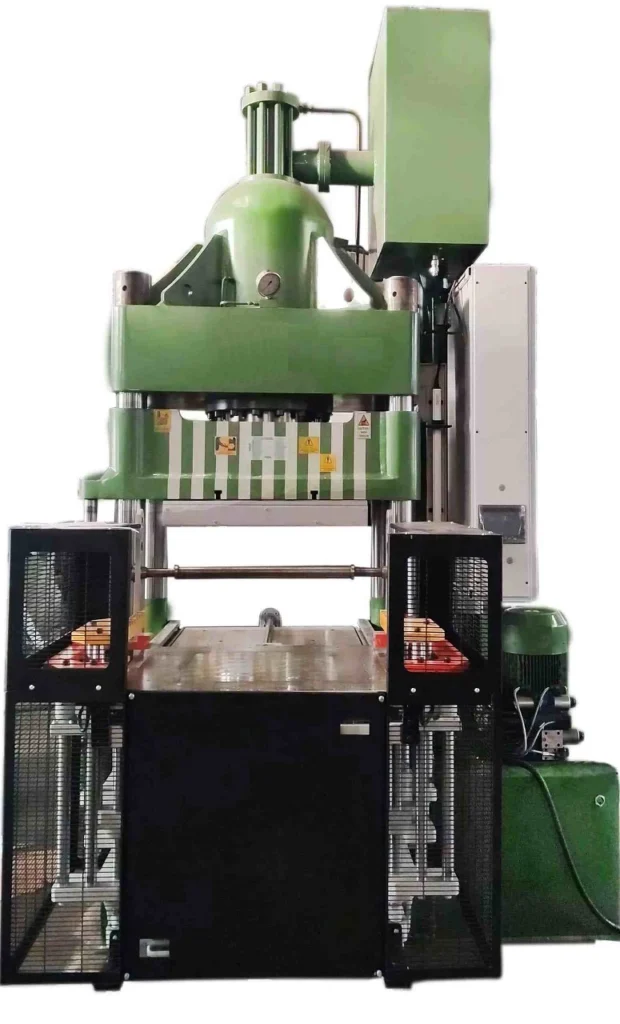
EMS Metalworking Machinery

We design, manufacture and assembly metalworking machinery such as:

  • Hydraulic transfer press
  • Glass mosaic press
  • Hydraulic deep drawing press
  • Casting press
  • Hydraulic cold forming press
  • Hydroforming press
  • Composite press
  • Silicone rubber moulding press
  • Brake pad press
  • Melamine press
  • SMC & BMC Press
  • Labrotaroy press
  • Edge cutting trimming machine
  • Edge curling machine
  • Trimming beading machine
  • Trimming joggling machine
  • Cookware production line
  • Pipe bending machine
  • Profile bending machine
  • Bandsaw for metal
  • Cylindrical welding machine
  • Horizontal pres and cookware
  • Kitchenware, hotelware
  • Bakeware and cuttlery production machinery

as a complete line as well as an individual machine such as:

  • Edge cutting trimming beading machines
  • Polishing and grinding machines for pot and pans
  • Hydraulic drawing presses
  • Circle blanking machines
  • Riveting machine
  • Hole punching machines
  • Press feeding machine

You can check our machinery at work at: EMS Metalworking Machinery – YouTube

Applications:

  • Beading and ribbing
  • Flanging
  • Trimming
  • Curling
  • Lock-seaming
  • Ribbing
  • Flange-punching
Categories
Machinery

Deep Drawing Process

Deep Drawing Process

We manufacture hydraulic press with a deep drawing process. Deep drawing process & Deep drawing press & Double action deep drawing press & Triple action deep drawing press

Sheet metal forming is one of the most important production methods used in different industries such as producing industrial parts, office, and home appliances, automobile bodies, airplane parts, etc. Deep drawing is one of the frequently applied methods in sheet metal forming.

Deep Drawing Operation

Deep Drawing Operation

Deep drawing operation is based on producing engineering parts with specific shapes through major plastic deformation of flat metal sheets. An external force on a metal sheet does this plastic deformation. This external force has to be large enough to place the material in the plastic zone and
to ensure that after displacing the external force, the metal part doesn’t spring back or elastically deform again.

The final quality of the parts produced through this operation is based on the final wall thickness and being wrinkle-free and fracture-free

The flat blank for use in the analysis of deep drawing may be divided into three zones, X, Y, and Z [13], as shown in Fig. 1.1 As the punch is lowered
into the die opening, several distinct phenomena occur. X, the outer annular zone consists of material in contact with the die. Y, the inner
annular zone is not initially in contact with either the punch or the die, and Z, the circular zone is only in contact with the flat bottom of the punch.

As the deep-drawing operation proceeds, the outer flange portion of the blank, zone X will be subjected to a radial drawing tensile stress as it is drawn progressively inwards towards the die profile and the effect of continuously decreasing the radius in this zone is to induce compressive hoop stress, resulting in an increase in material thickness [3]. Then when the magnitude of these stresses exceeds a certain critical value, wrinkling and buckling of the flange may occur if the blank holder pressure is not high enough.

The material in the inner parts of zone X is thinned by plastic bending under tensile stress as it passes over the die profile. The inner parts of zone X are thinned further by the tension between the punch and die, resulting in an increase in thickness for the outer parts of zone X. Zone Y is subject to bending and sliding over the die profile, stretching in tension between the punch and die and finally to bending and sliding over the punch profile. Zone Z is subject to stretching and sliding over the punch head

Deep Drawing Process Steps

In summary, five processes take place during the course of deep drawing.

  • Pure radial drawing between the die and blank holder in zone X, causing the blank to thicken due to the resultant hoop stress.
  • Bending and sliding over the die profile, r2, will cause some thinning of the metal.
  • Initial stretching in zone Y. This will cause thinning of the material at the intersection of the bottom of the cup and its side wall. If a cup fails to form it is invariably due to tensile failure in zone Y.

Bending and sliding over the punch profile radius, r1, thinning to some degree occurs here. Stretching and sliding over the punch nose in zone

Defects in Deep Drawing Progress

A number of defects may occur in deep-drawn parts. Figure 1.2 shows the type of defects that may be found after drawing cups. The description of
such defects is discussed below:

Earing:
It occurs in deep-drawn parts made from anisotropic materials. Because of planar anisotropy, the sheet metal may be stronger in one direction than in other directions in the plane of the sheet. This causes the formation of ears in the upper edge of a deep-drawn cup even when a circular blank is
used. In practice, enough extra metal is left on the drawn cup so that the ears can be trimmed.

Wrinkling in the flange
Wrinkling in deep drawn parts consists of a series of ridges that form radially in the flange due to compressive forces. Wrinkling in the wall occurs when ridges in the flange are drawn into the vertical wall of the cup.

Wrinkling in the wall
It occurs when ridges in the flange are drawn into the vertical wall of the cup.

Tearing

It occurs near the base of the drawn cup and results from high stresses in the vertical wall that cause thinning and failure of the metal at that location.

Surface scratches
It occurs in a drawn part if the punch and die surfaces are not smooth or if lubrication is not enough.

Parts of a Hydraulic Press with the Deep Drawing Process

Top Plate of a Deep Drawing Press

It is the plate that is situated at the top of the machine. It will be made up of MS material. This plate will support the

one cylinder which is used for punching the workpiece. This plate will also support two small cylinders which are situated beside the punching cylinder. It will hold four pillars which will be fixed with the help of bolts. It will support the whole weight of three cylinders which are used for different purposes in the machine. It also will help to correct the alignment of the base plate and pressure plate with four rods at its end.

Base Plate

It is a plate that is situated on the frame. It will take all load off the machine. It is connected to the top plate with the help of four pillars. The pillars are situated at their ends. It has a T slot cut into it. This T slot helps for mounting the die set on it. It is the plate on which the workpiece is actually placed and then the punching operation takes place. An ejection system will be provided below it to eject the workpiece from the die set.

Pressure Plate

The pressure plate is a little less in dimension than the base plate or top plate as it has to move up and down in the machine. This plate will move up and down with the help of two piston rods which will hold it at the two ends. This plate will hold the metal sheet and then the punch will come down and punch the metal sheet. It has a center hole through which the punch moves up and down. This is an important part of the system as it has to hold the metal sheet. Due to this plate, there are fewer chances of wrinkles on the workpiece.

Pillars

There is a total of four pillars in this machine. These pillars are mounted between the top plate and the bottom plate. They are fixed with top and bottom plates with bolt arrangement. They support the whole weight of cylinders and the top plate. They reduce vibrations of the machine to transfer to the base plate and ultimately to the die set. This avoids any variation in the workpiece.

Frame

This is the component of the system that takes all load of the machine. This takes a load of hydraulic cylinders, base plate, top plate, and pillars. It also holds an ejection system which helps in the ejection of the workpiece from the die set.

C-Clamp

This component of the system helps in the ejection of the workpiece from the die. It also limits the movement of the pressure plate. This C- clamp is connected to the piston rod of the punching cylinder. It also has one limiting movement mechanism. With this mechanism the armature of C-clamp is made contact with a pressure switch is used to stop the Clamp.

Double Action Deep Drawing Hydraulic Press Machine Automation plane uses a hydraulic cylinder for both direction movement and stroke, a hydraulic motor is used to drive the hydraulic cylinder, and a pleasure switch to control the movement of the press pad and punch. Solenoid valves are widely used on compressed air or hydraulic fluid for powering actuators on mechanical components.

While motors are used to supply continuous rotary motion, actuators are typically a better choice for intermittently creating a limited range of movement for a mechanical component, such as moving various mechanical arms, opening or closing valves, raising heavy press rolls, and applying pressure to presses.

Control circuits are often drawn using ladder logic, so named because the wiring diagram resembles a ladder. First of all base plate is mounted on the frame. The base plate is welded to the frame. Then take four pillars and they were situated vertically on the base plate and in they are fitted to the base plate with help of a bolt and lock nut.

Over that pillar, the top plate is situated and it is fixed with the nut and bolt. After that, the round plate is welded to the top plate at its center. Over that round plate cylinder of 20 tones is fixed with nut and bolt. Which are situated in the holes on the circumference of the round plate. After this situation of the center cylinder is used for the punching operation. Then and edges of the top plate square blocks are welded and over that block cylinder of 2.5 tones is fixed. With the same process that of the center cylinder.

After that piston of the cylinder which is of 2.5 tones brought down and the pressure plate is fixed with it at the edges and with help of a square block. In that Allen bolts and nuts. After that clamp is situated in the center cylinder piston by cutting and milling it into that shape. Another part of the c-clamp is assembling the top of the ejection system. Which is situated below the base plate Pressure switch is situated on the top plate to limit the movement of the c-clamp in the upward and downward direction.

The hydraulic system is brought near the machine and its pipes and ports are connected to the vales of the cylinder. There is a system of switches. The white switch is for the downward movement of the center piston which acts as the punch.

And the black switch is for the downward movement of the pressure plate with the help of the downward movement of side pistons. The red switch is for the upward movement center piston which acts as a punch. The blue switch is for the upward movement side piston which acts to move the pressure plate.

Sequential Control

Sequential control may be either a fixed sequence or a logical one that will perform different actions depending on various system states. An example of an adjustable but otherwise fixed sequence is a timer on a pressure switch. In a typical hard-wired motor start and stop circuit (called
a control circuit) a motor is started by pushing a “Start” or “Run” button that activates a pair of electrical relays.

The “lock-in” relay locks in contacts that keep the control circuit energized when the push button is released. (The start button is a normally open contact and the stop button is normally closed contact.) Another relay energizes a switch that powers the device that throws the motor starter switch (three sets of contacts for three-phase industrial power) in the main power circuit.

All contacts are held engaged by their respective electromagnets until a “stop” or “off” button is pressed that de-energizes the lock-in relay. (Note- Large motors use high voltage and experience high in-rush current, making speed important in making and breaking contact. This can be dangerous for personnel and property with manual switches.

Conventional deep drawing can be achieved without a blank holder as indicated in Figure 1, or with a blank holder as shown in Figure 2 (Malinin 1975; Popov 1977). Normally, the first method employs conventional drawing punches which consist of matrix 1 and punch 2. It is used for manufacturing shallow vessels or thin-walled articles with no folds or corrugation. Figure 1-b presents the second stage of deep drawing without a blank holder.

Blank holder 3 is used in the second method of the deep drawing shown on Figure 2. The collar section of the workpiece is pressed against the matrix by the blank holder in order to prevent corrugation from forming on the material, as the material is forced downwards through the matrix hole under the punch pressure. Figure 2-a shows the first stage of deep drawing by punching a flat workpiece whereas Figure 2-b shows the second stage of drawing the hollow workpiece.

Drawing dies 1 in Figure 3, whose chamber is filled with oil beforehand, overcomes the opposing compression of the hydraulic clamp 2 and initiates drawing of the blank part over punch 3. Due to the progressively growing pressure within chamber 1 oil starts flowing along channel 5 and then into channel 4 thus exerting radial pressure along the periphery of the blank part. Upon the consequent downward stroke of puncheon 6, the blank part is inserted into its receptive aperture

This causes oil pressure to increase thus exerting pressure against the lower base of punch 3 which is pushed upward and impacts this section of the blank that is inserted between puncheon 6 and mold 1. The opposing motion of punch 3, mold 1 and clamp 2 which is in permanent contact in relation to puncheon 6 is adjusted and synchronized electro-hydraulically. A general view of the test unit with its attachments and instrumentation is shown in Figure 5.

Hydraulic presses are powerful machines used to apply a significant amount of force to an object through hydraulic fluid pressure. They are essential in various industrial applications, providing the necessary force for processes such as metal forming, stamping, bending, and molding. The versatility and efficiency of hydraulic presses make them indispensable tools in manufacturing and production lines. This document will explore the different types of hydraulic presses, their application areas, components, operational principles, manufacturing process, and the challenges and advancements in the industry.

A hydraulic press is a mechanical device that uses a hydraulic cylinder to generate a compressive force. It operates based on Pascal’s Law, which states that pressure applied to a confined fluid is transmitted equally in all directions. This principle allows hydraulic presses to exert significant force with minimal input, making them essential tools in industries requiring high-pressure applications.

single-acting hydraulic press uses hydraulic pressure to move the piston in one direction, typically the downward or compressive stroke. After the press completes this action, the piston returns to its original position using an external force such as a spring or the weight of the cylinder. This differs from a double-acting hydraulic press, where hydraulic pressure is applied in both the forward and return strokes.

The simplicity and cost-effectiveness of single-acting hydraulic presses make them ideal for a variety of applications, including small to medium-scale production, metal fabrication, and mechanical testing. These presses are widely used in industries such as automotive, aerospace, manufacturing, and even laboratories for precision tasks.

The core advantage of a single-acting hydraulic press lies in its simplicity. Fewer moving parts and a straightforward design reduce both the initial cost and ongoing maintenance requirements. However, the trade-off is that the press lacks the stroke control and power range of more complex systems, limiting its effectiveness in higher-end or more precise applications.

How Single-Acting Hydraulic Presses Work

Deep Drawing Hydraulic Press Machine for Kitchen Sink Production Line

The fundamental operation of a single-acting hydraulic press relies on Pascal’s Law, which underpins all hydraulic systems. According to this principle, when a force is applied to a fluid inside a closed system, the pressure is transmitted evenly throughout the fluid. In a hydraulic press, this means that the force generated by a pump acting on a small volume of hydraulic fluid can be magnified to create a much larger output force.

Key Components of a Single-Acting Hydraulic Press:

  • Cylinder and Piston: The hydraulic cylinder contains a piston that moves up and down. In a single-acting press, hydraulic fluid forces the piston downwards, creating the press action.
  • Hydraulic Pump: The pump generates pressure within the hydraulic system, pushing the fluid into the cylinder to drive the piston.
  • Reservoir: This stores hydraulic fluid, which is pumped into the cylinder during operation.
  • Valves: Control the flow of hydraulic fluid, directing it into the cylinder for the pressing stroke.
  • Return Mechanism: In single-acting systems, this is usually a spring or gravitational force that returns the piston to its original position after the pressing action.

Pressing and Return Process:

  1. Pressing: When the press operator activates the system, hydraulic fluid is pumped into the cylinder. The increase in pressure forces the piston downward, applying force to the material placed under the press head. The force can range from several tons to hundreds of tons, depending on the press’s specifications.
  2. Return Stroke: Once the pressing action is complete, the external force—usually a spring or gravity—returns the piston to its starting position. Unlike double-acting presses, where hydraulic pressure can control both strokes, single-acting presses rely on this mechanical or natural return.

Advantages and Limitations:

  • Advantages: Single-acting presses are simple, affordable, and easy to maintain. They are ideal for tasks that do not require precise control over the return stroke or where the pressing force is the primary concern.
  • Limitations: The primary limitation is the lack of control over the piston’s return stroke, which can make single-acting presses less suited to precision applications. Additionally, since only one stroke is powered, these presses are less efficient in tasks requiring continuous motion or high-speed operation.

Types of Single-Acting Hydraulic Presses

Types of Single-Acting Hydraulic Presses

Single-acting hydraulic presses come in several varieties, each suited to different applications and operational needs.

1. Manually Operated Hydraulic Presses:

These presses are powered by a hand-operated pump, which provides the hydraulic pressure needed to move the piston. They are ideal for small-scale applications or environments where electricity is not available. These presses are portable and commonly used in repair shops, garages, or remote field locations. Their affordability and ease of use make them popular for light-duty tasks like pressing bearings or removing shafts.

2. Electric-Powered Hydraulic Presses:

Electric-powered hydraulic presses use an electric motor to drive the hydraulic pump, offering greater efficiency and consistency compared to manual models. These presses are suitable for more intensive industrial applications where higher force or faster operation is required. They are commonly found in manufacturing plants, where they can be integrated into production lines for repetitive tasks such as stamping, forging, or cutting.

3. Air-Driven Hydraulic Presses:

In these systems, compressed air is used to generate hydraulic pressure. They are commonly used in industrial environments where compressed air is readily available. Air-driven hydraulic presses are often employed in applications where speed and convenience are critical, and they offer a middle ground between manually operated and electric-powered presses in terms of power and cost.

Applications of Each Type:

  • Manually Operated: Ideal for low-volume tasks, repair work, or environments lacking electrical infrastructure.
  • Electric-Powered: Suitable for continuous, heavy-duty applications in factories and production environments.
  • Air-Driven: Often used in automotive workshops and for lighter industrial tasks where compressed air is available.

Applications of Single-Acting Hydraulic Presses

Manufacturing of Fire Extinguishers

Single-acting hydraulic presses are versatile tools used across a wide range of industries for different applications.

1. Metal Forming and Fabrication:

In the metalworking industry, hydraulic presses are used to shape, bend, punch, and cut metal sheets and components. Single-acting presses are especially useful in tasks where the return stroke is less critical, such as metal stamping or bending. These presses are commonly used in fabrication shops, tool and die manufacturing, and custom metalwork projects.

2. Press Fitting and Assembly Tasks:

Single-acting presses are commonly employed in press fitting, where parts are mechanically forced together using high pressure. This includes tasks such as pressing bushings, bearings, gears, and other components into place. These presses are widely used in the automotive industry for assembly operations, as well as in machinery and equipment manufacturing.

3. Material Testing and Laboratory Uses:

In laboratories, single-acting hydraulic presses are often used for testing materials under compressive force. For example, engineers and scientists may use hydraulic presses to measure the compressive strength of materials like concrete, metals, or plastics. The simplicity of single-acting presses makes them ideal for controlled experiments where large forces are required without complex control systems.

4. Automotive and Aerospace Industries:

In the automotive sector, single-acting hydraulic presses play a crucial role in various assembly and maintenance tasks, such as pressing in bushings, removing bearings, and straightening parts. Their use extends to aerospace industries for tasks such as forming lightweight components, shaping metal parts, or assembling intricate systems that require precise force application.

Examples of Practical Applications:
  • Metal Stamping: Single-acting presses are used to punch or stamp metal parts for various industries, including automotive and electronics.
  • Bearing Installation: Presses ensure that bearings are seated correctly without causing damage to delicate components.
  • Cutting and Trimming: Hydraulic presses can be used to cut metal, plastic, or composite materials, making them essential in production environments.

Advantages of Single-Acting Hydraulic Presses

Single-acting hydraulic presses have several advantages, making them a popular choice in a variety of applications.

1. Simplicity and Cost-Effectiveness:

Due to their basic design, single-acting hydraulic presses are more affordable than their double-acting counterparts. They have fewer moving parts and require less complex control systems, reducing both the upfront cost and the likelihood of mechanical failure. This makes them ideal for smaller operations or businesses looking for cost-effective solutions.

2. Efficiency in Force Delivery:

Despite their simplicity, single-acting hydraulic presses can deliver tremendous force, making them suitable for heavy-duty tasks like metal forming or assembly. They can generate forces ranging from a few tons to several hundred tons, depending on the size and type of the press, enabling them to handle a wide range of materials and tasks.

3. Reduced Maintenance:

With fewer components, single-acting presses are easier and less costly to maintain. Routine maintenance is generally limited to inspecting seals, checking hydraulic fluid levels, and ensuring that the return mechanism (spring or gravity) is functioning properly.

4. Portability and Space Efficiency:

Single-acting presses are typically more compact than double-acting presses, making them easier to move and install in smaller workspaces. This portability is especially valuable in environments where space is limited, such as small workshops or laboratories.

Challenges and Limitations of Single-Acting Hydraulic Presses

Applications in Various Industries

While single-acting hydraulic presses offer many benefits, they also have certain limitations that can affect their performance in specific applications.

1. Limited Stroke Control and Precision:

Because the return stroke is not powered by hydraulics, single-acting presses lack the precise control over the piston’s movement during the return phase. This makes them less suitable for applications requiring fine control of both the forward and return strokes.

2. External Force Required for Return Stroke:

The reliance on springs or gravity for the return stroke introduces limitations. Springs can wear out over time, reducing the efficiency of the press, and gravitational return may be too slow for certain high-speed applications.

3. Power Limitations:

Single-acting presses typically have less power and speed compared to double-acting systems. For tasks requiring high force or rapid cycling, a double-acting press may be more appropriate.

4. Environmental Considerations:

Hydraulic systems, including single-acting presses, can pose environmental risks if not properly maintained. Leaking hydraulic fluid, for instance, can cause environmental contamination, making proper maintenance and disposal of used fluids critical.

Maintenance and Safety Considerations

Proper maintenance and adherence to safety protocols are essential to ensure the safe and efficient operation of single-acting hydraulic presses.

Maintenance Procedures:

  • Hydraulic Fluid Levels: Regularly check and maintain the hydraulic fluid to ensure smooth operation. Low fluid levels can reduce press efficiency and lead to mechanical wear.
  • Seals and Hoses: Inspect seals and hoses for wear and tear, as leaks can cause pressure loss and reduce the effectiveness of the press.
  • Return Mechanism: Check the spring or gravity-based return system for signs of fatigue or failure. Over time, springs may lose tension, reducing the effectiveness of the return stroke.

Safety Protocols:

  • Personal Protective Equipment (PPE): Operators should wear appropriate PPE, including safety goggles, gloves, and hearing protection.
  • Proper Training: Ensure that all operators are trained in the correct use of the press and are aware of potential hazards.
  • Emergency Stops: Hydraulic presses should be equipped with emergency stop buttons to allow operators to quickly halt the machine in case of malfunction or danger.

Future of Single-Acting Hydraulic Presses

Choosing the Right Trimming Beading Machine

Advancements in technology are opening new possibilities for single-acting hydraulic presses. As industries evolve, the demand for more efficient and eco-friendly machinery is growing.

1. Advancements in Hydraulic Technology:

Innovations in hydraulic systems are leading to more efficient and powerful single-acting presses. For instance, new hydraulic fluids with better thermal stability and lower environmental impact are being developed, reducing the ecological footprint of hydraulic systems.

2. Energy Efficiency Improvements:

Modern hydraulic presses are being designed with energy efficiency in mind. Enhanced pump designs, variable speed motors, and more efficient control systems are reducing energy consumption and operational costs.

3. Integration with Automation:

The future of hydraulic presses lies in their integration with automated and smart systems. Automated single-acting presses equipped with sensors and computer control systems can adjust force, speed, and stroke in real time, enhancing precision and adaptability.

4. Future Applications and Innovations:

As industries continue to demand more from hydraulic systems, single-acting presses are likely to be used in new applications such as additive manufacturing (3D printing) and precision engineering. The increasing focus on sustainability may also drive the development of greener, more energy-efficient presses.

Introduction to Double-Acting Hydraulic Presses

Deep Draw Presses
Deep Draw Presses

Hydraulic presses are mechanical devices that use fluid pressure to generate significant force, commonly employed in industries where large-scale pressing, forming, or molding is required. They operate on Pascal’s Law, which states that pressure applied to a fluid in a confined space is transmitted equally in all directions. This principle allows hydraulic presses to amplify force, making them crucial in metalworking, manufacturing, automotive industries, and beyond.

double-acting hydraulic press differs from its single-acting counterpart in that it applies hydraulic pressure in both directions—both for the pressing stroke and the return stroke. In contrast, a single-acting press relies on external forces, like springs or gravity, for the return motion, which limits control and precision.

The use of double-acting hydraulic presses has revolutionized several industrial processes due to the enhanced control and precision they offer. With powered movement in both directions, these presses are capable of handling more complex and demanding tasks, such as deep drawing, forging, or any process where high precision and consistent force are essential. These presses are widely used in automotive production, aerospace manufacturing, and large-scale industrial operations.

How Double-Acting Hydraulic Presses Work

Deep Drawing Hydraulic Press Machine for Kitchen Sink Production Line

Double-acting hydraulic presses function based on hydraulic principles, which utilize fluid power to amplify force. The critical difference from single-acting presses is that double-acting presses can apply hydraulic pressure in both the pressing and return strokes. This provides enhanced control and versatility.

Core Components of a Double-Acting Hydraulic Press:

  • Cylinder and Piston: A double-acting press has a hydraulic cylinder with a piston that moves in two directions. Hydraulic fluid is directed into the cylinder on either side of the piston to control both the downward and upward strokes.
  • Hydraulic Pump: The hydraulic pump provides pressure by moving hydraulic fluid into the cylinder. In double-acting presses, the pump must be capable of routing the fluid to either side of the piston, depending on whether it is the pressing or return stroke.
  • Valves and Control Systems: Double-acting presses require more sophisticated valve systems to control the flow of hydraulic fluid. These valves direct fluid pressure to either side of the piston, enabling the precise control of both strokes.
  • Power Source: These presses can be powered by manual pumps, electric motors, or pneumatic systems, depending on the scale and application of the press.

The Pressing and Return Strokes:

  1. Pressing Stroke: The hydraulic pump directs fluid into the top of the cylinder, pushing the piston downward. This downward force can range from a few tons to hundreds of tons, depending on the press’s size and design. The press head applies this force to the material being processed, whether it’s for stamping, molding, or cutting.
  2. Return Stroke: After the pressing operation, hydraulic pressure is redirected to the bottom of the piston. This lifts the piston back to its starting position, ensuring precise and controlled movement. The ability to hydraulically control both strokes eliminates the reliance on gravity or springs, allowing for faster cycle times and more complex tasks.

Precision and Control:

The ability to control both strokes of the piston provides greater accuracy in industrial processes. Unlike single-acting presses, where the return stroke can vary in speed and efficiency, double-acting presses offer consistent performance across all movements. This precision makes them ideal for complex forming processesdeep drawing, and precision cutting operations, where both the force and the return timing must be tightly controlled.

Types of Double-Acting Hydraulic Presses

Double-acting hydraulic presses come in various forms, each tailored for specific industrial applications. Here are some of the main types:

1. Manual Double-Acting Hydraulic Presses:

Manual versions of double-acting presses are powered by hand-operated hydraulic pumps. These are typically used in small workshops or repair facilities where tasks like pressing, bending, or assembling components do not require extensive automation. These presses are portable, cost-effective, and often used in low-production environments.

2. Electric-Powered Double-Acting Hydraulic Presses:

Electric-powered double-acting presses are more common in industrial settings where high force and consistent operation are required. The hydraulic pump is driven by an electric motor, allowing for automated control of both strokes. These presses are essential for high-volume operations, such as metal stamping, die forming, and precision cutting. The electric-powered system allows for greater precision, repeatability, and faster cycle times.

3. Pneumatic Double-Acting Hydraulic Presses:

Pneumatic-powered double-acting presses use compressed air to drive the hydraulic fluid in both strokes. These presses are favored in industries where pneumatic systems are already integrated into the production environment, such as in automotive assembly lines. Pneumatic systems provide rapid action, and the integration with hydraulics ensures the generation of high forces, making them suitable for mid-sized industrial applications.

4. Specialized Double-Acting Presses:

Some double-acting hydraulic presses are designed for specific applications, such as hydraulic press brakes used in bending and shaping metal sheets. These presses provide precise control over the angle and force applied, making them ideal for custom metal fabrication. Another example includes forging presses, where high tonnage and precise control are required to shape metal components.

Applications of Double-Acting Hydraulic Presses

Applications in Various Industries

Double-acting hydraulic presses are widely employed across a variety of industries due to their versatility and ability to handle complex tasks with precision. Here are some of the key applications:

1. Metal Forming and Deep Drawing:

One of the primary uses of double-acting hydraulic presses is in metal forming, particularly deep drawing. Deep drawing is a manufacturing process where a sheet metal blank is radially drawn into a forming die by the mechanical action of a punch. Double-acting presses provide the precise control necessary to form complex shapes in metals like aluminum, steel, and copper without cracking or deforming the material.

2. Punching, Forging, and Die Forming:

In punching and forging operations, double-acting presses apply controlled force to deform or cut metal parts. This is commonly used in the automotive and aerospace industries, where high-strength materials are forged into critical components like gears, axles, and structural parts. The ability to control both the pressing and return strokes ensures consistent quality and reduces the risk of material damage.

3. Composite Material Molding:

As industries increasingly adopt composite materials, double-acting hydraulic presses have become essential for forming and molding these materials. Composites, such as carbon fiber or fiberglass, require careful handling during the molding process to maintain their strength and durability. Double-acting presses allow for precise pressure application during both the pressing and release phases, making them indispensable in industries like aerospace and automotive, where lightweight, high-strength components are essential.

4. Automotive and Aerospace Industries:

The automotive industry relies heavily on double-acting hydraulic presses for the production of body panelsframes, and engine components. The precision and repeatability of these presses ensure that every part is manufactured to exact specifications. In the aerospace industry, where weight, strength, and safety are critical, double-acting presses are used to form lightweight components like aircraft skin panelsstructural parts, and engine elements.

5. Examples of Industrial Applications:

  • Automotive: Deep drawing for body panels, stamping parts like hoods, doors, and roofs.
  • Aerospace: Forming of lightweight metal and composite parts for aircraft and spacecraft.
  • Heavy Machinery: Forging of large components for construction equipment and industrial machinery.
  • Consumer Electronics: Precision forming of metal casings and components.

Advantages of Double-Acting Hydraulic Presses

Double-acting hydraulic presses offer several significant advantages that make them indispensable in many industries.

1. Precise Control Over Both Strokes:

The ability to apply hydraulic force in both the pressing and return strokes gives double-acting presses greater control over the entire operation. This precision is particularly valuable in tasks that require consistent force and motion, such as deep drawing, forging, and punching. Both strokes can be finely adjusted to meet the exact requirements of the material and application, leading to superior product quality.

2. Higher Efficiency in Repetitive Operations:

In manufacturing environments where tasks must be repeated at high speed, double-acting presses outperform single-acting models. Since both the press and return strokes are powered, cycle times are faster, and operators have more control over the movement of the piston, which boosts productivity in high-volume production lines.

3. Versatility in Complex Tasks:

Double-acting presses are incredibly versatile, able to handle a wide variety of materials and tasks. They can be used for pressing, forming, bending, cutting, and molding, which makes them highly adaptable to different industries and processes. Whether the task requires the shaping of metals, molding of composites, or assembly of mechanical components, these presses can be fine-tuned to meet the needs of the job.

4. Suitability for Heavy-Duty and Continuous Use:

Double-acting hydraulic presses are built for heavy-duty applications and continuous use in industrial settings. The ability to power both strokes ensures that even the toughest materials, such as steel and titanium, can be shaped and formed without compromising on speed or accuracy. Their robust design and advanced control systems make them ideal for industries where durability and long-term performance are critical.

Challenges and Limitations of Double-Acting Hydraulic Presses

Despite their advantages, double-acting hydraulic presses also come with challenges and limitations that must be considered before implementation.

1. Higher Cost and Complexity:

Double-acting hydraulic presses are generally more expensive than single-acting presses due to their more complex design and the additional control systems required to power both strokes. This can make them less appealing for small-scale operations or businesses with tight budgets.

2. Increased Maintenance Requirements:

With more moving parts and components to manage, double-acting presses require more frequent and thorough maintenance than their single-acting counterparts. Components like seals, valves, and hydraulic lines must be regularly inspected and serviced to prevent leaks and ensure optimal performance. This adds to the operational costs over the lifespan of the machine.

3. Space and Energy Requirements:

Double-acting hydraulic presses tend to be larger and consume more energy than simpler presses. This means they require more space and have higher energy costs, which can be a limiting factor in smaller workshops or facilities with limited energy resources.

4. Specialized Training and Safety Considerations:

Operators of double-acting hydraulic presses must be thoroughly trained to handle the complex control systems and high pressures involved. The increased force and speed of these presses mean that strict safety protocols must be followed to prevent accidents and equipment damage.

Maintenance and Safety Considerations

Proper maintenance and safety protocols are crucial for ensuring the long-term operation and safety of double-acting hydraulic presses.

Maintenance Procedures:

  • Hydraulic Fluid Levels: Maintaining appropriate hydraulic fluid levels is essential for the proper operation of both strokes. Low fluid levels can result in uneven pressure distribution and lead to damage.
  • Seal and Hose Inspections: Double-acting presses have more seals and hoses than single-acting models, which makes regular inspections critical. Leaks in these components can cause a loss of pressure, reduced efficiency, and safety hazards.
  • System Pressure Checks: Monitoring and adjusting the system’s pressure levels ensures that the press operates within its designed parameters, preventing over-pressurization and component failure.

Safety Protocols:

  • Operator Training: Given the complexity of double-acting presses, operators must be trained in their safe use. They should understand the machine’s control systems, emergency stop features, and troubleshooting procedures.
  • Regular Inspections: Presses should be inspected regularly for signs of wear or malfunction. Safety devices like pressure relief valves and emergency stops should be tested to ensure they are functioning properly.
  • Personal Protective Equipment (PPE): Operators should always wear appropriate PPE, including gloves, goggles, and ear protection, especially in high-noise environments.

Future Trends in Double-Acting Hydraulic Press Technology

As technology evolves, double-acting hydraulic presses are expected to undergo several advancements that will enhance their performance and broaden their applications.

1. Technological Advancements:

Innovations in hydraulic control systems, such as the integration of proportional valves and servo-driven pumps, are improving the precision and efficiency of double-acting presses. These systems allow for finer control of pressure and movement, resulting in higher-quality output and reduced material waste.

2. Energy Efficiency:

One of the key areas of development is the push for more energy-efficient hydraulic systems. With the increasing focus on sustainability, new technologies are emerging that reduce energy consumption, such as variable-speed pumps that adjust output based on demand. These advancements not only lower operational costs but also reduce the environmental impact of hydraulic presses.

3. Automation and Industry 4.0:

The integration of double-acting hydraulic presses with automation and smart manufacturing systems is another significant trend. By connecting presses to factory networks, manufacturers can monitor machine performance in real-time, predict maintenance needs, and optimize press cycles. This leads to increased productivity and minimizes downtime due to unexpected equipment failure.

4. Future Innovations:

Looking ahead, double-acting presses may see further improvements in force capacityminiaturization for precise applications, and modular designs that allow presses to be easily reconfigured for different tasks. Additionally, advancements in green hydraulic fluids will reduce the environmental risks associated with hydraulic systems.

Triple Action Deep Drawing Press

Triple Action Deep Drawing Press
Triple Action Deep Drawing Pres

Deep drawing is a popular metal forming process used to shape flat sheet metal into cylindrical or box-like shapes. The process involves placing a metal blank over a die and pressing it into the die cavity with a punch. This transforms the flat blank into a three-dimensional shape, making it essential for producing components like automotive body panels, kitchen sinks, and various enclosures. The process can be repeated to achieve more complex shapes with greater depth, but the challenges increase as the material undergoes severe deformation.

Triple Action Deep Drawing Press is a specialized machine designed to address the complexity of the deep drawing process. Unlike conventional single-acting or double-acting presses, a triple action press incorporates three independent force mechanisms:

  1. Blank Holder Action: Keeps the metal blank firmly in place, controlling material flow and preventing wrinkling.
  2. Punch Action: The primary force that shapes the blank by pushing it into the die.
  3. Ejector Action: Removes the finished part from the die after the drawing process is complete.

This triple-action mechanism provides greater control over the deep drawing process, allowing for the production of more complex shapes, with fewer defects, and better efficiency. The ability to control all three forces independently is particularly important in producing deep-drawn components for industries like automotive, aerospace, and consumer goods, where precision and quality are critical.

How Triple Action Deep Drawing Presses Work (500 words)

To understand how triple action deep drawing presses function, it’s essential to break down the mechanics of the deep drawing process and how each action contributes to shaping the material.

The Deep Drawing Process:

The deep drawing process transforms a flat metal blank into a three-dimensional component. The key stages include:

  1. Blank Placement: A flat metal blank is placed over the die cavity.
  2. Blank Holder Engagement: The blank holder clamps the blank around its edges, preventing movement or wrinkling during drawing.
  3. Punch Stroke: The punch moves downward, pressing the blank into the die cavity, forming the desired shape. This action stretches and deforms the material, thinning it in certain areas.
  4. Ejection: Once the part is formed, the ejector mechanism releases the part from the die, ready for the next cycle.

Components of a Triple Action Deep Drawing Press:

  1. Blank Holder: The blank holder is crucial in controlling material flow. Its force must be precisely regulated to avoid wrinkling, which can occur if the material is allowed to move too freely. At the same time, too much force from the blank holder can result in tearing.
  2. Punch: The punch is the main shaping tool. In triple-action presses, the punch force is adjustable, allowing for greater flexibility in handling different materials or thicknesses. As the punch presses the blank into the die, it forms the desired shape.
  3. Ejector: The ejector action ensures the formed part is smoothly removed from the die without causing damage to the component or slowing down the production process. The ejector often uses hydraulic or mechanical systems to push the part upward, releasing it from the die.

Key Advantages of the Triple Action System:

  1. Independent Control of Forces: One of the main benefits of triple action presses is that each force (blank holder, punch, ejector) can be independently controlled. This ensures optimal pressure at each stage, reducing the risk of defects such as wrinkling, tearing, or excessive thinning.
  2. Complex Shapes: By using all three actions in a coordinated manner, triple action presses can produce complex, deep-drawn components that would be difficult or impossible with a standard press.
  3. Minimized Defects: The precise control over material flow, punch pressure, and ejection force allows manufacturers to achieve higher-quality products with fewer defects, making triple-action presses ideal for high-precision industries.

Types of Triple Action Deep Drawing Presses

Triple action deep drawing presses come in various types, each suited to different applications and production environments. The main types include mechanical, hydraulic, and servo-electric presses.

1. Mechanical Triple Action Presses:

Mechanical triple action presses use mechanical linkages, cams, and gears to generate and control the forces required for the blank holder, punch, and ejector. These presses are known for their high speed and are commonly used in high-volume production environments, such as automotive manufacturing. However, they tend to offer less precision than hydraulic presses, making them less suitable for complex or precision deep drawing applications.

2. Hydraulic Triple Action Presses:

Hydraulic presses are the most common type of triple action deep drawing presses. These machines use hydraulic cylinders to apply force independently to the blank holder, punch, and ejector. Hydraulic presses are favored for their precision and the ability to control force and speed at every stage of the process. This makes them ideal for deep drawing applications that require complex shapes, deep draws, or challenging materials. Additionally, hydraulic systems can apply constant force throughout the entire stroke, providing a smooth and consistent draw.

3. Servo-Electric Triple Action Presses:

Servo-electric presses use electric motors to control the movement of the blank holder, punch, and ejector. These presses offer the highest level of precision and flexibility, allowing manufacturers to program specific force and speed profiles for different stages of the drawing process. Servo-electric presses are energy-efficient and offer precise control, making them ideal for applications requiring high precision, such as aerospace components and medical devices.

Comparison of Press Types:

  • Mechanical: Best for high-speed, large-volume production; less precise.
  • Hydraulic: Ideal for precision deep drawing, complex shapes, and variable materials; slower but more controlled.
  • Servo-Electric: Offers the highest precision and flexibility, with energy efficiency; often used in highly specialized applications.

Applications of Triple Action Deep Drawing Presses

Applications in Various Industries

The versatility and precision of triple action deep drawing presses make them indispensable across a wide range of industries. Their ability to form complex, deep-drawn parts with minimal defects and high repeatability is a key reason for their widespread use.

1. Automotive Industry:

In the automotive sector, deep drawing presses are essential for producing a wide array of components, including body panelsfuel tanks, and engine components. Triple action presses are particularly well-suited for forming large, complex parts such as car doors, hoods, and trunk lids, which require high precision to ensure they meet the industry’s stringent safety and performance standards.

For example, the ability to control the blank holder force ensures that body panels are formed without wrinkling, a common defect in deep drawing. Additionally, the precision of triple-action presses allows for tight tolerances in the production of complex components like fuel tanks, which must be leak-proof and structurally sound.

2. Aerospace Industry:

In the aerospace industry, the demand for lightweight yet strong components is paramount. Triple action deep drawing presses are used to form aircraft skin panelsengine housings, and other structural components. The ability to control every aspect of the drawing process, including the exact force applied by the blank holder and punch, ensures that aerospace parts meet the high standards required for safety and performance.

Additionally, the triple action mechanism is crucial for working with materials like titaniumaluminum, and composites, which are commonly used in the aerospace industry but can be difficult to form due to their strength and tendency to crack under stress.

3. Consumer Goods:

Triple action deep drawing presses are widely used to manufacture various consumer goods, particularly in the production of kitchenware (e.g., stainless steel sinks, pots, and pans) and household appliances (e.g., washing machine drums, microwave enclosures). The ability to form deep, complex shapes in materials like stainless steel or aluminum with smooth surfaces and minimal defects is essential for consumer products where aesthetics and durability are key selling points.

4. Industrial Containers and Enclosures:

Industries requiring industrial containerscylindrical tanks, or enclosures for sensitive equipment often rely on triple action deep drawing presses. These presses allow for the formation of durable, uniform containers with precise dimensions, ensuring that they meet stringent industry standards for storage and protection.

Case Studies and Real-World Examples:

  • Automotive: A major automotive manufacturer uses triple action presses to produce seamless body panels for luxury vehicles, ensuring high quality and eliminating the need for secondary finishing processes.
  • Aerospace: Leading aerospace companies utilize triple action deep drawing presses for the production of lightweight, high-strength structural components, ensuring aircraft performance while reducing weight.
  • Consumer Goods: A well-known kitchenware brand uses triple action presses to manufacture stainless steel cookware with flawless surfaces and uniform thickness, enhancing both performance and aesthetics.

Advantages of Triple Action Deep Drawing Presses

Triple action deep drawing presses offer numerous advantages that make them essential in industries requiring precision metal forming.

1. Enhanced Control Over the Deep Drawing Process:

One of the most significant advantages of a triple action press is the ability to independently control the blank holder, punch, and ejector forces. This precision control allows for adjustments throughout the deep drawing process, ensuring consistent material flow and reducing the risk of defects such as wrinkling, tearing, or excessive thinning.

2. Ability to Form Complex, Precise Shapes:

The precise control offered by triple action presses enables the formation of intricate shapes and deep-drawn components. The ability to fine-tune the force applied at each stage ensures that even challenging materials can be drawn without damage. This is especially important in industries like aerospace and automotive, where components must meet exacting standards for performance and safety.

3. Minimization of Defects:

Triple action presses significantly reduce common defects in the deep drawing process, such as wrinkling, cracking, and material thinning. The blank holder’s independent force ensures that the material is held securely, while the punch and ejector forces can be adjusted to optimize material flow. This results in higher-quality parts and reduced scrap, making triple action presses more efficient and cost-effective in large-scale production.

4. High Efficiency for Large-Scale Production:

Triple action presses are ideal for high-volume production, offering fast cycle times and repeatable precision. The automation of these presses allows for continuous operation, reducing downtime and increasing throughput. This efficiency is critical in industries where large quantities of parts must be produced quickly and to tight tolerances, such as automotive manufacturing.

Challenges and Limitations of Triple Action Deep Drawing Presses

Despite their numerous advantages, triple action deep drawing presses also present certain challenges and limitations.

1. High Initial Investment and Complexity:

Triple action deep drawing presses are more expensive than single or double-action presses due to their complexity and advanced control systems. The cost of purchasing and setting up a triple action press can be prohibitive for smaller operations or manufacturers with limited budgets. Additionally, these presses require more sophisticated control systems and software, which can increase the initial investment.

2. Greater Maintenance Requirements:

The complexity of triple action presses means that they require more frequent and thorough maintenance compared to simpler presses. The hydraulic systems, punch, blank holder, and ejector mechanisms all need regular inspection and servicing to prevent breakdowns and ensure the press operates at peak efficiency. Maintenance costs and downtime can be a challenge, especially in high-production environments.

3. Limitations in Smaller-Scale Operations:

For smaller-scale manufacturers or those producing limited quantities of deep-drawn parts, the high cost and complexity of triple action presses may not be justified. These presses are best suited to large-scale operations where the benefits of increased precision, efficiency, and reduced scrap outweigh the higher costs.

4. Energy and Space Requirements:

Triple action presses require significant amounts of energy to operate, especially hydraulic models, which need continuous power to maintain pressure. They are also large machines that require a substantial amount of floor space, limiting their use in smaller production facilities or workshops.

Maintenance and Safety Considerations

Proper maintenance and safety protocols are essential to ensure the longevity and safe operation of triple action deep drawing presses.

Maintenance Procedures:

  • Hydraulic System Maintenance: Hydraulic presses rely on clean, properly pressurized fluid systems to function efficiently. Regular checks of hydraulic fluid levels, cleanliness, and pressure are necessary. Dirty or low fluid can cause increased wear on components or lead to system failure.
  • Lubrication: Proper lubrication of moving parts, including the punch, blank holder, and ejector, is critical to reduce friction and wear. Over time, insufficient lubrication can lead to damage and expensive repairs.
  • Seal and Hose Inspections: Hydraulic seals and hoses should be regularly inspected for wear and leaks. Any signs of leakage must be addressed immediately to prevent pressure loss, damage to components, or safety hazards.
  • Alignment Checks: Regular alignment checks for the punch, die, and blank holder ensure that parts are being formed accurately and uniformly. Misalignment can lead to defective parts and increased machine wear.

Safety Protocols:

  • Operator Training: Operators should be thoroughly trained in the use of triple action presses, including how to safely load blanks, adjust controls, and handle finished parts. Understanding how to safely manage the hydraulic systems and high forces involved is critical for preventing accidents.
  • Emergency Stops and Safety Guards: Triple action presses should be equipped with emergency stop systems and safety guards to protect operators. These features ensure that the machine can be immediately stopped in the event of a malfunction or danger.
  • Personal Protective Equipment (PPE): Operators must wear appropriate PPE, including gloves, goggles, and protective clothing, to reduce the risk of injury from moving parts, flying debris, or hydraulic fluid leaks.

Future Trends in Triple Action Deep Drawing Press Technology

The future of triple action deep drawing presses is being shaped by advancements in technology, materials, and manufacturing processes.

1. Innovations in Press Control Systems:

As manufacturing becomes more automated and digital, the control systems used in triple action presses are becoming more sophisticated. Proportional hydraulic control valves and servo-driven systems are allowing for even more precise control over the forces applied during the deep drawing process. This enhanced control not only improves part quality but also reduces waste and increases efficiency.

2. Material Advancements:

As industries increasingly demand stronger, lighter, and more durable materials, triple action presses are evolving to handle these new challenges. Advances in high-strength steelaluminum alloys, and composites are pushing the limits of what deep drawing presses can do. Modern presses are being designed with enhanced force capabilities and precision to work with these advanced materials, enabling the production of lightweight, high-strength components for the automotive, aerospace, and electronics industries.

3. Integration with Industry 4.0:

The integration of Industry 4.0 technologies, such as sensors, real-time data monitoring, and predictive maintenance systems, is helping manufacturers optimize the performance of their triple action presses. Smart systems can monitor machine performance in real-time, automatically adjust press settings, and even predict when maintenance is needed, reducing downtime and improving overall productivity.

4. Environmental Sustainability and Energy Efficiency:

Energy efficiency is becoming a priority for manufacturers using triple action presses. New designs are focusing on reducing energy consumption through variable-speed hydraulic pumpsenergy recovery systems, and servo-electric technologies. These advancements not only reduce operational costs but also help companies meet their environmental sustainability goals by reducing the energy footprint of their manufacturing processes.

Double-Acting Hydraulic Presses

Double-acting hydraulic presses provide more control and flexibility during the deep drawing process, particularly for applications that require more complex or deeper shapes. In a double-acting press, two separate hydraulic systems work in tandem—one controls the downward motion of the punch, while the other operates the blank holder, applying force independently to hold the material in place.

  • Structure: The press has two rams or cylinders—one for the punch and another for the blank holder. This setup allows for precise control of both the drawing force and the holding force, preventing material slippage or wrinkling during the drawing process.
  • Applications: Double-acting presses are commonly used in automotiveaerospace, and household appliance manufacturing, where complex shapes and deeper draws are required. For instance, components like fuel tankscar body panels, and aircraft parts are often made using double-acting hydraulic presses.
  • Advantages: The independent control over the punch and blank holder forces allows for more precise and uniform drawing, reducing the risk of defects such as tearing or wrinkling. These presses are suitable for larger and more intricate parts and offer greater flexibility in handling a variety of materials and shapes.

Triple-Action Hydraulic Presses

For the most demanding and complex deep drawing applications, triple-action hydraulic presses provide unparalleled performance. These presses add a third hydraulic system to control additional movements or processes during the drawing operation.

  • Structure: In addition to the punch and blank holder, triple-action presses feature a third force, often applied from the bottom of the press. This additional motion allows for processes like reverse drawing or extrusion, enabling the machine to handle extremely deep or complex shapes that require multiple stages of forming.
  • Applications: Triple-action presses are typically used in highly specialized industries such as aerospace and defense, where precision and complexity are paramount. Components like deep drawn fuel cellsengine components, and structural parts for aircraft or heavy machinery are ideal for these machines.
  • Advantages: These presses provide maximum control and precision, allowing manufacturers to produce parts with extreme depth or complexity without compromising on quality. They also offer higher productivity by enabling multiple forming operations in a single press cycle.

Automated vs. Manual Hydraulic Presses

Automation is an important factor in modern manufacturing, and hydraulic deep drawing presses are no exception. Buyers can choose between manual presses, which require human intervention for loading, unloading, and controlling the operation, or automated presses, which integrate robotic systems and computerized controls to manage the entire process.

  • Manual Hydraulic Presses: These presses are operated by technicians who manually load the blank, initiate the drawing process, and remove the formed part. While manual presses are typically less expensive and easier to maintain, they are best suited for low-volume production runs or applications where flexibility is required.
  • Automated Hydraulic Presses: Automated presses use Programmable Logic Controllers (PLCs) or Computer Numerical Control (CNC) systems to control the drawing process. Automation allows for higher precision, increased production speed, and greater consistency in the final product. Automated presses are ideal for high-volume production environments where efficiency and accuracy are critical.

Specialized Hydraulic Presses for Tailor-Made Applications

In addition to the standard configurations, there are specialized hydraulic presses designed for specific industries or applications. These machines are often custom-built to meet unique production requirements, such as forming particular shapes, materials, or sizes. For example:

  • Automotive Industry: Hydraulic presses tailored for producing large, complex automotive parts, such as chassis componentsdoors, and structural parts.
  • Aerospace Industry: Presses designed for handling high-strength alloys and lightweight materials, where the precision and complexity of the shapes are critical.
  • Consumer Goods: Smaller, more compact hydraulic presses used to produce kitchenwaremetal containers, and packaging components.

Types of Hydraulic Presses

Hydraulic presses come in various designs, each suited to specific applications and requirements. The primary types of hydraulic presses include C-frame presses, H-frame presses, four-column presses, straightening presses, arbor presses, laminating presses, and transfer presses.

C-frame presses, also known as gap-frame presses, have a C-shaped frame that provides three-sided access to the work area. This design is ideal for applications requiring easy loading and unloading of materials.

H-frame presses, or two-post presses, have a robust H-shaped frame that offers excellent stability and strength. They are commonly used for heavy-duty tasks such as metal forming and straightening.

Four-column presses, or four-post presses, have four vertical columns that provide superior support and uniform force distribution. These presses are suitable for large-scale applications requiring high precision and repeatability.

Straightening presses are specialized hydraulic presses used to straighten bent or distorted metal components. They are widely used in the automotive and construction industries.

Arbor presses are smaller, manually operated hydraulic presses used for light-duty tasks such as assembly, riveting, and broaching. They are commonly found in workshops and small manufacturing facilities.

Laminating presses are used to bond multiple layers of material together under heat and pressure. These presses are essential in industries such as electronics, where laminated components are common.

Transfer presses are automated hydraulic presses that move the workpiece through multiple stations for different operations. They are highly efficient and used in high-volume production environments.

Application Areas

Hydraulic presses are employed in various industries, thanks to their ability to deliver consistent and precise force. Key application areas include:

Metal forming and forging: Hydraulic presses are crucial in shaping and forming metal parts through processes such as stamping, bending, and deep drawing. They are essential in the production of automotive parts, machinery components, and structural elements.

Automotive industry: In the automotive sector, hydraulic presses are used for manufacturing various parts, including body panels, chassis components, and engine parts. They play a critical role in ensuring the structural integrity and performance of vehicles.

Aerospace industry: The aerospace industry relies on hydraulic presses for forming and shaping high-strength materials used in aircraft components. Precision and reliability are paramount in this industry, making hydraulic presses indispensable.

Plastic and rubber molding: Hydraulic presses are used in the molding of plastic and rubber components, including automotive parts, household goods, and medical devices. They ensure consistent product quality and precision.

Electrical and electronics industry: In the electronics sector, hydraulic presses are used for laminating circuit boards, forming connectors, and assembling electronic components. They provide the necessary force and precision for delicate operations.

Medical device manufacturing: Hydraulic presses are used in the production of medical devices, including surgical instruments, implants, and diagnostic equipment. They ensure the high precision and quality required in the medical field.

Packaging industry: Hydraulic presses are employed in the packaging industry for forming and shaping packaging materials, such as cardboard, plastic, and metal. They help produce packaging solutions that are strong, durable, and aesthetically pleasing.

Components of a Hydraulic Press

A hydraulic press comprises several key components that work together to generate and control the applied force. The main components include the frame, hydraulic cylinder, hydraulic pump, control valves, hydraulic fluid, pressure gauges and sensors, and die and tooling.

The frame is the main structure of the hydraulic press, providing stability and support for all other components. It is typically made of high-strength steel to withstand the significant forces generated during operation.

The hydraulic cylinder is the core component that generates the pressing force. It consists of a cylindrical chamber, a piston, and a piston rod. When hydraulic fluid is pumped into the cylinder, it moves the piston, which in turn applies force to the workpiece.

The hydraulic pump is responsible for generating the hydraulic fluid pressure needed to move the piston. It draws hydraulic fluid from a reservoir and delivers it to the cylinder under high pressure.

Control valves regulate the flow of hydraulic fluid to and from the cylinder, controlling the movement and force of the press. These valves can be manually operated or automated, depending on the press design.

Hydraulic fluid, typically oil, is the medium through which force is transmitted in the hydraulic system. It must have suitable properties, such as viscosity and lubricity, to ensure efficient operation and protect system components.

Pressure gauges and sensors monitor the hydraulic fluid pressure within the system. They provide real-time feedback to the operator or control system, ensuring safe and accurate press operation.

Die and tooling are the interchangeable components that come into direct contact with the workpiece. They are designed to shape, form, or cut the material as required by the specific application.

How Hydraulic Presses Work

Hydraulic presses operate based on Pascal’s principle, which states that pressure applied to a confined fluid is transmitted equally in all directions. This principle allows hydraulic presses to generate significant force with relatively small input pressure.

The operation of a hydraulic press begins with the hydraulic pump drawing fluid from the reservoir and delivering it to the cylinder. The control valves regulate the flow of fluid, directing it into the cylinder to move the piston. As the piston moves, it applies force to the workpiece placed between the die and tooling.

The hydraulic fluid plays a crucial role in this process, as it transmits the applied pressure and lubricates the system components. The pressure gauges and sensors continuously monitor the fluid pressure, providing feedback to ensure the press operates within safe limits.

The force generated by the hydraulic press can be precisely controlled by adjusting the hydraulic fluid pressure and the position of the control valves. This allows for accurate and repeatable operations, essential for high-quality manufacturing.

Manufacturing of Hydraulic Presses

The manufacturing of hydraulic presses involves several stages, from design and engineering to assembly and quality control. Each stage is critical to ensuring the press’s performance, reliability, and safety.

Design and engineering: The process begins with the design and engineering phase, where specifications for the press are developed based on the intended application. This includes selecting suitable materials, determining the required force and stroke, and designing the frame and hydraulic system.

Material selection: High-quality materials, such as high-strength steel for the frame and durable alloys for the hydraulic components, are selected to ensure the press’s longevity and performance.

Fabrication of components: The individual components of the hydraulic press, including the frame, cylinder, and pump, are fabricated using precision machining and manufacturing techniques. This ensures that each component meets the required tolerances and specifications.

Assembly process: The fabricated components are then assembled into the complete hydraulic press. This involves mounting the cylinder, pump, and control valves onto the frame, connecting the hydraulic lines, and installing the die and tooling.

Quality control and testing: Rigorous quality control measures are implemented throughout the manufacturing process to ensure the press meets all specifications and standards. This includes pressure testing the hydraulic system, verifying the accuracy of the control valves, and performing operational tests to ensure the press functions correctly.

Advancements and Innovations

The hydraulic press industry is continually evolving, driven by advancements in technology and increasing demands for efficiency and precision. Key innovations include automation and control systems, energy efficiency improvements, and smart hydraulic presses.

Automation and control systems: Modern hydraulic presses are often equipped with advanced control systems that automate the pressing process. This includes programmable logic controllers (PLCs), human-machine interfaces (HMIs), and sensors that monitor and adjust the press’s operation in real time. Automation improves efficiency, reduces the risk of human error, and enhances the consistency of the finished products.

Energy efficiency improvements: Manufacturers are focusing on developing hydraulic presses that consume less energy and have a smaller environmental footprint. This includes using variable displacement pumps, energy recovery systems, and optimizing the hydraulic system’s design to minimize energy losses.

Smart hydraulic presses: The integration of IoT (Internet of Things) technology into hydraulic presses has led to the development of smart presses. These presses can communicate with other machines and systems, providing real-time data on their status, performance, and maintenance needs. This connectivity allows for predictive maintenance, reducing downtime and extending the press’s lifespan.

Challenges in Hydraulic Press Manufacturing

The manufacturing of hydraulic presses presents several challenges, including precision and quality requirements, cost management, technological advancements, and environmental considerations.

Precision and quality requirements: Hydraulic presses must deliver consistent and precise force, which requires high levels of accuracy in the manufacturing process. Ensuring each component meets the required tolerances and specifications is critical to the press’s performance and reliability.

Cost management: The cost of materials, labor, and energy can significantly impact the overall cost of manufacturing hydraulic presses. Manufacturers must balance quality and cost to remain competitive in the market.

Technological advancements: Keeping up with technological advancements is essential for manufacturers to meet the evolving demands of the industry. This requires continuous investment in research and development to incorporate new technologies and improve existing designs.

Environmental considerations: Environmental regulations and sustainability concerns are increasingly important in hydraulic press manufacturing. Manufacturers must develop eco-friendly presses that consume less energy, use recyclable materials, and minimize their environmental impact.

Conclusion

Hydraulic presses are essential machines in various industries, providing the necessary force for processes such as metal forming, stamping, and molding. Understanding the different types of hydraulic presses, their components, and how they work is crucial for effective application and operation.

The manufacturing process of hydraulic presses involves careful design and engineering, material selection, precision fabrication, and rigorous quality control. Despite the challenges, advancements in technology and innovations are driving the industry forward, leading to more efficient, precise, and environmentally friendly hydraulic presses.

As industries continue to evolve, the hydraulic press industry must adapt and innovate to meet the demands of efficiency, precision, and sustainability. Through continuous research and development, manufacturers can enhance the performance and reliability of hydraulic presses, contributing to the success of various industrial applications.
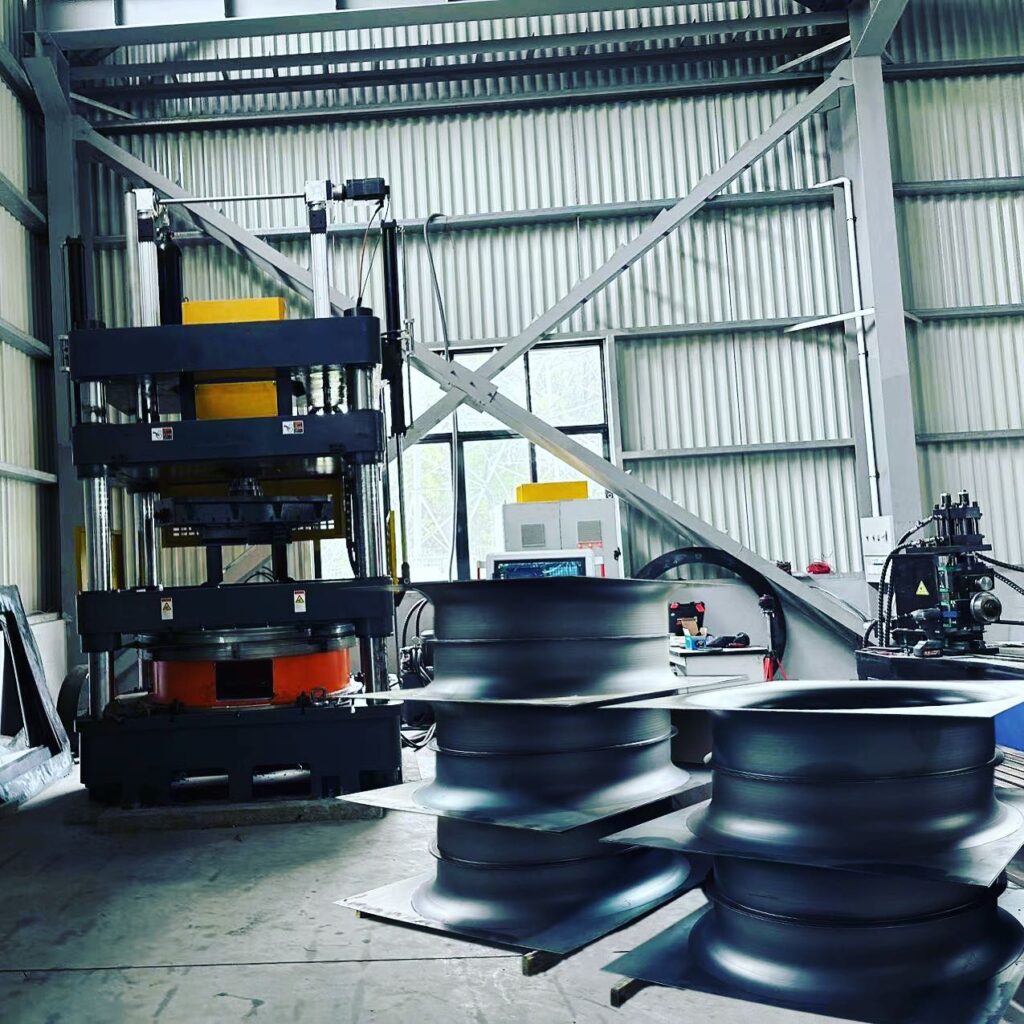
EMS Metalworking Machinery

We design, manufacture and assembly metalworking machinery such as:

  • Hydraulic transfer press
  • Glass mosaic press
  • Hydraulic deep drawing press
  • Casting press
  • Hydraulic cold forming press
  • Hydroforming press
  • Composite press
  • Silicone rubber moulding press
  • Brake pad press
  • Melamine press
  • SMC & BMC Press
  • Labrotaroy press
  • Edge cutting trimming machine
  • Edge curling machine
  • Trimming beading machine
  • Trimming joggling machine
  • Cookware production line
  • Pipe bending machine
  • Profile bending machine
  • Bandsaw for metal
  • Cylindrical welding machine
  • Horizontal pres and cookware
  • Kitchenware, hotelware
  • Bakeware and cuttlery production machinery

as a complete line as well as an individual machine such as:

  • Edge cutting trimming beading machines
  • Polishing and grinding machines for pot and pans
  • Hydraulic drawing presses
  • Circle blanking machines
  • Riveting machine
  • Hole punching machines
  • Press feeding machine

You can check our machinery at work at: EMS Metalworking Machinery – YouTube

Applications:

  • Beading and ribbing
  • Flanging
  • Trimming
  • Curling
  • Lock-seaming
  • Ribbing
  • Flange-punching
Categories
Machinery

Hydraulic Press Manufacturers

Hydraulic Press Manufacturers

We are one of the Hydraulic Press Manufacturers. Deep drawing process & Deep drawing press & Double action deep drawing press & Triple action deep drawing press

At the end of the nineteenth century, due to the development of sheet-forming technology, sheet metal formability became a research topic. Some of the first researchers interested in this field were EMS Metalworking Machinery. The formability of sheet metals is affected by many parameters, like material parameters, process parameters, and strain bounding criteria.

Figure 2.1 summarizes the parameters that have an effect on the formability of sheet metals. There are methods developed for evaluating the formability of sheet metals. Sheet metal formability is measured by simulating tests, mechanical tests, finding limiting dome height, and drawing forming limit diagrams.

Hydraulic Press Manufacturing

Hydraulic presses are versatile and powerful machines that utilize the static pressure of a hydraulic fluid to deform, shape, and compact various materials. They play a crucial role in a wide range of industries, from metalworking and automotive manufacturing to construction and food processing.

Key Components of Hydraulic Presses:

  1. Hydraulic Power Unit: The hydraulic power unit generates the pressurized fluid that powers the press. It typically consists of a hydraulic pump, a reservoir, and a control system.
  2. Hydraulic Ram: The hydraulic ram is the main component that exerts the force to deform or shape the workpiece. It is connected to a hydraulic cylinder, which is filled with pressurized fluid.
  3. Blank Holder: The blank holder is a device that grips the workpiece during the pressing operation, preventing it from wrinkling or buckling. It can be a simple plate or a more complex system with multiple holding points.
  4. Die: The die is the tool that gives the workpiece its desired shape. It is typically made of hardened steel or other durable materials and is placed on the press bed.
  5. Press Bed: The press bed is the stationary surface on which the workpiece and die are placed. It provides a solid foundation for the pressing operation.

Types of Hydraulic Presses:

  1. Single-Action Hydraulic Presses: Single-action presses have a single hydraulic ram that performs both the forming and trimming operations. They are suitable for simple shapes and materials with good formability.
  2. Double-Action Hydraulic Presses: Double-action presses have two hydraulic rams, one for forming and one for trimming. This allows for more complex shapes and materials with limited formability to be produced.
  3. Triple-Action Hydraulic Presses: Triple-action presses have three hydraulic rams, one for forming, one for trimming, and one for ejecting the finished part. They are used for producing the most complex shapes, such as those with undercut features or re-entrant angles.

Applications of Hydraulic Presses:

Hydraulic presses are used in a wide variety of industries, including:

  • Metalworking: Forming, stamping, coining, forging, and extruding metal components.
  • Automotive Manufacturing: Producing car body panels, fenders, hoods, and other automotive parts.
  • Construction: Manufacturing concrete blocks, bricks, and roof tiles.
  • Food Processing: Extracting oils from seeds, pressing juices from fruits, and forming food products.
  • Pharmaceutical Manufacturing: Compacting powders into tablets and forming capsules.

Benefits of Using Hydraulic Presses:

Hydraulic presses offer several advantages over other metalforming methods, such as mechanical presses and screw presses:

  • High Force Capacity: Hydraulic presses can generate extremely high forces, making them suitable for deforming hard and thick materials.
  • Controlled Forming: The hydraulic system provides precise control over the forming process, ensuring consistent and high-quality results.
  • Versatility: Hydraulic presses can be used for a wide range of forming operations, from simple stamping to complex forging.
  • Safety: Hydraulic presses are relatively safe to operate, as the hydraulic system acts as a barrier between the operator and the moving parts.

Conclusion:

Hydraulic presses are essential tools in modern manufacturing, providing a powerful and versatile means of shaping and deforming various materials. Their ability to generate high forces, achieve precise control over the forming process, and handle a wide range of materials makes them indispensable in various industries.

Formability of Sheet Metals for the Hydraulic Press Manufacturers

At the end of the nineteenth century, due to the development of sheet-forming technology, sheet metal formability became a research topic. Some of the first researchers interested in this field were us. The formability of sheet metals is affected by many parameters, like material parameters, process parameters, and strain bounding criteria.

Figure 2.1 summarizes the parameters that have an effect on the formability of sheet metals. There are methods developed for evaluating the formability of sheet metals. Sheet metal formability is measured by simulating tests, mechanical tests, finding limiting dome height and drawing forming limit diagrams.

Effect of the Radius for the Hydraulic Press Manufacturers

As the blank is struck by the punch at the start of the drawing, it is wrapped around the punch and die radii; the stress and the strain developed in the workpiece are similar to those developed in
bending. The force required to draw the shell at intermediate position has a minimum of three components

  • The forces required for bending and unbending of the metal flowing from the flange into the side wall.
  • The forces required for overcoming the frictional resistance of the metal passing under the blank holder and over the die radius.
  • The forces required for circumferential compression and radial stretching of the metal in the flange.
  • So increase in the die radius reduces the work required for the deforming as the punch radius has not significant effect on the process but it should be appropriate.
  • On the profile of the die radii flow of the material takes palace. Most of the bending and unbending takes place in that region. Die radii should be optimized for the minimization of the drawing load.
  • Some details on the several parameters which affect the optimal die curvature are shown below.

The selection of the punch-to-die clearance depends on the requirements of the drawn part and on the work metal. Because there is a decrease and
then a gradual increase in the thickness of metal as it is drawn over the die radius, clearance per side of 7 to 15% greater than stock thickness helps
prevents burnishing of the side wall and punching out of the cup bottom.

The Clearance between the punch and the die

Clearance between the punch and die for a rectangular shell, at the side
walls, and at the ends is the same as in the circular cup. The radius at the corner may be as much as 50% greater than the stock thickness to avoid ironing in those areas.

Even simplest drawing operation, the thickness of the work metal and die radius offer some restraint to the flow of the metal into the die. For drawing all but simplest of the shape some restraint is required
for controlling the flow of the material. Compressive forces on the metal in the area beyond the edges of the die cause the work metal to buckle.

If this buckled or wrinkled metal is pulled into the die during the drawing operation, it increases the strain in the area of the punch nose to the point at which the work metal would fracture soon after the beginning of the draw. The blank holder force is used to prevent this buckling and subsequent failure. The amount of blank holding force required is one-third of the drawing and the die radius should be large enough to reduce
tearing in the deep drawing process.

Blank holder force increases friction and hence the required punch load. Therefore, blank holder force should be just enough to prevent wrinkling of the flange. The edges of the punch and die are rounded for the easy and smooth flow of metal. Clearance between the die and punch is also provided so that sheet metal could be easily accommodated. Insufficient or large clearance may result in the shearing and tearing of sheet

As we can say that blank holding force prevents blank from the buckling and for the proper distribution of the strain, blank holding force is
required otherwise problems as wrinkles can also occur which is shown in fig: 2.6 with and without friction

Effects of the Press Speed

Hydraulic Deep Drawing Transfer Press Line made by the Hydraulic Press Manufacturers

Speed is of greater significance in drawing stainless steels and heat-resistant alloys than in drawing softer, more ductile metals. Excessive press speed
have caused cracking and wall thinning in drawing these stronger, less ductile materials.

When two metals are in sliding contact under pressure, as with the dies and the work metal in drawing, galling (pressure welding) the tools and
work metal is likely. When extreme galling will occurs, drawing force will increase and becomes unevenly distributed causing a fracture of the workpiece. The selection of the lubricant depends on the ability to prevent galling wrinkling or tearing during the deep drawing. It is also influenced by the ease of application and removal, corrosivity, and other factors.


Hydraulic Pump:

A hydraulic pump is a mechanical device used to convert mechanical power into hydraulic energy by generating flow and pressure of hydraulic fluid within a hydraulic system. It serves as the heart of the hydraulic system, providing the necessary force to transmit power from the prime mover (such as an electric motor or internal combustion engine) to hydraulic actuators (such as cylinders or motors) for performing work.

Function and Importance:

The primary function of a hydraulic pump is to generate fluid flow and create pressure to move hydraulic fluid through the system. This pressurized fluid is then used to actuate hydraulic cylinders, motors, and other components, thereby performing various tasks such as lifting, pushing, pulling, rotating, or holding loads in applications across numerous industries.

The importance of hydraulic pumps lies in their ability to efficiently transmit power within hydraulic systems. They enable precise control over the movement and force applied by hydraulic actuators, making them essential for tasks that require high force, precise positioning, and smooth operation.

Types of Hydraulic Pumps:

  1. Gear Pump: Gear pumps utilize meshing gears to pressurize hydraulic fluid. They are simple in design, cost-effective, and suitable for applications with moderate pressure and flow requirements.
  2. Vane Pump: Vane pumps use vanes mounted on a rotor to push hydraulic fluid. They offer relatively high efficiency, low noise levels, and smooth operation, making them suitable for a wide range of industrial applications.
  3. Piston Pump: Piston pumps employ reciprocating pistons to pressurize hydraulic fluid. They are capable of delivering high pressure and are often used in applications that demand high power output and precise control.
  4. Axial Piston Pump: Axial piston pumps feature pistons arranged in an axial direction relative to the drive shaft. They offer high efficiency, compact size, and variable displacement capabilities, making them suitable for demanding industrial and mobile applications.
  5. Radial Piston Pump: Radial piston pumps have pistons arranged radially around a central drive shaft. They provide high pressure and are commonly used in applications requiring high power density and reliability.

Operation and Performance:

Hydraulic pumps operate based on the principle of fluid displacement, where mechanical energy is converted into hydraulic energy by displacing hydraulic fluid. The performance of a hydraulic pump is influenced by factors such as flow rate, pressure capability, efficiency, reliability, and controllability.

The pump’s displacement, which is the volume of fluid displaced per unit of time, determines its flow rate. Pressure capability refers to the maximum pressure that the pump can generate, which is crucial for applications requiring high force or lifting capacity. Efficiency measures how effectively the pump converts mechanical power into hydraulic power, with higher efficiency pumps resulting in less wasted energy and heat generation. Reliability is essential to ensure uninterrupted operation, while controllability allows for precise adjustment of flow and pressure to meet varying operational requirements.

Applications:

Hydraulic pumps find applications in various industries and equipment, including:

  • Construction machinery: Excavators, bulldozers, loaders, and cranes use hydraulic pumps to power hydraulic cylinders for lifting, digging, and material handling tasks.
  • Manufacturing equipment: Injection molding machines, presses, and metalworking machinery rely on hydraulic pumps for clamping, shaping, and forming operations.
  • Automotive systems: Hydraulic pumps are used in power steering, braking, and suspension systems to provide assistance and control over vehicle movement.
  • Aerospace applications: Aircraft utilize hydraulic pumps to operate landing gear, flight control surfaces, and cargo handling systems.
  • Marine systems: Ships and offshore platforms employ hydraulic pumps for steering, propulsion, and cargo handling operations.

In conclusion, hydraulic pumps are essential components of hydraulic systems, enabling the transmission of power and control in various industrial and mobile applications. Their diverse range of types and configurations allows for customization to suit specific performance requirements, making them indispensable for achieving efficient and reliable hydraulic system operation.

Piston Pump:

A piston pump is a type of hydraulic pump that utilizes reciprocating pistons to pressurize hydraulic fluid and generate fluid flow within a hydraulic system. It is widely used in industrial, mobile, and automotive applications where high pressure, precise control, and reliable performance are required.

Function and Importance:

The primary function of a piston pump is to convert mechanical power into hydraulic energy by displacing hydraulic fluid through the reciprocating motion of pistons within a cylinder block. Piston pumps are capable of delivering high pressure and flow rates, making them suitable for applications that demand precise control over fluid flow and pressure.

The importance of piston pumps lies in their ability to provide efficient and reliable operation in a wide range of hydraulic systems. They offer excellent power density, allowing for compact designs and high power output while maintaining precise control over hydraulic system parameters.

Types of Piston Pumps:

  1. Axial Piston Pump: Axial piston pumps feature pistons arranged in an axial direction relative to the drive shaft. They are characterized by their high efficiency, compact size, and variable displacement capabilities, making them suitable for demanding industrial and mobile applications.
  2. Radial Piston Pump: Radial piston pumps have pistons arranged radially around a central drive shaft. They provide high pressure and are commonly used in applications requiring high power density and reliability, such as injection molding machines and presses.

Operation and Performance:

Piston pumps operate by reciprocating pistons within a cylinder block, which alternately draw in hydraulic fluid during the suction stroke and pressurize it during the discharge stroke. The displacement of the pistons determines the pump’s flow rate, while the pressure generated depends on factors such as the pump’s design, speed, and fluid viscosity.

The performance of a piston pump is influenced by factors such as flow rate, pressure capability, efficiency, reliability, and controllability. Axial piston pumps offer variable displacement capabilities, allowing for precise adjustment of flow and pressure to meet varying operational requirements. Radial piston pumps provide high pressure and are suitable for applications requiring robust performance and reliability.

Applications:

Piston pumps find applications in various industries and equipment, including:

  • Construction Machinery: Excavators, loaders, bulldozers, and cranes use piston pumps to power hydraulic cylinders for lifting, digging, and material handling tasks.
  • Manufacturing Equipment: Injection molding machines, presses, and metalworking machinery rely on piston pumps for clamping, shaping, and forming operations.
  • Automotive Systems: Piston pumps are used in power steering, braking, and suspension systems to provide assistance and control over vehicle movement.
  • Aerospace Applications: Aircraft utilize piston pumps to operate landing gear, flight control surfaces, and cargo handling systems.
  • Marine Systems: Ships and offshore platforms employ piston pumps for steering, propulsion, and cargo handling operations.

In conclusion, piston pumps are essential components of hydraulic systems, providing high pressure, precise control, and reliable performance in a wide range of industrial and mobile applications. Their versatility, efficiency, and power density make them indispensable for achieving efficient and reliable hydraulic system operation.

Gear Pump:

A gear pump is a type of hydraulic pump that utilizes meshing gears to generate fluid flow and create pressure within a hydraulic system. It is one of the most commonly used pumps due to its simplicity, reliability, and cost-effectiveness, making it suitable for a wide range of industrial, mobile, and automotive applications.

Function and Importance:

The primary function of a gear pump is to transfer hydraulic fluid from a low-pressure inlet to a high-pressure outlet by trapping and displacing fluid between the teeth of rotating gears. Gear pumps are positive displacement pumps, meaning they deliver a fixed volume of fluid for each revolution of the gears, providing consistent flow and pressure output.

The importance of gear pumps lies in their ability to provide reliable and efficient fluid transfer in hydraulic systems. They offer straightforward construction, minimal moving parts, and high volumetric efficiency, making them ideal for applications where simplicity, durability, and affordability are paramount.

Types of Gear Pumps:

  1. External Gear Pump: External gear pumps consist of two gears—one driving gear and one driven gear—mounted in a casing with closely meshing teeth. The gears rotate in opposite directions, trapping fluid between the teeth and transferring it from the inlet to the outlet. External gear pumps are known for their simplicity, compactness, and versatility, making them suitable for a wide range of hydraulic applications.
  2. Internal Gear Pump: Internal gear pumps feature an internal rotor with external teeth and an external rotor with internal teeth housed within a casing. As the rotors rotate, fluid is trapped and transferred between the teeth, creating fluid flow and pressure. Internal gear pumps offer high efficiency, low pulsation, and quiet operation, making them suitable for applications requiring precise control and low noise levels.

Operation and Performance:

Gear pumps operate based on the principle of fluid displacement, where fluid is transferred from the pump inlet to the outlet by the meshing action of rotating gears. The volumetric displacement of the gears determines the pump’s flow rate, while the pressure generated depends on factors such as gear size, speed, and fluid viscosity.

The performance of a gear pump is influenced by factors such as flow rate, pressure capability, efficiency, reliability, and controllability. Gear pumps typically offer moderate pressure capabilities and are best suited for low to moderate pressure applications where flow consistency and reliability are more critical than precise pressure control.

Applications:

Gear pumps find applications in various industries and equipment, including:

  • Industrial Machinery: Gear pumps are used in hydraulic power units, machine tools, presses, and material handling equipment for fluid transfer, lubrication, and coolant circulation.
  • Mobile Equipment: Gear pumps are used in agricultural machinery, construction equipment, and utility vehicles for steering, lifting, and auxiliary functions.
  • Automotive Systems: Gear pumps are used in power steering systems, transmission systems, and lubrication systems to provide fluid transfer and pressure generation.
  • Marine Systems: Gear pumps are used in marine hydraulic systems for bilge pumping, deck machinery, and steering systems.
  • Oil and Gas Equipment: Gear pumps are used in drilling rigs, well service units, and hydraulic fracturing equipment for fluid transfer and pressure generation in oilfield applications.

In conclusion, gear pumps are versatile and reliable components of hydraulic systems, providing efficient fluid transfer and pressure generation in a wide range of industrial, mobile, and automotive applications. Their simplicity, durability, and affordability make them indispensable for achieving reliable and cost-effective hydraulic system operation.

Vane Pump:

A vane pump is a type of hydraulic pump that utilizes sliding vanes to generate fluid flow and create pressure within a hydraulic system. It is known for its smooth operation, low noise levels, and high efficiency, making it suitable for a wide range of industrial, mobile, and automotive applications.

Function and Importance:

The primary function of a vane pump is to transfer hydraulic fluid from a low-pressure inlet to a high-pressure outlet by trapping and displacing fluid between sliding vanes and the pump housing. Vane pumps are positive displacement pumps, meaning they deliver a fixed volume of fluid for each revolution of the vanes, providing consistent flow and pressure output.

The importance of vane pumps lies in their ability to provide reliable and efficient fluid transfer in hydraulic systems. They offer smooth, pulsation-free flow, low noise levels, and high volumetric efficiency, making them ideal for applications where precise control, quiet operation, and energy efficiency are essential.

Types of Vane Pumps:

  1. Fixed Displacement Vane Pump: Fixed displacement vane pumps have a fixed displacement, meaning they deliver a constant flow rate regardless of system pressure. They are simple in design, cost-effective, and suitable for applications with steady flow requirements.
  2. Variable Displacement Vane Pump: Variable displacement vane pumps allow for adjustment of the pump’s displacement to vary the flow rate and pressure output according to system demand. They offer flexibility and energy savings by matching pump output to system requirements, making them suitable for applications with varying flow and pressure needs.

Operation and Performance:

Vane pumps operate based on the principle of fluid displacement, where fluid is transferred from the pump inlet to the outlet by the sliding action of vanes within a rotor and the pump housing. The volumetric displacement of the vanes determines the pump’s flow rate, while the pressure generated depends on factors such as vane size, speed, and fluid viscosity.

The performance of a vane pump is influenced by factors such as flow rate, pressure capability, efficiency, reliability, and controllability. Vane pumps typically offer moderate pressure capabilities and are best suited for low to moderate pressure applications where smooth, pulsation-free flow and quiet operation are critical.

Applications:

Vane pumps find applications in various industries and equipment, including:

  • Industrial Machinery: Vane pumps are used in hydraulic power units, machine tools, presses, and material handling equipment for fluid transfer, lubrication, and coolant circulation.
  • Mobile Equipment: Vane pumps are used in agricultural machinery, construction equipment, and utility vehicles for steering, lifting, and auxiliary functions.
  • Automotive Systems: Vane pumps are used in power steering systems, braking systems, and transmission systems to provide fluid transfer and pressure generation.
  • Aerospace Applications: Vane pumps are used in aircraft hydraulic systems for landing gear, flight control surfaces, and auxiliary power units.
  • Marine Systems: Vane pumps are used in marine hydraulic systems for steering systems, winches, and deck machinery.

In conclusion, vane pumps are reliable and efficient components of hydraulic systems, providing smooth fluid transfer and pressure generation in a wide range of industrial, mobile, and automotive applications. Their low noise levels, high efficiency, and flexibility make them indispensable for achieving precise control and quiet operation in hydraulic systems.

Axial Piston Pump:

An axial piston pump is a type of hydraulic pump that utilizes pistons arranged in an axial direction relative to the drive shaft to generate fluid flow and create pressure within a hydraulic system. It is known for its high efficiency, compact size, and variable displacement capabilities, making it suitable for demanding industrial, mobile, and aerospace applications.

Function and Importance:

The primary function of an axial piston pump is to transfer hydraulic fluid from a low-pressure inlet to a high-pressure outlet by reciprocating pistons within a cylinder block. Axial piston pumps are positive displacement pumps, meaning they deliver a fixed volume of fluid for each revolution of the pistons, providing consistent flow and pressure output.

The importance of axial piston pumps lies in their ability to provide efficient and precise fluid transfer in hydraulic systems. They offer high efficiency, high power density, and variable displacement capabilities, allowing for flexible control over flow and pressure output to match system requirements.

Operation and Performance:

Axial piston pumps operate based on the principle of fluid displacement, where fluid is transferred from the pump inlet to the outlet by the reciprocating motion of pistons within a cylinder block. The volumetric displacement of the pistons determines the pump’s flow rate, while the pressure generated depends on factors such as piston size, speed, and fluid viscosity.

The performance of an axial piston pump is influenced by factors such as flow rate, pressure capability, efficiency, reliability, and controllability. Axial piston pumps offer high efficiency, low noise levels, and variable displacement capabilities, making them suitable for applications requiring precise control over flow and pressure.

Types of Axial Piston Pumps:

  1. Swashplate Axial Piston Pump: Swashplate axial piston pumps feature pistons that reciprocate against a swashplate, which tilts to vary the pump’s displacement and control flow and pressure output. They offer variable displacement capabilities and are commonly used in industrial and mobile applications.
  2. Bent-axis Axial Piston Pump: Bent-axis axial piston pumps have pistons that reciprocate against a bent-axis piston block, which rotates to vary the pump’s displacement and control flow and pressure output. They offer high efficiency and compact size and are commonly used in high-pressure industrial and aerospace applications.

Applications:

Axial piston pumps find applications in various industries and equipment, including:

  • Industrial Machinery: Axial piston pumps are used in hydraulic power units, machine tools, presses, and material handling equipment for fluid transfer, clamping, and shaping operations.
  • Mobile Equipment: Axial piston pumps are used in agricultural machinery, construction equipment, and utility vehicles for steering, lifting, and auxiliary functions.
  • Automotive Systems: Axial piston pumps are used in power steering systems, braking systems, and transmission systems to provide fluid transfer and pressure generation.
  • Aerospace Applications: Axial piston pumps are used in aircraft hydraulic systems for landing gear, flight control surfaces, and auxiliary power units.
  • Marine Systems: Axial piston pumps are used in marine hydraulic systems for steering systems, winches, and deck machinery.

In conclusion, axial piston pumps are efficient and versatile components of hydraulic systems, providing precise fluid transfer and pressure generation in a wide range of industrial, mobile, and aerospace applications. Their high efficiency, compact size, and variable displacement capabilities make them indispensable for achieving efficient and reliable hydraulic system operation.

Radial Piston Pump:

A radial piston pump is a type of hydraulic pump that features pistons arranged radially around a central drive shaft to generate fluid flow and create pressure within a hydraulic system. It is known for its high pressure capabilities, robust construction, and reliability, making it suitable for demanding industrial, mobile, and automotive applications.

Function and Importance:

The primary function of a radial piston pump is to transfer hydraulic fluid from a low-pressure inlet to a high-pressure outlet by reciprocating pistons within a cylinder block arranged in a radial configuration. Radial piston pumps are positive displacement pumps, meaning they deliver a fixed volume of fluid for each revolution of the pistons, providing consistent flow and pressure output.

The importance of radial piston pumps lies in their ability to provide high pressure and reliable fluid transfer in hydraulic systems. They offer robust construction, high power density, and excellent reliability, making them suitable for applications where high pressure and durability are critical.

Operation and Performance:

Radial piston pumps operate based on the principle of fluid displacement, where fluid is transferred from the pump inlet to the outlet by the reciprocating motion of pistons within a cylinder block arranged radially around a central drive shaft. The volumetric displacement of the pistons determines the pump’s flow rate, while the pressure generated depends on factors such as piston size, speed, and fluid viscosity.

The performance of a radial piston pump is influenced by factors such as flow rate, pressure capability, efficiency, reliability, and controllability. Radial piston pumps offer high pressure capabilities, robust construction, and precise control over flow and pressure output, making them suitable for applications requiring reliable operation under high loads and harsh conditions.

Applications:

Radial piston pumps find applications in various industries and equipment, including:

  • Industrial Machinery: Radial piston pumps are used in hydraulic presses, machine tools, injection molding machines, and metalworking equipment for fluid transfer, clamping, and forming operations.
  • Mobile Equipment: Radial piston pumps are used in agricultural machinery, construction equipment, and utility vehicles for steering, lifting, and auxiliary functions.
  • Automotive Systems: Radial piston pumps are used in hydraulic braking systems, suspension systems, and transmission systems to provide fluid transfer and pressure generation.
  • Aerospace Applications: Radial piston pumps are used in aircraft hydraulic systems for landing gear, flight control surfaces, and auxiliary power units.
  • Marine Systems: Radial piston pumps are used in marine hydraulic systems for steering systems, winches, and deck machinery.

In conclusion, radial piston pumps are rugged and reliable components of hydraulic systems, providing high pressure fluid transfer and precise control in a wide range of industrial, mobile, and automotive applications. Their high pressure capabilities, robust construction, and reliable performance make them indispensable for achieving efficient and reliable hydraulic system operation.

Variable Displacement Pump:

A variable displacement pump is a type of hydraulic pump that allows for adjustment of its displacement to vary the flow rate and pressure output according to system demand. It is a versatile and efficient pump commonly used in industrial, mobile, and automotive applications where variable flow and pressure requirements are present.

Function and Importance:

The primary function of a variable displacement pump is to transfer hydraulic fluid from a low-pressure inlet to a high-pressure outlet while allowing for adjustment of the pump’s displacement to vary the flow rate and pressure output. Unlike fixed displacement pumps, which deliver a constant flow rate, variable displacement pumps offer flexibility in matching pump output to system demand, resulting in energy savings and improved system performance.

The importance of variable displacement pumps lies in their ability to provide precise control over flow and pressure in hydraulic systems. By adjusting the pump’s displacement, operators can optimize system performance, reduce energy consumption, and improve overall efficiency, making variable displacement pumps ideal for applications with varying flow and pressure requirements.

Types of Variable Displacement Pumps:

  1. Variable Displacement Piston Pump: Variable displacement piston pumps feature a mechanism to vary the stroke or angle of the pistons, thereby adjusting the pump’s displacement and controlling flow and pressure output. They offer high efficiency, precise control, and wide operating ranges, making them suitable for demanding industrial and mobile applications.
  2. Variable Displacement Vane Pump: Variable displacement vane pumps allow for adjustment of the pump’s vane angle or eccentricity to vary the displacement and control flow and pressure output. They offer simplicity, compactness, and cost-effectiveness, making them suitable for a wide range of industrial and mobile applications.

Operation and Performance:

Variable displacement pumps operate by adjusting the pump’s displacement to vary the flow rate and pressure output according to system demand. The displacement adjustment mechanism can vary depending on the pump type, such as varying piston stroke or angle in piston pumps or adjusting vane angle or eccentricity in vane pumps.

The performance of a variable displacement pump is influenced by factors such as flow rate, pressure capability, efficiency, reliability, and controllability. Variable displacement pumps offer precise control over flow and pressure, allowing for optimization of system performance, energy savings, and improved overall efficiency.

Applications:

Variable displacement pumps find applications in various industries and equipment, including:

  • Industrial Machinery: Variable displacement pumps are used in hydraulic power units, machine tools, presses, and material handling equipment for fluid transfer, clamping, and shaping operations.
  • Mobile Equipment: Variable displacement pumps are used in agricultural machinery, construction equipment, and utility vehicles for steering, lifting, and auxiliary functions.
  • Automotive Systems: Variable displacement pumps are used in power steering systems, braking systems, and transmission systems to provide fluid transfer and pressure generation.
  • Aerospace Applications: Variable displacement pumps are used in aircraft hydraulic systems for landing gear, flight control surfaces, and auxiliary power units.
  • Marine Systems: Variable displacement pumps are used in marine hydraulic systems for steering systems, winches, and deck machinery.

In conclusion, variable displacement pumps are versatile and efficient components of hydraulic systems, providing precise control over flow and pressure to meet varying system demands. Their ability to adjust displacement allows for optimization of system performance, energy savings, and improved overall efficiency in a wide range of industrial, mobile, and automotive applications.

Hydraulic Pressure:

Hydraulic pressure refers to the force exerted by a confined fluid within a hydraulic system against the walls of its container or any immersed surfaces. It is a fundamental concept in hydraulics and plays a crucial role in determining the performance and behavior of hydraulic systems.

Function and Importance:

The primary function of hydraulic pressure is to transmit force and energy within a hydraulic system to actuate hydraulic components such as cylinders, motors, and valves. It is generated by the resistance encountered by the hydraulic fluid as it is pumped into a closed system, causing an increase in pressure throughout the system.

The importance of hydraulic pressure lies in its ability to enable the transmission of power and control in hydraulic systems. By exerting force on hydraulic components, pressure allows for the movement, lifting, pushing, pulling, and holding of loads in various industrial, mobile, and automotive applications.

Operation and Measurement:

Hydraulic pressure is generated by the hydraulic pump as it forces hydraulic fluid into the system, creating resistance and building pressure. The pressure exerted by the fluid is proportional to the force applied and the area over which it acts, as described by Pascal’s law.

Hydraulic pressure is typically measured using pressure gauges installed at various points within the hydraulic system. Common units of measurement include pounds per square inch (psi), bars, pascals (Pa), or kilopascals (kPa), depending on the specific requirements of the application.

Control and Regulation:

Controlling and regulating hydraulic pressure is essential for maintaining safe and efficient operation of hydraulic systems. This is achieved using pressure control valves, such as relief valves, pressure reducing valves, and pressure sequence valves, which adjust the pressure level within the system to match the requirements of the load and prevent overpressure conditions.

Applications:

Hydraulic pressure finds applications in various industries and equipment, including:

  • Industrial Machinery: Hydraulic pressure is used in hydraulic presses, machine tools, metalworking equipment, and material handling systems for forming, shaping, cutting, and lifting operations.
  • Mobile Equipment: Hydraulic pressure is used in construction machinery, agricultural equipment, and utility vehicles for steering, lifting, and propulsion.
  • Automotive Systems: Hydraulic pressure is used in automotive braking systems, power steering systems, suspension systems, and transmission systems to provide force and control over vehicle movement.
  • Aerospace Applications: Hydraulic pressure is used in aircraft hydraulic systems for flight control surfaces, landing gear, and braking systems.
  • Marine Systems: Hydraulic pressure is used in marine hydraulic systems for steering systems, winches, and propulsion.

In conclusion, hydraulic pressure is a fundamental aspect of hydraulic systems, enabling the transmission of force and energy to perform mechanical work in various industrial, mobile, and automotive applications. Its control and regulation are critical for ensuring safe and efficient operation, making it indispensable for achieving optimal performance and reliability in hydraulic systems.

Hydraulic Flow:

Hydraulic flow refers to the movement of hydraulic fluid within a hydraulic system, typically driven by a hydraulic pump. It is a crucial aspect of hydraulic systems, responsible for transmitting power and enabling the operation of hydraulic components such as cylinders, motors, and valves.

Function and Importance:

The primary function of hydraulic flow is to transfer hydraulic fluid from the pump to various hydraulic components within the system, allowing for the actuation of mechanical devices and the transmission of force and energy. Hydraulic flow enables the movement, lifting, pushing, pulling, and holding of loads in various industrial, mobile, and automotive applications.

The importance of hydraulic flow lies in its role in facilitating the operation and control of hydraulic systems. By regulating the flow rate of hydraulic fluid, operators can adjust the speed, force, and direction of hydraulic actuators to meet the requirements of specific tasks and applications.

Operation and Measurement:

Hydraulic flow is generated by the hydraulic pump as it forces hydraulic fluid into the system, creating a continuous stream of fluid under pressure. The flow rate of hydraulic fluid is typically measured in gallons per minute (GPM) or liters per minute (LPM) and is controlled by the pump’s displacement, speed, and pressure settings.

Flow meters and flow control valves are commonly used to monitor and regulate hydraulic flow within the system. Flow meters provide real-time feedback on flow rate, allowing operators to adjust pump settings or control valve positions to achieve the desired flow rate for a given application.

Control and Regulation:

Controlling and regulating hydraulic flow is essential for maintaining safe and efficient operation of hydraulic systems. This is achieved using flow control valves, such as flow control valves, throttle valves, and directional control valves, which adjust the flow rate of hydraulic fluid to match the requirements of the load and ensure smooth and precise operation of hydraulic actuators.

Applications:

Hydraulic flow finds applications in various industries and equipment, including:

  • Industrial Machinery: Hydraulic flow is used in hydraulic presses, machine tools, metalworking equipment, and material handling systems for forming, shaping, cutting, and lifting operations.
  • Mobile Equipment: Hydraulic flow is used in construction machinery, agricultural equipment, and utility vehicles for steering, lifting, and propulsion.
  • Automotive Systems: Hydraulic flow is used in automotive braking systems, power steering systems, suspension systems, and transmission systems to provide force and control over vehicle movement.
  • Aerospace Applications: Hydraulic flow is used in aircraft hydraulic systems for flight control surfaces, landing gear, and braking systems.
  • Marine Systems: Hydraulic flow is used in marine hydraulic systems for steering systems, winches, and propulsion.

In conclusion, hydraulic flow is a critical aspect of hydraulic systems, enabling the transmission of power and control over mechanical devices in various industrial, mobile, and automotive applications. Its control and regulation are essential for achieving safe and efficient operation, making it indispensable for achieving optimal performance and reliability in hydraulic systems.

Hydraulic System:

A hydraulic system is a technology that uses pressurized fluid to transmit power, control, and motion. It consists of components such as hydraulic pumps, actuators (cylinders or motors), valves, fluid reservoirs, and hoses or pipelines. Hydraulic systems are widely used in various industries and applications due to their versatility, efficiency, and ability to generate high forces with relatively small actuators.

Function and Importance:

The primary function of a hydraulic system is to transmit force and motion by converting mechanical energy into hydraulic energy and vice versa. Hydraulic systems are essential in providing controlled movement and force amplification in machinery and equipment across different sectors, including manufacturing, construction, automotive, aerospace, and marine industries.

The importance of hydraulic systems lies in their ability to offer precise control, high power density, and reliable operation in a wide range of applications. They enable efficient energy transmission, allowing machines to perform tasks such as lifting heavy loads, pressing, bending, cutting, and controlling motion with accuracy and consistency.

Components of a Hydraulic System:

  1. Hydraulic Pump: The hydraulic pump is responsible for converting mechanical energy (from an engine or motor) into hydraulic energy by pressurizing the hydraulic fluid.
  2. Actuators: Actuators are devices that convert hydraulic energy into mechanical energy to perform work. Hydraulic cylinders and hydraulic motors are the two main types of actuators used in hydraulic systems.
  3. Valves: Valves control the flow and direction of hydraulic fluid within the system. Common types of valves include directional control valves, pressure control valves, flow control valves, and check valves.
  4. Fluid Reservoir: The fluid reservoir stores hydraulic fluid and helps regulate its temperature and cleanliness. It also provides a means for air separation and fluid level monitoring.
  5. Hoses or Pipelines: Hoses or pipelines connect the various components of the hydraulic system, allowing hydraulic fluid to flow between them.

Operation and Performance:

Hydraulic systems operate based on Pascal’s law, which states that pressure exerted on a confined fluid is transmitted equally in all directions. When hydraulic fluid is pressurized by the pump, it exerts force on the surface area of the actuator, causing it to move or perform work.

The performance of a hydraulic system depends on factors such as pump efficiency, actuator size and speed, valve responsiveness, fluid viscosity, and system design. Proper maintenance, fluid cleanliness, and component selection are crucial for ensuring optimal performance and longevity of the system.

Applications:

Hydraulic systems find applications in a wide range of industries and equipment, including:

  • Manufacturing Machinery: Hydraulic presses, machine tools, injection molding machines, and metalworking equipment.
  • Construction Equipment: Excavators, bulldozers, cranes, loaders, and concrete pumps.
  • Automotive Systems: Power steering systems, braking systems, suspension systems, and transmission systems.
  • Aerospace Applications: Flight control systems, landing gear, hydraulic actuators, and auxiliary power units.
  • Marine Systems: Steering systems, winches, anchor handling, and propulsion systems.

In conclusion, hydraulic systems are essential technologies that provide efficient power transmission, control, and motion in various industrial, mobile, and automotive applications. Their versatility, reliability, and high power density make them indispensable for achieving efficient and precise operation in a wide range of industries and equipment.

Hydraulic Fluid:

Hydraulic fluid, also known as hydraulic oil, is a specially formulated liquid used in hydraulic systems to transmit power, lubricate components, and dissipate heat. It plays a critical role in the performance and longevity of hydraulic systems by providing lubrication, sealing, corrosion protection, and energy transmission.

Function and Importance:

The primary function of hydraulic fluid is to transfer power within a hydraulic system by transmitting pressure from the hydraulic pump to hydraulic actuators, such as cylinders or motors. It acts as a medium for force transmission, allowing hydraulic systems to perform various tasks such as lifting, pressing, bending, cutting, and controlling motion.

The importance of hydraulic fluid lies in its ability to provide lubrication and protection to hydraulic system components, including pumps, valves, cylinders, and motors. It reduces friction, wear, and corrosion, thereby extending the life of hydraulic components and ensuring smooth and reliable operation of the system.

Properties of Hydraulic Fluid:

  1. Viscosity: Viscosity refers to the resistance of a fluid to flow. Hydraulic fluids have a carefully controlled viscosity to ensure proper lubrication and energy transmission within the system. High viscosity fluids are used in high-pressure systems to maintain film thickness and prevent metal-to-metal contact, while low viscosity fluids are used in low-pressure systems to reduce energy loss and improve efficiency.
  2. Flash Point: The flash point is the temperature at which a fluid produces enough vapor to ignite in the presence of an ignition source. Hydraulic fluids have a high flash point to minimize the risk of fire and ensure safety in hydraulic systems operating under high temperatures or in hazardous environments.
  3. Anti-wear Additives: Anti-wear additives are chemicals added to hydraulic fluids to reduce friction and wear between moving parts. They form a protective film on metal surfaces, preventing metal-to-metal contact and extending the life of hydraulic components.
  4. Corrosion Inhibitors: Corrosion inhibitors are additives that protect hydraulic system components from corrosion caused by moisture, oxidation, and chemical reactions. They form a protective barrier on metal surfaces, preventing rust and corrosion and extending the service life of hydraulic equipment.
  5. Foam Inhibitors: Foam inhibitors are chemicals added to hydraulic fluids to reduce the formation of foam during operation. Foam can reduce the efficiency of hydraulic systems by entrapping air and causing cavitation, leading to reduced performance and potential damage to components.

Types of Hydraulic Fluids:

  1. Mineral Oil-based Fluids: Mineral oil-based fluids are the most common type of hydraulic fluid and are derived from refined petroleum. They offer good lubrication, stability, and compatibility with hydraulic system components but may have limited temperature range and oxidative stability.
  2. Synthetic Fluids: Synthetic hydraulic fluids are manufactured from synthetic base stocks and offer superior performance characteristics, including high temperature stability, oxidation resistance, and shear stability. They are often used in extreme operating conditions or where extended fluid life is required.
  3. Biodegradable Fluids: Biodegradable hydraulic fluids are formulated from renewable sources such as vegetable oils or synthetic esters and are designed to minimize environmental impact in case of accidental spills or leaks. They offer biodegradability, low toxicity, and high performance in environmentally sensitive applications.

Applications:

Hydraulic fluids are used in various industries and equipment, including:

  • Manufacturing Machinery: Hydraulic presses, machine tools, injection molding machines, and metalworking equipment.
  • Construction Equipment: Excavators, bulldozers, cranes, loaders, and concrete pumps.
  • Automotive Systems: Power steering systems, braking systems, suspension systems, and transmission systems.
  • Aerospace Applications: Flight control systems, landing gear, hydraulic actuators, and auxiliary power units.
  • Marine Systems: Steering systems, winches, anchor handling, and propulsion systems.

In conclusion, hydraulic fluid is a critical component of hydraulic systems, providing lubrication, sealing, corrosion protection, and energy transmission in various industrial, mobile, and automotive applications. Its properties and characteristics are carefully selected to ensure optimal performance, reliability, and safety of hydraulic systems in diverse operating conditions.

Hydraulic Valve:

A hydraulic valve is a mechanical device used to control the flow, pressure, and direction of hydraulic fluid within a hydraulic system. It plays a crucial role in regulating the operation of hydraulic actuators such as cylinders or motors, enabling precise control over the movement, speed, and force exerted by hydraulic equipment.

Function and Importance:

The primary function of a hydraulic valve is to regulate the flow of hydraulic fluid within a hydraulic system to achieve desired performance characteristics such as speed, force, and direction of motion. By controlling the opening and closing of fluid passages, hydraulic valves enable operators to adjust system parameters to match specific task requirements and operating conditions.

The importance of hydraulic valves lies in their ability to provide precise control, safety, and efficiency in hydraulic systems. They allow operators to regulate the flow rate, pressure, and direction of hydraulic fluid, ensuring smooth and reliable operation of hydraulic equipment while preventing overloading, damage, or malfunction.

Types of Hydraulic Valves:

  1. Directional Control Valves: Directional control valves regulate the direction of hydraulic fluid flow within the system, allowing operators to control the movement of hydraulic actuators. They include types such as spool valves, poppet valves, and rotary valves, with configurations such as 2-way, 3-way, and 4-way valves.
  2. Pressure Control Valves: Pressure control valves regulate the pressure of hydraulic fluid within the system, maintaining it within predetermined limits to prevent overloading or damage to hydraulic components. They include types such as relief valves, pressure reducing valves, and sequence valves.
  3. Flow Control Valves: Flow control valves regulate the flow rate of hydraulic fluid within the system, controlling the speed of hydraulic actuators and ensuring uniform movement and precise positioning. They include types such as throttle valves, needle valves, and flow control orifices.
  4. Check Valves: Check valves allow hydraulic fluid to flow in one direction while preventing reverse flow, ensuring unidirectional flow and preventing backflow or pressure loss in hydraulic circuits.

Operation and Performance:

Hydraulic valves operate based on various principles such as spool movement, poppet action, or rotary motion, depending on the valve type and configuration. They are actuated manually, mechanically, electrically, or hydraulically, allowing for remote or automated control of hydraulic system parameters.

The performance of a hydraulic valve is influenced by factors such as flow capacity, pressure rating, leakage rate, response time, and reliability. Proper selection, installation, and maintenance of hydraulic valves are essential for ensuring optimal performance, efficiency, and safety of hydraulic systems.

Applications:

Hydraulic valves find applications in various industries and equipment, including:

  • Manufacturing Machinery: Hydraulic presses, machine tools, metalworking equipment, and material handling systems.
  • Mobile Equipment: Construction machinery, agricultural equipment, utility vehicles, and lifting equipment.
  • Automotive Systems: Power steering systems, braking systems, suspension systems, and transmission systems.
  • Aerospace Applications: Flight control systems, landing gear, hydraulic actuators, and auxiliary power units.
  • Marine Systems: Steering systems, winches, anchor handling, and propulsion systems.

In conclusion, hydraulic valves are essential components of hydraulic systems, providing precise control over flow, pressure, and direction to achieve optimal performance and efficiency in various industrial, mobile, and automotive applications. Their selection, installation, and maintenance are critical for ensuring safe, reliable, and efficient operation of hydraulic equipment in diverse operating conditions.

Hydraulic Cylinder:

A hydraulic cylinder is a mechanical actuator that converts hydraulic energy into linear motion. It consists of a cylindrical barrel, piston, rod, seals, and ports for hydraulic fluid inlet and outlet. Hydraulic cylinders are widely used in various industries for lifting, pushing, pulling, and holding applications where linear force or motion is required.

Function and Importance:

The primary function of a hydraulic cylinder is to convert hydraulic pressure into mechanical force or linear motion. When pressurized hydraulic fluid enters the cylinder through the inlet port, it acts on the piston, causing it to move linearly within the barrel. This movement generates force at the rod end of the cylinder, allowing it to perform work such as lifting heavy loads, pushing or pulling objects, or actuating mechanical components.

The importance of hydraulic cylinders lies in their versatility, efficiency, and reliability in providing controlled linear motion and force in various industrial, mobile, and automotive applications. They offer precise positioning, high power density, and a wide range of operating capabilities, making them essential components in hydraulic systems.

Types of Hydraulic Cylinders:

  1. Single-Acting Cylinder: Single-acting cylinders have hydraulic pressure applied on one side of the piston, causing it to extend or retract when pressure is applied or released. The return stroke is usually accomplished by an external force, such as a spring or gravity.
  2. Double-Acting Cylinder: Double-acting cylinders have hydraulic pressure applied on both sides of the piston, allowing for bi-directional movement. Hydraulic fluid is alternately supplied to each side of the piston to extend or retract the cylinder as needed.
  3. Telescopic Cylinder: Telescopic cylinders consist of multiple nested stages or sleeves that extend and retract telescopically, allowing for a long stroke length in a compact package. They are commonly used in applications where space is limited, such as dump trucks, cranes, and aerial platforms.
  4. Tie-Rod Cylinder: Tie-rod cylinders have tie rods that secure the end caps to the cylinder barrel, providing structural support and facilitating maintenance and repair. They are versatile and cost-effective cylinders used in a wide range of industrial applications.

Operation and Performance:

Hydraulic cylinders operate based on Pascal’s law, which states that pressure applied to a confined fluid is transmitted equally in all directions. When hydraulic fluid is pressurized, it exerts force on the piston, causing it to move linearly within the cylinder barrel. The force generated by the cylinder is proportional to the pressure and effective piston area.

The performance of a hydraulic cylinder is influenced by factors such as cylinder size, stroke length, operating pressure, speed, and load capacity. Proper selection, sizing, and maintenance of hydraulic cylinders are essential for ensuring optimal performance, efficiency, and reliability in hydraulic systems.

Applications:

Hydraulic cylinders find applications in various industries and equipment, including:

  • Manufacturing Machinery: Hydraulic presses, machine tools, stamping presses, and material handling equipment.
  • Construction Equipment: Excavators, bulldozers, loaders, cranes, and hydraulic breakers.
  • Mobile Equipment: Agricultural machinery, forestry equipment, mining machinery, and utility vehicles.
  • Automotive Systems: Lift gates, dump trucks, hydraulic jacks, and vehicle lifts.
  • Aerospace Applications: Aircraft landing gear, cargo doors, and flight control surfaces.

In conclusion, hydraulic cylinders are essential components of hydraulic systems, providing controlled linear motion and force in various industrial, mobile, and automotive applications. Their versatility, efficiency, and reliability make them indispensable for achieving precise positioning, lifting, pushing, and holding tasks in diverse operating conditions.

Hydraulic Actuator:

A hydraulic actuator is a device used to convert hydraulic energy into mechanical motion. It plays a crucial role in hydraulic systems by providing the force and motion required to perform various tasks such as lifting, pushing, pulling, and holding objects. Hydraulic actuators come in various types and configurations, each designed for specific applications and operating conditions.

Function and Importance:

The primary function of a hydraulic actuator is to convert hydraulic pressure into mechanical force or motion. When pressurized hydraulic fluid is directed into the actuator, it applies force to a piston, diaphragm, or other mechanism, causing it to move and perform work. Hydraulic actuators provide precise control, high power density, and reliable operation in a wide range of industrial, mobile, and automotive applications.

The importance of hydraulic actuators lies in their ability to provide controlled force and motion in hydraulic systems, enabling the performance of tasks such as lifting heavy loads, pushing or pulling objects, actuating valves or mechanical components, and controlling motion with accuracy and consistency.

Types of Hydraulic Actuators:

  1. Hydraulic Cylinder: Hydraulic cylinders are linear actuators that generate linear motion by converting hydraulic pressure into piston movement within a cylindrical barrel. They are commonly used in applications requiring straight-line force or motion, such as lifting, pressing, and holding.
  2. Hydraulic Motor: Hydraulic motors are rotary actuators that generate rotational motion by converting hydraulic pressure into mechanical torque. They are commonly used in applications requiring rotary motion, such as driving wheels, conveyor belts, winches, and rotary actuators.
  3. Hydraulic Rotary Actuator: Hydraulic rotary actuators are devices that convert hydraulic pressure into rotary motion. They are similar to hydraulic motors but are designed to provide rotary motion within a limited range of rotation. They are commonly used in applications such as valve actuation, positioning systems, and robotics.
  4. Hydraulic Vane Actuator: Hydraulic vane actuators are rotary actuators that use vanes mounted on a central shaft to convert hydraulic pressure into rotational motion. They offer compact size, simple construction, and smooth operation, making them suitable for applications requiring moderate torque and speed.

Operation and Performance:

Hydraulic actuators operate based on the principles of Pascal’s law, which states that pressure applied to a confined fluid is transmitted equally in all directions. When hydraulic fluid is pressurized, it exerts force on the actuator mechanism, causing it to move and perform work. The force or torque generated by the actuator is proportional to the pressure and effective area of the actuator.

The performance of a hydraulic actuator is influenced by factors such as actuator type, size, operating pressure, speed, and load capacity. Proper selection, sizing, and maintenance of hydraulic actuators are essential for ensuring optimal performance, efficiency, and reliability in hydraulic systems.

Applications:

Hydraulic actuators find applications in various industries and equipment, including:

  • Manufacturing Machinery: Hydraulic presses, machine tools, stamping presses, and material handling equipment.
  • Construction Equipment: Excavators, bulldozers, loaders, cranes, and hydraulic breakers.
  • Mobile Equipment: Agricultural machinery, forestry equipment, mining machinery, and utility vehicles.
  • Automotive Systems: Lift gates, dump trucks, hydraulic jacks, and vehicle lifts.
  • Aerospace Applications: Aircraft landing gear, cargo doors, and flight control surfaces.

In conclusion, hydraulic actuators are essential components of hydraulic systems, providing controlled force and motion in various industrial, mobile, and automotive applications. Their versatility, efficiency, and reliability make them indispensable for achieving precise positioning, lifting, pushing, and holding tasks in diverse operating conditions.

Hydraulic Pressure:

Hydraulic pressure refers to the force exerted by hydraulic fluid on the walls of a confined space within a hydraulic system. It is a crucial aspect of hydraulic systems, as it is the driving force behind the movement and operation of hydraulic actuators such as cylinders and motors. Understanding hydraulic pressure is essential for designing, operating, and maintaining hydraulic systems effectively.

Function and Importance:

The primary function of hydraulic pressure is to transmit force from the hydraulic pump to hydraulic actuators, enabling them to perform work such as lifting, pushing, pulling, and holding objects. Hydraulic pressure is responsible for generating the force required to overcome resistance, move loads, and control motion in various industrial, mobile, and automotive applications.

The importance of hydraulic pressure lies in its role as the driving force behind hydraulic systems. By controlling and regulating hydraulic pressure, operators can adjust the speed, force, and direction of hydraulic actuators to match specific task requirements and operating conditions, ensuring efficient and reliable operation of hydraulic equipment.

Generation and Control:

Hydraulic pressure is generated by the hydraulic pump as it pressurizes hydraulic fluid and forces it into the hydraulic system. The pressure produced by the pump is determined by factors such as pump displacement, speed, and pressure settings, and is typically measured in pounds per square inch (psi) or bars.

Hydraulic pressure is controlled and regulated using pressure control valves such as relief valves, pressure reducing valves, and sequence valves. These valves maintain hydraulic pressure within predetermined limits, preventing overloading, damage, or malfunction of hydraulic components and ensuring safe and efficient operation of the system.

Calculation and Measurement:

Hydraulic pressure can be calculated using the formula:

P=AF

Where:

  • P is the hydraulic pressure (in psi or bars).
  • F is the force exerted by the hydraulic fluid (in pounds or newtons).
  • A is the effective area on which the force is applied (in square inches or square meters).

Hydraulic pressure is typically measured using pressure gauges installed at various points within the hydraulic system. These gauges provide real-time feedback on pressure levels, allowing operators to monitor and adjust system parameters as needed to ensure optimal performance and safety.

Applications:

Hydraulic pressure finds applications in various industries and equipment, including:

  • Manufacturing Machinery: Hydraulic presses, machine tools, metalworking equipment, and material handling systems.
  • Construction Equipment: Excavators, bulldozers, cranes, loaders, and hydraulic breakers.
  • Mobile Equipment: Agricultural machinery, forestry equipment, mining machinery, and utility vehicles.
  • Automotive Systems: Power steering systems, braking systems, suspension systems, and transmission systems.
  • Aerospace Applications: Flight control systems, landing gear, hydraulic actuators, and auxiliary power units.

In conclusion, hydraulic pressure is a fundamental aspect of hydraulic systems, providing the force required to operate hydraulic actuators and perform work in various industrial, mobile, and automotive applications. Its control and regulation are essential for ensuring safe, efficient, and reliable operation of hydraulic equipment in diverse operating conditions.

Hydraulic Fluid Contamination:

Hydraulic fluid contamination refers to the presence of foreign particles, water, air, or chemical substances in the hydraulic fluid of a hydraulic system. Contamination can have detrimental effects on the performance, reliability, and longevity of hydraulic components and can lead to system failure if not properly managed.

Types of Contamination:

  1. Solid Particles: Solid particles such as dirt, dust, metal shavings, and debris can enter the hydraulic system through external sources such as air vents, seals, or component wear. These particles can cause abrasion, erosion, and wear on hydraulic components, leading to increased friction, leakage, and reduced system efficiency.
  2. Water: Water can enter the hydraulic system through condensation, leaks, or improper fluid handling procedures. Water contamination can cause corrosion, rust, and oxidation of metal components, leading to reduced system performance, fluid degradation, and component failure.
  3. Air: Air can enter the hydraulic system through leaks, cavitation, or inadequate fluid replenishment procedures. Air contamination can cause foaming, aeration, and reduced system efficiency, leading to erratic operation, noise, and potential damage to hydraulic components.
  4. Chemical Contaminants: Chemical contaminants such as acids, solvents, and cleaning agents can enter the hydraulic system through improper fluid handling or maintenance procedures. Chemical contamination can cause fluid degradation, seal deterioration, and component failure, leading to system malfunction and downtime.

Effects of Contamination:

  1. Reduced Performance: Contamination can increase friction, wear, and internal leakage within hydraulic components, leading to reduced system efficiency, power loss, and decreased performance of hydraulic equipment.
  2. Component Wear: Solid particles can cause abrasion, erosion, and scoring on hydraulic components such as pumps, valves, cylinders, and motors, leading to premature wear and failure of critical parts.
  3. Fluid Degradation: Contamination can degrade the quality and properties of hydraulic fluid, leading to reduced lubrication, viscosity breakdown, and increased oxidation and acidity levels, which can accelerate component wear and fluid deterioration.
  4. System Failure: Severe contamination can lead to system malfunction, component seizure, and catastrophic failure of hydraulic equipment, resulting in costly repairs, downtime, and production losses.

Prevention and Management:

  1. Regular Maintenance: Implement a proactive maintenance program to monitor fluid condition, filter effectiveness, and system performance. Perform regular fluid analysis, filter changes, and component inspections to detect and address contamination issues early.
  2. Fluid Filtration: Install and maintain effective filtration systems to remove solid particles, water, and air from the hydraulic fluid. Use high-quality filters with appropriate micron ratings and change them regularly to prevent contamination buildup.
  3. Fluid Handling Procedures: Implement proper fluid handling and storage procedures to prevent contamination during fluid replenishment, transfer, and storage. Use clean containers, hoses, and fittings, and minimize exposure to external contaminants.
  4. Seal Integrity: Ensure proper sealing of hydraulic system components to prevent ingress of contaminants. Replace worn or damaged seals, gaskets, and O-rings promptly to maintain system integrity and prevent fluid leakage and contamination.
  5. Education and Training: Provide education and training to operators and maintenance personnel on proper hydraulic system operation, maintenance, and contamination prevention techniques. Encourage a culture of cleanliness, care, and attention to detail in hydraulic system maintenance practices.

In conclusion, hydraulic fluid contamination poses significant risks to the performance, reliability, and longevity of hydraulic systems. By understanding the types, effects, and prevention measures of contamination, hydraulic system operators and maintenance personnel can take proactive steps to minimize contamination risks and ensure the optimal performance and reliability of hydraulic equipment.

Hydraulic Pump:

A hydraulic pump is a mechanical device used to generate flow and create hydraulic pressure within a hydraulic system. It plays a critical role in hydraulic systems by converting mechanical energy into hydraulic energy, providing the force necessary to operate hydraulic actuators such as cylinders and motors.

Function and Importance:

The primary function of a hydraulic pump is to supply pressurized hydraulic fluid to the hydraulic system, enabling it to perform work such as lifting, pushing, pulling, and holding objects. Hydraulic pumps create flow by drawing hydraulic fluid from a reservoir and forcing it into the hydraulic system at high pressure, generating the force required to operate hydraulic actuators and perform mechanical work.

The importance of hydraulic pumps lies in their ability to provide the necessary power and pressure to operate hydraulic systems effectively. They are essential components in various industrial, mobile, and automotive applications, enabling precise control, high power density, and reliable operation of hydraulic equipment.

Types of Hydraulic Pumps:

  1. Gear Pumps: Gear pumps use meshing gears to create flow and generate hydraulic pressure. They are simple, compact, and cost-effective pumps suitable for low to medium-pressure applications. Gear pumps are commonly used in mobile equipment, material handling systems, and industrial machinery.
  2. Vane Pumps: Vane pumps use rotating vanes or blades to create flow and generate hydraulic pressure. They offer smooth and quiet operation, low pulsation, and high efficiency, making them suitable for a wide range of applications. Vane pumps are commonly used in automotive power steering systems, hydraulic presses, and machine tools.
  3. Piston Pumps: Piston pumps use reciprocating pistons to create flow and generate hydraulic pressure. They offer high efficiency, pressure capability, and precision control, making them suitable for high-pressure applications. Piston pumps are commonly used in heavy-duty equipment, construction machinery, and aerospace applications.

Operation and Performance:

Hydraulic pumps operate based on the principles of fluid dynamics and mechanical motion. When the pump is activated, mechanical energy from a prime mover such as an electric motor or an internal combustion engine is transferred to the pump mechanism, causing it to create flow and generate hydraulic pressure.

The performance of a hydraulic pump is influenced by factors such as pump type, size, speed, displacement, and efficiency. Proper selection, sizing, and maintenance of hydraulic pumps are essential for ensuring optimal performance, efficiency, and reliability in hydraulic systems.

Applications:

Hydraulic pumps find applications in various industries and equipment, including:

  • Manufacturing Machinery: Hydraulic presses, machine tools, stamping presses, and material handling equipment.
  • Construction Equipment: Excavators, bulldozers, loaders, cranes, and hydraulic breakers.
  • Mobile Equipment: Agricultural machinery, forestry equipment, mining machinery, and utility vehicles.
  • Automotive Systems: Power steering systems, braking systems, suspension systems, and transmission systems.
  • Aerospace Applications: Flight control systems, landing gear, hydraulic actuators, and auxiliary power units.

In conclusion, hydraulic pumps are essential components of hydraulic systems, providing the power and pressure required to operate hydraulic equipment effectively. Their selection, installation, and maintenance are critical for ensuring optimal performance, efficiency, and reliability in various industrial, mobile, and automotive applications.

Hydraulic Filter:

A hydraulic filter is an essential component of hydraulic systems used to remove contaminants from hydraulic fluid. It plays a critical role in maintaining the cleanliness and integrity of the hydraulic fluid, preventing contamination-related issues and ensuring the reliable operation of hydraulic equipment.

Function and Importance:

The primary function of a hydraulic filter is to remove solid particles, water, air, and other contaminants from the hydraulic fluid, ensuring that the fluid remains clean and free of impurities. Contaminants can enter the hydraulic system through various sources such as external contamination, component wear, and fluid degradation, leading to increased friction, wear, and potential damage to hydraulic components.

The importance of hydraulic filters lies in their ability to protect hydraulic components from contamination-related issues such as abrasion, erosion, corrosion, and component failure. By removing contaminants from the hydraulic fluid, filters help maintain optimal system performance, efficiency, and reliability, reducing maintenance costs and downtime associated with hydraulic system failures.

Types of Hydraulic Filters:

  1. Suction Filters: Suction filters are located on the inlet side of the hydraulic pump and are designed to remove contaminants from the hydraulic fluid before it enters the pump. They prevent solid particles and debris from entering the pump and causing damage to internal components.
  2. Pressure Filters: Pressure filters are located on the outlet side of the hydraulic pump and are designed to remove contaminants from the hydraulic fluid after it has passed through the pump. They operate under pressure and are capable of capturing smaller particles than suction filters, providing finer filtration.
  3. Return Line Filters: Return line filters are located in the return line of the hydraulic system and are designed to remove contaminants from the hydraulic fluid before it returns to the reservoir. They capture contaminants generated during system operation and prevent them from circulating back into the system.
  4. Bypass Filters: Bypass filters are designed to work in conjunction with primary filters and provide additional filtration capacity for removing contaminants from the hydraulic fluid. They operate independently of the main flow and can be used to extend the service life of primary filters.

Operation and Performance:

Hydraulic filters operate based on various filtration principles such as depth filtration, surface filtration, or magnetic filtration, depending on the filter type and design. They use filter media such as cellulose, synthetic fibers, or metal mesh to capture contaminants and prevent them from circulating in the hydraulic system.

The performance of a hydraulic filter is influenced by factors such as filter media, micron rating, flow capacity, pressure rating, and contaminant holding capacity. Proper selection, installation, and maintenance of hydraulic filters are essential for ensuring optimal filtration efficiency and reliability in hydraulic systems.

Applications:

Hydraulic filters find applications in various industries and equipment, including:

  • Manufacturing Machinery: Hydraulic presses, machine tools, stamping presses, and material handling equipment.
  • Construction Equipment: Excavators, bulldozers, loaders, cranes, and hydraulic breakers.
  • Mobile Equipment: Agricultural machinery, forestry equipment, mining machinery, and utility vehicles.
  • Automotive Systems: Power steering systems, braking systems, suspension systems, and transmission systems.
  • Aerospace Applications: Flight control systems, landing gear, hydraulic actuators, and auxiliary power units.

In conclusion, hydraulic filters are essential components of hydraulic systems, providing critical protection against contamination-related issues and ensuring the reliable operation of hydraulic equipment. Their selection, installation, and maintenance are crucial for maintaining optimal system performance, efficiency, and reliability in various industrial, mobile, and automotive applications.

Hydraulic Valve:

A hydraulic valve is a mechanical device used to control the flow, direction, and pressure of hydraulic fluid within a hydraulic system. It plays a crucial role in regulating the operation of hydraulic actuators such as cylinders and motors, enabling precise control and manipulation of hydraulic fluid to perform specific tasks.

Function and Importance:

The primary function of a hydraulic valve is to regulate the flow, direction, and pressure of hydraulic fluid within the hydraulic system, allowing operators to control the movement and operation of hydraulic actuators effectively. Hydraulic valves enable various functions such as stopping, starting, reversing, and regulating the flow of hydraulic fluid, providing precise control and manipulation of hydraulic equipment.

The importance of hydraulic valves lies in their ability to provide accurate and reliable control of hydraulic systems, ensuring smooth operation, safety, and efficiency in various industrial, mobile, and automotive applications. By controlling the flow, direction, and pressure of hydraulic fluid, valves enable operators to perform tasks such as lifting, lowering, pushing, pulling, and holding objects with precision and consistency.

Types of Hydraulic Valves:

  1. Directional Control Valves: Directional control valves regulate the flow of hydraulic fluid and control the direction of movement of hydraulic actuators. They include various types such as spool valves, poppet valves, and rotary valves, each designed for specific applications and operating conditions.
  2. Pressure Control Valves: Pressure control valves regulate the pressure of hydraulic fluid within the system, ensuring that it remains within predetermined limits. They include pressure relief valves, pressure reducing valves, and pressure sequence valves, each designed to control pressure under different conditions.
  3. Flow Control Valves: Flow control valves regulate the flow rate of hydraulic fluid within the system, controlling the speed and intensity of movement of hydraulic actuators. They include flow control valves, throttle valves, and metering valves, each designed to control flow under various conditions.
  4. Check Valves: Check valves allow hydraulic fluid to flow in one direction and prevent it from flowing in the opposite direction, ensuring that hydraulic actuators operate safely and efficiently. They include ball check valves, spring-loaded check valves, and pilot-operated check valves, each designed for specific applications and flow conditions.

Operation and Performance:

Hydraulic valves operate based on various principles such as spool movement, poppet seating, and rotary motion, depending on the valve type and design. They use internal mechanisms such as spools, pistons, springs, and seals to control the flow, direction, and pressure of hydraulic fluid within the system.

The performance of a hydraulic valve is influenced by factors such as valve type, size, configuration, flow capacity, pressure rating, and response time. Proper selection, installation, and maintenance of hydraulic valves are essential for ensuring optimal performance, efficiency, and reliability in hydraulic systems.

Applications:

Hydraulic valves find applications in various industries and equipment, including:

  • Manufacturing Machinery: Hydraulic presses, machine tools, stamping presses, and material handling equipment.
  • Construction Equipment: Excavators, bulldozers, loaders, cranes, and hydraulic breakers.
  • Mobile Equipment: Agricultural machinery, forestry equipment, mining machinery, and utility vehicles.
  • Automotive Systems: Power steering systems, braking systems, transmission systems, and suspension systems.
  • Aerospace Applications: Flight control systems, landing gear, hydraulic actuators, and auxiliary power units.

In conclusion, hydraulic valves are essential components of hydraulic systems, providing critical control and regulation of hydraulic fluid to perform specific tasks in various industrial, mobile, and automotive applications. Their selection, installation, and maintenance are crucial for ensuring optimal system performance, efficiency, and reliability in diverse operating conditions.

Hydraulic Reservoir:

A hydraulic reservoir, also known as a hydraulic tank or hydraulic sump, is a container or enclosure used to store hydraulic fluid within a hydraulic system. It serves as a storage and conditioning unit for hydraulic fluid, ensuring proper fluid levels, temperature control, and air separation to maintain optimal system performance and reliability.

Function and Importance:

The primary function of a hydraulic reservoir is to store hydraulic fluid and provide a buffer volume for accommodating fluid expansion, contraction, and air entrainment within the hydraulic system. Hydraulic reservoirs play a crucial role in maintaining hydraulic fluid levels, quality, and temperature, ensuring smooth and efficient operation of hydraulic equipment.

The importance of hydraulic reservoirs lies in their ability to provide essential functions such as fluid storage, air separation, temperature regulation, and contamination control within hydraulic systems. By storing hydraulic fluid and providing space for air separation and temperature stabilization, reservoirs help maintain system integrity, prevent cavitation, and extend the service life of hydraulic components.

Components and Features:

  1. Fluid Level Indicator: A fluid level indicator, such as a sight glass or dipstick, is used to monitor the fluid level within the reservoir and ensure proper fluid replenishment and maintenance.
  2. Breather Vent: A breather vent allows the exchange of air between the reservoir and the atmosphere, preventing pressure buildup and vacuum formation within the system.
  3. Fill Port: A fill port or filler cap provides access for adding hydraulic fluid to the reservoir and replenishing fluid levels as needed.
  4. Drain Port: A drain port allows for the removal of contaminated or degraded hydraulic fluid from the reservoir during maintenance and servicing procedures.
  5. Baffles and Deflectors: Baffles and deflectors are internal components designed to promote fluid circulation, minimize turbulence, and prevent sloshing within the reservoir.
  6. Filters and Strainers: Filters and strainers are installed within the reservoir to remove contaminants and debris from the hydraulic fluid, ensuring fluid cleanliness and integrity.
  7. Heat Exchanger: In some applications, a heat exchanger may be integrated into the reservoir to control fluid temperature and dissipate heat generated during system operation.

Operation and Maintenance:

Hydraulic reservoirs operate by providing a storage space for hydraulic fluid and allowing for the separation of air from the fluid. As hydraulic fluid is circulated through the system, it returns to the reservoir, where air bubbles rise to the surface and are vented out through the breather vent.

Proper maintenance of hydraulic reservoirs involves monitoring fluid levels, cleanliness, and temperature, as well as inspecting and servicing reservoir components such as filters, breathers, and fluid indicators. Regular fluid analysis and replacement are essential for ensuring optimal fluid quality and system performance.

Applications:

Hydraulic reservoirs find applications in various industries and equipment, including:

  • Manufacturing Machinery: Hydraulic presses, machine tools, stamping presses, and material handling equipment.
  • Construction Equipment: Excavators, bulldozers, loaders, cranes, and hydraulic breakers.
  • Mobile Equipment: Agricultural machinery, forestry equipment, mining machinery, and utility vehicles.
  • Automotive Systems: Power steering systems, braking systems, transmission systems, and suspension systems.
  • Aerospace Applications: Flight control systems, landing gear, hydraulic actuators, and auxiliary power units.

In conclusion, hydraulic reservoirs are essential components of hydraulic systems, providing storage, conditioning, and contamination control for hydraulic fluid. Their proper design, installation, and maintenance are crucial for ensuring optimal system performance, efficiency, and reliability in various industrial, mobile, and automotive applications.

Hydraulic Hose:

A hydraulic hose is a flexible tube designed to transport hydraulic fluid between hydraulic components within a hydraulic system. It serves as a critical connection between hydraulic pumps, valves, cylinders, motors, and other hydraulic equipment, enabling fluid power transmission and system operation.

Function and Importance:

The primary function of a hydraulic hose is to convey hydraulic fluid under pressure from one hydraulic component to another within the hydraulic system. Hydraulic hoses play a crucial role in transmitting power, controlling motion, and facilitating fluid flow in various industrial, mobile, and automotive applications.

The importance of hydraulic hoses lies in their ability to provide flexible and reliable connections between hydraulic components, allowing for movement, vibration, and temperature fluctuations while maintaining fluid integrity and system performance. Proper selection, installation, and maintenance of hydraulic hoses are essential for ensuring safe, efficient, and leak-free operation of hydraulic equipment.

Construction and Materials:

  1. Inner Tube: The inner tube is the core component of the hydraulic hose and is responsible for conveying hydraulic fluid. It is made of synthetic rubber or thermoplastic material resistant to hydraulic fluids, abrasion, and chemical degradation.
  2. Reinforcement Layer: The reinforcement layer provides structural support and strength to the hydraulic hose, preventing it from bursting or collapsing under high pressure. It is typically made of high-tensile steel wire, textile fibers, or braided wire mesh.
  3. Cover: The cover protects the hydraulic hose from external factors such as abrasion, weathering, and environmental conditions. It is made of synthetic rubber or thermoplastic material resistant to oil, ozone, UV radiation, and abrasion.
  4. Reinforcement Type: Hydraulic hoses can have different reinforcement configurations, including single wire braid, double wire braid, spiral wire reinforcement, or textile braiding, depending on the application requirements and operating conditions.

Types of Hydraulic Hoses:

  1. Wire Braided Hoses: Wire braided hoses feature one or more layers of high-tensile steel wire reinforcement, providing strength, flexibility, and resistance to pressure spikes. They are suitable for medium to high-pressure applications and are commonly used in industrial and mobile equipment.
  2. Wire Spiral Hoses: Wire spiral hoses feature multiple layers of high-tensile steel wire reinforcement arranged in a spiral pattern, offering superior strength, flexibility, and resistance to high-pressure surges. They are suitable for high-pressure applications and are commonly used in construction, mining, and heavy-duty equipment.
  3. Thermoplastic Hoses: Thermoplastic hoses are made of synthetic thermoplastic materials such as nylon, polyurethane, or PVC, offering flexibility, lightweight, and resistance to abrasion and chemical degradation. They are suitable for medium-pressure applications and are commonly used in mobile and automotive equipment.

Installation and Maintenance:

Proper installation and maintenance of hydraulic hoses are essential for ensuring safe and reliable operation of hydraulic systems. Some key considerations include:

  • Correct Hose Selection: Selecting the appropriate hose size, type, and reinforcement for the application requirements and operating conditions.
  • Proper Routing: Routing hoses away from sources of heat, abrasion, sharp edges, and potential pinch points to prevent damage and premature failure.
  • Secure Connections: Ensuring tight and secure connections between hose fittings and hydraulic components using proper crimping or assembly techniques.
  • Regular Inspection: Periodically inspecting hoses for signs of wear, damage, leaks, or degradation, and replacing damaged hoses promptly to prevent fluid loss or system failure.

Applications:

Hydraulic hoses find applications in various industries and equipment, including:

  • Manufacturing Machinery: Hydraulic presses, machine tools, stamping presses, and material handling equipment.
  • Construction Equipment: Excavators, bulldozers, loaders, cranes, and hydraulic breakers.
  • Mobile Equipment: Agricultural machinery, forestry equipment, mining machinery, and utility vehicles.
  • Automotive Systems: Power steering systems, braking systems, transmission systems, and suspension systems.
  • Aerospace Applications: Flight control systems, landing gear, hydraulic actuators, and auxiliary power units.

In conclusion, hydraulic hoses are essential components of hydraulic systems, providing flexible and reliable connections for transmitting hydraulic fluid between hydraulic components. Their proper selection, installation, and maintenance are crucial for ensuring safe, efficient, and leak-free operation of hydraulic equipment in various industrial, mobile, and automotive applications.

Hydraulic Cylinder:

A hydraulic cylinder is a mechanical actuator that converts hydraulic energy into linear motion. It consists of a cylindrical barrel, piston, and rod, and is used to generate force and movement in various industrial, mobile, and automotive applications. Hydraulic cylinders play a critical role in lifting, pushing, pulling, and holding objects with precision and control.

Function and Importance:

The primary function of a hydraulic cylinder is to convert the pressure and flow of hydraulic fluid into linear motion, enabling the actuation of mechanical components such as arms, booms, blades, and platforms in hydraulic systems. Hydraulic cylinders provide the force necessary to perform tasks such as lifting heavy loads, pressing materials, tilting surfaces, and controlling movements in various applications.

The importance of hydraulic cylinders lies in their ability to provide high force output, precise control, and reliable operation in diverse operating conditions. They offer advantages such as compact design, high power density, and smooth operation, making them suitable for a wide range of industrial, mobile, and automotive applications.

Components and Operation:

  1. Cylinder Barrel: The cylinder barrel is a cylindrical housing that contains the hydraulic fluid and provides a sealing surface for the piston and rod. It is typically made of steel or aluminum and is precision machined to ensure proper fit and alignment of internal components.
  2. Piston: The piston is a cylindrical component that divides the cylinder barrel into two chambers: the rod side and the cap side. It is sealed against the cylinder barrel and moves back and forth within the barrel in response to hydraulic pressure changes, generating linear motion.
  3. Rod: The rod is a cylindrical shaft attached to the piston and extending outside the cylinder barrel. It transmits the force generated by the hydraulic fluid to the external load or mechanism and provides a mounting point for external attachments such as clevises, eyes, or flanges.
  4. Seals and Bearings: Seals and bearings are used to prevent leakage of hydraulic fluid and minimize friction between moving parts within the hydraulic cylinder. They include piston seals, rod seals, wiper seals, and bearing strips, each designed to withstand high pressures and provide long-term reliability.

Types of Hydraulic Cylinders:

  1. Single-Acting Cylinders: Single-acting cylinders have hydraulic pressure applied to one side of the piston, causing it to move in one direction only. They rely on an external force, such as a spring or gravity, to return the piston to its original position.
  2. Double-Acting Cylinders: Double-acting cylinders have hydraulic pressure applied to both sides of the piston, allowing them to generate force in both directions of travel. They are commonly used in applications requiring precise control of movement and force in both extending and retracting directions.
  3. Telescopic Cylinders: Telescopic cylinders consist of multiple nested stages that extend and retract telescopically, providing a longer stroke length in a compact design. They are used in applications requiring extended reach or stroke length, such as dump trucks, cranes, and aerial lifts.

Applications:

Hydraulic cylinders find applications in various industries and equipment, including:

  • Manufacturing Machinery: Hydraulic presses, machine tools, stamping presses, and material handling equipment.
  • Construction Equipment: Excavators, bulldozers, loaders, cranes, and hydraulic breakers.
  • Mobile Equipment: Agricultural machinery, forestry equipment, mining machinery, and utility vehicles.
  • Automotive Systems: Vehicle lifts, steering systems, braking systems, and suspension systems.
  • Aerospace Applications: Landing gear, flight control surfaces, cargo handling systems, and ground support equipment.

In conclusion, hydraulic cylinders are essential components of hydraulic systems, providing force and motion for a wide range of industrial, mobile, and automotive applications. Their proper selection, installation, and maintenance are crucial for ensuring optimal performance, efficiency, and reliability in diverse operating conditions.

Hydraulic Actuator:

A hydraulic actuator is a mechanical device used to convert hydraulic energy into mechanical motion. It plays a critical role in various industrial, mobile, and automotive applications by providing force and movement to perform specific tasks such as lifting, pushing, pulling, and holding objects with precision and control.

Function and Importance:

The primary function of a hydraulic actuator is to translate the pressure and flow of hydraulic fluid into linear or rotary motion, enabling the actuation of mechanical components within hydraulic systems. Hydraulic actuators provide the force necessary to perform work and control movements in applications where high force, precision, and reliability are required.

The importance of hydraulic actuators lies in their ability to provide high power density, precise control, and reliable operation in diverse operating conditions. They offer advantages such as compact design, high efficiency, and smooth operation, making them suitable for a wide range of industrial, mobile, and automotive applications.

Types of Hydraulic Actuators:

  1. Hydraulic Cylinders: Hydraulic cylinders are linear actuators that convert hydraulic pressure into linear motion. They consist of a cylindrical barrel, piston, and rod and are used to generate force and movement in applications such as lifting, pressing, and tilting.
  2. Hydraulic Motors: Hydraulic motors are rotary actuators that convert hydraulic pressure into rotary motion. They consist of a rotor and stator assembly and are used to drive rotating machinery such as fans, pumps, winches, and conveyor systems.
  3. Hydraulic Rotary Actuators: Hydraulic rotary actuators are rotary actuators that convert hydraulic pressure into rotary motion. They consist of a piston and rack-and-pinion mechanism and are used to control the rotation of valves, dampers, and other mechanical components.

Operation and Performance:

Hydraulic actuators operate based on the principles of fluid dynamics and mechanical motion. When hydraulic pressure is applied to the actuator, hydraulic fluid enters the actuator chamber, exerting force on the actuator mechanism and causing it to move in the desired direction.

The performance of a hydraulic actuator is influenced by factors such as actuator type, size, pressure rating, flow capacity, speed, and efficiency. Proper selection, installation, and maintenance of hydraulic actuators are essential for ensuring optimal performance, reliability, and safety in hydraulic systems.

Applications:

Hydraulic actuators find applications in various industries and equipment, including:

  • Manufacturing Machinery: Hydraulic presses, machine tools, stamping presses, and material handling equipment.
  • Construction Equipment: Excavators, bulldozers, loaders, cranes, and hydraulic breakers.
  • Mobile Equipment: Agricultural machinery, forestry equipment, mining machinery, and utility vehicles.
  • Automotive Systems: Vehicle lifts, steering systems, braking systems, and suspension systems.
  • Aerospace Applications: Flight control surfaces, landing gear, cargo handling systems, and ground support equipment.

In conclusion, hydraulic actuators are essential components of hydraulic systems, providing force and motion to perform specific tasks in various industrial, mobile, and automotive applications. Their proper selection, installation, and maintenance are crucial for ensuring optimal performance, efficiency, and reliability in diverse operating conditions.

Hydraulic Pump:

A hydraulic pump is a mechanical device used to generate hydraulic fluid flow within a hydraulic system. It plays a crucial role in pressurizing hydraulic fluid and delivering it to hydraulic actuators such as cylinders and motors, enabling the transmission of power and control of mechanical components.

Function and Importance:

The primary function of a hydraulic pump is to convert mechanical energy into hydraulic energy by pressurizing and circulating hydraulic fluid within the hydraulic system. Hydraulic pumps create flow by drawing fluid from a reservoir and delivering it to hydraulic actuators under pressure, allowing them to perform work and control motion in various industrial, mobile, and automotive applications.

The importance of hydraulic pumps lies in their ability to provide high-pressure hydraulic fluid flow, precise control, and reliable operation in diverse operating conditions. They serve as the heart of hydraulic systems, providing the power necessary to drive hydraulic actuators and perform tasks such as lifting, pressing, pushing, and rotating with precision and efficiency.

Types of Hydraulic Pumps:

  1. Gear Pumps: Gear pumps use meshing gears to pressurize hydraulic fluid and create flow. They are simple in design, reliable, and cost-effective, making them suitable for low to medium-pressure applications in industrial and mobile equipment.
  2. Vane Pumps: Vane pumps use rotating vanes to pressurize hydraulic fluid and create flow. They offer smooth and quiet operation, moderate efficiency, and versatility, making them suitable for medium-pressure applications in industrial and mobile equipment.
  3. Piston Pumps: Piston pumps use reciprocating pistons to pressurize hydraulic fluid and create flow. They offer high efficiency, high-pressure capability, and precise control, making them suitable for high-pressure applications in industrial, mobile, and aerospace equipment.

Operation and Performance:

Hydraulic pumps operate based on the principles of fluid dynamics and mechanical motion. When mechanical energy is applied to the pump, it drives the pump mechanism, causing hydraulic fluid to be drawn into the pump inlet, pressurized, and delivered to the pump outlet as flow.

The performance of a hydraulic pump is influenced by factors such as pump type, size, displacement, pressure rating, flow capacity, speed, and efficiency. Proper selection, installation, and maintenance of hydraulic pumps are essential for ensuring optimal performance, reliability, and safety in hydraulic systems.

Applications:

Hydraulic pumps find applications in various industries and equipment, including:

  • Manufacturing Machinery: Hydraulic presses, machine tools, stamping presses, and material handling equipment.
  • Construction Equipment: Excavators, bulldozers, loaders, cranes, and hydraulic breakers.
  • Mobile Equipment: Agricultural machinery, forestry equipment, mining machinery, and utility vehicles.
  • Automotive Systems: Power steering systems, braking systems, transmission systems, and suspension systems.
  • Aerospace Applications: Flight control systems, landing gear, hydraulic actuators, and auxiliary power units.

In conclusion, hydraulic pumps are essential components of hydraulic systems, providing pressurized hydraulic fluid flow to drive hydraulic actuators and perform work in various industrial, mobile, and automotive applications. Their proper selection, installation, and maintenance are crucial for ensuring optimal performance, efficiency, and reliability in diverse operating conditions.

Hydraulic Filtration:

Hydraulic filtration is the process of removing contaminants and impurities from hydraulic fluid to maintain fluid cleanliness and system performance in hydraulic systems. It plays a critical role in preventing component wear, reducing system downtime, and extending the service life of hydraulic equipment.

Function and Importance:

The primary function of hydraulic filtration is to remove contaminants such as dirt, debris, particles, water, and air bubbles from hydraulic fluid to ensure its cleanliness and integrity within the hydraulic system. Clean hydraulic fluid is essential for preventing component wear, reducing friction, maintaining system efficiency, and prolonging the service life of hydraulic equipment.

The importance of hydraulic filtration lies in its ability to protect sensitive hydraulic components such as pumps, valves, cylinders, and motors from damage caused by contamination. Contaminants in hydraulic fluid can lead to abrasive wear, corrosion, cavitation, and malfunctions, resulting in decreased performance, increased maintenance costs, and system failures.

Types of Hydraulic Filters:

  1. Suction Strainers: Suction strainers are located at the inlet of hydraulic pumps and are designed to trap large particles and debris from entering the pump. They typically consist of a mesh screen or perforated metal plate and are used to protect the pump from damage.
  2. Inline Filters: Inline filters are installed within the hydraulic system’s fluid lines and are designed to remove contaminants such as dirt, debris, and particles from the hydraulic fluid as it flows through the system. They typically consist of a filter housing and replaceable filter element.
  3. Return Line Filters: Return line filters are located at the outlet of hydraulic components such as cylinders and motors and are designed to remove contaminants from the returning hydraulic fluid before it re-enters the reservoir. They help maintain fluid cleanliness and prevent contamination buildup within the hydraulic system.
  4. Pressure Filters: Pressure filters are installed in high-pressure hydraulic systems and are designed to remove contaminants from hydraulic fluid under pressure. They typically consist of a filter housing and filter element capable of withstanding high pressures and flow rates.

Operation and Maintenance:

Hydraulic filters operate by trapping contaminants and impurities from the hydraulic fluid as it flows through the filter element. The filter element captures particles of various sizes, while allowing clean hydraulic fluid to pass through and return to the hydraulic system.

Proper maintenance of hydraulic filters involves regular inspection, replacement, and servicing of filter elements to ensure optimal filtration performance. Filters should be inspected for signs of clogging, damage, or degradation, and replaced as recommended by the equipment manufacturer or based on fluid analysis results.

Benefits of Hydraulic Filtration:

  • Extended Component Life: Clean hydraulic fluid helps prevent component wear, corrosion, and damage, extending the service life of hydraulic equipment.
  • Improved System Performance: Proper filtration ensures smooth operation, reduced friction, and optimal system performance in hydraulic systems.
  • Reduced Downtime: Filtration helps prevent system failures and unplanned maintenance, reducing downtime and increasing productivity.
  • Cost Savings: By preventing component damage and reducing maintenance costs, hydraulic filtration helps save money on repairs and replacements over time.

Applications:

Hydraulic filtration is essential in various industries and equipment, including:

  • Manufacturing Machinery: Hydraulic presses, machine tools, stamping presses, and material handling equipment.
  • Construction Equipment: Excavators, bulldozers, loaders, cranes, and hydraulic breakers.
  • Mobile Equipment: Agricultural machinery, forestry equipment, mining machinery, and utility vehicles.
  • Automotive Systems: Power steering systems, braking systems, transmission systems, and suspension systems.
  • Aerospace Applications: Flight control systems, landing gear, hydraulic actuators, and auxiliary power units.

In conclusion, hydraulic filtration is a critical aspect of hydraulic system maintenance, ensuring fluid cleanliness, component protection, and system reliability in various industrial, mobile, and automotive applications. Proper selection, installation, and maintenance of hydraulic filters are essential for optimizing filtration performance and maximizing the service life of hydraulic equipment.

Hydraulic Fluid:

Hydraulic fluid, also known as hydraulic oil or hydraulic fluid, is a specially formulated liquid used to transmit power and control motion within hydraulic systems. It serves as the medium for transferring hydraulic energy from hydraulic pumps to hydraulic actuators such as cylinders and motors, enabling the operation of various industrial, mobile, and automotive equipment.

Function and Importance:

The primary function of hydraulic fluid is to transmit hydraulic energy and facilitate power transmission within hydraulic systems. Hydraulic fluid plays a crucial role in transferring force and motion from hydraulic pumps to hydraulic actuators, allowing them to perform work, control movement, and operate mechanical components with precision and efficiency.

The importance of hydraulic fluid lies in its ability to provide lubrication, cooling, sealing, and corrosion protection for hydraulic components such as pumps, valves, cylinders, and motors. Clean and properly maintained hydraulic fluid is essential for ensuring smooth operation, reducing friction, preventing component wear, and extending the service life of hydraulic equipment.

Properties of Hydraulic Fluid:

  1. Viscosity: Viscosity refers to the resistance of hydraulic fluid to flow and is essential for ensuring proper lubrication and fluidity within the hydraulic system. Hydraulic fluids are available in different viscosity grades to suit various operating temperatures and conditions.
  2. Flash Point: Flash point is the temperature at which hydraulic fluid produces enough vapor to ignite in the presence of an ignition source. Hydraulic fluids have specific flash points to ensure safety and prevent fire hazards in hydraulic systems.
  3. Pour Point: Pour point is the temperature at which hydraulic fluid becomes too viscous to flow and loses its ability to lubricate and transmit power within the hydraulic system. Hydraulic fluids are formulated to have low pour points to ensure fluidity and performance in cold temperatures.
  4. Anti-Wear Additives: Anti-wear additives are added to hydraulic fluids to provide additional protection against friction, wear, and metal-to-metal contact within the hydraulic system. They help prolong the service life of hydraulic components and maintain system reliability.
  5. Corrosion Inhibitors: Corrosion inhibitors are added to hydraulic fluids to prevent corrosion and oxidation of metal surfaces within the hydraulic system. They help protect hydraulic components from degradation and extend their service life.

Types of Hydraulic Fluids:

  1. Mineral Oil-Based Fluids: Mineral oil-based fluids, also known as petroleum-based fluids, are the most common type of hydraulic fluid. They are derived from crude oil and offer good lubricating properties, thermal stability, and compatibility with seals and materials.
  2. Synthetic Fluids: Synthetic fluids are formulated from synthetic base stocks and offer superior performance characteristics such as extended temperature range, improved oxidation resistance, and better wear protection compared to mineral oil-based fluids.
  3. Biodegradable Fluids: Biodegradable fluids are environmentally friendly hydraulic fluids formulated from renewable sources such as vegetable oils or synthetic esters. They offer biodegradability, low toxicity, and reduced environmental impact compared to conventional hydraulic fluids.

Operation and Maintenance:

Proper operation and maintenance of hydraulic fluid are essential for ensuring optimal performance, reliability, and safety in hydraulic systems. Some key considerations include:

  • Fluid Selection: Selecting the appropriate type and grade of hydraulic fluid based on equipment manufacturer recommendations, operating conditions, and environmental regulations.
  • Fluid Monitoring: Regularly monitoring hydraulic fluid levels, condition, and contamination levels using fluid analysis techniques such as particle counting, viscosity measurement, and spectroscopy.
  • Fluid Replacement: Periodically replacing hydraulic fluid as recommended by the equipment manufacturer or based on fluid analysis results to maintain fluid cleanliness and performance.
  • Fluid Contamination Control: Implementing measures to prevent fluid contamination from external sources such as dirt, water, and air, and using proper filtration and sealing techniques to maintain fluid integrity.

Applications:

Hydraulic fluid is used in various industries and equipment, including:

  • Manufacturing Machinery: Hydraulic presses, machine tools, stamping presses, and material handling equipment.
  • Construction Equipment: Excavators, bulldozers, loaders, cranes, and hydraulic breakers.
  • Mobile Equipment: Agricultural machinery, forestry equipment, mining machinery, and utility vehicles.
  • Automotive Systems: Power steering systems, braking systems, transmission systems, and suspension systems.
  • Aerospace Applications: Flight control systems, landing gear, hydraulic actuators, and auxiliary power units.

In conclusion, hydraulic fluid is a critical component of hydraulic systems, providing lubrication, cooling, sealing, and corrosion protection for hydraulic components. Proper selection, operation, and maintenance of hydraulic fluid are essential for ensuring optimal performance, efficiency, and reliability in various industrial, mobile, and automotive applications.

Hydraulic Valve:

A hydraulic valve is a mechanical device used to control the flow, pressure, and direction of hydraulic fluid within a hydraulic system. It plays a crucial role in regulating fluid flow, directing fluid to specific hydraulic components, and controlling the operation of mechanical systems in various industrial, mobile, and automotive applications.

Function and Importance:

The primary function of a hydraulic valve is to control the flow, pressure, and direction of hydraulic fluid within a hydraulic system. Hydraulic valves enable the precise regulation of fluid flow to hydraulic actuators such as cylinders and motors, allowing for the control of movement, speed, and force in hydraulic systems.

The importance of hydraulic valves lies in their ability to provide accurate control, reliable operation, and safety in hydraulic systems. They serve as the key interface between hydraulic pumps, actuators, and other hydraulic components, enabling efficient and precise control of mechanical systems in diverse operating conditions.

Types of Hydraulic Valves:

  1. Directional Control Valves: Directional control valves regulate the direction of hydraulic fluid flow within the hydraulic system. They include various types such as spool valves, poppet valves, and rotary valves, and are used to control the movement of hydraulic actuators in different directions.
  2. Pressure Control Valves: Pressure control valves regulate the pressure of hydraulic fluid within the hydraulic system. They include relief valves, pressure reducing valves, and pressure sequence valves, and are used to maintain system pressure within safe operating limits and protect hydraulic components from overpressure conditions.
  3. Flow Control Valves: Flow control valves regulate the flow rate of hydraulic fluid within the hydraulic system. They include flow control valves, throttle valves, and flow dividers, and are used to control the speed and volume of fluid flow to hydraulic actuators and control the rate of motion in hydraulic systems.
  4. Check Valves: Check valves, also known as non-return valves, allow fluid flow in one direction and prevent reverse flow in the opposite direction. They are used to maintain system pressure, prevent backflow, and protect hydraulic components from damage.

Operation and Performance:

Hydraulic valves operate based on the principles of fluid dynamics and mechanical motion. When actuated, hydraulic valves open or close internal passages, ports, or orifices to control the flow, pressure, and direction of hydraulic fluid within the hydraulic system.

The performance of a hydraulic valve is influenced by factors such as valve type, size, design, pressure rating, flow capacity, and response time. Proper selection, installation, and maintenance of hydraulic valves are essential for ensuring optimal performance, reliability, and safety in hydraulic systems.

Applications:

Hydraulic valves find applications in various industries and equipment, including:

  • Manufacturing Machinery: Hydraulic presses, machine tools, stamping presses, and material handling equipment.
  • Construction Equipment: Excavators, bulldozers, loaders, cranes, and hydraulic breakers.
  • Mobile Equipment: Agricultural machinery, forestry equipment, mining machinery, and utility vehicles.
  • Automotive Systems: Power steering systems, braking systems, transmission systems, and suspension systems.
  • Aerospace Applications: Flight control systems, landing gear, hydraulic actuators, and auxiliary power units.

In conclusion, hydraulic valves are essential components of hydraulic systems, providing control and regulation of fluid flow, pressure, and direction in various industrial, mobile, and automotive applications. Their proper selection, installation, and maintenance are crucial for ensuring optimal performance, efficiency, and safety in hydraulic systems.

Hydraulic Accumulator:

A hydraulic accumulator is a device used to store hydraulic energy in the form of pressurized fluid. It plays a crucial role in hydraulic systems by absorbing and releasing hydraulic pressure to maintain system stability, reduce shock and vibration, and supplement pump flow during peak demand periods.

Function and Importance:

The primary function of a hydraulic accumulator is to store hydraulic energy by compressing a volume of hydraulic fluid under pressure. Hydraulic accumulators act as energy storage devices within hydraulic systems, allowing for the temporary storage and release of pressurized fluid to supplement pump flow, absorb pressure spikes, and provide emergency power in case of pump failure.

The importance of hydraulic accumulators lies in their ability to improve system performance, efficiency, and safety in various industrial, mobile, and automotive applications. They help reduce pump wear, decrease energy consumption, and enhance system response by providing a source of stored energy that can be released when needed.

Types of Hydraulic Accumulators:

  1. Bladder Accumulators: Bladder accumulators consist of a flexible bladder or diaphragm inside a pressure vessel. When hydraulic fluid is pumped into the accumulator, it compresses the bladder, storing energy in the form of pressurized fluid. Bladder accumulators offer high energy storage capacity, rapid response times, and low maintenance requirements.
  2. Piston Accumulators: Piston accumulators consist of a piston and cylinder arrangement with hydraulic fluid on one side of the piston and a gas (typically nitrogen) on the other side. When hydraulic fluid is pumped into the accumulator, it compresses the gas, storing energy in the form of pressurized gas. Piston accumulators offer high energy storage efficiency, precise control, and long service life.
  3. Diaphragm Accumulators: Diaphragm accumulators consist of a flexible diaphragm or bellows inside a pressure vessel. When hydraulic fluid is pumped into the accumulator, it compresses the diaphragm, storing energy in the form of pressurized fluid. Diaphragm accumulators offer high energy storage capacity, good contamination resistance, and compatibility with a wide range of fluids.

Operation and Performance:

Hydraulic accumulators operate based on the principles of fluid dynamics and gas compression. When hydraulic fluid is pumped into the accumulator, it compresses the gas (typically nitrogen) in the accumulator, storing energy in the form of pressurized fluid and gas. When hydraulic pressure is released, the stored energy is released, supplementing pump flow and providing additional power to hydraulic actuators.

The performance of a hydraulic accumulator is influenced by factors such as accumulator type, size, pressure rating, gas precharge pressure, fluid volume, and response time. Proper selection, installation, and maintenance of hydraulic accumulators are essential for ensuring optimal performance, reliability, and safety in hydraulic systems.

Applications:

Hydraulic accumulators find applications in various industries and equipment, including:

  • Manufacturing Machinery: Hydraulic presses, machine tools, stamping presses, and material handling equipment.
  • Construction Equipment: Excavators, bulldozers, loaders, cranes, and hydraulic breakers.
  • Mobile Equipment: Agricultural machinery, forestry equipment, mining machinery, and utility vehicles.
  • Automotive Systems: Suspension systems, braking systems, transmission systems, and engine control systems.
  • Aerospace Applications: Flight control systems, landing gear, hydraulic actuators, and auxiliary power units.

In conclusion, hydraulic accumulators are essential components of hydraulic systems, providing energy storage, shock absorption, and emergency power capabilities in various industrial, mobile, and automotive applications. Their proper selection, installation, and maintenance are crucial for ensuring optimal performance, efficiency, and safety in hydraulic systems.

Hydraulic Reservoir:

A hydraulic reservoir, also known as a hydraulic tank or hydraulic sump, is a container used to store hydraulic fluid within a hydraulic system. It serves as a reservoir for hydraulic fluid, providing storage, cooling, and contamination control functions to ensure the proper operation and longevity of hydraulic systems.

Function and Importance:

The primary function of a hydraulic reservoir is to store hydraulic fluid for use in hydraulic systems. Hydraulic reservoirs play a crucial role in maintaining fluid cleanliness, temperature control, and system efficiency by providing a space for fluid storage, settling of contaminants, and dissipation of heat generated during system operation.

The importance of hydraulic reservoirs lies in their ability to support the proper functioning of hydraulic systems by ensuring the availability of clean and cooled hydraulic fluid. They help prevent contamination buildup, remove air bubbles, and dissipate heat, thereby extending the service life of hydraulic components and improving system reliability.

Components and Design:

Hydraulic reservoirs typically consist of the following components:

  1. Tank: The tank is the main container that holds hydraulic fluid. It is typically made of metal or plastic and is designed to withstand the pressure and temperature variations experienced in hydraulic systems.
  2. Filler Breather: The filler breather is a component located on the top of the reservoir that allows hydraulic fluid to be added to the reservoir while preventing contamination from entering the system. It typically consists of a cap with a built-in filter or breather element.
  3. Sight Glass: The sight glass is a transparent window or tube installed on the side of the reservoir that allows operators to visually inspect the fluid level and condition inside the reservoir.
  4. Return Filter: The return filter is a component located at the outlet of the reservoir that removes contaminants and impurities from the hydraulic fluid as it returns to the reservoir from hydraulic components such as cylinders and motors.
  5. Baffles and Slosh Shields: Baffles and slosh shields are internal components installed inside the reservoir to prevent hydraulic fluid from sloshing around and causing turbulence during system operation.

Operation and Maintenance:

Hydraulic reservoirs operate by storing hydraulic fluid and providing a space for the settling of contaminants, removal of air bubbles, and dissipation of heat generated during system operation. Proper maintenance of hydraulic reservoirs involves:

  • Regular inspection of fluid level, condition, and contamination levels using sight glasses and fluid analysis techniques.
  • Periodic replacement of hydraulic fluid as recommended by the equipment manufacturer or based on fluid analysis results.
  • Cleaning or replacing filler breathers and return filters to prevent contamination buildup and maintain fluid cleanliness.
  • Monitoring and adjusting fluid temperature using temperature sensors or cooling systems to prevent overheating and ensure proper system operation.

Applications:

Hydraulic reservoirs are used in various industries and equipment, including:

  • Manufacturing Machinery: Hydraulic presses, machine tools, stamping presses, and material handling equipment.
  • Construction Equipment: Excavators, bulldozers, loaders, cranes, and hydraulic breakers.
  • Mobile Equipment: Agricultural machinery, forestry equipment, mining machinery, and utility vehicles.
  • Automotive Systems: Power steering systems, braking systems, transmission systems, and suspension systems.
  • Aerospace Applications: Flight control systems, landing gear, hydraulic actuators, and auxiliary power units.

In conclusion, hydraulic reservoirs are essential components of hydraulic systems, providing storage, cooling, and contamination control functions to ensure the proper operation and longevity of hydraulic equipment. Proper selection, installation, and maintenance of hydraulic reservoirs are crucial for ensuring optimal performance, efficiency, and reliability in hydraulic systems.

Hydraulic Hose:

A hydraulic hose is a flexible conduit used to transmit hydraulic fluid between hydraulic components within a hydraulic system. It serves as a critical link in hydraulic systems, enabling the transfer of pressurized fluid to hydraulic actuators such as cylinders and motors, allowing for the control of movement, force, and power in various industrial, mobile, and automotive applications.

Function and Importance:

The primary function of a hydraulic hose is to convey hydraulic fluid under high pressure from one hydraulic component to another within the hydraulic system. Hydraulic hoses play a crucial role in facilitating the transmission of power and control signals between hydraulic pumps, valves, cylinders, motors, and other hydraulic components, enabling the operation of mechanical systems.

The importance of hydraulic hoses lies in their ability to withstand high pressure, temperature, and environmental conditions while providing flexibility, durability, and reliability in hydraulic systems. They serve as the vital connection between hydraulic components, allowing for efficient fluid transmission and system operation in diverse operating conditions.

Construction and Materials:

Hydraulic hoses are typically constructed of several layers of materials designed to provide strength, flexibility, and resistance to hydraulic fluid, pressure, and environmental factors. The primary components of hydraulic hoses include:

  1. Inner Tube: The inner tube is the innermost layer of the hose that comes into contact with hydraulic fluid. It is made of synthetic rubber or thermoplastic materials resistant to hydraulic fluid and compatible with the specific fluid being conveyed.
  2. Reinforcement Layer: The reinforcement layer provides structural support and prevents the hose from collapsing under high pressure. It is typically made of high-strength materials such as steel wire braids, textile braids, or spiral-wound wire.
  3. Outer Cover: The outer cover is the outermost layer of the hose that protects it from abrasion, UV exposure, and environmental factors. It is made of synthetic rubber, thermoplastic, or elastomeric materials resistant to oil, weathering, and physical damage.

Types of Hydraulic Hoses:

  1. Wire Braided Hoses: Wire braided hoses consist of a single or multiple layers of steel wire braids embedded within the hose construction. They offer high strength, flexibility, and resistance to abrasion, making them suitable for medium to high-pressure applications.
  2. Wire Spiral Hoses: Wire spiral hoses feature multiple layers of high-tensile steel wire spirals wound around the hose construction. They provide increased strength, durability, and resistance to high-pressure surges and pulsations, making them suitable for heavy-duty and high-pressure applications.
  3. Thermoplastic Hoses: Thermoplastic hoses are made of synthetic thermoplastic materials such as nylon, polyurethane, or polyester. They offer lightweight construction, flexibility, and resistance to abrasion, chemicals, and UV exposure, making them suitable for mobile and high-pressure applications.

Operation and Maintenance:

Proper operation and maintenance of hydraulic hoses are essential for ensuring optimal performance, reliability, and safety in hydraulic systems. Some key considerations include:

  • Proper Hose Selection: Selecting the appropriate type, size, and length of hydraulic hose based on system requirements, operating conditions, and environmental factors.
  • Installation Practices: Properly routing, securing, and protecting hydraulic hoses to prevent kinking, chafing, and abrasion during system operation.
  • Regular Inspection: Periodically inspecting hydraulic hoses for signs of wear, damage, leakage, or degradation, and replacing damaged hoses as needed.
  • Fluid Compatibility: Ensuring that hydraulic hoses are compatible with the hydraulic fluid being conveyed and resistant to chemical degradation or swelling.

Applications:

Hydraulic hoses are used in various industries and equipment, including:

  • Manufacturing Machinery: Hydraulic presses, machine tools, stamping presses, and material handling equipment.
  • Construction Equipment: Excavators, bulldozers, loaders, cranes, and hydraulic breakers.
  • Mobile Equipment: Agricultural machinery, forestry equipment, mining machinery, and utility vehicles.
  • Automotive Systems: Power steering systems, braking systems, transmission systems, and suspension systems.
  • Aerospace Applications: Flight control systems, landing gear, hydraulic actuators, and auxiliary power units.

In conclusion, hydraulic hoses are essential components of hydraulic systems, providing flexibility, durability, and reliability in transmitting hydraulic fluid between hydraulic components. Proper selection, installation, and maintenance of hydraulic hoses are crucial for ensuring optimal performance, efficiency, and safety in hydraulic systems.

Hydraulic Filter:

A hydraulic filter is a component used to remove contaminants and impurities from hydraulic fluid within a hydraulic system. It plays a critical role in maintaining fluid cleanliness, extending the service life of hydraulic components, and ensuring the proper operation and reliability of hydraulic systems in various industrial, mobile, and automotive applications.

Function and Importance:

The primary function of a hydraulic filter is to remove solid particles, debris, water, and other contaminants from hydraulic fluid to prevent damage to hydraulic components and maintain fluid cleanliness. Hydraulic filters help protect hydraulic pumps, valves, cylinders, and motors from wear, erosion, and malfunction caused by contaminants, thereby improving system performance and reliability.

The importance of hydraulic filters lies in their ability to ensure the purity and integrity of hydraulic fluid by removing harmful contaminants and impurities. Clean hydraulic fluid is essential for reducing friction, preventing component wear, minimizing downtime, and maximizing the service life of hydraulic equipment, leading to cost savings and increased productivity.

Types of Hydraulic Filters:

  1. In-Line Filters: In-line filters are installed directly in the hydraulic circuit and remove contaminants as hydraulic fluid flows through the filter element. They are available in various configurations, including cartridge filters, spin-on filters, and magnetic filters, and can be easily integrated into existing hydraulic systems.
  2. Return Line Filters: Return line filters are installed on the return line of hydraulic systems and remove contaminants from hydraulic fluid as it returns to the reservoir. They help maintain fluid cleanliness and prevent contaminants from circulating back into the hydraulic system, thereby protecting sensitive components from damage.
  3. Suction Strainers: Suction strainers are installed at the inlet of hydraulic pumps and prevent large particles and debris from entering the pump and causing damage. They are typically designed with a mesh screen or perforated metal plate to capture contaminants while allowing hydraulic fluid to flow freely into the pump inlet.
  4. Pressure Filters: Pressure filters are installed in high-pressure hydraulic circuits and remove contaminants from hydraulic fluid under pressure. They are designed to withstand high operating pressures and can effectively remove fine particles and impurities to maintain fluid cleanliness and protect critical hydraulic components.

Operation and Performance:

Hydraulic filters operate by trapping contaminants and impurities as hydraulic fluid passes through the filter element. The filter element typically consists of a porous material such as cellulose, synthetic fibers, or metal mesh, which captures particles of various sizes while allowing clean hydraulic fluid to pass through.

The performance of a hydraulic filter is influenced by factors such as filter media, filtration efficiency, dirt-holding capacity, pressure drop, and flow rate. Proper selection, installation, and maintenance of hydraulic filters are essential for ensuring optimal filtration performance, reliability, and longevity in hydraulic systems.

Maintenance and Replacement:

Proper maintenance and replacement of hydraulic filters are essential for ensuring continued filtration performance and system reliability. Some key maintenance practices include:

  • Regular inspection of filter elements for signs of clogging, damage, or degradation, and replacing filters as needed.
  • Monitoring of pressure differentials across filters to indicate filter clogging and the need for replacement.
  • Following manufacturer recommendations for filter replacement intervals and procedures to maintain fluid cleanliness and system performance.

Applications:

Hydraulic filters are used in various industries and equipment, including:

  • Manufacturing Machinery: Hydraulic presses, machine tools, stamping presses, and material handling equipment.
  • Construction Equipment: Excavators, bulldozers, loaders, cranes, and hydraulic breakers.
  • Mobile Equipment: Agricultural machinery, forestry equipment, mining machinery, and utility vehicles.
  • Automotive Systems: Power steering systems, braking systems, transmission systems, and suspension systems.
  • Aerospace Applications: Flight control systems, landing gear, hydraulic actuators, and auxiliary power units.

In conclusion, hydraulic filters are essential components of hydraulic systems, providing critical contamination control and fluid cleanliness functions to ensure the proper operation, reliability, and longevity of hydraulic equipment. Proper selection, installation, and maintenance of hydraulic filters are crucial for ensuring optimal filtration performance and system integrity in diverse industrial, mobile, and automotive applications.

Hydraulic Motor:

A hydraulic motor is a mechanical device used to convert hydraulic pressure and flow into rotational mechanical power. It serves as a key component in hydraulic systems, enabling the conversion of hydraulic energy into mechanical energy to drive various types of machinery and equipment in industrial, mobile, and automotive applications.

Function and Importance:

The primary function of a hydraulic motor is to convert the pressure and flow of hydraulic fluid into rotary motion to drive mechanical loads such as pumps, fans, conveyors, winches, and vehicle propulsion systems. Hydraulic motors play a crucial role in providing torque and rotational speed control in hydraulic systems, allowing for the precise operation of machinery and equipment.

The importance of hydraulic motors lies in their ability to deliver high power density, efficiency, and reliability in demanding operating conditions. They offer advantages such as variable speed control, high starting torque, reversible operation, and smooth acceleration, making them suitable for a wide range of industrial, mobile, and automotive applications.

Types of Hydraulic Motors:

  1. Gear Motors: Gear motors use gears to transfer hydraulic pressure and flow into rotational motion. They are simple in design, cost-effective, and suitable for low to moderate torque and speed applications.
  2. Vane Motors: Vane motors use vanes mounted on a rotor to convert hydraulic pressure and flow into rotary motion. They offer higher efficiency, smoother operation, and better speed control compared to gear motors, making them suitable for medium-duty applications.
  3. Piston Motors: Piston motors use pistons and cylinders to convert hydraulic pressure and flow into rotary motion. They offer high torque, power density, and efficiency, making them suitable for heavy-duty and high-performance applications.

Operation and Performance:

Hydraulic motors operate based on the principles of fluid dynamics and mechanical motion. When pressurized hydraulic fluid is supplied to the motor, it enters the motor’s inlet ports and imparts force on the motor’s internal components, causing them to rotate and drive the output shaft.

The performance of a hydraulic motor is influenced by factors such as motor type, size, displacement, speed, torque, efficiency, and response time. Proper selection, installation, and maintenance of hydraulic motors are essential for ensuring optimal performance, reliability, and longevity in hydraulic systems.

Applications:

Hydraulic motors are used in various industries and equipment, including:

  • Manufacturing Machinery: Machine tools, presses, conveyors, and material handling equipment.
  • Construction Equipment: Excavators, bulldozers, loaders, cranes, and hydraulic breakers.
  • Mobile Equipment: Agricultural machinery, forestry equipment, mining machinery, and utility vehicles.
  • Automotive Systems: Power steering systems, braking systems, transmission systems, and suspension systems.
  • Marine and Offshore Applications: Winches, cranes, propulsion systems, and deck machinery.

In conclusion, hydraulic motors are essential components of hydraulic systems, providing the mechanical power required to drive machinery and equipment in diverse industrial, mobile, and automotive applications. Proper selection, installation, and maintenance of hydraulic motors are crucial for ensuring optimal performance, efficiency, and reliability in hydraulic systems.

Hydraulic Pump:

A hydraulic pump is a mechanical device used to generate hydraulic pressure by converting mechanical power into fluid flow. It serves as the heart of hydraulic systems, providing the necessary force to transmit hydraulic fluid through the system, power hydraulic actuators, and perform various tasks in industrial, mobile, and automotive applications.

Function and Importance:

The primary function of a hydraulic pump is to convert mechanical power from a prime mover (such as an electric motor, engine, or turbine) into hydraulic pressure by displacing hydraulic fluid from a reservoir and forcing it through the hydraulic system. Hydraulic pumps play a crucial role in providing the energy required for the operation of hydraulic equipment, machinery, and systems.

The importance of hydraulic pumps lies in their ability to provide the necessary force and flow rate to power hydraulic actuators such as cylinders and motors, enabling the movement, lifting, pressing, and manipulation of loads in various industrial, mobile, and automotive applications. They serve as the key component for transmitting power and control signals in hydraulic systems.

Types of Hydraulic Pumps:

  1. Gear Pumps: Gear pumps use intermeshing gears to displace hydraulic fluid from the inlet to the outlet of the pump. They are simple in design, cost-effective, and suitable for low to moderate pressure and flow applications.
  2. Vane Pumps: Vane pumps use sliding vanes to displace hydraulic fluid from the inlet to the outlet of the pump. They offer higher efficiency, smoother operation, and better self-priming capabilities compared to gear pumps, making them suitable for medium-pressure applications.
  3. Piston Pumps: Piston pumps use reciprocating pistons to displace hydraulic fluid from the inlet to the outlet of the pump. They offer high pressure, efficiency, and controllability, making them suitable for heavy-duty and high-performance applications.

Operation and Performance:

Hydraulic pumps operate based on the principles of fluid dynamics and mechanical motion. When the pump is driven by a prime mover, it creates a vacuum at the pump inlet, drawing hydraulic fluid from the reservoir into the pump. As the pump rotates, the hydraulic fluid is displaced and forced through the pump outlet into the hydraulic system, generating hydraulic pressure.

The performance of a hydraulic pump is influenced by factors such as pump type, size, displacement, speed, pressure rating, flow rate, efficiency, and response time. Proper selection, installation, and maintenance of hydraulic pumps are essential for ensuring optimal performance, reliability, and longevity in hydraulic systems.

Applications:

Hydraulic pumps are used in various industries and equipment, including:

  • Manufacturing Machinery: Hydraulic presses, machine tools, stamping presses, and material handling equipment.
  • Construction Equipment: Excavators, bulldozers, loaders, cranes, and hydraulic breakers.
  • Mobile Equipment: Agricultural machinery, forestry equipment, mining machinery, and utility vehicles.
  • Automotive Systems: Power steering systems, braking systems, transmission systems, and suspension systems.
  • Marine and Offshore Applications: Winches, cranes, propulsion systems, and deck machinery.

In conclusion, hydraulic pumps are essential components of hydraulic systems, providing the mechanical power required to generate hydraulic pressure and transmit fluid flow in diverse industrial, mobile, and automotive applications. Proper selection, installation, and maintenance of hydraulic pumps are crucial for ensuring optimal performance, efficiency, and reliability in hydraulic systems.

Hydraulic Pressure:

Hydraulic pressure refers to the force exerted by hydraulic fluid within a closed hydraulic system. It plays a fundamental role in the operation of hydraulic systems, providing the mechanical force required to transmit power, control movement, and perform work in various industrial, mobile, and automotive applications.

Function and Importance:

The primary function of hydraulic pressure is to transmit force and energy from hydraulic pumps to hydraulic actuators such as cylinders and motors within a hydraulic system. Hydraulic pressure enables the movement, lifting, pressing, and manipulation of loads by exerting force on hydraulic components, allowing for precise control and operation of machinery and equipment.

The importance of hydraulic pressure lies in its ability to provide the necessary force and energy to power hydraulic actuators and perform work in diverse applications. Hydraulic pressure enables the operation of hydraulic systems with high power density, efficiency, and reliability, making them suitable for a wide range of industrial, mobile, and automotive tasks.

Generation and Control:

Hydraulic pressure is generated by hydraulic pumps, which convert mechanical power into hydraulic energy by displacing hydraulic fluid and forcing it through the hydraulic system. The pressure level in a hydraulic system is controlled by adjusting the flow rate, displacement, and pressure setting of the hydraulic pump, as well as by using pressure control valves and regulators to regulate pressure levels within the system.

Measurement and Units:

Hydraulic pressure is typically measured in units of pressure, such as pounds per square inch (psi), bars, pascals (Pa), or kilopascals (kPa). Pressure sensors, gauges, and transducers are commonly used to measure and monitor hydraulic pressure levels within hydraulic systems, providing operators with real-time feedback on system performance and operating conditions.

Applications:

Hydraulic pressure is used in various industries and equipment, including:

  • Manufacturing Machinery: Hydraulic presses, machine tools, stamping presses, and material handling equipment.
  • Construction Equipment: Excavators, bulldozers, loaders, cranes, and hydraulic breakers.
  • Mobile Equipment: Agricultural machinery, forestry equipment, mining machinery, and utility vehicles.
  • Automotive Systems: Power steering systems, braking systems, transmission systems, and suspension systems.
  • Aerospace Applications: Flight control systems, landing gear, hydraulic actuators, and auxiliary power units.

In conclusion, hydraulic pressure is a critical parameter in hydraulic systems, providing the force and energy required to power hydraulic actuators and perform work in various industrial, mobile, and automotive applications. Proper control, measurement, and monitoring of hydraulic pressure are essential for ensuring optimal system performance, efficiency, and reliability in hydraulic systems.

Hydraulic Fluid:

Hydraulic fluid, also known as hydraulic oil or hydraulic fluid, is a specially formulated liquid medium used in hydraulic systems to transmit power, lubricate moving parts, and dissipate heat. It serves as the lifeblood of hydraulic systems, providing the necessary lubrication, sealing, and energy transmission functions to ensure the proper operation and longevity of hydraulic equipment in various industrial, mobile, and automotive applications.

Function and Importance:

The primary function of hydraulic fluid is to transmit hydraulic pressure from hydraulic pumps to hydraulic actuators such as cylinders and motors within a hydraulic system. Hydraulic fluid serves as a medium for transferring force and energy, enabling the movement, lifting, pressing, and manipulation of loads in diverse applications.

The importance of hydraulic fluid lies in its ability to provide lubrication, sealing, and cooling functions to hydraulic components, thereby reducing friction, preventing wear, and dissipating heat generated during system operation. Hydraulic fluid also serves as a hydraulic medium for sealing gaps, transferring energy, and maintaining pressure within hydraulic systems, ensuring the efficiency, reliability, and safety of hydraulic equipment.

Properties and Characteristics:

Hydraulic fluids exhibit various properties and characteristics that make them suitable for use in hydraulic systems, including:

  1. Viscosity: Hydraulic fluids have a specific viscosity range that affects their flow properties and lubricating ability within hydraulic systems. Proper viscosity selection is crucial for ensuring optimal performance and efficiency in hydraulic equipment.
  2. Anti-wear Additives: Hydraulic fluids often contain anti-wear additives such as zinc dialkyldithiophosphate (ZDDP) to reduce friction and prevent wear on hydraulic components, extending their service life and reliability.
  3. Corrosion and Oxidation Resistance: Hydraulic fluids are formulated to resist corrosion and oxidation in harsh operating environments, ensuring the longevity and integrity of hydraulic system components.
  4. Foam Resistance: Hydraulic fluids are designed to resist foam formation, which can impair the efficiency and performance of hydraulic systems by reducing lubrication and increasing air entrainment.
  5. Compatibility: Hydraulic fluids are compatible with various materials commonly found in hydraulic systems, including seals, hoses, valves, and hydraulic components, to prevent material degradation and ensure system integrity.

Types of Hydraulic Fluids:

  1. Mineral Oil-Based Fluids: Mineral oil-based hydraulic fluids are derived from petroleum and are commonly used in industrial hydraulic systems due to their cost-effectiveness, availability, and compatibility with a wide range of hydraulic equipment.
  2. Synthetic Fluids: Synthetic hydraulic fluids are formulated from synthetic base stocks and offer enhanced performance characteristics such as high temperature stability, oxidation resistance, and environmental compatibility compared to mineral oil-based fluids.
  3. Biodegradable Fluids: Biodegradable hydraulic fluids are environmentally friendly alternatives to traditional hydraulic fluids and are formulated to degrade naturally in the environment, reducing environmental impact and pollution.

Maintenance and Contamination Control:

Proper maintenance and contamination control are essential for ensuring the optimal performance and longevity of hydraulic systems. Some key maintenance practices include:

  • Regular inspection and analysis of hydraulic fluid for signs of contamination, degradation, or fluid breakdown.
  • Periodic replacement of hydraulic fluid as recommended by the equipment manufacturer or based on fluid analysis results.
  • Filtration and purification of hydraulic fluid using hydraulic filters and fluid conditioning equipment to remove contaminants and impurities.

Applications:

Hydraulic fluid is used in various industries and equipment, including:

  • Manufacturing Machinery: Hydraulic presses, machine tools, stamping presses, and material handling equipment.
  • Construction Equipment: Excavators, bulldozers, loaders, cranes, and hydraulic breakers.
  • Mobile Equipment: Agricultural machinery, forestry equipment, mining machinery, and utility vehicles.
  • Automotive Systems: Power steering systems, braking systems, transmission systems, and suspension systems.
  • Aerospace Applications: Flight control systems, landing gear, hydraulic actuators, and auxiliary power units.

In conclusion, hydraulic fluid is a critical component of hydraulic systems, providing lubrication, sealing, and energy transmission functions to ensure the proper operation and longevity of hydraulic equipment in various industrial, mobile, and automotive applications. Proper selection, maintenance, and contamination control of hydraulic fluid are essential for ensuring optimal performance, efficiency, and reliability in hydraulic systems.

Hydraulic Valve:

A hydraulic valve is a mechanical device used to control the flow, direction, and pressure of hydraulic fluid within a hydraulic system. It serves as a critical component in hydraulic systems, enabling precise control and regulation of fluid flow to perform various tasks in industrial, mobile, and automotive applications.

Function and Importance:

The primary function of a hydraulic valve is to regulate the flow, direction, and pressure of hydraulic fluid to control the movement, speed, and force of hydraulic actuators such as cylinders and motors within a hydraulic system. Hydraulic valves play a crucial role in providing the necessary control and flexibility to operate hydraulic equipment efficiently and safely.

The importance of hydraulic valves lies in their ability to control the operation of hydraulic systems with precision, accuracy, and reliability. They enable operators to adjust fluid flow rates, change the direction of fluid flow, and regulate pressure levels to meet specific performance requirements and operating conditions in diverse applications.

Types of Hydraulic Valves:

  1. Directional Control Valves: Directional control valves regulate the direction of hydraulic fluid flow within a hydraulic system, allowing operators to control the movement of hydraulic actuators such as cylinders and motors. They include various types such as spool valves, poppet valves, and rotary valves, and can be manually operated, electrically controlled, or hydraulically actuated.
  2. Pressure Control Valves: Pressure control valves regulate the pressure of hydraulic fluid within a hydraulic system, ensuring that pressure levels remain within safe operating limits. They include pressure relief valves, pressure reducing valves, and pressure sequence valves, which protect hydraulic components from damage due to excessive pressure and maintain system stability and performance.
  3. Flow Control Valves: Flow control valves regulate the flow rate of hydraulic fluid within a hydraulic system, allowing operators to adjust the speed and efficiency of hydraulic actuators. They include flow control valves, throttle valves, and flow dividers, which control fluid flow by restricting or bypassing flow paths to achieve desired flow rates and performance.
  4. Check Valves: Check valves allow fluid to flow in one direction while preventing reverse flow or backflow within a hydraulic system. They provide protection against pressure surges, fluid loss, and system instability by maintaining fluid directionality and preventing unintended movement of hydraulic actuators.

Operation and Performance:

Hydraulic valves operate based on the principles of fluid dynamics, mechanical motion, and control signal activation. When actuated or controlled by operators, hydraulic valves adjust internal valve elements such as spools, poppets, or pistons to regulate fluid flow, direction, or pressure within the hydraulic system.

The performance of a hydraulic valve is influenced by factors such as valve type, size, configuration, actuation method, response time, leakage rate, and pressure rating. Proper selection, installation, and maintenance of hydraulic valves are essential for ensuring optimal performance, efficiency, and reliability in hydraulic systems.

Applications:

Hydraulic valves are used in various industries and equipment, including:

  • Manufacturing Machinery: Hydraulic presses, machine tools, stamping presses, and material handling equipment.
  • Construction Equipment: Excavators, bulldozers, loaders, cranes, and hydraulic breakers.
  • Mobile Equipment: Agricultural machinery, forestry equipment, mining machinery, and utility vehicles.
  • Automotive Systems: Power steering systems, braking systems, transmission systems, and suspension systems.
  • Aerospace Applications: Flight control systems, landing gear, hydraulic actuators, and auxiliary power units.

In conclusion, hydraulic valves are essential components of hydraulic systems, providing precise control and regulation of fluid flow, direction, and pressure to ensure the efficient and reliable operation of hydraulic equipment in various industrial, mobile, and automotive applications. Proper selection, installation, and maintenance of hydraulic valves are crucial for ensuring optimal performance, efficiency, and safety in hydraulic systems.

Hydraulic Cylinder:

A hydraulic cylinder is a mechanical actuator that converts hydraulic pressure into linear mechanical force and motion. It consists of a cylindrical barrel, piston, and rod assembly, and serves as a key component in hydraulic systems for powering and controlling the movement of loads in various industrial, mobile, and automotive applications.

Function and Importance:

The primary function of a hydraulic cylinder is to generate linear mechanical force and motion by converting hydraulic pressure into linear motion. Hydraulic cylinders play a crucial role in providing the force required to move, lift, push, or pull loads in diverse applications such as manufacturing machinery, construction equipment, agricultural machinery, and automotive systems.

The importance of hydraulic cylinders lies in their ability to provide high force output, precise control, and reliable operation in hydraulic systems. They enable the efficient and safe movement of heavy loads with accuracy and repeatability, contributing to increased productivity, reduced manual labor, and improved safety in various industrial and mobile applications.

Types of Hydraulic Cylinders:

  1. Single-Acting Cylinders: Single-acting cylinders operate with hydraulic pressure applied to one side of the piston, causing the piston to extend or retract depending on the direction of fluid flow. They are typically used for applications requiring force in one direction only, such as lifting, pressing, or clamping.
  2. Double-Acting Cylinders: Double-acting cylinders operate with hydraulic pressure applied to both sides of the piston, allowing for bi-directional movement of the piston and rod assembly. They are commonly used for applications requiring force in both extending and retracting directions, such as pushing, pulling, or positioning.
  3. Telescopic Cylinders: Telescopic cylinders consist of multiple nested stages or sections that extend and retract in a telescoping manner, providing extended stroke lengths while maintaining compact overall dimensions. They are used in applications requiring long stroke lengths in confined spaces, such as dump trucks, cranes, and aerial lifts.
  4. Rotary Cylinders: Rotary cylinders convert hydraulic pressure into rotary motion, allowing for the rotation of components such as shafts, arms, or fixtures within a hydraulic system. They are used in applications requiring rotational movement, indexing, or positioning, such as indexing tables, rotary actuators, and positioning systems.

Operation and Performance:

Hydraulic cylinders operate based on the principles of Pascal’s law, which states that pressure exerted on a confined fluid is transmitted undiminished in all directions. When hydraulic pressure is applied to the cylinder’s piston, it creates a force that acts on the piston and rod assembly, causing linear motion in the direction of the applied force.

The performance of a hydraulic cylinder is influenced by factors such as cylinder size, stroke length, operating pressure, load capacity, speed, accuracy, and reliability. Proper selection, installation, and maintenance of hydraulic cylinders are essential for ensuring optimal performance, efficiency, and longevity in hydraulic systems.

Applications:

Hydraulic cylinders are used in various industries and equipment, including:

  • Manufacturing Machinery: Hydraulic presses, machine tools, stamping presses, and material handling equipment.
  • Construction Equipment: Excavators, bulldozers, loaders, cranes, and hydraulic breakers.
  • Agricultural Machinery: Tractors, harvesters, plows, and irrigation systems.
  • Automotive Systems: Vehicle lifts, hoists, steering systems, braking systems, and suspension systems.
  • Aerospace Applications: Landing gear, cargo handling systems, and aircraft actuators.

In conclusion, hydraulic cylinders are essential components of hydraulic systems, providing the mechanical force and motion required to move, lift, push, or pull loads in various industrial, mobile, and automotive applications. Proper selection, installation, and maintenance of hydraulic cylinders are crucial for ensuring optimal performance, efficiency, and reliability in hydraulic systems.

Hydraulic Accumulator:

A hydraulic accumulator is a device used in hydraulic systems to store hydraulic energy in the form of pressurized fluid. It consists of a cylindrical vessel containing hydraulic fluid, a gas or spring-loaded separator, and an inlet/outlet connection. Hydraulic accumulators serve various functions in hydraulic systems, including energy storage, shock absorption, pressure regulation, and emergency power supply.

Function and Importance:

The primary function of a hydraulic accumulator is to store hydraulic energy under pressure for later use in hydraulic systems. This stored energy can be released rapidly when needed to supplement the flow and pressure of hydraulic pumps, absorb shocks and pressure surges, maintain pressure during system downtime, or provide emergency power in case of pump failure.

The importance of hydraulic accumulators lies in their ability to improve the performance, efficiency, and safety of hydraulic systems. They help to smooth out pressure fluctuations, reduce pump load variations, minimize system shock and vibration, and enhance system response and control in various industrial, mobile, and automotive applications.

Types of Hydraulic Accumulators:

  1. Bladder Accumulators: Bladder accumulators consist of a flexible bladder or diaphragm separating hydraulic fluid and gas within the accumulator vessel. When hydraulic fluid is pumped into the accumulator, the bladder compresses the gas, storing hydraulic energy. Bladder accumulators are suitable for high-pressure applications and offer good gas and fluid separation.
  2. Piston Accumulators: Piston accumulators consist of a movable piston separating hydraulic fluid and gas within the accumulator vessel. When hydraulic fluid is pumped into the accumulator, the piston compresses the gas, storing hydraulic energy. Piston accumulators are suitable for high-pressure and high-flow applications and offer precise pressure control and modulation.
  3. Diaphragm Accumulators: Diaphragm accumulators consist of a flexible diaphragm separating hydraulic fluid and gas within the accumulator vessel. When hydraulic fluid is pumped into the accumulator, the diaphragm compresses the gas, storing hydraulic energy. Diaphragm accumulators are suitable for low-pressure applications and offer good gas and fluid separation.

Operation and Performance:

Hydraulic accumulators operate based on the principles of gas compression and fluid displacement. When hydraulic fluid is pumped into the accumulator, it compresses the gas within the accumulator vessel, storing hydraulic energy in the form of pressurized fluid. When hydraulic energy is needed, the stored fluid is released from the accumulator, supplementing the flow and pressure of hydraulic pumps to power hydraulic actuators and perform work.

The performance of a hydraulic accumulator is influenced by factors such as accumulator type, size, pressure rating, gas precharge pressure, fluid volume, and temperature. Proper selection, installation, and maintenance of hydraulic accumulators are essential for ensuring optimal performance, efficiency, and reliability in hydraulic systems.

Applications:

Hydraulic accumulators are used in various industries and equipment, including:

  • Manufacturing Machinery: Hydraulic presses, machine tools, stamping presses, and material handling equipment.
  • Construction Equipment: Excavators, bulldozers, loaders, cranes, and hydraulic breakers.
  • Mobile Equipment: Agricultural machinery, forestry equipment, mining machinery, and utility vehicles.
  • Automotive Systems: Suspension systems, braking systems, transmission systems, and steering systems.
  • Aerospace Applications: Landing gear, flight control systems, and emergency power systems.

In conclusion, hydraulic accumulators are essential components of hydraulic systems, providing energy storage, shock absorption, pressure regulation, and emergency power supply functions to improve the performance, efficiency, and safety of hydraulic equipment in various industrial, mobile, and automotive applications. Proper selection, installation, and maintenance of hydraulic accumulators are crucial for ensuring optimal performance, efficiency, and reliability in hydraulic systems.

Hydraulic Filter:

A hydraulic filter is a mechanical device used in hydraulic systems to remove contaminants and impurities from hydraulic fluid, ensuring clean and reliable operation of hydraulic equipment. It serves as a critical component in hydraulic systems for maintaining fluid cleanliness, prolonging component life, and preventing system failures due to contamination.

Function and Importance:

The primary function of a hydraulic filter is to remove solid particles, dirt, debris, and other contaminants from hydraulic fluid to prevent damage to hydraulic components and ensure smooth and reliable operation of hydraulic systems. Hydraulic filters play a crucial role in maintaining fluid cleanliness, reducing wear and tear on system components, and minimizing the risk of system failures and downtime.

The importance of hydraulic filters lies in their ability to improve the performance, efficiency, and longevity of hydraulic systems. They help to protect hydraulic pumps, valves, cylinders, and other components from damage caused by contamination, ensuring optimal system reliability and productivity in various industrial, mobile, and automotive applications.

Types of Hydraulic Filters:

  1. In-Line Filters: In-line filters are installed directly in the hydraulic fluid line and operate by passing hydraulic fluid through a filter media, such as paper, mesh, or synthetic fibers, to capture contaminants and impurities. They are available in various configurations, including spin-on filters, cartridge filters, and tank-mounted filters, and can be easily replaced during routine maintenance.
  2. Return Line Filters: Return line filters are installed in the return line of hydraulic systems and operate by filtering hydraulic fluid as it returns to the reservoir from hydraulic components. They are designed to capture contaminants and debris generated during system operation, preventing them from circulating back into the system and causing damage to hydraulic components.
  3. Suction Strainers: Suction strainers are installed at the inlet of hydraulic pumps and operate by trapping large particles and debris from entering the pump inlet. They are typically used in hydraulic systems with low-pressure, high-flow applications and provide an additional level of protection for hydraulic pumps against damage from contaminants.
  4. Pressure Filters: Pressure filters are installed in the pressure line of hydraulic systems and operate by filtering hydraulic fluid under pressure to remove contaminants and impurities. They are designed to withstand high-pressure conditions and provide continuous filtration of hydraulic fluid to maintain system cleanliness and reliability.

Operation and Performance:

Hydraulic filters operate based on the principles of filtration, where contaminants and impurities are captured and retained by the filter media while clean hydraulic fluid passes through. The performance of a hydraulic filter is influenced by factors such as filter media type, pore size, filtration efficiency, flow rate, pressure drop, and contaminant holding capacity.

Proper selection, installation, and maintenance of hydraulic filters are essential for ensuring optimal performance, efficiency, and reliability in hydraulic systems. Regular inspection, monitoring, and replacement of hydraulic filters are necessary to prevent contamination buildup, maintain fluid cleanliness, and protect hydraulic components from damage.

Applications:

Hydraulic filters are used in various industries and equipment, including:

  • Manufacturing Machinery: Hydraulic presses, machine tools, stamping presses, and material handling equipment.
  • Construction Equipment: Excavators, bulldozers, loaders, cranes, and hydraulic breakers.
  • Mobile Equipment: Agricultural machinery, forestry equipment, mining machinery, and utility vehicles.
  • Automotive Systems: Power steering systems, braking systems, transmission systems, and suspension systems.
  • Aerospace Applications: Flight control systems, landing gear, hydraulic actuators, and auxiliary power units.

In conclusion, hydraulic filters are essential components of hydraulic systems, providing critical contaminant removal and fluid cleanliness functions to ensure smooth, reliable, and efficient operation of hydraulic equipment in various industrial, mobile, and automotive applications. Proper selection, installation, and maintenance of hydraulic filters are crucial for ensuring optimal performance, efficiency, and longevity in hydraulic systems.

Hydraulic Hose:

A hydraulic hose is a flexible conduit used to convey hydraulic fluid between hydraulic components, such as hydraulic pumps, valves, cylinders, and motors, within a hydraulic system. It serves as a critical link in hydraulic systems for transmitting fluid power, accommodating relative motion between components, and withstanding high-pressure conditions in various industrial, mobile, and automotive applications.

Function and Importance:

The primary function of a hydraulic hose is to transport hydraulic fluid under pressure between hydraulic components within a hydraulic system. Hydraulic hoses play a crucial role in facilitating the transmission of fluid power, enabling the operation of hydraulic equipment for lifting, moving, pressing, and controlling loads in diverse applications.

The importance of hydraulic hoses lies in their ability to provide a flexible and durable connection between hydraulic components, allowing for relative motion, vibration, and expansion within hydraulic systems. They help to accommodate system movements, absorb shock and vibration, and withstand high-pressure conditions, ensuring the efficiency, reliability, and safety of hydraulic equipment.

Types of Hydraulic Hoses:

  1. Wire Braided Hoses: Wire braided hoses consist of multiple layers of high-tensile steel wire reinforcement embedded within a synthetic rubber or thermoplastic inner tube. They are suitable for medium to high-pressure applications and provide excellent flexibility, abrasion resistance, and durability.
  2. Wire Spiral Hoses: Wire spiral hoses feature a spiral wire reinforcement layer embedded within a synthetic rubber or thermoplastic inner tube. They are designed for high-pressure applications and provide superior strength, flexibility, and resistance to abrasion, pulsation, and flexing.
  3. Textile Braided Hoses: Textile braided hoses consist of multiple layers of textile reinforcement, such as cotton, polyester, or aramid fibers, embedded within a synthetic rubber or thermoplastic inner tube. They are suitable for low to medium-pressure applications and provide good flexibility, affordability, and resistance to kinking.
  4. Thermoplastic Hoses: Thermoplastic hoses are constructed from thermoplastic materials such as nylon, polyurethane, or polyester, reinforced with braided or spiral layers of synthetic fibers or steel wire. They offer lightweight, flexibility, chemical resistance, and high abrasion resistance, making them suitable for a wide range of applications.

Operation and Performance:

Hydraulic hoses operate based on the principles of fluid dynamics, where hydraulic fluid is transmitted under pressure through the hose to power hydraulic actuators and perform work. The performance of a hydraulic hose is influenced by factors such as hose construction, reinforcement type, inner tube material, cover material, temperature range, pressure rating, and compatibility with hydraulic fluids.

Proper selection, installation, and maintenance of hydraulic hoses are essential for ensuring optimal performance, efficiency, and safety in hydraulic systems. Regular inspection, monitoring, and replacement of hydraulic hoses are necessary to prevent hose failure, leakage, and system downtime, especially in high-pressure and critical applications.

Applications:

Hydraulic hoses are used in various industries and equipment, including:

  • Manufacturing Machinery: Hydraulic presses, machine tools, stamping presses, and material handling equipment.
  • Construction Equipment: Excavators, bulldozers, loaders, cranes, and hydraulic breakers.
  • Mobile Equipment: Agricultural machinery, forestry equipment, mining machinery, and utility vehicles.
  • Automotive Systems: Power steering systems, braking systems, transmission systems, and suspension systems.
  • Aerospace Applications: Flight control systems, landing gear, hydraulic actuators, and auxiliary power units.

In conclusion, hydraulic hoses are essential components of hydraulic systems, providing a flexible and durable connection for transmitting fluid power between hydraulic components in various industrial, mobile, and automotive applications. Proper selection, installation, and maintenance of hydraulic hoses are crucial for ensuring optimal performance, efficiency, and safety in hydraulic systems.

Hydraulic Pump:

A hydraulic pump is a mechanical device used to generate hydraulic fluid flow and pressure within a hydraulic system. It serves as the primary power source in hydraulic systems, converting mechanical energy into hydraulic energy to power hydraulic actuators, such as cylinders and motors, for performing work in various industrial, mobile, and automotive applications.

Function and Importance:

The primary function of a hydraulic pump is to create fluid flow and pressure by imparting mechanical energy to hydraulic fluid. Hydraulic pumps play a crucial role in providing the force and power required to operate hydraulic equipment, enabling the lifting, moving, pressing, and controlling of loads in diverse applications.

The importance of hydraulic pumps lies in their ability to provide reliable and efficient power transmission in hydraulic systems. They help to generate the required fluid flow and pressure to meet the performance requirements of hydraulic actuators, ensuring the smooth, precise, and controlled operation of hydraulic equipment.

Types of Hydraulic Pumps:

  1. Gear Pumps: Gear pumps consist of two or more intermeshing gears housed within a casing. They operate by trapping hydraulic fluid between the gear teeth and casing, creating fluid flow and pressure as the gears rotate. Gear pumps are simple, compact, and economical, suitable for low to medium-pressure applications.
  2. Vane Pumps: Vane pumps consist of a rotor with vanes that slide in and out of slots in the rotor housing. They operate by trapping hydraulic fluid between the vanes and housing, creating fluid flow and pressure as the rotor rotates. Vane pumps offer smooth operation, low noise, and good efficiency, suitable for medium-pressure applications.
  3. Piston Pumps: Piston pumps consist of pistons reciprocating within cylinder bores in a piston block. They operate by drawing hydraulic fluid into the cylinder bores and discharging it under pressure as the pistons reciprocate. Piston pumps are efficient, capable of high pressures and flows, and available in various designs such as axial, radial, and bent-axis types.
  4. Gerotor Pumps: Gerotor pumps consist of an inner rotor with lobes and an outer rotor with corresponding lobes, meshing within a casing. They operate by trapping hydraulic fluid between the rotor lobes and casing, creating fluid flow and pressure as the rotors rotate. Gerotor pumps offer compact size, low noise, and good efficiency, suitable for low to medium-pressure applications.

Operation and Performance:

Hydraulic pumps operate based on the principles of fluid dynamics, where mechanical energy is converted into hydraulic energy to create fluid flow and pressure. The performance of a hydraulic pump is influenced by factors such as pump type, displacement, speed, pressure rating, efficiency, and compatibility with hydraulic fluids.

Proper selection, installation, and maintenance of hydraulic pumps are essential for ensuring optimal performance, efficiency, and reliability in hydraulic systems. Regular inspection, monitoring, and servicing of hydraulic pumps are necessary to prevent pump failure, leakage, and system downtime, especially in high-pressure and critical applications.

Applications:

Hydraulic pumps are used in various industries and equipment, including:

  • Manufacturing Machinery: Hydraulic presses, machine tools, stamping presses, and material handling equipment.
  • Construction Equipment: Excavators, bulldozers, loaders, cranes, and hydraulic breakers.
  • Mobile Equipment: Agricultural machinery, forestry equipment, mining machinery, and utility vehicles.
  • Automotive Systems: Power steering systems, braking systems, transmission systems, and suspension systems.
  • Aerospace Applications: Flight control systems, landing gear, hydraulic actuators, and auxiliary power units.

In conclusion, hydraulic pumps are essential components of hydraulic systems, providing the primary power source for generating fluid flow and pressure to operate hydraulic equipment in various industrial, mobile, and automotive applications. Proper selection, installation, and maintenance of hydraulic pumps are crucial for ensuring optimal performance, efficiency, and reliability in hydraulic systems.

Hydraulic Valve:

A hydraulic valve is a mechanical device used to control the flow, direction, and pressure of hydraulic fluid within a hydraulic system. It serves as a key component in hydraulic systems for regulating the operation of hydraulic actuators, such as cylinders and motors, to perform specific functions in various industrial, mobile, and automotive applications.

Function and Importance:

The primary function of a hydraulic valve is to regulate the flow, direction, and pressure of hydraulic fluid to control the movement and operation of hydraulic actuators within a hydraulic system. Hydraulic valves play a crucial role in providing precise and efficient control over hydraulic equipment, enabling the performance of specific tasks such as lifting, lowering, stopping, and holding loads.

The importance of hydraulic valves lies in their ability to ensure the proper functioning, safety, and efficiency of hydraulic systems. They help to direct fluid flow, manage system pressure, prevent fluid backflow, and facilitate the operation of hydraulic equipment in a controlled and predictable manner, enhancing productivity and reducing the risk of equipment damage and downtime.

Types of Hydraulic Valves:

  1. Directional Control Valves: Directional control valves regulate the direction of hydraulic fluid flow within a hydraulic system, controlling the movement of hydraulic actuators. They include various types such as spool valves, poppet valves, and rotary valves, and are available in configurations such as 2-way, 3-way, 4-way, and 5-way valves.
  2. Pressure Control Valves: Pressure control valves regulate the pressure of hydraulic fluid within a hydraulic system, maintaining system pressure within specified limits. They include various types such as relief valves, pressure reducing valves, sequence valves, and counterbalance valves, and are used to protect hydraulic equipment from overpressure conditions.
  3. Flow Control Valves: Flow control valves regulate the flow rate of hydraulic fluid within a hydraulic system, controlling the speed and direction of hydraulic actuators. They include various types such as throttle valves, needle valves, and flow control orifices, and are used to adjust the speed and flow of hydraulic equipment for precise control and energy efficiency.
  4. Check Valves: Check valves, also known as non-return valves, allow hydraulic fluid to flow in one direction while preventing backflow in the opposite direction. They are used to maintain system pressure, prevent fluid leakage, and protect hydraulic equipment from damage caused by fluid backflow.

Operation and Performance:

Hydraulic valves operate based on the principles of fluid dynamics and mechanical actuation, where fluid pressure, flow, and direction are controlled by valve design, configuration, and operation. The performance of a hydraulic valve is influenced by factors such as valve type, size, flow capacity, pressure rating, response time, and reliability.

Proper selection, installation, and maintenance of hydraulic valves are essential for ensuring optimal performance, efficiency, and safety in hydraulic systems. Regular inspection, monitoring, and servicing of hydraulic valves are necessary to prevent valve failure, leakage, and system downtime, especially in critical applications.

Applications:

Hydraulic valves are used in various industries and equipment, including:

  • Manufacturing Machinery: Hydraulic presses, machine tools, stamping presses, and material handling equipment.
  • Construction Equipment: Excavators, bulldozers, loaders, cranes, and hydraulic breakers.
  • Mobile Equipment: Agricultural machinery, forestry equipment, mining machinery, and utility vehicles.
  • Automotive Systems: Power steering systems, braking systems, transmission systems, and suspension systems.
  • Aerospace Applications: Flight control systems, landing gear, hydraulic actuators, and auxiliary power units.

In conclusion, hydraulic valves are essential components of hydraulic systems, providing precise control over fluid flow, direction, and pressure to regulate the operation of hydraulic equipment in various industrial, mobile, and automotive applications. Proper selection, installation, and maintenance of hydraulic valves are crucial for ensuring optimal performance, efficiency, and safety in hydraulic systems.

Hydraulic Motor:

A hydraulic motor is a mechanical device used to convert hydraulic energy into mechanical energy in the form of rotational motion. It serves as a key component in hydraulic systems for powering machinery, equipment, and vehicles in various industrial, mobile, and automotive applications.

Function and Importance:

The primary function of a hydraulic motor is to convert the pressure and flow of hydraulic fluid into rotational motion to drive mechanical loads, such as pumps, fans, conveyors, winches, and wheels. Hydraulic motors play a crucial role in providing efficient and reliable power transmission in hydraulic systems, enabling the movement and operation of equipment and machinery.

The importance of hydraulic motors lies in their ability to deliver high torque and rotational speed with precise control and modulation, making them suitable for a wide range of applications. They help to drive hydraulic pumps, actuators, and other components, providing the force and power required to perform specific tasks such as lifting, moving, rotating, and driving loads.

Types of Hydraulic Motors:

  1. Gear Motors: Gear motors consist of a set of interlocking gears housed within a casing. They operate by trapping hydraulic fluid between the gear teeth and casing, creating rotational motion as the gears mesh and rotate. Gear motors are simple, compact, and economical, suitable for low to medium-speed applications.
  2. Vane Motors: Vane motors consist of a rotor with vanes that slide in and out of slots in the rotor housing. They operate by trapping hydraulic fluid between the vanes and housing, creating rotational motion as the rotor rotates. Vane motors offer smooth operation, low noise, and good efficiency, suitable for medium-speed applications.
  3. Piston Motors: Piston motors consist of pistons reciprocating within cylinder bores in a piston block. They operate by drawing hydraulic fluid into the cylinder bores and discharging it under pressure as the pistons reciprocate, creating rotational motion. Piston motors are efficient, capable of high torque and speeds, and available in various designs such as axial, radial, and bent-axis types.

Operation and Performance:

Hydraulic motors operate based on the principles of fluid dynamics and mechanical actuation, where hydraulic fluid pressure and flow are converted into rotational motion. The performance of a hydraulic motor is influenced by factors such as motor type, displacement, speed, torque, efficiency, and compatibility with hydraulic fluids.

Proper selection, installation, and maintenance of hydraulic motors are essential for ensuring optimal performance, efficiency, and reliability in hydraulic systems. Regular inspection, monitoring, and servicing of hydraulic motors are necessary to prevent motor failure, leakage, and system downtime, especially in high-load and critical applications.

Applications:

Hydraulic motors are used in various industries and equipment, including:

  • Manufacturing Machinery: Conveyor systems, winches, mixers, and agitators.
  • Construction Equipment: Excavators, bulldozers, loaders, cranes, and concrete pumps.
  • Mobile Equipment: Agricultural machinery, forestry equipment, mining machinery, and utility vehicles.
  • Automotive Systems: Hydraulic steering systems, fan drives, and auxiliary power units.
  • Marine Applications: Winches, propulsion systems, and deck machinery.

In conclusion, hydraulic motors are essential components of hydraulic systems, providing efficient and reliable power transmission for driving machinery, equipment, and vehicles in various industrial, mobile, and automotive applications. Proper selection, installation, and maintenance of hydraulic motors are crucial for ensuring optimal performance, efficiency, and reliability in hydraulic systems.

Hydraulic Cylinder:

A hydraulic cylinder is a mechanical actuator used to convert hydraulic energy into linear motion. It serves as a critical component in hydraulic systems for powering machinery, equipment, and vehicles in various industrial, mobile, and automotive applications.

Function and Importance:

The primary function of a hydraulic cylinder is to generate linear motion by extending or retracting a piston rod in response to fluid pressure within the cylinder bore. Hydraulic cylinders play a crucial role in providing force and motion to perform specific tasks such as lifting, pushing, pulling, pressing, and holding loads in diverse applications.

The importance of hydraulic cylinders lies in their ability to deliver precise and controlled linear motion with high force and accuracy, making them suitable for a wide range of applications. They help to drive hydraulic equipment, machinery, and components, providing the power and functionality required to perform tasks efficiently and reliably.

Types of Hydraulic Cylinders:

  1. Single-Acting Cylinders: Single-acting cylinders have a single hydraulic port for fluid inlet or outlet and use hydraulic pressure to extend the piston rod. The return stroke is typically achieved by an external force, such as a spring or gravity. Single-acting cylinders are simple, economical, and suitable for applications where the load can be returned by an external force.
  2. Double-Acting Cylinders: Double-acting cylinders have two hydraulic ports for fluid inlet and outlet and use hydraulic pressure to extend and retract the piston rod. They provide force in both directions of motion and are suitable for applications where precise control over both extension and retraction is required.
  3. Telescopic Cylinders: Telescopic cylinders consist of multiple nested stages that extend and retract in a telescoping manner to achieve greater stroke lengths within a compact space. They are used in applications where long strokes are required, such as dump trucks, cranes, and aerial lifts.

Operation and Performance:

Hydraulic cylinders operate based on the principles of fluid dynamics and mechanical actuation, where hydraulic fluid pressure is converted into linear motion by the movement of a piston within a cylinder bore. The performance of a hydraulic cylinder is influenced by factors such as cylinder type, bore size, piston rod diameter, stroke length, operating pressure, and load capacity.

Proper selection, installation, and maintenance of hydraulic cylinders are essential for ensuring optimal performance, efficiency, and reliability in hydraulic systems. Regular inspection, monitoring, and servicing of hydraulic cylinders are necessary to prevent cylinder failure, leakage, and system downtime, especially in high-load and critical applications.

Applications:

Hydraulic cylinders are used in various industries and equipment, including:

  • Manufacturing Machinery: Hydraulic presses, machine tools, stamping presses, and material handling equipment.
  • Construction Equipment: Excavators, bulldozers, loaders, cranes, and hydraulic breakers.
  • Mobile Equipment: Agricultural machinery, forestry equipment, mining machinery, and utility vehicles.
  • Automotive Systems: Hydraulic steering systems, braking systems, transmission systems, and suspension systems.
  • Aerospace Applications: Flight control systems, landing gear, hydraulic actuators, and auxiliary power units.

In conclusion, hydraulic cylinders are essential components of hydraulic systems, providing efficient and reliable linear motion for driving machinery, equipment, and vehicles in various industrial, mobile, and automotive applications. Proper selection, installation, and maintenance of hydraulic cylinders are crucial for ensuring optimal performance, efficiency, and reliability in hydraulic systems.

Hydraulic Accumulator:

A hydraulic accumulator is a mechanical device used to store hydraulic energy in the form of pressurized fluid. It serves as a key component in hydraulic systems for storing and releasing energy to supplement pump flow, absorb shocks, dampen pulsations, and maintain system pressure in various industrial, mobile, and automotive applications.

Function and Importance:

The primary function of a hydraulic accumulator is to store hydraulic energy in the form of pressurized fluid during periods of low demand and release it when needed to supplement pump flow or absorb excess energy. Hydraulic accumulators play a crucial role in improving the efficiency, performance, and safety of hydraulic systems by providing energy storage, shock absorption, and pressure stabilization capabilities.

The importance of hydraulic accumulators lies in their ability to enhance the functionality and reliability of hydraulic systems by providing auxiliary energy sources and mitigating pressure fluctuations and transient loads. They help to optimize pump performance, reduce energy consumption, and prolong the life of hydraulic components by minimizing stress, vibration, and wear.

Types of Hydraulic Accumulators:

  1. Bladder Accumulators: Bladder accumulators consist of a flexible bladder or diaphragm enclosed within a pressure vessel filled with hydraulic fluid and gas. They operate by compressing the gas to store energy when hydraulic fluid enters the accumulator and expanding the gas to release energy when fluid demand exceeds supply. Bladder accumulators offer high energy storage capacity, fast response times, and low maintenance requirements.
  2. Piston Accumulators: Piston accumulators consist of a piston housed within a pressure vessel filled with hydraulic fluid and gas. They operate by moving the piston to compress or decompress the gas to store or release energy as hydraulic fluid enters or exits the accumulator. Piston accumulators offer high-pressure ratings, precise control over energy storage, and long service life.
  3. Diaphragm Accumulators: Diaphragm accumulators consist of a flexible diaphragm separating hydraulic fluid and gas chambers within a pressure vessel. They operate similarly to bladder accumulators but use a diaphragm instead of a bladder to separate the fluid and gas. Diaphragm accumulators offer compact size, lightweight design, and resistance to contamination.

Operation and Performance:

Hydraulic accumulators operate based on the principles of fluid dynamics and gas compression, where hydraulic fluid pressure is used to compress gas within the accumulator to store energy and expand gas to release energy. The performance of a hydraulic accumulator is influenced by factors such as accumulator type, volume, pressure rating, gas precharge pressure, and compatibility with hydraulic fluids.

Proper selection, installation, and maintenance of hydraulic accumulators are essential for ensuring optimal performance, efficiency, and safety in hydraulic systems. Regular inspection, monitoring, and servicing of hydraulic accumulators are necessary to prevent accumulator failure, leakage, and system downtime, especially in high-pressure and critical applications.

Applications:

Hydraulic accumulators are used in various industries and equipment, including:

  • Manufacturing Machinery: Hydraulic presses, machine tools, stamping presses, and material handling equipment.
  • Construction Equipment: Excavators, bulldozers, loaders, cranes, and hydraulic breakers.
  • Mobile Equipment: Agricultural machinery, forestry equipment, mining machinery, and utility vehicles.
  • Automotive Systems: Hydraulic steering systems, braking systems, transmission systems, and suspension systems.
  • Marine Applications: Winches, propulsion systems, and deck machinery.

In conclusion, hydraulic accumulators are essential components of hydraulic systems, providing energy storage, shock absorption, and pressure stabilization capabilities to improve the efficiency, performance, and safety of hydraulic equipment in various industrial, mobile, and automotive applications. Proper selection, installation, and maintenance of hydraulic accumulators are crucial for ensuring optimal performance, efficiency, and reliability in hydraulic systems.

Hydraulic Filtration:

Hydraulic filtration refers to the process of removing contaminants and impurities from hydraulic fluid to maintain cleanliness and ensure the proper functioning of hydraulic systems. It involves the use of various filtration components and techniques to trap particles, water, and air bubbles, thereby improving the performance, reliability, and lifespan of hydraulic equipment in diverse industrial, mobile, and automotive applications.

Function and Importance:

The primary function of hydraulic filtration is to remove contaminants and impurities from hydraulic fluid to prevent damage to hydraulic components, minimize wear and tear, and maintain system performance. Hydraulic filtration plays a crucial role in ensuring the cleanliness, reliability, and longevity of hydraulic systems by protecting sensitive components such as pumps, valves, cylinders, and motors from abrasive particles, water, and air bubbles.

The importance of hydraulic filtration lies in its ability to enhance the efficiency, productivity, and safety of hydraulic equipment by reducing downtime, maintenance costs, and the risk of equipment failure. Clean hydraulic fluid helps to optimize system performance, improve component lifespan, and reduce the likelihood of malfunctions and breakdowns, thereby increasing overall operational efficiency and profitability.

Types of Hydraulic Filtration:

  1. Particulate Filtration: Particulate filtration involves the removal of solid contaminants such as dirt, debris, and metal particles from hydraulic fluid using filters with fine mesh or porous media. Particulate filters are available in various configurations, including depth filters, surface filters, and absolute filters, and are rated based on their efficiency in capturing particles of specific sizes.
  2. Water Removal: Water removal filtration involves the separation and removal of free and emulsified water from hydraulic fluid using coalescing filters, water-absorbing media, or centrifugal separators. Water contamination can cause corrosion, cavitation, and reduced lubrication in hydraulic systems, making water removal filtration essential for maintaining fluid cleanliness and system performance.
  3. Air Removal: Air removal filtration involves the removal of entrained air and air bubbles from hydraulic fluid using air-breathing filters, air eliminators, or vacuum dehydrators. Air contamination can cause cavitation, aeration, and reduced system efficiency in hydraulic systems, making air removal filtration crucial for maintaining fluid stability and hydraulic equipment performance.

Operation and Performance:

Hydraulic filtration operates based on the principles of filtration, where hydraulic fluid flows through a filter medium, and contaminants are trapped or removed based on their size, shape, and composition. The performance of hydraulic filtration is influenced by factors such as filter type, pore size, flow rate, pressure drop, filtration efficiency, and compatibility with hydraulic fluids.

Proper selection, installation, and maintenance of hydraulic filtration systems are essential for ensuring optimal performance, efficiency, and reliability in hydraulic systems. Regular inspection, monitoring, and replacement of filters are necessary to prevent filter clogging, bypass, and degradation, ensuring the continued effectiveness of hydraulic filtration in removing contaminants and maintaining fluid cleanliness.

Applications:

Hydraulic filtration is used in various industries and equipment, including:

  • Manufacturing Machinery: Hydraulic presses, machine tools, stamping presses, and material handling equipment.
  • Construction Equipment: Excavators, bulldozers, loaders, cranes, and hydraulic breakers.
  • Mobile Equipment: Agricultural machinery, forestry equipment, mining machinery, and utility vehicles.
  • Automotive Systems: Hydraulic steering systems, braking systems, transmission systems, and suspension systems.
  • Aerospace Applications: Flight control systems, landing gear, hydraulic actuators, and auxiliary power units.

In conclusion, hydraulic filtration is an essential aspect of hydraulic system maintenance, providing effective contamination control to ensure the cleanliness, reliability, and performance of hydraulic equipment in various industrial, mobile, and automotive applications. Proper selection, installation, and maintenance of hydraulic filtration systems are crucial for ensuring optimal performance, efficiency, and reliability in hydraulic systems.

Hydraulic Hose:

A hydraulic hose is a flexible tube designed to transmit hydraulic fluid between hydraulic components, such as pumps, valves, cylinders, and motors, within a hydraulic system. It serves as a critical component in hydraulic systems for conveying pressurized fluid to power hydraulic equipment in various industrial, mobile, and automotive applications.

Function and Importance:

The primary function of a hydraulic hose is to transmit hydraulic fluid under high pressure from one hydraulic component to another, allowing for the operation of hydraulic equipment such as cylinders, motors, and valves. Hydraulic hoses play a crucial role in providing a flexible and reliable connection between hydraulic components, enabling the transfer of power and motion in hydraulic systems.

The importance of hydraulic hoses lies in their ability to withstand high pressure, temperature, and fluid compatibility while providing flexibility, durability, and resistance to abrasion, corrosion, and environmental factors. Proper selection, installation, and maintenance of hydraulic hoses are essential for ensuring the safe, efficient, and reliable operation of hydraulic systems in various industrial, mobile, and automotive applications.

Types of Hydraulic Hoses:

  1. Rubber Hydraulic Hoses: Rubber hydraulic hoses are the most common type of hydraulic hose and are made from synthetic rubber compounds reinforced with layers of high-tensile steel wire or textile braids. They offer flexibility, durability, and resistance to abrasion, ozone, and weathering, making them suitable for a wide range of hydraulic applications.
  2. Thermoplastic Hydraulic Hoses: Thermoplastic hydraulic hoses are made from thermoplastic materials such as nylon, polyurethane, or polyester reinforced with synthetic fibers or steel wire braids. They offer lightweight construction, flexibility, and resistance to chemicals, oils, and abrasion, making them suitable for applications requiring high flexibility and tight bend radii.
  3. Metal Hydraulic Hoses: Metal hydraulic hoses are made from corrugated metal tubes such as stainless steel or bronze, with metal fittings crimped or welded at each end. They offer high temperature and pressure resistance, excellent corrosion resistance, and durability in harsh environments, making them suitable for specialized applications such as high-temperature and corrosive fluid transfer.

Operation and Performance:

Hydraulic hoses operate based on the principles of fluid dynamics and mechanical flexibility, where hydraulic fluid is transmitted under pressure through the hose to power hydraulic equipment. The performance of a hydraulic hose is influenced by factors such as hose type, size, construction, reinforcement, temperature rating, pressure rating, and compatibility with hydraulic fluids.

Proper selection, installation, and maintenance of hydraulic hoses are essential for ensuring optimal performance, efficiency, and safety in hydraulic systems. Regular inspection, monitoring, and replacement of hoses are necessary to prevent hose failure, leakage, and system downtime, especially in high-pressure and critical applications.

Applications:

Hydraulic hoses are used in various industries and equipment, including:

  • Manufacturing Machinery: Hydraulic presses, machine tools, stamping presses, and material handling equipment.
  • Construction Equipment: Excavators, bulldozers, loaders, cranes, and hydraulic breakers.
  • Mobile Equipment: Agricultural machinery, forestry equipment, mining machinery, and utility vehicles.
  • Automotive Systems: Hydraulic steering systems, braking systems, transmission systems, and suspension systems.
  • Aerospace Applications: Flight control systems, landing gear, hydraulic actuators, and auxiliary power units.

In conclusion, hydraulic hoses are essential components of hydraulic systems, providing a flexible and reliable connection for transmitting hydraulic fluid between hydraulic components in various industrial, mobile, and automotive applications. Proper selection, installation, and maintenance of hydraulic hoses are crucial for ensuring optimal performance, efficiency, and safety in hydraulic systems.

Hydraulic Pump:

A hydraulic pump is a mechanical device used to generate hydraulic pressure by converting mechanical energy into hydraulic energy. It serves as a key component in hydraulic systems for supplying pressurized fluid to power hydraulic equipment, such as cylinders, motors, and valves, in various industrial, mobile, and automotive applications.

Function and Importance:

The primary function of a hydraulic pump is to create flow and generate hydraulic pressure by converting mechanical energy from a prime mover, such as an electric motor, internal combustion engine, or hydraulic motor, into hydraulic energy. Hydraulic pumps play a crucial role in providing the force and power required to operate hydraulic equipment and perform specific tasks such as lifting, pushing, pulling, and rotating loads.

The importance of hydraulic pumps lies in their ability to supply pressurized fluid to hydraulic systems, enabling the transmission of power and motion to drive machinery, equipment, and vehicles in diverse applications. Proper selection, installation, and maintenance of hydraulic pumps are essential for ensuring the reliable, efficient, and safe operation of hydraulic systems.

Types of Hydraulic Pumps:

  1. Gear Pumps: Gear pumps consist of two interlocking gears housed within a casing. They operate by meshing and rotating the gears to create suction and discharge chambers, generating flow and pressure as hydraulic fluid is displaced. Gear pumps are simple, economical, and suitable for low to medium-pressure applications.
  2. Vane Pumps: Vane pumps consist of a rotor with vanes that slide in and out of slots in the rotor housing. They operate by trapping hydraulic fluid between the vanes and housing, creating flow and pressure as the rotor rotates. Vane pumps offer smooth operation, low noise, and good efficiency, suitable for medium-pressure applications.
  3. Piston Pumps: Piston pumps consist of pistons reciprocating within cylinder bores in a piston block. They operate by drawing hydraulic fluid into the cylinder bores and discharging it under pressure as the pistons reciprocate, generating flow and pressure. Piston pumps are efficient, capable of high pressure and flow rates, and suitable for high-pressure applications.

Operation and Performance:

Hydraulic pumps operate based on the principles of fluid dynamics and mechanical actuation, where mechanical energy is converted into hydraulic energy to generate flow and pressure. The performance of a hydraulic pump is influenced by factors such as pump type, size, displacement, speed, pressure rating, efficiency, and compatibility with hydraulic fluids.

Proper selection, installation, and maintenance of hydraulic pumps are essential for ensuring optimal performance, efficiency, and reliability in hydraulic systems. Regular inspection, monitoring, and servicing of hydraulic pumps are necessary to prevent pump failure, leakage, and system downtime, especially in high-pressure and critical applications.

Applications:

Hydraulic pumps are used in various industries and equipment, including:

  • Manufacturing Machinery: Hydraulic presses, machine tools, stamping presses, and material handling equipment.
  • Construction Equipment: Excavators, bulldozers, loaders, cranes, and hydraulic breakers.
  • Mobile Equipment: Agricultural machinery, forestry equipment, mining machinery, and utility vehicles.
  • Automotive Systems: Power steering systems, braking systems, transmission systems, and suspension systems.
  • Aerospace Applications: Flight control systems, landing gear, hydraulic actuators, and auxiliary power units.

In conclusion, hydraulic pumps are essential components of hydraulic systems, providing the force and power required to generate hydraulic pressure and supply pressurized fluid to operate hydraulic equipment in various industrial, mobile, and automotive applications. Proper selection, installation, and maintenance of hydraulic pumps are crucial for ensuring optimal performance, efficiency, and safety in hydraulic systems.

Hydraulic Valve:

A hydraulic valve is a mechanical device used to control the flow, direction, and pressure of hydraulic fluid within a hydraulic system. It serves as a critical component in hydraulic systems for regulating the operation of hydraulic equipment, such as cylinders, motors, and actuators, in various industrial, mobile, and automotive applications.

Function and Importance:

The primary function of a hydraulic valve is to regulate the flow of hydraulic fluid by opening, closing, or diverting passages within the hydraulic system to control the movement and operation of hydraulic equipment. Hydraulic valves play a crucial role in providing precise control, modulation, and sequencing of hydraulic functions, enabling the performance of specific tasks such as starting, stopping, reversing, and holding loads.

The importance of hydraulic valves lies in their ability to optimize the efficiency, productivity, and safety of hydraulic systems by providing accurate control over fluid flow, pressure, and direction. Proper selection, installation, and maintenance of hydraulic valves are essential for ensuring the reliable, efficient, and safe operation of hydraulic equipment in various industrial, mobile, and automotive applications.

Types of Hydraulic Valves:

  1. Directional Control Valves: Directional control valves regulate the direction of hydraulic fluid flow within the system, allowing for the control of hydraulic equipment movement. They include various types such as spool valves, poppet valves, and rotary valves, with configurations such as 2-way, 3-way, and 4-way valves.
  2. Pressure Control Valves: Pressure control valves regulate the pressure of hydraulic fluid within the system, maintaining system pressure within a specified range. They include various types such as relief valves, pressure-reducing valves, and sequence valves, which control pressure by opening or closing passages in response to changes in system pressure.
  3. Flow Control Valves: Flow control valves regulate the flow rate of hydraulic fluid within the system, controlling the speed and volume of hydraulic equipment movement. They include various types such as throttle valves, needle valves, and flow dividers, which restrict or bypass fluid flow to achieve the desired flow rate.

Operation and Performance:

Hydraulic valves operate based on the principles of fluid dynamics and mechanical actuation, where hydraulic fluid flow is controlled by the movement of valve components such as spools, poppets, and rotary discs. The performance of a hydraulic valve is influenced by factors such as valve type, size, configuration, flow capacity, pressure rating, and compatibility with hydraulic fluids.

Proper selection, installation, and maintenance of hydraulic valves are essential for ensuring optimal performance, efficiency, and reliability in hydraulic systems. Regular inspection, monitoring, and servicing of hydraulic valves are necessary to prevent valve malfunction, leakage, and system downtime, especially in high-pressure and critical applications.

Applications:

Hydraulic valves are used in various industries and equipment, including:

  • Manufacturing Machinery: Hydraulic presses, machine tools, stamping presses, and material handling equipment.
  • Construction Equipment: Excavators, bulldozers, loaders, cranes, and hydraulic breakers.
  • Mobile Equipment: Agricultural machinery, forestry equipment, mining machinery, and utility vehicles.
  • Automotive Systems: Power steering systems, braking systems, transmission systems, and suspension systems.
  • Aerospace Applications: Flight control systems, landing gear, hydraulic actuators, and auxiliary power units.

In conclusion, hydraulic valves are essential components of hydraulic systems, providing precise control over fluid flow, pressure, and direction to regulate the operation of hydraulic equipment in various industrial, mobile, and automotive applications. Proper selection, installation, and maintenance of hydraulic valves are crucial for ensuring optimal performance, efficiency, and safety in hydraulic systems.

Hydraulic Filter:

A hydraulic filter is a component used to remove contaminants and impurities from hydraulic fluid to maintain cleanliness and ensure the proper functioning of hydraulic systems. It serves as a critical element in hydraulic systems for trapping particles, water, and air bubbles to protect hydraulic components and maintain fluid quality in various industrial, mobile, and automotive applications.

Function and Importance:

The primary function of a hydraulic filter is to capture and retain contaminants and impurities suspended in hydraulic fluid, including dirt, debris, metal particles, water, and air bubbles. Hydraulic filters play a crucial role in preventing damage to sensitive hydraulic components such as pumps, valves, cylinders, and motors by maintaining fluid cleanliness and purity.

The importance of hydraulic filters lies in their ability to enhance the reliability, efficiency, and lifespan of hydraulic systems by removing harmful contaminants and impurities from hydraulic fluid. Proper filtration helps to minimize wear and tear, reduce maintenance costs, and prevent system downtime, ensuring the continued performance and safety of hydraulic equipment.

Types of Hydraulic Filters:

  1. In-Line Filters: In-line filters are installed within the hydraulic system’s fluid lines to remove contaminants as fluid flows through the system. They are available in various configurations, including cartridge filters, spin-on filters, and bag filters, with different filtration media and micron ratings to capture particles of specific sizes.
  2. Suction Strainers: Suction strainers are installed at the inlet ports of hydraulic pumps to prevent larger particles from entering the pump and causing damage. They consist of a mesh screen or perforated plate that traps debris and prevents it from entering the pump inlet.
  3. Return Line Filters: Return line filters are installed in the return lines of hydraulic systems to remove contaminants from fluid returning to the reservoir. They help to maintain fluid cleanliness and prevent contaminated fluid from re-entering the system.

Operation and Performance:

Hydraulic filters operate based on the principles of filtration, where hydraulic fluid flows through a filter medium, and contaminants are trapped or captured based on their size, shape, and composition. The performance of a hydraulic filter is influenced by factors such as filter type, construction, micron rating, flow capacity, pressure drop, and compatibility with hydraulic fluids.

Proper selection, installation, and maintenance of hydraulic filters are essential for ensuring optimal filtration performance and system cleanliness. Regular inspection, monitoring, and replacement of filters are necessary to prevent filter clogging, bypass, and degradation, ensuring the continued effectiveness of hydraulic filtration in removing contaminants and maintaining fluid quality.

Applications:

Hydraulic filters are used in various industries and equipment, including:

  • Manufacturing Machinery: Hydraulic presses, machine tools, stamping presses, and material handling equipment.
  • Construction Equipment: Excavators, bulldozers, loaders, cranes, and hydraulic breakers.
  • Mobile Equipment: Agricultural machinery, forestry equipment, mining machinery, and utility vehicles.
  • Automotive Systems: Hydraulic steering systems, braking systems, transmission systems, and suspension systems.
  • Aerospace Applications: Flight control systems, landing gear, hydraulic actuators, and auxiliary power units.

In conclusion, hydraulic filters are essential components of hydraulic systems, providing effective contamination control to maintain fluid cleanliness and ensure the proper functioning of hydraulic equipment in various industrial, mobile, and automotive applications. Proper selection, installation, and maintenance of hydraulic filters are crucial for ensuring optimal filtration performance, efficiency, and reliability in hydraulic systems.

Categories
Machinery

Double Action Deep Draw Press for Sale

Double Action Deep Draw Press for Sale

We are one of the Double Action Deep Draw Press for Sale manufacturers. Deep drawing process & Deep drawing press & Triple action deep drawing press. The double action deep draw press for sale is a hydraulic deep drawing press, designed to carry out 2 drawing operations one after the other to produce U-shaped sheet metal parts

A deep draw press is a type of metalworking press used to transform flat metal sheets into three-dimensional shapes. It is a versatile tool that can produce a wide range of products, including cooking pots, pans, automotive parts, and electrical enclosures.

How a Deep Draw Press Works:

  1. Blanking: A stamping press is used to cut out a flat blank from a sheet of metal. The blank size is slightly larger than the desired final shape to allow for metal flow during the drawing process.
  2. Heating: The blank may be heated to improve its formability and reduce the risk of cracking. Heating is particularly important for thicker materials or complex shapes.
  3. Loading: The blank is placed on the blank holder of the deep draw press. The blank holder firmly grips the blank around its edges, preventing it from wrinkling or buckling during the drawing process.
  4. Drawing: The punch, a tool with the desired shape of the final product, descends into the blank holder, forcing the blank into the desired shape. The blank flows over the punch, forming the desired three-dimensional shape.
  5. Trimming: Excess material around the edges of the drawn part is trimmed away using a trimming die. This ensures that the final part has a clean edge and meets the desired dimensions.

Types of Deep Draw Presses:

  1. Single-Action Deep Draw Presses: These presses use a single ram to perform both the drawing and trimming operations. They are relatively simple and inexpensive, but they are limited in the complexity of shapes they can produce.
  2. Double-Action Deep Draw Presses: These presses have two rams, one for drawing and one for trimming. This allows for more complex shapes to be produced, as the drawing ram can continue to draw the blank while the trimming ram trims the edges.
  3. Triple-Action Deep Draw Presses: These presses have three rams, one for drawing, one for trimming, and one for ejecting the finished part. They are used for producing the most complex shapes, such as those with undercut features or re-entrant angles.

Applications of Deep Draw Presses:

Deep draw presses are used in a wide variety of industries, including:

  • Automotive Industry: Producing car body panels, fenders, hoods, and other automotive components.
  • Appliance Industry: Manufacturing cooking pots, pans, sinks, and other appliance components.
  • Aerospace Industry: Creating aircraft components, such as fuel tanks, fuselage sections, and engine housings.
  • Electrical Industry: Producing electrical enclosures, housings, and components.
  • Construction Industry: Manufacturing architectural panels, roofing components, and ventilation ducts.

Benefits of Using Deep Draw Presses:

Deep draw presses offer several advantages over other metalforming methods, such as stamping and casting:

  • Versatility: Deep draw presses can produce a wide range of shapes, from simple cylinders to complex geometries.
  • Accuracy: Deep draw presses can achieve high levels of accuracy and consistency in the dimensions of the finished parts.
  • Efficiency: Deep draw presses can produce parts quickly and efficiently, making them a cost-effective manufacturing method.
  • Material Savings: Deep draw presses can produce parts with minimal waste of material.
  • Strength and Durability: Deep-drawn parts are generally stronger and more durable than those produced by other methods.

In conclusion, deep draw presses are versatile and powerful tools that play a crucial role in various industries. Their ability to produce complex shapes with high precision and efficiency makes them an essential part of modern manufacturing.

Double Action Deep Draw Press

Double Action Deep Draw Press

A double-action deep draw press is a type of metalworking press that utilizes two independent rams to perform the drawing and trimming processes simultaneously. This enhanced capability allows for the production of more intricate and complex shapes compared to single-action presses.

Key Features of Double-Action Deep Draw Presses:

  1. Dual-Ram Design: The press employs two separate rams, one dedicated to drawing and the other for trimming. This enables precise control over both the drawing process and the trimming operation, ensuring consistent and high-quality results.
  2. Enhanced Shape Complexity: The ability to control the drawing and trimming stages independently allows for the production of more complex shapes with undercut features, re-entrant angles, and intricate contours.
  3. Improved Formability: The blank holder, which grips the blank during the drawing process, can be applied with additional pressure, enhancing the formability of the material and reducing the risk of cracking or buckling.
  4. Higher Productivity: The simultaneous execution of drawing and trimming operations streamlines the manufacturing process, leading to increased productivity and reduced cycle times.

Applications of Double-Action Deep Draw Presses:

  1. Automotive Industry: Producing complex car body panels, fenders, hoods, and other automotive components with intricate shapes and undercuts.
  2. Appliance Industry: Manufacturing cooking pots, pans, sinks, and other appliance components with intricate shapes and re-entrant angles.
  3. Aerospace Industry: Creating aircraft components, such as fuel tanks, fuselage sections, and engine housings, with complex geometries and tight tolerances.
  4. Electrical Industry: Producing electrical enclosures, housings, and components with intricate shapes and precise dimensions.
  5. Medical Device Manufacturing: Manufacturing medical implants, surgical tools, and other medical devices with complex shapes and delicate features.

Advantages of Double-Action Deep Draw Presses:

  1. Versatility: The ability to produce a wider range of shapes, including those with undercut features and re-entrant angles.
  2. Precision: The independent control over drawing and trimming allows for precise forming and trimming of complex shapes.
  3. Efficiency: The simultaneous drawing and trimming operations improve productivity and reduce cycle times.
  4. Formability: The enhanced blank holder pressure improves formability and reduces the risk of cracking or buckling.
  5. Material Savings: The ability to produce complex shapes with minimal material waste.

Conclusion:

Double-action deep draw presses are essential tools in industries that require the production of complex and intricate shapes with high precision and efficiency. Their versatility, precision, and material-saving capabilities make them a valuable asset in various manufacturing processes.

A hydraulic press is a mechanical device that uses a hydraulic cylinder to generate a compressive force. It operates based on Pascal’s Law, which states that pressure applied to a confined fluid is transmitted equally in all directions. This principle allows hydraulic presses to exert significant force with minimal input, making them essential tools in industries requiring high-pressure applications.

single-acting hydraulic press uses hydraulic pressure to move the piston in one direction, typically the downward or compressive stroke. After the press completes this action, the piston returns to its original position using an external force such as a spring or the weight of the cylinder. This differs from a double-acting hydraulic press, where hydraulic pressure is applied in both the forward and return strokes.

The simplicity and cost-effectiveness of single-acting hydraulic presses make them ideal for a variety of applications, including small to medium-scale production, metal fabrication, and mechanical testing. These presses are widely used in industries such as automotive, aerospace, manufacturing, and even laboratories for precision tasks.

The core advantage of a single-acting hydraulic press lies in its simplicity. Fewer moving parts and a straightforward design reduce both the initial cost and ongoing maintenance requirements. However, the trade-off is that the press lacks the stroke control and power range of more complex systems, limiting its effectiveness in higher-end or more precise applications.

How Single-Acting Hydraulic Presses Work

Deep Drawing Hydraulic Press Machine for Kitchen Sink Production Line

The fundamental operation of a single-acting hydraulic press relies on Pascal’s Law, which underpins all hydraulic systems. According to this principle, when a force is applied to a fluid inside a closed system, the pressure is transmitted evenly throughout the fluid. In a hydraulic press, this means that the force generated by a pump acting on a small volume of hydraulic fluid can be magnified to create a much larger output force.

Key Components of a Single-Acting Hydraulic Press:

  • Cylinder and Piston: The hydraulic cylinder contains a piston that moves up and down. In a single-acting press, hydraulic fluid forces the piston downwards, creating the press action.
  • Hydraulic Pump: The pump generates pressure within the hydraulic system, pushing the fluid into the cylinder to drive the piston.
  • Reservoir: This stores hydraulic fluid, which is pumped into the cylinder during operation.
  • Valves: Control the flow of hydraulic fluid, directing it into the cylinder for the pressing stroke.
  • Return Mechanism: In single-acting systems, this is usually a spring or gravitational force that returns the piston to its original position after the pressing action.

Pressing and Return Process:

  1. Pressing: When the press operator activates the system, hydraulic fluid is pumped into the cylinder. The increase in pressure forces the piston downward, applying force to the material placed under the press head. The force can range from several tons to hundreds of tons, depending on the press’s specifications.
  2. Return Stroke: Once the pressing action is complete, the external force—usually a spring or gravity—returns the piston to its starting position. Unlike double-acting presses, where hydraulic pressure can control both strokes, single-acting presses rely on this mechanical or natural return.

Advantages and Limitations:

  • Advantages: Single-acting presses are simple, affordable, and easy to maintain. They are ideal for tasks that do not require precise control over the return stroke or where the pressing force is the primary concern.
  • Limitations: The primary limitation is the lack of control over the piston’s return stroke, which can make single-acting presses less suited to precision applications. Additionally, since only one stroke is powered, these presses are less efficient in tasks requiring continuous motion or high-speed operation.

Types of Single-Acting Hydraulic Presses

Types of Single-Acting Hydraulic Presses

Single-acting hydraulic presses come in several varieties, each suited to different applications and operational needs.

1. Manually Operated Hydraulic Presses:

These presses are powered by a hand-operated pump, which provides the hydraulic pressure needed to move the piston. They are ideal for small-scale applications or environments where electricity is not available. These presses are portable and commonly used in repair shops, garages, or remote field locations. Their affordability and ease of use make them popular for light-duty tasks like pressing bearings or removing shafts.

2. Electric-Powered Hydraulic Presses:

Electric-powered hydraulic presses use an electric motor to drive the hydraulic pump, offering greater efficiency and consistency compared to manual models. These presses are suitable for more intensive industrial applications where higher force or faster operation is required. They are commonly found in manufacturing plants, where they can be integrated into production lines for repetitive tasks such as stamping, forging, or cutting.

3. Air-Driven Hydraulic Presses:

In these systems, compressed air is used to generate hydraulic pressure. They are commonly used in industrial environments where compressed air is readily available. Air-driven hydraulic presses are often employed in applications where speed and convenience are critical, and they offer a middle ground between manually operated and electric-powered presses in terms of power and cost.

Applications of Each Type:

  • Manually Operated: Ideal for low-volume tasks, repair work, or environments lacking electrical infrastructure.
  • Electric-Powered: Suitable for continuous, heavy-duty applications in factories and production environments.
  • Air-Driven: Often used in automotive workshops and for lighter industrial tasks where compressed air is available.

Applications of Single-Acting Hydraulic Presses

Manufacturing of Fire Extinguishers

Single-acting hydraulic presses are versatile tools used across a wide range of industries for different applications.

1. Metal Forming and Fabrication:

In the metalworking industry, hydraulic presses are used to shape, bend, punch, and cut metal sheets and components. Single-acting presses are especially useful in tasks where the return stroke is less critical, such as metal stamping or bending. These presses are commonly used in fabrication shops, tool and die manufacturing, and custom metalwork projects.

2. Press Fitting and Assembly Tasks:

Single-acting presses are commonly employed in press fitting, where parts are mechanically forced together using high pressure. This includes tasks such as pressing bushings, bearings, gears, and other components into place. These presses are widely used in the automotive industry for assembly operations, as well as in machinery and equipment manufacturing.

3. Material Testing and Laboratory Uses:

In laboratories, single-acting hydraulic presses are often used for testing materials under compressive force. For example, engineers and scientists may use hydraulic presses to measure the compressive strength of materials like concrete, metals, or plastics. The simplicity of single-acting presses makes them ideal for controlled experiments where large forces are required without complex control systems.

4. Automotive and Aerospace Industries:

In the automotive sector, single-acting hydraulic presses play a crucial role in various assembly and maintenance tasks, such as pressing in bushings, removing bearings, and straightening parts. Their use extends to aerospace industries for tasks such as forming lightweight components, shaping metal parts, or assembling intricate systems that require precise force application.

Examples of Practical Applications:
  • Metal Stamping: Single-acting presses are used to punch or stamp metal parts for various industries, including automotive and electronics.
  • Bearing Installation: Presses ensure that bearings are seated correctly without causing damage to delicate components.
  • Cutting and Trimming: Hydraulic presses can be used to cut metal, plastic, or composite materials, making them essential in production environments.

Advantages of Single-Acting Hydraulic Presses

Single-acting hydraulic presses have several advantages, making them a popular choice in a variety of applications.

1. Simplicity and Cost-Effectiveness:

Due to their basic design, single-acting hydraulic presses are more affordable than their double-acting counterparts. They have fewer moving parts and require less complex control systems, reducing both the upfront cost and the likelihood of mechanical failure. This makes them ideal for smaller operations or businesses looking for cost-effective solutions.

2. Efficiency in Force Delivery:

Despite their simplicity, single-acting hydraulic presses can deliver tremendous force, making them suitable for heavy-duty tasks like metal forming or assembly. They can generate forces ranging from a few tons to several hundred tons, depending on the size and type of the press, enabling them to handle a wide range of materials and tasks.

3. Reduced Maintenance:

With fewer components, single-acting presses are easier and less costly to maintain. Routine maintenance is generally limited to inspecting seals, checking hydraulic fluid levels, and ensuring that the return mechanism (spring or gravity) is functioning properly.

4. Portability and Space Efficiency:

Single-acting presses are typically more compact than double-acting presses, making them easier to move and install in smaller workspaces. This portability is especially valuable in environments where space is limited, such as small workshops or laboratories.

Challenges and Limitations of Single-Acting Hydraulic Presses

Applications in Various Industries

While single-acting hydraulic presses offer many benefits, they also have certain limitations that can affect their performance in specific applications.

1. Limited Stroke Control and Precision:

Because the return stroke is not powered by hydraulics, single-acting presses lack the precise control over the piston’s movement during the return phase. This makes them less suitable for applications requiring fine control of both the forward and return strokes.

2. External Force Required for Return Stroke:

The reliance on springs or gravity for the return stroke introduces limitations. Springs can wear out over time, reducing the efficiency of the press, and gravitational return may be too slow for certain high-speed applications.

3. Power Limitations:

Single-acting presses typically have less power and speed compared to double-acting systems. For tasks requiring high force or rapid cycling, a double-acting press may be more appropriate.

4. Environmental Considerations:

Hydraulic systems, including single-acting presses, can pose environmental risks if not properly maintained. Leaking hydraulic fluid, for instance, can cause environmental contamination, making proper maintenance and disposal of used fluids critical.

Maintenance and Safety Considerations

Proper maintenance and adherence to safety protocols are essential to ensure the safe and efficient operation of single-acting hydraulic presses.

Maintenance Procedures:

  • Hydraulic Fluid Levels: Regularly check and maintain the hydraulic fluid to ensure smooth operation. Low fluid levels can reduce press efficiency and lead to mechanical wear.
  • Seals and Hoses: Inspect seals and hoses for wear and tear, as leaks can cause pressure loss and reduce the effectiveness of the press.
  • Return Mechanism: Check the spring or gravity-based return system for signs of fatigue or failure. Over time, springs may lose tension, reducing the effectiveness of the return stroke.

Safety Protocols:

  • Personal Protective Equipment (PPE): Operators should wear appropriate PPE, including safety goggles, gloves, and hearing protection.
  • Proper Training: Ensure that all operators are trained in the correct use of the press and are aware of potential hazards.
  • Emergency Stops: Hydraulic presses should be equipped with emergency stop buttons to allow operators to quickly halt the machine in case of malfunction or danger.

Future of Single-Acting Hydraulic Presses

Choosing the Right Trimming Beading Machine

Advancements in technology are opening new possibilities for single-acting hydraulic presses. As industries evolve, the demand for more efficient and eco-friendly machinery is growing.

1. Advancements in Hydraulic Technology:

Innovations in hydraulic systems are leading to more efficient and powerful single-acting presses. For instance, new hydraulic fluids with better thermal stability and lower environmental impact are being developed, reducing the ecological footprint of hydraulic systems.

2. Energy Efficiency Improvements:

Modern hydraulic presses are being designed with energy efficiency in mind. Enhanced pump designs, variable speed motors, and more efficient control systems are reducing energy consumption and operational costs.

3. Integration with Automation:

The future of hydraulic presses lies in their integration with automated and smart systems. Automated single-acting presses equipped with sensors and computer control systems can adjust force, speed, and stroke in real time, enhancing precision and adaptability.

4. Future Applications and Innovations:

As industries continue to demand more from hydraulic systems, single-acting presses are likely to be used in new applications such as additive manufacturing (3D printing) and precision engineering. The increasing focus on sustainability may also drive the development of greener, more energy-efficient presses.

Introduction to Double-Acting Hydraulic Presses

Deep Draw Presses
Deep Draw Presses

Hydraulic presses are mechanical devices that use fluid pressure to generate significant force, commonly employed in industries where large-scale pressing, forming, or molding is required. They operate on Pascal’s Law, which states that pressure applied to a fluid in a confined space is transmitted equally in all directions. This principle allows hydraulic presses to amplify force, making them crucial in metalworking, manufacturing, automotive industries, and beyond.

double-acting hydraulic press differs from its single-acting counterpart in that it applies hydraulic pressure in both directions—both for the pressing stroke and the return stroke. In contrast, a single-acting press relies on external forces, like springs or gravity, for the return motion, which limits control and precision.

The use of double-acting hydraulic presses has revolutionized several industrial processes due to the enhanced control and precision they offer. With powered movement in both directions, these presses are capable of handling more complex and demanding tasks, such as deep drawing, forging, or any process where high precision and consistent force are essential. These presses are widely used in automotive production, aerospace manufacturing, and large-scale industrial operations.

How Double-Acting Hydraulic Presses Work

Deep Drawing Hydraulic Press Machine for Kitchen Sink Production Line

Double-acting hydraulic presses function based on hydraulic principles, which utilize fluid power to amplify force. The critical difference from single-acting presses is that double-acting presses can apply hydraulic pressure in both the pressing and return strokes. This provides enhanced control and versatility.

Core Components of a Double-Acting Hydraulic Press:

  • Cylinder and Piston: A double-acting press has a hydraulic cylinder with a piston that moves in two directions. Hydraulic fluid is directed into the cylinder on either side of the piston to control both the downward and upward strokes.
  • Hydraulic Pump: The hydraulic pump provides pressure by moving hydraulic fluid into the cylinder. In double-acting presses, the pump must be capable of routing the fluid to either side of the piston, depending on whether it is the pressing or return stroke.
  • Valves and Control Systems: Double-acting presses require more sophisticated valve systems to control the flow of hydraulic fluid. These valves direct fluid pressure to either side of the piston, enabling the precise control of both strokes.
  • Power Source: These presses can be powered by manual pumps, electric motors, or pneumatic systems, depending on the scale and application of the press.

The Pressing and Return Strokes:

  1. Pressing Stroke: The hydraulic pump directs fluid into the top of the cylinder, pushing the piston downward. This downward force can range from a few tons to hundreds of tons, depending on the press’s size and design. The press head applies this force to the material being processed, whether it’s for stamping, molding, or cutting.
  2. Return Stroke: After the pressing operation, hydraulic pressure is redirected to the bottom of the piston. This lifts the piston back to its starting position, ensuring precise and controlled movement. The ability to hydraulically control both strokes eliminates the reliance on gravity or springs, allowing for faster cycle times and more complex tasks.

Precision and Control:

The ability to control both strokes of the piston provides greater accuracy in industrial processes. Unlike single-acting presses, where the return stroke can vary in speed and efficiency, double-acting presses offer consistent performance across all movements. This precision makes them ideal for complex forming processesdeep drawing, and precision cutting operations, where both the force and the return timing must be tightly controlled.

Types of Double-Acting Hydraulic Presses

Double-acting hydraulic presses come in various forms, each tailored for specific industrial applications. Here are some of the main types:

1. Manual Double-Acting Hydraulic Presses:

Manual versions of double-acting presses are powered by hand-operated hydraulic pumps. These are typically used in small workshops or repair facilities where tasks like pressing, bending, or assembling components do not require extensive automation. These presses are portable, cost-effective, and often used in low-production environments.

2. Electric-Powered Double-Acting Hydraulic Presses:

Electric-powered double-acting presses are more common in industrial settings where high force and consistent operation are required. The hydraulic pump is driven by an electric motor, allowing for automated control of both strokes. These presses are essential for high-volume operations, such as metal stamping, die forming, and precision cutting. The electric-powered system allows for greater precision, repeatability, and faster cycle times.

3. Pneumatic Double-Acting Hydraulic Presses:

Pneumatic-powered double-acting presses use compressed air to drive the hydraulic fluid in both strokes. These presses are favored in industries where pneumatic systems are already integrated into the production environment, such as in automotive assembly lines. Pneumatic systems provide rapid action, and the integration with hydraulics ensures the generation of high forces, making them suitable for mid-sized industrial applications.

4. Specialized Double-Acting Presses:

Some double-acting hydraulic presses are designed for specific applications, such as hydraulic press brakes used in bending and shaping metal sheets. These presses provide precise control over the angle and force applied, making them ideal for custom metal fabrication. Another example includes forging presses, where high tonnage and precise control are required to shape metal components.

Applications of Double-Acting Hydraulic Presses

Applications in Various Industries

Double-acting hydraulic presses are widely employed across a variety of industries due to their versatility and ability to handle complex tasks with precision. Here are some of the key applications:

1. Metal Forming and Deep Drawing:

One of the primary uses of double-acting hydraulic presses is in metal forming, particularly deep drawing. Deep drawing is a manufacturing process where a sheet metal blank is radially drawn into a forming die by the mechanical action of a punch. Double-acting presses provide the precise control necessary to form complex shapes in metals like aluminum, steel, and copper without cracking or deforming the material.

2. Punching, Forging, and Die Forming:

In punching and forging operations, double-acting presses apply controlled force to deform or cut metal parts. This is commonly used in the automotive and aerospace industries, where high-strength materials are forged into critical components like gears, axles, and structural parts. The ability to control both the pressing and return strokes ensures consistent quality and reduces the risk of material damage.

3. Composite Material Molding:

As industries increasingly adopt composite materials, double-acting hydraulic presses have become essential for forming and molding these materials. Composites, such as carbon fiber or fiberglass, require careful handling during the molding process to maintain their strength and durability. Double-acting presses allow for precise pressure application during both the pressing and release phases, making them indispensable in industries like aerospace and automotive, where lightweight, high-strength components are essential.

4. Automotive and Aerospace Industries:

The automotive industry relies heavily on double-acting hydraulic presses for the production of body panelsframes, and engine components. The precision and repeatability of these presses ensure that every part is manufactured to exact specifications. In the aerospace industry, where weight, strength, and safety are critical, double-acting presses are used to form lightweight components like aircraft skin panelsstructural parts, and engine elements.

5. Examples of Industrial Applications:

  • Automotive: Deep drawing for body panels, stamping parts like hoods, doors, and roofs.
  • Aerospace: Forming of lightweight metal and composite parts for aircraft and spacecraft.
  • Heavy Machinery: Forging of large components for construction equipment and industrial machinery.
  • Consumer Electronics: Precision forming of metal casings and components.

Advantages of Double-Acting Hydraulic Presses

Double-acting hydraulic presses offer several significant advantages that make them indispensable in many industries.

1. Precise Control Over Both Strokes:

The ability to apply hydraulic force in both the pressing and return strokes gives double-acting presses greater control over the entire operation. This precision is particularly valuable in tasks that require consistent force and motion, such as deep drawing, forging, and punching. Both strokes can be finely adjusted to meet the exact requirements of the material and application, leading to superior product quality.

2. Higher Efficiency in Repetitive Operations:

In manufacturing environments where tasks must be repeated at high speed, double-acting presses outperform single-acting models. Since both the press and return strokes are powered, cycle times are faster, and operators have more control over the movement of the piston, which boosts productivity in high-volume production lines.

3. Versatility in Complex Tasks:

Double-acting presses are incredibly versatile, able to handle a wide variety of materials and tasks. They can be used for pressing, forming, bending, cutting, and molding, which makes them highly adaptable to different industries and processes. Whether the task requires the shaping of metals, molding of composites, or assembly of mechanical components, these presses can be fine-tuned to meet the needs of the job.

4. Suitability for Heavy-Duty and Continuous Use:

Double-acting hydraulic presses are built for heavy-duty applications and continuous use in industrial settings. The ability to power both strokes ensures that even the toughest materials, such as steel and titanium, can be shaped and formed without compromising on speed or accuracy. Their robust design and advanced control systems make them ideal for industries where durability and long-term performance are critical.

Challenges and Limitations of Double-Acting Hydraulic Presses

Despite their advantages, double-acting hydraulic presses also come with challenges and limitations that must be considered before implementation.

1. Higher Cost and Complexity:

Double-acting hydraulic presses are generally more expensive than single-acting presses due to their more complex design and the additional control systems required to power both strokes. This can make them less appealing for small-scale operations or businesses with tight budgets.

2. Increased Maintenance Requirements:

With more moving parts and components to manage, double-acting presses require more frequent and thorough maintenance than their single-acting counterparts. Components like seals, valves, and hydraulic lines must be regularly inspected and serviced to prevent leaks and ensure optimal performance. This adds to the operational costs over the lifespan of the machine.

3. Space and Energy Requirements:

Double-acting hydraulic presses tend to be larger and consume more energy than simpler presses. This means they require more space and have higher energy costs, which can be a limiting factor in smaller workshops or facilities with limited energy resources.

4. Specialized Training and Safety Considerations:

Operators of double-acting hydraulic presses must be thoroughly trained to handle the complex control systems and high pressures involved. The increased force and speed of these presses mean that strict safety protocols must be followed to prevent accidents and equipment damage.

Maintenance and Safety Considerations

Proper maintenance and safety protocols are crucial for ensuring the long-term operation and safety of double-acting hydraulic presses.

Maintenance Procedures:

  • Hydraulic Fluid Levels: Maintaining appropriate hydraulic fluid levels is essential for the proper operation of both strokes. Low fluid levels can result in uneven pressure distribution and lead to damage.
  • Seal and Hose Inspections: Double-acting presses have more seals and hoses than single-acting models, which makes regular inspections critical. Leaks in these components can cause a loss of pressure, reduced efficiency, and safety hazards.
  • System Pressure Checks: Monitoring and adjusting the system’s pressure levels ensures that the press operates within its designed parameters, preventing over-pressurization and component failure.

Safety Protocols:

  • Operator Training: Given the complexity of double-acting presses, operators must be trained in their safe use. They should understand the machine’s control systems, emergency stop features, and troubleshooting procedures.
  • Regular Inspections: Presses should be inspected regularly for signs of wear or malfunction. Safety devices like pressure relief valves and emergency stops should be tested to ensure they are functioning properly.
  • Personal Protective Equipment (PPE): Operators should always wear appropriate PPE, including gloves, goggles, and ear protection, especially in high-noise environments.

Future Trends in Double-Acting Hydraulic Press Technology

As technology evolves, double-acting hydraulic presses are expected to undergo several advancements that will enhance their performance and broaden their applications.

1. Technological Advancements:

Innovations in hydraulic control systems, such as the integration of proportional valves and servo-driven pumps, are improving the precision and efficiency of double-acting presses. These systems allow for finer control of pressure and movement, resulting in higher-quality output and reduced material waste.

2. Energy Efficiency:

One of the key areas of development is the push for more energy-efficient hydraulic systems. With the increasing focus on sustainability, new technologies are emerging that reduce energy consumption, such as variable-speed pumps that adjust output based on demand. These advancements not only lower operational costs but also reduce the environmental impact of hydraulic presses.

3. Automation and Industry 4.0:

The integration of double-acting hydraulic presses with automation and smart manufacturing systems is another significant trend. By connecting presses to factory networks, manufacturers can monitor machine performance in real-time, predict maintenance needs, and optimize press cycles. This leads to increased productivity and minimizes downtime due to unexpected equipment failure.

4. Future Innovations:

Looking ahead, double-acting presses may see further improvements in force capacityminiaturization for precise applications, and modular designs that allow presses to be easily reconfigured for different tasks. Additionally, advancements in green hydraulic fluids will reduce the environmental risks associated with hydraulic systems.

Triple Action Deep Drawing Press

Triple Action Deep Drawing Press
Triple Action Deep Drawing Pres

Deep drawing is a popular metal forming process used to shape flat sheet metal into cylindrical or box-like shapes. The process involves placing a metal blank over a die and pressing it into the die cavity with a punch. This transforms the flat blank into a three-dimensional shape, making it essential for producing components like automotive body panels, kitchen sinks, and various enclosures. The process can be repeated to achieve more complex shapes with greater depth, but the challenges increase as the material undergoes severe deformation.

Triple Action Deep Drawing Press is a specialized machine designed to address the complexity of the deep drawing process. Unlike conventional single-acting or double-acting presses, a triple action press incorporates three independent force mechanisms:

  1. Blank Holder Action: Keeps the metal blank firmly in place, controlling material flow and preventing wrinkling.
  2. Punch Action: The primary force that shapes the blank by pushing it into the die.
  3. Ejector Action: Removes the finished part from the die after the drawing process is complete.

This triple-action mechanism provides greater control over the deep drawing process, allowing for the production of more complex shapes, with fewer defects, and better efficiency. The ability to control all three forces independently is particularly important in producing deep-drawn components for industries like automotive, aerospace, and consumer goods, where precision and quality are critical.

How Triple Action Deep Drawing Presses Work (500 words)

To understand how triple action deep drawing presses function, it’s essential to break down the mechanics of the deep drawing process and how each action contributes to shaping the material.

The Deep Drawing Process:

The deep drawing process transforms a flat metal blank into a three-dimensional component. The key stages include:

  1. Blank Placement: A flat metal blank is placed over the die cavity.
  2. Blank Holder Engagement: The blank holder clamps the blank around its edges, preventing movement or wrinkling during drawing.
  3. Punch Stroke: The punch moves downward, pressing the blank into the die cavity, forming the desired shape. This action stretches and deforms the material, thinning it in certain areas.
  4. Ejection: Once the part is formed, the ejector mechanism releases the part from the die, ready for the next cycle.

Components of a Triple Action Deep Drawing Press:

  1. Blank Holder: The blank holder is crucial in controlling material flow. Its force must be precisely regulated to avoid wrinkling, which can occur if the material is allowed to move too freely. At the same time, too much force from the blank holder can result in tearing.
  2. Punch: The punch is the main shaping tool. In triple-action presses, the punch force is adjustable, allowing for greater flexibility in handling different materials or thicknesses. As the punch presses the blank into the die, it forms the desired shape.
  3. Ejector: The ejector action ensures the formed part is smoothly removed from the die without causing damage to the component or slowing down the production process. The ejector often uses hydraulic or mechanical systems to push the part upward, releasing it from the die.

Key Advantages of the Triple Action System:

  1. Independent Control of Forces: One of the main benefits of triple action presses is that each force (blank holder, punch, ejector) can be independently controlled. This ensures optimal pressure at each stage, reducing the risk of defects such as wrinkling, tearing, or excessive thinning.
  2. Complex Shapes: By using all three actions in a coordinated manner, triple action presses can produce complex, deep-drawn components that would be difficult or impossible with a standard press.
  3. Minimized Defects: The precise control over material flow, punch pressure, and ejection force allows manufacturers to achieve higher-quality products with fewer defects, making triple-action presses ideal for high-precision industries.

Types of Triple Action Deep Drawing Presses

Triple action deep drawing presses come in various types, each suited to different applications and production environments. The main types include mechanical, hydraulic, and servo-electric presses.

1. Mechanical Triple Action Presses:

Mechanical triple action presses use mechanical linkages, cams, and gears to generate and control the forces required for the blank holder, punch, and ejector. These presses are known for their high speed and are commonly used in high-volume production environments, such as automotive manufacturing. However, they tend to offer less precision than hydraulic presses, making them less suitable for complex or precision deep drawing applications.

2. Hydraulic Triple Action Presses:

Hydraulic presses are the most common type of triple action deep drawing presses. These machines use hydraulic cylinders to apply force independently to the blank holder, punch, and ejector. Hydraulic presses are favored for their precision and the ability to control force and speed at every stage of the process. This makes them ideal for deep drawing applications that require complex shapes, deep draws, or challenging materials. Additionally, hydraulic systems can apply constant force throughout the entire stroke, providing a smooth and consistent draw.

3. Servo-Electric Triple Action Presses:

Servo-electric presses use electric motors to control the movement of the blank holder, punch, and ejector. These presses offer the highest level of precision and flexibility, allowing manufacturers to program specific force and speed profiles for different stages of the drawing process. Servo-electric presses are energy-efficient and offer precise control, making them ideal for applications requiring high precision, such as aerospace components and medical devices.

Comparison of Press Types:

  • Mechanical: Best for high-speed, large-volume production; less precise.
  • Hydraulic: Ideal for precision deep drawing, complex shapes, and variable materials; slower but more controlled.
  • Servo-Electric: Offers the highest precision and flexibility, with energy efficiency; often used in highly specialized applications.

Applications of Triple Action Deep Drawing Presses

Applications in Various Industries

The versatility and precision of triple action deep drawing presses make them indispensable across a wide range of industries. Their ability to form complex, deep-drawn parts with minimal defects and high repeatability is a key reason for their widespread use.

1. Automotive Industry:

In the automotive sector, deep drawing presses are essential for producing a wide array of components, including body panelsfuel tanks, and engine components. Triple action presses are particularly well-suited for forming large, complex parts such as car doors, hoods, and trunk lids, which require high precision to ensure they meet the industry’s stringent safety and performance standards.

For example, the ability to control the blank holder force ensures that body panels are formed without wrinkling, a common defect in deep drawing. Additionally, the precision of triple-action presses allows for tight tolerances in the production of complex components like fuel tanks, which must be leak-proof and structurally sound.

2. Aerospace Industry:

In the aerospace industry, the demand for lightweight yet strong components is paramount. Triple action deep drawing presses are used to form aircraft skin panelsengine housings, and other structural components. The ability to control every aspect of the drawing process, including the exact force applied by the blank holder and punch, ensures that aerospace parts meet the high standards required for safety and performance.

Additionally, the triple action mechanism is crucial for working with materials like titaniumaluminum, and composites, which are commonly used in the aerospace industry but can be difficult to form due to their strength and tendency to crack under stress.

3. Consumer Goods:

Triple action deep drawing presses are widely used to manufacture various consumer goods, particularly in the production of kitchenware (e.g., stainless steel sinks, pots, and pans) and household appliances (e.g., washing machine drums, microwave enclosures). The ability to form deep, complex shapes in materials like stainless steel or aluminum with smooth surfaces and minimal defects is essential for consumer products where aesthetics and durability are key selling points.

4. Industrial Containers and Enclosures:

Industries requiring industrial containerscylindrical tanks, or enclosures for sensitive equipment often rely on triple action deep drawing presses. These presses allow for the formation of durable, uniform containers with precise dimensions, ensuring that they meet stringent industry standards for storage and protection.

Case Studies and Real-World Examples:

  • Automotive: A major automotive manufacturer uses triple action presses to produce seamless body panels for luxury vehicles, ensuring high quality and eliminating the need for secondary finishing processes.
  • Aerospace: Leading aerospace companies utilize triple action deep drawing presses for the production of lightweight, high-strength structural components, ensuring aircraft performance while reducing weight.
  • Consumer Goods: A well-known kitchenware brand uses triple action presses to manufacture stainless steel cookware with flawless surfaces and uniform thickness, enhancing both performance and aesthetics.

Advantages of Triple Action Deep Drawing Presses

Triple action deep drawing presses offer numerous advantages that make them essential in industries requiring precision metal forming.

1. Enhanced Control Over the Deep Drawing Process:

One of the most significant advantages of a triple action press is the ability to independently control the blank holder, punch, and ejector forces. This precision control allows for adjustments throughout the deep drawing process, ensuring consistent material flow and reducing the risk of defects such as wrinkling, tearing, or excessive thinning.

2. Ability to Form Complex, Precise Shapes:

The precise control offered by triple action presses enables the formation of intricate shapes and deep-drawn components. The ability to fine-tune the force applied at each stage ensures that even challenging materials can be drawn without damage. This is especially important in industries like aerospace and automotive, where components must meet exacting standards for performance and safety.

3. Minimization of Defects:

Triple action presses significantly reduce common defects in the deep drawing process, such as wrinkling, cracking, and material thinning. The blank holder’s independent force ensures that the material is held securely, while the punch and ejector forces can be adjusted to optimize material flow. This results in higher-quality parts and reduced scrap, making triple action presses more efficient and cost-effective in large-scale production.

4. High Efficiency for Large-Scale Production:

Triple action presses are ideal for high-volume production, offering fast cycle times and repeatable precision. The automation of these presses allows for continuous operation, reducing downtime and increasing throughput. This efficiency is critical in industries where large quantities of parts must be produced quickly and to tight tolerances, such as automotive manufacturing.

Challenges and Limitations of Triple Action Deep Drawing Presses

Despite their numerous advantages, triple action deep drawing presses also present certain challenges and limitations.

1. High Initial Investment and Complexity:

Triple action deep drawing presses are more expensive than single or double-action presses due to their complexity and advanced control systems. The cost of purchasing and setting up a triple action press can be prohibitive for smaller operations or manufacturers with limited budgets. Additionally, these presses require more sophisticated control systems and software, which can increase the initial investment.

2. Greater Maintenance Requirements:

The complexity of triple action presses means that they require more frequent and thorough maintenance compared to simpler presses. The hydraulic systems, punch, blank holder, and ejector mechanisms all need regular inspection and servicing to prevent breakdowns and ensure the press operates at peak efficiency. Maintenance costs and downtime can be a challenge, especially in high-production environments.

3. Limitations in Smaller-Scale Operations:

For smaller-scale manufacturers or those producing limited quantities of deep-drawn parts, the high cost and complexity of triple action presses may not be justified. These presses are best suited to large-scale operations where the benefits of increased precision, efficiency, and reduced scrap outweigh the higher costs.

4. Energy and Space Requirements:

Triple action presses require significant amounts of energy to operate, especially hydraulic models, which need continuous power to maintain pressure. They are also large machines that require a substantial amount of floor space, limiting their use in smaller production facilities or workshops.

Maintenance and Safety Considerations

Proper maintenance and safety protocols are essential to ensure the longevity and safe operation of triple action deep drawing presses.

Maintenance Procedures:

  • Hydraulic System Maintenance: Hydraulic presses rely on clean, properly pressurized fluid systems to function efficiently. Regular checks of hydraulic fluid levels, cleanliness, and pressure are necessary. Dirty or low fluid can cause increased wear on components or lead to system failure.
  • Lubrication: Proper lubrication of moving parts, including the punch, blank holder, and ejector, is critical to reduce friction and wear. Over time, insufficient lubrication can lead to damage and expensive repairs.
  • Seal and Hose Inspections: Hydraulic seals and hoses should be regularly inspected for wear and leaks. Any signs of leakage must be addressed immediately to prevent pressure loss, damage to components, or safety hazards.
  • Alignment Checks: Regular alignment checks for the punch, die, and blank holder ensure that parts are being formed accurately and uniformly. Misalignment can lead to defective parts and increased machine wear.

Safety Protocols:

  • Operator Training: Operators should be thoroughly trained in the use of triple action presses, including how to safely load blanks, adjust controls, and handle finished parts. Understanding how to safely manage the hydraulic systems and high forces involved is critical for preventing accidents.
  • Emergency Stops and Safety Guards: Triple action presses should be equipped with emergency stop systems and safety guards to protect operators. These features ensure that the machine can be immediately stopped in the event of a malfunction or danger.
  • Personal Protective Equipment (PPE): Operators must wear appropriate PPE, including gloves, goggles, and protective clothing, to reduce the risk of injury from moving parts, flying debris, or hydraulic fluid leaks.

Future Trends in Triple Action Deep Drawing Press Technology

The future of triple action deep drawing presses is being shaped by advancements in technology, materials, and manufacturing processes.

1. Innovations in Press Control Systems:

As manufacturing becomes more automated and digital, the control systems used in triple action presses are becoming more sophisticated. Proportional hydraulic control valves and servo-driven systems are allowing for even more precise control over the forces applied during the deep drawing process. This enhanced control not only improves part quality but also reduces waste and increases efficiency.

2. Material Advancements:

As industries increasingly demand stronger, lighter, and more durable materials, triple action presses are evolving to handle these new challenges. Advances in high-strength steelaluminum alloys, and composites are pushing the limits of what deep drawing presses can do. Modern presses are being designed with enhanced force capabilities and precision to work with these advanced materials, enabling the production of lightweight, high-strength components for the automotive, aerospace, and electronics industries.

3. Integration with Industry 4.0:

The integration of Industry 4.0 technologies, such as sensors, real-time data monitoring, and predictive maintenance systems, is helping manufacturers optimize the performance of their triple action presses. Smart systems can monitor machine performance in real-time, automatically adjust press settings, and even predict when maintenance is needed, reducing downtime and improving overall productivity.

4. Environmental Sustainability and Energy Efficiency:

Energy efficiency is becoming a priority for manufacturers using triple action presses. New designs are focusing on reducing energy consumption through variable-speed hydraulic pumpsenergy recovery systems, and servo-electric technologies. These advancements not only reduce operational costs but also help companies meet their environmental sustainability goals by reducing the energy footprint of their manufacturing processes.

Double-Acting Hydraulic Presses

Double-acting hydraulic presses provide more control and flexibility during the deep drawing process, particularly for applications that require more complex or deeper shapes. In a double-acting press, two separate hydraulic systems work in tandem—one controls the downward motion of the punch, while the other operates the blank holder, applying force independently to hold the material in place.

  • Structure: The press has two rams or cylinders—one for the punch and another for the blank holder. This setup allows for precise control of both the drawing force and the holding force, preventing material slippage or wrinkling during the drawing process.
  • Applications: Double-acting presses are commonly used in automotiveaerospace, and household appliance manufacturing, where complex shapes and deeper draws are required. For instance, components like fuel tankscar body panels, and aircraft parts are often made using double-acting hydraulic presses.
  • Advantages: The independent control over the punch and blank holder forces allows for more precise and uniform drawing, reducing the risk of defects such as tearing or wrinkling. These presses are suitable for larger and more intricate parts and offer greater flexibility in handling a variety of materials and shapes.

Triple-Action Hydraulic Presses

For the most demanding and complex deep drawing applications, triple-action hydraulic presses provide unparalleled performance. These presses add a third hydraulic system to control additional movements or processes during the drawing operation.

  • Structure: In addition to the punch and blank holder, triple-action presses feature a third force, often applied from the bottom of the press. This additional motion allows for processes like reverse drawing or extrusion, enabling the machine to handle extremely deep or complex shapes that require multiple stages of forming.
  • Applications: Triple-action presses are typically used in highly specialized industries such as aerospace and defense, where precision and complexity are paramount. Components like deep drawn fuel cellsengine components, and structural parts for aircraft or heavy machinery are ideal for these machines.
  • Advantages: These presses provide maximum control and precision, allowing manufacturers to produce parts with extreme depth or complexity without compromising on quality. They also offer higher productivity by enabling multiple forming operations in a single press cycle.

Automated vs. Manual Hydraulic Presses

Automation is an important factor in modern manufacturing, and hydraulic deep drawing presses are no exception. Buyers can choose between manual presses, which require human intervention for loading, unloading, and controlling the operation, or automated presses, which integrate robotic systems and computerized controls to manage the entire process.

  • Manual Hydraulic Presses: These presses are operated by technicians who manually load the blank, initiate the drawing process, and remove the formed part. While manual presses are typically less expensive and easier to maintain, they are best suited for low-volume production runs or applications where flexibility is required.
  • Automated Hydraulic Presses: Automated presses use Programmable Logic Controllers (PLCs) or Computer Numerical Control (CNC) systems to control the drawing process. Automation allows for higher precision, increased production speed, and greater consistency in the final product. Automated presses are ideal for high-volume production environments where efficiency and accuracy are critical.

Specialized Hydraulic Presses for Tailor-Made Applications

In addition to the standard configurations, there are specialized hydraulic presses designed for specific industries or applications. These machines are often custom-built to meet unique production requirements, such as forming particular shapes, materials, or sizes. For example:

  • Automotive Industry: Hydraulic presses tailored for producing large, complex automotive parts, such as chassis componentsdoors, and structural parts.
  • Aerospace Industry: Presses designed for handling high-strength alloys and lightweight materials, where the precision and complexity of the shapes are critical.
  • Consumer Goods: Smaller, more compact hydraulic presses used to produce kitchenwaremetal containers, and packaging components.

Characteristics of a Double Action Deep Draw Press

The choice of a material for a given application depends on its functional capacity and in-service requirements. Due to the high-pressure application and hazardous nature of liquefied petroleum gas (LPG), the fabrication integrity of LPG bottles is an important specification. The reliability of the gas bottles is fundamentally bound to the quality of the material, in addition to the forming and welding procedures.

As the bottles are subjected to a number of damage mechanisms such as mishandling during transportation, fatigue, corrosion, etc, any defects incurred during manufacturing will limit the service life and sometimes become unsafe. In general, the formability of the chosen blank depends on the process parameters such as blank holder force, lubrication, punch and die radii, and die-punch clearance, in addition to mechanical properties, thickness and part’s geometry.

Of all these parameters, the blank holder force and the friction condition between the blank and the forming tools play a major role on the flow characteristics of the blank. In deep drawing, using proper blank holder force is an essential criterion to restrict wrinkling tendency and avoid tearing of the blank. Similarly, proper friction condition enhances the flow of material into the die cavity.

Deep Drawing Press Applications

Deep Drawing Process

The objective of this investigation is to optimize both the blank holder force scheme and the friction condition in order to optimize the forming process of gas bottles. Fazzini et al. (2002) conducted an experimental study on the effects of welding defects in LPG bottles. The fabrication defects grow in service and cause the failure of the gas bottle if the growth reaches a critical value during service. The presence of defects dramatically reduces the reliability of the gas bottle due to stress concentration and residual stresses.

Neil Krishnan and Jian Cao followed a strategy to optimize the blank holder force history to maintain predetermined wrinkling amplitude under the blank holder (Krishnan and Cao, 2003). This was achieved by varying the blank holder force depending on the wrinkling tendency. With a similar objective, Sheng et al. (2004) used a feedback-controlled adaptive strategy to vary blank holder force based on the punch force evolution. Both flange and side wall wrinkling tendency was considered in this study to implement the strategy.

Deep Drawing Defects

Wrinklings as one of the deep drawing defects

A number of similar research works published emphasize the importance of variable blank holder force in the deep-drawing process. A brief review of various aspects controlling wrinkle and fracture in a sheet metal part has been presented in reference (Obermeyer and Majlessi, 1998). Thiruvarudchelvan (1995) devised hydraulic equipment to apply blank holder force proportional to punch force to suppress wrinkling. Traversin and Keygen (1995) utilized a closed-loop blank holder pressure regulation system based on punch force and wrinkle occurrence.

The system adjusts the blank holder force continuously to obtain the minimum force needed to avoid wrinkles. Gunnarsson et al. (1998) investigated degressive, constant, and progressive blank holder trajectories to establish the process window and LDR. For smaller blank sizes, the process window between the wrinkle and fracture limits can be increased using the degressive blank holder force.

In another study, a strong–weak variable blank holder force scheme has been used to increase the dent resistance of a shallow double-curved panel and decrease the springback (Gunnarsson and Schedin, 2001). Yoshihara et al. (2005) observed that a weak–strong variable blank holder force scheme improves the limit drawing ratio of magnesium blanks.

Deep Drawing with Double Action

Literature suggests that the limiting drawing ratio (LDR) is a function of in-plane anisotropy, strain-hardening exponent, friction coefficient, die radius, half-die opening, and yield strength (Duchene and Habraken, 2005; Leu, 1999; Verma and ˆ Chandra, 2006). The influence of these parameters can be estimated using finite element simulations thus saving material and time expended on experimentation.

A range of forming parameters can be used in the finite element simulations and the optimal values can be predicted at low CPU cost (Mamalis et al., 1997). This paper presents the investigation made on the effect of varying both the blank holder force and contact friction condition on the thickness distribution in the deep-drawing process. An appropriate method to maximize the minimum thickness and minimize the maximum thickness is suggested.

The Deformation Process with a Double Action Deep Draw Press

The flat blank for use in the analysis of deep drawing may be divided into three zones, X, Y, and Z [13], as shown in Fig. 1.1 As the punch is lowered into the die opening, several distinct phenomena occur. X, the outer annular zone consists of material in contact with the die.

Y, the inner annular zone is not initially in contact with either the punch or the die, and Z, the circular zone is only in contact with the flat bottom of the punch. As the deep-drawing operation proceeds, the outer flange portion of the blank, zone X will be subjected to a radial drawing tensile stress as it is drawn progressively inwards towards the die profile and the effect of continuously decreasing the radius in this zone is to induce compressive hoop stress, resulting in an increase in material thickness [3].

Then when the magnitude of these stresses exceeds a certain critical value, wrinkling and buckling of the flange may occur if the blank holder pressure is not high enough. The material in the inner parts of zone X is thinned by plastic bending under tensile stress as it passes over the die profile.

Deep Drawing Process

Deep Draw Press

There are many processing and material parameters that are affecting the deep drawing process. Some of the functions are there which cover most of the material and processing parameters affecting the thickness distribution and also the quality of the product. During the last decade, many researchers have provided those functions which increase the
the efficiency of the process and reduce undesirable features like earing and wrinkles.

Some of the functions which are covering most of the material and processing parameters and also the effect of different material and processing parameters are shown. So the effect of different parameters on the deep drawing and introduction to those functions are given in this review paper.

Deep Draw Press

A double action deep draw press is a type of machine used for metal forming that uses two rams or cylinders to create a deep drawn part. In a double action deep draw press, the upper ram or cylinder provides a blank holder force while the lower ram provides the forming force. This allows for the formation of more complex shapes with deeper depths than a single action deep draw press.

The double action deep draw press can be used in a variety of industries, including automotive, aerospace, and electronics. It is commonly used in the production of parts such as cups, bowls, and other hollow components.

The size and specifications of a double action deep draw press can vary depending on the specific application and production requirements. They are typically designed to handle large sheets of metal and can be automated for increased efficiency and precision.

Overall, double action deep draw presses are an important tool in the manufacturing industry, allowing for the efficient and precise production of complex metal parts with deep draws.

Hydraulic presses are powerful machines used to apply a significant amount of force to an object through hydraulic fluid pressure. They are essential in various industrial applications, providing the necessary force for processes such as metal forming, stamping, bending, and molding. The versatility and efficiency of hydraulic presses make them indispensable tools in manufacturing and production lines. This document will explore the different types of hydraulic presses, their application areas, components, operational principles, manufacturing process, and the challenges and advancements in the industry.

Types of Hydraulic Presses

Hydraulic presses come in various designs, each suited to specific applications and requirements. The primary types of hydraulic presses include C-frame presses, H-frame presses, four-column presses, straightening presses, arbor presses, laminating presses, and transfer presses.

C-frame presses, also known as gap-frame presses, have a C-shaped frame that provides three-sided access to the work area. This design is ideal for applications requiring easy loading and unloading of materials.

H-frame presses, or two-post presses, have a robust H-shaped frame that offers excellent stability and strength. They are commonly used for heavy-duty tasks such as metal forming and straightening.

Four-column presses, or four-post presses, have four vertical columns that provide superior support and uniform force distribution. These presses are suitable for large-scale applications requiring high precision and repeatability.

Straightening presses are specialized hydraulic presses used to straighten bent or distorted metal components. They are widely used in the automotive and construction industries.

Arbor presses are smaller, manually operated hydraulic presses used for light-duty tasks such as assembly, riveting, and broaching. They are commonly found in workshops and small manufacturing facilities.

Laminating presses are used to bond multiple layers of material together under heat and pressure. These presses are essential in industries such as electronics, where laminated components are common.

Transfer presses are automated hydraulic presses that move the workpiece through multiple stations for different operations. They are highly efficient and used in high-volume production environments.

Application Areas

Hydraulic presses are employed in various industries, thanks to their ability to deliver consistent and precise force. Key application areas include:

Metal forming and forging: Hydraulic presses are crucial in shaping and forming metal parts through processes such as stamping, bending, and deep drawing. They are essential in the production of automotive parts, machinery components, and structural elements.

Automotive industry: In the automotive sector, hydraulic presses are used for manufacturing various parts, including body panels, chassis components, and engine parts. They play a critical role in ensuring the structural integrity and performance of vehicles.

Aerospace industry: The aerospace industry relies on hydraulic presses for forming and shaping high-strength materials used in aircraft components. Precision and reliability are paramount in this industry, making hydraulic presses indispensable.

Plastic and rubber molding: Hydraulic presses are used in the molding of plastic and rubber components, including automotive parts, household goods, and medical devices. They ensure consistent product quality and precision.

Electrical and electronics industry: In the electronics sector, hydraulic presses are used for laminating circuit boards, forming connectors, and assembling electronic components. They provide the necessary force and precision for delicate operations.

Medical device manufacturing: Hydraulic presses are used in the production of medical devices, including surgical instruments, implants, and diagnostic equipment. They ensure the high precision and quality required in the medical field.

Packaging industry: Hydraulic presses are employed in the packaging industry for forming and shaping packaging materials, such as cardboard, plastic, and metal. They help produce packaging solutions that are strong, durable, and aesthetically pleasing.

Components of a Hydraulic Press

A hydraulic press comprises several key components that work together to generate and control the applied force. The main components include the frame, hydraulic cylinder, hydraulic pump, control valves, hydraulic fluid, pressure gauges and sensors, and die and tooling.

The frame is the main structure of the hydraulic press, providing stability and support for all other components. It is typically made of high-strength steel to withstand the significant forces generated during operation.

The hydraulic cylinder is the core component that generates the pressing force. It consists of a cylindrical chamber, a piston, and a piston rod. When hydraulic fluid is pumped into the cylinder, it moves the piston, which in turn applies force to the workpiece.

The hydraulic pump is responsible for generating the hydraulic fluid pressure needed to move the piston. It draws hydraulic fluid from a reservoir and delivers it to the cylinder under high pressure.

Control valves regulate the flow of hydraulic fluid to and from the cylinder, controlling the movement and force of the press. These valves can be manually operated or automated, depending on the press design.

Hydraulic fluid, typically oil, is the medium through which force is transmitted in the hydraulic system. It must have suitable properties, such as viscosity and lubricity, to ensure efficient operation and protect system components.

Pressure gauges and sensors monitor the hydraulic fluid pressure within the system. They provide real-time feedback to the operator or control system, ensuring safe and accurate press operation.

Die and tooling are the interchangeable components that come into direct contact with the workpiece. They are designed to shape, form, or cut the material as required by the specific application.

How Hydraulic Presses Work

Hydraulic presses operate based on Pascal’s principle, which states that pressure applied to a confined fluid is transmitted equally in all directions. This principle allows hydraulic presses to generate significant force with relatively small input pressure.

The operation of a hydraulic press begins with the hydraulic pump drawing fluid from the reservoir and delivering it to the cylinder. The control valves regulate the flow of fluid, directing it into the cylinder to move the piston. As the piston moves, it applies force to the workpiece placed between the die and tooling.

The hydraulic fluid plays a crucial role in this process, as it transmits the applied pressure and lubricates the system components. The pressure gauges and sensors continuously monitor the fluid pressure, providing feedback to ensure the press operates within safe limits.

The force generated by the hydraulic press can be precisely controlled by adjusting the hydraulic fluid pressure and the position of the control valves. This allows for accurate and repeatable operations, essential for high-quality manufacturing.

Manufacturing of Hydraulic Presses

The manufacturing of hydraulic presses involves several stages, from design and engineering to assembly and quality control. Each stage is critical to ensuring the press’s performance, reliability, and safety.

Design and engineering: The process begins with the design and engineering phase, where specifications for the press are developed based on the intended application. This includes selecting suitable materials, determining the required force and stroke, and designing the frame and hydraulic system.

Material selection: High-quality materials, such as high-strength steel for the frame and durable alloys for the hydraulic components, are selected to ensure the press’s longevity and performance.

Fabrication of components: The individual components of the hydraulic press, including the frame, cylinder, and pump, are fabricated using precision machining and manufacturing techniques. This ensures that each component meets the required tolerances and specifications.

Assembly process: The fabricated components are then assembled into the complete hydraulic press. This involves mounting the cylinder, pump, and control valves onto the frame, connecting the hydraulic lines, and installing the die and tooling.

Quality control and testing: Rigorous quality control measures are implemented throughout the manufacturing process to ensure the press meets all specifications and standards. This includes pressure testing the hydraulic system, verifying the accuracy of the control valves, and performing operational tests to ensure the press functions correctly.

Advancements and Innovations

The hydraulic press industry is continually evolving, driven by advancements in technology and increasing demands for efficiency and precision. Key innovations include automation and control systems, energy efficiency improvements, and smart hydraulic presses.

Automation and control systems: Modern hydraulic presses are often equipped with advanced control systems that automate the pressing process. This includes programmable logic controllers (PLCs), human-machine interfaces (HMIs), and sensors that monitor and adjust the press’s operation in real time. Automation improves efficiency, reduces the risk of human error, and enhances the consistency of the finished products.

Energy efficiency improvements: Manufacturers are focusing on developing hydraulic presses that consume less energy and have a smaller environmental footprint. This includes using variable displacement pumps, energy recovery systems, and optimizing the hydraulic system’s design to minimize energy losses.

Smart hydraulic presses: The integration of IoT (Internet of Things) technology into hydraulic presses has led to the development of smart presses. These presses can communicate with other machines and systems, providing real-time data on their status, performance, and maintenance needs. This connectivity allows for predictive maintenance, reducing downtime and extending the press’s lifespan.

Challenges in Hydraulic Press Manufacturing

The manufacturing of hydraulic presses presents several challenges, including precision and quality requirements, cost management, technological advancements, and environmental considerations.

Precision and quality requirements: Hydraulic presses must deliver consistent and precise force, which requires high levels of accuracy in the manufacturing process. Ensuring each component meets the required tolerances and specifications is critical to the press’s performance and reliability.

Cost management: The cost of materials, labor, and energy can significantly impact the overall cost of manufacturing hydraulic presses. Manufacturers must balance quality and cost to remain competitive in the market.

Technological advancements: Keeping up with technological advancements is essential for manufacturers to meet the evolving demands of the industry. This requires continuous investment in research and development to incorporate new technologies and improve existing designs.

Environmental considerations: Environmental regulations and sustainability concerns are increasingly important in hydraulic press manufacturing. Manufacturers must develop eco-friendly presses that consume less energy, use recyclable materials, and minimize their environmental impact.

Writing a detailed 10,000-word text on Specialized Hydraulic Presses will involve an in-depth exploration of the different types of specialized hydraulic presses, their unique designs, applications in various industries, and the advantages they offer over standard hydraulic presses. I’ll break down the content into comprehensive sections, covering each specialized type, its working principle, industrial usage, and technological advancements.

Introduction to Specialized Hydraulic Presses

Deep Drawing Dies
Deep Drawing Dies

A hydraulic press is a mechanical device that uses a hydraulic cylinder to generate compressive force, transforming energy from hydraulic fluid into mechanical work. Hydraulic presses are an essential part of modern industrial manufacturing, offering precision and the capability to generate immense force. While general-purpose hydraulic presses are versatile and used in a wide range of industries, specialized hydraulic presses are designed for specific tasks, providing enhanced efficiency, precision, and performance for specialized applications.

1.1. What Makes a Hydraulic Press “Specialized”?

A hydraulic press becomes specialized when its design and functionality are tailored to a particular industrial task. These presses often feature unique configurations, custom components, or advanced control systems that allow them to perform specific tasks more effectively than standard presses. Specialized presses are used in industries such as automotive manufacturing, aerospace, medical device production, metalworking, and electronics, where the need for precision, speed, or high force is critical.

  • Specialized tasks: While general-purpose presses can handle a variety of tasks, specialized presses are built to handle more complex operations such as deep drawing, isostatic pressing, metal forging, stamping, and transfer pressing. Each of these tasks requires specific pressure, stroke control, and precision that a standard press may not be able to deliver effectively.
  • Customization: Specialized hydraulic presses often incorporate custom-built components such as specific dies, transfer mechanisms, or servo-controlled systems, making them suitable for precise manufacturing processes. These presses can also be designed with unique frame configurations, such as H-frame, C-frame, or four-column designs, each optimized for specific operational needs.

1.2. Importance of Specialized Hydraulic Presses in Industry

The increasing complexity of modern manufacturing processes, along with the demand for higher-quality products, has driven the need for specialized hydraulic presses. These machines not only improve the quality of finished products but also enhance productivity by reducing cycle times and increasing automation. Their ability to generate and control immense force with precision allows industries to achieve more complex and refined results than ever before.

  • Automotive industry: Specialized hydraulic presses are critical in the automotive sector, where they are used to form body panels, chassis components, and internal engine parts. Presses such as deep drawing presses and forging presses enable the production of high-strength parts that meet safety and performance standards.
  • Aerospace industry: In aerospace manufacturing, isostatic hydraulic presses are used to create high-strength, lightweight components like turbine blades and structural parts. These presses provide the precision needed to meet the stringent safety and durability requirements of the aerospace sector.
  • Medical device manufacturing: The medical device industry relies on specialized presses to produce intricate components such as surgical instruments, implants, and diagnostic devices. The high precision and force control offered by these presses ensure that even the smallest tolerances are met.

1.3. How Specialized Presses Differ from Standard Hydraulic Presses

While both standard and specialized hydraulic presses operate on the same basic principle of using hydraulic pressure to generate force, the key difference lies in their design, control systems, and intended applications.

  • Design differences: Specialized hydraulic presses often feature more robust or complex designs to handle specific tasks. For example, four-column hydraulic presses are designed to provide even pressure distribution for large or irregularly shaped workpieces, while C-frame presses are designed for easy access to the work area in small part production.
  • Control systems: Specialized presses typically use advanced control systems, such as servo-hydraulic systems or CNC controls, to provide greater precision and automation. These control systems allow operators to adjust pressure, stroke length, and speed with high accuracy, which is essential in tasks that require exact force application.
  • Application focus: While a general-purpose hydraulic press may be suitable for a wide variety of tasks, specialized presses are built to excel at specific operations. This specialization results in higher productivity, better quality, and lower error rates for those particular tasks.

Deep Drawing Presses

Punch and die Design

Deep drawing presses are a specialized type of hydraulic press used primarily for shaping metal sheets into deep, hollow shapes without compromising the integrity of the material. This process is commonly employed in the automotive, aerospace, packaging, and appliance industries to form components such as fuel tanks, kitchen sinks, and metal housings. The ability to create complex, seamless shapes from a single sheet of metal with minimal material wastage makes deep drawing presses essential for mass production applications.

2.1. Definition and Working Principle of Deep Drawing

Deep drawing is a metal forming process in which a flat sheet of metal (known as a blank) is gradually transformed into a deep, hollow shape through the application of pressure. During the deep drawing process, a punch pushes the metal sheet into a die cavity, stretching and compressing the material to form a desired shape. The term “deep” refers to the fact that the depth of the drawn part is greater than its diameter.

  • Key components of a deep drawing press:
    • Punch: The punch is the tool that applies pressure to the metal sheet and forces it into the die.
    • Die: The die provides the cavity into which the metal is drawn to take the desired shape.
    • Blank holder: This component holds the metal blank in place to prevent wrinkling and ensure uniform deformation.
    • Hydraulic cylinder: The hydraulic system applies controlled force to the punch, enabling precise and consistent drawing.

The process begins with a metal blank being placed over the die. As the hydraulic press drives the punch downward, the metal sheet is forced into the die cavity, where it undergoes plastic deformation. The blank holder applies pressure to prevent the sheet from moving sideways or wrinkling as it is drawn into the die.

Stages of Deep Drawing

The deep drawing process can be broken down into several stages:

  1. Initial contact: The punch makes initial contact with the metal blank.
  2. Forming: The punch gradually pushes the blank into the die, causing the material to stretch and form around the punch.
  3. Final shaping: The material conforms to the shape of the die as the punch reaches the bottom of the stroke.
  4. Ejection: Once the desired shape is achieved, the punch is retracted, and the finished part is ejected from the die.

In more complex operations, multi-draw deep drawing presses may be used, which involve multiple stages of drawing to achieve deeper shapes or more intricate designs.

2.2. Design Characteristics of Deep Drawing Presses

Deep drawing presses are designed to handle the high forces and precise control needed for metal forming. Key design features include large hydraulic cylinders, robust frames, and advanced control systems to ensure accurate force application and material deformation.

  • Frame design: Most deep drawing presses use an H-frame or four-column frame design to provide the structural support needed for high-force applications. These frames ensure that the force is evenly distributed across the die and blank, preventing misalignment or material deformation.
  • Hydraulic system: Deep drawing presses use hydraulic cylinders to apply precise, consistent pressure during the drawing process. The hydraulic system allows operators to adjust the speed, force, and stroke length of the press, providing greater control over the depth and shape of the final product.
  • Blank holders and force management: The blank holder plays a crucial role in maintaining the integrity of the material as it is drawn into the die. By applying controlled pressure to the blank, the holder prevents wrinkling or tearing, ensuring uniform deformation and a smooth final product.

Advanced deep drawing presses are often equipped with servo-hydraulic systems or CNC controls that provide automated control over the drawing process. These systems allow operators to program the press for specific tasks, adjust parameters such as pressure and stroke length, and monitor the process in real-time.

2.3. Applications of Deep Drawing Presses

Deep drawing presses are used in industries that require the production of deep, seamless, and hollow components from metal sheets. The process is widely employed in sectors such as automotive, aerospace, packaging, and appliances.

2.3.1. Automotive Industry

One of the largest users of deep drawing presses is the automotive industry, where they are employed to produce a variety of critical components. These include:

  • Body panels: Car body panels such as doors, hoods, and fenders are often produced using deep drawing presses. The process ensures that these panels have smooth, uniform surfaces without joints or seams.
  • Fuel tanks: Automotive fuel tanks are deep, hollow structures that are typically formed using deep drawing presses. The seamless nature of the deep drawing process helps prevent leaks and ensures the structural integrity of the tank.
  • Chassis components: Various chassis components, including cross members and support structures, are manufactured using deep drawing presses for their strength and durability.
2.3.2. Aerospace Industry

In the aerospace sector, deep drawing presses are used to manufacture lightweight, high-strength components for aircraft and spacecraft. Some common applications include:

  • Turbine engine components: Certain parts of turbine engines are made using deep drawing presses to create thin-walled, hollow structures that must withstand extreme temperatures and pressure.
  • Structural components: Aircraft fuselages, frames, and bulkheads are formed using deep drawing processes to ensure they are lightweight and resistant to mechanical stress.
2.3.3. Packaging Industry

Deep drawing presses are commonly used in the packaging industry to manufacture metal cans, containers, and aluminum trays. This process allows for the mass production of seamless containers that are lightweight, durable, and cost-effective. Some common products include:

  • Beverage cans: Aluminum cans for soda and beer are produced using deep drawing presses, ensuring a seamless design that holds pressure and maintains product integrity.
  • Food containers: Metal food containers, such as those used for canned goods, are also made using deep drawing, allowing for rapid production of strong, lightweight containers.
2.3.4. Appliance Manufacturing

The appliance industry uses deep drawing presses to produce components such as:

  • Sinks: Kitchen sinks, especially stainless steel varieties, are typically made using deep drawing presses. The process ensures that the sink has a smooth, seamless finish and is durable enough for everyday use.
  • Cookware: Pots, pans, and other metal cookware are often produced using deep drawing processes, ensuring uniform shapes and smooth surfaces.

2.4. Advantages of Deep Drawing Presses

Deep drawing presses offer several key advantages over other metal forming processes, particularly in industries where high precision, large-scale production, and material efficiency are critical.

  • High precision and repeatability: Deep drawing presses are capable of producing parts with high precision, ensuring that each component is consistent in terms of dimensions and quality. This is particularly important in industries such as automotive and aerospace, where tight tolerances are required.
  • Minimal material waste: Deep drawing uses the initial metal blank efficiently, minimizing material wastage. This reduces production costs, especially when working with expensive metals like aluminum or stainless steel.
  • Complex, seamless shapes: The ability to form deep, hollow, and complex shapes from a single metal sheet without the need for welding or additional assembly is one of the primary advantages of deep drawing presses. This results in stronger, more durable components.
  • High-volume production: Deep drawing presses are ideal for high-volume production runs, offering faster cycle times and the ability to produce large quantities of parts in a short period.

2.5. Technological Advancements in Deep Drawing Presses

Over the years, significant advancements have been made in the technology used in deep drawing presses, improving their efficiency, precision, and ease of use. Some of the key innovations include:

  • Servo-hydraulic systems: These systems combine hydraulic power with servo control, allowing for more precise force and speed control. This results in greater accuracy and reduced material waste.
  • CNC controls: Computer Numerical Control (CNC) systems have been integrated into deep drawing presses, enabling fully automated operation. Operators can program the press for specific tasks, adjust parameters remotely, and monitor the entire process in real-time.
  • Intelligent monitoring systems: Modern deep drawing presses often come equipped with sensors and real-time monitoring systems that track factors such as pressure, temperature, and material deformation. These systems allow operators to detect potential issues early and optimize the press for peak performance.

Isostatic Presses

Types of Single-Acting Hydraulic Presses

Isostatic presses are specialized hydraulic presses used to form materials under uniform pressure from all directions, ensuring that the material being pressed is evenly compressed. This technique is primarily employed in industries that require high-density, complex parts with excellent structural integrity, such as powder metallurgy, advanced ceramics, and the aerospace and medical device industries. Isostatic presses are particularly useful when working with materials that are difficult to shape through traditional pressing methods or that require precise control over porosity and density.

3.1. Working Principle of Isostatic Pressing

The key principle of isostatic pressing is the application of equal pressure from all directions on the material being formed. Unlike traditional hydraulic presses, which apply force from a single direction, isostatic presses use a fluid medium to transmit pressure uniformly across the material. This approach allows for consistent compression and ensures that the final product has uniform density and minimal internal stresses or defects.

The process can be categorized into two main types: Cold Isostatic Pressing (CIP) and Hot Isostatic Pressing (HIP). Both methods rely on similar principles but differ in terms of operating temperature and the type of material being processed.

3.1.1. Cold Isostatic Pressing (CIP)

In Cold Isostatic Pressing, the material being formed (typically a powdered metal or ceramic) is placed inside a flexible mold made of rubber or elastomer. This mold is then submerged in a pressure vessel filled with a liquid, such as water or oil. Hydraulic pumps are used to pressurize the fluid, which in turn applies uniform pressure to the mold, compressing the material from all sides.

  • Working temperature: As the name suggests, cold isostatic pressing is carried out at room temperature. The primary purpose of CIP is to compact powders before sintering or further processing.
  • Pressure range: The pressure applied in CIP typically ranges from 20,000 to 100,000 PSI (pounds per square inch), depending on the material and the desired density.

Once the material has been sufficiently compressed, it is removed from the mold and subjected to sintering (a heat treatment process) to solidify the material and achieve the final desired properties.

3.1.2. Hot Isostatic Pressing (HIP)

Hot Isostatic Pressing differs from CIP in that it combines the application of pressure with high temperatures. This method is used to both compact and sinter the material simultaneously, resulting in denser, more homogeneous parts with improved mechanical properties.

  • Working temperature: In HIP, the material is placed inside a rigid mold or capsule, typically made of metal. The pressure vessel is filled with an inert gas, such as argon, which is then heated to temperatures ranging from 500°C to over 2000°C (930°F to 3600°F). The high temperature helps in sintering the material while the pressure consolidates it, eliminating porosity and improving density.
  • Pressure range: HIP typically operates at pressures between 10,000 and 30,000 PSI, which is lower than CIP, but the combined effect of heat and pressure enables the material to achieve full densification.

HIP is commonly used to strengthen and densify metals, ceramics, and composites that require exceptional mechanical properties, such as those used in the aerospace and medical industries.

3.2. Key Components of Isostatic Presses

Isostatic presses have several essential components that enable them to apply uniform pressure to the material being formed. These components are critical for maintaining consistency and ensuring that the material is shaped and compressed evenly.

  • Pressure vessel: The pressure vessel is the container in which the pressing takes place. It is designed to withstand extremely high pressures and, in the case of HIP, high temperatures as well. The vessel is filled with a fluid (in CIP) or gas (in HIP) that transmits the pressure uniformly.
  • Mold or capsule: In CIP, the material is placed inside a flexible mold made of rubber or elastomer. In HIP, a rigid metal capsule is used to contain the material, which ensures that it holds its shape during the pressing and sintering process.
  • Hydraulic system: The hydraulic system in an isostatic press is responsible for pressurizing the fluid or gas within the pressure vessel. In CIP, water or oil is used as the pressure-transmitting medium, while in HIP, an inert gas such as argon is used.
  • Temperature control (for HIP): In hot isostatic presses, the pressure vessel is equipped with heating elements and temperature control systems to maintain the desired operating temperature during the pressing and sintering process.

3.3. Applications of Isostatic Presses

Isostatic presses are used in industries where material density and structural integrity are critical. The uniform pressure applied during isostatic pressing makes these machines ideal for applications that require the formation of complex shapes with minimal porosity.

3.3.1. Powder Metallurgy

One of the primary applications of isostatic presses is in powder metallurgy, where powdered metals are compressed into dense, high-strength parts. This process is used to produce components for various industries, including automotive, aerospace, and machinery manufacturing.

  • High-performance parts: Parts produced using isostatic pressing often exhibit superior mechanical properties compared to those made with traditional pressing techniques. The uniform pressure ensures that the powder particles are densely packed, resulting in a stronger final product with fewer defects.
  • Complex shapes: Isostatic presses allow manufacturers to create complex shapes that would be difficult or impossible to achieve with traditional forging or casting methods. This is particularly useful in producing components such as gears, bearings, and engine parts.
3.3.2. Advanced Ceramics

Advanced ceramics are used in industries ranging from electronics to aerospace, and isostatic pressing is an essential process for forming high-performance ceramic components.

  • Electronics: Ceramic substrates used in electronic circuits must have excellent thermal and electrical properties, and isostatic pressing ensures that these components are produced with high density and uniformity.
  • Aerospace and defense: In aerospace, isostatic presses are used to produce ceramic components that can withstand extreme temperatures and mechanical stress, such as heat shields and engine components.
3.3.3. Aerospace and Medical Applications

In the aerospace and medical industries, isostatic pressing is used to manufacture parts that require high strength, durability, and precision.

  • Turbine blades: Hot isostatic pressing is used to densify turbine blades made from superalloys, ensuring they can withstand the extreme heat and pressure experienced in aircraft engines.
  • Medical implants: The production of medical implants, such as hip and knee replacements, relies on isostatic pressing to form high-density metal parts that meet stringent biocompatibility and durability standards.

3.4. Advantages of Isostatic Presses

Isostatic presses offer several advantages over traditional pressing methods, particularly in industries that require precision and high material density.

  • Uniform pressure distribution: The primary advantage of isostatic pressing is the uniform application of pressure from all directions. This ensures that the material is evenly compressed, resulting in higher density and fewer internal defects.
  • Ability to form complex shapes: Isostatic presses are ideal for creating intricate, detailed parts that would be challenging to form using conventional methods. The flexible molds used in CIP allow for greater design flexibility, while HIP’s ability to combine heat and pressure enables the production of fully dense, sintered parts.
  • Improved material properties: Parts produced using isostatic presses often exhibit superior mechanical properties, such as increased strength, hardness, and durability. This is particularly important in industries where parts are subjected to extreme conditions, such as aerospace and medical applications.

3.5. Industry Innovations in Isostatic Pressing

Recent advancements in isostatic pressing technology have further improved the efficiency and precision of these machines. Some of the most notable innovations include:

  • 3D printed molds: Additive manufacturing technologies, such as 3D printing, are now being used to create molds for isostatic pressing. These custom molds allow manufacturers to produce complex, one-of-a-kind parts with greater accuracy and faster turnaround times.
  • AI-driven process optimization: The integration of Artificial Intelligence (AI) and machine learning into isostatic pressing systems has enabled real-time monitoring and optimization of the pressing process. These technologies help identify potential defects early in the process and automatically adjust parameters to ensure consistent quality.

Transfer Hydraulic Presses

Deep Drawing of Stainless Steel

Transfer hydraulic presses are specialized machines designed for high-volume, multi-step production processes where multiple operations can be performed in sequence on a single part. These presses are commonly used in industries that require complex forming, stamping, or assembly tasks, particularly in large-scale manufacturing environments such as the automotive, appliance, and electrical component industries. The defining characteristic of a transfer hydraulic press is its ability to move parts from one station to the next automatically, reducing manual labor and increasing productivity.

4.1. Working Principle of Transfer Hydraulic Presses

The main advantage of a transfer hydraulic press is its ability to perform multiple operations in a single production cycle by moving the part between different workstations automatically. This functionality is achieved using an integrated transfer mechanism that picks up the part after each operation and moves it to the next station.

Stages of Operation in a Transfer Press
  1. Feeding and positioning: Raw material or partially formed parts are fed into the press, either manually or using automated feeders. The part is positioned at the first station, where the initial operation (such as cutting or forming) is performed.
  2. First operation: The press applies hydraulic pressure to the material, performing the first operation, such as stamping, drawing, or punching. Once this step is complete, the transfer mechanism takes over.
  3. Transfer to the next station: The part is picked up by a transfer arm or gripper and moved to the next station, where a secondary operation is performed. This could involve further shaping, bending, trimming, or assembly.
  4. Final operation and ejection: After all the required operations have been completed at the various stations, the finished part is ejected from the press. Depending on the complexity of the part, it may undergo several stages of transformation before reaching its final form.

The ability to carry out multiple operations without requiring the operator to intervene at each step significantly increases the efficiency and speed of the production process. The transfer system ensures that parts move seamlessly from one station to another, allowing for high-volume production with minimal downtime between operations.

4.2. Components of a Transfer Hydraulic Press

Transfer hydraulic presses are more complex than standard hydraulic presses, as they include additional mechanisms to facilitate the automatic movement of parts between workstations. The key components of a transfer hydraulic press include:

  • Transfer mechanism: The transfer mechanism is a key feature that distinguishes transfer presses from other types of hydraulic presses. It is responsible for moving the part between stations during the production cycle. This mechanism can be a robotic arm, a gripper system, or a set of automated rails that lift and transfer the part without damaging it.
  • Die sets and tooling: Transfer presses often use multiple die sets, each designed for a specific operation, such as cutting, bending, forming, or assembly. These die sets are positioned at different stations within the press, allowing for multiple processes to be carried out in sequence.
  • Hydraulic system: As with all hydraulic presses, the hydraulic system provides the force needed to perform the various operations. In transfer presses, the hydraulic system must be precisely controlled to ensure that each operation is carried out with the correct amount of force and speed.
  • Control systems: Transfer presses rely on advanced control systems, often equipped with Programmable Logic Controllers (PLCs) or Computer Numerical Control (CNC) systems. These systems coordinate the movements of the transfer mechanism, control the hydraulic pressure applied at each station, and monitor the overall operation of the press.

4.3. Applications of Transfer Hydraulic Presses

Transfer hydraulic presses are ideal for mass production environments where large quantities of parts need to be processed quickly and accurately. Some common applications of transfer presses include:

4.3.1. Automotive Manufacturing

The automotive industry is one of the largest users of transfer hydraulic presses. These presses are used to produce a wide range of components, from structural parts like chassis components and body panels to engine parts such as valve covers and housings.

  • Stamping: Transfer presses are commonly used for stamping operations in automotive manufacturing, where large metal sheets are progressively shaped into car body panels or structural components. The ability to perform multiple stamping operations in sequence reduces production time and minimizes manual labor.
  • Deep drawing and forming: Transfer presses are also used for deep drawing operations, where metal sheets are formed into deeper, more complex shapes such as fuel tanks, wheel rims, or exhaust components.
4.3.2. Appliance Manufacturing

In the appliance industry, transfer hydraulic presses are used to produce metal and plastic parts for household items such as washing machines, refrigerators, dishwashers, and stoves.

  • Multi-stage forming: Many appliance components, such as metal brackets, frames, and enclosures, require multiple forming operations to achieve their final shape. Transfer presses streamline this process by allowing each step to be carried out in one machine, reducing the need for separate pressing operations.
  • Assembly: Some transfer presses are equipped to perform simple assembly tasks, such as inserting fasteners or connecting parts, in addition to shaping and forming materials.
4.3.3. Electrical Component Production

The electronics industry uses transfer hydraulic presses for the production of metal housings, connectors, and casings for electronic devices. The high precision and automation capabilities of transfer presses make them ideal for producing the small, intricate parts required in modern electronics.

  • High precision stamping: Transfer presses are used to stamp metal components for electrical connectors, terminals, and housings, ensuring that each part meets strict dimensional tolerances.
  • Mass production of casings: In the production of electronics, the ability to quickly and accurately form metal casings and frames for devices like smartphones, laptops, and tablets is essential for meeting consumer demand.

4.4. Advantages of Transfer Hydraulic Presses

Transfer hydraulic presses offer several significant advantages over traditional hydraulic presses, particularly in large-scale production environments where multiple operations are needed to complete a part.

4.4.1. High Productivity

One of the primary advantages of transfer presses is their ability to increase productivity by performing multiple operations in a single cycle. Since the parts are automatically transferred from one station to the next, there is no need for manual intervention between steps, reducing cycle times and increasing output.

4.4.2. Automation and Labor Reduction

By automating the transfer process, transfer presses minimize the need for manual labor. This not only reduces labor costs but also improves consistency and accuracy, as human error is minimized during the production process. The use of robotic arms or automated transfer systems ensures that parts are moved precisely and consistently between stations.

4.4.3. Versatility

Transfer hydraulic presses are highly versatile machines capable of performing a wide range of operations, including cutting, stamping, forming, and even assembly. This versatility makes them ideal for industries that require complex, multi-step production processes.

4.4.4. Space Efficiency

By consolidating multiple operations into a single machine, transfer presses help save floor space in manufacturing facilities. Instead of requiring separate presses for each step of the process, a transfer press can perform all the necessary operations in one place, reducing the need for additional equipment and floor space.

4.5. Technological Advancements in Transfer Presses

As with other types of hydraulic presses, transfer hydraulic presses have benefited from technological advancements that improve efficiency, precision, and automation. Some key innovations in transfer press technology include:

  • Integration with robotics: Many modern transfer hydraulic presses are equipped with robotic arms or gripper systems that handle the movement of parts between stations. These robots can be programmed to handle parts with extreme precision, ensuring that they are positioned correctly at each station and reducing the risk of damage or misalignment.
  • CNC and PLC control systems: The integration of CNC and PLC control systems allows for greater automation and control over the press’s operation. Operators can program the press to perform specific tasks, adjust parameters like pressure and stroke length, and monitor the entire production process in real-time.
  • IoT connectivity: Some transfer hydraulic presses are now equipped with Internet of Things (IoT) technology, allowing them to be connected to a larger network of machines and systems. This connectivity enables remote monitoring, predictive maintenance, and real-time data analysis, improving overall efficiency and reducing downtime.

Four-Column Hydraulic Presses

Brake Pads Machine
Brake Pads Machine

Four-column hydraulic presses, also known as four-post presses, are a type of hydraulic press characterized by their robust design, featuring four vertical columns that provide superior stability and even force distribution. These presses are widely used in industrial applications that require high precision, durability, and large force outputs. Their sturdy design makes them ideal for handling large workpieces and performing tasks such as deep drawing, die cutting, forging, and molding. Four-column presses are particularly favored in industries like aerospace, automotive, heavy machinery, and plastics.

5.1. Design and Structure of Four-Column Hydraulic Presses

The defining feature of four-column hydraulic presses is their frame design, which includes four vertical columns that support the upper and lower crossheads of the press. The columns are positioned at the corners of the press, allowing for the even distribution of force across the entire work area. This design provides exceptional rigidity and stability, making four-column presses ideal for high-force applications that require precise control over pressure and material deformation.

Key Components
  • Four vertical columns: The four columns serve as the structural backbone of the press, ensuring stability and providing support to the upper and lower crossheads. These columns are typically made from high-strength steel to withstand the immense forces generated during operation.
  • Upper and lower crossheads: The crossheads are the horizontal beams that connect the four columns. The upper crosshead supports the hydraulic cylinder, while the lower crosshead serves as the base of the press. These crossheads help distribute the load evenly, ensuring that the force applied by the hydraulic cylinder is spread across the entire surface of the workpiece.
  • Hydraulic cylinder: The hydraulic cylinder is mounted on the upper crosshead and contains the piston that moves vertically to apply pressure to the material. The cylinder is driven by pressurized hydraulic fluid, which generates the force needed to deform or shape the material.
  • Die sets: In applications such as metal forming or die cutting, four-column presses are equipped with die sets that shape the material as it is compressed between the punch and die.
Force Distribution and Stability

One of the primary advantages of the four-column design is its ability to evenly distribute force across the entire workpiece. In presses that do not have this type of frame, the force can be unevenly applied, leading to inconsistent results, material deformation, or damage. With four-column presses, the hydraulic cylinder applies pressure directly to the material, while the columns and crossheads ensure that this pressure is evenly distributed. This makes four-column presses particularly effective for forming large, complex parts or handling irregularly shaped workpieces.

5.2. Applications of Four-Column Hydraulic Presses

Four-column hydraulic presses are used in a wide variety of industrial applications, particularly in sectors where precision, force control, and large work areas are essential. Some common applications include:

5.2.1. Metal Forming and Deep Drawing

In the metalworking industry, four-column hydraulic presses are widely used for deep drawing, sheet metal forming, and stamping operations. These presses can handle large metal sheets and apply even pressure across the material, ensuring that the metal is formed uniformly without wrinkles or cracks.

  • Automotive industry: Four-column presses are commonly used to form large automotive body panels, chassis components, and engine parts. Their ability to handle large workpieces and apply consistent pressure makes them ideal for producing high-strength, precision-engineered parts for vehicles.
  • Appliance industry: These presses are also used in the production of metal components for household appliances, such as washing machine drums, refrigerator panels, and kitchen sink basins.
5.2.2. Die Cutting

Die cutting is another common application for four-column hydraulic presses, particularly in industries that require precision cutting of materials like plastic, rubber, leather, and metal. The stability and accuracy provided by the four-column design allow for precise control over the cutting process, ensuring that each part is cut to the correct dimensions.

  • Plastics and rubber industry: In the production of plastic and rubber components, four-column presses are used to cut parts such as gaskets, seals, and packaging materials. The even force distribution ensures that each part is cut cleanly and consistently.
  • Textiles and leather: In industries like textiles and leather manufacturing, four-column presses are used for die cutting fabric and leather materials into patterns for clothing, upholstery, and accessories.
5.2.3. Forging and Molding

In forging and molding applications, four-column hydraulic presses are used to apply large amounts of pressure to shape metal, plastic, or composite materials. These presses are often used in the production of high-strength parts that require uniform compression and precision.

  • Aerospace industry: The aerospace sector relies on four-column hydraulic presses to forge critical components such as turbine blades, engine housings, and structural parts. The high precision and force capacity of these presses ensure that aerospace components meet strict safety and performance standards.
  • Heavy machinery: In the production of heavy industrial equipment, four-column presses are used to forge large, high-strength parts like gears, shafts, and machine frames.

5.3. Advantages of Four-Column Hydraulic Presses

Four-column hydraulic presses offer several key advantages over other types of hydraulic presses, making them the preferred choice for many industrial applications.

5.3.1. Even Pressure Distribution

One of the most significant advantages of four-column presses is their ability to distribute pressure evenly across the workpiece. This is especially important in applications like deep drawing and die cutting, where uneven pressure can lead to defects or inconsistent results. The four-column design ensures that the hydraulic force is applied uniformly, improving product quality and reducing the likelihood of material failure.

5.3.2. Versatility in Handling Large Workpieces

Four-column presses are designed to accommodate large workpieces, making them ideal for industries that require the forming, cutting, or forging of large parts. The large work area provided by the press allows operators to handle complex or oversized materials that would be difficult to process using other types of presses.

5.3.3. High Force Capacity

Due to their robust design, four-column hydraulic presses can generate extremely high forces, often ranging from several tons to thousands of tons. This makes them well-suited for heavy-duty applications, such as metal forging or the production of large automotive components. The combination of high force capacity and even pressure distribution ensures that these presses can handle the most demanding tasks with precision and reliability.

5.3.4. Precision and Stability

The four-column design provides exceptional stability, reducing the risk of misalignment or deformation during the pressing process. This is particularly important in applications that require high precision, such as aerospace and automotive part production. The stability provided by the four-column frame ensures that the material is pressed evenly and accurately, resulting in high-quality parts with minimal defects.

5.4. Technological Advancements in Four-Column Presses

As with other hydraulic presses, four-column hydraulic presses have benefited from recent advancements in technology, particularly in areas such as automation, energy efficiency, and precision control. Some of the key innovations in four-column press technology include:

Servo-Hydraulic Systems

Many modern four-column hydraulic presses are equipped with servo-hydraulic systems, which provide more precise control over the press’s force, speed, and stroke length. Servo-hydraulic systems use servo motors to regulate the flow of hydraulic fluid, allowing operators to adjust the press’s parameters with a high degree of accuracy. This results in improved precision and energy efficiency, making four-column presses suitable for high-precision tasks that require tight tolerances.

CNC Integration

Computer Numerical Control (CNC) systems are increasingly being integrated into four-column hydraulic presses, allowing for fully automated operation. CNC-controlled presses can be programmed to perform specific tasks, such as deep drawing or die cutting, with minimal operator intervention. This increases productivity and reduces the risk of human error, while also allowing for greater flexibility in terms of press operation.

IoT and Smart Manufacturing

Some four-column hydraulic presses are now equipped with Internet of Things (IoT) connectivity, allowing them to be integrated into smart manufacturing environments. IoT-enabled presses can communicate with other machines and systems in the production line, providing real-time data on press performance, material usage, and maintenance needs. This connectivity allows for more efficient production management and predictive maintenance, reducing downtime and improving overall operational efficiency.

Forging Hydraulic Presses

Forging hydraulic presses are specialized machines designed to shape metal by applying high compressive forces. They are used in industries that require strong, high-quality metal parts with specific mechanical properties. Forging presses can process both hot and cold metals, making them suitable for a wide range of forging applications. These presses play a critical role in industries like automotive, aerospace, heavy machinery, and industrial equipment manufacturing, where parts need to withstand extreme stress and environmental conditions.

6.1. Working Principle of Forging Hydraulic Presses

The forging process involves deforming a metal workpiece by applying pressure to force it into a desired shape. Forging hydraulic presses are equipped with a hydraulic system that generates the immense pressure required to deform metal, typically using a punch and die set to compress the metal into a specific shape. The key advantage of hydraulic presses in forging is their ability to apply consistent and controllable pressure over a long stroke length, which ensures precision and uniformity in the final product.

Types of Forging Processes

There are two main types of forging processes that can be performed using hydraulic presses: hot forging and cold forging.

  • Hot forging: In this process, the metal workpiece is heated to a temperature where it becomes malleable and easier to shape. Hot forging is typically used for metals like steel, aluminum, and titanium, which require high temperatures to achieve the desired level of deformation. Hydraulic presses apply pressure to the heated metal, compressing it into the die cavity to form the desired shape. The high temperature allows the metal to flow more easily, reducing the force required for shaping.
  • Cold forging: In cold forging, the metal is shaped at or near room temperature. Cold forging is generally used for softer metals or applications where a high degree of dimensional accuracy and surface finish is required. Since cold forging does not involve heating, the metal undergoes work hardening, which increases its strength. However, cold forging requires higher forces than hot forging because the metal is less malleable at lower temperatures.
Forging Press Components

Forging hydraulic presses share many components with other types of hydraulic presses, but they are specifically designed to handle the immense pressures and extreme conditions required for forging. Some of the key components of a forging hydraulic press include:

  • Hydraulic cylinder: The hydraulic cylinder is responsible for generating the force that drives the piston downward, applying pressure to the metal workpiece. Forging presses use large hydraulic cylinders capable of producing thousands of tons of force.
  • Piston and ram: The piston, housed within the hydraulic cylinder, moves up and down to apply pressure. The ram is the component that physically contacts the metal workpiece, pressing it into the die to form the desired shape.
  • Die set: The die set consists of two parts: the upper die (attached to the ram) and the lower die (mounted on the press bed). The shape of the dies determines the final shape of the forged part. Hydraulic presses use interchangeable dies to create a wide variety of parts, from simple geometries to complex shapes.
  • Cooling system: Since hot forging involves working with high temperatures, forging hydraulic presses are typically equipped with cooling systems to dissipate heat and maintain the proper operating temperature. The cooling system helps prevent overheating, which could damage the hydraulic components or affect press performance.

6.2. Hot vs. Cold Forging in Hydraulic Presses

Both hot forging and cold forging have their advantages, and the choice between the two depends on the type of metal being forged and the desired properties of the final part.

Hot Forging
  • Process: In hot forging, the metal is heated to temperatures ranging from 700°C to 1250°C (1300°F to 2300°F), depending on the material. At these high temperatures, the metal becomes more ductile and easier to shape. The hydraulic press then applies pressure to deform the heated metal, forcing it into the shape of the die.
  • Advantages:
    • Easier material flow: The high temperature makes the metal more malleable, allowing it to flow easily into complex shapes with less force.
    • Reduction in material defects: Hot forging reduces the likelihood of defects such as porosity or cracking, as the metal’s internal structure is more uniform at high temperatures.
    • Improved mechanical properties: The heat treatment that occurs during hot forging improves the toughness, ductility, and fatigue resistance of the forged part.
  • Disadvantages:
    • Energy consumption: Hot forging requires a significant amount of energy to heat the metal, making it less energy-efficient than cold forging.
    • Potential for scale formation: When metals are heated, they can form an oxide layer on their surface, known as scale, which must be removed in post-forging processes like cleaning or machining.
Cold Forging
  • Process: Cold forging is performed at room temperature or near-room temperature. It is typically used for softer metals, such as aluminum or copper, or when high precision and excellent surface finish are required.
  • Advantages:
    • Increased strength through work hardening: Since the metal is not heated during cold forging, the material undergoes work hardening, which increases its strength and durability.
    • High precision and surface finish: Cold forging allows for tighter dimensional tolerances and better surface finish, reducing the need for secondary machining processes.
    • Energy efficiency: Cold forging does not require heating the metal, resulting in lower energy consumption and cost savings compared to hot forging.
  • Disadvantages:
    • Higher force required: Since the metal is less malleable at room temperature, cold forging requires higher forces to shape the material. Hydraulic presses used for cold forging must be capable of generating extremely high pressures.
    • Limited to softer metals or small parts: Cold forging is best suited for softer metals or smaller parts. Attempting to cold forge large, high-strength metals like steel can result in cracking or other defects.

6.3. Applications of Forging Hydraulic Presses

Forging hydraulic presses are used in industries that require high-strength, high-performance parts. The forging process produces components that are stronger and more durable than parts made using other metal forming methods, making hydraulic forging presses indispensable in industries such as automotive, aerospace, and heavy machinery manufacturing.

6.3.1. Automotive Industry

The automotive industry is one of the largest users of forging hydraulic presses, particularly for the production of engine and drivetrain components. Forging provides the strength and durability needed for parts that must withstand high stress, such as:

  • Crankshafts: Crankshafts, which convert linear motion into rotational motion in an engine, are forged using hydraulic presses to ensure they can endure high loads and torque. Forging also improves the grain structure of the metal, enhancing its fatigue resistance.
  • Connecting rods: Forged connecting rods are used to link the piston to the crankshaft in an engine. These components are subjected to extreme forces, and forging ensures they have the necessary strength to operate reliably.
  • Gears and axles: Forged gears and axles are used in transmissions and drivetrains, where high strength and precision are essential for smooth operation and long service life.
6.3.2. Aerospace Industry

In the aerospace industry, forged components are used in critical applications where strength, lightweight, and reliability are paramount. Aerospace parts are often made from high-performance alloys, such as titanium and nickel-based superalloys, which are well-suited for forging. Some common aerospace applications include:

  • Turbine blades: Hydraulic forging presses are used to shape turbine blades for jet engines. These blades must withstand extreme temperatures and high mechanical stress, making forging the ideal manufacturing method to ensure their durability and performance.
  • Landing gear components: Forged components in landing gear systems must be able to absorb impact and resist wear, making them ideal candidates for the forging process. Hydraulic presses can produce landing gear components with superior strength and toughness.
  • Structural parts: Hydraulic presses are used to forge structural components for aircraft frames, ensuring they are lightweight yet strong enough to endure the stresses of flight.
6.3.3. Heavy Machinery and Industrial Equipment

Forging hydraulic presses are essential in the production of heavy machinery and industrial equipment that require high-strength, wear-resistant parts. Examples of applications in this industry include:

  • Forged gears and shafts: In heavy equipment such as excavators, bulldozers, and mining machinery, forged gears and shafts provide the strength and durability needed to operate in harsh environments and under heavy loads.
  • Hydraulic cylinders: Hydraulic presses are used to forge high-strength cylinders and pistons used in the hydraulic systems of heavy machinery. These components must withstand high pressure and wear over extended periods.
  • Tools and dies: The tooling industry relies on forging presses to produce dies, molds, and tools used in metal forming, stamping, and cutting operations. Forging ensures that these tools have the hardness and wear resistance required for demanding applications.

6.4. Advantages of Forging Hydraulic Presses

Forging hydraulic presses offer several advantages over other metal forming methods, particularly when it comes to producing high-strength, precision components.

6.4.1. Superior Mechanical Properties

The forging process results in parts with superior mechanical properties compared to casting or machining. Forged parts have a more refined grain structure, which improves their strength, toughness, and fatigue resistance. This makes forging the ideal choice for components that will be subjected to high stress or extreme conditions.

6.4.2. Precision and Repeatability

Hydraulic forging presses provide precise control over the pressure, speed, and stroke length of the press, ensuring consistent results and high repeatability. This precision is critical in industries like aerospace and automotive, where parts must meet tight tolerances and high-quality standards.

6.4.3. Versatility

Forging hydraulic presses are versatile machines capable of handling a wide range of metals and producing a variety of shapes and sizes. Whether forging small, intricate parts or large, heavy-duty components, hydraulic presses can be adapted to meet the specific needs of the application.

6.4.4. Improved Surface Finish

Forging results in parts with a smooth surface finish and uniform dimensions, reducing the need for post-processing such as machining or grinding. This not only saves time but also reduces material waste and costs.

6.5. Technological Advancements in Forging Hydraulic Presses

Recent innovations in forging hydraulic press technology have further improved the efficiency, precision, and energy efficiency of these machines.

Servo-Hydraulic Systems

Many modern forging presses are equipped with servo-hydraulic systems that provide more precise control over the press’s force, speed, and stroke length. These systems use servo motors to regulate the flow of hydraulic fluid, allowing for greater accuracy and energy savings. Servo-hydraulic systems also enable faster cycle times, increasing productivity.

Automation and Robotics

Automation is playing an increasingly important role in forging operations. Robotic arms and automated part handling systems are being integrated into forging presses to load and unload parts, reducing the need for manual labor and improving consistency. Automated systems can also monitor the forging process in real-time, detecting and correcting any deviations to ensure high-quality parts.

Smart Forging Systems

With the advent of Industry 4.0 technologies, smart forging systems are becoming more common. These systems use sensors, IoT connectivity, and machine learning algorithms to optimize the forging process in real-time. Smart forging presses can adjust parameters such as pressure and stroke length based on real-time data, improving product quality and reducing downtime.

C-Frame Hydraulic Presses

Frame and Structural Components

C-frame hydraulic presses are a popular type of hydraulic press characterized by their open-front design, which resembles the shape of the letter “C.” This design allows easy access to the working area from three sides, making C-frame presses ideal for applications that require frequent loading and unloading of materials. These presses are commonly used in precision metalworking, assembly line tasks, and light manufacturing applications where space efficiency, versatility, and accessibility are essential.

C-frame presses are often favored for tasks like punching, bending, stamping, and assembly, especially when dealing with smaller workpieces or components. Their compact design makes them suitable for small workshops and production lines, as they require less floor space than larger, multi-column presses.

7.1. Design and Structure of C-Frame Hydraulic Presses

The defining feature of a C-frame hydraulic press is its open-front design, which offers operators easy access to the press’s working area. The frame is shaped like the letter “C,” with the hydraulic cylinder and ram mounted at the top and the working table or bed at the bottom. This open design allows for unrestricted access to the workpiece, simplifying material handling, part loading, and unloading.

Key Components of a C-Frame Hydraulic Press
  • C-shaped frame: The frame is the structural element of the press, providing support and housing the hydraulic system. It is typically made from high-strength steel to withstand the forces generated during pressing operations.
  • Hydraulic cylinder: The hydraulic cylinder is mounted at the top of the press, containing a piston that moves the ram vertically. The cylinder generates the force needed to press, punch, or bend the material.
  • Ram and punch: The ram is the moving component of the press that applies force to the workpiece. It is connected to the piston inside the hydraulic cylinder. A punch or other tooling is often attached to the ram to perform specific operations, such as cutting or forming.
  • Work table or bed: The work table or bed is the surface where the material or part is placed during the pressing operation. This surface may have slots or holes for mounting dies or other tools used in metal forming, stamping, or bending processes.
  • Controls: C-frame presses are often equipped with manual or automated controls to regulate pressure, stroke length, and speed. More advanced models may feature programmable logic controllers (PLCs) or computer numerical control (CNC) systems for precision control.

7.2. Applications of C-Frame Hydraulic Presses

C-frame hydraulic presses are versatile machines suitable for a variety of applications across multiple industries. Their open-front design and ease of access make them particularly useful for tasks that require frequent handling of parts or small components. Some of the most common applications include:

7.2.1. Precision Metal Forming

In precision metalworking, C-frame hydraulic presses are often used for punching, stamping, and bending small metal components. These presses offer the precision and control necessary for high-quality metal forming, ensuring that each part is shaped accurately and consistently.

  • Electronics industry: In the electronics sector, C-frame presses are used to punch and form metal housings and components for devices like smartphones, tablets, and computers. The precision offered by these presses ensures that each part meets strict tolerances and quality standards.
  • Automotive industry: C-frame presses are used to produce small metal parts for vehicles, such as brackets, clips, and connectors. Their compact design and precision make them ideal for producing components that require tight tolerances and consistent quality.
7.2.2. Assembly Line Tasks

C-frame presses are commonly used in assembly lines for tasks like inserting bearings, fasteners, or rivets into larger components. The open-front design allows operators to quickly load and unload parts, increasing the efficiency of the assembly process.

  • Automotive assembly: C-frame presses are used in automotive assembly lines to insert bearings, bushings, and other small components into larger assemblies such as engine blocks, transmission housings, or suspension components.
  • Electronics assembly: In the electronics industry, C-frame presses are used to assemble small components like connectors, terminals, or circuit boards. The compact design and precision control allow for efficient handling of delicate electronic parts.
7.2.3. Light Manufacturing

C-frame presses are ideal for light manufacturing applications, where small parts need to be formed, stamped, or assembled. Their compact size and versatility make them suitable for workshops, laboratories, and smaller production facilities.

  • Jewelry making: In the jewelry industry, C-frame presses are used for precision metal forming tasks, such as stamping intricate designs onto metal surfaces or forming small components for rings, bracelets, and necklaces.
  • Prototype development: In research and development labs, C-frame presses are often used to produce prototypes of new products. Their precision and flexibility make them suitable for small production runs and experimental projects.

7.3. Advantages of C-Frame Hydraulic Presses

C-frame hydraulic presses offer several advantages that make them an attractive choice for many industries and applications.

7.3.1. Compact and Space-Efficient Design

One of the most significant advantages of C-frame presses is their compact size. These presses are designed to fit in smaller workspaces, making them ideal for workshops, assembly lines, and facilities with limited floor space. Despite their small footprint, C-frame presses can generate significant force, making them capable of handling a wide range of tasks.

7.3.2. Easy Access to the Work Area

The open-front design of a C-frame press provides easy access to the working area, allowing operators to quickly load and unload materials. This design is especially beneficial for applications that require frequent handling of parts, such as assembly line tasks or small-batch production. The open design also makes it easier to position materials accurately within the press, reducing setup time and improving overall efficiency.

7.3.3. High Precision and Control

C-frame hydraulic presses offer precise control over force, stroke length, and speed, making them ideal for applications that require high precision. Many C-frame presses are equipped with advanced control systems, such as servo-hydraulic or CNC controls, which allow operators to program specific parameters for each task. This level of control ensures consistent, high-quality results, even in applications that require tight tolerances.

7.3.4. Versatility

C-frame presses are highly versatile machines that can be used for a wide range of tasks, from metal forming and stamping to assembly and punching. Their compact size and flexibility make them suitable for both small-batch production and high-volume manufacturing environments. Additionally, C-frame presses can be easily customized with different tooling and accessories to meet the specific needs of each application.

7.4. Limitations of C-Frame Hydraulic Presses

While C-frame hydraulic presses offer many advantages, they also have some limitations that may make them less suitable for certain applications.

7.4.1. Lower Force Capacity

C-frame presses typically generate lower force than larger hydraulic presses, such as H-frame or four-column presses. As a result, they may not be suitable for heavy-duty applications that require extremely high pressures or large workpieces. C-frame presses are best suited for light to medium-duty tasks, such as small part production or assembly work.

7.4.2. Risk of Frame Deformation

Because of their open-front design, C-frame presses can be prone to frame deformation under high loads. The lack of structural support on one side of the frame means that the press may flex or bend if subjected to excessive force, potentially affecting the accuracy and quality of the work. This limitation makes C-frame presses less suitable for applications that require very high pressures or heavy materials.

7.4.3. Limited Work Area

While the open-front design of C-frame presses provides easy access to the work area, it also limits the size of the workpiece that can be processed. Larger workpieces may not fit within the compact frame of a C-frame press, making it less suitable for large-scale manufacturing or heavy-duty metal forming.

7.5. Technological Advancements in C-Frame Presses

Recent technological advancements have enhanced the performance and functionality of C-frame hydraulic presses, making them even more versatile and efficient.

Servo-Hydraulic Systems

Many modern C-frame presses are equipped with servo-hydraulic systems, which offer more precise control over the force, speed, and stroke length of the press. Servo-hydraulic systems use servo motors to regulate the flow of hydraulic fluid, allowing operators to make fine adjustments to the press’s operation. This level of control improves accuracy, reduces material waste, and increases energy efficiency.

CNC Controls

CNC-controlled C-frame presses are becoming more common in industries that require high precision and automation. CNC systems allow operators to program the press for specific tasks, such as punching or forming, and automate the entire process. This reduces the need for manual intervention, improves consistency, and increases production speed.

Smart Press Technology

Some C-frame hydraulic presses are now equipped with smart technology, such as sensors and IoT connectivity, which allow for real-time monitoring of press performance. Smart presses can track factors such as pressure, stroke length, and material deformation, providing valuable data for optimizing the pressing process and ensuring consistent product quality.

H-Frame Hydraulic Presses

Hot Press Forming Hydraulic Press

H-frame hydraulic presses, named for their distinct H-shaped frame, are among the most versatile and widely used hydraulic presses in industrial settings. This type of press features a frame with two vertical columns connected by horizontal crossbars, forming an “H” structure that provides exceptional stability and support during pressing operations. H-frame presses are known for their robust design, high force capacity, and versatility, making them ideal for tasks such as metal forming, bending, straightening, punching, and stamping. They are commonly used in industries such as automotive, metalworking, aerospace, manufacturing, and repair shops.

8.1. Design and Structure of H-Frame Hydraulic Presses

The key feature of an H-frame hydraulic press is its rigid frame design, which provides the necessary support to handle high-force applications. The frame consists of two vertical columns and two horizontal crossbars, creating a sturdy structure that can withstand immense pressure without flexing or deforming. The large, open space between the columns allows for easy access to the work area and accommodates various workpiece sizes.

Key Components
  • Vertical columns: The two vertical columns provide the structural support for the press. They are typically made from high-strength steel to ensure they can handle the heavy loads generated during pressing operations.
  • Horizontal crossbars: The upper and lower crossbars connect the vertical columns and provide stability to the frame. The upper crossbar supports the hydraulic cylinder and ram, while the lower crossbar serves as the bed where the workpiece is placed.
  • Hydraulic cylinder and ram: The hydraulic cylinder is mounted on the upper crossbar and houses the piston that drives the ram downward to apply pressure to the workpiece. The ram moves vertically, pressing the material against the die or tool located on the bed.
  • Work table or bed: The bed is where the workpiece is placed during the pressing operation. It may include slots or holes for mounting tooling, dies, or jigs. The open design of the H-frame allows for larger workpieces to be processed compared to other press types like C-frame presses.
  • Control systems: H-frame presses are equipped with manual or automated controls that regulate the press’s force, stroke length, and speed. More advanced models may include CNC controls or programmable logic controllers (PLCs) for automated operation and precise control over the pressing process.

8.2. Applications of H-Frame Hydraulic Presses

H-frame hydraulic presses are used in a wide range of industrial applications, particularly those that require high force and precise control. Their versatility and strength make them suitable for both heavy-duty and light-duty tasks, from metalworking to assembly work.

8.2.1. Metalworking and Fabrication

H-frame presses are commonly used in metalworking for tasks such as bending, forming, straightening, and punching metal parts. Their ability to generate significant force, combined with the large work area, allows operators to process various sizes and shapes of metal sheets, plates, and components.

  • Bending and forming: H-frame presses are used to bend metal sheets and plates into specific shapes. By applying controlled force, the press can form complex bends and curves without damaging the material.
  • Straightening: In metal fabrication, H-frame presses are often used to straighten bent or deformed metal parts. By applying pressure in the opposite direction of the bend, the press can restore the part to its original shape.
  • Punching and cutting: H-frame presses can also be used for punching holes or cutting shapes into metal sheets. The high force capacity of the press ensures clean, precise cuts, even in thicker materials.
8.2.2. Automotive Repair and Manufacturing

In the automotive industry, H-frame presses are used for both repair work and manufacturing of vehicle components. The ability to generate consistent force and handle large workpieces makes H-frame presses ideal for tasks such as pressing bearings, straightening chassis components, and assembling automotive parts.

  • Bearing installation: H-frame presses are frequently used in automotive repair shops to press bearings into place in engine blocks, transmissions, and wheel hubs. The precise control over pressure ensures that bearings are installed correctly without damaging the surrounding components.
  • Chassis straightening: In automotive repair, H-frame presses are used to straighten bent or damaged chassis components. By applying controlled pressure, the press can restore the structural integrity of the vehicle’s frame.
  • Component manufacturing: H-frame presses are used in automotive manufacturing to form, stamp, and assemble various parts, such as suspension components, engine mounts, and body panels. The press’s large work area and high force capacity allow for efficient processing of automotive parts.
8.2.3. Aerospace Industry

In the aerospace industry, H-frame hydraulic presses are used for the precision forming of high-strength components, such as structural parts, engine housings, and turbine blades. The high-pressure capabilities of H-frame presses ensure that aerospace components meet the stringent quality and safety standards required for aviation.

  • Forming complex shapes: H-frame presses are used to form complex, high-strength parts from metals like aluminum, titanium, and composites. These parts are essential for aircraft structures, where strength and weight are critical factors.
  • Stamping and punching: H-frame presses are also used for stamping and punching operations, where precise holes or cutouts are needed in metal sheets or plates used in aircraft construction.
8.2.4. Plastic and Rubber Molding

H-frame presses are used in the plastic and rubber molding industries to compress materials into molds, creating finished products with precise shapes and dimensions. These presses apply consistent force, ensuring that the molded parts are uniform and free of defects.

  • Compression molding: In compression molding, plastic or rubber material is placed in a mold, and the H-frame press applies pressure to form the material into the desired shape. This process is commonly used to manufacture components like seals, gaskets, and housings.
  • Die cutting: H-frame presses are also used for die-cutting operations in the plastics and rubber industries, where sheets of material are cut into specific shapes for products such as packaging, gaskets, or seals.

8.3. Advantages of H-Frame Hydraulic Presses

H-frame hydraulic presses offer several advantages over other types of hydraulic presses, making them the preferred choice for many industrial applications.

8.3.1. High Force Capacity

H-frame presses are designed to handle high-force applications, often generating forces ranging from a few tons to thousands of tons. This makes them ideal for tasks like metal forming, punching, and stamping, where large amounts of pressure are needed to shape or cut materials. The robust construction of the H-frame ensures that the press can handle heavy loads without flexing or deforming.

8.3.2. Versatility

One of the key advantages of H-frame presses is their versatility. These presses can be used for a wide range of tasks, from light-duty assembly work to heavy-duty metal forming and fabrication. The open design of the H-frame allows operators to work with large workpieces, making the press suitable for industries that require the processing of oversized parts or materials.

8.3.3. Precision and Control

H-frame hydraulic presses offer precise control over pressure, stroke length, and speed, making them suitable for applications that require high precision. Many H-frame presses are equipped with servo-hydraulic or CNC control systems, which allow operators to program specific parameters for each task. This level of control ensures consistent, high-quality results, even in applications that require tight tolerances.

8.3.4. Durability and Stability

The rigid frame design of H-frame presses provides excellent stability and durability, making them capable of withstanding the stresses of heavy-duty industrial applications. The frame’s ability to distribute force evenly across the workpiece ensures that the material is pressed accurately, reducing the risk of misalignment or material deformation.

8.4. Technological Advancements in H-Frame Hydraulic Presses

Recent advancements in H-frame hydraulic press technology have improved the efficiency, precision, and versatility of these machines, making them even more valuable in modern manufacturing environments.

Servo-Hydraulic Systems

Many modern H-frame presses are equipped with servo-hydraulic systems, which provide greater control over the press’s force, speed, and stroke length. Servo-hydraulic systems use servo motors to regulate the flow of hydraulic fluid, allowing operators to make fine adjustments to the press’s operation. This results in improved accuracy, faster cycle times, and increased energy efficiency.

CNC and PLC Controls

H-frame hydraulic presses are increasingly being equipped with CNC and PLC control systems that allow for fully automated operation. CNC-controlled presses can be programmed to perform specific tasks, such as bending, stamping, or forming, with minimal operator intervention. This automation increases productivity, reduces the risk of human error, and allows for greater flexibility in terms of press operation.

Smart Manufacturing and IoT Integration

As part of the Industry 4.0 movement, H-frame presses are now being integrated into smart manufacturing environments using IoT (Internet of Things) connectivity. IoT-enabled presses can communicate with other machines in the production line, providing real-time data on press performance, material usage, and maintenance needs. This connectivity enables more efficient production management and predictive maintenance, reducing downtime and improving overall operational efficiency.

Stamping Hydraulic Presses

Stamping hydraulic presses are specialized machines designed for high-speed metal stamping operations, which involve cutting, shaping, and forming sheet metal using dies. These presses apply a large force over a short period, making them suitable for mass production in industries like automotive, electronics, appliances, and aerospace. Stamping hydraulic presses are highly efficient and capable of producing large quantities of precision parts with minimal material waste, making them an essential tool in modern manufacturing.

9.1. Working Principle of Stamping Hydraulic Presses

The stamping process involves placing a sheet of metal, known as a blank, into the press where a punch and die are used to shape or cut the material. The hydraulic press applies force to the punch, which drives the blank into the die, forming the desired shape. Stamping presses are capable of performing a variety of tasks, including blanking, piercing, bending, embossing, and coining, all of which are critical for producing metal components with precise dimensions and surface finishes.

Key Stamping Operations
  • Blanking: This operation involves cutting a flat piece of metal from a larger sheet. The blank serves as the starting material for further operations or as the final product.
  • Piercing: Piercing is the process of punching holes or shapes into the metal sheet, which is commonly used to create holes for fasteners or electrical components.
  • Bending: In bending operations, the metal sheet is deformed into a specific angle or shape without cutting it. This is used to form parts like brackets, panels, and frames.
  • Embossing: Embossing involves creating raised or recessed designs on the surface of the metal. This operation is often used for decorative purposes or to add rigidity to the part.
  • Coining: Coining is a precision stamping operation where the material is compressed between the punch and die to create fine details, such as logos or serial numbers, with a high degree of accuracy.

The force generated by the hydraulic system is transferred through the ram to the punch, which compresses the material against the die. Hydraulic presses are known for their smooth and controlled force application, allowing for high-precision operations, even in high-speed production environments. The force can be adjusted based on the material and thickness of the blank, ensuring that each part is stamped accurately and consistently.

9.2. Components of Stamping Hydraulic Presses

Stamping hydraulic presses consist of several key components that work together to perform high-speed metal stamping operations. Each component plays a critical role in ensuring the efficiency and precision of the stamping process.

Key Components
  • Frame: The frame is the structural foundation of the press and provides the support needed to handle the large forces generated during stamping. Stamping hydraulic presses typically use an H-frame or C-frame design, depending on the size of the press and the type of operation. H-frame presses are more common for large-scale, high-force operations, while C-frame presses are used for smaller, lighter tasks.
  • Hydraulic system: The hydraulic system provides the force required to perform the stamping operation. It consists of a hydraulic pump, cylinders, and fluid reservoirs that work together to pressurize the hydraulic fluid and move the ram.
  • Ram: The ram is the moving part of the press that transfers the hydraulic force to the punch. It moves vertically, pressing the punch against the material to perform the stamping operation.
  • Die and punch: The die and punch are the tools used to shape the material. The punch applies pressure to the blank, forcing it into the die cavity, where it is cut or shaped into the desired form. Dies are typically custom-made for specific parts, ensuring that each stamped piece meets precise dimensional requirements.
  • Control system: Stamping hydraulic presses are equipped with control systems that allow operators to regulate the force, speed, and stroke length of the press. Advanced presses often feature CNC controls or programmable logic controllers (PLCs) for automated operation and precise control over the stamping process.

9.3. Applications of Stamping Hydraulic Presses

Stamping hydraulic presses are used in a variety of industries to produce metal parts that require high precision, fast production speeds, and complex shapes. Some of the most common applications include:

9.3.1. Automotive Industry

In the automotive industry, stamping hydraulic presses are essential for producing large quantities of body panels, chassis components, and engine parts. The speed and precision of stamping presses make them ideal for mass production, where consistent quality and tight tolerances are critical.

  • Body panels: Automotive body panels, such as doors, hoods, fenders, and roofs, are typically produced using stamping hydraulic presses. These panels must be shaped accurately to fit together seamlessly, and stamping presses ensure that each panel is produced to exact specifications.
  • Chassis components: Stamping presses are used to form various chassis components, including cross members, support beams, and suspension brackets. The ability to stamp complex shapes quickly and consistently makes these presses indispensable for automotive manufacturing.
  • Engine parts: Stamping hydraulic presses are also used to produce small engine components, such as valve covers, brackets, and housings. These parts must meet strict dimensional tolerances to ensure proper engine performance.
9.3.2. Electronics and Appliances

In the electronics and appliance industries, stamping presses are used to produce small metal parts, such as housings, connectors, and frames. The precision and speed of stamping hydraulic presses make them ideal for producing large quantities of parts used in consumer electronics, household appliances, and industrial equipment.

  • Metal housings: Stamping hydraulic presses are used to form metal housings for electronic devices, such as smartphones, laptops, and tablets. These housings must be lightweight, durable, and precisely shaped to fit internal components.
  • Connectors: Electrical connectors and terminals are often produced using stamping presses, where small metal parts are stamped and shaped into connectors that ensure reliable electrical connections in devices.
  • Appliance components: Stamping presses are used to produce metal components for household appliances, such as washing machines, refrigerators, and dishwashers. These components include brackets, enclosures, and panels, all of which require precision and durability.
9.3.3. Aerospace Industry

In the aerospace industry, stamping hydraulic presses are used to produce lightweight, high-strength components for aircraft and spacecraft. The ability to produce precision parts with minimal material waste is critical in aerospace manufacturing, where weight reduction and structural integrity are essential.

  • Aircraft panels: Stamping presses are used to form thin, lightweight panels for aircraft fuselages, wings, and control surfaces. These parts must be shaped with extreme precision to ensure aerodynamic performance and structural strength.
  • Turbine components: Stamping hydraulic presses are also used to produce small components for aircraft engines, such as turbine blades and housings. These parts must withstand high temperatures and mechanical stress, making precision stamping a crucial part of the manufacturing process.
9.3.4. Industrial and Consumer Goods

Stamping hydraulic presses are widely used in the production of industrial and consumer goods, where they are used to manufacture metal parts for products like tools, packaging, and hardware.

  • Packaging: Stamping presses are used to produce metal cans, containers, and lids for the food and beverage industry. The ability to quickly stamp large quantities of metal packaging ensures a consistent supply of lightweight, durable containers.
  • Tools and hardware: Stamping presses are used to form metal parts for hand tools, fasteners, and hardware. The precision and strength of these presses ensure that each part is produced to the exact specifications required for reliable performance.

9.4. Advantages of Stamping Hydraulic Presses

Stamping hydraulic presses offer several advantages over other types of metal forming equipment, making them the preferred choice for high-speed, high-precision manufacturing.

9.4.1. High Speed and Efficiency

Stamping hydraulic presses are capable of high-speed operation, allowing manufacturers to produce large quantities of parts in a short amount of time. This is especially important in industries like automotive and electronics, where production volumes are high, and cycle times must be minimized. The rapid cycling of the press, combined with its ability to handle continuous feeds of material, makes it an efficient solution for mass production.

9.4.2. Precision and Consistency

Hydraulic presses provide consistent and precise force throughout the entire stroke, ensuring that each part is stamped with the same level of accuracy. This is critical in industries where even minor deviations can result in parts that do not fit or function properly. Stamping presses can be equipped with advanced control systems, such as servo-hydraulic or CNC controls, which allow operators to adjust the force, speed, and stroke length with high precision.

9.4.3. Versatility in Part Design

Stamping presses are capable of producing a wide range of shapes, sizes, and designs, making them highly versatile. The use of interchangeable dies allows manufacturers to switch between different part designs quickly, enabling flexible production lines that can adapt to changing product requirements. This versatility is particularly valuable in industries like automotive and electronics, where product designs evolve rapidly.

9.4.4. Minimal Material Waste

The stamping process is designed to maximize material efficiency, with minimal waste generated during production. Stamping presses can be used to nest parts within the metal sheet, ensuring that as much material as possible is utilized. This reduces material costs and minimizes the environmental impact of the manufacturing process.

9.5. Technological Advancements in Stamping Hydraulic Presses

Advances in stamping press technology have improved the efficiency, precision, and automation of these machines, making them even more valuable in modern manufacturing environments.

Servo-Hydraulic Systems

Many modern stamping hydraulic presses are equipped with servo-hydraulic systems, which combine the power of hydraulics with the precision control of servo motors. Servo-hydraulic presses offer improved accuracy, faster cycle times, and greater energy efficiency compared to traditional hydraulic presses. The ability to precisely control the force and speed of the press allows for better material handling and reduces the risk of defects.

CNC Controls

CNC-controlled stamping presses are increasingly common in industries that require high precision and automation. CNC systems allow operators to program specific parameters for each part, such as stroke length, force, and feed rate. This level of automation improves consistency, reduces setup time, and increases production speed. CNC systems also enable quick die changes, allowing manufacturers to switch between different part designs with minimal downtime.

IoT and Smart Manufacturing

As part of the Industry 4.0 revolution, stamping hydraulic presses are being integrated into smart manufacturing systems that use IoT connectivity and real-time data monitoring. IoT-enabled presses can communicate with other machines in the production line, providing real-time data on press performance, material usage, and maintenance needs. This connectivity allows manufacturers to optimize production schedules, reduce downtime, and improve overall efficiency.

Servo-Hydraulic Presses

Servo-hydraulic presses are advanced hydraulic presses that combine the power and reliability of traditional hydraulic systems with the precision and efficiency of servo motors. These presses provide improved control over force, speed, and positioning, making them ideal for applications that require high accuracy and repeatability. Servo-hydraulic presses are used in industries such as automotive, aerospace, electronics, and medical device manufacturing, where precision and energy efficiency are critical.

The key advantage of servo-hydraulic presses lies in their ability to adjust parameters dynamically during operation, allowing for more precise control over the pressing process. This flexibility, combined with the energy efficiency offered by servo motors, has made servo-hydraulic presses a popular choice in industries where both performance and sustainability are priorities.

10.1. Working Principle of Servo-Hydraulic Presses

A servo-hydraulic press functions similarly to a traditional hydraulic press, with one key difference: the hydraulic system is controlled by servo motors instead of a constant-speed electric motor. Servo motors provide precise control over the movement of the hydraulic fluid, allowing operators to adjust the speed, pressure, and position of the ram with a high degree of accuracy.

Key Components
  • Servo motor: The servo motor is responsible for controlling the hydraulic pump, which in turn pressurizes the hydraulic fluid. Unlike traditional hydraulic presses, where the pump runs at a constant speed, the servo motor can vary the speed and pressure of the pump based on the specific requirements of the task.
  • Hydraulic system: The hydraulic system, which consists of a pump, reservoir, and hydraulic fluid, generates the force needed to move the ram and perform the pressing operation. In a servo-hydraulic press, the hydraulic system is controlled by the servo motor, which allows for precise adjustments in real-time.
  • Ram: The ram is the component that moves up and down to apply force to the workpiece. The position and speed of the ram can be controlled with extreme precision in a servo-hydraulic press, allowing for more accurate pressing operations.
  • Control system: Servo-hydraulic presses are equipped with advanced control systems, often featuring CNC or PLC controls, which allow operators to program specific parameters for each operation. These control systems enable automated operation, real-time monitoring, and adjustments to force, speed, and stroke length.

10.2. Applications of Servo-Hydraulic Presses

Servo-hydraulic presses are used in industries that require precise control over the pressing process, particularly for tasks that involve complex part shapes, tight tolerances, or energy efficiency requirements. Some of the most common applications include:

10.2.1. Automotive Industry

In the automotive industry, servo-hydraulic presses are used to manufacture components such as body panels, chassis parts, and engine components. The ability to adjust pressing parameters dynamically ensures that each part is formed with precision, reducing defects and ensuring that the parts meet strict safety and performance standards.

  • Precision stamping: Servo-hydraulic presses are used for precision stamping of automotive body panels, where exact dimensional accuracy is critical. The ability to control the press’s force and speed ensures that each panel is formed without defects like wrinkling or tearing.
  • Chassis and suspension components: In the production of chassis and suspension components, servo-hydraulic presses offer the precision needed to form parts that must withstand high stress and mechanical loads. The ability to control the pressing process ensures that the parts meet stringent safety requirements.
10.2.2. Aerospace Industry

The aerospace industry relies on servo-hydraulic presses to produce lightweight, high-strength components that must meet exacting quality standards. Servo-hydraulic presses are used to form parts such as turbine blades, engine housings, and structural components for aircraft.

  • Turbine blade production: Servo-hydraulic presses are used to forge turbine blades for jet engines. These blades must be formed with extreme precision to ensure they can withstand high temperatures and mechanical stress.
  • Aircraft panels and structural parts: The ability to control the force and speed of the press allows manufacturers to produce aircraft panels and structural parts with minimal material waste, ensuring that each part is lightweight and strong.
10.2.3. Electronics Industry

In the electronics industry, servo-hydraulic presses are used to produce small, intricate components such as metal housings, connectors, and terminals. The precision offered by these presses ensures that each part is produced to exact specifications, which is critical in the production of electronic devices.

  • Metal stamping: Servo-hydraulic presses are used for metal stamping of electronic components, where tight tolerances and high precision are essential. The ability to control the press’s movement ensures that each component is formed with the required accuracy.
  • Connector and terminal production: The electronics industry relies on servo-hydraulic presses to produce small connectors and terminals that must meet exact dimensional tolerances. The precise control offered by these presses ensures that each part is manufactured with consistency and quality.
10.2.4. Medical Device Manufacturing

The medical device industry requires precision and repeatability in the production of components such as surgical instruments, implants, and diagnostic equipment. Servo-hydraulic presses are used to manufacture these components with the accuracy needed to meet stringent regulatory standards.

  • Implant production: Servo-hydraulic presses are used to produce medical implants, such as hip and knee replacements. These parts must be formed with precision to ensure they fit properly and function reliably.
  • Surgical instruments: In the production of surgical instruments, the ability to control the pressing process ensures that each instrument is formed to the exact specifications required for medical procedures.

10.3. Advantages of Servo-Hydraulic Presses

Servo-hydraulic presses offer several advantages over traditional hydraulic presses, making them the preferred choice for industries that require precision, energy efficiency, and flexibility.

10.3.1. Precise Control

One of the main advantages of servo-hydraulic presses is the precise control they offer over force, speed, and position. The servo motor allows operators to adjust the pressing parameters dynamically, ensuring that each part is formed with the required accuracy. This level of control is especially important in industries like aerospace and medical device manufacturing, where even minor deviations can result in parts that do not meet quality standards.

10.3.2. Energy Efficiency

Servo-hydraulic presses are more energy-efficient than traditional hydraulic presses, as the servo motor only uses energy when the press is in motion. In contrast, traditional hydraulic presses run continuously, even when no pressing operation is taking place, which results in wasted energy. The ability to control the motor’s speed and power consumption allows servo-hydraulic presses to operate more efficiently, reducing energy costs and the press’s overall environmental impact.

10.3.3. Flexibility

Servo-hydraulic presses offer greater flexibility compared to traditional hydraulic presses. The ability to adjust parameters such as force, speed, and stroke length allows manufacturers to use the same press for multiple tasks, reducing the need for additional equipment. This flexibility is especially valuable in industries like automotive and electronics, where product designs and requirements can change frequently.

10.3.4. Faster Cycle Times

Servo-hydraulic presses can achieve faster cycle times than traditional hydraulic presses due to their ability to accelerate and decelerate quickly. The precise control over the press’s movement allows for shorter press cycles, increasing productivity and reducing downtime.

10.3.5. Reduced Maintenance

Servo-hydraulic presses typically require less maintenance than traditional hydraulic presses. The use of servo motors eliminates the need for constant-speed electric motors, which reduces wear and tear on the hydraulic system. Additionally, the ability to monitor the press’s performance in real-time using IoT sensors and smart technology allows operators to detect potential issues before they result in costly downtime.

10.4. Technological Advancements in Servo-Hydraulic Presses

Recent advancements in servo-hydraulic press technology have further improved their performance, precision, and efficiency, making them even more valuable in modern manufacturing environments.

Smart Press Technology

Servo-hydraulic presses are increasingly being equipped with smart technology, such as IoT connectivity and real-time data monitoring. Smart presses can collect data on pressing force, stroke length, and material deformation, allowing manufacturers to optimize the pressing process and ensure consistent product quality. This data can also be used for predictive maintenance, reducing downtime and improving overall efficiency.

AI and Machine Learning

Artificial intelligence (AI) and machine learning algorithms are being integrated into servo-hydraulic presses to optimize pressing parameters in real-time. These systems can analyze data from previous operations and adjust the press’s settings to improve performance, reduce material waste, and increase efficiency.

Energy Recovery Systems

Some servo-hydraulic presses are now equipped with energy recovery systems, which capture the energy generated during the pressing process and reuse it for future operations. This technology reduces the overall energy consumption of the press, making it more sustainable and cost-effective.

Introduction to H-Frame Hydraulic Presses

Screw Press Machine
Screw Press Machine

Hydraulic presses are essential tools in modern manufacturing, offering immense power and precision for a wide range of metal forming, molding, and assembly operations. Among the various types of hydraulic presses available today, the H-frame hydraulic press stands out as one of the most versatile and widely used designs. Named for its distinctive H-shaped frame, this press configuration offers exceptional stability and force distribution, making it ideal for high-force applications that require precision and reliability.

The H-frame design consists of two vertical columns and two horizontal crossbars that provide support for the hydraulic cylinder and the press bed. This rigid frame structure ensures that the press can handle the high forces required for tasks such as bending, straightening, forming, punching, and stamping large workpieces. The open space between the columns allows for easy access to the work area, enabling operators to process larger components than what might be possible with other types of presses, such as C-frame presses.

One of the key advantages of H-frame hydraulic presses is their ability to generate evenly distributed force across the workpiece, reducing the risk of deformation or misalignment. This makes them particularly valuable in industries that require high levels of precision, such as the automotive, aerospace, and metalworking industries. H-frame presses are also commonly used in maintenance and repair operations, where their ability to apply consistent pressure is essential for tasks like pressing bearings into place or straightening bent metal parts.

H-frame hydraulic presses come in a variety of sizes and configurations, ranging from small, manual presses used in workshops to large, automated systems capable of producing thousands of tons of force. Modern H-frame presses are equipped with advanced control systems that allow for precise adjustments to pressure, speed, and stroke length, making them suitable for both heavy-duty industrial applications and precision manufacturing tasks.

In addition to their versatility, H-frame hydraulic presses are known for their durability and reliability. The robust construction of the frame ensures that the press can withstand the high stresses of continuous operation, while the hydraulic system provides consistent force throughout the press cycle. With proper maintenance, H-frame presses can operate for many years, making them a cost-effective solution for manufacturers who require a reliable, high-performance press.

The enduring popularity of H-frame hydraulic presses can be attributed to their flexibility, power, and precision. Whether used for metal forming, molding, or assembly, these presses play a critical role in modern manufacturing, providing the strength and control needed to produce high-quality parts and components.

Historical Evolution of H-Frame Hydraulic Presses

The development of H-frame hydraulic presses is closely linked to the broader history of hydraulic press technology and its evolution over the centuries. Understanding how H-frame presses emerged as a standard in the manufacturing industry requires an exploration of early hydraulic press innovations, the impact of industrialization, and advancements in hydraulic system design.

2.1. Early Development of Hydraulic Presses

The principles of hydraulics have been understood for centuries, with the invention of the hydraulic press commonly attributed to Joseph Bramah, an English engineer who patented the first practical hydraulic press in 1795. Bramah’s design utilized Pascal’s Law, which states that when pressure is applied to a confined fluid, it is transmitted equally in all directions. This discovery enabled the development of a machine capable of generating significant force using a relatively small amount of pressure, laying the groundwork for modern hydraulic press technology.

The original hydraulic press designed by Bramah was used primarily for packing and compressing materials, such as cotton and paper. While these early presses were relatively simple, the concept of using hydraulics to amplify force revolutionized various industries, leading to the gradual improvement and diversification of hydraulic press designs.

2.2. Evolution of the H-Frame Design

The H-frame hydraulic press emerged as a result of the need for greater stability and force distribution during pressing operations. As hydraulic press applications expanded, there was a demand for more robust structures that could handle larger forces without flexing or deforming. The H-frame design, with its vertical columns and horizontal crossbars, provided a solution by creating a rigid, stable frame that could support high loads.

This configuration allowed for even distribution of force across the workpiece, reducing the risk of material deformation and ensuring consistent quality. The open space between the columns also provided easier access to the work area, enabling operators to process larger components and allowing for more versatility in industrial applications.

2.3. Influence of Industrialization on Hydraulic Press Technology

The Industrial Revolution, which began in the late 18th century, had a profound impact on the development and use of hydraulic presses, including the H-frame design. The mass production of goods, driven by advancements in machinery and manufacturing processes, led to an increased demand for powerful and reliable press equipment. Hydraulic presses were employed in various industries, such as metalworking, automotive, and construction, for tasks like metal forming, stamping, and bending.

During the 19th and early 20th centuries, significant advancements were made in hydraulic systems, including improvements in hydraulic pumps, cylinders, and fluid control mechanisms. These innovations allowed for the development of more powerful and efficient H-frame hydraulic presses, which became widely adopted in manufacturing and heavy industry.

2.4. The Shift from Mechanical to Hydraulic Systems

Before the widespread adoption of hydraulic presses, mechanical presses were the dominant technology used for metal forming and related applications. Mechanical presses operated using a flywheel, gears, and crank mechanisms to generate force. While they were effective for certain tasks, mechanical presses had limitations in terms of controlling force and adjusting stroke length.

The transition to hydraulic systems offered several advantages over mechanical presses, including:

  • Variable force control: Hydraulic presses could apply a consistent force throughout the entire stroke, unlike mechanical presses where the force varied depending on the position of the crank.
  • Adjustable stroke length: Hydraulic systems allowed operators to control the stroke length more precisely, making them suitable for a wider range of applications.
  • Greater flexibility: Hydraulic presses could easily accommodate different tooling and dies, enabling rapid changes between tasks.

As these benefits became more evident, the H-frame hydraulic press gained popularity as a versatile and powerful solution for manufacturing operations. Its ability to generate significant force while providing precise control over the pressing process made it suitable for tasks that required high accuracy, such as automotive manufacturing, aerospace production, and metal fabrication.

2.5. Key Milestones in the Development of H-Frame Hydraulic Presses

Over the decades, several key milestones have marked the evolution of H-frame hydraulic presses, including:

  • Introduction of high-pressure hydraulic systems: In the mid-20th century, advancements in hydraulic technology led to the development of high-pressure systems capable of generating thousands of tons of force. This increased the capabilities of H-frame presses, making them suitable for heavy-duty applications like forging and metal forming.
  • Adoption of servo-hydraulic systems: The integration of servo-hydraulic technology allowed for more precise control of pressure, speed, and stroke length in H-frame presses. This innovation improved the accuracy and efficiency of pressing operations, enabling manufacturers to produce high-quality components with tight tolerances.
  • Integration with computer numerical control (CNC): The adoption of CNC control systems revolutionized the operation of H-frame hydraulic presses, allowing for automated and programmable control over the pressing process. CNC integration enabled more complex operations, such as multi-stage forming, automated assembly, and precision stamping.
  • Development of smart manufacturing systems: With the advent of Industry 4.0, H-frame hydraulic presses have been integrated into smart manufacturing environments that use IoT connectivity and real-time data monitoring. These systems enable predictive maintenance, performance optimization, and seamless integration with other manufacturing equipment.

Today, H-frame hydraulic presses are recognized as a cornerstone of modern manufacturing, providing the strength, versatility, and precision required for a wide range of industrial applications. Their continued development and integration with advanced technologies ensure that they remain relevant in an ever-evolving industrial landscape.

Design and Construction of H-Frame Hydraulic Presses

Cold Forming Presses

The H-frame hydraulic press is known for its robust construction, stability, and versatility. Its design consists of a simple yet effective configuration that includes two vertical columns and two horizontal crossbars forming an “H” shape, hence the name. This structural design allows the press to distribute force evenly, maintain rigidity under high loads, and accommodate various industrial applications.

3.1. Structural Overview: The H-Frame Design

The H-frame design is characterized by a symmetrical structure, which provides excellent support and stability. The two vertical columns serve as the primary supports, while the two horizontal crossbars connect these columns and house key components like the hydraulic cylinder, ram, and bed. This design ensures that the press can withstand the forces generated during pressing operations without flexing or deforming.

Key Characteristics of the H-Frame Design
  • Symmetry: The symmetrical arrangement of the vertical columns and horizontal crossbars helps to balance the distribution of force across the entire structure.
  • Open Work Area: The open space between the columns allows for easy access to the workpiece and enables the press to handle larger components compared to other press types like C-frame presses.
  • Modular Design Options: The H-frame configuration can be easily customized with different accessories, die sets, and control systems to suit specific industrial requirements.

3.2. Key Components of H-Frame Hydraulic Presses

H-frame hydraulic presses consist of several key components that work together to perform pressing operations with precision and consistency.

3.2.1. Vertical Columns

The vertical columns are the backbone of the H-frame press. They provide the structural support needed to handle the immense forces generated during pressing. The columns are typically made of high-strength steel to ensure they can withstand heavy loads without buckling or bending.

  • Reinforcement and thickness: The columns are designed with sufficient thickness and reinforcement to prevent deformation during high-pressure operations.
  • Guide rails: Some H-frame presses feature guide rails mounted on the columns to ensure the ram moves vertically without tilting or misalignment.
3.2.2. Horizontal Crossbars

The upper and lower crossbars connect the vertical columns, providing structural stability and support for the hydraulic components.

  • Upper crossbar: The upper crossbar supports the hydraulic cylinder and ram, allowing them to apply pressure to the workpiece.
  • Lower crossbar (bed): The lower crossbar, also known as the bed, serves as the base where the workpiece is placed during pressing operations. It may include slots or holes for mounting dies, tooling, or fixtures.
3.2.3. Hydraulic Cylinder

The hydraulic cylinder is a critical component that generates the force needed to perform pressing operations. It consists of a piston, ram, and cylinder housing, which work together to convert hydraulic fluid pressure into mechanical force.

  • Single-acting vs. double-acting cylinders: H-frame presses can use either single-acting cylinders, where hydraulic fluid only acts on one side of the piston, or double-acting cylinders, which allow fluid to act on both sides for greater control over the ram’s movement.
  • Cylinder bore size and stroke length: The size of the cylinder bore and stroke length determine the press’s force capacity and the range of motion for the ram.
3.2.4. Ram and Punch

The ram is the moving component that transmits the force from the hydraulic cylinder to the workpiece. It is typically connected to a punch or other tooling used to shape, cut, or press the material.

  • Ram guides: To ensure the ram moves vertically without deviation, guide rails or bushings may be installed to reduce lateral movement and improve precision.
  • Punches and tooling: The ram can be fitted with various tooling, such as punches, dies, or forming tools, depending on the specific operation.
3.2.5. Work Table or Bed

The work table or bed is the surface where the workpiece is placed during pressing operations. It is usually made from hardened steel to withstand the impact and pressure of repeated pressing. The bed may also include:

  • T-slots or mounting holes for securing dies, tooling, or fixtures.
  • Adjustable positioning to accommodate different workpiece sizes and shapes.
3.2.6. Control Systems

Modern H-frame hydraulic presses are equipped with various control systems to regulate pressure, speed, and stroke length.

  • Manual controls: Some basic H-frame presses use manual controls, such as hand-operated levers or foot pedals, to operate the press.
  • Automated controls: Advanced presses are equipped with programmable logic controllers (PLCs) or computer numerical control (CNC) systems that allow for automated operation and precise adjustments.
  • Servo-hydraulic systems: These systems use servo motors to control the hydraulic pump, enabling greater precision in pressure and speed adjustments.

3.3. Importance of Stability and Force Distribution in H-Frame Presses

The design of H-frame hydraulic presses ensures that the forces generated during pressing operations are evenly distributed across the structure. This stability is crucial for maintaining the accuracy and quality of the pressed components.

  • Reduced risk of deformation: The rigid frame design minimizes flexing or bending, which could otherwise lead to inconsistencies in the workpiece.
  • Consistent force application: The even distribution of force across the press bed ensures that the entire surface of the workpiece is subjected to uniform pressure, improving the overall quality of the formed or shaped part.
  • Improved precision: The combination of stability and precise control systems in H-frame presses allows for high levels of accuracy, even when pressing large or complex workpieces.

3.4. Customization Options in H-Frame Hydraulic Presses

H-frame hydraulic presses can be customized to meet the specific needs of various industries and applications. Some common customization options include:

  • Different tonnage capacities: H-frame presses are available in a range of force capacities, from small manual presses producing a few tons of force to large industrial presses capable of thousands of tons.
  • Specialized tooling and accessories: Custom tooling, such as embossing dies, forming tools, and punches, can be fitted to the press for specific applications.
  • Multi-station setups: Some H-frame presses can be configured with multiple stations to perform sequential operations, such as stamping, forming, and assembly.
  • Hydraulic system configurations: The hydraulic system can be tailored with different pump types, cylinder arrangements, and fluid reservoirs to achieve the desired force and speed.

3.5. Material Choices and Durability of H-Frame Structures

The durability and longevity of an H-frame hydraulic press depend on the materials used in its construction.

  • High-strength steel: Most H-frame presses are made from high-strength steel that can endure the stress of heavy-duty operations. This ensures the press maintains its structural integrity over time.
  • Surface treatments: Surface treatments, such as chrome plating or heat treatment, may be applied to certain components, like the ram or work bed, to enhance durability and reduce wear.

Working Principle of H-Frame Hydraulic Presses

The H-frame hydraulic press operates based on the principles of hydraulic pressure and force amplification. It uses a hydraulic system to generate force, which is then applied to a workpiece to perform various tasks such as bending, forming, stamping, punching, or compression molding. The fundamental working principle is governed by Pascal’s Law, which states that pressure applied to a confined fluid is transmitted equally in all directions.

4.1. Basic Hydraulic Press Operation

The basic operation of an H-frame hydraulic press involves the following steps:

  1. Generating Hydraulic Pressure: The press’s hydraulic system consists of a hydraulic pump, fluid reservoir, and hydraulic cylinders. The pump pressurizes the hydraulic fluid (usually oil), which is stored in a reservoir and then sent through a system of valves and hoses to the hydraulic cylinder.
  2. Actuating the Hydraulic Cylinder: The pressurized hydraulic fluid enters the cylinder chamber, where it acts on the piston inside the hydraulic cylinder. The fluid pressure creates a mechanical force that pushes the piston and the attached ram downward to apply force on the workpiece.
  3. Applying Force to the Workpiece: The ram moves vertically, pressing against the workpiece placed on the bed. Depending on the application, the ram may be fitted with various tools, such as dies, punches, or forming attachments, to shape, cut, or compress the material.
  4. Returning the Ram to its Initial Position: Once the pressing operation is complete, the hydraulic pressure is released, and the ram is returned to its initial position, ready for the next operation. In double-acting hydraulic cylinders, pressurized fluid can be used on both sides of the piston to control the movement in both directions.

4.2. Force Transmission and Movement in H-Frame Designs

The structure of the H-frame hydraulic press ensures that the force is transmitted uniformly across the workpiece. The H-shaped frame supports the hydraulic cylinder and ram, providing a stable base for force application. The vertical columns and horizontal crossbars help maintain rigidity and distribute the force evenly, which is crucial for achieving consistent results.

Key Elements in Force Transmission
  • Hydraulic cylinder: The hydraulic cylinder converts fluid pressure into mechanical force. The piston inside the cylinder moves vertically, driving the ram to apply pressure to the workpiece.
  • Ram guides: Ram guides or bushings ensure that the ram moves straight and does not tilt or shift laterally. This alignment is essential for maintaining the precision and quality of the pressing operation.
  • Bed support: The work bed serves as the base where the material is placed, and its robust construction ensures that it can handle the high forces without deforming.

4.3. Hydraulic Cylinder and Pump Mechanics

The hydraulic cylinder and pump work together to generate the force needed for pressing operations. Understanding the mechanics of these components is crucial for optimizing the performance of an H-frame hydraulic press.

4.3.1. Hydraulic Pump Operation

The hydraulic pump draws fluid from the reservoir and pressurizes it, sending it into the hydraulic system. The type of pump used can vary depending on the force requirements of the press:

  • Gear pumps: Known for their simplicity and reliability, gear pumps are commonly used in basic hydraulic systems.
  • Vane pumps: Vane pumps offer a good balance between pressure and flow rate, making them suitable for presses that need moderate control.
  • Piston pumps: These pumps provide high-pressure capabilities and are often used in heavy-duty presses that generate thousands of tons of force.
4.3.2. Cylinder Mechanics

The cylinder bore size, stroke length, and piston diameter all play a role in determining the force output and range of motion. Larger bore sizes and pistons can generate higher forces, while longer stroke lengths provide more flexibility in pressing different workpiece sizes.

4.4. Application of Force to Workpieces

The ability of an H-frame hydraulic press to apply force uniformly makes it suitable for a variety of industrial applications. The way the press applies force to a workpiece can be customized to achieve different outcomes.

4.4.1. Metal Forming

In metal forming, the ram and die are used to shape the metal workpiece into the desired form. The press applies steady, controlled pressure to bend or stretch the metal without causing cracks or deformities. Common metal forming tasks include:

  • Bending: Creating angles and curves in metal sheets.
  • Stamping: Forming metal shapes or embossing designs onto sheets.
  • Punching: Cutting holes or shapes in metal sheets.
4.4.2. Compression Molding

In compression molding, the press is used to shape materials like plastics, rubber, or composites by compressing them into a mold. The H-frame hydraulic press ensures consistent pressure throughout the molding process, resulting in uniform parts with minimal defects.

4.4.3. Assembly Operations

For assembly tasks, H-frame presses are used to press bearings, bushings, or other components into place. The press applies precise pressure to ensure the components fit snugly and securely, reducing the risk of damage.

4.5. Importance of Pressure Control and Force Distribution

The control of hydraulic pressure and force distribution is crucial for achieving high-quality pressing results. Advanced control systems in modern H-frame hydraulic presses allow operators to fine-tune the pressure, speed, and stroke length, enabling greater precision in various applications.

4.5.1. Pressure Regulation

Pressure regulation ensures that the hydraulic system maintains a consistent force during the press cycle. Relief valves, pressure regulators, and flow controls are used to monitor and adjust the pressure to prevent overloading or underperformance.

4.5.2. Force Distribution

The even distribution of force across the press bed ensures that the entire workpiece is subjected to uniform pressure. This is essential for applications like sheet metal forming or compression molding, where uneven pressure can lead to warping or defects.

4.6. Control Systems and Automation in Modern H-Frame Presses

Modern H-frame hydraulic presses are equipped with automated control systems, such as CNC, PLC, or servo-hydraulic systems, that enhance the precision and efficiency of pressing operations.

4.6.1. Programmable Logic Controllers (PLCs)

PLCs allow operators to program specific parameters for each pressing task, such as force levels, stroke lengths, and cycle speeds. This automation reduces the need for manual adjustments and improves productivity.

4.6.2. Servo-Hydraulic Control

Servo-hydraulic systems use servo motors to control the hydraulic pump, providing real-time adjustments to the press’s force and speed. This capability allows for dynamic pressure control, which is beneficial in tasks requiring high precision.

4.6.3. IoT Integration and Smart Presses

With the integration of IoT connectivity, H-frame hydraulic presses can be connected to smart manufacturing networks. These smart presses provide real-time data on performance metrics, predictive maintenance alerts, and process optimization insights.

Key Applications of H-Frame Hydraulic Presses

H-frame hydraulic presses are versatile machines used across numerous industries due to their ability to generate significant force while maintaining precision and stability. Their robust design, open work area, and customizable configurations make them suitable for a wide range of applications. Below are some of the most common uses of H-frame hydraulic presses in various industries.

5.1. Metal Forming and Fabrication

One of the primary applications of H-frame hydraulic presses is in metal forming and fabrication. The press is used to manipulate metal sheets, plates, and other materials into various shapes and sizes. Key metal forming tasks performed using H-frame presses include bending, straightening, forming, stamping, and punching.

  • Bending: H-frame hydraulic presses are used to create precise bends and curves in metal sheets. By applying controlled pressure, the press can shape the metal without causing cracks or material fatigue, making it suitable for producing brackets, frames, panels, and angles.
  • Straightening: When metal parts become bent or warped during manufacturing, H-frame presses can be used to straighten them. This is common in industries like metalworking and construction, where steel beams, bars, or rods need to be restored to their original shape.
  • Forming complex shapes: The press can also be used to form intricate shapes or components by using specialized dies. This capability is valuable in automotive and aerospace applications, where parts need to meet strict design specifications.

5.2. Automotive Manufacturing

The automotive industry is a major user of H-frame hydraulic presses. These machines are essential for producing various car components and parts that require high precision, durability, and strength. Common applications in the automotive industry include pressing bearings, forming chassis components, and punching engine parts.

  • Pressing bearings: H-frame presses are widely used in automotive repair and assembly lines to press bearings into place in engine blocks, wheel hubs, and transmissions. The ability to apply precise pressure ensures that the bearings are installed correctly without causing damage to surrounding components.
  • Chassis components: In manufacturing chassis components like cross members, support beams, and suspension parts, H-frame presses are used to form or shape metal parts with consistent quality. The press’s ability to handle large workpieces makes it ideal for producing these structural components.
  • Punching and stamping engine parts: H-frame presses can perform high-precision punching and stamping operations to produce small engine components, such as valve covers, brackets, and housings. The press ensures each part is formed accurately, meeting the required tolerances for reliable engine performance.

5.3. Aerospace Industry

In the aerospace industry, H-frame hydraulic presses are used to produce lightweight, high-strength components that must meet exacting quality standards. Aerospace manufacturing often involves forming, punching, or stamping materials like aluminum, titanium, and composites.

  • Forming lightweight structural components: H-frame presses are used to shape aircraft panels, fuselages, and wing structures, where the material must be lightweight yet strong. The precision and even force distribution provided by the H-frame design ensure that these components meet stringent aerodynamic and structural requirements.
  • Turbine blades and high-strength parts: Hydraulic presses are used to form parts for jet engines, such as turbine blades and engine housings, where materials need to be shaped to withstand high temperatures and mechanical stress.

5.4. Heavy Machinery and Industrial Equipment

The heavy machinery and industrial equipment industries rely on H-frame hydraulic presses for producing large, high-strength components used in construction, mining, and agricultural equipment. Common applications include forging, stamping, and shaping parts such as gears, shafts, bearings, and machine components.

  • Forging and stamping gears and shafts: H-frame hydraulic presses are used to forge metal into shapes like gears and shafts, which are crucial components in heavy machinery. The press applies consistent pressure to ensure that each part is formed to the exact specifications required for high performance.
  • Compression molding in rubber and plastics: In the production of rubber seals, plastic housings, and gaskets, H-frame presses are used for compression molding, where the material is shaped and hardened under high pressure and heat.

5.5. General Maintenance and Repair

H-frame hydraulic presses are not only used in manufacturing but also play a crucial role in maintenance and repair work. Their ability to generate high force with precision makes them ideal for tasks such as straightening bent parts and pressing bearings.

  • Straightening bent parts: In repair shops, H-frame presses are commonly used to restore bent metal parts, such as axles, rods, and framework, to their original shape. By applying controlled pressure in the opposite direction of the bend, the press can gradually straighten the part without causing further damage.
  • Pressing bearings into place: H-frame presses are used to install bearings into various mechanical systems, including engines, gearboxes, and machinery. The press ensures that the bearings are seated securely, improving the reliability and longevity of the equipment.

5.6. Assembly and Production Lines

H-frame hydraulic presses are frequently integrated into assembly lines and production facilities, where they are used to perform sequential operations on a workpiece. These presses can be customized to handle different tasks, such as multi-stage manufacturing and assembly operations.

  • Multi-stage manufacturing: H-frame presses can be configured with multiple stations to carry out sequential operations, such as forming, cutting, punching, and bending. This setup increases productivity by reducing the need to transfer parts between different machines.
  • Assembly operations in automated settings: H-frame presses are used in automated production lines to perform tasks such as riveting, joining, and inserting components. The ability to automate these processes ensures consistency, speed, and reduced labor costs.

5.7. Specialized Applications

In addition to the common uses mentioned above, H-frame hydraulic presses are employed in various specialized applications, where their precision, force capacity, and customization options make them suitable for unique industrial tasks.

  • Medical device manufacturing: In the production of medical devices and surgical tools, H-frame presses are used to shape and form metal components with tight tolerances, ensuring that each part meets stringent healthcare standards.
  • Art and sculpture: Artists and sculptors use H-frame hydraulic presses to shape metal, plastics, and other materials into creative designs. The press’s ability to apply controlled pressure enables the creation of intricate shapes and patterns.
  • Prototype development: In research and development labs, H-frame presses are used to create prototypes and test samples. Their flexibility and precision make them ideal for small-batch production runs, where new materials or designs are being evaluated.

Advantages of H-Frame Hydraulic Presses

H-frame hydraulic presses offer several advantages that make them the preferred choice for a wide range of industrial applications. These presses are recognized for their versatility, high force capacity, precision, and stability, making them suitable for tasks ranging from metal forming to assembly operations. Below are some of the key benefits that set H-frame hydraulic presses apart from other types of presses.

6.1. High Force Capacity and Structural Integrity

One of the primary advantages of H-frame hydraulic presses is their ability to generate high force, which makes them suitable for heavy-duty applications. The robust H-frame design ensures that the press can handle significant loads without compromising structural integrity.

  • Handling High-Pressure Tasks: The H-frame press can produce forces ranging from a few tons to several thousand tons, allowing it to perform high-pressure tasks such as metal forging, stamping, and bending. The ability to generate consistent force throughout the stroke length ensures that even thick or tough materials can be shaped or compressed effectively.
  • Structural Integrity for Heavy-Duty Applications: The H-shaped frame, with its vertical columns and horizontal crossbars, provides excellent stability, which prevents the press from flexing or deforming under high loads. This structural integrity is essential for applications that require consistent pressure, such as precision stamping and compression molding.

6.2. Versatility Across a Wide Range of Applications

H-frame hydraulic presses are incredibly versatile, capable of performing multiple tasks with different materials. This adaptability makes them suitable for a wide range of industries, including automotive, aerospace, metalworking, plastic molding, and maintenance.

  • Metal Forming and Fabrication: The press is commonly used for tasks such as bending, straightening, stamping, punching, and forming metal components. The ability to adjust force, speed, and stroke length allows operators to customize the press for specific metalworking tasks.
  • Compression Molding: H-frame presses can be used to mold rubber, plastics, and composites by applying uniform pressure to a mold, ensuring the material takes on the desired shape. This process is often used in the production of gaskets, seals, and plastic housings.
  • Assembly and Maintenance: The precision and control offered by H-frame presses make them ideal for assembly tasks, such as pressing bearings into place or installing bushings. They are also used in repair shops to straighten bent parts or press components back into shape.

6.3. Precision and Control: Why H-Frames are Ideal for High-Accuracy Work

Precision is a key requirement in many manufacturing processes, and H-frame hydraulic presses provide the control and accuracy needed for high-quality results.

  • Adjustable Pressure and Stroke Control: Modern H-frame presses come equipped with advanced control systems that allow operators to fine-tune the pressure, speed, and stroke length. This level of control ensures that the press can produce consistent results, even when working with materials that require tight tolerances.
  • Dynamic Force Application: The press can apply force dynamically, meaning that the pressure can be adjusted in real-time based on the requirements of the task. This capability is particularly valuable in applications like metal forming, where different stages of the process may require varying levels of force.
  • Automation and Precision Control Systems: Many H-frame hydraulic presses are integrated with computer numerical control (CNC) or programmable logic controllers (PLCs) that allow for automated operation and greater accuracy in complex tasks. Servo-hydraulic systems also provide real-time adjustments to force and speed, enhancing the precision of the press.

6.4. Stability and Even Force Distribution: Ensuring Quality Results

The H-frame design offers exceptional stability and ensures that the force applied to the workpiece is distributed evenly. This characteristic is crucial for maintaining the quality of the finished product and preventing defects.

  • Minimizing Deformation and Warping: The even distribution of force across the press bed helps reduce the risk of deformation or warping, especially in materials like sheet metal or plastics. The rigid frame design prevents the press from bending under load, ensuring consistent force application.
  • High Stability for Large Workpieces: H-frame presses are well-suited for handling large workpieces that may be difficult to process using other types of presses, such as C-frame presses. The open work area allows for greater flexibility in positioning the material, while the frame’s stability ensures that the press can handle the high forces required for large parts.
  • Precision Alignment: The vertical columns and ram guides ensure that the ram moves smoothly and remains aligned throughout the pressing operation, reducing the risk of misalignment or lateral movement that could compromise the quality of the workpiece.

6.5. Ability to Handle Large Workpieces and Complex Shapes

H-frame hydraulic presses are ideal for tasks involving large or irregularly shaped workpieces. Their open-front design allows operators to position materials easily and handle parts that may not fit within other press configurations.

  • Accommodating Different Sizes and Shapes: The open design of the H-frame press enables operators to work with large sheets, panels, bars, and other sizable materials. The press can also be fitted with specialized tooling to accommodate complex shapes or multi-stage operations, such as forming, trimming, and piercing.
  • Flexibility in Tooling and Setup: The H-frame configuration allows for the use of interchangeable tooling, such as different dies, punches, or forming attachments, making it easy to adapt the press for various applications. This flexibility is beneficial in industries where product designs or manufacturing requirements change frequently.

6.6. Customization Potential for Specific Industry Needs

H-frame hydraulic presses can be customized to meet the specific requirements of different industries. Manufacturers can choose from various options for tonnage capacity, stroke length, bed size, and control systems to create a press that is optimized for their application.

  • Wide Range of Tonnage Capacities: H-frame presses are available in different force capacities, from a few tons to thousands of tons, making it possible to find the right press for tasks ranging from light assembly work to heavy metal forming.
  • Modular Design Options: Some H-frame presses feature modular components, such as interchangeable rams, beds, or hydraulic systems, allowing users to reconfigure the press for different tasks. This modularity increases the versatility of the press and extends its service life.
  • Industry-Specific Customizations: Customizations can include servo-hydraulic systems for real-time force adjustments, CNC controls for automated operation, and IoT connectivity for integration with smart manufacturing systems. These enhancements improve the press’s performance in applications like precision metalworking, automotive assembly, and aerospace manufacturing.

6.7. Cost-Effectiveness for Heavy-Duty Manufacturing

H-frame hydraulic presses are a cost-effective solution for industries that require reliable, high-performance pressing equipment. Their durability, versatility, and ease of maintenance contribute to long-term savings and operational efficiency.

  • Long Service Life: The robust construction of the H-frame press ensures that it can withstand continuous use in demanding environments. With proper maintenance, an H-frame press can last for many years, making it a wise investment for manufacturers.
  • Lower Maintenance Costs: Compared to more complex machinery, H-frame hydraulic presses have fewer moving parts, which reduces the likelihood of breakdowns and lowers maintenance costs. Routine maintenance, such as inspecting hydraulic fluid levels, cleaning filters, and checking for leaks, is usually sufficient to keep the press in good working condition.
  • Reduced Material Waste: The precision and control offered by H-frame presses help reduce material waste during pressing operations. By ensuring that each part is formed accurately, the press minimizes the need for secondary processing or rework, saving time and material costs.

6.8. Safety Features and Operator Protection

Modern H-frame hydraulic presses are equipped with various safety features designed to protect operators and prevent accidents.

  • Emergency Stop Mechanisms: Emergency stop buttons allow operators to halt the press immediately if a problem is detected. This feature is essential for preventing accidents during high-pressure operations.
  • Guarding and Light Curtains: Many H-frame presses are equipped with safety guards or light curtains that detect the presence of hands or objects in the work area. These systems automatically stop the press if a safety breach is detected, reducing the risk of injury.
  • Pressure Relief Valves: Pressure relief valves prevent overloading by releasing excess hydraulic pressure, ensuring that the press operates within safe limits.

6.9. Sustainability and Energy Efficiency

The integration of advanced control systems and energy-efficient components has made modern H-frame hydraulic presses more sustainable.

  • Energy-Efficient Hydraulic Systems: Newer models of H-frame presses feature energy-saving hydraulic pumps that operate only when the press is in use. This reduces energy consumption and lowers operational costs.
  • Use of Eco-Friendly Hydraulic Fluids: Some presses are compatible with biodegradable hydraulic fluids, which minimize environmental impact in case of a leak or spill.
  • Energy Recovery Systems: In some servo-hydraulic presses, energy recovery systems are used to capture and reuse the energy generated during the press cycle, further improving energy efficiency.

Comparison to Other Types of Hydraulic Presses

H-frame hydraulic presses are one of several types of hydraulic presses used in industrial applications. Each type of press has its own advantages and limitations, making certain designs more suitable for specific tasks. This section compares H-frame hydraulic presses with other common types, such as C-frame presses, four-column presses, and servo-hydraulic presses, to highlight their unique characteristics and appropriate use cases.

7.1. H-Frame vs. C-Frame Hydraulic Presses

C-frame hydraulic presses, also known as gap-frame presses, feature an open-front design that resembles the shape of the letter “C.” This design provides easy access to the work area from three sides, making it ideal for tasks that require frequent loading and unloading of small workpieces.

Advantages of H-Frame Presses Over C-Frame Presses
  • Higher Stability and Force Distribution: The H-frame design provides better stability and even force distribution compared to C-frame presses. This is particularly important for high-pressure tasks and large workpieces, where stability is essential to prevent frame deformation and ensure consistent results.
  • Higher Force Capacity: H-frame presses generally have higher force capacities than C-frame presses, making them suitable for heavy-duty applications, such as forging, deep drawing, and metal forming.
Advantages of C-Frame Presses Over H-Frame Presses
  • Compact Size and Space Efficiency: C-frame presses have a smaller footprint and are more space-efficient, making them ideal for workshops or production lines with limited space.
  • Ease of Access: The open-front design allows operators to load and unload materials quickly, making C-frame presses better suited for tasks like assembly, small part production, and repetitive stamping operations.

7.2. H-Frame vs. Four-Column Hydraulic Presses

Four-column hydraulic presses, also known as four-post presses, have four vertical columns that support the upper and lower crossheads, providing a large, open work area. This design is known for its ability to evenly distribute force across the entire workpiece.

Advantages of H-Frame Presses Over Four-Column Presses
  • Flexibility in Customization: H-frame presses are often more easily customizable than four-column presses. The frame design allows for modifications to accommodate different tooling, stroke lengths, and bed sizes, making them suitable for a wider range of applications.
  • Cost-Effectiveness: H-frame presses tend to be more affordable than four-column presses with similar force capacities. This makes them a cost-effective choice for industries that require high-performance pressing equipment without the need for a large open work area.
Advantages of Four-Column Presses Over H-Frame Presses
  • Larger Work Area: Four-column presses offer a larger, open work area, which is advantageous for handling large or irregularly shaped workpieces. This design is particularly useful in applications like deep drawing and large sheet metal forming, where space is needed for material movement.
  • Greater Stability for Large Workpieces: The four-column structure provides enhanced stability when handling heavy or oversized materials, ensuring consistent pressure across the entire surface of the workpiece.

7.3. H-Frame vs. Servo-Hydraulic Presses

Servo-hydraulic presses integrate servo motor technology into the hydraulic system, allowing for precise control over force, speed, and position. These presses are often used in applications that require high precision and variable pressure settings.

Advantages of H-Frame Presses Over Servo-Hydraulic Presses
  • Lower Initial Cost: H-frame hydraulic presses are generally less expensive than servo-hydraulic presses, making them more accessible for businesses with budget constraints.
  • Simplicity in Operation: H-frame presses have a more straightforward hydraulic system, which makes them easier to maintain and operate compared to the complex servo-hydraulic systems. This simplicity can be beneficial in environments where operator training is limited.
Advantages of Servo-Hydraulic Presses Over H-Frame Presses
  • Precision Control and Automation: Servo-hydraulic presses offer real-time adjustments to force, speed, and stroke length, allowing for greater accuracy in complex pressing tasks. The ability to fine-tune parameters makes servo-hydraulic presses suitable for industries like electronics, medical device manufacturing, and aerospace.
  • Energy Efficiency: The integration of servo motors allows for better energy management, as the motor only consumes energy when needed. This makes servo-hydraulic presses more energy-efficient than traditional hydraulic presses, reducing operational costs.

7.4. When to Choose H-Frame Presses Over Other Types

H-frame hydraulic presses are the ideal choice for tasks that require high force capacity, stability, and versatility. The decision to use an H-frame press over other types depends on the specific requirements of the application.

H-Frame Presses Are Ideal For:
  • Heavy-Duty Applications: Tasks such as metal forging, stamping, deep drawing, and compression molding require presses that can generate significant force and maintain structural integrity under high loads.
  • Large Workpieces: When handling large sheets, panels, or irregularly shaped components, the H-frame’s stability and ability to accommodate different tooling make it a suitable choice.
  • Customizable Setups: Industries that require customizable setups with interchangeable tooling, modular components, or multiple workstations can benefit from the flexibility of the H-frame design.
Other Press Types Are Better Suited For:
  • High-Precision, Low-Tonnage Tasks: For tasks that demand high precision but do not require significant force, such as electronics manufacturing or fine metalwork, servo-hydraulic or C-frame presses may be more appropriate.
  • Compact Workspaces: C-frame presses are ideal for workshops or production lines where space is limited, as their open-front design facilitates quick material handling and operator access.
  • Large-Scale Metal Forming: For tasks that require a large open work area and consistent pressure distribution over extensive surfaces, such as large sheet metal forming or deep drawing, four-column presses may be the better option.

Technological Advancements in H-Frame Hydraulic Presses

Recent technological advancements have significantly improved the performance, efficiency, and precision of H-frame hydraulic presses, making them more versatile and suitable for modern industrial applications. These innovations include the integration of servo-hydraulic systems, automated control, IoT connectivity, and energy-efficient components, which collectively enhance the functionality of H-frame presses and expand their range of applications.

8.1. Integration of Servo-Hydraulic Systems for Precision Control

Servo-hydraulic systems have brought significant advancements to H-frame hydraulic presses by combining the power of hydraulics with the precision of servo motor technology. In servo-hydraulic presses, a servo motor is used to control the hydraulic pump, allowing for real-time adjustments to pressure, speed, and stroke length.

Key Benefits of Servo-Hydraulic Systems
  • Enhanced Precision and Accuracy: Servo-hydraulic technology enables precise control over the force and movement of the ram, making it suitable for high-precision applications such as metal forming, stamping, and assembly tasks that require tight tolerances.
  • Variable Pressure Settings: Unlike traditional hydraulic systems, where pressure is fixed, servo-hydraulic presses allow operators to adjust pressure dynamically based on the requirements of the specific task. This capability helps prevent material damage and defects during pressing operations.
  • Energy Efficiency: The use of servo motors allows the press to consume energy only when needed, reducing overall energy consumption and operational costs. This makes servo-hydraulic presses more sustainable and eco-friendly.

8.2. Adoption of CNC and PLC Controls for Automation

The integration of Computer Numerical Control (CNC) and Programmable Logic Controllers (PLCs) has revolutionized the operation of H-frame hydraulic presses by enabling automated control and programming of complex tasks.

Advantages of CNC and PLC Integration
  • Automated Operation: CNC and PLC systems allow operators to program specific parameters for each pressing task, including force levels, stroke length, ram speed, and dwell time. This automation increases productivity by reducing the need for manual adjustments.
  • Consistency and Repeatability: By using automated control systems, H-frame presses can produce consistent results with high repeatability, ensuring that each part meets the required specifications. This is especially beneficial in industries such as automotive and aerospace, where product quality is critical.
  • Multi-Stage Operations: CNC and PLC controls make it possible to perform multi-stage operations, such as forming, trimming, and punching, in a single setup. This capability streamlines the production process and reduces the time needed to switch between tasks.

8.3. IoT and Smart Manufacturing Integration

The adoption of Industry 4.0 technologies has brought IoT connectivity and smart manufacturing capabilities to H-frame hydraulic presses. These advancements enable real-time monitoring, predictive maintenance, and process optimization.

Benefits of IoT-Enabled H-Frame Presses
  • Real-Time Data Monitoring: IoT-enabled presses can collect real-time data on parameters such as pressure, stroke length, cycle time, and hydraulic fluid temperature. This data can be analyzed to optimize the pressing process, identify areas for improvement, and ensure consistent product quality.
  • Predictive Maintenance: By monitoring the condition of the press and its components, IoT systems can detect signs of wear and tear or potential issues before they result in machine failure. This predictive maintenance approach helps reduce downtime and extend the service life of the press.
  • Remote Control and Diagnostics: IoT connectivity allows operators and technicians to remotely monitor the press’s performance and diagnose problems. This capability is especially useful for multi-site manufacturing operations, where presses in different locations can be managed from a central control hub.

8.4. Energy Efficiency Innovations in Modern H-Frame Presses

As energy efficiency becomes a greater priority in manufacturing, new technologies have been developed to reduce the energy consumption of H-frame hydraulic presses. These innovations not only help companies lower their operational costs but also support sustainability initiatives.

Energy-Saving Hydraulic Pumps
  • Variable Displacement Pumps: Modern H-frame presses are often equipped with variable displacement pumps, which adjust the amount of hydraulic fluid being pumped based on the press’s requirements. This reduces energy waste by supplying only the necessary amount of fluid.
  • Servo-Driven Pumps: Servo-driven pumps use servo motors to control the flow of hydraulic fluid. They are more efficient than traditional pumps because they can modulate speed and pressure according to the task, leading to lower energy consumption.
Energy Recovery Systems
  • Regenerative Circuits: Some H-frame presses are equipped with regenerative hydraulic circuits that capture and reuse energy generated during the press cycle. This technology helps reduce energy consumption by recycling the energy used in the pressing operation.
  • Energy Storage Systems: Hydraulic accumulators can be used to store excess energy generated during the press cycle. This stored energy can then be released to assist with subsequent press operations, reducing the demand on the hydraulic pump.

8.5. Advances in Safety Features for Operator Protection

Safety is a top priority in industrial environments, and H-frame hydraulic presses have benefited from advancements in safety features that protect operators from accidents.

Light Curtains and Guarding Systems
  • Light Curtains: Light curtains create an invisible barrier around the work area. If the barrier is broken, the press will automatically stop to prevent injury. This feature is widely used in automated production lines to enhance operator safety.
  • Safety Guarding: H-frame presses can be equipped with physical guards that prevent hands or tools from entering dangerous areas. These guards are designed to ensure that the operator remains at a safe distance from the moving parts of the press.
Emergency Stop Mechanisms
  • Multiple Emergency Stop Buttons: Modern H-frame presses feature emergency stop buttons that are placed in strategic locations to allow operators to quickly halt the press in case of an emergency. Some models even have foot-operated safety pedals.
  • Automatic Pressure Relief Systems: Pressure relief valves and safety interlocks ensure that the press does not exceed its maximum pressure limit, preventing equipment damage and operator injury.

8.6. Customizable Tooling and Modular Design Advancements

The ability to customize tooling and use a modular design enhances the flexibility and adaptability of H-frame hydraulic presses. This allows manufacturers to quickly adapt the press for different tasks.

Quick-Change Tooling
  • Interchangeable Tool Sets: H-frame presses can be equipped with interchangeable tool sets that allow operators to switch between different tools, such as dies, punches, and forming attachments, with minimal downtime.
  • Automated Tool Change Systems: Automated tool changers enable the press to switch between tools without manual intervention, reducing setup time and increasing productivity.
Modular Frames for Easy Upgrades
  • Modular Frame Components: Some H-frame presses feature modular frames that can be easily upgraded or reconfigured to meet changing production requirements. For example, the press bed, ram, or hydraulic system can be modified to accommodate different materials or processes.
  • Scalable Tonnage Capacities: Modular designs also allow for scalable tonnage capacities, enabling manufacturers to upgrade the press to a higher force capacity without replacing the entire machine.

8.7. Smart Technology Integration for Process Optimization

The integration of smart technology, including machine learning and artificial intelligence (AI), is transforming the capabilities of H-frame hydraulic presses. These technologies enable presses to self-optimize and improve process efficiency.

AI-Driven Process Optimization
  • Adaptive Control Systems: AI-driven control systems can adjust pressing parameters in real time based on feedback from sensors, ensuring optimal performance for each task. This capability reduces material waste and improves cycle times.
  • Machine Learning for Predictive Maintenance: By analyzing data collected from previous operations, machine learning algorithms can predict when maintenance will be needed, allowing for proactive repairs that reduce the risk of unexpected downtime.
Cloud-Based Data Analysis
  • Cloud Connectivity: Some smart H-frame presses are connected to cloud-based platforms that store and analyze data on press performance. This data can be accessed remotely, allowing manufacturers to make data-driven decisions and continuously optimize production processes.
  • Big Data for Quality Control: Using big data analytics, manufacturers can detect patterns in the pressing process that may indicate quality issues, allowing for timely adjustments to maintain high product standards.

Safety Considerations for Operating H-Frame Hydraulic Presses

H-frame hydraulic presses are powerful machines that can pose risks to operators if not used safely. Ensuring operator safety requires understanding the potential hazards associated with hydraulic presses, following safety standards, using protective features, and practicing proper maintenance and training. This section covers key safety considerations and best practices for the safe operation of H-frame hydraulic presses.

9.1. Overview of Hydraulic Press Safety Standards

Various organizations set safety standards for hydraulic press operation, which are designed to protect workers and reduce the risk of accidents. Key safety standards include:

  • Occupational Safety and Health Administration (OSHA): OSHA provides guidelines on safe press operation, including requirements for guarding, emergency stop mechanisms, and training for operators.
  • American National Standards Institute (ANSI): The ANSI B11.2 standard outlines the safety requirements for hydraulic and pneumatic presses, including guidelines for mechanical guards, control systems, and safety interlocks.
  • European Machinery Directive (CE Marking): In Europe, hydraulic presses must meet the CE marking requirements to ensure they comply with European safety standards.

Compliance with these standards helps to minimize risks and ensure a safe working environment.

9.2. Common Hazards Associated with Hydraulic Press Operation

Operating an H-frame hydraulic press involves certain risks that must be managed to prevent accidents. Some common hazards include:

  • Crushing Injuries: The most significant risk is the potential for crushing injuries if an operator’s hand or body part is caught between the ram and the bed. The immense force generated by the press can cause severe injury or death.
  • High-Pressure Fluid Leaks: Hydraulic fluid leaks under high pressure can be dangerous, as they can cause injection injuries if the fluid penetrates the skin. Additionally, leaks can lead to slips and falls if the fluid spills on the floor.
  • Ejection of Parts or Material: If a workpiece is not securely clamped or the press is overloaded, there is a risk that parts or materials could be ejected from the press at high speed, potentially injuring nearby workers.
  • Mechanical Failures: Failures in components such as cylinders, valves, or hydraulic lines can lead to unexpected press movements or loss of pressure, creating hazardous conditions.

9.3. Key Safety Features in H-Frame Hydraulic Presses

Modern H-frame hydraulic presses come equipped with various safety features that help protect operators from accidents and injuries.

9.3.1. Guarding and Light Curtains
  • Guarding: Physical guards are used to prevent operators from reaching into the danger zone during press operation. These guards may be made of metal, plastic, or transparent materials to provide visibility while maintaining protection.
  • Light Curtains: Light curtains create a virtual barrier around the work area. If an operator’s hand or body part crosses the light beam while the press is in motion, the machine automatically stops to prevent injury.
9.3.2. Emergency Stop Buttons
  • Multiple Emergency Stop Buttons: Emergency stop buttons are typically placed in accessible locations around the press, allowing operators to quickly halt the press if a hazardous situation arises. Some presses also have foot-operated emergency stops for added convenience.
  • Redundant Safety Systems: In some presses, redundant safety systems are used to ensure that the press stops immediately if the emergency stop is activated, even if there is a failure in one part of the control system.
9.3.3. Pressure Relief Valves and Interlocks
  • Pressure Relief Valves: These valves help prevent over-pressurization of the hydraulic system by releasing excess pressure, thereby protecting the press and operators from damage.
  • Safety Interlocks: Interlock systems prevent the press from operating if the guards or doors are not in place. This ensures that operators cannot accidentally start the press when it is in an unsafe condition.

9.4. Importance of Regular Maintenance and Inspection

Regular maintenance and inspection are crucial for ensuring that an H-frame hydraulic press remains in safe operating condition. A preventive maintenance program helps identify potential issues before they result in machine failure or accidents.

9.4.1. Hydraulic System Maintenance
  • Checking Hydraulic Fluid Levels: Hydraulic fluid should be kept at the recommended level and replaced regularly to ensure proper operation. Contaminated or low fluid levels can affect the press’s performance and increase the risk of failure.
  • Inspecting Hoses and Seals for Leaks: Regular inspection of hoses, seals, and cylinders can help identify leaks early, preventing accidents related to high-pressure fluid ejection.
9.4.2. Mechanical Component Inspection
  • Checking for Wear and Tear: The frame, ram guides, tooling, and bolts should be inspected for signs of wear or damage. Replacing worn components helps maintain the integrity of the press and reduces the risk of mechanical failure.
  • Ram Alignment: Ensuring the ram is properly aligned reduces the likelihood of misaligned pressing, which can cause defects in the workpiece and pose safety risks.

9.5. Training and Certification for Operators

Operators of H-frame hydraulic presses must be properly trained to understand the safe operation procedures and potential hazards associated with these machines.

9.5.1. Safety Training Programs
  • Hands-On Training: New operators should undergo hands-on training with experienced personnel to learn how to operate the press safely. This training should cover basic operations, emergency procedures, and safety features.
  • Refresher Courses: Periodic safety training and refresher courses help keep operators up to date on new safety practices, regulations, and machine upgrades.
9.5.2. Operator Certification
  • Certification Programs: In some industries, operators must obtain certification to work with hydraulic presses. Certification programs ensure that workers have the necessary skills and knowledge to operate the press safely.
  • Compliance with Safety Regulations: Certified operators are better equipped to comply with safety regulations and standards set by organizations like OSHA, ANSI, or CE, reducing the risk of workplace accidents.

9.6. Best Practices for Safe Operation in Industrial Settings

Adhering to best practices for safe operation helps minimize risks when using H-frame hydraulic presses.

9.6.1. Using Proper Personal Protective Equipment (PPE)
  • Gloves, Goggles, and Hearing Protection: Operators should wear appropriate PPE, such as gloves, safety goggles, and hearing protection, to protect against potential injuries from flying debris, loud noises, or sharp edges.
  • Fire-Resistant Clothing: When working with hot materials or combustible fluids, fire-resistant clothing can reduce the risk of burns or fire-related injuries.
9.6.2. Implementing Lockout/Tagout Procedures
  • Lockout/Tagout (LOTO): LOTO procedures ensure that the press is fully de-energized and locked out before maintenance or repair work is performed. This prevents accidental activation and protects workers during servicing.
9.6.3. Ensuring the Workpiece is Securely Clamped
  • Proper Clamping and Positioning: Before operating the press, the workpiece should be securely clamped and properly positioned to prevent it from shifting or being ejected during the pressing operation.

Introduction to Four-Column Hydraulic Presses

Laboratory Press
Laboratory Press

Four-column hydraulic presses are powerful and versatile machines that utilize hydraulic pressure to perform a variety of metal forming, molding, and assembly operations. The name “four-column” comes from the press’s structural design, which includes four vertical columns that provide support for the upper and lower crossheads, creating a large, open work area. This design allows for the even distribution of force across the entire workpiece, making four-column presses ideal for tasks that require high precision and consistency.

Four-column hydraulic presses are used in various industries, including automotive, aerospace, electronics, appliance manufacturing, and plastics and rubber molding. Their ability to generate significant force while maintaining precise control over pressure and movement makes them suitable for tasks such as deep drawing, stamping, embossing, and compression molding.

The unique design of four-column hydraulic presses offers several advantages over other press types, such as H-frame or C-frame presses. The four-column structure provides greater stability and accessibility, allowing operators to work with large or irregularly shaped workpieces. Additionally, the open work area makes it easier to handle complex tooling and multi-stage operations.

Modern four-column presses are equipped with advanced control systems, such as servo-hydraulic, CNC, or PLC automation, which allow for precise adjustments to force, speed, and stroke length. These features enable manufacturers to achieve high-quality results while maximizing productivity and minimizing material waste. Furthermore, recent technological advancements, including IoT connectivity and energy-efficient hydraulic systems, have improved the efficiency and safety of four-column hydraulic presses.

As the demand for high-quality, precision-manufactured parts continues to grow, the role of four-column hydraulic presses in modern manufacturing remains crucial. Their versatility, durability, and ability to handle heavy-duty operations make them an indispensable tool in industries where performance and reliability are paramount.

Historical Evolution of Four-Column Hydraulic Presses

The development of four-column hydraulic presses is part of the broader history of hydraulic press technology, which dates back centuries. Understanding the evolution of these presses involves examining early innovations in hydraulic systems, the emergence of the four-column design, and the impact of industrialization on hydraulic press adoption.

2.1. Early Development of Hydraulic Presses

The concept of using hydraulic pressure to generate force dates back to ancient times, but the first practical application of hydraulic principles for pressing tasks came with the invention of the hydraulic press by Joseph Bramah in 1795. Bramah’s design utilized Pascal’s Law, which states that pressure applied to a confined fluid is transmitted equally in all directions, allowing a relatively small input force to be amplified to generate significant pressing power.

Bramah’s early hydraulic presses were used for tasks like packing and material compression, but they laid the foundation for the development of more advanced hydraulic systems that would emerge in the coming centuries.

2.2. Emergence of the Four-Column Design

The four-column hydraulic press design was developed in response to the need for greater stability, even force distribution, and a larger open work area. The introduction of four vertical columns provided structural support for the upper and lower crossheads, ensuring that the press could handle high loads without flexing or bending. This design improvement allowed for the even distribution of force across the entire workpiece, making it ideal for tasks such as deep drawing, embossing, and large metal forming.

The four-column structure also created a large, open work area, which allowed operators to access the workpiece from all sides. This accessibility made it easier to handle large or irregularly shaped materials, as well as complex multi-stage operations that required different tools or dies.

2.3. Influence of Industrialization on Hydraulic Press Adoption

The Industrial Revolution, which began in the late 18th century, significantly accelerated the development and adoption of hydraulic presses, including the four-column design. The rapid growth of manufacturing and industrial production created a demand for powerful and reliable press equipment that could be used for mass production. Hydraulic presses were well-suited for a wide range of tasks, such as metal forming, stamping, forging, and molding.

The versatility and force capacity of four-column hydraulic presses made them a valuable tool in industries like automotive, aerospace, metalworking, and plastics manufacturing. As industrial processes became more complex, the need for high-precision, heavy-duty press equipment grew, leading to further innovations in hydraulic press technology.

2.4. Evolution of Hydraulic Systems and Technology

Throughout the 19th and 20th centuries, significant advancements were made in hydraulic systems, leading to the development of more efficient and powerful four-column presses. Some of the key innovations that contributed to the evolution of four-column hydraulic presses include:

  • Improved Hydraulic Pumps: Early hydraulic pumps were relatively simple, but advancements in pump design, such as the introduction of gear pumps, vane pumps, and piston pumps, allowed for higher pressures and more consistent force application. These improvements made hydraulic presses more efficient and reliable.
  • Development of Double-Acting Cylinders: The introduction of double-acting hydraulic cylinders allowed for precise control over the movement of the ram, enabling better control of the pressing process. This innovation was particularly important for applications that required variable stroke lengths or multi-stage operations.
  • Adoption of Servo-Hydraulic Technology: The integration of servo-hydraulic systems in the late 20th century enabled greater precision in controlling force, speed, and position. Servo-hydraulic technology allowed operators to adjust pressing parameters dynamically, making four-column presses suitable for tasks that required high accuracy and repeatability.

2.5. Key Milestones in Four-Column Hydraulic Press Development

Several key milestones have marked the evolution of four-column hydraulic presses, helping to shape their modern capabilities:

  • Introduction of High-Pressure Hydraulic Systems: The development of high-pressure hydraulic systems in the mid-20th century allowed four-column presses to generate forces of thousands of tons, making them suitable for heavy-duty applications like metal forging, deep drawing, and compression molding.
  • Incorporation of Computer Numerical Control (CNC): The integration of CNC control systems in four-column presses enabled automated and programmable control over pressing operations. This development improved the precision, consistency, and productivity of the pressing process.
  • Advances in Safety Features: Modern four-column hydraulic presses are equipped with advanced safety features, such as light curtains, emergency stop mechanisms, and pressure relief valves, to protect operators and prevent accidents.
  • Integration with Industry 4.0 Technologies: In recent years, four-column presses have been integrated into smart manufacturing environments using IoT connectivity, real-time data monitoring, and predictive maintenance. These technologies help optimize press performance, improve energy efficiency, and reduce downtime.

Today, four-column hydraulic presses are recognized for their versatility, precision, and ability to handle heavy-duty operations, making them a cornerstone of modern manufacturing across a wide range of industries.

Design and Structure of Four-Column Hydraulic Presses

Four-column hydraulic presses are known for their robust design, which provides stability and flexibility for a wide range of applications. The design features four vertical columns that support the upper and lower crossheads, creating an open work area that allows for even force distribution across the workpiece. This section delves into the structural components, customization options, and material choices used in four-column hydraulic presses.

3.1. Structural Overview: The Four-Column Design

The four-column design is characterized by its symmetrical structure, which includes four vertical columns arranged around the press bed. This configuration provides excellent support for the upper crosshead, where the hydraulic cylinder and ram are mounted, and the lower crosshead, which serves as the base for the work table.

Key Characteristics of the Four-Column Design
  • Symmetry and Stability: The symmetrical arrangement of the columns ensures balanced force distribution, which minimizes the risk of deformation or misalignment during pressing operations. This stability is particularly important for applications requiring high precision, such as metal forming and compression molding.
  • Open Work Area: The open space created by the four-column structure provides easy access to the workpiece from multiple sides, making it suitable for handling large or irregularly shaped materials and for multi-stage operations that involve different tools or dies.
  • Modular Configurations: The four-column design allows for various customization options, such as interchangeable rams, hydraulic systems, and tooling. This modularity makes the press adaptable to different industrial requirements.

3.2. Key Components of Four-Column Hydraulic Presses

The key components of a four-column hydraulic press work together to provide the force, precision, and control necessary for a variety of tasks. These components include the vertical columns, upper and lower crossheads, hydraulic cylinder, ram and punch, work table, and control systems.

3.2.1. Vertical Columns

The vertical columns are the main structural elements of the press. They provide support for the upper and lower crossheads, ensuring that the frame remains stable during high-force operations.

  • Material Strength and Durability: The columns are typically made from high-strength steel or other durable materials to withstand heavy loads. They may also feature surface treatments, such as chrome plating or heat treatment, to enhance wear resistance.
  • Guide Bushings and Sleeves: To ensure smooth movement of the ram, guide bushings or sleeves are installed along the columns. These components help maintain alignment, preventing the ram from tilting or shifting laterally.
3.2.2. Upper and Lower Crossheads

The upper and lower crossheads connect the vertical columns and serve as key support structures for the press.

  • Upper Crosshead: The upper crosshead houses the hydraulic cylinder and provides support for the ram. It is designed to handle the forces generated during pressing without deforming.
  • Lower Crosshead: The lower crosshead, also known as the base or bed, provides a stable platform for the work table. It may include T-slots or mounting holes for securing tooling, dies, or fixtures.
3.2.3. Hydraulic Cylinder

The hydraulic cylinder is responsible for generating the force needed to perform pressing operations. It consists of a piston, cylinder housing, and ram.

  • Single-Acting vs. Double-Acting Cylinders: Single-acting cylinders use hydraulic fluid to move the ram in one direction, while double-acting cylinders allow for controlled movement in both directions, offering greater flexibility.
  • Cylinder Bore Size and Stroke Length: The size of the cylinder bore and stroke length determine the press’s force capacity and range of motion. Larger bores and longer strokes are used for heavy-duty applications.
3.2.4. Ram and Punch

The ram is the moving component that transmits force from the hydraulic cylinder to the workpiece. It can be fitted with different punches, forming tools, or dies depending on the specific operation.

  • Precision Alignment: To ensure that the ram remains aligned during pressing, it is guided along the columns using bushings or linear guides. This precision helps maintain the quality of the workpiece.
  • Customizable Tooling: The ram can be fitted with a variety of tooling options, allowing the press to perform tasks such as punching, stamping, forming, or embossing.
3.2.5. Work Table or Bed

The work table, located on the lower crosshead, is where the workpiece is placed during pressing. It is usually made from hardened steel to withstand the impact and pressure generated by the press.

  • T-Slots and Mounting Holes: The work table may feature T-slots or mounting holes for securing tooling, jigs, or fixtures, ensuring that the workpiece remains stable during the pressing operation.
  • Adjustable Positioning: Some four-column presses have adjustable work tables that can be moved vertically to accommodate different workpiece sizes.
3.2.6. Control Systems

Modern four-column hydraulic presses are equipped with various control systems to regulate force, speed, stroke length, and automation levels.

  • Manual Controls: Basic models may use manual levers or foot pedals to operate the press, providing simple control over pressing operations.
  • Automated Controls: Advanced presses are equipped with Programmable Logic Controllers (PLCs) or Computer Numerical Control (CNC) systems for automated operation. These systems allow for precise adjustments and programmable press cycles.
  • Servo-Hydraulic Systems: Servo-hydraulic technology enables real-time adjustments to pressure and speed, enhancing the press’s precision and efficiency.

3.3. Importance of Stability and Force Distribution

The four-column design ensures even force distribution across the entire workpiece, which is crucial for maintaining high-quality results and preventing material defects.

  • Minimizing Deformation and Warping: The balanced force distribution reduces the risk of deforming the workpiece, especially during tasks like deep drawing or compression molding, where uniform pressure is essential.
  • Stability for Large Workpieces: The four-column structure provides stability when handling large or irregularly shaped materials, ensuring that the press remains steady under heavy loads.
  • Alignment Accuracy: The vertical columns and ram guides ensure that the ram moves in a straight line, maintaining alignment and preventing lateral movement during pressing.

3.4. Customization Options in Four-Column Hydraulic Presses

Four-column hydraulic presses can be customized to meet the specific requirements of different applications. Some common customization options include:

  • Variable Tonnage Capacities: Presses are available in a range of force capacities, from a few tons to thousands of tons, making them suitable for both light-duty and heavy-duty tasks.
  • Modular Components: The press’s components, such as the ram, work table, or hydraulic system, can be modified to accommodate different tasks.
  • Advanced Control Systems: Customizations may include servo-hydraulic controls, CNC automation, or IoT connectivity for integration with smart manufacturing environments.

3.5. Material Choices and Durability

The durability and longevity of a four-column hydraulic press are influenced by the materials used in its construction.

  • High-Strength Steel: The columns, crossheads, and work table are typically made from high-strength steel to withstand the forces generated during pressing.
  • Surface Treatments: Components may receive chrome plating, heat treatment, or other surface treatments to improve wear resistance and extend the service life of the press.

Working Principle of Four-Column Hydraulic Presses

The working principle of a four-column hydraulic press is based on hydraulic pressure and force transmission through a system of fluid mechanics, enabling the machine to perform tasks like stamping, molding, forming, and compression. The hydraulic system converts fluid pressure into mechanical force, which is applied to a workpiece via the press’s ram. The process relies on Pascal’s Law, which states that pressure applied to a confined fluid is transmitted equally in all directions.

4.1. Basic Hydraulic Press Operation

A four-column hydraulic press operates by generating hydraulic pressure that moves the ram, allowing it to apply force to the workpiece placed on the work table. The basic operation involves several key steps:

  1. Generating Hydraulic Pressure: The press uses a hydraulic pump to pressurize the hydraulic fluid (usually oil), which is stored in a reservoir. The pump pushes the fluid into the hydraulic cylinder, where it generates force on the piston.
  2. Moving the Ram: The pressurized fluid enters the hydraulic cylinder and acts on the piston, which drives the ram downward. This movement allows the press to apply force to the workpiece on the bed, performing tasks such as forming, stamping, or compressing.
  3. Returning the Ram: Once the pressing operation is complete, the pressure is released, and the ram is returned to its original position. In double-acting cylinders, the hydraulic fluid can be used on both sides of the piston to control the ram’s upward and downward movement.

4.2. Hydraulic Cylinder and Pump Mechanics

The hydraulic cylinder and pump play crucial roles in the functioning of a four-column hydraulic press, determining the amount of force generated and the efficiency of the pressing process.

4.2.1. Hydraulic Pumps
  • Gear Pumps: These pumps are simple and reliable, providing a steady flow of hydraulic fluid at low to moderate pressure. They are suitable for basic press applications.
  • Vane Pumps: Vane pumps are efficient and provide a balance between flow rate and pressure, making them suitable for applications that require moderate control.
  • Piston Pumps: Piston pumps offer high-pressure capabilities and are commonly used in heavy-duty four-column hydraulic presses that need to generate significant force for tasks like metal forging or compression molding.
4.2.2. Hydraulic Cylinders
  • Single-Acting Cylinders: In single-acting cylinders, the hydraulic fluid acts on one side of the piston to move the ram downward. The return motion relies on gravity or spring force.
  • Double-Acting Cylinders: Double-acting cylinders use hydraulic fluid on both sides of the piston, allowing for controlled movement in both directions. This is beneficial for applications requiring precise ram positioning.

4.3. Force Transmission and Movement in Four-Column Presses

The design of the four-column hydraulic press ensures that force is transmitted evenly across the workpiece, providing consistent pressure and high-quality results. The force generated by the hydraulic cylinder is transmitted through the ram, which moves vertically to press against the workpiece.

Key Elements in Force Transmission
  • Even Force Distribution: The four-column structure helps distribute force evenly across the ram and workpiece, reducing the risk of material deformation or warping.
  • Ram Guides and Bushings: Guides and bushings along the vertical columns help maintain the ram’s alignment, ensuring smooth movement and preventing lateral shifts.

4.4. Application of Force to Workpieces

The force applied by a four-column hydraulic press can be used for a variety of tasks, including forming, compression, molding, and cutting. The versatility of the press makes it suitable for different materials, such as metal, plastic, rubber, and composites.

4.4.1. Metal Forming

In metal forming operations, the press can be used to shape metal sheets, plates, and components. Processes such as deep drawing, stamping, and embossing require consistent force application, which is achievable with a four-column press.

4.4.2. Compression Molding

For compression molding, the press is used to shape materials like plastics, rubber, or composites by applying force to a mold. This process ensures the material fills the mold cavity, taking on the desired shape.

4.4.3. Stamping and Punching

In stamping and punching applications, the press can cut or shape metal sheets using dies. The four-column design ensures even pressure distribution, allowing for clean cuts and precise shapes.

4.5. Importance of Pressure Control and Even Force Distribution

Accurate control of hydraulic pressure and even force distribution is essential for achieving high-quality results in pressing operations. Advanced control systems in modern four-column hydraulic presses allow for precise adjustments to pressure, speed, and stroke length.

4.5.1. Pressure Regulation
  • Relief Valves and Regulators: Pressure relief valves and regulators are used to maintain consistent hydraulic pressure during pressing, preventing overloading or underperformance.
  • Flow Control Valves: Flow control valves adjust the speed at which hydraulic fluid moves through the system, allowing for fine-tuning of ram movement.
4.5.2. Force Distribution

The even distribution of force across the press bed ensures that the entire workpiece experiences uniform pressure. This is crucial for applications like deep drawing, where inconsistent force can lead to defects.

4.6. Advanced Control Systems in Modern Four-Column Presses

Modern four-column hydraulic presses are equipped with automated control systems, such as CNC, PLC, or servo-hydraulic systems, to improve the precision and efficiency of pressing operations.

4.6.1. Programmable Logic Controllers (PLCs)

PLCs allow operators to program specific parameters, such as force levels, stroke length, and ram speed, for each task. This automation enhances consistency and productivity.

4.6.2. Servo-Hydraulic Control

Servo-hydraulic systems use servo motors to control the hydraulic pump, providing real-time adjustments to the press’s operation. This technology is especially useful for applications requiring high precision.

4.6.3. IoT and Smart Press Integration

With the integration of IoT connectivity, four-column hydraulic presses can be connected to smart manufacturing systems, enabling real-time data monitoring, predictive maintenance, and process optimization.

Key Applications of Four-Column Hydraulic Presses

Four-column hydraulic presses are versatile machines used across a wide range of industries due to their ability to deliver high force, precision, and consistent pressure. Their robust design, large work area, and ability to handle diverse materials make them suitable for various industrial applications. This section explores the key applications of four-column hydraulic presses in different industries.

5.1. Metal Forming and Fabrication

Metal forming is one of the primary applications for four-column hydraulic presses, which can be used to shape metal sheets, plates, and components into different forms. The press’s ability to distribute force evenly and handle large workpieces makes it ideal for several metal forming tasks.

  • Deep Drawing: In deep drawing, a metal sheet is shaped into a hollow object by being forced into a die cavity. The four-column design allows for even force distribution across the sheet, ensuring that the material is stretched uniformly without tearing or wrinkling. This process is used to produce items such as cans, tanks, and automotive body panels.
  • Stamping: Metal stamping involves cutting or forming metal sheets using dies and punches. Four-column hydraulic presses are used for high-precision stamping operations, where the even force distribution ensures clean cuts and precise shapes. This is especially important in industries such as automotive and electronics, where parts must meet strict tolerances.
  • Embossing: Embossing is the process of creating raised or recessed designs on metal surfaces. Four-column presses can be used to apply the necessary pressure to emboss patterns, logos, or text onto metal parts. The open work area allows for easy handling of large metal sheets during embossing.

5.2. Automotive Manufacturing

The automotive industry relies heavily on four-column hydraulic presses for the production of various components. The ability of these presses to handle large forces and ensure precision makes them suitable for critical automotive manufacturing tasks.

  • Forming Body Panels: In the production of automotive body panels, such as doors, hoods, fenders, and roof panels, four-column hydraulic presses are used to shape metal sheets into the desired contours. The press’s stability and ability to generate consistent pressure help prevent defects in the panels, ensuring that they fit together seamlessly during assembly.
  • Stamping Chassis Components: Chassis components, such as cross members, suspension parts, and structural reinforcements, are often stamped using four-column presses. The press’s force capacity allows for the forming of high-strength materials that are required for the structural integrity of the vehicle.
  • Pressing Engine and Transmission Components: Four-column hydraulic presses are used to form or stamp engine parts, gear housings, and transmission components. The press ensures that these parts meet the tight tolerances needed for proper engine performance.

5.3. Aerospace Industry

In the aerospace industry, where precision, strength, and lightweight components are critical, four-column hydraulic presses play a crucial role in forming various materials used in aircraft and spacecraft.

  • Forming Lightweight Structural Components: Four-column presses are used to form aircraft panels, wing sections, and fuselage parts made from aluminum, titanium, and composite materials. The ability to apply consistent pressure across large workpieces ensures that these components meet strict aerodynamic and structural requirements.
  • Pressing High-Strength Alloys: In aerospace manufacturing, high-strength alloys are often used to produce parts that need to withstand extreme conditions, such as jet engine components and landing gear structures. Four-column hydraulic presses are used to form these materials into the required shapes while maintaining the integrity of the alloy.
  • Precision Forming for Satellite Components: For satellite manufacturing, four-column presses are used to shape delicate components that require precise tolerances. The press’s ability to apply controlled force helps ensure the integrity and functionality of these specialized parts.

5.4. Plastic and Rubber Molding

The plastic and rubber industries use four-column hydraulic presses for compression molding, where the material is shaped under high pressure to create durable, complex parts.

  • Compression Molding for Plastic Parts: In compression molding, plastic materials are placed in a mold cavity and subjected to high pressure from the press. This process is used to manufacture items like automotive components, appliance parts, and electrical housings. The large work area of the four-column press allows for the production of parts with varying sizes and shapes.
  • Forming Rubber Seals and Gaskets: Four-column hydraulic presses are also used for molding rubber products, such as seals, gaskets, and bushings. The consistent pressure ensures uniform material flow into the mold, resulting in high-quality finished products.
  • Thermoset and Thermoplastic Molding: The press can handle both thermoset and thermoplastic materials, making it versatile for producing parts that require different curing processes.

5.5. Electronics and Appliance Manufacturing

The electronics and appliance industries often require precision stamping and forming of small metal and plastic components. Four-column hydraulic presses provide the necessary force and control to manufacture these parts with high accuracy.

  • Stamping Metal Housings: Four-column hydraulic presses are used to stamp metal housings for electronic devices, such as smartphones, laptops, and tablets. The press ensures that each housing is formed with the exact dimensions needed to fit internal components securely.
  • Forming Electrical Connectors: The press is also used to shape and stamp electrical connectors, terminals, and contacts. The precision offered by four-column presses ensures that these small components meet the dimensional tolerances required for reliable electrical connections.
  • Molding Appliance Components: In the appliance industry, four-column presses are used to mold parts such as control panels, handles, and trim pieces. The press can be customized with specific tooling to accommodate different molding requirements.

5.6. Specialty Manufacturing and Custom Applications

Four-column hydraulic presses are used in specialized manufacturing for unique or custom applications where precision, customization, and versatility are crucial.

  • Medical Device Manufacturing: The medical industry uses four-column presses to form surgical tools, implants, and diagnostic equipment. The press’s ability to achieve tight tolerances is essential for producing high-quality medical components.
  • Art and Sculpture: Artists and sculptors use four-column hydraulic presses to shape materials such as metal, plastic, or clay for sculptures, art pieces, and decorative items. The open work area of the press allows for creative freedom when working with large or irregularly shaped materials.
  • Prototyping and Small Batch Production: In research and development, four-column presses are used to create prototypes and test samples. Their versatility makes them suitable for small-batch production runs, where manufacturers need to evaluate new materials, designs, or processes.

5.7. Woodworking and Composite Materials

Four-column hydraulic presses are also used in woodworking and composite manufacturing for tasks such as laminating, pressing plywood, and forming fiber-reinforced plastics.

  • Laminating Wood Panels: In woodworking, four-column presses are used to laminate wood panels, plywood, or veneers. The press applies consistent pressure across the entire surface, ensuring that the adhesive bonds evenly and the layers are securely pressed together.
  • Forming Composite Parts: For composite materials, such as carbon fiber or glass fiber-reinforced plastics, four-column presses can be used to shape components used in automotive, aerospace, and sports equipment manufacturing. The press ensures that the composite material is fully consolidated, resulting in strong, lightweight parts.

Advantages of Four-Column Hydraulic Presses

Four-column hydraulic presses are favored in numerous industries due to their unique advantages, which include high force capacity, precision, versatility, and a large, open work area. These benefits make them suitable for a wide range of applications, from heavy-duty metal forming to precision molding. Below are the key advantages of four-column hydraulic presses and how they contribute to improved manufacturing processes.

6.1. High Force Capacity and Even Force Distribution

One of the primary advantages of four-column hydraulic presses is their ability to generate high force levels, making them suitable for heavy-duty applications. The robust design ensures that the press can handle substantial loads without compromising structural integrity.

  • Handling Heavy-Duty Tasks: Four-column presses can produce forces ranging from a few tons to thousands of tons, allowing them to perform high-pressure tasks such as metal forging, deep drawing, compression molding, and stamping.
  • Even Force Distribution Across the Work Area: The symmetrical four-column structure ensures that the force is evenly distributed across the entire surface of the workpiece. This balanced force application is essential for tasks that require uniform pressure, such as compression molding, deep drawing, and embossing, as it reduces the risk of material deformation.

6.2. Large Work Area and Accessibility

The open design of four-column hydraulic presses provides a large work area, allowing operators to handle large workpieces or irregularly shaped materials with ease.

  • Accommodating Large Components: The open space between the columns enables operators to work with large sheets, panels, or long workpieces that would be difficult to process using other press types, such as C-frame or H-frame presses.
  • Ease of Multi-Stage Operations: The open design allows for multi-stage operations, where multiple tools or dies can be used sequentially in the same press setup. This flexibility is particularly valuable in applications such as progressive stamping or forming complex shapes.

6.3. Versatility for a Wide Range of Applications

Four-column hydraulic presses are highly versatile, capable of performing a variety of tasks across different industries. This adaptability makes them suitable for industries ranging from automotive to plastics and rubber molding.

  • Metal Forming and Fabrication: Four-column presses can be used for deep drawing, stamping, bending, forging, and other metal forming tasks, making them indispensable in industries such as automotive, aerospace, and metalworking.
  • Compression Molding for Plastics and Rubber: The press can mold plastic and rubber parts by applying uniform pressure, ensuring that the material flows into the mold cavity completely. This process is used to manufacture items like seals, gaskets, appliance components, and automotive parts.
  • Assembly and Custom Operations: Four-column presses are often used for assembly tasks, such as pressing bearings into place or joining components. Their versatility also allows for custom applications in niche industries, such as medical device manufacturing and artistic metalworking.

6.4. Precision and Control: Ideal for High-Accuracy Work

Precision is a critical requirement in many manufacturing processes, and four-column hydraulic presses provide the control and accuracy needed for high-quality results.

  • Advanced Control Systems for Precision: Modern four-column presses come equipped with servo-hydraulic systems, CNC, or PLC controls, allowing operators to fine-tune parameters such as force, stroke length, ram speed, and dwell time. This level of control ensures consistent results, even in tasks that require tight tolerances.
  • Real-Time Adjustments: The press can make real-time adjustments to the applied force, speed, and stroke length during pressing operations, enhancing the precision of the press. This capability is particularly valuable in applications like metal forming and compression molding, where different stages of the process may require varying levels of force.
  • Eliminating Material Defects: The press’s ability to distribute force evenly and control pressure accurately reduces the risk of defects, such as warping, cracking, or improper material flow, ensuring that each part meets the required specifications.

6.5. Durability and Stability in Heavy-Duty Operations

The robust construction of four-column hydraulic presses ensures their durability and stability, even in demanding industrial environments. This durability makes them suitable for continuous use in applications that involve high pressures, heavy loads, and large workpieces.

  • Long Service Life: Four-column presses are built from high-strength materials, such as hardened steel, that can withstand the stress of heavy-duty operations. With proper maintenance, these presses can operate for many years, providing a long-term solution for manufacturers.
  • Resisting Deformation: The stable design of the four-column structure ensures that the press frame does not deform or bend under high loads, maintaining the accuracy and quality of pressing operations.
  • Stable Performance for Large Workpieces: When working with large or heavy materials, the press’s stability ensures that the ram movement remains smooth and precise, which is crucial for tasks such as forming structural components or compression molding.

6.6. Customization Potential for Industry-Specific Needs

Four-column hydraulic presses can be customized to meet the specific requirements of different industries, enhancing their suitability for various applications.

  • Variable Tonnage Capacities and Stroke Lengths: Manufacturers can choose from presses with different force capacities and stroke lengths, depending on the tasks they need to perform. This flexibility allows for customization to meet industry-specific requirements.
  • Modular Frame Components: Some four-column presses feature modular frames that can be easily upgraded or reconfigured to accommodate changes in production needs. For example, the ram, work table, or hydraulic system can be modified for different materials or processes.
  • Integration with Advanced Technology: Customization options may include servo-hydraulic controls, CNC systems, or IoT connectivity for smart manufacturing. These enhancements improve the press’s capabilities in applications such as precision metalworking, automated production lines, and smart factories.

6.7. Cost-Effectiveness for Mass Production

Four-column hydraulic presses provide a cost-effective solution for industries that require high-performance pressing equipment. Their efficiency, versatility, and ease of maintenance contribute to long-term cost savings.

  • High Production Efficiency: The ability to perform multi-stage operations, coupled with automated control systems, increases production efficiency. The press can produce large quantities of parts with consistent quality, making it suitable for mass production in industries like automotive and electronics.
  • Low Maintenance Requirements: The simplicity of the hydraulic system and the durability of the press’s components result in low maintenance costs. Routine maintenance, such as checking hydraulic fluid levels, inspecting hoses, and cleaning filters, is typically sufficient to keep the press in good working condition.
  • Reduced Material Waste: The precision and control offered by four-column presses help minimize material waste during pressing operations. By ensuring that each part is formed accurately, the press reduces the need for rework or secondary processing, saving time and resources.

6.8. Safety Features for Operator Protection

Modern four-column hydraulic presses are equipped with various safety features that help protect operators and prevent accidents.

  • Light Curtains and Guarding Systems: Light curtains create a virtual safety barrier around the press’s work area. If the light beam is interrupted, the press will stop immediately to protect the operator. Physical guarding systems can also be installed to prevent access to dangerous areas.
  • Emergency Stop Buttons and Redundant Safety Systems: Emergency stop mechanisms are located at various points around the press, allowing operators to halt the machine instantly if necessary. Some presses also feature redundant safety systems to ensure that the press stops even if one component fails.
  • Pressure Relief and Overload Protection: Pressure relief valves and overload protection systems prevent the press from exceeding its maximum pressure capacity, safeguarding both the machine and the operator from potential hazards.

6.9. Environmental Sustainability and Energy Efficiency

The integration of advanced technology and energy-efficient components has made modern four-column hydraulic presses more environmentally sustainable.

  • Energy-Efficient Hydraulic Pumps: Modern presses use variable displacement pumps that adjust the amount of hydraulic fluid delivered based on the press’s requirements. This reduces energy consumption and minimizes hydraulic fluid waste.
  • Energy Recovery Systems: Some four-column presses feature energy recovery systems that capture and reuse energy generated during the press cycle, further improving efficiency.
  • Use of Eco-Friendly Hydraulic Fluids: Hydraulic systems can use biodegradable fluids that are less harmful to the environment in case of a leak, supporting sustainability efforts.

Technological Advancements in Four-Column Hydraulic Presses

Recent technological advancements have significantly enhanced the performance, efficiency, and safety of four-column hydraulic presses, making them more versatile and capable of meeting the demands of modern manufacturing. These innovations include the integration of servo-hydraulic systems, automated control, IoT connectivity, and energy-efficient components, which collectively expand the range of applications for four-column presses.

7.1. Servo-Hydraulic Systems for Precision Control

Servo-hydraulic systems combine the benefits of hydraulic power with the precision control of servo motors, resulting in improved accuracy and energy efficiency. This technology has become increasingly popular in four-column hydraulic presses, particularly in applications that require high precision and variable pressure settings.

Key Benefits of Servo-Hydraulic Systems
  • Enhanced Precision and Accuracy: Servo-hydraulic technology allows for precise control over the force, speed, and position of the ram, making it suitable for tasks such as metal forming, stamping, and compression molding. The ability to make real-time adjustments ensures that pressing parameters are optimized for each operation.
  • Variable Pressure Settings: Unlike traditional hydraulic systems, which maintain a constant pressure, servo-hydraulic systems enable operators to adjust pressure dynamically during the pressing process. This capability helps prevent material defects and damage, especially in processes that involve complex shapes or fragile materials.
  • Energy Efficiency: By using servo motors to control the hydraulic pump, the system can reduce energy consumption by only using power when needed. This makes servo-hydraulic presses more sustainable and cost-effective in terms of energy use.

7.2. CNC and PLC Automation

The integration of Computer Numerical Control (CNC) and Programmable Logic Controllers (PLCs) in four-column hydraulic presses has revolutionized the way these machines are operated, allowing for automated control, programmable settings, and precision adjustments.

Advantages of CNC and PLC Integration
  • Automated Operation: CNC and PLC systems enable operators to program specific parameters for each task, such as force levels, stroke length, and dwell time. This automation enhances productivity by minimizing manual intervention and reducing setup time.
  • Consistency and Repeatability: Automated control ensures that each pressing operation is performed with consistent accuracy, which is crucial for applications that require tight tolerances or high repeatability, such as automotive manufacturing and electronics production.
  • Multi-Stage Operations and Complex Forming Tasks: CNC systems make it possible to perform multi-stage operations, such as progressive stamping or deep drawing, in a single setup. This capability improves efficiency and reduces the time required for tool changes.

7.3. IoT and Smart Manufacturing Integration

As part of the Industry 4.0 revolution, IoT connectivity and smart manufacturing capabilities have been incorporated into four-column hydraulic presses. These technologies enable real-time monitoring, predictive maintenance, and process optimization, helping manufacturers achieve higher productivity and operational efficiency.

Benefits of IoT-Enabled Four-Column Presses
  • Real-Time Data Monitoring: IoT-enabled presses collect real-time data on parameters such as pressure, stroke length, cycle time, and hydraulic fluid temperature. This data can be used to optimize the pressing process, ensuring consistent quality and identifying areas for improvement.
  • Predictive Maintenance and Reduced Downtime: By monitoring the condition of critical components, IoT systems can detect signs of wear or potential issues before they lead to machine failure. This predictive maintenance approach helps prevent unexpected downtime and extends the lifespan of the press.
  • Remote Control and Diagnostics: IoT connectivity allows operators and maintenance teams to remotely monitor the press’s performance and diagnose problems. This feature is particularly useful in multi-site manufacturing operations, where presses in different locations can be managed from a central control hub.

7.4. Energy Efficiency Innovations

Reducing energy consumption is a priority in modern manufacturing, and new technologies have made four-column hydraulic presses more energy-efficient and eco-friendly.

Energy-Saving Hydraulic Pumps
  • Variable Displacement Pumps: Variable displacement pumps adjust the flow of hydraulic fluid according to the press’s requirements, reducing energy waste by supplying only the necessary amount of fluid. This technology helps lower operational costs and supports sustainability initiatives.
  • Servo-Driven Pumps: Servo-driven pumps are controlled by servo motors, which modulate speed and pressure to match the pressing operation’s demands. This capability results in higher energy efficiency compared to traditional pumps.
Energy Recovery Systems
  • Regenerative Circuits: Some four-column presses are equipped with regenerative hydraulic circuits that capture and reuse energy generated during the pressing process. This energy recovery technology reduces the overall energy consumption of the press, making it more sustainable.
  • Energy Storage with Hydraulic Accumulators: Hydraulic accumulators can store excess energy generated during the press cycle and release it to assist with future press operations, further reducing the demand on the hydraulic pump.

7.5. Safety Enhancements for Operator Protection

Modern four-column hydraulic presses are equipped with advanced safety features designed to protect operators and minimize the risk of accidents.

Light Curtains, Safety Guards, and Emergency Stops
  • Light Curtains: Light curtains create an invisible safety barrier around the press’s work area. If the barrier is breached, the press automatically stops, preventing potential injuries.
  • Safety Guards: Physical guards help prevent operators from accessing dangerous areas during press operation. These guards are designed to ensure that workers remain at a safe distance from the moving parts of the press.
  • Emergency Stop Mechanisms: Emergency stop buttons are strategically placed around the press, allowing operators to quickly halt the press in case of an emergency. Some presses also feature foot-operated emergency stops for added convenience.
Pressure Relief Valves and Redundant Safety Systems
  • Pressure Relief Valves: These valves protect the hydraulic system from over-pressurization by releasing excess pressure, safeguarding both the press and the operator.
  • Redundant Safety Systems: To ensure maximum safety, some presses incorporate redundant systems that provide backup protection in case one safety feature fails. This includes dual-circuit safety controls and fail-safe mechanisms.

7.6. Customizable Tooling and Modular Design Innovations

The ability to customize tooling and use modular designs enhances the flexibility of four-column hydraulic presses, making them suitable for a variety of applications.

Quick-Change Tooling
  • Interchangeable Tool Sets: Four-column presses can be equipped with interchangeable tooling, such as different dies, forming tools, and punches, allowing operators to quickly switch between tasks without significant downtime.
  • Automated Tool Change Systems: Automated tool changers further reduce downtime by enabling the press to switch tools without manual intervention. This is particularly beneficial in automated production lines where speed and efficiency are critical.
Modular Frame Components
  • Scalable Tonnage Capacities: Modular designs allow for scalable tonnage capacities, enabling manufacturers to increase the press’s force capacity without having to replace the entire machine.
  • Upgradable Hydraulic and Control Systems: The modularity of some four-column presses allows for easy upgrades to hydraulic components, control systems, or servo-hydraulic technology, ensuring that the press remains up-to-date with evolving manufacturing needs.

7.7. Smart Technology Integration for Process Optimization

The integration of smart technology, such as machine learning and artificial intelligence (AI), is transforming four-column hydraulic presses into self-optimizing machines capable of improving efficiency and product quality.

AI-Driven Process Optimization
  • Adaptive Control Systems: AI-driven control systems can adjust pressing parameters in real-time based on feedback from sensors, optimizing performance for each task. This reduces material waste and shortens cycle times.
  • Predictive Analytics for Maintenance: By analyzing historical data, machine learning algorithms can predict when maintenance is needed, allowing for proactive servicing that minimizes downtime.
Cloud Connectivity and Data Analysis
  • Cloud-Based Monitoring: Smart presses connected to the cloud can store and analyze data on press performance, providing insights for continuous improvement and quality control.
  • Big Data for Quality Assurance: Using big data analytics, manufacturers can identify patterns in the pressing process that may indicate quality issues, allowing for timely adjustments to maintain high product standards.

Introduction to Hydraulic Press Applications

Aluminium Deep Drawing Process

Hydraulic presses are versatile machines used to perform a variety of operations, including forming, stamping, forging, molding, bonding, and pressing. They work by applying hydraulic pressure to generate the force needed for these tasks. The hydraulic system uses pressurized fluid to create a controlled and consistent force, allowing the press to handle a wide range of materials and applications with precision and reliability.

The flexibility of hydraulic press technology has made it a cornerstone of modern manufacturing across multiple industries. From the automotive and aerospace sectors to plastics, electronics, and consumer products, hydraulic presses are used to produce components and products that are essential to everyday life. The different types of hydraulic presses, such as four-column, H-frame, C-frame, and servo-hydraulic presses, provide options to suit specific manufacturing needs.

The ability of hydraulic presses to generate significant force while maintaining control over the pressing parameters makes them suitable for tasks requiring high precision and repeatability. Whether it’s shaping metal sheets for automotive body panels, molding plastic housings for electronic devices, or forging heavy-duty components for construction equipment, hydraulic presses play a crucial role in ensuring the quality and performance of the finished products.

With advancements in press technology, including automation, servo control, and IoT integration, the applications of hydraulic presses continue to expand, offering new opportunities for efficient and sustainable manufacturing. This text will explore a wide range of products that are produced using hydraulic presses, highlighting the importance of this technology in various industries.

Metal Forming and Fabrication Products

Deep Drawing Products

Hydraulic presses are widely used in metal forming and fabrication due to their ability to generate high force and apply it with precision. The even distribution of force across the workpiece makes them ideal for shaping metal sheets, plates, and components. This section explores various products produced through metal forming using hydraulic presses, including automotive parts, aerospace components, construction materials, and industrial tools.

2.1. Automotive Parts

The automotive industry relies heavily on hydraulic presses for manufacturing various metal parts, ensuring the components meet strict safety and performance standards. Common products include:

  • Body Panels: Hydraulic presses are used to shape metal sheets into car body panels, such as doors, hoods, trunks, and fenders. The pressing operation ensures the panels are formed with the precise contours needed for aerodynamics, aesthetics, and structural integrity.
  • Chassis Components: The chassis of a vehicle is made up of several parts, such as cross members, frames, and suspension components, that require metal forming. Hydraulic presses can shape high-strength steel or aluminum alloys used in these components to provide durability and crash resistance.
  • Engine and Transmission Parts: Hydraulic presses are also used in the production of engine components, gear housings, and transmission parts. These metal parts need to meet strict tolerances to ensure efficient performance, and the precision offered by hydraulic presses helps achieve this.

2.2. Aerospace Components

In the aerospace industry, components need to be lightweight yet strong enough to withstand extreme conditions. Hydraulic presses are used to shape various materials, including aluminum, titanium, and composite alloys.

  • Aircraft Panels: The body of an aircraft consists of wing panels, fuselage sections, and control surfaces, which are formed from lightweight materials. Hydraulic presses ensure that these components meet the strict dimensional tolerances required for aerodynamic performance.
  • Structural Components: Hydraulic presses are used to manufacture high-strength structural components for aircraft, such as bulkheads, ribs, and frames, which help distribute stress across the aircraft’s structure.
  • High-Strength Alloys: Aerospace components often involve forming high-strength alloys for parts like landing gear assemblies, turbine blades, and engine housings. The presses ensure that these materials are shaped without compromising their mechanical properties.

2.3. Construction and Heavy Machinery

Construction materials and heavy machinery parts require durability to withstand harsh environments and heavy loads. Hydraulic presses produce various metal components used in construction and industrial applications.

  • Gears and Shafts: Hydraulic presses are used to forge gears and shafts used in construction equipment, industrial machinery, and agricultural vehicles. The pressing process ensures the components have the strength and precision required for heavy-duty use.
  • Structural Beams: Hydraulic presses are employed in shaping steel beams and metal girders for construction projects, such as bridges, buildings, and industrial facilities. The even force distribution ensures uniformity and reduces the risk of structural failures.
  • Fasteners and Connectors: Presses are used to manufacture various metal fasteners, such as bolts, nuts, and connectors, which are essential for assembling machinery and constructing buildings.

2.4. Household and Industrial Tools

Hydraulic presses are also used in the production of various household and industrial tools, where metal forming is essential for creating parts that meet specific functional requirements.

  • Wrenches and Pliers: Hand tools like wrenches, pliers, and screwdrivers are made from forged metal, using hydraulic presses to shape and harden the components. The precision forming process ensures the tools have the proper dimensions and strength for repeated use.
  • Blades and Cutting Tools: Blades, such as saw blades, scissors, and knives, are produced using hydraulic presses to shape and sharpen the metal. This ensures the cutting edge has the desired profile and hardness for effective performance.

Compression Molding Products

Compression molding is a manufacturing process used to shape thermosetting plastics, rubber, and composite materials by applying heat and pressure in a mold cavity. Hydraulic presses play a crucial role in this process, as they can generate the necessary force to ensure that the material fills the mold completely, creating durable, high-quality parts. Below are some of the key products produced through compression molding using hydraulic presses, including plastic components, rubber products, and composite materials.

3.1. Plastic Components

Compression molding is widely used to produce various plastic parts for different industries, where hydraulic presses ensure that the material flows evenly into the mold, producing parts with consistent quality and minimal defects.

  • Automotive Interior Parts: Many interior components in vehicles, such as dashboard panels, door trims, and center consoles, are produced using compression molding. Hydraulic presses apply pressure and heat to form durable plastic parts that fit precisely within the vehicle’s interior.
  • Electrical Housings: Electrical products, such as switches, circuit breaker casings, and junction boxes, often have molded plastic housings that provide insulation and protection for internal components. Hydraulic presses are used to form these housings to meet safety and dimensional standards.
  • Appliance Components: Household appliances, such as microwaves, refrigerators, and washing machines, use plastic parts that are formed through compression molding. Hydraulic presses shape components like control panels, handles, and internal brackets, ensuring durability and heat resistance.

3.2. Rubber Products

Rubber molding is another key application of hydraulic presses, especially for products that require elasticity, durability, and the ability to withstand extreme temperatures.

  • Seals and Gaskets: Hydraulic presses are used to produce various rubber seals, gaskets, and O-rings, which are essential for sealing applications in automotive, industrial, and plumbing systems. The consistent pressure applied during molding ensures that the seals maintain their shape and elasticity for reliable performance.
  • Rubber Bushings and Mounts: Automotive suspension components, such as bushings and engine mounts, are made from molded rubber to absorb vibration and reduce noise. Hydraulic presses help mold these parts with precise dimensions and material properties to ensure optimal functionality.
  • Tires and Belts: Some tire components and rubber belts used in machinery are also produced using compression molding. The press ensures uniform material distribution within the mold, leading to products that meet strict performance requirements.

3.3. Composite Materials

Composite materials, such as fiber-reinforced plastics and carbon fiber composites, are used in industries requiring strong, lightweight components. Hydraulic presses enable the molding of these materials into complex shapes.

  • Fiber-Reinforced Plastics: Fiber-reinforced plastic components, used in automotive, marine, and construction applications, are made through compression molding. Hydraulic presses ensure that the fibers are properly aligned within the plastic matrix, providing maximum strength and durability.
  • Carbon Fiber Parts: Carbon fiber-reinforced materials are commonly used in high-performance applications, such as aerospace components, sports equipment, and luxury car parts. Hydraulic presses mold these components to exact specifications, ensuring that they are lightweight while offering excellent strength.
  • Sports Equipment (e.g., Bicycles, Helmets): Compression molding is also used to manufacture sports equipment, including bicycle frames, helmets, and protective gear. Hydraulic presses help form these items from composite materials, ensuring they meet safety standards and performance requirements.

Conclusion

Hydraulic presses are essential machines in various industries, providing the necessary force for processes such as metal forming, stamping, and molding. Understanding the different types of hydraulic presses, their components, and how they work is crucial for effective application and operation.

The manufacturing process of hydraulic presses involves careful design and engineering, material selection, precision fabrication, and rigorous quality control. Despite the challenges, advancements in technology and innovations are driving the industry forward, leading to more efficient, precise, and environmentally friendly hydraulic presses.

As industries continue to evolve, the hydraulic press industry must adapt and innovate to meet the demands of efficiency, precision, and sustainability. Through continuous research and development, manufacturers can enhance the performance and reliability of hydraulic presses, contributing to the success of various industrial applications.
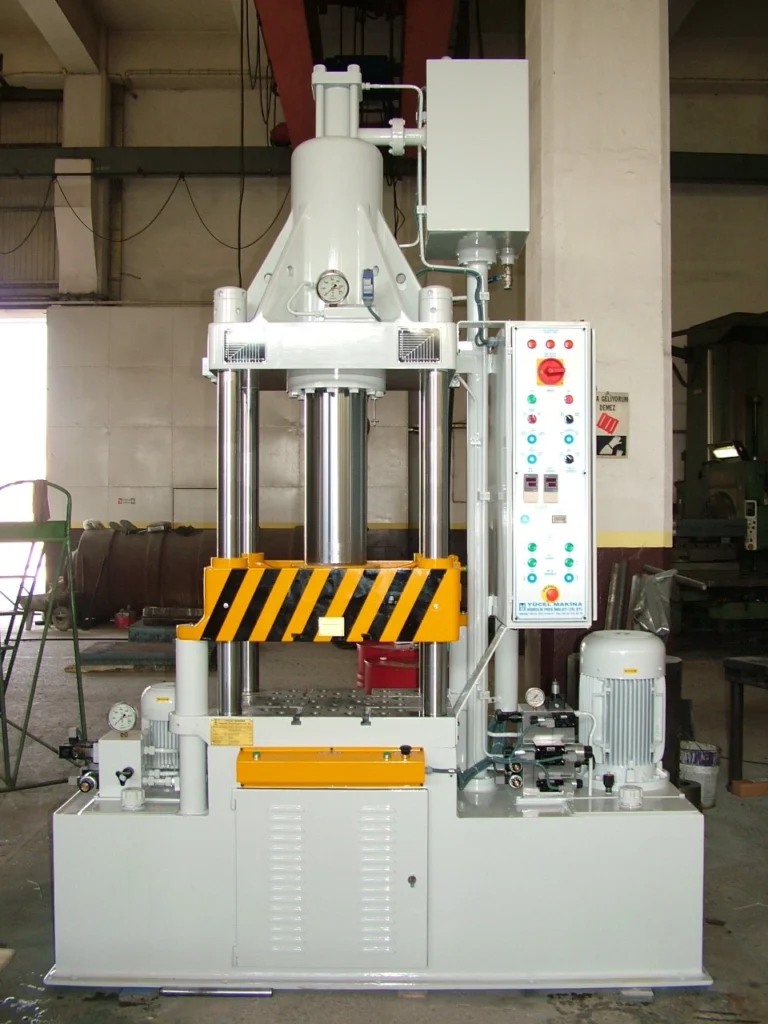
Categories
Machinery

Deep Drawing Press Machine

Deep Drawing Press Machine

We are one of the Deep Drawing Press Machine manufacturers. Deep drawing process & Deep drawing press & Double action deep drawing press & Triple action deep drawing press

Deep drawing is a secondary forming process in which in its simplest form a cylindrical shape or alike (for example a cone or frustum) is produced from a thin disc of sheet metal by subjecting it to a compressive force (while it is held between a die and blank holder) through a circular punch which mainly on the blank thickness as illustrated in Figure 1.

The deep drawing mechanism is a complicated process, particularly the different types of stresses on each region in the blank. To facilitate the understanding of the mechanism, the blank is divided into three regions X, Y, and Z. The outer annual region X is sandwiched between the die at its bottom part and the blank holder at its top part.

Region Y, the inner annular region is not in contact with either the punch or the die, and Z the central region of the blank is only in contact with the punch as illustrated in Figure 1(a). When the compressive force is applied to the punch, the draw proceeds the material in region X starts to draw progressively inwards towards the die profile under the effect of the applied tensile stress resulting in continuously decreasing the radii in this region which causes induced compressive hoop stress which causes an increase in the material thickness at the outer part of region X.

Deep Drawing Press Machine

A deep draw press is a type of metalworking press used to transform flat metal sheets into three-dimensional shapes. It is a versatile tool that can produce a wide range of products, including cooking pots, pans, automotive parts, and electrical enclosures.

How a Deep Draw Press Works:

  1. Blanking: A stamping press is used to cut out a flat blank from a sheet of metal. The blank size is slightly larger than the desired final shape to allow for metal flow during the drawing process.
  2. Heating: The blank may be heated to improve its formability and reduce the risk of cracking. Heating is particularly important for thicker materials or complex shapes.
  3. Loading: The blank is placed on the blank holder of the deep draw press. The blank holder firmly grips the blank around its edges, preventing it from wrinkling or buckling during the drawing process.
  4. Drawing: The punch, a tool with the desired shape of the final product, descends into the blank holder, forcing the blank into the desired shape. The blank flows over the punch, forming the desired three-dimensional shape.
  5. Trimming: Excess material around the edges of the drawn part is trimmed away using a trimming die. This ensures that the final part has a clean edge and meets the desired dimensions.

Types of Deep Draw Presses:

  1. Single-Action Deep Draw Presses: These presses use a single ram to perform both the drawing and trimming operations. They are relatively simple and inexpensive, but they are limited in the complexity of shapes they can produce.
  2. Double-Action Deep Draw Presses: These presses have two rams, one for drawing and one for trimming. This allows for more complex shapes to be produced, as the drawing ram can continue to draw the blank while the trimming ram trims the edges.
  3. Triple-Action Deep Draw Presses: These presses have three rams, one for drawing, one for trimming, and one for ejecting the finished part. They are used for producing the most complex shapes, such as those with undercut features or re-entrant angles.

Applications of Deep Draw Presses:

Deep draw presses are used in a wide variety of industries, including:

  • Automotive Industry: Producing car body panels, fenders, hoods, and other automotive components.
  • Appliance Industry: Manufacturing cooking pots, pans, sinks, and other appliance components.
  • Aerospace Industry: Creating aircraft components, such as fuel tanks, fuselage sections, and engine housings.
  • Electrical Industry: Producing electrical enclosures, housings, and components.
  • Construction Industry: Manufacturing architectural panels, roofing components, and ventilation ducts.

Benefits of Using Deep Draw Presses:

Deep draw presses offer several advantages over other metalforming methods, such as stamping and casting:

  • Versatility: Deep draw presses can produce a wide range of shapes, from simple cylinders to complex geometries.
  • Accuracy: Deep draw presses can achieve high levels of accuracy and consistency in the dimensions of the finished parts.
  • Efficiency: Deep draw presses can produce parts quickly and efficiently, making them a cost-effective manufacturing method.
  • Material Savings: Deep draw presses can produce parts with minimal waste of material.
  • Strength and Durability: Deep-drawn parts are generally stronger and more durable than those produced by other methods.

In conclusion, deep draw presses are versatile and powerful tools that play a crucial role in various industries. Their ability to produce complex shapes with high precision and efficiency makes them an essential part of modern manufacturing.

Holding the Pressure of a Deep Drawing Press Machine

Unless holding down pressure is applied, the induced hoop stress will cause the blank to fold causing wrinkling. When the material in region X passes over the die profile it is thinned by plastic bending under the effect of the tensile stress. The net effect of the outer part of region X is an increase in the thickness of the material.

Regarding the material in region Y, it can be readily seen that it is subjected to bending and sliding over the die profile; part to stretching in tension in the clearance region, part to stretching between the die and punch in the clearance zone, and part to bending and sliding over the punch profile. Finally, zone Z is subjected only to stretching and sliding over the punch head. The above mechanism can be summarized in accordance with the above division of the blank and the type of stresses to which each region is subjected to:

Various parts of region X may go through some or all of the processes i, ii, and iii; while parts of region Y may go through some or all of processes ii, iii, and iv; finally, parts of region Z may go through some or all of processes iii, iv and v. It should be noted that process i causes thickening of the blank whereas processes ii, iii, iv and v causes it’s thinning.

Figure 2 shows the variation of the thickness along the wall of a drawn cylindrical cup for a flat-headed punch on the right-hand side In hemispherical punches, making allowance for bending over the punch profile radius is not essential, whereas in the more general case of drawing with a flat-headed punch, making allowance for bending over the die and punch profiles, has not yet been solved.

The punch load at any phase of the drawing is determined by the forming region. If the blank is held rigidly at the die to prevent radial drawing the process becomes one of pure stretch-forming. Extensive and detailed experimental and theoretical investigations of cup draws have been carried out by different researchers, aiming at reducing the different defects in the process and improving the quality of the produced parts

Materials used with the Deep Drawing Press Machine

Materials used with a Deep Drawing Press Machine

The specimens were circular discs of 180 mm diameter and 0.42 mm thickness made from carbon steel with the following w.t. percentages: 0.22% C and 0.5%Mn and the remainder is Fe. They were annealed before being used. Their mechanical behavior in the annealed condition is shown in Figure 3.

The deep drawing tests were carried out using the die shown in Figure 4 which was designed and manufactured for this purpose. It consists of the following main parts: the upper and lower platens in line. They were made of galvanized steel, sleeves, and blank and die holders which were all made from galvanized carbon steel. Compression springs and the punch and die which were made of X12M die steel of the chemical composition shown in Table 1.

The Punch and the Die of a Deep Drawing Press Machine

The punch and die were heat treated in accordance with the heat treatment recommended by the suppliers and the obtained hardness, as measured by Rockwell Hardness, is RC 67. All the punches and dies which were used for investigating the different parameters in this paper i.e. radial clearance
percentages defined as, the radial clearance between punch and die / the blank thickness = C / to, where C is the clearance and to is the original thickness of the blank, punch and die profile radii were all made of the same material and heat treated to RC 67 and their diameters were measured using the Tool Makers traveling microscope and their profile radii using shadowgraph at magnification X20.

The values of the used radial clearance percentages are shown in Table 2. Five punches and five dies with different profile radii were machined and ground under the same cutting conditions. Their dimensions are shown in Tables 3 and 4 respectively.

Normally, two types of blank-holding down pressure are commonly used: clearance blank-holding and pressure blank-holding; the object in each case is to prevent wrinkling of the blank during radial drawing, but with the minimum of interference with free drawing. In the early work of reference, on mild steel blanks it was shown that with clearance blank-holding, an initial clearance of 5 percent was sufficient for this purpose.

The medium pressure

Hydraulic Deep Drawing Press Machine

With pressure blank-holding, the medium pressure necessary to prevent
wrinkling was 400 psi of blank contact area and clearance of 0.002 when clearance blank–holding was used. The same was adopted in this research work. It was also found that increasing the force beyond this amount had little effect on the maximum punch load or on the final thickness in the base or the profile radius of the produced cups, though the walls were thinner with the higher loads.

The drawing ratio is defined as the ratio of the blank diameter to the throat diameter of the die. It was found that for any given drawing conditions the punch load increases with blank diameter in an approximately linear manner, over the whole of the useful range with a slight tendency to drop near the limiting drawing ratio. It is worth mentioning in this respect that one should differentiate between the drawing ratio which is a geometrical parameter and the limiting drawing ratio which is a material property

Radial Clearance in a Deep Drawing Press Machine

The radial clearance between punch and die throat may affect the drawing process directly by controlling the freedom of the walls either to thicken or to taper and pucker. It can be seen from Figure 4b that the maximum drawing force is greatly influenced by the radial clearance particularly when its value is less than the blank thickness i.e. the case known as the ironing condition where it increased more than three folds. As the clearance increases above the blank thickness, it becomes less effective until it reaches a constant value e.g. it can be seen that.

The best radial clearance percentage for the steel used material was the difference in the maximum drawing force all C / to % above 100 % within the tested range does not exceed 10 %, however, at 130 % the produced cups have the least wrinkling and ears height. This is in agreement with the results reported in reference [10] for mild steel. Hence a net radial clearance of about 30 percent is suitable for general purposes, with free drawing and a reduction of 50 percent, and this has the sanction of practical experience.

A hydraulic press is a mechanical device that uses a hydraulic cylinder to generate a compressive force. It operates based on Pascal’s Law, which states that pressure applied to a confined fluid is transmitted equally in all directions. This principle allows hydraulic presses to exert significant force with minimal input, making them essential tools in industries requiring high-pressure applications.

single-acting hydraulic press uses hydraulic pressure to move the piston in one direction, typically the downward or compressive stroke. After the press completes this action, the piston returns to its original position using an external force such as a spring or the weight of the cylinder. This differs from a double-acting hydraulic press, where hydraulic pressure is applied in both the forward and return strokes.

The simplicity and cost-effectiveness of single-acting hydraulic presses make them ideal for a variety of applications, including small to medium-scale production, metal fabrication, and mechanical testing. These presses are widely used in industries such as automotive, aerospace, manufacturing, and even laboratories for precision tasks.

The core advantage of a single-acting hydraulic press lies in its simplicity. Fewer moving parts and a straightforward design reduce both the initial cost and ongoing maintenance requirements. However, the trade-off is that the press lacks the stroke control and power range of more complex systems, limiting its effectiveness in higher-end or more precise applications.

How Single-Acting Hydraulic Presses Work

Deep Drawing Hydraulic Press Machine for Kitchen Sink Production Line

The fundamental operation of a single-acting hydraulic press relies on Pascal’s Law, which underpins all hydraulic systems. According to this principle, when a force is applied to a fluid inside a closed system, the pressure is transmitted evenly throughout the fluid. In a hydraulic press, this means that the force generated by a pump acting on a small volume of hydraulic fluid can be magnified to create a much larger output force.

Key Components of a Single-Acting Hydraulic Press:

  • Cylinder and Piston: The hydraulic cylinder contains a piston that moves up and down. In a single-acting press, hydraulic fluid forces the piston downwards, creating the press action.
  • Hydraulic Pump: The pump generates pressure within the hydraulic system, pushing the fluid into the cylinder to drive the piston.
  • Reservoir: This stores hydraulic fluid, which is pumped into the cylinder during operation.
  • Valves: Control the flow of hydraulic fluid, directing it into the cylinder for the pressing stroke.
  • Return Mechanism: In single-acting systems, this is usually a spring or gravitational force that returns the piston to its original position after the pressing action.

Pressing and Return Process:

  1. Pressing: When the press operator activates the system, hydraulic fluid is pumped into the cylinder. The increase in pressure forces the piston downward, applying force to the material placed under the press head. The force can range from several tons to hundreds of tons, depending on the press’s specifications.
  2. Return Stroke: Once the pressing action is complete, the external force—usually a spring or gravity—returns the piston to its starting position. Unlike double-acting presses, where hydraulic pressure can control both strokes, single-acting presses rely on this mechanical or natural return.

Advantages and Limitations:

  • Advantages: Single-acting presses are simple, affordable, and easy to maintain. They are ideal for tasks that do not require precise control over the return stroke or where the pressing force is the primary concern.
  • Limitations: The primary limitation is the lack of control over the piston’s return stroke, which can make single-acting presses less suited to precision applications. Additionally, since only one stroke is powered, these presses are less efficient in tasks requiring continuous motion or high-speed operation.

Types of Single-Acting Hydraulic Presses

Types of Single-Acting Hydraulic Presses

Single-acting hydraulic presses come in several varieties, each suited to different applications and operational needs.

1. Manually Operated Hydraulic Presses:

These presses are powered by a hand-operated pump, which provides the hydraulic pressure needed to move the piston. They are ideal for small-scale applications or environments where electricity is not available. These presses are portable and commonly used in repair shops, garages, or remote field locations. Their affordability and ease of use make them popular for light-duty tasks like pressing bearings or removing shafts.

2. Electric-Powered Hydraulic Presses:

Electric-powered hydraulic presses use an electric motor to drive the hydraulic pump, offering greater efficiency and consistency compared to manual models. These presses are suitable for more intensive industrial applications where higher force or faster operation is required. They are commonly found in manufacturing plants, where they can be integrated into production lines for repetitive tasks such as stamping, forging, or cutting.

3. Air-Driven Hydraulic Presses:

In these systems, compressed air is used to generate hydraulic pressure. They are commonly used in industrial environments where compressed air is readily available. Air-driven hydraulic presses are often employed in applications where speed and convenience are critical, and they offer a middle ground between manually operated and electric-powered presses in terms of power and cost.

Applications of Each Type:

  • Manually Operated: Ideal for low-volume tasks, repair work, or environments lacking electrical infrastructure.
  • Electric-Powered: Suitable for continuous, heavy-duty applications in factories and production environments.
  • Air-Driven: Often used in automotive workshops and for lighter industrial tasks where compressed air is available.

Applications of Single-Acting Hydraulic Presses

Manufacturing of Fire Extinguishers

Single-acting hydraulic presses are versatile tools used across a wide range of industries for different applications.

1. Metal Forming and Fabrication:

In the metalworking industry, hydraulic presses are used to shape, bend, punch, and cut metal sheets and components. Single-acting presses are especially useful in tasks where the return stroke is less critical, such as metal stamping or bending. These presses are commonly used in fabrication shops, tool and die manufacturing, and custom metalwork projects.

2. Press Fitting and Assembly Tasks:

Single-acting presses are commonly employed in press fitting, where parts are mechanically forced together using high pressure. This includes tasks such as pressing bushings, bearings, gears, and other components into place. These presses are widely used in the automotive industry for assembly operations, as well as in machinery and equipment manufacturing.

3. Material Testing and Laboratory Uses:

In laboratories, single-acting hydraulic presses are often used for testing materials under compressive force. For example, engineers and scientists may use hydraulic presses to measure the compressive strength of materials like concrete, metals, or plastics. The simplicity of single-acting presses makes them ideal for controlled experiments where large forces are required without complex control systems.

4. Automotive and Aerospace Industries:

In the automotive sector, single-acting hydraulic presses play a crucial role in various assembly and maintenance tasks, such as pressing in bushings, removing bearings, and straightening parts. Their use extends to aerospace industries for tasks such as forming lightweight components, shaping metal parts, or assembling intricate systems that require precise force application.

Examples of Practical Applications:
  • Metal Stamping: Single-acting presses are used to punch or stamp metal parts for various industries, including automotive and electronics.
  • Bearing Installation: Presses ensure that bearings are seated correctly without causing damage to delicate components.
  • Cutting and Trimming: Hydraulic presses can be used to cut metal, plastic, or composite materials, making them essential in production environments.

Advantages of Single-Acting Hydraulic Presses

Single-acting hydraulic presses have several advantages, making them a popular choice in a variety of applications.

1. Simplicity and Cost-Effectiveness:

Due to their basic design, single-acting hydraulic presses are more affordable than their double-acting counterparts. They have fewer moving parts and require less complex control systems, reducing both the upfront cost and the likelihood of mechanical failure. This makes them ideal for smaller operations or businesses looking for cost-effective solutions.

2. Efficiency in Force Delivery:

Despite their simplicity, single-acting hydraulic presses can deliver tremendous force, making them suitable for heavy-duty tasks like metal forming or assembly. They can generate forces ranging from a few tons to several hundred tons, depending on the size and type of the press, enabling them to handle a wide range of materials and tasks.

3. Reduced Maintenance:

With fewer components, single-acting presses are easier and less costly to maintain. Routine maintenance is generally limited to inspecting seals, checking hydraulic fluid levels, and ensuring that the return mechanism (spring or gravity) is functioning properly.

4. Portability and Space Efficiency:

Single-acting presses are typically more compact than double-acting presses, making them easier to move and install in smaller workspaces. This portability is especially valuable in environments where space is limited, such as small workshops or laboratories.

Challenges and Limitations of Single-Acting Hydraulic Presses

Applications in Various Industries

While single-acting hydraulic presses offer many benefits, they also have certain limitations that can affect their performance in specific applications.

1. Limited Stroke Control and Precision:

Because the return stroke is not powered by hydraulics, single-acting presses lack the precise control over the piston’s movement during the return phase. This makes them less suitable for applications requiring fine control of both the forward and return strokes.

2. External Force Required for Return Stroke:

The reliance on springs or gravity for the return stroke introduces limitations. Springs can wear out over time, reducing the efficiency of the press, and gravitational return may be too slow for certain high-speed applications.

3. Power Limitations:

Single-acting presses typically have less power and speed compared to double-acting systems. For tasks requiring high force or rapid cycling, a double-acting press may be more appropriate.

4. Environmental Considerations:

Hydraulic systems, including single-acting presses, can pose environmental risks if not properly maintained. Leaking hydraulic fluid, for instance, can cause environmental contamination, making proper maintenance and disposal of used fluids critical.

Maintenance and Safety Considerations

Proper maintenance and adherence to safety protocols are essential to ensure the safe and efficient operation of single-acting hydraulic presses.

Maintenance Procedures:

  • Hydraulic Fluid Levels: Regularly check and maintain the hydraulic fluid to ensure smooth operation. Low fluid levels can reduce press efficiency and lead to mechanical wear.
  • Seals and Hoses: Inspect seals and hoses for wear and tear, as leaks can cause pressure loss and reduce the effectiveness of the press.
  • Return Mechanism: Check the spring or gravity-based return system for signs of fatigue or failure. Over time, springs may lose tension, reducing the effectiveness of the return stroke.

Safety Protocols:

  • Personal Protective Equipment (PPE): Operators should wear appropriate PPE, including safety goggles, gloves, and hearing protection.
  • Proper Training: Ensure that all operators are trained in the correct use of the press and are aware of potential hazards.
  • Emergency Stops: Hydraulic presses should be equipped with emergency stop buttons to allow operators to quickly halt the machine in case of malfunction or danger.

Future of Single-Acting Hydraulic Presses

Choosing the Right Trimming Beading Machine

Advancements in technology are opening new possibilities for single-acting hydraulic presses. As industries evolve, the demand for more efficient and eco-friendly machinery is growing.

1. Advancements in Hydraulic Technology:

Innovations in hydraulic systems are leading to more efficient and powerful single-acting presses. For instance, new hydraulic fluids with better thermal stability and lower environmental impact are being developed, reducing the ecological footprint of hydraulic systems.

2. Energy Efficiency Improvements:

Modern hydraulic presses are being designed with energy efficiency in mind. Enhanced pump designs, variable speed motors, and more efficient control systems are reducing energy consumption and operational costs.

3. Integration with Automation:

The future of hydraulic presses lies in their integration with automated and smart systems. Automated single-acting presses equipped with sensors and computer control systems can adjust force, speed, and stroke in real time, enhancing precision and adaptability.

4. Future Applications and Innovations:

As industries continue to demand more from hydraulic systems, single-acting presses are likely to be used in new applications such as additive manufacturing (3D printing) and precision engineering. The increasing focus on sustainability may also drive the development of greener, more energy-efficient presses.

Introduction to Double-Acting Hydraulic Presses

Deep Draw Presses
Deep Draw Presses

Hydraulic presses are mechanical devices that use fluid pressure to generate significant force, commonly employed in industries where large-scale pressing, forming, or molding is required. They operate on Pascal’s Law, which states that pressure applied to a fluid in a confined space is transmitted equally in all directions. This principle allows hydraulic presses to amplify force, making them crucial in metalworking, manufacturing, automotive industries, and beyond.

double-acting hydraulic press differs from its single-acting counterpart in that it applies hydraulic pressure in both directions—both for the pressing stroke and the return stroke. In contrast, a single-acting press relies on external forces, like springs or gravity, for the return motion, which limits control and precision.

The use of double-acting hydraulic presses has revolutionized several industrial processes due to the enhanced control and precision they offer. With powered movement in both directions, these presses are capable of handling more complex and demanding tasks, such as deep drawing, forging, or any process where high precision and consistent force are essential. These presses are widely used in automotive production, aerospace manufacturing, and large-scale industrial operations.

How Double-Acting Hydraulic Presses Work

Deep Drawing Hydraulic Press Machine for Kitchen Sink Production Line

Double-acting hydraulic presses function based on hydraulic principles, which utilize fluid power to amplify force. The critical difference from single-acting presses is that double-acting presses can apply hydraulic pressure in both the pressing and return strokes. This provides enhanced control and versatility.

Core Components of a Double-Acting Hydraulic Press:

  • Cylinder and Piston: A double-acting press has a hydraulic cylinder with a piston that moves in two directions. Hydraulic fluid is directed into the cylinder on either side of the piston to control both the downward and upward strokes.
  • Hydraulic Pump: The hydraulic pump provides pressure by moving hydraulic fluid into the cylinder. In double-acting presses, the pump must be capable of routing the fluid to either side of the piston, depending on whether it is the pressing or return stroke.
  • Valves and Control Systems: Double-acting presses require more sophisticated valve systems to control the flow of hydraulic fluid. These valves direct fluid pressure to either side of the piston, enabling the precise control of both strokes.
  • Power Source: These presses can be powered by manual pumps, electric motors, or pneumatic systems, depending on the scale and application of the press.

The Pressing and Return Strokes:

  1. Pressing Stroke: The hydraulic pump directs fluid into the top of the cylinder, pushing the piston downward. This downward force can range from a few tons to hundreds of tons, depending on the press’s size and design. The press head applies this force to the material being processed, whether it’s for stamping, molding, or cutting.
  2. Return Stroke: After the pressing operation, hydraulic pressure is redirected to the bottom of the piston. This lifts the piston back to its starting position, ensuring precise and controlled movement. The ability to hydraulically control both strokes eliminates the reliance on gravity or springs, allowing for faster cycle times and more complex tasks.

Precision and Control:

The ability to control both strokes of the piston provides greater accuracy in industrial processes. Unlike single-acting presses, where the return stroke can vary in speed and efficiency, double-acting presses offer consistent performance across all movements. This precision makes them ideal for complex forming processesdeep drawing, and precision cutting operations, where both the force and the return timing must be tightly controlled.

Types of Double-Acting Hydraulic Presses

Double-acting hydraulic presses come in various forms, each tailored for specific industrial applications. Here are some of the main types:

1. Manual Double-Acting Hydraulic Presses:

Manual versions of double-acting presses are powered by hand-operated hydraulic pumps. These are typically used in small workshops or repair facilities where tasks like pressing, bending, or assembling components do not require extensive automation. These presses are portable, cost-effective, and often used in low-production environments.

2. Electric-Powered Double-Acting Hydraulic Presses:

Electric-powered double-acting presses are more common in industrial settings where high force and consistent operation are required. The hydraulic pump is driven by an electric motor, allowing for automated control of both strokes. These presses are essential for high-volume operations, such as metal stamping, die forming, and precision cutting. The electric-powered system allows for greater precision, repeatability, and faster cycle times.

3. Pneumatic Double-Acting Hydraulic Presses:

Pneumatic-powered double-acting presses use compressed air to drive the hydraulic fluid in both strokes. These presses are favored in industries where pneumatic systems are already integrated into the production environment, such as in automotive assembly lines. Pneumatic systems provide rapid action, and the integration with hydraulics ensures the generation of high forces, making them suitable for mid-sized industrial applications.

4. Specialized Double-Acting Presses:

Some double-acting hydraulic presses are designed for specific applications, such as hydraulic press brakes used in bending and shaping metal sheets. These presses provide precise control over the angle and force applied, making them ideal for custom metal fabrication. Another example includes forging presses, where high tonnage and precise control are required to shape metal components.

Applications of Double-Acting Hydraulic Presses

Applications in Various Industries

Double-acting hydraulic presses are widely employed across a variety of industries due to their versatility and ability to handle complex tasks with precision. Here are some of the key applications:

1. Metal Forming and Deep Drawing:

One of the primary uses of double-acting hydraulic presses is in metal forming, particularly deep drawing. Deep drawing is a manufacturing process where a sheet metal blank is radially drawn into a forming die by the mechanical action of a punch. Double-acting presses provide the precise control necessary to form complex shapes in metals like aluminum, steel, and copper without cracking or deforming the material.

2. Punching, Forging, and Die Forming:

In punching and forging operations, double-acting presses apply controlled force to deform or cut metal parts. This is commonly used in the automotive and aerospace industries, where high-strength materials are forged into critical components like gears, axles, and structural parts. The ability to control both the pressing and return strokes ensures consistent quality and reduces the risk of material damage.

3. Composite Material Molding:

As industries increasingly adopt composite materials, double-acting hydraulic presses have become essential for forming and molding these materials. Composites, such as carbon fiber or fiberglass, require careful handling during the molding process to maintain their strength and durability. Double-acting presses allow for precise pressure application during both the pressing and release phases, making them indispensable in industries like aerospace and automotive, where lightweight, high-strength components are essential.

4. Automotive and Aerospace Industries:

The automotive industry relies heavily on double-acting hydraulic presses for the production of body panelsframes, and engine components. The precision and repeatability of these presses ensure that every part is manufactured to exact specifications. In the aerospace industry, where weight, strength, and safety are critical, double-acting presses are used to form lightweight components like aircraft skin panelsstructural parts, and engine elements.

5. Examples of Industrial Applications:

  • Automotive: Deep drawing for body panels, stamping parts like hoods, doors, and roofs.
  • Aerospace: Forming of lightweight metal and composite parts for aircraft and spacecraft.
  • Heavy Machinery: Forging of large components for construction equipment and industrial machinery.
  • Consumer Electronics: Precision forming of metal casings and components.

Advantages of Double-Acting Hydraulic Presses

Double-acting hydraulic presses offer several significant advantages that make them indispensable in many industries.

1. Precise Control Over Both Strokes:

The ability to apply hydraulic force in both the pressing and return strokes gives double-acting presses greater control over the entire operation. This precision is particularly valuable in tasks that require consistent force and motion, such as deep drawing, forging, and punching. Both strokes can be finely adjusted to meet the exact requirements of the material and application, leading to superior product quality.

2. Higher Efficiency in Repetitive Operations:

In manufacturing environments where tasks must be repeated at high speed, double-acting presses outperform single-acting models. Since both the press and return strokes are powered, cycle times are faster, and operators have more control over the movement of the piston, which boosts productivity in high-volume production lines.

3. Versatility in Complex Tasks:

Double-acting presses are incredibly versatile, able to handle a wide variety of materials and tasks. They can be used for pressing, forming, bending, cutting, and molding, which makes them highly adaptable to different industries and processes. Whether the task requires the shaping of metals, molding of composites, or assembly of mechanical components, these presses can be fine-tuned to meet the needs of the job.

4. Suitability for Heavy-Duty and Continuous Use:

Double-acting hydraulic presses are built for heavy-duty applications and continuous use in industrial settings. The ability to power both strokes ensures that even the toughest materials, such as steel and titanium, can be shaped and formed without compromising on speed or accuracy. Their robust design and advanced control systems make them ideal for industries where durability and long-term performance are critical.

Challenges and Limitations of Double-Acting Hydraulic Presses

Despite their advantages, double-acting hydraulic presses also come with challenges and limitations that must be considered before implementation.

1. Higher Cost and Complexity:

Double-acting hydraulic presses are generally more expensive than single-acting presses due to their more complex design and the additional control systems required to power both strokes. This can make them less appealing for small-scale operations or businesses with tight budgets.

2. Increased Maintenance Requirements:

With more moving parts and components to manage, double-acting presses require more frequent and thorough maintenance than their single-acting counterparts. Components like seals, valves, and hydraulic lines must be regularly inspected and serviced to prevent leaks and ensure optimal performance. This adds to the operational costs over the lifespan of the machine.

3. Space and Energy Requirements:

Double-acting hydraulic presses tend to be larger and consume more energy than simpler presses. This means they require more space and have higher energy costs, which can be a limiting factor in smaller workshops or facilities with limited energy resources.

4. Specialized Training and Safety Considerations:

Operators of double-acting hydraulic presses must be thoroughly trained to handle the complex control systems and high pressures involved. The increased force and speed of these presses mean that strict safety protocols must be followed to prevent accidents and equipment damage.

Maintenance and Safety Considerations

Proper maintenance and safety protocols are crucial for ensuring the long-term operation and safety of double-acting hydraulic presses.

Maintenance Procedures:

  • Hydraulic Fluid Levels: Maintaining appropriate hydraulic fluid levels is essential for the proper operation of both strokes. Low fluid levels can result in uneven pressure distribution and lead to damage.
  • Seal and Hose Inspections: Double-acting presses have more seals and hoses than single-acting models, which makes regular inspections critical. Leaks in these components can cause a loss of pressure, reduced efficiency, and safety hazards.
  • System Pressure Checks: Monitoring and adjusting the system’s pressure levels ensures that the press operates within its designed parameters, preventing over-pressurization and component failure.

Safety Protocols:

  • Operator Training: Given the complexity of double-acting presses, operators must be trained in their safe use. They should understand the machine’s control systems, emergency stop features, and troubleshooting procedures.
  • Regular Inspections: Presses should be inspected regularly for signs of wear or malfunction. Safety devices like pressure relief valves and emergency stops should be tested to ensure they are functioning properly.
  • Personal Protective Equipment (PPE): Operators should always wear appropriate PPE, including gloves, goggles, and ear protection, especially in high-noise environments.

Future Trends in Double-Acting Hydraulic Press Technology

As technology evolves, double-acting hydraulic presses are expected to undergo several advancements that will enhance their performance and broaden their applications.

1. Technological Advancements:

Innovations in hydraulic control systems, such as the integration of proportional valves and servo-driven pumps, are improving the precision and efficiency of double-acting presses. These systems allow for finer control of pressure and movement, resulting in higher-quality output and reduced material waste.

2. Energy Efficiency:

One of the key areas of development is the push for more energy-efficient hydraulic systems. With the increasing focus on sustainability, new technologies are emerging that reduce energy consumption, such as variable-speed pumps that adjust output based on demand. These advancements not only lower operational costs but also reduce the environmental impact of hydraulic presses.

3. Automation and Industry 4.0:

The integration of double-acting hydraulic presses with automation and smart manufacturing systems is another significant trend. By connecting presses to factory networks, manufacturers can monitor machine performance in real-time, predict maintenance needs, and optimize press cycles. This leads to increased productivity and minimizes downtime due to unexpected equipment failure.

4. Future Innovations:

Looking ahead, double-acting presses may see further improvements in force capacityminiaturization for precise applications, and modular designs that allow presses to be easily reconfigured for different tasks. Additionally, advancements in green hydraulic fluids will reduce the environmental risks associated with hydraulic systems.

Triple Action Deep Drawing Press

Triple Action Deep Drawing Press
Triple Action Deep Drawing Pres

Deep drawing is a popular metal forming process used to shape flat sheet metal into cylindrical or box-like shapes. The process involves placing a metal blank over a die and pressing it into the die cavity with a punch. This transforms the flat blank into a three-dimensional shape, making it essential for producing components like automotive body panels, kitchen sinks, and various enclosures. The process can be repeated to achieve more complex shapes with greater depth, but the challenges increase as the material undergoes severe deformation.

Triple Action Deep Drawing Press is a specialized machine designed to address the complexity of the deep drawing process. Unlike conventional single-acting or double-acting presses, a triple action press incorporates three independent force mechanisms:

  1. Blank Holder Action: Keeps the metal blank firmly in place, controlling material flow and preventing wrinkling.
  2. Punch Action: The primary force that shapes the blank by pushing it into the die.
  3. Ejector Action: Removes the finished part from the die after the drawing process is complete.

This triple-action mechanism provides greater control over the deep drawing process, allowing for the production of more complex shapes, with fewer defects, and better efficiency. The ability to control all three forces independently is particularly important in producing deep-drawn components for industries like automotive, aerospace, and consumer goods, where precision and quality are critical.

How Triple Action Deep Drawing Presses Work (500 words)

To understand how triple action deep drawing presses function, it’s essential to break down the mechanics of the deep drawing process and how each action contributes to shaping the material.

The Deep Drawing Process:

The deep drawing process transforms a flat metal blank into a three-dimensional component. The key stages include:

  1. Blank Placement: A flat metal blank is placed over the die cavity.
  2. Blank Holder Engagement: The blank holder clamps the blank around its edges, preventing movement or wrinkling during drawing.
  3. Punch Stroke: The punch moves downward, pressing the blank into the die cavity, forming the desired shape. This action stretches and deforms the material, thinning it in certain areas.
  4. Ejection: Once the part is formed, the ejector mechanism releases the part from the die, ready for the next cycle.

Components of a Triple Action Deep Drawing Press:

  1. Blank Holder: The blank holder is crucial in controlling material flow. Its force must be precisely regulated to avoid wrinkling, which can occur if the material is allowed to move too freely. At the same time, too much force from the blank holder can result in tearing.
  2. Punch: The punch is the main shaping tool. In triple-action presses, the punch force is adjustable, allowing for greater flexibility in handling different materials or thicknesses. As the punch presses the blank into the die, it forms the desired shape.
  3. Ejector: The ejector action ensures the formed part is smoothly removed from the die without causing damage to the component or slowing down the production process. The ejector often uses hydraulic or mechanical systems to push the part upward, releasing it from the die.

Key Advantages of the Triple Action System:

  1. Independent Control of Forces: One of the main benefits of triple action presses is that each force (blank holder, punch, ejector) can be independently controlled. This ensures optimal pressure at each stage, reducing the risk of defects such as wrinkling, tearing, or excessive thinning.
  2. Complex Shapes: By using all three actions in a coordinated manner, triple action presses can produce complex, deep-drawn components that would be difficult or impossible with a standard press.
  3. Minimized Defects: The precise control over material flow, punch pressure, and ejection force allows manufacturers to achieve higher-quality products with fewer defects, making triple-action presses ideal for high-precision industries.

Types of Triple Action Deep Drawing Presses

Triple action deep drawing presses come in various types, each suited to different applications and production environments. The main types include mechanical, hydraulic, and servo-electric presses.

1. Mechanical Triple Action Presses:

Mechanical triple action presses use mechanical linkages, cams, and gears to generate and control the forces required for the blank holder, punch, and ejector. These presses are known for their high speed and are commonly used in high-volume production environments, such as automotive manufacturing. However, they tend to offer less precision than hydraulic presses, making them less suitable for complex or precision deep drawing applications.

2. Hydraulic Triple Action Presses:

Hydraulic presses are the most common type of triple action deep drawing presses. These machines use hydraulic cylinders to apply force independently to the blank holder, punch, and ejector. Hydraulic presses are favored for their precision and the ability to control force and speed at every stage of the process. This makes them ideal for deep drawing applications that require complex shapes, deep draws, or challenging materials. Additionally, hydraulic systems can apply constant force throughout the entire stroke, providing a smooth and consistent draw.

3. Servo-Electric Triple Action Presses:

Servo-electric presses use electric motors to control the movement of the blank holder, punch, and ejector. These presses offer the highest level of precision and flexibility, allowing manufacturers to program specific force and speed profiles for different stages of the drawing process. Servo-electric presses are energy-efficient and offer precise control, making them ideal for applications requiring high precision, such as aerospace components and medical devices.

Comparison of Press Types:

  • Mechanical: Best for high-speed, large-volume production; less precise.
  • Hydraulic: Ideal for precision deep drawing, complex shapes, and variable materials; slower but more controlled.
  • Servo-Electric: Offers the highest precision and flexibility, with energy efficiency; often used in highly specialized applications.

Applications of Triple Action Deep Drawing Presses

Applications in Various Industries

The versatility and precision of triple action deep drawing presses make them indispensable across a wide range of industries. Their ability to form complex, deep-drawn parts with minimal defects and high repeatability is a key reason for their widespread use.

1. Automotive Industry:

In the automotive sector, deep drawing presses are essential for producing a wide array of components, including body panelsfuel tanks, and engine components. Triple action presses are particularly well-suited for forming large, complex parts such as car doors, hoods, and trunk lids, which require high precision to ensure they meet the industry’s stringent safety and performance standards.

For example, the ability to control the blank holder force ensures that body panels are formed without wrinkling, a common defect in deep drawing. Additionally, the precision of triple-action presses allows for tight tolerances in the production of complex components like fuel tanks, which must be leak-proof and structurally sound.

2. Aerospace Industry:

In the aerospace industry, the demand for lightweight yet strong components is paramount. Triple action deep drawing presses are used to form aircraft skin panelsengine housings, and other structural components. The ability to control every aspect of the drawing process, including the exact force applied by the blank holder and punch, ensures that aerospace parts meet the high standards required for safety and performance.

Additionally, the triple action mechanism is crucial for working with materials like titaniumaluminum, and composites, which are commonly used in the aerospace industry but can be difficult to form due to their strength and tendency to crack under stress.

3. Consumer Goods:

Triple action deep drawing presses are widely used to manufacture various consumer goods, particularly in the production of kitchenware (e.g., stainless steel sinks, pots, and pans) and household appliances (e.g., washing machine drums, microwave enclosures). The ability to form deep, complex shapes in materials like stainless steel or aluminum with smooth surfaces and minimal defects is essential for consumer products where aesthetics and durability are key selling points.

4. Industrial Containers and Enclosures:

Industries requiring industrial containerscylindrical tanks, or enclosures for sensitive equipment often rely on triple action deep drawing presses. These presses allow for the formation of durable, uniform containers with precise dimensions, ensuring that they meet stringent industry standards for storage and protection.

Case Studies and Real-World Examples:

  • Automotive: A major automotive manufacturer uses triple action presses to produce seamless body panels for luxury vehicles, ensuring high quality and eliminating the need for secondary finishing processes.
  • Aerospace: Leading aerospace companies utilize triple action deep drawing presses for the production of lightweight, high-strength structural components, ensuring aircraft performance while reducing weight.
  • Consumer Goods: A well-known kitchenware brand uses triple action presses to manufacture stainless steel cookware with flawless surfaces and uniform thickness, enhancing both performance and aesthetics.

Advantages of Triple Action Deep Drawing Presses

Triple action deep drawing presses offer numerous advantages that make them essential in industries requiring precision metal forming.

1. Enhanced Control Over the Deep Drawing Process:

One of the most significant advantages of a triple action press is the ability to independently control the blank holder, punch, and ejector forces. This precision control allows for adjustments throughout the deep drawing process, ensuring consistent material flow and reducing the risk of defects such as wrinkling, tearing, or excessive thinning.

2. Ability to Form Complex, Precise Shapes:

The precise control offered by triple action presses enables the formation of intricate shapes and deep-drawn components. The ability to fine-tune the force applied at each stage ensures that even challenging materials can be drawn without damage. This is especially important in industries like aerospace and automotive, where components must meet exacting standards for performance and safety.

3. Minimization of Defects:

Triple action presses significantly reduce common defects in the deep drawing process, such as wrinkling, cracking, and material thinning. The blank holder’s independent force ensures that the material is held securely, while the punch and ejector forces can be adjusted to optimize material flow. This results in higher-quality parts and reduced scrap, making triple action presses more efficient and cost-effective in large-scale production.

4. High Efficiency for Large-Scale Production:

Triple action presses are ideal for high-volume production, offering fast cycle times and repeatable precision. The automation of these presses allows for continuous operation, reducing downtime and increasing throughput. This efficiency is critical in industries where large quantities of parts must be produced quickly and to tight tolerances, such as automotive manufacturing.

Challenges and Limitations of Triple Action Deep Drawing Presses

Despite their numerous advantages, triple action deep drawing presses also present certain challenges and limitations.

1. High Initial Investment and Complexity:

Triple action deep drawing presses are more expensive than single or double-action presses due to their complexity and advanced control systems. The cost of purchasing and setting up a triple action press can be prohibitive for smaller operations or manufacturers with limited budgets. Additionally, these presses require more sophisticated control systems and software, which can increase the initial investment.

2. Greater Maintenance Requirements:

The complexity of triple action presses means that they require more frequent and thorough maintenance compared to simpler presses. The hydraulic systems, punch, blank holder, and ejector mechanisms all need regular inspection and servicing to prevent breakdowns and ensure the press operates at peak efficiency. Maintenance costs and downtime can be a challenge, especially in high-production environments.

3. Limitations in Smaller-Scale Operations:

For smaller-scale manufacturers or those producing limited quantities of deep-drawn parts, the high cost and complexity of triple action presses may not be justified. These presses are best suited to large-scale operations where the benefits of increased precision, efficiency, and reduced scrap outweigh the higher costs.

4. Energy and Space Requirements:

Triple action presses require significant amounts of energy to operate, especially hydraulic models, which need continuous power to maintain pressure. They are also large machines that require a substantial amount of floor space, limiting their use in smaller production facilities or workshops.

Maintenance and Safety Considerations

Proper maintenance and safety protocols are essential to ensure the longevity and safe operation of triple action deep drawing presses.

Maintenance Procedures:

  • Hydraulic System Maintenance: Hydraulic presses rely on clean, properly pressurized fluid systems to function efficiently. Regular checks of hydraulic fluid levels, cleanliness, and pressure are necessary. Dirty or low fluid can cause increased wear on components or lead to system failure.
  • Lubrication: Proper lubrication of moving parts, including the punch, blank holder, and ejector, is critical to reduce friction and wear. Over time, insufficient lubrication can lead to damage and expensive repairs.
  • Seal and Hose Inspections: Hydraulic seals and hoses should be regularly inspected for wear and leaks. Any signs of leakage must be addressed immediately to prevent pressure loss, damage to components, or safety hazards.
  • Alignment Checks: Regular alignment checks for the punch, die, and blank holder ensure that parts are being formed accurately and uniformly. Misalignment can lead to defective parts and increased machine wear.

Safety Protocols:

  • Operator Training: Operators should be thoroughly trained in the use of triple action presses, including how to safely load blanks, adjust controls, and handle finished parts. Understanding how to safely manage the hydraulic systems and high forces involved is critical for preventing accidents.
  • Emergency Stops and Safety Guards: Triple action presses should be equipped with emergency stop systems and safety guards to protect operators. These features ensure that the machine can be immediately stopped in the event of a malfunction or danger.
  • Personal Protective Equipment (PPE): Operators must wear appropriate PPE, including gloves, goggles, and protective clothing, to reduce the risk of injury from moving parts, flying debris, or hydraulic fluid leaks.

Future Trends in Triple Action Deep Drawing Press Technology

The future of triple action deep drawing presses is being shaped by advancements in technology, materials, and manufacturing processes.

1. Innovations in Press Control Systems:

As manufacturing becomes more automated and digital, the control systems used in triple action presses are becoming more sophisticated. Proportional hydraulic control valves and servo-driven systems are allowing for even more precise control over the forces applied during the deep drawing process. This enhanced control not only improves part quality but also reduces waste and increases efficiency.

2. Material Advancements:

As industries increasingly demand stronger, lighter, and more durable materials, triple action presses are evolving to handle these new challenges. Advances in high-strength steelaluminum alloys, and composites are pushing the limits of what deep drawing presses can do. Modern presses are being designed with enhanced force capabilities and precision to work with these advanced materials, enabling the production of lightweight, high-strength components for the automotive, aerospace, and electronics industries.

3. Integration with Industry 4.0:

The integration of Industry 4.0 technologies, such as sensors, real-time data monitoring, and predictive maintenance systems, is helping manufacturers optimize the performance of their triple action presses. Smart systems can monitor machine performance in real-time, automatically adjust press settings, and even predict when maintenance is needed, reducing downtime and improving overall productivity.

4. Environmental Sustainability and Energy Efficiency:

Energy efficiency is becoming a priority for manufacturers using triple action presses. New designs are focusing on reducing energy consumption through variable-speed hydraulic pumpsenergy recovery systems, and servo-electric technologies. These advancements not only reduce operational costs but also help companies meet their environmental sustainability goals by reducing the energy footprint of their manufacturing processes.

Double-Acting Hydraulic Presses

Double-acting hydraulic presses provide more control and flexibility during the deep drawing process, particularly for applications that require more complex or deeper shapes. In a double-acting press, two separate hydraulic systems work in tandem—one controls the downward motion of the punch, while the other operates the blank holder, applying force independently to hold the material in place.

  • Structure: The press has two rams or cylinders—one for the punch and another for the blank holder. This setup allows for precise control of both the drawing force and the holding force, preventing material slippage or wrinkling during the drawing process.
  • Applications: Double-acting presses are commonly used in automotiveaerospace, and household appliance manufacturing, where complex shapes and deeper draws are required. For instance, components like fuel tankscar body panels, and aircraft parts are often made using double-acting hydraulic presses.
  • Advantages: The independent control over the punch and blank holder forces allows for more precise and uniform drawing, reducing the risk of defects such as tearing or wrinkling. These presses are suitable for larger and more intricate parts and offer greater flexibility in handling a variety of materials and shapes.

Triple-Action Hydraulic Presses

For the most demanding and complex deep drawing applications, triple-action hydraulic presses provide unparalleled performance. These presses add a third hydraulic system to control additional movements or processes during the drawing operation.

  • Structure: In addition to the punch and blank holder, triple-action presses feature a third force, often applied from the bottom of the press. This additional motion allows for processes like reverse drawing or extrusion, enabling the machine to handle extremely deep or complex shapes that require multiple stages of forming.
  • Applications: Triple-action presses are typically used in highly specialized industries such as aerospace and defense, where precision and complexity are paramount. Components like deep drawn fuel cellsengine components, and structural parts for aircraft or heavy machinery are ideal for these machines.
  • Advantages: These presses provide maximum control and precision, allowing manufacturers to produce parts with extreme depth or complexity without compromising on quality. They also offer higher productivity by enabling multiple forming operations in a single press cycle.

Automated vs. Manual Hydraulic Presses

Automation is an important factor in modern manufacturing, and hydraulic deep drawing presses are no exception. Buyers can choose between manual presses, which require human intervention for loading, unloading, and controlling the operation, or automated presses, which integrate robotic systems and computerized controls to manage the entire process.

  • Manual Hydraulic Presses: These presses are operated by technicians who manually load the blank, initiate the drawing process, and remove the formed part. While manual presses are typically less expensive and easier to maintain, they are best suited for low-volume production runs or applications where flexibility is required.
  • Automated Hydraulic Presses: Automated presses use Programmable Logic Controllers (PLCs) or Computer Numerical Control (CNC) systems to control the drawing process. Automation allows for higher precision, increased production speed, and greater consistency in the final product. Automated presses are ideal for high-volume production environments where efficiency and accuracy are critical.

Specialized Hydraulic Presses for Tailor-Made Applications

In addition to the standard configurations, there are specialized hydraulic presses designed for specific industries or applications. These machines are often custom-built to meet unique production requirements, such as forming particular shapes, materials, or sizes. For example:

  • Automotive Industry: Hydraulic presses tailored for producing large, complex automotive parts, such as chassis componentsdoors, and structural parts.
  • Aerospace Industry: Presses designed for handling high-strength alloys and lightweight materials, where the precision and complexity of the shapes are critical.
  • Consumer Goods: Smaller, more compact hydraulic presses used to produce kitchenwaremetal containers, and packaging components.

Deep Drawing Press Machine Types

Deep Drawing Press Machine Types

However, increasing it beyond this value may allow a bell mouth to persist near the rim of the cup, which would be practically objectionable if the deep-drawn products are required to undergo a re-drawing operation. A more important feature than the drawing force is the local strain in the blank, which may lead to local necking and finally to cracks and fractures. Radial stresses tend to thicken the blank at its rim while bending and sliding over the die profile and the punch head tends to thin it.

The most serious thinning arises from the stretching over the punch head and particularly between the punch head and the die to reduce the thinning as much as possible it is required to maintain high frictional condition on the punch while maintaining low friction everywhere else similar to mandrill drawing.

Hydraulic presses are powerful machines used to apply a significant amount of force to an object through hydraulic fluid pressure. They are essential in various industrial applications, providing the necessary force for processes such as metal forming, stamping, bending, and molding. The versatility and efficiency of hydraulic presses make them indispensable tools in manufacturing and production lines. This document will explore the different types of hydraulic presses, their application areas, components, operational principles, manufacturing process, and the challenges and advancements in the industry.

Types of Hydraulic Presses

Hydraulic presses come in various designs, each suited to specific applications and requirements. The primary types of hydraulic presses include C-frame presses, H-frame presses, four-column presses, straightening presses, arbor presses, laminating presses, and transfer presses.

C-frame presses, also known as gap-frame presses, have a C-shaped frame that provides three-sided access to the work area. This design is ideal for applications requiring easy loading and unloading of materials.

H-frame presses, or two-post presses, have a robust H-shaped frame that offers excellent stability and strength. They are commonly used for heavy-duty tasks such as metal forming and straightening.

Four-column presses, or four-post presses, have four vertical columns that provide superior support and uniform force distribution. These presses are suitable for large-scale applications requiring high precision and repeatability.

Straightening presses are specialized hydraulic presses used to straighten bent or distorted metal components. They are widely used in the automotive and construction industries.

Arbor presses are smaller, manually operated hydraulic presses used for light-duty tasks such as assembly, riveting, and broaching. They are commonly found in workshops and small manufacturing facilities.

Laminating presses are used to bond multiple layers of material together under heat and pressure. These presses are essential in industries such as electronics, where laminated components are common.

Transfer presses are automated hydraulic presses that move the workpiece through multiple stations for different operations. They are highly efficient and used in high-volume production environments.

Application Areas

Hydraulic presses are employed in various industries, thanks to their ability to deliver consistent and precise force. Key application areas include:

Metal forming and forging: Hydraulic presses are crucial in shaping and forming metal parts through processes such as stamping, bending, and deep drawing. They are essential in the production of automotive parts, machinery components, and structural elements.

Automotive industry: In the automotive sector, hydraulic presses are used for manufacturing various parts, including body panels, chassis components, and engine parts. They play a critical role in ensuring the structural integrity and performance of vehicles.

Aerospace industry: The aerospace industry relies on hydraulic presses for forming and shaping high-strength materials used in aircraft components. Precision and reliability are paramount in this industry, making hydraulic presses indispensable.

Plastic and rubber molding: Hydraulic presses are used in the molding of plastic and rubber components, including automotive parts, household goods, and medical devices. They ensure consistent product quality and precision.

Electrical and electronics industry: In the electronics sector, hydraulic presses are used for laminating circuit boards, forming connectors, and assembling electronic components. They provide the necessary force and precision for delicate operations.

Medical device manufacturing: Hydraulic presses are used in the production of medical devices, including surgical instruments, implants, and diagnostic equipment. They ensure the high precision and quality required in the medical field.

Packaging industry: Hydraulic presses are employed in the packaging industry for forming and shaping packaging materials, such as cardboard, plastic, and metal. They help produce packaging solutions that are strong, durable, and aesthetically pleasing.

Components of a Hydraulic Press

A hydraulic press comprises several key components that work together to generate and control the applied force. The main components include the frame, hydraulic cylinder, hydraulic pump, control valves, hydraulic fluid, pressure gauges and sensors, and die and tooling.

The frame is the main structure of the hydraulic press, providing stability and support for all other components. It is typically made of high-strength steel to withstand the significant forces generated during operation.

The hydraulic cylinder is the core component that generates the pressing force. It consists of a cylindrical chamber, a piston, and a piston rod. When hydraulic fluid is pumped into the cylinder, it moves the piston, which in turn applies force to the workpiece.

The hydraulic pump is responsible for generating the hydraulic fluid pressure needed to move the piston. It draws hydraulic fluid from a reservoir and delivers it to the cylinder under high pressure.

Control valves regulate the flow of hydraulic fluid to and from the cylinder, controlling the movement and force of the press. These valves can be manually operated or automated, depending on the press design.

Hydraulic fluid, typically oil, is the medium through which force is transmitted in the hydraulic system. It must have suitable properties, such as viscosity and lubricity, to ensure efficient operation and protect system components.

Pressure gauges and sensors monitor the hydraulic fluid pressure within the system. They provide real-time feedback to the operator or control system, ensuring safe and accurate press operation.

Die and tooling are the interchangeable components that come into direct contact with the workpiece. They are designed to shape, form, or cut the material as required by the specific application.

How Hydraulic Presses Work

Hydraulic presses operate based on Pascal’s principle, which states that pressure applied to a confined fluid is transmitted equally in all directions. This principle allows hydraulic presses to generate significant force with relatively small input pressure.

The operation of a hydraulic press begins with the hydraulic pump drawing fluid from the reservoir and delivering it to the cylinder. The control valves regulate the flow of fluid, directing it into the cylinder to move the piston. As the piston moves, it applies force to the workpiece placed between the die and tooling.

The hydraulic fluid plays a crucial role in this process, as it transmits the applied pressure and lubricates the system components. The pressure gauges and sensors continuously monitor the fluid pressure, providing feedback to ensure the press operates within safe limits.

The force generated by the hydraulic press can be precisely controlled by adjusting the hydraulic fluid pressure and the position of the control valves. This allows for accurate and repeatable operations, essential for high-quality manufacturing.

Manufacturing of Hydraulic Presses

The manufacturing of hydraulic presses involves several stages, from design and engineering to assembly and quality control. Each stage is critical to ensuring the press’s performance, reliability, and safety.

Design and engineering: The process begins with the design and engineering phase, where specifications for the press are developed based on the intended application. This includes selecting suitable materials, determining the required force and stroke, and designing the frame and hydraulic system.

Material selection: High-quality materials, such as high-strength steel for the frame and durable alloys for the hydraulic components, are selected to ensure the press’s longevity and performance.

Fabrication of components: The individual components of the hydraulic press, including the frame, cylinder, and pump, are fabricated using precision machining and manufacturing techniques. This ensures that each component meets the required tolerances and specifications.

Assembly process: The fabricated components are then assembled into the complete hydraulic press. This involves mounting the cylinder, pump, and control valves onto the frame, connecting the hydraulic lines, and installing the die and tooling.

Quality control and testing: Rigorous quality control measures are implemented throughout the manufacturing process to ensure the press meets all specifications and standards. This includes pressure testing the hydraulic system, verifying the accuracy of the control valves, and performing operational tests to ensure the press functions correctly.

Advancements and Innovations

The hydraulic press industry is continually evolving, driven by advancements in technology and increasing demands for efficiency and precision. Key innovations include automation and control systems, energy efficiency improvements, and smart hydraulic presses.

Automation and control systems: Modern hydraulic presses are often equipped with advanced control systems that automate the pressing process. This includes programmable logic controllers (PLCs), human-machine interfaces (HMIs), and sensors that monitor and adjust the press’s operation in real time. Automation improves efficiency, reduces the risk of human error, and enhances the consistency of the finished products.

Energy efficiency improvements: Manufacturers are focusing on developing hydraulic presses that consume less energy and have a smaller environmental footprint. This includes using variable displacement pumps, energy recovery systems, and optimizing the hydraulic system’s design to minimize energy losses.

Smart hydraulic presses: The integration of IoT (Internet of Things) technology into hydraulic presses has led to the development of smart presses. These presses can communicate with other machines and systems, providing real-time data on their status, performance, and maintenance needs. This connectivity allows for predictive maintenance, reducing downtime and extending the press’s lifespan.

Challenges in Hydraulic Press Manufacturing

The manufacturing of hydraulic presses presents several challenges, including precision and quality requirements, cost management, technological advancements, and environmental considerations.

Precision and quality requirements: Hydraulic presses must deliver consistent and precise force, which requires high levels of accuracy in the manufacturing process. Ensuring each component meets the required tolerances and specifications is critical to the press’s performance and reliability.

Cost management: The cost of materials, labor, and energy can significantly impact the overall cost of manufacturing hydraulic presses. Manufacturers must balance quality and cost to remain competitive in the market.

Technological advancements: Keeping up with technological advancements is essential for manufacturers to meet the evolving demands of the industry. This requires continuous investment in research and development to incorporate new technologies and improve existing designs.

Environmental considerations: Environmental regulations and sustainability concerns are increasingly important in hydraulic press manufacturing. Manufacturers must develop eco-friendly presses that consume less energy, use recyclable materials, and minimize their environmental impact.

Introduction to Specialized Hydraulic Presses

Deep Drawing Dies
Deep Drawing Dies

hydraulic press is a mechanical device that uses a hydraulic cylinder to generate compressive force, transforming energy from hydraulic fluid into mechanical work. Hydraulic presses are an essential part of modern industrial manufacturing, offering precision and the capability to generate immense force. While general-purpose hydraulic presses are versatile and used in a wide range of industries, specialized hydraulic presses are designed for specific tasks, providing enhanced efficiency, precision, and performance for specialized applications.

1.1. What Makes a Hydraulic Press “Specialized”?

A hydraulic press becomes specialized when its design and functionality are tailored to a particular industrial task. These presses often feature unique configurations, custom components, or advanced control systems that allow them to perform specific tasks more effectively than standard presses. Specialized presses are used in industries such as automotive manufacturingaerospacemedical device productionmetalworking, and electronics, where the need for precision, speed, or high force is critical.

  • Specialized tasks: While general-purpose presses can handle a variety of tasks, specialized presses are built to handle more complex operations such as deep drawingisostatic pressingmetal forgingstamping, and transfer pressing. Each of these tasks requires specific pressure, stroke control, and precision that a standard press may not be able to deliver effectively.
  • Customization: Specialized hydraulic presses often incorporate custom-built components such as specific diestransfer mechanisms, or servo-controlled systems, making them suitable for precise manufacturing processes. These presses can also be designed with unique frame configurations, such as H-frameC-frame, or four-column designs, each optimized for specific operational needs.

1.2. Importance of Specialized Hydraulic Presses in Industry

The increasing complexity of modern manufacturing processes, along with the demand for higher-quality products, has driven the need for specialized hydraulic presses. These machines not only improve the quality of finished products but also enhance productivity by reducing cycle times and increasing automation. Their ability to generate and control immense force with precision allows industries to achieve more complex and refined results than ever before.

  • Automotive industry: Specialized hydraulic presses are critical in the automotive sector, where they are used to form body panels, chassis components, and internal engine parts. Presses such as deep drawing presses and forging presses enable the production of high-strength parts that meet safety and performance standards.
  • Aerospace industry: In aerospace manufacturing, isostatic hydraulic presses are used to create high-strength, lightweight components like turbine blades and structural parts. These presses provide the precision needed to meet the stringent safety and durability requirements of the aerospace sector.
  • Medical device manufacturing: The medical device industry relies on specialized presses to produce intricate components such as surgical instruments, implants, and diagnostic devices. The high precision and force control offered by these presses ensure that even the smallest tolerances are met.

1.3. How Specialized Presses Differ from Standard Hydraulic Presses

While both standard and specialized hydraulic presses operate on the same basic principle of using hydraulic pressure to generate force, the key difference lies in their design, control systems, and intended applications.

  • Design differences: Specialized hydraulic presses often feature more robust or complex designs to handle specific tasks. For example, four-column hydraulic presses are designed to provide even pressure distribution for large or irregularly shaped workpieces, while C-frame presses are designed for easy access to the work area in small part production.
  • Control systems: Specialized presses typically use advanced control systems, such as servo-hydraulic systems or CNC controls, to provide greater precision and automation. These control systems allow operators to adjust pressure, stroke length, and speed with high accuracy, which is essential in tasks that require exact force application.
  • Application focus: While a general-purpose hydraulic press may be suitable for a wide variety of tasks, specialized presses are built to excel at specific operations. This specialization results in higher productivity, better quality, and lower error rates for those particular tasks.

Deep Drawing Presses

Punch and die Design

Deep drawing presses are a specialized type of hydraulic press used primarily for shaping metal sheets into deep, hollow shapes without compromising the integrity of the material. This process is commonly employed in the automotive, aerospace, packaging, and appliance industries to form components such as fuel tanks, kitchen sinks, and metal housings. The ability to create complex, seamless shapes from a single sheet of metal with minimal material wastage makes deep drawing presses essential for mass production applications.

2.1. Definition and Working Principle of Deep Drawing

Deep drawing is a metal forming process in which a flat sheet of metal (known as a blank) is gradually transformed into a deep, hollow shape through the application of pressure. During the deep drawing process, a punch pushes the metal sheet into a die cavity, stretching and compressing the material to form a desired shape. The term “deep” refers to the fact that the depth of the drawn part is greater than its diameter.

  • Key components of a deep drawing press:
    • Punch: The punch is the tool that applies pressure to the metal sheet and forces it into the die.
    • Die: The die provides the cavity into which the metal is drawn to take the desired shape.
    • Blank holder: This component holds the metal blank in place to prevent wrinkling and ensure uniform deformation.
    • Hydraulic cylinder: The hydraulic system applies controlled force to the punch, enabling precise and consistent drawing.

The process begins with a metal blank being placed over the die. As the hydraulic press drives the punch downward, the metal sheet is forced into the die cavity, where it undergoes plastic deformation. The blank holder applies pressure to prevent the sheet from moving sideways or wrinkling as it is drawn into the die.

Stages of Deep Drawing

The deep drawing process can be broken down into several stages:

  1. Initial contact: The punch makes initial contact with the metal blank.
  2. Forming: The punch gradually pushes the blank into the die, causing the material to stretch and form around the punch.
  3. Final shaping: The material conforms to the shape of the die as the punch reaches the bottom of the stroke.
  4. Ejection: Once the desired shape is achieved, the punch is retracted, and the finished part is ejected from the die.

In more complex operations, multi-draw deep drawing presses may be used, which involve multiple stages of drawing to achieve deeper shapes or more intricate designs.

2.2. Design Characteristics of Deep Drawing Presses

Deep drawing presses are designed to handle the high forces and precise control needed for metal forming. Key design features include large hydraulic cylinders, robust frames, and advanced control systems to ensure accurate force application and material deformation.

  • Frame design: Most deep drawing presses use an H-frame or four-column frame design to provide the structural support needed for high-force applications. These frames ensure that the force is evenly distributed across the die and blank, preventing misalignment or material deformation.
  • Hydraulic system: Deep drawing presses use hydraulic cylinders to apply precise, consistent pressure during the drawing process. The hydraulic system allows operators to adjust the speed, force, and stroke length of the press, providing greater control over the depth and shape of the final product.
  • Blank holders and force management: The blank holder plays a crucial role in maintaining the integrity of the material as it is drawn into the die. By applying controlled pressure to the blank, the holder prevents wrinkling or tearing, ensuring uniform deformation and a smooth final product.

Advanced deep drawing presses are often equipped with servo-hydraulic systems or CNC controls that provide automated control over the drawing process. These systems allow operators to program the press for specific tasks, adjust parameters such as pressure and stroke length, and monitor the process in real-time.

2.3. Applications of Deep Drawing Presses

Deep drawing presses are used in industries that require the production of deep, seamless, and hollow components from metal sheets. The process is widely employed in sectors such as automotiveaerospacepackaging, and appliances.

2.3.1. Automotive Industry

One of the largest users of deep drawing presses is the automotive industry, where they are employed to produce a variety of critical components. These include:

  • Body panels: Car body panels such as doors, hoods, and fenders are often produced using deep drawing presses. The process ensures that these panels have smooth, uniform surfaces without joints or seams.
  • Fuel tanks: Automotive fuel tanks are deep, hollow structures that are typically formed using deep drawing presses. The seamless nature of the deep drawing process helps prevent leaks and ensures the structural integrity of the tank.
  • Chassis components: Various chassis components, including cross members and support structures, are manufactured using deep drawing presses for their strength and durability.
2.3.2. Aerospace Industry

In the aerospace sector, deep drawing presses are used to manufacture lightweight, high-strength components for aircraft and spacecraft. Some common applications include:

  • Turbine engine components: Certain parts of turbine engines are made using deep drawing presses to create thin-walled, hollow structures that must withstand extreme temperatures and pressure.
  • Structural components: Aircraft fuselages, frames, and bulkheads are formed using deep drawing processes to ensure they are lightweight and resistant to mechanical stress.
2.3.3. Packaging Industry

Deep drawing presses are commonly used in the packaging industry to manufacture metal canscontainers, and aluminum trays. This process allows for the mass production of seamless containers that are lightweight, durable, and cost-effective. Some common products include:

  • Beverage cans: Aluminum cans for soda and beer are produced using deep drawing presses, ensuring a seamless design that holds pressure and maintains product integrity.
  • Food containers: Metal food containers, such as those used for canned goods, are also made using deep drawing, allowing for rapid production of strong, lightweight containers.
2.3.4. Appliance Manufacturing

The appliance industry uses deep drawing presses to produce components such as:

  • Sinks: Kitchen sinks, especially stainless steel varieties, are typically made using deep drawing presses. The process ensures that the sink has a smooth, seamless finish and is durable enough for everyday use.
  • Cookware: Pots, pans, and other metal cookware are often produced using deep drawing processes, ensuring uniform shapes and smooth surfaces.

2.4. Advantages of Deep Drawing Presses

Deep drawing presses offer several key advantages over other metal forming processes, particularly in industries where high precision, large-scale production, and material efficiency are critical.

  • High precision and repeatability: Deep drawing presses are capable of producing parts with high precision, ensuring that each component is consistent in terms of dimensions and quality. This is particularly important in industries such as automotive and aerospace, where tight tolerances are required.
  • Minimal material waste: Deep drawing uses the initial metal blank efficiently, minimizing material wastage. This reduces production costs, especially when working with expensive metals like aluminum or stainless steel.
  • Complex, seamless shapes: The ability to form deep, hollow, and complex shapes from a single metal sheet without the need for welding or additional assembly is one of the primary advantages of deep drawing presses. This results in stronger, more durable components.
  • High-volume production: Deep drawing presses are ideal for high-volume production runs, offering faster cycle times and the ability to produce large quantities of parts in a short period.

2.5. Technological Advancements in Deep Drawing Presses

Over the years, significant advancements have been made in the technology used in deep drawing presses, improving their efficiency, precision, and ease of use. Some of the key innovations include:

  • Servo-hydraulic systems: These systems combine hydraulic power with servo control, allowing for more precise force and speed control. This results in greater accuracy and reduced material waste.
  • CNC controls: Computer Numerical Control (CNC) systems have been integrated into deep drawing presses, enabling fully automated operation. Operators can program the press for specific tasks, adjust parameters remotely, and monitor the entire process in real-time.
  • Intelligent monitoring systems: Modern deep drawing presses often come equipped with sensors and real-time monitoring systems that track factors such as pressure, temperature, and material deformation. These systems allow operators to detect potential issues early and optimize the press for peak performance.

Isostatic Presses

Types of Single-Acting Hydraulic Presses

Isostatic presses are specialized hydraulic presses used to form materials under uniform pressure from all directions, ensuring that the material being pressed is evenly compressed. This technique is primarily employed in industries that require high-density, complex parts with excellent structural integrity, such as powder metallurgyadvanced ceramics, and the aerospace and medical device industries. Isostatic presses are particularly useful when working with materials that are difficult to shape through traditional pressing methods or that require precise control over porosity and density.

3.1. Working Principle of Isostatic Pressing

The key principle of isostatic pressing is the application of equal pressure from all directions on the material being formed. Unlike traditional hydraulic presses, which apply force from a single direction, isostatic presses use a fluid medium to transmit pressure uniformly across the material. This approach allows for consistent compression and ensures that the final product has uniform density and minimal internal stresses or defects.

The process can be categorized into two main types: Cold Isostatic Pressing (CIP) and Hot Isostatic Pressing (HIP). Both methods rely on similar principles but differ in terms of operating temperature and the type of material being processed.

3.1.1. Cold Isostatic Pressing (CIP)

In Cold Isostatic Pressing, the material being formed (typically a powdered metal or ceramic) is placed inside a flexible mold made of rubber or elastomer. This mold is then submerged in a pressure vessel filled with a liquid, such as water or oil. Hydraulic pumps are used to pressurize the fluid, which in turn applies uniform pressure to the mold, compressing the material from all sides.

  • Working temperature: As the name suggests, cold isostatic pressing is carried out at room temperature. The primary purpose of CIP is to compact powders before sintering or further processing.
  • Pressure range: The pressure applied in CIP typically ranges from 20,000 to 100,000 PSI (pounds per square inch), depending on the material and the desired density.

Once the material has been sufficiently compressed, it is removed from the mold and subjected to sintering (a heat treatment process) to solidify the material and achieve the final desired properties.

3.1.2. Hot Isostatic Pressing (HIP)

Hot Isostatic Pressing differs from CIP in that it combines the application of pressure with high temperatures. This method is used to both compact and sinter the material simultaneously, resulting in denser, more homogeneous parts with improved mechanical properties.

  • Working temperature: In HIP, the material is placed inside a rigid mold or capsule, typically made of metal. The pressure vessel is filled with an inert gas, such as argon, which is then heated to temperatures ranging from 500°C to over 2000°C (930°F to 3600°F). The high temperature helps in sintering the material while the pressure consolidates it, eliminating porosity and improving density.
  • Pressure range: HIP typically operates at pressures between 10,000 and 30,000 PSI, which is lower than CIP, but the combined effect of heat and pressure enables the material to achieve full densification.

HIP is commonly used to strengthen and densify metals, ceramics, and composites that require exceptional mechanical properties, such as those used in the aerospace and medical industries.

3.2. Key Components of Isostatic Presses

Isostatic presses have several essential components that enable them to apply uniform pressure to the material being formed. These components are critical for maintaining consistency and ensuring that the material is shaped and compressed evenly.

  • Pressure vessel: The pressure vessel is the container in which the pressing takes place. It is designed to withstand extremely high pressures and, in the case of HIP, high temperatures as well. The vessel is filled with a fluid (in CIP) or gas (in HIP) that transmits the pressure uniformly.
  • Mold or capsule: In CIP, the material is placed inside a flexible mold made of rubber or elastomer. In HIP, a rigid metal capsule is used to contain the material, which ensures that it holds its shape during the pressing and sintering process.
  • Hydraulic system: The hydraulic system in an isostatic press is responsible for pressurizing the fluid or gas within the pressure vessel. In CIP, water or oil is used as the pressure-transmitting medium, while in HIP, an inert gas such as argon is used.
  • Temperature control (for HIP): In hot isostatic presses, the pressure vessel is equipped with heating elements and temperature control systems to maintain the desired operating temperature during the pressing and sintering process.

3.3. Applications of Isostatic Presses

Isostatic presses are used in industries where material density and structural integrity are critical. The uniform pressure applied during isostatic pressing makes these machines ideal for applications that require the formation of complex shapes with minimal porosity.

3.3.1. Powder Metallurgy

One of the primary applications of isostatic presses is in powder metallurgy, where powdered metals are compressed into dense, high-strength parts. This process is used to produce components for various industries, including automotive, aerospace, and machinery manufacturing.

  • High-performance parts: Parts produced using isostatic pressing often exhibit superior mechanical properties compared to those made with traditional pressing techniques. The uniform pressure ensures that the powder particles are densely packed, resulting in a stronger final product with fewer defects.
  • Complex shapes: Isostatic presses allow manufacturers to create complex shapes that would be difficult or impossible to achieve with traditional forging or casting methods. This is particularly useful in producing components such as gears, bearings, and engine parts.
3.3.2. Advanced Ceramics

Advanced ceramics are used in industries ranging from electronics to aerospace, and isostatic pressing is an essential process for forming high-performance ceramic components.

  • Electronics: Ceramic substrates used in electronic circuits must have excellent thermal and electrical properties, and isostatic pressing ensures that these components are produced with high density and uniformity.
  • Aerospace and defense: In aerospace, isostatic presses are used to produce ceramic components that can withstand extreme temperatures and mechanical stress, such as heat shields and engine components.
3.3.3. Aerospace and Medical Applications

In the aerospace and medical industries, isostatic pressing is used to manufacture parts that require high strength, durability, and precision.

  • Turbine blades: Hot isostatic pressing is used to densify turbine blades made from superalloys, ensuring they can withstand the extreme heat and pressure experienced in aircraft engines.
  • Medical implants: The production of medical implants, such as hip and knee replacements, relies on isostatic pressing to form high-density metal parts that meet stringent biocompatibility and durability standards.

3.4. Advantages of Isostatic Presses

Isostatic presses offer several advantages over traditional pressing methods, particularly in industries that require precision and high material density.

  • Uniform pressure distribution: The primary advantage of isostatic pressing is the uniform application of pressure from all directions. This ensures that the material is evenly compressed, resulting in higher density and fewer internal defects.
  • Ability to form complex shapes: Isostatic presses are ideal for creating intricate, detailed parts that would be challenging to form using conventional methods. The flexible molds used in CIP allow for greater design flexibility, while HIP’s ability to combine heat and pressure enables the production of fully dense, sintered parts.
  • Improved material properties: Parts produced using isostatic presses often exhibit superior mechanical properties, such as increased strength, hardness, and durability. This is particularly important in industries where parts are subjected to extreme conditions, such as aerospace and medical applications.

3.5. Industry Innovations in Isostatic Pressing

Recent advancements in isostatic pressing technology have further improved the efficiency and precision of these machines. Some of the most notable innovations include:

  • 3D printed molds: Additive manufacturing technologies, such as 3D printing, are now being used to create molds for isostatic pressing. These custom molds allow manufacturers to produce complex, one-of-a-kind parts with greater accuracy and faster turnaround times.
  • AI-driven process optimization: The integration of Artificial Intelligence (AI) and machine learning into isostatic pressing systems has enabled real-time monitoring and optimization of the pressing process. These technologies help identify potential defects early in the process and automatically adjust parameters to ensure consistent quality.

Transfer Hydraulic Presses

Deep Drawing of Stainless Steel

Transfer hydraulic presses are specialized machines designed for high-volume, multi-step production processes where multiple operations can be performed in sequence on a single part. These presses are commonly used in industries that require complex forming, stamping, or assembly tasks, particularly in large-scale manufacturing environments such as the automotiveappliance, and electrical component industries. The defining characteristic of a transfer hydraulic press is its ability to move parts from one station to the next automatically, reducing manual labor and increasing productivity.

4.1. Working Principle of Transfer Hydraulic Presses

The main advantage of a transfer hydraulic press is its ability to perform multiple operations in a single production cycle by moving the part between different workstations automatically. This functionality is achieved using an integrated transfer mechanism that picks up the part after each operation and moves it to the next station.

Stages of Operation in a Transfer Press
  1. Feeding and positioning: Raw material or partially formed parts are fed into the press, either manually or using automated feeders. The part is positioned at the first station, where the initial operation (such as cutting or forming) is performed.
  2. First operation: The press applies hydraulic pressure to the material, performing the first operation, such as stamping, drawing, or punching. Once this step is complete, the transfer mechanism takes over.
  3. Transfer to the next station: The part is picked up by a transfer arm or gripper and moved to the next station, where a secondary operation is performed. This could involve further shaping, bending, trimming, or assembly.
  4. Final operation and ejection: After all the required operations have been completed at the various stations, the finished part is ejected from the press. Depending on the complexity of the part, it may undergo several stages of transformation before reaching its final form.

The ability to carry out multiple operations without requiring the operator to intervene at each step significantly increases the efficiency and speed of the production process. The transfer system ensures that parts move seamlessly from one station to another, allowing for high-volume production with minimal downtime between operations.

4.2. Components of a Transfer Hydraulic Press

Transfer hydraulic presses are more complex than standard hydraulic presses, as they include additional mechanisms to facilitate the automatic movement of parts between workstations. The key components of a transfer hydraulic press include:

  • Transfer mechanism: The transfer mechanism is a key feature that distinguishes transfer presses from other types of hydraulic presses. It is responsible for moving the part between stations during the production cycle. This mechanism can be a robotic arm, a gripper system, or a set of automated rails that lift and transfer the part without damaging it.
  • Die sets and tooling: Transfer presses often use multiple die sets, each designed for a specific operation, such as cutting, bending, forming, or assembly. These die sets are positioned at different stations within the press, allowing for multiple processes to be carried out in sequence.
  • Hydraulic system: As with all hydraulic presses, the hydraulic system provides the force needed to perform the various operations. In transfer presses, the hydraulic system must be precisely controlled to ensure that each operation is carried out with the correct amount of force and speed.
  • Control systems: Transfer presses rely on advanced control systems, often equipped with Programmable Logic Controllers (PLCs) or Computer Numerical Control (CNC) systems. These systems coordinate the movements of the transfer mechanism, control the hydraulic pressure applied at each station, and monitor the overall operation of the press.

4.3. Applications of Transfer Hydraulic Presses

Transfer hydraulic presses are ideal for mass production environments where large quantities of parts need to be processed quickly and accurately. Some common applications of transfer presses include:

4.3.1. Automotive Manufacturing

The automotive industry is one of the largest users of transfer hydraulic presses. These presses are used to produce a wide range of components, from structural parts like chassis components and body panels to engine parts such as valve covers and housings.

  • Stamping: Transfer presses are commonly used for stamping operations in automotive manufacturing, where large metal sheets are progressively shaped into car body panels or structural components. The ability to perform multiple stamping operations in sequence reduces production time and minimizes manual labor.
  • Deep drawing and forming: Transfer presses are also used for deep drawing operations, where metal sheets are formed into deeper, more complex shapes such as fuel tanks, wheel rims, or exhaust components.
4.3.2. Appliance Manufacturing

In the appliance industry, transfer hydraulic presses are used to produce metal and plastic parts for household items such as washing machinesrefrigeratorsdishwashers, and stoves.

  • Multi-stage forming: Many appliance components, such as metal brackets, frames, and enclosures, require multiple forming operations to achieve their final shape. Transfer presses streamline this process by allowing each step to be carried out in one machine, reducing the need for separate pressing operations.
  • Assembly: Some transfer presses are equipped to perform simple assembly tasks, such as inserting fasteners or connecting parts, in addition to shaping and forming materials.
4.3.3. Electrical Component Production

The electronics industry uses transfer hydraulic presses for the production of metal housingsconnectors, and casings for electronic devices. The high precision and automation capabilities of transfer presses make them ideal for producing the small, intricate parts required in modern electronics.

  • High precision stamping: Transfer presses are used to stamp metal components for electrical connectors, terminals, and housings, ensuring that each part meets strict dimensional tolerances.
  • Mass production of casings: In the production of electronics, the ability to quickly and accurately form metal casings and frames for devices like smartphones, laptops, and tablets is essential for meeting consumer demand.

4.4. Advantages of Transfer Hydraulic Presses

Transfer hydraulic presses offer several significant advantages over traditional hydraulic presses, particularly in large-scale production environments where multiple operations are needed to complete a part.

4.4.1. High Productivity

One of the primary advantages of transfer presses is their ability to increase productivity by performing multiple operations in a single cycle. Since the parts are automatically transferred from one station to the next, there is no need for manual intervention between steps, reducing cycle times and increasing output.

4.4.2. Automation and Labor Reduction

By automating the transfer process, transfer presses minimize the need for manual labor. This not only reduces labor costs but also improves consistency and accuracy, as human error is minimized during the production process. The use of robotic arms or automated transfer systems ensures that parts are moved precisely and consistently between stations.

4.4.3. Versatility

Transfer hydraulic presses are highly versatile machines capable of performing a wide range of operations, including cutting, stamping, forming, and even assembly. This versatility makes them ideal for industries that require complex, multi-step production processes.

4.4.4. Space Efficiency

By consolidating multiple operations into a single machine, transfer presses help save floor space in manufacturing facilities. Instead of requiring separate presses for each step of the process, a transfer press can perform all the necessary operations in one place, reducing the need for additional equipment and floor space.

4.5. Technological Advancements in Transfer Presses

As with other types of hydraulic presses, transfer hydraulic presses have benefited from technological advancements that improve efficiency, precision, and automation. Some key innovations in transfer press technology include:

  • Integration with robotics: Many modern transfer hydraulic presses are equipped with robotic arms or gripper systems that handle the movement of parts between stations. These robots can be programmed to handle parts with extreme precision, ensuring that they are positioned correctly at each station and reducing the risk of damage or misalignment.
  • CNC and PLC control systems: The integration of CNC and PLC control systems allows for greater automation and control over the press’s operation. Operators can program the press to perform specific tasks, adjust parameters like pressure and stroke length, and monitor the entire production process in real-time.
  • IoT connectivity: Some transfer hydraulic presses are now equipped with Internet of Things (IoT) technology, allowing them to be connected to a larger network of machines and systems. This connectivity enables remote monitoring, predictive maintenance, and real-time data analysis, improving overall efficiency and reducing downtime.

Four-Column Hydraulic Presses

Brake Pads Machine
Brake Pads Machine

Four-column hydraulic presses, also known as four-post presses, are a type of hydraulic press characterized by their robust design, featuring four vertical columns that provide superior stability and even force distribution. These presses are widely used in industrial applications that require high precision, durability, and large force outputs. Their sturdy design makes them ideal for handling large workpieces and performing tasks such as deep drawingdie cuttingforging, and molding. Four-column presses are particularly favored in industries like aerospaceautomotiveheavy machinery, and plastics.

5.1. Design and Structure of Four-Column Hydraulic Presses

The defining feature of four-column hydraulic presses is their frame design, which includes four vertical columns that support the upper and lower crossheads of the press. The columns are positioned at the corners of the press, allowing for the even distribution of force across the entire work area. This design provides exceptional rigidity and stability, making four-column presses ideal for high-force applications that require precise control over pressure and material deformation.

Key Components
  • Four vertical columns: The four columns serve as the structural backbone of the press, ensuring stability and providing support to the upper and lower crossheads. These columns are typically made from high-strength steel to withstand the immense forces generated during operation.
  • Upper and lower crossheads: The crossheads are the horizontal beams that connect the four columns. The upper crosshead supports the hydraulic cylinder, while the lower crosshead serves as the base of the press. These crossheads help distribute the load evenly, ensuring that the force applied by the hydraulic cylinder is spread across the entire surface of the workpiece.
  • Hydraulic cylinder: The hydraulic cylinder is mounted on the upper crosshead and contains the piston that moves vertically to apply pressure to the material. The cylinder is driven by pressurized hydraulic fluid, which generates the force needed to deform or shape the material.
  • Die sets: In applications such as metal forming or die cutting, four-column presses are equipped with die sets that shape the material as it is compressed between the punch and die.
Force Distribution and Stability

One of the primary advantages of the four-column design is its ability to evenly distribute force across the entire workpiece. In presses that do not have this type of frame, the force can be unevenly applied, leading to inconsistent results, material deformation, or damage. With four-column presses, the hydraulic cylinder applies pressure directly to the material, while the columns and crossheads ensure that this pressure is evenly distributed. This makes four-column presses particularly effective for forming large, complex parts or handling irregularly shaped workpieces.

5.2. Applications of Four-Column Hydraulic Presses

Four-column hydraulic presses are used in a wide variety of industrial applications, particularly in sectors where precision, force control, and large work areas are essential. Some common applications include:

5.2.1. Metal Forming and Deep Drawing

In the metalworking industry, four-column hydraulic presses are widely used for deep drawingsheet metal forming, and stamping operations. These presses can handle large metal sheets and apply even pressure across the material, ensuring that the metal is formed uniformly without wrinkles or cracks.

  • Automotive industry: Four-column presses are commonly used to form large automotive body panels, chassis components, and engine parts. Their ability to handle large workpieces and apply consistent pressure makes them ideal for producing high-strength, precision-engineered parts for vehicles.
  • Appliance industry: These presses are also used in the production of metal components for household appliances, such as washing machine drums, refrigerator panels, and kitchen sink basins.
5.2.2. Die Cutting

Die cutting is another common application for four-column hydraulic presses, particularly in industries that require precision cutting of materials like plastic, rubber, leather, and metal. The stability and accuracy provided by the four-column design allow for precise control over the cutting process, ensuring that each part is cut to the correct dimensions.

  • Plastics and rubber industry: In the production of plastic and rubber components, four-column presses are used to cut parts such as gaskets, seals, and packaging materials. The even force distribution ensures that each part is cut cleanly and consistently.
  • Textiles and leather: In industries like textiles and leather manufacturing, four-column presses are used for die cutting fabric and leather materials into patterns for clothing, upholstery, and accessories.
5.2.3. Forging and Molding

In forging and molding applications, four-column hydraulic presses are used to apply large amounts of pressure to shape metal, plastic, or composite materials. These presses are often used in the production of high-strength parts that require uniform compression and precision.

  • Aerospace industry: The aerospace sector relies on four-column hydraulic presses to forge critical components such as turbine blades, engine housings, and structural parts. The high precision and force capacity of these presses ensure that aerospace components meet strict safety and performance standards.
  • Heavy machinery: In the production of heavy industrial equipment, four-column presses are used to forge large, high-strength parts like gears, shafts, and machine frames.

5.3. Advantages of Four-Column Hydraulic Presses

Four-column hydraulic presses offer several key advantages over other types of hydraulic presses, making them the preferred choice for many industrial applications.

5.3.1. Even Pressure Distribution

One of the most significant advantages of four-column presses is their ability to distribute pressure evenly across the workpiece. This is especially important in applications like deep drawing and die cutting, where uneven pressure can lead to defects or inconsistent results. The four-column design ensures that the hydraulic force is applied uniformly, improving product quality and reducing the likelihood of material failure.

5.3.2. Versatility in Handling Large Workpieces

Four-column presses are designed to accommodate large workpieces, making them ideal for industries that require the forming, cutting, or forging of large parts. The large work area provided by the press allows operators to handle complex or oversized materials that would be difficult to process using other types of presses.

5.3.3. High Force Capacity

Due to their robust design, four-column hydraulic presses can generate extremely high forces, often ranging from several tons to thousands of tons. This makes them well-suited for heavy-duty applications, such as metal forging or the production of large automotive components. The combination of high force capacity and even pressure distribution ensures that these presses can handle the most demanding tasks with precision and reliability.

5.3.4. Precision and Stability

The four-column design provides exceptional stability, reducing the risk of misalignment or deformation during the pressing process. This is particularly important in applications that require high precision, such as aerospace and automotive part production. The stability provided by the four-column frame ensures that the material is pressed evenly and accurately, resulting in high-quality parts with minimal defects.

5.4. Technological Advancements in Four-Column Presses

As with other hydraulic presses, four-column hydraulic presses have benefited from recent advancements in technology, particularly in areas such as automation, energy efficiency, and precision control. Some of the key innovations in four-column press technology include:

Servo-Hydraulic Systems

Many modern four-column hydraulic presses are equipped with servo-hydraulic systems, which provide more precise control over the press’s force, speed, and stroke length. Servo-hydraulic systems use servo motors to regulate the flow of hydraulic fluid, allowing operators to adjust the press’s parameters with a high degree of accuracy. This results in improved precision and energy efficiency, making four-column presses suitable for high-precision tasks that require tight tolerances.

CNC Integration

Computer Numerical Control (CNC) systems are increasingly being integrated into four-column hydraulic presses, allowing for fully automated operation. CNC-controlled presses can be programmed to perform specific tasks, such as deep drawing or die cutting, with minimal operator intervention. This increases productivity and reduces the risk of human error, while also allowing for greater flexibility in terms of press operation.

IoT and Smart Manufacturing

Some four-column hydraulic presses are now equipped with Internet of Things (IoT) connectivity, allowing them to be integrated into smart manufacturing environments. IoT-enabled presses can communicate with other machines and systems in the production line, providing real-time data on press performance, material usage, and maintenance needs. This connectivity allows for more efficient production management and predictive maintenance, reducing downtime and improving overall operational efficiency.

Forging Hydraulic Presses

Forging hydraulic presses are specialized machines designed to shape metal by applying high compressive forces. They are used in industries that require strong, high-quality metal parts with specific mechanical properties. Forging presses can process both hot and cold metals, making them suitable for a wide range of forging applications. These presses play a critical role in industries like automotiveaerospaceheavy machinery, and industrial equipment manufacturing, where parts need to withstand extreme stress and environmental conditions.

6.1. Working Principle of Forging Hydraulic Presses

The forging process involves deforming a metal workpiece by applying pressure to force it into a desired shape. Forging hydraulic presses are equipped with a hydraulic system that generates the immense pressure required to deform metal, typically using a punch and die set to compress the metal into a specific shape. The key advantage of hydraulic presses in forging is their ability to apply consistent and controllable pressure over a long stroke length, which ensures precision and uniformity in the final product.

Types of Forging Processes

There are two main types of forging processes that can be performed using hydraulic presses: hot forging and cold forging.

  • Hot forging: In this process, the metal workpiece is heated to a temperature where it becomes malleable and easier to shape. Hot forging is typically used for metals like steel, aluminum, and titanium, which require high temperatures to achieve the desired level of deformation. Hydraulic presses apply pressure to the heated metal, compressing it into the die cavity to form the desired shape. The high temperature allows the metal to flow more easily, reducing the force required for shaping.
  • Cold forging: In cold forging, the metal is shaped at or near room temperature. Cold forging is generally used for softer metals or applications where a high degree of dimensional accuracy and surface finish is required. Since cold forging does not involve heating, the metal undergoes work hardening, which increases its strength. However, cold forging requires higher forces than hot forging because the metal is less malleable at lower temperatures.
Forging Press Components

Forging hydraulic presses share many components with other types of hydraulic presses, but they are specifically designed to handle the immense pressures and extreme conditions required for forging. Some of the key components of a forging hydraulic press include:

  • Hydraulic cylinder: The hydraulic cylinder is responsible for generating the force that drives the piston downward, applying pressure to the metal workpiece. Forging presses use large hydraulic cylinders capable of producing thousands of tons of force.
  • Piston and ram: The piston, housed within the hydraulic cylinder, moves up and down to apply pressure. The ram is the component that physically contacts the metal workpiece, pressing it into the die to form the desired shape.
  • Die set: The die set consists of two parts: the upper die (attached to the ram) and the lower die (mounted on the press bed). The shape of the dies determines the final shape of the forged part. Hydraulic presses use interchangeable dies to create a wide variety of parts, from simple geometries to complex shapes.
  • Cooling system: Since hot forging involves working with high temperatures, forging hydraulic presses are typically equipped with cooling systems to dissipate heat and maintain the proper operating temperature. The cooling system helps prevent overheating, which could damage the hydraulic components or affect press performance.

6.2. Hot vs. Cold Forging in Hydraulic Presses

Both hot forging and cold forging have their advantages, and the choice between the two depends on the type of metal being forged and the desired properties of the final part.

Hot Forging
  • Process: In hot forging, the metal is heated to temperatures ranging from 700°C to 1250°C (1300°F to 2300°F), depending on the material. At these high temperatures, the metal becomes more ductile and easier to shape. The hydraulic press then applies pressure to deform the heated metal, forcing it into the shape of the die.
  • Advantages:
    • Easier material flow: The high temperature makes the metal more malleable, allowing it to flow easily into complex shapes with less force.
    • Reduction in material defects: Hot forging reduces the likelihood of defects such as porosity or cracking, as the metal’s internal structure is more uniform at high temperatures.
    • Improved mechanical properties: The heat treatment that occurs during hot forging improves the toughness, ductility, and fatigue resistance of the forged part.
  • Disadvantages:
    • Energy consumption: Hot forging requires a significant amount of energy to heat the metal, making it less energy-efficient than cold forging.
    • Potential for scale formation: When metals are heated, they can form an oxide layer on their surface, known as scale, which must be removed in post-forging processes like cleaning or machining.
Cold Forging
  • Process: Cold forging is performed at room temperature or near-room temperature. It is typically used for softer metals, such as aluminum or copper, or when high precision and excellent surface finish are required.
  • Advantages:
    • Increased strength through work hardening: Since the metal is not heated during cold forging, the material undergoes work hardening, which increases its strength and durability.
    • High precision and surface finish: Cold forging allows for tighter dimensional tolerances and better surface finish, reducing the need for secondary machining processes.
    • Energy efficiency: Cold forging does not require heating the metal, resulting in lower energy consumption and cost savings compared to hot forging.
  • Disadvantages:
    • Higher force required: Since the metal is less malleable at room temperature, cold forging requires higher forces to shape the material. Hydraulic presses used for cold forging must be capable of generating extremely high pressures.
    • Limited to softer metals or small parts: Cold forging is best suited for softer metals or smaller parts. Attempting to cold forge large, high-strength metals like steel can result in cracking or other defects.

6.3. Applications of Forging Hydraulic Presses

Forging hydraulic presses are used in industries that require high-strength, high-performance parts. The forging process produces components that are stronger and more durable than parts made using other metal forming methods, making hydraulic forging presses indispensable in industries such as automotive, aerospace, and heavy machinery manufacturing.

6.3.1. Automotive Industry

The automotive industry is one of the largest users of forging hydraulic presses, particularly for the production of engine and drivetrain components. Forging provides the strength and durability needed for parts that must withstand high stress, such as:

  • Crankshafts: Crankshafts, which convert linear motion into rotational motion in an engine, are forged using hydraulic presses to ensure they can endure high loads and torque. Forging also improves the grain structure of the metal, enhancing its fatigue resistance.
  • Connecting rods: Forged connecting rods are used to link the piston to the crankshaft in an engine. These components are subjected to extreme forces, and forging ensures they have the necessary strength to operate reliably.
  • Gears and axles: Forged gears and axles are used in transmissions and drivetrains, where high strength and precision are essential for smooth operation and long service life.
6.3.2. Aerospace Industry

In the aerospace industry, forged components are used in critical applications where strength, lightweight, and reliability are paramount. Aerospace parts are often made from high-performance alloys, such as titanium and nickel-based superalloys, which are well-suited for forging. Some common aerospace applications include:

  • Turbine blades: Hydraulic forging presses are used to shape turbine blades for jet engines. These blades must withstand extreme temperatures and high mechanical stress, making forging the ideal manufacturing method to ensure their durability and performance.
  • Landing gear components: Forged components in landing gear systems must be able to absorb impact and resist wear, making them ideal candidates for the forging process. Hydraulic presses can produce landing gear components with superior strength and toughness.
  • Structural parts: Hydraulic presses are used to forge structural components for aircraft frames, ensuring they are lightweight yet strong enough to endure the stresses of flight.
6.3.3. Heavy Machinery and Industrial Equipment

Forging hydraulic presses are essential in the production of heavy machinery and industrial equipment that require high-strength, wear-resistant parts. Examples of applications in this industry include:

  • Forged gears and shafts: In heavy equipment such as excavators, bulldozers, and mining machinery, forged gears and shafts provide the strength and durability needed to operate in harsh environments and under heavy loads.
  • Hydraulic cylinders: Hydraulic presses are used to forge high-strength cylinders and pistons used in the hydraulic systems of heavy machinery. These components must withstand high pressure and wear over extended periods.
  • Tools and dies: The tooling industry relies on forging presses to produce diesmolds, and tools used in metal forming, stamping, and cutting operations. Forging ensures that these tools have the hardness and wear resistance required for demanding applications.

6.4. Advantages of Forging Hydraulic Presses

Forging hydraulic presses offer several advantages over other metal forming methods, particularly when it comes to producing high-strength, precision components.

6.4.1. Superior Mechanical Properties

The forging process results in parts with superior mechanical properties compared to casting or machining. Forged parts have a more refined grain structure, which improves their strength, toughness, and fatigue resistance. This makes forging the ideal choice for components that will be subjected to high stress or extreme conditions.

6.4.2. Precision and Repeatability

Hydraulic forging presses provide precise control over the pressure, speed, and stroke length of the press, ensuring consistent results and high repeatability. This precision is critical in industries like aerospace and automotive, where parts must meet tight tolerances and high-quality standards.

6.4.3. Versatility

Forging hydraulic presses are versatile machines capable of handling a wide range of metals and producing a variety of shapes and sizes. Whether forging small, intricate parts or large, heavy-duty components, hydraulic presses can be adapted to meet the specific needs of the application.

6.4.4. Improved Surface Finish

Forging results in parts with a smooth surface finish and uniform dimensions, reducing the need for post-processing such as machining or grinding. This not only saves time but also reduces material waste and costs.

6.5. Technological Advancements in Forging Hydraulic Presses

Recent innovations in forging hydraulic press technology have further improved the efficiency, precision, and energy efficiency of these machines.

Servo-Hydraulic Systems

Many modern forging presses are equipped with servo-hydraulic systems that provide more precise control over the press’s force, speed, and stroke length. These systems use servo motors to regulate the flow of hydraulic fluid, allowing for greater accuracy and energy savings. Servo-hydraulic systems also enable faster cycle times, increasing productivity.

Automation and Robotics

Automation is playing an increasingly important role in forging operations. Robotic arms and automated part handling systems are being integrated into forging presses to load and unload parts, reducing the need for manual labor and improving consistency. Automated systems can also monitor the forging process in real-time, detecting and correcting any deviations to ensure high-quality parts.

Smart Forging Systems

With the advent of Industry 4.0 technologies, smart forging systems are becoming more common. These systems use sensorsIoT connectivity, and machine learning algorithms to optimize the forging process in real-time. Smart forging presses can adjust parameters such as pressure and stroke length based on real-time data, improving product quality and reducing downtime.

C-Frame Hydraulic Presses

Frame and Structural Components

C-frame hydraulic presses are a popular type of hydraulic press characterized by their open-front design, which resembles the shape of the letter “C.” This design allows easy access to the working area from three sides, making C-frame presses ideal for applications that require frequent loading and unloading of materials. These presses are commonly used in precision metalworkingassembly line tasks, and light manufacturing applications where space efficiency, versatility, and accessibility are essential.

C-frame presses are often favored for tasks like punchingbendingstamping, and assembly, especially when dealing with smaller workpieces or components. Their compact design makes them suitable for small workshops and production lines, as they require less floor space than larger, multi-column presses.

7.1. Design and Structure of C-Frame Hydraulic Presses

The defining feature of a C-frame hydraulic press is its open-front design, which offers operators easy access to the press’s working area. The frame is shaped like the letter “C,” with the hydraulic cylinder and ram mounted at the top and the working table or bed at the bottom. This open design allows for unrestricted access to the workpiece, simplifying material handling, part loading, and unloading.

Key Components of a C-Frame Hydraulic Press
  • C-shaped frame: The frame is the structural element of the press, providing support and housing the hydraulic system. It is typically made from high-strength steel to withstand the forces generated during pressing operations.
  • Hydraulic cylinder: The hydraulic cylinder is mounted at the top of the press, containing a piston that moves the ram vertically. The cylinder generates the force needed to press, punch, or bend the material.
  • Ram and punch: The ram is the moving component of the press that applies force to the workpiece. It is connected to the piston inside the hydraulic cylinder. A punch or other tooling is often attached to the ram to perform specific operations, such as cutting or forming.
  • Work table or bed: The work table or bed is the surface where the material or part is placed during the pressing operation. This surface may have slots or holes for mounting dies or other tools used in metal forming, stamping, or bending processes.
  • Controls: C-frame presses are often equipped with manual or automated controls to regulate pressure, stroke length, and speed. More advanced models may feature programmable logic controllers (PLCs) or computer numerical control (CNC) systems for precision control.

7.2. Applications of C-Frame Hydraulic Presses

C-frame hydraulic presses are versatile machines suitable for a variety of applications across multiple industries. Their open-front design and ease of access make them particularly useful for tasks that require frequent handling of parts or small components. Some of the most common applications include:

7.2.1. Precision Metal Forming

In precision metalworking, C-frame hydraulic presses are often used for punchingstamping, and bending small metal components. These presses offer the precision and control necessary for high-quality metal forming, ensuring that each part is shaped accurately and consistently.

  • Electronics industry: In the electronics sector, C-frame presses are used to punch and form metal housings and components for devices like smartphones, tablets, and computers. The precision offered by these presses ensures that each part meets strict tolerances and quality standards.
  • Automotive industry: C-frame presses are used to produce small metal parts for vehicles, such as brackets, clips, and connectors. Their compact design and precision make them ideal for producing components that require tight tolerances and consistent quality.
7.2.2. Assembly Line Tasks

C-frame presses are commonly used in assembly lines for tasks like inserting bearings, fasteners, or rivets into larger components. The open-front design allows operators to quickly load and unload parts, increasing the efficiency of the assembly process.

  • Automotive assembly: C-frame presses are used in automotive assembly lines to insert bearings, bushings, and other small components into larger assemblies such as engine blocks, transmission housings, or suspension components.
  • Electronics assembly: In the electronics industry, C-frame presses are used to assemble small components like connectors, terminals, or circuit boards. The compact design and precision control allow for efficient handling of delicate electronic parts.
7.2.3. Light Manufacturing

C-frame presses are ideal for light manufacturing applications, where small parts need to be formed, stamped, or assembled. Their compact size and versatility make them suitable for workshops, laboratories, and smaller production facilities.

  • Jewelry making: In the jewelry industry, C-frame presses are used for precision metal forming tasks, such as stamping intricate designs onto metal surfaces or forming small components for rings, bracelets, and necklaces.
  • Prototype development: In research and development labs, C-frame presses are often used to produce prototypes of new products. Their precision and flexibility make them suitable for small production runs and experimental projects.

7.3. Advantages of C-Frame Hydraulic Presses

C-frame hydraulic presses offer several advantages that make them an attractive choice for many industries and applications.

7.3.1. Compact and Space-Efficient Design

One of the most significant advantages of C-frame presses is their compact size. These presses are designed to fit in smaller workspaces, making them ideal for workshops, assembly lines, and facilities with limited floor space. Despite their small footprint, C-frame presses can generate significant force, making them capable of handling a wide range of tasks.

7.3.2. Easy Access to the Work Area

The open-front design of a C-frame press provides easy access to the working area, allowing operators to quickly load and unload materials. This design is especially beneficial for applications that require frequent handling of parts, such as assembly line tasks or small-batch production. The open design also makes it easier to position materials accurately within the press, reducing setup time and improving overall efficiency.

7.3.3. High Precision and Control

C-frame hydraulic presses offer precise control over force, stroke length, and speed, making them ideal for applications that require high precision. Many C-frame presses are equipped with advanced control systems, such as servo-hydraulic or CNC controls, which allow operators to program specific parameters for each task. This level of control ensures consistent, high-quality results, even in applications that require tight tolerances.

7.3.4. Versatility

C-frame presses are highly versatile machines that can be used for a wide range of tasks, from metal forming and stamping to assembly and punching. Their compact size and flexibility make them suitable for both small-batch production and high-volume manufacturing environments. Additionally, C-frame presses can be easily customized with different tooling and accessories to meet the specific needs of each application.

7.4. Limitations of C-Frame Hydraulic Presses

While C-frame hydraulic presses offer many advantages, they also have some limitations that may make them less suitable for certain applications.

7.4.1. Lower Force Capacity

C-frame presses typically generate lower force than larger hydraulic presses, such as H-frame or four-column presses. As a result, they may not be suitable for heavy-duty applications that require extremely high pressures or large workpieces. C-frame presses are best suited for light to medium-duty tasks, such as small part production or assembly work.

7.4.2. Risk of Frame Deformation

Because of their open-front design, C-frame presses can be prone to frame deformation under high loads. The lack of structural support on one side of the frame means that the press may flex or bend if subjected to excessive force, potentially affecting the accuracy and quality of the work. This limitation makes C-frame presses less suitable for applications that require very high pressures or heavy materials.

7.4.3. Limited Work Area

While the open-front design of C-frame presses provides easy access to the work area, it also limits the size of the workpiece that can be processed. Larger workpieces may not fit within the compact frame of a C-frame press, making it less suitable for large-scale manufacturing or heavy-duty metal forming.

7.5. Technological Advancements in C-Frame Presses

Recent technological advancements have enhanced the performance and functionality of C-frame hydraulic presses, making them even more versatile and efficient.

Servo-Hydraulic Systems

Many modern C-frame presses are equipped with servo-hydraulic systems, which offer more precise control over the force, speed, and stroke length of the press. Servo-hydraulic systems use servo motors to regulate the flow of hydraulic fluid, allowing operators to make fine adjustments to the press’s operation. This level of control improves accuracy, reduces material waste, and increases energy efficiency.

CNC Controls

CNC-controlled C-frame presses are becoming more common in industries that require high precision and automation. CNC systems allow operators to program the press for specific tasks, such as punching or forming, and automate the entire process. This reduces the need for manual intervention, improves consistency, and increases production speed.

Smart Press Technology

Some C-frame hydraulic presses are now equipped with smart technology, such as sensors and IoT connectivity, which allow for real-time monitoring of press performance. Smart presses can track factors such as pressure, stroke length, and material deformation, providing valuable data for optimizing the pressing process and ensuring consistent product quality.

H-Frame Hydraulic Presses

Hot Press Forming Hydraulic Press

H-frame hydraulic presses, named for their distinct H-shaped frame, are among the most versatile and widely used hydraulic presses in industrial settings. This type of press features a frame with two vertical columns connected by horizontal crossbars, forming an “H” structure that provides exceptional stability and support during pressing operations. H-frame presses are known for their robust design, high force capacity, and versatility, making them ideal for tasks such as metal formingbendingstraighteningpunching, and stamping. They are commonly used in industries such as automotivemetalworkingaerospacemanufacturing, and repair shops.

8.1. Design and Structure of H-Frame Hydraulic Presses

The key feature of an H-frame hydraulic press is its rigid frame design, which provides the necessary support to handle high-force applications. The frame consists of two vertical columns and two horizontal crossbars, creating a sturdy structure that can withstand immense pressure without flexing or deforming. The large, open space between the columns allows for easy access to the work area and accommodates various workpiece sizes.

Key Components
  • Vertical columns: The two vertical columns provide the structural support for the press. They are typically made from high-strength steel to ensure they can handle the heavy loads generated during pressing operations.
  • Horizontal crossbars: The upper and lower crossbars connect the vertical columns and provide stability to the frame. The upper crossbar supports the hydraulic cylinder and ram, while the lower crossbar serves as the bed where the workpiece is placed.
  • Hydraulic cylinder and ram: The hydraulic cylinder is mounted on the upper crossbar and houses the piston that drives the ram downward to apply pressure to the workpiece. The ram moves vertically, pressing the material against the die or tool located on the bed.
  • Work table or bed: The bed is where the workpiece is placed during the pressing operation. It may include slots or holes for mounting tooling, dies, or jigs. The open design of the H-frame allows for larger workpieces to be processed compared to other press types like C-frame presses.
  • Control systems: H-frame presses are equipped with manual or automated controls that regulate the press’s force, stroke length, and speed. More advanced models may include CNC controls or programmable logic controllers (PLCs) for automated operation and precise control over the pressing process.

8.2. Applications of H-Frame Hydraulic Presses

H-frame hydraulic presses are used in a wide range of industrial applications, particularly those that require high force and precise control. Their versatility and strength make them suitable for both heavy-duty and light-duty tasks, from metalworking to assembly work.

8.2.1. Metalworking and Fabrication

H-frame presses are commonly used in metalworking for tasks such as bendingformingstraightening, and punching metal parts. Their ability to generate significant force, combined with the large work area, allows operators to process various sizes and shapes of metal sheets, plates, and components.

  • Bending and forming: H-frame presses are used to bend metal sheets and plates into specific shapes. By applying controlled force, the press can form complex bends and curves without damaging the material.
  • Straightening: In metal fabrication, H-frame presses are often used to straighten bent or deformed metal parts. By applying pressure in the opposite direction of the bend, the press can restore the part to its original shape.
  • Punching and cutting: H-frame presses can also be used for punching holes or cutting shapes into metal sheets. The high force capacity of the press ensures clean, precise cuts, even in thicker materials.
8.2.2. Automotive Repair and Manufacturing

In the automotive industry, H-frame presses are used for both repair work and manufacturing of vehicle components. The ability to generate consistent force and handle large workpieces makes H-frame presses ideal for tasks such as pressing bearings, straightening chassis components, and assembling automotive parts.

  • Bearing installation: H-frame presses are frequently used in automotive repair shops to press bearings into place in engine blocks, transmissions, and wheel hubs. The precise control over pressure ensures that bearings are installed correctly without damaging the surrounding components.
  • Chassis straightening: In automotive repair, H-frame presses are used to straighten bent or damaged chassis components. By applying controlled pressure, the press can restore the structural integrity of the vehicle’s frame.
  • Component manufacturing: H-frame presses are used in automotive manufacturing to form, stamp, and assemble various parts, such as suspension components, engine mounts, and body panels. The press’s large work area and high force capacity allow for efficient processing of automotive parts.
8.2.3. Aerospace Industry

In the aerospace industry, H-frame hydraulic presses are used for the precision forming of high-strength components, such as structural parts, engine housings, and turbine blades. The high-pressure capabilities of H-frame presses ensure that aerospace components meet the stringent quality and safety standards required for aviation.

  • Forming complex shapes: H-frame presses are used to form complex, high-strength parts from metals like aluminum, titanium, and composites. These parts are essential for aircraft structures, where strength and weight are critical factors.
  • Stamping and punching: H-frame presses are also used for stamping and punching operations, where precise holes or cutouts are needed in metal sheets or plates used in aircraft construction.
8.2.4. Plastic and Rubber Molding

H-frame presses are used in the plastic and rubber molding industries to compress materials into molds, creating finished products with precise shapes and dimensions. These presses apply consistent force, ensuring that the molded parts are uniform and free of defects.

  • Compression molding: In compression molding, plastic or rubber material is placed in a mold, and the H-frame press applies pressure to form the material into the desired shape. This process is commonly used to manufacture components like seals, gaskets, and housings.
  • Die cutting: H-frame presses are also used for die-cutting operations in the plastics and rubber industries, where sheets of material are cut into specific shapes for products such as packaging, gaskets, or seals.

8.3. Advantages of H-Frame Hydraulic Presses

H-frame hydraulic presses offer several advantages over other types of hydraulic presses, making them the preferred choice for many industrial applications.

8.3.1. High Force Capacity

H-frame presses are designed to handle high-force applications, often generating forces ranging from a few tons to thousands of tons. This makes them ideal for tasks like metal formingpunching, and stamping, where large amounts of pressure are needed to shape or cut materials. The robust construction of the H-frame ensures that the press can handle heavy loads without flexing or deforming.

8.3.2. Versatility

One of the key advantages of H-frame presses is their versatility. These presses can be used for a wide range of tasks, from light-duty assembly work to heavy-duty metal forming and fabrication. The open design of the H-frame allows operators to work with large workpieces, making the press suitable for industries that require the processing of oversized parts or materials.

8.3.3. Precision and Control

H-frame hydraulic presses offer precise control over pressure, stroke length, and speed, making them suitable for applications that require high precision. Many H-frame presses are equipped with servo-hydraulic or CNC control systems, which allow operators to program specific parameters for each task. This level of control ensures consistent, high-quality results, even in applications that require tight tolerances.

8.3.4. Durability and Stability

The rigid frame design of H-frame presses provides excellent stability and durability, making them capable of withstanding the stresses of heavy-duty industrial applications. The frame’s ability to distribute force evenly across the workpiece ensures that the material is pressed accurately, reducing the risk of misalignment or material deformation.

8.4. Technological Advancements in H-Frame Hydraulic Presses

Recent advancements in H-frame hydraulic press technology have improved the efficiency, precision, and versatility of these machines, making them even more valuable in modern manufacturing environments.

Servo-Hydraulic Systems

Many modern H-frame presses are equipped with servo-hydraulic systems, which provide greater control over the press’s force, speed, and stroke length. Servo-hydraulic systems use servo motors to regulate the flow of hydraulic fluid, allowing operators to make fine adjustments to the press’s operation. This results in improved accuracy, faster cycle times, and increased energy efficiency.

CNC and PLC Controls

H-frame hydraulic presses are increasingly being equipped with CNC and PLC control systems that allow for fully automated operation. CNC-controlled presses can be programmed to perform specific tasks, such as bending, stamping, or forming, with minimal operator intervention. This automation increases productivity, reduces the risk of human error, and allows for greater flexibility in terms of press operation.

Smart Manufacturing and IoT Integration

As part of the Industry 4.0 movement, H-frame presses are now being integrated into smart manufacturing environments using IoT (Internet of Things) connectivity. IoT-enabled presses can communicate with other machines in the production line, providing real-time data on press performance, material usage, and maintenance needs. This connectivity enables more efficient production management and predictive maintenance, reducing downtime and improving overall operational efficiency.

Stamping Hydraulic Presses

Stamping hydraulic presses are specialized machines designed for high-speed metal stamping operations, which involve cutting, shaping, and forming sheet metal using dies. These presses apply a large force over a short period, making them suitable for mass production in industries like automotiveelectronicsappliances, and aerospace. Stamping hydraulic presses are highly efficient and capable of producing large quantities of precision parts with minimal material waste, making them an essential tool in modern manufacturing.

9.1. Working Principle of Stamping Hydraulic Presses

The stamping process involves placing a sheet of metal, known as a blank, into the press where a punch and die are used to shape or cut the material. The hydraulic press applies force to the punch, which drives the blank into the die, forming the desired shape. Stamping presses are capable of performing a variety of tasks, including blankingpiercingbendingembossing, and coining, all of which are critical for producing metal components with precise dimensions and surface finishes.

Key Stamping Operations
  • Blanking: This operation involves cutting a flat piece of metal from a larger sheet. The blank serves as the starting material for further operations or as the final product.
  • Piercing: Piercing is the process of punching holes or shapes into the metal sheet, which is commonly used to create holes for fasteners or electrical components.
  • Bending: In bending operations, the metal sheet is deformed into a specific angle or shape without cutting it. This is used to form parts like brackets, panels, and frames.
  • Embossing: Embossing involves creating raised or recessed designs on the surface of the metal. This operation is often used for decorative purposes or to add rigidity to the part.
  • Coining: Coining is a precision stamping operation where the material is compressed between the punch and die to create fine details, such as logos or serial numbers, with a high degree of accuracy.

The force generated by the hydraulic system is transferred through the ram to the punch, which compresses the material against the die. Hydraulic presses are known for their smooth and controlled force application, allowing for high-precision operations, even in high-speed production environments. The force can be adjusted based on the material and thickness of the blank, ensuring that each part is stamped accurately and consistently.

9.2. Components of Stamping Hydraulic Presses

Stamping hydraulic presses consist of several key components that work together to perform high-speed metal stamping operations. Each component plays a critical role in ensuring the efficiency and precision of the stamping process.

Key Components
  • Frame: The frame is the structural foundation of the press and provides the support needed to handle the large forces generated during stamping. Stamping hydraulic presses typically use an H-frame or C-frame design, depending on the size of the press and the type of operation. H-frame presses are more common for large-scale, high-force operations, while C-frame presses are used for smaller, lighter tasks.
  • Hydraulic system: The hydraulic system provides the force required to perform the stamping operation. It consists of a hydraulic pump, cylinders, and fluid reservoirs that work together to pressurize the hydraulic fluid and move the ram.
  • Ram: The ram is the moving part of the press that transfers the hydraulic force to the punch. It moves vertically, pressing the punch against the material to perform the stamping operation.
  • Die and punch: The die and punch are the tools used to shape the material. The punch applies pressure to the blank, forcing it into the die cavity, where it is cut or shaped into the desired form. Dies are typically custom-made for specific parts, ensuring that each stamped piece meets precise dimensional requirements.
  • Control system: Stamping hydraulic presses are equipped with control systems that allow operators to regulate the force, speed, and stroke length of the press. Advanced presses often feature CNC controls or programmable logic controllers (PLCs) for automated operation and precise control over the stamping process.

9.3. Applications of Stamping Hydraulic Presses

Stamping hydraulic presses are used in a variety of industries to produce metal parts that require high precision, fast production speeds, and complex shapes. Some of the most common applications include:

9.3.1. Automotive Industry

In the automotive industry, stamping hydraulic presses are essential for producing large quantities of body panelschassis components, and engine parts. The speed and precision of stamping presses make them ideal for mass production, where consistent quality and tight tolerances are critical.

  • Body panels: Automotive body panels, such as doors, hoods, fenders, and roofs, are typically produced using stamping hydraulic presses. These panels must be shaped accurately to fit together seamlessly, and stamping presses ensure that each panel is produced to exact specifications.
  • Chassis components: Stamping presses are used to form various chassis components, including cross members, support beams, and suspension brackets. The ability to stamp complex shapes quickly and consistently makes these presses indispensable for automotive manufacturing.
  • Engine parts: Stamping hydraulic presses are also used to produce small engine components, such as valve covers, brackets, and housings. These parts must meet strict dimensional tolerances to ensure proper engine performance.
9.3.2. Electronics and Appliances

In the electronics and appliance industries, stamping presses are used to produce small metal parts, such as housingsconnectors, and frames. The precision and speed of stamping hydraulic presses make them ideal for producing large quantities of parts used in consumer electronics, household appliances, and industrial equipment.

  • Metal housings: Stamping hydraulic presses are used to form metal housings for electronic devices, such as smartphones, laptops, and tablets. These housings must be lightweight, durable, and precisely shaped to fit internal components.
  • Connectors: Electrical connectors and terminals are often produced using stamping presses, where small metal parts are stamped and shaped into connectors that ensure reliable electrical connections in devices.
  • Appliance components: Stamping presses are used to produce metal components for household appliances, such as washing machines, refrigerators, and dishwashers. These components include brackets, enclosures, and panels, all of which require precision and durability.
9.3.3. Aerospace Industry

In the aerospace industry, stamping hydraulic presses are used to produce lightweight, high-strength components for aircraft and spacecraft. The ability to produce precision parts with minimal material waste is critical in aerospace manufacturing, where weight reduction and structural integrity are essential.

  • Aircraft panels: Stamping presses are used to form thin, lightweight panels for aircraft fuselages, wings, and control surfaces. These parts must be shaped with extreme precision to ensure aerodynamic performance and structural strength.
  • Turbine components: Stamping hydraulic presses are also used to produce small components for aircraft engines, such as turbine blades and housings. These parts must withstand high temperatures and mechanical stress, making precision stamping a crucial part of the manufacturing process.
9.3.4. Industrial and Consumer Goods

Stamping hydraulic presses are widely used in the production of industrial and consumer goods, where they are used to manufacture metal parts for products like tools, packaging, and hardware.

  • Packaging: Stamping presses are used to produce metal cans, containers, and lids for the food and beverage industry. The ability to quickly stamp large quantities of metal packaging ensures a consistent supply of lightweight, durable containers.
  • Tools and hardware: Stamping presses are used to form metal parts for hand tools, fasteners, and hardware. The precision and strength of these presses ensure that each part is produced to the exact specifications required for reliable performance.

9.4. Advantages of Stamping Hydraulic Presses

Stamping hydraulic presses offer several advantages over other types of metal forming equipment, making them the preferred choice for high-speed, high-precision manufacturing.

9.4.1. High Speed and Efficiency

Stamping hydraulic presses are capable of high-speed operation, allowing manufacturers to produce large quantities of parts in a short amount of time. This is especially important in industries like automotive and electronics, where production volumes are high, and cycle times must be minimized. The rapid cycling of the press, combined with its ability to handle continuous feeds of material, makes it an efficient solution for mass production.

9.4.2. Precision and Consistency

Hydraulic presses provide consistent and precise force throughout the entire stroke, ensuring that each part is stamped with the same level of accuracy. This is critical in industries where even minor deviations can result in parts that do not fit or function properly. Stamping presses can be equipped with advanced control systems, such as servo-hydraulic or CNC controls, which allow operators to adjust the force, speed, and stroke length with high precision.

9.4.3. Versatility in Part Design

Stamping presses are capable of producing a wide range of shapes, sizes, and designs, making them highly versatile. The use of interchangeable dies allows manufacturers to switch between different part designs quickly, enabling flexible production lines that can adapt to changing product requirements. This versatility is particularly valuable in industries like automotive and electronics, where product designs evolve rapidly.

9.4.4. Minimal Material Waste

The stamping process is designed to maximize material efficiency, with minimal waste generated during production. Stamping presses can be used to nest parts within the metal sheet, ensuring that as much material as possible is utilized. This reduces material costs and minimizes the environmental impact of the manufacturing process.

9.5. Technological Advancements in Stamping Hydraulic Presses

Advances in stamping press technology have improved the efficiency, precision, and automation of these machines, making them even more valuable in modern manufacturing environments.

Servo-Hydraulic Systems

Many modern stamping hydraulic presses are equipped with servo-hydraulic systems, which combine the power of hydraulics with the precision control of servo motors. Servo-hydraulic presses offer improved accuracy, faster cycle times, and greater energy efficiency compared to traditional hydraulic presses. The ability to precisely control the force and speed of the press allows for better material handling and reduces the risk of defects.

CNC Controls

CNC-controlled stamping presses are increasingly common in industries that require high precision and automation. CNC systems allow operators to program specific parameters for each part, such as stroke length, force, and feed rate. This level of automation improves consistency, reduces setup time, and increases production speed. CNC systems also enable quick die changes, allowing manufacturers to switch between different part designs with minimal downtime.

IoT and Smart Manufacturing

As part of the Industry 4.0 revolution, stamping hydraulic presses are being integrated into smart manufacturing systems that use IoT connectivity and real-time data monitoring. IoT-enabled presses can communicate with other machines in the production line, providing real-time data on press performance, material usage, and maintenance needs. This connectivity allows manufacturers to optimize production schedules, reduce downtime, and improve overall efficiency.

Servo-Hydraulic Presses

Servo-hydraulic presses are advanced hydraulic presses that combine the power and reliability of traditional hydraulic systems with the precision and efficiency of servo motors. These presses provide improved control over force, speed, and positioning, making them ideal for applications that require high accuracy and repeatability. Servo-hydraulic presses are used in industries such as automotiveaerospaceelectronics, and medical device manufacturing, where precision and energy efficiency are critical.

The key advantage of servo-hydraulic presses lies in their ability to adjust parameters dynamically during operation, allowing for more precise control over the pressing process. This flexibility, combined with the energy efficiency offered by servo motors, has made servo-hydraulic presses a popular choice in industries where both performance and sustainability are priorities.

10.1. Working Principle of Servo-Hydraulic Presses

servo-hydraulic press functions similarly to a traditional hydraulic press, with one key difference: the hydraulic system is controlled by servo motors instead of a constant-speed electric motor. Servo motors provide precise control over the movement of the hydraulic fluid, allowing operators to adjust the speed, pressure, and position of the ram with a high degree of accuracy.

Key Components
  • Servo motor: The servo motor is responsible for controlling the hydraulic pump, which in turn pressurizes the hydraulic fluid. Unlike traditional hydraulic presses, where the pump runs at a constant speed, the servo motor can vary the speed and pressure of the pump based on the specific requirements of the task.
  • Hydraulic system: The hydraulic system, which consists of a pump, reservoir, and hydraulic fluid, generates the force needed to move the ram and perform the pressing operation. In a servo-hydraulic press, the hydraulic system is controlled by the servo motor, which allows for precise adjustments in real-time.
  • Ram: The ram is the component that moves up and down to apply force to the workpiece. The position and speed of the ram can be controlled with extreme precision in a servo-hydraulic press, allowing for more accurate pressing operations.
  • Control system: Servo-hydraulic presses are equipped with advanced control systems, often featuring CNC or PLC controls, which allow operators to program specific parameters for each operation. These control systems enable automated operation, real-time monitoring, and adjustments to force, speed, and stroke length.

10.2. Applications of Servo-Hydraulic Presses

Servo-hydraulic presses are used in industries that require precise control over the pressing process, particularly for tasks that involve complex part shapestight tolerances, or energy efficiency requirements. Some of the most common applications include:

10.2.1. Automotive Industry

In the automotive industry, servo-hydraulic presses are used to manufacture components such as body panelschassis parts, and engine components. The ability to adjust pressing parameters dynamically ensures that each part is formed with precision, reducing defects and ensuring that the parts meet strict safety and performance standards.

  • Precision stamping: Servo-hydraulic presses are used for precision stamping of automotive body panels, where exact dimensional accuracy is critical. The ability to control the press’s force and speed ensures that each panel is formed without defects like wrinkling or tearing.
  • Chassis and suspension components: In the production of chassis and suspension components, servo-hydraulic presses offer the precision needed to form parts that must withstand high stress and mechanical loads. The ability to control the pressing process ensures that the parts meet stringent safety requirements.
10.2.2. Aerospace Industry

The aerospace industry relies on servo-hydraulic presses to produce lightweight, high-strength components that must meet exacting quality standards. Servo-hydraulic presses are used to form parts such as turbine bladesengine housings, and structural components for aircraft.

  • Turbine blade production: Servo-hydraulic presses are used to forge turbine blades for jet engines. These blades must be formed with extreme precision to ensure they can withstand high temperatures and mechanical stress.
  • Aircraft panels and structural parts: The ability to control the force and speed of the press allows manufacturers to produce aircraft panels and structural parts with minimal material waste, ensuring that each part is lightweight and strong.
10.2.3. Electronics Industry

In the electronics industry, servo-hydraulic presses are used to produce small, intricate components such as metal housingsconnectors, and terminals. The precision offered by these presses ensures that each part is produced to exact specifications, which is critical in the production of electronic devices.

  • Metal stamping: Servo-hydraulic presses are used for metal stamping of electronic components, where tight tolerances and high precision are essential. The ability to control the press’s movement ensures that each component is formed with the required accuracy.
  • Connector and terminal production: The electronics industry relies on servo-hydraulic presses to produce small connectors and terminals that must meet exact dimensional tolerances. The precise control offered by these presses ensures that each part is manufactured with consistency and quality.
10.2.4. Medical Device Manufacturing

The medical device industry requires precision and repeatability in the production of components such as surgical instrumentsimplants, and diagnostic equipment. Servo-hydraulic presses are used to manufacture these components with the accuracy needed to meet stringent regulatory standards.

  • Implant production: Servo-hydraulic presses are used to produce medical implants, such as hip and knee replacements. These parts must be formed with precision to ensure they fit properly and function reliably.
  • Surgical instruments: In the production of surgical instruments, the ability to control the pressing process ensures that each instrument is formed to the exact specifications required for medical procedures.

10.3. Advantages of Servo-Hydraulic Presses

Servo-hydraulic presses offer several advantages over traditional hydraulic presses, making them the preferred choice for industries that require precision, energy efficiency, and flexibility.

10.3.1. Precise Control

One of the main advantages of servo-hydraulic presses is the precise control they offer over force, speed, and position. The servo motor allows operators to adjust the pressing parameters dynamically, ensuring that each part is formed with the required accuracy. This level of control is especially important in industries like aerospace and medical device manufacturing, where even minor deviations can result in parts that do not meet quality standards.

10.3.2. Energy Efficiency

Servo-hydraulic presses are more energy-efficient than traditional hydraulic presses, as the servo motor only uses energy when the press is in motion. In contrast, traditional hydraulic presses run continuously, even when no pressing operation is taking place, which results in wasted energy. The ability to control the motor’s speed and power consumption allows servo-hydraulic presses to operate more efficiently, reducing energy costs and the press’s overall environmental impact.

10.3.3. Flexibility

Servo-hydraulic presses offer greater flexibility compared to traditional hydraulic presses. The ability to adjust parameters such as force, speed, and stroke length allows manufacturers to use the same press for multiple tasks, reducing the need for additional equipment. This flexibility is especially valuable in industries like automotive and electronics, where product designs and requirements can change frequently.

10.3.4. Faster Cycle Times

Servo-hydraulic presses can achieve faster cycle times than traditional hydraulic presses due to their ability to accelerate and decelerate quickly. The precise control over the press’s movement allows for shorter press cycles, increasing productivity and reducing downtime.

10.3.5. Reduced Maintenance

Servo-hydraulic presses typically require less maintenance than traditional hydraulic presses. The use of servo motors eliminates the need for constant-speed electric motors, which reduces wear and tear on the hydraulic system. Additionally, the ability to monitor the press’s performance in real-time using IoT sensors and smart technology allows operators to detect potential issues before they result in costly downtime.

10.4. Technological Advancements in Servo-Hydraulic Presses

Recent advancements in servo-hydraulic press technology have further improved their performance, precision, and efficiency, making them even more valuable in modern manufacturing environments.

Smart Press Technology

Servo-hydraulic presses are increasingly being equipped with smart technology, such as IoT connectivity and real-time data monitoring. Smart presses can collect data on pressing force, stroke length, and material deformation, allowing manufacturers to optimize the pressing process and ensure consistent product quality. This data can also be used for predictive maintenance, reducing downtime and improving overall efficiency.

AI and Machine Learning

Artificial intelligence (AI) and machine learning algorithms are being integrated into servo-hydraulic presses to optimize pressing parameters in real-time. These systems can analyze data from previous operations and adjust the press’s settings to improve performance, reduce material waste, and increase efficiency.

Energy Recovery Systems

Some servo-hydraulic presses are now equipped with energy recovery systems, which capture the energy generated during the pressing process and reuse it for future operations. This technology reduces the overall energy consumption of the press, making it more sustainable and cost-effective.

Introduction to H-Frame Hydraulic Presses

Screw Press Machine
Screw Press Machine

Hydraulic presses are essential tools in modern manufacturing, offering immense power and precision for a wide range of metal forming, molding, and assembly operations. Among the various types of hydraulic presses available today, the H-frame hydraulic press stands out as one of the most versatile and widely used designs. Named for its distinctive H-shaped frame, this press configuration offers exceptional stability and force distribution, making it ideal for high-force applications that require precision and reliability.

The H-frame design consists of two vertical columns and two horizontal crossbars that provide support for the hydraulic cylinder and the press bed. This rigid frame structure ensures that the press can handle the high forces required for tasks such as bendingstraighteningformingpunching, and stamping large workpieces. The open space between the columns allows for easy access to the work area, enabling operators to process larger components than what might be possible with other types of presses, such as C-frame presses.

One of the key advantages of H-frame hydraulic presses is their ability to generate evenly distributed force across the workpiece, reducing the risk of deformation or misalignment. This makes them particularly valuable in industries that require high levels of precision, such as the automotiveaerospace, and metalworking industries. H-frame presses are also commonly used in maintenance and repair operations, where their ability to apply consistent pressure is essential for tasks like pressing bearings into place or straightening bent metal parts.

H-frame hydraulic presses come in a variety of sizes and configurations, ranging from small, manual presses used in workshops to large, automated systems capable of producing thousands of tons of force. Modern H-frame presses are equipped with advanced control systems that allow for precise adjustments to pressure, speed, and stroke length, making them suitable for both heavy-duty industrial applications and precision manufacturing tasks.

In addition to their versatility, H-frame hydraulic presses are known for their durability and reliability. The robust construction of the frame ensures that the press can withstand the high stresses of continuous operation, while the hydraulic system provides consistent force throughout the press cycle. With proper maintenance, H-frame presses can operate for many years, making them a cost-effective solution for manufacturers who require a reliable, high-performance press.

The enduring popularity of H-frame hydraulic presses can be attributed to their flexibilitypower, and precision. Whether used for metal formingmolding, or assembly, these presses play a critical role in modern manufacturing, providing the strength and control needed to produce high-quality parts and components.

Historical Evolution of H-Frame Hydraulic Presses

The development of H-frame hydraulic presses is closely linked to the broader history of hydraulic press technology and its evolution over the centuries. Understanding how H-frame presses emerged as a standard in the manufacturing industry requires an exploration of early hydraulic press innovations, the impact of industrialization, and advancements in hydraulic system design.

2.1. Early Development of Hydraulic Presses

The principles of hydraulics have been understood for centuries, with the invention of the hydraulic press commonly attributed to Joseph Bramah, an English engineer who patented the first practical hydraulic press in 1795. Bramah’s design utilized Pascal’s Law, which states that when pressure is applied to a confined fluid, it is transmitted equally in all directions. This discovery enabled the development of a machine capable of generating significant force using a relatively small amount of pressure, laying the groundwork for modern hydraulic press technology.

The original hydraulic press designed by Bramah was used primarily for packing and compressing materials, such as cotton and paper. While these early presses were relatively simple, the concept of using hydraulics to amplify force revolutionized various industries, leading to the gradual improvement and diversification of hydraulic press designs.

2.2. Evolution of the H-Frame Design

The H-frame hydraulic press emerged as a result of the need for greater stability and force distribution during pressing operations. As hydraulic press applications expanded, there was a demand for more robust structures that could handle larger forces without flexing or deforming. The H-frame design, with its vertical columns and horizontal crossbars, provided a solution by creating a rigid, stable frame that could support high loads.

This configuration allowed for even distribution of force across the workpiece, reducing the risk of material deformation and ensuring consistent quality. The open space between the columns also provided easier access to the work area, enabling operators to process larger components and allowing for more versatility in industrial applications.

2.3. Influence of Industrialization on Hydraulic Press Technology

The Industrial Revolution, which began in the late 18th century, had a profound impact on the development and use of hydraulic presses, including the H-frame design. The mass production of goods, driven by advancements in machinery and manufacturing processes, led to an increased demand for powerful and reliable press equipment. Hydraulic presses were employed in various industries, such as metalworkingautomotive, and construction, for tasks like metal formingstamping, and bending.

During the 19th and early 20th centuries, significant advancements were made in hydraulic systems, including improvements in hydraulic pumpscylinders, and fluid control mechanisms. These innovations allowed for the development of more powerful and efficient H-frame hydraulic presses, which became widely adopted in manufacturing and heavy industry.

2.4. The Shift from Mechanical to Hydraulic Systems

Before the widespread adoption of hydraulic presses, mechanical presses were the dominant technology used for metal forming and related applications. Mechanical presses operated using a flywheel, gears, and crank mechanisms to generate force. While they were effective for certain tasks, mechanical presses had limitations in terms of controlling force and adjusting stroke length.

The transition to hydraulic systems offered several advantages over mechanical presses, including:

  • Variable force control: Hydraulic presses could apply a consistent force throughout the entire stroke, unlike mechanical presses where the force varied depending on the position of the crank.
  • Adjustable stroke length: Hydraulic systems allowed operators to control the stroke length more precisely, making them suitable for a wider range of applications.
  • Greater flexibility: Hydraulic presses could easily accommodate different tooling and dies, enabling rapid changes between tasks.

As these benefits became more evident, the H-frame hydraulic press gained popularity as a versatile and powerful solution for manufacturing operations. Its ability to generate significant force while providing precise control over the pressing process made it suitable for tasks that required high accuracy, such as automotive manufacturingaerospace production, and metal fabrication.

2.5. Key Milestones in the Development of H-Frame Hydraulic Presses

Over the decades, several key milestones have marked the evolution of H-frame hydraulic presses, including:

  • Introduction of high-pressure hydraulic systems: In the mid-20th century, advancements in hydraulic technology led to the development of high-pressure systems capable of generating thousands of tons of force. This increased the capabilities of H-frame presses, making them suitable for heavy-duty applications like forging and metal forming.
  • Adoption of servo-hydraulic systems: The integration of servo-hydraulic technology allowed for more precise control of pressure, speed, and stroke length in H-frame presses. This innovation improved the accuracy and efficiency of pressing operations, enabling manufacturers to produce high-quality components with tight tolerances.
  • Integration with computer numerical control (CNC): The adoption of CNC control systems revolutionized the operation of H-frame hydraulic presses, allowing for automated and programmable control over the pressing process. CNC integration enabled more complex operations, such as multi-stage forming, automated assembly, and precision stamping.
  • Development of smart manufacturing systems: With the advent of Industry 4.0, H-frame hydraulic presses have been integrated into smart manufacturing environments that use IoT connectivity and real-time data monitoring. These systems enable predictive maintenance, performance optimization, and seamless integration with other manufacturing equipment.

Today, H-frame hydraulic presses are recognized as a cornerstone of modern manufacturing, providing the strength, versatility, and precision required for a wide range of industrial applications. Their continued development and integration with advanced technologies ensure that they remain relevant in an ever-evolving industrial landscape.

Design and Construction of H-Frame Hydraulic Presses

Cold Forming Presses

The H-frame hydraulic press is known for its robust construction, stability, and versatility. Its design consists of a simple yet effective configuration that includes two vertical columns and two horizontal crossbars forming an “H” shape, hence the name. This structural design allows the press to distribute force evenly, maintain rigidity under high loads, and accommodate various industrial applications.
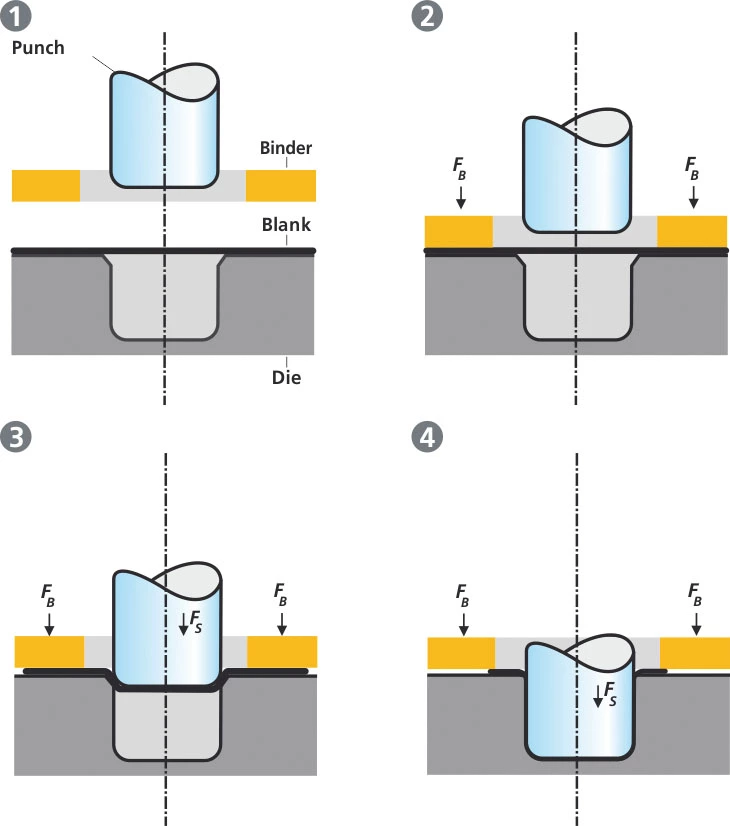
3.1. Structural Overview: The H-Frame Design

The H-frame design is characterized by a symmetrical structure, which provides excellent support and stability. The two vertical columns serve as the primary supports, while the two horizontal crossbars connect these columns and house key components like the hydraulic cylinder, ram, and bed. This design ensures that the press can withstand the forces generated during pressing operations without flexing or deforming.

Key Characteristics of the H-Frame Design
  • Symmetry: The symmetrical arrangement of the vertical columns and horizontal crossbars helps to balance the distribution of force across the entire structure.
  • Open Work Area: The open space between the columns allows for easy access to the workpiece and enables the press to handle larger components compared to other press types like C-frame presses.
  • Modular Design Options: The H-frame configuration can be easily customized with different accessories, die sets, and control systems to suit specific industrial requirements.

3.2. Key Components of H-Frame Hydraulic Presses

H-frame hydraulic presses consist of several key components that work together to perform pressing operations with precision and consistency.

3.2.1. Vertical Columns

The vertical columns are the backbone of the H-frame press. They provide the structural support needed to handle the immense forces generated during pressing. The columns are typically made of high-strength steel to ensure they can withstand heavy loads without buckling or bending.

  • Reinforcement and thickness: The columns are designed with sufficient thickness and reinforcement to prevent deformation during high-pressure operations.
  • Guide rails: Some H-frame presses feature guide rails mounted on the columns to ensure the ram moves vertically without tilting or misalignment.
3.2.2. Horizontal Crossbars

The upper and lower crossbars connect the vertical columns, providing structural stability and support for the hydraulic components.

  • Upper crossbar: The upper crossbar supports the hydraulic cylinder and ram, allowing them to apply pressure to the workpiece.
  • Lower crossbar (bed): The lower crossbar, also known as the bed, serves as the base where the workpiece is placed during pressing operations. It may include slots or holes for mounting dies, tooling, or fixtures.
3.2.3. Hydraulic Cylinder

The hydraulic cylinder is a critical component that generates the force needed to perform pressing operations. It consists of a pistonram, and cylinder housing, which work together to convert hydraulic fluid pressure into mechanical force.

  • Single-acting vs. double-acting cylinders: H-frame presses can use either single-acting cylinders, where hydraulic fluid only acts on one side of the piston, or double-acting cylinders, which allow fluid to act on both sides for greater control over the ram’s movement.
  • Cylinder bore size and stroke length: The size of the cylinder bore and stroke length determine the press’s force capacity and the range of motion for the ram.
3.2.4. Ram and Punch

The ram is the moving component that transmits the force from the hydraulic cylinder to the workpiece. It is typically connected to a punch or other tooling used to shape, cut, or press the material.

  • Ram guides: To ensure the ram moves vertically without deviation, guide rails or bushings may be installed to reduce lateral movement and improve precision.
  • Punches and tooling: The ram can be fitted with various tooling, such as punchesdies, or forming tools, depending on the specific operation.
3.2.5. Work Table or Bed

The work table or bed is the surface where the workpiece is placed during pressing operations. It is usually made from hardened steel to withstand the impact and pressure of repeated pressing. The bed may also include:

  • T-slots or mounting holes for securing dies, tooling, or fixtures.
  • Adjustable positioning to accommodate different workpiece sizes and shapes.
3.2.6. Control Systems

Modern H-frame hydraulic presses are equipped with various control systems to regulate pressure, speed, and stroke length.

  • Manual controls: Some basic H-frame presses use manual controls, such as hand-operated levers or foot pedals, to operate the press.
  • Automated controls: Advanced presses are equipped with programmable logic controllers (PLCs) or computer numerical control (CNC) systems that allow for automated operation and precise adjustments.
  • Servo-hydraulic systems: These systems use servo motors to control the hydraulic pump, enabling greater precision in pressure and speed adjustments.

3.3. Importance of Stability and Force Distribution in H-Frame Presses

The design of H-frame hydraulic presses ensures that the forces generated during pressing operations are evenly distributed across the structure. This stability is crucial for maintaining the accuracy and quality of the pressed components.

  • Reduced risk of deformation: The rigid frame design minimizes flexing or bending, which could otherwise lead to inconsistencies in the workpiece.
  • Consistent force application: The even distribution of force across the press bed ensures that the entire surface of the workpiece is subjected to uniform pressure, improving the overall quality of the formed or shaped part.
  • Improved precision: The combination of stability and precise control systems in H-frame presses allows for high levels of accuracy, even when pressing large or complex workpieces.

3.4. Customization Options in H-Frame Hydraulic Presses

H-frame hydraulic presses can be customized to meet the specific needs of various industries and applications. Some common customization options include:

  • Different tonnage capacities: H-frame presses are available in a range of force capacities, from small manual presses producing a few tons of force to large industrial presses capable of thousands of tons.
  • Specialized tooling and accessories: Custom tooling, such as embossing diesforming tools, and punches, can be fitted to the press for specific applications.
  • Multi-station setups: Some H-frame presses can be configured with multiple stations to perform sequential operations, such as stampingforming, and assembly.
  • Hydraulic system configurations: The hydraulic system can be tailored with different pump types, cylinder arrangements, and fluid reservoirs to achieve the desired force and speed.

3.5. Material Choices and Durability of H-Frame Structures

The durability and longevity of an H-frame hydraulic press depend on the materials used in its construction.

  • High-strength steel: Most H-frame presses are made from high-strength steel that can endure the stress of heavy-duty operations. This ensures the press maintains its structural integrity over time.
  • Surface treatmentsSurface treatments, such as chrome plating or heat treatment, may be applied to certain components, like the ram or work bed, to enhance durability and reduce wear.

Working Principle of H-Frame Hydraulic Presses

The H-frame hydraulic press operates based on the principles of hydraulic pressure and force amplification. It uses a hydraulic system to generate force, which is then applied to a workpiece to perform various tasks such as bendingformingstampingpunching, or compression molding. The fundamental working principle is governed by Pascal’s Law, which states that pressure applied to a confined fluid is transmitted equally in all directions.

4.1. Basic Hydraulic Press Operation

The basic operation of an H-frame hydraulic press involves the following steps:

  1. Generating Hydraulic Pressure: The press’s hydraulic system consists of a hydraulic pumpfluid reservoir, and hydraulic cylinders. The pump pressurizes the hydraulic fluid (usually oil), which is stored in a reservoir and then sent through a system of valves and hoses to the hydraulic cylinder.
  2. Actuating the Hydraulic Cylinder: The pressurized hydraulic fluid enters the cylinder chamber, where it acts on the piston inside the hydraulic cylinder. The fluid pressure creates a mechanical force that pushes the piston and the attached ram downward to apply force on the workpiece.
  3. Applying Force to the Workpiece: The ram moves vertically, pressing against the workpiece placed on the bed. Depending on the application, the ram may be fitted with various tools, such as diespunches, or forming attachments, to shape, cut, or compress the material.
  4. Returning the Ram to its Initial Position: Once the pressing operation is complete, the hydraulic pressure is released, and the ram is returned to its initial position, ready for the next operation. In double-acting hydraulic cylinders, pressurized fluid can be used on both sides of the piston to control the movement in both directions.

4.2. Force Transmission and Movement in H-Frame Designs

The structure of the H-frame hydraulic press ensures that the force is transmitted uniformly across the workpiece. The H-shaped frame supports the hydraulic cylinder and ram, providing a stable base for force application. The vertical columns and horizontal crossbars help maintain rigidity and distribute the force evenly, which is crucial for achieving consistent results.

Key Elements in Force Transmission
  • Hydraulic cylinder: The hydraulic cylinder converts fluid pressure into mechanical force. The piston inside the cylinder moves vertically, driving the ram to apply pressure to the workpiece.
  • Ram guidesRam guides or bushings ensure that the ram moves straight and does not tilt or shift laterally. This alignment is essential for maintaining the precision and quality of the pressing operation.
  • Bed support: The work bed serves as the base where the material is placed, and its robust construction ensures that it can handle the high forces without deforming.

4.3. Hydraulic Cylinder and Pump Mechanics

The hydraulic cylinder and pump work together to generate the force needed for pressing operations. Understanding the mechanics of these components is crucial for optimizing the performance of an H-frame hydraulic press.

4.3.1. Hydraulic Pump Operation

The hydraulic pump draws fluid from the reservoir and pressurizes it, sending it into the hydraulic system. The type of pump used can vary depending on the force requirements of the press:

  • Gear pumps: Known for their simplicity and reliability, gear pumps are commonly used in basic hydraulic systems.
  • Vane pumps: Vane pumps offer a good balance between pressure and flow rate, making them suitable for presses that need moderate control.
  • Piston pumps: These pumps provide high-pressure capabilities and are often used in heavy-duty presses that generate thousands of tons of force.
4.3.2. Cylinder Mechanics

The cylinder bore sizestroke length, and piston diameter all play a role in determining the force output and range of motion. Larger bore sizes and pistons can generate higher forces, while longer stroke lengths provide more flexibility in pressing different workpiece sizes.

4.4. Application of Force to Workpieces

The ability of an H-frame hydraulic press to apply force uniformly makes it suitable for a variety of industrial applications. The way the press applies force to a workpiece can be customized to achieve different outcomes.

4.4.1. Metal Forming

In metal forming, the ram and die are used to shape the metal workpiece into the desired form. The press applies steady, controlled pressure to bend or stretch the metal without causing cracks or deformities. Common metal forming tasks include:

  • Bending: Creating angles and curves in metal sheets.
  • Stamping: Forming metal shapes or embossing designs onto sheets.
  • Punching: Cutting holes or shapes in metal sheets.
4.4.2. Compression Molding

In compression molding, the press is used to shape materials like plasticsrubber, or composites by compressing them into a mold. The H-frame hydraulic press ensures consistent pressure throughout the molding process, resulting in uniform parts with minimal defects.

4.4.3. Assembly Operations

For assembly tasks, H-frame presses are used to press bearingsbushings, or other components into place. The press applies precise pressure to ensure the components fit snugly and securely, reducing the risk of damage.

4.5. Importance of Pressure Control and Force Distribution

The control of hydraulic pressure and force distribution is crucial for achieving high-quality pressing results. Advanced control systems in modern H-frame hydraulic presses allow operators to fine-tune the pressure, speed, and stroke length, enabling greater precision in various applications.

4.5.1. Pressure Regulation

Pressure regulation ensures that the hydraulic system maintains a consistent force during the press cycle. Relief valvespressure regulators, and flow controls are used to monitor and adjust the pressure to prevent overloading or underperformance.

4.5.2. Force Distribution

The even distribution of force across the press bed ensures that the entire workpiece is subjected to uniform pressure. This is essential for applications like sheet metal forming or compression molding, where uneven pressure can lead to warping or defects.

4.6. Control Systems and Automation in Modern H-Frame Presses

Modern H-frame hydraulic presses are equipped with automated control systems, such as CNCPLC, or servo-hydraulic systems, that enhance the precision and efficiency of pressing operations.

4.6.1. Programmable Logic Controllers (PLCs)

PLCs allow operators to program specific parameters for each pressing task, such as force levelsstroke lengths, and cycle speeds. This automation reduces the need for manual adjustments and improves productivity.

4.6.2. Servo-Hydraulic Control

Servo-hydraulic systems use servo motors to control the hydraulic pump, providing real-time adjustments to the press’s force and speed. This capability allows for dynamic pressure control, which is beneficial in tasks requiring high precision.

4.6.3. IoT Integration and Smart Presses

With the integration of IoT connectivity, H-frame hydraulic presses can be connected to smart manufacturing networks. These smart presses provide real-time data on performance metrics, predictive maintenance alerts, and process optimization insights.

Key Applications of H-Frame Hydraulic Presses

H-frame hydraulic presses are versatile machines used across numerous industries due to their ability to generate significant force while maintaining precision and stability. Their robust design, open work area, and customizable configurations make them suitable for a wide range of applications. Below are some of the most common uses of H-frame hydraulic presses in various industries.

5.1. Metal Forming and Fabrication

One of the primary applications of H-frame hydraulic presses is in metal forming and fabrication. The press is used to manipulate metal sheets, plates, and other materials into various shapes and sizes. Key metal forming tasks performed using H-frame presses include bendingstraighteningformingstamping, and punching.

  • Bending: H-frame hydraulic presses are used to create precise bends and curves in metal sheets. By applying controlled pressure, the press can shape the metal without causing cracks or material fatigue, making it suitable for producing bracketsframespanels, and angles.
  • Straightening: When metal parts become bent or warped during manufacturing, H-frame presses can be used to straighten them. This is common in industries like metalworking and construction, where steel beams, bars, or rods need to be restored to their original shape.
  • Forming complex shapes: The press can also be used to form intricate shapes or components by using specialized dies. This capability is valuable in automotive and aerospace applications, where parts need to meet strict design specifications.

5.2. Automotive Manufacturing

The automotive industry is a major user of H-frame hydraulic presses. These machines are essential for producing various car components and parts that require high precision, durability, and strength. Common applications in the automotive industry include pressing bearingsforming chassis components, and punching engine parts.

  • Pressing bearings: H-frame presses are widely used in automotive repair and assembly lines to press bearings into place in engine blocks, wheel hubs, and transmissions. The ability to apply precise pressure ensures that the bearings are installed correctly without causing damage to surrounding components.
  • Chassis components: In manufacturing chassis components like cross memberssupport beams, and suspension parts, H-frame presses are used to form or shape metal parts with consistent quality. The press’s ability to handle large workpieces makes it ideal for producing these structural components.
  • Punching and stamping engine parts: H-frame presses can perform high-precision punching and stamping operations to produce small engine components, such as valve coversbrackets, and housings. The press ensures each part is formed accurately, meeting the required tolerances for reliable engine performance.

5.3. Aerospace Industry

In the aerospace industry, H-frame hydraulic presses are used to produce lightweight, high-strength components that must meet exacting quality standards. Aerospace manufacturing often involves forming, punching, or stamping materials like aluminumtitanium, and composites.

  • Forming lightweight structural components: H-frame presses are used to shape aircraft panelsfuselages, and wing structures, where the material must be lightweight yet strong. The precision and even force distribution provided by the H-frame design ensure that these components meet stringent aerodynamic and structural requirements.
  • Turbine blades and high-strength parts: Hydraulic presses are used to form parts for jet engines, such as turbine blades and engine housings, where materials need to be shaped to withstand high temperatures and mechanical stress.

5.4. Heavy Machinery and Industrial Equipment

The heavy machinery and industrial equipment industries rely on H-frame hydraulic presses for producing large, high-strength components used in construction, mining, and agricultural equipment. Common applications include forgingstamping, and shaping parts such as gearsshaftsbearings, and machine components.

  • Forging and stamping gears and shafts: H-frame hydraulic presses are used to forge metal into shapes like gears and shafts, which are crucial components in heavy machinery. The press applies consistent pressure to ensure that each part is formed to the exact specifications required for high performance.
  • Compression molding in rubber and plastics: In the production of rubber sealsplastic housings, and gaskets, H-frame presses are used for compression molding, where the material is shaped and hardened under high pressure and heat.

5.5. General Maintenance and Repair

H-frame hydraulic presses are not only used in manufacturing but also play a crucial role in maintenance and repair work. Their ability to generate high force with precision makes them ideal for tasks such as straightening bent parts and pressing bearings.

  • Straightening bent parts: In repair shops, H-frame presses are commonly used to restore bent metal parts, such as axlesrods, and framework, to their original shape. By applying controlled pressure in the opposite direction of the bend, the press can gradually straighten the part without causing further damage.
  • Pressing bearings into place: H-frame presses are used to install bearings into various mechanical systems, including engines, gearboxes, and machinery. The press ensures that the bearings are seated securely, improving the reliability and longevity of the equipment.

5.6. Assembly and Production Lines

H-frame hydraulic presses are frequently integrated into assembly lines and production facilities, where they are used to perform sequential operations on a workpiece. These presses can be customized to handle different tasks, such as multi-stage manufacturing and assembly operations.

  • Multi-stage manufacturing: H-frame presses can be configured with multiple stations to carry out sequential operations, such as formingcuttingpunching, and bending. This setup increases productivity by reducing the need to transfer parts between different machines.
  • Assembly operations in automated settings: H-frame presses are used in automated production lines to perform tasks such as rivetingjoining, and inserting components. The ability to automate these processes ensures consistency, speed, and reduced labor costs.

5.7. Specialized Applications

In addition to the common uses mentioned above, H-frame hydraulic presses are employed in various specialized applications, where their precision, force capacity, and customization options make them suitable for unique industrial tasks.

  • Medical device manufacturing: In the production of medical devices and surgical tools, H-frame presses are used to shape and form metal components with tight tolerances, ensuring that each part meets stringent healthcare standards.
  • Art and sculpture: Artists and sculptors use H-frame hydraulic presses to shape metalplastics, and other materials into creative designs. The press’s ability to apply controlled pressure enables the creation of intricate shapes and patterns.
  • Prototype development: In research and development labs, H-frame presses are used to create prototypes and test samples. Their flexibility and precision make them ideal for small-batch production runs, where new materials or designs are being evaluated.

Advantages of H-Frame Hydraulic Presses

H-frame hydraulic presses offer several advantages that make them the preferred choice for a wide range of industrial applications. These presses are recognized for their versatilityhigh force capacityprecision, and stability, making them suitable for tasks ranging from metal forming to assembly operations. Below are some of the key benefits that set H-frame hydraulic presses apart from other types of presses.

6.1. High Force Capacity and Structural Integrity

One of the primary advantages of H-frame hydraulic presses is their ability to generate high force, which makes them suitable for heavy-duty applications. The robust H-frame design ensures that the press can handle significant loads without compromising structural integrity.

  • Handling High-Pressure Tasks: The H-frame press can produce forces ranging from a few tons to several thousand tons, allowing it to perform high-pressure tasks such as metal forgingstamping, and bending. The ability to generate consistent force throughout the stroke length ensures that even thick or tough materials can be shaped or compressed effectively.
  • Structural Integrity for Heavy-Duty Applications: The H-shaped frame, with its vertical columns and horizontal crossbars, provides excellent stability, which prevents the press from flexing or deforming under high loads. This structural integrity is essential for applications that require consistent pressure, such as precision stamping and compression molding.

6.2. Versatility Across a Wide Range of Applications

H-frame hydraulic presses are incredibly versatile, capable of performing multiple tasks with different materials. This adaptability makes them suitable for a wide range of industries, including automotiveaerospacemetalworkingplastic molding, and maintenance.

  • Metal Forming and Fabrication: The press is commonly used for tasks such as bendingstraighteningstampingpunching, and forming metal components. The ability to adjust force, speed, and stroke length allows operators to customize the press for specific metalworking tasks.
  • Compression Molding: H-frame presses can be used to mold rubberplastics, and composites by applying uniform pressure to a mold, ensuring the material takes on the desired shape. This process is often used in the production of gasketsseals, and plastic housings.
  • Assembly and Maintenance: The precision and control offered by H-frame presses make them ideal for assembly tasks, such as pressing bearings into place or installing bushings. They are also used in repair shops to straighten bent parts or press components back into shape.

6.3. Precision and Control: Why H-Frames are Ideal for High-Accuracy Work

Precision is a key requirement in many manufacturing processes, and H-frame hydraulic presses provide the control and accuracy needed for high-quality results.

  • Adjustable Pressure and Stroke Control: Modern H-frame presses come equipped with advanced control systems that allow operators to fine-tune the pressurespeed, and stroke length. This level of control ensures that the press can produce consistent results, even when working with materials that require tight tolerances.
  • Dynamic Force Application: The press can apply force dynamically, meaning that the pressure can be adjusted in real-time based on the requirements of the task. This capability is particularly valuable in applications like metal forming, where different stages of the process may require varying levels of force.
  • Automation and Precision Control Systems: Many H-frame hydraulic presses are integrated with computer numerical control (CNC) or programmable logic controllers (PLCs) that allow for automated operation and greater accuracy in complex tasks. Servo-hydraulic systems also provide real-time adjustments to force and speed, enhancing the precision of the press.

6.4. Stability and Even Force Distribution: Ensuring Quality Results

The H-frame design offers exceptional stability and ensures that the force applied to the workpiece is distributed evenly. This characteristic is crucial for maintaining the quality of the finished product and preventing defects.

  • Minimizing Deformation and Warping: The even distribution of force across the press bed helps reduce the risk of deformation or warping, especially in materials like sheet metal or plastics. The rigid frame design prevents the press from bending under load, ensuring consistent force application.
  • High Stability for Large Workpieces: H-frame presses are well-suited for handling large workpieces that may be difficult to process using other types of presses, such as C-frame presses. The open work area allows for greater flexibility in positioning the material, while the frame’s stability ensures that the press can handle the high forces required for large parts.
  • Precision Alignment: The vertical columns and ram guides ensure that the ram moves smoothly and remains aligned throughout the pressing operation, reducing the risk of misalignment or lateral movement that could compromise the quality of the workpiece.

6.5. Ability to Handle Large Workpieces and Complex Shapes

H-frame hydraulic presses are ideal for tasks involving large or irregularly shaped workpieces. Their open-front design allows operators to position materials easily and handle parts that may not fit within other press configurations.

  • Accommodating Different Sizes and Shapes: The open design of the H-frame press enables operators to work with large sheetspanelsbars, and other sizable materials. The press can also be fitted with specialized tooling to accommodate complex shapes or multi-stage operations, such as formingtrimming, and piercing.
  • Flexibility in Tooling and Setup: The H-frame configuration allows for the use of interchangeable tooling, such as different diespunches, or forming attachments, making it easy to adapt the press for various applications. This flexibility is beneficial in industries where product designs or manufacturing requirements change frequently.

6.6. Customization Potential for Specific Industry Needs

H-frame hydraulic presses can be customized to meet the specific requirements of different industries. Manufacturers can choose from various options for tonnage capacitystroke lengthbed size, and control systems to create a press that is optimized for their application.

  • Wide Range of Tonnage Capacities: H-frame presses are available in different force capacities, from a few tons to thousands of tons, making it possible to find the right press for tasks ranging from light assembly work to heavy metal forming.
  • Modular Design Options: Some H-frame presses feature modular components, such as interchangeable rams, beds, or hydraulic systems, allowing users to reconfigure the press for different tasks. This modularity increases the versatility of the press and extends its service life.
  • Industry-Specific Customizations: Customizations can include servo-hydraulic systems for real-time force adjustments, CNC controls for automated operation, and IoT connectivity for integration with smart manufacturing systems. These enhancements improve the press’s performance in applications like precision metalworkingautomotive assembly, and aerospace manufacturing.

6.7. Cost-Effectiveness for Heavy-Duty Manufacturing

H-frame hydraulic presses are a cost-effective solution for industries that require reliablehigh-performance pressing equipment. Their durability, versatility, and ease of maintenance contribute to long-term savings and operational efficiency.

  • Long Service Life: The robust construction of the H-frame press ensures that it can withstand continuous use in demanding environments. With proper maintenance, an H-frame press can last for many years, making it a wise investment for manufacturers.
  • Lower Maintenance Costs: Compared to more complex machinery, H-frame hydraulic presses have fewer moving parts, which reduces the likelihood of breakdowns and lowers maintenance costs. Routine maintenance, such as inspecting hydraulic fluid levels, cleaning filters, and checking for leaks, is usually sufficient to keep the press in good working condition.
  • Reduced Material Waste: The precision and control offered by H-frame presses help reduce material waste during pressing operations. By ensuring that each part is formed accurately, the press minimizes the need for secondary processing or rework, saving time and material costs.

6.8. Safety Features and Operator Protection

Modern H-frame hydraulic presses are equipped with various safety features designed to protect operators and prevent accidents.

  • Emergency Stop MechanismsEmergency stop buttons allow operators to halt the press immediately if a problem is detected. This feature is essential for preventing accidents during high-pressure operations.
  • Guarding and Light Curtains: Many H-frame presses are equipped with safety guards or light curtains that detect the presence of hands or objects in the work area. These systems automatically stop the press if a safety breach is detected, reducing the risk of injury.
  • Pressure Relief ValvesPressure relief valves prevent overloading by releasing excess hydraulic pressure, ensuring that the press operates within safe limits.

6.9. Sustainability and Energy Efficiency

The integration of advanced control systems and energy-efficient components has made modern H-frame hydraulic presses more sustainable.

  • Energy-Efficient Hydraulic Systems: Newer models of H-frame presses feature energy-saving hydraulic pumps that operate only when the press is in use. This reduces energy consumption and lowers operational costs.
  • Use of Eco-Friendly Hydraulic Fluids: Some presses are compatible with biodegradable hydraulic fluids, which minimize environmental impact in case of a leak or spill.
  • Energy Recovery Systems: In some servo-hydraulic presses, energy recovery systems are used to capture and reuse the energy generated during the press cycle, further improving energy efficiency.

Comparison to Other Types of Hydraulic Presses

H-frame hydraulic presses are one of several types of hydraulic presses used in industrial applications. Each type of press has its own advantages and limitations, making certain designs more suitable for specific tasks. This section compares H-frame hydraulic presses with other common types, such as C-frame pressesfour-column presses, and servo-hydraulic presses, to highlight their unique characteristics and appropriate use cases.

7.1. H-Frame vs. C-Frame Hydraulic Presses

C-frame hydraulic presses, also known as gap-frame presses, feature an open-front design that resembles the shape of the letter “C.” This design provides easy access to the work area from three sides, making it ideal for tasks that require frequent loading and unloading of small workpieces.

Advantages of H-Frame Presses Over C-Frame Presses
  • Higher Stability and Force Distribution: The H-frame design provides better stability and even force distribution compared to C-frame presses. This is particularly important for high-pressure tasks and large workpieces, where stability is essential to prevent frame deformation and ensure consistent results.
  • Higher Force Capacity: H-frame presses generally have higher force capacities than C-frame presses, making them suitable for heavy-duty applications, such as forgingdeep drawing, and metal forming.
Advantages of C-Frame Presses Over H-Frame Presses
  • Compact Size and Space Efficiency: C-frame presses have a smaller footprint and are more space-efficient, making them ideal for workshops or production lines with limited space.
  • Ease of Access: The open-front design allows operators to load and unload materials quickly, making C-frame presses better suited for tasks like assemblysmall part production, and repetitive stamping operations.

7.2. H-Frame vs. Four-Column Hydraulic Presses

Four-column hydraulic presses, also known as four-post presses, have four vertical columns that support the upper and lower crossheads, providing a large, open work area. This design is known for its ability to evenly distribute force across the entire workpiece.

Advantages of H-Frame Presses Over Four-Column Presses
  • Flexibility in Customization: H-frame presses are often more easily customizable than four-column presses. The frame design allows for modifications to accommodate different toolingstroke lengths, and bed sizes, making them suitable for a wider range of applications.
  • Cost-Effectiveness: H-frame presses tend to be more affordable than four-column presses with similar force capacities. This makes them a cost-effective choice for industries that require high-performance pressing equipment without the need for a large open work area.
Advantages of Four-Column Presses Over H-Frame Presses
  • Larger Work Area: Four-column presses offer a larger, open work area, which is advantageous for handling large or irregularly shaped workpieces. This design is particularly useful in applications like deep drawing and large sheet metal forming, where space is needed for material movement.
  • Greater Stability for Large Workpieces: The four-column structure provides enhanced stability when handling heavy or oversized materials, ensuring consistent pressure across the entire surface of the workpiece.

7.3. H-Frame vs. Servo-Hydraulic Presses

Servo-hydraulic presses integrate servo motor technology into the hydraulic system, allowing for precise control over force, speed, and position. These presses are often used in applications that require high precision and variable pressure settings.

Advantages of H-Frame Presses Over Servo-Hydraulic Presses
  • Lower Initial Cost: H-frame hydraulic presses are generally less expensive than servo-hydraulic presses, making them more accessible for businesses with budget constraints.
  • Simplicity in Operation: H-frame presses have a more straightforward hydraulic system, which makes them easier to maintain and operate compared to the complex servo-hydraulic systems. This simplicity can be beneficial in environments where operator training is limited.
Advantages of Servo-Hydraulic Presses Over H-Frame Presses
  • Precision Control and Automation: Servo-hydraulic presses offer real-time adjustments to force, speed, and stroke length, allowing for greater accuracy in complex pressing tasks. The ability to fine-tune parameters makes servo-hydraulic presses suitable for industries like electronicsmedical device manufacturing, and aerospace.
  • Energy Efficiency: The integration of servo motors allows for better energy management, as the motor only consumes energy when needed. This makes servo-hydraulic presses more energy-efficient than traditional hydraulic presses, reducing operational costs.

7.4. When to Choose H-Frame Presses Over Other Types

H-frame hydraulic presses are the ideal choice for tasks that require high force capacitystability, and versatility. The decision to use an H-frame press over other types depends on the specific requirements of the application.

H-Frame Presses Are Ideal For:
  • Heavy-Duty Applications: Tasks such as metal forgingstampingdeep drawing, and compression molding require presses that can generate significant force and maintain structural integrity under high loads.
  • Large Workpieces: When handling large sheetspanels, or irregularly shaped components, the H-frame’s stability and ability to accommodate different tooling make it a suitable choice.
  • Customizable Setups: Industries that require customizable setups with interchangeable toolingmodular components, or multiple workstations can benefit from the flexibility of the H-frame design.
Other Press Types Are Better Suited For:
  • High-Precision, Low-Tonnage Tasks: For tasks that demand high precision but do not require significant force, such as electronics manufacturing or fine metalworkservo-hydraulic or C-frame presses may be more appropriate.
  • Compact WorkspacesC-frame presses are ideal for workshops or production lines where space is limited, as their open-front design facilitates quick material handling and operator access.
  • Large-Scale Metal Forming: For tasks that require a large open work area and consistent pressure distribution over extensive surfaces, such as large sheet metal forming or deep drawingfour-column presses may be the better option.

Technological Advancements in H-Frame Hydraulic Presses

Recent technological advancements have significantly improved the performanceefficiency, and precision of H-frame hydraulic presses, making them more versatile and suitable for modern industrial applications. These innovations include the integration of servo-hydraulic systemsautomated controlIoT connectivity, and energy-efficient components, which collectively enhance the functionality of H-frame presses and expand their range of applications.

8.1. Integration of Servo-Hydraulic Systems for Precision Control

Servo-hydraulic systems have brought significant advancements to H-frame hydraulic presses by combining the power of hydraulics with the precision of servo motor technology. In servo-hydraulic presses, a servo motor is used to control the hydraulic pump, allowing for real-time adjustments to pressure, speed, and stroke length.

Key Benefits of Servo-Hydraulic Systems
  • Enhanced Precision and Accuracy: Servo-hydraulic technology enables precise control over the force and movement of the ram, making it suitable for high-precision applications such as metal formingstamping, and assembly tasks that require tight tolerances.
  • Variable Pressure Settings: Unlike traditional hydraulic systems, where pressure is fixed, servo-hydraulic presses allow operators to adjust pressure dynamically based on the requirements of the specific task. This capability helps prevent material damage and defects during pressing operations.
  • Energy Efficiency: The use of servo motors allows the press to consume energy only when needed, reducing overall energy consumption and operational costs. This makes servo-hydraulic presses more sustainable and eco-friendly.

8.2. Adoption of CNC and PLC Controls for Automation

The integration of Computer Numerical Control (CNC) and Programmable Logic Controllers (PLCs) has revolutionized the operation of H-frame hydraulic presses by enabling automated control and programming of complex tasks.

Advantages of CNC and PLC Integration
  • Automated Operation: CNC and PLC systems allow operators to program specific parameters for each pressing task, including force levelsstroke lengthram speed, and dwell time. This automation increases productivity by reducing the need for manual adjustments.
  • Consistency and Repeatability: By using automated control systems, H-frame presses can produce consistent results with high repeatability, ensuring that each part meets the required specifications. This is especially beneficial in industries such as automotive and aerospace, where product quality is critical.
  • Multi-Stage Operations: CNC and PLC controls make it possible to perform multi-stage operations, such as formingtrimming, and punching, in a single setup. This capability streamlines the production process and reduces the time needed to switch between tasks.

8.3. IoT and Smart Manufacturing Integration

The adoption of Industry 4.0 technologies has brought IoT connectivity and smart manufacturing capabilities to H-frame hydraulic presses. These advancements enable real-time monitoringpredictive maintenance, and process optimization.

Benefits of IoT-Enabled H-Frame Presses
  • Real-Time Data Monitoring: IoT-enabled presses can collect real-time data on parameters such as pressurestroke lengthcycle time, and hydraulic fluid temperature. This data can be analyzed to optimize the pressing process, identify areas for improvement, and ensure consistent product quality.
  • Predictive Maintenance: By monitoring the condition of the press and its components, IoT systems can detect signs of wear and tear or potential issues before they result in machine failure. This predictive maintenance approach helps reduce downtime and extend the service life of the press.
  • Remote Control and Diagnostics: IoT connectivity allows operators and technicians to remotely monitor the press’s performance and diagnose problems. This capability is especially useful for multi-site manufacturing operations, where presses in different locations can be managed from a central control hub.

8.4. Energy Efficiency Innovations in Modern H-Frame Presses

As energy efficiency becomes a greater priority in manufacturing, new technologies have been developed to reduce the energy consumption of H-frame hydraulic presses. These innovations not only help companies lower their operational costs but also support sustainability initiatives.

Energy-Saving Hydraulic Pumps
  • Variable Displacement Pumps: Modern H-frame presses are often equipped with variable displacement pumps, which adjust the amount of hydraulic fluid being pumped based on the press’s requirements. This reduces energy waste by supplying only the necessary amount of fluid.
  • Servo-Driven PumpsServo-driven pumps use servo motors to control the flow of hydraulic fluid. They are more efficient than traditional pumps because they can modulate speed and pressure according to the task, leading to lower energy consumption.
Energy Recovery Systems
  • Regenerative Circuits: Some H-frame presses are equipped with regenerative hydraulic circuits that capture and reuse energy generated during the press cycle. This technology helps reduce energy consumption by recycling the energy used in the pressing operation.
  • Energy Storage SystemsHydraulic accumulators can be used to store excess energy generated during the press cycle. This stored energy can then be released to assist with subsequent press operations, reducing the demand on the hydraulic pump.

8.5. Advances in Safety Features for Operator Protection

Safety is a top priority in industrial environments, and H-frame hydraulic presses have benefited from advancements in safety features that protect operators from accidents.

Light Curtains and Guarding Systems
  • Light CurtainsLight curtains create an invisible barrier around the work area. If the barrier is broken, the press will automatically stop to prevent injury. This feature is widely used in automated production lines to enhance operator safety.
  • Safety Guarding: H-frame presses can be equipped with physical guards that prevent hands or tools from entering dangerous areas. These guards are designed to ensure that the operator remains at a safe distance from the moving parts of the press.
Emergency Stop Mechanisms
  • Multiple Emergency Stop Buttons: Modern H-frame presses feature emergency stop buttons that are placed in strategic locations to allow operators to quickly halt the press in case of an emergency. Some models even have foot-operated safety pedals.
  • Automatic Pressure Relief SystemsPressure relief valves and safety interlocks ensure that the press does not exceed its maximum pressure limit, preventing equipment damage and operator injury.

8.6. Customizable Tooling and Modular Design Advancements

The ability to customize tooling and use a modular design enhances the flexibility and adaptability of H-frame hydraulic presses. This allows manufacturers to quickly adapt the press for different tasks.

Quick-Change Tooling
  • Interchangeable Tool Sets: H-frame presses can be equipped with interchangeable tool sets that allow operators to switch between different tools, such as diespunches, and forming attachments, with minimal downtime.
  • Automated Tool Change SystemsAutomated tool changers enable the press to switch between tools without manual intervention, reducing setup time and increasing productivity.
Modular Frames for Easy Upgrades
  • Modular Frame Components: Some H-frame presses feature modular frames that can be easily upgraded or reconfigured to meet changing production requirements. For example, the press bed, ram, or hydraulic system can be modified to accommodate different materials or processes.
  • Scalable Tonnage Capacities: Modular designs also allow for scalable tonnage capacities, enabling manufacturers to upgrade the press to a higher force capacity without replacing the entire machine.

8.7. Smart Technology Integration for Process Optimization

The integration of smart technology, including machine learning and artificial intelligence (AI), is transforming the capabilities of H-frame hydraulic presses. These technologies enable presses to self-optimize and improve process efficiency.

AI-Driven Process Optimization
  • Adaptive Control Systems: AI-driven control systems can adjust pressing parameters in real time based on feedback from sensors, ensuring optimal performance for each task. This capability reduces material waste and improves cycle times.
  • Machine Learning for Predictive Maintenance: By analyzing data collected from previous operations, machine learning algorithms can predict when maintenance will be needed, allowing for proactive repairs that reduce the risk of unexpected downtime.
Cloud-Based Data Analysis
  • Cloud Connectivity: Some smart H-frame presses are connected to cloud-based platforms that store and analyze data on press performance. This data can be accessed remotely, allowing manufacturers to make data-driven decisions and continuously optimize production processes.
  • Big Data for Quality Control: Using big data analytics, manufacturers can detect patterns in the pressing process that may indicate quality issues, allowing for timely adjustments to maintain high product standards.

Safety Considerations for Operating H-Frame Hydraulic Presses

H-frame hydraulic presses are powerful machines that can pose risks to operators if not used safely. Ensuring operator safety requires understanding the potential hazards associated with hydraulic presses, following safety standards, using protective features, and practicing proper maintenance and training. This section covers key safety considerations and best practices for the safe operation of H-frame hydraulic presses.

9.1. Overview of Hydraulic Press Safety Standards

Various organizations set safety standards for hydraulic press operation, which are designed to protect workers and reduce the risk of accidents. Key safety standards include:

  • Occupational Safety and Health Administration (OSHA): OSHA provides guidelines on safe press operation, including requirements for guardingemergency stop mechanisms, and training for operators.
  • American National Standards Institute (ANSI): The ANSI B11.2 standard outlines the safety requirements for hydraulic and pneumatic presses, including guidelines for mechanical guardscontrol systems, and safety interlocks.
  • European Machinery Directive (CE Marking): In Europe, hydraulic presses must meet the CE marking requirements to ensure they comply with European safety standards.

Compliance with these standards helps to minimize risks and ensure a safe working environment.

9.2. Common Hazards Associated with Hydraulic Press Operation

Operating an H-frame hydraulic press involves certain risks that must be managed to prevent accidents. Some common hazards include:

  • Crushing Injuries: The most significant risk is the potential for crushing injuries if an operator’s hand or body part is caught between the ram and the bed. The immense force generated by the press can cause severe injury or death.
  • High-Pressure Fluid LeaksHydraulic fluid leaks under high pressure can be dangerous, as they can cause injection injuries if the fluid penetrates the skin. Additionally, leaks can lead to slips and falls if the fluid spills on the floor.
  • Ejection of Parts or Material: If a workpiece is not securely clamped or the press is overloaded, there is a risk that parts or materials could be ejected from the press at high speed, potentially injuring nearby workers.
  • Mechanical Failures: Failures in components such as cylindersvalves, or hydraulic lines can lead to unexpected press movements or loss of pressure, creating hazardous conditions.

9.3. Key Safety Features in H-Frame Hydraulic Presses

Modern H-frame hydraulic presses come equipped with various safety features that help protect operators from accidents and injuries.

9.3.1. Guarding and Light Curtains
  • GuardingPhysical guards are used to prevent operators from reaching into the danger zone during press operation. These guards may be made of metalplastic, or transparent materials to provide visibility while maintaining protection.
  • Light CurtainsLight curtains create a virtual barrier around the work area. If an operator’s hand or body part crosses the light beam while the press is in motion, the machine automatically stops to prevent injury.
9.3.2. Emergency Stop Buttons
  • Multiple Emergency Stop ButtonsEmergency stop buttons are typically placed in accessible locations around the press, allowing operators to quickly halt the press if a hazardous situation arises. Some presses also have foot-operated emergency stops for added convenience.
  • Redundant Safety Systems: In some presses, redundant safety systems are used to ensure that the press stops immediately if the emergency stop is activated, even if there is a failure in one part of the control system.
9.3.3. Pressure Relief Valves and Interlocks
  • Pressure Relief Valves: These valves help prevent over-pressurization of the hydraulic system by releasing excess pressure, thereby protecting the press and operators from damage.
  • Safety InterlocksInterlock systems prevent the press from operating if the guards or doors are not in place. This ensures that operators cannot accidentally start the press when it is in an unsafe condition.

9.4. Importance of Regular Maintenance and Inspection

Regular maintenance and inspection are crucial for ensuring that an H-frame hydraulic press remains in safe operating condition. A preventive maintenance program helps identify potential issues before they result in machine failure or accidents.

9.4.1. Hydraulic System Maintenance
  • Checking Hydraulic Fluid LevelsHydraulic fluid should be kept at the recommended level and replaced regularly to ensure proper operation. Contaminated or low fluid levels can affect the press’s performance and increase the risk of failure.
  • Inspecting Hoses and Seals for Leaks: Regular inspection of hosesseals, and cylinders can help identify leaks early, preventing accidents related to high-pressure fluid ejection.
9.4.2. Mechanical Component Inspection
  • Checking for Wear and Tear: The frameram guidestooling, and bolts should be inspected for signs of wear or damage. Replacing worn components helps maintain the integrity of the press and reduces the risk of mechanical failure.
  • Ram Alignment: Ensuring the ram is properly aligned reduces the likelihood of misaligned pressing, which can cause defects in the workpiece and pose safety risks.

9.5. Training and Certification for Operators

Operators of H-frame hydraulic presses must be properly trained to understand the safe operation procedures and potential hazards associated with these machines.

9.5.1. Safety Training Programs
  • Hands-On Training: New operators should undergo hands-on training with experienced personnel to learn how to operate the press safely. This training should cover basic operationsemergency procedures, and safety features.
  • Refresher CoursesPeriodic safety training and refresher courses help keep operators up to date on new safety practicesregulations, and machine upgrades.
9.5.2. Operator Certification
  • Certification Programs: In some industries, operators must obtain certification to work with hydraulic presses. Certification programs ensure that workers have the necessary skills and knowledge to operate the press safely.
  • Compliance with Safety Regulations: Certified operators are better equipped to comply with safety regulations and standards set by organizations like OSHA, ANSI, or CE, reducing the risk of workplace accidents.

9.6. Best Practices for Safe Operation in Industrial Settings

Adhering to best practices for safe operation helps minimize risks when using H-frame hydraulic presses.

9.6.1. Using Proper Personal Protective Equipment (PPE)
  • Gloves, Goggles, and Hearing Protection: Operators should wear appropriate PPE, such as glovessafety goggles, and hearing protection, to protect against potential injuries from flying debrisloud noises, or sharp edges.
  • Fire-Resistant Clothing: When working with hot materials or combustible fluidsfire-resistant clothing can reduce the risk of burns or fire-related injuries.
9.6.2. Implementing Lockout/Tagout Procedures
  • Lockout/Tagout (LOTO): LOTO procedures ensure that the press is fully de-energized and locked out before maintenance or repair work is performed. This prevents accidental activation and protects workers during servicing.
9.6.3. Ensuring the Workpiece is Securely Clamped
  • Proper Clamping and Positioning: Before operating the press, the workpiece should be securely clamped and properly positioned to prevent it from shifting or being ejected during the pressing operation.

Introduction to Four-Column Hydraulic Presses

Laboratory Press
Laboratory Press

Four-column hydraulic presses are powerful and versatile machines that utilize hydraulic pressure to perform a variety of metal forming, molding, and assembly operations. The name “four-column” comes from the press’s structural design, which includes four vertical columns that provide support for the upper and lower crossheads, creating a large, open work area. This design allows for the even distribution of force across the entire workpiece, making four-column presses ideal for tasks that require high precision and consistency.

Four-column hydraulic presses are used in various industries, including automotiveaerospaceelectronicsappliance manufacturing, and plastics and rubber molding. Their ability to generate significant force while maintaining precise control over pressure and movement makes them suitable for tasks such as deep drawingstampingembossing, and compression molding.

The unique design of four-column hydraulic presses offers several advantages over other press types, such as H-frame or C-frame presses. The four-column structure provides greater stability and accessibility, allowing operators to work with large or irregularly shaped workpieces. Additionally, the open work area makes it easier to handle complex tooling and multi-stage operations.

Modern four-column presses are equipped with advanced control systems, such as servo-hydraulicCNC, or PLC automation, which allow for precise adjustments to force, speed, and stroke length. These features enable manufacturers to achieve high-quality results while maximizing productivity and minimizing material waste. Furthermore, recent technological advancements, including IoT connectivity and energy-efficient hydraulic systems, have improved the efficiency and safety of four-column hydraulic presses.

As the demand for high-quality, precision-manufactured parts continues to grow, the role of four-column hydraulic presses in modern manufacturing remains crucial. Their versatilitydurability, and ability to handle heavy-duty operations make them an indispensable tool in industries where performance and reliability are paramount.

Historical Evolution of Four-Column Hydraulic Presses

The development of four-column hydraulic presses is part of the broader history of hydraulic press technology, which dates back centuries. Understanding the evolution of these presses involves examining early innovations in hydraulic systems, the emergence of the four-column design, and the impact of industrialization on hydraulic press adoption.

2.1. Early Development of Hydraulic Presses

The concept of using hydraulic pressure to generate force dates back to ancient times, but the first practical application of hydraulic principles for pressing tasks came with the invention of the hydraulic press by Joseph Bramah in 1795. Bramah’s design utilized Pascal’s Law, which states that pressure applied to a confined fluid is transmitted equally in all directions, allowing a relatively small input force to be amplified to generate significant pressing power.

Bramah’s early hydraulic presses were used for tasks like packing and material compression, but they laid the foundation for the development of more advanced hydraulic systems that would emerge in the coming centuries.

2.2. Emergence of the Four-Column Design

The four-column hydraulic press design was developed in response to the need for greater stabilityeven force distribution, and a larger open work area. The introduction of four vertical columns provided structural support for the upper and lower crossheads, ensuring that the press could handle high loads without flexing or bending. This design improvement allowed for the even distribution of force across the entire workpiece, making it ideal for tasks such as deep drawingembossing, and large metal forming.

The four-column structure also created a large, open work area, which allowed operators to access the workpiece from all sides. This accessibility made it easier to handle large or irregularly shaped materials, as well as complex multi-stage operations that required different tools or dies.

2.3. Influence of Industrialization on Hydraulic Press Adoption

The Industrial Revolution, which began in the late 18th century, significantly accelerated the development and adoption of hydraulic presses, including the four-column design. The rapid growth of manufacturing and industrial production created a demand for powerful and reliable press equipment that could be used for mass production. Hydraulic presses were well-suited for a wide range of tasks, such as metal formingstampingforging, and molding.

The versatility and force capacity of four-column hydraulic presses made them a valuable tool in industries like automotiveaerospacemetalworking, and plastics manufacturing. As industrial processes became more complex, the need for high-precisionheavy-duty press equipment grew, leading to further innovations in hydraulic press technology.

2.4. Evolution of Hydraulic Systems and Technology

Throughout the 19th and 20th centuries, significant advancements were made in hydraulic systems, leading to the development of more efficient and powerful four-column presses. Some of the key innovations that contributed to the evolution of four-column hydraulic presses include:

  • Improved Hydraulic Pumps: Early hydraulic pumps were relatively simple, but advancements in pump design, such as the introduction of gear pumpsvane pumps, and piston pumps, allowed for higher pressures and more consistent force application. These improvements made hydraulic presses more efficient and reliable.
  • Development of Double-Acting Cylinders: The introduction of double-acting hydraulic cylinders allowed for precise control over the movement of the ram, enabling better control of the pressing process. This innovation was particularly important for applications that required variable stroke lengths or multi-stage operations.
  • Adoption of Servo-Hydraulic Technology: The integration of servo-hydraulic systems in the late 20th century enabled greater precision in controlling forcespeed, and position. Servo-hydraulic technology allowed operators to adjust pressing parameters dynamically, making four-column presses suitable for tasks that required high accuracy and repeatability.

2.5. Key Milestones in Four-Column Hydraulic Press Development

Several key milestones have marked the evolution of four-column hydraulic presses, helping to shape their modern capabilities:

  • Introduction of High-Pressure Hydraulic Systems: The development of high-pressure hydraulic systems in the mid-20th century allowed four-column presses to generate forces of thousands of tons, making them suitable for heavy-duty applications like metal forgingdeep drawing, and compression molding.
  • Incorporation of Computer Numerical Control (CNC): The integration of CNC control systems in four-column presses enabled automated and programmable control over pressing operations. This development improved the precisionconsistency, and productivity of the pressing process.
  • Advances in Safety Features: Modern four-column hydraulic presses are equipped with advanced safety features, such as light curtainsemergency stop mechanisms, and pressure relief valves, to protect operators and prevent accidents.
  • Integration with Industry 4.0 Technologies: In recent years, four-column presses have been integrated into smart manufacturing environments using IoT connectivityreal-time data monitoring, and predictive maintenance. These technologies help optimize press performance, improve energy efficiency, and reduce downtime.

Today, four-column hydraulic presses are recognized for their versatilityprecision, and ability to handle heavy-duty operations, making them a cornerstone of modern manufacturing across a wide range of industries.

Design and Structure of Four-Column Hydraulic Presses

Four-column hydraulic presses are known for their robust design, which provides stability and flexibility for a wide range of applications. The design features four vertical columns that support the upper and lower crossheads, creating an open work area that allows for even force distribution across the workpiece. This section delves into the structural components, customization options, and material choices used in four-column hydraulic presses.

3.1. Structural Overview: The Four-Column Design

The four-column design is characterized by its symmetrical structure, which includes four vertical columns arranged around the press bed. This configuration provides excellent support for the upper crosshead, where the hydraulic cylinder and ram are mounted, and the lower crosshead, which serves as the base for the work table.

Key Characteristics of the Four-Column Design
  • Symmetry and Stability: The symmetrical arrangement of the columns ensures balanced force distribution, which minimizes the risk of deformation or misalignment during pressing operations. This stability is particularly important for applications requiring high precision, such as metal forming and compression molding.
  • Open Work Area: The open space created by the four-column structure provides easy access to the workpiece from multiple sides, making it suitable for handling large or irregularly shaped materials and for multi-stage operations that involve different tools or dies.
  • Modular Configurations: The four-column design allows for various customization options, such as interchangeable rams, hydraulic systems, and tooling. This modularity makes the press adaptable to different industrial requirements.

3.2. Key Components of Four-Column Hydraulic Presses

The key components of a four-column hydraulic press work together to provide the force, precision, and control necessary for a variety of tasks. These components include the vertical columnsupper and lower crossheadshydraulic cylinderram and punchwork table, and control systems.

3.2.1. Vertical Columns

The vertical columns are the main structural elements of the press. They provide support for the upper and lower crossheads, ensuring that the frame remains stable during high-force operations.

  • Material Strength and Durability: The columns are typically made from high-strength steel or other durable materials to withstand heavy loads. They may also feature surface treatments, such as chrome plating or heat treatment, to enhance wear resistance.
  • Guide Bushings and Sleeves: To ensure smooth movement of the ram, guide bushings or sleeves are installed along the columns. These components help maintain alignment, preventing the ram from tilting or shifting laterally.
3.2.2. Upper and Lower Crossheads

The upper and lower crossheads connect the vertical columns and serve as key support structures for the press.

  • Upper Crosshead: The upper crosshead houses the hydraulic cylinder and provides support for the ram. It is designed to handle the forces generated during pressing without deforming.
  • Lower Crosshead: The lower crosshead, also known as the base or bed, provides a stable platform for the work table. It may include T-slots or mounting holes for securing tooling, dies, or fixtures.
3.2.3. Hydraulic Cylinder

The hydraulic cylinder is responsible for generating the force needed to perform pressing operations. It consists of a pistoncylinder housing, and ram.

  • Single-Acting vs. Double-Acting CylindersSingle-acting cylinders use hydraulic fluid to move the ram in one direction, while double-acting cylinders allow for controlled movement in both directions, offering greater flexibility.
  • Cylinder Bore Size and Stroke Length: The size of the cylinder bore and stroke length determine the press’s force capacity and range of motion. Larger bores and longer strokes are used for heavy-duty applications.
3.2.4. Ram and Punch

The ram is the moving component that transmits force from the hydraulic cylinder to the workpiece. It can be fitted with different punchesforming tools, or dies depending on the specific operation.

  • Precision Alignment: To ensure that the ram remains aligned during pressing, it is guided along the columns using bushings or linear guides. This precision helps maintain the quality of the workpiece.
  • Customizable Tooling: The ram can be fitted with a variety of tooling options, allowing the press to perform tasks such as punchingstampingforming, or embossing.
3.2.5. Work Table or Bed

The work table, located on the lower crosshead, is where the workpiece is placed during pressing. It is usually made from hardened steel to withstand the impact and pressure generated by the press.

  • T-Slots and Mounting Holes: The work table may feature T-slots or mounting holes for securing tooling, jigs, or fixtures, ensuring that the workpiece remains stable during the pressing operation.
  • Adjustable Positioning: Some four-column presses have adjustable work tables that can be moved vertically to accommodate different workpiece sizes.
3.2.6. Control Systems

Modern four-column hydraulic presses are equipped with various control systems to regulate forcespeedstroke length, and automation levels.

  • Manual Controls: Basic models may use manual levers or foot pedals to operate the press, providing simple control over pressing operations.
  • Automated Controls: Advanced presses are equipped with Programmable Logic Controllers (PLCs) or Computer Numerical Control (CNC) systems for automated operation. These systems allow for precise adjustments and programmable press cycles.
  • Servo-Hydraulic SystemsServo-hydraulic technology enables real-time adjustments to pressure and speed, enhancing the press’s precision and efficiency.

3.3. Importance of Stability and Force Distribution

The four-column design ensures even force distribution across the entire workpiece, which is crucial for maintaining high-quality results and preventing material defects.

  • Minimizing Deformation and Warping: The balanced force distribution reduces the risk of deforming the workpiece, especially during tasks like deep drawing or compression molding, where uniform pressure is essential.
  • Stability for Large Workpieces: The four-column structure provides stability when handling large or irregularly shaped materials, ensuring that the press remains steady under heavy loads.
  • Alignment Accuracy: The vertical columns and ram guides ensure that the ram moves in a straight line, maintaining alignment and preventing lateral movement during pressing.

3.4. Customization Options in Four-Column Hydraulic Presses

Four-column hydraulic presses can be customized to meet the specific requirements of different applications. Some common customization options include:

  • Variable Tonnage Capacities: Presses are available in a range of force capacities, from a few tons to thousands of tons, making them suitable for both light-duty and heavy-duty tasks.
  • Modular Components: The press’s components, such as the ramwork table, or hydraulic system, can be modified to accommodate different tasks.
  • Advanced Control Systems: Customizations may include servo-hydraulic controlsCNC automation, or IoT connectivity for integration with smart manufacturing environments.

3.5. Material Choices and Durability

The durability and longevity of a four-column hydraulic press are influenced by the materials used in its construction.

  • High-Strength Steel: The columns, crossheads, and work table are typically made from high-strength steel to withstand the forces generated during pressing.
  • Surface Treatments: Components may receive chrome platingheat treatment, or other surface treatments to improve wear resistance and extend the service life of the press.

Working Principle of Four-Column Hydraulic Presses

The working principle of a four-column hydraulic press is based on hydraulic pressure and force transmission through a system of fluid mechanics, enabling the machine to perform tasks like stampingmoldingforming, and compression. The hydraulic system converts fluid pressure into mechanical force, which is applied to a workpiece via the press’s ram. The process relies on Pascal’s Law, which states that pressure applied to a confined fluid is transmitted equally in all directions.

4.1. Basic Hydraulic Press Operation

A four-column hydraulic press operates by generating hydraulic pressure that moves the ram, allowing it to apply force to the workpiece placed on the work table. The basic operation involves several key steps:

  1. Generating Hydraulic Pressure: The press uses a hydraulic pump to pressurize the hydraulic fluid (usually oil), which is stored in a reservoir. The pump pushes the fluid into the hydraulic cylinder, where it generates force on the piston.
  2. Moving the Ram: The pressurized fluid enters the hydraulic cylinder and acts on the piston, which drives the ram downward. This movement allows the press to apply force to the workpiece on the bed, performing tasks such as formingstamping, or compressing.
  3. Returning the Ram: Once the pressing operation is complete, the pressure is released, and the ram is returned to its original position. In double-acting cylinders, the hydraulic fluid can be used on both sides of the piston to control the ram’s upward and downward movement.

4.2. Hydraulic Cylinder and Pump Mechanics

The hydraulic cylinder and pump play crucial roles in the functioning of a four-column hydraulic press, determining the amount of force generated and the efficiency of the pressing process.

4.2.1. Hydraulic Pumps
  • Gear Pumps: These pumps are simple and reliable, providing a steady flow of hydraulic fluid at low to moderate pressure. They are suitable for basic press applications.
  • Vane Pumps: Vane pumps are efficient and provide a balance between flow rate and pressure, making them suitable for applications that require moderate control.
  • Piston Pumps: Piston pumps offer high-pressure capabilities and are commonly used in heavy-duty four-column hydraulic presses that need to generate significant force for tasks like metal forging or compression molding.
4.2.2. Hydraulic Cylinders
  • Single-Acting Cylinders: In single-acting cylinders, the hydraulic fluid acts on one side of the piston to move the ram downward. The return motion relies on gravity or spring force.
  • Double-Acting Cylinders: Double-acting cylinders use hydraulic fluid on both sides of the piston, allowing for controlled movement in both directions. This is beneficial for applications requiring precise ram positioning.

4.3. Force Transmission and Movement in Four-Column Presses

The design of the four-column hydraulic press ensures that force is transmitted evenly across the workpiece, providing consistent pressure and high-quality results. The force generated by the hydraulic cylinder is transmitted through the ram, which moves vertically to press against the workpiece.

Key Elements in Force Transmission
  • Even Force Distribution: The four-column structure helps distribute force evenly across the ram and workpiece, reducing the risk of material deformation or warping.
  • Ram Guides and BushingsGuides and bushings along the vertical columns help maintain the ram’s alignment, ensuring smooth movement and preventing lateral shifts.

4.4. Application of Force to Workpieces

The force applied by a four-column hydraulic press can be used for a variety of tasks, including formingcompressionmolding, and cutting. The versatility of the press makes it suitable for different materials, such as metalplasticrubber, and composites.

4.4.1. Metal Forming

In metal forming operations, the press can be used to shape metal sheets, plates, and components. Processes such as deep drawingstamping, and embossing require consistent force application, which is achievable with a four-column press.

4.4.2. Compression Molding

For compression molding, the press is used to shape materials like plasticsrubber, or composites by applying force to a mold. This process ensures the material fills the mold cavity, taking on the desired shape.

4.4.3. Stamping and Punching

In stamping and punching applications, the press can cut or shape metal sheets using dies. The four-column design ensures even pressure distribution, allowing for clean cuts and precise shapes.

4.5. Importance of Pressure Control and Even Force Distribution

Accurate control of hydraulic pressure and even force distribution is essential for achieving high-quality results in pressing operations. Advanced control systems in modern four-column hydraulic presses allow for precise adjustments to pressure, speed, and stroke length.

4.5.1. Pressure Regulation
  • Relief Valves and RegulatorsPressure relief valves and regulators are used to maintain consistent hydraulic pressure during pressing, preventing overloading or underperformance.
  • Flow Control ValvesFlow control valves adjust the speed at which hydraulic fluid moves through the system, allowing for fine-tuning of ram movement.
4.5.2. Force Distribution

The even distribution of force across the press bed ensures that the entire workpiece experiences uniform pressure. This is crucial for applications like deep drawing, where inconsistent force can lead to defects.

4.6. Advanced Control Systems in Modern Four-Column Presses

Modern four-column hydraulic presses are equipped with automated control systems, such as CNCPLC, or servo-hydraulic systems, to improve the precision and efficiency of pressing operations.

4.6.1. Programmable Logic Controllers (PLCs)

PLCs allow operators to program specific parameters, such as force levelsstroke length, and ram speed, for each task. This automation enhances consistency and productivity.

4.6.2. Servo-Hydraulic Control

Servo-hydraulic systems use servo motors to control the hydraulic pump, providing real-time adjustments to the press’s operation. This technology is especially useful for applications requiring high precision.

4.6.3. IoT and Smart Press Integration

With the integration of IoT connectivity, four-column hydraulic presses can be connected to smart manufacturing systems, enabling real-time data monitoringpredictive maintenance, and process optimization.

Key Applications of Four-Column Hydraulic Presses

Four-column hydraulic presses are versatile machines used across a wide range of industries due to their ability to deliver high force, precision, and consistent pressure. Their robust design, large work area, and ability to handle diverse materials make them suitable for various industrial applications. This section explores the key applications of four-column hydraulic presses in different industries.
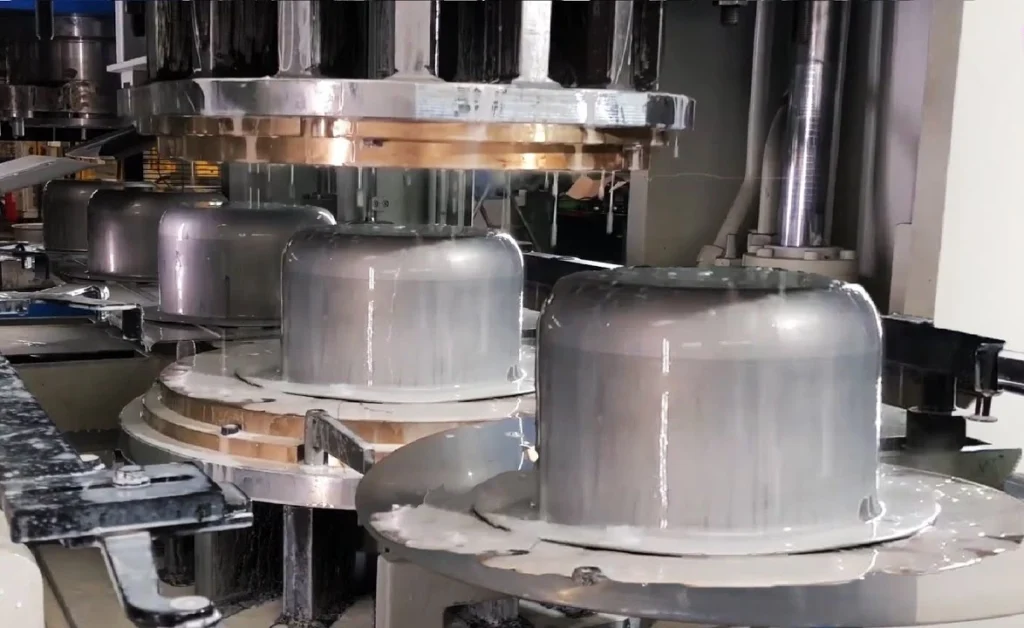
5.1. Metal Forming and Fabrication

Metal forming is one of the primary applications for four-column hydraulic presses, which can be used to shape metal sheets, plates, and components into different forms. The press’s ability to distribute force evenly and handle large workpieces makes it ideal for several metal forming tasks.

  • Deep Drawing: In deep drawing, a metal sheet is shaped into a hollow object by being forced into a die cavity. The four-column design allows for even force distribution across the sheet, ensuring that the material is stretched uniformly without tearing or wrinkling. This process is used to produce items such as canstanks, and automotive body panels.
  • StampingMetal stamping involves cutting or forming metal sheets using dies and punches. Four-column hydraulic presses are used for high-precision stamping operations, where the even force distribution ensures clean cuts and precise shapes. This is especially important in industries such as automotive and electronics, where parts must meet strict tolerances.
  • EmbossingEmbossing is the process of creating raised or recessed designs on metal surfaces. Four-column presses can be used to apply the necessary pressure to emboss patterns, logos, or text onto metal parts. The open work area allows for easy handling of large metal sheets during embossing.

5.2. Automotive Manufacturing

The automotive industry relies heavily on four-column hydraulic presses for the production of various components. The ability of these presses to handle large forces and ensure precision makes them suitable for critical automotive manufacturing tasks.

  • Forming Body Panels: In the production of automotive body panels, such as doorshoodsfenders, and roof panels, four-column hydraulic presses are used to shape metal sheets into the desired contours. The press’s stability and ability to generate consistent pressure help prevent defects in the panels, ensuring that they fit together seamlessly during assembly.
  • Stamping Chassis ComponentsChassis components, such as cross memberssuspension parts, and structural reinforcements, are often stamped using four-column presses. The press’s force capacity allows for the forming of high-strength materials that are required for the structural integrity of the vehicle.
  • Pressing Engine and Transmission Components: Four-column hydraulic presses are used to form or stamp engine partsgear housings, and transmission components. The press ensures that these parts meet the tight tolerances needed for proper engine performance.

5.3. Aerospace Industry

In the aerospace industry, where precision, strength, and lightweight components are critical, four-column hydraulic presses play a crucial role in forming various materials used in aircraft and spacecraft.

  • Forming Lightweight Structural Components: Four-column presses are used to form aircraft panelswing sections, and fuselage parts made from aluminumtitanium, and composite materials. The ability to apply consistent pressure across large workpieces ensures that these components meet strict aerodynamic and structural requirements.
  • Pressing High-Strength Alloys: In aerospace manufacturing, high-strength alloys are often used to produce parts that need to withstand extreme conditions, such as jet engine components and landing gear structures. Four-column hydraulic presses are used to form these materials into the required shapes while maintaining the integrity of the alloy.
  • Precision Forming for Satellite Components: For satellite manufacturing, four-column presses are used to shape delicate components that require precise tolerances. The press’s ability to apply controlled force helps ensure the integrity and functionality of these specialized parts.

5.4. Plastic and Rubber Molding

The plastic and rubber industries use four-column hydraulic presses for compression molding, where the material is shaped under high pressure to create durable, complex parts.

  • Compression Molding for Plastic Parts: In compression moldingplastic materials are placed in a mold cavity and subjected to high pressure from the press. This process is used to manufacture items like automotive componentsappliance parts, and electrical housings. The large work area of the four-column press allows for the production of parts with varying sizes and shapes.
  • Forming Rubber Seals and Gaskets: Four-column hydraulic presses are also used for molding rubber products, such as sealsgaskets, and bushings. The consistent pressure ensures uniform material flow into the mold, resulting in high-quality finished products.
  • Thermoset and Thermoplastic Molding: The press can handle both thermoset and thermoplastic materials, making it versatile for producing parts that require different curing processes.

5.5. Electronics and Appliance Manufacturing

The electronics and appliance industries often require precision stamping and forming of small metal and plastic components. Four-column hydraulic presses provide the necessary force and control to manufacture these parts with high accuracy.

  • Stamping Metal Housings: Four-column hydraulic presses are used to stamp metal housings for electronic devices, such as smartphoneslaptops, and tablets. The press ensures that each housing is formed with the exact dimensions needed to fit internal components securely.
  • Forming Electrical Connectors: The press is also used to shape and stamp electrical connectorsterminals, and contacts. The precision offered by four-column presses ensures that these small components meet the dimensional tolerances required for reliable electrical connections.
  • Molding Appliance Components: In the appliance industry, four-column presses are used to mold parts such as control panelshandles, and trim pieces. The press can be customized with specific tooling to accommodate different molding requirements.

5.6. Specialty Manufacturing and Custom Applications

Four-column hydraulic presses are used in specialized manufacturing for unique or custom applications where precision, customization, and versatility are crucial.

  • Medical Device Manufacturing: The medical industry uses four-column presses to form surgical toolsimplants, and diagnostic equipment. The press’s ability to achieve tight tolerances is essential for producing high-quality medical components.
  • Art and Sculpture: Artists and sculptors use four-column hydraulic presses to shape materials such as metalplastic, or clay for sculpturesart pieces, and decorative items. The open work area of the press allows for creative freedom when working with large or irregularly shaped materials.
  • Prototyping and Small Batch Production: In research and development, four-column presses are used to create prototypes and test samples. Their versatility makes them suitable for small-batch production runs, where manufacturers need to evaluate new materials, designs, or processes.

5.7. Woodworking and Composite Materials

Four-column hydraulic presses are also used in woodworking and composite manufacturing for tasks such as laminatingpressing plywood, and forming fiber-reinforced plastics.

  • Laminating Wood Panels: In woodworking, four-column presses are used to laminate wood panelsplywood, or veneers. The press applies consistent pressure across the entire surface, ensuring that the adhesive bonds evenly and the layers are securely pressed together.
  • Forming Composite Parts: For composite materials, such as carbon fiber or glass fiber-reinforced plastics, four-column presses can be used to shape components used in automotiveaerospace, and sports equipment manufacturing. The press ensures that the composite material is fully consolidated, resulting in strong, lightweight parts.

Advantages of Four-Column Hydraulic Presses

Four-column hydraulic presses are favored in numerous industries due to their unique advantages, which include high force capacity, precision, versatility, and a large, open work area. These benefits make them suitable for a wide range of applications, from heavy-duty metal forming to precision molding. Below are the key advantages of four-column hydraulic presses and how they contribute to improved manufacturing processes.

6.1. High Force Capacity and Even Force Distribution

One of the primary advantages of four-column hydraulic presses is their ability to generate high force levels, making them suitable for heavy-duty applications. The robust design ensures that the press can handle substantial loads without compromising structural integrity.

  • Handling Heavy-Duty Tasks: Four-column presses can produce forces ranging from a few tons to thousands of tons, allowing them to perform high-pressure tasks such as metal forgingdeep drawingcompression molding, and stamping.
  • Even Force Distribution Across the Work Area: The symmetrical four-column structure ensures that the force is evenly distributed across the entire surface of the workpiece. This balanced force application is essential for tasks that require uniform pressure, such as compression moldingdeep drawing, and embossing, as it reduces the risk of material deformation.

6.2. Large Work Area and Accessibility

The open design of four-column hydraulic presses provides a large work area, allowing operators to handle large workpieces or irregularly shaped materials with ease.

  • Accommodating Large Components: The open space between the columns enables operators to work with large sheetspanels, or long workpieces that would be difficult to process using other press types, such as C-frame or H-frame presses.
  • Ease of Multi-Stage Operations: The open design allows for multi-stage operations, where multiple tools or dies can be used sequentially in the same press setup. This flexibility is particularly valuable in applications such as progressive stamping or forming complex shapes.

6.3. Versatility for a Wide Range of Applications

Four-column hydraulic presses are highly versatile, capable of performing a variety of tasks across different industries. This adaptability makes them suitable for industries ranging from automotive to plastics and rubber molding.

  • Metal Forming and Fabrication: Four-column presses can be used for deep drawingstampingbendingforging, and other metal forming tasks, making them indispensable in industries such as automotiveaerospace, and metalworking.
  • Compression Molding for Plastics and Rubber: The press can mold plastic and rubber parts by applying uniform pressure, ensuring that the material flows into the mold cavity completely. This process is used to manufacture items like sealsgasketsappliance components, and automotive parts.
  • Assembly and Custom Operations: Four-column presses are often used for assembly tasks, such as pressing bearings into place or joining components. Their versatility also allows for custom applications in niche industries, such as medical device manufacturing and artistic metalworking.

6.4. Precision and Control: Ideal for High-Accuracy Work

Precision is a critical requirement in many manufacturing processes, and four-column hydraulic presses provide the control and accuracy needed for high-quality results.

  • Advanced Control Systems for Precision: Modern four-column presses come equipped with servo-hydraulic systemsCNC, or PLC controls, allowing operators to fine-tune parameters such as forcestroke lengthram speed, and dwell time. This level of control ensures consistent results, even in tasks that require tight tolerances.
  • Real-Time Adjustments: The press can make real-time adjustments to the applied force, speed, and stroke length during pressing operations, enhancing the precision of the press. This capability is particularly valuable in applications like metal forming and compression molding, where different stages of the process may require varying levels of force.
  • Eliminating Material Defects: The press’s ability to distribute force evenly and control pressure accurately reduces the risk of defects, such as warpingcracking, or improper material flow, ensuring that each part meets the required specifications.

6.5. Durability and Stability in Heavy-Duty Operations

The robust construction of four-column hydraulic presses ensures their durability and stability, even in demanding industrial environments. This durability makes them suitable for continuous use in applications that involve high pressuresheavy loads, and large workpieces.

  • Long Service Life: Four-column presses are built from high-strength materials, such as hardened steel, that can withstand the stress of heavy-duty operations. With proper maintenance, these presses can operate for many years, providing a long-term solution for manufacturers.
  • Resisting Deformation: The stable design of the four-column structure ensures that the press frame does not deform or bend under high loads, maintaining the accuracy and quality of pressing operations.
  • Stable Performance for Large Workpieces: When working with large or heavy materials, the press’s stability ensures that the ram movement remains smooth and precise, which is crucial for tasks such as forming structural components or compression molding.

6.6. Customization Potential for Industry-Specific Needs

Four-column hydraulic presses can be customized to meet the specific requirements of different industries, enhancing their suitability for various applications.

  • Variable Tonnage Capacities and Stroke Lengths: Manufacturers can choose from presses with different force capacities and stroke lengths, depending on the tasks they need to perform. This flexibility allows for customization to meet industry-specific requirements.
  • Modular Frame Components: Some four-column presses feature modular frames that can be easily upgraded or reconfigured to accommodate changes in production needs. For example, the ramwork table, or hydraulic system can be modified for different materials or processes.
  • Integration with Advanced Technology: Customization options may include servo-hydraulic controlsCNC systems, or IoT connectivity for smart manufacturing. These enhancements improve the press’s capabilities in applications such as precision metalworkingautomated production lines, and smart factories.

6.7. Cost-Effectiveness for Mass Production

Four-column hydraulic presses provide a cost-effective solution for industries that require high-performance pressing equipment. Their efficiency, versatility, and ease of maintenance contribute to long-term cost savings.

  • High Production Efficiency: The ability to perform multi-stage operations, coupled with automated control systems, increases production efficiency. The press can produce large quantities of parts with consistent quality, making it suitable for mass production in industries like automotive and electronics.
  • Low Maintenance Requirements: The simplicity of the hydraulic system and the durability of the press’s components result in low maintenance costs. Routine maintenance, such as checking hydraulic fluid levelsinspecting hoses, and cleaning filters, is typically sufficient to keep the press in good working condition.
  • Reduced Material Waste: The precision and control offered by four-column presses help minimize material waste during pressing operations. By ensuring that each part is formed accurately, the press reduces the need for rework or secondary processing, saving time and resources.

6.8. Safety Features for Operator Protection

Modern four-column hydraulic presses are equipped with various safety features that help protect operators and prevent accidents.

  • Light Curtains and Guarding SystemsLight curtains create a virtual safety barrier around the press’s work area. If the light beam is interrupted, the press will stop immediately to protect the operator. Physical guarding systems can also be installed to prevent access to dangerous areas.
  • Emergency Stop Buttons and Redundant Safety SystemsEmergency stop mechanisms are located at various points around the press, allowing operators to halt the machine instantly if necessary. Some presses also feature redundant safety systems to ensure that the press stops even if one component fails.
  • Pressure Relief and Overload ProtectionPressure relief valves and overload protection systems prevent the press from exceeding its maximum pressure capacity, safeguarding both the machine and the operator from potential hazards.

6.9. Environmental Sustainability and Energy Efficiency

The integration of advanced technology and energy-efficient components has made modern four-column hydraulic presses more environmentally sustainable.

  • Energy-Efficient Hydraulic Pumps: Modern presses use variable displacement pumps that adjust the amount of hydraulic fluid delivered based on the press’s requirements. This reduces energy consumption and minimizes hydraulic fluid waste.
  • Energy Recovery Systems: Some four-column presses feature energy recovery systems that capture and reuse energy generated during the press cycle, further improving efficiency.
  • Use of Eco-Friendly Hydraulic Fluids: Hydraulic systems can use biodegradable fluids that are less harmful to the environment in case of a leak, supporting sustainability efforts.

Technological Advancements in Four-Column Hydraulic Presses

Recent technological advancements have significantly enhanced the performanceefficiency, and safety of four-column hydraulic presses, making them more versatile and capable of meeting the demands of modern manufacturing. These innovations include the integration of servo-hydraulic systemsautomated controlIoT connectivity, and energy-efficient components, which collectively expand the range of applications for four-column presses.

7.1. Servo-Hydraulic Systems for Precision Control

Servo-hydraulic systems combine the benefits of hydraulic power with the precision control of servo motors, resulting in improved accuracy and energy efficiency. This technology has become increasingly popular in four-column hydraulic presses, particularly in applications that require high precision and variable pressure settings.

Key Benefits of Servo-Hydraulic Systems
  • Enhanced Precision and AccuracyServo-hydraulic technology allows for precise control over the forcespeed, and position of the ram, making it suitable for tasks such as metal formingstamping, and compression molding. The ability to make real-time adjustments ensures that pressing parameters are optimized for each operation.
  • Variable Pressure Settings: Unlike traditional hydraulic systems, which maintain a constant pressure, servo-hydraulic systems enable operators to adjust pressure dynamically during the pressing process. This capability helps prevent material defects and damage, especially in processes that involve complex shapes or fragile materials.
  • Energy Efficiency: By using servo motors to control the hydraulic pump, the system can reduce energy consumption by only using power when needed. This makes servo-hydraulic presses more sustainable and cost-effective in terms of energy use.

7.2. CNC and PLC Automation

The integration of Computer Numerical Control (CNC) and Programmable Logic Controllers (PLCs) in four-column hydraulic presses has revolutionized the way these machines are operated, allowing for automated controlprogrammable settings, and precision adjustments.

Advantages of CNC and PLC Integration
  • Automated OperationCNC and PLC systems enable operators to program specific parameters for each task, such as force levelsstroke length, and dwell time. This automation enhances productivity by minimizing manual intervention and reducing setup time.
  • Consistency and Repeatability: Automated control ensures that each pressing operation is performed with consistent accuracy, which is crucial for applications that require tight tolerances or high repeatability, such as automotive manufacturing and electronics production.
  • Multi-Stage Operations and Complex Forming Tasks: CNC systems make it possible to perform multi-stage operations, such as progressive stamping or deep drawing, in a single setup. This capability improves efficiency and reduces the time required for tool changes.

7.3. IoT and Smart Manufacturing Integration

As part of the Industry 4.0 revolution, IoT connectivity and smart manufacturing capabilities have been incorporated into four-column hydraulic presses. These technologies enable real-time monitoringpredictive maintenance, and process optimization, helping manufacturers achieve higher productivity and operational efficiency.

Benefits of IoT-Enabled Four-Column Presses
  • Real-Time Data MonitoringIoT-enabled presses collect real-time data on parameters such as pressurestroke lengthcycle time, and hydraulic fluid temperature. This data can be used to optimize the pressing process, ensuring consistent quality and identifying areas for improvement.
  • Predictive Maintenance and Reduced Downtime: By monitoring the condition of critical components, IoT systems can detect signs of wear or potential issues before they lead to machine failure. This predictive maintenance approach helps prevent unexpected downtime and extends the lifespan of the press.
  • Remote Control and Diagnostics: IoT connectivity allows operators and maintenance teams to remotely monitor the press’s performance and diagnose problems. This feature is particularly useful in multi-site manufacturing operations, where presses in different locations can be managed from a central control hub.

7.4. Energy Efficiency Innovations

Reducing energy consumption is a priority in modern manufacturing, and new technologies have made four-column hydraulic presses more energy-efficient and eco-friendly.

Energy-Saving Hydraulic Pumps
  • Variable Displacement PumpsVariable displacement pumps adjust the flow of hydraulic fluid according to the press’s requirements, reducing energy waste by supplying only the necessary amount of fluid. This technology helps lower operational costs and supports sustainability initiatives.
  • Servo-Driven PumpsServo-driven pumps are controlled by servo motors, which modulate speed and pressure to match the pressing operation’s demands. This capability results in higher energy efficiency compared to traditional pumps.
Energy Recovery Systems
  • Regenerative Circuits: Some four-column presses are equipped with regenerative hydraulic circuits that capture and reuse energy generated during the pressing process. This energy recovery technology reduces the overall energy consumption of the press, making it more sustainable.
  • Energy Storage with Hydraulic AccumulatorsHydraulic accumulators can store excess energy generated during the press cycle and release it to assist with future press operations, further reducing the demand on the hydraulic pump.

7.5. Safety Enhancements for Operator Protection

Modern four-column hydraulic presses are equipped with advanced safety features designed to protect operators and minimize the risk of accidents.

Light Curtains, Safety Guards, and Emergency Stops
  • Light CurtainsLight curtains create an invisible safety barrier around the press’s work area. If the barrier is breached, the press automatically stops, preventing potential injuries.
  • Safety GuardsPhysical guards help prevent operators from accessing dangerous areas during press operation. These guards are designed to ensure that workers remain at a safe distance from the moving parts of the press.
  • Emergency Stop Mechanisms: Emergency stop buttons are strategically placed around the press, allowing operators to quickly halt the press in case of an emergency. Some presses also feature foot-operated emergency stops for added convenience.
Pressure Relief Valves and Redundant Safety Systems
  • Pressure Relief Valves: These valves protect the hydraulic system from over-pressurization by releasing excess pressure, safeguarding both the press and the operator.
  • Redundant Safety Systems: To ensure maximum safety, some presses incorporate redundant systems that provide backup protection in case one safety feature fails. This includes dual-circuit safety controls and fail-safe mechanisms.

7.6. Customizable Tooling and Modular Design Innovations

The ability to customize tooling and use modular designs enhances the flexibility of four-column hydraulic presses, making them suitable for a variety of applications.

Quick-Change Tooling
  • Interchangeable Tool Sets: Four-column presses can be equipped with interchangeable tooling, such as different diesforming tools, and punches, allowing operators to quickly switch between tasks without significant downtime.
  • Automated Tool Change SystemsAutomated tool changers further reduce downtime by enabling the press to switch tools without manual intervention. This is particularly beneficial in automated production lines where speed and efficiency are critical.
Modular Frame Components
  • Scalable Tonnage Capacities: Modular designs allow for scalable tonnage capacities, enabling manufacturers to increase the press’s force capacity without having to replace the entire machine.
  • Upgradable Hydraulic and Control Systems: The modularity of some four-column presses allows for easy upgrades to hydraulic componentscontrol systems, or servo-hydraulic technology, ensuring that the press remains up-to-date with evolving manufacturing needs.

7.7. Smart Technology Integration for Process Optimization

The integration of smart technology, such as machine learning and artificial intelligence (AI), is transforming four-column hydraulic presses into self-optimizing machines capable of improving efficiency and product quality.

AI-Driven Process Optimization
  • Adaptive Control Systems: AI-driven control systems can adjust pressing parameters in real-time based on feedback from sensors, optimizing performance for each task. This reduces material waste and shortens cycle times.
  • Predictive Analytics for Maintenance: By analyzing historical data, machine learning algorithms can predict when maintenance is needed, allowing for proactive servicing that minimizes downtime.
Cloud Connectivity and Data Analysis
  • Cloud-Based Monitoring: Smart presses connected to the cloud can store and analyze data on press performance, providing insights for continuous improvement and quality control.
  • Big Data for Quality Assurance: Using big data analytics, manufacturers can identify patterns in the pressing process that may indicate quality issues, allowing for timely adjustments to maintain high product standards.

Introduction to Hydraulic Press Applications

Aluminium Deep Drawing Process

Hydraulic presses are versatile machines used to perform a variety of operations, including formingstampingforgingmoldingbonding, and pressing. They work by applying hydraulic pressure to generate the force needed for these tasks. The hydraulic system uses pressurized fluid to create a controlled and consistent force, allowing the press to handle a wide range of materials and applications with precision and reliability.

The flexibility of hydraulic press technology has made it a cornerstone of modern manufacturing across multiple industries. From the automotive and aerospace sectors to plasticselectronics, and consumer products, hydraulic presses are used to produce components and products that are essential to everyday life. The different types of hydraulic presses, such as four-columnH-frameC-frame, and servo-hydraulic presses, provide options to suit specific manufacturing needs.

The ability of hydraulic presses to generate significant force while maintaining control over the pressing parameters makes them suitable for tasks requiring high precision and repeatability. Whether it’s shaping metal sheets for automotive body panels, molding plastic housings for electronic devices, or forging heavy-duty components for construction equipment, hydraulic presses play a crucial role in ensuring the quality and performance of the finished products.

With advancements in press technology, including automationservo control, and IoT integration, the applications of hydraulic presses continue to expand, offering new opportunities for efficient and sustainable manufacturing. This text will explore a wide range of products that are produced using hydraulic presses, highlighting the importance of this technology in various industries.

Metal Forming and Fabrication Products

Deep Drawing Products

Hydraulic presses are widely used in metal forming and fabrication due to their ability to generate high force and apply it with precision. The even distribution of force across the workpiece makes them ideal for shaping metal sheets, plates, and components. This section explores various products produced through metal forming using hydraulic presses, including automotive partsaerospace componentsconstruction materials, and industrial tools.

2.1. Automotive Parts

The automotive industry relies heavily on hydraulic presses for manufacturing various metal parts, ensuring the components meet strict safety and performance standards. Common products include:

  • Body Panels: Hydraulic presses are used to shape metal sheets into car body panels, such as doorshoodstrunks, and fenders. The pressing operation ensures the panels are formed with the precise contours needed for aerodynamics, aesthetics, and structural integrity.
  • Chassis Components: The chassis of a vehicle is made up of several parts, such as cross membersframes, and suspension components, that require metal forming. Hydraulic presses can shape high-strength steel or aluminum alloys used in these components to provide durability and crash resistance.
  • Engine and Transmission Parts: Hydraulic presses are also used in the production of engine componentsgear housings, and transmission parts. These metal parts need to meet strict tolerances to ensure efficient performance, and the precision offered by hydraulic presses helps achieve this.

2.2. Aerospace Components

In the aerospace industry, components need to be lightweight yet strong enough to withstand extreme conditions. Hydraulic presses are used to shape various materials, including aluminumtitanium, and composite alloys.

  • Aircraft Panels: The body of an aircraft consists of wing panelsfuselage sections, and control surfaces, which are formed from lightweight materials. Hydraulic presses ensure that these components meet the strict dimensional tolerances required for aerodynamic performance.
  • Structural Components: Hydraulic presses are used to manufacture high-strength structural components for aircraft, such as bulkheadsribs, and frames, which help distribute stress across the aircraft’s structure.
  • High-Strength Alloys: Aerospace components often involve forming high-strength alloys for parts like landing gear assembliesturbine blades, and engine housings. The presses ensure that these materials are shaped without compromising their mechanical properties.

2.3. Construction and Heavy Machinery

Construction materials and heavy machinery parts require durability to withstand harsh environments and heavy loads. Hydraulic presses produce various metal components used in construction and industrial applications.
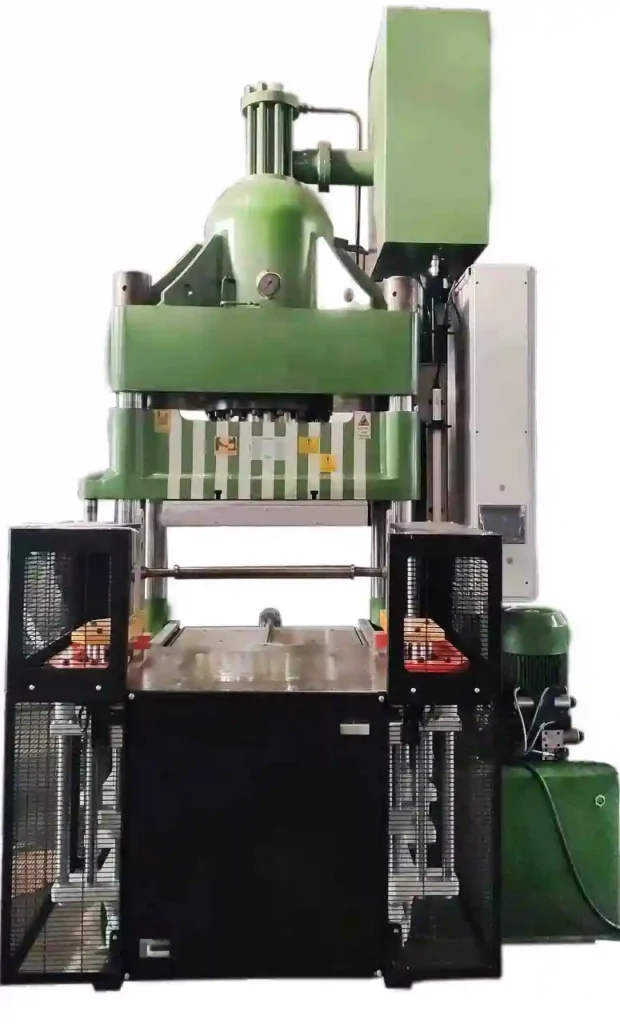
  • Gears and Shafts: Hydraulic presses are used to forge gears and shafts used in construction equipmentindustrial machinery, and agricultural vehicles. The pressing process ensures the components have the strength and precision required for heavy-duty use.
  • Structural Beams: Hydraulic presses are employed in shaping steel beams and metal girders for construction projects, such as bridgesbuildings, and industrial facilities. The even force distribution ensures uniformity and reduces the risk of structural failures.
  • Fasteners and Connectors: Presses are used to manufacture various metal fasteners, such as boltsnuts, and connectors, which are essential for assembling machinery and constructing buildings.

2.4. Household and Industrial Tools

Hydraulic presses are also used in the production of various household and industrial tools, where metal forming is essential for creating parts that meet specific functional requirements.

  • Wrenches and PliersHand tools like wrenchespliers, and screwdrivers are made from forged metal, using hydraulic presses to shape and harden the components. The precision forming process ensures the tools have the proper dimensions and strength for repeated use.
  • Blades and Cutting ToolsBlades, such as saw bladesscissors, and knives, are produced using hydraulic presses to shape and sharpen the metal. This ensures the cutting edge has the desired profile and hardness for effective performance.

Compression Molding Products

Compression molding is a manufacturing process used to shape thermosetting plasticsrubber, and composite materials by applying heat and pressure in a mold cavity. Hydraulic presses play a crucial role in this process, as they can generate the necessary force to ensure that the material fills the mold completely, creating durable, high-quality parts. Below are some of the key products produced through compression molding using hydraulic presses, including plastic componentsrubber products, and composite materials.

3.1. Plastic Components

Compression molding is widely used to produce various plastic parts for different industries, where hydraulic presses ensure that the material flows evenly into the mold, producing parts with consistent quality and minimal defects.

  • Automotive Interior Parts: Many interior components in vehicles, such as dashboard panelsdoor trims, and center consoles, are produced using compression molding. Hydraulic presses apply pressure and heat to form durable plastic parts that fit precisely within the vehicle’s interior.
  • Electrical Housings: Electrical products, such as switchescircuit breaker casings, and junction boxes, often have molded plastic housings that provide insulation and protection for internal components. Hydraulic presses are used to form these housings to meet safety and dimensional standards.
  • Appliance Components: Household appliances, such as microwavesrefrigerators, and washing machines, use plastic parts that are formed through compression molding. Hydraulic presses shape components like control panelshandles, and internal brackets, ensuring durability and heat resistance.

3.2. Rubber Products

Rubber molding is another key application of hydraulic presses, especially for products that require elasticity, durability, and the ability to withstand extreme temperatures.

  • Seals and Gaskets: Hydraulic presses are used to produce various rubber sealsgaskets, and O-rings, which are essential for sealing applications in automotiveindustrial, and plumbing systems. The consistent pressure applied during molding ensures that the seals maintain their shape and elasticity for reliable performance.
  • Rubber Bushings and MountsAutomotive suspension components, such as bushings and engine mounts, are made from molded rubber to absorb vibration and reduce noise. Hydraulic presses help mold these parts with precise dimensions and material properties to ensure optimal functionality.
  • Tires and Belts: Some tire components and rubber belts used in machinery are also produced using compression molding. The press ensures uniform material distribution within the mold, leading to products that meet strict performance requirements.

3.3. Composite Materials

Composite materials, such as fiber-reinforced plastics and carbon fiber composites, are used in industries requiring strong, lightweight components. Hydraulic presses enable the molding of these materials into complex shapes.

  • Fiber-Reinforced PlasticsFiber-reinforced plastic components, used in automotivemarine, and construction applications, are made through compression molding. Hydraulic presses ensure that the fibers are properly aligned within the plastic matrix, providing maximum strength and durability.
  • Carbon Fiber PartsCarbon fiber-reinforced materials are commonly used in high-performance applications, such as aerospace componentssports equipment, and luxury car parts. Hydraulic presses mold these components to exact specifications, ensuring that they are lightweight while offering excellent strength.
  • Sports Equipment (e.g., Bicycles, Helmets): Compression molding is also used to manufacture sports equipment, including bicycle frameshelmets, and protective gear. Hydraulic presses help form these items from composite materials, ensuring they meet safety standards and performance requirements.

Conclusion

Hydraulic presses are essential machines in various industries, providing the necessary force for processes such as metal forming, stamping, and molding. Understanding the different types of hydraulic presses, their components, and how they work is crucial for effective application and operation.

The manufacturing process of hydraulic presses involves careful design and engineering, material selection, precision fabrication, and rigorous quality control. Despite the challenges, advancements in technology and innovations are driving the industry forward, leading to more efficient, precise, and environmentally friendly hydraulic presses.

As industries continue to evolve, the hydraulic press industry must adapt and innovate to meet the demands of efficiency, precision, and sustainability. Through continuous research and development, manufacturers can enhance the performance and reliability of hydraulic presses, contributing to the success of various industrial applications.