Categories
Machinery

2 in 1 Grinding and Polishing Machine

2 in 1 Grinding and Polishing Machine

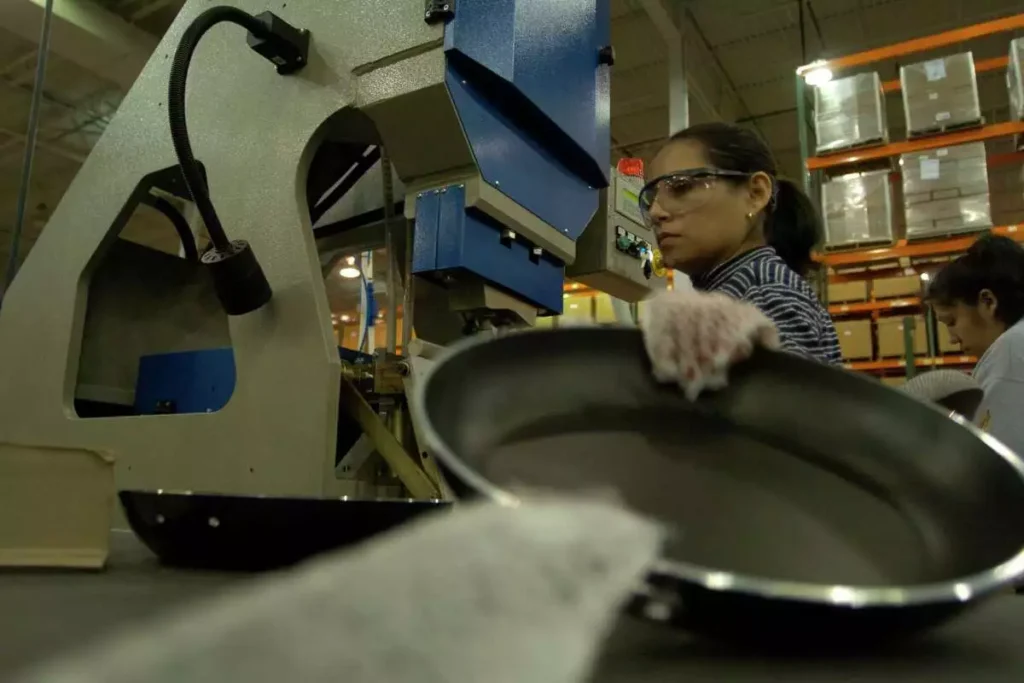
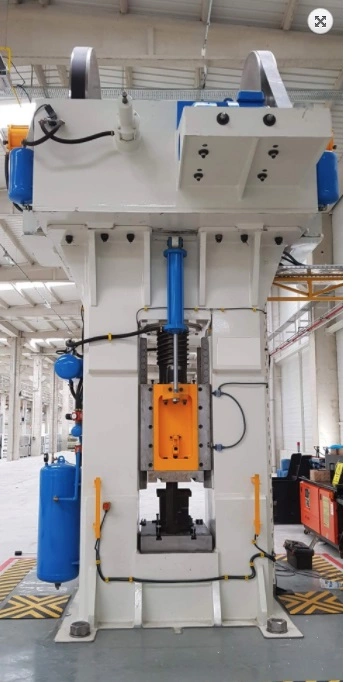
2 in 1 Grinding and Polishing Machine is a versatile tools designed to perform both grinding and polishing operations. These machines are essential in various industries where maintaining smooth, clean, and durable surfaces is crucial. This article aims to provide a comprehensive guide on 2 in 1 polishing machines, their types, applications, benefits, and how to select and maintain them effectively.

1. What is a 2 in 1 Polishing Machine?
1. What is a 2 in 1 Polishing Machine?

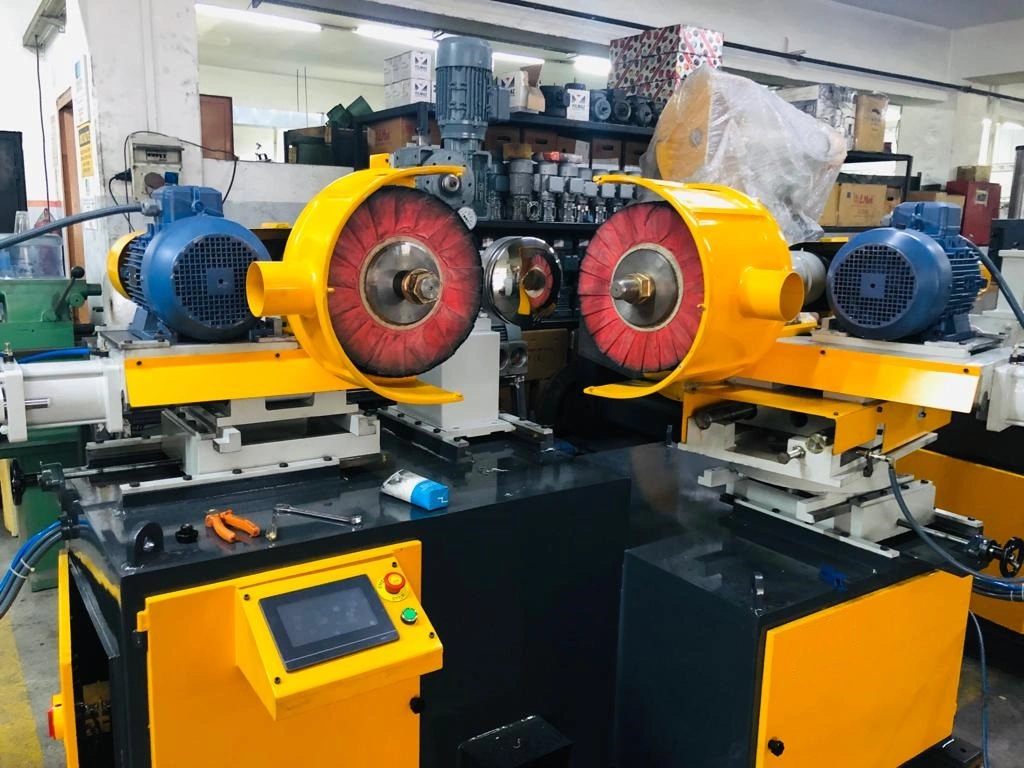
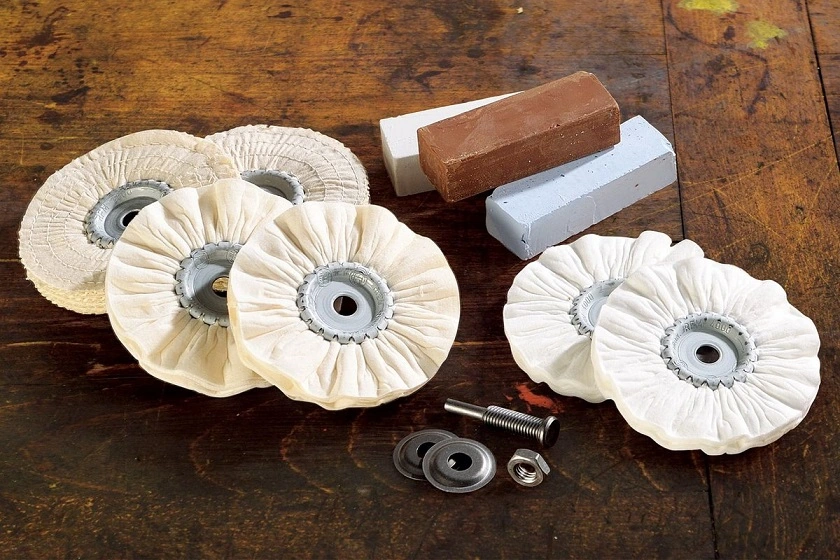
A 2 in 1 polishing machine is a device that combines grinding and polishing functions into a single unit. These machines typically feature interchangeable heads or dual-purpose heads that allow for both abrasive grinding and fine polishing. Key components of a 2 in 1 polishing machine include:

  • Grinding and Polishing Heads: Equipped with abrasive materials for grinding and polishing pads for finishing.
  • Control System: Allows operators to adjust speed, pressure, and other parameters.
  • Support Frame: Holds the workpiece securely during operation.
  • Dust Collection System: Captures debris and ensures a clean working environment.

2. Types of 2 in 1 Polishing Machines

  • Manual vs. Automatic: Manual machines require operator intervention, while automatic machines operate based on programmed settings.
  • Portable vs. Stationary: Portable machines can be moved to different locations, while stationary machines are fixed in one place.
  • Specialized Machines: Designed for specific materials like metal, glass, or wood, ensuring optimal performance and finish quality.

3. Applications of 2 in 1 Polishing Machines

2 in 1 polishing machines are utilized across various industries, including:

  • Metalworking: Polishing metal surfaces to achieve a smooth, reflective finish.
  • Woodworking: Sanding and polishing wooden surfaces for furniture and cabinetry.
  • Automotive: Smoothing and polishing car bodies and parts.
  • Construction: Finishing concrete and stone surfaces. Examples include polishing metal parts for machinery, wooden furniture, automotive body panels, and concrete floors.

4. How 2 in 1 Polishing Machines Work

The process of using a 2 in 1 polishing machine typically involves several steps:

  1. Preparation: Inspecting the workpiece and setting up the machine.
  2. Grinding: Using coarse abrasives to remove imperfections and rough spots.
  3. Polishing: Switching to finer abrasives for a smoother surface.
  4. Final Polishing: Applying the finest abrasives or polishing compounds to achieve a mirror-like finish.
  5. Inspection and Finishing: Checking the quality and applying any protective coatings if necessary. Technologies used include mechanical grinding, chemical polishing, and automated controls for precision and efficiency.

5. Benefits of Using 2 in 1 Polishing Machines

  • Cost and Space Efficiency: Combines two functions in one machine, reducing the need for separate equipment and saving space.
  • Versatility in Applications: Suitable for various materials and surfaces, enhancing flexibility.
  • Enhanced Surface Finish and Durability: Ensures workpieces are free from defects and have a long-lasting, high-quality finish.
  • Increased Productivity: Automating both grinding and polishing processes can save time and labor costs.

6. Selecting the Right 2 in 1 Polishing Machine

When choosing a 2 in 1 polishing machine, consider the following factors:

  • Material and Surface Type: Ensure the machine can handle the specific material and finish requirements.
  • Industry Requirements: Different industries have unique standards and requirements.
  • Budget and Cost-Effectiveness: Balance the initial investment with long-term benefits and return on investment.
  • Manufacturer Support and Warranty: Choose reputable manufacturers that offer good customer support and warranty options. Tips for selection include consulting with industry experts, reviewing customer testimonials, and comparing different models’ features and specifications.

7. Maintenance and Safety Tips

  • Regular Maintenance: Inspect and replace worn parts regularly, clean the machine after use, and ensure all components are in good working condition.
  • Safety Measures: Train operators on proper usage, wear appropriate personal protective equipment (PPE), and follow manufacturer guidelines to prevent accidents.
  • Best Practices: Conduct regular inspections, keep a maintenance log, and update machine software if applicable.

Conclusion

2 in 1 polishing machines are versatile and efficient tools essential for maintaining smooth, clean, and durable surfaces across various industrial applications. By understanding the different types, applications, and benefits of these machines, businesses can make informed decisions that enhance their operational efficiency and product quality. Regular maintenance and adherence to safety protocols ensure the long-term performance and reliability of these machines, making them a worthwhile investment for any industry relying on high-quality surface finishes.

Grinding and polishing machines are essential tools in manufacturing and material processing, used to achieve smooth, high-quality surfaces on a variety of materials. These machines combine the processes of grinding, which removes material using abrasive action, and polishing, which enhances the surface finish by smoothing out finer imperfections. This article explores the components, workings, advantages, and applications of grinding and polishing machines.

What is a Grinding and Polishing Machine?
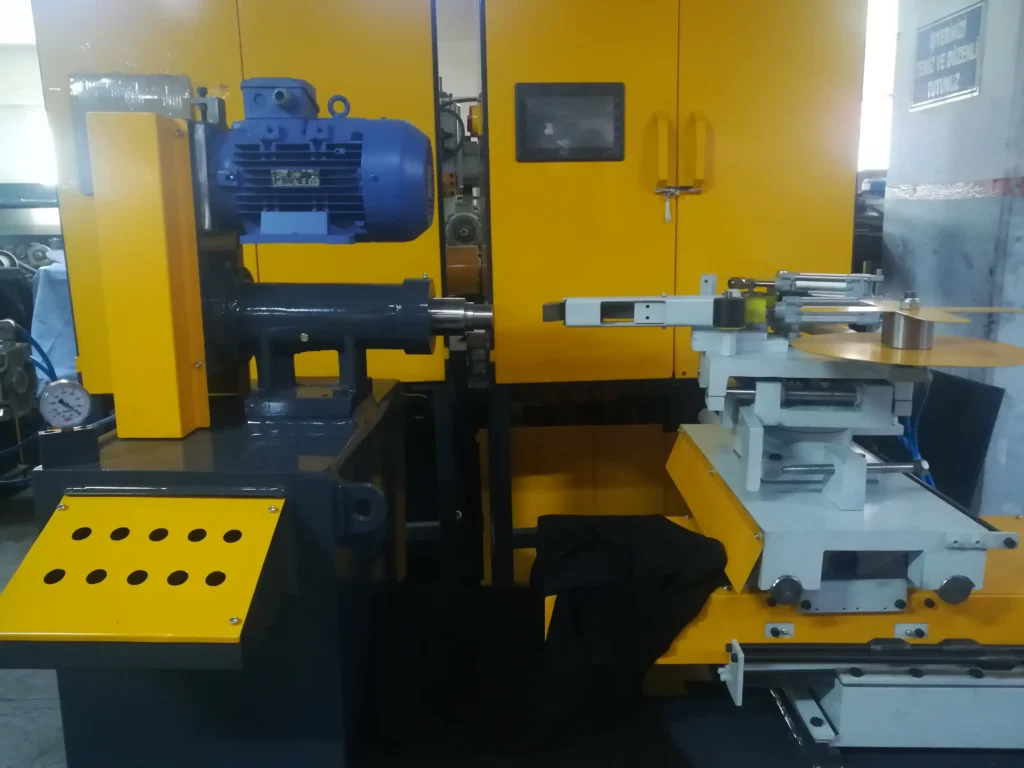
What is a Grinding and Polishing Machine?

A grinding and polishing machine is a versatile tool designed to perform both grinding and polishing operations on a wide range of materials, including metals, ceramics, glass, and composites. These machines are crucial in industries where precision surface finishing is required, such as automotive, aerospace, electronics, and metalworking.

Components of a Grinding and Polishing Machine

  1. Base and Frame: Provide structural support and stability for the machine.
  2. Motor: Powers the abrasive wheels, belts, or pads.
  3. Abrasive Tools: Grinding wheels, belts, or polishing pads that perform the material removal and finishing actions.
  4. Spindle: Holds and rotates the abrasive tools.
  5. Worktable: Supports the workpiece and allows for precise positioning.
  6. Coolant System: Supplies coolant to reduce heat and prevent damage to the workpiece.
  7. Control Panel: Manages the speed, pressure, and movements of the machine.
  8. Dust Collection System: Captures dust and debris generated during grinding and polishing.
  9. Safety Features: Include protective guards, emergency stop buttons, and safety interlocks.

How Grinding and Polishing Machines Work
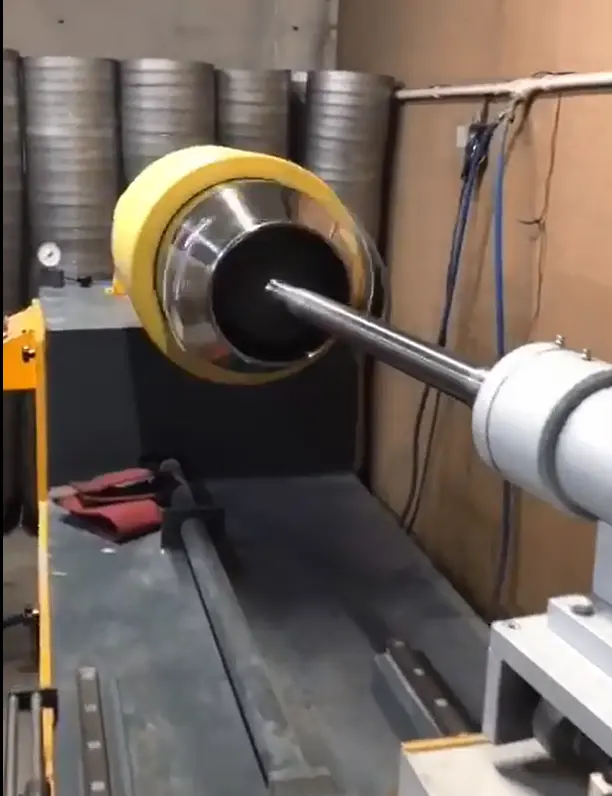
How Grinding and Polishing Machines Work
  1. Setup: The workpiece is securely mounted on the worktable or held in place by fixtures.
  2. Abrasive Selection: Appropriate grinding wheels or polishing pads are chosen based on the material and desired finish.
  3. Grinding Process: The abrasive tool removes material from the workpiece’s surface to achieve the required shape and dimensions.
  4. Polishing Process: Polishing pads or finer abrasives smooth out the surface, enhancing its finish and appearance.
  5. Inspection and Finishing: The finished workpiece is inspected for quality, and any necessary touch-ups are performed.
  6. Cleaning: The workpiece is cleaned to remove any remaining grinding or polishing residues.

Types of Grinding and Polishing Machines

  1. Bench Grinders: Small, stationary machines used for detailed work and smaller pieces.
  2. Pedestal Grinders: Larger, standalone machines suitable for bigger parts and more intensive work.
  3. Belt Grinders: Use abrasive belts for grinding and polishing large, flat surfaces.
  4. Orbital Polishers: Use oscillating motions for even and smooth finishes on irregular surfaces.
  5. Automated and CNC Machines: Computer-controlled machines for high-precision and repetitive tasks.

Advantages of Using Grinding and Polishing Machines

  1. Improved Surface Finish: Achieves smooth, reflective surfaces with enhanced visual appeal.
  2. Precision: Allows for tight tolerances and accurate dimensions.
  3. Versatility: Suitable for a wide range of materials and applications.
  4. Efficiency: High-speed operation reduces processing time and labor costs.
  5. Consistency: Automated machines ensure uniform quality across batches.

Applications of Grinding and Polishing Machines

Grinding and polishing machines are used in various industries, including:

  1. Automotive: Finishing body panels, engine components, and trim parts.
  2. Aerospace: Polishing turbine blades, engine components, and structural parts.
  3. Electronics: Finishing casings, circuit boards, and components.
  4. Jewelry: Achieving high luster on precious metals and gemstones.
  5. Metalworking: Grinding and polishing metal parts, tools, and equipment.
  6. Medical Devices: Polishing surgical instruments and components.

Safety Considerations

Operating grinding and polishing machines involves several safety risks. Adhering to safety protocols is crucial:

  1. Training: Operators must be adequately trained in the machine’s operation and safety procedures.
  2. Protective Equipment: Use of appropriate personal protective equipment (PPE), such as goggles, gloves, and masks.
  3. Regular Maintenance: Ensures the machinery operates safely and efficiently.
  4. Coolant and Dust Collection: Proper systems to prevent overheating and control airborne particles.
  5. Emergency Procedures: Clear guidelines for handling emergencies, including fire suppression systems.

Future Trends and Innovations

The future of grinding and polishing machines looks promising with ongoing technological advancements:

  1. Automation and CNC Technology: Increasing use of computerized controls for higher precision and efficiency.
  2. Eco-Friendly Technologies: Development of more sustainable and environmentally friendly processes.
  3. Advanced Abrasive Materials: New abrasive materials that offer better performance and durability.
  4. Smart Manufacturing: Integration of IoT and AI for real-time monitoring and optimization.

Conclusion

Grinding and polishing machines are indispensable in modern manufacturing and material processing, enabling the production of high-quality finishes on a variety of materials. Their precision, efficiency, and versatility make them essential across numerous industries. As technology continues to advance, these machines will play an increasingly significant role in meeting the demands for superior surface finishes and driving innovation in manufacturing processes.

EMS Metalworking Machines

We design, manufacture and assembly metalworking machinery such as:

  • Hydraulic transfer press
  • Glass mosaic press
  • Hydraulic deep drawing press
  • Casting press
  • Hydraulic cold forming press
  • Hydroforming press
  • Composite press
  • Silicone rubber moulding press
  • Brake pad press
  • Melamine press
  • SMC & BMC Press
  • Labrotaroy press
  • Edge cutting trimming machine
  • Edge curling machine
  • Trimming beading machine
  • Trimming joggling machine
  • Cookware production line
  • Pipe bending machine
  • Profile bending machine
  • Bandsaw for metal
  • Cylindrical welding machine
  • Horizontal pres and cookware
  • Kitchenware, hotelware
  • Bakeware and cuttlery production machinery

as a complete line as well as an individual machine such as:

  • Edge cutting trimming beading machines
  • Polishing and grinding machines for pot and pans
  • Hydraulic drawing presses
  • Circle blanking machines
  • Riveting machine
  • Hole punching machines
  • Press feeding machine

You can check our machinery at work at: EMS Metalworking Machinery – YouTube

Applications:

  • Beading and ribbing
  • Flanging
  • Trimming
  • Curling
  • Lock-seaming
  • Ribbing
  • Flange-punching

The Importance of Sheet Metal Machinery

Sheet metal machinery is vital for several reasons:

  • Versatility: Sheet metal machinery can handle various types of metals, including steel, aluminum, copper, and brass, allowing manufacturers to create diverse products.
  • Precision: Advanced machinery enables precise cutting and shaping, ensuring high-quality products with minimal errors.
  • Efficiency: Automation and CNC technology have significantly improved production speed and efficiency, reducing labor costs and increasing output.
  • Customization: Modern machinery allows for customization and flexibility in design, meeting the specific needs of different industries.

The historical evolution of sheet metal machinery reflects the broader trends in industrialization and technological advancement. From the development of simple tools to the introduction of computer numerical control (CNC) systems, the journey of sheet metal machinery is a testament to human ingenuity and innovation.

Section 2: Types of Sheet Metal Machinery
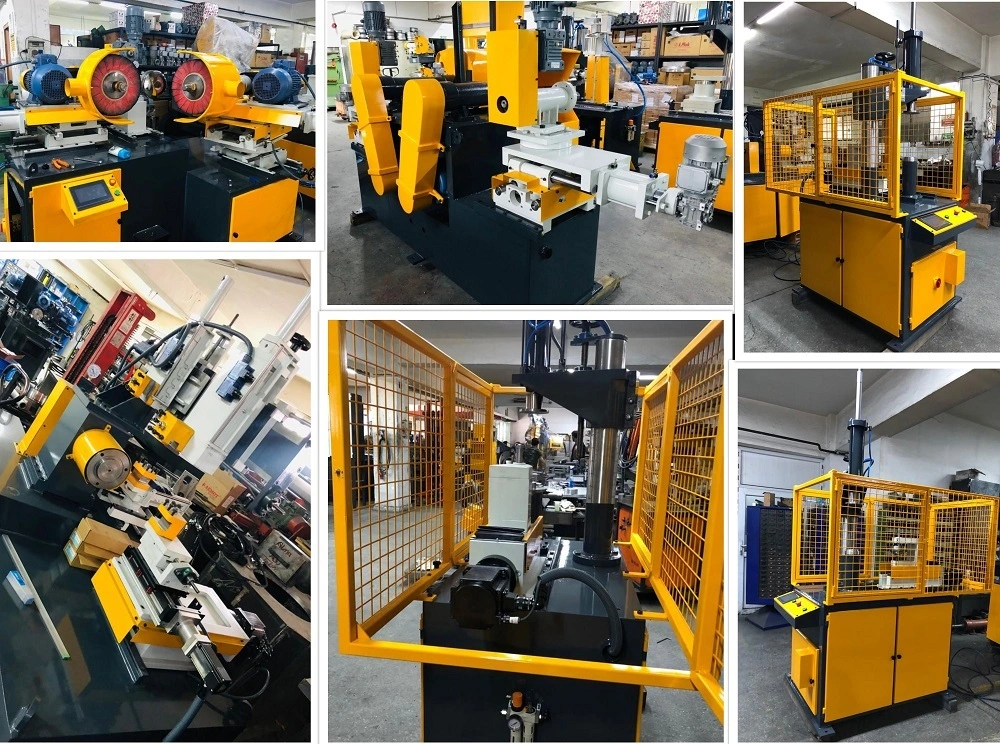
Section 2: Types of Sheet Metal Machinery

Sheet metal machinery encompasses a wide range of equipment designed to perform specific tasks in the metalworking process. Understanding the different types of machinery is essential for selecting the right tools for a particular application. This section explores the various types of sheet metal machinery and their functions.

Cutting Machines

Cutting machines are designed to slice through sheet metal with precision and speed. Key types include:

  • Shearing Machines: Shearing machines use a blade to cut straight lines in metal sheets. They are ideal for producing square or rectangular shapes and are commonly used in the initial stages of metal processing.
  • Laser Cutting Machines: Utilizing a focused laser beam, laser cutting machines offer high precision and are suitable for cutting complex shapes and patterns. They are widely used in industries requiring intricate designs, such as aerospace and automotive.
  • Plasma Cutters: Plasma cutters use a jet of ionized gas to cut through electrically conductive materials. They are effective for cutting thick sheets of metal and are often used in industrial applications.
  • Waterjet Cutters: Waterjet cutters use a high-pressure stream of water mixed with abrasive materials to cut metal. They are ideal for cutting heat-sensitive materials as they do not generate heat during the process.

Bending Machines

Bending machines are used to deform metal sheets into specific angles and shapes. Key types include:

  • Press Brakes: Press brakes are versatile machines used to bend sheet metal by pressing it between a punch and a die. They are suitable for creating V-shaped, U-shaped, and custom profiles.
  • Folding Machines: Folding machines are designed to fold sheet metal along a straight line. They are commonly used in the production of panels, enclosures, and boxes.
  • Roll Bending Machines: Roll bending machines use rollers to bend metal sheets into curved shapes. They are ideal for creating cylindrical objects, such as pipes and tanks.

Forming Machines

Forming machines are used to shape metal sheets into specific forms. Key types include:

  • Stamping Machines: Stamping machines use a die to shape metal sheets into specific forms. They are commonly used in mass production and are suitable for creating components with complex shapes.
  • Punching Machines: Punching machines use a punch and die to create holes in metal sheets. They are widely used in the production of metal parts and components.
  • Deep Drawing Machines: Deep drawing machines are used to form metal sheets into deep, hollow shapes. They are commonly used in the production of containers, automotive parts, and kitchenware.

Other Specialized Equipment

  • CNC Machines: CNC machines are computer-controlled systems that automate the machining process. They offer high precision and are suitable for complex and repetitive tasks.
  • Turret Punches: Turret punches are versatile machines used to punch holes in metal sheets. They are equipped with multiple tools, allowing for quick tool changes and increased efficiency.
  • Hydraulic Presses: Hydraulic presses use hydraulic force to shape and form metal sheets. They are suitable for tasks requiring high force and precision.

Section 3: Technological Advancements in Sheet Metal Machinery
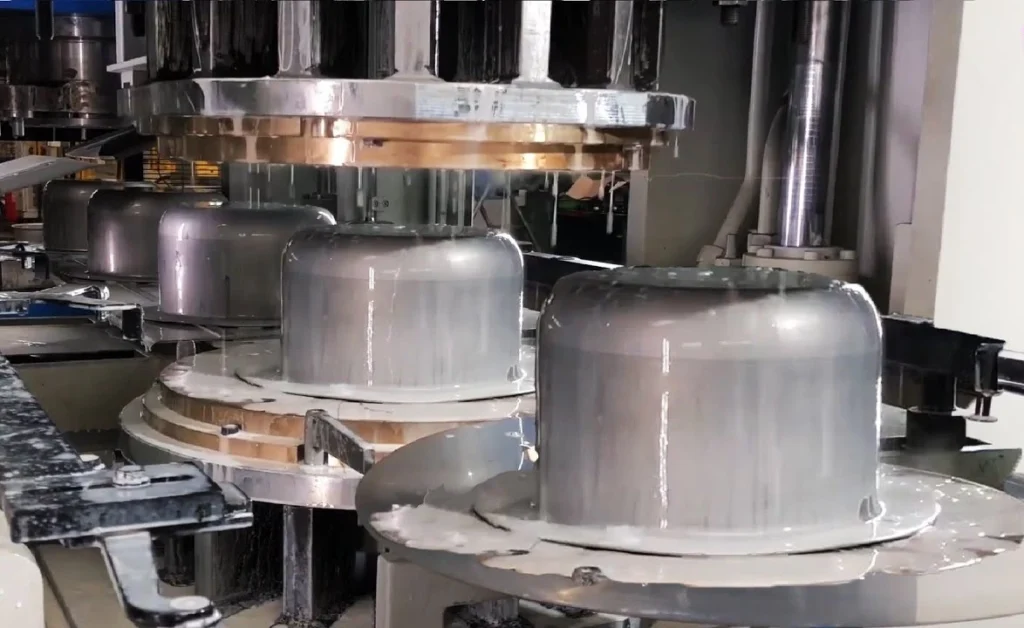
Section 3: Technological Advancements in Sheet Metal Machinery

The sheet metal machinery industry has seen significant technological advancements in recent years, driven by the need for increased efficiency, precision, and automation. This section explores some of the key technological innovations shaping the industry.

CNC Technology and Automation

Computer numerical control (CNC) technology has revolutionized sheet metal machinery by automating the machining process. CNC machines are programmed with specific instructions, allowing for precise and consistent production. The benefits of CNC technology include:

  • Increased Precision: CNC machines can achieve high levels of precision, reducing errors and improving product quality.
  • Enhanced Efficiency: Automation reduces the need for manual labor, increasing production speed and efficiency.
  • Flexibility: CNC machines can be easily reprogrammed to accommodate different tasks, making them ideal for small and large-scale production.

Integration of AI and IoT

The integration of artificial intelligence (AI) and the Internet of Things (IoT) is transforming sheet metal machinery by enabling smart manufacturing. Key benefits include:

  • Predictive Maintenance: IoT sensors can monitor machine performance and predict maintenance needs, reducing downtime and extending equipment lifespan.
  • Quality Control: AI algorithms can analyze production data to identify defects and improve quality control processes.
  • Data-Driven Decision Making: Real-time data from IoT devices can inform decision-making, optimizing production processes and resource allocation.

Energy-Efficient Machines

With increasing environmental concerns, the demand for energy-efficient sheet metal machinery is on the rise. Manufacturers are developing machines that consume less energy while maintaining high performance. Key features include:

  • Energy-Efficient Motors: Modern machines are equipped with energy-efficient motors that reduce power consumption.
  • Advanced Control Systems: Advanced control systems optimize machine operations, minimizing energy waste.

Section 4: Applications of Sheet Metal Machinery
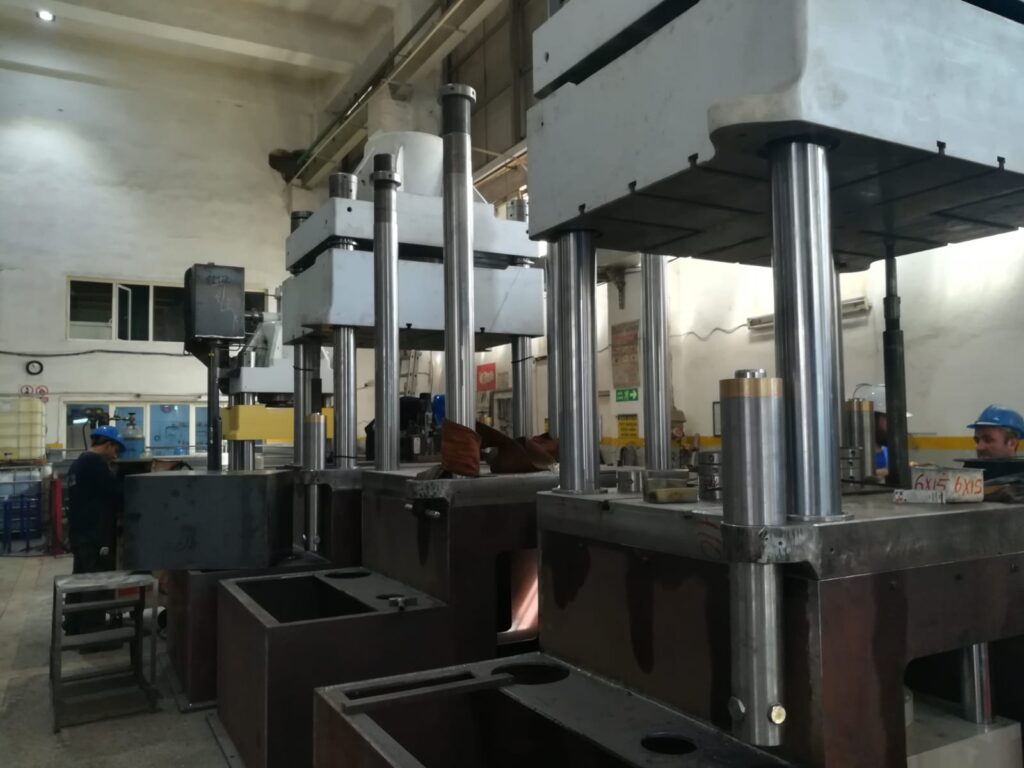
Section 4: Applications of Sheet Metal Machinery

Sheet metal machinery is used in various industries, each with specific applications and requirements. This section explores some of the key industries and their use of sheet metal machinery.

Automotive Industry

The automotive industry relies heavily on sheet metal machinery for the production of vehicle components. Key applications include:

  • Body Panels: Sheet metal machinery is used to produce body panels, such as doors, hoods, and fenders, ensuring high precision and quality.
  • Chassis Components: Bending and forming machines create chassis components, providing structural integrity and support.

Aerospace and Defense

The aerospace and defense industries require high precision and quality in their components. Sheet metal machinery is used for:

  • Aircraft Structures: Cutting and forming machines produce aircraft structures, such as wings and fuselage components, ensuring safety and performance.
  • Defense Equipment: Sheet metal machinery is used to produce components for defense equipment, such as armored vehicles and weapons systems.

Construction and Architecture

In the construction and architecture industries, sheet metal machinery is used to produce a wide range of products, including:

  • Architectural Panels: Cutting and bending machines create architectural panels used in building facades and interiors.
  • HVAC Systems: Sheet metal machinery produces components for HVAC systems, ensuring efficient heating, ventilation, and air conditioning.

Consumer Electronics

The consumer electronics industry relies on sheet metal machinery for the production of components such as:

  • Enclosures: Cutting and forming machines create enclosures for electronic devices, providing protection and aesthetics.
  • Heat Sinks: Sheet metal machinery produces heat sinks, which dissipate heat and ensure the proper functioning of electronic components.

Section 5: Key Manufacturers and Market Leaders

The sheet metal machinery industry is highly competitive, with several key manufacturers leading the market. This section highlights some of the top companies and their contributions to the industry.

Trumpf Group

Trumpf Group is a global leader in sheet metal machinery, known for its innovative solutions and high-quality products. Key offerings include:

  • Laser Cutting Machines: Trumpf is a pioneer in laser cutting technology, providing machines with high precision and efficiency.
  • Punching Machines: Trumpf’s punching machines are known for their versatility and automation capabilities.

Amada Co., Ltd.

Amada is a leading manufacturer of sheet metal machinery, offering a wide range of equipment for various applications. Key products include:

  • Press Brakes: Amada’s press brakes are renowned for their precision and reliability, catering to the needs of diverse industries.
  • Bending Machines: Amada provides advanced bending machines with innovative features, enhancing productivity and efficiency.

Bystronic Group

Bystronic Group is a prominent player in the sheet metal machinery market, focusing on cutting and bending solutions. Key offerings include:

  • CNC Laser Cutting Machines: Bystronic’s CNC laser cutting machines are known for their precision and speed, meeting the demands of modern manufacturing.
  • Press Brakes: Bystronic’s press brakes offer advanced automation and control, improving production efficiency.

Salvagnini Group

Salvagnini Group specializes in automated sheet metal processing solutions, providing a comprehensive range of machinery. Key products include:

  • Automated Bending Machines: Salvagnini’s automated bending machines offer high precision and efficiency, reducing labor costs and increasing output.
  • Flexible Manufacturing Systems: Salvagnini’s flexible manufacturing systems integrate various processes, streamlining production and improving flexibility.

Section 6: Selecting the Right Sheet Metal Machinery

Choosing the right sheet metal machinery is crucial for ensuring optimal performance and efficiency in manufacturing processes. This section outlines key factors to consider when selecting sheet metal machinery.

Material Type

The type of material being processed is a critical consideration when selecting sheet metal machinery. Different materials have varying properties, such as thickness, hardness, and ductility, which can impact machine performance. It is essential to choose machinery that can handle the specific materials used in production.

Precision and Accuracy

Precision and accuracy are vital factors in producing high-quality products. CNC machines offer high levels of precision, making them suitable for applications requiring intricate designs and tight tolerances. Manufacturers should consider the precision requirements of their applications when selecting machinery.

Volume and Production Capacity

The production volume and capacity of the machinery should align with the manufacturing needs. High-volume production may require automated machinery with fast processing speeds, while smaller production runs may benefit from flexible and versatile machines.

Cost Analysis and Budgeting

Cost is a significant consideration when selecting sheet metal machinery. Manufacturers should conduct a cost analysis to determine the total cost of ownership, including initial investment, maintenance, and operational costs. Budgeting should account for the long-term benefits of investing in high-quality machinery.

Maintenance and Support Considerations

Regular maintenance is essential for ensuring the longevity and performance of sheet metal machinery. Manufacturers should consider the availability of maintenance services and support when selecting machinery. Choosing machines with readily available spare parts and technical support can minimize downtime and ensure smooth operations.

Section 7: Safety and Environmental Considerations

Safety and environmental considerations are paramount in the sheet metal machinery industry. This section explores the key safety standards and environmental practices manufacturers should adhere to.

Safety Standards and Best Practices

Safety is a top priority in the sheet metal machinery industry, as the equipment can pose significant risks to operators. Key safety standards and best practices include:

  • Operator Training: Operators should receive comprehensive training on machine operation, safety protocols, and emergency procedures.
  • Machine Guarding: Machines should be equipped with guards and safety features to protect operators from moving parts and potential hazards.
  • Regular Inspections: Regular inspections and maintenance can identify potential safety issues and ensure machines operate safely.

Environmental Impact and Sustainability

The sheet metal machinery industry has an impact on the environment, with energy consumption and waste generation being key concerns. Manufacturers can adopt sustainable practices to minimize their environmental footprint:

  • Energy Efficiency: Using energy-efficient machinery can reduce power consumption and lower carbon emissions.
  • Waste Reduction: Implementing recycling and waste reduction programs can minimize the environmental impact of manufacturing processes.
  • Sustainable Materials: Choosing sustainable materials and suppliers can contribute to a more environmentally friendly supply chain.

Section 8: Challenges and Future Trends

The sheet metal machinery industry faces several challenges, but it also presents opportunities for innovation and growth. This section explores the current challenges and future trends in the industry.

Current Challenges

  • Skilled Labor Shortage: The industry faces a shortage of skilled labor, with an aging workforce and a lack of new talent entering the field. Manufacturers must invest in training and development programs to address this issue.
  • Rising Material Costs: Fluctuations in material costs can impact manufacturing profitability. Manufacturers should implement cost-effective strategies to mitigate the effects of rising material costs.
  • Supply Chain Disruptions: Global supply chain disruptions can impact the availability of raw materials and components, affecting production timelines and costs.

Future Trends

  • Automation and Industry 4.0: Automation and Industry 4.0 technologies will continue to drive innovation in the sheet metal machinery industry, improving efficiency and productivity.
  • Sustainability and Green Manufacturing: The demand for sustainable and environmentally friendly manufacturing practices will increase, driving the development of energy-efficient machinery and processes.
  • Advanced Materials: The use of advanced materials, such as composites and lightweight alloys, will expand, requiring new machinery and techniques for processing.

Section 9: Conclusion

Sheet metal machinery is a vital component of modern manufacturing, enabling the production of a wide range of products across various industries. With advancements in technology and automation, sheet metal machinery continues to evolve, offering increased precision, efficiency, and flexibility.

As manufacturers face challenges such as skilled labor shortages and rising material costs, innovation and adaptation will be crucial for success. By embracing new technologies and sustainable practices, manufacturers can overcome these challenges and capitalize on emerging opportunities.

The future of sheet metal machinery is bright, with continued advancements in automation, AI, and sustainable manufacturing practices shaping the industry. As the demand for high-quality and environmentally friendly products grows, sheet metal machinery will play a key role in meeting these needs and driving the future of manufacturing.

Section 5: Top Features Comparison of Sheet Metal Machinery
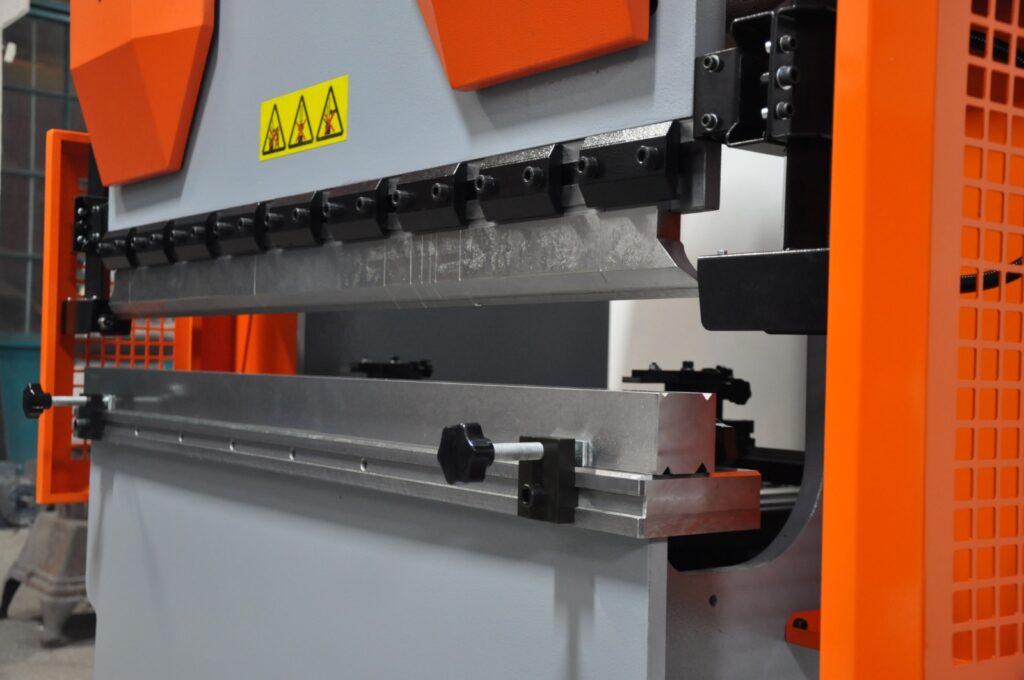
Section 5: Top Features Comparison of Sheet Metal Machinery

Selecting the right sheet metal machinery is critical for optimizing production processes and achieving desired outcomes. With a variety of machinery types available, understanding their features can guide manufacturers in choosing the best equipment for their specific needs. This section compares the top features of key sheet metal machinery, focusing on cutting, bending, and forming machines, as well as specialized equipment.

Cutting Machines: Feature Comparison

Cutting machines are essential for slicing sheet metal into desired shapes and sizes. The most common types include laser cutters, plasma cutters, and waterjet cutters. Here’s how they compare:

1. Laser Cutting Machines

  • Precision: Laser cutting machines are known for their high precision, capable of achieving tight tolerances and intricate designs. They are ideal for applications requiring detailed work, such as electronics and aerospace components.
  • Speed: These machines offer fast cutting speeds, making them suitable for high-volume production.
  • Material Compatibility: Laser cutters work well with a variety of metals, including steel, aluminum, and titanium. However, they may not be suitable for thicker materials.
  • Cost: Generally more expensive than other cutting methods, but the precision and efficiency can justify the investment for specific applications.

2. Plasma Cutters

  • Thickness Handling: Plasma cutters excel at cutting through thick materials, making them ideal for heavy-duty applications like shipbuilding and construction.
  • Speed: They offer fast cutting speeds but may not match the precision of laser cutters.
  • Material Compatibility: Suitable for cutting electrically conductive metals such as steel, stainless steel, and aluminum.
  • Cost: More affordable than laser cutters, making them a popular choice for many industrial applications.

3. Waterjet Cutters

  • Versatility: Waterjet cutters can cut a wide range of materials, including metal, stone, glass, and composites, without causing thermal distortion.
  • Precision: They offer high precision and smooth edges, suitable for detailed work and sensitive materials.
  • Environmental Impact: Waterjet cutting is a clean process that does not produce hazardous waste or fumes.
  • Cost: While initial costs can be high, the versatility and environmental benefits make them an attractive option for diverse applications.

Bending Machines: Feature Comparison

Bending machines are used to deform sheet metal into specific shapes. The main types include press brakes, folding machines, and roll bending machines. Here’s a comparison of their features:

1. Press Brakes

  • Versatility: Press brakes are highly versatile, capable of producing a wide range of shapes and angles. They are used in automotive, aerospace, and construction industries.
  • Precision: Modern press brakes with CNC control offer high precision and repeatability, ensuring consistent results.
  • Material Thickness: Suitable for bending various material thicknesses, making them adaptable to different projects.
  • Automation: Many press brakes come with automated features, reducing setup time and increasing efficiency.

2. Folding Machines

  • Ease of Use: Folding machines are user-friendly, often requiring less operator expertise compared to press brakes.
  • Speed: They offer fast processing times, making them suitable for high-volume production.
  • Material Handling: Folding machines are ideal for thin and medium-thickness materials, commonly used in HVAC and sheet metal fabrication.
  • Customization: They provide flexibility in folding complex profiles, catering to specific design requirements.

3. Roll Bending Machines

  • Curved Shapes: Roll bending machines specialize in creating cylindrical and curved shapes, such as pipes and tanks.
  • Material Thickness: Suitable for handling thick materials, making them ideal for heavy-duty applications.
  • Efficiency: They offer efficient processing of long metal sheets, reducing material waste.
  • Automation: Some roll bending machines come with CNC capabilities, enhancing precision and control.

Forming Machines: Feature Comparison

Forming machines shape metal sheets into specific forms. Key types include stamping machines, punching machines, and deep drawing machines. Here’s how they compare:

1. Stamping Machines

  • Mass Production: Stamping machines are ideal for mass production, offering high-speed processing and consistency.
  • Complex Shapes: Capable of producing complex shapes with multiple operations in a single pass.
  • Tooling Costs: High initial tooling costs, but cost-effective for large production runs.
  • Automation: Highly automated, reducing labor costs and increasing efficiency.

2. Punching Machines

  • Precision: Punching machines offer high precision and accuracy, suitable for creating holes and intricate patterns.
  • Flexibility: Equipped with multiple tools, allowing for quick tool changes and diverse applications.
  • Speed: Fast processing speeds, making them ideal for high-volume production.
  • Material Handling: Suitable for various materials, including steel, aluminum, and copper.

3. Deep Drawing Machines

  • Hollow Shapes: Deep drawing machines specialize in creating deep, hollow shapes, such as containers and automotive parts.
  • Material Utilization: Efficient material utilization, minimizing waste.
  • Complex Designs: Capable of producing complex designs with smooth surfaces and high precision.
  • Automation: Many deep drawing machines offer automation features, enhancing productivity and reducing labor costs.

Specialized Equipment: Feature Comparison

Specialized sheet metal machinery includes CNC machines, turret punches, and hydraulic presses. Here’s a comparison of their features:

1. CNC Machines

  • Precision and Accuracy: CNC machines offer unparalleled precision and accuracy, suitable for complex and repetitive tasks.
  • Automation: Fully automated, reducing the need for manual labor and increasing efficiency.
  • Flexibility: Easily reprogrammable for different tasks, making them adaptable to changing production needs.
  • Cost: High initial investment, but the benefits of automation and precision can outweigh the costs for many applications.

2. Turret Punches

  • Versatility: Turret punches are versatile, equipped with multiple tools for punching, nibbling, and forming operations.
  • Speed: High-speed processing, ideal for mass production.
  • Tool Changes: Quick tool changes increase efficiency and reduce downtime.
  • Material Handling: Suitable for various materials, including thin and medium-thickness sheets.

3. Hydraulic Presses

  • Force and Power: Hydraulic presses offer high force and power, suitable for heavy-duty forming and shaping tasks.
  • Precision: Modern hydraulic presses provide high precision and control, ensuring consistent results.
  • Versatility: Adaptable to various applications, including forming, bending, and punching.
  • Automation: Many hydraulic presses offer automated features, enhancing productivity and efficiency.

Conclusion

When selecting sheet metal machinery, manufacturers must carefully evaluate the features and capabilities of each type of equipment. Key considerations include precision, speed, material compatibility, and automation. By understanding the unique features of cutting, bending, and forming machines, as well as specialized equipment, manufacturers can choose the best tools to meet their specific production needs and optimize their operations.

Section 6: Most Widely Used Sheet Metal Machines

Section 6: Most Widely Used Sheet Metal Machines

In the sheet metal industry, various machines are used for cutting, bending, forming, and shaping metal sheets into specific products and components. While the selection of machines depends on the specific needs and requirements of a manufacturing operation, certain machines stand out as being the most widely used across industries due to their versatility, efficiency, and reliability. This section explores the most popular sheet metal machines and their key features and applications.

1. Laser Cutting Machines

Overview:

Laser cutting machines are among the most widely used machines in the sheet metal industry. They use a focused laser beam to cut materials with high precision and speed. These machines are ideal for intricate designs and complex shapes.

Key Features:

  • High Precision: Laser cutters provide exceptional precision, allowing for intricate designs and tight tolerances.
  • Speed: They offer rapid cutting speeds, making them suitable for high-volume production.
  • Versatility: Laser cutting machines can work with various materials, including steel, aluminum, brass, and titanium.
  • Minimal Waste: The precision of laser cutting results in minimal material waste.

Applications:

  • Automotive Industry: Used for cutting intricate parts and components, such as gears, brackets, and panels.
  • Aerospace: Ideal for cutting complex shapes in aircraft components.
  • Electronics: Used to create precise enclosures and intricate circuit board designs.

Why Popular:

Laser cutting machines are favored for their precision, speed, and versatility. They are essential in industries requiring high accuracy and complex designs.

2. Press Brakes

Overview:

Press brakes are essential machines for bending sheet metal into specific shapes and angles. They are used across various industries due to their versatility and precision.

Key Features:

  • Versatility: Capable of bending a wide range of materials and thicknesses.
  • Precision: Modern press brakes with CNC control offer high precision and repeatability.
  • Automation: Equipped with automated features that reduce setup time and enhance productivity.
  • Customizable: Press brakes can be customized with different tools and dies to accommodate various bending tasks.

Applications:

  • Automotive: Used to bend chassis components, brackets, and other structural parts.
  • Construction: Employed in creating metal frameworks, support beams, and architectural elements.
  • HVAC: Used for forming ducts, vents, and other heating and cooling components.

Why Popular:

Press brakes are highly popular due to their versatility, precision, and ability to handle various bending tasks. They are indispensable in manufacturing operations that require custom bends and angles.

3. CNC Punching Machines

Overview:

CNC punching machines are used to create holes and shapes in sheet metal by using a punch and die. They offer high precision and speed, making them ideal for mass production.

Key Features:

  • Automation: CNC control allows for automated punching processes, reducing the need for manual labor.
  • High Precision: Capable of achieving tight tolerances and intricate designs.
  • Flexibility: Equipped with multiple tools for various punching and forming operations.
  • Efficiency: Offers fast processing speeds and quick tool changes.

Applications:

  • Appliances: Used to create precise holes and shapes in appliance components.
  • Electronics: Employed in creating enclosures and metal parts for electronic devices.
  • Automotive: Used for producing various components, such as brackets and support structures.

Why Popular:

CNC punching machines are widely used for their speed, precision, and automation capabilities. They are essential for manufacturers seeking efficiency and high-quality results in mass production.

4. Hydraulic Shearing Machines

Overview:

Hydraulic shearing machines are used to cut sheet metal into specific sizes and shapes. They offer robust performance and are suitable for cutting thick materials.

Key Features:

  • Powerful Cutting: Hydraulic shears provide strong cutting force, allowing them to handle thick and heavy materials.
  • Precision: Equipped with advanced control systems for precise cutting.
  • Versatility: Suitable for cutting various metals, including steel, aluminum, and copper.
  • Safety Features: Designed with safety mechanisms to protect operators during operation.

Applications:

  • Construction: Used for cutting metal sheets for structural components and frameworks.
  • Shipbuilding: Employed in cutting thick steel plates for ship hulls and decks.
  • Metal Fabrication: Used for producing custom-sized sheets for various applications.

Why Popular:

Hydraulic shearing machines are popular for their power, precision, and ability to handle thick materials. They are essential in industries requiring robust cutting capabilities.

5. Waterjet Cutting Machines

Overview:

Waterjet cutting machines use a high-pressure jet of water mixed with abrasive materials to cut sheet metal. They are known for their versatility and environmental benefits.

Key Features:

  • Cold Cutting: Waterjet cutting does not generate heat, preventing thermal distortion of materials.
  • Versatility: Capable of cutting a wide range of materials, including metals, stone, glass, and composites.
  • Precision: Offers high precision and smooth edges, suitable for detailed work.
  • Environmental Impact: Produces minimal waste and does not emit harmful fumes.

Applications:

  • Aerospace: Used for cutting complex shapes in aircraft components and materials.
  • Architecture: Employed in creating intricate designs and patterns for architectural elements.
  • Metal Fabrication: Used for custom cutting of metal parts and components.

Why Popular:

Waterjet cutting machines are widely used for their precision, versatility, and environmental benefits. They are ideal for applications requiring intricate designs and heat-sensitive materials.

6. Roll Forming Machines

Overview:

Roll forming machines are used to continuously shape metal sheets into specific profiles. They are widely used in industries requiring long, uniform parts.

Key Features:

  • Continuous Production: Capable of producing long, uniform profiles with consistent quality.
  • Versatility: Suitable for creating various profiles, including channels, angles, and beams.
  • Efficiency: Offers high production speeds and minimal material waste.
  • Customization: Machines can be customized to produce specific profiles and shapes.

Applications:

  • Construction: Used for producing metal roofing, siding, and structural components.
  • Automotive: Employed in creating long, uniform parts for vehicle frames and structures.
  • Appliances: Used for producing metal components with consistent profiles.

Why Popular:

Roll forming machines are popular for their ability to produce long, uniform profiles efficiently. They are essential in industries requiring high-volume production of consistent parts.

Conclusion

The most widely used sheet metal machines are integral to modern manufacturing processes, offering a range of capabilities that cater to various industries and applications. From the precision and versatility of laser cutting machines to the robust performance of hydraulic shears, each machine plays a crucial role in shaping sheet metal into desired products. By understanding the features and applications of these machines, manufacturers can select the right equipment to optimize their operations and achieve high-quality results.

Section 7: Popular Sheet Metal Operations

Sheet metal operations are the processes used to transform raw metal sheets into specific shapes and products. These operations involve a variety of techniques, each suited to different applications and materials. Understanding the most popular sheet metal operations is crucial for manufacturers seeking to optimize their production processes and achieve high-quality results. This section explores the key operations in the sheet metal industry and their significance.

1. Cutting Operations

Cutting is one of the most fundamental operations in sheet metal fabrication, involving the separation of metal sheets into desired shapes and sizes. Several cutting techniques are widely used, each with its own advantages and applications:

A. Shearing

  • Overview: Shearing involves cutting straight lines in metal sheets using a pair of sharp blades. It is commonly used for cutting flat metal sheets into rectangular or square shapes.
  • Applications: Shearing is widely used in industries such as construction, automotive, and metal fabrication for creating basic shapes and panels.
  • Advantages: This process is fast and cost-effective for producing straight cuts with minimal waste.

B. Laser Cutting

  • Overview: Laser cutting uses a focused laser beam to precisely cut metal sheets into intricate shapes and patterns. It is ideal for applications requiring high precision and complex designs.
  • Applications: Laser cutting is popular in industries like aerospace, electronics, and automotive for producing intricate components and decorative elements.
  • Advantages: This technique offers high precision, speed, and the ability to cut complex shapes with minimal material waste.

C. Plasma Cutting

  • Overview: Plasma cutting uses a jet of ionized gas to cut through electrically conductive metals. It is effective for cutting thick materials quickly.
  • Applications: Commonly used in heavy industries such as shipbuilding, construction, and automotive for cutting thick steel plates and metal structures.
  • Advantages: Plasma cutting is fast and cost-effective for thick materials, providing clean cuts with minimal finishing required.

D. Waterjet Cutting

  • Overview: Waterjet cutting uses a high-pressure stream of water mixed with abrasive materials to cut through metal sheets. It is suitable for cutting heat-sensitive materials without causing thermal distortion.
  • Applications: Used in industries such as aerospace, architecture, and metal fabrication for cutting a wide range of materials, including metals, stone, and glass.
  • Advantages: This technique offers versatility, precision, and environmental benefits, as it does not produce hazardous waste or fumes.

2. Bending Operations

Bending operations involve deforming metal sheets into specific angles and shapes. These processes are essential for creating components with complex geometries and are widely used across various industries.

A. Press Brake Bending

  • Overview: Press brake bending uses a punch and die to bend metal sheets into specific angles. It is one of the most common bending techniques in the industry.
  • Applications: Used in industries such as automotive, construction, and metal fabrication for creating components with precise bends, such as brackets, enclosures, and panels.
  • Advantages: Press brake bending offers high precision and repeatability, making it suitable for producing consistent results in high-volume production.

B. Roll Bending

  • Overview: Roll bending involves passing metal sheets through a series of rollers to create curved shapes. It is ideal for producing cylindrical and conical components.
  • Applications: Commonly used in industries such as construction, automotive, and shipbuilding for producing pipes, tanks, and structural components.
  • Advantages: Roll bending is efficient for producing long, uniform curves with minimal material waste.

C. Folding

  • Overview: Folding involves bending metal sheets along a straight line using a folding machine. It is commonly used for creating simple bends and folds.
  • Applications: Used in industries such as HVAC, metal fabrication, and appliances for producing panels, enclosures, and ducts.
  • Advantages: Folding is fast and efficient for producing simple bends with minimal setup time.

3. Forming Operations

Forming operations involve shaping metal sheets into specific forms and structures. These processes are essential for creating components with complex geometries and are widely used across various industries.

A. Stamping

  • Overview: Stamping involves using a die to shape metal sheets into specific forms. It is commonly used for mass production of components with intricate designs.
  • Applications: Used in industries such as automotive, electronics, and appliances for producing components such as brackets, connectors, and housings.
  • Advantages: Stamping is cost-effective for high-volume production, offering fast processing speeds and consistent results.

B. Punching

  • Overview: Punching involves using a punch and die to create holes and shapes in metal sheets. It is widely used for producing components with precise holes and patterns.
  • Applications: Used in industries such as electronics, automotive, and metal fabrication for creating components such as enclosures, panels, and connectors.
  • Advantages: Punching offers high precision and speed, making it ideal for mass production of components with repetitive patterns.

C. Deep Drawing

  • Overview: Deep drawing involves pulling a metal sheet into a die cavity to create deep, hollow shapes. It is commonly used for producing containers and cylindrical components.
  • Applications: Used in industries such as automotive, appliances, and packaging for producing components such as cans, fuel tanks, and kitchenware.
  • Advantages: Deep drawing offers efficient material utilization and the ability to produce complex shapes with smooth surfaces.

4. Joining Operations

Joining operations involve combining metal sheets and components to create finished products. These processes are essential for assembling complex structures and are widely used across various industries.

A. Welding

  • Overview: Welding involves joining metal components by melting and fusing them together. It is commonly used for creating strong, permanent joints.
  • Applications: Used in industries such as automotive, construction, and shipbuilding for assembling components and structures.
  • Advantages: Welding offers strong and durable joints, making it ideal for applications requiring high structural integrity.

B. Riveting

  • Overview: Riveting involves joining metal components using rivets, which are mechanical fasteners that create strong, permanent joints.
  • Applications: Used in industries such as aerospace, automotive, and construction for assembling components and structures.
  • Advantages: Riveting offers strong and reliable joints, making it suitable for applications requiring high strength and resistance to vibration.

C. Adhesive Bonding

  • Overview: Adhesive bonding involves joining metal components using adhesives. It is commonly used for applications requiring lightweight and flexible joints.
  • Applications: Used in industries such as automotive, electronics, and appliances for assembling components and structures.
  • Advantages: Adhesive bonding offers lightweight and flexible joints, making it suitable for applications requiring reduced weight and vibration damping.

Conclusion

The sheet metal industry relies on a variety of operations to transform raw metal sheets into finished products. Cutting, bending, forming, and joining operations each play a crucial role in the manufacturing process, offering unique advantages and applications. By understanding the most popular sheet metal operations, manufacturers can optimize their production processes and achieve high-quality results, meeting the demands of diverse industries and applications.

Section 8: How CNC is Used in Sheet Metal Forming
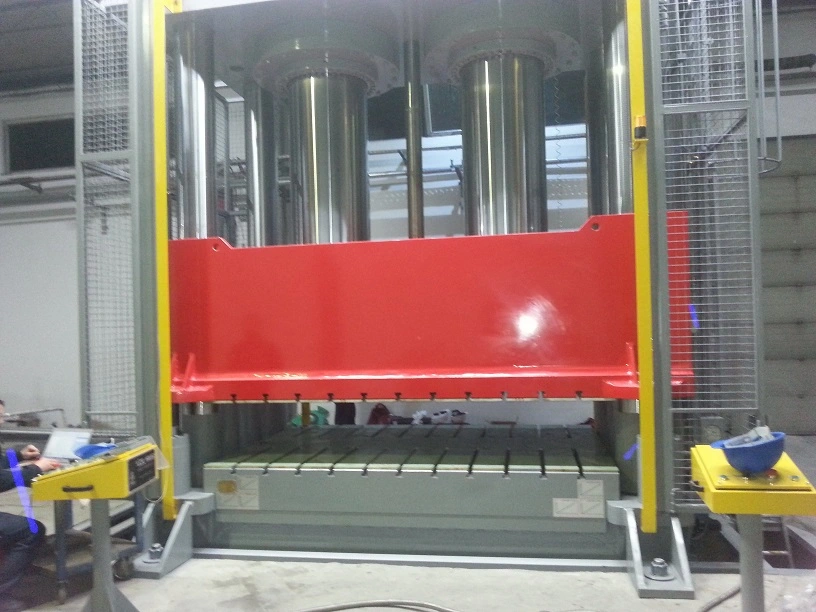
Section 8: How CNC is Used in Sheet Metal Forming

CNC (Computer Numerical Control) technology has revolutionized the sheet metal forming industry by introducing automation, precision, and efficiency into various forming processes. CNC systems control machinery using pre-programmed computer software, allowing for intricate and precise shaping of metal sheets. This section explores how CNC is utilized in sheet metal forming, detailing its applications, advantages, and impact on the industry.

CNC (Computer Numerical Control) technology has become a cornerstone in modern sheet metal forming, transforming how metal parts are manufactured. By integrating computer technology with traditional forming processes, CNC machines provide manufacturers with unparalleled precision, repeatability, and efficiency. This section delves into how CNC technology is applied in sheet metal forming, highlighting its applications, benefits, and impact on the industry.

1. CNC in Sheet Metal Forming Operations

CNC technology is used in various sheet metal forming operations, including bending, punching, and drawing. Each process benefits from the precision and automation provided by CNC systems:

A. CNC Bending

  • Overview: CNC bending involves the use of CNC-controlled press brakes to bend sheet metal into specific angles and shapes. The CNC system precisely controls the movement of the punch and die, ensuring accurate and consistent bends.
  • Applications:
    • Automotive: CNC bending is used to produce components such as brackets, chassis parts, and body panels with precise angles and dimensions.
    • Aerospace: The precision of CNC bending is crucial for manufacturing complex parts with tight tolerances, such as aircraft frames and structural components.
    • HVAC: Used to form ducts and enclosures, ensuring accurate bends for proper fit and function.
  • Advantages:
    • Precision and Consistency: CNC bending ensures accurate and repeatable results, reducing the need for manual adjustments and minimizing errors.
    • Complex Bends: CNC machines can perform complex bends and multiple angles in a single setup, enhancing productivity and flexibility.
    • Reduced Setup Time: The CNC system stores bending programs, allowing for quick setup and changeovers between different parts.

B. CNC Punching

  • Overview: CNC punching machines use a CNC-controlled turret to punch holes and shapes in sheet metal. The CNC system precisely controls the movement and operation of the punching tools, allowing for complex patterns and designs.
  • Applications:
    • Electronics: CNC punching is used to create enclosures and panels with precise cutouts for electronic components and connectors.
    • Appliances: Used to produce parts with intricate patterns and perforations, such as washing machine panels and refrigerator shelves.
    • Construction: CNC punching creates metal frameworks and structural components with precise holes for fasteners and joints.
  • Advantages:
    • High Speed and Efficiency: CNC punching offers rapid processing speeds and quick tool changes, making it ideal for high-volume production.
    • Complex Patterns: The CNC system can produce intricate patterns and designs with high precision, reducing material waste and post-processing.
    • Versatility: CNC punching machines can accommodate various tools and dies, allowing for diverse applications and material handling.

C. CNC Deep Drawing

  • Overview: CNC deep drawing involves the use of CNC-controlled hydraulic presses to form metal sheets into deep, hollow shapes. The CNC system precisely controls the press’s movement, ensuring uniform material flow and shape accuracy.
  • Applications:
    • Automotive: CNC deep drawing produces components such as fuel tanks, oil pans, and exhaust systems, requiring high precision and structural integrity.
    • Appliances: Used to form kitchenware and containers, ensuring smooth surfaces and accurate shapes.
    • Packaging: CNC deep drawing creates metal cans and containers with consistent wall thickness and dimensions.
  • Advantages:
    • Uniform Material Flow: CNC deep drawing ensures consistent material flow and thickness, reducing defects and improving product quality.
    • Complex Shapes: CNC machines can produce intricate and deep shapes with high precision, minimizing the need for additional processing.
    • Efficiency: CNC deep drawing reduces cycle times and material waste, optimizing production efficiency.

2. Advantages of CNC in Sheet Metal Forming

The integration of CNC technology in sheet metal forming offers several advantages, enhancing productivity and product quality:

A. Precision and Accuracy

  • Overview: CNC systems provide precise control over machine movements, ensuring accurate and consistent results in every operation. This precision is crucial for meeting tight tolerances and quality standards.
  • Benefits:
    • Reduced Errors: CNC machines minimize human errors, ensuring consistent product quality and reducing scrap rates.
    • Tight Tolerances: CNC technology achieves tight tolerances, essential for industries such as aerospace and automotive where precision is critical.
    • Consistent Quality: The repeatability of CNC machines ensures consistent quality across large production runs, enhancing customer satisfaction.

B. Automation and Efficiency

  • Overview: CNC machines automate various forming processes, reducing the need for manual intervention and increasing production efficiency.
  • Benefits:
    • Increased Productivity: CNC automation reduces setup times and cycle times, allowing for faster production and higher output.
    • Labor Savings: CNC machines require less manual labor, reducing labor costs and freeing up workers for other tasks.
    • Optimized Workflow: CNC systems streamline production workflows, improving overall efficiency and reducing bottlenecks.

C. Flexibility and Adaptability

  • Overview: CNC machines are highly flexible, allowing for quick changes in production without the need for extensive retooling or setup.
  • Benefits:
    • Rapid Prototyping: CNC machines facilitate rapid prototyping and testing, allowing manufacturers to quickly iterate and refine designs.
    • Custom Production: CNC technology enables custom production and small-batch manufacturing, meeting diverse customer demands and requirements.
    • Multi-Material Capability: CNC machines can handle various materials and thicknesses, providing versatility in production.

3. Impact of CNC Technology on the Sheet Metal Forming Industry

The adoption of CNC technology has significantly impacted the sheet metal forming industry, driving innovation and growth:

A. Improved Product Quality

  • Overview: CNC technology ensures high precision and consistency in production, leading to improved product quality and customer satisfaction.
  • Impact:
    • Enhanced Performance: High-quality products perform better and have longer lifespans, increasing customer loyalty and brand reputation.
    • Reduced Defects: CNC machines reduce defects and rework, minimizing waste and production costs.
    • Competitive Advantage: Manufacturers using CNC technology can offer superior products, gaining a competitive edge in the market.

B. Increased Manufacturing Efficiency

  • Overview: CNC automation streamlines production processes, reducing cycle times and increasing throughput.
  • Impact:
    • Cost Savings: Improved efficiency reduces production costs, allowing manufacturers to offer competitive pricing.
    • Faster Time-to-Market: CNC machines enable faster production and shorter lead times, accelerating time-to-market for new products.
    • Scalability: CNC technology supports scalable production, accommodating both small and large production runs with ease.

C. Innovation and Customization

  • Overview: CNC technology fosters innovation and customization in product design and manufacturing.
  • Impact:
    • Design Freedom: CNC machines support complex and intricate designs, enabling manufacturers to create innovative products.
    • Custom Solutions: CNC technology allows for custom production, meeting specific customer needs and requirements.
    • Market Expansion: The ability to produce diverse and customized products opens up new market opportunities for manufacturers.

Conclusion

CNC technology has transformed the sheet metal forming industry, offering numerous benefits such as precision, efficiency, and flexibility. By automating various forming processes, CNC machines enhance productivity and product quality, driving innovation and growth in the industry. As manufacturers continue to adopt CNC technology, the sheet metal forming industry is poised for further advancements and opportunities, meeting the evolving demands of diverse industries and applications

Section 9: CNC Setup Process for Sheet Metal Forming
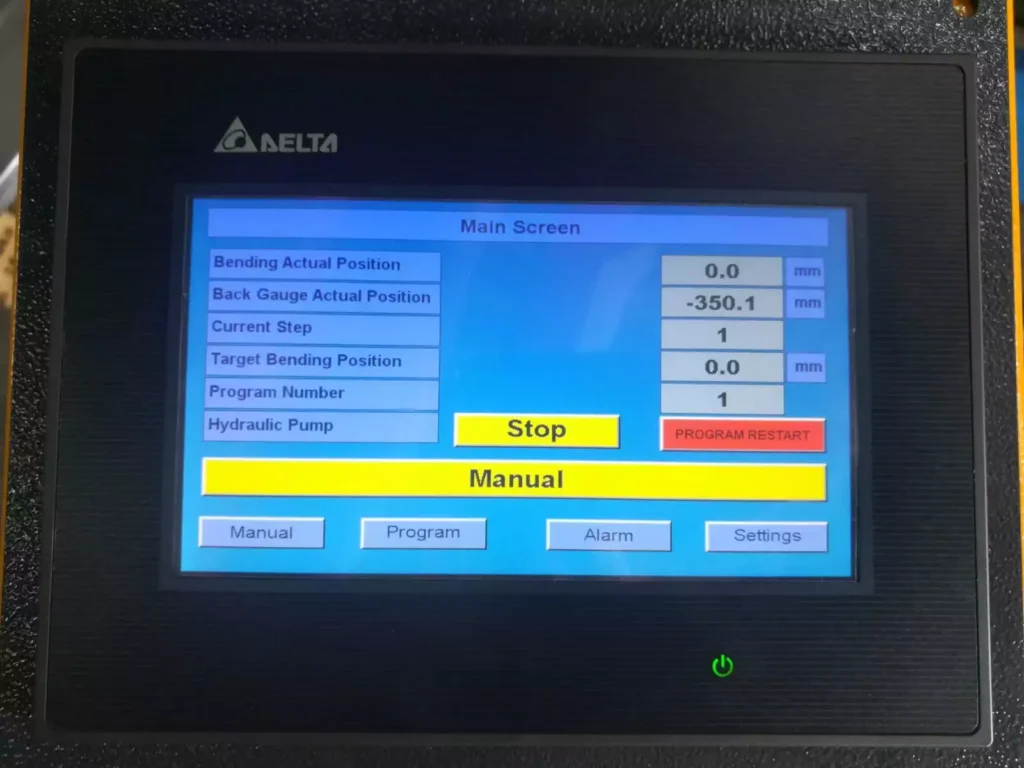
Section 9: CNC Setup Process for Sheet Metal Forming

Setting up a CNC (Computer Numerical Control) machine for sheet metal forming is a detailed process that involves multiple steps to ensure the machine operates efficiently and accurately. The setup process is crucial for achieving the desired results and minimizing errors during production. Here’s a comprehensive guide to the CNC setup process in sheet metal forming.

The CNC setup process for sheet metal forming involves several critical steps to prepare the machine for operation. This setup includes programming, tooling selection, machine calibration, and testing to ensure the CNC machine operates smoothly and produces high-quality results. This section provides a step-by-step guide to setting up a CNC machine for sheet metal forming.

1. Preparing the CNC Machine

A. Understanding Machine Specifications

  • Overview: Before setting up a CNC machine, it’s essential to understand the machine’s specifications, capabilities, and limitations. This knowledge helps in selecting the appropriate tools and materials for the operation.
  • Key Considerations:
    • Machine Type: Identify the type of CNC machine being used (e.g., CNC press brake, CNC punching machine) and its specific features.
    • Material Compatibility: Ensure the machine can handle the material type and thickness required for the operation.
    • Tolerances and Precision: Understand the machine’s precision levels and tolerances to ensure accurate results.

B. Ensuring Machine Readiness

  • Overview: Before starting the setup, ensure that the CNC machine is clean, properly maintained, and ready for operation.
  • Steps:
    • Cleaning: Clean the machine’s surfaces, removing any dust, debris, or previous material remnants that could affect performance.
    • Maintenance Check: Perform a maintenance check, including lubrication of moving parts and inspection of electrical connections.
    • Power Supply: Ensure the machine is connected to a stable power supply with the correct voltage and amperage.

2. Tooling and Material Setup

A. Selecting the Right Tools

  • Overview: Selecting the appropriate tools is crucial for achieving the desired results in sheet metal forming. This involves choosing the correct punches, dies, and other tooling components.
  • Key Considerations:
    • Tool Type: Choose tools that match the specific forming operation (e.g., bending, punching) and material type.
    • Tool Material: Select tooling materials that are compatible with the sheet metal material, ensuring durability and precision.
    • Tool Size: Ensure the tools are the correct size and shape for the desired cuts, bends, or forms.

B. Installing Tools

  • Overview: Once the appropriate tools are selected, they need to be installed correctly in the CNC machine.
  • Steps:
    • Tool Mounting: Securely mount the tools in the machine’s tool holder, ensuring proper alignment and positioning.
    • Tool Calibration: Calibrate the tools to ensure they are accurately positioned for the operation. This may involve adjusting tool height, angle, and alignment.
    • Tool Testing: Perform a test run to verify tool performance and ensure they are correctly installed.

C. Material Preparation

  • Overview: Preparing the sheet metal material is an essential step in the CNC setup process, ensuring the material is ready for forming.
  • Steps:
    • Material Inspection: Inspect the sheet metal for defects, such as scratches, dents, or impurities, that could affect the final product.
    • Material Cleaning: Clean the material surface to remove any contaminants that could interfere with the forming process.
    • Material Positioning: Properly position the material in the machine, ensuring it is securely held in place and aligned with the tooling.

3. Programming the CNC Machine

A. Creating the CNC Program

  • Overview: The CNC program contains the instructions that guide the machine’s operations, specifying the movements, speeds, and tools used during the process.
  • Steps:
    • CAD/CAM Software: Use computer-aided design (CAD) software to create the part design and generate a toolpath using computer-aided manufacturing (CAM) software.
    • G-Code Generation: Convert the toolpath into G-code, the programming language used by CNC machines to execute commands.
    • Program Optimization: Optimize the CNC program to minimize machining time, reduce tool wear, and enhance efficiency.

B. Uploading the CNC Program

  • Overview: Once the CNC program is created, it needs to be uploaded to the CNC machine’s control unit.
  • Steps:
    • Data Transfer: Transfer the CNC program to the machine via USB, Ethernet, or other compatible methods.
    • Program Verification: Verify the uploaded program on the machine’s interface, ensuring it matches the intended design and specifications.
    • Program Simulation: Run a program simulation to visualize the machining process and identify potential issues before actual operation.

4. Machine Calibration and Testing

A. Calibrating the CNC Machine

  • Overview: Calibration ensures the CNC machine operates with the desired precision and accuracy, aligning its movements with the programmed instructions.
  • Steps:
    • Axis Calibration: Calibrate the machine’s axes to ensure they move accurately and consistently along the specified paths.
    • Tool Calibration: Verify tool positioning and alignment, ensuring the tools interact with the material as intended.
    • Sensor Calibration: Calibrate sensors and feedback systems to ensure accurate monitoring and control of machine operations.

B. Conducting a Test Run

  • Overview: A test run allows operators to validate the setup and identify potential issues before full-scale production.
  • Steps:
    • Material Sample: Use a sample piece of material to test the CNC setup, simulating the actual production process.
    • Process Observation: Monitor the test run closely, observing tool performance, material behavior, and machine movements.
    • Issue Identification: Identify and address any issues or discrepancies observed during the test run, making necessary adjustments to the setup or program.

5. Final Adjustments and Production

A. Making Final Adjustments

  • Overview: After testing, make any final adjustments to the CNC setup to ensure optimal performance during production.
  • Steps:
    • Program Refinement: Refine the CNC program based on test run observations, making adjustments to toolpaths, speeds, or feeds as needed.
    • Tool Adjustment: Make any necessary adjustments to tool positioning or alignment, ensuring they are correctly configured for production.
    • Material Handling: Ensure material handling systems are properly set up to support efficient production flow.

B. Starting Production

  • Overview: Once the setup is finalized, the CNC machine is ready for full-scale production.
  • Steps:
    • Production Initiation: Start the CNC machine and begin the production process, ensuring continuous monitoring of operations.
    • Quality Control: Implement quality control measures to monitor product quality, ensuring that parts meet design specifications and standards.
    • Ongoing Maintenance: Perform regular maintenance and inspections to keep the CNC machine in optimal working condition, minimizing downtime and maximizing efficiency.

Conclusion

The CNC setup process for sheet metal forming is a comprehensive and detailed procedure that requires careful planning, execution, and testing. By following the steps outlined in this guide, manufacturers can ensure their CNC machines are properly set up for efficient and accurate production, minimizing errors and maximizing productivity. As CNC technology continues to evolve, the setup process will become even more streamlined and efficient, enabling manufacturers to meet the demands of increasingly complex and precise manufacturing tasks.

Special Automatic Finishing Machines” refers to a category of industrial machines designed to perform final processing steps on a product with minimal human intervention. These machines are tailored to specific manufacturing needs and help improve product quality, consistency, and production efficiency.

Here’s a breakdown of the concept:

🔧 What is Finishing?

Finishing involves final processes done on a product after initial manufacturing to enhance its:

  • Appearance (e.g., polishing, painting)
  • Functionality (e.g., coating, deburring)
  • Durability (e.g., heat treatment, hardening)

🤖 Special Automatic Finishing Machines

These are custom-designed or application-specific machines that:

  • Perform finishing tasks automatically
  • Are integrated into production lines
  • Reduce manual labor and errors

🛠️ Examples of Special Automatic Finishing Machines

TypeFunctionApplications
Polishing MachinesSmooth and shine surfacesMetal parts, jewelry, automotive
Deburring MachinesRemove sharp edges or burrsMachined parts, gears
Grinding MachinesSurface finish and dimensional accuracyEngine components, tools
Surface Treatment MachinesCoating, anodizing, paintingElectronics, aerospace
Laser Marking MachinesEngrave or mark surfacesBranding, tracking (barcodes, serial numbers)
Buffing MachinesFinal glossy finishPlastics, metals, wood
Edge Finishing MachinesTrim and round edgesFootwear, leather goods, packaging

🧠 Key Features

  • Programmable controls (PLC/CNC)
  • High-speed and precision
  • Integration with robotics
  • Sensors for quality checks
  • Custom tooling for specific parts

🏭 Industries Using These Machines

  • Automotive
  • Aerospace
  • Consumer electronics
  • Medical devices
  • Furniture and fixtures
  • Jewelry and fashion accessories

Special automatic finishing machines are specialized industrial systems designed to carry out the final processing steps of a product with a high degree of automation. These machines are tailored for specific tasks and industries, ensuring that the finished product meets strict quality, appearance, and durability standards. Unlike general-purpose equipment, these machines are often custom-built or configured to handle particular parts, materials, or finishing requirements. Their purpose is to streamline the final stages of production by minimizing human intervention, reducing defects, and improving throughput.

These machines can perform a wide range of operations, including polishing, grinding, deburring, buffing, coating, and marking. For instance, in metalworking industries, automatic polishing machines are used to give parts a smooth and shiny finish, while deburring machines remove sharp edges or burrs left from cutting and machining processes. In electronics or aerospace industries, surface treatment machines might apply protective coatings or conduct anodizing processes to enhance surface resistance. Laser marking machines are often used for precision engraving, branding, or coding components with traceability information such as serial numbers or barcodes.

What sets these machines apart is their integration with automation technologies such as programmable logic controllers (PLCs), computer numerical control (CNC), and robotic arms. They may include in-line sensors and vision systems for real-time inspection and quality control, ensuring that only products meeting the required specifications proceed to packaging or assembly. Their use significantly reduces reliance on skilled manual labor, enhances consistency, and speeds up production cycles.

Industries that rely heavily on special automatic finishing machines include automotive, aerospace, consumer electronics, medical devices, furniture, and fashion accessories. Each industry may require a different type of machine depending on material properties, tolerances, and product geometry. For example, the automotive industry uses automatic grinding and buffing machines for car body parts, while the medical sector may employ precision micro-polishing machines for surgical tools and implants.

In addition to improving quality and efficiency, special automatic finishing machines also contribute significantly to workplace safety and environmental compliance. Traditional manual finishing processes, such as grinding or polishing, often expose workers to dust, noise, vibrations, and hazardous chemicals. Automation not only reduces human exposure to these risks but also allows for better containment and treatment of emissions, waste, and residues. Many of these machines are designed with built-in extraction systems, filtration units, or closed-loop fluid systems that help manufacturers meet strict environmental regulations while maintaining clean and safe working conditions.

The adaptability of these machines is another major advantage. Many are equipped with modular components or interchangeable tooling systems, which allow manufacturers to switch between different product types or surface treatments with minimal downtime. This flexibility is especially valuable in industries where product lines change frequently or where customization is essential. Some systems are even designed with AI-driven controls or machine learning capabilities, enabling them to optimize their processes over time based on feedback from sensors and inspection data.

With the increasing demand for precision and customization, special automatic finishing machines are evolving rapidly. Advances in materials science and mechatronics have led to the development of compact, energy-efficient, and high-speed systems that can be integrated into smart factories. These machines often form part of a larger automated production line, communicating with upstream and downstream equipment to coordinate production flow and maintain traceability.

In the global market, the demand for such machines is driven by trends like mass customization, miniaturization of components, and strict quality certifications. Manufacturers investing in these machines gain a competitive edge by ensuring consistent product quality, reducing rework and scrap rates, and increasing overall equipment effectiveness (OEE).

Ultimately, special automatic finishing machines represent a blend of mechanical precision, process expertise, and automation technology, playing a vital role in modern industrial production. Their continued development is central to achieving higher standards in manufacturing and meeting the ever-growing demands of today’s market.

Looking forward, the role of special automatic finishing machines is set to expand even further with the growing integration of Industry 4.0 technologies. These machines are becoming smarter, more connected, and increasingly capable of self-monitoring and diagnostics. Through the use of IoT sensors, real-time data collection, and cloud-based analytics, manufacturers can now monitor machine performance, predict maintenance needs, and identify inefficiencies before they impact production. This proactive approach reduces downtime, extends equipment lifespan, and optimizes the entire finishing process.

Another significant development is the incorporation of robotics into finishing operations. Robotic arms equipped with advanced end-effectors can replicate complex manual finishing tasks with exceptional precision and consistency. These robotic systems can adapt to varying shapes, surfaces, and materials, and are often used in conjunction with vision systems for real-time adjustments. In high-mix, low-volume production environments, this kind of flexibility is invaluable. Robots can be reprogrammed quickly for different products, reducing changeover times and improving responsiveness to market demands.

Additive manufacturing (3D printing) has also influenced the evolution of finishing technologies. Many parts produced through additive methods require specialized finishing due to the unique surface characteristics of layered construction. Special automatic finishing machines have adapted to address these needs, offering solutions for smoothing, coating, or modifying 3D-printed components to meet functional and aesthetic requirements.

Moreover, sustainability is becoming a key focus. Manufacturers are now seeking finishing solutions that consume less energy, use environmentally friendly abrasives and chemicals, and generate minimal waste. In response, machine builders are designing systems that support eco-efficient processes, such as dry finishing technologies, recyclable media, and energy recovery systems. These innovations not only reduce environmental impact but also align with corporate social responsibility goals and global sustainability standards.

The training and skillset required to operate and maintain these machines are also changing. While the machines themselves reduce manual labor, they demand operators with a solid understanding of automation, control systems, and digital interfaces. As a result, workforce development is increasingly important, with companies investing in training programs to upskill workers and ensure they can effectively manage this sophisticated equipment.

In summary, special automatic finishing machines are evolving into intelligent, sustainable, and highly adaptable systems that align with the future of manufacturing. Their importance will only grow as industries continue to push for greater precision, efficiency, and customization in product finishing.

Tank Polishing Machine

Tank Polishing Machine is a specialized automatic finishing machine designed specifically for polishing the inner and/or outer surfaces of cylindrical or elliptical tanks. These tanks can be made from stainless steel, carbon steel, aluminum, or other metals, and are commonly used in industries such as pharmaceuticals, food and beverage, dairy, brewing, chemical processing, and petrochemicals.

🔧 Purpose and Function

The primary goal of a tank polishing machine is to:

  • Improve surface finish (typically to a mirror or sanitary finish)
  • Remove weld marks, oxidation, and surface irregularities
  • Meet hygiene or aesthetic standards
  • Prepare the tank for further coating or treatment

🛠️ How It Works

A tank polishing machine typically includes:

  • Rotary or linear motion systems: to move polishing heads smoothly across the tank surface.
  • Abrasive belts, pads, or brushes: to grind and polish the metal surface.
  • Automated controls: to set polishing speed, pressure, and travel distance.
  • Fixtures or clamps: to secure the tank during the polishing operation.

There are different configurations:

  • External tank polishing machines: for the outer cylindrical surface.
  • Internal tank polishing machines: often use extendable arms or rotating nozzles to reach the inner wall.
  • Head polishing machines: for dished or elliptical tank heads (end caps).

✅ Key Features

  • Multiple-axis control (vertical, horizontal movement)
  • Adjustable polishing pressure
  • Variable speed drive (VFD) systems
  • PLC or touchscreen interfaces
  • Support for different abrasives (grit sizes, materials)
  • Dust or slurry collection systems

🏭 Applications

  • Food-grade and sanitary tanks (mirror polishing to Ra ≤ 0.4 μm)
  • Chemical storage tanks (oxidation and scale removal)
  • Pharmaceutical reactors (hygienic finish, passivation prep)
  • Brewing and dairy vessels (smooth finish to prevent bacterial growth)

📈 Benefits

  • Consistent surface quality across the entire tank
  • Reduced labor costs compared to manual polishing
  • Improved efficiency and faster turnaround
  • Better hygiene and corrosion resistance
  • Enhanced appearance for high-end or visible applications

A tank polishing machine is a type of specialized industrial equipment used to polish the inner or outer surfaces of metal tanks, typically cylindrical or elliptical in shape. These machines are designed to deliver a high-quality surface finish, often required in industries where cleanliness, hygiene, or appearance is critical, such as in food processing, pharmaceuticals, chemical storage, brewing, and dairy production. The polishing process can remove weld seams, oxidation, scale, and surface imperfections, while also bringing the surface to a desired level of smoothness or mirror-like finish. This is particularly important in sanitary environments, where a smooth surface helps prevent bacterial growth and simplifies cleaning.

These machines operate with a combination of mechanical arms, polishing heads, abrasive belts or pads, and automated control systems. The tank, depending on size and configuration, may be fixed in place or rotated during the process, while the polishing unit moves along its surface to cover the entire area evenly. Some machines are designed specifically for external polishing, using horizontal or vertical tracks to move across the tank’s cylindrical body. Others are built for internal polishing, which can involve rotating arms or flexible shafts that reach inside the tank and polish the interior walls, often working in confined or curved spaces. There are also tank head polishing machines for the elliptical or hemispherical end caps of tanks, which require precise contour-following capabilities.

Modern tank polishing machines are equipped with programmable logic controllers (PLCs), touchscreen interfaces, and sensors that allow for precise control over polishing speed, pressure, and travel distance. This automation ensures consistent results, minimizes operator involvement, and reduces the risk of damage to the tank. Polishing materials can range from coarse abrasives for initial grinding to fine grits and buffing compounds for high-gloss finishing. In many cases, polishing can be done in stages, gradually refining the surface until the desired finish is achieved.

The advantages of using a tank polishing machine over manual methods are significant. Automated polishing provides a uniform finish across the tank surface, eliminates variability caused by human error, and dramatically reduces labor costs and time. It also improves safety by reducing worker exposure to dust, noise, and repetitive motion. In addition, many machines include dust or slurry collection systems that support cleaner, more environmentally friendly operations.

As tank specifications become more demanding—particularly in industries with stringent hygiene or appearance standards—these machines continue to evolve. Some systems now incorporate robotic arms for even greater flexibility and precision, while others are designed with modularity in mind, allowing them to accommodate tanks of different sizes and configurations. With growing interest in sustainability and operational efficiency, tank polishing machines are also being developed with energy-saving features and recyclable polishing media. Overall, these machines are essential for manufacturers and processors seeking high-quality, reliable, and efficient finishing solutions for their tank products.

The application of tank polishing machines is not limited to large-scale production facilities; they are also widely used by custom fabricators and maintenance teams who deal with smaller batches or repair work. In such cases, machines are often mobile or semi-automatic, allowing operators to manually guide polishing heads along specific weld lines or damaged areas while still benefiting from mechanized consistency and reduced effort. These portable systems are especially valuable in field service scenarios, where large tanks cannot be easily moved or disassembled.

As customer demands evolve—particularly in industries like craft brewing, biotech, and food-grade processing—there’s a growing emphasis on traceability and documentation of the finishing process. Many advanced tank polishing systems now include data-logging features that record process parameters such as surface roughness (Ra), polishing time, abrasive type, and pressure. This information is not only useful for internal quality assurance but can also be shared with clients or auditors to demonstrate compliance with specific regulatory or sanitary standards.

Another area where innovation is shaping the next generation of tank polishing machines is in their ability to integrate with other automated systems. In a smart factory environment, a polishing machine can be connected to an upstream welding station and a downstream inspection unit, forming a continuous processing line. Here, sensors and cameras may analyze weld quality or surface consistency before polishing even begins, and AI-assisted controls can adjust polishing parameters on the fly based on this feedback. This level of integration helps reduce waste, avoid rework, and maximize equipment uptime.

In terms of construction, most tank polishing machines are built from corrosion-resistant materials like stainless steel and are designed to withstand harsh industrial environments. Their moving parts are often sealed and lubricated for longevity, and their control panels are typically rated for dust and moisture resistance (e.g., IP65 or higher). Maintenance requirements are generally low, but regular inspection and replacement of polishing media, drive belts, and guide tracks are essential for consistent performance.

The variety of available configurations makes it possible to match a polishing system precisely to production needs. For instance, some machines are designed to handle only small-diameter tanks or vessels, while others can accommodate large industrial tanks with diameters of several meters. High-end systems may feature CNC-style motion control, automatic tool changers for different polishing heads, and real-time surface finish measurement to ensure that polishing stops exactly when the desired finish is achieved.

Ultimately, the investment in a tank polishing machine pays off not just in quality improvements but also in production efficiency, regulatory compliance, and worker safety. As production standards continue to rise across multiple industries, the role of tank polishing machines will remain critical—not only as tools for surface enhancement but as integrated systems supporting broader goals of automation, traceability, and performance optimization.

Looking ahead, the future of tank polishing machines lies in greater intelligence, adaptability, and digital connectivity. With the rise of smart manufacturing, these machines are increasingly being designed to integrate with enterprise-level systems such as MES (Manufacturing Execution Systems) and ERP (Enterprise Resource Planning). This enables seamless coordination between production scheduling, quality control, and maintenance, allowing the polishing process to become a traceable, data-rich component of the overall production ecosystem.

One of the most promising advancements is the application of real-time surface roughness monitoring using laser or ultrasonic sensors. Instead of relying on fixed polishing times or manual inspections, these sensors continuously measure the surface finish and provide feedback to the control system, which can automatically adjust polishing speed, pressure, or toolpath. This approach ensures a precise finish with minimal material removal, reducing both energy use and abrasive wear, while also improving consistency across production batches.

Adaptive polishing algorithms are also becoming more common. These use machine learning to recognize subtle variations in tank geometry, weld position, or material hardness, and dynamically adjust polishing parameters for optimal results. For example, when encountering a thicker weld bead, the system may reduce feed speed or switch to a coarser abrasive head automatically before returning to finer polishing. Over time, the machine “learns” from past jobs, improving efficiency and reducing human input even further.

Another significant area of innovation is robotic integration. Advanced tank polishing machines are increasingly incorporating multi-axis robotic arms with flexible end-effectors. These systems can polish tanks with complex geometries or internal structures that would be difficult or impossible to reach using conventional mechanical systems. Combined with 3D scanning and simulation software, robotic systems can map the tank’s surface in detail before polishing begins, enabling precise path planning and collision avoidance.

Environmental sustainability is another growing concern that is shaping the design of next-gen polishing machines. Manufacturers are focusing on reducing water and chemical use by implementing closed-loop slurry and coolant systems, dry polishing techniques, and low-emission consumables. Some machines are also being equipped with energy monitoring modules to track power consumption per job, helping companies identify opportunities for further savings or green certifications.

From a user-experience perspective, machine interfaces are becoming more intuitive and user-friendly, with touchscreen controls, guided setup wizards, remote access for diagnostics, and even AR (augmented reality) overlays for training or maintenance. These enhancements make it easier for operators with varying skill levels to safely and effectively manage the equipment.

In summary, tank polishing machines are evolving into intelligent, self-optimizing systems that not only deliver exceptional surface finishes but also contribute to smarter, safer, and more sustainable production environments. As industries continue to demand higher precision, traceability, and efficiency, these machines will remain central to meeting those expectations, particularly in sectors where surface integrity is directly tied to product safety, performance, or brand image.

Industrial Buffing and Polishing Machines

Industrial buffing and polishing machines are heavy-duty finishing tools used to enhance the surface quality of metal, plastic, wood, and composite components. These machines are designed for use in manufacturing, fabrication, and restoration industries, where high-volume or precision surface treatment is required. Their primary role is to improve surface appearance, reduce roughness, remove oxidation or small imperfections, and, in many cases, prepare components for coating, painting, or assembly.

Buffing and polishing are often used interchangeably, but technically, polishing is more aggressive and removes material using abrasives, while buffing is a finer, softer process that imparts shine and smoothness using softer pads and compounds. Industrial machines can perform both tasks, depending on the setup and consumables used.

These machines come in a range of configurations, including benchtop units, floor-standing systems, conveyorized polishing lines, robotic polishing cells, and CNC-integrated systems. They may feature single or multiple buffing/polishing wheels, with adjustable speed controls to suit different materials and finish requirements. For example, a stainless steel component may be polished with an abrasive wheel to remove welds, then buffed with a cloth wheel and compound to achieve a mirror-like finish.

The abrasive media used in polishing typically includes belts, discs, or wheels embedded with various grit sizes of aluminum oxide, silicon carbide, or diamond. For buffing, wheels are made of cotton, sisal, or other soft materials and are used with wax-based or liquid polishing compounds tailored to the specific material. Automated versions of these machines often include pressure sensors, feedback controls, and programmable tool paths to ensure uniform surface finish and avoid overheating or surface damage.

Industries that depend heavily on these machines include automotive (e.g., for bumpers, trim, and wheels), aerospace (e.g., turbine blades and structural components), cookware and appliance manufacturing (e.g., stainless steel surfaces), and architectural metalwork. In each of these fields, the surface finish is not only an aesthetic requirement but also affects performance, durability, and corrosion resistance.

The trend toward automation has significantly shaped the design of modern buffing and polishing systems. Robotic cells equipped with force-controlled polishing heads can adapt to complex geometries and maintain consistent contact pressure, which is critical for finishing contoured surfaces like faucets, car parts, or hand tools. Some systems also use vision-guided robotics to locate parts on a conveyor and adjust the polishing path accordingly, increasing flexibility and reducing the need for precise part placement.

Environmental and safety concerns have also driven improvements in dust collection systems, noise reduction, and the use of eco-friendly polishing compounds. Proper ventilation and filtration systems are crucial, especially when working with materials that produce hazardous particles or fumes.

In conclusion, industrial buffing and polishing machines play a vital role in modern manufacturing by delivering functional and aesthetic surface enhancements. As demands for higher precision, automation, and sustainability grow, these machines continue to evolve, incorporating smart features, advanced materials, and ergonomic designs to meet the changing needs of industry.

Industrial buffing and polishing machines are essential tools in various manufacturing processes, providing both functional and aesthetic enhancements to a wide range of materials, including metals, plastics, wood, and composites. These machines are specifically designed for high-volume, high-precision applications where the quality of the surface finish is critical. While buffing and polishing are often used interchangeably, buffing typically refers to a final, more delicate process that imparts shine and smoothness using soft, cloth-like materials, whereas polishing is a more aggressive operation that removes material to smooth rough surfaces and correct imperfections.

Industrial machines for buffing and polishing are available in numerous configurations, ranging from benchtop models for small parts to large, automated systems capable of continuous polishing and buffing on assembly lines. These machines use a variety of consumables such as abrasive belts, polishing discs, and buffing wheels, all tailored to the specific material being treated and the desired surface finish. For example, a hard metal like stainless steel requires more aggressive abrasives to remove scratches or oxidation, while a softer material like plastic or wood would be polished with gentler materials and compounds.

The process typically starts with an abrasive polishing wheel that grinds down the surface, removing defects like scratches, oxidation, or weld marks. Once the desired smoothness is achieved, the surface is then buffed with a softer wheel and polishing compound to impart a high gloss or mirror finish. Some machines are designed to handle both polishing and buffing tasks in stages, offering a two-in-one solution for manufacturers. For more complex or delicate parts, automated or robotic polishing machines are often used, as they can adapt to different geometries and adjust pressure to ensure consistency and avoid damage.

Automation in buffing and polishing machines is increasingly common, especially in industries where large volumes of parts need to be processed quickly and consistently. Robotic polishing cells, for example, can adjust the path of the polishing tool based on real-time feedback, ensuring that the polishing process is tailored to each part’s shape and finish requirement. These machines are often equipped with sensors to monitor surface roughness or detect imperfections, allowing for automatic adjustments during the process to maintain quality without human intervention.

Safety and environmental concerns are critical considerations in the design of modern buffing and polishing machines. The process can generate dust, fumes, and debris, particularly when working with metals and composites. To address these issues, most machines are equipped with advanced dust collection and filtration systems to ensure clean air quality and compliance with environmental regulations. Additionally, noise-reducing technologies are incorporated to limit the impact on operator health and working conditions.

These machines are used across a wide range of industries. In automotive manufacturing, for example, buffing and polishing machines are used to finish car parts such as bumpers, trim, and wheels to ensure a smooth, high-gloss appearance. The aerospace industry also uses polishing to achieve precise finishes on turbine blades, structural components, and other parts where surface smoothness directly impacts performance and durability. Similarly, in the cookware and appliance industries, stainless steel surfaces are polished to a high shine, while architectural metalwork requires polishing to achieve the desired aesthetic appearance for building facades, railings, or hardware.

As technology advances, buffing and polishing machines are becoming smarter, with features such as AI-driven path optimization, real-time process monitoring, and remote diagnostics. These developments allow for more efficient production, reduced downtime, and higher quality standards. The introduction of eco-friendly compounds and sustainable polishing practices also ensures that these machines are more environmentally responsible, reducing waste and energy consumption.

In conclusion, industrial buffing and polishing machines are indispensable tools in achieving high-quality surface finishes across a variety of industries. Whether for functional purposes, aesthetic appeal, or both, these machines continue to evolve, embracing automation, precision, and sustainability to meet the increasingly demanding requirements of modern manufacturing. As industries continue to innovate, the role of these machines in producing polished, refined, and finished products will only grow in importance.

As industries continue to advance, the role of industrial buffing and polishing machines becomes even more critical. With the ongoing push for greater automation and smart manufacturing, these machines are becoming increasingly integrated into Industry 4.0 ecosystems. Manufacturers are looking for machines that can not only perform polishing and buffing tasks but also collect and analyze data to improve performance and reduce waste. Real-time monitoring systems are now integrated into many buffing and polishing machines, using IoT sensors to track the condition of abrasives, polishing pads, and even the parts being treated. This data can be analyzed for performance trends, maintenance needs, and efficiency gains.

Furthermore, machine learning algorithms are starting to be implemented, allowing polishing machines to automatically adjust their operation based on real-time feedback. For example, if a polishing pad begins to wear unevenly or a part’s surface shows signs of imperfection, the system can alter the polishing pressure or speed accordingly. This enhances the machine’s ability to deliver consistent results without requiring constant operator adjustments, reducing the possibility of human error and increasing overall productivity.

Robotic integration continues to be a significant trend. Robotic arms and automated polishing tools are becoming the norm, particularly in industries where precision is paramount. These systems can be programmed to polish parts of complex shapes, ensuring that no area is missed and the desired finish is uniformly achieved. Additionally, robotic systems allow for the handling of delicate or hazardous materials with minimal human intervention, improving both safety and efficiency.

As customization and small-batch production become more prevalent, buffing and polishing machines are increasingly being designed with modularity and flexibility in mind. These machines can be easily reconfigured to accommodate a wide variety of parts, materials, and finishes. Whether for large-scale production of automotive components or the intricate polishing of high-end jewelry, these machines can be adjusted to meet specific needs, reducing the need for multiple different setups or tools.

The demand for sustainability in manufacturing processes is also influencing the development of buffing and polishing machines. Manufacturers are exploring ways to reduce energy consumption and material waste, leading to the creation of more energy-efficient machines. Closed-loop systems that recycle coolants and polishing compounds, as well as dustless polishing systems, are becoming more common. These technologies not only help companies meet environmental regulations but also lower operating costs.

Additionally, polishing and buffing machines are being designed with user-friendly interfaces to make them accessible to a broader range of operators. Touchscreen controls, cloud-based monitoring, and augmented reality (AR) training modules are making it easier for employees to operate these machines efficiently and effectively. These advancements reduce the need for specialized training and allow workers to interact with the machine more intuitively.

In industries such as automotive, aerospace, consumer electronics, and medical devices, where surface finishes have a direct impact on both functionality and aesthetics, these machines help ensure that the final product is both visually appealing and capable of performing its intended functions. In aerospace, for example, turbine blades require precise polishing to reduce friction and improve efficiency, while in medical device manufacturing, polishing is often necessary to achieve the necessary smoothness and cleanliness required for sterile environments.

In summary, industrial buffing and polishing machines are evolving in response to the demands of precision, automation, sustainability, and flexibility. As these machines continue to incorporate advanced technologies such as robotics, data analytics, and energy-efficient systems, they will play an even greater role in modern manufacturing processes, ensuring that products meet increasingly high standards for both appearance and performance. These advancements not only improve the quality of finished products but also optimize production workflows, making buffing and polishing machines indispensable tools for industries across the globe.

Looking ahead, industrial buffing and polishing machines will continue to push the boundaries of innovation, driven by the rapid pace of technological advancements. One area of growth is the integration of artificial intelligence (AI) and machine vision systems. AI algorithms can analyze a part’s surface in real time, identifying imperfections, inconsistencies, or areas that require more attention during polishing. These systems can automatically adjust the polishing process based on data from cameras or sensors, ensuring uniformity and reducing material waste. In the future, this kind of autonomous operation will become more widespread, reducing the need for human intervention and improving consistency in production.

Another promising development is the integration of advanced material processing technologies with traditional buffing and polishing machines. For example, laser polishing and electrochemical polishing technologies are being explored to achieve extremely smooth finishes without physical contact. Laser polishing uses a high-energy laser beam to melt and then rapidly cool the surface of the material, smoothing out imperfections at the microscopic level. Electrochemical polishing, on the other hand, uses an electrochemical reaction to remove a thin layer of material from the surface, improving smoothness and surface integrity. These methods, when combined with traditional buffing and polishing techniques, could offer even higher precision and finer finishes, particularly for highly specialized applications in sectors such as aerospacemedical devices, and luxury goods.

Sustainability will continue to be a key driver of change. As manufacturers strive for more eco-friendly practices, the focus will shift to reducing the environmental impact of the buffing and polishing process. This includes developing biodegradable polishing compounds, implementing closed-loop filtration systems that recycle water and chemicals, and using more energy-efficient motors and components. The reduction of hazardous waste from abrasive materials and polishing compounds is also an area of focus, with new materials being developed to minimize toxicity and environmental harm.

Additionally, as customization and small-scale manufacturing increase, buffing and polishing machines will evolve to accommodate a broader range of part sizes and materials. The development of modular polishing systems will allow manufacturers to easily change out polishing heads, belts, or discs to adapt to varying part geometries and surface finish requirements. This flexibility will allow for quick transitions between different production runs, making it easier for companies to meet specific customer demands, whether for a small batch of precision parts or a large production order.

The growing emphasis on collaborative robots (cobots) will also influence the future of buffing and polishing machines. Cobots can work alongside human operators in a shared workspace, handling repetitive or physically demanding tasks while leaving more complex or intricate tasks to human workers. For buffing and polishing, this means machines that are adaptable to a wide range of parts and can automatically adjust settings based on the task at hand. Cobots can also assist in maintaining consistency in the polishing process by ensuring uniform pressure and speed are applied across various part surfaces.

Finally, remote monitoring and cloud-based diagnostics are expected to play a larger role in the future. As more machines are connected to the Internet of Things (IoT), manufacturers will be able to remotely monitor and troubleshoot their polishing systems, reducing downtime and improving operational efficiency. Real-time data can provide insights into machine performance, allowing predictive maintenance to be scheduled before a failure occurs, and ensuring that the machines are running at optimal efficiency.

In conclusion, the future of industrial buffing and polishing machines lies in greater automation, intelligence, and sustainability. With the integration of AI, advanced processing technologies, and smart manufacturing systems, these machines will continue to enhance the efficiency and precision of surface finishing processes. As industries demand higher performance, flexibility, and environmental responsibility, buffing and polishing technologies will evolve to meet these challenges, providing manufacturers with the tools they need to produce flawless surfaces while adhering to sustainability goals. The continued innovation in this space will be critical in maintaining high standards of product quality, safety, and aesthetics in various industries worldwide.

Dish Head – Dish End Polishing Machine

Dish Head – Dish End Polishing Machine is a specialized piece of equipment used to polish the dished heads (or ends) of tanks, pressure vessels, and other cylindrical containers. Dished heads are often used as the top or bottom portions of vessels, and they typically require polishing to ensure smoothness, aesthetic quality, and, in some cases, structural integrity. These dished ends may be subjected to polishing processes to remove surface imperfections, such as weld seams, oxidation, scratches, or any irregularities formed during the manufacturing process.

The machine is designed to handle the specific geometry of dish ends, which are typically concave or spherical in shape. Due to the curvature of these parts, traditional flat polishing techniques are not effective, and specialized machinery is required to achieve the desired finish without damaging the surface or creating inconsistencies.

Working Principles:

The Dish Head – Dish End Polishing Machine typically operates using a combination of abrasive pads or belts, polishing compounds, and adjustable pressure to refine the surface. The key aspects of the machine’s operation include:

  1. Rotating the Dish Head: The dish head is mounted on a spindle or fixture that rotates the piece, allowing the polishing tool to work uniformly around the curved surface. The rotation ensures that all areas of the dish end are polished evenly.
  2. Polishing Tool Movement: Polishing tools, such as abrasive belts or rotating pads, move across the surface of the dished head. These tools can be adjusted for different materials and surface finish requirements. Some machines use multiple polishing heads or stages, where each successive stage uses finer abrasives for a smoother finish.
  3. Automated Control: Modern machines often feature automated control systems, including programmable logic controllers (PLCs) and touchscreen interfaces. These allow operators to adjust the polishing speed, pressure, and abrasiveness according to the material type and required finish. Automation ensures uniformity and reduces the chances of human error.
  4. Adjustable Parameters: Depending on the design, these machines allow adjustment of polishing parameters such as pressure, rotation speed, and movement direction to ensure optimal polishing, especially on irregular surfaces. Some systems even feature robotic arms or CNC control for high precision.
  5. Surface Inspection: In more advanced versions, surface inspection sensors or visual systems may be integrated to assess the surface finish quality in real-time, ensuring the final product meets the required specifications.

Applications:

Dish Head – Dish End Polishing Machines are widely used in industries such as:

  • Pressure Vessel Manufacturing: The dished heads of pressure vessels require precise polishing to ensure they meet stringent standards for both appearance and structural integrity. The polished finish also helps in the preparation of the vessels for further treatments such as coating, painting, or sterilization.
  • Food and Beverage Industry: Tanks used in food and beverage processing (such as fermentation tanks or storage vessels) need to have smooth, hygienic surfaces that are easy to clean. Polishing the dish heads eliminates rough surfaces that could harbor bacteria or contaminants.
  • Chemical and Pharmaceutical Industries: Dished heads used in chemical reactors or pharmaceutical manufacturing must have a polished finish to avoid contamination and ensure smooth flow of materials inside the vessel.
  • Stainless Steel Industry: Polishing dish heads made from stainless steel is particularly important in ensuring corrosion resistance, as well as maintaining the aesthetic appearance of the final product.

Advantages of Dish Head – Dish End Polishing Machines:

  1. Uniform Finish: These machines provide a consistent surface finish across the entire dished head, which is critical in industries where both functionality and appearance matter.
  2. Increased Efficiency: Automation reduces the labor required for polishing, significantly increasing production speed. The machines can process a large number of dish ends in a short period, making them ideal for high-volume production environments.
  3. Surface Quality Control: The use of integrated monitoring systems ensures that the desired level of smoothness or gloss is achieved, helping to meet strict quality standards.
  4. Enhanced Durability: Polishing helps to remove surface imperfections, reducing the risk of rust, corrosion, or material degradation. A smooth, polished surface is also more resistant to wear and tear.
  5. Versatility: Many machines are designed to accommodate various sizes and types of dished heads, providing flexibility for manufacturers who need to polish different products or materials.
  6. Safety: With automated systems, there is less manual intervention, which reduces the risk of operator injury or fatigue, especially in large-scale manufacturing settings.

Conclusion:

Dish Head – Dish End Polishing Machines are vital in ensuring the aesthetic, hygienic, and functional quality of dished heads used in various industries. Their ability to provide a consistent, high-quality finish on these curved, complex components makes them indispensable in manufacturing environments that require precision, efficiency, and surface integrity. As technology advances, these machines are likely to become even more automated, offering higher levels of customization and adaptability to meet the evolving needs of modern production lines.

Dish Head – Dish End Polishing Machines are essential for producing high-quality finishes on the concave or domed surfaces of tanks, pressure vessels, and other cylindrical containers. These machines use a variety of polishing tools and techniques to remove surface imperfections, such as weld seams, oxidation, scratches, or other inconsistencies, ensuring that the final product meets both aesthetic and functional standards.

The machine typically rotates the dish head, allowing the polishing tool to move uniformly around the curved surface. The tools used may include abrasive pads, belts, or rotating polishing heads that work progressively from coarse to fine abrasives to achieve the desired surface finish. The combination of rotation and adjustable polishing parameters ensures that the surface is polished evenly, even on the complex curvature of the dish head.

For precision and consistency, modern dish head polishing machines often incorporate automated control systems, such as programmable logic controllers (PLCs) and touchscreen interfaces. These systems allow operators to adjust the speed, pressure, and abrasiveness of the polishing tools to suit different materials and surface requirements. This automation helps to maintain a uniform finish across multiple parts, reduce human error, and increase production efficiency.

Advanced versions of these machines may also include robotic arms or CNC controls to improve precision, especially when working with irregular or complex shapes. Some machines feature surface inspection capabilities, using sensors or visual systems to ensure that the polishing process achieves the desired finish before the part is moved to the next stage of production.

The applications for these machines span across multiple industries. In the pressure vessel and chemical industries, dished heads are polished to improve both appearance and structural integrity, preparing them for further treatments like coating or painting. In the food and beverage industry, smooth, polished surfaces on tanks are necessary for hygiene and easy cleaning, ensuring the containers do not harbor bacteria or contaminants. Similarly, in the pharmaceutical industry, polished dish heads are required to maintain cleanliness and minimize the risk of contamination in sensitive processes.

Stainless steel dish heads, which are common in these applications, benefit from polishing, which enhances their corrosion resistance and overall durability. Polishing removes any surface defects that could compromise the structural integrity or longevity of the vessel, and a smooth finish also aids in more effective heat transfer or fluid flow within the container.

The advantages of dish head polishing machines are clear. They provide a uniform, high-quality finish on curved surfaces, which is essential for achieving the desired level of smoothness, aesthetics, and hygiene. By automating the process, these machines increase production efficiency, reduce manual labor, and minimize the risk of surface defects caused by inconsistent polishing. Additionally, the flexibility of these machines allows them to handle a variety of part sizes and materials, making them versatile tools for manufacturers.

As technology evolves, dish head polishing machines are likely to continue incorporating advanced features like AI-driven process control, real-time feedback systems, and greater automation, further improving their precision, speed, and adaptability. These innovations will ensure that the machines remain integral to industries where surface quality plays a critical role in the performance and longevity of the final product.

As industries continue to evolve, the demand for precision and efficiency in polishing processes will drive further advancements in Dish Head – Dish End Polishing Machines. One of the key areas of development is the integration of smart technology and advanced automation. Future polishing machines will increasingly rely on artificial intelligence (AI) and machine learning to optimize polishing parameters in real-time. For instance, AI can analyze the surface conditions of each dished head, adjusting the polishing speed, pressure, and type of abrasive used to ensure that the final finish meets the required specifications. These systems could even predict potential surface defects or imperfections, allowing operators to make adjustments before problems arise, improving overall quality control and reducing scrap.

The next generation of these machines will likely feature more advanced robotic systems and cobot (collaborative robot) technology. Cobots can work alongside human operators, assisting with repetitive tasks such as handling and positioning parts, while allowing workers to focus on more intricate aspects of the process. Robotic arms, equipped with high-precision tools, will handle the actual polishing, ensuring that pressure and motion are applied consistently across the entire surface. These robotic systems can be programmed to adapt to different part geometries and materials, allowing for the efficient polishing of complex or customized dished heads.

Increased connectivity will also be a major trend. Internet of Things (IoT) capabilities will enable polishing machines to be connected to a centralized network, allowing for remote monitoring and predictive maintenance. This means that operators will be able to track the performance of each machine, monitor real-time data, and receive alerts if any maintenance or adjustments are needed. Predictive maintenance systems, powered by sensors, will detect wear and tear on polishing tools, belts, or pads, alerting operators to replace or service these parts before they fail, reducing downtime and ensuring that the machine is always performing at its peak.

Furthermore, the trend towards sustainability will continue to shape the future of polishing technology. Manufacturers are increasingly looking for ways to reduce their environmental impact, and polishing machines are no exception. New technologies are being developed to reduce energy consumption and waste generation during the polishing process. For example, closed-loop filtration systems can recycle water, coolants, and polishing compounds, ensuring that these resources are reused rather than discarded. Additionally, advancements in biodegradable polishing compounds and eco-friendly abrasives will help minimize the environmental footprint of polishing processes.

Another important development is the integration of more customizable features to handle a wider range of materials and finishes. As industries demand increasingly specialized products, polishing machines will become more adaptable, allowing operators to easily switch between different polishing heads, abrasive materials, and settings to accommodate varying part sizes, shapes, and surface finish requirements. These customizable machines will be especially valuable for small-batch production or industries where customization is key, such as aerospace and luxury goods manufacturing.

The speed and precision of Dish Head – Dish End Polishing Machines will continue to improve, thanks to innovations in high-speed robotics and laser-based finishing technologies. For example, laser polishing technologies could complement traditional methods by providing an even higher degree of precision, allowing for the removal of micro-level surface imperfections without physical contact. This would be particularly useful for high-performance applications, such as in aerospace components, where the smoothness of the surface can directly impact the performance and longevity of parts.

In addition to polishing quality, ergonomics and safety will also play an increasingly significant role in the design of these machines. As more complex automation and robotics are integrated, the need for safe and user-friendly interfaces becomes paramount. Machine designs will focus on improving operator safety by incorporating features such as automatic shut-off systemssensor-driven safety measures, and intuitive touchscreen controls. This will make it easier for operators to adjust machine settings and monitor performance without putting themselves at risk of injury.

The combination of AI, robotics, sustainability efforts, and enhanced automation will shape the future of Dish Head – Dish End Polishing Machines, making them more efficient, adaptable, and cost-effective. These innovations will meet the growing demands of industries that require high-quality, high-volume surface finishes while also addressing environmental and operational efficiency challenges. Ultimately, these advancements will continue to improve the precision, speed, and flexibility of polishing operations, enabling manufacturers to meet the evolving needs of modern production.

As Dish Head – Dish End Polishing Machines continue to evolve, the integration of advanced surface inspection technologies and feedback loops will be crucial in ensuring that the polishing process meets stringent quality standards. Future machines may incorporate high-resolution cameraslaser profilometers, or 3D scanning systems to continuously monitor the surface during the polishing process. These systems will be able to detect even the smallest surface defects, such as micro-scratches, dents, or inconsistencies in gloss levels. The data gathered from these sensors can then be fed back into the machine’s control system, allowing it to automatically adjust polishing parameters in real-time to correct imperfections, ensuring a consistent and flawless finish.

Another significant advancement will be the use of adaptive control systems that can self-optimize the polishing process. These systems will rely on real-time data from the surface inspection and machine condition monitoring to adjust settings such as speed, pressure, abrasive type, and polishing direction. By continuously analyzing the data, the system will ensure that the polishing operation is as efficient as possible, reducing energy consumption and material waste while maintaining the desired surface quality.

Additionally, as customization and on-demand production continue to rise, polishing machines will become more versatile, allowing for easy adjustments between different part sizes, geometries, and material types. This flexibility will be essential for industries that produce smaller production runs or highly customized parts, such as the aerospaceautomotive, and luxury goods sectors. The ability to quickly switch between different configurations and settings, without extensive downtime for machine reconfiguration, will help manufacturers reduce lead times and improve their responsiveness to customer demands.

Sustainability will remain a major driver in the development of these machines, with a focus on reducing waste, water usage, and the environmental impact of polishing compounds. Eco-friendly alternatives to traditional polishing materials will continue to be researched and adopted. New polishing compounds that are biodegradable, less toxic, and more effective in achieving high-quality finishes will likely become more common. Similarly, advancements in closed-loop systems will enable the recycling and reuse of water, solvents, and abrasives, contributing to lower operating costs and reducing the environmental impact of polishing operations.

Another key aspect of the future of polishing machines is the integration of augmented reality (AR) and virtual reality (VR) for training and troubleshooting. Operators can use AR and VR technologies to interact with digital representations of the polishing machine, enabling them to visualize the impact of different settings and adjustments without physical interference. This will improve training efficiency and allow for quicker problem-solving when issues arise. VR could also be used for remote troubleshooting, allowing experts to virtually guide operators through a machine issue or process adjustment, improving downtime response times and minimizing the need for on-site visits.

The future of Dish Head – Dish End Polishing Machines will also be shaped by the growing demand for digital twins—virtual representations of physical machines that allow for real-time monitoring and simulation of machine performance. By creating a digital twin of the polishing machine, manufacturers can simulate different polishing scenarios, assess potential issues before they arise, and predict maintenance needs. This could significantly reduce operational costs, improve the accuracy of polishing processes, and extend the lifespan of the machine by ensuring that maintenance is carried out proactively rather than reactively.

Furthermore, cross-industry collaboration will lead to the creation of more specialized polishing systems tailored to the unique needs of specific sectors. For example, the aerospace industry may require polishing machines capable of handling specialized alloys and materials used in turbine blades or structural components, while the food and beverage industry might demand polishing machines that prioritize sanitation standards and ease of cleaning. By focusing on industry-specific needs, manufacturers can create polishing systems that deliver higher performance, faster production cycles, and lower operating costs.

Finally, global supply chain integration will increasingly be a part of the polishing machine’s design and operation. As manufacturers expand globally, there will be a greater need for machines that are compatible with multiple manufacturing environments and can be easily scaled to handle varying production volumes. Cloud-based software systems will allow manufacturers to monitor the performance of multiple polishing machines across different locations, making it easier to track production data, optimize machine usage, and maintain uniform quality standards across all facilities.

In conclusion, the future of Dish Head – Dish End Polishing Machines will be characterized by greater automationsustainabilityprecision, and customization. With advancements in AI, robotics, smart manufacturing, and eco-friendly technologies, these machines will become more efficient, versatile, and capable of meeting the complex demands of modern manufacturing. As industries continue to push for higher standards of quality, faster production times, and reduced environmental impact, these machines will play a critical role in delivering high-performance, aesthetically pleasing, and durable products.

Profiles and Sheets Finishing Machines

Profiles and Sheets Finishing Machines are essential equipment used in various industries for the finishing, polishing, and surface treatment of metal profiles (such as bars, rods, and tubes) and sheets. These machines are designed to improve the appearance, smoothness, and texture of the surface, as well as to remove surface defects and ensure that the parts meet the necessary specifications for their intended applications. They are widely used in industries such as metalworkingconstructionautomotiveaerospace, and manufacturing of household appliances, among others.

These finishing machines work with different metals such as steelaluminumstainless steelcopper, and brass, and can handle various shapes and sizes of profiles and sheets. Depending on the specific requirements of the product, these machines can perform a variety of operations, including polishingdeburringbrushingsandinggrinding, and lapping.

Working Principles:

The primary function of Profiles and Sheets Finishing Machines is to treat the surfaces of metal profiles and sheets to achieve the desired finish. These machines typically operate using abrasive tools, such as brushesbeltsdiscs, or rollers, and sometimes incorporate chemical treatments or coatings. Here are some common working principles and features of these machines:

  1. Abrasive Belts or Discs: These machines often use abrasive belts or discs that rotate at high speeds, allowing for the removal of material from the surface of the profiles or sheets. These abrasives come in various grit levels, allowing for different finishes, from coarse sanding to fine polishing.
  2. Roller and Brush Systems: In some machines, rollers or brushes are used in combination with abrasive materials to provide a smooth and uniform finish. The brushes can help to remove surface burrs, oxidation, and residues left from previous manufacturing processes.
  3. Grinding and Polishing: For fine finishes, grinding wheels or polishing heads may be used to achieve a high-gloss or mirror-like finish. The process involves using finer abrasives and typically occurs in multiple stages, with each stage involving progressively finer grit abrasives.
  4. Burr and Edge Removal: Many finishing machines are specifically designed to remove burrs (sharp edges left after cutting or shaping) from profiles and sheets. Burr removal is particularly important in applications where smooth edges are crucial for both safety and functionality, such as in automotive parts and electronic enclosures.
  5. Automated Control Systems: Many modern profiles and sheets finishing machines come with automated control systems, allowing for precise adjustments to the speed, pressure, and abrasive type. These systems ensure consistent finishes across all pieces and improve overall production efficiency. Some machines are also equipped with sensors that monitor surface quality in real time, adjusting the finishing process automatically for consistency.
  6. Rotary and Linear Motion: Some finishing machines employ rotary motion (where the part rotates) or linear motion (where the part moves along a fixed track) to ensure that all areas of the profile or sheet are treated uniformly. For profiles, especially long bars or tubes, rotary motion is often used to maintain constant contact between the abrasive material and the surface.
  7. Surface Treatment: In addition to mechanical polishing, some machines also incorporate chemical treatments like passivation or anodizing, which improve the corrosion resistance and appearance of metal profiles or sheets. These processes are often used in industries such as aerospace and automotive, where corrosion resistance is a key concern.

Types of Finishing Machines:

  1. Wide Belt Sanders: These machines use a continuous loop of abrasive belts to sand large sheets or panels. They are particularly effective for smoothing rough surfaces, and they can be used for both metal and wood applications. The belts can be changed out to provide a range of finishes, from coarse grinding to fine polishing.
  2. Brush Finishers: These machines are used for creating a brushed or satin finish on metal profiles and sheets. They utilize a series of brushes that rotate or oscillate to rub against the surface, providing a consistent, non-reflective texture. Brush finishers are commonly used in the production of architectural finishes, kitchen appliances, and other consumer goods.
  3. Belt Grinding Machines: These machines are designed for heavy-duty grinding operations, where the abrasive belts remove a significant amount of material from the surface. Belt grinders can handle both profiles and sheets and are ideal for smoothing rough edges, removing weld seams, and preparing surfaces for further finishing.
  4. Polishing Machines: Polishing machines use a combination of abrasive pads, polishing compounds, and high-speed rotation to achieve a high-gloss finish. These machines are often used for finishing stainless steel, aluminum, and other metals in applications where aesthetics are important, such as in luxury itemsarchitectural elements, and decorative products.
  5. Deburring Machines: These machines are designed specifically to remove burrs from the edges of metal profiles and sheets. They use a variety of methods, including abrasive brushes, belts, or rotary tools, to smooth the edges and prevent sharp points from causing injury or damage in subsequent manufacturing processes.
  6. Lapping and Superfinishing Machines: These machines are designed to achieve extremely fine finishes by using a combination of fine abrasives and slow motion. They are used in highly precise applications, such as in the aerospace and automotive industries, where the smoothness of a surface can directly impact performance.

Applications:

Profiles and sheets finishing machines are used in various industries and applications, including:

  1. Automotive Industry: Finishing machines are used to polish and deburr automotive parts like chassisbody panelsexhaust systems, and engine components. The smooth, uniform finish is necessary for both aesthetic and functional reasons, such as improving aerodynamics or reducing friction in moving parts.
  2. Construction and Architecture: Finishing machines are used to treat metal profiles and sheets used in structural elementsfacades, and decorative panels. The aesthetic finish is often a key consideration in architectural projects, especially for metals such as stainless steel and aluminum.
  3. Aerospace: Precision finishing is critical in the aerospace industry, where the performance of metal parts can be influenced by surface roughness. Finishing machines are used to smooth the surfaces of components such as turbine bladesairframe parts, and engine casings to ensure safety, durability, and aerodynamic efficiency.
  4. Electronics: Finishing machines are employed to process metal sheets and profiles used in enclosures and casings for electronic devices. These machines ensure that the surfaces are smooth, free from burrs, and suitable for further processing like painting, coating, or anodizing.
  5. Consumer Goods: Products such as kitchen appliancesfurniture, and luxury goods often require a brushed or polished finish. Finishing machines help manufacturers create the smooth and attractive surfaces that consumers expect from high-quality products.
  6. Medical Equipment: Finishing machines are used in the production of medical devices, such as surgical instruments and implants, where a smooth, non-porous surface is essential to ensure hygiene and biocompatibility.

Conclusion:

Profiles and Sheets Finishing Machines are vital to achieving high-quality surface finishes on metal parts. They play a crucial role in industries where the aesthetic, functional, and durability properties of metal parts are essential. The development of these machines continues to evolve, incorporating advanced automation, AI-driven systems, and environmentally friendly solutions to meet the growing demands for precision, efficiency, and sustainability in manufacturing processes. As technology advances, these machines will become even more versatile, enabling manufacturers to produce superior finishes with reduced labor, costs, and environmental impact.

Profiles and Sheets Finishing Machines are an essential part of modern manufacturing processes. Their main function is to provide a high-quality, smooth, and polished finish to metal profiles and sheets used in various industries. These machines work with a wide range of metals, such as steel, stainless steel, aluminum, copper, and brass, handling profiles (bars, rods, tubes) as well as flat sheets. The need for such machines arises from the importance of not only functional but also aesthetic qualities in the final product. Surfaces that are free from defects like scratches, burrs, or oxidation are critical in sectors ranging from automotive to aerospace and from construction to electronics.

The processes these machines perform range from heavy-duty material removal to fine surface polishing. For example, grinding or sanding machines use abrasive materials to remove surface imperfections and prepare the metal for further treatment. This might include deburring, where sharp edges are smoothed out, or polishing to achieve a glossy, reflective surface. Some machines are designed to give a brushed or satin finish, which is common in architectural and household products. The ability to control the aggressiveness of the finish—from coarse grinding to ultra-fine polishing—makes these machines versatile across different applications.

The efficiency of these machines lies in their ability to automate much of the process. Modern finishing machines are equipped with automated control systems that adjust the speed, pressure, and abrasive type based on the specific metal or part being treated. This reduces the chance of human error and ensures a consistent finish across all parts. Additionally, many machines now incorporate real-time monitoring through sensors that track the quality of the finish, ensuring it meets the required standards.

Beyond aesthetics, surface finish plays a significant role in the functional properties of a part. For instance, in the aerospace and automotive industries, surface smoothness can impact the performance and aerodynamics of parts, as well as their ability to resist corrosion. A smooth surface can also ensure that coatings, paints, or other protective layers adhere better, providing long-term durability.

As industries place increasing demands on precision and efficiency, these finishing machines are evolving with technology. The incorporation of AImachine learning, and robotics helps in optimizing the process. These advancements allow for real-time adjustments, which lead to even higher levels of efficiency and precision. For example, robotic arms can automatically move the parts into position, apply the correct abrasives, and adjust the speed or pressure for a perfect finish. Moreover, IoT integration in these machines allows for better monitoring of the equipment’s condition, helping operators perform predictive maintenance and reducing downtime.

The trend toward sustainability is also influencing the development of finishing machines. As manufacturers seek to reduce their environmental footprint, new materials, such as biodegradable abrasives, and more efficient water recycling systems for cooling or cleaning are being introduced. This makes the entire finishing process more environmentally friendly while also lowering operational costs.

In conclusion, Profiles and Sheets Finishing Machines are indispensable for achieving the high-quality surfaces required by modern manufacturing industries. They contribute not only to the appearance of a product but also to its functionality and durability. With advances in automation, smart technologies, and sustainability, these machines will continue to evolve, providing industries with the tools necessary to produce flawless metal parts with greater precision, efficiency, and lower environmental impact.

2 in 1 Grinding and Polishing Machine

2-in-1 Grinding and Polishing Machine combines the functionalities of both grinding and polishing in a single machine, offering manufacturers a versatile and efficient solution for surface finishing operations. This type of machine is commonly used in industries such as metalworkingautomotiveaerospaceconstruction, and fabrication, where both the rough and fine surface treatment of metal parts is essential.

The dual-functionality of these machines allows for quick transitions between the grinding phase (where material is removed to smooth out rough surfaces or edges) and the polishing phase (where the final, glossy or reflective finish is applied). This eliminates the need for separate machines or manual intervention between processes, improving efficiency and saving space in the workshop.

In the grinding stage, the machine typically uses abrasive wheelsdiscs, or belts to remove imperfections such as rust, corrosion, or rough edges. This stage may involve heavy material removal, where a coarse abrasive is used to smooth out welded seams, burrs, or scratches from the surface. The grinding operation helps shape and prepare the workpiece for the final finishing process.

Once the grinding stage is complete, the machine switches to the polishing stage, where finer abrasives or polishing pads are employed. Polishing compounds or pads are used to smooth the surface to a higher degree of finish, often creating a mirror-like or satin effect. Polishing is particularly important in industries where the visual appearance and smoothness of the surface are critical, such as in automotive partsaerospace components, or decorative metal products.

The main advantage of a 2-in-1 Grinding and Polishing Machine is its efficiency. It allows for a streamlined process, reducing the need for multiple machines and minimizing the time spent transitioning between different stages of surface treatment. This makes it particularly useful for manufacturers who need to process a large volume of parts quickly without sacrificing finish quality.

These machines often come with various adjustable settings, such as speed controlspressure adjustments, and abrasive options, allowing operators to fine-tune the machine’s performance depending on the material, part size, and desired finish. Some machines may also incorporate automatic feed systems, allowing parts to move through the grinding and polishing stages with minimal manual intervention, further enhancing productivity.

Additionally, many 2-in-1 machines are equipped with dust collection systems to ensure a cleaner work environment and prevent harmful particles from accumulating during the grinding and polishing processes. Some models also have coolant systems to reduce the temperature of the part and grinding tool during operation, improving the finish quality and prolonging the life of the abrasives.

Overall, a 2-in-1 Grinding and Polishing Machine is an efficient, cost-effective solution for manufacturers looking to achieve high-quality surface finishes with minimal equipment. Its versatility and automation capabilities make it an attractive option for a wide range of industries that require both heavy material removal and fine polishing in a single, streamlined process.

A 2-in-1 Grinding and Polishing Machine offers considerable advantages in terms of both productivity and cost savings. By combining two essential processes—grinding and polishing—into one machine, manufacturers can achieve higher operational efficiency. This integration eliminates the need for multiple machines, reducing both the floor space required for equipment and the time spent transitioning between different operations. It also reduces labor costs and simplifies the overall production process by allowing workers to handle multiple tasks with a single, versatile tool.

The ability to switch between grinding and polishing is typically facilitated by interchangeable tools or attachments. For example, during the grinding phase, a coarse abrasive wheel or grinding belt is used to remove material quickly, addressing rough surfaces, burrs, and unwanted imperfections. Once the grinding operation is complete, the machine can be quickly reconfigured to use a finer abrasive or polishing pad that refines the surface to a smooth, aesthetically pleasing finish. This transition is often seamless and can be done with minimal downtime, further enhancing productivity.

One of the key benefits of such a machine is the consistency it provides. Grinding and polishing typically require different levels of pressure, speed, and abrasive types. A well-designed 2-in-1 machine allows for fine control over these variables, ensuring that each part undergoes an identical process for uniform quality. For manufacturers working with large volumes of components, this consistency is crucial for meeting customer expectations and maintaining tight quality standards.

The versatility of these machines extends to their adaptability in handling different materials. Whether it’s metals like steelaluminumstainless steel, or softer materials like plastic and wood, a 2-in-1 Grinding and Polishing Machine can be configured to accommodate various material types. With adjustable settings for speed and pressure, operators can ensure that the machine performs optimally for each specific material, whether it requires heavy grinding or delicate polishing. This makes the machine an excellent choice for manufacturers in industries like automotive, aerospace, metal fabrication, and electronics, where precision and finish quality are paramount.

Many modern versions of 2-in-1 machines come with advanced automation features, allowing them to operate with minimal manual input. Some machines may be equipped with robotic arms or automated feed systems, which move parts through the grinding and polishing processes with high precision. This automation not only boosts efficiency but also helps to reduce human error, ensuring that every part receives the correct treatment. The use of sensor technology further enhances performance by allowing the machine to monitor real-time data, such as surface conditions, and make adjustments to the process dynamically.

Another advantage is the cost-effectiveness of these machines. The integration of grinding and polishing into a single unit eliminates the need for purchasing and maintaining two separate machines. Additionally, the machines are often designed to be energy-efficient, which can help reduce operating costs over time. For industries that need high throughput with minimal downtime, the 2-in-1 grinding and polishing machine can significantly increase production capacity, resulting in a better return on investment.

In terms of maintenance, these machines are designed for durability and ease of service. Regular maintenance is necessary to ensure that abrasives are replaced at the right intervals and that mechanical parts such as motors, belts, and feed mechanisms are in good working order. Many of these machines come equipped with self-diagnosis features or maintenance alerts, helping operators stay on top of potential issues before they cause significant downtime.

Environmental considerations are also addressed with many modern 2-in-1 machines, as they come with built-in dust collection systems that capture abrasive particles, reducing the risk of contamination in the workplace and ensuring cleaner air for operators. Some machines also have coolant systems that help to keep parts and abrasives at optimal temperatures, preventing overheating and improving finish quality.

In conclusion, the 2-in-1 Grinding and Polishing Machine provides a highly efficient, versatile, and cost-effective solution for achieving high-quality finishes in metalworking and other industries. Its ability to combine grinding and polishing processes into one seamless operation significantly enhances productivity and quality control while reducing space and labor requirements. With features such as automation, advanced control systems, and adaptability to different materials, these machines are ideal for high-volume production environments, where consistency, speed, and cost efficiency are essential.

The versatility of the 2-in-1 Grinding and Polishing Machine also extends to its ability to handle a wide variety of part geometries and sizes, making it adaptable for both small-batch and high-volume production. In industries where parts vary widely in shape—such as complex aerospace componentsautomotive body parts, or consumer electronics housings—the machine’s ability to adjust its configuration or tooling to accommodate different shapes is crucial. Whether working with flat sheetstubesprofiles, or complex contoured parts, the machine can often be adjusted to optimize the grinding and polishing processes, ensuring consistency across different part types.

Moreover, many 2-in-1 machines feature multi-axis movement, which can allow the part to be processed from multiple angles without the need for manual reorientation. This is particularly useful when polishing complex geometries or intricate profiles, ensuring a smooth finish across all surfaces. The multi-axis design helps to maintain uniformity, even when processing parts with hard-to-reach areas or undercuts, improving both the efficiency and quality of the finishing operation.

Another key advantage is the reduced risk of contamination. In many industries, such as medical device manufacturingfood processing, or electronics, parts need to be processed in a clean environment to avoid contamination. The 2-in-1 machines typically feature enclosed systems that prevent the escape of abrasive particles and debris during operation, thus keeping the work area cleaner. Some machines are also designed with easy-to-clean surfaces and sealed parts, which prevent dust, debris, and liquids from interfering with the machinery or the parts being processed.

For industries that require highly specialized finishes, such as the luxury goods sector or architectural applications, the ability to achieve a precise and glossy finish is critical. The 2-in-1 Grinding and Polishing Machine can provide this level of finish, allowing manufacturers to deliver high-end products that meet both aesthetic and functional requirements. Polishing processes can vary from a satin finish to a mirror-like shine, depending on the desired outcome, and the machine’s flexibility to accommodate such variations enhances its application across different industries.

In terms of user-friendliness, modern 2-in-1 machines often come with intuitive control panels or touchscreen interfaces, making it easier for operators to adjust settings such as speed, pressure, and abrasive type. These systems are typically designed with user experience in mind, offering clear displays and easy-to-navigate menus that allow for quick and accurate adjustments. In many cases, operators can even store custom settings for particular parts or production runs, reducing setup time and ensuring repeatable results in future operations.

Additionally, the integration of IoT (Internet of Things) technology in these machines is becoming more common. This allows for remote monitoring and data logging, providing operators and managers with insights into the machine’s performance and the condition of components in real time. By tracking key metrics such as machine usage, abrasive wear, and part quality, manufacturers can better manage maintenance schedules, avoid unexpected downtime, and improve the overall efficiency of the production process.

As sustainability continues to be a key focus in manufacturing, the 2-in-1 Grinding and Polishing Machine is increasingly designed with eco-friendly features. Some models include energy-efficient motors and low-power consumption systems that help to reduce the environmental impact of the equipment. Additionally, the integration of closed-loop systems for abrasive reuse and coolant recycling reduces material waste and the consumption of water and energy. These features not only help manufacturers meet sustainability goals but also lower operating costs over time.

Moreover, in industries where precision and tolerance are critical—such as in aerospace and medical devices—the accuracy of the grinding and polishing process is paramount. The advanced sensor-based feedback systems on these machines help ensure that the correct parameters are maintained throughout the process, and any deviations from the desired finish can be automatically corrected. This capability is essential for maintaining tight tolerances and ensuring that parts meet rigorous industry standards.

In conclusion, the 2-in-1 Grinding and Polishing Machine offers a wide range of benefits, including versatility, efficiency, consistency, and cost-effectiveness. Its ability to seamlessly transition between grinding and polishing operations allows manufacturers to streamline their production processes and achieve superior surface finishes with minimal setup time. With the integration of advanced automationIoT capabilitiessustainability features, and precise control systems, these machines are well-suited to meet the growing demands of modern manufacturing industries, ensuring high-quality results, improved productivity, and reduced operational costs. As industries continue to evolve, the 2-in-1 Grinding and Polishing Machine will remain an essential tool in the quest for better finishes, higher efficiency, and more sustainable production practices.

Finishing Machines for Vehicle Parts

Finishing Machines for Vehicle Parts are crucial in ensuring that parts used in the automotive industry meet the required standards for both aesthetic and functional quality. These machines are designed to provide the necessary surface treatments, such as polishingdeburringgrindingsandingcoating, and cleaning, to enhance the overall performance, durability, and visual appeal of vehicle components. They play a vital role in various stages of vehicle manufacturing, from engine components to body panels, and are used to address surface imperfections, improve material properties, and achieve specific finishes.

Importance of Finishing in Vehicle Parts:

In the automotive industry, the finishing of vehicle parts is essential for several reasons:

  1. Aesthetic Quality: The visual appeal of vehicle parts, such as chrome-plated bumpers, polished aluminum wheels, and painted body panels, significantly influences the overall look of the vehicle. Finishing machines ensure these parts meet the cosmetic standards required by consumers.
  2. Surface Smoothness: For parts like engine components or transmission parts, surface smoothness affects their performance. A rough surface can cause higher friction, leading to greater wear and reduced efficiency. Finishing machines help achieve the desired smoothness and precision, reducing friction and enhancing part longevity.
  3. Corrosion Resistance: Vehicle parts exposed to harsh environments, like automotive chassisbrake components, and exterior body parts, must be protected from rust and corrosion. Finishing processes like passivationanodizing, and coating are used to protect these parts and increase their resistance to environmental factors such as moisture, road salt, and UV exposure.
  4. Dimensional Accuracy: Precision is key in the automotive industry, especially for components that must fit together perfectly. Finishing processes help achieve the required tolerances for parts that are often subjected to high stress, vibrations, and thermal cycles.
  5. Safety and Performance: Many vehicle parts require finishing to ensure that there are no sharp edges or burrs that could interfere with the function of the part or pose safety hazards. For example, parts like brake rotorssuspension components, and engine components need to be deburred and polished to remove any sharp edges that could compromise performance or safety.

Types of Finishing Machines for Vehicle Parts:

  1. Deburring Machines: These machines are used to remove sharp edges or burrs from parts that have been cut, stamped, or machined. Deburring ensures that parts fit together properly without risk of cutting, damaging other components, or causing premature wear. Deburring is especially important for brake componentsengine blocksgear parts, and exhaust components.
  2. Polishing Machines: Polishing is crucial for achieving a high-gloss finish on automotive components. Polishing machines are often used for chromed partsaluminum wheels, and body panels. These machines typically use a combination of abrasive pads or polishing compounds to achieve a smooth, shiny surface. The process removes fine scratches and improves the overall look of the vehicle part.
  3. Grinding Machines: Grinding is typically used for heavy-duty material removal or for achieving very precise dimensional accuracy on parts like engine blockscrankshafts, and cylinder heads. Grinding machines can operate with a variety of abrasive materials, such as grinding wheels or belts, to achieve a smooth and uniform finish.
  4. Sanding Machines: Sanding is often used for achieving a uniform surface finish on large automotive panels or other parts that need to be painted or coated. Sanding machines are used to smooth out surface imperfections and prepare parts for further finishing or coating. These are commonly used in body shops for auto body repairs or when preparing painted parts for the final coating.
  5. Shot Blasting and Sand Blasting Machines: Shot blasting and sandblasting are used to clean, deburr, and texture the surfaces of vehicle parts, particularly chassisbrake rotors, and wheels. These processes can create a uniform surface texture or remove rust and contaminants before applying protective coatings like paint or powder coating.
  6. Coating and Anodizing Machines: Coating machines are used to apply protective coatings on vehicle parts to prevent rust, corrosion, or wear. These machines are commonly used for applying powder coatingspaint, or anti-corrosion coatings to parts like engine coversbumpersgrills, and wheels. Anodizing is a type of electrochemical process used to increase the thickness of the natural oxide layer on aluminum parts, improving their durability and appearance.
  7. Ultrasonic Cleaning Machines: Ultrasonic cleaning is used to clean delicate or hard-to-reach areas on vehicle parts, such as engine components and fuel injectors. This cleaning process uses high-frequency sound waves to agitate a cleaning solution, dislodging contaminants and debris from the surface of the parts.
  8. Robotic Finishing Systems: With the growing need for automation, many finishing processes in the automotive industry are now automated with robotic arms and CNC (computer numerical control) systems. These robotic systems are used for polishing, deburring, grinding, and sanding operations, providing precise and repeatable results. Automated systems are highly efficient and reduce labor costs, while ensuring consistent quality across a high volume of parts.
  9. Lapping Machines: Lapping is a precision finishing process that removes small amounts of material to improve the flatness and smoothness of surfaces. It is often used for high-precision automotive components such as valve seatscylinder heads, and precision bearings.

Applications in Vehicle Manufacturing:

  1. Engine Components: Parts such as cylinder headscrankshaftsvalves, and pistons require precise surface finishes to ensure proper operation within the engine. Finishing machines are used to remove imperfections, reduce friction, and enhance the durability of these components.
  2. Suspension ComponentsControl armsshock absorberscoil springs, and other suspension components require deburringgrinding, and polishing to ensure they perform optimally. The smoothness of these parts can impact the vehicle’s handling, ride comfort, and safety.
  3. Brake System Components: Parts like brake discscalipers, and rotors are subjected to high stress during operation. These parts need to be properly deburred and polished to avoid uneven wear and to improve the vehicle’s braking efficiency. Finishing also ensures smooth contact surfaces for better heat dissipation.
  4. Body Parts: Parts such as fendersbumpershoods, and doors need surface finishing to remove imperfections and prepare for painting or coating. Sandingpolishing, and grinding are commonly used on these parts to achieve a smooth, glossy finish that contributes to the vehicle’s aesthetic appeal.
  5. Wheels and Rims: Wheels often undergo polishing or shot blasting to create a smooth, reflective surface, enhancing their appearance and protecting them from corrosion. Aluminum and chrome wheels are typically polished for that high-shine finish that consumers expect in luxury or performance vehicles.
  6. Interior Parts: Finishing is also important for interior components like dashboard panelsdoor handles, and console trim. These parts often require polishing, coating, or painting to meet the desired finish for both aesthetics and durability.

Conclusion:

Finishing machines for vehicle parts play a critical role in the automotive manufacturing process by ensuring that parts meet the necessary aestheticfunctional, and durability standards. These machines improve the appearance, performance, and longevity of various automotive components, from engine parts to body panels, by providing smooth surfaces, removing imperfections, and applying protective coatings. The continued advancement of automation and robotic systems in the finishing process is enhancing the efficiency, consistency, and precision with which these parts are finished, ultimately leading to better-quality vehicles and improved production rates.

Finishing machines for vehicle parts are integral in ensuring that automotive components meet high standards of performance, durability, and aesthetics. These machines serve a variety of functions, from surface polishing and grinding to coating and cleaning, all aimed at improving the overall quality and functionality of the parts used in vehicle manufacturing. The proper finish on a vehicle part not only impacts its appearance but also its performance in the vehicle, with components often exposed to harsh operating conditions. For example, engine components like crankshafts and cylinder heads need to be ground to a precise level of smoothness to reduce friction and wear. Similarly, parts like wheels, bumpers, and body panels require polishing and coating to ensure a glossy, corrosion-resistant surface that enhances the vehicle’s aesthetic appeal.

The finishing process often begins with deburring, which removes any sharp edges or residual material left after machining or stamping. This is critical for parts that fit together within the vehicle, as it ensures proper assembly and prevents damage to adjacent components. Deburring also eliminates safety concerns, especially for components that may be handled frequently during assembly or maintenance. After deburring, the parts typically undergo further polishing or grinding to achieve the desired surface texture. Grinding, especially in engine components, ensures that parts meet the tight tolerances needed for precision assembly and optimal performance.

Polishing is another important process, particularly for parts that require a high level of shine, such as chrome trim, wheels, and aluminum components. Polishing machines use a variety of abrasive pads or polishing compounds to remove fine scratches and create a mirror-like finish, improving both the visual quality and smoothness of the part. In many cases, these polished parts are then coated with protective layers like powder coatings, paints, or anodized finishes. These coatings not only contribute to the aesthetic appeal but also protect parts from rust, corrosion, and wear. For example, brake components are often coated to resist heat and wear, while exterior body panels are coated to protect against environmental damage like road salt, rain, and UV rays.

In addition to these processes, modern vehicle part finishing is becoming increasingly automated with the use of robotic systems and CNC machines. Automation allows for precise, repeatable finishes across large volumes of parts, ensuring uniform quality in mass production settings. Robotic systems can handle tasks like sanding, polishing, and deburring with high efficiency, reducing human error and enhancing consistency. These systems also allow for quicker changeovers between tasks, which is crucial in fast-paced automotive manufacturing environments.

Ultrasonic cleaning has become increasingly popular in finishing automotive parts, particularly those with complex geometries that are difficult to clean with traditional methods. This technique uses high-frequency sound waves to create microscopic bubbles in a liquid, which then implode to dislodge dirt, oil, and other contaminants from the part’s surface. This cleaning process is especially useful for precision components such as fuel injectors and engine parts, which require thorough cleaning without causing damage.

Finishing processes in automotive manufacturing not only contribute to the performance and appearance of the vehicle but also extend the life of its components. The increased focus on sustainability and environmental impact in manufacturing is also driving the development of more eco-friendly finishing machines. Many modern machines are designed to use less energy, reduce waste, and employ closed-loop systems that recycle abrasives and coolants, making the finishing process more sustainable.

As automotive manufacturing continues to evolve with innovations in electric vehicles and more complex materials, finishing machines are also adapting to meet new challenges. These machines are increasingly capable of handling a wide range of materials, from lightweight metals like aluminum to new composite materials used in electric vehicle battery packs and body structures. The demand for high-precision finishes in components like battery housings, electric motors, and lightweight frame parts is pushing the development of more advanced and specialized finishing technologies.

In conclusion, finishing machines for vehicle parts play a crucial role in ensuring that parts not only look good but also function at their highest potential. Whether it’s through grinding, polishing, coating, or cleaning, the finishing process is key to creating durable, high-performance components that meet the rigorous demands of modern automotive manufacturing. With advancements in automation, sustainability, and material science, these machines continue to evolve, contributing to the production of higher-quality vehicles with improved performance and longer lifespans.

Finishing machines for vehicle parts are essential for a variety of processes in automotive manufacturing. They help improve both the aesthetic quality and performance of the vehicle components. When applied to critical parts such as engine componentsbrakessuspension systems, and exterior body panels, these machines ensure that the parts function properly, last longer, and meet safety standards. For example, grinding is frequently used to smooth out parts that are prone to wear, such as engine blocks and crankshafts, to reduce friction and extend the life of the components.

Polishing and deburring also play significant roles. In vehicles, smooth surfaces are vital for both visual appeal and performance. Polishing machines can give parts such as chrome bumperswheels, and grills a gleaming, shiny finish, while deburring machines help eliminate sharp edges and burrs left by machining or casting processes, which could cause injury or affect the quality of the final assembly.

Moreover, coating and painting are common finishing processes for protecting parts from corrosion and ensuring durability. For example, brake components and suspension parts undergo specialized coatings to help them resist extreme temperatures, corrosion, and wear during vehicle operation. These coatings, such as powder coatings or electroplating, also enhance the appearance of the vehicle, giving it a polished, factory-finished look.

Robotic and automated systems have revolutionized the automotive finishing process. These advanced machines provide consistency and precision for high-volume production. For instance, robotic arms can be programmed to sand, polish, and deburr parts in an automated and highly accurate manner. This technology significantly reduces human error and ensures that every part is treated uniformly, improving overall product quality while reducing the need for manual labor.

Furthermore, the demand for electric vehicles (EVs) and hybrid vehicles has led to new challenges in part finishing, especially with the growing use of lightweight metals like aluminum and composite materials. Finishing machines have adapted to handle these new materials, ensuring that lightweight components, such as those used in battery housingselectric motor casings, and frame parts, meet the necessary strength and performance standards. For example, anodizing is often used on aluminum parts to improve corrosion resistance, which is especially important in the harsh environments these parts will face during the vehicle’s lifecycle.

As sustainability continues to be a priority for the automotive industry, energy-efficient and environmentally-friendly finishing machines are becoming increasingly important. New machines are designed to use less energyreduce waste, and recycle materials like abrasives and coolants. Many of these machines also feature closed-loop systems that capture dust and particles, ensuring a cleaner and safer work environment for operators while reducing environmental impact.

The advancement of IoT (Internet of Things) technology in finishing machines is further enhancing the process. These machines can now be remotely monitored and data-driven, giving manufacturers insights into machine performance and predictive maintenance. Sensors and real-time feedback allow the machines to adjust settings dynamically, ensuring that each part is finished with precision and reducing the likelihood of defects. This technology can also help manufacturers reduce downtime and improve overall efficiency.

In addition, the ability to clean parts using processes like ultrasonic cleaning is crucial for removing contaminants that could affect the quality of the finish. Ultrasonic cleaning, which uses sound waves to create microscopic bubbles in a cleaning solution, is particularly effective at cleaning hard-to-reach areas of small parts like fuel injectors or engine components that require high levels of cleanliness before assembly.

Ultimately, finishing machines play a critical role in improving vehicle qualityenhancing performance, and ensuring long-lasting durability. By enabling manufacturers to efficiently apply coatingspolish surfacesgrind materials, and remove contaminants, these machines ensure that vehicle parts meet the ever-growing demands of modern automotive consumers and industries. As the industry continues to evolve with advancements in electric mobilitysustainability, and automation, the role of finishing machines will only become more important in delivering high-quality, reliable, and aesthetically pleasing vehicle parts.

Automatic Finishing Machines for Cutlery

Automatic finishing machines for cutlery play a critical role in modern production lines, ensuring that cutlery pieces such as knives, forks, spoons, and other utensils achieve the required aestheticfunctional, and quality standards. These machines automate various finishing processes, from deburring and grinding to polishing and cleaning, improving production efficiency, consistency, and precision.

Key Processes in Automatic Finishing of Cutlery:

  1. Deburring and Edge Finishing: After the cutlery pieces are stamped, cut, or forged, they often have rough edges, burrs, or sharp points that could be uncomfortable for users or harmful to the production process. Automatic deburring machines use abrasive materials or rotary brushes to remove these imperfections quickly and consistently. This process is critical for achieving smooth edges that ensure user safety and comfort while improving the quality of the finish.
  2. Grinding: Grinding machines are used to refine the surfaces of cutlery pieces and achieve the desired dimensional accuracy. Grinding wheels or abrasive belts are employed to smooth out rough surfaces or edges, especially on parts like knife blades or the ends of spoons and forks. This process not only ensures uniformity in the cutlery but also prepares the surface for further finishing stages.
  3. Polishing: Polishing is one of the most important steps in cutlery finishing, as it enhances both the appearance and the smoothness of the surfaces. Automatic polishing machines use a combination of abrasive compounds and buffing wheels to achieve a high-gloss finish, removing any remaining micro-scratches. This process is essential for achieving the mirror-like finish commonly seen on stainless steel or silverware. Polishing machines can be designed for wet or dry processes, depending on the desired finish and the material being used.
  4. Cleaning: Cleaning is a vital step, especially when cutlery is manufactured from stainless steel or other alloys that may develop residues, oils, or contaminants during the production process. Ultrasonic cleaning machines are often used in cutlery production to remove oil, grease, or polishing residues from the surface. This process uses high-frequency sound waves to create bubbles that clean intricate details without causing damage to delicate surfaces.
  5. Passivation: In stainless steel cutlery, passivation is an important finishing step to improve corrosion resistance. It involves the removal of free iron from the surface of the steel, creating a protective oxide layer that enhances resistance to rust and staining. Automatic machines for passivation are designed to handle high volumes of cutlery, ensuring consistency across every piece.
  6. Coating: Some cutlery pieces, particularly those designed for decorative purposes or for use in harsh environments, may undergo coating processes. ElectroplatingPVD coating, and powder coating are common methods used to enhance the visual appeal of cutlery or to add a layer of protection against corrosion and wear. Automatic coating machines ensure an even application of the coating, enhancing both the aesthetic appeal and functionality of the cutlery.
  7. Tumbling: In vibratory tumbling machines, cutlery items are placed in a rotating drum with abrasive media. This process helps to smooth the surfaces of the cutlery and remove any sharp edges, making it a popular method for mass-finishing cutlery items such as spoons, forks, and knives. Tumbling helps create a uniform finish while also polishing the pieces.

Advantages of Automatic Finishing Machines in Cutlery Production:

  1. Consistency: Automated systems ensure that every piece of cutlery receives the same level of finishing. This is particularly important for high-volume production, where maintaining consistent quality is critical. Automatic machines reduce the variability associated with manual finishing, ensuring that every product meets the required tolerance and aesthetic standards.
  2. Speed: Automatic finishing machines increase the speed of the production process, allowing manufacturers to produce large quantities of cutlery in a shorter period. Machines like polishing robots or deburring systems operate continuously, minimizing downtime and speeding up production without compromising quality.
  3. Efficiency: These machines are designed to operate with high efficiency, often with minimal human intervention. This results in reduced labor costs and fewer errors, as automated systems can complete tasks faster and with more precision than manual labor.
  4. Improved Surface Quality: Automated polishing, grinding, and deburring ensure a high-quality, smooth, and uniform finish on every piece of cutlery. This not only enhances the aesthetic appearance of the cutlery but also improves its performance and durability by preventing issues like rust or corrosion.
  5. Lower Labor Costs: Since the processes are automated, manufacturers can reduce their reliance on manual labor for repetitive tasks such as deburring and polishing. This leads to cost savings in terms of labor expenses, and allows workers to focus on higher-level tasks, such as machine maintenance or quality control.
  6. Environmental Benefits: Many modern automatic finishing machines are designed with environmental sustainability in mind. They incorporate features such as closed-loop systems for recycling abrasives and eco-friendly cleaning solutions, helping manufacturers reduce waste and minimize the environmental impact of their operations.
  7. Customization: Automatic finishing machines often allow for a high degree of customization. Manufacturers can adjust the parameters such as polishing intensitygrinding speed, and coating thickness based on the specific material, design, or customer requirements. This flexibility makes it easier to produce cutlery items for different markets, from mass-market to premium products.

Applications of Automatic Finishing Machines in Cutlery:

  1. Consumer Cutlery: Everyday utensils such as knivesforks, and spoons require consistent quality and finish. Automatic finishing machines ensure that these products are produced efficiently with a polished, smooth surface that is comfortable to use and easy to clean.
  2. High-End Cutlery: For high-end or luxury cutlery sets, the finishing process is critical to achieving the desired aesthetic and durability. The polishing, coating, and passivation steps are especially important for achieving the pristine finishes that are often associated with high-end brands.
  3. Commercial Cutlery: In commercial settings such as restaurants or hotels, where durability and hygiene are paramount, finishing machines help produce cutlery that can withstand frequent use and maintain its shine over time. Machines that clean, deburr, and coat parts ensure that the cutlery remains in top condition for extended periods.
  4. Specialty Cutlery: Specialized utensils, such as surgical instrumentsbarbecue tools, and chef’s knives, require precise finishing to ensure they perform optimally and meet regulatory standards. These pieces often require additional finishing steps such as sharp edge honingprecision grinding, and passivation to maintain performance and ensure safety.

Conclusion:

Automatic finishing machines for cutlery are indispensable in modern manufacturing, allowing for the production of high-quality, consistent, and durable utensils at scale. By automating the processes of deburring, grinding, polishing, cleaning, and coating, manufacturers can produce cutlery that meets the highest standards of both aesthetic appeal and functionality. The integration of robotic systems and automation ensures faster production times, improved efficiency, and reduced labor costs while maintaining the necessary quality for a competitive market. As demand for both high-end and everyday cutlery continues to grow, these machines will play a key role in shaping the future of cutlery production.

Automatic finishing machines for cutlery are crucial in the mass production of high-quality utensils, offering significant advantages in terms of efficiency, consistency, and precision. These machines automate various finishing processes, including deburring, grinding, polishing, cleaning, coating, and passivation, all of which are vital to producing cutlery that is not only aesthetically pleasing but also durable and functional.

Deburring is one of the first steps in the finishing process, where automatic machines remove sharp edges and any remaining imperfections from the cutlery after stamping, forging, or casting. This ensures the pieces are safe to handle and fit together correctly in the assembly process. In addition, automatic grinding machines are used to refine the surfaces of cutlery, ensuring dimensional accuracy and smoothness. They are especially useful for achieving precision on parts like knife blades, which require tight tolerances to perform optimally.

Once the cutlery has been deburred and ground, polishing machines are employed to give the pieces a glossy, mirror-like finish. This process not only enhances the appearance of the cutlery but also makes the surfaces smoother, reducing friction and making the pieces easier to clean. Automatic polishing machines utilize abrasive pads, compounds, and polishing wheels to achieve the desired finish with minimal human intervention. These machines are able to consistently apply the correct level of polish to each piece, ensuring uniform quality across large production runs.

Cleaning is another critical stage in the finishing process, as residues from the manufacturing process, oils, or polishing compounds can interfere with the final product’s appearance and functionality. Automatic cleaning systems, such as ultrasonic cleaners, use high-frequency sound waves to remove contaminants from the surface of the cutlery, ensuring that each piece is thoroughly cleaned without causing damage to the material.

Coating processes, such as electroplating or powder coating, can be applied to cutlery to enhance its durability and resistance to corrosion. These coatings provide an additional layer of protection against the elements, which is especially important for cutlery that will be exposed to frequent use and cleaning. Automatic coating machines can apply coatings evenly and precisely, ensuring that the entire surface is covered without excess material.

One of the key advantages of using automatic finishing machines is their ability to ensure consistency in the quality of the finished product. These machines are designed to work with high precision, eliminating the variability that can come with manual finishing. This is particularly important in mass production, where uniformity is essential for meeting customer expectations and maintaining brand reputation.

Additionally, automatic machines increase production speed, allowing manufacturers to process large quantities of cutlery in a shorter amount of time. As these machines can work continuously without breaks, the efficiency of the production line is greatly enhanced, reducing the overall cost of production. With fewer human operators needed, manufacturers can also reduce labor costs, making the process more economical.

Automation in the finishing process also leads to better environmental practices. Many modern finishing machines are designed with eco-friendly features, such as closed-loop systems that recycle abrasive materials and coolants, reducing waste and minimizing environmental impact. Some machines also use water-based cleaning solutions instead of harsh chemicals, making the process more sustainable.

Moreover, automation opens up opportunities for customization, allowing manufacturers to produce a variety of cutlery with different finishes, textures, and coatings based on customer preferences or market trends. For example, luxury cutlery may require a higher level of polishing and coating to achieve a premium appearance, while commercial cutlery may need additional durability and corrosion resistance for frequent use in restaurants or hotels.

The advent of robotic systems in finishing machines has further enhanced the capabilities of these machines. Robots can perform tasks such as sanding, polishing, and deburring with high precision, and they can be programmed to handle different parts or materials with minimal downtime. This flexibility makes robotic systems ideal for manufacturers that need to handle a diverse range of cutlery designs and materials. Moreover, robots can work in challenging environments where human intervention would be unsafe or inefficient, such as in high-temperature areas or when handling hazardous materials.

In addition to improving production efficiency, automatic finishing machines also contribute to better product quality and safety. By ensuring that each piece of cutlery is uniformly finished and free of defects, manufacturers can produce products that meet high standards of performance and aesthetics. The precise finishes provided by automatic systems also reduce the risk of injuries or damage during use, as sharp edges or rough surfaces are eliminated.

The ability to automate the finishing process has also made it easier for manufacturers to scale up production in response to increasing demand. With automatic systems handling repetitive tasks, production lines can run faster and more smoothly, allowing manufacturers to meet tight deadlines and high-volume orders without compromising on quality. This is particularly important in industries like hospitality, where large quantities of cutlery are required to meet the needs of restaurants, hotels, and catering businesses.

As the cutlery market continues to evolve, automatic finishing machines are adapting to meet the growing demand for both functionality and aesthetics. For example, as more consumers seek eco-friendly products, manufacturers may turn to machines that enable the production of cutlery with sustainable finishes, such as non-toxic coatings or materials sourced from renewable resources. At the same time, the demand for innovative designs and high-quality finishes in luxury and specialty cutlery remains strong, driving the need for advanced finishing technologies.

In conclusion, automatic finishing machines are essential in the modern production of cutlery, providing manufacturers with the tools they need to produce high-quality, consistent, and durable products at scale. From deburring and grinding to polishing, coating, and cleaning, these machines automate every step of the finishing process, improving efficiency, consistency, and product quality. As the cutlery industry continues to evolve, these machines will continue to play a key role in shaping the future of cutlery production, ensuring that manufacturers can meet the demands of both mass markets and premium customers.

The automation of finishing processes for cutlery not only ensures high standards of quality and consistency but also offers manufacturers the flexibility to respond to various production needs. As markets continue to demand faster production times and greater variety in cutlery designs, automatic finishing machines have become indispensable in adapting to these needs.

One key factor in this adaptability is the ability of automated systems to handle a variety of materials. Cutlery manufacturers often work with different metals such as stainless steelsilvercopper, and aluminum, each requiring specific finishing techniques. For example, stainless steel is a popular material due to its resistance to rust and its durability, but it requires specialized polishing and coating processes to maintain its shiny appearance and corrosion resistance. Similarly, silverware often undergoes additional care in finishing, with processes like silver plating and specific polishing techniques to prevent tarnishing and preserve the finish.

Automatic systems allow manufacturers to adjust parameters such as polishing speed, pressure, and the type of abrasives used to ensure that each metal is finished according to its specific needs. This flexibility in settings not only ensures that the finished cutlery meets the desired aesthetic and performance requirements but also improves the lifespan of the product by tailoring the treatment for each material.

Moreover, robotic arms are increasingly used for intricate finishing tasks, where precision and delicacy are required. These robots can handle fragile parts or perform tasks that would be difficult or unsafe for human operators. For instance, robots can apply coatings to intricate cutlery designs with a level of precision that guarantees an even layer without damaging delicate details. They can also perform fine polishing on the curved edges of knife blades, ensuring a smooth, sharp edge without unevenness.

Another significant advantage of automation in cutlery finishing is the reduction in defects and scrap rates. In manual production environments, variability in skill, attention to detail, and the pace of work can lead to inconsistencies, which in turn result in a higher rate of product defects. Automated systems, on the other hand, are programmed to perform processes with precise measurements and controlled consistency, greatly reducing the chances of defects such as surface scratches, uneven coating, or improper polishing. This reduction in defects translates directly into cost savings for manufacturers, as there is less waste and fewer returns or repairs.

Additionally, the use of automated finishing machines can reduce the overall maintenance costs in the long run. By ensuring that processes are performed consistently and within optimal conditions, these machines tend to experience less wear and tear compared to manual equipment. Many advanced finishing machines also feature predictive maintenance capabilities, where sensors monitor the condition of critical components, alerting operators to any potential issues before they cause system failures. This proactive maintenance approach helps reduce downtime and extend the operational life of the equipment.

As sustainability becomes a key consideration in manufacturing, automated finishing machines are also evolving to support eco-friendly practices. Many new systems are designed to minimize energy consumption and material waste. For example, some machines are equipped with advanced filtration and recycling systems that capture dust, abrasives, and polishing compounds to be reused, significantly reducing waste. Closed-loop systems for coolants and abrasives ensure that materials are recycled, minimizing the environmental impact of the finishing process. These eco-conscious machines not only help manufacturers comply with environmental regulations but also align with consumer demand for more sustainable production methods.

Automatic finishing machines also improve traceability and quality control. Modern machines are often integrated with data logging and IoT (Internet of Things) capabilities, allowing manufacturers to monitor and document every step of the finishing process. This creates a detailed production record for each batch of cutlery, which is invaluable for ensuring that products meet all necessary quality standards. It also allows for quick identification and correction of any issues that may arise during production, ensuring that the final product adheres to the required specifications.

The role of artificial intelligence (AI) and machine learning (ML) in finishing machines is also becoming increasingly relevant. AI can analyze data from the production process to detect subtle changes in the finish or any potential issues that may arise. Over time, these AI systems can learn from past production data, predicting the optimal settings for each specific batch of cutlery based on material type, shape, and finish required. This predictive capability ensures that the machines operate at their most efficient and effective levels, further improving both quality and production speed.

As the demand for customized and personalized cutlery grows, automatic finishing machines provide the flexibility needed to meet these evolving consumer preferences. Whether it’s engraved initials on a knife handle, a unique finish on a spoon, or a special coating for a premium set of silverware, automated systems can easily accommodate personalized requirements. This capability allows manufacturers to cater to both high-end, bespoke markets and mass-production needs without compromising quality or efficiency.

In summary, automatic finishing machines for cutlery are transforming the way manufacturers approach the production of utensils, from mass-market to luxury products. These machines ensure high-quality finishes, reduced defects, and increased efficiency, all while providing the flexibility to adapt to various materials and custom designs. The integration of robotic systems, predictive maintenance, and eco-friendly features enhances the overall production process, making it faster, more cost-effective, and sustainable. As technology continues to advance, the role of automatic finishing machines will only become more central to the future of cutlery production, driving innovation and ensuring that manufacturers can meet the growing demands of the market.

Finishing Machines for Pots and Pans

Finishing machines for pots and pans are crucial in the cookware manufacturing process, ensuring that the products not only have a polished, smooth appearance but also meet the necessary standards for durability, functionality, and safety. These machines are used in various stages of production to refine, smooth, and enhance the surfaces of metal cookware, ensuring that it is ready for both aesthetic display and daily use in kitchens.

The primary purpose of finishing machines for pots and pans is to remove imperfections left from the manufacturing process, such as sharp edges, weld marks, or casting defects, and to enhance the surface finish for both visual appeal and performance. These machines are designed to handle a variety of materials, including stainless steelaluminumcopper, and cast iron, each of which requires specific finishing techniques to ensure optimal performance and longevity.

Key Processes in Finishing Pots and Pans:

  1. Deburring and Edge Finishing: After the initial manufacturing process, pots and pans often have rough or sharp edges that need to be smoothed out for safety and comfort. Automatic deburring machines remove these edges using abrasive tools or brushes, ensuring that the cookware is safe to handle and has a clean, uniform edge. This step is particularly important for preventing injury during both the manufacturing process and the end-user experience.
  2. Grinding: Grinding machines are employed to refine the shape and smooth out rough surfaces, especially for cast pots and pans. These machines use abrasive belts, wheels, or discs to remove excess material or uneven surfaces, ensuring that the cookware has a consistent thickness and smoothness. For cookware items like frying pans or saucepans, grinding ensures the surface is prepared for further finishing and is free from surface defects such as pits or uneven surfaces that could affect cooking performance.
  3. Polishing: Polishing is one of the most critical steps in the finishing process, particularly for cookware made from stainless steel or copper, which is often sought after for its aesthetic appeal. Automatic polishing machines use abrasive compounds and polishing pads or brushes to achieve a smooth, shiny, and reflective finish. The result is a highly polished surface that enhances the visual appeal of the cookware while also making it easier to clean. The polishing process can also improve the resistance of the cookware to corrosion and staining, especially for stainless steel pans.
  4. Cleaning: Cleaning is essential in the finishing process to remove oils, dust, abrasive particles, or other residues left from previous stages. Ultrasonic cleaning machines are often used for this purpose, as they utilize high-frequency sound waves to dislodge contaminants from intricate surfaces without causing damage. Cleaning ensures that the pots and pans are free from foreign particles that could affect both the appearance and performance of the cookware.
  5. Coating: Many pots and pans undergo a coating process to enhance their performance and appearance. Non-stick coatings are commonly applied to frying pans, sauté pans, and skillets to improve their cooking performance, making them easier to clean and preventing food from sticking during cooking. Automatic coating machines ensure that the coatings are applied evenly and consistently across the surface of the cookware. In addition to non-stick coatings, enameled coatings are often used for cast iron cookware to prevent rusting and to improve aesthetic appeal. These coatings are applied through spraying, dipping, or electroplating methods.
  6. Passivation: For stainless steel cookware, passivation is an important step that enhances corrosion resistance. During the passivation process, the cookware is exposed to a chemical solution that removes free iron from the surface and helps create a protective oxide layer. This step helps prevent rust and staining, ensuring the cookware remains in top condition over time.
  7. Tumbling: Similar to the finishing process for cutlery, vibratory tumbling machines are often used in cookware manufacturing. These machines place the pots and pans in a drum along with abrasive media. The continuous tumbling process smooths out rough edges, removes burrs, and polishes the surfaces. Tumbling is particularly effective for cookware that has a cast or forged finish, as it can reach and polish hard-to-reach areas and refine the surface uniformly.
  8. Anodizing (for Aluminum Cookware): Aluminum pots and pans may undergo anodizing, a process in which the cookware is electrically charged to create a durable and corrosion-resistant oxide layer on the surface. Anodizing not only enhances the cookware’s resistance to scratches and corrosion but also improves its overall aesthetic appearance, giving it a more durable and refined finish.

Advantages of Finishing Machines for Pots and Pans:

  1. Consistent Quality: Automatic finishing machines ensure that every piece of cookware is treated with the same precision, resulting in a uniform quality across the entire batch. Whether the cookware is mass-produced or made to order, automated systems ensure that each piece meets the same high standards for finish, safety, and durability.
  2. Improved Durability: The proper finishing of cookware not only enhances its aesthetic appeal but also increases its longevity and functional performance. For example, the application of protective coatings, passivation for stainless steel, and anodizing for aluminum all contribute to improved durability by making the cookware resistant to corrosion, staining, and scratches.
  3. Enhanced Visual Appeal: Finishing machines play a crucial role in giving pots and pans their polished, attractive look. Cookware made of materials like stainless steel or copper benefits greatly from polishing processes, which result in a clean, gleaming finish that can improve the cookware’s overall appearance. High-end cookware brands often rely on advanced finishing techniques to create products that stand out in the market.
  4. Efficiency and Speed: Automated finishing machines significantly speed up the production process compared to manual techniques. These machines can process large volumes of cookware in a shorter time, ensuring that manufacturers can meet high demand levels while maintaining quality. For instance, automated systems can handle deburring, grinding, and polishing simultaneously or in quick succession, reducing bottlenecks and improving production timelines.
  5. Cost-Effective Production: While there is an initial investment in automatic finishing machines, they ultimately help manufacturers reduce labor costs, as fewer human operators are needed to handle each piece. The efficiency of automated systems also helps reduce waste, minimizing the cost of materials used during the finishing process. Additionally, the recycling and closed-loop systems incorporated in many machines ensure that abrasives, coolants, and other materials can be reused, further contributing to cost savings.
  6. Safety: Automated finishing machines contribute to safer working environments by reducing the need for human workers to perform repetitive, labor-intensive tasks that could lead to fatigue or injury. Machines can handle tasks like grinding, polishing, and coating that would otherwise pose risks if done manually. Additionally, automated systems are often equipped with safety features such as emergency shut-offs, sensors, and guards to protect operators.
  7. Customization: Advanced finishing machines allow for a degree of customization in the cookware production process. Manufacturers can adjust settings like polishing intensity, grinding speed, and coating thickness depending on the desired finish and the specific material used. This capability allows manufacturers to offer a wide range of finishes, from matte to high-gloss, and cater to different customer preferences or market demands.

Conclusion:

Finishing machines for pots and pans are a critical component of the cookware manufacturing process, ensuring that products meet the necessary standards for safety, functionality, and appearance. From deburring and polishing to coating and cleaning, these machines automate various tasks that would otherwise be time-consuming and labor-intensive. By ensuring consistency in quality and improving both the visual appeal and durability of cookware, finishing machines enable manufacturers to meet the growing demands of consumers while also enhancing their production efficiency. As technology advances, the capabilities of these machines continue to evolve, making cookware production more streamlined, cost-effective, and sustainable.

Finishing machines for pots and pans are vital for creating high-quality cookware that not only meets functional requirements but also appeals to consumers with aesthetic qualities. These machines automate multiple processes that refine the cookware’s surface, improve its durability, and enhance its appearance, all while reducing labor costs and increasing efficiency. By using advanced technology, manufacturers can achieve consistently high standards in the production of cookware, whether for mass production or custom pieces.

A significant part of the process involves deburring, where automatic machines remove any sharp edges or rough spots left over from the initial manufacturing stages, such as stamping, casting, or welding. This ensures that each piece of cookware is safe to handle and free from imperfections that could affect performance. The next stage often involves grinding, which further smooths out the surface, ensuring evenness across the cookware and improving the consistency of its thickness and shape. This is particularly important for products like frying pans or saucepans, where even distribution of heat is crucial for cooking performance.

Once the grinding is complete, polishing steps come into play, particularly for materials like stainless steel and copper, which are valued for their aesthetic qualities. Polishing machines work to give cookware a shiny, reflective finish, making it visually appealing to consumers. This step not only enhances the cookware’s looks but also provides practical benefits, such as making it easier to clean and maintaining resistance to tarnishing and corrosion. The automated polishing process ensures that each piece receives a uniform finish, something that can be difficult to achieve with manual labor.

For materials like aluminum and cast iron, special processes such as anodizing or enameled coating may be used to protect the cookware and enhance its durability. Anodizing creates a harder surface on aluminum cookware, improving its resistance to scratches and corrosion. Similarly, enameled coatings on cast iron cookware prevent rust and add a glossy finish that enhances the product’s visual appeal. These coating processes are done with high precision using automatic systems to ensure that the coating is applied evenly and consistently.

Cleaning is another important stage, as removing any residual oils, abrasives, or dust from previous stages ensures that the cookware is ready for sale and safe for use. Many manufacturers turn to ultrasonic cleaning machines, which use sound waves to remove particles from intricate surfaces without causing damage. This method is particularly useful for cookware with complex shapes or designs that may be difficult to clean manually.

The introduction of robotic systems in the finishing process has further enhanced the capabilities of these machines. Robotic arms are capable of performing delicate tasks such as polishing and coating with precision, and they can be programmed to handle a variety of cookware shapes and materials. This flexibility allows manufacturers to produce a diverse range of products, from basic aluminum frying pans to high-end copper cookware, all with consistent results.

Beyond improving the quality of the cookware, finishing machines also help manufacturers meet environmental and cost-saving goals. Many modern machines are designed with closed-loop systems that allow materials like abrasivescoolants, and polishing compounds to be recycled and reused, reducing waste. This not only makes the production process more sustainable but also reduces the overall cost of materials. Energy efficiency is another key feature of contemporary machines, as automated systems typically consume less energy compared to manual processes, contributing to lower operating costs.

Moreover, predictive maintenance features in automated systems help prevent unexpected downtime by monitoring machine components and alerting operators when maintenance is needed. This system ensures that machines are always operating at optimal efficiency, reducing the likelihood of breakdowns and extending the life of the equipment.

As the demand for custom cookware rises, automated finishing machines provide manufacturers with the flexibility to offer personalized products. Whether it’s adding custom engravings to pots and pans or offering unique finishes such as matte, brushed, or high-gloss, automation makes it easier to meet consumer preferences without compromising on efficiency or quality. This capability allows manufacturers to cater to both high-end markets, where intricate designs are in demand, and mass-market consumers who require consistent, reliable cookware.

In addition to improving production efficiency, safety is another significant benefit of finishing machines. By automating potentially hazardous tasks, such as grinding and polishing, manufacturers reduce the risk of worker injuries that could occur in manual processes. These automated systems are typically equipped with safety features such as guardsemergency stops, and sensors, which further protect operators from injury.

As cookware manufacturers continue to push for innovation and sustainability, the role of finishing machines will only continue to expand. With the ability to handle diverse materials, support eco-friendly production methods, and provide the precision needed for high-quality finishes, these machines are central to the future of cookware manufacturing. As technology evolves, finishing machines will incorporate advanced features such as artificial intelligence (AI), allowing for even more refined control over the production process, better quality control, and faster production times.

In conclusion, finishing machines for pots and pans are integral to the cookware production process, offering significant benefits in terms of qualityefficiencycost-effectiveness, and sustainability. From deburring and polishing to coating and cleaning, these machines automate essential tasks that enhance both the aesthetic and functional qualities of the cookware. As demand for high-quality, diverse, and eco-friendly cookware continues to grow, the evolution of finishing machines will play a key role in ensuring that manufacturers can meet these demands while maintaining high standards of production and reducing operational costs.

EMS Metalworking Machines

We design, manufacture and assembly metalworking machinery such as:

  • Hydraulic transfer press
  • Glass mosaic press
  • Hydraulic deep drawing press
  • Casting press
  • Hydraulic cold forming press
  • Hydroforming press
  • Composite press
  • Silicone rubber moulding press
  • Brake pad press
  • Melamine press
  • SMC & BMC Press
  • Labrotaroy press
  • Edge cutting trimming machine
  • Edge curling machine
  • Trimming beading machine
  • Trimming joggling machine
  • Cookware production line
  • Pipe bending machine
  • Profile bending machine
  • Bandsaw for metal
  • Cylindrical welding machine
  • Horizontal pres and cookware
  • Kitchenware, hotelware
  • Bakeware and cuttlery production machinery

as a complete line as well as an individual machine such as:

  • Edge cutting trimming beading machines
  • Polishing and grinding machines for pot and pans
  • Hydraulic drawing presses
  • Circle blanking machines
  • Riveting machine
  • Hole punching machines
  • Press feeding machine

You can check our machinery at work at: EMS Metalworking Machinery – YouTube

Applications:

  • Flange-punching
  • Beading and ribbing
  • Flanging
  • Trimming
  • Curling
  • Lock-seaming
  • Ribbing
Categories
Machinery

Dish Head – Dish End Polishing Machine

Dish Head Polishing Machine

Dish head and dish end polishing machines are specialized tools designed to polish the dish-shaped ends of tanks, vessels, and other cylindrical containers. These machines are crucial in various industries where maintaining a smooth, clean, and corrosion-free surface is essential. This article provides a comprehensive overview of dish head polishing machines, their types, applications, benefits, and how to select and maintain them effectively.

Dish head or dish end polishing machines are specialized equipment designed to polish the surfaces of dish heads or dish ends, which are commonly used in pressure vessels, storage tanks, and other industrial applications. These machines ensure that the dish ends have a smooth, high-quality finish, which is crucial for both aesthetic and functional purposes. This article explores the workings, components, advantages, and applications of dish head polishing machines.

What is a Dish Head Polishing Machine?

What is a Dish Head Polishing Machine?

A dish head polishing machine is used to polish the concave and convex surfaces of dish heads. Dish heads, also known as tank ends or dished ends, are used to close the ends of cylindrical vessels. The polishing process involves removing surface imperfections and achieving a reflective finish, which is essential for maintaining the integrity and hygiene of the vessels in various industries.

Components of a Dish Head Polishing Machine

  1. Main Frame: The robust structure that supports the entire machine.
  2. Motor: Powers the polishing heads and abrasive tools.
  3. Polishing Heads: Equipped with abrasive pads or wheels that perform the polishing action.
  4. Rotating Mechanism: Allows the dish head to be rotated to ensure even polishing.
  5. Control System: Manages the speed, pressure, and movements of the machine.
  6. Workpiece Support: Holds the dish head securely in place during the polishing process.
  7. Dust Collection System: Captures dust and debris generated during polishing.
  8. Safety Features: Includes over-temperature alarms, automatic shut-off systems, and protective enclosures.

How a Dish Head Polishing Machine Works

  1. Setup: The dish head is securely mounted on the rotating mechanism.
  2. Initial Cleaning: The surface of the dish head is cleaned to remove any large debris or contaminants.
  3. Abrasive Selection: Appropriate abrasive pads or wheels are chosen based on the material and desired finish.
  4. Polishing Process: The polishing heads apply pressure and rotate against the dish head’s surface, gradually smoothing and shining it.
  5. Inspection and Finishing: The polished dish head is inspected for quality, and any necessary touch-ups are performed.
  6. Final Cleaning: The dish head is cleaned again to remove any remaining polishing residues.

Advantages of Using Dish Head Polishing Machines

  1. Improved Surface Finish: Achieves a smooth, reflective surface that meets industry standards.
  2. Hygiene and Cleanliness: Essential for industries where cleanliness is critical, such as food and pharmaceuticals.
  3. Efficiency: High-speed operation reduces processing time and labor costs.
  4. Consistency: Automated machines ensure uniform quality across batches.
  5. Versatility: Suitable for a wide range of dish head sizes and materials.

Applications of Dish Head Polishing Machines

Dish head polishing machines are used in various industries, including:

  1. Pressure Vessel Manufacturing: Polishing dish heads used in pressure vessels to ensure a smooth and clean surface.
  2. Food and Beverage: Polishing tank ends used in the production and storage of food and beverages.
  3. Pharmaceuticals: Ensuring tank ends meet strict hygiene and surface finish standards.
  4. Chemical Processing: Polishing dish heads to prevent contamination and ensure the integrity of chemical reactions.
  5. Water Treatment: Polishing dish heads used in the purification and storage of water.

Safety Considerations

Operating dish head polishing machines involves several safety risks. Adhering to safety protocols is crucial:

  1. Training: Operators must be adequately trained in the machine’s operation and safety procedures.
  2. Protective Equipment: Use of appropriate personal protective equipment (PPE), such as gloves, goggles, and masks.
  3. Regular Maintenance: Ensures the machinery operates safely and efficiently.
  4. Dust Collection: Proper ventilation and dust collection systems to prevent inhalation of hazardous particles.
  5. Emergency Procedures: Clear guidelines for handling emergencies, including fire suppression systems.

Future Trends and Innovations

The future of dish head polishing machines looks promising with ongoing technological advancements:

  1. Automation and Robotics: Increasing use of automated systems for higher precision and efficiency.
  2. Eco-Friendly Technologies: Development of more sustainable and environmentally friendly processes.
  3. Advanced Abrasive Materials: New abrasive materials that offer better performance and durability.
  4. Smart Manufacturing: Integration of IoT and AI for real-time monitoring and optimization.

Conclusion

Dish head polishing machines are indispensable in modern manufacturing, particularly in industries where surface quality and cleanliness are critical. Their ability to enhance both the appearance and durability of dish heads makes them essential across numerous applications. As technology continues to advance, these machines will play an increasingly significant role in meeting the demands for superior surface finishes and driving innovation in manufacturing processes.

1. Understanding Dish Heads

Dish heads, also known as dished ends or tank heads, are the concave end caps used to close the ends of cylindrical vessels. They come in various shapes, such as hemispherical, elliptical, and torispherical, each serving different pressure and structural requirements. Common materials used for dish heads include stainless steel, carbon steel, aluminum, and other alloys, chosen based on the application and industry standards.

2. What is a Dish Head Polishing Machine?

A dish head polishing machine is a specialized device used to polish and finish the surfaces of dish heads. These machines typically feature rotating polishing heads equipped with abrasive materials, allowing them to achieve a uniform and smooth surface. Key components of a dish head polishing machine include:

  • Polishing Heads: Fitted with abrasive pads or belts.
  • Control System: Allows operators to adjust speed, pressure, and other parameters.
  • Support Frame: Holds the dish head securely during polishing.
  • Dust Collection System: Captures debris and ensures a clean working environment.

3. Types of Dish Head Polishing Machines

  • Manual vs. Automatic: Manual machines require operator intervention, while automatic machines operate based on programmed settings.
  • Portable vs. Stationary: Portable machines can be moved to different locations, while stationary machines are fixed in one place.
  • Specialized Machines: Designed for specific materials like stainless steel or aluminum, ensuring optimal performance and finish quality.

4. Applications of Dish Head Polishing Machines

Dish head polishing machines are utilized across various industries, including:

  • Food and Beverage: Ensuring sanitary conditions by maintaining clean surfaces.
  • Pharmaceuticals: Preventing contamination and adhering to strict hygiene standards.
  • Chemicals and Petrochemicals: Ensuring resistance to corrosion and chemical reactions.
  • Aerospace and Automotive: Providing smooth and defect-free surfaces for high-performance components. Examples include polishing dish heads for storage tanks, pressure vessels, and reactors.

5. How Dish Head Polishing Machines Work

The dish head polishing process typically involves several steps:

  1. Preparation: Inspecting the dish head and setting up the machine.
  2. Initial Polishing: Using coarse abrasives to remove imperfections and rough spots.
  3. Intermediate Polishing: Switching to finer abrasives for a smoother surface.
  4. Final Polishing: Applying the finest abrasives to achieve a mirror-like finish.
  5. Inspection and Finishing: Checking the quality and applying any protective coatings if necessary. Technologies used include mechanical polishing, chemical polishing, and electropolishing, each suited for different materials and surface requirements.

6. Benefits of Using Dish Head Polishing Machines

  • Improved Surface Finish and Cleanliness: Ensures the dish heads are free from contaminants and defects.
  • Enhanced Durability and Lifespan: Regular polishing prevents corrosion and wear, extending the life of dish heads.
  • Compliance with Industry Standards: Meets the rigorous standards of industries like food, pharmaceuticals, and chemicals, ensuring safety and quality.
  • Increased Efficiency: Automated machines reduce labor costs and increase production speed.

7. Selecting the Right Dish Head Polishing Machine

When choosing a dish head polishing machine, consider the following factors:

  • Material and Size of Dish Head: Ensure the machine can handle the specific material and dimensions.
  • Industry Requirements: Different industries have unique standards and requirements.
  • Budget and Cost-Effectiveness: Balance the initial investment with long-term benefits and return on investment.
  • Manufacturer Support and Warranty: Choose reputable manufacturers that offer good customer support and warranty options. Tips for selection include consulting with industry experts, reviewing customer testimonials, and comparing different models’ features and specifications.

8. Maintenance and Safety Tips

  • Regular Maintenance: Inspect and replace worn parts regularly, clean the machine after use, and ensure all components are in good working condition.
  • Safety Measures: Train operators on proper usage, wear appropriate personal protective equipment (PPE), and follow manufacturer guidelines to prevent accidents.
  • Best Practices: Conduct regular inspections, keep a maintenance log, and update machine software if applicable.

Conclusion

Dish head polishing machines are vital tools for maintaining the integrity, cleanliness, and durability of dish heads used in various industrial applications. By understanding the different types, applications, and benefits of these machines, businesses can make informed decisions that enhance their operational efficiency and product quality. Regular maintenance and adherence to safety protocols ensure the long-term performance and reliability of these machines, making them a worthwhile investment for any industry relying on high-quality dish heads.

EMS Metalworking Machines

We design, manufacture and assembly metalworking machinery such as:

  • Hydraulic transfer press
  • Glass mosaic press
  • Hydraulic deep drawing press
  • Casting press
  • Hydraulic cold forming press
  • Hydroforming press
  • Composite press
  • Silicone rubber moulding press
  • Brake pad press
  • Melamine press
  • SMC & BMC Press
  • Labrotaroy press
  • Edge cutting trimming machine
  • Edge curling machine
  • Trimming beading machine
  • Trimming joggling machine
  • Cookware production line
  • Pipe bending machine
  • Profile bending machine
  • Bandsaw for metal
  • Cylindrical welding machine
  • Horizontal pres and cookware
  • Kitchenware, hotelware
  • Bakeware and cuttlery production machinery

as a complete line as well as an individual machine such as:

  • Edge cutting trimming beading machines
  • Polishing and grinding machines for pot and pans
  • Hydraulic drawing presses
  • Circle blanking machines
  • Riveting machine
  • Hole punching machines
  • Press feeding machine

You can check our machinery at work at: EMS Metalworking Machinery – YouTube

Applications:

  • Beading and ribbing
  • Flanging
  • Trimming
  • Curling
  • Lock-seaming
  • Ribbing
  • Flange-punching

The Importance of Sheet Metal Machinery

Sheet metal machinery is vital for several reasons:

  • Versatility: Sheet metal machinery can handle various types of metals, including steel, aluminum, copper, and brass, allowing manufacturers to create diverse products.
  • Precision: Advanced machinery enables precise cutting and shaping, ensuring high-quality products with minimal errors.
  • Efficiency: Automation and CNC technology have significantly improved production speed and efficiency, reducing labor costs and increasing output.
  • Customization: Modern machinery allows for customization and flexibility in design, meeting the specific needs of different industries.

The historical evolution of sheet metal machinery reflects the broader trends in industrialization and technological advancement. From the development of simple tools to the introduction of computer numerical control (CNC) systems, the journey of sheet metal machinery is a testament to human ingenuity and innovation.

Section 2: Types of Sheet Metal Machinery

Section 2: Types of Sheet Metal Machinery

Sheet metal machinery encompasses a wide range of equipment designed to perform specific tasks in the metalworking process. Understanding the different types of machinery is essential for selecting the right tools for a particular application. This section explores the various types of sheet metal machinery and their functions.

Cutting Machines

Cutting machines are designed to slice through sheet metal with precision and speed. Key types include:

  • Shearing Machines: Shearing machines use a blade to cut straight lines in metal sheets. They are ideal for producing square or rectangular shapes and are commonly used in the initial stages of metal processing.
  • Laser Cutting Machines: Utilizing a focused laser beam, laser cutting machines offer high precision and are suitable for cutting complex shapes and patterns. They are widely used in industries requiring intricate designs, such as aerospace and automotive.
  • Plasma Cutters: Plasma cutters use a jet of ionized gas to cut through electrically conductive materials. They are effective for cutting thick sheets of metal and are often used in industrial applications.
  • Waterjet Cutters: Waterjet cutters use a high-pressure stream of water mixed with abrasive materials to cut metal. They are ideal for cutting heat-sensitive materials as they do not generate heat during the process.

Bending Machines

Bending machines are used to deform metal sheets into specific angles and shapes. Key types include:

  • Press Brakes: Press brakes are versatile machines used to bend sheet metal by pressing it between a punch and a die. They are suitable for creating V-shaped, U-shaped, and custom profiles.
  • Folding Machines: Folding machines are designed to fold sheet metal along a straight line. They are commonly used in the production of panels, enclosures, and boxes.
  • Roll Bending Machines: Roll bending machines use rollers to bend metal sheets into curved shapes. They are ideal for creating cylindrical objects, such as pipes and tanks.

Forming Machines

Forming machines are used to shape metal sheets into specific forms. Key types include:

  • Stamping Machines: Stamping machines use a die to shape metal sheets into specific forms. They are commonly used in mass production and are suitable for creating components with complex shapes.
  • Punching Machines: Punching machines use a punch and die to create holes in metal sheets. They are widely used in the production of metal parts and components.
  • Deep Drawing Machines: Deep drawing machines are used to form metal sheets into deep, hollow shapes. They are commonly used in the production of containers, automotive parts, and kitchenware.

Other Specialized Equipment

  • CNC Machines: CNC machines are computer-controlled systems that automate the machining process. They offer high precision and are suitable for complex and repetitive tasks.
  • Turret Punches: Turret punches are versatile machines used to punch holes in metal sheets. They are equipped with multiple tools, allowing for quick tool changes and increased efficiency.
  • Hydraulic Presses: Hydraulic presses use hydraulic force to shape and form metal sheets. They are suitable for tasks requiring high force and precision.

Section 3: Technological Advancements in Sheet Metal Machinery

Section 3: Technological Advancements in Sheet Metal Machinery

The sheet metal machinery industry has seen significant technological advancements in recent years, driven by the need for increased efficiency, precision, and automation. This section explores some of the key technological innovations shaping the industry.

CNC Technology and Automation

Computer numerical control (CNC) technology has revolutionized sheet metal machinery by automating the machining process. CNC machines are programmed with specific instructions, allowing for precise and consistent production. The benefits of CNC technology include:

  • Increased Precision: CNC machines can achieve high levels of precision, reducing errors and improving product quality.
  • Enhanced Efficiency: Automation reduces the need for manual labor, increasing production speed and efficiency.
  • Flexibility: CNC machines can be easily reprogrammed to accommodate different tasks, making them ideal for small and large-scale production.

Integration of AI and IoT

The integration of artificial intelligence (AI) and the Internet of Things (IoT) is transforming sheet metal machinery by enabling smart manufacturing. Key benefits include:

  • Predictive Maintenance: IoT sensors can monitor machine performance and predict maintenance needs, reducing downtime and extending equipment lifespan.
  • Quality Control: AI algorithms can analyze production data to identify defects and improve quality control processes.
  • Data-Driven Decision Making: Real-time data from IoT devices can inform decision-making, optimizing production processes and resource allocation.

Energy-Efficient Machines

With increasing environmental concerns, the demand for energy-efficient sheet metal machinery is on the rise. Manufacturers are developing machines that consume less energy while maintaining high performance. Key features include:

  • Energy-Efficient Motors: Modern machines are equipped with energy-efficient motors that reduce power consumption.
  • Advanced Control Systems: Advanced control systems optimize machine operations, minimizing energy waste.

Section 4: Applications of Sheet Metal Machinery

Section 4: Applications of Sheet Metal Machinery

Sheet metal machinery is used in various industries, each with specific applications and requirements. This section explores some of the key industries and their use of sheet metal machinery.

Automotive Industry

The automotive industry relies heavily on sheet metal machinery for the production of vehicle components. Key applications include:

  • Body Panels: Sheet metal machinery is used to produce body panels, such as doors, hoods, and fenders, ensuring high precision and quality.
  • Chassis Components: Bending and forming machines create chassis components, providing structural integrity and support.

Aerospace and Defense

The aerospace and defense industries require high precision and quality in their components. Sheet metal machinery is used for:

  • Aircraft Structures: Cutting and forming machines produce aircraft structures, such as wings and fuselage components, ensuring safety and performance.
  • Defense Equipment: Sheet metal machinery is used to produce components for defense equipment, such as armored vehicles and weapons systems.

Construction and Architecture

In the construction and architecture industries, sheet metal machinery is used to produce a wide range of products, including:

  • Architectural Panels: Cutting and bending machines create architectural panels used in building facades and interiors.
  • HVAC Systems: Sheet metal machinery produces components for HVAC systems, ensuring efficient heating, ventilation, and air conditioning.

Consumer Electronics

The consumer electronics industry relies on sheet metal machinery for the production of components such as:

  • Enclosures: Cutting and forming machines create enclosures for electronic devices, providing protection and aesthetics.
  • Heat Sinks: Sheet metal machinery produces heat sinks, which dissipate heat and ensure the proper functioning of electronic components.

Section 5: Key Manufacturers and Market Leaders

The sheet metal machinery industry is highly competitive, with several key manufacturers leading the market. This section highlights some of the top companies and their contributions to the industry.

Trumpf Group

Trumpf Group is a global leader in sheet metal machinery, known for its innovative solutions and high-quality products. Key offerings include:

  • Laser Cutting Machines: Trumpf is a pioneer in laser cutting technology, providing machines with high precision and efficiency.
  • Punching Machines: Trumpf’s punching machines are known for their versatility and automation capabilities.

Amada Co., Ltd.

Amada is a leading manufacturer of sheet metal machinery, offering a wide range of equipment for various applications. Key products include:

  • Press Brakes: Amada’s press brakes are renowned for their precision and reliability, catering to the needs of diverse industries.
  • Bending Machines: Amada provides advanced bending machines with innovative features, enhancing productivity and efficiency.

Bystronic Group

Bystronic Group is a prominent player in the sheet metal machinery market, focusing on cutting and bending solutions. Key offerings include:

  • CNC Laser Cutting Machines: Bystronic’s CNC laser cutting machines are known for their precision and speed, meeting the demands of modern manufacturing.
  • Press Brakes: Bystronic’s press brakes offer advanced automation and control, improving production efficiency.

Salvagnini Group

Salvagnini Group specializes in automated sheet metal processing solutions, providing a comprehensive range of machinery. Key products include:

  • Automated Bending Machines: Salvagnini’s automated bending machines offer high precision and efficiency, reducing labor costs and increasing output.
  • Flexible Manufacturing Systems: Salvagnini’s flexible manufacturing systems integrate various processes, streamlining production and improving flexibility.

Section 6: Selecting the Right Sheet Metal Machinery

Choosing the right sheet metal machinery is crucial for ensuring optimal performance and efficiency in manufacturing processes. This section outlines key factors to consider when selecting sheet metal machinery.

Material Type

The type of material being processed is a critical consideration when selecting sheet metal machinery. Different materials have varying properties, such as thickness, hardness, and ductility, which can impact machine performance. It is essential to choose machinery that can handle the specific materials used in production.

Precision and Accuracy

Precision and accuracy are vital factors in producing high-quality products. CNC machines offer high levels of precision, making them suitable for applications requiring intricate designs and tight tolerances. Manufacturers should consider the precision requirements of their applications when selecting machinery.

Volume and Production Capacity

The production volume and capacity of the machinery should align with the manufacturing needs. High-volume production may require automated machinery with fast processing speeds, while smaller production runs may benefit from flexible and versatile machines.

Cost Analysis and Budgeting

Cost is a significant consideration when selecting sheet metal machinery. Manufacturers should conduct a cost analysis to determine the total cost of ownership, including initial investment, maintenance, and operational costs. Budgeting should account for the long-term benefits of investing in high-quality machinery.

Maintenance and Support Considerations

Regular maintenance is essential for ensuring the longevity and performance of sheet metal machinery. Manufacturers should consider the availability of maintenance services and support when selecting machinery. Choosing machines with readily available spare parts and technical support can minimize downtime and ensure smooth operations.

Section 7: Safety and Environmental Considerations

Safety and environmental considerations are paramount in the sheet metal machinery industry. This section explores the key safety standards and environmental practices manufacturers should adhere to.

Safety Standards and Best Practices

Safety is a top priority in the sheet metal machinery industry, as the equipment can pose significant risks to operators. Key safety standards and best practices include:

  • Operator Training: Operators should receive comprehensive training on machine operation, safety protocols, and emergency procedures.
  • Machine Guarding: Machines should be equipped with guards and safety features to protect operators from moving parts and potential hazards.
  • Regular Inspections: Regular inspections and maintenance can identify potential safety issues and ensure machines operate safely.

Environmental Impact and Sustainability

The sheet metal machinery industry has an impact on the environment, with energy consumption and waste generation being key concerns. Manufacturers can adopt sustainable practices to minimize their environmental footprint:

  • Energy Efficiency: Using energy-efficient machinery can reduce power consumption and lower carbon emissions.
  • Waste Reduction: Implementing recycling and waste reduction programs can minimize the environmental impact of manufacturing processes.
  • Sustainable Materials: Choosing sustainable materials and suppliers can contribute to a more environmentally friendly supply chain.

Section 8: Challenges and Future Trends

The sheet metal machinery industry faces several challenges, but it also presents opportunities for innovation and growth. This section explores the current challenges and future trends in the industry.

Current Challenges

  • Skilled Labor Shortage: The industry faces a shortage of skilled labor, with an aging workforce and a lack of new talent entering the field. Manufacturers must invest in training and development programs to address this issue.
  • Rising Material Costs: Fluctuations in material costs can impact manufacturing profitability. Manufacturers should implement cost-effective strategies to mitigate the effects of rising material costs.
  • Supply Chain Disruptions: Global supply chain disruptions can impact the availability of raw materials and components, affecting production timelines and costs.

Future Trends

  • Automation and Industry 4.0: Automation and Industry 4.0 technologies will continue to drive innovation in the sheet metal machinery industry, improving efficiency and productivity.
  • Sustainability and Green Manufacturing: The demand for sustainable and environmentally friendly manufacturing practices will increase, driving the development of energy-efficient machinery and processes.
  • Advanced Materials: The use of advanced materials, such as composites and lightweight alloys, will expand, requiring new machinery and techniques for processing.

Section 9: Conclusion

Sheet metal machinery is a vital component of modern manufacturing, enabling the production of a wide range of products across various industries. With advancements in technology and automation, sheet metal machinery continues to evolve, offering increased precision, efficiency, and flexibility.

As manufacturers face challenges such as skilled labor shortages and rising material costs, innovation and adaptation will be crucial for success. By embracing new technologies and sustainable practices, manufacturers can overcome these challenges and capitalize on emerging opportunities.

The future of sheet metal machinery is bright, with continued advancements in automation, AI, and sustainable manufacturing practices shaping the industry. As the demand for high-quality and environmentally friendly products grows, sheet metal machinery will play a key role in meeting these needs and driving the future of manufacturing.

Section 5: Top Features Comparison of Sheet Metal Machinery

Section 5: Top Features Comparison of Sheet Metal Machinery

Selecting the right sheet metal machinery is critical for optimizing production processes and achieving desired outcomes. With a variety of machinery types available, understanding their features can guide manufacturers in choosing the best equipment for their specific needs. This section compares the top features of key sheet metal machinery, focusing on cutting, bending, and forming machines, as well as specialized equipment.

Cutting Machines: Feature Comparison

Cutting machines are essential for slicing sheet metal into desired shapes and sizes. The most common types include laser cutters, plasma cutters, and waterjet cutters. Here’s how they compare:

1. Laser Cutting Machines

  • Precision: Laser cutting machines are known for their high precision, capable of achieving tight tolerances and intricate designs. They are ideal for applications requiring detailed work, such as electronics and aerospace components.
  • Speed: These machines offer fast cutting speeds, making them suitable for high-volume production.
  • Material Compatibility: Laser cutters work well with a variety of metals, including steel, aluminum, and titanium. However, they may not be suitable for thicker materials.
  • Cost: Generally more expensive than other cutting methods, but the precision and efficiency can justify the investment for specific applications.

2. Plasma Cutters

  • Thickness Handling: Plasma cutters excel at cutting through thick materials, making them ideal for heavy-duty applications like shipbuilding and construction.
  • Speed: They offer fast cutting speeds but may not match the precision of laser cutters.
  • Material Compatibility: Suitable for cutting electrically conductive metals such as steel, stainless steel, and aluminum.
  • Cost: More affordable than laser cutters, making them a popular choice for many industrial applications.

3. Waterjet Cutters

  • Versatility: Waterjet cutters can cut a wide range of materials, including metal, stone, glass, and composites, without causing thermal distortion.
  • Precision: They offer high precision and smooth edges, suitable for detailed work and sensitive materials.
  • Environmental Impact: Waterjet cutting is a clean process that does not produce hazardous waste or fumes.
  • Cost: While initial costs can be high, the versatility and environmental benefits make them an attractive option for diverse applications.

Bending Machines: Feature Comparison

Bending machines are used to deform sheet metal into specific shapes. The main types include press brakes, folding machines, and roll bending machines. Here’s a comparison of their features:

1. Press Brakes

  • Versatility: Press brakes are highly versatile, capable of producing a wide range of shapes and angles. They are used in automotive, aerospace, and construction industries.
  • Precision: Modern press brakes with CNC control offer high precision and repeatability, ensuring consistent results.
  • Material Thickness: Suitable for bending various material thicknesses, making them adaptable to different projects.
  • Automation: Many press brakes come with automated features, reducing setup time and increasing efficiency.

2. Folding Machines

  • Ease of Use: Folding machines are user-friendly, often requiring less operator expertise compared to press brakes.
  • Speed: They offer fast processing times, making them suitable for high-volume production.
  • Material Handling: Folding machines are ideal for thin and medium-thickness materials, commonly used in HVAC and sheet metal fabrication.
  • Customization: They provide flexibility in folding complex profiles, catering to specific design requirements.

3. Roll Bending Machines

  • Curved Shapes: Roll bending machines specialize in creating cylindrical and curved shapes, such as pipes and tanks.
  • Material Thickness: Suitable for handling thick materials, making them ideal for heavy-duty applications.
  • Efficiency: They offer efficient processing of long metal sheets, reducing material waste.
  • Automation: Some roll bending machines come with CNC capabilities, enhancing precision and control.

Forming Machines: Feature Comparison

Forming machines shape metal sheets into specific forms. Key types include stamping machines, punching machines, and deep drawing machines. Here’s how they compare:

1. Stamping Machines

  • Mass Production: Stamping machines are ideal for mass production, offering high-speed processing and consistency.
  • Complex Shapes: Capable of producing complex shapes with multiple operations in a single pass.
  • Tooling Costs: High initial tooling costs, but cost-effective for large production runs.
  • Automation: Highly automated, reducing labor costs and increasing efficiency.

2. Punching Machines

  • Precision: Punching machines offer high precision and accuracy, suitable for creating holes and intricate patterns.
  • Flexibility: Equipped with multiple tools, allowing for quick tool changes and diverse applications.
  • Speed: Fast processing speeds, making them ideal for high-volume production.
  • Material Handling: Suitable for various materials, including steel, aluminum, and copper.

3. Deep Drawing Machines

  • Hollow Shapes: Deep drawing machines specialize in creating deep, hollow shapes, such as containers and automotive parts.
  • Material Utilization: Efficient material utilization, minimizing waste.
  • Complex Designs: Capable of producing complex designs with smooth surfaces and high precision.
  • Automation: Many deep drawing machines offer automation features, enhancing productivity and reducing labor costs.

Specialized Equipment: Feature Comparison

Specialized sheet metal machinery includes CNC machines, turret punches, and hydraulic presses. Here’s a comparison of their features:

1. CNC Machines

  • Precision and Accuracy: CNC machines offer unparalleled precision and accuracy, suitable for complex and repetitive tasks.
  • Automation: Fully automated, reducing the need for manual labor and increasing efficiency.
  • Flexibility: Easily reprogrammable for different tasks, making them adaptable to changing production needs.
  • Cost: High initial investment, but the benefits of automation and precision can outweigh the costs for many applications.

2. Turret Punches

  • Versatility: Turret punches are versatile, equipped with multiple tools for punching, nibbling, and forming operations.
  • Speed: High-speed processing, ideal for mass production.
  • Tool Changes: Quick tool changes increase efficiency and reduce downtime.
  • Material Handling: Suitable for various materials, including thin and medium-thickness sheets.

3. Hydraulic Presses

  • Force and Power: Hydraulic presses offer high force and power, suitable for heavy-duty forming and shaping tasks.
  • Precision: Modern hydraulic presses provide high precision and control, ensuring consistent results.
  • Versatility: Adaptable to various applications, including forming, bending, and punching.
  • Automation: Many hydraulic presses offer automated features, enhancing productivity and efficiency.

Conclusion

When selecting sheet metal machinery, manufacturers must carefully evaluate the features and capabilities of each type of equipment. Key considerations include precision, speed, material compatibility, and automation. By understanding the unique features of cutting, bending, and forming machines, as well as specialized equipment, manufacturers can choose the best tools to meet their specific production needs and optimize their operations.

Section 6: Most Widely Used Sheet Metal Machines

Section 6: Most Widely Used Sheet Metal Machines

In the sheet metal industry, various machines are used for cutting, bending, forming, and shaping metal sheets into specific products and components. While the selection of machines depends on the specific needs and requirements of a manufacturing operation, certain machines stand out as being the most widely used across industries due to their versatility, efficiency, and reliability. This section explores the most popular sheet metal machines and their key features and applications.

1. Laser Cutting Machines

Overview:

Laser cutting machines are among the most widely used machines in the sheet metal industry. They use a focused laser beam to cut materials with high precision and speed. These machines are ideal for intricate designs and complex shapes.

Key Features:

  • High Precision: Laser cutters provide exceptional precision, allowing for intricate designs and tight tolerances.
  • Speed: They offer rapid cutting speeds, making them suitable for high-volume production.
  • Versatility: Laser cutting machines can work with various materials, including steel, aluminum, brass, and titanium.
  • Minimal Waste: The precision of laser cutting results in minimal material waste.

Applications:

  • Automotive Industry: Used for cutting intricate parts and components, such as gears, brackets, and panels.
  • Aerospace: Ideal for cutting complex shapes in aircraft components.
  • Electronics: Used to create precise enclosures and intricate circuit board designs.

Why Popular:

Laser cutting machines are favored for their precision, speed, and versatility. They are essential in industries requiring high accuracy and complex designs.

2. Press Brakes

Overview:

Press brakes are essential machines for bending sheet metal into specific shapes and angles. They are used across various industries due to their versatility and precision.

Key Features:

  • Versatility: Capable of bending a wide range of materials and thicknesses.
  • Precision: Modern press brakes with CNC control offer high precision and repeatability.
  • Automation: Equipped with automated features that reduce setup time and enhance productivity.
  • Customizable: Press brakes can be customized with different tools and dies to accommodate various bending tasks.

Applications:

  • Automotive: Used to bend chassis components, brackets, and other structural parts.
  • Construction: Employed in creating metal frameworks, support beams, and architectural elements.
  • HVAC: Used for forming ducts, vents, and other heating and cooling components.

Why Popular:

Press brakes are highly popular due to their versatility, precision, and ability to handle various bending tasks. They are indispensable in manufacturing operations that require custom bends and angles.

3. CNC Punching Machines

Overview:

CNC punching machines are used to create holes and shapes in sheet metal by using a punch and die. They offer high precision and speed, making them ideal for mass production.

Key Features:

  • Automation: CNC control allows for automated punching processes, reducing the need for manual labor.
  • High Precision: Capable of achieving tight tolerances and intricate designs.
  • Flexibility: Equipped with multiple tools for various punching and forming operations.
  • Efficiency: Offers fast processing speeds and quick tool changes.

Applications:

  • Appliances: Used to create precise holes and shapes in appliance components.
  • Electronics: Employed in creating enclosures and metal parts for electronic devices.
  • Automotive: Used for producing various components, such as brackets and support structures.

Why Popular:

CNC punching machines are widely used for their speed, precision, and automation capabilities. They are essential for manufacturers seeking efficiency and high-quality results in mass production.

4. Hydraulic Shearing Machines

Overview:

Hydraulic shearing machines are used to cut sheet metal into specific sizes and shapes. They offer robust performance and are suitable for cutting thick materials.

Key Features:

  • Powerful Cutting: Hydraulic shears provide strong cutting force, allowing them to handle thick and heavy materials.
  • Precision: Equipped with advanced control systems for precise cutting.
  • Versatility: Suitable for cutting various metals, including steel, aluminum, and copper.
  • Safety Features: Designed with safety mechanisms to protect operators during operation.

Applications:

  • Construction: Used for cutting metal sheets for structural components and frameworks.
  • Shipbuilding: Employed in cutting thick steel plates for ship hulls and decks.
  • Metal Fabrication: Used for producing custom-sized sheets for various applications.

Why Popular:

Hydraulic shearing machines are popular for their power, precision, and ability to handle thick materials. They are essential in industries requiring robust cutting capabilities.

5. Waterjet Cutting Machines

Overview:

Waterjet cutting machines use a high-pressure jet of water mixed with abrasive materials to cut sheet metal. They are known for their versatility and environmental benefits.

Key Features:

  • Cold Cutting: Waterjet cutting does not generate heat, preventing thermal distortion of materials.
  • Versatility: Capable of cutting a wide range of materials, including metals, stone, glass, and composites.
  • Precision: Offers high precision and smooth edges, suitable for detailed work.
  • Environmental Impact: Produces minimal waste and does not emit harmful fumes.

Applications:

  • Aerospace: Used for cutting complex shapes in aircraft components and materials.
  • Architecture: Employed in creating intricate designs and patterns for architectural elements.
  • Metal Fabrication: Used for custom cutting of metal parts and components.

Why Popular:

Waterjet cutting machines are widely used for their precision, versatility, and environmental benefits. They are ideal for applications requiring intricate designs and heat-sensitive materials.

6. Roll Forming Machines

Overview:

Roll forming machines are used to continuously shape metal sheets into specific profiles. They are widely used in industries requiring long, uniform parts.

Key Features:

  • Continuous Production: Capable of producing long, uniform profiles with consistent quality.
  • Versatility: Suitable for creating various profiles, including channels, angles, and beams.
  • Efficiency: Offers high production speeds and minimal material waste.
  • Customization: Machines can be customized to produce specific profiles and shapes.

Applications:

  • Construction: Used for producing metal roofing, siding, and structural components.
  • Automotive: Employed in creating long, uniform parts for vehicle frames and structures.
  • Appliances: Used for producing metal components with consistent profiles.

Why Popular:

Roll forming machines are popular for their ability to produce long, uniform profiles efficiently. They are essential in industries requiring high-volume production of consistent parts.

Conclusion

The most widely used sheet metal machines are integral to modern manufacturing processes, offering a range of capabilities that cater to various industries and applications. From the precision and versatility of laser cutting machines to the robust performance of hydraulic shears, each machine plays a crucial role in shaping sheet metal into desired products. By understanding the features and applications of these machines, manufacturers can select the right equipment to optimize their operations and achieve high-quality results.

Section 7: Popular Sheet Metal Operations

Sheet metal operations are the processes used to transform raw metal sheets into specific shapes and products. These operations involve a variety of techniques, each suited to different applications and materials. Understanding the most popular sheet metal operations is crucial for manufacturers seeking to optimize their production processes and achieve high-quality results. This section explores the key operations in the sheet metal industry and their significance.

1. Cutting Operations

Cutting is one of the most fundamental operations in sheet metal fabrication, involving the separation of metal sheets into desired shapes and sizes. Several cutting techniques are widely used, each with its own advantages and applications:

A. Shearing

  • Overview: Shearing involves cutting straight lines in metal sheets using a pair of sharp blades. It is commonly used for cutting flat metal sheets into rectangular or square shapes.
  • Applications: Shearing is widely used in industries such as construction, automotive, and metal fabrication for creating basic shapes and panels.
  • Advantages: This process is fast and cost-effective for producing straight cuts with minimal waste.

B. Laser Cutting

  • Overview: Laser cutting uses a focused laser beam to precisely cut metal sheets into intricate shapes and patterns. It is ideal for applications requiring high precision and complex designs.
  • Applications: Laser cutting is popular in industries like aerospace, electronics, and automotive for producing intricate components and decorative elements.
  • Advantages: This technique offers high precision, speed, and the ability to cut complex shapes with minimal material waste.

C. Plasma Cutting

  • Overview: Plasma cutting uses a jet of ionized gas to cut through electrically conductive metals. It is effective for cutting thick materials quickly.
  • Applications: Commonly used in heavy industries such as shipbuilding, construction, and automotive for cutting thick steel plates and metal structures.
  • Advantages: Plasma cutting is fast and cost-effective for thick materials, providing clean cuts with minimal finishing required.

D. Waterjet Cutting

  • Overview: Waterjet cutting uses a high-pressure stream of water mixed with abrasive materials to cut through metal sheets. It is suitable for cutting heat-sensitive materials without causing thermal distortion.
  • Applications: Used in industries such as aerospace, architecture, and metal fabrication for cutting a wide range of materials, including metals, stone, and glass.
  • Advantages: This technique offers versatility, precision, and environmental benefits, as it does not produce hazardous waste or fumes.

2. Bending Operations

Bending operations involve deforming metal sheets into specific angles and shapes. These processes are essential for creating components with complex geometries and are widely used across various industries.

A. Press Brake Bending

  • Overview: Press brake bending uses a punch and die to bend metal sheets into specific angles. It is one of the most common bending techniques in the industry.
  • Applications: Used in industries such as automotive, construction, and metal fabrication for creating components with precise bends, such as brackets, enclosures, and panels.
  • Advantages: Press brake bending offers high precision and repeatability, making it suitable for producing consistent results in high-volume production.

B. Roll Bending

  • Overview: Roll bending involves passing metal sheets through a series of rollers to create curved shapes. It is ideal for producing cylindrical and conical components.
  • Applications: Commonly used in industries such as construction, automotive, and shipbuilding for producing pipes, tanks, and structural components.
  • Advantages: Roll bending is efficient for producing long, uniform curves with minimal material waste.

C. Folding

  • Overview: Folding involves bending metal sheets along a straight line using a folding machine. It is commonly used for creating simple bends and folds.
  • Applications: Used in industries such as HVAC, metal fabrication, and appliances for producing panels, enclosures, and ducts.
  • Advantages: Folding is fast and efficient for producing simple bends with minimal setup time.

3. Forming Operations

Forming operations involve shaping metal sheets into specific forms and structures. These processes are essential for creating components with complex geometries and are widely used across various industries.

A. Stamping

  • Overview: Stamping involves using a die to shape metal sheets into specific forms. It is commonly used for mass production of components with intricate designs.
  • Applications: Used in industries such as automotive, electronics, and appliances for producing components such as brackets, connectors, and housings.
  • Advantages: Stamping is cost-effective for high-volume production, offering fast processing speeds and consistent results.

B. Punching

  • Overview: Punching involves using a punch and die to create holes and shapes in metal sheets. It is widely used for producing components with precise holes and patterns.
  • Applications: Used in industries such as electronics, automotive, and metal fabrication for creating components such as enclosures, panels, and connectors.
  • Advantages: Punching offers high precision and speed, making it ideal for mass production of components with repetitive patterns.

C. Deep Drawing

  • Overview: Deep drawing involves pulling a metal sheet into a die cavity to create deep, hollow shapes. It is commonly used for producing containers and cylindrical components.
  • Applications: Used in industries such as automotive, appliances, and packaging for producing components such as cans, fuel tanks, and kitchenware.
  • Advantages: Deep drawing offers efficient material utilization and the ability to produce complex shapes with smooth surfaces.

4. Joining Operations

Joining operations involve combining metal sheets and components to create finished products. These processes are essential for assembling complex structures and are widely used across various industries.

A. Welding

  • Overview: Welding involves joining metal components by melting and fusing them together. It is commonly used for creating strong, permanent joints.
  • Applications: Used in industries such as automotive, construction, and shipbuilding for assembling components and structures.
  • Advantages: Welding offers strong and durable joints, making it ideal for applications requiring high structural integrity.

B. Riveting

  • Overview: Riveting involves joining metal components using rivets, which are mechanical fasteners that create strong, permanent joints.
  • Applications: Used in industries such as aerospace, automotive, and construction for assembling components and structures.
  • Advantages: Riveting offers strong and reliable joints, making it suitable for applications requiring high strength and resistance to vibration.

C. Adhesive Bonding

  • Overview: Adhesive bonding involves joining metal components using adhesives. It is commonly used for applications requiring lightweight and flexible joints.
  • Applications: Used in industries such as automotive, electronics, and appliances for assembling components and structures.
  • Advantages: Adhesive bonding offers lightweight and flexible joints, making it suitable for applications requiring reduced weight and vibration damping.

Conclusion

The sheet metal industry relies on a variety of operations to transform raw metal sheets into finished products. Cutting, bending, forming, and joining operations each play a crucial role in the manufacturing process, offering unique advantages and applications. By understanding the most popular sheet metal operations, manufacturers can optimize their production processes and achieve high-quality results, meeting the demands of diverse industries and applications.

Section 8: How CNC is Used in Sheet Metal Forming

Section 8: How CNC is Used in Sheet Metal Forming

CNC (Computer Numerical Control) technology has revolutionized the sheet metal forming industry by introducing automation, precision, and efficiency into various forming processes. CNC systems control machinery using pre-programmed computer software, allowing for intricate and precise shaping of metal sheets. This section explores how CNC is utilized in sheet metal forming, detailing its applications, advantages, and impact on the industry.

CNC (Computer Numerical Control) technology has become a cornerstone in modern sheet metal forming, transforming how metal parts are manufactured. By integrating computer technology with traditional forming processes, CNC machines provide manufacturers with unparalleled precision, repeatability, and efficiency. This section delves into how CNC technology is applied in sheet metal forming, highlighting its applications, benefits, and impact on the industry.

1. CNC in Sheet Metal Forming Operations

CNC technology is used in various sheet metal forming operations, including bending, punching, and drawing. Each process benefits from the precision and automation provided by CNC systems:

A. CNC Bending

  • Overview: CNC bending involves the use of CNC-controlled press brakes to bend sheet metal into specific angles and shapes. The CNC system precisely controls the movement of the punch and die, ensuring accurate and consistent bends.
  • Applications:
    • Automotive: CNC bending is used to produce components such as brackets, chassis parts, and body panels with precise angles and dimensions.
    • Aerospace: The precision of CNC bending is crucial for manufacturing complex parts with tight tolerances, such as aircraft frames and structural components.
    • HVAC: Used to form ducts and enclosures, ensuring accurate bends for proper fit and function.
  • Advantages:
    • Precision and Consistency: CNC bending ensures accurate and repeatable results, reducing the need for manual adjustments and minimizing errors.
    • Complex Bends: CNC machines can perform complex bends and multiple angles in a single setup, enhancing productivity and flexibility.
    • Reduced Setup Time: The CNC system stores bending programs, allowing for quick setup and changeovers between different parts.

B. CNC Punching

  • Overview: CNC punching machines use a CNC-controlled turret to punch holes and shapes in sheet metal. The CNC system precisely controls the movement and operation of the punching tools, allowing for complex patterns and designs.
  • Applications:
    • Electronics: CNC punching is used to create enclosures and panels with precise cutouts for electronic components and connectors.
    • Appliances: Used to produce parts with intricate patterns and perforations, such as washing machine panels and refrigerator shelves.
    • Construction: CNC punching creates metal frameworks and structural components with precise holes for fasteners and joints.
  • Advantages:
    • High Speed and Efficiency: CNC punching offers rapid processing speeds and quick tool changes, making it ideal for high-volume production.
    • Complex Patterns: The CNC system can produce intricate patterns and designs with high precision, reducing material waste and post-processing.
    • Versatility: CNC punching machines can accommodate various tools and dies, allowing for diverse applications and material handling.

C. CNC Deep Drawing

  • Overview: CNC deep drawing involves the use of CNC-controlled hydraulic presses to form metal sheets into deep, hollow shapes. The CNC system precisely controls the press’s movement, ensuring uniform material flow and shape accuracy.
  • Applications:
    • Automotive: CNC deep drawing produces components such as fuel tanks, oil pans, and exhaust systems, requiring high precision and structural integrity.
    • Appliances: Used to form kitchenware and containers, ensuring smooth surfaces and accurate shapes.
    • Packaging: CNC deep drawing creates metal cans and containers with consistent wall thickness and dimensions.
  • Advantages:
    • Uniform Material Flow: CNC deep drawing ensures consistent material flow and thickness, reducing defects and improving product quality.
    • Complex Shapes: CNC machines can produce intricate and deep shapes with high precision, minimizing the need for additional processing.
    • Efficiency: CNC deep drawing reduces cycle times and material waste, optimizing production efficiency.

2. Advantages of CNC in Sheet Metal Forming

The integration of CNC technology in sheet metal forming offers several advantages, enhancing productivity and product quality:

A. Precision and Accuracy

  • Overview: CNC systems provide precise control over machine movements, ensuring accurate and consistent results in every operation. This precision is crucial for meeting tight tolerances and quality standards.
  • Benefits:
    • Reduced Errors: CNC machines minimize human errors, ensuring consistent product quality and reducing scrap rates.
    • Tight Tolerances: CNC technology achieves tight tolerances, essential for industries such as aerospace and automotive where precision is critical.
    • Consistent Quality: The repeatability of CNC machines ensures consistent quality across large production runs, enhancing customer satisfaction.

B. Automation and Efficiency

  • Overview: CNC machines automate various forming processes, reducing the need for manual intervention and increasing production efficiency.
  • Benefits:
    • Increased Productivity: CNC automation reduces setup times and cycle times, allowing for faster production and higher output.
    • Labor Savings: CNC machines require less manual labor, reducing labor costs and freeing up workers for other tasks.
    • Optimized Workflow: CNC systems streamline production workflows, improving overall efficiency and reducing bottlenecks.

C. Flexibility and Adaptability

  • Overview: CNC machines are highly flexible, allowing for quick changes in production without the need for extensive retooling or setup.
  • Benefits:
    • Rapid Prototyping: CNC machines facilitate rapid prototyping and testing, allowing manufacturers to quickly iterate and refine designs.
    • Custom Production: CNC technology enables custom production and small-batch manufacturing, meeting diverse customer demands and requirements.
    • Multi-Material Capability: CNC machines can handle various materials and thicknesses, providing versatility in production.

3. Impact of CNC Technology on the Sheet Metal Forming Industry

The adoption of CNC technology has significantly impacted the sheet metal forming industry, driving innovation and growth:

A. Improved Product Quality

  • Overview: CNC technology ensures high precision and consistency in production, leading to improved product quality and customer satisfaction.
  • Impact:
    • Enhanced Performance: High-quality products perform better and have longer lifespans, increasing customer loyalty and brand reputation.
    • Reduced Defects: CNC machines reduce defects and rework, minimizing waste and production costs.
    • Competitive Advantage: Manufacturers using CNC technology can offer superior products, gaining a competitive edge in the market.

B. Increased Manufacturing Efficiency

  • Overview: CNC automation streamlines production processes, reducing cycle times and increasing throughput.
  • Impact:
    • Cost Savings: Improved efficiency reduces production costs, allowing manufacturers to offer competitive pricing.
    • Faster Time-to-Market: CNC machines enable faster production and shorter lead times, accelerating time-to-market for new products.
    • Scalability: CNC technology supports scalable production, accommodating both small and large production runs with ease.

C. Innovation and Customization

  • Overview: CNC technology fosters innovation and customization in product design and manufacturing.
  • Impact:
    • Design Freedom: CNC machines support complex and intricate designs, enabling manufacturers to create innovative products.
    • Custom Solutions: CNC technology allows for custom production, meeting specific customer needs and requirements.
    • Market Expansion: The ability to produce diverse and customized products opens up new market opportunities for manufacturers.

Conclusion

CNC technology has transformed the sheet metal forming industry, offering numerous benefits such as precision, efficiency, and flexibility. By automating various forming processes, CNC machines enhance productivity and product quality, driving innovation and growth in the industry. As manufacturers continue to adopt CNC technology, the sheet metal forming industry is poised for further advancements and opportunities, meeting the evolving demands of diverse industries and applications

Section 9: CNC Setup Process for Sheet Metal Forming

Section 9: CNC Setup Process for Sheet Metal Forming

Setting up a CNC (Computer Numerical Control) machine for sheet metal forming is a detailed process that involves multiple steps to ensure the machine operates efficiently and accurately. The setup process is crucial for achieving the desired results and minimizing errors during production. Here’s a comprehensive guide to the CNC setup process in sheet metal forming.

The CNC setup process for sheet metal forming involves several critical steps to prepare the machine for operation. This setup includes programming, tooling selection, machine calibration, and testing to ensure the CNC machine operates smoothly and produces high-quality results. This section provides a step-by-step guide to setting up a CNC machine for sheet metal forming.

1. Preparing the CNC Machine

A. Understanding Machine Specifications

  • Overview: Before setting up a CNC machine, it’s essential to understand the machine’s specifications, capabilities, and limitations. This knowledge helps in selecting the appropriate tools and materials for the operation.
  • Key Considerations:
    • Machine Type: Identify the type of CNC machine being used (e.g., CNC press brake, CNC punching machine) and its specific features.
    • Material Compatibility: Ensure the machine can handle the material type and thickness required for the operation.
    • Tolerances and Precision: Understand the machine’s precision levels and tolerances to ensure accurate results.

B. Ensuring Machine Readiness

  • Overview: Before starting the setup, ensure that the CNC machine is clean, properly maintained, and ready for operation.
  • Steps:
    • Cleaning: Clean the machine’s surfaces, removing any dust, debris, or previous material remnants that could affect performance.
    • Maintenance Check: Perform a maintenance check, including lubrication of moving parts and inspection of electrical connections.
    • Power Supply: Ensure the machine is connected to a stable power supply with the correct voltage and amperage.

2. Tooling and Material Setup

A. Selecting the Right Tools

  • Overview: Selecting the appropriate tools is crucial for achieving the desired results in sheet metal forming. This involves choosing the correct punches, dies, and other tooling components.
  • Key Considerations:
    • Tool Type: Choose tools that match the specific forming operation (e.g., bending, punching) and material type.
    • Tool Material: Select tooling materials that are compatible with the sheet metal material, ensuring durability and precision.
    • Tool Size: Ensure the tools are the correct size and shape for the desired cuts, bends, or forms.

B. Installing Tools

  • Overview: Once the appropriate tools are selected, they need to be installed correctly in the CNC machine.
  • Steps:
    • Tool Mounting: Securely mount the tools in the machine’s tool holder, ensuring proper alignment and positioning.
    • Tool Calibration: Calibrate the tools to ensure they are accurately positioned for the operation. This may involve adjusting tool height, angle, and alignment.
    • Tool Testing: Perform a test run to verify tool performance and ensure they are correctly installed.

C. Material Preparation

  • Overview: Preparing the sheet metal material is an essential step in the CNC setup process, ensuring the material is ready for forming.
  • Steps:
    • Material Inspection: Inspect the sheet metal for defects, such as scratches, dents, or impurities, that could affect the final product.
    • Material Cleaning: Clean the material surface to remove any contaminants that could interfere with the forming process.
    • Material Positioning: Properly position the material in the machine, ensuring it is securely held in place and aligned with the tooling.

3. Programming the CNC Machine

A. Creating the CNC Program

  • Overview: The CNC program contains the instructions that guide the machine’s operations, specifying the movements, speeds, and tools used during the process.
  • Steps:
    • CAD/CAM Software: Use computer-aided design (CAD) software to create the part design and generate a toolpath using computer-aided manufacturing (CAM) software.
    • G-Code Generation: Convert the toolpath into G-code, the programming language used by CNC machines to execute commands.
    • Program Optimization: Optimize the CNC program to minimize machining time, reduce tool wear, and enhance efficiency.

B. Uploading the CNC Program

  • Overview: Once the CNC program is created, it needs to be uploaded to the CNC machine’s control unit.
  • Steps:
    • Data Transfer: Transfer the CNC program to the machine via USB, Ethernet, or other compatible methods.
    • Program Verification: Verify the uploaded program on the machine’s interface, ensuring it matches the intended design and specifications.
    • Program Simulation: Run a program simulation to visualize the machining process and identify potential issues before actual operation.

4. Machine Calibration and Testing

A. Calibrating the CNC Machine

  • Overview: Calibration ensures the CNC machine operates with the desired precision and accuracy, aligning its movements with the programmed instructions.
  • Steps:
    • Axis Calibration: Calibrate the machine’s axes to ensure they move accurately and consistently along the specified paths.
    • Tool Calibration: Verify tool positioning and alignment, ensuring the tools interact with the material as intended.
    • Sensor Calibration: Calibrate sensors and feedback systems to ensure accurate monitoring and control of machine operations.

B. Conducting a Test Run

  • Overview: A test run allows operators to validate the setup and identify potential issues before full-scale production.
  • Steps:
    • Material Sample: Use a sample piece of material to test the CNC setup, simulating the actual production process.
    • Process Observation: Monitor the test run closely, observing tool performance, material behavior, and machine movements.
    • Issue Identification: Identify and address any issues or discrepancies observed during the test run, making necessary adjustments to the setup or program.

5. Final Adjustments and Production

A. Making Final Adjustments

  • Overview: After testing, make any final adjustments to the CNC setup to ensure optimal performance during production.
  • Steps:
    • Program Refinement: Refine the CNC program based on test run observations, making adjustments to toolpaths, speeds, or feeds as needed.
    • Tool Adjustment: Make any necessary adjustments to tool positioning or alignment, ensuring they are correctly configured for production.
    • Material Handling: Ensure material handling systems are properly set up to support efficient production flow.

B. Starting Production

  • Overview: Once the setup is finalized, the CNC machine is ready for full-scale production.
  • Steps:
    • Production Initiation: Start the CNC machine and begin the production process, ensuring continuous monitoring of operations.
    • Quality Control: Implement quality control measures to monitor product quality, ensuring that parts meet design specifications and standards.
    • Ongoing Maintenance: Perform regular maintenance and inspections to keep the CNC machine in optimal working condition, minimizing downtime and maximizing efficiency.

Conclusion

The CNC setup process for sheet metal forming is a comprehensive and detailed procedure that requires careful planning, execution, and testing. By following the steps outlined in this guide, manufacturers can ensure their CNC machines are properly set up for efficient and accurate production, minimizing errors and maximizing productivity. As CNC technology continues to evolve, the setup process will become even more streamlined and efficient, enabling manufacturers to meet the demands of increasingly complex and precise manufacturing tasks.

Special Automatic Finishing Machines” refers to a category of industrial machines designed to perform final processing steps on a product with minimal human intervention. These machines are tailored to specific manufacturing needs and help improve product quality, consistency, and production efficiency.

Here’s a breakdown of the concept:

🔧 What is Finishing?

Finishing involves final processes done on a product after initial manufacturing to enhance its:

  • Appearance (e.g., polishing, painting)
  • Functionality (e.g., coating, deburring)
  • Durability (e.g., heat treatment, hardening)

🤖 Special Automatic Finishing Machines

These are custom-designed or application-specific machines that:

  • Perform finishing tasks automatically
  • Are integrated into production lines
  • Reduce manual labor and errors

🛠️ Examples of Special Automatic Finishing Machines

TypeFunctionApplications
Polishing MachinesSmooth and shine surfacesMetal parts, jewelry, automotive
Deburring MachinesRemove sharp edges or burrsMachined parts, gears
Grinding MachinesSurface finish and dimensional accuracyEngine components, tools
Surface Treatment MachinesCoating, anodizing, paintingElectronics, aerospace
Laser Marking MachinesEngrave or mark surfacesBranding, tracking (barcodes, serial numbers)
Buffing MachinesFinal glossy finishPlastics, metals, wood
Edge Finishing MachinesTrim and round edgesFootwear, leather goods, packaging

🧠 Key Features

  • Programmable controls (PLC/CNC)
  • High-speed and precision
  • Integration with robotics
  • Sensors for quality checks
  • Custom tooling for specific parts

🏭 Industries Using These Machines

  • Automotive
  • Aerospace
  • Consumer electronics
  • Medical devices
  • Furniture and fixtures
  • Jewelry and fashion accessories

Special automatic finishing machines are specialized industrial systems designed to carry out the final processing steps of a product with a high degree of automation. These machines are tailored for specific tasks and industries, ensuring that the finished product meets strict quality, appearance, and durability standards. Unlike general-purpose equipment, these machines are often custom-built or configured to handle particular parts, materials, or finishing requirements. Their purpose is to streamline the final stages of production by minimizing human intervention, reducing defects, and improving throughput.

These machines can perform a wide range of operations, including polishing, grinding, deburring, buffing, coating, and marking. For instance, in metalworking industries, automatic polishing machines are used to give parts a smooth and shiny finish, while deburring machines remove sharp edges or burrs left from cutting and machining processes. In electronics or aerospace industries, surface treatment machines might apply protective coatings or conduct anodizing processes to enhance surface resistance. Laser marking machines are often used for precision engraving, branding, or coding components with traceability information such as serial numbers or barcodes.

What sets these machines apart is their integration with automation technologies such as programmable logic controllers (PLCs), computer numerical control (CNC), and robotic arms. They may include in-line sensors and vision systems for real-time inspection and quality control, ensuring that only products meeting the required specifications proceed to packaging or assembly. Their use significantly reduces reliance on skilled manual labor, enhances consistency, and speeds up production cycles.

Industries that rely heavily on special automatic finishing machines include automotive, aerospace, consumer electronics, medical devices, furniture, and fashion accessories. Each industry may require a different type of machine depending on material properties, tolerances, and product geometry. For example, the automotive industry uses automatic grinding and buffing machines for car body parts, while the medical sector may employ precision micro-polishing machines for surgical tools and implants.

In addition to improving quality and efficiency, special automatic finishing machines also contribute significantly to workplace safety and environmental compliance. Traditional manual finishing processes, such as grinding or polishing, often expose workers to dust, noise, vibrations, and hazardous chemicals. Automation not only reduces human exposure to these risks but also allows for better containment and treatment of emissions, waste, and residues. Many of these machines are designed with built-in extraction systems, filtration units, or closed-loop fluid systems that help manufacturers meet strict environmental regulations while maintaining clean and safe working conditions.

The adaptability of these machines is another major advantage. Many are equipped with modular components or interchangeable tooling systems, which allow manufacturers to switch between different product types or surface treatments with minimal downtime. This flexibility is especially valuable in industries where product lines change frequently or where customization is essential. Some systems are even designed with AI-driven controls or machine learning capabilities, enabling them to optimize their processes over time based on feedback from sensors and inspection data.

With the increasing demand for precision and customization, special automatic finishing machines are evolving rapidly. Advances in materials science and mechatronics have led to the development of compact, energy-efficient, and high-speed systems that can be integrated into smart factories. These machines often form part of a larger automated production line, communicating with upstream and downstream equipment to coordinate production flow and maintain traceability.

In the global market, the demand for such machines is driven by trends like mass customization, miniaturization of components, and strict quality certifications. Manufacturers investing in these machines gain a competitive edge by ensuring consistent product quality, reducing rework and scrap rates, and increasing overall equipment effectiveness (OEE).

Ultimately, special automatic finishing machines represent a blend of mechanical precision, process expertise, and automation technology, playing a vital role in modern industrial production. Their continued development is central to achieving higher standards in manufacturing and meeting the ever-growing demands of today’s market.

Looking forward, the role of special automatic finishing machines is set to expand even further with the growing integration of Industry 4.0 technologies. These machines are becoming smarter, more connected, and increasingly capable of self-monitoring and diagnostics. Through the use of IoT sensors, real-time data collection, and cloud-based analytics, manufacturers can now monitor machine performance, predict maintenance needs, and identify inefficiencies before they impact production. This proactive approach reduces downtime, extends equipment lifespan, and optimizes the entire finishing process.

Another significant development is the incorporation of robotics into finishing operations. Robotic arms equipped with advanced end-effectors can replicate complex manual finishing tasks with exceptional precision and consistency. These robotic systems can adapt to varying shapes, surfaces, and materials, and are often used in conjunction with vision systems for real-time adjustments. In high-mix, low-volume production environments, this kind of flexibility is invaluable. Robots can be reprogrammed quickly for different products, reducing changeover times and improving responsiveness to market demands.

Additive manufacturing (3D printing) has also influenced the evolution of finishing technologies. Many parts produced through additive methods require specialized finishing due to the unique surface characteristics of layered construction. Special automatic finishing machines have adapted to address these needs, offering solutions for smoothing, coating, or modifying 3D-printed components to meet functional and aesthetic requirements.

Moreover, sustainability is becoming a key focus. Manufacturers are now seeking finishing solutions that consume less energy, use environmentally friendly abrasives and chemicals, and generate minimal waste. In response, machine builders are designing systems that support eco-efficient processes, such as dry finishing technologies, recyclable media, and energy recovery systems. These innovations not only reduce environmental impact but also align with corporate social responsibility goals and global sustainability standards.

The training and skillset required to operate and maintain these machines are also changing. While the machines themselves reduce manual labor, they demand operators with a solid understanding of automation, control systems, and digital interfaces. As a result, workforce development is increasingly important, with companies investing in training programs to upskill workers and ensure they can effectively manage this sophisticated equipment.

In summary, special automatic finishing machines are evolving into intelligent, sustainable, and highly adaptable systems that align with the future of manufacturing. Their importance will only grow as industries continue to push for greater precision, efficiency, and customization in product finishing.

Tank Polishing Machine

Tank Polishing Machine is a specialized automatic finishing machine designed specifically for polishing the inner and/or outer surfaces of cylindrical or elliptical tanks. These tanks can be made from stainless steel, carbon steel, aluminum, or other metals, and are commonly used in industries such as pharmaceuticals, food and beverage, dairy, brewing, chemical processing, and petrochemicals.

🔧 Purpose and Function

The primary goal of a tank polishing machine is to:

  • Improve surface finish (typically to a mirror or sanitary finish)
  • Remove weld marks, oxidation, and surface irregularities
  • Meet hygiene or aesthetic standards
  • Prepare the tank for further coating or treatment

🛠️ How It Works

A tank polishing machine typically includes:

  • Rotary or linear motion systems: to move polishing heads smoothly across the tank surface.
  • Abrasive belts, pads, or brushes: to grind and polish the metal surface.
  • Automated controls: to set polishing speed, pressure, and travel distance.
  • Fixtures or clamps: to secure the tank during the polishing operation.

There are different configurations:

  • External tank polishing machines: for the outer cylindrical surface.
  • Internal tank polishing machines: often use extendable arms or rotating nozzles to reach the inner wall.
  • Head polishing machines: for dished or elliptical tank heads (end caps).

✅ Key Features

  • Multiple-axis control (vertical, horizontal movement)
  • Adjustable polishing pressure
  • Variable speed drive (VFD) systems
  • PLC or touchscreen interfaces
  • Support for different abrasives (grit sizes, materials)
  • Dust or slurry collection systems

🏭 Applications

  • Food-grade and sanitary tanks (mirror polishing to Ra ≤ 0.4 μm)
  • Chemical storage tanks (oxidation and scale removal)
  • Pharmaceutical reactors (hygienic finish, passivation prep)
  • Brewing and dairy vessels (smooth finish to prevent bacterial growth)

📈 Benefits

  • Consistent surface quality across the entire tank
  • Reduced labor costs compared to manual polishing
  • Improved efficiency and faster turnaround
  • Better hygiene and corrosion resistance
  • Enhanced appearance for high-end or visible applications

A tank polishing machine is a type of specialized industrial equipment used to polish the inner or outer surfaces of metal tanks, typically cylindrical or elliptical in shape. These machines are designed to deliver a high-quality surface finish, often required in industries where cleanliness, hygiene, or appearance is critical, such as in food processing, pharmaceuticals, chemical storage, brewing, and dairy production. The polishing process can remove weld seams, oxidation, scale, and surface imperfections, while also bringing the surface to a desired level of smoothness or mirror-like finish. This is particularly important in sanitary environments, where a smooth surface helps prevent bacterial growth and simplifies cleaning.

These machines operate with a combination of mechanical arms, polishing heads, abrasive belts or pads, and automated control systems. The tank, depending on size and configuration, may be fixed in place or rotated during the process, while the polishing unit moves along its surface to cover the entire area evenly. Some machines are designed specifically for external polishing, using horizontal or vertical tracks to move across the tank’s cylindrical body. Others are built for internal polishing, which can involve rotating arms or flexible shafts that reach inside the tank and polish the interior walls, often working in confined or curved spaces. There are also tank head polishing machines for the elliptical or hemispherical end caps of tanks, which require precise contour-following capabilities.

Modern tank polishing machines are equipped with programmable logic controllers (PLCs), touchscreen interfaces, and sensors that allow for precise control over polishing speed, pressure, and travel distance. This automation ensures consistent results, minimizes operator involvement, and reduces the risk of damage to the tank. Polishing materials can range from coarse abrasives for initial grinding to fine grits and buffing compounds for high-gloss finishing. In many cases, polishing can be done in stages, gradually refining the surface until the desired finish is achieved.

The advantages of using a tank polishing machine over manual methods are significant. Automated polishing provides a uniform finish across the tank surface, eliminates variability caused by human error, and dramatically reduces labor costs and time. It also improves safety by reducing worker exposure to dust, noise, and repetitive motion. In addition, many machines include dust or slurry collection systems that support cleaner, more environmentally friendly operations.

As tank specifications become more demanding—particularly in industries with stringent hygiene or appearance standards—these machines continue to evolve. Some systems now incorporate robotic arms for even greater flexibility and precision, while others are designed with modularity in mind, allowing them to accommodate tanks of different sizes and configurations. With growing interest in sustainability and operational efficiency, tank polishing machines are also being developed with energy-saving features and recyclable polishing media. Overall, these machines are essential for manufacturers and processors seeking high-quality, reliable, and efficient finishing solutions for their tank products.

The application of tank polishing machines is not limited to large-scale production facilities; they are also widely used by custom fabricators and maintenance teams who deal with smaller batches or repair work. In such cases, machines are often mobile or semi-automatic, allowing operators to manually guide polishing heads along specific weld lines or damaged areas while still benefiting from mechanized consistency and reduced effort. These portable systems are especially valuable in field service scenarios, where large tanks cannot be easily moved or disassembled.

As customer demands evolve—particularly in industries like craft brewing, biotech, and food-grade processing—there’s a growing emphasis on traceability and documentation of the finishing process. Many advanced tank polishing systems now include data-logging features that record process parameters such as surface roughness (Ra), polishing time, abrasive type, and pressure. This information is not only useful for internal quality assurance but can also be shared with clients or auditors to demonstrate compliance with specific regulatory or sanitary standards.

Another area where innovation is shaping the next generation of tank polishing machines is in their ability to integrate with other automated systems. In a smart factory environment, a polishing machine can be connected to an upstream welding station and a downstream inspection unit, forming a continuous processing line. Here, sensors and cameras may analyze weld quality or surface consistency before polishing even begins, and AI-assisted controls can adjust polishing parameters on the fly based on this feedback. This level of integration helps reduce waste, avoid rework, and maximize equipment uptime.

In terms of construction, most tank polishing machines are built from corrosion-resistant materials like stainless steel and are designed to withstand harsh industrial environments. Their moving parts are often sealed and lubricated for longevity, and their control panels are typically rated for dust and moisture resistance (e.g., IP65 or higher). Maintenance requirements are generally low, but regular inspection and replacement of polishing media, drive belts, and guide tracks are essential for consistent performance.

The variety of available configurations makes it possible to match a polishing system precisely to production needs. For instance, some machines are designed to handle only small-diameter tanks or vessels, while others can accommodate large industrial tanks with diameters of several meters. High-end systems may feature CNC-style motion control, automatic tool changers for different polishing heads, and real-time surface finish measurement to ensure that polishing stops exactly when the desired finish is achieved.

Ultimately, the investment in a tank polishing machine pays off not just in quality improvements but also in production efficiency, regulatory compliance, and worker safety. As production standards continue to rise across multiple industries, the role of tank polishing machines will remain critical—not only as tools for surface enhancement but as integrated systems supporting broader goals of automation, traceability, and performance optimization.

Looking ahead, the future of tank polishing machines lies in greater intelligence, adaptability, and digital connectivity. With the rise of smart manufacturing, these machines are increasingly being designed to integrate with enterprise-level systems such as MES (Manufacturing Execution Systems) and ERP (Enterprise Resource Planning). This enables seamless coordination between production scheduling, quality control, and maintenance, allowing the polishing process to become a traceable, data-rich component of the overall production ecosystem.

One of the most promising advancements is the application of real-time surface roughness monitoring using laser or ultrasonic sensors. Instead of relying on fixed polishing times or manual inspections, these sensors continuously measure the surface finish and provide feedback to the control system, which can automatically adjust polishing speed, pressure, or toolpath. This approach ensures a precise finish with minimal material removal, reducing both energy use and abrasive wear, while also improving consistency across production batches.

Adaptive polishing algorithms are also becoming more common. These use machine learning to recognize subtle variations in tank geometry, weld position, or material hardness, and dynamically adjust polishing parameters for optimal results. For example, when encountering a thicker weld bead, the system may reduce feed speed or switch to a coarser abrasive head automatically before returning to finer polishing. Over time, the machine “learns” from past jobs, improving efficiency and reducing human input even further.

Another significant area of innovation is robotic integration. Advanced tank polishing machines are increasingly incorporating multi-axis robotic arms with flexible end-effectors. These systems can polish tanks with complex geometries or internal structures that would be difficult or impossible to reach using conventional mechanical systems. Combined with 3D scanning and simulation software, robotic systems can map the tank’s surface in detail before polishing begins, enabling precise path planning and collision avoidance.

Environmental sustainability is another growing concern that is shaping the design of next-gen polishing machines. Manufacturers are focusing on reducing water and chemical use by implementing closed-loop slurry and coolant systems, dry polishing techniques, and low-emission consumables. Some machines are also being equipped with energy monitoring modules to track power consumption per job, helping companies identify opportunities for further savings or green certifications.

From a user-experience perspective, machine interfaces are becoming more intuitive and user-friendly, with touchscreen controls, guided setup wizards, remote access for diagnostics, and even AR (augmented reality) overlays for training or maintenance. These enhancements make it easier for operators with varying skill levels to safely and effectively manage the equipment.

In summary, tank polishing machines are evolving into intelligent, self-optimizing systems that not only deliver exceptional surface finishes but also contribute to smarter, safer, and more sustainable production environments. As industries continue to demand higher precision, traceability, and efficiency, these machines will remain central to meeting those expectations, particularly in sectors where surface integrity is directly tied to product safety, performance, or brand image.

Industrial Buffing and Polishing Machines

Industrial buffing and polishing machines are heavy-duty finishing tools used to enhance the surface quality of metal, plastic, wood, and composite components. These machines are designed for use in manufacturing, fabrication, and restoration industries, where high-volume or precision surface treatment is required. Their primary role is to improve surface appearance, reduce roughness, remove oxidation or small imperfections, and, in many cases, prepare components for coating, painting, or assembly.

Buffing and polishing are often used interchangeably, but technically, polishing is more aggressive and removes material using abrasives, while buffing is a finer, softer process that imparts shine and smoothness using softer pads and compounds. Industrial machines can perform both tasks, depending on the setup and consumables used.

These machines come in a range of configurations, including benchtop units, floor-standing systems, conveyorized polishing lines, robotic polishing cells, and CNC-integrated systems. They may feature single or multiple buffing/polishing wheels, with adjustable speed controls to suit different materials and finish requirements. For example, a stainless steel component may be polished with an abrasive wheel to remove welds, then buffed with a cloth wheel and compound to achieve a mirror-like finish.

The abrasive media used in polishing typically includes belts, discs, or wheels embedded with various grit sizes of aluminum oxide, silicon carbide, or diamond. For buffing, wheels are made of cotton, sisal, or other soft materials and are used with wax-based or liquid polishing compounds tailored to the specific material. Automated versions of these machines often include pressure sensors, feedback controls, and programmable tool paths to ensure uniform surface finish and avoid overheating or surface damage.

Industries that depend heavily on these machines include automotive (e.g., for bumpers, trim, and wheels), aerospace (e.g., turbine blades and structural components), cookware and appliance manufacturing (e.g., stainless steel surfaces), and architectural metalwork. In each of these fields, the surface finish is not only an aesthetic requirement but also affects performance, durability, and corrosion resistance.

The trend toward automation has significantly shaped the design of modern buffing and polishing systems. Robotic cells equipped with force-controlled polishing heads can adapt to complex geometries and maintain consistent contact pressure, which is critical for finishing contoured surfaces like faucets, car parts, or hand tools. Some systems also use vision-guided robotics to locate parts on a conveyor and adjust the polishing path accordingly, increasing flexibility and reducing the need for precise part placement.

Environmental and safety concerns have also driven improvements in dust collection systems, noise reduction, and the use of eco-friendly polishing compounds. Proper ventilation and filtration systems are crucial, especially when working with materials that produce hazardous particles or fumes.

In conclusion, industrial buffing and polishing machines play a vital role in modern manufacturing by delivering functional and aesthetic surface enhancements. As demands for higher precision, automation, and sustainability grow, these machines continue to evolve, incorporating smart features, advanced materials, and ergonomic designs to meet the changing needs of industry.

Industrial buffing and polishing machines are essential tools in various manufacturing processes, providing both functional and aesthetic enhancements to a wide range of materials, including metals, plastics, wood, and composites. These machines are specifically designed for high-volume, high-precision applications where the quality of the surface finish is critical. While buffing and polishing are often used interchangeably, buffing typically refers to a final, more delicate process that imparts shine and smoothness using soft, cloth-like materials, whereas polishing is a more aggressive operation that removes material to smooth rough surfaces and correct imperfections.

Industrial machines for buffing and polishing are available in numerous configurations, ranging from benchtop models for small parts to large, automated systems capable of continuous polishing and buffing on assembly lines. These machines use a variety of consumables such as abrasive belts, polishing discs, and buffing wheels, all tailored to the specific material being treated and the desired surface finish. For example, a hard metal like stainless steel requires more aggressive abrasives to remove scratches or oxidation, while a softer material like plastic or wood would be polished with gentler materials and compounds.

The process typically starts with an abrasive polishing wheel that grinds down the surface, removing defects like scratches, oxidation, or weld marks. Once the desired smoothness is achieved, the surface is then buffed with a softer wheel and polishing compound to impart a high gloss or mirror finish. Some machines are designed to handle both polishing and buffing tasks in stages, offering a two-in-one solution for manufacturers. For more complex or delicate parts, automated or robotic polishing machines are often used, as they can adapt to different geometries and adjust pressure to ensure consistency and avoid damage.

Automation in buffing and polishing machines is increasingly common, especially in industries where large volumes of parts need to be processed quickly and consistently. Robotic polishing cells, for example, can adjust the path of the polishing tool based on real-time feedback, ensuring that the polishing process is tailored to each part’s shape and finish requirement. These machines are often equipped with sensors to monitor surface roughness or detect imperfections, allowing for automatic adjustments during the process to maintain quality without human intervention.

Safety and environmental concerns are critical considerations in the design of modern buffing and polishing machines. The process can generate dust, fumes, and debris, particularly when working with metals and composites. To address these issues, most machines are equipped with advanced dust collection and filtration systems to ensure clean air quality and compliance with environmental regulations. Additionally, noise-reducing technologies are incorporated to limit the impact on operator health and working conditions.

These machines are used across a wide range of industries. In automotive manufacturing, for example, buffing and polishing machines are used to finish car parts such as bumpers, trim, and wheels to ensure a smooth, high-gloss appearance. The aerospace industry also uses polishing to achieve precise finishes on turbine blades, structural components, and other parts where surface smoothness directly impacts performance and durability. Similarly, in the cookware and appliance industries, stainless steel surfaces are polished to a high shine, while architectural metalwork requires polishing to achieve the desired aesthetic appearance for building facades, railings, or hardware.

As technology advances, buffing and polishing machines are becoming smarter, with features such as AI-driven path optimization, real-time process monitoring, and remote diagnostics. These developments allow for more efficient production, reduced downtime, and higher quality standards. The introduction of eco-friendly compounds and sustainable polishing practices also ensures that these machines are more environmentally responsible, reducing waste and energy consumption.

In conclusion, industrial buffing and polishing machines are indispensable tools in achieving high-quality surface finishes across a variety of industries. Whether for functional purposes, aesthetic appeal, or both, these machines continue to evolve, embracing automation, precision, and sustainability to meet the increasingly demanding requirements of modern manufacturing. As industries continue to innovate, the role of these machines in producing polished, refined, and finished products will only grow in importance.

As industries continue to advance, the role of industrial buffing and polishing machines becomes even more critical. With the ongoing push for greater automation and smart manufacturing, these machines are becoming increasingly integrated into Industry 4.0 ecosystems. Manufacturers are looking for machines that can not only perform polishing and buffing tasks but also collect and analyze data to improve performance and reduce waste. Real-time monitoring systems are now integrated into many buffing and polishing machines, using IoT sensors to track the condition of abrasives, polishing pads, and even the parts being treated. This data can be analyzed for performance trends, maintenance needs, and efficiency gains.

Furthermore, machine learning algorithms are starting to be implemented, allowing polishing machines to automatically adjust their operation based on real-time feedback. For example, if a polishing pad begins to wear unevenly or a part’s surface shows signs of imperfection, the system can alter the polishing pressure or speed accordingly. This enhances the machine’s ability to deliver consistent results without requiring constant operator adjustments, reducing the possibility of human error and increasing overall productivity.

Robotic integration continues to be a significant trend. Robotic arms and automated polishing tools are becoming the norm, particularly in industries where precision is paramount. These systems can be programmed to polish parts of complex shapes, ensuring that no area is missed and the desired finish is uniformly achieved. Additionally, robotic systems allow for the handling of delicate or hazardous materials with minimal human intervention, improving both safety and efficiency.

As customization and small-batch production become more prevalent, buffing and polishing machines are increasingly being designed with modularity and flexibility in mind. These machines can be easily reconfigured to accommodate a wide variety of parts, materials, and finishes. Whether for large-scale production of automotive components or the intricate polishing of high-end jewelry, these machines can be adjusted to meet specific needs, reducing the need for multiple different setups or tools.

The demand for sustainability in manufacturing processes is also influencing the development of buffing and polishing machines. Manufacturers are exploring ways to reduce energy consumption and material waste, leading to the creation of more energy-efficient machines. Closed-loop systems that recycle coolants and polishing compounds, as well as dustless polishing systems, are becoming more common. These technologies not only help companies meet environmental regulations but also lower operating costs.

Additionally, polishing and buffing machines are being designed with user-friendly interfaces to make them accessible to a broader range of operators. Touchscreen controls, cloud-based monitoring, and augmented reality (AR) training modules are making it easier for employees to operate these machines efficiently and effectively. These advancements reduce the need for specialized training and allow workers to interact with the machine more intuitively.

In industries such as automotive, aerospace, consumer electronics, and medical devices, where surface finishes have a direct impact on both functionality and aesthetics, these machines help ensure that the final product is both visually appealing and capable of performing its intended functions. In aerospace, for example, turbine blades require precise polishing to reduce friction and improve efficiency, while in medical device manufacturing, polishing is often necessary to achieve the necessary smoothness and cleanliness required for sterile environments.

In summary, industrial buffing and polishing machines are evolving in response to the demands of precision, automation, sustainability, and flexibility. As these machines continue to incorporate advanced technologies such as robotics, data analytics, and energy-efficient systems, they will play an even greater role in modern manufacturing processes, ensuring that products meet increasingly high standards for both appearance and performance. These advancements not only improve the quality of finished products but also optimize production workflows, making buffing and polishing machines indispensable tools for industries across the globe.

Looking ahead, industrial buffing and polishing machines will continue to push the boundaries of innovation, driven by the rapid pace of technological advancements. One area of growth is the integration of artificial intelligence (AI) and machine vision systems. AI algorithms can analyze a part’s surface in real time, identifying imperfections, inconsistencies, or areas that require more attention during polishing. These systems can automatically adjust the polishing process based on data from cameras or sensors, ensuring uniformity and reducing material waste. In the future, this kind of autonomous operation will become more widespread, reducing the need for human intervention and improving consistency in production.

Another promising development is the integration of advanced material processing technologies with traditional buffing and polishing machines. For example, laser polishing and electrochemical polishing technologies are being explored to achieve extremely smooth finishes without physical contact. Laser polishing uses a high-energy laser beam to melt and then rapidly cool the surface of the material, smoothing out imperfections at the microscopic level. Electrochemical polishing, on the other hand, uses an electrochemical reaction to remove a thin layer of material from the surface, improving smoothness and surface integrity. These methods, when combined with traditional buffing and polishing techniques, could offer even higher precision and finer finishes, particularly for highly specialized applications in sectors such as aerospacemedical devices, and luxury goods.

Sustainability will continue to be a key driver of change. As manufacturers strive for more eco-friendly practices, the focus will shift to reducing the environmental impact of the buffing and polishing process. This includes developing biodegradable polishing compounds, implementing closed-loop filtration systems that recycle water and chemicals, and using more energy-efficient motors and components. The reduction of hazardous waste from abrasive materials and polishing compounds is also an area of focus, with new materials being developed to minimize toxicity and environmental harm.

Additionally, as customization and small-scale manufacturing increase, buffing and polishing machines will evolve to accommodate a broader range of part sizes and materials. The development of modular polishing systems will allow manufacturers to easily change out polishing heads, belts, or discs to adapt to varying part geometries and surface finish requirements. This flexibility will allow for quick transitions between different production runs, making it easier for companies to meet specific customer demands, whether for a small batch of precision parts or a large production order.

The growing emphasis on collaborative robots (cobots) will also influence the future of buffing and polishing machines. Cobots can work alongside human operators in a shared workspace, handling repetitive or physically demanding tasks while leaving more complex or intricate tasks to human workers. For buffing and polishing, this means machines that are adaptable to a wide range of parts and can automatically adjust settings based on the task at hand. Cobots can also assist in maintaining consistency in the polishing process by ensuring uniform pressure and speed are applied across various part surfaces.

Finally, remote monitoring and cloud-based diagnostics are expected to play a larger role in the future. As more machines are connected to the Internet of Things (IoT), manufacturers will be able to remotely monitor and troubleshoot their polishing systems, reducing downtime and improving operational efficiency. Real-time data can provide insights into machine performance, allowing predictive maintenance to be scheduled before a failure occurs, and ensuring that the machines are running at optimal efficiency.

In conclusion, the future of industrial buffing and polishing machines lies in greater automation, intelligence, and sustainability. With the integration of AI, advanced processing technologies, and smart manufacturing systems, these machines will continue to enhance the efficiency and precision of surface finishing processes. As industries demand higher performance, flexibility, and environmental responsibility, buffing and polishing technologies will evolve to meet these challenges, providing manufacturers with the tools they need to produce flawless surfaces while adhering to sustainability goals. The continued innovation in this space will be critical in maintaining high standards of product quality, safety, and aesthetics in various industries worldwide.

Dish Head – Dish End Polishing Machine

Dish Head – Dish End Polishing Machine is a specialized piece of equipment used to polish the dished heads (or ends) of tanks, pressure vessels, and other cylindrical containers. Dished heads are often used as the top or bottom portions of vessels, and they typically require polishing to ensure smoothness, aesthetic quality, and, in some cases, structural integrity. These dished ends may be subjected to polishing processes to remove surface imperfections, such as weld seams, oxidation, scratches, or any irregularities formed during the manufacturing process.

The machine is designed to handle the specific geometry of dish ends, which are typically concave or spherical in shape. Due to the curvature of these parts, traditional flat polishing techniques are not effective, and specialized machinery is required to achieve the desired finish without damaging the surface or creating inconsistencies.

Working Principles:

The Dish Head – Dish End Polishing Machine typically operates using a combination of abrasive pads or belts, polishing compounds, and adjustable pressure to refine the surface. The key aspects of the machine’s operation include:

  1. Rotating the Dish Head: The dish head is mounted on a spindle or fixture that rotates the piece, allowing the polishing tool to work uniformly around the curved surface. The rotation ensures that all areas of the dish end are polished evenly.
  2. Polishing Tool Movement: Polishing tools, such as abrasive belts or rotating pads, move across the surface of the dished head. These tools can be adjusted for different materials and surface finish requirements. Some machines use multiple polishing heads or stages, where each successive stage uses finer abrasives for a smoother finish.
  3. Automated Control: Modern machines often feature automated control systems, including programmable logic controllers (PLCs) and touchscreen interfaces. These allow operators to adjust the polishing speed, pressure, and abrasiveness according to the material type and required finish. Automation ensures uniformity and reduces the chances of human error.
  4. Adjustable Parameters: Depending on the design, these machines allow adjustment of polishing parameters such as pressure, rotation speed, and movement direction to ensure optimal polishing, especially on irregular surfaces. Some systems even feature robotic arms or CNC control for high precision.
  5. Surface Inspection: In more advanced versions, surface inspection sensors or visual systems may be integrated to assess the surface finish quality in real-time, ensuring the final product meets the required specifications.

Applications:

Dish Head – Dish End Polishing Machines are widely used in industries such as:

  • Pressure Vessel Manufacturing: The dished heads of pressure vessels require precise polishing to ensure they meet stringent standards for both appearance and structural integrity. The polished finish also helps in the preparation of the vessels for further treatments such as coating, painting, or sterilization.
  • Food and Beverage Industry: Tanks used in food and beverage processing (such as fermentation tanks or storage vessels) need to have smooth, hygienic surfaces that are easy to clean. Polishing the dish heads eliminates rough surfaces that could harbor bacteria or contaminants.
  • Chemical and Pharmaceutical Industries: Dished heads used in chemical reactors or pharmaceutical manufacturing must have a polished finish to avoid contamination and ensure smooth flow of materials inside the vessel.
  • Stainless Steel Industry: Polishing dish heads made from stainless steel is particularly important in ensuring corrosion resistance, as well as maintaining the aesthetic appearance of the final product.

Advantages of Dish Head – Dish End Polishing Machines:

  1. Uniform Finish: These machines provide a consistent surface finish across the entire dished head, which is critical in industries where both functionality and appearance matter.
  2. Increased Efficiency: Automation reduces the labor required for polishing, significantly increasing production speed. The machines can process a large number of dish ends in a short period, making them ideal for high-volume production environments.
  3. Surface Quality Control: The use of integrated monitoring systems ensures that the desired level of smoothness or gloss is achieved, helping to meet strict quality standards.
  4. Enhanced Durability: Polishing helps to remove surface imperfections, reducing the risk of rust, corrosion, or material degradation. A smooth, polished surface is also more resistant to wear and tear.
  5. Versatility: Many machines are designed to accommodate various sizes and types of dished heads, providing flexibility for manufacturers who need to polish different products or materials.
  6. Safety: With automated systems, there is less manual intervention, which reduces the risk of operator injury or fatigue, especially in large-scale manufacturing settings.

Conclusion:

Dish Head – Dish End Polishing Machines are vital in ensuring the aesthetic, hygienic, and functional quality of dished heads used in various industries. Their ability to provide a consistent, high-quality finish on these curved, complex components makes them indispensable in manufacturing environments that require precision, efficiency, and surface integrity. As technology advances, these machines are likely to become even more automated, offering higher levels of customization and adaptability to meet the evolving needs of modern production lines.

Dish Head – Dish End Polishing Machines are essential for producing high-quality finishes on the concave or domed surfaces of tanks, pressure vessels, and other cylindrical containers. These machines use a variety of polishing tools and techniques to remove surface imperfections, such as weld seams, oxidation, scratches, or other inconsistencies, ensuring that the final product meets both aesthetic and functional standards.

The machine typically rotates the dish head, allowing the polishing tool to move uniformly around the curved surface. The tools used may include abrasive pads, belts, or rotating polishing heads that work progressively from coarse to fine abrasives to achieve the desired surface finish. The combination of rotation and adjustable polishing parameters ensures that the surface is polished evenly, even on the complex curvature of the dish head.

For precision and consistency, modern dish head polishing machines often incorporate automated control systems, such as programmable logic controllers (PLCs) and touchscreen interfaces. These systems allow operators to adjust the speed, pressure, and abrasiveness of the polishing tools to suit different materials and surface requirements. This automation helps to maintain a uniform finish across multiple parts, reduce human error, and increase production efficiency.

Advanced versions of these machines may also include robotic arms or CNC controls to improve precision, especially when working with irregular or complex shapes. Some machines feature surface inspection capabilities, using sensors or visual systems to ensure that the polishing process achieves the desired finish before the part is moved to the next stage of production.

The applications for these machines span across multiple industries. In the pressure vessel and chemical industries, dished heads are polished to improve both appearance and structural integrity, preparing them for further treatments like coating or painting. In the food and beverage industry, smooth, polished surfaces on tanks are necessary for hygiene and easy cleaning, ensuring the containers do not harbor bacteria or contaminants. Similarly, in the pharmaceutical industry, polished dish heads are required to maintain cleanliness and minimize the risk of contamination in sensitive processes.

Stainless steel dish heads, which are common in these applications, benefit from polishing, which enhances their corrosion resistance and overall durability. Polishing removes any surface defects that could compromise the structural integrity or longevity of the vessel, and a smooth finish also aids in more effective heat transfer or fluid flow within the container.

The advantages of dish head polishing machines are clear. They provide a uniform, high-quality finish on curved surfaces, which is essential for achieving the desired level of smoothness, aesthetics, and hygiene. By automating the process, these machines increase production efficiency, reduce manual labor, and minimize the risk of surface defects caused by inconsistent polishing. Additionally, the flexibility of these machines allows them to handle a variety of part sizes and materials, making them versatile tools for manufacturers.

As technology evolves, dish head polishing machines are likely to continue incorporating advanced features like AI-driven process control, real-time feedback systems, and greater automation, further improving their precision, speed, and adaptability. These innovations will ensure that the machines remain integral to industries where surface quality plays a critical role in the performance and longevity of the final product.

As industries continue to evolve, the demand for precision and efficiency in polishing processes will drive further advancements in Dish Head – Dish End Polishing Machines. One of the key areas of development is the integration of smart technology and advanced automation. Future polishing machines will increasingly rely on artificial intelligence (AI) and machine learning to optimize polishing parameters in real-time. For instance, AI can analyze the surface conditions of each dished head, adjusting the polishing speed, pressure, and type of abrasive used to ensure that the final finish meets the required specifications. These systems could even predict potential surface defects or imperfections, allowing operators to make adjustments before problems arise, improving overall quality control and reducing scrap.

The next generation of these machines will likely feature more advanced robotic systems and cobot (collaborative robot) technology. Cobots can work alongside human operators, assisting with repetitive tasks such as handling and positioning parts, while allowing workers to focus on more intricate aspects of the process. Robotic arms, equipped with high-precision tools, will handle the actual polishing, ensuring that pressure and motion are applied consistently across the entire surface. These robotic systems can be programmed to adapt to different part geometries and materials, allowing for the efficient polishing of complex or customized dished heads.

Increased connectivity will also be a major trend. Internet of Things (IoT) capabilities will enable polishing machines to be connected to a centralized network, allowing for remote monitoring and predictive maintenance. This means that operators will be able to track the performance of each machine, monitor real-time data, and receive alerts if any maintenance or adjustments are needed. Predictive maintenance systems, powered by sensors, will detect wear and tear on polishing tools, belts, or pads, alerting operators to replace or service these parts before they fail, reducing downtime and ensuring that the machine is always performing at its peak.

Furthermore, the trend towards sustainability will continue to shape the future of polishing technology. Manufacturers are increasingly looking for ways to reduce their environmental impact, and polishing machines are no exception. New technologies are being developed to reduce energy consumption and waste generation during the polishing process. For example, closed-loop filtration systems can recycle water, coolants, and polishing compounds, ensuring that these resources are reused rather than discarded. Additionally, advancements in biodegradable polishing compounds and eco-friendly abrasives will help minimize the environmental footprint of polishing processes.

Another important development is the integration of more customizable features to handle a wider range of materials and finishes. As industries demand increasingly specialized products, polishing machines will become more adaptable, allowing operators to easily switch between different polishing heads, abrasive materials, and settings to accommodate varying part sizes, shapes, and surface finish requirements. These customizable machines will be especially valuable for small-batch production or industries where customization is key, such as aerospace and luxury goods manufacturing.

The speed and precision of Dish Head – Dish End Polishing Machines will continue to improve, thanks to innovations in high-speed robotics and laser-based finishing technologies. For example, laser polishing technologies could complement traditional methods by providing an even higher degree of precision, allowing for the removal of micro-level surface imperfections without physical contact. This would be particularly useful for high-performance applications, such as in aerospace components, where the smoothness of the surface can directly impact the performance and longevity of parts.

In addition to polishing quality, ergonomics and safety will also play an increasingly significant role in the design of these machines. As more complex automation and robotics are integrated, the need for safe and user-friendly interfaces becomes paramount. Machine designs will focus on improving operator safety by incorporating features such as automatic shut-off systemssensor-driven safety measures, and intuitive touchscreen controls. This will make it easier for operators to adjust machine settings and monitor performance without putting themselves at risk of injury.

The combination of AI, robotics, sustainability efforts, and enhanced automation will shape the future of Dish Head – Dish End Polishing Machines, making them more efficient, adaptable, and cost-effective. These innovations will meet the growing demands of industries that require high-quality, high-volume surface finishes while also addressing environmental and operational efficiency challenges. Ultimately, these advancements will continue to improve the precision, speed, and flexibility of polishing operations, enabling manufacturers to meet the evolving needs of modern production.

As Dish Head – Dish End Polishing Machines continue to evolve, the integration of advanced surface inspection technologies and feedback loops will be crucial in ensuring that the polishing process meets stringent quality standards. Future machines may incorporate high-resolution cameraslaser profilometers, or 3D scanning systems to continuously monitor the surface during the polishing process. These systems will be able to detect even the smallest surface defects, such as micro-scratches, dents, or inconsistencies in gloss levels. The data gathered from these sensors can then be fed back into the machine’s control system, allowing it to automatically adjust polishing parameters in real-time to correct imperfections, ensuring a consistent and flawless finish.

Another significant advancement will be the use of adaptive control systems that can self-optimize the polishing process. These systems will rely on real-time data from the surface inspection and machine condition monitoring to adjust settings such as speed, pressure, abrasive type, and polishing direction. By continuously analyzing the data, the system will ensure that the polishing operation is as efficient as possible, reducing energy consumption and material waste while maintaining the desired surface quality.

Additionally, as customization and on-demand production continue to rise, polishing machines will become more versatile, allowing for easy adjustments between different part sizes, geometries, and material types. This flexibility will be essential for industries that produce smaller production runs or highly customized parts, such as the aerospaceautomotive, and luxury goods sectors. The ability to quickly switch between different configurations and settings, without extensive downtime for machine reconfiguration, will help manufacturers reduce lead times and improve their responsiveness to customer demands.

Sustainability will remain a major driver in the development of these machines, with a focus on reducing waste, water usage, and the environmental impact of polishing compounds. Eco-friendly alternatives to traditional polishing materials will continue to be researched and adopted. New polishing compounds that are biodegradable, less toxic, and more effective in achieving high-quality finishes will likely become more common. Similarly, advancements in closed-loop systems will enable the recycling and reuse of water, solvents, and abrasives, contributing to lower operating costs and reducing the environmental impact of polishing operations.

Another key aspect of the future of polishing machines is the integration of augmented reality (AR) and virtual reality (VR) for training and troubleshooting. Operators can use AR and VR technologies to interact with digital representations of the polishing machine, enabling them to visualize the impact of different settings and adjustments without physical interference. This will improve training efficiency and allow for quicker problem-solving when issues arise. VR could also be used for remote troubleshooting, allowing experts to virtually guide operators through a machine issue or process adjustment, improving downtime response times and minimizing the need for on-site visits.

The future of Dish Head – Dish End Polishing Machines will also be shaped by the growing demand for digital twins—virtual representations of physical machines that allow for real-time monitoring and simulation of machine performance. By creating a digital twin of the polishing machine, manufacturers can simulate different polishing scenarios, assess potential issues before they arise, and predict maintenance needs. This could significantly reduce operational costs, improve the accuracy of polishing processes, and extend the lifespan of the machine by ensuring that maintenance is carried out proactively rather than reactively.

Furthermore, cross-industry collaboration will lead to the creation of more specialized polishing systems tailored to the unique needs of specific sectors. For example, the aerospace industry may require polishing machines capable of handling specialized alloys and materials used in turbine blades or structural components, while the food and beverage industry might demand polishing machines that prioritize sanitation standards and ease of cleaning. By focusing on industry-specific needs, manufacturers can create polishing systems that deliver higher performance, faster production cycles, and lower operating costs.

Finally, global supply chain integration will increasingly be a part of the polishing machine’s design and operation. As manufacturers expand globally, there will be a greater need for machines that are compatible with multiple manufacturing environments and can be easily scaled to handle varying production volumes. Cloud-based software systems will allow manufacturers to monitor the performance of multiple polishing machines across different locations, making it easier to track production data, optimize machine usage, and maintain uniform quality standards across all facilities.

In conclusion, the future of Dish Head – Dish End Polishing Machines will be characterized by greater automationsustainabilityprecision, and customization. With advancements in AI, robotics, smart manufacturing, and eco-friendly technologies, these machines will become more efficient, versatile, and capable of meeting the complex demands of modern manufacturing. As industries continue to push for higher standards of quality, faster production times, and reduced environmental impact, these machines will play a critical role in delivering high-performance, aesthetically pleasing, and durable products.

Profiles and Sheets Finishing Machines

Profiles and Sheets Finishing Machines are essential equipment used in various industries for the finishing, polishing, and surface treatment of metal profiles (such as bars, rods, and tubes) and sheets. These machines are designed to improve the appearance, smoothness, and texture of the surface, as well as to remove surface defects and ensure that the parts meet the necessary specifications for their intended applications. They are widely used in industries such as metalworkingconstructionautomotiveaerospace, and manufacturing of household appliances, among others.

These finishing machines work with different metals such as steelaluminumstainless steelcopper, and brass, and can handle various shapes and sizes of profiles and sheets. Depending on the specific requirements of the product, these machines can perform a variety of operations, including polishingdeburringbrushingsandinggrinding, and lapping.

Working Principles:

The primary function of Profiles and Sheets Finishing Machines is to treat the surfaces of metal profiles and sheets to achieve the desired finish. These machines typically operate using abrasive tools, such as brushesbeltsdiscs, or rollers, and sometimes incorporate chemical treatments or coatings. Here are some common working principles and features of these machines:

  1. Abrasive Belts or Discs: These machines often use abrasive belts or discs that rotate at high speeds, allowing for the removal of material from the surface of the profiles or sheets. These abrasives come in various grit levels, allowing for different finishes, from coarse sanding to fine polishing.
  2. Roller and Brush Systems: In some machines, rollers or brushes are used in combination with abrasive materials to provide a smooth and uniform finish. The brushes can help to remove surface burrs, oxidation, and residues left from previous manufacturing processes.
  3. Grinding and Polishing: For fine finishes, grinding wheels or polishing heads may be used to achieve a high-gloss or mirror-like finish. The process involves using finer abrasives and typically occurs in multiple stages, with each stage involving progressively finer grit abrasives.
  4. Burr and Edge Removal: Many finishing machines are specifically designed to remove burrs (sharp edges left after cutting or shaping) from profiles and sheets. Burr removal is particularly important in applications where smooth edges are crucial for both safety and functionality, such as in automotive parts and electronic enclosures.
  5. Automated Control Systems: Many modern profiles and sheets finishing machines come with automated control systems, allowing for precise adjustments to the speed, pressure, and abrasive type. These systems ensure consistent finishes across all pieces and improve overall production efficiency. Some machines are also equipped with sensors that monitor surface quality in real time, adjusting the finishing process automatically for consistency.
  6. Rotary and Linear Motion: Some finishing machines employ rotary motion (where the part rotates) or linear motion (where the part moves along a fixed track) to ensure that all areas of the profile or sheet are treated uniformly. For profiles, especially long bars or tubes, rotary motion is often used to maintain constant contact between the abrasive material and the surface.
  7. Surface Treatment: In addition to mechanical polishing, some machines also incorporate chemical treatments like passivation or anodizing, which improve the corrosion resistance and appearance of metal profiles or sheets. These processes are often used in industries such as aerospace and automotive, where corrosion resistance is a key concern.

Types of Finishing Machines:

  1. Wide Belt Sanders: These machines use a continuous loop of abrasive belts to sand large sheets or panels. They are particularly effective for smoothing rough surfaces, and they can be used for both metal and wood applications. The belts can be changed out to provide a range of finishes, from coarse grinding to fine polishing.
  2. Brush Finishers: These machines are used for creating a brushed or satin finish on metal profiles and sheets. They utilize a series of brushes that rotate or oscillate to rub against the surface, providing a consistent, non-reflective texture. Brush finishers are commonly used in the production of architectural finishes, kitchen appliances, and other consumer goods.
  3. Belt Grinding Machines: These machines are designed for heavy-duty grinding operations, where the abrasive belts remove a significant amount of material from the surface. Belt grinders can handle both profiles and sheets and are ideal for smoothing rough edges, removing weld seams, and preparing surfaces for further finishing.
  4. Polishing Machines: Polishing machines use a combination of abrasive pads, polishing compounds, and high-speed rotation to achieve a high-gloss finish. These machines are often used for finishing stainless steel, aluminum, and other metals in applications where aesthetics are important, such as in luxury itemsarchitectural elements, and decorative products.
  5. Deburring Machines: These machines are designed specifically to remove burrs from the edges of metal profiles and sheets. They use a variety of methods, including abrasive brushes, belts, or rotary tools, to smooth the edges and prevent sharp points from causing injury or damage in subsequent manufacturing processes.
  6. Lapping and Superfinishing Machines: These machines are designed to achieve extremely fine finishes by using a combination of fine abrasives and slow motion. They are used in highly precise applications, such as in the aerospace and automotive industries, where the smoothness of a surface can directly impact performance.

Applications:

Profiles and sheets finishing machines are used in various industries and applications, including:

  1. Automotive Industry: Finishing machines are used to polish and deburr automotive parts like chassisbody panelsexhaust systems, and engine components. The smooth, uniform finish is necessary for both aesthetic and functional reasons, such as improving aerodynamics or reducing friction in moving parts.
  2. Construction and Architecture: Finishing machines are used to treat metal profiles and sheets used in structural elementsfacades, and decorative panels. The aesthetic finish is often a key consideration in architectural projects, especially for metals such as stainless steel and aluminum.
  3. Aerospace: Precision finishing is critical in the aerospace industry, where the performance of metal parts can be influenced by surface roughness. Finishing machines are used to smooth the surfaces of components such as turbine bladesairframe parts, and engine casings to ensure safety, durability, and aerodynamic efficiency.
  4. Electronics: Finishing machines are employed to process metal sheets and profiles used in enclosures and casings for electronic devices. These machines ensure that the surfaces are smooth, free from burrs, and suitable for further processing like painting, coating, or anodizing.
  5. Consumer Goods: Products such as kitchen appliancesfurniture, and luxury goods often require a brushed or polished finish. Finishing machines help manufacturers create the smooth and attractive surfaces that consumers expect from high-quality products.
  6. Medical Equipment: Finishing machines are used in the production of medical devices, such as surgical instruments and implants, where a smooth, non-porous surface is essential to ensure hygiene and biocompatibility.

Conclusion:

Profiles and Sheets Finishing Machines are vital to achieving high-quality surface finishes on metal parts. They play a crucial role in industries where the aesthetic, functional, and durability properties of metal parts are essential. The development of these machines continues to evolve, incorporating advanced automation, AI-driven systems, and environmentally friendly solutions to meet the growing demands for precision, efficiency, and sustainability in manufacturing processes. As technology advances, these machines will become even more versatile, enabling manufacturers to produce superior finishes with reduced labor, costs, and environmental impact.

Profiles and Sheets Finishing Machines are an essential part of modern manufacturing processes. Their main function is to provide a high-quality, smooth, and polished finish to metal profiles and sheets used in various industries. These machines work with a wide range of metals, such as steel, stainless steel, aluminum, copper, and brass, handling profiles (bars, rods, tubes) as well as flat sheets. The need for such machines arises from the importance of not only functional but also aesthetic qualities in the final product. Surfaces that are free from defects like scratches, burrs, or oxidation are critical in sectors ranging from automotive to aerospace and from construction to electronics.

The processes these machines perform range from heavy-duty material removal to fine surface polishing. For example, grinding or sanding machines use abrasive materials to remove surface imperfections and prepare the metal for further treatment. This might include deburring, where sharp edges are smoothed out, or polishing to achieve a glossy, reflective surface. Some machines are designed to give a brushed or satin finish, which is common in architectural and household products. The ability to control the aggressiveness of the finish—from coarse grinding to ultra-fine polishing—makes these machines versatile across different applications.

The efficiency of these machines lies in their ability to automate much of the process. Modern finishing machines are equipped with automated control systems that adjust the speed, pressure, and abrasive type based on the specific metal or part being treated. This reduces the chance of human error and ensures a consistent finish across all parts. Additionally, many machines now incorporate real-time monitoring through sensors that track the quality of the finish, ensuring it meets the required standards.

Beyond aesthetics, surface finish plays a significant role in the functional properties of a part. For instance, in the aerospace and automotive industries, surface smoothness can impact the performance and aerodynamics of parts, as well as their ability to resist corrosion. A smooth surface can also ensure that coatings, paints, or other protective layers adhere better, providing long-term durability.

As industries place increasing demands on precision and efficiency, these finishing machines are evolving with technology. The incorporation of AImachine learning, and robotics helps in optimizing the process. These advancements allow for real-time adjustments, which lead to even higher levels of efficiency and precision. For example, robotic arms can automatically move the parts into position, apply the correct abrasives, and adjust the speed or pressure for a perfect finish. Moreover, IoT integration in these machines allows for better monitoring of the equipment’s condition, helping operators perform predictive maintenance and reducing downtime.

The trend toward sustainability is also influencing the development of finishing machines. As manufacturers seek to reduce their environmental footprint, new materials, such as biodegradable abrasives, and more efficient water recycling systems for cooling or cleaning are being introduced. This makes the entire finishing process more environmentally friendly while also lowering operational costs.

In conclusion, Profiles and Sheets Finishing Machines are indispensable for achieving the high-quality surfaces required by modern manufacturing industries. They contribute not only to the appearance of a product but also to its functionality and durability. With advances in automation, smart technologies, and sustainability, these machines will continue to evolve, providing industries with the tools necessary to produce flawless metal parts with greater precision, efficiency, and lower environmental impact.

2 in 1 Grinding and Polishing Machine

2-in-1 Grinding and Polishing Machine combines the functionalities of both grinding and polishing in a single machine, offering manufacturers a versatile and efficient solution for surface finishing operations. This type of machine is commonly used in industries such as metalworkingautomotiveaerospaceconstruction, and fabrication, where both the rough and fine surface treatment of metal parts is essential.

The dual-functionality of these machines allows for quick transitions between the grinding phase (where material is removed to smooth out rough surfaces or edges) and the polishing phase (where the final, glossy or reflective finish is applied). This eliminates the need for separate machines or manual intervention between processes, improving efficiency and saving space in the workshop.

In the grinding stage, the machine typically uses abrasive wheelsdiscs, or belts to remove imperfections such as rust, corrosion, or rough edges. This stage may involve heavy material removal, where a coarse abrasive is used to smooth out welded seams, burrs, or scratches from the surface. The grinding operation helps shape and prepare the workpiece for the final finishing process.

Once the grinding stage is complete, the machine switches to the polishing stage, where finer abrasives or polishing pads are employed. Polishing compounds or pads are used to smooth the surface to a higher degree of finish, often creating a mirror-like or satin effect. Polishing is particularly important in industries where the visual appearance and smoothness of the surface are critical, such as in automotive partsaerospace components, or decorative metal products.

The main advantage of a 2-in-1 Grinding and Polishing Machine is its efficiency. It allows for a streamlined process, reducing the need for multiple machines and minimizing the time spent transitioning between different stages of surface treatment. This makes it particularly useful for manufacturers who need to process a large volume of parts quickly without sacrificing finish quality.

These machines often come with various adjustable settings, such as speed controlspressure adjustments, and abrasive options, allowing operators to fine-tune the machine’s performance depending on the material, part size, and desired finish. Some machines may also incorporate automatic feed systems, allowing parts to move through the grinding and polishing stages with minimal manual intervention, further enhancing productivity.

Additionally, many 2-in-1 machines are equipped with dust collection systems to ensure a cleaner work environment and prevent harmful particles from accumulating during the grinding and polishing processes. Some models also have coolant systems to reduce the temperature of the part and grinding tool during operation, improving the finish quality and prolonging the life of the abrasives.

Overall, a 2-in-1 Grinding and Polishing Machine is an efficient, cost-effective solution for manufacturers looking to achieve high-quality surface finishes with minimal equipment. Its versatility and automation capabilities make it an attractive option for a wide range of industries that require both heavy material removal and fine polishing in a single, streamlined process.

A 2-in-1 Grinding and Polishing Machine offers considerable advantages in terms of both productivity and cost savings. By combining two essential processes—grinding and polishing—into one machine, manufacturers can achieve higher operational efficiency. This integration eliminates the need for multiple machines, reducing both the floor space required for equipment and the time spent transitioning between different operations. It also reduces labor costs and simplifies the overall production process by allowing workers to handle multiple tasks with a single, versatile tool.

The ability to switch between grinding and polishing is typically facilitated by interchangeable tools or attachments. For example, during the grinding phase, a coarse abrasive wheel or grinding belt is used to remove material quickly, addressing rough surfaces, burrs, and unwanted imperfections. Once the grinding operation is complete, the machine can be quickly reconfigured to use a finer abrasive or polishing pad that refines the surface to a smooth, aesthetically pleasing finish. This transition is often seamless and can be done with minimal downtime, further enhancing productivity.

One of the key benefits of such a machine is the consistency it provides. Grinding and polishing typically require different levels of pressure, speed, and abrasive types. A well-designed 2-in-1 machine allows for fine control over these variables, ensuring that each part undergoes an identical process for uniform quality. For manufacturers working with large volumes of components, this consistency is crucial for meeting customer expectations and maintaining tight quality standards.

The versatility of these machines extends to their adaptability in handling different materials. Whether it’s metals like steelaluminumstainless steel, or softer materials like plastic and wood, a 2-in-1 Grinding and Polishing Machine can be configured to accommodate various material types. With adjustable settings for speed and pressure, operators can ensure that the machine performs optimally for each specific material, whether it requires heavy grinding or delicate polishing. This makes the machine an excellent choice for manufacturers in industries like automotive, aerospace, metal fabrication, and electronics, where precision and finish quality are paramount.

Many modern versions of 2-in-1 machines come with advanced automation features, allowing them to operate with minimal manual input. Some machines may be equipped with robotic arms or automated feed systems, which move parts through the grinding and polishing processes with high precision. This automation not only boosts efficiency but also helps to reduce human error, ensuring that every part receives the correct treatment. The use of sensor technology further enhances performance by allowing the machine to monitor real-time data, such as surface conditions, and make adjustments to the process dynamically.

Another advantage is the cost-effectiveness of these machines. The integration of grinding and polishing into a single unit eliminates the need for purchasing and maintaining two separate machines. Additionally, the machines are often designed to be energy-efficient, which can help reduce operating costs over time. For industries that need high throughput with minimal downtime, the 2-in-1 grinding and polishing machine can significantly increase production capacity, resulting in a better return on investment.

In terms of maintenance, these machines are designed for durability and ease of service. Regular maintenance is necessary to ensure that abrasives are replaced at the right intervals and that mechanical parts such as motors, belts, and feed mechanisms are in good working order. Many of these machines come equipped with self-diagnosis features or maintenance alerts, helping operators stay on top of potential issues before they cause significant downtime.

Environmental considerations are also addressed with many modern 2-in-1 machines, as they come with built-in dust collection systems that capture abrasive particles, reducing the risk of contamination in the workplace and ensuring cleaner air for operators. Some machines also have coolant systems that help to keep parts and abrasives at optimal temperatures, preventing overheating and improving finish quality.

In conclusion, the 2-in-1 Grinding and Polishing Machine provides a highly efficient, versatile, and cost-effective solution for achieving high-quality finishes in metalworking and other industries. Its ability to combine grinding and polishing processes into one seamless operation significantly enhances productivity and quality control while reducing space and labor requirements. With features such as automation, advanced control systems, and adaptability to different materials, these machines are ideal for high-volume production environments, where consistency, speed, and cost efficiency are essential.

The versatility of the 2-in-1 Grinding and Polishing Machine also extends to its ability to handle a wide variety of part geometries and sizes, making it adaptable for both small-batch and high-volume production. In industries where parts vary widely in shape—such as complex aerospace componentsautomotive body parts, or consumer electronics housings—the machine’s ability to adjust its configuration or tooling to accommodate different shapes is crucial. Whether working with flat sheetstubesprofiles, or complex contoured parts, the machine can often be adjusted to optimize the grinding and polishing processes, ensuring consistency across different part types.

Moreover, many 2-in-1 machines feature multi-axis movement, which can allow the part to be processed from multiple angles without the need for manual reorientation. This is particularly useful when polishing complex geometries or intricate profiles, ensuring a smooth finish across all surfaces. The multi-axis design helps to maintain uniformity, even when processing parts with hard-to-reach areas or undercuts, improving both the efficiency and quality of the finishing operation.

Another key advantage is the reduced risk of contamination. In many industries, such as medical device manufacturingfood processing, or electronics, parts need to be processed in a clean environment to avoid contamination. The 2-in-1 machines typically feature enclosed systems that prevent the escape of abrasive particles and debris during operation, thus keeping the work area cleaner. Some machines are also designed with easy-to-clean surfaces and sealed parts, which prevent dust, debris, and liquids from interfering with the machinery or the parts being processed.

For industries that require highly specialized finishes, such as the luxury goods sector or architectural applications, the ability to achieve a precise and glossy finish is critical. The 2-in-1 Grinding and Polishing Machine can provide this level of finish, allowing manufacturers to deliver high-end products that meet both aesthetic and functional requirements. Polishing processes can vary from a satin finish to a mirror-like shine, depending on the desired outcome, and the machine’s flexibility to accommodate such variations enhances its application across different industries.

In terms of user-friendliness, modern 2-in-1 machines often come with intuitive control panels or touchscreen interfaces, making it easier for operators to adjust settings such as speed, pressure, and abrasive type. These systems are typically designed with user experience in mind, offering clear displays and easy-to-navigate menus that allow for quick and accurate adjustments. In many cases, operators can even store custom settings for particular parts or production runs, reducing setup time and ensuring repeatable results in future operations.

Additionally, the integration of IoT (Internet of Things) technology in these machines is becoming more common. This allows for remote monitoring and data logging, providing operators and managers with insights into the machine’s performance and the condition of components in real time. By tracking key metrics such as machine usage, abrasive wear, and part quality, manufacturers can better manage maintenance schedules, avoid unexpected downtime, and improve the overall efficiency of the production process.

As sustainability continues to be a key focus in manufacturing, the 2-in-1 Grinding and Polishing Machine is increasingly designed with eco-friendly features. Some models include energy-efficient motors and low-power consumption systems that help to reduce the environmental impact of the equipment. Additionally, the integration of closed-loop systems for abrasive reuse and coolant recycling reduces material waste and the consumption of water and energy. These features not only help manufacturers meet sustainability goals but also lower operating costs over time.

Moreover, in industries where precision and tolerance are critical—such as in aerospace and medical devices—the accuracy of the grinding and polishing process is paramount. The advanced sensor-based feedback systems on these machines help ensure that the correct parameters are maintained throughout the process, and any deviations from the desired finish can be automatically corrected. This capability is essential for maintaining tight tolerances and ensuring that parts meet rigorous industry standards.

In conclusion, the 2-in-1 Grinding and Polishing Machine offers a wide range of benefits, including versatility, efficiency, consistency, and cost-effectiveness. Its ability to seamlessly transition between grinding and polishing operations allows manufacturers to streamline their production processes and achieve superior surface finishes with minimal setup time. With the integration of advanced automationIoT capabilitiessustainability features, and precise control systems, these machines are well-suited to meet the growing demands of modern manufacturing industries, ensuring high-quality results, improved productivity, and reduced operational costs. As industries continue to evolve, the 2-in-1 Grinding and Polishing Machine will remain an essential tool in the quest for better finishes, higher efficiency, and more sustainable production practices.

Finishing Machines for Vehicle Parts

Finishing Machines for Vehicle Parts are crucial in ensuring that parts used in the automotive industry meet the required standards for both aesthetic and functional quality. These machines are designed to provide the necessary surface treatments, such as polishingdeburringgrindingsandingcoating, and cleaning, to enhance the overall performance, durability, and visual appeal of vehicle components. They play a vital role in various stages of vehicle manufacturing, from engine components to body panels, and are used to address surface imperfections, improve material properties, and achieve specific finishes.

Importance of Finishing in Vehicle Parts:

In the automotive industry, the finishing of vehicle parts is essential for several reasons:

  1. Aesthetic Quality: The visual appeal of vehicle parts, such as chrome-plated bumpers, polished aluminum wheels, and painted body panels, significantly influences the overall look of the vehicle. Finishing machines ensure these parts meet the cosmetic standards required by consumers.
  2. Surface Smoothness: For parts like engine components or transmission parts, surface smoothness affects their performance. A rough surface can cause higher friction, leading to greater wear and reduced efficiency. Finishing machines help achieve the desired smoothness and precision, reducing friction and enhancing part longevity.
  3. Corrosion Resistance: Vehicle parts exposed to harsh environments, like automotive chassisbrake components, and exterior body parts, must be protected from rust and corrosion. Finishing processes like passivationanodizing, and coating are used to protect these parts and increase their resistance to environmental factors such as moisture, road salt, and UV exposure.
  4. Dimensional Accuracy: Precision is key in the automotive industry, especially for components that must fit together perfectly. Finishing processes help achieve the required tolerances for parts that are often subjected to high stress, vibrations, and thermal cycles.
  5. Safety and Performance: Many vehicle parts require finishing to ensure that there are no sharp edges or burrs that could interfere with the function of the part or pose safety hazards. For example, parts like brake rotorssuspension components, and engine components need to be deburred and polished to remove any sharp edges that could compromise performance or safety.

Types of Finishing Machines for Vehicle Parts:

  1. Deburring Machines: These machines are used to remove sharp edges or burrs from parts that have been cut, stamped, or machined. Deburring ensures that parts fit together properly without risk of cutting, damaging other components, or causing premature wear. Deburring is especially important for brake componentsengine blocksgear parts, and exhaust components.
  2. Polishing Machines: Polishing is crucial for achieving a high-gloss finish on automotive components. Polishing machines are often used for chromed partsaluminum wheels, and body panels. These machines typically use a combination of abrasive pads or polishing compounds to achieve a smooth, shiny surface. The process removes fine scratches and improves the overall look of the vehicle part.
  3. Grinding Machines: Grinding is typically used for heavy-duty material removal or for achieving very precise dimensional accuracy on parts like engine blockscrankshafts, and cylinder heads. Grinding machines can operate with a variety of abrasive materials, such as grinding wheels or belts, to achieve a smooth and uniform finish.
  4. Sanding Machines: Sanding is often used for achieving a uniform surface finish on large automotive panels or other parts that need to be painted or coated. Sanding machines are used to smooth out surface imperfections and prepare parts for further finishing or coating. These are commonly used in body shops for auto body repairs or when preparing painted parts for the final coating.
  5. Shot Blasting and Sand Blasting Machines: Shot blasting and sandblasting are used to clean, deburr, and texture the surfaces of vehicle parts, particularly chassisbrake rotors, and wheels. These processes can create a uniform surface texture or remove rust and contaminants before applying protective coatings like paint or powder coating.
  6. Coating and Anodizing Machines: Coating machines are used to apply protective coatings on vehicle parts to prevent rust, corrosion, or wear. These machines are commonly used for applying powder coatingspaint, or anti-corrosion coatings to parts like engine coversbumpersgrills, and wheels. Anodizing is a type of electrochemical process used to increase the thickness of the natural oxide layer on aluminum parts, improving their durability and appearance.
  7. Ultrasonic Cleaning Machines: Ultrasonic cleaning is used to clean delicate or hard-to-reach areas on vehicle parts, such as engine components and fuel injectors. This cleaning process uses high-frequency sound waves to agitate a cleaning solution, dislodging contaminants and debris from the surface of the parts.
  8. Robotic Finishing Systems: With the growing need for automation, many finishing processes in the automotive industry are now automated with robotic arms and CNC (computer numerical control) systems. These robotic systems are used for polishing, deburring, grinding, and sanding operations, providing precise and repeatable results. Automated systems are highly efficient and reduce labor costs, while ensuring consistent quality across a high volume of parts.
  9. Lapping Machines: Lapping is a precision finishing process that removes small amounts of material to improve the flatness and smoothness of surfaces. It is often used for high-precision automotive components such as valve seatscylinder heads, and precision bearings.

Applications in Vehicle Manufacturing:

  1. Engine Components: Parts such as cylinder headscrankshaftsvalves, and pistons require precise surface finishes to ensure proper operation within the engine. Finishing machines are used to remove imperfections, reduce friction, and enhance the durability of these components.
  2. Suspension ComponentsControl armsshock absorberscoil springs, and other suspension components require deburringgrinding, and polishing to ensure they perform optimally. The smoothness of these parts can impact the vehicle’s handling, ride comfort, and safety.
  3. Brake System Components: Parts like brake discscalipers, and rotors are subjected to high stress during operation. These parts need to be properly deburred and polished to avoid uneven wear and to improve the vehicle’s braking efficiency. Finishing also ensures smooth contact surfaces for better heat dissipation.
  4. Body Parts: Parts such as fendersbumpershoods, and doors need surface finishing to remove imperfections and prepare for painting or coating. Sandingpolishing, and grinding are commonly used on these parts to achieve a smooth, glossy finish that contributes to the vehicle’s aesthetic appeal.
  5. Wheels and Rims: Wheels often undergo polishing or shot blasting to create a smooth, reflective surface, enhancing their appearance and protecting them from corrosion. Aluminum and chrome wheels are typically polished for that high-shine finish that consumers expect in luxury or performance vehicles.
  6. Interior Parts: Finishing is also important for interior components like dashboard panelsdoor handles, and console trim. These parts often require polishing, coating, or painting to meet the desired finish for both aesthetics and durability.

Conclusion:

Finishing machines for vehicle parts play a critical role in the automotive manufacturing process by ensuring that parts meet the necessary aestheticfunctional, and durability standards. These machines improve the appearance, performance, and longevity of various automotive components, from engine parts to body panels, by providing smooth surfaces, removing imperfections, and applying protective coatings. The continued advancement of automation and robotic systems in the finishing process is enhancing the efficiency, consistency, and precision with which these parts are finished, ultimately leading to better-quality vehicles and improved production rates.

Finishing machines for vehicle parts are integral in ensuring that automotive components meet high standards of performance, durability, and aesthetics. These machines serve a variety of functions, from surface polishing and grinding to coating and cleaning, all aimed at improving the overall quality and functionality of the parts used in vehicle manufacturing. The proper finish on a vehicle part not only impacts its appearance but also its performance in the vehicle, with components often exposed to harsh operating conditions. For example, engine components like crankshafts and cylinder heads need to be ground to a precise level of smoothness to reduce friction and wear. Similarly, parts like wheels, bumpers, and body panels require polishing and coating to ensure a glossy, corrosion-resistant surface that enhances the vehicle’s aesthetic appeal.

The finishing process often begins with deburring, which removes any sharp edges or residual material left after machining or stamping. This is critical for parts that fit together within the vehicle, as it ensures proper assembly and prevents damage to adjacent components. Deburring also eliminates safety concerns, especially for components that may be handled frequently during assembly or maintenance. After deburring, the parts typically undergo further polishing or grinding to achieve the desired surface texture. Grinding, especially in engine components, ensures that parts meet the tight tolerances needed for precision assembly and optimal performance.

Polishing is another important process, particularly for parts that require a high level of shine, such as chrome trim, wheels, and aluminum components. Polishing machines use a variety of abrasive pads or polishing compounds to remove fine scratches and create a mirror-like finish, improving both the visual quality and smoothness of the part. In many cases, these polished parts are then coated with protective layers like powder coatings, paints, or anodized finishes. These coatings not only contribute to the aesthetic appeal but also protect parts from rust, corrosion, and wear. For example, brake components are often coated to resist heat and wear, while exterior body panels are coated to protect against environmental damage like road salt, rain, and UV rays.

In addition to these processes, modern vehicle part finishing is becoming increasingly automated with the use of robotic systems and CNC machines. Automation allows for precise, repeatable finishes across large volumes of parts, ensuring uniform quality in mass production settings. Robotic systems can handle tasks like sanding, polishing, and deburring with high efficiency, reducing human error and enhancing consistency. These systems also allow for quicker changeovers between tasks, which is crucial in fast-paced automotive manufacturing environments.

Ultrasonic cleaning has become increasingly popular in finishing automotive parts, particularly those with complex geometries that are difficult to clean with traditional methods. This technique uses high-frequency sound waves to create microscopic bubbles in a liquid, which then implode to dislodge dirt, oil, and other contaminants from the part’s surface. This cleaning process is especially useful for precision components such as fuel injectors and engine parts, which require thorough cleaning without causing damage.

Finishing processes in automotive manufacturing not only contribute to the performance and appearance of the vehicle but also extend the life of its components. The increased focus on sustainability and environmental impact in manufacturing is also driving the development of more eco-friendly finishing machines. Many modern machines are designed to use less energy, reduce waste, and employ closed-loop systems that recycle abrasives and coolants, making the finishing process more sustainable.

As automotive manufacturing continues to evolve with innovations in electric vehicles and more complex materials, finishing machines are also adapting to meet new challenges. These machines are increasingly capable of handling a wide range of materials, from lightweight metals like aluminum to new composite materials used in electric vehicle battery packs and body structures. The demand for high-precision finishes in components like battery housings, electric motors, and lightweight frame parts is pushing the development of more advanced and specialized finishing technologies.

In conclusion, finishing machines for vehicle parts play a crucial role in ensuring that parts not only look good but also function at their highest potential. Whether it’s through grinding, polishing, coating, or cleaning, the finishing process is key to creating durable, high-performance components that meet the rigorous demands of modern automotive manufacturing. With advancements in automation, sustainability, and material science, these machines continue to evolve, contributing to the production of higher-quality vehicles with improved performance and longer lifespans.

Finishing machines for vehicle parts are essential for a variety of processes in automotive manufacturing. They help improve both the aesthetic quality and performance of the vehicle components. When applied to critical parts such as engine componentsbrakessuspension systems, and exterior body panels, these machines ensure that the parts function properly, last longer, and meet safety standards. For example, grinding is frequently used to smooth out parts that are prone to wear, such as engine blocks and crankshafts, to reduce friction and extend the life of the components.

Polishing and deburring also play significant roles. In vehicles, smooth surfaces are vital for both visual appeal and performance. Polishing machines can give parts such as chrome bumperswheels, and grills a gleaming, shiny finish, while deburring machines help eliminate sharp edges and burrs left by machining or casting processes, which could cause injury or affect the quality of the final assembly.

Moreover, coating and painting are common finishing processes for protecting parts from corrosion and ensuring durability. For example, brake components and suspension parts undergo specialized coatings to help them resist extreme temperatures, corrosion, and wear during vehicle operation. These coatings, such as powder coatings or electroplating, also enhance the appearance of the vehicle, giving it a polished, factory-finished look.

Robotic and automated systems have revolutionized the automotive finishing process. These advanced machines provide consistency and precision for high-volume production. For instance, robotic arms can be programmed to sand, polish, and deburr parts in an automated and highly accurate manner. This technology significantly reduces human error and ensures that every part is treated uniformly, improving overall product quality while reducing the need for manual labor.

Furthermore, the demand for electric vehicles (EVs) and hybrid vehicles has led to new challenges in part finishing, especially with the growing use of lightweight metals like aluminum and composite materials. Finishing machines have adapted to handle these new materials, ensuring that lightweight components, such as those used in battery housingselectric motor casings, and frame parts, meet the necessary strength and performance standards. For example, anodizing is often used on aluminum parts to improve corrosion resistance, which is especially important in the harsh environments these parts will face during the vehicle’s lifecycle.

As sustainability continues to be a priority for the automotive industry, energy-efficient and environmentally-friendly finishing machines are becoming increasingly important. New machines are designed to use less energyreduce waste, and recycle materials like abrasives and coolants. Many of these machines also feature closed-loop systems that capture dust and particles, ensuring a cleaner and safer work environment for operators while reducing environmental impact.

The advancement of IoT (Internet of Things) technology in finishing machines is further enhancing the process. These machines can now be remotely monitored and data-driven, giving manufacturers insights into machine performance and predictive maintenance. Sensors and real-time feedback allow the machines to adjust settings dynamically, ensuring that each part is finished with precision and reducing the likelihood of defects. This technology can also help manufacturers reduce downtime and improve overall efficiency.

In addition, the ability to clean parts using processes like ultrasonic cleaning is crucial for removing contaminants that could affect the quality of the finish. Ultrasonic cleaning, which uses sound waves to create microscopic bubbles in a cleaning solution, is particularly effective at cleaning hard-to-reach areas of small parts like fuel injectors or engine components that require high levels of cleanliness before assembly.

Ultimately, finishing machines play a critical role in improving vehicle qualityenhancing performance, and ensuring long-lasting durability. By enabling manufacturers to efficiently apply coatingspolish surfacesgrind materials, and remove contaminants, these machines ensure that vehicle parts meet the ever-growing demands of modern automotive consumers and industries. As the industry continues to evolve with advancements in electric mobilitysustainability, and automation, the role of finishing machines will only become more important in delivering high-quality, reliable, and aesthetically pleasing vehicle parts.

Automatic Finishing Machines for Cutlery

Automatic finishing machines for cutlery play a critical role in modern production lines, ensuring that cutlery pieces such as knives, forks, spoons, and other utensils achieve the required aestheticfunctional, and quality standards. These machines automate various finishing processes, from deburring and grinding to polishing and cleaning, improving production efficiency, consistency, and precision.

Key Processes in Automatic Finishing of Cutlery:

  1. Deburring and Edge Finishing: After the cutlery pieces are stamped, cut, or forged, they often have rough edges, burrs, or sharp points that could be uncomfortable for users or harmful to the production process. Automatic deburring machines use abrasive materials or rotary brushes to remove these imperfections quickly and consistently. This process is critical for achieving smooth edges that ensure user safety and comfort while improving the quality of the finish.
  2. Grinding: Grinding machines are used to refine the surfaces of cutlery pieces and achieve the desired dimensional accuracy. Grinding wheels or abrasive belts are employed to smooth out rough surfaces or edges, especially on parts like knife blades or the ends of spoons and forks. This process not only ensures uniformity in the cutlery but also prepares the surface for further finishing stages.
  3. Polishing: Polishing is one of the most important steps in cutlery finishing, as it enhances both the appearance and the smoothness of the surfaces. Automatic polishing machines use a combination of abrasive compounds and buffing wheels to achieve a high-gloss finish, removing any remaining micro-scratches. This process is essential for achieving the mirror-like finish commonly seen on stainless steel or silverware. Polishing machines can be designed for wet or dry processes, depending on the desired finish and the material being used.
  4. Cleaning: Cleaning is a vital step, especially when cutlery is manufactured from stainless steel or other alloys that may develop residues, oils, or contaminants during the production process. Ultrasonic cleaning machines are often used in cutlery production to remove oil, grease, or polishing residues from the surface. This process uses high-frequency sound waves to create bubbles that clean intricate details without causing damage to delicate surfaces.
  5. Passivation: In stainless steel cutlery, passivation is an important finishing step to improve corrosion resistance. It involves the removal of free iron from the surface of the steel, creating a protective oxide layer that enhances resistance to rust and staining. Automatic machines for passivation are designed to handle high volumes of cutlery, ensuring consistency across every piece.
  6. Coating: Some cutlery pieces, particularly those designed for decorative purposes or for use in harsh environments, may undergo coating processes. ElectroplatingPVD coating, and powder coating are common methods used to enhance the visual appeal of cutlery or to add a layer of protection against corrosion and wear. Automatic coating machines ensure an even application of the coating, enhancing both the aesthetic appeal and functionality of the cutlery.
  7. Tumbling: In vibratory tumbling machines, cutlery items are placed in a rotating drum with abrasive media. This process helps to smooth the surfaces of the cutlery and remove any sharp edges, making it a popular method for mass-finishing cutlery items such as spoons, forks, and knives. Tumbling helps create a uniform finish while also polishing the pieces.

Advantages of Automatic Finishing Machines in Cutlery Production:

  1. Consistency: Automated systems ensure that every piece of cutlery receives the same level of finishing. This is particularly important for high-volume production, where maintaining consistent quality is critical. Automatic machines reduce the variability associated with manual finishing, ensuring that every product meets the required tolerance and aesthetic standards.
  2. Speed: Automatic finishing machines increase the speed of the production process, allowing manufacturers to produce large quantities of cutlery in a shorter period. Machines like polishing robots or deburring systems operate continuously, minimizing downtime and speeding up production without compromising quality.
  3. Efficiency: These machines are designed to operate with high efficiency, often with minimal human intervention. This results in reduced labor costs and fewer errors, as automated systems can complete tasks faster and with more precision than manual labor.
  4. Improved Surface Quality: Automated polishing, grinding, and deburring ensure a high-quality, smooth, and uniform finish on every piece of cutlery. This not only enhances the aesthetic appearance of the cutlery but also improves its performance and durability by preventing issues like rust or corrosion.
  5. Lower Labor Costs: Since the processes are automated, manufacturers can reduce their reliance on manual labor for repetitive tasks such as deburring and polishing. This leads to cost savings in terms of labor expenses, and allows workers to focus on higher-level tasks, such as machine maintenance or quality control.
  6. Environmental Benefits: Many modern automatic finishing machines are designed with environmental sustainability in mind. They incorporate features such as closed-loop systems for recycling abrasives and eco-friendly cleaning solutions, helping manufacturers reduce waste and minimize the environmental impact of their operations.
  7. Customization: Automatic finishing machines often allow for a high degree of customization. Manufacturers can adjust the parameters such as polishing intensitygrinding speed, and coating thickness based on the specific material, design, or customer requirements. This flexibility makes it easier to produce cutlery items for different markets, from mass-market to premium products.

Applications of Automatic Finishing Machines in Cutlery:

  1. Consumer Cutlery: Everyday utensils such as knivesforks, and spoons require consistent quality and finish. Automatic finishing machines ensure that these products are produced efficiently with a polished, smooth surface that is comfortable to use and easy to clean.
  2. High-End Cutlery: For high-end or luxury cutlery sets, the finishing process is critical to achieving the desired aesthetic and durability. The polishing, coating, and passivation steps are especially important for achieving the pristine finishes that are often associated with high-end brands.
  3. Commercial Cutlery: In commercial settings such as restaurants or hotels, where durability and hygiene are paramount, finishing machines help produce cutlery that can withstand frequent use and maintain its shine over time. Machines that clean, deburr, and coat parts ensure that the cutlery remains in top condition for extended periods.
  4. Specialty Cutlery: Specialized utensils, such as surgical instrumentsbarbecue tools, and chef’s knives, require precise finishing to ensure they perform optimally and meet regulatory standards. These pieces often require additional finishing steps such as sharp edge honingprecision grinding, and passivation to maintain performance and ensure safety.

Conclusion:

Automatic finishing machines for cutlery are indispensable in modern manufacturing, allowing for the production of high-quality, consistent, and durable utensils at scale. By automating the processes of deburring, grinding, polishing, cleaning, and coating, manufacturers can produce cutlery that meets the highest standards of both aesthetic appeal and functionality. The integration of robotic systems and automation ensures faster production times, improved efficiency, and reduced labor costs while maintaining the necessary quality for a competitive market. As demand for both high-end and everyday cutlery continues to grow, these machines will play a key role in shaping the future of cutlery production.

Automatic finishing machines for cutlery are crucial in the mass production of high-quality utensils, offering significant advantages in terms of efficiency, consistency, and precision. These machines automate various finishing processes, including deburring, grinding, polishing, cleaning, coating, and passivation, all of which are vital to producing cutlery that is not only aesthetically pleasing but also durable and functional.

Deburring is one of the first steps in the finishing process, where automatic machines remove sharp edges and any remaining imperfections from the cutlery after stamping, forging, or casting. This ensures the pieces are safe to handle and fit together correctly in the assembly process. In addition, automatic grinding machines are used to refine the surfaces of cutlery, ensuring dimensional accuracy and smoothness. They are especially useful for achieving precision on parts like knife blades, which require tight tolerances to perform optimally.

Once the cutlery has been deburred and ground, polishing machines are employed to give the pieces a glossy, mirror-like finish. This process not only enhances the appearance of the cutlery but also makes the surfaces smoother, reducing friction and making the pieces easier to clean. Automatic polishing machines utilize abrasive pads, compounds, and polishing wheels to achieve the desired finish with minimal human intervention. These machines are able to consistently apply the correct level of polish to each piece, ensuring uniform quality across large production runs.

Cleaning is another critical stage in the finishing process, as residues from the manufacturing process, oils, or polishing compounds can interfere with the final product’s appearance and functionality. Automatic cleaning systems, such as ultrasonic cleaners, use high-frequency sound waves to remove contaminants from the surface of the cutlery, ensuring that each piece is thoroughly cleaned without causing damage to the material.

Coating processes, such as electroplating or powder coating, can be applied to cutlery to enhance its durability and resistance to corrosion. These coatings provide an additional layer of protection against the elements, which is especially important for cutlery that will be exposed to frequent use and cleaning. Automatic coating machines can apply coatings evenly and precisely, ensuring that the entire surface is covered without excess material.

One of the key advantages of using automatic finishing machines is their ability to ensure consistency in the quality of the finished product. These machines are designed to work with high precision, eliminating the variability that can come with manual finishing. This is particularly important in mass production, where uniformity is essential for meeting customer expectations and maintaining brand reputation.

Additionally, automatic machines increase production speed, allowing manufacturers to process large quantities of cutlery in a shorter amount of time. As these machines can work continuously without breaks, the efficiency of the production line is greatly enhanced, reducing the overall cost of production. With fewer human operators needed, manufacturers can also reduce labor costs, making the process more economical.

Automation in the finishing process also leads to better environmental practices. Many modern finishing machines are designed with eco-friendly features, such as closed-loop systems that recycle abrasive materials and coolants, reducing waste and minimizing environmental impact. Some machines also use water-based cleaning solutions instead of harsh chemicals, making the process more sustainable.

Moreover, automation opens up opportunities for customization, allowing manufacturers to produce a variety of cutlery with different finishes, textures, and coatings based on customer preferences or market trends. For example, luxury cutlery may require a higher level of polishing and coating to achieve a premium appearance, while commercial cutlery may need additional durability and corrosion resistance for frequent use in restaurants or hotels.

The advent of robotic systems in finishing machines has further enhanced the capabilities of these machines. Robots can perform tasks such as sanding, polishing, and deburring with high precision, and they can be programmed to handle different parts or materials with minimal downtime. This flexibility makes robotic systems ideal for manufacturers that need to handle a diverse range of cutlery designs and materials. Moreover, robots can work in challenging environments where human intervention would be unsafe or inefficient, such as in high-temperature areas or when handling hazardous materials.

In addition to improving production efficiency, automatic finishing machines also contribute to better product quality and safety. By ensuring that each piece of cutlery is uniformly finished and free of defects, manufacturers can produce products that meet high standards of performance and aesthetics. The precise finishes provided by automatic systems also reduce the risk of injuries or damage during use, as sharp edges or rough surfaces are eliminated.

The ability to automate the finishing process has also made it easier for manufacturers to scale up production in response to increasing demand. With automatic systems handling repetitive tasks, production lines can run faster and more smoothly, allowing manufacturers to meet tight deadlines and high-volume orders without compromising on quality. This is particularly important in industries like hospitality, where large quantities of cutlery are required to meet the needs of restaurants, hotels, and catering businesses.

As the cutlery market continues to evolve, automatic finishing machines are adapting to meet the growing demand for both functionality and aesthetics. For example, as more consumers seek eco-friendly products, manufacturers may turn to machines that enable the production of cutlery with sustainable finishes, such as non-toxic coatings or materials sourced from renewable resources. At the same time, the demand for innovative designs and high-quality finishes in luxury and specialty cutlery remains strong, driving the need for advanced finishing technologies.

In conclusion, automatic finishing machines are essential in the modern production of cutlery, providing manufacturers with the tools they need to produce high-quality, consistent, and durable products at scale. From deburring and grinding to polishing, coating, and cleaning, these machines automate every step of the finishing process, improving efficiency, consistency, and product quality. As the cutlery industry continues to evolve, these machines will continue to play a key role in shaping the future of cutlery production, ensuring that manufacturers can meet the demands of both mass markets and premium customers.

The automation of finishing processes for cutlery not only ensures high standards of quality and consistency but also offers manufacturers the flexibility to respond to various production needs. As markets continue to demand faster production times and greater variety in cutlery designs, automatic finishing machines have become indispensable in adapting to these needs.

One key factor in this adaptability is the ability of automated systems to handle a variety of materials. Cutlery manufacturers often work with different metals such as stainless steelsilvercopper, and aluminum, each requiring specific finishing techniques. For example, stainless steel is a popular material due to its resistance to rust and its durability, but it requires specialized polishing and coating processes to maintain its shiny appearance and corrosion resistance. Similarly, silverware often undergoes additional care in finishing, with processes like silver plating and specific polishing techniques to prevent tarnishing and preserve the finish.

Automatic systems allow manufacturers to adjust parameters such as polishing speed, pressure, and the type of abrasives used to ensure that each metal is finished according to its specific needs. This flexibility in settings not only ensures that the finished cutlery meets the desired aesthetic and performance requirements but also improves the lifespan of the product by tailoring the treatment for each material.

Moreover, robotic arms are increasingly used for intricate finishing tasks, where precision and delicacy are required. These robots can handle fragile parts or perform tasks that would be difficult or unsafe for human operators. For instance, robots can apply coatings to intricate cutlery designs with a level of precision that guarantees an even layer without damaging delicate details. They can also perform fine polishing on the curved edges of knife blades, ensuring a smooth, sharp edge without unevenness.

Another significant advantage of automation in cutlery finishing is the reduction in defects and scrap rates. In manual production environments, variability in skill, attention to detail, and the pace of work can lead to inconsistencies, which in turn result in a higher rate of product defects. Automated systems, on the other hand, are programmed to perform processes with precise measurements and controlled consistency, greatly reducing the chances of defects such as surface scratches, uneven coating, or improper polishing. This reduction in defects translates directly into cost savings for manufacturers, as there is less waste and fewer returns or repairs.

Additionally, the use of automated finishing machines can reduce the overall maintenance costs in the long run. By ensuring that processes are performed consistently and within optimal conditions, these machines tend to experience less wear and tear compared to manual equipment. Many advanced finishing machines also feature predictive maintenance capabilities, where sensors monitor the condition of critical components, alerting operators to any potential issues before they cause system failures. This proactive maintenance approach helps reduce downtime and extend the operational life of the equipment.

As sustainability becomes a key consideration in manufacturing, automated finishing machines are also evolving to support eco-friendly practices. Many new systems are designed to minimize energy consumption and material waste. For example, some machines are equipped with advanced filtration and recycling systems that capture dust, abrasives, and polishing compounds to be reused, significantly reducing waste. Closed-loop systems for coolants and abrasives ensure that materials are recycled, minimizing the environmental impact of the finishing process. These eco-conscious machines not only help manufacturers comply with environmental regulations but also align with consumer demand for more sustainable production methods.

Automatic finishing machines also improve traceability and quality control. Modern machines are often integrated with data logging and IoT (Internet of Things) capabilities, allowing manufacturers to monitor and document every step of the finishing process. This creates a detailed production record for each batch of cutlery, which is invaluable for ensuring that products meet all necessary quality standards. It also allows for quick identification and correction of any issues that may arise during production, ensuring that the final product adheres to the required specifications.

The role of artificial intelligence (AI) and machine learning (ML) in finishing machines is also becoming increasingly relevant. AI can analyze data from the production process to detect subtle changes in the finish or any potential issues that may arise. Over time, these AI systems can learn from past production data, predicting the optimal settings for each specific batch of cutlery based on material type, shape, and finish required. This predictive capability ensures that the machines operate at their most efficient and effective levels, further improving both quality and production speed.

As the demand for customized and personalized cutlery grows, automatic finishing machines provide the flexibility needed to meet these evolving consumer preferences. Whether it’s engraved initials on a knife handle, a unique finish on a spoon, or a special coating for a premium set of silverware, automated systems can easily accommodate personalized requirements. This capability allows manufacturers to cater to both high-end, bespoke markets and mass-production needs without compromising quality or efficiency.

In summary, automatic finishing machines for cutlery are transforming the way manufacturers approach the production of utensils, from mass-market to luxury products. These machines ensure high-quality finishes, reduced defects, and increased efficiency, all while providing the flexibility to adapt to various materials and custom designs. The integration of robotic systems, predictive maintenance, and eco-friendly features enhances the overall production process, making it faster, more cost-effective, and sustainable. As technology continues to advance, the role of automatic finishing machines will only become more central to the future of cutlery production, driving innovation and ensuring that manufacturers can meet the growing demands of the market.

Finishing Machines for Pots and Pans

Finishing machines for pots and pans are crucial in the cookware manufacturing process, ensuring that the products not only have a polished, smooth appearance but also meet the necessary standards for durability, functionality, and safety. These machines are used in various stages of production to refine, smooth, and enhance the surfaces of metal cookware, ensuring that it is ready for both aesthetic display and daily use in kitchens.

The primary purpose of finishing machines for pots and pans is to remove imperfections left from the manufacturing process, such as sharp edges, weld marks, or casting defects, and to enhance the surface finish for both visual appeal and performance. These machines are designed to handle a variety of materials, including stainless steelaluminumcopper, and cast iron, each of which requires specific finishing techniques to ensure optimal performance and longevity.

Key Processes in Finishing Pots and Pans:

  1. Deburring and Edge Finishing: After the initial manufacturing process, pots and pans often have rough or sharp edges that need to be smoothed out for safety and comfort. Automatic deburring machines remove these edges using abrasive tools or brushes, ensuring that the cookware is safe to handle and has a clean, uniform edge. This step is particularly important for preventing injury during both the manufacturing process and the end-user experience.
  2. Grinding: Grinding machines are employed to refine the shape and smooth out rough surfaces, especially for cast pots and pans. These machines use abrasive belts, wheels, or discs to remove excess material or uneven surfaces, ensuring that the cookware has a consistent thickness and smoothness. For cookware items like frying pans or saucepans, grinding ensures the surface is prepared for further finishing and is free from surface defects such as pits or uneven surfaces that could affect cooking performance.
  3. Polishing: Polishing is one of the most critical steps in the finishing process, particularly for cookware made from stainless steel or copper, which is often sought after for its aesthetic appeal. Automatic polishing machines use abrasive compounds and polishing pads or brushes to achieve a smooth, shiny, and reflective finish. The result is a highly polished surface that enhances the visual appeal of the cookware while also making it easier to clean. The polishing process can also improve the resistance of the cookware to corrosion and staining, especially for stainless steel pans.
  4. Cleaning: Cleaning is essential in the finishing process to remove oils, dust, abrasive particles, or other residues left from previous stages. Ultrasonic cleaning machines are often used for this purpose, as they utilize high-frequency sound waves to dislodge contaminants from intricate surfaces without causing damage. Cleaning ensures that the pots and pans are free from foreign particles that could affect both the appearance and performance of the cookware.
  5. Coating: Many pots and pans undergo a coating process to enhance their performance and appearance. Non-stick coatings are commonly applied to frying pans, sauté pans, and skillets to improve their cooking performance, making them easier to clean and preventing food from sticking during cooking. Automatic coating machines ensure that the coatings are applied evenly and consistently across the surface of the cookware. In addition to non-stick coatings, enameled coatings are often used for cast iron cookware to prevent rusting and to improve aesthetic appeal. These coatings are applied through spraying, dipping, or electroplating methods.
  6. Passivation: For stainless steel cookware, passivation is an important step that enhances corrosion resistance. During the passivation process, the cookware is exposed to a chemical solution that removes free iron from the surface and helps create a protective oxide layer. This step helps prevent rust and staining, ensuring the cookware remains in top condition over time.
  7. Tumbling: Similar to the finishing process for cutlery, vibratory tumbling machines are often used in cookware manufacturing. These machines place the pots and pans in a drum along with abrasive media. The continuous tumbling process smooths out rough edges, removes burrs, and polishes the surfaces. Tumbling is particularly effective for cookware that has a cast or forged finish, as it can reach and polish hard-to-reach areas and refine the surface uniformly.
  8. Anodizing (for Aluminum Cookware): Aluminum pots and pans may undergo anodizing, a process in which the cookware is electrically charged to create a durable and corrosion-resistant oxide layer on the surface. Anodizing not only enhances the cookware’s resistance to scratches and corrosion but also improves its overall aesthetic appearance, giving it a more durable and refined finish.

Advantages of Finishing Machines for Pots and Pans:

  1. Consistent Quality: Automatic finishing machines ensure that every piece of cookware is treated with the same precision, resulting in a uniform quality across the entire batch. Whether the cookware is mass-produced or made to order, automated systems ensure that each piece meets the same high standards for finish, safety, and durability.
  2. Improved Durability: The proper finishing of cookware not only enhances its aesthetic appeal but also increases its longevity and functional performance. For example, the application of protective coatings, passivation for stainless steel, and anodizing for aluminum all contribute to improved durability by making the cookware resistant to corrosion, staining, and scratches.
  3. Enhanced Visual Appeal: Finishing machines play a crucial role in giving pots and pans their polished, attractive look. Cookware made of materials like stainless steel or copper benefits greatly from polishing processes, which result in a clean, gleaming finish that can improve the cookware’s overall appearance. High-end cookware brands often rely on advanced finishing techniques to create products that stand out in the market.
  4. Efficiency and Speed: Automated finishing machines significantly speed up the production process compared to manual techniques. These machines can process large volumes of cookware in a shorter time, ensuring that manufacturers can meet high demand levels while maintaining quality. For instance, automated systems can handle deburring, grinding, and polishing simultaneously or in quick succession, reducing bottlenecks and improving production timelines.
  5. Cost-Effective Production: While there is an initial investment in automatic finishing machines, they ultimately help manufacturers reduce labor costs, as fewer human operators are needed to handle each piece. The efficiency of automated systems also helps reduce waste, minimizing the cost of materials used during the finishing process. Additionally, the recycling and closed-loop systems incorporated in many machines ensure that abrasives, coolants, and other materials can be reused, further contributing to cost savings.
  6. Safety: Automated finishing machines contribute to safer working environments by reducing the need for human workers to perform repetitive, labor-intensive tasks that could lead to fatigue or injury. Machines can handle tasks like grinding, polishing, and coating that would otherwise pose risks if done manually. Additionally, automated systems are often equipped with safety features such as emergency shut-offs, sensors, and guards to protect operators.
  7. Customization: Advanced finishing machines allow for a degree of customization in the cookware production process. Manufacturers can adjust settings like polishing intensity, grinding speed, and coating thickness depending on the desired finish and the specific material used. This capability allows manufacturers to offer a wide range of finishes, from matte to high-gloss, and cater to different customer preferences or market demands.

Conclusion:

Finishing machines for pots and pans are a critical component of the cookware manufacturing process, ensuring that products meet the necessary standards for safety, functionality, and appearance. From deburring and polishing to coating and cleaning, these machines automate various tasks that would otherwise be time-consuming and labor-intensive. By ensuring consistency in quality and improving both the visual appeal and durability of cookware, finishing machines enable manufacturers to meet the growing demands of consumers while also enhancing their production efficiency. As technology advances, the capabilities of these machines continue to evolve, making cookware production more streamlined, cost-effective, and sustainable.

Finishing machines for pots and pans are vital for creating high-quality cookware that not only meets functional requirements but also appeals to consumers with aesthetic qualities. These machines automate multiple processes that refine the cookware’s surface, improve its durability, and enhance its appearance, all while reducing labor costs and increasing efficiency. By using advanced technology, manufacturers can achieve consistently high standards in the production of cookware, whether for mass production or custom pieces.

A significant part of the process involves deburring, where automatic machines remove any sharp edges or rough spots left over from the initial manufacturing stages, such as stamping, casting, or welding. This ensures that each piece of cookware is safe to handle and free from imperfections that could affect performance. The next stage often involves grinding, which further smooths out the surface, ensuring evenness across the cookware and improving the consistency of its thickness and shape. This is particularly important for products like frying pans or saucepans, where even distribution of heat is crucial for cooking performance.

Once the grinding is complete, polishing steps come into play, particularly for materials like stainless steel and copper, which are valued for their aesthetic qualities. Polishing machines work to give cookware a shiny, reflective finish, making it visually appealing to consumers. This step not only enhances the cookware’s looks but also provides practical benefits, such as making it easier to clean and maintaining resistance to tarnishing and corrosion. The automated polishing process ensures that each piece receives a uniform finish, something that can be difficult to achieve with manual labor.

For materials like aluminum and cast iron, special processes such as anodizing or enameled coating may be used to protect the cookware and enhance its durability. Anodizing creates a harder surface on aluminum cookware, improving its resistance to scratches and corrosion. Similarly, enameled coatings on cast iron cookware prevent rust and add a glossy finish that enhances the product’s visual appeal. These coating processes are done with high precision using automatic systems to ensure that the coating is applied evenly and consistently.

Cleaning is another important stage, as removing any residual oils, abrasives, or dust from previous stages ensures that the cookware is ready for sale and safe for use. Many manufacturers turn to ultrasonic cleaning machines, which use sound waves to remove particles from intricate surfaces without causing damage. This method is particularly useful for cookware with complex shapes or designs that may be difficult to clean manually.

The introduction of robotic systems in the finishing process has further enhanced the capabilities of these machines. Robotic arms are capable of performing delicate tasks such as polishing and coating with precision, and they can be programmed to handle a variety of cookware shapes and materials. This flexibility allows manufacturers to produce a diverse range of products, from basic aluminum frying pans to high-end copper cookware, all with consistent results.

Beyond improving the quality of the cookware, finishing machines also help manufacturers meet environmental and cost-saving goals. Many modern machines are designed with closed-loop systems that allow materials like abrasivescoolants, and polishing compounds to be recycled and reused, reducing waste. This not only makes the production process more sustainable but also reduces the overall cost of materials. Energy efficiency is another key feature of contemporary machines, as automated systems typically consume less energy compared to manual processes, contributing to lower operating costs.

Moreover, predictive maintenance features in automated systems help prevent unexpected downtime by monitoring machine components and alerting operators when maintenance is needed. This system ensures that machines are always operating at optimal efficiency, reducing the likelihood of breakdowns and extending the life of the equipment.

As the demand for custom cookware rises, automated finishing machines provide manufacturers with the flexibility to offer personalized products. Whether it’s adding custom engravings to pots and pans or offering unique finishes such as matte, brushed, or high-gloss, automation makes it easier to meet consumer preferences without compromising on efficiency or quality. This capability allows manufacturers to cater to both high-end markets, where intricate designs are in demand, and mass-market consumers who require consistent, reliable cookware.

In addition to improving production efficiency, safety is another significant benefit of finishing machines. By automating potentially hazardous tasks, such as grinding and polishing, manufacturers reduce the risk of worker injuries that could occur in manual processes. These automated systems are typically equipped with safety features such as guardsemergency stops, and sensors, which further protect operators from injury.

As cookware manufacturers continue to push for innovation and sustainability, the role of finishing machines will only continue to expand. With the ability to handle diverse materials, support eco-friendly production methods, and provide the precision needed for high-quality finishes, these machines are central to the future of cookware manufacturing. As technology evolves, finishing machines will incorporate advanced features such as artificial intelligence (AI), allowing for even more refined control over the production process, better quality control, and faster production times.

In conclusion, finishing machines for pots and pans are integral to the cookware production process, offering significant benefits in terms of qualityefficiencycost-effectiveness, and sustainability. From deburring and polishing to coating and cleaning, these machines automate essential tasks that enhance both the aesthetic and functional qualities of the cookware. As demand for high-quality, diverse, and eco-friendly cookware continues to grow, the evolution of finishing machines will play a key role in ensuring that manufacturers can meet these demands while maintaining high standards of production and reducing operational costs.

EMS Metalworking Machines

We design, manufacture and assembly metalworking machinery such as:

  • Hydraulic transfer press
  • Glass mosaic press
  • Hydraulic deep drawing press
  • Casting press
  • Hydraulic cold forming press
  • Hydroforming press
  • Composite press
  • Silicone rubber moulding press
  • Brake pad press
  • Melamine press
  • SMC & BMC Press
  • Labrotaroy press
  • Edge cutting trimming machine
  • Edge curling machine
  • Trimming beading machine
  • Trimming joggling machine
  • Cookware production line
  • Pipe bending machine
  • Profile bending machine
  • Bandsaw for metal
  • Cylindrical welding machine
  • Horizontal pres and cookware
  • Kitchenware, hotelware
  • Bakeware and cuttlery production machinery

as a complete line as well as an individual machine such as:

  • Edge cutting trimming beading machines
  • Polishing and grinding machines for pot and pans
  • Hydraulic drawing presses
  • Circle blanking machines
  • Riveting machine
  • Hole punching machines
  • Press feeding machine

You can check our machinery at work at: EMS Metalworking Machinery – YouTube

Applications:

  • Flange-punching
  • Beading and ribbing
  • Flanging
  • Trimming
  • Curling
  • Lock-seaming
  • Ribbing
Categories
Machinery

Tank Polishing Machine

Tank Polishing Machine

Tank polishing machine is an essential tool used across various industries to maintain the cleanliness, hygiene, and efficiency of tanks. These machines help in polishing the internal and external surfaces of tanks, ensuring they are free from contaminants and corrosion. This article aims to provide a comprehensive guide on tank polishing machines, their types, applications, and benefits.

Tank polishing machines are essential in various industries for maintaining and improving the surface quality of tanks. These machines are designed to polish and finish the internal and external surfaces of tanks, ensuring they meet the required standards for cleanliness, smoothness, and appearance. This article explores the workings, components, advantages, and applications of tank polishing machines.

What is a Tank Polishing Machine?

A tank polishing machine is a specialized piece of equipment used to polish the surfaces of tanks, which can be made from materials such as stainless steel, aluminum, and other metals. These machines are crucial in industries where tank hygiene and surface finish are paramount, such as food and beverage, pharmaceuticals, and chemical processing.

Components of a Tank Polishing Machine

  1. Base and Frame: Provides structural support and stability for the machine.
  2. Motor: Powers the polishing heads and abrasive tools.
  3. Polishing Heads: Equipped with abrasive pads or wheels that perform the polishing action.
  4. Control System: Manages the speed, pressure, and movements of the machine.
  5. Rotating Mechanism: Allows the tank to be rotated to ensure even polishing.
  6. Dust Collection System: Captures dust and debris generated during the polishing process.
  7. Safety Features: Over-temperature alarms, automatic shut-off systems, and protective enclosures.

How a Tank Polishing Machine Works

  1. Setup: The tank is secured in place, either horizontally or vertically, depending on the machine’s design.
  2. Initial Cleaning: The tank’s surface is cleaned to remove any large debris or contaminants.
  3. Abrasive Selection: Appropriate abrasive pads or wheels are chosen based on the tank’s material and desired finish.
  4. Polishing Process: The polishing heads apply pressure and rotate against the tank’s surface, gradually smoothing and shining it.
  5. Inspection and Finishing: The polished tank is inspected for quality, and any necessary touch-ups are performed.
  6. Final Cleaning: The tank is cleaned again to remove any remaining polishing residues.

Types of Tank Polishing Machines

  1. Automatic Tank Polishing Machines: These machines are fully automated and can handle large-scale operations with minimal human intervention.
  2. Semi-Automatic Tank Polishing Machines: Require some manual setup and operation but offer automated polishing cycles.
  3. Portable Tank Polishing Machines: Smaller, mobile units that can be moved to different locations as needed.

Advantages of Using Tank Polishing Machines

  1. Improved Surface Finish: Achieves a smooth, reflective surface that meets industry standards.
  2. Hygiene and Cleanliness: Essential for industries like food and pharmaceuticals where tank cleanliness is critical.
  3. Efficiency: High-speed operation reduces processing time and labor costs.
  4. Consistency: Automated machines ensure uniform quality across batches.
  5. Versatility: Suitable for a wide range of tank sizes and materials.

Applications of Tank Polishing Machines

Tank polishing machines are used in various industries, including:

  1. Food and Beverage: Polishing tanks used in the production of beverages, dairy products, and other food items.
  2. Pharmaceuticals: Ensuring tanks meet strict hygiene and surface finish standards.
  3. Chemical Processing: Polishing tanks to prevent contamination and ensure the integrity of chemical reactions.
  4. Breweries: Polishing fermentation and storage tanks to maintain product quality.
  5. Water Treatment: Polishing tanks used in the purification and storage of water.

Safety Considerations

Operating tank polishing machines involves several safety risks. Adhering to safety protocols is crucial:

  1. Training: Operators must be adequately trained in the machine’s operation and safety procedures.
  2. Protective Equipment: Use of appropriate personal protective equipment (PPE), such as gloves, goggles, and masks.
  3. Regular Maintenance: Ensures the machinery operates safely and efficiently.
  4. Dust Collection: Proper ventilation and dust collection systems to prevent inhalation of hazardous particles.
  5. Emergency Procedures: Clear guidelines for handling emergencies, including fire suppression systems.

Future Trends and Innovations

The future of tank polishing machines looks promising with ongoing technological advancements:

  1. Automation and Robotics: Increasing use of automated systems for higher precision and efficiency.
  2. Eco-Friendly Technologies: Development of more sustainable and environmentally friendly processes.
  3. Advanced Abrasive Materials: New abrasive materials that offer better performance and durability.
  4. Smart Manufacturing: Integration of IoT and AI for real-time monitoring and optimization.

Conclusion

Tank polishing machines are indispensable in modern manufacturing, particularly in industries where surface quality and cleanliness are critical. Their ability to enhance both the appearance and durability of tanks makes them essential across numerous applications. As technology continues to advance, these machines will play an increasingly significant role in meeting the demands for superior surface finishes and driving innovation in manufacturing processes.

1. What is a Tank Polishing Machine?

A tank polishing machine is a device designed to clean, polish, and maintain the surfaces of tanks used in industrial processes. These machines typically consist of polishing heads, abrasive materials, and control systems that work together to achieve a smooth and clean tank surface.

2. Types of Tank Polishing Machines

  • Manual vs. Automatic Machines: Manual machines require operator intervention, while automatic machines operate independently based on pre-set parameters.
  • Portable vs. Stationary Machines: Portable machines can be moved around to different locations, whereas stationary machines are fixed in one place.
  • Specialized Machines: Different materials like stainless steel and aluminum require specific types of polishing machines designed to handle their unique properties.

3. Applications of Tank Polishing Machines

Tank polishing machines are used in a variety of industries:

  • Food and Beverage: Ensuring tanks are clean to maintain product quality.
  • Pharmaceuticals: Maintaining sterile conditions.
  • Chemicals: Preventing contamination and corrosion. Examples include polishing tanks for brewing beer, storing chemicals, and mixing pharmaceuticals.

4. How Tank Polishing Machines Work

The process of tank polishing involves several steps:

  1. Inspection: Assessing the condition of the tank.
  2. Cleaning: Removing any residues or contaminants.
  3. Polishing: Using abrasive materials to achieve a smooth surface.
  4. Finishing: Applying any protective coatings if necessary. Techniques include mechanical polishing, electro-polishing, and chemical polishing.

5. Benefits of Using Tank Polishing Machines

  • Enhanced Cleanliness and Hygiene: Essential for industries like food and pharmaceuticals.
  • Prolonged Tank Lifespan: Regular polishing prevents corrosion and wear.
  • Improved Product Quality and Safety: Ensures tanks do not contaminate their contents.

6. Selecting the Right Tank Polishing Machine

When choosing a tank polishing machine, consider:

  • Tank Size and Material: Match the machine’s capacity to the tank’s size and material.
  • Industry Requirements: Different industries have specific standards and regulations.
  • Budget and ROI: Balance initial costs with long-term benefits. Tips include consulting with manufacturers and reviewing industry-specific guidelines.

7. Maintenance and Safety Tips

  • Regular Maintenance: Regularly check and replace worn-out parts.
  • Safety Precautions: Follow manufacturer guidelines to prevent accidents. Key practices include regular inspections, proper training for operators, and using appropriate personal protective equipment (PPE).

EMS Metalworking Machines

We design, manufacture and assembly metalworking machinery such as:

  • Hydraulic transfer press
  • Glass mosaic press
  • Hydraulic deep drawing press
  • Casting press
  • Hydraulic cold forming press
  • Hydroforming press
  • Composite press
  • Silicone rubber moulding press
  • Brake pad press
  • Melamine press
  • SMC & BMC Press
  • Labrotaroy press
  • Edge cutting trimming machine
  • Edge curling machine
  • Trimming beading machine
  • Trimming joggling machine
  • Cookware production line
  • Pipe bending machine
  • Profile bending machine
  • Bandsaw for metal
  • Cylindrical welding machine
  • Horizontal pres and cookware
  • Kitchenware, hotelware
  • Bakeware and cuttlery production machinery

as a complete line as well as an individual machine such as:

  • Edge cutting trimming beading machines
  • Polishing and grinding machines for pot and pans
  • Hydraulic drawing presses
  • Circle blanking machines
  • Riveting machine
  • Hole punching machines
  • Press feeding machine

You can check our machinery at work at: EMS Metalworking Machinery – YouTube

Applications:

  • Beading and ribbing
  • Flanging
  • Trimming
  • Curling
  • Lock-seaming
  • Ribbing
  • Flange-punching

The Importance of Sheet Metal Machinery

Sheet metal machinery is vital for several reasons:

  • Versatility: Sheet metal machinery can handle various types of metals, including steel, aluminum, copper, and brass, allowing manufacturers to create diverse products.
  • Precision: Advanced machinery enables precise cutting and shaping, ensuring high-quality products with minimal errors.
  • Efficiency: Automation and CNC technology have significantly improved production speed and efficiency, reducing labor costs and increasing output.
  • Customization: Modern machinery allows for customization and flexibility in design, meeting the specific needs of different industries.

The historical evolution of sheet metal machinery reflects the broader trends in industrialization and technological advancement. From the development of simple tools to the introduction of computer numerical control (CNC) systems, the journey of sheet metal machinery is a testament to human ingenuity and innovation.

Section 2: Types of Sheet Metal Machinery

Section 2: Types of Sheet Metal Machinery

Sheet metal machinery encompasses a wide range of equipment designed to perform specific tasks in the metalworking process. Understanding the different types of machinery is essential for selecting the right tools for a particular application. This section explores the various types of sheet metal machinery and their functions.

Cutting Machines

Cutting machines are designed to slice through sheet metal with precision and speed. Key types include:

  • Shearing Machines: Shearing machines use a blade to cut straight lines in metal sheets. They are ideal for producing square or rectangular shapes and are commonly used in the initial stages of metal processing.
  • Laser Cutting Machines: Utilizing a focused laser beam, laser cutting machines offer high precision and are suitable for cutting complex shapes and patterns. They are widely used in industries requiring intricate designs, such as aerospace and automotive.
  • Plasma Cutters: Plasma cutters use a jet of ionized gas to cut through electrically conductive materials. They are effective for cutting thick sheets of metal and are often used in industrial applications.
  • Waterjet Cutters: Waterjet cutters use a high-pressure stream of water mixed with abrasive materials to cut metal. They are ideal for cutting heat-sensitive materials as they do not generate heat during the process.

Bending Machines

Bending machines are used to deform metal sheets into specific angles and shapes. Key types include:

  • Press Brakes: Press brakes are versatile machines used to bend sheet metal by pressing it between a punch and a die. They are suitable for creating V-shaped, U-shaped, and custom profiles.
  • Folding Machines: Folding machines are designed to fold sheet metal along a straight line. They are commonly used in the production of panels, enclosures, and boxes.
  • Roll Bending Machines: Roll bending machines use rollers to bend metal sheets into curved shapes. They are ideal for creating cylindrical objects, such as pipes and tanks.

Forming Machines

Forming machines are used to shape metal sheets into specific forms. Key types include:

  • Stamping Machines: Stamping machines use a die to shape metal sheets into specific forms. They are commonly used in mass production and are suitable for creating components with complex shapes.
  • Punching Machines: Punching machines use a punch and die to create holes in metal sheets. They are widely used in the production of metal parts and components.
  • Deep Drawing Machines: Deep drawing machines are used to form metal sheets into deep, hollow shapes. They are commonly used in the production of containers, automotive parts, and kitchenware.

Other Specialized Equipment

  • CNC Machines: CNC machines are computer-controlled systems that automate the machining process. They offer high precision and are suitable for complex and repetitive tasks.
  • Turret Punches: Turret punches are versatile machines used to punch holes in metal sheets. They are equipped with multiple tools, allowing for quick tool changes and increased efficiency.
  • Hydraulic Presses: Hydraulic presses use hydraulic force to shape and form metal sheets. They are suitable for tasks requiring high force and precision.

Section 3: Technological Advancements in Sheet Metal Machinery

Section 3: Technological Advancements in Sheet Metal Machinery

The sheet metal machinery industry has seen significant technological advancements in recent years, driven by the need for increased efficiency, precision, and automation. This section explores some of the key technological innovations shaping the industry.

CNC Technology and Automation

Computer numerical control (CNC) technology has revolutionized sheet metal machinery by automating the machining process. CNC machines are programmed with specific instructions, allowing for precise and consistent production. The benefits of CNC technology include:

  • Increased Precision: CNC machines can achieve high levels of precision, reducing errors and improving product quality.
  • Enhanced Efficiency: Automation reduces the need for manual labor, increasing production speed and efficiency.
  • Flexibility: CNC machines can be easily reprogrammed to accommodate different tasks, making them ideal for small and large-scale production.

Integration of AI and IoT

The integration of artificial intelligence (AI) and the Internet of Things (IoT) is transforming sheet metal machinery by enabling smart manufacturing. Key benefits include:

  • Predictive Maintenance: IoT sensors can monitor machine performance and predict maintenance needs, reducing downtime and extending equipment lifespan.
  • Quality Control: AI algorithms can analyze production data to identify defects and improve quality control processes.
  • Data-Driven Decision Making: Real-time data from IoT devices can inform decision-making, optimizing production processes and resource allocation.

Energy-Efficient Machines

With increasing environmental concerns, the demand for energy-efficient sheet metal machinery is on the rise. Manufacturers are developing machines that consume less energy while maintaining high performance. Key features include:

  • Energy-Efficient Motors: Modern machines are equipped with energy-efficient motors that reduce power consumption.
  • Advanced Control Systems: Advanced control systems optimize machine operations, minimizing energy waste.

Section 4: Applications of Sheet Metal Machinery

Section 4: Applications of Sheet Metal Machinery

Sheet metal machinery is used in various industries, each with specific applications and requirements. This section explores some of the key industries and their use of sheet metal machinery.

Automotive Industry

The automotive industry relies heavily on sheet metal machinery for the production of vehicle components. Key applications include:

  • Body Panels: Sheet metal machinery is used to produce body panels, such as doors, hoods, and fenders, ensuring high precision and quality.
  • Chassis Components: Bending and forming machines create chassis components, providing structural integrity and support.

Aerospace and Defense

The aerospace and defense industries require high precision and quality in their components. Sheet metal machinery is used for:

  • Aircraft Structures: Cutting and forming machines produce aircraft structures, such as wings and fuselage components, ensuring safety and performance.
  • Defense Equipment: Sheet metal machinery is used to produce components for defense equipment, such as armored vehicles and weapons systems.

Construction and Architecture

In the construction and architecture industries, sheet metal machinery is used to produce a wide range of products, including:

  • Architectural Panels: Cutting and bending machines create architectural panels used in building facades and interiors.
  • HVAC Systems: Sheet metal machinery produces components for HVAC systems, ensuring efficient heating, ventilation, and air conditioning.

Consumer Electronics

The consumer electronics industry relies on sheet metal machinery for the production of components such as:

  • Enclosures: Cutting and forming machines create enclosures for electronic devices, providing protection and aesthetics.
  • Heat Sinks: Sheet metal machinery produces heat sinks, which dissipate heat and ensure the proper functioning of electronic components.

Section 5: Key Manufacturers and Market Leaders

The sheet metal machinery industry is highly competitive, with several key manufacturers leading the market. This section highlights some of the top companies and their contributions to the industry.

Trumpf Group

Trumpf Group is a global leader in sheet metal machinery, known for its innovative solutions and high-quality products. Key offerings include:

  • Laser Cutting Machines: Trumpf is a pioneer in laser cutting technology, providing machines with high precision and efficiency.
  • Punching Machines: Trumpf’s punching machines are known for their versatility and automation capabilities.

Amada Co., Ltd.

Amada is a leading manufacturer of sheet metal machinery, offering a wide range of equipment for various applications. Key products include:

  • Press Brakes: Amada’s press brakes are renowned for their precision and reliability, catering to the needs of diverse industries.
  • Bending Machines: Amada provides advanced bending machines with innovative features, enhancing productivity and efficiency.

Bystronic Group

Bystronic Group is a prominent player in the sheet metal machinery market, focusing on cutting and bending solutions. Key offerings include:

  • CNC Laser Cutting Machines: Bystronic’s CNC laser cutting machines are known for their precision and speed, meeting the demands of modern manufacturing.
  • Press Brakes: Bystronic’s press brakes offer advanced automation and control, improving production efficiency.

Salvagnini Group

Salvagnini Group specializes in automated sheet metal processing solutions, providing a comprehensive range of machinery. Key products include:

  • Automated Bending Machines: Salvagnini’s automated bending machines offer high precision and efficiency, reducing labor costs and increasing output.
  • Flexible Manufacturing Systems: Salvagnini’s flexible manufacturing systems integrate various processes, streamlining production and improving flexibility.

Section 6: Selecting the Right Sheet Metal Machinery

Choosing the right sheet metal machinery is crucial for ensuring optimal performance and efficiency in manufacturing processes. This section outlines key factors to consider when selecting sheet metal machinery.

Material Type

The type of material being processed is a critical consideration when selecting sheet metal machinery. Different materials have varying properties, such as thickness, hardness, and ductility, which can impact machine performance. It is essential to choose machinery that can handle the specific materials used in production.

Precision and Accuracy

Precision and accuracy are vital factors in producing high-quality products. CNC machines offer high levels of precision, making them suitable for applications requiring intricate designs and tight tolerances. Manufacturers should consider the precision requirements of their applications when selecting machinery.

Volume and Production Capacity

The production volume and capacity of the machinery should align with the manufacturing needs. High-volume production may require automated machinery with fast processing speeds, while smaller production runs may benefit from flexible and versatile machines.

Cost Analysis and Budgeting

Cost is a significant consideration when selecting sheet metal machinery. Manufacturers should conduct a cost analysis to determine the total cost of ownership, including initial investment, maintenance, and operational costs. Budgeting should account for the long-term benefits of investing in high-quality machinery.

Maintenance and Support Considerations

Regular maintenance is essential for ensuring the longevity and performance of sheet metal machinery. Manufacturers should consider the availability of maintenance services and support when selecting machinery. Choosing machines with readily available spare parts and technical support can minimize downtime and ensure smooth operations.

Section 7: Safety and Environmental Considerations

Safety and environmental considerations are paramount in the sheet metal machinery industry. This section explores the key safety standards and environmental practices manufacturers should adhere to.

Safety Standards and Best Practices

Safety is a top priority in the sheet metal machinery industry, as the equipment can pose significant risks to operators. Key safety standards and best practices include:

  • Operator Training: Operators should receive comprehensive training on machine operation, safety protocols, and emergency procedures.
  • Machine Guarding: Machines should be equipped with guards and safety features to protect operators from moving parts and potential hazards.
  • Regular Inspections: Regular inspections and maintenance can identify potential safety issues and ensure machines operate safely.

Environmental Impact and Sustainability

The sheet metal machinery industry has an impact on the environment, with energy consumption and waste generation being key concerns. Manufacturers can adopt sustainable practices to minimize their environmental footprint:

  • Energy Efficiency: Using energy-efficient machinery can reduce power consumption and lower carbon emissions.
  • Waste Reduction: Implementing recycling and waste reduction programs can minimize the environmental impact of manufacturing processes.
  • Sustainable Materials: Choosing sustainable materials and suppliers can contribute to a more environmentally friendly supply chain.

Section 8: Challenges and Future Trends

The sheet metal machinery industry faces several challenges, but it also presents opportunities for innovation and growth. This section explores the current challenges and future trends in the industry.

Current Challenges

  • Skilled Labor Shortage: The industry faces a shortage of skilled labor, with an aging workforce and a lack of new talent entering the field. Manufacturers must invest in training and development programs to address this issue.
  • Rising Material Costs: Fluctuations in material costs can impact manufacturing profitability. Manufacturers should implement cost-effective strategies to mitigate the effects of rising material costs.
  • Supply Chain Disruptions: Global supply chain disruptions can impact the availability of raw materials and components, affecting production timelines and costs.

Future Trends

  • Automation and Industry 4.0: Automation and Industry 4.0 technologies will continue to drive innovation in the sheet metal machinery industry, improving efficiency and productivity.
  • Sustainability and Green Manufacturing: The demand for sustainable and environmentally friendly manufacturing practices will increase, driving the development of energy-efficient machinery and processes.
  • Advanced Materials: The use of advanced materials, such as composites and lightweight alloys, will expand, requiring new machinery and techniques for processing.

Section 9: Conclusion

Sheet metal machinery is a vital component of modern manufacturing, enabling the production of a wide range of products across various industries. With advancements in technology and automation, sheet metal machinery continues to evolve, offering increased precision, efficiency, and flexibility.

As manufacturers face challenges such as skilled labor shortages and rising material costs, innovation and adaptation will be crucial for success. By embracing new technologies and sustainable practices, manufacturers can overcome these challenges and capitalize on emerging opportunities.

The future of sheet metal machinery is bright, with continued advancements in automation, AI, and sustainable manufacturing practices shaping the industry. As the demand for high-quality and environmentally friendly products grows, sheet metal machinery will play a key role in meeting these needs and driving the future of manufacturing.

Section 5: Top Features Comparison of Sheet Metal Machinery

Section 5: Top Features Comparison of Sheet Metal Machinery

Selecting the right sheet metal machinery is critical for optimizing production processes and achieving desired outcomes. With a variety of machinery types available, understanding their features can guide manufacturers in choosing the best equipment for their specific needs. This section compares the top features of key sheet metal machinery, focusing on cutting, bending, and forming machines, as well as specialized equipment.

Cutting Machines: Feature Comparison

Cutting machines are essential for slicing sheet metal into desired shapes and sizes. The most common types include laser cutters, plasma cutters, and waterjet cutters. Here’s how they compare:

1. Laser Cutting Machines

  • Precision: Laser cutting machines are known for their high precision, capable of achieving tight tolerances and intricate designs. They are ideal for applications requiring detailed work, such as electronics and aerospace components.
  • Speed: These machines offer fast cutting speeds, making them suitable for high-volume production.
  • Material Compatibility: Laser cutters work well with a variety of metals, including steel, aluminum, and titanium. However, they may not be suitable for thicker materials.
  • Cost: Generally more expensive than other cutting methods, but the precision and efficiency can justify the investment for specific applications.

2. Plasma Cutters

  • Thickness Handling: Plasma cutters excel at cutting through thick materials, making them ideal for heavy-duty applications like shipbuilding and construction.
  • Speed: They offer fast cutting speeds but may not match the precision of laser cutters.
  • Material Compatibility: Suitable for cutting electrically conductive metals such as steel, stainless steel, and aluminum.
  • Cost: More affordable than laser cutters, making them a popular choice for many industrial applications.

3. Waterjet Cutters

  • Versatility: Waterjet cutters can cut a wide range of materials, including metal, stone, glass, and composites, without causing thermal distortion.
  • Precision: They offer high precision and smooth edges, suitable for detailed work and sensitive materials.
  • Environmental Impact: Waterjet cutting is a clean process that does not produce hazardous waste or fumes.
  • Cost: While initial costs can be high, the versatility and environmental benefits make them an attractive option for diverse applications.

Bending Machines: Feature Comparison

Bending machines are used to deform sheet metal into specific shapes. The main types include press brakes, folding machines, and roll bending machines. Here’s a comparison of their features:

1. Press Brakes

  • Versatility: Press brakes are highly versatile, capable of producing a wide range of shapes and angles. They are used in automotive, aerospace, and construction industries.
  • Precision: Modern press brakes with CNC control offer high precision and repeatability, ensuring consistent results.
  • Material Thickness: Suitable for bending various material thicknesses, making them adaptable to different projects.
  • Automation: Many press brakes come with automated features, reducing setup time and increasing efficiency.

2. Folding Machines

  • Ease of Use: Folding machines are user-friendly, often requiring less operator expertise compared to press brakes.
  • Speed: They offer fast processing times, making them suitable for high-volume production.
  • Material Handling: Folding machines are ideal for thin and medium-thickness materials, commonly used in HVAC and sheet metal fabrication.
  • Customization: They provide flexibility in folding complex profiles, catering to specific design requirements.

3. Roll Bending Machines

  • Curved Shapes: Roll bending machines specialize in creating cylindrical and curved shapes, such as pipes and tanks.
  • Material Thickness: Suitable for handling thick materials, making them ideal for heavy-duty applications.
  • Efficiency: They offer efficient processing of long metal sheets, reducing material waste.
  • Automation: Some roll bending machines come with CNC capabilities, enhancing precision and control.

Forming Machines: Feature Comparison

Forming machines shape metal sheets into specific forms. Key types include stamping machines, punching machines, and deep drawing machines. Here’s how they compare:

1. Stamping Machines

  • Mass Production: Stamping machines are ideal for mass production, offering high-speed processing and consistency.
  • Complex Shapes: Capable of producing complex shapes with multiple operations in a single pass.
  • Tooling Costs: High initial tooling costs, but cost-effective for large production runs.
  • Automation: Highly automated, reducing labor costs and increasing efficiency.

2. Punching Machines

  • Precision: Punching machines offer high precision and accuracy, suitable for creating holes and intricate patterns.
  • Flexibility: Equipped with multiple tools, allowing for quick tool changes and diverse applications.
  • Speed: Fast processing speeds, making them ideal for high-volume production.
  • Material Handling: Suitable for various materials, including steel, aluminum, and copper.

3. Deep Drawing Machines

  • Hollow Shapes: Deep drawing machines specialize in creating deep, hollow shapes, such as containers and automotive parts.
  • Material Utilization: Efficient material utilization, minimizing waste.
  • Complex Designs: Capable of producing complex designs with smooth surfaces and high precision.
  • Automation: Many deep drawing machines offer automation features, enhancing productivity and reducing labor costs.

Specialized Equipment: Feature Comparison

Specialized sheet metal machinery includes CNC machines, turret punches, and hydraulic presses. Here’s a comparison of their features:

1. CNC Machines

  • Precision and Accuracy: CNC machines offer unparalleled precision and accuracy, suitable for complex and repetitive tasks.
  • Automation: Fully automated, reducing the need for manual labor and increasing efficiency.
  • Flexibility: Easily reprogrammable for different tasks, making them adaptable to changing production needs.
  • Cost: High initial investment, but the benefits of automation and precision can outweigh the costs for many applications.

2. Turret Punches

  • Versatility: Turret punches are versatile, equipped with multiple tools for punching, nibbling, and forming operations.
  • Speed: High-speed processing, ideal for mass production.
  • Tool Changes: Quick tool changes increase efficiency and reduce downtime.
  • Material Handling: Suitable for various materials, including thin and medium-thickness sheets.

3. Hydraulic Presses

  • Force and Power: Hydraulic presses offer high force and power, suitable for heavy-duty forming and shaping tasks.
  • Precision: Modern hydraulic presses provide high precision and control, ensuring consistent results.
  • Versatility: Adaptable to various applications, including forming, bending, and punching.
  • Automation: Many hydraulic presses offer automated features, enhancing productivity and efficiency.

Conclusion

When selecting sheet metal machinery, manufacturers must carefully evaluate the features and capabilities of each type of equipment. Key considerations include precision, speed, material compatibility, and automation. By understanding the unique features of cutting, bending, and forming machines, as well as specialized equipment, manufacturers can choose the best tools to meet their specific production needs and optimize their operations.

Section 6: Most Widely Used Sheet Metal Machines

Section 6: Most Widely Used Sheet Metal Machines

In the sheet metal industry, various machines are used for cutting, bending, forming, and shaping metal sheets into specific products and components. While the selection of machines depends on the specific needs and requirements of a manufacturing operation, certain machines stand out as being the most widely used across industries due to their versatility, efficiency, and reliability. This section explores the most popular sheet metal machines and their key features and applications.

1. Laser Cutting Machines

Overview:

Laser cutting machines are among the most widely used machines in the sheet metal industry. They use a focused laser beam to cut materials with high precision and speed. These machines are ideal for intricate designs and complex shapes.

Key Features:

  • High Precision: Laser cutters provide exceptional precision, allowing for intricate designs and tight tolerances.
  • Speed: They offer rapid cutting speeds, making them suitable for high-volume production.
  • Versatility: Laser cutting machines can work with various materials, including steel, aluminum, brass, and titanium.
  • Minimal Waste: The precision of laser cutting results in minimal material waste.

Applications:

  • Automotive Industry: Used for cutting intricate parts and components, such as gears, brackets, and panels.
  • Aerospace: Ideal for cutting complex shapes in aircraft components.
  • Electronics: Used to create precise enclosures and intricate circuit board designs.

Why Popular:

Laser cutting machines are favored for their precision, speed, and versatility. They are essential in industries requiring high accuracy and complex designs.

2. Press Brakes

Overview:

Press brakes are essential machines for bending sheet metal into specific shapes and angles. They are used across various industries due to their versatility and precision.

Key Features:

  • Versatility: Capable of bending a wide range of materials and thicknesses.
  • Precision: Modern press brakes with CNC control offer high precision and repeatability.
  • Automation: Equipped with automated features that reduce setup time and enhance productivity.
  • Customizable: Press brakes can be customized with different tools and dies to accommodate various bending tasks.

Applications:

  • Automotive: Used to bend chassis components, brackets, and other structural parts.
  • Construction: Employed in creating metal frameworks, support beams, and architectural elements.
  • HVAC: Used for forming ducts, vents, and other heating and cooling components.

Why Popular:

Press brakes are highly popular due to their versatility, precision, and ability to handle various bending tasks. They are indispensable in manufacturing operations that require custom bends and angles.

3. CNC Punching Machines

Overview:

CNC punching machines are used to create holes and shapes in sheet metal by using a punch and die. They offer high precision and speed, making them ideal for mass production.

Key Features:

  • Automation: CNC control allows for automated punching processes, reducing the need for manual labor.
  • High Precision: Capable of achieving tight tolerances and intricate designs.
  • Flexibility: Equipped with multiple tools for various punching and forming operations.
  • Efficiency: Offers fast processing speeds and quick tool changes.

Applications:

  • Appliances: Used to create precise holes and shapes in appliance components.
  • Electronics: Employed in creating enclosures and metal parts for electronic devices.
  • Automotive: Used for producing various components, such as brackets and support structures.

Why Popular:

CNC punching machines are widely used for their speed, precision, and automation capabilities. They are essential for manufacturers seeking efficiency and high-quality results in mass production.

4. Hydraulic Shearing Machines

Overview:

Hydraulic shearing machines are used to cut sheet metal into specific sizes and shapes. They offer robust performance and are suitable for cutting thick materials.

Key Features:

  • Powerful Cutting: Hydraulic shears provide strong cutting force, allowing them to handle thick and heavy materials.
  • Precision: Equipped with advanced control systems for precise cutting.
  • Versatility: Suitable for cutting various metals, including steel, aluminum, and copper.
  • Safety Features: Designed with safety mechanisms to protect operators during operation.

Applications:

  • Construction: Used for cutting metal sheets for structural components and frameworks.
  • Shipbuilding: Employed in cutting thick steel plates for ship hulls and decks.
  • Metal Fabrication: Used for producing custom-sized sheets for various applications.

Why Popular:

Hydraulic shearing machines are popular for their power, precision, and ability to handle thick materials. They are essential in industries requiring robust cutting capabilities.

5. Waterjet Cutting Machines

Overview:

Waterjet cutting machines use a high-pressure jet of water mixed with abrasive materials to cut sheet metal. They are known for their versatility and environmental benefits.

Key Features:

  • Cold Cutting: Waterjet cutting does not generate heat, preventing thermal distortion of materials.
  • Versatility: Capable of cutting a wide range of materials, including metals, stone, glass, and composites.
  • Precision: Offers high precision and smooth edges, suitable for detailed work.
  • Environmental Impact: Produces minimal waste and does not emit harmful fumes.

Applications:

  • Aerospace: Used for cutting complex shapes in aircraft components and materials.
  • Architecture: Employed in creating intricate designs and patterns for architectural elements.
  • Metal Fabrication: Used for custom cutting of metal parts and components.

Why Popular:

Waterjet cutting machines are widely used for their precision, versatility, and environmental benefits. They are ideal for applications requiring intricate designs and heat-sensitive materials.

6. Roll Forming Machines

Overview:

Roll forming machines are used to continuously shape metal sheets into specific profiles. They are widely used in industries requiring long, uniform parts.

Key Features:

  • Continuous Production: Capable of producing long, uniform profiles with consistent quality.
  • Versatility: Suitable for creating various profiles, including channels, angles, and beams.
  • Efficiency: Offers high production speeds and minimal material waste.
  • Customization: Machines can be customized to produce specific profiles and shapes.

Applications:

  • Construction: Used for producing metal roofing, siding, and structural components.
  • Automotive: Employed in creating long, uniform parts for vehicle frames and structures.
  • Appliances: Used for producing metal components with consistent profiles.

Why Popular:

Roll forming machines are popular for their ability to produce long, uniform profiles efficiently. They are essential in industries requiring high-volume production of consistent parts.

Conclusion

The most widely used sheet metal machines are integral to modern manufacturing processes, offering a range of capabilities that cater to various industries and applications. From the precision and versatility of laser cutting machines to the robust performance of hydraulic shears, each machine plays a crucial role in shaping sheet metal into desired products. By understanding the features and applications of these machines, manufacturers can select the right equipment to optimize their operations and achieve high-quality results.

Section 7: Popular Sheet Metal Operations

Sheet metal operations are the processes used to transform raw metal sheets into specific shapes and products. These operations involve a variety of techniques, each suited to different applications and materials. Understanding the most popular sheet metal operations is crucial for manufacturers seeking to optimize their production processes and achieve high-quality results. This section explores the key operations in the sheet metal industry and their significance.

1. Cutting Operations

Cutting is one of the most fundamental operations in sheet metal fabrication, involving the separation of metal sheets into desired shapes and sizes. Several cutting techniques are widely used, each with its own advantages and applications:

A. Shearing

  • Overview: Shearing involves cutting straight lines in metal sheets using a pair of sharp blades. It is commonly used for cutting flat metal sheets into rectangular or square shapes.
  • Applications: Shearing is widely used in industries such as construction, automotive, and metal fabrication for creating basic shapes and panels.
  • Advantages: This process is fast and cost-effective for producing straight cuts with minimal waste.

B. Laser Cutting

  • Overview: Laser cutting uses a focused laser beam to precisely cut metal sheets into intricate shapes and patterns. It is ideal for applications requiring high precision and complex designs.
  • Applications: Laser cutting is popular in industries like aerospace, electronics, and automotive for producing intricate components and decorative elements.
  • Advantages: This technique offers high precision, speed, and the ability to cut complex shapes with minimal material waste.

C. Plasma Cutting

  • Overview: Plasma cutting uses a jet of ionized gas to cut through electrically conductive metals. It is effective for cutting thick materials quickly.
  • Applications: Commonly used in heavy industries such as shipbuilding, construction, and automotive for cutting thick steel plates and metal structures.
  • Advantages: Plasma cutting is fast and cost-effective for thick materials, providing clean cuts with minimal finishing required.

D. Waterjet Cutting

  • Overview: Waterjet cutting uses a high-pressure stream of water mixed with abrasive materials to cut through metal sheets. It is suitable for cutting heat-sensitive materials without causing thermal distortion.
  • Applications: Used in industries such as aerospace, architecture, and metal fabrication for cutting a wide range of materials, including metals, stone, and glass.
  • Advantages: This technique offers versatility, precision, and environmental benefits, as it does not produce hazardous waste or fumes.

2. Bending Operations

Bending operations involve deforming metal sheets into specific angles and shapes. These processes are essential for creating components with complex geometries and are widely used across various industries.

A. Press Brake Bending

  • Overview: Press brake bending uses a punch and die to bend metal sheets into specific angles. It is one of the most common bending techniques in the industry.
  • Applications: Used in industries such as automotive, construction, and metal fabrication for creating components with precise bends, such as brackets, enclosures, and panels.
  • Advantages: Press brake bending offers high precision and repeatability, making it suitable for producing consistent results in high-volume production.

B. Roll Bending

  • Overview: Roll bending involves passing metal sheets through a series of rollers to create curved shapes. It is ideal for producing cylindrical and conical components.
  • Applications: Commonly used in industries such as construction, automotive, and shipbuilding for producing pipes, tanks, and structural components.
  • Advantages: Roll bending is efficient for producing long, uniform curves with minimal material waste.

C. Folding

  • Overview: Folding involves bending metal sheets along a straight line using a folding machine. It is commonly used for creating simple bends and folds.
  • Applications: Used in industries such as HVAC, metal fabrication, and appliances for producing panels, enclosures, and ducts.
  • Advantages: Folding is fast and efficient for producing simple bends with minimal setup time.

3. Forming Operations

Forming operations involve shaping metal sheets into specific forms and structures. These processes are essential for creating components with complex geometries and are widely used across various industries.

A. Stamping

  • Overview: Stamping involves using a die to shape metal sheets into specific forms. It is commonly used for mass production of components with intricate designs.
  • Applications: Used in industries such as automotive, electronics, and appliances for producing components such as brackets, connectors, and housings.
  • Advantages: Stamping is cost-effective for high-volume production, offering fast processing speeds and consistent results.

B. Punching

  • Overview: Punching involves using a punch and die to create holes and shapes in metal sheets. It is widely used for producing components with precise holes and patterns.
  • Applications: Used in industries such as electronics, automotive, and metal fabrication for creating components such as enclosures, panels, and connectors.
  • Advantages: Punching offers high precision and speed, making it ideal for mass production of components with repetitive patterns.

C. Deep Drawing

  • Overview: Deep drawing involves pulling a metal sheet into a die cavity to create deep, hollow shapes. It is commonly used for producing containers and cylindrical components.
  • Applications: Used in industries such as automotive, appliances, and packaging for producing components such as cans, fuel tanks, and kitchenware.
  • Advantages: Deep drawing offers efficient material utilization and the ability to produce complex shapes with smooth surfaces.

4. Joining Operations

Joining operations involve combining metal sheets and components to create finished products. These processes are essential for assembling complex structures and are widely used across various industries.

A. Welding

  • Overview: Welding involves joining metal components by melting and fusing them together. It is commonly used for creating strong, permanent joints.
  • Applications: Used in industries such as automotive, construction, and shipbuilding for assembling components and structures.
  • Advantages: Welding offers strong and durable joints, making it ideal for applications requiring high structural integrity.

B. Riveting

  • Overview: Riveting involves joining metal components using rivets, which are mechanical fasteners that create strong, permanent joints.
  • Applications: Used in industries such as aerospace, automotive, and construction for assembling components and structures.
  • Advantages: Riveting offers strong and reliable joints, making it suitable for applications requiring high strength and resistance to vibration.

C. Adhesive Bonding

  • Overview: Adhesive bonding involves joining metal components using adhesives. It is commonly used for applications requiring lightweight and flexible joints.
  • Applications: Used in industries such as automotive, electronics, and appliances for assembling components and structures.
  • Advantages: Adhesive bonding offers lightweight and flexible joints, making it suitable for applications requiring reduced weight and vibration damping.

Conclusion

The sheet metal industry relies on a variety of operations to transform raw metal sheets into finished products. Cutting, bending, forming, and joining operations each play a crucial role in the manufacturing process, offering unique advantages and applications. By understanding the most popular sheet metal operations, manufacturers can optimize their production processes and achieve high-quality results, meeting the demands of diverse industries and applications.

Section 8: How CNC is Used in Sheet Metal Forming

Section 8: How CNC is Used in Sheet Metal Forming

CNC (Computer Numerical Control) technology has revolutionized the sheet metal forming industry by introducing automation, precision, and efficiency into various forming processes. CNC systems control machinery using pre-programmed computer software, allowing for intricate and precise shaping of metal sheets. This section explores how CNC is utilized in sheet metal forming, detailing its applications, advantages, and impact on the industry.

CNC (Computer Numerical Control) technology has become a cornerstone in modern sheet metal forming, transforming how metal parts are manufactured. By integrating computer technology with traditional forming processes, CNC machines provide manufacturers with unparalleled precision, repeatability, and efficiency. This section delves into how CNC technology is applied in sheet metal forming, highlighting its applications, benefits, and impact on the industry.

1. CNC in Sheet Metal Forming Operations

CNC technology is used in various sheet metal forming operations, including bending, punching, and drawing. Each process benefits from the precision and automation provided by CNC systems:

A. CNC Bending

  • Overview: CNC bending involves the use of CNC-controlled press brakes to bend sheet metal into specific angles and shapes. The CNC system precisely controls the movement of the punch and die, ensuring accurate and consistent bends.
  • Applications:
    • Automotive: CNC bending is used to produce components such as brackets, chassis parts, and body panels with precise angles and dimensions.
    • Aerospace: The precision of CNC bending is crucial for manufacturing complex parts with tight tolerances, such as aircraft frames and structural components.
    • HVAC: Used to form ducts and enclosures, ensuring accurate bends for proper fit and function.
  • Advantages:
    • Precision and Consistency: CNC bending ensures accurate and repeatable results, reducing the need for manual adjustments and minimizing errors.
    • Complex Bends: CNC machines can perform complex bends and multiple angles in a single setup, enhancing productivity and flexibility.
    • Reduced Setup Time: The CNC system stores bending programs, allowing for quick setup and changeovers between different parts.

B. CNC Punching

  • Overview: CNC punching machines use a CNC-controlled turret to punch holes and shapes in sheet metal. The CNC system precisely controls the movement and operation of the punching tools, allowing for complex patterns and designs.
  • Applications:
    • Electronics: CNC punching is used to create enclosures and panels with precise cutouts for electronic components and connectors.
    • Appliances: Used to produce parts with intricate patterns and perforations, such as washing machine panels and refrigerator shelves.
    • Construction: CNC punching creates metal frameworks and structural components with precise holes for fasteners and joints.
  • Advantages:
    • High Speed and Efficiency: CNC punching offers rapid processing speeds and quick tool changes, making it ideal for high-volume production.
    • Complex Patterns: The CNC system can produce intricate patterns and designs with high precision, reducing material waste and post-processing.
    • Versatility: CNC punching machines can accommodate various tools and dies, allowing for diverse applications and material handling.

C. CNC Deep Drawing

  • Overview: CNC deep drawing involves the use of CNC-controlled hydraulic presses to form metal sheets into deep, hollow shapes. The CNC system precisely controls the press’s movement, ensuring uniform material flow and shape accuracy.
  • Applications:
    • Automotive: CNC deep drawing produces components such as fuel tanks, oil pans, and exhaust systems, requiring high precision and structural integrity.
    • Appliances: Used to form kitchenware and containers, ensuring smooth surfaces and accurate shapes.
    • Packaging: CNC deep drawing creates metal cans and containers with consistent wall thickness and dimensions.
  • Advantages:
    • Uniform Material Flow: CNC deep drawing ensures consistent material flow and thickness, reducing defects and improving product quality.
    • Complex Shapes: CNC machines can produce intricate and deep shapes with high precision, minimizing the need for additional processing.
    • Efficiency: CNC deep drawing reduces cycle times and material waste, optimizing production efficiency.

2. Advantages of CNC in Sheet Metal Forming

The integration of CNC technology in sheet metal forming offers several advantages, enhancing productivity and product quality:

A. Precision and Accuracy

  • Overview: CNC systems provide precise control over machine movements, ensuring accurate and consistent results in every operation. This precision is crucial for meeting tight tolerances and quality standards.
  • Benefits:
    • Reduced Errors: CNC machines minimize human errors, ensuring consistent product quality and reducing scrap rates.
    • Tight Tolerances: CNC technology achieves tight tolerances, essential for industries such as aerospace and automotive where precision is critical.
    • Consistent Quality: The repeatability of CNC machines ensures consistent quality across large production runs, enhancing customer satisfaction.

B. Automation and Efficiency

  • Overview: CNC machines automate various forming processes, reducing the need for manual intervention and increasing production efficiency.
  • Benefits:
    • Increased Productivity: CNC automation reduces setup times and cycle times, allowing for faster production and higher output.
    • Labor Savings: CNC machines require less manual labor, reducing labor costs and freeing up workers for other tasks.
    • Optimized Workflow: CNC systems streamline production workflows, improving overall efficiency and reducing bottlenecks.

C. Flexibility and Adaptability

  • Overview: CNC machines are highly flexible, allowing for quick changes in production without the need for extensive retooling or setup.
  • Benefits:
    • Rapid Prototyping: CNC machines facilitate rapid prototyping and testing, allowing manufacturers to quickly iterate and refine designs.
    • Custom Production: CNC technology enables custom production and small-batch manufacturing, meeting diverse customer demands and requirements.
    • Multi-Material Capability: CNC machines can handle various materials and thicknesses, providing versatility in production.

3. Impact of CNC Technology on the Sheet Metal Forming Industry

The adoption of CNC technology has significantly impacted the sheet metal forming industry, driving innovation and growth:

A. Improved Product Quality

  • Overview: CNC technology ensures high precision and consistency in production, leading to improved product quality and customer satisfaction.
  • Impact:
    • Enhanced Performance: High-quality products perform better and have longer lifespans, increasing customer loyalty and brand reputation.
    • Reduced Defects: CNC machines reduce defects and rework, minimizing waste and production costs.
    • Competitive Advantage: Manufacturers using CNC technology can offer superior products, gaining a competitive edge in the market.

B. Increased Manufacturing Efficiency

  • Overview: CNC automation streamlines production processes, reducing cycle times and increasing throughput.
  • Impact:
    • Cost Savings: Improved efficiency reduces production costs, allowing manufacturers to offer competitive pricing.
    • Faster Time-to-Market: CNC machines enable faster production and shorter lead times, accelerating time-to-market for new products.
    • Scalability: CNC technology supports scalable production, accommodating both small and large production runs with ease.

C. Innovation and Customization

  • Overview: CNC technology fosters innovation and customization in product design and manufacturing.
  • Impact:
    • Design Freedom: CNC machines support complex and intricate designs, enabling manufacturers to create innovative products.
    • Custom Solutions: CNC technology allows for custom production, meeting specific customer needs and requirements.
    • Market Expansion: The ability to produce diverse and customized products opens up new market opportunities for manufacturers.

Conclusion

CNC technology has transformed the sheet metal forming industry, offering numerous benefits such as precision, efficiency, and flexibility. By automating various forming processes, CNC machines enhance productivity and product quality, driving innovation and growth in the industry. As manufacturers continue to adopt CNC technology, the sheet metal forming industry is poised for further advancements and opportunities, meeting the evolving demands of diverse industries and applications

Section 9: CNC Setup Process for Sheet Metal Forming

Section 9: CNC Setup Process for Sheet Metal Forming

Setting up a CNC (Computer Numerical Control) machine for sheet metal forming is a detailed process that involves multiple steps to ensure the machine operates efficiently and accurately. The setup process is crucial for achieving the desired results and minimizing errors during production. Here’s a comprehensive guide to the CNC setup process in sheet metal forming.

The CNC setup process for sheet metal forming involves several critical steps to prepare the machine for operation. This setup includes programming, tooling selection, machine calibration, and testing to ensure the CNC machine operates smoothly and produces high-quality results. This section provides a step-by-step guide to setting up a CNC machine for sheet metal forming.

1. Preparing the CNC Machine

A. Understanding Machine Specifications

  • Overview: Before setting up a CNC machine, it’s essential to understand the machine’s specifications, capabilities, and limitations. This knowledge helps in selecting the appropriate tools and materials for the operation.
  • Key Considerations:
    • Machine Type: Identify the type of CNC machine being used (e.g., CNC press brake, CNC punching machine) and its specific features.
    • Material Compatibility: Ensure the machine can handle the material type and thickness required for the operation.
    • Tolerances and Precision: Understand the machine’s precision levels and tolerances to ensure accurate results.

B. Ensuring Machine Readiness

  • Overview: Before starting the setup, ensure that the CNC machine is clean, properly maintained, and ready for operation.
  • Steps:
    • Cleaning: Clean the machine’s surfaces, removing any dust, debris, or previous material remnants that could affect performance.
    • Maintenance Check: Perform a maintenance check, including lubrication of moving parts and inspection of electrical connections.
    • Power Supply: Ensure the machine is connected to a stable power supply with the correct voltage and amperage.

2. Tooling and Material Setup

A. Selecting the Right Tools

  • Overview: Selecting the appropriate tools is crucial for achieving the desired results in sheet metal forming. This involves choosing the correct punches, dies, and other tooling components.
  • Key Considerations:
    • Tool Type: Choose tools that match the specific forming operation (e.g., bending, punching) and material type.
    • Tool Material: Select tooling materials that are compatible with the sheet metal material, ensuring durability and precision.
    • Tool Size: Ensure the tools are the correct size and shape for the desired cuts, bends, or forms.

B. Installing Tools

  • Overview: Once the appropriate tools are selected, they need to be installed correctly in the CNC machine.
  • Steps:
    • Tool Mounting: Securely mount the tools in the machine’s tool holder, ensuring proper alignment and positioning.
    • Tool Calibration: Calibrate the tools to ensure they are accurately positioned for the operation. This may involve adjusting tool height, angle, and alignment.
    • Tool Testing: Perform a test run to verify tool performance and ensure they are correctly installed.

C. Material Preparation

  • Overview: Preparing the sheet metal material is an essential step in the CNC setup process, ensuring the material is ready for forming.
  • Steps:
    • Material Inspection: Inspect the sheet metal for defects, such as scratches, dents, or impurities, that could affect the final product.
    • Material Cleaning: Clean the material surface to remove any contaminants that could interfere with the forming process.
    • Material Positioning: Properly position the material in the machine, ensuring it is securely held in place and aligned with the tooling.

3. Programming the CNC Machine

A. Creating the CNC Program

  • Overview: The CNC program contains the instructions that guide the machine’s operations, specifying the movements, speeds, and tools used during the process.
  • Steps:
    • CAD/CAM Software: Use computer-aided design (CAD) software to create the part design and generate a toolpath using computer-aided manufacturing (CAM) software.
    • G-Code Generation: Convert the toolpath into G-code, the programming language used by CNC machines to execute commands.
    • Program Optimization: Optimize the CNC program to minimize machining time, reduce tool wear, and enhance efficiency.

B. Uploading the CNC Program

  • Overview: Once the CNC program is created, it needs to be uploaded to the CNC machine’s control unit.
  • Steps:
    • Data Transfer: Transfer the CNC program to the machine via USB, Ethernet, or other compatible methods.
    • Program Verification: Verify the uploaded program on the machine’s interface, ensuring it matches the intended design and specifications.
    • Program Simulation: Run a program simulation to visualize the machining process and identify potential issues before actual operation.

4. Machine Calibration and Testing

A. Calibrating the CNC Machine

  • Overview: Calibration ensures the CNC machine operates with the desired precision and accuracy, aligning its movements with the programmed instructions.
  • Steps:
    • Axis Calibration: Calibrate the machine’s axes to ensure they move accurately and consistently along the specified paths.
    • Tool Calibration: Verify tool positioning and alignment, ensuring the tools interact with the material as intended.
    • Sensor Calibration: Calibrate sensors and feedback systems to ensure accurate monitoring and control of machine operations.

B. Conducting a Test Run

  • Overview: A test run allows operators to validate the setup and identify potential issues before full-scale production.
  • Steps:
    • Material Sample: Use a sample piece of material to test the CNC setup, simulating the actual production process.
    • Process Observation: Monitor the test run closely, observing tool performance, material behavior, and machine movements.
    • Issue Identification: Identify and address any issues or discrepancies observed during the test run, making necessary adjustments to the setup or program.

5. Final Adjustments and Production

A. Making Final Adjustments

  • Overview: After testing, make any final adjustments to the CNC setup to ensure optimal performance during production.
  • Steps:
    • Program Refinement: Refine the CNC program based on test run observations, making adjustments to toolpaths, speeds, or feeds as needed.
    • Tool Adjustment: Make any necessary adjustments to tool positioning or alignment, ensuring they are correctly configured for production.
    • Material Handling: Ensure material handling systems are properly set up to support efficient production flow.

B. Starting Production

  • Overview: Once the setup is finalized, the CNC machine is ready for full-scale production.
  • Steps:
    • Production Initiation: Start the CNC machine and begin the production process, ensuring continuous monitoring of operations.
    • Quality Control: Implement quality control measures to monitor product quality, ensuring that parts meet design specifications and standards.
    • Ongoing Maintenance: Perform regular maintenance and inspections to keep the CNC machine in optimal working condition, minimizing downtime and maximizing efficiency.

Conclusion

The CNC setup process for sheet metal forming is a comprehensive and detailed procedure that requires careful planning, execution, and testing. By following the steps outlined in this guide, manufacturers can ensure their CNC machines are properly set up for efficient and accurate production, minimizing errors and maximizing productivity. As CNC technology continues to evolve, the setup process will become even more streamlined and efficient, enabling manufacturers to meet the demands of increasingly complex and precise manufacturing tasks.

Special Automatic Finishing Machines” refers to a category of industrial machines designed to perform final processing steps on a product with minimal human intervention. These machines are tailored to specific manufacturing needs and help improve product quality, consistency, and production efficiency.

Here’s a breakdown of the concept:

🔧 What is Finishing?

Finishing involves final processes done on a product after initial manufacturing to enhance its:

  • Appearance (e.g., polishing, painting)
  • Functionality (e.g., coating, deburring)
  • Durability (e.g., heat treatment, hardening)

🤖 Special Automatic Finishing Machines

These are custom-designed or application-specific machines that:

  • Perform finishing tasks automatically
  • Are integrated into production lines
  • Reduce manual labor and errors

🛠️ Examples of Special Automatic Finishing Machines

TypeFunctionApplications
Polishing MachinesSmooth and shine surfacesMetal parts, jewelry, automotive
Deburring MachinesRemove sharp edges or burrsMachined parts, gears
Grinding MachinesSurface finish and dimensional accuracyEngine components, tools
Surface Treatment MachinesCoating, anodizing, paintingElectronics, aerospace
Laser Marking MachinesEngrave or mark surfacesBranding, tracking (barcodes, serial numbers)
Buffing MachinesFinal glossy finishPlastics, metals, wood
Edge Finishing MachinesTrim and round edgesFootwear, leather goods, packaging

🧠 Key Features

  • Programmable controls (PLC/CNC)
  • High-speed and precision
  • Integration with robotics
  • Sensors for quality checks
  • Custom tooling for specific parts

🏭 Industries Using These Machines

  • Automotive
  • Aerospace
  • Consumer electronics
  • Medical devices
  • Furniture and fixtures
  • Jewelry and fashion accessories

Special automatic finishing machines are specialized industrial systems designed to carry out the final processing steps of a product with a high degree of automation. These machines are tailored for specific tasks and industries, ensuring that the finished product meets strict quality, appearance, and durability standards. Unlike general-purpose equipment, these machines are often custom-built or configured to handle particular parts, materials, or finishing requirements. Their purpose is to streamline the final stages of production by minimizing human intervention, reducing defects, and improving throughput.

These machines can perform a wide range of operations, including polishing, grinding, deburring, buffing, coating, and marking. For instance, in metalworking industries, automatic polishing machines are used to give parts a smooth and shiny finish, while deburring machines remove sharp edges or burrs left from cutting and machining processes. In electronics or aerospace industries, surface treatment machines might apply protective coatings or conduct anodizing processes to enhance surface resistance. Laser marking machines are often used for precision engraving, branding, or coding components with traceability information such as serial numbers or barcodes.

What sets these machines apart is their integration with automation technologies such as programmable logic controllers (PLCs), computer numerical control (CNC), and robotic arms. They may include in-line sensors and vision systems for real-time inspection and quality control, ensuring that only products meeting the required specifications proceed to packaging or assembly. Their use significantly reduces reliance on skilled manual labor, enhances consistency, and speeds up production cycles.

Industries that rely heavily on special automatic finishing machines include automotive, aerospace, consumer electronics, medical devices, furniture, and fashion accessories. Each industry may require a different type of machine depending on material properties, tolerances, and product geometry. For example, the automotive industry uses automatic grinding and buffing machines for car body parts, while the medical sector may employ precision micro-polishing machines for surgical tools and implants.

In addition to improving quality and efficiency, special automatic finishing machines also contribute significantly to workplace safety and environmental compliance. Traditional manual finishing processes, such as grinding or polishing, often expose workers to dust, noise, vibrations, and hazardous chemicals. Automation not only reduces human exposure to these risks but also allows for better containment and treatment of emissions, waste, and residues. Many of these machines are designed with built-in extraction systems, filtration units, or closed-loop fluid systems that help manufacturers meet strict environmental regulations while maintaining clean and safe working conditions.

The adaptability of these machines is another major advantage. Many are equipped with modular components or interchangeable tooling systems, which allow manufacturers to switch between different product types or surface treatments with minimal downtime. This flexibility is especially valuable in industries where product lines change frequently or where customization is essential. Some systems are even designed with AI-driven controls or machine learning capabilities, enabling them to optimize their processes over time based on feedback from sensors and inspection data.

With the increasing demand for precision and customization, special automatic finishing machines are evolving rapidly. Advances in materials science and mechatronics have led to the development of compact, energy-efficient, and high-speed systems that can be integrated into smart factories. These machines often form part of a larger automated production line, communicating with upstream and downstream equipment to coordinate production flow and maintain traceability.

In the global market, the demand for such machines is driven by trends like mass customization, miniaturization of components, and strict quality certifications. Manufacturers investing in these machines gain a competitive edge by ensuring consistent product quality, reducing rework and scrap rates, and increasing overall equipment effectiveness (OEE).

Ultimately, special automatic finishing machines represent a blend of mechanical precision, process expertise, and automation technology, playing a vital role in modern industrial production. Their continued development is central to achieving higher standards in manufacturing and meeting the ever-growing demands of today’s market.

Looking forward, the role of special automatic finishing machines is set to expand even further with the growing integration of Industry 4.0 technologies. These machines are becoming smarter, more connected, and increasingly capable of self-monitoring and diagnostics. Through the use of IoT sensors, real-time data collection, and cloud-based analytics, manufacturers can now monitor machine performance, predict maintenance needs, and identify inefficiencies before they impact production. This proactive approach reduces downtime, extends equipment lifespan, and optimizes the entire finishing process.

Another significant development is the incorporation of robotics into finishing operations. Robotic arms equipped with advanced end-effectors can replicate complex manual finishing tasks with exceptional precision and consistency. These robotic systems can adapt to varying shapes, surfaces, and materials, and are often used in conjunction with vision systems for real-time adjustments. In high-mix, low-volume production environments, this kind of flexibility is invaluable. Robots can be reprogrammed quickly for different products, reducing changeover times and improving responsiveness to market demands.

Additive manufacturing (3D printing) has also influenced the evolution of finishing technologies. Many parts produced through additive methods require specialized finishing due to the unique surface characteristics of layered construction. Special automatic finishing machines have adapted to address these needs, offering solutions for smoothing, coating, or modifying 3D-printed components to meet functional and aesthetic requirements.

Moreover, sustainability is becoming a key focus. Manufacturers are now seeking finishing solutions that consume less energy, use environmentally friendly abrasives and chemicals, and generate minimal waste. In response, machine builders are designing systems that support eco-efficient processes, such as dry finishing technologies, recyclable media, and energy recovery systems. These innovations not only reduce environmental impact but also align with corporate social responsibility goals and global sustainability standards.

The training and skillset required to operate and maintain these machines are also changing. While the machines themselves reduce manual labor, they demand operators with a solid understanding of automation, control systems, and digital interfaces. As a result, workforce development is increasingly important, with companies investing in training programs to upskill workers and ensure they can effectively manage this sophisticated equipment.

In summary, special automatic finishing machines are evolving into intelligent, sustainable, and highly adaptable systems that align with the future of manufacturing. Their importance will only grow as industries continue to push for greater precision, efficiency, and customization in product finishing.

Tank Polishing Machine

Tank Polishing Machine is a specialized automatic finishing machine designed specifically for polishing the inner and/or outer surfaces of cylindrical or elliptical tanks. These tanks can be made from stainless steel, carbon steel, aluminum, or other metals, and are commonly used in industries such as pharmaceuticals, food and beverage, dairy, brewing, chemical processing, and petrochemicals.

🔧 Purpose and Function

The primary goal of a tank polishing machine is to:

  • Improve surface finish (typically to a mirror or sanitary finish)
  • Remove weld marks, oxidation, and surface irregularities
  • Meet hygiene or aesthetic standards
  • Prepare the tank for further coating or treatment

🛠️ How It Works

A tank polishing machine typically includes:

  • Rotary or linear motion systems: to move polishing heads smoothly across the tank surface.
  • Abrasive belts, pads, or brushes: to grind and polish the metal surface.
  • Automated controls: to set polishing speed, pressure, and travel distance.
  • Fixtures or clamps: to secure the tank during the polishing operation.

There are different configurations:

  • External tank polishing machines: for the outer cylindrical surface.
  • Internal tank polishing machines: often use extendable arms or rotating nozzles to reach the inner wall.
  • Head polishing machines: for dished or elliptical tank heads (end caps).

✅ Key Features

  • Multiple-axis control (vertical, horizontal movement)
  • Adjustable polishing pressure
  • Variable speed drive (VFD) systems
  • PLC or touchscreen interfaces
  • Support for different abrasives (grit sizes, materials)
  • Dust or slurry collection systems

🏭 Applications

  • Food-grade and sanitary tanks (mirror polishing to Ra ≤ 0.4 μm)
  • Chemical storage tanks (oxidation and scale removal)
  • Pharmaceutical reactors (hygienic finish, passivation prep)
  • Brewing and dairy vessels (smooth finish to prevent bacterial growth)

📈 Benefits

  • Consistent surface quality across the entire tank
  • Reduced labor costs compared to manual polishing
  • Improved efficiency and faster turnaround
  • Better hygiene and corrosion resistance
  • Enhanced appearance for high-end or visible applications

A tank polishing machine is a type of specialized industrial equipment used to polish the inner or outer surfaces of metal tanks, typically cylindrical or elliptical in shape. These machines are designed to deliver a high-quality surface finish, often required in industries where cleanliness, hygiene, or appearance is critical, such as in food processing, pharmaceuticals, chemical storage, brewing, and dairy production. The polishing process can remove weld seams, oxidation, scale, and surface imperfections, while also bringing the surface to a desired level of smoothness or mirror-like finish. This is particularly important in sanitary environments, where a smooth surface helps prevent bacterial growth and simplifies cleaning.

These machines operate with a combination of mechanical arms, polishing heads, abrasive belts or pads, and automated control systems. The tank, depending on size and configuration, may be fixed in place or rotated during the process, while the polishing unit moves along its surface to cover the entire area evenly. Some machines are designed specifically for external polishing, using horizontal or vertical tracks to move across the tank’s cylindrical body. Others are built for internal polishing, which can involve rotating arms or flexible shafts that reach inside the tank and polish the interior walls, often working in confined or curved spaces. There are also tank head polishing machines for the elliptical or hemispherical end caps of tanks, which require precise contour-following capabilities.

Modern tank polishing machines are equipped with programmable logic controllers (PLCs), touchscreen interfaces, and sensors that allow for precise control over polishing speed, pressure, and travel distance. This automation ensures consistent results, minimizes operator involvement, and reduces the risk of damage to the tank. Polishing materials can range from coarse abrasives for initial grinding to fine grits and buffing compounds for high-gloss finishing. In many cases, polishing can be done in stages, gradually refining the surface until the desired finish is achieved.

The advantages of using a tank polishing machine over manual methods are significant. Automated polishing provides a uniform finish across the tank surface, eliminates variability caused by human error, and dramatically reduces labor costs and time. It also improves safety by reducing worker exposure to dust, noise, and repetitive motion. In addition, many machines include dust or slurry collection systems that support cleaner, more environmentally friendly operations.

As tank specifications become more demanding—particularly in industries with stringent hygiene or appearance standards—these machines continue to evolve. Some systems now incorporate robotic arms for even greater flexibility and precision, while others are designed with modularity in mind, allowing them to accommodate tanks of different sizes and configurations. With growing interest in sustainability and operational efficiency, tank polishing machines are also being developed with energy-saving features and recyclable polishing media. Overall, these machines are essential for manufacturers and processors seeking high-quality, reliable, and efficient finishing solutions for their tank products.

The application of tank polishing machines is not limited to large-scale production facilities; they are also widely used by custom fabricators and maintenance teams who deal with smaller batches or repair work. In such cases, machines are often mobile or semi-automatic, allowing operators to manually guide polishing heads along specific weld lines or damaged areas while still benefiting from mechanized consistency and reduced effort. These portable systems are especially valuable in field service scenarios, where large tanks cannot be easily moved or disassembled.

As customer demands evolve—particularly in industries like craft brewing, biotech, and food-grade processing—there’s a growing emphasis on traceability and documentation of the finishing process. Many advanced tank polishing systems now include data-logging features that record process parameters such as surface roughness (Ra), polishing time, abrasive type, and pressure. This information is not only useful for internal quality assurance but can also be shared with clients or auditors to demonstrate compliance with specific regulatory or sanitary standards.

Another area where innovation is shaping the next generation of tank polishing machines is in their ability to integrate with other automated systems. In a smart factory environment, a polishing machine can be connected to an upstream welding station and a downstream inspection unit, forming a continuous processing line. Here, sensors and cameras may analyze weld quality or surface consistency before polishing even begins, and AI-assisted controls can adjust polishing parameters on the fly based on this feedback. This level of integration helps reduce waste, avoid rework, and maximize equipment uptime.

In terms of construction, most tank polishing machines are built from corrosion-resistant materials like stainless steel and are designed to withstand harsh industrial environments. Their moving parts are often sealed and lubricated for longevity, and their control panels are typically rated for dust and moisture resistance (e.g., IP65 or higher). Maintenance requirements are generally low, but regular inspection and replacement of polishing media, drive belts, and guide tracks are essential for consistent performance.

The variety of available configurations makes it possible to match a polishing system precisely to production needs. For instance, some machines are designed to handle only small-diameter tanks or vessels, while others can accommodate large industrial tanks with diameters of several meters. High-end systems may feature CNC-style motion control, automatic tool changers for different polishing heads, and real-time surface finish measurement to ensure that polishing stops exactly when the desired finish is achieved.

Ultimately, the investment in a tank polishing machine pays off not just in quality improvements but also in production efficiency, regulatory compliance, and worker safety. As production standards continue to rise across multiple industries, the role of tank polishing machines will remain critical—not only as tools for surface enhancement but as integrated systems supporting broader goals of automation, traceability, and performance optimization.

Looking ahead, the future of tank polishing machines lies in greater intelligence, adaptability, and digital connectivity. With the rise of smart manufacturing, these machines are increasingly being designed to integrate with enterprise-level systems such as MES (Manufacturing Execution Systems) and ERP (Enterprise Resource Planning). This enables seamless coordination between production scheduling, quality control, and maintenance, allowing the polishing process to become a traceable, data-rich component of the overall production ecosystem.

One of the most promising advancements is the application of real-time surface roughness monitoring using laser or ultrasonic sensors. Instead of relying on fixed polishing times or manual inspections, these sensors continuously measure the surface finish and provide feedback to the control system, which can automatically adjust polishing speed, pressure, or toolpath. This approach ensures a precise finish with minimal material removal, reducing both energy use and abrasive wear, while also improving consistency across production batches.

Adaptive polishing algorithms are also becoming more common. These use machine learning to recognize subtle variations in tank geometry, weld position, or material hardness, and dynamically adjust polishing parameters for optimal results. For example, when encountering a thicker weld bead, the system may reduce feed speed or switch to a coarser abrasive head automatically before returning to finer polishing. Over time, the machine “learns” from past jobs, improving efficiency and reducing human input even further.

Another significant area of innovation is robotic integration. Advanced tank polishing machines are increasingly incorporating multi-axis robotic arms with flexible end-effectors. These systems can polish tanks with complex geometries or internal structures that would be difficult or impossible to reach using conventional mechanical systems. Combined with 3D scanning and simulation software, robotic systems can map the tank’s surface in detail before polishing begins, enabling precise path planning and collision avoidance.

Environmental sustainability is another growing concern that is shaping the design of next-gen polishing machines. Manufacturers are focusing on reducing water and chemical use by implementing closed-loop slurry and coolant systems, dry polishing techniques, and low-emission consumables. Some machines are also being equipped with energy monitoring modules to track power consumption per job, helping companies identify opportunities for further savings or green certifications.

From a user-experience perspective, machine interfaces are becoming more intuitive and user-friendly, with touchscreen controls, guided setup wizards, remote access for diagnostics, and even AR (augmented reality) overlays for training or maintenance. These enhancements make it easier for operators with varying skill levels to safely and effectively manage the equipment.

In summary, tank polishing machines are evolving into intelligent, self-optimizing systems that not only deliver exceptional surface finishes but also contribute to smarter, safer, and more sustainable production environments. As industries continue to demand higher precision, traceability, and efficiency, these machines will remain central to meeting those expectations, particularly in sectors where surface integrity is directly tied to product safety, performance, or brand image.

Industrial Buffing and Polishing Machines

Industrial buffing and polishing machines are heavy-duty finishing tools used to enhance the surface quality of metal, plastic, wood, and composite components. These machines are designed for use in manufacturing, fabrication, and restoration industries, where high-volume or precision surface treatment is required. Their primary role is to improve surface appearance, reduce roughness, remove oxidation or small imperfections, and, in many cases, prepare components for coating, painting, or assembly.

Buffing and polishing are often used interchangeably, but technically, polishing is more aggressive and removes material using abrasives, while buffing is a finer, softer process that imparts shine and smoothness using softer pads and compounds. Industrial machines can perform both tasks, depending on the setup and consumables used.

These machines come in a range of configurations, including benchtop units, floor-standing systems, conveyorized polishing lines, robotic polishing cells, and CNC-integrated systems. They may feature single or multiple buffing/polishing wheels, with adjustable speed controls to suit different materials and finish requirements. For example, a stainless steel component may be polished with an abrasive wheel to remove welds, then buffed with a cloth wheel and compound to achieve a mirror-like finish.

The abrasive media used in polishing typically includes belts, discs, or wheels embedded with various grit sizes of aluminum oxide, silicon carbide, or diamond. For buffing, wheels are made of cotton, sisal, or other soft materials and are used with wax-based or liquid polishing compounds tailored to the specific material. Automated versions of these machines often include pressure sensors, feedback controls, and programmable tool paths to ensure uniform surface finish and avoid overheating or surface damage.

Industries that depend heavily on these machines include automotive (e.g., for bumpers, trim, and wheels), aerospace (e.g., turbine blades and structural components), cookware and appliance manufacturing (e.g., stainless steel surfaces), and architectural metalwork. In each of these fields, the surface finish is not only an aesthetic requirement but also affects performance, durability, and corrosion resistance.

The trend toward automation has significantly shaped the design of modern buffing and polishing systems. Robotic cells equipped with force-controlled polishing heads can adapt to complex geometries and maintain consistent contact pressure, which is critical for finishing contoured surfaces like faucets, car parts, or hand tools. Some systems also use vision-guided robotics to locate parts on a conveyor and adjust the polishing path accordingly, increasing flexibility and reducing the need for precise part placement.

Environmental and safety concerns have also driven improvements in dust collection systems, noise reduction, and the use of eco-friendly polishing compounds. Proper ventilation and filtration systems are crucial, especially when working with materials that produce hazardous particles or fumes.

In conclusion, industrial buffing and polishing machines play a vital role in modern manufacturing by delivering functional and aesthetic surface enhancements. As demands for higher precision, automation, and sustainability grow, these machines continue to evolve, incorporating smart features, advanced materials, and ergonomic designs to meet the changing needs of industry.

Industrial buffing and polishing machines are essential tools in various manufacturing processes, providing both functional and aesthetic enhancements to a wide range of materials, including metals, plastics, wood, and composites. These machines are specifically designed for high-volume, high-precision applications where the quality of the surface finish is critical. While buffing and polishing are often used interchangeably, buffing typically refers to a final, more delicate process that imparts shine and smoothness using soft, cloth-like materials, whereas polishing is a more aggressive operation that removes material to smooth rough surfaces and correct imperfections.

Industrial machines for buffing and polishing are available in numerous configurations, ranging from benchtop models for small parts to large, automated systems capable of continuous polishing and buffing on assembly lines. These machines use a variety of consumables such as abrasive belts, polishing discs, and buffing wheels, all tailored to the specific material being treated and the desired surface finish. For example, a hard metal like stainless steel requires more aggressive abrasives to remove scratches or oxidation, while a softer material like plastic or wood would be polished with gentler materials and compounds.

The process typically starts with an abrasive polishing wheel that grinds down the surface, removing defects like scratches, oxidation, or weld marks. Once the desired smoothness is achieved, the surface is then buffed with a softer wheel and polishing compound to impart a high gloss or mirror finish. Some machines are designed to handle both polishing and buffing tasks in stages, offering a two-in-one solution for manufacturers. For more complex or delicate parts, automated or robotic polishing machines are often used, as they can adapt to different geometries and adjust pressure to ensure consistency and avoid damage.

Automation in buffing and polishing machines is increasingly common, especially in industries where large volumes of parts need to be processed quickly and consistently. Robotic polishing cells, for example, can adjust the path of the polishing tool based on real-time feedback, ensuring that the polishing process is tailored to each part’s shape and finish requirement. These machines are often equipped with sensors to monitor surface roughness or detect imperfections, allowing for automatic adjustments during the process to maintain quality without human intervention.

Safety and environmental concerns are critical considerations in the design of modern buffing and polishing machines. The process can generate dust, fumes, and debris, particularly when working with metals and composites. To address these issues, most machines are equipped with advanced dust collection and filtration systems to ensure clean air quality and compliance with environmental regulations. Additionally, noise-reducing technologies are incorporated to limit the impact on operator health and working conditions.

These machines are used across a wide range of industries. In automotive manufacturing, for example, buffing and polishing machines are used to finish car parts such as bumpers, trim, and wheels to ensure a smooth, high-gloss appearance. The aerospace industry also uses polishing to achieve precise finishes on turbine blades, structural components, and other parts where surface smoothness directly impacts performance and durability. Similarly, in the cookware and appliance industries, stainless steel surfaces are polished to a high shine, while architectural metalwork requires polishing to achieve the desired aesthetic appearance for building facades, railings, or hardware.

As technology advances, buffing and polishing machines are becoming smarter, with features such as AI-driven path optimization, real-time process monitoring, and remote diagnostics. These developments allow for more efficient production, reduced downtime, and higher quality standards. The introduction of eco-friendly compounds and sustainable polishing practices also ensures that these machines are more environmentally responsible, reducing waste and energy consumption.

In conclusion, industrial buffing and polishing machines are indispensable tools in achieving high-quality surface finishes across a variety of industries. Whether for functional purposes, aesthetic appeal, or both, these machines continue to evolve, embracing automation, precision, and sustainability to meet the increasingly demanding requirements of modern manufacturing. As industries continue to innovate, the role of these machines in producing polished, refined, and finished products will only grow in importance.

As industries continue to advance, the role of industrial buffing and polishing machines becomes even more critical. With the ongoing push for greater automation and smart manufacturing, these machines are becoming increasingly integrated into Industry 4.0 ecosystems. Manufacturers are looking for machines that can not only perform polishing and buffing tasks but also collect and analyze data to improve performance and reduce waste. Real-time monitoring systems are now integrated into many buffing and polishing machines, using IoT sensors to track the condition of abrasives, polishing pads, and even the parts being treated. This data can be analyzed for performance trends, maintenance needs, and efficiency gains.

Furthermore, machine learning algorithms are starting to be implemented, allowing polishing machines to automatically adjust their operation based on real-time feedback. For example, if a polishing pad begins to wear unevenly or a part’s surface shows signs of imperfection, the system can alter the polishing pressure or speed accordingly. This enhances the machine’s ability to deliver consistent results without requiring constant operator adjustments, reducing the possibility of human error and increasing overall productivity.

Robotic integration continues to be a significant trend. Robotic arms and automated polishing tools are becoming the norm, particularly in industries where precision is paramount. These systems can be programmed to polish parts of complex shapes, ensuring that no area is missed and the desired finish is uniformly achieved. Additionally, robotic systems allow for the handling of delicate or hazardous materials with minimal human intervention, improving both safety and efficiency.

As customization and small-batch production become more prevalent, buffing and polishing machines are increasingly being designed with modularity and flexibility in mind. These machines can be easily reconfigured to accommodate a wide variety of parts, materials, and finishes. Whether for large-scale production of automotive components or the intricate polishing of high-end jewelry, these machines can be adjusted to meet specific needs, reducing the need for multiple different setups or tools.

The demand for sustainability in manufacturing processes is also influencing the development of buffing and polishing machines. Manufacturers are exploring ways to reduce energy consumption and material waste, leading to the creation of more energy-efficient machines. Closed-loop systems that recycle coolants and polishing compounds, as well as dustless polishing systems, are becoming more common. These technologies not only help companies meet environmental regulations but also lower operating costs.

Additionally, polishing and buffing machines are being designed with user-friendly interfaces to make them accessible to a broader range of operators. Touchscreen controls, cloud-based monitoring, and augmented reality (AR) training modules are making it easier for employees to operate these machines efficiently and effectively. These advancements reduce the need for specialized training and allow workers to interact with the machine more intuitively.

In industries such as automotive, aerospace, consumer electronics, and medical devices, where surface finishes have a direct impact on both functionality and aesthetics, these machines help ensure that the final product is both visually appealing and capable of performing its intended functions. In aerospace, for example, turbine blades require precise polishing to reduce friction and improve efficiency, while in medical device manufacturing, polishing is often necessary to achieve the necessary smoothness and cleanliness required for sterile environments.

In summary, industrial buffing and polishing machines are evolving in response to the demands of precision, automation, sustainability, and flexibility. As these machines continue to incorporate advanced technologies such as robotics, data analytics, and energy-efficient systems, they will play an even greater role in modern manufacturing processes, ensuring that products meet increasingly high standards for both appearance and performance. These advancements not only improve the quality of finished products but also optimize production workflows, making buffing and polishing machines indispensable tools for industries across the globe.

Looking ahead, industrial buffing and polishing machines will continue to push the boundaries of innovation, driven by the rapid pace of technological advancements. One area of growth is the integration of artificial intelligence (AI) and machine vision systems. AI algorithms can analyze a part’s surface in real time, identifying imperfections, inconsistencies, or areas that require more attention during polishing. These systems can automatically adjust the polishing process based on data from cameras or sensors, ensuring uniformity and reducing material waste. In the future, this kind of autonomous operation will become more widespread, reducing the need for human intervention and improving consistency in production.

Another promising development is the integration of advanced material processing technologies with traditional buffing and polishing machines. For example, laser polishing and electrochemical polishing technologies are being explored to achieve extremely smooth finishes without physical contact. Laser polishing uses a high-energy laser beam to melt and then rapidly cool the surface of the material, smoothing out imperfections at the microscopic level. Electrochemical polishing, on the other hand, uses an electrochemical reaction to remove a thin layer of material from the surface, improving smoothness and surface integrity. These methods, when combined with traditional buffing and polishing techniques, could offer even higher precision and finer finishes, particularly for highly specialized applications in sectors such as aerospacemedical devices, and luxury goods.

Sustainability will continue to be a key driver of change. As manufacturers strive for more eco-friendly practices, the focus will shift to reducing the environmental impact of the buffing and polishing process. This includes developing biodegradable polishing compounds, implementing closed-loop filtration systems that recycle water and chemicals, and using more energy-efficient motors and components. The reduction of hazardous waste from abrasive materials and polishing compounds is also an area of focus, with new materials being developed to minimize toxicity and environmental harm.

Additionally, as customization and small-scale manufacturing increase, buffing and polishing machines will evolve to accommodate a broader range of part sizes and materials. The development of modular polishing systems will allow manufacturers to easily change out polishing heads, belts, or discs to adapt to varying part geometries and surface finish requirements. This flexibility will allow for quick transitions between different production runs, making it easier for companies to meet specific customer demands, whether for a small batch of precision parts or a large production order.

The growing emphasis on collaborative robots (cobots) will also influence the future of buffing and polishing machines. Cobots can work alongside human operators in a shared workspace, handling repetitive or physically demanding tasks while leaving more complex or intricate tasks to human workers. For buffing and polishing, this means machines that are adaptable to a wide range of parts and can automatically adjust settings based on the task at hand. Cobots can also assist in maintaining consistency in the polishing process by ensuring uniform pressure and speed are applied across various part surfaces.

Finally, remote monitoring and cloud-based diagnostics are expected to play a larger role in the future. As more machines are connected to the Internet of Things (IoT), manufacturers will be able to remotely monitor and troubleshoot their polishing systems, reducing downtime and improving operational efficiency. Real-time data can provide insights into machine performance, allowing predictive maintenance to be scheduled before a failure occurs, and ensuring that the machines are running at optimal efficiency.

In conclusion, the future of industrial buffing and polishing machines lies in greater automation, intelligence, and sustainability. With the integration of AI, advanced processing technologies, and smart manufacturing systems, these machines will continue to enhance the efficiency and precision of surface finishing processes. As industries demand higher performance, flexibility, and environmental responsibility, buffing and polishing technologies will evolve to meet these challenges, providing manufacturers with the tools they need to produce flawless surfaces while adhering to sustainability goals. The continued innovation in this space will be critical in maintaining high standards of product quality, safety, and aesthetics in various industries worldwide.

Dish Head – Dish End Polishing Machine

Dish Head – Dish End Polishing Machine is a specialized piece of equipment used to polish the dished heads (or ends) of tanks, pressure vessels, and other cylindrical containers. Dished heads are often used as the top or bottom portions of vessels, and they typically require polishing to ensure smoothness, aesthetic quality, and, in some cases, structural integrity. These dished ends may be subjected to polishing processes to remove surface imperfections, such as weld seams, oxidation, scratches, or any irregularities formed during the manufacturing process.

The machine is designed to handle the specific geometry of dish ends, which are typically concave or spherical in shape. Due to the curvature of these parts, traditional flat polishing techniques are not effective, and specialized machinery is required to achieve the desired finish without damaging the surface or creating inconsistencies.

Working Principles:

The Dish Head – Dish End Polishing Machine typically operates using a combination of abrasive pads or belts, polishing compounds, and adjustable pressure to refine the surface. The key aspects of the machine’s operation include:

  1. Rotating the Dish Head: The dish head is mounted on a spindle or fixture that rotates the piece, allowing the polishing tool to work uniformly around the curved surface. The rotation ensures that all areas of the dish end are polished evenly.
  2. Polishing Tool Movement: Polishing tools, such as abrasive belts or rotating pads, move across the surface of the dished head. These tools can be adjusted for different materials and surface finish requirements. Some machines use multiple polishing heads or stages, where each successive stage uses finer abrasives for a smoother finish.
  3. Automated Control: Modern machines often feature automated control systems, including programmable logic controllers (PLCs) and touchscreen interfaces. These allow operators to adjust the polishing speed, pressure, and abrasiveness according to the material type and required finish. Automation ensures uniformity and reduces the chances of human error.
  4. Adjustable Parameters: Depending on the design, these machines allow adjustment of polishing parameters such as pressure, rotation speed, and movement direction to ensure optimal polishing, especially on irregular surfaces. Some systems even feature robotic arms or CNC control for high precision.
  5. Surface Inspection: In more advanced versions, surface inspection sensors or visual systems may be integrated to assess the surface finish quality in real-time, ensuring the final product meets the required specifications.

Applications:

Dish Head – Dish End Polishing Machines are widely used in industries such as:

  • Pressure Vessel Manufacturing: The dished heads of pressure vessels require precise polishing to ensure they meet stringent standards for both appearance and structural integrity. The polished finish also helps in the preparation of the vessels for further treatments such as coating, painting, or sterilization.
  • Food and Beverage Industry: Tanks used in food and beverage processing (such as fermentation tanks or storage vessels) need to have smooth, hygienic surfaces that are easy to clean. Polishing the dish heads eliminates rough surfaces that could harbor bacteria or contaminants.
  • Chemical and Pharmaceutical Industries: Dished heads used in chemical reactors or pharmaceutical manufacturing must have a polished finish to avoid contamination and ensure smooth flow of materials inside the vessel.
  • Stainless Steel Industry: Polishing dish heads made from stainless steel is particularly important in ensuring corrosion resistance, as well as maintaining the aesthetic appearance of the final product.

Advantages of Dish Head – Dish End Polishing Machines:

  1. Uniform Finish: These machines provide a consistent surface finish across the entire dished head, which is critical in industries where both functionality and appearance matter.
  2. Increased Efficiency: Automation reduces the labor required for polishing, significantly increasing production speed. The machines can process a large number of dish ends in a short period, making them ideal for high-volume production environments.
  3. Surface Quality Control: The use of integrated monitoring systems ensures that the desired level of smoothness or gloss is achieved, helping to meet strict quality standards.
  4. Enhanced Durability: Polishing helps to remove surface imperfections, reducing the risk of rust, corrosion, or material degradation. A smooth, polished surface is also more resistant to wear and tear.
  5. Versatility: Many machines are designed to accommodate various sizes and types of dished heads, providing flexibility for manufacturers who need to polish different products or materials.
  6. Safety: With automated systems, there is less manual intervention, which reduces the risk of operator injury or fatigue, especially in large-scale manufacturing settings.

Conclusion:

Dish Head – Dish End Polishing Machines are vital in ensuring the aesthetic, hygienic, and functional quality of dished heads used in various industries. Their ability to provide a consistent, high-quality finish on these curved, complex components makes them indispensable in manufacturing environments that require precision, efficiency, and surface integrity. As technology advances, these machines are likely to become even more automated, offering higher levels of customization and adaptability to meet the evolving needs of modern production lines.

Dish Head – Dish End Polishing Machines are essential for producing high-quality finishes on the concave or domed surfaces of tanks, pressure vessels, and other cylindrical containers. These machines use a variety of polishing tools and techniques to remove surface imperfections, such as weld seams, oxidation, scratches, or other inconsistencies, ensuring that the final product meets both aesthetic and functional standards.

The machine typically rotates the dish head, allowing the polishing tool to move uniformly around the curved surface. The tools used may include abrasive pads, belts, or rotating polishing heads that work progressively from coarse to fine abrasives to achieve the desired surface finish. The combination of rotation and adjustable polishing parameters ensures that the surface is polished evenly, even on the complex curvature of the dish head.

For precision and consistency, modern dish head polishing machines often incorporate automated control systems, such as programmable logic controllers (PLCs) and touchscreen interfaces. These systems allow operators to adjust the speed, pressure, and abrasiveness of the polishing tools to suit different materials and surface requirements. This automation helps to maintain a uniform finish across multiple parts, reduce human error, and increase production efficiency.

Advanced versions of these machines may also include robotic arms or CNC controls to improve precision, especially when working with irregular or complex shapes. Some machines feature surface inspection capabilities, using sensors or visual systems to ensure that the polishing process achieves the desired finish before the part is moved to the next stage of production.

The applications for these machines span across multiple industries. In the pressure vessel and chemical industries, dished heads are polished to improve both appearance and structural integrity, preparing them for further treatments like coating or painting. In the food and beverage industry, smooth, polished surfaces on tanks are necessary for hygiene and easy cleaning, ensuring the containers do not harbor bacteria or contaminants. Similarly, in the pharmaceutical industry, polished dish heads are required to maintain cleanliness and minimize the risk of contamination in sensitive processes.

Stainless steel dish heads, which are common in these applications, benefit from polishing, which enhances their corrosion resistance and overall durability. Polishing removes any surface defects that could compromise the structural integrity or longevity of the vessel, and a smooth finish also aids in more effective heat transfer or fluid flow within the container.

The advantages of dish head polishing machines are clear. They provide a uniform, high-quality finish on curved surfaces, which is essential for achieving the desired level of smoothness, aesthetics, and hygiene. By automating the process, these machines increase production efficiency, reduce manual labor, and minimize the risk of surface defects caused by inconsistent polishing. Additionally, the flexibility of these machines allows them to handle a variety of part sizes and materials, making them versatile tools for manufacturers.

As technology evolves, dish head polishing machines are likely to continue incorporating advanced features like AI-driven process control, real-time feedback systems, and greater automation, further improving their precision, speed, and adaptability. These innovations will ensure that the machines remain integral to industries where surface quality plays a critical role in the performance and longevity of the final product.

As industries continue to evolve, the demand for precision and efficiency in polishing processes will drive further advancements in Dish Head – Dish End Polishing Machines. One of the key areas of development is the integration of smart technology and advanced automation. Future polishing machines will increasingly rely on artificial intelligence (AI) and machine learning to optimize polishing parameters in real-time. For instance, AI can analyze the surface conditions of each dished head, adjusting the polishing speed, pressure, and type of abrasive used to ensure that the final finish meets the required specifications. These systems could even predict potential surface defects or imperfections, allowing operators to make adjustments before problems arise, improving overall quality control and reducing scrap.

The next generation of these machines will likely feature more advanced robotic systems and cobot (collaborative robot) technology. Cobots can work alongside human operators, assisting with repetitive tasks such as handling and positioning parts, while allowing workers to focus on more intricate aspects of the process. Robotic arms, equipped with high-precision tools, will handle the actual polishing, ensuring that pressure and motion are applied consistently across the entire surface. These robotic systems can be programmed to adapt to different part geometries and materials, allowing for the efficient polishing of complex or customized dished heads.

Increased connectivity will also be a major trend. Internet of Things (IoT) capabilities will enable polishing machines to be connected to a centralized network, allowing for remote monitoring and predictive maintenance. This means that operators will be able to track the performance of each machine, monitor real-time data, and receive alerts if any maintenance or adjustments are needed. Predictive maintenance systems, powered by sensors, will detect wear and tear on polishing tools, belts, or pads, alerting operators to replace or service these parts before they fail, reducing downtime and ensuring that the machine is always performing at its peak.

Furthermore, the trend towards sustainability will continue to shape the future of polishing technology. Manufacturers are increasingly looking for ways to reduce their environmental impact, and polishing machines are no exception. New technologies are being developed to reduce energy consumption and waste generation during the polishing process. For example, closed-loop filtration systems can recycle water, coolants, and polishing compounds, ensuring that these resources are reused rather than discarded. Additionally, advancements in biodegradable polishing compounds and eco-friendly abrasives will help minimize the environmental footprint of polishing processes.

Another important development is the integration of more customizable features to handle a wider range of materials and finishes. As industries demand increasingly specialized products, polishing machines will become more adaptable, allowing operators to easily switch between different polishing heads, abrasive materials, and settings to accommodate varying part sizes, shapes, and surface finish requirements. These customizable machines will be especially valuable for small-batch production or industries where customization is key, such as aerospace and luxury goods manufacturing.

The speed and precision of Dish Head – Dish End Polishing Machines will continue to improve, thanks to innovations in high-speed robotics and laser-based finishing technologies. For example, laser polishing technologies could complement traditional methods by providing an even higher degree of precision, allowing for the removal of micro-level surface imperfections without physical contact. This would be particularly useful for high-performance applications, such as in aerospace components, where the smoothness of the surface can directly impact the performance and longevity of parts.

In addition to polishing quality, ergonomics and safety will also play an increasingly significant role in the design of these machines. As more complex automation and robotics are integrated, the need for safe and user-friendly interfaces becomes paramount. Machine designs will focus on improving operator safety by incorporating features such as automatic shut-off systemssensor-driven safety measures, and intuitive touchscreen controls. This will make it easier for operators to adjust machine settings and monitor performance without putting themselves at risk of injury.

The combination of AI, robotics, sustainability efforts, and enhanced automation will shape the future of Dish Head – Dish End Polishing Machines, making them more efficient, adaptable, and cost-effective. These innovations will meet the growing demands of industries that require high-quality, high-volume surface finishes while also addressing environmental and operational efficiency challenges. Ultimately, these advancements will continue to improve the precision, speed, and flexibility of polishing operations, enabling manufacturers to meet the evolving needs of modern production.

As Dish Head – Dish End Polishing Machines continue to evolve, the integration of advanced surface inspection technologies and feedback loops will be crucial in ensuring that the polishing process meets stringent quality standards. Future machines may incorporate high-resolution cameraslaser profilometers, or 3D scanning systems to continuously monitor the surface during the polishing process. These systems will be able to detect even the smallest surface defects, such as micro-scratches, dents, or inconsistencies in gloss levels. The data gathered from these sensors can then be fed back into the machine’s control system, allowing it to automatically adjust polishing parameters in real-time to correct imperfections, ensuring a consistent and flawless finish.

Another significant advancement will be the use of adaptive control systems that can self-optimize the polishing process. These systems will rely on real-time data from the surface inspection and machine condition monitoring to adjust settings such as speed, pressure, abrasive type, and polishing direction. By continuously analyzing the data, the system will ensure that the polishing operation is as efficient as possible, reducing energy consumption and material waste while maintaining the desired surface quality.

Additionally, as customization and on-demand production continue to rise, polishing machines will become more versatile, allowing for easy adjustments between different part sizes, geometries, and material types. This flexibility will be essential for industries that produce smaller production runs or highly customized parts, such as the aerospaceautomotive, and luxury goods sectors. The ability to quickly switch between different configurations and settings, without extensive downtime for machine reconfiguration, will help manufacturers reduce lead times and improve their responsiveness to customer demands.

Sustainability will remain a major driver in the development of these machines, with a focus on reducing waste, water usage, and the environmental impact of polishing compounds. Eco-friendly alternatives to traditional polishing materials will continue to be researched and adopted. New polishing compounds that are biodegradable, less toxic, and more effective in achieving high-quality finishes will likely become more common. Similarly, advancements in closed-loop systems will enable the recycling and reuse of water, solvents, and abrasives, contributing to lower operating costs and reducing the environmental impact of polishing operations.

Another key aspect of the future of polishing machines is the integration of augmented reality (AR) and virtual reality (VR) for training and troubleshooting. Operators can use AR and VR technologies to interact with digital representations of the polishing machine, enabling them to visualize the impact of different settings and adjustments without physical interference. This will improve training efficiency and allow for quicker problem-solving when issues arise. VR could also be used for remote troubleshooting, allowing experts to virtually guide operators through a machine issue or process adjustment, improving downtime response times and minimizing the need for on-site visits.

The future of Dish Head – Dish End Polishing Machines will also be shaped by the growing demand for digital twins—virtual representations of physical machines that allow for real-time monitoring and simulation of machine performance. By creating a digital twin of the polishing machine, manufacturers can simulate different polishing scenarios, assess potential issues before they arise, and predict maintenance needs. This could significantly reduce operational costs, improve the accuracy of polishing processes, and extend the lifespan of the machine by ensuring that maintenance is carried out proactively rather than reactively.

Furthermore, cross-industry collaboration will lead to the creation of more specialized polishing systems tailored to the unique needs of specific sectors. For example, the aerospace industry may require polishing machines capable of handling specialized alloys and materials used in turbine blades or structural components, while the food and beverage industry might demand polishing machines that prioritize sanitation standards and ease of cleaning. By focusing on industry-specific needs, manufacturers can create polishing systems that deliver higher performance, faster production cycles, and lower operating costs.

Finally, global supply chain integration will increasingly be a part of the polishing machine’s design and operation. As manufacturers expand globally, there will be a greater need for machines that are compatible with multiple manufacturing environments and can be easily scaled to handle varying production volumes. Cloud-based software systems will allow manufacturers to monitor the performance of multiple polishing machines across different locations, making it easier to track production data, optimize machine usage, and maintain uniform quality standards across all facilities.

In conclusion, the future of Dish Head – Dish End Polishing Machines will be characterized by greater automationsustainabilityprecision, and customization. With advancements in AI, robotics, smart manufacturing, and eco-friendly technologies, these machines will become more efficient, versatile, and capable of meeting the complex demands of modern manufacturing. As industries continue to push for higher standards of quality, faster production times, and reduced environmental impact, these machines will play a critical role in delivering high-performance, aesthetically pleasing, and durable products.

Profiles and Sheets Finishing Machines

Profiles and Sheets Finishing Machines are essential equipment used in various industries for the finishing, polishing, and surface treatment of metal profiles (such as bars, rods, and tubes) and sheets. These machines are designed to improve the appearance, smoothness, and texture of the surface, as well as to remove surface defects and ensure that the parts meet the necessary specifications for their intended applications. They are widely used in industries such as metalworkingconstructionautomotiveaerospace, and manufacturing of household appliances, among others.

These finishing machines work with different metals such as steelaluminumstainless steelcopper, and brass, and can handle various shapes and sizes of profiles and sheets. Depending on the specific requirements of the product, these machines can perform a variety of operations, including polishingdeburringbrushingsandinggrinding, and lapping.

Working Principles:

The primary function of Profiles and Sheets Finishing Machines is to treat the surfaces of metal profiles and sheets to achieve the desired finish. These machines typically operate using abrasive tools, such as brushesbeltsdiscs, or rollers, and sometimes incorporate chemical treatments or coatings. Here are some common working principles and features of these machines:

  1. Abrasive Belts or Discs: These machines often use abrasive belts or discs that rotate at high speeds, allowing for the removal of material from the surface of the profiles or sheets. These abrasives come in various grit levels, allowing for different finishes, from coarse sanding to fine polishing.
  2. Roller and Brush Systems: In some machines, rollers or brushes are used in combination with abrasive materials to provide a smooth and uniform finish. The brushes can help to remove surface burrs, oxidation, and residues left from previous manufacturing processes.
  3. Grinding and Polishing: For fine finishes, grinding wheels or polishing heads may be used to achieve a high-gloss or mirror-like finish. The process involves using finer abrasives and typically occurs in multiple stages, with each stage involving progressively finer grit abrasives.
  4. Burr and Edge Removal: Many finishing machines are specifically designed to remove burrs (sharp edges left after cutting or shaping) from profiles and sheets. Burr removal is particularly important in applications where smooth edges are crucial for both safety and functionality, such as in automotive parts and electronic enclosures.
  5. Automated Control Systems: Many modern profiles and sheets finishing machines come with automated control systems, allowing for precise adjustments to the speed, pressure, and abrasive type. These systems ensure consistent finishes across all pieces and improve overall production efficiency. Some machines are also equipped with sensors that monitor surface quality in real time, adjusting the finishing process automatically for consistency.
  6. Rotary and Linear Motion: Some finishing machines employ rotary motion (where the part rotates) or linear motion (where the part moves along a fixed track) to ensure that all areas of the profile or sheet are treated uniformly. For profiles, especially long bars or tubes, rotary motion is often used to maintain constant contact between the abrasive material and the surface.
  7. Surface Treatment: In addition to mechanical polishing, some machines also incorporate chemical treatments like passivation or anodizing, which improve the corrosion resistance and appearance of metal profiles or sheets. These processes are often used in industries such as aerospace and automotive, where corrosion resistance is a key concern.

Types of Finishing Machines:

  1. Wide Belt Sanders: These machines use a continuous loop of abrasive belts to sand large sheets or panels. They are particularly effective for smoothing rough surfaces, and they can be used for both metal and wood applications. The belts can be changed out to provide a range of finishes, from coarse grinding to fine polishing.
  2. Brush Finishers: These machines are used for creating a brushed or satin finish on metal profiles and sheets. They utilize a series of brushes that rotate or oscillate to rub against the surface, providing a consistent, non-reflective texture. Brush finishers are commonly used in the production of architectural finishes, kitchen appliances, and other consumer goods.
  3. Belt Grinding Machines: These machines are designed for heavy-duty grinding operations, where the abrasive belts remove a significant amount of material from the surface. Belt grinders can handle both profiles and sheets and are ideal for smoothing rough edges, removing weld seams, and preparing surfaces for further finishing.
  4. Polishing Machines: Polishing machines use a combination of abrasive pads, polishing compounds, and high-speed rotation to achieve a high-gloss finish. These machines are often used for finishing stainless steel, aluminum, and other metals in applications where aesthetics are important, such as in luxury itemsarchitectural elements, and decorative products.
  5. Deburring Machines: These machines are designed specifically to remove burrs from the edges of metal profiles and sheets. They use a variety of methods, including abrasive brushes, belts, or rotary tools, to smooth the edges and prevent sharp points from causing injury or damage in subsequent manufacturing processes.
  6. Lapping and Superfinishing Machines: These machines are designed to achieve extremely fine finishes by using a combination of fine abrasives and slow motion. They are used in highly precise applications, such as in the aerospace and automotive industries, where the smoothness of a surface can directly impact performance.

Applications:

Profiles and sheets finishing machines are used in various industries and applications, including:

  1. Automotive Industry: Finishing machines are used to polish and deburr automotive parts like chassisbody panelsexhaust systems, and engine components. The smooth, uniform finish is necessary for both aesthetic and functional reasons, such as improving aerodynamics or reducing friction in moving parts.
  2. Construction and Architecture: Finishing machines are used to treat metal profiles and sheets used in structural elementsfacades, and decorative panels. The aesthetic finish is often a key consideration in architectural projects, especially for metals such as stainless steel and aluminum.
  3. Aerospace: Precision finishing is critical in the aerospace industry, where the performance of metal parts can be influenced by surface roughness. Finishing machines are used to smooth the surfaces of components such as turbine bladesairframe parts, and engine casings to ensure safety, durability, and aerodynamic efficiency.
  4. Electronics: Finishing machines are employed to process metal sheets and profiles used in enclosures and casings for electronic devices. These machines ensure that the surfaces are smooth, free from burrs, and suitable for further processing like painting, coating, or anodizing.
  5. Consumer Goods: Products such as kitchen appliancesfurniture, and luxury goods often require a brushed or polished finish. Finishing machines help manufacturers create the smooth and attractive surfaces that consumers expect from high-quality products.
  6. Medical Equipment: Finishing machines are used in the production of medical devices, such as surgical instruments and implants, where a smooth, non-porous surface is essential to ensure hygiene and biocompatibility.

Conclusion:

Profiles and Sheets Finishing Machines are vital to achieving high-quality surface finishes on metal parts. They play a crucial role in industries where the aesthetic, functional, and durability properties of metal parts are essential. The development of these machines continues to evolve, incorporating advanced automation, AI-driven systems, and environmentally friendly solutions to meet the growing demands for precision, efficiency, and sustainability in manufacturing processes. As technology advances, these machines will become even more versatile, enabling manufacturers to produce superior finishes with reduced labor, costs, and environmental impact.

Profiles and Sheets Finishing Machines are an essential part of modern manufacturing processes. Their main function is to provide a high-quality, smooth, and polished finish to metal profiles and sheets used in various industries. These machines work with a wide range of metals, such as steel, stainless steel, aluminum, copper, and brass, handling profiles (bars, rods, tubes) as well as flat sheets. The need for such machines arises from the importance of not only functional but also aesthetic qualities in the final product. Surfaces that are free from defects like scratches, burrs, or oxidation are critical in sectors ranging from automotive to aerospace and from construction to electronics.

The processes these machines perform range from heavy-duty material removal to fine surface polishing. For example, grinding or sanding machines use abrasive materials to remove surface imperfections and prepare the metal for further treatment. This might include deburring, where sharp edges are smoothed out, or polishing to achieve a glossy, reflective surface. Some machines are designed to give a brushed or satin finish, which is common in architectural and household products. The ability to control the aggressiveness of the finish—from coarse grinding to ultra-fine polishing—makes these machines versatile across different applications.

The efficiency of these machines lies in their ability to automate much of the process. Modern finishing machines are equipped with automated control systems that adjust the speed, pressure, and abrasive type based on the specific metal or part being treated. This reduces the chance of human error and ensures a consistent finish across all parts. Additionally, many machines now incorporate real-time monitoring through sensors that track the quality of the finish, ensuring it meets the required standards.

Beyond aesthetics, surface finish plays a significant role in the functional properties of a part. For instance, in the aerospace and automotive industries, surface smoothness can impact the performance and aerodynamics of parts, as well as their ability to resist corrosion. A smooth surface can also ensure that coatings, paints, or other protective layers adhere better, providing long-term durability.

As industries place increasing demands on precision and efficiency, these finishing machines are evolving with technology. The incorporation of AImachine learning, and robotics helps in optimizing the process. These advancements allow for real-time adjustments, which lead to even higher levels of efficiency and precision. For example, robotic arms can automatically move the parts into position, apply the correct abrasives, and adjust the speed or pressure for a perfect finish. Moreover, IoT integration in these machines allows for better monitoring of the equipment’s condition, helping operators perform predictive maintenance and reducing downtime.

The trend toward sustainability is also influencing the development of finishing machines. As manufacturers seek to reduce their environmental footprint, new materials, such as biodegradable abrasives, and more efficient water recycling systems for cooling or cleaning are being introduced. This makes the entire finishing process more environmentally friendly while also lowering operational costs.

In conclusion, Profiles and Sheets Finishing Machines are indispensable for achieving the high-quality surfaces required by modern manufacturing industries. They contribute not only to the appearance of a product but also to its functionality and durability. With advances in automation, smart technologies, and sustainability, these machines will continue to evolve, providing industries with the tools necessary to produce flawless metal parts with greater precision, efficiency, and lower environmental impact.

2 in 1 Grinding and Polishing Machine

2-in-1 Grinding and Polishing Machine combines the functionalities of both grinding and polishing in a single machine, offering manufacturers a versatile and efficient solution for surface finishing operations. This type of machine is commonly used in industries such as metalworkingautomotiveaerospaceconstruction, and fabrication, where both the rough and fine surface treatment of metal parts is essential.

The dual-functionality of these machines allows for quick transitions between the grinding phase (where material is removed to smooth out rough surfaces or edges) and the polishing phase (where the final, glossy or reflective finish is applied). This eliminates the need for separate machines or manual intervention between processes, improving efficiency and saving space in the workshop.

In the grinding stage, the machine typically uses abrasive wheelsdiscs, or belts to remove imperfections such as rust, corrosion, or rough edges. This stage may involve heavy material removal, where a coarse abrasive is used to smooth out welded seams, burrs, or scratches from the surface. The grinding operation helps shape and prepare the workpiece for the final finishing process.

Once the grinding stage is complete, the machine switches to the polishing stage, where finer abrasives or polishing pads are employed. Polishing compounds or pads are used to smooth the surface to a higher degree of finish, often creating a mirror-like or satin effect. Polishing is particularly important in industries where the visual appearance and smoothness of the surface are critical, such as in automotive partsaerospace components, or decorative metal products.

The main advantage of a 2-in-1 Grinding and Polishing Machine is its efficiency. It allows for a streamlined process, reducing the need for multiple machines and minimizing the time spent transitioning between different stages of surface treatment. This makes it particularly useful for manufacturers who need to process a large volume of parts quickly without sacrificing finish quality.

These machines often come with various adjustable settings, such as speed controlspressure adjustments, and abrasive options, allowing operators to fine-tune the machine’s performance depending on the material, part size, and desired finish. Some machines may also incorporate automatic feed systems, allowing parts to move through the grinding and polishing stages with minimal manual intervention, further enhancing productivity.

Additionally, many 2-in-1 machines are equipped with dust collection systems to ensure a cleaner work environment and prevent harmful particles from accumulating during the grinding and polishing processes. Some models also have coolant systems to reduce the temperature of the part and grinding tool during operation, improving the finish quality and prolonging the life of the abrasives.

Overall, a 2-in-1 Grinding and Polishing Machine is an efficient, cost-effective solution for manufacturers looking to achieve high-quality surface finishes with minimal equipment. Its versatility and automation capabilities make it an attractive option for a wide range of industries that require both heavy material removal and fine polishing in a single, streamlined process.

A 2-in-1 Grinding and Polishing Machine offers considerable advantages in terms of both productivity and cost savings. By combining two essential processes—grinding and polishing—into one machine, manufacturers can achieve higher operational efficiency. This integration eliminates the need for multiple machines, reducing both the floor space required for equipment and the time spent transitioning between different operations. It also reduces labor costs and simplifies the overall production process by allowing workers to handle multiple tasks with a single, versatile tool.

The ability to switch between grinding and polishing is typically facilitated by interchangeable tools or attachments. For example, during the grinding phase, a coarse abrasive wheel or grinding belt is used to remove material quickly, addressing rough surfaces, burrs, and unwanted imperfections. Once the grinding operation is complete, the machine can be quickly reconfigured to use a finer abrasive or polishing pad that refines the surface to a smooth, aesthetically pleasing finish. This transition is often seamless and can be done with minimal downtime, further enhancing productivity.

One of the key benefits of such a machine is the consistency it provides. Grinding and polishing typically require different levels of pressure, speed, and abrasive types. A well-designed 2-in-1 machine allows for fine control over these variables, ensuring that each part undergoes an identical process for uniform quality. For manufacturers working with large volumes of components, this consistency is crucial for meeting customer expectations and maintaining tight quality standards.

The versatility of these machines extends to their adaptability in handling different materials. Whether it’s metals like steelaluminumstainless steel, or softer materials like plastic and wood, a 2-in-1 Grinding and Polishing Machine can be configured to accommodate various material types. With adjustable settings for speed and pressure, operators can ensure that the machine performs optimally for each specific material, whether it requires heavy grinding or delicate polishing. This makes the machine an excellent choice for manufacturers in industries like automotive, aerospace, metal fabrication, and electronics, where precision and finish quality are paramount.

Many modern versions of 2-in-1 machines come with advanced automation features, allowing them to operate with minimal manual input. Some machines may be equipped with robotic arms or automated feed systems, which move parts through the grinding and polishing processes with high precision. This automation not only boosts efficiency but also helps to reduce human error, ensuring that every part receives the correct treatment. The use of sensor technology further enhances performance by allowing the machine to monitor real-time data, such as surface conditions, and make adjustments to the process dynamically.

Another advantage is the cost-effectiveness of these machines. The integration of grinding and polishing into a single unit eliminates the need for purchasing and maintaining two separate machines. Additionally, the machines are often designed to be energy-efficient, which can help reduce operating costs over time. For industries that need high throughput with minimal downtime, the 2-in-1 grinding and polishing machine can significantly increase production capacity, resulting in a better return on investment.

In terms of maintenance, these machines are designed for durability and ease of service. Regular maintenance is necessary to ensure that abrasives are replaced at the right intervals and that mechanical parts such as motors, belts, and feed mechanisms are in good working order. Many of these machines come equipped with self-diagnosis features or maintenance alerts, helping operators stay on top of potential issues before they cause significant downtime.

Environmental considerations are also addressed with many modern 2-in-1 machines, as they come with built-in dust collection systems that capture abrasive particles, reducing the risk of contamination in the workplace and ensuring cleaner air for operators. Some machines also have coolant systems that help to keep parts and abrasives at optimal temperatures, preventing overheating and improving finish quality.

In conclusion, the 2-in-1 Grinding and Polishing Machine provides a highly efficient, versatile, and cost-effective solution for achieving high-quality finishes in metalworking and other industries. Its ability to combine grinding and polishing processes into one seamless operation significantly enhances productivity and quality control while reducing space and labor requirements. With features such as automation, advanced control systems, and adaptability to different materials, these machines are ideal for high-volume production environments, where consistency, speed, and cost efficiency are essential.

The versatility of the 2-in-1 Grinding and Polishing Machine also extends to its ability to handle a wide variety of part geometries and sizes, making it adaptable for both small-batch and high-volume production. In industries where parts vary widely in shape—such as complex aerospace componentsautomotive body parts, or consumer electronics housings—the machine’s ability to adjust its configuration or tooling to accommodate different shapes is crucial. Whether working with flat sheetstubesprofiles, or complex contoured parts, the machine can often be adjusted to optimize the grinding and polishing processes, ensuring consistency across different part types.

Moreover, many 2-in-1 machines feature multi-axis movement, which can allow the part to be processed from multiple angles without the need for manual reorientation. This is particularly useful when polishing complex geometries or intricate profiles, ensuring a smooth finish across all surfaces. The multi-axis design helps to maintain uniformity, even when processing parts with hard-to-reach areas or undercuts, improving both the efficiency and quality of the finishing operation.

Another key advantage is the reduced risk of contamination. In many industries, such as medical device manufacturingfood processing, or electronics, parts need to be processed in a clean environment to avoid contamination. The 2-in-1 machines typically feature enclosed systems that prevent the escape of abrasive particles and debris during operation, thus keeping the work area cleaner. Some machines are also designed with easy-to-clean surfaces and sealed parts, which prevent dust, debris, and liquids from interfering with the machinery or the parts being processed.

For industries that require highly specialized finishes, such as the luxury goods sector or architectural applications, the ability to achieve a precise and glossy finish is critical. The 2-in-1 Grinding and Polishing Machine can provide this level of finish, allowing manufacturers to deliver high-end products that meet both aesthetic and functional requirements. Polishing processes can vary from a satin finish to a mirror-like shine, depending on the desired outcome, and the machine’s flexibility to accommodate such variations enhances its application across different industries.

In terms of user-friendliness, modern 2-in-1 machines often come with intuitive control panels or touchscreen interfaces, making it easier for operators to adjust settings such as speed, pressure, and abrasive type. These systems are typically designed with user experience in mind, offering clear displays and easy-to-navigate menus that allow for quick and accurate adjustments. In many cases, operators can even store custom settings for particular parts or production runs, reducing setup time and ensuring repeatable results in future operations.

Additionally, the integration of IoT (Internet of Things) technology in these machines is becoming more common. This allows for remote monitoring and data logging, providing operators and managers with insights into the machine’s performance and the condition of components in real time. By tracking key metrics such as machine usage, abrasive wear, and part quality, manufacturers can better manage maintenance schedules, avoid unexpected downtime, and improve the overall efficiency of the production process.

As sustainability continues to be a key focus in manufacturing, the 2-in-1 Grinding and Polishing Machine is increasingly designed with eco-friendly features. Some models include energy-efficient motors and low-power consumption systems that help to reduce the environmental impact of the equipment. Additionally, the integration of closed-loop systems for abrasive reuse and coolant recycling reduces material waste and the consumption of water and energy. These features not only help manufacturers meet sustainability goals but also lower operating costs over time.

Moreover, in industries where precision and tolerance are critical—such as in aerospace and medical devices—the accuracy of the grinding and polishing process is paramount. The advanced sensor-based feedback systems on these machines help ensure that the correct parameters are maintained throughout the process, and any deviations from the desired finish can be automatically corrected. This capability is essential for maintaining tight tolerances and ensuring that parts meet rigorous industry standards.

In conclusion, the 2-in-1 Grinding and Polishing Machine offers a wide range of benefits, including versatility, efficiency, consistency, and cost-effectiveness. Its ability to seamlessly transition between grinding and polishing operations allows manufacturers to streamline their production processes and achieve superior surface finishes with minimal setup time. With the integration of advanced automationIoT capabilitiessustainability features, and precise control systems, these machines are well-suited to meet the growing demands of modern manufacturing industries, ensuring high-quality results, improved productivity, and reduced operational costs. As industries continue to evolve, the 2-in-1 Grinding and Polishing Machine will remain an essential tool in the quest for better finishes, higher efficiency, and more sustainable production practices.

Finishing Machines for Vehicle Parts

Finishing Machines for Vehicle Parts are crucial in ensuring that parts used in the automotive industry meet the required standards for both aesthetic and functional quality. These machines are designed to provide the necessary surface treatments, such as polishingdeburringgrindingsandingcoating, and cleaning, to enhance the overall performance, durability, and visual appeal of vehicle components. They play a vital role in various stages of vehicle manufacturing, from engine components to body panels, and are used to address surface imperfections, improve material properties, and achieve specific finishes.

Importance of Finishing in Vehicle Parts:

In the automotive industry, the finishing of vehicle parts is essential for several reasons:

  1. Aesthetic Quality: The visual appeal of vehicle parts, such as chrome-plated bumpers, polished aluminum wheels, and painted body panels, significantly influences the overall look of the vehicle. Finishing machines ensure these parts meet the cosmetic standards required by consumers.
  2. Surface Smoothness: For parts like engine components or transmission parts, surface smoothness affects their performance. A rough surface can cause higher friction, leading to greater wear and reduced efficiency. Finishing machines help achieve the desired smoothness and precision, reducing friction and enhancing part longevity.
  3. Corrosion Resistance: Vehicle parts exposed to harsh environments, like automotive chassisbrake components, and exterior body parts, must be protected from rust and corrosion. Finishing processes like passivationanodizing, and coating are used to protect these parts and increase their resistance to environmental factors such as moisture, road salt, and UV exposure.
  4. Dimensional Accuracy: Precision is key in the automotive industry, especially for components that must fit together perfectly. Finishing processes help achieve the required tolerances for parts that are often subjected to high stress, vibrations, and thermal cycles.
  5. Safety and Performance: Many vehicle parts require finishing to ensure that there are no sharp edges or burrs that could interfere with the function of the part or pose safety hazards. For example, parts like brake rotorssuspension components, and engine components need to be deburred and polished to remove any sharp edges that could compromise performance or safety.

Types of Finishing Machines for Vehicle Parts:

  1. Deburring Machines: These machines are used to remove sharp edges or burrs from parts that have been cut, stamped, or machined. Deburring ensures that parts fit together properly without risk of cutting, damaging other components, or causing premature wear. Deburring is especially important for brake componentsengine blocksgear parts, and exhaust components.
  2. Polishing Machines: Polishing is crucial for achieving a high-gloss finish on automotive components. Polishing machines are often used for chromed partsaluminum wheels, and body panels. These machines typically use a combination of abrasive pads or polishing compounds to achieve a smooth, shiny surface. The process removes fine scratches and improves the overall look of the vehicle part.
  3. Grinding Machines: Grinding is typically used for heavy-duty material removal or for achieving very precise dimensional accuracy on parts like engine blockscrankshafts, and cylinder heads. Grinding machines can operate with a variety of abrasive materials, such as grinding wheels or belts, to achieve a smooth and uniform finish.
  4. Sanding Machines: Sanding is often used for achieving a uniform surface finish on large automotive panels or other parts that need to be painted or coated. Sanding machines are used to smooth out surface imperfections and prepare parts for further finishing or coating. These are commonly used in body shops for auto body repairs or when preparing painted parts for the final coating.
  5. Shot Blasting and Sand Blasting Machines: Shot blasting and sandblasting are used to clean, deburr, and texture the surfaces of vehicle parts, particularly chassisbrake rotors, and wheels. These processes can create a uniform surface texture or remove rust and contaminants before applying protective coatings like paint or powder coating.
  6. Coating and Anodizing Machines: Coating machines are used to apply protective coatings on vehicle parts to prevent rust, corrosion, or wear. These machines are commonly used for applying powder coatingspaint, or anti-corrosion coatings to parts like engine coversbumpersgrills, and wheels. Anodizing is a type of electrochemical process used to increase the thickness of the natural oxide layer on aluminum parts, improving their durability and appearance.
  7. Ultrasonic Cleaning Machines: Ultrasonic cleaning is used to clean delicate or hard-to-reach areas on vehicle parts, such as engine components and fuel injectors. This cleaning process uses high-frequency sound waves to agitate a cleaning solution, dislodging contaminants and debris from the surface of the parts.
  8. Robotic Finishing Systems: With the growing need for automation, many finishing processes in the automotive industry are now automated with robotic arms and CNC (computer numerical control) systems. These robotic systems are used for polishing, deburring, grinding, and sanding operations, providing precise and repeatable results. Automated systems are highly efficient and reduce labor costs, while ensuring consistent quality across a high volume of parts.
  9. Lapping Machines: Lapping is a precision finishing process that removes small amounts of material to improve the flatness and smoothness of surfaces. It is often used for high-precision automotive components such as valve seatscylinder heads, and precision bearings.

Applications in Vehicle Manufacturing:

  1. Engine Components: Parts such as cylinder headscrankshaftsvalves, and pistons require precise surface finishes to ensure proper operation within the engine. Finishing machines are used to remove imperfections, reduce friction, and enhance the durability of these components.
  2. Suspension ComponentsControl armsshock absorberscoil springs, and other suspension components require deburringgrinding, and polishing to ensure they perform optimally. The smoothness of these parts can impact the vehicle’s handling, ride comfort, and safety.
  3. Brake System Components: Parts like brake discscalipers, and rotors are subjected to high stress during operation. These parts need to be properly deburred and polished to avoid uneven wear and to improve the vehicle’s braking efficiency. Finishing also ensures smooth contact surfaces for better heat dissipation.
  4. Body Parts: Parts such as fendersbumpershoods, and doors need surface finishing to remove imperfections and prepare for painting or coating. Sandingpolishing, and grinding are commonly used on these parts to achieve a smooth, glossy finish that contributes to the vehicle’s aesthetic appeal.
  5. Wheels and Rims: Wheels often undergo polishing or shot blasting to create a smooth, reflective surface, enhancing their appearance and protecting them from corrosion. Aluminum and chrome wheels are typically polished for that high-shine finish that consumers expect in luxury or performance vehicles.
  6. Interior Parts: Finishing is also important for interior components like dashboard panelsdoor handles, and console trim. These parts often require polishing, coating, or painting to meet the desired finish for both aesthetics and durability.

Conclusion:

Finishing machines for vehicle parts play a critical role in the automotive manufacturing process by ensuring that parts meet the necessary aestheticfunctional, and durability standards. These machines improve the appearance, performance, and longevity of various automotive components, from engine parts to body panels, by providing smooth surfaces, removing imperfections, and applying protective coatings. The continued advancement of automation and robotic systems in the finishing process is enhancing the efficiency, consistency, and precision with which these parts are finished, ultimately leading to better-quality vehicles and improved production rates.

Finishing machines for vehicle parts are integral in ensuring that automotive components meet high standards of performance, durability, and aesthetics. These machines serve a variety of functions, from surface polishing and grinding to coating and cleaning, all aimed at improving the overall quality and functionality of the parts used in vehicle manufacturing. The proper finish on a vehicle part not only impacts its appearance but also its performance in the vehicle, with components often exposed to harsh operating conditions. For example, engine components like crankshafts and cylinder heads need to be ground to a precise level of smoothness to reduce friction and wear. Similarly, parts like wheels, bumpers, and body panels require polishing and coating to ensure a glossy, corrosion-resistant surface that enhances the vehicle’s aesthetic appeal.

The finishing process often begins with deburring, which removes any sharp edges or residual material left after machining or stamping. This is critical for parts that fit together within the vehicle, as it ensures proper assembly and prevents damage to adjacent components. Deburring also eliminates safety concerns, especially for components that may be handled frequently during assembly or maintenance. After deburring, the parts typically undergo further polishing or grinding to achieve the desired surface texture. Grinding, especially in engine components, ensures that parts meet the tight tolerances needed for precision assembly and optimal performance.

Polishing is another important process, particularly for parts that require a high level of shine, such as chrome trim, wheels, and aluminum components. Polishing machines use a variety of abrasive pads or polishing compounds to remove fine scratches and create a mirror-like finish, improving both the visual quality and smoothness of the part. In many cases, these polished parts are then coated with protective layers like powder coatings, paints, or anodized finishes. These coatings not only contribute to the aesthetic appeal but also protect parts from rust, corrosion, and wear. For example, brake components are often coated to resist heat and wear, while exterior body panels are coated to protect against environmental damage like road salt, rain, and UV rays.

In addition to these processes, modern vehicle part finishing is becoming increasingly automated with the use of robotic systems and CNC machines. Automation allows for precise, repeatable finishes across large volumes of parts, ensuring uniform quality in mass production settings. Robotic systems can handle tasks like sanding, polishing, and deburring with high efficiency, reducing human error and enhancing consistency. These systems also allow for quicker changeovers between tasks, which is crucial in fast-paced automotive manufacturing environments.

Ultrasonic cleaning has become increasingly popular in finishing automotive parts, particularly those with complex geometries that are difficult to clean with traditional methods. This technique uses high-frequency sound waves to create microscopic bubbles in a liquid, which then implode to dislodge dirt, oil, and other contaminants from the part’s surface. This cleaning process is especially useful for precision components such as fuel injectors and engine parts, which require thorough cleaning without causing damage.

Finishing processes in automotive manufacturing not only contribute to the performance and appearance of the vehicle but also extend the life of its components. The increased focus on sustainability and environmental impact in manufacturing is also driving the development of more eco-friendly finishing machines. Many modern machines are designed to use less energy, reduce waste, and employ closed-loop systems that recycle abrasives and coolants, making the finishing process more sustainable.

As automotive manufacturing continues to evolve with innovations in electric vehicles and more complex materials, finishing machines are also adapting to meet new challenges. These machines are increasingly capable of handling a wide range of materials, from lightweight metals like aluminum to new composite materials used in electric vehicle battery packs and body structures. The demand for high-precision finishes in components like battery housings, electric motors, and lightweight frame parts is pushing the development of more advanced and specialized finishing technologies.

In conclusion, finishing machines for vehicle parts play a crucial role in ensuring that parts not only look good but also function at their highest potential. Whether it’s through grinding, polishing, coating, or cleaning, the finishing process is key to creating durable, high-performance components that meet the rigorous demands of modern automotive manufacturing. With advancements in automation, sustainability, and material science, these machines continue to evolve, contributing to the production of higher-quality vehicles with improved performance and longer lifespans.

Finishing machines for vehicle parts are essential for a variety of processes in automotive manufacturing. They help improve both the aesthetic quality and performance of the vehicle components. When applied to critical parts such as engine componentsbrakessuspension systems, and exterior body panels, these machines ensure that the parts function properly, last longer, and meet safety standards. For example, grinding is frequently used to smooth out parts that are prone to wear, such as engine blocks and crankshafts, to reduce friction and extend the life of the components.

Polishing and deburring also play significant roles. In vehicles, smooth surfaces are vital for both visual appeal and performance. Polishing machines can give parts such as chrome bumperswheels, and grills a gleaming, shiny finish, while deburring machines help eliminate sharp edges and burrs left by machining or casting processes, which could cause injury or affect the quality of the final assembly.

Moreover, coating and painting are common finishing processes for protecting parts from corrosion and ensuring durability. For example, brake components and suspension parts undergo specialized coatings to help them resist extreme temperatures, corrosion, and wear during vehicle operation. These coatings, such as powder coatings or electroplating, also enhance the appearance of the vehicle, giving it a polished, factory-finished look.

Robotic and automated systems have revolutionized the automotive finishing process. These advanced machines provide consistency and precision for high-volume production. For instance, robotic arms can be programmed to sand, polish, and deburr parts in an automated and highly accurate manner. This technology significantly reduces human error and ensures that every part is treated uniformly, improving overall product quality while reducing the need for manual labor.

Furthermore, the demand for electric vehicles (EVs) and hybrid vehicles has led to new challenges in part finishing, especially with the growing use of lightweight metals like aluminum and composite materials. Finishing machines have adapted to handle these new materials, ensuring that lightweight components, such as those used in battery housingselectric motor casings, and frame parts, meet the necessary strength and performance standards. For example, anodizing is often used on aluminum parts to improve corrosion resistance, which is especially important in the harsh environments these parts will face during the vehicle’s lifecycle.

As sustainability continues to be a priority for the automotive industry, energy-efficient and environmentally-friendly finishing machines are becoming increasingly important. New machines are designed to use less energyreduce waste, and recycle materials like abrasives and coolants. Many of these machines also feature closed-loop systems that capture dust and particles, ensuring a cleaner and safer work environment for operators while reducing environmental impact.

The advancement of IoT (Internet of Things) technology in finishing machines is further enhancing the process. These machines can now be remotely monitored and data-driven, giving manufacturers insights into machine performance and predictive maintenance. Sensors and real-time feedback allow the machines to adjust settings dynamically, ensuring that each part is finished with precision and reducing the likelihood of defects. This technology can also help manufacturers reduce downtime and improve overall efficiency.

In addition, the ability to clean parts using processes like ultrasonic cleaning is crucial for removing contaminants that could affect the quality of the finish. Ultrasonic cleaning, which uses sound waves to create microscopic bubbles in a cleaning solution, is particularly effective at cleaning hard-to-reach areas of small parts like fuel injectors or engine components that require high levels of cleanliness before assembly.

Ultimately, finishing machines play a critical role in improving vehicle qualityenhancing performance, and ensuring long-lasting durability. By enabling manufacturers to efficiently apply coatingspolish surfacesgrind materials, and remove contaminants, these machines ensure that vehicle parts meet the ever-growing demands of modern automotive consumers and industries. As the industry continues to evolve with advancements in electric mobilitysustainability, and automation, the role of finishing machines will only become more important in delivering high-quality, reliable, and aesthetically pleasing vehicle parts.

Automatic Finishing Machines for Cutlery

Automatic finishing machines for cutlery play a critical role in modern production lines, ensuring that cutlery pieces such as knives, forks, spoons, and other utensils achieve the required aestheticfunctional, and quality standards. These machines automate various finishing processes, from deburring and grinding to polishing and cleaning, improving production efficiency, consistency, and precision.

Key Processes in Automatic Finishing of Cutlery:

  1. Deburring and Edge Finishing: After the cutlery pieces are stamped, cut, or forged, they often have rough edges, burrs, or sharp points that could be uncomfortable for users or harmful to the production process. Automatic deburring machines use abrasive materials or rotary brushes to remove these imperfections quickly and consistently. This process is critical for achieving smooth edges that ensure user safety and comfort while improving the quality of the finish.
  2. Grinding: Grinding machines are used to refine the surfaces of cutlery pieces and achieve the desired dimensional accuracy. Grinding wheels or abrasive belts are employed to smooth out rough surfaces or edges, especially on parts like knife blades or the ends of spoons and forks. This process not only ensures uniformity in the cutlery but also prepares the surface for further finishing stages.
  3. Polishing: Polishing is one of the most important steps in cutlery finishing, as it enhances both the appearance and the smoothness of the surfaces. Automatic polishing machines use a combination of abrasive compounds and buffing wheels to achieve a high-gloss finish, removing any remaining micro-scratches. This process is essential for achieving the mirror-like finish commonly seen on stainless steel or silverware. Polishing machines can be designed for wet or dry processes, depending on the desired finish and the material being used.
  4. Cleaning: Cleaning is a vital step, especially when cutlery is manufactured from stainless steel or other alloys that may develop residues, oils, or contaminants during the production process. Ultrasonic cleaning machines are often used in cutlery production to remove oil, grease, or polishing residues from the surface. This process uses high-frequency sound waves to create bubbles that clean intricate details without causing damage to delicate surfaces.
  5. Passivation: In stainless steel cutlery, passivation is an important finishing step to improve corrosion resistance. It involves the removal of free iron from the surface of the steel, creating a protective oxide layer that enhances resistance to rust and staining. Automatic machines for passivation are designed to handle high volumes of cutlery, ensuring consistency across every piece.
  6. Coating: Some cutlery pieces, particularly those designed for decorative purposes or for use in harsh environments, may undergo coating processes. ElectroplatingPVD coating, and powder coating are common methods used to enhance the visual appeal of cutlery or to add a layer of protection against corrosion and wear. Automatic coating machines ensure an even application of the coating, enhancing both the aesthetic appeal and functionality of the cutlery.
  7. Tumbling: In vibratory tumbling machines, cutlery items are placed in a rotating drum with abrasive media. This process helps to smooth the surfaces of the cutlery and remove any sharp edges, making it a popular method for mass-finishing cutlery items such as spoons, forks, and knives. Tumbling helps create a uniform finish while also polishing the pieces.

Advantages of Automatic Finishing Machines in Cutlery Production:

  1. Consistency: Automated systems ensure that every piece of cutlery receives the same level of finishing. This is particularly important for high-volume production, where maintaining consistent quality is critical. Automatic machines reduce the variability associated with manual finishing, ensuring that every product meets the required tolerance and aesthetic standards.
  2. Speed: Automatic finishing machines increase the speed of the production process, allowing manufacturers to produce large quantities of cutlery in a shorter period. Machines like polishing robots or deburring systems operate continuously, minimizing downtime and speeding up production without compromising quality.
  3. Efficiency: These machines are designed to operate with high efficiency, often with minimal human intervention. This results in reduced labor costs and fewer errors, as automated systems can complete tasks faster and with more precision than manual labor.
  4. Improved Surface Quality: Automated polishing, grinding, and deburring ensure a high-quality, smooth, and uniform finish on every piece of cutlery. This not only enhances the aesthetic appearance of the cutlery but also improves its performance and durability by preventing issues like rust or corrosion.
  5. Lower Labor Costs: Since the processes are automated, manufacturers can reduce their reliance on manual labor for repetitive tasks such as deburring and polishing. This leads to cost savings in terms of labor expenses, and allows workers to focus on higher-level tasks, such as machine maintenance or quality control.
  6. Environmental Benefits: Many modern automatic finishing machines are designed with environmental sustainability in mind. They incorporate features such as closed-loop systems for recycling abrasives and eco-friendly cleaning solutions, helping manufacturers reduce waste and minimize the environmental impact of their operations.
  7. Customization: Automatic finishing machines often allow for a high degree of customization. Manufacturers can adjust the parameters such as polishing intensitygrinding speed, and coating thickness based on the specific material, design, or customer requirements. This flexibility makes it easier to produce cutlery items for different markets, from mass-market to premium products.

Applications of Automatic Finishing Machines in Cutlery:

  1. Consumer Cutlery: Everyday utensils such as knivesforks, and spoons require consistent quality and finish. Automatic finishing machines ensure that these products are produced efficiently with a polished, smooth surface that is comfortable to use and easy to clean.
  2. High-End Cutlery: For high-end or luxury cutlery sets, the finishing process is critical to achieving the desired aesthetic and durability. The polishing, coating, and passivation steps are especially important for achieving the pristine finishes that are often associated with high-end brands.
  3. Commercial Cutlery: In commercial settings such as restaurants or hotels, where durability and hygiene are paramount, finishing machines help produce cutlery that can withstand frequent use and maintain its shine over time. Machines that clean, deburr, and coat parts ensure that the cutlery remains in top condition for extended periods.
  4. Specialty Cutlery: Specialized utensils, such as surgical instrumentsbarbecue tools, and chef’s knives, require precise finishing to ensure they perform optimally and meet regulatory standards. These pieces often require additional finishing steps such as sharp edge honingprecision grinding, and passivation to maintain performance and ensure safety.

Conclusion:

Automatic finishing machines for cutlery are indispensable in modern manufacturing, allowing for the production of high-quality, consistent, and durable utensils at scale. By automating the processes of deburring, grinding, polishing, cleaning, and coating, manufacturers can produce cutlery that meets the highest standards of both aesthetic appeal and functionality. The integration of robotic systems and automation ensures faster production times, improved efficiency, and reduced labor costs while maintaining the necessary quality for a competitive market. As demand for both high-end and everyday cutlery continues to grow, these machines will play a key role in shaping the future of cutlery production.

Automatic finishing machines for cutlery are crucial in the mass production of high-quality utensils, offering significant advantages in terms of efficiency, consistency, and precision. These machines automate various finishing processes, including deburring, grinding, polishing, cleaning, coating, and passivation, all of which are vital to producing cutlery that is not only aesthetically pleasing but also durable and functional.

Deburring is one of the first steps in the finishing process, where automatic machines remove sharp edges and any remaining imperfections from the cutlery after stamping, forging, or casting. This ensures the pieces are safe to handle and fit together correctly in the assembly process. In addition, automatic grinding machines are used to refine the surfaces of cutlery, ensuring dimensional accuracy and smoothness. They are especially useful for achieving precision on parts like knife blades, which require tight tolerances to perform optimally.

Once the cutlery has been deburred and ground, polishing machines are employed to give the pieces a glossy, mirror-like finish. This process not only enhances the appearance of the cutlery but also makes the surfaces smoother, reducing friction and making the pieces easier to clean. Automatic polishing machines utilize abrasive pads, compounds, and polishing wheels to achieve the desired finish with minimal human intervention. These machines are able to consistently apply the correct level of polish to each piece, ensuring uniform quality across large production runs.

Cleaning is another critical stage in the finishing process, as residues from the manufacturing process, oils, or polishing compounds can interfere with the final product’s appearance and functionality. Automatic cleaning systems, such as ultrasonic cleaners, use high-frequency sound waves to remove contaminants from the surface of the cutlery, ensuring that each piece is thoroughly cleaned without causing damage to the material.

Coating processes, such as electroplating or powder coating, can be applied to cutlery to enhance its durability and resistance to corrosion. These coatings provide an additional layer of protection against the elements, which is especially important for cutlery that will be exposed to frequent use and cleaning. Automatic coating machines can apply coatings evenly and precisely, ensuring that the entire surface is covered without excess material.

One of the key advantages of using automatic finishing machines is their ability to ensure consistency in the quality of the finished product. These machines are designed to work with high precision, eliminating the variability that can come with manual finishing. This is particularly important in mass production, where uniformity is essential for meeting customer expectations and maintaining brand reputation.

Additionally, automatic machines increase production speed, allowing manufacturers to process large quantities of cutlery in a shorter amount of time. As these machines can work continuously without breaks, the efficiency of the production line is greatly enhanced, reducing the overall cost of production. With fewer human operators needed, manufacturers can also reduce labor costs, making the process more economical.

Automation in the finishing process also leads to better environmental practices. Many modern finishing machines are designed with eco-friendly features, such as closed-loop systems that recycle abrasive materials and coolants, reducing waste and minimizing environmental impact. Some machines also use water-based cleaning solutions instead of harsh chemicals, making the process more sustainable.

Moreover, automation opens up opportunities for customization, allowing manufacturers to produce a variety of cutlery with different finishes, textures, and coatings based on customer preferences or market trends. For example, luxury cutlery may require a higher level of polishing and coating to achieve a premium appearance, while commercial cutlery may need additional durability and corrosion resistance for frequent use in restaurants or hotels.

The advent of robotic systems in finishing machines has further enhanced the capabilities of these machines. Robots can perform tasks such as sanding, polishing, and deburring with high precision, and they can be programmed to handle different parts or materials with minimal downtime. This flexibility makes robotic systems ideal for manufacturers that need to handle a diverse range of cutlery designs and materials. Moreover, robots can work in challenging environments where human intervention would be unsafe or inefficient, such as in high-temperature areas or when handling hazardous materials.

In addition to improving production efficiency, automatic finishing machines also contribute to better product quality and safety. By ensuring that each piece of cutlery is uniformly finished and free of defects, manufacturers can produce products that meet high standards of performance and aesthetics. The precise finishes provided by automatic systems also reduce the risk of injuries or damage during use, as sharp edges or rough surfaces are eliminated.

The ability to automate the finishing process has also made it easier for manufacturers to scale up production in response to increasing demand. With automatic systems handling repetitive tasks, production lines can run faster and more smoothly, allowing manufacturers to meet tight deadlines and high-volume orders without compromising on quality. This is particularly important in industries like hospitality, where large quantities of cutlery are required to meet the needs of restaurants, hotels, and catering businesses.

As the cutlery market continues to evolve, automatic finishing machines are adapting to meet the growing demand for both functionality and aesthetics. For example, as more consumers seek eco-friendly products, manufacturers may turn to machines that enable the production of cutlery with sustainable finishes, such as non-toxic coatings or materials sourced from renewable resources. At the same time, the demand for innovative designs and high-quality finishes in luxury and specialty cutlery remains strong, driving the need for advanced finishing technologies.

In conclusion, automatic finishing machines are essential in the modern production of cutlery, providing manufacturers with the tools they need to produce high-quality, consistent, and durable products at scale. From deburring and grinding to polishing, coating, and cleaning, these machines automate every step of the finishing process, improving efficiency, consistency, and product quality. As the cutlery industry continues to evolve, these machines will continue to play a key role in shaping the future of cutlery production, ensuring that manufacturers can meet the demands of both mass markets and premium customers.

The automation of finishing processes for cutlery not only ensures high standards of quality and consistency but also offers manufacturers the flexibility to respond to various production needs. As markets continue to demand faster production times and greater variety in cutlery designs, automatic finishing machines have become indispensable in adapting to these needs.

One key factor in this adaptability is the ability of automated systems to handle a variety of materials. Cutlery manufacturers often work with different metals such as stainless steelsilvercopper, and aluminum, each requiring specific finishing techniques. For example, stainless steel is a popular material due to its resistance to rust and its durability, but it requires specialized polishing and coating processes to maintain its shiny appearance and corrosion resistance. Similarly, silverware often undergoes additional care in finishing, with processes like silver plating and specific polishing techniques to prevent tarnishing and preserve the finish.

Automatic systems allow manufacturers to adjust parameters such as polishing speed, pressure, and the type of abrasives used to ensure that each metal is finished according to its specific needs. This flexibility in settings not only ensures that the finished cutlery meets the desired aesthetic and performance requirements but also improves the lifespan of the product by tailoring the treatment for each material.

Moreover, robotic arms are increasingly used for intricate finishing tasks, where precision and delicacy are required. These robots can handle fragile parts or perform tasks that would be difficult or unsafe for human operators. For instance, robots can apply coatings to intricate cutlery designs with a level of precision that guarantees an even layer without damaging delicate details. They can also perform fine polishing on the curved edges of knife blades, ensuring a smooth, sharp edge without unevenness.

Another significant advantage of automation in cutlery finishing is the reduction in defects and scrap rates. In manual production environments, variability in skill, attention to detail, and the pace of work can lead to inconsistencies, which in turn result in a higher rate of product defects. Automated systems, on the other hand, are programmed to perform processes with precise measurements and controlled consistency, greatly reducing the chances of defects such as surface scratches, uneven coating, or improper polishing. This reduction in defects translates directly into cost savings for manufacturers, as there is less waste and fewer returns or repairs.

Additionally, the use of automated finishing machines can reduce the overall maintenance costs in the long run. By ensuring that processes are performed consistently and within optimal conditions, these machines tend to experience less wear and tear compared to manual equipment. Many advanced finishing machines also feature predictive maintenance capabilities, where sensors monitor the condition of critical components, alerting operators to any potential issues before they cause system failures. This proactive maintenance approach helps reduce downtime and extend the operational life of the equipment.

As sustainability becomes a key consideration in manufacturing, automated finishing machines are also evolving to support eco-friendly practices. Many new systems are designed to minimize energy consumption and material waste. For example, some machines are equipped with advanced filtration and recycling systems that capture dust, abrasives, and polishing compounds to be reused, significantly reducing waste. Closed-loop systems for coolants and abrasives ensure that materials are recycled, minimizing the environmental impact of the finishing process. These eco-conscious machines not only help manufacturers comply with environmental regulations but also align with consumer demand for more sustainable production methods.

Automatic finishing machines also improve traceability and quality control. Modern machines are often integrated with data logging and IoT (Internet of Things) capabilities, allowing manufacturers to monitor and document every step of the finishing process. This creates a detailed production record for each batch of cutlery, which is invaluable for ensuring that products meet all necessary quality standards. It also allows for quick identification and correction of any issues that may arise during production, ensuring that the final product adheres to the required specifications.

The role of artificial intelligence (AI) and machine learning (ML) in finishing machines is also becoming increasingly relevant. AI can analyze data from the production process to detect subtle changes in the finish or any potential issues that may arise. Over time, these AI systems can learn from past production data, predicting the optimal settings for each specific batch of cutlery based on material type, shape, and finish required. This predictive capability ensures that the machines operate at their most efficient and effective levels, further improving both quality and production speed.

As the demand for customized and personalized cutlery grows, automatic finishing machines provide the flexibility needed to meet these evolving consumer preferences. Whether it’s engraved initials on a knife handle, a unique finish on a spoon, or a special coating for a premium set of silverware, automated systems can easily accommodate personalized requirements. This capability allows manufacturers to cater to both high-end, bespoke markets and mass-production needs without compromising quality or efficiency.

In summary, automatic finishing machines for cutlery are transforming the way manufacturers approach the production of utensils, from mass-market to luxury products. These machines ensure high-quality finishes, reduced defects, and increased efficiency, all while providing the flexibility to adapt to various materials and custom designs. The integration of robotic systems, predictive maintenance, and eco-friendly features enhances the overall production process, making it faster, more cost-effective, and sustainable. As technology continues to advance, the role of automatic finishing machines will only become more central to the future of cutlery production, driving innovation and ensuring that manufacturers can meet the growing demands of the market.

Finishing Machines for Pots and Pans

Finishing machines for pots and pans are crucial in the cookware manufacturing process, ensuring that the products not only have a polished, smooth appearance but also meet the necessary standards for durability, functionality, and safety. These machines are used in various stages of production to refine, smooth, and enhance the surfaces of metal cookware, ensuring that it is ready for both aesthetic display and daily use in kitchens.

The primary purpose of finishing machines for pots and pans is to remove imperfections left from the manufacturing process, such as sharp edges, weld marks, or casting defects, and to enhance the surface finish for both visual appeal and performance. These machines are designed to handle a variety of materials, including stainless steelaluminumcopper, and cast iron, each of which requires specific finishing techniques to ensure optimal performance and longevity.

Key Processes in Finishing Pots and Pans:

  1. Deburring and Edge Finishing: After the initial manufacturing process, pots and pans often have rough or sharp edges that need to be smoothed out for safety and comfort. Automatic deburring machines remove these edges using abrasive tools or brushes, ensuring that the cookware is safe to handle and has a clean, uniform edge. This step is particularly important for preventing injury during both the manufacturing process and the end-user experience.
  2. Grinding: Grinding machines are employed to refine the shape and smooth out rough surfaces, especially for cast pots and pans. These machines use abrasive belts, wheels, or discs to remove excess material or uneven surfaces, ensuring that the cookware has a consistent thickness and smoothness. For cookware items like frying pans or saucepans, grinding ensures the surface is prepared for further finishing and is free from surface defects such as pits or uneven surfaces that could affect cooking performance.
  3. Polishing: Polishing is one of the most critical steps in the finishing process, particularly for cookware made from stainless steel or copper, which is often sought after for its aesthetic appeal. Automatic polishing machines use abrasive compounds and polishing pads or brushes to achieve a smooth, shiny, and reflective finish. The result is a highly polished surface that enhances the visual appeal of the cookware while also making it easier to clean. The polishing process can also improve the resistance of the cookware to corrosion and staining, especially for stainless steel pans.
  4. Cleaning: Cleaning is essential in the finishing process to remove oils, dust, abrasive particles, or other residues left from previous stages. Ultrasonic cleaning machines are often used for this purpose, as they utilize high-frequency sound waves to dislodge contaminants from intricate surfaces without causing damage. Cleaning ensures that the pots and pans are free from foreign particles that could affect both the appearance and performance of the cookware.
  5. Coating: Many pots and pans undergo a coating process to enhance their performance and appearance. Non-stick coatings are commonly applied to frying pans, sauté pans, and skillets to improve their cooking performance, making them easier to clean and preventing food from sticking during cooking. Automatic coating machines ensure that the coatings are applied evenly and consistently across the surface of the cookware. In addition to non-stick coatings, enameled coatings are often used for cast iron cookware to prevent rusting and to improve aesthetic appeal. These coatings are applied through spraying, dipping, or electroplating methods.
  6. Passivation: For stainless steel cookware, passivation is an important step that enhances corrosion resistance. During the passivation process, the cookware is exposed to a chemical solution that removes free iron from the surface and helps create a protective oxide layer. This step helps prevent rust and staining, ensuring the cookware remains in top condition over time.
  7. Tumbling: Similar to the finishing process for cutlery, vibratory tumbling machines are often used in cookware manufacturing. These machines place the pots and pans in a drum along with abrasive media. The continuous tumbling process smooths out rough edges, removes burrs, and polishes the surfaces. Tumbling is particularly effective for cookware that has a cast or forged finish, as it can reach and polish hard-to-reach areas and refine the surface uniformly.
  8. Anodizing (for Aluminum Cookware): Aluminum pots and pans may undergo anodizing, a process in which the cookware is electrically charged to create a durable and corrosion-resistant oxide layer on the surface. Anodizing not only enhances the cookware’s resistance to scratches and corrosion but also improves its overall aesthetic appearance, giving it a more durable and refined finish.

Advantages of Finishing Machines for Pots and Pans:

  1. Consistent Quality: Automatic finishing machines ensure that every piece of cookware is treated with the same precision, resulting in a uniform quality across the entire batch. Whether the cookware is mass-produced or made to order, automated systems ensure that each piece meets the same high standards for finish, safety, and durability.
  2. Improved Durability: The proper finishing of cookware not only enhances its aesthetic appeal but also increases its longevity and functional performance. For example, the application of protective coatings, passivation for stainless steel, and anodizing for aluminum all contribute to improved durability by making the cookware resistant to corrosion, staining, and scratches.
  3. Enhanced Visual Appeal: Finishing machines play a crucial role in giving pots and pans their polished, attractive look. Cookware made of materials like stainless steel or copper benefits greatly from polishing processes, which result in a clean, gleaming finish that can improve the cookware’s overall appearance. High-end cookware brands often rely on advanced finishing techniques to create products that stand out in the market.
  4. Efficiency and Speed: Automated finishing machines significantly speed up the production process compared to manual techniques. These machines can process large volumes of cookware in a shorter time, ensuring that manufacturers can meet high demand levels while maintaining quality. For instance, automated systems can handle deburring, grinding, and polishing simultaneously or in quick succession, reducing bottlenecks and improving production timelines.
  5. Cost-Effective Production: While there is an initial investment in automatic finishing machines, they ultimately help manufacturers reduce labor costs, as fewer human operators are needed to handle each piece. The efficiency of automated systems also helps reduce waste, minimizing the cost of materials used during the finishing process. Additionally, the recycling and closed-loop systems incorporated in many machines ensure that abrasives, coolants, and other materials can be reused, further contributing to cost savings.
  6. Safety: Automated finishing machines contribute to safer working environments by reducing the need for human workers to perform repetitive, labor-intensive tasks that could lead to fatigue or injury. Machines can handle tasks like grinding, polishing, and coating that would otherwise pose risks if done manually. Additionally, automated systems are often equipped with safety features such as emergency shut-offs, sensors, and guards to protect operators.
  7. Customization: Advanced finishing machines allow for a degree of customization in the cookware production process. Manufacturers can adjust settings like polishing intensity, grinding speed, and coating thickness depending on the desired finish and the specific material used. This capability allows manufacturers to offer a wide range of finishes, from matte to high-gloss, and cater to different customer preferences or market demands.

Conclusion:

Finishing machines for pots and pans are a critical component of the cookware manufacturing process, ensuring that products meet the necessary standards for safety, functionality, and appearance. From deburring and polishing to coating and cleaning, these machines automate various tasks that would otherwise be time-consuming and labor-intensive. By ensuring consistency in quality and improving both the visual appeal and durability of cookware, finishing machines enable manufacturers to meet the growing demands of consumers while also enhancing their production efficiency. As technology advances, the capabilities of these machines continue to evolve, making cookware production more streamlined, cost-effective, and sustainable.

Finishing machines for pots and pans are vital for creating high-quality cookware that not only meets functional requirements but also appeals to consumers with aesthetic qualities. These machines automate multiple processes that refine the cookware’s surface, improve its durability, and enhance its appearance, all while reducing labor costs and increasing efficiency. By using advanced technology, manufacturers can achieve consistently high standards in the production of cookware, whether for mass production or custom pieces.

A significant part of the process involves deburring, where automatic machines remove any sharp edges or rough spots left over from the initial manufacturing stages, such as stamping, casting, or welding. This ensures that each piece of cookware is safe to handle and free from imperfections that could affect performance. The next stage often involves grinding, which further smooths out the surface, ensuring evenness across the cookware and improving the consistency of its thickness and shape. This is particularly important for products like frying pans or saucepans, where even distribution of heat is crucial for cooking performance.

Once the grinding is complete, polishing steps come into play, particularly for materials like stainless steel and copper, which are valued for their aesthetic qualities. Polishing machines work to give cookware a shiny, reflective finish, making it visually appealing to consumers. This step not only enhances the cookware’s looks but also provides practical benefits, such as making it easier to clean and maintaining resistance to tarnishing and corrosion. The automated polishing process ensures that each piece receives a uniform finish, something that can be difficult to achieve with manual labor.

For materials like aluminum and cast iron, special processes such as anodizing or enameled coating may be used to protect the cookware and enhance its durability. Anodizing creates a harder surface on aluminum cookware, improving its resistance to scratches and corrosion. Similarly, enameled coatings on cast iron cookware prevent rust and add a glossy finish that enhances the product’s visual appeal. These coating processes are done with high precision using automatic systems to ensure that the coating is applied evenly and consistently.

Cleaning is another important stage, as removing any residual oils, abrasives, or dust from previous stages ensures that the cookware is ready for sale and safe for use. Many manufacturers turn to ultrasonic cleaning machines, which use sound waves to remove particles from intricate surfaces without causing damage. This method is particularly useful for cookware with complex shapes or designs that may be difficult to clean manually.

The introduction of robotic systems in the finishing process has further enhanced the capabilities of these machines. Robotic arms are capable of performing delicate tasks such as polishing and coating with precision, and they can be programmed to handle a variety of cookware shapes and materials. This flexibility allows manufacturers to produce a diverse range of products, from basic aluminum frying pans to high-end copper cookware, all with consistent results.

Beyond improving the quality of the cookware, finishing machines also help manufacturers meet environmental and cost-saving goals. Many modern machines are designed with closed-loop systems that allow materials like abrasivescoolants, and polishing compounds to be recycled and reused, reducing waste. This not only makes the production process more sustainable but also reduces the overall cost of materials. Energy efficiency is another key feature of contemporary machines, as automated systems typically consume less energy compared to manual processes, contributing to lower operating costs.

Moreover, predictive maintenance features in automated systems help prevent unexpected downtime by monitoring machine components and alerting operators when maintenance is needed. This system ensures that machines are always operating at optimal efficiency, reducing the likelihood of breakdowns and extending the life of the equipment.

As the demand for custom cookware rises, automated finishing machines provide manufacturers with the flexibility to offer personalized products. Whether it’s adding custom engravings to pots and pans or offering unique finishes such as matte, brushed, or high-gloss, automation makes it easier to meet consumer preferences without compromising on efficiency or quality. This capability allows manufacturers to cater to both high-end markets, where intricate designs are in demand, and mass-market consumers who require consistent, reliable cookware.

In addition to improving production efficiency, safety is another significant benefit of finishing machines. By automating potentially hazardous tasks, such as grinding and polishing, manufacturers reduce the risk of worker injuries that could occur in manual processes. These automated systems are typically equipped with safety features such as guardsemergency stops, and sensors, which further protect operators from injury.

As cookware manufacturers continue to push for innovation and sustainability, the role of finishing machines will only continue to expand. With the ability to handle diverse materials, support eco-friendly production methods, and provide the precision needed for high-quality finishes, these machines are central to the future of cookware manufacturing. As technology evolves, finishing machines will incorporate advanced features such as artificial intelligence (AI), allowing for even more refined control over the production process, better quality control, and faster production times.

In conclusion, finishing machines for pots and pans are integral to the cookware production process, offering significant benefits in terms of qualityefficiencycost-effectiveness, and sustainability. From deburring and polishing to coating and cleaning, these machines automate essential tasks that enhance both the aesthetic and functional qualities of the cookware. As demand for high-quality, diverse, and eco-friendly cookware continues to grow, the evolution of finishing machines will play a key role in ensuring that manufacturers can meet these demands while maintaining high standards of production and reducing operational costs.

EMS Metalworking Machines

We design, manufacture and assembly metalworking machinery such as:

  • Hydraulic transfer press
  • Glass mosaic press
  • Hydraulic deep drawing press
  • Casting press
  • Hydraulic cold forming press
  • Hydroforming press
  • Composite press
  • Silicone rubber moulding press
  • Brake pad press
  • Melamine press
  • SMC & BMC Press
  • Labrotaroy press
  • Edge cutting trimming machine
  • Edge curling machine
  • Trimming beading machine
  • Trimming joggling machine
  • Cookware production line
  • Pipe bending machine
  • Profile bending machine
  • Bandsaw for metal
  • Cylindrical welding machine
  • Horizontal pres and cookware
  • Kitchenware, hotelware
  • Bakeware and cuttlery production machinery

as a complete line as well as an individual machine such as:

  • Edge cutting trimming beading machines
  • Polishing and grinding machines for pot and pans
  • Hydraulic drawing presses
  • Circle blanking machines
  • Riveting machine
  • Hole punching machines
  • Press feeding machine

You can check our machinery at work at: EMS Metalworking Machinery – YouTube

Applications:

  • Flange-punching
  • Beading and ribbing
  • Flanging
  • Trimming
  • Curling
  • Lock-seaming
  • Ribbing
Categories
Machinery

Industrial Buffing and Polishing Machines

Industrial Buffing and Polishing Machines

Industrial buffing and polishing machines play a crucial role in various manufacturing sectors by enhancing the finish and quality of products. These machines are designed to smooth and shine surfaces, making them essential in industries where aesthetics and surface integrity are paramount. From automotive parts to fine jewelry, the applications of these machines are vast and varied.

This piece aims to provide an in-depth look at industrial buffing and polishing machines, highlighting their types, features, applications, and benefits. By understanding these aspects, businesses can make informed decisions about investing in the right equipment to enhance their production processes and product quality. Whether you’re in the automotive, aerospace, metalworking, or any other industry that requires precision finishing, this guide will help you navigate the options and advantages of industrial buffing and polishing machines.

What are Industrial Buffing and Polishing Machines?

What are Industrial Buffing and Polishing Machines?

Industrial buffing and polishing machines are specialized equipment used to improve the surface finish of various materials. Buffing involves using a soft cloth wheel to smooth a surface, typically with a polishing compound, to achieve a high shine. Polishing, on the other hand, often involves more abrasive materials and techniques to remove surface imperfections and create a uniform, glossy finish.

These machines can be operated manually, semi-automatically, or fully automatically, depending on the complexity and requirements of the task. Buffing and polishing are essential processes in industries that demand high-quality surface finishes, such as automotive manufacturing, aerospace, metalworking, and jewelry production. The machines are designed to handle a range of materials, including metals, plastics, glass, and wood, making them versatile tools in any production line. By understanding the capabilities and differences between buffing and polishing, businesses can optimize their finishing processes for superior results.

Industrial buffing and polishing machines are essential tools in manufacturing, used to achieve smooth and shiny surfaces on various materials. These machines play a crucial role in improving the aesthetic appeal and functionality of products. This article explores the workings, components, advantages, and applications of industrial buffing and polishing machines.

What are Industrial Buffing and Polishing Machines?

Buffing and polishing machines are used to smooth surfaces and enhance the luster of materials such as metals, plastics, and composites. These machines employ abrasive wheels, belts, or compounds to remove surface imperfections, achieving a high-quality finish.

Components of Industrial Buffing and Polishing Machines

  1. Base and Frame: Provide stability and support for the machine.
  2. Motor: Powers the abrasive wheels or belts.
  3. Spindle: Holds and rotates the abrasive tools.
  4. Abrasive Wheels/Belts: Perform the buffing and polishing action.
  5. Work Rest: Supports the workpiece during operation.
  6. Control System: Manages the speed and operation of the machine.

How Industrial Buffing and Polishing Machines Work

  1. Setup: The workpiece is secured on the work rest or holding device.
  2. Selection of Abrasive: Appropriate abrasive wheels or belts are chosen based on the material and desired finish.
  3. Operation: The motor drives the spindle, rotating the abrasive tool.
  4. Buffing/Polishing: The abrasive tool is applied to the workpiece, smoothing the surface and enhancing its shine.
  5. Inspection and Finishing: The finished product is inspected for quality and any necessary touch-ups are made.

Types of Buffing and Polishing Machines

  1. Bench Buffers: Small, stationary machines used for detailed work and smaller pieces.
  2. Pedestal Buffers: Larger, standalone machines suitable for bigger parts and more intensive work.
  3. Belt Polishers: Use abrasive belts for polishing large, flat surfaces.
  4. Orbital Polishers: Use oscillating motions for even and smooth finishes on irregular surfaces.
  5. Automatic and Robotic Buffers: Automated systems for high-volume production and consistent quality.

Advantages of Using Buffing and Polishing Machines

  1. Improved Surface Finish: Achieve smooth, reflective surfaces with enhanced visual appeal.
  2. Increased Durability: Polished surfaces are less prone to corrosion and wear.
  3. Versatility: Suitable for a wide range of materials and applications.
  4. Efficiency: High-speed operation reduces processing time.
  5. Consistency: Automated machines ensure uniform quality across batches.

Applications of Buffing and Polishing Machines

Buffing and polishing machines are used in various industries, including:

  1. Automotive: Finishing body panels, wheels, and trim components.
  2. Aerospace: Polishing turbine blades, engine components, and structural parts.
  3. Jewelry: Achieving high luster on precious metals and gemstones.
  4. Manufacturing: Smoothing and finishing metal parts, tools, and equipment.
  5. Furniture: Polishing wooden and metal furniture pieces.
  6. Electronics: Finishing casings and components for a premium look.

Safety Considerations

Operating buffing and polishing machines involves several safety risks. Adhering to safety protocols is crucial:

  1. Training: Operators must be adequately trained.
  2. Protective Equipment: Use of appropriate personal protective equipment (PPE) such as goggles, gloves, and masks.
  3. Regular Maintenance: Ensures the machinery operates safely and efficiently.
  4. Dust Collection: Proper ventilation and dust collection systems to prevent inhalation of hazardous particles.
  5. Emergency Procedures: Clear guidelines for handling emergencies.

Future Trends and Innovations

The future of buffing and polishing machines looks promising with ongoing technological advancements:

  1. Automation and Robotics: Increasing use of automated systems for higher precision and efficiency.
  2. Eco-Friendly Technologies: Development of more sustainable and environmentally friendly processes.
  3. Advanced Abrasive Materials: New abrasive materials that offer better performance and durability.
  4. Smart Manufacturing: Integration of IoT and AI for real-time monitoring and optimization.

Conclusion

Industrial buffing and polishing machines are indispensable in modern manufacturing, enabling the production of high-quality finishes on a variety of materials. Their ability to enhance both the appearance and durability of products makes them essential across numerous industries. As technology continues to advance, these machines will play an increasingly significant role in meeting the demands for superior surface finishes and driving innovation in manufacturing processes.

Types of Buffing and Polishing Machines

There are several types of buffing and polishing machines, each designed to meet specific industrial needs:

  • Handheld Machines: These are portable and flexible, ideal for small-scale operations or intricate work that requires precision. Handheld machines are commonly used in automotive detailing and jewelry making.
  • Stationary Machines: These are larger, fixed machines designed for high-volume production. They are equipped with powerful motors and multiple buffing and polishing wheels to handle large parts and continuous operation. Stationary machines are prevalent in metalworking and manufacturing industries.
  • Automatic and Robotic Systems: These advanced systems are designed for large-scale, automated production lines. They offer high precision and consistency, reducing manual labor and increasing productivity. Robotic polishing systems are often used in the automotive and aerospace industries for their ability to produce uniform finishes on complex parts.

Each type of machine offers unique advantages, making it essential for businesses to choose the right equipment based on their specific requirements and production volume.

Key Features and Technologies of the Industrial Buffing and Polishing Machines

Modern buffing and polishing machines are equipped with advanced features and technologies to enhance performance and safety:

  • Advanced Materials and Designs: These machines are constructed from durable materials that can withstand rigorous use. Ergonomic designs improve user comfort and efficiency.
  • Safety Features: Integrated safety features, such as guards and emergency stop buttons, protect operators from accidents. Dust collection systems are also common to reduce airborne particles and maintain a clean working environment.
  • Integration with Other Industrial Processes: Buffing and polishing machines can be integrated into automated production lines, working seamlessly with other equipment such as CNC machines and conveyor systems. This integration improves workflow efficiency and reduces downtime.
  • Variable Speed Controls: Adjustable speed settings allow operators to customize the buffing and polishing process based on the material and desired finish. This flexibility ensures optimal results for a wide range of applications.

These features and technologies make industrial buffing and polishing machines indispensable tools in modern manufacturing, offering reliability, efficiency, and superior results.

Applications in Different Industries

Industrial buffing and polishing machines are used across a variety of industries to achieve high-quality finishes:

  • Automotive Industry: These machines are essential for producing smooth, shiny surfaces on car parts, such as body panels, rims, and interior components. They enhance the aesthetic appeal and durability of vehicles.
  • Aerospace: Buffing and polishing are critical in the aerospace industry to ensure the smoothness and integrity of aircraft parts, reducing drag and improving performance.
  • Metalworking: In metal fabrication, these machines are used to remove surface imperfections, rust, and burrs from metal parts, resulting in polished, professional finishes.
  • Woodworking: Buffing and polishing machines are used to achieve smooth finishes on wooden furniture and fixtures, enhancing their appearance and feel.
  • Jewelry and Precision Instruments: Fine jewelry and precision instruments require meticulous finishing to achieve the desired shine and smoothness. Buffing and polishing machines ensure these products meet high-quality standards.

These applications highlight the versatility and importance of buffing and polishing machines in producing high-quality, durable, and aesthetically pleasing products.

Benefits of Using Industrial Buffing and Polishing Machines

Benefits of Using Industrial Buffing and Polishing Machines

Investing in industrial buffing and polishing machines offers several benefits:

  • Improved Surface Finish and Appearance: These machines produce smooth, glossy finishes that enhance the visual appeal of products. A superior finish can also improve the perceived quality of a product.
  • Increased Productivity and Efficiency: Automated and high-speed machines reduce the time required to finish products, increasing overall productivity and efficiency in manufacturing processes.
  • Cost Savings: By improving efficiency and reducing manual labor, these machines help lower production costs. Additionally, they extend the lifespan of products by providing protective finishes that prevent corrosion and wear.
  • Enhanced Product Durability and Performance: Polished surfaces reduce friction and wear, extending the lifespan of products. In industries like aerospace and automotive, this can significantly improve performance and safety.

By leveraging these benefits, businesses can improve their production processes, reduce costs, and deliver higher-quality products to their customers.

Case Studies/Success Stories

Case Studies/Success Stories

Real-world examples demonstrate the impact of industrial buffing and polishing machines:

  • Automotive Manufacturer: A leading car manufacturer integrated robotic polishing machines into their production line. The result was a 30% increase in production speed and a significant reduction in defects. The polished surfaces also enhanced the aesthetic appeal of their vehicles, leading to higher customer satisfaction.
  • Jewelry Company: A jewelry company adopted advanced buffing machines to finish their products. This investment led to a 25% increase in production efficiency and a noticeable improvement in the quality and consistency of their pieces. The machines also reduced the need for manual labor, allowing skilled workers to focus on more intricate tasks.
  • Metal Fabrication Shop: A metal fabrication shop utilized stationary polishing machines to handle large parts. This enabled them to achieve uniform finishes on complex shapes, reducing rework and scrap rates. The improved surface quality also allowed them to enter new markets that required higher precision and aesthetics.

These success stories illustrate how industrial buffing and polishing machines can drive efficiency, quality, and profitability in various industries.

Choosing the Right Machine for Your Needs

Choosing the Right Machine for Your Needs

Selecting the right buffing and polishing machine involves several considerations:

  • Material Type: Different materials require specific types of polishing compounds and techniques. Ensure the machine is compatible with the materials you work with.
  • Production Volume: High-volume operations benefit from automated or robotic systems, while smaller-scale operations may prefer handheld or stationary machines.
  • Specific Requirements: Consider the size and complexity of the parts you need to polish. Some machines are better suited for intricate work, while others handle large parts more efficiently.
  • Budget: While advanced machines offer more features and higher efficiency, they come at a higher cost. Balance your budget with your production needs to find the best solution.
  • Future Expansion: Anticipate future growth and choose a machine that can scale with your business. Investing in a versatile, high-capacity machine can save costs in the long run.

By evaluating these factors, businesses can choose the right buffing and polishing machine to meet their specific needs and maximize their investment.

Maintenance and Best Practices

Proper maintenance ensures the longevity and performance of buffing and polishing machines:

  • Regular Maintenance Routines: Establish a schedule for cleaning, lubrication, and inspection. Regular maintenance prevents build-up of polishing compounds and ensures smooth operation.
  • Common Issues and Troubleshooting: Identify and address common issues such as uneven polishing, machine vibrations, or motor overheating. Quick troubleshooting minimizes downtime and extends machine life.
  • Best Practices for Longevity and Performance: Use the correct polishing compounds and wheels for each material. Avoid overloading the machine and ensure operators are trained in proper usage techniques.

By following these maintenance practices, businesses can maintain high performance and extend the lifespan of their buffing and polishing machines.

Future Trends and Innovations

The future of industrial buffing and polishing machines is shaped by emerging technologies and trends:

  • Automation and Robotics: Increasing automation and the use of robotics will continue to drive efficiency and precision in buffing and polishing processes.
  • Advanced Materials: New materials and coatings for polishing wheels and compounds will enhance performance and durability, allowing for superior finishes on a wider range of materials.
  • Integration with Smart Manufacturing: The integration of buffing and polishing machines with IoT and smart manufacturing systems will enable real-time monitoring and optimization of processes, leading to greater efficiency and reduced waste.

These trends and innovations will further enhance the capabilities and applications of buffing and polishing machines, making them even more valuable in industrial settings.

Conclusion

Industrial buffing and polishing machines are essential tools for achieving high-quality finishes in various industries. With the right machine, businesses can enhance their production processes, improve product quality, and increase efficiency. Whether you’re in automotive, aerospace, metalworking, or any other industry, investing in the right buffing and polishing machine can provide significant benefits. For more information or to request a quote, contact us today and discover how our advanced buffing and polishing machines can meet your specific needs.

EMS Metalworking Machines

We design, manufacture and assembly metalworking machinery such as:

  • Hydraulic transfer press
  • Glass mosaic press
  • Hydraulic deep drawing press
  • Casting press
  • Hydraulic cold forming press
  • Hydroforming press
  • Composite press
  • Silicone rubber moulding press
  • Brake pad press
  • Melamine press
  • SMC & BMC Press
  • Labrotaroy press
  • Edge cutting trimming machine
  • Edge curling machine
  • Trimming beading machine
  • Trimming joggling machine
  • Cookware production line
  • Pipe bending machine
  • Profile bending machine
  • Bandsaw for metal
  • Cylindrical welding machine
  • Horizontal pres and cookware
  • Kitchenware, hotelware
  • Bakeware and cuttlery production machinery

as a complete line as well as an individual machine such as:

  • Edge cutting trimming beading machines
  • Polishing and grinding machines for pot and pans
  • Hydraulic drawing presses
  • Circle blanking machines
  • Riveting machine
  • Hole punching machines
  • Press feeding machine

You can check our machinery at work at: EMS Metalworking Machinery – YouTube

Applications:

  • Beading and ribbing
  • Flanging
  • Trimming
  • Curling
  • Lock-seaming
  • Ribbing
  • Flange-punching

The Importance of Sheet Metal Machinery

Sheet metal machinery is vital for several reasons:

  • Versatility: Sheet metal machinery can handle various types of metals, including steel, aluminum, copper, and brass, allowing manufacturers to create diverse products.
  • Precision: Advanced machinery enables precise cutting and shaping, ensuring high-quality products with minimal errors.
  • Efficiency: Automation and CNC technology have significantly improved production speed and efficiency, reducing labor costs and increasing output.
  • Customization: Modern machinery allows for customization and flexibility in design, meeting the specific needs of different industries.

The historical evolution of sheet metal machinery reflects the broader trends in industrialization and technological advancement. From the development of simple tools to the introduction of computer numerical control (CNC) systems, the journey of sheet metal machinery is a testament to human ingenuity and innovation.

Section 2: Types of Sheet Metal Machinery

Section 2: Types of Sheet Metal Machinery

Sheet metal machinery encompasses a wide range of equipment designed to perform specific tasks in the metalworking process. Understanding the different types of machinery is essential for selecting the right tools for a particular application. This section explores the various types of sheet metal machinery and their functions.

Cutting Machines

Cutting machines are designed to slice through sheet metal with precision and speed. Key types include:

  • Shearing Machines: Shearing machines use a blade to cut straight lines in metal sheets. They are ideal for producing square or rectangular shapes and are commonly used in the initial stages of metal processing.
  • Laser Cutting Machines: Utilizing a focused laser beam, laser cutting machines offer high precision and are suitable for cutting complex shapes and patterns. They are widely used in industries requiring intricate designs, such as aerospace and automotive.
  • Plasma Cutters: Plasma cutters use a jet of ionized gas to cut through electrically conductive materials. They are effective for cutting thick sheets of metal and are often used in industrial applications.
  • Waterjet Cutters: Waterjet cutters use a high-pressure stream of water mixed with abrasive materials to cut metal. They are ideal for cutting heat-sensitive materials as they do not generate heat during the process.

Bending Machines

Bending machines are used to deform metal sheets into specific angles and shapes. Key types include:

  • Press Brakes: Press brakes are versatile machines used to bend sheet metal by pressing it between a punch and a die. They are suitable for creating V-shaped, U-shaped, and custom profiles.
  • Folding Machines: Folding machines are designed to fold sheet metal along a straight line. They are commonly used in the production of panels, enclosures, and boxes.
  • Roll Bending Machines: Roll bending machines use rollers to bend metal sheets into curved shapes. They are ideal for creating cylindrical objects, such as pipes and tanks.

Forming Machines

Forming machines are used to shape metal sheets into specific forms. Key types include:

  • Stamping Machines: Stamping machines use a die to shape metal sheets into specific forms. They are commonly used in mass production and are suitable for creating components with complex shapes.
  • Punching Machines: Punching machines use a punch and die to create holes in metal sheets. They are widely used in the production of metal parts and components.
  • Deep Drawing Machines: Deep drawing machines are used to form metal sheets into deep, hollow shapes. They are commonly used in the production of containers, automotive parts, and kitchenware.

Other Specialized Equipment

  • CNC Machines: CNC machines are computer-controlled systems that automate the machining process. They offer high precision and are suitable for complex and repetitive tasks.
  • Turret Punches: Turret punches are versatile machines used to punch holes in metal sheets. They are equipped with multiple tools, allowing for quick tool changes and increased efficiency.
  • Hydraulic Presses: Hydraulic presses use hydraulic force to shape and form metal sheets. They are suitable for tasks requiring high force and precision.

Section 3: Technological Advancements in Sheet Metal Machinery

Section 3: Technological Advancements in Sheet Metal Machinery

The sheet metal machinery industry has seen significant technological advancements in recent years, driven by the need for increased efficiency, precision, and automation. This section explores some of the key technological innovations shaping the industry.

CNC Technology and Automation

Computer numerical control (CNC) technology has revolutionized sheet metal machinery by automating the machining process. CNC machines are programmed with specific instructions, allowing for precise and consistent production. The benefits of CNC technology include:

  • Increased Precision: CNC machines can achieve high levels of precision, reducing errors and improving product quality.
  • Enhanced Efficiency: Automation reduces the need for manual labor, increasing production speed and efficiency.
  • Flexibility: CNC machines can be easily reprogrammed to accommodate different tasks, making them ideal for small and large-scale production.

Integration of AI and IoT

The integration of artificial intelligence (AI) and the Internet of Things (IoT) is transforming sheet metal machinery by enabling smart manufacturing. Key benefits include:

  • Predictive Maintenance: IoT sensors can monitor machine performance and predict maintenance needs, reducing downtime and extending equipment lifespan.
  • Quality Control: AI algorithms can analyze production data to identify defects and improve quality control processes.
  • Data-Driven Decision Making: Real-time data from IoT devices can inform decision-making, optimizing production processes and resource allocation.

Energy-Efficient Machines

With increasing environmental concerns, the demand for energy-efficient sheet metal machinery is on the rise. Manufacturers are developing machines that consume less energy while maintaining high performance. Key features include:

  • Energy-Efficient Motors: Modern machines are equipped with energy-efficient motors that reduce power consumption.
  • Advanced Control Systems: Advanced control systems optimize machine operations, minimizing energy waste.

Section 4: Applications of Sheet Metal Machinery

Section 4: Applications of Sheet Metal Machinery

Sheet metal machinery is used in various industries, each with specific applications and requirements. This section explores some of the key industries and their use of sheet metal machinery.

Automotive Industry

The automotive industry relies heavily on sheet metal machinery for the production of vehicle components. Key applications include:

  • Body Panels: Sheet metal machinery is used to produce body panels, such as doors, hoods, and fenders, ensuring high precision and quality.
  • Chassis Components: Bending and forming machines create chassis components, providing structural integrity and support.

Aerospace and Defense

The aerospace and defense industries require high precision and quality in their components. Sheet metal machinery is used for:

  • Aircraft Structures: Cutting and forming machines produce aircraft structures, such as wings and fuselage components, ensuring safety and performance.
  • Defense Equipment: Sheet metal machinery is used to produce components for defense equipment, such as armored vehicles and weapons systems.

Construction and Architecture

In the construction and architecture industries, sheet metal machinery is used to produce a wide range of products, including:

  • Architectural Panels: Cutting and bending machines create architectural panels used in building facades and interiors.
  • HVAC Systems: Sheet metal machinery produces components for HVAC systems, ensuring efficient heating, ventilation, and air conditioning.

Consumer Electronics

The consumer electronics industry relies on sheet metal machinery for the production of components such as:

  • Enclosures: Cutting and forming machines create enclosures for electronic devices, providing protection and aesthetics.
  • Heat Sinks: Sheet metal machinery produces heat sinks, which dissipate heat and ensure the proper functioning of electronic components.

Section 5: Key Manufacturers and Market Leaders

The sheet metal machinery industry is highly competitive, with several key manufacturers leading the market. This section highlights some of the top companies and their contributions to the industry.

Trumpf Group

Trumpf Group is a global leader in sheet metal machinery, known for its innovative solutions and high-quality products. Key offerings include:

  • Laser Cutting Machines: Trumpf is a pioneer in laser cutting technology, providing machines with high precision and efficiency.
  • Punching Machines: Trumpf’s punching machines are known for their versatility and automation capabilities.

Amada Co., Ltd.

Amada is a leading manufacturer of sheet metal machinery, offering a wide range of equipment for various applications. Key products include:

  • Press Brakes: Amada’s press brakes are renowned for their precision and reliability, catering to the needs of diverse industries.
  • Bending Machines: Amada provides advanced bending machines with innovative features, enhancing productivity and efficiency.

Bystronic Group

Bystronic Group is a prominent player in the sheet metal machinery market, focusing on cutting and bending solutions. Key offerings include:

  • CNC Laser Cutting Machines: Bystronic’s CNC laser cutting machines are known for their precision and speed, meeting the demands of modern manufacturing.
  • Press Brakes: Bystronic’s press brakes offer advanced automation and control, improving production efficiency.

Salvagnini Group

Salvagnini Group specializes in automated sheet metal processing solutions, providing a comprehensive range of machinery. Key products include:

  • Automated Bending Machines: Salvagnini’s automated bending machines offer high precision and efficiency, reducing labor costs and increasing output.
  • Flexible Manufacturing Systems: Salvagnini’s flexible manufacturing systems integrate various processes, streamlining production and improving flexibility.

Section 6: Selecting the Right Sheet Metal Machinery

Choosing the right sheet metal machinery is crucial for ensuring optimal performance and efficiency in manufacturing processes. This section outlines key factors to consider when selecting sheet metal machinery.

Material Type

The type of material being processed is a critical consideration when selecting sheet metal machinery. Different materials have varying properties, such as thickness, hardness, and ductility, which can impact machine performance. It is essential to choose machinery that can handle the specific materials used in production.

Precision and Accuracy

Precision and accuracy are vital factors in producing high-quality products. CNC machines offer high levels of precision, making them suitable for applications requiring intricate designs and tight tolerances. Manufacturers should consider the precision requirements of their applications when selecting machinery.

Volume and Production Capacity

The production volume and capacity of the machinery should align with the manufacturing needs. High-volume production may require automated machinery with fast processing speeds, while smaller production runs may benefit from flexible and versatile machines.

Cost Analysis and Budgeting

Cost is a significant consideration when selecting sheet metal machinery. Manufacturers should conduct a cost analysis to determine the total cost of ownership, including initial investment, maintenance, and operational costs. Budgeting should account for the long-term benefits of investing in high-quality machinery.

Maintenance and Support Considerations

Regular maintenance is essential for ensuring the longevity and performance of sheet metal machinery. Manufacturers should consider the availability of maintenance services and support when selecting machinery. Choosing machines with readily available spare parts and technical support can minimize downtime and ensure smooth operations.

Section 7: Safety and Environmental Considerations

Safety and environmental considerations are paramount in the sheet metal machinery industry. This section explores the key safety standards and environmental practices manufacturers should adhere to.

Safety Standards and Best Practices

Safety is a top priority in the sheet metal machinery industry, as the equipment can pose significant risks to operators. Key safety standards and best practices include:

  • Operator Training: Operators should receive comprehensive training on machine operation, safety protocols, and emergency procedures.
  • Machine Guarding: Machines should be equipped with guards and safety features to protect operators from moving parts and potential hazards.
  • Regular Inspections: Regular inspections and maintenance can identify potential safety issues and ensure machines operate safely.

Environmental Impact and Sustainability

The sheet metal machinery industry has an impact on the environment, with energy consumption and waste generation being key concerns. Manufacturers can adopt sustainable practices to minimize their environmental footprint:

  • Energy Efficiency: Using energy-efficient machinery can reduce power consumption and lower carbon emissions.
  • Waste Reduction: Implementing recycling and waste reduction programs can minimize the environmental impact of manufacturing processes.
  • Sustainable Materials: Choosing sustainable materials and suppliers can contribute to a more environmentally friendly supply chain.

Section 8: Challenges and Future Trends

The sheet metal machinery industry faces several challenges, but it also presents opportunities for innovation and growth. This section explores the current challenges and future trends in the industry.

Current Challenges

  • Skilled Labor Shortage: The industry faces a shortage of skilled labor, with an aging workforce and a lack of new talent entering the field. Manufacturers must invest in training and development programs to address this issue.
  • Rising Material Costs: Fluctuations in material costs can impact manufacturing profitability. Manufacturers should implement cost-effective strategies to mitigate the effects of rising material costs.
  • Supply Chain Disruptions: Global supply chain disruptions can impact the availability of raw materials and components, affecting production timelines and costs.

Future Trends

  • Automation and Industry 4.0: Automation and Industry 4.0 technologies will continue to drive innovation in the sheet metal machinery industry, improving efficiency and productivity.
  • Sustainability and Green Manufacturing: The demand for sustainable and environmentally friendly manufacturing practices will increase, driving the development of energy-efficient machinery and processes.
  • Advanced Materials: The use of advanced materials, such as composites and lightweight alloys, will expand, requiring new machinery and techniques for processing.

Section 9: Conclusion

Sheet metal machinery is a vital component of modern manufacturing, enabling the production of a wide range of products across various industries. With advancements in technology and automation, sheet metal machinery continues to evolve, offering increased precision, efficiency, and flexibility.

As manufacturers face challenges such as skilled labor shortages and rising material costs, innovation and adaptation will be crucial for success. By embracing new technologies and sustainable practices, manufacturers can overcome these challenges and capitalize on emerging opportunities.

The future of sheet metal machinery is bright, with continued advancements in automation, AI, and sustainable manufacturing practices shaping the industry. As the demand for high-quality and environmentally friendly products grows, sheet metal machinery will play a key role in meeting these needs and driving the future of manufacturing.

Section 5: Top Features Comparison of Sheet Metal Machinery

Section 5: Top Features Comparison of Sheet Metal Machinery

Selecting the right sheet metal machinery is critical for optimizing production processes and achieving desired outcomes. With a variety of machinery types available, understanding their features can guide manufacturers in choosing the best equipment for their specific needs. This section compares the top features of key sheet metal machinery, focusing on cutting, bending, and forming machines, as well as specialized equipment.

Cutting Machines: Feature Comparison

Cutting machines are essential for slicing sheet metal into desired shapes and sizes. The most common types include laser cutters, plasma cutters, and waterjet cutters. Here’s how they compare:

1. Laser Cutting Machines

  • Precision: Laser cutting machines are known for their high precision, capable of achieving tight tolerances and intricate designs. They are ideal for applications requiring detailed work, such as electronics and aerospace components.
  • Speed: These machines offer fast cutting speeds, making them suitable for high-volume production.
  • Material Compatibility: Laser cutters work well with a variety of metals, including steel, aluminum, and titanium. However, they may not be suitable for thicker materials.
  • Cost: Generally more expensive than other cutting methods, but the precision and efficiency can justify the investment for specific applications.

2. Plasma Cutters

  • Thickness Handling: Plasma cutters excel at cutting through thick materials, making them ideal for heavy-duty applications like shipbuilding and construction.
  • Speed: They offer fast cutting speeds but may not match the precision of laser cutters.
  • Material Compatibility: Suitable for cutting electrically conductive metals such as steel, stainless steel, and aluminum.
  • Cost: More affordable than laser cutters, making them a popular choice for many industrial applications.

3. Waterjet Cutters

  • Versatility: Waterjet cutters can cut a wide range of materials, including metal, stone, glass, and composites, without causing thermal distortion.
  • Precision: They offer high precision and smooth edges, suitable for detailed work and sensitive materials.
  • Environmental Impact: Waterjet cutting is a clean process that does not produce hazardous waste or fumes.
  • Cost: While initial costs can be high, the versatility and environmental benefits make them an attractive option for diverse applications.

Bending Machines: Feature Comparison

Bending machines are used to deform sheet metal into specific shapes. The main types include press brakes, folding machines, and roll bending machines. Here’s a comparison of their features:

1. Press Brakes

  • Versatility: Press brakes are highly versatile, capable of producing a wide range of shapes and angles. They are used in automotive, aerospace, and construction industries.
  • Precision: Modern press brakes with CNC control offer high precision and repeatability, ensuring consistent results.
  • Material Thickness: Suitable for bending various material thicknesses, making them adaptable to different projects.
  • Automation: Many press brakes come with automated features, reducing setup time and increasing efficiency.

2. Folding Machines

  • Ease of Use: Folding machines are user-friendly, often requiring less operator expertise compared to press brakes.
  • Speed: They offer fast processing times, making them suitable for high-volume production.
  • Material Handling: Folding machines are ideal for thin and medium-thickness materials, commonly used in HVAC and sheet metal fabrication.
  • Customization: They provide flexibility in folding complex profiles, catering to specific design requirements.

3. Roll Bending Machines

  • Curved Shapes: Roll bending machines specialize in creating cylindrical and curved shapes, such as pipes and tanks.
  • Material Thickness: Suitable for handling thick materials, making them ideal for heavy-duty applications.
  • Efficiency: They offer efficient processing of long metal sheets, reducing material waste.
  • Automation: Some roll bending machines come with CNC capabilities, enhancing precision and control.

Forming Machines: Feature Comparison

Forming machines shape metal sheets into specific forms. Key types include stamping machines, punching machines, and deep drawing machines. Here’s how they compare:

1. Stamping Machines

  • Mass Production: Stamping machines are ideal for mass production, offering high-speed processing and consistency.
  • Complex Shapes: Capable of producing complex shapes with multiple operations in a single pass.
  • Tooling Costs: High initial tooling costs, but cost-effective for large production runs.
  • Automation: Highly automated, reducing labor costs and increasing efficiency.

2. Punching Machines

  • Precision: Punching machines offer high precision and accuracy, suitable for creating holes and intricate patterns.
  • Flexibility: Equipped with multiple tools, allowing for quick tool changes and diverse applications.
  • Speed: Fast processing speeds, making them ideal for high-volume production.
  • Material Handling: Suitable for various materials, including steel, aluminum, and copper.

3. Deep Drawing Machines

  • Hollow Shapes: Deep drawing machines specialize in creating deep, hollow shapes, such as containers and automotive parts.
  • Material Utilization: Efficient material utilization, minimizing waste.
  • Complex Designs: Capable of producing complex designs with smooth surfaces and high precision.
  • Automation: Many deep drawing machines offer automation features, enhancing productivity and reducing labor costs.

Specialized Equipment: Feature Comparison

Specialized sheet metal machinery includes CNC machines, turret punches, and hydraulic presses. Here’s a comparison of their features:

1. CNC Machines

  • Precision and Accuracy: CNC machines offer unparalleled precision and accuracy, suitable for complex and repetitive tasks.
  • Automation: Fully automated, reducing the need for manual labor and increasing efficiency.
  • Flexibility: Easily reprogrammable for different tasks, making them adaptable to changing production needs.
  • Cost: High initial investment, but the benefits of automation and precision can outweigh the costs for many applications.

2. Turret Punches

  • Versatility: Turret punches are versatile, equipped with multiple tools for punching, nibbling, and forming operations.
  • Speed: High-speed processing, ideal for mass production.
  • Tool Changes: Quick tool changes increase efficiency and reduce downtime.
  • Material Handling: Suitable for various materials, including thin and medium-thickness sheets.

3. Hydraulic Presses

  • Force and Power: Hydraulic presses offer high force and power, suitable for heavy-duty forming and shaping tasks.
  • Precision: Modern hydraulic presses provide high precision and control, ensuring consistent results.
  • Versatility: Adaptable to various applications, including forming, bending, and punching.
  • Automation: Many hydraulic presses offer automated features, enhancing productivity and efficiency.

Conclusion

When selecting sheet metal machinery, manufacturers must carefully evaluate the features and capabilities of each type of equipment. Key considerations include precision, speed, material compatibility, and automation. By understanding the unique features of cutting, bending, and forming machines, as well as specialized equipment, manufacturers can choose the best tools to meet their specific production needs and optimize their operations.

Section 6: Most Widely Used Sheet Metal Machines

Section 6: Most Widely Used Sheet Metal Machines

In the sheet metal industry, various machines are used for cutting, bending, forming, and shaping metal sheets into specific products and components. While the selection of machines depends on the specific needs and requirements of a manufacturing operation, certain machines stand out as being the most widely used across industries due to their versatility, efficiency, and reliability. This section explores the most popular sheet metal machines and their key features and applications.

1. Laser Cutting Machines

Overview:

Laser cutting machines are among the most widely used machines in the sheet metal industry. They use a focused laser beam to cut materials with high precision and speed. These machines are ideal for intricate designs and complex shapes.

Key Features:

  • High Precision: Laser cutters provide exceptional precision, allowing for intricate designs and tight tolerances.
  • Speed: They offer rapid cutting speeds, making them suitable for high-volume production.
  • Versatility: Laser cutting machines can work with various materials, including steel, aluminum, brass, and titanium.
  • Minimal Waste: The precision of laser cutting results in minimal material waste.

Applications:

  • Automotive Industry: Used for cutting intricate parts and components, such as gears, brackets, and panels.
  • Aerospace: Ideal for cutting complex shapes in aircraft components.
  • Electronics: Used to create precise enclosures and intricate circuit board designs.

Why Popular:

Laser cutting machines are favored for their precision, speed, and versatility. They are essential in industries requiring high accuracy and complex designs.

2. Press Brakes

Overview:

Press brakes are essential machines for bending sheet metal into specific shapes and angles. They are used across various industries due to their versatility and precision.

Key Features:

  • Versatility: Capable of bending a wide range of materials and thicknesses.
  • Precision: Modern press brakes with CNC control offer high precision and repeatability.
  • Automation: Equipped with automated features that reduce setup time and enhance productivity.
  • Customizable: Press brakes can be customized with different tools and dies to accommodate various bending tasks.

Applications:

  • Automotive: Used to bend chassis components, brackets, and other structural parts.
  • Construction: Employed in creating metal frameworks, support beams, and architectural elements.
  • HVAC: Used for forming ducts, vents, and other heating and cooling components.

Why Popular:

Press brakes are highly popular due to their versatility, precision, and ability to handle various bending tasks. They are indispensable in manufacturing operations that require custom bends and angles.

3. CNC Punching Machines

Overview:

CNC punching machines are used to create holes and shapes in sheet metal by using a punch and die. They offer high precision and speed, making them ideal for mass production.

Key Features:

  • Automation: CNC control allows for automated punching processes, reducing the need for manual labor.
  • High Precision: Capable of achieving tight tolerances and intricate designs.
  • Flexibility: Equipped with multiple tools for various punching and forming operations.
  • Efficiency: Offers fast processing speeds and quick tool changes.

Applications:

  • Appliances: Used to create precise holes and shapes in appliance components.
  • Electronics: Employed in creating enclosures and metal parts for electronic devices.
  • Automotive: Used for producing various components, such as brackets and support structures.

Why Popular:

CNC punching machines are widely used for their speed, precision, and automation capabilities. They are essential for manufacturers seeking efficiency and high-quality results in mass production.

4. Hydraulic Shearing Machines

Overview:

Hydraulic shearing machines are used to cut sheet metal into specific sizes and shapes. They offer robust performance and are suitable for cutting thick materials.

Key Features:

  • Powerful Cutting: Hydraulic shears provide strong cutting force, allowing them to handle thick and heavy materials.
  • Precision: Equipped with advanced control systems for precise cutting.
  • Versatility: Suitable for cutting various metals, including steel, aluminum, and copper.
  • Safety Features: Designed with safety mechanisms to protect operators during operation.

Applications:

  • Construction: Used for cutting metal sheets for structural components and frameworks.
  • Shipbuilding: Employed in cutting thick steel plates for ship hulls and decks.
  • Metal Fabrication: Used for producing custom-sized sheets for various applications.

Why Popular:

Hydraulic shearing machines are popular for their power, precision, and ability to handle thick materials. They are essential in industries requiring robust cutting capabilities.

5. Waterjet Cutting Machines

Overview:

Waterjet cutting machines use a high-pressure jet of water mixed with abrasive materials to cut sheet metal. They are known for their versatility and environmental benefits.

Key Features:

  • Cold Cutting: Waterjet cutting does not generate heat, preventing thermal distortion of materials.
  • Versatility: Capable of cutting a wide range of materials, including metals, stone, glass, and composites.
  • Precision: Offers high precision and smooth edges, suitable for detailed work.
  • Environmental Impact: Produces minimal waste and does not emit harmful fumes.

Applications:

  • Aerospace: Used for cutting complex shapes in aircraft components and materials.
  • Architecture: Employed in creating intricate designs and patterns for architectural elements.
  • Metal Fabrication: Used for custom cutting of metal parts and components.

Why Popular:

Waterjet cutting machines are widely used for their precision, versatility, and environmental benefits. They are ideal for applications requiring intricate designs and heat-sensitive materials.

6. Roll Forming Machines

Overview:

Roll forming machines are used to continuously shape metal sheets into specific profiles. They are widely used in industries requiring long, uniform parts.

Key Features:

  • Continuous Production: Capable of producing long, uniform profiles with consistent quality.
  • Versatility: Suitable for creating various profiles, including channels, angles, and beams.
  • Efficiency: Offers high production speeds and minimal material waste.
  • Customization: Machines can be customized to produce specific profiles and shapes.

Applications:

  • Construction: Used for producing metal roofing, siding, and structural components.
  • Automotive: Employed in creating long, uniform parts for vehicle frames and structures.
  • Appliances: Used for producing metal components with consistent profiles.

Why Popular:

Roll forming machines are popular for their ability to produce long, uniform profiles efficiently. They are essential in industries requiring high-volume production of consistent parts.

Conclusion

The most widely used sheet metal machines are integral to modern manufacturing processes, offering a range of capabilities that cater to various industries and applications. From the precision and versatility of laser cutting machines to the robust performance of hydraulic shears, each machine plays a crucial role in shaping sheet metal into desired products. By understanding the features and applications of these machines, manufacturers can select the right equipment to optimize their operations and achieve high-quality results.

Section 7: Popular Sheet Metal Operations

Sheet metal operations are the processes used to transform raw metal sheets into specific shapes and products. These operations involve a variety of techniques, each suited to different applications and materials. Understanding the most popular sheet metal operations is crucial for manufacturers seeking to optimize their production processes and achieve high-quality results. This section explores the key operations in the sheet metal industry and their significance.

1. Cutting Operations

Cutting is one of the most fundamental operations in sheet metal fabrication, involving the separation of metal sheets into desired shapes and sizes. Several cutting techniques are widely used, each with its own advantages and applications:

A. Shearing

  • Overview: Shearing involves cutting straight lines in metal sheets using a pair of sharp blades. It is commonly used for cutting flat metal sheets into rectangular or square shapes.
  • Applications: Shearing is widely used in industries such as construction, automotive, and metal fabrication for creating basic shapes and panels.
  • Advantages: This process is fast and cost-effective for producing straight cuts with minimal waste.

B. Laser Cutting

  • Overview: Laser cutting uses a focused laser beam to precisely cut metal sheets into intricate shapes and patterns. It is ideal for applications requiring high precision and complex designs.
  • Applications: Laser cutting is popular in industries like aerospace, electronics, and automotive for producing intricate components and decorative elements.
  • Advantages: This technique offers high precision, speed, and the ability to cut complex shapes with minimal material waste.

C. Plasma Cutting

  • Overview: Plasma cutting uses a jet of ionized gas to cut through electrically conductive metals. It is effective for cutting thick materials quickly.
  • Applications: Commonly used in heavy industries such as shipbuilding, construction, and automotive for cutting thick steel plates and metal structures.
  • Advantages: Plasma cutting is fast and cost-effective for thick materials, providing clean cuts with minimal finishing required.

D. Waterjet Cutting

  • Overview: Waterjet cutting uses a high-pressure stream of water mixed with abrasive materials to cut through metal sheets. It is suitable for cutting heat-sensitive materials without causing thermal distortion.
  • Applications: Used in industries such as aerospace, architecture, and metal fabrication for cutting a wide range of materials, including metals, stone, and glass.
  • Advantages: This technique offers versatility, precision, and environmental benefits, as it does not produce hazardous waste or fumes.

2. Bending Operations

Bending operations involve deforming metal sheets into specific angles and shapes. These processes are essential for creating components with complex geometries and are widely used across various industries.

A. Press Brake Bending

  • Overview: Press brake bending uses a punch and die to bend metal sheets into specific angles. It is one of the most common bending techniques in the industry.
  • Applications: Used in industries such as automotive, construction, and metal fabrication for creating components with precise bends, such as brackets, enclosures, and panels.
  • Advantages: Press brake bending offers high precision and repeatability, making it suitable for producing consistent results in high-volume production.

B. Roll Bending

  • Overview: Roll bending involves passing metal sheets through a series of rollers to create curved shapes. It is ideal for producing cylindrical and conical components.
  • Applications: Commonly used in industries such as construction, automotive, and shipbuilding for producing pipes, tanks, and structural components.
  • Advantages: Roll bending is efficient for producing long, uniform curves with minimal material waste.

C. Folding

  • Overview: Folding involves bending metal sheets along a straight line using a folding machine. It is commonly used for creating simple bends and folds.
  • Applications: Used in industries such as HVAC, metal fabrication, and appliances for producing panels, enclosures, and ducts.
  • Advantages: Folding is fast and efficient for producing simple bends with minimal setup time.

3. Forming Operations

Forming operations involve shaping metal sheets into specific forms and structures. These processes are essential for creating components with complex geometries and are widely used across various industries.

A. Stamping

  • Overview: Stamping involves using a die to shape metal sheets into specific forms. It is commonly used for mass production of components with intricate designs.
  • Applications: Used in industries such as automotive, electronics, and appliances for producing components such as brackets, connectors, and housings.
  • Advantages: Stamping is cost-effective for high-volume production, offering fast processing speeds and consistent results.

B. Punching

  • Overview: Punching involves using a punch and die to create holes and shapes in metal sheets. It is widely used for producing components with precise holes and patterns.
  • Applications: Used in industries such as electronics, automotive, and metal fabrication for creating components such as enclosures, panels, and connectors.
  • Advantages: Punching offers high precision and speed, making it ideal for mass production of components with repetitive patterns.

C. Deep Drawing

  • Overview: Deep drawing involves pulling a metal sheet into a die cavity to create deep, hollow shapes. It is commonly used for producing containers and cylindrical components.
  • Applications: Used in industries such as automotive, appliances, and packaging for producing components such as cans, fuel tanks, and kitchenware.
  • Advantages: Deep drawing offers efficient material utilization and the ability to produce complex shapes with smooth surfaces.

4. Joining Operations

Joining operations involve combining metal sheets and components to create finished products. These processes are essential for assembling complex structures and are widely used across various industries.

A. Welding

  • Overview: Welding involves joining metal components by melting and fusing them together. It is commonly used for creating strong, permanent joints.
  • Applications: Used in industries such as automotive, construction, and shipbuilding for assembling components and structures.
  • Advantages: Welding offers strong and durable joints, making it ideal for applications requiring high structural integrity.

B. Riveting

  • Overview: Riveting involves joining metal components using rivets, which are mechanical fasteners that create strong, permanent joints.
  • Applications: Used in industries such as aerospace, automotive, and construction for assembling components and structures.
  • Advantages: Riveting offers strong and reliable joints, making it suitable for applications requiring high strength and resistance to vibration.

C. Adhesive Bonding

  • Overview: Adhesive bonding involves joining metal components using adhesives. It is commonly used for applications requiring lightweight and flexible joints.
  • Applications: Used in industries such as automotive, electronics, and appliances for assembling components and structures.
  • Advantages: Adhesive bonding offers lightweight and flexible joints, making it suitable for applications requiring reduced weight and vibration damping.

Conclusion

The sheet metal industry relies on a variety of operations to transform raw metal sheets into finished products. Cutting, bending, forming, and joining operations each play a crucial role in the manufacturing process, offering unique advantages and applications. By understanding the most popular sheet metal operations, manufacturers can optimize their production processes and achieve high-quality results, meeting the demands of diverse industries and applications.

Section 8: How CNC is Used in Sheet Metal Forming

Section 8: How CNC is Used in Sheet Metal Forming

CNC (Computer Numerical Control) technology has revolutionized the sheet metal forming industry by introducing automation, precision, and efficiency into various forming processes. CNC systems control machinery using pre-programmed computer software, allowing for intricate and precise shaping of metal sheets. This section explores how CNC is utilized in sheet metal forming, detailing its applications, advantages, and impact on the industry.

CNC (Computer Numerical Control) technology has become a cornerstone in modern sheet metal forming, transforming how metal parts are manufactured. By integrating computer technology with traditional forming processes, CNC machines provide manufacturers with unparalleled precision, repeatability, and efficiency. This section delves into how CNC technology is applied in sheet metal forming, highlighting its applications, benefits, and impact on the industry.

1. CNC in Sheet Metal Forming Operations

CNC technology is used in various sheet metal forming operations, including bending, punching, and drawing. Each process benefits from the precision and automation provided by CNC systems:

A. CNC Bending

  • Overview: CNC bending involves the use of CNC-controlled press brakes to bend sheet metal into specific angles and shapes. The CNC system precisely controls the movement of the punch and die, ensuring accurate and consistent bends.
  • Applications:
    • Automotive: CNC bending is used to produce components such as brackets, chassis parts, and body panels with precise angles and dimensions.
    • Aerospace: The precision of CNC bending is crucial for manufacturing complex parts with tight tolerances, such as aircraft frames and structural components.
    • HVAC: Used to form ducts and enclosures, ensuring accurate bends for proper fit and function.
  • Advantages:
    • Precision and Consistency: CNC bending ensures accurate and repeatable results, reducing the need for manual adjustments and minimizing errors.
    • Complex Bends: CNC machines can perform complex bends and multiple angles in a single setup, enhancing productivity and flexibility.
    • Reduced Setup Time: The CNC system stores bending programs, allowing for quick setup and changeovers between different parts.

B. CNC Punching

  • Overview: CNC punching machines use a CNC-controlled turret to punch holes and shapes in sheet metal. The CNC system precisely controls the movement and operation of the punching tools, allowing for complex patterns and designs.
  • Applications:
    • Electronics: CNC punching is used to create enclosures and panels with precise cutouts for electronic components and connectors.
    • Appliances: Used to produce parts with intricate patterns and perforations, such as washing machine panels and refrigerator shelves.
    • Construction: CNC punching creates metal frameworks and structural components with precise holes for fasteners and joints.
  • Advantages:
    • High Speed and Efficiency: CNC punching offers rapid processing speeds and quick tool changes, making it ideal for high-volume production.
    • Complex Patterns: The CNC system can produce intricate patterns and designs with high precision, reducing material waste and post-processing.
    • Versatility: CNC punching machines can accommodate various tools and dies, allowing for diverse applications and material handling.

C. CNC Deep Drawing

  • Overview: CNC deep drawing involves the use of CNC-controlled hydraulic presses to form metal sheets into deep, hollow shapes. The CNC system precisely controls the press’s movement, ensuring uniform material flow and shape accuracy.
  • Applications:
    • Automotive: CNC deep drawing produces components such as fuel tanks, oil pans, and exhaust systems, requiring high precision and structural integrity.
    • Appliances: Used to form kitchenware and containers, ensuring smooth surfaces and accurate shapes.
    • Packaging: CNC deep drawing creates metal cans and containers with consistent wall thickness and dimensions.
  • Advantages:
    • Uniform Material Flow: CNC deep drawing ensures consistent material flow and thickness, reducing defects and improving product quality.
    • Complex Shapes: CNC machines can produce intricate and deep shapes with high precision, minimizing the need for additional processing.
    • Efficiency: CNC deep drawing reduces cycle times and material waste, optimizing production efficiency.

2. Advantages of CNC in Sheet Metal Forming

The integration of CNC technology in sheet metal forming offers several advantages, enhancing productivity and product quality:

A. Precision and Accuracy

  • Overview: CNC systems provide precise control over machine movements, ensuring accurate and consistent results in every operation. This precision is crucial for meeting tight tolerances and quality standards.
  • Benefits:
    • Reduced Errors: CNC machines minimize human errors, ensuring consistent product quality and reducing scrap rates.
    • Tight Tolerances: CNC technology achieves tight tolerances, essential for industries such as aerospace and automotive where precision is critical.
    • Consistent Quality: The repeatability of CNC machines ensures consistent quality across large production runs, enhancing customer satisfaction.

B. Automation and Efficiency

  • Overview: CNC machines automate various forming processes, reducing the need for manual intervention and increasing production efficiency.
  • Benefits:
    • Increased Productivity: CNC automation reduces setup times and cycle times, allowing for faster production and higher output.
    • Labor Savings: CNC machines require less manual labor, reducing labor costs and freeing up workers for other tasks.
    • Optimized Workflow: CNC systems streamline production workflows, improving overall efficiency and reducing bottlenecks.

C. Flexibility and Adaptability

  • Overview: CNC machines are highly flexible, allowing for quick changes in production without the need for extensive retooling or setup.
  • Benefits:
    • Rapid Prototyping: CNC machines facilitate rapid prototyping and testing, allowing manufacturers to quickly iterate and refine designs.
    • Custom Production: CNC technology enables custom production and small-batch manufacturing, meeting diverse customer demands and requirements.
    • Multi-Material Capability: CNC machines can handle various materials and thicknesses, providing versatility in production.

3. Impact of CNC Technology on the Sheet Metal Forming Industry

The adoption of CNC technology has significantly impacted the sheet metal forming industry, driving innovation and growth:

A. Improved Product Quality

  • Overview: CNC technology ensures high precision and consistency in production, leading to improved product quality and customer satisfaction.
  • Impact:
    • Enhanced Performance: High-quality products perform better and have longer lifespans, increasing customer loyalty and brand reputation.
    • Reduced Defects: CNC machines reduce defects and rework, minimizing waste and production costs.
    • Competitive Advantage: Manufacturers using CNC technology can offer superior products, gaining a competitive edge in the market.

B. Increased Manufacturing Efficiency

  • Overview: CNC automation streamlines production processes, reducing cycle times and increasing throughput.
  • Impact:
    • Cost Savings: Improved efficiency reduces production costs, allowing manufacturers to offer competitive pricing.
    • Faster Time-to-Market: CNC machines enable faster production and shorter lead times, accelerating time-to-market for new products.
    • Scalability: CNC technology supports scalable production, accommodating both small and large production runs with ease.

C. Innovation and Customization

  • Overview: CNC technology fosters innovation and customization in product design and manufacturing.
  • Impact:
    • Design Freedom: CNC machines support complex and intricate designs, enabling manufacturers to create innovative products.
    • Custom Solutions: CNC technology allows for custom production, meeting specific customer needs and requirements.
    • Market Expansion: The ability to produce diverse and customized products opens up new market opportunities for manufacturers.

Conclusion

CNC technology has transformed the sheet metal forming industry, offering numerous benefits such as precision, efficiency, and flexibility. By automating various forming processes, CNC machines enhance productivity and product quality, driving innovation and growth in the industry. As manufacturers continue to adopt CNC technology, the sheet metal forming industry is poised for further advancements and opportunities, meeting the evolving demands of diverse industries and applications

Section 9: CNC Setup Process for Sheet Metal Forming

Section 9: CNC Setup Process for Sheet Metal Forming

Setting up a CNC (Computer Numerical Control) machine for sheet metal forming is a detailed process that involves multiple steps to ensure the machine operates efficiently and accurately. The setup process is crucial for achieving the desired results and minimizing errors during production. Here’s a comprehensive guide to the CNC setup process in sheet metal forming.

The CNC setup process for sheet metal forming involves several critical steps to prepare the machine for operation. This setup includes programming, tooling selection, machine calibration, and testing to ensure the CNC machine operates smoothly and produces high-quality results. This section provides a step-by-step guide to setting up a CNC machine for sheet metal forming.

1. Preparing the CNC Machine

A. Understanding Machine Specifications

  • Overview: Before setting up a CNC machine, it’s essential to understand the machine’s specifications, capabilities, and limitations. This knowledge helps in selecting the appropriate tools and materials for the operation.
  • Key Considerations:
    • Machine Type: Identify the type of CNC machine being used (e.g., CNC press brake, CNC punching machine) and its specific features.
    • Material Compatibility: Ensure the machine can handle the material type and thickness required for the operation.
    • Tolerances and Precision: Understand the machine’s precision levels and tolerances to ensure accurate results.

B. Ensuring Machine Readiness

  • Overview: Before starting the setup, ensure that the CNC machine is clean, properly maintained, and ready for operation.
  • Steps:
    • Cleaning: Clean the machine’s surfaces, removing any dust, debris, or previous material remnants that could affect performance.
    • Maintenance Check: Perform a maintenance check, including lubrication of moving parts and inspection of electrical connections.
    • Power Supply: Ensure the machine is connected to a stable power supply with the correct voltage and amperage.

2. Tooling and Material Setup

A. Selecting the Right Tools

  • Overview: Selecting the appropriate tools is crucial for achieving the desired results in sheet metal forming. This involves choosing the correct punches, dies, and other tooling components.
  • Key Considerations:
    • Tool Type: Choose tools that match the specific forming operation (e.g., bending, punching) and material type.
    • Tool Material: Select tooling materials that are compatible with the sheet metal material, ensuring durability and precision.
    • Tool Size: Ensure the tools are the correct size and shape for the desired cuts, bends, or forms.

B. Installing Tools

  • Overview: Once the appropriate tools are selected, they need to be installed correctly in the CNC machine.
  • Steps:
    • Tool Mounting: Securely mount the tools in the machine’s tool holder, ensuring proper alignment and positioning.
    • Tool Calibration: Calibrate the tools to ensure they are accurately positioned for the operation. This may involve adjusting tool height, angle, and alignment.
    • Tool Testing: Perform a test run to verify tool performance and ensure they are correctly installed.

C. Material Preparation

  • Overview: Preparing the sheet metal material is an essential step in the CNC setup process, ensuring the material is ready for forming.
  • Steps:
    • Material Inspection: Inspect the sheet metal for defects, such as scratches, dents, or impurities, that could affect the final product.
    • Material Cleaning: Clean the material surface to remove any contaminants that could interfere with the forming process.
    • Material Positioning: Properly position the material in the machine, ensuring it is securely held in place and aligned with the tooling.

3. Programming the CNC Machine

A. Creating the CNC Program

  • Overview: The CNC program contains the instructions that guide the machine’s operations, specifying the movements, speeds, and tools used during the process.
  • Steps:
    • CAD/CAM Software: Use computer-aided design (CAD) software to create the part design and generate a toolpath using computer-aided manufacturing (CAM) software.
    • G-Code Generation: Convert the toolpath into G-code, the programming language used by CNC machines to execute commands.
    • Program Optimization: Optimize the CNC program to minimize machining time, reduce tool wear, and enhance efficiency.

B. Uploading the CNC Program

  • Overview: Once the CNC program is created, it needs to be uploaded to the CNC machine’s control unit.
  • Steps:
    • Data Transfer: Transfer the CNC program to the machine via USB, Ethernet, or other compatible methods.
    • Program Verification: Verify the uploaded program on the machine’s interface, ensuring it matches the intended design and specifications.
    • Program Simulation: Run a program simulation to visualize the machining process and identify potential issues before actual operation.

4. Machine Calibration and Testing

A. Calibrating the CNC Machine

  • Overview: Calibration ensures the CNC machine operates with the desired precision and accuracy, aligning its movements with the programmed instructions.
  • Steps:
    • Axis Calibration: Calibrate the machine’s axes to ensure they move accurately and consistently along the specified paths.
    • Tool Calibration: Verify tool positioning and alignment, ensuring the tools interact with the material as intended.
    • Sensor Calibration: Calibrate sensors and feedback systems to ensure accurate monitoring and control of machine operations.

B. Conducting a Test Run

  • Overview: A test run allows operators to validate the setup and identify potential issues before full-scale production.
  • Steps:
    • Material Sample: Use a sample piece of material to test the CNC setup, simulating the actual production process.
    • Process Observation: Monitor the test run closely, observing tool performance, material behavior, and machine movements.
    • Issue Identification: Identify and address any issues or discrepancies observed during the test run, making necessary adjustments to the setup or program.

5. Final Adjustments and Production

A. Making Final Adjustments

  • Overview: After testing, make any final adjustments to the CNC setup to ensure optimal performance during production.
  • Steps:
    • Program Refinement: Refine the CNC program based on test run observations, making adjustments to toolpaths, speeds, or feeds as needed.
    • Tool Adjustment: Make any necessary adjustments to tool positioning or alignment, ensuring they are correctly configured for production.
    • Material Handling: Ensure material handling systems are properly set up to support efficient production flow.

B. Starting Production

  • Overview: Once the setup is finalized, the CNC machine is ready for full-scale production.
  • Steps:
    • Production Initiation: Start the CNC machine and begin the production process, ensuring continuous monitoring of operations.
    • Quality Control: Implement quality control measures to monitor product quality, ensuring that parts meet design specifications and standards.
    • Ongoing Maintenance: Perform regular maintenance and inspections to keep the CNC machine in optimal working condition, minimizing downtime and maximizing efficiency.

Conclusion

The CNC setup process for sheet metal forming is a comprehensive and detailed procedure that requires careful planning, execution, and testing. By following the steps outlined in this guide, manufacturers can ensure their CNC machines are properly set up for efficient and accurate production, minimizing errors and maximizing productivity. As CNC technology continues to evolve, the setup process will become even more streamlined and efficient, enabling manufacturers to meet the demands of increasingly complex and precise manufacturing tasks.

Special Automatic Finishing Machines” refers to a category of industrial machines designed to perform final processing steps on a product with minimal human intervention. These machines are tailored to specific manufacturing needs and help improve product quality, consistency, and production efficiency.

Here’s a breakdown of the concept:

🔧 What is Finishing?

Finishing involves final processes done on a product after initial manufacturing to enhance its:

  • Appearance (e.g., polishing, painting)
  • Functionality (e.g., coating, deburring)
  • Durability (e.g., heat treatment, hardening)

🤖 Special Automatic Finishing Machines

These are custom-designed or application-specific machines that:

  • Perform finishing tasks automatically
  • Are integrated into production lines
  • Reduce manual labor and errors

🛠️ Examples of Special Automatic Finishing Machines

TypeFunctionApplications
Polishing MachinesSmooth and shine surfacesMetal parts, jewelry, automotive
Deburring MachinesRemove sharp edges or burrsMachined parts, gears
Grinding MachinesSurface finish and dimensional accuracyEngine components, tools
Surface Treatment MachinesCoating, anodizing, paintingElectronics, aerospace
Laser Marking MachinesEngrave or mark surfacesBranding, tracking (barcodes, serial numbers)
Buffing MachinesFinal glossy finishPlastics, metals, wood
Edge Finishing MachinesTrim and round edgesFootwear, leather goods, packaging

🧠 Key Features

  • Programmable controls (PLC/CNC)
  • High-speed and precision
  • Integration with robotics
  • Sensors for quality checks
  • Custom tooling for specific parts

🏭 Industries Using These Machines

  • Automotive
  • Aerospace
  • Consumer electronics
  • Medical devices
  • Furniture and fixtures
  • Jewelry and fashion accessories

Special automatic finishing machines are specialized industrial systems designed to carry out the final processing steps of a product with a high degree of automation. These machines are tailored for specific tasks and industries, ensuring that the finished product meets strict quality, appearance, and durability standards. Unlike general-purpose equipment, these machines are often custom-built or configured to handle particular parts, materials, or finishing requirements. Their purpose is to streamline the final stages of production by minimizing human intervention, reducing defects, and improving throughput.

These machines can perform a wide range of operations, including polishing, grinding, deburring, buffing, coating, and marking. For instance, in metalworking industries, automatic polishing machines are used to give parts a smooth and shiny finish, while deburring machines remove sharp edges or burrs left from cutting and machining processes. In electronics or aerospace industries, surface treatment machines might apply protective coatings or conduct anodizing processes to enhance surface resistance. Laser marking machines are often used for precision engraving, branding, or coding components with traceability information such as serial numbers or barcodes.

What sets these machines apart is their integration with automation technologies such as programmable logic controllers (PLCs), computer numerical control (CNC), and robotic arms. They may include in-line sensors and vision systems for real-time inspection and quality control, ensuring that only products meeting the required specifications proceed to packaging or assembly. Their use significantly reduces reliance on skilled manual labor, enhances consistency, and speeds up production cycles.

Industries that rely heavily on special automatic finishing machines include automotive, aerospace, consumer electronics, medical devices, furniture, and fashion accessories. Each industry may require a different type of machine depending on material properties, tolerances, and product geometry. For example, the automotive industry uses automatic grinding and buffing machines for car body parts, while the medical sector may employ precision micro-polishing machines for surgical tools and implants.

In addition to improving quality and efficiency, special automatic finishing machines also contribute significantly to workplace safety and environmental compliance. Traditional manual finishing processes, such as grinding or polishing, often expose workers to dust, noise, vibrations, and hazardous chemicals. Automation not only reduces human exposure to these risks but also allows for better containment and treatment of emissions, waste, and residues. Many of these machines are designed with built-in extraction systems, filtration units, or closed-loop fluid systems that help manufacturers meet strict environmental regulations while maintaining clean and safe working conditions.

The adaptability of these machines is another major advantage. Many are equipped with modular components or interchangeable tooling systems, which allow manufacturers to switch between different product types or surface treatments with minimal downtime. This flexibility is especially valuable in industries where product lines change frequently or where customization is essential. Some systems are even designed with AI-driven controls or machine learning capabilities, enabling them to optimize their processes over time based on feedback from sensors and inspection data.

With the increasing demand for precision and customization, special automatic finishing machines are evolving rapidly. Advances in materials science and mechatronics have led to the development of compact, energy-efficient, and high-speed systems that can be integrated into smart factories. These machines often form part of a larger automated production line, communicating with upstream and downstream equipment to coordinate production flow and maintain traceability.

In the global market, the demand for such machines is driven by trends like mass customization, miniaturization of components, and strict quality certifications. Manufacturers investing in these machines gain a competitive edge by ensuring consistent product quality, reducing rework and scrap rates, and increasing overall equipment effectiveness (OEE).

Ultimately, special automatic finishing machines represent a blend of mechanical precision, process expertise, and automation technology, playing a vital role in modern industrial production. Their continued development is central to achieving higher standards in manufacturing and meeting the ever-growing demands of today’s market.

Looking forward, the role of special automatic finishing machines is set to expand even further with the growing integration of Industry 4.0 technologies. These machines are becoming smarter, more connected, and increasingly capable of self-monitoring and diagnostics. Through the use of IoT sensors, real-time data collection, and cloud-based analytics, manufacturers can now monitor machine performance, predict maintenance needs, and identify inefficiencies before they impact production. This proactive approach reduces downtime, extends equipment lifespan, and optimizes the entire finishing process.

Another significant development is the incorporation of robotics into finishing operations. Robotic arms equipped with advanced end-effectors can replicate complex manual finishing tasks with exceptional precision and consistency. These robotic systems can adapt to varying shapes, surfaces, and materials, and are often used in conjunction with vision systems for real-time adjustments. In high-mix, low-volume production environments, this kind of flexibility is invaluable. Robots can be reprogrammed quickly for different products, reducing changeover times and improving responsiveness to market demands.

Additive manufacturing (3D printing) has also influenced the evolution of finishing technologies. Many parts produced through additive methods require specialized finishing due to the unique surface characteristics of layered construction. Special automatic finishing machines have adapted to address these needs, offering solutions for smoothing, coating, or modifying 3D-printed components to meet functional and aesthetic requirements.

Moreover, sustainability is becoming a key focus. Manufacturers are now seeking finishing solutions that consume less energy, use environmentally friendly abrasives and chemicals, and generate minimal waste. In response, machine builders are designing systems that support eco-efficient processes, such as dry finishing technologies, recyclable media, and energy recovery systems. These innovations not only reduce environmental impact but also align with corporate social responsibility goals and global sustainability standards.

The training and skillset required to operate and maintain these machines are also changing. While the machines themselves reduce manual labor, they demand operators with a solid understanding of automation, control systems, and digital interfaces. As a result, workforce development is increasingly important, with companies investing in training programs to upskill workers and ensure they can effectively manage this sophisticated equipment.

In summary, special automatic finishing machines are evolving into intelligent, sustainable, and highly adaptable systems that align with the future of manufacturing. Their importance will only grow as industries continue to push for greater precision, efficiency, and customization in product finishing.

Tank Polishing Machine

Tank Polishing Machine is a specialized automatic finishing machine designed specifically for polishing the inner and/or outer surfaces of cylindrical or elliptical tanks. These tanks can be made from stainless steel, carbon steel, aluminum, or other metals, and are commonly used in industries such as pharmaceuticals, food and beverage, dairy, brewing, chemical processing, and petrochemicals.

🔧 Purpose and Function

The primary goal of a tank polishing machine is to:

  • Improve surface finish (typically to a mirror or sanitary finish)
  • Remove weld marks, oxidation, and surface irregularities
  • Meet hygiene or aesthetic standards
  • Prepare the tank for further coating or treatment

🛠️ How It Works

A tank polishing machine typically includes:

  • Rotary or linear motion systems: to move polishing heads smoothly across the tank surface.
  • Abrasive belts, pads, or brushes: to grind and polish the metal surface.
  • Automated controls: to set polishing speed, pressure, and travel distance.
  • Fixtures or clamps: to secure the tank during the polishing operation.

There are different configurations:

  • External tank polishing machines: for the outer cylindrical surface.
  • Internal tank polishing machines: often use extendable arms or rotating nozzles to reach the inner wall.
  • Head polishing machines: for dished or elliptical tank heads (end caps).

✅ Key Features

  • Multiple-axis control (vertical, horizontal movement)
  • Adjustable polishing pressure
  • Variable speed drive (VFD) systems
  • PLC or touchscreen interfaces
  • Support for different abrasives (grit sizes, materials)
  • Dust or slurry collection systems

🏭 Applications

  • Food-grade and sanitary tanks (mirror polishing to Ra ≤ 0.4 μm)
  • Chemical storage tanks (oxidation and scale removal)
  • Pharmaceutical reactors (hygienic finish, passivation prep)
  • Brewing and dairy vessels (smooth finish to prevent bacterial growth)

📈 Benefits

  • Consistent surface quality across the entire tank
  • Reduced labor costs compared to manual polishing
  • Improved efficiency and faster turnaround
  • Better hygiene and corrosion resistance
  • Enhanced appearance for high-end or visible applications

A tank polishing machine is a type of specialized industrial equipment used to polish the inner or outer surfaces of metal tanks, typically cylindrical or elliptical in shape. These machines are designed to deliver a high-quality surface finish, often required in industries where cleanliness, hygiene, or appearance is critical, such as in food processing, pharmaceuticals, chemical storage, brewing, and dairy production. The polishing process can remove weld seams, oxidation, scale, and surface imperfections, while also bringing the surface to a desired level of smoothness or mirror-like finish. This is particularly important in sanitary environments, where a smooth surface helps prevent bacterial growth and simplifies cleaning.

These machines operate with a combination of mechanical arms, polishing heads, abrasive belts or pads, and automated control systems. The tank, depending on size and configuration, may be fixed in place or rotated during the process, while the polishing unit moves along its surface to cover the entire area evenly. Some machines are designed specifically for external polishing, using horizontal or vertical tracks to move across the tank’s cylindrical body. Others are built for internal polishing, which can involve rotating arms or flexible shafts that reach inside the tank and polish the interior walls, often working in confined or curved spaces. There are also tank head polishing machines for the elliptical or hemispherical end caps of tanks, which require precise contour-following capabilities.

Modern tank polishing machines are equipped with programmable logic controllers (PLCs), touchscreen interfaces, and sensors that allow for precise control over polishing speed, pressure, and travel distance. This automation ensures consistent results, minimizes operator involvement, and reduces the risk of damage to the tank. Polishing materials can range from coarse abrasives for initial grinding to fine grits and buffing compounds for high-gloss finishing. In many cases, polishing can be done in stages, gradually refining the surface until the desired finish is achieved.

The advantages of using a tank polishing machine over manual methods are significant. Automated polishing provides a uniform finish across the tank surface, eliminates variability caused by human error, and dramatically reduces labor costs and time. It also improves safety by reducing worker exposure to dust, noise, and repetitive motion. In addition, many machines include dust or slurry collection systems that support cleaner, more environmentally friendly operations.

As tank specifications become more demanding—particularly in industries with stringent hygiene or appearance standards—these machines continue to evolve. Some systems now incorporate robotic arms for even greater flexibility and precision, while others are designed with modularity in mind, allowing them to accommodate tanks of different sizes and configurations. With growing interest in sustainability and operational efficiency, tank polishing machines are also being developed with energy-saving features and recyclable polishing media. Overall, these machines are essential for manufacturers and processors seeking high-quality, reliable, and efficient finishing solutions for their tank products.

The application of tank polishing machines is not limited to large-scale production facilities; they are also widely used by custom fabricators and maintenance teams who deal with smaller batches or repair work. In such cases, machines are often mobile or semi-automatic, allowing operators to manually guide polishing heads along specific weld lines or damaged areas while still benefiting from mechanized consistency and reduced effort. These portable systems are especially valuable in field service scenarios, where large tanks cannot be easily moved or disassembled.

As customer demands evolve—particularly in industries like craft brewing, biotech, and food-grade processing—there’s a growing emphasis on traceability and documentation of the finishing process. Many advanced tank polishing systems now include data-logging features that record process parameters such as surface roughness (Ra), polishing time, abrasive type, and pressure. This information is not only useful for internal quality assurance but can also be shared with clients or auditors to demonstrate compliance with specific regulatory or sanitary standards.

Another area where innovation is shaping the next generation of tank polishing machines is in their ability to integrate with other automated systems. In a smart factory environment, a polishing machine can be connected to an upstream welding station and a downstream inspection unit, forming a continuous processing line. Here, sensors and cameras may analyze weld quality or surface consistency before polishing even begins, and AI-assisted controls can adjust polishing parameters on the fly based on this feedback. This level of integration helps reduce waste, avoid rework, and maximize equipment uptime.

In terms of construction, most tank polishing machines are built from corrosion-resistant materials like stainless steel and are designed to withstand harsh industrial environments. Their moving parts are often sealed and lubricated for longevity, and their control panels are typically rated for dust and moisture resistance (e.g., IP65 or higher). Maintenance requirements are generally low, but regular inspection and replacement of polishing media, drive belts, and guide tracks are essential for consistent performance.

The variety of available configurations makes it possible to match a polishing system precisely to production needs. For instance, some machines are designed to handle only small-diameter tanks or vessels, while others can accommodate large industrial tanks with diameters of several meters. High-end systems may feature CNC-style motion control, automatic tool changers for different polishing heads, and real-time surface finish measurement to ensure that polishing stops exactly when the desired finish is achieved.

Ultimately, the investment in a tank polishing machine pays off not just in quality improvements but also in production efficiency, regulatory compliance, and worker safety. As production standards continue to rise across multiple industries, the role of tank polishing machines will remain critical—not only as tools for surface enhancement but as integrated systems supporting broader goals of automation, traceability, and performance optimization.

Looking ahead, the future of tank polishing machines lies in greater intelligence, adaptability, and digital connectivity. With the rise of smart manufacturing, these machines are increasingly being designed to integrate with enterprise-level systems such as MES (Manufacturing Execution Systems) and ERP (Enterprise Resource Planning). This enables seamless coordination between production scheduling, quality control, and maintenance, allowing the polishing process to become a traceable, data-rich component of the overall production ecosystem.

One of the most promising advancements is the application of real-time surface roughness monitoring using laser or ultrasonic sensors. Instead of relying on fixed polishing times or manual inspections, these sensors continuously measure the surface finish and provide feedback to the control system, which can automatically adjust polishing speed, pressure, or toolpath. This approach ensures a precise finish with minimal material removal, reducing both energy use and abrasive wear, while also improving consistency across production batches.

Adaptive polishing algorithms are also becoming more common. These use machine learning to recognize subtle variations in tank geometry, weld position, or material hardness, and dynamically adjust polishing parameters for optimal results. For example, when encountering a thicker weld bead, the system may reduce feed speed or switch to a coarser abrasive head automatically before returning to finer polishing. Over time, the machine “learns” from past jobs, improving efficiency and reducing human input even further.

Another significant area of innovation is robotic integration. Advanced tank polishing machines are increasingly incorporating multi-axis robotic arms with flexible end-effectors. These systems can polish tanks with complex geometries or internal structures that would be difficult or impossible to reach using conventional mechanical systems. Combined with 3D scanning and simulation software, robotic systems can map the tank’s surface in detail before polishing begins, enabling precise path planning and collision avoidance.

Environmental sustainability is another growing concern that is shaping the design of next-gen polishing machines. Manufacturers are focusing on reducing water and chemical use by implementing closed-loop slurry and coolant systems, dry polishing techniques, and low-emission consumables. Some machines are also being equipped with energy monitoring modules to track power consumption per job, helping companies identify opportunities for further savings or green certifications.

From a user-experience perspective, machine interfaces are becoming more intuitive and user-friendly, with touchscreen controls, guided setup wizards, remote access for diagnostics, and even AR (augmented reality) overlays for training or maintenance. These enhancements make it easier for operators with varying skill levels to safely and effectively manage the equipment.

In summary, tank polishing machines are evolving into intelligent, self-optimizing systems that not only deliver exceptional surface finishes but also contribute to smarter, safer, and more sustainable production environments. As industries continue to demand higher precision, traceability, and efficiency, these machines will remain central to meeting those expectations, particularly in sectors where surface integrity is directly tied to product safety, performance, or brand image.

Industrial Buffing and Polishing Machines

Industrial buffing and polishing machines are heavy-duty finishing tools used to enhance the surface quality of metal, plastic, wood, and composite components. These machines are designed for use in manufacturing, fabrication, and restoration industries, where high-volume or precision surface treatment is required. Their primary role is to improve surface appearance, reduce roughness, remove oxidation or small imperfections, and, in many cases, prepare components for coating, painting, or assembly.

Buffing and polishing are often used interchangeably, but technically, polishing is more aggressive and removes material using abrasives, while buffing is a finer, softer process that imparts shine and smoothness using softer pads and compounds. Industrial machines can perform both tasks, depending on the setup and consumables used.

These machines come in a range of configurations, including benchtop units, floor-standing systems, conveyorized polishing lines, robotic polishing cells, and CNC-integrated systems. They may feature single or multiple buffing/polishing wheels, with adjustable speed controls to suit different materials and finish requirements. For example, a stainless steel component may be polished with an abrasive wheel to remove welds, then buffed with a cloth wheel and compound to achieve a mirror-like finish.

The abrasive media used in polishing typically includes belts, discs, or wheels embedded with various grit sizes of aluminum oxide, silicon carbide, or diamond. For buffing, wheels are made of cotton, sisal, or other soft materials and are used with wax-based or liquid polishing compounds tailored to the specific material. Automated versions of these machines often include pressure sensors, feedback controls, and programmable tool paths to ensure uniform surface finish and avoid overheating or surface damage.

Industries that depend heavily on these machines include automotive (e.g., for bumpers, trim, and wheels), aerospace (e.g., turbine blades and structural components), cookware and appliance manufacturing (e.g., stainless steel surfaces), and architectural metalwork. In each of these fields, the surface finish is not only an aesthetic requirement but also affects performance, durability, and corrosion resistance.

The trend toward automation has significantly shaped the design of modern buffing and polishing systems. Robotic cells equipped with force-controlled polishing heads can adapt to complex geometries and maintain consistent contact pressure, which is critical for finishing contoured surfaces like faucets, car parts, or hand tools. Some systems also use vision-guided robotics to locate parts on a conveyor and adjust the polishing path accordingly, increasing flexibility and reducing the need for precise part placement.

Environmental and safety concerns have also driven improvements in dust collection systems, noise reduction, and the use of eco-friendly polishing compounds. Proper ventilation and filtration systems are crucial, especially when working with materials that produce hazardous particles or fumes.

In conclusion, industrial buffing and polishing machines play a vital role in modern manufacturing by delivering functional and aesthetic surface enhancements. As demands for higher precision, automation, and sustainability grow, these machines continue to evolve, incorporating smart features, advanced materials, and ergonomic designs to meet the changing needs of industry.

Industrial buffing and polishing machines are essential tools in various manufacturing processes, providing both functional and aesthetic enhancements to a wide range of materials, including metals, plastics, wood, and composites. These machines are specifically designed for high-volume, high-precision applications where the quality of the surface finish is critical. While buffing and polishing are often used interchangeably, buffing typically refers to a final, more delicate process that imparts shine and smoothness using soft, cloth-like materials, whereas polishing is a more aggressive operation that removes material to smooth rough surfaces and correct imperfections.

Industrial machines for buffing and polishing are available in numerous configurations, ranging from benchtop models for small parts to large, automated systems capable of continuous polishing and buffing on assembly lines. These machines use a variety of consumables such as abrasive belts, polishing discs, and buffing wheels, all tailored to the specific material being treated and the desired surface finish. For example, a hard metal like stainless steel requires more aggressive abrasives to remove scratches or oxidation, while a softer material like plastic or wood would be polished with gentler materials and compounds.

The process typically starts with an abrasive polishing wheel that grinds down the surface, removing defects like scratches, oxidation, or weld marks. Once the desired smoothness is achieved, the surface is then buffed with a softer wheel and polishing compound to impart a high gloss or mirror finish. Some machines are designed to handle both polishing and buffing tasks in stages, offering a two-in-one solution for manufacturers. For more complex or delicate parts, automated or robotic polishing machines are often used, as they can adapt to different geometries and adjust pressure to ensure consistency and avoid damage.

Automation in buffing and polishing machines is increasingly common, especially in industries where large volumes of parts need to be processed quickly and consistently. Robotic polishing cells, for example, can adjust the path of the polishing tool based on real-time feedback, ensuring that the polishing process is tailored to each part’s shape and finish requirement. These machines are often equipped with sensors to monitor surface roughness or detect imperfections, allowing for automatic adjustments during the process to maintain quality without human intervention.

Safety and environmental concerns are critical considerations in the design of modern buffing and polishing machines. The process can generate dust, fumes, and debris, particularly when working with metals and composites. To address these issues, most machines are equipped with advanced dust collection and filtration systems to ensure clean air quality and compliance with environmental regulations. Additionally, noise-reducing technologies are incorporated to limit the impact on operator health and working conditions.

These machines are used across a wide range of industries. In automotive manufacturing, for example, buffing and polishing machines are used to finish car parts such as bumpers, trim, and wheels to ensure a smooth, high-gloss appearance. The aerospace industry also uses polishing to achieve precise finishes on turbine blades, structural components, and other parts where surface smoothness directly impacts performance and durability. Similarly, in the cookware and appliance industries, stainless steel surfaces are polished to a high shine, while architectural metalwork requires polishing to achieve the desired aesthetic appearance for building facades, railings, or hardware.

As technology advances, buffing and polishing machines are becoming smarter, with features such as AI-driven path optimization, real-time process monitoring, and remote diagnostics. These developments allow for more efficient production, reduced downtime, and higher quality standards. The introduction of eco-friendly compounds and sustainable polishing practices also ensures that these machines are more environmentally responsible, reducing waste and energy consumption.

In conclusion, industrial buffing and polishing machines are indispensable tools in achieving high-quality surface finishes across a variety of industries. Whether for functional purposes, aesthetic appeal, or both, these machines continue to evolve, embracing automation, precision, and sustainability to meet the increasingly demanding requirements of modern manufacturing. As industries continue to innovate, the role of these machines in producing polished, refined, and finished products will only grow in importance.

As industries continue to advance, the role of industrial buffing and polishing machines becomes even more critical. With the ongoing push for greater automation and smart manufacturing, these machines are becoming increasingly integrated into Industry 4.0 ecosystems. Manufacturers are looking for machines that can not only perform polishing and buffing tasks but also collect and analyze data to improve performance and reduce waste. Real-time monitoring systems are now integrated into many buffing and polishing machines, using IoT sensors to track the condition of abrasives, polishing pads, and even the parts being treated. This data can be analyzed for performance trends, maintenance needs, and efficiency gains.

Furthermore, machine learning algorithms are starting to be implemented, allowing polishing machines to automatically adjust their operation based on real-time feedback. For example, if a polishing pad begins to wear unevenly or a part’s surface shows signs of imperfection, the system can alter the polishing pressure or speed accordingly. This enhances the machine’s ability to deliver consistent results without requiring constant operator adjustments, reducing the possibility of human error and increasing overall productivity.

Robotic integration continues to be a significant trend. Robotic arms and automated polishing tools are becoming the norm, particularly in industries where precision is paramount. These systems can be programmed to polish parts of complex shapes, ensuring that no area is missed and the desired finish is uniformly achieved. Additionally, robotic systems allow for the handling of delicate or hazardous materials with minimal human intervention, improving both safety and efficiency.

As customization and small-batch production become more prevalent, buffing and polishing machines are increasingly being designed with modularity and flexibility in mind. These machines can be easily reconfigured to accommodate a wide variety of parts, materials, and finishes. Whether for large-scale production of automotive components or the intricate polishing of high-end jewelry, these machines can be adjusted to meet specific needs, reducing the need for multiple different setups or tools.

The demand for sustainability in manufacturing processes is also influencing the development of buffing and polishing machines. Manufacturers are exploring ways to reduce energy consumption and material waste, leading to the creation of more energy-efficient machines. Closed-loop systems that recycle coolants and polishing compounds, as well as dustless polishing systems, are becoming more common. These technologies not only help companies meet environmental regulations but also lower operating costs.

Additionally, polishing and buffing machines are being designed with user-friendly interfaces to make them accessible to a broader range of operators. Touchscreen controls, cloud-based monitoring, and augmented reality (AR) training modules are making it easier for employees to operate these machines efficiently and effectively. These advancements reduce the need for specialized training and allow workers to interact with the machine more intuitively.

In industries such as automotive, aerospace, consumer electronics, and medical devices, where surface finishes have a direct impact on both functionality and aesthetics, these machines help ensure that the final product is both visually appealing and capable of performing its intended functions. In aerospace, for example, turbine blades require precise polishing to reduce friction and improve efficiency, while in medical device manufacturing, polishing is often necessary to achieve the necessary smoothness and cleanliness required for sterile environments.

In summary, industrial buffing and polishing machines are evolving in response to the demands of precision, automation, sustainability, and flexibility. As these machines continue to incorporate advanced technologies such as robotics, data analytics, and energy-efficient systems, they will play an even greater role in modern manufacturing processes, ensuring that products meet increasingly high standards for both appearance and performance. These advancements not only improve the quality of finished products but also optimize production workflows, making buffing and polishing machines indispensable tools for industries across the globe.

Looking ahead, industrial buffing and polishing machines will continue to push the boundaries of innovation, driven by the rapid pace of technological advancements. One area of growth is the integration of artificial intelligence (AI) and machine vision systems. AI algorithms can analyze a part’s surface in real time, identifying imperfections, inconsistencies, or areas that require more attention during polishing. These systems can automatically adjust the polishing process based on data from cameras or sensors, ensuring uniformity and reducing material waste. In the future, this kind of autonomous operation will become more widespread, reducing the need for human intervention and improving consistency in production.

Another promising development is the integration of advanced material processing technologies with traditional buffing and polishing machines. For example, laser polishing and electrochemical polishing technologies are being explored to achieve extremely smooth finishes without physical contact. Laser polishing uses a high-energy laser beam to melt and then rapidly cool the surface of the material, smoothing out imperfections at the microscopic level. Electrochemical polishing, on the other hand, uses an electrochemical reaction to remove a thin layer of material from the surface, improving smoothness and surface integrity. These methods, when combined with traditional buffing and polishing techniques, could offer even higher precision and finer finishes, particularly for highly specialized applications in sectors such as aerospacemedical devices, and luxury goods.

Sustainability will continue to be a key driver of change. As manufacturers strive for more eco-friendly practices, the focus will shift to reducing the environmental impact of the buffing and polishing process. This includes developing biodegradable polishing compounds, implementing closed-loop filtration systems that recycle water and chemicals, and using more energy-efficient motors and components. The reduction of hazardous waste from abrasive materials and polishing compounds is also an area of focus, with new materials being developed to minimize toxicity and environmental harm.

Additionally, as customization and small-scale manufacturing increase, buffing and polishing machines will evolve to accommodate a broader range of part sizes and materials. The development of modular polishing systems will allow manufacturers to easily change out polishing heads, belts, or discs to adapt to varying part geometries and surface finish requirements. This flexibility will allow for quick transitions between different production runs, making it easier for companies to meet specific customer demands, whether for a small batch of precision parts or a large production order.

The growing emphasis on collaborative robots (cobots) will also influence the future of buffing and polishing machines. Cobots can work alongside human operators in a shared workspace, handling repetitive or physically demanding tasks while leaving more complex or intricate tasks to human workers. For buffing and polishing, this means machines that are adaptable to a wide range of parts and can automatically adjust settings based on the task at hand. Cobots can also assist in maintaining consistency in the polishing process by ensuring uniform pressure and speed are applied across various part surfaces.

Finally, remote monitoring and cloud-based diagnostics are expected to play a larger role in the future. As more machines are connected to the Internet of Things (IoT), manufacturers will be able to remotely monitor and troubleshoot their polishing systems, reducing downtime and improving operational efficiency. Real-time data can provide insights into machine performance, allowing predictive maintenance to be scheduled before a failure occurs, and ensuring that the machines are running at optimal efficiency.

In conclusion, the future of industrial buffing and polishing machines lies in greater automation, intelligence, and sustainability. With the integration of AI, advanced processing technologies, and smart manufacturing systems, these machines will continue to enhance the efficiency and precision of surface finishing processes. As industries demand higher performance, flexibility, and environmental responsibility, buffing and polishing technologies will evolve to meet these challenges, providing manufacturers with the tools they need to produce flawless surfaces while adhering to sustainability goals. The continued innovation in this space will be critical in maintaining high standards of product quality, safety, and aesthetics in various industries worldwide.

Dish Head – Dish End Polishing Machine

Dish Head – Dish End Polishing Machine is a specialized piece of equipment used to polish the dished heads (or ends) of tanks, pressure vessels, and other cylindrical containers. Dished heads are often used as the top or bottom portions of vessels, and they typically require polishing to ensure smoothness, aesthetic quality, and, in some cases, structural integrity. These dished ends may be subjected to polishing processes to remove surface imperfections, such as weld seams, oxidation, scratches, or any irregularities formed during the manufacturing process.

The machine is designed to handle the specific geometry of dish ends, which are typically concave or spherical in shape. Due to the curvature of these parts, traditional flat polishing techniques are not effective, and specialized machinery is required to achieve the desired finish without damaging the surface or creating inconsistencies.

Working Principles:

The Dish Head – Dish End Polishing Machine typically operates using a combination of abrasive pads or belts, polishing compounds, and adjustable pressure to refine the surface. The key aspects of the machine’s operation include:

  1. Rotating the Dish Head: The dish head is mounted on a spindle or fixture that rotates the piece, allowing the polishing tool to work uniformly around the curved surface. The rotation ensures that all areas of the dish end are polished evenly.
  2. Polishing Tool Movement: Polishing tools, such as abrasive belts or rotating pads, move across the surface of the dished head. These tools can be adjusted for different materials and surface finish requirements. Some machines use multiple polishing heads or stages, where each successive stage uses finer abrasives for a smoother finish.
  3. Automated Control: Modern machines often feature automated control systems, including programmable logic controllers (PLCs) and touchscreen interfaces. These allow operators to adjust the polishing speed, pressure, and abrasiveness according to the material type and required finish. Automation ensures uniformity and reduces the chances of human error.
  4. Adjustable Parameters: Depending on the design, these machines allow adjustment of polishing parameters such as pressure, rotation speed, and movement direction to ensure optimal polishing, especially on irregular surfaces. Some systems even feature robotic arms or CNC control for high precision.
  5. Surface Inspection: In more advanced versions, surface inspection sensors or visual systems may be integrated to assess the surface finish quality in real-time, ensuring the final product meets the required specifications.

Applications:

Dish Head – Dish End Polishing Machines are widely used in industries such as:

  • Pressure Vessel Manufacturing: The dished heads of pressure vessels require precise polishing to ensure they meet stringent standards for both appearance and structural integrity. The polished finish also helps in the preparation of the vessels for further treatments such as coating, painting, or sterilization.
  • Food and Beverage Industry: Tanks used in food and beverage processing (such as fermentation tanks or storage vessels) need to have smooth, hygienic surfaces that are easy to clean. Polishing the dish heads eliminates rough surfaces that could harbor bacteria or contaminants.
  • Chemical and Pharmaceutical Industries: Dished heads used in chemical reactors or pharmaceutical manufacturing must have a polished finish to avoid contamination and ensure smooth flow of materials inside the vessel.
  • Stainless Steel Industry: Polishing dish heads made from stainless steel is particularly important in ensuring corrosion resistance, as well as maintaining the aesthetic appearance of the final product.

Advantages of Dish Head – Dish End Polishing Machines:

  1. Uniform Finish: These machines provide a consistent surface finish across the entire dished head, which is critical in industries where both functionality and appearance matter.
  2. Increased Efficiency: Automation reduces the labor required for polishing, significantly increasing production speed. The machines can process a large number of dish ends in a short period, making them ideal for high-volume production environments.
  3. Surface Quality Control: The use of integrated monitoring systems ensures that the desired level of smoothness or gloss is achieved, helping to meet strict quality standards.
  4. Enhanced Durability: Polishing helps to remove surface imperfections, reducing the risk of rust, corrosion, or material degradation. A smooth, polished surface is also more resistant to wear and tear.
  5. Versatility: Many machines are designed to accommodate various sizes and types of dished heads, providing flexibility for manufacturers who need to polish different products or materials.
  6. Safety: With automated systems, there is less manual intervention, which reduces the risk of operator injury or fatigue, especially in large-scale manufacturing settings.

Conclusion:

Dish Head – Dish End Polishing Machines are vital in ensuring the aesthetic, hygienic, and functional quality of dished heads used in various industries. Their ability to provide a consistent, high-quality finish on these curved, complex components makes them indispensable in manufacturing environments that require precision, efficiency, and surface integrity. As technology advances, these machines are likely to become even more automated, offering higher levels of customization and adaptability to meet the evolving needs of modern production lines.

Dish Head – Dish End Polishing Machines are essential for producing high-quality finishes on the concave or domed surfaces of tanks, pressure vessels, and other cylindrical containers. These machines use a variety of polishing tools and techniques to remove surface imperfections, such as weld seams, oxidation, scratches, or other inconsistencies, ensuring that the final product meets both aesthetic and functional standards.

The machine typically rotates the dish head, allowing the polishing tool to move uniformly around the curved surface. The tools used may include abrasive pads, belts, or rotating polishing heads that work progressively from coarse to fine abrasives to achieve the desired surface finish. The combination of rotation and adjustable polishing parameters ensures that the surface is polished evenly, even on the complex curvature of the dish head.

For precision and consistency, modern dish head polishing machines often incorporate automated control systems, such as programmable logic controllers (PLCs) and touchscreen interfaces. These systems allow operators to adjust the speed, pressure, and abrasiveness of the polishing tools to suit different materials and surface requirements. This automation helps to maintain a uniform finish across multiple parts, reduce human error, and increase production efficiency.

Advanced versions of these machines may also include robotic arms or CNC controls to improve precision, especially when working with irregular or complex shapes. Some machines feature surface inspection capabilities, using sensors or visual systems to ensure that the polishing process achieves the desired finish before the part is moved to the next stage of production.

The applications for these machines span across multiple industries. In the pressure vessel and chemical industries, dished heads are polished to improve both appearance and structural integrity, preparing them for further treatments like coating or painting. In the food and beverage industry, smooth, polished surfaces on tanks are necessary for hygiene and easy cleaning, ensuring the containers do not harbor bacteria or contaminants. Similarly, in the pharmaceutical industry, polished dish heads are required to maintain cleanliness and minimize the risk of contamination in sensitive processes.

Stainless steel dish heads, which are common in these applications, benefit from polishing, which enhances their corrosion resistance and overall durability. Polishing removes any surface defects that could compromise the structural integrity or longevity of the vessel, and a smooth finish also aids in more effective heat transfer or fluid flow within the container.

The advantages of dish head polishing machines are clear. They provide a uniform, high-quality finish on curved surfaces, which is essential for achieving the desired level of smoothness, aesthetics, and hygiene. By automating the process, these machines increase production efficiency, reduce manual labor, and minimize the risk of surface defects caused by inconsistent polishing. Additionally, the flexibility of these machines allows them to handle a variety of part sizes and materials, making them versatile tools for manufacturers.

As technology evolves, dish head polishing machines are likely to continue incorporating advanced features like AI-driven process control, real-time feedback systems, and greater automation, further improving their precision, speed, and adaptability. These innovations will ensure that the machines remain integral to industries where surface quality plays a critical role in the performance and longevity of the final product.

As industries continue to evolve, the demand for precision and efficiency in polishing processes will drive further advancements in Dish Head – Dish End Polishing Machines. One of the key areas of development is the integration of smart technology and advanced automation. Future polishing machines will increasingly rely on artificial intelligence (AI) and machine learning to optimize polishing parameters in real-time. For instance, AI can analyze the surface conditions of each dished head, adjusting the polishing speed, pressure, and type of abrasive used to ensure that the final finish meets the required specifications. These systems could even predict potential surface defects or imperfections, allowing operators to make adjustments before problems arise, improving overall quality control and reducing scrap.

The next generation of these machines will likely feature more advanced robotic systems and cobot (collaborative robot) technology. Cobots can work alongside human operators, assisting with repetitive tasks such as handling and positioning parts, while allowing workers to focus on more intricate aspects of the process. Robotic arms, equipped with high-precision tools, will handle the actual polishing, ensuring that pressure and motion are applied consistently across the entire surface. These robotic systems can be programmed to adapt to different part geometries and materials, allowing for the efficient polishing of complex or customized dished heads.

Increased connectivity will also be a major trend. Internet of Things (IoT) capabilities will enable polishing machines to be connected to a centralized network, allowing for remote monitoring and predictive maintenance. This means that operators will be able to track the performance of each machine, monitor real-time data, and receive alerts if any maintenance or adjustments are needed. Predictive maintenance systems, powered by sensors, will detect wear and tear on polishing tools, belts, or pads, alerting operators to replace or service these parts before they fail, reducing downtime and ensuring that the machine is always performing at its peak.

Furthermore, the trend towards sustainability will continue to shape the future of polishing technology. Manufacturers are increasingly looking for ways to reduce their environmental impact, and polishing machines are no exception. New technologies are being developed to reduce energy consumption and waste generation during the polishing process. For example, closed-loop filtration systems can recycle water, coolants, and polishing compounds, ensuring that these resources are reused rather than discarded. Additionally, advancements in biodegradable polishing compounds and eco-friendly abrasives will help minimize the environmental footprint of polishing processes.

Another important development is the integration of more customizable features to handle a wider range of materials and finishes. As industries demand increasingly specialized products, polishing machines will become more adaptable, allowing operators to easily switch between different polishing heads, abrasive materials, and settings to accommodate varying part sizes, shapes, and surface finish requirements. These customizable machines will be especially valuable for small-batch production or industries where customization is key, such as aerospace and luxury goods manufacturing.

The speed and precision of Dish Head – Dish End Polishing Machines will continue to improve, thanks to innovations in high-speed robotics and laser-based finishing technologies. For example, laser polishing technologies could complement traditional methods by providing an even higher degree of precision, allowing for the removal of micro-level surface imperfections without physical contact. This would be particularly useful for high-performance applications, such as in aerospace components, where the smoothness of the surface can directly impact the performance and longevity of parts.

In addition to polishing quality, ergonomics and safety will also play an increasingly significant role in the design of these machines. As more complex automation and robotics are integrated, the need for safe and user-friendly interfaces becomes paramount. Machine designs will focus on improving operator safety by incorporating features such as automatic shut-off systemssensor-driven safety measures, and intuitive touchscreen controls. This will make it easier for operators to adjust machine settings and monitor performance without putting themselves at risk of injury.

The combination of AI, robotics, sustainability efforts, and enhanced automation will shape the future of Dish Head – Dish End Polishing Machines, making them more efficient, adaptable, and cost-effective. These innovations will meet the growing demands of industries that require high-quality, high-volume surface finishes while also addressing environmental and operational efficiency challenges. Ultimately, these advancements will continue to improve the precision, speed, and flexibility of polishing operations, enabling manufacturers to meet the evolving needs of modern production.

As Dish Head – Dish End Polishing Machines continue to evolve, the integration of advanced surface inspection technologies and feedback loops will be crucial in ensuring that the polishing process meets stringent quality standards. Future machines may incorporate high-resolution cameraslaser profilometers, or 3D scanning systems to continuously monitor the surface during the polishing process. These systems will be able to detect even the smallest surface defects, such as micro-scratches, dents, or inconsistencies in gloss levels. The data gathered from these sensors can then be fed back into the machine’s control system, allowing it to automatically adjust polishing parameters in real-time to correct imperfections, ensuring a consistent and flawless finish.

Another significant advancement will be the use of adaptive control systems that can self-optimize the polishing process. These systems will rely on real-time data from the surface inspection and machine condition monitoring to adjust settings such as speed, pressure, abrasive type, and polishing direction. By continuously analyzing the data, the system will ensure that the polishing operation is as efficient as possible, reducing energy consumption and material waste while maintaining the desired surface quality.

Additionally, as customization and on-demand production continue to rise, polishing machines will become more versatile, allowing for easy adjustments between different part sizes, geometries, and material types. This flexibility will be essential for industries that produce smaller production runs or highly customized parts, such as the aerospaceautomotive, and luxury goods sectors. The ability to quickly switch between different configurations and settings, without extensive downtime for machine reconfiguration, will help manufacturers reduce lead times and improve their responsiveness to customer demands.

Sustainability will remain a major driver in the development of these machines, with a focus on reducing waste, water usage, and the environmental impact of polishing compounds. Eco-friendly alternatives to traditional polishing materials will continue to be researched and adopted. New polishing compounds that are biodegradable, less toxic, and more effective in achieving high-quality finishes will likely become more common. Similarly, advancements in closed-loop systems will enable the recycling and reuse of water, solvents, and abrasives, contributing to lower operating costs and reducing the environmental impact of polishing operations.

Another key aspect of the future of polishing machines is the integration of augmented reality (AR) and virtual reality (VR) for training and troubleshooting. Operators can use AR and VR technologies to interact with digital representations of the polishing machine, enabling them to visualize the impact of different settings and adjustments without physical interference. This will improve training efficiency and allow for quicker problem-solving when issues arise. VR could also be used for remote troubleshooting, allowing experts to virtually guide operators through a machine issue or process adjustment, improving downtime response times and minimizing the need for on-site visits.

The future of Dish Head – Dish End Polishing Machines will also be shaped by the growing demand for digital twins—virtual representations of physical machines that allow for real-time monitoring and simulation of machine performance. By creating a digital twin of the polishing machine, manufacturers can simulate different polishing scenarios, assess potential issues before they arise, and predict maintenance needs. This could significantly reduce operational costs, improve the accuracy of polishing processes, and extend the lifespan of the machine by ensuring that maintenance is carried out proactively rather than reactively.

Furthermore, cross-industry collaboration will lead to the creation of more specialized polishing systems tailored to the unique needs of specific sectors. For example, the aerospace industry may require polishing machines capable of handling specialized alloys and materials used in turbine blades or structural components, while the food and beverage industry might demand polishing machines that prioritize sanitation standards and ease of cleaning. By focusing on industry-specific needs, manufacturers can create polishing systems that deliver higher performance, faster production cycles, and lower operating costs.

Finally, global supply chain integration will increasingly be a part of the polishing machine’s design and operation. As manufacturers expand globally, there will be a greater need for machines that are compatible with multiple manufacturing environments and can be easily scaled to handle varying production volumes. Cloud-based software systems will allow manufacturers to monitor the performance of multiple polishing machines across different locations, making it easier to track production data, optimize machine usage, and maintain uniform quality standards across all facilities.

In conclusion, the future of Dish Head – Dish End Polishing Machines will be characterized by greater automationsustainabilityprecision, and customization. With advancements in AI, robotics, smart manufacturing, and eco-friendly technologies, these machines will become more efficient, versatile, and capable of meeting the complex demands of modern manufacturing. As industries continue to push for higher standards of quality, faster production times, and reduced environmental impact, these machines will play a critical role in delivering high-performance, aesthetically pleasing, and durable products.

Profiles and Sheets Finishing Machines

Profiles and Sheets Finishing Machines are essential equipment used in various industries for the finishing, polishing, and surface treatment of metal profiles (such as bars, rods, and tubes) and sheets. These machines are designed to improve the appearance, smoothness, and texture of the surface, as well as to remove surface defects and ensure that the parts meet the necessary specifications for their intended applications. They are widely used in industries such as metalworkingconstructionautomotiveaerospace, and manufacturing of household appliances, among others.

These finishing machines work with different metals such as steelaluminumstainless steelcopper, and brass, and can handle various shapes and sizes of profiles and sheets. Depending on the specific requirements of the product, these machines can perform a variety of operations, including polishingdeburringbrushingsandinggrinding, and lapping.

Working Principles:

The primary function of Profiles and Sheets Finishing Machines is to treat the surfaces of metal profiles and sheets to achieve the desired finish. These machines typically operate using abrasive tools, such as brushesbeltsdiscs, or rollers, and sometimes incorporate chemical treatments or coatings. Here are some common working principles and features of these machines:

  1. Abrasive Belts or Discs: These machines often use abrasive belts or discs that rotate at high speeds, allowing for the removal of material from the surface of the profiles or sheets. These abrasives come in various grit levels, allowing for different finishes, from coarse sanding to fine polishing.
  2. Roller and Brush Systems: In some machines, rollers or brushes are used in combination with abrasive materials to provide a smooth and uniform finish. The brushes can help to remove surface burrs, oxidation, and residues left from previous manufacturing processes.
  3. Grinding and Polishing: For fine finishes, grinding wheels or polishing heads may be used to achieve a high-gloss or mirror-like finish. The process involves using finer abrasives and typically occurs in multiple stages, with each stage involving progressively finer grit abrasives.
  4. Burr and Edge Removal: Many finishing machines are specifically designed to remove burrs (sharp edges left after cutting or shaping) from profiles and sheets. Burr removal is particularly important in applications where smooth edges are crucial for both safety and functionality, such as in automotive parts and electronic enclosures.
  5. Automated Control Systems: Many modern profiles and sheets finishing machines come with automated control systems, allowing for precise adjustments to the speed, pressure, and abrasive type. These systems ensure consistent finishes across all pieces and improve overall production efficiency. Some machines are also equipped with sensors that monitor surface quality in real time, adjusting the finishing process automatically for consistency.
  6. Rotary and Linear Motion: Some finishing machines employ rotary motion (where the part rotates) or linear motion (where the part moves along a fixed track) to ensure that all areas of the profile or sheet are treated uniformly. For profiles, especially long bars or tubes, rotary motion is often used to maintain constant contact between the abrasive material and the surface.
  7. Surface Treatment: In addition to mechanical polishing, some machines also incorporate chemical treatments like passivation or anodizing, which improve the corrosion resistance and appearance of metal profiles or sheets. These processes are often used in industries such as aerospace and automotive, where corrosion resistance is a key concern.

Types of Finishing Machines:

  1. Wide Belt Sanders: These machines use a continuous loop of abrasive belts to sand large sheets or panels. They are particularly effective for smoothing rough surfaces, and they can be used for both metal and wood applications. The belts can be changed out to provide a range of finishes, from coarse grinding to fine polishing.
  2. Brush Finishers: These machines are used for creating a brushed or satin finish on metal profiles and sheets. They utilize a series of brushes that rotate or oscillate to rub against the surface, providing a consistent, non-reflective texture. Brush finishers are commonly used in the production of architectural finishes, kitchen appliances, and other consumer goods.
  3. Belt Grinding Machines: These machines are designed for heavy-duty grinding operations, where the abrasive belts remove a significant amount of material from the surface. Belt grinders can handle both profiles and sheets and are ideal for smoothing rough edges, removing weld seams, and preparing surfaces for further finishing.
  4. Polishing Machines: Polishing machines use a combination of abrasive pads, polishing compounds, and high-speed rotation to achieve a high-gloss finish. These machines are often used for finishing stainless steel, aluminum, and other metals in applications where aesthetics are important, such as in luxury itemsarchitectural elements, and decorative products.
  5. Deburring Machines: These machines are designed specifically to remove burrs from the edges of metal profiles and sheets. They use a variety of methods, including abrasive brushes, belts, or rotary tools, to smooth the edges and prevent sharp points from causing injury or damage in subsequent manufacturing processes.
  6. Lapping and Superfinishing Machines: These machines are designed to achieve extremely fine finishes by using a combination of fine abrasives and slow motion. They are used in highly precise applications, such as in the aerospace and automotive industries, where the smoothness of a surface can directly impact performance.

Applications:

Profiles and sheets finishing machines are used in various industries and applications, including:

  1. Automotive Industry: Finishing machines are used to polish and deburr automotive parts like chassisbody panelsexhaust systems, and engine components. The smooth, uniform finish is necessary for both aesthetic and functional reasons, such as improving aerodynamics or reducing friction in moving parts.
  2. Construction and Architecture: Finishing machines are used to treat metal profiles and sheets used in structural elementsfacades, and decorative panels. The aesthetic finish is often a key consideration in architectural projects, especially for metals such as stainless steel and aluminum.
  3. Aerospace: Precision finishing is critical in the aerospace industry, where the performance of metal parts can be influenced by surface roughness. Finishing machines are used to smooth the surfaces of components such as turbine bladesairframe parts, and engine casings to ensure safety, durability, and aerodynamic efficiency.
  4. Electronics: Finishing machines are employed to process metal sheets and profiles used in enclosures and casings for electronic devices. These machines ensure that the surfaces are smooth, free from burrs, and suitable for further processing like painting, coating, or anodizing.
  5. Consumer Goods: Products such as kitchen appliancesfurniture, and luxury goods often require a brushed or polished finish. Finishing machines help manufacturers create the smooth and attractive surfaces that consumers expect from high-quality products.
  6. Medical Equipment: Finishing machines are used in the production of medical devices, such as surgical instruments and implants, where a smooth, non-porous surface is essential to ensure hygiene and biocompatibility.

Conclusion:

Profiles and Sheets Finishing Machines are vital to achieving high-quality surface finishes on metal parts. They play a crucial role in industries where the aesthetic, functional, and durability properties of metal parts are essential. The development of these machines continues to evolve, incorporating advanced automation, AI-driven systems, and environmentally friendly solutions to meet the growing demands for precision, efficiency, and sustainability in manufacturing processes. As technology advances, these machines will become even more versatile, enabling manufacturers to produce superior finishes with reduced labor, costs, and environmental impact.

Profiles and Sheets Finishing Machines are an essential part of modern manufacturing processes. Their main function is to provide a high-quality, smooth, and polished finish to metal profiles and sheets used in various industries. These machines work with a wide range of metals, such as steel, stainless steel, aluminum, copper, and brass, handling profiles (bars, rods, tubes) as well as flat sheets. The need for such machines arises from the importance of not only functional but also aesthetic qualities in the final product. Surfaces that are free from defects like scratches, burrs, or oxidation are critical in sectors ranging from automotive to aerospace and from construction to electronics.

The processes these machines perform range from heavy-duty material removal to fine surface polishing. For example, grinding or sanding machines use abrasive materials to remove surface imperfections and prepare the metal for further treatment. This might include deburring, where sharp edges are smoothed out, or polishing to achieve a glossy, reflective surface. Some machines are designed to give a brushed or satin finish, which is common in architectural and household products. The ability to control the aggressiveness of the finish—from coarse grinding to ultra-fine polishing—makes these machines versatile across different applications.

The efficiency of these machines lies in their ability to automate much of the process. Modern finishing machines are equipped with automated control systems that adjust the speed, pressure, and abrasive type based on the specific metal or part being treated. This reduces the chance of human error and ensures a consistent finish across all parts. Additionally, many machines now incorporate real-time monitoring through sensors that track the quality of the finish, ensuring it meets the required standards.

Beyond aesthetics, surface finish plays a significant role in the functional properties of a part. For instance, in the aerospace and automotive industries, surface smoothness can impact the performance and aerodynamics of parts, as well as their ability to resist corrosion. A smooth surface can also ensure that coatings, paints, or other protective layers adhere better, providing long-term durability.

As industries place increasing demands on precision and efficiency, these finishing machines are evolving with technology. The incorporation of AImachine learning, and robotics helps in optimizing the process. These advancements allow for real-time adjustments, which lead to even higher levels of efficiency and precision. For example, robotic arms can automatically move the parts into position, apply the correct abrasives, and adjust the speed or pressure for a perfect finish. Moreover, IoT integration in these machines allows for better monitoring of the equipment’s condition, helping operators perform predictive maintenance and reducing downtime.

The trend toward sustainability is also influencing the development of finishing machines. As manufacturers seek to reduce their environmental footprint, new materials, such as biodegradable abrasives, and more efficient water recycling systems for cooling or cleaning are being introduced. This makes the entire finishing process more environmentally friendly while also lowering operational costs.

In conclusion, Profiles and Sheets Finishing Machines are indispensable for achieving the high-quality surfaces required by modern manufacturing industries. They contribute not only to the appearance of a product but also to its functionality and durability. With advances in automation, smart technologies, and sustainability, these machines will continue to evolve, providing industries with the tools necessary to produce flawless metal parts with greater precision, efficiency, and lower environmental impact.

2 in 1 Grinding and Polishing Machine

2-in-1 Grinding and Polishing Machine combines the functionalities of both grinding and polishing in a single machine, offering manufacturers a versatile and efficient solution for surface finishing operations. This type of machine is commonly used in industries such as metalworkingautomotiveaerospaceconstruction, and fabrication, where both the rough and fine surface treatment of metal parts is essential.

The dual-functionality of these machines allows for quick transitions between the grinding phase (where material is removed to smooth out rough surfaces or edges) and the polishing phase (where the final, glossy or reflective finish is applied). This eliminates the need for separate machines or manual intervention between processes, improving efficiency and saving space in the workshop.

In the grinding stage, the machine typically uses abrasive wheelsdiscs, or belts to remove imperfections such as rust, corrosion, or rough edges. This stage may involve heavy material removal, where a coarse abrasive is used to smooth out welded seams, burrs, or scratches from the surface. The grinding operation helps shape and prepare the workpiece for the final finishing process.

Once the grinding stage is complete, the machine switches to the polishing stage, where finer abrasives or polishing pads are employed. Polishing compounds or pads are used to smooth the surface to a higher degree of finish, often creating a mirror-like or satin effect. Polishing is particularly important in industries where the visual appearance and smoothness of the surface are critical, such as in automotive partsaerospace components, or decorative metal products.

The main advantage of a 2-in-1 Grinding and Polishing Machine is its efficiency. It allows for a streamlined process, reducing the need for multiple machines and minimizing the time spent transitioning between different stages of surface treatment. This makes it particularly useful for manufacturers who need to process a large volume of parts quickly without sacrificing finish quality.

These machines often come with various adjustable settings, such as speed controlspressure adjustments, and abrasive options, allowing operators to fine-tune the machine’s performance depending on the material, part size, and desired finish. Some machines may also incorporate automatic feed systems, allowing parts to move through the grinding and polishing stages with minimal manual intervention, further enhancing productivity.

Additionally, many 2-in-1 machines are equipped with dust collection systems to ensure a cleaner work environment and prevent harmful particles from accumulating during the grinding and polishing processes. Some models also have coolant systems to reduce the temperature of the part and grinding tool during operation, improving the finish quality and prolonging the life of the abrasives.

Overall, a 2-in-1 Grinding and Polishing Machine is an efficient, cost-effective solution for manufacturers looking to achieve high-quality surface finishes with minimal equipment. Its versatility and automation capabilities make it an attractive option for a wide range of industries that require both heavy material removal and fine polishing in a single, streamlined process.

A 2-in-1 Grinding and Polishing Machine offers considerable advantages in terms of both productivity and cost savings. By combining two essential processes—grinding and polishing—into one machine, manufacturers can achieve higher operational efficiency. This integration eliminates the need for multiple machines, reducing both the floor space required for equipment and the time spent transitioning between different operations. It also reduces labor costs and simplifies the overall production process by allowing workers to handle multiple tasks with a single, versatile tool.

The ability to switch between grinding and polishing is typically facilitated by interchangeable tools or attachments. For example, during the grinding phase, a coarse abrasive wheel or grinding belt is used to remove material quickly, addressing rough surfaces, burrs, and unwanted imperfections. Once the grinding operation is complete, the machine can be quickly reconfigured to use a finer abrasive or polishing pad that refines the surface to a smooth, aesthetically pleasing finish. This transition is often seamless and can be done with minimal downtime, further enhancing productivity.

One of the key benefits of such a machine is the consistency it provides. Grinding and polishing typically require different levels of pressure, speed, and abrasive types. A well-designed 2-in-1 machine allows for fine control over these variables, ensuring that each part undergoes an identical process for uniform quality. For manufacturers working with large volumes of components, this consistency is crucial for meeting customer expectations and maintaining tight quality standards.

The versatility of these machines extends to their adaptability in handling different materials. Whether it’s metals like steelaluminumstainless steel, or softer materials like plastic and wood, a 2-in-1 Grinding and Polishing Machine can be configured to accommodate various material types. With adjustable settings for speed and pressure, operators can ensure that the machine performs optimally for each specific material, whether it requires heavy grinding or delicate polishing. This makes the machine an excellent choice for manufacturers in industries like automotive, aerospace, metal fabrication, and electronics, where precision and finish quality are paramount.

Many modern versions of 2-in-1 machines come with advanced automation features, allowing them to operate with minimal manual input. Some machines may be equipped with robotic arms or automated feed systems, which move parts through the grinding and polishing processes with high precision. This automation not only boosts efficiency but also helps to reduce human error, ensuring that every part receives the correct treatment. The use of sensor technology further enhances performance by allowing the machine to monitor real-time data, such as surface conditions, and make adjustments to the process dynamically.

Another advantage is the cost-effectiveness of these machines. The integration of grinding and polishing into a single unit eliminates the need for purchasing and maintaining two separate machines. Additionally, the machines are often designed to be energy-efficient, which can help reduce operating costs over time. For industries that need high throughput with minimal downtime, the 2-in-1 grinding and polishing machine can significantly increase production capacity, resulting in a better return on investment.

In terms of maintenance, these machines are designed for durability and ease of service. Regular maintenance is necessary to ensure that abrasives are replaced at the right intervals and that mechanical parts such as motors, belts, and feed mechanisms are in good working order. Many of these machines come equipped with self-diagnosis features or maintenance alerts, helping operators stay on top of potential issues before they cause significant downtime.

Environmental considerations are also addressed with many modern 2-in-1 machines, as they come with built-in dust collection systems that capture abrasive particles, reducing the risk of contamination in the workplace and ensuring cleaner air for operators. Some machines also have coolant systems that help to keep parts and abrasives at optimal temperatures, preventing overheating and improving finish quality.

In conclusion, the 2-in-1 Grinding and Polishing Machine provides a highly efficient, versatile, and cost-effective solution for achieving high-quality finishes in metalworking and other industries. Its ability to combine grinding and polishing processes into one seamless operation significantly enhances productivity and quality control while reducing space and labor requirements. With features such as automation, advanced control systems, and adaptability to different materials, these machines are ideal for high-volume production environments, where consistency, speed, and cost efficiency are essential.

The versatility of the 2-in-1 Grinding and Polishing Machine also extends to its ability to handle a wide variety of part geometries and sizes, making it adaptable for both small-batch and high-volume production. In industries where parts vary widely in shape—such as complex aerospace componentsautomotive body parts, or consumer electronics housings—the machine’s ability to adjust its configuration or tooling to accommodate different shapes is crucial. Whether working with flat sheetstubesprofiles, or complex contoured parts, the machine can often be adjusted to optimize the grinding and polishing processes, ensuring consistency across different part types.

Moreover, many 2-in-1 machines feature multi-axis movement, which can allow the part to be processed from multiple angles without the need for manual reorientation. This is particularly useful when polishing complex geometries or intricate profiles, ensuring a smooth finish across all surfaces. The multi-axis design helps to maintain uniformity, even when processing parts with hard-to-reach areas or undercuts, improving both the efficiency and quality of the finishing operation.

Another key advantage is the reduced risk of contamination. In many industries, such as medical device manufacturingfood processing, or electronics, parts need to be processed in a clean environment to avoid contamination. The 2-in-1 machines typically feature enclosed systems that prevent the escape of abrasive particles and debris during operation, thus keeping the work area cleaner. Some machines are also designed with easy-to-clean surfaces and sealed parts, which prevent dust, debris, and liquids from interfering with the machinery or the parts being processed.

For industries that require highly specialized finishes, such as the luxury goods sector or architectural applications, the ability to achieve a precise and glossy finish is critical. The 2-in-1 Grinding and Polishing Machine can provide this level of finish, allowing manufacturers to deliver high-end products that meet both aesthetic and functional requirements. Polishing processes can vary from a satin finish to a mirror-like shine, depending on the desired outcome, and the machine’s flexibility to accommodate such variations enhances its application across different industries.

In terms of user-friendliness, modern 2-in-1 machines often come with intuitive control panels or touchscreen interfaces, making it easier for operators to adjust settings such as speed, pressure, and abrasive type. These systems are typically designed with user experience in mind, offering clear displays and easy-to-navigate menus that allow for quick and accurate adjustments. In many cases, operators can even store custom settings for particular parts or production runs, reducing setup time and ensuring repeatable results in future operations.

Additionally, the integration of IoT (Internet of Things) technology in these machines is becoming more common. This allows for remote monitoring and data logging, providing operators and managers with insights into the machine’s performance and the condition of components in real time. By tracking key metrics such as machine usage, abrasive wear, and part quality, manufacturers can better manage maintenance schedules, avoid unexpected downtime, and improve the overall efficiency of the production process.

As sustainability continues to be a key focus in manufacturing, the 2-in-1 Grinding and Polishing Machine is increasingly designed with eco-friendly features. Some models include energy-efficient motors and low-power consumption systems that help to reduce the environmental impact of the equipment. Additionally, the integration of closed-loop systems for abrasive reuse and coolant recycling reduces material waste and the consumption of water and energy. These features not only help manufacturers meet sustainability goals but also lower operating costs over time.

Moreover, in industries where precision and tolerance are critical—such as in aerospace and medical devices—the accuracy of the grinding and polishing process is paramount. The advanced sensor-based feedback systems on these machines help ensure that the correct parameters are maintained throughout the process, and any deviations from the desired finish can be automatically corrected. This capability is essential for maintaining tight tolerances and ensuring that parts meet rigorous industry standards.

In conclusion, the 2-in-1 Grinding and Polishing Machine offers a wide range of benefits, including versatility, efficiency, consistency, and cost-effectiveness. Its ability to seamlessly transition between grinding and polishing operations allows manufacturers to streamline their production processes and achieve superior surface finishes with minimal setup time. With the integration of advanced automationIoT capabilitiessustainability features, and precise control systems, these machines are well-suited to meet the growing demands of modern manufacturing industries, ensuring high-quality results, improved productivity, and reduced operational costs. As industries continue to evolve, the 2-in-1 Grinding and Polishing Machine will remain an essential tool in the quest for better finishes, higher efficiency, and more sustainable production practices.

Finishing Machines for Vehicle Parts

Finishing Machines for Vehicle Parts are crucial in ensuring that parts used in the automotive industry meet the required standards for both aesthetic and functional quality. These machines are designed to provide the necessary surface treatments, such as polishingdeburringgrindingsandingcoating, and cleaning, to enhance the overall performance, durability, and visual appeal of vehicle components. They play a vital role in various stages of vehicle manufacturing, from engine components to body panels, and are used to address surface imperfections, improve material properties, and achieve specific finishes.

Importance of Finishing in Vehicle Parts:

In the automotive industry, the finishing of vehicle parts is essential for several reasons:

  1. Aesthetic Quality: The visual appeal of vehicle parts, such as chrome-plated bumpers, polished aluminum wheels, and painted body panels, significantly influences the overall look of the vehicle. Finishing machines ensure these parts meet the cosmetic standards required by consumers.
  2. Surface Smoothness: For parts like engine components or transmission parts, surface smoothness affects their performance. A rough surface can cause higher friction, leading to greater wear and reduced efficiency. Finishing machines help achieve the desired smoothness and precision, reducing friction and enhancing part longevity.
  3. Corrosion Resistance: Vehicle parts exposed to harsh environments, like automotive chassisbrake components, and exterior body parts, must be protected from rust and corrosion. Finishing processes like passivationanodizing, and coating are used to protect these parts and increase their resistance to environmental factors such as moisture, road salt, and UV exposure.
  4. Dimensional Accuracy: Precision is key in the automotive industry, especially for components that must fit together perfectly. Finishing processes help achieve the required tolerances for parts that are often subjected to high stress, vibrations, and thermal cycles.
  5. Safety and Performance: Many vehicle parts require finishing to ensure that there are no sharp edges or burrs that could interfere with the function of the part or pose safety hazards. For example, parts like brake rotorssuspension components, and engine components need to be deburred and polished to remove any sharp edges that could compromise performance or safety.

Types of Finishing Machines for Vehicle Parts:

  1. Deburring Machines: These machines are used to remove sharp edges or burrs from parts that have been cut, stamped, or machined. Deburring ensures that parts fit together properly without risk of cutting, damaging other components, or causing premature wear. Deburring is especially important for brake componentsengine blocksgear parts, and exhaust components.
  2. Polishing Machines: Polishing is crucial for achieving a high-gloss finish on automotive components. Polishing machines are often used for chromed partsaluminum wheels, and body panels. These machines typically use a combination of abrasive pads or polishing compounds to achieve a smooth, shiny surface. The process removes fine scratches and improves the overall look of the vehicle part.
  3. Grinding Machines: Grinding is typically used for heavy-duty material removal or for achieving very precise dimensional accuracy on parts like engine blockscrankshafts, and cylinder heads. Grinding machines can operate with a variety of abrasive materials, such as grinding wheels or belts, to achieve a smooth and uniform finish.
  4. Sanding Machines: Sanding is often used for achieving a uniform surface finish on large automotive panels or other parts that need to be painted or coated. Sanding machines are used to smooth out surface imperfections and prepare parts for further finishing or coating. These are commonly used in body shops for auto body repairs or when preparing painted parts for the final coating.
  5. Shot Blasting and Sand Blasting Machines: Shot blasting and sandblasting are used to clean, deburr, and texture the surfaces of vehicle parts, particularly chassisbrake rotors, and wheels. These processes can create a uniform surface texture or remove rust and contaminants before applying protective coatings like paint or powder coating.
  6. Coating and Anodizing Machines: Coating machines are used to apply protective coatings on vehicle parts to prevent rust, corrosion, or wear. These machines are commonly used for applying powder coatingspaint, or anti-corrosion coatings to parts like engine coversbumpersgrills, and wheels. Anodizing is a type of electrochemical process used to increase the thickness of the natural oxide layer on aluminum parts, improving their durability and appearance.
  7. Ultrasonic Cleaning Machines: Ultrasonic cleaning is used to clean delicate or hard-to-reach areas on vehicle parts, such as engine components and fuel injectors. This cleaning process uses high-frequency sound waves to agitate a cleaning solution, dislodging contaminants and debris from the surface of the parts.
  8. Robotic Finishing Systems: With the growing need for automation, many finishing processes in the automotive industry are now automated with robotic arms and CNC (computer numerical control) systems. These robotic systems are used for polishing, deburring, grinding, and sanding operations, providing precise and repeatable results. Automated systems are highly efficient and reduce labor costs, while ensuring consistent quality across a high volume of parts.
  9. Lapping Machines: Lapping is a precision finishing process that removes small amounts of material to improve the flatness and smoothness of surfaces. It is often used for high-precision automotive components such as valve seatscylinder heads, and precision bearings.

Applications in Vehicle Manufacturing:

  1. Engine Components: Parts such as cylinder headscrankshaftsvalves, and pistons require precise surface finishes to ensure proper operation within the engine. Finishing machines are used to remove imperfections, reduce friction, and enhance the durability of these components.
  2. Suspension ComponentsControl armsshock absorberscoil springs, and other suspension components require deburringgrinding, and polishing to ensure they perform optimally. The smoothness of these parts can impact the vehicle’s handling, ride comfort, and safety.
  3. Brake System Components: Parts like brake discscalipers, and rotors are subjected to high stress during operation. These parts need to be properly deburred and polished to avoid uneven wear and to improve the vehicle’s braking efficiency. Finishing also ensures smooth contact surfaces for better heat dissipation.
  4. Body Parts: Parts such as fendersbumpershoods, and doors need surface finishing to remove imperfections and prepare for painting or coating. Sandingpolishing, and grinding are commonly used on these parts to achieve a smooth, glossy finish that contributes to the vehicle’s aesthetic appeal.
  5. Wheels and Rims: Wheels often undergo polishing or shot blasting to create a smooth, reflective surface, enhancing their appearance and protecting them from corrosion. Aluminum and chrome wheels are typically polished for that high-shine finish that consumers expect in luxury or performance vehicles.
  6. Interior Parts: Finishing is also important for interior components like dashboard panelsdoor handles, and console trim. These parts often require polishing, coating, or painting to meet the desired finish for both aesthetics and durability.

Conclusion:

Finishing machines for vehicle parts play a critical role in the automotive manufacturing process by ensuring that parts meet the necessary aestheticfunctional, and durability standards. These machines improve the appearance, performance, and longevity of various automotive components, from engine parts to body panels, by providing smooth surfaces, removing imperfections, and applying protective coatings. The continued advancement of automation and robotic systems in the finishing process is enhancing the efficiency, consistency, and precision with which these parts are finished, ultimately leading to better-quality vehicles and improved production rates.

Finishing machines for vehicle parts are integral in ensuring that automotive components meet high standards of performance, durability, and aesthetics. These machines serve a variety of functions, from surface polishing and grinding to coating and cleaning, all aimed at improving the overall quality and functionality of the parts used in vehicle manufacturing. The proper finish on a vehicle part not only impacts its appearance but also its performance in the vehicle, with components often exposed to harsh operating conditions. For example, engine components like crankshafts and cylinder heads need to be ground to a precise level of smoothness to reduce friction and wear. Similarly, parts like wheels, bumpers, and body panels require polishing and coating to ensure a glossy, corrosion-resistant surface that enhances the vehicle’s aesthetic appeal.

The finishing process often begins with deburring, which removes any sharp edges or residual material left after machining or stamping. This is critical for parts that fit together within the vehicle, as it ensures proper assembly and prevents damage to adjacent components. Deburring also eliminates safety concerns, especially for components that may be handled frequently during assembly or maintenance. After deburring, the parts typically undergo further polishing or grinding to achieve the desired surface texture. Grinding, especially in engine components, ensures that parts meet the tight tolerances needed for precision assembly and optimal performance.

Polishing is another important process, particularly for parts that require a high level of shine, such as chrome trim, wheels, and aluminum components. Polishing machines use a variety of abrasive pads or polishing compounds to remove fine scratches and create a mirror-like finish, improving both the visual quality and smoothness of the part. In many cases, these polished parts are then coated with protective layers like powder coatings, paints, or anodized finishes. These coatings not only contribute to the aesthetic appeal but also protect parts from rust, corrosion, and wear. For example, brake components are often coated to resist heat and wear, while exterior body panels are coated to protect against environmental damage like road salt, rain, and UV rays.

In addition to these processes, modern vehicle part finishing is becoming increasingly automated with the use of robotic systems and CNC machines. Automation allows for precise, repeatable finishes across large volumes of parts, ensuring uniform quality in mass production settings. Robotic systems can handle tasks like sanding, polishing, and deburring with high efficiency, reducing human error and enhancing consistency. These systems also allow for quicker changeovers between tasks, which is crucial in fast-paced automotive manufacturing environments.

Ultrasonic cleaning has become increasingly popular in finishing automotive parts, particularly those with complex geometries that are difficult to clean with traditional methods. This technique uses high-frequency sound waves to create microscopic bubbles in a liquid, which then implode to dislodge dirt, oil, and other contaminants from the part’s surface. This cleaning process is especially useful for precision components such as fuel injectors and engine parts, which require thorough cleaning without causing damage.

Finishing processes in automotive manufacturing not only contribute to the performance and appearance of the vehicle but also extend the life of its components. The increased focus on sustainability and environmental impact in manufacturing is also driving the development of more eco-friendly finishing machines. Many modern machines are designed to use less energy, reduce waste, and employ closed-loop systems that recycle abrasives and coolants, making the finishing process more sustainable.

As automotive manufacturing continues to evolve with innovations in electric vehicles and more complex materials, finishing machines are also adapting to meet new challenges. These machines are increasingly capable of handling a wide range of materials, from lightweight metals like aluminum to new composite materials used in electric vehicle battery packs and body structures. The demand for high-precision finishes in components like battery housings, electric motors, and lightweight frame parts is pushing the development of more advanced and specialized finishing technologies.

In conclusion, finishing machines for vehicle parts play a crucial role in ensuring that parts not only look good but also function at their highest potential. Whether it’s through grinding, polishing, coating, or cleaning, the finishing process is key to creating durable, high-performance components that meet the rigorous demands of modern automotive manufacturing. With advancements in automation, sustainability, and material science, these machines continue to evolve, contributing to the production of higher-quality vehicles with improved performance and longer lifespans.

Finishing machines for vehicle parts are essential for a variety of processes in automotive manufacturing. They help improve both the aesthetic quality and performance of the vehicle components. When applied to critical parts such as engine componentsbrakessuspension systems, and exterior body panels, these machines ensure that the parts function properly, last longer, and meet safety standards. For example, grinding is frequently used to smooth out parts that are prone to wear, such as engine blocks and crankshafts, to reduce friction and extend the life of the components.

Polishing and deburring also play significant roles. In vehicles, smooth surfaces are vital for both visual appeal and performance. Polishing machines can give parts such as chrome bumperswheels, and grills a gleaming, shiny finish, while deburring machines help eliminate sharp edges and burrs left by machining or casting processes, which could cause injury or affect the quality of the final assembly.

Moreover, coating and painting are common finishing processes for protecting parts from corrosion and ensuring durability. For example, brake components and suspension parts undergo specialized coatings to help them resist extreme temperatures, corrosion, and wear during vehicle operation. These coatings, such as powder coatings or electroplating, also enhance the appearance of the vehicle, giving it a polished, factory-finished look.

Robotic and automated systems have revolutionized the automotive finishing process. These advanced machines provide consistency and precision for high-volume production. For instance, robotic arms can be programmed to sand, polish, and deburr parts in an automated and highly accurate manner. This technology significantly reduces human error and ensures that every part is treated uniformly, improving overall product quality while reducing the need for manual labor.

Furthermore, the demand for electric vehicles (EVs) and hybrid vehicles has led to new challenges in part finishing, especially with the growing use of lightweight metals like aluminum and composite materials. Finishing machines have adapted to handle these new materials, ensuring that lightweight components, such as those used in battery housingselectric motor casings, and frame parts, meet the necessary strength and performance standards. For example, anodizing is often used on aluminum parts to improve corrosion resistance, which is especially important in the harsh environments these parts will face during the vehicle’s lifecycle.

As sustainability continues to be a priority for the automotive industry, energy-efficient and environmentally-friendly finishing machines are becoming increasingly important. New machines are designed to use less energyreduce waste, and recycle materials like abrasives and coolants. Many of these machines also feature closed-loop systems that capture dust and particles, ensuring a cleaner and safer work environment for operators while reducing environmental impact.

The advancement of IoT (Internet of Things) technology in finishing machines is further enhancing the process. These machines can now be remotely monitored and data-driven, giving manufacturers insights into machine performance and predictive maintenance. Sensors and real-time feedback allow the machines to adjust settings dynamically, ensuring that each part is finished with precision and reducing the likelihood of defects. This technology can also help manufacturers reduce downtime and improve overall efficiency.

In addition, the ability to clean parts using processes like ultrasonic cleaning is crucial for removing contaminants that could affect the quality of the finish. Ultrasonic cleaning, which uses sound waves to create microscopic bubbles in a cleaning solution, is particularly effective at cleaning hard-to-reach areas of small parts like fuel injectors or engine components that require high levels of cleanliness before assembly.

Ultimately, finishing machines play a critical role in improving vehicle qualityenhancing performance, and ensuring long-lasting durability. By enabling manufacturers to efficiently apply coatingspolish surfacesgrind materials, and remove contaminants, these machines ensure that vehicle parts meet the ever-growing demands of modern automotive consumers and industries. As the industry continues to evolve with advancements in electric mobilitysustainability, and automation, the role of finishing machines will only become more important in delivering high-quality, reliable, and aesthetically pleasing vehicle parts.

Automatic Finishing Machines for Cutlery

Automatic finishing machines for cutlery play a critical role in modern production lines, ensuring that cutlery pieces such as knives, forks, spoons, and other utensils achieve the required aestheticfunctional, and quality standards. These machines automate various finishing processes, from deburring and grinding to polishing and cleaning, improving production efficiency, consistency, and precision.

Key Processes in Automatic Finishing of Cutlery:

  1. Deburring and Edge Finishing: After the cutlery pieces are stamped, cut, or forged, they often have rough edges, burrs, or sharp points that could be uncomfortable for users or harmful to the production process. Automatic deburring machines use abrasive materials or rotary brushes to remove these imperfections quickly and consistently. This process is critical for achieving smooth edges that ensure user safety and comfort while improving the quality of the finish.
  2. Grinding: Grinding machines are used to refine the surfaces of cutlery pieces and achieve the desired dimensional accuracy. Grinding wheels or abrasive belts are employed to smooth out rough surfaces or edges, especially on parts like knife blades or the ends of spoons and forks. This process not only ensures uniformity in the cutlery but also prepares the surface for further finishing stages.
  3. Polishing: Polishing is one of the most important steps in cutlery finishing, as it enhances both the appearance and the smoothness of the surfaces. Automatic polishing machines use a combination of abrasive compounds and buffing wheels to achieve a high-gloss finish, removing any remaining micro-scratches. This process is essential for achieving the mirror-like finish commonly seen on stainless steel or silverware. Polishing machines can be designed for wet or dry processes, depending on the desired finish and the material being used.
  4. Cleaning: Cleaning is a vital step, especially when cutlery is manufactured from stainless steel or other alloys that may develop residues, oils, or contaminants during the production process. Ultrasonic cleaning machines are often used in cutlery production to remove oil, grease, or polishing residues from the surface. This process uses high-frequency sound waves to create bubbles that clean intricate details without causing damage to delicate surfaces.
  5. Passivation: In stainless steel cutlery, passivation is an important finishing step to improve corrosion resistance. It involves the removal of free iron from the surface of the steel, creating a protective oxide layer that enhances resistance to rust and staining. Automatic machines for passivation are designed to handle high volumes of cutlery, ensuring consistency across every piece.
  6. Coating: Some cutlery pieces, particularly those designed for decorative purposes or for use in harsh environments, may undergo coating processes. ElectroplatingPVD coating, and powder coating are common methods used to enhance the visual appeal of cutlery or to add a layer of protection against corrosion and wear. Automatic coating machines ensure an even application of the coating, enhancing both the aesthetic appeal and functionality of the cutlery.
  7. Tumbling: In vibratory tumbling machines, cutlery items are placed in a rotating drum with abrasive media. This process helps to smooth the surfaces of the cutlery and remove any sharp edges, making it a popular method for mass-finishing cutlery items such as spoons, forks, and knives. Tumbling helps create a uniform finish while also polishing the pieces.

Advantages of Automatic Finishing Machines in Cutlery Production:

  1. Consistency: Automated systems ensure that every piece of cutlery receives the same level of finishing. This is particularly important for high-volume production, where maintaining consistent quality is critical. Automatic machines reduce the variability associated with manual finishing, ensuring that every product meets the required tolerance and aesthetic standards.
  2. Speed: Automatic finishing machines increase the speed of the production process, allowing manufacturers to produce large quantities of cutlery in a shorter period. Machines like polishing robots or deburring systems operate continuously, minimizing downtime and speeding up production without compromising quality.
  3. Efficiency: These machines are designed to operate with high efficiency, often with minimal human intervention. This results in reduced labor costs and fewer errors, as automated systems can complete tasks faster and with more precision than manual labor.
  4. Improved Surface Quality: Automated polishing, grinding, and deburring ensure a high-quality, smooth, and uniform finish on every piece of cutlery. This not only enhances the aesthetic appearance of the cutlery but also improves its performance and durability by preventing issues like rust or corrosion.
  5. Lower Labor Costs: Since the processes are automated, manufacturers can reduce their reliance on manual labor for repetitive tasks such as deburring and polishing. This leads to cost savings in terms of labor expenses, and allows workers to focus on higher-level tasks, such as machine maintenance or quality control.
  6. Environmental Benefits: Many modern automatic finishing machines are designed with environmental sustainability in mind. They incorporate features such as closed-loop systems for recycling abrasives and eco-friendly cleaning solutions, helping manufacturers reduce waste and minimize the environmental impact of their operations.
  7. Customization: Automatic finishing machines often allow for a high degree of customization. Manufacturers can adjust the parameters such as polishing intensitygrinding speed, and coating thickness based on the specific material, design, or customer requirements. This flexibility makes it easier to produce cutlery items for different markets, from mass-market to premium products.

Applications of Automatic Finishing Machines in Cutlery:

  1. Consumer Cutlery: Everyday utensils such as knivesforks, and spoons require consistent quality and finish. Automatic finishing machines ensure that these products are produced efficiently with a polished, smooth surface that is comfortable to use and easy to clean.
  2. High-End Cutlery: For high-end or luxury cutlery sets, the finishing process is critical to achieving the desired aesthetic and durability. The polishing, coating, and passivation steps are especially important for achieving the pristine finishes that are often associated with high-end brands.
  3. Commercial Cutlery: In commercial settings such as restaurants or hotels, where durability and hygiene are paramount, finishing machines help produce cutlery that can withstand frequent use and maintain its shine over time. Machines that clean, deburr, and coat parts ensure that the cutlery remains in top condition for extended periods.
  4. Specialty Cutlery: Specialized utensils, such as surgical instrumentsbarbecue tools, and chef’s knives, require precise finishing to ensure they perform optimally and meet regulatory standards. These pieces often require additional finishing steps such as sharp edge honingprecision grinding, and passivation to maintain performance and ensure safety.

Conclusion:

Automatic finishing machines for cutlery are indispensable in modern manufacturing, allowing for the production of high-quality, consistent, and durable utensils at scale. By automating the processes of deburring, grinding, polishing, cleaning, and coating, manufacturers can produce cutlery that meets the highest standards of both aesthetic appeal and functionality. The integration of robotic systems and automation ensures faster production times, improved efficiency, and reduced labor costs while maintaining the necessary quality for a competitive market. As demand for both high-end and everyday cutlery continues to grow, these machines will play a key role in shaping the future of cutlery production.

Automatic finishing machines for cutlery are crucial in the mass production of high-quality utensils, offering significant advantages in terms of efficiency, consistency, and precision. These machines automate various finishing processes, including deburring, grinding, polishing, cleaning, coating, and passivation, all of which are vital to producing cutlery that is not only aesthetically pleasing but also durable and functional.

Deburring is one of the first steps in the finishing process, where automatic machines remove sharp edges and any remaining imperfections from the cutlery after stamping, forging, or casting. This ensures the pieces are safe to handle and fit together correctly in the assembly process. In addition, automatic grinding machines are used to refine the surfaces of cutlery, ensuring dimensional accuracy and smoothness. They are especially useful for achieving precision on parts like knife blades, which require tight tolerances to perform optimally.

Once the cutlery has been deburred and ground, polishing machines are employed to give the pieces a glossy, mirror-like finish. This process not only enhances the appearance of the cutlery but also makes the surfaces smoother, reducing friction and making the pieces easier to clean. Automatic polishing machines utilize abrasive pads, compounds, and polishing wheels to achieve the desired finish with minimal human intervention. These machines are able to consistently apply the correct level of polish to each piece, ensuring uniform quality across large production runs.

Cleaning is another critical stage in the finishing process, as residues from the manufacturing process, oils, or polishing compounds can interfere with the final product’s appearance and functionality. Automatic cleaning systems, such as ultrasonic cleaners, use high-frequency sound waves to remove contaminants from the surface of the cutlery, ensuring that each piece is thoroughly cleaned without causing damage to the material.

Coating processes, such as electroplating or powder coating, can be applied to cutlery to enhance its durability and resistance to corrosion. These coatings provide an additional layer of protection against the elements, which is especially important for cutlery that will be exposed to frequent use and cleaning. Automatic coating machines can apply coatings evenly and precisely, ensuring that the entire surface is covered without excess material.

One of the key advantages of using automatic finishing machines is their ability to ensure consistency in the quality of the finished product. These machines are designed to work with high precision, eliminating the variability that can come with manual finishing. This is particularly important in mass production, where uniformity is essential for meeting customer expectations and maintaining brand reputation.

Additionally, automatic machines increase production speed, allowing manufacturers to process large quantities of cutlery in a shorter amount of time. As these machines can work continuously without breaks, the efficiency of the production line is greatly enhanced, reducing the overall cost of production. With fewer human operators needed, manufacturers can also reduce labor costs, making the process more economical.

Automation in the finishing process also leads to better environmental practices. Many modern finishing machines are designed with eco-friendly features, such as closed-loop systems that recycle abrasive materials and coolants, reducing waste and minimizing environmental impact. Some machines also use water-based cleaning solutions instead of harsh chemicals, making the process more sustainable.

Moreover, automation opens up opportunities for customization, allowing manufacturers to produce a variety of cutlery with different finishes, textures, and coatings based on customer preferences or market trends. For example, luxury cutlery may require a higher level of polishing and coating to achieve a premium appearance, while commercial cutlery may need additional durability and corrosion resistance for frequent use in restaurants or hotels.

The advent of robotic systems in finishing machines has further enhanced the capabilities of these machines. Robots can perform tasks such as sanding, polishing, and deburring with high precision, and they can be programmed to handle different parts or materials with minimal downtime. This flexibility makes robotic systems ideal for manufacturers that need to handle a diverse range of cutlery designs and materials. Moreover, robots can work in challenging environments where human intervention would be unsafe or inefficient, such as in high-temperature areas or when handling hazardous materials.

In addition to improving production efficiency, automatic finishing machines also contribute to better product quality and safety. By ensuring that each piece of cutlery is uniformly finished and free of defects, manufacturers can produce products that meet high standards of performance and aesthetics. The precise finishes provided by automatic systems also reduce the risk of injuries or damage during use, as sharp edges or rough surfaces are eliminated.

The ability to automate the finishing process has also made it easier for manufacturers to scale up production in response to increasing demand. With automatic systems handling repetitive tasks, production lines can run faster and more smoothly, allowing manufacturers to meet tight deadlines and high-volume orders without compromising on quality. This is particularly important in industries like hospitality, where large quantities of cutlery are required to meet the needs of restaurants, hotels, and catering businesses.

As the cutlery market continues to evolve, automatic finishing machines are adapting to meet the growing demand for both functionality and aesthetics. For example, as more consumers seek eco-friendly products, manufacturers may turn to machines that enable the production of cutlery with sustainable finishes, such as non-toxic coatings or materials sourced from renewable resources. At the same time, the demand for innovative designs and high-quality finishes in luxury and specialty cutlery remains strong, driving the need for advanced finishing technologies.

In conclusion, automatic finishing machines are essential in the modern production of cutlery, providing manufacturers with the tools they need to produce high-quality, consistent, and durable products at scale. From deburring and grinding to polishing, coating, and cleaning, these machines automate every step of the finishing process, improving efficiency, consistency, and product quality. As the cutlery industry continues to evolve, these machines will continue to play a key role in shaping the future of cutlery production, ensuring that manufacturers can meet the demands of both mass markets and premium customers.

The automation of finishing processes for cutlery not only ensures high standards of quality and consistency but also offers manufacturers the flexibility to respond to various production needs. As markets continue to demand faster production times and greater variety in cutlery designs, automatic finishing machines have become indispensable in adapting to these needs.

One key factor in this adaptability is the ability of automated systems to handle a variety of materials. Cutlery manufacturers often work with different metals such as stainless steelsilvercopper, and aluminum, each requiring specific finishing techniques. For example, stainless steel is a popular material due to its resistance to rust and its durability, but it requires specialized polishing and coating processes to maintain its shiny appearance and corrosion resistance. Similarly, silverware often undergoes additional care in finishing, with processes like silver plating and specific polishing techniques to prevent tarnishing and preserve the finish.

Automatic systems allow manufacturers to adjust parameters such as polishing speed, pressure, and the type of abrasives used to ensure that each metal is finished according to its specific needs. This flexibility in settings not only ensures that the finished cutlery meets the desired aesthetic and performance requirements but also improves the lifespan of the product by tailoring the treatment for each material.

Moreover, robotic arms are increasingly used for intricate finishing tasks, where precision and delicacy are required. These robots can handle fragile parts or perform tasks that would be difficult or unsafe for human operators. For instance, robots can apply coatings to intricate cutlery designs with a level of precision that guarantees an even layer without damaging delicate details. They can also perform fine polishing on the curved edges of knife blades, ensuring a smooth, sharp edge without unevenness.

Another significant advantage of automation in cutlery finishing is the reduction in defects and scrap rates. In manual production environments, variability in skill, attention to detail, and the pace of work can lead to inconsistencies, which in turn result in a higher rate of product defects. Automated systems, on the other hand, are programmed to perform processes with precise measurements and controlled consistency, greatly reducing the chances of defects such as surface scratches, uneven coating, or improper polishing. This reduction in defects translates directly into cost savings for manufacturers, as there is less waste and fewer returns or repairs.

Additionally, the use of automated finishing machines can reduce the overall maintenance costs in the long run. By ensuring that processes are performed consistently and within optimal conditions, these machines tend to experience less wear and tear compared to manual equipment. Many advanced finishing machines also feature predictive maintenance capabilities, where sensors monitor the condition of critical components, alerting operators to any potential issues before they cause system failures. This proactive maintenance approach helps reduce downtime and extend the operational life of the equipment.

As sustainability becomes a key consideration in manufacturing, automated finishing machines are also evolving to support eco-friendly practices. Many new systems are designed to minimize energy consumption and material waste. For example, some machines are equipped with advanced filtration and recycling systems that capture dust, abrasives, and polishing compounds to be reused, significantly reducing waste. Closed-loop systems for coolants and abrasives ensure that materials are recycled, minimizing the environmental impact of the finishing process. These eco-conscious machines not only help manufacturers comply with environmental regulations but also align with consumer demand for more sustainable production methods.

Automatic finishing machines also improve traceability and quality control. Modern machines are often integrated with data logging and IoT (Internet of Things) capabilities, allowing manufacturers to monitor and document every step of the finishing process. This creates a detailed production record for each batch of cutlery, which is invaluable for ensuring that products meet all necessary quality standards. It also allows for quick identification and correction of any issues that may arise during production, ensuring that the final product adheres to the required specifications.

The role of artificial intelligence (AI) and machine learning (ML) in finishing machines is also becoming increasingly relevant. AI can analyze data from the production process to detect subtle changes in the finish or any potential issues that may arise. Over time, these AI systems can learn from past production data, predicting the optimal settings for each specific batch of cutlery based on material type, shape, and finish required. This predictive capability ensures that the machines operate at their most efficient and effective levels, further improving both quality and production speed.

As the demand for customized and personalized cutlery grows, automatic finishing machines provide the flexibility needed to meet these evolving consumer preferences. Whether it’s engraved initials on a knife handle, a unique finish on a spoon, or a special coating for a premium set of silverware, automated systems can easily accommodate personalized requirements. This capability allows manufacturers to cater to both high-end, bespoke markets and mass-production needs without compromising quality or efficiency.

In summary, automatic finishing machines for cutlery are transforming the way manufacturers approach the production of utensils, from mass-market to luxury products. These machines ensure high-quality finishes, reduced defects, and increased efficiency, all while providing the flexibility to adapt to various materials and custom designs. The integration of robotic systems, predictive maintenance, and eco-friendly features enhances the overall production process, making it faster, more cost-effective, and sustainable. As technology continues to advance, the role of automatic finishing machines will only become more central to the future of cutlery production, driving innovation and ensuring that manufacturers can meet the growing demands of the market.

Finishing Machines for Pots and Pans

Finishing machines for pots and pans are crucial in the cookware manufacturing process, ensuring that the products not only have a polished, smooth appearance but also meet the necessary standards for durability, functionality, and safety. These machines are used in various stages of production to refine, smooth, and enhance the surfaces of metal cookware, ensuring that it is ready for both aesthetic display and daily use in kitchens.

The primary purpose of finishing machines for pots and pans is to remove imperfections left from the manufacturing process, such as sharp edges, weld marks, or casting defects, and to enhance the surface finish for both visual appeal and performance. These machines are designed to handle a variety of materials, including stainless steelaluminumcopper, and cast iron, each of which requires specific finishing techniques to ensure optimal performance and longevity.

Key Processes in Finishing Pots and Pans:

  1. Deburring and Edge Finishing: After the initial manufacturing process, pots and pans often have rough or sharp edges that need to be smoothed out for safety and comfort. Automatic deburring machines remove these edges using abrasive tools or brushes, ensuring that the cookware is safe to handle and has a clean, uniform edge. This step is particularly important for preventing injury during both the manufacturing process and the end-user experience.
  2. Grinding: Grinding machines are employed to refine the shape and smooth out rough surfaces, especially for cast pots and pans. These machines use abrasive belts, wheels, or discs to remove excess material or uneven surfaces, ensuring that the cookware has a consistent thickness and smoothness. For cookware items like frying pans or saucepans, grinding ensures the surface is prepared for further finishing and is free from surface defects such as pits or uneven surfaces that could affect cooking performance.
  3. Polishing: Polishing is one of the most critical steps in the finishing process, particularly for cookware made from stainless steel or copper, which is often sought after for its aesthetic appeal. Automatic polishing machines use abrasive compounds and polishing pads or brushes to achieve a smooth, shiny, and reflective finish. The result is a highly polished surface that enhances the visual appeal of the cookware while also making it easier to clean. The polishing process can also improve the resistance of the cookware to corrosion and staining, especially for stainless steel pans.
  4. Cleaning: Cleaning is essential in the finishing process to remove oils, dust, abrasive particles, or other residues left from previous stages. Ultrasonic cleaning machines are often used for this purpose, as they utilize high-frequency sound waves to dislodge contaminants from intricate surfaces without causing damage. Cleaning ensures that the pots and pans are free from foreign particles that could affect both the appearance and performance of the cookware.
  5. Coating: Many pots and pans undergo a coating process to enhance their performance and appearance. Non-stick coatings are commonly applied to frying pans, sauté pans, and skillets to improve their cooking performance, making them easier to clean and preventing food from sticking during cooking. Automatic coating machines ensure that the coatings are applied evenly and consistently across the surface of the cookware. In addition to non-stick coatings, enameled coatings are often used for cast iron cookware to prevent rusting and to improve aesthetic appeal. These coatings are applied through spraying, dipping, or electroplating methods.
  6. Passivation: For stainless steel cookware, passivation is an important step that enhances corrosion resistance. During the passivation process, the cookware is exposed to a chemical solution that removes free iron from the surface and helps create a protective oxide layer. This step helps prevent rust and staining, ensuring the cookware remains in top condition over time.
  7. Tumbling: Similar to the finishing process for cutlery, vibratory tumbling machines are often used in cookware manufacturing. These machines place the pots and pans in a drum along with abrasive media. The continuous tumbling process smooths out rough edges, removes burrs, and polishes the surfaces. Tumbling is particularly effective for cookware that has a cast or forged finish, as it can reach and polish hard-to-reach areas and refine the surface uniformly.
  8. Anodizing (for Aluminum Cookware): Aluminum pots and pans may undergo anodizing, a process in which the cookware is electrically charged to create a durable and corrosion-resistant oxide layer on the surface. Anodizing not only enhances the cookware’s resistance to scratches and corrosion but also improves its overall aesthetic appearance, giving it a more durable and refined finish.

Advantages of Finishing Machines for Pots and Pans:

  1. Consistent Quality: Automatic finishing machines ensure that every piece of cookware is treated with the same precision, resulting in a uniform quality across the entire batch. Whether the cookware is mass-produced or made to order, automated systems ensure that each piece meets the same high standards for finish, safety, and durability.
  2. Improved Durability: The proper finishing of cookware not only enhances its aesthetic appeal but also increases its longevity and functional performance. For example, the application of protective coatings, passivation for stainless steel, and anodizing for aluminum all contribute to improved durability by making the cookware resistant to corrosion, staining, and scratches.
  3. Enhanced Visual Appeal: Finishing machines play a crucial role in giving pots and pans their polished, attractive look. Cookware made of materials like stainless steel or copper benefits greatly from polishing processes, which result in a clean, gleaming finish that can improve the cookware’s overall appearance. High-end cookware brands often rely on advanced finishing techniques to create products that stand out in the market.
  4. Efficiency and Speed: Automated finishing machines significantly speed up the production process compared to manual techniques. These machines can process large volumes of cookware in a shorter time, ensuring that manufacturers can meet high demand levels while maintaining quality. For instance, automated systems can handle deburring, grinding, and polishing simultaneously or in quick succession, reducing bottlenecks and improving production timelines.
  5. Cost-Effective Production: While there is an initial investment in automatic finishing machines, they ultimately help manufacturers reduce labor costs, as fewer human operators are needed to handle each piece. The efficiency of automated systems also helps reduce waste, minimizing the cost of materials used during the finishing process. Additionally, the recycling and closed-loop systems incorporated in many machines ensure that abrasives, coolants, and other materials can be reused, further contributing to cost savings.
  6. Safety: Automated finishing machines contribute to safer working environments by reducing the need for human workers to perform repetitive, labor-intensive tasks that could lead to fatigue or injury. Machines can handle tasks like grinding, polishing, and coating that would otherwise pose risks if done manually. Additionally, automated systems are often equipped with safety features such as emergency shut-offs, sensors, and guards to protect operators.
  7. Customization: Advanced finishing machines allow for a degree of customization in the cookware production process. Manufacturers can adjust settings like polishing intensity, grinding speed, and coating thickness depending on the desired finish and the specific material used. This capability allows manufacturers to offer a wide range of finishes, from matte to high-gloss, and cater to different customer preferences or market demands.

Conclusion:

Finishing machines for pots and pans are a critical component of the cookware manufacturing process, ensuring that products meet the necessary standards for safety, functionality, and appearance. From deburring and polishing to coating and cleaning, these machines automate various tasks that would otherwise be time-consuming and labor-intensive. By ensuring consistency in quality and improving both the visual appeal and durability of cookware, finishing machines enable manufacturers to meet the growing demands of consumers while also enhancing their production efficiency. As technology advances, the capabilities of these machines continue to evolve, making cookware production more streamlined, cost-effective, and sustainable.

Finishing machines for pots and pans are vital for creating high-quality cookware that not only meets functional requirements but also appeals to consumers with aesthetic qualities. These machines automate multiple processes that refine the cookware’s surface, improve its durability, and enhance its appearance, all while reducing labor costs and increasing efficiency. By using advanced technology, manufacturers can achieve consistently high standards in the production of cookware, whether for mass production or custom pieces.

A significant part of the process involves deburring, where automatic machines remove any sharp edges or rough spots left over from the initial manufacturing stages, such as stamping, casting, or welding. This ensures that each piece of cookware is safe to handle and free from imperfections that could affect performance. The next stage often involves grinding, which further smooths out the surface, ensuring evenness across the cookware and improving the consistency of its thickness and shape. This is particularly important for products like frying pans or saucepans, where even distribution of heat is crucial for cooking performance.

Once the grinding is complete, polishing steps come into play, particularly for materials like stainless steel and copper, which are valued for their aesthetic qualities. Polishing machines work to give cookware a shiny, reflective finish, making it visually appealing to consumers. This step not only enhances the cookware’s looks but also provides practical benefits, such as making it easier to clean and maintaining resistance to tarnishing and corrosion. The automated polishing process ensures that each piece receives a uniform finish, something that can be difficult to achieve with manual labor.

For materials like aluminum and cast iron, special processes such as anodizing or enameled coating may be used to protect the cookware and enhance its durability. Anodizing creates a harder surface on aluminum cookware, improving its resistance to scratches and corrosion. Similarly, enameled coatings on cast iron cookware prevent rust and add a glossy finish that enhances the product’s visual appeal. These coating processes are done with high precision using automatic systems to ensure that the coating is applied evenly and consistently.

Cleaning is another important stage, as removing any residual oils, abrasives, or dust from previous stages ensures that the cookware is ready for sale and safe for use. Many manufacturers turn to ultrasonic cleaning machines, which use sound waves to remove particles from intricate surfaces without causing damage. This method is particularly useful for cookware with complex shapes or designs that may be difficult to clean manually.

The introduction of robotic systems in the finishing process has further enhanced the capabilities of these machines. Robotic arms are capable of performing delicate tasks such as polishing and coating with precision, and they can be programmed to handle a variety of cookware shapes and materials. This flexibility allows manufacturers to produce a diverse range of products, from basic aluminum frying pans to high-end copper cookware, all with consistent results.

Beyond improving the quality of the cookware, finishing machines also help manufacturers meet environmental and cost-saving goals. Many modern machines are designed with closed-loop systems that allow materials like abrasivescoolants, and polishing compounds to be recycled and reused, reducing waste. This not only makes the production process more sustainable but also reduces the overall cost of materials. Energy efficiency is another key feature of contemporary machines, as automated systems typically consume less energy compared to manual processes, contributing to lower operating costs.

Moreover, predictive maintenance features in automated systems help prevent unexpected downtime by monitoring machine components and alerting operators when maintenance is needed. This system ensures that machines are always operating at optimal efficiency, reducing the likelihood of breakdowns and extending the life of the equipment.

As the demand for custom cookware rises, automated finishing machines provide manufacturers with the flexibility to offer personalized products. Whether it’s adding custom engravings to pots and pans or offering unique finishes such as matte, brushed, or high-gloss, automation makes it easier to meet consumer preferences without compromising on efficiency or quality. This capability allows manufacturers to cater to both high-end markets, where intricate designs are in demand, and mass-market consumers who require consistent, reliable cookware.

In addition to improving production efficiency, safety is another significant benefit of finishing machines. By automating potentially hazardous tasks, such as grinding and polishing, manufacturers reduce the risk of worker injuries that could occur in manual processes. These automated systems are typically equipped with safety features such as guardsemergency stops, and sensors, which further protect operators from injury.

As cookware manufacturers continue to push for innovation and sustainability, the role of finishing machines will only continue to expand. With the ability to handle diverse materials, support eco-friendly production methods, and provide the precision needed for high-quality finishes, these machines are central to the future of cookware manufacturing. As technology evolves, finishing machines will incorporate advanced features such as artificial intelligence (AI), allowing for even more refined control over the production process, better quality control, and faster production times.

In conclusion, finishing machines for pots and pans are integral to the cookware production process, offering significant benefits in terms of qualityefficiencycost-effectiveness, and sustainability. From deburring and polishing to coating and cleaning, these machines automate essential tasks that enhance both the aesthetic and functional qualities of the cookware. As demand for high-quality, diverse, and eco-friendly cookware continues to grow, the evolution of finishing machines will play a key role in ensuring that manufacturers can meet these demands while maintaining high standards of production and reducing operational costs.

EMS Metalworking Machines

We design, manufacture and assembly metalworking machinery such as:

  • Hydraulic transfer press
  • Glass mosaic press
  • Hydraulic deep drawing press
  • Casting press
  • Hydraulic cold forming press
  • Hydroforming press
  • Composite press
  • Silicone rubber moulding press
  • Brake pad press
  • Melamine press
  • SMC & BMC Press
  • Labrotaroy press
  • Edge cutting trimming machine
  • Edge curling machine
  • Trimming beading machine
  • Trimming joggling machine
  • Cookware production line
  • Pipe bending machine
  • Profile bending machine
  • Bandsaw for metal
  • Cylindrical welding machine
  • Horizontal pres and cookware
  • Kitchenware, hotelware
  • Bakeware and cuttlery production machinery

as a complete line as well as an individual machine such as:

  • Edge cutting trimming beading machines
  • Polishing and grinding machines for pot and pans
  • Hydraulic drawing presses
  • Circle blanking machines
  • Riveting machine
  • Hole punching machines
  • Press feeding machine

You can check our machinery at work at: EMS Metalworking Machinery – YouTube

Applications:

  • Flange-punching
  • Beading and ribbing
  • Flanging
  • Trimming
  • Curling
  • Lock-seaming
  • Ribbing
Categories
Machinery

Metal Spinning Tools

Metal Spinning Tools

The metal spinning tools themselves are the maestros that transform flat sheets into beautiful and functional shapes. Here’s a closer look at these essential tools:

Types of Spinning Tools:

The world of metal spinning boasts a variety of tools, each designed for a specific shaping task. Here are some of the most common ones:

  • Roller: This is the workhorse of spinning tools. It has a smooth, cylindrical profile and is ideal for creating basic shapes like cones, cylinders, and hemispheres. Variations exist with slightly curved profiles for achieving gentle bends.
  • Forming Roller: This specialized roller features a specific contour that matches a particular desired shape. It’s used for more complex shapes that require a precise profile, like parabolic dish antennas or specific curves in automotive parts.
  • Planishing Roller: This roller has a broad, flat profile and is used for smoothing out the surface of the metal sheet after the initial shaping process is complete. Imagine ironing out wrinkles on the formed metal.
  • Beading Roller: This tool features a grooved profile that creates decorative ridges or beads on the metal surface. It adds a touch of flair to lampshades, bowls, or other decorative pieces.
  • Sipe Roller: This specialized roller has a sharp edge, like a chisel on a smaller scale. It’s used for creating sharp corners and folds in the sheet metal, particularly useful for boxy shapes or intricate designs.

Material Selection:

Spinning tools are typically crafted from hardened steel to ensure they can withstand the pressure applied during the shaping process. This allows them to effectively press against the metal sheet without deforming themselves. In some instances, other materials like nylon or wood might be used for specific applications. For instance, softer materials might be preferred when working with very soft metals to avoid marking the surface.

Choosing the Right Tool:

The selection of the appropriate spinning tool depends on several factors:

  • Desired Shape: The profile of the tool needs to match the form you want to achieve in the metal sheet. If you’re creating a cone, a standard roller will do the trick. But for a decorative ridge, you’ll need a beading roller.
  • Stage of Spinning: Different tools might be used at various stages of the spinning process. For instance, a roller might be used for initial shaping, while a planishing roller comes in later for smoothing.
  • Metal Type: The hardness and work hardening characteristics of the metal being spun can influence the tool selection. Softer metals might allow for the use of simpler rollers, while harder metals might require specialized tools that can handle the pressure required for shaping.

Using the Spinning Tool:

The spinning tool is mounted on a tool rest on the metal spinning machine. The operator skillfully guides the tool along the length of the rotating mandrel, pressing it against the sheet metal to achieve the desired form. The pressure applied and the path of the tool are crucial for successful shaping. An experienced metal spinner can manipulate the tool with finesse to create the exact contours needed.

In essence, metal spinning tools are extensions of the metalworker’s hand. With the right tool selection and skillful manipulation, these tools transform flat sheets of metal into a vast array of useful and beautiful shapes. The variety of spinning tools available allows metalworkers to tackle a wide range of projects and achieve stunning results.

Metal Spinning

What is Metal Spinning?

Metal spinning, also known as spin forming or metal turning, is a metalworking process used to create axially symmetric parts. The metal spinning machine plays a critical role in this process, enabling the transformation of metal blanks into various shapes such as cones, cylinders, and hemispheres. This article explores the workings, components, advantages, and applications of metal spinning machines.

What is Metal Spinning?

Metal spinning is a manufacturing process in which a metal disc or tube is rotated at high speed and formed into a desired shape using localized pressure. This process is typically performed on a lathe, but specialized metal spinning machines are often used for industrial applications.

Components of a Metal Spinning Machine

  1. Lathe Bed: The base that supports the entire machine.
  2. Headstock: Houses the spindle and drive mechanism, which rotates the workpiece.
  3. Tailstock: Supports the other end of the workpiece and can be adjusted for length.
  4. Tool Post: Holds the forming tools that shape the metal.
  5. Forming Rollers: Tools that apply pressure to the spinning metal to shape it.
  6. Control System: Manages the speed, pressure, and movements of the machine.

How Metal Spinning Machines Work

  1. Setup: A metal blank is mounted onto the spindle and secured in place.
  2. Rotation: The spindle rotates the metal blank at high speed.
  3. Tool Application: Forming tools, typically rollers, are applied to the rotating metal blank, gradually shaping it against a pre-formed mold or mandrel.
  4. Shaping: The metal is stretched and compressed to conform to the shape of the mold.
  5. Finishing: The formed part is trimmed and finished as needed.

Advantages of Metal Spinning Machines

  1. Versatility: Capable of producing a wide range of shapes and sizes.
  2. Material Efficiency: Minimal waste compared to other metal forming processes.
  3. Cost-Effective: Lower tooling costs and shorter setup times.
  4. Strength and Quality: The process enhances the strength and grain structure of the metal.
  5. Customization: Easily adaptable for custom and short-run production.

Applications of Metal Spinning Machines

Metal spinning machines are used in various industries to produce parts such as:

  1. Automotive: Wheel rims, hubcaps, and exhaust components.
  2. Aerospace: Nose cones, engine components, and structural parts.
  3. Cookware: Pots, pans, and lids.
  4. Lighting: Reflectors and decorative fixtures.
  5. HVAC: Ductwork and ventilation components.
  6. Medical: Surgical instruments and components.

Safety Considerations

Operating metal spinning machines involves several safety risks. Adhering to safety protocols is crucial:

  1. Training: Operators must be adequately trained.
  2. Protective Equipment: Use of appropriate personal protective equipment (PPE).
  3. Regular Maintenance: Ensures the machinery operates safely.
  4. Emergency Procedures: Clear guidelines for handling emergencies.

Future Trends and Innovations

The future of metal spinning machines looks promising with ongoing technological advancements:

  1. Automation and CNC Technology: Integration of computerized controls for increased precision and efficiency.
  2. Eco-Friendly Processes: Development of more sustainable and energy-efficient methods.
  3. Advanced Materials: Exploration of new materials that can be spun, expanding the range of applications.
  4. Smart Manufacturing: Use of IoT and AI for real-time monitoring and optimization.

Conclusion

Metal spinning machines are vital tools in modern manufacturing, enabling the production of high-quality, axially symmetric parts with efficiency and precision. Their versatility, cost-effectiveness, and ability to enhance material properties make them indispensable in various industries. As technology continues to evolve, metal spinning machines will play an increasingly significant role in advancing manufacturing capabilities and meeting the demands of diverse applications.

Article on Metal Spinning, Flow Forming, Shear Forming, and Wheel Forming Machines

Article on Metal Spinning, Flow Forming, Shear Forming, and Wheel Forming Machines

Metal forming processes are integral to modern manufacturing, enabling the production of complex and precise components across various industries. Among these processes, metal spinning, flow forming, shear forming, and wheel forming stand out due to their unique methodologies and wide-ranging applications. Each process offers distinct advantages, making them suitable for different industrial requirements.

The importance of these metal forming techniques cannot be overstated, as they play a crucial role in the automotive, aerospace, military, and industrial sectors. From producing lightweight components for aircraft to manufacturing robust parts for automobiles, these processes contribute significantly to technological advancement and economic growth.

In this article, we will delve into the intricacies of metal spinning, flow forming, shear forming, and wheel forming machines. We will explore their principles, processes, machines, applications, advantages, and challenges. By understanding these processes, manufacturers and engineers can make informed decisions about the best techniques to employ for specific projects.

2. Metal Spinning

2. Metal Spinning
2. Metal Spinning

Principles and Process

Metal spinning, also known as spin forming or spinning, is a metalworking process that forms a sheet or tube of metal into an axially symmetric part. This process involves rotating a metal disc or tube at high speed while applying pressure with a tool to shape the metal around a mandrel. The metal is stretched and compressed, resulting in a seamless, symmetrical shape.

Historically, metal spinning dates back to ancient Egypt, where artisans used simple tools to spin and shape metals. Today, it has evolved into a sophisticated process that utilizes advanced machinery and technology. Metal spinning is versatile and can be performed manually or using Computer Numerical Control (CNC) machines.

There are several types of metal spinning, including:

  • Conventional spinning: Involves manually manipulating the metal using a lathe.
  • CNC spinning: Utilizes computerized machines to automate the spinning process, allowing for greater precision and repeatability.
  • Shear spinning: Similar to conventional spinning but involves thinning the metal as it is spun.

The basic steps in the metal spinning process are as follows:

  1. Preparation: The metal blank is cut to the desired size and shape.
  2. Mounting: The blank is mounted onto a spinning lathe or CNC machine.
  3. Rotation: The blank is spun at high speed.
  4. Forming: A tool is applied to the spinning blank, shaping it around the mandrel.
  5. Finishing: The final product is trimmed and polished to achieve the desired finish.

Machines and Equipment

Metal spinning machines vary in complexity, from simple manual lathes to advanced CNC machines. These machines are designed to provide precise control over the spinning process, ensuring consistent and high-quality results.

Key components of metal spinning machines include:

  • Spindle: Rotates the metal blank at high speed.
  • Mandrel: Provides a form around which the metal is shaped.
  • Tooling system: Includes various tools for applying pressure and shaping the metal.
  • Control system: Manages the speed, pressure, and movement of the tools.

Recent advancements in metal spinning machinery have focused on improving efficiency, precision, and automation. CNC machines have revolutionized the metal spinning industry by allowing for complex shapes and designs that were previously impossible to achieve manually. These machines offer enhanced control over the spinning process, reducing material waste and increasing productivity.

Applications

Metal spinning is used across a wide range of industries due to its versatility and ability to produce high-quality, seamless components. Some common applications include:

  • Aerospace: Manufacturing lightweight components such as cones, nozzles, and housings for aircraft engines.
  • Automotive: Producing parts like wheel rims, exhaust components, and decorative trims.
  • HVAC: Creating ductwork, vent hoods, and other components for heating, ventilation, and air conditioning systems.
  • Lighting: Fabricating reflectors, lamp bases, and other lighting fixtures.
  • Kitchenware: Producing pots, pans, and other cookware.

The ability to create complex shapes with minimal material waste makes metal spinning an attractive option for manufacturers seeking to optimize production and reduce costs.

Advantages and Challenges

Advantages of metal spinning include:

  • Cost-efficiency: Metal spinning requires minimal tooling compared to other forming processes, reducing production costs.
  • Flexibility: The process can be used with various materials, including aluminum, steel, and copper.
  • Seamless components: Metal spinning produces parts without seams or joints, enhancing their structural integrity.
  • Customization: The ability to create complex shapes and designs allows for greater customization and innovation.

Despite its advantages, metal spinning also presents certain challenges:

  • Limited to symmetrical shapes: Metal spinning is best suited for axially symmetric components, limiting its application for non-symmetrical parts.
  • Material limitations: Certain materials may be difficult to spin, requiring specialized equipment and expertise.
  • Skill requirement: Manual metal spinning requires skilled operators, although CNC machines have mitigated this challenge.

3. Flow Forming

3. Flow Forming
3. Flow Forming

Flow forming, also known as rotary forming or flow turning, is an advanced metal forming process that transforms tubular blanks into precise, high-strength components. This process involves the controlled deformation of the metal blank, reducing its wall thickness and elongating its length.

Flow forming is distinct from other forming processes due to its ability to create thin-walled, seamless components with exceptional dimensional accuracy. The process is highly precise and allows for the creation of complex geometries and intricate designs.

The flow forming process consists of the following steps:

  1. Preparation: A tubular blank is cut to the desired length and pre-formed if necessary.
  2. Mounting: The blank is mounted onto a mandrel in a flow-forming machine.
  3. Rotation: The blank is rotated at high speed.
  4. Forming: Rollers apply pressure to the rotating blank, reducing its wall thickness and elongating its length.
  5. Finishing: The formed component is trimmed and finished to meet the desired specifications.

Flow forming can be performed using various methods, including:

  • Forward flow forming: The rollers move in the same direction as the rotation of the blank, reducing the wall thickness and elongating the length.
  • Reverse flow forming: The rollers move in the opposite direction of the blank’s rotation, allowing for greater control over the final shape.
  • Tube spinning: Involves spinning the blank without altering its diameter, focusing on wall thickness reduction.

Machines and Equipment

Flow forming machines are highly specialized and designed to provide precise control over the forming process. These machines are equipped with advanced technology and automation capabilities to ensure consistent and high-quality results.

Key components of flow forming machines include:

  • Spindle: Rotates the tubular blank at high speed.
  • Mandrel: Provides support and shape for the forming process.
  • Rollers: Apply controlled pressure to the blank, shaping it into the desired form.
  • Control system: Manages the speed, pressure, and movement of the rollers, ensuring precision and accuracy.

Technological advancements in flow forming machinery have focused on improving automation, reducing material waste, and enhancing process control. Modern flow-forming machines utilize CNC technology to achieve precise and repeatable results, reducing the need for manual intervention and increasing productivity.

Applications

Flow forming is widely used in industries that require high-precision, thin-walled components. Some specific applications include:

  • Aerospace: Manufacturing aircraft engine components, such as compressor cases and fan housings.
  • Automotive: Producing lightweight, high-strength parts like drive shafts and wheel rims.
  • Military: Creating artillery shells, missile casings, and other defense-related components.
  • Industrial: Fabricating components for machinery and equipment, such as pump housings and pressure vessels.

The ability to produce components with tight tolerances and exceptional strength makes flow forming an ideal choice for industries that demand high-performance parts.

Advantages and Challenges

Advantages of flow forming include:

  • Dimensional accuracy: Flow forming achieves tight tolerances and precise dimensions, ensuring high-quality components.
  • Material efficiency: The process reduces material waste by minimizing the need for additional machining or finishing.
  • Strength and durability: Flow-formed components exhibit enhanced mechanical properties, including increased strength and fatigue resistance.
  • Design flexibility: The ability to create complex shapes and intricate designs allows for greater innovation and customization.

Despite its advantages, flow forming also presents certain challenges:

  • Initial setup cost: Flow forming machines are specialized and can be expensive to purchase and maintain.
  • Material limitations: Certain materials may be difficult to flow form, requiring specialized equipment and expertise.
  • Process complexity: The process requires careful control and monitoring to achieve the desired results, necessitating skilled operators and advanced technology.

4. Shear Forming

4. Shear Forming
4. Shear Forming

Shear forming, also known as shear spinning, is a metal forming process that produces axisymmetric components by reducing the wall thickness of a blank while maintaining its diameter. This process is similar to conventional spinning but involves a shearing action that allows for greater control over the final shape and thickness of the component.

Shear forming is distinct from flow forming in that it focuses on altering the thickness of the blank while maintaining its diameter. This process is highly versatile and can be used to create a wide range of components with varying shapes and sizes.

The shear forming process consists of the following steps:

  1. Preparation: A blank is cut to the desired size and shape.
  2. Mounting: The blank is mounted onto a mandrel in a shear-forming machine.
  3. Rotation: The blank is rotated at high speed.
  4. Forming: A tool applies pressure to the rotating blank, reducing its wall thickness and shaping it into the desired form.
  5. Finishing: The formed component is trimmed and finished to meet the desired specifications.

Machines and Equipment

Shear forming machines are designed to provide precise control over the forming process, ensuring consistent and high-quality results. These machines are equipped with advanced technology and automation capabilities to optimize the shear-forming process.

Key components of shear forming machines include:

  • Spindle: Rotates the blank at high speed.
  • Mandrel: Provides support and shape for the forming process.
  • Tooling system: Includes various tools for applying pressure and shaping the metal.
  • Control system: Manages the speed, pressure, and movement of the tools, ensuring precision and accuracy.

Innovations in shear-forming technology have focused on improving process control, reducing material waste, and enhancing automation. Modern shear-forming machines utilize CNC technology to achieve precise and repeatable results, reducing the need for manual intervention and increasing productivity.

Applications

Shear forming is used in a wide range of industries due to its versatility and ability to produce high-quality, axisymmetric components. Some specific applications include:

  • Aerospace: Manufacturing components such as turbine disks, flanges, and structural parts.
  • Automotive: Producing parts like pulleys, hubs, and other rotational components.
  • Industrial: Fabricating components for machinery and equipment, such as pump housings and pressure vessels.
  • Medical: Creating components for medical devices and equipment, such as surgical instruments and implants.

The ability to create components with varying thicknesses and complex shapes makes shear forming an attractive option for manufacturers seeking to optimize production and reduce costs.

Advantages and Challenges

Advantages of shear forming include:

  • Material efficiency: The process reduces material waste by minimizing the need for additional machining or finishing.
  • Design flexibility: The ability to create complex shapes and varying thicknesses allows for greater innovation and customization.
  • Strength and durability: Shear-formed components exhibit enhanced mechanical properties, including increased strength and fatigue resistance.
  • Cost-effectiveness: Shear forming requires minimal tooling compared to other forming processes, reducing production costs.

Despite its advantages, shear forming also presents certain challenges:

  • Limited to axisymmetric shapes: Shear forming is best suited for components with rotational symmetry, limiting its application for non-symmetrical parts.
  • Material limitations: Certain materials may be difficult to shear form, requiring specialized equipment and expertise.
  • Process complexity: The process requires careful control and monitoring to achieve the desired results, necessitating skilled operators and advanced technology.

5. Wheel Forming

5. Wheel Forming
5. Wheel Forming

Wheel forming is a specialized metal forming process used to produce wheels for various applications, particularly in the automotive and aerospace industries. This process involves shaping a metal blank into a wheel by applying pressure and force through a series of rollers or dies.

Wheel forming is distinct from other metal forming processes due to its focus on creating wheels and other rotational components. The process is highly efficient and allows for the production of lightweight, high-strength wheels with complex geometries.

The wheel-forming process consists of the following steps:

  1. Preparation: A metal blank is cut to the desired size and shape.
  2. Mounting: The blank is mounted onto a wheel-forming machine.
  3. Rotation: The blank is rotated at high speed.
  4. Forming: Rollers or dies apply pressure to the rotating blank, shaping it into the desired wheel form.
  5. Finishing: The formed wheel is trimmed and finished to meet the desired specifications.

Machines and Equipment

Wheel forming machines are highly specialized and designed to provide precise control over the forming process. These machines are equipped with advanced technology and automation capabilities to ensure consistent and high-quality results.

Key components of wheel forming machines include:

  • Spindle: Rotates the blank at high speed.
  • Mandrel: Provides support and shape for the forming process.
  • Rollers or dies: Apply controlled pressure to the blank, shaping it into the desired wheel form.
  • Control system: Manages the speed, pressure, and movement of the rollers or dies, ensuring precision and accuracy.

Recent advancements in wheel-forming technology have focused on improving automation, reducing material waste, and enhancing process control. Modern wheel-forming machines utilize CNC technology to achieve precise and repeatable results, reducing the need for manual intervention and increasing productivity.

Applications

Wheel forming is widely used in industries that require high-quality, lightweight wheels and rotational components. Some specific applications include:

  • Automotive: Manufacturing wheels for cars, trucks, and motorcycles.
  • Aerospace: Producing wheels for aircraft landing gear and other rotational components.
  • Industrial: Fabricating wheels for machinery and equipment, such as conveyor systems and transport vehicles.
  • Consumer goods: Creating wheels for bicycles, skateboards, and other consumer products.

The ability to produce wheels with tight tolerances and exceptional strength makes wheel forming an ideal choice for industries that demand high-performance rotational components.

Advantages and Challenges

Advantages of wheel forming include:

  • Lightweight and high strength: Wheel-forming produces lightweight wheels with exceptional strength and durability.
  • Dimensional accuracy: The process achieves tight tolerances and precise dimensions, ensuring high-quality wheels.
  • Material efficiency: Wheel forming reduces material waste by minimizing the need for additional machining or finishing.
  • Design flexibility: The ability to create complex geometries and intricate designs allows for greater innovation and customization.

Despite its advantages, wheel forming also presents certain challenges:

  • Initial setup cost: Wheel forming machines are specialized and can be expensive to purchase and maintain.
  • Material limitations: Certain materials may be difficult to wheel form, requiring specialized equipment and expertise.
  • Process complexity: The process requires careful control and monitoring to achieve the desired results, necessitating skilled operators and advanced technology.

6. Comparative Analysis

In this section, we will compare metal spinning, flow forming, shear forming, and wheel forming processes to understand their differences, advantages, and suitability for various applications.

Comparison of Processes:

  • Metal Spinning vs. Flow Forming: Metal spinning focuses on forming axially symmetric parts by rotating a blank around a mandrel, while flow forming involves reducing the wall thickness of a tubular blank through controlled deformation. Flow forming is more suitable for thin-walled, high-precision components, while metal spinning is ideal for larger, symmetrical parts.
  • Shear Forming vs. Flow Forming: Shear forming and flow forming both involve reducing the wall thickness of a blank, but shear forming maintains the blank’s diameter, whereas flow forming can elongate the blank. Shear forming is preferred for components with varying thicknesses, while flow forming is used for high-precision, thin-walled parts.
  • Wheel Forming vs. Other Processes: Wheel forming is specifically designed for creating wheels and rotational components, making it unique among the other processes. It offers advantages in producing lightweight, high-strength wheels with complex geometries, but is limited to wheel and rotational component applications.

Suitability for Different Applications:

  • Aerospace: Flow forming and shear forming are highly suitable for aerospace applications due to their ability to produce high-precision, lightweight components with enhanced mechanical properties.
  • Automotive: Metal spinning and wheel forming are commonly used in the automotive industry for manufacturing wheels, exhaust components, and decorative trims.
  • Industrial: All four processes are utilized in various industrial applications, depending on the specific requirements of the components being produced.
  • Consumer Goods: Metal spinning and wheel forming are popular choices for producing consumer goods, such as cookware, lighting fixtures, and wheels for bicycles and skateboards.

Technical and Economic Considerations:

  • Material Costs: Metal spinning and shear forming require minimal tooling and have lower material costs, making them cost-effective options for certain applications.
  • Process Complexity: Flow forming and wheel forming involve more complex processes and require advanced technology, resulting in higher initial setup costs but offering greater precision and quality.
  • Production Volume: Metal spinning and wheel forming are suitable for both low and high-volume production, while flow forming and shear forming are more efficient for high-volume production due to their precision and automation capabilities.

7. Future Trends and Developments

The metal forming industry is constantly evolving, with new technologies and innovations shaping the future of metal spinning, flow forming, shear forming, and wheel forming processes. Some emerging trends and developments include:

  • Additive Manufacturing Integration: Combining traditional metal forming processes with additive manufacturing techniques to create complex components with enhanced properties and reduced material waste.
  • Automation and Industry 4.0: Increasing automation and the adoption of Industry 4.0 technologies, such as IoT and AI, to improve process control, efficiency, and productivity in metal forming operations.
  • Advanced Materials: The development of new materials and alloys that are more suitable for metal forming processes, allowing for greater innovation and customization.
  • Sustainability and Environmental Impact: Focus on reducing the environmental impact of metal forming processes through energy-efficient machinery and sustainable material sourcing.

As these trends continue to evolve, metal spinning, flow forming, shear forming, and wheel forming processes will play an increasingly important role in manufacturing, driving innovation and efficiency across various industries.

8. Conclusion

Metal spinning, flow forming, shear forming, and wheel forming are essential metal forming processes that offer unique advantages and capabilities for producing high-quality, precise components across various industries. Each process has its strengths and challenges, making them suitable for different applications and requirements.

By understanding the principles, machines, applications, and advantages of these processes, manufacturers and engineers can make informed decisions about the best techniques to employ for specific projects. As the metal forming industry continues to evolve, these processes will play a crucial role in driving innovation, efficiency, and sustainability in manufacturing.

Choosing the right materials for metal forming processes such as metal spinning, flow forming, shear forming, and wheel forming is crucial for achieving desired product characteristics, performance, and quality. Each process has specific material requirements based on the mechanical properties, formability, and intended application. Here’s an overview of recommended materials for each process:

Metal Spinning

Metal Spinning
Metal Spinning

Metal spinning is a versatile process that can work with a variety of metals. Key material properties to consider include ductility, malleability, and tensile strength. Here are some commonly used materials in metal spinning:

  1. Aluminum and Aluminum Alloys
    • Properties: Lightweight, corrosion-resistant, good thermal and electrical conductivity.
    • Applications: Aerospace components, automotive parts, cookware, and decorative items.
  2. Stainless Steel
    • Properties: High corrosion resistance, strength, and durability.
    • Applications: Food processing equipment, medical devices, and architectural components.
  3. Copper and Copper Alloys
    • Properties: Excellent thermal and electrical conductivity, corrosion resistance, and antimicrobial properties.
    • Applications: Lighting fixtures, electrical components, and decorative items.
  4. Brass and Bronze
    • Properties: Corrosion resistance, electrical conductivity, and aesthetic appeal.
    • Applications: Musical instruments, plumbing components, and decorative items.
  5. Carbon and Low-Alloy Steels
    • Properties: High strength and durability.
    • Applications: Automotive components, industrial machinery, and construction parts.
  6. Titanium and Titanium Alloys
    • Properties: High strength-to-weight ratio, corrosion resistance, and biocompatibility.
    • Applications: Aerospace components, medical implants, and sports equipment.

Flow Forming

Flow Forming
Flow Forming

Flow forming is ideal for materials that require high strength, precision, and reduced weight. Materials should exhibit good ductility and work hardening properties. Recommended materials for flow forming include:

  1. Aluminum Alloys
    • Properties: Lightweight, corrosion-resistant, and high formability.
    • Applications: Aerospace components, automotive parts, and military applications.
  2. High-Strength Low-Alloy (HSLA) Steels
    • Properties: Enhanced mechanical properties and good formability.
    • Applications: Automotive components, structural parts, and pressure vessels.
  3. Stainless Steel
    • Properties: Corrosion resistance, strength, and durability.
    • Applications: Aerospace and defense components, medical devices, and industrial equipment.
  4. Nickel and Nickel Alloys
    • Properties: High-temperature resistance, corrosion resistance, and strength.
    • Applications: Aerospace components, gas turbine engines, and chemical processing equipment.
  5. Titanium Alloys
    • Properties: High strength-to-weight ratio, corrosion resistance, and biocompatibility.
    • Applications: Aerospace components, medical implants, and military applications.

Shear Forming

Shear Forming
Shear Forming

Shear forming is suitable for materials with good ductility and shear formability. This process is often used for producing components with varying thicknesses. Recommended materials include:

  1. Aluminum and Aluminum Alloys
    • Properties: Lightweight, corrosion-resistant, and good formability.
    • Applications: Aerospace components, automotive parts, and consumer goods.
  2. Stainless Steel
    • Properties: Corrosion resistance, strength, and durability.
    • Applications: Industrial equipment, medical devices, and structural components.
  3. Carbon and Low-Alloy Steels
    • Properties: High strength and wear resistance.
    • Applications: Automotive components, machinery parts, and construction materials.
  4. Copper and Copper Alloys
    • Properties: Good thermal and electrical conductivity, corrosion resistance.
    • Applications: Electrical components, plumbing fixtures, and decorative items.
  5. Titanium and Titanium Alloys
    • Properties: High strength-to-weight ratio and corrosion resistance.
    • Applications: Aerospace components, medical devices, and sports equipment.

Wheel Forming

Wheel Forming
Wheel Forming

Wheel forming is used to create wheels and other rotational components, requiring materials with high strength and fatigue resistance. Recommended materials for wheel forming include:

  1. Aluminum Alloys
    • Properties: Lightweight, corrosion-resistant, and high strength.
    • Applications: Automotive wheels, aerospace components, and bicycle wheels.
  2. Magnesium Alloys
    • Properties: Lightweight, good damping properties, and machinability.
    • Applications: Automotive wheels, aerospace components, and electronics casings.
  3. Stainless Steel
    • Properties: Corrosion resistance, strength, and durability.
    • Applications: Heavy-duty industrial wheels, transportation equipment, and marine applications.
  4. Carbon and Low-Alloy Steels
    • Properties: High strength, wear resistance, and durability.
    • Applications: Heavy-duty automotive wheels, industrial machinery, and construction equipment.
  5. Titanium Alloys
    • Properties: High strength-to-weight ratio, corrosion resistance, and fatigue resistance.
    • Applications: Aerospace wheels, high-performance automotive wheels, and sports equipment.

Factors to Consider When Selecting Materials

When choosing materials for metal forming processes, several factors should be considered:

  1. Mechanical Properties: Ensure the material has the required strength, ductility, and toughness for the specific application.
  2. Formability: Consider the material’s ability to be formed without cracking or defects, as well as its work hardening characteristics.
  3. Corrosion Resistance: Select materials that can withstand the operating environment, especially for applications exposed to harsh conditions.
  4. Cost and Availability: Evaluate the cost-effectiveness and availability of the material, considering both short-term and long-term production needs.
  5. Application Requirements: Consider the specific requirements of the application, such as weight, thermal conductivity, electrical conductivity, and aesthetic appeal.
  6. Sustainability: Evaluate the environmental impact of the material and consider options that align with sustainability goals.

By carefully selecting the appropriate materials, manufacturers can optimize the metal forming process, reduce costs, and ensure high-quality, reliable components. If you need more detailed information or have specific applications in mind, feel free to ask!

Metal Spinning Machine Components

Metal Spinning Machine Components

The components of machines used in metal forming processes such as metal spinning, flow forming, shear forming, and wheel forming are designed to deliver precise control and high-quality production. Each machine type is equipped with specialized parts that cater to the unique demands of the specific forming process. Below is an overview of the key components for each machine type, explaining their functions and significance.

Metal spinning machines range from manual lathes to advanced CNC-controlled systems. The fundamental components of a metal spinning machine include:

  1. Spindle:
    • Function: The spindle is the rotating axis of the machine that holds and spins the metal blank at high speeds. It is crucial for maintaining balance and precision during the spinning process.
    • Significance: Ensures consistent rotation speed and stability, allowing for uniform metal forming.
  2. Chuck or Mandrel:
    • Function: Holds the metal blank in place and serves as the shaping mold for the final product. The mandrel determines the shape of the spun piece.
    • Significance: Provides support and defines the final geometry of the component.
  3. Tailstock:
    • Function: Supports the other end of the workpiece opposite the spindle, preventing wobble and maintaining alignment during spinning.
    • Significance: Ensures stability and precision by supporting the blank throughout the process.
  4. Tool Rest and Tools:
    • Function: The tool rest supports various forming tools, which are used to apply pressure and shape the metal as it spins.
    • Types of Tools: Rollers, spoons, and other custom tools can be used depending on the desired shape and complexity of the component.
    • Significance: Allows the operator or CNC program to apply pressure precisely and control the forming process.
  5. Bed:
    • Function: The foundation that supports the entire machine structure, providing a stable platform for all operations.
    • Significance: Ensures the rigidity and stability necessary for high-precision metal spinning.
  6. Control System:
    • Function: Manages machine operations, including spindle speed, tool position, and pressure. In CNC machines, this includes programming capabilities for automated and complex spinning tasks.
    • Significance: Provides precise control over the spinning process, enabling complex shapes and repeatable operations.
  7. Drive System:
    • Function: Powers the spindle and other moving parts of the machine. This can include motors, belts, and gears.
    • Significance: Ensures consistent power delivery and control over the machine’s movements.

Flow Forming Machine Components

Flow forming machines are highly specialized and designed to produce thin-walled components with precision. Key components include:

  1. Spindle and Chuck:
    • Function: Similar to metal spinning, the spindle rotates the blank at high speed while the chuck securely holds it in place.
    • Significance: Provides stability and precision necessary for reducing wall thickness accurately.
  2. Mandrel:
    • Function: Serves as the internal form around which the blank is shaped. It supports the workpiece during the forming process.
    • Significance: Defines the internal dimensions and helps achieve the desired wall thickness.
  3. Rollers:
    • Function: The primary forming tools that apply pressure to the rotating blank, reducing its wall thickness and elongating it.
    • Types of Rollers: Can be single or multiple rollers depending on the process and desired outcomes.
    • Significance: Enables controlled deformation of the material, achieving precise dimensions and properties.
  4. Tool Post:
    • Function: Holds the rollers and positions them for precise contact with the workpiece. Can adjust roller position and pressure.
    • Significance: Allows fine control of the forming process, ensuring consistency and accuracy.
  5. Tailstock:
    • Function: Supports the opposite end of the workpiece, ensuring it remains aligned and stable during forming.
    • Significance: Provides additional support, especially for longer components.
  6. Control System:
    • Function: Oversees the machine’s operations, controlling spindle speed, roller position, and pressure. In CNC machines, it handles complex forming paths and sequences.
    • Significance: Provides automation and precision control, essential for high-quality production.
  7. Drive System:
    • Function: Powers the spindle and rollers, using motors and gearing systems to deliver the necessary force and speed.
    • Significance: Ensures consistent operation and control over the forming process.
  8. Cooling System:
    • Function: Manages heat generated during the forming process, often using cooling fluids to prevent overheating.
    • Significance: Maintains material properties and prevents machine wear by dissipating heat.

Shear Forming Machine Components

Shear forming machines share similarities with both metal spinning and flow forming machines but have specific components tailored to the shearing action:

  1. Spindle:
    • Function: Rotates the blank at high speed, providing the necessary force for shearing.
    • Significance: Ensures consistent rotation for uniform wall thickness reduction.
  2. Mandrel:
    • Function: Supports the workpiece and defines its internal shape. It may also help control wall thickness.
    • Significance: Critical for achieving the desired internal dimensions and structural integrity.
  3. Shear Tools:
    • Function: Specialized tools that apply localized pressure, shearing the metal and reducing wall thickness while maintaining diameter.
    • Significance: Enables the unique thinning characteristic of shear forming, allowing for complex component profiles.
  4. Tool Post:
    • Function: Positions and supports shear tools, allowing precise adjustments for pressure and angle.
    • Significance: Provides control over the shearing process, enabling accurate and consistent results.
  5. Tailstock:
    • Function: Provides support for the workpiece opposite the spindle, ensuring stability and alignment.
    • Significance: Ensures component stability and precision throughout the forming process.
  6. Control System:
    • Function: Manages machine operations, controlling tool position, spindle speed, and shearing pressure. CNC systems allow for complex and automated operations.
    • Significance: Enables precision and repeatability, crucial for producing high-quality components.
  7. Drive System:
    • Function: Powers the spindle and shear tools, using motors, belts, and gears to control speed and force.
    • Significance: Delivers consistent power for effective shearing and forming.
  8. Cooling and Lubrication System:
    • Function: Manages heat and friction during forming, using fluids to cool and lubricate the workpiece and tools.
    • Significance: Reduces wear, maintains material properties, and improves tool life.

Wheel Forming Machine Components

Wheel Forming Machine Components

Wheel forming machines are specifically designed to produce wheels and other rotational components. Key components include:

  1. Spindle and Chuck:
    • Function: Rotates the wheel blank at high speed, securing it in place for forming.
    • Significance: Provides stability and precision, ensuring uniform wheel formation.
  2. Rollers or Dies:
    • Function: Form the wheel by applying pressure to the rotating blank, shaping it into the desired wheel profile.
    • Types of Dies: May include pre-forming and finishing dies for different stages of the process.
    • Significance: Enables precise shaping of the wheel, achieving complex geometries and high strength.
  3. Mandrel:
    • Function: Supports the blank and defines the internal geometry of the wheel.
    • Significance: Ensures accurate internal dimensions and structural integrity.
  4. Tool Post:
    • Function: Holds and positions rollers or dies, allowing for precise adjustments during the forming process.
    • Significance: Provides control over the forming process, ensuring consistency and accuracy.
  5. Control System:
    • Function: Manages machine operations, controlling spindle speed, die position, and pressure. CNC systems provide automation and precision.
    • Significance: Ensures high-quality production with repeatable results.
  6. Drive System:
    • Function: Powers the spindle and rollers/dies, delivering the necessary force and speed for forming.
    • Significance: Ensures consistent operation and control over the forming process.
  7. Cooling and Lubrication System:
    • Function: Manages heat and friction during forming, using fluids to cool and lubricate the workpiece and tools.
    • Significance: Prevents overheating, reduces wear, and maintains material properties.
  8. Support Frames and Guides:
    • Function: Provide structural support and guide the blank through the forming process, ensuring alignment and stability.
    • Significance: Enhances machine stability and ensures accurate and consistent wheel formation.

Conclusion

The machines used in metal spinning, flow forming, shear forming, and wheel forming processes are complex systems equipped with specialized components designed to meet the unique demands of each process. By understanding these components and their functions, manufacturers can optimize the forming process, improve product quality, and achieve precise, high-performance components.

Metal Spinning Application Areas

The metal forming processes of metal spinning, flow forming, shear forming, and wheel forming are integral to a wide range of industries, each offering unique capabilities and advantages. Here’s an overview of the application areas for these processes, highlighting how they are utilized to create specific products and components across various sectors:

Metal spinning is a versatile process capable of producing axially symmetric components with seamless construction. Its applications span several industries due to its ability to efficiently produce complex shapes with high structural integrity.

Aerospace

  • Components:
    • Nose cones
    • Rocket casings
    • Jet engine parts
  • Advantages:
    • Metal spinning is ideal for aerospace applications where lightweight and high-strength components are critical. The process allows for the creation of complex shapes with excellent surface finishes and minimal material waste.

Automotive

  • Components:
    • Wheel rims
    • Exhaust system parts
    • Airbag components
  • Advantages:
    • In the automotive industry, metal spinning is used to produce lightweight and durable components. The process’s flexibility allows for the creation of custom parts with intricate designs, contributing to vehicle performance and aesthetics.

HVAC (Heating, Ventilation, and Air Conditioning)

  • Components:
    • Ductwork
    • Ventilation hoods
    • Fan housings
  • Advantages:
    • Metal spinning produces seamless components that ensure efficient airflow and minimal leakage. The process can handle various materials, making it suitable for applications requiring corrosion resistance and thermal stability.

Lighting

  • Components:
    • Reflectors
    • Lampshades
    • Fixture bases
  • Advantages:
    • In lighting applications, metal spinning is used to create aesthetically pleasing and functional components. The process can produce complex shapes with smooth finishes, enhancing both the performance and appearance of lighting products.

Consumer Products

  • Components:
    • Cookware (pots, pans, bowls)
    • Musical instruments (cymbals, drums)
    • Decorative items
  • Advantages:
    • The versatility of metal spinning allows for the production of consumer goods with intricate designs and high-quality finishes. The process is cost-effective, especially for small to medium production runs.

Flow Forming Application Areas

Flow Forming Application Areas

Flow forming is a precision metal forming process that excels in producing thin-walled, high-strength components. It is favored in industries that require parts with tight tolerances and enhanced mechanical properties.

Aerospace

  • Components:
    • Jet engine casings
    • Missile casings
    • Fuel tanks
  • Advantages:
    • Flow forming is used to produce high-performance aerospace components with superior strength-to-weight ratios. The process allows for the creation of complex geometries with exceptional precision, meeting the stringent requirements of the aerospace industry.

Automotive

  • Components:
    • Drive shafts
    • Transmission parts
    • Wheel rims
  • Advantages:
    • In the automotive industry, flow forming is used to manufacture lightweight, high-strength components that improve vehicle efficiency and performance. The process reduces material waste and allows for the production of parts with precise dimensions and surface finishes.

Military and Defense

  • Components:
    • Artillery shells
    • Missile bodies
    • Armored vehicle parts
  • Advantages:
    • Flow forming is ideal for producing defense components that require high strength, durability, and precision. The process can handle various materials, including high-strength alloys, making it suitable for demanding military applications.

Industrial

  • Components:
    • Pressure vessels
    • Pump housings
    • Cylindrical tanks
  • Advantages:
    • Flow forming is used to create industrial components that require high structural integrity and dimensional accuracy. The process allows for the efficient production of thin-walled parts with uniform thickness, reducing material usage and production costs.

Shear Forming Application Areas

Shear forming is a metal forming process that excels in producing axisymmetric components with varying thicknesses. It is suitable for applications that require precise control over wall thickness and complex profiles.

Aerospace

  • Components:
    • Turbine disks
    • Engine flanges
    • Structural components
  • Advantages:
    • Shear forming is used in aerospace applications to produce components with enhanced mechanical properties and precise dimensions. The process’s ability to control wall thickness is critical for optimizing weight and performance.

Automotive

  • Components:
    • Pulleys
    • Hubs
    • Rotational components
  • Advantages:
    • In the automotive industry, shear forming is used to manufacture lightweight and durable components. The process’s precision and flexibility allow for the creation of custom parts with complex shapes and varying thicknesses.

Medical

  • Components:
    • Surgical instruments
    • Implants
    • Medical device components
  • Advantages:
    • Shear forming is suitable for producing medical components that require high precision and biocompatibility. The process can handle various materials, including stainless steel and titanium, making it ideal for medical applications.

Industrial

  • Components:
    • Pump housings
    • Pressure vessel components
    • Machinery parts
  • Advantages:
    • Shear forming is used in industrial applications to produce high-quality components with precise dimensions and uniform wall thickness. The process’s ability to create complex profiles makes it suitable for a wide range of industrial products.

Wheel Forming Application Areas

Wheel forming is a specialized process used to produce wheels and other rotational components. It is widely used in industries that require high-performance wheels with complex geometries and enhanced mechanical properties.

Automotive

  • Components:
    • Car wheels
    • Motorcycle wheels
    • Racing wheels
  • Advantages:
    • Wheel forming is used to produce automotive wheels with superior strength, durability, and lightweight characteristics. The process allows for the creation of wheels with intricate designs and tight tolerances, enhancing vehicle performance and aesthetics.

Aerospace

  • Components:
    • Aircraft landing gear wheels
    • Helicopter rotor hubs
    • Turbine wheels
  • Advantages:
    • In the aerospace industry, wheel forming is used to manufacture high-performance wheels and rotational components. The process’s precision and material efficiency are critical for meeting the stringent requirements of aerospace applications.

Industrial

  • Components:
    • Conveyor wheels
    • Heavy machinery wheels
    • Transport vehicle wheels
  • Advantages:
    • Wheel forming is used to produce industrial wheels with exceptional strength and durability. The process’s ability to create complex geometries and uniform dimensions makes it suitable for demanding industrial applications.

Consumer Goods

  • Components:
    • Bicycle wheels
    • Skateboard wheels
    • Rollerblade wheels
  • Advantages:
    • In the consumer goods sector, wheel forming is used to produce wheels with high performance and aesthetic appeal. The process allows for the efficient production of wheels with consistent quality and design.

Conclusion

The metal forming processes of metal spinning, flow forming, shear forming, and wheel forming offer unique capabilities and advantages, making them suitable for a wide range of applications across various industries. By understanding the strengths and limitations of each process, manufacturers can select the most appropriate technique for their specific needs, optimizing production efficiency and product quality.

Metal spinning is a manufacturing process used to shape a sheet metal into a hollow, symmetrical part. It’s often referred to as “spin forming” and is typically performed on a lathe machine. The process involves the following steps:

  1. Setup: A flat metal disc or blank is placed on a spinning lathe, which is usually made from aluminum, copper, steel, or other metals. The blank is clamped onto the lathe’s chuck.
  2. Spinning: The lathe spins the metal blank at high speed, while a tool (usually a roller or a mandrel) is applied against the surface of the spinning blank. The tool forces the metal to conform to the desired shape.
  3. Forming: As the metal is spun, the tool gradually moves along the blank, shaping it into the desired form. The metal stretches under pressure to achieve the required geometry, such as cones, cylinders, hemispheres, or other intricate shapes.
  4. Finishing: After the desired shape is achieved, the piece is removed from the lathe. It may undergo additional processes, such as trimming, sanding, polishing, or welding to achieve the final design.

Advantages of Metal Spinning:

  • It is a cost-effective method for producing low to medium volume parts.
  • The process can be used for both simple and complex geometries.
  • High precision and smooth surfaces are often achieved, reducing the need for secondary finishing processes.
  • Less material waste compared to other metal shaping methods like casting.

Applications: Metal spinning is commonly used in industries such as aerospace, automotive, medical devices, and home appliances. It’s particularly useful for creating parts like exhaust cones, decorative bowls, lamp shades, and turbine components.

Metal spinning is a versatile manufacturing process used to shape sheet metal into hollow, symmetrical parts by spinning it at high speeds. It involves placing a flat metal disc or blank on a lathe and applying pressure with a tool that gradually forces the metal into the desired shape. The process begins with the blank being secured in a chuck and the lathe spinning it at high speeds. As the metal is spun, the shaping tool, usually a roller or mandrel, is applied to the surface, pushing the metal outward to conform to a specific design. The spinning action causes the metal to stretch, forming intricate shapes like cones, cylinders, and hemispheres. Once the desired shape is achieved, the piece is removed from the lathe and may undergo further processes, such as trimming or polishing.

The process is highly efficient, producing parts with precise dimensions and smooth surfaces, often reducing the need for secondary finishing. Metal spinning is particularly advantageous when producing low to medium-volume parts since it uses less material and produces fewer defects than other methods like casting. It finds applications in a wide range of industries, including aerospace, automotive, medical devices, and home appliances, where components like exhaust cones, decorative items, and turbine parts are common.

Metal spinning can also be a highly flexible process in terms of the types of materials that can be used. Common metals like aluminum, brass, copper, stainless steel, and titanium are frequently spun due to their malleability when heated and their ability to form clean, smooth surfaces. The thickness of the sheet metal can vary, and metal spinning is capable of handling both thin and thick gauge materials, depending on the complexity and size of the part being produced.

One of the key benefits of metal spinning is its ability to create complex, high-strength parts without the need for expensive molds or dies, which are typically required for casting or forging. This makes it particularly valuable for producing prototype components or small production runs, where the cost of tooling can be prohibitive. Additionally, the process is more energy-efficient than other metal forming techniques because it doesn’t require heating the material to high temperatures—spinning is typically done at room temperature or with only minor heat applied.

Another advantage of metal spinning is its capacity for producing parts with minimal material waste. Since the process involves forming the metal into the desired shape rather than cutting away excess material, the resulting parts are typically more material-efficient. This reduces both waste and cost, making it an environmentally friendly option for certain types of production.

However, there are limitations. Metal spinning is most effective when producing symmetrical shapes with simple geometries. While it can be used for more complex designs, the process is generally limited to parts with gradual curves. Sharp corners or deep recesses can be challenging to achieve, and the process may not be suitable for extremely intricate or tight tolerances without additional post-processing. Additionally, the size of the part is constrained by the capabilities of the spinning lathe, meaning that extremely large or small parts may require different techniques.

In terms of quality, the process produces parts with high precision and surface finish, often eliminating the need for additional finishing or machining. However, there may be some surface blemishes or variations depending on the material used and the precision of the spinning tool. These can often be removed or smoothed out in post-processing.

Overall, metal spinning remains a valuable technique in various industries, particularly for producing medium-to-low volume runs of high-quality, lightweight parts. Its versatility, material efficiency, and cost-effectiveness make it a compelling choice for certain manufacturing applications, especially when precision and material conservation are important.

Metal Spinning Tools

In metal spinning, the tools used play a crucial role in shaping the metal into the desired form. The main tools involved are designed to control the movement of the material, ensure precision, and achieve the right surface finish. These tools typically include:

  1. Spinning Lathe: The central piece of equipment used for metal spinning. It’s a specialized lathe designed to rotate the metal blank at high speeds. The spinning lathe holds the blank in place while various other tools are used to form the material. There are manual, semi-automatic, and fully automatic lathes depending on the complexity of the job.
  2. Mandrel: A mandrel is a tool that acts as a form or core around which the metal is spun. It is especially useful when producing parts with deep or hollow shapes. The metal is stretched over the mandrel, which provides the internal shape of the part, ensuring uniformity. Mandrels can be made from a variety of materials, including steel or aluminum, and are often used in conjunction with a spinning tool to maintain the desired curvature.
  3. Spinning Rollers: These are the primary tools used to shape the metal as it spins on the lathe. A spinning roller applies pressure against the rotating blank, forcing it to stretch and conform to the mandrel or the tool’s shape. The roller is typically mounted on a tool holder that can be moved along the surface of the blank as it spins. These rollers come in various sizes, shapes, and materials depending on the metal being spun and the desired finish.
  4. Tool Holder: A tool holder is used to hold the spinning rollers and other tools in place during the metal spinning process. It can be adjusted to apply different amounts of pressure and control the movement of the roller. The tool holder is often designed to be precisely adjustable, ensuring the desired shaping of the metal as it spins.
  5. Backing Plate: A backing plate is often used in conjunction with the mandrel to support the material during the spinning process. It helps keep the metal in place, especially when dealing with larger or heavier blanks. It also provides additional support and stability to prevent the material from warping during shaping.
  6. Cutting Tools: After the spinning process, the workpiece often needs trimming or refining. Cutting tools such as shears or rotary cutters are used to trim excess material, creating a smooth edge or final shape. These tools can also be used for deburring and finishing processes to ensure the part meets the required specifications.
  7. Burnishing Tool: A burnishing tool is used to smooth and polish the surface of the spun part. It helps improve the surface finish and can be used to remove any marks or imperfections left by the spinning process. This tool is especially useful when a high-quality surface finish is required.
  8. Tailstock: A tailstock is used to support the free end of the rotating workpiece, particularly when producing long parts. It ensures that the part remains stable during the spinning process, preventing it from wobbling or shifting out of alignment. The tailstock can be adjusted to accommodate different sizes and shapes of parts.

Each of these tools plays a specific role in the metal spinning process, from initial shaping to final finishing, ensuring that the resulting components meet the desired specifications in terms of both shape and surface quality. The selection and proper use of these tools are crucial for achieving optimal results in metal spinning, whether it’s for high-volume production or custom, one-off parts.

In metal spinning, the tools involved are designed to control and shape the metal with high precision. The spinning lathe is the core piece of equipment, rotating the metal blank at high speeds to allow it to be formed. The blank is held in place while other tools apply pressure or force to stretch and mold the material into the desired shape. A mandrel is often used in the process, acting as a form around which the metal is spun. It provides the internal structure of the part, ensuring it takes on the proper dimensions, especially for deep or hollow parts. Mandrels are typically made from materials like steel or aluminum, and they help maintain the uniformity of the shape as the metal is worked.

Spinning rollers are the primary tools used to push and form the metal as it spins on the lathe. These rollers are positioned against the rotating blank, and their pressure causes the metal to stretch over the mandrel or shape it as desired. The rollers are mounted on a tool holder that can be moved along the surface, allowing for controlled shaping. The amount of pressure applied by the rollers can be adjusted to influence the final result. A backing plate is also used in some cases to support the metal as it spins, ensuring stability and helping prevent warping during the shaping process.

Once the shape is formed, cutting tools such as shears or rotary cutters are used to trim the excess material, creating smooth edges or refining the final shape. These tools can also be used for deburring, ensuring that the part is free from sharp edges or imperfections. A burnishing tool might be used at the end of the process to smooth and polish the surface, removing any marks left from the spinning or cutting. The burnishing tool helps achieve a high-quality surface finish, which is often essential, particularly in applications where aesthetics or tight tolerances are important.

A tailstock is often used to support the free end of the rotating workpiece, especially when working with longer or larger parts. It prevents any wobbling or misalignment during the spinning process, ensuring stability throughout the operation. The tailstock can be adjusted for different sizes or shapes of parts to provide the necessary support. Each of these tools plays a specific role in achieving the precise shape, surface finish, and structural integrity required in the final spun part. Their effective use ensures high-quality results, whether for small custom runs or more extensive production.

The versatility of metal spinning tools extends to the adaptability of the equipment for different types of materials and designs. For example, the spinning lathe can be adjusted to work with various types of metals, from soft materials like aluminum to harder ones such as stainless steel or titanium. The choice of tooling and settings depends on the specific material being spun, as harder metals may require more pressure or special types of rollers to prevent damage or excessive wear. The tool holders and rollers can also be customized to match the geometry of the parts being produced, allowing for fine-tuned control over the shaping process.

In more advanced setups, computer numerical control (CNC) machines may be used to automate and refine the process, allowing for higher precision and more complex geometries. CNC-controlled spinning lathes can program tool movements and adjust settings in real time, improving consistency and reducing human error, particularly for intricate or detailed parts. These machines are also capable of handling multi-step processes, where multiple tools are used sequentially to achieve the final shape, all while maintaining tight tolerances.

Another consideration in metal spinning is the use of lubrication or cooling agents during the process. The high pressures applied by the rollers can generate significant heat, especially with harder metals, which could cause the material to deform or wear the tools more quickly. Lubricants help reduce friction, allowing the tools to move smoothly over the metal’s surface and also help keep the workpiece cool, preventing overheating and material degradation. This is especially important when spinning metals with low thermal conductivity or when dealing with very thin blanks that may heat up quickly.

The quality of the finished part also depends on the proper maintenance of these tools. Regular inspections and replacement of worn-out components, such as rollers and mandrels, are essential to ensure the process remains consistent. Over time, the tools will naturally wear due to the constant pressure and friction involved in the spinning process, so keeping them in top condition is key to producing high-quality parts. Furthermore, the precision of the tool holder adjustments, the alignment of the lathe, and the calibration of CNC systems can all influence the overall accuracy of the parts being spun.

Metal spinning is also particularly useful for applications requiring high-strength components with lightweight properties, such as in aerospace or automotive industries. The process is capable of producing strong, durable parts without the need for welding or other joining techniques, making it ideal for creating seamless, one-piece parts. In addition, because spinning works by stretching the material rather than cutting it, the grain structure of the metal is preserved, which can enhance the strength and integrity of the final product.

Overall, metal spinning tools, when properly selected and maintained, play a critical role in achieving precision, efficiency, and high-quality finishes in a wide range of applications, from simple to complex geometries, and from low to high-volume production.

What is Metal Spinning Process Step by Step

The metal spinning process involves several key steps that work together to shape a sheet metal blank into a desired form. Here’s a step-by-step breakdown of the metal spinning process:

  1. Preparation of the Metal Blank: The process starts by selecting and preparing a flat metal sheet or disc, also known as a blank. This blank is typically made from materials such as aluminum, brass, copper, steel, or other metals. The blank is usually cut to a specific size based on the dimensions of the finished part.
  2. Securing the Blank on the Spinning Lathe: The metal blank is mounted onto a spinning lathe. The lathe spins the blank at high speeds. The blank is clamped onto the lathe’s chuck (the part of the lathe that holds the workpiece in place), ensuring it remains stable and secure during the spinning process.
  3. Using a Mandrel (if applicable): A mandrel may be used during the process, particularly when working with deep or hollow shapes. The mandrel acts as a form around which the metal is spun, providing internal support to the workpiece. It ensures that the final part has the desired shape, such as a cone or a cylindrical form.
  4. Forming the Metal: The primary forming action begins when a spinning roller or forming tool applies pressure to the surface of the rotating blank. The spinning lathe rotates the blank at high speed while the roller moves along the surface. This action forces the metal to stretch and conform to the desired shape. The roller moves along the radius of the blank, gradually shaping it into the final geometry, such as cones, cylinders, or hemispherical shapes.
  5. Shaping the Metal with Precision: The tool holder, which holds the spinning roller, is adjusted as needed to apply the correct amount of pressure to the metal. The tool follows a predetermined path, ensuring the material is formed uniformly. Depending on the complexity of the part, the process may involve multiple stages of tooling, where different rollers or tools are used to progressively refine the shape.
  6. Trimming Excess Material: After the desired shape is formed, excess material or any irregularities on the edge of the part are trimmed off. This can be done with cutting tools like shears or rotary cutters. The trimming process ensures that the part has smooth, clean edges and is closer to its final dimensions.
  7. Polishing and Finishing: Once the shape is complete and excess material has been removed, the part often requires surface finishing. This can include processes like burnishing, sanding, or polishing. A burnishing tool is commonly used to smooth and enhance the surface quality, ensuring the part is free from any tool marks or imperfections. This is particularly important when a smooth, aesthetically pleasing surface is required.
  8. Inspection and Quality Control: After the part is fully formed, it undergoes inspection to check for any defects, such as warping, dimensional errors, or surface imperfections. The finished part is measured against the design specifications to ensure it meets the required tolerances. If necessary, additional adjustments can be made during the inspection process.
  9. Final Removal and Clean-Up: After inspection, the part is removed from the lathe and undergoes final cleaning to remove any oils, lubricants, or debris from the surface. This ensures that the part is ready for its intended use or for any additional processes, such as coating or assembly.

Throughout the metal spinning process, precise control is essential to ensure that the desired shape and surface finish are achieved. The key steps—blank preparation, forming, trimming, finishing, and inspection—work together to produce high-quality, accurate parts with minimal material waste. The flexibility of metal spinning makes it suitable for producing a wide range of geometries, from simple to complex shapes, and is often used in industries like aerospace, automotive, and medical devices.

The metal spinning process begins with preparing the metal blank, which is typically a flat sheet or disc of metal that will be shaped into the final part. This blank is selected based on the material type and thickness required for the final part. Once the blank is ready, it is mounted securely onto a spinning lathe, where it will be rotated at high speeds. The blank is clamped onto the lathe’s chuck to hold it firmly in place as it spins.

For parts that require internal support or deeper shapes, a mandrel is often used. This tool is placed inside the metal blank, acting as a form around which the metal will be spun. The mandrel ensures that the inside of the final part retains the desired shape, such as a cylindrical or conical form. The metal blank begins to stretch and conform to the mandrel as pressure is applied.

The next stage involves using a spinning roller or forming tool, which is moved along the surface of the rotating blank. This roller presses against the metal, forcing it to stretch and take on the shape of the tool or mandrel. As the tool moves along the blank, the metal is gradually formed into the desired geometry. The pressure applied by the roller is carefully controlled to avoid over-stretching or damaging the material, ensuring uniform thickness and smooth curves.

Once the basic shape is achieved, excess material around the edges of the part is trimmed using cutting tools like shears or rotary cutters. This step ensures that the final part has clean, smooth edges and is closer to the desired size. In some cases, if the part requires a higher quality surface, additional polishing or burnishing may be necessary. This process smooths the surface, removing any imperfections left from the forming process and enhancing the part’s finish.

After the forming and finishing stages, the part is inspected to ensure that it meets the design specifications. The dimensions and surface finish are checked to confirm that the part is free of defects such as warping or misalignment. If necessary, further adjustments can be made to refine the part. Once the inspection is complete, the part is cleaned to remove any oils, lubricants, or debris used during the process, ensuring the part is ready for its intended use or additional treatments like coating or assembly.

The metal spinning process combines precision, control, and the ability to produce complex shapes with minimal material waste, making it a valuable technique in industries where high-quality, lightweight parts are required.

As the metal spinning process continues, its versatility and efficiency become apparent in the range of shapes and sizes it can produce. For example, the spinning process can create not only simple geometric shapes like cones and cylinders, but also more complex parts with intricate curvatures. The ability to handle both thick and thin materials allows metal spinning to be used for a wide variety of applications, from lightweight components for aerospace to robust parts for automotive or industrial machinery.

One of the notable advantages of metal spinning is its ability to preserve the grain structure of the material, which enhances the strength and durability of the finished part. This is because the process stretches and forms the metal without cutting or shearing it. As a result, parts made through metal spinning tend to exhibit high resistance to stress and wear, which is crucial in industries where performance under pressure or extreme conditions is required.

Another aspect of the process is its cost-effectiveness, especially when it comes to low to medium production volumes. Unlike casting or forging, metal spinning does not require expensive molds or dies. The process is highly adaptable, and changes to the design or specifications can often be made quickly without the need for retooling, making it ideal for prototyping or small-batch production. Additionally, the metal spinning process generates minimal material waste, as the material is formed into shape rather than being cut away, further reducing costs and increasing efficiency.

However, metal spinning is not without limitations. While it excels in forming symmetrical shapes, it is not suitable for producing highly complex or irregular geometries, such as those with sharp angles or intricate internal features. This can be overcome to some extent with additional machining or secondary processes, but it does mean that metal spinning is best suited for parts with relatively simple or gradual curves. The size of the part is also constrained by the size of the spinning lathe, so very large components may require other methods like forging or casting.

Additionally, the process is highly dependent on the skill and experience of the operator. Proper adjustment of the tool pressure, lathe speed, and roller position is crucial for achieving the desired result. In more advanced applications, automated or CNC-controlled spinning lathes can help ensure consistency and precision, but for more traditional setups, an experienced operator is key to managing the nuances of the process effectively.

In conclusion, metal spinning is a highly effective, adaptable, and efficient manufacturing process that allows for the creation of strong, durable, and precise parts with minimal waste. Its flexibility in terms of material choice, geometry, and production volume makes it an ideal choice for industries requiring high-quality, lightweight components, while its cost-effectiveness and ability to preserve the material’s grain structure make it an attractive option for both large and small-scale manufacturing needs.

What is Metal Spinning Process

The metal spinning process, also known as spin forming, is a manufacturing technique used to shape a sheet of metal into a hollow, symmetrical part. This process involves rotating a flat metal blank at high speeds while a tool (usually a roller) is applied to the material, shaping it as it spins. The process allows for the creation of complex, high-precision parts, typically used in industries like aerospace, automotive, and manufacturing. The key aspects of the metal spinning process include the use of a lathe to spin the metal blank, a mandrel to support the material (if needed), and forming tools to stretch and shape the metal into the desired geometry.

The process begins by securing a metal blank, typically a circular piece of sheet metal, onto a spinning lathe. The lathe rotates the blank at high speeds. A forming tool, often a spinning roller, is then applied against the surface of the rotating blank. The tool pushes the metal over a mandrel or the shape of the tool itself, gradually stretching the material to conform to the desired shape. The pressure applied by the tool causes the metal to stretch and take on the form of the mandrel, which might be a cylindrical or conical shape, depending on the design.

The metal is worked in a controlled manner, allowing it to retain its grain structure, which often results in parts with good strength and durability. Once the desired shape is achieved, excess material around the edges is trimmed, and any imperfections can be smoothed out using burnishing or polishing tools. The part is then inspected to ensure it meets the required specifications, and any necessary finishing steps are carried out.

Metal spinning is widely used to create seamless, high-strength components with minimal material waste, offering a cost-effective solution for producing both simple and complex shapes, especially when only moderate production volumes are required.

The metal spinning process allows for the creation of seamless, lightweight, and durable parts by stretching a sheet metal blank over a rotating tool. As the blank spins, the material is progressively formed by the pressure applied from a roller or other forming tool, causing the metal to conform to the shape of a mandrel or the tool itself. The high-speed rotation of the blank combined with the applied pressure helps the metal maintain a uniform thickness and shape as it stretches, which is essential for creating symmetrical parts.

Once the metal is formed into the desired shape, any excess material or rough edges are trimmed using cutting tools such as shears or rotary cutters. This trimming step refines the part, ensuring it matches the exact specifications. Depending on the part’s final requirements, additional finishing processes like polishing or burnishing may be applied to achieve a smooth surface. This helps to remove tool marks or imperfections that could remain from the spinning process, especially in cases where a high-quality surface finish is needed.

The process is highly adaptable, allowing for the production of a wide range of geometries, from simple cylindrical shapes to more complex forms like cones, hemispheres, or custom designs. However, metal spinning is best suited for symmetrical shapes and may be limited when trying to form parts with intricate internal features or sharp angles.

One of the main benefits of metal spinning is its cost-effectiveness, especially for small to medium production runs. The process doesn’t require the use of expensive molds or dies, making it an ideal option for prototyping or when flexibility is needed in design. Additionally, metal spinning generates minimal waste compared to other techniques like casting, as the material is stretched and not cut away. The material’s grain structure is also preserved during the process, which often results in parts that have enhanced strength and durability, making metal spinning particularly valuable in applications where structural integrity is critical.

Ultimately, metal spinning is a versatile and efficient manufacturing process that produces high-quality, strong, and lightweight parts with relatively low material waste. Its precision and ability to work with a variety of metals make it a preferred choice for many industries that require custom, durable components.

Metal Spinning Machine

A metal spinning machine is a specialized piece of equipment used in the metal spinning process to shape sheet metal into hollow, symmetrical parts. These machines are designed to rotate the metal blank at high speeds, while applying pressure through various tools to form the metal into a specific shape. Metal spinning machines come in different types, depending on the complexity of the part being produced and the level of automation required.

The core components of a metal spinning machine include the following:

  1. Spinning Lathe: The spinning lathe is the heart of the machine, responsible for rotating the metal blank at high speeds. The lathe holds the metal blank in place, allowing it to spin while a tool is applied to the surface. The lathe may be manual, semi-automatic, or fully automated, with higher-end models offering precise control over speed and tool movement for complex shapes.
  2. Mandrel (optional): A mandrel is a supporting tool placed inside the metal blank, especially when forming deep or hollow shapes. The mandrel serves as a form around which the metal is stretched, ensuring that the internal shape of the part remains consistent. The use of a mandrel is common in the production of parts with more intricate geometries.
  3. Tool Holder and Forming Tools: The tool holder supports the spinning roller or other forming tools that apply pressure to the rotating metal blank. These tools stretch the metal over the mandrel or along the machine’s form, gradually shaping the material. In some machines, the tool holder is adjustable to allow for different shaping operations and to apply the right amount of pressure during the forming process.
  4. Rollers: The primary forming tool in a metal spinning machine is a spinning roller. The roller is moved across the rotating metal blank to shape the material. The pressure applied by the roller causes the metal to conform to the desired shape. The roller’s movement, as well as its pressure, can be adjusted to achieve the correct curvature or geometry of the part.
  5. Tailstock: A tailstock is a support that stabilizes the free end of the workpiece during the spinning process. It prevents the metal part from wobbling or misaligning while it is being shaped. This is particularly important when spinning larger or longer parts, ensuring that the part remains stable and the shaping process remains accurate.
  6. Control System: Modern metal spinning machines may feature computerized controls (CNC), which allow for highly precise movements and automated adjustments. CNC systems can adjust the rotation speed, tool position, and pressure in real time, allowing for greater consistency and the ability to produce complex shapes with minimal human intervention.
  7. Cutting and Finishing Tools: After the spinning operation, metal spinning machines often include tools for trimming excess material and refining the shape. This can involve rotary cutters, shears, or other finishing tools that remove any unwanted material or sharp edges from the part. Some machines may also have burnishing or polishing tools that improve the surface finish of the final product.

Overall, a metal spinning machine allows for the efficient production of high-precision parts with minimal material waste. The machine is adaptable to various materials, part sizes, and designs, making it a versatile tool in industries such as aerospace, automotive, medical device manufacturing, and more. The combination of precise control over the forming process and the ability to work with a variety of metals makes metal spinning machines invaluable for creating high-strength, lightweight components.

A metal spinning machine is designed to provide high precision and versatility when shaping sheet metal into hollow, symmetrical parts. The machine’s key function is to rotate the metal blank at high speeds while applying pressure through forming tools, gradually shaping the metal into the desired form. This is achieved through a spinning lathe that holds the metal blank firmly in place and spins it while tools such as rollers are applied to shape the material. The use of a mandrel, when necessary, ensures that the internal shape of the part remains intact and consistent, especially for parts that require deeper or more intricate forms.

The spinning lathe at the heart of the machine can vary in terms of automation. Basic models are manually operated, while more advanced machines may feature CNC (computer numerical control) for precise adjustments to speed, pressure, and tool movement. This enables the machine to produce complex shapes with high consistency and minimal manual intervention. The machine also includes a tool holder that holds the spinning rollers or other forming tools, which apply the necessary pressure to stretch and shape the metal. The rollers are adjusted for movement, pressure, and contact with the blank to ensure that the material takes on the correct geometry.

For larger or longer parts, a tailstock is used to stabilize the free end of the workpiece, ensuring the part remains aligned and preventing it from wobbling as it is formed. The tailstock can be moved to accommodate different sizes of parts. Once the shaping is complete, excess material or rough edges are trimmed off using rotary cutters or shears. These tools ensure that the part has smooth, clean edges, meeting the required specifications.

In more advanced metal spinning machines, automated cutting and finishing tools may be included to further refine the part’s shape and surface. These machines can incorporate burnishing tools to smooth the surface and improve the finish, removing any tool marks or imperfections that might have resulted from the spinning process. Modern systems allow operators to make quick changes and adjustments to the machine, ensuring a high level of flexibility and reducing downtime when switching between different production runs or part designs.

Overall, metal spinning machines are highly adaptable and efficient, allowing for the production of high-quality, durable parts with minimal material waste. They are particularly useful for creating lightweight yet strong components in industries such as aerospace, automotive, and manufacturing, where precision and strength are paramount. The machine’s flexibility in terms of design and material compatibility makes it a valuable tool for producing a wide range of parts, from simple to complex shapes, with exceptional accuracy.

EMS Metalworking Machines

We design, manufacture and assembly metalworking machinery such as:

  • Hydraulic transfer press
  • Glass mosaic press
  • Hydraulic deep drawing press
  • Casting press
  • Hydraulic cold forming press
  • Hydroforming press
  • Composite press
  • Silicone rubber moulding press
  • Brake pad press
  • Melamine press
  • SMC & BMC Press
  • Labrotaroy press
  • Edge cutting trimming machine
  • Edge curling machine
  • Trimming beading machine
  • Trimming joggling machine
  • Cookware production line
  • Pipe bending machine
  • Profile bending machine
  • Bandsaw for metal
  • Cylindrical welding machine
  • Horizontal pres and cookware
  • Kitchenware, hotelware
  • Bakeware and cuttlery production machinery

as a complete line as well as an individual machine such as:

  • Edge cutting trimming beading machines
  • Polishing and grinding machines for pot and pans
  • Hydraulic drawing presses
  • Circle blanking machines
  • Riveting machine
  • Hole punching machines
  • Press feeding machine

You can check our machinery at work at: EMS Metalworking Machinery – YouTube

Applications:

  • Beading and ribbing
  • Flanging
  • Trimming
  • Curling
  • Lock-seaming
  • Ribbing
  • Flange-punching
Categories
Machinery

What is Metal Spinning Process Step by Step

What is Metal Spinning Process Step by Step

Metal spinning, also known as spin forming or spinning, is a metalworking process used to create symmetrical, axisymmetric parts by rotating a metal disc or tube at high speed while applying localized pressure to shape it.

This technique is highly versatile and is used across various industries, including automotive, aerospace, and consumer goods, to produce components such as cookware, musical instruments, lighting fixtures, and architectural elements. The process offers numerous advantages, such as cost-effectiveness, flexibility in design, and the ability to create complex shapes with high precision.

This comprehensive guide will delve into the metal spinning process, covering its types, equipment, applications, benefits, and best practices. By understanding these aspects, manufacturers and engineers can harness the full potential of metal spinning to enhance their production capabilities and achieve superior product quality.

What is Metal Spinning?

What is Metal Spinning?

Metal spinning is a cold-forming process where a flat metal disc or tube is rotated at high speed on a lathe while a tool, often called a roller or mandrel, applies pressure to form the metal into a desired shape. The process is analogous to potter’s wheel shaping clay but involves metal instead of clay.

The key components involved in metal spinning are:

  • Workpiece: The metal disc or tube to be spun.
  • Lathe: The machine that rotates the workpiece at high speeds.
  • Roller or Mandrel: The tool used to apply pressure and shape the metal.

During the process, the metal is gradually formed over a pre-shaped form, known as a mandrel, to achieve the final shape. This can be done manually or using CNC (Computer Numerical Control) machines for higher precision and repeatability. The pressure applied by the roller causes the metal to flow and conform to the shape of the mandrel without significantly altering the material’s thickness.

The process is suitable for a wide range of metals, including aluminum, brass, copper, stainless steel, and titanium. It’s particularly advantageous for creating seamless, high-strength parts with smooth finishes and is widely used in producing hollow, cylindrical, or conical shapes.

Metal spinning, also known as spin forming or metal turning, is a metalworking process used to create axially symmetric parts. The metal spinning machine plays a critical role in this process, enabling the transformation of metal blanks into various shapes such as cones, cylinders, and hemispheres. This article explores the workings, components, advantages, and applications of metal spinning machines.

What is Metal Spinning?

Metal spinning is a manufacturing process in which a metal disc or tube is rotated at high speed and formed into a desired shape using localized pressure. This process is typically performed on a lathe, but specialized metal spinning machines are often used for industrial applications.

Components of a Metal Spinning Machine

  1. Lathe Bed: The base that supports the entire machine.
  2. Headstock: Houses the spindle and drive mechanism, which rotates the workpiece.
  3. Tailstock: Supports the other end of the workpiece and can be adjusted for length.
  4. Tool Post: Holds the forming tools that shape the metal.
  5. Forming Rollers: Tools that apply pressure to the spinning metal to shape it.
  6. Control System: Manages the speed, pressure, and movements of the machine.

How Metal Spinning Machines Work

  1. Setup: A metal blank is mounted onto the spindle and secured in place.
  2. Rotation: The spindle rotates the metal blank at high speed.
  3. Tool Application: Forming tools, typically rollers, are applied to the rotating metal blank, gradually shaping it against a pre-formed mold or mandrel.
  4. Shaping: The metal is stretched and compressed to conform to the shape of the mold.
  5. Finishing: The formed part is trimmed and finished as needed.

Advantages of Metal Spinning Machines

  1. Versatility: Capable of producing a wide range of shapes and sizes.
  2. Material Efficiency: Minimal waste compared to other metal forming processes.
  3. Cost-Effective: Lower tooling costs and shorter setup times.
  4. Strength and Quality: The process enhances the strength and grain structure of the metal.
  5. Customization: Easily adaptable for custom and short-run production.

Applications of Metal Spinning Machines

Metal spinning machines are used in various industries to produce parts such as:

  1. Automotive: Wheel rims, hubcaps, and exhaust components.
  2. Aerospace: Nose cones, engine components, and structural parts.
  3. Cookware: Pots, pans, and lids.
  4. Lighting: Reflectors and decorative fixtures.
  5. HVAC: Ductwork and ventilation components.
  6. Medical: Surgical instruments and components.

Safety Considerations

Operating metal spinning machines involves several safety risks. Adhering to safety protocols is crucial:

  1. Training: Operators must be adequately trained.
  2. Protective Equipment: Use of appropriate personal protective equipment (PPE).
  3. Regular Maintenance: Ensures the machinery operates safely.
  4. Emergency Procedures: Clear guidelines for handling emergencies.

Future Trends and Innovations

The future of metal spinning machines looks promising with ongoing technological advancements:

  1. Automation and CNC Technology: Integration of computerized controls for increased precision and efficiency.
  2. Eco-Friendly Processes: Development of more sustainable and energy-efficient methods.
  3. Advanced Materials: Exploration of new materials that can be spun, expanding the range of applications.
  4. Smart Manufacturing: Use of IoT and AI for real-time monitoring and optimization.

Conclusion

Metal spinning machines are vital tools in modern manufacturing, enabling the production of high-quality, axially symmetric parts with efficiency and precision. Their versatility, cost-effectiveness, and ability to enhance material properties make them indispensable in various industries. As technology continues to evolve, metal spinning machines will play an increasingly significant role in advancing manufacturing capabilities and meeting the demands of diverse applications.

Types of Metal Spinning

Types of Metal Spinning

Metal spinning can be categorized into several types based on the complexity and techniques used:

  1. Conventional Spinning: This is the most basic form of metal spinning, where the metal is shaped over a mandrel using manual or semi-automatic tools. The process is suitable for producing simple, symmetrical shapes like cones, cylinders, and hemispheres. It’s highly flexible and cost-effective for small to medium production runs.
  2. Shear Spinning: Also known as flow turning or hydroforming, this technique involves reducing the thickness of the metal as it is spun. The roller exerts additional pressure, thinning the metal and increasing its length. Shear spinning is used to create components that require precise wall thickness and high strength, such as rocket nose cones and pressure vessels.
  3. Tube Spinning: This process is used to elongate and reduce the wall thickness of tubular workpieces. It involves spinning a tube over a mandrel while applying axial and radial forces to shape it. Tube spinning is commonly used in automotive and aerospace applications to produce parts like drive shafts and landing gear components.
  4. Inverse Spinning: In this method, the mandrel is placed inside the workpiece, and the metal is spun outward. This technique is often used to create complex internal shapes and features, such as flanges or internal ribs.
  5. CNC Spinning: CNC (Computer Numerical Control) spinning employs computer-controlled lathes and rollers to achieve high precision and repeatability. This type is ideal for producing complex shapes and designs with tight tolerances and is used in industries that demand high-quality components, such as aerospace and medical devices.

Each type of metal spinning offers unique advantages, making it essential for manufacturers to choose the right technique based on the specific requirements of their projects.

Equipment and Tools

Equipment and Tools
Equipment and Tools

The metal spinning process requires specialized equipment and tools to achieve the desired shapes and finishes:

  1. Spinning Lathe: The core of the metal spinning operation, the spinning lathe, is designed to rotate the metal workpiece at high speeds. There are manual lathes for traditional spinning and CNC lathes for more complex, automated processes. CNC lathes offer precise control over the spinning parameters and are equipped with programmable software for consistent results.
  2. Mandrels: Mandrels are pre-shaped forms over which the metal is spun. They determine the final shape of the workpiece and are typically made from materials like steel, aluminum, or wood, depending on the application and material being spun. Custom mandrels can be designed for unique shapes and specifications.
  3. Rollers: Rollers or spinning tools are used to apply pressure and shape the metal. They come in various shapes and sizes to accommodate different spinning techniques and geometries. Rollers are often made from hardened steel or carbide to withstand the pressures involved in the process.
  4. Tailstock and Headstock: These components hold and support the workpiece during the spinning process. The headstock drives the rotation, while the tailstock provides additional support and stability, ensuring precise alignment and minimizing vibrations.
  5. Tooling Accessories: Additional tooling accessories, such as trimming tools, beading tools, and cutting tools, are used to finish and refine the spun parts. These tools help achieve the desired surface finish and add features like flanges or decorative patterns.
  6. Control Systems: For CNC spinning, advanced control systems are used to program and monitor the spinning process. These systems provide real-time feedback and adjustments, ensuring consistent quality and precision.
  7. Lubricants and Coolants: Lubricants and coolants are essential for reducing friction and heat during the spinning process. They help extend the life of the tools and improve the surface finish of the spun parts.

Having the right equipment and tools is crucial for successful metal spinning operations. Manufacturers must carefully select and maintain their equipment to achieve high-quality results and efficient production.

Applications in Different Industries

Applications in Different Industries

Metal spinning is a versatile process with applications across various industries, each benefiting from its ability to produce high-quality, symmetrical metal parts:

  1. Automotive Industry: Metal spinning is used to manufacture components such as wheel rims, exhaust systems, fuel tanks, and structural parts. The process ensures that these parts have smooth, aerodynamic shapes and high strength, contributing to vehicle performance and safety.
  2. Aerospace: In the aerospace sector, metal spinning is employed to produce critical components like rocket nose cones, satellite dishes, engine parts, and structural elements. The process allows for the creation of lightweight, high-strength parts that meet the stringent quality and performance standards of the aerospace industry.
  3. Consumer Goods: Metal spinning is widely used in the production of consumer goods such as cookware (pots, pans, and lids), lighting fixtures, and decorative items. The ability to create seamless, aesthetically pleasing shapes makes it ideal for these applications.
  4. Medical Devices: The medical industry relies on metal spinning to manufacture components for medical devices and equipment, including surgical instruments, implantable devices, and diagnostic tools. The process ensures high precision and smooth finishes required for medical applications.
  5. HVAC and Plumbing: Metal spinning is used to create components for heating, ventilation, air conditioning (HVAC), and plumbing systems, such as ducts, pipes, and fittings. The process produces durable, leak-proof parts that are essential for these systems’ reliability and efficiency.
  6. Musical Instruments: The process is also used in the production of musical instruments, particularly brass instruments like trumpets, trombones, and tubas. Metal spinning ensures these instruments have precise shapes and smooth finishes, contributing to their sound quality and durability.
  7. Industrial Equipment: Metal spinning is employed to produce various industrial components, including machinery parts, storage tanks, and pressure vessels. The process allows for the efficient production of large, complex parts with high structural integrity.

The wide range of applications across different industries highlights the versatility and importance of metal spinning in modern manufacturing.

Benefits of Metal Spinning

Metal spinning offers numerous benefits that make it a preferred manufacturing process for many applications:

  1. Cost-Effectiveness: Metal spinning is a cost-effective method for producing metal parts, especially for small to medium production runs. The process requires less material and tooling compared to other forming methods, reducing overall production costs.
  2. Design Flexibility: The process allows for great flexibility in design, enabling the creation of complex shapes and geometries that would be difficult or impossible with other methods. Custom mandrels and tooling can be used to achieve specific design requirements.
  3. Material Efficiency: Metal spinning is a near-net-shape process, meaning it produces parts that are very close to the final desired shape. This reduces material waste and minimizes the need for additional machining or finishing operations.
  4. Strength and Durability: The process of cold forming during metal spinning work-hardens the material, enhancing its strength and durability. This results in parts with superior mechanical properties and long service life.
  5. Seamless Construction: Metal spinning produces seamless parts without joints or welds, which can be potential points of failure. This seamless construction is particularly beneficial for applications requiring high pressure or structural integrity.
  6. Surface Finish: The process inherently produces smooth surface finishes, reducing the need for secondary finishing operations. This is especially advantageous for applications where aesthetic appearance and surface quality are important.
  7. Short Lead Times: Metal spinning offers relatively short lead times, making it suitable for prototype development and small-batch production. Quick setup and turnaround times help manufacturers respond swiftly to market demands.
  8. Versatility: Metal spinning can be used with a wide range of metals, including aluminum, brass, copper, stainless steel, and titanium. This versatility allows manufacturers to choose the best material for their specific application requirements.

By leveraging these benefits, manufacturers can achieve high-quality, cost-effective production of metal parts, enhancing their competitiveness and meeting the demands of various industries.

Best Practices in Metal Spinning

To achieve optimal results in metal spinning, manufacturers should adhere to the following best practices:

  1. Material Selection: Choose the appropriate material based on the application requirements and the properties needed for the final product. Consider factors such as strength, ductility, and corrosion resistance.
  2. Tooling Design: Design mandrels and rollers that match the desired shape and specifications of the final product. Custom tooling can improve accuracy and reduce the need for secondary operations.
  3. Process Parameters: Optimize spinning parameters such as speed, pressure, and feed rate to achieve the best results. Adjust these parameters based on the material and complexity of the part being spun.
  4. Lubrication and Cooling: Use the appropriate lubricants and coolants to reduce friction, heat, and tool wear. Proper lubrication and cooling enhance surface finish and prolong the life of the tools and equipment.
  5. Quality Control: Implement rigorous quality control measures to ensure consistency and accuracy in the final products. Regularly inspect parts for defects, such as cracks or surface imperfections, and make necessary adjustments to the process.
  6. Training and Safety: Ensure operators are well-trained in metal spinning techniques and safety protocols. Proper training helps prevent accidents and ensures high-quality production.
  7. Maintenance: Regularly maintain and calibrate equipment to ensure optimal performance. Address any issues promptly to avoid disruptions in the production process.
  8. Continuous Improvement: Continuously evaluate and improve the spinning process by incorporating feedback, experimenting with new techniques, and staying updated with industry advancements.

By following these best practices, manufacturers can optimize their metal spinning operations, achieve superior quality, and enhance efficiency and productivity.

Conclusion

Metal spinning is a versatile and efficient manufacturing process that plays a crucial role in producing high-quality, symmetrical metal parts for various industries. From automotive and aerospace to consumer goods and medical devices, the applications of metal spinning are vast and diverse. The process offers numerous benefits, including cost-effectiveness, design flexibility, material efficiency, and superior surface finishes.

By understanding the different types of metal spinning, the necessary equipment and tools, and the best practices for optimal results, manufacturers can leverage this process to enhance their production capabilities and achieve exceptional product quality. As technology continues to advance, the metal spinning process will likely see further innovations and improvements, making it an even more valuable tool in modern manufacturing.

For businesses looking to explore the advantages of metal spinning or seeking assistance in selecting the right equipment and techniques, our team of experts is here to help. Contact us today to learn more about how metal spinning can benefit your production processes and meet your specific requirements.

The metal spinning process transforms flat sheets of metal into hollow, rotationally symmetrical shapes. It’s a cost-effective and versatile technique used for a wide range of products, from simple kitchenware to complex rocket nose cones. Here’s a breakdown of the key steps involved:

Preparation:

  1. Material Selection: Choosing the right sheet metal is crucial. Common options include aluminum, steel, copper, and brass. Each metal has its forming properties like hardness and workability, which influence how it shapes. Thickness is also selected based on the final product’s needs.
  2. Mandrel Selection: A mandrel that replicates the desired final shape is chosen. These are typically made from steel or wood and ensure the formed metal sheet matches their precise contours. The mandrel surface should be smooth to avoid imperfections on the final product.
  3. Sheet Metal Cutting: A flat sheet of metal is cut slightly larger than the final product. This accounts for material maneuvering and trimming after shaping. Shearing or waterjet cutting are common methods used.

Machine Setup and Shaping:

  1. Mounting: The metal sheet is securely clamped onto the mandrel on the metal spinning lathe. A tailstock die (follower rest or live center) applies pressure to the back of the sheet, helping it conform to the mandrel during spinning.
  2. Tool Selection and Positioning: The spinning tool is chosen based on the desired shape. A basic roller with a smooth profile works for simple shapes, while forming rollers with specific contours are used for complex shapes. The tool is then mounted on the tool rest of the lathe.
  3. Spinning and Shaping: The lathe spins the mandrel and metal sheet together at high speed. The operator skillfully guides the spinning tool along the mandrel, applying controlled pressure to progressively shape the sheet metal. This pressure causes plastic deformation, stretching the outer areas and compressing the inner regions to match the mandrel’s form.
  4. Multi-Pass Approach: Skilled metalworkers rarely achieve the final shape in one go. They typically use multiple passes with the spinning tool, focusing on specific sections or progressively refining the shape. This multi-pass approach allows for better control, minimizes imperfections, and ensures even material thickness.

Finishing:

  1. Trimming: Once shaping is complete, the excess metal around the edge of the formed piece is trimmed away using shears or a trimming tool.
  2. Finishing Touches: The finished part may undergo additional processes like polishing, sanding, or painting depending on the desired outcome. This step improves the aesthetics and functionality of the final product.

Additional Considerations:

  • Speed and Lubrication: The spinning process often occurs at high speeds to minimize friction and heat generation. Lubrication is also important, as it reduces friction between the tool and the metal sheet, aiding in shaping and extending tool life.
  • Manual vs. CNC Spinning: Metal spinning machines come in both manual and CNC (computer numerical control) varieties. Manual machines rely on the operator’s skill to manipulate the tool and achieve the desired shape. CNC machines use a pre-programmed digital blueprint for precise tool movements, making them suitable for complex shapes and high-volume production.

Metal spinning offers several advantages:

  • Cost-Effective: Compared to other techniques, spinning can be a relatively inexpensive way to produce high-quality parts, especially for short to medium production runs.
  • Complex Shapes: It excels at creating intricate shapes that can be challenging with other methods.
  • Material Versatility: The process can work with a variety of sheet metals, offering flexibility in material selection.
  • Fast Production: Metal spinning can be a relatively quick way to form parts, especially for simpler shapes.

Overall, the metal spinning process is a valuable technique for a wide range of metalworking applications, offering a balance between cost-effectiveness, versatility, and the ability to produce complex shapes.

The metal spinning process can be broken down into several key steps:

Preparation (Before the Machine):

  1. Material Selection: The first step involves choosing the right sheet metal for the job. Common options include aluminum, steel, copper, and brass. Each metal has its own working properties like hardness and formability, which influence how it will respond to shaping. Thickness is also chosen based on the desired final product and its strength requirements.
  2. Mandrel Selection: A mandrel with the desired final shape is selected. Mandrels are typically made from steel or wood and precisely replicate the form the metal sheet will take. The mandrel surface should be smooth and free of imperfections to avoid transferring them to the final product.
  3. Sheet Metal Cutting: A flat sheet of metal is cut to a size slightly larger than the final product. This accounts for material maneuvering and trimming after shaping. Shearing or waterjet cutting are common methods used to cut the sheet metal.

Machine Setup and Shaping (On the Metal Spinning Lathe):

  1. Mounting: The metal sheet is securely clamped onto the mandrel on the metal spinning lathe. A tailstock die (also sometimes called a follower rest or live center) applies pressure to the back of the metal blank to help it conform to the shape of the mandrel during spinning.
  2. Tool Selection and Positioning: The appropriate spinning tool is chosen based on the desired shape. A roller with a smooth profile is suitable for basic shapes, while forming rollers with specific contours are used for complex shapes. The tool is mounted on the tool rest of the lathe.
  3. Spinning and Shaping: The lathe spins the mandrel and metal sheet together at high speed. The operator skillfully guides the spinning tool along the length of the mandrel, applying controlled pressure to progressively shape the sheet metal. This pressure causes plastic deformation in the metal, stretching the outer areas and compressing the inner regions to conform to the mandrel’s shape.
  4. Multi-Pass Approach: Skilled metal spinners rarely achieve the final shape in one go. They typically work in stages, using multiple passes with the spinning tool. Each pass might focus on a specific section or progressively refine the shape. This multi-pass approach allows for better control, minimizes the risk of imperfections, and ensures even material thickness throughout the part.

Finishing (After Shaping):

  1. Trimming: Once the shaping is complete, the excess metal around the edge of the formed piece is trimmed away using shears or a trimming tool.
  2. Finishing Touches: The finished part may undergo additional processes like polishing, sanding, or painting depending on the desired outcome. This step improves the aesthetics and functionality of the final product.

Additional Considerations:

  • Speed and Lubrication: The spinning process is often performed at high speeds to minimize friction and heat generation. Lubrication is also important, as it reduces friction between the tool and the metal sheet, aiding in shaping and extending tool life.
  • Manual vs. CNC Spinning: Metal spinning machines come in both manual and CNC (computer numerical control) varieties. Manual machines rely on the operator’s skill and experience to manipulate the spinning tool and achieve the desired shape. CNC machines use a pre-programmed digital blueprint to precisely control the movements of the spinning tool, making them suitable for complex shapes and high-volume production.

By following these steps, metal spinning allows for the creation of a wide range of unique and functional shapes from sheet metal. It’s a versatile and cost-effective method for producing high-quality parts, particularly for short to medium production runs.

Article on Metal Spinning, Flow Forming, Shear Forming, and Wheel Forming Machines

Article on Metal Spinning, Flow Forming, Shear Forming, and Wheel Forming Machines

Metal forming processes are integral to modern manufacturing, enabling the production of complex and precise components across various industries. Among these processes, metal spinning, flow forming, shear forming, and wheel forming stand out due to their unique methodologies and wide-ranging applications. Each process offers distinct advantages, making them suitable for different industrial requirements.

The importance of these metal forming techniques cannot be overstated, as they play a crucial role in the automotive, aerospace, military, and industrial sectors. From producing lightweight components for aircraft to manufacturing robust parts for automobiles, these processes contribute significantly to technological advancement and economic growth.

In this article, we will delve into the intricacies of metal spinning, flow forming, shear forming, and wheel forming machines. We will explore their principles, processes, machines, applications, advantages, and challenges. By understanding these processes, manufacturers and engineers can make informed decisions about the best techniques to employ for specific projects.

2. Metal Spinning

2. Metal Spinning
2. Metal Spinning

Principles and Process

Metal spinning, also known as spin forming or spinning, is a metalworking process that forms a sheet or tube of metal into an axially symmetric part. This process involves rotating a metal disc or tube at high speed while applying pressure with a tool to shape the metal around a mandrel. The metal is stretched and compressed, resulting in a seamless, symmetrical shape.

Historically, metal spinning dates back to ancient Egypt, where artisans used simple tools to spin and shape metals. Today, it has evolved into a sophisticated process that utilizes advanced machinery and technology. Metal spinning is versatile and can be performed manually or using Computer Numerical Control (CNC) machines.

There are several types of metal spinning, including:

  • Conventional spinning: Involves manually manipulating the metal using a lathe.
  • CNC spinning: Utilizes computerized machines to automate the spinning process, allowing for greater precision and repeatability.
  • Shear spinning: Similar to conventional spinning but involves thinning the metal as it is spun.

The basic steps in the metal spinning process are as follows:

  1. Preparation: The metal blank is cut to the desired size and shape.
  2. Mounting: The blank is mounted onto a spinning lathe or CNC machine.
  3. Rotation: The blank is spun at high speed.
  4. Forming: A tool is applied to the spinning blank, shaping it around the mandrel.
  5. Finishing: The final product is trimmed and polished to achieve the desired finish.

Machines and Equipment

Metal spinning machines vary in complexity, from simple manual lathes to advanced CNC machines. These machines are designed to provide precise control over the spinning process, ensuring consistent and high-quality results.

Key components of metal spinning machines include:

  • Spindle: Rotates the metal blank at high speed.
  • Mandrel: Provides a form around which the metal is shaped.
  • Tooling system: Includes various tools for applying pressure and shaping the metal.
  • Control system: Manages the speed, pressure, and movement of the tools.

Recent advancements in metal spinning machinery have focused on improving efficiency, precision, and automation. CNC machines have revolutionized the metal spinning industry by allowing for complex shapes and designs that were previously impossible to achieve manually. These machines offer enhanced control over the spinning process, reducing material waste and increasing productivity.

Applications

Metal spinning is used across a wide range of industries due to its versatility and ability to produce high-quality, seamless components. Some common applications include:

  • Aerospace: Manufacturing lightweight components such as cones, nozzles, and housings for aircraft engines.
  • Automotive: Producing parts like wheel rims, exhaust components, and decorative trims.
  • HVAC: Creating ductwork, vent hoods, and other components for heating, ventilation, and air conditioning systems.
  • Lighting: Fabricating reflectors, lamp bases, and other lighting fixtures.
  • Kitchenware: Producing pots, pans, and other cookware.

The ability to create complex shapes with minimal material waste makes metal spinning an attractive option for manufacturers seeking to optimize production and reduce costs.

Advantages and Challenges

Advantages of metal spinning include:

  • Cost-efficiency: Metal spinning requires minimal tooling compared to other forming processes, reducing production costs.
  • Flexibility: The process can be used with various materials, including aluminum, steel, and copper.
  • Seamless components: Metal spinning produces parts without seams or joints, enhancing their structural integrity.
  • Customization: The ability to create complex shapes and designs allows for greater customization and innovation.

Despite its advantages, metal spinning also presents certain challenges:

  • Limited to symmetrical shapes: Metal spinning is best suited for axially symmetric components, limiting its application for non-symmetrical parts.
  • Material limitations: Certain materials may be difficult to spin, requiring specialized equipment and expertise.
  • Skill requirement: Manual metal spinning requires skilled operators, although CNC machines have mitigated this challenge.

3. Flow Forming

3. Flow Forming
3. Flow Forming

Flow forming, also known as rotary forming or flow turning, is an advanced metal forming process that transforms tubular blanks into precise, high-strength components. This process involves the controlled deformation of the metal blank, reducing its wall thickness and elongating its length.

Flow forming is distinct from other forming processes due to its ability to create thin-walled, seamless components with exceptional dimensional accuracy. The process is highly precise and allows for the creation of complex geometries and intricate designs.

The flow forming process consists of the following steps:

  1. Preparation: A tubular blank is cut to the desired length and pre-formed if necessary.
  2. Mounting: The blank is mounted onto a mandrel in a flow-forming machine.
  3. Rotation: The blank is rotated at high speed.
  4. Forming: Rollers apply pressure to the rotating blank, reducing its wall thickness and elongating its length.
  5. Finishing: The formed component is trimmed and finished to meet the desired specifications.

Flow forming can be performed using various methods, including:

  • Forward flow forming: The rollers move in the same direction as the rotation of the blank, reducing the wall thickness and elongating the length.
  • Reverse flow forming: The rollers move in the opposite direction of the blank’s rotation, allowing for greater control over the final shape.
  • Tube spinning: Involves spinning the blank without altering its diameter, focusing on wall thickness reduction.

Machines and Equipment

Flow forming machines are highly specialized and designed to provide precise control over the forming process. These machines are equipped with advanced technology and automation capabilities to ensure consistent and high-quality results.

Key components of flow forming machines include:

  • Spindle: Rotates the tubular blank at high speed.
  • Mandrel: Provides support and shape for the forming process.
  • Rollers: Apply controlled pressure to the blank, shaping it into the desired form.
  • Control system: Manages the speed, pressure, and movement of the rollers, ensuring precision and accuracy.

Technological advancements in flow forming machinery have focused on improving automation, reducing material waste, and enhancing process control. Modern flow-forming machines utilize CNC technology to achieve precise and repeatable results, reducing the need for manual intervention and increasing productivity.

Applications

Flow forming is widely used in industries that require high-precision, thin-walled components. Some specific applications include:

  • Aerospace: Manufacturing aircraft engine components, such as compressor cases and fan housings.
  • Automotive: Producing lightweight, high-strength parts like drive shafts and wheel rims.
  • Military: Creating artillery shells, missile casings, and other defense-related components.
  • Industrial: Fabricating components for machinery and equipment, such as pump housings and pressure vessels.

The ability to produce components with tight tolerances and exceptional strength makes flow forming an ideal choice for industries that demand high-performance parts.

Advantages and Challenges

Advantages of flow forming include:

  • Dimensional accuracy: Flow forming achieves tight tolerances and precise dimensions, ensuring high-quality components.
  • Material efficiency: The process reduces material waste by minimizing the need for additional machining or finishing.
  • Strength and durability: Flow-formed components exhibit enhanced mechanical properties, including increased strength and fatigue resistance.
  • Design flexibility: The ability to create complex shapes and intricate designs allows for greater innovation and customization.

Despite its advantages, flow forming also presents certain challenges:

  • Initial setup cost: Flow forming machines are specialized and can be expensive to purchase and maintain.
  • Material limitations: Certain materials may be difficult to flow form, requiring specialized equipment and expertise.
  • Process complexity: The process requires careful control and monitoring to achieve the desired results, necessitating skilled operators and advanced technology.

4. Shear Forming

4. Shear Forming
4. Shear Forming

Shear forming, also known as shear spinning, is a metal forming process that produces axisymmetric components by reducing the wall thickness of a blank while maintaining its diameter. This process is similar to conventional spinning but involves a shearing action that allows for greater control over the final shape and thickness of the component.

Shear forming is distinct from flow forming in that it focuses on altering the thickness of the blank while maintaining its diameter. This process is highly versatile and can be used to create a wide range of components with varying shapes and sizes.

The shear forming process consists of the following steps:

  1. Preparation: A blank is cut to the desired size and shape.
  2. Mounting: The blank is mounted onto a mandrel in a shear-forming machine.
  3. Rotation: The blank is rotated at high speed.
  4. Forming: A tool applies pressure to the rotating blank, reducing its wall thickness and shaping it into the desired form.
  5. Finishing: The formed component is trimmed and finished to meet the desired specifications.

Machines and Equipment

Shear forming machines are designed to provide precise control over the forming process, ensuring consistent and high-quality results. These machines are equipped with advanced technology and automation capabilities to optimize the shear-forming process.

Key components of shear forming machines include:

  • Spindle: Rotates the blank at high speed.
  • Mandrel: Provides support and shape for the forming process.
  • Tooling system: Includes various tools for applying pressure and shaping the metal.
  • Control system: Manages the speed, pressure, and movement of the tools, ensuring precision and accuracy.

Innovations in shear-forming technology have focused on improving process control, reducing material waste, and enhancing automation. Modern shear-forming machines utilize CNC technology to achieve precise and repeatable results, reducing the need for manual intervention and increasing productivity.

Applications

Shear forming is used in a wide range of industries due to its versatility and ability to produce high-quality, axisymmetric components. Some specific applications include:

  • Aerospace: Manufacturing components such as turbine disks, flanges, and structural parts.
  • Automotive: Producing parts like pulleys, hubs, and other rotational components.
  • Industrial: Fabricating components for machinery and equipment, such as pump housings and pressure vessels.
  • Medical: Creating components for medical devices and equipment, such as surgical instruments and implants.

The ability to create components with varying thicknesses and complex shapes makes shear forming an attractive option for manufacturers seeking to optimize production and reduce costs.

Advantages and Challenges

Advantages of shear forming include:

  • Material efficiency: The process reduces material waste by minimizing the need for additional machining or finishing.
  • Design flexibility: The ability to create complex shapes and varying thicknesses allows for greater innovation and customization.
  • Strength and durability: Shear-formed components exhibit enhanced mechanical properties, including increased strength and fatigue resistance.
  • Cost-effectiveness: Shear forming requires minimal tooling compared to other forming processes, reducing production costs.

Despite its advantages, shear forming also presents certain challenges:

  • Limited to axisymmetric shapes: Shear forming is best suited for components with rotational symmetry, limiting its application for non-symmetrical parts.
  • Material limitations: Certain materials may be difficult to shear form, requiring specialized equipment and expertise.
  • Process complexity: The process requires careful control and monitoring to achieve the desired results, necessitating skilled operators and advanced technology.

5. Wheel Forming

5. Wheel Forming
5. Wheel Forming

Wheel forming is a specialized metal forming process used to produce wheels for various applications, particularly in the automotive and aerospace industries. This process involves shaping a metal blank into a wheel by applying pressure and force through a series of rollers or dies.

Wheel forming is distinct from other metal forming processes due to its focus on creating wheels and other rotational components. The process is highly efficient and allows for the production of lightweight, high-strength wheels with complex geometries.

The wheel-forming process consists of the following steps:

  1. Preparation: A metal blank is cut to the desired size and shape.
  2. Mounting: The blank is mounted onto a wheel-forming machine.
  3. Rotation: The blank is rotated at high speed.
  4. Forming: Rollers or dies apply pressure to the rotating blank, shaping it into the desired wheel form.
  5. Finishing: The formed wheel is trimmed and finished to meet the desired specifications.

Machines and Equipment

Wheel forming machines are highly specialized and designed to provide precise control over the forming process. These machines are equipped with advanced technology and automation capabilities to ensure consistent and high-quality results.

Key components of wheel forming machines include:

  • Spindle: Rotates the blank at high speed.
  • Mandrel: Provides support and shape for the forming process.
  • Rollers or dies: Apply controlled pressure to the blank, shaping it into the desired wheel form.
  • Control system: Manages the speed, pressure, and movement of the rollers or dies, ensuring precision and accuracy.

Recent advancements in wheel-forming technology have focused on improving automation, reducing material waste, and enhancing process control. Modern wheel-forming machines utilize CNC technology to achieve precise and repeatable results, reducing the need for manual intervention and increasing productivity.

Applications

Wheel forming is widely used in industries that require high-quality, lightweight wheels and rotational components. Some specific applications include:

  • Automotive: Manufacturing wheels for cars, trucks, and motorcycles.
  • Aerospace: Producing wheels for aircraft landing gear and other rotational components.
  • Industrial: Fabricating wheels for machinery and equipment, such as conveyor systems and transport vehicles.
  • Consumer goods: Creating wheels for bicycles, skateboards, and other consumer products.

The ability to produce wheels with tight tolerances and exceptional strength makes wheel forming an ideal choice for industries that demand high-performance rotational components.

Advantages and Challenges

Advantages of wheel forming include:

  • Lightweight and high strength: Wheel-forming produces lightweight wheels with exceptional strength and durability.
  • Dimensional accuracy: The process achieves tight tolerances and precise dimensions, ensuring high-quality wheels.
  • Material efficiency: Wheel forming reduces material waste by minimizing the need for additional machining or finishing.
  • Design flexibility: The ability to create complex geometries and intricate designs allows for greater innovation and customization.

Despite its advantages, wheel forming also presents certain challenges:

  • Initial setup cost: Wheel forming machines are specialized and can be expensive to purchase and maintain.
  • Material limitations: Certain materials may be difficult to wheel form, requiring specialized equipment and expertise.
  • Process complexity: The process requires careful control and monitoring to achieve the desired results, necessitating skilled operators and advanced technology.

6. Comparative Analysis

In this section, we will compare metal spinning, flow forming, shear forming, and wheel forming processes to understand their differences, advantages, and suitability for various applications.

Comparison of Processes:

  • Metal Spinning vs. Flow Forming: Metal spinning focuses on forming axially symmetric parts by rotating a blank around a mandrel, while flow forming involves reducing the wall thickness of a tubular blank through controlled deformation. Flow forming is more suitable for thin-walled, high-precision components, while metal spinning is ideal for larger, symmetrical parts.
  • Shear Forming vs. Flow Forming: Shear forming and flow forming both involve reducing the wall thickness of a blank, but shear forming maintains the blank’s diameter, whereas flow forming can elongate the blank. Shear forming is preferred for components with varying thicknesses, while flow forming is used for high-precision, thin-walled parts.
  • Wheel Forming vs. Other Processes: Wheel forming is specifically designed for creating wheels and rotational components, making it unique among the other processes. It offers advantages in producing lightweight, high-strength wheels with complex geometries, but is limited to wheel and rotational component applications.

Suitability for Different Applications:

  • Aerospace: Flow forming and shear forming are highly suitable for aerospace applications due to their ability to produce high-precision, lightweight components with enhanced mechanical properties.
  • Automotive: Metal spinning and wheel forming are commonly used in the automotive industry for manufacturing wheels, exhaust components, and decorative trims.
  • Industrial: All four processes are utilized in various industrial applications, depending on the specific requirements of the components being produced.
  • Consumer Goods: Metal spinning and wheel forming are popular choices for producing consumer goods, such as cookware, lighting fixtures, and wheels for bicycles and skateboards.

Technical and Economic Considerations:

  • Material Costs: Metal spinning and shear forming require minimal tooling and have lower material costs, making them cost-effective options for certain applications.
  • Process Complexity: Flow forming and wheel forming involve more complex processes and require advanced technology, resulting in higher initial setup costs but offering greater precision and quality.
  • Production Volume: Metal spinning and wheel forming are suitable for both low and high-volume production, while flow forming and shear forming are more efficient for high-volume production due to their precision and automation capabilities.

7. Future Trends and Developments

The metal forming industry is constantly evolving, with new technologies and innovations shaping the future of metal spinning, flow forming, shear forming, and wheel forming processes. Some emerging trends and developments include:

  • Additive Manufacturing Integration: Combining traditional metal forming processes with additive manufacturing techniques to create complex components with enhanced properties and reduced material waste.
  • Automation and Industry 4.0: Increasing automation and the adoption of Industry 4.0 technologies, such as IoT and AI, to improve process control, efficiency, and productivity in metal forming operations.
  • Advanced Materials: The development of new materials and alloys that are more suitable for metal forming processes, allowing for greater innovation and customization.
  • Sustainability and Environmental Impact: Focus on reducing the environmental impact of metal forming processes through energy-efficient machinery and sustainable material sourcing.

As these trends continue to evolve, metal spinning, flow forming, shear forming, and wheel forming processes will play an increasingly important role in manufacturing, driving innovation and efficiency across various industries.

8. Conclusion

Metal spinning, flow forming, shear forming, and wheel forming are essential metal forming processes that offer unique advantages and capabilities for producing high-quality, precise components across various industries. Each process has its strengths and challenges, making them suitable for different applications and requirements.

By understanding the principles, machines, applications, and advantages of these processes, manufacturers and engineers can make informed decisions about the best techniques to employ for specific projects. As the metal forming industry continues to evolve, these processes will play a crucial role in driving innovation, efficiency, and sustainability in manufacturing.

Choosing the right materials for metal forming processes such as metal spinning, flow forming, shear forming, and wheel forming is crucial for achieving desired product characteristics, performance, and quality. Each process has specific material requirements based on the mechanical properties, formability, and intended application. Here’s an overview of recommended materials for each process:

Metal Spinning

Metal Spinning
Metal Spinning

Metal spinning is a versatile process that can work with a variety of metals. Key material properties to consider include ductility, malleability, and tensile strength. Here are some commonly used materials in metal spinning:

  1. Aluminum and Aluminum Alloys
    • Properties: Lightweight, corrosion-resistant, good thermal and electrical conductivity.
    • Applications: Aerospace components, automotive parts, cookware, and decorative items.
  2. Stainless Steel
    • Properties: High corrosion resistance, strength, and durability.
    • Applications: Food processing equipment, medical devices, and architectural components.
  3. Copper and Copper Alloys
    • Properties: Excellent thermal and electrical conductivity, corrosion resistance, and antimicrobial properties.
    • Applications: Lighting fixtures, electrical components, and decorative items.
  4. Brass and Bronze
    • Properties: Corrosion resistance, electrical conductivity, and aesthetic appeal.
    • Applications: Musical instruments, plumbing components, and decorative items.
  5. Carbon and Low-Alloy Steels
    • Properties: High strength and durability.
    • Applications: Automotive components, industrial machinery, and construction parts.
  6. Titanium and Titanium Alloys
    • Properties: High strength-to-weight ratio, corrosion resistance, and biocompatibility.
    • Applications: Aerospace components, medical implants, and sports equipment.

Flow Forming

Flow Forming
Flow Forming

Flow forming is ideal for materials that require high strength, precision, and reduced weight. Materials should exhibit good ductility and work hardening properties. Recommended materials for flow forming include:

  1. Aluminum Alloys
    • Properties: Lightweight, corrosion-resistant, and high formability.
    • Applications: Aerospace components, automotive parts, and military applications.
  2. High-Strength Low-Alloy (HSLA) Steels
    • Properties: Enhanced mechanical properties and good formability.
    • Applications: Automotive components, structural parts, and pressure vessels.
  3. Stainless Steel
    • Properties: Corrosion resistance, strength, and durability.
    • Applications: Aerospace and defense components, medical devices, and industrial equipment.
  4. Nickel and Nickel Alloys
    • Properties: High-temperature resistance, corrosion resistance, and strength.
    • Applications: Aerospace components, gas turbine engines, and chemical processing equipment.
  5. Titanium Alloys
    • Properties: High strength-to-weight ratio, corrosion resistance, and biocompatibility.
    • Applications: Aerospace components, medical implants, and military applications.

Shear Forming

Shear Forming
Shear Forming

Shear forming is suitable for materials with good ductility and shear formability. This process is often used for producing components with varying thicknesses. Recommended materials include:

  1. Aluminum and Aluminum Alloys
    • Properties: Lightweight, corrosion-resistant, and good formability.
    • Applications: Aerospace components, automotive parts, and consumer goods.
  2. Stainless Steel
    • Properties: Corrosion resistance, strength, and durability.
    • Applications: Industrial equipment, medical devices, and structural components.
  3. Carbon and Low-Alloy Steels
    • Properties: High strength and wear resistance.
    • Applications: Automotive components, machinery parts, and construction materials.
  4. Copper and Copper Alloys
    • Properties: Good thermal and electrical conductivity, corrosion resistance.
    • Applications: Electrical components, plumbing fixtures, and decorative items.
  5. Titanium and Titanium Alloys
    • Properties: High strength-to-weight ratio and corrosion resistance.
    • Applications: Aerospace components, medical devices, and sports equipment.

Wheel Forming

Wheel Forming
Wheel Forming

Wheel forming is used to create wheels and other rotational components, requiring materials with high strength and fatigue resistance. Recommended materials for wheel forming include:

  1. Aluminum Alloys
    • Properties: Lightweight, corrosion-resistant, and high strength.
    • Applications: Automotive wheels, aerospace components, and bicycle wheels.
  2. Magnesium Alloys
    • Properties: Lightweight, good damping properties, and machinability.
    • Applications: Automotive wheels, aerospace components, and electronics casings.
  3. Stainless Steel
    • Properties: Corrosion resistance, strength, and durability.
    • Applications: Heavy-duty industrial wheels, transportation equipment, and marine applications.
  4. Carbon and Low-Alloy Steels
    • Properties: High strength, wear resistance, and durability.
    • Applications: Heavy-duty automotive wheels, industrial machinery, and construction equipment.
  5. Titanium Alloys
    • Properties: High strength-to-weight ratio, corrosion resistance, and fatigue resistance.
    • Applications: Aerospace wheels, high-performance automotive wheels, and sports equipment.

Factors to Consider When Selecting Materials

When choosing materials for metal forming processes, several factors should be considered:

  1. Mechanical Properties: Ensure the material has the required strength, ductility, and toughness for the specific application.
  2. Formability: Consider the material’s ability to be formed without cracking or defects, as well as its work hardening characteristics.
  3. Corrosion Resistance: Select materials that can withstand the operating environment, especially for applications exposed to harsh conditions.
  4. Cost and Availability: Evaluate the cost-effectiveness and availability of the material, considering both short-term and long-term production needs.
  5. Application Requirements: Consider the specific requirements of the application, such as weight, thermal conductivity, electrical conductivity, and aesthetic appeal.
  6. Sustainability: Evaluate the environmental impact of the material and consider options that align with sustainability goals.

By carefully selecting the appropriate materials, manufacturers can optimize the metal forming process, reduce costs, and ensure high-quality, reliable components. If you need more detailed information or have specific applications in mind, feel free to ask!

Metal Spinning Machine Components

Metal Spinning Machine Components

The components of machines used in metal forming processes such as metal spinning, flow forming, shear forming, and wheel forming are designed to deliver precise control and high-quality production. Each machine type is equipped with specialized parts that cater to the unique demands of the specific forming process. Below is an overview of the key components for each machine type, explaining their functions and significance.

Metal spinning machines range from manual lathes to advanced CNC-controlled systems. The fundamental components of a metal spinning machine include:

  1. Spindle:
    • Function: The spindle is the rotating axis of the machine that holds and spins the metal blank at high speeds. It is crucial for maintaining balance and precision during the spinning process.
    • Significance: Ensures consistent rotation speed and stability, allowing for uniform metal forming.
  2. Chuck or Mandrel:
    • Function: Holds the metal blank in place and serves as the shaping mold for the final product. The mandrel determines the shape of the spun piece.
    • Significance: Provides support and defines the final geometry of the component.
  3. Tailstock:
    • Function: Supports the other end of the workpiece opposite the spindle, preventing wobble and maintaining alignment during spinning.
    • Significance: Ensures stability and precision by supporting the blank throughout the process.
  4. Tool Rest and Tools:
    • Function: The tool rest supports various forming tools, which are used to apply pressure and shape the metal as it spins.
    • Types of Tools: Rollers, spoons, and other custom tools can be used depending on the desired shape and complexity of the component.
    • Significance: Allows the operator or CNC program to apply pressure precisely and control the forming process.
  5. Bed:
    • Function: The foundation that supports the entire machine structure, providing a stable platform for all operations.
    • Significance: Ensures the rigidity and stability necessary for high-precision metal spinning.
  6. Control System:
    • Function: Manages machine operations, including spindle speed, tool position, and pressure. In CNC machines, this includes programming capabilities for automated and complex spinning tasks.
    • Significance: Provides precise control over the spinning process, enabling complex shapes and repeatable operations.
  7. Drive System:
    • Function: Powers the spindle and other moving parts of the machine. This can include motors, belts, and gears.
    • Significance: Ensures consistent power delivery and control over the machine’s movements.

Flow Forming Machine Components

Flow forming machines are highly specialized and designed to produce thin-walled components with precision. Key components include:

  1. Spindle and Chuck:
    • Function: Similar to metal spinning, the spindle rotates the blank at high speed while the chuck securely holds it in place.
    • Significance: Provides stability and precision necessary for reducing wall thickness accurately.
  2. Mandrel:
    • Function: Serves as the internal form around which the blank is shaped. It supports the workpiece during the forming process.
    • Significance: Defines the internal dimensions and helps achieve the desired wall thickness.
  3. Rollers:
    • Function: The primary forming tools that apply pressure to the rotating blank, reducing its wall thickness and elongating it.
    • Types of Rollers: Can be single or multiple rollers depending on the process and desired outcomes.
    • Significance: Enables controlled deformation of the material, achieving precise dimensions and properties.
  4. Tool Post:
    • Function: Holds the rollers and positions them for precise contact with the workpiece. Can adjust roller position and pressure.
    • Significance: Allows fine control of the forming process, ensuring consistency and accuracy.
  5. Tailstock:
    • Function: Supports the opposite end of the workpiece, ensuring it remains aligned and stable during forming.
    • Significance: Provides additional support, especially for longer components.
  6. Control System:
    • Function: Oversees the machine’s operations, controlling spindle speed, roller position, and pressure. In CNC machines, it handles complex forming paths and sequences.
    • Significance: Provides automation and precision control, essential for high-quality production.
  7. Drive System:
    • Function: Powers the spindle and rollers, using motors and gearing systems to deliver the necessary force and speed.
    • Significance: Ensures consistent operation and control over the forming process.
  8. Cooling System:
    • Function: Manages heat generated during the forming process, often using cooling fluids to prevent overheating.
    • Significance: Maintains material properties and prevents machine wear by dissipating heat.

Shear Forming Machine Components

Shear forming machines share similarities with both metal spinning and flow forming machines but have specific components tailored to the shearing action:

  1. Spindle:
    • Function: Rotates the blank at high speed, providing the necessary force for shearing.
    • Significance: Ensures consistent rotation for uniform wall thickness reduction.
  2. Mandrel:
    • Function: Supports the workpiece and defines its internal shape. It may also help control wall thickness.
    • Significance: Critical for achieving the desired internal dimensions and structural integrity.
  3. Shear Tools:
    • Function: Specialized tools that apply localized pressure, shearing the metal and reducing wall thickness while maintaining diameter.
    • Significance: Enables the unique thinning characteristic of shear forming, allowing for complex component profiles.
  4. Tool Post:
    • Function: Positions and supports shear tools, allowing precise adjustments for pressure and angle.
    • Significance: Provides control over the shearing process, enabling accurate and consistent results.
  5. Tailstock:
    • Function: Provides support for the workpiece opposite the spindle, ensuring stability and alignment.
    • Significance: Ensures component stability and precision throughout the forming process.
  6. Control System:
    • Function: Manages machine operations, controlling tool position, spindle speed, and shearing pressure. CNC systems allow for complex and automated operations.
    • Significance: Enables precision and repeatability, crucial for producing high-quality components.
  7. Drive System:
    • Function: Powers the spindle and shear tools, using motors, belts, and gears to control speed and force.
    • Significance: Delivers consistent power for effective shearing and forming.
  8. Cooling and Lubrication System:
    • Function: Manages heat and friction during forming, using fluids to cool and lubricate the workpiece and tools.
    • Significance: Reduces wear, maintains material properties, and improves tool life.

Wheel Forming Machine Components

Wheel Forming Machine Components

Wheel forming machines are specifically designed to produce wheels and other rotational components. Key components include:

  1. Spindle and Chuck:
    • Function: Rotates the wheel blank at high speed, securing it in place for forming.
    • Significance: Provides stability and precision, ensuring uniform wheel formation.
  2. Rollers or Dies:
    • Function: Form the wheel by applying pressure to the rotating blank, shaping it into the desired wheel profile.
    • Types of Dies: May include pre-forming and finishing dies for different stages of the process.
    • Significance: Enables precise shaping of the wheel, achieving complex geometries and high strength.
  3. Mandrel:
    • Function: Supports the blank and defines the internal geometry of the wheel.
    • Significance: Ensures accurate internal dimensions and structural integrity.
  4. Tool Post:
    • Function: Holds and positions rollers or dies, allowing for precise adjustments during the forming process.
    • Significance: Provides control over the forming process, ensuring consistency and accuracy.
  5. Control System:
    • Function: Manages machine operations, controlling spindle speed, die position, and pressure. CNC systems provide automation and precision.
    • Significance: Ensures high-quality production with repeatable results.
  6. Drive System:
    • Function: Powers the spindle and rollers/dies, delivering the necessary force and speed for forming.
    • Significance: Ensures consistent operation and control over the forming process.
  7. Cooling and Lubrication System:
    • Function: Manages heat and friction during forming, using fluids to cool and lubricate the workpiece and tools.
    • Significance: Prevents overheating, reduces wear, and maintains material properties.
  8. Support Frames and Guides:
    • Function: Provide structural support and guide the blank through the forming process, ensuring alignment and stability.
    • Significance: Enhances machine stability and ensures accurate and consistent wheel formation.

Conclusion

The machines used in metal spinning, flow forming, shear forming, and wheel forming processes are complex systems equipped with specialized components designed to meet the unique demands of each process. By understanding these components and their functions, manufacturers can optimize the forming process, improve product quality, and achieve precise, high-performance components.

Metal Spinning Application Areas

The metal forming processes of metal spinning, flow forming, shear forming, and wheel forming are integral to a wide range of industries, each offering unique capabilities and advantages. Here’s an overview of the application areas for these processes, highlighting how they are utilized to create specific products and components across various sectors:

Metal spinning is a versatile process capable of producing axially symmetric components with seamless construction. Its applications span several industries due to its ability to efficiently produce complex shapes with high structural integrity.

Aerospace

  • Components:
    • Nose cones
    • Rocket casings
    • Jet engine parts
  • Advantages:
    • Metal spinning is ideal for aerospace applications where lightweight and high-strength components are critical. The process allows for the creation of complex shapes with excellent surface finishes and minimal material waste.

Automotive

  • Components:
    • Wheel rims
    • Exhaust system parts
    • Airbag components
  • Advantages:
    • In the automotive industry, metal spinning is used to produce lightweight and durable components. The process’s flexibility allows for the creation of custom parts with intricate designs, contributing to vehicle performance and aesthetics.

HVAC (Heating, Ventilation, and Air Conditioning)

  • Components:
    • Ductwork
    • Ventilation hoods
    • Fan housings
  • Advantages:
    • Metal spinning produces seamless components that ensure efficient airflow and minimal leakage. The process can handle various materials, making it suitable for applications requiring corrosion resistance and thermal stability.

Lighting

  • Components:
    • Reflectors
    • Lampshades
    • Fixture bases
  • Advantages:
    • In lighting applications, metal spinning is used to create aesthetically pleasing and functional components. The process can produce complex shapes with smooth finishes, enhancing both the performance and appearance of lighting products.

Consumer Products

  • Components:
    • Cookware (pots, pans, bowls)
    • Musical instruments (cymbals, drums)
    • Decorative items
  • Advantages:
    • The versatility of metal spinning allows for the production of consumer goods with intricate designs and high-quality finishes. The process is cost-effective, especially for small to medium production runs.

Flow Forming Application Areas

Flow Forming Application Areas

Flow forming is a precision metal forming process that excels in producing thin-walled, high-strength components. It is favored in industries that require parts with tight tolerances and enhanced mechanical properties.

Aerospace

  • Components:
    • Jet engine casings
    • Missile casings
    • Fuel tanks
  • Advantages:
    • Flow forming is used to produce high-performance aerospace components with superior strength-to-weight ratios. The process allows for the creation of complex geometries with exceptional precision, meeting the stringent requirements of the aerospace industry.

Automotive

  • Components:
    • Drive shafts
    • Transmission parts
    • Wheel rims
  • Advantages:
    • In the automotive industry, flow forming is used to manufacture lightweight, high-strength components that improve vehicle efficiency and performance. The process reduces material waste and allows for the production of parts with precise dimensions and surface finishes.

Military and Defense

  • Components:
    • Artillery shells
    • Missile bodies
    • Armored vehicle parts
  • Advantages:
    • Flow forming is ideal for producing defense components that require high strength, durability, and precision. The process can handle various materials, including high-strength alloys, making it suitable for demanding military applications.

Industrial

  • Components:
    • Pressure vessels
    • Pump housings
    • Cylindrical tanks
  • Advantages:
    • Flow forming is used to create industrial components that require high structural integrity and dimensional accuracy. The process allows for the efficient production of thin-walled parts with uniform thickness, reducing material usage and production costs.

Shear Forming Application Areas

Shear forming is a metal forming process that excels in producing axisymmetric components with varying thicknesses. It is suitable for applications that require precise control over wall thickness and complex profiles.

Aerospace

  • Components:
    • Turbine disks
    • Engine flanges
    • Structural components
  • Advantages:
    • Shear forming is used in aerospace applications to produce components with enhanced mechanical properties and precise dimensions. The process’s ability to control wall thickness is critical for optimizing weight and performance.

Automotive

  • Components:
    • Pulleys
    • Hubs
    • Rotational components
  • Advantages:
    • In the automotive industry, shear forming is used to manufacture lightweight and durable components. The process’s precision and flexibility allow for the creation of custom parts with complex shapes and varying thicknesses.

Medical

  • Components:
    • Surgical instruments
    • Implants
    • Medical device components
  • Advantages:
    • Shear forming is suitable for producing medical components that require high precision and biocompatibility. The process can handle various materials, including stainless steel and titanium, making it ideal for medical applications.

Industrial

  • Components:
    • Pump housings
    • Pressure vessel components
    • Machinery parts
  • Advantages:
    • Shear forming is used in industrial applications to produce high-quality components with precise dimensions and uniform wall thickness. The process’s ability to create complex profiles makes it suitable for a wide range of industrial products.

Wheel Forming Application Areas

Wheel forming is a specialized process used to produce wheels and other rotational components. It is widely used in industries that require high-performance wheels with complex geometries and enhanced mechanical properties.

Automotive

  • Components:
    • Car wheels
    • Motorcycle wheels
    • Racing wheels
  • Advantages:
    • Wheel forming is used to produce automotive wheels with superior strength, durability, and lightweight characteristics. The process allows for the creation of wheels with intricate designs and tight tolerances, enhancing vehicle performance and aesthetics.

Aerospace

  • Components:
    • Aircraft landing gear wheels
    • Helicopter rotor hubs
    • Turbine wheels
  • Advantages:
    • In the aerospace industry, wheel forming is used to manufacture high-performance wheels and rotational components. The process’s precision and material efficiency are critical for meeting the stringent requirements of aerospace applications.

Industrial

  • Components:
    • Conveyor wheels
    • Heavy machinery wheels
    • Transport vehicle wheels
  • Advantages:
    • Wheel forming is used to produce industrial wheels with exceptional strength and durability. The process’s ability to create complex geometries and uniform dimensions makes it suitable for demanding industrial applications.

Consumer Goods

  • Components:
    • Bicycle wheels
    • Skateboard wheels
    • Rollerblade wheels
  • Advantages:
    • In the consumer goods sector, wheel forming is used to produce wheels with high performance and aesthetic appeal. The process allows for the efficient production of wheels with consistent quality and design.

Conclusion

The metal forming processes of metal spinning, flow forming, shear forming, and wheel forming offer unique capabilities and advantages, making them suitable for a wide range of applications across various industries. By understanding the strengths and limitations of each process, manufacturers can select the most appropriate technique for their specific needs, optimizing production efficiency and product quality.

Metal spinning is a manufacturing process used to shape a sheet metal into a hollow, symmetrical part. It’s often referred to as “spin forming” and is typically performed on a lathe machine. The process involves the following steps:

  1. Setup: A flat metal disc or blank is placed on a spinning lathe, which is usually made from aluminum, copper, steel, or other metals. The blank is clamped onto the lathe’s chuck.
  2. Spinning: The lathe spins the metal blank at high speed, while a tool (usually a roller or a mandrel) is applied against the surface of the spinning blank. The tool forces the metal to conform to the desired shape.
  3. Forming: As the metal is spun, the tool gradually moves along the blank, shaping it into the desired form. The metal stretches under pressure to achieve the required geometry, such as cones, cylinders, hemispheres, or other intricate shapes.
  4. Finishing: After the desired shape is achieved, the piece is removed from the lathe. It may undergo additional processes, such as trimming, sanding, polishing, or welding to achieve the final design.

Advantages of Metal Spinning:

  • It is a cost-effective method for producing low to medium volume parts.
  • The process can be used for both simple and complex geometries.
  • High precision and smooth surfaces are often achieved, reducing the need for secondary finishing processes.
  • Less material waste compared to other metal shaping methods like casting.

Applications: Metal spinning is commonly used in industries such as aerospace, automotive, medical devices, and home appliances. It’s particularly useful for creating parts like exhaust cones, decorative bowls, lamp shades, and turbine components.

Metal spinning is a versatile manufacturing process used to shape sheet metal into hollow, symmetrical parts by spinning it at high speeds. It involves placing a flat metal disc or blank on a lathe and applying pressure with a tool that gradually forces the metal into the desired shape. The process begins with the blank being secured in a chuck and the lathe spinning it at high speeds. As the metal is spun, the shaping tool, usually a roller or mandrel, is applied to the surface, pushing the metal outward to conform to a specific design. The spinning action causes the metal to stretch, forming intricate shapes like cones, cylinders, and hemispheres. Once the desired shape is achieved, the piece is removed from the lathe and may undergo further processes, such as trimming or polishing.

The process is highly efficient, producing parts with precise dimensions and smooth surfaces, often reducing the need for secondary finishing. Metal spinning is particularly advantageous when producing low to medium-volume parts since it uses less material and produces fewer defects than other methods like casting. It finds applications in a wide range of industries, including aerospace, automotive, medical devices, and home appliances, where components like exhaust cones, decorative items, and turbine parts are common.

Metal spinning can also be a highly flexible process in terms of the types of materials that can be used. Common metals like aluminum, brass, copper, stainless steel, and titanium are frequently spun due to their malleability when heated and their ability to form clean, smooth surfaces. The thickness of the sheet metal can vary, and metal spinning is capable of handling both thin and thick gauge materials, depending on the complexity and size of the part being produced.

One of the key benefits of metal spinning is its ability to create complex, high-strength parts without the need for expensive molds or dies, which are typically required for casting or forging. This makes it particularly valuable for producing prototype components or small production runs, where the cost of tooling can be prohibitive. Additionally, the process is more energy-efficient than other metal forming techniques because it doesn’t require heating the material to high temperatures—spinning is typically done at room temperature or with only minor heat applied.

Another advantage of metal spinning is its capacity for producing parts with minimal material waste. Since the process involves forming the metal into the desired shape rather than cutting away excess material, the resulting parts are typically more material-efficient. This reduces both waste and cost, making it an environmentally friendly option for certain types of production.

However, there are limitations. Metal spinning is most effective when producing symmetrical shapes with simple geometries. While it can be used for more complex designs, the process is generally limited to parts with gradual curves. Sharp corners or deep recesses can be challenging to achieve, and the process may not be suitable for extremely intricate or tight tolerances without additional post-processing. Additionally, the size of the part is constrained by the capabilities of the spinning lathe, meaning that extremely large or small parts may require different techniques.

In terms of quality, the process produces parts with high precision and surface finish, often eliminating the need for additional finishing or machining. However, there may be some surface blemishes or variations depending on the material used and the precision of the spinning tool. These can often be removed or smoothed out in post-processing.

Overall, metal spinning remains a valuable technique in various industries, particularly for producing medium-to-low volume runs of high-quality, lightweight parts. Its versatility, material efficiency, and cost-effectiveness make it a compelling choice for certain manufacturing applications, especially when precision and material conservation are important.

Metal Spinning Tools

In metal spinning, the tools used play a crucial role in shaping the metal into the desired form. The main tools involved are designed to control the movement of the material, ensure precision, and achieve the right surface finish. These tools typically include:

  1. Spinning Lathe: The central piece of equipment used for metal spinning. It’s a specialized lathe designed to rotate the metal blank at high speeds. The spinning lathe holds the blank in place while various other tools are used to form the material. There are manual, semi-automatic, and fully automatic lathes depending on the complexity of the job.
  2. Mandrel: A mandrel is a tool that acts as a form or core around which the metal is spun. It is especially useful when producing parts with deep or hollow shapes. The metal is stretched over the mandrel, which provides the internal shape of the part, ensuring uniformity. Mandrels can be made from a variety of materials, including steel or aluminum, and are often used in conjunction with a spinning tool to maintain the desired curvature.
  3. Spinning Rollers: These are the primary tools used to shape the metal as it spins on the lathe. A spinning roller applies pressure against the rotating blank, forcing it to stretch and conform to the mandrel or the tool’s shape. The roller is typically mounted on a tool holder that can be moved along the surface of the blank as it spins. These rollers come in various sizes, shapes, and materials depending on the metal being spun and the desired finish.
  4. Tool Holder: A tool holder is used to hold the spinning rollers and other tools in place during the metal spinning process. It can be adjusted to apply different amounts of pressure and control the movement of the roller. The tool holder is often designed to be precisely adjustable, ensuring the desired shaping of the metal as it spins.
  5. Backing Plate: A backing plate is often used in conjunction with the mandrel to support the material during the spinning process. It helps keep the metal in place, especially when dealing with larger or heavier blanks. It also provides additional support and stability to prevent the material from warping during shaping.
  6. Cutting Tools: After the spinning process, the workpiece often needs trimming or refining. Cutting tools such as shears or rotary cutters are used to trim excess material, creating a smooth edge or final shape. These tools can also be used for deburring and finishing processes to ensure the part meets the required specifications.
  7. Burnishing Tool: A burnishing tool is used to smooth and polish the surface of the spun part. It helps improve the surface finish and can be used to remove any marks or imperfections left by the spinning process. This tool is especially useful when a high-quality surface finish is required.
  8. Tailstock: A tailstock is used to support the free end of the rotating workpiece, particularly when producing long parts. It ensures that the part remains stable during the spinning process, preventing it from wobbling or shifting out of alignment. The tailstock can be adjusted to accommodate different sizes and shapes of parts.

Each of these tools plays a specific role in the metal spinning process, from initial shaping to final finishing, ensuring that the resulting components meet the desired specifications in terms of both shape and surface quality. The selection and proper use of these tools are crucial for achieving optimal results in metal spinning, whether it’s for high-volume production or custom, one-off parts.

In metal spinning, the tools involved are designed to control and shape the metal with high precision. The spinning lathe is the core piece of equipment, rotating the metal blank at high speeds to allow it to be formed. The blank is held in place while other tools apply pressure or force to stretch and mold the material into the desired shape. A mandrel is often used in the process, acting as a form around which the metal is spun. It provides the internal structure of the part, ensuring it takes on the proper dimensions, especially for deep or hollow parts. Mandrels are typically made from materials like steel or aluminum, and they help maintain the uniformity of the shape as the metal is worked.

Spinning rollers are the primary tools used to push and form the metal as it spins on the lathe. These rollers are positioned against the rotating blank, and their pressure causes the metal to stretch over the mandrel or shape it as desired. The rollers are mounted on a tool holder that can be moved along the surface, allowing for controlled shaping. The amount of pressure applied by the rollers can be adjusted to influence the final result. A backing plate is also used in some cases to support the metal as it spins, ensuring stability and helping prevent warping during the shaping process.

Once the shape is formed, cutting tools such as shears or rotary cutters are used to trim the excess material, creating smooth edges or refining the final shape. These tools can also be used for deburring, ensuring that the part is free from sharp edges or imperfections. A burnishing tool might be used at the end of the process to smooth and polish the surface, removing any marks left from the spinning or cutting. The burnishing tool helps achieve a high-quality surface finish, which is often essential, particularly in applications where aesthetics or tight tolerances are important.

A tailstock is often used to support the free end of the rotating workpiece, especially when working with longer or larger parts. It prevents any wobbling or misalignment during the spinning process, ensuring stability throughout the operation. The tailstock can be adjusted for different sizes or shapes of parts to provide the necessary support. Each of these tools plays a specific role in achieving the precise shape, surface finish, and structural integrity required in the final spun part. Their effective use ensures high-quality results, whether for small custom runs or more extensive production.

The versatility of metal spinning tools extends to the adaptability of the equipment for different types of materials and designs. For example, the spinning lathe can be adjusted to work with various types of metals, from soft materials like aluminum to harder ones such as stainless steel or titanium. The choice of tooling and settings depends on the specific material being spun, as harder metals may require more pressure or special types of rollers to prevent damage or excessive wear. The tool holders and rollers can also be customized to match the geometry of the parts being produced, allowing for fine-tuned control over the shaping process.

In more advanced setups, computer numerical control (CNC) machines may be used to automate and refine the process, allowing for higher precision and more complex geometries. CNC-controlled spinning lathes can program tool movements and adjust settings in real time, improving consistency and reducing human error, particularly for intricate or detailed parts. These machines are also capable of handling multi-step processes, where multiple tools are used sequentially to achieve the final shape, all while maintaining tight tolerances.

Another consideration in metal spinning is the use of lubrication or cooling agents during the process. The high pressures applied by the rollers can generate significant heat, especially with harder metals, which could cause the material to deform or wear the tools more quickly. Lubricants help reduce friction, allowing the tools to move smoothly over the metal’s surface and also help keep the workpiece cool, preventing overheating and material degradation. This is especially important when spinning metals with low thermal conductivity or when dealing with very thin blanks that may heat up quickly.

The quality of the finished part also depends on the proper maintenance of these tools. Regular inspections and replacement of worn-out components, such as rollers and mandrels, are essential to ensure the process remains consistent. Over time, the tools will naturally wear due to the constant pressure and friction involved in the spinning process, so keeping them in top condition is key to producing high-quality parts. Furthermore, the precision of the tool holder adjustments, the alignment of the lathe, and the calibration of CNC systems can all influence the overall accuracy of the parts being spun.

Metal spinning is also particularly useful for applications requiring high-strength components with lightweight properties, such as in aerospace or automotive industries. The process is capable of producing strong, durable parts without the need for welding or other joining techniques, making it ideal for creating seamless, one-piece parts. In addition, because spinning works by stretching the material rather than cutting it, the grain structure of the metal is preserved, which can enhance the strength and integrity of the final product.

Overall, metal spinning tools, when properly selected and maintained, play a critical role in achieving precision, efficiency, and high-quality finishes in a wide range of applications, from simple to complex geometries, and from low to high-volume production.

What is Metal Spinning Process Step by Step

The metal spinning process involves several key steps that work together to shape a sheet metal blank into a desired form. Here’s a step-by-step breakdown of the metal spinning process:

  1. Preparation of the Metal Blank: The process starts by selecting and preparing a flat metal sheet or disc, also known as a blank. This blank is typically made from materials such as aluminum, brass, copper, steel, or other metals. The blank is usually cut to a specific size based on the dimensions of the finished part.
  2. Securing the Blank on the Spinning Lathe: The metal blank is mounted onto a spinning lathe. The lathe spins the blank at high speeds. The blank is clamped onto the lathe’s chuck (the part of the lathe that holds the workpiece in place), ensuring it remains stable and secure during the spinning process.
  3. Using a Mandrel (if applicable): A mandrel may be used during the process, particularly when working with deep or hollow shapes. The mandrel acts as a form around which the metal is spun, providing internal support to the workpiece. It ensures that the final part has the desired shape, such as a cone or a cylindrical form.
  4. Forming the Metal: The primary forming action begins when a spinning roller or forming tool applies pressure to the surface of the rotating blank. The spinning lathe rotates the blank at high speed while the roller moves along the surface. This action forces the metal to stretch and conform to the desired shape. The roller moves along the radius of the blank, gradually shaping it into the final geometry, such as cones, cylinders, or hemispherical shapes.
  5. Shaping the Metal with Precision: The tool holder, which holds the spinning roller, is adjusted as needed to apply the correct amount of pressure to the metal. The tool follows a predetermined path, ensuring the material is formed uniformly. Depending on the complexity of the part, the process may involve multiple stages of tooling, where different rollers or tools are used to progressively refine the shape.
  6. Trimming Excess Material: After the desired shape is formed, excess material or any irregularities on the edge of the part are trimmed off. This can be done with cutting tools like shears or rotary cutters. The trimming process ensures that the part has smooth, clean edges and is closer to its final dimensions.
  7. Polishing and Finishing: Once the shape is complete and excess material has been removed, the part often requires surface finishing. This can include processes like burnishing, sanding, or polishing. A burnishing tool is commonly used to smooth and enhance the surface quality, ensuring the part is free from any tool marks or imperfections. This is particularly important when a smooth, aesthetically pleasing surface is required.
  8. Inspection and Quality Control: After the part is fully formed, it undergoes inspection to check for any defects, such as warping, dimensional errors, or surface imperfections. The finished part is measured against the design specifications to ensure it meets the required tolerances. If necessary, additional adjustments can be made during the inspection process.
  9. Final Removal and Clean-Up: After inspection, the part is removed from the lathe and undergoes final cleaning to remove any oils, lubricants, or debris from the surface. This ensures that the part is ready for its intended use or for any additional processes, such as coating or assembly.

Throughout the metal spinning process, precise control is essential to ensure that the desired shape and surface finish are achieved. The key steps—blank preparation, forming, trimming, finishing, and inspection—work together to produce high-quality, accurate parts with minimal material waste. The flexibility of metal spinning makes it suitable for producing a wide range of geometries, from simple to complex shapes, and is often used in industries like aerospace, automotive, and medical devices.

The metal spinning process begins with preparing the metal blank, which is typically a flat sheet or disc of metal that will be shaped into the final part. This blank is selected based on the material type and thickness required for the final part. Once the blank is ready, it is mounted securely onto a spinning lathe, where it will be rotated at high speeds. The blank is clamped onto the lathe’s chuck to hold it firmly in place as it spins.

For parts that require internal support or deeper shapes, a mandrel is often used. This tool is placed inside the metal blank, acting as a form around which the metal will be spun. The mandrel ensures that the inside of the final part retains the desired shape, such as a cylindrical or conical form. The metal blank begins to stretch and conform to the mandrel as pressure is applied.

The next stage involves using a spinning roller or forming tool, which is moved along the surface of the rotating blank. This roller presses against the metal, forcing it to stretch and take on the shape of the tool or mandrel. As the tool moves along the blank, the metal is gradually formed into the desired geometry. The pressure applied by the roller is carefully controlled to avoid over-stretching or damaging the material, ensuring uniform thickness and smooth curves.

Once the basic shape is achieved, excess material around the edges of the part is trimmed using cutting tools like shears or rotary cutters. This step ensures that the final part has clean, smooth edges and is closer to the desired size. In some cases, if the part requires a higher quality surface, additional polishing or burnishing may be necessary. This process smooths the surface, removing any imperfections left from the forming process and enhancing the part’s finish.

After the forming and finishing stages, the part is inspected to ensure that it meets the design specifications. The dimensions and surface finish are checked to confirm that the part is free of defects such as warping or misalignment. If necessary, further adjustments can be made to refine the part. Once the inspection is complete, the part is cleaned to remove any oils, lubricants, or debris used during the process, ensuring the part is ready for its intended use or additional treatments like coating or assembly.

The metal spinning process combines precision, control, and the ability to produce complex shapes with minimal material waste, making it a valuable technique in industries where high-quality, lightweight parts are required.

As the metal spinning process continues, its versatility and efficiency become apparent in the range of shapes and sizes it can produce. For example, the spinning process can create not only simple geometric shapes like cones and cylinders, but also more complex parts with intricate curvatures. The ability to handle both thick and thin materials allows metal spinning to be used for a wide variety of applications, from lightweight components for aerospace to robust parts for automotive or industrial machinery.

One of the notable advantages of metal spinning is its ability to preserve the grain structure of the material, which enhances the strength and durability of the finished part. This is because the process stretches and forms the metal without cutting or shearing it. As a result, parts made through metal spinning tend to exhibit high resistance to stress and wear, which is crucial in industries where performance under pressure or extreme conditions is required.

Another aspect of the process is its cost-effectiveness, especially when it comes to low to medium production volumes. Unlike casting or forging, metal spinning does not require expensive molds or dies. The process is highly adaptable, and changes to the design or specifications can often be made quickly without the need for retooling, making it ideal for prototyping or small-batch production. Additionally, the metal spinning process generates minimal material waste, as the material is formed into shape rather than being cut away, further reducing costs and increasing efficiency.

However, metal spinning is not without limitations. While it excels in forming symmetrical shapes, it is not suitable for producing highly complex or irregular geometries, such as those with sharp angles or intricate internal features. This can be overcome to some extent with additional machining or secondary processes, but it does mean that metal spinning is best suited for parts with relatively simple or gradual curves. The size of the part is also constrained by the size of the spinning lathe, so very large components may require other methods like forging or casting.

Additionally, the process is highly dependent on the skill and experience of the operator. Proper adjustment of the tool pressure, lathe speed, and roller position is crucial for achieving the desired result. In more advanced applications, automated or CNC-controlled spinning lathes can help ensure consistency and precision, but for more traditional setups, an experienced operator is key to managing the nuances of the process effectively.

In conclusion, metal spinning is a highly effective, adaptable, and efficient manufacturing process that allows for the creation of strong, durable, and precise parts with minimal waste. Its flexibility in terms of material choice, geometry, and production volume makes it an ideal choice for industries requiring high-quality, lightweight components, while its cost-effectiveness and ability to preserve the material’s grain structure make it an attractive option for both large and small-scale manufacturing needs.

What is Metal Spinning Process

The metal spinning process, also known as spin forming, is a manufacturing technique used to shape a sheet of metal into a hollow, symmetrical part. This process involves rotating a flat metal blank at high speeds while a tool (usually a roller) is applied to the material, shaping it as it spins. The process allows for the creation of complex, high-precision parts, typically used in industries like aerospace, automotive, and manufacturing. The key aspects of the metal spinning process include the use of a lathe to spin the metal blank, a mandrel to support the material (if needed), and forming tools to stretch and shape the metal into the desired geometry.

The process begins by securing a metal blank, typically a circular piece of sheet metal, onto a spinning lathe. The lathe rotates the blank at high speeds. A forming tool, often a spinning roller, is then applied against the surface of the rotating blank. The tool pushes the metal over a mandrel or the shape of the tool itself, gradually stretching the material to conform to the desired shape. The pressure applied by the tool causes the metal to stretch and take on the form of the mandrel, which might be a cylindrical or conical shape, depending on the design.

The metal is worked in a controlled manner, allowing it to retain its grain structure, which often results in parts with good strength and durability. Once the desired shape is achieved, excess material around the edges is trimmed, and any imperfections can be smoothed out using burnishing or polishing tools. The part is then inspected to ensure it meets the required specifications, and any necessary finishing steps are carried out.

Metal spinning is widely used to create seamless, high-strength components with minimal material waste, offering a cost-effective solution for producing both simple and complex shapes, especially when only moderate production volumes are required.

The metal spinning process allows for the creation of seamless, lightweight, and durable parts by stretching a sheet metal blank over a rotating tool. As the blank spins, the material is progressively formed by the pressure applied from a roller or other forming tool, causing the metal to conform to the shape of a mandrel or the tool itself. The high-speed rotation of the blank combined with the applied pressure helps the metal maintain a uniform thickness and shape as it stretches, which is essential for creating symmetrical parts.

Once the metal is formed into the desired shape, any excess material or rough edges are trimmed using cutting tools such as shears or rotary cutters. This trimming step refines the part, ensuring it matches the exact specifications. Depending on the part’s final requirements, additional finishing processes like polishing or burnishing may be applied to achieve a smooth surface. This helps to remove tool marks or imperfections that could remain from the spinning process, especially in cases where a high-quality surface finish is needed.

The process is highly adaptable, allowing for the production of a wide range of geometries, from simple cylindrical shapes to more complex forms like cones, hemispheres, or custom designs. However, metal spinning is best suited for symmetrical shapes and may be limited when trying to form parts with intricate internal features or sharp angles.

One of the main benefits of metal spinning is its cost-effectiveness, especially for small to medium production runs. The process doesn’t require the use of expensive molds or dies, making it an ideal option for prototyping or when flexibility is needed in design. Additionally, metal spinning generates minimal waste compared to other techniques like casting, as the material is stretched and not cut away. The material’s grain structure is also preserved during the process, which often results in parts that have enhanced strength and durability, making metal spinning particularly valuable in applications where structural integrity is critical.

Ultimately, metal spinning is a versatile and efficient manufacturing process that produces high-quality, strong, and lightweight parts with relatively low material waste. Its precision and ability to work with a variety of metals make it a preferred choice for many industries that require custom, durable components.

Metal Spinning Machine

A metal spinning machine is a specialized piece of equipment used in the metal spinning process to shape sheet metal into hollow, symmetrical parts. These machines are designed to rotate the metal blank at high speeds, while applying pressure through various tools to form the metal into a specific shape. Metal spinning machines come in different types, depending on the complexity of the part being produced and the level of automation required.

The core components of a metal spinning machine include the following:

  1. Spinning Lathe: The spinning lathe is the heart of the machine, responsible for rotating the metal blank at high speeds. The lathe holds the metal blank in place, allowing it to spin while a tool is applied to the surface. The lathe may be manual, semi-automatic, or fully automated, with higher-end models offering precise control over speed and tool movement for complex shapes.
  2. Mandrel (optional): A mandrel is a supporting tool placed inside the metal blank, especially when forming deep or hollow shapes. The mandrel serves as a form around which the metal is stretched, ensuring that the internal shape of the part remains consistent. The use of a mandrel is common in the production of parts with more intricate geometries.
  3. Tool Holder and Forming Tools: The tool holder supports the spinning roller or other forming tools that apply pressure to the rotating metal blank. These tools stretch the metal over the mandrel or along the machine’s form, gradually shaping the material. In some machines, the tool holder is adjustable to allow for different shaping operations and to apply the right amount of pressure during the forming process.
  4. Rollers: The primary forming tool in a metal spinning machine is a spinning roller. The roller is moved across the rotating metal blank to shape the material. The pressure applied by the roller causes the metal to conform to the desired shape. The roller’s movement, as well as its pressure, can be adjusted to achieve the correct curvature or geometry of the part.
  5. Tailstock: A tailstock is a support that stabilizes the free end of the workpiece during the spinning process. It prevents the metal part from wobbling or misaligning while it is being shaped. This is particularly important when spinning larger or longer parts, ensuring that the part remains stable and the shaping process remains accurate.
  6. Control System: Modern metal spinning machines may feature computerized controls (CNC), which allow for highly precise movements and automated adjustments. CNC systems can adjust the rotation speed, tool position, and pressure in real time, allowing for greater consistency and the ability to produce complex shapes with minimal human intervention.
  7. Cutting and Finishing Tools: After the spinning operation, metal spinning machines often include tools for trimming excess material and refining the shape. This can involve rotary cutters, shears, or other finishing tools that remove any unwanted material or sharp edges from the part. Some machines may also have burnishing or polishing tools that improve the surface finish of the final product.

Overall, a metal spinning machine allows for the efficient production of high-precision parts with minimal material waste. The machine is adaptable to various materials, part sizes, and designs, making it a versatile tool in industries such as aerospace, automotive, medical device manufacturing, and more. The combination of precise control over the forming process and the ability to work with a variety of metals makes metal spinning machines invaluable for creating high-strength, lightweight components.

A metal spinning machine is designed to provide high precision and versatility when shaping sheet metal into hollow, symmetrical parts. The machine’s key function is to rotate the metal blank at high speeds while applying pressure through forming tools, gradually shaping the metal into the desired form. This is achieved through a spinning lathe that holds the metal blank firmly in place and spins it while tools such as rollers are applied to shape the material. The use of a mandrel, when necessary, ensures that the internal shape of the part remains intact and consistent, especially for parts that require deeper or more intricate forms.

The spinning lathe at the heart of the machine can vary in terms of automation. Basic models are manually operated, while more advanced machines may feature CNC (computer numerical control) for precise adjustments to speed, pressure, and tool movement. This enables the machine to produce complex shapes with high consistency and minimal manual intervention. The machine also includes a tool holder that holds the spinning rollers or other forming tools, which apply the necessary pressure to stretch and shape the metal. The rollers are adjusted for movement, pressure, and contact with the blank to ensure that the material takes on the correct geometry.

For larger or longer parts, a tailstock is used to stabilize the free end of the workpiece, ensuring the part remains aligned and preventing it from wobbling as it is formed. The tailstock can be moved to accommodate different sizes of parts. Once the shaping is complete, excess material or rough edges are trimmed off using rotary cutters or shears. These tools ensure that the part has smooth, clean edges, meeting the required specifications.

In more advanced metal spinning machines, automated cutting and finishing tools may be included to further refine the part’s shape and surface. These machines can incorporate burnishing tools to smooth the surface and improve the finish, removing any tool marks or imperfections that might have resulted from the spinning process. Modern systems allow operators to make quick changes and adjustments to the machine, ensuring a high level of flexibility and reducing downtime when switching between different production runs or part designs.

Overall, metal spinning machines are highly adaptable and efficient, allowing for the production of high-quality, durable parts with minimal material waste. They are particularly useful for creating lightweight yet strong components in industries such as aerospace, automotive, and manufacturing, where precision and strength are paramount. The machine’s flexibility in terms of design and material compatibility makes it a valuable tool for producing a wide range of parts, from simple to complex shapes, with exceptional accuracy.

EMS Metalworking Machines

We design, manufacture and assembly metalworking machinery such as:

  • Hydraulic transfer press
  • Glass mosaic press
  • Hydraulic deep drawing press
  • Casting press
  • Hydraulic cold forming press
  • Hydroforming press
  • Composite press
  • Silicone rubber moulding press
  • Brake pad press
  • Melamine press
  • SMC & BMC Press
  • Labrotaroy press
  • Edge cutting trimming machine
  • Edge curling machine
  • Trimming beading machine
  • Trimming joggling machine
  • Cookware production line
  • Pipe bending machine
  • Profile bending machine
  • Bandsaw for metal
  • Cylindrical welding machine
  • Horizontal pres and cookware
  • Kitchenware, hotelware
  • Bakeware and cuttlery production machinery

as a complete line as well as an individual machine such as:

  • Edge cutting trimming beading machines
  • Polishing and grinding machines for pot and pans
  • Hydraulic drawing presses
  • Circle blanking machines
  • Riveting machine
  • Hole punching machines
  • Press feeding machine

You can check our machinery at work at: EMS Metalworking Machinery – YouTube

Applications:

  • Beading and ribbing
  • Flanging
  • Trimming
  • Curling
  • Lock-seaming
  • Ribbing
  • Flange-punching
Categories
Machinery

What is Metal Spinning Process

What is metal spinning process

The metal spinning process is a technique for shaping sheet metal into hollow, rotationally symmetrical parts. It’s a versatile and cost-effective method for creating a wide range of products, from simple cones to complex rocket nose cones. Here’s a breakdown of the key steps involved:

Metal spinning

  • Material Selection: The first step involves choosing the right sheet metal for the job. Common options include aluminum, steel, copper, and brass. Each metal has its own working properties like hardness and formability, which influence how it will respond to shaping.
  • Mandrel Selection: A mandrel with the desired final shape is chosen. Mandrels are typically made from steel or wood and precisely replicate the form the metal sheet will take.
  • Sheet Metal Cutting: A flat sheet of metal is cut to a size slightly larger than the final product to account for material maneuvering and trimming.
  1. Machine Setup:
  • The metal sheet is securely clamped onto the mandrel on the metal spinning lathe.
  • The appropriate spinning tool, usually a roller with a specific profile, is mounted on the tool rest.
  1. Shaping:
  • The lathe spins the mandrel and metal sheet together at high speed.
  • The operator guides the spinning tool along the length of the mandrel, applying controlled pressure to progressively shape the sheet metal. This pressure causes plastic deformation in the metal, essentially stretching the outer areas and compressing the inner regions to conform to the mandrel’s shape.
  • Skilled metal spinners use multiple passes with the tool, strategically adjusting pressure to achieve the desired form without exceeding the metal’s capacity and causing cracks.
  1. Trimming and Finishing:
  • Once the shaping is complete, the excess metal around the edge of the formed piece is trimmed away.
  • The finished part may undergo additional processes like polishing or finishing depending on the desired outcome.

Metal Spinning Advantages:

  • Cost-Effective: Compared to other metal forming methods, spinning can be a relatively inexpensive way to produce high-quality parts, especially for short to medium production runs.
  • Complex Shapes: Spinning excels at creating intricate, rotationally symmetrical shapes that can be challenging with other techniques.
  • Material Versatility: The process can work with a variety of sheet metals, offering flexibility in material selection based on the application’s needs.
  • Fast Production: Metal spinning can be a relatively quick way to form parts, especially for simpler shapes.

Overall, the metal spinning process offers a balance between cost-effectiveness, versatility, and the ability to produce complex shapes. It’s a valuable technique for a wide range of metalworking applications.

Metal spinning, also known as spin forming or metal turning, is a metalworking process used to create axially symmetric parts. The metal spinning machine plays a critical role in this process, enabling the transformation of metal blanks into various shapes such as cones, cylinders, and hemispheres. This article explores the workings, components, advantages, and applications of metal spinning machines.

What is Metal Spinning?

What is Metal Spinning?

Metal spinning is a manufacturing process in which a metal disc or tube is rotated at high speed and formed into a desired shape using localized pressure. This process is typically performed on a lathe, but specialized metal spinning machines are often used for industrial applications.

Components of a Metal Spinning Machine

  1. Lathe Bed: The base that supports the entire machine.
  2. Headstock: Houses the spindle and drive mechanism, which rotates the workpiece.
  3. Tailstock: Supports the other end of the workpiece and can be adjusted for length.
  4. Tool Post: Holds the forming tools that shape the metal.
  5. Forming Rollers: Tools that apply pressure to the spinning metal to shape it.
  6. Control System: Manages the speed, pressure, and movements of the machine.

How Metal Spinning Machines Work

  1. Setup: A metal blank is mounted onto the spindle and secured in place.
  2. Rotation: The spindle rotates the metal blank at high speed.
  3. Tool Application: Forming tools, typically rollers, are applied to the rotating metal blank, gradually shaping it against a pre-formed mold or mandrel.
  4. Shaping: The metal is stretched and compressed to conform to the shape of the mold.
  5. Finishing: The formed part is trimmed and finished as needed.

Advantages of Metal Spinning Machines

  1. Versatility: Capable of producing a wide range of shapes and sizes.
  2. Material Efficiency: Minimal waste compared to other metal forming processes.
  3. Cost-Effective: Lower tooling costs and shorter setup times.
  4. Strength and Quality: The process enhances the strength and grain structure of the metal.
  5. Customization: Easily adaptable for custom and short-run production.

Applications of Metal Spinning Machines

Metal spinning machines are used in various industries to produce parts such as:

  1. Automotive: Wheel rims, hubcaps, and exhaust components.
  2. Aerospace: Nose cones, engine components, and structural parts.
  3. Cookware: Pots, pans, and lids.
  4. Lighting: Reflectors and decorative fixtures.
  5. HVAC: Ductwork and ventilation components.
  6. Medical: Surgical instruments and components.

Safety Considerations

Operating metal spinning machines involves several safety risks. Adhering to safety protocols is crucial:

  1. Training: Operators must be adequately trained.
  2. Protective Equipment: Use of appropriate personal protective equipment (PPE).
  3. Regular Maintenance: Ensures the machinery operates safely.
  4. Emergency Procedures: Clear guidelines for handling emergencies.

Future Trends and Innovations

The future of metal spinning machines looks promising with ongoing technological advancements:

  1. Automation and CNC Technology: Integration of computerized controls for increased precision and efficiency.
  2. Eco-Friendly Processes: Development of more sustainable and energy-efficient methods.
  3. Advanced Materials: Exploration of new materials that can be spun, expanding the range of applications.
  4. Smart Manufacturing: Use of IoT and AI for real-time monitoring and optimization.

Conclusion

Metal spinning machines are vital tools in modern manufacturing, enabling the production of high-quality, axially symmetric parts with efficiency and precision. Their versatility, cost-effectiveness, and ability to enhance material properties make them indispensable in various industries. As technology continues to evolve, metal spinning machines will play an increasingly significant role in advancing manufacturing capabilities and meeting the demands of diverse applications.

Shaping with Metal Spinning

Shaping with Metal Spinning

Shaping with metal spinning involves transforming a flat sheet of metal into a desired, hollow, and rotationally symmetrical form. Here’s a deeper dive into the mechanics of achieving this transformation:

Core Principles:

  • Plastic Deformation: The essence of shaping with metal spinning lies in plastic deformation of the sheet metal. Imagine stretching clay on a potter’s wheel; metal spinning works similarly. By applying controlled pressure with a spinning tool, the metal undergoes plastic deformation. The outer areas of the sheet experience stretching, while the material closer to the mandrel compresses slightly. This combined effect allows the sheet to conform to the shape of the mandrel.
  • Work Hardening: As the metal sheet is deformed, it work hardens. This means the metal becomes stiffer and requires more force to shape further. Skilled metal spinners are aware of this phenomenon. They strategically apply pressure and use multiple passes with the spinning tool to achieve the desired shape without exceeding the metal’s capacity and causing cracks.
  • Tool Path and Pressure Control: The path of the spinning tool and the pressure applied are crucial for successful shaping. The operator’s skill plays a vital role here. They need to maneuver the tool along the mandrel with the right balance of pressure to achieve the desired form throughout the sheet metal.

Shaping Techniques:

  • Basic Shapes: Simple shapes like cones, hemispheres, and cylinders can be formed using a basic roller tool with a smooth, cylindrical profile. By varying the pressure and path of the roller, the operator can achieve different depths and curvatures.
  • Complex Shapes: For more intricate shapes, specialized spinning tools come into play. Forming rollers with specific contours matching the desired shape are used. Skilled metal spinners might also employ sipe rollers to create sharp corners and folds, or beading rollers to introduce decorative ridges.
  • Multi-Pass Approach: Metal spinning rarely involves shaping the entire piece in one go. Typically, the operator works in stages, using multiple passes with the spinning tool. Each pass might focus on a specific section or progressively refine the shape. This multi-pass approach allows for better control and reduces the risk of imperfections or cracks.
  • Speed and Lubrication: The spinning process is often performed at high speeds to minimize friction and heat generation. Lubrication is also important, as it reduces friction between the tool and the metal sheet, aiding in shaping and extending tool life.

CNC vs. Manual Spinning:

  • Manual Spinning: In manual machines, the operator’s skill and experience are paramount. They rely on their hand-eye coordination and knowledge of metal behavior to manipulate the spinning tool and achieve the desired shape.
  • CNC Spinning: CNC machines utilize a pre-programmed digital blueprint. This computer-controlled approach ensures precise and repeatable movements of the spinning tool, making it suitable for complex shapes and high-volume production.

In conclusion, shaping with metal spinning is a balance between art and science. It requires an understanding of metal properties, work hardening, and controlled application of force through the spinning tool. While manual spinning relies on the operator’s expertise, CNC machines offer a more automated approach for consistent results. Regardless of the method, metal spinning allows for the creation of a vast array of unique and functional shapes from sheet metal.

Plastic Deformation with Sheet Metal Spinning Machine

Plastic Deformation with Sheet Metal Spinning Machine

Plastic deformation is the heart and soul of shaping sheet metal in a metal spinning machine. It’s the magic that transforms a flat sheet into a beautiful, curved object. Here’s a closer look at how it works:

The Big Squeeze: How Plasticity Happens

Imagine kneading dough – that’s essentially what happens to the metal sheet during spinning. As the lathe spins the mandrel and sheet together, the spinning tool applies controlled pressure against the rotating metal. This pressure creates a non-uniform stress distribution across the sheet. The outer regions of the sheet experience tensile stress, which stretches and elongates the metal fibers. Conversely, the areas closer to the mandrel undergo compressive stress, causing them to be pushed together and slightly compressed.

The Art of Work Hardening

There’s a catch, though. As the metal deforms, it work hardens. Think of it like repeatedly flexing a paperclip – it gets stiffer with each bend. Similarly, the deformed metal becomes less willing to stretch further. This is why skilled metal spinners employ a multi-pass strategy. They use multiple passes with the spinning tool, gradually shaping the sheet in stages. Each pass applies a strategic amount of pressure, allowing the metal to work harden progressively without exceeding its limits and causing cracks.

Tailoring the Tool for the Task

The type of spinning tool used also plays a role in plastic deformation. The most common tool, a roller with a smooth cylindrical profile, is great for basic shapes like cones and cylinders. The pressure applied by the roller determines the amount of stretching and, consequently, the final depth of the curve. For more complex shapes, specialized forming rollers with specific contours are used. These rollers precisely match the desired final shape and guide the metal sheet during deformation.

Thickness Matters: The Trade-Off of Shaping

It’s important to remember that plastic deformation isn’t always uniform. The stretched outer areas of the sheet will become thinner, while the compressed regions might see a slight thickening. Experienced operators consider this when selecting the initial sheet thickness to ensure they achieve the desired final thickness after shaping.

The Role of Speed and Lubrication

The spinning process typically happens at high speeds to minimize friction between the tool and the metal sheet. This reduces heat generation, which can negatively affect the metal’s properties. Additionally, lubricants are used to further reduce friction and extend the tool life. By minimizing friction, the focus remains on the controlled plastic deformation for shaping, not unwanted heat or tool wear.

In Conclusion

Plastic deformation in metal spinning is a fascinating interplay of force, material properties, and strategic tool application. Understanding this process allows metalworkers to precisely shape sheet metal into a vast array of useful and beautiful forms. It’s a testament to the ingenuity of metalworking techniques that can transform a flat sheet into a complex, three-dimensional object.

Article on Metal Spinning, Flow Forming, Shear Forming, and Wheel Forming Machines

Article on Metal Spinning, Flow Forming, Shear Forming, and Wheel Forming Machines

Metal forming processes are integral to modern manufacturing, enabling the production of complex and precise components across various industries. Among these processes, metal spinning, flow forming, shear forming, and wheel forming stand out due to their unique methodologies and wide-ranging applications. Each process offers distinct advantages, making them suitable for different industrial requirements.

The importance of these metal forming techniques cannot be overstated, as they play a crucial role in the automotive, aerospace, military, and industrial sectors. From producing lightweight components for aircraft to manufacturing robust parts for automobiles, these processes contribute significantly to technological advancement and economic growth.

In this article, we will delve into the intricacies of metal spinning, flow forming, shear forming, and wheel forming machines. We will explore their principles, processes, machines, applications, advantages, and challenges. By understanding these processes, manufacturers and engineers can make informed decisions about the best techniques to employ for specific projects.

2. Metal Spinning

2. Metal Spinning
2. Metal Spinning

Principles and Process

Metal spinning, also known as spin forming or spinning, is a metalworking process that forms a sheet or tube of metal into an axially symmetric part. This process involves rotating a metal disc or tube at high speed while applying pressure with a tool to shape the metal around a mandrel. The metal is stretched and compressed, resulting in a seamless, symmetrical shape.

Historically, metal spinning dates back to ancient Egypt, where artisans used simple tools to spin and shape metals. Today, it has evolved into a sophisticated process that utilizes advanced machinery and technology. Metal spinning is versatile and can be performed manually or using Computer Numerical Control (CNC) machines.

There are several types of metal spinning, including:

  • Conventional spinning: Involves manually manipulating the metal using a lathe.
  • CNC spinning: Utilizes computerized machines to automate the spinning process, allowing for greater precision and repeatability.
  • Shear spinning: Similar to conventional spinning but involves thinning the metal as it is spun.

The basic steps in the metal spinning process are as follows:

  1. Preparation: The metal blank is cut to the desired size and shape.
  2. Mounting: The blank is mounted onto a spinning lathe or CNC machine.
  3. Rotation: The blank is spun at high speed.
  4. Forming: A tool is applied to the spinning blank, shaping it around the mandrel.
  5. Finishing: The final product is trimmed and polished to achieve the desired finish.

Machines and Equipment

Metal spinning machines vary in complexity, from simple manual lathes to advanced CNC machines. These machines are designed to provide precise control over the spinning process, ensuring consistent and high-quality results.

Key components of metal spinning machines include:

  • Spindle: Rotates the metal blank at high speed.
  • Mandrel: Provides a form around which the metal is shaped.
  • Tooling system: Includes various tools for applying pressure and shaping the metal.
  • Control system: Manages the speed, pressure, and movement of the tools.

Recent advancements in metal spinning machinery have focused on improving efficiency, precision, and automation. CNC machines have revolutionized the metal spinning industry by allowing for complex shapes and designs that were previously impossible to achieve manually. These machines offer enhanced control over the spinning process, reducing material waste and increasing productivity.

Applications

Metal spinning is used across a wide range of industries due to its versatility and ability to produce high-quality, seamless components. Some common applications include:

  • Aerospace: Manufacturing lightweight components such as cones, nozzles, and housings for aircraft engines.
  • Automotive: Producing parts like wheel rims, exhaust components, and decorative trims.
  • HVAC: Creating ductwork, vent hoods, and other components for heating, ventilation, and air conditioning systems.
  • Lighting: Fabricating reflectors, lamp bases, and other lighting fixtures.
  • Kitchenware: Producing pots, pans, and other cookware.

The ability to create complex shapes with minimal material waste makes metal spinning an attractive option for manufacturers seeking to optimize production and reduce costs.

Advantages and Challenges

Advantages of metal spinning include:

  • Cost-efficiency: Metal spinning requires minimal tooling compared to other forming processes, reducing production costs.
  • Flexibility: The process can be used with various materials, including aluminum, steel, and copper.
  • Seamless components: Metal spinning produces parts without seams or joints, enhancing their structural integrity.
  • Customization: The ability to create complex shapes and designs allows for greater customization and innovation.

Despite its advantages, metal spinning also presents certain challenges:

  • Limited to symmetrical shapes: Metal spinning is best suited for axially symmetric components, limiting its application for non-symmetrical parts.
  • Material limitations: Certain materials may be difficult to spin, requiring specialized equipment and expertise.
  • Skill requirement: Manual metal spinning requires skilled operators, although CNC machines have mitigated this challenge.

3. Flow Forming

3. Flow Forming
3. Flow Forming

Flow forming, also known as rotary forming or flow turning, is an advanced metal forming process that transforms tubular blanks into precise, high-strength components. This process involves the controlled deformation of the metal blank, reducing its wall thickness and elongating its length.

Flow forming is distinct from other forming processes due to its ability to create thin-walled, seamless components with exceptional dimensional accuracy. The process is highly precise and allows for the creation of complex geometries and intricate designs.

The flow forming process consists of the following steps:

  1. Preparation: A tubular blank is cut to the desired length and pre-formed if necessary.
  2. Mounting: The blank is mounted onto a mandrel in a flow-forming machine.
  3. Rotation: The blank is rotated at high speed.
  4. Forming: Rollers apply pressure to the rotating blank, reducing its wall thickness and elongating its length.
  5. Finishing: The formed component is trimmed and finished to meet the desired specifications.

Flow forming can be performed using various methods, including:

  • Forward flow forming: The rollers move in the same direction as the rotation of the blank, reducing the wall thickness and elongating the length.
  • Reverse flow forming: The rollers move in the opposite direction of the blank’s rotation, allowing for greater control over the final shape.
  • Tube spinning: Involves spinning the blank without altering its diameter, focusing on wall thickness reduction.

Machines and Equipment

Flow forming machines are highly specialized and designed to provide precise control over the forming process. These machines are equipped with advanced technology and automation capabilities to ensure consistent and high-quality results.

Key components of flow forming machines include:

  • Spindle: Rotates the tubular blank at high speed.
  • Mandrel: Provides support and shape for the forming process.
  • Rollers: Apply controlled pressure to the blank, shaping it into the desired form.
  • Control system: Manages the speed, pressure, and movement of the rollers, ensuring precision and accuracy.

Technological advancements in flow forming machinery have focused on improving automation, reducing material waste, and enhancing process control. Modern flow-forming machines utilize CNC technology to achieve precise and repeatable results, reducing the need for manual intervention and increasing productivity.

Applications

Flow forming is widely used in industries that require high-precision, thin-walled components. Some specific applications include:

  • Aerospace: Manufacturing aircraft engine components, such as compressor cases and fan housings.
  • Automotive: Producing lightweight, high-strength parts like drive shafts and wheel rims.
  • Military: Creating artillery shells, missile casings, and other defense-related components.
  • Industrial: Fabricating components for machinery and equipment, such as pump housings and pressure vessels.

The ability to produce components with tight tolerances and exceptional strength makes flow forming an ideal choice for industries that demand high-performance parts.

Advantages and Challenges

Advantages of flow forming include:

  • Dimensional accuracy: Flow forming achieves tight tolerances and precise dimensions, ensuring high-quality components.
  • Material efficiency: The process reduces material waste by minimizing the need for additional machining or finishing.
  • Strength and durability: Flow-formed components exhibit enhanced mechanical properties, including increased strength and fatigue resistance.
  • Design flexibility: The ability to create complex shapes and intricate designs allows for greater innovation and customization.

Despite its advantages, flow forming also presents certain challenges:

  • Initial setup cost: Flow forming machines are specialized and can be expensive to purchase and maintain.
  • Material limitations: Certain materials may be difficult to flow form, requiring specialized equipment and expertise.
  • Process complexity: The process requires careful control and monitoring to achieve the desired results, necessitating skilled operators and advanced technology.

4. Shear Forming

4. Shear Forming
4. Shear Forming

Shear forming, also known as shear spinning, is a metal forming process that produces axisymmetric components by reducing the wall thickness of a blank while maintaining its diameter. This process is similar to conventional spinning but involves a shearing action that allows for greater control over the final shape and thickness of the component.

Shear forming is distinct from flow forming in that it focuses on altering the thickness of the blank while maintaining its diameter. This process is highly versatile and can be used to create a wide range of components with varying shapes and sizes.

The shear forming process consists of the following steps:

  1. Preparation: A blank is cut to the desired size and shape.
  2. Mounting: The blank is mounted onto a mandrel in a shear-forming machine.
  3. Rotation: The blank is rotated at high speed.
  4. Forming: A tool applies pressure to the rotating blank, reducing its wall thickness and shaping it into the desired form.
  5. Finishing: The formed component is trimmed and finished to meet the desired specifications.

Machines and Equipment

Shear forming machines are designed to provide precise control over the forming process, ensuring consistent and high-quality results. These machines are equipped with advanced technology and automation capabilities to optimize the shear-forming process.

Key components of shear forming machines include:

  • Spindle: Rotates the blank at high speed.
  • Mandrel: Provides support and shape for the forming process.
  • Tooling system: Includes various tools for applying pressure and shaping the metal.
  • Control system: Manages the speed, pressure, and movement of the tools, ensuring precision and accuracy.

Innovations in shear-forming technology have focused on improving process control, reducing material waste, and enhancing automation. Modern shear-forming machines utilize CNC technology to achieve precise and repeatable results, reducing the need for manual intervention and increasing productivity.

Applications

Shear forming is used in a wide range of industries due to its versatility and ability to produce high-quality, axisymmetric components. Some specific applications include:

  • Aerospace: Manufacturing components such as turbine disks, flanges, and structural parts.
  • Automotive: Producing parts like pulleys, hubs, and other rotational components.
  • Industrial: Fabricating components for machinery and equipment, such as pump housings and pressure vessels.
  • Medical: Creating components for medical devices and equipment, such as surgical instruments and implants.

The ability to create components with varying thicknesses and complex shapes makes shear forming an attractive option for manufacturers seeking to optimize production and reduce costs.

Advantages and Challenges

Advantages of shear forming include:

  • Material efficiency: The process reduces material waste by minimizing the need for additional machining or finishing.
  • Design flexibility: The ability to create complex shapes and varying thicknesses allows for greater innovation and customization.
  • Strength and durability: Shear-formed components exhibit enhanced mechanical properties, including increased strength and fatigue resistance.
  • Cost-effectiveness: Shear forming requires minimal tooling compared to other forming processes, reducing production costs.

Despite its advantages, shear forming also presents certain challenges:

  • Limited to axisymmetric shapes: Shear forming is best suited for components with rotational symmetry, limiting its application for non-symmetrical parts.
  • Material limitations: Certain materials may be difficult to shear form, requiring specialized equipment and expertise.
  • Process complexity: The process requires careful control and monitoring to achieve the desired results, necessitating skilled operators and advanced technology.

5. Wheel Forming

5. Wheel Forming
5. Wheel Forming

Wheel forming is a specialized metal forming process used to produce wheels for various applications, particularly in the automotive and aerospace industries. This process involves shaping a metal blank into a wheel by applying pressure and force through a series of rollers or dies.

Wheel forming is distinct from other metal forming processes due to its focus on creating wheels and other rotational components. The process is highly efficient and allows for the production of lightweight, high-strength wheels with complex geometries.

The wheel-forming process consists of the following steps:

  1. Preparation: A metal blank is cut to the desired size and shape.
  2. Mounting: The blank is mounted onto a wheel-forming machine.
  3. Rotation: The blank is rotated at high speed.
  4. Forming: Rollers or dies apply pressure to the rotating blank, shaping it into the desired wheel form.
  5. Finishing: The formed wheel is trimmed and finished to meet the desired specifications.

Machines and Equipment

Wheel forming machines are highly specialized and designed to provide precise control over the forming process. These machines are equipped with advanced technology and automation capabilities to ensure consistent and high-quality results.

Key components of wheel forming machines include:

  • Spindle: Rotates the blank at high speed.
  • Mandrel: Provides support and shape for the forming process.
  • Rollers or dies: Apply controlled pressure to the blank, shaping it into the desired wheel form.
  • Control system: Manages the speed, pressure, and movement of the rollers or dies, ensuring precision and accuracy.

Recent advancements in wheel-forming technology have focused on improving automation, reducing material waste, and enhancing process control. Modern wheel-forming machines utilize CNC technology to achieve precise and repeatable results, reducing the need for manual intervention and increasing productivity.

Applications

Wheel forming is widely used in industries that require high-quality, lightweight wheels and rotational components. Some specific applications include:

  • Automotive: Manufacturing wheels for cars, trucks, and motorcycles.
  • Aerospace: Producing wheels for aircraft landing gear and other rotational components.
  • Industrial: Fabricating wheels for machinery and equipment, such as conveyor systems and transport vehicles.
  • Consumer goods: Creating wheels for bicycles, skateboards, and other consumer products.

The ability to produce wheels with tight tolerances and exceptional strength makes wheel forming an ideal choice for industries that demand high-performance rotational components.

Advantages and Challenges

Advantages of wheel forming include:

  • Lightweight and high strength: Wheel-forming produces lightweight wheels with exceptional strength and durability.
  • Dimensional accuracy: The process achieves tight tolerances and precise dimensions, ensuring high-quality wheels.
  • Material efficiency: Wheel forming reduces material waste by minimizing the need for additional machining or finishing.
  • Design flexibility: The ability to create complex geometries and intricate designs allows for greater innovation and customization.

Despite its advantages, wheel forming also presents certain challenges:

  • Initial setup cost: Wheel forming machines are specialized and can be expensive to purchase and maintain.
  • Material limitations: Certain materials may be difficult to wheel form, requiring specialized equipment and expertise.
  • Process complexity: The process requires careful control and monitoring to achieve the desired results, necessitating skilled operators and advanced technology.

6. Comparative Analysis

In this section, we will compare metal spinning, flow forming, shear forming, and wheel forming processes to understand their differences, advantages, and suitability for various applications.

Comparison of Processes:

  • Metal Spinning vs. Flow Forming: Metal spinning focuses on forming axially symmetric parts by rotating a blank around a mandrel, while flow forming involves reducing the wall thickness of a tubular blank through controlled deformation. Flow forming is more suitable for thin-walled, high-precision components, while metal spinning is ideal for larger, symmetrical parts.
  • Shear Forming vs. Flow Forming: Shear forming and flow forming both involve reducing the wall thickness of a blank, but shear forming maintains the blank’s diameter, whereas flow forming can elongate the blank. Shear forming is preferred for components with varying thicknesses, while flow forming is used for high-precision, thin-walled parts.
  • Wheel Forming vs. Other Processes: Wheel forming is specifically designed for creating wheels and rotational components, making it unique among the other processes. It offers advantages in producing lightweight, high-strength wheels with complex geometries, but is limited to wheel and rotational component applications.

Suitability for Different Applications:

  • Aerospace: Flow forming and shear forming are highly suitable for aerospace applications due to their ability to produce high-precision, lightweight components with enhanced mechanical properties.
  • Automotive: Metal spinning and wheel forming are commonly used in the automotive industry for manufacturing wheels, exhaust components, and decorative trims.
  • Industrial: All four processes are utilized in various industrial applications, depending on the specific requirements of the components being produced.
  • Consumer Goods: Metal spinning and wheel forming are popular choices for producing consumer goods, such as cookware, lighting fixtures, and wheels for bicycles and skateboards.

Technical and Economic Considerations:

  • Material Costs: Metal spinning and shear forming require minimal tooling and have lower material costs, making them cost-effective options for certain applications.
  • Process Complexity: Flow forming and wheel forming involve more complex processes and require advanced technology, resulting in higher initial setup costs but offering greater precision and quality.
  • Production Volume: Metal spinning and wheel forming are suitable for both low and high-volume production, while flow forming and shear forming are more efficient for high-volume production due to their precision and automation capabilities.

7. Future Trends and Developments

The metal forming industry is constantly evolving, with new technologies and innovations shaping the future of metal spinning, flow forming, shear forming, and wheel forming processes. Some emerging trends and developments include:

  • Additive Manufacturing Integration: Combining traditional metal forming processes with additive manufacturing techniques to create complex components with enhanced properties and reduced material waste.
  • Automation and Industry 4.0: Increasing automation and the adoption of Industry 4.0 technologies, such as IoT and AI, to improve process control, efficiency, and productivity in metal forming operations.
  • Advanced Materials: The development of new materials and alloys that are more suitable for metal forming processes, allowing for greater innovation and customization.
  • Sustainability and Environmental Impact: Focus on reducing the environmental impact of metal forming processes through energy-efficient machinery and sustainable material sourcing.

As these trends continue to evolve, metal spinning, flow forming, shear forming, and wheel forming processes will play an increasingly important role in manufacturing, driving innovation and efficiency across various industries.

8. Conclusion

Metal spinning, flow forming, shear forming, and wheel forming are essential metal forming processes that offer unique advantages and capabilities for producing high-quality, precise components across various industries. Each process has its strengths and challenges, making them suitable for different applications and requirements.

By understanding the principles, machines, applications, and advantages of these processes, manufacturers and engineers can make informed decisions about the best techniques to employ for specific projects. As the metal forming industry continues to evolve, these processes will play a crucial role in driving innovation, efficiency, and sustainability in manufacturing.

Choosing the right materials for metal forming processes such as metal spinning, flow forming, shear forming, and wheel forming is crucial for achieving desired product characteristics, performance, and quality. Each process has specific material requirements based on the mechanical properties, formability, and intended application. Here’s an overview of recommended materials for each process:

Metal Spinning

Metal Spinning
Metal Spinning

Metal spinning is a versatile process that can work with a variety of metals. Key material properties to consider include ductility, malleability, and tensile strength. Here are some commonly used materials in metal spinning:

  1. Aluminum and Aluminum Alloys
    • Properties: Lightweight, corrosion-resistant, good thermal and electrical conductivity.
    • Applications: Aerospace components, automotive parts, cookware, and decorative items.
  2. Stainless Steel
    • Properties: High corrosion resistance, strength, and durability.
    • Applications: Food processing equipment, medical devices, and architectural components.
  3. Copper and Copper Alloys
    • Properties: Excellent thermal and electrical conductivity, corrosion resistance, and antimicrobial properties.
    • Applications: Lighting fixtures, electrical components, and decorative items.
  4. Brass and Bronze
    • Properties: Corrosion resistance, electrical conductivity, and aesthetic appeal.
    • Applications: Musical instruments, plumbing components, and decorative items.
  5. Carbon and Low-Alloy Steels
    • Properties: High strength and durability.
    • Applications: Automotive components, industrial machinery, and construction parts.
  6. Titanium and Titanium Alloys
    • Properties: High strength-to-weight ratio, corrosion resistance, and biocompatibility.
    • Applications: Aerospace components, medical implants, and sports equipment.

Flow Forming

Flow Forming
Flow Forming

Flow forming is ideal for materials that require high strength, precision, and reduced weight. Materials should exhibit good ductility and work hardening properties. Recommended materials for flow forming include:

  1. Aluminum Alloys
    • Properties: Lightweight, corrosion-resistant, and high formability.
    • Applications: Aerospace components, automotive parts, and military applications.
  2. High-Strength Low-Alloy (HSLA) Steels
    • Properties: Enhanced mechanical properties and good formability.
    • Applications: Automotive components, structural parts, and pressure vessels.
  3. Stainless Steel
    • Properties: Corrosion resistance, strength, and durability.
    • Applications: Aerospace and defense components, medical devices, and industrial equipment.
  4. Nickel and Nickel Alloys
    • Properties: High-temperature resistance, corrosion resistance, and strength.
    • Applications: Aerospace components, gas turbine engines, and chemical processing equipment.
  5. Titanium Alloys
    • Properties: High strength-to-weight ratio, corrosion resistance, and biocompatibility.
    • Applications: Aerospace components, medical implants, and military applications.

Shear Forming

Shear Forming
Shear Forming

Shear forming is suitable for materials with good ductility and shear formability. This process is often used for producing components with varying thicknesses. Recommended materials include:

  1. Aluminum and Aluminum Alloys
    • Properties: Lightweight, corrosion-resistant, and good formability.
    • Applications: Aerospace components, automotive parts, and consumer goods.
  2. Stainless Steel
    • Properties: Corrosion resistance, strength, and durability.
    • Applications: Industrial equipment, medical devices, and structural components.
  3. Carbon and Low-Alloy Steels
    • Properties: High strength and wear resistance.
    • Applications: Automotive components, machinery parts, and construction materials.
  4. Copper and Copper Alloys
    • Properties: Good thermal and electrical conductivity, corrosion resistance.
    • Applications: Electrical components, plumbing fixtures, and decorative items.
  5. Titanium and Titanium Alloys
    • Properties: High strength-to-weight ratio and corrosion resistance.
    • Applications: Aerospace components, medical devices, and sports equipment.

Wheel Forming

Wheel Forming
Wheel Forming

Wheel forming is used to create wheels and other rotational components, requiring materials with high strength and fatigue resistance. Recommended materials for wheel forming include:

  1. Aluminum Alloys
    • Properties: Lightweight, corrosion-resistant, and high strength.
    • Applications: Automotive wheels, aerospace components, and bicycle wheels.
  2. Magnesium Alloys
    • Properties: Lightweight, good damping properties, and machinability.
    • Applications: Automotive wheels, aerospace components, and electronics casings.
  3. Stainless Steel
    • Properties: Corrosion resistance, strength, and durability.
    • Applications: Heavy-duty industrial wheels, transportation equipment, and marine applications.
  4. Carbon and Low-Alloy Steels
    • Properties: High strength, wear resistance, and durability.
    • Applications: Heavy-duty automotive wheels, industrial machinery, and construction equipment.
  5. Titanium Alloys
    • Properties: High strength-to-weight ratio, corrosion resistance, and fatigue resistance.
    • Applications: Aerospace wheels, high-performance automotive wheels, and sports equipment.

Factors to Consider When Selecting Materials

When choosing materials for metal forming processes, several factors should be considered:

  1. Mechanical Properties: Ensure the material has the required strength, ductility, and toughness for the specific application.
  2. Formability: Consider the material’s ability to be formed without cracking or defects, as well as its work hardening characteristics.
  3. Corrosion Resistance: Select materials that can withstand the operating environment, especially for applications exposed to harsh conditions.
  4. Cost and Availability: Evaluate the cost-effectiveness and availability of the material, considering both short-term and long-term production needs.
  5. Application Requirements: Consider the specific requirements of the application, such as weight, thermal conductivity, electrical conductivity, and aesthetic appeal.
  6. Sustainability: Evaluate the environmental impact of the material and consider options that align with sustainability goals.

By carefully selecting the appropriate materials, manufacturers can optimize the metal forming process, reduce costs, and ensure high-quality, reliable components. If you need more detailed information or have specific applications in mind, feel free to ask!

Metal Spinning Machine Components

Metal Spinning Machine Components

The components of machines used in metal forming processes such as metal spinning, flow forming, shear forming, and wheel forming are designed to deliver precise control and high-quality production. Each machine type is equipped with specialized parts that cater to the unique demands of the specific forming process. Below is an overview of the key components for each machine type, explaining their functions and significance.

Metal spinning machines range from manual lathes to advanced CNC-controlled systems. The fundamental components of a metal spinning machine include:

  1. Spindle:
    • Function: The spindle is the rotating axis of the machine that holds and spins the metal blank at high speeds. It is crucial for maintaining balance and precision during the spinning process.
    • Significance: Ensures consistent rotation speed and stability, allowing for uniform metal forming.
  2. Chuck or Mandrel:
    • Function: Holds the metal blank in place and serves as the shaping mold for the final product. The mandrel determines the shape of the spun piece.
    • Significance: Provides support and defines the final geometry of the component.
  3. Tailstock:
    • Function: Supports the other end of the workpiece opposite the spindle, preventing wobble and maintaining alignment during spinning.
    • Significance: Ensures stability and precision by supporting the blank throughout the process.
  4. Tool Rest and Tools:
    • Function: The tool rest supports various forming tools, which are used to apply pressure and shape the metal as it spins.
    • Types of Tools: Rollers, spoons, and other custom tools can be used depending on the desired shape and complexity of the component.
    • Significance: Allows the operator or CNC program to apply pressure precisely and control the forming process.
  5. Bed:
    • Function: The foundation that supports the entire machine structure, providing a stable platform for all operations.
    • Significance: Ensures the rigidity and stability necessary for high-precision metal spinning.
  6. Control System:
    • Function: Manages machine operations, including spindle speed, tool position, and pressure. In CNC machines, this includes programming capabilities for automated and complex spinning tasks.
    • Significance: Provides precise control over the spinning process, enabling complex shapes and repeatable operations.
  7. Drive System:
    • Function: Powers the spindle and other moving parts of the machine. This can include motors, belts, and gears.
    • Significance: Ensures consistent power delivery and control over the machine’s movements.

Flow Forming Machine Components

Flow forming machines are highly specialized and designed to produce thin-walled components with precision. Key components include:

  1. Spindle and Chuck:
    • Function: Similar to metal spinning, the spindle rotates the blank at high speed while the chuck securely holds it in place.
    • Significance: Provides stability and precision necessary for reducing wall thickness accurately.
  2. Mandrel:
    • Function: Serves as the internal form around which the blank is shaped. It supports the workpiece during the forming process.
    • Significance: Defines the internal dimensions and helps achieve the desired wall thickness.
  3. Rollers:
    • Function: The primary forming tools that apply pressure to the rotating blank, reducing its wall thickness and elongating it.
    • Types of Rollers: Can be single or multiple rollers depending on the process and desired outcomes.
    • Significance: Enables controlled deformation of the material, achieving precise dimensions and properties.
  4. Tool Post:
    • Function: Holds the rollers and positions them for precise contact with the workpiece. Can adjust roller position and pressure.
    • Significance: Allows fine control of the forming process, ensuring consistency and accuracy.
  5. Tailstock:
    • Function: Supports the opposite end of the workpiece, ensuring it remains aligned and stable during forming.
    • Significance: Provides additional support, especially for longer components.
  6. Control System:
    • Function: Oversees the machine’s operations, controlling spindle speed, roller position, and pressure. In CNC machines, it handles complex forming paths and sequences.
    • Significance: Provides automation and precision control, essential for high-quality production.
  7. Drive System:
    • Function: Powers the spindle and rollers, using motors and gearing systems to deliver the necessary force and speed.
    • Significance: Ensures consistent operation and control over the forming process.
  8. Cooling System:
    • Function: Manages heat generated during the forming process, often using cooling fluids to prevent overheating.
    • Significance: Maintains material properties and prevents machine wear by dissipating heat.

Shear Forming Machine Components

Shear forming machines share similarities with both metal spinning and flow forming machines but have specific components tailored to the shearing action:

  1. Spindle:
    • Function: Rotates the blank at high speed, providing the necessary force for shearing.
    • Significance: Ensures consistent rotation for uniform wall thickness reduction.
  2. Mandrel:
    • Function: Supports the workpiece and defines its internal shape. It may also help control wall thickness.
    • Significance: Critical for achieving the desired internal dimensions and structural integrity.
  3. Shear Tools:
    • Function: Specialized tools that apply localized pressure, shearing the metal and reducing wall thickness while maintaining diameter.
    • Significance: Enables the unique thinning characteristic of shear forming, allowing for complex component profiles.
  4. Tool Post:
    • Function: Positions and supports shear tools, allowing precise adjustments for pressure and angle.
    • Significance: Provides control over the shearing process, enabling accurate and consistent results.
  5. Tailstock:
    • Function: Provides support for the workpiece opposite the spindle, ensuring stability and alignment.
    • Significance: Ensures component stability and precision throughout the forming process.
  6. Control System:
    • Function: Manages machine operations, controlling tool position, spindle speed, and shearing pressure. CNC systems allow for complex and automated operations.
    • Significance: Enables precision and repeatability, crucial for producing high-quality components.
  7. Drive System:
    • Function: Powers the spindle and shear tools, using motors, belts, and gears to control speed and force.
    • Significance: Delivers consistent power for effective shearing and forming.
  8. Cooling and Lubrication System:
    • Function: Manages heat and friction during forming, using fluids to cool and lubricate the workpiece and tools.
    • Significance: Reduces wear, maintains material properties, and improves tool life.

Wheel Forming Machine Components

Wheel Forming Machine Components

Wheel forming machines are specifically designed to produce wheels and other rotational components. Key components include:

  1. Spindle and Chuck:
    • Function: Rotates the wheel blank at high speed, securing it in place for forming.
    • Significance: Provides stability and precision, ensuring uniform wheel formation.
  2. Rollers or Dies:
    • Function: Form the wheel by applying pressure to the rotating blank, shaping it into the desired wheel profile.
    • Types of Dies: May include pre-forming and finishing dies for different stages of the process.
    • Significance: Enables precise shaping of the wheel, achieving complex geometries and high strength.
  3. Mandrel:
    • Function: Supports the blank and defines the internal geometry of the wheel.
    • Significance: Ensures accurate internal dimensions and structural integrity.
  4. Tool Post:
    • Function: Holds and positions rollers or dies, allowing for precise adjustments during the forming process.
    • Significance: Provides control over the forming process, ensuring consistency and accuracy.
  5. Control System:
    • Function: Manages machine operations, controlling spindle speed, die position, and pressure. CNC systems provide automation and precision.
    • Significance: Ensures high-quality production with repeatable results.
  6. Drive System:
    • Function: Powers the spindle and rollers/dies, delivering the necessary force and speed for forming.
    • Significance: Ensures consistent operation and control over the forming process.
  7. Cooling and Lubrication System:
    • Function: Manages heat and friction during forming, using fluids to cool and lubricate the workpiece and tools.
    • Significance: Prevents overheating, reduces wear, and maintains material properties.
  8. Support Frames and Guides:
    • Function: Provide structural support and guide the blank through the forming process, ensuring alignment and stability.
    • Significance: Enhances machine stability and ensures accurate and consistent wheel formation.

Conclusion

The machines used in metal spinning, flow forming, shear forming, and wheel forming processes are complex systems equipped with specialized components designed to meet the unique demands of each process. By understanding these components and their functions, manufacturers can optimize the forming process, improve product quality, and achieve precise, high-performance components.

Metal Spinning Application Areas

The metal forming processes of metal spinning, flow forming, shear forming, and wheel forming are integral to a wide range of industries, each offering unique capabilities and advantages. Here’s an overview of the application areas for these processes, highlighting how they are utilized to create specific products and components across various sectors:

Metal spinning is a versatile process capable of producing axially symmetric components with seamless construction. Its applications span several industries due to its ability to efficiently produce complex shapes with high structural integrity.

Aerospace

  • Components:
    • Nose cones
    • Rocket casings
    • Jet engine parts
  • Advantages:
    • Metal spinning is ideal for aerospace applications where lightweight and high-strength components are critical. The process allows for the creation of complex shapes with excellent surface finishes and minimal material waste.

Automotive

  • Components:
    • Wheel rims
    • Exhaust system parts
    • Airbag components
  • Advantages:
    • In the automotive industry, metal spinning is used to produce lightweight and durable components. The process’s flexibility allows for the creation of custom parts with intricate designs, contributing to vehicle performance and aesthetics.

HVAC (Heating, Ventilation, and Air Conditioning)

  • Components:
    • Ductwork
    • Ventilation hoods
    • Fan housings
  • Advantages:
    • Metal spinning produces seamless components that ensure efficient airflow and minimal leakage. The process can handle various materials, making it suitable for applications requiring corrosion resistance and thermal stability.

Lighting

  • Components:
    • Reflectors
    • Lampshades
    • Fixture bases
  • Advantages:
    • In lighting applications, metal spinning is used to create aesthetically pleasing and functional components. The process can produce complex shapes with smooth finishes, enhancing both the performance and appearance of lighting products.

Consumer Products

  • Components:
    • Cookware (pots, pans, bowls)
    • Musical instruments (cymbals, drums)
    • Decorative items
  • Advantages:
    • The versatility of metal spinning allows for the production of consumer goods with intricate designs and high-quality finishes. The process is cost-effective, especially for small to medium production runs.

Flow Forming Application Areas

Flow Forming Application Areas

Flow forming is a precision metal forming process that excels in producing thin-walled, high-strength components. It is favored in industries that require parts with tight tolerances and enhanced mechanical properties.

Aerospace

  • Components:
    • Jet engine casings
    • Missile casings
    • Fuel tanks
  • Advantages:
    • Flow forming is used to produce high-performance aerospace components with superior strength-to-weight ratios. The process allows for the creation of complex geometries with exceptional precision, meeting the stringent requirements of the aerospace industry.

Automotive

  • Components:
    • Drive shafts
    • Transmission parts
    • Wheel rims
  • Advantages:
    • In the automotive industry, flow forming is used to manufacture lightweight, high-strength components that improve vehicle efficiency and performance. The process reduces material waste and allows for the production of parts with precise dimensions and surface finishes.

Military and Defense

  • Components:
    • Artillery shells
    • Missile bodies
    • Armored vehicle parts
  • Advantages:
    • Flow forming is ideal for producing defense components that require high strength, durability, and precision. The process can handle various materials, including high-strength alloys, making it suitable for demanding military applications.

Industrial

  • Components:
    • Pressure vessels
    • Pump housings
    • Cylindrical tanks
  • Advantages:
    • Flow forming is used to create industrial components that require high structural integrity and dimensional accuracy. The process allows for the efficient production of thin-walled parts with uniform thickness, reducing material usage and production costs.

Shear Forming Application Areas

Shear forming is a metal forming process that excels in producing axisymmetric components with varying thicknesses. It is suitable for applications that require precise control over wall thickness and complex profiles.

Aerospace

  • Components:
    • Turbine disks
    • Engine flanges
    • Structural components
  • Advantages:
    • Shear forming is used in aerospace applications to produce components with enhanced mechanical properties and precise dimensions. The process’s ability to control wall thickness is critical for optimizing weight and performance.

Automotive

  • Components:
    • Pulleys
    • Hubs
    • Rotational components
  • Advantages:
    • In the automotive industry, shear forming is used to manufacture lightweight and durable components. The process’s precision and flexibility allow for the creation of custom parts with complex shapes and varying thicknesses.

Medical

  • Components:
    • Surgical instruments
    • Implants
    • Medical device components
  • Advantages:
    • Shear forming is suitable for producing medical components that require high precision and biocompatibility. The process can handle various materials, including stainless steel and titanium, making it ideal for medical applications.

Industrial

  • Components:
    • Pump housings
    • Pressure vessel components
    • Machinery parts
  • Advantages:
    • Shear forming is used in industrial applications to produce high-quality components with precise dimensions and uniform wall thickness. The process’s ability to create complex profiles makes it suitable for a wide range of industrial products.

Wheel Forming Application Areas

Wheel forming is a specialized process used to produce wheels and other rotational components. It is widely used in industries that require high-performance wheels with complex geometries and enhanced mechanical properties.

Automotive

  • Components:
    • Car wheels
    • Motorcycle wheels
    • Racing wheels
  • Advantages:
    • Wheel forming is used to produce automotive wheels with superior strength, durability, and lightweight characteristics. The process allows for the creation of wheels with intricate designs and tight tolerances, enhancing vehicle performance and aesthetics.

Aerospace

  • Components:
    • Aircraft landing gear wheels
    • Helicopter rotor hubs
    • Turbine wheels
  • Advantages:
    • In the aerospace industry, wheel forming is used to manufacture high-performance wheels and rotational components. The process’s precision and material efficiency are critical for meeting the stringent requirements of aerospace applications.

Industrial

  • Components:
    • Conveyor wheels
    • Heavy machinery wheels
    • Transport vehicle wheels
  • Advantages:
    • Wheel forming is used to produce industrial wheels with exceptional strength and durability. The process’s ability to create complex geometries and uniform dimensions makes it suitable for demanding industrial applications.

Consumer Goods

  • Components:
    • Bicycle wheels
    • Skateboard wheels
    • Rollerblade wheels
  • Advantages:
    • In the consumer goods sector, wheel forming is used to produce wheels with high performance and aesthetic appeal. The process allows for the efficient production of wheels with consistent quality and design.

Conclusion

The metal forming processes of metal spinning, flow forming, shear forming, and wheel forming offer unique capabilities and advantages, making them suitable for a wide range of applications across various industries. By understanding the strengths and limitations of each process, manufacturers can select the most appropriate technique for their specific needs, optimizing production efficiency and product quality.

Metal spinning is a manufacturing process used to shape a sheet metal into a hollow, symmetrical part. It’s often referred to as “spin forming” and is typically performed on a lathe machine. The process involves the following steps:

  1. Setup: A flat metal disc or blank is placed on a spinning lathe, which is usually made from aluminum, copper, steel, or other metals. The blank is clamped onto the lathe’s chuck.
  2. Spinning: The lathe spins the metal blank at high speed, while a tool (usually a roller or a mandrel) is applied against the surface of the spinning blank. The tool forces the metal to conform to the desired shape.
  3. Forming: As the metal is spun, the tool gradually moves along the blank, shaping it into the desired form. The metal stretches under pressure to achieve the required geometry, such as cones, cylinders, hemispheres, or other intricate shapes.
  4. Finishing: After the desired shape is achieved, the piece is removed from the lathe. It may undergo additional processes, such as trimming, sanding, polishing, or welding to achieve the final design.

Advantages of Metal Spinning:

  • It is a cost-effective method for producing low to medium volume parts.
  • The process can be used for both simple and complex geometries.
  • High precision and smooth surfaces are often achieved, reducing the need for secondary finishing processes.
  • Less material waste compared to other metal shaping methods like casting.

Applications: Metal spinning is commonly used in industries such as aerospace, automotive, medical devices, and home appliances. It’s particularly useful for creating parts like exhaust cones, decorative bowls, lamp shades, and turbine components.

Metal spinning is a versatile manufacturing process used to shape sheet metal into hollow, symmetrical parts by spinning it at high speeds. It involves placing a flat metal disc or blank on a lathe and applying pressure with a tool that gradually forces the metal into the desired shape. The process begins with the blank being secured in a chuck and the lathe spinning it at high speeds. As the metal is spun, the shaping tool, usually a roller or mandrel, is applied to the surface, pushing the metal outward to conform to a specific design. The spinning action causes the metal to stretch, forming intricate shapes like cones, cylinders, and hemispheres. Once the desired shape is achieved, the piece is removed from the lathe and may undergo further processes, such as trimming or polishing.

The process is highly efficient, producing parts with precise dimensions and smooth surfaces, often reducing the need for secondary finishing. Metal spinning is particularly advantageous when producing low to medium-volume parts since it uses less material and produces fewer defects than other methods like casting. It finds applications in a wide range of industries, including aerospace, automotive, medical devices, and home appliances, where components like exhaust cones, decorative items, and turbine parts are common.

Metal spinning can also be a highly flexible process in terms of the types of materials that can be used. Common metals like aluminum, brass, copper, stainless steel, and titanium are frequently spun due to their malleability when heated and their ability to form clean, smooth surfaces. The thickness of the sheet metal can vary, and metal spinning is capable of handling both thin and thick gauge materials, depending on the complexity and size of the part being produced.

One of the key benefits of metal spinning is its ability to create complex, high-strength parts without the need for expensive molds or dies, which are typically required for casting or forging. This makes it particularly valuable for producing prototype components or small production runs, where the cost of tooling can be prohibitive. Additionally, the process is more energy-efficient than other metal forming techniques because it doesn’t require heating the material to high temperatures—spinning is typically done at room temperature or with only minor heat applied.

Another advantage of metal spinning is its capacity for producing parts with minimal material waste. Since the process involves forming the metal into the desired shape rather than cutting away excess material, the resulting parts are typically more material-efficient. This reduces both waste and cost, making it an environmentally friendly option for certain types of production.

However, there are limitations. Metal spinning is most effective when producing symmetrical shapes with simple geometries. While it can be used for more complex designs, the process is generally limited to parts with gradual curves. Sharp corners or deep recesses can be challenging to achieve, and the process may not be suitable for extremely intricate or tight tolerances without additional post-processing. Additionally, the size of the part is constrained by the capabilities of the spinning lathe, meaning that extremely large or small parts may require different techniques.

In terms of quality, the process produces parts with high precision and surface finish, often eliminating the need for additional finishing or machining. However, there may be some surface blemishes or variations depending on the material used and the precision of the spinning tool. These can often be removed or smoothed out in post-processing.

Overall, metal spinning remains a valuable technique in various industries, particularly for producing medium-to-low volume runs of high-quality, lightweight parts. Its versatility, material efficiency, and cost-effectiveness make it a compelling choice for certain manufacturing applications, especially when precision and material conservation are important.

Metal Spinning Tools

In metal spinning, the tools used play a crucial role in shaping the metal into the desired form. The main tools involved are designed to control the movement of the material, ensure precision, and achieve the right surface finish. These tools typically include:

  1. Spinning Lathe: The central piece of equipment used for metal spinning. It’s a specialized lathe designed to rotate the metal blank at high speeds. The spinning lathe holds the blank in place while various other tools are used to form the material. There are manual, semi-automatic, and fully automatic lathes depending on the complexity of the job.
  2. Mandrel: A mandrel is a tool that acts as a form or core around which the metal is spun. It is especially useful when producing parts with deep or hollow shapes. The metal is stretched over the mandrel, which provides the internal shape of the part, ensuring uniformity. Mandrels can be made from a variety of materials, including steel or aluminum, and are often used in conjunction with a spinning tool to maintain the desired curvature.
  3. Spinning Rollers: These are the primary tools used to shape the metal as it spins on the lathe. A spinning roller applies pressure against the rotating blank, forcing it to stretch and conform to the mandrel or the tool’s shape. The roller is typically mounted on a tool holder that can be moved along the surface of the blank as it spins. These rollers come in various sizes, shapes, and materials depending on the metal being spun and the desired finish.
  4. Tool Holder: A tool holder is used to hold the spinning rollers and other tools in place during the metal spinning process. It can be adjusted to apply different amounts of pressure and control the movement of the roller. The tool holder is often designed to be precisely adjustable, ensuring the desired shaping of the metal as it spins.
  5. Backing Plate: A backing plate is often used in conjunction with the mandrel to support the material during the spinning process. It helps keep the metal in place, especially when dealing with larger or heavier blanks. It also provides additional support and stability to prevent the material from warping during shaping.
  6. Cutting Tools: After the spinning process, the workpiece often needs trimming or refining. Cutting tools such as shears or rotary cutters are used to trim excess material, creating a smooth edge or final shape. These tools can also be used for deburring and finishing processes to ensure the part meets the required specifications.
  7. Burnishing Tool: A burnishing tool is used to smooth and polish the surface of the spun part. It helps improve the surface finish and can be used to remove any marks or imperfections left by the spinning process. This tool is especially useful when a high-quality surface finish is required.
  8. Tailstock: A tailstock is used to support the free end of the rotating workpiece, particularly when producing long parts. It ensures that the part remains stable during the spinning process, preventing it from wobbling or shifting out of alignment. The tailstock can be adjusted to accommodate different sizes and shapes of parts.

Each of these tools plays a specific role in the metal spinning process, from initial shaping to final finishing, ensuring that the resulting components meet the desired specifications in terms of both shape and surface quality. The selection and proper use of these tools are crucial for achieving optimal results in metal spinning, whether it’s for high-volume production or custom, one-off parts.

In metal spinning, the tools involved are designed to control and shape the metal with high precision. The spinning lathe is the core piece of equipment, rotating the metal blank at high speeds to allow it to be formed. The blank is held in place while other tools apply pressure or force to stretch and mold the material into the desired shape. A mandrel is often used in the process, acting as a form around which the metal is spun. It provides the internal structure of the part, ensuring it takes on the proper dimensions, especially for deep or hollow parts. Mandrels are typically made from materials like steel or aluminum, and they help maintain the uniformity of the shape as the metal is worked.

Spinning rollers are the primary tools used to push and form the metal as it spins on the lathe. These rollers are positioned against the rotating blank, and their pressure causes the metal to stretch over the mandrel or shape it as desired. The rollers are mounted on a tool holder that can be moved along the surface, allowing for controlled shaping. The amount of pressure applied by the rollers can be adjusted to influence the final result. A backing plate is also used in some cases to support the metal as it spins, ensuring stability and helping prevent warping during the shaping process.

Once the shape is formed, cutting tools such as shears or rotary cutters are used to trim the excess material, creating smooth edges or refining the final shape. These tools can also be used for deburring, ensuring that the part is free from sharp edges or imperfections. A burnishing tool might be used at the end of the process to smooth and polish the surface, removing any marks left from the spinning or cutting. The burnishing tool helps achieve a high-quality surface finish, which is often essential, particularly in applications where aesthetics or tight tolerances are important.

A tailstock is often used to support the free end of the rotating workpiece, especially when working with longer or larger parts. It prevents any wobbling or misalignment during the spinning process, ensuring stability throughout the operation. The tailstock can be adjusted for different sizes or shapes of parts to provide the necessary support. Each of these tools plays a specific role in achieving the precise shape, surface finish, and structural integrity required in the final spun part. Their effective use ensures high-quality results, whether for small custom runs or more extensive production.

The versatility of metal spinning tools extends to the adaptability of the equipment for different types of materials and designs. For example, the spinning lathe can be adjusted to work with various types of metals, from soft materials like aluminum to harder ones such as stainless steel or titanium. The choice of tooling and settings depends on the specific material being spun, as harder metals may require more pressure or special types of rollers to prevent damage or excessive wear. The tool holders and rollers can also be customized to match the geometry of the parts being produced, allowing for fine-tuned control over the shaping process.

In more advanced setups, computer numerical control (CNC) machines may be used to automate and refine the process, allowing for higher precision and more complex geometries. CNC-controlled spinning lathes can program tool movements and adjust settings in real time, improving consistency and reducing human error, particularly for intricate or detailed parts. These machines are also capable of handling multi-step processes, where multiple tools are used sequentially to achieve the final shape, all while maintaining tight tolerances.

Another consideration in metal spinning is the use of lubrication or cooling agents during the process. The high pressures applied by the rollers can generate significant heat, especially with harder metals, which could cause the material to deform or wear the tools more quickly. Lubricants help reduce friction, allowing the tools to move smoothly over the metal’s surface and also help keep the workpiece cool, preventing overheating and material degradation. This is especially important when spinning metals with low thermal conductivity or when dealing with very thin blanks that may heat up quickly.

The quality of the finished part also depends on the proper maintenance of these tools. Regular inspections and replacement of worn-out components, such as rollers and mandrels, are essential to ensure the process remains consistent. Over time, the tools will naturally wear due to the constant pressure and friction involved in the spinning process, so keeping them in top condition is key to producing high-quality parts. Furthermore, the precision of the tool holder adjustments, the alignment of the lathe, and the calibration of CNC systems can all influence the overall accuracy of the parts being spun.

Metal spinning is also particularly useful for applications requiring high-strength components with lightweight properties, such as in aerospace or automotive industries. The process is capable of producing strong, durable parts without the need for welding or other joining techniques, making it ideal for creating seamless, one-piece parts. In addition, because spinning works by stretching the material rather than cutting it, the grain structure of the metal is preserved, which can enhance the strength and integrity of the final product.

Overall, metal spinning tools, when properly selected and maintained, play a critical role in achieving precision, efficiency, and high-quality finishes in a wide range of applications, from simple to complex geometries, and from low to high-volume production.

What is Metal Spinning Process Step by Step

The metal spinning process involves several key steps that work together to shape a sheet metal blank into a desired form. Here’s a step-by-step breakdown of the metal spinning process:

  1. Preparation of the Metal Blank: The process starts by selecting and preparing a flat metal sheet or disc, also known as a blank. This blank is typically made from materials such as aluminum, brass, copper, steel, or other metals. The blank is usually cut to a specific size based on the dimensions of the finished part.
  2. Securing the Blank on the Spinning Lathe: The metal blank is mounted onto a spinning lathe. The lathe spins the blank at high speeds. The blank is clamped onto the lathe’s chuck (the part of the lathe that holds the workpiece in place), ensuring it remains stable and secure during the spinning process.
  3. Using a Mandrel (if applicable): A mandrel may be used during the process, particularly when working with deep or hollow shapes. The mandrel acts as a form around which the metal is spun, providing internal support to the workpiece. It ensures that the final part has the desired shape, such as a cone or a cylindrical form.
  4. Forming the Metal: The primary forming action begins when a spinning roller or forming tool applies pressure to the surface of the rotating blank. The spinning lathe rotates the blank at high speed while the roller moves along the surface. This action forces the metal to stretch and conform to the desired shape. The roller moves along the radius of the blank, gradually shaping it into the final geometry, such as cones, cylinders, or hemispherical shapes.
  5. Shaping the Metal with Precision: The tool holder, which holds the spinning roller, is adjusted as needed to apply the correct amount of pressure to the metal. The tool follows a predetermined path, ensuring the material is formed uniformly. Depending on the complexity of the part, the process may involve multiple stages of tooling, where different rollers or tools are used to progressively refine the shape.
  6. Trimming Excess Material: After the desired shape is formed, excess material or any irregularities on the edge of the part are trimmed off. This can be done with cutting tools like shears or rotary cutters. The trimming process ensures that the part has smooth, clean edges and is closer to its final dimensions.
  7. Polishing and Finishing: Once the shape is complete and excess material has been removed, the part often requires surface finishing. This can include processes like burnishing, sanding, or polishing. A burnishing tool is commonly used to smooth and enhance the surface quality, ensuring the part is free from any tool marks or imperfections. This is particularly important when a smooth, aesthetically pleasing surface is required.
  8. Inspection and Quality Control: After the part is fully formed, it undergoes inspection to check for any defects, such as warping, dimensional errors, or surface imperfections. The finished part is measured against the design specifications to ensure it meets the required tolerances. If necessary, additional adjustments can be made during the inspection process.
  9. Final Removal and Clean-Up: After inspection, the part is removed from the lathe and undergoes final cleaning to remove any oils, lubricants, or debris from the surface. This ensures that the part is ready for its intended use or for any additional processes, such as coating or assembly.

Throughout the metal spinning process, precise control is essential to ensure that the desired shape and surface finish are achieved. The key steps—blank preparation, forming, trimming, finishing, and inspection—work together to produce high-quality, accurate parts with minimal material waste. The flexibility of metal spinning makes it suitable for producing a wide range of geometries, from simple to complex shapes, and is often used in industries like aerospace, automotive, and medical devices.

The metal spinning process begins with preparing the metal blank, which is typically a flat sheet or disc of metal that will be shaped into the final part. This blank is selected based on the material type and thickness required for the final part. Once the blank is ready, it is mounted securely onto a spinning lathe, where it will be rotated at high speeds. The blank is clamped onto the lathe’s chuck to hold it firmly in place as it spins.

For parts that require internal support or deeper shapes, a mandrel is often used. This tool is placed inside the metal blank, acting as a form around which the metal will be spun. The mandrel ensures that the inside of the final part retains the desired shape, such as a cylindrical or conical form. The metal blank begins to stretch and conform to the mandrel as pressure is applied.

The next stage involves using a spinning roller or forming tool, which is moved along the surface of the rotating blank. This roller presses against the metal, forcing it to stretch and take on the shape of the tool or mandrel. As the tool moves along the blank, the metal is gradually formed into the desired geometry. The pressure applied by the roller is carefully controlled to avoid over-stretching or damaging the material, ensuring uniform thickness and smooth curves.

Once the basic shape is achieved, excess material around the edges of the part is trimmed using cutting tools like shears or rotary cutters. This step ensures that the final part has clean, smooth edges and is closer to the desired size. In some cases, if the part requires a higher quality surface, additional polishing or burnishing may be necessary. This process smooths the surface, removing any imperfections left from the forming process and enhancing the part’s finish.

After the forming and finishing stages, the part is inspected to ensure that it meets the design specifications. The dimensions and surface finish are checked to confirm that the part is free of defects such as warping or misalignment. If necessary, further adjustments can be made to refine the part. Once the inspection is complete, the part is cleaned to remove any oils, lubricants, or debris used during the process, ensuring the part is ready for its intended use or additional treatments like coating or assembly.

The metal spinning process combines precision, control, and the ability to produce complex shapes with minimal material waste, making it a valuable technique in industries where high-quality, lightweight parts are required.

As the metal spinning process continues, its versatility and efficiency become apparent in the range of shapes and sizes it can produce. For example, the spinning process can create not only simple geometric shapes like cones and cylinders, but also more complex parts with intricate curvatures. The ability to handle both thick and thin materials allows metal spinning to be used for a wide variety of applications, from lightweight components for aerospace to robust parts for automotive or industrial machinery.

One of the notable advantages of metal spinning is its ability to preserve the grain structure of the material, which enhances the strength and durability of the finished part. This is because the process stretches and forms the metal without cutting or shearing it. As a result, parts made through metal spinning tend to exhibit high resistance to stress and wear, which is crucial in industries where performance under pressure or extreme conditions is required.

Another aspect of the process is its cost-effectiveness, especially when it comes to low to medium production volumes. Unlike casting or forging, metal spinning does not require expensive molds or dies. The process is highly adaptable, and changes to the design or specifications can often be made quickly without the need for retooling, making it ideal for prototyping or small-batch production. Additionally, the metal spinning process generates minimal material waste, as the material is formed into shape rather than being cut away, further reducing costs and increasing efficiency.

However, metal spinning is not without limitations. While it excels in forming symmetrical shapes, it is not suitable for producing highly complex or irregular geometries, such as those with sharp angles or intricate internal features. This can be overcome to some extent with additional machining or secondary processes, but it does mean that metal spinning is best suited for parts with relatively simple or gradual curves. The size of the part is also constrained by the size of the spinning lathe, so very large components may require other methods like forging or casting.

Additionally, the process is highly dependent on the skill and experience of the operator. Proper adjustment of the tool pressure, lathe speed, and roller position is crucial for achieving the desired result. In more advanced applications, automated or CNC-controlled spinning lathes can help ensure consistency and precision, but for more traditional setups, an experienced operator is key to managing the nuances of the process effectively.

In conclusion, metal spinning is a highly effective, adaptable, and efficient manufacturing process that allows for the creation of strong, durable, and precise parts with minimal waste. Its flexibility in terms of material choice, geometry, and production volume makes it an ideal choice for industries requiring high-quality, lightweight components, while its cost-effectiveness and ability to preserve the material’s grain structure make it an attractive option for both large and small-scale manufacturing needs.

What is Metal Spinning Process

The metal spinning process, also known as spin forming, is a manufacturing technique used to shape a sheet of metal into a hollow, symmetrical part. This process involves rotating a flat metal blank at high speeds while a tool (usually a roller) is applied to the material, shaping it as it spins. The process allows for the creation of complex, high-precision parts, typically used in industries like aerospace, automotive, and manufacturing. The key aspects of the metal spinning process include the use of a lathe to spin the metal blank, a mandrel to support the material (if needed), and forming tools to stretch and shape the metal into the desired geometry.

The process begins by securing a metal blank, typically a circular piece of sheet metal, onto a spinning lathe. The lathe rotates the blank at high speeds. A forming tool, often a spinning roller, is then applied against the surface of the rotating blank. The tool pushes the metal over a mandrel or the shape of the tool itself, gradually stretching the material to conform to the desired shape. The pressure applied by the tool causes the metal to stretch and take on the form of the mandrel, which might be a cylindrical or conical shape, depending on the design.

The metal is worked in a controlled manner, allowing it to retain its grain structure, which often results in parts with good strength and durability. Once the desired shape is achieved, excess material around the edges is trimmed, and any imperfections can be smoothed out using burnishing or polishing tools. The part is then inspected to ensure it meets the required specifications, and any necessary finishing steps are carried out.

Metal spinning is widely used to create seamless, high-strength components with minimal material waste, offering a cost-effective solution for producing both simple and complex shapes, especially when only moderate production volumes are required.

The metal spinning process allows for the creation of seamless, lightweight, and durable parts by stretching a sheet metal blank over a rotating tool. As the blank spins, the material is progressively formed by the pressure applied from a roller or other forming tool, causing the metal to conform to the shape of a mandrel or the tool itself. The high-speed rotation of the blank combined with the applied pressure helps the metal maintain a uniform thickness and shape as it stretches, which is essential for creating symmetrical parts.

Once the metal is formed into the desired shape, any excess material or rough edges are trimmed using cutting tools such as shears or rotary cutters. This trimming step refines the part, ensuring it matches the exact specifications. Depending on the part’s final requirements, additional finishing processes like polishing or burnishing may be applied to achieve a smooth surface. This helps to remove tool marks or imperfections that could remain from the spinning process, especially in cases where a high-quality surface finish is needed.

The process is highly adaptable, allowing for the production of a wide range of geometries, from simple cylindrical shapes to more complex forms like cones, hemispheres, or custom designs. However, metal spinning is best suited for symmetrical shapes and may be limited when trying to form parts with intricate internal features or sharp angles.

One of the main benefits of metal spinning is its cost-effectiveness, especially for small to medium production runs. The process doesn’t require the use of expensive molds or dies, making it an ideal option for prototyping or when flexibility is needed in design. Additionally, metal spinning generates minimal waste compared to other techniques like casting, as the material is stretched and not cut away. The material’s grain structure is also preserved during the process, which often results in parts that have enhanced strength and durability, making metal spinning particularly valuable in applications where structural integrity is critical.

Ultimately, metal spinning is a versatile and efficient manufacturing process that produces high-quality, strong, and lightweight parts with relatively low material waste. Its precision and ability to work with a variety of metals make it a preferred choice for many industries that require custom, durable components.

Metal Spinning Machine

A metal spinning machine is a specialized piece of equipment used in the metal spinning process to shape sheet metal into hollow, symmetrical parts. These machines are designed to rotate the metal blank at high speeds, while applying pressure through various tools to form the metal into a specific shape. Metal spinning machines come in different types, depending on the complexity of the part being produced and the level of automation required.

The core components of a metal spinning machine include the following:

  1. Spinning Lathe: The spinning lathe is the heart of the machine, responsible for rotating the metal blank at high speeds. The lathe holds the metal blank in place, allowing it to spin while a tool is applied to the surface. The lathe may be manual, semi-automatic, or fully automated, with higher-end models offering precise control over speed and tool movement for complex shapes.
  2. Mandrel (optional): A mandrel is a supporting tool placed inside the metal blank, especially when forming deep or hollow shapes. The mandrel serves as a form around which the metal is stretched, ensuring that the internal shape of the part remains consistent. The use of a mandrel is common in the production of parts with more intricate geometries.
  3. Tool Holder and Forming Tools: The tool holder supports the spinning roller or other forming tools that apply pressure to the rotating metal blank. These tools stretch the metal over the mandrel or along the machine’s form, gradually shaping the material. In some machines, the tool holder is adjustable to allow for different shaping operations and to apply the right amount of pressure during the forming process.
  4. Rollers: The primary forming tool in a metal spinning machine is a spinning roller. The roller is moved across the rotating metal blank to shape the material. The pressure applied by the roller causes the metal to conform to the desired shape. The roller’s movement, as well as its pressure, can be adjusted to achieve the correct curvature or geometry of the part.
  5. Tailstock: A tailstock is a support that stabilizes the free end of the workpiece during the spinning process. It prevents the metal part from wobbling or misaligning while it is being shaped. This is particularly important when spinning larger or longer parts, ensuring that the part remains stable and the shaping process remains accurate.
  6. Control System: Modern metal spinning machines may feature computerized controls (CNC), which allow for highly precise movements and automated adjustments. CNC systems can adjust the rotation speed, tool position, and pressure in real time, allowing for greater consistency and the ability to produce complex shapes with minimal human intervention.
  7. Cutting and Finishing Tools: After the spinning operation, metal spinning machines often include tools for trimming excess material and refining the shape. This can involve rotary cutters, shears, or other finishing tools that remove any unwanted material or sharp edges from the part. Some machines may also have burnishing or polishing tools that improve the surface finish of the final product.

Overall, a metal spinning machine allows for the efficient production of high-precision parts with minimal material waste. The machine is adaptable to various materials, part sizes, and designs, making it a versatile tool in industries such as aerospace, automotive, medical device manufacturing, and more. The combination of precise control over the forming process and the ability to work with a variety of metals makes metal spinning machines invaluable for creating high-strength, lightweight components.

A metal spinning machine is designed to provide high precision and versatility when shaping sheet metal into hollow, symmetrical parts. The machine’s key function is to rotate the metal blank at high speeds while applying pressure through forming tools, gradually shaping the metal into the desired form. This is achieved through a spinning lathe that holds the metal blank firmly in place and spins it while tools such as rollers are applied to shape the material. The use of a mandrel, when necessary, ensures that the internal shape of the part remains intact and consistent, especially for parts that require deeper or more intricate forms.

The spinning lathe at the heart of the machine can vary in terms of automation. Basic models are manually operated, while more advanced machines may feature CNC (computer numerical control) for precise adjustments to speed, pressure, and tool movement. This enables the machine to produce complex shapes with high consistency and minimal manual intervention. The machine also includes a tool holder that holds the spinning rollers or other forming tools, which apply the necessary pressure to stretch and shape the metal. The rollers are adjusted for movement, pressure, and contact with the blank to ensure that the material takes on the correct geometry.

For larger or longer parts, a tailstock is used to stabilize the free end of the workpiece, ensuring the part remains aligned and preventing it from wobbling as it is formed. The tailstock can be moved to accommodate different sizes of parts. Once the shaping is complete, excess material or rough edges are trimmed off using rotary cutters or shears. These tools ensure that the part has smooth, clean edges, meeting the required specifications.

In more advanced metal spinning machines, automated cutting and finishing tools may be included to further refine the part’s shape and surface. These machines can incorporate burnishing tools to smooth the surface and improve the finish, removing any tool marks or imperfections that might have resulted from the spinning process. Modern systems allow operators to make quick changes and adjustments to the machine, ensuring a high level of flexibility and reducing downtime when switching between different production runs or part designs.

Overall, metal spinning machines are highly adaptable and efficient, allowing for the production of high-quality, durable parts with minimal material waste. They are particularly useful for creating lightweight yet strong components in industries such as aerospace, automotive, and manufacturing, where precision and strength are paramount. The machine’s flexibility in terms of design and material compatibility makes it a valuable tool for producing a wide range of parts, from simple to complex shapes, with exceptional accuracy.

EMS Metalworking Machines

We design, manufacture and assembly metalworking machinery such as:

  • Hydraulic transfer press
  • Glass mosaic press
  • Hydraulic deep drawing press
  • Casting press
  • Hydraulic cold forming press
  • Hydroforming press
  • Composite press
  • Silicone rubber moulding press
  • Brake pad press
  • Melamine press
  • SMC & BMC Press
  • Labrotaroy press
  • Edge cutting trimming machine
  • Edge curling machine
  • Trimming beading machine
  • Trimming joggling machine
  • Cookware production line
  • Pipe bending machine
  • Profile bending machine
  • Bandsaw for metal
  • Cylindrical welding machine
  • Horizontal pres and cookware
  • Kitchenware, hotelware
  • Bakeware and cuttlery production machinery

as a complete line as well as an individual machine such as:

  • Edge cutting trimming beading machines
  • Polishing and grinding machines for pot and pans
  • Hydraulic drawing presses
  • Circle blanking machines
  • Riveting machine
  • Hole punching machines
  • Press feeding machine

You can check our machinery at work at: EMS Metalworking Machinery – YouTube

Applications:

  • Beading and ribbing
  • Flanging
  • Trimming
  • Curling
  • Lock-seaming
  • Ribbing
  • Flange-punching
Categories
Machinery

Metal Spinning Machine Price

Metal spinning machine price

Metal spinning machines, also known as metal spinning lathes, are workhorses in sheet metal forming. These machines manipulate flat sheets of metal into precise, hollow, and rotationally symmetrical shapes. Their versatility allows them to produce a vast array of products, from simple cones used in kitchenware to complex rocket nose cones and decorative lampshades.

Metal spinning

Metal spinning
Metal spinning

The core functionality of a metal spinning machine is fairly straightforward. A metal sheet is securely fastened to a rotating mandrel. This mandrel acts as a mold, pre-defining the final shape of the metal piece. A tool, typically a roller, is then pressed against the spinning sheet. As the lathe rotates the mandrel and sheet together, the roller tool is gradually guided along the length of the mandrel. This controlled pressure forces the sheet metal to conform to the contours of the mandrel, effectively shaping it into the desired form.

Metal spinning machines come in two primary configurations: manual and CNC (computer numerical control). Manual machines rely on the skill of a craftsperson who maneuvers a hand-held roller tool to shape the metal. CNC machines, on the other hand, are automated. They follow a pre-programmed digital blueprint to precisely control the movements of the roller tool, ensuring consistent and repeatable results.

The metal spinning process boasts several advantages. Firstly, it’s a relatively cost-effective way to manufacture high-quality parts. Secondly, it tackles intricate shapes with remarkable ease, something that can be challenging with other metal forming methods. Finally, metal spinning offers exceptional versatility. It can work with a broad spectrum of metals, including aluminum, steel, copper, and brass, making it a suitable choice for a wide range of applications.

Metal spinning, also known as spin forming or metal turning, is a metalworking process used to create axially symmetric parts. The metal spinning machine plays a critical role in this process, enabling the transformation of metal blanks into various shapes such as cones, cylinders, and hemispheres. This article explores the workings, components, advantages, and applications of metal spinning machines.

What is Metal Spinning?

What is Metal Spinning?

Metal spinning is a manufacturing process in which a metal disc or tube is rotated at high speed and formed into a desired shape using localized pressure. This process is typically performed on a lathe, but specialized metal spinning machines are often used for industrial applications.

Components of a Metal Spinning Machine

  1. Lathe Bed: The base that supports the entire machine.
  2. Headstock: Houses the spindle and drive mechanism, which rotates the workpiece.
  3. Tailstock: Supports the other end of the workpiece and can be adjusted for length.
  4. Tool Post: Holds the forming tools that shape the metal.
  5. Forming Rollers: Tools that apply pressure to the spinning metal to shape it.
  6. Control System: Manages the speed, pressure, and movements of the machine.

How Metal Spinning Machines Work

  1. Setup: A metal blank is mounted onto the spindle and secured in place.
  2. Rotation: The spindle rotates the metal blank at high speed.
  3. Tool Application: Forming tools, typically rollers, are applied to the rotating metal blank, gradually shaping it against a pre-formed mold or mandrel.
  4. Shaping: The metal is stretched and compressed to conform to the shape of the mold.
  5. Finishing: The formed part is trimmed and finished as needed.

Advantages of Metal Spinning Machines

  1. Versatility: Capable of producing a wide range of shapes and sizes.
  2. Material Efficiency: Minimal waste compared to other metal forming processes.
  3. Cost-Effective: Lower tooling costs and shorter setup times.
  4. Strength and Quality: The process enhances the strength and grain structure of the metal.
  5. Customization: Easily adaptable for custom and short-run production.

Applications of Metal Spinning Machines

Applications in Different Industries

Metal spinning machines are used in various industries to produce parts such as:

  1. Automotive: Wheel rims, hubcaps, and exhaust components.
  2. Aerospace: Nose cones, engine components, and structural parts.
  3. Cookware: Pots, pans, and lids.
  4. Lighting: Reflectors and decorative fixtures.
  5. HVAC: Ductwork and ventilation components.
  6. Medical: Surgical instruments and components.

Safety Considerations

Operating metal spinning machines involves several safety risks. Adhering to safety protocols is crucial:

  1. Training: Operators must be adequately trained.
  2. Protective Equipment: Use of appropriate personal protective equipment (PPE).
  3. Regular Maintenance: Ensures the machinery operates safely.
  4. Emergency Procedures: Clear guidelines for handling emergencies.

Future Trends and Innovations

The future of metal spinning machines looks promising with ongoing technological advancements:

  1. Automation and CNC Technology: Integration of computerized controls for increased precision and efficiency.
  2. Eco-Friendly Processes: Development of more sustainable and energy-efficient methods.
  3. Advanced Materials: Exploration of new materials that can be spun, expanding the range of applications.
  4. Smart Manufacturing: Use of IoT and AI for real-time monitoring and optimization.

Conclusion

Metal spinning machines are vital tools in modern manufacturing, enabling the production of high-quality, axially symmetric parts with efficiency and precision. Their versatility, cost-effectiveness, and ability to enhance material properties make them indispensable in various industries. As technology continues to evolve, metal spinning machines will play an increasingly significant role in advancing manufacturing capabilities and meeting the demands of diverse applications.

Parts of a metal spinning machine

Parts of a metal spinning machine

Metal spinning machines, also known as metal spinning lathes, are workhorses in sheet metal forming. These machines manipulate flat sheets of metal into precise, hollow, and rotationally symmetrical shapes. Their versatility allows them to produce a vast array of products, from simple cones used in kitchenware to complex rocket nose cones and decorative lampshades.

The core functionality of a metal spinning machine is fairly straightforward. A metal sheet is securely fastened to a rotating mandrel. This mandrel acts as a mold, pre-defining the final shape of the metal piece. A tool, typically a roller, is then pressed against the spinning sheet. As the lathe rotates the mandrel and sheet together, the roller tool is gradually guided along the length of the mandrel. This controlled pressure forces the sheet metal to conform to the contours of the mandrel, effectively shaping it into the desired form.

Metal spinning machines come in two primary configurations: manual and CNC (computer numerical control). Manual machines rely on the skill of a craftsperson who maneuvers a hand-held roller tool to shape the metal. CNC machines, on the other hand, are automated. They follow a pre-programmed digital blueprint to precisely control the movements of the roller tool, ensuring consistent and repeatable results.

The metal spinning process boasts several advantages. Firstly, it’s a relatively cost-effective way to manufacture high-quality parts. Secondly, it tackles intricate shapes with remarkable ease, something that can be challenging with other metal forming methods. Finally, metal spinning offers exceptional versatility. It can work with a broad spectrum of metals, including aluminum, steel, copper, and brass, making it a suitable choice for a wide range of applications.

Here are the key parts of a metal spinning machine:

  • Headstock: This is the part of the machine that houses the electric motor and drive system. It is responsible for rotating the mandrel at high speeds.
  • Tailstock: The tailstock is located at the opposite end of the lathe from the headstock. It provides support for the end of the mandrel and the metal blank.
  • Mandrel: The mandrel is a precisely shaped form that replicates the desired final shape of the metal piece. The metal blank is clamped onto the mandrel.
  • Drive Belt: The drive belt connects the motor in the headstock to the mandrel, transferring rotational power to spin the mandrel.
  • Tailstock Die (follower rest or live center): The tailstock die applies pressure to the back of the metal blank to help it conform to the shape of the mandrel.
  • Tool Rest: The tool rest provides support for the spinning tool (usually a roller) and allows the operator to control the pressure applied to the metal blank.
  • Spinning Tool: The spinning tool, most commonly a roller with various profiles, is used to press against the metal blank and shape it over the mandrel. There are various types of spinning tools for different shaping applications.
  • Foot Pedal (CNC machines only): A foot pedal allows the operator to control the start and stop functions of the CNC machine.
  • CNC Control Unit (CNC machines only): This is the computer system that controls the automated movements of the machine based on a pre-programmed design.

Parts that can be manufactured by metal spinning

Parts that can be manufactured by metal spinning

Metal spinning machines excel at producing a wide range of hollow, rotationally symmetrical parts. Here are some examples:

  • Simple Shapes:
    • Cones: Commonly used in kitchenware, lampshades, and funnels.
    • Hemispheres: Found in applications like pressure vessel ends, light fixtures, and decorative spheres.
    • Cylinders: Used for tubes, enclosures, and various machine components.
  • Complex Shapes:
    • Rocket nose cones: These require precise shaping for optimal aerodynamic performance.
    • Radar dishes: The curved shape allows for efficient signal transmission and reception.
    • Automotive parts: Wheel covers, air intake scoops, and some headlight housings can be spun.
    • Lighting components: Reflectors and lamp shades with intricate curves are possible.
  • Other Applications:
    • Medical equipment: Cladding for medical instruments and certain sterile containers.
    • Plumbing components: Decorative or custom-shaped pipe fittings.
    • Telecommunication equipment: Parabolic dish antennas and waveguides.

Overall, metal spinning offers a versatile solution for creating a vast array of rotationally symmetrical parts, from everyday items to specialized components.

Mechanics of Sheet Metal Spinning

Mechanics of Sheet Metal Spinning

The mechanics of sheet metal spinning involve a combination of controlled force, material plasticity, and manipulation on a rotating form. Here’s a breakdown of the key aspects:

1. Material:

  • Sheet metal is the starting point. The specific type chosen depends on the desired final product’s properties. Common options include aluminum, steel, copper, and brass. Each metal has its own work hardening characteristics, which influence how much shaping it can undergo without cracking.

2. Mandrel:

  • The mandrel acts as a mold, replicating the final desired shape of the metal piece. It’s a precisely contoured form typically made of steel or wood. The metal sheet is clamped securely onto the mandrel.

3. Spinning Tool:

  • The spinning tool, most commonly a roller with various profiles depending on the shaping needs, is used to press against the rotating metal sheet. As the lathe spins the mandrel and sheet together, the operator guides the roller along the mandrel’s length.

4. Deformation:

  • The key to shaping the metal lies in applying controlled pressure with the spinning tool. This pressure causes plastic deformation in the metal sheet. Imagine stretching clay on a pottery wheel; metal spinning works similarly. The outer areas of the sheet experience stretching, while the material closer to the mandrel compresses slightly. This combined deformation allows the sheet to conform to the shape of the mandrel.

5. Work Hardening:

  • As the metal sheet is deformed, it work hardens. This means the metal becomes stiffer and requires more force to shape further. Skilled metal spinners strategically apply pressure and use multiple passes with the spinning tool to achieve the desired shape without exceeding the metal’s capacity and causing cracks.

6. Thickness Variation:

  • It’s important to note that the thickness of the metal sheet may not remain uniform throughout the spinning process. The areas experiencing stretching will become thinner, while compressed areas might see a slight thickening. Experienced operators consider this during material selection and factor in the final desired thickness.

7. Speed and Lubrication:

  • The spinning process is typically performed at high speeds to minimize friction and heat generation. Lubrication is also crucial to reduce friction between the tool and the metal sheet, further aiding in shaping and extending tool life.

8. Manual vs. CNC Control:

  • Metal spinning machines come in both manual and CNC varieties. Manual machines rely on the operator’s skill to manipulate the spinning tool and achieve the desired shape. CNC machines use a pre-programmed digital blueprint to control the tool’s movement precisely, ensuring consistent and repeatable results for complex shapes.

In essence, metal spinning utilizes controlled plastic deformation of sheet metal over a rotating form to create a desired shape. It’s a balance between applying enough force for shaping and managing the work hardening characteristics of the metal to achieve the final product without compromising its integrity.

Spinning Tool

Metal Spinning Tool
Metal Spinning Tool

In the world of metal spinning, the spinning tool is a crucial element responsible for shaping the sheet metal into the desired form. Here’s a closer look at these essential tools:

Types of Spinning Tools:

Spinning tools come in various shapes and profiles to accommodate different shaping requirements. Here are some common types:

  • Roller: This is the most widely used spinning tool. It has a smooth, cylindrical profile and is ideal for creating basic shapes like cones, cylinders, and hemispheres. Variations of rollers exist with slightly curved profiles for achieving gentle bends.
  • Forming Roller: This type of roller has a specific contour that matches a particular desired shape. It’s used for more complex shapes that require a precise profile.
  • Planishing Roller: This roller has a broad, flat profile and is used for smoothing out the surface of the metal sheet after the initial shaping process is complete.
  • Beading Roller: This tool features a grooved profile that creates decorative ridges or beads on the metal surface.
  • Sipe Roller: This specialized roller has a sharp edge used for creating sharp corners and folds in the sheet metal.

Material:

Spinning tools are typically made from hardened steel to ensure they can withstand the pressure applied during the shaping process. Sometimes, other materials like nylon or wood might be used for specific applications where a softer touch is desired to avoid marking the metal surface.

Selection:

The selection of the appropriate spinning tool depends on several factors:

  • Desired Shape: The profile of the tool needs to match the form you want to achieve in the metal sheet.
  • Stage of Spinning: Different tools might be used for initial shaping, creating specific details, or smoothing the final product.
  • Metal Type: The hardness and work hardening characteristics of the metal being spun can influence the tool selection. Softer metals might allow for the use of simpler rollers, while harder metals might require specialized tools.

Using the Spinning Tool:

The spinning tool is mounted on a tool rest on the metal spinning machine. The operator skillfully guides the tool along the length of the rotating mandrel, pressing it against the sheet metal to achieve the desired form. The pressure applied and the path of the tool are crucial for successful shaping.

In conclusion, the spinning tool acts as an extension of the metal spinner’s hand. With the right tool selection and skillful manipulation, these tools transform flat sheets of metal into a vast array of useful and beautiful shapes.

Article on Metal Spinning, Flow Forming, Shear Forming, and Wheel Forming Machines

Article on Metal Spinning, Flow Forming, Shear Forming, and Wheel Forming Machines

Metal forming processes are integral to modern manufacturing, enabling the production of complex and precise components across various industries. Among these processes, metal spinning, flow forming, shear forming, and wheel forming stand out due to their unique methodologies and wide-ranging applications. Each process offers distinct advantages, making them suitable for different industrial requirements.

The importance of these metal forming techniques cannot be overstated, as they play a crucial role in the automotive, aerospace, military, and industrial sectors. From producing lightweight components for aircraft to manufacturing robust parts for automobiles, these processes contribute significantly to technological advancement and economic growth.

In this article, we will delve into the intricacies of metal spinning, flow forming, shear forming, and wheel forming machines. We will explore their principles, processes, machines, applications, advantages, and challenges. By understanding these processes, manufacturers and engineers can make informed decisions about the best techniques to employ for specific projects.

2. Metal Spinning

2. Metal Spinning
2. Metal Spinning

Principles and Process

Metal spinning, also known as spin forming or spinning, is a metalworking process that forms a sheet or tube of metal into an axially symmetric part. This process involves rotating a metal disc or tube at high speed while applying pressure with a tool to shape the metal around a mandrel. The metal is stretched and compressed, resulting in a seamless, symmetrical shape.

Historically, metal spinning dates back to ancient Egypt, where artisans used simple tools to spin and shape metals. Today, it has evolved into a sophisticated process that utilizes advanced machinery and technology. Metal spinning is versatile and can be performed manually or using Computer Numerical Control (CNC) machines.

There are several types of metal spinning, including:

  • Conventional spinning: Involves manually manipulating the metal using a lathe.
  • CNC spinning: Utilizes computerized machines to automate the spinning process, allowing for greater precision and repeatability.
  • Shear spinning: Similar to conventional spinning but involves thinning the metal as it is spun.

The basic steps in the metal spinning process are as follows:

  1. Preparation: The metal blank is cut to the desired size and shape.
  2. Mounting: The blank is mounted onto a spinning lathe or CNC machine.
  3. Rotation: The blank is spun at high speed.
  4. Forming: A tool is applied to the spinning blank, shaping it around the mandrel.
  5. Finishing: The final product is trimmed and polished to achieve the desired finish.

Machines and Equipment

Metal spinning machines vary in complexity, from simple manual lathes to advanced CNC machines. These machines are designed to provide precise control over the spinning process, ensuring consistent and high-quality results.

Key components of metal spinning machines include:

  • Spindle: Rotates the metal blank at high speed.
  • Mandrel: Provides a form around which the metal is shaped.
  • Tooling system: Includes various tools for applying pressure and shaping the metal.
  • Control system: Manages the speed, pressure, and movement of the tools.

Recent advancements in metal spinning machinery have focused on improving efficiency, precision, and automation. CNC machines have revolutionized the metal spinning industry by allowing for complex shapes and designs that were previously impossible to achieve manually. These machines offer enhanced control over the spinning process, reducing material waste and increasing productivity.

Applications

Metal spinning is used across a wide range of industries due to its versatility and ability to produce high-quality, seamless components. Some common applications include:

  • Aerospace: Manufacturing lightweight components such as cones, nozzles, and housings for aircraft engines.
  • Automotive: Producing parts like wheel rims, exhaust components, and decorative trims.
  • HVAC: Creating ductwork, vent hoods, and other components for heating, ventilation, and air conditioning systems.
  • Lighting: Fabricating reflectors, lamp bases, and other lighting fixtures.
  • Kitchenware: Producing pots, pans, and other cookware.

The ability to create complex shapes with minimal material waste makes metal spinning an attractive option for manufacturers seeking to optimize production and reduce costs.

Advantages and Challenges

Advantages of metal spinning include:

  • Cost-efficiency: Metal spinning requires minimal tooling compared to other forming processes, reducing production costs.
  • Flexibility: The process can be used with various materials, including aluminum, steel, and copper.
  • Seamless components: Metal spinning produces parts without seams or joints, enhancing their structural integrity.
  • Customization: The ability to create complex shapes and designs allows for greater customization and innovation.

Despite its advantages, metal spinning also presents certain challenges:

  • Limited to symmetrical shapes: Metal spinning is best suited for axially symmetric components, limiting its application for non-symmetrical parts.
  • Material limitations: Certain materials may be difficult to spin, requiring specialized equipment and expertise.
  • Skill requirement: Manual metal spinning requires skilled operators, although CNC machines have mitigated this challenge.

3. Flow Forming

3. Flow Forming
3. Flow Forming

Flow forming, also known as rotary forming or flow turning, is an advanced metal forming process that transforms tubular blanks into precise, high-strength components. This process involves the controlled deformation of the metal blank, reducing its wall thickness and elongating its length.

Flow forming is distinct from other forming processes due to its ability to create thin-walled, seamless components with exceptional dimensional accuracy. The process is highly precise and allows for the creation of complex geometries and intricate designs.

The flow forming process consists of the following steps:

  1. Preparation: A tubular blank is cut to the desired length and pre-formed if necessary.
  2. Mounting: The blank is mounted onto a mandrel in a flow-forming machine.
  3. Rotation: The blank is rotated at high speed.
  4. Forming: Rollers apply pressure to the rotating blank, reducing its wall thickness and elongating its length.
  5. Finishing: The formed component is trimmed and finished to meet the desired specifications.

Flow forming can be performed using various methods, including:

  • Forward flow forming: The rollers move in the same direction as the rotation of the blank, reducing the wall thickness and elongating the length.
  • Reverse flow forming: The rollers move in the opposite direction of the blank’s rotation, allowing for greater control over the final shape.
  • Tube spinning: Involves spinning the blank without altering its diameter, focusing on wall thickness reduction.

Machines and Equipment

Flow forming machines are highly specialized and designed to provide precise control over the forming process. These machines are equipped with advanced technology and automation capabilities to ensure consistent and high-quality results.

Key components of flow forming machines include:

  • Spindle: Rotates the tubular blank at high speed.
  • Mandrel: Provides support and shape for the forming process.
  • Rollers: Apply controlled pressure to the blank, shaping it into the desired form.
  • Control system: Manages the speed, pressure, and movement of the rollers, ensuring precision and accuracy.

Technological advancements in flow forming machinery have focused on improving automation, reducing material waste, and enhancing process control. Modern flow-forming machines utilize CNC technology to achieve precise and repeatable results, reducing the need for manual intervention and increasing productivity.

Applications

Flow forming is widely used in industries that require high-precision, thin-walled components. Some specific applications include:

  • Aerospace: Manufacturing aircraft engine components, such as compressor cases and fan housings.
  • Automotive: Producing lightweight, high-strength parts like drive shafts and wheel rims.
  • Military: Creating artillery shells, missile casings, and other defense-related components.
  • Industrial: Fabricating components for machinery and equipment, such as pump housings and pressure vessels.

The ability to produce components with tight tolerances and exceptional strength makes flow forming an ideal choice for industries that demand high-performance parts.

Advantages and Challenges

Advantages of flow forming include:

  • Dimensional accuracy: Flow forming achieves tight tolerances and precise dimensions, ensuring high-quality components.
  • Material efficiency: The process reduces material waste by minimizing the need for additional machining or finishing.
  • Strength and durability: Flow-formed components exhibit enhanced mechanical properties, including increased strength and fatigue resistance.
  • Design flexibility: The ability to create complex shapes and intricate designs allows for greater innovation and customization.

Despite its advantages, flow forming also presents certain challenges:

  • Initial setup cost: Flow forming machines are specialized and can be expensive to purchase and maintain.
  • Material limitations: Certain materials may be difficult to flow form, requiring specialized equipment and expertise.
  • Process complexity: The process requires careful control and monitoring to achieve the desired results, necessitating skilled operators and advanced technology.

4. Shear Forming

4. Shear Forming
4. Shear Forming

Shear forming, also known as shear spinning, is a metal forming process that produces axisymmetric components by reducing the wall thickness of a blank while maintaining its diameter. This process is similar to conventional spinning but involves a shearing action that allows for greater control over the final shape and thickness of the component.

Shear forming is distinct from flow forming in that it focuses on altering the thickness of the blank while maintaining its diameter. This process is highly versatile and can be used to create a wide range of components with varying shapes and sizes.

The shear forming process consists of the following steps:

  1. Preparation: A blank is cut to the desired size and shape.
  2. Mounting: The blank is mounted onto a mandrel in a shear-forming machine.
  3. Rotation: The blank is rotated at high speed.
  4. Forming: A tool applies pressure to the rotating blank, reducing its wall thickness and shaping it into the desired form.
  5. Finishing: The formed component is trimmed and finished to meet the desired specifications.

Machines and Equipment

Shear forming machines are designed to provide precise control over the forming process, ensuring consistent and high-quality results. These machines are equipped with advanced technology and automation capabilities to optimize the shear-forming process.

Key components of shear forming machines include:

  • Spindle: Rotates the blank at high speed.
  • Mandrel: Provides support and shape for the forming process.
  • Tooling system: Includes various tools for applying pressure and shaping the metal.
  • Control system: Manages the speed, pressure, and movement of the tools, ensuring precision and accuracy.

Innovations in shear-forming technology have focused on improving process control, reducing material waste, and enhancing automation. Modern shear-forming machines utilize CNC technology to achieve precise and repeatable results, reducing the need for manual intervention and increasing productivity.

Applications

Shear forming is used in a wide range of industries due to its versatility and ability to produce high-quality, axisymmetric components. Some specific applications include:

  • Aerospace: Manufacturing components such as turbine disks, flanges, and structural parts.
  • Automotive: Producing parts like pulleys, hubs, and other rotational components.
  • Industrial: Fabricating components for machinery and equipment, such as pump housings and pressure vessels.
  • Medical: Creating components for medical devices and equipment, such as surgical instruments and implants.

The ability to create components with varying thicknesses and complex shapes makes shear forming an attractive option for manufacturers seeking to optimize production and reduce costs.

Advantages and Challenges

Advantages of shear forming include:

  • Material efficiency: The process reduces material waste by minimizing the need for additional machining or finishing.
  • Design flexibility: The ability to create complex shapes and varying thicknesses allows for greater innovation and customization.
  • Strength and durability: Shear-formed components exhibit enhanced mechanical properties, including increased strength and fatigue resistance.
  • Cost-effectiveness: Shear forming requires minimal tooling compared to other forming processes, reducing production costs.

Despite its advantages, shear forming also presents certain challenges:

  • Limited to axisymmetric shapes: Shear forming is best suited for components with rotational symmetry, limiting its application for non-symmetrical parts.
  • Material limitations: Certain materials may be difficult to shear form, requiring specialized equipment and expertise.
  • Process complexity: The process requires careful control and monitoring to achieve the desired results, necessitating skilled operators and advanced technology.

5. Wheel Forming

5. Wheel Forming
5. Wheel Forming

Wheel forming is a specialized metal forming process used to produce wheels for various applications, particularly in the automotive and aerospace industries. This process involves shaping a metal blank into a wheel by applying pressure and force through a series of rollers or dies.

Wheel forming is distinct from other metal forming processes due to its focus on creating wheels and other rotational components. The process is highly efficient and allows for the production of lightweight, high-strength wheels with complex geometries.

The wheel-forming process consists of the following steps:

  1. Preparation: A metal blank is cut to the desired size and shape.
  2. Mounting: The blank is mounted onto a wheel-forming machine.
  3. Rotation: The blank is rotated at high speed.
  4. Forming: Rollers or dies apply pressure to the rotating blank, shaping it into the desired wheel form.
  5. Finishing: The formed wheel is trimmed and finished to meet the desired specifications.

Machines and Equipment

Wheel forming machines are highly specialized and designed to provide precise control over the forming process. These machines are equipped with advanced technology and automation capabilities to ensure consistent and high-quality results.

Key components of wheel forming machines include:

  • Spindle: Rotates the blank at high speed.
  • Mandrel: Provides support and shape for the forming process.
  • Rollers or dies: Apply controlled pressure to the blank, shaping it into the desired wheel form.
  • Control system: Manages the speed, pressure, and movement of the rollers or dies, ensuring precision and accuracy.

Recent advancements in wheel-forming technology have focused on improving automation, reducing material waste, and enhancing process control. Modern wheel-forming machines utilize CNC technology to achieve precise and repeatable results, reducing the need for manual intervention and increasing productivity.

Applications

Wheel forming is widely used in industries that require high-quality, lightweight wheels and rotational components. Some specific applications include:

  • Automotive: Manufacturing wheels for cars, trucks, and motorcycles.
  • Aerospace: Producing wheels for aircraft landing gear and other rotational components.
  • Industrial: Fabricating wheels for machinery and equipment, such as conveyor systems and transport vehicles.
  • Consumer goods: Creating wheels for bicycles, skateboards, and other consumer products.

The ability to produce wheels with tight tolerances and exceptional strength makes wheel forming an ideal choice for industries that demand high-performance rotational components.

Advantages and Challenges

Advantages of wheel forming include:

  • Lightweight and high strength: Wheel-forming produces lightweight wheels with exceptional strength and durability.
  • Dimensional accuracy: The process achieves tight tolerances and precise dimensions, ensuring high-quality wheels.
  • Material efficiency: Wheel forming reduces material waste by minimizing the need for additional machining or finishing.
  • Design flexibility: The ability to create complex geometries and intricate designs allows for greater innovation and customization.

Despite its advantages, wheel forming also presents certain challenges:

  • Initial setup cost: Wheel forming machines are specialized and can be expensive to purchase and maintain.
  • Material limitations: Certain materials may be difficult to wheel form, requiring specialized equipment and expertise.
  • Process complexity: The process requires careful control and monitoring to achieve the desired results, necessitating skilled operators and advanced technology.

6. Comparative Analysis

In this section, we will compare metal spinning, flow forming, shear forming, and wheel forming processes to understand their differences, advantages, and suitability for various applications.

Comparison of Processes:

  • Metal Spinning vs. Flow Forming: Metal spinning focuses on forming axially symmetric parts by rotating a blank around a mandrel, while flow forming involves reducing the wall thickness of a tubular blank through controlled deformation. Flow forming is more suitable for thin-walled, high-precision components, while metal spinning is ideal for larger, symmetrical parts.
  • Shear Forming vs. Flow Forming: Shear forming and flow forming both involve reducing the wall thickness of a blank, but shear forming maintains the blank’s diameter, whereas flow forming can elongate the blank. Shear forming is preferred for components with varying thicknesses, while flow forming is used for high-precision, thin-walled parts.
  • Wheel Forming vs. Other Processes: Wheel forming is specifically designed for creating wheels and rotational components, making it unique among the other processes. It offers advantages in producing lightweight, high-strength wheels with complex geometries, but is limited to wheel and rotational component applications.

Suitability for Different Applications:

  • Aerospace: Flow forming and shear forming are highly suitable for aerospace applications due to their ability to produce high-precision, lightweight components with enhanced mechanical properties.
  • Automotive: Metal spinning and wheel forming are commonly used in the automotive industry for manufacturing wheels, exhaust components, and decorative trims.
  • Industrial: All four processes are utilized in various industrial applications, depending on the specific requirements of the components being produced.
  • Consumer Goods: Metal spinning and wheel forming are popular choices for producing consumer goods, such as cookware, lighting fixtures, and wheels for bicycles and skateboards.

Technical and Economic Considerations:

  • Material Costs: Metal spinning and shear forming require minimal tooling and have lower material costs, making them cost-effective options for certain applications.
  • Process Complexity: Flow forming and wheel forming involve more complex processes and require advanced technology, resulting in higher initial setup costs but offering greater precision and quality.
  • Production Volume: Metal spinning and wheel forming are suitable for both low and high-volume production, while flow forming and shear forming are more efficient for high-volume production due to their precision and automation capabilities.

7. Future Trends and Developments

The metal forming industry is constantly evolving, with new technologies and innovations shaping the future of metal spinning, flow forming, shear forming, and wheel forming processes. Some emerging trends and developments include:

  • Additive Manufacturing Integration: Combining traditional metal forming processes with additive manufacturing techniques to create complex components with enhanced properties and reduced material waste.
  • Automation and Industry 4.0: Increasing automation and the adoption of Industry 4.0 technologies, such as IoT and AI, to improve process control, efficiency, and productivity in metal forming operations.
  • Advanced Materials: The development of new materials and alloys that are more suitable for metal forming processes, allowing for greater innovation and customization.
  • Sustainability and Environmental Impact: Focus on reducing the environmental impact of metal forming processes through energy-efficient machinery and sustainable material sourcing.

As these trends continue to evolve, metal spinning, flow forming, shear forming, and wheel forming processes will play an increasingly important role in manufacturing, driving innovation and efficiency across various industries.

8. Conclusion

Metal spinning, flow forming, shear forming, and wheel forming are essential metal forming processes that offer unique advantages and capabilities for producing high-quality, precise components across various industries. Each process has its strengths and challenges, making them suitable for different applications and requirements.

By understanding the principles, machines, applications, and advantages of these processes, manufacturers and engineers can make informed decisions about the best techniques to employ for specific projects. As the metal forming industry continues to evolve, these processes will play a crucial role in driving innovation, efficiency, and sustainability in manufacturing.

Choosing the right materials for metal forming processes such as metal spinning, flow forming, shear forming, and wheel forming is crucial for achieving desired product characteristics, performance, and quality. Each process has specific material requirements based on the mechanical properties, formability, and intended application. Here’s an overview of recommended materials for each process:

Metal Spinning

Metal Spinning
Metal Spinning

Metal spinning is a versatile process that can work with a variety of metals. Key material properties to consider include ductility, malleability, and tensile strength. Here are some commonly used materials in metal spinning:

  1. Aluminum and Aluminum Alloys
    • Properties: Lightweight, corrosion-resistant, good thermal and electrical conductivity.
    • Applications: Aerospace components, automotive parts, cookware, and decorative items.
  2. Stainless Steel
    • Properties: High corrosion resistance, strength, and durability.
    • Applications: Food processing equipment, medical devices, and architectural components.
  3. Copper and Copper Alloys
    • Properties: Excellent thermal and electrical conductivity, corrosion resistance, and antimicrobial properties.
    • Applications: Lighting fixtures, electrical components, and decorative items.
  4. Brass and Bronze
    • Properties: Corrosion resistance, electrical conductivity, and aesthetic appeal.
    • Applications: Musical instruments, plumbing components, and decorative items.
  5. Carbon and Low-Alloy Steels
    • Properties: High strength and durability.
    • Applications: Automotive components, industrial machinery, and construction parts.
  6. Titanium and Titanium Alloys
    • Properties: High strength-to-weight ratio, corrosion resistance, and biocompatibility.
    • Applications: Aerospace components, medical implants, and sports equipment.

Flow Forming

Flow Forming
Flow Forming

Flow forming is ideal for materials that require high strength, precision, and reduced weight. Materials should exhibit good ductility and work hardening properties. Recommended materials for flow forming include:

  1. Aluminum Alloys
    • Properties: Lightweight, corrosion-resistant, and high formability.
    • Applications: Aerospace components, automotive parts, and military applications.
  2. High-Strength Low-Alloy (HSLA) Steels
    • Properties: Enhanced mechanical properties and good formability.
    • Applications: Automotive components, structural parts, and pressure vessels.
  3. Stainless Steel
    • Properties: Corrosion resistance, strength, and durability.
    • Applications: Aerospace and defense components, medical devices, and industrial equipment.
  4. Nickel and Nickel Alloys
    • Properties: High-temperature resistance, corrosion resistance, and strength.
    • Applications: Aerospace components, gas turbine engines, and chemical processing equipment.
  5. Titanium Alloys
    • Properties: High strength-to-weight ratio, corrosion resistance, and biocompatibility.
    • Applications: Aerospace components, medical implants, and military applications.

Shear Forming

Shear Forming
Shear Forming

Shear forming is suitable for materials with good ductility and shear formability. This process is often used for producing components with varying thicknesses. Recommended materials include:

  1. Aluminum and Aluminum Alloys
    • Properties: Lightweight, corrosion-resistant, and good formability.
    • Applications: Aerospace components, automotive parts, and consumer goods.
  2. Stainless Steel
    • Properties: Corrosion resistance, strength, and durability.
    • Applications: Industrial equipment, medical devices, and structural components.
  3. Carbon and Low-Alloy Steels
    • Properties: High strength and wear resistance.
    • Applications: Automotive components, machinery parts, and construction materials.
  4. Copper and Copper Alloys
    • Properties: Good thermal and electrical conductivity, corrosion resistance.
    • Applications: Electrical components, plumbing fixtures, and decorative items.
  5. Titanium and Titanium Alloys
    • Properties: High strength-to-weight ratio and corrosion resistance.
    • Applications: Aerospace components, medical devices, and sports equipment.

Wheel Forming

Wheel Forming
Wheel Forming

Wheel forming is used to create wheels and other rotational components, requiring materials with high strength and fatigue resistance. Recommended materials for wheel forming include:

  1. Aluminum Alloys
    • Properties: Lightweight, corrosion-resistant, and high strength.
    • Applications: Automotive wheels, aerospace components, and bicycle wheels.
  2. Magnesium Alloys
    • Properties: Lightweight, good damping properties, and machinability.
    • Applications: Automotive wheels, aerospace components, and electronics casings.
  3. Stainless Steel
    • Properties: Corrosion resistance, strength, and durability.
    • Applications: Heavy-duty industrial wheels, transportation equipment, and marine applications.
  4. Carbon and Low-Alloy Steels
    • Properties: High strength, wear resistance, and durability.
    • Applications: Heavy-duty automotive wheels, industrial machinery, and construction equipment.
  5. Titanium Alloys
    • Properties: High strength-to-weight ratio, corrosion resistance, and fatigue resistance.
    • Applications: Aerospace wheels, high-performance automotive wheels, and sports equipment.

Factors to Consider When Selecting Materials

When choosing materials for metal forming processes, several factors should be considered:

  1. Mechanical Properties: Ensure the material has the required strength, ductility, and toughness for the specific application.
  2. Formability: Consider the material’s ability to be formed without cracking or defects, as well as its work hardening characteristics.
  3. Corrosion Resistance: Select materials that can withstand the operating environment, especially for applications exposed to harsh conditions.
  4. Cost and Availability: Evaluate the cost-effectiveness and availability of the material, considering both short-term and long-term production needs.
  5. Application Requirements: Consider the specific requirements of the application, such as weight, thermal conductivity, electrical conductivity, and aesthetic appeal.
  6. Sustainability: Evaluate the environmental impact of the material and consider options that align with sustainability goals.

By carefully selecting the appropriate materials, manufacturers can optimize the metal forming process, reduce costs, and ensure high-quality, reliable components. If you need more detailed information or have specific applications in mind, feel free to ask!

Metal Spinning Machine Components

Metal Spinning Machine Components

The components of machines used in metal forming processes such as metal spinning, flow forming, shear forming, and wheel forming are designed to deliver precise control and high-quality production. Each machine type is equipped with specialized parts that cater to the unique demands of the specific forming process. Below is an overview of the key components for each machine type, explaining their functions and significance.

Metal spinning machines range from manual lathes to advanced CNC-controlled systems. The fundamental components of a metal spinning machine include:

  1. Spindle:
    • Function: The spindle is the rotating axis of the machine that holds and spins the metal blank at high speeds. It is crucial for maintaining balance and precision during the spinning process.
    • Significance: Ensures consistent rotation speed and stability, allowing for uniform metal forming.
  2. Chuck or Mandrel:
    • Function: Holds the metal blank in place and serves as the shaping mold for the final product. The mandrel determines the shape of the spun piece.
    • Significance: Provides support and defines the final geometry of the component.
  3. Tailstock:
    • Function: Supports the other end of the workpiece opposite the spindle, preventing wobble and maintaining alignment during spinning.
    • Significance: Ensures stability and precision by supporting the blank throughout the process.
  4. Tool Rest and Tools:
    • Function: The tool rest supports various forming tools, which are used to apply pressure and shape the metal as it spins.
    • Types of Tools: Rollers, spoons, and other custom tools can be used depending on the desired shape and complexity of the component.
    • Significance: Allows the operator or CNC program to apply pressure precisely and control the forming process.
  5. Bed:
    • Function: The foundation that supports the entire machine structure, providing a stable platform for all operations.
    • Significance: Ensures the rigidity and stability necessary for high-precision metal spinning.
  6. Control System:
    • Function: Manages machine operations, including spindle speed, tool position, and pressure. In CNC machines, this includes programming capabilities for automated and complex spinning tasks.
    • Significance: Provides precise control over the spinning process, enabling complex shapes and repeatable operations.
  7. Drive System:
    • Function: Powers the spindle and other moving parts of the machine. This can include motors, belts, and gears.
    • Significance: Ensures consistent power delivery and control over the machine’s movements.

Flow Forming Machine Components

Flow forming machines are highly specialized and designed to produce thin-walled components with precision. Key components include:

  1. Spindle and Chuck:
    • Function: Similar to metal spinning, the spindle rotates the blank at high speed while the chuck securely holds it in place.
    • Significance: Provides stability and precision necessary for reducing wall thickness accurately.
  2. Mandrel:
    • Function: Serves as the internal form around which the blank is shaped. It supports the workpiece during the forming process.
    • Significance: Defines the internal dimensions and helps achieve the desired wall thickness.
  3. Rollers:
    • Function: The primary forming tools that apply pressure to the rotating blank, reducing its wall thickness and elongating it.
    • Types of Rollers: Can be single or multiple rollers depending on the process and desired outcomes.
    • Significance: Enables controlled deformation of the material, achieving precise dimensions and properties.
  4. Tool Post:
    • Function: Holds the rollers and positions them for precise contact with the workpiece. Can adjust roller position and pressure.
    • Significance: Allows fine control of the forming process, ensuring consistency and accuracy.
  5. Tailstock:
    • Function: Supports the opposite end of the workpiece, ensuring it remains aligned and stable during forming.
    • Significance: Provides additional support, especially for longer components.
  6. Control System:
    • Function: Oversees the machine’s operations, controlling spindle speed, roller position, and pressure. In CNC machines, it handles complex forming paths and sequences.
    • Significance: Provides automation and precision control, essential for high-quality production.
  7. Drive System:
    • Function: Powers the spindle and rollers, using motors and gearing systems to deliver the necessary force and speed.
    • Significance: Ensures consistent operation and control over the forming process.
  8. Cooling System:
    • Function: Manages heat generated during the forming process, often using cooling fluids to prevent overheating.
    • Significance: Maintains material properties and prevents machine wear by dissipating heat.

Shear Forming Machine Components

Shear forming machines share similarities with both metal spinning and flow forming machines but have specific components tailored to the shearing action:

  1. Spindle:
    • Function: Rotates the blank at high speed, providing the necessary force for shearing.
    • Significance: Ensures consistent rotation for uniform wall thickness reduction.
  2. Mandrel:
    • Function: Supports the workpiece and defines its internal shape. It may also help control wall thickness.
    • Significance: Critical for achieving the desired internal dimensions and structural integrity.
  3. Shear Tools:
    • Function: Specialized tools that apply localized pressure, shearing the metal and reducing wall thickness while maintaining diameter.
    • Significance: Enables the unique thinning characteristic of shear forming, allowing for complex component profiles.
  4. Tool Post:
    • Function: Positions and supports shear tools, allowing precise adjustments for pressure and angle.
    • Significance: Provides control over the shearing process, enabling accurate and consistent results.
  5. Tailstock:
    • Function: Provides support for the workpiece opposite the spindle, ensuring stability and alignment.
    • Significance: Ensures component stability and precision throughout the forming process.
  6. Control System:
    • Function: Manages machine operations, controlling tool position, spindle speed, and shearing pressure. CNC systems allow for complex and automated operations.
    • Significance: Enables precision and repeatability, crucial for producing high-quality components.
  7. Drive System:
    • Function: Powers the spindle and shear tools, using motors, belts, and gears to control speed and force.
    • Significance: Delivers consistent power for effective shearing and forming.
  8. Cooling and Lubrication System:
    • Function: Manages heat and friction during forming, using fluids to cool and lubricate the workpiece and tools.
    • Significance: Reduces wear, maintains material properties, and improves tool life.

Wheel Forming Machine Components

Wheel Forming Machine Components

Wheel forming machines are specifically designed to produce wheels and other rotational components. Key components include:

  1. Spindle and Chuck:
    • Function: Rotates the wheel blank at high speed, securing it in place for forming.
    • Significance: Provides stability and precision, ensuring uniform wheel formation.
  2. Rollers or Dies:
    • Function: Form the wheel by applying pressure to the rotating blank, shaping it into the desired wheel profile.
    • Types of Dies: May include pre-forming and finishing dies for different stages of the process.
    • Significance: Enables precise shaping of the wheel, achieving complex geometries and high strength.
  3. Mandrel:
    • Function: Supports the blank and defines the internal geometry of the wheel.
    • Significance: Ensures accurate internal dimensions and structural integrity.
  4. Tool Post:
    • Function: Holds and positions rollers or dies, allowing for precise adjustments during the forming process.
    • Significance: Provides control over the forming process, ensuring consistency and accuracy.
  5. Control System:
    • Function: Manages machine operations, controlling spindle speed, die position, and pressure. CNC systems provide automation and precision.
    • Significance: Ensures high-quality production with repeatable results.
  6. Drive System:
    • Function: Powers the spindle and rollers/dies, delivering the necessary force and speed for forming.
    • Significance: Ensures consistent operation and control over the forming process.
  7. Cooling and Lubrication System:
    • Function: Manages heat and friction during forming, using fluids to cool and lubricate the workpiece and tools.
    • Significance: Prevents overheating, reduces wear, and maintains material properties.
  8. Support Frames and Guides:
    • Function: Provide structural support and guide the blank through the forming process, ensuring alignment and stability.
    • Significance: Enhances machine stability and ensures accurate and consistent wheel formation.

Conclusion

The machines used in metal spinning, flow forming, shear forming, and wheel forming processes are complex systems equipped with specialized components designed to meet the unique demands of each process. By understanding these components and their functions, manufacturers can optimize the forming process, improve product quality, and achieve precise, high-performance components.

Metal Spinning Application Areas

The metal forming processes of metal spinning, flow forming, shear forming, and wheel forming are integral to a wide range of industries, each offering unique capabilities and advantages. Here’s an overview of the application areas for these processes, highlighting how they are utilized to create specific products and components across various sectors:

Metal spinning is a versatile process capable of producing axially symmetric components with seamless construction. Its applications span several industries due to its ability to efficiently produce complex shapes with high structural integrity.

Aerospace

  • Components:
    • Nose cones
    • Rocket casings
    • Jet engine parts
  • Advantages:
    • Metal spinning is ideal for aerospace applications where lightweight and high-strength components are critical. The process allows for the creation of complex shapes with excellent surface finishes and minimal material waste.

Automotive

  • Components:
    • Wheel rims
    • Exhaust system parts
    • Airbag components
  • Advantages:
    • In the automotive industry, metal spinning is used to produce lightweight and durable components. The process’s flexibility allows for the creation of custom parts with intricate designs, contributing to vehicle performance and aesthetics.

HVAC (Heating, Ventilation, and Air Conditioning)

  • Components:
    • Ductwork
    • Ventilation hoods
    • Fan housings
  • Advantages:
    • Metal spinning produces seamless components that ensure efficient airflow and minimal leakage. The process can handle various materials, making it suitable for applications requiring corrosion resistance and thermal stability.

Lighting

  • Components:
    • Reflectors
    • Lampshades
    • Fixture bases
  • Advantages:
    • In lighting applications, metal spinning is used to create aesthetically pleasing and functional components. The process can produce complex shapes with smooth finishes, enhancing both the performance and appearance of lighting products.

Consumer Products

  • Components:
    • Cookware (pots, pans, bowls)
    • Musical instruments (cymbals, drums)
    • Decorative items
  • Advantages:
    • The versatility of metal spinning allows for the production of consumer goods with intricate designs and high-quality finishes. The process is cost-effective, especially for small to medium production runs.

Flow Forming Application Areas

Flow Forming Application Areas

Flow forming is a precision metal forming process that excels in producing thin-walled, high-strength components. It is favored in industries that require parts with tight tolerances and enhanced mechanical properties.

Aerospace

  • Components:
    • Jet engine casings
    • Missile casings
    • Fuel tanks
  • Advantages:
    • Flow forming is used to produce high-performance aerospace components with superior strength-to-weight ratios. The process allows for the creation of complex geometries with exceptional precision, meeting the stringent requirements of the aerospace industry.

Automotive

  • Components:
    • Drive shafts
    • Transmission parts
    • Wheel rims
  • Advantages:
    • In the automotive industry, flow forming is used to manufacture lightweight, high-strength components that improve vehicle efficiency and performance. The process reduces material waste and allows for the production of parts with precise dimensions and surface finishes.

Military and Defense

  • Components:
    • Artillery shells
    • Missile bodies
    • Armored vehicle parts
  • Advantages:
    • Flow forming is ideal for producing defense components that require high strength, durability, and precision. The process can handle various materials, including high-strength alloys, making it suitable for demanding military applications.

Industrial

  • Components:
    • Pressure vessels
    • Pump housings
    • Cylindrical tanks
  • Advantages:
    • Flow forming is used to create industrial components that require high structural integrity and dimensional accuracy. The process allows for the efficient production of thin-walled parts with uniform thickness, reducing material usage and production costs.

Shear Forming Application Areas

Shear forming is a metal forming process that excels in producing axisymmetric components with varying thicknesses. It is suitable for applications that require precise control over wall thickness and complex profiles.

Aerospace

  • Components:
    • Turbine disks
    • Engine flanges
    • Structural components
  • Advantages:
    • Shear forming is used in aerospace applications to produce components with enhanced mechanical properties and precise dimensions. The process’s ability to control wall thickness is critical for optimizing weight and performance.

Automotive

  • Components:
    • Pulleys
    • Hubs
    • Rotational components
  • Advantages:
    • In the automotive industry, shear forming is used to manufacture lightweight and durable components. The process’s precision and flexibility allow for the creation of custom parts with complex shapes and varying thicknesses.

Medical

  • Components:
    • Surgical instruments
    • Implants
    • Medical device components
  • Advantages:
    • Shear forming is suitable for producing medical components that require high precision and biocompatibility. The process can handle various materials, including stainless steel and titanium, making it ideal for medical applications.

Industrial

  • Components:
    • Pump housings
    • Pressure vessel components
    • Machinery parts
  • Advantages:
    • Shear forming is used in industrial applications to produce high-quality components with precise dimensions and uniform wall thickness. The process’s ability to create complex profiles makes it suitable for a wide range of industrial products.

Wheel Forming Application Areas

Wheel forming is a specialized process used to produce wheels and other rotational components. It is widely used in industries that require high-performance wheels with complex geometries and enhanced mechanical properties.

Automotive

  • Components:
    • Car wheels
    • Motorcycle wheels
    • Racing wheels
  • Advantages:
    • Wheel forming is used to produce automotive wheels with superior strength, durability, and lightweight characteristics. The process allows for the creation of wheels with intricate designs and tight tolerances, enhancing vehicle performance and aesthetics.

Aerospace

  • Components:
    • Aircraft landing gear wheels
    • Helicopter rotor hubs
    • Turbine wheels
  • Advantages:
    • In the aerospace industry, wheel forming is used to manufacture high-performance wheels and rotational components. The process’s precision and material efficiency are critical for meeting the stringent requirements of aerospace applications.

Industrial

  • Components:
    • Conveyor wheels
    • Heavy machinery wheels
    • Transport vehicle wheels
  • Advantages:
    • Wheel forming is used to produce industrial wheels with exceptional strength and durability. The process’s ability to create complex geometries and uniform dimensions makes it suitable for demanding industrial applications.

Consumer Goods

  • Components:
    • Bicycle wheels
    • Skateboard wheels
    • Rollerblade wheels
  • Advantages:
    • In the consumer goods sector, wheel forming is used to produce wheels with high performance and aesthetic appeal. The process allows for the efficient production of wheels with consistent quality and design.

Conclusion

The metal forming processes of metal spinning, flow forming, shear forming, and wheel forming offer unique capabilities and advantages, making them suitable for a wide range of applications across various industries. By understanding the strengths and limitations of each process, manufacturers can select the most appropriate technique for their specific needs, optimizing production efficiency and product quality.

Metal spinning is a manufacturing process used to shape a sheet metal into a hollow, symmetrical part. It’s often referred to as “spin forming” and is typically performed on a lathe machine. The process involves the following steps:

  1. Setup: A flat metal disc or blank is placed on a spinning lathe, which is usually made from aluminum, copper, steel, or other metals. The blank is clamped onto the lathe’s chuck.
  2. Spinning: The lathe spins the metal blank at high speed, while a tool (usually a roller or a mandrel) is applied against the surface of the spinning blank. The tool forces the metal to conform to the desired shape.
  3. Forming: As the metal is spun, the tool gradually moves along the blank, shaping it into the desired form. The metal stretches under pressure to achieve the required geometry, such as cones, cylinders, hemispheres, or other intricate shapes.
  4. Finishing: After the desired shape is achieved, the piece is removed from the lathe. It may undergo additional processes, such as trimming, sanding, polishing, or welding to achieve the final design.

Advantages of Metal Spinning:

  • It is a cost-effective method for producing low to medium volume parts.
  • The process can be used for both simple and complex geometries.
  • High precision and smooth surfaces are often achieved, reducing the need for secondary finishing processes.
  • Less material waste compared to other metal shaping methods like casting.

Applications: Metal spinning is commonly used in industries such as aerospace, automotive, medical devices, and home appliances. It’s particularly useful for creating parts like exhaust cones, decorative bowls, lamp shades, and turbine components.

Metal spinning is a versatile manufacturing process used to shape sheet metal into hollow, symmetrical parts by spinning it at high speeds. It involves placing a flat metal disc or blank on a lathe and applying pressure with a tool that gradually forces the metal into the desired shape. The process begins with the blank being secured in a chuck and the lathe spinning it at high speeds. As the metal is spun, the shaping tool, usually a roller or mandrel, is applied to the surface, pushing the metal outward to conform to a specific design. The spinning action causes the metal to stretch, forming intricate shapes like cones, cylinders, and hemispheres. Once the desired shape is achieved, the piece is removed from the lathe and may undergo further processes, such as trimming or polishing.

The process is highly efficient, producing parts with precise dimensions and smooth surfaces, often reducing the need for secondary finishing. Metal spinning is particularly advantageous when producing low to medium-volume parts since it uses less material and produces fewer defects than other methods like casting. It finds applications in a wide range of industries, including aerospace, automotive, medical devices, and home appliances, where components like exhaust cones, decorative items, and turbine parts are common.

Metal spinning can also be a highly flexible process in terms of the types of materials that can be used. Common metals like aluminum, brass, copper, stainless steel, and titanium are frequently spun due to their malleability when heated and their ability to form clean, smooth surfaces. The thickness of the sheet metal can vary, and metal spinning is capable of handling both thin and thick gauge materials, depending on the complexity and size of the part being produced.

One of the key benefits of metal spinning is its ability to create complex, high-strength parts without the need for expensive molds or dies, which are typically required for casting or forging. This makes it particularly valuable for producing prototype components or small production runs, where the cost of tooling can be prohibitive. Additionally, the process is more energy-efficient than other metal forming techniques because it doesn’t require heating the material to high temperatures—spinning is typically done at room temperature or with only minor heat applied.

Another advantage of metal spinning is its capacity for producing parts with minimal material waste. Since the process involves forming the metal into the desired shape rather than cutting away excess material, the resulting parts are typically more material-efficient. This reduces both waste and cost, making it an environmentally friendly option for certain types of production.

However, there are limitations. Metal spinning is most effective when producing symmetrical shapes with simple geometries. While it can be used for more complex designs, the process is generally limited to parts with gradual curves. Sharp corners or deep recesses can be challenging to achieve, and the process may not be suitable for extremely intricate or tight tolerances without additional post-processing. Additionally, the size of the part is constrained by the capabilities of the spinning lathe, meaning that extremely large or small parts may require different techniques.

In terms of quality, the process produces parts with high precision and surface finish, often eliminating the need for additional finishing or machining. However, there may be some surface blemishes or variations depending on the material used and the precision of the spinning tool. These can often be removed or smoothed out in post-processing.

Overall, metal spinning remains a valuable technique in various industries, particularly for producing medium-to-low volume runs of high-quality, lightweight parts. Its versatility, material efficiency, and cost-effectiveness make it a compelling choice for certain manufacturing applications, especially when precision and material conservation are important.

Metal Spinning Tools

In metal spinning, the tools used play a crucial role in shaping the metal into the desired form. The main tools involved are designed to control the movement of the material, ensure precision, and achieve the right surface finish. These tools typically include:

  1. Spinning Lathe: The central piece of equipment used for metal spinning. It’s a specialized lathe designed to rotate the metal blank at high speeds. The spinning lathe holds the blank in place while various other tools are used to form the material. There are manual, semi-automatic, and fully automatic lathes depending on the complexity of the job.
  2. Mandrel: A mandrel is a tool that acts as a form or core around which the metal is spun. It is especially useful when producing parts with deep or hollow shapes. The metal is stretched over the mandrel, which provides the internal shape of the part, ensuring uniformity. Mandrels can be made from a variety of materials, including steel or aluminum, and are often used in conjunction with a spinning tool to maintain the desired curvature.
  3. Spinning Rollers: These are the primary tools used to shape the metal as it spins on the lathe. A spinning roller applies pressure against the rotating blank, forcing it to stretch and conform to the mandrel or the tool’s shape. The roller is typically mounted on a tool holder that can be moved along the surface of the blank as it spins. These rollers come in various sizes, shapes, and materials depending on the metal being spun and the desired finish.
  4. Tool Holder: A tool holder is used to hold the spinning rollers and other tools in place during the metal spinning process. It can be adjusted to apply different amounts of pressure and control the movement of the roller. The tool holder is often designed to be precisely adjustable, ensuring the desired shaping of the metal as it spins.
  5. Backing Plate: A backing plate is often used in conjunction with the mandrel to support the material during the spinning process. It helps keep the metal in place, especially when dealing with larger or heavier blanks. It also provides additional support and stability to prevent the material from warping during shaping.
  6. Cutting Tools: After the spinning process, the workpiece often needs trimming or refining. Cutting tools such as shears or rotary cutters are used to trim excess material, creating a smooth edge or final shape. These tools can also be used for deburring and finishing processes to ensure the part meets the required specifications.
  7. Burnishing Tool: A burnishing tool is used to smooth and polish the surface of the spun part. It helps improve the surface finish and can be used to remove any marks or imperfections left by the spinning process. This tool is especially useful when a high-quality surface finish is required.
  8. Tailstock: A tailstock is used to support the free end of the rotating workpiece, particularly when producing long parts. It ensures that the part remains stable during the spinning process, preventing it from wobbling or shifting out of alignment. The tailstock can be adjusted to accommodate different sizes and shapes of parts.

Each of these tools plays a specific role in the metal spinning process, from initial shaping to final finishing, ensuring that the resulting components meet the desired specifications in terms of both shape and surface quality. The selection and proper use of these tools are crucial for achieving optimal results in metal spinning, whether it’s for high-volume production or custom, one-off parts.

In metal spinning, the tools involved are designed to control and shape the metal with high precision. The spinning lathe is the core piece of equipment, rotating the metal blank at high speeds to allow it to be formed. The blank is held in place while other tools apply pressure or force to stretch and mold the material into the desired shape. A mandrel is often used in the process, acting as a form around which the metal is spun. It provides the internal structure of the part, ensuring it takes on the proper dimensions, especially for deep or hollow parts. Mandrels are typically made from materials like steel or aluminum, and they help maintain the uniformity of the shape as the metal is worked.

Spinning rollers are the primary tools used to push and form the metal as it spins on the lathe. These rollers are positioned against the rotating blank, and their pressure causes the metal to stretch over the mandrel or shape it as desired. The rollers are mounted on a tool holder that can be moved along the surface, allowing for controlled shaping. The amount of pressure applied by the rollers can be adjusted to influence the final result. A backing plate is also used in some cases to support the metal as it spins, ensuring stability and helping prevent warping during the shaping process.

Once the shape is formed, cutting tools such as shears or rotary cutters are used to trim the excess material, creating smooth edges or refining the final shape. These tools can also be used for deburring, ensuring that the part is free from sharp edges or imperfections. A burnishing tool might be used at the end of the process to smooth and polish the surface, removing any marks left from the spinning or cutting. The burnishing tool helps achieve a high-quality surface finish, which is often essential, particularly in applications where aesthetics or tight tolerances are important.

A tailstock is often used to support the free end of the rotating workpiece, especially when working with longer or larger parts. It prevents any wobbling or misalignment during the spinning process, ensuring stability throughout the operation. The tailstock can be adjusted for different sizes or shapes of parts to provide the necessary support. Each of these tools plays a specific role in achieving the precise shape, surface finish, and structural integrity required in the final spun part. Their effective use ensures high-quality results, whether for small custom runs or more extensive production.

The versatility of metal spinning tools extends to the adaptability of the equipment for different types of materials and designs. For example, the spinning lathe can be adjusted to work with various types of metals, from soft materials like aluminum to harder ones such as stainless steel or titanium. The choice of tooling and settings depends on the specific material being spun, as harder metals may require more pressure or special types of rollers to prevent damage or excessive wear. The tool holders and rollers can also be customized to match the geometry of the parts being produced, allowing for fine-tuned control over the shaping process.

In more advanced setups, computer numerical control (CNC) machines may be used to automate and refine the process, allowing for higher precision and more complex geometries. CNC-controlled spinning lathes can program tool movements and adjust settings in real time, improving consistency and reducing human error, particularly for intricate or detailed parts. These machines are also capable of handling multi-step processes, where multiple tools are used sequentially to achieve the final shape, all while maintaining tight tolerances.

Another consideration in metal spinning is the use of lubrication or cooling agents during the process. The high pressures applied by the rollers can generate significant heat, especially with harder metals, which could cause the material to deform or wear the tools more quickly. Lubricants help reduce friction, allowing the tools to move smoothly over the metal’s surface and also help keep the workpiece cool, preventing overheating and material degradation. This is especially important when spinning metals with low thermal conductivity or when dealing with very thin blanks that may heat up quickly.

The quality of the finished part also depends on the proper maintenance of these tools. Regular inspections and replacement of worn-out components, such as rollers and mandrels, are essential to ensure the process remains consistent. Over time, the tools will naturally wear due to the constant pressure and friction involved in the spinning process, so keeping them in top condition is key to producing high-quality parts. Furthermore, the precision of the tool holder adjustments, the alignment of the lathe, and the calibration of CNC systems can all influence the overall accuracy of the parts being spun.

Metal spinning is also particularly useful for applications requiring high-strength components with lightweight properties, such as in aerospace or automotive industries. The process is capable of producing strong, durable parts without the need for welding or other joining techniques, making it ideal for creating seamless, one-piece parts. In addition, because spinning works by stretching the material rather than cutting it, the grain structure of the metal is preserved, which can enhance the strength and integrity of the final product.

Overall, metal spinning tools, when properly selected and maintained, play a critical role in achieving precision, efficiency, and high-quality finishes in a wide range of applications, from simple to complex geometries, and from low to high-volume production.

What is Metal Spinning Process Step by Step

The metal spinning process involves several key steps that work together to shape a sheet metal blank into a desired form. Here’s a step-by-step breakdown of the metal spinning process:

  1. Preparation of the Metal Blank: The process starts by selecting and preparing a flat metal sheet or disc, also known as a blank. This blank is typically made from materials such as aluminum, brass, copper, steel, or other metals. The blank is usually cut to a specific size based on the dimensions of the finished part.
  2. Securing the Blank on the Spinning Lathe: The metal blank is mounted onto a spinning lathe. The lathe spins the blank at high speeds. The blank is clamped onto the lathe’s chuck (the part of the lathe that holds the workpiece in place), ensuring it remains stable and secure during the spinning process.
  3. Using a Mandrel (if applicable): A mandrel may be used during the process, particularly when working with deep or hollow shapes. The mandrel acts as a form around which the metal is spun, providing internal support to the workpiece. It ensures that the final part has the desired shape, such as a cone or a cylindrical form.
  4. Forming the Metal: The primary forming action begins when a spinning roller or forming tool applies pressure to the surface of the rotating blank. The spinning lathe rotates the blank at high speed while the roller moves along the surface. This action forces the metal to stretch and conform to the desired shape. The roller moves along the radius of the blank, gradually shaping it into the final geometry, such as cones, cylinders, or hemispherical shapes.
  5. Shaping the Metal with Precision: The tool holder, which holds the spinning roller, is adjusted as needed to apply the correct amount of pressure to the metal. The tool follows a predetermined path, ensuring the material is formed uniformly. Depending on the complexity of the part, the process may involve multiple stages of tooling, where different rollers or tools are used to progressively refine the shape.
  6. Trimming Excess Material: After the desired shape is formed, excess material or any irregularities on the edge of the part are trimmed off. This can be done with cutting tools like shears or rotary cutters. The trimming process ensures that the part has smooth, clean edges and is closer to its final dimensions.
  7. Polishing and Finishing: Once the shape is complete and excess material has been removed, the part often requires surface finishing. This can include processes like burnishing, sanding, or polishing. A burnishing tool is commonly used to smooth and enhance the surface quality, ensuring the part is free from any tool marks or imperfections. This is particularly important when a smooth, aesthetically pleasing surface is required.
  8. Inspection and Quality Control: After the part is fully formed, it undergoes inspection to check for any defects, such as warping, dimensional errors, or surface imperfections. The finished part is measured against the design specifications to ensure it meets the required tolerances. If necessary, additional adjustments can be made during the inspection process.
  9. Final Removal and Clean-Up: After inspection, the part is removed from the lathe and undergoes final cleaning to remove any oils, lubricants, or debris from the surface. This ensures that the part is ready for its intended use or for any additional processes, such as coating or assembly.

Throughout the metal spinning process, precise control is essential to ensure that the desired shape and surface finish are achieved. The key steps—blank preparation, forming, trimming, finishing, and inspection—work together to produce high-quality, accurate parts with minimal material waste. The flexibility of metal spinning makes it suitable for producing a wide range of geometries, from simple to complex shapes, and is often used in industries like aerospace, automotive, and medical devices.

The metal spinning process begins with preparing the metal blank, which is typically a flat sheet or disc of metal that will be shaped into the final part. This blank is selected based on the material type and thickness required for the final part. Once the blank is ready, it is mounted securely onto a spinning lathe, where it will be rotated at high speeds. The blank is clamped onto the lathe’s chuck to hold it firmly in place as it spins.

For parts that require internal support or deeper shapes, a mandrel is often used. This tool is placed inside the metal blank, acting as a form around which the metal will be spun. The mandrel ensures that the inside of the final part retains the desired shape, such as a cylindrical or conical form. The metal blank begins to stretch and conform to the mandrel as pressure is applied.

The next stage involves using a spinning roller or forming tool, which is moved along the surface of the rotating blank. This roller presses against the metal, forcing it to stretch and take on the shape of the tool or mandrel. As the tool moves along the blank, the metal is gradually formed into the desired geometry. The pressure applied by the roller is carefully controlled to avoid over-stretching or damaging the material, ensuring uniform thickness and smooth curves.

Once the basic shape is achieved, excess material around the edges of the part is trimmed using cutting tools like shears or rotary cutters. This step ensures that the final part has clean, smooth edges and is closer to the desired size. In some cases, if the part requires a higher quality surface, additional polishing or burnishing may be necessary. This process smooths the surface, removing any imperfections left from the forming process and enhancing the part’s finish.

After the forming and finishing stages, the part is inspected to ensure that it meets the design specifications. The dimensions and surface finish are checked to confirm that the part is free of defects such as warping or misalignment. If necessary, further adjustments can be made to refine the part. Once the inspection is complete, the part is cleaned to remove any oils, lubricants, or debris used during the process, ensuring the part is ready for its intended use or additional treatments like coating or assembly.

The metal spinning process combines precision, control, and the ability to produce complex shapes with minimal material waste, making it a valuable technique in industries where high-quality, lightweight parts are required.

As the metal spinning process continues, its versatility and efficiency become apparent in the range of shapes and sizes it can produce. For example, the spinning process can create not only simple geometric shapes like cones and cylinders, but also more complex parts with intricate curvatures. The ability to handle both thick and thin materials allows metal spinning to be used for a wide variety of applications, from lightweight components for aerospace to robust parts for automotive or industrial machinery.

One of the notable advantages of metal spinning is its ability to preserve the grain structure of the material, which enhances the strength and durability of the finished part. This is because the process stretches and forms the metal without cutting or shearing it. As a result, parts made through metal spinning tend to exhibit high resistance to stress and wear, which is crucial in industries where performance under pressure or extreme conditions is required.

Another aspect of the process is its cost-effectiveness, especially when it comes to low to medium production volumes. Unlike casting or forging, metal spinning does not require expensive molds or dies. The process is highly adaptable, and changes to the design or specifications can often be made quickly without the need for retooling, making it ideal for prototyping or small-batch production. Additionally, the metal spinning process generates minimal material waste, as the material is formed into shape rather than being cut away, further reducing costs and increasing efficiency.

However, metal spinning is not without limitations. While it excels in forming symmetrical shapes, it is not suitable for producing highly complex or irregular geometries, such as those with sharp angles or intricate internal features. This can be overcome to some extent with additional machining or secondary processes, but it does mean that metal spinning is best suited for parts with relatively simple or gradual curves. The size of the part is also constrained by the size of the spinning lathe, so very large components may require other methods like forging or casting.

Additionally, the process is highly dependent on the skill and experience of the operator. Proper adjustment of the tool pressure, lathe speed, and roller position is crucial for achieving the desired result. In more advanced applications, automated or CNC-controlled spinning lathes can help ensure consistency and precision, but for more traditional setups, an experienced operator is key to managing the nuances of the process effectively.

In conclusion, metal spinning is a highly effective, adaptable, and efficient manufacturing process that allows for the creation of strong, durable, and precise parts with minimal waste. Its flexibility in terms of material choice, geometry, and production volume makes it an ideal choice for industries requiring high-quality, lightweight components, while its cost-effectiveness and ability to preserve the material’s grain structure make it an attractive option for both large and small-scale manufacturing needs.

What is Metal Spinning Process

The metal spinning process, also known as spin forming, is a manufacturing technique used to shape a sheet of metal into a hollow, symmetrical part. This process involves rotating a flat metal blank at high speeds while a tool (usually a roller) is applied to the material, shaping it as it spins. The process allows for the creation of complex, high-precision parts, typically used in industries like aerospace, automotive, and manufacturing. The key aspects of the metal spinning process include the use of a lathe to spin the metal blank, a mandrel to support the material (if needed), and forming tools to stretch and shape the metal into the desired geometry.

The process begins by securing a metal blank, typically a circular piece of sheet metal, onto a spinning lathe. The lathe rotates the blank at high speeds. A forming tool, often a spinning roller, is then applied against the surface of the rotating blank. The tool pushes the metal over a mandrel or the shape of the tool itself, gradually stretching the material to conform to the desired shape. The pressure applied by the tool causes the metal to stretch and take on the form of the mandrel, which might be a cylindrical or conical shape, depending on the design.

The metal is worked in a controlled manner, allowing it to retain its grain structure, which often results in parts with good strength and durability. Once the desired shape is achieved, excess material around the edges is trimmed, and any imperfections can be smoothed out using burnishing or polishing tools. The part is then inspected to ensure it meets the required specifications, and any necessary finishing steps are carried out.

Metal spinning is widely used to create seamless, high-strength components with minimal material waste, offering a cost-effective solution for producing both simple and complex shapes, especially when only moderate production volumes are required.

The metal spinning process allows for the creation of seamless, lightweight, and durable parts by stretching a sheet metal blank over a rotating tool. As the blank spins, the material is progressively formed by the pressure applied from a roller or other forming tool, causing the metal to conform to the shape of a mandrel or the tool itself. The high-speed rotation of the blank combined with the applied pressure helps the metal maintain a uniform thickness and shape as it stretches, which is essential for creating symmetrical parts.

Once the metal is formed into the desired shape, any excess material or rough edges are trimmed using cutting tools such as shears or rotary cutters. This trimming step refines the part, ensuring it matches the exact specifications. Depending on the part’s final requirements, additional finishing processes like polishing or burnishing may be applied to achieve a smooth surface. This helps to remove tool marks or imperfections that could remain from the spinning process, especially in cases where a high-quality surface finish is needed.

The process is highly adaptable, allowing for the production of a wide range of geometries, from simple cylindrical shapes to more complex forms like cones, hemispheres, or custom designs. However, metal spinning is best suited for symmetrical shapes and may be limited when trying to form parts with intricate internal features or sharp angles.

One of the main benefits of metal spinning is its cost-effectiveness, especially for small to medium production runs. The process doesn’t require the use of expensive molds or dies, making it an ideal option for prototyping or when flexibility is needed in design. Additionally, metal spinning generates minimal waste compared to other techniques like casting, as the material is stretched and not cut away. The material’s grain structure is also preserved during the process, which often results in parts that have enhanced strength and durability, making metal spinning particularly valuable in applications where structural integrity is critical.

Ultimately, metal spinning is a versatile and efficient manufacturing process that produces high-quality, strong, and lightweight parts with relatively low material waste. Its precision and ability to work with a variety of metals make it a preferred choice for many industries that require custom, durable components.

Metal Spinning Machine

A metal spinning machine is a specialized piece of equipment used in the metal spinning process to shape sheet metal into hollow, symmetrical parts. These machines are designed to rotate the metal blank at high speeds, while applying pressure through various tools to form the metal into a specific shape. Metal spinning machines come in different types, depending on the complexity of the part being produced and the level of automation required.

The core components of a metal spinning machine include the following:

  1. Spinning Lathe: The spinning lathe is the heart of the machine, responsible for rotating the metal blank at high speeds. The lathe holds the metal blank in place, allowing it to spin while a tool is applied to the surface. The lathe may be manual, semi-automatic, or fully automated, with higher-end models offering precise control over speed and tool movement for complex shapes.
  2. Mandrel (optional): A mandrel is a supporting tool placed inside the metal blank, especially when forming deep or hollow shapes. The mandrel serves as a form around which the metal is stretched, ensuring that the internal shape of the part remains consistent. The use of a mandrel is common in the production of parts with more intricate geometries.
  3. Tool Holder and Forming Tools: The tool holder supports the spinning roller or other forming tools that apply pressure to the rotating metal blank. These tools stretch the metal over the mandrel or along the machine’s form, gradually shaping the material. In some machines, the tool holder is adjustable to allow for different shaping operations and to apply the right amount of pressure during the forming process.
  4. Rollers: The primary forming tool in a metal spinning machine is a spinning roller. The roller is moved across the rotating metal blank to shape the material. The pressure applied by the roller causes the metal to conform to the desired shape. The roller’s movement, as well as its pressure, can be adjusted to achieve the correct curvature or geometry of the part.
  5. Tailstock: A tailstock is a support that stabilizes the free end of the workpiece during the spinning process. It prevents the metal part from wobbling or misaligning while it is being shaped. This is particularly important when spinning larger or longer parts, ensuring that the part remains stable and the shaping process remains accurate.
  6. Control System: Modern metal spinning machines may feature computerized controls (CNC), which allow for highly precise movements and automated adjustments. CNC systems can adjust the rotation speed, tool position, and pressure in real time, allowing for greater consistency and the ability to produce complex shapes with minimal human intervention.
  7. Cutting and Finishing Tools: After the spinning operation, metal spinning machines often include tools for trimming excess material and refining the shape. This can involve rotary cutters, shears, or other finishing tools that remove any unwanted material or sharp edges from the part. Some machines may also have burnishing or polishing tools that improve the surface finish of the final product.

Overall, a metal spinning machine allows for the efficient production of high-precision parts with minimal material waste. The machine is adaptable to various materials, part sizes, and designs, making it a versatile tool in industries such as aerospace, automotive, medical device manufacturing, and more. The combination of precise control over the forming process and the ability to work with a variety of metals makes metal spinning machines invaluable for creating high-strength, lightweight components.

A metal spinning machine is designed to provide high precision and versatility when shaping sheet metal into hollow, symmetrical parts. The machine’s key function is to rotate the metal blank at high speeds while applying pressure through forming tools, gradually shaping the metal into the desired form. This is achieved through a spinning lathe that holds the metal blank firmly in place and spins it while tools such as rollers are applied to shape the material. The use of a mandrel, when necessary, ensures that the internal shape of the part remains intact and consistent, especially for parts that require deeper or more intricate forms.

The spinning lathe at the heart of the machine can vary in terms of automation. Basic models are manually operated, while more advanced machines may feature CNC (computer numerical control) for precise adjustments to speed, pressure, and tool movement. This enables the machine to produce complex shapes with high consistency and minimal manual intervention. The machine also includes a tool holder that holds the spinning rollers or other forming tools, which apply the necessary pressure to stretch and shape the metal. The rollers are adjusted for movement, pressure, and contact with the blank to ensure that the material takes on the correct geometry.

For larger or longer parts, a tailstock is used to stabilize the free end of the workpiece, ensuring the part remains aligned and preventing it from wobbling as it is formed. The tailstock can be moved to accommodate different sizes of parts. Once the shaping is complete, excess material or rough edges are trimmed off using rotary cutters or shears. These tools ensure that the part has smooth, clean edges, meeting the required specifications.

In more advanced metal spinning machines, automated cutting and finishing tools may be included to further refine the part’s shape and surface. These machines can incorporate burnishing tools to smooth the surface and improve the finish, removing any tool marks or imperfections that might have resulted from the spinning process. Modern systems allow operators to make quick changes and adjustments to the machine, ensuring a high level of flexibility and reducing downtime when switching between different production runs or part designs.

Overall, metal spinning machines are highly adaptable and efficient, allowing for the production of high-quality, durable parts with minimal material waste. They are particularly useful for creating lightweight yet strong components in industries such as aerospace, automotive, and manufacturing, where precision and strength are paramount. The machine’s flexibility in terms of design and material compatibility makes it a valuable tool for producing a wide range of parts, from simple to complex shapes, with exceptional accuracy.

EMS Metalworking Machines

We design, manufacture and assembly metalworking machinery such as:

  • Hydraulic transfer press
  • Glass mosaic press
  • Hydraulic deep drawing press
  • Casting press
  • Hydraulic cold forming press
  • Hydroforming press
  • Composite press
  • Silicone rubber moulding press
  • Brake pad press
  • Melamine press
  • SMC & BMC Press
  • Labrotaroy press
  • Edge cutting trimming machine
  • Edge curling machine
  • Trimming beading machine
  • Trimming joggling machine
  • Cookware production line
  • Pipe bending machine
  • Profile bending machine
  • Bandsaw for metal
  • Cylindrical welding machine
  • Horizontal pres and cookware
  • Kitchenware, hotelware
  • Bakeware and cuttlery production machinery

as a complete line as well as an individual machine such as:

  • Edge cutting trimming beading machines
  • Polishing and grinding machines for pot and pans
  • Hydraulic drawing presses
  • Circle blanking machines
  • Riveting machine
  • Hole punching machines
  • Press feeding machine

You can check our machinery at work at: EMS Metalworking Machinery – YouTube

Applications:

  • Beading and ribbing
  • Flanging
  • Trimming
  • Curling
  • Lock-seaming
  • Ribbing
  • Flange-punching
Categories
Machinery

Friction Screw Press for Sale

Friction Screw Press for Sale

Friction screw press machines are versatile machines with a wide range of applications across various industries. These presses are known for their ability to generate high forging forces and precise control over the forging process. Here are some common application areas for friction screw presses:

Friction Screw Press for Sale

  1. Metal Forging:
    • Hot Forging: Friction screw presses are widely used in hot forging processes to shape and deform metal components. They are used for producing automotive parts, aerospace components, industrial machinery, and more.
    • Cold Forging: Some friction screw presses can be adapted for cold forging processes, which involve shaping metal at or near room temperature. This is common in the production of fasteners, bolts, and precision components.
  2. Die Forging:
    • Friction screw presses are employed in die forging operations where metal blanks are pressed into dies to create intricate and precise shapes. This is common in the production of crankshafts, connecting rods, and other complex metal parts.
  3. Upsetting:
    • Upsetting is a forging process in which the length of a metal workpiece is reduced while increasing its cross-sectional area. Friction screw presses are used for upsetting operations to create items like bolts, rivets, and axles.
  4. Coining:
    • Coining is a precision forming process used in the minting industry to produce coins, tokens, and medals. Friction screw presses are employed to create precise and detailed impressions on metal blanks.
  5. Ballistics and Ammunition:
    • In the defense industry, friction screw presses are used for manufacturing ammunition components, such as bullet casings and shells.
  6. Railway and Transportation:
    • Friction screw presses play a role in manufacturing railway components, such as wheelsets, axles, and couplers, which require high strength and precision.
  7. Electrical and Electronics:
    • They are used to produce various components for the electrical and electronics industry, including connectors, contacts, and terminal blocks.
  8. Aerospace:
    • Aerospace applications include the production of critical components like landing gear parts, engine components, and structural elements that require high strength and precision.
  9. Automotive:
    • In the automotive industry, friction screw presses are used to manufacture components such as crankshafts, gears, transmission parts, and suspension components.
  10. General Manufacturing:
    • Friction screw presses find use in general manufacturing for various metalworking processes, including extrusion, drawing, and forming.
  11. Heavy Machinery:
    • They are utilized in the production of heavy machinery and equipment components, including hydraulic cylinders, gears, and shafts.
  12. Tools and Hardware:
    • Friction screw presses are employed to manufacture hand tools, hardware items, and other metal-based products that require precise shaping and durability.
  13. Shipbuilding:
    • In shipbuilding, they are used for forging components like propeller shafts, anchor chains, and other critical parts of vessels.
  14. Energy Sector:
    • Friction screw presses are used in the energy sector to produce components for power generation and distribution, including turbine shafts and generator parts.

These application areas demonstrate the versatility of friction screw presses in shaping and forming various metal components across a range of industries, where precision, strength, and consistency are critical requirements.

Hot forging is a crucial process in the manufacturing industry, used to form and shape metals under high temperatures. One of the key machines in this process is the friction screw press. This piece of equipment is valued for its ability to apply precise and controlled pressure, making it indispensable in producing high-quality forged components. This article will delve into the intricacies of friction screw press hot forging, exploring its components, working principles, advantages, and applications in various industries.

What is Hot Forging?

Hot forging involves shaping metals at high temperatures, typically above their recrystallization point. This process enhances the metal’s ductility, making it easier to form complex shapes without cracking. The benefits of hot forging include improved mechanical properties, refined grain structure, and the ability to produce large and intricate components.

Friction Screw Press: An Overview

Friction Screw Press

A friction screw press, also known as a screw press, is a type of machine used extensively in hot forging. Its operation relies on a screw mechanism driven by a flywheel and friction clutch. The design and technology of friction screw presses have evolved significantly over the years, incorporating advancements that enhance their efficiency and precision.

Components of a Friction Screw Press

  1. Main Frame: The robust structure that supports all other components.
  2. Flywheel and Clutch: These control the rotational motion, converting it into linear force.
  3. Screw Mechanism: The core component that translates rotational energy into pressing force.
  4. Ram and Die Assembly: These parts directly interact with the workpiece to shape it.
  5. Control Systems: Modern presses include computerized controls for precision and safety.

How Friction Screw Press Works

The operation of a friction screw press can be broken down into several steps:

  1. Initial Setup: The workpiece is placed in the die.
  2. Engagement: The flywheel accelerates, and the clutch engages, transferring energy to the screw.
  3. Pressing: The screw drives the ram downward, applying force to shape the workpiece.
  4. Release: The clutch disengages, allowing the ram to return to its starting position.
  5. Final Product: The forged component is removed and inspected.

Advantages of Using Friction Screw Press for Hot Forging

  1. Precision and Control: The press provides accurate force application, essential for high-quality forging.
  2. Energy Efficiency: The design allows for efficient energy use, reducing operational costs.
  3. Versatility in Application: Suitable for a wide range of metals and component sizes.
  4. Durability and Maintenance: Built to withstand heavy-duty operations with minimal maintenance requirements.

Applications of Friction Screw Press Hot Forging

  1. Automotive Industry: Used in the production of engine components, gears, and axles.
  2. Aerospace Industry: Essential for creating high-strength, lightweight components.
  3. Construction and Heavy Machinery: Produces durable parts for heavy-duty applications.
  4. Other Industrial Applications: Applicable in the manufacturing of tools, agricultural equipment, and more.

Safety Considerations

Operating a friction screw press involves several safety risks. It’s crucial to adhere to strict safety protocols:

  1. Training: Operators must be adequately trained.
  2. Protective Equipment: Use of appropriate personal protective equipment (PPE).
  3. Regular Maintenance: Ensures the machinery operates safely.
  4. Emergency Procedures: Clear guidelines for handling emergencies.

Future Trends and Innovations

The future of friction screw press hot forging looks promising with ongoing technological advancements:

  1. Automation and AI: Integration of automated systems and artificial intelligence for enhanced precision.
  2. Eco-Friendly Technologies: Development of more energy-efficient and environmentally friendly processes.
  3. Material Innovations: Exploration of new materials that can be forged using friction screw presses.

Conclusion

Friction screw press hot forging is a pivotal process in modern manufacturing, offering numerous benefits in terms of precision, efficiency, and versatility. Its applications span various industries, contributing significantly to advancements in technology and industrial capabilities. As the industry continues to innovate, the role of friction screw presses in hot forging will remain vital, driving progress and setting new standards in manufacturing excellence.

Friction Press

Friction Screw Press: An Overview

Friction presses play a crucial role in the manufacturing of various metal products, including pots and pans. These machines offer precision, efficiency, and control, making them ideal for producing high-quality cookware. This article explores the use of friction presses in the manufacturing process of pots and pans, detailing their operation, advantages, and impact on the industry.

What is a Friction Press?

A friction press, also known as a screw press, is a type of mechanical press that utilizes a flywheel and a screw mechanism to apply pressure. This design allows for precise control over the force and speed of the pressing process, making it suitable for a wide range of forging applications, including the production of cookware.

Components of a Friction Press

  1. Main Frame: Provides structural support and stability.
  2. Flywheel and Clutch: Control the rotational motion and convert it into linear force.
  3. Screw Mechanism: Translates rotational energy into pressing force.
  4. Ram and Die Assembly: Interact with the workpiece to shape it.
  5. Control Systems: Ensure precision and safety during operation.

How Friction Presses are Used in Cookware Manufacturing

  1. Material Preparation: The raw material, usually a metal sheet, is cut to size.
  2. Heating: The metal sheet is heated to the appropriate forging temperature.
  3. Positioning: The heated metal sheet is placed in the die of the friction press.
  4. Pressing: The press applies force to shape the metal into the desired form of a pot or pan.
  5. Cooling and Finishing: The shaped cookware is cooled and undergoes finishing processes such as trimming and polishing.

Advantages of Using Friction Presses for Pots and Pans

  1. Precision and Control: Enables the production of high-quality cookware with consistent thickness and shape.
  2. Efficiency: The process is fast and can be automated, reducing production time.
  3. Versatility: Suitable for different types of metals and a variety of cookware designs.
  4. Durability: Friction presses are robust and can handle heavy-duty operations with minimal maintenance.

Applications in the Cookware Industry

Friction presses are used to manufacture various types of cookware, including:

  1. Pots: Different sizes and shapes for cooking.
  2. Pans: Frying pans, sauté pans, and more.
  3. Lids: Precisely fitting lids for pots and pans.

Safety Considerations

Operating friction presses involves several safety risks. It is crucial to adhere to strict safety protocols, including:

  1. Training: Operators must be adequately trained.
  2. Protective Equipment: Use of appropriate personal protective equipment (PPE).
  3. Regular Maintenance: Ensures the machinery operates safely.
  4. Emergency Procedures: Clear guidelines for handling emergencies.

Future Trends and Innovations

The future of friction presses in cookware manufacturing looks promising with ongoing technological advancements:

  1. Automation and AI: Integration of automated systems and artificial intelligence for enhanced precision.
  2. Eco-Friendly Technologies: Development of more energy-efficient and environmentally friendly processes.
  3. Material Innovations: Exploration of new materials that can be forged using friction presses.

Conclusion

Friction presses are essential in the manufacturing of high-quality cookware. Their precision, efficiency, and versatility make them ideal for producing pots, pans, and other kitchen essentials. As technology continues to advance, the role of friction presses in cookware manufacturing will remain vital, driving innovation and setting new standards in the industry.

EMS Metalworking Machinery

We design, manufacture and assembly metalworking machinery such as:

  • Hydraulic transfer press
  • Glass mosaic press
  • Hydraulic deep drawing press
  • Casting press
  • Hydraulic cold forming press
  • Hydroforming press
  • Composite press
  • Silicone rubber moulding press
  • Brake pad press
  • Melamine press
  • SMC & BMC Press
  • Labrotaroy press
  • Edge cutting trimming machine
  • Edge curling machine
  • Trimming beading machine
  • Trimming joggling machine
  • Cookware production line
  • Pipe bending machine
  • Profile bending machine
  • Bandsaw for metal
  • Cylindrical welding machine
  • Horizontal pres and cookware
  • Kitchenware, hotelware
  • Bakeware and cuttlery production machinery

as a complete line as well as an individual machine such as:

  • Edge cutting trimming beading machines
  • Polishing and grinding machines for pot and pans
  • Hydraulic drawing presses
  • Circle blanking machines
  • Riveting machine
  • Hole punching machines
  • Press feeding machine

You can check our machinery at work at: EMS Metalworking Machinery – YouTube

Applications:

  • Beading and ribbing
  • Flanging
  • Trimming
  • Curling
  • Lock-seaming
  • Ribbing
  • Flange-punching
Categories
Machinery

Friction Press for Pots and Pans

Friction Press for Pots and Pans

A friction press for pots and pans typically refers to a type of machinery or equipment used in the manufacturing process of cookware like pots, pans, and other kitchen utensils. These presses are used to form and shape metal sheets into the desired cookware shapes and sizes. Here’s an overview of how a friction press can be used in the production of pots and pans:

Friction Press for Pots and Pans

  1. Materials Preparation: The manufacturing process begins with the preparation of the raw materials, which are typically metal sheets. These sheets are often made from materials like stainless steel, aluminum, or cast iron, depending on the desired properties of the cookware.
  2. Cutting and Blanking: The metal sheets are cut into the appropriate size and shape, a process known as blanking. This step creates the initial flat blanks that will be formed into pots and pans.
  3. Forming: The friction press is used to shape the flat metal blanks into the desired pot or pan shape. The forming process involves applying pressure to the metal using specialized dies and molds. These dies are placed in the press, and the blanks are positioned between them.
  4. Friction Press Operation: When the press is in operation, the upper and lower dies come together under pressure. The friction press generates the necessary force to deform the metal sheet into the desired shape. The force applied by the press is controlled to ensure precise shaping and consistent quality.
  5. Cooling and Tempering: After forming, the newly shaped pots and pans may undergo processes such as cooling and tempering to relieve internal stresses and enhance their durability.
  6. Finishing: Cookware is typically finished with processes like polishing, surface treatment (e.g., non-stick coatings for pans), and branding. These steps give the cookware its final appearance and functionality.
  7. Quality Control: Throughout the manufacturing process, quality control measures are implemented to ensure that the pots and pans meet the desired specifications, including size, shape, thickness, and finish.
  8. Packaging and Distribution: Once the pots and pans pass quality control, they are packaged and prepared for distribution to retailers or customers.

Friction presses used in the production of pots and pans are designed to provide precise control over the forming process, ensuring that each piece of cookware is consistent in shape and quality. The choice of materials, press settings, and the design of the dies play a crucial role in determining the final characteristics of the cookware.

These manufacturing processes are typically carried out in specialized factories or facilities equipped with the necessary machinery and skilled operators to produce high-quality pots and pans for consumer use.

Hot forging is a crucial process in the manufacturing industry, used to form and shape metals under high temperatures. One of the key machines in this process is the friction screw press. This piece of equipment is valued for its ability to apply precise and controlled pressure, making it indispensable in producing high-quality forged components. This article will delve into the intricacies of friction screw press hot forging, exploring its components, working principles, advantages, and applications in various industries.

What is Hot Forging?

Hot forging involves shaping metals at high temperatures, typically above their recrystallization point. This process enhances the metal’s ductility, making it easier to form complex shapes without cracking. The benefits of hot forging include improved mechanical properties, refined grain structure, and the ability to produce large and intricate components.

Friction Press: An Overview

Friction Screw Press: An Overview

A friction screw press, also known as a screw press, is a type of machine used extensively in hot forging. Its operation relies on a screw mechanism driven by a flywheel and friction clutch. The design and technology of friction screw presses have evolved significantly over the years, incorporating advancements that enhance their efficiency and precision.

Components of a Friction Screw Press

  1. Main Frame: The robust structure that supports all other components.
  2. Flywheel and Clutch: These control the rotational motion, converting it into linear force.
  3. Screw Mechanism: The core component that translates rotational energy into pressing force.
  4. Ram and Die Assembly: These parts directly interact with the workpiece to shape it.
  5. Control Systems: Modern presses include computerized controls for precision and safety.

How Friction Screw Press Works

The operation of a friction screw press can be broken down into several steps:

  1. Initial Setup: The workpiece is placed in the die.
  2. Engagement: The flywheel accelerates, and the clutch engages, transferring energy to the screw.
  3. Pressing: The screw drives the ram downward, applying force to shape the workpiece.
  4. Release: The clutch disengages, allowing the ram to return to its starting position.
  5. Final Product: The forged component is removed and inspected.

Advantages of Using Friction Screw Press for Hot Forging

  1. Precision and Control: The press provides accurate force application, essential for high-quality forging.
  2. Energy Efficiency: The design allows for efficient energy use, reducing operational costs.
  3. Versatility in Application: Suitable for a wide range of metals and component sizes.
  4. Durability and Maintenance: Built to withstand heavy-duty operations with minimal maintenance requirements.

Applications of Friction Screw Press Hot Forging

  1. Automotive Industry: Used in the production of engine components, gears, and axles.
  2. Aerospace Industry: Essential for creating high-strength, lightweight components.
  3. Construction and Heavy Machinery: Produces durable parts for heavy-duty applications.
  4. Other Industrial Applications: Applicable in the manufacturing of tools, agricultural equipment, and more.

Safety Considerations

Operating a friction screw press involves several safety risks. It’s crucial to adhere to strict safety protocols:

  1. Training: Operators must be adequately trained.
  2. Protective Equipment: Use of appropriate personal protective equipment (PPE).
  3. Regular Maintenance: Ensures the machinery operates safely.
  4. Emergency Procedures: Clear guidelines for handling emergencies.

Future Trends and Innovations

The future of friction screw press hot forging looks promising with ongoing technological advancements:

  1. Automation and AI: Integration of automated systems and artificial intelligence for enhanced precision.
  2. Eco-Friendly Technologies: Development of more energy-efficient and environmentally friendly processes.
  3. Material Innovations: Exploration of new materials that can be forged using friction screw presses.

Conclusion

Friction screw press hot forging is a pivotal process in modern manufacturing, offering numerous benefits in terms of precision, efficiency, and versatility. Its applications span various industries, contributing significantly to advancements in technology and industrial capabilities. As the industry continues to innovate, the role of friction screw presses in hot forging will remain vital, driving progress and setting new standards in manufacturing excellence.

Friction Press for Pots and Pans

Friction Press for Pots and Pans

Friction presses play a crucial role in the manufacturing of various metal products, including pots and pans. These machines offer precision, efficiency, and control, making them ideal for producing high-quality cookware. This article explores the use of friction presses in the manufacturing process of pots and pans, detailing their operation, advantages, and impact on the industry.

What is a Friction Press?

What is a Friction Press?

A friction press, also known as a screw press, is a type of mechanical press that utilizes a flywheel and a screw mechanism to apply pressure. This design allows for precise control over the force and speed of the pressing process, making it suitable for a wide range of forging applications, including the production of cookware.

Components of a Friction Press

  1. Main Frame: Provides structural support and stability.
  2. Flywheel and Clutch: Control the rotational motion and convert it into linear force.
  3. Screw Mechanism: Translates rotational energy into pressing force.
  4. Ram and Die Assembly: Interact with the workpiece to shape it.
  5. Control Systems: Ensure precision and safety during operation.

How Friction Presses are Used in Cookware Manufacturing

  1. Material Preparation: The raw material, usually a metal sheet, is cut to size.
  2. Heating: The metal sheet is heated to the appropriate forging temperature.
  3. Positioning: The heated metal sheet is placed in the die of the friction press.
  4. Pressing: The press applies force to shape the metal into the desired form of a pot or pan.
  5. Cooling and Finishing: The shaped cookware is cooled and undergoes finishing processes such as trimming and polishing.

Advantages of Using Friction Presses for Pots and Pans

  1. Precision and Control: Enables the production of high-quality cookware with consistent thickness and shape.
  2. Efficiency: The process is fast and can be automated, reducing production time.
  3. Versatility: Suitable for different types of metals and a variety of cookware designs.
  4. Durability: Friction presses are robust and can handle heavy-duty operations with minimal maintenance.

Applications in the Cookware Industry

Friction presses are used to manufacture various types of cookware, including:

  1. Pots: Different sizes and shapes for cooking.
  2. Pans: Frying pans, sauté pans, and more.
  3. Lids: Precisely fitting lids for pots and pans.

Safety Considerations

Operating friction presses involves several safety risks. It is crucial to adhere to strict safety protocols, including:

  1. Training: Operators must be adequately trained.
  2. Protective Equipment: Use of appropriate personal protective equipment (PPE).
  3. Regular Maintenance: Ensures the machinery operates safely.
  4. Emergency Procedures: Clear guidelines for handling emergencies.

Future Trends and Innovations

The future of friction presses in cookware manufacturing looks promising with ongoing technological advancements:

  1. Automation and AI: Integration of automated systems and artificial intelligence for enhanced precision.
  2. Eco-Friendly Technologies: Development of more energy-efficient and environmentally friendly processes.
  3. Material Innovations: Exploration of new materials that can be forged using friction presses.

Conclusion

Friction presses are essential in the manufacturing of high-quality cookware. Their precision, efficiency, and versatility make them ideal for producing pots, pans, and other kitchen essentials. As technology continues to advance, the role of friction presses in cookware manufacturing will remain vital, driving innovation and setting new standards in the industry.

EMS Metalworking Machinery

We design, manufacture and assembly metalworking machinery such as:

  • Hydraulic transfer press
  • Glass mosaic press
  • Hydraulic deep drawing press
  • Casting press
  • Hydraulic cold forming press
  • Hydroforming press
  • Composite press
  • Silicone rubber moulding press
  • Brake pad press
  • Melamine press
  • SMC & BMC Press
  • Labrotaroy press
  • Edge cutting trimming machine
  • Edge curling machine
  • Trimming beading machine
  • Trimming joggling machine
  • Cookware production line
  • Pipe bending machine
  • Profile bending machine
  • Bandsaw for metal
  • Cylindrical welding machine
  • Horizontal pres and cookware
  • Kitchenware, hotelware
  • Bakeware and cuttlery production machinery

as a complete line as well as an individual machine such as:

  • Edge cutting trimming beading machines
  • Polishing and grinding machines for pot and pans
  • Hydraulic drawing presses
  • Circle blanking machines
  • Riveting machine
  • Hole punching machines
  • Press feeding machine

You can check our machinery at work at: EMS Metalworking Machinery – YouTube

Applications:

  • Beading and ribbing
  • Flanging
  • Trimming
  • Curling
  • Lock-seaming
  • Ribbing
  • Flange-punching