Categories
Machinery

Spin Forming Machines

Spin Forming Machines

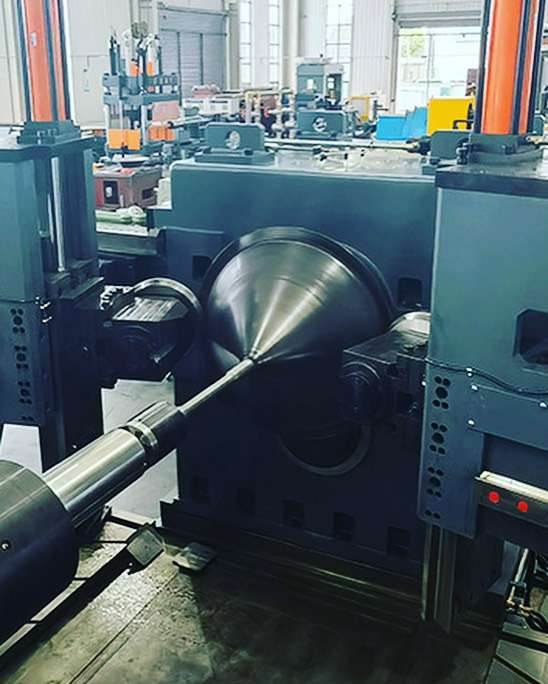
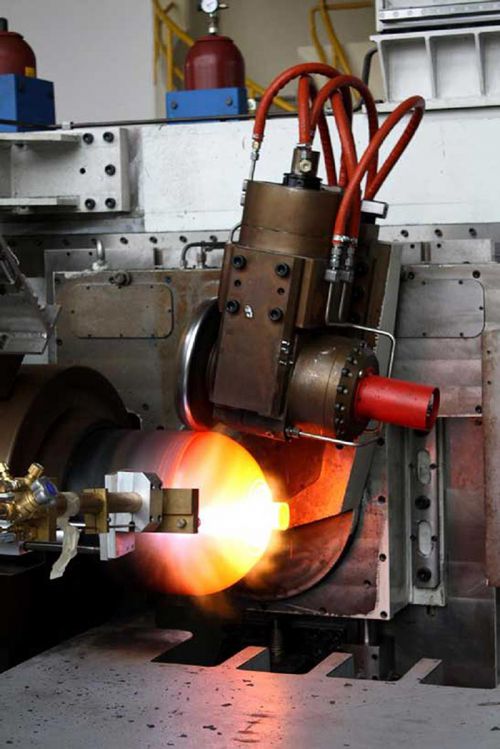
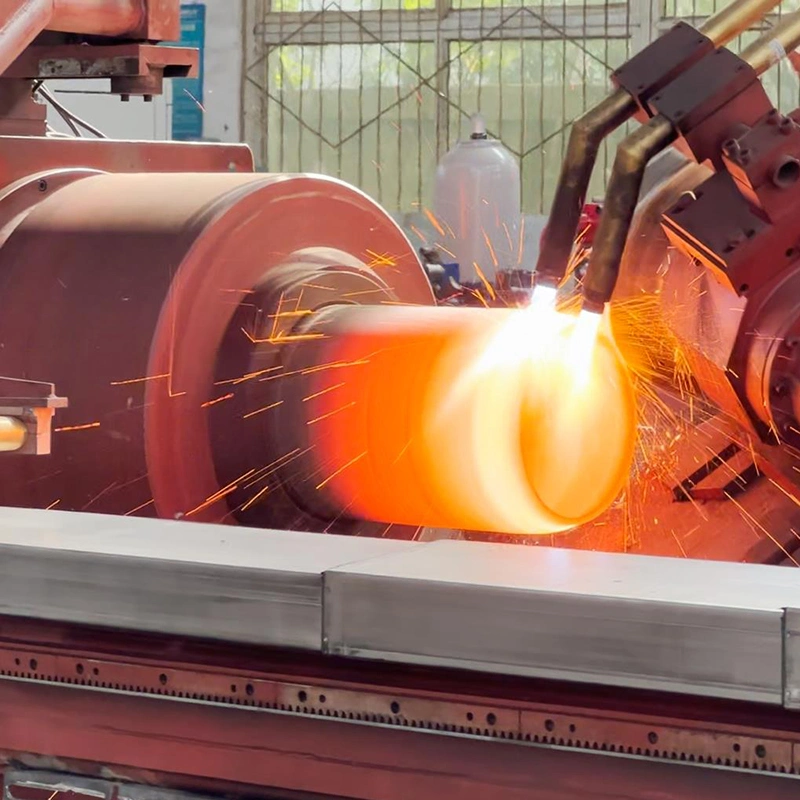
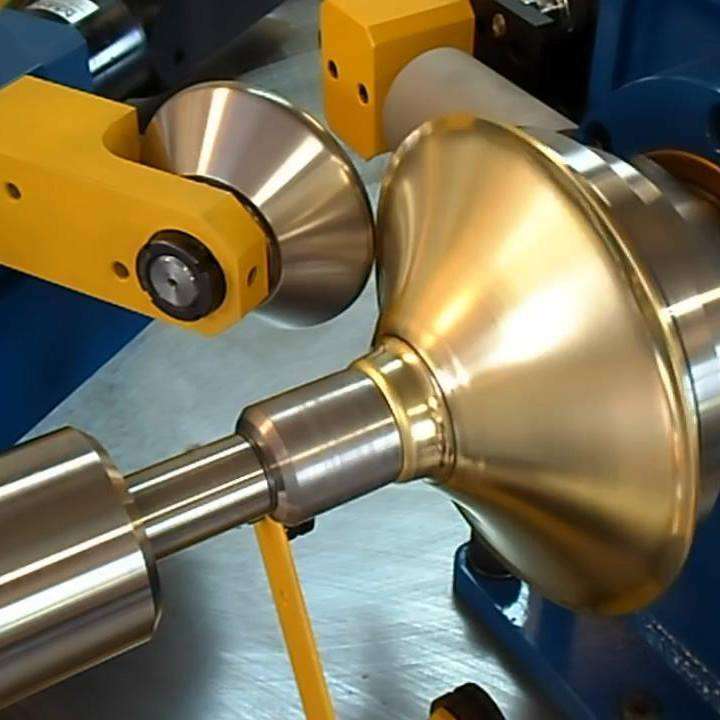
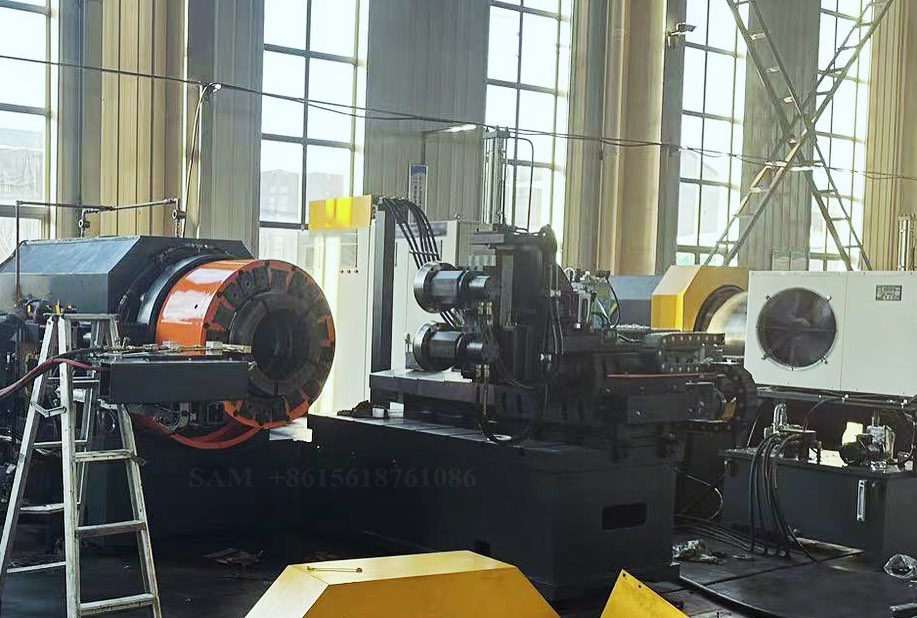
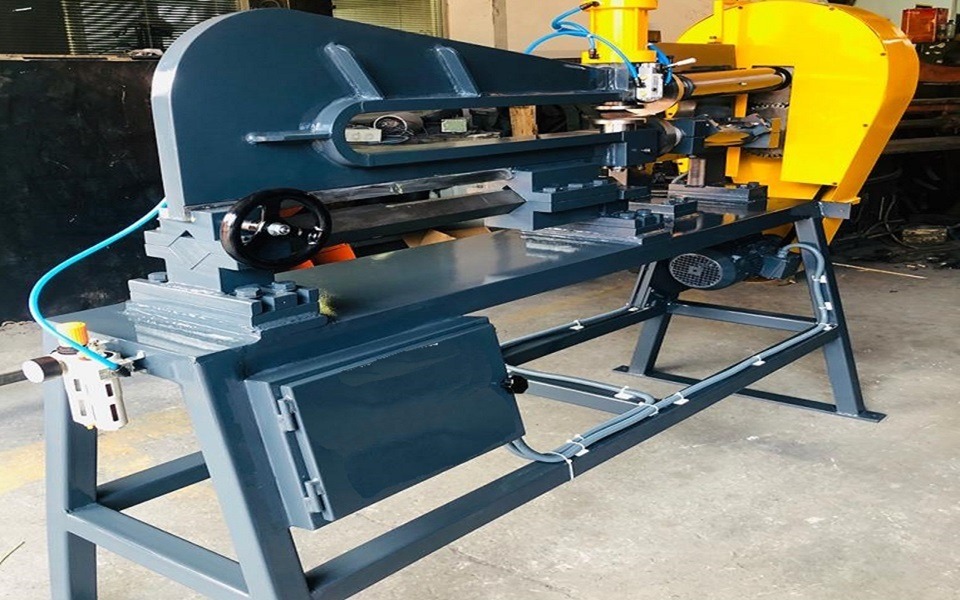
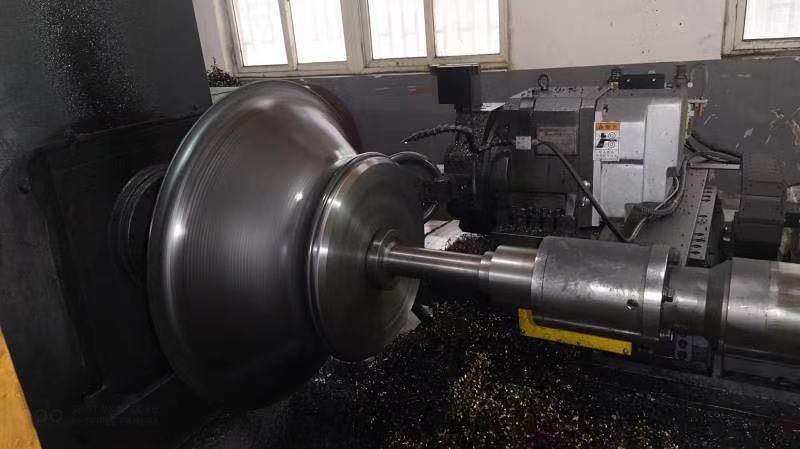
Spin Forming Machines: Metalworking is an age-old craft that has evolved significantly with advancements in technology and machinery. It involves various processes to shape and fabricate metal components, ranging from cutting, bending, and assembling to finishing and polishing. The success of these processes largely depends on the quality and efficiency of the equipment used, making metalworking machines indispensable to the industry.

1.1 Overview of the Metalworking Industry

The metalworking industry is a cornerstone of modern manufacturing, encompassing a vast array of processes and technologies. These processes are vital in producing components used in automotive, aerospace, construction, and consumer goods. The industry relies heavily on precision, and thus, the machinery involved must be state-of-the-art, providing accurate and repeatable results.

1.2 Importance of High-Quality Equipment in Metalworking

High-quality metalworking equipment ensures not only precision and efficiency but also safety and longevity of the products. Machines such as burr removal machines, metal polishing machines, and deep drawing presses play a crucial role in achieving the desired surface finish and dimensional accuracy. For instance, burr removal is essential in preventing defects that could compromise the structural integrity of the product or even cause safety hazards in its application.

Investing in advanced metalworking equipment is therefore not just about improving production speed but also about ensuring the reliability and quality of the final product. As the demand for intricate and precise metal components continues to rise, so does the need for equipment that can meet these challenges.

1.3 Brief Introduction to Different Types of Metalworking Machines

Metalworking machines come in various forms, each designed for specific tasks within the metalworking process. Some of the key types include:

  • Burr Removal Machines: These are specialized machines used to remove burrs—small, rough edges or protrusions that form on metal surfaces after cutting or machining. Burr removal is critical for ensuring a smooth finish and preventing potential issues during assembly or use.
  • Metal Polishing Machines: These machines are used to achieve a fine, smooth finish on metal surfaces. They are essential in industries where appearance and surface quality are paramount, such as in the production of automotive parts, appliances, and consumer electronics.
  • Deep Drawing Presses: These are used in processes that involve shaping sheet metal into complex shapes, such as automotive body panels and kitchen sinks. Deep drawing presses must be highly precise to maintain the integrity of the metal during the forming process.
  • Moulding Presses: Moulding presses are crucial in the production of various components, particularly those made from composite materials. They are widely used in industries such as automotive, aerospace, and electronics.
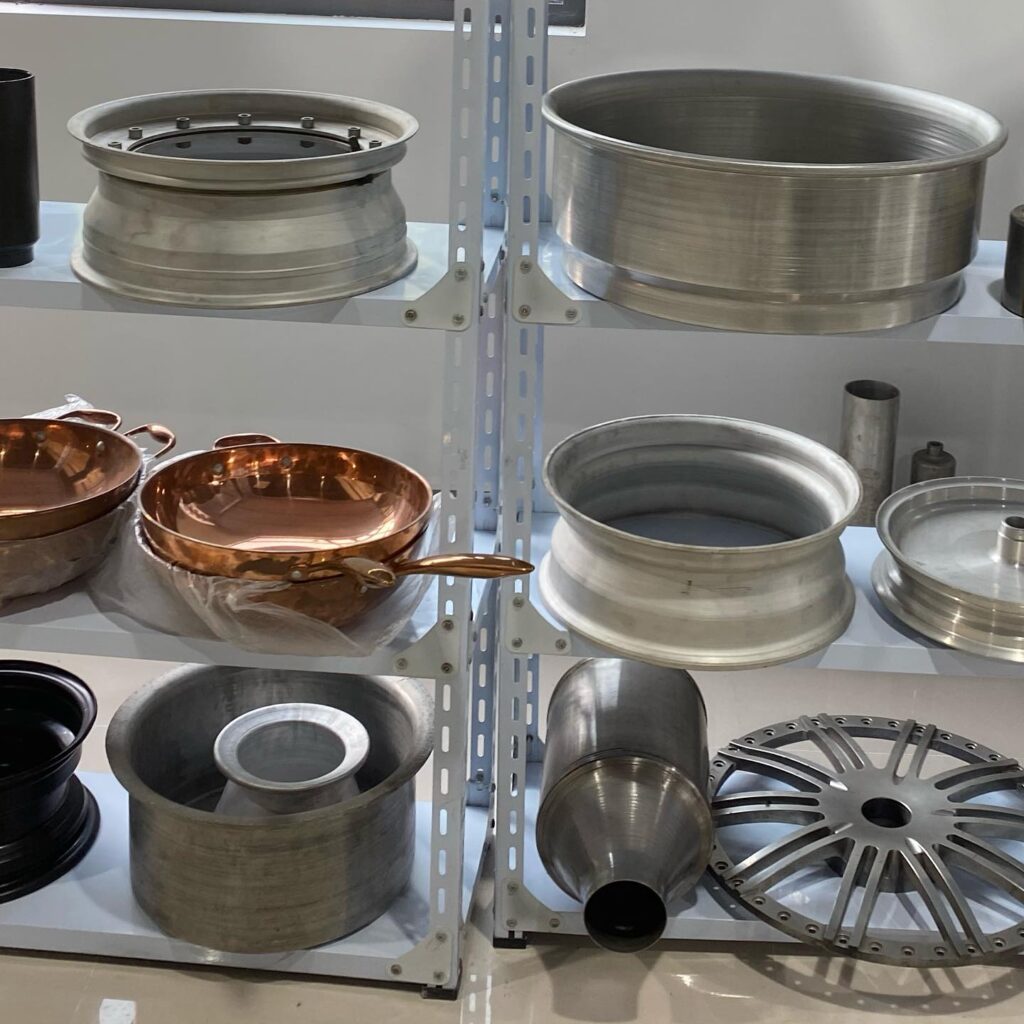
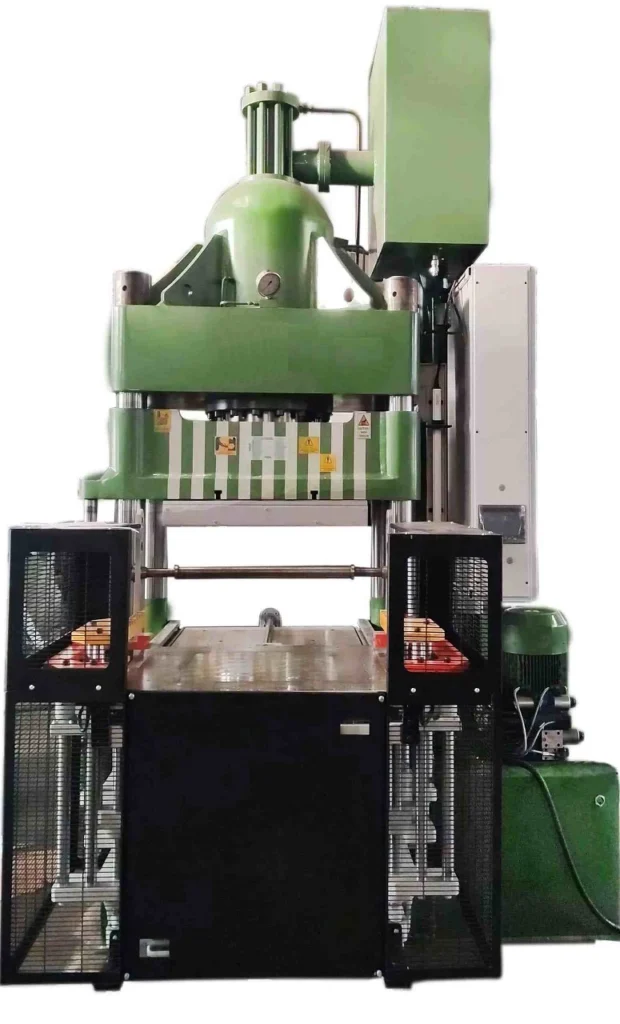
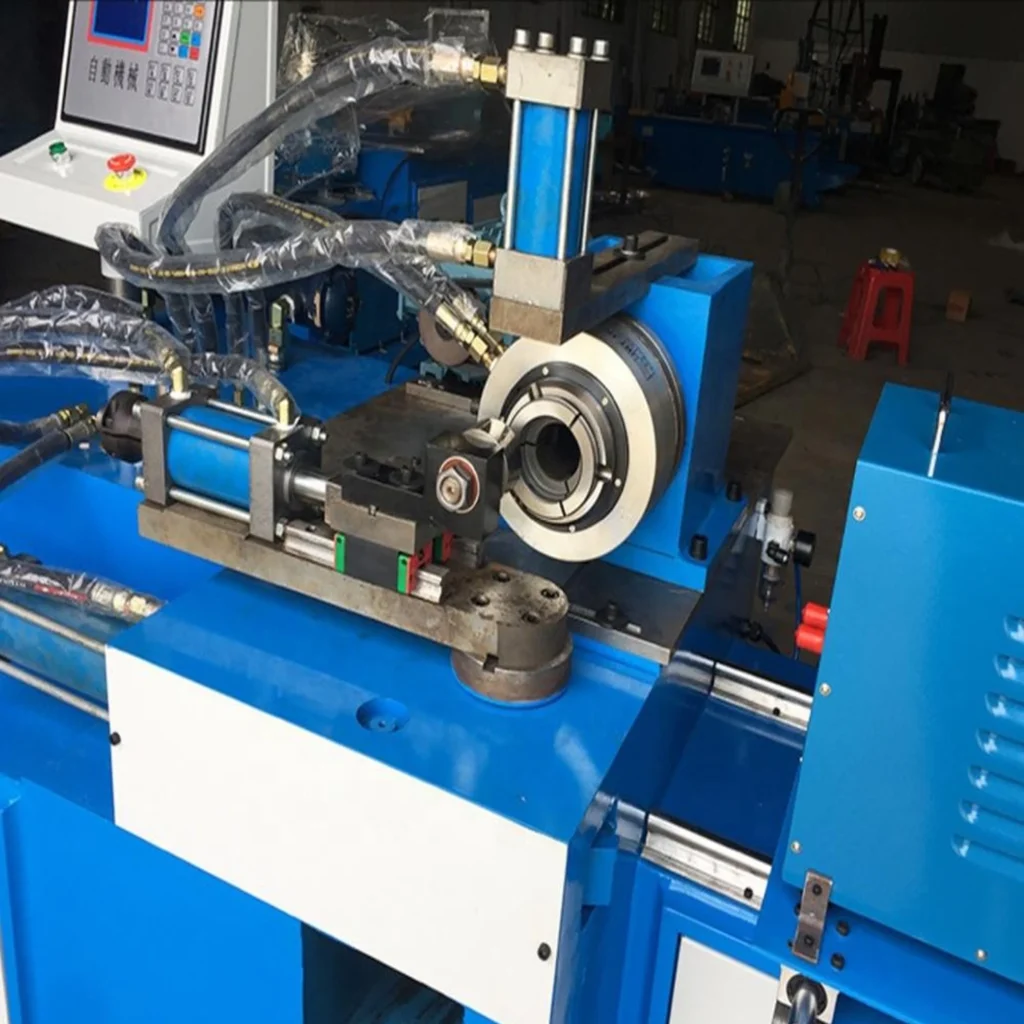
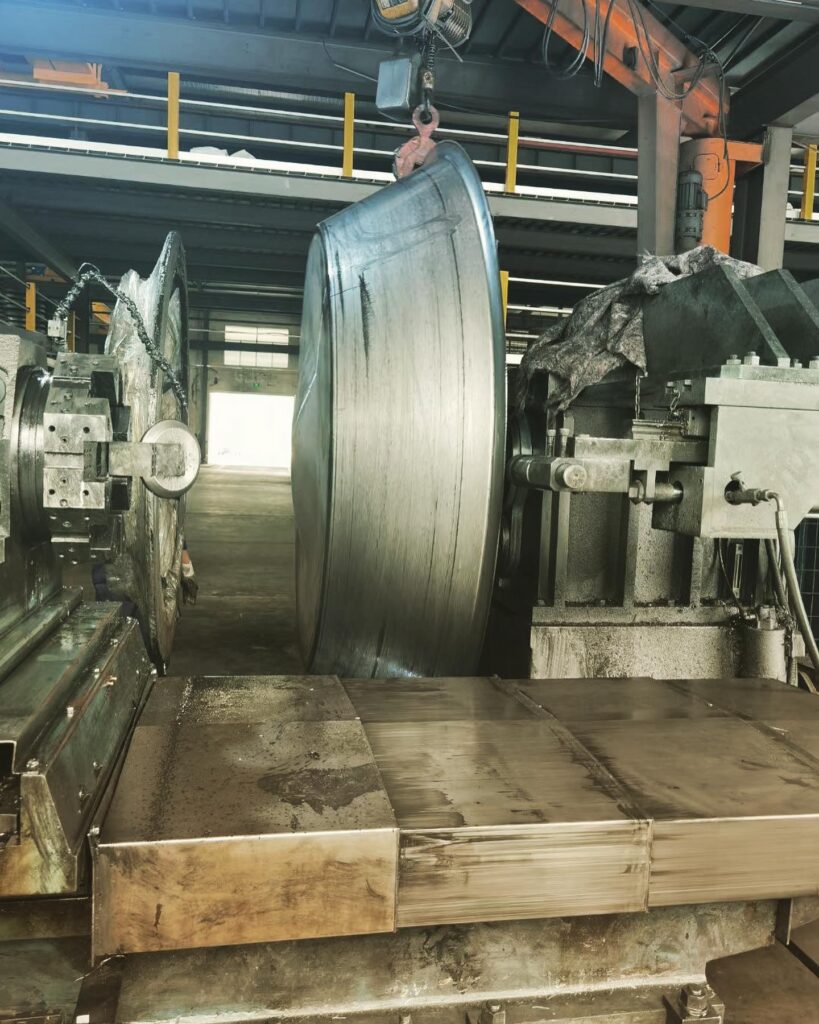
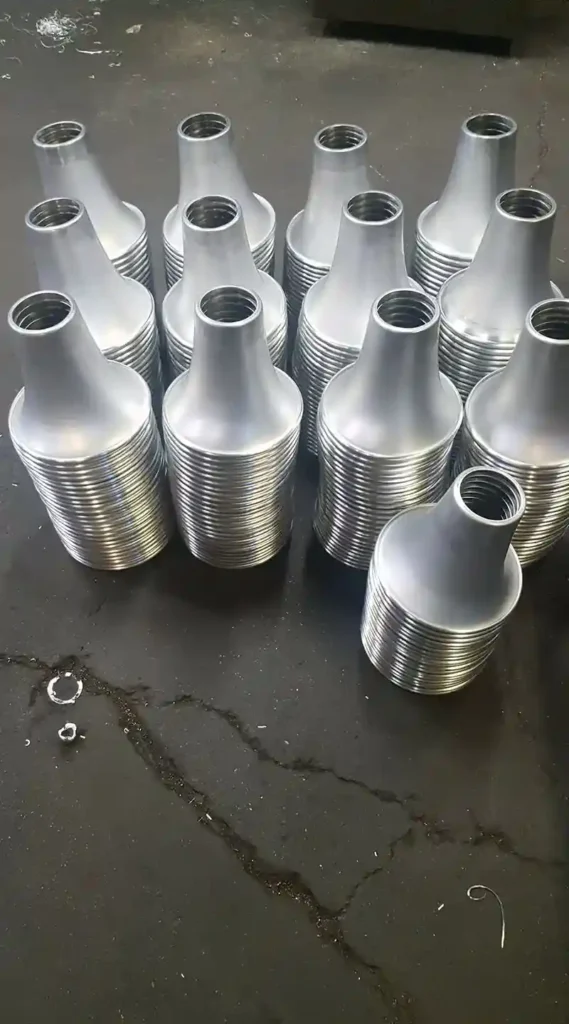
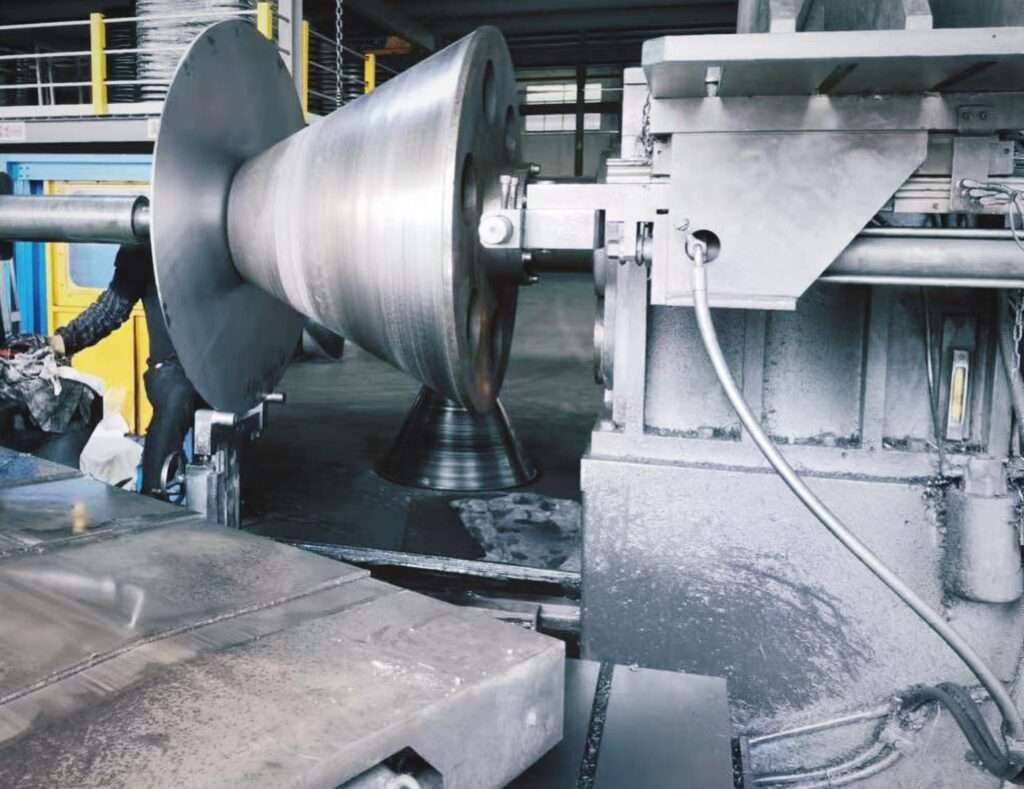
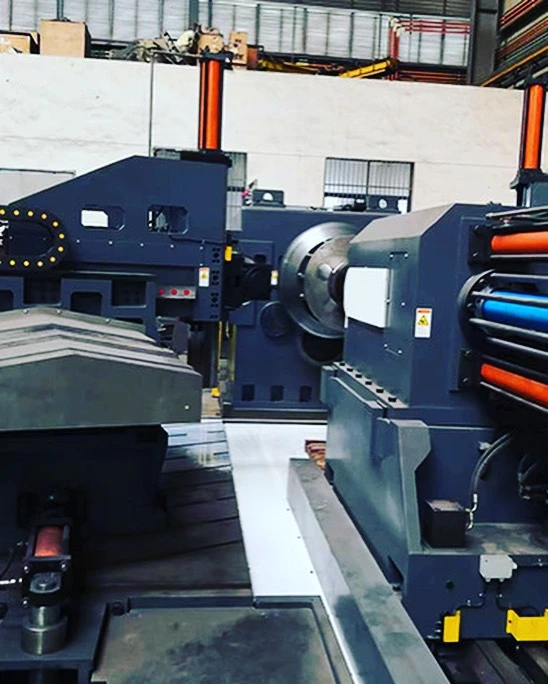
  • Spin Forming Machines: These machines are used to form metal into cylindrical shapes, such as rims, cones, and tubes. Spin forming is a versatile process that allows for the creation of seamless, strong, and lightweight components.

Each type of machine plays a specific role in the metalworking process, and their combined use ensures the production of high-quality metal components that meet industry standards.

2. The Critical Role of Burr Removal in Metalworking
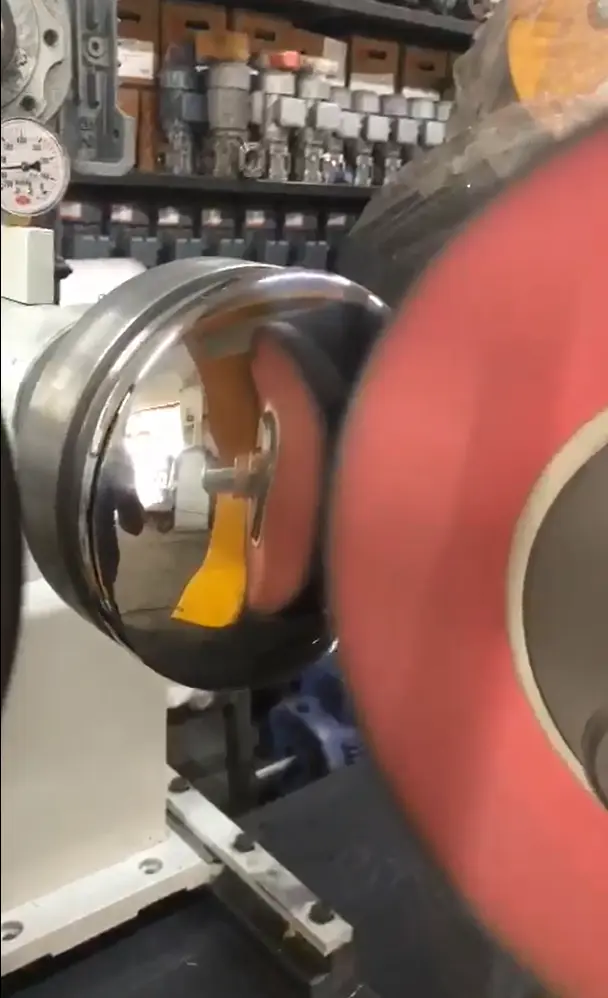
Types of Deburring Machines

Burr removal is a fundamental aspect of metalworking, often regarded as a critical finishing process that directly impacts the quality, safety, and functionality of the final product. Burrs, the unwanted rough edges or protrusions left on metal surfaces after machining, cutting, or stamping, can lead to various issues if not properly managed. These include compromised product integrity, assembly difficulties, and even safety hazards during usage. Understanding the significance of burr removal and employing effective methods to achieve it is essential for any manufacturer striving for excellence.

2.1 Understanding Burrs and Their Impact

In the metalworking industry, burrs are an inevitable byproduct of machining and manufacturing processes. They can form on almost any metal part during operations like drilling, milling, turning, or shearing. While burrs might seem insignificant, their presence can have detrimental effects on both the manufacturing process and the end product.

  • Quality Compromise: Burrs can lead to dimensional inaccuracies, which might result in parts that do not fit together correctly. This is particularly problematic in industries like aerospace or automotive, where precision is critical.
  • Safety Concerns: Sharp burrs pose a risk of injury to workers handling the parts. In addition, burrs can cause issues in the functionality of the product, such as electrical shorts in electronic components or leaks in fluid systems.
  • Assembly Challenges: Burrs can interfere with the assembly process by causing parts to snag or fit improperly. This can lead to increased production time, higher costs, and potential delays in delivery.

Given these potential issues, burr removal is not just a matter of finishing; it is a critical step in ensuring the overall quality and functionality of metal parts.

2.2 Burr Removal Techniques

There are various techniques for removing burrs from metal parts, ranging from manual methods to advanced automated systems. The choice of technique depends on factors such as the material, part geometry, production volume, and desired finish quality.

  • Manual Deburring: This traditional method involves using hand tools such as files, scrapers, or abrasive stones to remove burrs. While manual deburring is suitable for small-scale operations or intricate parts, it is labor-intensive and can be inconsistent in terms of finish quality.
  • Mechanical Deburring: Mechanical methods involve the use of machines such as tumblers, vibratory finishers, or abrasive belts to remove burrs. These methods are more consistent and efficient than manual deburring, making them suitable for larger production runs.
  • Thermal Deburring: Also known as “thermal energy method” (TEM), this technique uses controlled explosions of gas in a chamber to burn away burrs. Thermal deburring is highly effective for complex parts with internal burrs, as the gas can reach areas that are difficult to access with other methods.
  • Electrochemical Deburring: This process uses an electrolyte solution and an electric current to dissolve burrs. It is ideal for parts with hard-to-reach burrs and provides a smooth, precise finish.
  • Cryogenic Deburring: In this method, parts are cooled to extremely low temperatures using liquid nitrogen, making the burrs brittle. The parts are then agitated in a tumbler, causing the burrs to break off. Cryogenic deburring is particularly effective for plastic and rubber parts.

2.3 The Role of Burr Removal Machines

Burr removal machines are specialized equipment designed to automate and streamline the deburring process, ensuring consistent and high-quality results. These machines are essential for industries where precision and repeatability are paramount. Some of the key benefits of using burr removal machines include:

  • Increased Efficiency: Automated burr removal machines can process multiple parts simultaneously, significantly reducing the time and labor required for deburring.
  • Consistent Quality: Unlike manual deburring, which can vary depending on the operator’s skill, burr removal machines provide uniform results, ensuring that all parts meet the required specifications.
  • Cost-effectiveness: While the initial investment in burr removal machines may be high, the long-term savings in labor costs and improved production efficiency make them a cost-effective solution for many manufacturers.
  • Enhanced Safety: Automated machines reduce the risk of injury associated with manual deburring, as workers are not required to handle sharp parts directly.

2.4 Specialized Burr Removal Machines

There are various types of burr removal machines, each tailored to specific applications and industries. These include:

  • Aluminium Deburring Machines: These machines are specifically designed to handle aluminum parts, which require a delicate touch to avoid damaging the material. They are commonly used in the automotive and aerospace industries, where aluminum is widely used.
  • Deburring Machines for Sheet Metal Edges: These machines are designed to remove burrs from the edges of sheet metal, ensuring smooth, clean edges that are safe to handle and meet the required tolerances.
  • Metal Edge Finishing Machines: These machines are used to finish the edges of metal parts, providing a smooth, rounded edge that improves both the appearance and functionality of the part.
  • Automatic Burr Removal Machines: These machines are designed for high-volume production environments, where speed and efficiency are critical. They are capable of processing large quantities of parts quickly, with minimal operator intervention.

2.5 Advancements in Burr Removal Technology

The field of burr removal is continuously evolving, with new technologies being developed to improve the efficiency and effectiveness of the process. Some of the latest advancements include:

  • CNC-controlled Deburring Machines: These machines use computer numerical control (CNC) technology to precisely control the deburring process, ensuring consistent, high-quality results. CNC deburring machines are ideal for complex parts with tight tolerances.
  • Robotic Deburring: Robotic systems are increasingly being used for deburring, particularly in industries where precision and repeatability are critical. These systems can be programmed to perform complex deburring tasks with a high degree of accuracy.
  • Laser Deburring: Laser technology is being used to remove burrs with high precision, particularly on small, intricate parts. Laser deburring is contactless, which reduces the risk of damaging delicate components.
  • Hybrid Deburring Systems: These systems combine multiple deburring techniques, such as mechanical and thermal deburring, to achieve optimal results for complex parts. Hybrid systems are particularly useful for parts with varied geometries and materials.

2.6 The Importance of Proper Burr Removal in Quality Assurance

In today’s competitive manufacturing environment, maintaining high-quality standards is essential for success. Proper burr removal is a key component of quality assurance, as it directly impacts the functionality, safety, and appearance of the final product. Manufacturers that invest in advanced burr removal technologies and processes are better equipped to meet the demanding requirements of their customers and stay ahead of the competition.

Quality assurance in burr removal involves not only the selection of the right techniques and machines but also continuous monitoring and testing to ensure that the process consistently meets the required standards. This can include:

  • Regular Inspection: Parts should be inspected after deburring to ensure that all burrs have been effectively removed and that the surface finish meets the required specifications.
  • Testing: In some cases, additional testing, such as pressure testing for fluid systems or electrical testing for electronic components, may be necessary to confirm that the burr removal process has not compromised the integrity of the part.
  • Documentation: Proper documentation of the burr removal process, including machine settings, inspection results, and corrective actions, is essential for traceability and quality control.

2.7 Conclusion

Burr removal is a critical step in the metalworking process that should not be overlooked. By understanding the impact of burrs on product quality and safety, and by investing in the right burr removal techniques and machines, manufacturers can ensure that their products meet the highest standards. As technology continues to advance, new burr removal methods and machines will further enhance the efficiency and effectiveness of this essential process.

3. Exploring Metalworking Machines and Their Functions
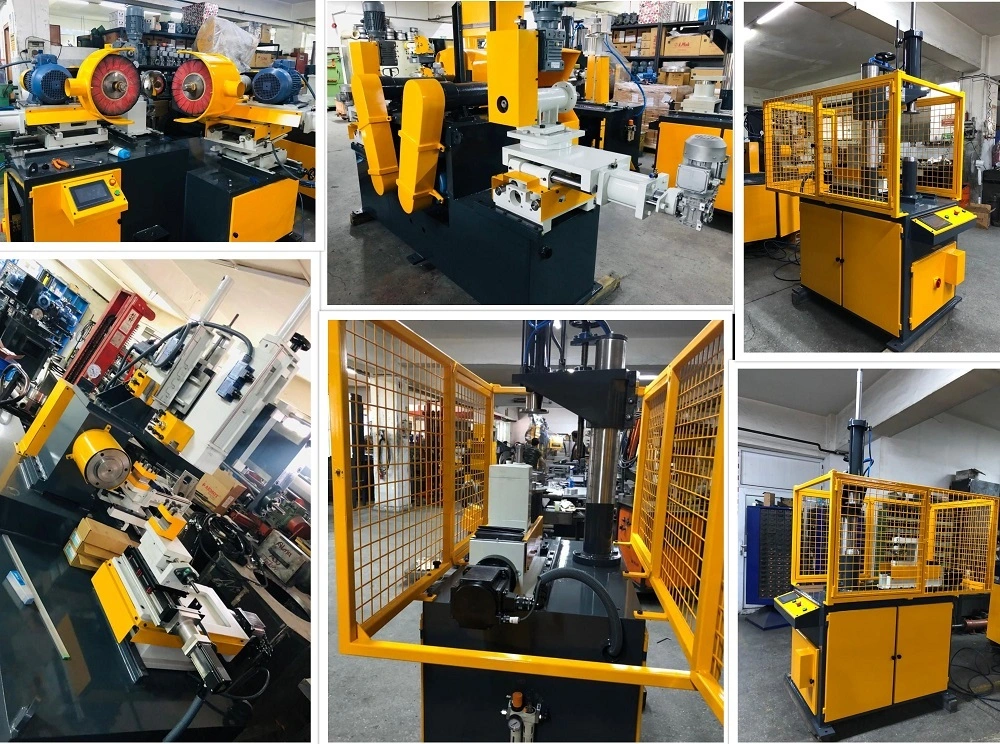
Sheet Metal Machinery

The metalworking industry relies on a diverse array of machines to transform raw materials into finished products. These machines are integral to the manufacturing process, offering precision, efficiency, and versatility across various applications. Each type of metalworking machine serves a specific function, from shaping and forming metal to finishing and polishing it. Understanding the capabilities and applications of these machines is crucial for selecting the right equipment for any given project.

3.1 Overview of Metalworking Machines

Metalworking machines encompass a wide range of equipment designed to perform tasks such as cutting, bending, forming, and finishing metal components. These machines are categorized based on the specific operations they perform, such as pressing, deburring, polishing, and forming. Here’s a broad classification of metalworking machines:

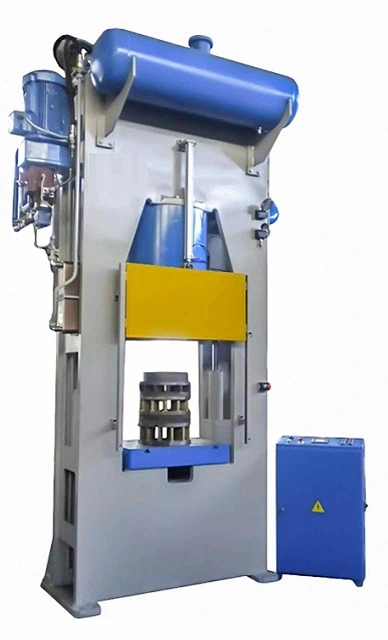
  • Press Machines: These include various types of presses such as hydraulic presses, deep drawing presses, and moulding presses. Press machines are used to shape metal by applying force to it, typically using a die to form the metal into the desired shape.
  • Deburring and Finishing Machines: These machines are designed to remove burrs, polish, and finish metal surfaces. Burr removal machines, metal polishing machines, and edge rounding machines fall into this category.
  • Forming Machines: Machines like spin forming machines, CNC profile bending machines, and cold forming presses are used to bend or shape metal into specific profiles or forms.
  • Grinding and Cutting Machines: These include centerless grinding machines, which provide a high-quality surface finish by removing material from the outer surface of a metal part.

3.2 Specific Machines and Their Functions

Each type of metalworking machine plays a vital role in the production process, contributing to the creation of precise, high-quality metal components. Let’s delve into the functions and applications of some of the most essential metalworking machines.

3.2.1 Moulding Presses

Moulding presses are pivotal in the manufacturing of components that require precise shapes and forms, especially in industries like automotive and aerospace. These presses are used to shape materials by applying pressure to a mold, which can be made of metal or other durable materials. The types of moulding presses include:

  • Compression Moulding Presses: These presses are used to shape materials like rubber, plastic, and composites. The material is placed in a heated mold, and the press applies pressure to shape it. Compression molding presses are widely used in the production of automotive parts, electronic components, and industrial equipment.
  • Rubber Compression Molding Presses: Specifically designed for molding rubber products, these presses are used in the production of items like seals, gaskets, and other rubber components. They offer precise control over temperature and pressure, ensuring high-quality results.
  • SMC Presses (Sheet Moulding Compound Presses): SMC presses are used to mold composite materials, which are commonly used in the automotive and aerospace industries for their strength and lightweight properties.
3.2.2 SMC Presses

SMC presses are specialized machines designed to mold sheet molding compounds, which are a type of composite material made of a thermosetting resin, glass fibers, and fillers. These presses are widely used in the automotive and aerospace industries to produce lightweight, durable components such as car body panels, aircraft parts, and electrical enclosures.

The advantages of SMC presses include:

  • High Strength-to-Weight Ratio: SMC components offer excellent strength while remaining lightweight, making them ideal for applications where weight savings are critical.
  • Complex Shapes: SMC presses can produce complex shapes with high precision, reducing the need for additional machining or finishing.
  • Corrosion Resistance: SMC materials are inherently resistant to corrosion, making them suitable for use in harsh environments.
3.2.3 Hot Press Systems

Hot press systems are used in various metalworking processes to apply heat and pressure simultaneously to a material, shaping it or bonding it to another material. These systems are commonly used in the production of laminated components, metal bonding, and the forming of composite materials.

  • Application Areas: Hot press systems are extensively used in the electronics industry for the lamination of circuit boards, in the automotive industry for bonding metal components, and in the aerospace industry for forming composite materials.
  • Benefits: Hot press systems offer high precision, uniform pressure application, and controlled heating, resulting in consistent and high-quality products.
3.2.4 Cold Forming Presses

Cold forming presses are used to shape metal at room temperature, relying on mechanical force to deform the metal into the desired shape. Unlike hot forming, cold forming does not involve heating the material, which helps maintain the material’s inherent properties and produces a high-quality finish.

  • Advantages of Cold Forming:
    • Improved Material Properties: Cold forming strengthens the metal by refining its grain structure, enhancing its mechanical properties.
    • Cost Efficiency: Cold forming processes typically require less energy and are faster than hot forming processes, reducing overall production costs.
    • Precision and Surface Finish: Cold forming produces parts with excellent dimensional accuracy and a smooth surface finish, reducing the need for further processing.
3.2.5 Silicone Presses

Silicone presses are used to mold silicone rubber into various shapes and forms, typically in the production of seals, gaskets, medical devices, and other silicone products. These presses operate under controlled temperature and pressure to ensure the silicone material cures properly and achieves the desired properties.

  • Key Applications:
    • Medical Devices: Silicone presses are used to produce components such as tubing, seals, and gaskets for medical devices, where biocompatibility and precision are critical.
    • Automotive Industry: Silicone seals and gaskets produced by silicone presses are widely used in the automotive industry for their durability and resistance to extreme temperatures.

3.3 Advanced Metalworking Machines

As technology advances, the metalworking industry has seen the development of more sophisticated machines designed to enhance precision, efficiency, and flexibility. Some of these advanced machines include:

3.3.1 CNC Profile Bending Machines

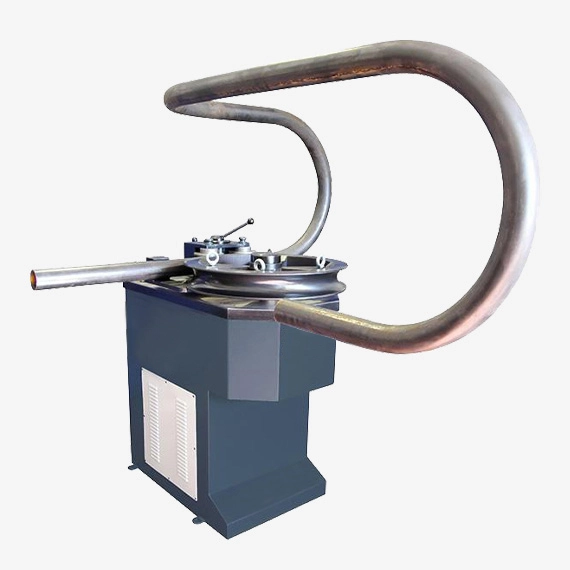
CNC (Computer Numerical Control) profile bending machines are advanced systems used to bend metal profiles with a high degree of precision and consistency. These machines are essential in industries where complex shapes and tight tolerances are required, such as in the construction of architectural elements, automotive components, and aerospace structures.

  • Benefits of CNC Profile Bending:
    • Precision: CNC control allows for precise bending angles and repeatability, ensuring uniformity across all parts.
    • Complex Bends: CNC machines can perform complex bends that would be difficult or impossible to achieve with manual methods.
    • Efficiency: CNC profile bending machines can handle high volumes of work with minimal setup time, making them ideal for mass production.
3.3.2 Spin Forming Machines

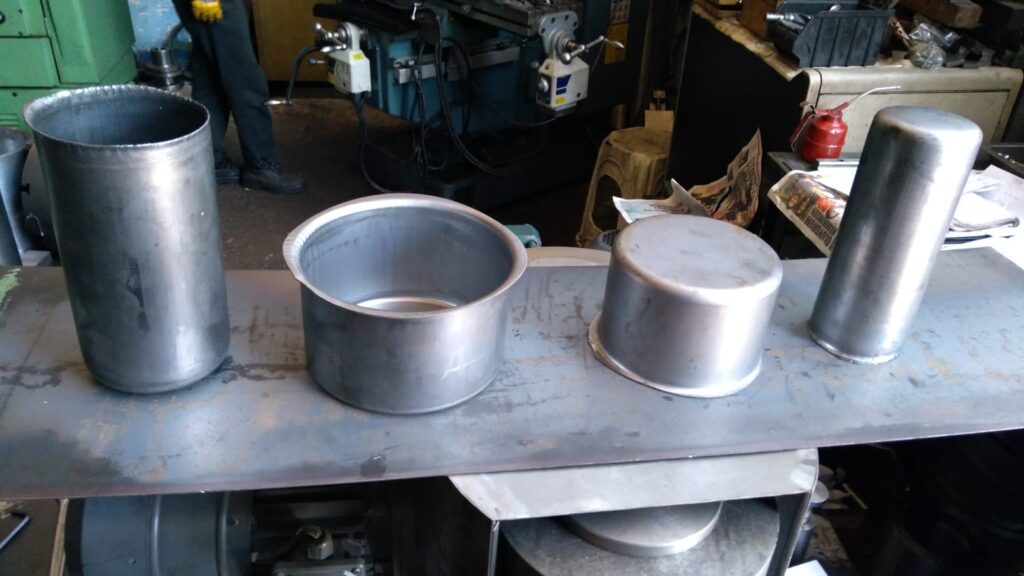
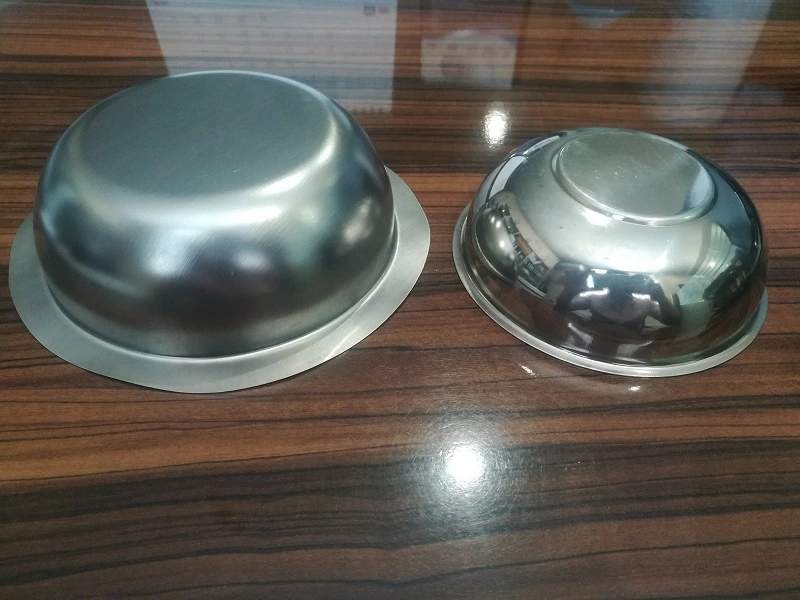
Spin forming, also known as metal spinning, is a process where a metal disc or tube is rotated at high speed and formed into a symmetrical shape using a combination of pressure and heat. Spin forming machines are used to produce components like metal cones, cylinders, and domes.

  • Applications of Spin Forming:
    • Aerospace: Spin forming is used to create components such as nose cones, rocket fairings, and other aerodynamic parts.
    • Automotive: In the automotive industry, spin forming is used to produce parts like wheel rims and exhaust components.
    • Industrial Equipment: Spin forming is also employed in the production of industrial equipment such as pressure vessels and fluid tanks.
3.3.3 Flow Forming Lathes

Flow forming lathes are specialized machines used to produce high-precision cylindrical components by gradually deforming a metal blank under controlled conditions. This process is particularly useful for producing components with thin walls and high strength, such as automotive drive shafts, aerospace components, and military hardware.

  • Advantages of Flow Forming:
    • Precision: Flow forming lathes provide excellent control over wall thickness and dimensions, resulting in highly accurate parts.
    • Material Efficiency: The process minimizes material waste, making it a cost-effective option for producing high-strength components.
    • Strength: Flow forming enhances the mechanical properties of the material, producing parts with superior strength and durability.
3.3.4 Hydroforming Presses

Hydroforming is a versatile metal forming process that uses high-pressure hydraulic fluid to shape metal into complex forms. Hydroforming presses are particularly useful for creating lightweight, high-strength components with intricate geometries, making them a popular choice in the automotive and aerospace industries.

  • Key Features:
    • Complex Shapes: Hydroforming can produce parts with complex shapes and fine details that would be difficult to achieve with traditional forming methods.
    • Weight Reduction: The process allows for the creation of lightweight components without sacrificing strength, making it ideal for applications where weight savings are critical.
    • Material Flexibility: Hydroforming can be used with various metals, including aluminum, steel, and titanium.

3.4 Choosing the Right Metalworking Machine

Selecting the right metalworking machine depends on several factors, including the material being worked on, the complexity of the part, the required precision, and the production volume. For instance:

  • For Precision Work: CNC profile bending machines and flow forming lathes offer unparalleled precision, making them ideal for aerospace and automotive applications.
  • For High-Volume Production: Automatic burr removal machines and transfer press stamping systems provide the efficiency needed for mass production environments.
  • For Complex Geometries: Hydroforming presses and spin forming machines are excellent choices for producing parts with complex shapes and fine details.

Investing in the appropriate metalworking machinery is crucial for optimizing production processes, reducing costs, and ensuring the highest quality of the final product.

4. Metal Polishing and Finishing Machines
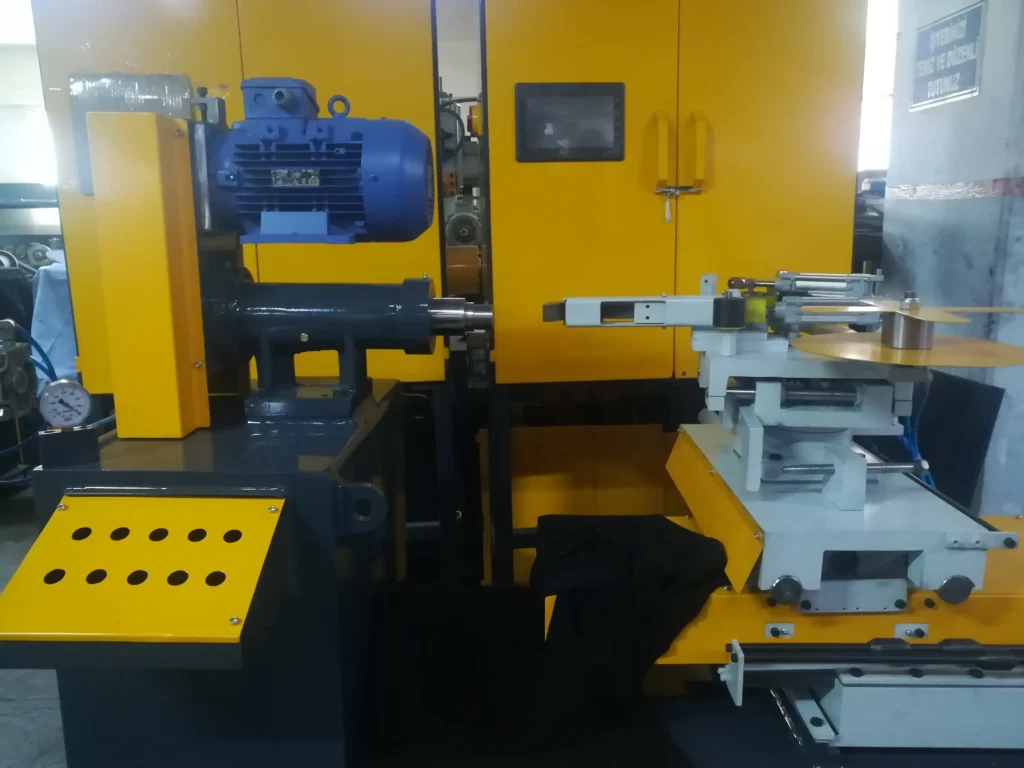
Internal Grinding
Internal Grinding

Polishing and finishing are critical steps in the metalworking process, ensuring that metal parts not only meet functional requirements but also achieve the desired aesthetic appeal. These processes involve the removal of surface imperfections, the enhancement of surface smoothness, and the creation of a polished or matte finish, depending on the application. Metal polishing and finishing machines are designed to automate these tasks, providing consistent and high-quality results that are essential for industries like automotive, aerospace, and consumer goods.

4.1 Importance of Metal Polishing and Finishing

Polishing and finishing metal components serve multiple purposes, from improving the appearance to enhancing the durability and performance of the final product. The importance of these processes can be summarized as follows:

  • Surface Quality: A polished surface reduces friction, which is particularly important for moving parts. It also enhances the appearance of the product, making it more appealing to consumers.
  • Corrosion Resistance: Polishing helps to close surface pores, reducing the likelihood of corrosion, especially in metals like stainless steel and aluminum.
  • Improved Functionality: Polished surfaces can improve the performance of parts in applications where smooth surfaces are critical, such as in hydraulic systems or sealing surfaces.
  • Ease of Cleaning: Polished surfaces are easier to clean and maintain, making them ideal for applications in the food, medical, and pharmaceutical industries.

4.2 Types of Metal Polishing Machines

Metal polishing machines are designed to achieve different levels of finish, from a basic smooth surface to a mirror-like polish. Depending on the application and the desired finish, various types of polishing machines are used:

4.2.1 Fine Polishing Machines

Fine polishing machines are used to achieve a high level of smoothness on metal surfaces. These machines are essential in industries where surface quality is paramount, such as in the production of surgical instruments, high-end consumer goods, and precision components.

  • Applications: Fine polishing machines are commonly used in the medical device industry, the jewelry industry, and the production of luxury items where a flawless finish is required.
  • Capabilities: These machines can handle a variety of materials, including stainless steel, aluminum, brass, and other non-ferrous metals. They are capable of producing a mirror-like finish that enhances both the appearance and performance of the component.
4.2.2 Automatic Metal Polishing Machines

Automatic metal polishing machines are designed for high-volume production environments where speed and consistency are crucial. These machines can polish multiple parts simultaneously, ensuring uniformity across all pieces.

  • Efficiency: Automatic polishing machines reduce manual labor, increasing production efficiency and throughput. They are ideal for industries like automotive manufacturing, where large quantities of metal parts need to be polished quickly and consistently.
  • Customization: Many automatic polishing machines offer customizable settings, allowing manufacturers to adjust the polishing process according to the specific requirements of different parts.
4.2.3 CNC-controlled Polishing Machines

CNC (Computer Numerical Control) polishing machines use advanced technology to control the polishing process with high precision. These machines are essential for applications where tight tolerances and consistent finishes are required.

  • Precision: CNC polishing machines can follow complex contours and geometries with precision, making them ideal for polishing intricate parts or components with complex shapes.
  • Repeatability: Once programmed, CNC polishing machines can replicate the same polishing process across multiple parts, ensuring consistency and reducing the likelihood of human error.

4.3 Edge Rounding and Deburring Machines

In addition to polishing, edge rounding and deburring are essential processes in metal finishing. These processes remove sharp edges and burrs that can result from machining, cutting, or stamping, improving the safety, appearance, and functionality of the final product.

4.3.1 Deburring Sheet Metal Edges

Deburring sheet metal edges is a crucial step in preparing metal parts for assembly or final finishing. Burrs, which are unwanted material projections, can compromise the quality of the final product and pose safety risks.

  • Methods: Deburring sheet metal edges can be done using various methods, including mechanical deburring, abrasive belts, and tumbling. The choice of method depends on the material, part geometry, and production volume.
  • Benefits: Proper deburring ensures that parts fit together correctly during assembly and reduces the risk of injury from sharp edges. It also improves the aesthetic appeal and prepares the parts for subsequent finishing processes.
4.3.2 Edge Rounding Stainless Steel

Stainless steel, widely used in industries like food processing, medical equipment, and construction, requires careful finishing to ensure both functionality and appearance. Edge rounding is an essential process for stainless steel parts, particularly in applications where sharp edges could cause damage or injury.

  • Process: Edge rounding involves removing sharp edges from stainless steel parts, either through mechanical means or using specialized edge rounding machines. This process not only enhances safety but also improves the durability and resistance to corrosion.
  • Applications: Edge rounding is commonly used in the production of stainless steel kitchen appliances, medical instruments, and architectural components where smooth, safe edges are crucial.

4.4 Aluminum Deburring and Finishing Machines

Aluminum is a versatile material used across various industries, including automotive, aerospace, and construction. However, due to its relatively soft nature, aluminum is prone to burrs and surface imperfections during machining. Aluminum deburring and finishing machines are designed to address these issues, ensuring a smooth, clean finish.

4.4.1 Aluminum Deburring Machines

Aluminum deburring machines are specialized to handle the unique properties of aluminum, which can be easily scratched or damaged if not properly deburred. These machines are designed to remove burrs and other imperfections without compromising the material’s integrity.

  • Applications: Aluminum deburring machines are used in the production of automotive components, aircraft parts, and consumer electronics, where precision and surface quality are critical.
  • Techniques: These machines use various techniques, such as abrasive belts, brushes, or chemical processes, to achieve a smooth, burr-free surface.
4.4.2 Aluminum Polishing and Finishing

Polishing aluminum requires a delicate balance between removing surface imperfections and achieving a high-quality finish. Aluminum polishing machines are designed to enhance the appearance and functionality of aluminum parts by providing a smooth, reflective surface.

  • Challenges: Aluminum is prone to oxidation, which can dull the surface if not properly polished and protected. Polishing machines for aluminum often include features to minimize oxidation and maintain the metal’s shine.
  • End Use: Polished aluminum is commonly used in automotive trim, aircraft interiors, and consumer products like smartphones and laptops, where both appearance and performance are important.

4.5 Industrial Metal Polishing Equipment

For large-scale operations, industrial metal polishing equipment is essential for handling high volumes of work with consistency and precision. This equipment is used in industries ranging from automotive manufacturing to aerospace production, where the quality of the surface finish can significantly impact the performance and longevity of the final product.

4.5.1 Large-Scale Polishing Systems

Industrial polishing systems are designed to handle large components or high volumes of smaller parts. These systems often include multiple polishing stations, automated handling, and integrated quality control to ensure that every part meets the required standards.

  • Automation: Many industrial polishing systems are fully automated, reducing the need for manual intervention and increasing production speed. This automation also ensures that the polishing process is consistent across all parts.
  • Customization: Industrial systems can be customized to suit specific applications, with adjustable settings for different materials, finishes, and part geometries.
4.5.2 Safety and Efficiency in Industrial Polishing

Safety is a key concern in industrial polishing operations, where large machines and high-speed processes are involved. Industrial polishing equipment is designed with safety features such as protective enclosures, emergency stops, and dust extraction systems to protect workers and maintain a clean working environment.

  • Efficiency: Industrial polishing equipment is designed to maximize efficiency, reducing waste and energy consumption while delivering high-quality results. These systems often incorporate energy-efficient motors, optimized polishing media, and recycling systems for consumables.

4.6 Conclusion

Metal polishing and finishing are crucial processes in the metalworking industry, directly affecting the quality, durability, and appearance of the final product. The right polishing and finishing machines can enhance productivity, ensure consistency, and achieve the desired surface characteristics, whether it’s a mirror-like polish or a smooth, rounded edge. As the demand for high-quality metal components continues to grow, investing in advanced polishing and finishing technology becomes increasingly important for manufacturers looking to stay competitive.

5. Deep Drawing and Forming Presses
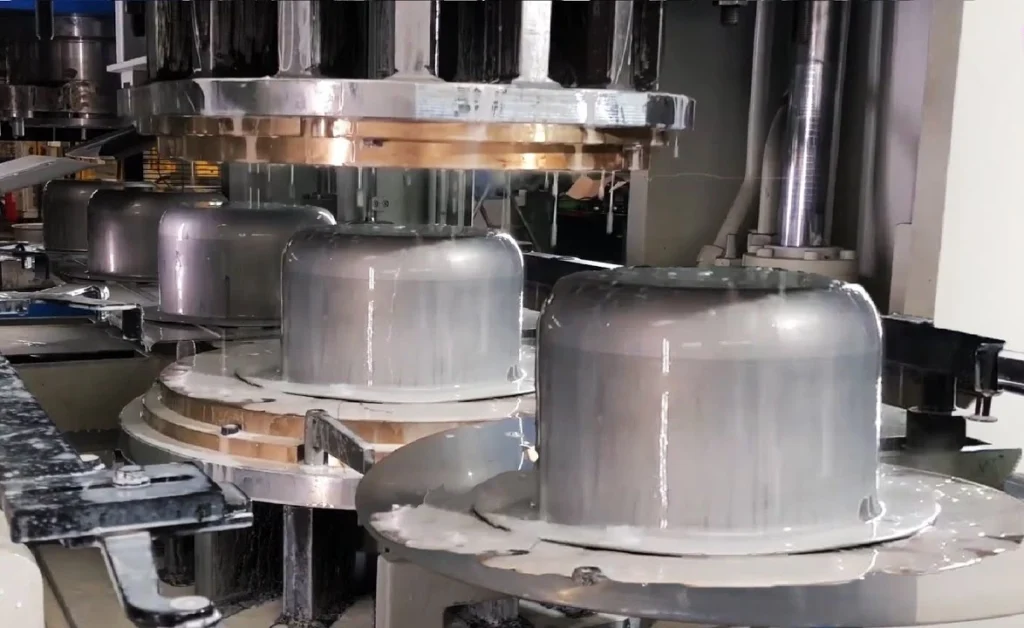
Deep Drawing
Deep Drawing

Deep drawing and forming processes are fundamental techniques in metalworking, widely used to shape metal sheets into complex geometries with high precision. These processes are particularly important in industries such as automotive, aerospace, and appliance manufacturing, where components with deep, intricate shapes are required. The machines used for deep drawing and forming must be robust, precise, and versatile to handle a variety of materials and thicknesses. This section explores the different types of deep drawing and forming presses, their applications, and the advantages they offer in modern manufacturing.

5.1 Introduction to Deep Drawing Processes

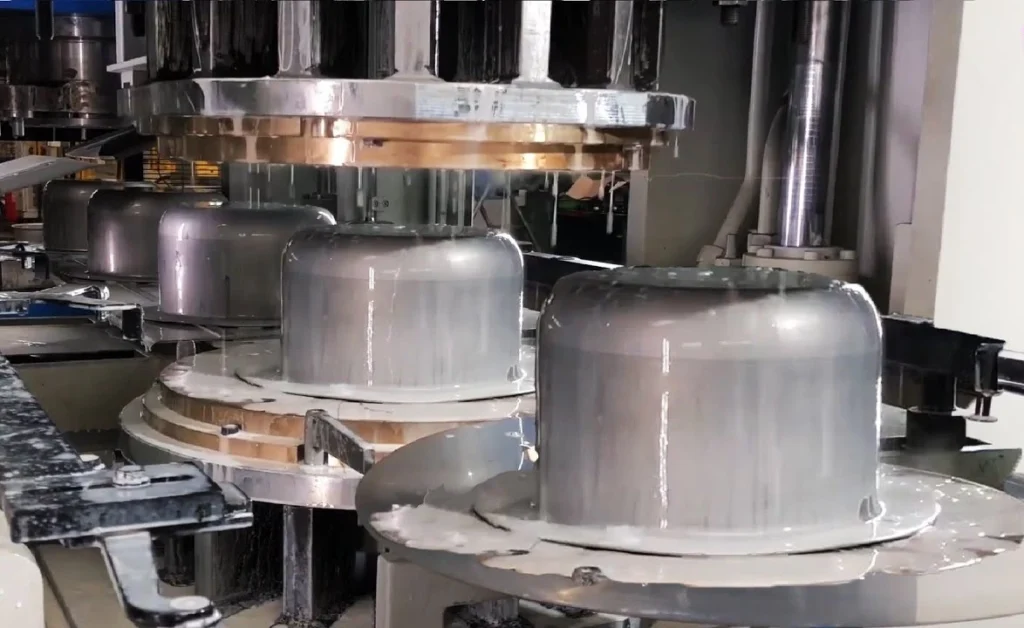
Deep drawing is a metal forming process in which a sheet metal blank is radially drawn into a forming die by the mechanical action of a punch. It is considered “deep” drawing when the depth of the drawn part exceeds its diameter. This process is commonly used to create parts like automotive body panels, kitchen sinks, and various containers.

  • Process Overview:
    • A blank sheet of metal is placed over a die.
    • A punch presses the metal into the die, forcing it to conform to the shape of the die cavity.
    • The result is a seamless, hollow component with a consistent wall thickness.
  • Materials Used:
    • Common materials for deep drawing include steel, aluminum, brass, copper, and various alloys. The material’s ductility and thickness determine the feasibility and success of the deep drawing process.
  • Applications:
    • Deep drawing is used in manufacturing components like engine parts, household appliances, and packaging materials. It is also crucial in producing components for the aerospace industry, where precision and material integrity are vital.

5.2 Types of Deep Drawing Presses

Deep drawing presses are specialized machines designed to perform the deep drawing process with high precision and efficiency. There are various types of presses used depending on the specific requirements of the part being produced.

5.2.1 Hydraulic Deep Drawing Presses

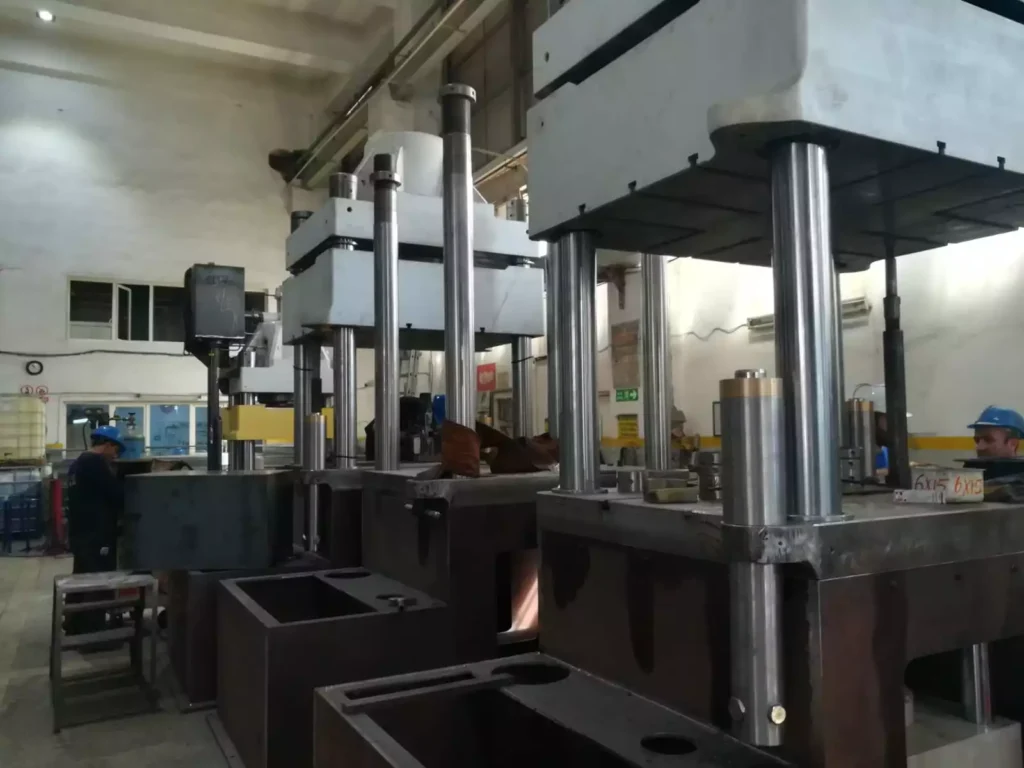
Hydraulic presses are among the most commonly used machines for deep drawing. They use hydraulic pressure to apply force to the metal blank, pushing it into the die cavity. Hydraulic presses are highly versatile and can be adjusted to apply varying levels of pressure, making them suitable for a wide range of materials and part sizes.

  • Advantages:
    • Precision: Hydraulic presses offer excellent control over the drawing process, allowing for the production of parts with tight tolerances.
    • Versatility: These presses can handle a variety of materials, including high-strength metals and alloys.
    • Consistency: Hydraulic systems provide consistent force throughout the drawing process, ensuring uniform wall thickness and part quality.
  • Applications:
    • Hydraulic deep drawing presses are used in the automotive industry to produce components like fuel tanks, body panels, and exhaust systems. They are also widely used in the production of household appliances and industrial containers.
5.2.2 Mechanical Deep Drawing Presses

Mechanical presses use a flywheel to store energy and release it in a single, powerful stroke. These presses are known for their speed and efficiency, making them ideal for high-volume production runs. Mechanical presses are often used in applications where large quantities of parts need to be produced quickly and consistently.

  • Advantages:
    • Speed: Mechanical presses operate at high speeds, making them suitable for mass production.
    • Cost-Effectiveness: These presses are typically less expensive to operate than hydraulic presses, especially in high-volume production environments.
    • Durability: Mechanical presses are built to withstand high levels of stress and are highly durable, requiring minimal maintenance.
  • Applications:
    • Mechanical deep drawing presses are commonly used in the production of automotive parts, including fenders, hoods, and doors. They are also used in the manufacturing of metal containers, cookware, and industrial components.
5.2.3 Servo-Driven Deep Drawing Presses

Servo-driven presses are a more advanced type of deep drawing press, combining the precision of hydraulic presses with the speed of mechanical presses. These machines use a servo motor to control the movement of the press, offering unparalleled control over the drawing process.

  • Advantages:
    • Precision: Servo-driven presses provide precise control over the speed and force of the drawing process, allowing for the production of highly complex parts.
    • Energy Efficiency: These presses are more energy-efficient than traditional hydraulic or mechanical presses, reducing operating costs.
    • Flexibility: The programmable nature of servo-driven presses allows for quick changes between different part designs, making them ideal for environments where product variation is common.
  • Applications:
    • Servo-driven deep drawing presses are used in the production of high-precision components for the aerospace, automotive, and medical device industries. They are also increasingly used in the production of electronic components, where tight tolerances and complex shapes are required.

5.3 Spin Forming Machines

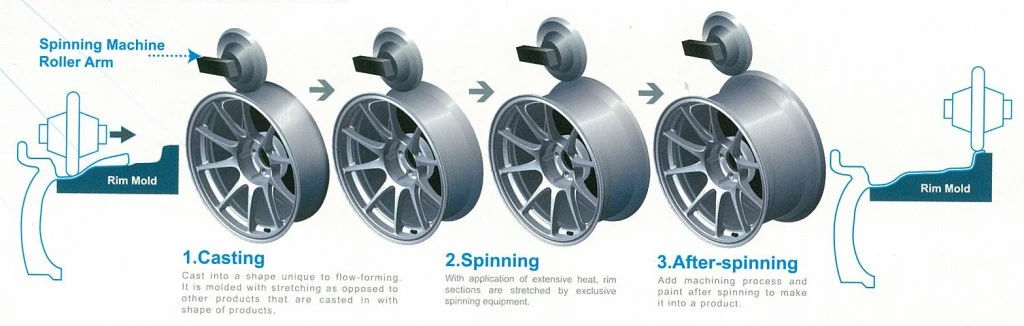
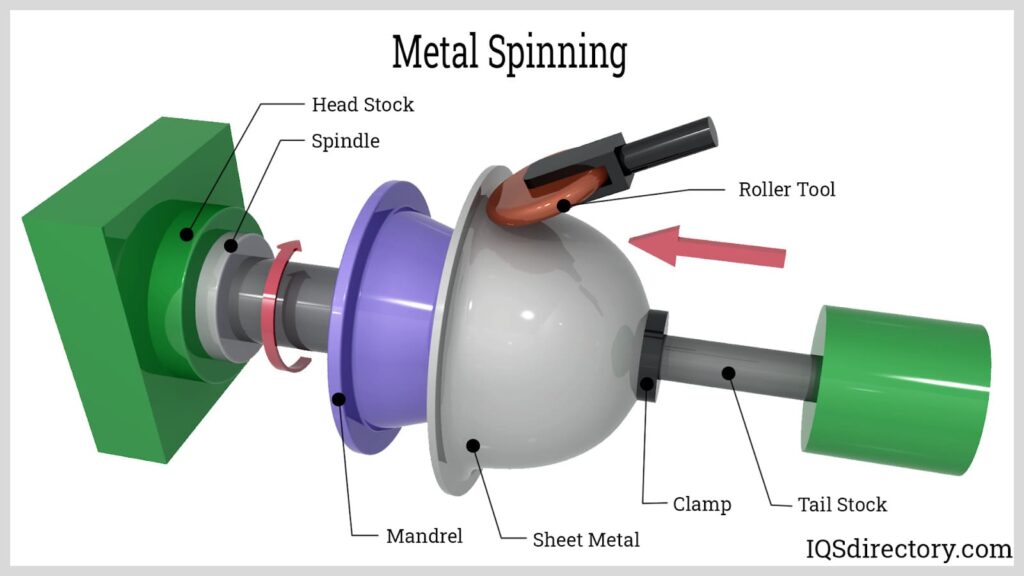
Spin forming, also known as metal spinning, is a process that involves rotating a metal disc or tube while applying force to shape it into a symmetrical object. Spin forming machines are used to produce components like wheels, cones, and cylindrical shapes, often used in industries such as aerospace, automotive, and lighting.

  • Process Overview:
    • The metal blank is placed on a lathe and rotated at high speed.
    • A tool presses against the rotating blank, forcing it to take the shape of the tool or mandrel.
    • The result is a seamless, strong component with excellent structural integrity.
  • Advantages:
    • Material Efficiency: Spin forming typically results in minimal material waste, making it a cost-effective manufacturing process.
    • Structural Integrity: The continuous nature of the spin forming process enhances the strength and durability of the final product.
    • Versatility: Spin forming can be used with various materials, including aluminum, steel, and titanium, and can produce a wide range of shapes.
  • Applications:
    • In the aerospace industry, spin forming is used to produce parts like rocket nozzles, satellite dishes, and aircraft nose cones. In the automotive industry, it is used for manufacturing wheel rims and other components requiring a high degree of symmetry.

5.4 Deep Drawing Hydraulic Presses

Deep drawing hydraulic presses are specifically designed for the deep drawing process, offering the high force required to shape thick or high-strength materials. These presses are versatile and can be used for both shallow and deep drawing operations, making them a popular choice across various industries.

  • Key Features:
    • High Force Capacity: Hydraulic presses can apply immense force, making them suitable for deep drawing thick or difficult-to-form materials.
    • Controlled Drawing Process: The ability to control the speed and force during the drawing process ensures that the material flows evenly, reducing the risk of tearing or wrinkling.
    • Tooling Flexibility: Hydraulic presses can accommodate a wide range of tooling, allowing for the production of parts with varying geometries and sizes.
  • Applications:
    • These presses are used in the automotive industry to produce components like fuel tanks, chassis parts, and engine housings. They are also used in the production of large industrial containers, kitchen sinks, and other deep-drawn products.

5.5 Transfer Press Stamping

Transfer press stamping is a high-volume manufacturing process where metal blanks are automatically transferred from one stamping station to the next. Each station performs a different operation, such as drawing, trimming, or punching, ultimately producing a finished part.

  • Process Overview:
    • Metal blanks are fed into the press and automatically moved from station to station, where various forming operations are performed.
    • The process is continuous, allowing for high-speed production of complex parts.
    • The final product emerges fully formed, with minimal need for secondary operations.
  • Advantages:
    • High Productivity: Transfer press stamping is highly efficient, capable of producing large quantities of parts in a short period.
    • Consistency: The automated nature of the process ensures consistent quality across all parts.
    • Cost-Effectiveness: By integrating multiple operations into a single machine, transfer press stamping reduces labor and tooling costs.
  • Applications:
    • Transfer press stamping is widely used in the automotive industry to produce parts like door panels, structural components, and brackets. It is also used in the manufacturing of appliances, electrical components, and various consumer goods.

5.6 Conclusion

Deep drawing and forming presses are essential tools in modern manufacturing, enabling the production of complex, high-quality metal components with precision and efficiency. Whether it’s the robust capabilities of hydraulic presses, the speed of mechanical presses, or the advanced control of servo-driven presses, these machines play a critical role in industries ranging from automotive to aerospace. Understanding the specific applications and benefits of each type of press allows manufacturers to choose the right equipment for their production needs, ensuring the consistent quality and performance of their products.

6. Specialized Metalworking Machines and Presses
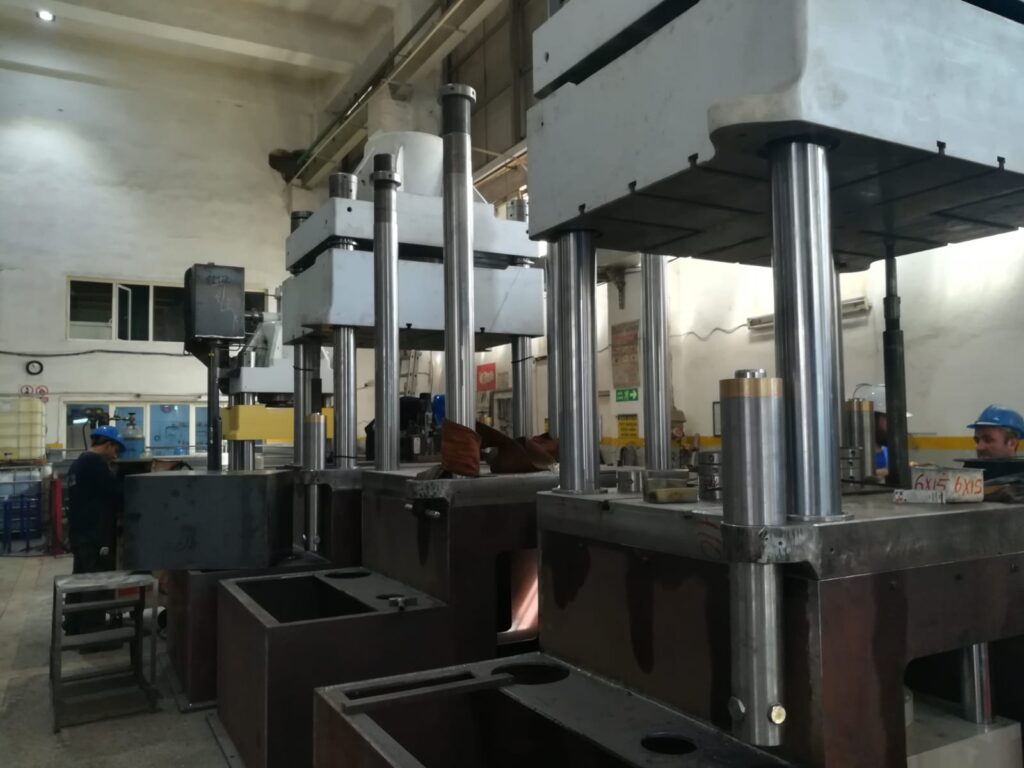
Section 4: Applications of Sheet Metal Machinery

The metalworking industry requires a variety of specialized machines and presses to handle specific tasks that standard equipment may not be able to accomplish efficiently. These specialized machines are designed to address unique challenges in manufacturing processes, offering solutions for complex shapes, precision work, and materials that demand particular handling. This section covers some of the most significant specialized metalworking machines and presses, highlighting their applications, advantages, and roles in modern production environments.

6.1 Transfer Press Stamping

Transfer press stamping is a highly automated process designed for high-volume production, where multiple stamping operations are integrated into a single machine. This technology is widely used in industries where the demand for large quantities of complex parts is high.

6.1.1 Process Overview

Transfer press stamping involves a series of stamping operations performed in succession, with each operation completed at a different station within the same machine. The metal blank is automatically transferred from one station to the next, with each station performing a specific task such as drawing, trimming, piercing, or bending. This allows for the rapid production of finished parts with minimal need for secondary operations.

6.1.2 Advantages
  • High Efficiency: Transfer press stamping is capable of producing large quantities of parts quickly, making it ideal for mass production.
  • Integrated Operations: By combining multiple stamping operations in a single machine, transfer press stamping reduces the need for multiple setups, lowering labor costs and increasing throughput.
  • Consistency: The automated nature of the process ensures that each part is produced to the same specifications, reducing variability and improving quality control.
6.1.3 Applications
  • Automotive Industry: Transfer press stamping is commonly used to manufacture automotive components such as body panels, structural parts, and brackets. Its ability to handle complex shapes and large volumes makes it a vital technology in this sector.
  • Appliance Manufacturing: The process is also used to produce components for household appliances, including metal housings, brackets, and support structures.

6.2 Flow Forming Lathes

Flow forming lathes are specialized machines used to produce high-precision cylindrical components through a process known as flow forming. This technology is particularly valued in industries where lightweight, strong, and accurate components are required.

6.2.1 Flow Forming Process

Flow forming is a cold-forming process where a metal blank, typically a cylindrical tube or disc, is placed on a rotating mandrel. Rollers apply pressure to the blank as it rotates, gradually shaping it into the desired form. This process is capable of producing thin-walled components with excellent mechanical properties and tight tolerances.

6.2.2 Advantages
  • Material Efficiency: Flow forming reduces material waste compared to traditional machining processes, making it a cost-effective method for producing high-strength components.
  • Precision: The process allows for the creation of components with precise dimensions and consistent wall thickness, critical for applications in aerospace and automotive industries.
  • Enhanced Mechanical Properties: Flow forming improves the material’s grain structure, resulting in components with enhanced strength and durability.
6.2.3 Applications
  • Aerospace Industry: Flow forming lathes are used to produce components such as rocket motor casings, aircraft engine components, and structural parts where weight reduction and strength are critical.
  • Automotive Industry: The technology is employed to manufacture drive shafts, axles, and other components that require high precision and strength.
  • Military Applications: Flow forming is used in the production of military hardware, such as artillery shells and missile casings, where material strength and precision are paramount.

6.3 Rim Spinning Machines

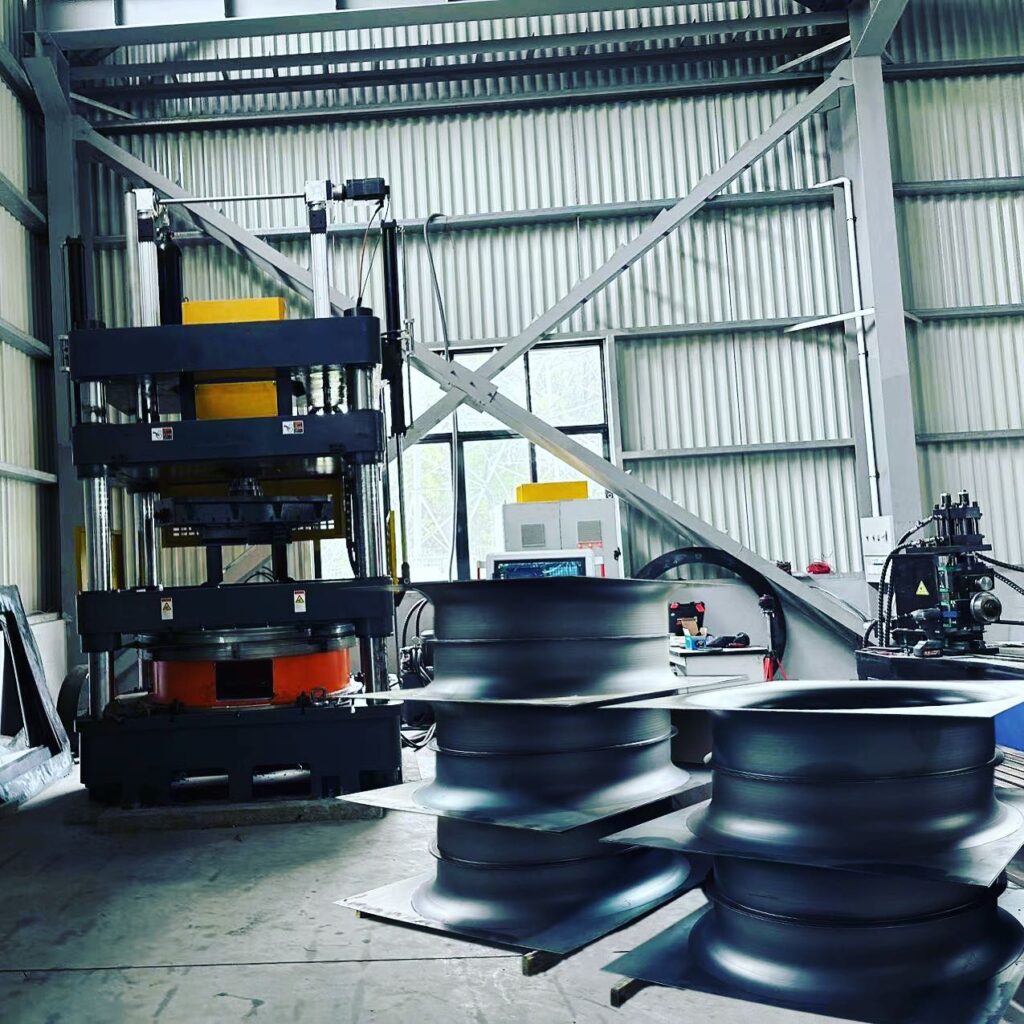
Rim spinning machines are specialized equipment used to manufacture wheel rims for vehicles. The process of rim spinning involves shaping a metal disc into a cylindrical rim, which is then further processed to achieve the desired dimensions and strength.

6.3.1 Rim Spinning Process

Rim spinning starts with a metal disc, which is clamped onto a rotating mandrel. The spinning process shapes the disc into a cylindrical form, creating the basic structure of the wheel rim. Additional operations, such as rolling and finishing, are performed to achieve the final dimensions and surface finish.

6.3.2 Advantages
  • Customization: Rim spinning allows for the production of custom wheel designs, catering to the specific needs of automotive manufacturers and aftermarket suppliers.
  • Strength and Durability: The spinning process enhances the strength of the metal, producing rims that are both lightweight and durable, essential for high-performance vehicles.
  • Efficiency: Rim spinning machines are capable of producing rims at high speeds, making them suitable for mass production.
6.3.3 Applications
  • Automotive Industry: Rim spinning is primarily used in the automotive industry to manufacture wheel rims for cars, trucks, and motorcycles. The process is favored for producing rims that meet the stringent safety and performance standards required in this sector.
  • Specialty Vehicles: Rim spinning is also used to produce rims for specialty vehicles, such as racing cars and custom-built vehicles, where specific design and performance criteria must be met.

6.4 Rubber and Silicone Presses

Rubber and silicone presses are specialized machines designed for molding rubber and silicone materials into various shapes and components. These presses are essential in industries where rubber and silicone products are widely used, such as automotive, medical, and consumer goods.

6.4.1 Rubber Compression Molding Presses

Rubber compression molding presses are used to shape rubber compounds into final products through the application of heat and pressure. The rubber material is placed in a heated mold cavity, and the press applies pressure to shape it into the desired form.

  • Applications: Rubber compression molding presses are used to manufacture products such as seals, gaskets, o-rings, and other rubber components that require precision and durability. These presses are also used in the production of automotive rubber parts, such as bushings and mounts.
6.4.2 Silicone Presses

Silicone presses operate similarly to rubber presses but are specifically designed to handle silicone materials, which have unique properties such as flexibility, heat resistance, and biocompatibility.

  • Applications: Silicone presses are used in the medical device industry to produce items such as tubing, seals, and implants. They are also used in the automotive industry to manufacture silicone gaskets, seals, and hoses.
6.4.3 Rubber Compression Molding Presses for Sale

The market for rubber compression molding presses is diverse, with a wide range of machines available for different applications and production scales. When selecting a press, manufacturers consider factors such as the size of the mold, the required pressure and temperature, and the specific properties of the rubber or silicone material being molded.

  • New vs. Used: Manufacturers can choose between new and used presses, depending on budget and specific requirements. New presses offer the latest technology and features, while used presses can be a cost-effective option for smaller operations or specific projects.

6.5 Road Sign Profile Cold Bending Machines

Road sign profile cold bending machines are specialized equipment used to manufacture the structural profiles that support road signs. These machines are designed to bend metal profiles into the precise shapes needed to withstand outdoor conditions and provide long-term durability.

6.5.1 Cold Bending Process

Cold bending involves shaping metal profiles at room temperature without the application of heat. This process preserves the material’s mechanical properties, making it suitable for applications where strength and rigidity are important.

  • Advantages: Cold bending machines offer high precision and repeatability, ensuring that each profile meets the required specifications. The process is also energy-efficient, as it does not require heating.
6.5.2 Applications
  • Road Sign Manufacturing: Cold bending machines are primarily used to produce the support structures for road signs, including poles and brackets. These structures must be durable enough to withstand environmental factors such as wind, rain, and temperature fluctuations.
  • Infrastructure Projects: Cold bending is also used in other infrastructure projects where metal profiles are required, such as in the construction of guardrails, bridges, and fencing.

6.6 Punch and Die Design

Punch and die design is a critical aspect of metal forming processes, where precise tools are used to cut, shape, or form metal sheets into specific shapes. The design of these tools is crucial for achieving accurate and consistent results in stamping, punching, and forming operations.

6.6.1 Importance of Precision in Punch and Die Design

The punch and die must be precisely designed to ensure that the metal is cut or shaped correctly. Any deviation in the design can lead to defects in the final product, such as burrs, cracks, or dimensional inaccuracies.

  • Material Selection: The materials used for punches and dies must be carefully selected to withstand the stresses of the forming process. Common materials include tool steels and carbide, which offer high hardness and wear resistance.
  • Tool Geometry: The geometry of the punch and die is tailored to the specific operation, whether it’s cutting, bending, or drawing. The design must account for factors such as material flow, springback, and tool wear.
6.6.2 Applications
  • Automotive Industry: Punch and die sets are extensively used in the automotive industry for manufacturing body panels, brackets, and structural components. Precision in punch and die design is essential for maintaining quality and consistency in high-volume production.
  • Aerospace Industry: In the aerospace sector, punch and die tools are used to form lightweight, high-strength components from materials like aluminum and titanium. The precision required in this industry is extremely high, given the safety-critical nature of aerospace components.

6.7 Steel Drum Machines

Steel drum machines are specialized equipment used in the production of steel drums, which are widely used for storing and transporting liquids and other materials. These machines are designed to perform operations such as forming, welding, and finishing the drum body.

6.7.1 Steel Drum Manufacturing Process

The process of manufacturing steel drums involves several steps, including cutting, forming, welding, and finishing. Steel drum machines are designed to handle each of these steps efficiently, ensuring that the drums meet industry standards for durability and safety.

  • Cutting and Forming: The steel sheet is first cut to size and then formed into a cylindrical shape. This is typically done using roll forming or bending machines.
  • Welding: Once the drum body is formed, the seam is welded to create a leak-proof seal. The welding process must be precise to ensure that the drum can withstand pressure and handling without leaking.
  • Finishing: The final steps include adding the drum’s top and bottom, applying any necessary coatings, and performing quality inspections.
6.7.2 Applications
  • Industrial Storage: Steel drums are used in various industries, including chemical, pharmaceutical, and food processing, to store and transport liquids and powders. The drums must meet strict standards for safety and durability, particularly when used for hazardous materials.
  • Logistics and Transportation: Steel drums are also used in logistics for the safe transportation of materials over long distances. The strength and durability of the drums are critical to ensuring that the contents are protected during transit.

6.8 Conclusion

Specialized metalworking machines and presses play a crucial role in modern manufacturing, providing solutions for tasks that require precision, efficiency, and specialized capabilities. From transfer press stamping for high-volume production to flow forming lathes for high-precision components, these machines enable manufacturers to meet the demanding requirements of industries such as automotive, aerospace, and consumer goods. Understanding the functions and advantages of these specialized machines helps manufacturers select the right equipment for their specific needs, ensuring optimal performance and product quality.

7. Cutting-edge Metalworking Technologies
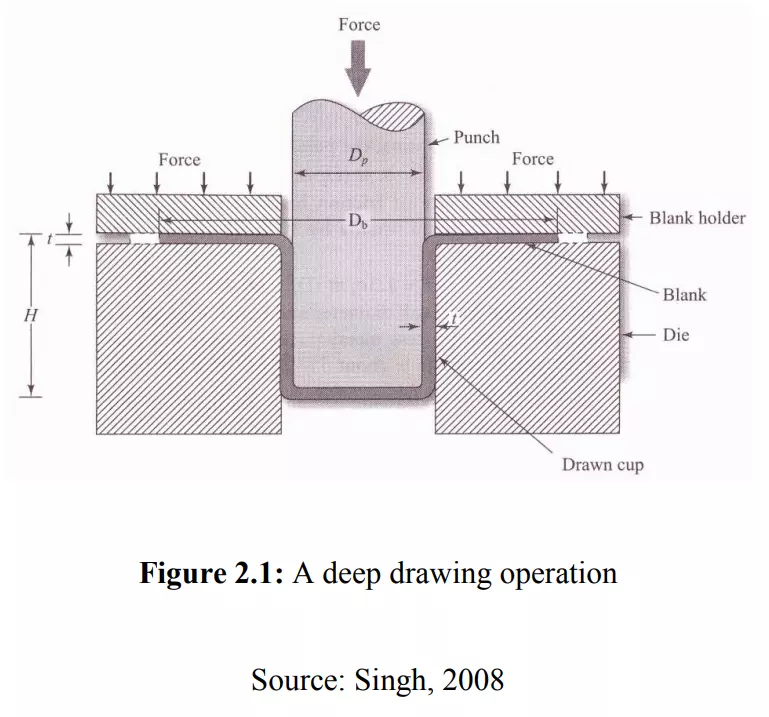
Forming and Shaping with Deep Drawing Press

The field of metalworking is continuously evolving, with advancements in technology driving the development of more efficient, precise, and versatile machines. These cutting-edge technologies are transforming traditional metalworking processes, enabling manufacturers to produce complex components with greater accuracy and consistency. This section explores some of the latest advancements in metalworking technologies, including CNC profile bending machines, hydroforming presses, punch and die design innovations, and improvements in centerless grinding surface finish.

7.1 CNC Profile Bending Machines

CNC (Computer Numerical Control) profile bending machines represent a significant advancement in the metalworking industry, offering unparalleled precision and control in bending operations. These machines use computer-controlled movements to bend metal profiles into complex shapes with high accuracy, making them essential for industries that require precise and repeatable bending processes.

7.1.1 Overview of CNC Profile Bending

CNC profile bending machines automate the bending process by using a computer to control the movement and force applied to the metal. This allows for precise control over the bending angle, radius, and curvature, ensuring that each bend is consistent and accurate.

  • Process: The metal profile is fed into the machine, where a series of rollers or a press apply force to bend the material. The CNC system controls the movement of the rollers or press, adjusting the force and angle as needed to achieve the desired shape.
  • Materials: CNC profile bending machines can handle a wide range of materials, including aluminum, steel, copper, and alloys, making them versatile tools for various applications.
7.1.2 Advantages of CNC Profile Bending Machines
  • Precision: CNC machines offer exceptional precision, with the ability to create complex shapes and tight tolerances that would be difficult or impossible to achieve with manual bending methods.
  • Repeatability: Once programmed, CNC machines can produce identical bends across multiple parts, ensuring consistency in mass production.
  • Efficiency: CNC profile bending machines reduce the need for manual intervention, speeding up the production process and reducing the potential for human error.
7.1.3 Applications
  • Automotive Industry: CNC profile bending machines are used to produce components such as exhaust systems, roll bars, and chassis parts, where precise bending is crucial for performance and safety.
  • Aerospace Industry: In aerospace manufacturing, these machines are used to form structural components, fuel lines, and airframe parts that require exact dimensions and shapes.
  • Construction and Architecture: CNC profile bending is also employed in the construction and architecture sectors to create custom metal profiles for building facades, railings, and structural elements.

7.2 Hydroforming Press Technology

Hydroforming is a versatile metal forming process that uses high-pressure hydraulic fluid to shape metal into complex forms. Hydroforming presses have become a vital tool in the manufacturing of lightweight, high-strength components, particularly in the automotive and aerospace industries.

7.2.1 The Hydroforming Process

In hydroforming, a metal blank or tube is placed inside a die, and high-pressure hydraulic fluid is applied to form the metal into the shape of the die. The process is particularly effective for creating complex shapes with smooth surfaces and uniform wall thicknesses.

  • Types of Hydroforming: There are two main types of hydroforming: tube hydroforming and sheet hydroforming. Tube hydroforming is used to form hollow components like exhaust systems and structural supports, while sheet hydroforming is used for creating complex, shallow components like body panels and enclosures.
  • Materials: Hydroforming can be used with various materials, including aluminum, steel, and titanium, making it suitable for a wide range of applications.
7.2.2 Advantages of Hydroforming Presses
  • Complex Shapes: Hydroforming allows for the creation of intricate shapes that would be difficult to achieve with traditional stamping or pressing methods.
  • Weight Reduction: The process produces lightweight components with high structural integrity, which is particularly important in industries where weight savings are critical, such as automotive and aerospace.
  • Surface Quality: Hydroforming produces components with excellent surface finish, reducing the need for additional machining or finishing operations.
7.2.3 Applications
  • Automotive Industry: Hydroforming is widely used in the automotive industry to produce lightweight structural components, such as engine cradles, roof rails, and exhaust systems, that contribute to overall vehicle performance and fuel efficiency.
  • Aerospace Industry: In aerospace, hydroforming is used to manufacture airframe components, fuel tanks, and other critical parts where weight and strength are key considerations.
  • Consumer Electronics: Hydroforming is also employed in the production of consumer electronics enclosures, where the need for sleek, durable designs is paramount.

7.3 Innovations in Punch and Die Design

Punch and die design is at the heart of many metal forming processes, including stamping, punching, and drawing. Recent innovations in punch and die design are improving the efficiency, accuracy, and longevity of these tools, enabling manufacturers to produce higher-quality components with greater consistency.

7.3.1 Advanced Materials for Punch and Die

The materials used in punch and die design have a significant impact on tool performance and lifespan. Innovations in material science are leading to the development of stronger, more durable tool steels and coatings that enhance wear resistance and reduce downtime.

  • Tool Steels: High-speed steels (HSS) and powder metallurgy steels are increasingly being used in punch and die manufacturing due to their superior hardness and toughness. These materials are ideal for high-volume production runs where tools are subject to intense wear.
  • Coatings: Advanced coatings, such as titanium nitride (TiN) and diamond-like carbon (DLC), are being applied to punches and dies to reduce friction, increase wear resistance, and extend tool life.
7.3.2 Precision Engineering and CNC Machining

CNC machining has revolutionized the manufacturing of punches and dies, allowing for the creation of highly precise tools with complex geometries. This precision is essential for maintaining tight tolerances and ensuring the consistent quality of stamped or punched parts.

  • Complex Geometries: CNC machining enables the production of punches and dies with intricate shapes and features that would be difficult or impossible to achieve with traditional machining methods.
  • Custom Tooling: CNC technology allows for the rapid prototyping and production of custom punches and dies tailored to specific applications, reducing lead times and improving flexibility in manufacturing.
7.3.3 Applications
  • Automotive Manufacturing: Advanced punch and die designs are used in the production of body panels, engine components, and structural parts, where precision and durability are critical.
  • Consumer Electronics: The consumer electronics industry relies on precise punch and die tools to create the thin, intricate components used in smartphones, laptops, and other devices.
  • Medical Devices: In the medical device industry, punches and dies are used to produce components like surgical instruments and implantable devices, where precision and material integrity are of utmost importance.

7.4 Centerless Grinding Surface Finish

Centerless grinding is a metal finishing process that removes material from the outer surface of a cylindrical workpiece, producing a smooth, high-quality surface finish. Recent advancements in centerless grinding technology have improved the precision and surface finish achievable with this process, making it a valuable tool in modern manufacturing.

7.4.1 The Centerless Grinding Process

In centerless grinding, the workpiece is supported between two rotating wheels: a grinding wheel and a regulating wheel. The grinding wheel removes material from the workpiece, while the regulating wheel controls its speed and ensures a consistent feed rate. The workpiece is not held in place by a spindle, allowing for continuous grinding and the ability to process long or complex parts.

  • Types of Centerless Grinding: There are two main types of centerless grinding: through-feed and in-feed. Through-feed grinding is used for cylindrical parts with a consistent diameter, while in-feed grinding is used for parts with varying diameters or complex shapes.
  • Materials: Centerless grinding can be used on a wide range of materials, including steel, aluminum, and alloys, making it a versatile process for various applications.
7.4.2 Advantages of Centerless Grinding
  • High Precision: Centerless grinding is capable of producing extremely precise dimensions and tight tolerances, making it ideal for high-precision components.
  • Smooth Surface Finish: The process produces a smooth surface finish with minimal defects, reducing the need for additional finishing operations.
  • Efficiency: Centerless grinding is a fast and efficient process, capable of handling high volumes of workpieces with consistent quality.
7.4.3 Applications
  • Automotive Industry: Centerless grinding is used to produce components like camshafts, crankshafts, and valve stems, where precision and surface finish are critical for performance and durability.
  • Aerospace Industry: The aerospace industry uses centerless grinding to produce precision components for engines, landing gear, and other critical systems, where high-quality surface finishes are essential for safety and performance.
  • Medical Devices: In the medical device industry, centerless grinding is used to produce components like needles, catheters, and surgical instruments, where precision and surface finish are crucial for functionality and patient safety.

7.5 Conclusion

Cutting-edge metalworking technologies are reshaping the landscape of modern manufacturing, offering new levels of precision, efficiency, and versatility. From CNC profile bending machines and hydroforming presses to advancements in punch and die design and centerless grinding, these technologies enable manufacturers to produce high-quality components that meet the stringent demands of industries such as automotive, aerospace, and medical devices. As these technologies continue to evolve, they will play an increasingly important role in driving innovation and competitiveness in the global manufacturing sector.

8. Industry-specific Applications
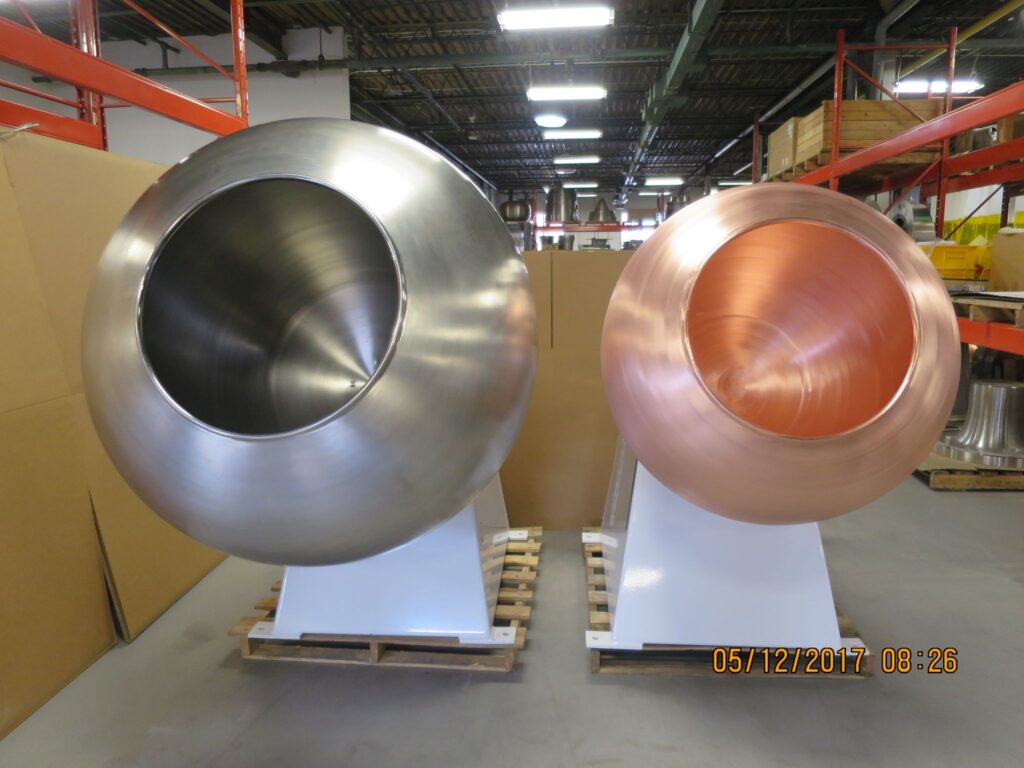
Industrial Applications

The metalworking industry serves a wide range of sectors, each with its unique demands and challenges. The choice of metalworking machines, techniques, and technologies is often dictated by the specific requirements of these industries. From the automotive and aerospace sectors to consumer goods and infrastructure, metalworking plays a crucial role in manufacturing the components that power modern life. This section explores the application of metalworking machinery and processes in various industries, highlighting how specialized equipment and technologies are tailored to meet the distinct needs of each sector.

8.1 Automotive Industry

The automotive industry is one of the largest consumers of metalworking products, requiring a vast array of components that must be manufactured with precision and consistency. The demands of the automotive sector include high-volume production, stringent quality standards, and the need for lightweight, durable components that contribute to overall vehicle performance and safety.

8.1.1 Metalworking in Automotive Manufacturing

The automotive manufacturing process involves the use of several metalworking techniques, including stamping, deep drawing, bending, and polishing. Each of these processes is crucial for producing the components that make up a vehicle’s body, engine, and interior systems.

  • Stamping: Transfer press stamping is widely used in automotive manufacturing to produce body panels, structural components, and various brackets. The ability to perform multiple operations in a single press ensures high efficiency and consistency across large production runs.
  • Deep Drawing: Deep drawing presses are employed to create complex shapes such as fuel tanks, transmission housings, and engine components. The deep drawing process ensures that these parts are strong, lightweight, and capable of withstanding the rigors of automotive use.
  • CNC Bending: CNC profile bending machines are used to form components like exhaust systems, roll cages, and chassis parts. The precision offered by CNC bending ensures that each part meets the exact specifications required for safety and performance.
8.1.2 Aluminum Deburring and Polishing

Aluminum is a key material in automotive manufacturing due to its lightweight properties and corrosion resistance. However, aluminum components often require deburring and polishing to meet the industry’s aesthetic and functional standards.

  • Aluminum Deburring: Aluminum deburring machines are used to remove burrs and sharp edges from machined or stamped aluminum parts. This step is essential to ensure that the components fit together smoothly during assembly and do not pose safety risks.
  • Polishing: Metal polishing machines are employed to enhance the surface finish of aluminum components, providing a smooth, reflective surface that improves both the appearance and aerodynamics of the vehicle.
8.1.3 Rubber Molding for Automotive Parts

Rubber components, such as seals, gaskets, and bushings, are critical in automotive manufacturing. Rubber compression molding presses are used to produce these parts with precision and consistency.

  • Rubber Compression Molding: This process involves placing rubber material into a heated mold, where it is shaped under pressure. The resulting components are durable, flexible, and capable of withstanding extreme temperatures and mechanical stress.
  • Applications: Rubber molding is used to produce a variety of automotive parts, including engine mounts, suspension bushings, and seals for doors and windows. These components contribute to the vehicle’s overall durability and comfort.

8.2 Aerospace Industry

The aerospace industry demands the highest levels of precision and quality, as the components produced must meet rigorous safety standards and perform reliably in extreme environments. Metalworking in aerospace involves the use of advanced technologies and materials to create lightweight, high-strength components.

8.2.1 Hydroforming in Aerospace Manufacturing

Hydroforming presses are extensively used in aerospace manufacturing to produce complex, lightweight components that are both strong and aerodynamic.

  • Complex Shapes: Hydroforming allows for the creation of intricate shapes with uniform wall thicknesses, making it ideal for producing components such as fuselage panels, wing structures, and engine casings.
  • Material Efficiency: The hydroforming process minimizes material waste, which is particularly important in aerospace manufacturing where the cost of materials like titanium and high-strength alloys is significant.
8.2.2 Flow Forming for High-precision Components

Flow forming lathes are used in the aerospace industry to manufacture high-precision cylindrical components, such as aircraft engine parts and structural supports.

  • Precision and Strength: The flow forming process enhances the mechanical properties of the material, producing components that are both lightweight and capable of withstanding high stress and pressure.
  • Applications: Flow forming is used to produce parts like jet engine cases, landing gear components, and missile casings, where precision and material integrity are critical.
8.2.3 Metal Polishing and Surface Finishing

In aerospace manufacturing, the surface finish of components is of utmost importance, as it can affect the aerodynamics, weight, and overall performance of the aircraft.

  • Metal Polishing Machines: These machines are used to achieve a smooth, polished finish on aerospace components, reducing friction and improving the aerodynamic properties of the aircraft.
  • Edge Rounding: Edge rounding stainless steel and other metals is essential to remove sharp edges that could cause stress concentrations or interfere with the assembly of critical components.

8.3 Consumer Goods Manufacturing

The consumer goods industry relies heavily on metalworking processes to produce a wide range of products, from household appliances to electronics. The focus in this sector is often on the aesthetic appeal, durability, and functionality of the final products.

8.3.1 Metalworking in Appliance Manufacturing

Appliance manufacturing involves the use of metalworking machines to create components such as enclosures, brackets, and internal structures for products like refrigerators, washing machines, and ovens.

  • Deep Drawing Presses: Deep drawing presses are used to form appliance housings and internal components from sheet metal. The deep drawing process ensures that these parts are both strong and lightweight, which is important for product durability and efficiency.
  • Metal Polishing and Finishing: The aesthetic appeal of consumer appliances is a key consideration, and metal polishing machines are used to achieve a high-quality finish on visible parts. Polished surfaces not only enhance the appearance but also make the appliances easier to clean and maintain.
8.3.2 Metalworking in Electronics

The electronics industry requires metal components that are not only precise but also have excellent surface finishes to ensure proper function and aesthetic appeal.

  • CNC Profile Bending: CNC profile bending machines are used to create the frames, brackets, and enclosures that house electronic components. Precision bending ensures that these parts fit together perfectly and provide adequate protection for sensitive electronics.
  • Surface Finishing: In electronics manufacturing, the surface finish of metal parts is critical for both function and appearance. Smooth, polished surfaces are essential for components like smartphone enclosures, laptop frames, and other consumer electronics.

8.4 Infrastructure and Construction

The construction and infrastructure sectors utilize metalworking processes to produce structural components, building materials, and support systems. These industries require durable, high-strength materials that can withstand harsh environmental conditions and provide long-term stability.

8.4.1 Metalworking in Structural Components

Structural components used in construction, such as beams, columns, and trusses, are often manufactured using metalworking techniques like bending, welding, and forming.

  • CNC Bending Machines: CNC profile bending machines are used to shape structural components with high precision, ensuring that they meet the specific requirements of building designs. This precision is crucial for maintaining the structural integrity of buildings and infrastructure projects.
  • Hydraulic Presses: Hydraulic presses are employed to form and assemble large structural components, providing the force necessary to shape heavy-gauge steel and other materials.
8.4.2 Road Sign Profile Cold Bending

Road signs and other infrastructure elements require precise shaping to ensure they are durable and easily visible.

  • Cold Bending Machines: Road sign profile cold bending machines are used to create the structural profiles that support road signs. These machines ensure that the profiles are shaped to the exact specifications required for stability and durability.
  • Applications: Cold bending is also used in the construction of guardrails, fencing, and other infrastructure components that must withstand environmental stress and provide long-term reliability.
8.4.3 Steel Drum Manufacturing

Steel drums are essential for storing and transporting materials in the construction and infrastructure sectors. The manufacturing of these drums involves specialized metalworking processes to ensure they are leak-proof and durable.

  • Steel Drum Machines: These machines are used to form, weld, and finish steel drums, ensuring they meet the necessary standards for safety and durability. The drums must be able to withstand rough handling and exposure to harsh environmental conditions.

8.5 Conclusion

The application of metalworking machinery and processes varies widely across different industries, each with its unique requirements and challenges. Whether it’s the precision needed in aerospace manufacturing, the high-volume production demands of the automotive industry, or the aesthetic and functional considerations in consumer goods, specialized metalworking technologies are essential for producing the components that drive modern industry. By understanding the specific needs of each sector, manufacturers can select the right metalworking equipment and techniques to optimize production, ensure quality, and meet the demands of their customers.

9. Market Overview and Trends in Metalworking Machinery
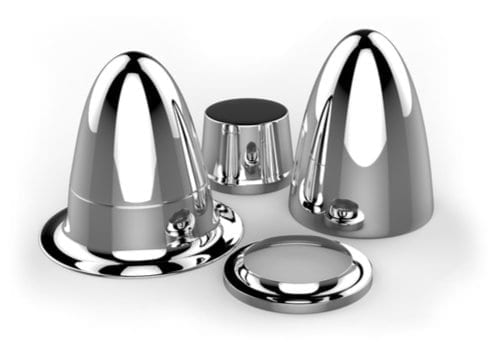
Working Principle of Hydroforming Press

The metalworking machinery market is a dynamic and rapidly evolving sector, influenced by technological advancements, changing industry demands, and global economic trends. As manufacturers seek to improve efficiency, precision, and automation in their production processes, the demand for advanced metalworking equipment continues to grow. This section provides an overview of the current market for metalworking machinery, explores key trends shaping the industry, and highlights some of the leading manufacturers and suppliers in the market.

9.1 Current Market Landscape

The global metalworking machinery market is diverse, encompassing a wide range of machines used in cutting, forming, finishing, and assembly processes. The market is characterized by steady growth, driven by increasing industrialization, the expansion of manufacturing sectors, and the ongoing adoption of advanced technologies.

9.1.1 Market Size and Growth

The metalworking machinery market is expected to continue its growth trajectory, supported by the rising demand for high-precision components in industries such as automotive, aerospace, and electronics. The increasing emphasis on automation and Industry 4.0 technologies is also contributing to the expansion of the market.

  • Key Regions: Asia-Pacific, particularly China and India, dominates the global metalworking machinery market due to its strong manufacturing base and ongoing investments in industrial infrastructure. North America and Europe are also significant markets, driven by advancements in aerospace and automotive manufacturing.
  • Market Segments: The market can be segmented into various categories based on the type of machinery, including CNC machines, stamping presses, forming machines, and finishing equipment. Among these, CNC machines and automated systems are experiencing the fastest growth due to their ability to enhance productivity and precision.

9.2 Trends Shaping the Metalworking Machinery Market

Several key trends are shaping the future of the metalworking machinery market, driven by technological advancements and evolving industry demands. These trends are influencing the way manufacturers invest in machinery and adopt new processes to stay competitive.

9.2.1 Automation and Industry 4.0

The integration of automation and Industry 4.0 technologies is transforming the metalworking industry. Manufacturers are increasingly adopting automated systems and smart machinery to enhance production efficiency, reduce human error, and improve overall operational performance.

  • Smart Manufacturing: The use of sensors, IoT (Internet of Things), and data analytics in metalworking machinery allows for real-time monitoring and control of production processes. This leads to better decision-making, predictive maintenance, and optimized resource management.
  • Robotics: Robotics is playing an increasingly important role in metalworking, particularly in tasks such as material handling, welding, and assembly. The use of robotic arms and automated guided vehicles (AGVs) is reducing the need for manual labor and increasing production speed.
9.2.2 Additive Manufacturing and Hybrid Machines

Additive manufacturing, also known as 3D printing, is gaining traction in the metalworking industry as a complementary technology to traditional subtractive methods. The development of hybrid machines that combine additive and subtractive processes is opening up new possibilities for complex part manufacturing.

  • 3D Printing in Metalworking: Additive manufacturing allows for the creation of intricate geometries and custom components that would be difficult or impossible to produce with traditional methods. This is particularly useful in industries such as aerospace and medical devices, where precision and customization are critical.
  • Hybrid Machines: Hybrid machines that integrate additive manufacturing with CNC machining are becoming more popular, offering the flexibility to produce parts with complex internal structures while maintaining high precision and surface quality.
9.2.3 Sustainability and Green Manufacturing

As environmental concerns become increasingly important, the metalworking industry is focusing on sustainability and green manufacturing practices. This includes reducing energy consumption, minimizing waste, and using environmentally friendly materials and processes.

  • Energy-efficient Machines: Manufacturers are developing energy-efficient metalworking machines that reduce power consumption and lower the overall environmental impact of production processes. This is achieved through advanced motor technologies, optimized cutting strategies, and improved machine design.
  • Recycling and Waste Reduction: The industry is also investing in technologies that enable the recycling of scrap materials and the reduction of waste during production. This not only helps to reduce environmental impact but also lowers material costs.
9.2.4 Customization and Flexibility

The demand for customized products and shorter production runs is driving the need for flexible manufacturing solutions. Metalworking machinery that can quickly adapt to different production requirements is becoming increasingly valuable.

  • Modular Machines: Modular metalworking machines that can be reconfigured for different tasks are gaining popularity. These machines offer greater flexibility and allow manufacturers to respond quickly to changing market demands.
  • Customization: The ability to produce custom components on-demand is becoming a competitive advantage in industries such as automotive and aerospace, where product differentiation and innovation are key.

9.3 Future Outlook of the Metalworking Machinery Market

The metalworking machinery market is poised for continued growth as industries increasingly rely on advanced manufacturing technologies to stay competitive. The adoption of automation, digitalization, and sustainable practices will be key drivers of this growth, as manufacturers seek to improve efficiency, reduce costs, and meet the evolving demands of their customers.

  • Emerging Markets: The expansion of industrial activities in emerging markets such as India, Southeast Asia, and Latin America presents significant opportunities for the metalworking machinery industry. These regions are expected to see increased investment in manufacturing infrastructure, driving demand for advanced machinery.
  • Technological Advancements: Ongoing advancements in robotics, AI, and additive manufacturing will continue to shape the future of metalworking machinery, offering new possibilities for precision manufacturing and customization.
  • Global Supply Chain: The global nature of the metalworking industry means that supply chain dynamics will play a critical role in market development. Manufacturers will need to navigate challenges such as trade policies, raw material availability, and transportation costs to remain competitive.

9.4 Conclusion

The metalworking machinery market is undergoing significant transformation, driven by technological innovation, automation, and changing industry demands. As manufacturers seek to enhance productivity, reduce costs, and improve sustainability, the demand for advanced metalworking equipment is expected to grow. Companies that embrace these trends and invest in cutting-edge technologies will be well-positioned to thrive in the competitive global market.

EMS Metalworking Machines

We design, manufacture and assembly metalworking machinery such as:

  • Hydraulic transfer press
  • Glass mosaic press
  • Hydraulic deep drawing press
  • Casting press
  • Hydraulic cold forming press
  • Hydroforming press
  • Composite press
  • Silicone rubber moulding press
  • Brake pad press
  • Melamine press
  • SMC & BMC Press
  • Labrotaroy press
  • Edge cutting trimming machine
  • Edge curling machine
  • Trimming beading machine
  • Trimming joggling machine
  • Cookware production line
  • Pipe bending machine
  • Profile bending machine
  • Bandsaw for metal
  • Cylindrical welding machine
  • Horizontal pres and cookware
  • Kitchenware, hotelware
  • Bakeware and cuttlery production machinery

as a complete line as well as an individual machine such as:

  • Edge cutting trimming beading machines
  • Polishing and grinding machines for pot and pans
  • Hydraulic drawing presses
  • Circle blanking machines
  • Riveting machine
  • Hole punching machines
  • Press feeding machine

You can check our machinery at work at: EMS Metalworking Machinery – YouTube

Applications:

  • Beading and ribbing
  • Flanging
  • Trimming
  • Curling
  • Lock-seaming
  • Ribbing
  • Flange-punching
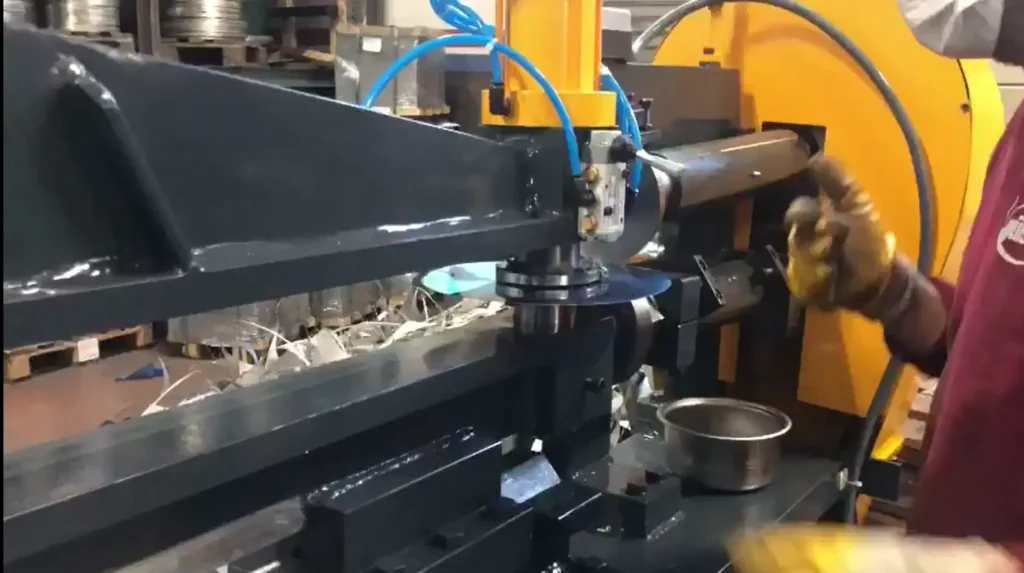
Categories
Machinery

Edge Rounding Stainless Steel

Edge Rounding Stainless Steel

Edge Rounding Stainless Steel: Metalworking is an age-old craft that has evolved significantly with advancements in technology and machinery. It involves various processes to shape and fabricate metal components, ranging from cutting, bending, and assembling to finishing and polishing. The success of these processes largely depends on the quality and efficiency of the equipment used, making metalworking machines indispensable to the industry.

1.1 Overview of the Metalworking Industry

The metalworking industry is a cornerstone of modern manufacturing, encompassing a vast array of processes and technologies. These processes are vital in producing components used in automotive, aerospace, construction, and consumer goods. The industry relies heavily on precision, and thus, the machinery involved must be state-of-the-art, providing accurate and repeatable results.

1.2 Importance of High-Quality Equipment in Metalworking

High-quality metalworking equipment ensures not only precision and efficiency but also safety and longevity of the products. Machines such as burr removal machines, metal polishing machines, and deep drawing presses play a crucial role in achieving the desired surface finish and dimensional accuracy. For instance, burr removal is essential in preventing defects that could compromise the structural integrity of the product or even cause safety hazards in its application.

Investing in advanced metalworking equipment is therefore not just about improving production speed but also about ensuring the reliability and quality of the final product. As the demand for intricate and precise metal components continues to rise, so does the need for equipment that can meet these challenges.

1.3 Brief Introduction to Different Types of Metalworking Machines

Metalworking machines come in various forms, each designed for specific tasks within the metalworking process. Some of the key types include:

  • Burr Removal Machines: These are specialized machines used to remove burrs—small, rough edges or protrusions that form on metal surfaces after cutting or machining. Burr removal is critical for ensuring a smooth finish and preventing potential issues during assembly or use.
  • Metal Polishing Machines: These machines are used to achieve a fine, smooth finish on metal surfaces. They are essential in industries where appearance and surface quality are paramount, such as in the production of automotive parts, appliances, and consumer electronics.
  • Deep Drawing Presses: These are used in processes that involve shaping sheet metal into complex shapes, such as automotive body panels and kitchen sinks. Deep drawing presses must be highly precise to maintain the integrity of the metal during the forming process.
  • Moulding Presses: Moulding presses are crucial in the production of various components, particularly those made from composite materials. They are widely used in industries such as automotive, aerospace, and electronics.
  • Spin Forming Machines: These machines are used to form metal into cylindrical shapes, such as rims, cones, and tubes. Spin forming is a versatile process that allows for the creation of seamless, strong, and lightweight components.

Each type of machine plays a specific role in the metalworking process, and their combined use ensures the production of high-quality metal components that meet industry standards.

2. The Critical Role of Burr Removal in Metalworking

Types of Deburring Machines

Burr removal is a fundamental aspect of metalworking, often regarded as a critical finishing process that directly impacts the quality, safety, and functionality of the final product. Burrs, the unwanted rough edges or protrusions left on metal surfaces after machining, cutting, or stamping, can lead to various issues if not properly managed. These include compromised product integrity, assembly difficulties, and even safety hazards during usage. Understanding the significance of burr removal and employing effective methods to achieve it is essential for any manufacturer striving for excellence.

2.1 Understanding Burrs and Their Impact

In the metalworking industry, burrs are an inevitable byproduct of machining and manufacturing processes. They can form on almost any metal part during operations like drilling, milling, turning, or shearing. While burrs might seem insignificant, their presence can have detrimental effects on both the manufacturing process and the end product.

  • Quality Compromise: Burrs can lead to dimensional inaccuracies, which might result in parts that do not fit together correctly. This is particularly problematic in industries like aerospace or automotive, where precision is critical.
  • Safety Concerns: Sharp burrs pose a risk of injury to workers handling the parts. In addition, burrs can cause issues in the functionality of the product, such as electrical shorts in electronic components or leaks in fluid systems.
  • Assembly Challenges: Burrs can interfere with the assembly process by causing parts to snag or fit improperly. This can lead to increased production time, higher costs, and potential delays in delivery.

Given these potential issues, burr removal is not just a matter of finishing; it is a critical step in ensuring the overall quality and functionality of metal parts.

2.2 Burr Removal Techniques

There are various techniques for removing burrs from metal parts, ranging from manual methods to advanced automated systems. The choice of technique depends on factors such as the material, part geometry, production volume, and desired finish quality.

  • Manual Deburring: This traditional method involves using hand tools such as files, scrapers, or abrasive stones to remove burrs. While manual deburring is suitable for small-scale operations or intricate parts, it is labor-intensive and can be inconsistent in terms of finish quality.
  • Mechanical Deburring: Mechanical methods involve the use of machines such as tumblers, vibratory finishers, or abrasive belts to remove burrs. These methods are more consistent and efficient than manual deburring, making them suitable for larger production runs.
  • Thermal Deburring: Also known as “thermal energy method” (TEM), this technique uses controlled explosions of gas in a chamber to burn away burrs. Thermal deburring is highly effective for complex parts with internal burrs, as the gas can reach areas that are difficult to access with other methods.
  • Electrochemical Deburring: This process uses an electrolyte solution and an electric current to dissolve burrs. It is ideal for parts with hard-to-reach burrs and provides a smooth, precise finish.
  • Cryogenic Deburring: In this method, parts are cooled to extremely low temperatures using liquid nitrogen, making the burrs brittle. The parts are then agitated in a tumbler, causing the burrs to break off. Cryogenic deburring is particularly effective for plastic and rubber parts.

2.3 The Role of Burr Removal Machines

Burr removal machines are specialized equipment designed to automate and streamline the deburring process, ensuring consistent and high-quality results. These machines are essential for industries where precision and repeatability are paramount. Some of the key benefits of using burr removal machines include:

  • Increased Efficiency: Automated burr removal machines can process multiple parts simultaneously, significantly reducing the time and labor required for deburring.
  • Consistent Quality: Unlike manual deburring, which can vary depending on the operator’s skill, burr removal machines provide uniform results, ensuring that all parts meet the required specifications.
  • Cost-effectiveness: While the initial investment in burr removal machines may be high, the long-term savings in labor costs and improved production efficiency make them a cost-effective solution for many manufacturers.
  • Enhanced Safety: Automated machines reduce the risk of injury associated with manual deburring, as workers are not required to handle sharp parts directly.

2.4 Specialized Burr Removal Machines

There are various types of burr removal machines, each tailored to specific applications and industries. These include:

  • Aluminium Deburring Machines: These machines are specifically designed to handle aluminum parts, which require a delicate touch to avoid damaging the material. They are commonly used in the automotive and aerospace industries, where aluminum is widely used.
  • Deburring Machines for Sheet Metal Edges: These machines are designed to remove burrs from the edges of sheet metal, ensuring smooth, clean edges that are safe to handle and meet the required tolerances.
  • Metal Edge Finishing Machines: These machines are used to finish the edges of metal parts, providing a smooth, rounded edge that improves both the appearance and functionality of the part.
  • Automatic Burr Removal Machines: These machines are designed for high-volume production environments, where speed and efficiency are critical. They are capable of processing large quantities of parts quickly, with minimal operator intervention.

2.5 Advancements in Burr Removal Technology

The field of burr removal is continuously evolving, with new technologies being developed to improve the efficiency and effectiveness of the process. Some of the latest advancements include:

  • CNC-controlled Deburring Machines: These machines use computer numerical control (CNC) technology to precisely control the deburring process, ensuring consistent, high-quality results. CNC deburring machines are ideal for complex parts with tight tolerances.
  • Robotic Deburring: Robotic systems are increasingly being used for deburring, particularly in industries where precision and repeatability are critical. These systems can be programmed to perform complex deburring tasks with a high degree of accuracy.
  • Laser Deburring: Laser technology is being used to remove burrs with high precision, particularly on small, intricate parts. Laser deburring is contactless, which reduces the risk of damaging delicate components.
  • Hybrid Deburring Systems: These systems combine multiple deburring techniques, such as mechanical and thermal deburring, to achieve optimal results for complex parts. Hybrid systems are particularly useful for parts with varied geometries and materials.

2.6 The Importance of Proper Burr Removal in Quality Assurance

In today’s competitive manufacturing environment, maintaining high-quality standards is essential for success. Proper burr removal is a key component of quality assurance, as it directly impacts the functionality, safety, and appearance of the final product. Manufacturers that invest in advanced burr removal technologies and processes are better equipped to meet the demanding requirements of their customers and stay ahead of the competition.

Quality assurance in burr removal involves not only the selection of the right techniques and machines but also continuous monitoring and testing to ensure that the process consistently meets the required standards. This can include:

  • Regular Inspection: Parts should be inspected after deburring to ensure that all burrs have been effectively removed and that the surface finish meets the required specifications.
  • Testing: In some cases, additional testing, such as pressure testing for fluid systems or electrical testing for electronic components, may be necessary to confirm that the burr removal process has not compromised the integrity of the part.
  • Documentation: Proper documentation of the burr removal process, including machine settings, inspection results, and corrective actions, is essential for traceability and quality control.

2.7 Conclusion

Burr removal is a critical step in the metalworking process that should not be overlooked. By understanding the impact of burrs on product quality and safety, and by investing in the right burr removal techniques and machines, manufacturers can ensure that their products meet the highest standards. As technology continues to advance, new burr removal methods and machines will further enhance the efficiency and effectiveness of this essential process.

3. Exploring Metalworking Machines and Their Functions

Sheet Metal Machinery

The metalworking industry relies on a diverse array of machines to transform raw materials into finished products. These machines are integral to the manufacturing process, offering precision, efficiency, and versatility across various applications. Each type of metalworking machine serves a specific function, from shaping and forming metal to finishing and polishing it. Understanding the capabilities and applications of these machines is crucial for selecting the right equipment for any given project.

3.1 Overview of Metalworking Machines

Metalworking machines encompass a wide range of equipment designed to perform tasks such as cutting, bending, forming, and finishing metal components. These machines are categorized based on the specific operations they perform, such as pressing, deburring, polishing, and forming. Here’s a broad classification of metalworking machines:

  • Press Machines: These include various types of presses such as hydraulic presses, deep drawing presses, and moulding presses. Press machines are used to shape metal by applying force to it, typically using a die to form the metal into the desired shape.
  • Deburring and Finishing Machines: These machines are designed to remove burrs, polish, and finish metal surfaces. Burr removal machines, metal polishing machines, and edge rounding machines fall into this category.
  • Forming Machines: Machines like spin forming machines, CNC profile bending machines, and cold forming presses are used to bend or shape metal into specific profiles or forms.
  • Grinding and Cutting Machines: These include centerless grinding machines, which provide a high-quality surface finish by removing material from the outer surface of a metal part.

3.2 Specific Machines and Their Functions

Each type of metalworking machine plays a vital role in the production process, contributing to the creation of precise, high-quality metal components. Let’s delve into the functions and applications of some of the most essential metalworking machines.

3.2.1 Moulding Presses

Moulding presses are pivotal in the manufacturing of components that require precise shapes and forms, especially in industries like automotive and aerospace. These presses are used to shape materials by applying pressure to a mold, which can be made of metal or other durable materials. The types of moulding presses include:

  • Compression Moulding Presses: These presses are used to shape materials like rubber, plastic, and composites. The material is placed in a heated mold, and the press applies pressure to shape it. Compression molding presses are widely used in the production of automotive parts, electronic components, and industrial equipment.
  • Rubber Compression Molding Presses: Specifically designed for molding rubber products, these presses are used in the production of items like seals, gaskets, and other rubber components. They offer precise control over temperature and pressure, ensuring high-quality results.
  • SMC Presses (Sheet Moulding Compound Presses): SMC presses are used to mold composite materials, which are commonly used in the automotive and aerospace industries for their strength and lightweight properties.
3.2.2 SMC Presses

SMC presses are specialized machines designed to mold sheet molding compounds, which are a type of composite material made of a thermosetting resin, glass fibers, and fillers. These presses are widely used in the automotive and aerospace industries to produce lightweight, durable components such as car body panels, aircraft parts, and electrical enclosures.

The advantages of SMC presses include:

  • High Strength-to-Weight Ratio: SMC components offer excellent strength while remaining lightweight, making them ideal for applications where weight savings are critical.
  • Complex Shapes: SMC presses can produce complex shapes with high precision, reducing the need for additional machining or finishing.
  • Corrosion Resistance: SMC materials are inherently resistant to corrosion, making them suitable for use in harsh environments.
3.2.3 Hot Press Systems

Hot press systems are used in various metalworking processes to apply heat and pressure simultaneously to a material, shaping it or bonding it to another material. These systems are commonly used in the production of laminated components, metal bonding, and the forming of composite materials.

  • Application Areas: Hot press systems are extensively used in the electronics industry for the lamination of circuit boards, in the automotive industry for bonding metal components, and in the aerospace industry for forming composite materials.
  • Benefits: Hot press systems offer high precision, uniform pressure application, and controlled heating, resulting in consistent and high-quality products.
3.2.4 Cold Forming Presses

Cold forming presses are used to shape metal at room temperature, relying on mechanical force to deform the metal into the desired shape. Unlike hot forming, cold forming does not involve heating the material, which helps maintain the material’s inherent properties and produces a high-quality finish.

  • Advantages of Cold Forming:
    • Improved Material Properties: Cold forming strengthens the metal by refining its grain structure, enhancing its mechanical properties.
    • Cost Efficiency: Cold forming processes typically require less energy and are faster than hot forming processes, reducing overall production costs.
    • Precision and Surface Finish: Cold forming produces parts with excellent dimensional accuracy and a smooth surface finish, reducing the need for further processing.
3.2.5 Silicone Presses

Silicone presses are used to mold silicone rubber into various shapes and forms, typically in the production of seals, gaskets, medical devices, and other silicone products. These presses operate under controlled temperature and pressure to ensure the silicone material cures properly and achieves the desired properties.

  • Key Applications:
    • Medical Devices: Silicone presses are used to produce components such as tubing, seals, and gaskets for medical devices, where biocompatibility and precision are critical.
    • Automotive Industry: Silicone seals and gaskets produced by silicone presses are widely used in the automotive industry for their durability and resistance to extreme temperatures.

3.3 Advanced Metalworking Machines

As technology advances, the metalworking industry has seen the development of more sophisticated machines designed to enhance precision, efficiency, and flexibility. Some of these advanced machines include:

3.3.1 CNC Profile Bending Machines

CNC (Computer Numerical Control) profile bending machines are advanced systems used to bend metal profiles with a high degree of precision and consistency. These machines are essential in industries where complex shapes and tight tolerances are required, such as in the construction of architectural elements, automotive components, and aerospace structures.

  • Benefits of CNC Profile Bending:
    • Precision: CNC control allows for precise bending angles and repeatability, ensuring uniformity across all parts.
    • Complex Bends: CNC machines can perform complex bends that would be difficult or impossible to achieve with manual methods.
    • Efficiency: CNC profile bending machines can handle high volumes of work with minimal setup time, making them ideal for mass production.
3.3.2 Spin Forming Machines

Spin forming, also known as metal spinning, is a process where a metal disc or tube is rotated at high speed and formed into a symmetrical shape using a combination of pressure and heat. Spin forming machines are used to produce components like metal cones, cylinders, and domes.

  • Applications of Spin Forming:
    • Aerospace: Spin forming is used to create components such as nose cones, rocket fairings, and other aerodynamic parts.
    • Automotive: In the automotive industry, spin forming is used to produce parts like wheel rims and exhaust components.
    • Industrial Equipment: Spin forming is also employed in the production of industrial equipment such as pressure vessels and fluid tanks.
3.3.3 Flow Forming Lathes

Flow forming lathes are specialized machines used to produce high-precision cylindrical components by gradually deforming a metal blank under controlled conditions. This process is particularly useful for producing components with thin walls and high strength, such as automotive drive shafts, aerospace components, and military hardware.

  • Advantages of Flow Forming:
    • Precision: Flow forming lathes provide excellent control over wall thickness and dimensions, resulting in highly accurate parts.
    • Material Efficiency: The process minimizes material waste, making it a cost-effective option for producing high-strength components.
    • Strength: Flow forming enhances the mechanical properties of the material, producing parts with superior strength and durability.
3.3.4 Hydroforming Presses

Hydroforming is a versatile metal forming process that uses high-pressure hydraulic fluid to shape metal into complex forms. Hydroforming presses are particularly useful for creating lightweight, high-strength components with intricate geometries, making them a popular choice in the automotive and aerospace industries.

  • Key Features:
    • Complex Shapes: Hydroforming can produce parts with complex shapes and fine details that would be difficult to achieve with traditional forming methods.
    • Weight Reduction: The process allows for the creation of lightweight components without sacrificing strength, making it ideal for applications where weight savings are critical.
    • Material Flexibility: Hydroforming can be used with various metals, including aluminum, steel, and titanium.

3.4 Choosing the Right Metalworking Machine

Selecting the right metalworking machine depends on several factors, including the material being worked on, the complexity of the part, the required precision, and the production volume. For instance:

  • For Precision Work: CNC profile bending machines and flow forming lathes offer unparalleled precision, making them ideal for aerospace and automotive applications.
  • For High-Volume Production: Automatic burr removal machines and transfer press stamping systems provide the efficiency needed for mass production environments.
  • For Complex Geometries: Hydroforming presses and spin forming machines are excellent choices for producing parts with complex shapes and fine details.

Investing in the appropriate metalworking machinery is crucial for optimizing production processes, reducing costs, and ensuring the highest quality of the final product.

4. Metal Polishing and Finishing Machines

Internal Grinding
Internal Grinding

Polishing and finishing are critical steps in the metalworking process, ensuring that metal parts not only meet functional requirements but also achieve the desired aesthetic appeal. These processes involve the removal of surface imperfections, the enhancement of surface smoothness, and the creation of a polished or matte finish, depending on the application. Metal polishing and finishing machines are designed to automate these tasks, providing consistent and high-quality results that are essential for industries like automotive, aerospace, and consumer goods.

4.1 Importance of Metal Polishing and Finishing

Polishing and finishing metal components serve multiple purposes, from improving the appearance to enhancing the durability and performance of the final product. The importance of these processes can be summarized as follows:

  • Surface Quality: A polished surface reduces friction, which is particularly important for moving parts. It also enhances the appearance of the product, making it more appealing to consumers.
  • Corrosion Resistance: Polishing helps to close surface pores, reducing the likelihood of corrosion, especially in metals like stainless steel and aluminum.
  • Improved Functionality: Polished surfaces can improve the performance of parts in applications where smooth surfaces are critical, such as in hydraulic systems or sealing surfaces.
  • Ease of Cleaning: Polished surfaces are easier to clean and maintain, making them ideal for applications in the food, medical, and pharmaceutical industries.

4.2 Types of Metal Polishing Machines

Metal polishing machines are designed to achieve different levels of finish, from a basic smooth surface to a mirror-like polish. Depending on the application and the desired finish, various types of polishing machines are used:

4.2.1 Fine Polishing Machines

Fine polishing machines are used to achieve a high level of smoothness on metal surfaces. These machines are essential in industries where surface quality is paramount, such as in the production of surgical instruments, high-end consumer goods, and precision components.

  • Applications: Fine polishing machines are commonly used in the medical device industry, the jewelry industry, and the production of luxury items where a flawless finish is required.
  • Capabilities: These machines can handle a variety of materials, including stainless steel, aluminum, brass, and other non-ferrous metals. They are capable of producing a mirror-like finish that enhances both the appearance and performance of the component.
4.2.2 Automatic Metal Polishing Machines

Automatic metal polishing machines are designed for high-volume production environments where speed and consistency are crucial. These machines can polish multiple parts simultaneously, ensuring uniformity across all pieces.

  • Efficiency: Automatic polishing machines reduce manual labor, increasing production efficiency and throughput. They are ideal for industries like automotive manufacturing, where large quantities of metal parts need to be polished quickly and consistently.
  • Customization: Many automatic polishing machines offer customizable settings, allowing manufacturers to adjust the polishing process according to the specific requirements of different parts.
4.2.3 CNC-controlled Polishing Machines

CNC (Computer Numerical Control) polishing machines use advanced technology to control the polishing process with high precision. These machines are essential for applications where tight tolerances and consistent finishes are required.

  • Precision: CNC polishing machines can follow complex contours and geometries with precision, making them ideal for polishing intricate parts or components with complex shapes.
  • Repeatability: Once programmed, CNC polishing machines can replicate the same polishing process across multiple parts, ensuring consistency and reducing the likelihood of human error.

4.3 Edge Rounding and Deburring Machines

In addition to polishing, edge rounding and deburring are essential processes in metal finishing. These processes remove sharp edges and burrs that can result from machining, cutting, or stamping, improving the safety, appearance, and functionality of the final product.

4.3.1 Deburring Sheet Metal Edges

Deburring sheet metal edges is a crucial step in preparing metal parts for assembly or final finishing. Burrs, which are unwanted material projections, can compromise the quality of the final product and pose safety risks.

  • Methods: Deburring sheet metal edges can be done using various methods, including mechanical deburring, abrasive belts, and tumbling. The choice of method depends on the material, part geometry, and production volume.
  • Benefits: Proper deburring ensures that parts fit together correctly during assembly and reduces the risk of injury from sharp edges. It also improves the aesthetic appeal and prepares the parts for subsequent finishing processes.
4.3.2 Edge Rounding Stainless Steel

Stainless steel, widely used in industries like food processing, medical equipment, and construction, requires careful finishing to ensure both functionality and appearance. Edge rounding is an essential process for stainless steel parts, particularly in applications where sharp edges could cause damage or injury.

  • Process: Edge rounding involves removing sharp edges from stainless steel parts, either through mechanical means or using specialized edge rounding machines. This process not only enhances safety but also improves the durability and resistance to corrosion.
  • Applications: Edge rounding is commonly used in the production of stainless steel kitchen appliances, medical instruments, and architectural components where smooth, safe edges are crucial.

4.4 Aluminum Deburring and Finishing Machines

Aluminum is a versatile material used across various industries, including automotive, aerospace, and construction. However, due to its relatively soft nature, aluminum is prone to burrs and surface imperfections during machining. Aluminum deburring and finishing machines are designed to address these issues, ensuring a smooth, clean finish.

4.4.1 Aluminum Deburring Machines

Aluminum deburring machines are specialized to handle the unique properties of aluminum, which can be easily scratched or damaged if not properly deburred. These machines are designed to remove burrs and other imperfections without compromising the material’s integrity.

  • Applications: Aluminum deburring machines are used in the production of automotive components, aircraft parts, and consumer electronics, where precision and surface quality are critical.
  • Techniques: These machines use various techniques, such as abrasive belts, brushes, or chemical processes, to achieve a smooth, burr-free surface.
4.4.2 Aluminum Polishing and Finishing

Polishing aluminum requires a delicate balance between removing surface imperfections and achieving a high-quality finish. Aluminum polishing machines are designed to enhance the appearance and functionality of aluminum parts by providing a smooth, reflective surface.

  • Challenges: Aluminum is prone to oxidation, which can dull the surface if not properly polished and protected. Polishing machines for aluminum often include features to minimize oxidation and maintain the metal’s shine.
  • End Use: Polished aluminum is commonly used in automotive trim, aircraft interiors, and consumer products like smartphones and laptops, where both appearance and performance are important.

4.5 Industrial Metal Polishing Equipment

For large-scale operations, industrial metal polishing equipment is essential for handling high volumes of work with consistency and precision. This equipment is used in industries ranging from automotive manufacturing to aerospace production, where the quality of the surface finish can significantly impact the performance and longevity of the final product.

4.5.1 Large-Scale Polishing Systems

Industrial polishing systems are designed to handle large components or high volumes of smaller parts. These systems often include multiple polishing stations, automated handling, and integrated quality control to ensure that every part meets the required standards.

  • Automation: Many industrial polishing systems are fully automated, reducing the need for manual intervention and increasing production speed. This automation also ensures that the polishing process is consistent across all parts.
  • Customization: Industrial systems can be customized to suit specific applications, with adjustable settings for different materials, finishes, and part geometries.
4.5.2 Safety and Efficiency in Industrial Polishing

Safety is a key concern in industrial polishing operations, where large machines and high-speed processes are involved. Industrial polishing equipment is designed with safety features such as protective enclosures, emergency stops, and dust extraction systems to protect workers and maintain a clean working environment.

  • Efficiency: Industrial polishing equipment is designed to maximize efficiency, reducing waste and energy consumption while delivering high-quality results. These systems often incorporate energy-efficient motors, optimized polishing media, and recycling systems for consumables.

4.6 Conclusion

Metal polishing and finishing are crucial processes in the metalworking industry, directly affecting the quality, durability, and appearance of the final product. The right polishing and finishing machines can enhance productivity, ensure consistency, and achieve the desired surface characteristics, whether it’s a mirror-like polish or a smooth, rounded edge. As the demand for high-quality metal components continues to grow, investing in advanced polishing and finishing technology becomes increasingly important for manufacturers looking to stay competitive.

5. Deep Drawing and Forming Presses

Deep Drawing
Deep Drawing

Deep drawing and forming processes are fundamental techniques in metalworking, widely used to shape metal sheets into complex geometries with high precision. These processes are particularly important in industries such as automotive, aerospace, and appliance manufacturing, where components with deep, intricate shapes are required. The machines used for deep drawing and forming must be robust, precise, and versatile to handle a variety of materials and thicknesses. This section explores the different types of deep drawing and forming presses, their applications, and the advantages they offer in modern manufacturing.

5.1 Introduction to Deep Drawing Processes

Deep drawing is a metal forming process in which a sheet metal blank is radially drawn into a forming die by the mechanical action of a punch. It is considered “deep” drawing when the depth of the drawn part exceeds its diameter. This process is commonly used to create parts like automotive body panels, kitchen sinks, and various containers.

  • Process Overview:
    • A blank sheet of metal is placed over a die.
    • A punch presses the metal into the die, forcing it to conform to the shape of the die cavity.
    • The result is a seamless, hollow component with a consistent wall thickness.
  • Materials Used:
    • Common materials for deep drawing include steel, aluminum, brass, copper, and various alloys. The material’s ductility and thickness determine the feasibility and success of the deep drawing process.
  • Applications:
    • Deep drawing is used in manufacturing components like engine parts, household appliances, and packaging materials. It is also crucial in producing components for the aerospace industry, where precision and material integrity are vital.

5.2 Types of Deep Drawing Presses

Deep drawing presses are specialized machines designed to perform the deep drawing process with high precision and efficiency. There are various types of presses used depending on the specific requirements of the part being produced.

5.2.1 Hydraulic Deep Drawing Presses

Hydraulic presses are among the most commonly used machines for deep drawing. They use hydraulic pressure to apply force to the metal blank, pushing it into the die cavity. Hydraulic presses are highly versatile and can be adjusted to apply varying levels of pressure, making them suitable for a wide range of materials and part sizes.

  • Advantages:
    • Precision: Hydraulic presses offer excellent control over the drawing process, allowing for the production of parts with tight tolerances.
    • Versatility: These presses can handle a variety of materials, including high-strength metals and alloys.
    • Consistency: Hydraulic systems provide consistent force throughout the drawing process, ensuring uniform wall thickness and part quality.
  • Applications:
    • Hydraulic deep drawing presses are used in the automotive industry to produce components like fuel tanks, body panels, and exhaust systems. They are also widely used in the production of household appliances and industrial containers.
5.2.2 Mechanical Deep Drawing Presses

Mechanical presses use a flywheel to store energy and release it in a single, powerful stroke. These presses are known for their speed and efficiency, making them ideal for high-volume production runs. Mechanical presses are often used in applications where large quantities of parts need to be produced quickly and consistently.

  • Advantages:
    • Speed: Mechanical presses operate at high speeds, making them suitable for mass production.
    • Cost-Effectiveness: These presses are typically less expensive to operate than hydraulic presses, especially in high-volume production environments.
    • Durability: Mechanical presses are built to withstand high levels of stress and are highly durable, requiring minimal maintenance.
  • Applications:
    • Mechanical deep drawing presses are commonly used in the production of automotive parts, including fenders, hoods, and doors. They are also used in the manufacturing of metal containers, cookware, and industrial components.
5.2.3 Servo-Driven Deep Drawing Presses

Servo-driven presses are a more advanced type of deep drawing press, combining the precision of hydraulic presses with the speed of mechanical presses. These machines use a servo motor to control the movement of the press, offering unparalleled control over the drawing process.

  • Advantages:
    • Precision: Servo-driven presses provide precise control over the speed and force of the drawing process, allowing for the production of highly complex parts.
    • Energy Efficiency: These presses are more energy-efficient than traditional hydraulic or mechanical presses, reducing operating costs.
    • Flexibility: The programmable nature of servo-driven presses allows for quick changes between different part designs, making them ideal for environments where product variation is common.
  • Applications:
    • Servo-driven deep drawing presses are used in the production of high-precision components for the aerospace, automotive, and medical device industries. They are also increasingly used in the production of electronic components, where tight tolerances and complex shapes are required.

5.3 Spin Forming Machines

Spin forming, also known as metal spinning, is a process that involves rotating a metal disc or tube while applying force to shape it into a symmetrical object. Spin forming machines are used to produce components like wheels, cones, and cylindrical shapes, often used in industries such as aerospace, automotive, and lighting.

  • Process Overview:
    • The metal blank is placed on a lathe and rotated at high speed.
    • A tool presses against the rotating blank, forcing it to take the shape of the tool or mandrel.
    • The result is a seamless, strong component with excellent structural integrity.
  • Advantages:
    • Material Efficiency: Spin forming typically results in minimal material waste, making it a cost-effective manufacturing process.
    • Structural Integrity: The continuous nature of the spin forming process enhances the strength and durability of the final product.
    • Versatility: Spin forming can be used with various materials, including aluminum, steel, and titanium, and can produce a wide range of shapes.
  • Applications:
    • In the aerospace industry, spin forming is used to produce parts like rocket nozzles, satellite dishes, and aircraft nose cones. In the automotive industry, it is used for manufacturing wheel rims and other components requiring a high degree of symmetry.

5.4 Deep Drawing Hydraulic Presses

Deep drawing hydraulic presses are specifically designed for the deep drawing process, offering the high force required to shape thick or high-strength materials. These presses are versatile and can be used for both shallow and deep drawing operations, making them a popular choice across various industries.

  • Key Features:
    • High Force Capacity: Hydraulic presses can apply immense force, making them suitable for deep drawing thick or difficult-to-form materials.
    • Controlled Drawing Process: The ability to control the speed and force during the drawing process ensures that the material flows evenly, reducing the risk of tearing or wrinkling.
    • Tooling Flexibility: Hydraulic presses can accommodate a wide range of tooling, allowing for the production of parts with varying geometries and sizes.
  • Applications:
    • These presses are used in the automotive industry to produce components like fuel tanks, chassis parts, and engine housings. They are also used in the production of large industrial containers, kitchen sinks, and other deep-drawn products.

5.5 Transfer Press Stamping

Transfer press stamping is a high-volume manufacturing process where metal blanks are automatically transferred from one stamping station to the next. Each station performs a different operation, such as drawing, trimming, or punching, ultimately producing a finished part.

  • Process Overview:
    • Metal blanks are fed into the press and automatically moved from station to station, where various forming operations are performed.
    • The process is continuous, allowing for high-speed production of complex parts.
    • The final product emerges fully formed, with minimal need for secondary operations.
  • Advantages:
    • High Productivity: Transfer press stamping is highly efficient, capable of producing large quantities of parts in a short period.
    • Consistency: The automated nature of the process ensures consistent quality across all parts.
    • Cost-Effectiveness: By integrating multiple operations into a single machine, transfer press stamping reduces labor and tooling costs.
  • Applications:
    • Transfer press stamping is widely used in the automotive industry to produce parts like door panels, structural components, and brackets. It is also used in the manufacturing of appliances, electrical components, and various consumer goods.

5.6 Conclusion

Deep drawing and forming presses are essential tools in modern manufacturing, enabling the production of complex, high-quality metal components with precision and efficiency. Whether it’s the robust capabilities of hydraulic presses, the speed of mechanical presses, or the advanced control of servo-driven presses, these machines play a critical role in industries ranging from automotive to aerospace. Understanding the specific applications and benefits of each type of press allows manufacturers to choose the right equipment for their production needs, ensuring the consistent quality and performance of their products.

6. Specialized Metalworking Machines and Presses

Section 4: Applications of Sheet Metal Machinery

The metalworking industry requires a variety of specialized machines and presses to handle specific tasks that standard equipment may not be able to accomplish efficiently. These specialized machines are designed to address unique challenges in manufacturing processes, offering solutions for complex shapes, precision work, and materials that demand particular handling. This section covers some of the most significant specialized metalworking machines and presses, highlighting their applications, advantages, and roles in modern production environments.

6.1 Transfer Press Stamping

Transfer press stamping is a highly automated process designed for high-volume production, where multiple stamping operations are integrated into a single machine. This technology is widely used in industries where the demand for large quantities of complex parts is high.

6.1.1 Process Overview

Transfer press stamping involves a series of stamping operations performed in succession, with each operation completed at a different station within the same machine. The metal blank is automatically transferred from one station to the next, with each station performing a specific task such as drawing, trimming, piercing, or bending. This allows for the rapid production of finished parts with minimal need for secondary operations.

6.1.2 Advantages
  • High Efficiency: Transfer press stamping is capable of producing large quantities of parts quickly, making it ideal for mass production.
  • Integrated Operations: By combining multiple stamping operations in a single machine, transfer press stamping reduces the need for multiple setups, lowering labor costs and increasing throughput.
  • Consistency: The automated nature of the process ensures that each part is produced to the same specifications, reducing variability and improving quality control.
6.1.3 Applications
  • Automotive Industry: Transfer press stamping is commonly used to manufacture automotive components such as body panels, structural parts, and brackets. Its ability to handle complex shapes and large volumes makes it a vital technology in this sector.
  • Appliance Manufacturing: The process is also used to produce components for household appliances, including metal housings, brackets, and support structures.

6.2 Flow Forming Lathes

Flow forming lathes are specialized machines used to produce high-precision cylindrical components through a process known as flow forming. This technology is particularly valued in industries where lightweight, strong, and accurate components are required.

6.2.1 Flow Forming Process

Flow forming is a cold-forming process where a metal blank, typically a cylindrical tube or disc, is placed on a rotating mandrel. Rollers apply pressure to the blank as it rotates, gradually shaping it into the desired form. This process is capable of producing thin-walled components with excellent mechanical properties and tight tolerances.

6.2.2 Advantages
  • Material Efficiency: Flow forming reduces material waste compared to traditional machining processes, making it a cost-effective method for producing high-strength components.
  • Precision: The process allows for the creation of components with precise dimensions and consistent wall thickness, critical for applications in aerospace and automotive industries.
  • Enhanced Mechanical Properties: Flow forming improves the material’s grain structure, resulting in components with enhanced strength and durability.
6.2.3 Applications
  • Aerospace Industry: Flow forming lathes are used to produce components such as rocket motor casings, aircraft engine components, and structural parts where weight reduction and strength are critical.
  • Automotive Industry: The technology is employed to manufacture drive shafts, axles, and other components that require high precision and strength.
  • Military Applications: Flow forming is used in the production of military hardware, such as artillery shells and missile casings, where material strength and precision are paramount.

6.3 Rim Spinning Machines

Rim spinning machines are specialized equipment used to manufacture wheel rims for vehicles. The process of rim spinning involves shaping a metal disc into a cylindrical rim, which is then further processed to achieve the desired dimensions and strength.

6.3.1 Rim Spinning Process

Rim spinning starts with a metal disc, which is clamped onto a rotating mandrel. The spinning process shapes the disc into a cylindrical form, creating the basic structure of the wheel rim. Additional operations, such as rolling and finishing, are performed to achieve the final dimensions and surface finish.

6.3.2 Advantages
  • Customization: Rim spinning allows for the production of custom wheel designs, catering to the specific needs of automotive manufacturers and aftermarket suppliers.
  • Strength and Durability: The spinning process enhances the strength of the metal, producing rims that are both lightweight and durable, essential for high-performance vehicles.
  • Efficiency: Rim spinning machines are capable of producing rims at high speeds, making them suitable for mass production.
6.3.3 Applications
  • Automotive Industry: Rim spinning is primarily used in the automotive industry to manufacture wheel rims for cars, trucks, and motorcycles. The process is favored for producing rims that meet the stringent safety and performance standards required in this sector.
  • Specialty Vehicles: Rim spinning is also used to produce rims for specialty vehicles, such as racing cars and custom-built vehicles, where specific design and performance criteria must be met.

6.4 Rubber and Silicone Presses

Rubber and silicone presses are specialized machines designed for molding rubber and silicone materials into various shapes and components. These presses are essential in industries where rubber and silicone products are widely used, such as automotive, medical, and consumer goods.

6.4.1 Rubber Compression Molding Presses

Rubber compression molding presses are used to shape rubber compounds into final products through the application of heat and pressure. The rubber material is placed in a heated mold cavity, and the press applies pressure to shape it into the desired form.

  • Applications: Rubber compression molding presses are used to manufacture products such as seals, gaskets, o-rings, and other rubber components that require precision and durability. These presses are also used in the production of automotive rubber parts, such as bushings and mounts.
6.4.2 Silicone Presses

Silicone presses operate similarly to rubber presses but are specifically designed to handle silicone materials, which have unique properties such as flexibility, heat resistance, and biocompatibility.

  • Applications: Silicone presses are used in the medical device industry to produce items such as tubing, seals, and implants. They are also used in the automotive industry to manufacture silicone gaskets, seals, and hoses.
6.4.3 Rubber Compression Molding Presses for Sale

The market for rubber compression molding presses is diverse, with a wide range of machines available for different applications and production scales. When selecting a press, manufacturers consider factors such as the size of the mold, the required pressure and temperature, and the specific properties of the rubber or silicone material being molded.

  • New vs. Used: Manufacturers can choose between new and used presses, depending on budget and specific requirements. New presses offer the latest technology and features, while used presses can be a cost-effective option for smaller operations or specific projects.

6.5 Road Sign Profile Cold Bending Machines

Road sign profile cold bending machines are specialized equipment used to manufacture the structural profiles that support road signs. These machines are designed to bend metal profiles into the precise shapes needed to withstand outdoor conditions and provide long-term durability.

6.5.1 Cold Bending Process

Cold bending involves shaping metal profiles at room temperature without the application of heat. This process preserves the material’s mechanical properties, making it suitable for applications where strength and rigidity are important.

  • Advantages: Cold bending machines offer high precision and repeatability, ensuring that each profile meets the required specifications. The process is also energy-efficient, as it does not require heating.
6.5.2 Applications
  • Road Sign Manufacturing: Cold bending machines are primarily used to produce the support structures for road signs, including poles and brackets. These structures must be durable enough to withstand environmental factors such as wind, rain, and temperature fluctuations.
  • Infrastructure Projects: Cold bending is also used in other infrastructure projects where metal profiles are required, such as in the construction of guardrails, bridges, and fencing.

6.6 Punch and Die Design

Punch and die design is a critical aspect of metal forming processes, where precise tools are used to cut, shape, or form metal sheets into specific shapes. The design of these tools is crucial for achieving accurate and consistent results in stamping, punching, and forming operations.

6.6.1 Importance of Precision in Punch and Die Design

The punch and die must be precisely designed to ensure that the metal is cut or shaped correctly. Any deviation in the design can lead to defects in the final product, such as burrs, cracks, or dimensional inaccuracies.

  • Material Selection: The materials used for punches and dies must be carefully selected to withstand the stresses of the forming process. Common materials include tool steels and carbide, which offer high hardness and wear resistance.
  • Tool Geometry: The geometry of the punch and die is tailored to the specific operation, whether it’s cutting, bending, or drawing. The design must account for factors such as material flow, springback, and tool wear.
6.6.2 Applications
  • Automotive Industry: Punch and die sets are extensively used in the automotive industry for manufacturing body panels, brackets, and structural components. Precision in punch and die design is essential for maintaining quality and consistency in high-volume production.
  • Aerospace Industry: In the aerospace sector, punch and die tools are used to form lightweight, high-strength components from materials like aluminum and titanium. The precision required in this industry is extremely high, given the safety-critical nature of aerospace components.

6.7 Steel Drum Machines

Steel drum machines are specialized equipment used in the production of steel drums, which are widely used for storing and transporting liquids and other materials. These machines are designed to perform operations such as forming, welding, and finishing the drum body.

6.7.1 Steel Drum Manufacturing Process

The process of manufacturing steel drums involves several steps, including cutting, forming, welding, and finishing. Steel drum machines are designed to handle each of these steps efficiently, ensuring that the drums meet industry standards for durability and safety.

  • Cutting and Forming: The steel sheet is first cut to size and then formed into a cylindrical shape. This is typically done using roll forming or bending machines.
  • Welding: Once the drum body is formed, the seam is welded to create a leak-proof seal. The welding process must be precise to ensure that the drum can withstand pressure and handling without leaking.
  • Finishing: The final steps include adding the drum’s top and bottom, applying any necessary coatings, and performing quality inspections.
6.7.2 Applications
  • Industrial Storage: Steel drums are used in various industries, including chemical, pharmaceutical, and food processing, to store and transport liquids and powders. The drums must meet strict standards for safety and durability, particularly when used for hazardous materials.
  • Logistics and Transportation: Steel drums are also used in logistics for the safe transportation of materials over long distances. The strength and durability of the drums are critical to ensuring that the contents are protected during transit.

6.8 Conclusion

Specialized metalworking machines and presses play a crucial role in modern manufacturing, providing solutions for tasks that require precision, efficiency, and specialized capabilities. From transfer press stamping for high-volume production to flow forming lathes for high-precision components, these machines enable manufacturers to meet the demanding requirements of industries such as automotive, aerospace, and consumer goods. Understanding the functions and advantages of these specialized machines helps manufacturers select the right equipment for their specific needs, ensuring optimal performance and product quality.

7. Cutting-edge Metalworking Technologies

Forming and Shaping with Deep Drawing Press

The field of metalworking is continuously evolving, with advancements in technology driving the development of more efficient, precise, and versatile machines. These cutting-edge technologies are transforming traditional metalworking processes, enabling manufacturers to produce complex components with greater accuracy and consistency. This section explores some of the latest advancements in metalworking technologies, including CNC profile bending machines, hydroforming presses, punch and die design innovations, and improvements in centerless grinding surface finish.

7.1 CNC Profile Bending Machines

CNC (Computer Numerical Control) profile bending machines represent a significant advancement in the metalworking industry, offering unparalleled precision and control in bending operations. These machines use computer-controlled movements to bend metal profiles into complex shapes with high accuracy, making them essential for industries that require precise and repeatable bending processes.

7.1.1 Overview of CNC Profile Bending

CNC profile bending machines automate the bending process by using a computer to control the movement and force applied to the metal. This allows for precise control over the bending angle, radius, and curvature, ensuring that each bend is consistent and accurate.

  • Process: The metal profile is fed into the machine, where a series of rollers or a press apply force to bend the material. The CNC system controls the movement of the rollers or press, adjusting the force and angle as needed to achieve the desired shape.
  • Materials: CNC profile bending machines can handle a wide range of materials, including aluminum, steel, copper, and alloys, making them versatile tools for various applications.
7.1.2 Advantages of CNC Profile Bending Machines
  • Precision: CNC machines offer exceptional precision, with the ability to create complex shapes and tight tolerances that would be difficult or impossible to achieve with manual bending methods.
  • Repeatability: Once programmed, CNC machines can produce identical bends across multiple parts, ensuring consistency in mass production.
  • Efficiency: CNC profile bending machines reduce the need for manual intervention, speeding up the production process and reducing the potential for human error.
7.1.3 Applications
  • Automotive Industry: CNC profile bending machines are used to produce components such as exhaust systems, roll bars, and chassis parts, where precise bending is crucial for performance and safety.
  • Aerospace Industry: In aerospace manufacturing, these machines are used to form structural components, fuel lines, and airframe parts that require exact dimensions and shapes.
  • Construction and Architecture: CNC profile bending is also employed in the construction and architecture sectors to create custom metal profiles for building facades, railings, and structural elements.

7.2 Hydroforming Press Technology

Hydroforming is a versatile metal forming process that uses high-pressure hydraulic fluid to shape metal into complex forms. Hydroforming presses have become a vital tool in the manufacturing of lightweight, high-strength components, particularly in the automotive and aerospace industries.

7.2.1 The Hydroforming Process

In hydroforming, a metal blank or tube is placed inside a die, and high-pressure hydraulic fluid is applied to form the metal into the shape of the die. The process is particularly effective for creating complex shapes with smooth surfaces and uniform wall thicknesses.

  • Types of Hydroforming: There are two main types of hydroforming: tube hydroforming and sheet hydroforming. Tube hydroforming is used to form hollow components like exhaust systems and structural supports, while sheet hydroforming is used for creating complex, shallow components like body panels and enclosures.
  • Materials: Hydroforming can be used with various materials, including aluminum, steel, and titanium, making it suitable for a wide range of applications.
7.2.2 Advantages of Hydroforming Presses
  • Complex Shapes: Hydroforming allows for the creation of intricate shapes that would be difficult to achieve with traditional stamping or pressing methods.
  • Weight Reduction: The process produces lightweight components with high structural integrity, which is particularly important in industries where weight savings are critical, such as automotive and aerospace.
  • Surface Quality: Hydroforming produces components with excellent surface finish, reducing the need for additional machining or finishing operations.
7.2.3 Applications
  • Automotive Industry: Hydroforming is widely used in the automotive industry to produce lightweight structural components, such as engine cradles, roof rails, and exhaust systems, that contribute to overall vehicle performance and fuel efficiency.
  • Aerospace Industry: In aerospace, hydroforming is used to manufacture airframe components, fuel tanks, and other critical parts where weight and strength are key considerations.
  • Consumer Electronics: Hydroforming is also employed in the production of consumer electronics enclosures, where the need for sleek, durable designs is paramount.

7.3 Innovations in Punch and Die Design

Punch and die design is at the heart of many metal forming processes, including stamping, punching, and drawing. Recent innovations in punch and die design are improving the efficiency, accuracy, and longevity of these tools, enabling manufacturers to produce higher-quality components with greater consistency.

7.3.1 Advanced Materials for Punch and Die

The materials used in punch and die design have a significant impact on tool performance and lifespan. Innovations in material science are leading to the development of stronger, more durable tool steels and coatings that enhance wear resistance and reduce downtime.

  • Tool Steels: High-speed steels (HSS) and powder metallurgy steels are increasingly being used in punch and die manufacturing due to their superior hardness and toughness. These materials are ideal for high-volume production runs where tools are subject to intense wear.
  • Coatings: Advanced coatings, such as titanium nitride (TiN) and diamond-like carbon (DLC), are being applied to punches and dies to reduce friction, increase wear resistance, and extend tool life.
7.3.2 Precision Engineering and CNC Machining

CNC machining has revolutionized the manufacturing of punches and dies, allowing for the creation of highly precise tools with complex geometries. This precision is essential for maintaining tight tolerances and ensuring the consistent quality of stamped or punched parts.

  • Complex Geometries: CNC machining enables the production of punches and dies with intricate shapes and features that would be difficult or impossible to achieve with traditional machining methods.
  • Custom Tooling: CNC technology allows for the rapid prototyping and production of custom punches and dies tailored to specific applications, reducing lead times and improving flexibility in manufacturing.
7.3.3 Applications
  • Automotive Manufacturing: Advanced punch and die designs are used in the production of body panels, engine components, and structural parts, where precision and durability are critical.
  • Consumer Electronics: The consumer electronics industry relies on precise punch and die tools to create the thin, intricate components used in smartphones, laptops, and other devices.
  • Medical Devices: In the medical device industry, punches and dies are used to produce components like surgical instruments and implantable devices, where precision and material integrity are of utmost importance.

7.4 Centerless Grinding Surface Finish

Centerless grinding is a metal finishing process that removes material from the outer surface of a cylindrical workpiece, producing a smooth, high-quality surface finish. Recent advancements in centerless grinding technology have improved the precision and surface finish achievable with this process, making it a valuable tool in modern manufacturing.

7.4.1 The Centerless Grinding Process

In centerless grinding, the workpiece is supported between two rotating wheels: a grinding wheel and a regulating wheel. The grinding wheel removes material from the workpiece, while the regulating wheel controls its speed and ensures a consistent feed rate. The workpiece is not held in place by a spindle, allowing for continuous grinding and the ability to process long or complex parts.

  • Types of Centerless Grinding: There are two main types of centerless grinding: through-feed and in-feed. Through-feed grinding is used for cylindrical parts with a consistent diameter, while in-feed grinding is used for parts with varying diameters or complex shapes.
  • Materials: Centerless grinding can be used on a wide range of materials, including steel, aluminum, and alloys, making it a versatile process for various applications.
7.4.2 Advantages of Centerless Grinding
  • High Precision: Centerless grinding is capable of producing extremely precise dimensions and tight tolerances, making it ideal for high-precision components.
  • Smooth Surface Finish: The process produces a smooth surface finish with minimal defects, reducing the need for additional finishing operations.
  • Efficiency: Centerless grinding is a fast and efficient process, capable of handling high volumes of workpieces with consistent quality.
7.4.3 Applications
  • Automotive Industry: Centerless grinding is used to produce components like camshafts, crankshafts, and valve stems, where precision and surface finish are critical for performance and durability.
  • Aerospace Industry: The aerospace industry uses centerless grinding to produce precision components for engines, landing gear, and other critical systems, where high-quality surface finishes are essential for safety and performance.
  • Medical Devices: In the medical device industry, centerless grinding is used to produce components like needles, catheters, and surgical instruments, where precision and surface finish are crucial for functionality and patient safety.

7.5 Conclusion

Cutting-edge metalworking technologies are reshaping the landscape of modern manufacturing, offering new levels of precision, efficiency, and versatility. From CNC profile bending machines and hydroforming presses to advancements in punch and die design and centerless grinding, these technologies enable manufacturers to produce high-quality components that meet the stringent demands of industries such as automotive, aerospace, and medical devices. As these technologies continue to evolve, they will play an increasingly important role in driving innovation and competitiveness in the global manufacturing sector.

8. Industry-specific Applications

Industrial Applications

The metalworking industry serves a wide range of sectors, each with its unique demands and challenges. The choice of metalworking machines, techniques, and technologies is often dictated by the specific requirements of these industries. From the automotive and aerospace sectors to consumer goods and infrastructure, metalworking plays a crucial role in manufacturing the components that power modern life. This section explores the application of metalworking machinery and processes in various industries, highlighting how specialized equipment and technologies are tailored to meet the distinct needs of each sector.

8.1 Automotive Industry

The automotive industry is one of the largest consumers of metalworking products, requiring a vast array of components that must be manufactured with precision and consistency. The demands of the automotive sector include high-volume production, stringent quality standards, and the need for lightweight, durable components that contribute to overall vehicle performance and safety.

8.1.1 Metalworking in Automotive Manufacturing

The automotive manufacturing process involves the use of several metalworking techniques, including stamping, deep drawing, bending, and polishing. Each of these processes is crucial for producing the components that make up a vehicle’s body, engine, and interior systems.

  • Stamping: Transfer press stamping is widely used in automotive manufacturing to produce body panels, structural components, and various brackets. The ability to perform multiple operations in a single press ensures high efficiency and consistency across large production runs.
  • Deep Drawing: Deep drawing presses are employed to create complex shapes such as fuel tanks, transmission housings, and engine components. The deep drawing process ensures that these parts are strong, lightweight, and capable of withstanding the rigors of automotive use.
  • CNC Bending: CNC profile bending machines are used to form components like exhaust systems, roll cages, and chassis parts. The precision offered by CNC bending ensures that each part meets the exact specifications required for safety and performance.
8.1.2 Aluminum Deburring and Polishing

Aluminum is a key material in automotive manufacturing due to its lightweight properties and corrosion resistance. However, aluminum components often require deburring and polishing to meet the industry’s aesthetic and functional standards.

  • Aluminum Deburring: Aluminum deburring machines are used to remove burrs and sharp edges from machined or stamped aluminum parts. This step is essential to ensure that the components fit together smoothly during assembly and do not pose safety risks.
  • Polishing: Metal polishing machines are employed to enhance the surface finish of aluminum components, providing a smooth, reflective surface that improves both the appearance and aerodynamics of the vehicle.
8.1.3 Rubber Molding for Automotive Parts

Rubber components, such as seals, gaskets, and bushings, are critical in automotive manufacturing. Rubber compression molding presses are used to produce these parts with precision and consistency.

  • Rubber Compression Molding: This process involves placing rubber material into a heated mold, where it is shaped under pressure. The resulting components are durable, flexible, and capable of withstanding extreme temperatures and mechanical stress.
  • Applications: Rubber molding is used to produce a variety of automotive parts, including engine mounts, suspension bushings, and seals for doors and windows. These components contribute to the vehicle’s overall durability and comfort.

8.2 Aerospace Industry

The aerospace industry demands the highest levels of precision and quality, as the components produced must meet rigorous safety standards and perform reliably in extreme environments. Metalworking in aerospace involves the use of advanced technologies and materials to create lightweight, high-strength components.

8.2.1 Hydroforming in Aerospace Manufacturing

Hydroforming presses are extensively used in aerospace manufacturing to produce complex, lightweight components that are both strong and aerodynamic.

  • Complex Shapes: Hydroforming allows for the creation of intricate shapes with uniform wall thicknesses, making it ideal for producing components such as fuselage panels, wing structures, and engine casings.
  • Material Efficiency: The hydroforming process minimizes material waste, which is particularly important in aerospace manufacturing where the cost of materials like titanium and high-strength alloys is significant.
8.2.2 Flow Forming for High-precision Components

Flow forming lathes are used in the aerospace industry to manufacture high-precision cylindrical components, such as aircraft engine parts and structural supports.

  • Precision and Strength: The flow forming process enhances the mechanical properties of the material, producing components that are both lightweight and capable of withstanding high stress and pressure.
  • Applications: Flow forming is used to produce parts like jet engine cases, landing gear components, and missile casings, where precision and material integrity are critical.
8.2.3 Metal Polishing and Surface Finishing

In aerospace manufacturing, the surface finish of components is of utmost importance, as it can affect the aerodynamics, weight, and overall performance of the aircraft.

  • Metal Polishing Machines: These machines are used to achieve a smooth, polished finish on aerospace components, reducing friction and improving the aerodynamic properties of the aircraft.
  • Edge Rounding: Edge rounding stainless steel and other metals is essential to remove sharp edges that could cause stress concentrations or interfere with the assembly of critical components.

8.3 Consumer Goods Manufacturing

The consumer goods industry relies heavily on metalworking processes to produce a wide range of products, from household appliances to electronics. The focus in this sector is often on the aesthetic appeal, durability, and functionality of the final products.

8.3.1 Metalworking in Appliance Manufacturing

Appliance manufacturing involves the use of metalworking machines to create components such as enclosures, brackets, and internal structures for products like refrigerators, washing machines, and ovens.

  • Deep Drawing Presses: Deep drawing presses are used to form appliance housings and internal components from sheet metal. The deep drawing process ensures that these parts are both strong and lightweight, which is important for product durability and efficiency.
  • Metal Polishing and Finishing: The aesthetic appeal of consumer appliances is a key consideration, and metal polishing machines are used to achieve a high-quality finish on visible parts. Polished surfaces not only enhance the appearance but also make the appliances easier to clean and maintain.
8.3.2 Metalworking in Electronics

The electronics industry requires metal components that are not only precise but also have excellent surface finishes to ensure proper function and aesthetic appeal.

  • CNC Profile Bending: CNC profile bending machines are used to create the frames, brackets, and enclosures that house electronic components. Precision bending ensures that these parts fit together perfectly and provide adequate protection for sensitive electronics.
  • Surface Finishing: In electronics manufacturing, the surface finish of metal parts is critical for both function and appearance. Smooth, polished surfaces are essential for components like smartphone enclosures, laptop frames, and other consumer electronics.

8.4 Infrastructure and Construction

The construction and infrastructure sectors utilize metalworking processes to produce structural components, building materials, and support systems. These industries require durable, high-strength materials that can withstand harsh environmental conditions and provide long-term stability.

8.4.1 Metalworking in Structural Components

Structural components used in construction, such as beams, columns, and trusses, are often manufactured using metalworking techniques like bending, welding, and forming.

  • CNC Bending Machines: CNC profile bending machines are used to shape structural components with high precision, ensuring that they meet the specific requirements of building designs. This precision is crucial for maintaining the structural integrity of buildings and infrastructure projects.
  • Hydraulic Presses: Hydraulic presses are employed to form and assemble large structural components, providing the force necessary to shape heavy-gauge steel and other materials.
8.4.2 Road Sign Profile Cold Bending

Road signs and other infrastructure elements require precise shaping to ensure they are durable and easily visible.

  • Cold Bending Machines: Road sign profile cold bending machines are used to create the structural profiles that support road signs. These machines ensure that the profiles are shaped to the exact specifications required for stability and durability.
  • Applications: Cold bending is also used in the construction of guardrails, fencing, and other infrastructure components that must withstand environmental stress and provide long-term reliability.
8.4.3 Steel Drum Manufacturing

Steel drums are essential for storing and transporting materials in the construction and infrastructure sectors. The manufacturing of these drums involves specialized metalworking processes to ensure they are leak-proof and durable.

  • Steel Drum Machines: These machines are used to form, weld, and finish steel drums, ensuring they meet the necessary standards for safety and durability. The drums must be able to withstand rough handling and exposure to harsh environmental conditions.

8.5 Conclusion

The application of metalworking machinery and processes varies widely across different industries, each with its unique requirements and challenges. Whether it’s the precision needed in aerospace manufacturing, the high-volume production demands of the automotive industry, or the aesthetic and functional considerations in consumer goods, specialized metalworking technologies are essential for producing the components that drive modern industry. By understanding the specific needs of each sector, manufacturers can select the right metalworking equipment and techniques to optimize production, ensure quality, and meet the demands of their customers.

9. Market Overview and Trends in Metalworking Machinery

Working Principle of Hydroforming Press

The metalworking machinery market is a dynamic and rapidly evolving sector, influenced by technological advancements, changing industry demands, and global economic trends. As manufacturers seek to improve efficiency, precision, and automation in their production processes, the demand for advanced metalworking equipment continues to grow. This section provides an overview of the current market for metalworking machinery, explores key trends shaping the industry, and highlights some of the leading manufacturers and suppliers in the market.

9.1 Current Market Landscape

The global metalworking machinery market is diverse, encompassing a wide range of machines used in cutting, forming, finishing, and assembly processes. The market is characterized by steady growth, driven by increasing industrialization, the expansion of manufacturing sectors, and the ongoing adoption of advanced technologies.

9.1.1 Market Size and Growth

The metalworking machinery market is expected to continue its growth trajectory, supported by the rising demand for high-precision components in industries such as automotive, aerospace, and electronics. The increasing emphasis on automation and Industry 4.0 technologies is also contributing to the expansion of the market.

  • Key Regions: Asia-Pacific, particularly China and India, dominates the global metalworking machinery market due to its strong manufacturing base and ongoing investments in industrial infrastructure. North America and Europe are also significant markets, driven by advancements in aerospace and automotive manufacturing.
  • Market Segments: The market can be segmented into various categories based on the type of machinery, including CNC machines, stamping presses, forming machines, and finishing equipment. Among these, CNC machines and automated systems are experiencing the fastest growth due to their ability to enhance productivity and precision.

9.2 Trends Shaping the Metalworking Machinery Market

Several key trends are shaping the future of the metalworking machinery market, driven by technological advancements and evolving industry demands. These trends are influencing the way manufacturers invest in machinery and adopt new processes to stay competitive.

9.2.1 Automation and Industry 4.0

The integration of automation and Industry 4.0 technologies is transforming the metalworking industry. Manufacturers are increasingly adopting automated systems and smart machinery to enhance production efficiency, reduce human error, and improve overall operational performance.

  • Smart Manufacturing: The use of sensors, IoT (Internet of Things), and data analytics in metalworking machinery allows for real-time monitoring and control of production processes. This leads to better decision-making, predictive maintenance, and optimized resource management.
  • Robotics: Robotics is playing an increasingly important role in metalworking, particularly in tasks such as material handling, welding, and assembly. The use of robotic arms and automated guided vehicles (AGVs) is reducing the need for manual labor and increasing production speed.
9.2.2 Additive Manufacturing and Hybrid Machines

Additive manufacturing, also known as 3D printing, is gaining traction in the metalworking industry as a complementary technology to traditional subtractive methods. The development of hybrid machines that combine additive and subtractive processes is opening up new possibilities for complex part manufacturing.

  • 3D Printing in Metalworking: Additive manufacturing allows for the creation of intricate geometries and custom components that would be difficult or impossible to produce with traditional methods. This is particularly useful in industries such as aerospace and medical devices, where precision and customization are critical.
  • Hybrid Machines: Hybrid machines that integrate additive manufacturing with CNC machining are becoming more popular, offering the flexibility to produce parts with complex internal structures while maintaining high precision and surface quality.
9.2.3 Sustainability and Green Manufacturing

As environmental concerns become increasingly important, the metalworking industry is focusing on sustainability and green manufacturing practices. This includes reducing energy consumption, minimizing waste, and using environmentally friendly materials and processes.

  • Energy-efficient Machines: Manufacturers are developing energy-efficient metalworking machines that reduce power consumption and lower the overall environmental impact of production processes. This is achieved through advanced motor technologies, optimized cutting strategies, and improved machine design.
  • Recycling and Waste Reduction: The industry is also investing in technologies that enable the recycling of scrap materials and the reduction of waste during production. This not only helps to reduce environmental impact but also lowers material costs.
9.2.4 Customization and Flexibility

The demand for customized products and shorter production runs is driving the need for flexible manufacturing solutions. Metalworking machinery that can quickly adapt to different production requirements is becoming increasingly valuable.

  • Modular Machines: Modular metalworking machines that can be reconfigured for different tasks are gaining popularity. These machines offer greater flexibility and allow manufacturers to respond quickly to changing market demands.
  • Customization: The ability to produce custom components on-demand is becoming a competitive advantage in industries such as automotive and aerospace, where product differentiation and innovation are key.

9.3 Future Outlook of the Metalworking Machinery Market

The metalworking machinery market is poised for continued growth as industries increasingly rely on advanced manufacturing technologies to stay competitive. The adoption of automation, digitalization, and sustainable practices will be key drivers of this growth, as manufacturers seek to improve efficiency, reduce costs, and meet the evolving demands of their customers.

  • Emerging Markets: The expansion of industrial activities in emerging markets such as India, Southeast Asia, and Latin America presents significant opportunities for the metalworking machinery industry. These regions are expected to see increased investment in manufacturing infrastructure, driving demand for advanced machinery.
  • Technological Advancements: Ongoing advancements in robotics, AI, and additive manufacturing will continue to shape the future of metalworking machinery, offering new possibilities for precision manufacturing and customization.
  • Global Supply Chain: The global nature of the metalworking industry means that supply chain dynamics will play a critical role in market development. Manufacturers will need to navigate challenges such as trade policies, raw material availability, and transportation costs to remain competitive.

9.4 Conclusion

The metalworking machinery market is undergoing significant transformation, driven by technological innovation, automation, and changing industry demands. As manufacturers seek to enhance productivity, reduce costs, and improve sustainability, the demand for advanced metalworking equipment is expected to grow. Companies that embrace these trends and invest in cutting-edge technologies will be well-positioned to thrive in the competitive global market.

EMS Metalworking Machines

We design, manufacture and assembly metalworking machinery such as:

  • Hydraulic transfer press
  • Glass mosaic press
  • Hydraulic deep drawing press
  • Casting press
  • Hydraulic cold forming press
  • Hydroforming press
  • Composite press
  • Silicone rubber moulding press
  • Brake pad press
  • Melamine press
  • SMC & BMC Press
  • Labrotaroy press
  • Edge cutting trimming machine
  • Edge curling machine
  • Trimming beading machine
  • Trimming joggling machine
  • Cookware production line
  • Pipe bending machine
  • Profile bending machine
  • Bandsaw for metal
  • Cylindrical welding machine
  • Horizontal pres and cookware
  • Kitchenware, hotelware
  • Bakeware and cuttlery production machinery

as a complete line as well as an individual machine such as:

  • Edge cutting trimming beading machines
  • Polishing and grinding machines for pot and pans
  • Hydraulic drawing presses
  • Circle blanking machines
  • Riveting machine
  • Hole punching machines
  • Press feeding machine

You can check our machinery at work at: EMS Metalworking Machinery – YouTube

Applications:

  • Beading and ribbing
  • Flanging
  • Trimming
  • Curling
  • Lock-seaming
  • Ribbing
  • Flange-punching
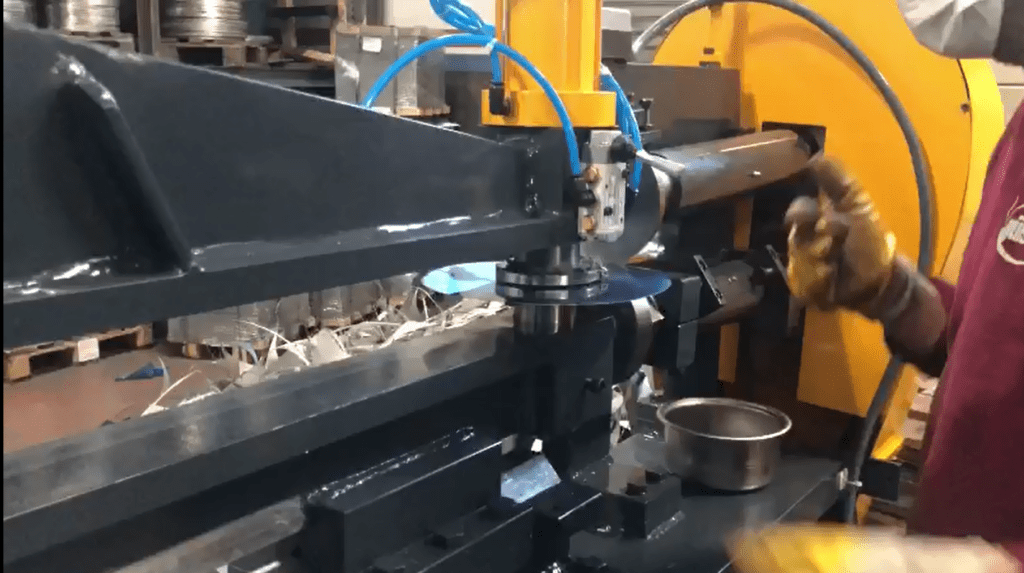
Categories
Machinery

Deep Drawing Presses

Deep Drawing Presses

Deep Drawing Presses: Metalworking is an age-old craft that has evolved significantly with advancements in technology and machinery. It involves various processes to shape and fabricate metal components, ranging from cutting, bending, and assembling to finishing and polishing. The success of these processes largely depends on the quality and efficiency of the equipment used, making metalworking machines indispensable to the industry.

1.1 Overview of the Metalworking Industry

The metalworking industry is a cornerstone of modern manufacturing, encompassing a vast array of processes and technologies. These processes are vital in producing components used in automotive, aerospace, construction, and consumer goods. The industry relies heavily on precision, and thus, the machinery involved must be state-of-the-art, providing accurate and repeatable results.

1.2 Importance of High-Quality Equipment in Metalworking

High-quality metalworking equipment ensures not only precision and efficiency but also safety and longevity of the products. Machines such as burr removal machines, metal polishing machines, and deep drawing presses play a crucial role in achieving the desired surface finish and dimensional accuracy. For instance, burr removal is essential in preventing defects that could compromise the structural integrity of the product or even cause safety hazards in its application.

Investing in advanced metalworking equipment is therefore not just about improving production speed but also about ensuring the reliability and quality of the final product. As the demand for intricate and precise metal components continues to rise, so does the need for equipment that can meet these challenges.

1.3 Brief Introduction to Different Types of Metalworking Machines

Metalworking machines come in various forms, each designed for specific tasks within the metalworking process. Some of the key types include:

  • Burr Removal Machines: These are specialized machines used to remove burrs—small, rough edges or protrusions that form on metal surfaces after cutting or machining. Burr removal is critical for ensuring a smooth finish and preventing potential issues during assembly or use.
  • Metal Polishing Machines: These machines are used to achieve a fine, smooth finish on metal surfaces. They are essential in industries where appearance and surface quality are paramount, such as in the production of automotive parts, appliances, and consumer electronics.
  • Deep Drawing Presses: These are used in processes that involve shaping sheet metal into complex shapes, such as automotive body panels and kitchen sinks. Deep drawing presses must be highly precise to maintain the integrity of the metal during the forming process.
  • Moulding Presses: Moulding presses are crucial in the production of various components, particularly those made from composite materials. They are widely used in industries such as automotive, aerospace, and electronics.
  • Spin Forming Machines: These machines are used to form metal into cylindrical shapes, such as rims, cones, and tubes. Spin forming is a versatile process that allows for the creation of seamless, strong, and lightweight components.

Each type of machine plays a specific role in the metalworking process, and their combined use ensures the production of high-quality metal components that meet industry standards.

2. The Critical Role of Burr Removal in Metalworking

Types of Deburring Machines

Burr removal is a fundamental aspect of metalworking, often regarded as a critical finishing process that directly impacts the quality, safety, and functionality of the final product. Burrs, the unwanted rough edges or protrusions left on metal surfaces after machining, cutting, or stamping, can lead to various issues if not properly managed. These include compromised product integrity, assembly difficulties, and even safety hazards during usage. Understanding the significance of burr removal and employing effective methods to achieve it is essential for any manufacturer striving for excellence.

2.1 Understanding Burrs and Their Impact

In the metalworking industry, burrs are an inevitable byproduct of machining and manufacturing processes. They can form on almost any metal part during operations like drilling, milling, turning, or shearing. While burrs might seem insignificant, their presence can have detrimental effects on both the manufacturing process and the end product.

  • Quality Compromise: Burrs can lead to dimensional inaccuracies, which might result in parts that do not fit together correctly. This is particularly problematic in industries like aerospace or automotive, where precision is critical.
  • Safety Concerns: Sharp burrs pose a risk of injury to workers handling the parts. In addition, burrs can cause issues in the functionality of the product, such as electrical shorts in electronic components or leaks in fluid systems.
  • Assembly Challenges: Burrs can interfere with the assembly process by causing parts to snag or fit improperly. This can lead to increased production time, higher costs, and potential delays in delivery.

Given these potential issues, burr removal is not just a matter of finishing; it is a critical step in ensuring the overall quality and functionality of metal parts.

2.2 Burr Removal Techniques

There are various techniques for removing burrs from metal parts, ranging from manual methods to advanced automated systems. The choice of technique depends on factors such as the material, part geometry, production volume, and desired finish quality.

  • Manual Deburring: This traditional method involves using hand tools such as files, scrapers, or abrasive stones to remove burrs. While manual deburring is suitable for small-scale operations or intricate parts, it is labor-intensive and can be inconsistent in terms of finish quality.
  • Mechanical Deburring: Mechanical methods involve the use of machines such as tumblers, vibratory finishers, or abrasive belts to remove burrs. These methods are more consistent and efficient than manual deburring, making them suitable for larger production runs.
  • Thermal Deburring: Also known as “thermal energy method” (TEM), this technique uses controlled explosions of gas in a chamber to burn away burrs. Thermal deburring is highly effective for complex parts with internal burrs, as the gas can reach areas that are difficult to access with other methods.
  • Electrochemical Deburring: This process uses an electrolyte solution and an electric current to dissolve burrs. It is ideal for parts with hard-to-reach burrs and provides a smooth, precise finish.
  • Cryogenic Deburring: In this method, parts are cooled to extremely low temperatures using liquid nitrogen, making the burrs brittle. The parts are then agitated in a tumbler, causing the burrs to break off. Cryogenic deburring is particularly effective for plastic and rubber parts.

2.3 The Role of Burr Removal Machines

Burr removal machines are specialized equipment designed to automate and streamline the deburring process, ensuring consistent and high-quality results. These machines are essential for industries where precision and repeatability are paramount. Some of the key benefits of using burr removal machines include:

  • Increased Efficiency: Automated burr removal machines can process multiple parts simultaneously, significantly reducing the time and labor required for deburring.
  • Consistent Quality: Unlike manual deburring, which can vary depending on the operator’s skill, burr removal machines provide uniform results, ensuring that all parts meet the required specifications.
  • Cost-effectiveness: While the initial investment in burr removal machines may be high, the long-term savings in labor costs and improved production efficiency make them a cost-effective solution for many manufacturers.
  • Enhanced Safety: Automated machines reduce the risk of injury associated with manual deburring, as workers are not required to handle sharp parts directly.

2.4 Specialized Burr Removal Machines

There are various types of burr removal machines, each tailored to specific applications and industries. These include:

  • Aluminium Deburring Machines: These machines are specifically designed to handle aluminum parts, which require a delicate touch to avoid damaging the material. They are commonly used in the automotive and aerospace industries, where aluminum is widely used.
  • Deburring Machines for Sheet Metal Edges: These machines are designed to remove burrs from the edges of sheet metal, ensuring smooth, clean edges that are safe to handle and meet the required tolerances.
  • Metal Edge Finishing Machines: These machines are used to finish the edges of metal parts, providing a smooth, rounded edge that improves both the appearance and functionality of the part.
  • Automatic Burr Removal Machines: These machines are designed for high-volume production environments, where speed and efficiency are critical. They are capable of processing large quantities of parts quickly, with minimal operator intervention.

2.5 Advancements in Burr Removal Technology

The field of burr removal is continuously evolving, with new technologies being developed to improve the efficiency and effectiveness of the process. Some of the latest advancements include:

  • CNC-controlled Deburring Machines: These machines use computer numerical control (CNC) technology to precisely control the deburring process, ensuring consistent, high-quality results. CNC deburring machines are ideal for complex parts with tight tolerances.
  • Robotic Deburring: Robotic systems are increasingly being used for deburring, particularly in industries where precision and repeatability are critical. These systems can be programmed to perform complex deburring tasks with a high degree of accuracy.
  • Laser Deburring: Laser technology is being used to remove burrs with high precision, particularly on small, intricate parts. Laser deburring is contactless, which reduces the risk of damaging delicate components.
  • Hybrid Deburring Systems: These systems combine multiple deburring techniques, such as mechanical and thermal deburring, to achieve optimal results for complex parts. Hybrid systems are particularly useful for parts with varied geometries and materials.

2.6 The Importance of Proper Burr Removal in Quality Assurance

In today’s competitive manufacturing environment, maintaining high-quality standards is essential for success. Proper burr removal is a key component of quality assurance, as it directly impacts the functionality, safety, and appearance of the final product. Manufacturers that invest in advanced burr removal technologies and processes are better equipped to meet the demanding requirements of their customers and stay ahead of the competition.

Quality assurance in burr removal involves not only the selection of the right techniques and machines but also continuous monitoring and testing to ensure that the process consistently meets the required standards. This can include:

  • Regular Inspection: Parts should be inspected after deburring to ensure that all burrs have been effectively removed and that the surface finish meets the required specifications.
  • Testing: In some cases, additional testing, such as pressure testing for fluid systems or electrical testing for electronic components, may be necessary to confirm that the burr removal process has not compromised the integrity of the part.
  • Documentation: Proper documentation of the burr removal process, including machine settings, inspection results, and corrective actions, is essential for traceability and quality control.

2.7 Conclusion

Burr removal is a critical step in the metalworking process that should not be overlooked. By understanding the impact of burrs on product quality and safety, and by investing in the right burr removal techniques and machines, manufacturers can ensure that their products meet the highest standards. As technology continues to advance, new burr removal methods and machines will further enhance the efficiency and effectiveness of this essential process.

A hydraulic press is a mechanical device that uses a hydraulic cylinder to generate a compressive force. It operates based on Pascal’s Law, which states that pressure applied to a confined fluid is transmitted equally in all directions. This principle allows hydraulic presses to exert significant force with minimal input, making them essential tools in industries requiring high-pressure applications.

single-acting hydraulic press uses hydraulic pressure to move the piston in one direction, typically the downward or compressive stroke. After the press completes this action, the piston returns to its original position using an external force such as a spring or the weight of the cylinder. This differs from a double-acting hydraulic press, where hydraulic pressure is applied in both the forward and return strokes.

The simplicity and cost-effectiveness of single-acting hydraulic presses make them ideal for a variety of applications, including small to medium-scale production, metal fabrication, and mechanical testing. These presses are widely used in industries such as automotive, aerospace, manufacturing, and even laboratories for precision tasks.

The core advantage of a single-acting hydraulic press lies in its simplicity. Fewer moving parts and a straightforward design reduce both the initial cost and ongoing maintenance requirements. However, the trade-off is that the press lacks the stroke control and power range of more complex systems, limiting its effectiveness in higher-end or more precise applications.

How Single-Acting Hydraulic Presses Work

Deep Drawing Hydraulic Press Machine for Kitchen Sink Production Line

The fundamental operation of a single-acting hydraulic press relies on Pascal’s Law, which underpins all hydraulic systems. According to this principle, when a force is applied to a fluid inside a closed system, the pressure is transmitted evenly throughout the fluid. In a hydraulic press, this means that the force generated by a pump acting on a small volume of hydraulic fluid can be magnified to create a much larger output force.

Key Components of a Single-Acting Hydraulic Press:

  • Cylinder and Piston: The hydraulic cylinder contains a piston that moves up and down. In a single-acting press, hydraulic fluid forces the piston downwards, creating the press action.
  • Hydraulic Pump: The pump generates pressure within the hydraulic system, pushing the fluid into the cylinder to drive the piston.
  • Reservoir: This stores hydraulic fluid, which is pumped into the cylinder during operation.
  • Valves: Control the flow of hydraulic fluid, directing it into the cylinder for the pressing stroke.
  • Return Mechanism: In single-acting systems, this is usually a spring or gravitational force that returns the piston to its original position after the pressing action.

Pressing and Return Process:

  1. Pressing: When the press operator activates the system, hydraulic fluid is pumped into the cylinder. The increase in pressure forces the piston downward, applying force to the material placed under the press head. The force can range from several tons to hundreds of tons, depending on the press’s specifications.
  2. Return Stroke: Once the pressing action is complete, the external force—usually a spring or gravity—returns the piston to its starting position. Unlike double-acting presses, where hydraulic pressure can control both strokes, single-acting presses rely on this mechanical or natural return.

Advantages and Limitations:

  • Advantages: Single-acting presses are simple, affordable, and easy to maintain. They are ideal for tasks that do not require precise control over the return stroke or where the pressing force is the primary concern.
  • Limitations: The primary limitation is the lack of control over the piston’s return stroke, which can make single-acting presses less suited to precision applications. Additionally, since only one stroke is powered, these presses are less efficient in tasks requiring continuous motion or high-speed operation.

Types of Single-Acting Hydraulic Presses

Types of Single-Acting Hydraulic Presses

Single-acting hydraulic presses come in several varieties, each suited to different applications and operational needs.

1. Manually Operated Hydraulic Presses:

These presses are powered by a hand-operated pump, which provides the hydraulic pressure needed to move the piston. They are ideal for small-scale applications or environments where electricity is not available. These presses are portable and commonly used in repair shops, garages, or remote field locations. Their affordability and ease of use make them popular for light-duty tasks like pressing bearings or removing shafts.

2. Electric-Powered Hydraulic Presses:

Electric-powered hydraulic presses use an electric motor to drive the hydraulic pump, offering greater efficiency and consistency compared to manual models. These presses are suitable for more intensive industrial applications where higher force or faster operation is required. They are commonly found in manufacturing plants, where they can be integrated into production lines for repetitive tasks such as stamping, forging, or cutting.

3. Air-Driven Hydraulic Presses:

In these systems, compressed air is used to generate hydraulic pressure. They are commonly used in industrial environments where compressed air is readily available. Air-driven hydraulic presses are often employed in applications where speed and convenience are critical, and they offer a middle ground between manually operated and electric-powered presses in terms of power and cost.

Applications of Each Type:

  • Manually Operated: Ideal for low-volume tasks, repair work, or environments lacking electrical infrastructure.
  • Electric-Powered: Suitable for continuous, heavy-duty applications in factories and production environments.
  • Air-Driven: Often used in automotive workshops and for lighter industrial tasks where compressed air is available.

Applications of Single-Acting Hydraulic Presses

Manufacturing of Fire Extinguishers

Single-acting hydraulic presses are versatile tools used across a wide range of industries for different applications.

1. Metal Forming and Fabrication:

In the metalworking industry, hydraulic presses are used to shape, bend, punch, and cut metal sheets and components. Single-acting presses are especially useful in tasks where the return stroke is less critical, such as metal stamping or bending. These presses are commonly used in fabrication shops, tool and die manufacturing, and custom metalwork projects.

2. Press Fitting and Assembly Tasks:

Single-acting presses are commonly employed in press fitting, where parts are mechanically forced together using high pressure. This includes tasks such as pressing bushings, bearings, gears, and other components into place. These presses are widely used in the automotive industry for assembly operations, as well as in machinery and equipment manufacturing.

3. Material Testing and Laboratory Uses:

In laboratories, single-acting hydraulic presses are often used for testing materials under compressive force. For example, engineers and scientists may use hydraulic presses to measure the compressive strength of materials like concrete, metals, or plastics. The simplicity of single-acting presses makes them ideal for controlled experiments where large forces are required without complex control systems.

4. Automotive and Aerospace Industries:

In the automotive sector, single-acting hydraulic presses play a crucial role in various assembly and maintenance tasks, such as pressing in bushings, removing bearings, and straightening parts. Their use extends to aerospace industries for tasks such as forming lightweight components, shaping metal parts, or assembling intricate systems that require precise force application.

Examples of Practical Applications:
  • Metal Stamping: Single-acting presses are used to punch or stamp metal parts for various industries, including automotive and electronics.
  • Bearing Installation: Presses ensure that bearings are seated correctly without causing damage to delicate components.
  • Cutting and Trimming: Hydraulic presses can be used to cut metal, plastic, or composite materials, making them essential in production environments.

Advantages of Single-Acting Hydraulic Presses

Single-acting hydraulic presses have several advantages, making them a popular choice in a variety of applications.

1. Simplicity and Cost-Effectiveness:

Due to their basic design, single-acting hydraulic presses are more affordable than their double-acting counterparts. They have fewer moving parts and require less complex control systems, reducing both the upfront cost and the likelihood of mechanical failure. This makes them ideal for smaller operations or businesses looking for cost-effective solutions.

2. Efficiency in Force Delivery:

Despite their simplicity, single-acting hydraulic presses can deliver tremendous force, making them suitable for heavy-duty tasks like metal forming or assembly. They can generate forces ranging from a few tons to several hundred tons, depending on the size and type of the press, enabling them to handle a wide range of materials and tasks.

3. Reduced Maintenance:

With fewer components, single-acting presses are easier and less costly to maintain. Routine maintenance is generally limited to inspecting seals, checking hydraulic fluid levels, and ensuring that the return mechanism (spring or gravity) is functioning properly.

4. Portability and Space Efficiency:

Single-acting presses are typically more compact than double-acting presses, making them easier to move and install in smaller workspaces. This portability is especially valuable in environments where space is limited, such as small workshops or laboratories.

Challenges and Limitations of Single-Acting Hydraulic Presses

Applications in Various Industries

While single-acting hydraulic presses offer many benefits, they also have certain limitations that can affect their performance in specific applications.

1. Limited Stroke Control and Precision:

Because the return stroke is not powered by hydraulics, single-acting presses lack the precise control over the piston’s movement during the return phase. This makes them less suitable for applications requiring fine control of both the forward and return strokes.

2. External Force Required for Return Stroke:

The reliance on springs or gravity for the return stroke introduces limitations. Springs can wear out over time, reducing the efficiency of the press, and gravitational return may be too slow for certain high-speed applications.

3. Power Limitations:

Single-acting presses typically have less power and speed compared to double-acting systems. For tasks requiring high force or rapid cycling, a double-acting press may be more appropriate.

4. Environmental Considerations:

Hydraulic systems, including single-acting presses, can pose environmental risks if not properly maintained. Leaking hydraulic fluid, for instance, can cause environmental contamination, making proper maintenance and disposal of used fluids critical.

Maintenance and Safety Considerations

Proper maintenance and adherence to safety protocols are essential to ensure the safe and efficient operation of single-acting hydraulic presses.

Maintenance Procedures:

  • Hydraulic Fluid Levels: Regularly check and maintain the hydraulic fluid to ensure smooth operation. Low fluid levels can reduce press efficiency and lead to mechanical wear.
  • Seals and Hoses: Inspect seals and hoses for wear and tear, as leaks can cause pressure loss and reduce the effectiveness of the press.
  • Return Mechanism: Check the spring or gravity-based return system for signs of fatigue or failure. Over time, springs may lose tension, reducing the effectiveness of the return stroke.

Safety Protocols:

  • Personal Protective Equipment (PPE): Operators should wear appropriate PPE, including safety goggles, gloves, and hearing protection.
  • Proper Training: Ensure that all operators are trained in the correct use of the press and are aware of potential hazards.
  • Emergency Stops: Hydraulic presses should be equipped with emergency stop buttons to allow operators to quickly halt the machine in case of malfunction or danger.

Future of Single-Acting Hydraulic Presses

Choosing the Right Trimming Beading Machine

Advancements in technology are opening new possibilities for single-acting hydraulic presses. As industries evolve, the demand for more efficient and eco-friendly machinery is growing.

1. Advancements in Hydraulic Technology:

Innovations in hydraulic systems are leading to more efficient and powerful single-acting presses. For instance, new hydraulic fluids with better thermal stability and lower environmental impact are being developed, reducing the ecological footprint of hydraulic systems.

2. Energy Efficiency Improvements:

Modern hydraulic presses are being designed with energy efficiency in mind. Enhanced pump designs, variable speed motors, and more efficient control systems are reducing energy consumption and operational costs.

3. Integration with Automation:

The future of hydraulic presses lies in their integration with automated and smart systems. Automated single-acting presses equipped with sensors and computer control systems can adjust force, speed, and stroke in real time, enhancing precision and adaptability.

4. Future Applications and Innovations:

As industries continue to demand more from hydraulic systems, single-acting presses are likely to be used in new applications such as additive manufacturing (3D printing) and precision engineering. The increasing focus on sustainability may also drive the development of greener, more energy-efficient presses.

Introduction to Double-Acting Hydraulic Presses

Deep Draw Presses
Deep Draw Presses

Hydraulic presses are mechanical devices that use fluid pressure to generate significant force, commonly employed in industries where large-scale pressing, forming, or molding is required. They operate on Pascal’s Law, which states that pressure applied to a fluid in a confined space is transmitted equally in all directions. This principle allows hydraulic presses to amplify force, making them crucial in metalworking, manufacturing, automotive industries, and beyond.

double-acting hydraulic press differs from its single-acting counterpart in that it applies hydraulic pressure in both directions—both for the pressing stroke and the return stroke. In contrast, a single-acting press relies on external forces, like springs or gravity, for the return motion, which limits control and precision.

The use of double-acting hydraulic presses has revolutionized several industrial processes due to the enhanced control and precision they offer. With powered movement in both directions, these presses are capable of handling more complex and demanding tasks, such as deep drawing, forging, or any process where high precision and consistent force are essential. These presses are widely used in automotive production, aerospace manufacturing, and large-scale industrial operations.

How Double-Acting Hydraulic Presses Work

Deep Drawing Hydraulic Press Machine for Kitchen Sink Production Line

Double-acting hydraulic presses function based on hydraulic principles, which utilize fluid power to amplify force. The critical difference from single-acting presses is that double-acting presses can apply hydraulic pressure in both the pressing and return strokes. This provides enhanced control and versatility.

Core Components of a Double-Acting Hydraulic Press:

  • Cylinder and Piston: A double-acting press has a hydraulic cylinder with a piston that moves in two directions. Hydraulic fluid is directed into the cylinder on either side of the piston to control both the downward and upward strokes.
  • Hydraulic Pump: The hydraulic pump provides pressure by moving hydraulic fluid into the cylinder. In double-acting presses, the pump must be capable of routing the fluid to either side of the piston, depending on whether it is the pressing or return stroke.
  • Valves and Control Systems: Double-acting presses require more sophisticated valve systems to control the flow of hydraulic fluid. These valves direct fluid pressure to either side of the piston, enabling the precise control of both strokes.
  • Power Source: These presses can be powered by manual pumps, electric motors, or pneumatic systems, depending on the scale and application of the press.

The Pressing and Return Strokes:

  1. Pressing Stroke: The hydraulic pump directs fluid into the top of the cylinder, pushing the piston downward. This downward force can range from a few tons to hundreds of tons, depending on the press’s size and design. The press head applies this force to the material being processed, whether it’s for stamping, molding, or cutting.
  2. Return Stroke: After the pressing operation, hydraulic pressure is redirected to the bottom of the piston. This lifts the piston back to its starting position, ensuring precise and controlled movement. The ability to hydraulically control both strokes eliminates the reliance on gravity or springs, allowing for faster cycle times and more complex tasks.

Precision and Control:

The ability to control both strokes of the piston provides greater accuracy in industrial processes. Unlike single-acting presses, where the return stroke can vary in speed and efficiency, double-acting presses offer consistent performance across all movements. This precision makes them ideal for complex forming processesdeep drawing, and precision cutting operations, where both the force and the return timing must be tightly controlled.

Types of Double-Acting Hydraulic Presses

Double-acting hydraulic presses come in various forms, each tailored for specific industrial applications. Here are some of the main types:

1. Manual Double-Acting Hydraulic Presses:

Manual versions of double-acting presses are powered by hand-operated hydraulic pumps. These are typically used in small workshops or repair facilities where tasks like pressing, bending, or assembling components do not require extensive automation. These presses are portable, cost-effective, and often used in low-production environments.

2. Electric-Powered Double-Acting Hydraulic Presses:

Electric-powered double-acting presses are more common in industrial settings where high force and consistent operation are required. The hydraulic pump is driven by an electric motor, allowing for automated control of both strokes. These presses are essential for high-volume operations, such as metal stamping, die forming, and precision cutting. The electric-powered system allows for greater precision, repeatability, and faster cycle times.

3. Pneumatic Double-Acting Hydraulic Presses:

Pneumatic-powered double-acting presses use compressed air to drive the hydraulic fluid in both strokes. These presses are favored in industries where pneumatic systems are already integrated into the production environment, such as in automotive assembly lines. Pneumatic systems provide rapid action, and the integration with hydraulics ensures the generation of high forces, making them suitable for mid-sized industrial applications.

4. Specialized Double-Acting Presses:

Some double-acting hydraulic presses are designed for specific applications, such as hydraulic press brakes used in bending and shaping metal sheets. These presses provide precise control over the angle and force applied, making them ideal for custom metal fabrication. Another example includes forging presses, where high tonnage and precise control are required to shape metal components.

Applications of Double-Acting Hydraulic Presses

Applications in Various Industries

Double-acting hydraulic presses are widely employed across a variety of industries due to their versatility and ability to handle complex tasks with precision. Here are some of the key applications:

1. Metal Forming and Deep Drawing:

One of the primary uses of double-acting hydraulic presses is in metal forming, particularly deep drawing. Deep drawing is a manufacturing process where a sheet metal blank is radially drawn into a forming die by the mechanical action of a punch. Double-acting presses provide the precise control necessary to form complex shapes in metals like aluminum, steel, and copper without cracking or deforming the material.

2. Punching, Forging, and Die Forming:

In punching and forging operations, double-acting presses apply controlled force to deform or cut metal parts. This is commonly used in the automotive and aerospace industries, where high-strength materials are forged into critical components like gears, axles, and structural parts. The ability to control both the pressing and return strokes ensures consistent quality and reduces the risk of material damage.

3. Composite Material Molding:

As industries increasingly adopt composite materials, double-acting hydraulic presses have become essential for forming and molding these materials. Composites, such as carbon fiber or fiberglass, require careful handling during the molding process to maintain their strength and durability. Double-acting presses allow for precise pressure application during both the pressing and release phases, making them indispensable in industries like aerospace and automotive, where lightweight, high-strength components are essential.

4. Automotive and Aerospace Industries:

The automotive industry relies heavily on double-acting hydraulic presses for the production of body panelsframes, and engine components. The precision and repeatability of these presses ensure that every part is manufactured to exact specifications. In the aerospace industry, where weight, strength, and safety are critical, double-acting presses are used to form lightweight components like aircraft skin panelsstructural parts, and engine elements.

5. Examples of Industrial Applications:

  • Automotive: Deep drawing for body panels, stamping parts like hoods, doors, and roofs.
  • Aerospace: Forming of lightweight metal and composite parts for aircraft and spacecraft.
  • Heavy Machinery: Forging of large components for construction equipment and industrial machinery.
  • Consumer Electronics: Precision forming of metal casings and components.

Advantages of Double-Acting Hydraulic Presses

Double-acting hydraulic presses offer several significant advantages that make them indispensable in many industries.

1. Precise Control Over Both Strokes:

The ability to apply hydraulic force in both the pressing and return strokes gives double-acting presses greater control over the entire operation. This precision is particularly valuable in tasks that require consistent force and motion, such as deep drawing, forging, and punching. Both strokes can be finely adjusted to meet the exact requirements of the material and application, leading to superior product quality.

2. Higher Efficiency in Repetitive Operations:

In manufacturing environments where tasks must be repeated at high speed, double-acting presses outperform single-acting models. Since both the press and return strokes are powered, cycle times are faster, and operators have more control over the movement of the piston, which boosts productivity in high-volume production lines.

3. Versatility in Complex Tasks:

Double-acting presses are incredibly versatile, able to handle a wide variety of materials and tasks. They can be used for pressing, forming, bending, cutting, and molding, which makes them highly adaptable to different industries and processes. Whether the task requires the shaping of metals, molding of composites, or assembly of mechanical components, these presses can be fine-tuned to meet the needs of the job.

4. Suitability for Heavy-Duty and Continuous Use:

Double-acting hydraulic presses are built for heavy-duty applications and continuous use in industrial settings. The ability to power both strokes ensures that even the toughest materials, such as steel and titanium, can be shaped and formed without compromising on speed or accuracy. Their robust design and advanced control systems make them ideal for industries where durability and long-term performance are critical.

Challenges and Limitations of Double-Acting Hydraulic Presses

Despite their advantages, double-acting hydraulic presses also come with challenges and limitations that must be considered before implementation.

1. Higher Cost and Complexity:

Double-acting hydraulic presses are generally more expensive than single-acting presses due to their more complex design and the additional control systems required to power both strokes. This can make them less appealing for small-scale operations or businesses with tight budgets.

2. Increased Maintenance Requirements:

With more moving parts and components to manage, double-acting presses require more frequent and thorough maintenance than their single-acting counterparts. Components like seals, valves, and hydraulic lines must be regularly inspected and serviced to prevent leaks and ensure optimal performance. This adds to the operational costs over the lifespan of the machine.

3. Space and Energy Requirements:

Double-acting hydraulic presses tend to be larger and consume more energy than simpler presses. This means they require more space and have higher energy costs, which can be a limiting factor in smaller workshops or facilities with limited energy resources.

4. Specialized Training and Safety Considerations:

Operators of double-acting hydraulic presses must be thoroughly trained to handle the complex control systems and high pressures involved. The increased force and speed of these presses mean that strict safety protocols must be followed to prevent accidents and equipment damage.

Maintenance and Safety Considerations

Proper maintenance and safety protocols are crucial for ensuring the long-term operation and safety of double-acting hydraulic presses.

Maintenance Procedures:

  • Hydraulic Fluid Levels: Maintaining appropriate hydraulic fluid levels is essential for the proper operation of both strokes. Low fluid levels can result in uneven pressure distribution and lead to damage.
  • Seal and Hose Inspections: Double-acting presses have more seals and hoses than single-acting models, which makes regular inspections critical. Leaks in these components can cause a loss of pressure, reduced efficiency, and safety hazards.
  • System Pressure Checks: Monitoring and adjusting the system’s pressure levels ensures that the press operates within its designed parameters, preventing over-pressurization and component failure.

Safety Protocols:

  • Operator Training: Given the complexity of double-acting presses, operators must be trained in their safe use. They should understand the machine’s control systems, emergency stop features, and troubleshooting procedures.
  • Regular Inspections: Presses should be inspected regularly for signs of wear or malfunction. Safety devices like pressure relief valves and emergency stops should be tested to ensure they are functioning properly.
  • Personal Protective Equipment (PPE): Operators should always wear appropriate PPE, including gloves, goggles, and ear protection, especially in high-noise environments.

Future Trends in Double-Acting Hydraulic Press Technology

As technology evolves, double-acting hydraulic presses are expected to undergo several advancements that will enhance their performance and broaden their applications.

1. Technological Advancements:

Innovations in hydraulic control systems, such as the integration of proportional valves and servo-driven pumps, are improving the precision and efficiency of double-acting presses. These systems allow for finer control of pressure and movement, resulting in higher-quality output and reduced material waste.

2. Energy Efficiency:

One of the key areas of development is the push for more energy-efficient hydraulic systems. With the increasing focus on sustainability, new technologies are emerging that reduce energy consumption, such as variable-speed pumps that adjust output based on demand. These advancements not only lower operational costs but also reduce the environmental impact of hydraulic presses.

3. Automation and Industry 4.0:

The integration of double-acting hydraulic presses with automation and smart manufacturing systems is another significant trend. By connecting presses to factory networks, manufacturers can monitor machine performance in real-time, predict maintenance needs, and optimize press cycles. This leads to increased productivity and minimizes downtime due to unexpected equipment failure.

4. Future Innovations:

Looking ahead, double-acting presses may see further improvements in force capacityminiaturization for precise applications, and modular designs that allow presses to be easily reconfigured for different tasks. Additionally, advancements in green hydraulic fluids will reduce the environmental risks associated with hydraulic systems.

Triple Action Deep Drawing Press

Triple Action Deep Drawing Press
Triple Action Deep Drawing Pres

Deep drawing is a popular metal forming process used to shape flat sheet metal into cylindrical or box-like shapes. The process involves placing a metal blank over a die and pressing it into the die cavity with a punch. This transforms the flat blank into a three-dimensional shape, making it essential for producing components like automotive body panels, kitchen sinks, and various enclosures. The process can be repeated to achieve more complex shapes with greater depth, but the challenges increase as the material undergoes severe deformation.

Triple Action Deep Drawing Press is a specialized machine designed to address the complexity of the deep drawing process. Unlike conventional single-acting or double-acting presses, a triple action press incorporates three independent force mechanisms:

  1. Blank Holder Action: Keeps the metal blank firmly in place, controlling material flow and preventing wrinkling.
  2. Punch Action: The primary force that shapes the blank by pushing it into the die.
  3. Ejector Action: Removes the finished part from the die after the drawing process is complete.

This triple-action mechanism provides greater control over the deep drawing process, allowing for the production of more complex shapes, with fewer defects, and better efficiency. The ability to control all three forces independently is particularly important in producing deep-drawn components for industries like automotive, aerospace, and consumer goods, where precision and quality are critical.

How Triple Action Deep Drawing Presses Work (500 words)

To understand how triple action deep drawing presses function, it’s essential to break down the mechanics of the deep drawing process and how each action contributes to shaping the material.

The Deep Drawing Process:

The deep drawing process transforms a flat metal blank into a three-dimensional component. The key stages include:

  1. Blank Placement: A flat metal blank is placed over the die cavity.
  2. Blank Holder Engagement: The blank holder clamps the blank around its edges, preventing movement or wrinkling during drawing.
  3. Punch Stroke: The punch moves downward, pressing the blank into the die cavity, forming the desired shape. This action stretches and deforms the material, thinning it in certain areas.
  4. Ejection: Once the part is formed, the ejector mechanism releases the part from the die, ready for the next cycle.

Components of a Triple Action Deep Drawing Press:

  1. Blank Holder: The blank holder is crucial in controlling material flow. Its force must be precisely regulated to avoid wrinkling, which can occur if the material is allowed to move too freely. At the same time, too much force from the blank holder can result in tearing.
  2. Punch: The punch is the main shaping tool. In triple-action presses, the punch force is adjustable, allowing for greater flexibility in handling different materials or thicknesses. As the punch presses the blank into the die, it forms the desired shape.
  3. Ejector: The ejector action ensures the formed part is smoothly removed from the die without causing damage to the component or slowing down the production process. The ejector often uses hydraulic or mechanical systems to push the part upward, releasing it from the die.

Key Advantages of the Triple Action System:

  1. Independent Control of Forces: One of the main benefits of triple action presses is that each force (blank holder, punch, ejector) can be independently controlled. This ensures optimal pressure at each stage, reducing the risk of defects such as wrinkling, tearing, or excessive thinning.
  2. Complex Shapes: By using all three actions in a coordinated manner, triple action presses can produce complex, deep-drawn components that would be difficult or impossible with a standard press.
  3. Minimized Defects: The precise control over material flow, punch pressure, and ejection force allows manufacturers to achieve higher-quality products with fewer defects, making triple-action presses ideal for high-precision industries.

Types of Triple Action Deep Drawing Presses

Triple action deep drawing presses come in various types, each suited to different applications and production environments. The main types include mechanical, hydraulic, and servo-electric presses.

1. Mechanical Triple Action Presses:

Mechanical triple action presses use mechanical linkages, cams, and gears to generate and control the forces required for the blank holder, punch, and ejector. These presses are known for their high speed and are commonly used in high-volume production environments, such as automotive manufacturing. However, they tend to offer less precision than hydraulic presses, making them less suitable for complex or precision deep drawing applications.

2. Hydraulic Triple Action Presses:

Hydraulic presses are the most common type of triple action deep drawing presses. These machines use hydraulic cylinders to apply force independently to the blank holder, punch, and ejector. Hydraulic presses are favored for their precision and the ability to control force and speed at every stage of the process. This makes them ideal for deep drawing applications that require complex shapes, deep draws, or challenging materials. Additionally, hydraulic systems can apply constant force throughout the entire stroke, providing a smooth and consistent draw.

3. Servo-Electric Triple Action Presses:

Servo-electric presses use electric motors to control the movement of the blank holder, punch, and ejector. These presses offer the highest level of precision and flexibility, allowing manufacturers to program specific force and speed profiles for different stages of the drawing process. Servo-electric presses are energy-efficient and offer precise control, making them ideal for applications requiring high precision, such as aerospace components and medical devices.

Comparison of Press Types:

  • Mechanical: Best for high-speed, large-volume production; less precise.
  • Hydraulic: Ideal for precision deep drawing, complex shapes, and variable materials; slower but more controlled.
  • Servo-Electric: Offers the highest precision and flexibility, with energy efficiency; often used in highly specialized applications.

Applications of Triple Action Deep Drawing Presses

Applications in Various Industries

The versatility and precision of triple action deep drawing presses make them indispensable across a wide range of industries. Their ability to form complex, deep-drawn parts with minimal defects and high repeatability is a key reason for their widespread use.

1. Automotive Industry:

In the automotive sector, deep drawing presses are essential for producing a wide array of components, including body panelsfuel tanks, and engine components. Triple action presses are particularly well-suited for forming large, complex parts such as car doors, hoods, and trunk lids, which require high precision to ensure they meet the industry’s stringent safety and performance standards.

For example, the ability to control the blank holder force ensures that body panels are formed without wrinkling, a common defect in deep drawing. Additionally, the precision of triple-action presses allows for tight tolerances in the production of complex components like fuel tanks, which must be leak-proof and structurally sound.

2. Aerospace Industry:

In the aerospace industry, the demand for lightweight yet strong components is paramount. Triple action deep drawing presses are used to form aircraft skin panelsengine housings, and other structural components. The ability to control every aspect of the drawing process, including the exact force applied by the blank holder and punch, ensures that aerospace parts meet the high standards required for safety and performance.

Additionally, the triple action mechanism is crucial for working with materials like titaniumaluminum, and composites, which are commonly used in the aerospace industry but can be difficult to form due to their strength and tendency to crack under stress.

3. Consumer Goods:

Triple action deep drawing presses are widely used to manufacture various consumer goods, particularly in the production of kitchenware (e.g., stainless steel sinks, pots, and pans) and household appliances (e.g., washing machine drums, microwave enclosures). The ability to form deep, complex shapes in materials like stainless steel or aluminum with smooth surfaces and minimal defects is essential for consumer products where aesthetics and durability are key selling points.

4. Industrial Containers and Enclosures:

Industries requiring industrial containerscylindrical tanks, or enclosures for sensitive equipment often rely on triple action deep drawing presses. These presses allow for the formation of durable, uniform containers with precise dimensions, ensuring that they meet stringent industry standards for storage and protection.

Case Studies and Real-World Examples:

  • Automotive: A major automotive manufacturer uses triple action presses to produce seamless body panels for luxury vehicles, ensuring high quality and eliminating the need for secondary finishing processes.
  • Aerospace: Leading aerospace companies utilize triple action deep drawing presses for the production of lightweight, high-strength structural components, ensuring aircraft performance while reducing weight.
  • Consumer Goods: A well-known kitchenware brand uses triple action presses to manufacture stainless steel cookware with flawless surfaces and uniform thickness, enhancing both performance and aesthetics.

Advantages of Triple Action Deep Drawing Presses

Triple action deep drawing presses offer numerous advantages that make them essential in industries requiring precision metal forming.

1. Enhanced Control Over the Deep Drawing Process:

One of the most significant advantages of a triple action press is the ability to independently control the blank holder, punch, and ejector forces. This precision control allows for adjustments throughout the deep drawing process, ensuring consistent material flow and reducing the risk of defects such as wrinkling, tearing, or excessive thinning.

2. Ability to Form Complex, Precise Shapes:

The precise control offered by triple action presses enables the formation of intricate shapes and deep-drawn components. The ability to fine-tune the force applied at each stage ensures that even challenging materials can be drawn without damage. This is especially important in industries like aerospace and automotive, where components must meet exacting standards for performance and safety.

3. Minimization of Defects:

Triple action presses significantly reduce common defects in the deep drawing process, such as wrinkling, cracking, and material thinning. The blank holder’s independent force ensures that the material is held securely, while the punch and ejector forces can be adjusted to optimize material flow. This results in higher-quality parts and reduced scrap, making triple action presses more efficient and cost-effective in large-scale production.

4. High Efficiency for Large-Scale Production:

Triple action presses are ideal for high-volume production, offering fast cycle times and repeatable precision. The automation of these presses allows for continuous operation, reducing downtime and increasing throughput. This efficiency is critical in industries where large quantities of parts must be produced quickly and to tight tolerances, such as automotive manufacturing.

Challenges and Limitations of Triple Action Deep Drawing Presses

Despite their numerous advantages, triple action deep drawing presses also present certain challenges and limitations.

1. High Initial Investment and Complexity:

Triple action deep drawing presses are more expensive than single or double-action presses due to their complexity and advanced control systems. The cost of purchasing and setting up a triple action press can be prohibitive for smaller operations or manufacturers with limited budgets. Additionally, these presses require more sophisticated control systems and software, which can increase the initial investment.

2. Greater Maintenance Requirements:

The complexity of triple action presses means that they require more frequent and thorough maintenance compared to simpler presses. The hydraulic systems, punch, blank holder, and ejector mechanisms all need regular inspection and servicing to prevent breakdowns and ensure the press operates at peak efficiency. Maintenance costs and downtime can be a challenge, especially in high-production environments.

3. Limitations in Smaller-Scale Operations:

For smaller-scale manufacturers or those producing limited quantities of deep-drawn parts, the high cost and complexity of triple action presses may not be justified. These presses are best suited to large-scale operations where the benefits of increased precision, efficiency, and reduced scrap outweigh the higher costs.

4. Energy and Space Requirements:

Triple action presses require significant amounts of energy to operate, especially hydraulic models, which need continuous power to maintain pressure. They are also large machines that require a substantial amount of floor space, limiting their use in smaller production facilities or workshops.

Maintenance and Safety Considerations

Proper maintenance and safety protocols are essential to ensure the longevity and safe operation of triple action deep drawing presses.

Maintenance Procedures:

  • Hydraulic System Maintenance: Hydraulic presses rely on clean, properly pressurized fluid systems to function efficiently. Regular checks of hydraulic fluid levels, cleanliness, and pressure are necessary. Dirty or low fluid can cause increased wear on components or lead to system failure.
  • Lubrication: Proper lubrication of moving parts, including the punch, blank holder, and ejector, is critical to reduce friction and wear. Over time, insufficient lubrication can lead to damage and expensive repairs.
  • Seal and Hose Inspections: Hydraulic seals and hoses should be regularly inspected for wear and leaks. Any signs of leakage must be addressed immediately to prevent pressure loss, damage to components, or safety hazards.
  • Alignment Checks: Regular alignment checks for the punch, die, and blank holder ensure that parts are being formed accurately and uniformly. Misalignment can lead to defective parts and increased machine wear.

Safety Protocols:

  • Operator Training: Operators should be thoroughly trained in the use of triple action presses, including how to safely load blanks, adjust controls, and handle finished parts. Understanding how to safely manage the hydraulic systems and high forces involved is critical for preventing accidents.
  • Emergency Stops and Safety Guards: Triple action presses should be equipped with emergency stop systems and safety guards to protect operators. These features ensure that the machine can be immediately stopped in the event of a malfunction or danger.
  • Personal Protective Equipment (PPE): Operators must wear appropriate PPE, including gloves, goggles, and protective clothing, to reduce the risk of injury from moving parts, flying debris, or hydraulic fluid leaks.

Future Trends in Triple Action Deep Drawing Press Technology

The future of triple action deep drawing presses is being shaped by advancements in technology, materials, and manufacturing processes.

1. Innovations in Press Control Systems:

As manufacturing becomes more automated and digital, the control systems used in triple action presses are becoming more sophisticated. Proportional hydraulic control valves and servo-driven systems are allowing for even more precise control over the forces applied during the deep drawing process. This enhanced control not only improves part quality but also reduces waste and increases efficiency.

2. Material Advancements:

As industries increasingly demand stronger, lighter, and more durable materials, triple action presses are evolving to handle these new challenges. Advances in high-strength steelaluminum alloys, and composites are pushing the limits of what deep drawing presses can do. Modern presses are being designed with enhanced force capabilities and precision to work with these advanced materials, enabling the production of lightweight, high-strength components for the automotive, aerospace, and electronics industries.

3. Integration with Industry 4.0:

The integration of Industry 4.0 technologies, such as sensors, real-time data monitoring, and predictive maintenance systems, is helping manufacturers optimize the performance of their triple action presses. Smart systems can monitor machine performance in real-time, automatically adjust press settings, and even predict when maintenance is needed, reducing downtime and improving overall productivity.

4. Environmental Sustainability and Energy Efficiency:

Energy efficiency is becoming a priority for manufacturers using triple action presses. New designs are focusing on reducing energy consumption through variable-speed hydraulic pumpsenergy recovery systems, and servo-electric technologies. These advancements not only reduce operational costs but also help companies meet their environmental sustainability goals by reducing the energy footprint of their manufacturing processes.

Double-Acting Hydraulic Presses

Double-acting hydraulic presses provide more control and flexibility during the deep drawing process, particularly for applications that require more complex or deeper shapes. In a double-acting press, two separate hydraulic systems work in tandem—one controls the downward motion of the punch, while the other operates the blank holder, applying force independently to hold the material in place.

  • Structure: The press has two rams or cylinders—one for the punch and another for the blank holder. This setup allows for precise control of both the drawing force and the holding force, preventing material slippage or wrinkling during the drawing process.
  • Applications: Double-acting presses are commonly used in automotiveaerospace, and household appliance manufacturing, where complex shapes and deeper draws are required. For instance, components like fuel tankscar body panels, and aircraft parts are often made using double-acting hydraulic presses.
  • Advantages: The independent control over the punch and blank holder forces allows for more precise and uniform drawing, reducing the risk of defects such as tearing or wrinkling. These presses are suitable for larger and more intricate parts and offer greater flexibility in handling a variety of materials and shapes.

Triple-Action Hydraulic Presses

For the most demanding and complex deep drawing applications, triple-action hydraulic presses provide unparalleled performance. These presses add a third hydraulic system to control additional movements or processes during the drawing operation.

  • Structure: In addition to the punch and blank holder, triple-action presses feature a third force, often applied from the bottom of the press. This additional motion allows for processes like reverse drawing or extrusion, enabling the machine to handle extremely deep or complex shapes that require multiple stages of forming.
  • Applications: Triple-action presses are typically used in highly specialized industries such as aerospace and defense, where precision and complexity are paramount. Components like deep drawn fuel cellsengine components, and structural parts for aircraft or heavy machinery are ideal for these machines.
  • Advantages: These presses provide maximum control and precision, allowing manufacturers to produce parts with extreme depth or complexity without compromising on quality. They also offer higher productivity by enabling multiple forming operations in a single press cycle.

Automated vs. Manual Hydraulic Presses

Automation is an important factor in modern manufacturing, and hydraulic deep drawing presses are no exception. Buyers can choose between manual presses, which require human intervention for loading, unloading, and controlling the operation, or automated presses, which integrate robotic systems and computerized controls to manage the entire process.

  • Manual Hydraulic Presses: These presses are operated by technicians who manually load the blank, initiate the drawing process, and remove the formed part. While manual presses are typically less expensive and easier to maintain, they are best suited for low-volume production runs or applications where flexibility is required.
  • Automated Hydraulic Presses: Automated presses use Programmable Logic Controllers (PLCs) or Computer Numerical Control (CNC) systems to control the drawing process. Automation allows for higher precision, increased production speed, and greater consistency in the final product. Automated presses are ideal for high-volume production environments where efficiency and accuracy are critical.

Specialized Hydraulic Presses for Tailor-Made Applications

In addition to the standard configurations, there are specialized hydraulic presses designed for specific industries or applications. These machines are often custom-built to meet unique production requirements, such as forming particular shapes, materials, or sizes. For example:

  • Automotive Industry: Hydraulic presses tailored for producing large, complex automotive parts, such as chassis componentsdoors, and structural parts.
  • Aerospace Industry: Presses designed for handling high-strength alloys and lightweight materials, where the precision and complexity of the shapes are critical.
  • Consumer Goods: Smaller, more compact hydraulic presses used to produce kitchenwaremetal containers, and packaging components.

3. Exploring Metalworking Machines and Their Functions

Sheet Metal Machinery

The metalworking industry relies on a diverse array of machines to transform raw materials into finished products. These machines are integral to the manufacturing process, offering precision, efficiency, and versatility across various applications. Each type of metalworking machine serves a specific function, from shaping and forming metal to finishing and polishing it. Understanding the capabilities and applications of these machines is crucial for selecting the right equipment for any given project.

3.1 Overview of Metalworking Machines

Metalworking machines encompass a wide range of equipment designed to perform tasks such as cutting, bending, forming, and finishing metal components. These machines are categorized based on the specific operations they perform, such as pressing, deburring, polishing, and forming. Here’s a broad classification of metalworking machines:

  • Press Machines: These include various types of presses such as hydraulic presses, deep drawing presses, and moulding presses. Press machines are used to shape metal by applying force to it, typically using a die to form the metal into the desired shape.
  • Deburring and Finishing Machines: These machines are designed to remove burrs, polish, and finish metal surfaces. Burr removal machines, metal polishing machines, and edge rounding machines fall into this category.
  • Forming Machines: Machines like spin forming machines, CNC profile bending machines, and cold forming presses are used to bend or shape metal into specific profiles or forms.
  • Grinding and Cutting Machines: These include centerless grinding machines, which provide a high-quality surface finish by removing material from the outer surface of a metal part.

3.2 Specific Machines and Their Functions

Each type of metalworking machine plays a vital role in the production process, contributing to the creation of precise, high-quality metal components. Let’s delve into the functions and applications of some of the most essential metalworking machines.

3.2.1 Moulding Presses

Moulding presses are pivotal in the manufacturing of components that require precise shapes and forms, especially in industries like automotive and aerospace. These presses are used to shape materials by applying pressure to a mold, which can be made of metal or other durable materials. The types of moulding presses include:

  • Compression Moulding Presses: These presses are used to shape materials like rubber, plastic, and composites. The material is placed in a heated mold, and the press applies pressure to shape it. Compression molding presses are widely used in the production of automotive parts, electronic components, and industrial equipment.
  • Rubber Compression Molding Presses: Specifically designed for molding rubber products, these presses are used in the production of items like seals, gaskets, and other rubber components. They offer precise control over temperature and pressure, ensuring high-quality results.
  • SMC Presses (Sheet Moulding Compound Presses): SMC presses are used to mold composite materials, which are commonly used in the automotive and aerospace industries for their strength and lightweight properties.
3.2.2 SMC Presses

SMC presses are specialized machines designed to mold sheet molding compounds, which are a type of composite material made of a thermosetting resin, glass fibers, and fillers. These presses are widely used in the automotive and aerospace industries to produce lightweight, durable components such as car body panels, aircraft parts, and electrical enclosures.

The advantages of SMC presses include:

  • High Strength-to-Weight Ratio: SMC components offer excellent strength while remaining lightweight, making them ideal for applications where weight savings are critical.
  • Complex Shapes: SMC presses can produce complex shapes with high precision, reducing the need for additional machining or finishing.
  • Corrosion Resistance: SMC materials are inherently resistant to corrosion, making them suitable for use in harsh environments.
3.2.3 Hot Press Systems

Hot press systems are used in various metalworking processes to apply heat and pressure simultaneously to a material, shaping it or bonding it to another material. These systems are commonly used in the production of laminated components, metal bonding, and the forming of composite materials.

  • Application Areas: Hot press systems are extensively used in the electronics industry for the lamination of circuit boards, in the automotive industry for bonding metal components, and in the aerospace industry for forming composite materials.
  • Benefits: Hot press systems offer high precision, uniform pressure application, and controlled heating, resulting in consistent and high-quality products.
3.2.4 Cold Forming Presses

Cold forming presses are used to shape metal at room temperature, relying on mechanical force to deform the metal into the desired shape. Unlike hot forming, cold forming does not involve heating the material, which helps maintain the material’s inherent properties and produces a high-quality finish.

  • Advantages of Cold Forming:
    • Improved Material Properties: Cold forming strengthens the metal by refining its grain structure, enhancing its mechanical properties.
    • Cost Efficiency: Cold forming processes typically require less energy and are faster than hot forming processes, reducing overall production costs.
    • Precision and Surface Finish: Cold forming produces parts with excellent dimensional accuracy and a smooth surface finish, reducing the need for further processing.
3.2.5 Silicone Presses

Silicone presses are used to mold silicone rubber into various shapes and forms, typically in the production of seals, gaskets, medical devices, and other silicone products. These presses operate under controlled temperature and pressure to ensure the silicone material cures properly and achieves the desired properties.

  • Key Applications:
    • Medical Devices: Silicone presses are used to produce components such as tubing, seals, and gaskets for medical devices, where biocompatibility and precision are critical.
    • Automotive Industry: Silicone seals and gaskets produced by silicone presses are widely used in the automotive industry for their durability and resistance to extreme temperatures.

3.3 Advanced Metalworking Machines

As technology advances, the metalworking industry has seen the development of more sophisticated machines designed to enhance precision, efficiency, and flexibility. Some of these advanced machines include:

3.3.1 CNC Profile Bending Machines

CNC (Computer Numerical Control) profile bending machines are advanced systems used to bend metal profiles with a high degree of precision and consistency. These machines are essential in industries where complex shapes and tight tolerances are required, such as in the construction of architectural elements, automotive components, and aerospace structures.

  • Benefits of CNC Profile Bending:
    • Precision: CNC control allows for precise bending angles and repeatability, ensuring uniformity across all parts.
    • Complex Bends: CNC machines can perform complex bends that would be difficult or impossible to achieve with manual methods.
    • Efficiency: CNC profile bending machines can handle high volumes of work with minimal setup time, making them ideal for mass production.
3.3.2 Spin Forming Machines

Spin forming, also known as metal spinning, is a process where a metal disc or tube is rotated at high speed and formed into a symmetrical shape using a combination of pressure and heat. Spin forming machines are used to produce components like metal cones, cylinders, and domes.

  • Applications of Spin Forming:
    • Aerospace: Spin forming is used to create components such as nose cones, rocket fairings, and other aerodynamic parts.
    • Automotive: In the automotive industry, spin forming is used to produce parts like wheel rims and exhaust components.
    • Industrial Equipment: Spin forming is also employed in the production of industrial equipment such as pressure vessels and fluid tanks.
3.3.3 Flow Forming Lathes

Flow forming lathes are specialized machines used to produce high-precision cylindrical components by gradually deforming a metal blank under controlled conditions. This process is particularly useful for producing components with thin walls and high strength, such as automotive drive shafts, aerospace components, and military hardware.

  • Advantages of Flow Forming:
    • Precision: Flow forming lathes provide excellent control over wall thickness and dimensions, resulting in highly accurate parts.
    • Material Efficiency: The process minimizes material waste, making it a cost-effective option for producing high-strength components.
    • Strength: Flow forming enhances the mechanical properties of the material, producing parts with superior strength and durability.
3.3.4 Hydroforming Presses

Hydroforming is a versatile metal forming process that uses high-pressure hydraulic fluid to shape metal into complex forms. Hydroforming presses are particularly useful for creating lightweight, high-strength components with intricate geometries, making them a popular choice in the automotive and aerospace industries.

  • Key Features:
    • Complex Shapes: Hydroforming can produce parts with complex shapes and fine details that would be difficult to achieve with traditional forming methods.
    • Weight Reduction: The process allows for the creation of lightweight components without sacrificing strength, making it ideal for applications where weight savings are critical.
    • Material Flexibility: Hydroforming can be used with various metals, including aluminum, steel, and titanium.

3.4 Choosing the Right Metalworking Machine

Selecting the right metalworking machine depends on several factors, including the material being worked on, the complexity of the part, the required precision, and the production volume. For instance:

  • For Precision Work: CNC profile bending machines and flow forming lathes offer unparalleled precision, making them ideal for aerospace and automotive applications.
  • For High-Volume Production: Automatic burr removal machines and transfer press stamping systems provide the efficiency needed for mass production environments.
  • For Complex Geometries: Hydroforming presses and spin forming machines are excellent choices for producing parts with complex shapes and fine details.

Investing in the appropriate metalworking machinery is crucial for optimizing production processes, reducing costs, and ensuring the highest quality of the final product.

4. Metal Polishing and Finishing Machines

Internal Grinding
Internal Grinding

Polishing and finishing are critical steps in the metalworking process, ensuring that metal parts not only meet functional requirements but also achieve the desired aesthetic appeal. These processes involve the removal of surface imperfections, the enhancement of surface smoothness, and the creation of a polished or matte finish, depending on the application. Metal polishing and finishing machines are designed to automate these tasks, providing consistent and high-quality results that are essential for industries like automotive, aerospace, and consumer goods.

4.1 Importance of Metal Polishing and Finishing

Polishing and finishing metal components serve multiple purposes, from improving the appearance to enhancing the durability and performance of the final product. The importance of these processes can be summarized as follows:

  • Surface Quality: A polished surface reduces friction, which is particularly important for moving parts. It also enhances the appearance of the product, making it more appealing to consumers.
  • Corrosion Resistance: Polishing helps to close surface pores, reducing the likelihood of corrosion, especially in metals like stainless steel and aluminum.
  • Improved Functionality: Polished surfaces can improve the performance of parts in applications where smooth surfaces are critical, such as in hydraulic systems or sealing surfaces.
  • Ease of Cleaning: Polished surfaces are easier to clean and maintain, making them ideal for applications in the food, medical, and pharmaceutical industries.

4.2 Types of Metal Polishing Machines

Metal polishing machines are designed to achieve different levels of finish, from a basic smooth surface to a mirror-like polish. Depending on the application and the desired finish, various types of polishing machines are used:

4.2.1 Fine Polishing Machines

Fine polishing machines are used to achieve a high level of smoothness on metal surfaces. These machines are essential in industries where surface quality is paramount, such as in the production of surgical instruments, high-end consumer goods, and precision components.

  • Applications: Fine polishing machines are commonly used in the medical device industry, the jewelry industry, and the production of luxury items where a flawless finish is required.
  • Capabilities: These machines can handle a variety of materials, including stainless steel, aluminum, brass, and other non-ferrous metals. They are capable of producing a mirror-like finish that enhances both the appearance and performance of the component.
4.2.2 Automatic Metal Polishing Machines

Automatic metal polishing machines are designed for high-volume production environments where speed and consistency are crucial. These machines can polish multiple parts simultaneously, ensuring uniformity across all pieces.

  • Efficiency: Automatic polishing machines reduce manual labor, increasing production efficiency and throughput. They are ideal for industries like automotive manufacturing, where large quantities of metal parts need to be polished quickly and consistently.
  • Customization: Many automatic polishing machines offer customizable settings, allowing manufacturers to adjust the polishing process according to the specific requirements of different parts.
4.2.3 CNC-controlled Polishing Machines

CNC (Computer Numerical Control) polishing machines use advanced technology to control the polishing process with high precision. These machines are essential for applications where tight tolerances and consistent finishes are required.

  • Precision: CNC polishing machines can follow complex contours and geometries with precision, making them ideal for polishing intricate parts or components with complex shapes.
  • Repeatability: Once programmed, CNC polishing machines can replicate the same polishing process across multiple parts, ensuring consistency and reducing the likelihood of human error.

4.3 Edge Rounding and Deburring Machines

In addition to polishing, edge rounding and deburring are essential processes in metal finishing. These processes remove sharp edges and burrs that can result from machining, cutting, or stamping, improving the safety, appearance, and functionality of the final product.

4.3.1 Deburring Sheet Metal Edges

Deburring sheet metal edges is a crucial step in preparing metal parts for assembly or final finishing. Burrs, which are unwanted material projections, can compromise the quality of the final product and pose safety risks.

  • Methods: Deburring sheet metal edges can be done using various methods, including mechanical deburring, abrasive belts, and tumbling. The choice of method depends on the material, part geometry, and production volume.
  • Benefits: Proper deburring ensures that parts fit together correctly during assembly and reduces the risk of injury from sharp edges. It also improves the aesthetic appeal and prepares the parts for subsequent finishing processes.
4.3.2 Edge Rounding Stainless Steel

Stainless steel, widely used in industries like food processing, medical equipment, and construction, requires careful finishing to ensure both functionality and appearance. Edge rounding is an essential process for stainless steel parts, particularly in applications where sharp edges could cause damage or injury.

  • Process: Edge rounding involves removing sharp edges from stainless steel parts, either through mechanical means or using specialized edge rounding machines. This process not only enhances safety but also improves the durability and resistance to corrosion.
  • Applications: Edge rounding is commonly used in the production of stainless steel kitchen appliances, medical instruments, and architectural components where smooth, safe edges are crucial.

4.4 Aluminum Deburring and Finishing Machines

Aluminum is a versatile material used across various industries, including automotive, aerospace, and construction. However, due to its relatively soft nature, aluminum is prone to burrs and surface imperfections during machining. Aluminum deburring and finishing machines are designed to address these issues, ensuring a smooth, clean finish.

4.4.1 Aluminum Deburring Machines

Aluminum deburring machines are specialized to handle the unique properties of aluminum, which can be easily scratched or damaged if not properly deburred. These machines are designed to remove burrs and other imperfections without compromising the material’s integrity.

  • Applications: Aluminum deburring machines are used in the production of automotive components, aircraft parts, and consumer electronics, where precision and surface quality are critical.
  • Techniques: These machines use various techniques, such as abrasive belts, brushes, or chemical processes, to achieve a smooth, burr-free surface.
4.4.2 Aluminum Polishing and Finishing

Polishing aluminum requires a delicate balance between removing surface imperfections and achieving a high-quality finish. Aluminum polishing machines are designed to enhance the appearance and functionality of aluminum parts by providing a smooth, reflective surface.

  • Challenges: Aluminum is prone to oxidation, which can dull the surface if not properly polished and protected. Polishing machines for aluminum often include features to minimize oxidation and maintain the metal’s shine.
  • End Use: Polished aluminum is commonly used in automotive trim, aircraft interiors, and consumer products like smartphones and laptops, where both appearance and performance are important.

4.5 Industrial Metal Polishing Equipment

For large-scale operations, industrial metal polishing equipment is essential for handling high volumes of work with consistency and precision. This equipment is used in industries ranging from automotive manufacturing to aerospace production, where the quality of the surface finish can significantly impact the performance and longevity of the final product.

4.5.1 Large-Scale Polishing Systems

Industrial polishing systems are designed to handle large components or high volumes of smaller parts. These systems often include multiple polishing stations, automated handling, and integrated quality control to ensure that every part meets the required standards.

  • Automation: Many industrial polishing systems are fully automated, reducing the need for manual intervention and increasing production speed. This automation also ensures that the polishing process is consistent across all parts.
  • Customization: Industrial systems can be customized to suit specific applications, with adjustable settings for different materials, finishes, and part geometries.
4.5.2 Safety and Efficiency in Industrial Polishing

Safety is a key concern in industrial polishing operations, where large machines and high-speed processes are involved. Industrial polishing equipment is designed with safety features such as protective enclosures, emergency stops, and dust extraction systems to protect workers and maintain a clean working environment.

  • Efficiency: Industrial polishing equipment is designed to maximize efficiency, reducing waste and energy consumption while delivering high-quality results. These systems often incorporate energy-efficient motors, optimized polishing media, and recycling systems for consumables.

4.6 Conclusion

Metal polishing and finishing are crucial processes in the metalworking industry, directly affecting the quality, durability, and appearance of the final product. The right polishing and finishing machines can enhance productivity, ensure consistency, and achieve the desired surface characteristics, whether it’s a mirror-like polish or a smooth, rounded edge. As the demand for high-quality metal components continues to grow, investing in advanced polishing and finishing technology becomes increasingly important for manufacturers looking to stay competitive.

5. Deep Drawing and Forming Presses

Deep Drawing
Deep Drawing

Deep drawing and forming processes are fundamental techniques in metalworking, widely used to shape metal sheets into complex geometries with high precision. These processes are particularly important in industries such as automotive, aerospace, and appliance manufacturing, where components with deep, intricate shapes are required. The machines used for deep drawing and forming must be robust, precise, and versatile to handle a variety of materials and thicknesses. This section explores the different types of deep drawing and forming presses, their applications, and the advantages they offer in modern manufacturing.

5.1 Introduction to Deep Drawing Processes

Deep drawing is a metal forming process in which a sheet metal blank is radially drawn into a forming die by the mechanical action of a punch. It is considered “deep” drawing when the depth of the drawn part exceeds its diameter. This process is commonly used to create parts like automotive body panels, kitchen sinks, and various containers.

  • Process Overview:
    • A blank sheet of metal is placed over a die.
    • A punch presses the metal into the die, forcing it to conform to the shape of the die cavity.
    • The result is a seamless, hollow component with a consistent wall thickness.
  • Materials Used:
    • Common materials for deep drawing include steel, aluminum, brass, copper, and various alloys. The material’s ductility and thickness determine the feasibility and success of the deep drawing process.
  • Applications:
    • Deep drawing is used in manufacturing components like engine parts, household appliances, and packaging materials. It is also crucial in producing components for the aerospace industry, where precision and material integrity are vital.

5.2 Types of Deep Drawing Presses

Deep drawing presses are specialized machines designed to perform the deep drawing process with high precision and efficiency. There are various types of presses used depending on the specific requirements of the part being produced.

5.2.1 Hydraulic Deep Drawing Presses

Hydraulic presses are among the most commonly used machines for deep drawing. They use hydraulic pressure to apply force to the metal blank, pushing it into the die cavity. Hydraulic presses are highly versatile and can be adjusted to apply varying levels of pressure, making them suitable for a wide range of materials and part sizes.

  • Advantages:
    • Precision: Hydraulic presses offer excellent control over the drawing process, allowing for the production of parts with tight tolerances.
    • Versatility: These presses can handle a variety of materials, including high-strength metals and alloys.
    • Consistency: Hydraulic systems provide consistent force throughout the drawing process, ensuring uniform wall thickness and part quality.
  • Applications:
    • Hydraulic deep drawing presses are used in the automotive industry to produce components like fuel tanks, body panels, and exhaust systems. They are also widely used in the production of household appliances and industrial containers.
5.2.2 Mechanical Deep Drawing Presses

Mechanical presses use a flywheel to store energy and release it in a single, powerful stroke. These presses are known for their speed and efficiency, making them ideal for high-volume production runs. Mechanical presses are often used in applications where large quantities of parts need to be produced quickly and consistently.

  • Advantages:
    • Speed: Mechanical presses operate at high speeds, making them suitable for mass production.
    • Cost-Effectiveness: These presses are typically less expensive to operate than hydraulic presses, especially in high-volume production environments.
    • Durability: Mechanical presses are built to withstand high levels of stress and are highly durable, requiring minimal maintenance.
  • Applications:
    • Mechanical deep drawing presses are commonly used in the production of automotive parts, including fenders, hoods, and doors. They are also used in the manufacturing of metal containers, cookware, and industrial components.
5.2.3 Servo-Driven Deep Drawing Presses

Servo-driven presses are a more advanced type of deep drawing press, combining the precision of hydraulic presses with the speed of mechanical presses. These machines use a servo motor to control the movement of the press, offering unparalleled control over the drawing process.

  • Advantages:
    • Precision: Servo-driven presses provide precise control over the speed and force of the drawing process, allowing for the production of highly complex parts.
    • Energy Efficiency: These presses are more energy-efficient than traditional hydraulic or mechanical presses, reducing operating costs.
    • Flexibility: The programmable nature of servo-driven presses allows for quick changes between different part designs, making them ideal for environments where product variation is common.
  • Applications:
    • Servo-driven deep drawing presses are used in the production of high-precision components for the aerospace, automotive, and medical device industries. They are also increasingly used in the production of electronic components, where tight tolerances and complex shapes are required.

5.3 Spin Forming Machines

Spin forming, also known as metal spinning, is a process that involves rotating a metal disc or tube while applying force to shape it into a symmetrical object. Spin forming machines are used to produce components like wheels, cones, and cylindrical shapes, often used in industries such as aerospace, automotive, and lighting.

  • Process Overview:
    • The metal blank is placed on a lathe and rotated at high speed.
    • A tool presses against the rotating blank, forcing it to take the shape of the tool or mandrel.
    • The result is a seamless, strong component with excellent structural integrity.
  • Advantages:
    • Material Efficiency: Spin forming typically results in minimal material waste, making it a cost-effective manufacturing process.
    • Structural Integrity: The continuous nature of the spin forming process enhances the strength and durability of the final product.
    • Versatility: Spin forming can be used with various materials, including aluminum, steel, and titanium, and can produce a wide range of shapes.
  • Applications:
    • In the aerospace industry, spin forming is used to produce parts like rocket nozzles, satellite dishes, and aircraft nose cones. In the automotive industry, it is used for manufacturing wheel rims and other components requiring a high degree of symmetry.

5.4 Deep Drawing Hydraulic Presses

Deep drawing hydraulic presses are specifically designed for the deep drawing process, offering the high force required to shape thick or high-strength materials. These presses are versatile and can be used for both shallow and deep drawing operations, making them a popular choice across various industries.

  • Key Features:
    • High Force Capacity: Hydraulic presses can apply immense force, making them suitable for deep drawing thick or difficult-to-form materials.
    • Controlled Drawing Process: The ability to control the speed and force during the drawing process ensures that the material flows evenly, reducing the risk of tearing or wrinkling.
    • Tooling Flexibility: Hydraulic presses can accommodate a wide range of tooling, allowing for the production of parts with varying geometries and sizes.
  • Applications:
    • These presses are used in the automotive industry to produce components like fuel tanks, chassis parts, and engine housings. They are also used in the production of large industrial containers, kitchen sinks, and other deep-drawn products.

5.5 Transfer Press Stamping

Transfer press stamping is a high-volume manufacturing process where metal blanks are automatically transferred from one stamping station to the next. Each station performs a different operation, such as drawing, trimming, or punching, ultimately producing a finished part.

  • Process Overview:
    • Metal blanks are fed into the press and automatically moved from station to station, where various forming operations are performed.
    • The process is continuous, allowing for high-speed production of complex parts.
    • The final product emerges fully formed, with minimal need for secondary operations.
  • Advantages:
    • High Productivity: Transfer press stamping is highly efficient, capable of producing large quantities of parts in a short period.
    • Consistency: The automated nature of the process ensures consistent quality across all parts.
    • Cost-Effectiveness: By integrating multiple operations into a single machine, transfer press stamping reduces labor and tooling costs.
  • Applications:
    • Transfer press stamping is widely used in the automotive industry to produce parts like door panels, structural components, and brackets. It is also used in the manufacturing of appliances, electrical components, and various consumer goods.

5.6 Conclusion

Deep drawing and forming presses are essential tools in modern manufacturing, enabling the production of complex, high-quality metal components with precision and efficiency. Whether it’s the robust capabilities of hydraulic presses, the speed of mechanical presses, or the advanced control of servo-driven presses, these machines play a critical role in industries ranging from automotive to aerospace. Understanding the specific applications and benefits of each type of press allows manufacturers to choose the right equipment for their production needs, ensuring the consistent quality and performance of their products.

6. Specialized Metalworking Machines and Presses

Section 4: Applications of Sheet Metal Machinery

The metalworking industry requires a variety of specialized machines and presses to handle specific tasks that standard equipment may not be able to accomplish efficiently. These specialized machines are designed to address unique challenges in manufacturing processes, offering solutions for complex shapes, precision work, and materials that demand particular handling. This section covers some of the most significant specialized metalworking machines and presses, highlighting their applications, advantages, and roles in modern production environments.

6.1 Transfer Press Stamping

Transfer press stamping is a highly automated process designed for high-volume production, where multiple stamping operations are integrated into a single machine. This technology is widely used in industries where the demand for large quantities of complex parts is high.

6.1.1 Process Overview

Transfer press stamping involves a series of stamping operations performed in succession, with each operation completed at a different station within the same machine. The metal blank is automatically transferred from one station to the next, with each station performing a specific task such as drawing, trimming, piercing, or bending. This allows for the rapid production of finished parts with minimal need for secondary operations.

6.1.2 Advantages
  • High Efficiency: Transfer press stamping is capable of producing large quantities of parts quickly, making it ideal for mass production.
  • Integrated Operations: By combining multiple stamping operations in a single machine, transfer press stamping reduces the need for multiple setups, lowering labor costs and increasing throughput.
  • Consistency: The automated nature of the process ensures that each part is produced to the same specifications, reducing variability and improving quality control.
6.1.3 Applications
  • Automotive Industry: Transfer press stamping is commonly used to manufacture automotive components such as body panels, structural parts, and brackets. Its ability to handle complex shapes and large volumes makes it a vital technology in this sector.
  • Appliance Manufacturing: The process is also used to produce components for household appliances, including metal housings, brackets, and support structures.

6.2 Flow Forming Lathes

Flow forming lathes are specialized machines used to produce high-precision cylindrical components through a process known as flow forming. This technology is particularly valued in industries where lightweight, strong, and accurate components are required.

6.2.1 Flow Forming Process

Flow forming is a cold-forming process where a metal blank, typically a cylindrical tube or disc, is placed on a rotating mandrel. Rollers apply pressure to the blank as it rotates, gradually shaping it into the desired form. This process is capable of producing thin-walled components with excellent mechanical properties and tight tolerances.

6.2.2 Advantages
  • Material Efficiency: Flow forming reduces material waste compared to traditional machining processes, making it a cost-effective method for producing high-strength components.
  • Precision: The process allows for the creation of components with precise dimensions and consistent wall thickness, critical for applications in aerospace and automotive industries.
  • Enhanced Mechanical Properties: Flow forming improves the material’s grain structure, resulting in components with enhanced strength and durability.
6.2.3 Applications
  • Aerospace Industry: Flow forming lathes are used to produce components such as rocket motor casings, aircraft engine components, and structural parts where weight reduction and strength are critical.
  • Automotive Industry: The technology is employed to manufacture drive shafts, axles, and other components that require high precision and strength.
  • Military Applications: Flow forming is used in the production of military hardware, such as artillery shells and missile casings, where material strength and precision are paramount.

6.3 Rim Spinning Machines

Rim spinning machines are specialized equipment used to manufacture wheel rims for vehicles. The process of rim spinning involves shaping a metal disc into a cylindrical rim, which is then further processed to achieve the desired dimensions and strength.

6.3.1 Rim Spinning Process

Rim spinning starts with a metal disc, which is clamped onto a rotating mandrel. The spinning process shapes the disc into a cylindrical form, creating the basic structure of the wheel rim. Additional operations, such as rolling and finishing, are performed to achieve the final dimensions and surface finish.

6.3.2 Advantages
  • Customization: Rim spinning allows for the production of custom wheel designs, catering to the specific needs of automotive manufacturers and aftermarket suppliers.
  • Strength and Durability: The spinning process enhances the strength of the metal, producing rims that are both lightweight and durable, essential for high-performance vehicles.
  • Efficiency: Rim spinning machines are capable of producing rims at high speeds, making them suitable for mass production.
6.3.3 Applications
  • Automotive Industry: Rim spinning is primarily used in the automotive industry to manufacture wheel rims for cars, trucks, and motorcycles. The process is favored for producing rims that meet the stringent safety and performance standards required in this sector.
  • Specialty Vehicles: Rim spinning is also used to produce rims for specialty vehicles, such as racing cars and custom-built vehicles, where specific design and performance criteria must be met.

6.4 Rubber and Silicone Presses

Rubber and silicone presses are specialized machines designed for molding rubber and silicone materials into various shapes and components. These presses are essential in industries where rubber and silicone products are widely used, such as automotive, medical, and consumer goods.

6.4.1 Rubber Compression Molding Presses

Rubber compression molding presses are used to shape rubber compounds into final products through the application of heat and pressure. The rubber material is placed in a heated mold cavity, and the press applies pressure to shape it into the desired form.

  • Applications: Rubber compression molding presses are used to manufacture products such as seals, gaskets, o-rings, and other rubber components that require precision and durability. These presses are also used in the production of automotive rubber parts, such as bushings and mounts.
6.4.2 Silicone Presses

Silicone presses operate similarly to rubber presses but are specifically designed to handle silicone materials, which have unique properties such as flexibility, heat resistance, and biocompatibility.

  • Applications: Silicone presses are used in the medical device industry to produce items such as tubing, seals, and implants. They are also used in the automotive industry to manufacture silicone gaskets, seals, and hoses.
6.4.3 Rubber Compression Molding Presses for Sale

The market for rubber compression molding presses is diverse, with a wide range of machines available for different applications and production scales. When selecting a press, manufacturers consider factors such as the size of the mold, the required pressure and temperature, and the specific properties of the rubber or silicone material being molded.

  • New vs. Used: Manufacturers can choose between new and used presses, depending on budget and specific requirements. New presses offer the latest technology and features, while used presses can be a cost-effective option for smaller operations or specific projects.

6.5 Road Sign Profile Cold Bending Machines

Road sign profile cold bending machines are specialized equipment used to manufacture the structural profiles that support road signs. These machines are designed to bend metal profiles into the precise shapes needed to withstand outdoor conditions and provide long-term durability.

6.5.1 Cold Bending Process

Cold bending involves shaping metal profiles at room temperature without the application of heat. This process preserves the material’s mechanical properties, making it suitable for applications where strength and rigidity are important.

  • Advantages: Cold bending machines offer high precision and repeatability, ensuring that each profile meets the required specifications. The process is also energy-efficient, as it does not require heating.
6.5.2 Applications
  • Road Sign Manufacturing: Cold bending machines are primarily used to produce the support structures for road signs, including poles and brackets. These structures must be durable enough to withstand environmental factors such as wind, rain, and temperature fluctuations.
  • Infrastructure Projects: Cold bending is also used in other infrastructure projects where metal profiles are required, such as in the construction of guardrails, bridges, and fencing.

6.6 Punch and Die Design

Punch and die design is a critical aspect of metal forming processes, where precise tools are used to cut, shape, or form metal sheets into specific shapes. The design of these tools is crucial for achieving accurate and consistent results in stamping, punching, and forming operations.

6.6.1 Importance of Precision in Punch and Die Design

The punch and die must be precisely designed to ensure that the metal is cut or shaped correctly. Any deviation in the design can lead to defects in the final product, such as burrs, cracks, or dimensional inaccuracies.

  • Material Selection: The materials used for punches and dies must be carefully selected to withstand the stresses of the forming process. Common materials include tool steels and carbide, which offer high hardness and wear resistance.
  • Tool Geometry: The geometry of the punch and die is tailored to the specific operation, whether it’s cutting, bending, or drawing. The design must account for factors such as material flow, springback, and tool wear.
6.6.2 Applications
  • Automotive Industry: Punch and die sets are extensively used in the automotive industry for manufacturing body panels, brackets, and structural components. Precision in punch and die design is essential for maintaining quality and consistency in high-volume production.
  • Aerospace Industry: In the aerospace sector, punch and die tools are used to form lightweight, high-strength components from materials like aluminum and titanium. The precision required in this industry is extremely high, given the safety-critical nature of aerospace components.

6.7 Steel Drum Machines

Steel drum machines are specialized equipment used in the production of steel drums, which are widely used for storing and transporting liquids and other materials. These machines are designed to perform operations such as forming, welding, and finishing the drum body.

6.7.1 Steel Drum Manufacturing Process

The process of manufacturing steel drums involves several steps, including cutting, forming, welding, and finishing. Steel drum machines are designed to handle each of these steps efficiently, ensuring that the drums meet industry standards for durability and safety.

  • Cutting and Forming: The steel sheet is first cut to size and then formed into a cylindrical shape. This is typically done using roll forming or bending machines.
  • Welding: Once the drum body is formed, the seam is welded to create a leak-proof seal. The welding process must be precise to ensure that the drum can withstand pressure and handling without leaking.
  • Finishing: The final steps include adding the drum’s top and bottom, applying any necessary coatings, and performing quality inspections.
6.7.2 Applications
  • Industrial Storage: Steel drums are used in various industries, including chemical, pharmaceutical, and food processing, to store and transport liquids and powders. The drums must meet strict standards for safety and durability, particularly when used for hazardous materials.
  • Logistics and Transportation: Steel drums are also used in logistics for the safe transportation of materials over long distances. The strength and durability of the drums are critical to ensuring that the contents are protected during transit.

6.8 Conclusion

Specialized metalworking machines and presses play a crucial role in modern manufacturing, providing solutions for tasks that require precision, efficiency, and specialized capabilities. From transfer press stamping for high-volume production to flow forming lathes for high-precision components, these machines enable manufacturers to meet the demanding requirements of industries such as automotive, aerospace, and consumer goods. Understanding the functions and advantages of these specialized machines helps manufacturers select the right equipment for their specific needs, ensuring optimal performance and product quality.

7. Cutting-edge Metalworking Technologies

Forming and Shaping with Deep Drawing Press

The field of metalworking is continuously evolving, with advancements in technology driving the development of more efficient, precise, and versatile machines. These cutting-edge technologies are transforming traditional metalworking processes, enabling manufacturers to produce complex components with greater accuracy and consistency. This section explores some of the latest advancements in metalworking technologies, including CNC profile bending machines, hydroforming presses, punch and die design innovations, and improvements in centerless grinding surface finish.

7.1 CNC Profile Bending Machines

CNC (Computer Numerical Control) profile bending machines represent a significant advancement in the metalworking industry, offering unparalleled precision and control in bending operations. These machines use computer-controlled movements to bend metal profiles into complex shapes with high accuracy, making them essential for industries that require precise and repeatable bending processes.

7.1.1 Overview of CNC Profile Bending

CNC profile bending machines automate the bending process by using a computer to control the movement and force applied to the metal. This allows for precise control over the bending angle, radius, and curvature, ensuring that each bend is consistent and accurate.

  • Process: The metal profile is fed into the machine, where a series of rollers or a press apply force to bend the material. The CNC system controls the movement of the rollers or press, adjusting the force and angle as needed to achieve the desired shape.
  • Materials: CNC profile bending machines can handle a wide range of materials, including aluminum, steel, copper, and alloys, making them versatile tools for various applications.
7.1.2 Advantages of CNC Profile Bending Machines
  • Precision: CNC machines offer exceptional precision, with the ability to create complex shapes and tight tolerances that would be difficult or impossible to achieve with manual bending methods.
  • Repeatability: Once programmed, CNC machines can produce identical bends across multiple parts, ensuring consistency in mass production.
  • Efficiency: CNC profile bending machines reduce the need for manual intervention, speeding up the production process and reducing the potential for human error.
7.1.3 Applications
  • Automotive Industry: CNC profile bending machines are used to produce components such as exhaust systems, roll bars, and chassis parts, where precise bending is crucial for performance and safety.
  • Aerospace Industry: In aerospace manufacturing, these machines are used to form structural components, fuel lines, and airframe parts that require exact dimensions and shapes.
  • Construction and Architecture: CNC profile bending is also employed in the construction and architecture sectors to create custom metal profiles for building facades, railings, and structural elements.

7.2 Hydroforming Press Technology

Hydroforming is a versatile metal forming process that uses high-pressure hydraulic fluid to shape metal into complex forms. Hydroforming presses have become a vital tool in the manufacturing of lightweight, high-strength components, particularly in the automotive and aerospace industries.

7.2.1 The Hydroforming Process

In hydroforming, a metal blank or tube is placed inside a die, and high-pressure hydraulic fluid is applied to form the metal into the shape of the die. The process is particularly effective for creating complex shapes with smooth surfaces and uniform wall thicknesses.

  • Types of Hydroforming: There are two main types of hydroforming: tube hydroforming and sheet hydroforming. Tube hydroforming is used to form hollow components like exhaust systems and structural supports, while sheet hydroforming is used for creating complex, shallow components like body panels and enclosures.
  • Materials: Hydroforming can be used with various materials, including aluminum, steel, and titanium, making it suitable for a wide range of applications.
7.2.2 Advantages of Hydroforming Presses
  • Complex Shapes: Hydroforming allows for the creation of intricate shapes that would be difficult to achieve with traditional stamping or pressing methods.
  • Weight Reduction: The process produces lightweight components with high structural integrity, which is particularly important in industries where weight savings are critical, such as automotive and aerospace.
  • Surface Quality: Hydroforming produces components with excellent surface finish, reducing the need for additional machining or finishing operations.
7.2.3 Applications
  • Automotive Industry: Hydroforming is widely used in the automotive industry to produce lightweight structural components, such as engine cradles, roof rails, and exhaust systems, that contribute to overall vehicle performance and fuel efficiency.
  • Aerospace Industry: In aerospace, hydroforming is used to manufacture airframe components, fuel tanks, and other critical parts where weight and strength are key considerations.
  • Consumer Electronics: Hydroforming is also employed in the production of consumer electronics enclosures, where the need for sleek, durable designs is paramount.

7.3 Innovations in Punch and Die Design

Punch and die design is at the heart of many metal forming processes, including stamping, punching, and drawing. Recent innovations in punch and die design are improving the efficiency, accuracy, and longevity of these tools, enabling manufacturers to produce higher-quality components with greater consistency.

7.3.1 Advanced Materials for Punch and Die

The materials used in punch and die design have a significant impact on tool performance and lifespan. Innovations in material science are leading to the development of stronger, more durable tool steels and coatings that enhance wear resistance and reduce downtime.

  • Tool Steels: High-speed steels (HSS) and powder metallurgy steels are increasingly being used in punch and die manufacturing due to their superior hardness and toughness. These materials are ideal for high-volume production runs where tools are subject to intense wear.
  • Coatings: Advanced coatings, such as titanium nitride (TiN) and diamond-like carbon (DLC), are being applied to punches and dies to reduce friction, increase wear resistance, and extend tool life.
7.3.2 Precision Engineering and CNC Machining

CNC machining has revolutionized the manufacturing of punches and dies, allowing for the creation of highly precise tools with complex geometries. This precision is essential for maintaining tight tolerances and ensuring the consistent quality of stamped or punched parts.

  • Complex Geometries: CNC machining enables the production of punches and dies with intricate shapes and features that would be difficult or impossible to achieve with traditional machining methods.
  • Custom Tooling: CNC technology allows for the rapid prototyping and production of custom punches and dies tailored to specific applications, reducing lead times and improving flexibility in manufacturing.
7.3.3 Applications
  • Automotive Manufacturing: Advanced punch and die designs are used in the production of body panels, engine components, and structural parts, where precision and durability are critical.
  • Consumer Electronics: The consumer electronics industry relies on precise punch and die tools to create the thin, intricate components used in smartphones, laptops, and other devices.
  • Medical Devices: In the medical device industry, punches and dies are used to produce components like surgical instruments and implantable devices, where precision and material integrity are of utmost importance.

7.4 Centerless Grinding Surface Finish

Centerless grinding is a metal finishing process that removes material from the outer surface of a cylindrical workpiece, producing a smooth, high-quality surface finish. Recent advancements in centerless grinding technology have improved the precision and surface finish achievable with this process, making it a valuable tool in modern manufacturing.

7.4.1 The Centerless Grinding Process

In centerless grinding, the workpiece is supported between two rotating wheels: a grinding wheel and a regulating wheel. The grinding wheel removes material from the workpiece, while the regulating wheel controls its speed and ensures a consistent feed rate. The workpiece is not held in place by a spindle, allowing for continuous grinding and the ability to process long or complex parts.

  • Types of Centerless Grinding: There are two main types of centerless grinding: through-feed and in-feed. Through-feed grinding is used for cylindrical parts with a consistent diameter, while in-feed grinding is used for parts with varying diameters or complex shapes.
  • Materials: Centerless grinding can be used on a wide range of materials, including steel, aluminum, and alloys, making it a versatile process for various applications.
7.4.2 Advantages of Centerless Grinding
  • High Precision: Centerless grinding is capable of producing extremely precise dimensions and tight tolerances, making it ideal for high-precision components.
  • Smooth Surface Finish: The process produces a smooth surface finish with minimal defects, reducing the need for additional finishing operations.
  • Efficiency: Centerless grinding is a fast and efficient process, capable of handling high volumes of workpieces with consistent quality.
7.4.3 Applications
  • Automotive Industry: Centerless grinding is used to produce components like camshafts, crankshafts, and valve stems, where precision and surface finish are critical for performance and durability.
  • Aerospace Industry: The aerospace industry uses centerless grinding to produce precision components for engines, landing gear, and other critical systems, where high-quality surface finishes are essential for safety and performance.
  • Medical Devices: In the medical device industry, centerless grinding is used to produce components like needles, catheters, and surgical instruments, where precision and surface finish are crucial for functionality and patient safety.

7.5 Conclusion

Cutting-edge metalworking technologies are reshaping the landscape of modern manufacturing, offering new levels of precision, efficiency, and versatility. From CNC profile bending machines and hydroforming presses to advancements in punch and die design and centerless grinding, these technologies enable manufacturers to produce high-quality components that meet the stringent demands of industries such as automotive, aerospace, and medical devices. As these technologies continue to evolve, they will play an increasingly important role in driving innovation and competitiveness in the global manufacturing sector.

8. Industry-specific Applications

Industrial Applications

The metalworking industry serves a wide range of sectors, each with its unique demands and challenges. The choice of metalworking machines, techniques, and technologies is often dictated by the specific requirements of these industries. From the automotive and aerospace sectors to consumer goods and infrastructure, metalworking plays a crucial role in manufacturing the components that power modern life. This section explores the application of metalworking machinery and processes in various industries, highlighting how specialized equipment and technologies are tailored to meet the distinct needs of each sector.

8.1 Automotive Industry

The automotive industry is one of the largest consumers of metalworking products, requiring a vast array of components that must be manufactured with precision and consistency. The demands of the automotive sector include high-volume production, stringent quality standards, and the need for lightweight, durable components that contribute to overall vehicle performance and safety.

8.1.1 Metalworking in Automotive Manufacturing

The automotive manufacturing process involves the use of several metalworking techniques, including stamping, deep drawing, bending, and polishing. Each of these processes is crucial for producing the components that make up a vehicle’s body, engine, and interior systems.

  • Stamping: Transfer press stamping is widely used in automotive manufacturing to produce body panels, structural components, and various brackets. The ability to perform multiple operations in a single press ensures high efficiency and consistency across large production runs.
  • Deep Drawing: Deep drawing presses are employed to create complex shapes such as fuel tanks, transmission housings, and engine components. The deep drawing process ensures that these parts are strong, lightweight, and capable of withstanding the rigors of automotive use.
  • CNC Bending: CNC profile bending machines are used to form components like exhaust systems, roll cages, and chassis parts. The precision offered by CNC bending ensures that each part meets the exact specifications required for safety and performance.
8.1.2 Aluminum Deburring and Polishing

Aluminum is a key material in automotive manufacturing due to its lightweight properties and corrosion resistance. However, aluminum components often require deburring and polishing to meet the industry’s aesthetic and functional standards.

  • Aluminum Deburring: Aluminum deburring machines are used to remove burrs and sharp edges from machined or stamped aluminum parts. This step is essential to ensure that the components fit together smoothly during assembly and do not pose safety risks.
  • Polishing: Metal polishing machines are employed to enhance the surface finish of aluminum components, providing a smooth, reflective surface that improves both the appearance and aerodynamics of the vehicle.
8.1.3 Rubber Molding for Automotive Parts

Rubber components, such as seals, gaskets, and bushings, are critical in automotive manufacturing. Rubber compression molding presses are used to produce these parts with precision and consistency.

  • Rubber Compression Molding: This process involves placing rubber material into a heated mold, where it is shaped under pressure. The resulting components are durable, flexible, and capable of withstanding extreme temperatures and mechanical stress.
  • Applications: Rubber molding is used to produce a variety of automotive parts, including engine mounts, suspension bushings, and seals for doors and windows. These components contribute to the vehicle’s overall durability and comfort.

8.2 Aerospace Industry

The aerospace industry demands the highest levels of precision and quality, as the components produced must meet rigorous safety standards and perform reliably in extreme environments. Metalworking in aerospace involves the use of advanced technologies and materials to create lightweight, high-strength components.

8.2.1 Hydroforming in Aerospace Manufacturing

Hydroforming presses are extensively used in aerospace manufacturing to produce complex, lightweight components that are both strong and aerodynamic.

  • Complex Shapes: Hydroforming allows for the creation of intricate shapes with uniform wall thicknesses, making it ideal for producing components such as fuselage panels, wing structures, and engine casings.
  • Material Efficiency: The hydroforming process minimizes material waste, which is particularly important in aerospace manufacturing where the cost of materials like titanium and high-strength alloys is significant.
8.2.2 Flow Forming for High-precision Components

Flow forming lathes are used in the aerospace industry to manufacture high-precision cylindrical components, such as aircraft engine parts and structural supports.

  • Precision and Strength: The flow forming process enhances the mechanical properties of the material, producing components that are both lightweight and capable of withstanding high stress and pressure.
  • Applications: Flow forming is used to produce parts like jet engine cases, landing gear components, and missile casings, where precision and material integrity are critical.
8.2.3 Metal Polishing and Surface Finishing

In aerospace manufacturing, the surface finish of components is of utmost importance, as it can affect the aerodynamics, weight, and overall performance of the aircraft.

  • Metal Polishing Machines: These machines are used to achieve a smooth, polished finish on aerospace components, reducing friction and improving the aerodynamic properties of the aircraft.
  • Edge Rounding: Edge rounding stainless steel and other metals is essential to remove sharp edges that could cause stress concentrations or interfere with the assembly of critical components.

8.3 Consumer Goods Manufacturing

The consumer goods industry relies heavily on metalworking processes to produce a wide range of products, from household appliances to electronics. The focus in this sector is often on the aesthetic appeal, durability, and functionality of the final products.

8.3.1 Metalworking in Appliance Manufacturing

Appliance manufacturing involves the use of metalworking machines to create components such as enclosures, brackets, and internal structures for products like refrigerators, washing machines, and ovens.

  • Deep Drawing Presses: Deep drawing presses are used to form appliance housings and internal components from sheet metal. The deep drawing process ensures that these parts are both strong and lightweight, which is important for product durability and efficiency.
  • Metal Polishing and Finishing: The aesthetic appeal of consumer appliances is a key consideration, and metal polishing machines are used to achieve a high-quality finish on visible parts. Polished surfaces not only enhance the appearance but also make the appliances easier to clean and maintain.
8.3.2 Metalworking in Electronics

The electronics industry requires metal components that are not only precise but also have excellent surface finishes to ensure proper function and aesthetic appeal.

  • CNC Profile Bending: CNC profile bending machines are used to create the frames, brackets, and enclosures that house electronic components. Precision bending ensures that these parts fit together perfectly and provide adequate protection for sensitive electronics.
  • Surface Finishing: In electronics manufacturing, the surface finish of metal parts is critical for both function and appearance. Smooth, polished surfaces are essential for components like smartphone enclosures, laptop frames, and other consumer electronics.

8.4 Infrastructure and Construction

The construction and infrastructure sectors utilize metalworking processes to produce structural components, building materials, and support systems. These industries require durable, high-strength materials that can withstand harsh environmental conditions and provide long-term stability.

8.4.1 Metalworking in Structural Components

Structural components used in construction, such as beams, columns, and trusses, are often manufactured using metalworking techniques like bending, welding, and forming.

  • CNC Bending Machines: CNC profile bending machines are used to shape structural components with high precision, ensuring that they meet the specific requirements of building designs. This precision is crucial for maintaining the structural integrity of buildings and infrastructure projects.
  • Hydraulic Presses: Hydraulic presses are employed to form and assemble large structural components, providing the force necessary to shape heavy-gauge steel and other materials.
8.4.2 Road Sign Profile Cold Bending

Road signs and other infrastructure elements require precise shaping to ensure they are durable and easily visible.

  • Cold Bending Machines: Road sign profile cold bending machines are used to create the structural profiles that support road signs. These machines ensure that the profiles are shaped to the exact specifications required for stability and durability.
  • Applications: Cold bending is also used in the construction of guardrails, fencing, and other infrastructure components that must withstand environmental stress and provide long-term reliability.
8.4.3 Steel Drum Manufacturing

Steel drums are essential for storing and transporting materials in the construction and infrastructure sectors. The manufacturing of these drums involves specialized metalworking processes to ensure they are leak-proof and durable.

  • Steel Drum Machines: These machines are used to form, weld, and finish steel drums, ensuring they meet the necessary standards for safety and durability. The drums must be able to withstand rough handling and exposure to harsh environmental conditions.

8.5 Conclusion

The application of metalworking machinery and processes varies widely across different industries, each with its unique requirements and challenges. Whether it’s the precision needed in aerospace manufacturing, the high-volume production demands of the automotive industry, or the aesthetic and functional considerations in consumer goods, specialized metalworking technologies are essential for producing the components that drive modern industry. By understanding the specific needs of each sector, manufacturers can select the right metalworking equipment and techniques to optimize production, ensure quality, and meet the demands of their customers.

9. Market Overview and Trends in Metalworking Machinery

Working Principle of Hydroforming Press

The metalworking machinery market is a dynamic and rapidly evolving sector, influenced by technological advancements, changing industry demands, and global economic trends. As manufacturers seek to improve efficiency, precision, and automation in their production processes, the demand for advanced metalworking equipment continues to grow. This section provides an overview of the current market for metalworking machinery, explores key trends shaping the industry, and highlights some of the leading manufacturers and suppliers in the market.

9.1 Current Market Landscape

The global metalworking machinery market is diverse, encompassing a wide range of machines used in cutting, forming, finishing, and assembly processes. The market is characterized by steady growth, driven by increasing industrialization, the expansion of manufacturing sectors, and the ongoing adoption of advanced technologies.

9.1.1 Market Size and Growth

The metalworking machinery market is expected to continue its growth trajectory, supported by the rising demand for high-precision components in industries such as automotive, aerospace, and electronics. The increasing emphasis on automation and Industry 4.0 technologies is also contributing to the expansion of the market.

  • Key Regions: Asia-Pacific, particularly China and India, dominates the global metalworking machinery market due to its strong manufacturing base and ongoing investments in industrial infrastructure. North America and Europe are also significant markets, driven by advancements in aerospace and automotive manufacturing.
  • Market Segments: The market can be segmented into various categories based on the type of machinery, including CNC machines, stamping presses, forming machines, and finishing equipment. Among these, CNC machines and automated systems are experiencing the fastest growth due to their ability to enhance productivity and precision.

9.2 Trends Shaping the Metalworking Machinery Market

Several key trends are shaping the future of the metalworking machinery market, driven by technological advancements and evolving industry demands. These trends are influencing the way manufacturers invest in machinery and adopt new processes to stay competitive.

9.2.1 Automation and Industry 4.0

The integration of automation and Industry 4.0 technologies is transforming the metalworking industry. Manufacturers are increasingly adopting automated systems and smart machinery to enhance production efficiency, reduce human error, and improve overall operational performance.

  • Smart Manufacturing: The use of sensors, IoT (Internet of Things), and data analytics in metalworking machinery allows for real-time monitoring and control of production processes. This leads to better decision-making, predictive maintenance, and optimized resource management.
  • Robotics: Robotics is playing an increasingly important role in metalworking, particularly in tasks such as material handling, welding, and assembly. The use of robotic arms and automated guided vehicles (AGVs) is reducing the need for manual labor and increasing production speed.
9.2.2 Additive Manufacturing and Hybrid Machines

Additive manufacturing, also known as 3D printing, is gaining traction in the metalworking industry as a complementary technology to traditional subtractive methods. The development of hybrid machines that combine additive and subtractive processes is opening up new possibilities for complex part manufacturing.

  • 3D Printing in Metalworking: Additive manufacturing allows for the creation of intricate geometries and custom components that would be difficult or impossible to produce with traditional methods. This is particularly useful in industries such as aerospace and medical devices, where precision and customization are critical.
  • Hybrid Machines: Hybrid machines that integrate additive manufacturing with CNC machining are becoming more popular, offering the flexibility to produce parts with complex internal structures while maintaining high precision and surface quality.
9.2.3 Sustainability and Green Manufacturing

As environmental concerns become increasingly important, the metalworking industry is focusing on sustainability and green manufacturing practices. This includes reducing energy consumption, minimizing waste, and using environmentally friendly materials and processes.

  • Energy-efficient Machines: Manufacturers are developing energy-efficient metalworking machines that reduce power consumption and lower the overall environmental impact of production processes. This is achieved through advanced motor technologies, optimized cutting strategies, and improved machine design.
  • Recycling and Waste Reduction: The industry is also investing in technologies that enable the recycling of scrap materials and the reduction of waste during production. This not only helps to reduce environmental impact but also lowers material costs.
9.2.4 Customization and Flexibility

The demand for customized products and shorter production runs is driving the need for flexible manufacturing solutions. Metalworking machinery that can quickly adapt to different production requirements is becoming increasingly valuable.

  • Modular Machines: Modular metalworking machines that can be reconfigured for different tasks are gaining popularity. These machines offer greater flexibility and allow manufacturers to respond quickly to changing market demands.
  • Customization: The ability to produce custom components on-demand is becoming a competitive advantage in industries such as automotive and aerospace, where product differentiation and innovation are key.

9.3 Future Outlook of the Metalworking Machinery Market

The metalworking machinery market is poised for continued growth as industries increasingly rely on advanced manufacturing technologies to stay competitive. The adoption of automation, digitalization, and sustainable practices will be key drivers of this growth, as manufacturers seek to improve efficiency, reduce costs, and meet the evolving demands of their customers.

  • Emerging Markets: The expansion of industrial activities in emerging markets such as India, Southeast Asia, and Latin America presents significant opportunities for the metalworking machinery industry. These regions are expected to see increased investment in manufacturing infrastructure, driving demand for advanced machinery.
  • Technological Advancements: Ongoing advancements in robotics, AI, and additive manufacturing will continue to shape the future of metalworking machinery, offering new possibilities for precision manufacturing and customization.
  • Global Supply Chain: The global nature of the metalworking industry means that supply chain dynamics will play a critical role in market development. Manufacturers will need to navigate challenges such as trade policies, raw material availability, and transportation costs to remain competitive.

9.4 Conclusion

The metalworking machinery market is undergoing significant transformation, driven by technological innovation, automation, and changing industry demands. As manufacturers seek to enhance productivity, reduce costs, and improve sustainability, the demand for advanced metalworking equipment is expected to grow. Companies that embrace these trends and invest in cutting-edge technologies will be well-positioned to thrive in the competitive global market.

EMS Metalworking Machines

We design, manufacture and assembly metalworking machinery such as:

  • Hydraulic transfer press
  • Glass mosaic press
  • Hydraulic deep drawing press
  • Casting press
  • Hydraulic cold forming press
  • Hydroforming press
  • Composite press
  • Silicone rubber moulding press
  • Brake pad press
  • Melamine press
  • SMC & BMC Press
  • Labrotaroy press
  • Edge cutting trimming machine
  • Edge curling machine
  • Trimming beading machine
  • Trimming joggling machine
  • Cookware production line
  • Pipe bending machine
  • Profile bending machine
  • Bandsaw for metal
  • Cylindrical welding machine
  • Horizontal pres and cookware
  • Kitchenware, hotelware
  • Bakeware and cuttlery production machinery

as a complete line as well as an individual machine such as:

  • Edge cutting trimming beading machines
  • Polishing and grinding machines for pot and pans
  • Hydraulic drawing presses
  • Circle blanking machines
  • Riveting machine
  • Hole punching machines
  • Press feeding machine

You can check our machinery at work at: EMS Metalworking Machinery – YouTube

Applications:

  • Beading and ribbing
  • Flanging
  • Trimming
  • Curling
  • Lock-seaming
  • Ribbing
  • Flange-punching
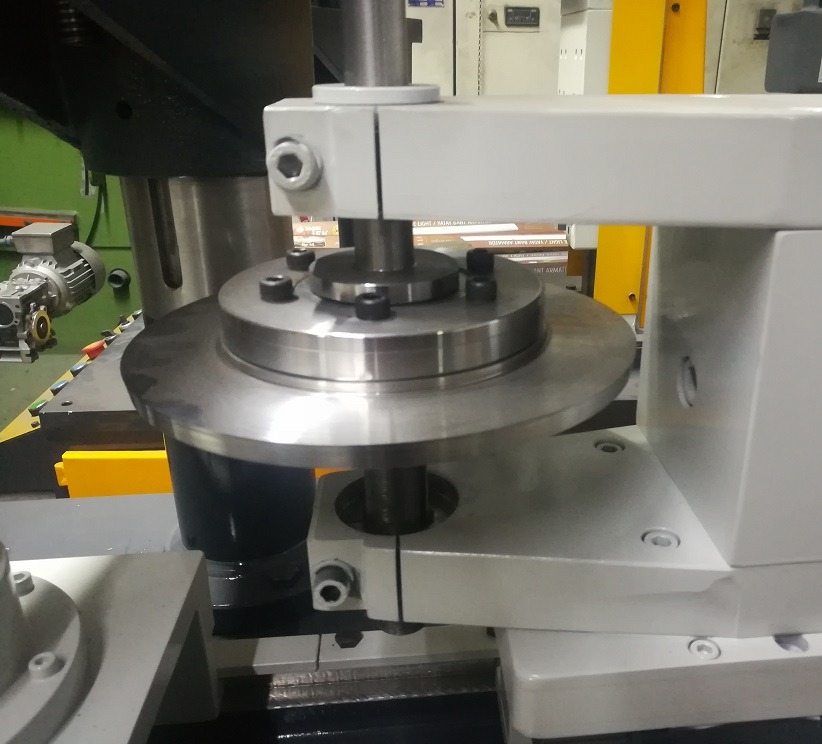
Categories
Machinery

Flow Forming Sheet Metal

Flow Forming Sheet Metal

Flow forming is a cold metal forming process that shapes a pre-formed metal blank by applying pressure through a rotating mandrel and rollers. The metal is stretched and compressed to form a thin-walled, high-precision cylindrical shape. Flow forming is particularly useful for producing complex shapes that require high strength and uniform wall thickness.

Types of Flow Forming

  • Forward Flow Forming: The metal blank is shaped in the same direction as the rollers. This method is often used for producing hollow cylindrical parts.
  • Reverse Flow Forming: In this method, the material flows in the opposite direction to the rollers. This technique is typically used for complex geometries that require tight tolerances.

Key Components and Machinery

Flow forming machines consist of a lathe, a mandrel, and rollers. The lathe rotates the blank while the rollers apply pressure to shape the material. Advanced CNC systems are often integrated to control the process with high precision.

Applications of Flow Forming

Flow forming is used in various industries, including aerospace for manufacturing rocket motor cases, automotive for producing lightweight wheels, and the defense industry for making missile casings.

Advantages and Challenges

  • Advantages:
    • High material utilization with minimal waste.
    • Ability to produce complex shapes with uniform wall thickness.
    • Improved mechanical properties of the final product.
  • Challenges:
    • Requires precise control and high-quality materials.
    • High initial setup costs.

Recent Innovations in Flow Forming Technology

Recent advancements include the integration of AI and machine learning to optimize process parameters, the development of new materials suitable for flow forming, and the use of hybrid processes that combine flow forming with other manufacturing techniques.

3. Spinning

Metal Spinning
Metal Spinning

Overview of Metal Spinning

Metal spinning is a process where a metal disc or tube is rotated at high speed while being pressed against a forming tool, called a mandrel, to shape it into a symmetrical object. This method is particularly effective for creating conical, hemispherical, and cylindrical parts.

Types of Spinning Processes

  • Conventional Spinning: The metal is formed over a mandrel without altering its thickness.
  • Shear Spinning: The material is deliberately thinned while being spun to create lightweight components.
  • Tube Spinning: Used specifically for creating long, cylindrical objects like pipes or axles.

Machinery Used in Spinning

Spinning machines are typically CNC-controlled lathes equipped with a spinning mandrel and rollers. The CNC system allows for precise control of the spinning process, ensuring consistent product quality.

Applications Across Industries

Metal spinning is widely used in industries such as aerospace for producing nose cones, in automotive for creating wheels and hubcaps, and in consumer goods for manufacturing items like kitchenware and lighting fixtures.

Benefits and Limitations

  • Benefits:
    • Cost-effective for small to medium production runs.
    • Capable of producing large, complex shapes.
    • High material efficiency with minimal waste.
  • Limitations:
    • Not suitable for mass production.
    • Requires skilled operators for manual spinning processes.

Advances in Spinning Technology

Recent developments include automated spinning machines with enhanced precision, the use of laser-assisted spinning for processing difficult-to-form materials, and the incorporation of real-time monitoring systems to improve quality control.

Necking

Understanding the Necking Process

Necking is a process used to reduce the diameter of a cylindrical workpiece. This is often achieved by compressing the workpiece in a die, causing the material to flow inward and form a reduced section. Necking is commonly used in the production of bottles, cans, and other hollow cylindrical objects.

Equipment and Tools Involved

Necking machines are typically designed with a series of dies that progressively reduce the diameter of the workpiece. The process is often integrated into production lines for efficiency, especially in industries like beverage can manufacturing.

Applications in Manufacturing

Necking is crucial in industries where the reduction of material diameter is necessary, such as in the production of pressurized containers, aerospace components, and automotive parts.

Advantages and Drawbacks

  • Advantages:
    • Allows for the production of lightweight, high-strength components.
    • Can be easily integrated into automated production lines.
  • Drawbacks:
    • Limited to cylindrical shapes.
    • Requires precise control to avoid defects like wrinkling or cracking.

Technological Developments in Necking

Recent innovations include the development of multi-stage necking machines that increase production speed and efficiency, and the use of advanced materials that allow for more extreme reductions in diameter without compromising material integrity.

Wheel Making Machines

Wheel Making Machines

Introduction to Wheel Manufacturing

The manufacturing of wheels, especially for the automotive industry, involves several metal forming processes, including forging, casting, and flow forming. Each method has its advantages and is chosen based on the specific requirements of the wheel, such as strength, weight, and cost.

Types of Wheel Making Machines

  • Forging Machines: Used to create high-strength wheels by compressing the metal under high pressure.
  • Casting Machines: Involve pouring molten metal into a mold to form the wheel, a process commonly used for alloy wheels.
  • Flow Forming Machines: These machines are used to produce lightweight wheels by thinning and shaping the wheel’s rim through a controlled flow forming process.

Detailed Process Description

  • Forging: Metal is heated and placed into a forging press, where it is shaped into the desired wheel form. This method creates wheels with superior strength and durability.
  • Casting: Molten metal is poured into a wheel-shaped mold and allowed to cool and solidify. This method is cost-effective and suitable for producing complex wheel designs.
  • Flow Forming: The pre-cast or pre-forged wheel is placed on a mandrel and spun while rollers apply pressure to thin and shape the rim. This process enhances the wheel’s strength-to-weight ratio.

Key Considerations in Wheel Production

  • Material Selection: The choice of material, such as aluminum alloys, impacts the wheel’s performance and cost.
  • Design Precision: High precision in design is crucial to ensure that the wheel meets safety and performance standards.
  • Production Volume: The method chosen often depends on whether the wheels are being produced in high volumes or as custom orders.

Role of CNC in Wheel Manufacturing

CNC (Computer Numerical Control) technology plays a pivotal role in wheel manufacturing, allowing for precise control over the forming process. CNC machines ensure that each wheel produced meets exact specifications, improving quality and consistency.

Innovations and Future Trends

The future of wheel manufacturing is moving towards more sustainable practices, such as using recycled materials and reducing energy consumption during production. Additionally, advances in 3D printing technology are beginning to impact wheel design and prototyping, offering new possibilities for custom and complex wheel designs.

Comparative Analysis

Flow Forming vs. Spinning: Key Differences and Use Cases

Flow forming and spinning are both metal forming processes used to create cylindrical parts, but they differ in terms of material flow and the types of components they produce. Flow forming is preferred for parts that require high strength and uniform wall thickness, such as aerospace components, while spinning is used for creating symmetrical shapes with varied thicknesses, like household items and automotive parts.

Necking vs. Spinning: When to Use Each

Necking is specifically used for reducing the diameter of cylindrical parts, making it ideal for applications like bottle or can production. In contrast, spinning is more versatile, allowing for the creation of various shapes and sizes, making it suitable for a broader range of industries.

Wheel Manufacturing Techniques: Traditional vs. Modern Methods

Traditional wheel manufacturing methods like forging and casting are well-established, but modern methods like flow forming offer enhanced performance characteristics. Flow-formed wheels are lighter and stronger, making them increasingly popular in high-performance automotive applications.

Industrial Applications

Industrial Applications

Automotive Industry: Wheel Manufacturing and Beyond

In the automotive industry, metal forming processes are essential for producing high-performance wheels, chassis components, and other critical parts. Flow forming, in particular, is valued for creating lightweight wheels that improve vehicle efficiency and handling.

Aerospace Applications: Lightweight Components

The aerospace industry relies heavily on flow forming and spinning to produce components like rocket motor casings, fuel tanks, and landing gear parts. These processes allow for the creation of strong, lightweight components that are critical for aircraft performance.

Oil and Gas Industry: Pipe Manufacturing

In the oil and gas sector, metal forming processes such as spinning and flow forming are used to manufacture pipes and pressure vessels. These components must withstand extreme conditions, making precision and material strength essential.

Defense and Military Applications

The defense industry uses flow forming and spinning to produce high-strength components for missiles, tanks, and other military hardware. These processes allow for the creation of parts that meet the rigorous demands of military applications.

Emerging Sectors and Opportunities

As industries like renewable energy and electric vehicles grow, the demand for advanced metal forming processes will increase. The need for lightweight, high-strength components in these sectors presents new opportunities for the application of flow forming, spinning, and necking.

Environmental Impact

Sustainability in Metal Forming Processes

The environmental impact of metal forming processes is an important consideration in modern manufacturing. Processes like flow forming and spinning are inherently more material-efficient, producing less waste compared to traditional methods like machining.

Energy Efficiency of Flow Forming, Spinning, and Necking

Flow forming and spinning require less energy than processes like forging or machining, making them more environmentally friendly. Advances in machine design and control systems have further reduced the energy consumption of these processes.

Waste Management and Recycling in Wheel Manufacturing

The automotive industry is increasingly focused on sustainability, leading to more recycling of scrap metal and the use of eco-friendly materials in wheel manufacturing. Flow forming, in particular, allows for the efficient use of materials, reducing waste.

Quality Control and Standards

Ensuring Precision in Flow Forming and Spinning

Precision is critical in metal forming processes to ensure that the final products meet stringent quality standards. Flow forming and spinning machines are equipped with advanced control systems to monitor and adjust parameters in real-time, ensuring consistent quality.

Standards in Wheel Manufacturing (ISO, SAE, etc.)

Wheel manufacturing is governed by various international standards, such as ISO and SAE, which specify the requirements for strength, durability, and safety. Manufacturers must adhere to these standards to ensure that their products are fit for use.

Quality Control Mechanisms in Necking Processes

In the necking process, quality control is essential to avoid defects like wrinkling or cracking. Automated inspection systems are often used to detect and correct issues in real-time, ensuring that the final product meets the required specifications.

Certifications and Compliance

Manufacturers of metal-formed components must obtain various certifications to demonstrate compliance with industry standards and regulations. These certifications are essential for gaining market access and ensuring customer confidence in the product’s quality.

Future Trends and Innovations

Automation and AI in Metal Forming

Automation is transforming metal forming processes, with AI-driven systems optimizing parameters for efficiency and quality. Automated flow forming and spinning machines are becoming more common, reducing the need for manual intervention and increasing production speed.

3D Printing and Hybrid Manufacturing Techniques

The integration of 3D printing with traditional metal forming processes is opening up new possibilities in manufacturing. Hybrid techniques that combine 3D printing with flow forming or spinning allow for the production of complex components that were previously impossible to manufacture.

Advancements in Material Science Impacting Forming Processes

Developments in material science, such as the creation of high-strength alloys and composites, are enabling the production of lighter and stronger components. These materials are particularly beneficial in industries like aerospace and automotive, where weight reduction is critical.

The Future of Wheel Manufacturing

The wheel manufacturing industry is evolving with the adoption of new materials, such as carbon fiber composites, and advanced manufacturing techniques like flow forming. These innovations are driving the production of wheels that are not only lighter and stronger but also more aesthetically pleasing.

Conclusion

Summary of Key Points

The metal forming processes of flow forming, spinning, necking, and wheel making are essential in modern manufacturing, enabling the production of high-performance components with precision and efficiency. Each process has its unique advantages and applications across various industries.

The Growing Importance of Advanced Metal Forming Technologies

As industries continue to demand lighter, stronger, and more complex components, advanced metal forming technologies will play an increasingly important role in manufacturing. The integration of automation, AI, and new materials will drive further innovation in these processes.

Final Thoughts on the Future of Manufacturing

The future of manufacturing lies in the continued development and refinement of metal forming processes. As technology advances, these processes will become even more efficient, sustainable, and capable of meeting the demands of emerging industries.

Introduction

Flow forming
Flow forming

Overview of Metal Forming Processes

Metal forming processes are fundamental to the modern manufacturing landscape, where they transform raw metal into complex and functional shapes through mechanical deformation. These processes are integral to industries ranging from automotive to aerospace, as they allow for the creation of components that are both lightweight and structurally sound. Metal forming is not merely about shaping metal but also about enhancing the mechanical properties of the material, such as strength, toughness, and fatigue resistance, to meet the rigorous demands of various applications.

The evolution of metal forming techniques has been driven by the need for more efficient and precise manufacturing methods. Traditional methods like forging and casting, while still widely used, have been complemented by advanced techniques such as flow forming, spinning, and necking. These processes enable manufacturers to produce intricate shapes with a high degree of accuracy and consistency, often with less material waste and energy consumption than conventional methods.

Importance in Modern Manufacturing

In today’s manufacturing environment, the ability to produce high-quality components quickly and efficiently is crucial. Metal forming processes like flow forming, spinning, and necking are at the forefront of this capability, offering unique advantages that are highly valued in sectors like automotive, aerospace, and defense. These processes are particularly important for producing parts that require tight tolerances and specific mechanical properties, such as high strength-to-weight ratios or uniform wall thicknesses.

Flow forming, for example, is essential in the production of thin-walled, high-strength cylindrical parts, which are critical in applications such as automotive wheel manufacturing and aerospace component fabrication. Spinning is another versatile process used to create a wide range of symmetrical metal parts, from simple cones to complex, contoured shapes. Meanwhile, necking is commonly employed in the production of containers and tubes, where a reduction in diameter is necessary.

The adoption of these advanced metal forming techniques has also led to significant improvements in sustainability. By optimizing material usage and reducing waste, these processes contribute to more environmentally friendly manufacturing practices. Moreover, the integration of automation and computer-controlled systems has further enhanced the precision and efficiency of metal forming, allowing manufacturers to meet the ever-increasing demands of global markets.

Scope of the Article

This article aims to provide a comprehensive overview of four key metal forming processes: flow forming, spinning, necking, and wheel making. Each section will explore the fundamental principles of these processes, the machinery involved, their applications across various industries, and the advantages and challenges they present. Additionally, the article will examine the latest innovations in these technologies, the environmental impact of these processes, and the future trends that are likely to shape the manufacturing industry.

Flow Forming: We will delve into the details of flow forming, including its various types (forward and reverse flow forming), the machinery used, and its applications in industries such as automotive and aerospace.

Spinning: This section will cover the different spinning processes, the types of machinery involved, and the applications where spinning is most effective.

Necking: An exploration of the necking process, including the tools and equipment used, as well as its applications in the production of cylindrical parts.

Wheel Making Machines: A detailed look at the machines used in wheel manufacturing, the various techniques involved (forging, casting, flow forming), and the role of CNC technology in this process.

The article will also include a comparative analysis of these processes, highlighting their differences, advantages, and specific use cases. Furthermore, we will explore the industrial applications of these processes, from automotive and aerospace to emerging sectors like renewable energy. Environmental impact, quality control, and future trends will also be discussed, providing a holistic view of how these metal forming techniques are evolving to meet the challenges of modern manufacturing.

Flow Forming

Flow Forming Application Areas

Definition and Process Overview

Flow forming is a sophisticated metal forming technique that involves the radial or axial elongation of a preformed cylindrical metal blank through the application of high-pressure rollers against a rotating mandrel. This process shapes the metal into a thin-walled, high-precision cylindrical component, while simultaneously enhancing its mechanical properties. Flow forming is categorized as a cold-working process, although some variations might involve slight heating to improve material ductility.

The fundamental principle of flow forming is similar to spinning but with a critical distinction: in flow forming, the material is elongated and thinned as it is formed, allowing for the creation of components with precise wall thicknesses and intricate geometries. The result is a part with superior strength-to-weight ratios, making it an ideal choice for industries requiring high-performance components.

The process begins with a preformed metal blank, often a tube or a cup-shaped part, which is mounted onto a mandrel. The mandrel rotates at high speeds, while one or more rollers exert controlled pressure on the blank. The rollers move along the axis of the mandrel, pushing the metal along its surface and gradually thinning and elongating it. This controlled deformation allows for the production of parts with uniform thickness and high dimensional accuracy, even for complex shapes.

Types of Flow Forming

Flow forming can be broadly classified into two main types based on the direction in which the material flows relative to the movement of the rollers: Forward Flow Forming and Reverse Flow Forming. Each type has its specific applications and benefits.

  • Forward Flow Forming: In forward flow forming, the material flows in the same direction as the movement of the rollers. This process is typically used to produce long, hollow cylinders with a uniform wall thickness. Forward flow forming is especially useful for creating components like gas cylinders, pressure vessels, and automotive parts, where a seamless and uniform structure is crucial.
  • Reverse Flow Forming: In contrast, reverse flow forming involves material flow in the opposite direction to the movement of the rollers. This method is commonly used for producing components with more complex geometries, such as stepped or flanged ends. Reverse flow forming allows for greater flexibility in design and is often employed in the manufacturing of aerospace components, where precise control over the geometry and thickness of the part is required.

Key Components and Machinery

The machinery used in flow forming is highly specialized, designed to handle the precise and demanding nature of the process. A typical flow forming machine consists of the following key components:

  • Mandrel: The mandrel is a critical component of the flow forming machine. It serves as the template around which the metal blank is shaped. Mandrels are typically made from high-strength materials to withstand the pressure exerted by the rollers and the rotational forces during the process.
  • Rollers: The rollers are responsible for applying the necessary pressure to the metal blank as it rotates on the mandrel. These rollers are usually made from hardened steel or carbide to endure the wear and tear of the process. Depending on the complexity of the part being produced, a flow forming machine may use one or multiple rollers.
  • Lathe Bed: The lathe bed provides the structural support for the mandrel and rollers. It ensures the stability and alignment of the components during the flow forming process, which is crucial for maintaining the precision of the final product.
  • CNC Control System: Modern flow forming machines are equipped with CNC (Computer Numerical Control) systems that control the movement and pressure of the rollers with high precision. The CNC system allows for the programming of complex shapes and ensures consistent quality across production runs.
  • Cooling System: As flow forming can generate significant heat due to friction between the rollers and the metal, a cooling system is often integrated into the machine. This system helps to dissipate heat and prevent thermal deformation of the material, ensuring that the mechanical properties of the final product are not compromised.

Applications of Flow Forming

Flow forming is employed in a variety of industries due to its ability to produce high-strength, lightweight components with exceptional precision. Some of the most common applications of flow forming include:

  • Aerospace: In the aerospace industry, flow forming is used to manufacture components such as rocket motor cases, gas turbine rings, and aircraft structural parts. The process is favored for its ability to produce thin-walled, high-strength components that meet the stringent weight and durability requirements of aerospace applications.
  • Automotive: Flow forming is widely used in the automotive industry for the production of lightweight wheels, drive shafts, and other high-performance components. The process allows for the creation of wheels with superior strength and reduced weight, which improves vehicle efficiency and handling.
  • Defense: In the defense sector, flow forming is used to manufacture missile casings, artillery shells, and other high-strength components. The process ensures that these parts can withstand the extreme pressures and forces encountered in military applications.
  • Energy: Flow forming is also employed in the energy sector, particularly in the production of pressure vessels and gas cylinders used in power generation and distribution. The ability to produce seamless, thin-walled components makes flow forming an ideal choice for these applications.
  • Medical Devices: In the medical industry, flow forming is used to produce components such as stents and surgical instruments that require high precision and biocompatibility. The process allows for the creation of complex, miniaturized parts with excellent surface finishes.

Advantages and Challenges

Flow forming offers several advantages that make it a preferred choice for manufacturing high-precision components. However, it also presents certain challenges that must be addressed to optimize the process.

Advantages:

  • Material Efficiency: Flow forming is highly efficient in terms of material usage, as it allows for the production of parts with minimal waste. The process utilizes nearly 100% of the metal blank, reducing the need for secondary machining operations.
  • Enhanced Mechanical Properties: The cold-working nature of flow forming improves the mechanical properties of the material, such as strength and hardness, by refining the grain structure. This results in components with superior performance characteristics.
  • High Precision and Repeatability: Flow forming allows for the production of parts with tight tolerances and uniform wall thickness, even for complex geometries. The use of CNC control systems ensures consistent quality across large production runs.
  • Versatility: Flow forming can be used with a wide range of materials, including aluminum, steel, titanium, and nickel alloys. This versatility makes it suitable for various industries and applications.

Challenges:

  • Initial Setup Costs: The machinery and tooling required for flow forming can be expensive, making the initial setup costs relatively high. This can be a barrier for small-scale manufacturers or those producing low-volume parts.
  • Process Complexity: Flow forming is a complex process that requires precise control over parameters such as roller pressure, rotation speed, and material feed rate. Any deviations can lead to defects such as wrinkling, cracking, or uneven wall thickness.
  • Material Limitations: While flow forming is versatile, not all materials are suitable for the process. Materials with low ductility or poor formability may not perform well under the high pressures involved in flow forming, leading to potential failures.

Recent Innovations in Flow Forming Technology

Recent advancements in flow forming technology have focused on improving the efficiency, precision, and versatility of the process. Some of the most notable innovations include:

  • AI and Machine Learning Integration: The integration of artificial intelligence (AI) and machine learning into flow forming machines has enabled real-time optimization of process parameters. AI-driven systems can analyze data from sensors and adjust roller pressure, speed, and other variables to maintain optimal conditions throughout the process. This leads to improved product quality and reduced scrap rates.
  • Hybrid Forming Processes: Hybrid forming processes that combine flow forming with other manufacturing techniques, such as spinning or deep drawing, are gaining popularity. These hybrid processes allow for the creation of more complex shapes and reduce the need for multiple manufacturing steps, resulting in faster production times and lower costs.
  • Advanced Materials: The development of new materials, such as high-strength aluminum alloys and titanium composites, has expanded the capabilities of flow forming. These materials offer improved formability and strength, making them ideal for applications in aerospace, automotive, and defense industries.
  • Digital Twin Technology: Digital twin technology, which creates a virtual replica of the flow forming process, is being used to simulate and optimize production. This technology allows manufacturers to test different process parameters and materials in a virtual environment before implementing them on the production floor, reducing the risk of defects and improving overall efficiency.
  • Sustainability Initiatives: As sustainability becomes increasingly important in manufacturing, flow forming technology is evolving to minimize environmental impact. Innovations such as energy-efficient machines, recyclable materials, and waste reduction techniques are being integrated into flow forming processes to create more sustainable production practices.

Spinning

Spinning
Spinning

Overview of Metal Spinning

Metal spinning, also known as spin forming, is a metal forming process in which a flat metal disc or tube is rotated at high speed and formed into an axially symmetric part by pressing it against a shaped tool, typically referred to as a mandrel. The process involves the application of localized force to the metal blank, causing it to flow over the mandrel and take on its shape. Spinning is unique in its ability to produce intricate shapes with high precision, often with minimal material waste.

The roots of metal spinning can be traced back thousands of years, where it was used in manual processes to create decorative and functional items. Today, metal spinning has evolved into a highly sophisticated manufacturing process used to create components ranging from simple kitchenware to complex aerospace parts. The versatility of spinning makes it an essential process in industries where both high volume and custom, one-off production are needed.

One of the key features of metal spinning is its ability to produce parts with a smooth surface finish and uniform wall thickness, even for large, complex shapes. This capability is particularly valuable in industries where aerodynamics and structural integrity are critical, such as aerospace and automotive manufacturing.

Types of Spinning Processes

Metal spinning encompasses several different techniques, each suited to specific types of products and material characteristics. The three primary types of spinning processes are Conventional Spinning, Shear Spinning, and Tube Spinning. Each of these processes has distinct advantages and applications.

  • Conventional Spinning: Conventional spinning is the most straightforward form of metal spinning. In this process, the metal blank is shaped over the mandrel without any significant change in material thickness. The blank is clamped onto the mandrel, and as the mandrel rotates, a tool or roller presses the metal against the mandrel, causing it to take on its shape. Conventional spinning is ideal for producing symmetrical parts, such as hemispheres, cones, and cylinders. It is widely used in the production of parts like satellite dishes, cooking pots, and lighting fixtures.
  • Shear Spinning: Shear spinning, also known as flow forming or spin forming, is a more advanced process where the material is intentionally thinned as it is spun over the mandrel. The thinning occurs because the force applied during spinning is greater than the material’s yield strength, causing it to stretch and reduce in thickness. Shear spinning is often used to create lightweight components with high strength-to-weight ratios, such as aircraft engine parts, missile nose cones, and high-performance automotive wheels.
  • Tube Spinning: Tube spinning is a specialized form of spinning used to create long, cylindrical parts such as pipes, axles, and tubes. In this process, a metal tube is placed on a mandrel and spun while a roller applies pressure, causing the tube to elongate and reduce in thickness. Tube spinning can be performed on both the inner and outer surfaces of the tube, making it suitable for producing seamless, high-precision components with consistent wall thickness.

Machinery Used in Spinning

The machinery used in metal spinning is designed to handle the specific demands of the process, which involves high-speed rotation, precise control of force, and the ability to shape metal into complex geometries. The main components of a spinning machine include:

  • Lathe Bed: The lathe bed is the foundation of the spinning machine, providing the structural support needed for the spinning process. It houses the mandrel, rollers, and other essential components, ensuring stability and alignment during operation.
  • Mandrel: The mandrel is the shaped tool around which the metal blank is formed. It is typically made from high-strength materials such as steel or aluminum to withstand the forces exerted during spinning. The mandrel is usually custom-made for each specific part, ensuring that the final product matches the desired shape and dimensions.
  • Rollers: Rollers are the tools that press the metal against the mandrel, causing it to take on the mandrel’s shape. These rollers are usually made from hardened steel or carbide and come in various shapes and sizes depending on the complexity of the part being produced. Rollers are typically mounted on a tool holder that allows for precise control of their position and pressure.
  • Tailstock: The tailstock provides additional support to the metal blank during spinning, helping to keep it in place as it rotates. This is especially important for large or thin-walled parts, where maintaining the blank’s alignment is crucial for achieving a uniform wall thickness.
  • CNC Control System: Modern spinning machines are equipped with CNC (Computer Numerical Control) systems that automate the process, allowing for precise control over the spinning parameters such as speed, force, and tool position. CNC systems enable the production of highly complex shapes with consistent quality and reduce the need for manual intervention.
  • Tooling: Tooling in spinning involves various specialized tools used to shape the metal as it spins. These tools can include forming rollers, trimming tools, and cutting tools, each designed to perform specific functions during the spinning process.

Applications Across Industries

Metal spinning is a versatile process used in a wide range of industries, each leveraging the unique benefits of spinning to create high-quality, durable components. Some of the key applications of metal spinning include:

  • Aerospace: In the aerospace industry, metal spinning is used to manufacture components that require high strength, low weight, and precise geometries. Examples include rocket motor casings, satellite dishes, and engine components. The ability to produce seamless, symmetrical parts with excellent mechanical properties makes spinning an ideal process for aerospace applications.
  • Automotive: The automotive industry utilizes metal spinning to produce parts such as wheels, exhaust components, and suspension parts. Spinning allows for the production of lightweight, high-strength components that improve vehicle performance and fuel efficiency. Custom wheels, in particular, benefit from spinning due to the process’s ability to create intricate designs with uniform thickness.
  • Consumer Goods: Metal spinning is widely used in the production of consumer goods, including cookware, lighting fixtures, and decorative items. The process’s ability to create smooth, aesthetically pleasing surfaces makes it ideal for products where appearance is important. Additionally, spinning allows for the efficient production of high-volume items with consistent quality.
  • Energy and Power Generation: In the energy sector, metal spinning is employed to produce components such as gas turbine rings, pressure vessels, and heat exchanger parts. The process’s ability to create strong, seamless parts that can withstand high pressures and temperatures is crucial in these applications.
  • Medical Devices: The medical industry uses metal spinning to produce parts such as surgical instruments, implantable devices, and components for medical equipment. The precision and cleanliness of the spinning process make it suitable for applications where biocompatibility and hygiene are critical.

Benefits and Limitations

Metal spinning offers several benefits that make it an attractive option for manufacturers across various industries. However, it also has certain limitations that must be considered when selecting a manufacturing process.

Benefits:

  • Cost-Effective for Small to Medium Production Runs: Metal spinning is highly efficient for small to medium production runs, especially when compared to processes like stamping or forging. The tooling costs are relatively low, and the process can be quickly adapted to different designs, making it ideal for custom or limited-edition products.
  • Capability to Produce Large, Complex Shapes: Spinning excels at producing large, complex shapes that would be difficult or impossible to achieve with other metal forming processes. The ability to create parts with varying wall thicknesses and intricate geometries makes spinning a versatile option for many applications.
  • High Material Efficiency: Metal spinning generates minimal waste, as the process involves shaping the material rather than cutting it away. This efficiency not only reduces material costs but also contributes to more sustainable manufacturing practices.
  • Excellent Surface Finish: The spinning process naturally produces a smooth, polished surface finish, reducing or eliminating the need for secondary finishing operations. This is particularly beneficial in applications where aesthetics or aerodynamics are important.

Limitations:

  • Not Suitable for Mass Production: While spinning is cost-effective for small to medium production runs, it is not typically suitable for mass production due to the time required for each part. High-volume production methods like stamping or casting are generally more efficient for large-scale manufacturing.
  • Material Limitations: Certain materials, particularly those with low ductility or high brittleness, may not be suitable for spinning. The process requires materials that can be easily deformed without cracking or fracturing, limiting the range of metals that can be used.
  • Requires Skilled Operators for Manual Spinning: Manual spinning, while still used in some applications, requires a high level of skill and experience to achieve consistent results. This can limit the availability of qualified operators and increase labor costs.

Advances in Spinning Technology

The field of metal spinning has seen significant technological advancements in recent years, driven by the need for greater precision, efficiency, and versatility. Some of the most notable advances include:

  • Automation and CNC Spinning: The introduction of CNC technology has revolutionized metal spinning, allowing for the automation of the process and the production of complex parts with unprecedented precision. CNC spinning machines can execute intricate designs with minimal human intervention, reducing the potential for errors and increasing production speed. This technology has expanded the capabilities of spinning, enabling the production of parts with highly complex geometries and tight tolerances.
  • Laser-Assisted Spinning: Laser-assisted spinning is an emerging technology that combines traditional spinning with laser heating. The laser heats the material as it is being spun, reducing the force required to shape the metal and allowing for the spinning of harder or less ductile materials. This technique is particularly useful for processing high-strength alloys and other difficult-to-form metals, broadening the range of materials that can be spun.
  • Advanced Tooling Materials: The development of new tooling materials, such as carbide and ceramic composites, has enhanced the durability and performance of spinning tools. These advanced materials resist wear and deformation, allowing for longer tool life and greater consistency in the spinning process. Improved tooling also enables the production of parts with finer details and more complex shapes.
  • Real-Time Monitoring and Control Systems: The integration of real-time monitoring and control systems into spinning machines has significantly improved process stability and product quality. Sensors and software continuously monitor parameters such as force, temperature, and material flow, allowing for immediate adjustments to maintain optimal conditions. This technology reduces the likelihood of defects and increases the overall efficiency of the spinning process.
  • Sustainable Spinning Practices: As environmental concerns become increasingly important in manufacturing, there has been a push towards more sustainable spinning practices. This includes the use of energy-efficient machinery, the reduction of material waste through better process control, and the recycling of scrap metal. Advances in these areas are helping to make spinning a more environmentally friendly manufacturing option.

Necking

Necking
Necking

Understanding the Necking Process

Necking is a specialized metal forming process used to reduce the diameter of a cylindrical workpiece. This is typically achieved by compressing the workpiece through a die, which causes the material to flow inward and form a reduced section. The necking process is integral in the production of various cylindrical components, such as beverage cans, gas cylinders, and certain types of tubing. The resulting product often features a smooth transition from the original diameter to the reduced section, which is critical for maintaining the integrity and functionality of the part.

The necking process is usually performed in stages, with each stage involving a small reduction in diameter. This gradual approach helps prevent defects like cracking or wrinkling, which can occur if too much material is displaced in a single operation. Depending on the complexity and requirements of the final product, the necking process may involve multiple dies and passes through the machine.

Necking is often a critical step in a larger manufacturing process. For example, in the production of beverage cans, necking is used to reduce the diameter of the can’s top to match the size of the lid. This reduction allows for a tighter seal and a more efficient use of material. The necking process is also used in the manufacturing of pressure vessels, where the reduction in diameter is necessary to create a stronger, more pressure-resistant structure.

Equipment and Tools Involved

The equipment used in the necking process is designed to handle the precise and controlled deformation required to reduce the diameter of cylindrical workpieces. The key components of necking machinery include:

  • Necking Die: The die is the central tool in the necking process. It is shaped to gradually reduce the diameter of the workpiece as it passes through. Dies are typically made from hardened steel or carbide to withstand the high pressures involved in the process. The design of the die is crucial, as it determines the final shape of the necked section and must ensure a smooth, defect-free transition.
  • Press or Hydraulic Ram: The force required to push the workpiece through the die is typically provided by a press or hydraulic ram. This component must deliver consistent and controlled pressure to avoid defects and ensure uniformity in the final product. Hydraulic systems are often used because they allow for precise control over the force applied, which is essential for achieving the desired reduction in diameter without damaging the material.
  • Tooling Stations: In multi-stage necking processes, multiple tooling stations are used, each equipped with a different die. The workpiece is passed through each station in sequence, with each die reducing the diameter slightly more than the last. This staged approach helps to minimize stress on the material and prevent defects like buckling or cracking.
  • Material Feed System: An automated material feed system is often used to move the workpiece through the necking machine. This system ensures consistent positioning and alignment of the workpiece as it enters each die, which is critical for maintaining precision and consistency across large production runs.
  • Lubrication System: Necking involves significant friction between the workpiece and the die, which can generate heat and cause wear on the tooling. To mitigate this, a lubrication system is often employed to reduce friction, dissipate heat, and prolong the life of the tooling. Proper lubrication is also important for maintaining the surface finish of the necked section and preventing defects.

Applications in Manufacturing

Necking is a crucial process in the manufacturing of a wide range of cylindrical components, particularly where a reduction in diameter is necessary for the functionality or assembly of the final product. Some of the key applications of necking include:

  • Beverage Can Manufacturing: One of the most common applications of necking is in the production of aluminum beverage cans. After the can body is formed, the top section is necked down to create a smaller diameter opening that matches the size of the lid. This allows for a tighter seal, reducing the risk of leaks and improving the efficiency of the canning process. Necking also helps to reduce the amount of material used in the can, making the process more cost-effective and environmentally friendly.
  • Gas Cylinders: In the production of gas cylinders, necking is used to create a reduced-diameter section at the top of the cylinder where the valve is attached. This reduction is necessary to ensure a secure and leak-proof connection between the cylinder and the valve assembly. Necking also contributes to the overall strength and pressure resistance of the cylinder, which is critical for safe storage and transport of compressed gases.
  • Pressure Vessels: Similar to gas cylinders, pressure vessels often require necking to create reduced-diameter sections that can withstand high internal pressures. These sections are typically located at the ends of the vessel, where connections to other components are made. Necking helps to distribute stress more evenly across the vessel, reducing the risk of failure under pressure.
  • Tubing and Piping: Necking is also used in the production of metal tubing and piping, particularly when a smooth, tapered transition is needed between sections of different diameters. This is common in applications where the tubing must connect to fittings or other components with a smaller diameter. Necking ensures a tight, secure fit and helps to maintain the integrity of the tubing under pressure.
  • Aerospace Components: In the aerospace industry, necking is used to manufacture components such as rocket motor casings, where a reduction in diameter is necessary for aerodynamic efficiency and structural integrity. The ability to produce lightweight, strong, and precise components makes necking a valuable process in aerospace manufacturing.

Advantages and Drawbacks

Like other metal forming processes, necking offers several advantages that make it a preferred method for reducing the diameter of cylindrical components. However, it also has some limitations that must be considered in the context of specific manufacturing requirements.

Advantages:

  • Precision and Consistency: Necking allows for precise control over the reduction in diameter, ensuring that each part meets exact specifications. This precision is particularly important in industries like aerospace and medical device manufacturing, where even small deviations can impact performance and safety.
  • Material Efficiency: Necking is an efficient process in terms of material usage. Unlike machining processes that remove material to achieve the desired shape, necking simply redistributes the material, resulting in minimal waste. This efficiency makes necking a cost-effective option, particularly for high-volume production runs.
  • Enhanced Mechanical Properties: The necking process can enhance the mechanical properties of the material by work-hardening it as it is compressed through the die. This can increase the strength and durability of the final product, which is especially important in applications like gas cylinders and pressure vessels.
  • Versatility: Necking can be applied to a wide range of materials, including aluminum, steel, and copper, making it suitable for various industries and applications. The process can also be adapted to different diameters and wall thicknesses, providing flexibility in product design.

Drawbacks:

  • Limited to Cylindrical Shapes: Necking is specifically designed for cylindrical workpieces, which limits its application to products with this shape. For parts with more complex geometries, alternative forming processes may be required.
  • Potential for Defects: If not carefully controlled, the necking process can lead to defects such as wrinkling, cracking, or uneven wall thickness. These defects can compromise the structural integrity of the final product and may require additional processing or reworking to correct.
  • Tooling Costs: While necking is generally a cost-effective process, the tooling required can be expensive, particularly for complex or high-precision applications. The need for multiple dies and tooling stations in staged necking processes can also increase costs and setup time.

Technological Developments in Necking

Advancements in technology have significantly improved the efficiency, precision, and versatility of the necking process. These developments have expanded the range of applications for necking and enhanced the quality of the final products.

  • Multi-Stage Necking Machines: One of the most significant advancements in necking technology is the development of multi-stage necking machines. These machines are equipped with multiple tooling stations, each designed to perform a specific reduction in diameter. By gradually reducing the diameter in stages, multi-stage machines minimize the stress on the material and reduce the risk of defects. This technology has increased production speeds and improved the consistency of the necking process, making it more suitable for high-volume manufacturing.
  • CNC-Controlled Necking: The integration of CNC (Computer Numerical Control) technology into necking machines has revolutionized the process by allowing for precise control over the necking parameters. CNC systems can be programmed to adjust the force, speed, and position of the tooling with high accuracy, ensuring that each part is produced to exact specifications. This level of control is particularly valuable in industries like aerospace and medical device manufacturing, where precision is critical.
  • Advanced Materials: The development of new materials with enhanced formability and strength has expanded the range of products that can be manufactured using the necking process. For example, high-strength aluminum alloys and stainless steels that were previously challenging to neck can now be processed with improved results. These materials offer better performance in demanding applications, such as aerospace and automotive components.
  • Real-Time Monitoring and Feedback Systems: Modern necking machines are increasingly equipped with real-time monitoring and feedback systems that track key process parameters such as force, temperature, and material flow. These systems provide immediate feedback to the machine operator or CNC controller, allowing for real-time adjustments to optimize the process. This technology reduces the likelihood of defects and improves the overall quality of the final product.
  • Sustainability and Environmental Impact: As sustainability becomes a priority in manufacturing, necking technology is evolving to reduce its environmental impact. This includes the development of more energy-efficient machines, the use of eco-friendly lubricants, and the recycling of scrap material generated during the process. These initiatives are helping to make necking a more sustainable option for manufacturers.

Wheel Making Machines

Wheel Forming Machine Components

Introduction to Wheel Manufacturing

Wheel manufacturing is a complex and highly specialized field that involves a variety of metal forming processes to produce wheels with the necessary strength, durability, and precision. Wheels are critical components in various applications, especially in the automotive industry, where they must withstand significant loads and stresses while providing reliable performance over long periods. The manufacturing process for wheels varies depending on the desired characteristics of the final product, including weight, strength, and aesthetic appeal.

Traditionally, wheels have been manufactured using processes such as forging and casting. However, advancements in technology have introduced more sophisticated methods like flow forming, which offer superior performance characteristics. Each of these methods has its advantages and is selected based on the specific requirements of the wheel being produced. The manufacturing of wheels is not only a matter of shaping metal but also involves ensuring that the wheels meet stringent safety and performance standards, which are critical in industries like automotive, aerospace, and heavy machinery.

Types of Wheel Making Machines

The production of wheels involves several types of machines, each designed to perform specific tasks in the wheel manufacturing process. The most common types of wheel-making machines include Forging Machines, Casting Machines, and Flow Forming Machines. Each machine type is suited to different manufacturing processes and produces wheels with distinct characteristics.

  • Forging Machines: Forging is one of the oldest methods of wheel manufacturing and involves the deformation of metal under high pressure to achieve the desired shape. Forging machines use hydraulic presses or hammers to compress a billet of metal (usually aluminum or magnesium) into the shape of a wheel. The process typically involves heating the billet to make it more malleable before applying the pressure. Forged wheels are known for their superior strength, durability, and lighter weight compared to other types of wheels. This makes them particularly popular in high-performance and luxury vehicles where strength and weight are critical considerations.
  • Casting Machines: Casting is another widely used method for manufacturing wheels, particularly alloy wheels. The casting process involves pouring molten metal into a mold that shapes the wheel. Once the metal cools and solidifies, the mold is removed, leaving a wheel that requires minimal finishing. There are two main types of casting used in wheel manufacturing: gravity casting and low-pressure casting. Gravity casting relies on gravity to fill the mold, while low-pressure casting uses controlled pressure to push the molten metal into the mold, resulting in a denser, more consistent wheel structure. Cast wheels are generally less expensive to produce than forged wheels and are suitable for a wide range of vehicles.
  • Flow Forming Machines: Flow forming is an advanced manufacturing process that combines elements of both forging and casting. In flow forming, a pre-cast or pre-forged wheel blank is mounted on a mandrel and rotated at high speed. Rollers then apply pressure to the blank, thinning and elongating the rim section to achieve the desired shape. This process not only shapes the wheel but also enhances its mechanical properties, such as strength and ductility. Flow-formed wheels are lighter than cast wheels and almost as strong as forged wheels, making them an attractive option for performance-oriented vehicles. The flow forming process also allows for more intricate designs and better control over the wheel’s dimensions.

Detailed Process Description

Each type of wheel manufacturing process has its specific steps and requirements, which are critical for achieving the desired properties in the final product. Here’s a detailed look at the processes involved in forging, casting, and flow forming wheels:

Forging:

  • Billet Preparation: The process begins with a billet of metal, typically an aluminum or magnesium alloy, which is cut to the appropriate size and heated in a furnace to make it malleable. The heating process is carefully controlled to ensure the metal reaches the optimal temperature for forging without compromising its structural integrity.
  • Forging Process: The heated billet is placed into a forging press, where it is subjected to immense pressure, ranging from several hundred to thousands of tons, depending on the wheel’s size and the material being used. The press deforms the billet, forcing it into a die that shapes it into the desired wheel form. This process often involves multiple stages, including pre-forming, intermediate forming, and final shaping, each progressively refining the wheel’s shape.
  • Heat Treatment: After forging, the wheel undergoes a heat treatment process to enhance its mechanical properties. This typically involves solution treatment, quenching, and aging, which increase the wheel’s strength and durability by optimizing its grain structure.
  • Machining and Finishing: The forged wheel is then machined to achieve the final dimensions and surface finish. This may include drilling holes for bolts, trimming excess material, and adding any design features such as spokes or logos. The final step is finishing, where the wheel is polished, painted, or coated to enhance its appearance and protect it from corrosion.

Casting:

  • Mold Preparation: In the casting process, a mold is created from materials such as sand, steel, or ceramic, depending on the type of casting being performed. The mold is designed to match the desired wheel shape and includes features for any necessary details, such as spokes or bolt patterns.
  • Melting and Pouring: The selected metal, typically an aluminum alloy, is melted in a furnace until it reaches a liquid state. The molten metal is then poured into the mold. In gravity casting, this is done simply by allowing gravity to pull the metal into the mold. In low-pressure casting, a controlled amount of pressure is applied to ensure the molten metal fills the mold completely, reducing the likelihood of voids or imperfections.
  • Cooling and Solidification: Once the mold is filled, the metal is allowed to cool and solidify. This cooling process is crucial, as it determines the final properties of the wheel. Rapid cooling can lead to increased strength and hardness, while slower cooling may improve ductility.
  • Mold Removal and Finishing: After the metal has solidified, the mold is removed, revealing the rough wheel. The wheel is then subjected to various finishing processes, including machining to achieve precise dimensions and surface finishes. Any excess material is trimmed away, and the wheel is inspected for defects before it is painted or coated.

Flow Forming:

  • Preparation of the Blank: The flow forming process begins with a pre-formed wheel blank, which can be either cast or forged. This blank serves as the starting point for the flow forming process and is designed to be slightly thicker than the final wheel.
  • Mounting on the Mandrel: The blank is mounted onto a mandrel, which rotates at high speed. The mandrel is designed to match the desired shape of the wheel’s inner profile, ensuring that the final product has the correct dimensions.
  • Flow Forming Process: As the mandrel rotates, one or more rollers apply pressure to the outer surface of the blank. The rollers move axially along the blank, thinning and elongating the material to form the wheel’s rim. This process not only shapes the wheel but also aligns the grain structure of the material, enhancing its strength and ductility. The flow forming process allows for precise control over the thickness and contour of the wheel, resulting in a product with superior performance characteristics.
  • Heat Treatment and Finishing: After flow forming, the wheel undergoes heat treatment to relieve any stresses induced during the forming process and to further enhance its mechanical properties. The final steps include machining to achieve the desired dimensions and surface finish, followed by painting or coating to protect the wheel and improve its appearance.

Key Considerations in Wheel Production

When manufacturing wheels, several key factors must be considered to ensure that the final product meets the required specifications for strength, durability, performance, and aesthetics. These considerations include:

  • Material Selection: The choice of material is critical in wheel manufacturing, as it directly impacts the wheel’s strength, weight, and performance. Common materials used in wheel manufacturing include aluminum alloys, magnesium alloys, and steel. Each material has its advantages and trade-offs. For instance, aluminum alloys are lightweight and corrosion-resistant, making them ideal for performance and everyday use, while steel wheels are known for their durability and lower cost but are heavier.
  • Design Precision: Precision in design is essential to ensure that the wheel not only fits correctly on the vehicle but also performs optimally. This includes considerations like the bolt pattern, offset, and the wheel’s load capacity. Advanced design software is often used to create detailed models of the wheel, which can be tested virtually before manufacturing begins. This helps to identify any potential issues and optimize the design for performance, safety, and aesthetics.
  • Production Volume: The manufacturing process chosen often depends on the volume of wheels being produced. For high-volume production runs, casting may be more cost-effective due to its lower per-unit cost, while forging or flow forming might be preferred for lower-volume, high-performance wheels where strength and weight are critical considerations. The chosen process must also be capable of maintaining consistent quality across the entire production run.
  • Quality Control: Quality control is a vital aspect of wheel manufacturing, as even minor defects can lead to significant performance issues or safety hazards. This includes thorough inspection processes to detect defects such as cracks, voids, or inconsistencies in the material. Non-destructive testing methods, such as X-ray inspection or ultrasonic testing, are often used to ensure the integrity of the wheels. Additionally, every batch of wheels typically undergoes load testing and impact testing to ensure they meet industry standards and safety regulations.
  • Regulatory Compliance: Wheels must meet various regulatory standards and certifications to be sold and used in different markets. This includes compliance with standards set by organizations such as the International Organization for Standardization (ISO), the Society of Automotive Engineers (SAE), and regional regulatory bodies. Ensuring compliance requires rigorous testing and documentation throughout the manufacturing process.

Role of CNC in Wheel Manufacturing

Computer Numerical Control (CNC) technology has revolutionized wheel manufacturing by providing unparalleled precision and consistency in the production process. CNC machines are used in various stages of wheel manufacturing, from machining and finishing to the creation of intricate designs and patterns.

  • Precision Machining: CNC machines are capable of achieving extremely tight tolerances, which are essential in wheel manufacturing. This precision ensures that each wheel produced meets the exact specifications required for fit, performance, and safety. CNC technology allows for complex machining operations to be performed in a single setup, reducing production time and minimizing the potential for errors.
  • Customization and Design Flexibility: One of the significant advantages of CNC technology is its ability to produce highly customized wheel designs. Manufacturers can easily modify designs or create unique patterns and textures using CNC machines. This flexibility is particularly valuable in the aftermarket wheel industry, where customization is a key selling point. CNC machines can also quickly switch between different designs, making them ideal for producing limited-edition or custom wheels.
  • Consistency and Repeatability: CNC machines are known for their ability to produce identical parts with consistent quality, even over large production runs. This consistency is crucial in wheel manufacturing, where any deviation from the specified design can lead to issues with performance or safety. The repeatability of CNC machines also reduces the likelihood of defects, leading to higher yields and lower production costs.
  • Efficiency and Automation: CNC technology allows for the automation of many aspects of wheel manufacturing, from material handling to finishing. This automation reduces the need for manual labor, increases production speed, and enhances overall efficiency. Automated CNC machines can operate continuously with minimal supervision, making them ideal for high-volume production environments.
  • Integration with Other Technologies: Modern CNC machines are often integrated with other advanced manufacturing technologies, such as 3D printing, laser cutting, and robotic automation. This integration allows for the creation of more complex wheel designs and the use of hybrid manufacturing processes that combine different techniques to achieve the best possible results.

Innovations and Future Trends

The wheel manufacturing industry is continuously evolving, driven by advancements in materials science, manufacturing technology, and market demands. Some of the key innovations and future trends in wheel manufacturing include:

  • Lightweight Materials: The push for greater fuel efficiency and reduced emissions in the automotive industry has led to increased demand for lightweight materials in wheel manufacturing. Innovations in aluminum alloys, magnesium alloys, and even carbon fiber composites are allowing manufacturers to produce wheels that are lighter without compromising strength. These materials are particularly popular in high-performance and electric vehicles, where weight reduction is critical for improving range and handling.
  • 3D Printing: Additive manufacturing, or 3D printing, is beginning to make its mark in wheel manufacturing. While still in the early stages, 3D printing offers the potential for creating highly complex and customized wheel designs that would be difficult or impossible to achieve with traditional manufacturing methods. 3D printing also allows for rapid prototyping, enabling manufacturers to test and refine designs more quickly before committing to full-scale production.
  • Sustainability: As environmental concerns become more pressing, wheel manufacturers are focusing on sustainability throughout the production process. This includes using recycled materials, reducing waste, and adopting energy-efficient manufacturing practices. The development of more eco-friendly coatings and finishes is also a priority, helping to reduce the environmental impact of wheel production.
  • Smart Wheels: The concept of smart wheels, equipped with sensors and communication technologies, is an emerging trend in the automotive industry. These wheels can monitor various parameters such as tire pressure, temperature, and wear, and communicate this data to the vehicle’s onboard systems. This real-time information can help improve safety, optimize performance, and reduce maintenance costs. The integration of such technologies into the wheel manufacturing process represents a significant step forward in the development of intelligent, connected vehicles.
  • Advanced Surface Treatments: New surface treatment technologies, such as nano-coatings and plasma electrolytic oxidation, are being developed to enhance the durability and aesthetics of wheels. These treatments provide superior protection against corrosion, wear, and environmental damage, extending the lifespan of the wheels and reducing the need for maintenance.

EMS Metalworking Machines

We design, manufacture and assembly metalworking machinery such as:

  • Hydraulic transfer press
  • Glass mosaic press
  • Hydraulic deep drawing press
  • Casting press
  • Hydraulic cold forming press
  • Hydroforming press
  • Composite press
  • Silicone rubber moulding press
  • Brake pad press
  • Melamine press
  • SMC & BMC Press
  • Labrotaroy press
  • Edge cutting trimming machine
  • Edge curling machine
  • Trimming beading machine
  • Trimming joggling machine
  • Cookware production line
  • Pipe bending machine
  • Profile bending machine
  • Bandsaw for metal
  • Cylindrical welding machine
  • Horizontal pres and cookware
  • Kitchenware, hotelware
  • Bakeware and cuttlery production machinery

as a complete line as well as an individual machine such as:

  • Edge cutting trimming beading machines
  • Polishing and grinding machines for pot and pans
  • Hydraulic drawing presses
  • Circle blanking machines
  • Riveting machine
  • Hole punching machines
  • Press feeding machine

You can check our machinery at work at: EMS Metalworking Machinery – YouTube

Applications:

  • Beading and ribbing
  • Flanging
  • Trimming
  • Curling
  • Lock-seaming
  • Ribbing
  • Flange-punching
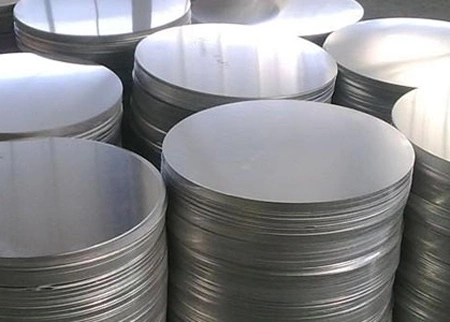
Categories
Machinery

Spinning Necking Machine

Spinning Necking Machine

Spinning Necking Machine is a cold metal forming process that shapes a pre-formed metal blank by applying pressure through a rotating mandrel and rollers. The metal is stretched and compressed to form a thin-walled, high-precision cylindrical shape. Flow forming is particularly useful for producing complex shapes that require high strength and uniform wall thickness.

Types of Flow Forming

  • Forward Flow Forming: The metal blank is shaped in the same direction as the rollers. This method is often used for producing hollow cylindrical parts.
  • Reverse Flow Forming: In this method, the material flows in the opposite direction to the rollers. This technique is typically used for complex geometries that require tight tolerances.

Key Components and Machinery

Flow forming machines consist of a lathe, a mandrel, and rollers. The lathe rotates the blank while the rollers apply pressure to shape the material. Advanced CNC systems are often integrated to control the process with high precision.

Applications of Flow Forming

Flow forming is used in various industries, including aerospace for manufacturing rocket motor cases, automotive for producing lightweight wheels, and the defense industry for making missile casings.

Advantages and Challenges

  • Advantages:
    • High material utilization with minimal waste.
    • Ability to produce complex shapes with uniform wall thickness.
    • Improved mechanical properties of the final product.
  • Challenges:
    • Requires precise control and high-quality materials.
    • High initial setup costs.

Recent Innovations in Flow Forming Technology

Recent advancements include the integration of AI and machine learning to optimize process parameters, the development of new materials suitable for flow forming, and the use of hybrid processes that combine flow forming with other manufacturing techniques.

3. Spinning

Metal Spinning
Metal Spinning

Overview of Metal Spinning

Metal spinning is a process where a metal disc or tube is rotated at high speed while being pressed against a forming tool, called a mandrel, to shape it into a symmetrical object. This method is particularly effective for creating conical, hemispherical, and cylindrical parts.

Types of Spinning Processes

  • Conventional Spinning: The metal is formed over a mandrel without altering its thickness.
  • Shear Spinning: The material is deliberately thinned while being spun to create lightweight components.
  • Tube Spinning: Used specifically for creating long, cylindrical objects like pipes or axles.

Machinery Used in Spinning

Spinning machines are typically CNC-controlled lathes equipped with a spinning mandrel and rollers. The CNC system allows for precise control of the spinning process, ensuring consistent product quality.

Applications Across Industries

Metal spinning is widely used in industries such as aerospace for producing nose cones, in automotive for creating wheels and hubcaps, and in consumer goods for manufacturing items like kitchenware and lighting fixtures.

Benefits and Limitations

  • Benefits:
    • Cost-effective for small to medium production runs.
    • Capable of producing large, complex shapes.
    • High material efficiency with minimal waste.
  • Limitations:
    • Not suitable for mass production.
    • Requires skilled operators for manual spinning processes.

Advances in Spinning Technology

Recent developments include automated spinning machines with enhanced precision, the use of laser-assisted spinning for processing difficult-to-form materials, and the incorporation of real-time monitoring systems to improve quality control.

Necking

Understanding the Necking Process

Necking is a process used to reduce the diameter of a cylindrical workpiece. This is often achieved by compressing the workpiece in a die, causing the material to flow inward and form a reduced section. Necking is commonly used in the production of bottles, cans, and other hollow cylindrical objects.

Equipment and Tools Involved

Necking machines are typically designed with a series of dies that progressively reduce the diameter of the workpiece. The process is often integrated into production lines for efficiency, especially in industries like beverage can manufacturing.

Applications in Manufacturing

Necking is crucial in industries where the reduction of material diameter is necessary, such as in the production of pressurized containers, aerospace components, and automotive parts.

Advantages and Drawbacks

  • Advantages:
    • Allows for the production of lightweight, high-strength components.
    • Can be easily integrated into automated production lines.
  • Drawbacks:
    • Limited to cylindrical shapes.
    • Requires precise control to avoid defects like wrinkling or cracking.

Technological Developments in Necking

Recent innovations include the development of multi-stage necking machines that increase production speed and efficiency, and the use of advanced materials that allow for more extreme reductions in diameter without compromising material integrity.

Wheel Making Machines

Wheel Making Machines

Introduction to Wheel Manufacturing

The manufacturing of wheels, especially for the automotive industry, involves several metal forming processes, including forging, casting, and flow forming. Each method has its advantages and is chosen based on the specific requirements of the wheel, such as strength, weight, and cost.

Types of Wheel Making Machines

  • Forging Machines: Used to create high-strength wheels by compressing the metal under high pressure.
  • Casting Machines: Involve pouring molten metal into a mold to form the wheel, a process commonly used for alloy wheels.
  • Flow Forming Machines: These machines are used to produce lightweight wheels by thinning and shaping the wheel’s rim through a controlled flow forming process.

Detailed Process Description

  • Forging: Metal is heated and placed into a forging press, where it is shaped into the desired wheel form. This method creates wheels with superior strength and durability.
  • Casting: Molten metal is poured into a wheel-shaped mold and allowed to cool and solidify. This method is cost-effective and suitable for producing complex wheel designs.
  • Flow Forming: The pre-cast or pre-forged wheel is placed on a mandrel and spun while rollers apply pressure to thin and shape the rim. This process enhances the wheel’s strength-to-weight ratio.

Key Considerations in Wheel Production

  • Material Selection: The choice of material, such as aluminum alloys, impacts the wheel’s performance and cost.
  • Design Precision: High precision in design is crucial to ensure that the wheel meets safety and performance standards.
  • Production Volume: The method chosen often depends on whether the wheels are being produced in high volumes or as custom orders.

Role of CNC in Wheel Manufacturing

CNC (Computer Numerical Control) technology plays a pivotal role in wheel manufacturing, allowing for precise control over the forming process. CNC machines ensure that each wheel produced meets exact specifications, improving quality and consistency.

Innovations and Future Trends

The future of wheel manufacturing is moving towards more sustainable practices, such as using recycled materials and reducing energy consumption during production. Additionally, advances in 3D printing technology are beginning to impact wheel design and prototyping, offering new possibilities for custom and complex wheel designs.

Comparative Analysis

Flow Forming vs. Spinning: Key Differences and Use Cases

Flow forming and spinning are both metal forming processes used to create cylindrical parts, but they differ in terms of material flow and the types of components they produce. Flow forming is preferred for parts that require high strength and uniform wall thickness, such as aerospace components, while spinning is used for creating symmetrical shapes with varied thicknesses, like household items and automotive parts.

Necking vs. Spinning: When to Use Each

Necking is specifically used for reducing the diameter of cylindrical parts, making it ideal for applications like bottle or can production. In contrast, spinning is more versatile, allowing for the creation of various shapes and sizes, making it suitable for a broader range of industries.

Wheel Manufacturing Techniques: Traditional vs. Modern Methods

Traditional wheel manufacturing methods like forging and casting are well-established, but modern methods like flow forming offer enhanced performance characteristics. Flow-formed wheels are lighter and stronger, making them increasingly popular in high-performance automotive applications.

Industrial Applications

Industrial Applications

Automotive Industry: Wheel Manufacturing and Beyond

In the automotive industry, metal forming processes are essential for producing high-performance wheels, chassis components, and other critical parts. Flow forming, in particular, is valued for creating lightweight wheels that improve vehicle efficiency and handling.

Aerospace Applications: Lightweight Components

The aerospace industry relies heavily on flow forming and spinning to produce components like rocket motor casings, fuel tanks, and landing gear parts. These processes allow for the creation of strong, lightweight components that are critical for aircraft performance.

Oil and Gas Industry: Pipe Manufacturing

In the oil and gas sector, metal forming processes such as spinning and flow forming are used to manufacture pipes and pressure vessels. These components must withstand extreme conditions, making precision and material strength essential.

Defense and Military Applications

The defense industry uses flow forming and spinning to produce high-strength components for missiles, tanks, and other military hardware. These processes allow for the creation of parts that meet the rigorous demands of military applications.

Emerging Sectors and Opportunities

As industries like renewable energy and electric vehicles grow, the demand for advanced metal forming processes will increase. The need for lightweight, high-strength components in these sectors presents new opportunities for the application of flow forming, spinning, and necking.

Environmental Impact

Sustainability in Metal Forming Processes

The environmental impact of metal forming processes is an important consideration in modern manufacturing. Processes like flow forming and spinning are inherently more material-efficient, producing less waste compared to traditional methods like machining.

Energy Efficiency of Flow Forming, Spinning, and Necking

Flow forming and spinning require less energy than processes like forging or machining, making them more environmentally friendly. Advances in machine design and control systems have further reduced the energy consumption of these processes.

Waste Management and Recycling in Wheel Manufacturing

The automotive industry is increasingly focused on sustainability, leading to more recycling of scrap metal and the use of eco-friendly materials in wheel manufacturing. Flow forming, in particular, allows for the efficient use of materials, reducing waste.

Quality Control and Standards

Ensuring Precision in Flow Forming and Spinning

Precision is critical in metal forming processes to ensure that the final products meet stringent quality standards. Flow forming and spinning machines are equipped with advanced control systems to monitor and adjust parameters in real-time, ensuring consistent quality.

Standards in Wheel Manufacturing (ISO, SAE, etc.)

Wheel manufacturing is governed by various international standards, such as ISO and SAE, which specify the requirements for strength, durability, and safety. Manufacturers must adhere to these standards to ensure that their products are fit for use.

Quality Control Mechanisms in Necking Processes

In the necking process, quality control is essential to avoid defects like wrinkling or cracking. Automated inspection systems are often used to detect and correct issues in real-time, ensuring that the final product meets the required specifications.

Certifications and Compliance

Manufacturers of metal-formed components must obtain various certifications to demonstrate compliance with industry standards and regulations. These certifications are essential for gaining market access and ensuring customer confidence in the product’s quality.

Future Trends and Innovations

Automation and AI in Metal Forming

Automation is transforming metal forming processes, with AI-driven systems optimizing parameters for efficiency and quality. Automated flow forming and spinning machines are becoming more common, reducing the need for manual intervention and increasing production speed.

3D Printing and Hybrid Manufacturing Techniques

The integration of 3D printing with traditional metal forming processes is opening up new possibilities in manufacturing. Hybrid techniques that combine 3D printing with flow forming or spinning allow for the production of complex components that were previously impossible to manufacture.

Advancements in Material Science Impacting Forming Processes

Developments in material science, such as the creation of high-strength alloys and composites, are enabling the production of lighter and stronger components. These materials are particularly beneficial in industries like aerospace and automotive, where weight reduction is critical.

The Future of Wheel Manufacturing

The wheel manufacturing industry is evolving with the adoption of new materials, such as carbon fiber composites, and advanced manufacturing techniques like flow forming. These innovations are driving the production of wheels that are not only lighter and stronger but also more aesthetically pleasing.

Conclusion

Summary of Key Points

The metal forming processes of flow forming, spinning, necking, and wheel making are essential in modern manufacturing, enabling the production of high-performance components with precision and efficiency. Each process has its unique advantages and applications across various industries.

The Growing Importance of Advanced Metal Forming Technologies

As industries continue to demand lighter, stronger, and more complex components, advanced metal forming technologies will play an increasingly important role in manufacturing. The integration of automation, AI, and new materials will drive further innovation in these processes.

Final Thoughts on the Future of Manufacturing

The future of manufacturing lies in the continued development and refinement of metal forming processes. As technology advances, these processes will become even more efficient, sustainable, and capable of meeting the demands of emerging industries.

Introduction

Flow forming
Flow forming

Overview of Metal Forming Processes

Metal forming processes are fundamental to the modern manufacturing landscape, where they transform raw metal into complex and functional shapes through mechanical deformation. These processes are integral to industries ranging from automotive to aerospace, as they allow for the creation of components that are both lightweight and structurally sound. Metal forming is not merely about shaping metal but also about enhancing the mechanical properties of the material, such as strength, toughness, and fatigue resistance, to meet the rigorous demands of various applications.

The evolution of metal forming techniques has been driven by the need for more efficient and precise manufacturing methods. Traditional methods like forging and casting, while still widely used, have been complemented by advanced techniques such as flow forming, spinning, and necking. These processes enable manufacturers to produce intricate shapes with a high degree of accuracy and consistency, often with less material waste and energy consumption than conventional methods.

Importance in Modern Manufacturing

In today’s manufacturing environment, the ability to produce high-quality components quickly and efficiently is crucial. Metal forming processes like flow forming, spinning, and necking are at the forefront of this capability, offering unique advantages that are highly valued in sectors like automotive, aerospace, and defense. These processes are particularly important for producing parts that require tight tolerances and specific mechanical properties, such as high strength-to-weight ratios or uniform wall thicknesses.

Flow forming, for example, is essential in the production of thin-walled, high-strength cylindrical parts, which are critical in applications such as automotive wheel manufacturing and aerospace component fabrication. Spinning is another versatile process used to create a wide range of symmetrical metal parts, from simple cones to complex, contoured shapes. Meanwhile, necking is commonly employed in the production of containers and tubes, where a reduction in diameter is necessary.

The adoption of these advanced metal forming techniques has also led to significant improvements in sustainability. By optimizing material usage and reducing waste, these processes contribute to more environmentally friendly manufacturing practices. Moreover, the integration of automation and computer-controlled systems has further enhanced the precision and efficiency of metal forming, allowing manufacturers to meet the ever-increasing demands of global markets.

Scope of the Article

This article aims to provide a comprehensive overview of four key metal forming processes: flow forming, spinning, necking, and wheel making. Each section will explore the fundamental principles of these processes, the machinery involved, their applications across various industries, and the advantages and challenges they present. Additionally, the article will examine the latest innovations in these technologies, the environmental impact of these processes, and the future trends that are likely to shape the manufacturing industry.

Flow Forming: We will delve into the details of flow forming, including its various types (forward and reverse flow forming), the machinery used, and its applications in industries such as automotive and aerospace.

Spinning: This section will cover the different spinning processes, the types of machinery involved, and the applications where spinning is most effective.

Necking: An exploration of the necking process, including the tools and equipment used, as well as its applications in the production of cylindrical parts.

Wheel Making Machines: A detailed look at the machines used in wheel manufacturing, the various techniques involved (forging, casting, flow forming), and the role of CNC technology in this process.

The article will also include a comparative analysis of these processes, highlighting their differences, advantages, and specific use cases. Furthermore, we will explore the industrial applications of these processes, from automotive and aerospace to emerging sectors like renewable energy. Environmental impact, quality control, and future trends will also be discussed, providing a holistic view of how these metal forming techniques are evolving to meet the challenges of modern manufacturing.

Flow Forming

Flow Forming Application Areas

Definition and Process Overview

Flow forming is a sophisticated metal forming technique that involves the radial or axial elongation of a preformed cylindrical metal blank through the application of high-pressure rollers against a rotating mandrel. This process shapes the metal into a thin-walled, high-precision cylindrical component, while simultaneously enhancing its mechanical properties. Flow forming is categorized as a cold-working process, although some variations might involve slight heating to improve material ductility.

The fundamental principle of flow forming is similar to spinning but with a critical distinction: in flow forming, the material is elongated and thinned as it is formed, allowing for the creation of components with precise wall thicknesses and intricate geometries. The result is a part with superior strength-to-weight ratios, making it an ideal choice for industries requiring high-performance components.

The process begins with a preformed metal blank, often a tube or a cup-shaped part, which is mounted onto a mandrel. The mandrel rotates at high speeds, while one or more rollers exert controlled pressure on the blank. The rollers move along the axis of the mandrel, pushing the metal along its surface and gradually thinning and elongating it. This controlled deformation allows for the production of parts with uniform thickness and high dimensional accuracy, even for complex shapes.

Types of Flow Forming

Flow forming can be broadly classified into two main types based on the direction in which the material flows relative to the movement of the rollers: Forward Flow Forming and Reverse Flow Forming. Each type has its specific applications and benefits.

  • Forward Flow Forming: In forward flow forming, the material flows in the same direction as the movement of the rollers. This process is typically used to produce long, hollow cylinders with a uniform wall thickness. Forward flow forming is especially useful for creating components like gas cylinders, pressure vessels, and automotive parts, where a seamless and uniform structure is crucial.
  • Reverse Flow Forming: In contrast, reverse flow forming involves material flow in the opposite direction to the movement of the rollers. This method is commonly used for producing components with more complex geometries, such as stepped or flanged ends. Reverse flow forming allows for greater flexibility in design and is often employed in the manufacturing of aerospace components, where precise control over the geometry and thickness of the part is required.

Key Components and Machinery

The machinery used in flow forming is highly specialized, designed to handle the precise and demanding nature of the process. A typical flow forming machine consists of the following key components:

  • Mandrel: The mandrel is a critical component of the flow forming machine. It serves as the template around which the metal blank is shaped. Mandrels are typically made from high-strength materials to withstand the pressure exerted by the rollers and the rotational forces during the process.
  • Rollers: The rollers are responsible for applying the necessary pressure to the metal blank as it rotates on the mandrel. These rollers are usually made from hardened steel or carbide to endure the wear and tear of the process. Depending on the complexity of the part being produced, a flow forming machine may use one or multiple rollers.
  • Lathe Bed: The lathe bed provides the structural support for the mandrel and rollers. It ensures the stability and alignment of the components during the flow forming process, which is crucial for maintaining the precision of the final product.
  • CNC Control System: Modern flow forming machines are equipped with CNC (Computer Numerical Control) systems that control the movement and pressure of the rollers with high precision. The CNC system allows for the programming of complex shapes and ensures consistent quality across production runs.
  • Cooling System: As flow forming can generate significant heat due to friction between the rollers and the metal, a cooling system is often integrated into the machine. This system helps to dissipate heat and prevent thermal deformation of the material, ensuring that the mechanical properties of the final product are not compromised.

Applications of Flow Forming

Flow forming is employed in a variety of industries due to its ability to produce high-strength, lightweight components with exceptional precision. Some of the most common applications of flow forming include:

  • Aerospace: In the aerospace industry, flow forming is used to manufacture components such as rocket motor cases, gas turbine rings, and aircraft structural parts. The process is favored for its ability to produce thin-walled, high-strength components that meet the stringent weight and durability requirements of aerospace applications.
  • Automotive: Flow forming is widely used in the automotive industry for the production of lightweight wheels, drive shafts, and other high-performance components. The process allows for the creation of wheels with superior strength and reduced weight, which improves vehicle efficiency and handling.
  • Defense: In the defense sector, flow forming is used to manufacture missile casings, artillery shells, and other high-strength components. The process ensures that these parts can withstand the extreme pressures and forces encountered in military applications.
  • Energy: Flow forming is also employed in the energy sector, particularly in the production of pressure vessels and gas cylinders used in power generation and distribution. The ability to produce seamless, thin-walled components makes flow forming an ideal choice for these applications.
  • Medical Devices: In the medical industry, flow forming is used to produce components such as stents and surgical instruments that require high precision and biocompatibility. The process allows for the creation of complex, miniaturized parts with excellent surface finishes.

Advantages and Challenges

Flow forming offers several advantages that make it a preferred choice for manufacturing high-precision components. However, it also presents certain challenges that must be addressed to optimize the process.

Advantages:

  • Material Efficiency: Flow forming is highly efficient in terms of material usage, as it allows for the production of parts with minimal waste. The process utilizes nearly 100% of the metal blank, reducing the need for secondary machining operations.
  • Enhanced Mechanical Properties: The cold-working nature of flow forming improves the mechanical properties of the material, such as strength and hardness, by refining the grain structure. This results in components with superior performance characteristics.
  • High Precision and Repeatability: Flow forming allows for the production of parts with tight tolerances and uniform wall thickness, even for complex geometries. The use of CNC control systems ensures consistent quality across large production runs.
  • Versatility: Flow forming can be used with a wide range of materials, including aluminum, steel, titanium, and nickel alloys. This versatility makes it suitable for various industries and applications.

Challenges:

  • Initial Setup Costs: The machinery and tooling required for flow forming can be expensive, making the initial setup costs relatively high. This can be a barrier for small-scale manufacturers or those producing low-volume parts.
  • Process Complexity: Flow forming is a complex process that requires precise control over parameters such as roller pressure, rotation speed, and material feed rate. Any deviations can lead to defects such as wrinkling, cracking, or uneven wall thickness.
  • Material Limitations: While flow forming is versatile, not all materials are suitable for the process. Materials with low ductility or poor formability may not perform well under the high pressures involved in flow forming, leading to potential failures.

Recent Innovations in Flow Forming Technology

Recent advancements in flow forming technology have focused on improving the efficiency, precision, and versatility of the process. Some of the most notable innovations include:

  • AI and Machine Learning Integration: The integration of artificial intelligence (AI) and machine learning into flow forming machines has enabled real-time optimization of process parameters. AI-driven systems can analyze data from sensors and adjust roller pressure, speed, and other variables to maintain optimal conditions throughout the process. This leads to improved product quality and reduced scrap rates.
  • Hybrid Forming Processes: Hybrid forming processes that combine flow forming with other manufacturing techniques, such as spinning or deep drawing, are gaining popularity. These hybrid processes allow for the creation of more complex shapes and reduce the need for multiple manufacturing steps, resulting in faster production times and lower costs.
  • Advanced Materials: The development of new materials, such as high-strength aluminum alloys and titanium composites, has expanded the capabilities of flow forming. These materials offer improved formability and strength, making them ideal for applications in aerospace, automotive, and defense industries.
  • Digital Twin Technology: Digital twin technology, which creates a virtual replica of the flow forming process, is being used to simulate and optimize production. This technology allows manufacturers to test different process parameters and materials in a virtual environment before implementing them on the production floor, reducing the risk of defects and improving overall efficiency.
  • Sustainability Initiatives: As sustainability becomes increasingly important in manufacturing, flow forming technology is evolving to minimize environmental impact. Innovations such as energy-efficient machines, recyclable materials, and waste reduction techniques are being integrated into flow forming processes to create more sustainable production practices.

Spinning

Spinning
Spinning

Overview of Metal Spinning

Metal spinning, also known as spin forming, is a metal forming process in which a flat metal disc or tube is rotated at high speed and formed into an axially symmetric part by pressing it against a shaped tool, typically referred to as a mandrel. The process involves the application of localized force to the metal blank, causing it to flow over the mandrel and take on its shape. Spinning is unique in its ability to produce intricate shapes with high precision, often with minimal material waste.

The roots of metal spinning can be traced back thousands of years, where it was used in manual processes to create decorative and functional items. Today, metal spinning has evolved into a highly sophisticated manufacturing process used to create components ranging from simple kitchenware to complex aerospace parts. The versatility of spinning makes it an essential process in industries where both high volume and custom, one-off production are needed.

One of the key features of metal spinning is its ability to produce parts with a smooth surface finish and uniform wall thickness, even for large, complex shapes. This capability is particularly valuable in industries where aerodynamics and structural integrity are critical, such as aerospace and automotive manufacturing.

Types of Spinning Processes

Metal spinning encompasses several different techniques, each suited to specific types of products and material characteristics. The three primary types of spinning processes are Conventional SpinningShear Spinning, and Tube Spinning. Each of these processes has distinct advantages and applications.

  • Conventional Spinning: Conventional spinning is the most straightforward form of metal spinning. In this process, the metal blank is shaped over the mandrel without any significant change in material thickness. The blank is clamped onto the mandrel, and as the mandrel rotates, a tool or roller presses the metal against the mandrel, causing it to take on its shape. Conventional spinning is ideal for producing symmetrical parts, such as hemispheres, cones, and cylinders. It is widely used in the production of parts like satellite dishes, cooking pots, and lighting fixtures.
  • Shear Spinning: Shear spinning, also known as flow forming or spin forming, is a more advanced process where the material is intentionally thinned as it is spun over the mandrel. The thinning occurs because the force applied during spinning is greater than the material’s yield strength, causing it to stretch and reduce in thickness. Shear spinning is often used to create lightweight components with high strength-to-weight ratios, such as aircraft engine parts, missile nose cones, and high-performance automotive wheels.
  • Tube Spinning: Tube spinning is a specialized form of spinning used to create long, cylindrical parts such as pipes, axles, and tubes. In this process, a metal tube is placed on a mandrel and spun while a roller applies pressure, causing the tube to elongate and reduce in thickness. Tube spinning can be performed on both the inner and outer surfaces of the tube, making it suitable for producing seamless, high-precision components with consistent wall thickness.

Machinery Used in Spinning

The machinery used in metal spinning is designed to handle the specific demands of the process, which involves high-speed rotation, precise control of force, and the ability to shape metal into complex geometries. The main components of a spinning machine include:

  • Lathe Bed: The lathe bed is the foundation of the spinning machine, providing the structural support needed for the spinning process. It houses the mandrel, rollers, and other essential components, ensuring stability and alignment during operation.
  • Mandrel: The mandrel is the shaped tool around which the metal blank is formed. It is typically made from high-strength materials such as steel or aluminum to withstand the forces exerted during spinning. The mandrel is usually custom-made for each specific part, ensuring that the final product matches the desired shape and dimensions.
  • Rollers: Rollers are the tools that press the metal against the mandrel, causing it to take on the mandrel’s shape. These rollers are usually made from hardened steel or carbide and come in various shapes and sizes depending on the complexity of the part being produced. Rollers are typically mounted on a tool holder that allows for precise control of their position and pressure.
  • Tailstock: The tailstock provides additional support to the metal blank during spinning, helping to keep it in place as it rotates. This is especially important for large or thin-walled parts, where maintaining the blank’s alignment is crucial for achieving a uniform wall thickness.
  • CNC Control System: Modern spinning machines are equipped with CNC (Computer Numerical Control) systems that automate the process, allowing for precise control over the spinning parameters such as speed, force, and tool position. CNC systems enable the production of highly complex shapes with consistent quality and reduce the need for manual intervention.
  • Tooling: Tooling in spinning involves various specialized tools used to shape the metal as it spins. These tools can include forming rollers, trimming tools, and cutting tools, each designed to perform specific functions during the spinning process.

Applications Across Industries

Metal spinning is a versatile process used in a wide range of industries, each leveraging the unique benefits of spinning to create high-quality, durable components. Some of the key applications of metal spinning include:

  • Aerospace: In the aerospace industry, metal spinning is used to manufacture components that require high strength, low weight, and precise geometries. Examples include rocket motor casings, satellite dishes, and engine components. The ability to produce seamless, symmetrical parts with excellent mechanical properties makes spinning an ideal process for aerospace applications.
  • Automotive: The automotive industry utilizes metal spinning to produce parts such as wheels, exhaust components, and suspension parts. Spinning allows for the production of lightweight, high-strength components that improve vehicle performance and fuel efficiency. Custom wheels, in particular, benefit from spinning due to the process’s ability to create intricate designs with uniform thickness.
  • Consumer Goods: Metal spinning is widely used in the production of consumer goods, including cookware, lighting fixtures, and decorative items. The process’s ability to create smooth, aesthetically pleasing surfaces makes it ideal for products where appearance is important. Additionally, spinning allows for the efficient production of high-volume items with consistent quality.
  • Energy and Power Generation: In the energy sector, metal spinning is employed to produce components such as gas turbine rings, pressure vessels, and heat exchanger parts. The process’s ability to create strong, seamless parts that can withstand high pressures and temperatures is crucial in these applications.
  • Medical Devices: The medical industry uses metal spinning to produce parts such as surgical instruments, implantable devices, and components for medical equipment. The precision and cleanliness of the spinning process make it suitable for applications where biocompatibility and hygiene are critical.

Benefits and Limitations

Metal spinning offers several benefits that make it an attractive option for manufacturers across various industries. However, it also has certain limitations that must be considered when selecting a manufacturing process.

Benefits:

  • Cost-Effective for Small to Medium Production Runs: Metal spinning is highly efficient for small to medium production runs, especially when compared to processes like stamping or forging. The tooling costs are relatively low, and the process can be quickly adapted to different designs, making it ideal for custom or limited-edition products.
  • Capability to Produce Large, Complex Shapes: Spinning excels at producing large, complex shapes that would be difficult or impossible to achieve with other metal forming processes. The ability to create parts with varying wall thicknesses and intricate geometries makes spinning a versatile option for many applications.
  • High Material Efficiency: Metal spinning generates minimal waste, as the process involves shaping the material rather than cutting it away. This efficiency not only reduces material costs but also contributes to more sustainable manufacturing practices.
  • Excellent Surface Finish: The spinning process naturally produces a smooth, polished surface finish, reducing or eliminating the need for secondary finishing operations. This is particularly beneficial in applications where aesthetics or aerodynamics are important.

Limitations:

  • Not Suitable for Mass Production: While spinning is cost-effective for small to medium production runs, it is not typically suitable for mass production due to the time required for each part. High-volume production methods like stamping or casting are generally more efficient for large-scale manufacturing.
  • Material Limitations: Certain materials, particularly those with low ductility or high brittleness, may not be suitable for spinning. The process requires materials that can be easily deformed without cracking or fracturing, limiting the range of metals that can be used.
  • Requires Skilled Operators for Manual Spinning: Manual spinning, while still used in some applications, requires a high level of skill and experience to achieve consistent results. This can limit the availability of qualified operators and increase labor costs.

Advances in Spinning Technology

The field of metal spinning has seen significant technological advancements in recent years, driven by the need for greater precision, efficiency, and versatility. Some of the most notable advances include:

  • Automation and CNC Spinning: The introduction of CNC technology has revolutionized metal spinning, allowing for the automation of the process and the production of complex parts with unprecedented precision. CNC spinning machines can execute intricate designs with minimal human intervention, reducing the potential for errors and increasing production speed. This technology has expanded the capabilities of spinning, enabling the production of parts with highly complex geometries and tight tolerances.
  • Laser-Assisted Spinning: Laser-assisted spinning is an emerging technology that combines traditional spinning with laser heating. The laser heats the material as it is being spun, reducing the force required to shape the metal and allowing for the spinning of harder or less ductile materials. This technique is particularly useful for processing high-strength alloys and other difficult-to-form metals, broadening the range of materials that can be spun.
  • Advanced Tooling Materials: The development of new tooling materials, such as carbide and ceramic composites, has enhanced the durability and performance of spinning tools. These advanced materials resist wear and deformation, allowing for longer tool life and greater consistency in the spinning process. Improved tooling also enables the production of parts with finer details and more complex shapes.
  • Real-Time Monitoring and Control Systems: The integration of real-time monitoring and control systems into spinning machines has significantly improved process stability and product quality. Sensors and software continuously monitor parameters such as force, temperature, and material flow, allowing for immediate adjustments to maintain optimal conditions. This technology reduces the likelihood of defects and increases the overall efficiency of the spinning process.
  • Sustainable Spinning Practices: As environmental concerns become increasingly important in manufacturing, there has been a push towards more sustainable spinning practices. This includes the use of energy-efficient machinery, the reduction of material waste through better process control, and the recycling of scrap metal. Advances in these areas are helping to make spinning a more environmentally friendly manufacturing option.

Necking

Necking
Necking

Understanding the Necking Process

Necking is a specialized metal forming process used to reduce the diameter of a cylindrical workpiece. This is typically achieved by compressing the workpiece through a die, which causes the material to flow inward and form a reduced section. The necking process is integral in the production of various cylindrical components, such as beverage cans, gas cylinders, and certain types of tubing. The resulting product often features a smooth transition from the original diameter to the reduced section, which is critical for maintaining the integrity and functionality of the part.

The necking process is usually performed in stages, with each stage involving a small reduction in diameter. This gradual approach helps prevent defects like cracking or wrinkling, which can occur if too much material is displaced in a single operation. Depending on the complexity and requirements of the final product, the necking process may involve multiple dies and passes through the machine.

Necking is often a critical step in a larger manufacturing process. For example, in the production of beverage cans, necking is used to reduce the diameter of the can’s top to match the size of the lid. This reduction allows for a tighter seal and a more efficient use of material. The necking process is also used in the manufacturing of pressure vessels, where the reduction in diameter is necessary to create a stronger, more pressure-resistant structure.

Equipment and Tools Involved

The equipment used in the necking process is designed to handle the precise and controlled deformation required to reduce the diameter of cylindrical workpieces. The key components of necking machinery include:

  • Necking Die: The die is the central tool in the necking process. It is shaped to gradually reduce the diameter of the workpiece as it passes through. Dies are typically made from hardened steel or carbide to withstand the high pressures involved in the process. The design of the die is crucial, as it determines the final shape of the necked section and must ensure a smooth, defect-free transition.
  • Press or Hydraulic Ram: The force required to push the workpiece through the die is typically provided by a press or hydraulic ram. This component must deliver consistent and controlled pressure to avoid defects and ensure uniformity in the final product. Hydraulic systems are often used because they allow for precise control over the force applied, which is essential for achieving the desired reduction in diameter without damaging the material.
  • Tooling Stations: In multi-stage necking processes, multiple tooling stations are used, each equipped with a different die. The workpiece is passed through each station in sequence, with each die reducing the diameter slightly more than the last. This staged approach helps to minimize stress on the material and prevent defects like buckling or cracking.
  • Material Feed System: An automated material feed system is often used to move the workpiece through the necking machine. This system ensures consistent positioning and alignment of the workpiece as it enters each die, which is critical for maintaining precision and consistency across large production runs.
  • Lubrication System: Necking involves significant friction between the workpiece and the die, which can generate heat and cause wear on the tooling. To mitigate this, a lubrication system is often employed to reduce friction, dissipate heat, and prolong the life of the tooling. Proper lubrication is also important for maintaining the surface finish of the necked section and preventing defects.

Applications in Manufacturing

Necking is a crucial process in the manufacturing of a wide range of cylindrical components, particularly where a reduction in diameter is necessary for the functionality or assembly of the final product. Some of the key applications of necking include:

  • Beverage Can Manufacturing: One of the most common applications of necking is in the production of aluminum beverage cans. After the can body is formed, the top section is necked down to create a smaller diameter opening that matches the size of the lid. This allows for a tighter seal, reducing the risk of leaks and improving the efficiency of the canning process. Necking also helps to reduce the amount of material used in the can, making the process more cost-effective and environmentally friendly.
  • Gas Cylinders: In the production of gas cylinders, necking is used to create a reduced-diameter section at the top of the cylinder where the valve is attached. This reduction is necessary to ensure a secure and leak-proof connection between the cylinder and the valve assembly. Necking also contributes to the overall strength and pressure resistance of the cylinder, which is critical for safe storage and transport of compressed gases.
  • Pressure Vessels: Similar to gas cylinders, pressure vessels often require necking to create reduced-diameter sections that can withstand high internal pressures. These sections are typically located at the ends of the vessel, where connections to other components are made. Necking helps to distribute stress more evenly across the vessel, reducing the risk of failure under pressure.
  • Tubing and Piping: Necking is also used in the production of metal tubing and piping, particularly when a smooth, tapered transition is needed between sections of different diameters. This is common in applications where the tubing must connect to fittings or other components with a smaller diameter. Necking ensures a tight, secure fit and helps to maintain the integrity of the tubing under pressure.
  • Aerospace Components: In the aerospace industry, necking is used to manufacture components such as rocket motor casings, where a reduction in diameter is necessary for aerodynamic efficiency and structural integrity. The ability to produce lightweight, strong, and precise components makes necking a valuable process in aerospace manufacturing.

Advantages and Drawbacks

Like other metal forming processes, necking offers several advantages that make it a preferred method for reducing the diameter of cylindrical components. However, it also has some limitations that must be considered in the context of specific manufacturing requirements.

Advantages:

  • Precision and Consistency: Necking allows for precise control over the reduction in diameter, ensuring that each part meets exact specifications. This precision is particularly important in industries like aerospace and medical device manufacturing, where even small deviations can impact performance and safety.
  • Material Efficiency: Necking is an efficient process in terms of material usage. Unlike machining processes that remove material to achieve the desired shape, necking simply redistributes the material, resulting in minimal waste. This efficiency makes necking a cost-effective option, particularly for high-volume production runs.
  • Enhanced Mechanical Properties: The necking process can enhance the mechanical properties of the material by work-hardening it as it is compressed through the die. This can increase the strength and durability of the final product, which is especially important in applications like gas cylinders and pressure vessels.
  • Versatility: Necking can be applied to a wide range of materials, including aluminum, steel, and copper, making it suitable for various industries and applications. The process can also be adapted to different diameters and wall thicknesses, providing flexibility in product design.

Drawbacks:

  • Limited to Cylindrical Shapes: Necking is specifically designed for cylindrical workpieces, which limits its application to products with this shape. For parts with more complex geometries, alternative forming processes may be required.
  • Potential for Defects: If not carefully controlled, the necking process can lead to defects such as wrinkling, cracking, or uneven wall thickness. These defects can compromise the structural integrity of the final product and may require additional processing or reworking to correct.
  • Tooling Costs: While necking is generally a cost-effective process, the tooling required can be expensive, particularly for complex or high-precision applications. The need for multiple dies and tooling stations in staged necking processes can also increase costs and setup time.

Technological Developments in Necking

Advancements in technology have significantly improved the efficiency, precision, and versatility of the necking process. These developments have expanded the range of applications for necking and enhanced the quality of the final products.

  • Multi-Stage Necking Machines: One of the most significant advancements in necking technology is the development of multi-stage necking machines. These machines are equipped with multiple tooling stations, each designed to perform a specific reduction in diameter. By gradually reducing the diameter in stages, multi-stage machines minimize the stress on the material and reduce the risk of defects. This technology has increased production speeds and improved the consistency of the necking process, making it more suitable for high-volume manufacturing.
  • CNC-Controlled Necking: The integration of CNC (Computer Numerical Control) technology into necking machines has revolutionized the process by allowing for precise control over the necking parameters. CNC systems can be programmed to adjust the force, speed, and position of the tooling with high accuracy, ensuring that each part is produced to exact specifications. This level of control is particularly valuable in industries like aerospace and medical device manufacturing, where precision is critical.
  • Advanced Materials: The development of new materials with enhanced formability and strength has expanded the range of products that can be manufactured using the necking process. For example, high-strength aluminum alloys and stainless steels that were previously challenging to neck can now be processed with improved results. These materials offer better performance in demanding applications, such as aerospace and automotive components.
  • Real-Time Monitoring and Feedback Systems: Modern necking machines are increasingly equipped with real-time monitoring and feedback systems that track key process parameters such as force, temperature, and material flow. These systems provide immediate feedback to the machine operator or CNC controller, allowing for real-time adjustments to optimize the process. This technology reduces the likelihood of defects and improves the overall quality of the final product.
  • Sustainability and Environmental Impact: As sustainability becomes a priority in manufacturing, necking technology is evolving to reduce its environmental impact. This includes the development of more energy-efficient machines, the use of eco-friendly lubricants, and the recycling of scrap material generated during the process. These initiatives are helping to make necking a more sustainable option for manufacturers.

Wheel Making Machines

Wheel Forming Machine Components

Introduction to Wheel Manufacturing

Wheel manufacturing is a complex and highly specialized field that involves a variety of metal forming processes to produce wheels with the necessary strength, durability, and precision. Wheels are critical components in various applications, especially in the automotive industry, where they must withstand significant loads and stresses while providing reliable performance over long periods. The manufacturing process for wheels varies depending on the desired characteristics of the final product, including weight, strength, and aesthetic appeal.

Traditionally, wheels have been manufactured using processes such as forging and casting. However, advancements in technology have introduced more sophisticated methods like flow forming, which offer superior performance characteristics. Each of these methods has its advantages and is selected based on the specific requirements of the wheel being produced. The manufacturing of wheels is not only a matter of shaping metal but also involves ensuring that the wheels meet stringent safety and performance standards, which are critical in industries like automotive, aerospace, and heavy machinery.

Types of Wheel Making Machines

The production of wheels involves several types of machines, each designed to perform specific tasks in the wheel manufacturing process. The most common types of wheel-making machines include Forging MachinesCasting Machines, and Flow Forming Machines. Each machine type is suited to different manufacturing processes and produces wheels with distinct characteristics.

  • Forging Machines: Forging is one of the oldest methods of wheel manufacturing and involves the deformation of metal under high pressure to achieve the desired shape. Forging machines use hydraulic presses or hammers to compress a billet of metal (usually aluminum or magnesium) into the shape of a wheel. The process typically involves heating the billet to make it more malleable before applying the pressure. Forged wheels are known for their superior strength, durability, and lighter weight compared to other types of wheels. This makes them particularly popular in high-performance and luxury vehicles where strength and weight are critical considerations.
  • Casting Machines: Casting is another widely used method for manufacturing wheels, particularly alloy wheels. The casting process involves pouring molten metal into a mold that shapes the wheel. Once the metal cools and solidifies, the mold is removed, leaving a wheel that requires minimal finishing. There are two main types of casting used in wheel manufacturing: gravity casting and low-pressure casting. Gravity casting relies on gravity to fill the mold, while low-pressure casting uses controlled pressure to push the molten metal into the mold, resulting in a denser, more consistent wheel structure. Cast wheels are generally less expensive to produce than forged wheels and are suitable for a wide range of vehicles.
  • Flow Forming Machines: Flow forming is an advanced manufacturing process that combines elements of both forging and casting. In flow forming, a pre-cast or pre-forged wheel blank is mounted on a mandrel and rotated at high speed. Rollers then apply pressure to the blank, thinning and elongating the rim section to achieve the desired shape. This process not only shapes the wheel but also enhances its mechanical properties, such as strength and ductility. Flow-formed wheels are lighter than cast wheels and almost as strong as forged wheels, making them an attractive option for performance-oriented vehicles. The flow forming process also allows for more intricate designs and better control over the wheel’s dimensions.

Detailed Process Description

Each type of wheel manufacturing process has its specific steps and requirements, which are critical for achieving the desired properties in the final product. Here’s a detailed look at the processes involved in forging, casting, and flow forming wheels:

Forging:

  • Billet Preparation: The process begins with a billet of metal, typically an aluminum or magnesium alloy, which is cut to the appropriate size and heated in a furnace to make it malleable. The heating process is carefully controlled to ensure the metal reaches the optimal temperature for forging without compromising its structural integrity.
  • Forging Process: The heated billet is placed into a forging press, where it is subjected to immense pressure, ranging from several hundred to thousands of tons, depending on the wheel’s size and the material being used. The press deforms the billet, forcing it into a die that shapes it into the desired wheel form. This process often involves multiple stages, including pre-forming, intermediate forming, and final shaping, each progressively refining the wheel’s shape.
  • Heat Treatment: After forging, the wheel undergoes a heat treatment process to enhance its mechanical properties. This typically involves solution treatment, quenching, and aging, which increase the wheel’s strength and durability by optimizing its grain structure.
  • Machining and Finishing: The forged wheel is then machined to achieve the final dimensions and surface finish. This may include drilling holes for bolts, trimming excess material, and adding any design features such as spokes or logos. The final step is finishing, where the wheel is polished, painted, or coated to enhance its appearance and protect it from corrosion.

Casting:

  • Mold Preparation: In the casting process, a mold is created from materials such as sand, steel, or ceramic, depending on the type of casting being performed. The mold is designed to match the desired wheel shape and includes features for any necessary details, such as spokes or bolt patterns.
  • Melting and Pouring: The selected metal, typically an aluminum alloy, is melted in a furnace until it reaches a liquid state. The molten metal is then poured into the mold. In gravity casting, this is done simply by allowing gravity to pull the metal into the mold. In low-pressure casting, a controlled amount of pressure is applied to ensure the molten metal fills the mold completely, reducing the likelihood of voids or imperfections.
  • Cooling and Solidification: Once the mold is filled, the metal is allowed to cool and solidify. This cooling process is crucial, as it determines the final properties of the wheel. Rapid cooling can lead to increased strength and hardness, while slower cooling may improve ductility.
  • Mold Removal and Finishing: After the metal has solidified, the mold is removed, revealing the rough wheel. The wheel is then subjected to various finishing processes, including machining to achieve precise dimensions and surface finishes. Any excess material is trimmed away, and the wheel is inspected for defects before it is painted or coated.

Flow Forming:

  • Preparation of the Blank: The flow forming process begins with a pre-formed wheel blank, which can be either cast or forged. This blank serves as the starting point for the flow forming process and is designed to be slightly thicker than the final wheel.
  • Mounting on the Mandrel: The blank is mounted onto a mandrel, which rotates at high speed. The mandrel is designed to match the desired shape of the wheel’s inner profile, ensuring that the final product has the correct dimensions.
  • Flow Forming Process: As the mandrel rotates, one or more rollers apply pressure to the outer surface of the blank. The rollers move axially along the blank, thinning and elongating the material to form the wheel’s rim. This process not only shapes the wheel but also aligns the grain structure of the material, enhancing its strength and ductility. The flow forming process allows for precise control over the thickness and contour of the wheel, resulting in a product with superior performance characteristics.
  • Heat Treatment and Finishing: After flow forming, the wheel undergoes heat treatment to relieve any stresses induced during the forming process and to further enhance its mechanical properties. The final steps include machining to achieve the desired dimensions and surface finish, followed by painting or coating to protect the wheel and improve its appearance.

Key Considerations in Wheel Production

When manufacturing wheels, several key factors must be considered to ensure that the final product meets the required specifications for strength, durability, performance, and aesthetics. These considerations include:

  • Material Selection: The choice of material is critical in wheel manufacturing, as it directly impacts the wheel’s strength, weight, and performance. Common materials used in wheel manufacturing include aluminum alloys, magnesium alloys, and steel. Each material has its advantages and trade-offs. For instance, aluminum alloys are lightweight and corrosion-resistant, making them ideal for performance and everyday use, while steel wheels are known for their durability and lower cost but are heavier.
  • Design Precision: Precision in design is essential to ensure that the wheel not only fits correctly on the vehicle but also performs optimally. This includes considerations like the bolt pattern, offset, and the wheel’s load capacity. Advanced design software is often used to create detailed models of the wheel, which can be tested virtually before manufacturing begins. This helps to identify any potential issues and optimize the design for performance, safety, and aesthetics.
  • Production Volume: The manufacturing process chosen often depends on the volume of wheels being produced. For high-volume production runs, casting may be more cost-effective due to its lower per-unit cost, while forging or flow forming might be preferred for lower-volume, high-performance wheels where strength and weight are critical considerations. The chosen process must also be capable of maintaining consistent quality across the entire production run.
  • Quality Control: Quality control is a vital aspect of wheel manufacturing, as even minor defects can lead to significant performance issues or safety hazards. This includes thorough inspection processes to detect defects such as cracks, voids, or inconsistencies in the material. Non-destructive testing methods, such as X-ray inspection or ultrasonic testing, are often used to ensure the integrity of the wheels. Additionally, every batch of wheels typically undergoes load testing and impact testing to ensure they meet industry standards and safety regulations.
  • Regulatory Compliance: Wheels must meet various regulatory standards and certifications to be sold and used in different markets. This includes compliance with standards set by organizations such as the International Organization for Standardization (ISO), the Society of Automotive Engineers (SAE), and regional regulatory bodies. Ensuring compliance requires rigorous testing and documentation throughout the manufacturing process.

Role of CNC in Wheel Manufacturing

Computer Numerical Control (CNC) technology has revolutionized wheel manufacturing by providing unparalleled precision and consistency in the production process. CNC machines are used in various stages of wheel manufacturing, from machining and finishing to the creation of intricate designs and patterns.

  • Precision Machining: CNC machines are capable of achieving extremely tight tolerances, which are essential in wheel manufacturing. This precision ensures that each wheel produced meets the exact specifications required for fit, performance, and safety. CNC technology allows for complex machining operations to be performed in a single setup, reducing production time and minimizing the potential for errors.
  • Customization and Design Flexibility: One of the significant advantages of CNC technology is its ability to produce highly customized wheel designs. Manufacturers can easily modify designs or create unique patterns and textures using CNC machines. This flexibility is particularly valuable in the aftermarket wheel industry, where customization is a key selling point. CNC machines can also quickly switch between different designs, making them ideal for producing limited-edition or custom wheels.
  • Consistency and Repeatability: CNC machines are known for their ability to produce identical parts with consistent quality, even over large production runs. This consistency is crucial in wheel manufacturing, where any deviation from the specified design can lead to issues with performance or safety. The repeatability of CNC machines also reduces the likelihood of defects, leading to higher yields and lower production costs.
  • Efficiency and Automation: CNC technology allows for the automation of many aspects of wheel manufacturing, from material handling to finishing. This automation reduces the need for manual labor, increases production speed, and enhances overall efficiency. Automated CNC machines can operate continuously with minimal supervision, making them ideal for high-volume production environments.
  • Integration with Other Technologies: Modern CNC machines are often integrated with other advanced manufacturing technologies, such as 3D printing, laser cutting, and robotic automation. This integration allows for the creation of more complex wheel designs and the use of hybrid manufacturing processes that combine different techniques to achieve the best possible results.

Innovations and Future Trends

The wheel manufacturing industry is continuously evolving, driven by advancements in materials science, manufacturing technology, and market demands. Some of the key innovations and future trends in wheel manufacturing include:

  • Lightweight Materials: The push for greater fuel efficiency and reduced emissions in the automotive industry has led to increased demand for lightweight materials in wheel manufacturing. Innovations in aluminum alloys, magnesium alloys, and even carbon fiber composites are allowing manufacturers to produce wheels that are lighter without compromising strength. These materials are particularly popular in high-performance and electric vehicles, where weight reduction is critical for improving range and handling.
  • 3D Printing: Additive manufacturing, or 3D printing, is beginning to make its mark in wheel manufacturing. While still in the early stages, 3D printing offers the potential for creating highly complex and customized wheel designs that would be difficult or impossible to achieve with traditional manufacturing methods. 3D printing also allows for rapid prototyping, enabling manufacturers to test and refine designs more quickly before committing to full-scale production.
  • Sustainability: As environmental concerns become more pressing, wheel manufacturers are focusing on sustainability throughout the production process. This includes using recycled materials, reducing waste, and adopting energy-efficient manufacturing practices. The development of more eco-friendly coatings and finishes is also a priority, helping to reduce the environmental impact of wheel production.
  • Smart Wheels: The concept of smart wheels, equipped with sensors and communication technologies, is an emerging trend in the automotive industry. These wheels can monitor various parameters such as tire pressure, temperature, and wear, and communicate this data to the vehicle’s onboard systems. This real-time information can help improve safety, optimize performance, and reduce maintenance costs. The integration of such technologies into the wheel manufacturing process represents a significant step forward in the development of intelligent, connected vehicles.
  • Advanced Surface Treatments: New surface treatment technologies, such as nano-coatings and plasma electrolytic oxidation, are being developed to enhance the durability and aesthetics of wheels. These treatments provide superior protection against corrosion, wear, and environmental damage, extending the lifespan of the wheels and reducing the need for maintenance.

EMS Metalworking Machines

We design, manufacture and assembly metalworking machinery such as:

  • Hydraulic transfer press
  • Glass mosaic press
  • Hydraulic deep drawing press
  • Casting press
  • Hydraulic cold forming press
  • Hydroforming press
  • Composite press
  • Silicone rubber moulding press
  • Brake pad press
  • Melamine press
  • SMC & BMC Press
  • Labrotaroy press
  • Edge cutting trimming machine
  • Edge curling machine
  • Trimming beading machine
  • Trimming joggling machine
  • Cookware production line
  • Pipe bending machine
  • Profile bending machine
  • Bandsaw for metal
  • Cylindrical welding machine
  • Horizontal pres and cookware
  • Kitchenware, hotelware
  • Bakeware and cuttlery production machinery

as a complete line as well as an individual machine such as:

  • Edge cutting trimming beading machines
  • Polishing and grinding machines for pot and pans
  • Hydraulic drawing presses
  • Circle blanking machines
  • Riveting machine
  • Hole punching machines
  • Press feeding machine

You can check our machinery at work at: EMS Metalworking Machinery – YouTube

Applications:

  • Beading and ribbing
  • Flanging
  • Trimming
  • Curling
  • Lock-seaming
  • Ribbing
  • Flange-punching
Categories
Machinery

Wheel Making Machines

Wheel Making Machines

Wheel Making is a cold metal forming process that shapes a pre-formed metal blank by applying pressure through a rotating mandrel and rollers. The metal is stretched and compressed to form a thin-walled, high-precision cylindrical shape. Flow forming is particularly useful for producing complex shapes that require high strength and uniform wall thickness.

Types of Flow Forming

  • Forward Flow Forming: The metal blank is shaped in the same direction as the rollers. This method is often used for producing hollow cylindrical parts.
  • Reverse Flow Forming: In this method, the material flows in the opposite direction to the rollers. This technique is typically used for complex geometries that require tight tolerances.

Key Components and Machinery

Flow forming machines consist of a lathe, a mandrel, and rollers. The lathe rotates the blank while the rollers apply pressure to shape the material. Advanced CNC systems are often integrated to control the process with high precision.

Applications of Flow Forming

Flow forming is used in various industries, including aerospace for manufacturing rocket motor cases, automotive for producing lightweight wheels, and the defense industry for making missile casings.

Advantages and Challenges

  • Advantages:
    • High material utilization with minimal waste.
    • Ability to produce complex shapes with uniform wall thickness.
    • Improved mechanical properties of the final product.
  • Challenges:
    • Requires precise control and high-quality materials.
    • High initial setup costs.

Recent Innovations in Flow Forming Technology

Recent advancements include the integration of AI and machine learning to optimize process parameters, the development of new materials suitable for flow forming, and the use of hybrid processes that combine flow forming with other manufacturing techniques.

3. Spinning

Metal Spinning
Metal Spinning

Overview of Metal Spinning

Metal spinning is a process where a metal disc or tube is rotated at high speed while being pressed against a forming tool, called a mandrel, to shape it into a symmetrical object. This method is particularly effective for creating conical, hemispherical, and cylindrical parts.

Types of Spinning Processes

  • Conventional Spinning: The metal is formed over a mandrel without altering its thickness.
  • Shear Spinning: The material is deliberately thinned while being spun to create lightweight components.
  • Tube Spinning: Used specifically for creating long, cylindrical objects like pipes or axles.

Machinery Used in Spinning

Spinning machines are typically CNC-controlled lathes equipped with a spinning mandrel and rollers. The CNC system allows for precise control of the spinning process, ensuring consistent product quality.

Applications Across Industries

Metal spinning is widely used in industries such as aerospace for producing nose cones, in automotive for creating wheels and hubcaps, and in consumer goods for manufacturing items like kitchenware and lighting fixtures.

Benefits and Limitations

  • Benefits:
    • Cost-effective for small to medium production runs.
    • Capable of producing large, complex shapes.
    • High material efficiency with minimal waste.
  • Limitations:
    • Not suitable for mass production.
    • Requires skilled operators for manual spinning processes.

Advances in Spinning Technology

Recent developments include automated spinning machines with enhanced precision, the use of laser-assisted spinning for processing difficult-to-form materials, and the incorporation of real-time monitoring systems to improve quality control.

Necking

Understanding the Necking Process

Necking is a process used to reduce the diameter of a cylindrical workpiece. This is often achieved by compressing the workpiece in a die, causing the material to flow inward and form a reduced section. Necking is commonly used in the production of bottles, cans, and other hollow cylindrical objects.

Equipment and Tools Involved

Necking machines are typically designed with a series of dies that progressively reduce the diameter of the workpiece. The process is often integrated into production lines for efficiency, especially in industries like beverage can manufacturing.

Applications in Manufacturing

Necking is crucial in industries where the reduction of material diameter is necessary, such as in the production of pressurized containers, aerospace components, and automotive parts.

Advantages and Drawbacks

  • Advantages:
    • Allows for the production of lightweight, high-strength components.
    • Can be easily integrated into automated production lines.
  • Drawbacks:
    • Limited to cylindrical shapes.
    • Requires precise control to avoid defects like wrinkling or cracking.

Technological Developments in Necking

Recent innovations include the development of multi-stage necking machines that increase production speed and efficiency, and the use of advanced materials that allow for more extreme reductions in diameter without compromising material integrity.

Wheel Making Machines

Wheel Making Machines

Introduction to Wheel Manufacturing

The manufacturing of wheels, especially for the automotive industry, involves several metal forming processes, including forging, casting, and flow forming. Each method has its advantages and is chosen based on the specific requirements of the wheel, such as strength, weight, and cost.

Types of Wheel Making Machines

  • Forging Machines: Used to create high-strength wheels by compressing the metal under high pressure.
  • Casting Machines: Involve pouring molten metal into a mold to form the wheel, a process commonly used for alloy wheels.
  • Flow Forming Machines: These machines are used to produce lightweight wheels by thinning and shaping the wheel’s rim through a controlled flow forming process.

Detailed Process Description

  • Forging: Metal is heated and placed into a forging press, where it is shaped into the desired wheel form. This method creates wheels with superior strength and durability.
  • Casting: Molten metal is poured into a wheel-shaped mold and allowed to cool and solidify. This method is cost-effective and suitable for producing complex wheel designs.
  • Flow Forming: The pre-cast or pre-forged wheel is placed on a mandrel and spun while rollers apply pressure to thin and shape the rim. This process enhances the wheel’s strength-to-weight ratio.

Key Considerations in Wheel Production

  • Material Selection: The choice of material, such as aluminum alloys, impacts the wheel’s performance and cost.
  • Design Precision: High precision in design is crucial to ensure that the wheel meets safety and performance standards.
  • Production Volume: The method chosen often depends on whether the wheels are being produced in high volumes or as custom orders.

Role of CNC in Wheel Manufacturing

CNC (Computer Numerical Control) technology plays a pivotal role in wheel manufacturing, allowing for precise control over the forming process. CNC machines ensure that each wheel produced meets exact specifications, improving quality and consistency.

Innovations and Future Trends

The future of wheel manufacturing is moving towards more sustainable practices, such as using recycled materials and reducing energy consumption during production. Additionally, advances in 3D printing technology are beginning to impact wheel design and prototyping, offering new possibilities for custom and complex wheel designs.

Comparative Analysis

Flow Forming vs. Spinning: Key Differences and Use Cases

Flow forming and spinning are both metal forming processes used to create cylindrical parts, but they differ in terms of material flow and the types of components they produce. Flow forming is preferred for parts that require high strength and uniform wall thickness, such as aerospace components, while spinning is used for creating symmetrical shapes with varied thicknesses, like household items and automotive parts.

Necking vs. Spinning: When to Use Each

Necking is specifically used for reducing the diameter of cylindrical parts, making it ideal for applications like bottle or can production. In contrast, spinning is more versatile, allowing for the creation of various shapes and sizes, making it suitable for a broader range of industries.

Wheel Manufacturing Techniques: Traditional vs. Modern Methods

Traditional wheel manufacturing methods like forging and casting are well-established, but modern methods like flow forming offer enhanced performance characteristics. Flow-formed wheels are lighter and stronger, making them increasingly popular in high-performance automotive applications.

Industrial Applications

Industrial Applications

Automotive Industry: Wheel Manufacturing and Beyond

In the automotive industry, metal forming processes are essential for producing high-performance wheels, chassis components, and other critical parts. Flow forming, in particular, is valued for creating lightweight wheels that improve vehicle efficiency and handling.

Aerospace Applications: Lightweight Components

The aerospace industry relies heavily on flow forming and spinning to produce components like rocket motor casings, fuel tanks, and landing gear parts. These processes allow for the creation of strong, lightweight components that are critical for aircraft performance.

Oil and Gas Industry: Pipe Manufacturing

In the oil and gas sector, metal forming processes such as spinning and flow forming are used to manufacture pipes and pressure vessels. These components must withstand extreme conditions, making precision and material strength essential.

Defense and Military Applications

The defense industry uses flow forming and spinning to produce high-strength components for missiles, tanks, and other military hardware. These processes allow for the creation of parts that meet the rigorous demands of military applications.

Emerging Sectors and Opportunities

As industries like renewable energy and electric vehicles grow, the demand for advanced metal forming processes will increase. The need for lightweight, high-strength components in these sectors presents new opportunities for the application of flow forming, spinning, and necking.

Environmental Impact

Sustainability in Metal Forming Processes

The environmental impact of metal forming processes is an important consideration in modern manufacturing. Processes like flow forming and spinning are inherently more material-efficient, producing less waste compared to traditional methods like machining.

Energy Efficiency of Flow Forming, Spinning, and Necking

Flow forming and spinning require less energy than processes like forging or machining, making them more environmentally friendly. Advances in machine design and control systems have further reduced the energy consumption of these processes.

Waste Management and Recycling in Wheel Manufacturing

The automotive industry is increasingly focused on sustainability, leading to more recycling of scrap metal and the use of eco-friendly materials in wheel manufacturing. Flow forming, in particular, allows for the efficient use of materials, reducing waste.

Quality Control and Standards

Ensuring Precision in Flow Forming and Spinning

Precision is critical in metal forming processes to ensure that the final products meet stringent quality standards. Flow forming and spinning machines are equipped with advanced control systems to monitor and adjust parameters in real-time, ensuring consistent quality.

Standards in Wheel Manufacturing (ISO, SAE, etc.)

Wheel manufacturing is governed by various international standards, such as ISO and SAE, which specify the requirements for strength, durability, and safety. Manufacturers must adhere to these standards to ensure that their products are fit for use.

Quality Control Mechanisms in Necking Processes

In the necking process, quality control is essential to avoid defects like wrinkling or cracking. Automated inspection systems are often used to detect and correct issues in real-time, ensuring that the final product meets the required specifications.

Certifications and Compliance

Manufacturers of metal-formed components must obtain various certifications to demonstrate compliance with industry standards and regulations. These certifications are essential for gaining market access and ensuring customer confidence in the product’s quality.

Future Trends and Innovations

Automation and AI in Metal Forming

Automation is transforming metal forming processes, with AI-driven systems optimizing parameters for efficiency and quality. Automated flow forming and spinning machines are becoming more common, reducing the need for manual intervention and increasing production speed.

3D Printing and Hybrid Manufacturing Techniques

The integration of 3D printing with traditional metal forming processes is opening up new possibilities in manufacturing. Hybrid techniques that combine 3D printing with flow forming or spinning allow for the production of complex components that were previously impossible to manufacture.

Advancements in Material Science Impacting Forming Processes

Developments in material science, such as the creation of high-strength alloys and composites, are enabling the production of lighter and stronger components. These materials are particularly beneficial in industries like aerospace and automotive, where weight reduction is critical.

The Future of Wheel Manufacturing

The wheel manufacturing industry is evolving with the adoption of new materials, such as carbon fiber composites, and advanced manufacturing techniques like flow forming. These innovations are driving the production of wheels that are not only lighter and stronger but also more aesthetically pleasing.

Conclusion

Summary of Key Points

The metal forming processes of flow forming, spinning, necking, and wheel making are essential in modern manufacturing, enabling the production of high-performance components with precision and efficiency. Each process has its unique advantages and applications across various industries.

The Growing Importance of Advanced Metal Forming Technologies

As industries continue to demand lighter, stronger, and more complex components, advanced metal forming technologies will play an increasingly important role in manufacturing. The integration of automation, AI, and new materials will drive further innovation in these processes.

Final Thoughts on the Future of Manufacturing

The future of manufacturing lies in the continued development and refinement of metal forming processes. As technology advances, these processes will become even more efficient, sustainable, and capable of meeting the demands of emerging industries.

Introduction

Flow forming
Flow forming

Overview of Metal Forming Processes

Metal forming processes are fundamental to the modern manufacturing landscape, where they transform raw metal into complex and functional shapes through mechanical deformation. These processes are integral to industries ranging from automotive to aerospace, as they allow for the creation of components that are both lightweight and structurally sound. Metal forming is not merely about shaping metal but also about enhancing the mechanical properties of the material, such as strength, toughness, and fatigue resistance, to meet the rigorous demands of various applications.

The evolution of metal forming techniques has been driven by the need for more efficient and precise manufacturing methods. Traditional methods like forging and casting, while still widely used, have been complemented by advanced techniques such as flow forming, spinning, and necking. These processes enable manufacturers to produce intricate shapes with a high degree of accuracy and consistency, often with less material waste and energy consumption than conventional methods.

Importance in Modern Manufacturing

In today’s manufacturing environment, the ability to produce high-quality components quickly and efficiently is crucial. Metal forming processes like flow forming, spinning, and necking are at the forefront of this capability, offering unique advantages that are highly valued in sectors like automotive, aerospace, and defense. These processes are particularly important for producing parts that require tight tolerances and specific mechanical properties, such as high strength-to-weight ratios or uniform wall thicknesses.

Flow forming, for example, is essential in the production of thin-walled, high-strength cylindrical parts, which are critical in applications such as automotive wheel manufacturing and aerospace component fabrication. Spinning is another versatile process used to create a wide range of symmetrical metal parts, from simple cones to complex, contoured shapes. Meanwhile, necking is commonly employed in the production of containers and tubes, where a reduction in diameter is necessary.

The adoption of these advanced metal forming techniques has also led to significant improvements in sustainability. By optimizing material usage and reducing waste, these processes contribute to more environmentally friendly manufacturing practices. Moreover, the integration of automation and computer-controlled systems has further enhanced the precision and efficiency of metal forming, allowing manufacturers to meet the ever-increasing demands of global markets.

Scope of the Article

This article aims to provide a comprehensive overview of four key metal forming processes: flow forming, spinning, necking, and wheel making. Each section will explore the fundamental principles of these processes, the machinery involved, their applications across various industries, and the advantages and challenges they present. Additionally, the article will examine the latest innovations in these technologies, the environmental impact of these processes, and the future trends that are likely to shape the manufacturing industry.

Flow Forming: We will delve into the details of flow forming, including its various types (forward and reverse flow forming), the machinery used, and its applications in industries such as automotive and aerospace.

Spinning: This section will cover the different spinning processes, the types of machinery involved, and the applications where spinning is most effective.

Necking: An exploration of the necking process, including the tools and equipment used, as well as its applications in the production of cylindrical parts.

Wheel Making Machines: A detailed look at the machines used in wheel manufacturing, the various techniques involved (forging, casting, flow forming), and the role of CNC technology in this process.

The article will also include a comparative analysis of these processes, highlighting their differences, advantages, and specific use cases. Furthermore, we will explore the industrial applications of these processes, from automotive and aerospace to emerging sectors like renewable energy. Environmental impact, quality control, and future trends will also be discussed, providing a holistic view of how these metal forming techniques are evolving to meet the challenges of modern manufacturing.

Flow Forming

Flow Forming Application Areas

Definition and Process Overview

Flow forming is a sophisticated metal forming technique that involves the radial or axial elongation of a preformed cylindrical metal blank through the application of high-pressure rollers against a rotating mandrel. This process shapes the metal into a thin-walled, high-precision cylindrical component, while simultaneously enhancing its mechanical properties. Flow forming is categorized as a cold-working process, although some variations might involve slight heating to improve material ductility.

The fundamental principle of flow forming is similar to spinning but with a critical distinction: in flow forming, the material is elongated and thinned as it is formed, allowing for the creation of components with precise wall thicknesses and intricate geometries. The result is a part with superior strength-to-weight ratios, making it an ideal choice for industries requiring high-performance components.

The process begins with a preformed metal blank, often a tube or a cup-shaped part, which is mounted onto a mandrel. The mandrel rotates at high speeds, while one or more rollers exert controlled pressure on the blank. The rollers move along the axis of the mandrel, pushing the metal along its surface and gradually thinning and elongating it. This controlled deformation allows for the production of parts with uniform thickness and high dimensional accuracy, even for complex shapes.

Types of Flow Forming

Flow forming can be broadly classified into two main types based on the direction in which the material flows relative to the movement of the rollers: Forward Flow Forming and Reverse Flow Forming. Each type has its specific applications and benefits.

  • Forward Flow Forming: In forward flow forming, the material flows in the same direction as the movement of the rollers. This process is typically used to produce long, hollow cylinders with a uniform wall thickness. Forward flow forming is especially useful for creating components like gas cylinders, pressure vessels, and automotive parts, where a seamless and uniform structure is crucial.
  • Reverse Flow Forming: In contrast, reverse flow forming involves material flow in the opposite direction to the movement of the rollers. This method is commonly used for producing components with more complex geometries, such as stepped or flanged ends. Reverse flow forming allows for greater flexibility in design and is often employed in the manufacturing of aerospace components, where precise control over the geometry and thickness of the part is required.

Key Components and Machinery

The machinery used in flow forming is highly specialized, designed to handle the precise and demanding nature of the process. A typical flow forming machine consists of the following key components:

  • Mandrel: The mandrel is a critical component of the flow forming machine. It serves as the template around which the metal blank is shaped. Mandrels are typically made from high-strength materials to withstand the pressure exerted by the rollers and the rotational forces during the process.
  • Rollers: The rollers are responsible for applying the necessary pressure to the metal blank as it rotates on the mandrel. These rollers are usually made from hardened steel or carbide to endure the wear and tear of the process. Depending on the complexity of the part being produced, a flow forming machine may use one or multiple rollers.
  • Lathe Bed: The lathe bed provides the structural support for the mandrel and rollers. It ensures the stability and alignment of the components during the flow forming process, which is crucial for maintaining the precision of the final product.
  • CNC Control System: Modern flow forming machines are equipped with CNC (Computer Numerical Control) systems that control the movement and pressure of the rollers with high precision. The CNC system allows for the programming of complex shapes and ensures consistent quality across production runs.
  • Cooling System: As flow forming can generate significant heat due to friction between the rollers and the metal, a cooling system is often integrated into the machine. This system helps to dissipate heat and prevent thermal deformation of the material, ensuring that the mechanical properties of the final product are not compromised.

Applications of Flow Forming

Flow forming is employed in a variety of industries due to its ability to produce high-strength, lightweight components with exceptional precision. Some of the most common applications of flow forming include:

  • Aerospace: In the aerospace industry, flow forming is used to manufacture components such as rocket motor cases, gas turbine rings, and aircraft structural parts. The process is favored for its ability to produce thin-walled, high-strength components that meet the stringent weight and durability requirements of aerospace applications.
  • Automotive: Flow forming is widely used in the automotive industry for the production of lightweight wheels, drive shafts, and other high-performance components. The process allows for the creation of wheels with superior strength and reduced weight, which improves vehicle efficiency and handling.
  • Defense: In the defense sector, flow forming is used to manufacture missile casings, artillery shells, and other high-strength components. The process ensures that these parts can withstand the extreme pressures and forces encountered in military applications.
  • Energy: Flow forming is also employed in the energy sector, particularly in the production of pressure vessels and gas cylinders used in power generation and distribution. The ability to produce seamless, thin-walled components makes flow forming an ideal choice for these applications.
  • Medical Devices: In the medical industry, flow forming is used to produce components such as stents and surgical instruments that require high precision and biocompatibility. The process allows for the creation of complex, miniaturized parts with excellent surface finishes.

Advantages and Challenges

Flow forming offers several advantages that make it a preferred choice for manufacturing high-precision components. However, it also presents certain challenges that must be addressed to optimize the process.

Advantages:

  • Material Efficiency: Flow forming is highly efficient in terms of material usage, as it allows for the production of parts with minimal waste. The process utilizes nearly 100% of the metal blank, reducing the need for secondary machining operations.
  • Enhanced Mechanical Properties: The cold-working nature of flow forming improves the mechanical properties of the material, such as strength and hardness, by refining the grain structure. This results in components with superior performance characteristics.
  • High Precision and Repeatability: Flow forming allows for the production of parts with tight tolerances and uniform wall thickness, even for complex geometries. The use of CNC control systems ensures consistent quality across large production runs.
  • Versatility: Flow forming can be used with a wide range of materials, including aluminum, steel, titanium, and nickel alloys. This versatility makes it suitable for various industries and applications.

Challenges:

  • Initial Setup Costs: The machinery and tooling required for flow forming can be expensive, making the initial setup costs relatively high. This can be a barrier for small-scale manufacturers or those producing low-volume parts.
  • Process Complexity: Flow forming is a complex process that requires precise control over parameters such as roller pressure, rotation speed, and material feed rate. Any deviations can lead to defects such as wrinkling, cracking, or uneven wall thickness.
  • Material Limitations: While flow forming is versatile, not all materials are suitable for the process. Materials with low ductility or poor formability may not perform well under the high pressures involved in flow forming, leading to potential failures.

Recent Innovations in Flow Forming Technology

Recent advancements in flow forming technology have focused on improving the efficiency, precision, and versatility of the process. Some of the most notable innovations include:

  • AI and Machine Learning Integration: The integration of artificial intelligence (AI) and machine learning into flow forming machines has enabled real-time optimization of process parameters. AI-driven systems can analyze data from sensors and adjust roller pressure, speed, and other variables to maintain optimal conditions throughout the process. This leads to improved product quality and reduced scrap rates.
  • Hybrid Forming Processes: Hybrid forming processes that combine flow forming with other manufacturing techniques, such as spinning or deep drawing, are gaining popularity. These hybrid processes allow for the creation of more complex shapes and reduce the need for multiple manufacturing steps, resulting in faster production times and lower costs.
  • Advanced Materials: The development of new materials, such as high-strength aluminum alloys and titanium composites, has expanded the capabilities of flow forming. These materials offer improved formability and strength, making them ideal for applications in aerospace, automotive, and defense industries.
  • Digital Twin Technology: Digital twin technology, which creates a virtual replica of the flow forming process, is being used to simulate and optimize production. This technology allows manufacturers to test different process parameters and materials in a virtual environment before implementing them on the production floor, reducing the risk of defects and improving overall efficiency.
  • Sustainability Initiatives: As sustainability becomes increasingly important in manufacturing, flow forming technology is evolving to minimize environmental impact. Innovations such as energy-efficient machines, recyclable materials, and waste reduction techniques are being integrated into flow forming processes to create more sustainable production practices.

Spinning

Spinning
Spinning

Overview of Metal Spinning

Metal spinning, also known as spin forming, is a metal forming process in which a flat metal disc or tube is rotated at high speed and formed into an axially symmetric part by pressing it against a shaped tool, typically referred to as a mandrel. The process involves the application of localized force to the metal blank, causing it to flow over the mandrel and take on its shape. Spinning is unique in its ability to produce intricate shapes with high precision, often with minimal material waste.

The roots of metal spinning can be traced back thousands of years, where it was used in manual processes to create decorative and functional items. Today, metal spinning has evolved into a highly sophisticated manufacturing process used to create components ranging from simple kitchenware to complex aerospace parts. The versatility of spinning makes it an essential process in industries where both high volume and custom, one-off production are needed.

One of the key features of metal spinning is its ability to produce parts with a smooth surface finish and uniform wall thickness, even for large, complex shapes. This capability is particularly valuable in industries where aerodynamics and structural integrity are critical, such as aerospace and automotive manufacturing.

Types of Spinning Processes

Metal spinning encompasses several different techniques, each suited to specific types of products and material characteristics. The three primary types of spinning processes are Conventional SpinningShear Spinning, and Tube Spinning. Each of these processes has distinct advantages and applications.

  • Conventional Spinning: Conventional spinning is the most straightforward form of metal spinning. In this process, the metal blank is shaped over the mandrel without any significant change in material thickness. The blank is clamped onto the mandrel, and as the mandrel rotates, a tool or roller presses the metal against the mandrel, causing it to take on its shape. Conventional spinning is ideal for producing symmetrical parts, such as hemispheres, cones, and cylinders. It is widely used in the production of parts like satellite dishes, cooking pots, and lighting fixtures.
  • Shear Spinning: Shear spinning, also known as flow forming or spin forming, is a more advanced process where the material is intentionally thinned as it is spun over the mandrel. The thinning occurs because the force applied during spinning is greater than the material’s yield strength, causing it to stretch and reduce in thickness. Shear spinning is often used to create lightweight components with high strength-to-weight ratios, such as aircraft engine parts, missile nose cones, and high-performance automotive wheels.
  • Tube Spinning: Tube spinning is a specialized form of spinning used to create long, cylindrical parts such as pipes, axles, and tubes. In this process, a metal tube is placed on a mandrel and spun while a roller applies pressure, causing the tube to elongate and reduce in thickness. Tube spinning can be performed on both the inner and outer surfaces of the tube, making it suitable for producing seamless, high-precision components with consistent wall thickness.

Machinery Used in Spinning

The machinery used in metal spinning is designed to handle the specific demands of the process, which involves high-speed rotation, precise control of force, and the ability to shape metal into complex geometries. The main components of a spinning machine include:

  • Lathe Bed: The lathe bed is the foundation of the spinning machine, providing the structural support needed for the spinning process. It houses the mandrel, rollers, and other essential components, ensuring stability and alignment during operation.
  • Mandrel: The mandrel is the shaped tool around which the metal blank is formed. It is typically made from high-strength materials such as steel or aluminum to withstand the forces exerted during spinning. The mandrel is usually custom-made for each specific part, ensuring that the final product matches the desired shape and dimensions.
  • Rollers: Rollers are the tools that press the metal against the mandrel, causing it to take on the mandrel’s shape. These rollers are usually made from hardened steel or carbide and come in various shapes and sizes depending on the complexity of the part being produced. Rollers are typically mounted on a tool holder that allows for precise control of their position and pressure.
  • Tailstock: The tailstock provides additional support to the metal blank during spinning, helping to keep it in place as it rotates. This is especially important for large or thin-walled parts, where maintaining the blank’s alignment is crucial for achieving a uniform wall thickness.
  • CNC Control System: Modern spinning machines are equipped with CNC (Computer Numerical Control) systems that automate the process, allowing for precise control over the spinning parameters such as speed, force, and tool position. CNC systems enable the production of highly complex shapes with consistent quality and reduce the need for manual intervention.
  • Tooling: Tooling in spinning involves various specialized tools used to shape the metal as it spins. These tools can include forming rollers, trimming tools, and cutting tools, each designed to perform specific functions during the spinning process.

Applications Across Industries

Metal spinning is a versatile process used in a wide range of industries, each leveraging the unique benefits of spinning to create high-quality, durable components. Some of the key applications of metal spinning include:

  • Aerospace: In the aerospace industry, metal spinning is used to manufacture components that require high strength, low weight, and precise geometries. Examples include rocket motor casings, satellite dishes, and engine components. The ability to produce seamless, symmetrical parts with excellent mechanical properties makes spinning an ideal process for aerospace applications.
  • Automotive: The automotive industry utilizes metal spinning to produce parts such as wheels, exhaust components, and suspension parts. Spinning allows for the production of lightweight, high-strength components that improve vehicle performance and fuel efficiency. Custom wheels, in particular, benefit from spinning due to the process’s ability to create intricate designs with uniform thickness.
  • Consumer Goods: Metal spinning is widely used in the production of consumer goods, including cookware, lighting fixtures, and decorative items. The process’s ability to create smooth, aesthetically pleasing surfaces makes it ideal for products where appearance is important. Additionally, spinning allows for the efficient production of high-volume items with consistent quality.
  • Energy and Power Generation: In the energy sector, metal spinning is employed to produce components such as gas turbine rings, pressure vessels, and heat exchanger parts. The process’s ability to create strong, seamless parts that can withstand high pressures and temperatures is crucial in these applications.
  • Medical Devices: The medical industry uses metal spinning to produce parts such as surgical instruments, implantable devices, and components for medical equipment. The precision and cleanliness of the spinning process make it suitable for applications where biocompatibility and hygiene are critical.

Benefits and Limitations

Metal spinning offers several benefits that make it an attractive option for manufacturers across various industries. However, it also has certain limitations that must be considered when selecting a manufacturing process.

Benefits:

  • Cost-Effective for Small to Medium Production Runs: Metal spinning is highly efficient for small to medium production runs, especially when compared to processes like stamping or forging. The tooling costs are relatively low, and the process can be quickly adapted to different designs, making it ideal for custom or limited-edition products.
  • Capability to Produce Large, Complex Shapes: Spinning excels at producing large, complex shapes that would be difficult or impossible to achieve with other metal forming processes. The ability to create parts with varying wall thicknesses and intricate geometries makes spinning a versatile option for many applications.
  • High Material Efficiency: Metal spinning generates minimal waste, as the process involves shaping the material rather than cutting it away. This efficiency not only reduces material costs but also contributes to more sustainable manufacturing practices.
  • Excellent Surface Finish: The spinning process naturally produces a smooth, polished surface finish, reducing or eliminating the need for secondary finishing operations. This is particularly beneficial in applications where aesthetics or aerodynamics are important.

Limitations:

  • Not Suitable for Mass Production: While spinning is cost-effective for small to medium production runs, it is not typically suitable for mass production due to the time required for each part. High-volume production methods like stamping or casting are generally more efficient for large-scale manufacturing.
  • Material Limitations: Certain materials, particularly those with low ductility or high brittleness, may not be suitable for spinning. The process requires materials that can be easily deformed without cracking or fracturing, limiting the range of metals that can be used.
  • Requires Skilled Operators for Manual Spinning: Manual spinning, while still used in some applications, requires a high level of skill and experience to achieve consistent results. This can limit the availability of qualified operators and increase labor costs.

Advances in Spinning Technology

The field of metal spinning has seen significant technological advancements in recent years, driven by the need for greater precision, efficiency, and versatility. Some of the most notable advances include:

  • Automation and CNC Spinning: The introduction of CNC technology has revolutionized metal spinning, allowing for the automation of the process and the production of complex parts with unprecedented precision. CNC spinning machines can execute intricate designs with minimal human intervention, reducing the potential for errors and increasing production speed. This technology has expanded the capabilities of spinning, enabling the production of parts with highly complex geometries and tight tolerances.
  • Laser-Assisted Spinning: Laser-assisted spinning is an emerging technology that combines traditional spinning with laser heating. The laser heats the material as it is being spun, reducing the force required to shape the metal and allowing for the spinning of harder or less ductile materials. This technique is particularly useful for processing high-strength alloys and other difficult-to-form metals, broadening the range of materials that can be spun.
  • Advanced Tooling Materials: The development of new tooling materials, such as carbide and ceramic composites, has enhanced the durability and performance of spinning tools. These advanced materials resist wear and deformation, allowing for longer tool life and greater consistency in the spinning process. Improved tooling also enables the production of parts with finer details and more complex shapes.
  • Real-Time Monitoring and Control Systems: The integration of real-time monitoring and control systems into spinning machines has significantly improved process stability and product quality. Sensors and software continuously monitor parameters such as force, temperature, and material flow, allowing for immediate adjustments to maintain optimal conditions. This technology reduces the likelihood of defects and increases the overall efficiency of the spinning process.
  • Sustainable Spinning Practices: As environmental concerns become increasingly important in manufacturing, there has been a push towards more sustainable spinning practices. This includes the use of energy-efficient machinery, the reduction of material waste through better process control, and the recycling of scrap metal. Advances in these areas are helping to make spinning a more environmentally friendly manufacturing option.

Necking

Necking
Necking

Understanding the Necking Process

Necking is a specialized metal forming process used to reduce the diameter of a cylindrical workpiece. This is typically achieved by compressing the workpiece through a die, which causes the material to flow inward and form a reduced section. The necking process is integral in the production of various cylindrical components, such as beverage cans, gas cylinders, and certain types of tubing. The resulting product often features a smooth transition from the original diameter to the reduced section, which is critical for maintaining the integrity and functionality of the part.

The necking process is usually performed in stages, with each stage involving a small reduction in diameter. This gradual approach helps prevent defects like cracking or wrinkling, which can occur if too much material is displaced in a single operation. Depending on the complexity and requirements of the final product, the necking process may involve multiple dies and passes through the machine.

Necking is often a critical step in a larger manufacturing process. For example, in the production of beverage cans, necking is used to reduce the diameter of the can’s top to match the size of the lid. This reduction allows for a tighter seal and a more efficient use of material. The necking process is also used in the manufacturing of pressure vessels, where the reduction in diameter is necessary to create a stronger, more pressure-resistant structure.

Equipment and Tools Involved

The equipment used in the necking process is designed to handle the precise and controlled deformation required to reduce the diameter of cylindrical workpieces. The key components of necking machinery include:

  • Necking Die: The die is the central tool in the necking process. It is shaped to gradually reduce the diameter of the workpiece as it passes through. Dies are typically made from hardened steel or carbide to withstand the high pressures involved in the process. The design of the die is crucial, as it determines the final shape of the necked section and must ensure a smooth, defect-free transition.
  • Press or Hydraulic Ram: The force required to push the workpiece through the die is typically provided by a press or hydraulic ram. This component must deliver consistent and controlled pressure to avoid defects and ensure uniformity in the final product. Hydraulic systems are often used because they allow for precise control over the force applied, which is essential for achieving the desired reduction in diameter without damaging the material.
  • Tooling Stations: In multi-stage necking processes, multiple tooling stations are used, each equipped with a different die. The workpiece is passed through each station in sequence, with each die reducing the diameter slightly more than the last. This staged approach helps to minimize stress on the material and prevent defects like buckling or cracking.
  • Material Feed System: An automated material feed system is often used to move the workpiece through the necking machine. This system ensures consistent positioning and alignment of the workpiece as it enters each die, which is critical for maintaining precision and consistency across large production runs.
  • Lubrication System: Necking involves significant friction between the workpiece and the die, which can generate heat and cause wear on the tooling. To mitigate this, a lubrication system is often employed to reduce friction, dissipate heat, and prolong the life of the tooling. Proper lubrication is also important for maintaining the surface finish of the necked section and preventing defects.

Applications in Manufacturing

Necking is a crucial process in the manufacturing of a wide range of cylindrical components, particularly where a reduction in diameter is necessary for the functionality or assembly of the final product. Some of the key applications of necking include:

  • Beverage Can Manufacturing: One of the most common applications of necking is in the production of aluminum beverage cans. After the can body is formed, the top section is necked down to create a smaller diameter opening that matches the size of the lid. This allows for a tighter seal, reducing the risk of leaks and improving the efficiency of the canning process. Necking also helps to reduce the amount of material used in the can, making the process more cost-effective and environmentally friendly.
  • Gas Cylinders: In the production of gas cylinders, necking is used to create a reduced-diameter section at the top of the cylinder where the valve is attached. This reduction is necessary to ensure a secure and leak-proof connection between the cylinder and the valve assembly. Necking also contributes to the overall strength and pressure resistance of the cylinder, which is critical for safe storage and transport of compressed gases.
  • Pressure Vessels: Similar to gas cylinders, pressure vessels often require necking to create reduced-diameter sections that can withstand high internal pressures. These sections are typically located at the ends of the vessel, where connections to other components are made. Necking helps to distribute stress more evenly across the vessel, reducing the risk of failure under pressure.
  • Tubing and Piping: Necking is also used in the production of metal tubing and piping, particularly when a smooth, tapered transition is needed between sections of different diameters. This is common in applications where the tubing must connect to fittings or other components with a smaller diameter. Necking ensures a tight, secure fit and helps to maintain the integrity of the tubing under pressure.
  • Aerospace Components: In the aerospace industry, necking is used to manufacture components such as rocket motor casings, where a reduction in diameter is necessary for aerodynamic efficiency and structural integrity. The ability to produce lightweight, strong, and precise components makes necking a valuable process in aerospace manufacturing.

Advantages and Drawbacks

Like other metal forming processes, necking offers several advantages that make it a preferred method for reducing the diameter of cylindrical components. However, it also has some limitations that must be considered in the context of specific manufacturing requirements.

Advantages:

  • Precision and Consistency: Necking allows for precise control over the reduction in diameter, ensuring that each part meets exact specifications. This precision is particularly important in industries like aerospace and medical device manufacturing, where even small deviations can impact performance and safety.
  • Material Efficiency: Necking is an efficient process in terms of material usage. Unlike machining processes that remove material to achieve the desired shape, necking simply redistributes the material, resulting in minimal waste. This efficiency makes necking a cost-effective option, particularly for high-volume production runs.
  • Enhanced Mechanical Properties: The necking process can enhance the mechanical properties of the material by work-hardening it as it is compressed through the die. This can increase the strength and durability of the final product, which is especially important in applications like gas cylinders and pressure vessels.
  • Versatility: Necking can be applied to a wide range of materials, including aluminum, steel, and copper, making it suitable for various industries and applications. The process can also be adapted to different diameters and wall thicknesses, providing flexibility in product design.

Drawbacks:

  • Limited to Cylindrical Shapes: Necking is specifically designed for cylindrical workpieces, which limits its application to products with this shape. For parts with more complex geometries, alternative forming processes may be required.
  • Potential for Defects: If not carefully controlled, the necking process can lead to defects such as wrinkling, cracking, or uneven wall thickness. These defects can compromise the structural integrity of the final product and may require additional processing or reworking to correct.
  • Tooling Costs: While necking is generally a cost-effective process, the tooling required can be expensive, particularly for complex or high-precision applications. The need for multiple dies and tooling stations in staged necking processes can also increase costs and setup time.

Technological Developments in Necking

Advancements in technology have significantly improved the efficiency, precision, and versatility of the necking process. These developments have expanded the range of applications for necking and enhanced the quality of the final products.

  • Multi-Stage Necking Machines: One of the most significant advancements in necking technology is the development of multi-stage necking machines. These machines are equipped with multiple tooling stations, each designed to perform a specific reduction in diameter. By gradually reducing the diameter in stages, multi-stage machines minimize the stress on the material and reduce the risk of defects. This technology has increased production speeds and improved the consistency of the necking process, making it more suitable for high-volume manufacturing.
  • CNC-Controlled Necking: The integration of CNC (Computer Numerical Control) technology into necking machines has revolutionized the process by allowing for precise control over the necking parameters. CNC systems can be programmed to adjust the force, speed, and position of the tooling with high accuracy, ensuring that each part is produced to exact specifications. This level of control is particularly valuable in industries like aerospace and medical device manufacturing, where precision is critical.
  • Advanced Materials: The development of new materials with enhanced formability and strength has expanded the range of products that can be manufactured using the necking process. For example, high-strength aluminum alloys and stainless steels that were previously challenging to neck can now be processed with improved results. These materials offer better performance in demanding applications, such as aerospace and automotive components.
  • Real-Time Monitoring and Feedback Systems: Modern necking machines are increasingly equipped with real-time monitoring and feedback systems that track key process parameters such as force, temperature, and material flow. These systems provide immediate feedback to the machine operator or CNC controller, allowing for real-time adjustments to optimize the process. This technology reduces the likelihood of defects and improves the overall quality of the final product.
  • Sustainability and Environmental Impact: As sustainability becomes a priority in manufacturing, necking technology is evolving to reduce its environmental impact. This includes the development of more energy-efficient machines, the use of eco-friendly lubricants, and the recycling of scrap material generated during the process. These initiatives are helping to make necking a more sustainable option for manufacturers.

Wheel Making Machines

Wheel Forming Machine Components

Introduction to Wheel Manufacturing

Wheel manufacturing is a complex and highly specialized field that involves a variety of metal forming processes to produce wheels with the necessary strength, durability, and precision. Wheels are critical components in various applications, especially in the automotive industry, where they must withstand significant loads and stresses while providing reliable performance over long periods. The manufacturing process for wheels varies depending on the desired characteristics of the final product, including weight, strength, and aesthetic appeal.

Traditionally, wheels have been manufactured using processes such as forging and casting. However, advancements in technology have introduced more sophisticated methods like flow forming, which offer superior performance characteristics. Each of these methods has its advantages and is selected based on the specific requirements of the wheel being produced. The manufacturing of wheels is not only a matter of shaping metal but also involves ensuring that the wheels meet stringent safety and performance standards, which are critical in industries like automotive, aerospace, and heavy machinery.

Types of Wheel Making Machines

The production of wheels involves several types of machines, each designed to perform specific tasks in the wheel manufacturing process. The most common types of wheel-making machines include Forging MachinesCasting Machines, and Flow Forming Machines. Each machine type is suited to different manufacturing processes and produces wheels with distinct characteristics.

  • Forging Machines: Forging is one of the oldest methods of wheel manufacturing and involves the deformation of metal under high pressure to achieve the desired shape. Forging machines use hydraulic presses or hammers to compress a billet of metal (usually aluminum or magnesium) into the shape of a wheel. The process typically involves heating the billet to make it more malleable before applying the pressure. Forged wheels are known for their superior strength, durability, and lighter weight compared to other types of wheels. This makes them particularly popular in high-performance and luxury vehicles where strength and weight are critical considerations.
  • Casting Machines: Casting is another widely used method for manufacturing wheels, particularly alloy wheels. The casting process involves pouring molten metal into a mold that shapes the wheel. Once the metal cools and solidifies, the mold is removed, leaving a wheel that requires minimal finishing. There are two main types of casting used in wheel manufacturing: gravity casting and low-pressure casting. Gravity casting relies on gravity to fill the mold, while low-pressure casting uses controlled pressure to push the molten metal into the mold, resulting in a denser, more consistent wheel structure. Cast wheels are generally less expensive to produce than forged wheels and are suitable for a wide range of vehicles.
  • Flow Forming Machines: Flow forming is an advanced manufacturing process that combines elements of both forging and casting. In flow forming, a pre-cast or pre-forged wheel blank is mounted on a mandrel and rotated at high speed. Rollers then apply pressure to the blank, thinning and elongating the rim section to achieve the desired shape. This process not only shapes the wheel but also enhances its mechanical properties, such as strength and ductility. Flow-formed wheels are lighter than cast wheels and almost as strong as forged wheels, making them an attractive option for performance-oriented vehicles. The flow forming process also allows for more intricate designs and better control over the wheel’s dimensions.

Detailed Process Description

Each type of wheel manufacturing process has its specific steps and requirements, which are critical for achieving the desired properties in the final product. Here’s a detailed look at the processes involved in forging, casting, and flow forming wheels:

Forging:

  • Billet Preparation: The process begins with a billet of metal, typically an aluminum or magnesium alloy, which is cut to the appropriate size and heated in a furnace to make it malleable. The heating process is carefully controlled to ensure the metal reaches the optimal temperature for forging without compromising its structural integrity.
  • Forging Process: The heated billet is placed into a forging press, where it is subjected to immense pressure, ranging from several hundred to thousands of tons, depending on the wheel’s size and the material being used. The press deforms the billet, forcing it into a die that shapes it into the desired wheel form. This process often involves multiple stages, including pre-forming, intermediate forming, and final shaping, each progressively refining the wheel’s shape.
  • Heat Treatment: After forging, the wheel undergoes a heat treatment process to enhance its mechanical properties. This typically involves solution treatment, quenching, and aging, which increase the wheel’s strength and durability by optimizing its grain structure.
  • Machining and Finishing: The forged wheel is then machined to achieve the final dimensions and surface finish. This may include drilling holes for bolts, trimming excess material, and adding any design features such as spokes or logos. The final step is finishing, where the wheel is polished, painted, or coated to enhance its appearance and protect it from corrosion.

Casting:

  • Mold Preparation: In the casting process, a mold is created from materials such as sand, steel, or ceramic, depending on the type of casting being performed. The mold is designed to match the desired wheel shape and includes features for any necessary details, such as spokes or bolt patterns.
  • Melting and Pouring: The selected metal, typically an aluminum alloy, is melted in a furnace until it reaches a liquid state. The molten metal is then poured into the mold. In gravity casting, this is done simply by allowing gravity to pull the metal into the mold. In low-pressure casting, a controlled amount of pressure is applied to ensure the molten metal fills the mold completely, reducing the likelihood of voids or imperfections.
  • Cooling and Solidification: Once the mold is filled, the metal is allowed to cool and solidify. This cooling process is crucial, as it determines the final properties of the wheel. Rapid cooling can lead to increased strength and hardness, while slower cooling may improve ductility.
  • Mold Removal and Finishing: After the metal has solidified, the mold is removed, revealing the rough wheel. The wheel is then subjected to various finishing processes, including machining to achieve precise dimensions and surface finishes. Any excess material is trimmed away, and the wheel is inspected for defects before it is painted or coated.

Flow Forming:

  • Preparation of the Blank: The flow forming process begins with a pre-formed wheel blank, which can be either cast or forged. This blank serves as the starting point for the flow forming process and is designed to be slightly thicker than the final wheel.
  • Mounting on the Mandrel: The blank is mounted onto a mandrel, which rotates at high speed. The mandrel is designed to match the desired shape of the wheel’s inner profile, ensuring that the final product has the correct dimensions.
  • Flow Forming Process: As the mandrel rotates, one or more rollers apply pressure to the outer surface of the blank. The rollers move axially along the blank, thinning and elongating the material to form the wheel’s rim. This process not only shapes the wheel but also aligns the grain structure of the material, enhancing its strength and ductility. The flow forming process allows for precise control over the thickness and contour of the wheel, resulting in a product with superior performance characteristics.
  • Heat Treatment and Finishing: After flow forming, the wheel undergoes heat treatment to relieve any stresses induced during the forming process and to further enhance its mechanical properties. The final steps include machining to achieve the desired dimensions and surface finish, followed by painting or coating to protect the wheel and improve its appearance.

Key Considerations in Wheel Production

When manufacturing wheels, several key factors must be considered to ensure that the final product meets the required specifications for strength, durability, performance, and aesthetics. These considerations include:

  • Material Selection: The choice of material is critical in wheel manufacturing, as it directly impacts the wheel’s strength, weight, and performance. Common materials used in wheel manufacturing include aluminum alloys, magnesium alloys, and steel. Each material has its advantages and trade-offs. For instance, aluminum alloys are lightweight and corrosion-resistant, making them ideal for performance and everyday use, while steel wheels are known for their durability and lower cost but are heavier.
  • Design Precision: Precision in design is essential to ensure that the wheel not only fits correctly on the vehicle but also performs optimally. This includes considerations like the bolt pattern, offset, and the wheel’s load capacity. Advanced design software is often used to create detailed models of the wheel, which can be tested virtually before manufacturing begins. This helps to identify any potential issues and optimize the design for performance, safety, and aesthetics.
  • Production Volume: The manufacturing process chosen often depends on the volume of wheels being produced. For high-volume production runs, casting may be more cost-effective due to its lower per-unit cost, while forging or flow forming might be preferred for lower-volume, high-performance wheels where strength and weight are critical considerations. The chosen process must also be capable of maintaining consistent quality across the entire production run.
  • Quality Control: Quality control is a vital aspect of wheel manufacturing, as even minor defects can lead to significant performance issues or safety hazards. This includes thorough inspection processes to detect defects such as cracks, voids, or inconsistencies in the material. Non-destructive testing methods, such as X-ray inspection or ultrasonic testing, are often used to ensure the integrity of the wheels. Additionally, every batch of wheels typically undergoes load testing and impact testing to ensure they meet industry standards and safety regulations.
  • Regulatory Compliance: Wheels must meet various regulatory standards and certifications to be sold and used in different markets. This includes compliance with standards set by organizations such as the International Organization for Standardization (ISO), the Society of Automotive Engineers (SAE), and regional regulatory bodies. Ensuring compliance requires rigorous testing and documentation throughout the manufacturing process.

Role of CNC in Wheel Manufacturing

Computer Numerical Control (CNC) technology has revolutionized wheel manufacturing by providing unparalleled precision and consistency in the production process. CNC machines are used in various stages of wheel manufacturing, from machining and finishing to the creation of intricate designs and patterns.

  • Precision Machining: CNC machines are capable of achieving extremely tight tolerances, which are essential in wheel manufacturing. This precision ensures that each wheel produced meets the exact specifications required for fit, performance, and safety. CNC technology allows for complex machining operations to be performed in a single setup, reducing production time and minimizing the potential for errors.
  • Customization and Design Flexibility: One of the significant advantages of CNC technology is its ability to produce highly customized wheel designs. Manufacturers can easily modify designs or create unique patterns and textures using CNC machines. This flexibility is particularly valuable in the aftermarket wheel industry, where customization is a key selling point. CNC machines can also quickly switch between different designs, making them ideal for producing limited-edition or custom wheels.
  • Consistency and Repeatability: CNC machines are known for their ability to produce identical parts with consistent quality, even over large production runs. This consistency is crucial in wheel manufacturing, where any deviation from the specified design can lead to issues with performance or safety. The repeatability of CNC machines also reduces the likelihood of defects, leading to higher yields and lower production costs.
  • Efficiency and Automation: CNC technology allows for the automation of many aspects of wheel manufacturing, from material handling to finishing. This automation reduces the need for manual labor, increases production speed, and enhances overall efficiency. Automated CNC machines can operate continuously with minimal supervision, making them ideal for high-volume production environments.
  • Integration with Other Technologies: Modern CNC machines are often integrated with other advanced manufacturing technologies, such as 3D printing, laser cutting, and robotic automation. This integration allows for the creation of more complex wheel designs and the use of hybrid manufacturing processes that combine different techniques to achieve the best possible results.

Innovations and Future Trends

The wheel manufacturing industry is continuously evolving, driven by advancements in materials science, manufacturing technology, and market demands. Some of the key innovations and future trends in wheel manufacturing include:

  • Lightweight Materials: The push for greater fuel efficiency and reduced emissions in the automotive industry has led to increased demand for lightweight materials in wheel manufacturing. Innovations in aluminum alloys, magnesium alloys, and even carbon fiber composites are allowing manufacturers to produce wheels that are lighter without compromising strength. These materials are particularly popular in high-performance and electric vehicles, where weight reduction is critical for improving range and handling.
  • 3D Printing: Additive manufacturing, or 3D printing, is beginning to make its mark in wheel manufacturing. While still in the early stages, 3D printing offers the potential for creating highly complex and customized wheel designs that would be difficult or impossible to achieve with traditional manufacturing methods. 3D printing also allows for rapid prototyping, enabling manufacturers to test and refine designs more quickly before committing to full-scale production.
  • Sustainability: As environmental concerns become more pressing, wheel manufacturers are focusing on sustainability throughout the production process. This includes using recycled materials, reducing waste, and adopting energy-efficient manufacturing practices. The development of more eco-friendly coatings and finishes is also a priority, helping to reduce the environmental impact of wheel production.
  • Smart Wheels: The concept of smart wheels, equipped with sensors and communication technologies, is an emerging trend in the automotive industry. These wheels can monitor various parameters such as tire pressure, temperature, and wear, and communicate this data to the vehicle’s onboard systems. This real-time information can help improve safety, optimize performance, and reduce maintenance costs. The integration of such technologies into the wheel manufacturing process represents a significant step forward in the development of intelligent, connected vehicles.
  • Advanced Surface Treatments: New surface treatment technologies, such as nano-coatings and plasma electrolytic oxidation, are being developed to enhance the durability and aesthetics of wheels. These treatments provide superior protection against corrosion, wear, and environmental damage, extending the lifespan of the wheels and reducing the need for maintenance.

EMS Metalworking Machines

We design, manufacture and assembly metalworking machinery such as:

  • Hydraulic transfer press
  • Glass mosaic press
  • Hydraulic deep drawing press
  • Casting press
  • Hydraulic cold forming press
  • Hydroforming press
  • Composite press
  • Silicone rubber moulding press
  • Brake pad press
  • Melamine press
  • SMC & BMC Press
  • Labrotaroy press
  • Edge cutting trimming machine
  • Edge curling machine
  • Trimming beading machine
  • Trimming joggling machine
  • Cookware production line
  • Pipe bending machine
  • Profile bending machine
  • Bandsaw for metal
  • Cylindrical welding machine
  • Horizontal pres and cookware
  • Kitchenware, hotelware
  • Bakeware and cuttlery production machinery

as a complete line as well as an individual machine such as:

  • Edge cutting trimming beading machines
  • Polishing and grinding machines for pot and pans
  • Hydraulic drawing presses
  • Circle blanking machines
  • Riveting machine
  • Hole punching machines
  • Press feeding machine

You can check our machinery at work at: EMS Metalworking Machinery – YouTube

Applications:

  • Beading and ribbing
  • Flanging
  • Trimming
  • Curling
  • Lock-seaming
  • Ribbing
  • Flange-punching
Categories
Machinery

Small Spinning Machine Price

Small Spinning Machine Price

Spinning is a cold metal forming process that shapes a pre-formed metal blank by applying pressure through a rotating mandrel and rollers. The metal is stretched and compressed to form a thin-walled, high-precision cylindrical shape. Flow forming is particularly useful for producing complex shapes that require high strength and uniform wall thickness.

Types of Flow Forming

  • Forward Flow Forming: The metal blank is shaped in the same direction as the rollers. This method is often used for producing hollow cylindrical parts.
  • Reverse Flow Forming: In this method, the material flows in the opposite direction to the rollers. This technique is typically used for complex geometries that require tight tolerances.

Key Components and Machinery

Flow forming machines consist of a lathe, a mandrel, and rollers. The lathe rotates the blank while the rollers apply pressure to shape the material. Advanced CNC systems are often integrated to control the process with high precision.

Applications of Flow Forming

Flow forming is used in various industries, including aerospace for manufacturing rocket motor cases, automotive for producing lightweight wheels, and the defense industry for making missile casings.

Advantages and Challenges

  • Advantages:
    • High material utilization with minimal waste.
    • Ability to produce complex shapes with uniform wall thickness.
    • Improved mechanical properties of the final product.
  • Challenges:
    • Requires precise control and high-quality materials.
    • High initial setup costs.

Recent Innovations in Flow Forming Technology

Recent advancements include the integration of AI and machine learning to optimize process parameters, the development of new materials suitable for flow forming, and the use of hybrid processes that combine flow forming with other manufacturing techniques.

3. Spinning

Metal Spinning
Metal Spinning

Overview of Metal Spinning

Metal spinning is a process where a metal disc or tube is rotated at high speed while being pressed against a forming tool, called a mandrel, to shape it into a symmetrical object. This method is particularly effective for creating conical, hemispherical, and cylindrical parts.

Types of Spinning Processes

  • Conventional Spinning: The metal is formed over a mandrel without altering its thickness.
  • Shear Spinning: The material is deliberately thinned while being spun to create lightweight components.
  • Tube Spinning: Used specifically for creating long, cylindrical objects like pipes or axles.

Machinery Used in Spinning

Spinning machines are typically CNC-controlled lathes equipped with a spinning mandrel and rollers. The CNC system allows for precise control of the spinning process, ensuring consistent product quality.

Applications Across Industries

Metal spinning is widely used in industries such as aerospace for producing nose cones, in automotive for creating wheels and hubcaps, and in consumer goods for manufacturing items like kitchenware and lighting fixtures.

Benefits and Limitations

  • Benefits:
    • Cost-effective for small to medium production runs.
    • Capable of producing large, complex shapes.
    • High material efficiency with minimal waste.
  • Limitations:
    • Not suitable for mass production.
    • Requires skilled operators for manual spinning processes.

Advances in Spinning Technology

Recent developments include automated spinning machines with enhanced precision, the use of laser-assisted spinning for processing difficult-to-form materials, and the incorporation of real-time monitoring systems to improve quality control.

Necking

Understanding the Necking Process

Necking is a process used to reduce the diameter of a cylindrical workpiece. This is often achieved by compressing the workpiece in a die, causing the material to flow inward and form a reduced section. Necking is commonly used in the production of bottles, cans, and other hollow cylindrical objects.

Equipment and Tools Involved

Necking machines are typically designed with a series of dies that progressively reduce the diameter of the workpiece. The process is often integrated into production lines for efficiency, especially in industries like beverage can manufacturing.

Applications in Manufacturing

Necking is crucial in industries where the reduction of material diameter is necessary, such as in the production of pressurized containers, aerospace components, and automotive parts.

Advantages and Drawbacks

  • Advantages:
    • Allows for the production of lightweight, high-strength components.
    • Can be easily integrated into automated production lines.
  • Drawbacks:
    • Limited to cylindrical shapes.
    • Requires precise control to avoid defects like wrinkling or cracking.

Technological Developments in Necking

Recent innovations include the development of multi-stage necking machines that increase production speed and efficiency, and the use of advanced materials that allow for more extreme reductions in diameter without compromising material integrity.

Wheel Making Machines

Wheel Making Machines

Introduction to Wheel Manufacturing

The manufacturing of wheels, especially for the automotive industry, involves several metal forming processes, including forging, casting, and flow forming. Each method has its advantages and is chosen based on the specific requirements of the wheel, such as strength, weight, and cost.

Types of Wheel Making Machines

  • Forging Machines: Used to create high-strength wheels by compressing the metal under high pressure.
  • Casting Machines: Involve pouring molten metal into a mold to form the wheel, a process commonly used for alloy wheels.
  • Flow Forming Machines: These machines are used to produce lightweight wheels by thinning and shaping the wheel’s rim through a controlled flow forming process.

Detailed Process Description

  • Forging: Metal is heated and placed into a forging press, where it is shaped into the desired wheel form. This method creates wheels with superior strength and durability.
  • Casting: Molten metal is poured into a wheel-shaped mold and allowed to cool and solidify. This method is cost-effective and suitable for producing complex wheel designs.
  • Flow Forming: The pre-cast or pre-forged wheel is placed on a mandrel and spun while rollers apply pressure to thin and shape the rim. This process enhances the wheel’s strength-to-weight ratio.

Key Considerations in Wheel Production

  • Material Selection: The choice of material, such as aluminum alloys, impacts the wheel’s performance and cost.
  • Design Precision: High precision in design is crucial to ensure that the wheel meets safety and performance standards.
  • Production Volume: The method chosen often depends on whether the wheels are being produced in high volumes or as custom orders.

Role of CNC in Wheel Manufacturing

CNC (Computer Numerical Control) technology plays a pivotal role in wheel manufacturing, allowing for precise control over the forming process. CNC machines ensure that each wheel produced meets exact specifications, improving quality and consistency.

Innovations and Future Trends

The future of wheel manufacturing is moving towards more sustainable practices, such as using recycled materials and reducing energy consumption during production. Additionally, advances in 3D printing technology are beginning to impact wheel design and prototyping, offering new possibilities for custom and complex wheel designs.

Comparative Analysis

Flow Forming vs. Spinning: Key Differences and Use Cases

Flow forming and spinning are both metal forming processes used to create cylindrical parts, but they differ in terms of material flow and the types of components they produce. Flow forming is preferred for parts that require high strength and uniform wall thickness, such as aerospace components, while spinning is used for creating symmetrical shapes with varied thicknesses, like household items and automotive parts.

Necking vs. Spinning: When to Use Each

Necking is specifically used for reducing the diameter of cylindrical parts, making it ideal for applications like bottle or can production. In contrast, spinning is more versatile, allowing for the creation of various shapes and sizes, making it suitable for a broader range of industries.

Wheel Manufacturing Techniques: Traditional vs. Modern Methods

Traditional wheel manufacturing methods like forging and casting are well-established, but modern methods like flow forming offer enhanced performance characteristics. Flow-formed wheels are lighter and stronger, making them increasingly popular in high-performance automotive applications.

Industrial Applications

Industrial Applications

Automotive Industry: Wheel Manufacturing and Beyond

In the automotive industry, metal forming processes are essential for producing high-performance wheels, chassis components, and other critical parts. Flow forming, in particular, is valued for creating lightweight wheels that improve vehicle efficiency and handling.

Aerospace Applications: Lightweight Components

The aerospace industry relies heavily on flow forming and spinning to produce components like rocket motor casings, fuel tanks, and landing gear parts. These processes allow for the creation of strong, lightweight components that are critical for aircraft performance.

Oil and Gas Industry: Pipe Manufacturing

In the oil and gas sector, metal forming processes such as spinning and flow forming are used to manufacture pipes and pressure vessels. These components must withstand extreme conditions, making precision and material strength essential.

Defense and Military Applications

The defense industry uses flow forming and spinning to produce high-strength components for missiles, tanks, and other military hardware. These processes allow for the creation of parts that meet the rigorous demands of military applications.

Emerging Sectors and Opportunities

As industries like renewable energy and electric vehicles grow, the demand for advanced metal forming processes will increase. The need for lightweight, high-strength components in these sectors presents new opportunities for the application of flow forming, spinning, and necking.

Environmental Impact

Sustainability in Metal Forming Processes

The environmental impact of metal forming processes is an important consideration in modern manufacturing. Processes like flow forming and spinning are inherently more material-efficient, producing less waste compared to traditional methods like machining.

Energy Efficiency of Flow Forming, Spinning, and Necking

Flow forming and spinning require less energy than processes like forging or machining, making them more environmentally friendly. Advances in machine design and control systems have further reduced the energy consumption of these processes.

Waste Management and Recycling in Wheel Manufacturing

The automotive industry is increasingly focused on sustainability, leading to more recycling of scrap metal and the use of eco-friendly materials in wheel manufacturing. Flow forming, in particular, allows for the efficient use of materials, reducing waste.

Quality Control and Standards

Ensuring Precision in Flow Forming and Spinning

Precision is critical in metal forming processes to ensure that the final products meet stringent quality standards. Flow forming and spinning machines are equipped with advanced control systems to monitor and adjust parameters in real-time, ensuring consistent quality.

Standards in Wheel Manufacturing (ISO, SAE, etc.)

Wheel manufacturing is governed by various international standards, such as ISO and SAE, which specify the requirements for strength, durability, and safety. Manufacturers must adhere to these standards to ensure that their products are fit for use.

Quality Control Mechanisms in Necking Processes

In the necking process, quality control is essential to avoid defects like wrinkling or cracking. Automated inspection systems are often used to detect and correct issues in real-time, ensuring that the final product meets the required specifications.

Certifications and Compliance

Manufacturers of metal-formed components must obtain various certifications to demonstrate compliance with industry standards and regulations. These certifications are essential for gaining market access and ensuring customer confidence in the product’s quality.

Future Trends and Innovations

Automation and AI in Metal Forming

Automation is transforming metal forming processes, with AI-driven systems optimizing parameters for efficiency and quality. Automated flow forming and spinning machines are becoming more common, reducing the need for manual intervention and increasing production speed.

3D Printing and Hybrid Manufacturing Techniques

The integration of 3D printing with traditional metal forming processes is opening up new possibilities in manufacturing. Hybrid techniques that combine 3D printing with flow forming or spinning allow for the production of complex components that were previously impossible to manufacture.

Advancements in Material Science Impacting Forming Processes

Developments in material science, such as the creation of high-strength alloys and composites, are enabling the production of lighter and stronger components. These materials are particularly beneficial in industries like aerospace and automotive, where weight reduction is critical.

The Future of Wheel Manufacturing

The wheel manufacturing industry is evolving with the adoption of new materials, such as carbon fiber composites, and advanced manufacturing techniques like flow forming. These innovations are driving the production of wheels that are not only lighter and stronger but also more aesthetically pleasing.

Conclusion

Summary of Key Points

The metal forming processes of flow forming, spinning, necking, and wheel making are essential in modern manufacturing, enabling the production of high-performance components with precision and efficiency. Each process has its unique advantages and applications across various industries.

The Growing Importance of Advanced Metal Forming Technologies

As industries continue to demand lighter, stronger, and more complex components, advanced metal forming technologies will play an increasingly important role in manufacturing. The integration of automation, AI, and new materials will drive further innovation in these processes.

Final Thoughts on the Future of Manufacturing

The future of manufacturing lies in the continued development and refinement of metal forming processes. As technology advances, these processes will become even more efficient, sustainable, and capable of meeting the demands of emerging industries.

Introduction

Flow forming
Flow forming

Overview of Metal Forming Processes

Metal forming processes are fundamental to the modern manufacturing landscape, where they transform raw metal into complex and functional shapes through mechanical deformation. These processes are integral to industries ranging from automotive to aerospace, as they allow for the creation of components that are both lightweight and structurally sound. Metal forming is not merely about shaping metal but also about enhancing the mechanical properties of the material, such as strength, toughness, and fatigue resistance, to meet the rigorous demands of various applications.

The evolution of metal forming techniques has been driven by the need for more efficient and precise manufacturing methods. Traditional methods like forging and casting, while still widely used, have been complemented by advanced techniques such as flow forming, spinning, and necking. These processes enable manufacturers to produce intricate shapes with a high degree of accuracy and consistency, often with less material waste and energy consumption than conventional methods.

Importance in Modern Manufacturing

In today’s manufacturing environment, the ability to produce high-quality components quickly and efficiently is crucial. Metal forming processes like flow forming, spinning, and necking are at the forefront of this capability, offering unique advantages that are highly valued in sectors like automotive, aerospace, and defense. These processes are particularly important for producing parts that require tight tolerances and specific mechanical properties, such as high strength-to-weight ratios or uniform wall thicknesses.

Flow forming, for example, is essential in the production of thin-walled, high-strength cylindrical parts, which are critical in applications such as automotive wheel manufacturing and aerospace component fabrication. Spinning is another versatile process used to create a wide range of symmetrical metal parts, from simple cones to complex, contoured shapes. Meanwhile, necking is commonly employed in the production of containers and tubes, where a reduction in diameter is necessary.

The adoption of these advanced metal forming techniques has also led to significant improvements in sustainability. By optimizing material usage and reducing waste, these processes contribute to more environmentally friendly manufacturing practices. Moreover, the integration of automation and computer-controlled systems has further enhanced the precision and efficiency of metal forming, allowing manufacturers to meet the ever-increasing demands of global markets.

Scope of the Article

This article aims to provide a comprehensive overview of four key metal forming processes: flow forming, spinning, necking, and wheel making. Each section will explore the fundamental principles of these processes, the machinery involved, their applications across various industries, and the advantages and challenges they present. Additionally, the article will examine the latest innovations in these technologies, the environmental impact of these processes, and the future trends that are likely to shape the manufacturing industry.

Flow Forming: We will delve into the details of flow forming, including its various types (forward and reverse flow forming), the machinery used, and its applications in industries such as automotive and aerospace.

Spinning: This section will cover the different spinning processes, the types of machinery involved, and the applications where spinning is most effective.

Necking: An exploration of the necking process, including the tools and equipment used, as well as its applications in the production of cylindrical parts.

Wheel Making Machines: A detailed look at the machines used in wheel manufacturing, the various techniques involved (forging, casting, flow forming), and the role of CNC technology in this process.

The article will also include a comparative analysis of these processes, highlighting their differences, advantages, and specific use cases. Furthermore, we will explore the industrial applications of these processes, from automotive and aerospace to emerging sectors like renewable energy. Environmental impact, quality control, and future trends will also be discussed, providing a holistic view of how these metal forming techniques are evolving to meet the challenges of modern manufacturing.

Flow Forming

Flow Forming Application Areas

Definition and Process Overview

Flow forming is a sophisticated metal forming technique that involves the radial or axial elongation of a preformed cylindrical metal blank through the application of high-pressure rollers against a rotating mandrel. This process shapes the metal into a thin-walled, high-precision cylindrical component, while simultaneously enhancing its mechanical properties. Flow forming is categorized as a cold-working process, although some variations might involve slight heating to improve material ductility.

The fundamental principle of flow forming is similar to spinning but with a critical distinction: in flow forming, the material is elongated and thinned as it is formed, allowing for the creation of components with precise wall thicknesses and intricate geometries. The result is a part with superior strength-to-weight ratios, making it an ideal choice for industries requiring high-performance components.

The process begins with a preformed metal blank, often a tube or a cup-shaped part, which is mounted onto a mandrel. The mandrel rotates at high speeds, while one or more rollers exert controlled pressure on the blank. The rollers move along the axis of the mandrel, pushing the metal along its surface and gradually thinning and elongating it. This controlled deformation allows for the production of parts with uniform thickness and high dimensional accuracy, even for complex shapes.

Types of Flow Forming

Flow forming can be broadly classified into two main types based on the direction in which the material flows relative to the movement of the rollers: Forward Flow Forming and Reverse Flow Forming. Each type has its specific applications and benefits.

  • Forward Flow Forming: In forward flow forming, the material flows in the same direction as the movement of the rollers. This process is typically used to produce long, hollow cylinders with a uniform wall thickness. Forward flow forming is especially useful for creating components like gas cylinders, pressure vessels, and automotive parts, where a seamless and uniform structure is crucial.
  • Reverse Flow Forming: In contrast, reverse flow forming involves material flow in the opposite direction to the movement of the rollers. This method is commonly used for producing components with more complex geometries, such as stepped or flanged ends. Reverse flow forming allows for greater flexibility in design and is often employed in the manufacturing of aerospace components, where precise control over the geometry and thickness of the part is required.

Key Components and Machinery

The machinery used in flow forming is highly specialized, designed to handle the precise and demanding nature of the process. A typical flow forming machine consists of the following key components:

  • Mandrel: The mandrel is a critical component of the flow forming machine. It serves as the template around which the metal blank is shaped. Mandrels are typically made from high-strength materials to withstand the pressure exerted by the rollers and the rotational forces during the process.
  • Rollers: The rollers are responsible for applying the necessary pressure to the metal blank as it rotates on the mandrel. These rollers are usually made from hardened steel or carbide to endure the wear and tear of the process. Depending on the complexity of the part being produced, a flow forming machine may use one or multiple rollers.
  • Lathe Bed: The lathe bed provides the structural support for the mandrel and rollers. It ensures the stability and alignment of the components during the flow forming process, which is crucial for maintaining the precision of the final product.
  • CNC Control System: Modern flow forming machines are equipped with CNC (Computer Numerical Control) systems that control the movement and pressure of the rollers with high precision. The CNC system allows for the programming of complex shapes and ensures consistent quality across production runs.
  • Cooling System: As flow forming can generate significant heat due to friction between the rollers and the metal, a cooling system is often integrated into the machine. This system helps to dissipate heat and prevent thermal deformation of the material, ensuring that the mechanical properties of the final product are not compromised.

Applications of Flow Forming

Flow forming is employed in a variety of industries due to its ability to produce high-strength, lightweight components with exceptional precision. Some of the most common applications of flow forming include:

  • Aerospace: In the aerospace industry, flow forming is used to manufacture components such as rocket motor cases, gas turbine rings, and aircraft structural parts. The process is favored for its ability to produce thin-walled, high-strength components that meet the stringent weight and durability requirements of aerospace applications.
  • Automotive: Flow forming is widely used in the automotive industry for the production of lightweight wheels, drive shafts, and other high-performance components. The process allows for the creation of wheels with superior strength and reduced weight, which improves vehicle efficiency and handling.
  • Defense: In the defense sector, flow forming is used to manufacture missile casings, artillery shells, and other high-strength components. The process ensures that these parts can withstand the extreme pressures and forces encountered in military applications.
  • Energy: Flow forming is also employed in the energy sector, particularly in the production of pressure vessels and gas cylinders used in power generation and distribution. The ability to produce seamless, thin-walled components makes flow forming an ideal choice for these applications.
  • Medical Devices: In the medical industry, flow forming is used to produce components such as stents and surgical instruments that require high precision and biocompatibility. The process allows for the creation of complex, miniaturized parts with excellent surface finishes.

Advantages and Challenges

Flow forming offers several advantages that make it a preferred choice for manufacturing high-precision components. However, it also presents certain challenges that must be addressed to optimize the process.

Advantages:

  • Material Efficiency: Flow forming is highly efficient in terms of material usage, as it allows for the production of parts with minimal waste. The process utilizes nearly 100% of the metal blank, reducing the need for secondary machining operations.
  • Enhanced Mechanical Properties: The cold-working nature of flow forming improves the mechanical properties of the material, such as strength and hardness, by refining the grain structure. This results in components with superior performance characteristics.
  • High Precision and Repeatability: Flow forming allows for the production of parts with tight tolerances and uniform wall thickness, even for complex geometries. The use of CNC control systems ensures consistent quality across large production runs.
  • Versatility: Flow forming can be used with a wide range of materials, including aluminum, steel, titanium, and nickel alloys. This versatility makes it suitable for various industries and applications.

Challenges:

  • Initial Setup Costs: The machinery and tooling required for flow forming can be expensive, making the initial setup costs relatively high. This can be a barrier for small-scale manufacturers or those producing low-volume parts.
  • Process Complexity: Flow forming is a complex process that requires precise control over parameters such as roller pressure, rotation speed, and material feed rate. Any deviations can lead to defects such as wrinkling, cracking, or uneven wall thickness.
  • Material Limitations: While flow forming is versatile, not all materials are suitable for the process. Materials with low ductility or poor formability may not perform well under the high pressures involved in flow forming, leading to potential failures.

Recent Innovations in Flow Forming Technology

Recent advancements in flow forming technology have focused on improving the efficiency, precision, and versatility of the process. Some of the most notable innovations include:

  • AI and Machine Learning Integration: The integration of artificial intelligence (AI) and machine learning into flow forming machines has enabled real-time optimization of process parameters. AI-driven systems can analyze data from sensors and adjust roller pressure, speed, and other variables to maintain optimal conditions throughout the process. This leads to improved product quality and reduced scrap rates.
  • Hybrid Forming Processes: Hybrid forming processes that combine flow forming with other manufacturing techniques, such as spinning or deep drawing, are gaining popularity. These hybrid processes allow for the creation of more complex shapes and reduce the need for multiple manufacturing steps, resulting in faster production times and lower costs.
  • Advanced Materials: The development of new materials, such as high-strength aluminum alloys and titanium composites, has expanded the capabilities of flow forming. These materials offer improved formability and strength, making them ideal for applications in aerospace, automotive, and defense industries.
  • Digital Twin Technology: Digital twin technology, which creates a virtual replica of the flow forming process, is being used to simulate and optimize production. This technology allows manufacturers to test different process parameters and materials in a virtual environment before implementing them on the production floor, reducing the risk of defects and improving overall efficiency.
  • Sustainability Initiatives: As sustainability becomes increasingly important in manufacturing, flow forming technology is evolving to minimize environmental impact. Innovations such as energy-efficient machines, recyclable materials, and waste reduction techniques are being integrated into flow forming processes to create more sustainable production practices.

Spinning

Spinning
Spinning

Overview of Metal Spinning

Metal spinning, also known as spin forming, is a metal forming process in which a flat metal disc or tube is rotated at high speed and formed into an axially symmetric part by pressing it against a shaped tool, typically referred to as a mandrel. The process involves the application of localized force to the metal blank, causing it to flow over the mandrel and take on its shape. Spinning is unique in its ability to produce intricate shapes with high precision, often with minimal material waste.

The roots of metal spinning can be traced back thousands of years, where it was used in manual processes to create decorative and functional items. Today, metal spinning has evolved into a highly sophisticated manufacturing process used to create components ranging from simple kitchenware to complex aerospace parts. The versatility of spinning makes it an essential process in industries where both high volume and custom, one-off production are needed.

One of the key features of metal spinning is its ability to produce parts with a smooth surface finish and uniform wall thickness, even for large, complex shapes. This capability is particularly valuable in industries where aerodynamics and structural integrity are critical, such as aerospace and automotive manufacturing.

Types of Spinning Processes

Metal spinning encompasses several different techniques, each suited to specific types of products and material characteristics. The three primary types of spinning processes are Conventional SpinningShear Spinning, and Tube Spinning. Each of these processes has distinct advantages and applications.

  • Conventional Spinning: Conventional spinning is the most straightforward form of metal spinning. In this process, the metal blank is shaped over the mandrel without any significant change in material thickness. The blank is clamped onto the mandrel, and as the mandrel rotates, a tool or roller presses the metal against the mandrel, causing it to take on its shape. Conventional spinning is ideal for producing symmetrical parts, such as hemispheres, cones, and cylinders. It is widely used in the production of parts like satellite dishes, cooking pots, and lighting fixtures.
  • Shear Spinning: Shear spinning, also known as flow forming or spin forming, is a more advanced process where the material is intentionally thinned as it is spun over the mandrel. The thinning occurs because the force applied during spinning is greater than the material’s yield strength, causing it to stretch and reduce in thickness. Shear spinning is often used to create lightweight components with high strength-to-weight ratios, such as aircraft engine parts, missile nose cones, and high-performance automotive wheels.
  • Tube Spinning: Tube spinning is a specialized form of spinning used to create long, cylindrical parts such as pipes, axles, and tubes. In this process, a metal tube is placed on a mandrel and spun while a roller applies pressure, causing the tube to elongate and reduce in thickness. Tube spinning can be performed on both the inner and outer surfaces of the tube, making it suitable for producing seamless, high-precision components with consistent wall thickness.

Machinery Used in Spinning

The machinery used in metal spinning is designed to handle the specific demands of the process, which involves high-speed rotation, precise control of force, and the ability to shape metal into complex geometries. The main components of a spinning machine include:

  • Lathe Bed: The lathe bed is the foundation of the spinning machine, providing the structural support needed for the spinning process. It houses the mandrel, rollers, and other essential components, ensuring stability and alignment during operation.
  • Mandrel: The mandrel is the shaped tool around which the metal blank is formed. It is typically made from high-strength materials such as steel or aluminum to withstand the forces exerted during spinning. The mandrel is usually custom-made for each specific part, ensuring that the final product matches the desired shape and dimensions.
  • Rollers: Rollers are the tools that press the metal against the mandrel, causing it to take on the mandrel’s shape. These rollers are usually made from hardened steel or carbide and come in various shapes and sizes depending on the complexity of the part being produced. Rollers are typically mounted on a tool holder that allows for precise control of their position and pressure.
  • Tailstock: The tailstock provides additional support to the metal blank during spinning, helping to keep it in place as it rotates. This is especially important for large or thin-walled parts, where maintaining the blank’s alignment is crucial for achieving a uniform wall thickness.
  • CNC Control System: Modern spinning machines are equipped with CNC (Computer Numerical Control) systems that automate the process, allowing for precise control over the spinning parameters such as speed, force, and tool position. CNC systems enable the production of highly complex shapes with consistent quality and reduce the need for manual intervention.
  • Tooling: Tooling in spinning involves various specialized tools used to shape the metal as it spins. These tools can include forming rollers, trimming tools, and cutting tools, each designed to perform specific functions during the spinning process.

Applications Across Industries

Metal spinning is a versatile process used in a wide range of industries, each leveraging the unique benefits of spinning to create high-quality, durable components. Some of the key applications of metal spinning include:

  • Aerospace: In the aerospace industry, metal spinning is used to manufacture components that require high strength, low weight, and precise geometries. Examples include rocket motor casings, satellite dishes, and engine components. The ability to produce seamless, symmetrical parts with excellent mechanical properties makes spinning an ideal process for aerospace applications.
  • Automotive: The automotive industry utilizes metal spinning to produce parts such as wheels, exhaust components, and suspension parts. Spinning allows for the production of lightweight, high-strength components that improve vehicle performance and fuel efficiency. Custom wheels, in particular, benefit from spinning due to the process’s ability to create intricate designs with uniform thickness.
  • Consumer Goods: Metal spinning is widely used in the production of consumer goods, including cookware, lighting fixtures, and decorative items. The process’s ability to create smooth, aesthetically pleasing surfaces makes it ideal for products where appearance is important. Additionally, spinning allows for the efficient production of high-volume items with consistent quality.
  • Energy and Power Generation: In the energy sector, metal spinning is employed to produce components such as gas turbine rings, pressure vessels, and heat exchanger parts. The process’s ability to create strong, seamless parts that can withstand high pressures and temperatures is crucial in these applications.
  • Medical Devices: The medical industry uses metal spinning to produce parts such as surgical instruments, implantable devices, and components for medical equipment. The precision and cleanliness of the spinning process make it suitable for applications where biocompatibility and hygiene are critical.

Benefits and Limitations

Metal spinning offers several benefits that make it an attractive option for manufacturers across various industries. However, it also has certain limitations that must be considered when selecting a manufacturing process.

Benefits:

  • Cost-Effective for Small to Medium Production Runs: Metal spinning is highly efficient for small to medium production runs, especially when compared to processes like stamping or forging. The tooling costs are relatively low, and the process can be quickly adapted to different designs, making it ideal for custom or limited-edition products.
  • Capability to Produce Large, Complex Shapes: Spinning excels at producing large, complex shapes that would be difficult or impossible to achieve with other metal forming processes. The ability to create parts with varying wall thicknesses and intricate geometries makes spinning a versatile option for many applications.
  • High Material Efficiency: Metal spinning generates minimal waste, as the process involves shaping the material rather than cutting it away. This efficiency not only reduces material costs but also contributes to more sustainable manufacturing practices.
  • Excellent Surface Finish: The spinning process naturally produces a smooth, polished surface finish, reducing or eliminating the need for secondary finishing operations. This is particularly beneficial in applications where aesthetics or aerodynamics are important.

Limitations:

  • Not Suitable for Mass Production: While spinning is cost-effective for small to medium production runs, it is not typically suitable for mass production due to the time required for each part. High-volume production methods like stamping or casting are generally more efficient for large-scale manufacturing.
  • Material Limitations: Certain materials, particularly those with low ductility or high brittleness, may not be suitable for spinning. The process requires materials that can be easily deformed without cracking or fracturing, limiting the range of metals that can be used.
  • Requires Skilled Operators for Manual Spinning: Manual spinning, while still used in some applications, requires a high level of skill and experience to achieve consistent results. This can limit the availability of qualified operators and increase labor costs.

Advances in Spinning Technology

The field of metal spinning has seen significant technological advancements in recent years, driven by the need for greater precision, efficiency, and versatility. Some of the most notable advances include:

  • Automation and CNC Spinning: The introduction of CNC technology has revolutionized metal spinning, allowing for the automation of the process and the production of complex parts with unprecedented precision. CNC spinning machines can execute intricate designs with minimal human intervention, reducing the potential for errors and increasing production speed. This technology has expanded the capabilities of spinning, enabling the production of parts with highly complex geometries and tight tolerances.
  • Laser-Assisted Spinning: Laser-assisted spinning is an emerging technology that combines traditional spinning with laser heating. The laser heats the material as it is being spun, reducing the force required to shape the metal and allowing for the spinning of harder or less ductile materials. This technique is particularly useful for processing high-strength alloys and other difficult-to-form metals, broadening the range of materials that can be spun.
  • Advanced Tooling Materials: The development of new tooling materials, such as carbide and ceramic composites, has enhanced the durability and performance of spinning tools. These advanced materials resist wear and deformation, allowing for longer tool life and greater consistency in the spinning process. Improved tooling also enables the production of parts with finer details and more complex shapes.
  • Real-Time Monitoring and Control Systems: The integration of real-time monitoring and control systems into spinning machines has significantly improved process stability and product quality. Sensors and software continuously monitor parameters such as force, temperature, and material flow, allowing for immediate adjustments to maintain optimal conditions. This technology reduces the likelihood of defects and increases the overall efficiency of the spinning process.
  • Sustainable Spinning Practices: As environmental concerns become increasingly important in manufacturing, there has been a push towards more sustainable spinning practices. This includes the use of energy-efficient machinery, the reduction of material waste through better process control, and the recycling of scrap metal. Advances in these areas are helping to make spinning a more environmentally friendly manufacturing option.

Necking

Necking
Necking

Understanding the Necking Process

Necking is a specialized metal forming process used to reduce the diameter of a cylindrical workpiece. This is typically achieved by compressing the workpiece through a die, which causes the material to flow inward and form a reduced section. The necking process is integral in the production of various cylindrical components, such as beverage cans, gas cylinders, and certain types of tubing. The resulting product often features a smooth transition from the original diameter to the reduced section, which is critical for maintaining the integrity and functionality of the part.

The necking process is usually performed in stages, with each stage involving a small reduction in diameter. This gradual approach helps prevent defects like cracking or wrinkling, which can occur if too much material is displaced in a single operation. Depending on the complexity and requirements of the final product, the necking process may involve multiple dies and passes through the machine.

Necking is often a critical step in a larger manufacturing process. For example, in the production of beverage cans, necking is used to reduce the diameter of the can’s top to match the size of the lid. This reduction allows for a tighter seal and a more efficient use of material. The necking process is also used in the manufacturing of pressure vessels, where the reduction in diameter is necessary to create a stronger, more pressure-resistant structure.

Equipment and Tools Involved

The equipment used in the necking process is designed to handle the precise and controlled deformation required to reduce the diameter of cylindrical workpieces. The key components of necking machinery include:

  • Necking Die: The die is the central tool in the necking process. It is shaped to gradually reduce the diameter of the workpiece as it passes through. Dies are typically made from hardened steel or carbide to withstand the high pressures involved in the process. The design of the die is crucial, as it determines the final shape of the necked section and must ensure a smooth, defect-free transition.
  • Press or Hydraulic Ram: The force required to push the workpiece through the die is typically provided by a press or hydraulic ram. This component must deliver consistent and controlled pressure to avoid defects and ensure uniformity in the final product. Hydraulic systems are often used because they allow for precise control over the force applied, which is essential for achieving the desired reduction in diameter without damaging the material.
  • Tooling Stations: In multi-stage necking processes, multiple tooling stations are used, each equipped with a different die. The workpiece is passed through each station in sequence, with each die reducing the diameter slightly more than the last. This staged approach helps to minimize stress on the material and prevent defects like buckling or cracking.
  • Material Feed System: An automated material feed system is often used to move the workpiece through the necking machine. This system ensures consistent positioning and alignment of the workpiece as it enters each die, which is critical for maintaining precision and consistency across large production runs.
  • Lubrication System: Necking involves significant friction between the workpiece and the die, which can generate heat and cause wear on the tooling. To mitigate this, a lubrication system is often employed to reduce friction, dissipate heat, and prolong the life of the tooling. Proper lubrication is also important for maintaining the surface finish of the necked section and preventing defects.

Applications in Manufacturing

Necking is a crucial process in the manufacturing of a wide range of cylindrical components, particularly where a reduction in diameter is necessary for the functionality or assembly of the final product. Some of the key applications of necking include:

  • Beverage Can Manufacturing: One of the most common applications of necking is in the production of aluminum beverage cans. After the can body is formed, the top section is necked down to create a smaller diameter opening that matches the size of the lid. This allows for a tighter seal, reducing the risk of leaks and improving the efficiency of the canning process. Necking also helps to reduce the amount of material used in the can, making the process more cost-effective and environmentally friendly.
  • Gas Cylinders: In the production of gas cylinders, necking is used to create a reduced-diameter section at the top of the cylinder where the valve is attached. This reduction is necessary to ensure a secure and leak-proof connection between the cylinder and the valve assembly. Necking also contributes to the overall strength and pressure resistance of the cylinder, which is critical for safe storage and transport of compressed gases.
  • Pressure Vessels: Similar to gas cylinders, pressure vessels often require necking to create reduced-diameter sections that can withstand high internal pressures. These sections are typically located at the ends of the vessel, where connections to other components are made. Necking helps to distribute stress more evenly across the vessel, reducing the risk of failure under pressure.
  • Tubing and Piping: Necking is also used in the production of metal tubing and piping, particularly when a smooth, tapered transition is needed between sections of different diameters. This is common in applications where the tubing must connect to fittings or other components with a smaller diameter. Necking ensures a tight, secure fit and helps to maintain the integrity of the tubing under pressure.
  • Aerospace Components: In the aerospace industry, necking is used to manufacture components such as rocket motor casings, where a reduction in diameter is necessary for aerodynamic efficiency and structural integrity. The ability to produce lightweight, strong, and precise components makes necking a valuable process in aerospace manufacturing.

Advantages and Drawbacks

Like other metal forming processes, necking offers several advantages that make it a preferred method for reducing the diameter of cylindrical components. However, it also has some limitations that must be considered in the context of specific manufacturing requirements.

Advantages:

  • Precision and Consistency: Necking allows for precise control over the reduction in diameter, ensuring that each part meets exact specifications. This precision is particularly important in industries like aerospace and medical device manufacturing, where even small deviations can impact performance and safety.
  • Material Efficiency: Necking is an efficient process in terms of material usage. Unlike machining processes that remove material to achieve the desired shape, necking simply redistributes the material, resulting in minimal waste. This efficiency makes necking a cost-effective option, particularly for high-volume production runs.
  • Enhanced Mechanical Properties: The necking process can enhance the mechanical properties of the material by work-hardening it as it is compressed through the die. This can increase the strength and durability of the final product, which is especially important in applications like gas cylinders and pressure vessels.
  • Versatility: Necking can be applied to a wide range of materials, including aluminum, steel, and copper, making it suitable for various industries and applications. The process can also be adapted to different diameters and wall thicknesses, providing flexibility in product design.

Drawbacks:

  • Limited to Cylindrical Shapes: Necking is specifically designed for cylindrical workpieces, which limits its application to products with this shape. For parts with more complex geometries, alternative forming processes may be required.
  • Potential for Defects: If not carefully controlled, the necking process can lead to defects such as wrinkling, cracking, or uneven wall thickness. These defects can compromise the structural integrity of the final product and may require additional processing or reworking to correct.
  • Tooling Costs: While necking is generally a cost-effective process, the tooling required can be expensive, particularly for complex or high-precision applications. The need for multiple dies and tooling stations in staged necking processes can also increase costs and setup time.

Technological Developments in Necking

Advancements in technology have significantly improved the efficiency, precision, and versatility of the necking process. These developments have expanded the range of applications for necking and enhanced the quality of the final products.

  • Multi-Stage Necking Machines: One of the most significant advancements in necking technology is the development of multi-stage necking machines. These machines are equipped with multiple tooling stations, each designed to perform a specific reduction in diameter. By gradually reducing the diameter in stages, multi-stage machines minimize the stress on the material and reduce the risk of defects. This technology has increased production speeds and improved the consistency of the necking process, making it more suitable for high-volume manufacturing.
  • CNC-Controlled Necking: The integration of CNC (Computer Numerical Control) technology into necking machines has revolutionized the process by allowing for precise control over the necking parameters. CNC systems can be programmed to adjust the force, speed, and position of the tooling with high accuracy, ensuring that each part is produced to exact specifications. This level of control is particularly valuable in industries like aerospace and medical device manufacturing, where precision is critical.
  • Advanced Materials: The development of new materials with enhanced formability and strength has expanded the range of products that can be manufactured using the necking process. For example, high-strength aluminum alloys and stainless steels that were previously challenging to neck can now be processed with improved results. These materials offer better performance in demanding applications, such as aerospace and automotive components.
  • Real-Time Monitoring and Feedback Systems: Modern necking machines are increasingly equipped with real-time monitoring and feedback systems that track key process parameters such as force, temperature, and material flow. These systems provide immediate feedback to the machine operator or CNC controller, allowing for real-time adjustments to optimize the process. This technology reduces the likelihood of defects and improves the overall quality of the final product.
  • Sustainability and Environmental Impact: As sustainability becomes a priority in manufacturing, necking technology is evolving to reduce its environmental impact. This includes the development of more energy-efficient machines, the use of eco-friendly lubricants, and the recycling of scrap material generated during the process. These initiatives are helping to make necking a more sustainable option for manufacturers.

Wheel Making Machines

Wheel Forming Machine Components

Introduction to Wheel Manufacturing

Wheel manufacturing is a complex and highly specialized field that involves a variety of metal forming processes to produce wheels with the necessary strength, durability, and precision. Wheels are critical components in various applications, especially in the automotive industry, where they must withstand significant loads and stresses while providing reliable performance over long periods. The manufacturing process for wheels varies depending on the desired characteristics of the final product, including weight, strength, and aesthetic appeal.

Traditionally, wheels have been manufactured using processes such as forging and casting. However, advancements in technology have introduced more sophisticated methods like flow forming, which offer superior performance characteristics. Each of these methods has its advantages and is selected based on the specific requirements of the wheel being produced. The manufacturing of wheels is not only a matter of shaping metal but also involves ensuring that the wheels meet stringent safety and performance standards, which are critical in industries like automotive, aerospace, and heavy machinery.

Types of Wheel Making Machines

The production of wheels involves several types of machines, each designed to perform specific tasks in the wheel manufacturing process. The most common types of wheel-making machines include Forging MachinesCasting Machines, and Flow Forming Machines. Each machine type is suited to different manufacturing processes and produces wheels with distinct characteristics.

  • Forging Machines: Forging is one of the oldest methods of wheel manufacturing and involves the deformation of metal under high pressure to achieve the desired shape. Forging machines use hydraulic presses or hammers to compress a billet of metal (usually aluminum or magnesium) into the shape of a wheel. The process typically involves heating the billet to make it more malleable before applying the pressure. Forged wheels are known for their superior strength, durability, and lighter weight compared to other types of wheels. This makes them particularly popular in high-performance and luxury vehicles where strength and weight are critical considerations.
  • Casting Machines: Casting is another widely used method for manufacturing wheels, particularly alloy wheels. The casting process involves pouring molten metal into a mold that shapes the wheel. Once the metal cools and solidifies, the mold is removed, leaving a wheel that requires minimal finishing. There are two main types of casting used in wheel manufacturing: gravity casting and low-pressure casting. Gravity casting relies on gravity to fill the mold, while low-pressure casting uses controlled pressure to push the molten metal into the mold, resulting in a denser, more consistent wheel structure. Cast wheels are generally less expensive to produce than forged wheels and are suitable for a wide range of vehicles.
  • Flow Forming Machines: Flow forming is an advanced manufacturing process that combines elements of both forging and casting. In flow forming, a pre-cast or pre-forged wheel blank is mounted on a mandrel and rotated at high speed. Rollers then apply pressure to the blank, thinning and elongating the rim section to achieve the desired shape. This process not only shapes the wheel but also enhances its mechanical properties, such as strength and ductility. Flow-formed wheels are lighter than cast wheels and almost as strong as forged wheels, making them an attractive option for performance-oriented vehicles. The flow forming process also allows for more intricate designs and better control over the wheel’s dimensions.

Detailed Process Description

Each type of wheel manufacturing process has its specific steps and requirements, which are critical for achieving the desired properties in the final product. Here’s a detailed look at the processes involved in forging, casting, and flow forming wheels:

Forging:

  • Billet Preparation: The process begins with a billet of metal, typically an aluminum or magnesium alloy, which is cut to the appropriate size and heated in a furnace to make it malleable. The heating process is carefully controlled to ensure the metal reaches the optimal temperature for forging without compromising its structural integrity.
  • Forging Process: The heated billet is placed into a forging press, where it is subjected to immense pressure, ranging from several hundred to thousands of tons, depending on the wheel’s size and the material being used. The press deforms the billet, forcing it into a die that shapes it into the desired wheel form. This process often involves multiple stages, including pre-forming, intermediate forming, and final shaping, each progressively refining the wheel’s shape.
  • Heat Treatment: After forging, the wheel undergoes a heat treatment process to enhance its mechanical properties. This typically involves solution treatment, quenching, and aging, which increase the wheel’s strength and durability by optimizing its grain structure.
  • Machining and Finishing: The forged wheel is then machined to achieve the final dimensions and surface finish. This may include drilling holes for bolts, trimming excess material, and adding any design features such as spokes or logos. The final step is finishing, where the wheel is polished, painted, or coated to enhance its appearance and protect it from corrosion.

Casting:

  • Mold Preparation: In the casting process, a mold is created from materials such as sand, steel, or ceramic, depending on the type of casting being performed. The mold is designed to match the desired wheel shape and includes features for any necessary details, such as spokes or bolt patterns.
  • Melting and Pouring: The selected metal, typically an aluminum alloy, is melted in a furnace until it reaches a liquid state. The molten metal is then poured into the mold. In gravity casting, this is done simply by allowing gravity to pull the metal into the mold. In low-pressure casting, a controlled amount of pressure is applied to ensure the molten metal fills the mold completely, reducing the likelihood of voids or imperfections.
  • Cooling and Solidification: Once the mold is filled, the metal is allowed to cool and solidify. This cooling process is crucial, as it determines the final properties of the wheel. Rapid cooling can lead to increased strength and hardness, while slower cooling may improve ductility.
  • Mold Removal and Finishing: After the metal has solidified, the mold is removed, revealing the rough wheel. The wheel is then subjected to various finishing processes, including machining to achieve precise dimensions and surface finishes. Any excess material is trimmed away, and the wheel is inspected for defects before it is painted or coated.

Flow Forming:

  • Preparation of the Blank: The flow forming process begins with a pre-formed wheel blank, which can be either cast or forged. This blank serves as the starting point for the flow forming process and is designed to be slightly thicker than the final wheel.
  • Mounting on the Mandrel: The blank is mounted onto a mandrel, which rotates at high speed. The mandrel is designed to match the desired shape of the wheel’s inner profile, ensuring that the final product has the correct dimensions.
  • Flow Forming Process: As the mandrel rotates, one or more rollers apply pressure to the outer surface of the blank. The rollers move axially along the blank, thinning and elongating the material to form the wheel’s rim. This process not only shapes the wheel but also aligns the grain structure of the material, enhancing its strength and ductility. The flow forming process allows for precise control over the thickness and contour of the wheel, resulting in a product with superior performance characteristics.
  • Heat Treatment and Finishing: After flow forming, the wheel undergoes heat treatment to relieve any stresses induced during the forming process and to further enhance its mechanical properties. The final steps include machining to achieve the desired dimensions and surface finish, followed by painting or coating to protect the wheel and improve its appearance.

Key Considerations in Wheel Production

When manufacturing wheels, several key factors must be considered to ensure that the final product meets the required specifications for strength, durability, performance, and aesthetics. These considerations include:

  • Material Selection: The choice of material is critical in wheel manufacturing, as it directly impacts the wheel’s strength, weight, and performance. Common materials used in wheel manufacturing include aluminum alloys, magnesium alloys, and steel. Each material has its advantages and trade-offs. For instance, aluminum alloys are lightweight and corrosion-resistant, making them ideal for performance and everyday use, while steel wheels are known for their durability and lower cost but are heavier.
  • Design Precision: Precision in design is essential to ensure that the wheel not only fits correctly on the vehicle but also performs optimally. This includes considerations like the bolt pattern, offset, and the wheel’s load capacity. Advanced design software is often used to create detailed models of the wheel, which can be tested virtually before manufacturing begins. This helps to identify any potential issues and optimize the design for performance, safety, and aesthetics.
  • Production Volume: The manufacturing process chosen often depends on the volume of wheels being produced. For high-volume production runs, casting may be more cost-effective due to its lower per-unit cost, while forging or flow forming might be preferred for lower-volume, high-performance wheels where strength and weight are critical considerations. The chosen process must also be capable of maintaining consistent quality across the entire production run.
  • Quality Control: Quality control is a vital aspect of wheel manufacturing, as even minor defects can lead to significant performance issues or safety hazards. This includes thorough inspection processes to detect defects such as cracks, voids, or inconsistencies in the material. Non-destructive testing methods, such as X-ray inspection or ultrasonic testing, are often used to ensure the integrity of the wheels. Additionally, every batch of wheels typically undergoes load testing and impact testing to ensure they meet industry standards and safety regulations.
  • Regulatory Compliance: Wheels must meet various regulatory standards and certifications to be sold and used in different markets. This includes compliance with standards set by organizations such as the International Organization for Standardization (ISO), the Society of Automotive Engineers (SAE), and regional regulatory bodies. Ensuring compliance requires rigorous testing and documentation throughout the manufacturing process.

Role of CNC in Wheel Manufacturing

Computer Numerical Control (CNC) technology has revolutionized wheel manufacturing by providing unparalleled precision and consistency in the production process. CNC machines are used in various stages of wheel manufacturing, from machining and finishing to the creation of intricate designs and patterns.

  • Precision Machining: CNC machines are capable of achieving extremely tight tolerances, which are essential in wheel manufacturing. This precision ensures that each wheel produced meets the exact specifications required for fit, performance, and safety. CNC technology allows for complex machining operations to be performed in a single setup, reducing production time and minimizing the potential for errors.
  • Customization and Design Flexibility: One of the significant advantages of CNC technology is its ability to produce highly customized wheel designs. Manufacturers can easily modify designs or create unique patterns and textures using CNC machines. This flexibility is particularly valuable in the aftermarket wheel industry, where customization is a key selling point. CNC machines can also quickly switch between different designs, making them ideal for producing limited-edition or custom wheels.
  • Consistency and Repeatability: CNC machines are known for their ability to produce identical parts with consistent quality, even over large production runs. This consistency is crucial in wheel manufacturing, where any deviation from the specified design can lead to issues with performance or safety. The repeatability of CNC machines also reduces the likelihood of defects, leading to higher yields and lower production costs.
  • Efficiency and Automation: CNC technology allows for the automation of many aspects of wheel manufacturing, from material handling to finishing. This automation reduces the need for manual labor, increases production speed, and enhances overall efficiency. Automated CNC machines can operate continuously with minimal supervision, making them ideal for high-volume production environments.
  • Integration with Other Technologies: Modern CNC machines are often integrated with other advanced manufacturing technologies, such as 3D printing, laser cutting, and robotic automation. This integration allows for the creation of more complex wheel designs and the use of hybrid manufacturing processes that combine different techniques to achieve the best possible results.

Innovations and Future Trends

The wheel manufacturing industry is continuously evolving, driven by advancements in materials science, manufacturing technology, and market demands. Some of the key innovations and future trends in wheel manufacturing include:

  • Lightweight Materials: The push for greater fuel efficiency and reduced emissions in the automotive industry has led to increased demand for lightweight materials in wheel manufacturing. Innovations in aluminum alloys, magnesium alloys, and even carbon fiber composites are allowing manufacturers to produce wheels that are lighter without compromising strength. These materials are particularly popular in high-performance and electric vehicles, where weight reduction is critical for improving range and handling.
  • 3D Printing: Additive manufacturing, or 3D printing, is beginning to make its mark in wheel manufacturing. While still in the early stages, 3D printing offers the potential for creating highly complex and customized wheel designs that would be difficult or impossible to achieve with traditional manufacturing methods. 3D printing also allows for rapid prototyping, enabling manufacturers to test and refine designs more quickly before committing to full-scale production.
  • Sustainability: As environmental concerns become more pressing, wheel manufacturers are focusing on sustainability throughout the production process. This includes using recycled materials, reducing waste, and adopting energy-efficient manufacturing practices. The development of more eco-friendly coatings and finishes is also a priority, helping to reduce the environmental impact of wheel production.
  • Smart Wheels: The concept of smart wheels, equipped with sensors and communication technologies, is an emerging trend in the automotive industry. These wheels can monitor various parameters such as tire pressure, temperature, and wear, and communicate this data to the vehicle’s onboard systems. This real-time information can help improve safety, optimize performance, and reduce maintenance costs. The integration of such technologies into the wheel manufacturing process represents a significant step forward in the development of intelligent, connected vehicles.
  • Advanced Surface Treatments: New surface treatment technologies, such as nano-coatings and plasma electrolytic oxidation, are being developed to enhance the durability and aesthetics of wheels. These treatments provide superior protection against corrosion, wear, and environmental damage, extending the lifespan of the wheels and reducing the need for maintenance.

EMS Metalworking Machines

We design, manufacture and assembly metalworking machinery such as:

  • Hydraulic transfer press
  • Glass mosaic press
  • Hydraulic deep drawing press
  • Casting press
  • Hydraulic cold forming press
  • Hydroforming press
  • Composite press
  • Silicone rubber moulding press
  • Brake pad press
  • Melamine press
  • SMC & BMC Press
  • Labrotaroy press
  • Edge cutting trimming machine
  • Edge curling machine
  • Trimming beading machine
  • Trimming joggling machine
  • Cookware production line
  • Pipe bending machine
  • Profile bending machine
  • Bandsaw for metal
  • Cylindrical welding machine
  • Horizontal pres and cookware
  • Kitchenware, hotelware
  • Bakeware and cuttlery production machinery

as a complete line as well as an individual machine such as:

  • Edge cutting trimming beading machines
  • Polishing and grinding machines for pot and pans
  • Hydraulic drawing presses
  • Circle blanking machines
  • Riveting machine
  • Hole punching machines
  • Press feeding machine

You can check our machinery at work at: EMS Metalworking Machinery – YouTube

Applications:

  • Beading and ribbing
  • Flanging
  • Trimming
  • Curling
  • Lock-seaming
  • Ribbing
  • Flange-punching
Categories
Machinery

Large Diameter Pipe Bending

Large Diameter Pipe Bending
Categories
Machinery

Shear Forming

Shear Forming Machine

Shear forming is a metalworking process where a circular blank or preform is transformed into a specific shape through pressure and friction using specially designed rollers. This deforms the material plastically.

The process involves clamping a circular blank to a spinning chuck and applying rollers to the workpiece. The pressure and friction from the rollers cause the material to flow axially, creating the desired shape.

Shear forming offers material efficiency, improved mechanical properties, good surface finish, versatility, and high production rates. It is used in automotive, aerospace, and industrial sectors to produce parts like hubs, drums, brake rotors, missile components, rocket nozzles, pipes, cylinders, and shafts.

Key factors in shear forming include material, blank or preform, roller design, and process parameters.

Shear forming machines, also known as incremental rotary forming machines, are advanced metalworking tools used for shaping cylindrical or tubular metal workpieces into complex and precise components. The shear forming process combines elements of spinning, extrusion, and rolling to achieve controlled deformation and material flow, resulting in parts with superior mechanical properties and dimensional accuracy.

Shear forming machines, often referred to as conical flow forming or shear spinning machines, are the hidden champions behind a surprising array of metal components. These machines utilize a unique approach to metal forming, transforming flat sheet metal into precise conical or convex shapes. Imagine a metal sheet morphing into a light fixture cone or a fuel injector component – that’s the magic of shear forming.

The Art of Shear: A Different Approach to Metal Shaping

Unlike traditional metal forming techniques like stamping or deep drawing, which rely on forceful pressure, shear forming takes a more subtle approach. The process revolves around a rotating mandrel, precisely crafted to embody the final desired shape. A sheet metal blank, slightly larger than the final form, is clamped securely in place. One or two rollers, strategically positioned around the blank, then apply continuous pressure against the sheet metal as it spins with the mandrel.

This interplay of pressure and rotation is the heart of shear forming. The rollers don’t simply push the metal into shape; they create a shearing effect along the edge of the blank. This controlled shearing progressively thins the metal wall as it conforms to the contours of the mandrel. The result? Precisely shaped conical or convex components with a remarkably consistent wall thickness.

Beyond the Basics: Advantages of Shear Forming

While the core concept of shear forming might seem intricate, its advantages are clear:

  • Thin-walled wonders: Shear forming excels at producing parts with walls significantly thinner than achievable with other methods like extrusion or forging. Think lightweight yet strong components for applications like bicycle frames, aircraft landing gear, or even loudspeaker cones.
  • Consistent wall thickness: Unlike some other forming techniques, shear forming ensures a remarkably consistent wall thickness throughout the entire component. This is crucial for applications where uniform pressure distribution or fluid flow is paramount, such as fuel injectors or hydraulic system components.
  • Shape versatility: The shearing action of the rollers allows for the creation of a wider range of shapes compared to some other forming methods. Imagine the complex curves of a motorcycle frame or the intricate angles of a rocket engine nozzle – shear forming tackles them with remarkable precision.
  • Superior surface finish: The controlled forming process of shear forming often results in a smooth, high-quality surface finish. This not only enhances the aesthetics of the final product but can also improve its functionality. For instance, a smooth surface on a medical implant minimizes the risk of infection, while a polished finish on a firearm barrel enhances accuracy.

Applications Unveiled: Where Shear Forming Shines

The impact of shear forming machines reaches far and wide, influencing various industries:

  • Automotive: From lightweight drive shafts to robust suspension components, shear forming plays a vital role in creating high-performance automotive parts.
  • Aerospace: The demanding world of aerospace relies on shear forming for high-precision engine components and landing gear struts, where strength and weight reduction are critical.
  • Oil and Gas: Pipelines and well equipment within the oil and gas industry often utilize shear formed parts, demanding exceptional strength and reliability to withstand harsh conditions.
  • Medical Devices: Shear forming contributes to the creation of intricate medical device components, where a combination of strength, precision, and a smooth surface finish is essential.

A Look Ahead: The Future of Shear Forming

As technology advances, shear forming machines are continuously evolving. CNC controls are becoming increasingly common, allowing for precise control over mandrel rotation, roller pressure, and overall process parameters. This automation ensures consistent results and enables the creation of even more intricate shapes.

In conclusion, shear forming machines are more than just metalworking marvels; they are the silent partners behind countless innovations. Their ability to produce high-precision, lightweight components with exceptional surface finishes makes them invaluable across a wide range of industries. So, the next time you marvel at the sleek lines of a sports car, the power of a jet engine, or the life-saving functionality of a medical device, remember, there’s a good chance a shear forming machine played a crucial role in bringing it to life.

Shear Forming Machines

Shear Forming Machines

Shear forming machines operate on unique principles that distinguish them from conventional forming methods:

  1. Workpiece Setup: The process begins with mounting a cylindrical or tubular metal blank onto the machine’s mandrel or chuck. The workpiece material can vary from aluminum and stainless steel to titanium and specialized alloys.
  2. Rotary Tooling and Pressure Application: As the workpiece rotates at high speeds, specialized rollers or tools apply radial pressure to the outer surface of the blank. The pressure is applied incrementally along the length of the workpiece to induce controlled deformation.
  3. Material Flow and Deformation: The combined effect of rotary motion and axial pressure causes the metal to flow plastically, reshaping the blank into the desired form. The material undergoes controlled deformation without reaching its yield point, enhancing its mechanical properties.
  4. Incremental Forming: Shear forming is an incremental process where the tools progressively shape the workpiece by moving along its length. This method allows for precise control over the forming process and facilitates the creation of complex geometries.
  5. Temperature and Stress Management: Advanced shear forming machines often incorporate cooling systems to manage heat generated during deformation, preventing material overheating and maintaining dimensional stability.

Key Components of the Shear Forming Machines 

Shear forming machines consist of essential components that enable precise and efficient metal forming:

  • Mandrel or Chuck: The workpiece is securely mounted onto a rotating mandrel or chuck, providing support and stability during the forming process.
  • Rotary Tools: Specialized rollers or forming tools apply radial pressure to the rotating workpiece, shaping it into the desired geometry. The tools can be customized to achieve specific profiles and surface finishes.
  • Drive System: Equipped with a powerful motor and drive mechanism to rotate the workpiece at high speeds. Variable speed control allows for precise process optimization and tool movement.
  • Control System: Modern shear forming machines utilize advanced control systems, such as computer numerical control (CNC), to program and monitor the forming process parameters. This ensures consistent quality and dimensional accuracy of the formed parts.
  • Coolant and Lubrication System: Incorporates coolant and lubrication systems to manage friction and heat generation during the forming process, improving tool life and surface finish.

Parts of the Shear Forming Machines 

Parts of the Shear Forming Machines 

Shear forming machines, also known as shear spinning machines, are specialized equipment used to produce conical, cylindrical, and other axisymmetric shapes by deforming metal blanks. These machines are used in various industries to manufacture components such as cones, domes, and cylindrical shells. Here’s an overview of the main parts of shear forming machines:

1. Bed

  • Function: Provides the foundational structure and support for the entire machine.
  • Characteristics: Made from heavy-duty materials such as cast iron or steel to ensure stability and reduce vibrations.

2. Spindle

  • Function: Holds and rotates the metal blank during the shear forming process.
  • Characteristics: High torque and speed capabilities, precision bearings for smooth rotation, and often equipped with a cooling system.

3. Chuck

  • Function: Clamps the metal blank securely onto the spindle.
  • Characteristics: Adjustable to accommodate different sizes and shapes of blanks, can be mechanical or hydraulic for strong and reliable clamping.

4. Mandrel

  • Function: Provides internal support and defines the inner shape of the workpiece during forming.
  • Characteristics: Made from hardened materials to withstand forming pressures, designed to match the desired internal shape of the final product.

5. Forming Rollers

  • Function: Apply controlled pressure to the metal blank, forcing it to flow and take the shape of the mandrel.
  • Characteristics: High-strength, wear-resistant materials, often polished to reduce friction, and designed for specific forming tasks.

6. Tailstock

  • Function: Provides additional support to the workpiece, ensuring alignment and stability during forming.
  • Characteristics: Movable along the machine bed, typically CNC-controlled for precise positioning.

7. Tool Turret

  • Function: Holds multiple forming tools and can automatically switch between them during the forming process.
  • Characteristics: CNC-controlled for precise tool positioning, often equipped with quick-change capabilities to minimize downtime.

8. CNC Controller

  • Function: The central control unit that interprets the CNC code and manages all machine movements and operations.
  • Characteristics: Includes a user interface for programming and monitoring, capable of storing and executing complex forming sequences.

9. Hydraulic System

  • Function: Powers the movement of the chucks, tailstock, and sometimes the forming rollers.
  • Characteristics: Provides high force and precise control, essential for maintaining the necessary pressure during forming.

10. Cooling System

  • Function: Delivers coolant to the forming area to manage heat and reduce tool wear.
  • Characteristics: Includes pumps, nozzles, and filtration systems to ensure effective cooling and lubrication.

11. Chip Management System

  • Function: Collects and removes metal shavings and debris generated during the forming process.
  • Characteristics: Typically includes chip conveyors and filtration systems to maintain a clean work environment.

12. Safety Enclosures

  • Function: Protects the operator and environment from flying debris and moving parts.
  • Characteristics: Often equipped with interlocks and emergency stop buttons for added safety.

13. Sensors and Feedback Systems

  • Function: Monitor the machine’s operations and provide real-time feedback to the CNC controller.
  • Characteristics: Include position sensors, load sensors, and temperature sensors to ensure precise control and maintain quality.

14. Drive Motors

  • Function: Provide the necessary power to the spindle, tool turret, and other moving components.
  • Characteristics: High-performance motors capable of delivering consistent power and speed control.

Spindle

Spindle
Spindle

The spindle is one of the most critical components of a wheel forming machine, playing a central role in the manufacturing process. Here’s an in-depth look at the spindle’s function, characteristics, and importance:

Function

  • Rotation: The primary function of the spindle is to rotate the wheel blank at high speeds during the forming process.
  • Support: Provides the necessary support to the wheel blank, ensuring stability and precise alignment.
  • Power Transmission: Transmits the mechanical power from the drive motor to the wheel blank, enabling the forming tools to shape the material accurately.

Characteristics

  • Material: Made from high-strength, durable materials such as hardened steel or alloy to withstand the stresses of high-speed rotation and forming forces.
  • Bearings: Equipped with precision bearings that support smooth and stable rotation, reducing friction and wear.
  • Speed Control: Capable of varying speeds to accommodate different materials and forming requirements, controlled by the CNC system.
  • Torque: Designed to provide high torque for effective forming, especially when working with harder materials.
  • Cooling: Often includes cooling channels or external cooling systems to manage heat generated during operation.
  • Mounting System: Features a robust mounting system for secure attachment to the machine bed and integration with the drive motor.

Importance in Wheel Forming Machines

  1. Precision: The spindle’s ability to maintain precise rotational speed and stability is crucial for achieving the high precision required in wheel forming.
  2. Consistency: Ensures consistent quality in the final product by maintaining uniform rotation and minimizing variations during the forming process.
  3. Efficiency: High-speed operation and reliable power transmission enable efficient production, reducing cycle times and increasing throughput.
  4. Durability: The robust construction of the spindle ensures long-term reliability and reduces maintenance needs, minimizing downtime.

Components of the Spindle System

  1. Spindle Shaft: The main rotating element that holds and turns the wheel blank.
  2. Bearings: Precision bearings support the spindle shaft, ensuring smooth and stable rotation.
  3. Drive Motor: Provides the power to rotate the spindle. Can be an electric motor with variable speed control.
  4. Mounting Flange: The interface for attaching the spindle to the machine bed, ensuring secure and accurate positioning.
  5. Chucks or Collets: Clamping devices attached to the spindle that securely hold the wheel blank during the forming process.
  6. Cooling System: May include internal cooling channels or an external cooling system to manage heat and protect the spindle and bearings from overheating.
  7. Sensors: Integrated sensors monitor rotational speed, temperature, and other parameters, providing feedback to the CNC controller for precise control.

Spindle Operation in Wheel Forming

  1. Loading: The wheel blank is mounted onto the spindle using chucks or collets. The spindle holds the blank securely in place.
  2. Rotation: The drive motor powers the spindle, rotating the wheel blank at the programmed speed.
  3. Forming: As the spindle rotates the blank, forming rollers or tools apply pressure to shape the material. The spindle ensures the blank rotates smoothly and consistently.
  4. Cooling and Monitoring: The cooling system manages heat, while sensors provide real-time feedback to ensure optimal operation.
  5. Unloading: Once the forming process is complete, the spindle stops, and the finished wheel is removed.

Types of Spindles in Wheel Forming Machines

  1. Direct-Drive Spindle: The drive motor is directly connected to the spindle shaft, providing high precision and efficiency.
  2. Belt-Drive Spindle: Uses a belt to transmit power from the motor to the spindle. Offers flexibility in speed adjustment but may introduce slight variations in torque.
  3. Gear-Drive Spindle: Employs gears to transmit power, offering high torque and robust performance but may be noisier and require more maintenance.

Conclusion

The spindle is a vital component of wheel forming machines, ensuring the precise and efficient rotation of the wheel blank during the forming process. Its design and performance directly impact the quality, consistency, and productivity of the wheel manufacturing process.

Summary of Shear Forming Process

  1. Loading: The metal blank is mounted onto the spindle using the chuck. The mandrel is positioned inside the blank for support.
  2. Rotation: The spindle rotates the metal blank at the required speed.
  3. Forming: Forming rollers move along programmed paths, applying controlled pressure to shape the metal blank against the mandrel.
  4. Tool Changes: The tool turret switches between different forming tools as needed, controlled by the CNC system.
  5. Cooling and Monitoring: Coolant is applied to manage heat, and sensors provide real-time feedback to ensure optimal operation.
  6. Unloading: Once the desired shape and dimensions are achieved, the forming process stops, and the finished workpiece is removed.

Conclusion

Shear forming machines are highly specialized and incorporate advanced technology to produce high-quality, precision-formed metal components. Each part of the machine plays a critical role in ensuring the accuracy, efficiency, and consistency of the forming process.

Applications

Applications
Applications

While the core principles of shear forming machines are fascinating, there’s a whole world to explore beneath the surface. Here are some captivating subtopics to delve deeper into:

1. The Nuances of Roller Configuration:

  • Single vs. Double Roller Systems: Shear forming machines can utilize either one or two rollers. Understanding the advantages and limitations of each configuration is crucial. Single roller systems offer a simpler design but might struggle with complex shapes. Double roller systems provide greater control and are ideal for intricate geometries.
  • Roller Positioning and Pressure Distribution: The strategic placement of the rollers plays a vital role in achieving optimal results. Exploring how different roller configurations affect pressure distribution and wall thickness uniformity is a key aspect of mastering shear forming.

2. Material Selection and Its Impact:

  • Shearability of Different Metals: Not all metals are created equal when it comes to shear forming. Understanding the shearability of various materials, such as aluminum, steel, or brass, is essential for selecting the right material for the desired application.
  • Material Thickness and Formability: The thickness of the starting sheet metal blank significantly impacts the final achievable shape. Exploring the relationship between material thickness and formability allows for pushing the boundaries of what’s possible with shear forming.

3. Advanced Techniques and Applications:

  • Shear Forming with Pre-formed Blanks: In some cases, utilizing a pre-formed blank can enhance the efficiency and precision of the forming process. Exploring techniques for creating pre-formed blanks specifically for shear forming applications can unlock new possibilities.
  • Shear Forming for Artistic Expression: While shear forming is primarily an industrial process, its ability to create unique shapes can be harnessed for artistic expression. Investigating how artists and designers are incorporating shear forming into their creations offers a fresh perspective on this technology.

4. The Future of Automation and Control:

  • The Rise of CNC Shear Forming: CNC (Computer Numerical Control) technology is revolutionizing shear forming. Exploring the capabilities of CNC-controlled machines and how they are leading to greater precision, repeatability, and the ability to create even more complex shapes is a glimpse into the future of this technology.
  • Integration with Design and Simulation Software: The integration of shear forming machines with design and simulation software allows for virtual prototyping and optimization of the forming process. Delving into this aspect highlights how technology is streamlining and enhancing the capabilities of shear forming.

These subtopics offer just a taste of the rich world surrounding shear forming machines. By exploring these areas, you can gain a deeper understanding of this powerful metal forming technology and its potential applications.

Shear forming technology finds diverse applications across industries that require high-quality, precision-engineered components:

  • Aerospace and Defense: Used in the production of aircraft engine components, missile casings, and structural parts requiring lightweight materials with exceptional strength and durability.
  • Automotive and Transportation: Applied in manufacturing automotive components such as suspension parts, exhaust systems, and drive shafts. Shear-formed parts contribute to vehicle performance, safety, and fuel efficiency.
  • Medical Devices: Utilized in the production of surgical instruments, implantable devices, and orthopedic components that demand biocompatible materials and intricate designs.
  • Industrial Machinery: Shear forming is employed in producing components for industrial machinery, including hydraulic cylinders, shafts, and specialized tooling requiring precise tolerances and surface finishes.
  • Energy Sector: Used in manufacturing components for power generation equipment, including turbine blades, heat exchangers, and generator parts. Shear-formed parts offer improved performance and reliability in demanding environments.

Advantages

Shear forming machines offer several advantages over traditional metal forming techniques:

  • Enhanced Material Properties: The controlled deformation process refines the metal’s grain structure, resulting in improved mechanical properties such as strength, hardness, and fatigue resistance.
  • High Precision and Dimensional Accuracy: Shear forming produces parts with tight tolerances and excellent surface finish, reducing the need for secondary machining operations.
  • Material Efficiency: Minimizes material waste compared to casting or forging processes, leading to cost savings and sustainable manufacturing practices.
  • Complex Geometry Capability: Enables the production of complex shapes and profiles that are difficult to achieve using other forming methods.
  • Customization and Flexibility: Shear forming machines can accommodate a wide range of materials and part sizes, allowing for customization to meet specific customer requirements.

In summary, shear forming machines are advanced metalworking tools that play a critical role in the production of precision-engineered components across various industries. The technology continues to evolve with advancements in materials science and manufacturing processes, driving innovation and efficiency in metal forming applications.

Article on Metal Spinning, Flow Forming, Shear Forming, and Wheel Forming Machines

Article on Metal Spinning, Flow Forming, Shear Forming, and Wheel Forming Machines

Metal forming processes are integral to modern manufacturing, enabling the production of complex and precise components across various industries. Among these processes, metal spinning, flow forming, shear forming, and wheel forming stand out due to their unique methodologies and wide-ranging applications. Each process offers distinct advantages, making them suitable for different industrial requirements.

The importance of these metal forming techniques cannot be overstated, as they play a crucial role in the automotive, aerospace, military, and industrial sectors. From producing lightweight components for aircraft to manufacturing robust parts for automobiles, these processes contribute significantly to technological advancement and economic growth.

In this article, we will delve into the intricacies of metal spinning, flow forming, shear forming, and wheel forming machines. We will explore their principles, processes, machines, applications, advantages, and challenges. By understanding these processes, manufacturers and engineers can make informed decisions about the best techniques to employ for specific projects.

2. Metal Spinning

2. Metal Spinning
2. Metal Spinning

Principles and Process

Metal spinning, also known as spin forming or spinning, is a metalworking process that forms a sheet or tube of metal into an axially symmetric part. This process involves rotating a metal disc or tube at high speed while applying pressure with a tool to shape the metal around a mandrel. The metal is stretched and compressed, resulting in a seamless, symmetrical shape.

Historically, metal spinning dates back to ancient Egypt, where artisans used simple tools to spin and shape metals. Today, it has evolved into a sophisticated process that utilizes advanced machinery and technology. Metal spinning is versatile and can be performed manually or using Computer Numerical Control (CNC) machines.

There are several types of metal spinning, including:

  • Conventional spinning: Involves manually manipulating the metal using a lathe.
  • CNC spinning: Utilizes computerized machines to automate the spinning process, allowing for greater precision and repeatability.
  • Shear spinning: Similar to conventional spinning but involves thinning the metal as it is spun.

The basic steps in the metal spinning process are as follows:

  1. Preparation: The metal blank is cut to the desired size and shape.
  2. Mounting: The blank is mounted onto a spinning lathe or CNC machine.
  3. Rotation: The blank is spun at high speed.
  4. Forming: A tool is applied to the spinning blank, shaping it around the mandrel.
  5. Finishing: The final product is trimmed and polished to achieve the desired finish.

Machines and Equipment

Metal spinning machines vary in complexity, from simple manual lathes to advanced CNC machines. These machines are designed to provide precise control over the spinning process, ensuring consistent and high-quality results.

Key components of metal spinning machines include:

  • Spindle: Rotates the metal blank at high speed.
  • Mandrel: Provides a form around which the metal is shaped.
  • Tooling system: Includes various tools for applying pressure and shaping the metal.
  • Control system: Manages the speed, pressure, and movement of the tools.

Recent advancements in metal spinning machinery have focused on improving efficiency, precision, and automation. CNC machines have revolutionized the metal spinning industry by allowing for complex shapes and designs that were previously impossible to achieve manually. These machines offer enhanced control over the spinning process, reducing material waste and increasing productivity.

Applications

Metal spinning is used across a wide range of industries due to its versatility and ability to produce high-quality, seamless components. Some common applications include:

  • Aerospace: Manufacturing lightweight components such as cones, nozzles, and housings for aircraft engines.
  • Automotive: Producing parts like wheel rims, exhaust components, and decorative trims.
  • HVAC: Creating ductwork, vent hoods, and other components for heating, ventilation, and air conditioning systems.
  • Lighting: Fabricating reflectors, lamp bases, and other lighting fixtures.
  • Kitchenware: Producing pots, pans, and other cookware.

The ability to create complex shapes with minimal material waste makes metal spinning an attractive option for manufacturers seeking to optimize production and reduce costs.

Advantages and Challenges

Advantages of metal spinning include:

  • Cost-efficiency: Metal spinning requires minimal tooling compared to other forming processes, reducing production costs.
  • Flexibility: The process can be used with various materials, including aluminum, steel, and copper.
  • Seamless components: Metal spinning produces parts without seams or joints, enhancing their structural integrity.
  • Customization: The ability to create complex shapes and designs allows for greater customization and innovation.

Despite its advantages, metal spinning also presents certain challenges:

  • Limited to symmetrical shapes: Metal spinning is best suited for axially symmetric components, limiting its application for non-symmetrical parts.
  • Material limitations: Certain materials may be difficult to spin, requiring specialized equipment and expertise.
  • Skill requirement: Manual metal spinning requires skilled operators, although CNC machines have mitigated this challenge.

3. Flow Forming

3. Flow Forming
3. Flow Forming

Flow forming, also known as rotary forming or flow turning, is an advanced metal forming process that transforms tubular blanks into precise, high-strength components. This process involves the controlled deformation of the metal blank, reducing its wall thickness and elongating its length.

Flow forming is distinct from other forming processes due to its ability to create thin-walled, seamless components with exceptional dimensional accuracy. The process is highly precise and allows for the creation of complex geometries and intricate designs.

The flow forming process consists of the following steps:

  1. Preparation: A tubular blank is cut to the desired length and pre-formed if necessary.
  2. Mounting: The blank is mounted onto a mandrel in a flow-forming machine.
  3. Rotation: The blank is rotated at high speed.
  4. Forming: Rollers apply pressure to the rotating blank, reducing its wall thickness and elongating its length.
  5. Finishing: The formed component is trimmed and finished to meet the desired specifications.

Flow forming can be performed using various methods, including:

  • Forward flow forming: The rollers move in the same direction as the rotation of the blank, reducing the wall thickness and elongating the length.
  • Reverse flow forming: The rollers move in the opposite direction of the blank’s rotation, allowing for greater control over the final shape.
  • Tube spinning: Involves spinning the blank without altering its diameter, focusing on wall thickness reduction.

Machines and Equipment

Flow forming machines are highly specialized and designed to provide precise control over the forming process. These machines are equipped with advanced technology and automation capabilities to ensure consistent and high-quality results.

Key components of flow forming machines include:

  • Spindle: Rotates the tubular blank at high speed.
  • Mandrel: Provides support and shape for the forming process.
  • Rollers: Apply controlled pressure to the blank, shaping it into the desired form.
  • Control system: Manages the speed, pressure, and movement of the rollers, ensuring precision and accuracy.

Technological advancements in flow forming machinery have focused on improving automation, reducing material waste, and enhancing process control. Modern flow-forming machines utilize CNC technology to achieve precise and repeatable results, reducing the need for manual intervention and increasing productivity.

Applications

Flow forming is widely used in industries that require high-precision, thin-walled components. Some specific applications include:

  • Aerospace: Manufacturing aircraft engine components, such as compressor cases and fan housings.
  • Automotive: Producing lightweight, high-strength parts like drive shafts and wheel rims.
  • Military: Creating artillery shells, missile casings, and other defense-related components.
  • Industrial: Fabricating components for machinery and equipment, such as pump housings and pressure vessels.

The ability to produce components with tight tolerances and exceptional strength makes flow forming an ideal choice for industries that demand high-performance parts.

Advantages and Challenges

Advantages of flow forming include:

  • Dimensional accuracy: Flow forming achieves tight tolerances and precise dimensions, ensuring high-quality components.
  • Material efficiency: The process reduces material waste by minimizing the need for additional machining or finishing.
  • Strength and durability: Flow-formed components exhibit enhanced mechanical properties, including increased strength and fatigue resistance.
  • Design flexibility: The ability to create complex shapes and intricate designs allows for greater innovation and customization.

Despite its advantages, flow forming also presents certain challenges:

  • Initial setup cost: Flow forming machines are specialized and can be expensive to purchase and maintain.
  • Material limitations: Certain materials may be difficult to flow form, requiring specialized equipment and expertise.
  • Process complexity: The process requires careful control and monitoring to achieve the desired results, necessitating skilled operators and advanced technology.

4. Shear Forming

4. Shear Forming
4. Shear Forming

Shear forming, also known as shear spinning, is a metal forming process that produces axisymmetric components by reducing the wall thickness of a blank while maintaining its diameter. This process is similar to conventional spinning but involves a shearing action that allows for greater control over the final shape and thickness of the component.

Shear forming is distinct from flow forming in that it focuses on altering the thickness of the blank while maintaining its diameter. This process is highly versatile and can be used to create a wide range of components with varying shapes and sizes.

The shear forming process consists of the following steps:

  1. Preparation: A blank is cut to the desired size and shape.
  2. Mounting: The blank is mounted onto a mandrel in a shear-forming machine.
  3. Rotation: The blank is rotated at high speed.
  4. Forming: A tool applies pressure to the rotating blank, reducing its wall thickness and shaping it into the desired form.
  5. Finishing: The formed component is trimmed and finished to meet the desired specifications.

Machines and Equipment

Shear forming machines are designed to provide precise control over the forming process, ensuring consistent and high-quality results. These machines are equipped with advanced technology and automation capabilities to optimize the shear-forming process.

Key components of shear forming machines include:

  • Spindle: Rotates the blank at high speed.
  • Mandrel: Provides support and shape for the forming process.
  • Tooling system: Includes various tools for applying pressure and shaping the metal.
  • Control system: Manages the speed, pressure, and movement of the tools, ensuring precision and accuracy.

Innovations in shear-forming technology have focused on improving process control, reducing material waste, and enhancing automation. Modern shear-forming machines utilize CNC technology to achieve precise and repeatable results, reducing the need for manual intervention and increasing productivity.

Applications

Shear forming is used in a wide range of industries due to its versatility and ability to produce high-quality, axisymmetric components. Some specific applications include:

  • Aerospace: Manufacturing components such as turbine disks, flanges, and structural parts.
  • Automotive: Producing parts like pulleys, hubs, and other rotational components.
  • Industrial: Fabricating components for machinery and equipment, such as pump housings and pressure vessels.
  • Medical: Creating components for medical devices and equipment, such as surgical instruments and implants.

The ability to create components with varying thicknesses and complex shapes makes shear forming an attractive option for manufacturers seeking to optimize production and reduce costs.

Advantages and Challenges

Advantages of shear forming include:

  • Material efficiency: The process reduces material waste by minimizing the need for additional machining or finishing.
  • Design flexibility: The ability to create complex shapes and varying thicknesses allows for greater innovation and customization.
  • Strength and durability: Shear-formed components exhibit enhanced mechanical properties, including increased strength and fatigue resistance.
  • Cost-effectiveness: Shear forming requires minimal tooling compared to other forming processes, reducing production costs.

Despite its advantages, shear forming also presents certain challenges:

  • Limited to axisymmetric shapes: Shear forming is best suited for components with rotational symmetry, limiting its application for non-symmetrical parts.
  • Material limitations: Certain materials may be difficult to shear form, requiring specialized equipment and expertise.
  • Process complexity: The process requires careful control and monitoring to achieve the desired results, necessitating skilled operators and advanced technology.

5. Wheel Forming

5. Wheel Forming
5. Wheel Forming

Wheel forming is a specialized metal forming process used to produce wheels for various applications, particularly in the automotive and aerospace industries. This process involves shaping a metal blank into a wheel by applying pressure and force through a series of rollers or dies.

Wheel forming is distinct from other metal forming processes due to its focus on creating wheels and other rotational components. The process is highly efficient and allows for the production of lightweight, high-strength wheels with complex geometries.

The wheel-forming process consists of the following steps:

  1. Preparation: A metal blank is cut to the desired size and shape.
  2. Mounting: The blank is mounted onto a wheel-forming machine.
  3. Rotation: The blank is rotated at high speed.
  4. Forming: Rollers or dies apply pressure to the rotating blank, shaping it into the desired wheel form.
  5. Finishing: The formed wheel is trimmed and finished to meet the desired specifications.

Machines and Equipment

Wheel forming machines are highly specialized and designed to provide precise control over the forming process. These machines are equipped with advanced technology and automation capabilities to ensure consistent and high-quality results.

Key components of wheel forming machines include:

  • Spindle: Rotates the blank at high speed.
  • Mandrel: Provides support and shape for the forming process.
  • Rollers or dies: Apply controlled pressure to the blank, shaping it into the desired wheel form.
  • Control system: Manages the speed, pressure, and movement of the rollers or dies, ensuring precision and accuracy.

Recent advancements in wheel-forming technology have focused on improving automation, reducing material waste, and enhancing process control. Modern wheel-forming machines utilize CNC technology to achieve precise and repeatable results, reducing the need for manual intervention and increasing productivity.

Applications

Wheel forming is widely used in industries that require high-quality, lightweight wheels and rotational components. Some specific applications include:

  • Automotive: Manufacturing wheels for cars, trucks, and motorcycles.
  • Aerospace: Producing wheels for aircraft landing gear and other rotational components.
  • Industrial: Fabricating wheels for machinery and equipment, such as conveyor systems and transport vehicles.
  • Consumer goods: Creating wheels for bicycles, skateboards, and other consumer products.

The ability to produce wheels with tight tolerances and exceptional strength makes wheel forming an ideal choice for industries that demand high-performance rotational components.

Advantages and Challenges

Advantages of wheel forming include:

  • Lightweight and high strength: Wheel-forming produces lightweight wheels with exceptional strength and durability.
  • Dimensional accuracy: The process achieves tight tolerances and precise dimensions, ensuring high-quality wheels.
  • Material efficiency: Wheel forming reduces material waste by minimizing the need for additional machining or finishing.
  • Design flexibility: The ability to create complex geometries and intricate designs allows for greater innovation and customization.

Despite its advantages, wheel forming also presents certain challenges:

  • Initial setup cost: Wheel forming machines are specialized and can be expensive to purchase and maintain.
  • Material limitations: Certain materials may be difficult to wheel form, requiring specialized equipment and expertise.
  • Process complexity: The process requires careful control and monitoring to achieve the desired results, necessitating skilled operators and advanced technology.

6. Comparative Analysis

In this section, we will compare metal spinning, flow forming, shear forming, and wheel forming processes to understand their differences, advantages, and suitability for various applications.

Comparison of Processes:

  • Metal Spinning vs. Flow Forming: Metal spinning focuses on forming axially symmetric parts by rotating a blank around a mandrel, while flow forming involves reducing the wall thickness of a tubular blank through controlled deformation. Flow forming is more suitable for thin-walled, high-precision components, while metal spinning is ideal for larger, symmetrical parts.
  • Shear Forming vs. Flow Forming: Shear forming and flow forming both involve reducing the wall thickness of a blank, but shear forming maintains the blank’s diameter, whereas flow forming can elongate the blank. Shear forming is preferred for components with varying thicknesses, while flow forming is used for high-precision, thin-walled parts.
  • Wheel Forming vs. Other Processes: Wheel forming is specifically designed for creating wheels and rotational components, making it unique among the other processes. It offers advantages in producing lightweight, high-strength wheels with complex geometries, but is limited to wheel and rotational component applications.

Suitability for Different Applications:

  • Aerospace: Flow forming and shear forming are highly suitable for aerospace applications due to their ability to produce high-precision, lightweight components with enhanced mechanical properties.
  • Automotive: Metal spinning and wheel forming are commonly used in the automotive industry for manufacturing wheels, exhaust components, and decorative trims.
  • Industrial: All four processes are utilized in various industrial applications, depending on the specific requirements of the components being produced.
  • Consumer Goods: Metal spinning and wheel forming are popular choices for producing consumer goods, such as cookware, lighting fixtures, and wheels for bicycles and skateboards.

Technical and Economic Considerations:

  • Material Costs: Metal spinning and shear forming require minimal tooling and have lower material costs, making them cost-effective options for certain applications.
  • Process Complexity: Flow forming and wheel forming involve more complex processes and require advanced technology, resulting in higher initial setup costs but offering greater precision and quality.
  • Production Volume: Metal spinning and wheel forming are suitable for both low and high-volume production, while flow forming and shear forming are more efficient for high-volume production due to their precision and automation capabilities.

7. Future Trends and Developments

The metal forming industry is constantly evolving, with new technologies and innovations shaping the future of metal spinning, flow forming, shear forming, and wheel forming processes. Some emerging trends and developments include:

  • Additive Manufacturing Integration: Combining traditional metal forming processes with additive manufacturing techniques to create complex components with enhanced properties and reduced material waste.
  • Automation and Industry 4.0: Increasing automation and the adoption of Industry 4.0 technologies, such as IoT and AI, to improve process control, efficiency, and productivity in metal forming operations.
  • Advanced Materials: The development of new materials and alloys that are more suitable for metal forming processes, allowing for greater innovation and customization.
  • Sustainability and Environmental Impact: Focus on reducing the environmental impact of metal forming processes through energy-efficient machinery and sustainable material sourcing.

As these trends continue to evolve, metal spinning, flow forming, shear forming, and wheel forming processes will play an increasingly important role in manufacturing, driving innovation and efficiency across various industries.

8. Conclusion

Metal spinning, flow forming, shear forming, and wheel forming are essential metal forming processes that offer unique advantages and capabilities for producing high-quality, precise components across various industries. Each process has its strengths and challenges, making them suitable for different applications and requirements.

By understanding the principles, machines, applications, and advantages of these processes, manufacturers and engineers can make informed decisions about the best techniques to employ for specific projects. As the metal forming industry continues to evolve, these processes will play a crucial role in driving innovation, efficiency, and sustainability in manufacturing.

Choosing the right materials for metal forming processes such as metal spinning, flow forming, shear forming, and wheel forming is crucial for achieving desired product characteristics, performance, and quality. Each process has specific material requirements based on the mechanical properties, formability, and intended application. Here’s an overview of recommended materials for each process:

Metal Spinning

Metal Spinning
Metal Spinning

Metal spinning is a versatile process that can work with a variety of metals. Key material properties to consider include ductility, malleability, and tensile strength. Here are some commonly used materials in metal spinning:

  1. Aluminum and Aluminum Alloys
    • Properties: Lightweight, corrosion-resistant, good thermal and electrical conductivity.
    • Applications: Aerospace components, automotive parts, cookware, and decorative items.
  2. Stainless Steel
    • Properties: High corrosion resistance, strength, and durability.
    • Applications: Food processing equipment, medical devices, and architectural components.
  3. Copper and Copper Alloys
    • Properties: Excellent thermal and electrical conductivity, corrosion resistance, and antimicrobial properties.
    • Applications: Lighting fixtures, electrical components, and decorative items.
  4. Brass and Bronze
    • Properties: Corrosion resistance, electrical conductivity, and aesthetic appeal.
    • Applications: Musical instruments, plumbing components, and decorative items.
  5. Carbon and Low-Alloy Steels
    • Properties: High strength and durability.
    • Applications: Automotive components, industrial machinery, and construction parts.
  6. Titanium and Titanium Alloys
    • Properties: High strength-to-weight ratio, corrosion resistance, and biocompatibility.
    • Applications: Aerospace components, medical implants, and sports equipment.

Flow Forming

Flow Forming
Flow Forming

Flow forming is ideal for materials that require high strength, precision, and reduced weight. Materials should exhibit good ductility and work hardening properties. Recommended materials for flow forming include:

  1. Aluminum Alloys
    • Properties: Lightweight, corrosion-resistant, and high formability.
    • Applications: Aerospace components, automotive parts, and military applications.
  2. High-Strength Low-Alloy (HSLA) Steels
    • Properties: Enhanced mechanical properties and good formability.
    • Applications: Automotive components, structural parts, and pressure vessels.
  3. Stainless Steel
    • Properties: Corrosion resistance, strength, and durability.
    • Applications: Aerospace and defense components, medical devices, and industrial equipment.
  4. Nickel and Nickel Alloys
    • Properties: High-temperature resistance, corrosion resistance, and strength.
    • Applications: Aerospace components, gas turbine engines, and chemical processing equipment.
  5. Titanium Alloys
    • Properties: High strength-to-weight ratio, corrosion resistance, and biocompatibility.
    • Applications: Aerospace components, medical implants, and military applications.

Shear Forming

Shear Forming
Shear Forming

Shear forming is suitable for materials with good ductility and shear formability. This process is often used for producing components with varying thicknesses. Recommended materials include:

  1. Aluminum and Aluminum Alloys
    • Properties: Lightweight, corrosion-resistant, and good formability.
    • Applications: Aerospace components, automotive parts, and consumer goods.
  2. Stainless Steel
    • Properties: Corrosion resistance, strength, and durability.
    • Applications: Industrial equipment, medical devices, and structural components.
  3. Carbon and Low-Alloy Steels
    • Properties: High strength and wear resistance.
    • Applications: Automotive components, machinery parts, and construction materials.
  4. Copper and Copper Alloys
    • Properties: Good thermal and electrical conductivity, corrosion resistance.
    • Applications: Electrical components, plumbing fixtures, and decorative items.
  5. Titanium and Titanium Alloys
    • Properties: High strength-to-weight ratio and corrosion resistance.
    • Applications: Aerospace components, medical devices, and sports equipment.

Wheel Forming

Wheel Forming
Wheel Forming

Wheel forming is used to create wheels and other rotational components, requiring materials with high strength and fatigue resistance. Recommended materials for wheel forming include:

  1. Aluminum Alloys
    • Properties: Lightweight, corrosion-resistant, and high strength.
    • Applications: Automotive wheels, aerospace components, and bicycle wheels.
  2. Magnesium Alloys
    • Properties: Lightweight, good damping properties, and machinability.
    • Applications: Automotive wheels, aerospace components, and electronics casings.
  3. Stainless Steel
    • Properties: Corrosion resistance, strength, and durability.
    • Applications: Heavy-duty industrial wheels, transportation equipment, and marine applications.
  4. Carbon and Low-Alloy Steels
    • Properties: High strength, wear resistance, and durability.
    • Applications: Heavy-duty automotive wheels, industrial machinery, and construction equipment.
  5. Titanium Alloys
    • Properties: High strength-to-weight ratio, corrosion resistance, and fatigue resistance.
    • Applications: Aerospace wheels, high-performance automotive wheels, and sports equipment.

Factors to Consider When Selecting Materials

When choosing materials for metal forming processes, several factors should be considered:

  1. Mechanical Properties: Ensure the material has the required strength, ductility, and toughness for the specific application.
  2. Formability: Consider the material’s ability to be formed without cracking or defects, as well as its work hardening characteristics.
  3. Corrosion Resistance: Select materials that can withstand the operating environment, especially for applications exposed to harsh conditions.
  4. Cost and Availability: Evaluate the cost-effectiveness and availability of the material, considering both short-term and long-term production needs.
  5. Application Requirements: Consider the specific requirements of the application, such as weight, thermal conductivity, electrical conductivity, and aesthetic appeal.
  6. Sustainability: Evaluate the environmental impact of the material and consider options that align with sustainability goals.

By carefully selecting the appropriate materials, manufacturers can optimize the metal forming process, reduce costs, and ensure high-quality, reliable components. If you need more detailed information or have specific applications in mind, feel free to ask!

Metal Spinning Machine Components

Metal Spinning Machine Components

The components of machines used in metal forming processes such as metal spinning, flow forming, shear forming, and wheel forming are designed to deliver precise control and high-quality production. Each machine type is equipped with specialized parts that cater to the unique demands of the specific forming process. Below is an overview of the key components for each machine type, explaining their functions and significance.

Metal spinning machines range from manual lathes to advanced CNC-controlled systems. The fundamental components of a metal spinning machine include:

  1. Spindle:
    • Function: The spindle is the rotating axis of the machine that holds and spins the metal blank at high speeds. It is crucial for maintaining balance and precision during the spinning process.
    • Significance: Ensures consistent rotation speed and stability, allowing for uniform metal forming.
  2. Chuck or Mandrel:
    • Function: Holds the metal blank in place and serves as the shaping mold for the final product. The mandrel determines the shape of the spun piece.
    • Significance: Provides support and defines the final geometry of the component.
  3. Tailstock:
    • Function: Supports the other end of the workpiece opposite the spindle, preventing wobble and maintaining alignment during spinning.
    • Significance: Ensures stability and precision by supporting the blank throughout the process.
  4. Tool Rest and Tools:
    • Function: The tool rest supports various forming tools, which are used to apply pressure and shape the metal as it spins.
    • Types of Tools: Rollers, spoons, and other custom tools can be used depending on the desired shape and complexity of the component.
    • Significance: Allows the operator or CNC program to apply pressure precisely and control the forming process.
  5. Bed:
    • Function: The foundation that supports the entire machine structure, providing a stable platform for all operations.
    • Significance: Ensures the rigidity and stability necessary for high-precision metal spinning.
  6. Control System:
    • Function: Manages machine operations, including spindle speed, tool position, and pressure. In CNC machines, this includes programming capabilities for automated and complex spinning tasks.
    • Significance: Provides precise control over the spinning process, enabling complex shapes and repeatable operations.
  7. Drive System:
    • Function: Powers the spindle and other moving parts of the machine. This can include motors, belts, and gears.
    • Significance: Ensures consistent power delivery and control over the machine’s movements.

Flow Forming Machine Components

Flow forming machines are highly specialized and designed to produce thin-walled components with precision. Key components include:

  1. Spindle and Chuck:
    • Function: Similar to metal spinning, the spindle rotates the blank at high speed while the chuck securely holds it in place.
    • Significance: Provides stability and precision necessary for reducing wall thickness accurately.
  2. Mandrel:
    • Function: Serves as the internal form around which the blank is shaped. It supports the workpiece during the forming process.
    • Significance: Defines the internal dimensions and helps achieve the desired wall thickness.
  3. Rollers:
    • Function: The primary forming tools that apply pressure to the rotating blank, reducing its wall thickness and elongating it.
    • Types of Rollers: Can be single or multiple rollers depending on the process and desired outcomes.
    • Significance: Enables controlled deformation of the material, achieving precise dimensions and properties.
  4. Tool Post:
    • Function: Holds the rollers and positions them for precise contact with the workpiece. Can adjust roller position and pressure.
    • Significance: Allows fine control of the forming process, ensuring consistency and accuracy.
  5. Tailstock:
    • Function: Supports the opposite end of the workpiece, ensuring it remains aligned and stable during forming.
    • Significance: Provides additional support, especially for longer components.
  6. Control System:
    • Function: Oversees the machine’s operations, controlling spindle speed, roller position, and pressure. In CNC machines, it handles complex forming paths and sequences.
    • Significance: Provides automation and precision control, essential for high-quality production.
  7. Drive System:
    • Function: Powers the spindle and rollers, using motors and gearing systems to deliver the necessary force and speed.
    • Significance: Ensures consistent operation and control over the forming process.
  8. Cooling System:
    • Function: Manages heat generated during the forming process, often using cooling fluids to prevent overheating.
    • Significance: Maintains material properties and prevents machine wear by dissipating heat.

Shear Forming Machine Components

Shear forming machines share similarities with both metal spinning and flow forming machines but have specific components tailored to the shearing action:

  1. Spindle:
    • Function: Rotates the blank at high speed, providing the necessary force for shearing.
    • Significance: Ensures consistent rotation for uniform wall thickness reduction.
  2. Mandrel:
    • Function: Supports the workpiece and defines its internal shape. It may also help control wall thickness.
    • Significance: Critical for achieving the desired internal dimensions and structural integrity.
  3. Shear Tools:
    • Function: Specialized tools that apply localized pressure, shearing the metal and reducing wall thickness while maintaining diameter.
    • Significance: Enables the unique thinning characteristic of shear forming, allowing for complex component profiles.
  4. Tool Post:
    • Function: Positions and supports shear tools, allowing precise adjustments for pressure and angle.
    • Significance: Provides control over the shearing process, enabling accurate and consistent results.
  5. Tailstock:
    • Function: Provides support for the workpiece opposite the spindle, ensuring stability and alignment.
    • Significance: Ensures component stability and precision throughout the forming process.
  6. Control System:
    • Function: Manages machine operations, controlling tool position, spindle speed, and shearing pressure. CNC systems allow for complex and automated operations.
    • Significance: Enables precision and repeatability, crucial for producing high-quality components.
  7. Drive System:
    • Function: Powers the spindle and shear tools, using motors, belts, and gears to control speed and force.
    • Significance: Delivers consistent power for effective shearing and forming.
  8. Cooling and Lubrication System:
    • Function: Manages heat and friction during forming, using fluids to cool and lubricate the workpiece and tools.
    • Significance: Reduces wear, maintains material properties, and improves tool life.

Wheel Forming Machine Components

Wheel Forming Machine Components

Wheel forming machines are specifically designed to produce wheels and other rotational components. Key components include:

  1. Spindle and Chuck:
    • Function: Rotates the wheel blank at high speed, securing it in place for forming.
    • Significance: Provides stability and precision, ensuring uniform wheel formation.
  2. Rollers or Dies:
    • Function: Form the wheel by applying pressure to the rotating blank, shaping it into the desired wheel profile.
    • Types of Dies: May include pre-forming and finishing dies for different stages of the process.
    • Significance: Enables precise shaping of the wheel, achieving complex geometries and high strength.
  3. Mandrel:
    • Function: Supports the blank and defines the internal geometry of the wheel.
    • Significance: Ensures accurate internal dimensions and structural integrity.
  4. Tool Post:
    • Function: Holds and positions rollers or dies, allowing for precise adjustments during the forming process.
    • Significance: Provides control over the forming process, ensuring consistency and accuracy.
  5. Control System:
    • Function: Manages machine operations, controlling spindle speed, die position, and pressure. CNC systems provide automation and precision.
    • Significance: Ensures high-quality production with repeatable results.
  6. Drive System:
    • Function: Powers the spindle and rollers/dies, delivering the necessary force and speed for forming.
    • Significance: Ensures consistent operation and control over the forming process.
  7. Cooling and Lubrication System:
    • Function: Manages heat and friction during forming, using fluids to cool and lubricate the workpiece and tools.
    • Significance: Prevents overheating, reduces wear, and maintains material properties.
  8. Support Frames and Guides:
    • Function: Provide structural support and guide the blank through the forming process, ensuring alignment and stability.
    • Significance: Enhances machine stability and ensures accurate and consistent wheel formation.

Conclusion

The machines used in metal spinning, flow forming, shear forming, and wheel forming processes are complex systems equipped with specialized components designed to meet the unique demands of each process. By understanding these components and their functions, manufacturers can optimize the forming process, improve product quality, and achieve precise, high-performance components.

Metal Spinning Application Areas

The metal forming processes of metal spinning, flow forming, shear forming, and wheel forming are integral to a wide range of industries, each offering unique capabilities and advantages. Here’s an overview of the application areas for these processes, highlighting how they are utilized to create specific products and components across various sectors:

Metal spinning is a versatile process capable of producing axially symmetric components with seamless construction. Its applications span several industries due to its ability to efficiently produce complex shapes with high structural integrity.

Aerospace

  • Components:
    • Nose cones
    • Rocket casings
    • Jet engine parts
  • Advantages:
    • Metal spinning is ideal for aerospace applications where lightweight and high-strength components are critical. The process allows for the creation of complex shapes with excellent surface finishes and minimal material waste.

Automotive

  • Components:
    • Wheel rims
    • Exhaust system parts
    • Airbag components
  • Advantages:
    • In the automotive industry, metal spinning is used to produce lightweight and durable components. The process’s flexibility allows for the creation of custom parts with intricate designs, contributing to vehicle performance and aesthetics.

HVAC (Heating, Ventilation, and Air Conditioning)

  • Components:
    • Ductwork
    • Ventilation hoods
    • Fan housings
  • Advantages:
    • Metal spinning produces seamless components that ensure efficient airflow and minimal leakage. The process can handle various materials, making it suitable for applications requiring corrosion resistance and thermal stability.

Lighting

  • Components:
    • Reflectors
    • Lampshades
    • Fixture bases
  • Advantages:
    • In lighting applications, metal spinning is used to create aesthetically pleasing and functional components. The process can produce complex shapes with smooth finishes, enhancing both the performance and appearance of lighting products.

Consumer Products

  • Components:
    • Cookware (pots, pans, bowls)
    • Musical instruments (cymbals, drums)
    • Decorative items
  • Advantages:
    • The versatility of metal spinning allows for the production of consumer goods with intricate designs and high-quality finishes. The process is cost-effective, especially for small to medium production runs.

Flow Forming Application Areas

Flow Forming Application Areas

Flow forming is a precision metal forming process that excels in producing thin-walled, high-strength components. It is favored in industries that require parts with tight tolerances and enhanced mechanical properties.

Aerospace

  • Components:
    • Jet engine casings
    • Missile casings
    • Fuel tanks
  • Advantages:
    • Flow forming is used to produce high-performance aerospace components with superior strength-to-weight ratios. The process allows for the creation of complex geometries with exceptional precision, meeting the stringent requirements of the aerospace industry.

Automotive

  • Components:
    • Drive shafts
    • Transmission parts
    • Wheel rims
  • Advantages:
    • In the automotive industry, flow forming is used to manufacture lightweight, high-strength components that improve vehicle efficiency and performance. The process reduces material waste and allows for the production of parts with precise dimensions and surface finishes.

Military and Defense

  • Components:
    • Artillery shells
    • Missile bodies
    • Armored vehicle parts
  • Advantages:
    • Flow forming is ideal for producing defense components that require high strength, durability, and precision. The process can handle various materials, including high-strength alloys, making it suitable for demanding military applications.

Industrial

  • Components:
    • Pressure vessels
    • Pump housings
    • Cylindrical tanks
  • Advantages:
    • Flow forming is used to create industrial components that require high structural integrity and dimensional accuracy. The process allows for the efficient production of thin-walled parts with uniform thickness, reducing material usage and production costs.

Shear Forming Application Areas

Shear forming is a metal forming process that excels in producing axisymmetric components with varying thicknesses. It is suitable for applications that require precise control over wall thickness and complex profiles.

Aerospace

  • Components:
    • Turbine disks
    • Engine flanges
    • Structural components
  • Advantages:
    • Shear forming is used in aerospace applications to produce components with enhanced mechanical properties and precise dimensions. The process’s ability to control wall thickness is critical for optimizing weight and performance.

Automotive

  • Components:
    • Pulleys
    • Hubs
    • Rotational components
  • Advantages:
    • In the automotive industry, shear forming is used to manufacture lightweight and durable components. The process’s precision and flexibility allow for the creation of custom parts with complex shapes and varying thicknesses.

Medical

  • Components:
    • Surgical instruments
    • Implants
    • Medical device components
  • Advantages:
    • Shear forming is suitable for producing medical components that require high precision and biocompatibility. The process can handle various materials, including stainless steel and titanium, making it ideal for medical applications.

Industrial

  • Components:
    • Pump housings
    • Pressure vessel components
    • Machinery parts
  • Advantages:
    • Shear forming is used in industrial applications to produce high-quality components with precise dimensions and uniform wall thickness. The process’s ability to create complex profiles makes it suitable for a wide range of industrial products.

Wheel Forming Application Areas

Wheel forming is a specialized process used to produce wheels and other rotational components. It is widely used in industries that require high-performance wheels with complex geometries and enhanced mechanical properties.

Automotive

  • Components:
    • Car wheels
    • Motorcycle wheels
    • Racing wheels
  • Advantages:
    • Wheel forming is used to produce automotive wheels with superior strength, durability, and lightweight characteristics. The process allows for the creation of wheels with intricate designs and tight tolerances, enhancing vehicle performance and aesthetics.

Aerospace

  • Components:
    • Aircraft landing gear wheels
    • Helicopter rotor hubs
    • Turbine wheels
  • Advantages:
    • In the aerospace industry, wheel forming is used to manufacture high-performance wheels and rotational components. The process’s precision and material efficiency are critical for meeting the stringent requirements of aerospace applications.

Industrial

  • Components:
    • Conveyor wheels
    • Heavy machinery wheels
    • Transport vehicle wheels
  • Advantages:
    • Wheel forming is used to produce industrial wheels with exceptional strength and durability. The process’s ability to create complex geometries and uniform dimensions makes it suitable for demanding industrial applications.

Consumer Goods

  • Components:
    • Bicycle wheels
    • Skateboard wheels
    • Rollerblade wheels
  • Advantages:
    • In the consumer goods sector, wheel forming is used to produce wheels with high performance and aesthetic appeal. The process allows for the efficient production of wheels with consistent quality and design.

Conclusion

The metal forming processes of metal spinning, flow forming, shear forming, and wheel forming offer unique capabilities and advantages, making them suitable for a wide range of applications across various industries. By understanding the strengths and limitations of each process, manufacturers can select the most appropriate technique for their specific needs, optimizing production efficiency and product quality.

EMS Metalworking Machines

We design, manufacture and assembly metalworking machinery such as:

  • Hydraulic transfer press
  • Glass mosaic press
  • Hydraulic deep drawing press
  • Casting press
  • Hydraulic cold forming press
  • Hydroforming press
  • Composite press
  • Silicone rubber moulding press
  • Brake pad press
  • Melamine press
  • SMC & BMC Press
  • Labrotaroy press
  • Edge cutting trimming machine
  • Edge curling machine
  • Trimming beading machine
  • Trimming joggling machine
  • Cookware production line
  • Pipe bending machine
  • Profile bending machine
  • Bandsaw for metal
  • Cylindrical welding machine
  • Horizontal pres and cookware
  • Kitchenware, hotelware
  • Bakeware and cuttlery production machinery

as a complete line as well as an individual machine such as:

  • Edge cutting trimming beading machines
  • Polishing and grinding machines for pot and pans
  • Hydraulic drawing presses
  • Circle blanking machines
  • Riveting machine
  • Hole punching machines
  • Press feeding machine

You can check our machinery at work at: EMS Metalworking Machinery – YouTube

Applications:

  • Beading and ribbing
  • Flanging
  • Trimming
  • Curling
  • Lock-seaming
  • Ribbing
  • Flange-punching
Categories
Machinery

Cut Circle in Sheet Metal

Cut Circle in Sheet Metal

Cut Circle in Sheet Metal: Cutting a circle in sheet metal can be done using several methods depending on the size of the circle, the thickness of the metal, and the desired accuracy.

circle cutting machine is a tool used to cut circular shapes out of various materials, such as metal, plastic, paper, or fabric. Here are some parts and features commonly found in circle-cutting machines:

  1. Cutting blade: The blade is the most important part of the circle cutting machine, and it can be made of different materials such as steel or tungsten carbide. The blade rotates as the machine is in use, cutting out the circular shape from the material.
  2. Cutting guide: The cutting guide holds the material in place and guides the blade along the cutting path. The guide is adjustable to accommodate different circle sizes.
  3. Cutting depth adjustment: The cutting depth adjustment allows the user to control the depth of the cut, which can be helpful when working with different materials.
  4. Base plate: The base plate is the surface on which the material is placed during cutting. It is typically made of a durable material like metal or plastic.
  5. Pivot arm: The pivot arm connects the cutting blade to the base plate and allows for precise control over the cutting angle and direction.
  6. Motor: The motor powers the blade and allows it to rotate quickly and efficiently.
  7. Safety features: Circle cutting machines may have safety features such as blade guards or automatic shut-off mechanisms to prevent injury or damage to the machine.

Circle cutting machines are used in a variety of industries, including metalworking, woodworking, and crafting. They are useful for creating circular shapes for products such as gears, wheels, and decorative items.

A circle cutting machine, also known as a circle cutter or disc cutter, is a specialized tool used to cut circular shapes from various materials, including paper, cardboard, plastic, fabric, and even thin metal sheets. These machines are commonly employed in industrial settings, craft workshops, and DIY projects.

Types of Circle Cutting Machines

Circle cutting machines come in various types, each with its own unique features and applications:

  1. Handheld Circle Cutters: These compact and portable machines are commonly used for cutting circles from paper, cardboard, and other lightweight materials. They typically feature a rotating blade or a punch-and-die mechanism to cut circles.
  2. Rotary Circle Cutters: These machines utilize a rotating blade mounted on a track or arm, allowing for precise cutting of circles in a variety of sizes. They are often used for cutting circles from fabric, leather, and other flexible materials.
  3. Hydraulic Circle Cutters: These powerful machines employ hydraulic pressure to cut circles from thicker materials, such as plastic sheets, thin metal sheets, and rubber. They offer high precision and cutting force for heavy-duty applications.
  4. CNC Circle Cutting Machines: These computer-numerically controlled (CNC) machines utilize computer programming to cut circles with exceptional precision and accuracy. They are commonly used in industrial settings for cutting circles from a wide range of materials.

Safety Precautions when using Circle Cutting Machines

When operating circle cutting machines, it is crucial to follow safety precautions to prevent injuries and ensure proper operation:

  1. Wear Personal Protective Equipment (PPE): Always wear safety glasses, gloves, and a cutting mat to protect yourself from sharp blades, flying debris, and potential cuts.
  2. Securely Clamp the Workpiece: Ensure the workpiece is firmly clamped to the machine’s work surface to prevent it from slipping or moving during cutting.
  3. Use the Correct Blade or Punch: Choose the appropriate blade or punch size and type for the material and desired circle size. Using the wrong blade or punch can damage the material or cause injury.
  4. Maintain Proper Blade or Punch Sharpness: Regularly sharpen or replace blades and punches to ensure they are sharp and maintain cutting efficiency. Dull blades can cause ragged edges and increase the risk of injury.
  5. Handle with Care: Always handle the machine with care, avoiding sudden movements or forceful actions that could lead to accidents.
  6. Never Touch the Moving Blade or Punch: Never touch the moving blade or punch while the machine is in operation.
  7. Turn Off the Machine Before Making Adjustments: Always turn off the machine before making any adjustments or changing the blade or punch.
  8. Store the Machine Properly: Store the machine in a safe, secure location when not in use, keeping it out of reach of children and unauthorized users.

By following these safety guidelines and operating the machine correctly, you can effectively utilize circle cutting machines to create precise circular shapes from various materials with minimal risk of injury.

Circle cutting machines are used in various industries, including:

  1. Metalworking: Circle cutting machines are commonly used in metalworking industries to cut circular shapes out of metals, such as steel, aluminum, and copper. They are used to make parts for machinery, automotive components, and other metal products.
  2. Woodworking: Circle cutting machines are also used in woodworking industries to cut circular shapes out of wood. They are used to make decorative wooden objects, such as clocks and signs, as well as to cut circular parts for furniture and other wooden products.
  3. Textile and apparel: Circle cutting machines are used in the textile and apparel industries to cut circular shapes out of fabric, leather, and other materials. They are used to make clothing, hats, bags, and other textile products.
  4. Craft and hobby: Circle cutting machines are popular among hobbyists and crafters, as they can be used to cut circular shapes out of a variety of materials. They are commonly used in scrapbooking, card making, and other paper crafts, as well as for creating decorative items like wreaths and ornaments.
  5. Manufacturing: Circle cutting machines are used in various manufacturing industries to cut circular shapes out of different materials. They are commonly used to make parts for machines and equipment, as well as for creating decorative and functional products.

In factories, where hydraulic presses manufacture deep drawn parts, as blank, sheet metal circles need to be prepared beforehand. These circles can either be manufactured by a mechanical press in serial production or needs to be cut as a square first, then the corners need to be trimmed by a machine to turn these square sheets into circles. This machine is called a circle cutting machine

A circle cutting machine is a machine that is used to cut a circle into a sheet of steel. Circle cutters are mainly used in metalworking to cut round steel sheets into circles. They come in two types: manual and automatic.

The first type of circle cutting machine is the manual type. This type of machine has large handles on both sides which are turned by hand to rotate the blade and produce the circular cut out from the metal sheet. The second type of circle cutting machine is automatic, which is much more efficient than its manual counterpart because it does not require any human input or labor to operate it.

For this purpose, we design and manufacture circle cutting machines, to cut the corners of sheet metals, which are later sent to hydraulic drawing presses for further operation

Circle cutting machine

The capacity of our circle cutting machines is exceptionally high where an operator can get as high as 30 pcs per minute

The main body of the circle cutting machine is solid welded steel and knives to cut the sheet are made from high carbon high chromium steel

Circle cutting machine

A circle cutting machine for sheet metal is a specialized tool designed to cut precise circular shapes from metal sheets. These machines are widely used in industries such as metal fabrication, automotive manufacturing, HVAC, and construction. They enable workers to achieve accuracy, consistency, and efficiency in producing round components for various applications. The basic function of a circle cutting machine is to create circular cuts with a defined diameter in metal sheets of varying thicknesses. These machines come in different types, including manual, semi-automatic, and fully automated models, each suited for different levels of production and precision requirements.

Manual circle cutters require an operator to adjust the machine and guide the cutting process, while automated models use CNC technology to program precise cuts without continuous human intervention. The cutting process can be accomplished using different methods such as plasma cutting, laser cutting, oxy-fuel cutting, and mechanical shearing. Plasma cutting is preferred for its speed and ability to cut thick metal sheets with smooth edges. Laser cutting provides high precision and minimal material wastage, making it ideal for intricate designs.

Oxy-fuel cutting is commonly used for thick steel sheets due to its cost-effectiveness, while mechanical shearing relies on rotating blades or punches to create circular cuts. The choice of cutting method depends on factors such as material type, thickness, required precision, and production volume. Some circle cutting machines are portable, allowing workers to cut metal on-site, while others are stationary for industrial-scale operations. The machines typically consist of a base, a cutting head, and an adjustable arm or guide to ensure a consistent circular path. Many modern machines feature digital controls and automated settings to enhance precision and repeatability.

Safety features such as protective shields, emergency stop buttons, and fume extraction systems are integrated into advanced models to protect operators and maintain a clean work environment. Regular maintenance, including blade or nozzle replacement, lubrication of moving parts, and calibration of the cutting mechanism, is essential to ensure optimal performance and longevity of the machine. Choosing the right circle cutting machine involves considering factors such as sheet metal thickness, desired cut quality, production speed, and budget. Proper training for operators is also important to maximize efficiency and reduce errors. By investing in the right circle cutting machine, manufacturers and fabricators can improve productivity and achieve high-quality circular metal components with minimal waste.

Additional features of circle cutting machines can enhance their functionality and efficiency, making them more suitable for specific industrial needs. Some machines are equipped with motorized drive systems that automate the movement of the cutting head, reducing operator fatigue and improving accuracy. Advanced models may also include computer numerical control (CNC) technology, allowing for programmable cutting patterns, automatic diameter adjustments, and precise repeatability. These CNC machines are especially useful in industries requiring mass production of circular components with exact specifications.

The materials that can be processed by a circle cutting machine depend on the cutting method and the machine’s capabilities. Common metals include stainless steel, aluminum, copper, brass, and carbon steel. For high-strength alloys or specialized materials, advanced cutting techniques like fiber laser or waterjet cutting may be preferred to minimize heat-affected zones and material distortion. The ability to adjust cutting speed, pressure, and power settings enables operators to optimize the process for different materials and thicknesses.

In terms of design, some circle cutting machines feature interchangeable cutting heads, allowing users to switch between different cutting methods as needed. This flexibility is particularly beneficial for workshops handling diverse materials and project requirements. Additionally, machines with automated height control can maintain consistent cutting quality by adjusting for variations in sheet metal thickness or surface irregularities.

Efficiency and waste reduction are critical factors in modern manufacturing, and circle cutting machines contribute to these goals by ensuring precise cuts with minimal scrap. Some advanced systems incorporate nesting software, which optimizes the arrangement of circular cuts on a metal sheet to maximize material utilization. This feature is especially valuable in industries where raw material costs are high, such as aerospace and automotive manufacturing.

For heavy-duty applications, industrial-grade circle cutting machines are built with robust frames and high-power motors to handle large-diameter cuts in thick metal sheets. These machines are commonly used in shipbuilding, structural engineering, and heavy machinery production. Portable circle cutters, on the other hand, are designed for on-site applications such as pipeline fabrication, ventilation duct cutting, and maintenance work. Their lightweight and compact design make them easy to transport and operate in confined spaces.

Safety is a key consideration when using circle cutting machines, as high temperatures, sharp edges, and moving parts pose potential hazards. Operators should wear appropriate protective gear, including gloves, eye protection, and fire-resistant clothing, depending on the cutting method used. Machines equipped with fume extraction systems help to remove harmful gases and particulates generated during cutting, ensuring a safer work environment. Emergency stop functions, blade guards, and overload protection are also common safety features in modern machines.

Proper maintenance of a circle cutting machine is essential for ensuring long-term performance and reliability. Regular inspection of cutting components, lubrication of moving parts, and cleaning of dust or slag buildup can prevent downtime and extend the machine’s lifespan. Software updates and recalibration may be required for CNC models to maintain accuracy and efficiency. Operators should also follow manufacturer guidelines for replacing consumables, such as cutting nozzles, blades, or electrodes, based on usage and wear.

Investing in the right circle cutting machine can significantly enhance production efficiency, reduce material waste, and improve the overall quality of metal components. Whether for small-scale workshops or large industrial operations, selecting a machine with the appropriate cutting method, automation level, and material handling capabilities ensures optimal performance and return on investment.

Circle Cutting

Automatic Circle Cutting Machine

The versatility of circle cutting machines extends beyond standard metal fabrication, as they are used in specialized industries such as HVAC, aerospace, shipbuilding, and custom metalwork. In HVAC applications, for instance, precise circular cuts are necessary for manufacturing ductwork, ventilation openings, and flanges. The ability to quickly and accurately produce circular components ensures proper airflow and system efficiency. In aerospace and automotive industries, where precision is critical, high-tech circle cutting machines equipped with laser or waterjet technology are commonly used to create lightweight yet durable components. These advanced methods minimize heat distortion, preserving the mechanical properties of the materials.

In shipbuilding and heavy machinery manufacturing, thick steel plates often require large-diameter circular cuts for structural components, flanges, and reinforcements. Industrial-grade circle cutting machines with high-powered plasma or oxy-fuel cutting capabilities are typically employed for these tasks. The integration of CNC controls allows for precise customization of cut diameters, reducing manual adjustments and increasing efficiency. In the field of custom metalwork, artisans and fabricators use circle cutting machines to create intricate metal designs, sculptures, and decorative architectural elements. The precision of laser and plasma cutting machines makes them ideal for crafting detailed patterns in metal.

One of the key factors influencing the choice of a circle cutting machine is its power source and cutting capacity. Machines powered by electricity are the most common, offering stable and efficient operation for both manual and automated models. Pneumatic and hydraulic-powered machines provide additional force for cutting thick materials, making them suitable for heavy-duty industrial applications. The thickness and type of metal being processed determine the necessary cutting force, speed, and method. For example, thin aluminum sheets can be efficiently cut using a high-speed laser, while thick steel plates may require oxy-fuel cutting due to its deep penetration capability.

The integration of modern technologies in circle cutting machines has significantly improved accuracy, ease of use, and efficiency. Touchscreen interfaces, digital readouts, and automated positioning systems allow operators to input precise measurements and control the cutting process with minimal manual intervention. Some machines come with remote monitoring and diagnostic features, enabling technicians to track performance, identify issues, and perform maintenance remotely. Smart sensors in advanced models can detect variations in material thickness and adjust cutting parameters accordingly, reducing errors and ensuring uniform results.

Another aspect of circle cutting machines is their compatibility with additional accessories and attachments. For example, rotary indexing tables allow for automatic repositioning of the workpiece, enhancing production speed in mass manufacturing. Magnetic bases provide stability for portable cutting machines, ensuring precise operation even in challenging work environments. For applications requiring beveled edges, some machines include tilting heads or adjustable torch angles to create chamfered cuts, which are essential for weld preparation and assembly processes.

The environmental impact of cutting processes is also a consideration, especially in industries focused on sustainability. Waterjet cutting, for example, is an eco-friendly option that does not produce heat-affected zones or toxic fumes, making it ideal for industries with strict environmental regulations. Laser cutting, while highly precise, requires careful management of energy consumption and fume extraction to minimize environmental impact. Plasma and oxy-fuel cutting generate slag and gases that must be properly filtered and disposed of to comply with workplace safety and environmental standards.

Training and skill development are crucial for maximizing the efficiency of circle cutting machines. Operators must be familiar with machine controls, material properties, and safety procedures to achieve the best results. In industries where CNC cutting is prevalent, knowledge of CAD/CAM software is essential for designing and programming complex cutting patterns. Many manufacturers offer training programs and technical support to help users optimize machine performance and troubleshoot issues.

The future of circle cutting machines continues to evolve with advancements in automation, artificial intelligence, and smart manufacturing. Predictive maintenance using AI-driven analytics can anticipate component wear and suggest timely replacements, reducing unplanned downtime. Robotics integration allows for fully automated cutting cells, where machines can load, position, cut, and unload materials with minimal human intervention. As Industry 4.0 technologies advance, real-time data monitoring and cloud connectivity will enable greater efficiency, quality control, and production flexibility.

Ultimately, circle cutting machines play a vital role in modern metalworking industries by providing precision, efficiency, and versatility. Whether used in small workshops or large-scale manufacturing facilities, these machines enhance productivity and ensure high-quality results. The selection of the right machine depends on specific application requirements, material characteristics, and desired automation levels. With continuous technological improvements, these machines are becoming smarter, more energy-efficient, and more adaptable to the ever-evolving demands of industrial fabrication.

The integration of circle cutting machines into modern manufacturing processes has significantly streamlined production workflows, reducing manual labor while increasing output quality and consistency. These machines are now a fundamental part of industries that require precise circular cuts, from small fabrication shops to large-scale automated production facilities. The ability to automate cutting operations minimizes errors, reduces material waste, and enhances overall efficiency. With advancements in control systems and machine learning, newer models are capable of self-correcting cutting paths, adjusting speed and pressure based on real-time feedback from sensors that monitor material properties.

Customization and adaptability are key advantages of modern circle cutting machines. Many models now support multi-functional cutting heads that allow for different cutting techniques, such as switching between plasma and laser cutting within the same machine. This versatility ensures that manufacturers can handle a wide range of materials and cutting requirements without the need for multiple machines. Some machines are also equipped with interchangeable tooling systems, enabling them to perform additional operations like drilling, marking, or engraving, which can be particularly useful in industries requiring part traceability or branding.

One of the most significant improvements in circle cutting technology is the integration of software-driven precision. Many high-end machines now come equipped with CAD/CAM software that allows users to design cutting patterns digitally before execution. This not only improves accuracy but also reduces setup time and material waste. Operators can program the machine to cut multiple circles from a single sheet with minimal scrap, optimizing material usage. Some machines even feature AI-powered nesting algorithms that automatically arrange cutting patterns in the most efficient layout, further enhancing cost-effectiveness.

The impact of automation on circle cutting machines is particularly evident in large-scale manufacturing operations, where high production volumes require minimal downtime and consistent quality. Robotic arms are increasingly being integrated with CNC cutting systems to automate the loading, cutting, and unloading processes, eliminating manual handling and increasing efficiency. These robotic systems can operate around the clock, significantly boosting productivity while reducing human fatigue and the risk of errors. Additionally, automated material handling solutions, such as conveyor systems and stacking mechanisms, further streamline the workflow by ensuring continuous production without interruption.

For businesses operating in custom metal fabrication, the ability to quickly adjust cutting parameters and produce complex designs is crucial. Modern circle cutting machines offer intuitive user interfaces that allow operators to modify settings on the fly, making them ideal for prototyping and short-run production. The ability to cut intricate designs with minimal post-processing work is especially beneficial in industries such as signage, decorative metalwork, and artistic fabrication, where aesthetics and precision are equally important.

The durability and longevity of a circle cutting machine depend on proper maintenance and adherence to best practices in operation. Regular calibration, lubrication, and cleaning of cutting components are necessary to ensure smooth performance. Many machines now include predictive maintenance features that use sensors to monitor wear and tear, alerting operators when parts need replacement before they fail. This helps prevent unexpected breakdowns and reduces downtime. Additionally, manufacturers are increasingly using modular machine designs, allowing for easy upgrades and component replacements without the need for an entirely new machine.

Safety remains a primary concern in the operation of circle cutting machines, particularly those that use high-temperature cutting methods such as plasma and oxy-fuel. Proper ventilation and fume extraction systems are critical in preventing the accumulation of hazardous gases and particulates. Many machines are designed with automatic safety shutoffs, emergency stop buttons, and protective enclosures to minimize risks to operators. Adequate training is essential to ensure safe handling of both the machine and the materials being cut. In workplaces with high safety standards, compliance with industry regulations and certifications, such as OSHA or ISO safety guidelines, is mandatory for machine operation.

The global demand for more efficient and eco-friendly cutting solutions is driving research into new cutting technologies. Hybrid cutting machines that combine laser and waterjet technologies are being developed to achieve ultra-precise cuts with minimal environmental impact. Additionally, advancements in fiber laser cutting continue to improve energy efficiency and cutting speed while reducing operational costs. As sustainability becomes a growing priority in manufacturing, companies are looking for cutting solutions that minimize energy consumption and reduce waste.

Looking ahead, the evolution of circle cutting machines will likely be shaped by further developments in automation, artificial intelligence, and material science. Smart factories equipped with interconnected CNC cutting machines will be able to operate autonomously, with minimal human supervision, using real-time data analytics to optimize production. Augmented reality (AR) and virtual reality (VR) training modules may also become common, allowing operators to learn machine operation and troubleshooting in a simulated environment before handling the actual equipment.

The continued advancement of these machines ensures that they remain a vital part of modern industry, offering improved efficiency, precision, and versatility. Whether for mass production or custom fabrication, investing in the latest circle cutting technology provides businesses with a competitive edge in an increasingly demanding market.

A circle cutting machine for sheet metal typically consists of five main parts, each playing a crucial role in the cutting process.

  1. Cutting Head – This is the core component that performs the actual cutting. Depending on the cutting method, the head may contain a plasma torch, laser emitter, oxy-fuel nozzle, or mechanical blade. In advanced models, the cutting head is adjustable to accommodate different angles, depths, and speeds, ensuring precision and smooth edges.
  2. Base/Frame – The structural foundation of the machine provides stability and support during the cutting process. It ensures minimal vibrations, which is essential for maintaining cutting accuracy. The base may include mounting points, rails, or guides to assist in smooth movement and alignment of the cutting components.
  3. Rotary Arm/Guide Mechanism – This component controls the circular movement of the cutting tool, ensuring that the cutter follows a perfect circular path. Depending on the design, it may be manually adjustable or automatically controlled in CNC models. Some machines use a pivoting arm, while others rely on a track or programmed coordinates for precision.
  4. Control System – This includes the interface or software used to operate and program the machine. Manual machines have mechanical dials and levers, while CNC machines feature digital displays, touchscreens, and computer-based programming for precise and automated cutting. The control system adjusts speed, pressure, and cutting depth based on the material and project specifications.
  5. Power Source and Drive System – The power source varies depending on the machine type. Electric motors drive mechanical cutters, while plasma and laser cutters use high-energy power supplies. Hydraulic or pneumatic systems may also be used in heavy-duty machines to provide additional cutting force. The drive system moves the cutting head along its path, ensuring smooth and controlled operation.

Each of these components contributes to the efficiency, accuracy, and versatility of a circle cutting machine, making it an essential tool in metal fabrication and manufacturing.

Cutting Head

The cutting head is the most crucial component of a circle cutting machine for sheet metal, responsible for executing precise cuts based on the selected cutting method. It serves as the primary interface between the machine and the material, determining the accuracy, efficiency, and quality of the cutting process. Cutting heads can vary widely depending on the cutting technology used, including laser, plasma, oxy-fuel, waterjet, or mechanical blade cutting. The design and functionality of the cutting head must be optimized for the specific material, thickness, and required precision.

In modern machines, cutting heads are often equipped with advanced features such as height adjustment mechanisms, cooling systems, and automated focusing capabilities to enhance performance and durability. A key function of the cutting head is to direct the cutting energy precisely onto the workpiece, ensuring a clean and smooth cut. In laser cutting machines, the cutting head contains a focusing lens that concentrates the laser beam into an intense, fine point capable of melting, vaporizing, or burning through metal with minimal material distortion. The precision of laser cutting heads is enhanced through automated focal length adjustments, which compensate for variations in material thickness and maintain consistent cut quality. Plasma cutting heads, on the other hand, use a high-velocity jet of ionized gas to slice through metal by melting it with intense heat.

These cutting heads require proper gas flow regulation and nozzle maintenance to ensure stable and clean cuts. The nozzle design is critical in plasma cutting heads as it determines the shape and focus of the plasma arc, affecting cut precision and edge quality. In oxy-fuel cutting systems, the cutting head consists of a torch that mixes oxygen and a fuel gas such as acetylene or propane, creating a high-temperature flame that heats the metal to its ignition point before a stream of pure oxygen burns through the material. The cutting head in oxy-fuel machines typically has multiple nozzles to control the flame and oxygen flow, and it requires proper alignment to ensure efficient combustion and cutting performance. Waterjet cutting heads use a high-pressure stream of water, often mixed with an abrasive material, to erode the metal along a programmed cutting path.

These cutting heads require precision nozzles that can withstand extreme pressure levels while maintaining a steady, focused jet stream for accurate cuts. Mechanical cutting heads use rotating blades or punches to physically shear through metal, and they are commonly found in machines designed for thin sheets or softer metals. The durability of the cutting head is a key consideration, as continuous exposure to heat, pressure, and high-speed motion can cause wear over time. Many advanced cutting heads are designed with cooling systems, including air or water cooling, to prevent overheating and prolong their operational lifespan.

Additionally, some cutting heads incorporate automatic height sensing and adjustment systems that detect variations in the workpiece surface and dynamically adjust the head position to maintain optimal cutting distance. This feature is especially important in plasma and laser cutting machines, where inconsistent height can lead to poor cut quality, excessive dross, or material warping. Regular maintenance of the cutting head is essential to ensure consistent performance. Operators must inspect and replace consumable parts such as nozzles, electrodes, lenses, and seals to prevent degradation of cut quality. Calibration of the cutting head is also necessary to maintain alignment with the programmed cutting path, especially in high-precision applications.

In CNC-controlled cutting machines, the cutting head is integrated with motion control systems that allow for intricate cutting patterns and automated adjustments based on programmed designs. Some advanced cutting heads feature multi-axis capabilities, enabling them to tilt or rotate for bevel cutting and more complex geometries. The evolution of cutting head technology continues to drive improvements in cutting speed, accuracy, and energy efficiency. With the integration of smart sensors, AI-driven process control, and adaptive cutting technologies, modern cutting heads are becoming more efficient and user-friendly, minimizing the need for manual adjustments and reducing material waste. As manufacturing demands grow and precision requirements become more stringent, cutting heads will remain a focal point of innovation in metal fabrication and industrial processing.

The efficiency and performance of a cutting head depend on multiple factors, including the quality of its components, the cutting technology used, and its ability to adapt to different materials and conditions. Modern cutting heads are designed to handle a variety of materials, such as stainless steel, aluminum, copper, and carbon steel, with varying thicknesses. The selection of the right cutting head configuration is critical for achieving the desired cut quality, efficiency, and cost-effectiveness. Different cutting methods require specific designs and operating conditions to function optimally. For instance, a laser cutting head requires a precise optical system to focus the laser beam to a fine point, while a plasma cutting head relies on controlled gas flow and electrode stability to maintain a steady arc.

One of the most important aspects of a cutting head is its ability to maintain a consistent distance from the workpiece. In advanced CNC cutting systems, height control mechanisms are integrated into the cutting head to compensate for material warping, uneven surfaces, or variations in sheet thickness. This is particularly essential in plasma and laser cutting processes, where an incorrect distance can result in poor edge quality, excessive slag, or even damage to the cutting head components. Some modern cutting heads utilize capacitive or optical sensors to measure the distance from the material and make real-time adjustments to keep the cut precise and uniform.

The durability of a cutting head also depends on the quality of its consumable components, such as nozzles, electrodes, lenses, and focusing elements. In plasma cutting systems, the electrode and nozzle work together to shape the arc and direct it toward the workpiece. These components experience wear over time due to the intense heat and electrical discharge, requiring periodic replacement to maintain cutting accuracy. In laser cutting heads, the lenses or fiber optics that focus the beam must remain clean and free from debris to prevent power loss and beam distortion. Advanced laser cutting heads may include automated lens cleaning systems to extend operational life and reduce maintenance frequency.

Another critical feature in modern cutting heads is cooling technology, which prevents overheating and extends the lifespan of the components. Plasma cutting heads typically use air or water cooling systems to dissipate heat from the electrode and nozzle, while laser cutting heads may incorporate active cooling with circulating coolant to maintain stable temperatures. Effective cooling not only enhances performance but also reduces the risk of thermal damage to the workpiece, ensuring cleaner cuts with minimal distortion.

Automation and integration with digital control systems have significantly improved the functionality of cutting heads in recent years. CNC-controlled cutting heads can execute complex cutting patterns with minimal manual intervention, allowing for greater precision and repeatability. Some cutting heads are equipped with motorized tilting mechanisms, enabling bevel cutting for weld preparation or specialized fabrication needs. Multi-axis cutting heads provide even greater flexibility, allowing for the creation of intricate three-dimensional cuts in a single operation. These advanced capabilities have become essential in industries such as aerospace, automotive manufacturing, and shipbuilding, where precision and efficiency are paramount.

In addition to functionality, safety features in cutting heads are increasingly being prioritized. High-energy cutting methods such as laser and plasma generate intense heat, sparks, and potentially harmful fumes, requiring protective measures to ensure operator safety. Some cutting heads are equipped with enclosed designs to contain sparks and reduce exposure to harmful emissions. In industrial environments, fume extraction systems are often integrated with the cutting head to remove smoke and particulates generated during cutting. In laser cutting systems, automatic beam shutoff mechanisms are implemented to prevent accidental exposure to high-intensity laser radiation.

As technology continues to advance, the future of cutting heads will see even more innovations focused on efficiency, automation, and precision. Developments in artificial intelligence and machine learning are paving the way for smart cutting heads that can analyze material properties in real-time and automatically adjust cutting parameters for optimal performance. Predictive maintenance systems using IoT technology can monitor the condition of cutting head components, alerting operators to potential issues before they lead to downtime. Additionally, advancements in energy-efficient cutting technologies will contribute to more sustainable manufacturing processes, reducing power consumption and material waste.

The role of the cutting head in a circle cutting machine cannot be overstated, as it directly impacts the quality, speed, and reliability of the cutting process. Whether using traditional oxy-fuel, plasma, laser, or waterjet technology, selecting the right cutting head and maintaining it properly ensures consistent results and long-term operational efficiency. With ongoing technological advancements, cutting heads are becoming more intelligent, adaptive, and capable of meeting the ever-evolving demands of modern metal fabrication and manufacturing industries.

The continuous advancement in cutting head technology has led to significant improvements in precision, efficiency, and adaptability across various metal fabrication industries. One of the most critical developments is the integration of adaptive control systems within cutting heads, allowing for real-time monitoring and adjustments during the cutting process. These systems utilize sensors and feedback mechanisms to measure factors such as material thickness, heat distribution, and cutting speed, ensuring optimal performance without manual intervention. This is particularly beneficial for high-precision applications where even minor variations in cutting parameters can impact the final product quality.

For instance, in plasma cutting, modern cutting heads incorporate arc voltage sensing technology to automatically adjust the torch height as the material surface changes. This eliminates inconsistencies caused by sheet metal warping or uneven surfaces, leading to cleaner cuts and reduced material waste. Similarly, laser cutting heads now feature auto-focus and beam diameter adjustment capabilities, enabling them to switch seamlessly between different materials and thicknesses without the need for manual recalibration. This level of automation not only enhances precision but also reduces setup time, making production processes more efficient.

Another major development in cutting head technology is the use of multi-functional heads that can perform additional operations beyond cutting. Some cutting heads are designed to integrate with marking, engraving, or drilling attachments, allowing for more complex manufacturing processes in a single operation. This is particularly useful in industries that require part identification, such as aerospace and automotive manufacturing, where serial numbers or logos must be etched onto components for traceability. Additionally, certain cutting heads are equipped with beveling features that allow them to cut at an angle, making them ideal for weld preparation and specialized fabrication tasks.

Durability and longevity remain critical factors in the design of cutting heads, especially in high-production environments where machines operate continuously. To extend the lifespan of cutting heads, manufacturers have developed advanced cooling techniques and wear-resistant materials for key components such as nozzles, lenses, and electrodes. In laser cutting, for example, cutting heads now include high-efficiency cooling systems that prevent thermal expansion of optical elements, maintaining beam integrity and reducing downtime due to overheating. Plasma cutting heads utilize reinforced electrodes and ceramic nozzle coatings to withstand the extreme temperatures and electrical stress associated with prolonged operation.

One of the most significant challenges in cutting head technology is maintaining consistent performance while minimizing consumable usage and energy consumption. To address this, engineers are developing intelligent power management systems that optimize cutting efficiency based on material properties and job specifications. These systems adjust power output, gas flow, and cutting speed dynamically, ensuring that the cutting head operates at peak efficiency while reducing overall energy costs. This not only makes the process more economical but also contributes to sustainable manufacturing practices by minimizing resource waste.

In addition to technological improvements, the design of cutting heads is evolving to accommodate new manufacturing trends, such as additive manufacturing and hybrid machining. Some modern cutting heads are now being integrated with robotic systems, allowing for more complex cutting geometries and enhanced automation. Robotic arms equipped with precision cutting heads can execute intricate cutting patterns with high repeatability, making them invaluable for industries that require detailed customization, such as medical device manufacturing and custom metal fabrication.

Safety remains a key focus in cutting head development, particularly in high-energy cutting processes like laser and plasma cutting. Advanced safety features are being incorporated into modern cutting heads to protect both operators and the equipment. For example, laser cutting heads now include real-time beam monitoring systems that detect irregularities in laser output and shut down the beam if an anomaly is detected. In plasma cutting, cutting heads are designed with automatic shielding gas control to prevent exposure to hazardous fumes and ensure a stable cutting environment. Many cutting heads also feature integrated collision detection systems that automatically retract the head in case of an unexpected obstruction, preventing damage to both the machine and the workpiece.

As industry demands continue to evolve, the role of cutting heads in precision manufacturing will only become more significant. Future advancements will likely focus on greater automation, enhanced material adaptability, and improved energy efficiency. Artificial intelligence is expected to play a major role in optimizing cutting head performance, with machine learning algorithms analyzing cutting data in real time to make automatic adjustments for optimal results. Additionally, developments in ultrafast laser technology and high-definition plasma cutting will further push the boundaries of what cutting heads can achieve in terms of speed, accuracy, and material versatility.

Ultimately, the cutting head is the heart of any circle cutting machine, and its continued evolution is shaping the future of metal fabrication. By incorporating advanced control systems, improved durability, and smarter automation features, modern cutting heads are becoming more efficient, reliable, and capable of handling increasingly complex manufacturing requirements. Whether used in small workshops or large-scale industrial facilities, the advancements in cutting head technology are revolutionizing the way sheet metal is processed, making production faster, more precise, and more cost-effective than ever before.

Base/Frame

Automatic Circle Cutting Machine

The base or frame of a circle cutting machine for sheet metal serves as the structural foundation, providing stability, support, and alignment for all other components. It plays a crucial role in ensuring precise and vibration-free operation, as any instability in the frame can lead to inaccuracies in cutting, excessive wear on mechanical parts, and reduced overall efficiency. The frame is typically constructed from heavy-duty materials such as steel or cast iron, designed to withstand the stress and forces generated during the cutting process. Its rigidity is essential for maintaining the accuracy of the cutting head’s movement, especially in high-precision applications such as CNC-controlled operations. A well-designed frame minimizes deflection and ensures that all moving parts function smoothly without unnecessary strain or misalignment.

The design of the base varies depending on the size and complexity of the machine. In small, manually operated machines, the base may be relatively simple, consisting of a sturdy metal plate with mounting brackets to hold the cutting head and guiding mechanisms. In contrast, large industrial machines often feature reinforced frames with integrated rails, ball screws, or linear guides that facilitate smooth and precise movement of the cutting components. Some high-end frames include damping systems that absorb vibrations caused by high-speed cutting, preventing distortions and improving the longevity of machine components. The weight and structural integrity of the base also impact the machine’s ability to handle different material thicknesses, as a robust frame can support heavier sheets without flexing or compromising accuracy.

Another key aspect of the base or frame is its role in material handling. Many modern circle cutting machines integrate worktables or slatted surfaces into the frame to support the sheet metal during cutting. These surfaces are often designed with replaceable slats that minimize heat buildup and prevent excessive warping of the material. In plasma and laser cutting machines, specialized bases with water tables or downdraft systems are incorporated to manage fumes, sparks, and slag produced during the cutting process. Water tables help dissipate heat and reduce airborne particulates, while downdraft systems use suction to remove smoke and debris, creating a safer and cleaner working environment.

The frame also provides the necessary support for additional automation features, such as motorized material feeding systems, rotary attachments for tube or pipe cutting, and robotic integration for fully automated production lines. In advanced CNC-controlled machines, the frame houses precision linear motion components that guide the cutting head with extreme accuracy. These motion systems may include servo motors, stepper motors, or rack-and-pinion drives, all of which require a stable and well-aligned base to function correctly. Misalignment or warping of the frame can lead to inconsistencies in cutting path execution, negatively affecting the final product quality.

Durability is a major consideration in frame design, as the machine must withstand years of continuous operation under demanding conditions. Many manufacturers employ stress-relief techniques such as annealing or vibration stress relief to ensure that the frame remains stable and does not deform over time. Protective coatings, such as powder coating or corrosion-resistant treatments, are applied to prevent rust and degradation, particularly in environments with high humidity or exposure to cutting fluids. Regular maintenance of the frame, including checking for loose bolts, structural integrity, and proper leveling, is essential to maintain the machine’s performance and prevent mechanical failures.

Portability and space efficiency are additional factors influencing base design, especially in smaller workshops where space is limited. Some compact circle cutting machines feature modular or foldable frames that allow for easier transport and storage. In contrast, large-scale industrial machines often require fixed, reinforced foundations to handle heavy loads and high-speed cutting forces. For mobile applications, such as on-site fabrication or construction work, lightweight yet sturdy frames are designed to balance portability with stability, ensuring that the machine can be transported and set up without compromising cutting accuracy.

Advancements in machine frame design continue to improve overall machine performance, with manufacturers focusing on enhanced rigidity, better vibration control, and more efficient material handling. The integration of smart sensors and real-time monitoring systems within the frame structure allows operators to detect misalignment, excessive vibration, or wear in critical areas before they lead to performance issues. Some high-end frames now include self-leveling technology, which automatically adjusts to uneven floors or surfaces to maintain perfect alignment for precision cutting.

The base or frame is not just a support structure but an integral component that directly impacts the efficiency, accuracy, and longevity of the entire circle cutting machine. Whether designed for small-scale manual operations or large industrial automation, a well-engineered frame provides the necessary foundation for achieving high-quality cuts with minimal errors. With continuous advancements in material science and machine design, the future of cutting machine frames will likely see further improvements in structural integrity, modularity, and intelligent monitoring capabilities, ensuring that these machines remain at the forefront of precision metal fabrication.

The evolution of base and frame design in circle cutting machines continues to focus on improving stability, precision, and adaptability to different industrial requirements. One of the key advancements in modern base construction is the use of hybrid materials, combining high-strength steel with vibration-dampening composites to enhance rigidity while reducing weight. These materials help minimize the effects of mechanical stress, preventing long-term deformation and ensuring that the machine retains its accuracy even after years of continuous operation. The inclusion of reinforced support structures within the frame, such as crossbeams and gussets, further enhances strength and prevents flexing, particularly in large-format machines designed for heavy-duty sheet metal cutting.

Another significant development in frame design is the integration of modular and customizable structures. Some manufacturers now offer frames that can be expanded or adjusted based on the size of the workpiece or the specific cutting requirements of different industries. Modular frames allow users to add extensions, additional support brackets, or specialized mounting points for attachments such as fume extraction systems, additional cutting heads, or robotic arms. This adaptability makes it easier for businesses to scale their operations without the need to invest in entirely new machines when production demands change.

In CNC-operated circle cutting machines, the accuracy of the frame alignment is crucial for ensuring smooth motion along the cutting path. Modern frames are designed with precision-ground linear rails, hardened guideways, and advanced motion control systems that reduce friction and enable high-speed operation without sacrificing accuracy. High-precision rack-and-pinion or ball screw drive systems are mounted directly onto the frame, ensuring consistent movement with minimal backlash. These systems require perfectly level and stable base structures, making the quality of the frame construction an essential factor in determining the overall performance of the machine.

For plasma and laser cutting machines, heat management is an important consideration in frame design. The intense heat generated during cutting can cause thermal expansion and distortion of the workpiece and even the machine itself. To counter this, manufacturers incorporate temperature-resistant materials and design frames with expansion joints or specialized cooling systems. Water tables, which are integrated into the base of some cutting machines, serve a dual purpose: they help dissipate heat from the cutting process while also reducing smoke, dust, and metal slag. Advanced downdraft tables, designed with powerful ventilation systems, actively extract fumes and airborne particles, maintaining a cleaner and safer working environment.

In the context of industrial automation, the base or frame also serves as a mounting point for auxiliary systems such as conveyor belts, robotic loading arms, and part-sorting mechanisms. Automated material handling solutions rely on a stable and well-aligned frame to ensure smooth transitions between different processing stages. In some high-end machines, the base structure includes embedded sensors that monitor vibrations, surface flatness, and machine alignment in real time. These smart monitoring systems alert operators to potential issues such as misalignment, excessive wear, or instability, allowing for preventive maintenance and reducing the risk of downtime.

Portability remains a key consideration for mobile or field-use cutting machines. Some portable circle cutting machines are designed with lightweight yet durable aluminum frames that allow for easy transport while still maintaining sufficient stability for precision cutting. Foldable legs, adjustable height settings, and compact footprints make these machines suitable for job site applications where space and mobility are critical. Despite their smaller size, these frames are engineered to provide sufficient rigidity to prevent wobbling and ensure consistent cutting performance.

As technology continues to advance, future developments in machine base and frame design are expected to focus on further improving durability, automation, and energy efficiency. The incorporation of smart materials with self-healing or adaptive properties could help enhance longevity by reducing wear and fatigue in high-stress areas. AI-driven frame monitoring systems, capable of predicting structural weaknesses before they lead to performance degradation, could become standard features in next-generation cutting machines. Additionally, advancements in 3D printing and composite manufacturing may enable the production of highly customized and lightweight frame structures that maintain exceptional strength while reducing material costs.

Ultimately, the base or frame of a circle cutting machine is far more than just a supporting structure; it is a fundamental component that affects every aspect of the machine’s performance, from precision and durability to automation and operator safety. Whether used in high-production manufacturing facilities or small workshops, the quality and design of the frame play a crucial role in determining the overall efficiency and reliability of the cutting process. As industries continue to demand higher precision, greater flexibility, and improved sustainability, innovations in frame construction will remain at the forefront of advancements in metal cutting technology.

The future of base and frame design in circle cutting machines is poised to incorporate even more advanced technologies, driven by the growing demands for precision, efficiency, and sustainability. One key trend that will influence frame design is the increased focus on reducing the environmental impact of manufacturing processes. Frames are likely to be designed with lighter, more eco-friendly materials that do not sacrifice strength or durability. For example, the use of recycled metals and sustainable composite materials could become more prevalent, contributing to a greener manufacturing footprint while still maintaining the performance standards required for cutting operations.

Moreover, energy-efficient base designs will become more common. As cutting machines continue to evolve toward greener operations, the base structure will play a significant role in reducing overall energy consumption. Machines may be equipped with integrated power management systems that optimize energy usage, ensuring that all components, including the base and frame, work in harmony to reduce waste. Some advanced frame systems could also include features like regenerative braking or energy recovery mechanisms, allowing excess energy generated during machine motion to be fed back into the system, contributing to overall energy savings.

A growing emphasis on automation and data-driven manufacturing will likely lead to more intelligent base structures. With the increasing integration of IoT (Internet of Things) and AI-powered sensors, the base or frame of a circle cutting machine could be equipped with smart monitoring systems capable of continuously analyzing machine health. These sensors will detect issues such as vibration levels, temperature changes, and wear patterns, providing real-time feedback that can be used to optimize machine performance and prevent breakdowns. These systems will also enable predictive maintenance, where the machine can notify operators of impending issues before they affect performance, thus reducing unplanned downtime. This will increase machine reliability, reduce maintenance costs, and enhance overall productivity.

The integration of autonomous systems into frame design is another area expected to advance. Automated alignment systems embedded into the base can adjust machine components to compensate for any misalignment, ensuring perfect cutting accuracy even under variable operating conditions. This level of automation could be beneficial in industries where cutting machines are used to process a variety of materials or complex geometries, as the system would be able to make real-time adjustments without operator input.

Another innovation on the horizon is the use of 3D printing or additive manufacturing to create custom frame components. As additive manufacturing technology continues to mature, it will allow for the production of complex, lightweight, and strong frame structures that traditional manufacturing methods cannot easily replicate. Custom-designed frames could be tailored to the specific needs of different cutting machines, further enhancing machine performance, reducing material waste, and accelerating production timelines. This process could also help reduce the time and costs associated with producing prototypes or designing bespoke frames for unique applications.

In terms of machine mobility, developments in robotics and advanced mobility systems will lead to more versatile and flexible base designs. For example, mobile circle cutting machines may incorporate robotic bases with autonomous movement capabilities, allowing them to move to different parts of a workshop or factory floor as needed. These autonomous systems could be programmed to transport the cutting machine to different workstations, enhancing workflow efficiency and reducing the need for manual handling of large and heavy equipment. In remote or difficult-to-access environments, such as offshore oil rigs or construction sites, robotic mobility could make it easier to deploy cutting machines where they are needed most.

Additionally, as industries move toward Industry 4.0 and greater connectivity, base structures will increasingly need to be compatible with other automated systems within the factory. This could include robotic arms, automated material handling systems, and centralized data management systems that track and analyze machine performance in real-time. A machine’s base would need to support these systems through integrated mounts, interfaces, and communication channels, allowing the cutting machine to seamlessly interact with other machines and systems in an interconnected production environment.

The importance of ergonomics in frame design will also increase, especially as machine operators’ comfort and safety become more closely tied to productivity and performance. Future base designs may feature adjustable elements, such as height-adjustable frames or tilting components, that can be customized for different operator needs. This adaptability would reduce operator fatigue, improve safety, and enhance overall machine usability, making it easier for workers to handle complex tasks with fewer physical demands.

In terms of structural enhancements, future frames may include integrated vibration-damping technologies that go beyond conventional materials. These damping systems could involve the use of piezoelectric materials or active vibration control systems, which can detect and counteract vibrations in real time, maintaining machine stability even in high-speed or high-torque cutting processes. Such innovations will be especially important in industries where ultra-precise cuts are required, such as in aerospace, automotive, or electronics manufacturing, where even the slightest vibration can lead to defects.

In conclusion, the ongoing development of circle cutting machine frames will continue to enhance the overall performance, flexibility, and sustainability of cutting operations. As industries demand faster, more precise, and environmentally friendly solutions, the base and frame of cutting machines will evolve to meet these needs. With smarter technologies, more sustainable materials, and greater integration with automation systems, the future of base design will ensure that cutting machines can keep pace with the ever-changing demands of modern manufacturing. Whether focusing on energy efficiency, automation, or mobility, these innovations will play a key role in improving the efficiency and precision of metal cutting while reducing costs and environmental impacts.

Rotary Arm/Guide Mechanism

Circle cutting machine for kettle production line

The rotary arm and guide mechanism in circle cutting machines play a crucial role in ensuring the accurate and precise movement of the cutting head. They are responsible for guiding the cutting tool in a circular motion, which is essential for producing consistent cuts on sheet metal. These mechanisms are designed to withstand the forces generated during the cutting process, ensuring that the cutting head remains stable and aligned throughout the operation. The rotary arm typically consists of a rotating shaft or arm attached to a motorized base, which can pivot or rotate around a fixed center point. The guide mechanism, often in the form of tracks, rails, or bearings, ensures smooth and controlled movement, enabling the cutting head to follow the desired path with high precision.

The guide mechanism is a key factor in determining the overall accuracy and quality of the cuts. It ensures that the cutting tool maintains a constant distance from the workpiece, preventing deviations that could result in uneven or imperfect cuts. In some advanced machines, the guide mechanism is integrated with CNC (computer numerical control) technology, allowing for highly precise adjustments based on programmed instructions. This integration enables the machine to automatically compensate for variations in material thickness, surface irregularities, or tool wear, ensuring consistent performance over time.

The materials used in the construction of the rotary arm and guide mechanism are critical to their durability and performance. High-strength alloys, such as steel or aluminum, are commonly used to ensure that these components can withstand the stresses of continuous operation without bending or wearing down. In high-speed machines, bearings and linear guides are often employed to reduce friction and ensure smooth motion. These elements are precision-engineered to minimize backlash and play, which could otherwise lead to inaccuracies in the cutting process.

Over time, advances in technology have led to the development of more efficient and reliable rotary arms and guide mechanisms. For example, the introduction of servo motors and stepper motors has improved the control and responsiveness of these systems, allowing for more precise and faster movements. These motors can be integrated with encoders and feedback systems, which provide real-time data to the machine’s control system. This enables the rotary arm to make minute adjustments during operation, improving cutting accuracy and minimizing the risk of errors.

Another important development in the rotary arm and guide mechanism is the implementation of automation. In modern machines, robotic arms are sometimes used to perform the rotary motion, especially in systems that require high levels of flexibility or complex movement patterns. These robotic arms are often equipped with advanced sensors and cameras, allowing them to detect the position of the cutting tool and automatically adjust the cutting path. This automation improves the overall efficiency of the system and reduces the need for manual intervention, making it possible to produce high-quality cuts with minimal downtime.

In some designs, the rotary arm is coupled with an adjustable counterweight system, which helps to balance the arm during its movement. This system is particularly useful in reducing the strain on the motor and bearings, which can extend the lifespan of these components and improve overall machine performance. Counterweights can be adjusted to accommodate different material sizes and weights, ensuring smooth operation even when cutting thicker or denser materials.

In certain cutting applications, the rotary arm and guide mechanism may also be equipped with a tilting feature. This allows the cutting head to adjust the angle at which it approaches the material, making it possible to cut at varying angles and create beveled edges. This added versatility is beneficial in industries such as automotive manufacturing, where parts often require angled cuts for welding or fitting purposes. The tilting mechanism is typically controlled by the CNC system, ensuring precise and repeatable adjustments.

As cutting technology continues to advance, new materials and coatings are being introduced to improve the performance of rotary arms and guide mechanisms. For instance, anti-wear coatings are applied to reduce friction and increase the lifespan of moving components. Additionally, newer bearing technologies, such as magnetic or air bearings, are being explored for their ability to provide smooth and frictionless motion, further enhancing the precision of the cutting process.

The rotary arm and guide mechanism are not only important for the accuracy of the cuts but also for the overall speed and efficiency of the machine. By ensuring that the cutting tool moves smoothly and steadily, these components help to reduce the time required for each cutting operation. In high-volume manufacturing settings, this can significantly increase productivity and reduce operational costs. Furthermore, because the guide mechanism ensures consistent cutting paths, the need for rework or corrections is minimized, resulting in better material utilization and fewer waste products.

In addition to their mechanical function, the rotary arm and guide mechanism contribute to the overall safety of the machine. In many modern systems, these components are equipped with safety sensors that can detect obstructions or irregularities in the cutting path. If an issue is detected, the system can automatically stop the cutting operation to prevent damage to the workpiece or the machine itself. These safety features help protect both operators and equipment, ensuring a safer working environment.

The development of rotary arm and guide mechanisms will continue to evolve as industries demand even greater precision, speed, and automation. Future innovations may include fully integrated systems that can seamlessly communicate with other machines in a production line, allowing for synchronized operations and higher levels of automation. Additionally, as materials and cutting technologies improve, the rotary arm and guide mechanisms will be designed to handle increasingly diverse materials, thicknesses, and cutting methods, from traditional laser and plasma cutting to newer techniques such as water jet cutting or advanced hybrid systems.

Overall, the rotary arm and guide mechanism are vital components of circle cutting machines, ensuring that the cutting process is precise, efficient, and reliable. Their role in maintaining the alignment and movement of the cutting head directly affects the quality of the final product, making them essential for industries where accuracy and consistency are paramount. With continued advancements in technology, these mechanisms will only become more refined, offering enhanced performance and capabilities for an even broader range of cutting applications.

As industries continue to demand more advanced, precise, and efficient cutting solutions, the role of the rotary arm and guide mechanism in circle cutting machines will evolve to meet these needs. One key area of advancement is the incorporation of artificial intelligence (AI) and machine learning algorithms into the operation of the rotary arm and guide system. These technologies can be used to predict potential issues, optimize cutting paths, and adjust in real-time based on the feedback received from sensors and monitoring systems. For example, AI-driven systems can analyze cutting conditions and make real-time adjustments to optimize speed, accuracy, and efficiency, ensuring that the cutting head maintains its ideal position relative to the material. This level of intelligent control can drastically improve performance and reduce errors, especially in complex cutting operations.

In addition, the integration of advanced sensors and cameras into the rotary arm and guide mechanism will enable even finer levels of control. These sensors can monitor the position of the cutting head with incredible accuracy, providing instant feedback to the CNC system and allowing for rapid adjustments. This feedback loop helps maintain optimal cutting conditions, even when faced with variations in material characteristics or changes in the environment, such as temperature fluctuations that may affect the material or machine.

The continued miniaturization and refinement of components will also drive improvements in the design of the rotary arm and guide mechanism. Smaller, more efficient motors, coupled with advanced motion control technologies, will allow for smoother and faster movement without sacrificing precision. Additionally, the use of lightweight materials, such as carbon fiber or advanced composites, will reduce the overall weight of the rotary arm, making it easier to handle and reducing the strain on supporting structures. Lighter arms will also allow for more agile motion, which can be especially beneficial for machines that require rapid cutting speeds or need to perform intricate cuts with high precision.

Maintenance and durability will also see significant improvements in future rotary arm and guide mechanisms. As manufacturers seek to reduce downtime and increase operational efficiency, the development of self-lubricating components and longer-lasting bearings will be a focus. These innovations will not only reduce the frequency of required maintenance but also improve the overall lifespan of the machine. Additionally, predictive maintenance systems, which can alert operators to potential wear or mechanical failure before it occurs, will become more prevalent. This technology will allow for proactive repairs and adjustments, preventing costly breakdowns and keeping machines running at peak performance for longer periods.

Moreover, the integration of wireless communication systems and cloud computing will enhance the connectivity and data-sharing capabilities of the rotary arm and guide mechanism. Remote monitoring and control systems will allow operators and managers to track machine performance from any location, enabling faster decision-making and troubleshooting. Real-time data from the cutting process can be analyzed remotely, and any necessary adjustments can be made without the need for physical presence on-site, enhancing flexibility and responsiveness.

As circular cutting machines are used in an increasingly diverse range of industries—from aerospace and automotive to shipbuilding and metal fabrication—the versatility of the rotary arm and guide mechanism will become more critical. Machines will need to be adaptable to different materials, thicknesses, and cutting methods, and the rotary arm and guide system will be integral in achieving this flexibility. The future may see the development of multi-functional systems that can be easily reconfigured for different cutting processes, whether it’s traditional flame cutting, advanced laser cutting, or water jet cutting.

Additionally, safety features will continue to evolve to keep pace with technological advancements. The incorporation of automated safety systems into the rotary arm and guide mechanism will allow for real-time hazard detection, such as obstruction or malfunction of the cutting path. In such cases, the system can stop the cutting operation or trigger an emergency stop to prevent damage to the machine or injury to the operator. These safety features will be further enhanced by real-time data monitoring, ensuring that the machine operates within safe parameters at all times.

The development of hybrid systems, which combine multiple cutting technologies in a single machine, will place additional demands on the rotary arm and guide mechanism. These systems, for example, could use a combination of laser cutting for precision and plasma cutting for speed, requiring the rotary arm to seamlessly transition between different cutting tools. Such flexibility will be achieved through advanced control systems that can dynamically switch between cutting modes, ensuring that the cutting head remains stable and aligned in all settings.

The future of rotary arm and guide mechanisms in circle cutting machines will be marked by continuous innovation, with a focus on automation, precision, and durability. Whether through the adoption of AI, the use of advanced materials, or improvements in machine connectivity, these mechanisms will play a central role in shaping the next generation of cutting technologies. The drive for higher efficiency, greater versatility, and enhanced safety will ensure that these systems remain at the forefront of manufacturing, enabling industries to meet the demands of increasingly complex and diverse production processes.

The advancements in rotary arm and guide mechanisms will also bring about significant changes in machine adaptability and integration with other manufacturing systems. As industries increasingly embrace automation and smart manufacturing principles, the integration of these mechanisms with the broader ecosystem of factory machines will become essential. The rotary arm and guide systems will need to be compatible with automated material handling systems, such as robotic arms, conveyors, and automated inspection units. Seamless communication between these systems will enable more efficient workflows, reducing the need for human intervention and streamlining production lines.

The integration with automated material handling systems will allow the rotary arm to respond to real-time instructions from the factory’s central control system. This means that the machine could not only cut materials with greater precision but could also adapt to changes in the material flow, automatically adjusting its movements based on the arrival of new sheets or changes in the production schedule. For instance, the rotary arm could adjust its path or speed to accommodate different sheet sizes or thicknesses, improving efficiency and reducing the likelihood of errors. These capabilities would enhance production flexibility, especially in environments where quick setup changes and high-volume production are required.

Moreover, the future of rotary arm and guide mechanisms is expected to align with the principles of Industry 4.0, where real-time data exchange and machine-to-machine (M2M) communication are paramount. As more sensors and IoT devices are embedded into the rotary arm, the system will be able to gather and transmit performance data, such as cutting speed, power consumption, and vibration levels. This data can be analyzed by centralized software systems to optimize the cutting process, predict maintenance needs, and provide actionable insights that help operators make informed decisions. This data-driven approach will enhance not only performance but also predictive capabilities, allowing for preemptive actions that can prevent machine downtime and extend the lifespan of critical components.

The increasing sophistication of rotary arm and guide mechanisms will also lead to greater precision in cutting operations. For example, in industries where high-tolerance cuts are required—such as aerospace, medical device manufacturing, and electronics—enhanced rotary mechanisms will be designed to maintain alignment with incredible accuracy. This could involve the use of ultra-precise linear guides, air-bearing systems, or laser-guided alignment systems to ensure that the cutting head stays on track, even during high-speed operations. With these advancements, manufacturers will be able to produce parts with tighter tolerances and higher quality, which is crucial for industries where even small deviations can lead to significant defects.

Additionally, the development of hybrid and multi-tool cutting systems will place new demands on the rotary arm and guide mechanisms. These systems, which combine multiple cutting technologies such as plasma, laser, and oxy-fuel in one machine, will require advanced guidance systems capable of supporting the smooth switching between different cutting heads. The rotary arm and guide mechanism will need to be robust and versatile enough to handle the varying speeds, power levels, and motion requirements of each cutting tool. This adaptability will allow manufacturers to use the same machine for different applications, saving time and cost associated with changing machines or tools for each task.

An emerging trend that will influence rotary arm and guide mechanism design is the use of “smart” materials. These materials possess properties that allow them to respond to external stimuli, such as temperature or pressure changes. For instance, piezoelectric materials could be incorporated into the guide system to enhance precision by actively correcting misalignments in real-time. Smart coatings could also be applied to the rotary arm and guide rails to prevent wear and reduce friction, improving the overall performance and longevity of the system. These innovations would help to create even more reliable and efficient cutting machines capable of maintaining high performance for extended periods.

The influence of sustainability will also extend to the design of rotary arm and guide mechanisms. Manufacturers will increasingly focus on creating energy-efficient systems that not only reduce power consumption but also minimize material waste. By using advanced sensors to monitor the cutting process and adjust parameters in real time, the system can optimize cutting conditions to reduce scrap and maximize material utilization. This level of control, coupled with the ability to adjust speed and power based on the material type and thickness, will help achieve a more sustainable manufacturing process.

Moreover, in industries where cutting machines are used in harsh or remote environments, such as oil rigs or mining sites, the rotary arm and guide mechanism will need to be designed to withstand extreme conditions. This includes exposure to high temperatures, dust, moisture, and vibrations. Manufacturers will use corrosion-resistant materials, protective coatings, and advanced sealing techniques to ensure that the rotary arm and guide mechanism continue to function reliably even in these challenging environments. The addition of robust safety features, such as automatic shutoff systems in case of malfunction, will be critical for preventing accidents and ensuring safe operation in such high-risk settings.

The need for enhanced ergonomics and user-friendly operation will also shape the future of rotary arm and guide mechanisms. As operators play an increasingly important role in monitoring and adjusting machine performance, ease of use will be a key factor in the design of these systems. User interfaces that allow operators to easily adjust settings, monitor machine performance, and receive real-time feedback will be essential. This could include touch-screen controls, intuitive software, and augmented reality (AR) displays that provide a live visual representation of the cutting process. Such interfaces will make it easier for operators to interact with the machine, reduce errors, and improve overall operational efficiency.

Finally, as manufacturing processes become more global and interconnected, rotary arm and guide mechanisms will need to be designed with versatility in mind. Machines will be expected to work across a wide range of materials, cutting methods, and production scales. This means that the rotary arm and guide systems will need to be modular, easily adaptable to different types of materials and production processes. Manufacturers may offer customizable options, allowing operators to tailor the system to specific needs without requiring entirely new machinery for each different application.

In conclusion, the future of rotary arm and guide mechanisms in circle cutting machines is deeply connected to the trends of automation, smart manufacturing, precision cutting, and sustainability. As technology continues to advance, these mechanisms will become more intelligent, adaptable, and reliable, offering enhanced performance, efficiency, and flexibility. By integrating new technologies such as AI, advanced sensors, and smart materials, rotary arms and guide systems will play a pivotal role in transforming the cutting industry and meeting the ever-increasing demands for precision, versatility, and sustainability in manufacturing.

Control System

The control system in a circle cutting machine is the heart of its operation, serving as the brain that directs all of the machine’s movements, processes, and functions. It is responsible for interpreting input data, coordinating various components, and ensuring that the machine operates efficiently, accurately, and safely. Modern control systems in these machines are sophisticated and highly integrated, utilizing advanced technology to deliver precision cutting while enhancing productivity and reducing human error. These systems typically comprise a combination of hardware and software, with the software providing the intelligence and the hardware executing the commands.

At the core of the control system is the computer or programmable logic controller (PLC) that manages all operations, from controlling the motorized movement of the rotary arm and guide mechanism to adjusting the cutting speed and path. The PLC processes the inputs it receives from the operator and sensors, and based on pre-programmed instructions, it generates commands to control the movement of the machine components. The software integrated into the control system is typically customizable, allowing operators to input cutting specifications, adjust settings, and monitor performance in real-time. It also plays a crucial role in optimizing machine performance, reducing waste, and increasing the overall efficiency of the cutting process.

The control system’s interface is a key aspect of machine usability. In many modern systems, a user-friendly graphical interface allows operators to input commands, configure settings, and monitor the machine’s progress through touch-screen panels, buttons, or even voice commands. These interfaces have become more intuitive and feature-rich, enabling operators to easily adjust cutting parameters such as speed, pressure, and depth. In some cases, the system can also suggest optimal settings based on the material type, thickness, and desired cutting quality, streamlining the decision-making process and reducing setup time. This kind of intelligent system allows for greater flexibility and precision in the manufacturing process, accommodating a wide range of materials and cutting requirements.

One of the critical functions of the control system is to ensure the precise synchronization of all the moving parts within the cutting machine. This includes controlling the motors, actuators, and feedback loops to ensure smooth and accurate movement. For example, it must manage the speed and rotation of the rotary arm and guide mechanism, ensuring that the cutting head follows the exact circular path with minimal deviation. The control system also adjusts the pressure and feed rate to maintain consistent cutting performance, even when working with varying material thicknesses or densities. To achieve this, it relies on a network of sensors that constantly monitor the position, speed, and status of various components, feeding this information back into the system to make real-time adjustments.

In addition to basic motion control, the control system is also responsible for integrating with other systems, such as those used for material handling or quality inspection. For instance, the system might communicate with a conveyor belt or robotic arm to automatically feed materials into the machine. The control system can adjust the cutting process based on feedback from sensors that measure material properties or detect defects. If a material is deemed unsuitable for cutting, the system can stop the operation or prompt the operator to replace it. This level of integration helps reduce downtime, optimize workflow, and ensure that the cutting process is always operating under optimal conditions.

Another important function of the control system is safety. Cutting machines often operate under high-speed and high-temperature conditions, and a malfunction or failure could result in significant damage or safety hazards. The control system is designed to monitor critical machine parameters in real-time and to automatically shut down or trigger safety mechanisms when something goes wrong. For instance, if the machine detects an abnormal temperature rise in the cutting head or excessive vibration in the rotary arm, it can stop the process to prevent damage. These safety features are designed to protect both the machine and the operator, ensuring that the cutting process is both effective and safe.

As circle cutting machines evolve, so too does the sophistication of their control systems. The trend toward automation and smarter manufacturing processes has led to the development of control systems that incorporate advanced algorithms and machine learning techniques. These systems can predict and respond to potential issues before they occur, making adjustments to the cutting parameters or machine movements without requiring operator intervention. For example, the system might detect patterns in the way materials are fed into the machine and adjust the cutting speed or pressure accordingly, compensating for slight variations in material properties or environmental conditions. This predictive capability helps ensure that the cutting process remains consistent and high-quality, even as operating conditions change.

Moreover, the integration of Internet of Things (IoT) technology into the control system allows for remote monitoring and control of the cutting machine. Through a network of sensors and cloud-based platforms, operators and maintenance teams can access real-time data about the machine’s performance from anywhere in the world. This remote capability enhances the ability to troubleshoot issues, track machine health, and optimize performance, even if the machine is located in a different facility or on a remote job site. It also facilitates predictive maintenance, as the system can analyze performance data over time and identify trends that suggest potential failure points. By identifying and addressing issues before they cause a breakdown, this capability can significantly reduce downtime and extend the lifespan of the machine.

The increasing complexity and capabilities of control systems also mean that more advanced training and expertise are required to operate and maintain these machines. While earlier systems were often controlled by simple switches or manual settings, modern systems require skilled operators who are familiar with both the machine’s software and hardware. Many cutting machines now feature advanced diagnostic and troubleshooting tools that guide operators through the process of identifying and fixing issues. In addition, operators may need to understand how to interpret the data generated by the system, such as performance metrics, error codes, and sensor outputs, to make informed decisions about machine adjustments.

In the future, control systems will continue to evolve as part of the broader trend toward smart factories and Industry 4.0. The development of artificial intelligence, machine learning, and deep learning technologies will enable control systems to become even more autonomous, making more complex decisions on their own based on real-time data and historical performance data. These systems may even be able to collaborate with other machines in the factory, sharing data and optimizing production processes in real-time to maximize efficiency and minimize waste.

The control system’s role in sustainability will also grow in importance. By optimizing the cutting process, control systems can help minimize energy consumption and reduce material waste. For example, they can adjust the cutting speed and path to reduce the amount of scrap material generated during the process. Additionally, through data analysis and feedback from sensors, the system can detect inefficiencies or suboptimal conditions, enabling operators to make adjustments that reduce the environmental impact of the manufacturing process.

In conclusion, the control system in a circle cutting machine is a vital component that directly influences the machine’s performance, safety, and efficiency. As cutting technology advances, the sophistication of control systems will continue to increase, with a focus on automation, real-time data processing, predictive maintenance, and enhanced safety features. By integrating advanced technologies such as AI, IoT, and machine learning, control systems will be able to handle more complex tasks, make smarter decisions, and optimize machine performance, enabling manufacturers to meet the demands of modern production environments while ensuring sustainability and reducing costs.

As the control system continues to evolve, its role will expand to encompass more sophisticated functions that enhance overall manufacturing processes. One of the key developments will be in the integration of augmented reality (AR) and virtual reality (VR) interfaces. By combining the power of AR/VR with the control system, operators will be able to visualize the cutting process in real-time, as well as simulate various cutting scenarios before the actual operation begins. This would allow them to foresee potential issues, adjust settings, and make more informed decisions, all without physically interacting with the machine.

The integration of these technologies could also make operator training more effective. Instead of relying solely on traditional hands-on training, operators could use VR simulations to familiarize themselves with the system’s operations and troubleshooting methods. They would be able to practice handling emergencies, adjusting parameters, or even maintaining the machine in a safe and controlled environment, minimizing risk and improving skill development. This could be especially beneficial in environments where the machines are complex, and quick, accurate decision-making is crucial.

In addition to AR and VR, the role of big data and analytics in the control system will also continue to grow. As manufacturing becomes increasingly data-driven, the control system will be able to collect vast amounts of data from sensors, production logs, and machine usage patterns. By analyzing this data, manufacturers will gain insights into the overall efficiency of their machines, detecting areas for improvement and further optimization. For example, the system could track the frequency of specific adjustments, performance trends, or even operator behavior. This information could help identify best practices or predict when parts might need replacement, further extending the life of the machinery.

Advanced analytics could also help in achieving greater customization of the cutting process. By tracking the specific requirements of different projects, such as material types, sheet sizes, and cutting complexities, the control system can recommend or automatically apply the optimal settings for each new job. Over time, as the system learns from past performance, it can suggest improvements to cutting strategies, helping manufacturers achieve higher levels of precision while reducing operational costs.

Another area where control systems are likely to advance is in energy management. In industrial settings, energy consumption is a significant cost, and many manufacturers are looking for ways to reduce their energy footprint. The control system can play a crucial role in this effort by optimizing the energy usage of various machine components. By continuously monitoring power consumption, the system can identify patterns that indicate energy waste or inefficiencies and adjust parameters to minimize energy usage without sacrificing performance. For example, the system could lower motor speeds during idle periods, adjust the cooling system to operate only when necessary, or switch off non-critical components during low-demand operations.

The integration of renewable energy sources into the manufacturing process is another possibility. The control system could be designed to prioritize the use of on-site solar or wind power when available, helping companies reduce their reliance on grid energy and lower their environmental impact. Additionally, the system could integrate energy storage solutions, such as batteries, to store excess energy generated during off-peak hours for use during peak demand times, further reducing costs and enhancing sustainability.

Security will continue to be a critical aspect of the control system. As machines become more connected to networks and the Internet of Things (IoT), the risk of cyber-attacks grows. Hackers could potentially gain control of the cutting machine, disrupt production, or cause physical damage. To combat these threats, the control system will need to integrate advanced cybersecurity measures. These could include encrypted communication protocols, multi-factor authentication for remote access, and real-time monitoring of network activity to detect unusual behavior. Additionally, automated backup systems could be implemented to restore machine settings in case of a cyber-attack or system failure.

As the industry continues to adopt artificial intelligence (AI) and machine learning, the control system will increasingly leverage these technologies for decision-making. The ability of AI to analyze large datasets and make decisions in real time will allow the system to make optimizations on the fly, adjusting parameters for maximum efficiency and output. The system could also use machine learning algorithms to continuously improve its performance. By analyzing historical data on cutting jobs, materials, and machine behavior, the system could learn patterns that lead to the best outcomes, and it could apply this knowledge to future jobs, continuously refining its cutting strategy.

For instance, if a certain material consistently produces higher-quality cuts when processed at a slower speed, the AI-powered control system will recognize this trend and recommend—or even automatically implement—slower speeds for similar materials in the future. This level of adaptability ensures that the machine continues to perform at its best, even as variables such as material types, thickness, and external conditions change over time.

In the long term, the control system could even integrate with larger enterprise resource planning (ERP) systems, further enhancing coordination between the cutting machine and other manufacturing processes. By sharing data between departments, such as inventory management, order scheduling, and maintenance, the control system can ensure that the machine operates as part of a larger, more synchronized production workflow. For example, if the system detects a delay in material delivery or a potential scheduling conflict, it could automatically adjust the cutting timeline or pause the operation until the material is ready, optimizing production without human intervention.

The development of more advanced, adaptive, and intelligent control systems will not only improve the performance of circle cutting machines but also redefine how manufacturers approach production. Through automation, real-time data analysis, and increased integration with other systems, these machines will become more flexible, efficient, and capable of handling complex tasks with minimal oversight. As the control systems evolve to support the next generation of manufacturing, they will help companies improve operational efficiency, reduce costs, enhance precision, and contribute to the ongoing trend of smarter, more sustainable production processes.

Looking ahead, the role of control systems in circle cutting machines will continue to expand as new technologies and manufacturing philosophies emerge. One significant advancement on the horizon is the increased use of digital twins. A digital twin is a virtual replica of a physical system, in this case, the cutting machine, which can simulate its behavior and performance in real-time. By integrating a digital twin into the control system, manufacturers will be able to monitor the machine’s performance in a virtual environment, making adjustments and predicting outcomes before implementing changes on the actual machine. This approach not only improves predictive maintenance and troubleshooting but also allows for virtual testing of new cutting strategies or machine configurations, enabling faster innovation cycles and reducing the risks associated with physical changes.

Moreover, digital twins can provide a detailed, real-time view of the entire production process. By linking the virtual model of the cutting machine to the broader factory environment, the control system can synchronize with other machines, sensors, and production lines. This holistic view will allow for real-time optimization across multiple systems, reducing inefficiencies, eliminating bottlenecks, and enhancing throughput. For instance, if the control system detects that a machine downstream of the cutting station is experiencing delays, it could automatically adjust the cutting schedule to minimize idle time and keep the entire production line running smoothly.

In parallel with digital twins, advancements in 5G technology will further transform how control systems operate. The high-speed, low-latency capabilities of 5G will allow machines to communicate with each other and the broader factory network more effectively, enabling even faster data exchanges between systems. This will be particularly beneficial in real-time decision-making, where milliseconds matter. Control systems will be able to send and receive data from sensors, robots, and other machines instantly, allowing for immediate adjustments to the cutting process. This increased connectivity will also facilitate the adoption of cloud-based platforms, where data can be processed, analyzed, and shared across multiple locations. Manufacturers could remotely monitor and control their cutting machines from anywhere, allowing for centralized management of operations, more responsive customer support, and streamlined maintenance processes.

The potential for control systems to integrate with artificial intelligence (AI) and advanced data analytics will also enable more advanced, autonomous decision-making capabilities. AI-powered systems can analyze vast amounts of production data, learning from each cut and optimizing parameters for each new job. For instance, the system could not only adjust for material variations but also adapt cutting strategies based on operator feedback and performance data over time. By continuously refining its approach, the system will be able to reduce cutting time, minimize waste, and ensure the highest quality cuts for every sheet of material.

AI will also support the development of autonomous inspection systems, which can identify defects or quality issues in real-time. These inspection systems can be integrated directly into the control system, allowing the machine to immediately adjust its cutting process in response to detected imperfections. For example, if a defect is identified in the material, the machine could adjust its cutting parameters to ensure that only the usable portion of the material is processed, reducing scrap and improving yield. In more advanced scenarios, AI could predict potential defects in materials even before they are introduced into the cutting machine, allowing for better sorting and preparation of materials ahead of time.

The growing focus on sustainability will drive the development of more energy-efficient control systems. As energy costs continue to rise and environmental regulations become stricter, manufacturers will be under increasing pressure to reduce their energy consumption and minimize their environmental impact. Control systems will play a critical role in this effort by continuously optimizing power usage. For example, advanced algorithms could enable the system to automatically adjust the cutting speed and power consumption based on material properties, thickness, and cutting requirements. This optimization will help minimize energy usage during each phase of the cutting process, while still maintaining the required precision and quality.

Another important area for development is the integration of circular economy principles into the control system’s operation. A circular economy emphasizes the reuse, recycling, and repurposing of materials, which has significant implications for cutting processes. The control system could be designed to track material usage and waste more effectively, allowing manufacturers to identify opportunities to recycle or repurpose scrap materials. For example, the system could automatically sort and process offcuts or remnants, transforming them into usable products for other applications. This not only reduces waste but also contributes to a more sustainable manufacturing process.

As we move toward fully autonomous factories, control systems will need to support increased collaboration between machines. In a smart factory, machines will be interconnected through a centralized digital ecosystem that allows them to work together seamlessly. Control systems will play a key role in coordinating these interactions, ensuring that machines are operating at peak efficiency while sharing information in real time. This interconnectedness will allow for continuous optimization, with each machine adjusting its operations based on data from others, creating a dynamic, self-optimizing production environment.

In such an environment, predictive maintenance will be a key feature of the control system. By continuously collecting data from sensors embedded in the machine, the control system will be able to detect signs of wear and tear, such as excessive vibration or temperature changes. This data will be analyzed in real-time to predict when components are likely to fail, allowing for maintenance to be scheduled before a failure occurs. By preventing unplanned downtime, predictive maintenance will reduce maintenance costs, increase machine availability, and extend the overall lifespan of the equipment.

The ultimate goal for control systems in circle cutting machines is to achieve a high level of automation, precision, and adaptability while also enhancing overall manufacturing efficiency. These systems will not only be able to optimize the cutting process itself but also coordinate seamlessly with other machines, sensors, and enterprise systems to drive continuous improvements across the entire production process. With AI, IoT, and other advanced technologies working in concert, control systems will be able to make smarter, more autonomous decisions, improve machine performance, and contribute to more sustainable and cost-effective manufacturing operations.

As these systems evolve, the role of the operator will change as well. Rather than focusing on day-to-day adjustments and troubleshooting, operators will shift toward overseeing the broader system, making strategic decisions, and ensuring that all components are functioning together smoothly. This shift will require a new set of skills and expertise, as operators will need to understand both the technology behind the control systems and the broader context in which they operate. Training and education will be critical to ensuring that the workforce is prepared for these new roles and can maximize the benefits of increasingly intelligent and interconnected control systems.

In conclusion, the future of control systems in circle cutting machines is closely tied to advancements in automation, AI, machine learning, and digitalization. These systems will become more intelligent, autonomous, and interconnected, offering manufacturers enhanced efficiency, precision, and sustainability. As the technology continues to evolve, control systems will be at the forefront of transforming the cutting industry, enabling manufacturers to meet the demands of a rapidly changing production environment while improving operational performance and reducing environmental impact.

Cutting Blades

Cutting Blades
Cutting Blades

Cutting blades are essential components of any circle cutting machine, serving as the primary tool for achieving the precision cuts that these machines are designed for. They are tasked with cutting through various materials, including metals, plastics, and composites, depending on the specific requirements of the application. The design, material, and sharpness of cutting blades play a crucial role in determining the efficiency, accuracy, and quality of the cutting process. These blades are often subjected to high levels of stress, heat, and wear, making the selection of the right type of blade and proper maintenance essential to achieving optimal cutting performance.

The design of cutting blades varies depending on the specific type of cutting machine and the material being processed. In circle cutting machines, the blades are typically round and feature a sharp edge that can smoothly rotate along a circular path to make precise cuts. They are mounted on a rotating shaft or motorized system that allows them to move around the material, cutting in a smooth, continuous motion. The round shape of the blades makes them ideal for cutting circular shapes, and their sharpness ensures that the material is cut cleanly without excessive burrs or deformation.

The material composition of cutting blades is one of the most important factors influencing their performance and longevity. The blades are often made from high-speed steel (HSS), carbide, or coated with materials like titanium nitride to increase hardness, wear resistance, and cutting performance. High-speed steel blades are commonly used for cutting softer materials such as mild steel, aluminum, or plastic. They offer a good balance of hardness and toughness but are more prone to wear over time, especially when cutting tougher materials. Carbide blades, on the other hand, are used for harder materials like stainless steel, titanium, or high-strength alloys. Carbide is a much harder material, allowing the blades to maintain their sharpness longer and withstand higher cutting temperatures, making them ideal for heavy-duty applications.

The sharpness of the cutting blade is another critical factor that determines its effectiveness. A sharp blade requires less force to make cuts, which reduces the stress on the machine and minimizes the risk of material deformation. It also ensures that the cut is clean and smooth, with fewer imperfections or rough edges. Over time, however, blades will naturally lose their sharpness due to wear and exposure to the cutting material. Dull blades can cause the machine to work harder, leading to increased energy consumption and longer cutting times. They can also result in poor-quality cuts, which may require additional finishing or rework.

To maintain cutting performance, blades must be regularly sharpened or replaced. Some cutting blades are designed with a replaceable tip or edge, allowing for easier maintenance without the need to replace the entire blade. In other cases, the blade may need to be ground or honed to restore its sharpness. Some machines even feature built-in blade sharpening systems, where the blade can be sharpened in place, reducing downtime and improving overall efficiency. Blade sharpening, however, requires precision and care, as improper sharpening techniques can damage the blade, leading to reduced cutting performance or failure.

In addition to the material and sharpness, the blade’s geometry also plays an important role in its cutting efficiency. Blades can have different tooth shapes, angles, and profiles, depending on the cutting requirements. For example, some blades may have a tooth geometry designed for cutting through thicker materials or reducing vibration, while others may be optimized for high-speed cutting or minimizing heat generation. The right blade geometry helps to ensure that the machine operates smoothly and that the material is cut with minimal resistance, reducing the chances of tool breakage or excessive wear.

The coating of cutting blades is another important factor that can significantly impact their performance and durability. Many cutting blades are coated with materials such as titanium nitride (TiN), which provides a hard, wear-resistant layer on the surface of the blade. These coatings increase the blade’s resistance to heat and corrosion, allowing it to last longer and perform better under high-stress conditions. Coatings can also help reduce friction during the cutting process, resulting in less heat buildup and smoother cuts. While coatings can significantly enhance blade performance, they can also add to the cost of the blades, so manufacturers must balance the benefits of coatings with their budgetary considerations.

The cooling of the cutting process is also important for maintaining blade performance and preventing damage. When blades cut through materials, especially metals, they generate a significant amount of heat due to the friction between the blade and the material. Excessive heat can cause the blade to lose its sharpness more quickly, warp, or even crack. To prevent overheating, many cutting systems are equipped with cooling systems that use water, oil, or air to cool the cutting area and reduce the temperature of the blade. Proper cooling not only prolongs the life of the blade but also ensures better cutting performance and quality.

Additionally, the type of material being cut plays a significant role in determining the type of blade needed. For example, when cutting thin sheet metal, a high-speed steel blade may be sufficient to handle the load, but cutting thicker or tougher materials like stainless steel or high-strength alloys may require carbide-tipped or coated blades. The cutting blade must be matched to the material’s hardness, thickness, and density to ensure efficient cutting. Using the wrong type of blade can lead to poor-quality cuts, premature blade wear, or even failure, resulting in downtime and increased operational costs.

One of the emerging trends in the cutting blade industry is the development of more specialized and custom-made blades designed for specific applications. As industries become more diverse and manufacturing requirements grow more complex, the demand for cutting blades that are optimized for specific materials or cutting tasks has increased. Custom-designed blades can incorporate unique features, such as specialized coatings, specific geometries, or materials that are tailored to meet the exact demands of the job. This can result in higher cutting efficiency, longer blade life, and better overall performance.

In industries where high-precision cutting is critical, such as aerospace, automotive, or electronics manufacturing, cutting blades need to meet stringent tolerances and specifications. In these applications, the blades must not only be sharp and durable but also consistently produce high-quality cuts with minimal deviation. These blades are often subjected to rigorous testing to ensure that they can withstand the demands of precision cutting without failure. Specialized blades for these industries may also feature advanced coatings to resist heat, corrosion, and wear, ensuring that they maintain their performance over extended periods of use.

The future of cutting blades in circle cutting machines will likely involve even more advancements in materials science, coatings, and blade geometry. As cutting technologies continue to evolve, the demand for cutting blades that can perform under increasingly challenging conditions will drive innovation in blade design. New materials such as superhard composites, ceramics, and advanced alloys may become more commonly used in blade construction, providing enhanced durability and cutting performance. Additionally, advancements in machine learning and predictive analytics could allow cutting machines to adjust their operations based on the condition of the cutting blade, optimizing performance and minimizing the need for manual intervention.

In conclusion, cutting blades are a fundamental component of circle cutting machines, and their design, material composition, sharpness, and maintenance directly impact the performance and quality of the cutting process. Selecting the appropriate blade for a given application is crucial for achieving efficient and precise cuts while minimizing wear and prolonging the life of the blade. With ongoing advancements in materials, coatings, and blade geometry, the future of cutting blades in circle cutting machines will likely see continued improvements in efficiency, durability, and performance, ultimately contributing to higher-quality manufacturing and reduced operational costs.

As cutting blade technology continues to evolve, there is also an increased focus on sustainability within the industry. One aspect of this is the development of more eco-friendly materials for blades and coatings. Traditional cutting blades often rely on metals and coatings that, while effective, may not be the most sustainable options in the long term. Manufacturers are exploring alternative materials that offer comparable durability and performance but have a lower environmental impact. For example, there is growing interest in the use of recycled metals and composites in blade construction, which can help reduce the demand for new raw materials and lower the overall environmental footprint of the manufacturing process.

In addition to the materials used in the blades themselves, sustainable cutting practices are also becoming more important. As industries seek to reduce waste and improve resource efficiency, manufacturers are looking for ways to optimize the cutting process to minimize scrap and improve material utilization. Cutting blades with higher precision, for example, can help reduce the amount of waste material generated during the cutting process. By achieving cleaner cuts with less burr, deformation, or waste, these blades can contribute to more sustainable production practices.

Another emerging trend is the adoption of digital technologies that can further optimize the cutting process and the performance of cutting blades. Through the use of sensors, data analytics, and machine learning, manufacturers can monitor the condition of cutting blades in real-time and adjust the cutting parameters to extend the life of the blade. These technologies can detect early signs of wear, misalignment, or damage, allowing for proactive maintenance and reducing the need for frequent blade replacements. By keeping blades in optimal condition for longer periods, manufacturers can reduce waste, lower costs, and improve the sustainability of their operations.

Furthermore, advancements in coating technologies may also contribute to more sustainable cutting practices. Coatings like titanium nitride (TiN) or diamond-like carbon (DLC) have been shown to extend the life of cutting blades significantly, reducing the frequency of blade replacements. These coatings help prevent wear, corrosion, and heat buildup, improving both performance and longevity. As coating technologies improve, they may become more cost-effective and environmentally friendly, providing manufacturers with longer-lasting, high-performance cutting blades that reduce waste and lower environmental impact.

The role of automation and robotics in the cutting process also holds potential for further improving the efficiency and sustainability of cutting operations. Automated systems can help optimize the cutting process, reducing waste by ensuring that the material is used as efficiently as possible. Robots can be programmed to adjust cutting parameters based on real-time data, optimizing the angle, speed, and force applied to the cutting blade. These systems can also minimize the risk of human error, which can lead to inefficient cutting practices, increased waste, or damaged blades.

In addition, as manufacturers continue to adopt Industry 4.0 principles and integrate cutting machines into smarter, more connected systems, the entire lifecycle of the cutting blades can be monitored and optimized. Data from multiple sources, such as sensors embedded in the cutting machine, operator input, and material specifications, can be integrated to create a comprehensive view of blade performance. This data-driven approach allows manufacturers to better understand the wear patterns of blades, optimize the timing of maintenance, and forecast when blades are likely to need replacement.

With the increasing push for sustainability, the development of cutting blades will likely focus on both performance and environmental impact. As technologies advance, manufacturers will be able to produce cutting blades that are not only more efficient, durable, and precise but also contribute to a more sustainable, circular economy. This evolution in blade technology will be essential in meeting the growing demands of industries that prioritize environmental responsibility, while still ensuring the highest levels of productivity and quality.

As cutting blades become more specialized and tailored to specific applications, there will also be an emphasis on designing blades that can handle a wider variety of materials and cutting tasks. Advances in blade coatings, materials science, and geometry will enable the production of multi-purpose blades capable of cutting through a range of materials without sacrificing performance or longevity. These all-purpose blades will be increasingly popular in industries where versatility is key, such as the automotive or aerospace sectors, where manufacturers often need to cut a range of materials with varying properties and thicknesses.

The cutting blade market is also likely to see innovations in blade recycling programs. As manufacturers become more environmentally conscious, there is potential for the development of closed-loop systems where used blades can be returned, reprocessed, and reused. By incorporating blade recycling into their operational practices, companies can help reduce the demand for new raw materials and ensure that used blades are disposed of in a sustainable manner. This could also lead to the development of specialized programs where blades are refurbished or reconditioned before being put back into use, extending their life cycle and reducing overall costs.

The demand for longer-lasting and more efficient cutting blades is expected to increase as industries continue to push for higher productivity and better quality. As competition intensifies, manufacturers will focus on maximizing the performance of their cutting machines by investing in cutting-edge blade technology. This will likely involve further research into new materials and advanced coating technologies that enhance the blades’ ability to withstand wear, heat, and corrosion, all while maintaining high cutting precision.

In conclusion, cutting blades will continue to play a central role in the performance of circle cutting machines, and ongoing advancements in materials, coatings, and design will further enhance their effectiveness and longevity. As manufacturers seek to optimize their operations, reduce waste, and improve sustainability, the cutting blade industry will evolve to meet these demands. Through technological innovation and a greater focus on environmental responsibility, cutting blades will not only deliver high-quality performance but also contribute to the broader goals of efficiency and sustainability in modern manufacturing.

Circle cutting machines can easily be used with stainless steel, aluminum, copper, and tin sheets for various industrial applications. The steel circles later are used to deep draw parts with a hydraulic press. For long-duration high-quality parts you can contact us as your supplier from our main page

For a better analysis of our circle blank cutting machine, you can check our video below

Our circle cutting machines are hand-operated. Hand-operated operations are safer as the operator needs to control the machine with his hands and he will need to keep his hands on the control board to operate the machine. Circle cutter machines are essential in production facilities where there is a deep drawing press. Deep drawing presses use round sheets to form vase forms by deep drawings.

With our round corner cutting machines or sheet metal circle cutting machines you can have a capacity as high as 1 piece in 4 seconds. With this capacity, you can feed 2 hydraulic presses with one 1 circle cutting machine easily

Circle cutting machines are versatile tools used in various industries and applications for precisely cutting circular shapes from a wide range of materials. They are commonly employed in industrial settings, craft workshops, and DIY projects.

Industrial Applications

  1. Manufacturing: Circle cutting machines are used in various manufacturing processes, such as cutting circular gaskets, seals, and components from rubber, plastic, and thin metal sheets. They are also used to cut circular patterns in fabrics and textiles for clothing and industrial applications.
  2. Packaging: Circle cutting machines are essential in the packaging industry for cutting circular packaging materials, such as cardboard discs, labels, and packaging inserts. They ensure precise dimensions and consistent quality for product packaging.
  3. Graphic Design and Printing: Circle cutting machines are used in graphic design and printing studios to cut circular shapes from paper, cardboard, and other materials for creating promotional materials, signage, and decorative elements.

Craft and DIY Applications

  1. Scrapbooking and Paper Crafts: Circle cutting machines are popular among scrapbookers and paper crafters for cutting circular embellishments, decorative shapes, and photo mats. They provide a precise and efficient way to create custom elements for scrapbooking projects.
  2. Jewelry Making: Circle cutting machines are used in jewelry making to cut circular shapes from leather, felt, and other materials for creating jewelry components, such as pendants, earrings, and bracelets. They ensure consistent shapes and sizes for jewelry designs.
  3. Home Décor and DIY Projects: Circle cutting machines are versatile tools for DIY projects, such as cutting circular patterns from fabrics for quilting, sewing, and home décor accents. They can also be used to cut circular shapes from materials like felt, foam, and cork for crafting projects.
  4. Model Making and Architectural Design: Circle cutting machines are used in model making and architectural design to cut circular shapes from various materials, such as cardboard, balsa wood, and foam, for creating models and prototypes. They provide precision and accuracy for detailed work.

General Safety Guidelines

When operating circle cutting machines, safety is paramount. Always follow these general guidelines:

  1. Wear Personal Protective Equipment (PPE): Always wear safety glasses, gloves, and a cutting mat to protect yourself from sharp blades, flying debris, and potential cuts.
  2. Securely Clamp the Workpiece: Ensure the workpiece is firmly clamped to the machine’s work surface to prevent it from slipping or moving during cutting.
  3. Use the Correct Blade or Punch: Choose the appropriate blade or punch size and type for the material and desired circle size. Using the wrong blade or punch can damage the material or cause injury.
  4. Maintain Proper Blade or Punch Sharpness: Regularly sharpen or replace blades and punches to ensure they are sharp and maintain cutting efficiency. Dull blades can cause ragged edges and increase the risk of injury.
  5. Handle with Care: Always handle the machine with care, avoiding sudden movements or forceful actions that could lead to accidents.
  6. Never Touch the Moving Blade or Punch: Never touch the moving blade or punch while the machine is in operation.
  7. Turn Off the Machine Before Making Adjustments: Always turn off the machine before making any adjustments or changing the blade or punch.
  8. Store the Machine Properly: Store the machine in a safe, secure location when not in use, keeping it out of reach of children and unauthorized users.

By adhering to these safety guidelines and operating the machine responsibly, you can effectively utilize circle cutting machines for various applications while minimizing the risk of injury.

Sheet Metal Circle Cutter Machine

Circle cutting machine

How do you cut a circle in sheet metal?

Our sheet metal circle cutter machine can cut from as small as 2″ of circle blanks on sheet metal surfaces up to 12″ in diameter. The circle diameter to be cut can be arranged on the machine. The cutting tool is made from high-carbon cutting steel specially produced for metal cutting operations. The frame of the machine is complete welded steel and all the machinery goes through stress-relieving after the manufacturing is finished. Circle cutting machines are widely used in the cookware industry.

How do you cut big circles in metal?

with our sheet metal circle cutting machine, you can cut circle blanks from square metal sheets with sheet thickness starting from 0.1 mm up to 5 mm. The diameter also can be arranged from 5 cm up to 30 cm.

The circle cutting machine is a type of machine that can cut circles out of metal sheets. It is also called an automatic circle cutter or a steel circle cutter.

It is used to cut circles out of metal sheets. The machine has a circular blade that rotates around the circumference of the sheet. The operator sets the size and radius of the desired hole and then presses start to begin cutting.

The circle cutting machine is an automatic machine that cuts circles from flat steel sheets.

The circle cutting machine is a type of metalworking equipment that is used to cut circles in sheet metal. This equipment can be used for a variety of purposes, including manufacturing and construction. The round steel sheet, which is the most common material used in the process, can be cut into circles using this machine.

Methods for Cutting Circles in Sheet Metal

  • Hole Saw: For smaller circles, a hole saw can be used. It’s a cylindrical tool with teeth around the edge.
  • Plasma Cutter: For larger circles or thicker metal, a plasma cutter offers precise cutting.
  • Laser Cutter: Provides the highest accuracy and speed for cutting circles, especially in complex shapes.
  • Water Jet Cutting: Similar to laser cutting, but uses a high-pressure water jet with abrasive particles.
  • Manual Cutting: For smaller, less precise circles, a metal cutting saw or even a grinder can be used, but this method is time-consuming and requires skill.
  • Circle Cutter: A specialized tool for cutting circles, available in manual and electric versions.

Factors to Consider

  • Metal Thickness: Thicker metal requires more powerful cutting tools.
  • Circle Diameter: Larger circles may require different cutting methods.
  • Desired Accuracy: For precise circles, laser or water jet cutting is ideal.
  • Material Type: Some metals might require specific cutting techniques.

Safety Precautions

  • Always wear appropriate safety gear, including eye protection, gloves, and hearing protection.
  • Ensure the workpiece is securely clamped to prevent movement.
  • Follow the manufacturer’s instructions for the cutting tool you are using.

Adjustable Circle Cutter for Metal

An adjustable circle cutter typically consists of a central body that houses a pilot drill bit and an adjustable cutting blade.expand_more The pilot drill bit, usually made of high-speed steel (HSS) for durability, ensures the cutter stays centered while drilling into the metal. The cutting blade, also crafted from HSS for its ability to handle tough materials, is the workhorse of the tool.exclamation It can be adjusted outwards or inwards using a screw mechanism, allowing you to set the desired cutting diameter. Some models come with replaceable blades for extended use.

Operational Advantages

  • Versatility: The key benefit of an adjustable circle cutter is its ability to cut various hole sizes within its range. This eliminates the need to purchase and carry multiple hole saws for different sized holes.
  • Precision: When used correctly, adjustable circle cutters can produce clean, burr-free holes with minimal material distortion. The pilot drill bit helps maintain accuracy throughout the cutting process.
  • Cost-Effective: Compared to buying multiple hole saws, an adjustable circle cutter offers a more economical solution for creating holes in various sizes.
  • Drill Press Compatibility: Most adjustable circle cutters are designed for use with a drill press.expand_more The secure mounting of the drill press ensures stability and control while cutting, leading to cleaner cuts.exclamation

Factors to Consider When Choosing an Adjustable Circle Cutter

  • Cutting Capacity: Adjustable circle cutters come with different maximum cutting diameters. Choose one that accommodates your typical hole size requirements. Common ranges include 1 inch to 6 inches, 2 inches to 12 inches, and even larger options for heavy-duty applications.
  • Material Compatibility: While most adjustable circle cutters can handle sheet metal, brass, aluminum, and soft steel, some may not be suitable for very hard metals. Ensure the cutter you choose is rated for the type of metal you plan to work with.exclamation
  • Shank Size: The shank is the part of the cutter that fits into the drill press chuck. Make sure the shank size of the cutter matches the chuck capacity of your drill press. Common shank sizes include 3/8 inch and 1/2 inch.
  • Pilot Drill Bit Size: The pilot drill bit size should complement the cutting blade size.exclamation It ensures the cutter remains centered and prevents the metal from binding during the cutting process. Some adjustable circle cutters come with replaceable pilot drill bits.expand_more

Using an Adjustable Circle Cutter Safely and Effectively

  • Clamp Your Workpiece Securely: Always ensure your metal sheet is firmly clamped to a stable work surface to prevent movement during cutting.expand_more
  • Lubricate the Cutter: Use a cutting lubricant to reduce friction and extend the life of the blade.
  • Start with a Pilot Hole (Optional): For thicker metals, drilling a pilot hole slightly smaller than the desired cut diameter can help center the adjustable circle cutter and make the cutting process smoother.
  • Apply Moderate Pressure: Let the cutter do the work. Don’t force it through the metal, as this can cause the blade to bind or break.
  • Maintain a Steady Speed: Use a moderate and consistent drill press speed for optimal cutting performance. Refer to the manufacturer’s instructions for recommended speeds based on the material and hole diameter.

With proper selection, use, and care, an adjustable circle cutter can become a valuable tool in your metalworking arsenal, saving you time, money, and effort while delivering clean and precise holes in your projects.

Which machine is used to cut rings or circular sheet metal?

https://youtube.com/watch?v=HyJGVd2MSas%3Ffeature%3Doembed

There are two main machines used for cutting rings or circular sheet metal, each with its own advantages:

  1. Circular Shears: These machines are specifically designed for cutting out rings and discs from sheet metal. They typically have a stationary lower blade and a rotating upper blade that travels along a circular track. The metal sheet is fed between the blades, resulting in a clean, continuous cut. Circular shears can handle a wider range of metal thicknesses compared to some adjustable circle cutters.
  2. Adjustable Circle Cutters: As discussed previously, these versatile tools can be used to create circular holes in sheet metal. However, with some adjustments, they can also be used to cut out rings. This method involves making two cuts with the adjustable circle cutter: one for the inner diameter of the ring and another for the outer diameter. While less specialized than circular shears, adjustable circle cutters offer more flexibility in terms of creating holes of various sizes within their range.

Circular Shears

Circular Shears
Circular Shears

Circular shears, also known as rotary shears or ring shears, are specialized machines designed for efficiently and precisely cutting out rings and discs from sheet metal. They are ideal for high-volume production environments or applications requiring consistent, clean cuts in various ring sizes.

How They Work:

A circular shear typically has a sturdy base that houses the cutting mechanism. This mechanism consists of two key components:

  • Lower Blade: This is a stationary, sharp blade secured to the base of the machine. It’s usually made from high-quality tool steel for durability.
  • Upper Blade: This is a rotating blade mounted on an arm that travels along a circular track. The arm can be adjusted to set the desired cutting diameter for the ring. The upper blade is also crafted from tool steel for clean and efficient cutting.

Operation and Advantages:

  • Simple Operation: Circular shears are relatively straightforward to operate. Once the sheet metal is positioned and the desired cutting diameter is set, the operator engages the machine. The upper blade rotates and presses against the sheet metal, shearing it cleanly along the pre-determined circular path.
  • High Production Rate: Circular shears excel in production environments where repetitive cutting of rings is needed. They can handle a wider range of metal thicknesses compared to some adjustable circle cutters, making them suitable for heavier-duty applications.
  • Clean and Accurate Cuts: The shearing action produces clean, burr-free edges on the cut rings. Additionally, the precise adjustment mechanism ensures consistent ring diameters throughout the cutting process.
  • Versatility: While primarily used for rings, some circular shears offer the ability to make straight cuts as well. This adds to their overall functionality.

Choosing the Right Circular Shear:

When selecting a circular shear, consider the following factors:

  • Cutting Capacity: Circular shears come with different maximum cutting diameters and throat depths (the maximum width of sheet metal they can handle). Choose one that accommodates your typical ring size and sheet metal thickness requirements.
  • Material Compatibility: Ensure the shear is rated for the type of metal you plan to cut. Some models may be suitable for tougher materials like stainless steel.
  • Power Source: Circular shears can be manually operated, powered by electric motors, or hydraulically driven. Electric and hydraulic models offer greater cutting force and efficiency for thicker metals.
  • Additional Features: Some circular shears come with features like adjustable cutting speeds, digital displays for precise diameter settings, and foot pedals for hands-free operation.

Safety Considerations:

Always follow safety precautions when operating a circular shear, including wearing safety glasses, gloves, and proper clothing. Ensure the machine is properly secured and the sheet metal is firmly clamped in place before starting the cut.

In conclusion, circular shears are a powerful and efficient solution for cutting rings and discs from sheet metal. Their ability to handle high volumes, produce clean cuts, and accommodate various ring sizes makes them a valuable asset for metalworking professionals.

Adjustable Circle Cutter

Adjustable circle cutters, while not as specialized as circular shears, offer a versatile and cost-effective solution for creating holes in sheet metal. They can also be used, with a bit more work, to cut out rings.

How They Work:

An adjustable circle cutter is a more compact tool compared to a circular shear. It typically consists of:

  • Central Body: This houses the mechanism for adjusting the cutting diameter.
  • Pilot Drill Bit: Made from high-speed steel (HSS) for strength, it drills a pilot hole to center the cutter and prevent wandering.
  • Adjustable Cutting Blade: Also crafted from HSS, this blade can be moved inwards or outwards using a screw mechanism to set the desired cutting diameter.
  • Shank: This fits into the chuck of a drill press, providing stability and power for cutting.

Advantages:

  • Versatility: The key benefit is the ability to cut various hole sizes within its range, eliminating the need for multiple hole saws.
  • Cost-Effective: Compared to buying numerous hole saws, an adjustable circle cutter offers a more economical solution.
  • Drill Press Compatibility: Most models are designed for use with a drill press, which provides stability and control for cleaner cuts.
  • Can Cut Rings (with some effort): By making two cuts with the adjustable circle cutter (one for the inner and outer diameter), you can create rings from sheet metal.

Things to Consider When Choosing an Adjustable Circle Cutter:

  • Cutting Capacity: Choose a cutter that accommodates your typical hole size requirements. Common ranges include 1 inch to 6 inches, 2 inches to 12 inches, and even larger options.
  • Material Compatibility: Ensure the cutter is rated for the type of metal you plan to work with, such as sheet metal, brass, aluminum, or soft steel.
  • Shank Size: Match the shank size of the cutter to the chuck capacity of your drill press (common sizes are 3/8 inch and 1/2 inch).
  • Pilot Drill Bit Size: This should complement the cutting blade size for optimal centering and cutting performance. Some models come with replaceable pilot drill bits.

Using an Adjustable Circle Cutter Effectively:

  • Clamp Your Workpiece Securely: Ensure the metal sheet is firmly clamped to prevent movement during cutting.
  • Lubricate the Cutter: Use a cutting lubricant to reduce friction and extend blade life.
  • Pilot Hole (Optional): For thicker metals, consider drilling a pilot hole slightly smaller than the desired cut for better centering and smoother cutting.
  • Moderate Pressure: Let the cutter do the work. Don’t force it, as this can damage the blade.
  • Maintain a Steady Speed: Use a moderate and consistent drill press speed for optimal results. Refer to the manufacturer’s instructions for recommended speeds based on material and hole diameter.

While not a replacement for a dedicated circular shear for high-volume ring cutting, adjustable circle cutters offer a practical and adaptable solution for various hole-making needs in sheet metal, with the added bonus of creating rings when required.

EMS Metalworking Machines

We design, manufacture and assembly metalworking machinery such as:

  • Hydraulic transfer press
  • Glass mosaic press
  • Hydraulic deep drawing press
  • Casting press
  • Hydraulic cold forming press
  • Hydroforming press
  • Composite press
  • Silicone rubber moulding press
  • Brake pad press
  • Melamine press
  • SMC & BMC Press
  • Labrotaroy press
  • Edge cutting trimming machine
  • Edge curling machine
  • Trimming beading machine
  • Trimming joggling machine
  • Cookware production line
  • Pipe bending machine
  • Profile bending machine
  • Bandsaw for metal
  • Cylindrical welding machine
  • Horizontal pres and cookware
  • Kitchenware, hotelware
  • Bakeware and cuttlery production machinery

as a complete line as well as an individual machine such as:

  • Edge cutting trimming beading machines
  • Polishing and grinding machines for pot and pans
  • Hydraulic drawing presses
  • Circle blanking machines
  • Riveting machine
  • Hole punching machines
  • Press feeding machine

You can check our machinery at work at: EMS Metalworking Machinery – YouTube

Applications:

  • Beading and ribbing
  • Flanging
  • Trimming
  • Curling
  • Lock-seaming
  • Ribbing
  • Flange-punching